
Volvo’s V90 T8 Estate will arrive in Australia early next year boasting the same 304kW power output as Holden’s Commodore SS Sportwagon.
Despite the T8 designation, the Volvo Estate does not have a V8 petrol engine like our homegrown Holden hero, but rather a turbocharged and supercharged 2.0-litre engine with half the cylinder count but the addition of an electric motor.
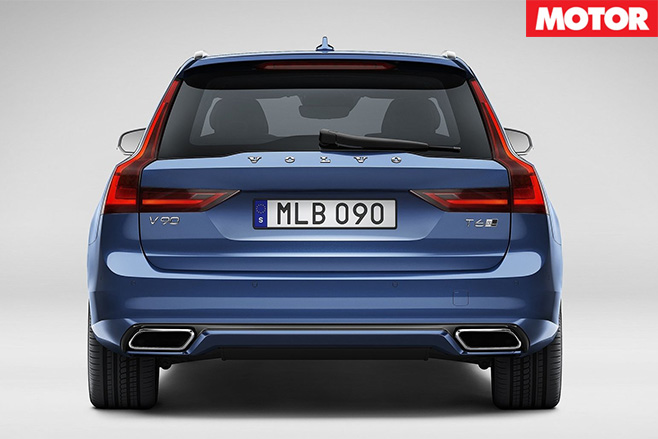
A torque figure of 640Nm also puts the large local’s 570Nm to shame, and the big Swede drives its figures through an eight-speed automatic to all four wheels.
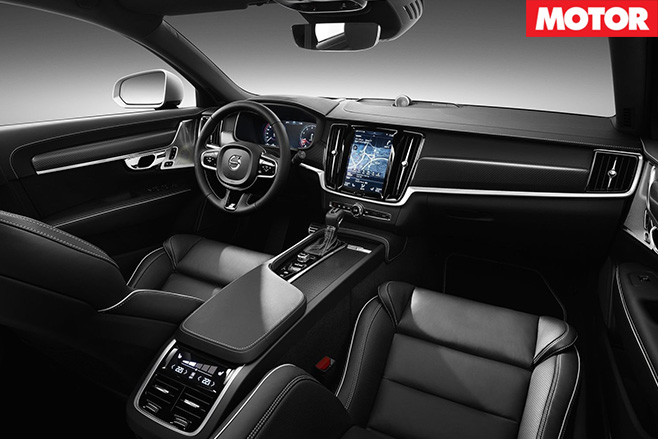
Being lighter, even this standard V90 T8 is three-tenths faster from standstill to 100km/h than the XC90 T8 Polestar, however.
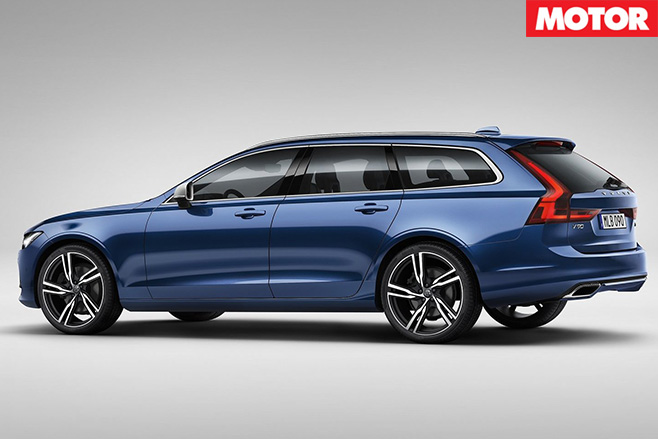
Now for the bad news. The S90 and V90 T8 R-Design won’t exactly provide Swede relief for existing Commodore SS Sportwagon owners because each Volvo will retail locally for more than $100,000 before on-road costs.
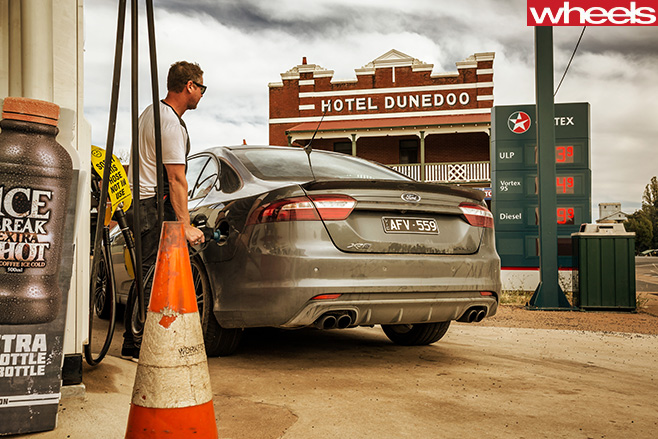
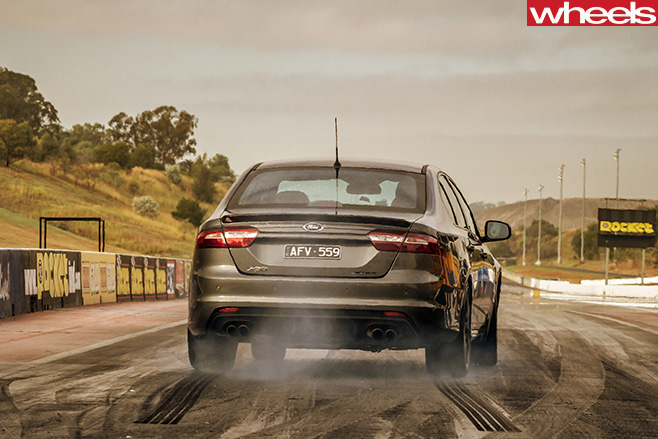
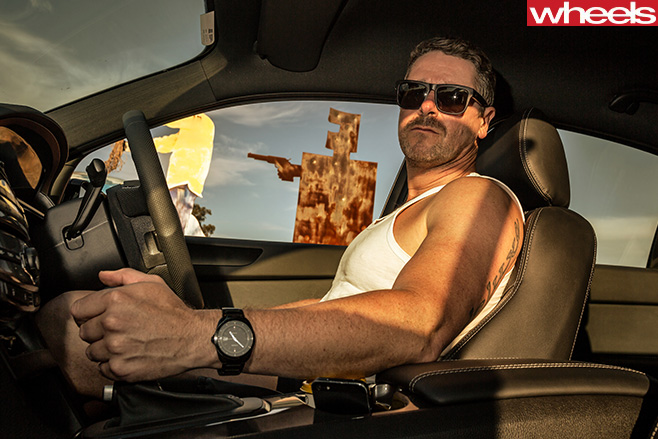
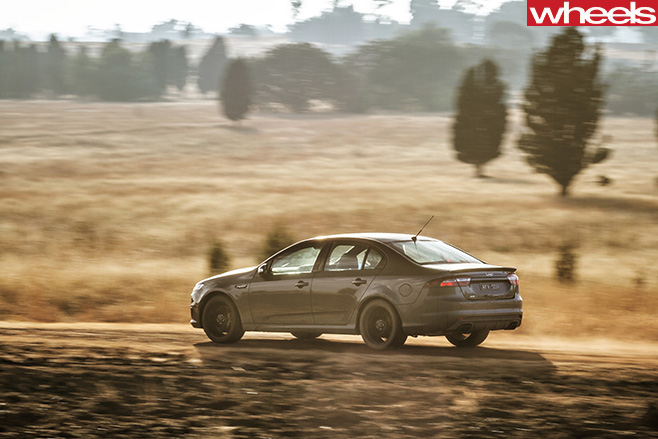
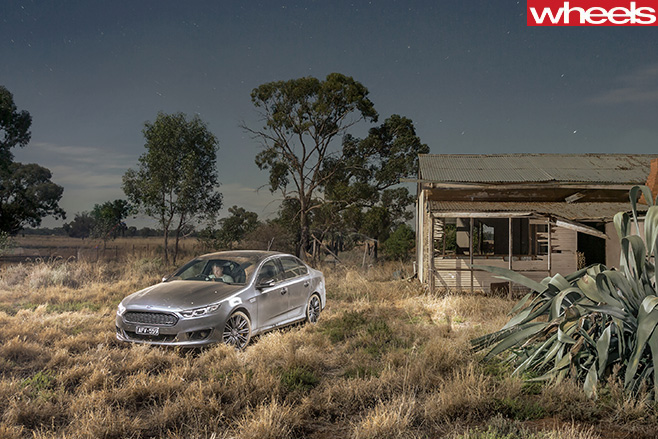
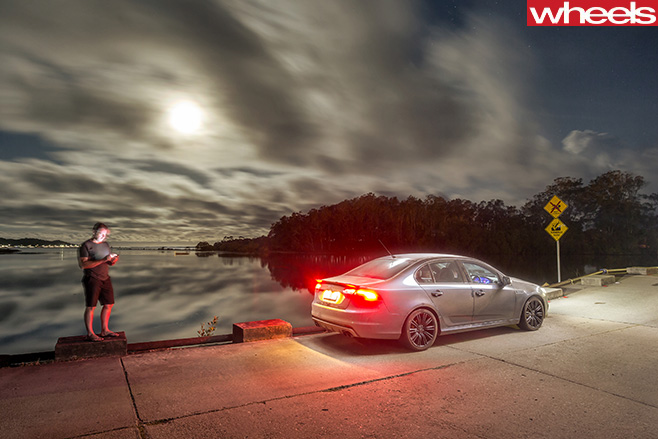
Farewelling a legend; Ponch’s emotional petrol bender in Ford’s final fast Falcon.
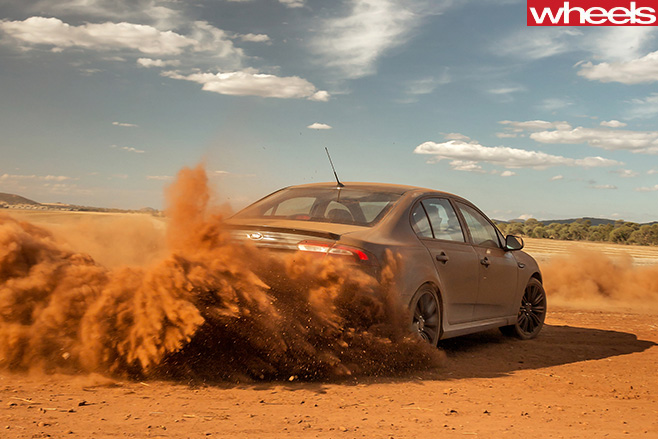
Let’s get the numbers out of the way. Three days, 2497km, 33 hours of wheel time, 312 litres of fuel, 73km/h average speed and 12.7L/100km. They’re not really that important. This is a celebration, not a dissection. The Falcon XR8 Sprint is Ford’s departure gift to its die-hard loyalists and if ever an Aussie car was measured in something other than numbers this is it.
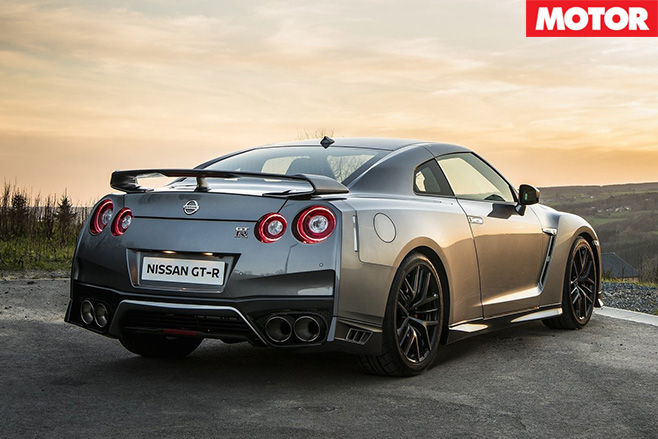
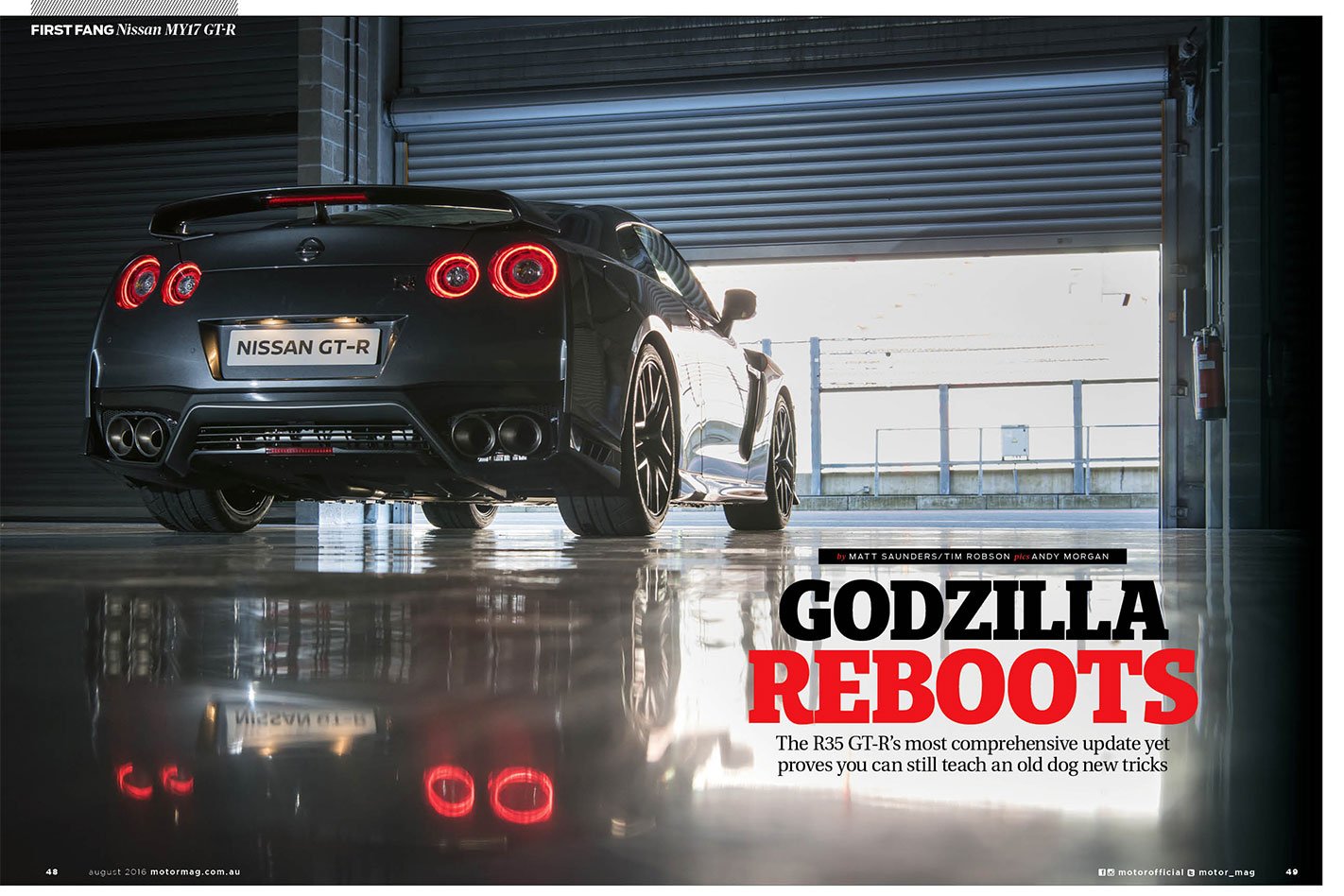
Marketing for the Nissan GT-R has long hinged around supercar-crushing 2.7-second 0-100km/h performance, but Godzilla’s maker has now fallen silent about its acceleration claim.
The latest MY17 Nissan GT-R – the first substantial facelift of the Japanese coupe since it went on sale in 2009 – focuses on improved drivability, refinement, and cabin and ride quality, with acceleration missing a mention.
UK magazine Autocar reported that, “As part of a curious new gentlemen’s agreement with fellow Japanese manufacturers, Nissan no longer quotes an official 0-100km/h time.” However Nissan Australia’s general manager of corporate communications Peter Fadeyev rejected this assertion.
“That doesn’t match anything we’ve aware of, in either our marketing or communications materials/conversations.”
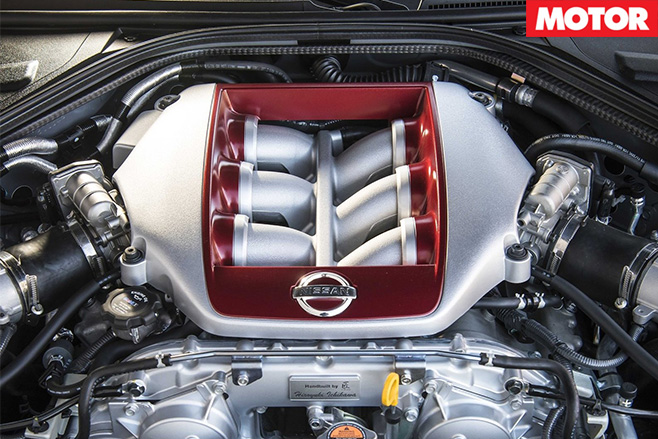
Despite outputs for the GT-R’s 3.8-litre twin-turbocharged V6 rising by 15kW/9Nm to 419kW and 637Nm, Nissan has declined to offer an official claimed 0-100km/h for its new model.
Even in Australia, Nissan has previously used billboard campaigns comparing the GT-R with the world’s faster runner Usain Bolt. “What if you had no competition,” one advertisement read. “What if the world’s fastest man went even faster?” read another.
Don’t expect those boastful campaigns when the MY17 GT-R arrives Down Under in September with its circa-$180,000 pricing unchanged – just like its performance, apparently….
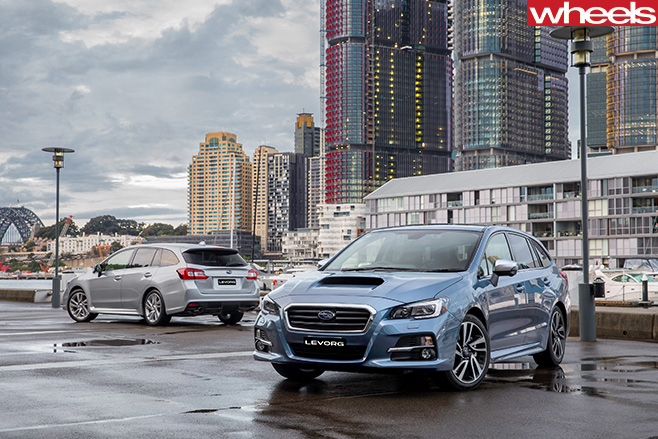
SUBARU has ruled out ever adding a manual gearbox for its WRX-engined Levorg station wagon, saying the need to attract female buyers has priority over the desire to build a driver’s car with a bigger boot.
Hiep Bui, an engineer at Subaru Australia who helped to tune the three-model line-up’s suspension to suit Australia’s unique road conditions, said a manual gearbox was never an option for the car, which will sell here only with a CVT. The sedan-based Subaru Impreza WRX, which shares its engine with the Levorg, has the choice of either the CVT or a six-speed manual gearbox.
“This car [Subaru Levorg] is the right car for the Australian market,” Bui said. “It suits the family male, who wants the feeling of a big car to drive, and also the family wife who wants to drive a smaller car, so the Levorg is a good compromise that fits right in.
“The WRX has attracted female buyers because it has a CVT,” he said. “For us, a male wants to drive the car, wants it to handle, they want to push it to its limit, which suits a manual.
Asked if the Levorg could one day come with a manual option, Bui said he didn’t think it would.
“The number of [potential] sales are not there to justify it,” he said. “The [Subaru] Liberty is all CVT, and that hasn’t got a manual option.
“There’s also the government regulations. The laws don’t make it easier to get a manual licence – you need to sit a different test for your P-plates if you want to drive a manual – and that’s a lot of deterrence [in the showroom].”
The CVT, along with the Levorg’s 128kW/tonne power-to-weight ratio for the entry-level $42,990 2.0GT and 124kW/tonne for the $48,890 2.0GT-S and $52,890 2.0GT-S Spec B also make it more P-plate friendly, another important factor for a family car, Bui said.
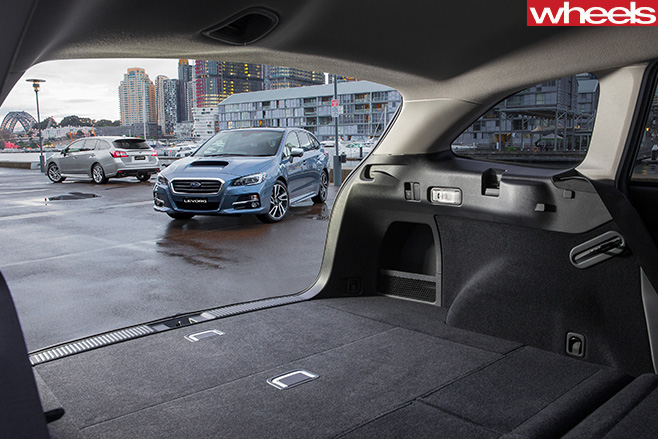
Bui said because it was a station wagon, owners would treat the Levorg very differently to a sedan-based WRX.
“We expect buyers to tow with the Levorg,” he said. “This is a wagon version, so many people will put their stuff in the back and hook up a trailer.”
The Levorg’s electronic stability control had been specially tuned to take towing into account after the engineering team found themselves forgetting there was a trailer on the back, and entering corners too quickly.
The Levorg is rated to tow 1200kg.
Andy Enright takes a look at some of the Goodwood moments that these drivers would best prefer were forgotten.
Lord March’s annual garden party at Goodwood House was held this weekend, once again attracting the great and the good of global motorsport. But for every motor racing legend that powers up the hill with otherworldly car control, there are those who get a bit overexcited at the prospect of performing in front of a crowd of thousands. Let’s take a look at some of those incidents where the longest-lasting damage was to panels and pride.
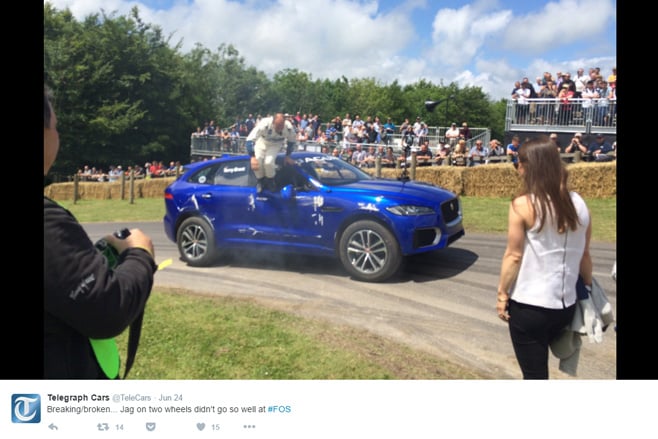
Nobody likes a show-off, right? That said, stunt driver Terry Grant is usually a reliable turn, capable of doing seemingly impossible things with cars. Driving a brand new Jaguar F-Pace on two wheels up Charlie March’s drive? No problem. That is until it crossed the finish line and promptly fell over at this year’s event, leaving Grant red-faced, Jaguar with a decidedly secondhand-looking demonstrator and the crowd guffawing into their Pimms.
2. Lamborghini Huracan Super Trofeo vs. Molecomb corner.
Molecomb corner is always one of the more testing parts of the Goodwood hill, and it claims its fair share of exotic metal. In the 2015 event, the driver of this Lamborghini Huracan Super Trofeo discovers that deploying 456kW of V10 good stuff on grass is only going to end one way. It’s a tough job, but hay – it’s in his jeans.
3. Sir Chris Hoy’s Nissan Skyline GT-R
Olympic track cyclist Sir Chris Hoy got to demonstrate his abilities behind the wheel of a Nissan Skyline GT-R, easily walking away with the 2014 prize for hay bale demolition. As a man who ought to be accustomed to turning left, Hoy really had little in the way of excuses. Even Nissan’s top brass, who described Hoy as a “committed Nismo athlete” must have forgiven him, the Scotsman getting a drive at Le Mans for 2016, successfully negotiating both right and left turns at La Sarthe.
4. Goodwood 1994. Lest we forget
The 1994 event was forged in the white-hot crucible of ineptitude and saw many drivers fighting tooth and nail to relinquish control of their vehicles. Watch a Jaguar XJ220 driver demonstrate some balletic understeer and Mike Wilds perform an aerial 360 in Gilles Villeneuve’s Ferrari 312. Mike suffered a broken leg in the incident but was soon back in the saddle. The Ferrari required a bit more convalescing.
5. 1989 Lotus-Judd
Ever since the authorities at Goodwood deemed outright speed records up the hill to be a little too dangerous for the prevailing safety conditions, it’s become incumbent on drivers to instead put on a show in other ways. This driver decides that the best way of entertaining the crowd is to make a complete clot of himself in a 1989 Camel Lotus-Judd, effectively channelling the car control of a Mustang driver peeling out from Cars and Coffee. His explanation was a broken rear suspension part. It may even have been true.
6. Rod Millen’s Pikes Peak-winning Toyota Tacoma
Rod Millen’s Pikes Peak-winning Toyota Tacoma develops over 800 horsepower, gets to 100km/h in 1.6 seconds and here demonstrates the dangers of what chassis engineers would call ‘differential mu’. Dipping one set of wheels onto the grass of Goodwood’s narrow drive, the Tacoma goes fishtailing up the track. It’s like watching your dad play Gran Turismo. The flag marshals sensibly run away and the poor Tacoma gets a lap of honour on the back of an Iveco recovery truck.
7. Gary Ward and Ayrton Senna’s Lotus 98T
When given the opportunity to drive Ayrton Senna’s Lotus 98T F1 car up the hill at the 2013 Festival of Speed, driver Gary Ward decided to adopt the Brazilian’s credo of win or crash, promptly oversteering the car heroically into the scenery. Perhaps the best part of this clip is not so much the crash, but the valuable contribution from Captain Obvious in the crowd in the immediate aftermath.
8. ‘World’s Fastest Man’ comes undone in a Jag
Wing Commander Andy Green, holder of the Land Speed Record in Thrust SSC, showed that even the ‘world’s fastest man’ could go from hero to zero in a matter of seconds. Crashing the rapid response vehicle supplied by Jaguar for the Bloodhound SSC land speed record attempt was embarrassing, but almost demolishing a TV camera tower in the process took the biscuit. Re-running the crash in his mind, Green said later: ‘Jaguar are not going to be very happy.”
9. Soap box racing: don’t try this at home
Soap box racing was banned for a number of years at the Goodwood hill on the grounds that it was too dangerous. Watch this video and you’ll understand why. Little to nothing in the way of crash protection, speeds of over 100km/h, inexperienced drivers and plenty of solid things to hit are a recipe for disaster. Thankfully, this crash only ended up in bruised pride and a wrecked kart, but we have to salute the driver’s commitment. If Plan A – drafting – doesn’t work, instigate Plan B: go airborne and inverted.
10. Going large in a Gumpert Apollo supercar
If you’re going to crash at Goodwood, do it with style. There’s not a lot that’s more heroic than seeing a Gumpert Apollo supercar attack Molecomb at maximum angle of drift. For about a third of a second you are Steve McQueen, the cover shot for the Festival of Speed brochure next year. An instant later, you’ve just wadded a million dollars worth of Roland Gumpert’s finest. The commentator describes it with typical British understatement as ‘a bit of a moment’. Perhaps the most touching part is the driver’s attempt to drive the car away as if nothing has happened; “Nothing to see here…”
Fiat Chrysler has hinted it wants the storming 527kW Dodge Challenger Hellcat for Australia but it seems a lowly importer has beaten them to it.
Dodge’s tyre-frying Hellcat coupe is now available in Australia – converted to right-hand drive, fully legal and road-registered.
But not from Fiat Chrysler Australia, but thanks to Melbourne-based importer Crossover Car Conversions, who will hand you the keys to a brand new car ready to hit Aussie roads for approximately $190,000 after a five-month wait.
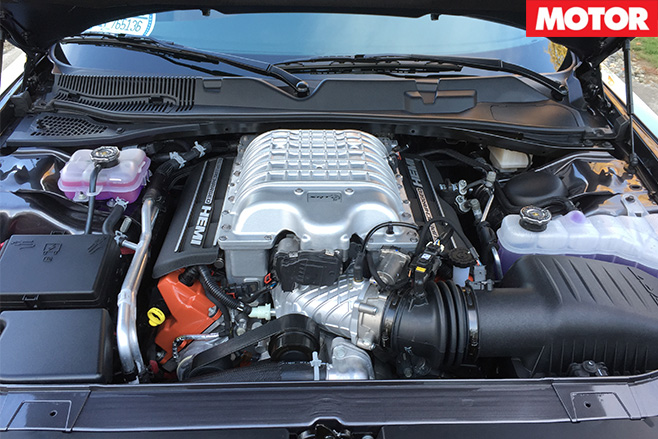
For your nigh-on $200K you get one of America’s maddest muscle cars, a rear-drive coupe with “the most powerful production V8 engine ever”, a supercharged 6.2-litre Hemi capable of 10.8 second quarter miles straight from the factory – or so Dodge USA claims.
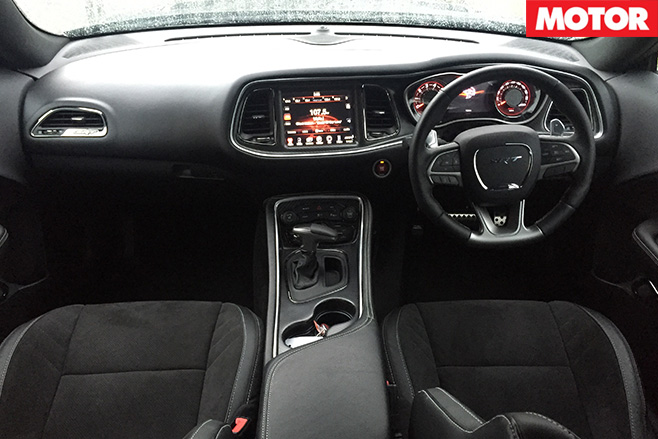
Dodge also claims the big, burly Challenger Hellcat – longer than a Holden Commodore and weighing 2027kg – can do 0-100km/h in 3.6 seconds on its way to a 320km/h top speed.
To convert the car to right-hand drive Crossover Car Conversions has developed a new dash, console and firewall, swaps in a right-hand drive steering rack from a locally-sold Chrysler 300 SRT, and the exhaust system from the same car.
“The American exhaust is too loud,” said Craig Dean from Crossover Car Conversions. “The car we’re working on at the moment, it has basically a modified local 300 SRT ADR-compliant exhaust.”
Dean said four Challenger Hellcats have either arrived or are en-route to Australia, one customer apparently unsatisfied with the stock car’s 527kW/880Nm and requesting a modification kit that bumps power to beyond 600kW, or 800 horsepower.
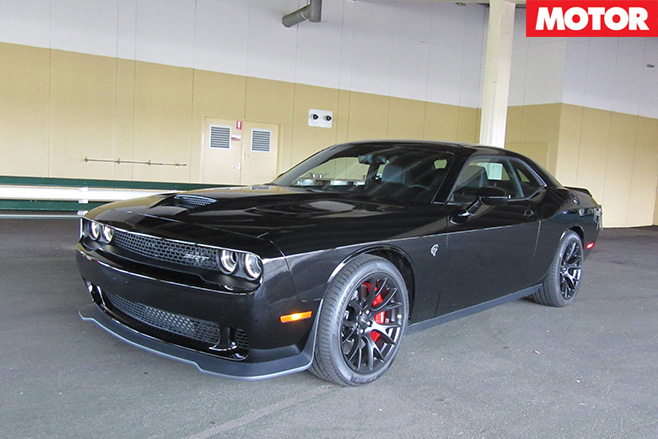
Crossover Car Conversions was also able to make the headlight-mounted intake feed meet ADRs – one of the design signatures of the Hellcat.
As for the four-door Charger Hellcat, Dean said it’s eligible for importation – but has no plans to develop a conversion kit for it at this stage, his business focused on R&D for other cars like Ford’s imminent revised F150 Raptor.
While Fiat Chrysler has said it wants more Dodge cars for Australia it hasn’t named Challenger specifically – and that any Aussie arrival might yet be some way off.
“FCA is working closely with the US, we’re pushing hard with a number of business cases to bring next-generation Dodge models to Australia,” Fiat Chrysler Australia spokesperson Lucy McLellan told MOTOR.
The new generation Challenger is due for American release in 2018.
Falcon fans have taken performance testing Ford XR Sprints into their own hands with impressive results.
The folks from FalconForums.com.au secured the same XR6 and XR8 Sprint vehicles we’ve tested on a number of occasions now and performed 0-100km/h and 80-120km/h tests at a private facility outside of Melbourne.
For the XR6 Sprint the best numbers achieved were 0-100km/h in 4.5sec and 80-120km/h in 2.4sec, while the best numbers for the XR8 were 0-100km/h in 4.6sec and 80-120km/h in 2.3sec.
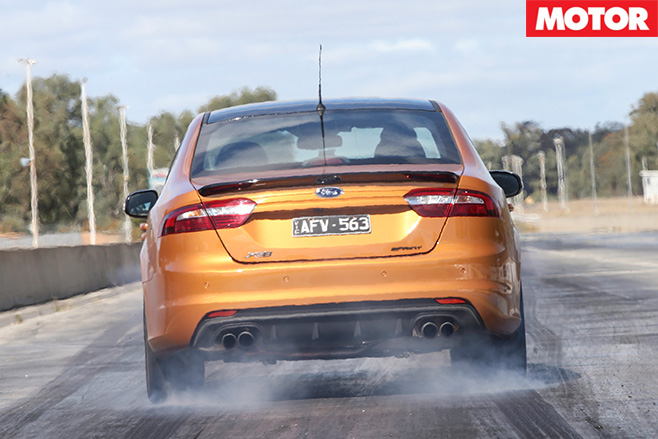
For the full story, including details on the testing procedure, check out the original thread here.
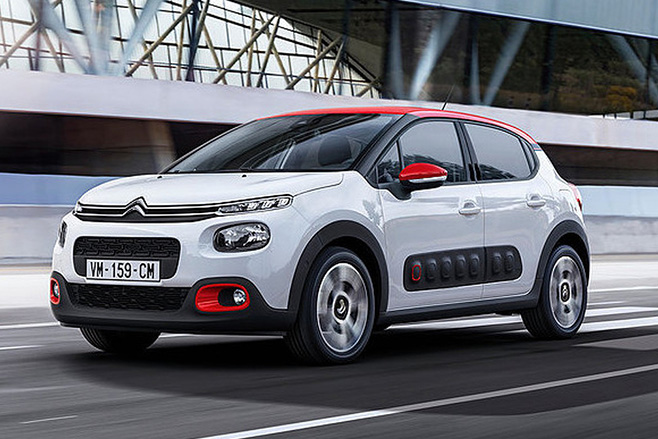
The 2017 Citroen C3 has been unveiled with styling inspired by the brand’s quirky Cactus model and a raft of Mini-style customisation options.
Citroen Australia is currently negotiating a potential mid-2017 introduction for the French brand’s latest-generation city car, which competes against rivals such as the Ford Fiesta, Mazda 2 and Toyota Yaris.
The five-door vehicle, which is a fraction shorter than four metres in length, is available in up to 36 possible colour combinations.
There are nine body colours and three roof colours, while customers can also select colour options for the foglight surrounds, side mirrors, rear window surround, plus the distinctive, scratch-proof Airbump side panels that are borrowed from the C4 Cactus.
A notable highlight inside the C3’s cabin is a full-HD camera mounted behind the rear-view mirror. The driver or front passenger can use the ConnectedCam system to record photos or videos for sharing on social media (read our separate story).
There’s also a rear-view camera, with other available safety systems including lane departure warning and blind spot detection.
The minimalist cabin is dominated up front by a 7-inch touchscreen that Citroen calls the C3’s “control centre”. There is a conventional instrument cluster ahead of the driver.
Citroen says it has focused on cabin ergonomics, as part of its previously reported ambition to produce the most refined and comfortable cars in the segments in which it competes.
This includes a panoramic sunroof for a brighter interior and specially constructed seats.
The French brand describes some of the cabin’s cubby-storage options as “ingenious”. Boot space is certainly good for the class, at 300 litres.
Engine options for Australia will include three three-cylinder petrol engines and two diesel engines. A six-speed manual is the standard gearbox with a six-speed auto also to be offered.
The Citroen C3 is only likely to be released in Australia if its local subsidiary can negotiate a good business case with its French headquarters. The current model was axed from Australia in 2015 due to poor sales blamed on the C3’s relatively high pricing in its price-sensitive segment.
Welcome to a preview of MOTOR‘s August 2016 issue, on-sale July 7.
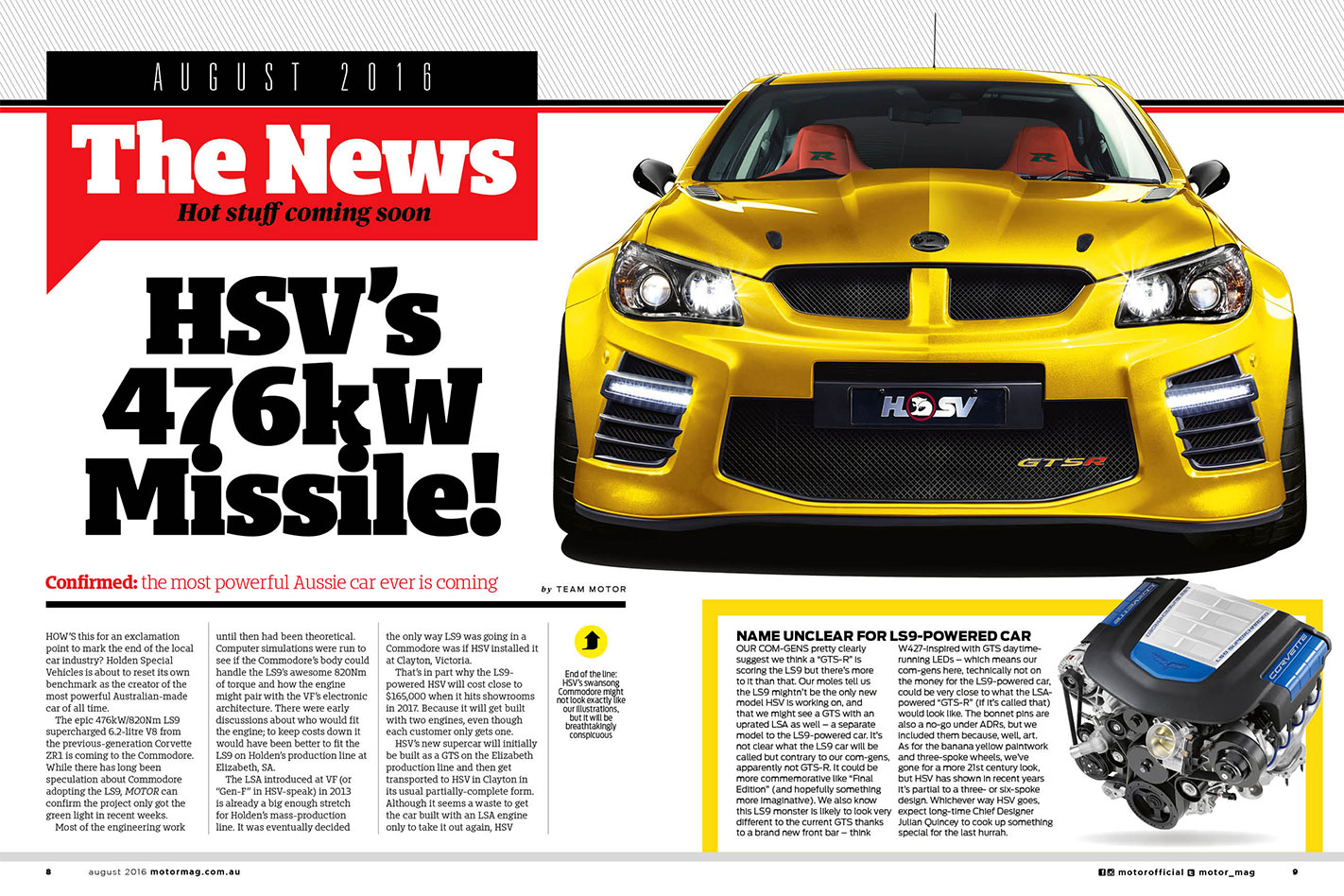
Yep, HSV is planning to build Australia’s fastest and most powerful production car ever, and the rest of the range is to receive an upgrade, too.


Whether you’re a regular snow driver or decide this is the year you’ll take on the slopes, here are a few tips to keep your family and friends safe on any road trip to the mountains.
Getting to the snow
- On your way up to the ski slopes, there will be signs and dedicated chain-fitting bays. Make sure you use them, even when you think you won’t need them. If it starts snowing, or you push it too far, your car’s wheel arches will fill with compacted ice, making it very difficult to fit chains. Also, as the temperatures drop, you’ll be grateful you saved your numb fingers the pain of fitting chains. In Australia, it is a legal requirement to carry chains when driving in the snow.
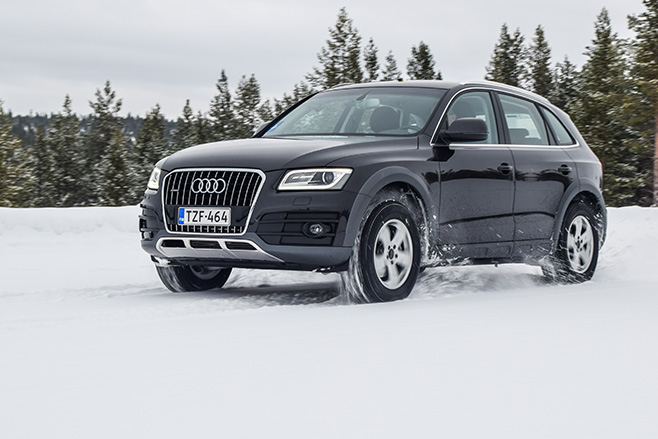
- Snow chains should be fitted to the driving wheels of your car. So if you’re in a rear-wheel drive car, chains go on the rear tyres. Front-wheel drive and all-wheel drive cars fit chains to the front tyres.
- Use anti-freeze in the radiator to prevent it freezing, and if you drive a diesel vehicle, fill up with alpine mix fuel at the final service station before you start the climb.
- Make sure you pack an ice scraper, shovel, tow rope, rubber gloves, ground sheet (for fitting chains), a charged phone and a torch.

- If you’re a regular traveller to the high country, invest in winter tyres. They work better than regular tyres when temperatures drop below 7 degrees, regardless of whether there’s ice on the road or not. Tests have shown that a front-wheel drive car on winter tyres outperforms an all-wheel drive car on all-season rubber in snowy conditions.
- Where possible, use your gears to brake the engine when descending instead of using your foot brakes which can cause your tyres to loose traction. Keeping your car in a lower gear than you’d expect will prevent nasty skidding experiences.
- If you’re in a rear-wheel drive car, tie down something heavy in the boot, like sand packs. This will counterbalance the weight of the front of the car and prevent your rear wheels from skidding.
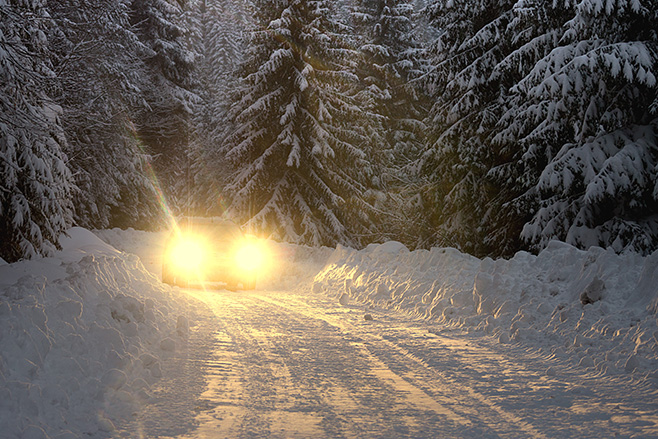
- If visibility is low, always use your headlights.
Parking in the snow
- When parking your car, don’t use your handbrake. Dampness can creep in and cause your cables to freeze. If you’re worried about your car parking on an incline, chock your tyres instead.
- If you’re in a manual car, leave the car in gear and the wheels turned away from the slope. This will stop the car rolling if the handbrake fails. If you’re in an auto, do what you would usually do and put it in park.
- While parked, leave your windscreen wipers raised, and cover them with a plastic bag. This prevents them from sticking to the glass.
- Try and park your car in an area that won’t get much shade. The day-time sun will thaw out your car each day.
- If you’re driving an older car, put some tape over the door locks to prevent water getting in and freezing the locks.
Leaving the snow
- Clear ice and snow from the windscreens and roof of your car before you start driving with a plastic de-icer or a brush. If you start driving while your car is still covered, you could create a hazard for other drivers. Driving and braking hard doesn’t work, so don’t bother. It’s an offence to drive before clearing snow from your car.
- After a couple of days in the snow, leave the engine running for a few minutes before taking off to give your car time to heat up.
- If you’re travelling with skis and snowboards, lock them away in a roof box, instead of strapping them to roof bars. This will save you a lot of fuel.
