
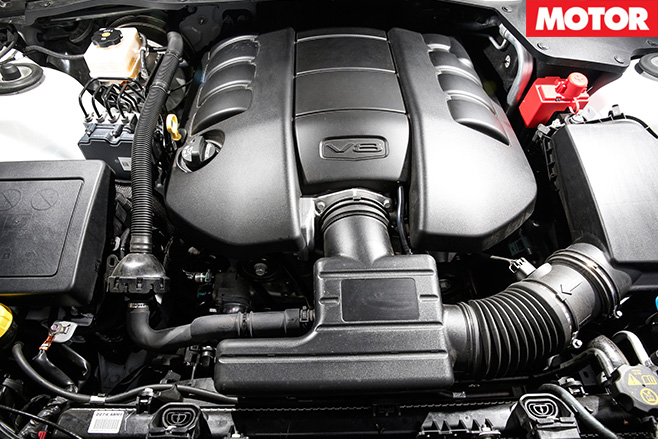
Not surprisingly, the installation of GM’s 6.2-litre LS3 V8 has done excellent things for Holden’s VF II Commodore range.
To be honest, we can’t think of many things a 6.2-litre V8 wouldn’t improve, but combining it with a rear-drive ute is certainly going to be a happy marriage.
You know the headline numbers by now, 304kW/570Nm shaving the 0-100km/h time to just 5.0sec when equipped with the six-speed auto, the manual a tenth faster. An extra 34kW/40Nm is bound to have a profound effect on any vehicle, especially one with such little weight over the driven wheels. But what’s impressive is just how unperturbed the VF II ute is by the substantial increase in grunt.
However, it’s generally very easy to control and capable of impressive speed for something with a 2064-litre boot. This was true for the original VF ute, too, but the difference now is the bits of road between corners disappear much more quickly.
The LS3 revs cleanly and has awesome overtaking ability, but as with all VF II SSs the thing that hits you like a hammer to the face is the sheer volume of noise. Thanks to the new bi-modal exhaust and mechanical sound enhancer (to pipe engine sound into the cabin) it makes a glorious racket, sounding like a hot-rodded old Holden 308.
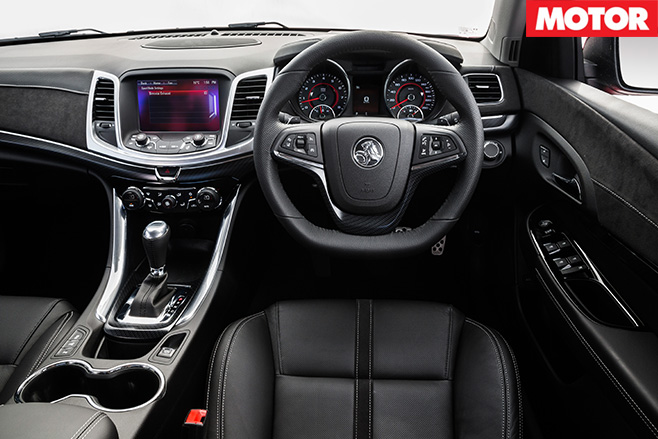
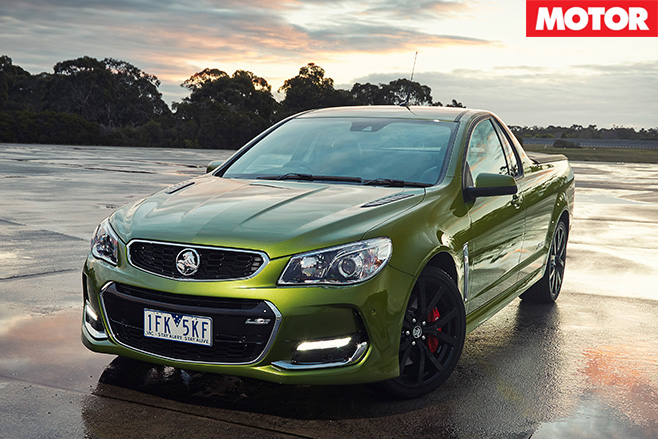
For our money, though, the Redline (which we’ve pictured) remains the standout and is well worth the extra $5500. It’s the lightest and most agile of the Redline range, as well as the cheapest, and the brake, suspension and rolling stock upgrades mean you have a car that can not only haul furniture and tow the boat, but tear up a track as well.
4 OUT OF 5 STARS
LIKE: LS3 grunt, hot-rod soundtrack, day-to-day package DISLIKE: Under-braked, small payload
SPECS Engine: 6162cc V8, OHV, 16v Power: 304kW @ 6000rpm Torque: 570Nm @ 4400rpm Weight: 1753kg 0-100km/h: 5.0sec (claimed) Price: $41,490-$50,990
Fancy playing the classic car market? Here are twelve cars that are worth a look right now.
So you missed the boat on the ‘overs’ market for the new Mustang and reckon that the classic market’s peaked a few months back? You’re not out of the game just yet. Look a bit more carefully and the classic investor can still find value in a nervous market. Here we line up twelve cars that are worth your consideration. Some are easy to track down while others will require more spadework. One thing they all have in common is that even if the market flatlines, you’ll be left with a great car.
PENNY SHARE POTENTIALS
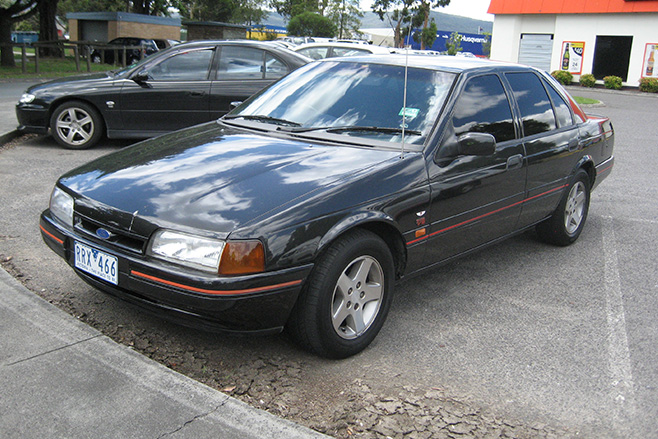
Ford Falcon EB S-XR8
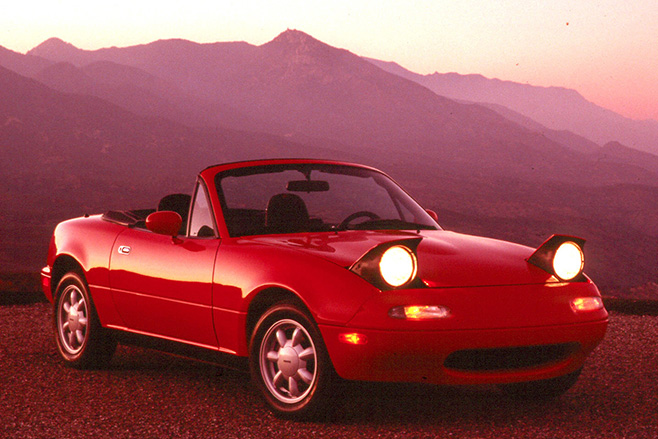
Mazda MX-5
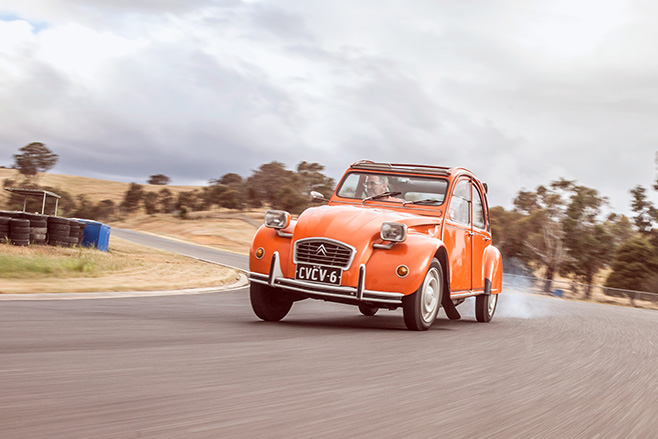
Citroen 2CV
MODERN CLASSICS
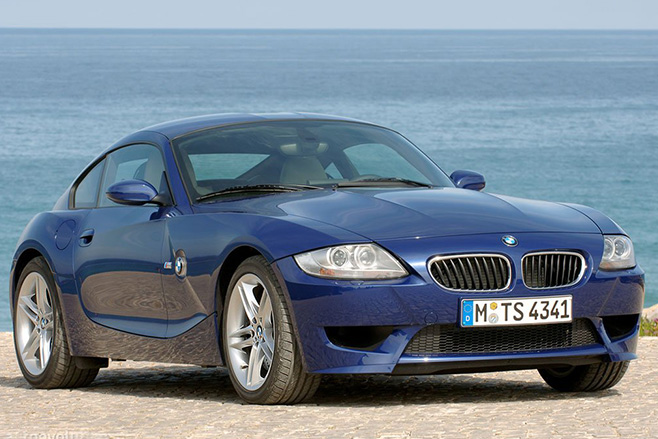
BMW Z4 M Coupe
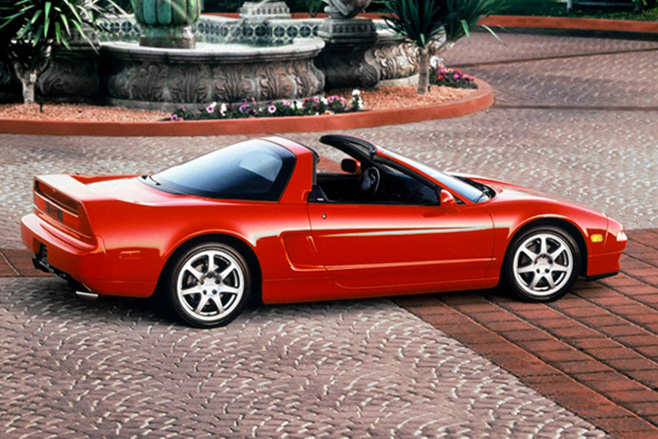
Honda NSX
Holden Monaro CV8-Z
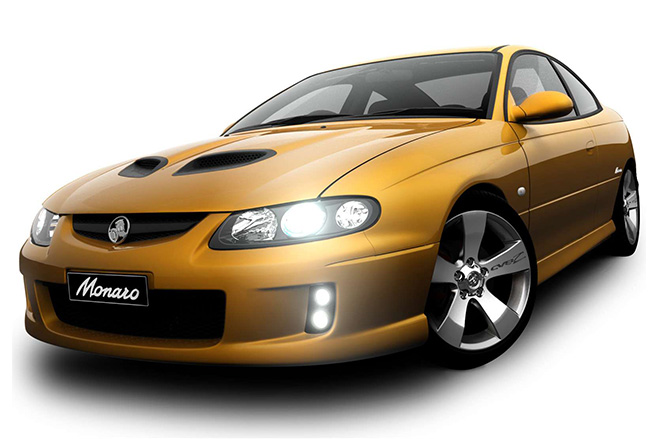
FAILED TO LAUNCH: SPECULATIVE PICKS FOR THE LONG-TERM INVESTOR
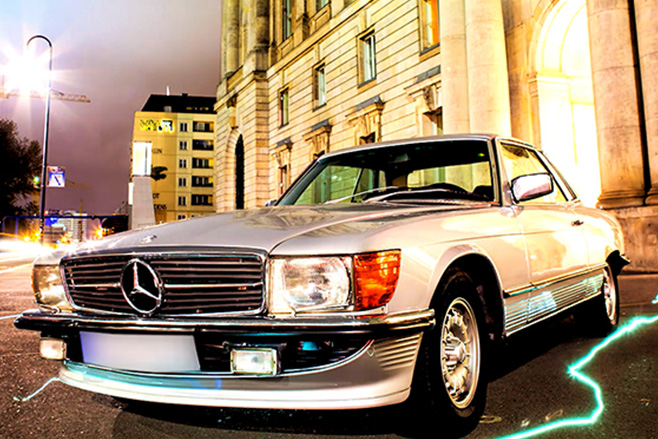
Mercedes-Benz 450 SLC
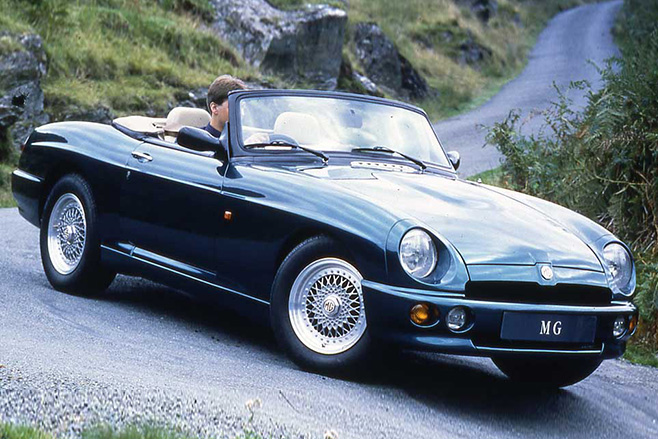
MG RV8
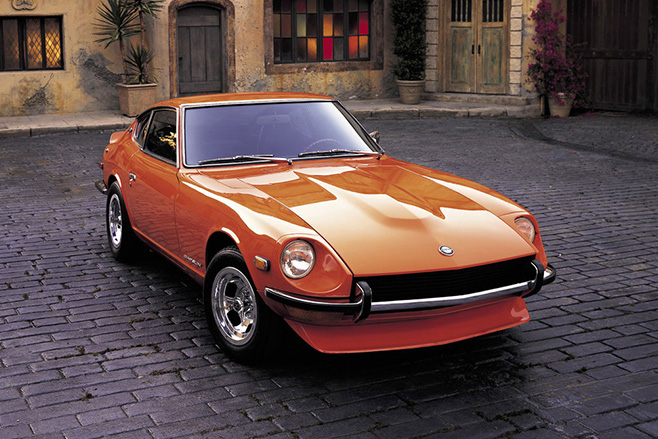
Datsun 260Z
FORGOTTEN EXOTICS
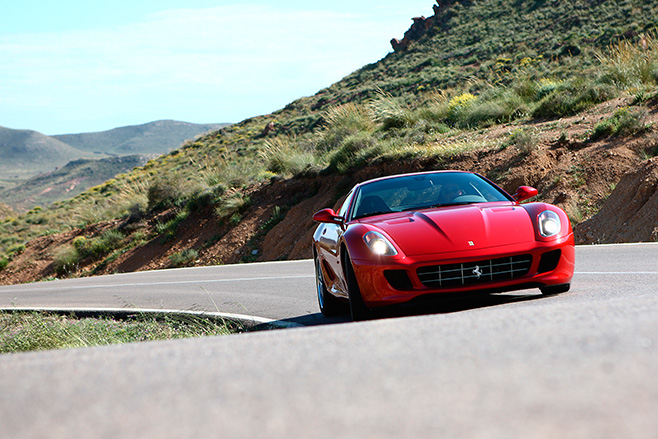
Ferrari 599 GTB
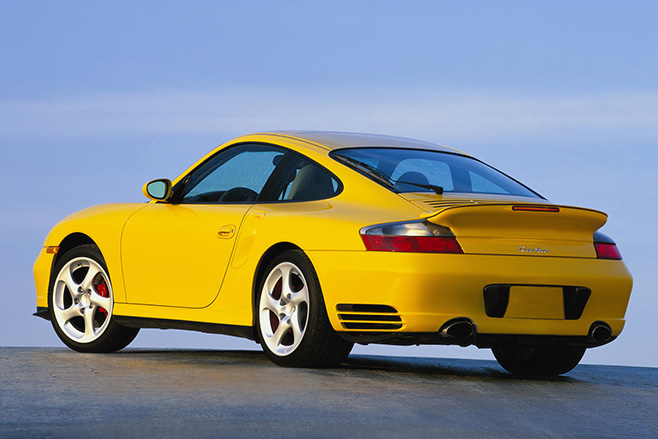
Porsche 996 Turbo
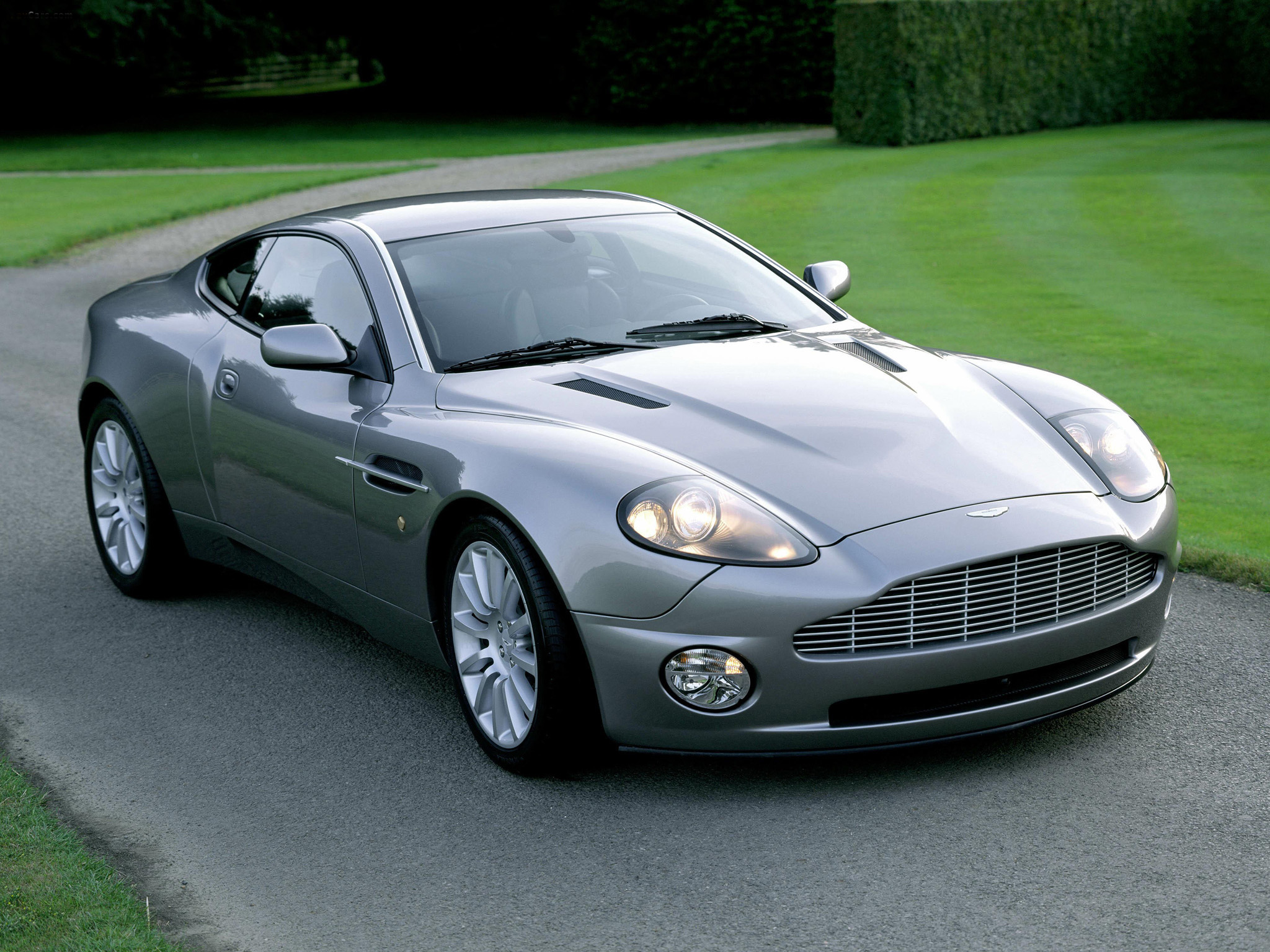
Aston Martin V12 Vanquish
New technologies in autonomous driving and hybrid efficiency will be rolled out by Japanese car maker Nissan in a bid to achieve CEO Carlos Ghosn’s ambitious goal of becoming the market leader in both areas.
Discussed at last week’s annual shareholders meeting, Ghosn confirmed Nissan’s e-Power hybrid technology and the firm’s ProPilot autonomous driving technology will both appear in Nissan’s domestic-market production models by as early as the first quarter of next year.
The e-Power hybrid technology — which debuted on last year’s Gripz Concept — uses an electric motor to power the car while reserving the smaller internal combustion engine purely for battery charging duties when required.
According to Nissan, the range-extending petrol engine has both cost and weight advantages over more traditional hybrid technologies, saying the batteries can be smaller while the generator-style petrol engine will be tuned for consistent and peak efficiency.
Nissan is also hard at work on its autonomous driving technology, which will culminate in 2020 with up to 10 production models featuring sophisticated self-driving capabilities.
Working around a three-step roll-out strategy, Nissan says its ProPilot technology is at a point where it can stop, start and steer effectively on single-lane roads. By 2018 it expects the technology to be proficient on multi-lane roadways and has a goal of ProPilot being able to negotiate multi-lane intersections by 2020.
“By 2020 you’ll find multiple models with ProPilot in major mass production in the US, Japan China, and Europe,” the firm said.
Mitsubishi has released a teaser for its Grand Tourer Concept, which is set to make its debut at this year’s Paris Motor Show.
What the Japanese firm is calling ‘the latest evolution of its new design philosophy and SUV ambitions’, the concept will feature Mitsubishi’s plug-in hybrid technology, which it says will result in effortless cruising in both on and off-road modes.
The Grand Tourer Concept will be the third hybrid or electric-powered concept vehicle unveiled by the marque from as many international shows. The roll-out began at last year’s Geneva Motor Show when Mitsubishi revealed the lightweight XR PHEV II concept – also employing the plug-in hybrid technology. The 2015 Tokyo Motor Show saw the covers pulled off eX Concept, which was a more compact electric-powered two-door SUV concept.
The Grand Tourer moniker suggests the latest concept will be the largest and highest spec of the three crossover models, which we’ll find out when the Paris Motor Show flings open its doors on Thursday, 29 September.
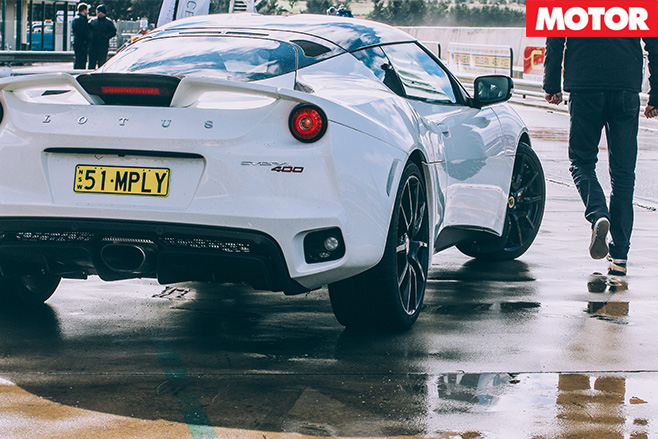
It is the day the UK voted to divorce Europe, but above the Lotus Evora 400 and NSW’s Wakefield Park Raceway the very British weather – 3.0°C, cloudy, raining – is not prepared to part ways.
The two-thirds-reengineered coupe should feel right at home, then. The Evora 400 costs $184,990 with a six-speed manual or $194,990 for the optional six-speed automatic, respectively $4400 and $7400 pricier than the previous Evora.
Mention the Porsche Cayman GT4 and Lotus executives will politely remind you the Evora 400 is a 2+2 offering, like a 911. Then they will point out the Evora Sport 410 drops another 70kg over the Evora 400 to weigh just 1325kg and in the process ducks 15kg beneath that German two seater.
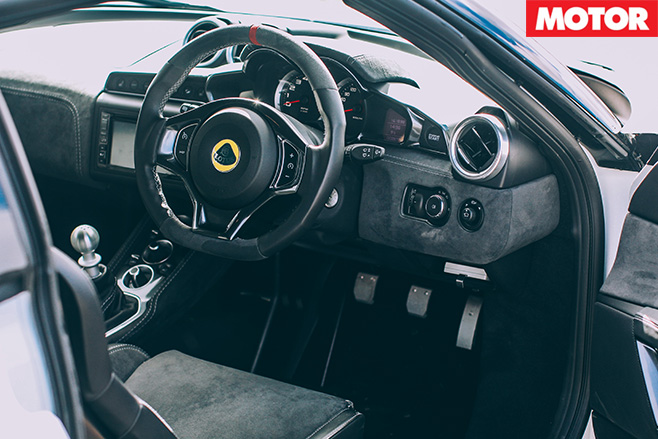
Lotus is not renowned for producing high-quality cabins, but the latest Evora is my some margin its most convincing effort. Stitched leather and real aluminium trim is placed liberally around the redesigned dashboard and the steering wheel is one of the greats to hold.
The Evora 400 is easier to get into (and out of) thanks to a redesigned aluminium tub (sills lowered by 56mm, width reduced by 43mm) and the seats feel broader and yet they’re still supportive. Lotus should never have allowed its new flagship out of the factory with an aftermarket Alpine sat-nav/audio unit, though.
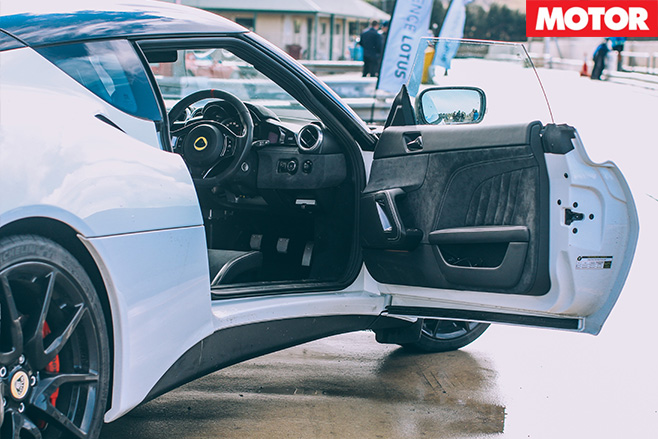
This Lotus feels light on its feet, expectedly, but it also feels engaging, with road ripples trembling through the deliciously smooth steering.
The Toyota-derived 3.5-litre V6 scores a new Edelbrock supercharger to raise outputs by 40kW/10Nm to 298kW at 7000rpm and 410Nm at 3500rpm. The aluminium-levered manual’s action is of the delightful snickety-snick variety.
The 235mm 19-inch front/285mm 20-inch rear Michelin Pilot Sport tyres are perhaps not the first choice for a wet racetrack. The lack of grip exacerbates the slightly snappy characteristics of the Evora 400 if the driver is not perfectly patient and smooth.
But the top of the track is drying and filtering through Drive, Sport and Race traction control modes reveal that all help rather than hinder proceedings. Even in Sport, the Evora 400 can be thrown into dry corners with amazing conviction. The auto is sometimes brutal, but it’s no Porsche PDK dual-clutch for shift speed.
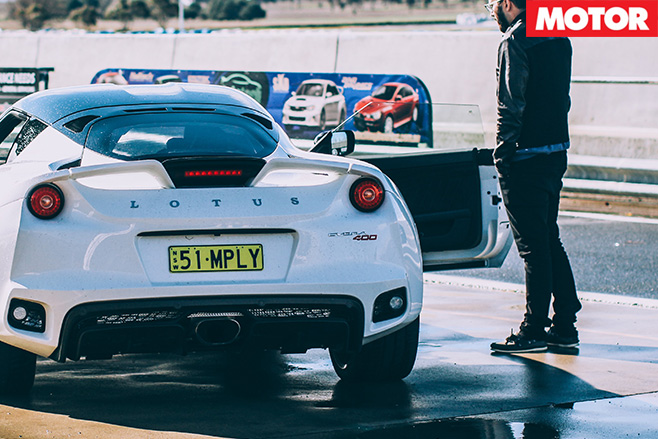
The segment underdog has broadened its scope of appeal, but the British will in this instance still have a tough time trying to pull clear of Europe’s best.
3.5/5
Like: Improved interior, stellar steering and ride Dislike: Awful infotainment system, optional cruise
Specs Engine: 3456cc V6, dohc, 24v Power: 298kW @ 7000rpm Torque: 410Nm @ 3500-6500rpm Weight: 1395kg 0-100km/h: 4.2sec (claimed) Price: $184,990
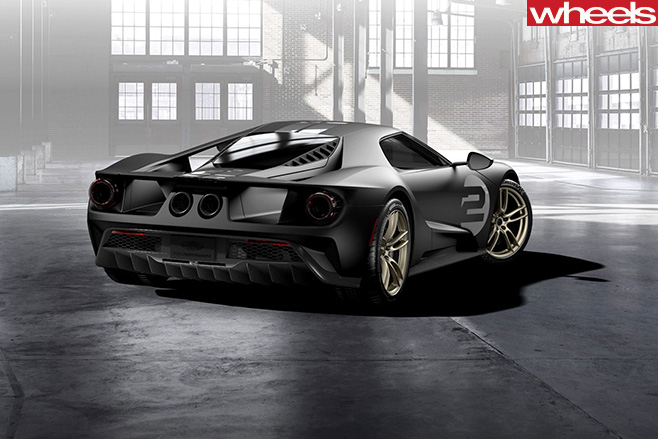
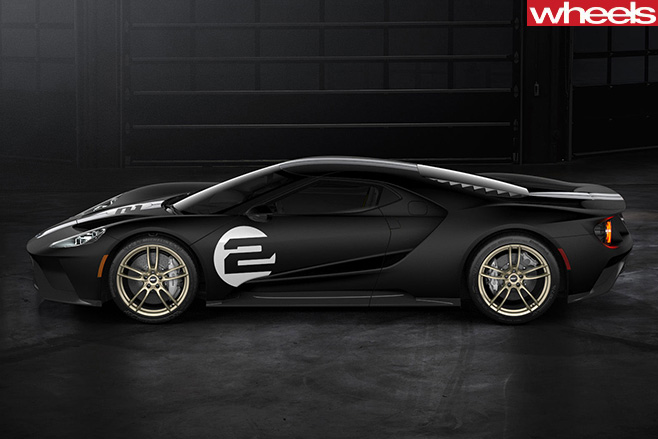
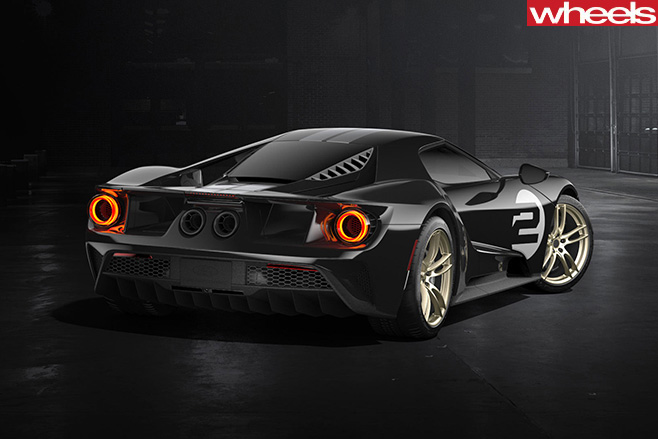
Ford’s super cool GT40 just got a whole lot cooler.
Fifty years after Ford’s historic three-car sweep of the 1966 Le Mans 24 Hour, and on the heels of their LMGTE Pro class win at this year’s event, Ford has announced the ’66 Heritage Edition of its 2017 Ford GT.
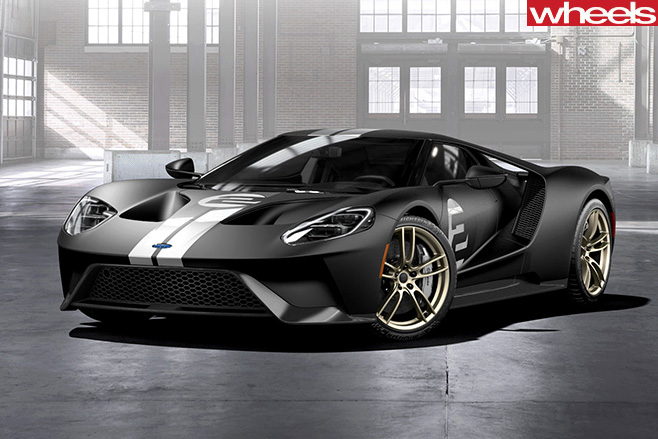
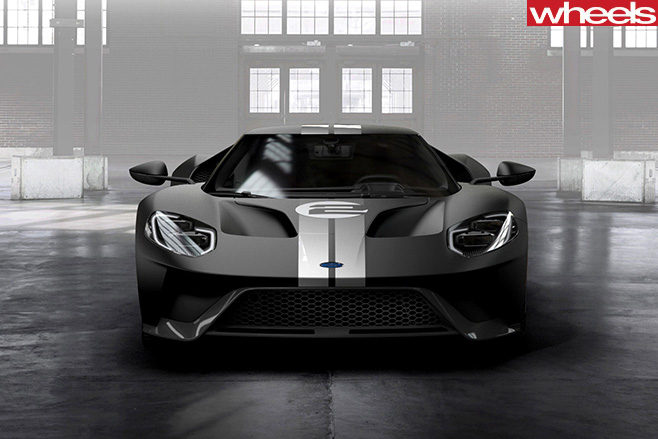
On the inside, the carbon fibre seats are wrapped in black leather to match the leather-wrapped instrument panel, pillars and headliner. In a nod to McLaren and Amor’s 1966 car, the seatbelt feature blue webbing while the shift paddles, instrument panel and the seat’s X-brace all boast gold highlights to highlight the supercar’s exclusivity. There’s a numbered identification plate and race-number graphics while the door sills, air register pods and centre console are all exposed matte carbon fibre.
Toyota’s ageing workhorse – the Landcruiser 70 series – is being fitted for the first time with electronic stability control and traction control systems, with additional upgrades including cruise control, brake assist, and electronic brake-force distribution.
Toyota has scheduled the updates for the last quarter of the 2016 calendar year.
The best-selling single-cab will be the only variant in the range to add curtain and driver’s knee airbags, which Toyota says it expects to elevate this model’s independent crash safety rating from three to the five stars.
It will be a critical score for the 70 Series owing to the fact that an increasing number of fleet-buying companies have policies requiring vehicles with the maximum safety score.
The LandCruiser 70 Series’s 4.5-litre V8 turbo diesel engine – which powers all variants including the aforementioned single-cab, a dual-cab, wagon and Troop Carrier van – will also achieve a Euro V emissions rating. This has been achieved both through revised gearing of the six-speed manual transmission and new piezo injectors that spray fuel into the engine’s combustion chambers more accurately and therefore more efficiently than conventional injectors.

Toyota says the improved direct fuel injection system also improves low-rev response, while the revised gear ratios also improve drivetrain refinement.
Toyota Australia engineers have aimed to further reduce vehicle vibrations by strengthening the vehicle’s frame with thicker side rails.
The suspension’s springs and dampers have been adjusted in conjunction with the stiffer frame, which Toyota says aids vehicle handling and stability. The stability and traction control system development was focused on dirt roads, farms and country freeways where the 70 Series is most commonly used.
The engineering changes could be among the last made by Toyota Australia, with its local Technical Centre due to close imminently ahead of the Japanese brand’s 2017 exit from local manufacturing.
The Toyota LandCruiser 70 Series is currently priced from $56,990.
NASCAR Truck racers Jon Wes Townley and Spencer Gallagher got into the fence and into each other late in a spotty race at Gateway Motorsports Park in Madison, Illinois, last weekend, bringing out a full course caution as workers moved in to clean up the mess.
As the boys emerged from the wrecks, a fired up Townley (in the yellow and black) decided to have a chat with Gallagher (in blue). Now, whether they were both tired from the race or whether both are singularly unversed in the finer points of Queensbury Rules it’s hard to say… but the snickering and outright laughter from the commentary team of the fight that ensued surely tells the tale.
The fact that the track workers glanced at the boys, shrugged and got on with their jobs also speaks volumes…
After being separated – or stopping in sheer embarrassment – both blokes were transported to the infield care centre (in separate ambulances, natch), and both can expect to front NASCAR officials before next weekend – possibly for putting on the lamest spectacle seen in recent years.
It’s generally held that buying a new car is an exercise in managing depreciation. Some cars hold onto their value better than others, but look carefully and there are some cars that – if you keep them long enough and look after them well enough – could net you money in the longer term. Obviously exotics like Ferraris, Lamborghinis and McLarens are the key contenders here, but what if your budget doesn’t extend that far? Here are five more-affordable cars that could come up trumps in years to come.
1. FORD FOCUS RS Price: $50,990
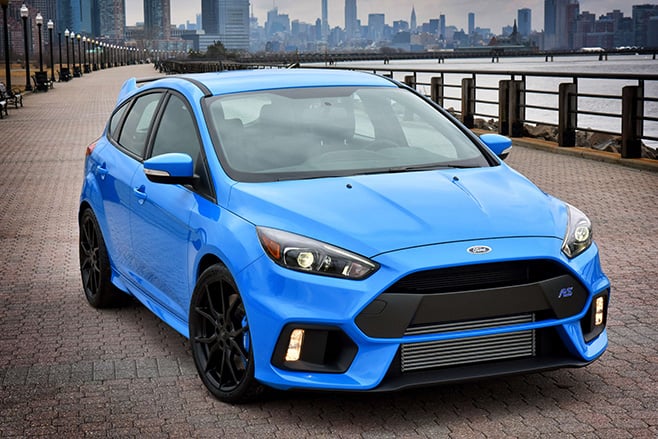
The RS badge is usually a copper-bottomed guarantor of future values. The grand-daddy of the Focus RS – the Escort RS Turbo, is a case in point.
A low mileage 1985 Escort RS Turbo recently sold in the UK for £60,188, quite an uptick on its original £10,073 showroom price tag. As with any blue-collar sports car like the Focus RS, the trick is to keep mileage modest, retain the car’s originality and wait for the remaining stock of cars to be crashed, modified and neglected to the point that your car becomes a rare and hugely desirable commodity.
2. ALFA ROMEO 4C Price: $89,000
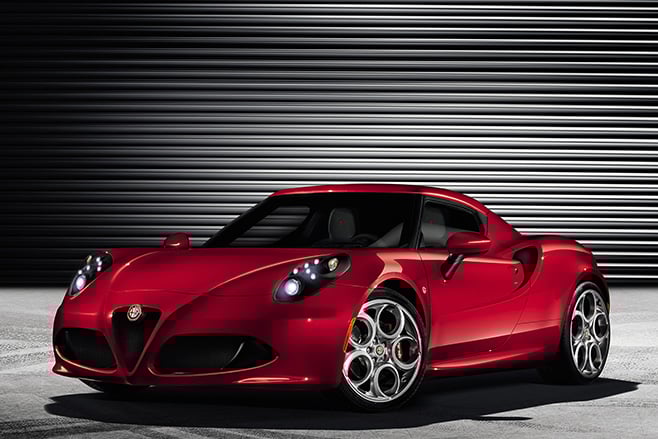
A sassy shape, a badge with clout, modest supply and ferocious performance ought to be enough to see the Alfa Romeo 4C come good in the future.
It’s just weird enough to appeal to those looking for quirkiness, and the development backstory behind the car is so bizarre that it might be a long time before Alfa chances its arm with any car in the 4C’s mould. Other Alfa sports car outliers like the Montreal from 1970 and the 8C Competizione from 2007 have both appreciated markedly. The 4C might take longer to make its mark, but an extended relationship with this one could well prove rewarding.
Did you know this car won the WhichCar Style Award for 2016? Follow the link to find out more.
3. HSV MALOO R8 Price: $76,990
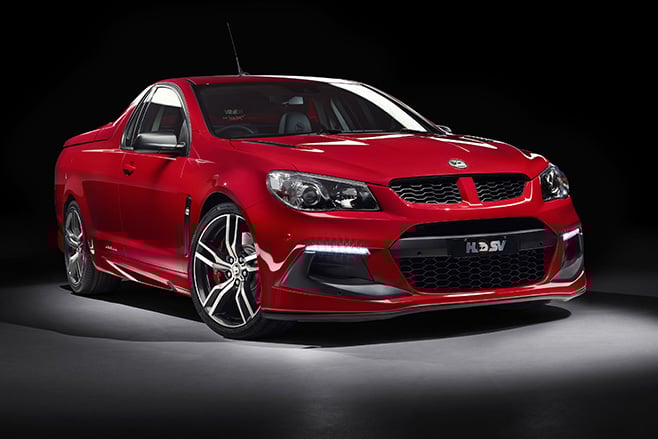
Amid all the gnashing and wailing over the end of domestic car manufacturing, one small point has been overlooked.
Not only will Australia lose part of its cultural identity, but a whole genre of cars will also be retired. The sports ute has been the tradie’s fun tax-write down for years, with Holden mass-producing the FX ute way back in 1951. The last-of-the-line Maloo super-ute is always going to be a vehicle that holds great emotional traction for Aussie car enthusiasts, and besides, which other car in this list is going to win traffic light grands prix, carry a bale of hay and still see you right come resale time?
4. TOYOTA 86 Price: $29,990
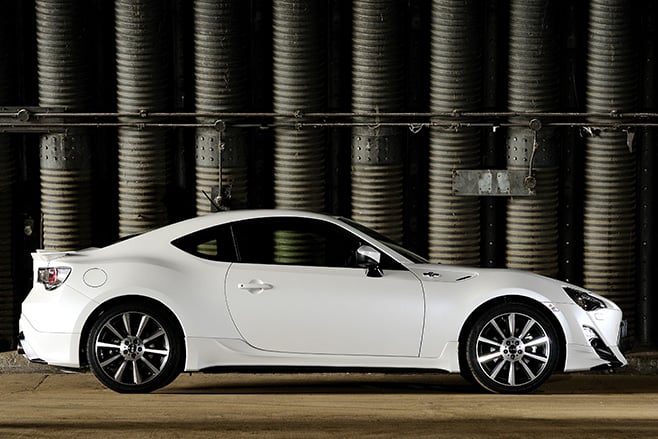
No, seriously; the Toyota 86.
Yes, there are thousands of them about, but look longer term. Toyota will never build another budget coupe as raw and as urgent as the 86. Legislation will see to that. Sure, its replacement will sip less fuel, will be safer and will probably be quicker, but will it recapture the fun feel of the original? We doubt it. So hang onto your 86, give it some love, keep it looking just like it rolled out of the showroom and it could be worth your while. Don’t believe us? The car the 86 was built as a tribute to, the 1983 Toyota AE86, has its own cult following, with ultra-clean versions fetching over double its initial new price. The 86 could well follow suit.
5. ABARTH 595 Price: $27,500
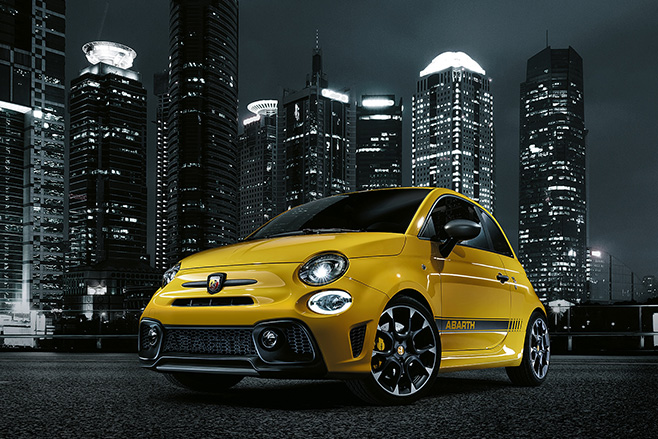
The Abarth 595 is based on the cute Fiat 500, but amps up the attitude a few degrees.
The badge has a long competition history and the infectious roller-skate feel of the 595 has won it plenty of admirers. Early Fiat Cinquecentos have held up very well in the used market and this retro reprisal is one car that could well stack-up strongly in years to come. The bonkers Abarth Biposto 695 will always be the collector’s target, but would you be prepared to splash $65,000 on one? Gambling by bucking the norm can be a smart strategy and even if it doesn’t pay off, you’re going to have a lot of fun in the meantime.
THE annual silly season of driver changes and contract negotiations is building momentum in MotoGP and Formula 1 as rumours get stirred up.
Red Bull’s cease and desist blast
Horner repeats his message to other teams: stay away from Ricciardo.
Here’s a case of one plus one adding up to, well, bugger all. Some of the tabloid-oriented international media have been claiming that Daniel Ricciardo is disenchanted with Red Bull Racing and is looking for a prime seat elsewhere, and at the same time suggesting that off-contract Kimi Raikkonen is on thin ice at Ferrari, and that the Aussie is a prime candidate to replace the Finn.
It ain’t about to happen.
Asked if he will be a Red Bull Formula One driver in 2017, Ricciardo answered with a laugh: “Highly likely.”
His boss Christian Horner was even more unequivocal, pointing out (for the umpteenth time) that Ricciardo is under a five-year contract handcuffing him to Red Bull and “by my maths he is two-and-half years into that deal, meaning he is under lock-and-key until the end of 2018”.
Horner continues to rate Ricciardo very highly. “He’s at the top of his game; he has lifted since Max arrived.”
As for any tension between Ricciardo and boy wonder Max Verstappen with the possibility of a repeat of the infamous aggro between Vettel and Webber at Red Bull, Horner commented that “Daniel is a very different character to Mark – he has that inner confidence, that belief.”
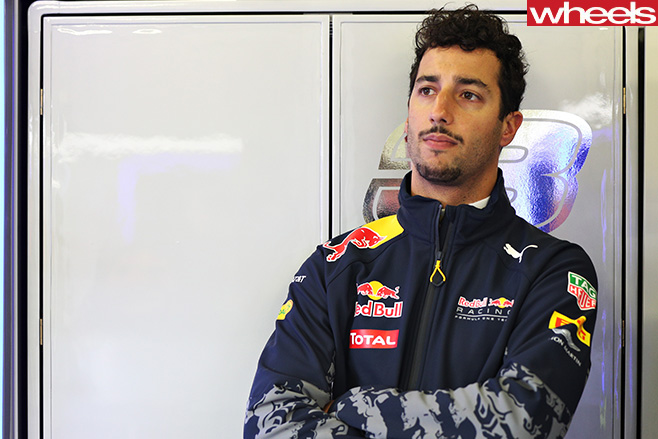
In any case, with the new technical regulations coming into play next year, Ricciardo knows that Red Bull looms as a better proposition than Ferrari to field a competitive car straight out of the box.
But if the Red Bull driver line-up is remaining the same for next year and onwards (Verstappen is under a long-term contract), the F1 grid is looking at a serious shake-up for 2017, with several drivers out of contract at the end of this season.
One huge name in that situation is Nico Rosberg, the championship leader. The German has made it clear he wants to stay, but has also showcased his options to the paddock with remarks like: “I feel very good at Mercedes, but let’s see what the future holds.”
Mercedes no-nonsense non-executive chairman Niki Lauda wants the situation resolved swiftly cleared up soon, the urgency accelerated by stories of a switch to Ferrari.
Raikkonen hasn’t been sensational this year but is fortunate to have an influential ally on his side. Sebastian Vettel likes Raikkonen and, let’s face it, doesn’t consider his team-mate a great threat.
Three podiums in the opening seven races but his inconsistency doesn’t match Ferrari’s expectations – nor justify his annual salary.
So the media is busy speculating on who might slide into his seat next year.
Of those on that list, forget Ricciardo and Rosberg, but perhaps consider Williams’ Valtteri Bottas at Williams, Force India’s Sergio Perez and maybe Romain Grosjean, who is doing well at Haas.
Of that three, Perez has been on fire lately, qualifying a brilliant second at Baku, and then following up with a race podium. The Mexican won’t say where he’ll be racing next year, while admitting he is enjoying life at Force India.
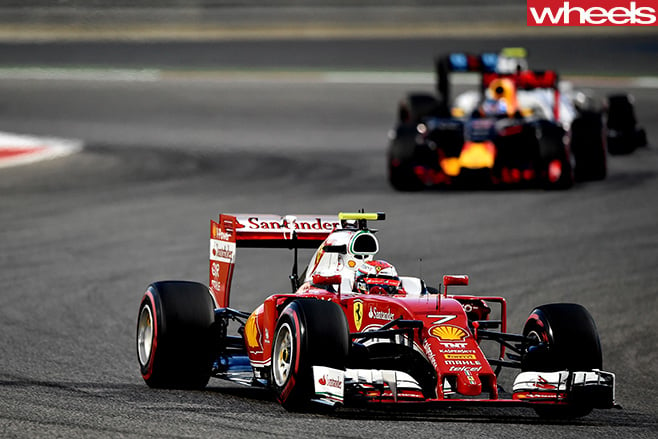
McLaren racing director Eric Boullier is no less helpful, recently insisting that discussions had not yet started with any of the drivers.
Highly regarded Stoffel Vandoorne, raced impressively in his only GP start as a sub for the injured Fernando Alonso in Bahrain, out-qualifying Button.
Vandoorne has one clear advantage over Button; his pay packet would be way slimmer.
But if McLaren decides that Button is to go, it may not be the end for the personable Brit, who has hardly been shaded by Alonso this season.
Williams has emerged as a possible alternative, with some doubts over Felipe Massa’s future. Williams deputy team principal Claire Williams says Button is an “attractive proposition” for the team, should he become available next season. That said, she also said the team is looking at other options.
Team bosses love tantalising the F1 press with games of intrigue.
Bottas was once touted as a potential world champion and although he scored Williams only podium this year, his cheer squad hasn’t been all that noisy lately. He has hardly crucified team-mate Massa, who at 35, is no longer a young charger. Bottas would delight in being given a chance in one of the big teams, but this is unlikely for 2017.
Massa is steady but knows his championship-contending days are over. He is content to stay at Williams and pick up points regularly.
At Toro Rosso, Carlos Sainz’s option for a third year was set to be taken up this week. There have been rumours of Renault sniffing him out, but Red Bull/Toro Rosso regard him highly, even though his results have been compromised by reliability issues and team stuff-ups. Daniil Kvyat has pace on his side, but appears to have made a career-limiting enemy or two within Red Bull. He is in the wait-and-see basket for 2017.
Rins signs with Suzuki
Another jigsaw piece in MotoGP
Suzuki is gambling on an all-new MotoGP rider line-up to lift its fortunes next season after signing Moto2 title contender Alex Rins to join tearaway Italian Andrea Iannone.
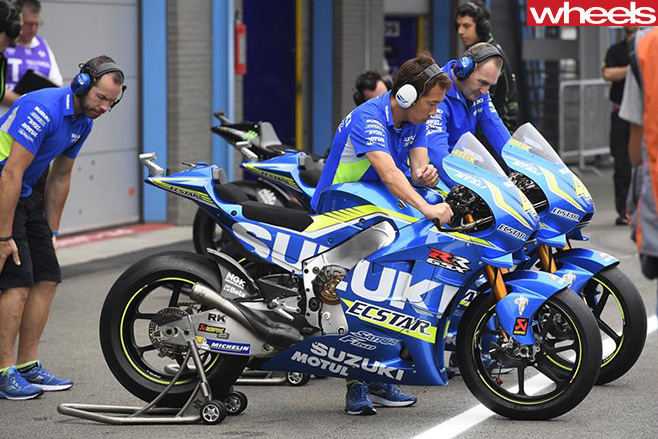
Rins has agreed to a two-year deal.
“Alex Rins is a young rider who has already proven to have much talent, always fighting within the top positions of the world championship since his debut in every class, making him the type of rider who we want to support for the future,” said Suzuki team manager Davide Brivio.
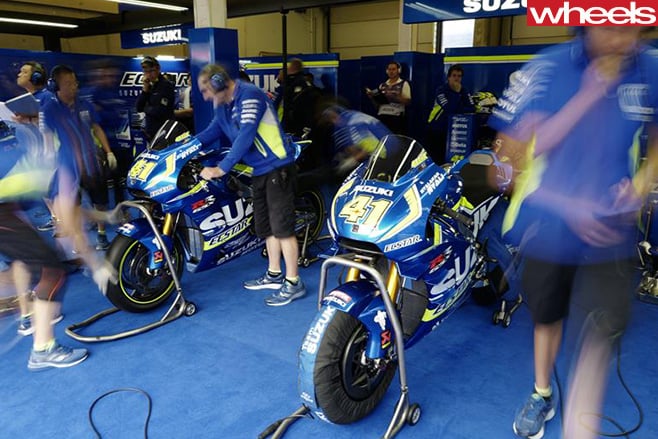
Undoubtedly Iannone has shown at Ducati that he has the pace to succeed, but he needs to stay on his bike more often.
Monster Yamaha Tech 3 will have Jonas Folger riding next year with the likelihood that world Moto2 champion Johann Zarco, having missed out on the Suzuki ride, will be there too.
