
The United States’ biggest motor show typically serves up a tasty buffet of model updates, news and new releases.
In 2016 we get set to welcome some exciting new sheet metal. Here are the cars we’re most looking forward to seeing more of.
2017 NISSAN GT-R
Nissan hasn’t had to do too much to its supercar-killing GT-R since it launched almost ten years ago in 2007. Its monstrous performance is still enough to challenge almost anything on the road. Its appearance, however, is getting a little long in the tooth, and a visual update could be just what the doctor ordered.
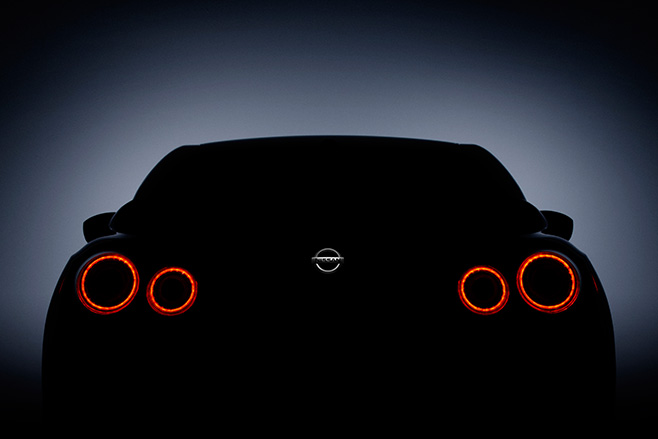
Nissan spokespeople have mentioned a 2016 update for the GT-R in the past, and last week teased us with the strongest hint yet at what we will see in New York. The brand issued nothing more than a shadowy photo of the GT-R’s iconic tail lights and a statement saying that the image was related to the company’s presence at the New York show. Watch this space.
2017 TOYOTA KLUGER
We already know a little bit about the updated Toyota Kluger after Toyota issued images of the 2017 facelift. It will bring in a new direct-injected 3.5-litre V6 engine which should improve fuel economy against the current model. Toyota has also said its new V6 motor will produce “significantly more horsepower”.
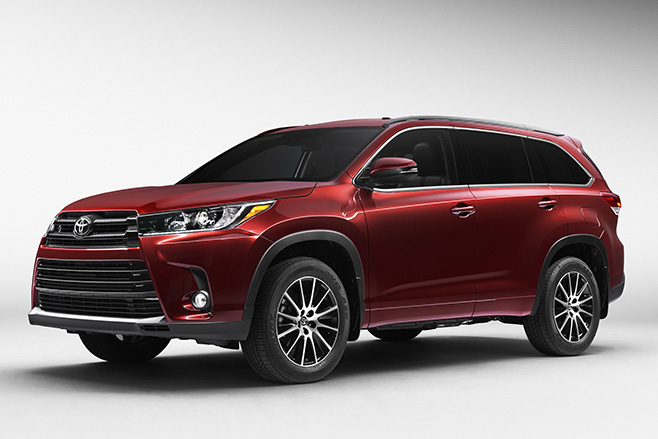
Styling is largely unchanged, but we can expect an increase in standard equipment including a focus on safety features. Local specification and pricing info shouldn’t be too far away with the revised model to hit Aussie showrooms by the middle of next year.
2017 SUBARU IMPREZA
Subaru has followed Nissan’s lead and provided just one close-up photo of the new Impreza with little to go on as far as styling is concerned. Recent Impreza concept cars have displayed radical design elements and we can’t wait to see how many (if any) make it to the production car when it is revealed at the show in New York.
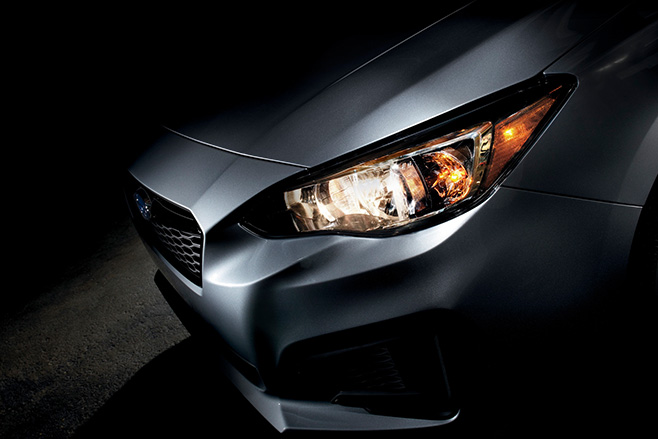
What we do know is the 2017 Subaru Impreza will be built on Subaru’s new Global Platform that will form the basis for all next-generation Subarus. The company promises Global Platform will be better for handling, ride and safety.
2017 MERCEDES-BENZ GLC COUPE
In a concerted effort to put a car in every single market niche, Mercedes-Benz is bringing the production version of its new GLC Coupe SUV to be revealed in New York. A concept of the GLC Coupe was shown at the 2015 Shanghai motor show. Now, the real thing is here.
The GLC Coupe takes the company’s smallest SUV and clips the roofline down to a sleek and sporty side profile. Other styling tweaks can be seen in the short video, but we will have to wait until the public reveal to see exactly how the finished product will look. Its platform is shared with the Mercedes-Benz GLC, and powertrains are likely to be identical.
2017 TOYOTA 86
Aussies seem to love the Toyota 86, and now the car company has revised the sporty coupe with a slight bump in power outputs and some styling tweaks. In 2017 guise the 2.0-litre flat-four engine produces 151kW and 214Nm.
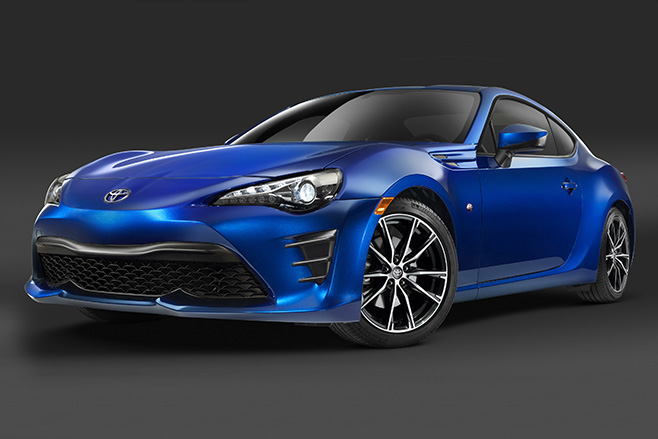
Externally the 2017 86 gets new wheels, headlights, taillights, and updated bumpers front and rear. Suspension has also been revisited by Toyota’s engineers while inside a new choice of soft-touch material features on the centre console and doors.
2017 JEEP GRAND CHEROKEE TRAILHAWK
The Jeep Grand Cherokee Trailhawk is the off-road ready iteration of the brand’s biggest SUV. A new version is set to be shown at the New York show with swathes of rugged gear. There’s new air suspension underneath offering up to almost 30cm of ground clearance plus a Quadra-Drive 4×4 system incorporating a tricky electric locking rear differential.
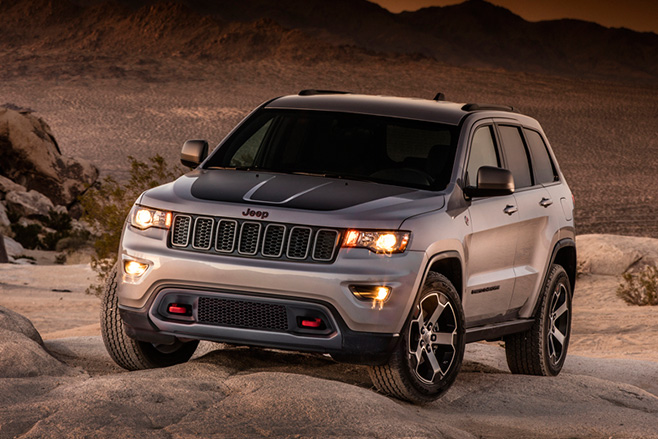
Modern bumper styling can make off-road work a challenge, so Jeep has come up with a removable lower panel at the front for more clearance. There’s leather, suede and red accents inside, and off-road specific information available through the display. We’ll have to wait and see whether or not we get this model in Australia.
There will be more news from New York International Auto Show this week.
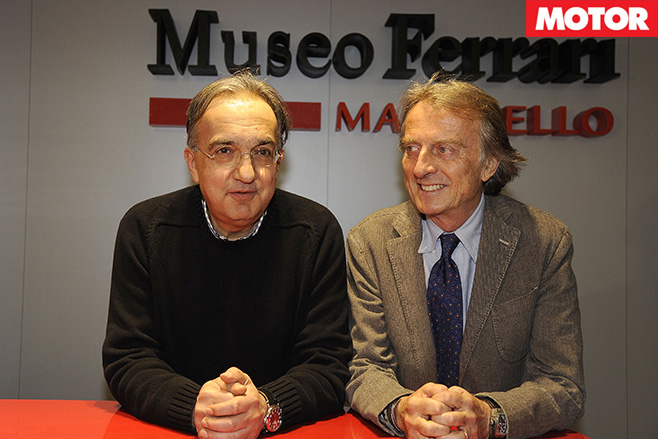
In the past two years Ferrari has lost a few key people.
Vehicle concept mastermind Philippe Krief took a handful of specialists when he left for Alfa Romeo’s skunkworks in Modena, Sergio Marchionne ousted Luca Montezemolo and took over as chairman, chief engineer Roberto Fedeli defected to BMW, and former F1 boss Stefano Domenicali is now at Audi.
But while the numbers-driven Marchionne now calls the shots, talk of Ferrari doubling output and adding an SUV seems unfounded; he’s too shrewd to mess with brand values and understands Ferrari’s evolution must revolve around sportscars.
Thanks to advanced bonding techniques and a cleverly re-engineered body in white, weight could be slashed by a massive 200kg, and amazingly, the same design works for front- and mid-engined models.
Known as the AFM layout, it will share drivetrains, electronics platforms and chassis complete with suspension between models, helping cut development and purchasing costs. This will allow a new level of production flexibility and should lead to more specials like the 574kW F12tdf
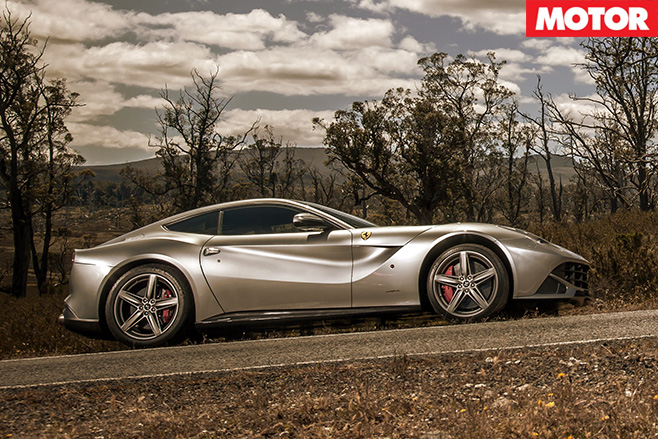
Unsurprisingly, Ferrari’s best-seller will retain the folding hardtop (though lighter and more space-efficient) but much more interesting is the suggestion of a cheaper alternative to the turbocharged 3.9-litre V8 – a new 2.9L-litre twin-turbo V6.
This new engine will be Ferrari’s fourth six-pot and is also earmarked for the new Dino. Montezemolo blocked this model, but Marchionne told journalists it was not a question of whether he would go ahead with such a car but when.
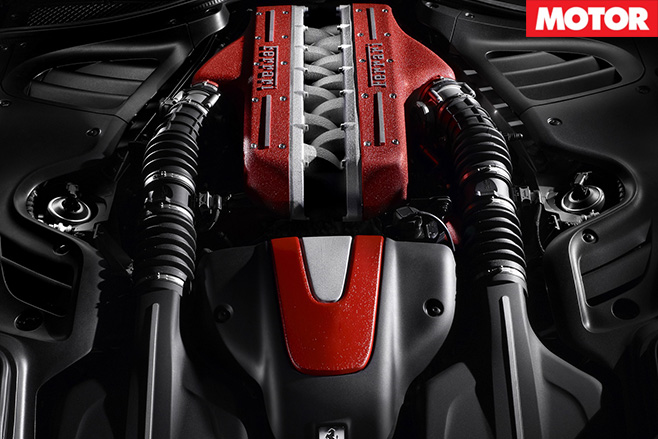
The V6 Dino is expected to cost around 185,000 euros (AUD$298,000) and will be a genuine Ferrari despite the relatively low sticker price. A spin-off of the brand-new 488 replacement due in 2021, the Dino is a compact mid-engined two-seater on a shortened and slightly narrowed platform.
Along with shorter overhangs and a low roofline, different lights, bumpers, wheels and doors will set it apart from the 488 and enhance its muscular proportions. Those in the know claim the new model, 120mm shorter than the 488, may be badged 486 and say it looks butch and aggressive, in comparison to the sleek and elegant original Dino of 1965.
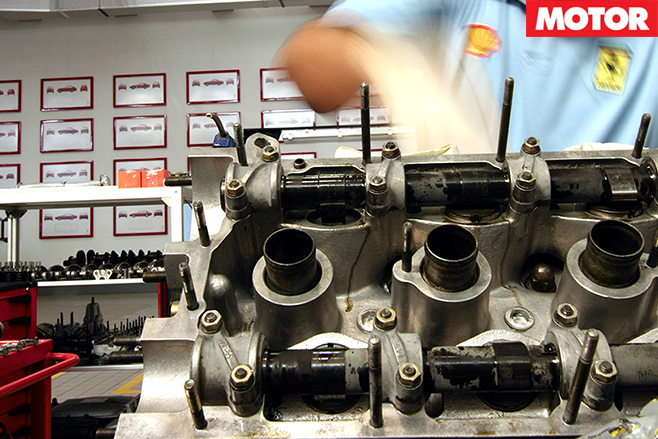
While E-boost may become standard on future turbo engines, the active-hybrid variants feature an additional recuperation system and use a high-performance battery pack, which opens the way for a third option – a lighter and cheaper 26kW mild hybrid, mated to a 48V electrical system.
All this development work may explain why there’s no word yet on the next supercar. A battery-less version of LaFerrari has been discussed but not approved and Felisa’s team is said to be busy with a ‘platinum jubilee’ model for Ferrari’s 70th anniversary in 2017.
Maranello’s decision makers contemplated replacing the F12 with a mid-engined V12 coupé/spyder or adding one as a fifth model line. After all, it probably takes the smaller frontal area and superior dynamics of a mid-engined AWD sportscar to challenge the Aventador SV and McLaren 675LT. However, customer feedback was clear – there’s still strong demand for a high-end front-engined two-seater powered by a naturally aspirated V12.
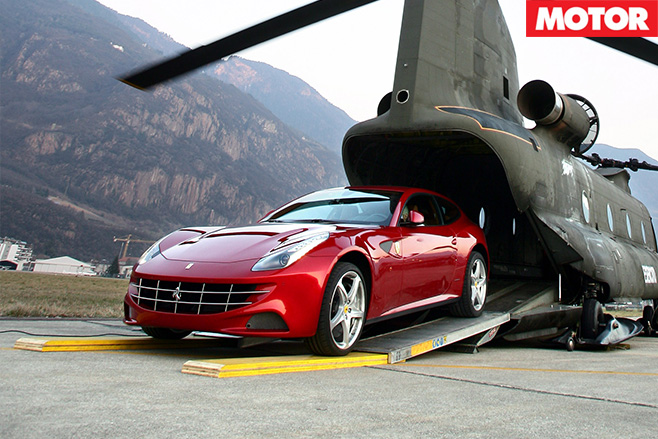
However, the new FF – due in 2020 – is tipped to be the most radical departure from its predecessor. The first step is the recently revealed GTC4 Lusso; the body gets a partially redesigned rear end with a less upright tailgate, sleeker roofline, new lights and new bumpers with sharper contours.
The 2020 FF MkII will use the AFM platform and remain front-engined with optional AWD, but rumour is the V12 will be replaced by the more economical twin-turbo V8, and there’s talk of a revolutionary body design with full-length gullwing doors and no B-pillars – think Bertone Marzal by Maurizio Gandini. There are several proposals on the table but some kind of avant-garde door concept can be taken for granted.
With an IPO looming, it’s vital Ferrari’s current run of success continues, as shareholders will be keen for a solid return on their investment in Maranello’s future.
Ninety minutes with a Ferrari F12 isn’t very long, certainly not long enough.
Don’t get me wrong, it’s a hell of a lot better than no time with a Ferrari F12, but it’s really only enough to scratch the surface of Maranello’s grandest GT. Still when Ferrari offered us a quick blast at the recent Bathurst 12-Hour, we grabbed the keys faster than you could say “Ciao!”.
That said, with a 545kW/690Nm 6.3-litre V12 under the bonnet, in a fantasy land of open roads, no traffic and no speed limits – the Northern Territory, then – you could cover 525km in those 90 minutes at the F12’s 350km/h top whack. Okay, so you’d run out of fuel well before then, but you take the point.

In first and second it’s borderline uncomfortable, the scenery moving as if you’ve pressed 1.5x on the DVD remote, and by the top of second gear you’re so far beyond the national speed limit any further exploration seems imprudent.
This performance is made accessible by Ferrari’s excellent dual-clutch ’box; the shifts are super quick and it even behaves well in traffic, an environment which remains the Achilles heel of most systems.

The ride is absorbent, the engine is hushed and the driving position comfortable; having all the controls – indicators, lights, wipers etc. – on the steering wheel does take some getting used to, but isn’t too difficult to master.
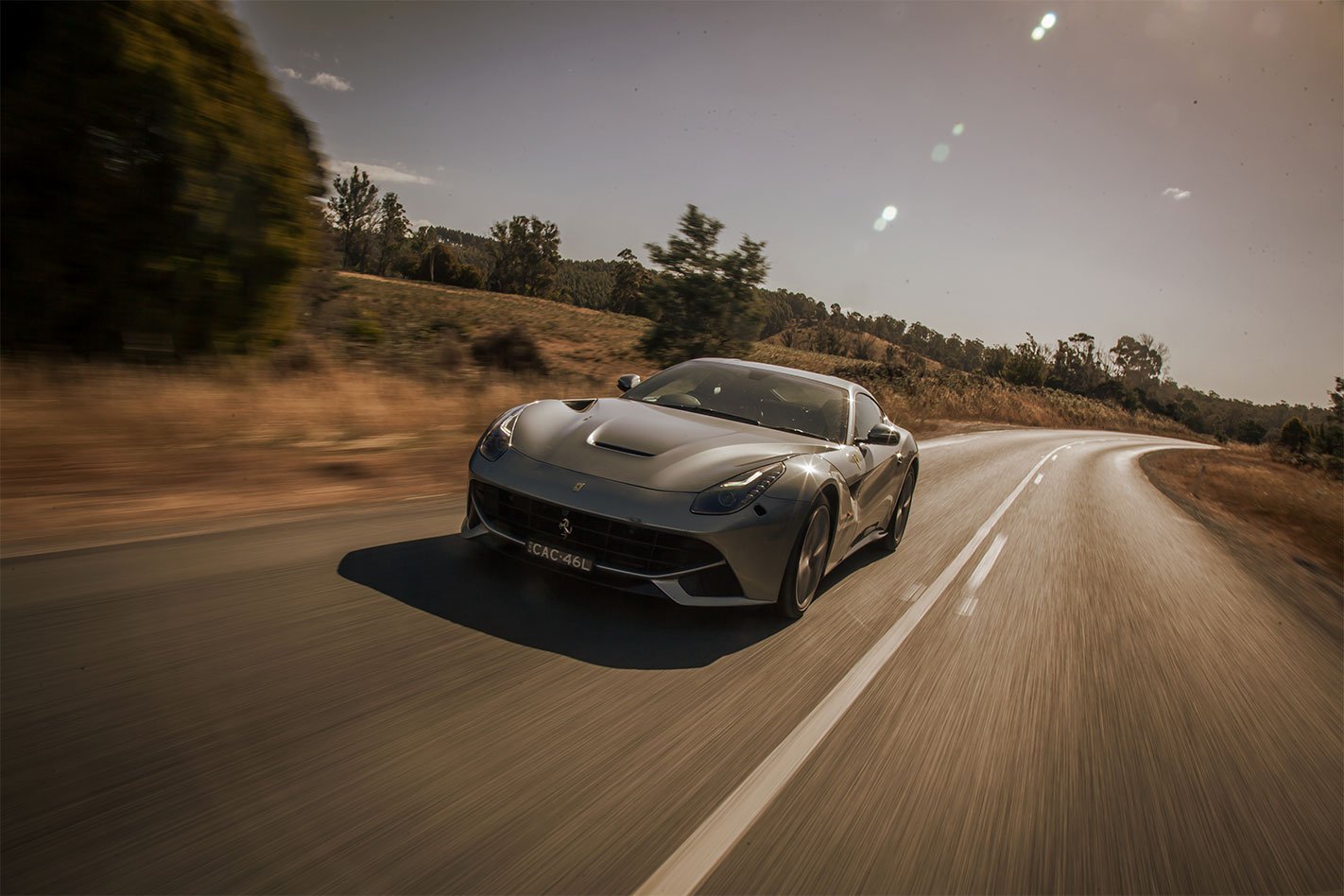
Like all modern Ferraris, the steering itself is light and very fast without a whole lot of feedback which, combined with its propensity to shift about slightly, can make it feel a little nervous.
The key here is to ignore these initial sensations and trust it. After all, the F12 wears massive rubber (255/35 fronts; 315/35 rears) so you’re unlikely to be anywhere near the limit of grip. Your inputs have to be quite small and precise, but even at what feels like six or seven-tenths a glance at the speedo reveals to be anything but.
With Race mode selected on the steering wheel manettino ESP intervention is rare bar tight corner exits and should you find a well-sighted corner and commit fully the speed at which the F12 fires through is literally breathtaking.
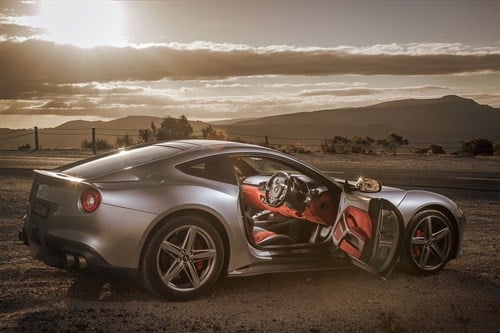
Thus while the F12 is a staggeringly capable performance car, it feels like it would work best flowing through long, sweeping corners at a speed that would swiftly have you on every front page in the land, so the exercise can be a little frustrating.
Then again, Ferrari does hold regular track days at Phillip Island, which would no doubt be an excellent way to express some of that frustration.
5/5
Specifications
Engine: 6262cc V12, DOHC, 48v Power: 545kW @ 8250rpm Torque: 690Nm @ 6000rpm Weight: 1525kg 0-100km/h: 3.1sec (claimed) Price: $690,745
Mercedes-Benz, Audi, BMW, Volvo, Subaru and Volkswagen are on Australian police force wish lists as the search begins for a highway patrol car to replace the current fleet of locally produced Holdens and Fords.
SUVs are shaping as the likely participants in future high-speed chases as local police look to follow the high-riding road travelled by American cops.
The Subaru Forester tS, Mercedes-AMG GLA45, BMW X3 and Jeep Grand Cherokee SRT (pictured below) are being considered following the release of a detailed set of draft “national vehicle specifications” for pursuit cars as replacements for the Commodore SS and Falcon XR6 Turbo/XR8.
Each achieves the police target of accelerating to 100km/h in less than 7.5sec while providing space for gear and people.
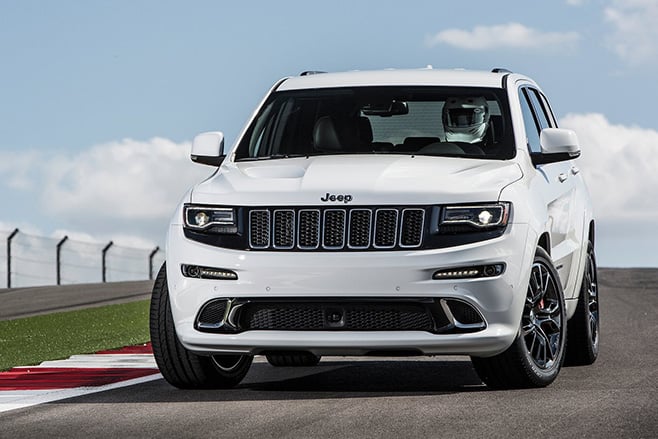
SUVs also provide better ground clearance for hopping median strips or driving on the verges of country roads. And the extra traction of all-wheel drive provides reassurance – and pace – in slippery conditions.
Police insiders Wheels spoke to confirmed SUVs were one option being considered. Victoria Police has already purchased some Grand Cherokee SRTs for use in undercover work.
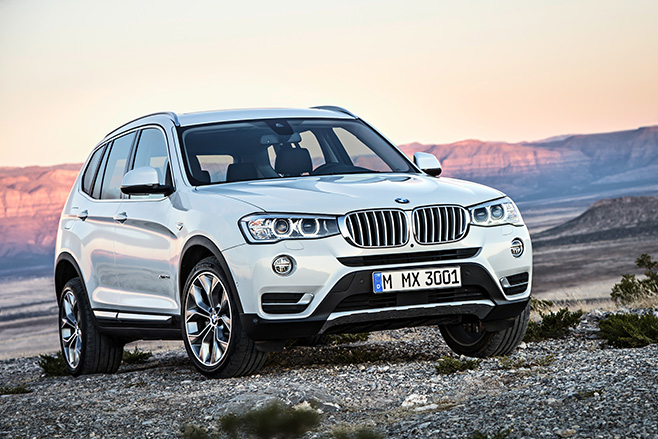
BMW produces police versions of its 2 Series Gran Tourer, BMW 3 Series, 5 Series, X1, X3 (pictured below) and X5 for emergency services around the world.
“We’re definitely interested in it … we are speaking to the police at the moment,” BMW Australia director of corporate affairs Lenore Fletcher said. “We have many high-powered performance vehicles – including X models – that would be well suited to police work.”
MB Australia senior manager of corporate communications David McCarthy said the chances of a GLA45 AMG pursuit car (imagined below) would depend on supply.
“If they want the cars, we have to be able to provide the volume,” he said, adding that Mercedes would not produce a specific trim or tune for police. “We’re not going to reduce the spec … that can have implications on used-car prices and the brand image.”
Wheels understands police have pressured some manufacturers to take out luxury components to make cars more affordable, but most brands appear reluctant.
Police are also asking for modifications – including electronics, pre-drilled holes in the roof and the fitment of full-sized spare tyres – from the factory, something that may not be feasible for many models.
Police are also considering high-performance sedans and wagons for highway patrol duties, including the Volvo S60 Polestar, Audi A4/S4, BMW 3 Series and Volkswagen Golf R.
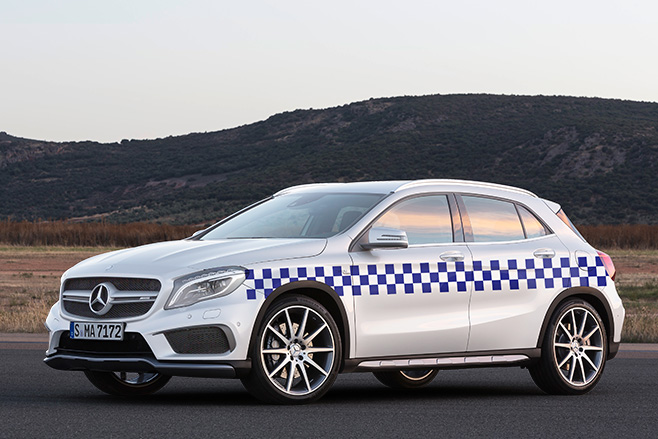
While, on the surface, the chances of a Mercedes, BMW, Audi or Volvo police car may seem slim due to their premium price tags, police are keen to consider the whole-of-life cost of all vehicles.
Given that depreciation is typically the single biggest cost of any new vehicle, some police jurisdictions are pushing their accounting departments to consider resale values, servicing costs and low fuel use, potentially opening the door to more luxurious alternatives.
As part of the draft requirements – which Wheels has seen – police are also probing carmakers as to “the extent that the manufacturer can modify or build vehicles to meet the draft specifications”.
Overseas, Mercedes and BMWs are relatively common for police use, and BMW even has a range of ‘Authority’ models designed specifically for emergency services.
PONY UP? NOT LIKELY…
The Ford Mustang has been ruled out for widespread police use due to its less practical coupe layout.
While police have used two-doors in the past – think Chargers, Falcon Hardtops and Monaros – top-secret police documents call only for cars with four doors.
POLICE CAR CHECKLIST
Preferences for the new national highway patrol car.
- 4 doors
- 0-100km/h in less than 7.5 seconds
- Ability to turn ESC off
- Indicators on right-hand side
- Hand-operated park brake
- Identical tyres front and rear
- 5 seats
- Optional bullbar
- 495-litre boot space
- Ability to turn off DRLs
- Ability to disable seatbelt warning
- 4 x 25mm roof holes
This article was originally published in Wheels March 2016.
Fancy a sports car you can get the most out of, more of the time, without fear of flying into the weeds?
These five models are communicative and cohesive, always on your side and can be spanked until Christmas without being threatening.
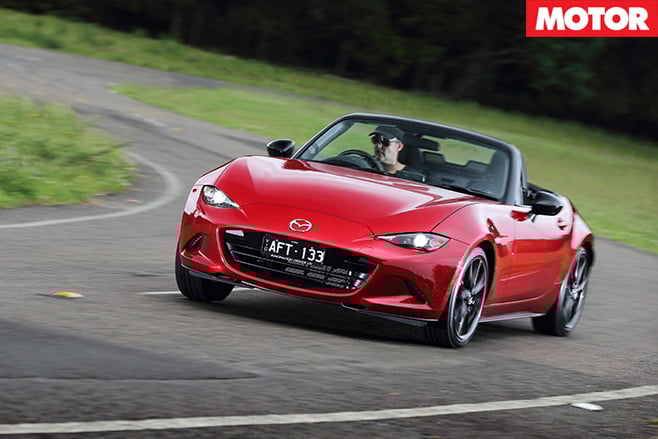
1. Mazda MX-5
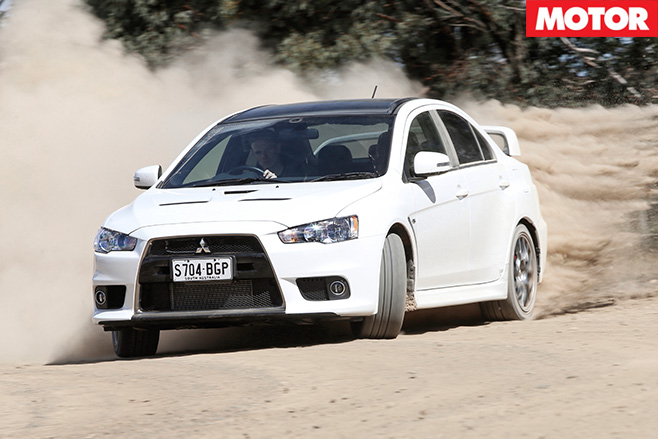
2. Mitsubishi Lancer Evolution X
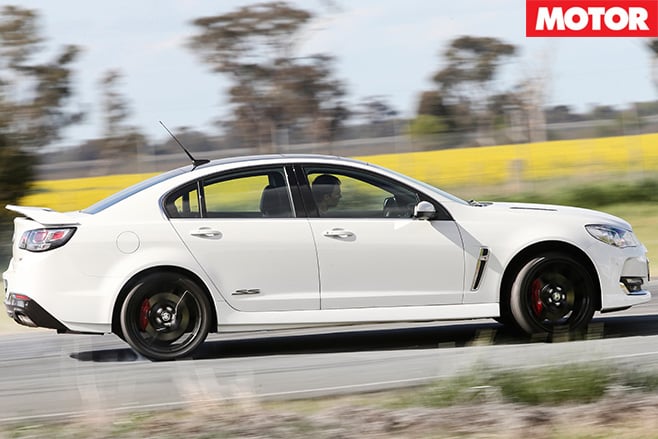
3. Holden Commodore SS V Redline
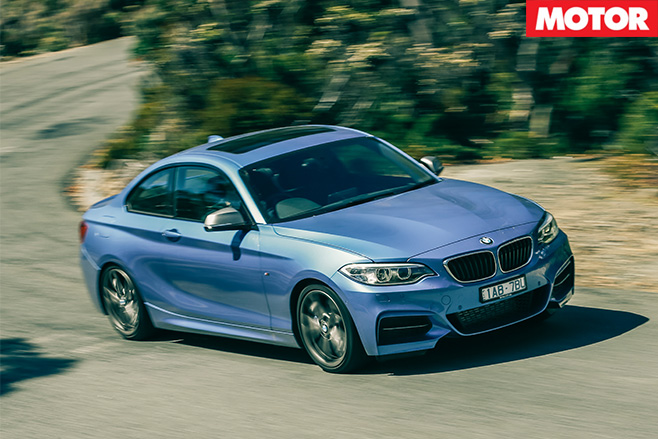
4. BMW 2 Series
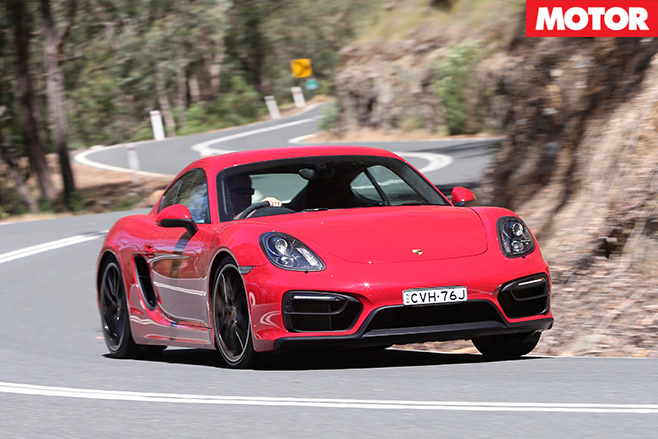
5. Porsche Boxster/Cayman
F1: Daniel feels the love
AUSTRALIAN Daniel Ricciardo has all the ingredients to be a world champion, says McLaren Honda’s Fernando Alonso, who should know what he’s talking about.
The Spanish superstar and winner of a couple of world Formula One championships, and the driver rated as the racers’ racer, predicts: “Yeah, Daniel’s definitely a super-talented driver and has been one of the biggest surprises of the last three or four years in Formula One.
“He has a great future. Australia you have to be very proud because he will be winning the world championship sooner or later.”
Alonso, whose best mate in Formula One was another Australian, Mark Webber, also likes the warm, lively way Ricciardo conducts himself out of the car.
“Apart from his driving skills, he’s a funny guy and very open. A great character in the paddock.”
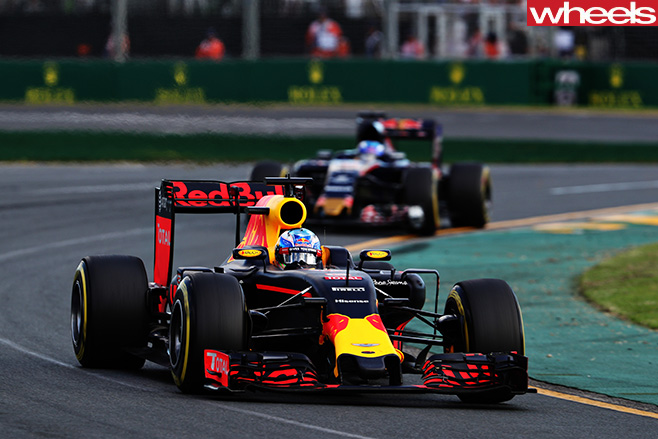
Jones reckons it’s simple. The Finn is flung, and Ricciardo slips into the seat. Perfect.
Except that Red Bull has Ricciardo locked into a deal that will be hard to break. How hard Our Dan fights for a release might depend on what engine Red Bull plans to use in 2017.
A further sticking point could be the likely reaction from Sebastian Vettel. The Aussie towelled Vettel when the pair spent the 2014 together at Red Bull, and the German – as good as he is – may be reluctant to share the same garage again.
MOTOGP: Lorenzo takes tight Qatar
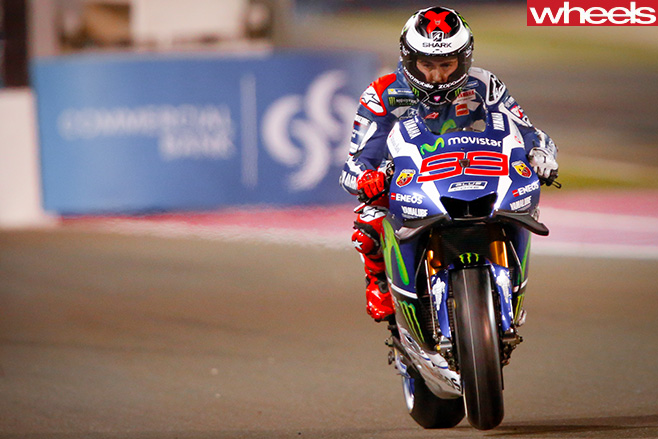
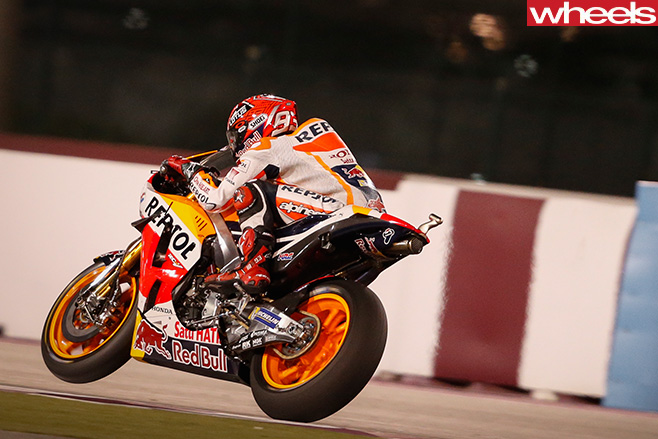
Andrea Dovizioso showed that Ducati’s testing form was no false promise by taking second from Honda’s Marc Marquez.
With new Michelin tyres and new unified electronics, there were lots of variables to be dealt with over the weekend.
Qualifying, led by Lorenzo, was amazingly tight, with the top 12 riders within a second – pointing to a close race.
Lorenzo held his advantage into the first corner ahead of Andrea Iannone (Ducati Team) and Dani Pedrosa (Repsol Honda Team). Marquez started poorly and dropped out of the top five.
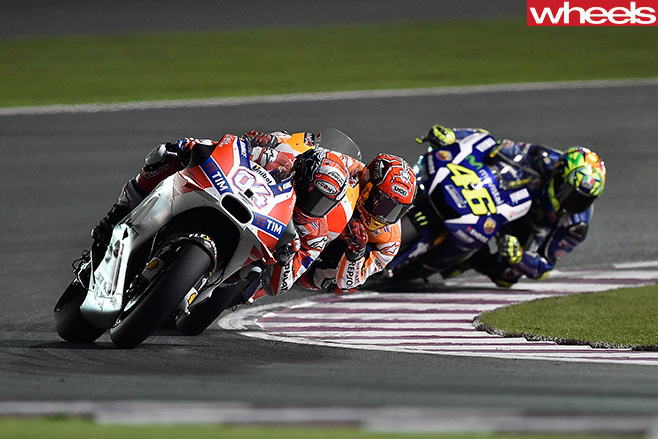
Lorenzo and Dovizioso reeled off a succession of fast laps mid race but the Yamaha rider held a two second advantage at the finish. Dovizioso, Marquez and Rossi were blanketed by barely three tenths…
Rossi, who a couple of days earlier extended his Yamaha contract by a further two years, was in the lead bunch for much of the race but settled for fourth.
A day earlier, the Yamaha pair’s rivalry from last year spilled into the new season during the Free Practice 4 session when Rossi encountered the Spaniard dawdling on a hot lap. Rossi was forced to abort his lap and made his feelings known with furious hand gestures.
“He exited from the pit without looking at the track and when he arrived at the first corner he tried to slow down but he was on the line,” said Rossi during his media scrum.
Lorenzo saw it differently saying: “In my opinion he had no reason to complain. Everyone knows when you exit the pits you can’t stop to let them past. The only thing you can do is stay on the white line. I cannot be in the gravel. What can I do?”
Australian Jack Miller was 14th on his Marc VDS Honda.
JENSON Button has told Wheels about being reminded of an F1 regulation aimed at litterbug drivers who discard their helmet visor tear-offs.
“We have to keep the old tear-off strips in the cockpit,” explained a slightly incredulous Button.
“Why? I don’t know. Is it killing whales? If so, I understand the regulation.
But I’ve been doing it [throwing the strips away] for 17 years. It’s something drivers do automatically.”
Article 1.2 of Chapter 3 of the International Sporting Code states:”Any tear-offs attached to visors may not be thrown onto the track or the pitlane.”
There is a risk of punishment.
F1 race director Charlie Whiting reminded drivers before the cars hit Albert Park of a regulation forbidding the discarding the tear-off strips.
Button said most drivers start a race with four or five plastic visor strips, which are removed when the vision is affected by fluids, rubber or insects.
The reminder is understood to relate to concerns that the plastic strips could be caught in sensitive areas like brake ducts.
A tear-off strip was believed to have caused the brake problems that put Button’s team-mate Fernando Alonso out of last year’s Spanish GP.
F1: Fernando weighs into safety debate
WITH ‘halo’ cockpit protection mooted for implementation in Formula One next season, McLaren Honda’s Fernando Alonso – who did some unscheduled crash-test dummy work during the AGP – has come out strongly in favour of any technology with the potential to make Formula One safer.
There’s a debate on just how many safety changes should be made to a sport that’s certainly been made less perilous in recent years, due to advances in car design, and to modern circuits with huge run-off areas.
Alonso accepts that speed and danger are often mutually inclusive, but the sport should always remain open to, and embrace, life saving ideas.
The halo loop around the driver’s head and prototype jet fighter canopies have been shown this year, along with other cockpit protection ideas.
The halo system’s advantage over the jet-style canopy is easier driver extrication.
Some drivers have enthusiastically supported the introduction of some sort of head protection, including Red Bull’s Daniel Riccardo.
One vocal dissenter was Force India’s Nico Hulkenberg, who believes the sport is safe enough and should retain a sniff of ever-present danger.
But heading into the Australian Grand Prix, Alonso aggressively chimed in to the discussion.
“The sport can never be too safe; there’s always room to improve and I totally agree and support the ideas of improving safety,” said the Spanish dual world champ, not buying into the argument that a safer environment breeds drivers who tend to act too wildly and aggressively.
“Yes, we have to drive the fastest cars in the world and we have to live with that danger but if there is any technology, or any idea, to protect drivers, it’s always welcome.
“It is not worth any risk of losing one life for not implementing one system because of aesthetics or anything.”
His monster shunt during the grand prix could only reinforce his thoughts on driver safety.
And, finally, “You don’t lose any of the mystique of Formula One by improving safety.
F1: Silly season to be sillier than most
WITH a large bunch of drivers out of contract at the end of 2016, including a handful of very desirable seats, the jostling and bumping for a plum ride will be on in earnest in a few months’ time.
The key to the possible musical chairs is Kimi Raikkonen, handed a one-year extension this season.
About three-quarters of the grid will be out hunting new, better deals at the end of the 2016 world championship.
There will inevitably be changes, although the likes of Nico Rosberg, whose current Mercedes contract is up this year, will be certainly angling to re-sign.
As ever, interest in Ferrari’s plans are sky high, with speculation that Raikkonen’s seat will probably become available unless he turns in a blinding first half.
Speculation is that, regardless of any contractual ties, Ferrari could be interested Valtteri Bottas, Daniel Ricciardo or Max Verstappen.
Drivers need to have their engineering understanding and political smarts finely tuned during the serious decision-making process. Today’s top team can be tomorrow’s also ran, as we’ve seen with the likes of Williams, McLaren, Red Bull and even Ferrari. Timing is everything.
Jenson Button, Kevin Magnussen and Felipe Massa will be out of contract too at the end of the year, with the Brit being typically flippant about his plans for the future.
F1: Robots still in jobs queue, according to Alonso
DRIVERS can be demanding and expensive, and because we’re seeing a blinding technological pace in F1 along with the emergence of autonomous cars in the real world, couldn’t Fernando Alonso and his fellow pilotes be replaced by robots?
“I don’t think so,” says Alonso. “For some kind of things, technology is always better than humans. But for other situations, I don’t think they can reach the level of a human driver.
“Robots can replicate the same lap, time and time, but we are not doing the same lap for ever and ever. Driving an F1 car you never do two laps the same.
“Some things are unpredictable and out of control. On any lap, if you touch a white line there is less grip requiring a different throttle application. The wind direction changes, there is less fuel as the race goes on, and tyres get older. So you adapt at every single corner on every lap.”
For the moment then, McLaren Honda’s Ron Dennis still has to pay Alonso a considerable wedge to ply his trade.
MOTOGP: Book takes two-wheeled analysis to new level
NOT sure about the name, but the Scout’s Guide to MotoGP 2016 – a new e-book now on sale through Amazon – gives MotoGP fans the chance to learn more than they ever wanted to know about the premier two-wheeled form of motor sport.
Jorge Lorenzo, Valentino Rossi, Marc Marquez, and the rest of the superstars of the MotoGP World Championship are put under the microscope.
The styles, strengths, weaknesses and temperaments of these stunningly talented grand prix racers are examined in excruciating detail. The technique, talent, and tendencies of the sport’s racers are ranked and dissected, with areas of advantage celebrated and vulnerabilities exposed.
Every ranking and scouting report is based upon information gleaned via exhaustive interviews with an all-star panel of leading MotoGP insiders, including highly-decorated racers, team managers, and journalists.
Written by motorcycle racing journalist Chris Martin with long-time grand prix journalist Colin Young in support, the Scout’s Guide to MotoGP 2016 (168 pages, $2.99, available on Amazon) has been designed with smartphones and tablets in mind and is also available to be read on a Mac or PC with Amazon’s free Kindle app.
Same silver cars up front, but the way they got there kept us entertained during a lively Australian Grand Prix.
A FRIGHTENING high-speed crash involving Esteban Gutierrez and dual world champion Fernando Alonso momentarily took attention from a tense battle between last year’s dominant team Mercedes and a revitalised Ferrari in a cracking 2016 Formula One Rolex Australian Grand Prix, the opening race in this year’s record 21-round world championship.
But after the red flags had been put away and the scattered wreckage of Alonso’s devastated McLaren Honda and Gutierrez’s less-banged-up Haas Ferrari gathered up, a surprisingly fascinating and tense race (compared with the fare on offer last year) resumed.
At the finish of the interrupted 57-lap race, Nico Rosberg had repeated his victory of two years ago, and extended his three-race winning streak (from the end of last season) and continued his momentum into the new world championship.
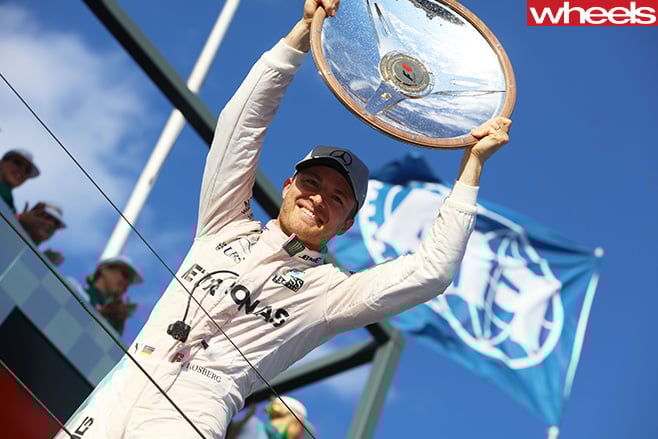
It was a relatively unfussed drive (on the outside anyway) by Rosberg to the chequer – he didn’t have to overtake anyone. He was also helped to by Hamilton’s tardy start and some dodgy tyre strategy calls from Ferrari.
But Mercedes later revealed that the team came close to retiring Rosberg’s car after an overheating front right brake calliper reached a critical temperature. But it stabilised and Mercedes allowed Rosberg to go on to record his 15th victory.
It’s been a great weekend,” Rosberg said. “The car has been unreal today. We absolutely loved it.”
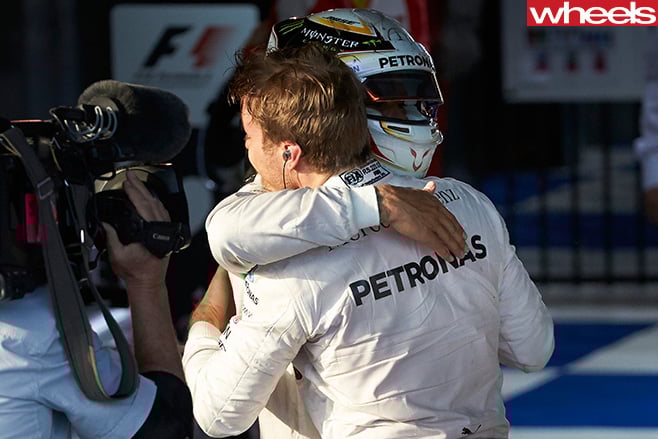
The Merc drivers’ often frosty relations of the past seemed to have thawed over the break. They embraced when they got out of their cars.
Australia’s most-popular citizen, Daniel Ricciardo, finished a fighting fourth for Red Bull Racing, after climbing back from an eighth starting slot.
Impressively, Haas F1 Team picked up points on debut as Romain Grosjean finished an excellent sixth.
A rousing start by Vettel set the tone for chat about a possible upset, the German slicing superbly through the two silver cars on the front row. That was unexpected, and so too was Kimi Raikkonen’s jump to second. But the Finn’s race was to end before half distance with a bonfire in the Ferrari’s airbox.
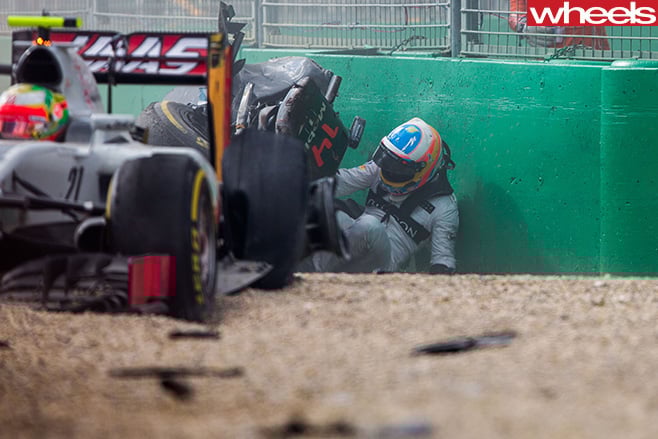
There were dices all through the field, and then the horrifying crash. Alonso clipped the rear of Gutierrez’s Haas at around 200km/h, slammed a barrier at turn three and then flipped violently several times.
The car was destroyed and it was a huge relief to see Alonso climb out, apparently unhurt. “I’m extremely happy to be here; it was quite a scary crash,” Alonso said.
The second phase of the race was all about Rosberg in control although, as the field went through their tyre stops, Hamilton came good and took second.
In the closing stages, Vettel dragged himself up behind Hamilton until a slide on to the grass left the Brit secure in second. A little further back, Ricciardo was on a mission, storming past Massa on super soft tyres, and then reeling off a few fastest laps to get within 14 seconds of a podium.
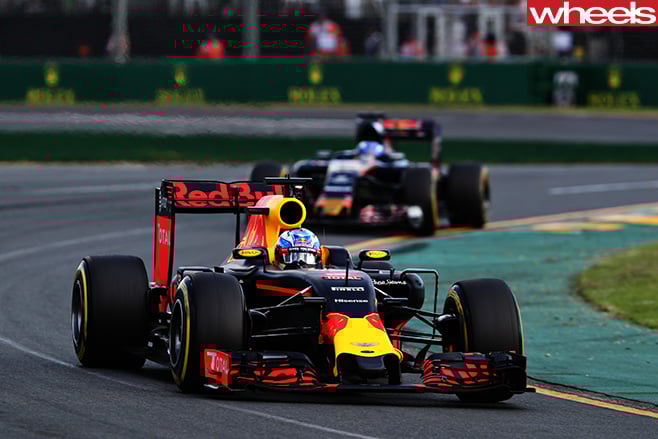
“At the start we were able to pick cars off. We had good pace with high fuel on the Option and it was fun to be able to pass cars, I was enjoying that as always. I was sitting in a podium spot towards the end and I was hoping the tyres would last but I knew they weren’t going to hold and I would have to pit again. But fourth is still a good result and I’m happy we’re not that far off Mercedes and Ferrari.”
The scrap between the two young bucks from Toro Rosso was highly entertaining too, although Dutchboy’s constant whinging about being held up almost drowned out the noise of the cars.
After the race, stewards agreed with Alonso’s assessment that neither he nor Gutierrez was to blame for their huge shunt, deeming it a racing incident.
FRIDAY
THE first day back at school for the class of 2016 told us nothing positive in terms of hinting at Who’s Hot and Who’s Not. Both sessions were wet or drying and there was little representative slick tyre running. A few incidents and impressions, yes, along with lots of questions, but few answers.
Rosberg made a mistake, looped the Mercedes, and wiped out a new front wing.
Ricciardo was caught out by rain on slicks and plopped his new matte-painted Red Bull TAG Heuer into a gravel trap. Explained it away by an urge to chat to fans at Turn 12…
More positively, a couple of newbies — Pascal Wehrlein and Rio Haryanto of Manor — looked very competent and confident in the mixed and varied conditions. Early days, though.
After running its RS16 cars in black during testing, returning Renault F1 went to a new rich yellow colour for the world championship proper. Looked smart and better than the ‘yellow teapot’ of 1977.
The 2016 cars are a couple of decibels louder thanks to new exhaust requirements. They’re still not music to the ears of fans though. More drone than howl.
New radio restrictions had the drivers and teams cautious, too. A new regulation states that “the driver shall drive the car alone and unaided”. So no coaching. They can’t be told about their strategy, nor power unit settings, or to change the state of charge, mixtures…
SATURDAY
BETTER, but not brilliant. Cold and overcast, but dry for the controversial new rapid-fire elimination qualifying, one going every 90 seconds until there were two.
DTM champ Wehrlein became the first go, followed by his Manor mate Haryanto. So Gutierrez and Grosjean avoided being on the back of the grid in their first race for the new Haas F1 team.
There were a couple of surprises perhaps, principally when Dani Kvyat followed the Haas drivers to the garage, an unsatisfactory 18th.
McLaren Honda supported the earlier claim that it is on the way up, with its two cars 12th and 13th.
Ricciardo made it into the third phase of the new qualifying but was first out (eighth). Versappen thrilled his fans with an excellent fifth in the Toro Rosso, with teammate Sainz seventh. The now Ferrari-powered Rossos look much improved.
Taking the second row were the Ferraris, who couldn’t fight for pole because there were out of tyres, leaving the top spot an arm wrestle between the Silver Arrows drivers. Ho hum, haven’t we seen this before?
Hamilton duly grabbed pole, by 0.360sec, but already the paddock was ablaze with debate about the farce that was the new qualifying. The idea of the new system was to guarantee more cars on the track throughout. Instead it was all over with two minutes go, when Ferrari couldn’t send Vettel and Raikkonen back out again to challenge the Mercs.
Judgement on the format was mixed but most sided with Mercedes’ Toto Wolff: “I think the new quali is pretty rubbish.”
Most of the drivers agreed. Speaking to Wheels at dinner on Saturday night, Jenson Button declared “it’s not good to criticise the sport, but something’s got to change”.
“Many other areas need addressing [first].” Formula 1 bosses have agreed to ditch the controversial new elimination qualifying system for the next race.
By Sunday lunchtime, the teams made a unanimous decision to re-introduce the previous system for the Bahrain Grand Prix on April 1-3.
It looks the same, but it’s very much a case of what’s under the skin that defines the facelifted Subaru Liberty sedan.
WHAT IS IT? The Liberty is Subaru’s mid-size mauler, its answer to the likes of the Mazda 6 and Ford Mondeo, and yet another reason to step up from the mundane models at lower price points.
WHY WE’RE DRIVING IT The Subaru Liberty has been given a ‘safety update’ for 2016, and while that includes extra capability from its ‘EyeSight’ camera tech, there are also some light spec enhancements and suspension tweaks.
MAIN RIVALS Honda Accord, Toyota Camry, Mazda 6, Skoda Octavia, Volkswagen Passat, Ford Mondeo
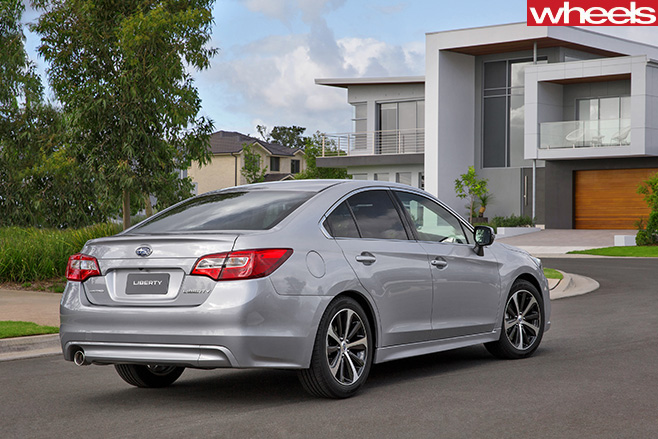
PLUS: Additional safety equipment and marginally improved dynamics for MY2016. MINUS: Still lacks the driving involvement and dynamic ability of its rivals.
THE WHEELS REVIEW THE LIBERTY is a Subaru staple that, in recent times, hasn’t quite been able to cut the mustard against strong competition. That includes the Mazda 6 and Skoda Octavia, as well as long-time nemesis the Honda Accord. So for the 2016 model year, it’s been given a slight upgrade in terms of safety spec and some suspension tweaks, too.
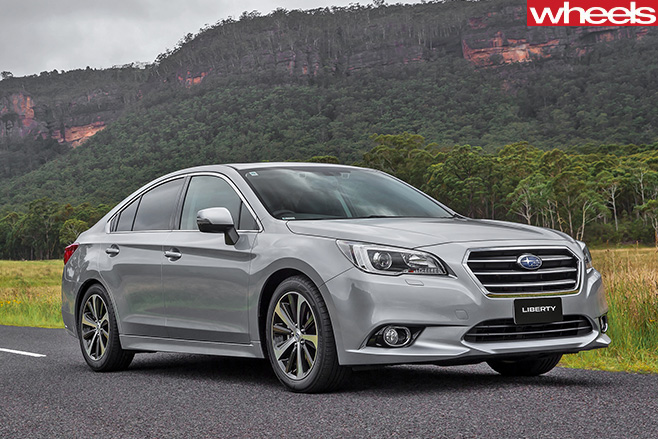
You’ll need to be in the driver’s seat to make the most of the minor changes. First up, Subaru’s EyeSight has been expanded for this year and includes a broader suite of skills. That’s thanks to the inclusion of the Vision Assist Package as standard for the Premium and 3.6R models.
This expands the camera-based safety system to five key areas, including blind spot alert, lane change assist, a high-beam assist and – a significant feature for 2016 – rear cross traffic alert. There’s also an emergency stop Signal system that flashes the hazards when you’ve pounded the Liberty’s brake pedal hard enough.
That’s on top of the adaptive cruise control that can bring the sedan to a complete halt from speeds as high as a licence-losing 145km/h.
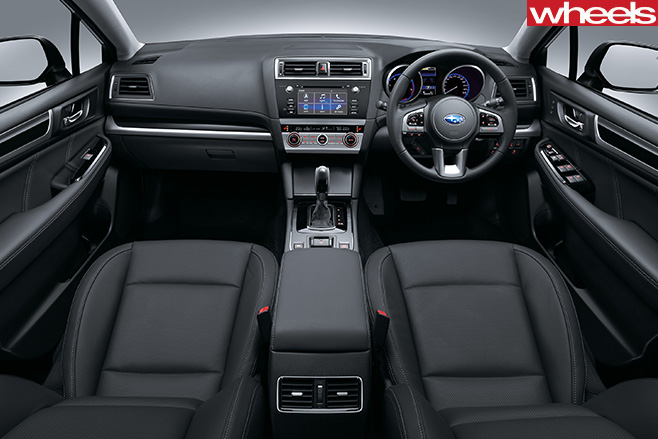
On the road, these add up to a slightly improved Liberty, but one that doesn’t ride as convincingly as the Outback, which is essentially a high-riding, all-wheel drive Liberty wagon. Same goes for the 2016-spec Forester SUV, which was launched alongside the Liberty, which shows the sedan up as the most in need of some dynamic magic. Perhaps that’s a reflection of the fact that SUVs are selling like beers at New Year and have garnered more of Subaru’s attention.
There’s still no clunkiness to the Liberty’s ride, though, and you can feel the road surface through the steering wheel, but it’s not uncomfortable. Its change of direction is sloppy, and it does move around a lot more than the Outback, where its unsettled behaviour shows less polished than its wagon sibling. Same goes for the linear, bland steering that lacks precision as well as feel.
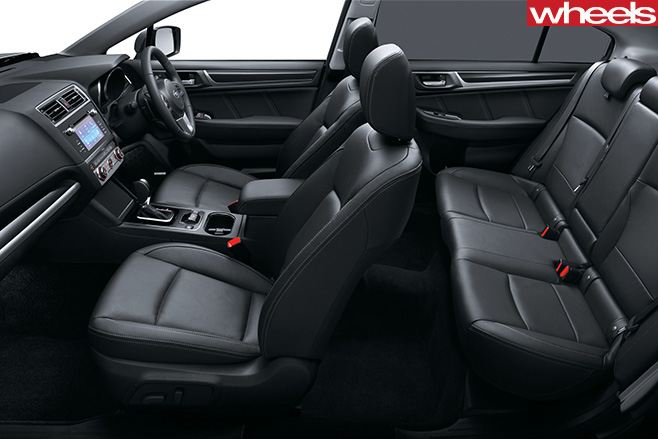
Pricing for the three-model range kicks off at $29,990 for the 2.5i CVT, which is no change on pre-facelift pricing. However, the rest of the range stacks on $500. That makes the 2.5i Premium CVT that we’re driving here $35,990 and the flagship Liberty 3.6R $42,490. Given the extra safety, it all adds up to a Liberty that is better value, marginally better to drive but still far from a class-leader.SPECS Model: 2016 Subaru Liberty 2.5i Premium Engine: 2498cc 4cyl, dohc, 16v Max power: 129kW@5800 rpm Max torque: 235Nm@4000rpm Transmission: CVT Weight: 1568kg 0-100km/h: 9.6sec (claimed) Fuel economy: 7.3L/100km Price: $35,990 On sale: Now
WE’VE been waiting for months for the sleeker, sexier, two-door version of the Mercedes-AMG C63 S to arrive, and now we finally have a date. And a price.
AMG’s C63 Coupe will hit Aussie roads in June priced from $162,400 as it takes the fight to the BMW M4 and the Audi RS5, both of which are slightly cheaper. The M4 costs $161,900, while the aging Audi is $157,510.
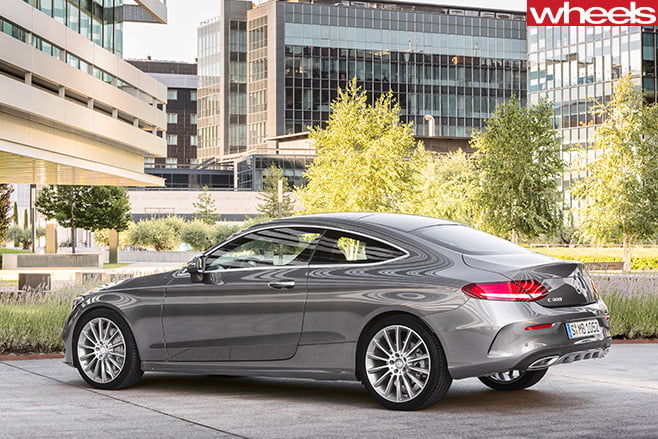
The coupe is also the quickest car ever to wear the C63 badge, courtesy of a 0-100km/h claim of 3.9 seconds.
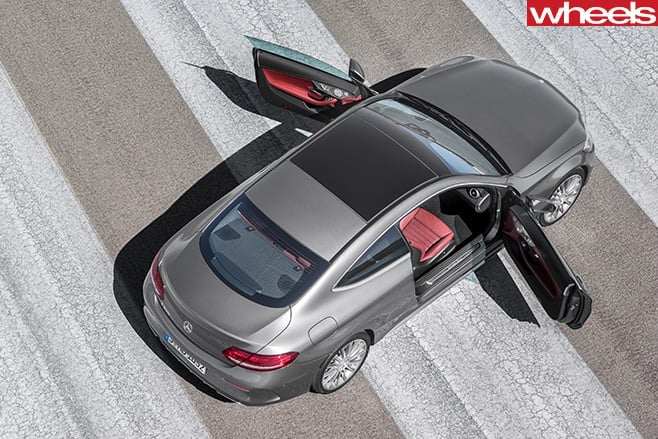
It kicks off with the C200 Coupe, priced from $65,900 and powered by a 135kW/300Nm turbo four-cylinder engine. Standard equipment includes 18-inch alloys, AMG body styling, sports suspension and LED headlights.
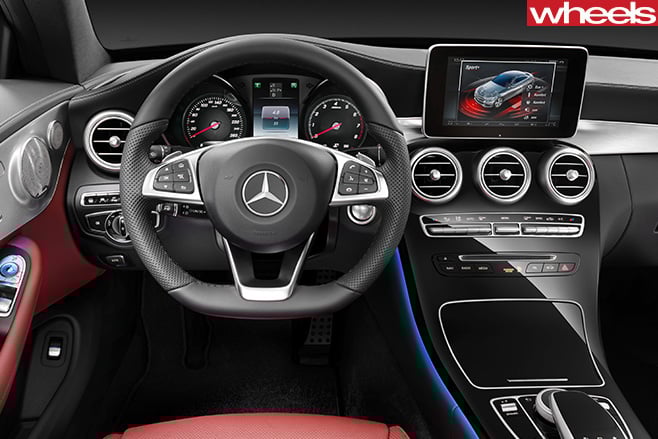
Also joining the C-Class Coupe range in December will be the AMG C43 Coupe and C43 Cabriolet, which cop AMG-tuned drivetrains and suspension, yet sit below the range-topping C63.
Doesn’t look so different, does it? Don’t be fooled.
The Lotus Evora 400 may look like it’s only had a nip and tuck at each end, but more than two thirds of its parts are new or revised.
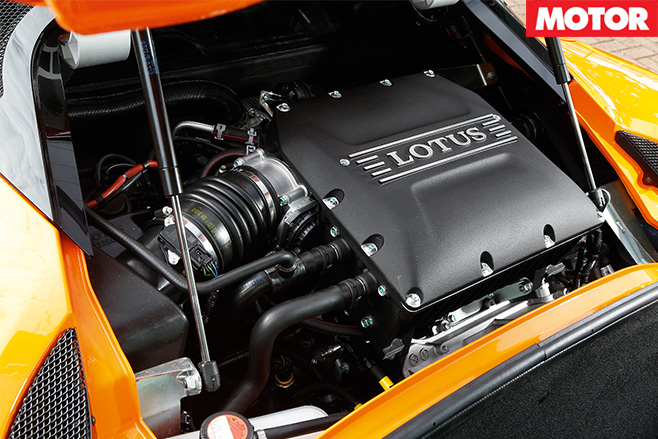
Most notable among these is the addition of a charge cooler for the Toyota-sourced 3.5-litre blown V6 engine, helping it achieve a power peak of 298kW – up 40kW on the model it replaces. There’s also a weight reduction of 42kg, making the Evora 400’s kerb weight a smidge under 1400kg.
Less obvious is the revised extruded and bonded aluminium tub, with sills lowered by 56mm and their width reduced by 43mm to make getting in and out of the car easier – all without affecting rigidity.
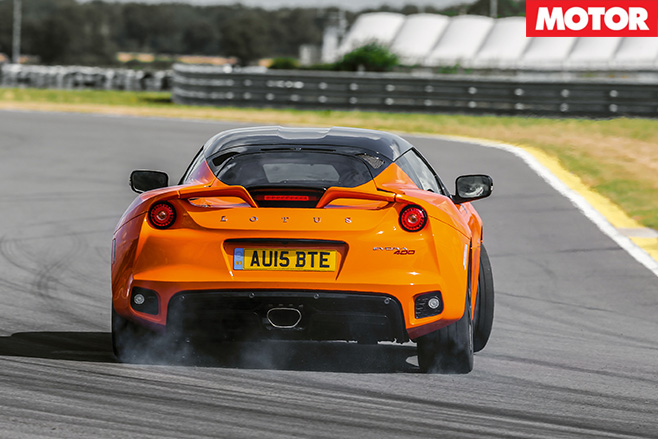
Springs and dampers are firmer to match the increased performance, along with a Quaife-sourced mechanical limited-slip differential to prevent excess power being wafted away by a spinning inside wheel.
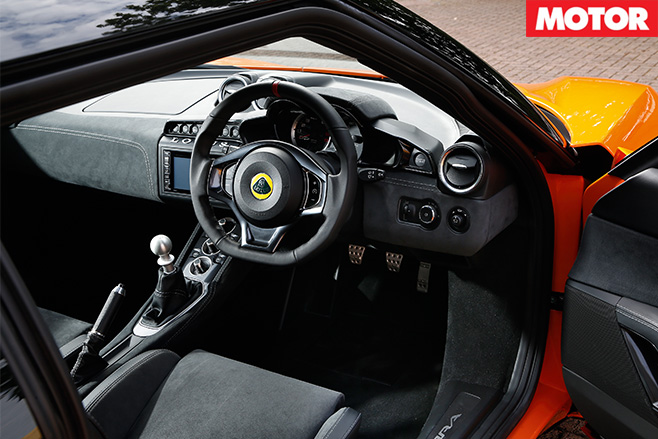
Inside, the new 3kg-lighter seats feel higher, even though they sit in the same position as before, skewing your legs towards the centre of the car despite an apparent increase in foot room. The small steering wheel can be set high and close, though, and the centre-console-mounted gear lever feels sturdier and more nicely finished than before.
Throttle response is still keen, though the Evora 400 prefers to be revved hard. It spins to 7000rpm and does its best work beyond 4500rpm, despite the peak torque of 410Nm arriving 1000rpm earlier than that and hanging around until 6500rpm.
The 298kW peak appears right up by the redline, by which time the engine is making a fair old howl and the Evora is feeling every bit as quick as its 4.2sec 0-100km/h time suggests. With a 300km/h top speed, this is the fastest production Lotus yet made, and even though there are now hot hatchbacks with a power output approaching this, I wasn’t left feeling short-changed.
To avoid both of those niggles, there’s an automatic option – a six-speed torque converter unit – which is okay on the road and has well-spaced pedals for left-foot braking. But while it’s relatively quick and responsive to shift, it lacks the sophistication of a great dual-clutch. It does without a limited-slip differential, too.
It’s a pity, because these things can get in the way of you enjoying the chassis – and if the Evora 400 has anything, it’s a chassis. True, the ride quality has diminished a little as a result of stiffening the springs and dampers, but the Evora always had some to spare.
This is a car that still rides remarkably well – better, in fact, than the keener versions of the Porsche Cayman, and probably has a more alert turn-in, on a steering system that remains slick, well weighted and positive.
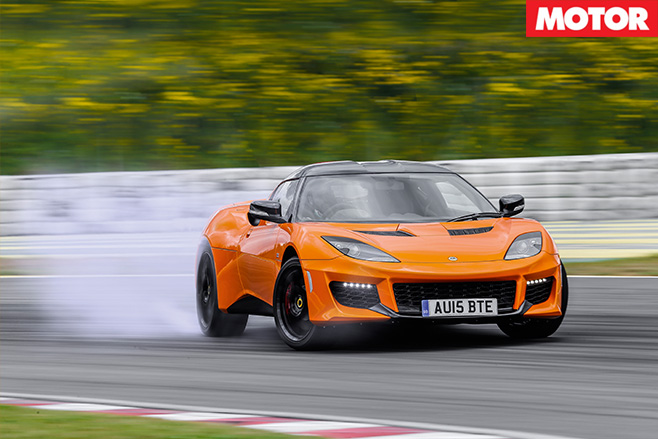
Drive it up to its limits, though, and then be assertive with the steering and throttle, and it’ll do what you want: become neutral, or slip just a little, or hook up the diff and pitch itself a long way sideways.
All in all, the Evora 400 is hugely improved. And while there’s still a ‘but’, this time it’s smaller and has more to do with what comes out of Stuttgart than any inherent flaws with the Lotus. That’s progress.
4 out of 5 stars
Specs Engine: 3456cc V6, dohc, 24v Power: 298kW @ 7000rpm Torque: 410Nm @ 3500-6500rpm Weight: 1395kg 0-100km/h: 4.2sec (claimed) Price: $200,000 (est.) Positives: Extra speed; quality improvements; superb chassis Negatives: Average gearshift; ergonomic issues; costs a lot
