
Jaguar’s first effort at a compact executive car, the X-Type, shared components with a humble Ford Mondeo and looked rather old fashioned.
The Jaguar XE consigns that model to distant memory. There’s still a partial Ford link under the bonnet with the 25t’s four-cylinder turbocharged petrol engine, but that’s no bad thing because it’s a fine engine with plenty of character and good fuel economy.
Where the XE leads the way is in the driving experience. It’s brilliant steering and handling has put an end to the BMW 3 Series’ decades long reign as the car for executives who love to drive.
Check out our quick review video here, or watch our full video review for more information about the XE range.
Often heralded as Lamborghini’s most beautiful creation, the Miura is one of the most revered cars of all time. 50 years since its public debut, we take a look at what made the Miura so special in period, and why it is still such a collector’s item today. This is where the legend of the Raging Bull started.
THE ORIGINAL SUPERCAR
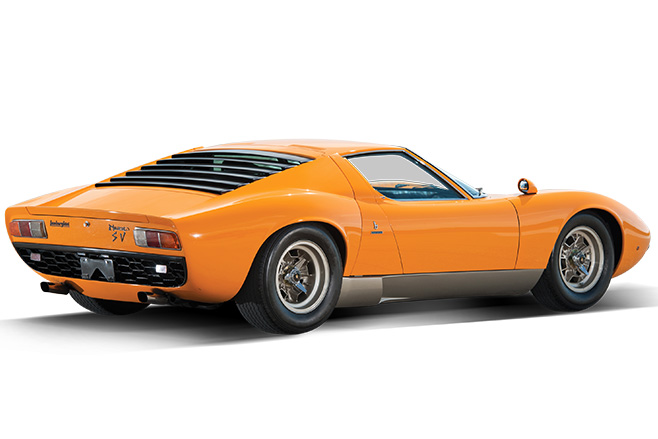
Lamborghinis and V12s just seem to go together. It’s been that way since 1963, when Ferruccio Lamborghini decided to get up Enzo Ferrari’s nose.
The debutante 350 GT was a nice enough car, but Lamborghini could easily have become just another ambitious, short-lived Italian sports car brand. It was what came next that really brought home the harvest.
The Miura was launched at the 1966 Geneva motor show. At the time, it was the world’s fastest production car, the first to be mid-engined, and the first with a transverse V12.
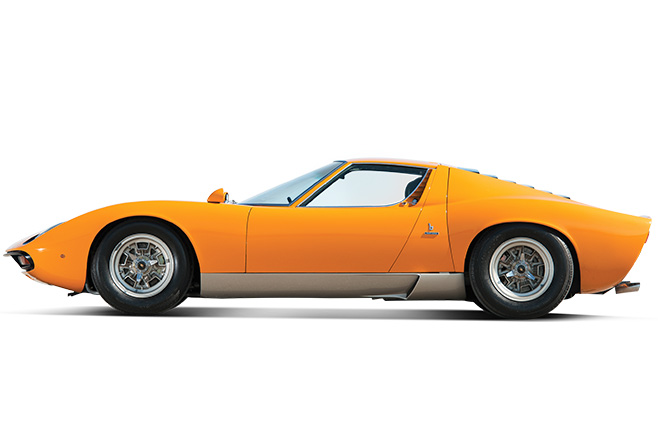
Quite aside from its technical interest, the low-slung two-seater also re-wrote the book on sports-car styling. The ink in that book had barely dried from the Jaguar E-Type, but here was Sophia Loren meeting Olive from On the Buses.
Amazingly, three of the Miura’s main architects – chassis designer Gian Paolo Dallara, stylist Marcello Gandini and Kiwi development driver Bob Wallace – were still only aged in their mid-20s when they created this classic.
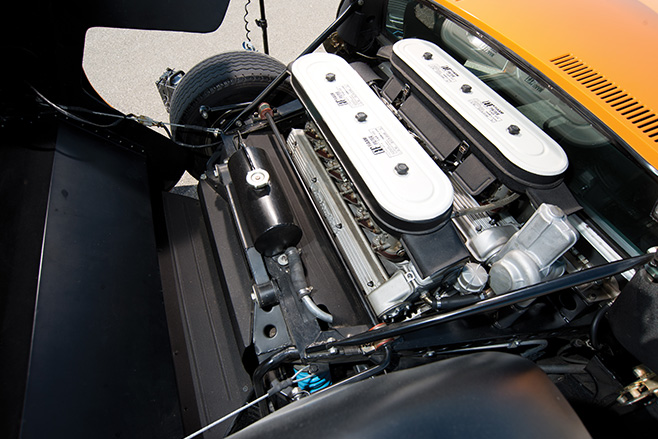
The transverse V12 engine was designed by Giotto Bizzarrini, who had fled Ferrari in 1961. The quad-cam, 60-degree V12 was much as it had been designed for the front-engined 350 GT, but here enlarged to 3.9 litres and cast in unit with the transverse five-speed gearbox.
Bizzarrini’s engine was destined to be a legend. After Miura, in longitudinal configuration it was successively enlarged and used in the Countach, Diablo and Murcielago until 2012.
Dallara’s sheet-steel monocoque chassis, with its ‘Swiss cheese’ holes for lightness, was beautiful enough to display naked at the 1965 Turin show. There, the clothing of it was entrusted to Nuccio Bertone, who had young Gandini and also, reportedly, Giorgetto Giugiaro both work on the design.
The P400 Miura could top 280km/h. An interim, up-specced ‘S’ led to the last of the line SV in 1971, which had yet more power and revised, wider rear suspension. But Miuras never officially raced; Ferruccio forbade it.
Ferruccio sold out of his car business in 1972-73, a timely move because in 1973 the supercar market was gored – and la estocada dealt to the Miura – by the worldwide OPEC oil crisis.
The final production tally was 474 P400s, 140 S versions and 148 SV Miuras.
DRAMATIC BODYWORK
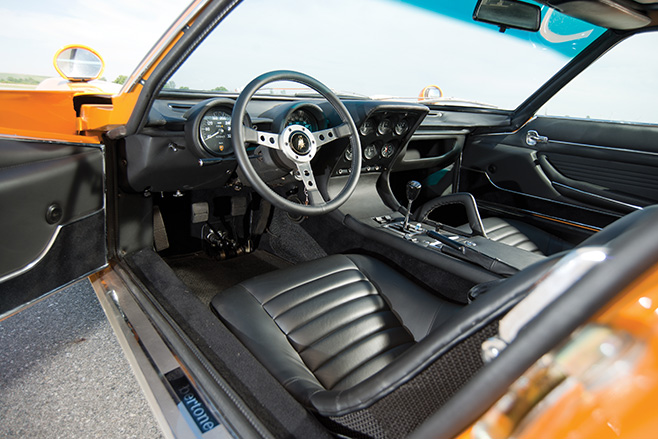
Miura’s front and rear clamshell panels are as dramatic in operation as they are in appearance. SV versions, such as this Miura Giallo example, deleted the earlier Miuras’ headlamp ‘eyebrows’ that framed Fiat 850 headlights. SV’s tail-lights were from the Fiat Dino Spyder. Interior spec stepped up with S in 1968; SV (Spinto Veloce, meaning “pushed fast”) introduced real leather and air-conditioning.
5 HISTORIC MIURA MOMENTS
1. Birth of the bull
Miura introduced Lambo’s bull model names. Ferruccio, a Taurus, chose his company logo during a 1962 visit to the Miura ranch in Seville
2. The Italian Job
The cliff-plunging Miura P400 in The Italian Job (1969) was a written-off car donated by Lambo. Driving scenes used a customer’s car.
3. Crash and burn
Ultimate Miura was the one-off Jota built in 1970 by test driver Bob Wallace as a race-spec road car. It was sold and only months later crashed and burned
4. Sound investment
The orange SV featured in these photos was sold in 2010 by RM Auctions for $US825,000, then again by RM for $US2.1 million in August 2014 – a 150 percent profit in four years.
5. Going for a song
Celebrity Miura owners included Frank Sinatra, Rod Stewart, Aristotle Onassis and jazz legend Miles Davis, who broke both legs in a ’72 crash.
Sure, there’s plenty of cool stuff at motor shows and we could talk about new technology and concept cars until the cows come home. But here’s the thing, sometimes we just want to look at the pretty pictures of sexy cars and gawk. So, practical or not, here’s a list of the 12 sexiest cars we’d put on our wall from the Geneva Motor Show.
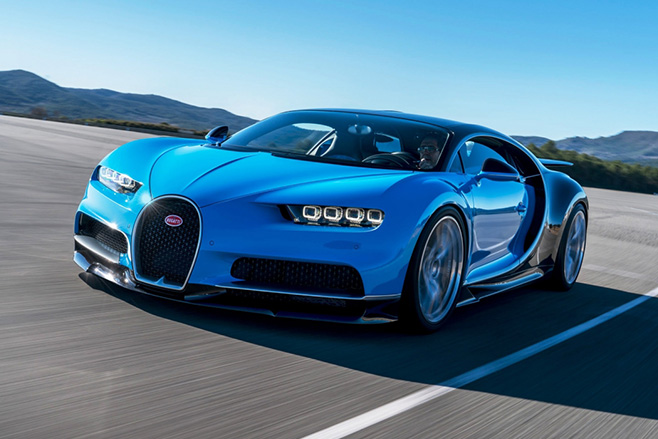
1 BUGATTI CHIRON
This superfast, super sexy Bugatti is one of those cars that is so exclusive and costs so much money it likely ends up sitting on display in a glass-walled garage. And every now and then, when there’s no chance of rain or dust, it’ll be driven around the corner and parked on the street so everyone can gaze at it, then locked away again until next time. That seems like a bit of a waste for a car with a 500km/h speedometer on the dash. Then again, the Chiron will cost AU$3.7 million so we can’t really blame any owners for treating it like a precious jewel. It’s really a piece of rolling art.
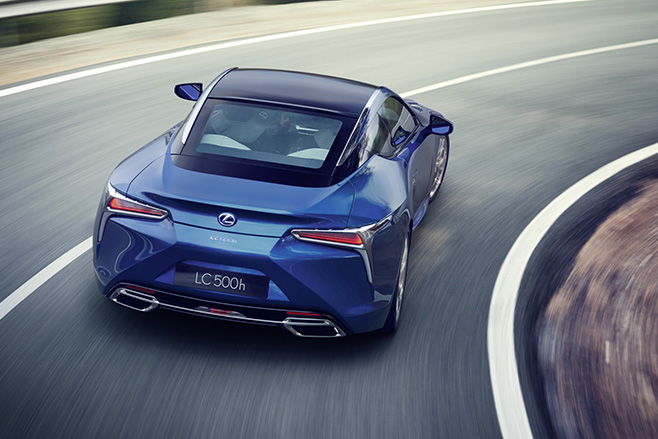
2. LEXUS LC500H
Taking styling cues from the LF-LC concept we saw in 2012, most of the attraction of the Lexus LC500H sits under the bonnet with the ‘Multi Stage Hybrid’ engine. And while the design isn’t anything too crazy, that slick, lengthy front-end and curvaceous roof gives this car a real edge. But it’s the inside that’ll really have jaws dropping with a crisp, minimalist interior, bright orange panelling and spike-like door handles.
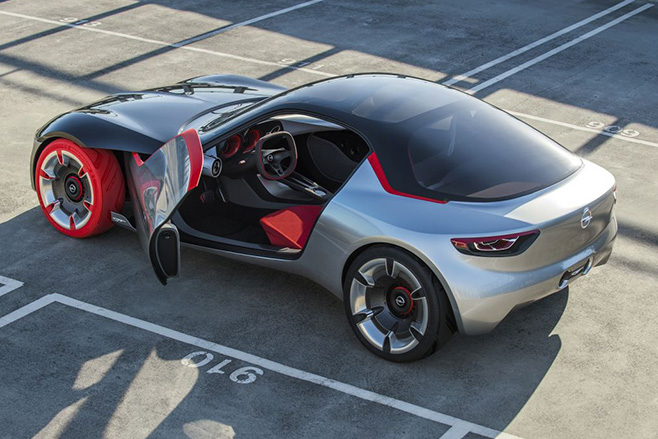
3. OPEL GT
Don’t judge a book by its cover – that’s what everyone will be saying about the Holden-built concept. It looks like a sports car, it’s built like a sports car but this mini-sports car only has a 1.0-litre three-cylinder engine under super-shiny bonnet. The silver side panels, black bonnet, and hot-red lines and front tyres makes it look like it’s driving at high-speed, even when it’s not moving. The thing we love most about the GT concept car? It was hand-made in our very own Port Melbourne backyard and is probably one of my favourite designs to come out of Geneva.
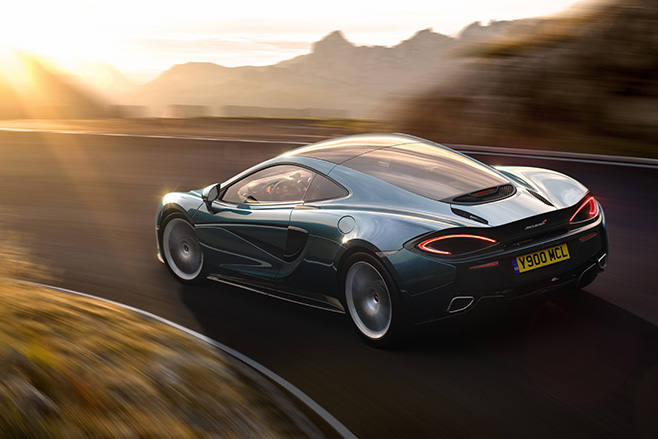
4. MCLAREN 570GT
The 570GT is basically a 570S, but more practical. It may not be as fast or as powerful, but McLaren have created the GT as a more luxurious sports car. It’s the kind you can take on a road trip with a larger boot and more comfortable seats. The scissor doors open upward and the rear-window opens on a hinge. This car is straight out of Back To The Future, only, actually from the future.
5. CITROEN DS E-TENSE
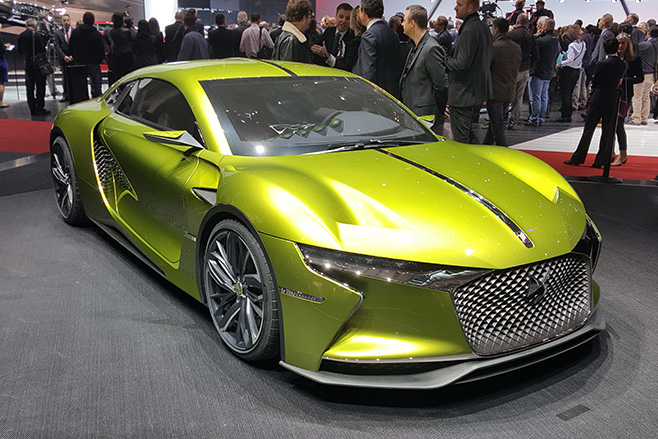
There is something about the E-Tense that reminds me of a spider. With its spider-eye headlights and diamond-like shapes giving the impression of a webbed grill, dash, and rear lights, this car is not short on strange design features. The DS E-Tense is an electric car packed with cool features, like a camera-projection instead of a rear-view mirror to make up for no rear-window, a 12-inch HD display for the driver and a 10-inch centre dash touchscreen, a cabin filter for clean air, and it even comes with a watch that can sit on the console or on your wrist. Quirky.
6. ASTON MARTIN DB11
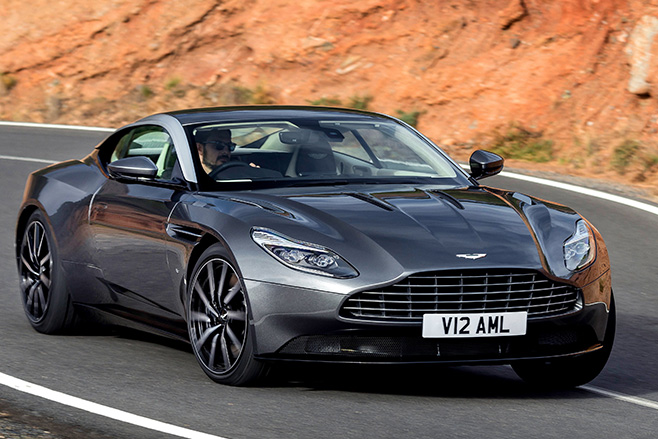
There’s something about Aston Martins that always look sexy. But maybe it’s the just the connection to the name Bond, James Bond. This DB11 doesn’t really do anything for me in terms of the ‘WOW that’s different’ factor, but then Great British design tends to stick with elegant and refined, not showy and attention grabbing. The DB11 certainly takes styling cues from the beautiful Aston Martin designs we already know, and that, in itself, is why it makes it onto the sexiest car list. That said, the more interesting changes of the DB11 are under the bonnet and in the more spacious interior.
7. TOYOTA C-HR
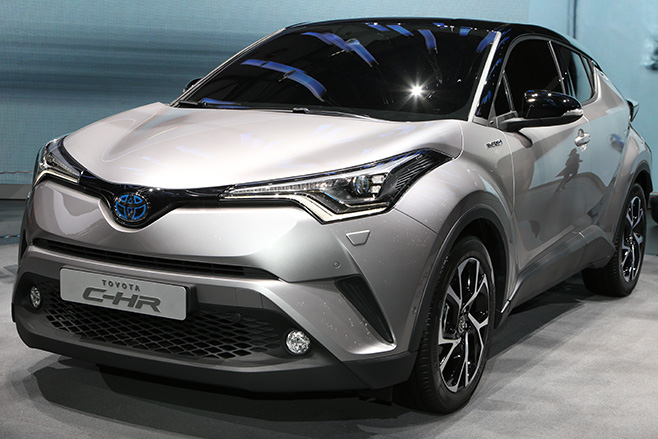
This car had us all divided. In the WhichCar office, we often have discussions around pareidolia (the word given to the act of seeing faces in unusual places), especially when it comes to cars. And to me, the Toyota C-HR looks angry. Probably the most attainable on this list at around the $20k price point, the C-HR is Toyota’s baby SUV and is bound to turn heads with its sharp lines and bold exterior.
8. ABARTH 124 SPIDER
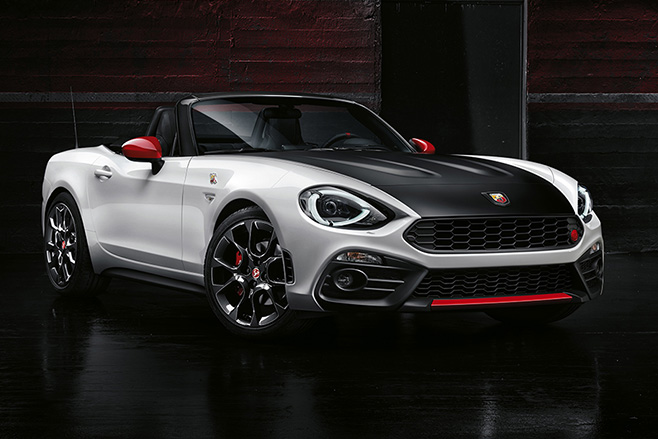
Not a huge amount has changed on the Abarth version of Fiat’s 124 Spider, and there’s not much of a wow factor happening when we compared to its twin, the Mazda MX-5. Well, that is except for the two tone paint job – the blacked out bonnet, red side mirrors and stripe on the grill makes this otherwise same-same design steal the spotlight.
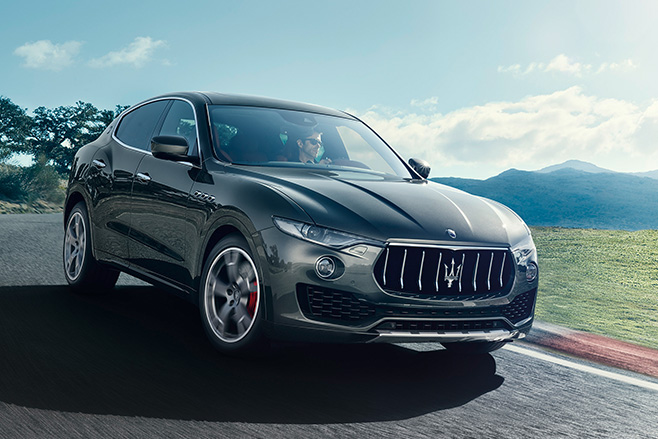
9. MASERATI LEVANTE
Maserati have entered the SUV game with the Levante. While we can’t help but think this shape is really similar to the BMW X6, the Levante’s rear line is based on the Quattroporte sedan. But aside from the new shape, the Levante features most of Maserati’s signature design features with its signature guard vents, front grill and a lavish interior typical of Maserati. The interior’s red leather is a salute to the brand’s Italian heritage.
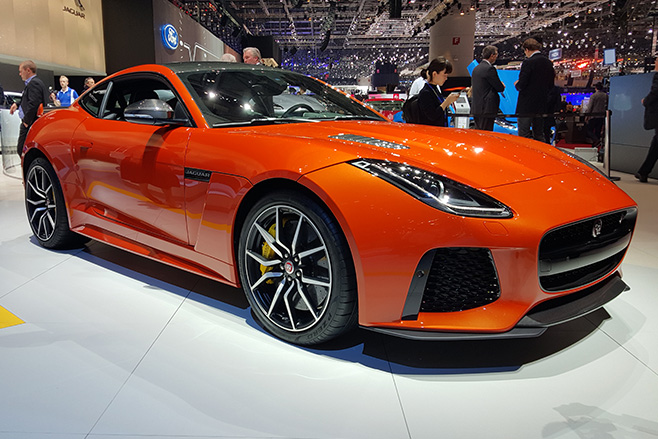
10. JAGUAR F-TYPE SVR
The Jaguar F-Type SVR is said to be one of the fastest cars revealed at the Geneva motor show. But while this kitty can supposedly reach speeds of 322 km/h, we’re more interested in how it looks. From its hard-lined hood, titanium exhaust, new side grill on the front guards, and a carbon fibre spoiler that automatically pops up. Basically sex on wheels.
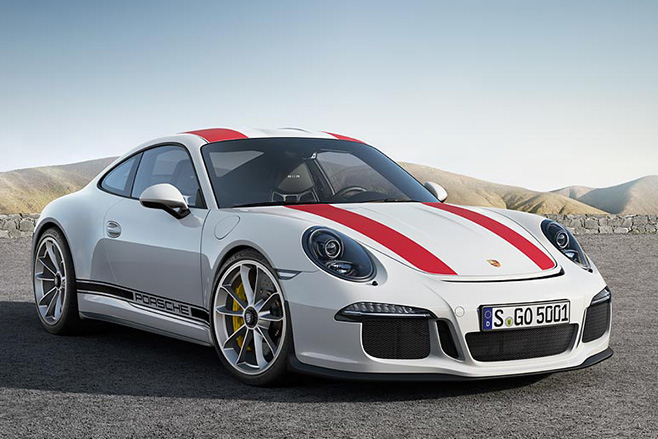
11. PORSCHE 911 R
The Porsche 911 R doesn’t look much different to the others in the 911 range, but it sure plays homage to its 1967 road racer heritage. Available in white, red and black, with red or green stripes, the 911 R paint job gives it a vintage look that we love. This Porsche cherry picks all the best bits of the 911 range with a GT3 body, lightweight panels from the GT3 RS and carbon bucket seat with pepita cloth ala 918 Spyder, it’s pretty safe to assume this super Porsche is set to be pretty sought after.
12. BMW M2
As you assume from the name, the BMW M2 is a smaller version of the M3 and M4. The M2 finds the middle ground between the current technology of M range sports cars and the classic feel and control of old M cars. Basically, it’s got the purist element of the classics, with all the tech of the newer ones. Bravo.

Volvo Cars Australia has joined forces with Polestar Racing and Garry Rogers Motorsport (GRM) to enter the Volvo Polestar S60 into Australian motorsport. Debuting in 2015, and finishing fifth in the Championship, the team are set for a faster and stronger 2016 with Scott McLaughlin and James Moffat behind the wheel.
Kicking off the 2016 season with the Clipsal 500 this weekend (March 3-6), Volvo are hosting a family-friendly area on Saturday and Sunday for the first time. Calling it Välkommen, which is Swedish for ‘Welcome’, the platform will allow adults and kids to enjoy the excitement, sounds and race of the Clipsal 500 from a luxurious base.
The parkland setting will allow guests to escape the mayhem of the Clipsal while still being able to watch the race from a trackside platform. There will be a kidzone, food prepared by Volvo ambassador and Aussie chef Luke Mangan and a bar stocked with local drinks.
“This year we’re saying Valkommen in a unique way by offering our Clipsal guests a family-friendly taste of Swedish hospitality and style in a very different setting. We are thrilled that Luke has developed a fantastic menu for our guests, and will be at Clipsal for the first time on Saturday,” said Kevin McCann, Volvo’s Managing Director.
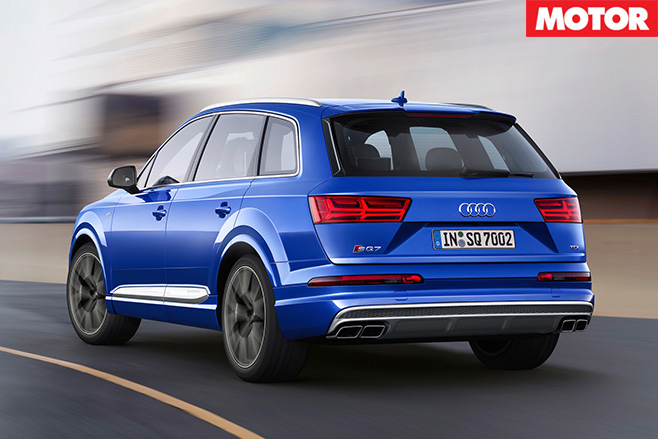
Remember the 1000Nm Q7 V12 that tugged a Boeing 747 along for an advertising commercial? This 900Nm Audi SQ7 is its spiritual replacement – with an electric twist.
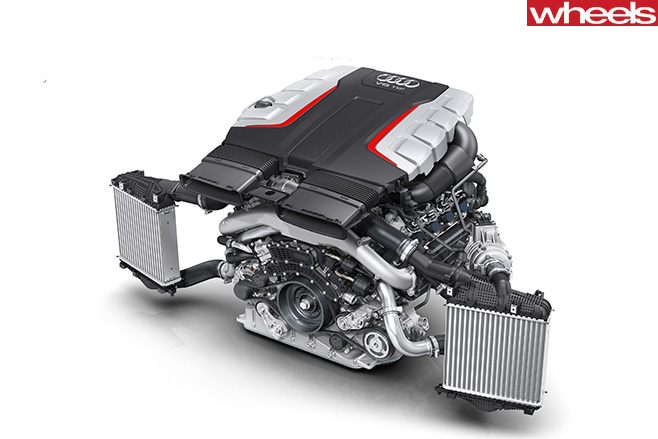
In addition to utilising a 4.0-litre twin-turbo-diesel V8 engine, the new SQ7 is the first production vehicle to debut Audi’s electrically powered compressor technology previewed in the RS5 TDI Concept driven here.
In less than 250 milliseconds a small electric motor can spool the compressor wheel up to 70,000rpm. Its positioning downstream of the intercooler and close to the engine means it can then instantly add boost without waiting for exhaust gases to recirculate, as per a regular turbocharger.
“With this technology, turbo lag is history,” Audi claims in a statement.
“Because the EPC [Electric Powered Compressor] does not require any exhaust-gas energy to develop boost, it can be used at any time, thus making it the solution for the traditional weaknesses of the classic exhaust-gas turbocharger.”
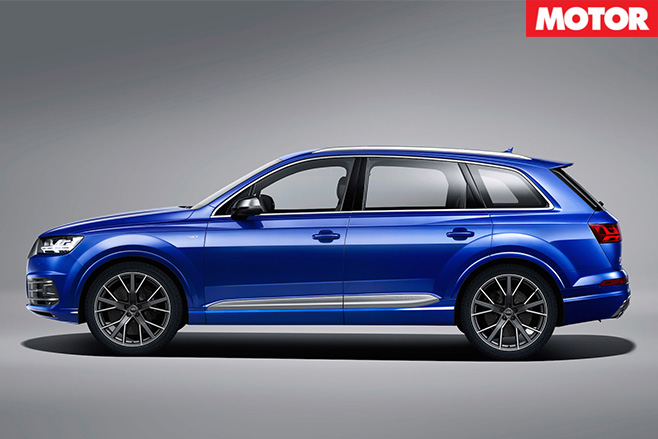
The result is 0-100km/h in a claimed 4.8 seconds while delivering a combined cycle consumption claim of 7.4 litres per 100 kilometres. The previous 5.9-litre turbo-diesel V12-engined Q7 produced 368kW/1000Nm but claimed 0-100km/h in 5.5sec and slurped 11.3L/100km.
“On an uneven road surface, they are actively decoupled from one another, resulting in improved ride comfort,” it adds.
“During sporty driving, the tubes are interconnected and twisted against each other. That significantly reduces body roll [and] together with the transmission, the electric motors produce anything up to 1200Nm of torque.”
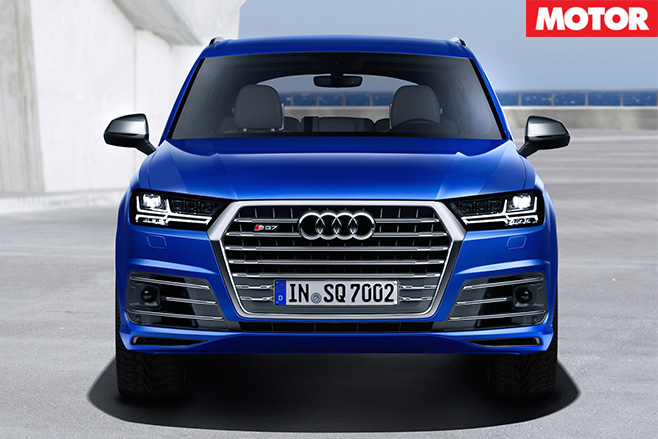
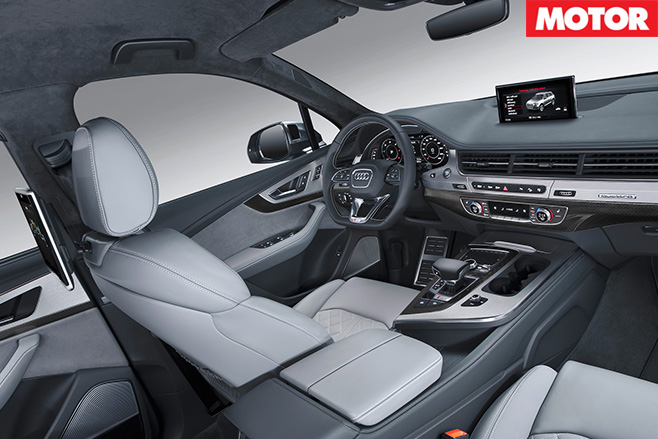
Matrix LED headlights and a 12.3-inch ‘virtual’ cockpit are also standard in a large, luxury SUV packaged destined for Australia “before the end of 2016”. Expect pricing of around $180,000 for the SQ7.
Honda’s polarising Civic Hatch concept has signalled Australia’s next Type R isn’t far away.
Revealed at the Geneva Motor Show, the Civic Hatch concept accurately previews the successor to the current UK-built variant sold here and Stephen Collins, Honda Australia director, tells sister magazine Wheelsit’ll be crucial in helping Honda establish a foothold in our competitive mainstream hatch market.
Of course, MOTOR’s not much bothered about that, but we are interested in what it means for the Civic Type R, a car which in its current generation skipped our market.
When talking about the tenth-gen Civic Collins confirmed the Type R is part of its Australian timeline. “The all new sedan will arrive mid this year and then Hatch will follow, and then Type R.

Besides an increase in dimensions, not much else is known about Honda’s next hot Civic, such as whether its hot bits will sneak in to coupe and sedan body styles.
Do expect the current model’s turbo 2.0-litre four, with 228kW, to carry over into the hatch variant. It’ll also bring along Nurburgring proven mechanicals, as a mule has been spotted lapping the ‘Ring.
But as for the wait, expect the next Civic Type R to arrive here no earlier than 2017.
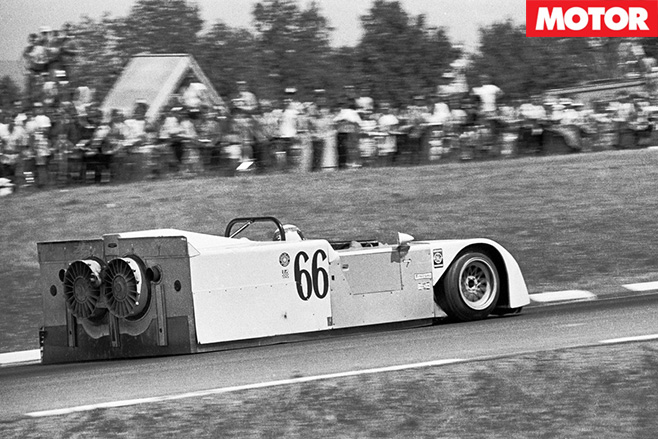
Whether or not it has improved motor racing is debatable, but the adoption of aerodynamics has given the sport some totally wild creations.
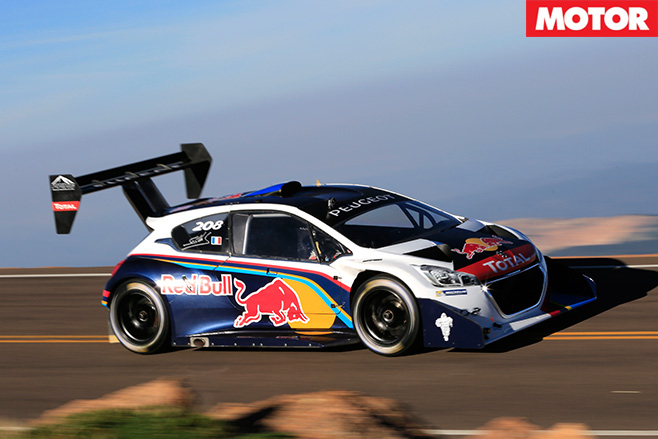
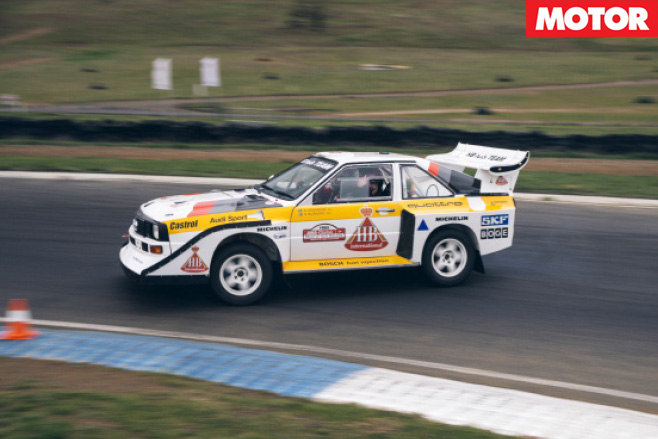
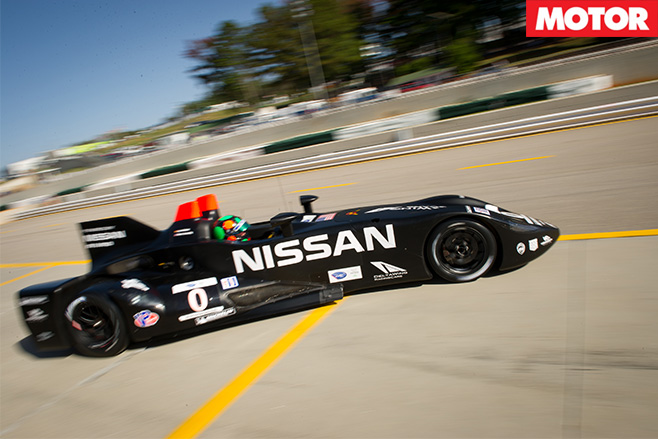
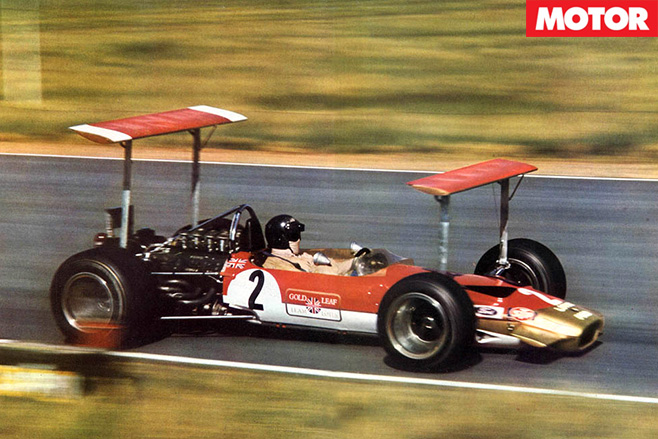
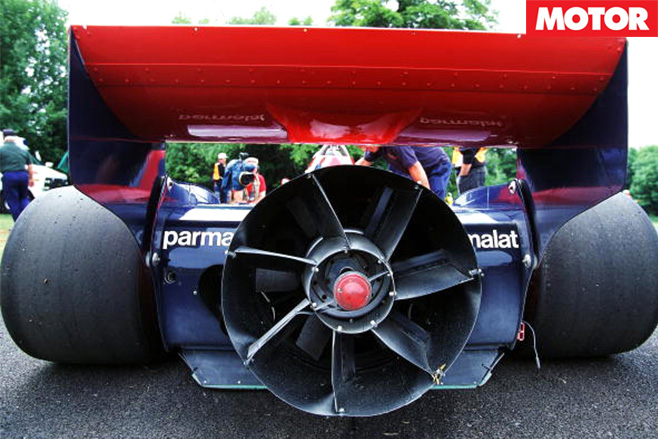
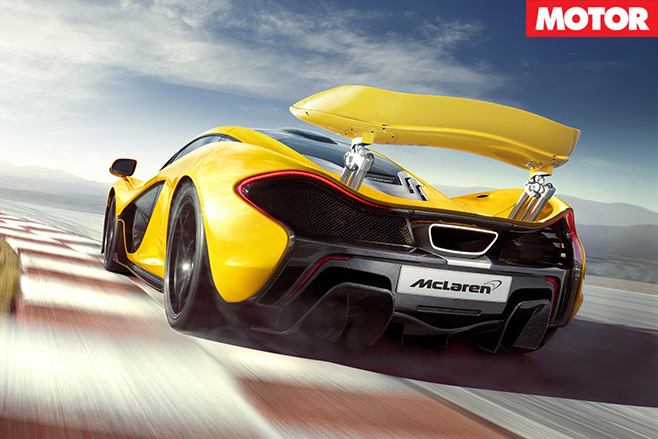
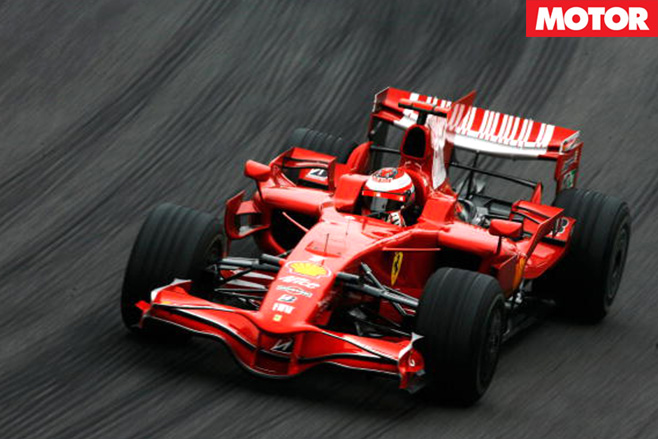
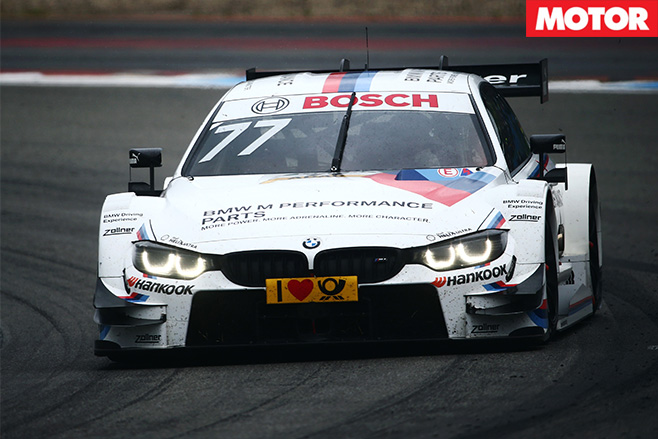
This V8 mid-sizer from Lexus – almost an RC F coupe in four-door – might not have a turbo, but that’s part of its charm.
WHAT IS IT? Essentially a roomier, four-door version of the Lexus RC F coupe that won friends and influenced oversteer at Car of the Year 2016. It packages the same raunchy, engaging powertrain and similar chassis upgrades into a refined, beautifully built four-plus-one seater.
WHY ARE WE DRIVING IT? We were impressed with the Lexus GS F when we drove it in Spain, enjoying its sweet balance of sporting abilities and general athleticism. Now we get to see how its firm, non-switchable suspension tune copes with Aussie roads, and we can make a value call based on local pricing and spec levels.
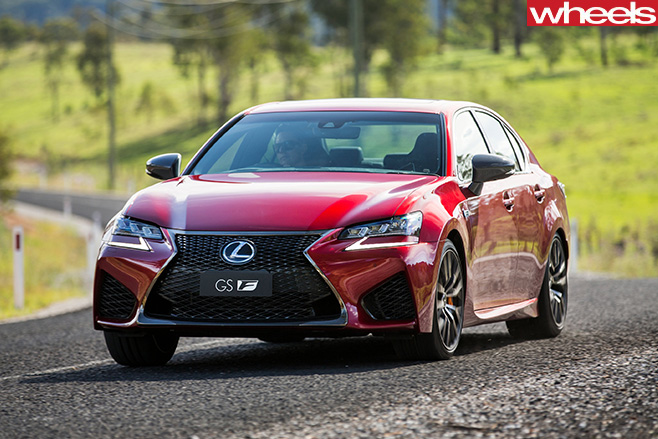
PLUS: Rev-happy V8, excellent auto; dynamics; sound; cabin; equipment MINUS: Steering could be better; some tyre noise; tight centre rear seat
THE WHEELS REVIEW WITH throttle wide open, and the 5.0-litre atmo V8 belting out a baritone bellow at the top of fifth gear, two things are front of mind while pushing the Lexus GS F around South Australia’s Mallala Raceway. First, how late can I leave it until hammering the excellent Brembo brakes in preparation for the ultra-tight right-hand hairpin? And second, how can this car, so polished, so accomplished, come from the same company that serves up the underdone, thoroughly unappealing CT200h hybrid? Or, for that matter, the lumbering, LandCruiser in a dinner-jacket that is the Lexus LX570?
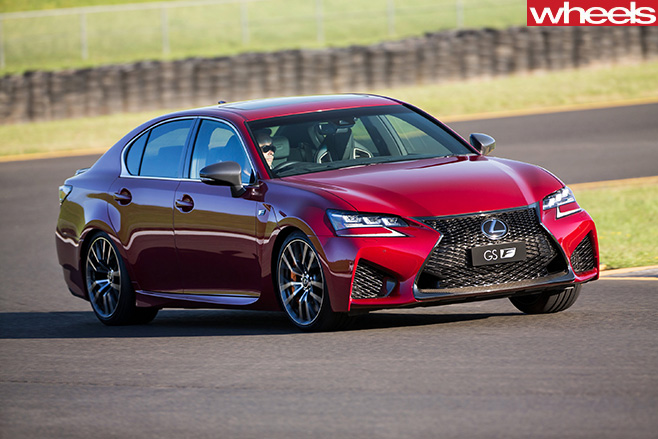
Better to just focus on the positioning of the GS F, and be grateful that it’s as well developed as it is.
Given that the GS range sits, in terms of dimensions and sales aspirations, as a better equipped, keener priced competitor set for Audi’s A6, Merc’s E Class and BMW’s 5 Series, it would stand to reason that the hottest of the GS line would be eyeballing RS7/M5 and E63, but it doesn’t quite work that way, both in terms of performance and price. Instead, the 351kW GS F, especially in light of its circa-$150k tag, is more of an Audi S6 alternative, or a slightly roomier (and 300kg heavier…) option to M3/C63 and RS4.
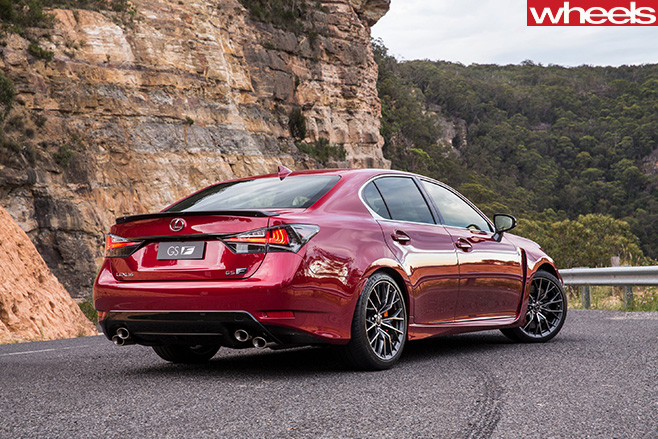
To hear the engine working up around its 7300rpm peak, to feel the top end responding perfectly to tiny adjustments of your right foot, is to be reminded why we love atmo V8s. As for any perceived lack of boosted midrange? If you need to get the hell outta Dodge, just kick it to the firewall and let the eight-speed auto quickly shuffle to the lowest gear available. At no stage did I say to myself: “if only there were a couple of turbos to dull the throttle response and sully the engine note while clipping a few tenths off that 70-140km/h time.”
The aluminium V8 runs both direct and port injection, and thanks to the cleverness of its variable cam timing system, is capable of switching to the more frugal Atkinson cycle on a light throttle. Inside it runs forged rods, titanium valves, and a high 12.3:1 squeeze ratio. While peak power of 351kW is delivered at 7100rpm, there’s headroom to 7300rpm. Maximum torque of 530Nm sits across a high-ish plateau between 4800-5600rpm, so no surprises that’s the base operating zone you’ll need to be in the moment you clear the city limits.
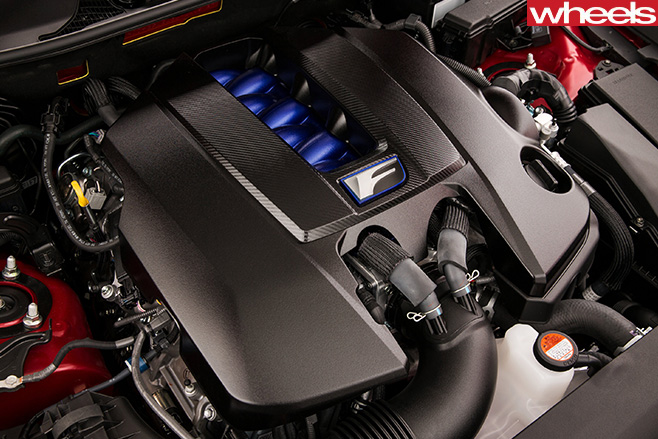
Pushing the lever over to the manual gate means the box will hold gears right onto the limiter at 7300rpm as you pluck away at the paddles. But you’ll really only take this approach for extra involvement or (maybe) track driving, given that Sport+ is so well mapped to avoid early upshifts. Bottom line; this is a gun powertrain. It may appear a bit soft on paper – no dual-clutch transmission, no turbochargers – but the real-world experience says that’s no real loss in a car like this.
The steering assistance level is not independently driver selectable, but Lexus does claim the EPS aid is reduced in Sport+. It’s subtle; and I found myself craving a slightly meatier, more direct connection. It’s not especially quick at over 2.8 turns lock to lock, a fraction vacant at the straight-ahead, and not overly communicative once you’re tipped into a corner and sniffing the limits of the (ample) grip levels. The rest of the chassis pounds its chest as a proper sports sedan; the steering feels a little aloof by comparison.
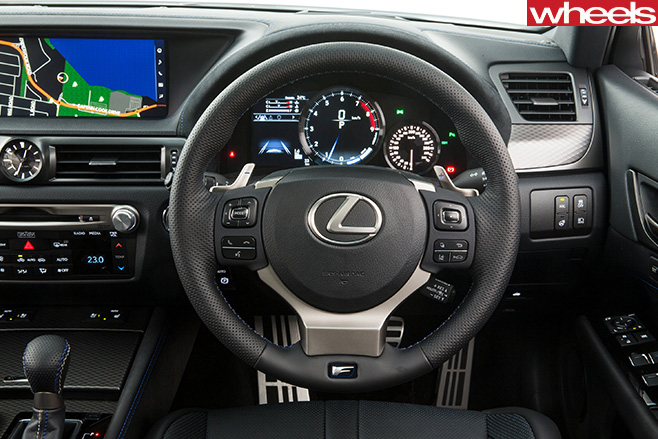
Body control is excellent, and, if you’re really up it, or on a circuit, you can feel the effects on the rear end of the Nurburgring-developed torque-vectoring differential (TVD). It uses electric actuator motors and multi-plate clutches to vary the torque distribution by up to 18 percent side-to-side according to which of the three settings you’ve chosen, and info fed from the vehicle dynamics management system. Pile into a corner a bit hot, and just when initial understeer really builds, another throttle application brings the back end into a sweet pivot position, with an almost rear-steer effect. It helps deliver a level of agility and overall poise you may not expect from an 1865kg car with an L on the grille.
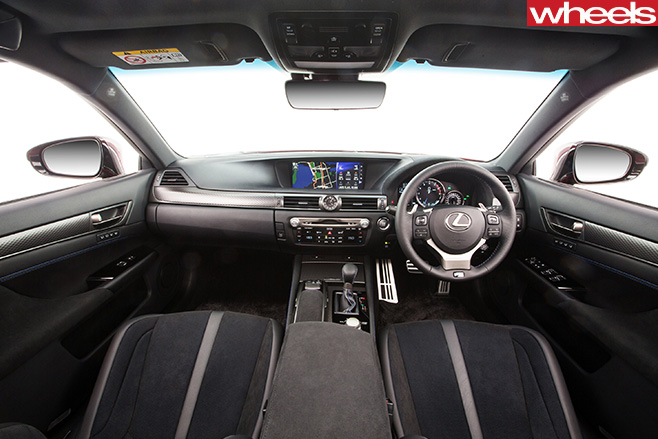
Only some tyre noise from the 19-inch Michelins breaks the cabin’s otherwise hushed ambience. Well, that and the engine note once you switch out of Eco or Normal modes – which Lexus is quick to point out is not a synthesised effort. Instead, unwanted frequencies are banished using noise-cancelling tech, and only the good stuff gets fed through the speakers. It’s quite natural-sounding, and can be switched off if you’re in the mood for a more stealthy approach.
Which kind of sums up the GS F’s overall character. It’s a car of well-judged duality, capable of playing mild-mannered comfort conveyance through the week, and becoming half an angry animal when let off the leash on weekends. Exactly the kind of car that’s worthy of the F badge.
SPECS Model: Lexus GS F Engine: 4969cc V8, dohc, 32v Max Power: 351kW @7100rpm Max torque: 530Nm @ 4800rpm–5600rpm 0-100km/h: 4.6 sec Transmission: 8-speed automatic Weight: 1865kg Fuel consumption: 11.8l/100km (ADR combined) Price: $148,800 – $151,800 On sale: Now
AUDI’S new SQ7 high-performance SUV will debut electric turbocharger technology that Audi claims means “turbo lag is history”.
The 4.0-litre V8 turbo-diesel gets two traditional exhaust-driven turbochargers arranged sequentially for a broader spread of power.
But there is also an electric compressor that works at low engine speeds to all but eliminate the lag that makes turbocharged engines feel momentarily sluggish.
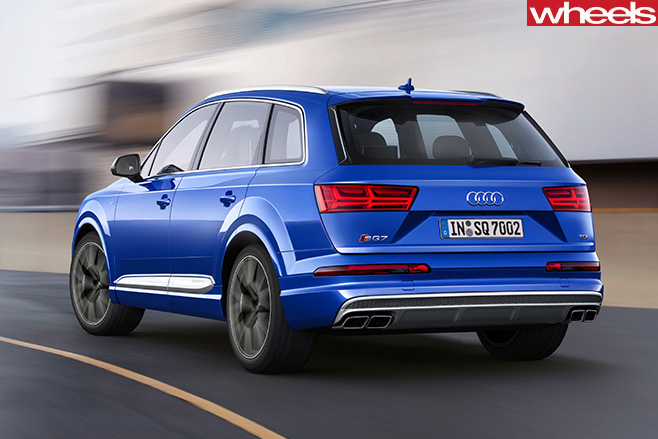
The result is 320kW of power and a hefty 900Nm of torque, the latter produced from just 1000rpm, ensuring near-instant access to the torque peak.
Claimed 0-100km/h acceleration is 4.8 seconds and average fuel use is 7.4 litres per 100km.
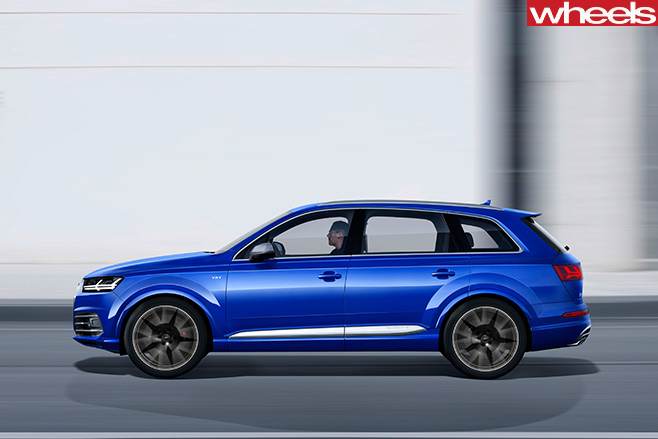
The engine drives through an eight-speed auto and Quattro all-wheel drive system with a self-locking centre differential designed to maximise traction.
Audi says the combination ensures “extremely dynamic off-the-line performance”.
As with the smaller SQ5, plenty of work was put into making the SQ7’s engine sound good.
The SQ7 also gets four-wheel steering as part of an optional driving dynamics package that includes a sport differential and active roll stabilisation.
The active stabiliser bars are connected via a three-stage planetary gearbox operated by an electric motor that replaces the more common hydraulic set-up. It means the stabilisers effectively decouple on bumpy surfaces but twist against each other with up to 1200Nm of force to reduce body roll and increase steering accuracy.
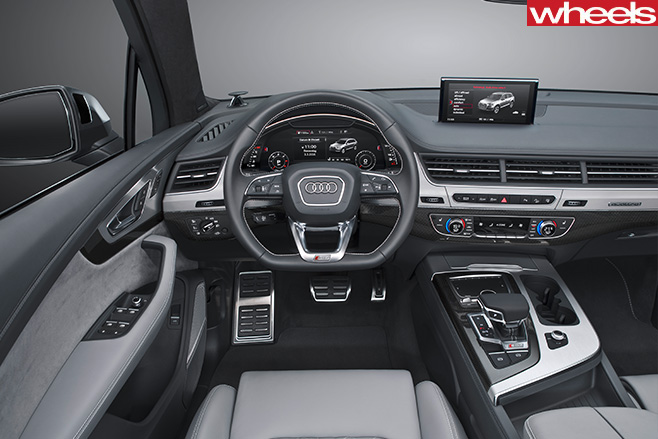
Teamed with air suspension, adjustable dampers and tyres up to 22 inches in diameter, it makes for one of the most driver-adjustable and technologically advanced Audis ever.
The SQ7 is due in Australia in the third quarter of 2016 and is expected to be priced around $180,000.
Mercedes-Benz has premiered its C-Class Cabriolet at the Geneva Motor Show. It’s the second new C-Class announced at Geneva, following on from the Mercedes-AMG C43 released earlier in the week.
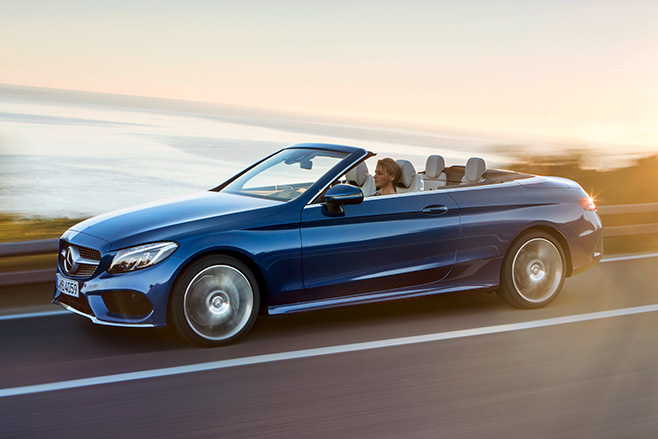
Not simply a C-Class Coupe with the roof lopped off, Mercedes-Benz has added a new nine-speed automatic gearbox to the convertible. Sedan models are equipped with a seven-speed ‘box.
The Cabriolet’s roof is cloth and available in four colours; black, brown, red or blue. It can be raised or lowered electronically in 20 seconds, and operated while moving at up to 50km/h.
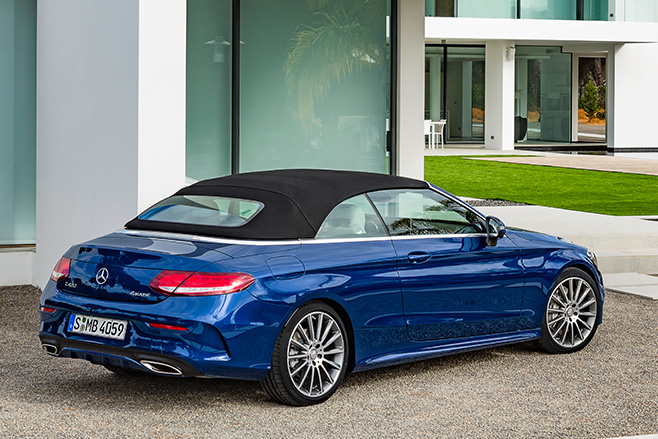
Four engine options will be offered in the Cabriolet (the same four as the C-Class Coupe). Australian showrooms are most likely to receive the Mercedes-Benz C200, C300 and C43, the latter with a 3.0-litre twin turbo V6 making 270kW/520Nm.
The cabrio rides at the same lowered ride height as the coupe, and has a roofline lower than both sedan and coupe. Variable dampening is standard in the drop top, with air suspension an optional extra. Inside lies the same beautiful C-Class interior with the addition of an optional Air Scarf climate control system that puts neck-height vents into the front seats.
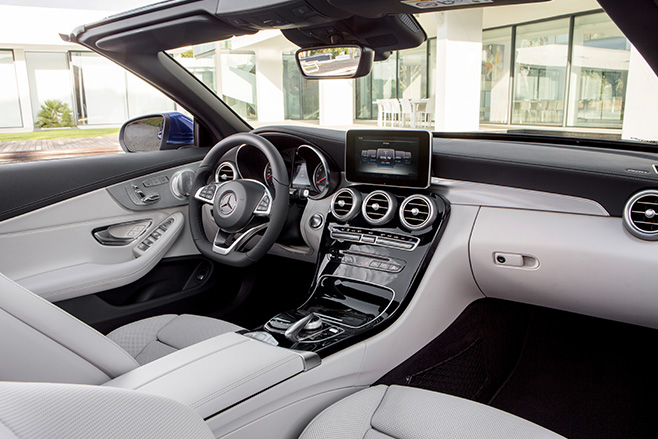
Pricing is yet to be confirmed, but expect to pay about $5000 more than the equivalent sedan, of which starting price for the base C200 is $60,900. Cabriolet models are due at dealerships in April.
