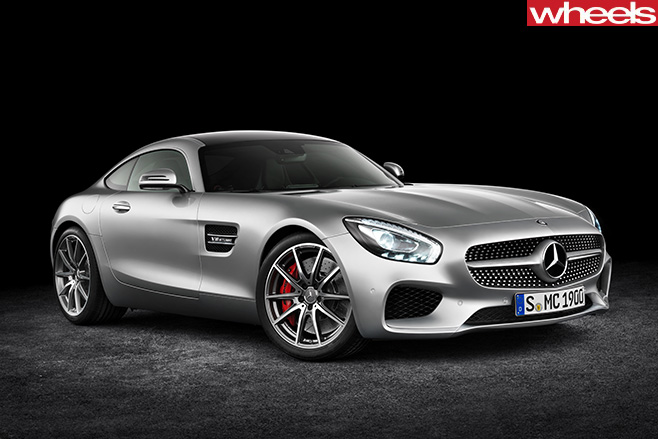
Hyundai mounts a serious challenge to German luxury makes, including a high-performance BMW M4 rival
Hyundai’s brand ambitions just stepped up two gears with news that the Genesis luxury spinoff brand announced in December will launch six new models in the next four years, including two crossovers and a sports coupe. It will also have an ‘N’ division similar to BMW’s M Division tasked with turning out high performance versions of many Genesis models, including a twin-turbocharged Coupe to rival the BMW M4.
Hyundai is empire building, and it’s sparing no expense as it goes after the posh end of town. The Korean company that made its name in the 1990s with cut-price new cars is now focusing on the lucrative prestige market. Not only did it grab Luc Donckerwolke, a Belgian designer with experience at Audi, Lamborghini and Bentley, but Hyundai has also poached the previous boss of BMW M, Albert Biermann, to lead its engineering team. If that wasn’t enough, in late 2015 it lured Lamborghini’s director of brand and design, Manfred Fitzgerald (pictured below), to head up its new luxury brand globally.

Hyundai has said the new Genesis luxury brand will stand alone in a similar way that Lexus does from owner Toyota. And it will have six dedicated new models – not shared with Hyundai models – by 2020 to not only help differentiate it from Hyundai, but carve a slice of the premium new car market from BMW, Audi and Mercedes-Benz.
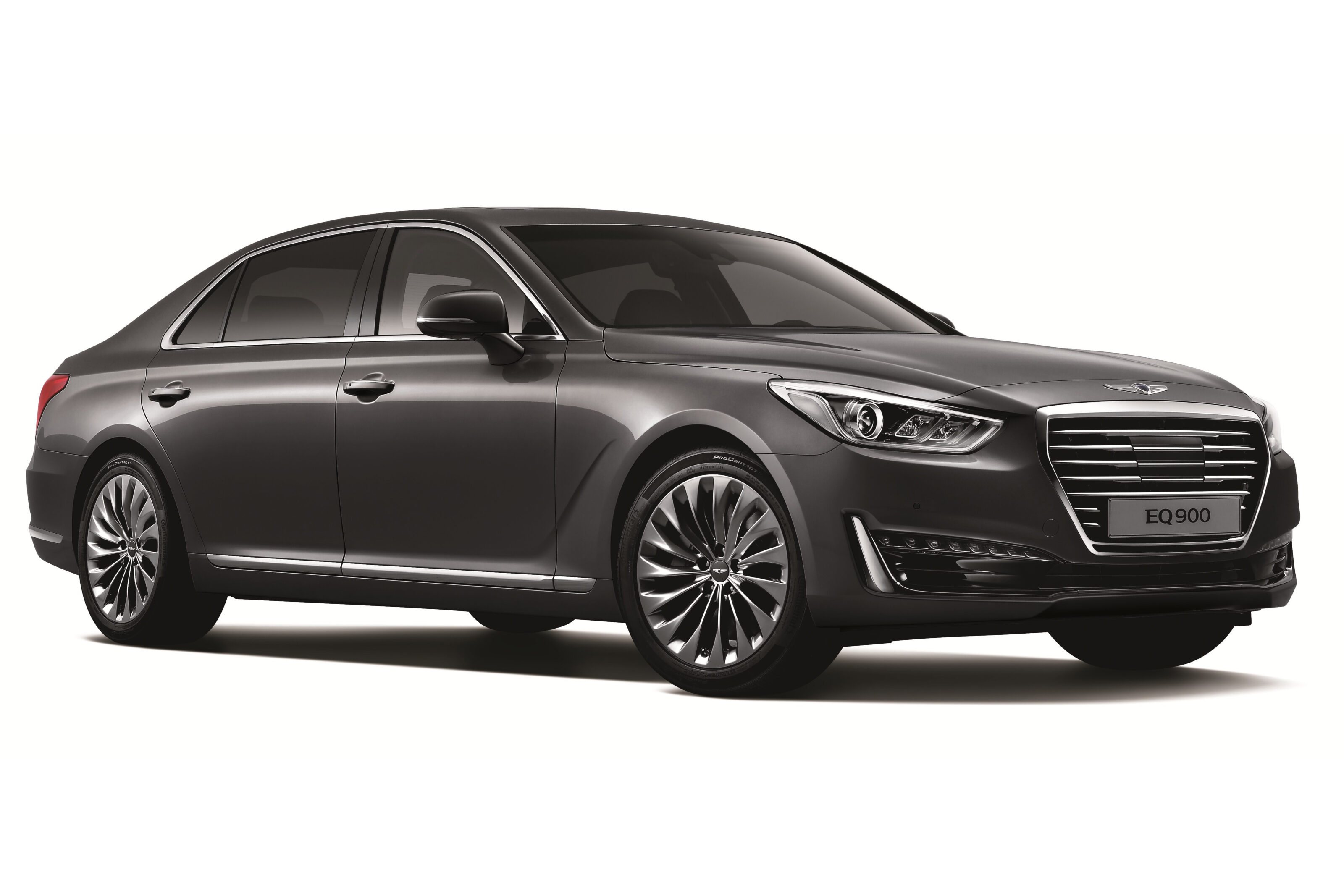
The first car to fly the flag for Genesis globally will be the Equus replacement revealed at the 2016 Detroit show as the Genesis G90 (pictured below). It’s a large rear-drive luxury sedan rival to the BMW 7 Series and Mercedes S-Class. It will be powered by a choice of the company’s 272kW 3.3-litre twin-turbo V6, the existing 3.8-litre V6 offered in the Australian Genesis sedan, and a 5.0-litre V8. It has huge potential in North American and China, but Hyundai said there are no right-hand drive plans, so it’s not coming to Australia.
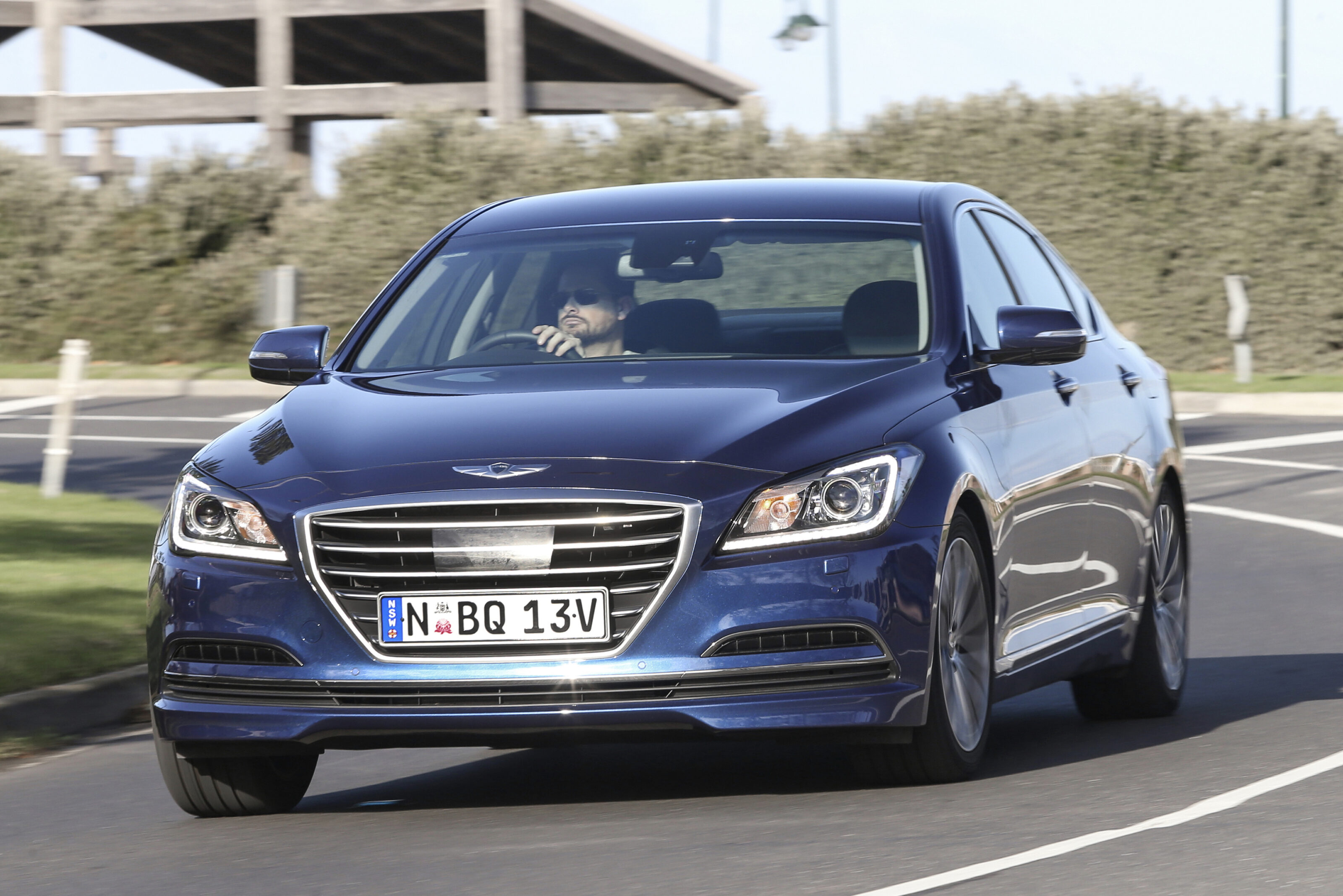
Mid-2016, the Hyundai Genesis sedan (pictured below) that is currently sold Down Under will be rechristened as the Genesis G80 and be treated to a light spec and mechanical update. It’s unlikely to get the 3.3-litre until a more comprehensive upgrade later in life, though the existing 3.8-litre V6 may come in for some performance and efficiency improvements.
In 2017, Genesis will launch its first all-new model on an all-new platform, a Mercedes C-Class rival badged G70. This car, likely to be revealed in concept form at the New York Show this March, will not only be offered as a sedan; a coupe will follow in late-2017 or 2018, both powered by the 3.3-litre twin-turbo V6.
A Genesis convertible is also a possibility, and while Korea doesn’t want one, America does, says Hyundai USA president, Dave Zuchowski.
“We’re still fighting on that. It’s an ongoing battle. It’s funny – just because the weather isn’t conducive to a convertible in Korea we have a hard time getting their attention on convertibles … to compete, we really have to have one. But we haven’t gotten any commitments on that yet.
“As a starting point we will definitely have a great coupe which is a legitimate luxury vehicle, and then we’ll have a performance version of that and hopefully we can convince them … and we will have a convertible version as well.”
Zuchowski says the G70 will be the first car to show what Genesis is really capable of. “This BMW 3 Series fighter is the first real lightning flash that comes down in terms of ‘wow these guys are really working’.”
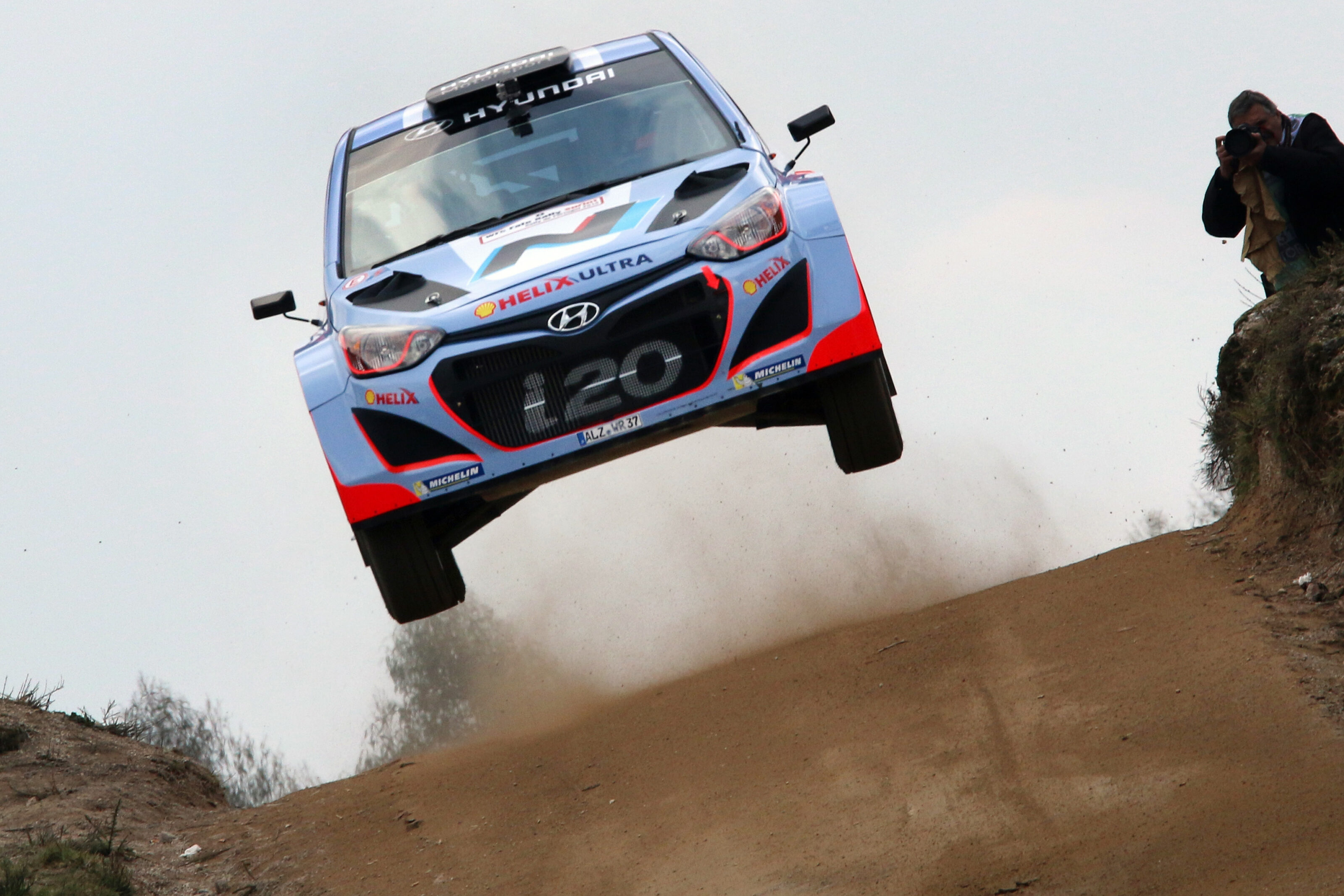
Both the sedan and coupe will also be prime candidates for Hyundai’s nascent ‘N’ performance division, first shown on the livery of Hyundai’s 2014 World Rally Championship cars, with fettling for both Hyundai and Genesis cars under the direction of ex-BMW M boss Albert Biermann. It’s not known whether Genesis will turn the wick up on the 3.3-litre twin-turbo V6, or add two more cylinders to produce a 4.4-litre twin-turbo V8 to go up against BMW’s 317kW twin-turbo six-cylinder M3 Sedan and M4 Coupe.
An alternative to Hyundai’s existing 5.0-litre V8 is needed as the 5.0-litre is on borrowed time. Biermann all-but ruled it out for the G70, saying “for the future … if you go to performance it might be you need to go to turbo”.
Zuchowski also confirmed that Genesis will launch two crossovers by 2020. “Think of [them] as [BMW] X3 and X5, one based off of the 3 Series [fighter] platform, one based off Genesis platform”. No names were given for these cars, but both are surely candidates for ‘N’ performance packs to rival the X3M and X4M.
Zuchowski said Hyundai’s commitment to the Genesis brand is considerable, and he is confident that the cars will all deliver what the new Genesis brand needs to succeed.
“This isn’t just something we’re talking about – this is something we’re throwing considerable resources, people and dollars, against. And some people may never accept that … they can’t come to terms with it. And that’s fine. In reality in a blind taste test, if you will, these cars are going to be outstanding.”
Hyundai Australia is excited by the opportunities presented by the Genesis brand’s coming product portfolio. While the G90 is ruled out, a decision is expected closer to the launch of each new model in the line-up.
LEXUS has a new performance hero – meet the jaw-droppingly beautiful, V8-powered Lexus LC 500 unveiled at Detroit.
Already confirmed for Australia, the LC 500 marks the debut the company’s new Global Architecture Luxury (GA-L) platform that will underpin all future front-engine, rear-drive models.
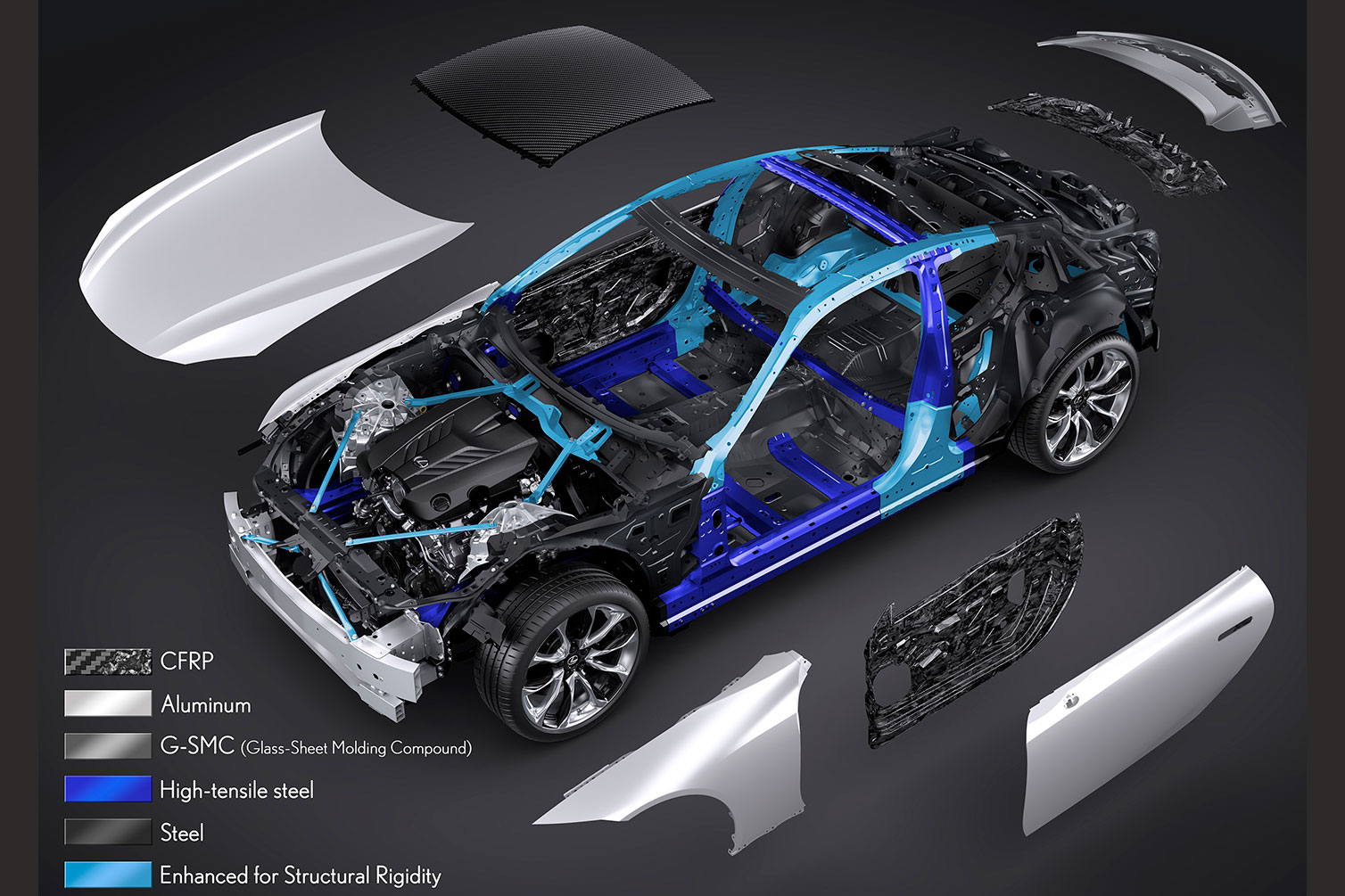
Boasting the stiffest monocoque chassis ever fitted to a Lexus the LC 500 features carbonfibre door structures and an optional carbonfibre roof.
This helps it to surpass even the mighty carbonfibre-infused LFA supercar for structural rigidity.
Power comes from the same evil-sounding naturally aspirated 5.0-litre V8 used in the lesser RC-F Coupe and GS-F sedan, where it produces 351kW/530Nm and revs to 7300rpm.
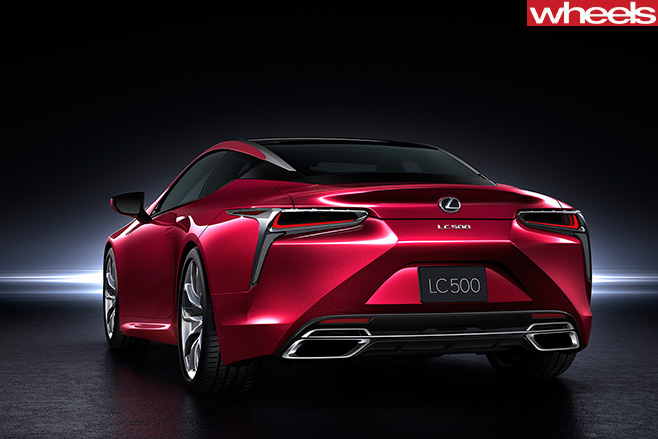
All this makes the LC 500 rather rapid; it should hit 0-100km/h in under 4.5sec.
But this is not a Porsche 911 fighter – the four-seat LC 500 is much bigger than a Carrera and rides on a 2870mm wheelbase, with a total stretch of 4760mm. Size-wise, the LC rivals the likes of the Mercedes-Benz S-Class Coupe.
The LC’s rigid and lightweight chassis, independent suspension at all four corners, and near-perfect weight distribution all promise to make it the best-handling Lexus to date.
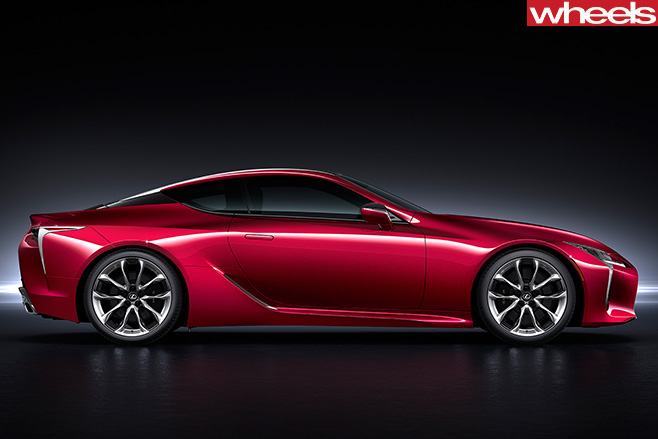
No word on when the LC 500 will arrive in Australia or how much it’ll cost – Lexus Australia says it’s way too early to talk pricing, even though US models will start from roughly $US100,000 (about the same price a BMW 650i Coupe) – but what we can confirm is that it looks even better in the metal that it does in pictures.
Drawing heavily on the design of the LF-LC concept car unveiled at Detroit in 2012, the LC is an absolute stunner.
We should know more details about the coupe’s 2017 arrival here later this year, the luxury arm of Toyota says.
It’s called the Infiniti Q60 and it is perhaps the sexiest and speediest Japanese sports coupe we’ve seen in some time.
Revealed overnight at the Detroit motor show, the next-generation Q60 flaunts a low nose with full LED headlights that rises over muscled hips towards a shapely rear.
The slim tail-lights even give a nod to the coupe formerly known as the Infiniti G37 and G35 that came before it in 2008 and 2002 respectively, while 19-inch alloy wheels and dual sports exhaust fill out the lower parts of the body.
The four-seat cabin gets lashings of contrast-stitched leather and carbonfibre-look trim, surrounding the twin centre screens that now include a G-meter among other performance displays.
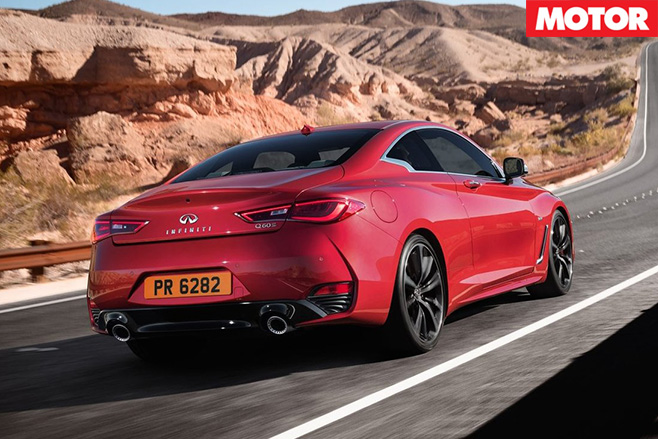
The all-wheel drive system is an on-demand type that typically sends 100 per cent of grunt to the back unless slip is detected. Infiniti hasn’t revealed performance or kerb weight figures for its new coupe, but the Q60 gets an active front grille shutter and slippery aerodynamic figure of 0.28cD.
The most powerful V6 version also bridges the outputs gap between both the BMW 435i coupe (225kW/400Nm) and M4 (317kW/550Nm), and home-town arch rivals, the Lexus RC350 (233kW/378Nm) and RC F (351kW/530Nm).
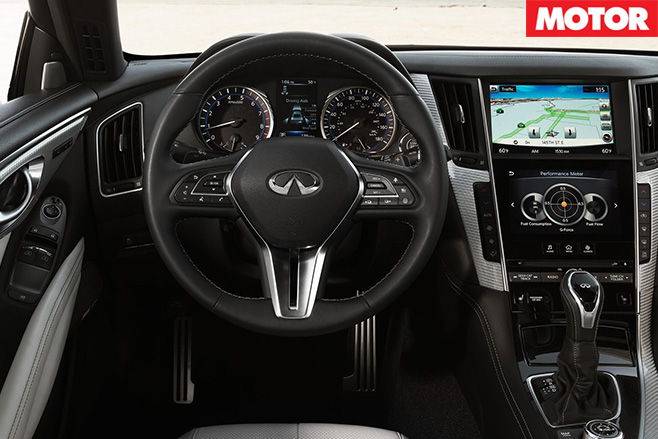
The standard Dynamic Digital Suspension includes Sport and Sport+ damping modes, mirroring the hardware and software changes of the closely related Q50 sedan that are aimed at addressing previous ride and handling concerns.
The brand’s controversial fly-by-wire steering setup, called Direct Adaptive Steering, is claimed to have “undergone significant re-tuning to enhance steering feel and feedback” and is now available with six driver-select settings. Only the four-banger gets traditional rack-and-pinion electric-assist steering.
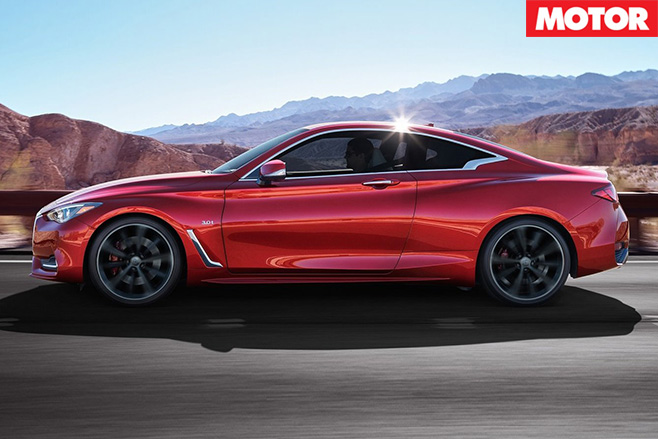
Infiniti Australia says the Q60 coupe will arrive locally in the fourth quarter of 2016. Only one twin-turbo V6 version is confirmed at this stage – you can guess which one – and the four-cylinder isn’t as yet.
The current Q60 is priced at bang-on $70K, but even if the powered-up new-generation coupe stretches beyond $80K as is expected, then it will still likely have rivals covered for performance.
Ford’s latest Baja-inspired tough truck has been unveiled at the Detroit Motor Show, the new F-150 Raptor.
Largely unchanged from the concept that was displayed at the 2015 Detroit show, the new Raptor replaces the previous model’s 306kW/588Nm 6.2-litre V8 with a 3.5-litre twin-turbo Ecoboost V6 with identical outputs matched to a 10-speed automatic transmission.
This means that Raptor buyers can boast their new truck is powered by the same engine as Ford’s new GT supercar – sort of.
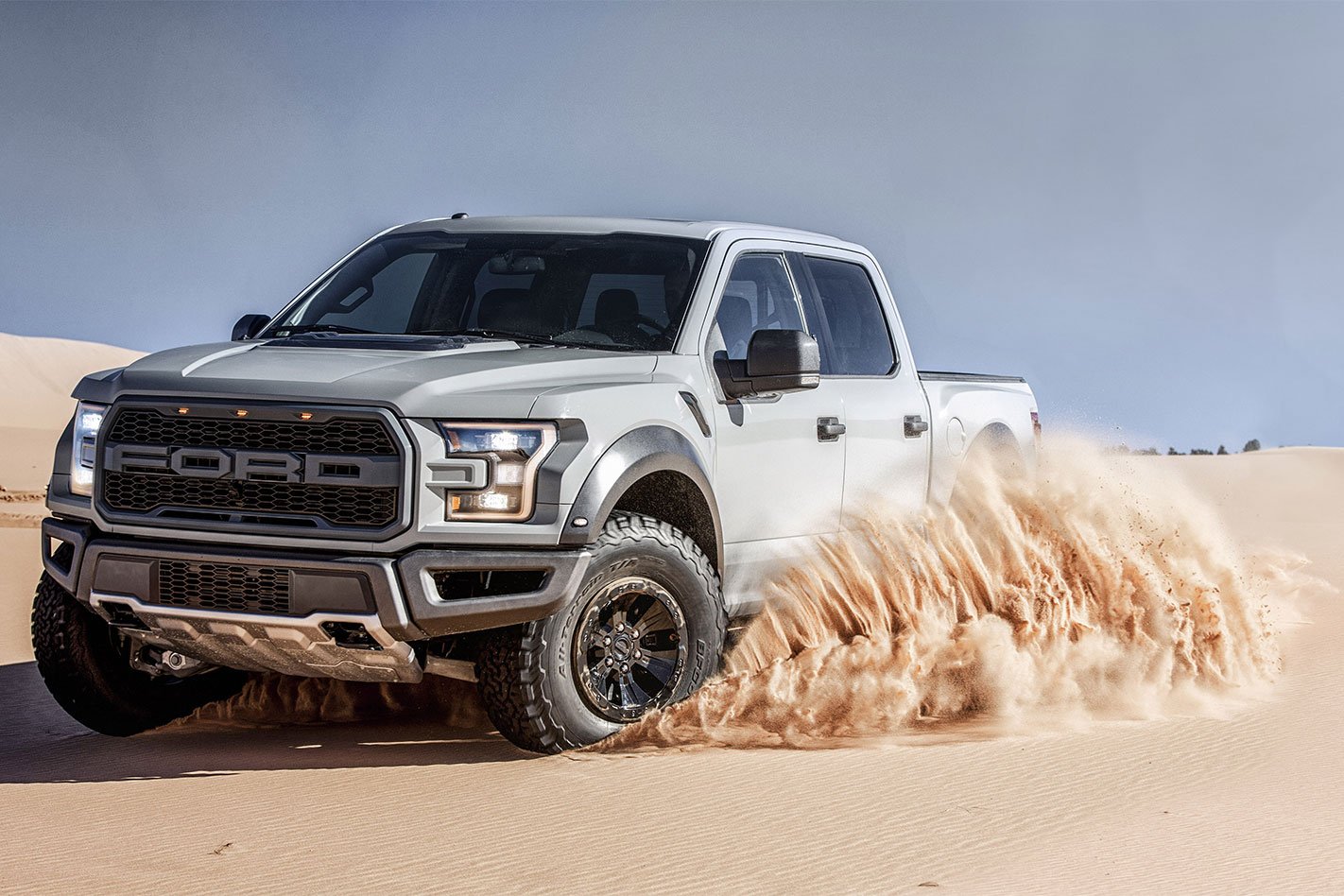
A new torque-on-demand transfer case improves off-road performance, and the Raptor comes with a six-mode Terrain Management System to cover everything from spirited on-road driving to low-speed rock crawling. A Torsen front differential is optionally available to increase traction even further.
FOX Racing Shox remain standard, with Ford claiming the new Raptor improves on its predecessor’s 28.5cm and 30.5cm of suspension travel front and rear respectively. Seventeen-inch wheels are wrapped in BFGoodrich All-Terrain KO2 tyres.
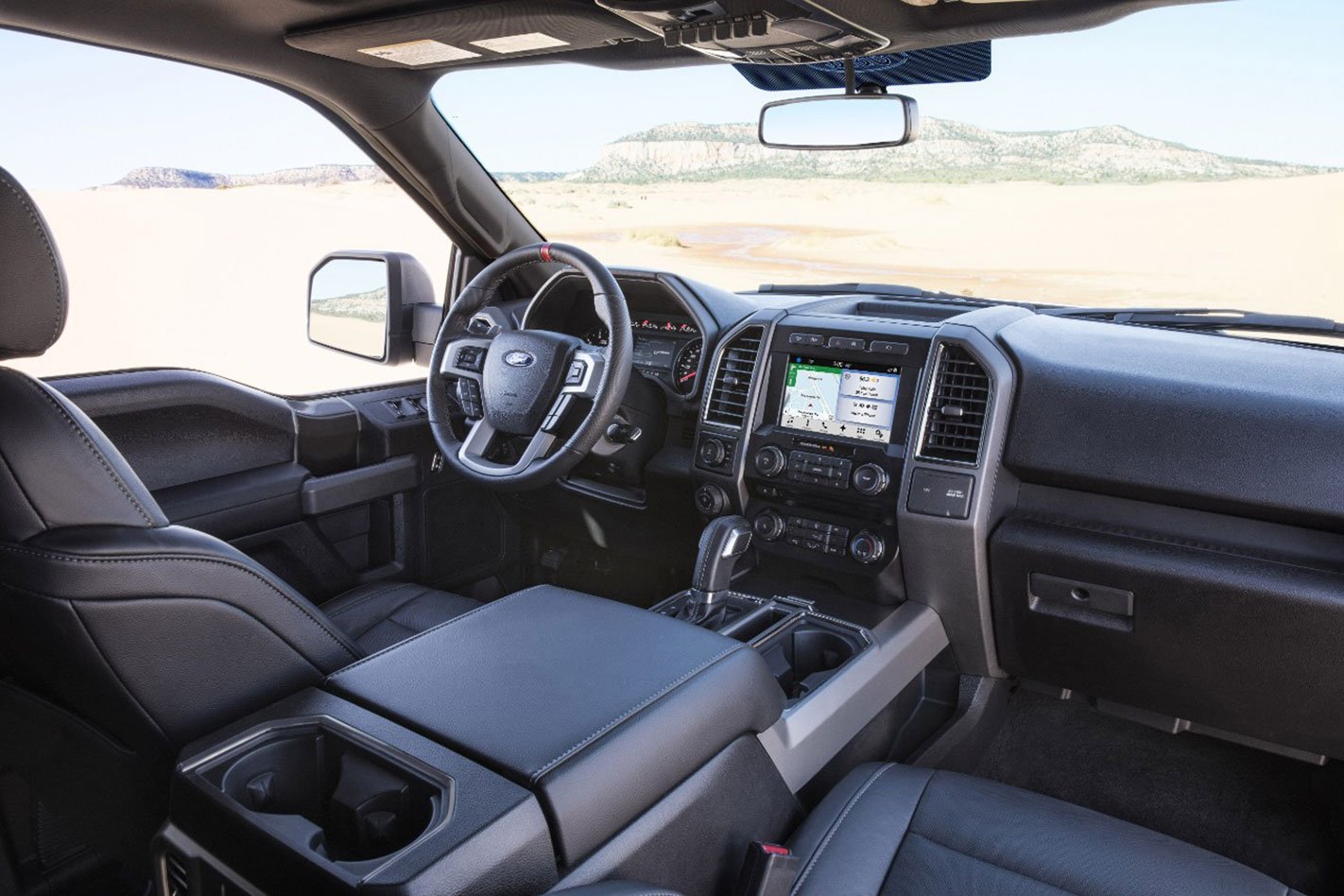
Ford trucks continue to be a smash hit worldwide, the Blue Oval claiming it sells a truck (or ute in Aussie parlance) every 19 seconds.
Sadly, the Raptor is not slated to appear in Australia, though if you really want one, no doubt any number of conversion specialists will be able to fulfil your request.
Mercedes’ all-new tradie is still in line for some serious go-fast enhancements.
MERCEDES-BENZ’S future tradie ute could feature a performance-focused, AMG-tuned halo model when it arrives in Australia in 2018.
Speaking to Wheels at the Detroit Motor Show, AMG boss Tobias Moers revealed AMG is considering fettling a more hard-core variant of the ute, which is expected to be called the Mercedes-Benz GLT.
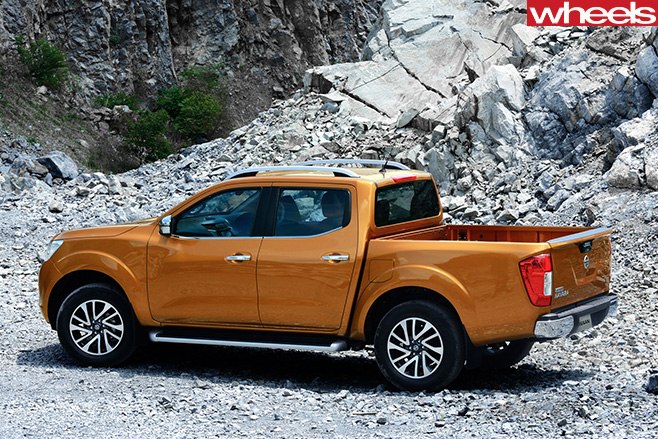
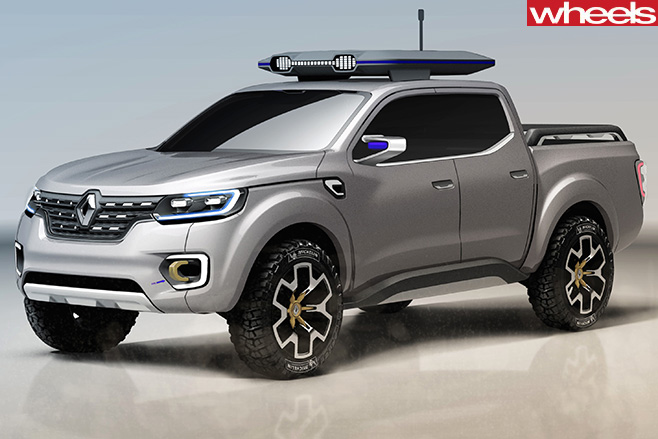
Pitched as a direct rival to the popular Toyota Hilux and Ford Ranger, the GLT will share engineering underpinnings with the D23 Nissan Navara (pictured below) and the production version of the Renault Alaskan concept (pictured bottom), although the German carmaker promises it will “be engineered and designed by Daimler to meet the specific needs of its customers”.
“So we haven’t really started the discussion about the AMG involvement with that car yet. But we have to. We’re going to have a look at it for sure.”
However, Moers quickly quashed hopes that AMG could produce a V8-powered version of the GLT, instead admitting the AMG treatment was likely to be cosmetic.
“Is there going to be an engine with an AMG interpretation? No,” he said. “Is there going to be an AMG-line, which will have unique bumpers and wheels? Maybe. But there’ll be no 4.0-litre twin-turbo V8 model [the engine in the AMG C63 S] , so it won’t be a proper AMG car. That’s what I think so far.”
Even without an AMG-specific tune, the GLT is tipped to be the most powerful ute in its class. Mercedes has previously hinted that the GLT would use a range of four- and six-cylinder engines, including the 190kW/620Nm 3.0-litre V6 turbo-diesel currently used in its flagship S-Class and GLE SUV.
“It’s clear to me that the ute will have a blend of commercial and private use,” said ex-AMG chief and now Daimler sales and marketing boss, Ola Kallenius.
“So as is the case with the current V-Class [people-mover], there will be a more commercial side to that product and a more passenger car side to that product. So it will cater to both the workhorse side of things and the leisure side of things.”
What’s less clear is if the ute will feature any of Mercedes’s new autonomous driving technology or other high-tech systems shown on the new E-Class, unveiled in full at Detroit this week.
“It’s too early to make specifics about it, because it’s still a little bit away,” said Kallenius.
Australia was singled out as one of the key global markets for the Mercedes-badged ute. Our tradie is likely to come from Spain, where separate versions for all three brands will be built.
Lexus has put Germany on notice with its sleek LC 500 coupe revealed at the Detroit Motor show overnight.
A production-ready version of the LF-LC Concept that appeared four years ago, the LC is a coupe in the grand tourer mould, taking on the likes of the BMW 6 Series rather than the sharper, sportier 911.
Under the bonnet is the same 351kW/530Nm 5.0-litre atmo V8 found in the RC F and GS F, attached to a 10(!)-speed auto. The 0-100km/h sprint is claimed to take less than 4.5sec.
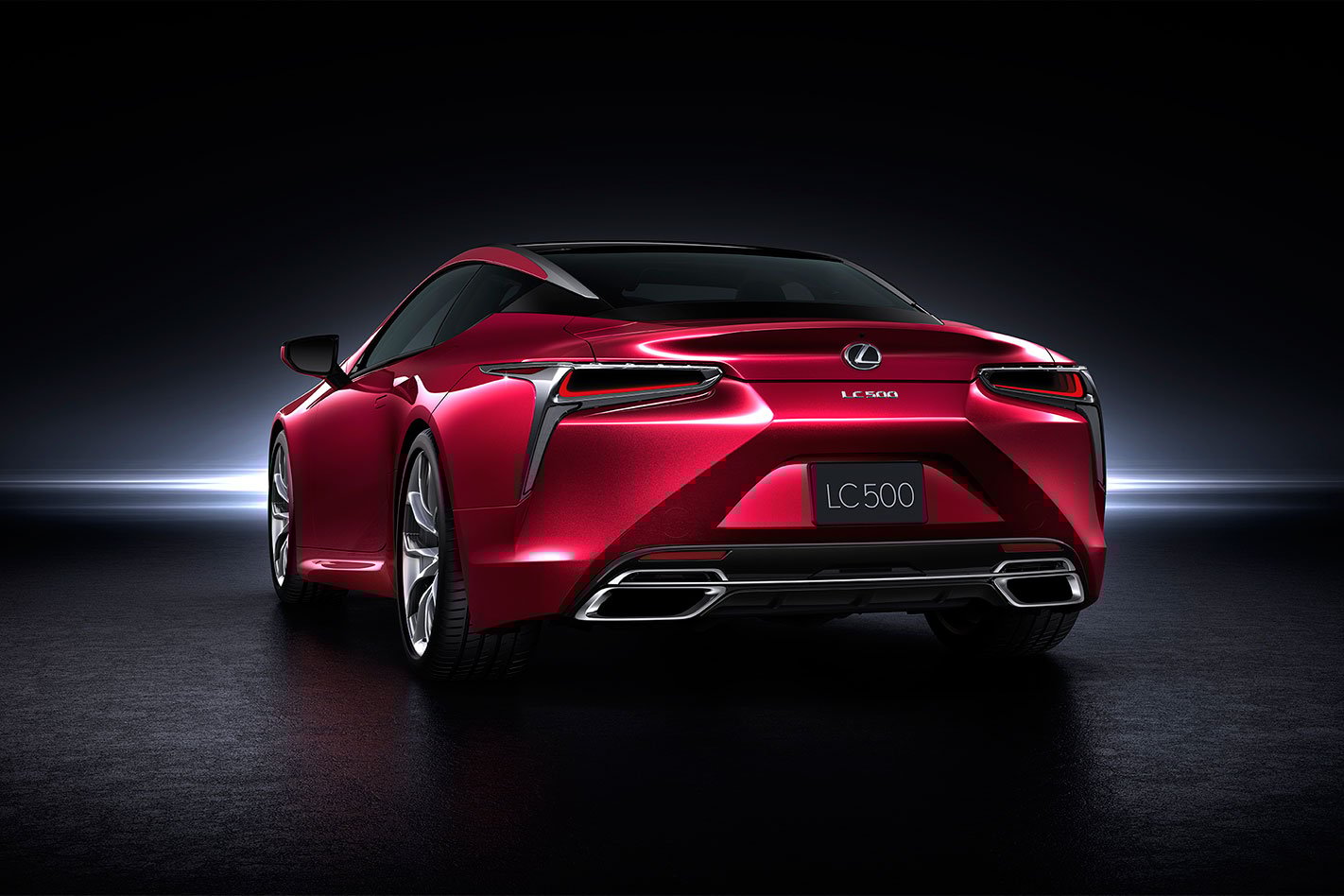
Crucially, the LC is the first model to sit on Lexus’s brand new GA-L global rear-drive architecture which will underpin the next-generation LS limo.
A high-percentage of lightweight, high-tensile steel is used to create the stiffest bodyshell Lexus has ever produced, stiffer even than that of the carbonfibre-intensive LFA. Hopefully this new platform goes some way to curing Lexus’s recent weight issues.
At 4.76m long, 1.92m wide and 1.35m high with a 2.87m wheelbase, the LC 500 is almost identical in size to the new Ford Mustang, a car with which it shares its rear-drive dynamics and increasingly rare atmo V8.
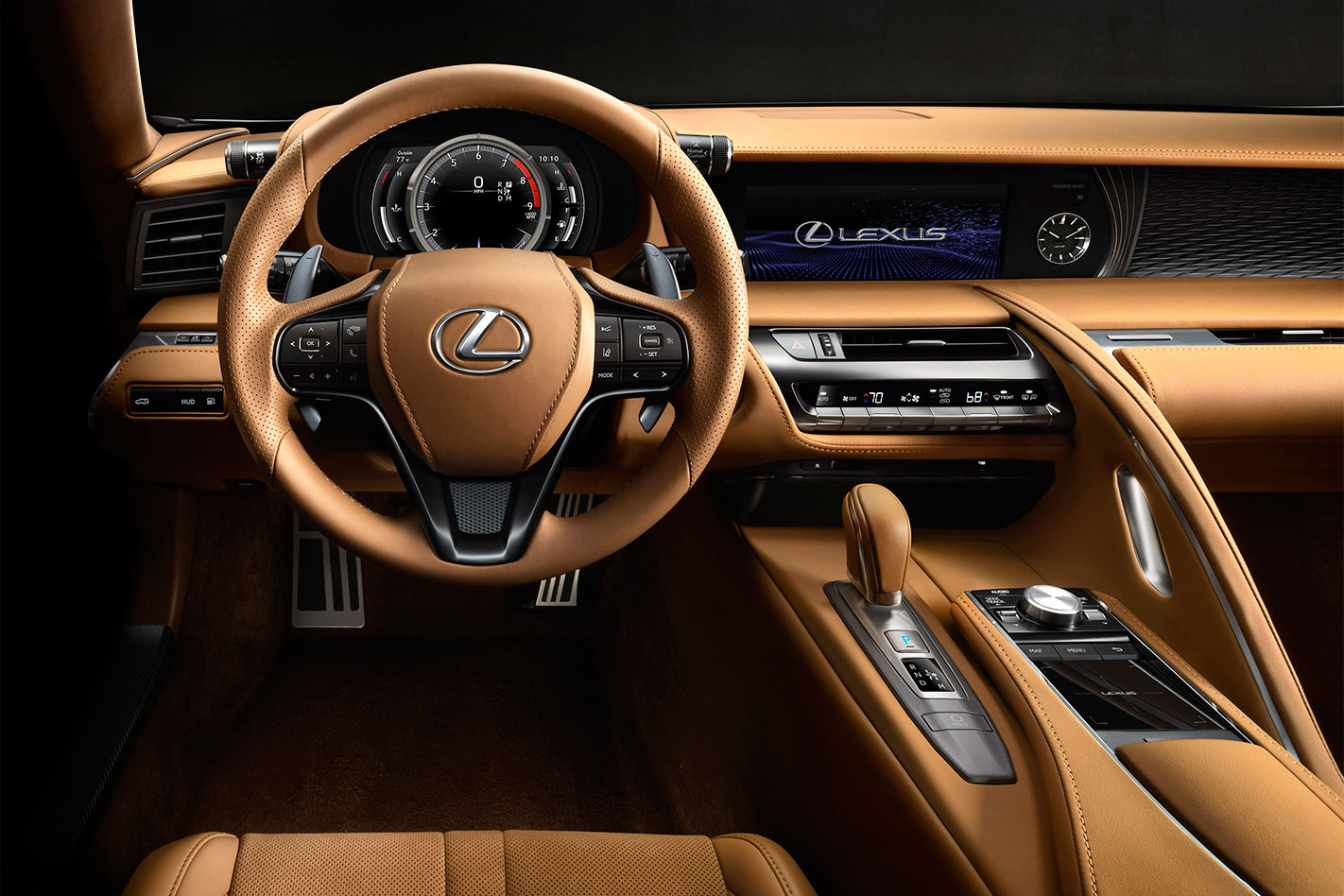
Pricing is yet to be confirmed, however an Australian launch is confirmed sometime in 2017.
There’s an old saying: if it looks like a duck, walks like a duck and quacks like a duck, then it’s probably a duck.
Unless of course it’s the size of a bloody ostrich, in which case it’s probably a performance SUV. Ever rising power outputs, increasingly sophisticated electronic systems and clever suspension engineering mean that these steroid-fed faux-by-fours are now, in some instances, able to offer a startlingly accurate imitation of proper performance cars.
An example: in a recent comparison test, the Mercedes-AMG GLE63 belted up the drag strip in 12.30sec at 183.77km/h, passing 100km/h in just 4.18sec on its way there.
Those figures are almost identical to those recorded by the Porsche 911 GT2 during Performance Car of the Year 2001, a car that then-Deputy Editor Jesse Taylor distinctly remembers climbing out of and thinking “well, that’s it, cars can’t possibly get any faster than that.”
Another example. Range Rover recently crowed to all and sundry that its Sport SVR was the fastest production SUV to lap the famed Nurburgring Nordschleife, having taken just 8min14sec to lap the 22km circuit.
It was a record swiftly batted away by Porsche’s latest Cayenne Turbo S, which managed the same feat in just 7min59.74, a time that needed every ounce of Walter Rohrl’s skill to achieve in a 996-series 911 GT3.

After all, the latest GT3 is over 30 seconds up the road from the Cayenne Turbo S, while the humble Megane Trophy-R – a car with less than half the power and torque (and yes, 1000kg less to haul) – is five seconds faster.

It’s why, after a few years of experimentation, SUVs were deemed ineligble from PCOTY. To be honest, a couple are now probably impressive enough – BMW X5 M and the aforementioned Cayenne – to make a case for inclusion, but ultimately the driving experience is so much less satisfying than anything with a proper centre of gravity.
Yes, they’re built because they sell in extremely large numbers, but just because something is popular doesn’t make it a good idea. Just look at Justin Bieber, or planking (remember that?).

No matter your budget, the right combination of space and pace is out there, just closer to the ground than you might realise.
Aston Martin has released a teaser video overnight, revealing that its new DB11 will be powered by an Aston-developed 5.2-litre twin-turbo V12.
This comes as somewhat surprising news, as it was believed that Aston would use AMG’s V8 and V12 engines as part of its technology tie-up with Mercedes-Benz.
The partnership allows the British sports car maker to borrow technology – including powertrains and electronic architecture – from the German giant to aid development of its next-generation of models.
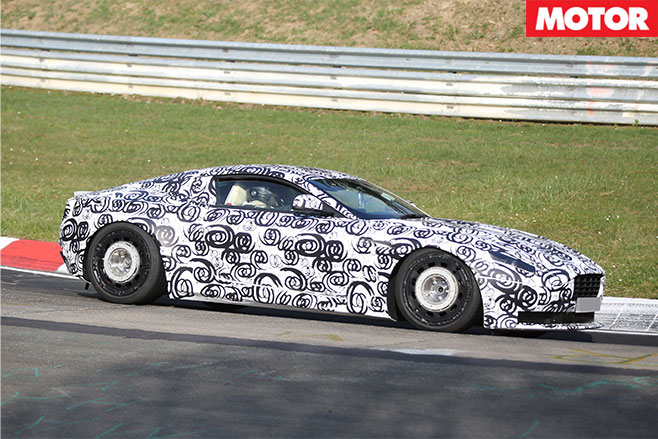
The switch to turbos will also increase torque, while crucially reducing emissions and fuel consumption to acceptable 21st century levels.
We’ll have to wait until March for more details when the new DB11 is revealed at the Geneva Motor Show.
US version of Mondeo gets an almighty twin-turbo V6 performance model that could’ve powered our own Aussie Falcon
FORD has revealed a twin-turbo V6 that could have powered the home-grown Ford Falcon – but will instead shoehorn under the bonnet of the American cousin of its fully imported European replacement.
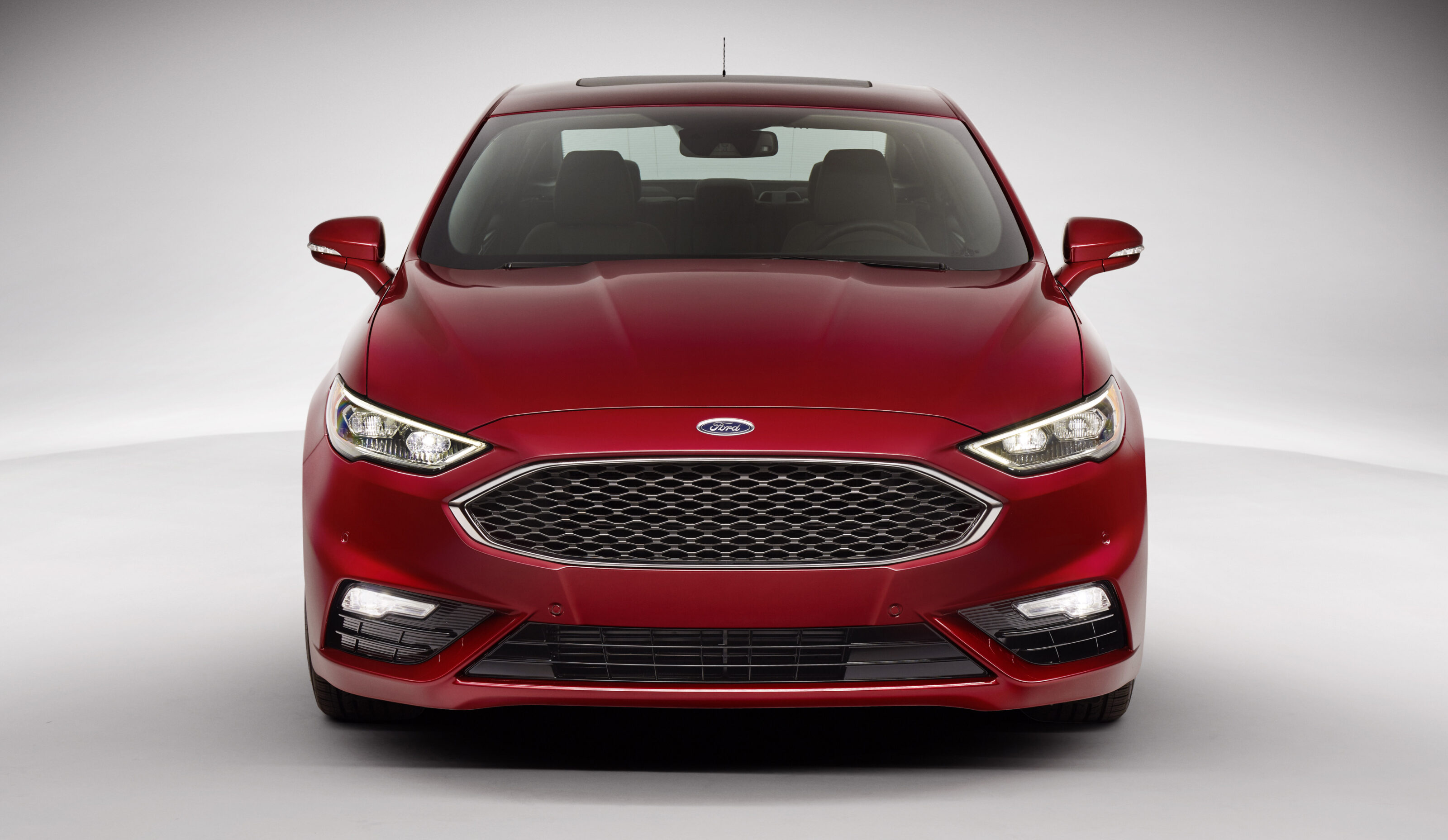
The Ford Fusion Sport, unveiled at the 2016 Detroit Motor Show overnight as the headline act for the US carmaker’s version of the Mondeo mid-size sedan and wagon range, will push drive to all four wheels via a twin-turbocharged 2.7-litre V6 producing a “projected” 240kW and 475Nm.
That compares with 270kW and 533Nm from the turbo 4.0-litre in-line six used in the Ford Falcon XR6 Turbo, and the 310kW and 565Nm expected out of the more highly tuned XR6 Sprint that will go on sale later this year.
Despite Detroit’s ‘One Ford’ mantra, the Ford Australia has confirmed that the high-performance Mondeo won’t be sold Down Under.
Nor will any of its tech become options on Aussie models, such as the magnetic-adjustable suspension which helps it to live up to the Sport part of the badge.
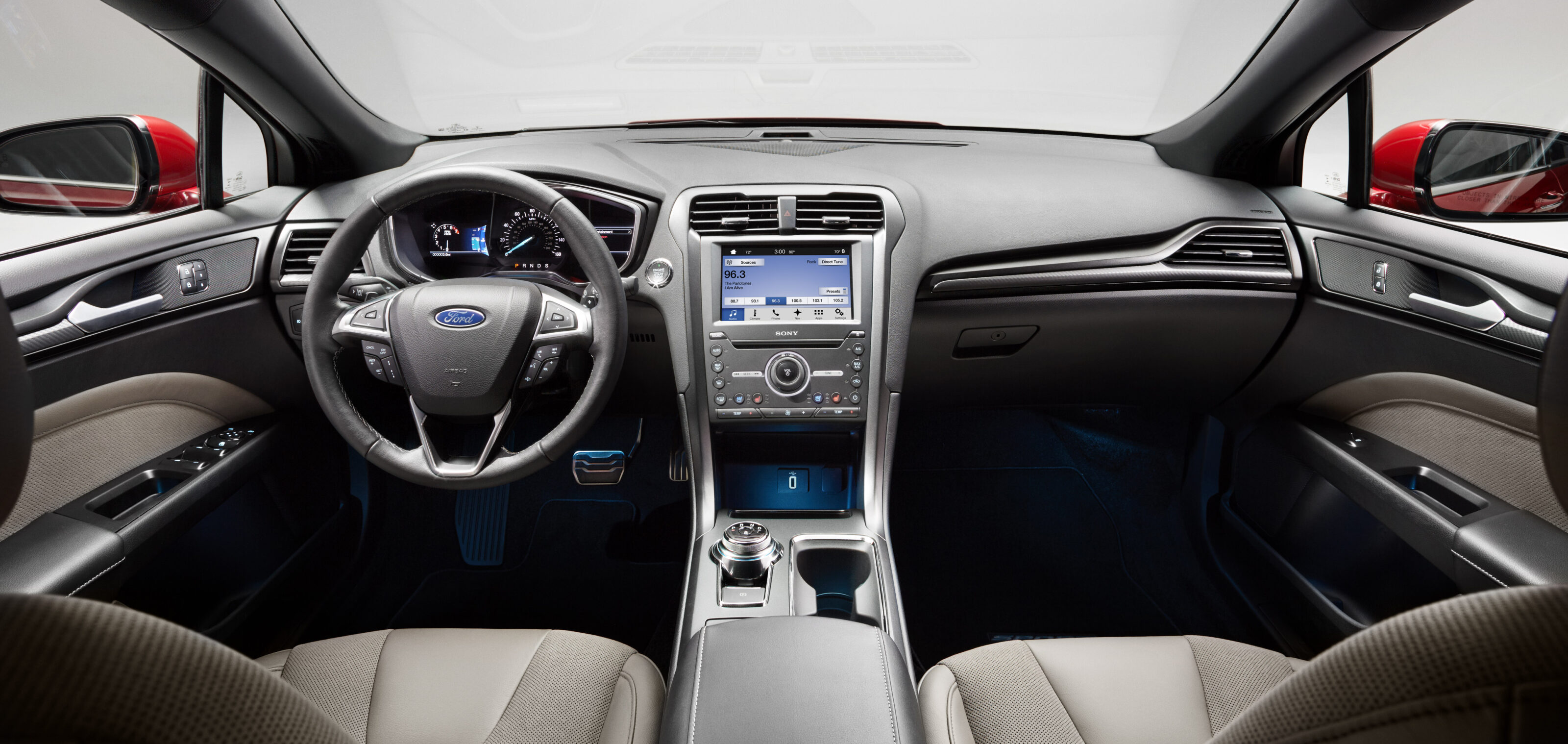
“Power and handling are complemented by unique, performance-inspired style inside and out. The look is distinguished by an aggressive exterior with deeper air intakes and a gloss black-finish mesh grille, 19-inch wheels, rear spoiler and dual twin exhaust outlets.”
Ford has also used the Detroit show to reveal a conventional hybrid version of the Fusion, alongside a plug-in hybrid model that can travel up to 30 kilometres under electric power alone, kicking over to a 2.0-litre petrol engine when needed to give a combined range of about 800 kilometres.
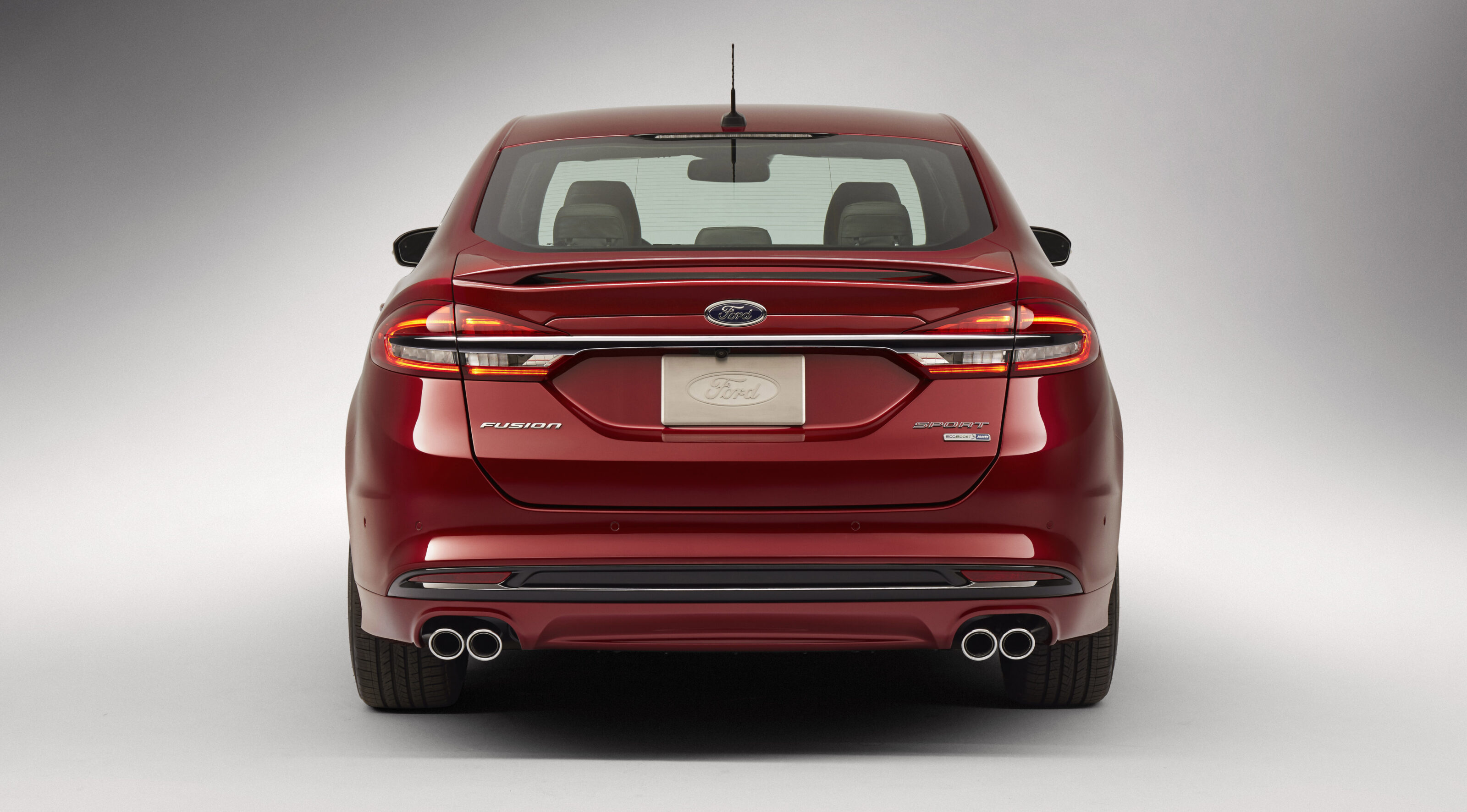
One of the big changes for the Fusion is the move to a Jaguar-style dial replacing the traditional gear selector, which Ford says “results in a roomier cabin with easy-to-reach bins”.
The new Fusion is due on sale in the US in July this year.
Ford Australia announced in 2007 that it planned to halt Australian production of the 4.0-litre in-line six, used in both Falcon and Territory, and replace it with the V6 that powered the Ford Mustang. The plan also included fitting the Falcon’s independent rear suspension to the pony car. However, the decision was reversed in 2008, helping to seal the orphaned Australian large car’s demise.
Instead, the Mustang continued with a cheaper live-axle rear until the latest model went on sale in North America in 2014 ahead of its arrival in Australia in December 2015.
What’s your Car of the Year? Have your say in the third of five polls.
HERE is the third group of candidates for Car of the Year 2016. Vote here for your Group 3 winner.
This time it’s all coupes and roadsters. Which is most worthy of a place in the People’s Choice final round?
You can find a brief explanation of what each brings to the contest in our introduction to the 2016 Car of the Year contenders. It presents the full field of 25 cars in alphabetical order, by maker.
Or for a more concise description and a look at the cars, just scroll past the poll below.
Unlike the Car of the Year judges, you may not have driven all of these cars – and perhaps you’ve not driven any of them. But there’s a good chance you’ve read about them, or have debated their merits.
Now is your opportunity to be heard. This week you choose five winners, from five groups of roughly similar candidates.
A final poll, covering the five group winners, will decide the People’s Choice for Wheels Car of the Year 2016.
Remember, this is not a beauty contest. Wheels judges the contestants under five strict criteria, refined over half a century:
Function – how well a car does what it is intended to do. Efficiency – in all aspects. Use of resources in producing the car and in running it. Value – both against its rivals and against the wider new car market. Technology – does it offer a tangible advantage over its rivals? Safety – We’re talking passive and active.
Scroll below the poll to find out more about these capable COTY contenders.
Thank you for voting, the poll has now closed.

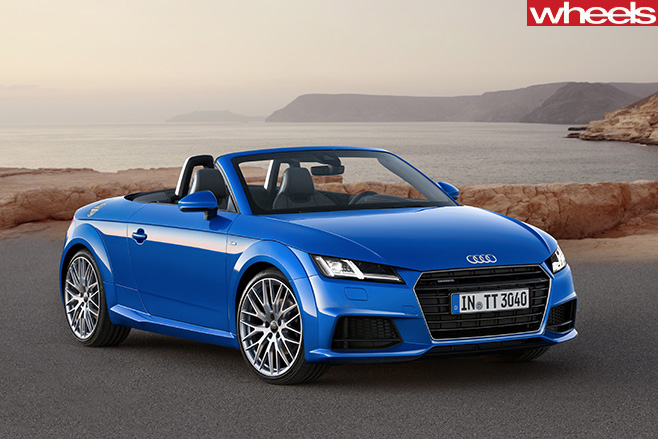
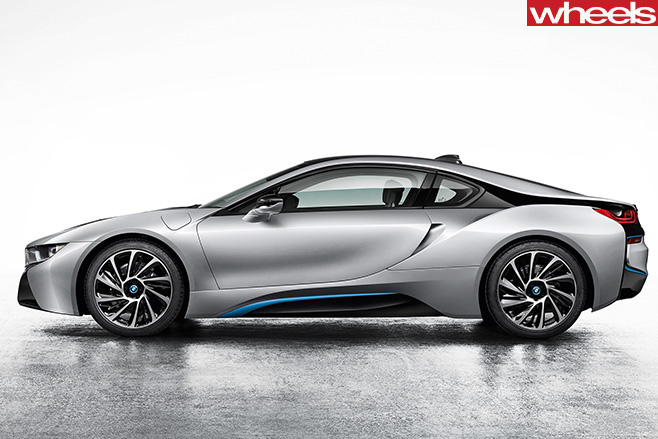
BMW i8
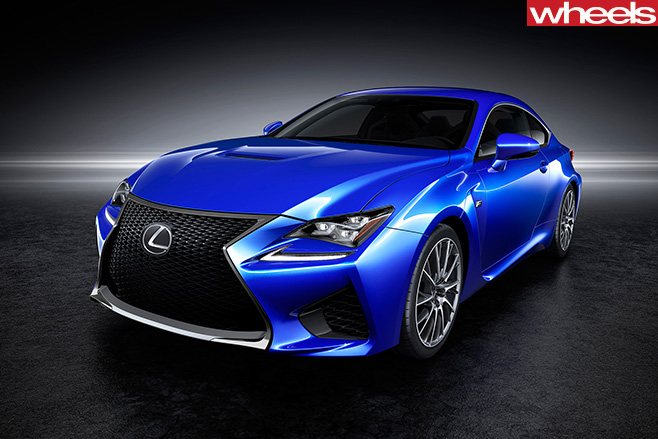
Lexus RC
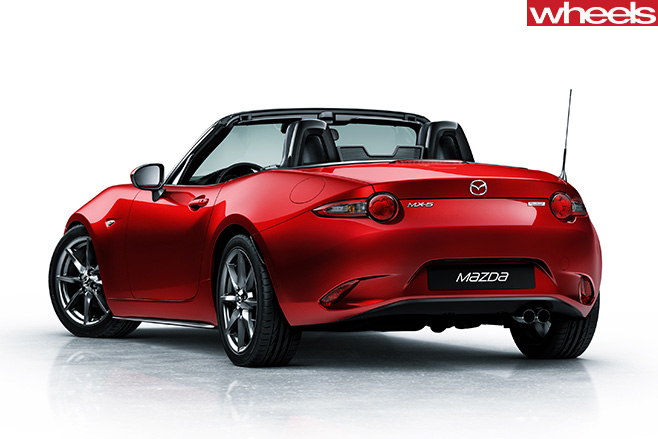
Mazda MX-5
Mercedes-AMG GT S