
Doomsday weather in Stuttgart. The temperature reads minus two degrees as swollen skies roll over with a mix of rain, sleet, snow and haze. Could our road trip suddenly be in jeopardy?
The day before, Frank Walliser, engineer extraordinaire, had called an emergency meeting. There was no way this triple-hearted roadster could be unleashed in such adverse conditions on uncompromising low-profile summer tyres.
Officially, Porsche does not offer all-season rubber for the 918 Spyder. After all, driving in sub-zero temperatures would probably refrigerate the lithium-ion batteries to premature extinction.
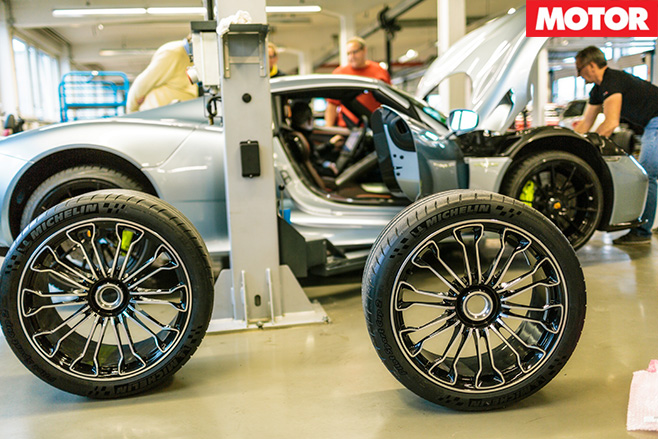
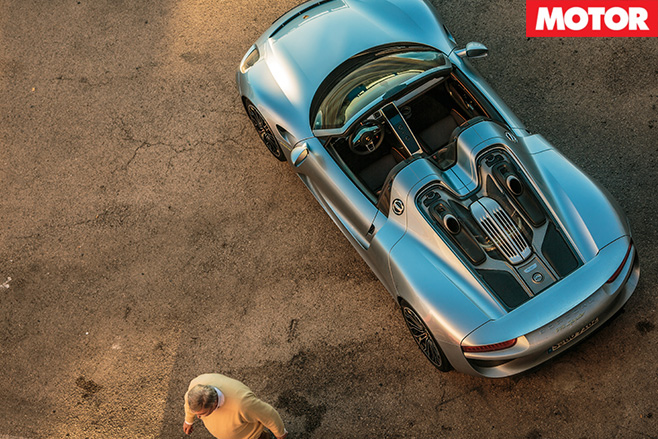
One could drive non-stop from Stuttgart to Valencia in just over 13 hours, but we took the 1741km scenic route which called for 22h 48min hours of wheel time. My time capsule passenger is Sebastian Rüger, a 31-year-old whizz-kid engineer who knows a lot about hybrids and practically everything about the 918.
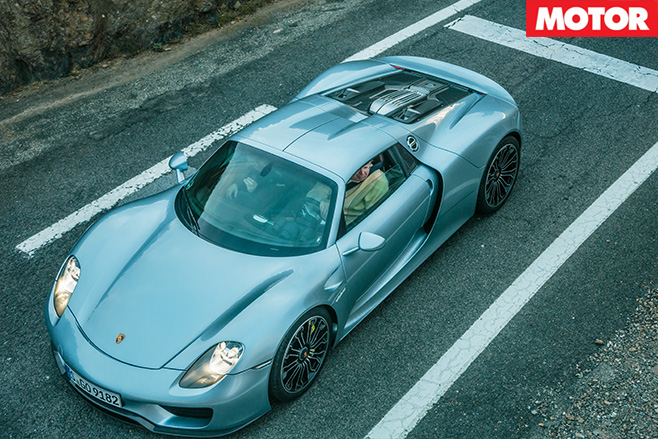
In tandem, the compact power packs muster 210kW and an impressive aggregate torque of 585Nm. Depending on one’s driving style, E-Power offers a maximum zero emission range of 31km or a top speed of 150km/h.
On the feeder lane to the A81 motorway, a bomb dropped on our acoustic idyll as the V8 engine entered the scene like a bat out of hell – loud, harsh and furious. The ice-cold liquids inside the angry flat-crank, direct-injection, normally-aspirated high-revving 4.6-litre engine were evidently at odds with the under-challenging 120km/h speed limit.
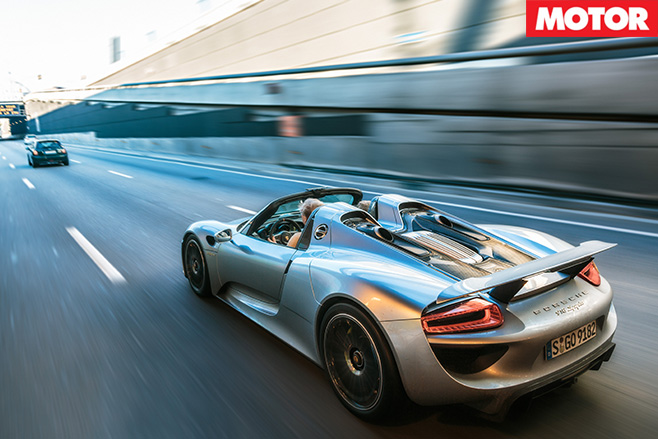
But it’s only from 7000rpm to the cut-out at 9150rpm that the ‘steam hammer’ effect eventually compresses the running characteristics to a dense energetic flow.
“In essence, the 918 is a street-legal track tool,” project leader Eugen Obermann says. “This statement not only applies to the drivetrain, but also to the chassis, the steering and the brakes.”
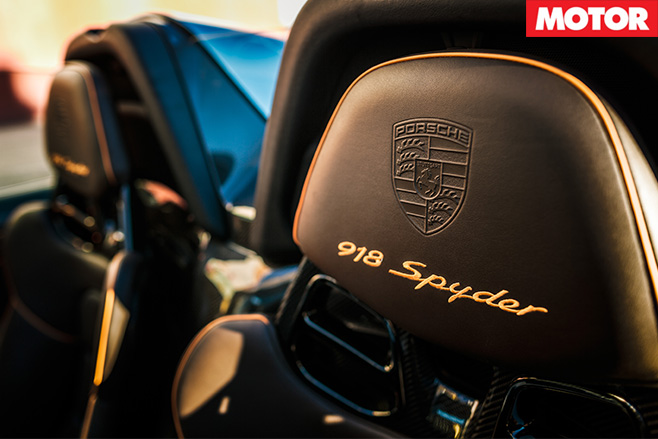
The boot (110L when the roof is in place) has race car space, rear visibility is compromised by the gills, louvres and the XXL wing, and noise levels at speed match a race car for pungency and persistence.
Fuel consumption on the other hand corresponds to the drinking abilities of a compact car. We didn’t come close to the claimed 3.1L/100km, but the observed average of 10.6L/100km was not bad for a 345km/h super coupé.
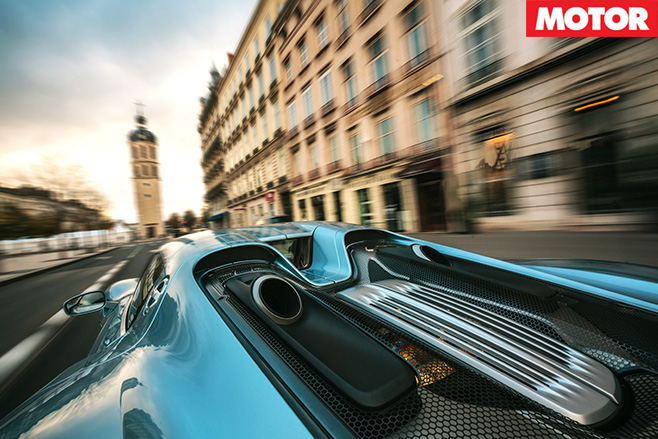
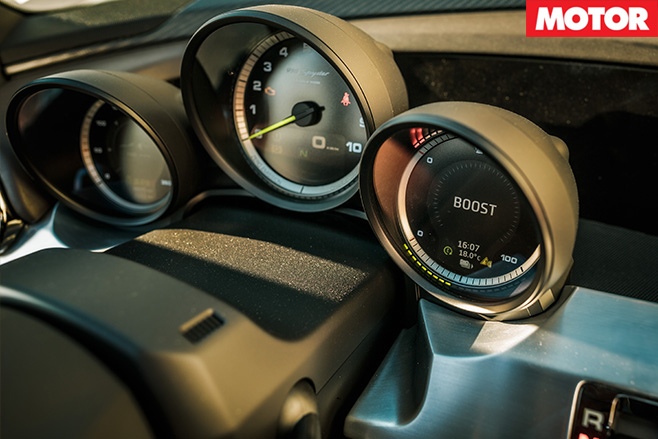
Depleting a full load of E-Power is the easiest trick in the book: just ignore the detent in the throttle pedal or push the red H (for hot lap) button – and don’t forget to brace for the physical afterburner effect.
Restoring energy to its 6.8kWh peak is equally simple: keep the engine spinning at medium revs for about 15 minutes in Sport – or Race – and the green dots on the dash will reassemble in full force.
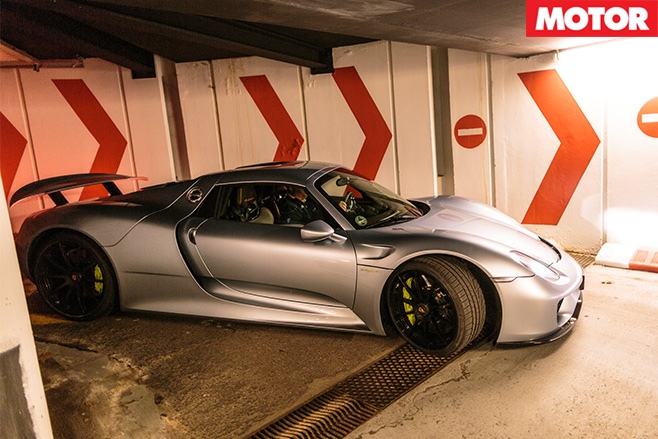
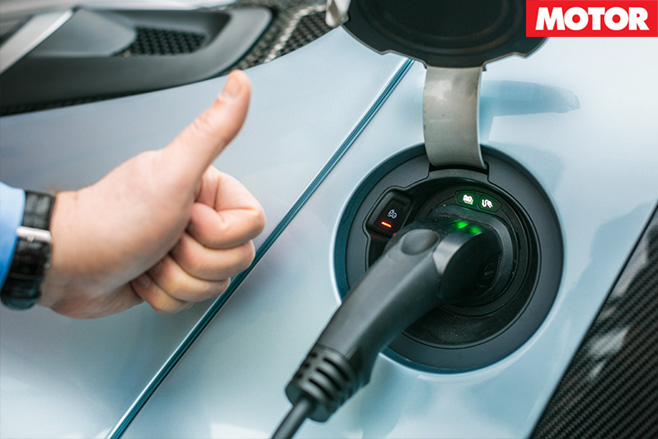
While a high-speed wall charger (around A$30,500 plus installation) would have performed the act in 25 minutes, hooking the car up on (s)low-voltage household mains extended the process by four hours.
The batteries always keep a 25 per cent emergency charge – in case you take an impromptu detour to the racetrack where the entire energy reservoir may be depleted at a push of the ‘H’ button.
The next morning, S-GO 9182 follows the river Rhone south in tip-toe fashion, elegantly swooshing past slower traffic, and soaking up applause and thumbs-up gestures. When fully charged, battery power alone can whisk the 918 from 0-100km/h in a brisk 6.2sec.
Some 19km down the road, the black box summons hybrid mode signalling that the V8 will now cut in or be phased out according to throttle orders. Not sufficiently inspiring? Twist the mode dial to Sport and try to suppress a big smile when it grabs you by the neck and glues your bum to the seat.
It dries your throat, moistens your palms, and fills your nose with the sweet smell of fast flowing electrical current. It reduces CO2 emissions by making you hold your breath in a mix of astonishment and awe.
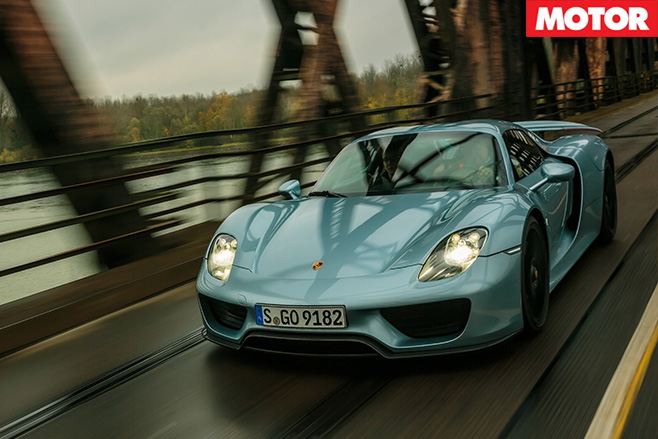
Rolling at a steady 128km/h through radar-infested territory, we kill time rating the sensational Burmester sound system, the authentic leather seats (are they really A$36,000 nicer than the standard cloth upholstery?), the body-colour ignition key left of the steering column (why is the wheel only adjustable in reach?), and the electric auxiliary heating (a whopping $A9000 – bum warmers are free, though).
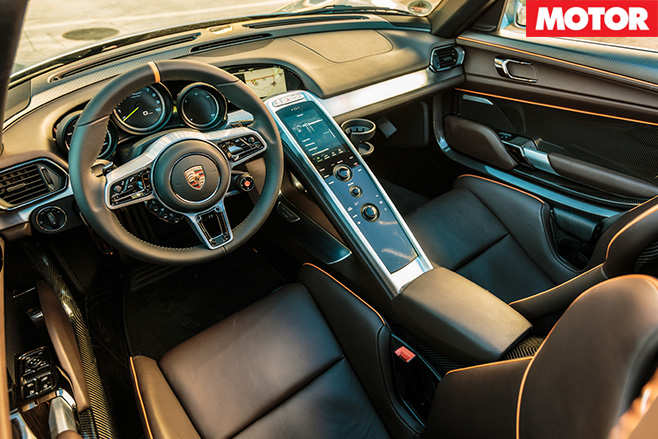
The most demanding section of the entire voyage is the winding coastal road between Perpignan and the Spanish border. Although the tarmac is narrow – bumpy and dotted with blind crests – the 918 tracks with the precision of a Strike Fighter, clings like a magnet to bitumen, and decelerates like an F1 car, only to reach out for the next straight with expandable elasticity.
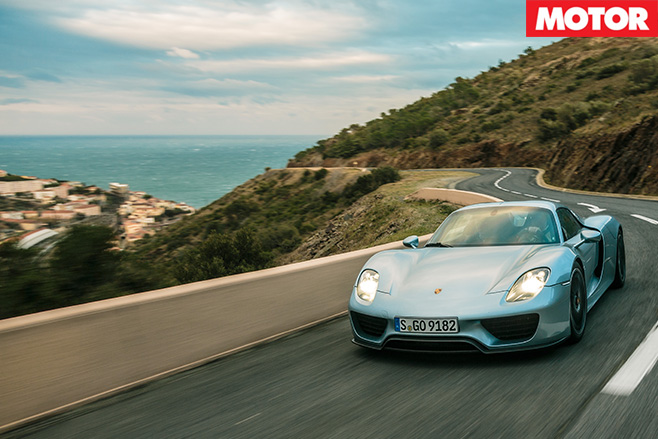
The 2.6sec acceleration from 0-100km/h very nearly ends in my cardiac arrest, and when the speedo shows 200km/h a mere 4.7sec later, adrenalin flows like a burst fire hydrant. It’s mildly terrifying.
Scared by my courage, I hit the brakes and immediately wish for four-point belts, Schwarzenegger forearms and eyeballs capable of staying in their sockets. Instrumental in this mind-boggling energy squashing performance are carbon-ceramic discs the size of New York pizzas, improved Michelin tyres boasting a secret superglue compound, and the riveting recuperative performance of the hybrid brake system, which can pull up to 0.5G.
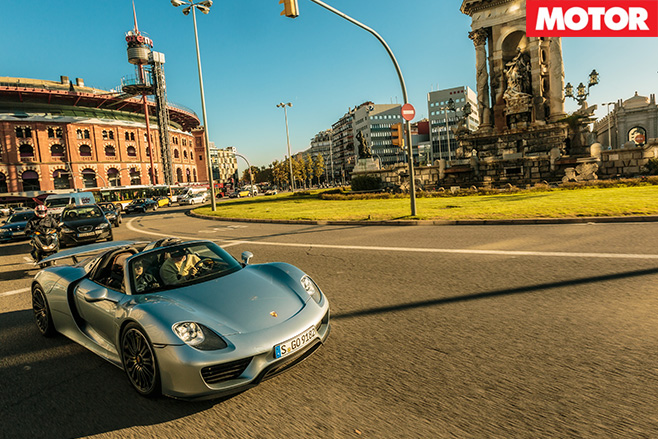
Only professional masochists, or Max Mosley, would have the balls to switch the damper calibration from ‘Have Mercy’ (standard) to ‘Last Rites’ (sport). The fast-responding front axle lift (yours for just A$13,500) on the other hand dramatically reduces the nose bleed factor.
The large tail rudder will, at the push of a button, freeze in two different positions for maximum downforce or maximum speed. Even with energy packs depleted, this plug-in supercar can still top 326km/h, but Spanish jails are almost as bad as Indonesian ones, so we didn’t even try.
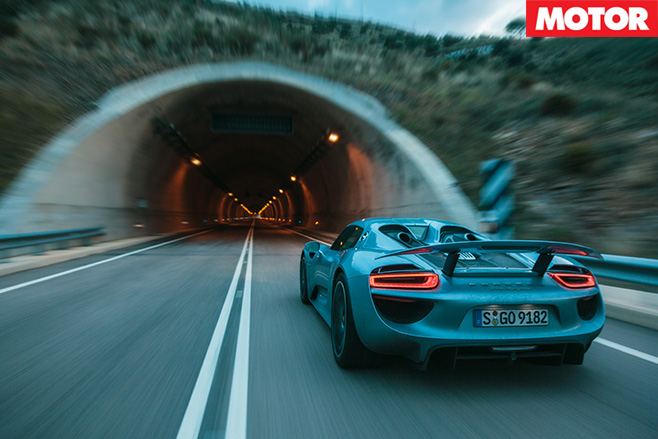
We arrived at il circuito Ricardo Tormo on the northern outskirts of Valencia for a quick trackside lunch. In pit lane, the 918 finally shed its Dr Hyde costume for the more appropriate Jekyll livery.
Sadly, all it takes to put your driving skills into perspective is one quick lap next to rallymeister, Walter Röhrl, who drives the entire lap in ‘D’ and still gets to the finish line light years before the next quickest.
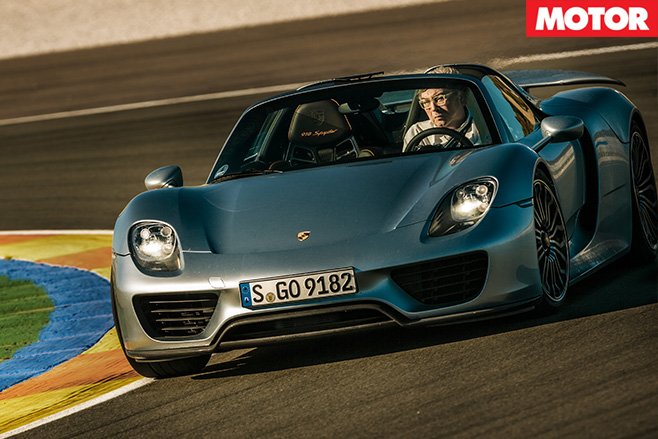
As the track closes at 5pm, we point the Porsche’s low-slung nose toward the open road one last time. Although I am strapped to a A$1.2m spaceship, my fear factor has shrunk to 911 GT3 levels since we left Zuffenhausen barely three days ago. The 918 may not be as easy to drive as a 911 Turbo, but it certainly isn’t a razor blade on wheels either.
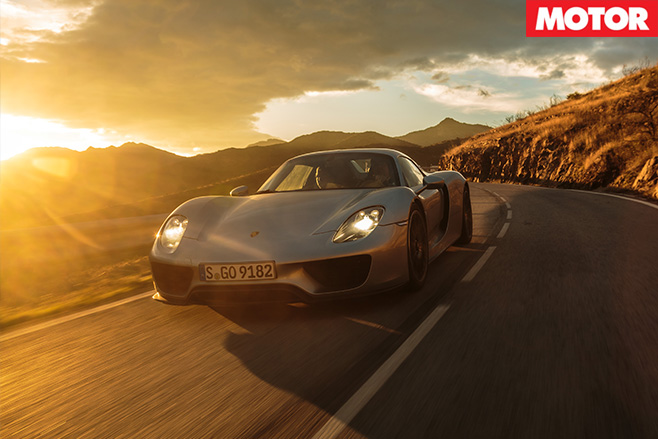
At no extra cost, Porsche will shrink-wrap the Spyder in matte black, Martini Racing livery or the striking Salzburg Racing design which allegedly pays tribute to a certain Porsche legend, Ferdinand Piech.
Porsche intends to manufacture 918 units of the 918, but so far only two-thirds of that number have customer names attached. Is this déjà vu of the Carrera GT, which found a mere 1270 takers despite a production target of 1500 units?
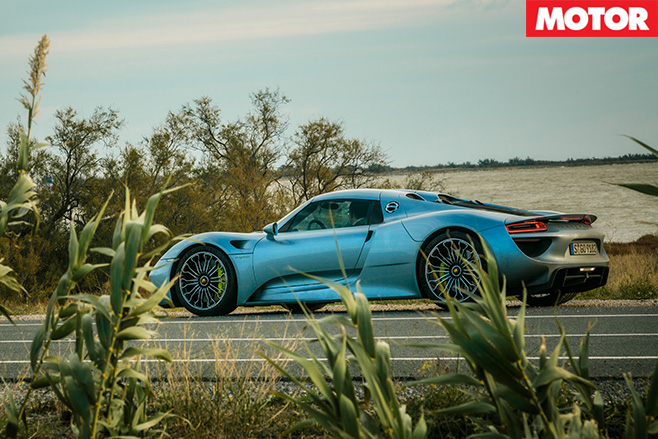
Just in case you’re in the market for one of these rare automotive dream tickets, bear in mind there are two seat sizes to choose from (small did not work well for me…), that plug-in charging really is only optional icing on the cake, and that this car is, in real life, so much more than the sum of its parts.
PLUS
- If you like to drive quickly, or frequently attend track days, this Megane is one of the fastest, most involving and most enjoyable ways of spending $62,000.
- It’s light. Like, really light. Renault has cut 101kg from the Trophy-R, which combined with super-sticky semi-slick tyres means it’s as agile as a house fly
- It’s wickedly fast too, and easy to drive. The Trophy R’s 2.0-litre turbo engine produces more power than a regular Megane RS and can hit 0-100km/h in just 5.8 seconds. And the best bit is that while its performance might sound intimidating, the Trophy R is actually forgiving to drive. Its chassis is so grippy and well balanced it can make mere mortals feel like racing drivers.
- It sounds fantastic. The Trophy R is fitted with a special titanium exhaust that manages to sound angry and high-tech, yet wonderfully old-school, all at once.
- The only gearbox offered is a manual! Yep, no automatic transmissions here, and shifting gears on the Megane’s excellent six-speed manual only contributes to its engaging driving experience.
- It’s not what you’d call comfortable. The front seats are fixed sports buckets, which while excellent at stopping you from moving around during hard cornering, can become extremely uncomfortable on long trips.
- There’s also no sound deadening, so there’s plenty of tyre and engine noise, which can get tiring.
- No back seat means you’ll only be able to impress one passenger at a time with the Megane’s supercar-like performance. But at least there’s plenty of room for shopping in the boot!
- Those red wheels and massive Trophy R stickers won’t be to everyone’s taste. Drive the Trophy R in city traffic and it’s easy to feel like an extra from The Fast and the Furious.
- They’re only making 250 of them, and only 50 are coming to Australia. Boo!
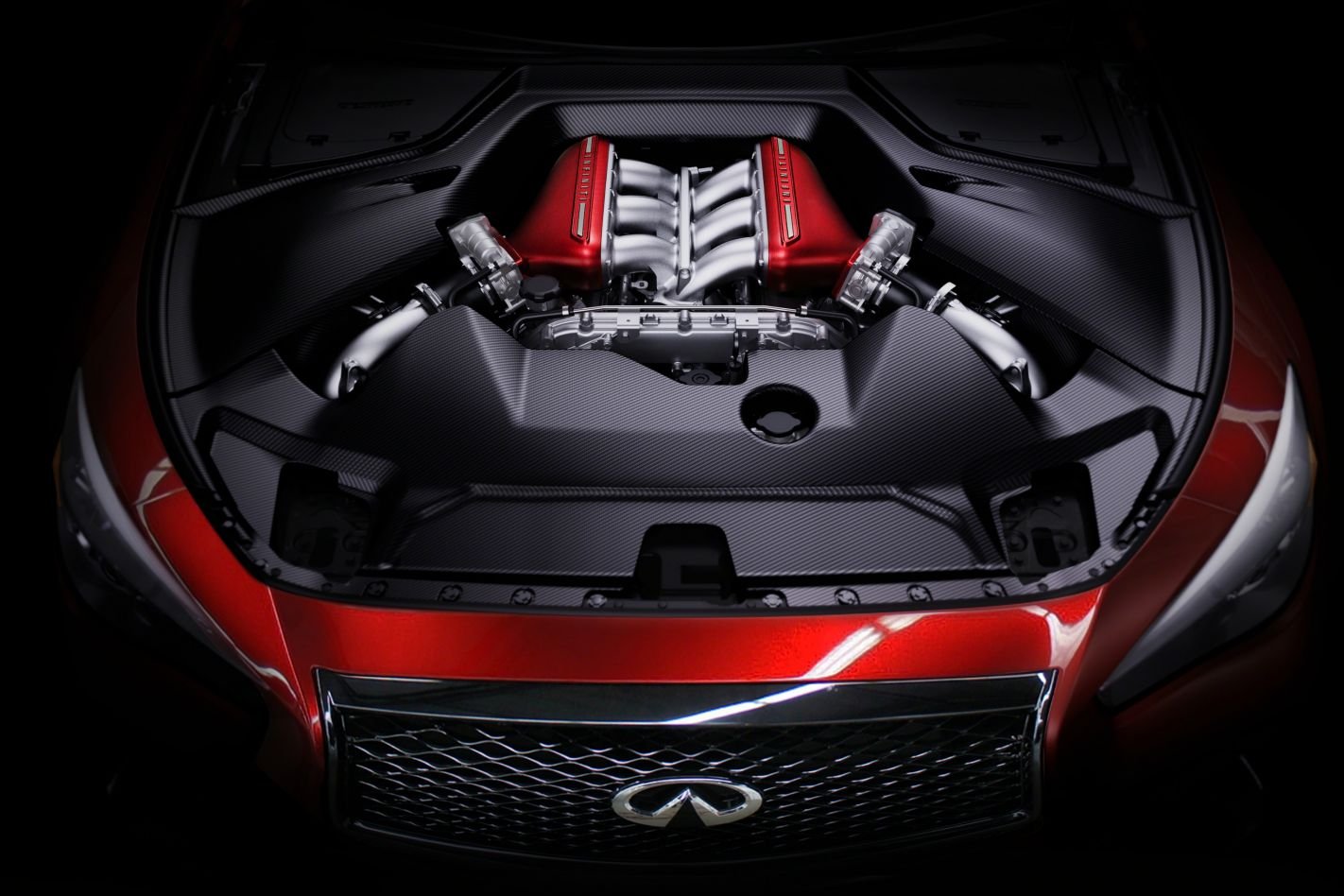
Infiniti has killed off any chance of its GT-R-engined Q50 Eau Rouge making production, stating the business case just doesn’t stack up.
Speaking to MOTOR‘s UK sister mag CAR, Infiniti vice-president Francois Goupil de Bouille revealed that the Q50 Eau Rouge had been canned as the development costs would outweigh the projected sales revenue.
It’s a shame for enthusiasts, as while projected sales numbers were small, the Eau Rouge would’ve given the Infiniti brand a much-needed halo product.
Infiniti continues to struggle to achieve a foothold in Australia, selling just 358 cars as of August 2015. This is just five ahead of Maserati and well behind main rival Lexus (5907), let alone the three big Germans.
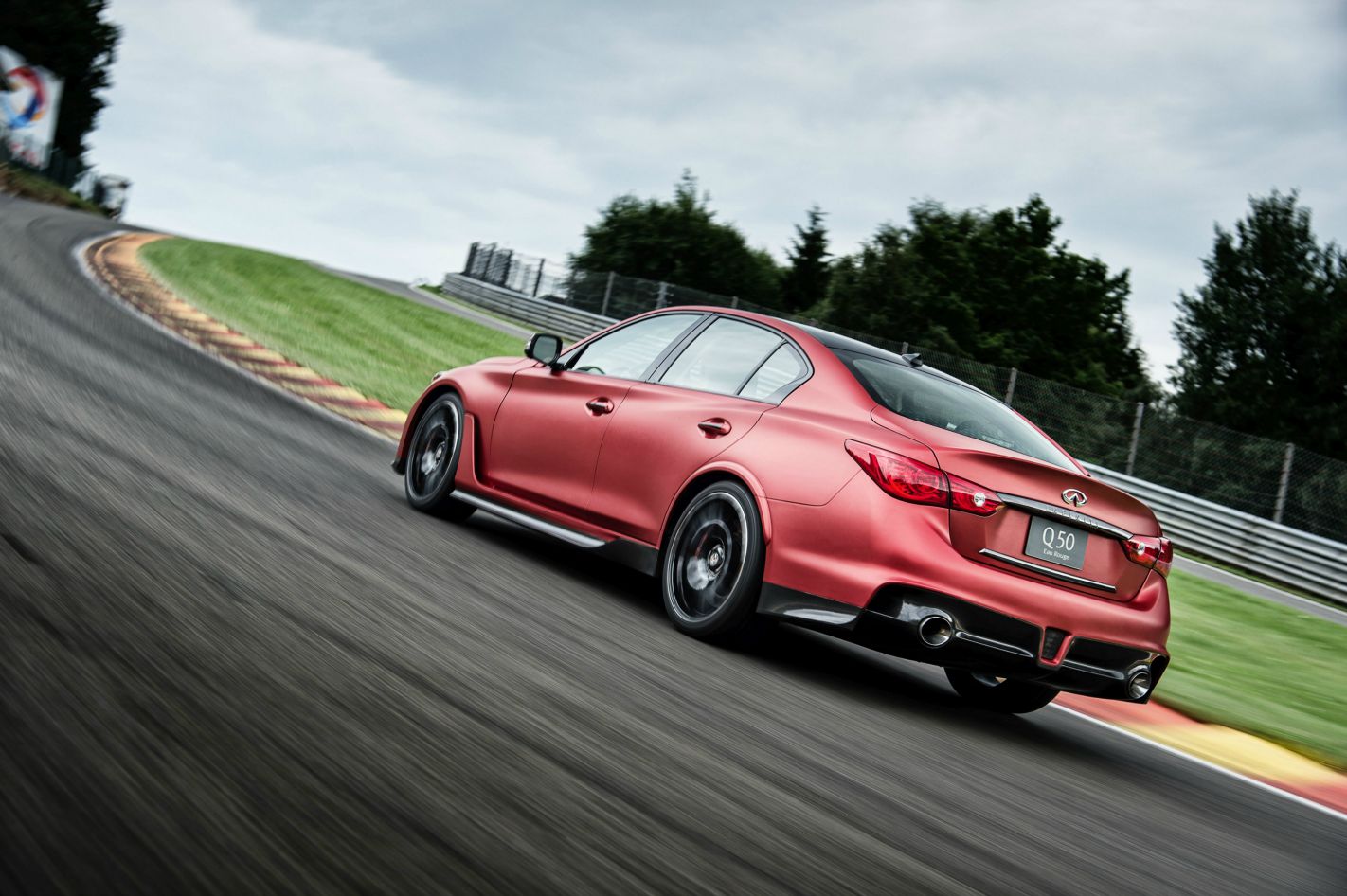
With parent company Renault seemingly cutting ties with F1 outfit Red Bull, perhaps Infiniti – one of the team’s main sponsors – can used the money it saves on sponsorship to create a truly desirable performance model.
While Frankfurt saw manufacturers pull wraps off plenty of quick road-going metal, most would wimper before the M6 GT3 which BMW debuted to the public.
Finally shown in its race painted glory, as opposed to the garish camouflage swirls we first spotted it dressed in, the new M6 GT3 showcases BMW’s replacement for the Z4-based race car.
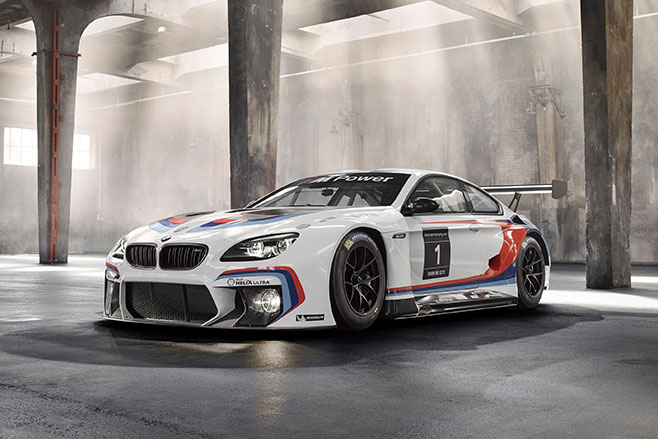
We now are also afforded a better perve at what BMW’s done to the road car’s gizzards in preparation for war with cars like the Bentley Continental GT3, Ferrari 458 GT3, and McLaren 650S GT3 next year.
Thanks to new carbon fibre bodywork the front and rear tracks have been fattened considerably, and made to accommodate a variety of air scything aero parts.
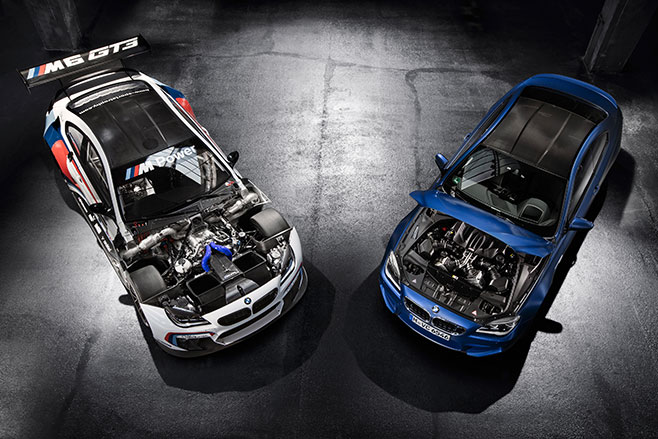
The car’s front suspension and chassis have also been revised, with front dampers now latching on to front tubular supports that are shielded by wider carbon fibre wheel wells.
Elsewhere there are the usual items: roll-cage, bucket seat, airport sized wing, and fat slicks.
Of course, all this has to be paid for, and the M6 GT3 weighs in at $599K.
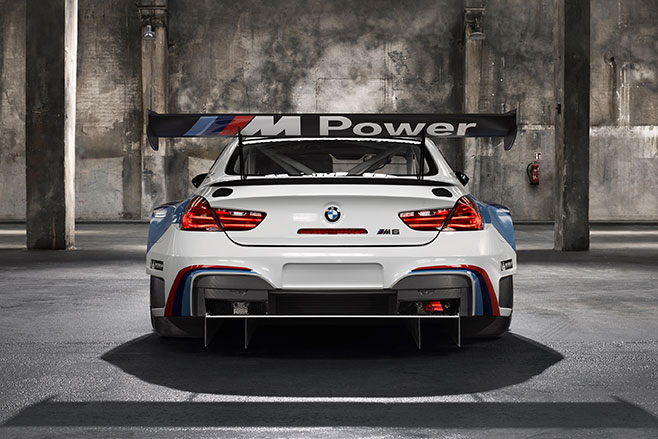
The new M6 GT3 is expected to begin its competitive career at the 24 Hours of Dubai early next year.
OUT NOW! Our October issue gets all close and personal with Holden’s final Commodore, details HSV’s 476kW ultimate muscle car, and benchmarks the new Jag XE against the Merc C-Class.
- Final roar for the Commodore: inside dope on the new VF Series II V8s from the team that built them.
- HSV’s 476kW send-off for Commodore.
- France versus Germany as the 208 GTI takes on the Polo GTI.
- England versus Germany as Jaguar’s new XE lands in Australia and sizes up the Benz C200.
- Hanging out with MotoGP champ Mick Doohan.
- Gold-Star Value Awards: Best drives of every kind for your budget.
- Plus our usual mix of news, views and showroom data. Available in print, on the iPad via the iTunes Store, or on Android devices via Google Play.
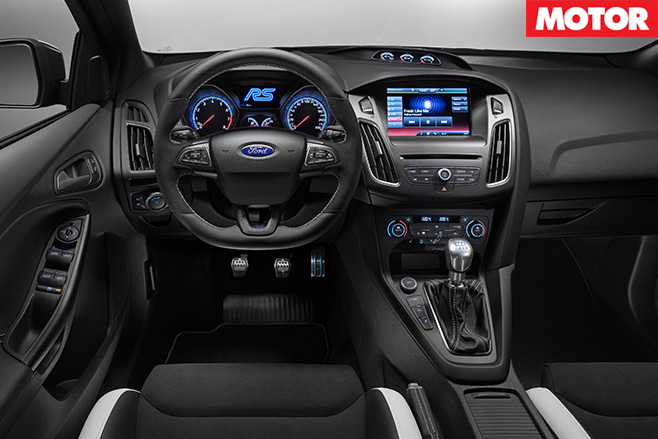
Four-point-seven seconds – the Ford Focus RS will be the fastest car to 100km/h under $60K when it arrives locally next year.
When it comes to bang for your buck, Ford is throwing down the gauntlet to the 0-100km/h times posted by the Mercedes-AMG A45 (4.2sec) and Audi RS3 (4.3sec), both of which cost $75,000 plus.
The new Focus RS is expected to cost around $50K, even less than the previous generation limited-edition front-drive monster that came here priced from $59,900.
The Blue Oval product will also be two-to-three tenths faster than price-point rivals, the Audi S3, Subaru WRX STi and Volkswagen Golf R.
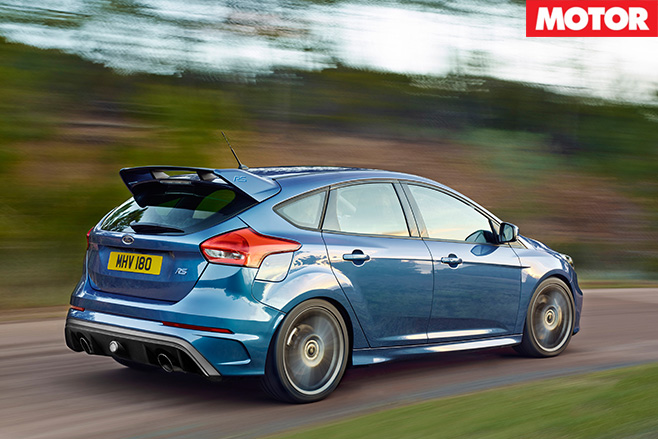
Backing the five-door’s aggressive new styling is an all-wheel drive system with torque vectoring and a dedicated ‘drift’ mode to allow the electronic stability control to permit and help with oversteer slides.
Although Ford continues to drip feed information – this time performance times – ahead of the expected Focus RS arrival in Australia in the first quarter of next year, at least the news continues to be of the exciting variety.
Audi has revealed its new S4 at the Frankfurt Motor Show, the range-topping small sedan debuting a new 3.0-litre turbocharged V6.
The direct-injection six-pot develops 260kW/500Nm, channeled through a new eight-speed automatic gearbox to all four wheels.
Audi claims the extra grunt delivers 0-100km/h in 4.7sec, while top speed is electronically limited to 250km/h. It’s also more frugal than its supercharged predecessor, with claimed fuel economy of just 7.4L/100km.
Quattro all-wheel drive splits drive 40:60 front-to-rear under normal driving circumstances, but is able to shuffle 70 per cent of the drive forward or 85 per cent aft depending on wheel slip.
An active sports centre differential is optional on European models, though may be made standard on Australian cars.
Handling prowess has been further improved thanks to a suspension overhaul, with a five-link configuration front and rear, while kerb weight has dropped 75kg to 1630kg (the wagon is 45kg heavier) and a ride height 23mm lower than regular A4 models.
The new S4’s exterior styling is the very definition of evolutionary, but there have been bigger strides forward inside, with Audi’s latest MMI operating system appearing for the first time.
Also available as an option is Audi’s ‘virtual cockpit’, lifted from the new TT and R8, which replaces the traditional instruments with a giant TFT screen.
The new S4 and S4 Avant (wagon) are due to arrive in Australia towards the end of 2016 and we’d expect pricing to deviate little from the current models’ $104,610 (sedan) and $108,110 (Avant).
THE 2016 Renault Megane has been shown at the Frankfurt motor show and is one of the French car-maker’s most crucial products.
Yet the falling value of the Australian dollar may limit its impact here against key rivals such as the VW Golf, Peugeot 308 and Ford Focus.
The Megane will bring a raft of new features and a high-performance GT model when the line-up arrives in the second half of 2016.
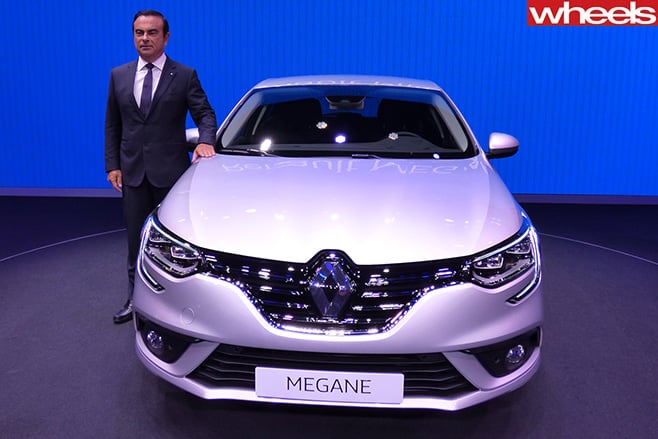
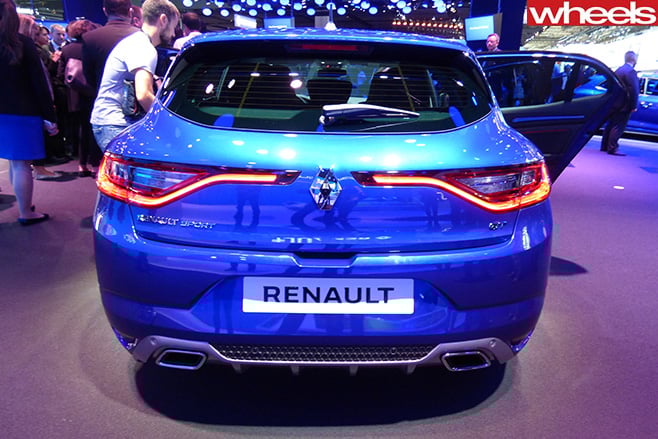
You won’t mistake the new Renault Megane for the current car. Its nose has an even more prominent Renault diamond and carries a grille that links the headlamps, which feature a distinctive C-shape for instant recognition day and night.
In profile, the Megane looks a lot like a concentrated version of the Clio, which was new in 2013. The Megane will also follow its smaller sibling in being five-door only – the coupe is no more.
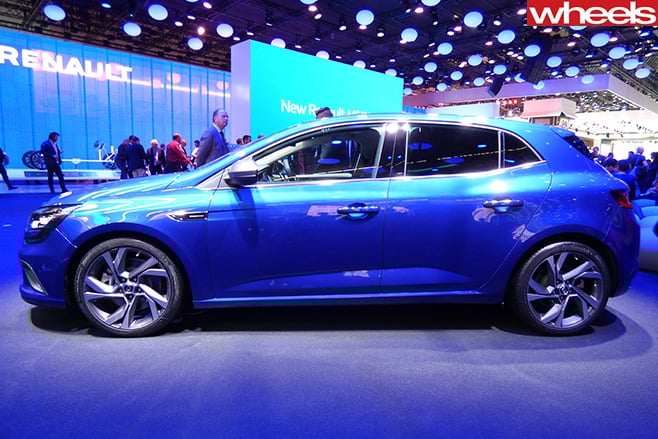
The 2016 Megane hatch is also lower and wider than the current model, with wider front and rear tracks, a 28mm increase in wheelbase and reduced rear overhang.
That allows this car to offer greater cabin space, with more knee-room and shoulder room for rear-seat passengers, and well as a bigger boot area – up from the current 372 litres to 434 litres.
It uses the same CMF-CD platform as the Nissan Qashqai, X-Trail and Pulsar and the new Renault Espace (which is not sold here).
Tech improvements for Megane see automatic emergency braking, radar cruise-control and automatic reverse-parking, all missing from the now seven-year-old existing generation.
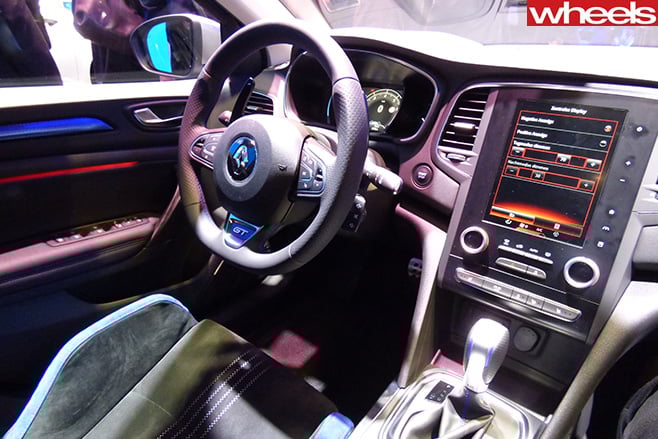
Infotainment includes Renault’s R-link 2, accessed via an 8.7-inch tablet screen, while there’s also a 7.0-inch TFT instrument cluster complemented by a colour head-up display.
That means the excellent entry-level 1.2-litre turbo, 2.0-litre and 2.0-litre turbocharged petrol engines, and a 1.5-litre turbo-diesel. A hybrid-assist diesel will be shown in 2017, targeting 3.0L/100km fuel economy.
The GT model is currently offered only as a six-speed manual but the new Megane GT will be dual-clutch only, like the Clio RS. It will produce 152kW – a 10kW power drop over the current 2.0-litre GT. Hocevar told Wheels that the GT’s reduction in power would be made up for with better fuel efficiency, and that “the proof will be in the driving”.
The GT and GT-Line, introduced as full-time models when the current Megane was given a facelift in August 2014, have been hugely successful, as has the RS range. Australia is one of the top markets for RS models globally. Their release is yet to be confirmed but is likely late next year.
“Certainly the sooner we get it [the new RS Megane] the better, but we do have some life within the D95 RS –the existing RS – for the next year. It’s always been a very good product in Australia; we’ve recently updated it. For the hard-core enthusiast who wants an RS with a manual and Cup chassis, we’ve got coverage.”
The new GT will benefit from one of Megane’s major technical advances, called ‘4Control’. Put simply, this is a rear-wheel steering system that works to increase agility and aid high-speed stability.
That makes it the second car at Frankfurt 2015 to debut rear-wheel steer, with the updated 991 Porsche 911 offering rear-wheel steering in its entry-level Carrera models. Rear-wheel steering has also been used in cars such as the Mitsubishi Galant VR4 and the Honda Prelude, which was Wheels Car of the Year in 1987.
The challenge for the new Megane – on top of the ongoing success of the VW Golf and Peugeot 308 – will be the exchange rate. The Aussie dollar’s weakening will affect the Megane more than many of its competitors, as the new model – like the current car – will be sourced from Palencia in Spain.
Few C-segment competitors are sourced from Europe. The recently updated Ford Focus, the Toyota Corolla and the Honda Civic are all sourced from Thailand, while the Hyundai i30 five-door is made in South Korea.
Imports from these countries – both of which benefit from of a free-trade agreement with Australia – are at a clear advantage over the Megane and other European imports such as the French-made Peugeot 308 and Germany sourced Volkswagen Golf.
“Someone with a product coming out of a country with an FTA may provide an additional buffer – that is true,” concedes Hocevar. “But the Australian dollar is down against most currencies now … at the end of the day if it remains like this, it’s going to catch up.”
Despite this, Hocevar says that the C-segment is still lucrative, and that it’s worth bringing the Megane – its third-best selling model here – to Aussie showrooms. “It is the biggest segment, yes, and it has good potential. Clio has a bit of a head start … [but] it had more favourable currency.”
The Megane will cost more than its predecessor, which starts at $20,990 for the Authentique hatch and spans to $61,990 for the flagship Renault Megane RS275 Trophy-R model.
“All things being equal in currency, there would have been an organic rise in price,” Hocevar said. “The question will be whether the foreign-exchange will have a greater impact.”
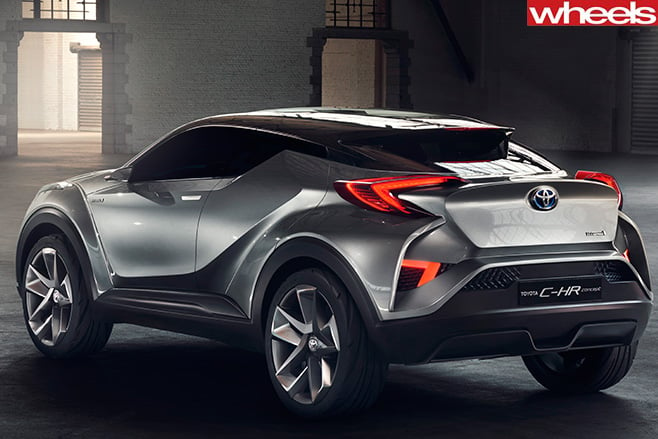
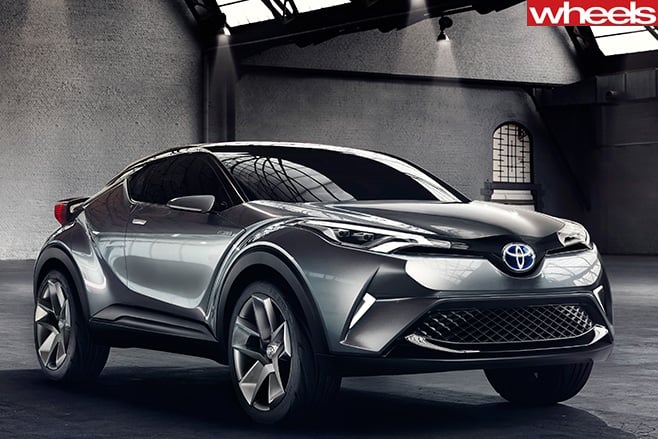
TOYOTA will finally have a response to the popular Mazda CX-3 and Honda HR-V when the company’s first modern compact SUV arrives in Australia, in the fourth quarter of next year.
Priced and sized below the venerable RAV4, the as-yet unnamed production version of the C-HR concept car will be revealed in finished form on March 3 next year at the Geneva motor show, before being rolled out globally soon after that.
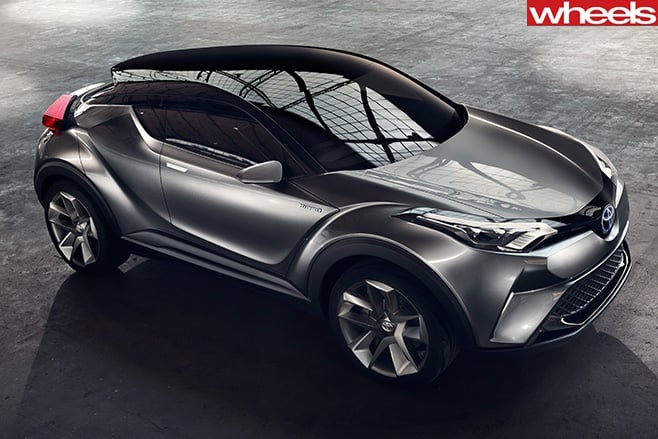
Nevertheless, the German concept remains deeply rooted in show-car razzle dazzle, with oversized wheels, exaggerated fenders, and an impractically rakish roofline. Don’t expect such a brazenly coupe-like silhouette in the final production version.
Most will be driving either the front or all four wheels via a six-speed manual or Continuously Variable Transmission (CVT).
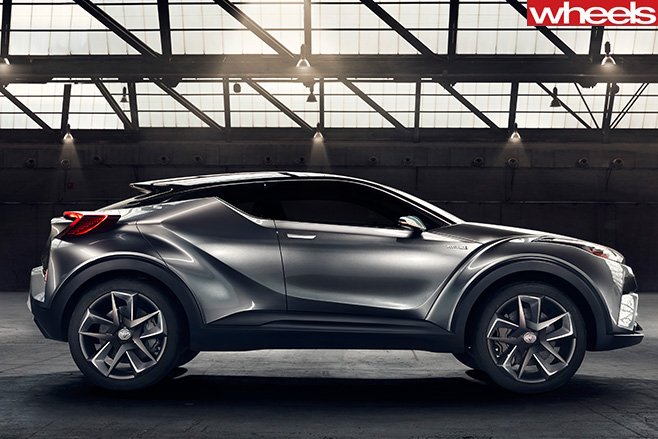
Toyota is making much of the TNGA’s low centre of gravity and high body rigidity, stating that it will “minimise body movement and vehicle roll during cornering… (allowing for) suspension settings that deliver ride comfort without detriment to driving dynamics”.
In related news, Toyota also showcased a RAV4 Hybrid at Frankfurt, though there is no word as to if or when Australians will be able to buy one.
The race to the bottom continues. The bottom of the price lists, that is.
At this rate, by late-2015 one or more manufacturers will be willing to pay you to drive their cars out of dealerships. First, Toyota announced that its 86 sports car would start at a jaw-dropping $29,990, then Ford revealed its Fiesta ST would be a chin-on-the-ground $25,990.
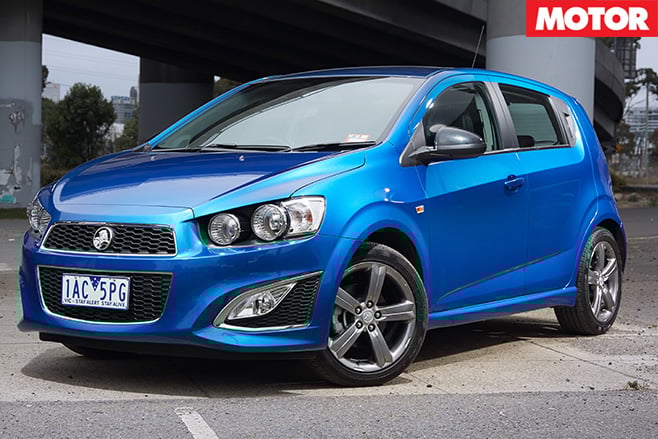
Now Holden has declared that if you rustle around down the back of the couch and find $20,990, you can have its new Barina RS.
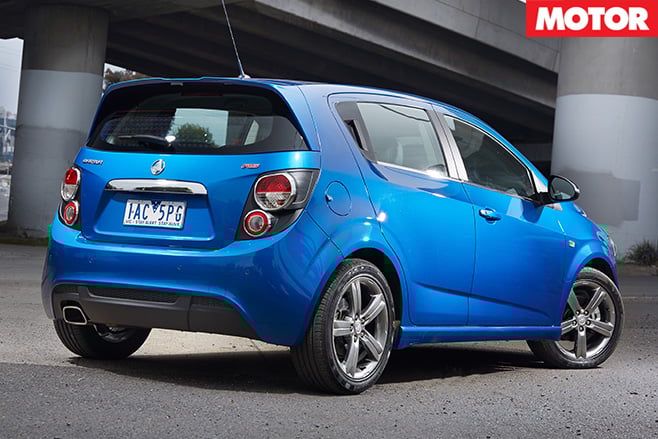
Despite the turbocharged torque, a relatively tubby kerb weight of 1249kg (1275kg for the auto) means performance is adequate rather than amazing. Holden doesn’t quote any figures, but 8.5sec to 100km/h for the six-speed manual feels about right, with the auto (also six-speed) in the early nines.
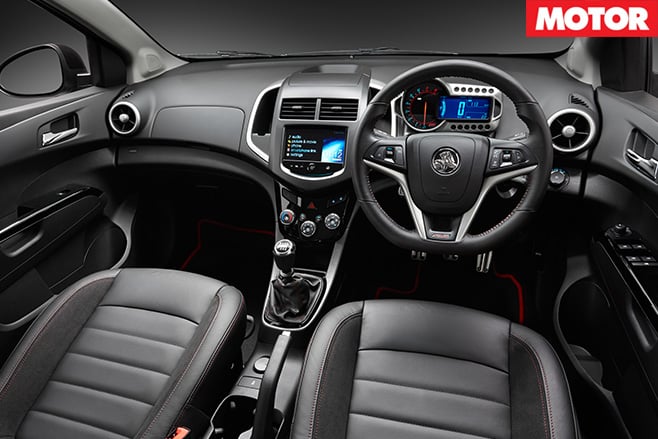
Unfortunately, Melbourne decided to have a year’s worth of rainfall in six hours on the day of the launch, so a definitive handling assessment will have to wait. On streaming wet roads, the Barina has decent levels of grip but falls progressively into understeer if pushed with little involvement from the tail. There is some fun to be had, but little details – wooden brakes, average gearshift, seats lacking lateral support – make you question the car’s performance credentials.
3/5
Specs:
Engine: 1364cc inline-4 DOHC, 16v, turbo Power: 103kW @ 4900rpm Torque: 200Nm @ 1850rpm Weight: 1249kg (manual) 0-100km/h: 8.5sec (estimated) Price: $20,990
Click here to read the full range review of the Holden Barina.
