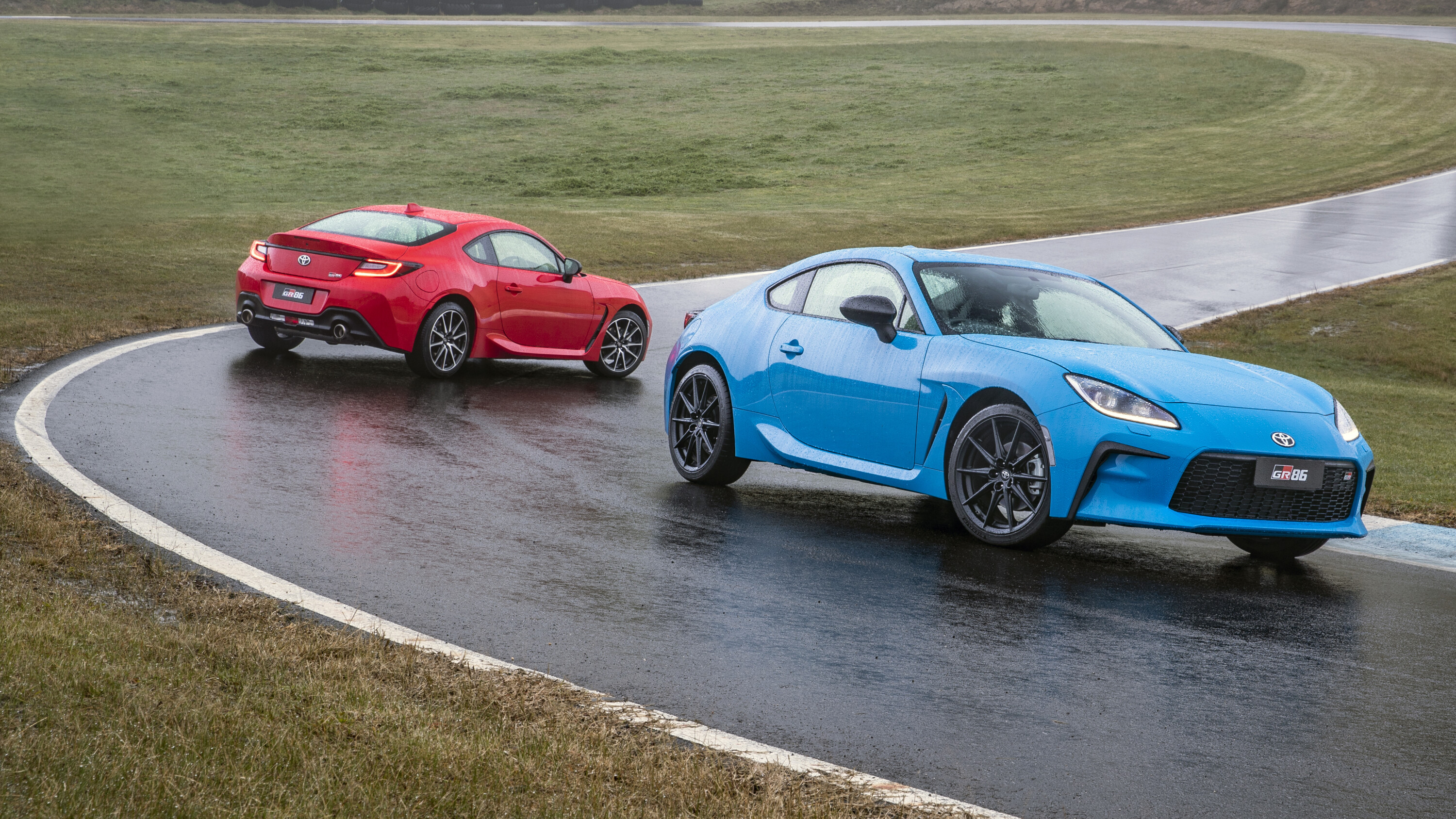
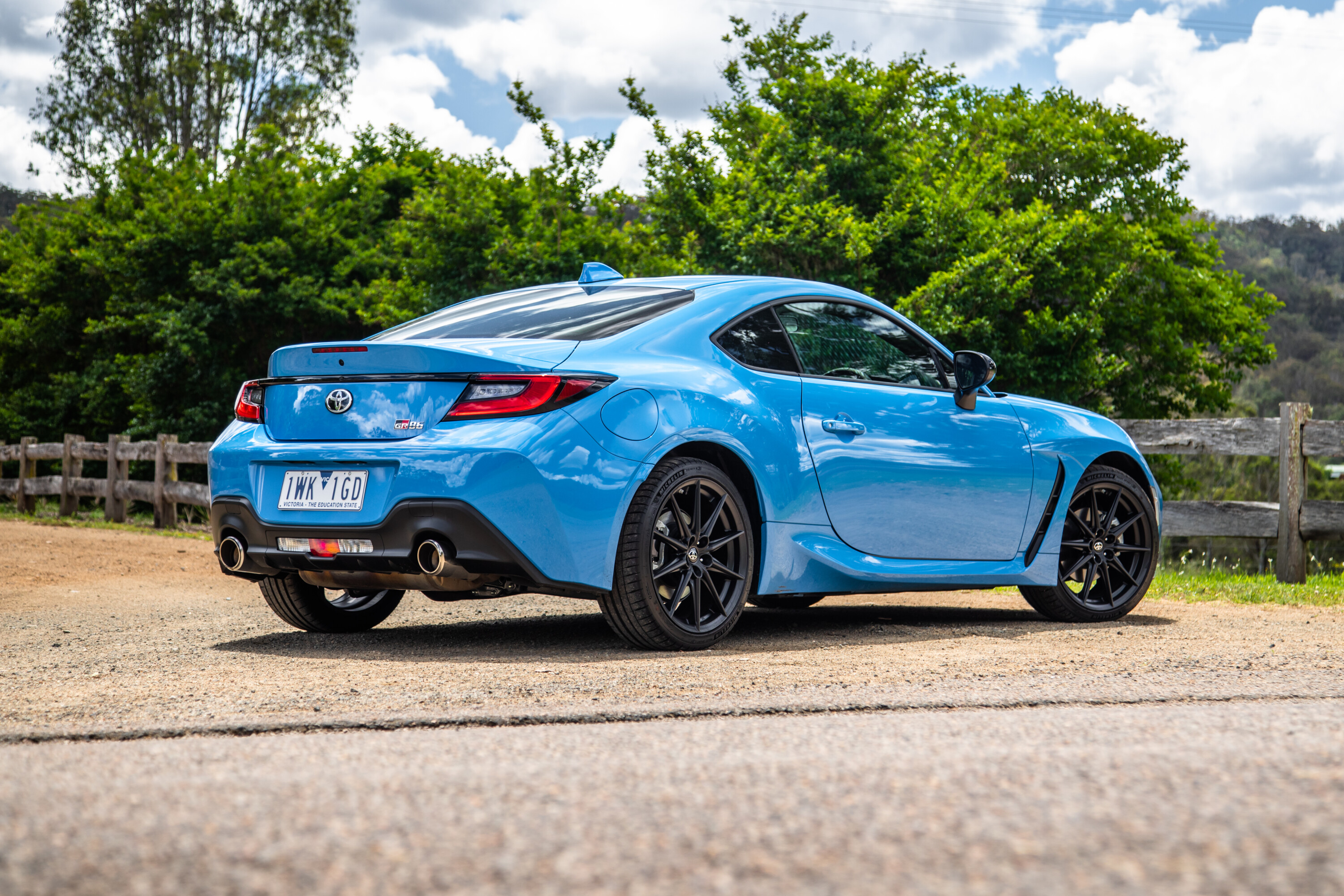
New, unconfirmed details of the next GR86’s powerplant are trickling in. Here’s hoping they’re right.
According to Japan’s BestCar, as quoted by CarScoops, “unnamed sources” have claimed the third-gen 86 may be released in 2025 – powered by a electric-assisted, three-cylinder turbocharged engine.
The powertrain rumours are easy to believe, but the timeline might be a stretch. A 2025 release date would make the current GR86 a relatively shortlived model.
1
Thanks to Covid, the second-gen car only reached Australia in late 2022, although its late 2020 unveiling means a 2025 third-gen reveal would give it a roughly six-year life cycle.
That’s fairly standard for most cars, but the first 86 ran for just over eight years – so it remains to be seen what a ‘standard’ run is for Toyota’s compact sports car. Indeed, it hasn’t even had a midlife facelift, having gained only an equipment update in late 2023. However, a concept car debuting at the 2025 Japan Mobility Show, or at a motor show in the US, could well be on the cards.
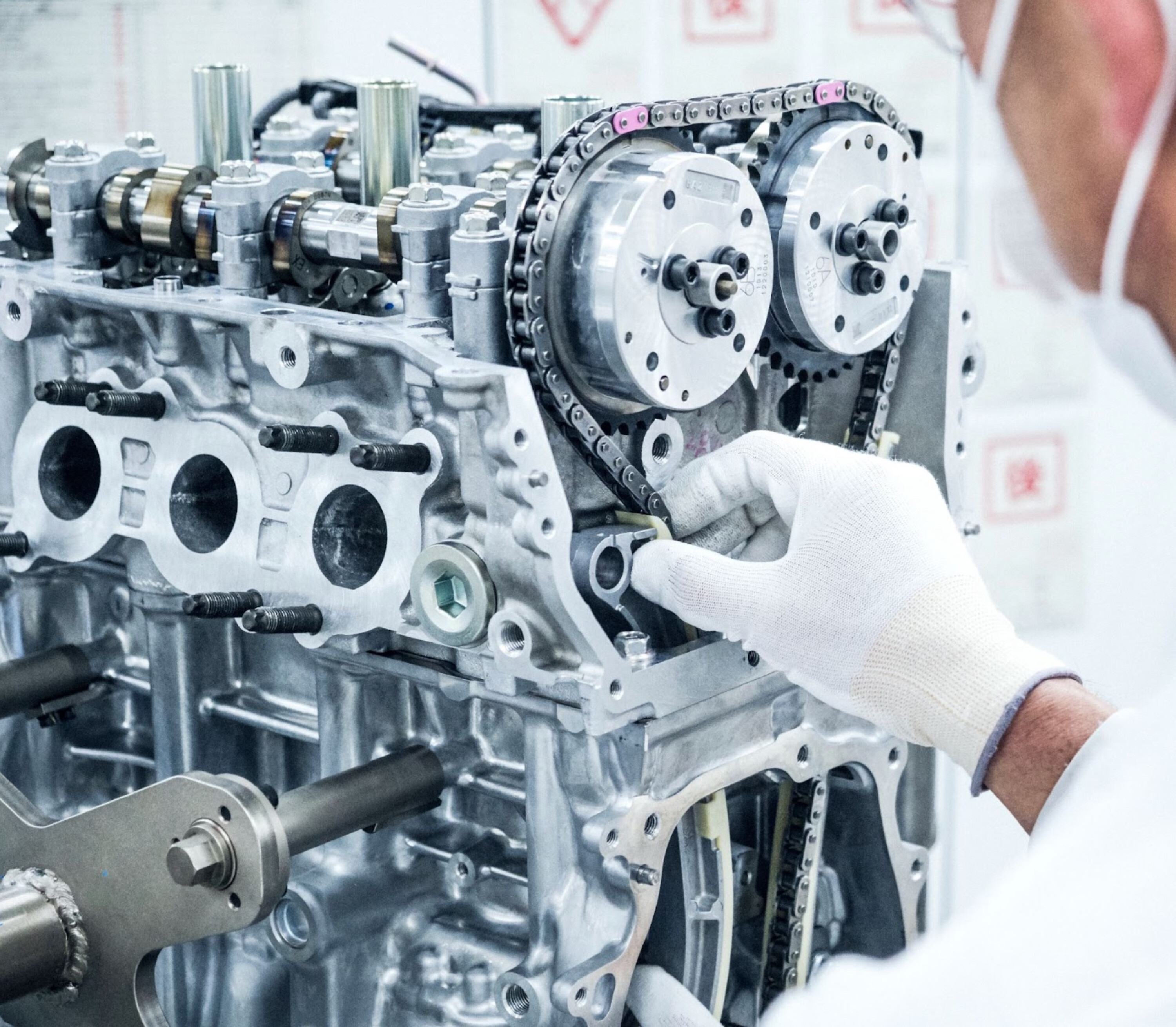
The turbo hybrid three rumour, if accurate, is big news with big implications. After all, Toyota isn’t about to lop a cylinder off the boxer four. (Imagine the noise!)
Clearly, any odd-numbered move would be to the three-cylinder unit in the GR Yaris and Corolla, with added hybrid gubbins. Right now it’s a fairly new, low-volume, high-cost (and presumably high margin) engine, so Toyota might understandably want to put it in as many models as possible.
1
Two potential engine capacities have been rumoured: 1.4 and 1.6 litres.
A 1.4 could provide similar power to the current model, with a 1.6 putting out 225kW or more, finally giving the 86 the power (some) enthusiasts have been crying out for. Toyota could also install a mild-hybrid system that is compatible with manual and automatic gearboxes. And, of course, a front-engine, rear-wheel-drive layout would again feature.
1
What of the BRZ and Subaru’s boxer stance?
If the third-generation BRZ runs an inline engine from Toyota, it would be an almost all-new concept for the brand, having focused solely on boxer engines since 1966.
Would Subaru release a new BRZ with an in-line engine? Or, would Toyota and Mazda develop the platform together, to be used for the next MX-5 as well? Is this the end of the Toyota-Subaru sports car partnership? If so, it’s highly unlikely Subaru will develop a new BRZ on its own.
Setting the scene: Stellantis, parent company to 14 car brands, has a market capitalisation of $70 billion, is the third largest carmaker by volume and one of the most profitable, and boasts a share price that has increased by 75 per cent since 2019.
Renault is a minnow by comparison, with a market cap of $11 billion.
It exited the Russian market (for geopolitical reasons), throttled back on the scale and scope of its partnership with Nissan, and has cancelled the initial public offering for Ampere, its electric vehicle and software division (due to reduced demand and lower growth forecast for EVs).
Renault’s share price has fallen 40 per cent since 2019, and it is seen by pundits as a potential merger and acquisition target. No surprise, a Stellantis takeover has been the subject of some speculation.
1
The Italian press reports that a merger may be afoot
Italian daily Il Messaggero reported last week that the French government, which is Renault’s largest shareholder and also has a stake in Stellantis, was assessing plans for a merger between the two.
A Renault spokesperson said the following day that the company does not comment on rumours. France’s Finance Ministry also declined to comment.
The Italian government has previously accused Stellantis – which now counts Italian brands Abarth, Alfa Romeo, Fiat, Lancia and Maserati in its stable – of acting against the national interest. Industry Minister Adolfo Urso has even raised the prospect of the Italian government forcing a stake in Stellantis to help balance the French influence.
1
Financial analysts question the value of a Stellantis-Renault merger
Some analysts have questioned the objectives and benefits of a Stellantis-Renault merger, as it would effectively add to Stellantis’s excess capacity in Europe.
Investment Bank Jefferies said that Europe would not be the priority for any potential Stellantis merger and acquisition activity. Renault does not offer any significant scale in other areas of the world, and a merger would also face antitrust obstacles.
Stellantis Chairman denies a merger with Renault is part of the plan
Stellantis Chairman John Elkann has denied any plans for a merger with Renault exist.
Speaking with Reuters [↗], Elkann said that Stellantis – the world’s third largest carmaker by sales – is focused on implementing its long-term business plan. “There is no plan under consideration regarding merger operations with other manufacturers,” said Elkann.
Stellantis CEO Carlos Tavares may be keeping the door open for a merger, however, stating in a recent interview with Bloomberg that the group was “ready for any kind of consolidation” and Stellantis would be “one of the winners”.
1
Renault shares had risen more than 4% before paring back after Elkann’s comments to trade flat.
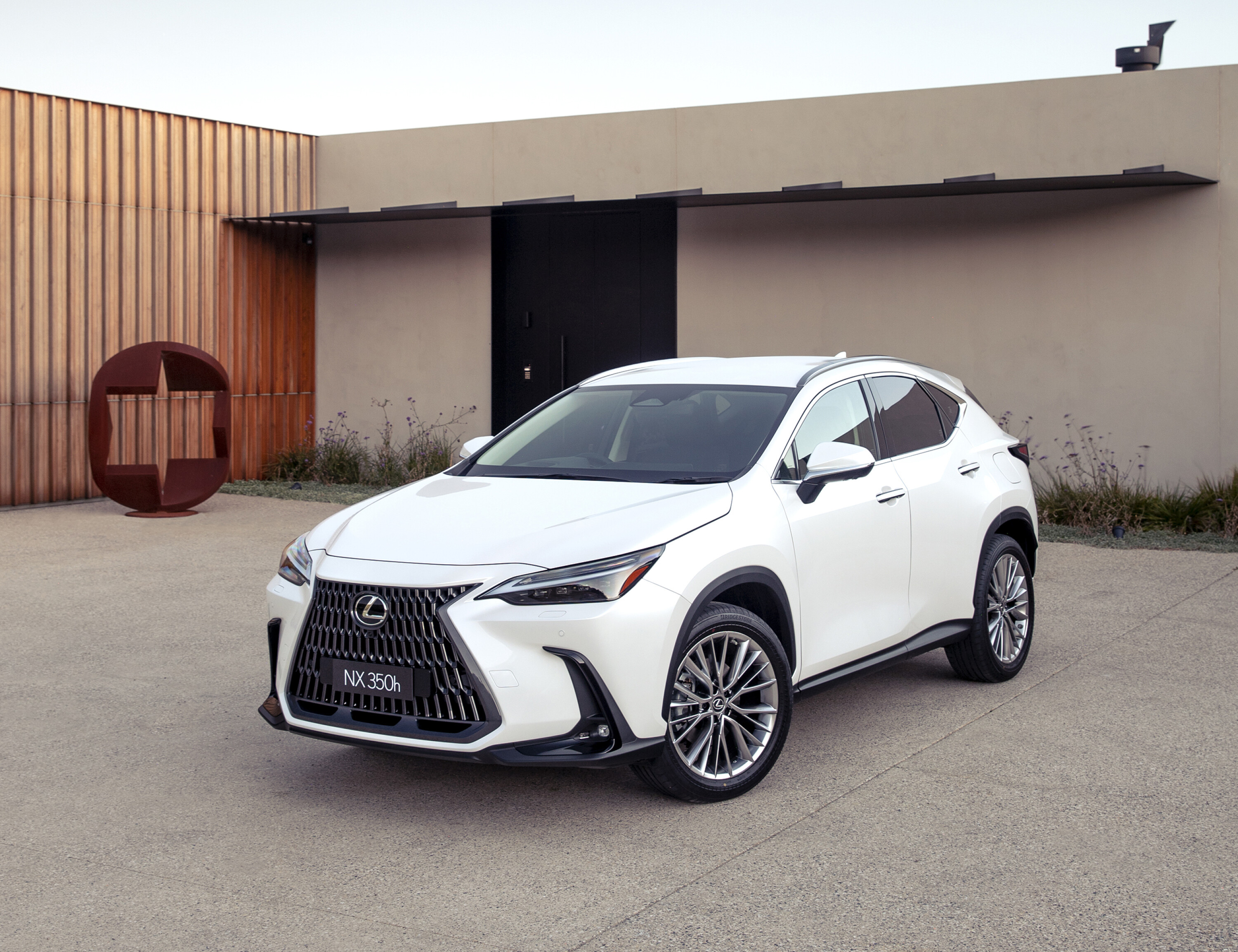
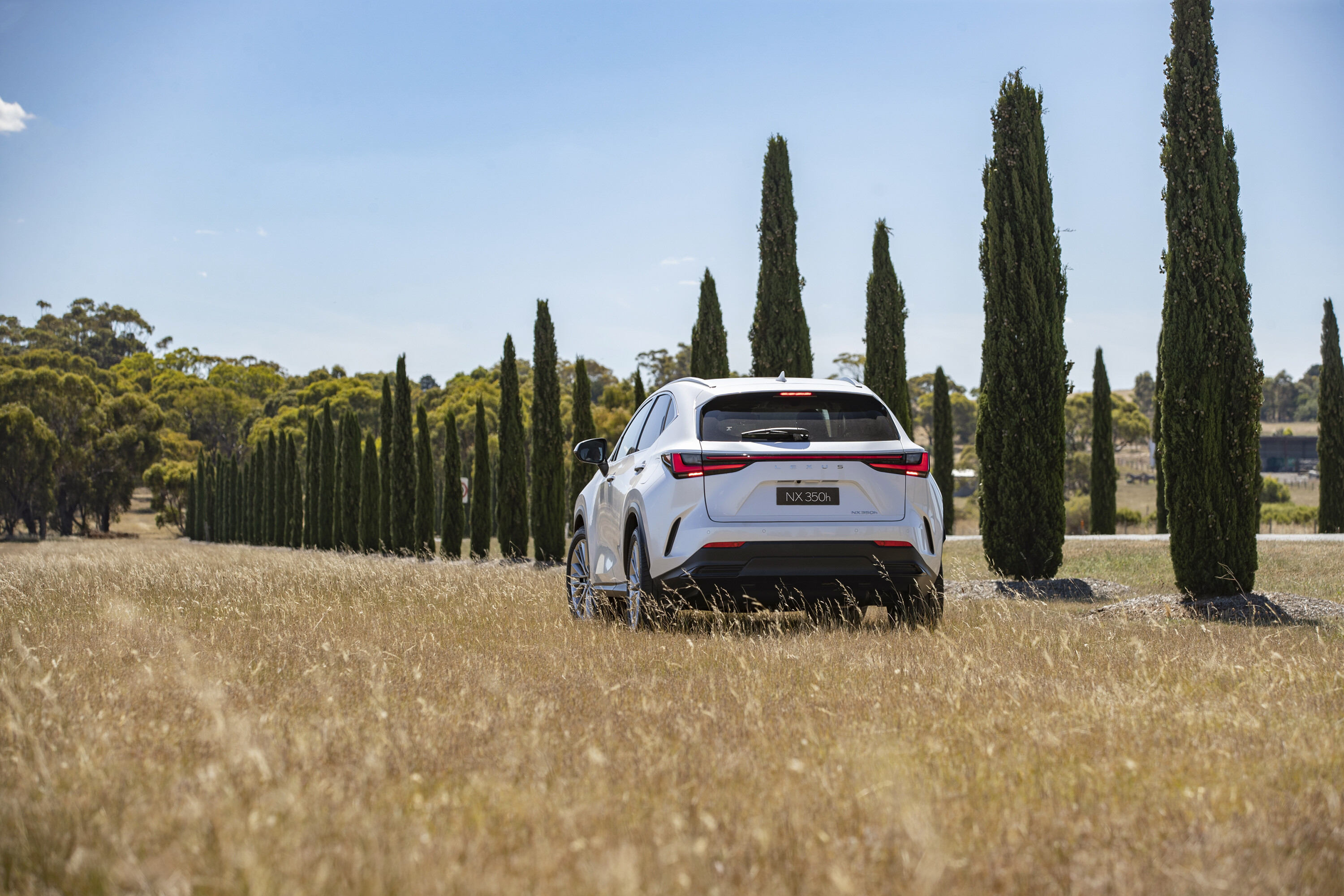
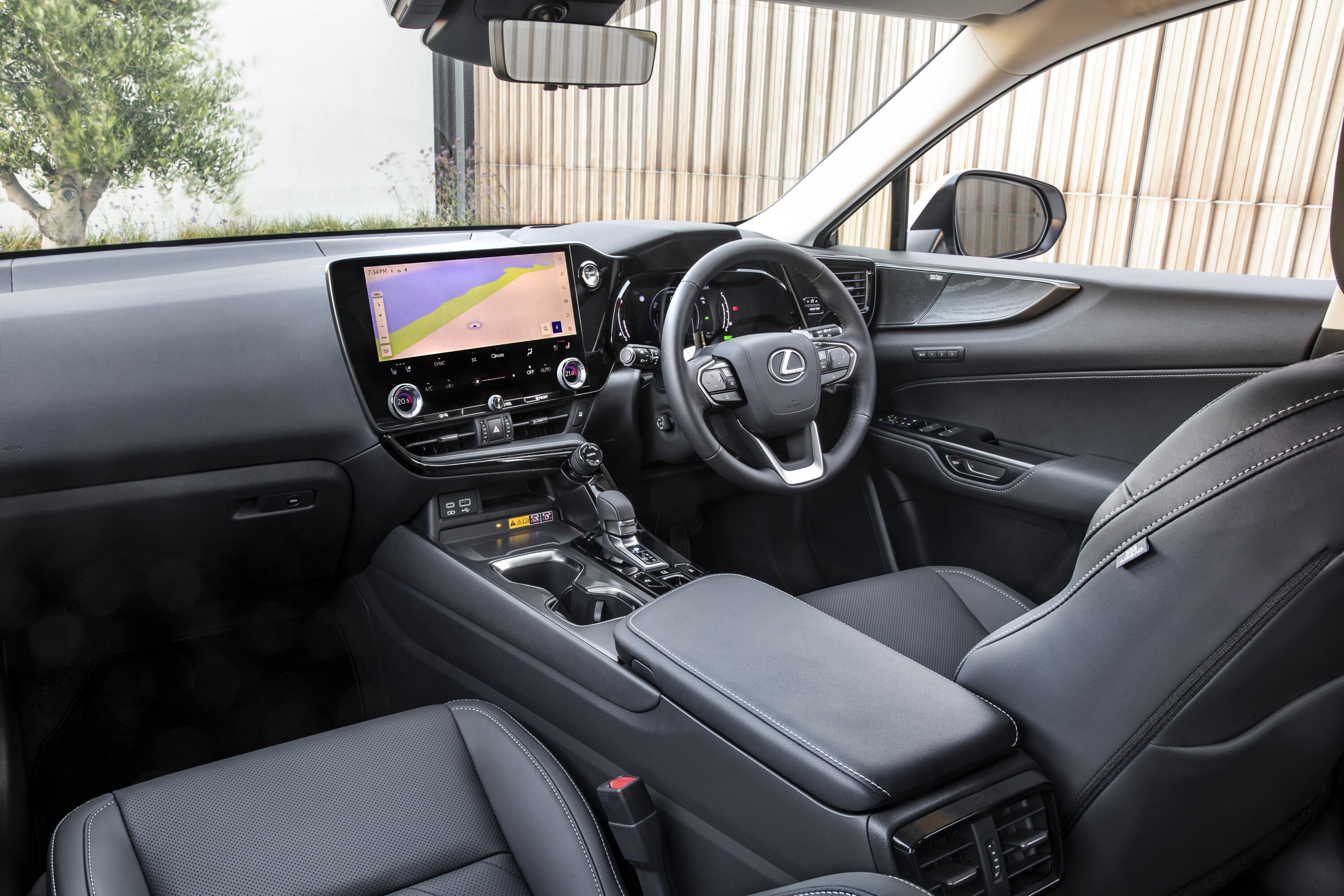
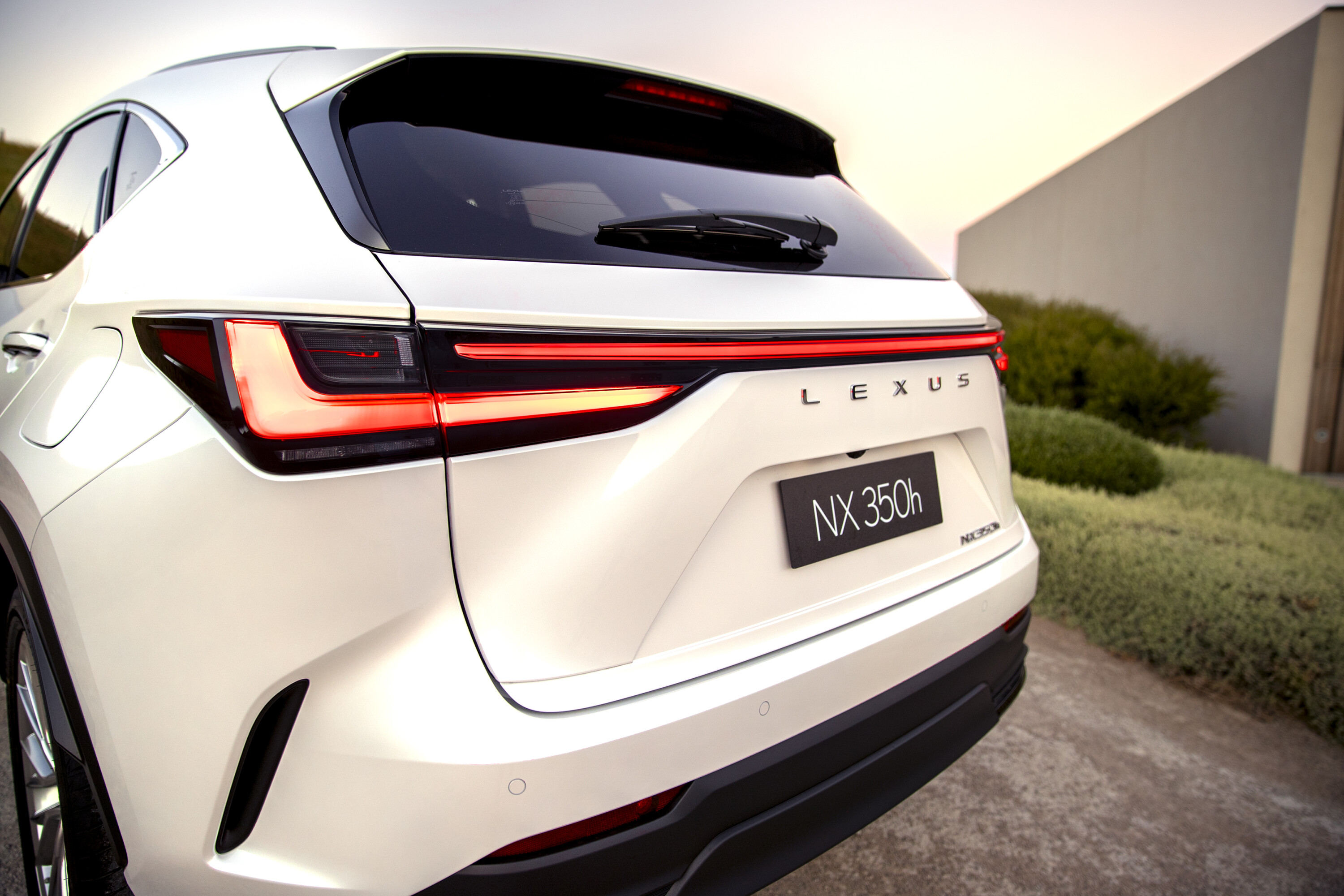
The Lexus NX, sharing components with the top-selling Toyota RAV4, faces high expectations. Fortunately, the Japanese manufacturer has fully committed to enhancing the latest iteration of this luxury compact SUV.
The NX350h is the single hybrid offering in the line-up (if we’re not considering the almost impossible to get plug-in hybrid 450h+). It’s been proven a popular choice by buyers due to its economical powertrain and sleek design.
Yet, in a competitive luxury market, what sets the NX350h apart?
1
Pricing and features
The Lexus NX 350 sits smack bang in the middle of the compact SUVs line-up. It’s available in either a petrol or hybrid powertrain– which adds the ‘h’ marque.
It is also the only hybrid offering in the range, apart from the NX450+ plug-in hybrid that at one point had such a considerable wait time it was removed from their website.
The 350h however is a tempting and more practical offering when you consider the charging requirements for the 450+ which requires plug-in charging.
1
Priced at $71,600 before on-road costs, the 350h is available in three trim grades: Luxury, F Sport and Sports Luxury. They come with the choice of all-wheel drive as well which will add $4800 to the price-tag.
All variants share the same 2.5-litre 4-cylinder hybrid powertrain. The petrol engine delivers 140kW and 239Nm of torque, and the electric engine offers 134kW and 270Nm for a total power output of 179kW. A total torque value for the system is not provided.
The winning piece of the package is the 5.0L fuel economy per 100km, a key selling point of the 350h.
Standard in the NX 350h Luxury you’ll get:
2-way power lumbar support for driver
Heated front seats
18-inch alloy wheels
Leather accented seat trim
8-way power adjustable front seats
Leather accented steering wheel
9.8- inch touchscreen display
LED headlamps
Android Autou2122 and Wireless Apple Carplay
Paddle shifters
Daytime running lamps
Power back door
Digital radio (DAB)
Rain sensing wipers
Dual zone climate control
Roof rails
Electrically adjustable steering column
Smart entry & start
Electrochromatic rear view mirror
Stop & start system
Front & rear fog lamps
1
Moving up to the F Sport adds performance enhancements including front and rear dampers, adaptive variable suspension and a Sport+ drive mode.
The sportiness is extended to the design as well with the addition of F Sport exclusive trim, ornamentation, grille and wheels. You’ll also get a larger 14-inch infotainment screen, heads up display, wireless phone charger and more.
If it’s additional luxury you’re seeking, the Sports Luxury offers similar additions to the F Sport but with a focus of creature comforts such as 17 premium speakers, a digital rear view mirror and ventilated front seats.
All paint colour options besides Onyx Black and Caliente Red are charged at $1825. Inside the cabin you’ll get the choice of four leather trim options, available in black, cream, tan and red, or for F Sport models, three exclusive trims.
1
Safety
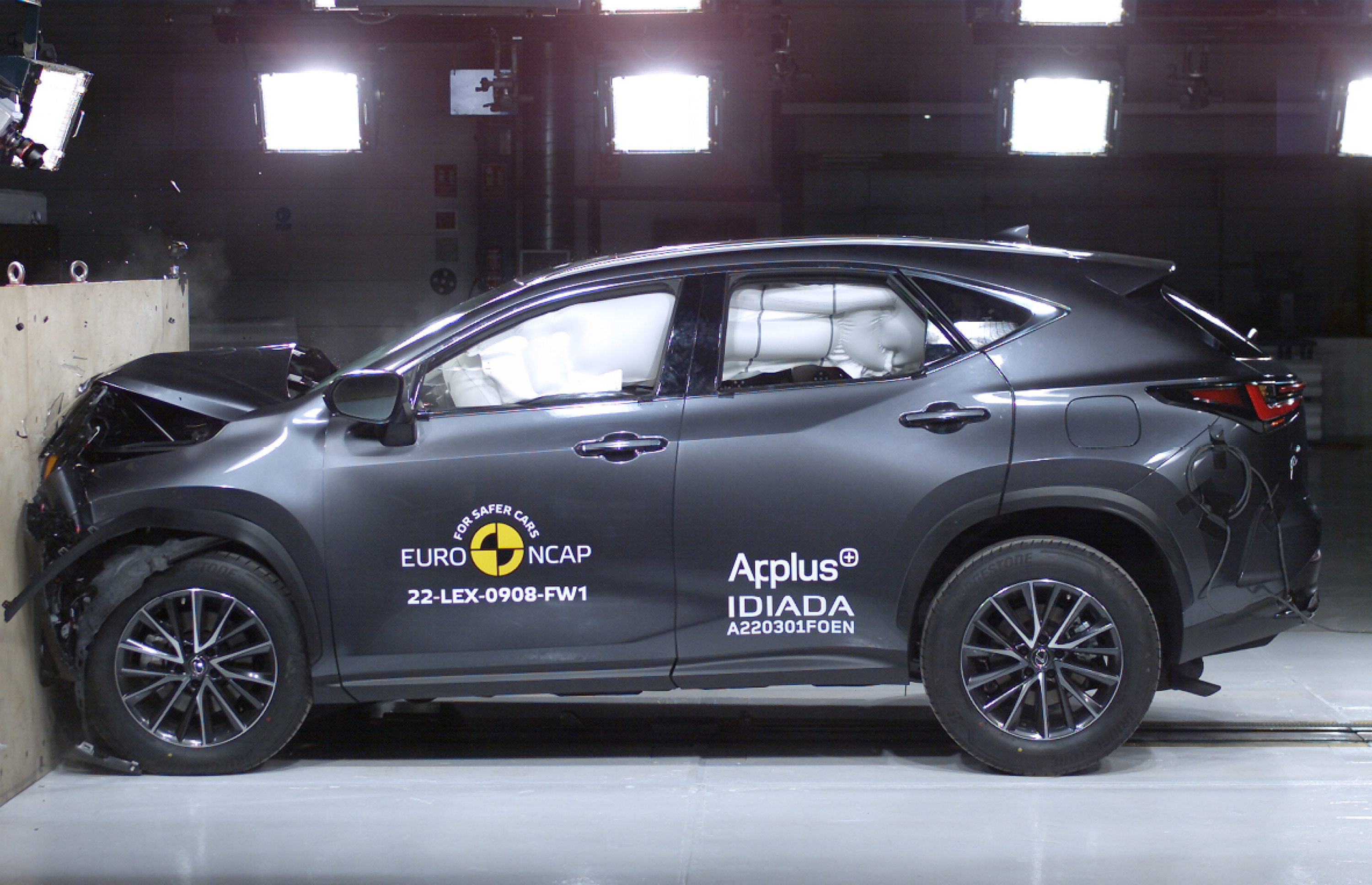
The NX range was awarded a five-star safety rating by ANCAP, following its launch evaluation in early 2022.
For adult occupant protection, it secured a 91% score, achieved 89% in child occupant protection, and earned a commendable 92% for its safety assist systems.
All versions of the NX are equipped with dual frontal, side chest, side head, centre and driver knee airbags.
Across its entire range, the NX350h features a broad suite of safety functionalities through the Lexus Safety Sense package, ensuring comprehensive protection.
1
2024 Lexus NX Safety System features:
Automatic High Beam
Blind Spot Monitor
Dynamic Radar Cruise Control
Lane Departure Alert
Lane Tracing Assist
Pre-Collision Safety System
Road Sign Assist
Parking Support Brake
Rear Cross Traffic Alert
Safe Exit Assist
Both the F Sport and Sport Luxury variants adaptive high beam and a panoramic view monitor.
Key rivals
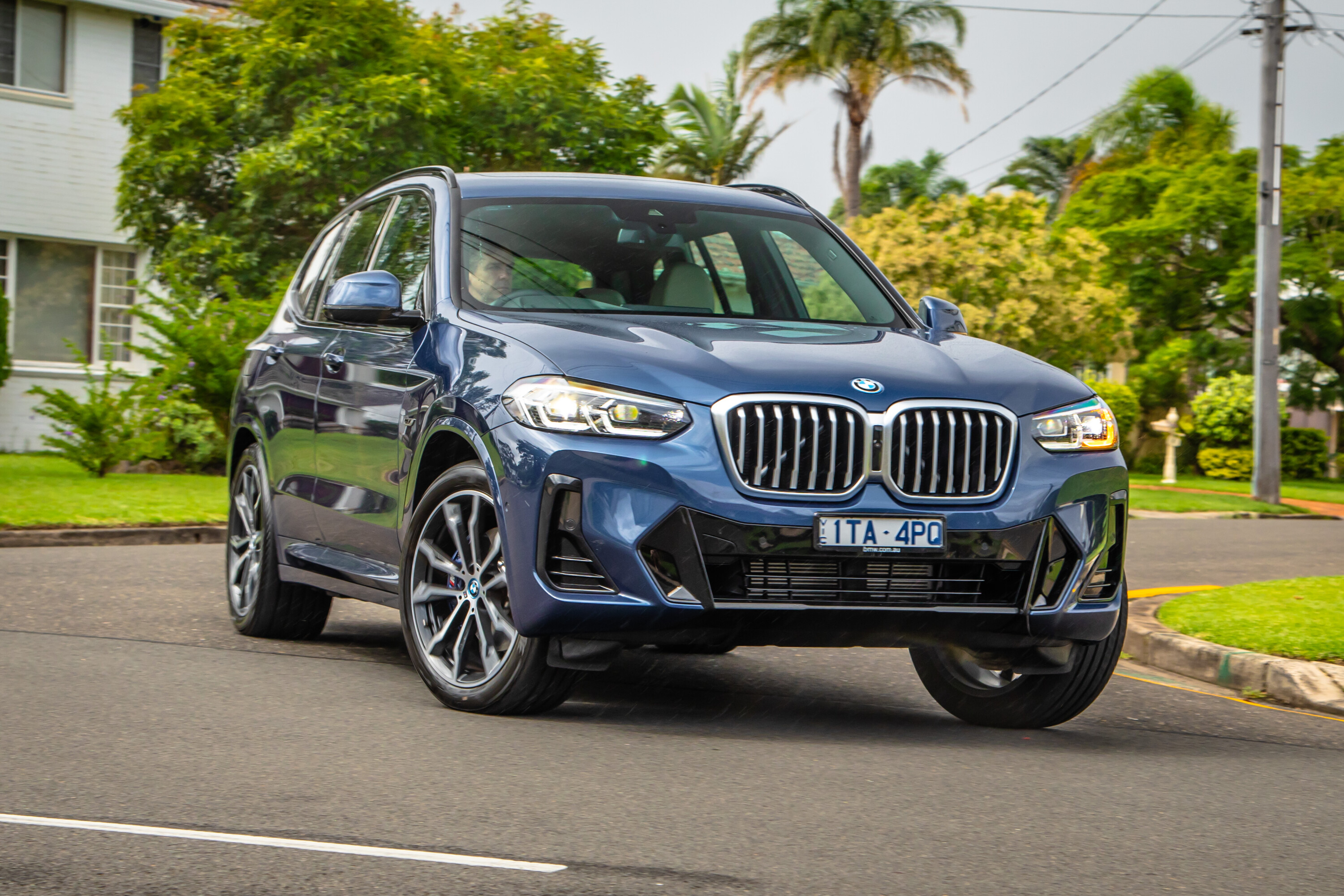
The NX350h competes with other luxury compact SUVS, but doesn’t have any direct rivals, with many competitors having only petrol, plug-in hybrid or electric powertrains.
The NX350h has plenty to offer, regardless of which trim you end up choosing. Arguably, it’s the pick of the NX range as the perfect blend of economy and luxury.
As fuel prices continue to creep up, Lexus is producing hybrids that make the initial upfront const an easy decision.
If a luxury SUV is on your horizon for the new year then the 350h is popular for a reason and could be your ideal family car. But if you are interested in picking one up you might want to join the queue alongside everyone waiting for their own hybrids.
Combustion cars heavier than 1600kg and EVs exceeding 2000kg will soon cop triple-cost parking fees in Paris.
In an effort to counter the horde of SUVs cluttering the streets of Paris, residents have voted to introduce a new parking fee scheme. Petrol, diesel and hybrid cars in excess of 1600kg, and EVs exceeding 2 tonnes, will be stung by the new rules.
Charges of AU$30 per hour to park in the city centre, and $20 for city-limits parking will be applied to cars exceeding the dictated weight limits.
Speaking with The Guardian, Paris mayor Anne Hidalgo endorsed [↗] the 54.6% yes vote, declaring the higher fees “a form of social justice”.
“This is about very expensive cars, driven by people who today have not yet made the changes to their behaviour that have to be made [in response to climate change],” Hidalgo said.
This concept is looking attractive to other major cities, with London mayor Sadiq Khan considering “stealing” this surcharge for London.
“I am a firm believer in stealing good policies … If other cities are doing stuff that works, we will copy them,” Khan told The Guardian.
David Belliard, deputy mayor of Paris, feels the increased tariffs “will be directed at the richest people” – however, exceptions will be made for commercial vehicles, including taxis. People living with disabilities will also be spared, as specialty accessibility vehicles will often exceed the weight limit.
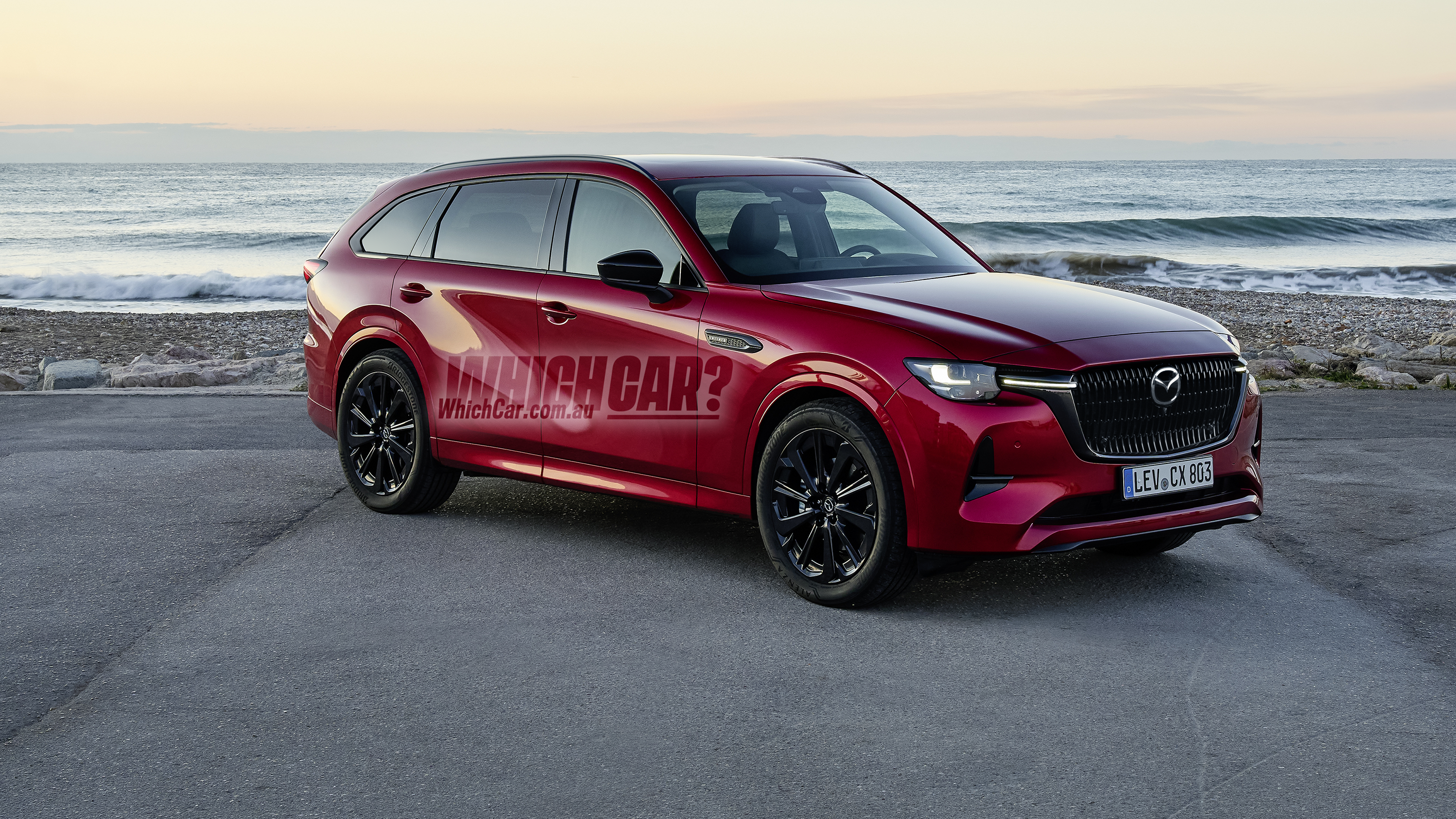
The Mazda CX-80 will be the third of Hiroshima’s new pricey, premium SUVs to hit Australia when it slots in between CX-60 and CX-90 in the first quarter, as an appealing Kluger or Palisade alternative.
The CX-80 will effectively replace the Mazda CX-9 – which has been dropped after 15 years on sale locally – and will sell alongside the CX-8. The seven-seat CX-80, like CX-8, is effectively a medium SUV elongated to accommodate a third row of seats; a slenderer CX-90 you could say.
Expect a choice of 209kW/450Nm petrol and 187kW/500Nm diesel 3.3-litre turbo inline sixes, and a 241kW/500Nm 2.5-litre petrol/electric hybrid, paired with all-wheel drive, with prices opening in the low-to-mid 60s.
1
Coming after the 2017 Wheels COTY-winning CX-9, it’s fair to say that the CX-80 has a lot to live up to
Standard equipment will run to large infotainment and instrument displays, heated and ventilated Nappa leather seats, a heated steering wheel, a panoramic sunroof, adaptive LED headlights, Android Auto and Apple CarPlay, and a power tailgate.
Autonomous emergency braking, adaptive cruise control, blind-spot monitoring and rear cross-traffic alert are expected to be standard and front cross-traffic alert, a surround-view camera, and Level 2 autonomous driving functionality are likely to be offered. Coming after the 2017 Wheels COTY-winning CX-9, it’s fair to say that the CX-80 has a lot to live up to.
Due: Q4 2024
Model: single / dual motor
Price: from c.$90,000
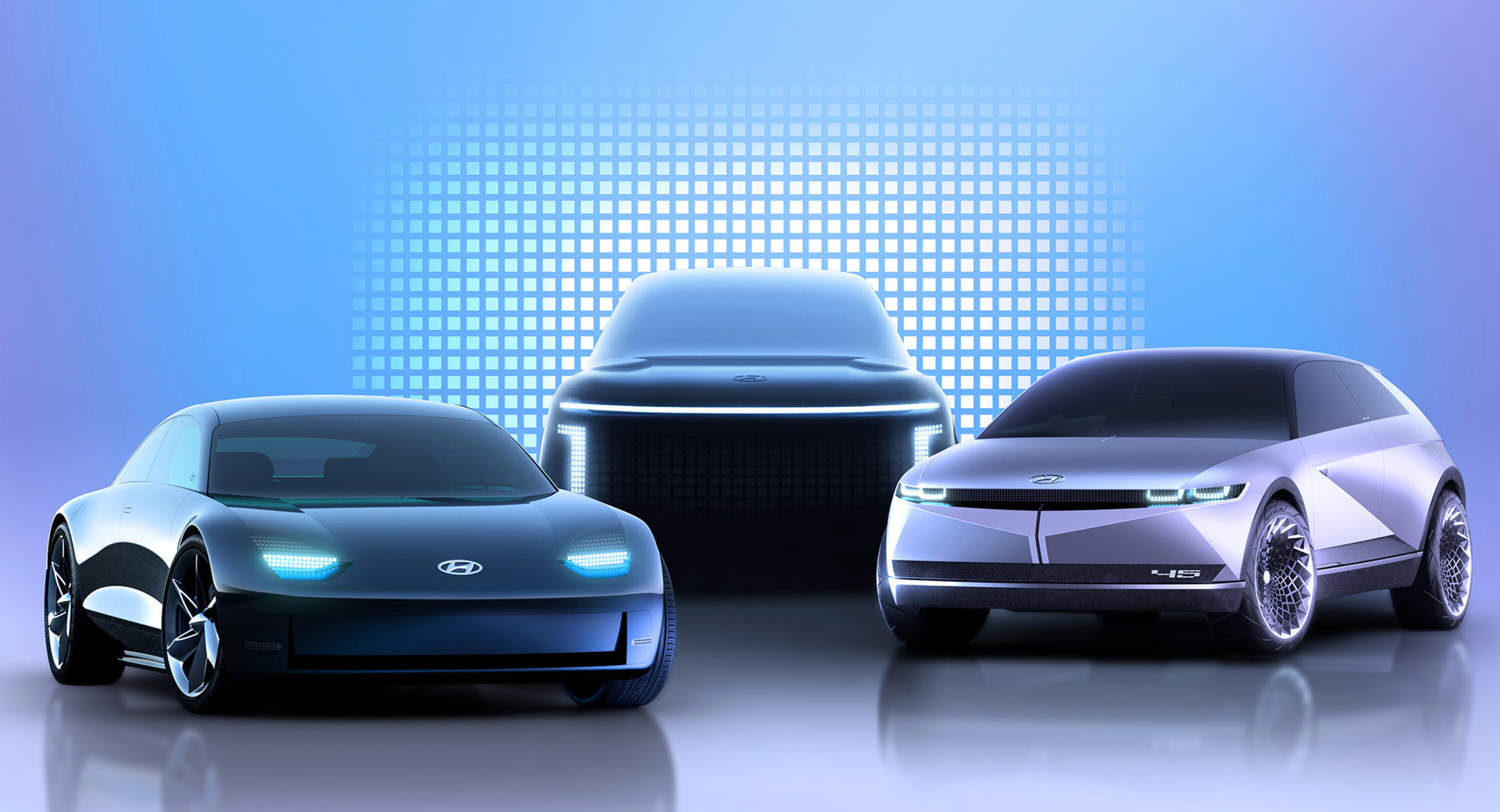
Hyundai’s Ioniq 7 is coming in 2024 to give Australians a battery-powered, family-sized SUV while letting Hyundai Australia achieve its target of offering an electrified variant of each of its key SUVs by year’s end.
The dedicated electric Ioniq 7 draws on the company’s Seven Concept, with a cabin featuring three seating rows, a flat floor, high roof and innovative packaging to provide a versatile ‘Living Space’, using a range of recycled and sustainable materials.
1
Built on Hyundai’s E-GMP battery-electric architecture, Ioniq 7 is expected to offer single-motor RWD and potent dual-motor AWD variants, and will allow 800V ultra-fast charging of the battery – which should offer a maximum range of 500km or more – while underpinning Vehicle to Load capability.
Dual large instrument and infotainment displays are expected to headline, along with a by- wire drive selector, digital side mirrors, and wireless vehicle software update capability.
An extensive suite of active safety, driver assistance and convenience tech will be part of the deal, with niceties such as a large glass sunroof likely for the flagship.
It’ll be offered in a single, highly equipped launch grade, and can be optioned with a Performance Pack featuring retuned suspension and 22-inch forged alloys.
The Performance Pack takes dual motor outputs from the standard 360kW and 840Nm to 380kW and 910Nm, trims the 107kWh nickel-manganese-cobalt battery’s 610km range by 50km, and shaves three tenths from the 0-100km/h, which takes 4.7sec in ultimate form.
1
The ability to cop 250kW of DC grunt sees Polestar 3 fast-charge from 10 to 80 percent in 30min.
Highly-specced launch variants include a 14.5-inch touchscreen and 9.0-inch driver display, 21-inch wheels, adaptive air suspension, a glass roof, and a powered tailgate.
Pilot and Plus option packages are also standard initially but will likely come at extra cost down the track, and Matrix LED headlights and Nappa leather upholstery are optional.
Due: H2 2024
Model: RWD, AWD
Price: from c.$95,000
When the Cyberster was first mooted, we all thought it might be a bit of a joke.
Despite the badge on the bonnet, modern MG had no track record of performance cars. Or aspirational cars. Or a brand that could in any way support a car wearing a six-figure price tag. Thing is, nobody’s laughing at it now.
A lot has changed in the intervening 18 months. The MG 4 has established its bona fides as an entirely credible, well finished hatch and the dual-motor X-Power variant combines shocking pace with a modest price tag.
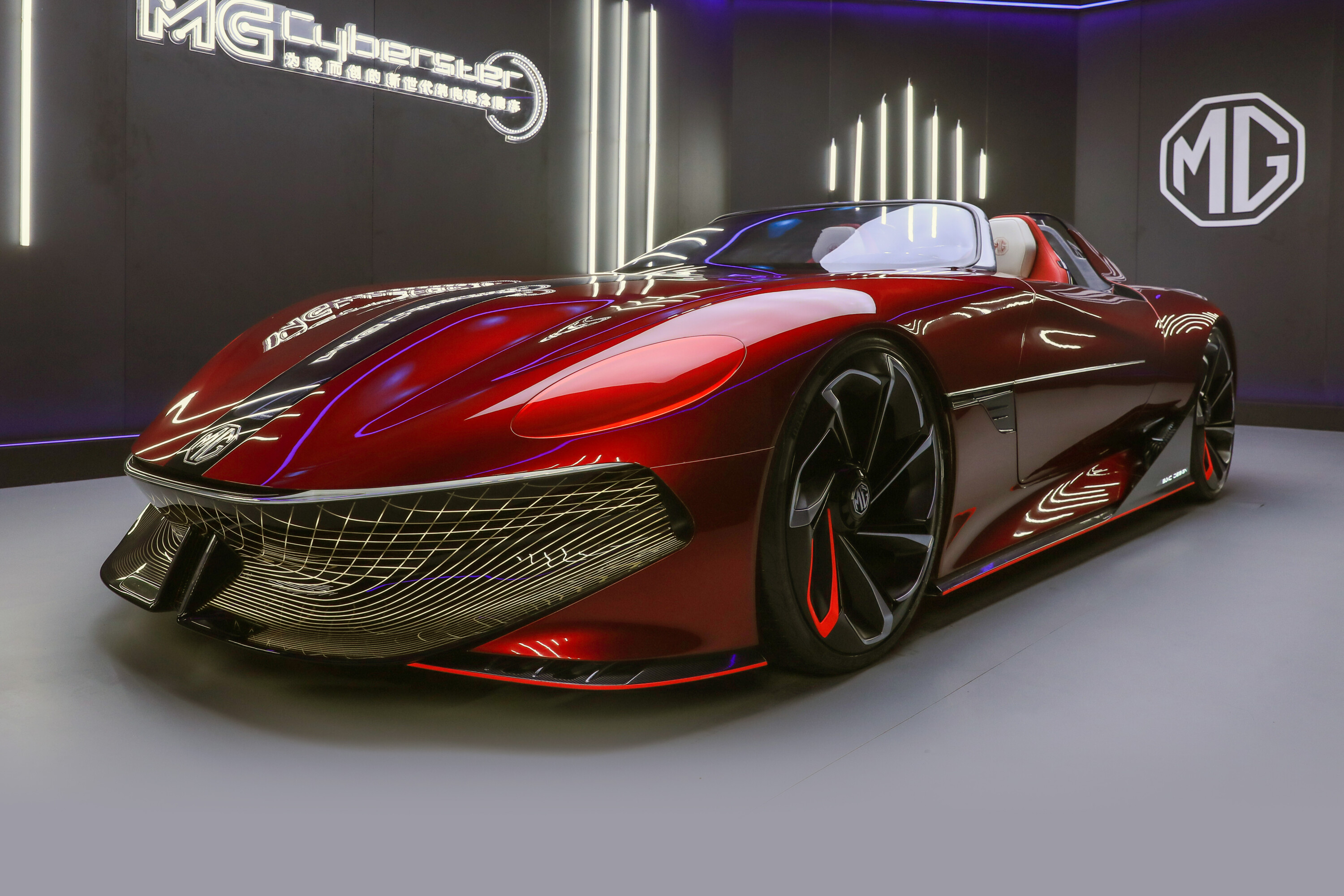
The Cyberster, confirmed for the second half of the year, is MG’s first all-new sports car since the mid-engined MG F that ran from 1995 to 2002. Measuring 4535mm long, 1913mm wide and 1329mm tall, and riding on a 2690mm wheelbase, the Cyberster is comfortably larger than MGs of old – it’s also 20cm longer than a BMW Z4 and 15cm longer than a Porsche 718 Boxster.
1
Despite increased dimensions, the Cyberster manages to evoke classic sports car proportions with its long, low bonnet and rearward driving position.
Yet its details are decidedly futuristic with LED headlights, angular LED taillights and sharp body lines. Then there are the Cyberster’s unmissable scissor doors, which open up and out like a V12 Lamborghini – a rather ostentatious choice, but one sure to grab attention and buyer interest.
The cabin features three digital screens: one for the digital driver’s display, another for the infotainment, and a third for the HVAC controls. Specifications from the Chinese government suggest the Cyberster will be offered in rear- or all-wheel drive configurations.
The former is likely to output 231kW, and the latter 400kW. Kerb weights rated between 1850-1985kg are also expected, so 0-100km/h should be dispatched in less than four seconds.
Three grades are offered, each with a 69kWh nickel-manganese-cobalt battery – there are two rear-wheel-drive versions and an all-wheel-drive performance variant. Rear-wheel-drives feature a 200kW, 343Nm motor and provide a Euro WLTP range of 480km.
Dual-motor AWD versions deliver 315kW and 543Nm, sprint from 0-100km/h in a claimed 3.6sec, and provide a 460km WLTP range.
1
DC charging at up to 153kW underpins the capability for a 10 to 80 per cent fast charge in 30 minutes.
A minimalist interior theme is centred on a Tesla-style display presenting driving info such as speed and battery charge, in lieu of a conventional cluster.
The range-opening Plus features LED headlights, a 12.3-inch touchscreen with wireless Apple CarPlay and an array of Google apps, wireless phone charging, a digital key, a powered tailgate, Harman Kardon audio, and an extensive suite of advanced safety.
1
A minimalist interior theme is centred on a Tesla-style display
Up-spec Ultra adds a fixed panoramic glass roof, 360-degree camera, automatic parking, powered and heated front seats, and a heated steering wheel, with the Performance Ultra adding 20-inch alloys.
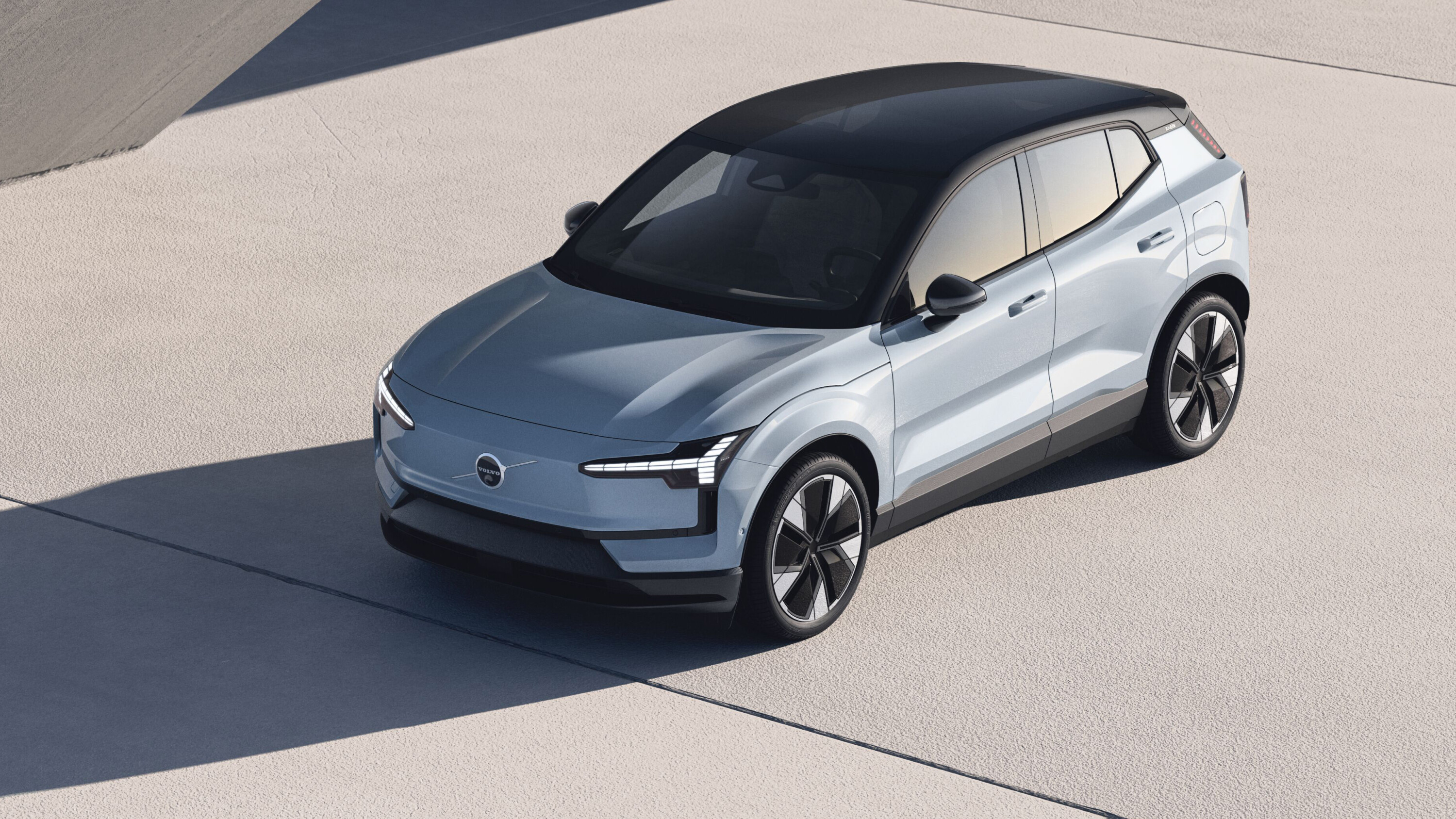
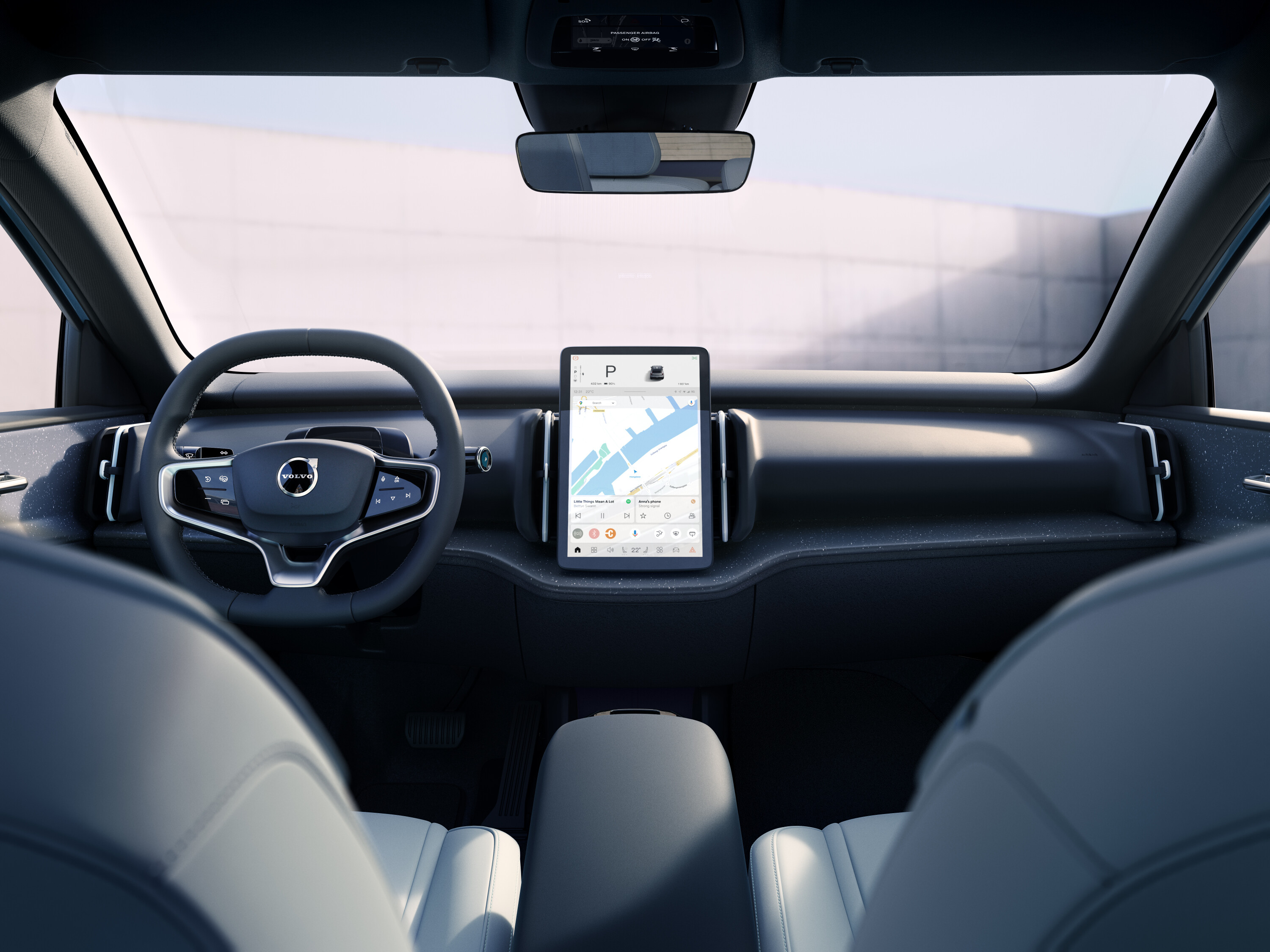
Volvo EX30 supply is set to start flowing locally from early 2024.
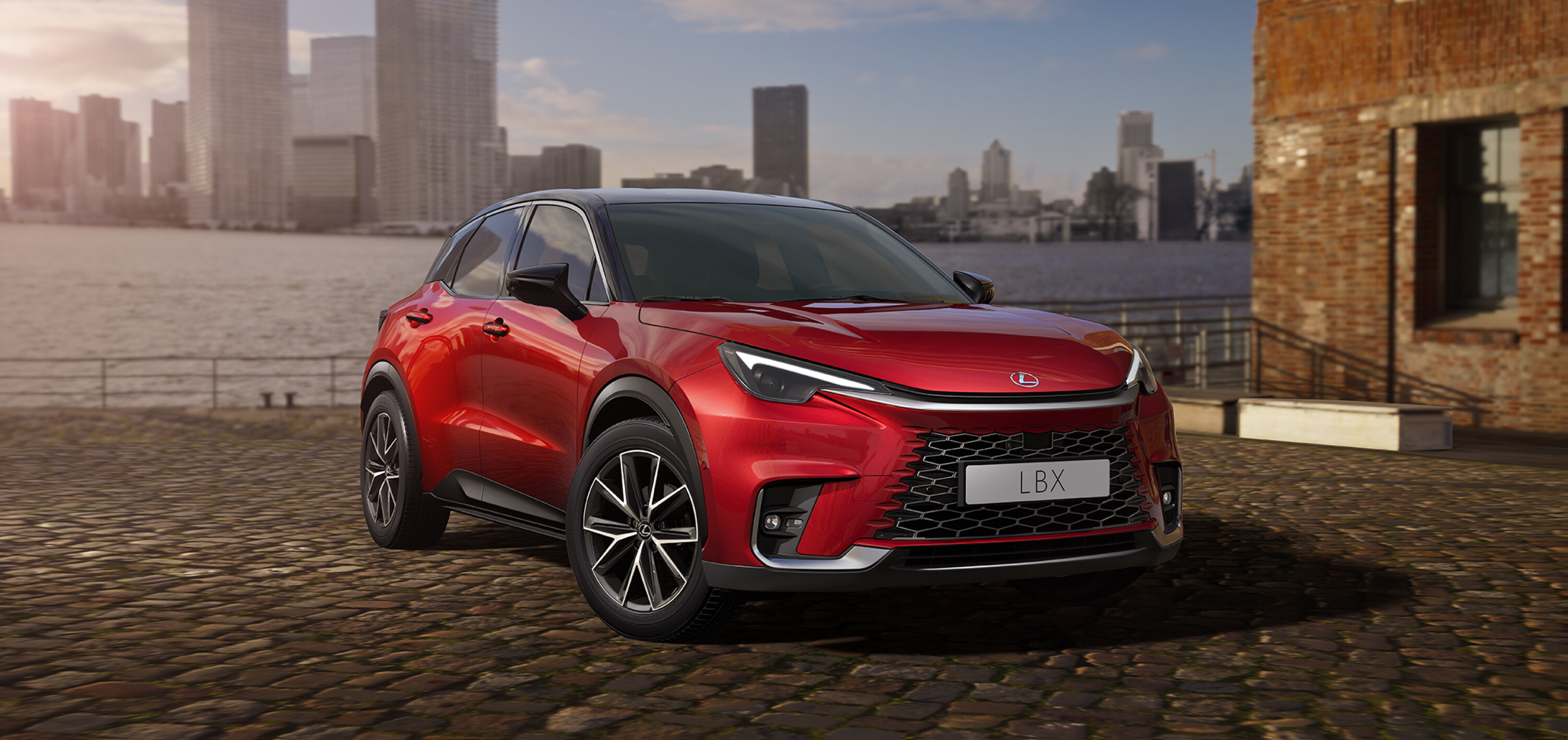
They’re having a baby! Lexus, that is. The brand’s smallest-ever offspring, the LBX SUV, is set to join the Australian line-up in the first half of the year.
The Toyota Yaris Cross-based LBX, which is 305mm shorter than the UX, will be powered by a 1.5-litre three-cylinder hybrid powertrain with a nickel-metal hydride battery and a choice of front- and all-wheel drive.
A 9.8-inch touchscreen infotainment system, 12.3-inch digital instrument cluster and ambient lighting are expected to headline inside, and heated and ventilated front seats, a heated steering wheel, semi-automatic parking assist and an array of advanced driver assistance tech should also be part of the deal.
1
Fast F Sport hero?
According to a Japanese publication, a Yaris GR-powered F Sport flagship could join 85kW mainstream variants, packing 200kW and 370Nm, an eight-speed torque converter automatic and all-wheel drive, to create a left-field high-performance player. We’ll see.
The Lexus LBX – it stands for Lexus Breakthrough Crossover – is likely to be priced around $40K and will fill the small shoes of the brand’s CT series (which was axed in 2021).
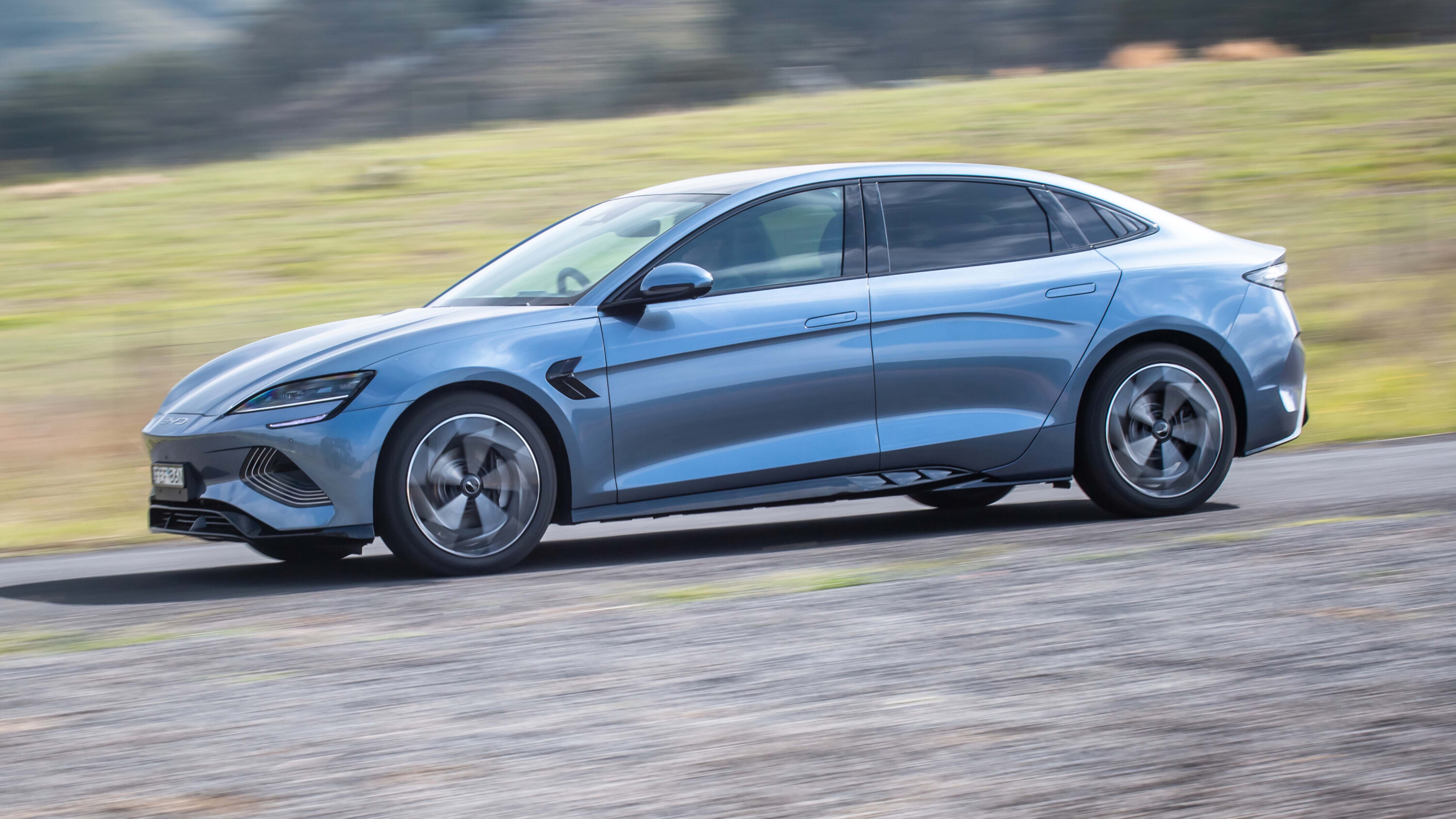
China’s BYD is set to expand its pod of EVs named after marine mammals with the forthcoming 2024 Seal U medium SUV.
With a sillier name – but a less comical roofline – the 4775mm long, 1890mm wide Seal U is around the size of a Model Y, but with a 125mm shorter wheelbase, and has the Tesla firmly in the sights.
The Seal U builds battery-powered dreams on the brand’s E-Platform 3.0, which its shares with the Seal sedan.
1
Expect to see two single-motor variants – a 150kW, 310Nm Comfort with a 72kWh battery, and a 160kW, 330Nm Design with an 87kWh battery.
European WLTP figures suggest ranges of 420km and 500km respectively from its lithium-ion phosphate batteries and 150kW charging capability is likely, for a zap from 30 to 80 percent in less than 30min.
It’s not clear whether the Hybrid version spied testing in Australia will form part of the 2024 Seal U range for which launch timing is yet to be confirmed.
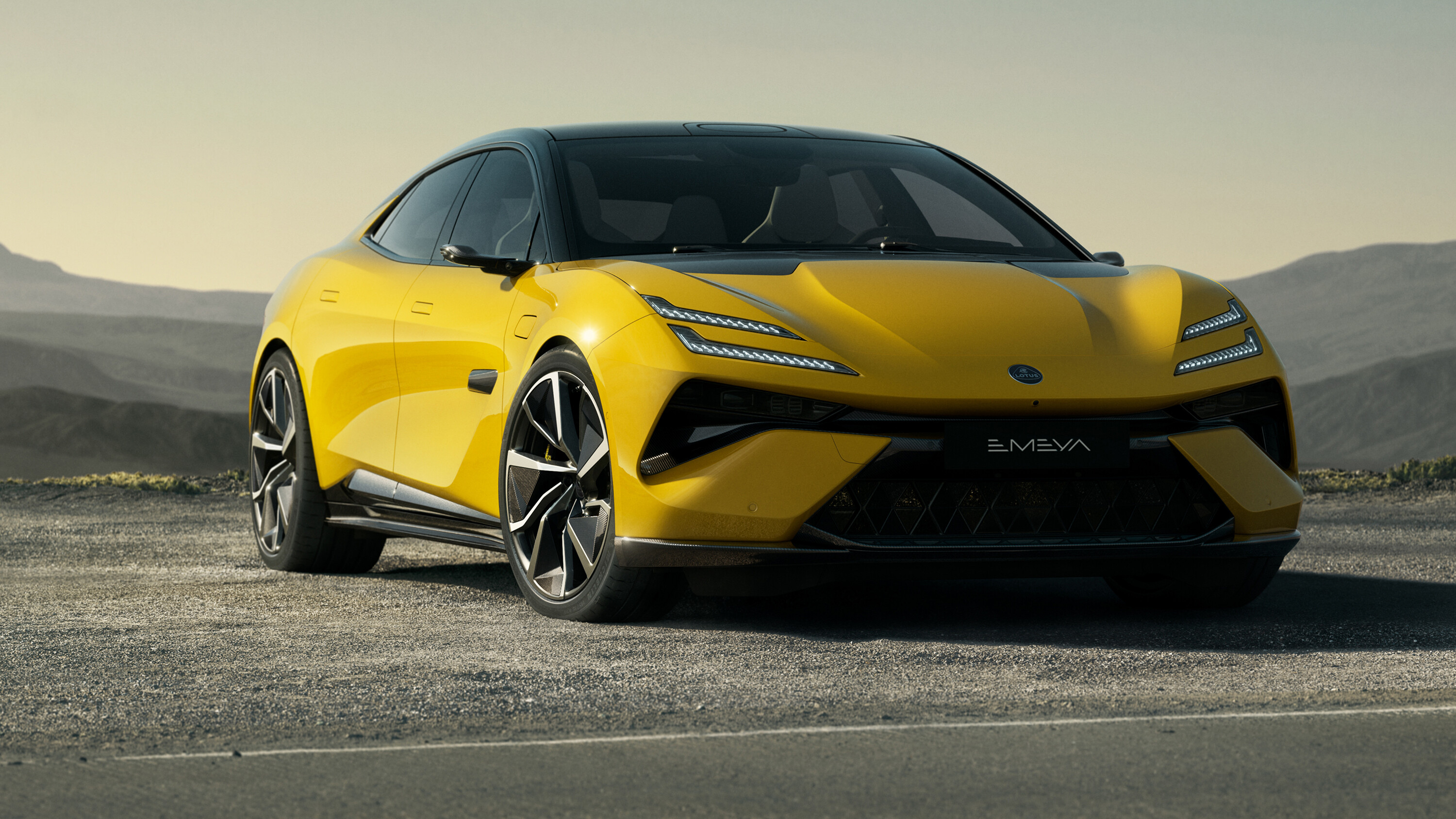
Electric sports sedan slayer the 2024 Lotus Emeya is due in the second half of 2024 and it has Porsche’s Taycan in the crosshairs.
The Emeya is Lotus’s third EV, following the Eletre SUV and Evija hypercar, and only its second-ever sedan, the first being the twin-turbo V6 Vauxhall Lotus Carlton, from a time when world-beating four-doors were way cooler (1990-1992).
The booted and batteried Lotus – codenamed Type 133 – will produce 675kW and 985Nm in ‘R’ form, which will top a three-tiered range starting from around $250K.
1
The Emeya will sprint from rest to 100km/h in 2.78 seconds, says Lotus, and run to 256km/h, making it a shade less accelerative than Tesla’s Model S Plaid (and slower than a Lotus Carlton, which topped out at 285km/h) but that’s hardly shabby.
Built on Eletre-shared 800-volt architecture, expect Emeya to offer a range north of 550km from a 102kWh battery pack, with the capability to add 150km of range in five minutes plugged into a 350kW DC fast charger.
Emeya’s leather, Alcantara and cool aluminium cabin will be headlined by a 55-inch AR HUD, 12.1in touchscreen infotainment and KEF premium audio.
Due: Q3 2024
Model: LR Range Single Motor, LR Dual Motor
Price: from c.$81,500
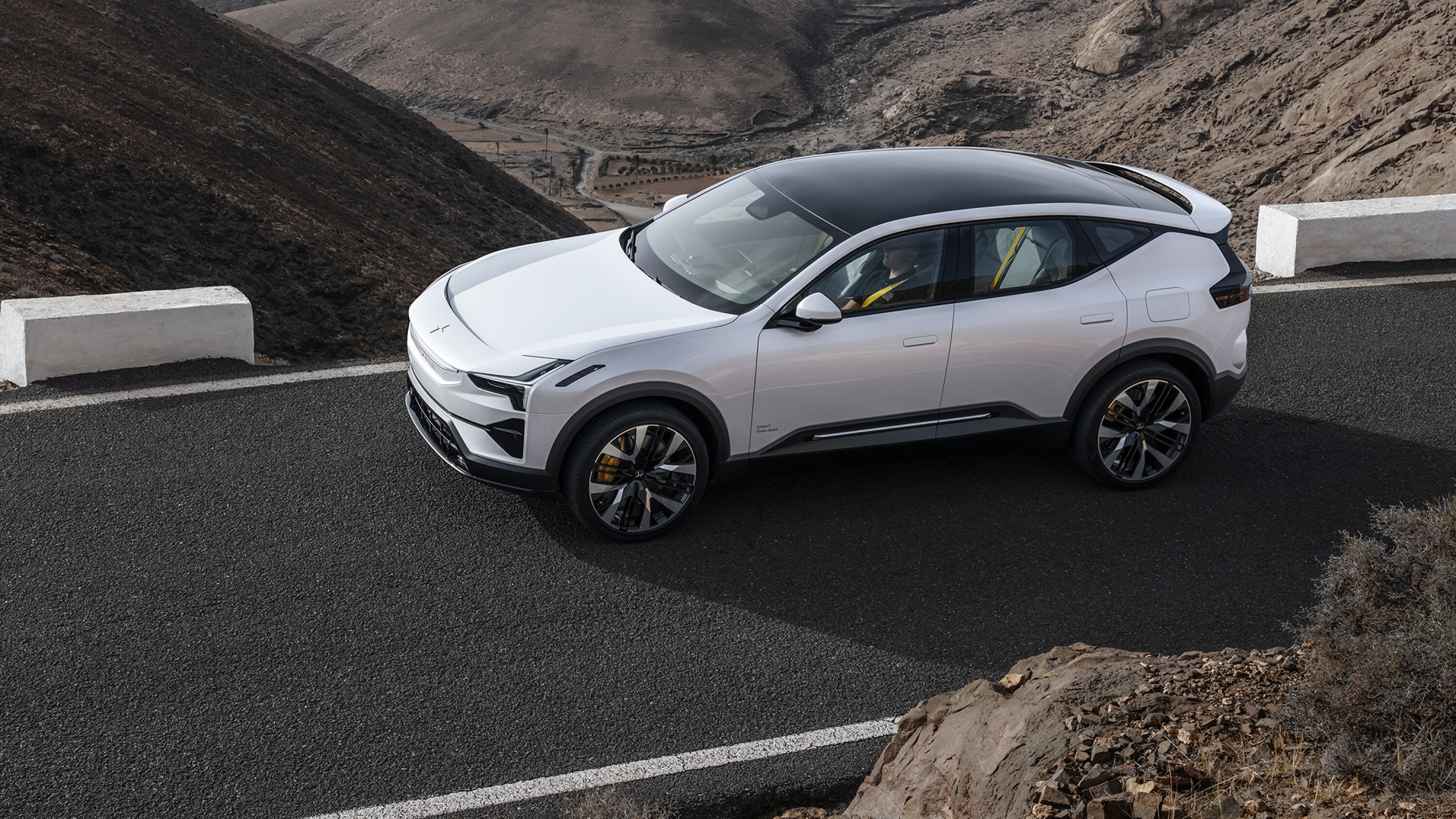
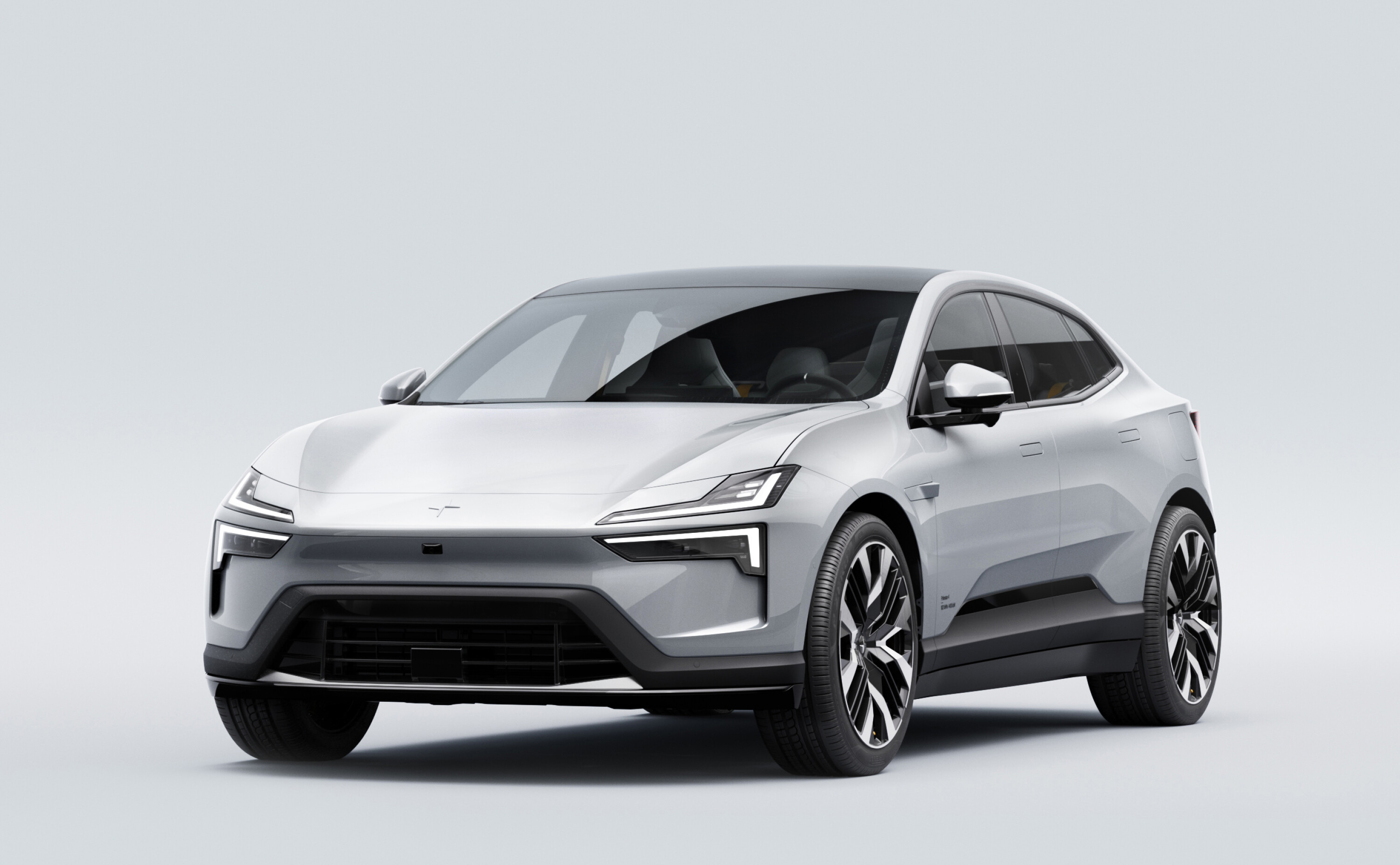
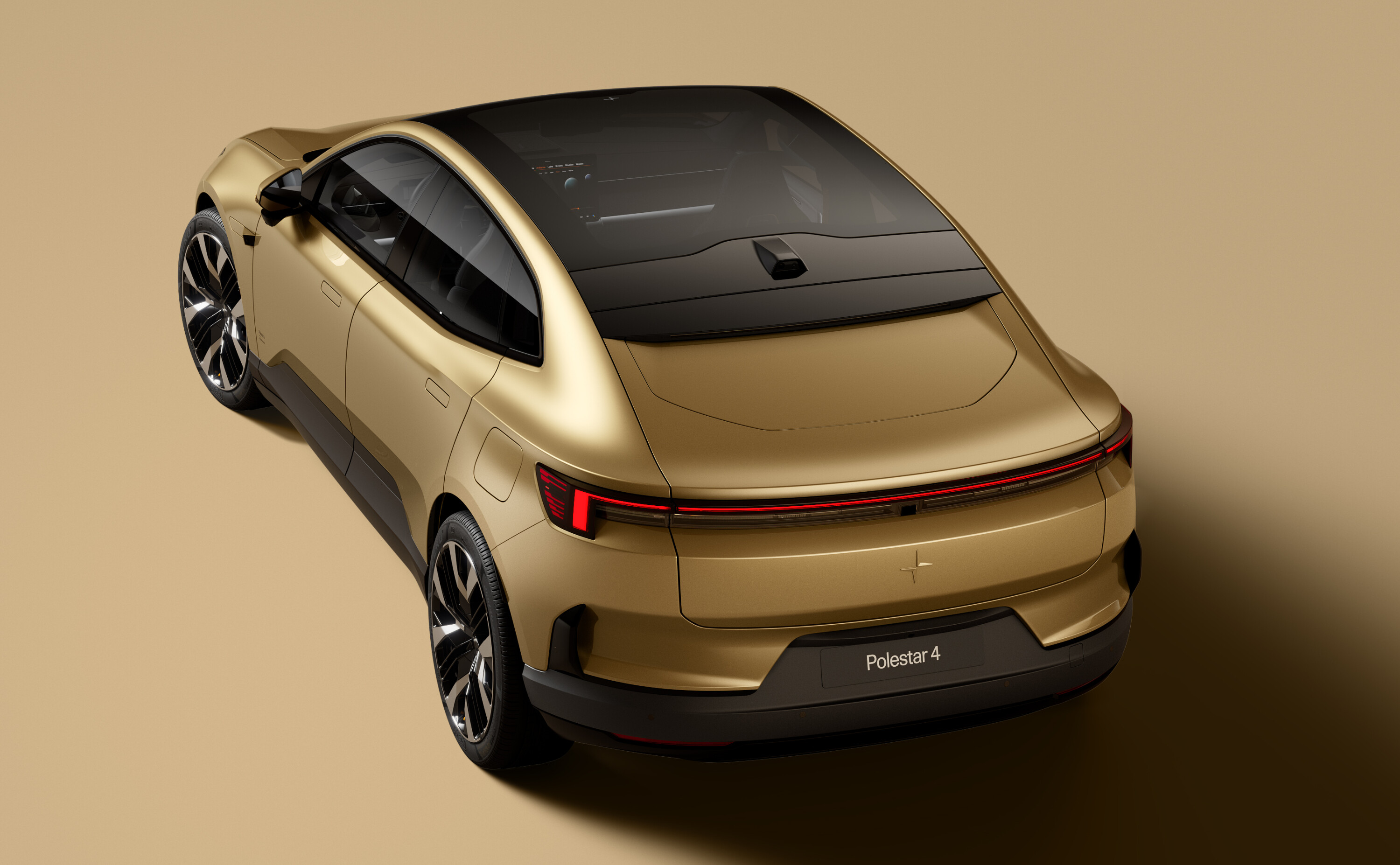
“With Polestar 4, we have taken a fundamental new approach to SUV coupé design,” said Polestar’s chief executive officer, Thomas Ingenlath.
Okay, so the whole idea of an SUV-coupe would normally be enough to make most right-minded people sick in their mouths but, infuriatingly, Polestar might just have brought us the coolest shape of 2024.
Polestar’s fastest ever production car, the Dual Motor Long Range Performance variant is not only capable of a 3.8-second 0-100km/h sprint courtesy of 400kW and 686Nm, but also has support for 200kW DC fast charging. Go for the Dual Motor Long Range and it’ll likely come with a targeted WLTP-rated 560-kilometre driving range.
1
A Long Range Single Motor model is available, with a 600-kilometre driving range target. It is rear-drive only, with 200kW and 343Nm on tap.
A 102kWh lithium-ion battery pack is standard for all long-range Polestar 4 variants. It is currently unclear if Polestar will offer a standard range variant with a smaller battery, similar to the Polestar 2 sedan.
Measuring 4839mm long, 2139mm wide (including mirrors) and 1544mm tall, with a 2999mm wheelbase, the Polestar 4 is approximately 100mm shorter in length, width and wheelbase than a Tesla Model Y.
1
Inside, the Chinese-built Polestar 4 features a 15-inch Android Automotive infotainment system powered by an automotive-focused Snapdragon system-on-a-chip as well as a 12-speaker, 1400-watt Harmon Kardon audio system.
The 2024 Polestar 4 will commence production in China in November, with a “full-scale” global launch – including Asia Pacific – due early next year.
Two models have been announced, the Long Range Single Motor (from $81,500 ) and the Long Range Dual Motor (from $92,150).
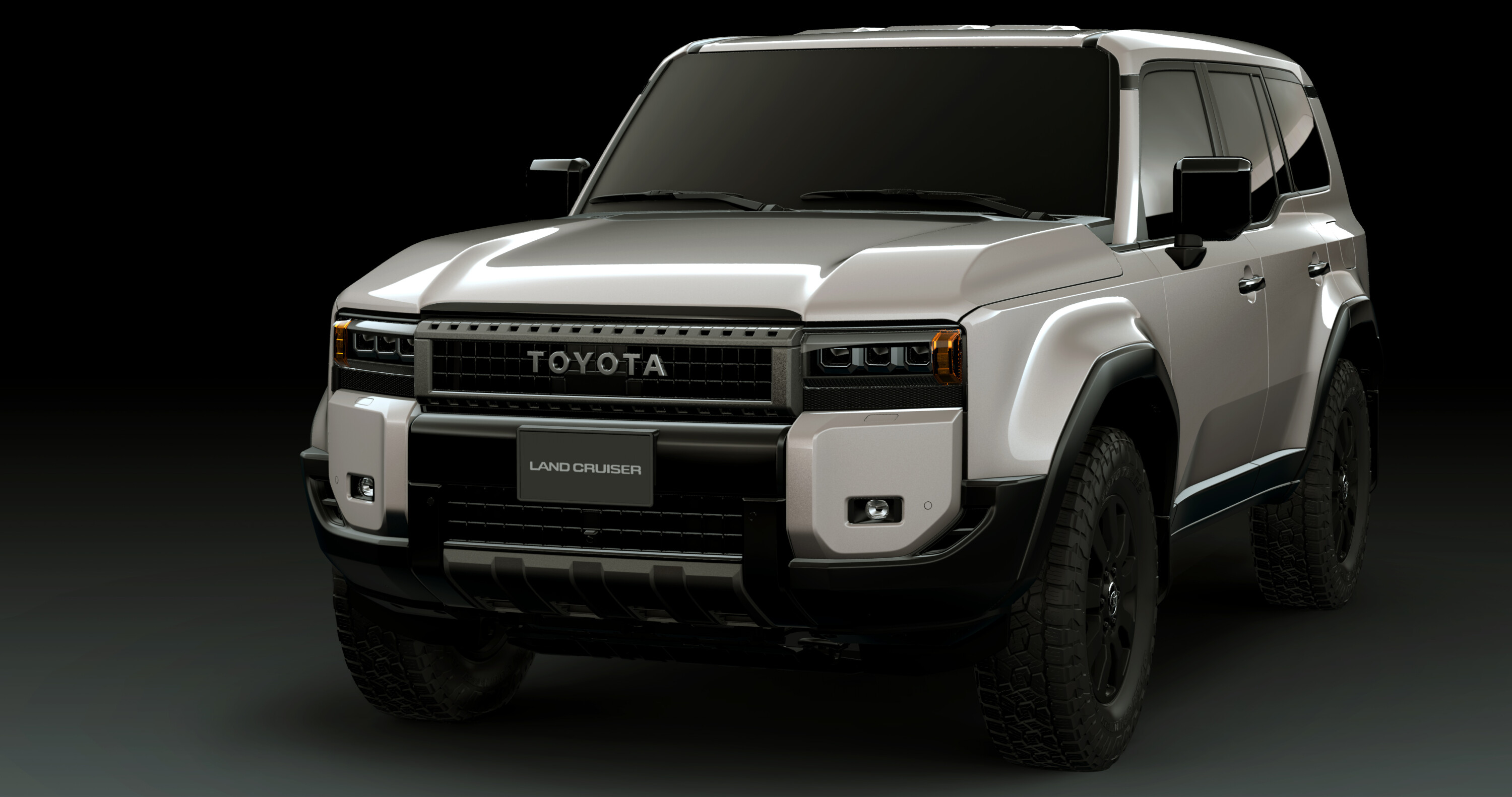
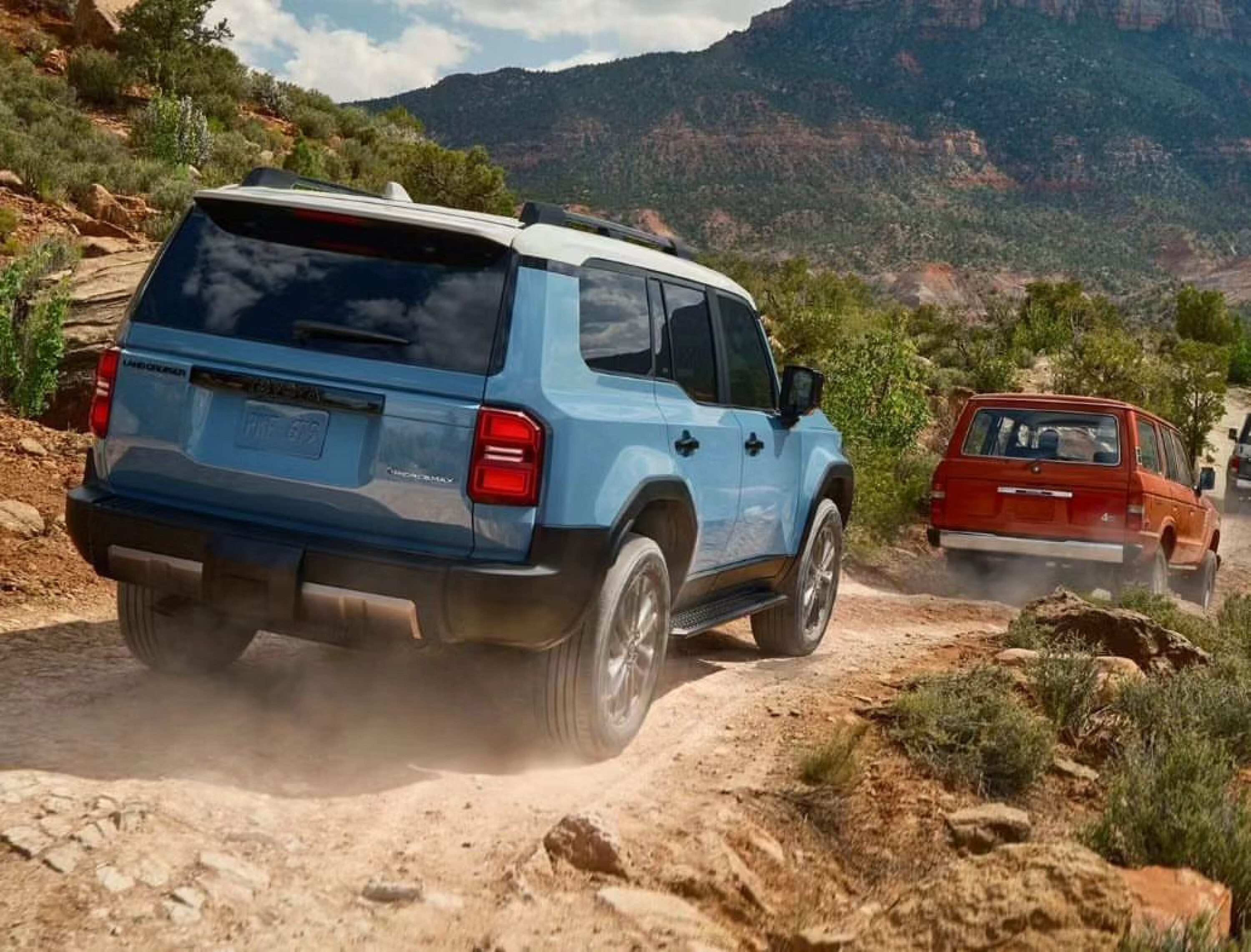
If Wheels reader correspondence is anything to go by, the new Prado, due in June, is Australia’s most keenly anticipated new vehicle for 2024.
The ‘250 Series’ Prado rides on a TNGA-F body-on-frame chassis, shared with the LandCruiser 300, Lexus GX and LX, and the Tacoma and Tundra utes. It’s no great surprise, then, that its wheelbase is identical to that of the LandCruiser proper.
Some markets see two separate aesthetic treatments but Toyota Australia has rejected the retro round headlamp front end for a more modern grille and rectangular lights. Under the bonnet expect to find a 48-volt mild-hybrid version of the current 2.8-litre four-cylinder diesel with an identical 150kW and 500Nm.
1
It will be matched to a new eight-speed torque-converter automatic, full-time four-wheel-drive, and a starter motor-generator for better fuel economy, quieter startup and smooth initial take-off.
Toyota claims a 50 per cent increase in frame rigidity and a 30 per cent increase in overall rigidity compared to the current Prado, which is based on a HiLux platform. The new Prado will naturally have a full-time all-wheel drive system with a low-range transfer case and a locking centre differential. We also expect the Prado to feature an Everest and MU-X-matching 3500-kilogram capacity – up 500kg over the Prado’s current 3000kg limit.
Measuring 4925mm long, 1980mm wide and 1870mm tall, the new Prado is 100mm longer, 95mm wider and 20mm taller than before. The Prado’s characteristic rear ‘barn door’ makes way for an electric lift-up tailgate similar to the LandCruiser 300.
1
Inside, it features wireless Apple CarPlay, over-the-air software updates and Connected Services.
A 12.3-inch digital instrument cluster sits ahead of the driver, replacing analogue dials and there’s also a small 4.2-inch multi-information display. As before, there will be seating for five or seven passengers, with a familiar line-up expected where the entry-level GX should have five seats, and all other variants will score seven.
Australian pricing for the new Prado has yet to be revealed, but it’s likely to cost a lot more than the outgoing car’s $62,830 starting price. We predict the entry version will arrive somewhere just north of $80K.
Due: Q2 2024
Model: Torres, Torres EVX
Price: from c.$37,000
SsangYong certainly can’t be accused of rushing the Torres to the Australian market.
Its compact SUV has been in production since June 2022, powered by a 125kW 1.5-litre turbo four, but while that model may well be the car Aussie buyers have been waiting for, later on they’ll also be treated to the front-drive Torres EVX, a EV powered by a 73.4kWh LFP blade-type battery pack good for a range of 433km.
At 4715mm long, it’s much the same size as the Hyundai Kona, Nissan Qashqai and Honda ZR-V. Success or failure is clearly going to come down to pricing.
The second-gen Kodiaq doesn’t diverge too far from a winning formula.
The sole version for Australia is powered by the VW Group’s venerable EA888 150kW 2.0-litre turbo four mated to a seven-speed dual clutch sending drive to all four wheels.
The seven-seat cabin gets a floating 13-inch infotainment screen, boot size jumps by 70 litres to a claimed 340L, while a column-mounted gear shifter frees up space. A new damping system (DCC) allows for individual tailoring of bump and rebound damping.
Due: Q2 2024
Model: E Performance PHEV
Price: from c.$210,000
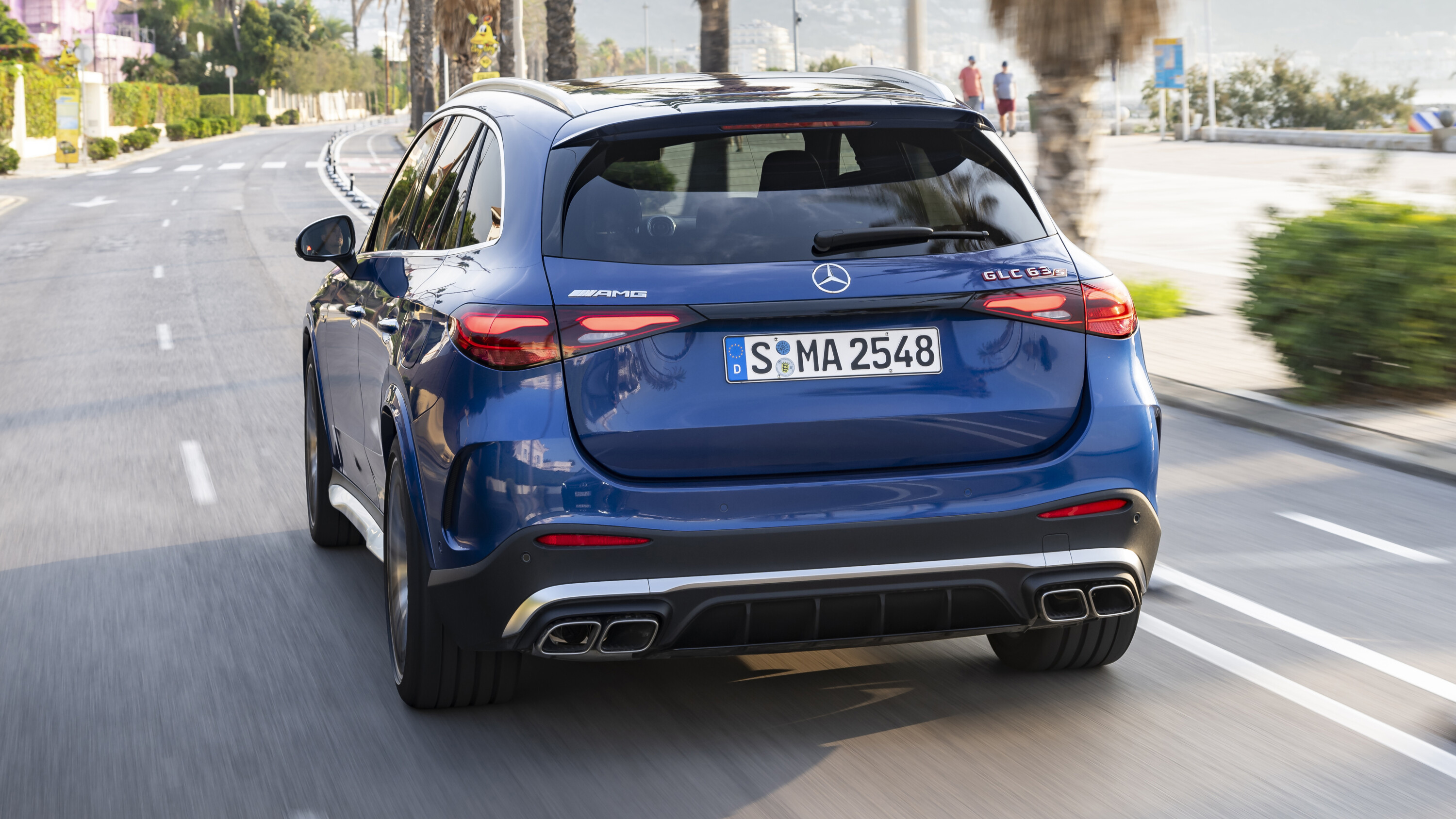
Benz’s bruising high-performance GLC variant is due in Q2 and it’s binned the twin-turbo V8 for a plug-in hybrid powertrain packing 500kW and 1020Nm.
A version of the A45 S hot hatch’s 2.0-litre featuring an electrically assisted turbo contributes 350kW and 545Nm – via a nine-speed multi-clutch automatic – with a further 150kW from an electric motor on the rear axle, to propel the 2310kg wagon to a claimed 3.5sec 0-100km/h.
Chassis hardware is in the same league and includes adaptive suspension, an active anti-roll control system, rear wheel steer, and six-pot front calipers with 390mm composite discs.
1
Inside, AMP Performance seats and a sculpted, retro-styled steering wheel are highs, along with an AMG Track Pace lap timing and ‘Supersport’ instruments.
A total of eight driving modes should cover it. A high density, 6.1kWh battery pack featuring individually cooled cells, like the motor- spooled turbo, draws on Formula 1 tech and lets the GLC 63 S E Performance drive 12km as an EV.
So, now you can fly under the radar, which is one of the few things the bent eight couldn’t do.
Due: July 2024
Model: Enyaq Wagon/Coupe 85, Enyaq Wagon/Coupe RS
Price: from c.$80,000
There’s a lot of fluff talked about electric cars, most of it based around trying to convince you to pay a hefty premium. Skoda doesn’t tend to talk fluff.
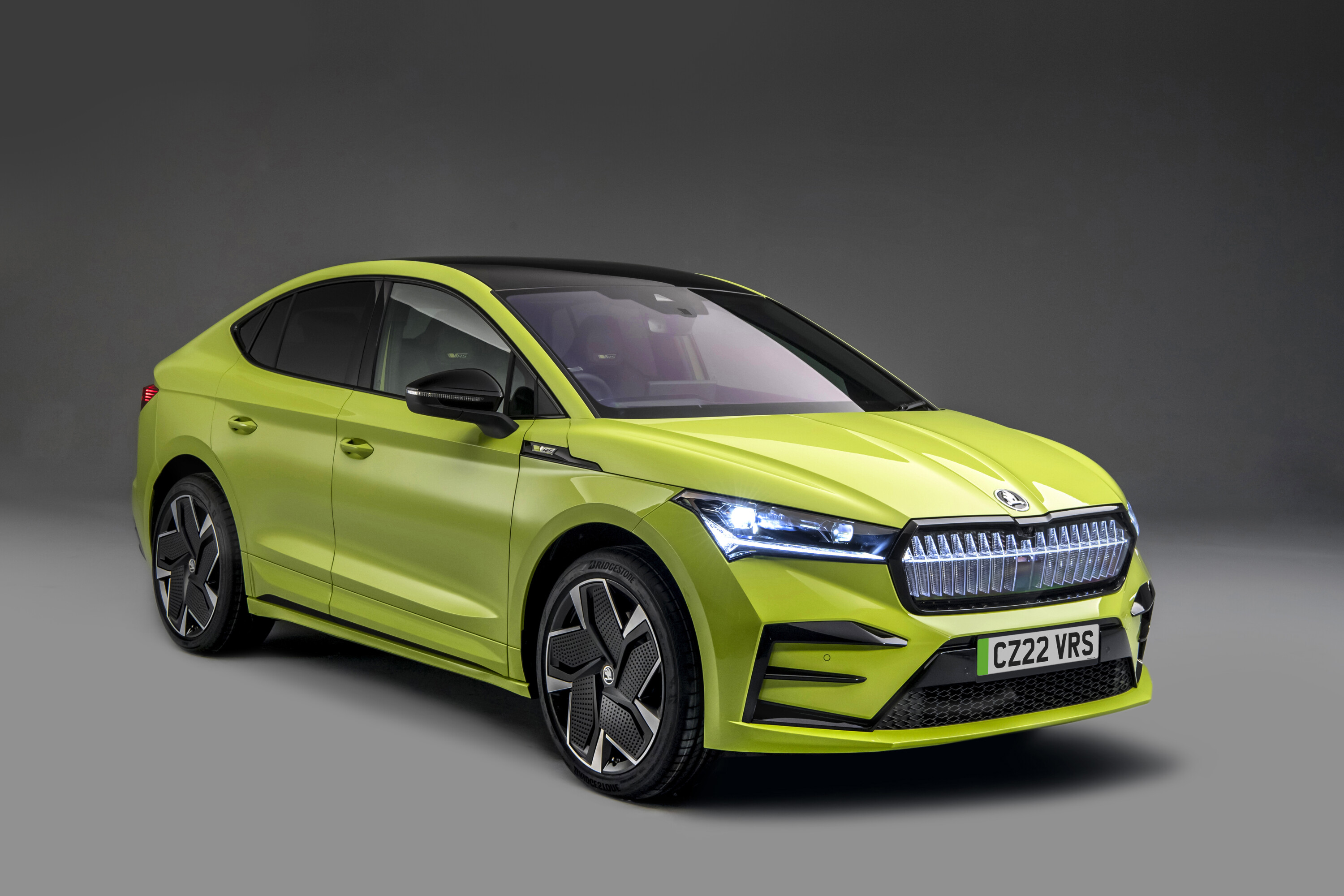
The no-nonsense Australian range will feature both updated Enyaq body styles (wagon and coupe) with Skoda recently hinting that it would bring the then-unreleased Enyaq 85 as our base model, with new motors providing 210kW and 576km driving range (Coupe, WLTP).
1
Headlining the Australian range will be the all-wheel drive RS model developing 250kW, an improvement of 30kW. It can sprint from rest to 100km/h in 5.5 seconds.
Skoda has improved the charging speed on the Enyaq 85. It’ll now accept DC electricity at 175kW for a 10-80 per cent top-up in 28 minutes.
Pricing and final specifications are yet to be finalised beyond the two-variant launch line-up. Skoda Australia previously told Wheels to expect a circa-$80K starting price, putting the Enyaq squarely in the sights of the big-selling Tesla Model Y.
With the Fiesta excised from Ford’s line up Down Under, entry-level duties fall on the slimmish shoulders of the Puma light SUV, due for a facelift later in the year.
We’ll also see the long-awaited Puma EV, which will borrow the underpinnings and the majority of its running gear with the European market E-Transit Courier compact van. If that is indeed the case, expect a 54kWh battery pack that drives an electric motor on the front axle, and it will support 100kW DC charging.
The Romanian-built EV is expected to adopt much the same blanked-off front end aesthetic as the Mustang Mach-E with a more recognisable carry-over rear treatment. It pitches into a market heavy with rivals, with the Hyundai Kona Electric, BYD Atto 3 and MG ZS EV all sure to provide stern opposition.
Due: Q2 2024
Model: 992.2 Carrera
Price: from c.$285,000
We don’t normally get too excited about mid-life facelifts, bit when the car in question is the Porsche 911, we’re all over every sniff of news.
Spy photographers have been snapping the update to the 992 generation of 911 for more than two years, but only very recently have undisguised versions been seen near a certain one-way derestricted toll road.
It’s no great secret that the 992 was designed from the outset to integrate a hybrid powertrain. The 992.2 Carrera looks set to include mild-hybrid electrification with the battery nestled between the boxer engine and the rear seats bulkhead and the motor-generator between the engine and the eight-speed PDK transmission.
1
The Taycan sedan provides the inspiration for a full cabin refresh, with the 911 set to follow the lead of the recently revised Cayenne in adopting a full glass cockpit, dash-mounted gear selector and a redesigned centre console.
The projected lifespan of the 992.2 is projected to run through to 2028 and will include a full performance hybrid version of the GT2 RS (due in 2026) that could see peak boosted power outputs in the region of 600kW. Porsche has also been seen testing the 992.2 version of the GT3, which is expected to feature a normally-aspirated 4.2-litre engine and will launch in 2025.
In the meantime, Porsche’s quandary is how to satisfy traditionalists while still getting past the watchful eye of Euro 7 emissions regulations. Nobody said it would be easy.
Due: H2 2024
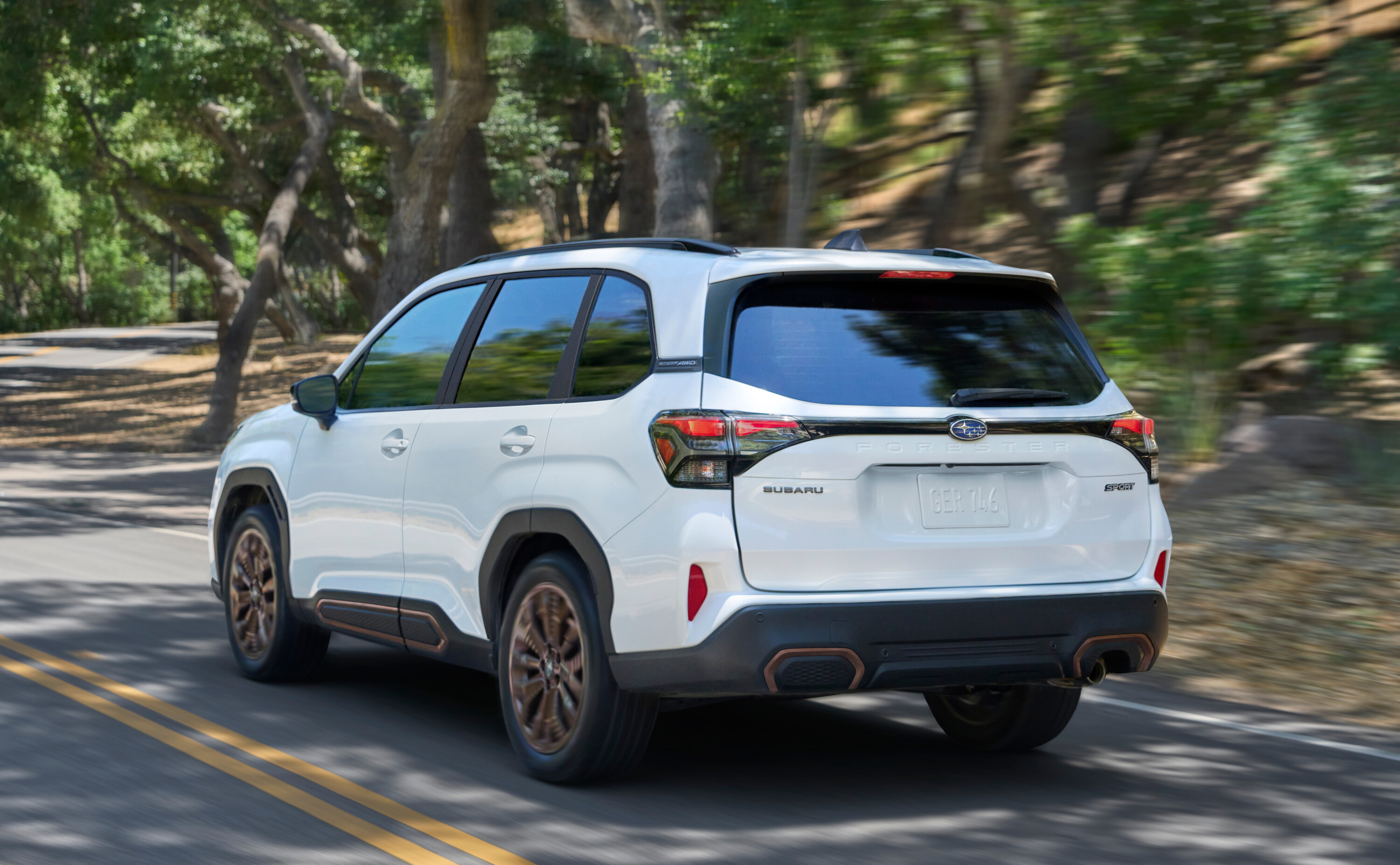
Model: Forester
Price: from c.$42,000
When is a new car not a new car?
While Subaru claims that its next-gen Forester, revealed at the LA Auto Show in November, is an “all-new fully redesigned vehicle”, dig a little deeper and it’s apparent that it rides on much the same Global Platform underpinnings with the familiar 2.5-litre boxer engine up front.
That said, neither of those two constituents were any great cause for complaint in the current car. What the Forester needed was a more stylish interior and exterior treatment and a hybrid powertrain that didn’t feel like a token effort. On those counts, the new model looks to be off to a good start.
The styling nicely fuses the latter-day SUV style of the Forester with the squared-off boxy arches of its wagon forebear.
Inside, the Forester is aligned with the Outback, WRX and Crosstrek, featuring an available 11.6-inch portrait-oriented infotainment system, fewer physical controls, USB-C charge ports, a wireless phone charger, and ventilated front seats. However, unlike the Japanese-spec WRX and Outback, it does not feature a full-digital instrument cluster, with a small central driver information display flanked by analogue dials.
1
Under the bonnet, the existing 2.5-litre petrol flat-four produces 134kW and 241Nm, down 2kW but up 2Nm.
It remains paired with a “smoother and quieter” continuously-variable automatic transmission (CVT). Subaru has fitted a version of the WRX’s dual-pinion electronic steering rack, torsional rigidity is up 10 per cent.
A hybrid Forester will debut for model year 2026. This will be followed by turbo-petrol Forester XT – expected to share the Outback’s 183kW/350Nm 2.4-litre turbo – and off-road-focused Forester Wilderness variants.
The Subaru Forester is due in American showrooms between March and May 2024. Local details – including official timing, pricing and features – will be confirmed closer to its local launch, which is expected later in the year.
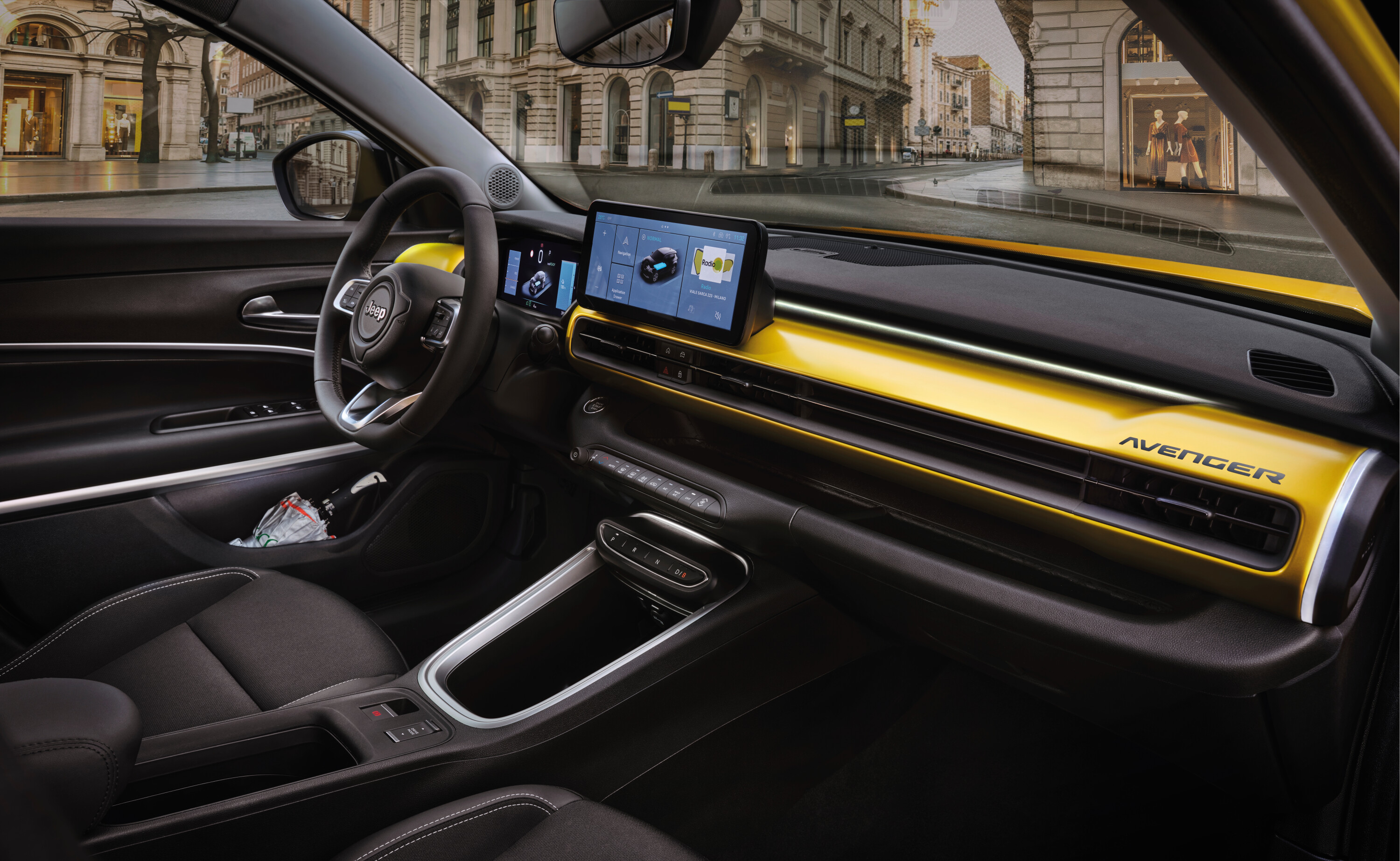
Jeep’s first EV in Australia, battery-powered baby the 2024 Avenger, is due in the second half of the year.
The brand is calling for expressions of interest for the model, which is confirmed as an electric vehicle but likely won’t make it in ICE form, because the petrol versions offered in Europe are manual only.
Jeep is yet to announce pricing or specifications for the Avenger which, as a product of the Stellantis Group, will be built on a Peugeot platform and call Alfa’s forthcoming small SUV and the Fiat 600 its brothers from other mothers.
1
With a 115kW, 260Nm electric motor driving the front wheels, a 54kWh battery pack providing a 400km range (WLTP), and the capability for fast charging from 20 to 80 per cent in 24 minutes on a 100kW charger, the 4080mm-long Avenger has the makings of a right-sized EV for city-based buyers.
Avenger’s scaled-down butch, and a cabin headlined by large multimedia touchscreen and digital instrument displays, and featuring extensive active safety, could seal the deal.
The company will certainly be hoping so, after a year in which the number of Aussies who bought a Jeep plunged to new lows.
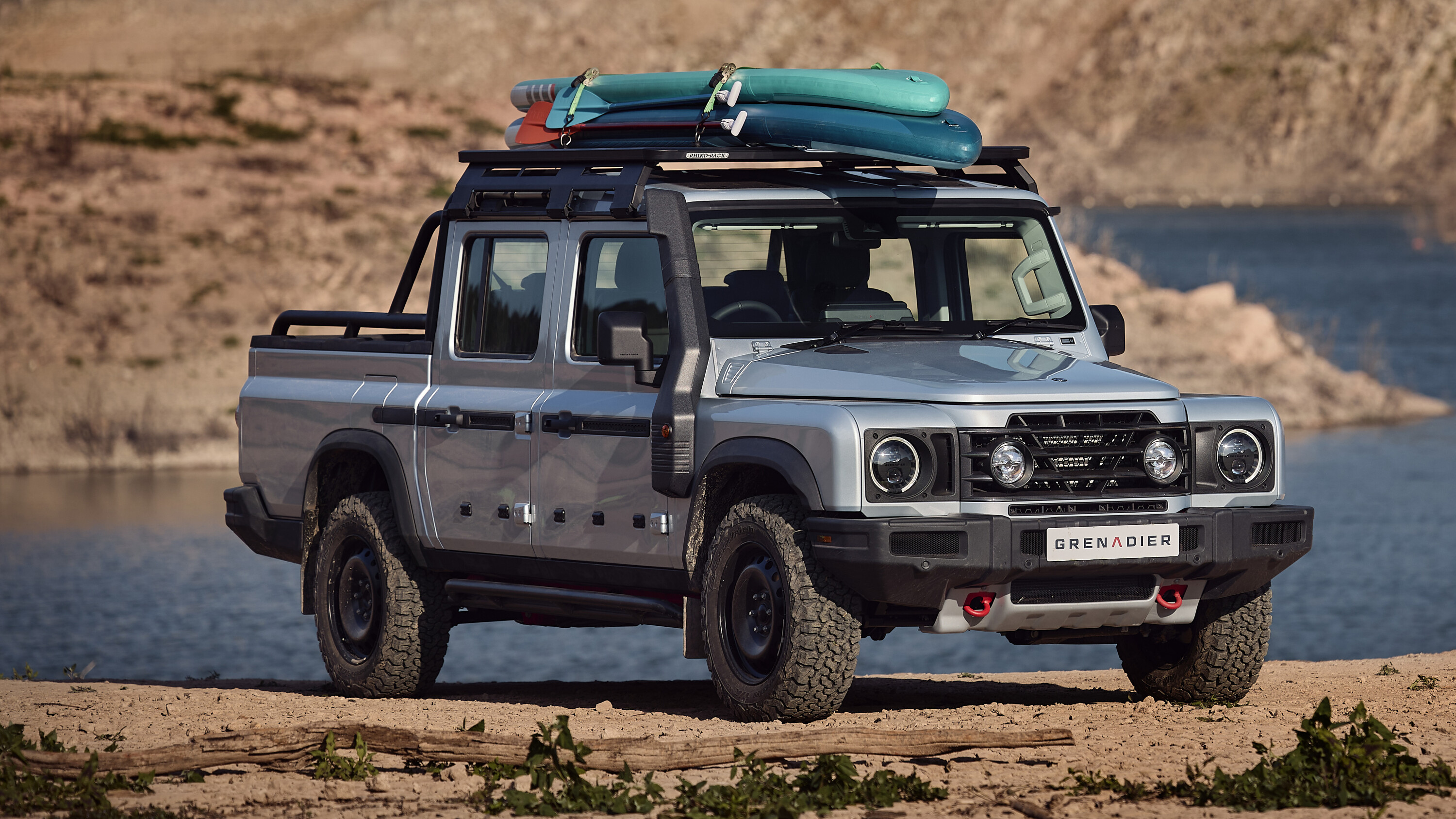
Built by Ineos Automotive, which was born out of British billionaire Sir Jim Ratcliffe’s desire to build a replacement for the Land Rover Defender 110 – after JaguarLand Rover rejected his proposal to buy the old tooling – the Grenadier wagon started arriving locally in 2023.
With production of the trayback underway at a French factory that previously turned out Smart Cars, now the wait is almost over for customers who placed orders from mid-last-year for the $110,000 to $123,000 workhorse (excluding on-road costs).
1
The Quartermaster offers the same choice of BMW-sourced 3.0-litre turbo inline six-cylinder petrol and diesel engines as the wagon, backed by a ZF eight-speed auto and permanent four-wheel drive.
A substantial 545mm longer than its sibling, the Quartermaster’s ladder frame is topped by a Euro pallet-accommodating 1564mm (L) x 1619mm (W) tray, with payloads of up to 832kg (diesel) and 907kg (petrol), an 800mm wading depth, 264mm of ground clearance, and a robust 3500kg braked towing capacity.
Due: January 2024
Model: 5 N
Price: from c.$111,000
The i30 N showed the world Hyundai could engineer a driver’s car. Now, the Ioniq 5 N is on a mission to prove EVs can be entertaining.
Our Korean first drive of the plus-sized hi-po hatch suggests it’s up to the task, representing a new paradigm in electric driver’s cars by delivering performance and involvement similar to Porsche’s Taycan – which was benchmarked in the development – at one third the price.
In case you’ve been napping, the Ioniq 5 N’s dual motor, all-wheel drive powertrain produces 448kW and 740Nm – or 478kW in a ‘boost’ mode – crushes the 0-100km/h in 3.4 seconds, and can travel 450km on a charge of the 84kWh battery.
Could this be the car that finally dispatches the idea of the EV as a soulless white good?
The five-door weighs 2200kg but doesn’t feel it, reckons our very own Jez Spinks, and embellishes its syrupy electric delivery with conventional cues – such as gear shift jolts and a choice of artificial engine sounds – and possesses a calibre of dynamic capability to make even the staunchest petrolhead smile.
Could this be the car that finally dispatches the idea of the EV as a soulless white good? Here’s hoping.
Volvo’s EX90 electric seven-seater SUV is due late year and will lead the brand’s transition to EV-only in Australia by 2026 (and by 2030 globally).
The EX90 will be introduced as a dual motor AWD, featuring sustainable materials, bi-directional charging, and Android-powered infotainment.
The Chinese-built EX90 rides on the Geely– developed SPA2 architecture and will be initially sold alongside the XC90. A powerhouse, the EX90 offers 380kW and 910Nm, can do 600km on a charge of its 111kWh battery (WLTP), and is capable of fast charging from 10 to 80 percent in less than 30 minutes.
A lidar sensor on the roof’s leading edge, along with an array of radars, cameras and ultrasonic sensors underpin EX90’s semi-autonomous driving capability. A minimalist interior is headlined by a 14.6-inch portrait touchscreen, widescreen instrument display, and 25-speaker Bowers and Wilkins audio.
Due: December 2024
Model: ID.Buzz
Price: from $100,000
The coolest car of 2024 could be a van. Well, an electric people mover at any rate.
Expressions of interest have opened for the 150kW/310Nm ID.Buzz and Volkswagen is optimistic about it making some fairly significant numbers in Australia.
For those that want to relive the spirit of the Kombi, the ID.Buzz is available in five or seven seat configurations and, as is usual with Australian market cars, are likely to be offered with a high level of standard equipment.
The ID.Buzz range is underpinned by Volkswagen’s dedicated MEB electric platform, hosting a 77kWh battery pack with driving ranges of 423 kilometres (WLTP). Fast-charging is capped at 170kW (DC) for a 5-80 per cent rejuice time of around 30 minutes. AC home-charging, meanwhile, maxes out at 11kW.
Due: Q3 2024
Model: Cooper E / SE
Price: from $55,000
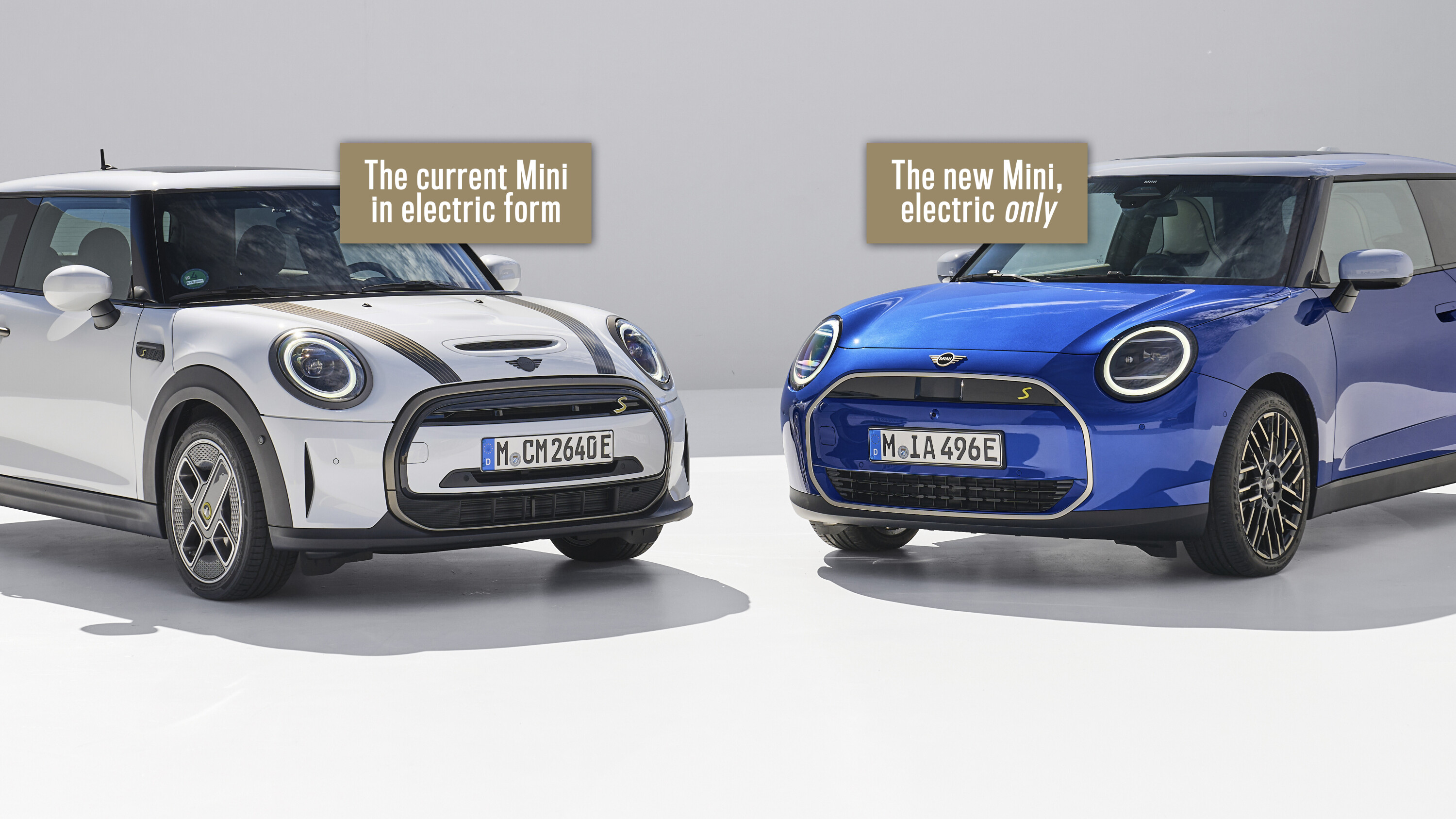
The ideal platform for electrification? Probably the luxury limo. Second best? That surely has to be the cheeky urban scoot, which is why we’re so excited for the fourth-gen Mini Cooper.
Incidentally, Cooper is now the name for what were the Mini three and five-door Hatches and the Convertible. Go figure.
Parent company BMW is, on the quiet, developing some seriously impressive EV chops and the slickly restyled Mini hatch, due to launch next year as an integral part of sending Mini all-electric by 2025.
1
The Chinese-built hatch gets a 30mm stretch to the wheelbase, and the E gets a 40.7kWh battery packs 135kW and 290Nm, which is enough for 7.3 second sprint to 100km/h.
Meanwhile the SE’s 54.2kWh battery is good for 160kW/330Nm, enough to scuttle it to 100km/h in 6.7secs. The SE features a respectable 402km of range, and 95kW rather than the E’s 75kW charging rate.
This or the rather more spacious electric Countryman? Decisions, decisions…
Due: December 2024
Model: Ioniq 5 N
Price: from $115,000
We’ve raved over the Hyundai Ioniq 5 N but how about that drivetrain and tech in a lower, lighter, sleeker package?
That’s exactly what’s set to be delivered with the 6 N and, frankly, we can’t wait to try it. We’ve seen a sniff of what it’ll be like in the shape of the RN22e concept, the first of Hyundai’s ‘rolling concepts’ that aimed to inject involvement and emotion into the experience of driving a performance EV.
Hyundai has dropped hints that the 6 N’s performance could well eclipse that of the 478kW/770Nm Ioniq 5 N, and it could just squeak in for a late 2024 reveal. Could Hyundai deliver a more convincing electric performance car than Porsche? Get the popcorn out…
Due: Q1 2024
Model: GXL, Koba, GR Sport
Price: from $43,000
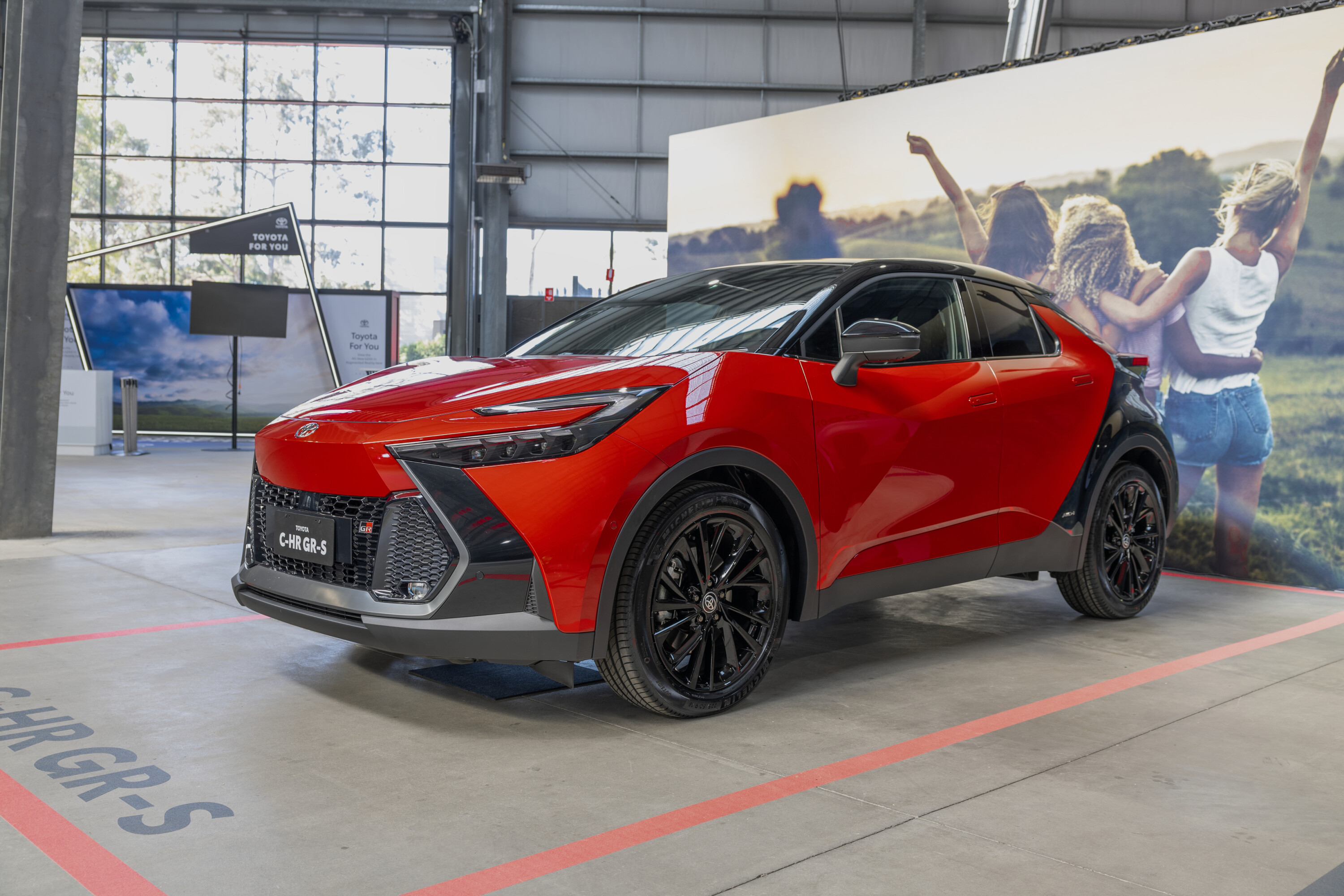
Toyota’s next-gen 2024 C-HR will open at $42,990 plus on roads – up from $31,715 for today’s base model – when it lands in Q1.
$43K for a baby SUV?! That’s partly explained by the fact each of the continuing three grades – GXL, Koba and GR Sport – will come with a hybrid powertrain.
Also contributing to the rises – which range from $11,275 for the GXL to $16,525 for the GR Sport AWD flagship – is a multitude of equipment. Lash out on the now-$54,990 (plus on-roads) GR Sport with pano roof ($1150) and two-tone premium plus paint ($1550) and … sheesh!
1
The outlandish second-gen C-HR brings 12.3in infotainment with Apple CarPlay and Android Auto, a 7.0in instrument display, six-speaker audio, and dual-zone climate as standard.
Up spec, there’s even more fruit including leather and suede, bi-LED headlights, 19in alloys, powered and heated seats, 12.3in digital instruments, and nine-speaker JBL audio.
There’s also AEB, traffic sign recognition, lane-keep assist, lane-trace assist, adaptive cruise and a 360-degree camera across the range. Front-drive GXL and Koba run a 72kW, 142Nm 1.8-litre four-cylinder with 70kW, 185Nm electric motor assistance, to deliver a combined 103kW, and the all-paw GR Sport packs 112kW/190Nm 2.0-litre four with 83kW front/30kW rear for a combined 145kW.
Due: July 2024
Model: base, GTX
Price: from c.$55,000
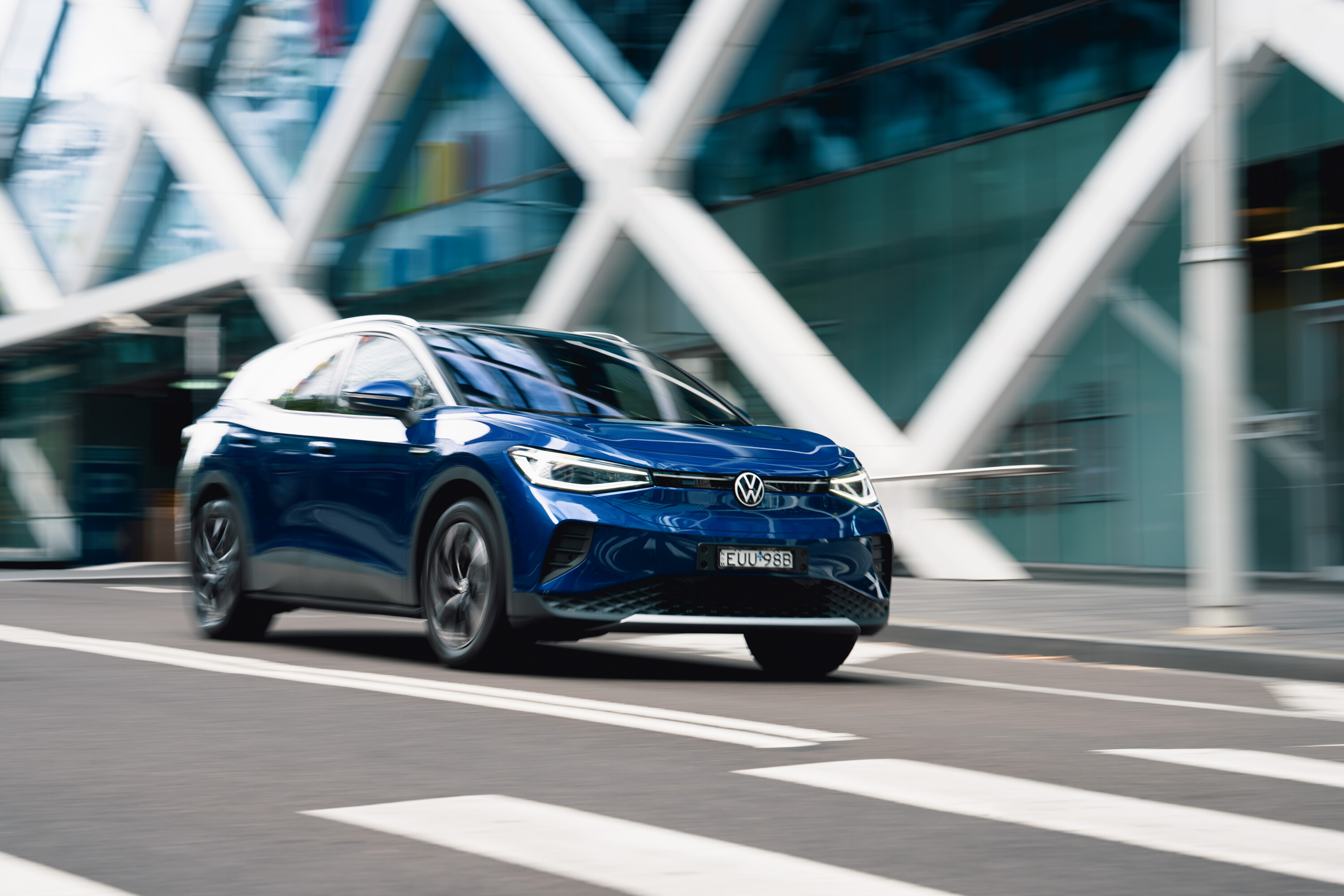
Volkswagen’s first locally bound electric car the ID.4 medium SUV, which has been on sale in Europe since 2021, will arrive in July in freshly updated form.
Running changes aimed at addressing overseas criticisms should give Aussies a well-sorted package from the outset and target improved performance, range, comfort, cabins and tech.
Pricing for Wolfsburg’s Tesla Model Y, Hyundai Ioniq 5 and KIA EV6 rival has not been announced but expect the range to open around $60K plus on-roads.
1
The line-up is likely to include a 210kW single-motor rear-wheel-drive variant and a 250kW dual-motor all-wheel-drive GTX performance variant that does 0-100km/h in a claimed 5.4sec.
Euro WLTP range from the 77kWh battery is 550km and 175kW DC charging can add 178km of range in 10 minutes for all-wheel drive versions (RWD versions’ max charge is 135kW).
Inside, there’s 12.9-inch touchscreen infotainment with illuminated touch-sensitive sliders below for audio and AC, along with steering wheel touch controls, which have drawn criticism on other models.
Due: July 2024
Model: base, GTX
Price: from c.$65,000
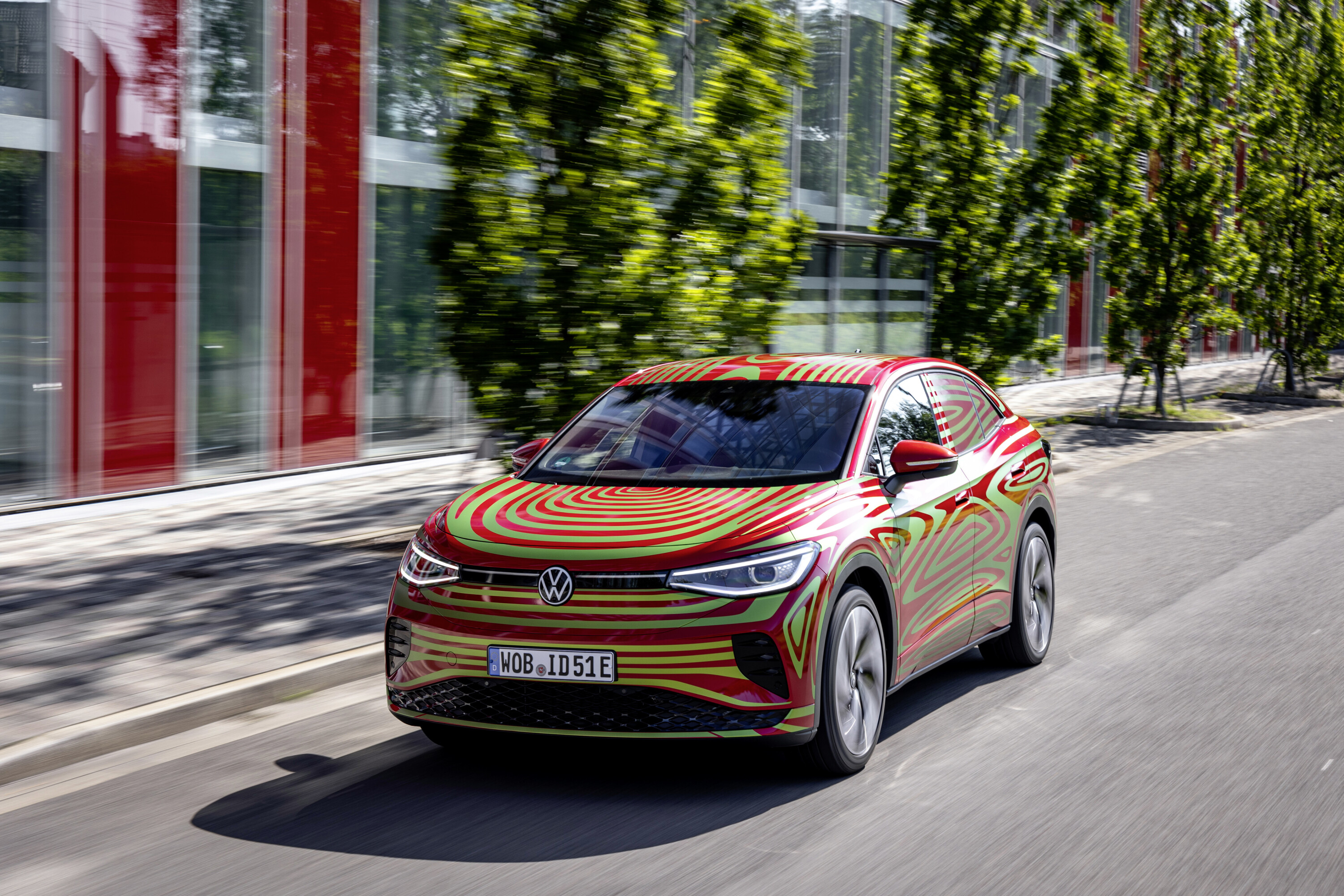
We’re expecting Volkswagen’s coupe-styled, dedicated electric ID.5 around July, along with its ID.4 SUV sibling (featured below) with the pair bringing some worthwhile USPs.
Whereas most of the small electric SUV class – such as the Hyundai Ioniq 5, Kia EV6, Tesla Model Y, Mercedes-Benz EQA and Polestar 2 – put the focus on aggressive styling and punchy performance, the ID.5 is softer in both image and attitude, so presents less of a leap from the familiar ICE experience, at least based on our overseas first drive.
The range is likely to include a 210kW rear-drive powertrain and a 250kW dual motor all- wheel drive GTX flagship, each with standard equipment and technology in line with prices starting around $70K.
1
The single-motor versions have a range of 562km from a 77kWh battery while the dual- motor can travel 505km (WLTP figures). However, with alternatives offering up to 350kW of fast-charging capability the ID.5’s 135kW maximum is a bit off the pace.
The ID.5 has been sold in Europe for more than two years and will land with the benefit of a series of running changes, with the aim of being right first time in Australia.
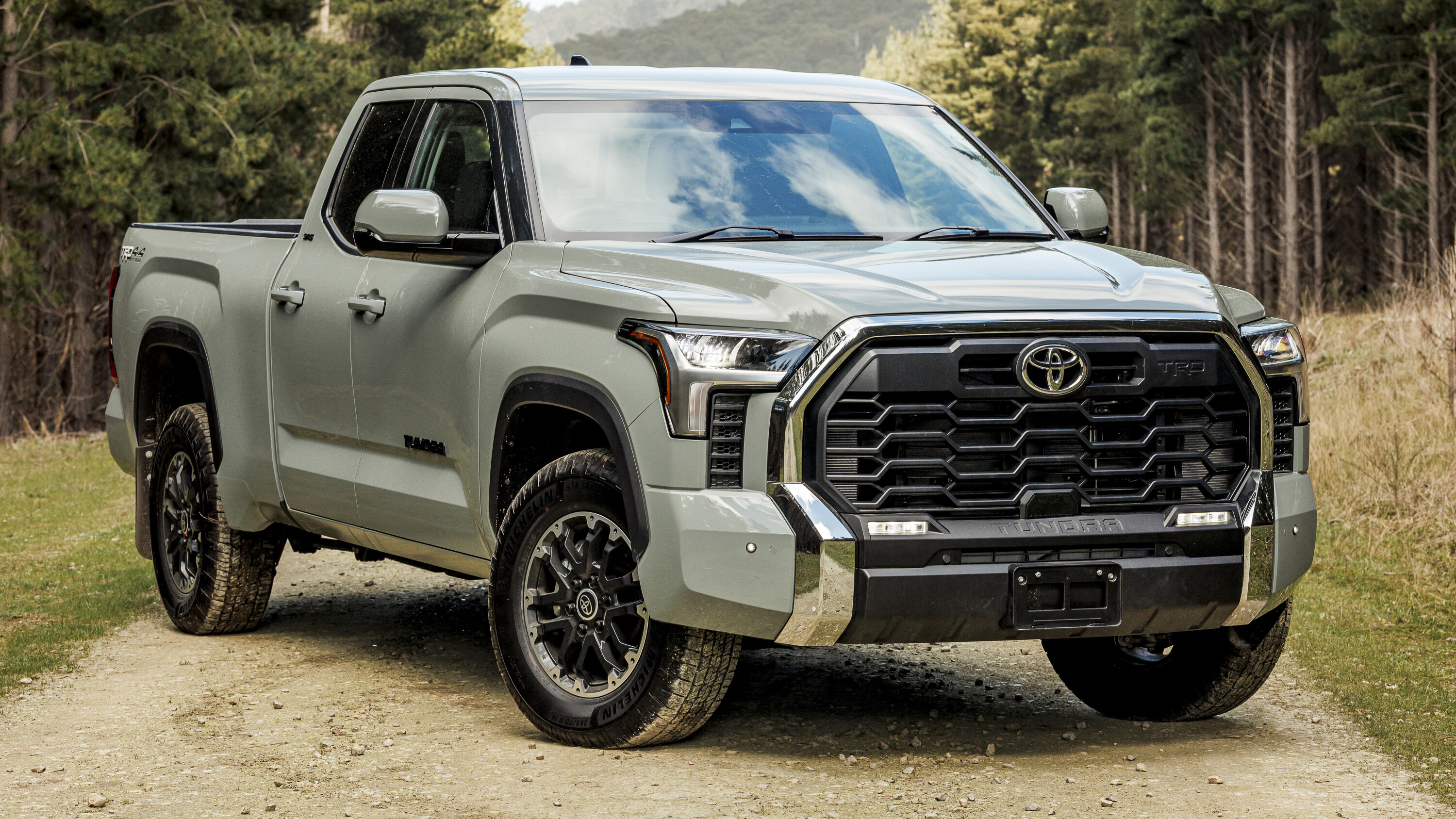
Toyota Australia isn’t taking any chances with the ‘official’ right-hand re-engineering of the Tundra monster ute. It has too much riding on it.
That’s why a fleet of 300 cars are on trial with customers and Toyota staff right now in Australia. The quality of the right-hand drive conversion, performed in partnership with Walkinshaw, must be at least as good as OE and engineers from both the Tundra’s home plant in Texas and the Japanese mothership are closely monitoring progress.
When Toyota’s ‘premium towing machine’ does go on sale, expect a hybridised 3.4-litre V6 petrol powerplant good for 326kW and 790Nm and the ability to tow horse floats, big boats, race cars, construction equipment and farming gear. Alongside maximum towing capacity the Tundra also needed to offer space, comfort and a long driving range.
1
The focus was firmly on-road driving. That’s why the Tundra sports a five-link coil-sprung rear end rather than the heavy duty leafs as seen on most other dual cabs.
Yes, you lose a little in the weight it can carry in the bed, but Toyota claims the gains in comfort and control more than offset this.
It can operate in EV mode to 30km/h and features a 288-volt Ni-Mh battery under the rear seats while the motor-generator sits in the bell housing of the 10-speed auto. A tow/haul mode changes gearbox shift points, electric power steering feel, throttle mapping, alters the drop-down front spoiler, detects a trailer and optimises safety systems like blind spot monitoring.
Thousands of kilometres of back-to-back testing at AARC in Victoria and on-road between Altona and Darwin while towing a heavyweight trailer have convinced Toyota that it’s onto a good thing with the Tundra. It may well be right. Look for the road test right here in Wheels next month.
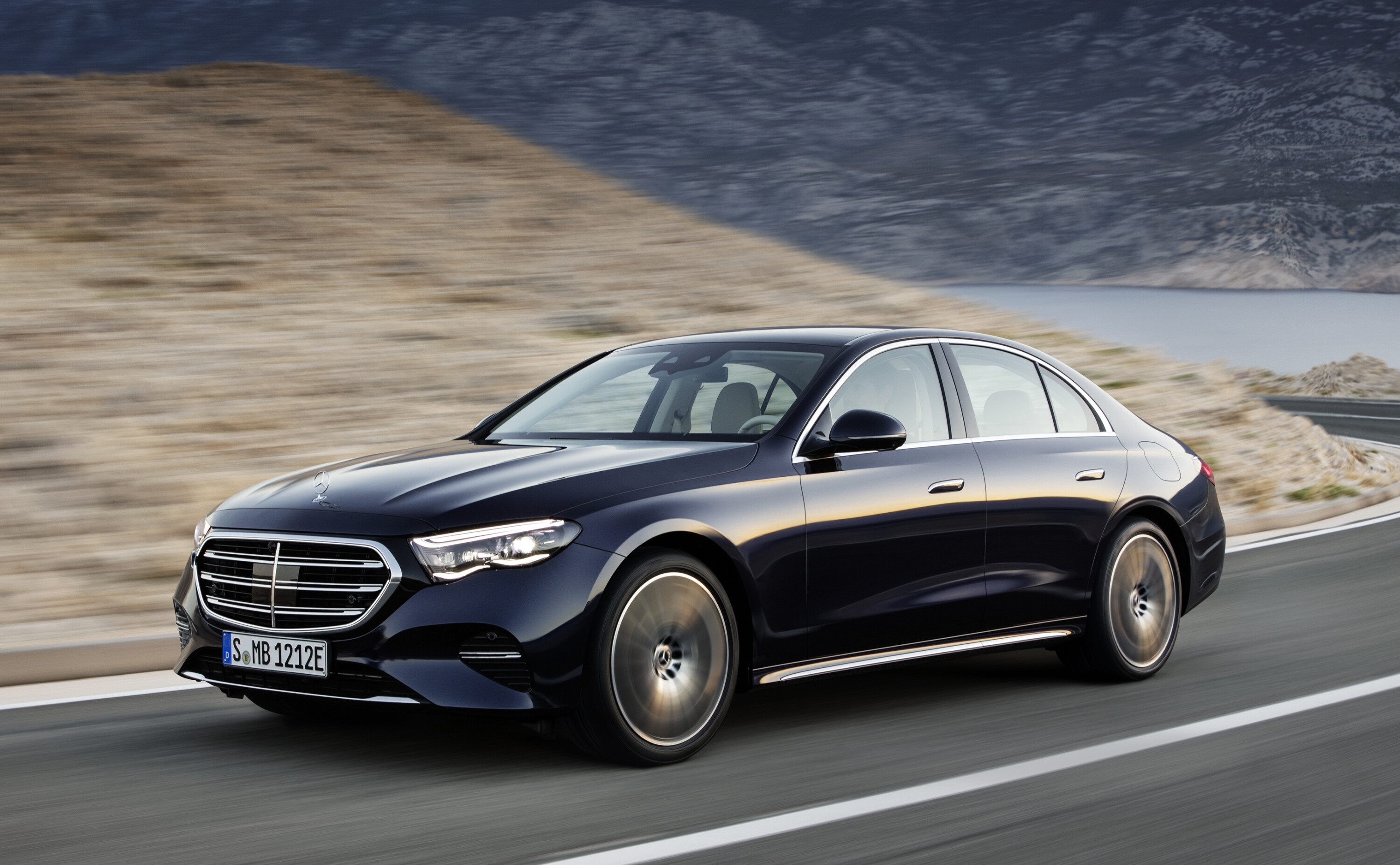
Mercedes’ next-gen E-Class sedan will eschew EV and V8 extremes for a series of mild-hybrid and plug-in hybrid powertrains, to take on the soon-to-be-updated BMW 5 Series while leaving the EQE to battle the all-electric i5.
Benz is calling the new W214 ‘a bridge between tradition and digitalisation’ so while it’s a slightly bigger and roomier three-box sedan (with a slick 0.23 Cd), sporting turbo petrol and diesel engines, occupants are treated to a sumptuous digital immersion.
1
Try third-gen MBUX Superscreens spanning the dashboard, featuring support for the TikTok, Angry Birds, Webex and Zoom apps, an inbuilt dashtop selfie and video camera, and AI functionality.
Then there’s a ‘Just Talk’ function for the Hey, Mercedes voice assistant and digital key support for iPhone and Apple Watch, optional 21-speaker Burmester 4D surround-sound audio, and four-zone climate control, and near S-Class elbow room, says Mercedes. Whereas the old E Class featured a myriad of specification and engine choices, the new version takes its lead from the GLC with just a petrol E300 version confirmed for Australia.
Hard luck if you were counting on a wagon; it’s just the four-door sedan, initially at least. And remember, Merc has merged both C and E Class Coupe and Cabriolets into a sole CLE model, also due in ’24.
The Lamborghini Revuelto has some heavy lifting to do. With the successor to the Huracán likely not available before 2026, it’ll be the sole super sports car on offer from Sant’Agata, which is why the order bank is already full three years in advance.
The hybrid tech cuts emissions by 30 percent, allowing Lamborghini to persevere with its V12, here boosted to 746kW.
While the Urus was always going to attract buyers new to the marque, and some 70 percent were, the order applications bank for the Revuelto is comprised of 60 percent who have never owned a Lamborghini before.
You could argue that this is the year of the internal combustion engine supernova, as the electric vehicle comes of age.
So, we’re counting down the most anticipated cars of 2024. There’s no scientific rigour or popular vote here – but we reckon the order looks a little something like this. And everybody loves a countdown.
Here’s 40 to 31, and we’ll roll out another few stories over the next few days. Hold onto your horses.
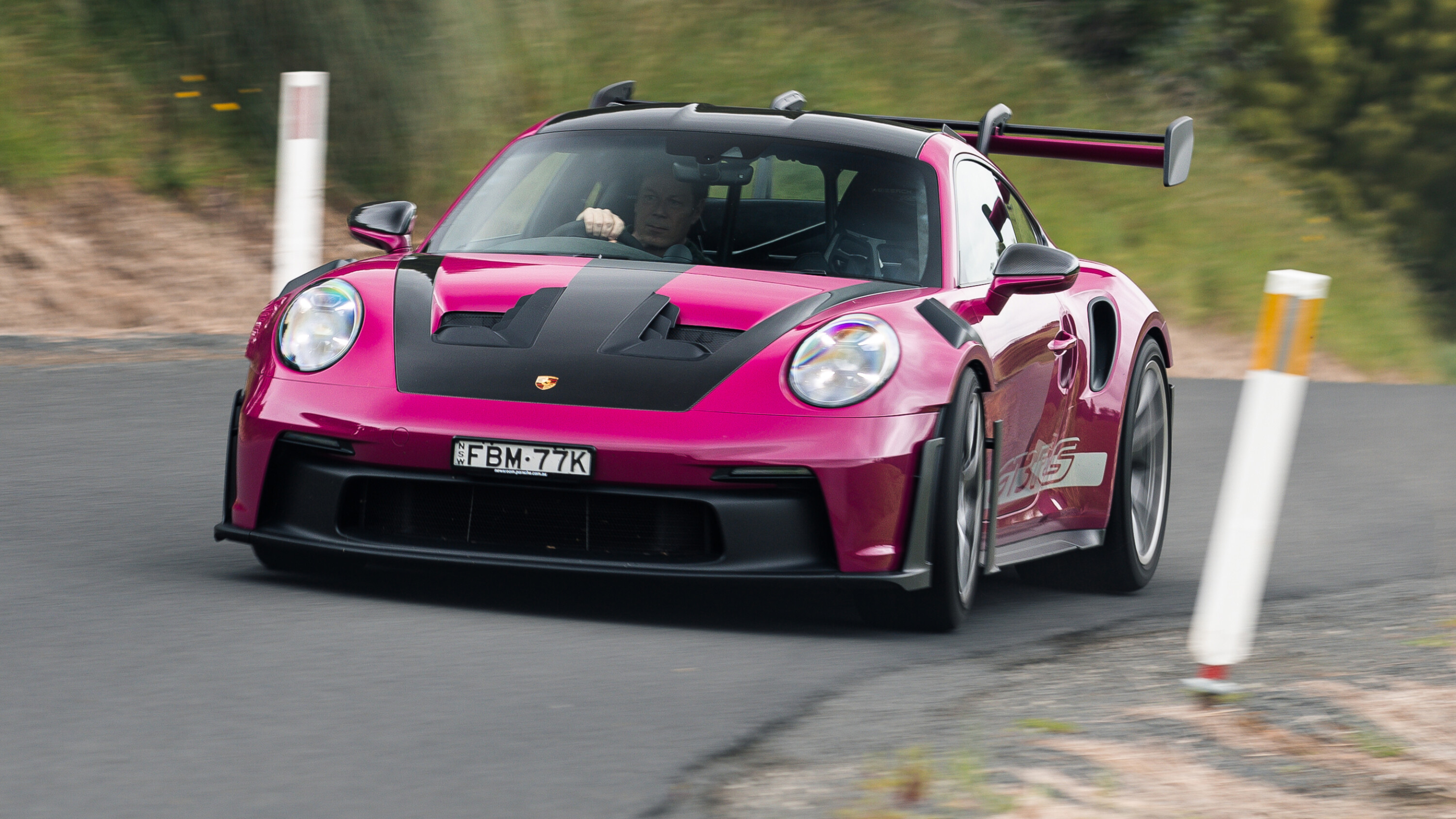
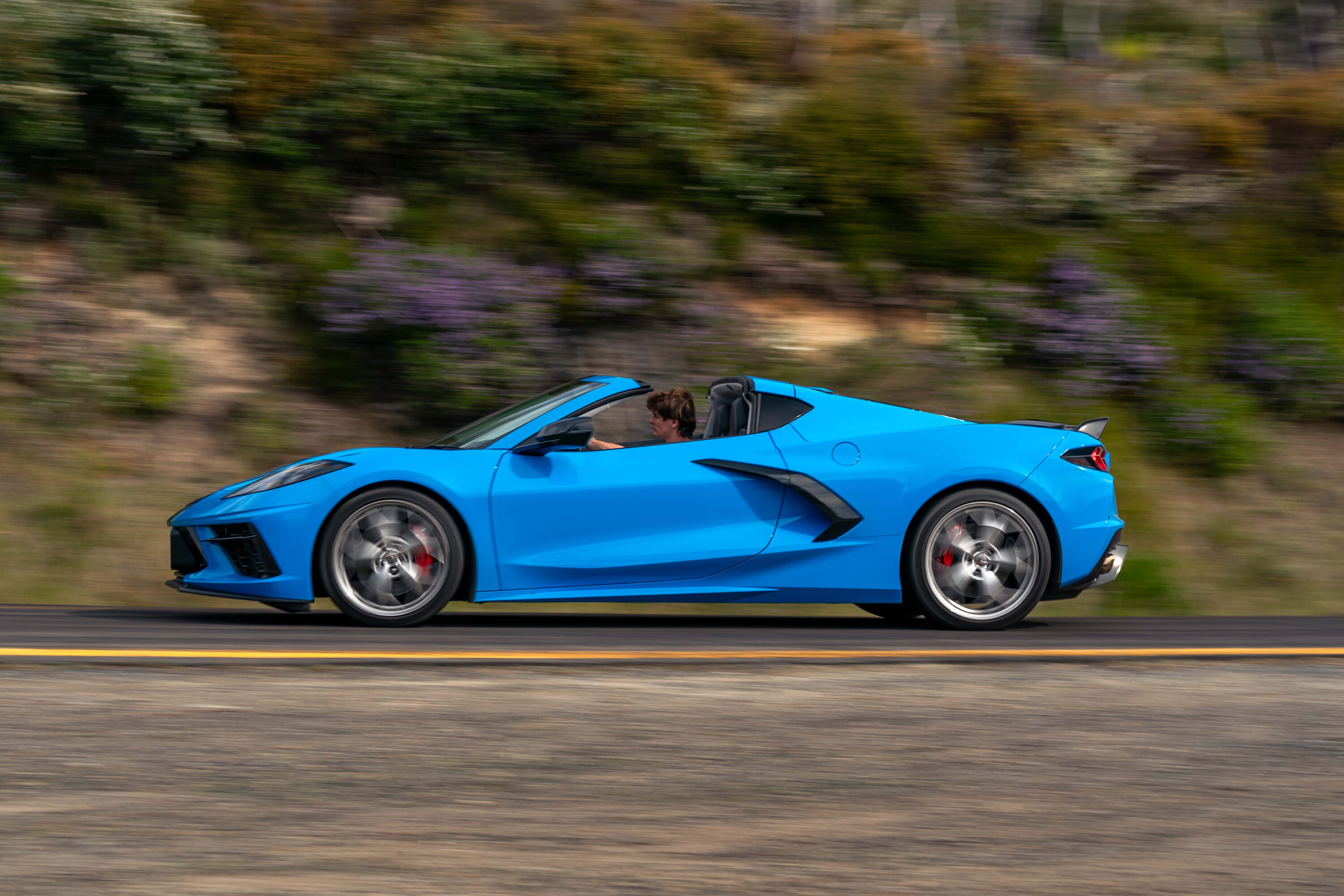
Decision time. Would you rather pay $336K for a new 475kW Corvette Z06 or $419K for 375kW worth of Porsche 911 GT3?
Both feature charismatic naturally aspirated engines behind the driver that send grunt to the rear treads, both are race track optimised and both will catapult you to 100km/h in around three seconds. Only one has a flat-plane 5.5-litre V8 though and it isn’t the Porker.
1
In the past we’ve occasionally been a bit sniffy about hot Corvettes, but the Z06 is the real deal.
In Car and Driver’s Lightning Lap at Virginia International Raceway, it recorded a time of 2:38.6, two seconds a lap quicker than the current GT3 and the second fastest car in the 16 years the event has been run, just behind the monstrous 911 GT2 RS.
Availability is limited and it’ll come to Australia in 3LZ coupe guise only with the option of a Z07 Performance Pack. Please form an orderly queue.
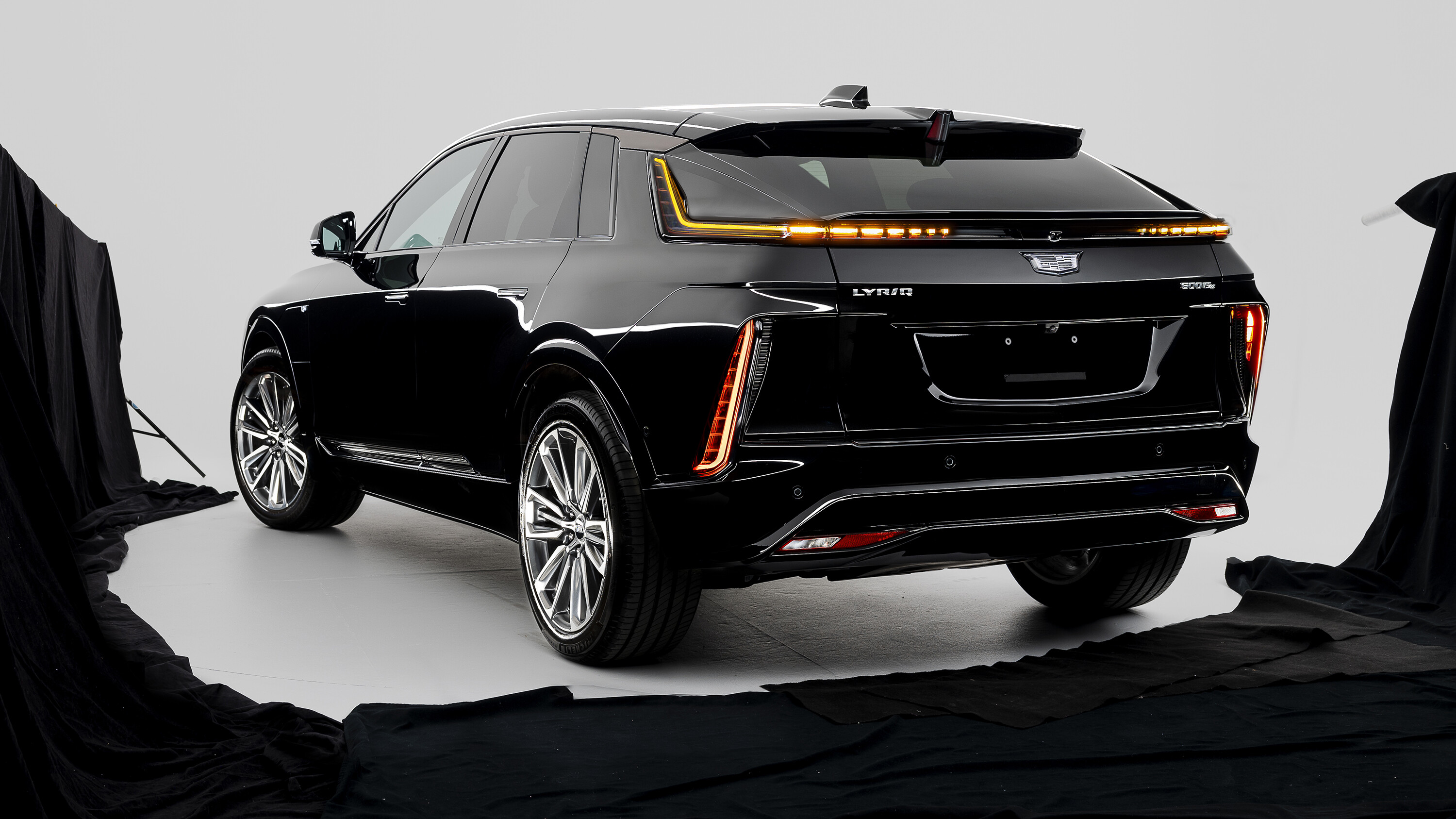
The arrival will make Cadillac the first standalone GM brand in Australia since Holden was axed and comes 15 years after the Global Financial Crisis put the handbrake on the brand’s last crack at heading to Oz.
The almost five-metre-long Lyric rolls on a 3.1m wheelbase which, with a flat floor, lets the five-seater comfortably accommodate three adults in the back, with legroom to spare.
1
Up front, a 33-inch digital display headlines a treatment that’s restrained for a Cadillac but not Tesla-minimalist.
The 2024 Cadillac Lyriq produces 255kW and 440Nm in single-motor, rear-wheel drive form and 373kW and 610Nm as a dual-motor all-wheel drive. Range is officially 505km for the RWD and 494km for the AWD.
With the Optiq and Escalade IQ nameplates also trademarked in Australia, this big, battery-powered wagon looks to be the start of even bigger things for the brand.
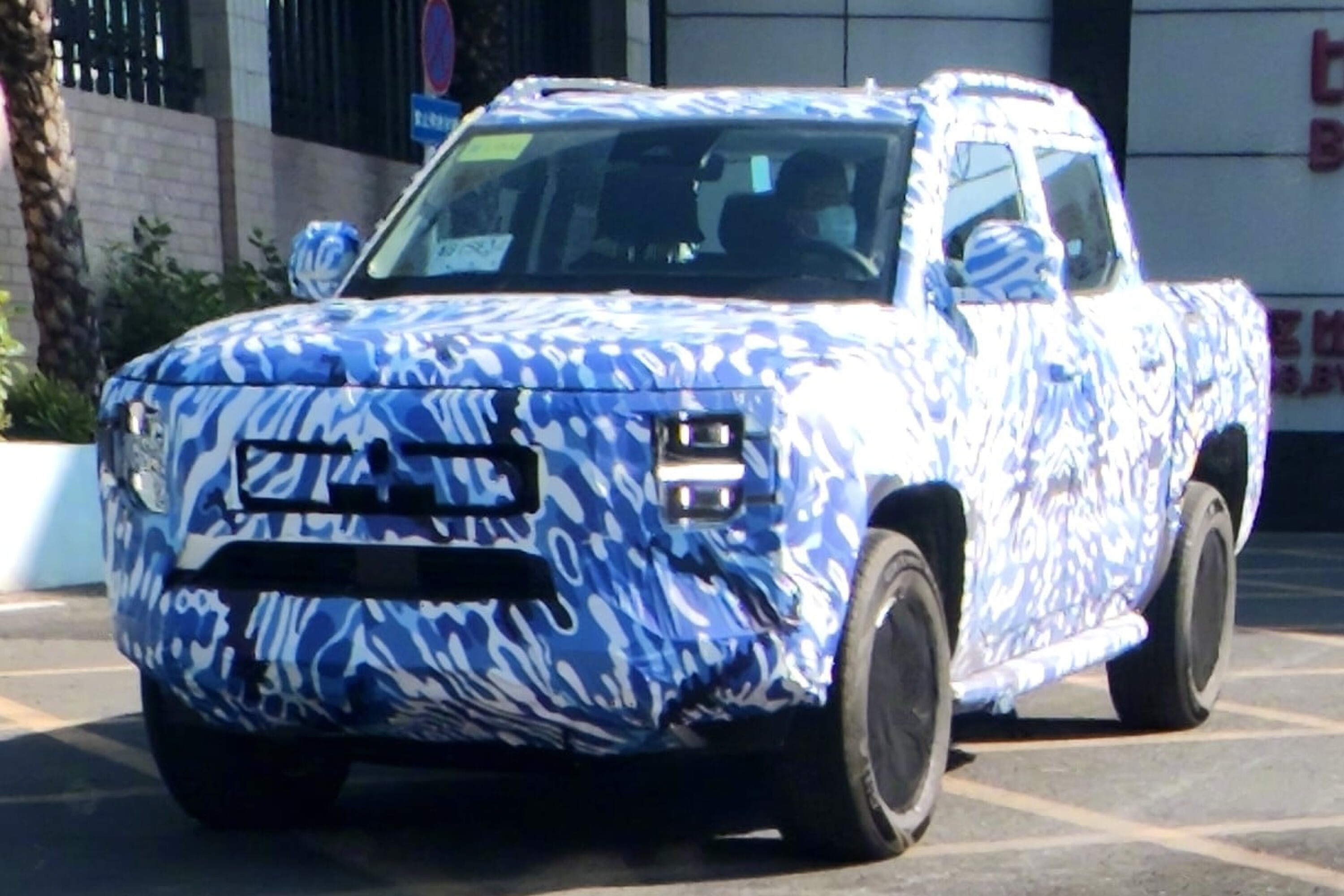
BYD’s as-yet-unnamed ute is expected early in the year in plug-in hybrid form, which will later be joined by an electric variant.
Depending on when the latter lands, it could be the first EV ute with a consumer – as opposed to fleet – focus, beating more established brands to the punch.
Spy photos reveal a masculine dual-cab around the size of a Ford Ranger, featuring broad flared arches, an F-150-style grille treatment, and touches of Land Rover Discovery around the turret, penned under chief designer Wolfgang Egger, formerly of Audi.
1
BYD importer EV Direct says engineers have taken extensive input on the unique demands and tastes of the Australian market and will subject the ute to a local evaluation program.
A line-up of well-sorted plug-in hybrid and all-electric utes, featuring large digital cluster and infotainment displays, and wearing an enticing price tag? That could be worth getting excited about.
The business certainly thinks so: “The successful launches we’ve had so far with products that people didn’t anticipate would go very well suggests we might shock a few people with the ute,” EV Direct CEO Luke Todd said.
Due: Q1 2024
Model: Air, Earth, GT-Line
Price: from $97,000
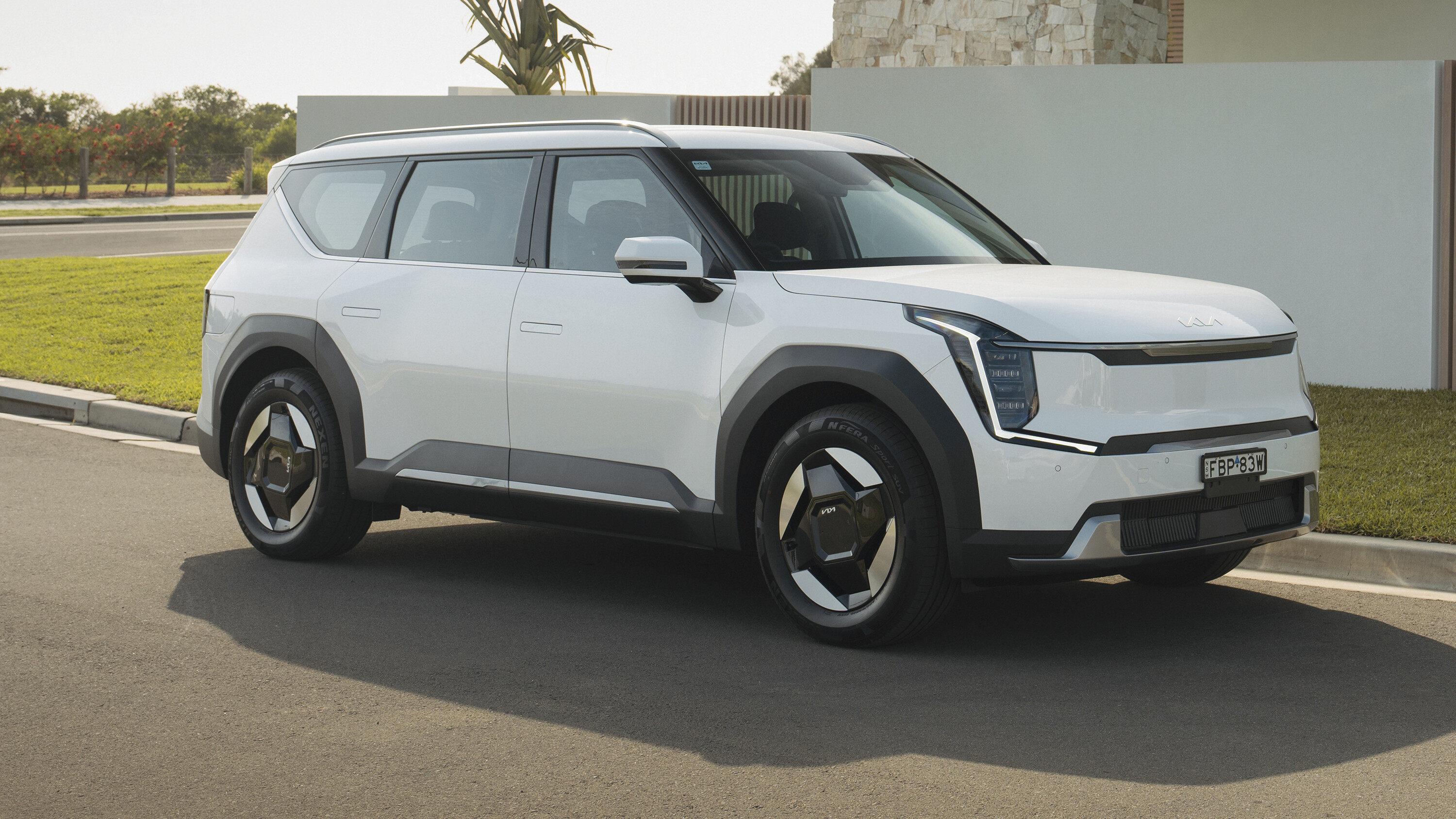
The seven-seat, upper-large EV9 electric SUV will become Kia’s most-expensive vehicle in Australia, priced between $97,000 and $121,000 before on-road costs – surpassing the $99,590 EV6 GT.
Three trim levels will be available in Australia: Air RWD, Earth AWD and GT-Line AWD. The base rear-drive Air will feature a 76.1kWh standard-range battery, while the Earth and GT-Line are fitted with the flagship 99.8kWh long-range battery.
The Air RWD has a 443-kilometre driving range, a 512km range for the Earth, and a 505km range for the GT-Line.
1
The rear-drive 76.1kWh Air model features a single 160kW/350Nm electric motor, with an 8.2-second claimed 0-100km/h time.
In dual-motor form, the EV9 has total combined outputs of 283kW and 700Nm and a 5.3-second 0-100km/h time for the GT-Line.
Kia Connect will be standard-fit, with a new online store to debut in Australia for the EV9. A local ride and handling tune was also completed for the EV9. Led by suspension guru Graeme Gambold, the program tweaked spring and damper settings to suit local conditions and preferences, as with the smaller EV6 and other internal-combustion Kia vehicles.
Due: Q1 2024
Model: Dark Horse
Price: from $99,102
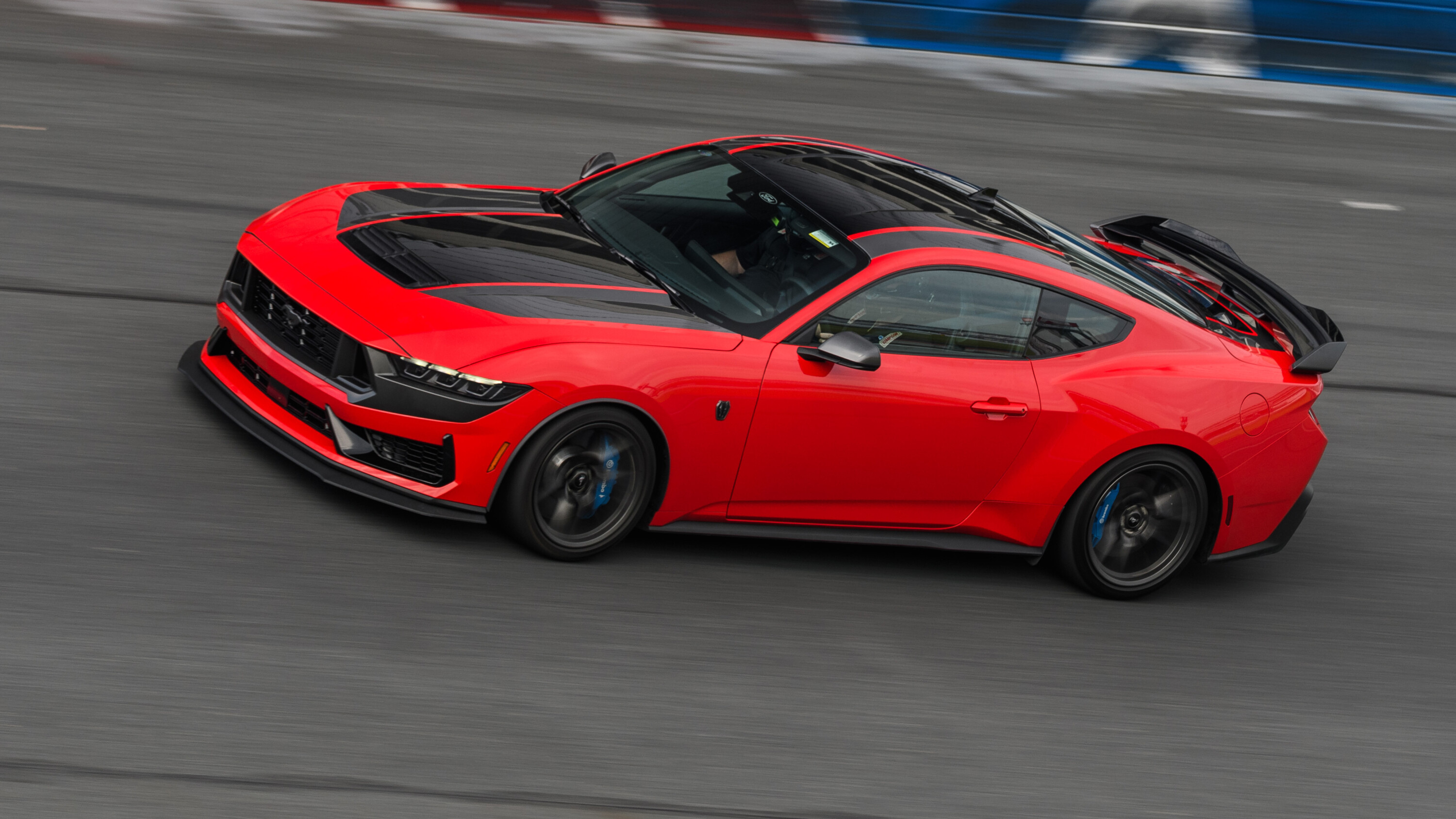
The evolutionary seventh-gen Ford Mustang will continue to bring EcoBoost four and V8 GT coupes and convertibles from early 2024, but the one we’re jonesing for is the Dark Horse.
Wheels‘ Jez Spinks came from the Stateside international launch at Charlotte Motor Speedway raving about this mysterious hi-po Pony, which blends blacked-out menace with hard-hitting powertrain and chassis upgrades and a dose of exclusivity.
The spiritual successor to the previous ‘Stang’s Mach 1 – and historic special the Bullitt – the Dark Horse is a limited production variant that’s tipped for collectability.
1
Leaving aside its significance as a model, it’s a ripper drive, says Jez, with depth of appeal beyond its 349kW naturally aspirated V8 and Tremec six-speed manual (a 10-speed auto is also available).
Engine mods run to GT500 conrods and a dual throttle body, and there’s a lighter radiator, an engine oil cooler, MagneRide® 2 adaptive suspension, underbody brake ducts, six-piston Brembo front calipers and four-piston rear calipers, and differential cooler. Serious stuff.
You’ll need to part with six figures to park one in your garage.
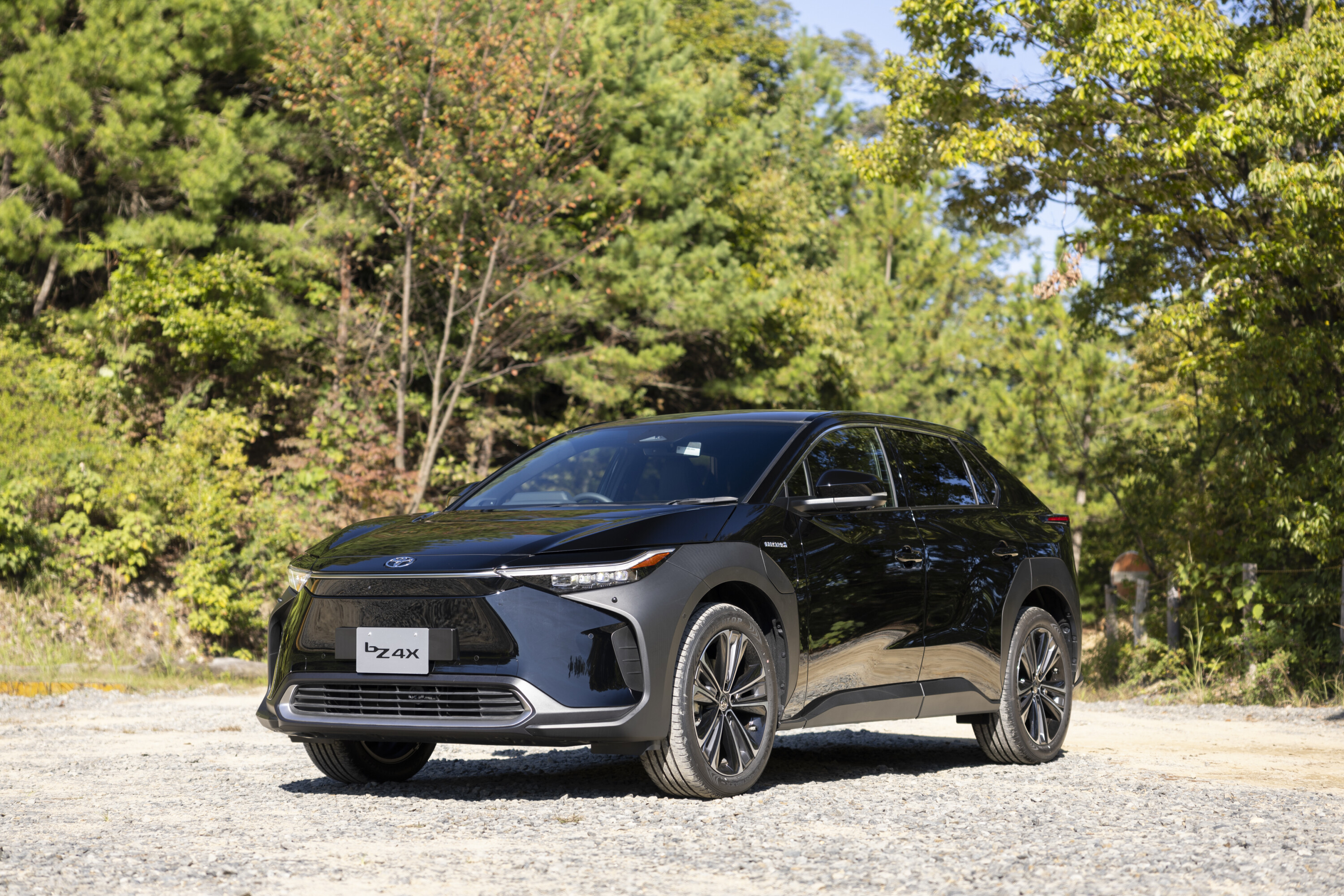
But having been slow to embrace electric vehicles Toyota is now thinking big, with a line-up of 30 EVs globally targeted by 2030.
The bZ4X – ‘bz’ stands for ‘beyond zero’ – shares its e-TNGA platform with co-developed twin the Subaru Solterra and is roughly the size of a RAV4.
Local line-up specifics have not been announced, however the bZ4X is likely to offer a choice of 150kW, 266Nm single-motor front-wheel drive and 160kW, 337Nm (combined) dual-motor all-wheel drive powertrain.
1
Both will draw from a 71.4kWh lithium-ion battery pack for a range of 516km for the FWD and 470km for the AWD (based on WLTP figures).
Standouts in the quirky cabin include a fabric-upholstered dash, a high-mounted cluster display, and Toyota’s latest-generation 12.3-inch touchscreen infotainment, which features wireless Apple CarPlay and Android Auto, and Hey Toyota voice control.
Expect pricing to be a significant whack more than an equivalent grade RAV4 Hybrid – perhaps by as much as 25 percent.
Due: Q3 2024
Model: Wilderness
Price: from c.$65,000
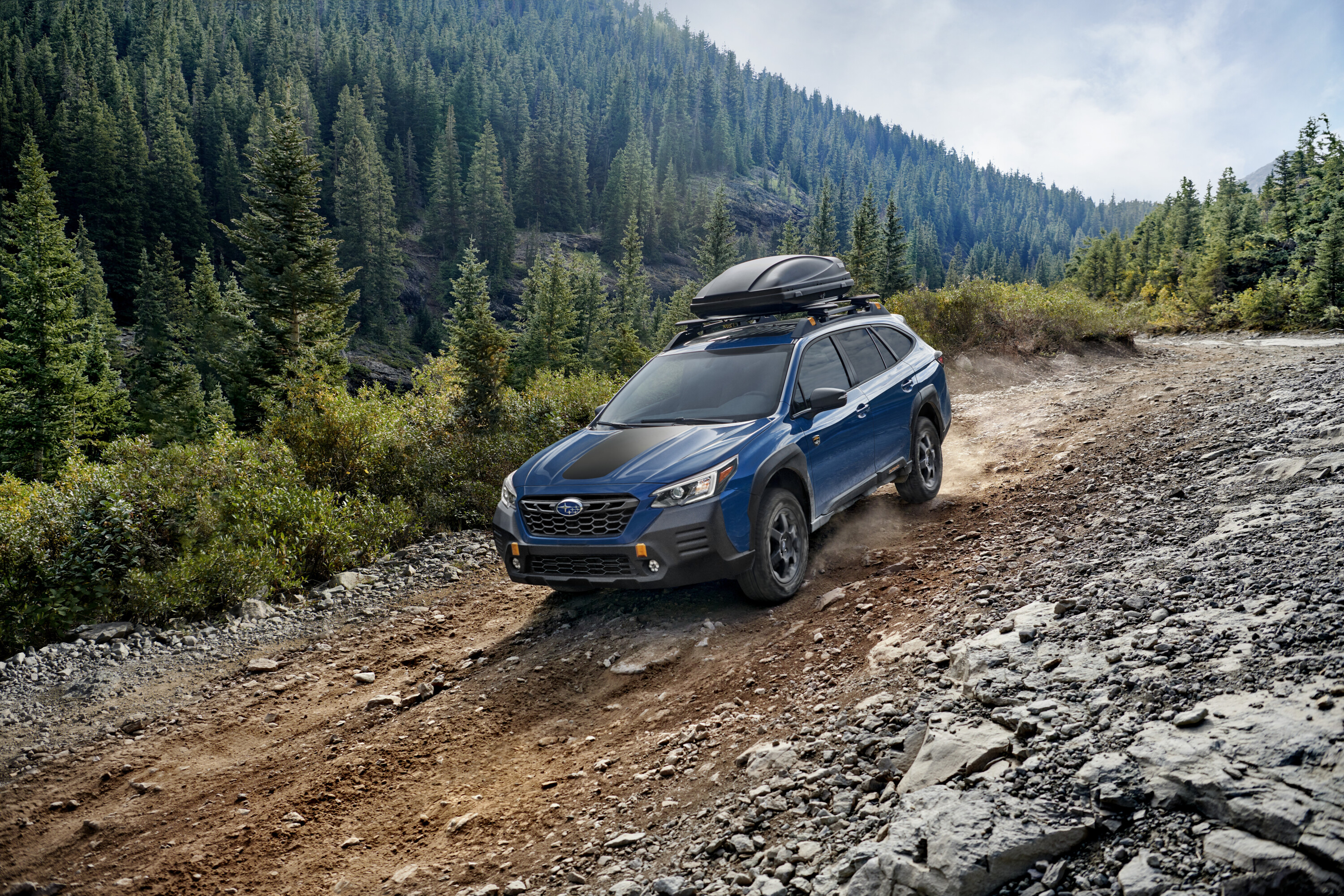
The Subaru Outback Wilderness – a more off-road focused variant of a model that was born as, erm … an off-road focused variant of the Subaru Liberty wagon – is coming to Australia.
Formerly a product of Subaru North America – the Outback Wilderness edition has been available in the US for two years, along with Wilderness versions of the Forester and Crosstrek – now Japanese production will see Wilderness models offered in other markets, including Australia.
The 2024 Subaru Outback Wilderness features raised suspension that brings 28mm of extra ground clearance, an improved 20-degree approach angle and 241mm ground clearance, lightweight 17-inch matte black alloy wheels wearing 65-profile Yokohama Geolandar all-terrain tyres, additional matte black body cladding, and underbody protection.
1
The 2.4-litre turbo petrol flat-four will feature, driving all four wheels through a CVT automatic and a lower 4.44:1 final drive.
As well as the off-roading features, the Wilderness will feature the full catalogue of standard equipment, and will sit atop the Outback line-up.
It’s expected a Wilderness version of the forthcoming sixth-generation Forester will also make its way to Oz.
Quick. Name another car manufacturer that’s switching its most popular product line to electric power and doing it right now. Give up?
That might give you some idea as to the massive punt Porsche is taking on the electric Macan and why this car – more than any other that’ll be launched next year – has the entire industry seeing how it’ll do.
First impressions look promising. We’ve had our man Georg Kacher in the car and he reckons it’s everything we’d hope for from a next-gen Macan, but the proof of the pudding comes when it finally arrives in Australia and see how real-world customers react to it.
With an augmented-reality head-up display that “correspond to the size of an 87-inch display”, three digital displays across the dash and a 56-LED communication light strip, the Macan’s not going to want for showroom wow factor.
The driving position will feel even more Porsche too, with the front seats positioned 24mm lower than the current Macan and the option of a race bucket. Naturally, rapid 270kW charging is a given and the Macan also gets rear-wheel steering, a circa 100kWh lithium-ion battery pack with the entry-level single-motor model packing 280kW and the air-sprung Turbo expected to develop over 450kW and 1000Nm, with a range of 500km+.
While this is the future for Porsche, the company hasn’t pushed every last one of its chips in quite yet. The existing ICE Macan will be sold alongside it, for a while at least.
Blink and you might miss this one. It’s fair to say that Porsche’s design department didn’t blow the overtime budget reimagining the new Panamera’s exterior lines.
The news for 2024? The sleek Sport Turismo has been ditched, the cabin adopts many of the design tropes of the Taycan and the range has been given a fairly severe haircut.
Priced from $227,000, the base 2.9-litre car packs 260kW/500Nm, good for 5.1s to 100km/h. It features panoramic roof, 14-way ‘Comfort’ seats, soft-close doors, a cooled smartphone compartment with inductive charging function, and what Porsche claims is an “improved fine dust filter with GPS-supported, automatic air-recirculation function”.
Step up to the $402,300 Turbo E-Hybrid and you get a 4.0 V8 and 500kW/930Nm, rear-wheel steering, Porsche Torque Vectoring Plus, ioniser including carbon fine-dust sensor, and electric roll-up sunblinds for the rear side windows. Sink the pedal in this one and 100km/h vanishes in 3.2 seconds. Not quite Taycan quick, but not far off. There’s life in the Panamera yet.
Due: Q1 2024
Model: AWD, AWD Touring
Price: from $85,000
Subaru’s first electric vehicle sold in Australia will be offered in two model grades and will start at $85K when it goes on sale near the start of the year. The twin to Toyota’s BZ4x, the Solterra, both versiuons are dual-motor platforms with a WLTP-verified range of 414km.
That compares with 533km for the Tesla Model Y Long Range, priced at a sniff under $80K. How does Subaru aim to tempt people away from Elon’s chariot? For a start, it doesn’t look like a misshapen computer mouse, which will appeal to some.
Then there’s the fact that both Apple CarPlay and Android Auto are both fully compatible, playing through the landscape-oriented 12.3-inch infotainment system.
1
Its 2850mm wheelbase is shorter than the axle spans of most rivals – as much as three metres in the case of the Ioniq 5 – yet six-footers can be accommodated without issue in all four main seat positions.
The rear seat doesn’t feel as airy as the Ioniq 5’s and unlike its key rivals, the Subaru forgoes a frunk up front.
The $90K drive-away Touring adds 20-inch alloys, a panoramic glass roof, synthetic leather trim, a wireless charging pad, a 10-speaker Harman Kardon stereo system, a heated steering wheel, memory function for the driver’s seat and mirrors, hands free park assist and the option of a $1200 two-tone roof.
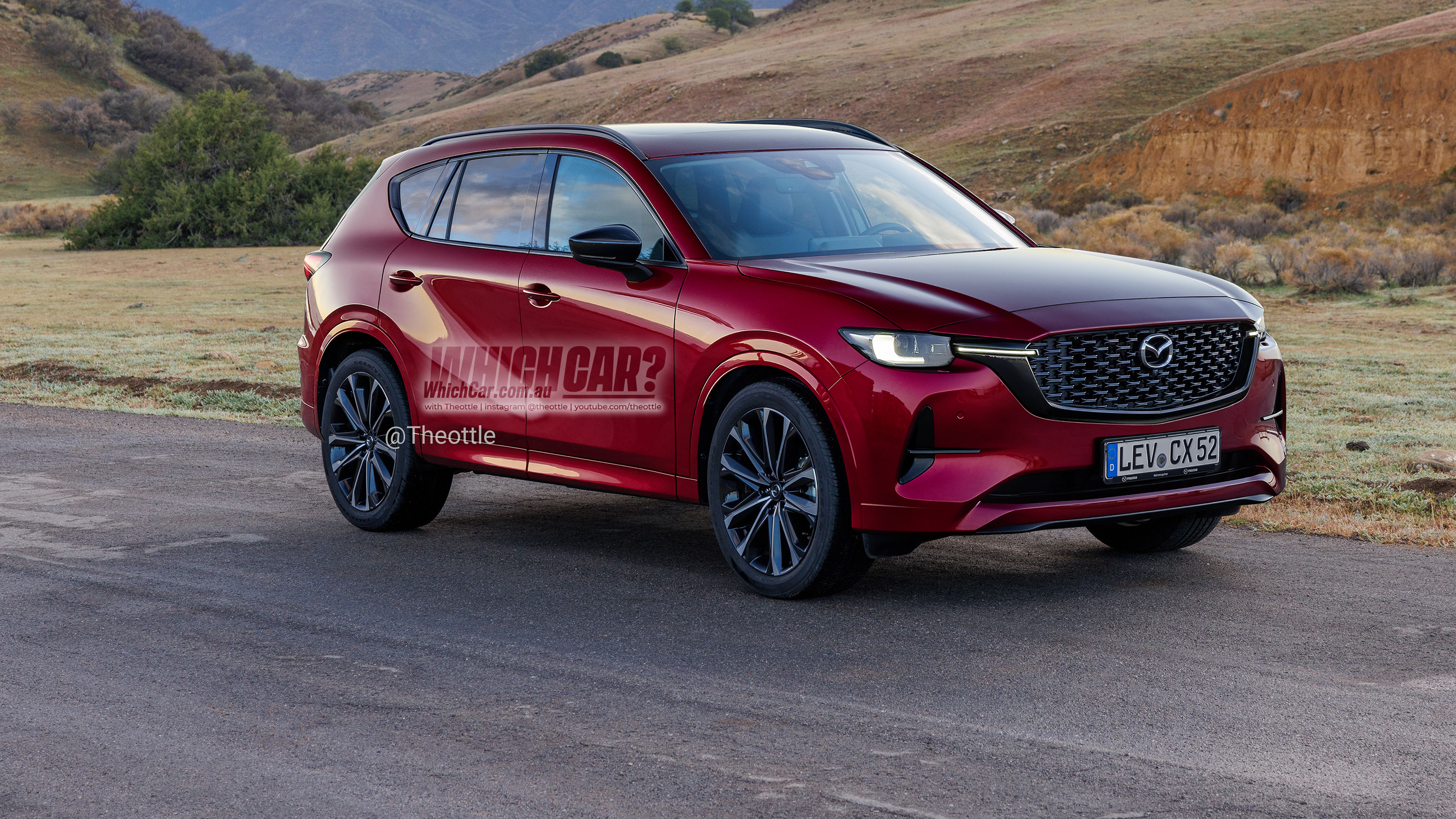
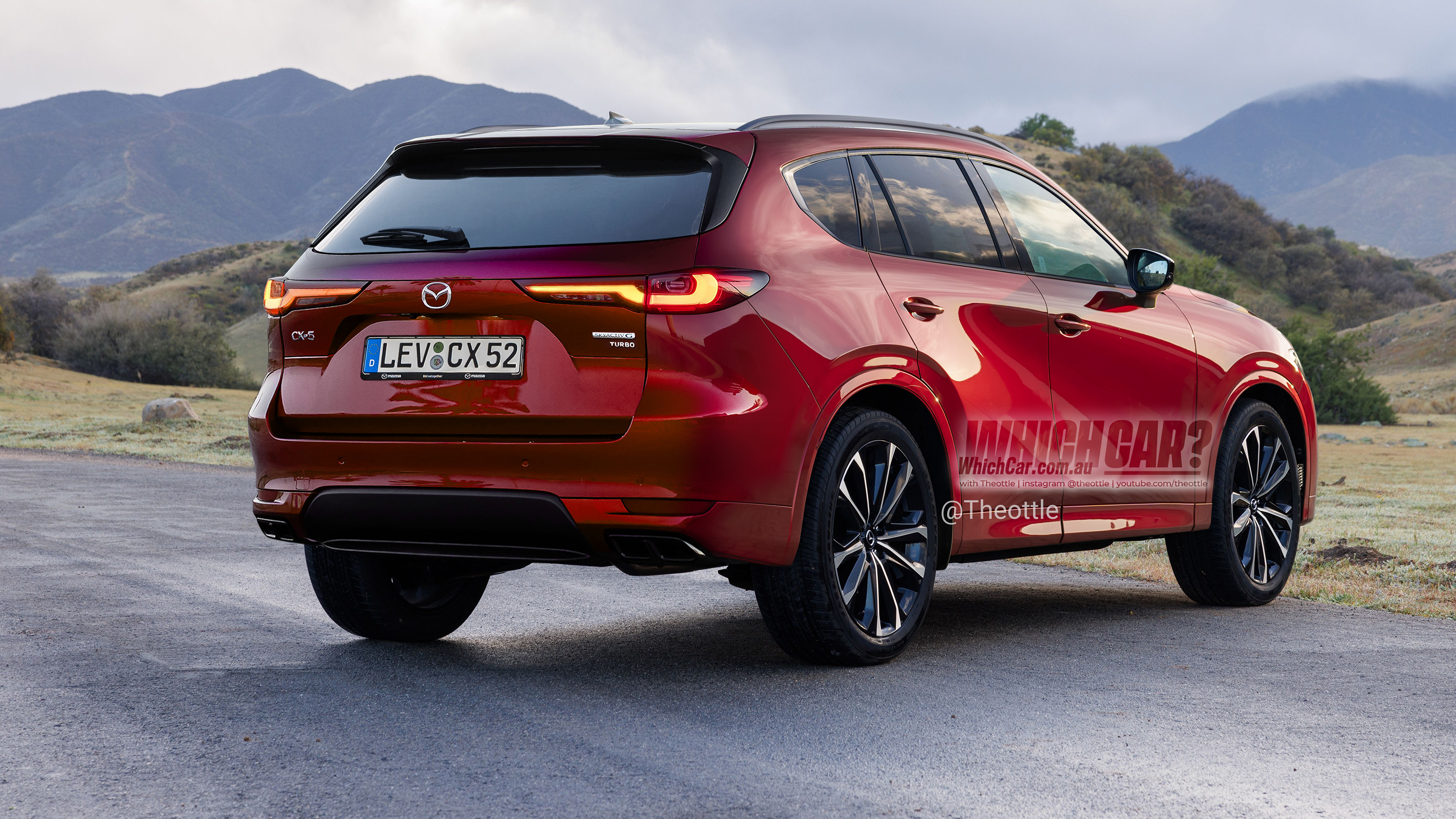
As the world waits to see what Mazda will name its CX-5 successor – given it already offers a CX-50 in North America – we’ve got a compelling look at how it might be styled.
No surprises, of course, that our mate Theottle has rendered the next CX-5 with styling cues borrowed from the bigger new CX-60 and CX-90 and… well, the other dozen-or-so SUVs Mazda is offering this year.
1
1
What do you think of the look? Tell us in the comments, and watch Theo’s rendering come to life in the video below.
February 1: The next CX-5 might not be a CX-5…
The third-generation Mazda CX-5 midsize SUV is expected to debut sometime in 2025.
Asked if there was any update to share about the third-generation CX-5, Mazda Australia boss Vinesh Bhindi told Wheels there was “[nothing further] apart from the fact that Mazda executives have confirmed it”.
So, without further ado: Here’s everything we know about the next version of Mazda’s most popular vehicle – which might not even be called ‘CX-5’.
“What they’re going to call it, look, that’s going to be a totally different debate and I don’t think even Mazda has made a decision on it,” added Bhindi.
“But in terms of size, packaging, and value, there is going to be a direct replacement of [the CX-5 midsize SUV] in the future.”
One potential name thrown into the mix is the MazdaCX-40, which would allow the new midsizer to slip between the CX-30 and the not-for-Australia CX-50.
Another possibility is a globalised version of the Mazda CX-50 built in Japan for markets such as Europe, Asia and Australia, or simply retaining the well-established Mazda CX-5 name for the new model.
Bhindi said the brand isn’t concerned about potential confusion from existing CX-5 owners looking to upgrade if the new model has a different name – likewise for the three-row CX-80 and CX-90, which are the spiritual successor to the CX-8 and CX-9, respectively.
“Look, they’ll be the easier of the challenges. We don’t have any issue. I mean we’ve launched so many products with new nameplates,” he said.
“You know, consumers are well advanced in their knowledge when they’re looking for a car or engaging with the brand. Usually, they’ll either see the whole portfolio and narrow down their choices from there or they’ll have a choice already made because their needs are very specific, like a three-row or I want a sedan or I want an SUV and whichever entry point in that consumer journey.
“We don’t have any issues – I think technology helps. The number of consumers that come to our website, and I’m sure it’s for other [brands] as well, is huge.”
However, we’d expect the new CX-5 replacement to grow slightly in every dimension for more occupant room and additional luggage capacity.
The current CX-5 measures 4550mm long, 1840mm wide, and 1675mm tall with a 2700mm wheelbase. It has a 438-litre boot.
For context, a Toyota RAV4 measures up to 4615mm long, 1856mm wide and 1690mm tall with a 2690mm wheelbase.
The off-road-focused Mazda CX-50 – which is definitively “not a possibility” for Australia due to its left-hand-drive production in the United States and China only – measures 4719mm long, 1920mm wide and 1613-1623mm tall with a 2814mm wheelbase.
If the new CX-5 were to slot evenly between the current CX-30 and CX-50, it would measure around 4557mm long and 1856mm wide with a 2735mm wheelbase – though we expect it to be positioned closer to the CX-50.
1
Under the skin, the new CX-5 would logically adopt the front- or all-wheel-drive Small Platform architecture from the latest Mazda 3 hatch/sedan, CX-30 and CX-50.
This would improve ride comfort, noise, vibration and harshness suppression, but it could see Mazda ditch the current CX-5’s multi-link independent rear suspension for a simpler torsion beam setup (including on AWD models as on the CX-30 and CX-50).
While the current 2.5-litre non-turbo petrol and 2.5-litre turbo-petrol should remain – potentially with minor revisions – the CX-5’s replacement is likely to offer a full-hybrid 2.5-litre petrol-electric setup that could be derived from the Toyota RAV4.
Plug-in hybrid and all-electric versions have not been ruled out, either.
Inside, the new model will have a redesigned look with technologies likely to be borrowed from the more recent CX-60 and CX-90, such as a larger infotainment screen and digital instrument cluster. Expect more soft-touch materials, too.
The next-generation Mazda CX-5, which could instead be called the Mazda CX-40 or Mazda CX-50, is expected in showrooms in 2025, pending any delays.
It will sit alongside the five-seat CX-60 and CX-70, which are more-premium vehicles based on the rear-biased Large Platform with plug-in hybrid or inline-six petrol and diesel powertrains, and prices starting from around $60,000 to $70,000 before on-road costs.
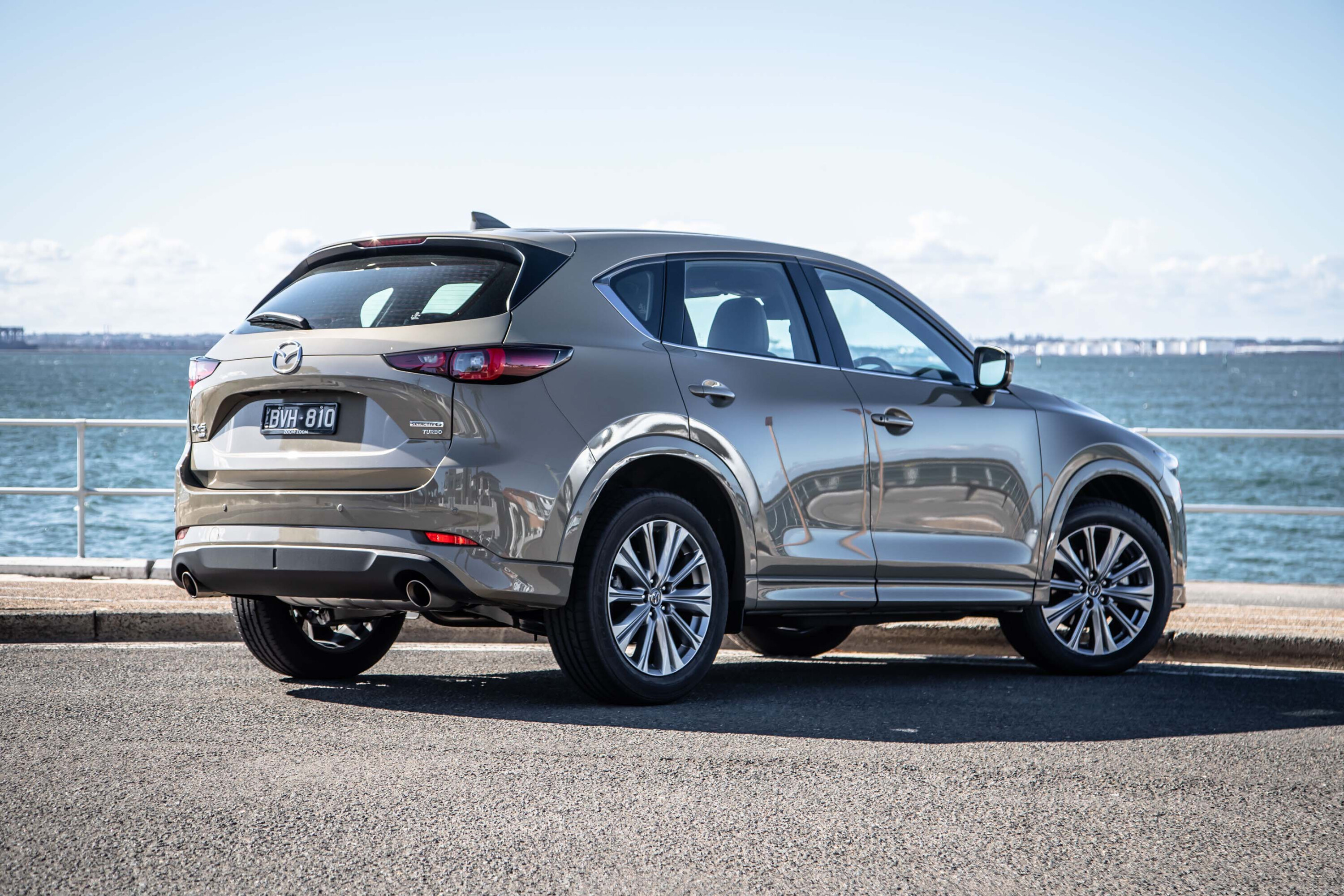
The current Mazda CX-5 launched in Australia in mid-2017, though it has received several revisions throughout its lifecycle including a turbocharged petrol in 2018, a mid-life facelift in 2022, and minor tech updates almost every year.
New Vantage V8 gets an extra 100kW and 325km/h top speed!
More focused, sharper chassis with adaptive suspension and bespoke Michelin Pilot Sport S 5 Tyres
Pumped guards and fresh bumpers give Astons smallest sports car a more muscular appearance
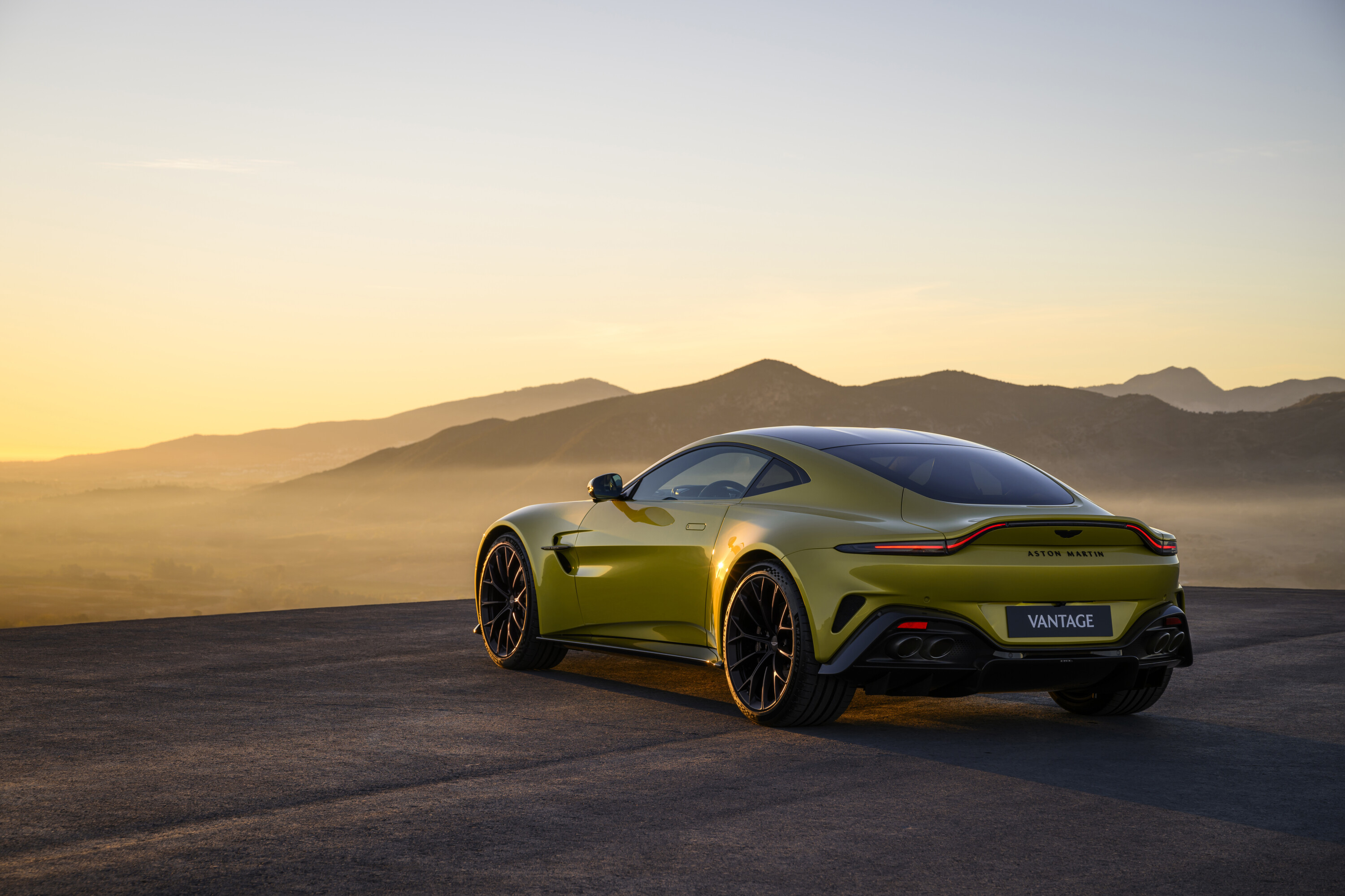
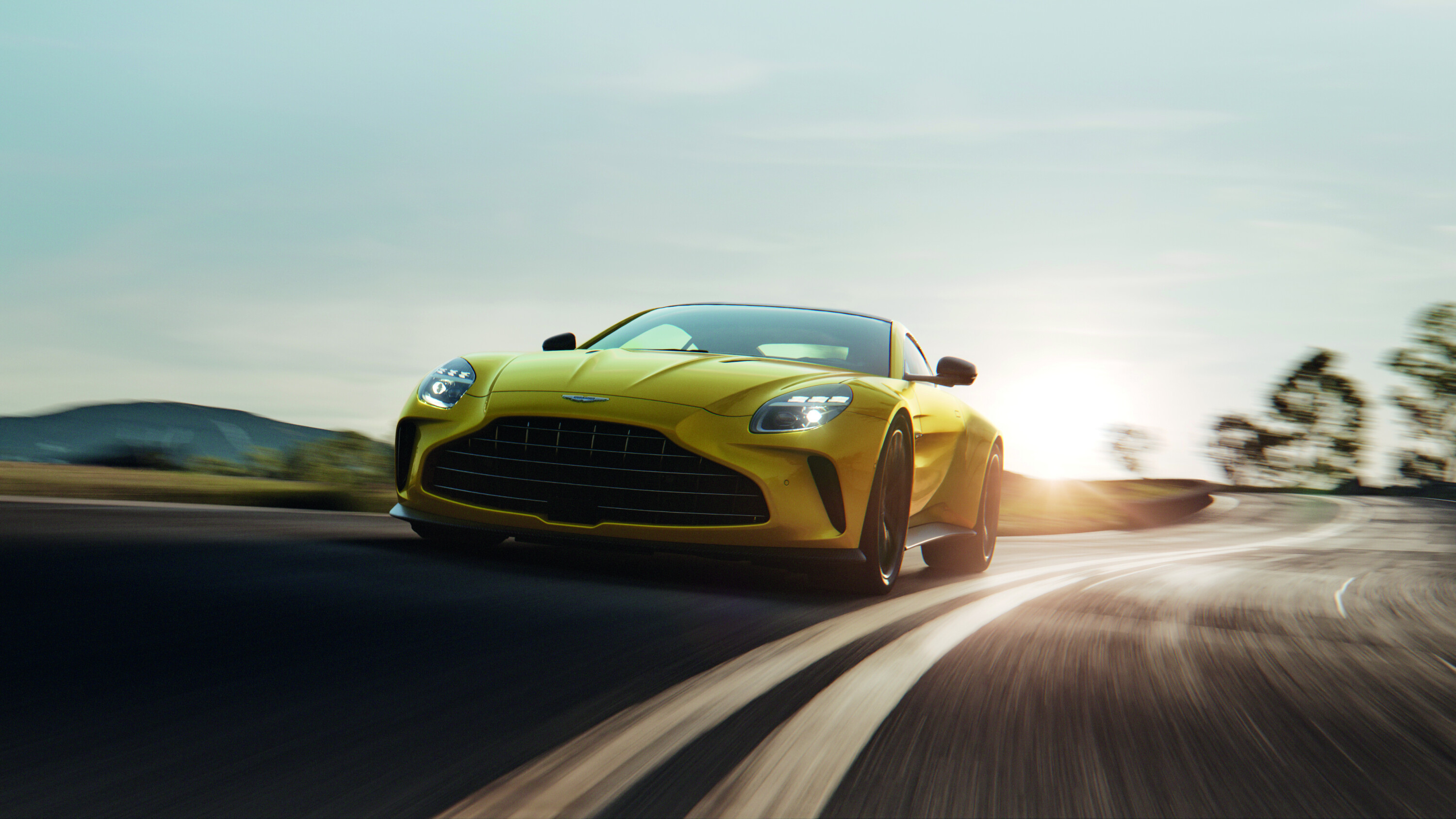
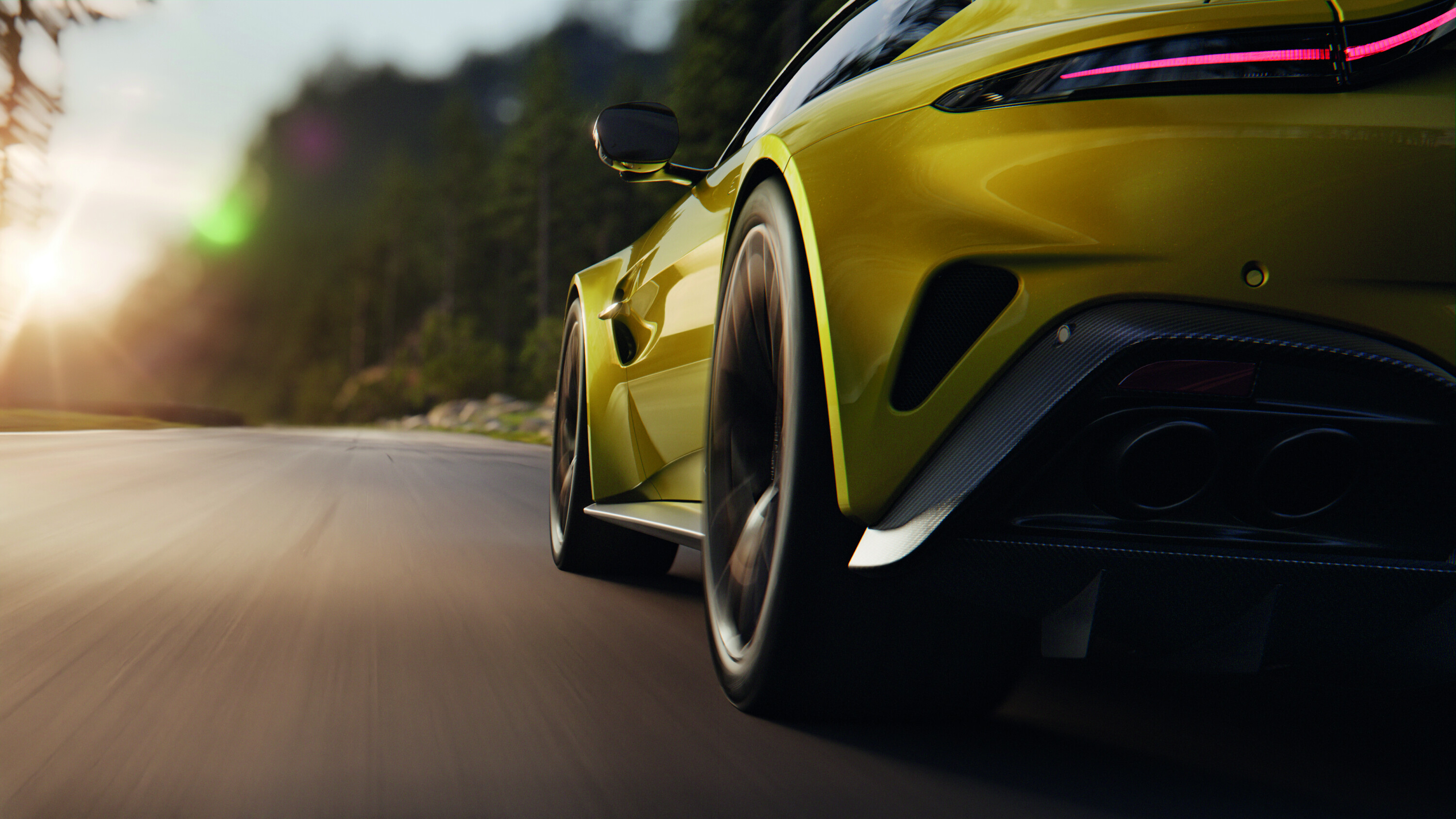
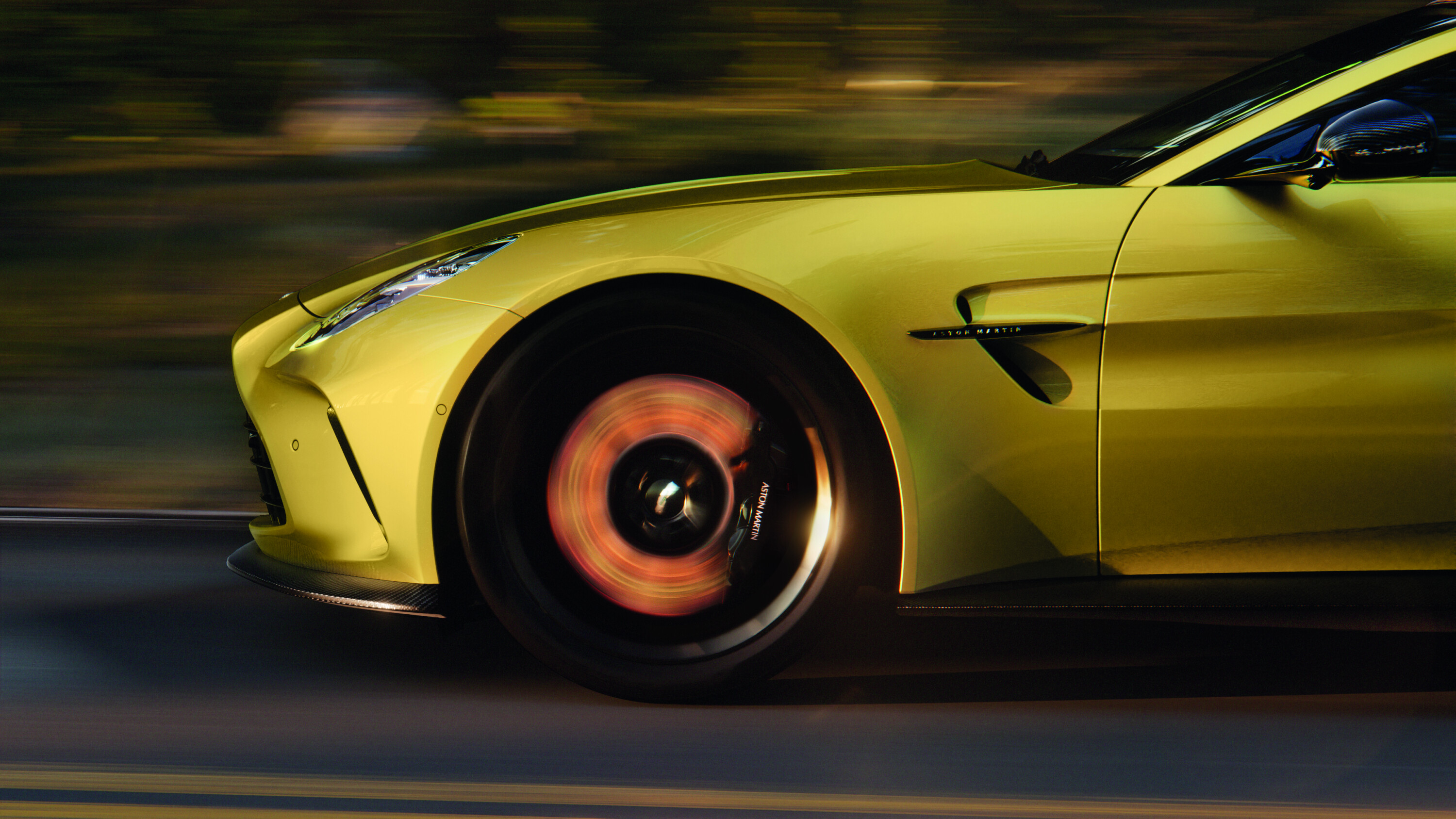
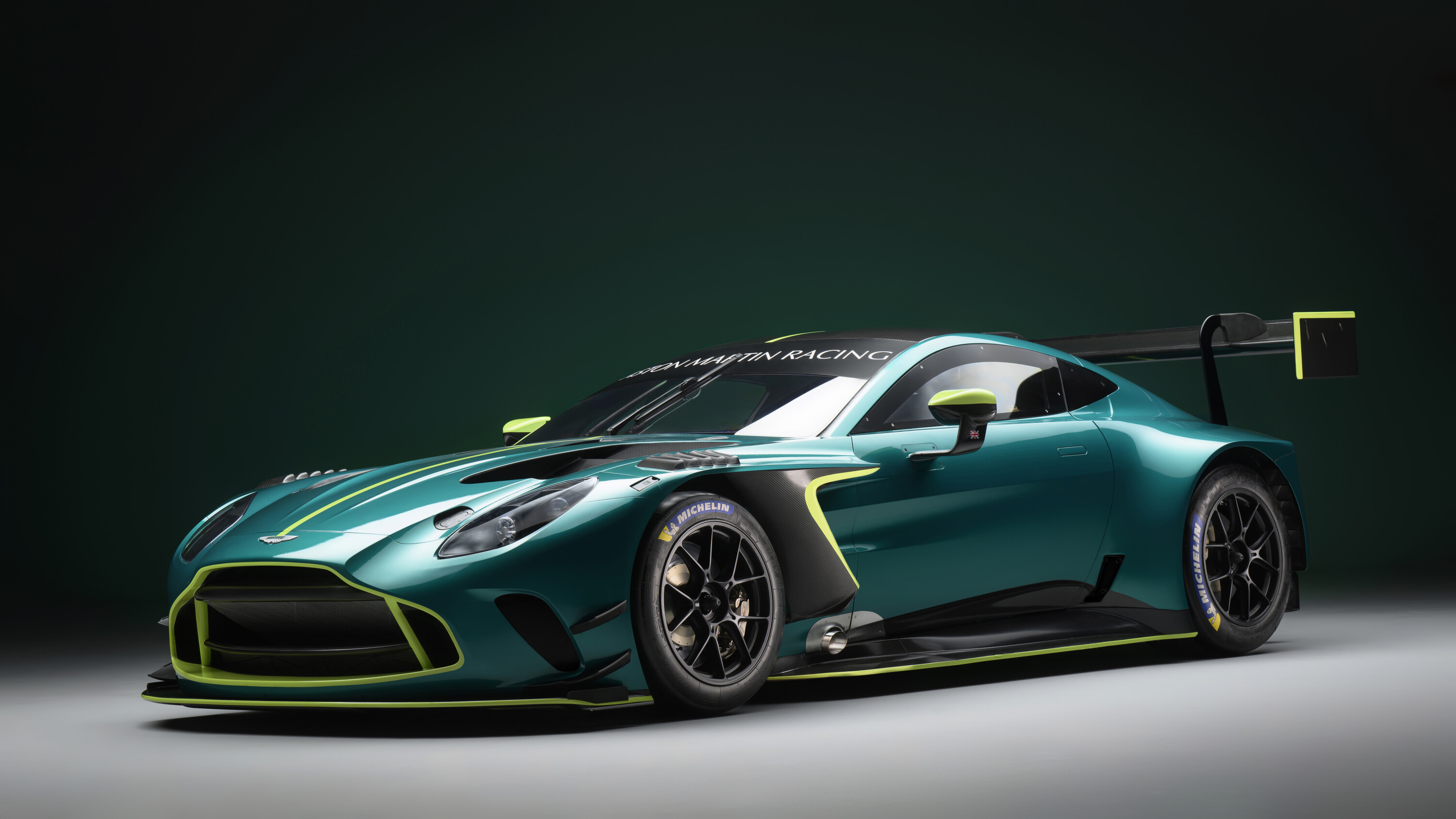
Aston Martin has revealed its handsome new Vantage, which it claims is the most focussed version in the nameplate’s 74-year history.
It features the same basic AMG-sourced 4.0-litre twin-turbo V8 but with heavy revisions to lift power from the old car’s 375kW to a whopping 489kW at 6000rpm – though it’s still shy of the limited-run 515kW Vantage V12.
The result is a front-engined rear-drive sports car that can sprint from rest to 100km/h in 3.5 seconds, and head on to a 325km/h top speed.
Aston has confirmed the new Vantage will reach British and European customers in the second quarter of this year but has not given Australian timing or pricing yet.
1
Aston hasn’t just tweaked ECU settings to get more grunt, the engine has been treated to new cam profiles and larger turbos matched with an ‘optimised’ compression ratio of 8.6:1.
The eight-speed ZF torque converter automatic remains but it’s been retuned and paired with a new electronically-controlled limited-slip differential that can go from open to locked in 135ms.
To keep outputs of 489kW and 800Nm reliable, there’s a new low-temp radiator for the charge cooler water circuit and two more auxiliary coolers to complement the main radiator.
1
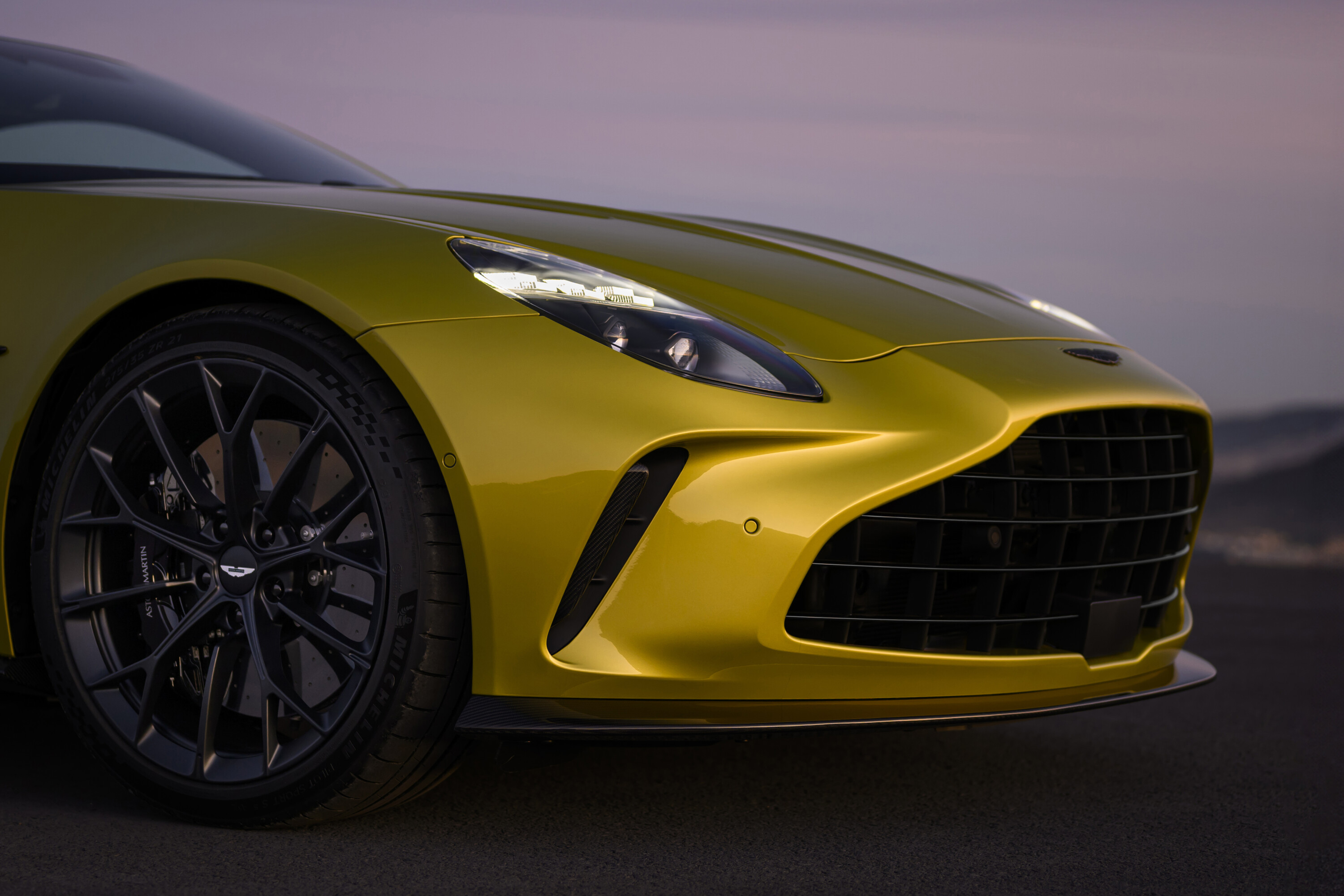
Following the DB12’s lead, the new Vantage features 30mm wider body work and more aggressive bumpers to feed the powerful V8, as well as cool the tyres and brakes.
That extra space allows for a larger veined grilled aperture that enhances air flow over the radiator for 29 per cent, further improving cooling. At the back are four exhaust tips, all larger than before.
Aston’s iconic side strake returns in the new coupe, while both ends get all-new LED lighting – the headlights feature Aston’s latest light signature and Matrix LED bulbs.
1
Beneath the new bodywork is a ‘highly evolved’ bonded aluminium chassis with a 50:50 weight distribution.
The fundamentals aren’t all new (the wheelbase is only 1mm longer at 2705mm), but there has been plenty of stiffening work for the new vehicle.
Underneath there are new components to upp torsional rigidity, including a new strut bar that enhances rear end stiffness by 29 per cent.
1
The new Vantage carries over the basic double-wishbone front and multi-link rear suspension set-up but with revised geometry and components.
It now gets active vehicle dynamics, while the dampers have been upgraded to the latest OEM offerings from German company Bilstein. The DTX dampers are said to have a 500 per cent larger bandwidth than the old items, and hugely improved speed of response.
There are also Aston Martin-spec 21-inch Michelin tyres, the new (and OEM-only so far) Pilot Sport S 5 measure 275/35 front, 325/30 rear and are wrapped around 9.5- and 11.5-inch rims, respectively.
Stopping is taken care of by cross-drilled cast iron 400mm front and 360mm rear brake rotors with a carbon ceramic system (that saves 27kg in unsprung mass) available as an option.
2
A generous 21 colours are offered in the standard suite, with the ability to choose pinstripes, rear infills, and ‘lipstick’ highlights. Aston also offers extensive customisation with its Q program.
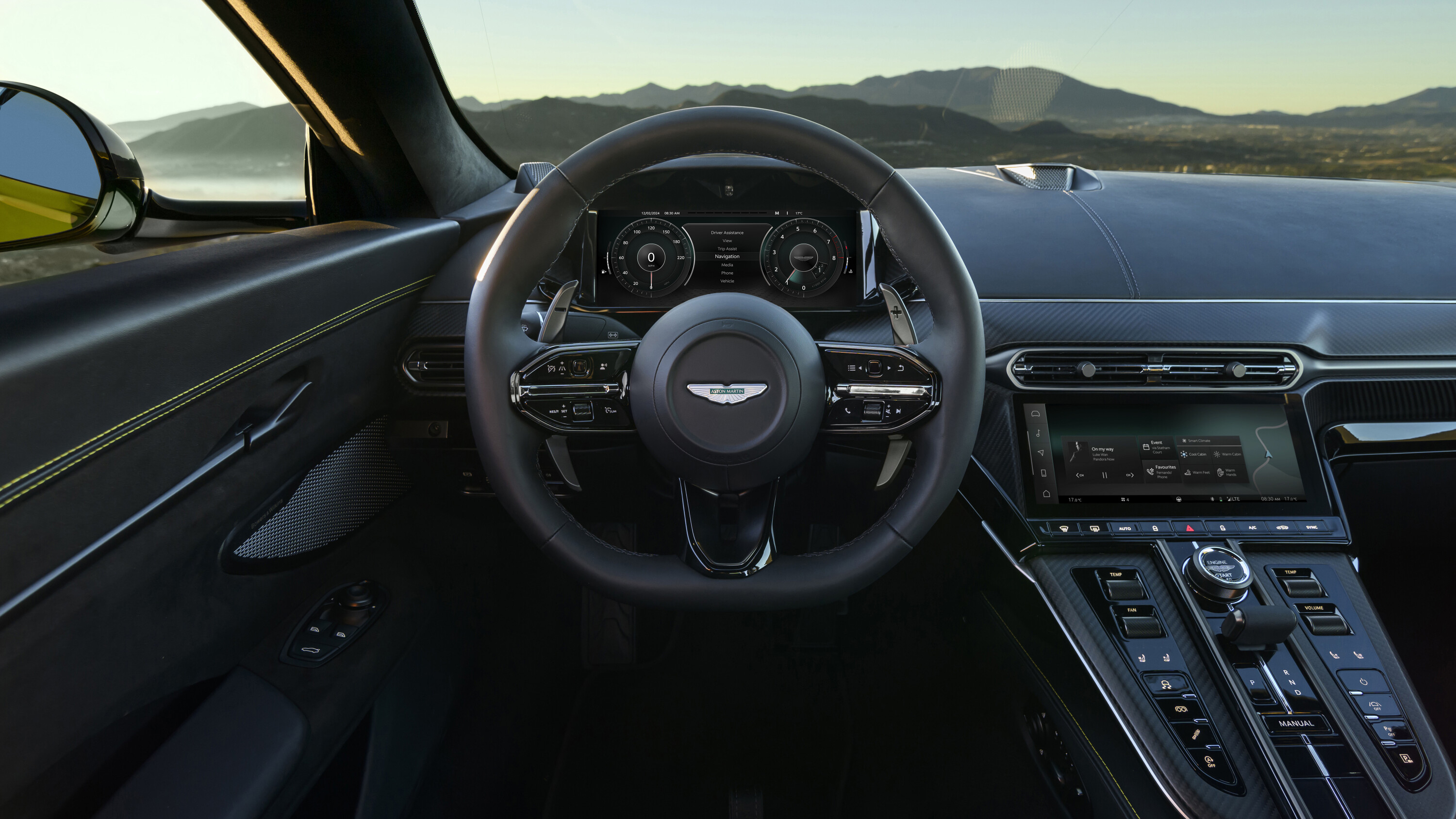
Inside, there’s a 10.25-inch touchscreen with capacitive touch and gesture control. An 11-speaker sound system is standard, while a 15-speaker double amplified 1170W Bower and Wilkins setup is optional.
Aston uses Bridge of Weir leather that’s hand-stitched around low-set bucket seats. A range of colours will be available.
4
Touch controls do not dominate the Vantage’s cabin, though, with an array of physical buttons including those for chassis, ESP, exhaust, and driver assistance settings.
The stability system has been a clear focus of Aston Martin, with the Vantage’s six-dimension Inertial Measurement Unit (IMU) able to track multiple forces inside the vehicle, with the dampers responding depending on the program (much like the Hyundai Ioniq 5 N).
Beyond the ESP’s function as a safety feature, there are also Wet and Track modes, as well as fully-off.
When ESP is disabled, a GT3 racer-inspired adjustable traction control system can be engaged that will limit wheel slip under power to one of eight levels.
1
“The art of creating a truly great sports car in 2024 is applying cutting-edge technology in a way that enhances and intensifies the driving experience yet does nothing to remove the driver from the process of driving”, said Aston Martin CTO Roberto Fedeli.
Aston Martin is yet to confirm pricing for the new Vantage V8. It has also not said that a V12 flagship will follow, though after committing to V12s until 2026 it is possible.
European and UK deliveries of the sports car will commence in Q2 this year.