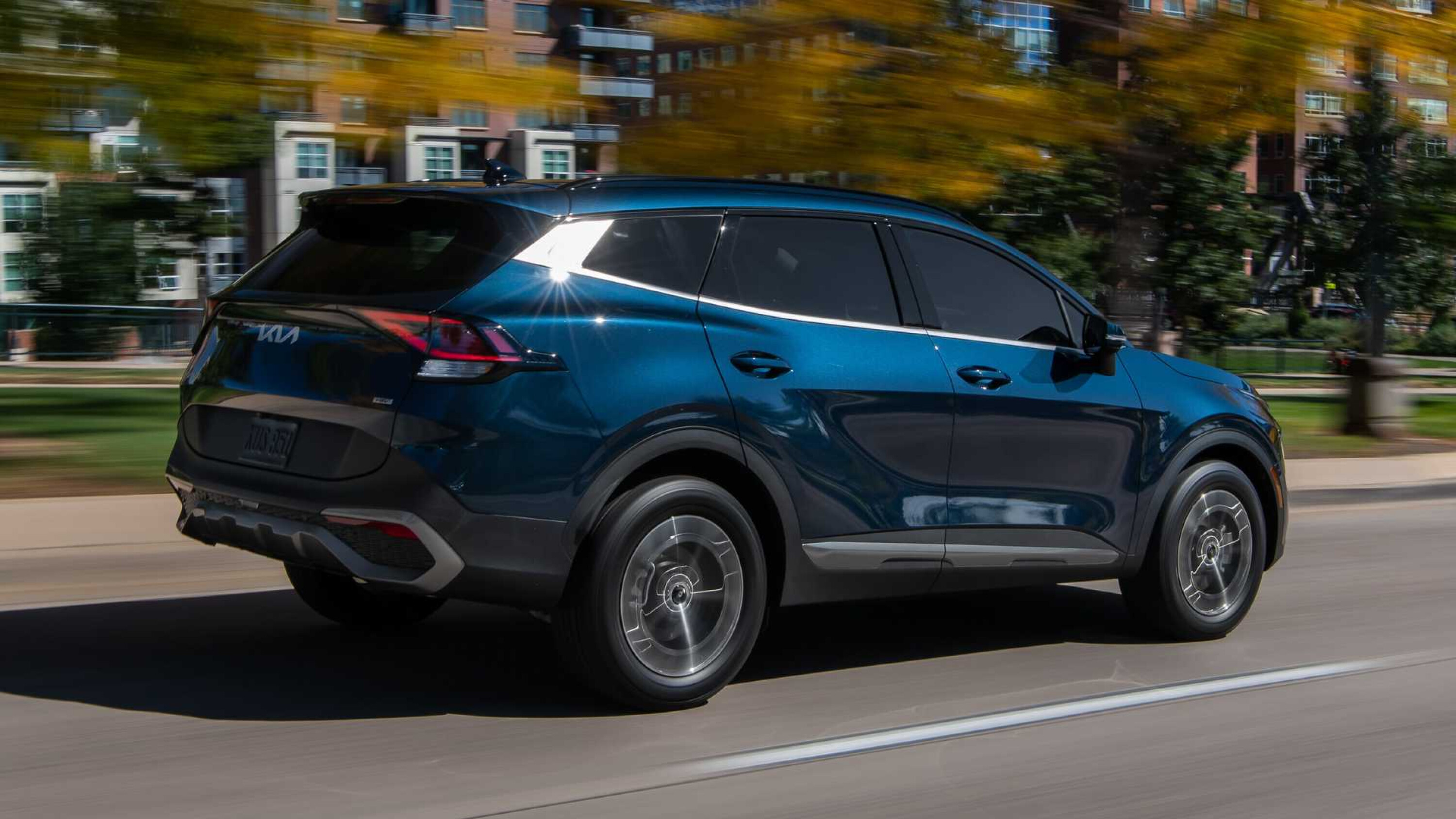
Kia has finally introduced a petrol-electric version of its Sportage midsized SUV to compete with the all-conquering Toyota RAV4 Hybrid.
February, 2024: Kia Sportage Hybrid pricing confirmed
October, 2023: Kia Sportage Hybrid approved for Australia
The 2024 Kia Sportage hybrid has been approved for local sale.
Due to arrive in Australia in the first quarter of 2024, the petrol-electric Sportage mid-size SUV will offer at least two variants locally, according to government documents.
The documents confirm that the hybrid will be front-wheel-drive only at launch.
An entry-level variant – likely to match the existing S or SX – will be fitted with 17-inch alloy wheels, while flagship Sportage hybrids – likely to match the SX+ or GT-Line – will have 18-inch wheels, down from 19-inch for aerodynamic purposes.
1
Equipment levels are expected to match existing petrol and diesel variants – though Kia’s semi-autonomous Highway Driving Assist system is listed as a standard feature for the hybrid.
It is possible this feature to be added to all Sportage variants as part of a model-year update to coincide with the introduction of the more frugal hybrid powertrain.
Braked towing capacity for the hybrid matches petrol auto Sportage variants at 1650kg.
The Sportage hybrid was confirmed for Australia in July, with Kia Australia confirming it won’t dominate the line-up like the Toyota RAV4 has leaned into hybrid power across its range.
“We’ll add another powertrain to the Sportage and we expect to start selling it in Q1 next year,” said Kia Australia’s head of product planning and training Roland Rivero.
He confirmed that while supply will be more plentiful than that of the Sorento hybrid, it won’t exceed a couple of hundred units a month, against overall sales of around 1200-1300 per month.
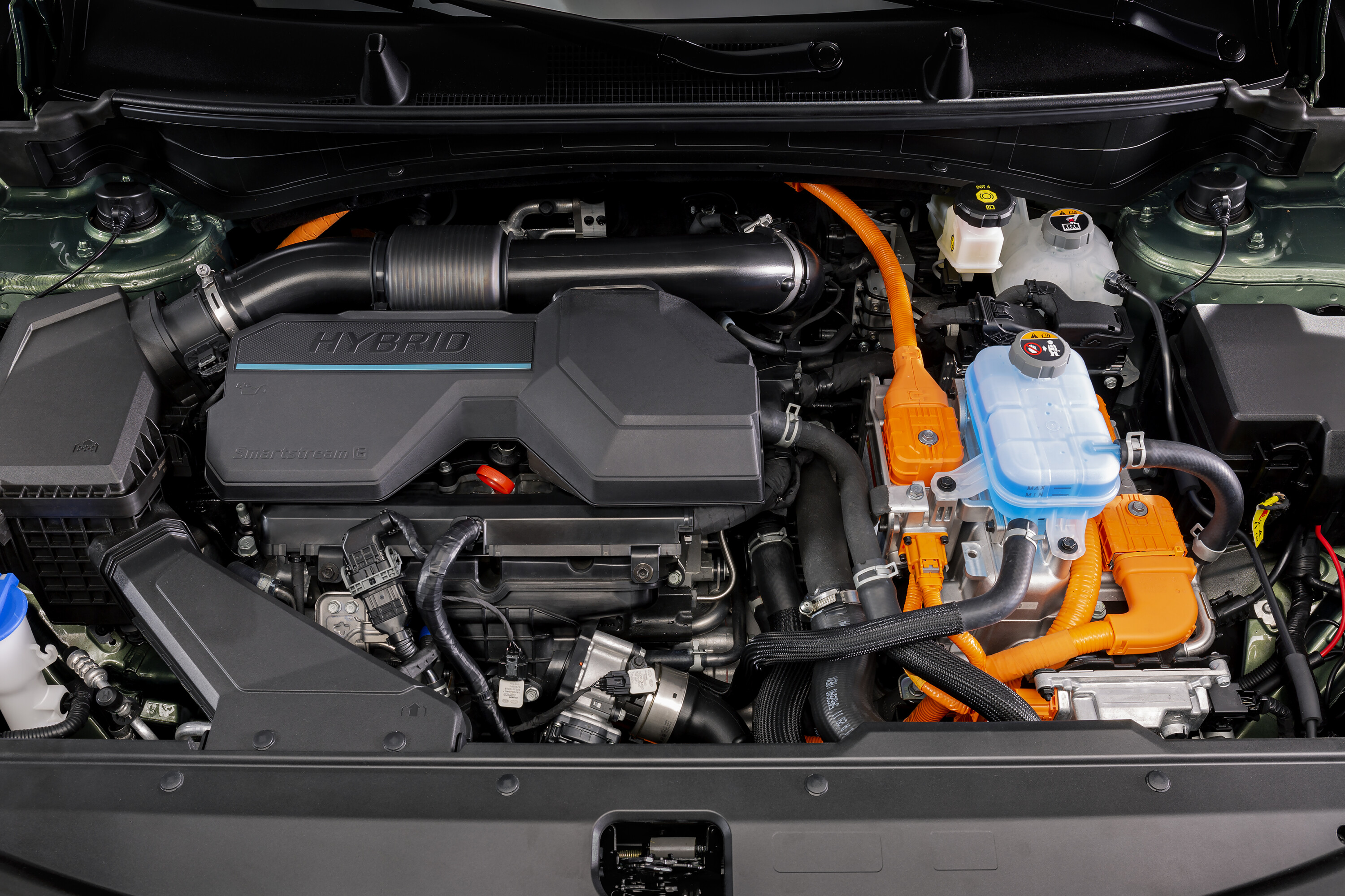
The Sportage’s hybrid powertrain mimics that of the Sorento hybrid, with a 1.6-litre four-cylinder turbo-petrol engine linked to an electric motor, supplemented by a small 1.49kWh battery that can only be recharged by the petrol engine – not a plug.
1
It has a 169kW/350Nm total system output, with a six-speed automatic transmission sending power through the front axle.
Sourced from Korea, the government documents confirm the Sportage hybrid will retain the same longer wheelbase offered on petrol and diesel variants. A shorter wheelbase variant is produced in Slovakia for the European market.
Following last month’s official but rather lightweight reveal, the new-look 2024 Kia Carnival has been given its proper unveiling – along with the confirmation of a number of Australian-market details. Get the full story at the link below.
October 27: New-look Carnival officially debuts
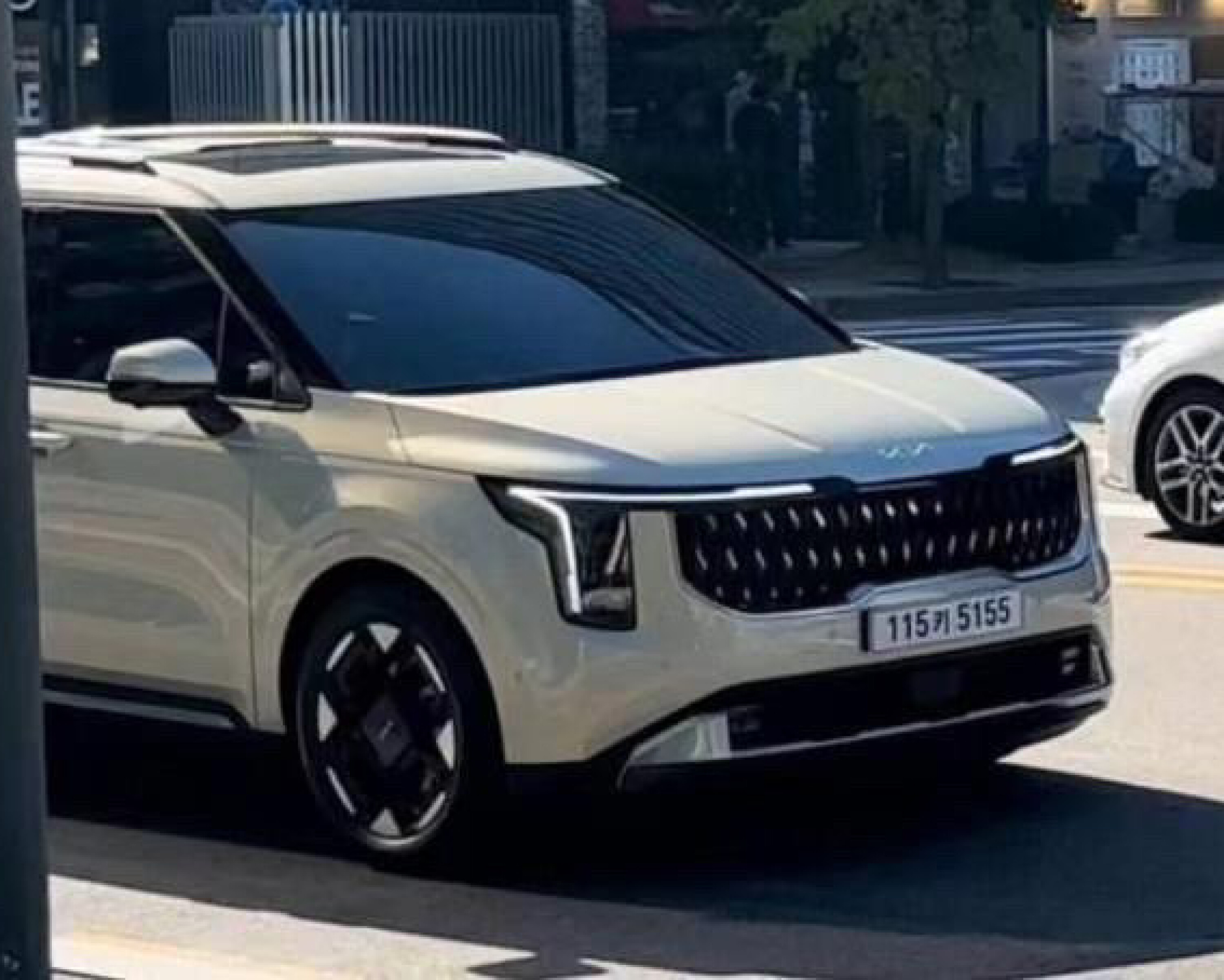
After images surfaced earlier this week, the facelifted 2024 Kia Carnival has officially debuted in Korea.
The updated Carnival is expected to hit the Australian market in the first half of 2024.
Kia has confirmed that it will add a 1.6 turbo hybrid variant to the Carnival line-up, though it’s still unclear whether it will become available in Australia.
3
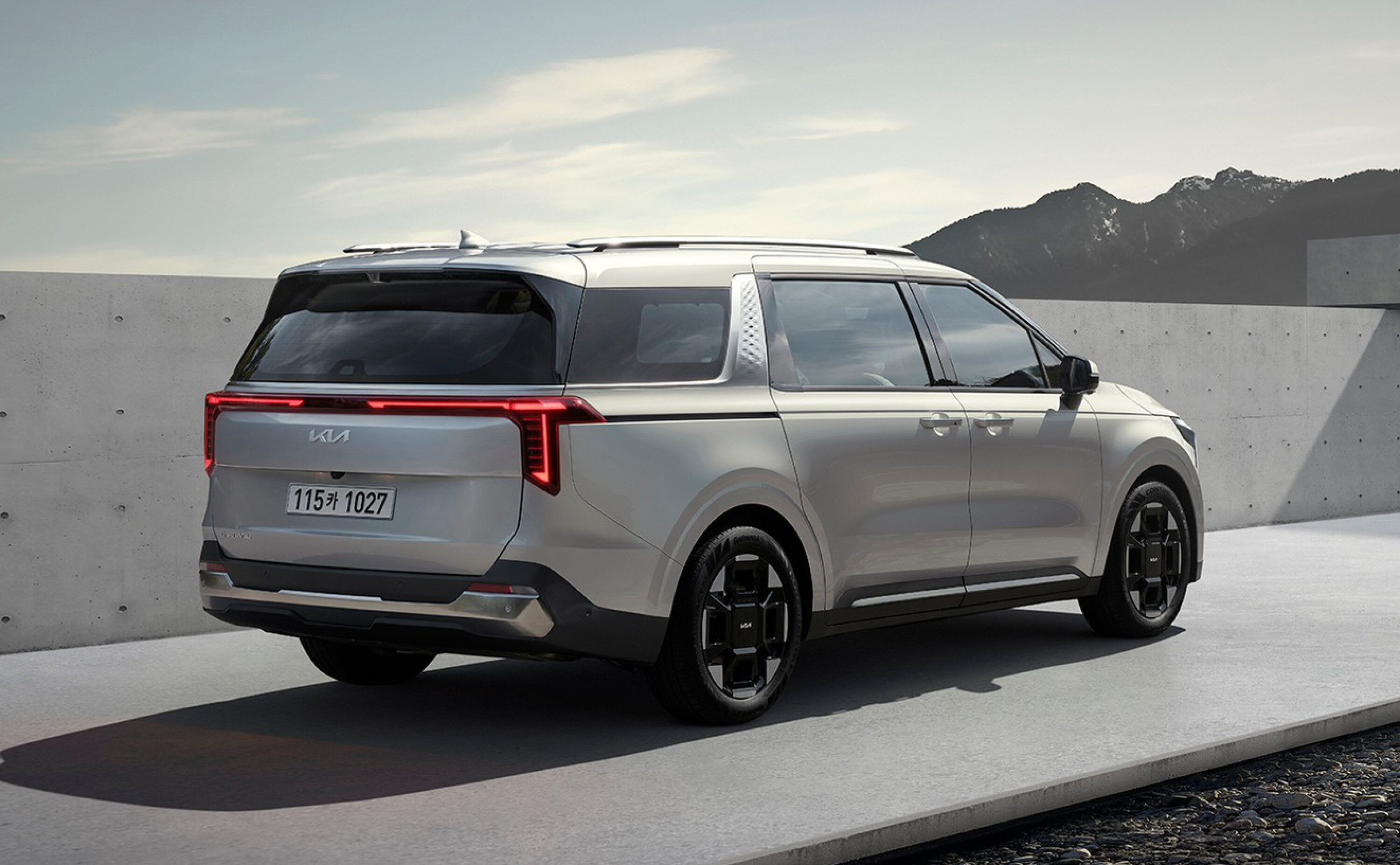
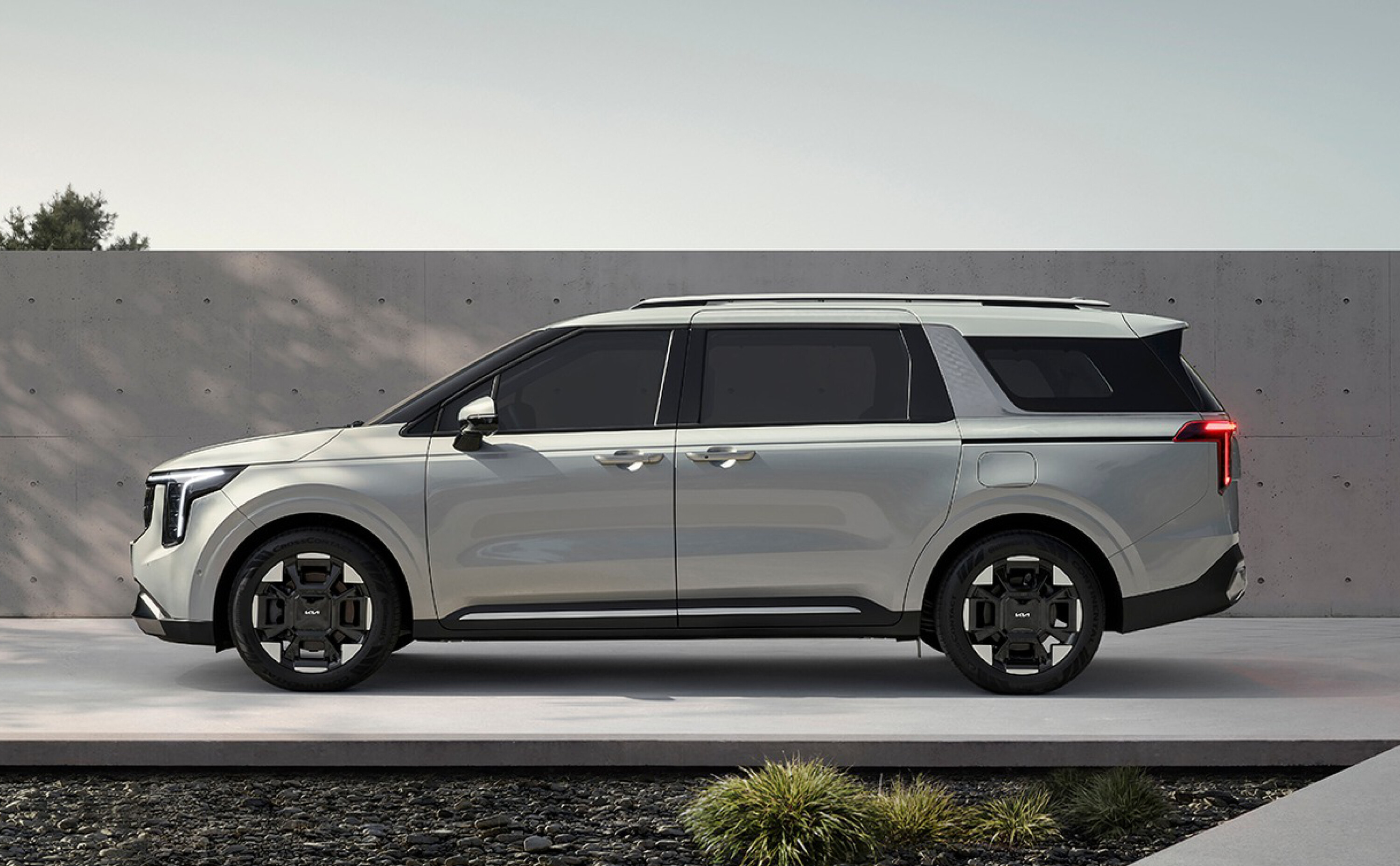
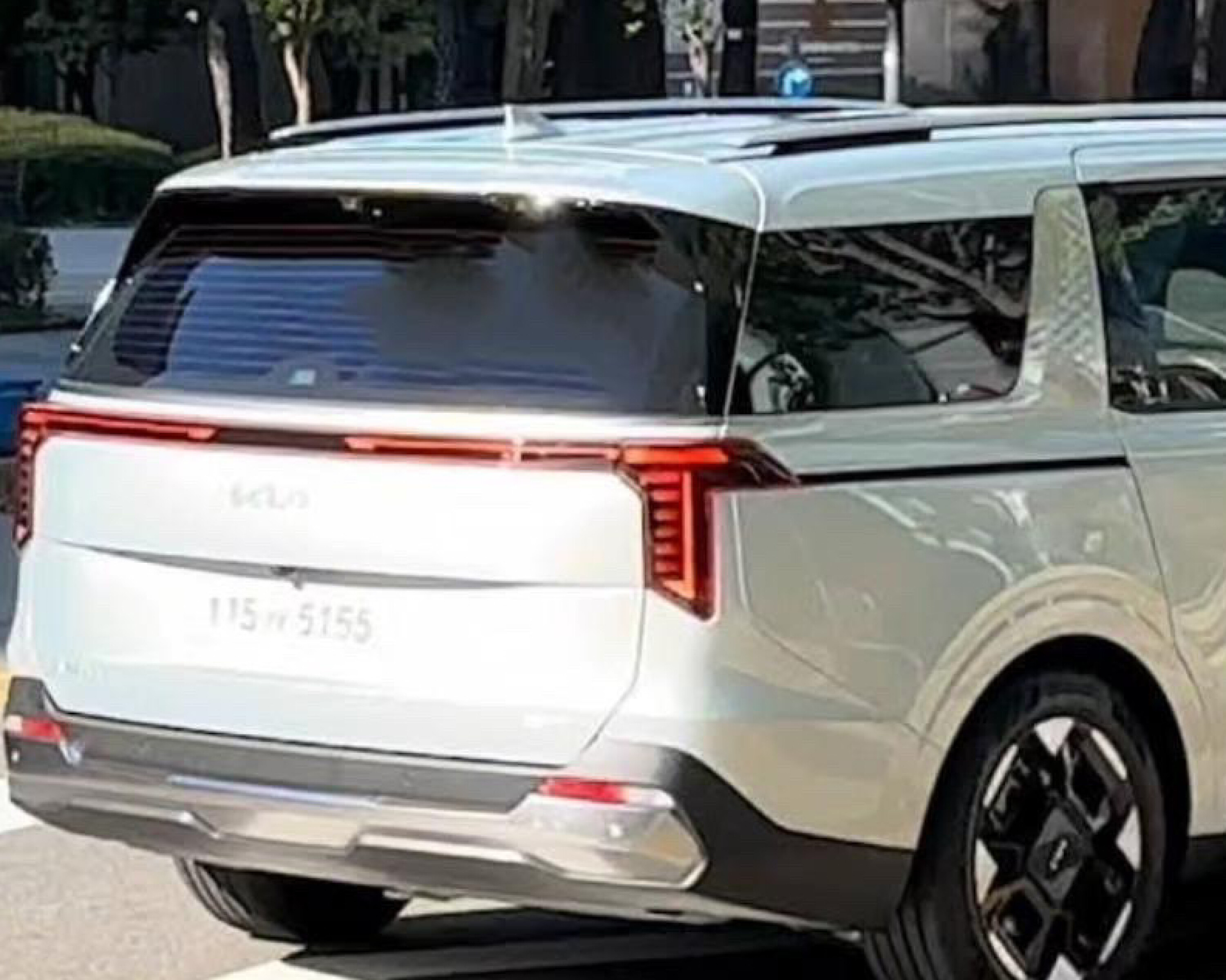
Among the changes, the people mover now sports redesigned vertical headlights, ‘signature star map’ daytime running lamps, a broader front grille, a new front bumper, vertical tail-lights with a slimmer full-width strip, a revised tailgate and rear bumper, and new alloy wheel designs.
A Gravity trim has also been introduced in South Korea, featuring blacked-out exterior trim.
While no specification details or interior images have been released yet, Kia is expected to provide more information in the coming weeks.
Images posted to Instagram by Kurdistan Automotive Blog [↗] reveal the updated Carnival will receive a new look with Kia’s latest design language, as seen on the EV9, Sorento, Seltos and Picanto.
Up front, the Carnival features redesigned vertical headlights, ‘signature star map’ daytime running lamps, a broader front grille, and a new front bumper.
Other revisions include new, vertical tail-lights with a slimmer full-width strip, a redesigned tailgate and rear bumper, and a new alloy wheel design.
1
The Korean Car Blog [↗] reports the eight-seat Carnival to adopt a curved panel with dual 12.3-inch displays likely running Hyundai-Kia’s new ccNC operating system, a head-up display, a fingerprint sensor, ‘ergo motion’ seats, and the semi-autonomous Highway Driving Assist 2 system.
Other features available overseas, but missing from local Carnival examples, such as rain-sensing wipers and the blind-spot view camera system are likely to be added at facelift time.
A hybrid powertrain shared with the Sorento is also likely, pairing a 1.6-litre turbo-petrol engine with a 40kW electric motor and 1.5kWh lithium-ion battery for a 169kW/350Nm total system output.
One of the worldu2019s most expensive places to own a car has increased further
Bids for a certificate cost from around $123K in October
Singapore discourages introducing new vehicles, in contrast to Australia
Singapore’s cost to own and drive a new vehicle has reached record highs.
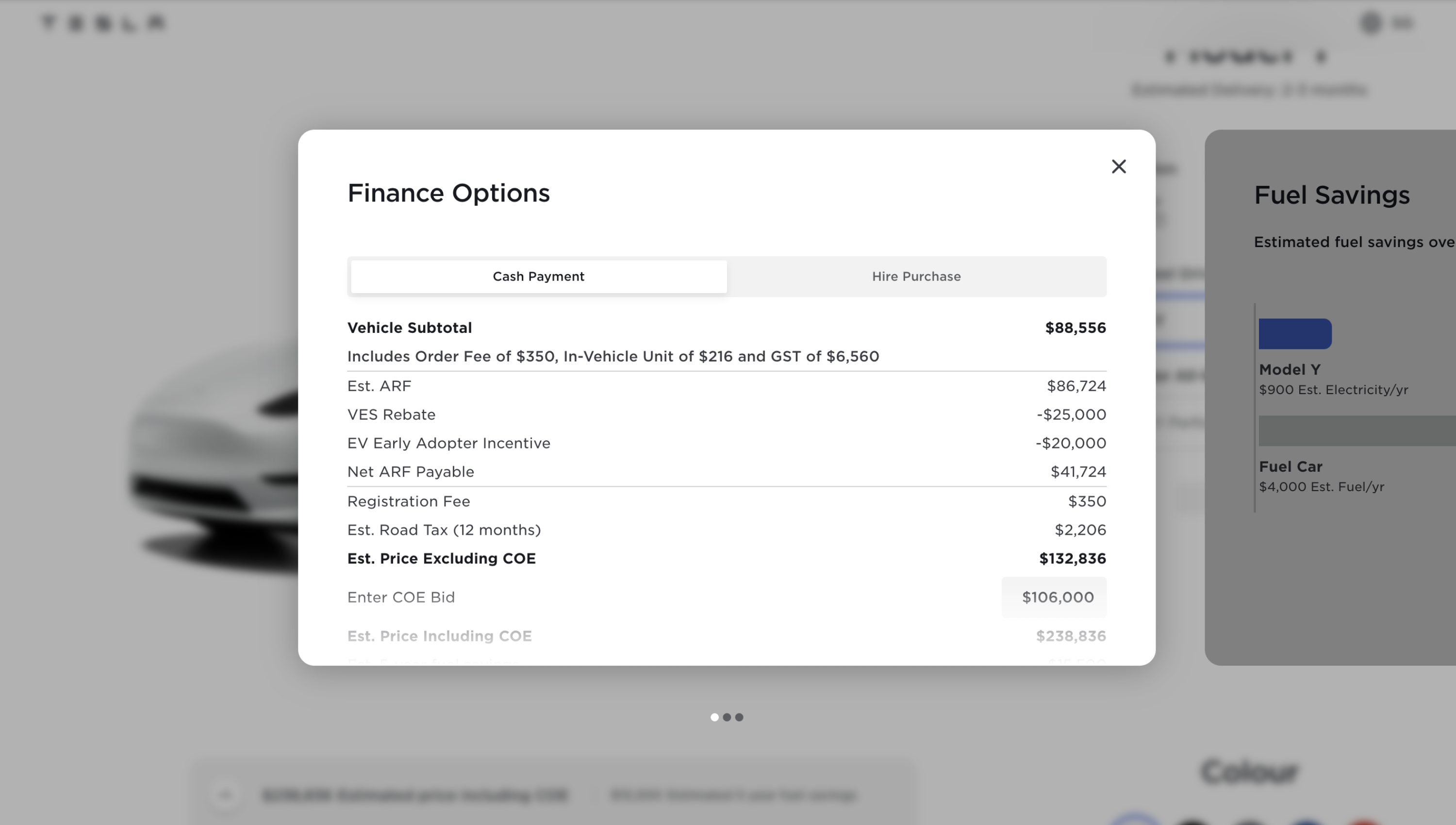
According to the small but wealthy nation’s Land Transport Authority [PDF ↗], it cost S$106,000 (AU$122,900) on average to have the right to own and use a vehicle in October 2023, by bidding for a Certificate of Entitlement (COE).
It was the cheapest price for a ‘Category A’ vehicle with up to 1.6 litres of engine displacement and 97kW of power.
And, that’s before paying registration fees.
1
In context
In Singapore, the cost to own and drive a Tesla Model Y RWD starts from S$132,836 (AU$154,000) – including EV rebates – but before bidding for a COE. Therefore, this could mean the electric SUV would cost around AU$280,000 drive-away.
In contrast, the same model is priced from $69,304 drive-away in Australia based on a New South Wales resident, which means you could buy four Model Ys for the price of one in Singapore.
For ‘Category B’ vehicles with an engine larger than 1.6 litres, the bids went up to S$150,001 (AU$173,900) to obtain a COE.
This represents a significant increase from a year ago when Category A bids cost an average of S$81,089 (AU$94,000) and Category B at S$110,000 (AU$127,500).
The COE only lasts for 10 years.
The lucky country?
Whereas Singapore’s system of high vehicle taxes and bidding for COEs are designed specifically to discourage people from driving – like the 65% levy on cigarettes here – Australia’s embrace of motoring means it is obviously far less strict.
Locally, mandatory on-road costs – which includes registration, stamp duty and compulsory third-party insurance – and dealer delivery fees usually add a couple of thousand dollars to the vehicle price.
The controversial Luxury Car Tax (LCT) is also tiny when compared to Singapore’s COE, where the right to own a vehicle alone can cost the same as a high-end luxury car.
How many cars are in Singapore compared to Australia?
Recent data shows the per-capita car ownership rate in Singapore is approximately 149 cars per 1000 people [↗], with slightly less than 1,000,000 cars on the road.
It’s a sobering thought (pun intended) when you grow up and realize this might not be the lifetime in which you own a Lamborghini.
However, there’s no need for your pursuit of luxury to come to an abrupt halt.
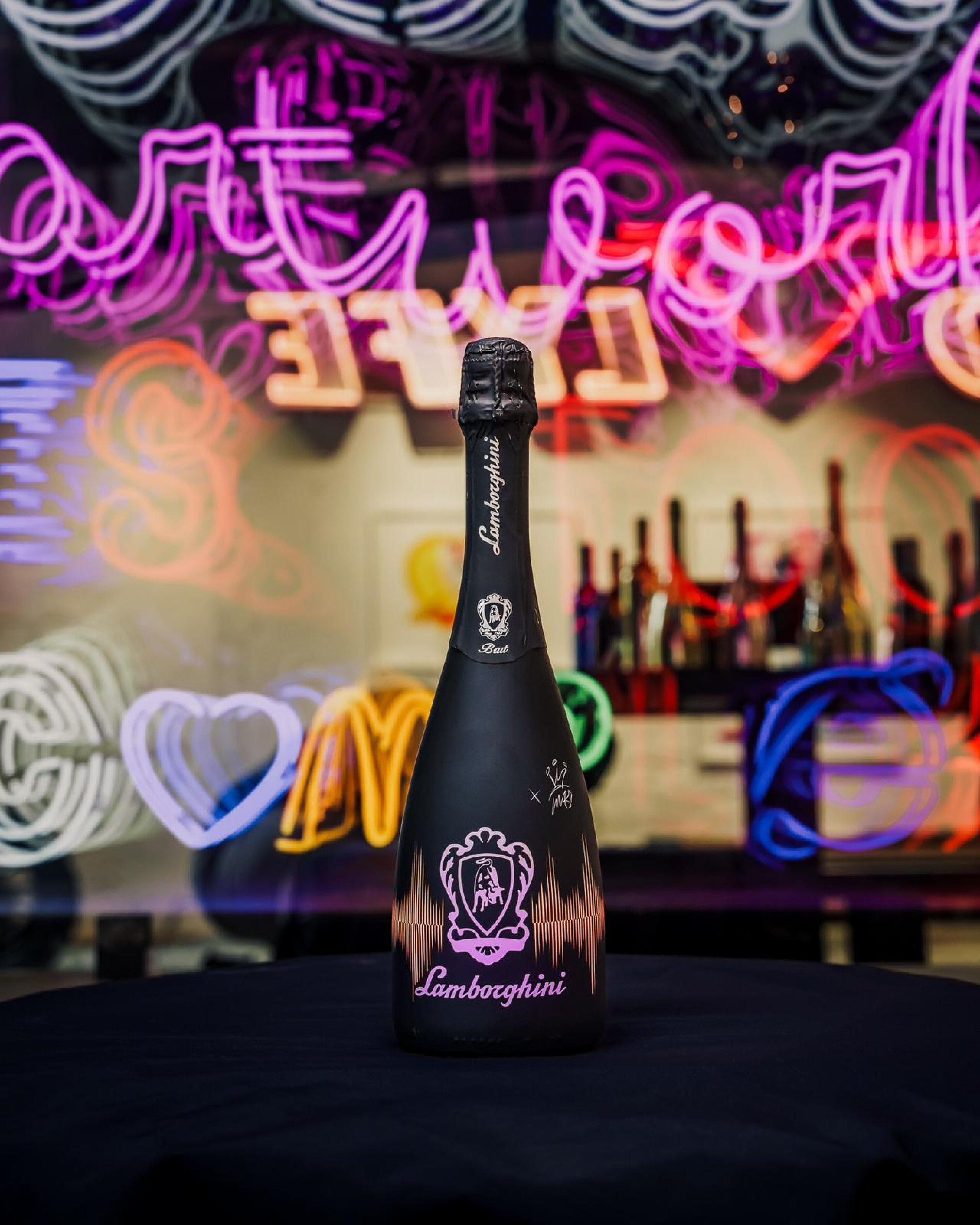
In exciting news, you now have the opportunity to purchase something from the Lamborghini family – Wine by Lamborghini – as they officially make their debut in Australia, following their successful ventures in the US, UK and Europe.
2
The launch range boasts a variety of exquisite options:
Metodo Classico Vintage Brut and Rose (Bio Organic)
Gold Brut
Platinum Brut
DJ Brut
Titano Cabernet Sangiovese
Campoleone Sangiovese Merlot
Torami Cabernet Sangiovese
Era Sangiovese
Notably, the Lamborghini DJ Luminoso “delivers an Australian-first party experience with its technologically advanced specialised design matching the music.
You read that right, the bottle has tempo changing coloured lights. We’ll let you decide if you find that cool or a little tacky.
1
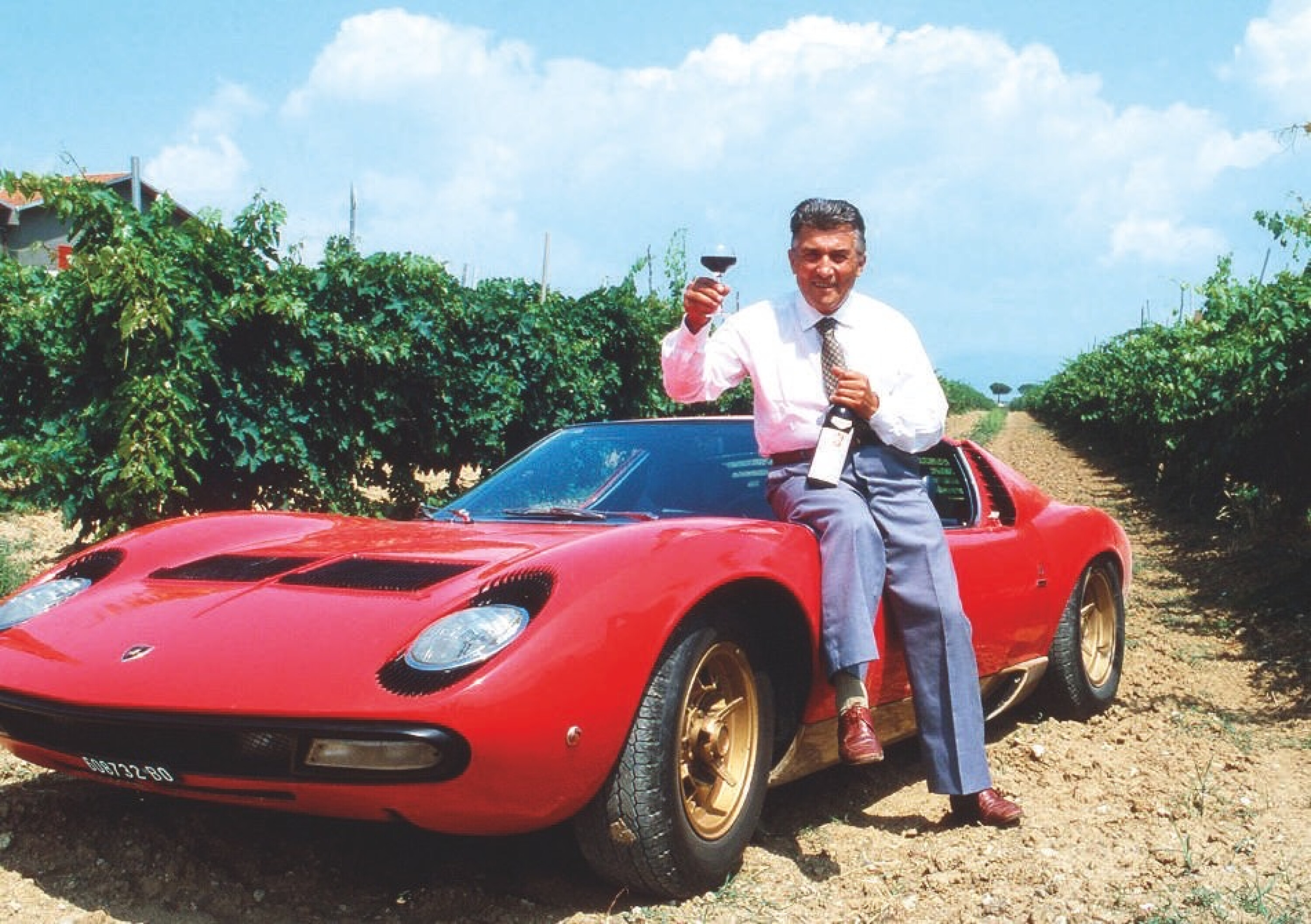
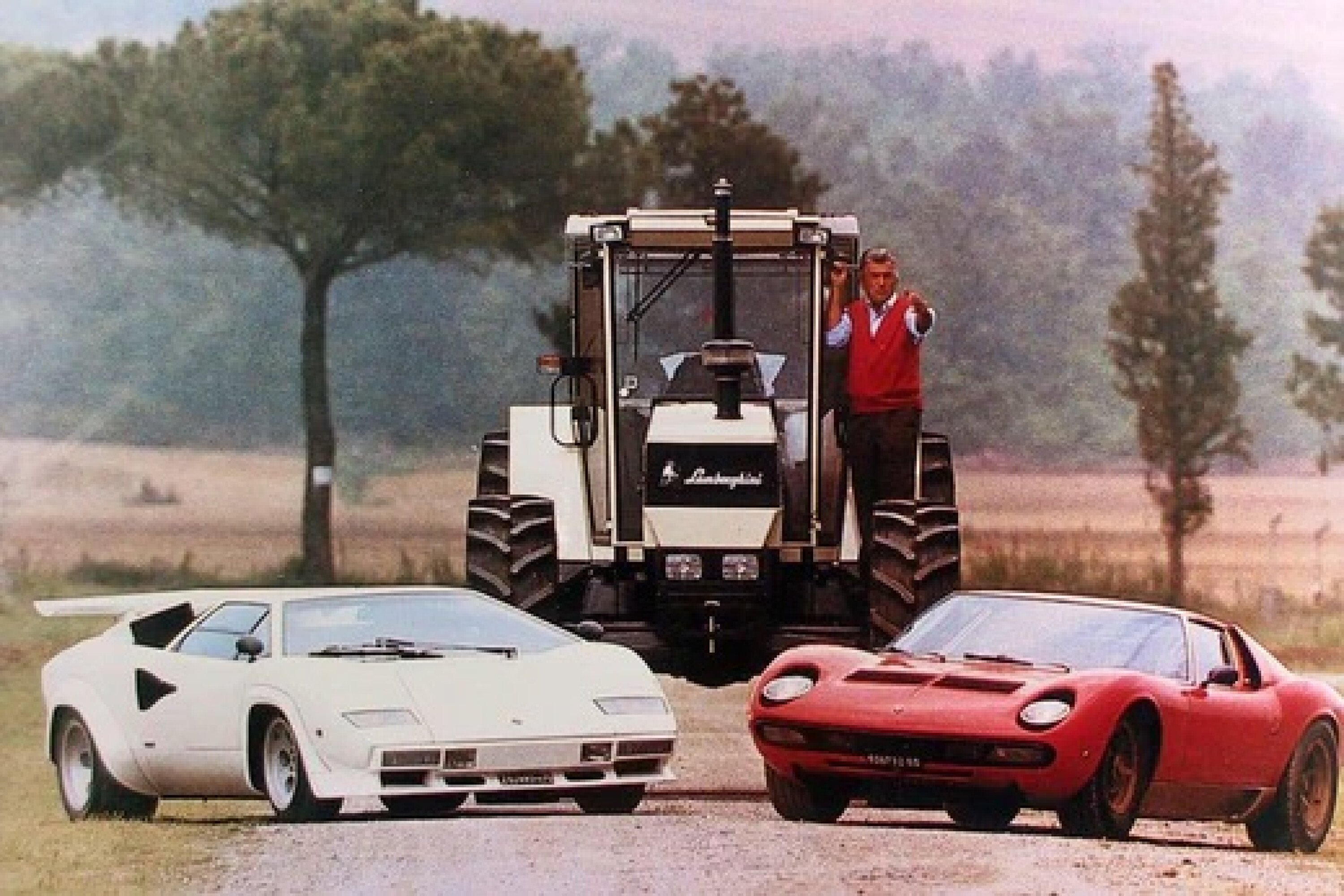
The history of the vineyard goes back to 1974, when Ferruccio Lamborghini decided it was time to retire and move to his expansive 740-acre estate located in Castiglione del Lago, a serene town nestled in central Italy.
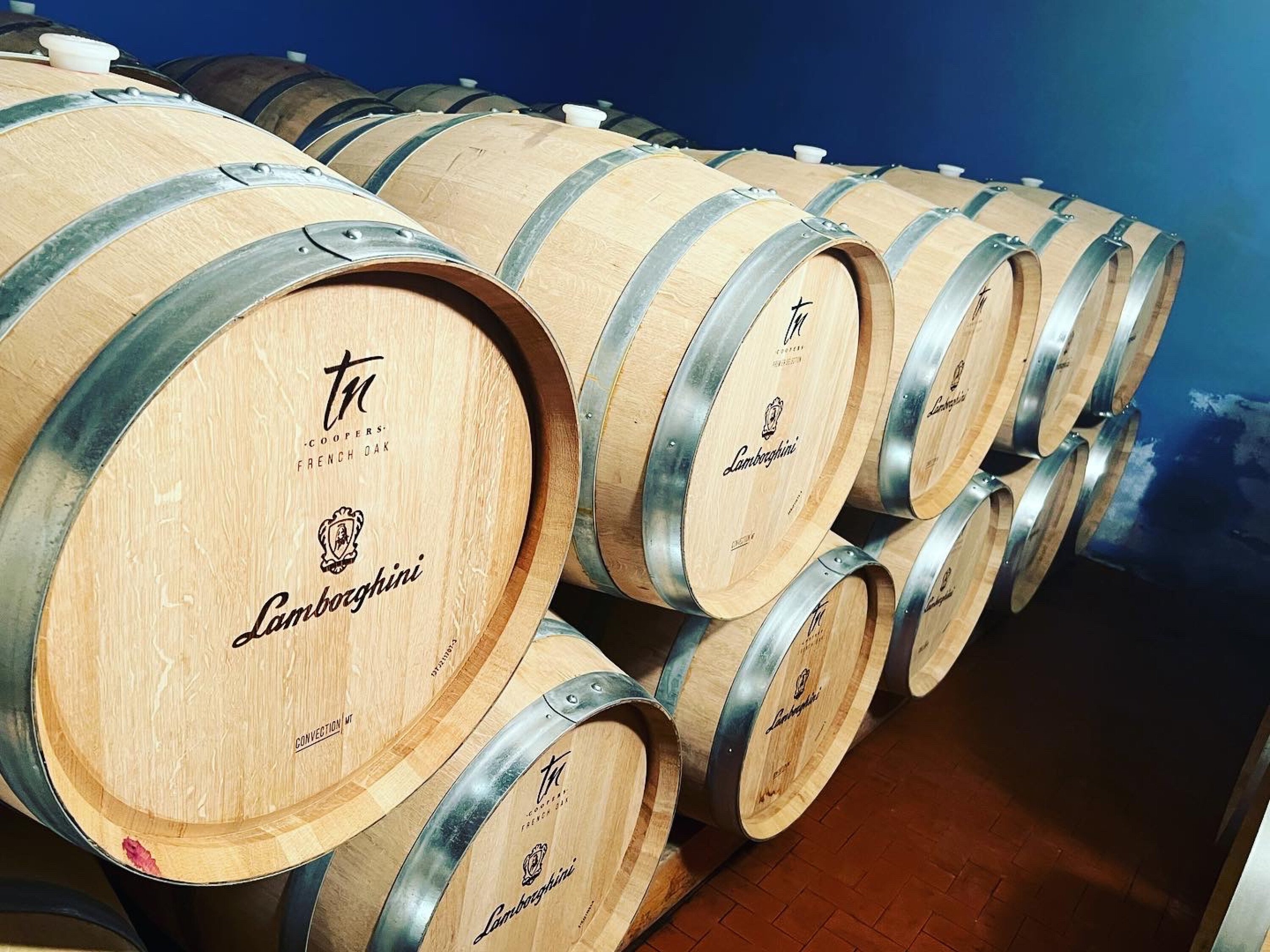
Embracing his agricultural heritage, Ferruccio spent his time tending to the land and establishing vineyards for his newfound passion and just one year later, the Lamborghini winery came into existence.
1
Carrying on the family legacy, Patrizia Lamborghini, daughter of Ferruccio Lamborghini, expressed, “From these vines, my father’s name lives on. I believe he would be immensely proud of what we have produced.”
Wine by Lamborghini adds a touch of sophistication to any occasion. As the exclusive importer and distributor of this wine, the Founder of Bon Vivant Global Matt Hanson says the wine is “perfect for an A-list yacht party or an elegant dinner date.”
1
If you’re looking for a special Christmas gift for the petrol-head in your life, a bottle of Wine by Lamborghini is sure to knock their socks off.
Saluti!
Snapshot
2024 Hyundai Sonata pricing and features
Facelifted N Line arrives in Australia
Priced from $55,500 plus on-road costs
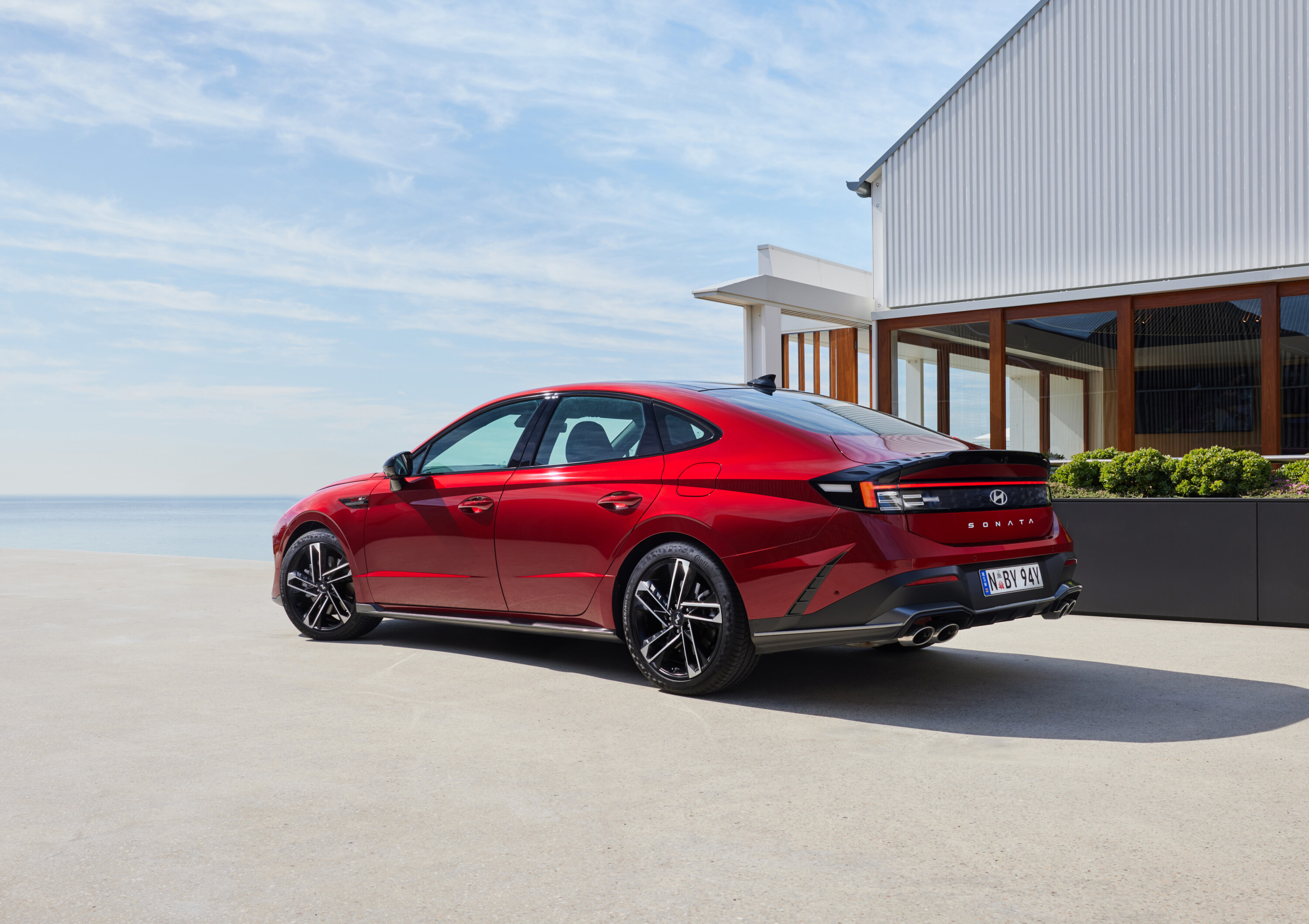
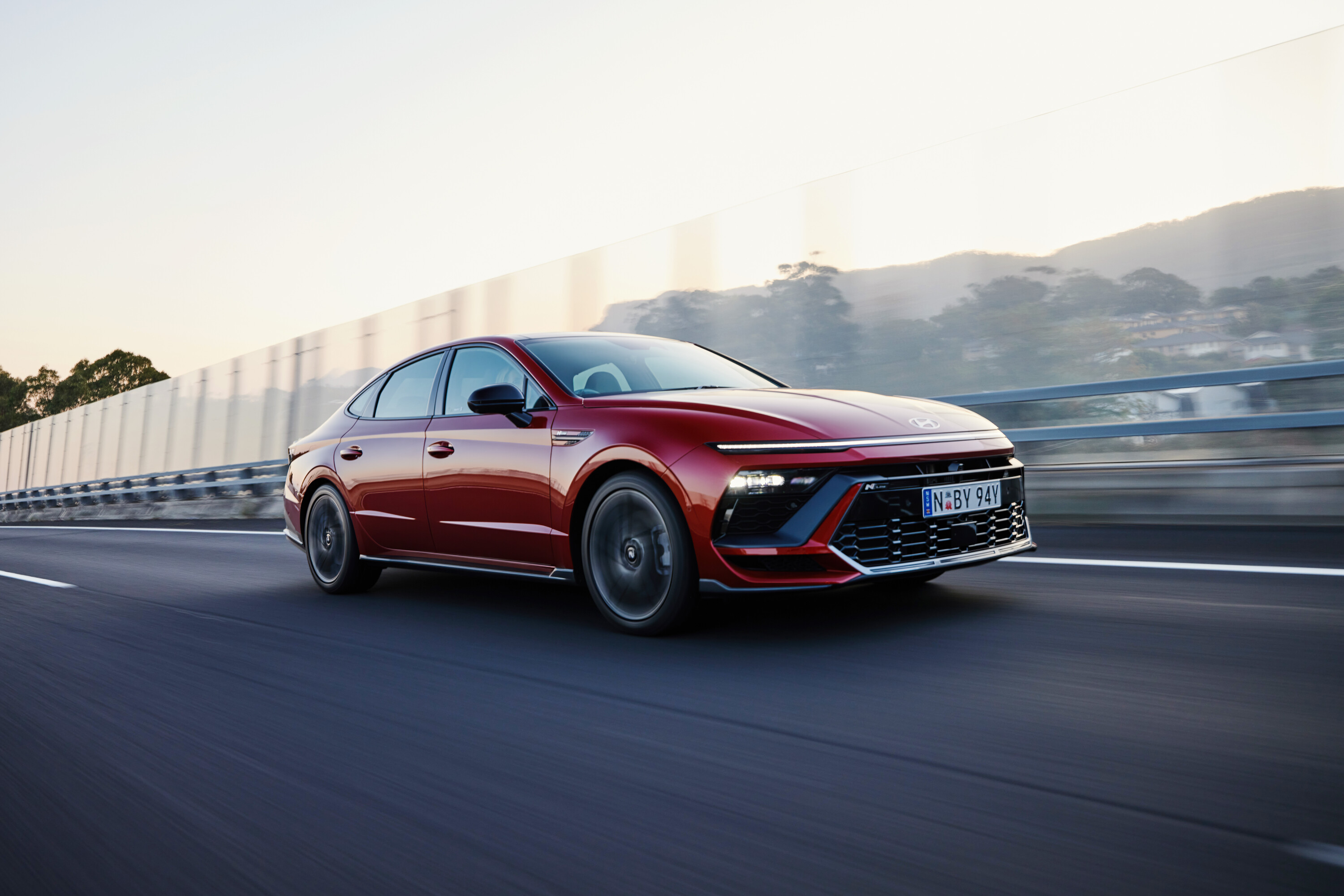
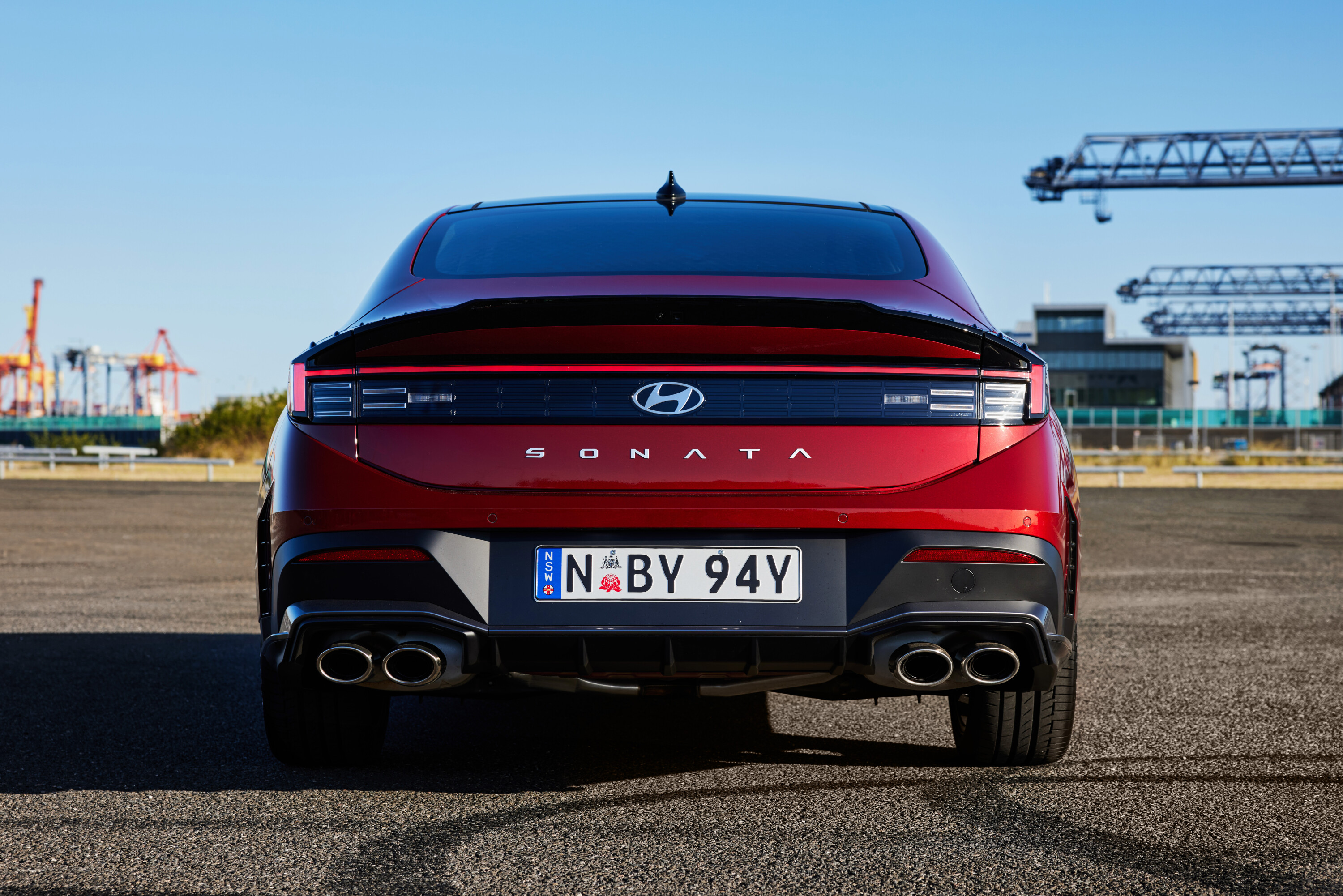
The facelifted 2024 Hyundai Sonata sedan has arrived in Australia.
As before, it remains solely available in flagship Sonata N Line form – with turbocharged four-cylinder power – as a low-volume player in Hyundai Australia’s line-up.
It is priced from $55,500 before on-road costs – up $3435 over the pre-update model, adding the brand’s new corporate look and a host of new technology for the added cost.
1
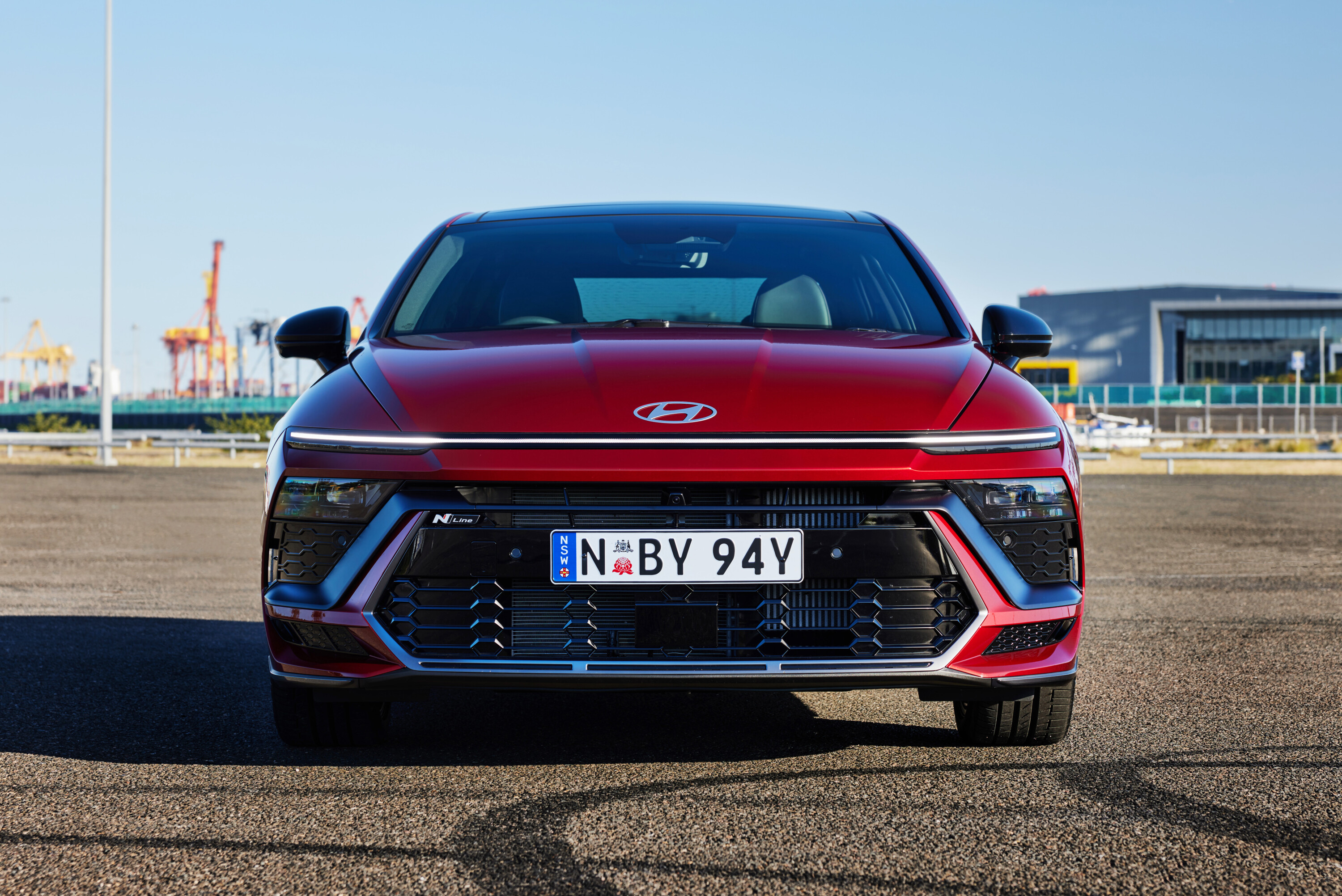
Derived from the Staria and Kona, the Sonata adopts a split headlight design, with a full-width LED DRL strip running above a lower-positioned grille featuring ‘hidden’ main beam units.
A more pronounced dome has been added to the bonnet, while the chrome strip running from the beltline – a Sonata trait since 2009 (when it was known as the i45 in Australia) – to the headlights with integrated DRLs has been removed.
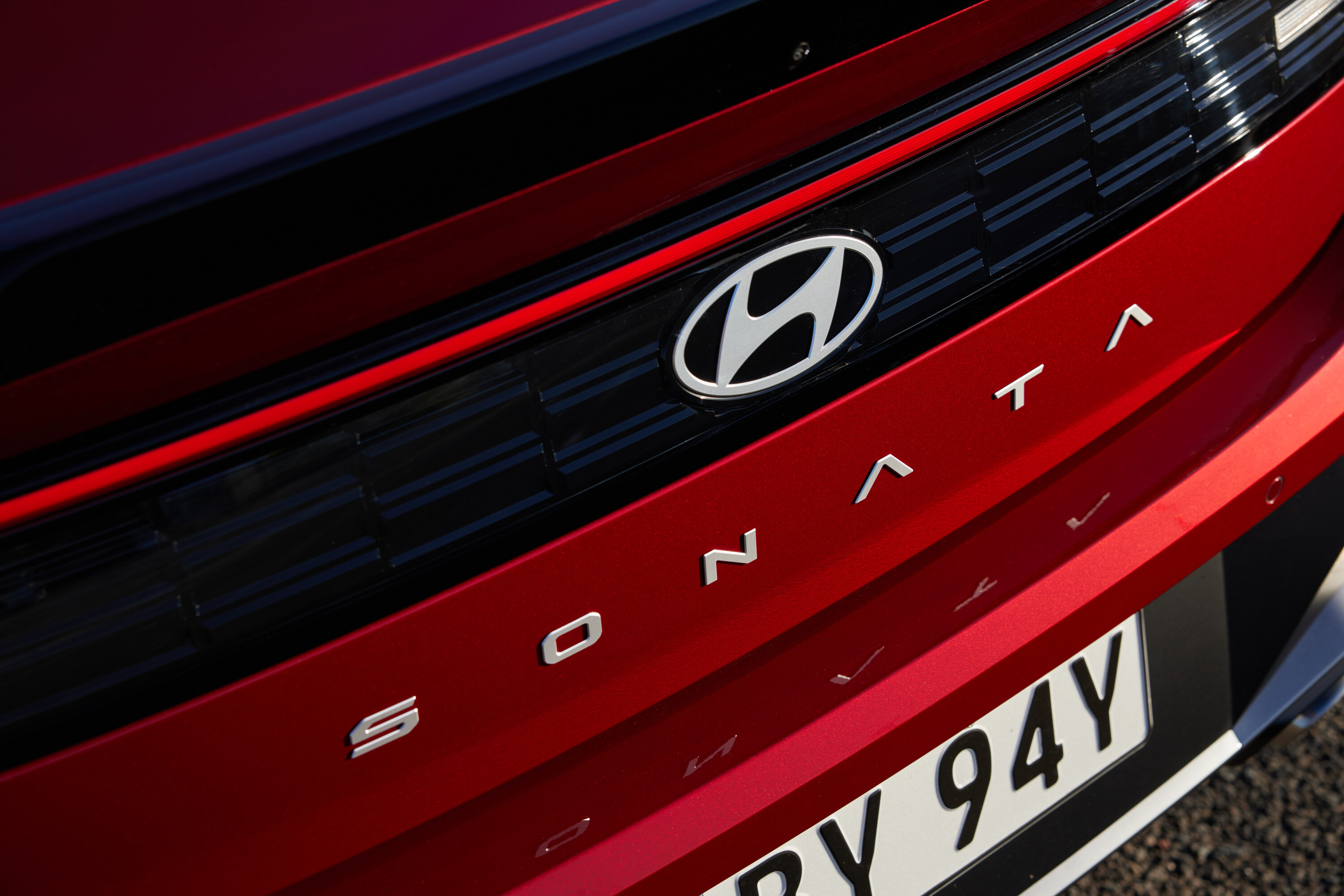
At the rear, the Sonata scores H-shaped tail-lights with a thicker full-width light strip running across the boot, featuring the brand’s ‘Parametric Pixel’ design language, as seen in the all-electric Ioniq 5 and Ioniq 6.
1
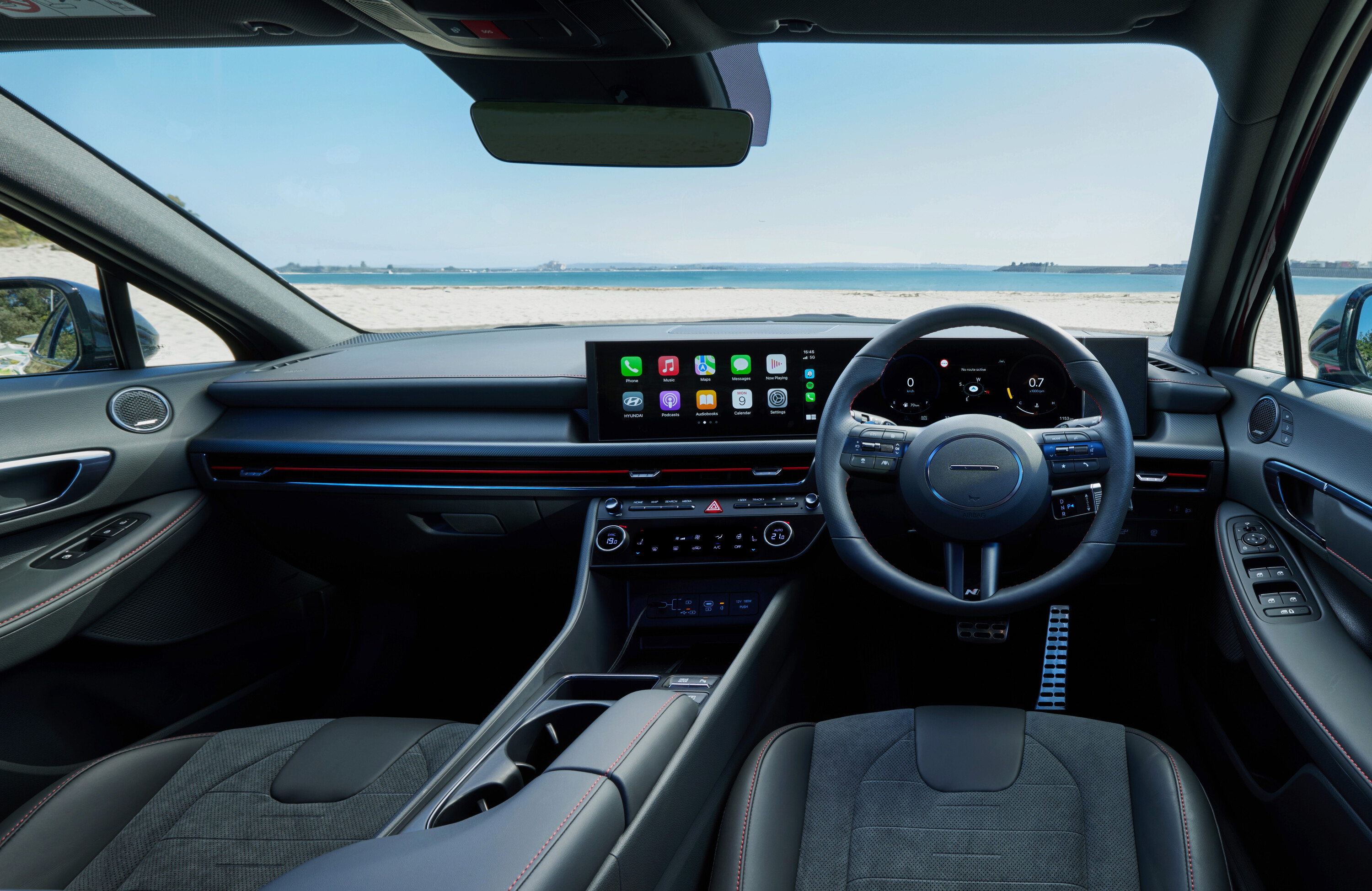
Inside, the dashboard is entirely new, with a similar look to the Kona and the all-new Santa Fe due in Australia in 2024.
The current 10.25-inch widescreen has increased to 12.3 inches and is now housed in a brand-first curved, BMW-like display panel incorporating a new take on the existing 12.3-inch digital instrument cluster.
It runs Hyundai’s latest Connected Car Operating System (ccOS), supporting over-the-air software updates, Bluelink connected-car services, an updated interface, and an Nvidia-supplied graphic processing unit.
Also new is a brand-new steering wheel with a column-mounted shift-by-wire gear selector – identical to the Kona – to free up space in the centre console.
Design updates include a full-length air-conditioning vent, a new 6.6-inch ‘touch-type’ climate control panel, USB-C charge ports, and a simplified centre console with additional storage and a larger armrest.
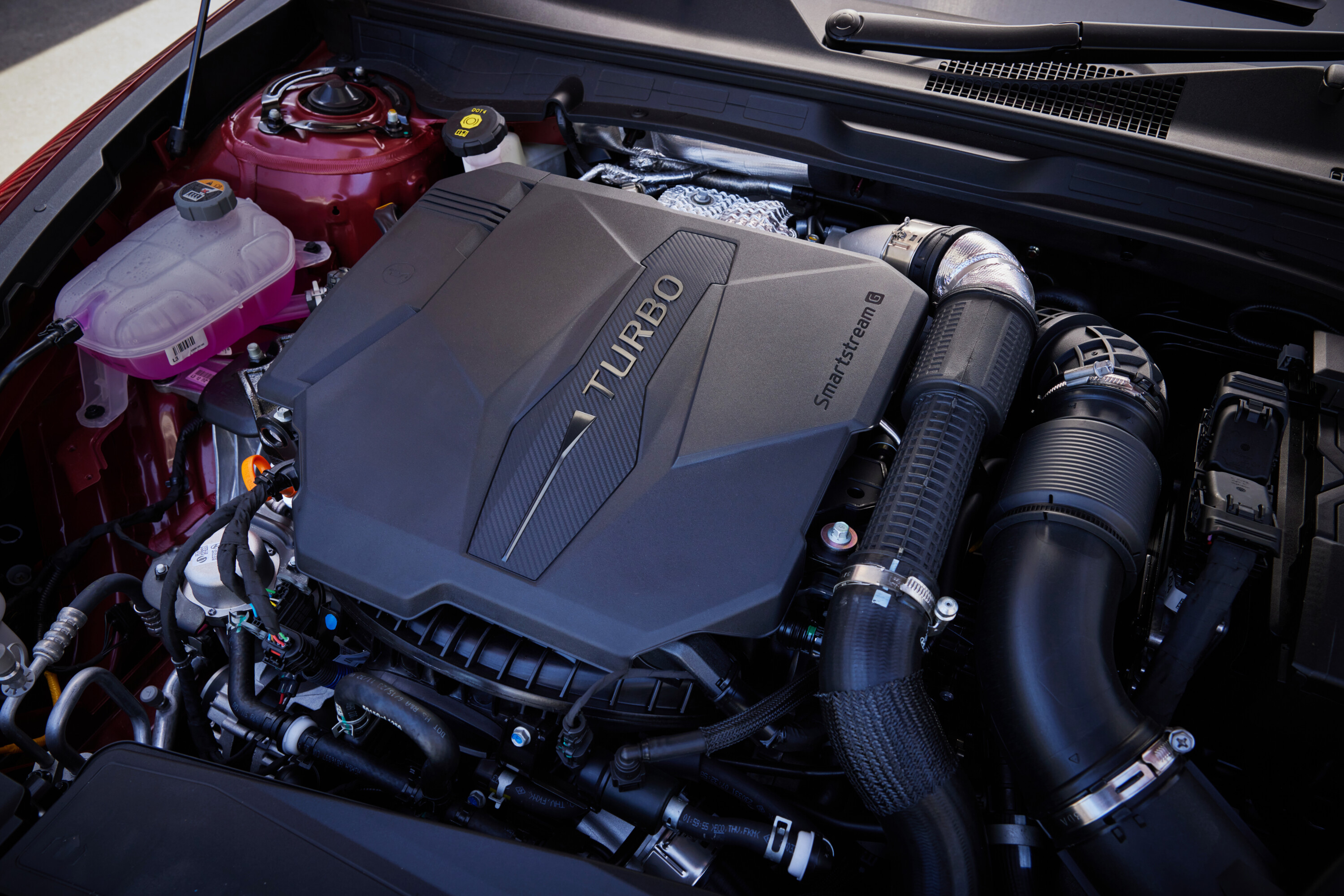
Under the bonnet, the Sonata N Line continues to feature Hyundai’s 213kW/422Nm 2.5-litre four-cylinder turbo-petrol engine paired with the i30 N’s eight-speed dual-clutch automatic transmission (DCT).
1
The DCT features a rev-matching function for downshifts and will select the suitable shifting pattern depending on the driving mode.
A launch control function helps achieve its 6.2-second 0-100km/h sprint time. The Sonata’s official combined fuel consumption is 8.1L/100km, and it accepts 91 RON unleaded.
The updated 2024 Hyundai Sonata N Line is on sale now.
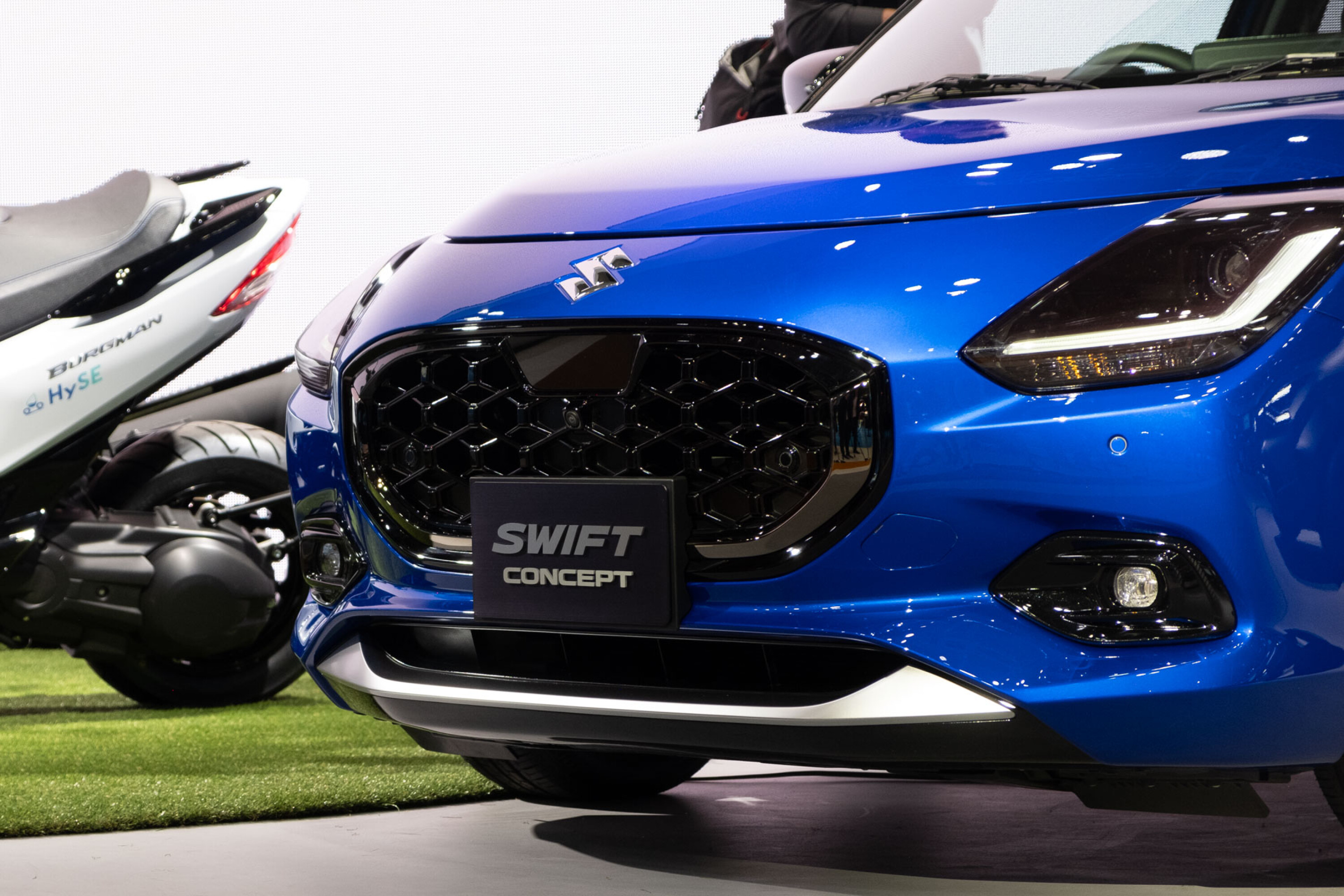
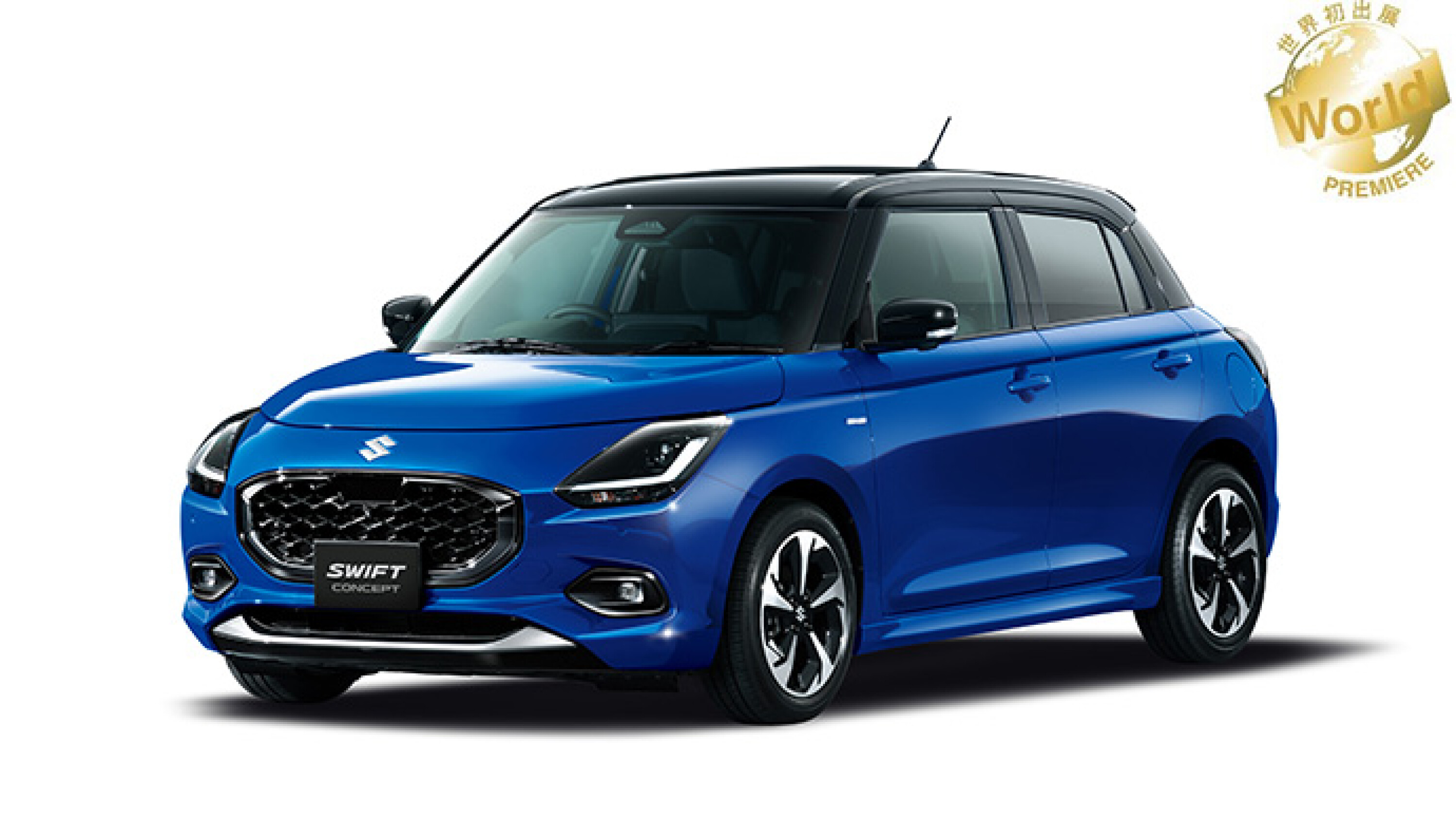
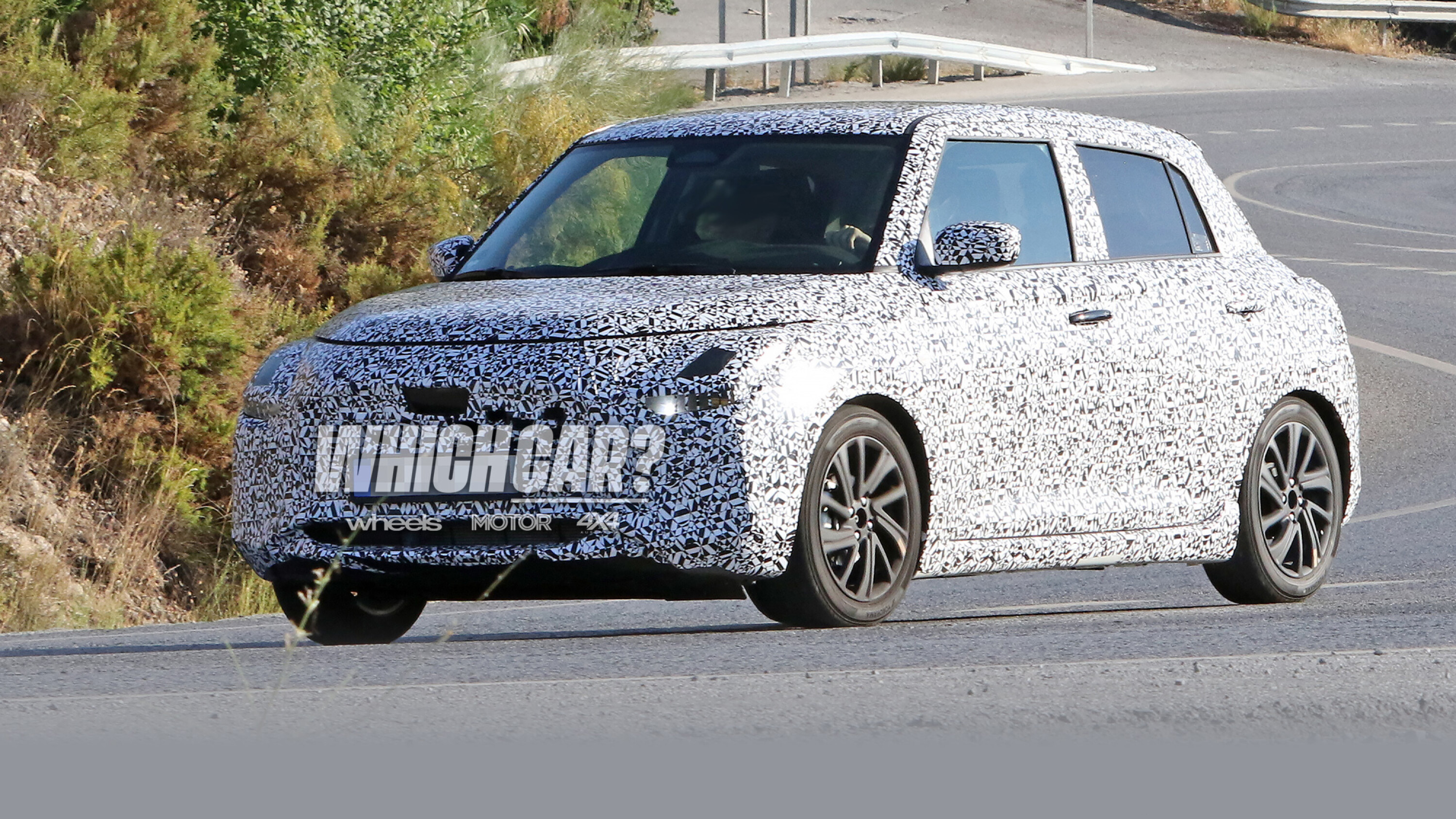
Although labelled a concept, the updated small car hasn’t changed much visually beyond dropping the door handle onto the sheet metal and refreshed lighting features.
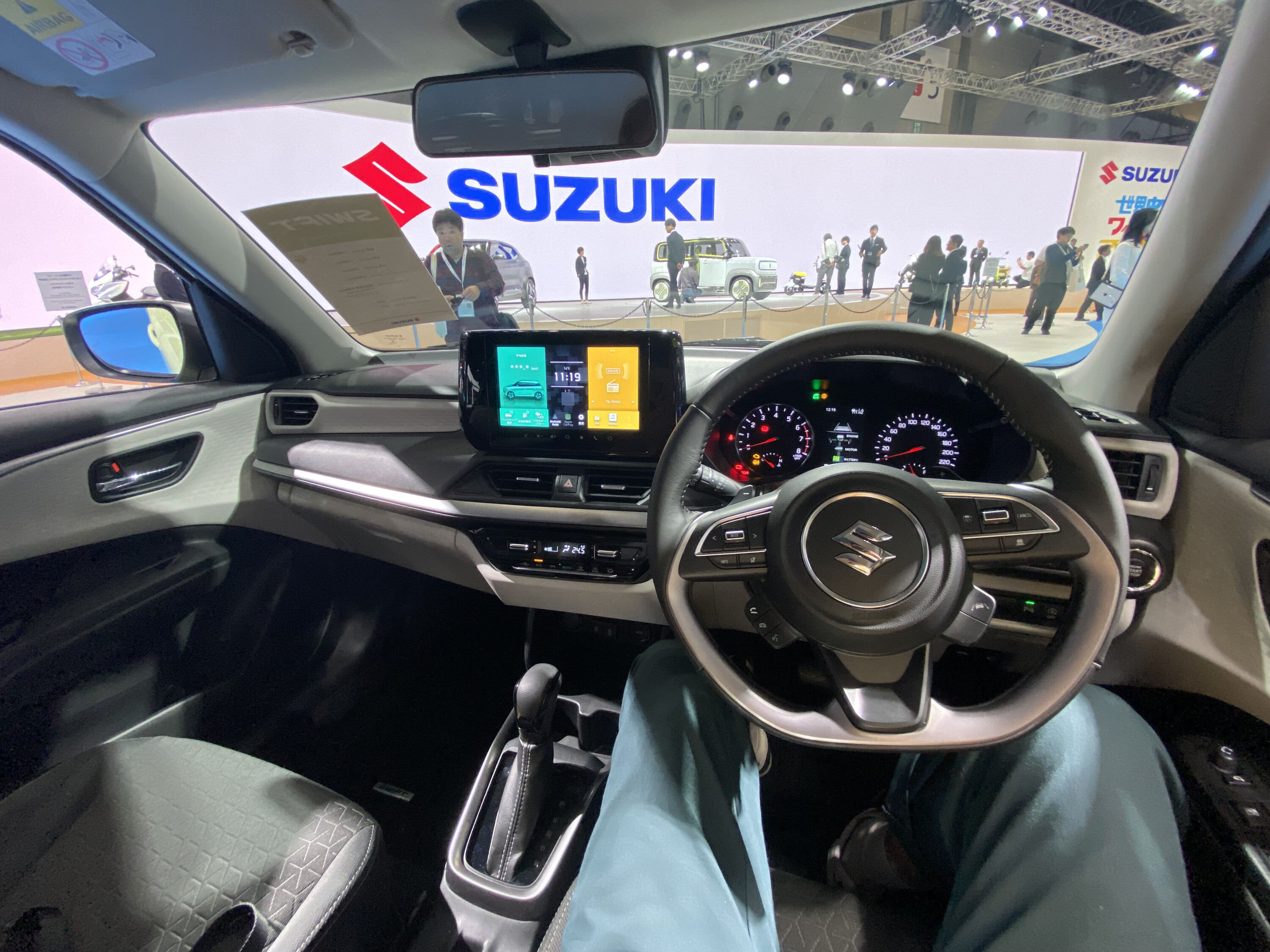
Inside, there are a few extra changes to note with the 9.0-inch touchscreen now floating above the dash, rather than set into it.
1
The dashboard has been reprofiled, and the HVAC controls are more digital than before, but on the whole, this appears to be more of a deep facelift than a clean sheet design.
The Swift’s dimensions all but confirm this, the small car is only 20mm longer (3860mm) and rides on an identical 2450mm wheelbase. The Swift Concept has shrunk by 40mm in width and grown an extra 5mm taller.
Read below for more information on the Swift concept.
1
Our original story, below, continues unchanged
3 October 2023: Next-gen Swift shown off before motor show
Snapshot
New Suzuki Swift will be detailed this month in Japan
Small car promises to pack in advanced safety aids
New look front end without sacrificing Swift hallmarks
Ahead of its full reveal at the Japan Mobility Show between 26 October and 5 November, Suzuki has released a single image of the new Swift.
The small car will be one of the brand’s biggest draws on its stand. It’ll also be one of the few combustion vehicles on show, with electric concepts for recreation, private buyers, and fleets all present.
Though Suzuki is just calling the car a concept for now, its retrained detailing and similar proportions to the existing car suggest that it’s very close to the final production variant – though it’s sadly lost the hidden door handles of the current car.
There are no details yet on the engineering side of things beyond Suzuki’s promise that it will feature ‘dual sensor brake support’ for its AEB system, active high beams, and a driver-monitoring system – though all but the latter feature already on Aussie Swifts.
Inside, expect the new car to adopt tech such as a 9.0-inch infotainment system (as Australian cars already do), a larger and more digitised instrument cluster display, a wireless phone charger, head-up display and a 360-degree camera.
The Swift is Suzuki’s small car for developed economies, including Japan, Europe and likely Australia. With the cheap-and-cheerful Baleno gone thanks to ADR 85 side impact regulations, it’ll be down to the new Swift to carry Suzuki’s light car flag in Australia.
Underneath, the new Swift is expected to be a development of the existing ‘Heartect’ platform. It may also carry over some engines from the current European model.
In Europe, the Swift is sold with a 61kW/107 1.2-litre petrol engine with a 12-volt mild-hybrid system. The Euro-spec Sport gets a 95kW/245Nm version of the 1.4-litre turbo-petrol four-cylinder with a 48-volt mild-hybrid system.
Australian Swifts are all without hybrid systems; the base car using the same 1.2-litre Dualjet with 66kW/120Nm, while the mid-spec Turbo gets an 82kW/160Nm turbo triple and the Swift Sport a 103kW/230Nm tune of the 1.4-litre that Europe gets.
There have been rumblings that the new Swift could adopt a series-parallel hybrid powertrain. With Suzuki and Toyota’s working relationship, the smaller brand could pick up the giant’s well-proven technology.
Currently, Suzuki sells a rebadged version of the Toyota Corolla wagon in Europe as the Suzuki Swace. The Swift will be a Suzuki product through and through, but it may adopt some parts from Toyota’s hybrid Yaris in its construction, or know-how in ongoing development.
Suzuki promises the new vehicle provides tangible improvements in economy and speed while making sure the city car is fun to drive as well.
So far in 2023, Suzuki has sold 3989 Swifts in Australia, just beating the Jimny (3511) and Ignis (1224) small SUVs. Suzuki will reveal more details closer to the Swift’s full reveal on 26 October.
Sick of waiting for a hybridised Toyota? Hyundai can help!
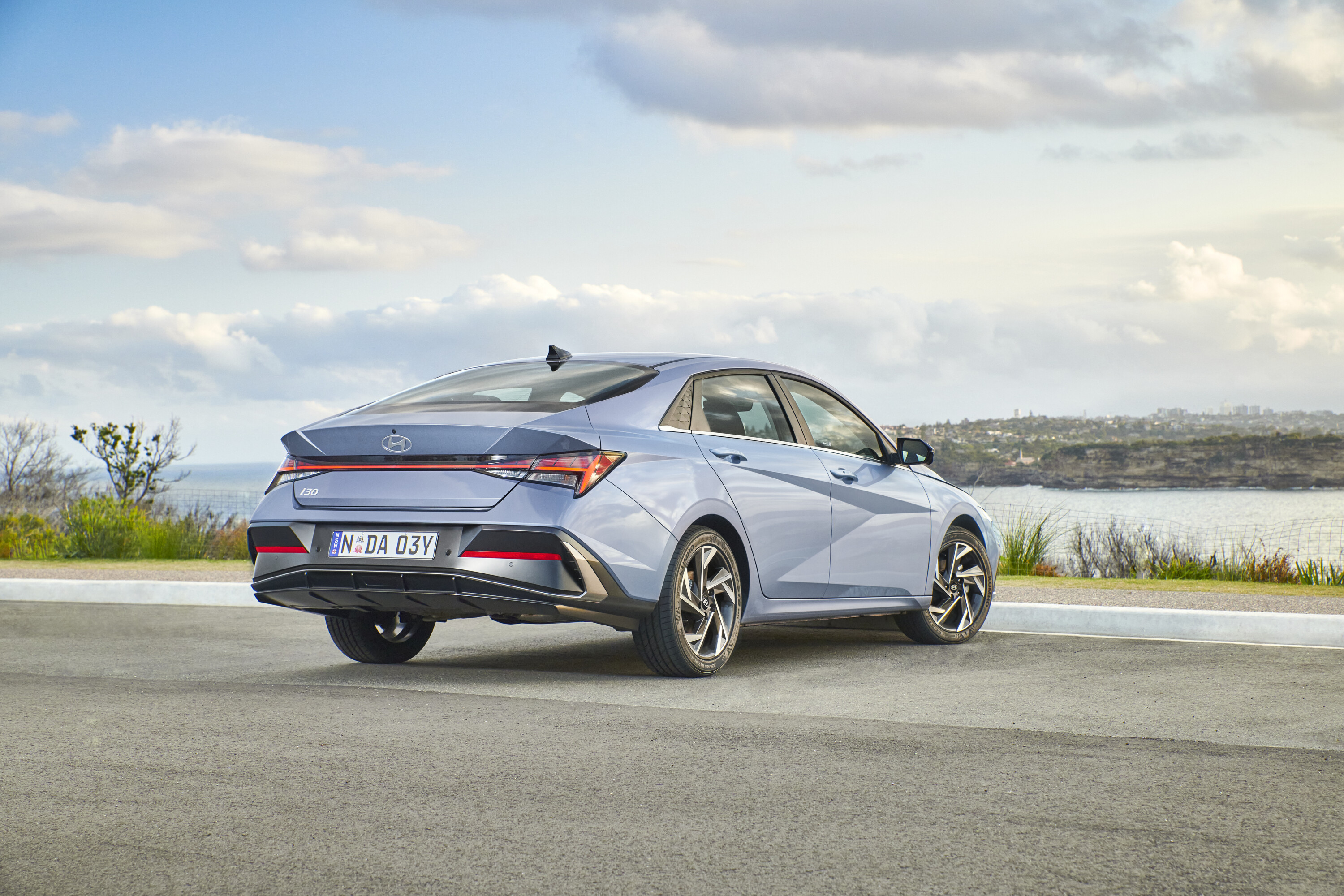
The 2024 Hyundai i30 Sedanwill offer a mild hybrid powertrain as part of a brace of new year updates for the small four-door sedan.
The 1.6-litre turbo petrol/electric motor combo is a first for the i30 range, and comes straight from the brand’s Kona line-up.
It’s not the only change for the i30 Sedan; the base Active has been dropped to make way for a new auto-only variant simply known as the i30, which pushes the entry price to the i30 Sedan up by $3000 to $29,000 plus on-road costs.
1
A new Premium variant also slots in above the now second-tier Elite, while the N Line and N Line Premium top the line-up.
The hybrid powertrain combines a tiny 1.32kWh battery and 22kW electric motor with the turbo petrol engine and a six-speed automatic, which helps it achieve a claimed combined fuel economy figure of 2.8L/100km.
Combined peak torque output measures 265Nm, according to Hyundai, which matches that of the range-topping 1.6-litre turbo four. It will be available in i30, Elite and Premium grades.
1
Elsewhere, Hyundai has added an updated version of its naturally aspirated 2.0-litre petrol engine to the i30 Sedan range.
The four-cylinder motor now comes with dual continuously variable timing and a two-stage variable intake system, which combines with an Atkinson firing cycle and the debut of a new CVT gearbox to improve drivability and economy, according to Hyundai.
It’s available across the i30, Elite and Premium grades.
1
The top two N Lines retain the same turbocharged 1.6-litre four-cylinder/seven-speed dual-clutch combo as before.
The manual transmission option has been axed from the i30 Sedan line-up. It was previously standard on base and N Line variants.
Elsewhere, a new front-end treatment is augmented by the now-standard fitment of LED headlights across the range, while the lower rear bumper has been re-profiled.
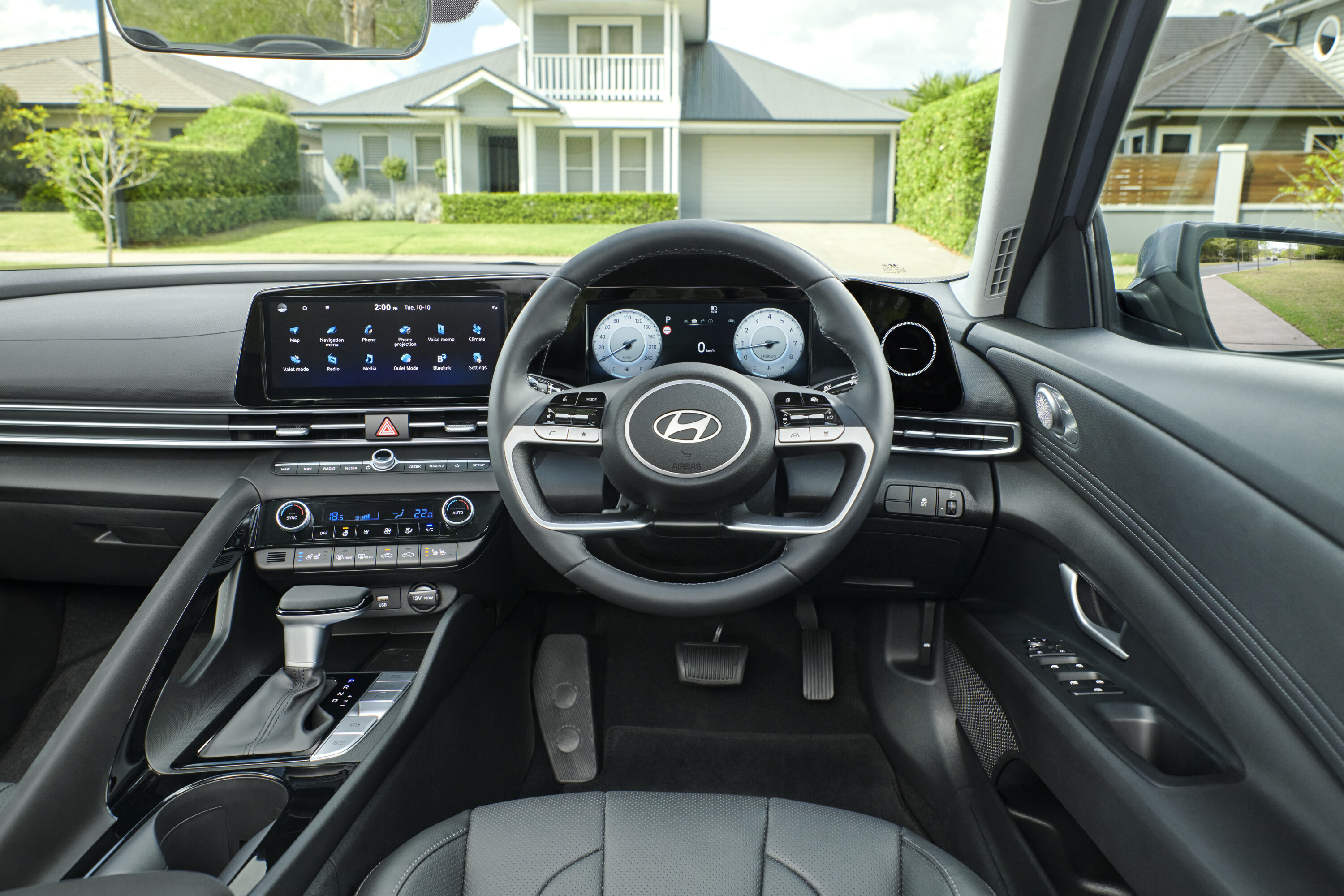
Inside, there’s a revised wireless charging pad designed to accommodate larger mobile phones, the addition of front and rear USB-C outlets, and a customisable multifunction button on the steering wheel.
1
A newly designed and segmented 4.2-inch digital instrument cluster is standard on the entry-level i30.
The new entry level i30 Sedan replaces the old Active and pushes the range’s starting price to $29,000 plus on-roads.
Standard additions include LED headlights and DRLs, front and rear parking distance warning system (previously rear only), more advanced Forward Collision-Avoidance Assist system and an Intelligent Speed Limit Assist (ISLA) system.
It wears 16-inch alloy wheels (down from 17-inch) and sports premium patterned black cloth seats on the interior. It does, however, miss out on spec like automatic wipers, unless you opt for the hybrid powertrain, which adds $4000 to the price.
The hybrid variant also brings multi-link rear suspension, dual-zone climate control and a space-saver spare to the party.
The Elite costs $33,500 and will initially be offered with the 2.0-litre powertrain; a hybrid option is due in the second quarter of 2024, with pricing to be confirmed.
A leather-appointed interior, keyless entry with remote smart start, 10.25-inch digital cluster and powered side mirrors are also standard.
It also gains Bluelink connected car services, 17-inch rims, an electro-chromatic interior mirror and an LED reversing light.
The Premium grades costs $38,500 plus on-roads, and adds 18-inch rims, parking collision warning, Bose premium audio and new-to-the-model tech in the form of a blind-spot view monitor and surround view monitor, along with projection-style LED headlights, LED taillights and a heated steering wheel.
As per the i30 Sedan and Elite, the Premium can be specced with the hybrid powertrain, which will arrive in the second quarter of 2024.
The top two i30 Sedan variants retain the 1.6-litre turbocharged engine for 2024, combined with a seven-speed dual-clutch gearbox. The N Line variants also come with multi-link rear suspension as standard.
Eighteen-inch rims are standard fare, along with a red-trimmed black leather interior treatment, paddle shifters, alloy pedal covers, electronic park brake, six-speaker audio system, tyre pressure monitoring and the revised wireless phone charging bay.
1
The Premium adds a sunroof, Bluelink, a heated steering wheel, blind-spot view monitor and surround view monitor.
You’ll pay $36,000 plus on road costs for the N Line and $41,500 plus ORCs for the N Line Premium.
All i30 Sedans come with a five-year/unlimited-kilometre warranty, a five-year Bluelink subscription (where fitted), one year of free roadside assistance and a free service at 1500km.
Prices increase by up to 24% but increased specification for EcoBoost and GT
New Dark Horse flagship from $99,102 RRP; 1000-unit u2018special editionu2019
On sale now with deliveries from Q2 2024
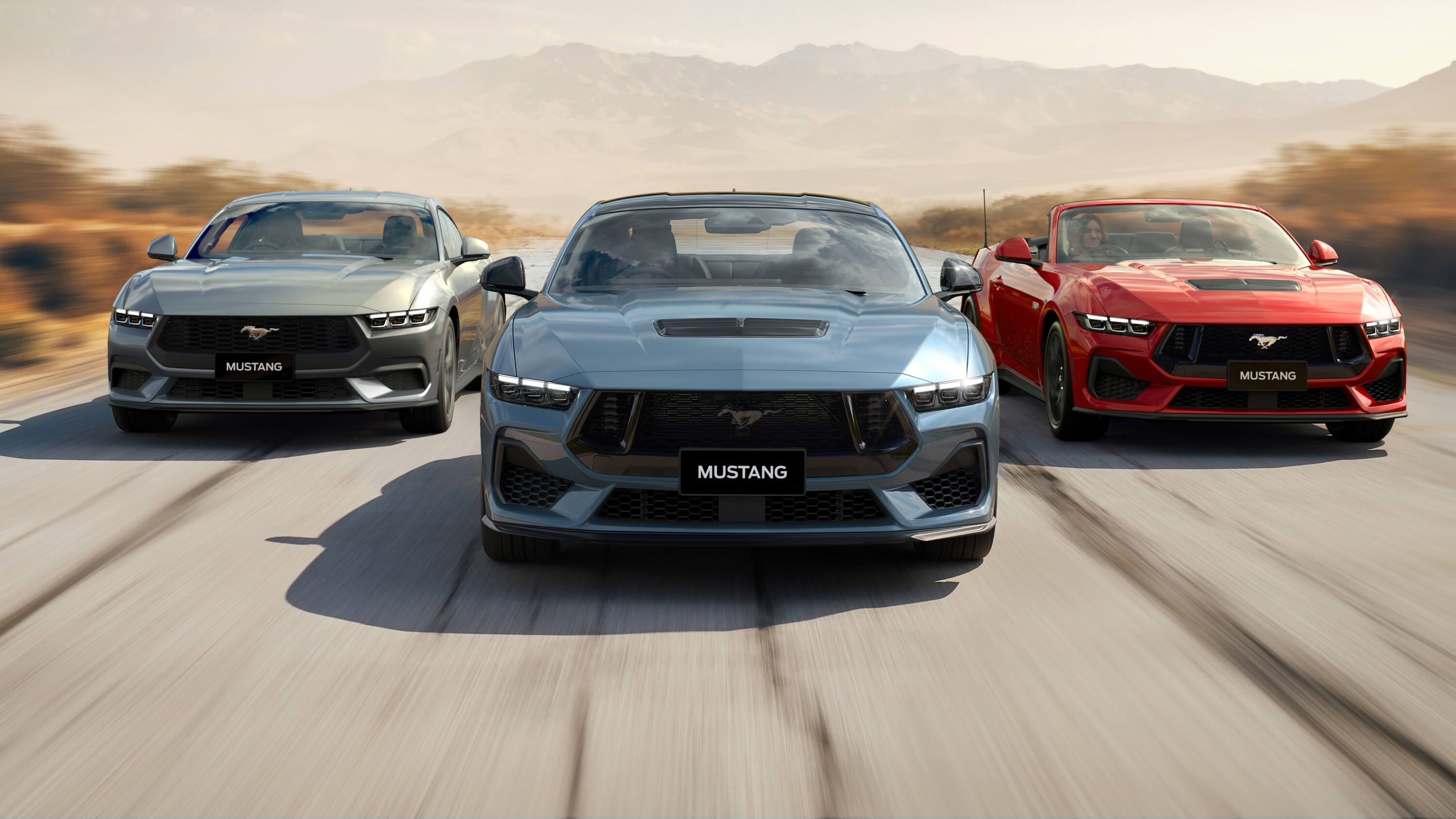
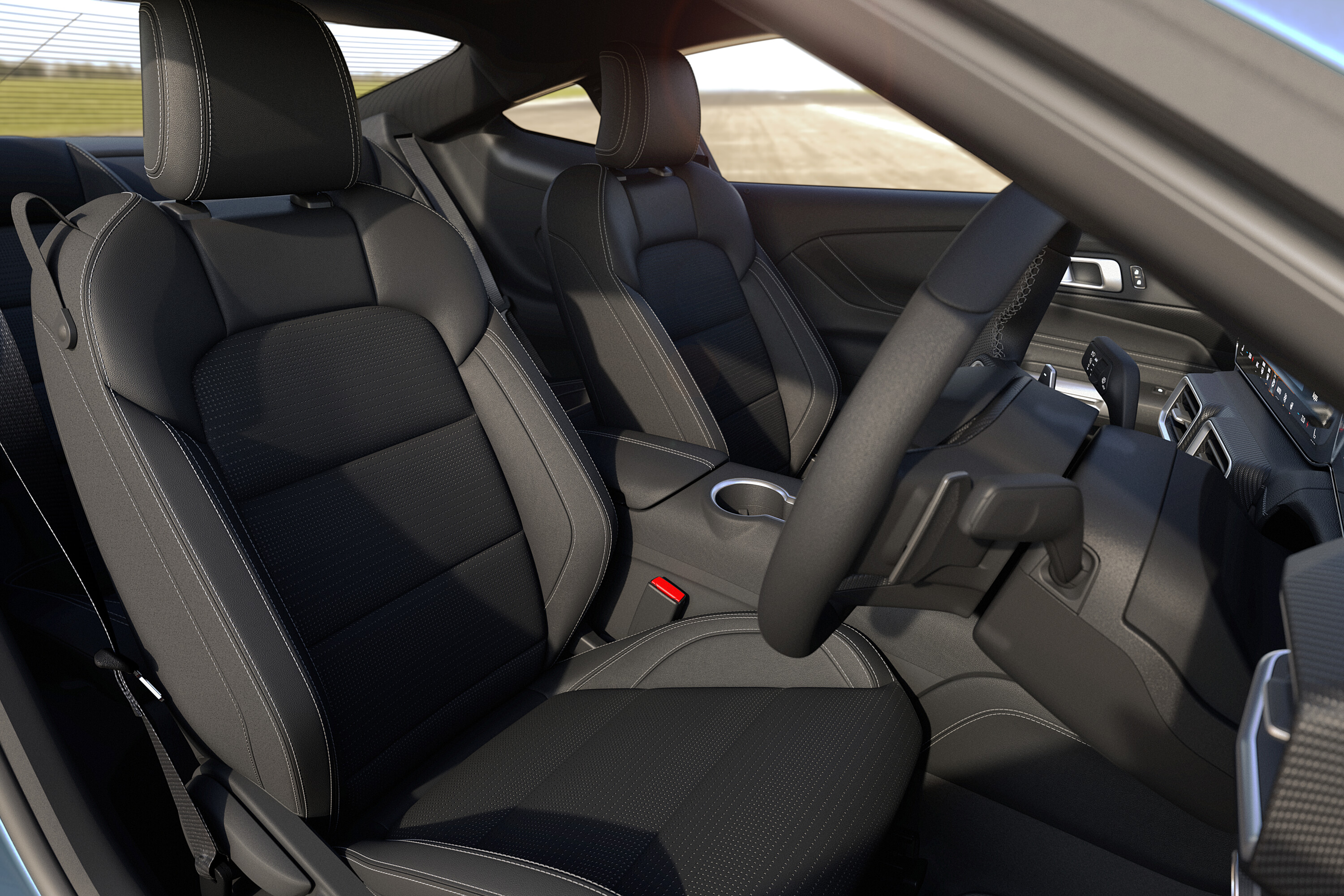
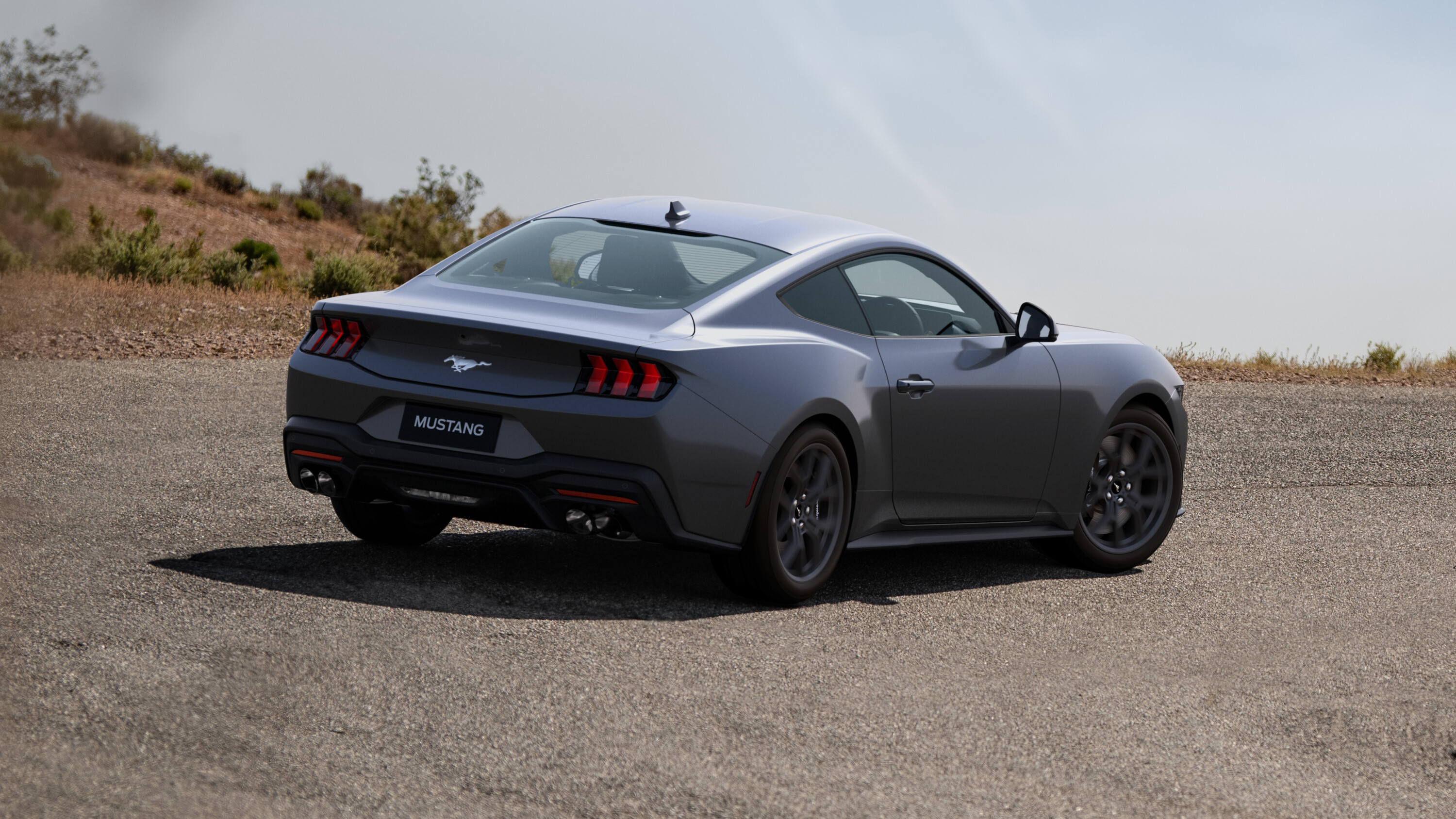
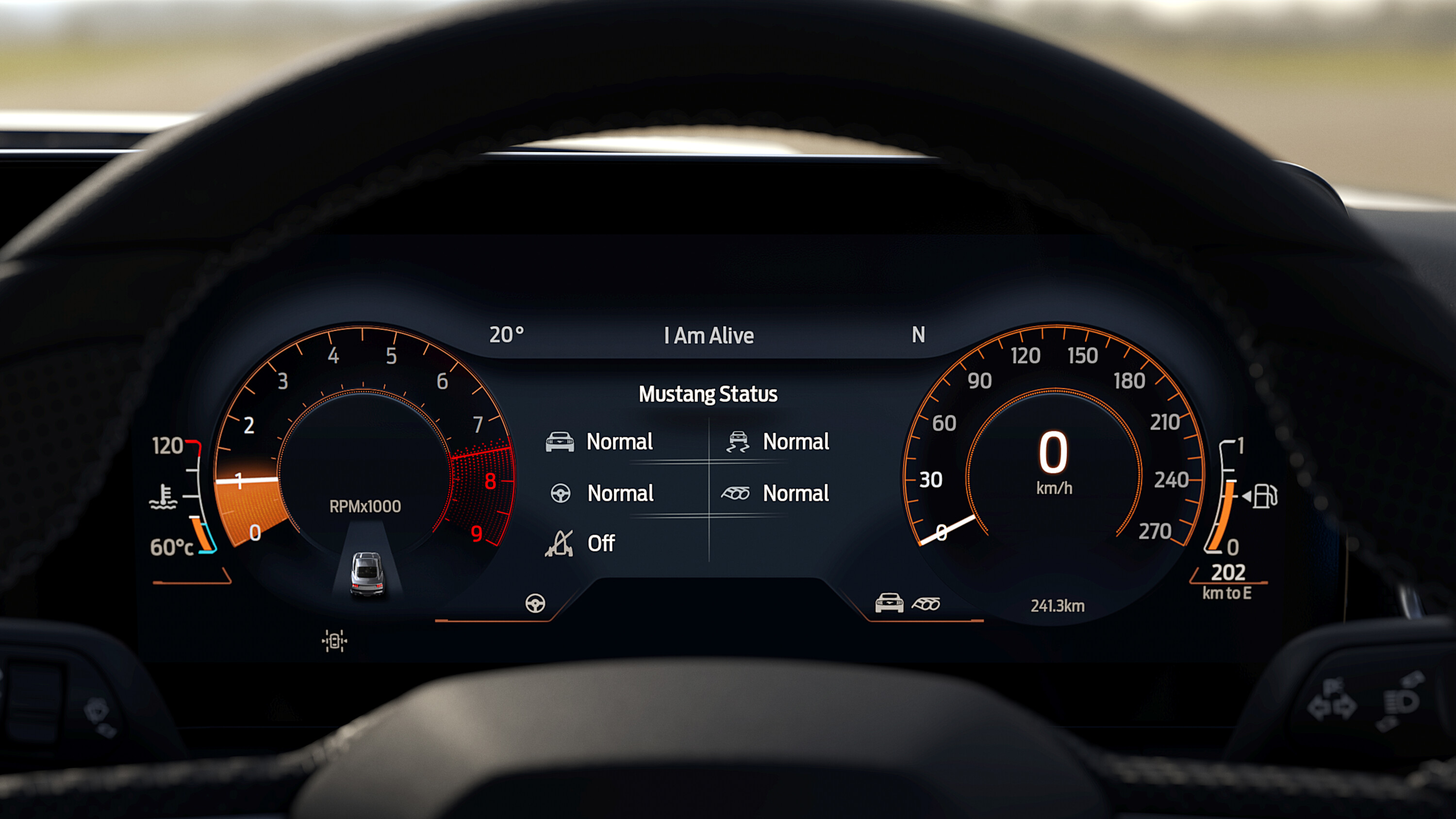
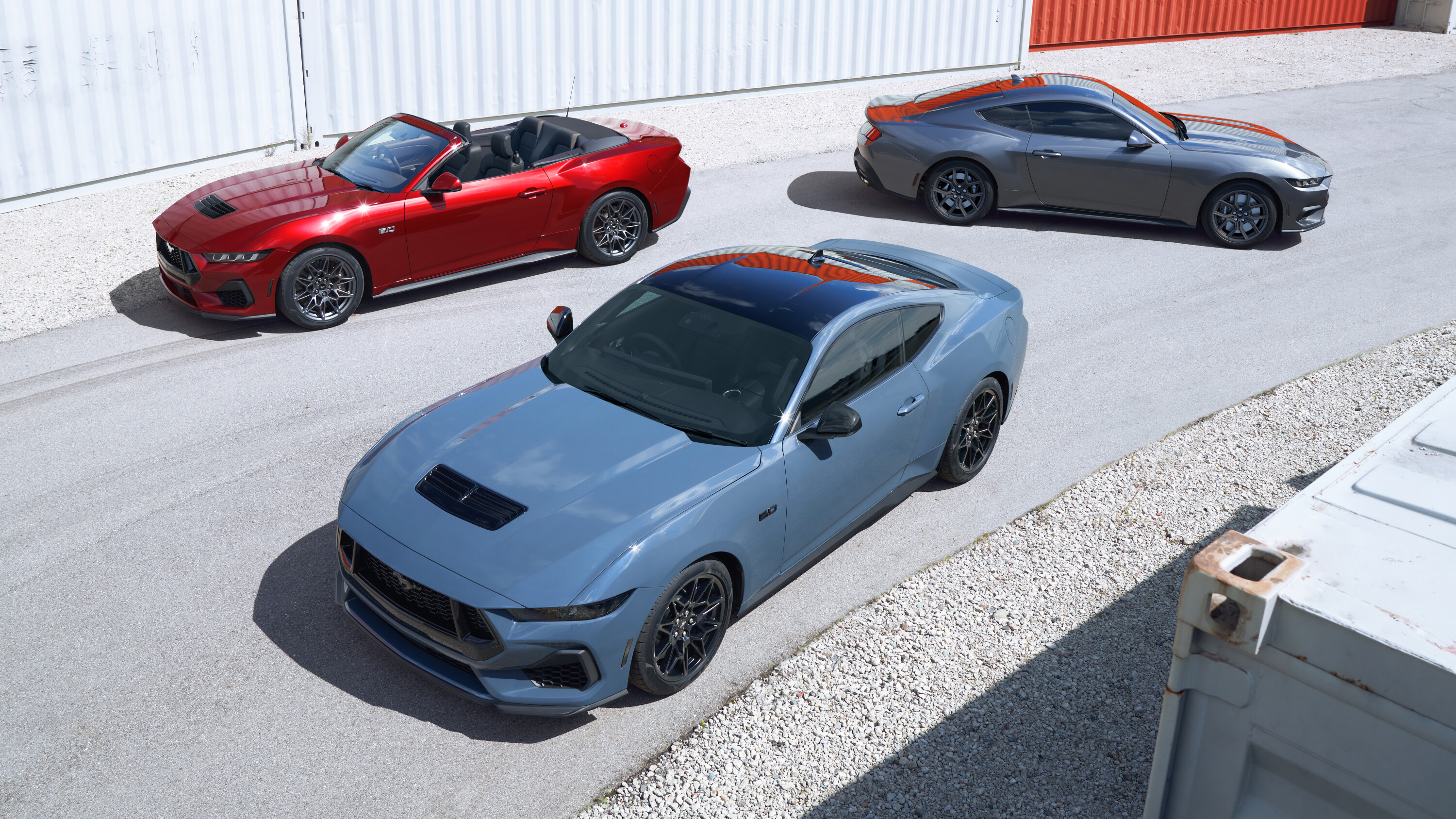
Ford Australia today confirmed prices for the seventh-generation ‘S650’ Mustang, which will go on sale in the second quarter of 2024 – the year that marks 60 years of America’s sports car icon.
The base Mustang now starts from $64,990 before on-road costs and is no longer available with a manual transmission with the 232kW/475Nm 2.3-litre turbo four-cylinder engine. That’s an increase from the previous $52,590 EcoBoost manual or $55,590 EcoBoost auto.
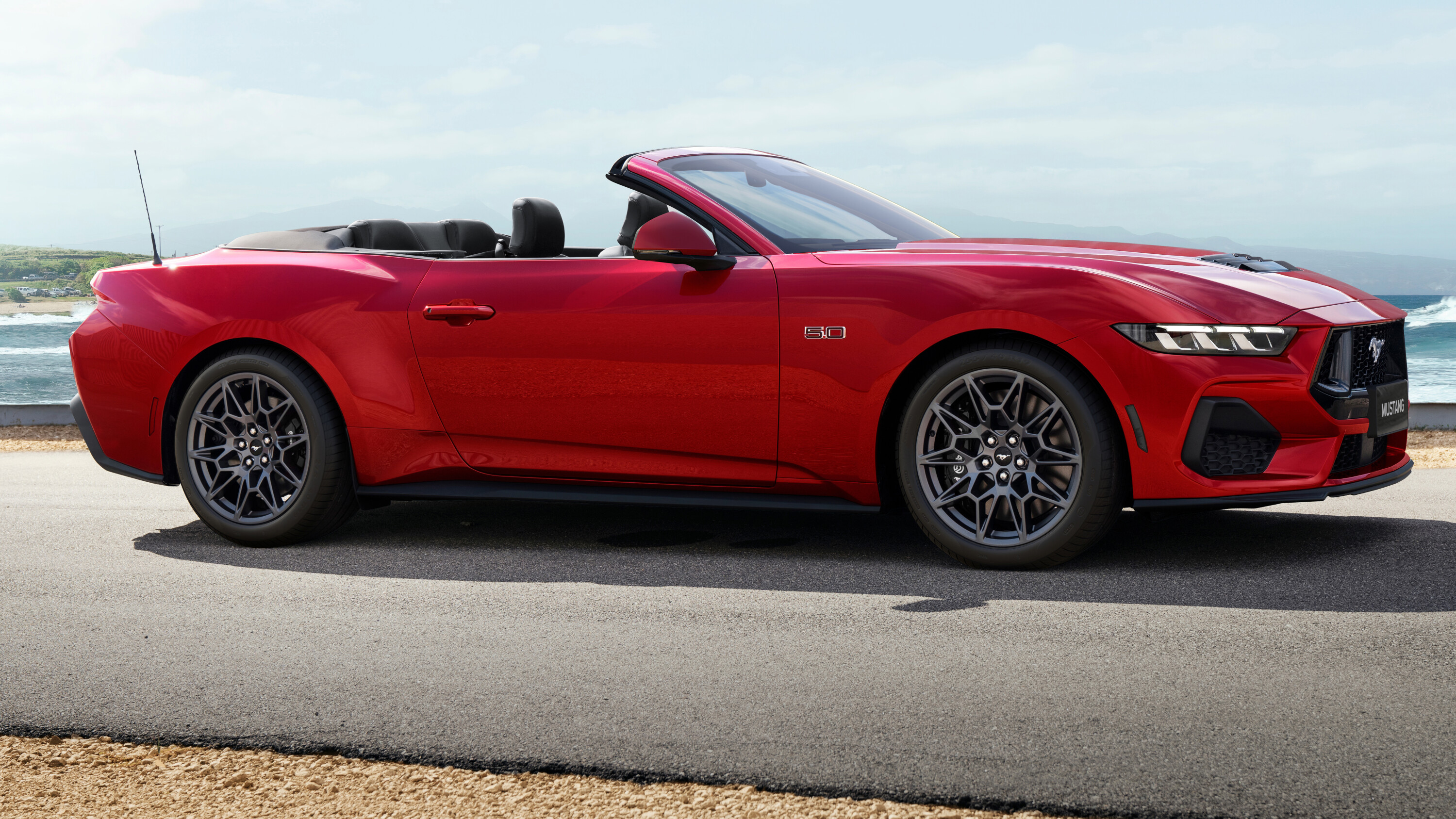
The mid-range GT that’s again powered by a 5.0-litre V8 is now priced from $77,002 for a Getrag six-speed manual coupe, an increase of nearly $12,000.
1
The auto version costs from $80,902, and the only convertible in the new Mustang range – the GT Convertible auto – is $86,752 before on-road charges.
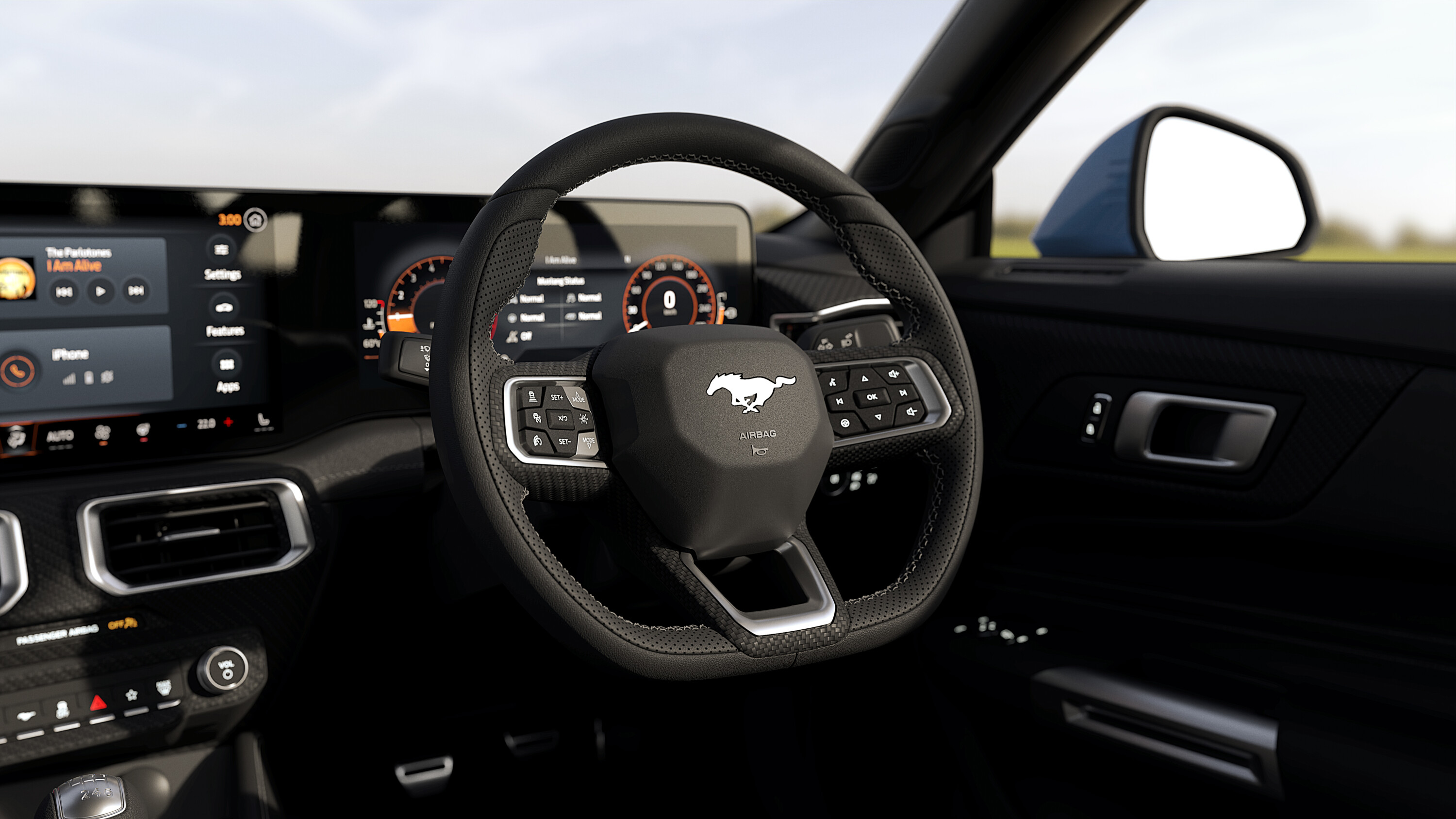
Ford’s new (non-Shelby) hero variant is the Dark Horse, which features various upgrades over the GT, including a slightly more powerful but also strengthened version of the ‘Coyote’ V8 and tougher Tremec six-speed manual.
As Wheelsspeculated in July, the first all-new Mustang grade since the 2001 Bullitt hits six figures – starting from $99,102 before on-road costs for the Dark Horse six-speed manual or from $103,002 for the Dark Horse with 10-speed auto.
1
The Dark Horse will be a limited-edition model, with 1000 units allocated to Australia. All Mustangs for Australia incorporate several features optional in some other markets, including Ford’s domestic US market.
These include an active valve performance exhaust with four modes, large Brembo brakes, larger radiator and more powerful cooling fans.
GT models add an auxiliary engine oil cooler and as standard sit on 19-inch Carbonised Grey wheels that are part of an optional GT Performance package in the US.
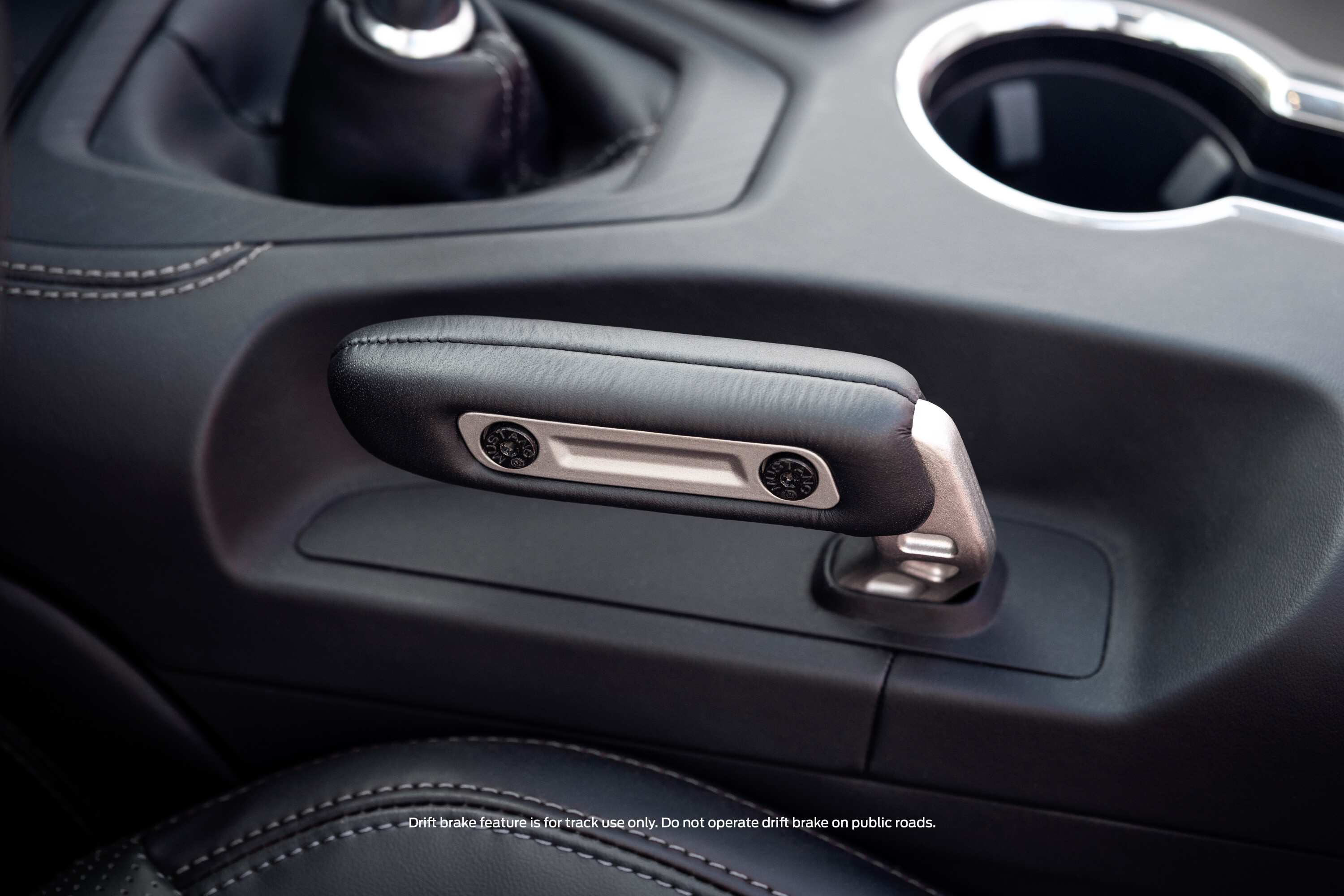
Australian Mustangs will also incorporate a brand new ‘Drift’ Brake feature that, via a Track Drive Mode, turns the electronic park brake lever into an oversteer tool for track days.
Australia’s V8 models have less power than their US counterparts. The Dark Horse, for example, produces 349kW rather than the 373kW (500hp) across the Pacific.
According to Ford Australia, Australia’s V8 Mustangs feature “a different exhaust manifold and calibration to suit different noise and emission regulations, while US and ECE rating procedures are also different.”
The company added that, apart from the exhaust manifold, the engine hardware was identical.
1
1
2024 Ford Mustang EcoBoost u2013 key standard features
u2018Fastbacku2019 coupe body style only
B&O Sound System
2.3L turbo 4-cylinder with 232kW and 475Nm
12.4-inch customisable digital driver display
Multi-mode exhaust system with Quiet mode
13.2-inch infotainment touchscreen
Brembo brakes: six-piston front with 390mm rotors, four piston rear with 355mm rotors
Track Apps inc Line-Lock mode
u2018Driftu2019 Brake
1
2024 Ford Mustang EcoBoost options
Magneride adaptive suspension
$2950/$3835*
EcoBoost Appearance Pack
$1500
Black Pack
$1500/$1950*
Prestige paint (Oxford White or Race Red only standard colours)
$700
Recaro sports seats
$2950/$3835*
*Higher option cost when Luxury Car Tax applicable
1
2024 Ford Mustang GT u2013 key standard features above EcoBoost
u2018Fastbacku2019 coupe or convertible body styles
19×9-inch front, 19×9.5-inch rear alloy wheels
5.0L V8 with 345kW and 550Nm
2024 Ford Mustang GT options
Magneride adaptive suspension
$2950/$3835*
Black Pack
$1500/$1950*
GT Appearance Pack
$1500/$1950*
Prestige paint (Oxford White or Race Red only standard colours)
$700
Recaro sports seats
$2950/$3835*
*Higher option cost when Luxury Car Tax applicable
1
2024 Ford Mustang Dark Horse u2013 key standard features above GT
A week out from the Australian launch of its massive new EV9 SUV, Kia has revealed it will look to local outfit Infinitev on the recycling and repurposing of batteries when they’re too tired to run your EV.
Sustainability and ‘end of life’ care for EV batteries has become a hot-button issue as more and more electric cars achieve senior status. It wasn’t all that long ago that, when asked, brands couldn’t tell us about their plans for dead or damaged batteries, because they simply hadn’t reached that point yet in any meaningful volume.
And, until recently, there were no facilities in Australia to ensure depleted or damaged battery packs were properly handled – and utilised, where possible – but as our ongoing story here shows, that’s changing fast.
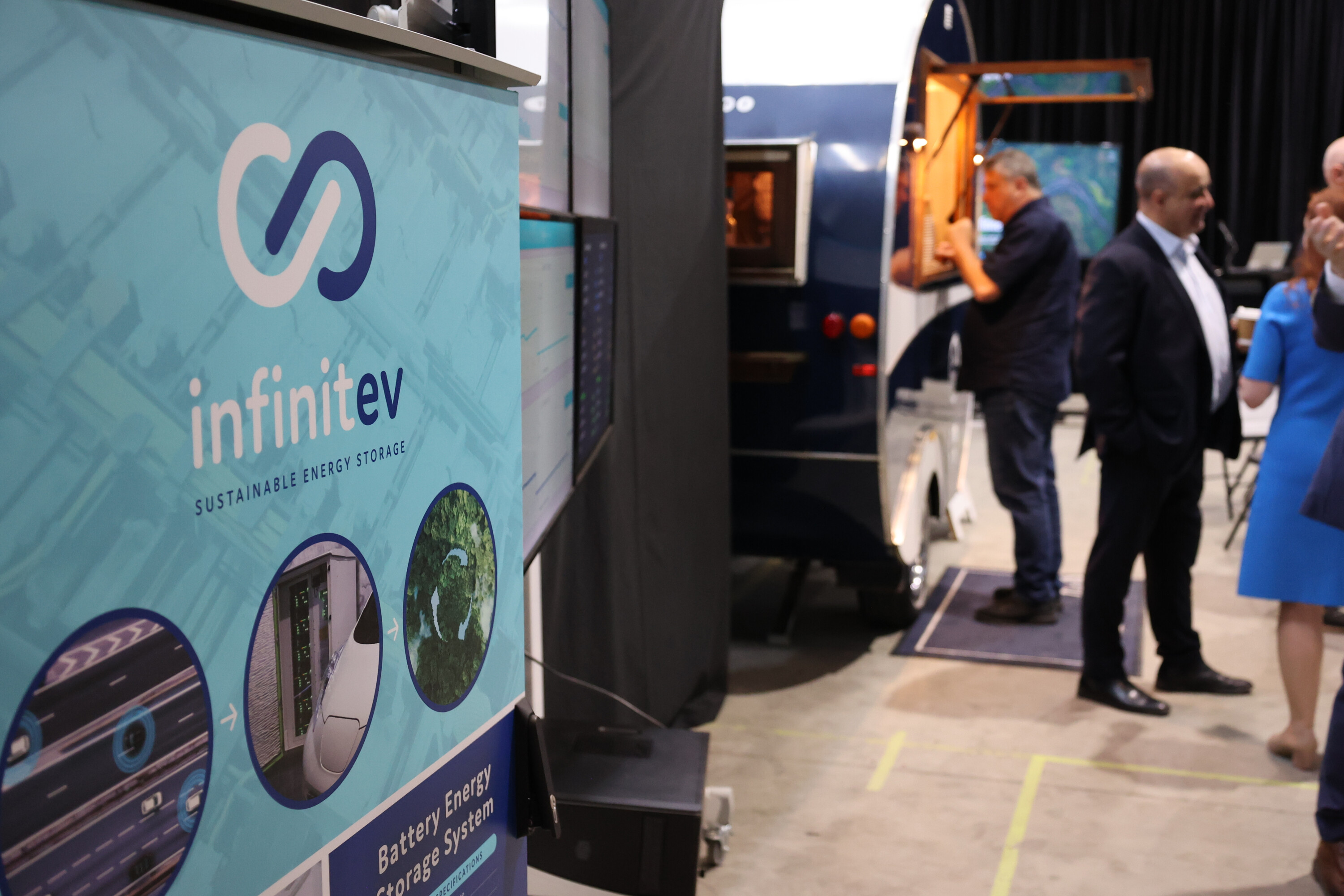
Infinitev says its partnership with Kia is focused as much as possible on battery reuse and repurposing – such as stationary applications like charging networks and other systems requiring power storage.
“We are proud to have a holistic solution that addresses the environmental concerns associated with electric vehicle batteries,” said Dickson Leow, General Manager of Infinitev.
“Our innovative reuse approach ensures that the transition to a circular economy is not only sustainable but also reduces waste and preserves valuable resources. Through responsible battery management, we can accelerate the adoption of electric vehicles and build a greener Australia.”
Infinitev uses a diagnostic system called HealthCheck to establish the capacity and condition of individual battery cells, allowing them to then determine which components can go onto various work in a ‘second life’ program.
The company works to the following categories after assessment
A grade modules are reused to build batteries for electric vehicles
B grade modules are repurposed for battery energy storage systems
C grade modules are recycled by Infinitev’s partners to recover valuable materials
1
Kia Australia chief operating officer Damien Meredith said of the partnership: “What happens to an electric vehicle battery at the end of its life is an important consideration when it comes to EV buyers, so this is a very significant program.”
Meredith said that a key part of the program is to ensure existing Kia EV owners can be confident that their batteries can be refurbished.
“We are currently in the very early stages of developing a solution tailored to Kia customers that will allow their electric vehicle batteries to be refurbished instead of discarded.”
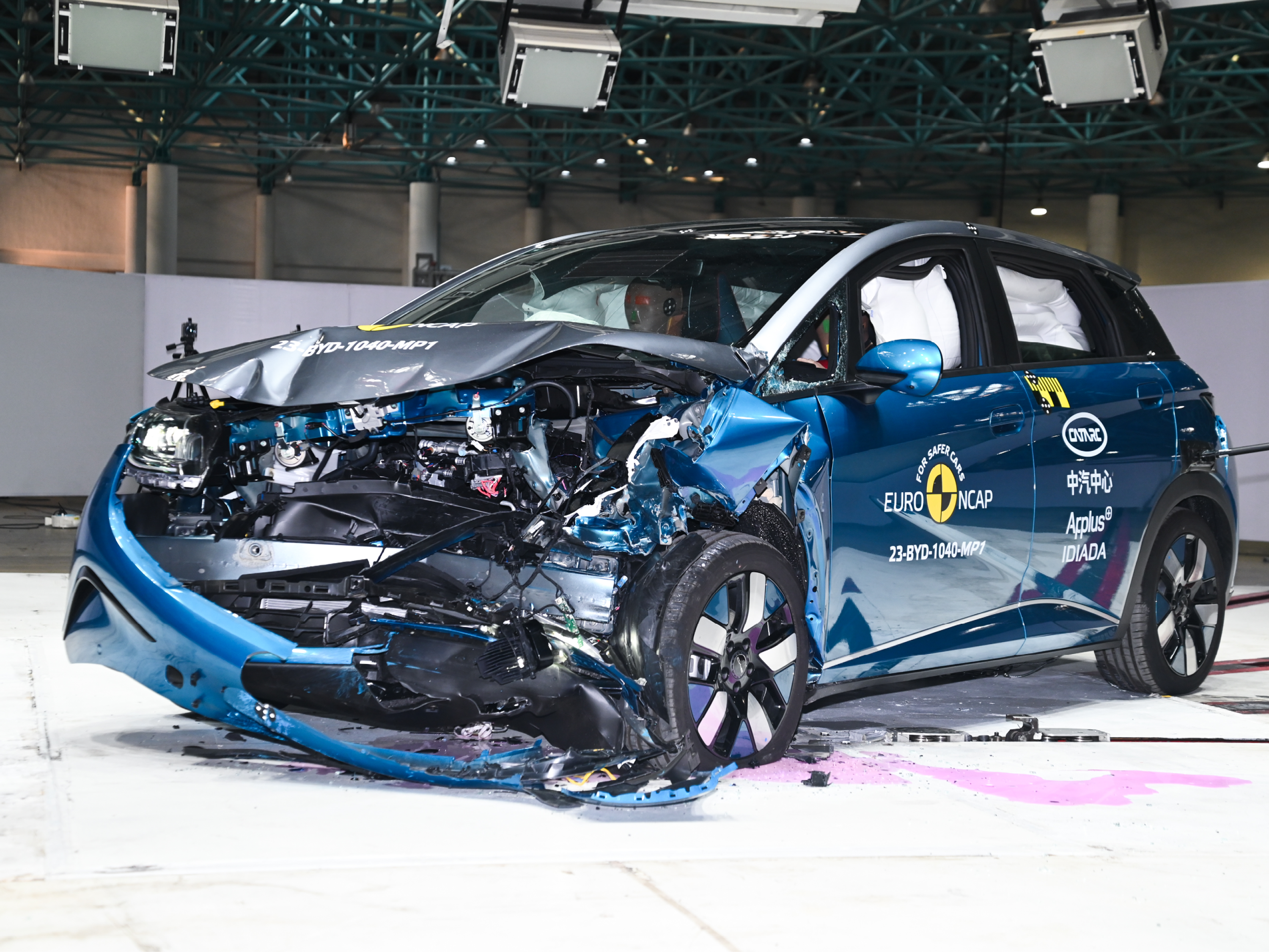
2024 BYD Dolphin, Seal achieve full five-star safety rating
First time structural EV battery has been tested
High adult, child occupant, vulnerable road user protection scores
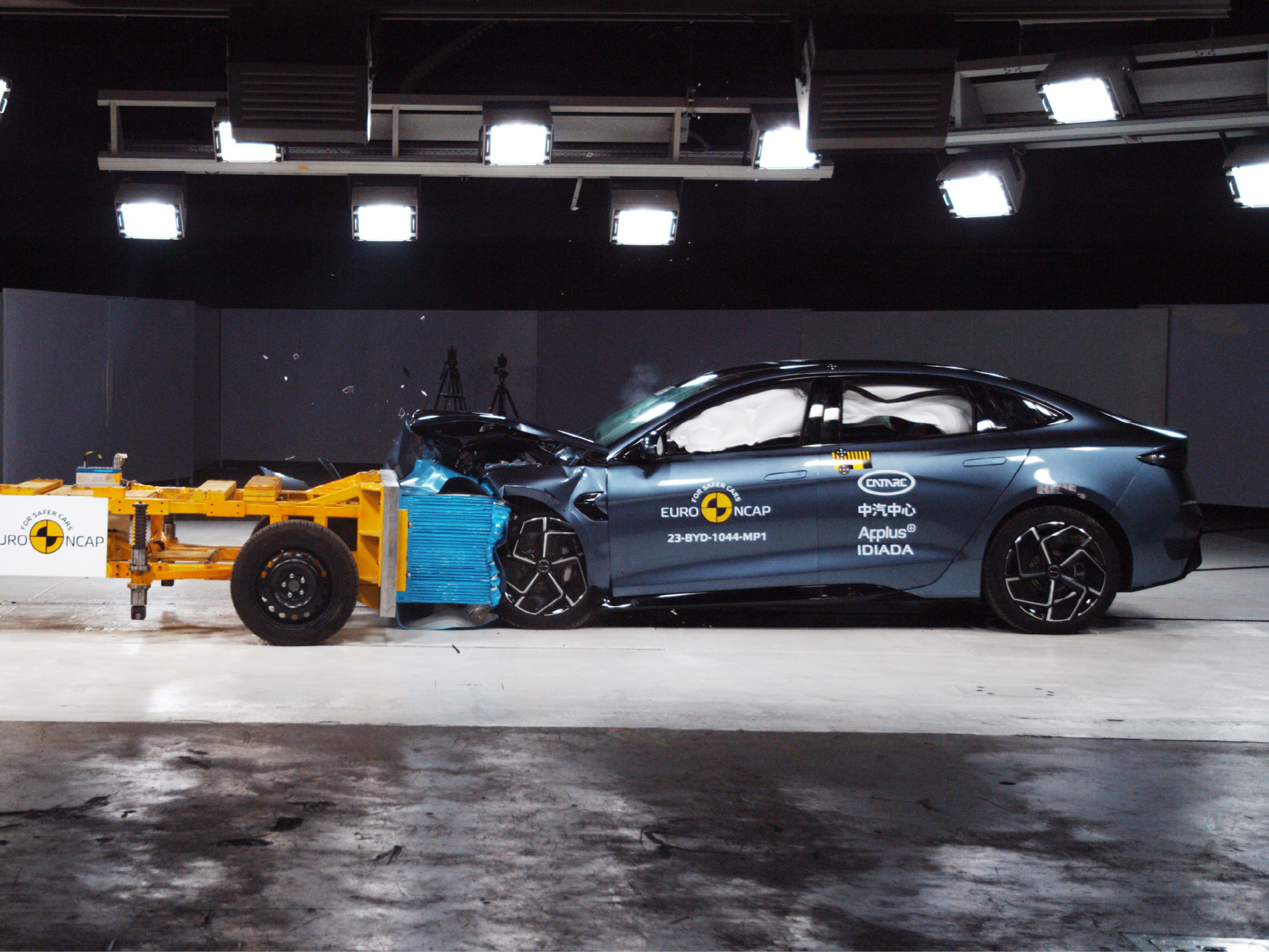
The 2024 BYD Dolphin and Seal electric cars have achieved the full five-star safety rating under the Australasian New Car Assessment Program’s (ANCAP) latest 2023 criteria.
The Seal sedan, in particular, represents the first electric vehicle tested with a structural battery construction.
? What is a structural battery?
The BYD Seal electric sedan is the first model in Australia to feature a structural EV battery, where its thermally safer lithium-iron-phosphate (LFP) battery cells are embedded in the body chassis itself, rather than fitting cells into modular packs.
The Chinese automaker labels it as a ‘cell-to-body’ (CTB) construction and claims it is more space efficient, allows the vehicle to sit lower for better aerodynamics, and improves body stiffness.
This design is not without controversy, however. American vehicle design engineer and advisor Sandy Munro told Reuters[↗] in March 2023 that structural batteries have “zero repairability” in the event of an accident.
1
The BYD Dolphin hatch and Seal sedan both achieved high scores across adult, child occupant, and vulnerable road user protection.
Under ANCAP’s latest 2023 testing criteria, both EVs complied with requirements that the doors be able to open within two minutes when submerged in floodwater, but ‘window opening’ functionality was not demonstrated.
The Dolphin had a mix of good and adequate protection for adults, but a ‘marginal’ level of protection for the driver’s chest in the frontal offset test.
The Seal achieved full points for protecting driver and child passengers in the side impact test, including the former in the oblique pole test.
However, protection for the driver’s chest and lower legs in the frontal offset test and the chest of rear passengers in the full width test were adequate.
Both budget-friendly EVs feature a front-centre airbag – unlike the rival MG 4 EV – and passed the crash safety body’s new door-open warning system test, even though they can’t temporarily lock the doors to help avoid colliding with a passing vehicle, cyclist or other road user.
As per ANCAP rules, the current ratings for the Dolphin [ANCAP ↗] and Seal [ANCAP ↗] will expire in December 2029 if not re-assessed.