
The mighty dual-cab 4×4 ute has become a must-have for tradies in Australia, serving as a workhorse and daily driver, and taking you further into the bush or onto the beach.
Gone are the days of two-wheel-drive utes, with cult classics like the HSV Maloo once signifying the pinnacle of success on a jobsite. A dual-cab 4×4, with plenty of aftermarket goodies fitted, is now the sign you’re doing just fine.
Dual-cab ute cabins are also as refined as their passenger-car relatives these days, without sacrificing their utilitarian purpose. No longer must tradesfolk settle for bench seats, bland interiors and hard plastics everywhere.
Nowadays, the options are seemingly endless within the ever-expanding ute segment, traditionally dominated by Japanese manufacturers but with Chinese players like LDV and GWM emerging with appealing cut-price models.
Then there is the growing range of larger, more expensive American pick-ups available Down Under, with brutish offerings from RAM, Chevrolet and soon Ford and Toyota.
1
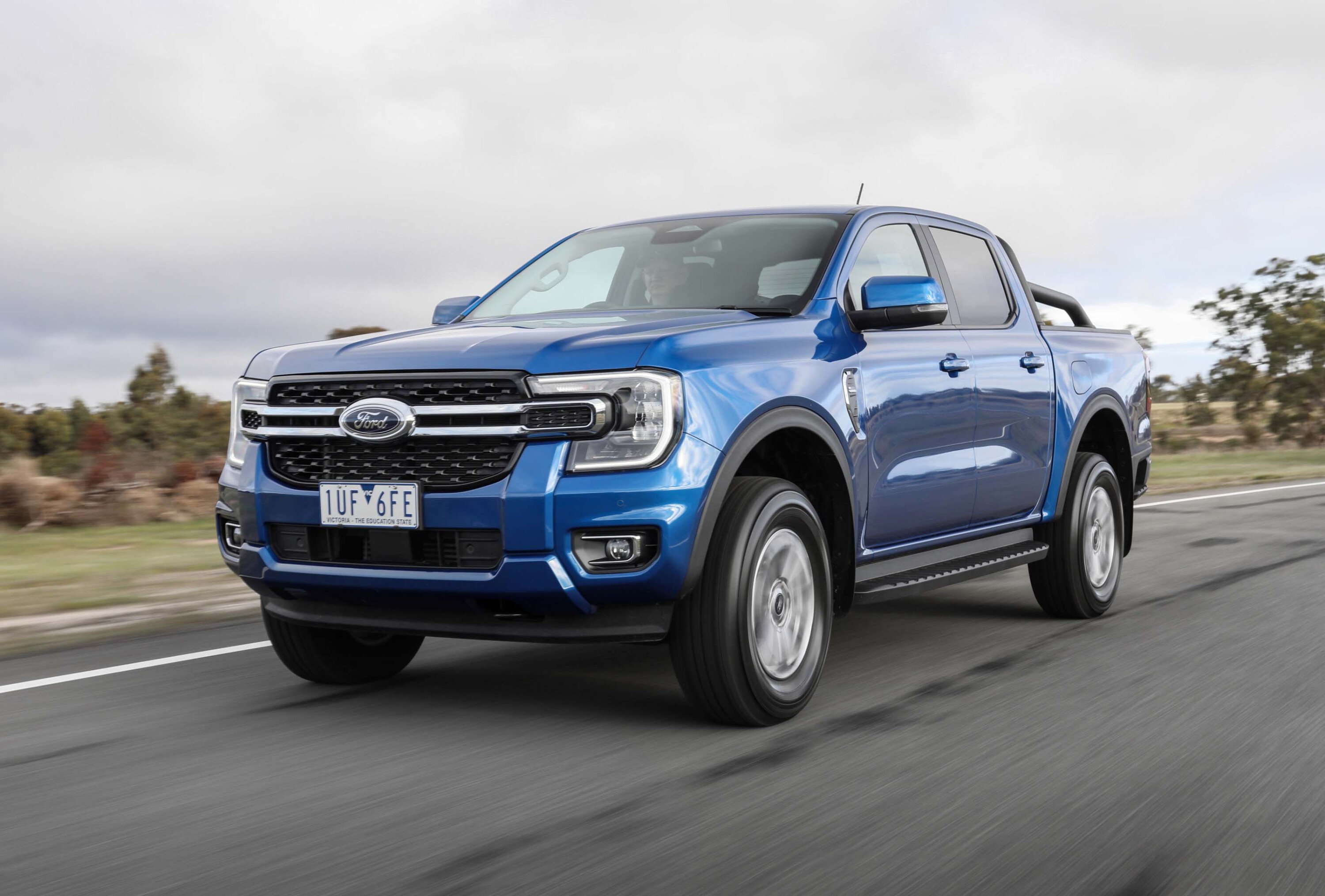
But here we’re looking exclusively at the best midsize 4×4 utes under $65,000. Because, let’s be honest, they are a winning formula and perfectly suited to our trade needs in Australia.
It’s no accident that three of the five utes we evaluated here also occupy the top 10 best-seller list for 2023 (so far). In fact, one sits at the very top of the Australian sales ladder, and has for quite some time.
1
What makes a good tradie ute?
This guide explores value, durability, carrying capacity, safety and features.
Of course, tradies love to put their own touch on their work rig – and when they basically live in their utes, who can blame them? To that end, we’ve made sure the top five utes all have solid aftermarket support.
JUMP AHEAD
- Ford Ranger XLT
- Isuzu D-Max LS-U
- Nissan Navara SL Warrior
- Toyota Hilux SR5
- Mitsubishi Triton GSR
- Specifications
1
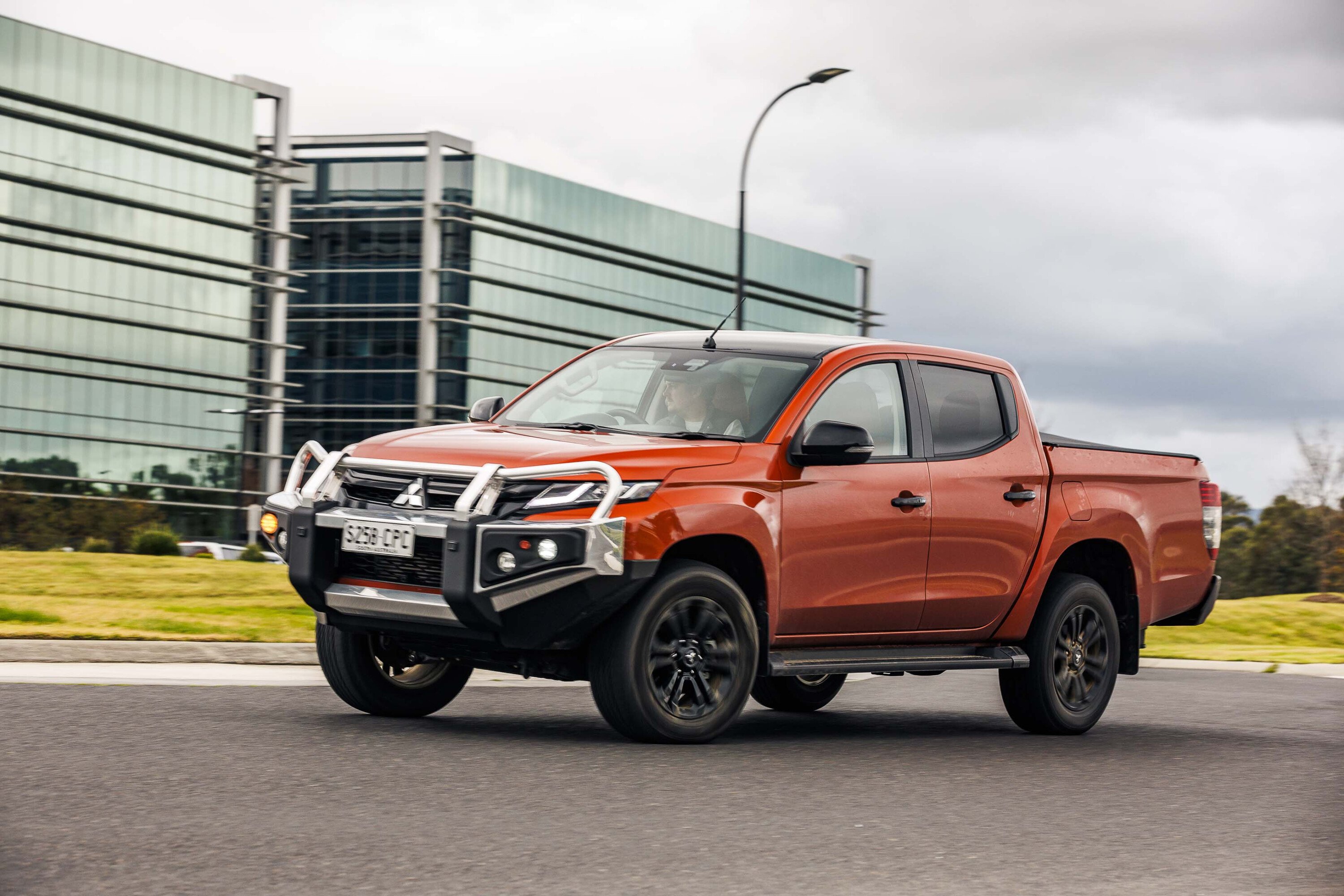
Ford Ranger XLT
$61,990 before on-road costsThings we like
- Car-like comfort
- Big torque out of efficient 2.0-litre engine
- Strong towing performance
Not so much…
- The 10-speed gearbox shifts constantly
- Expensive compared to competition
- Engine can become thirsty when pushed
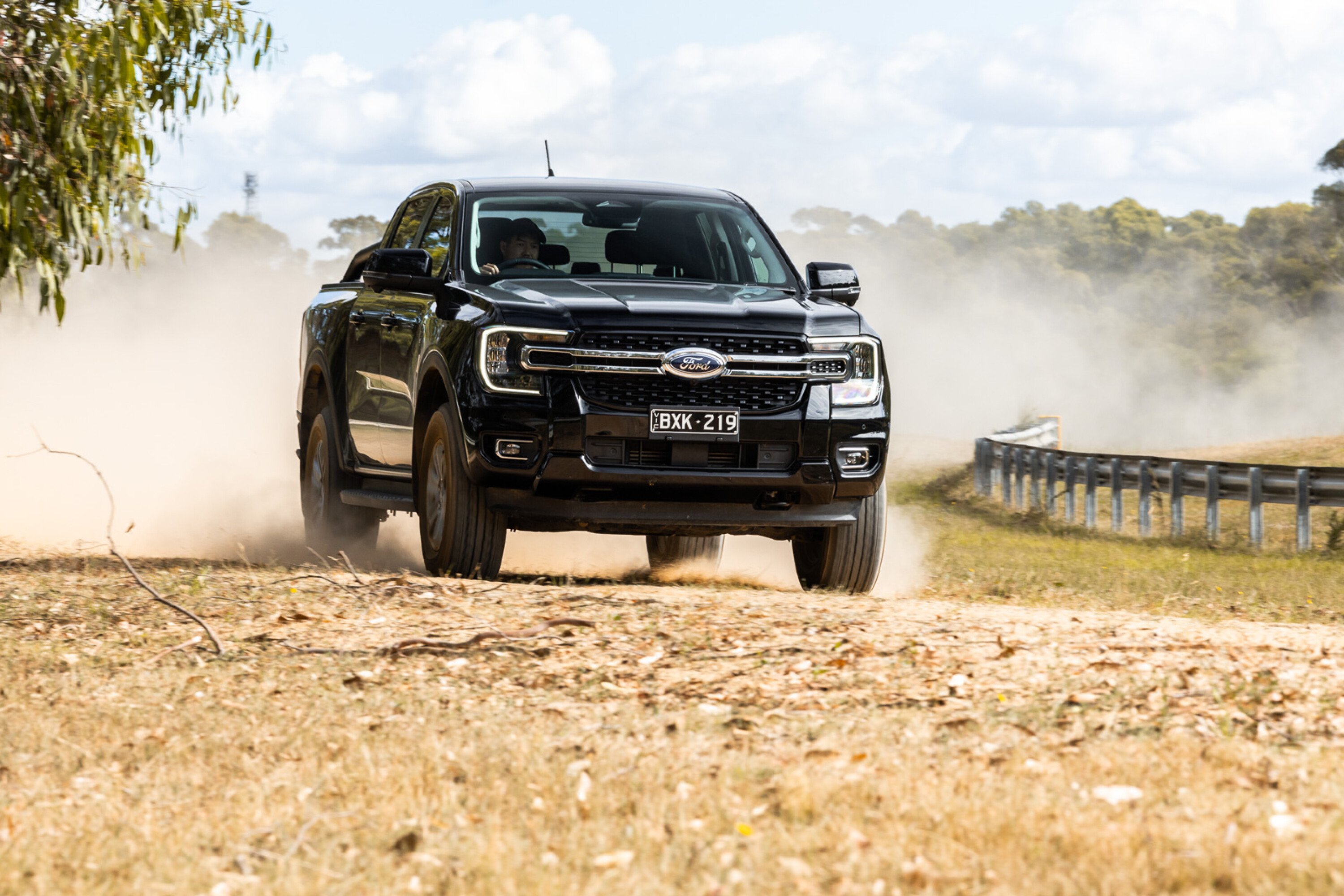
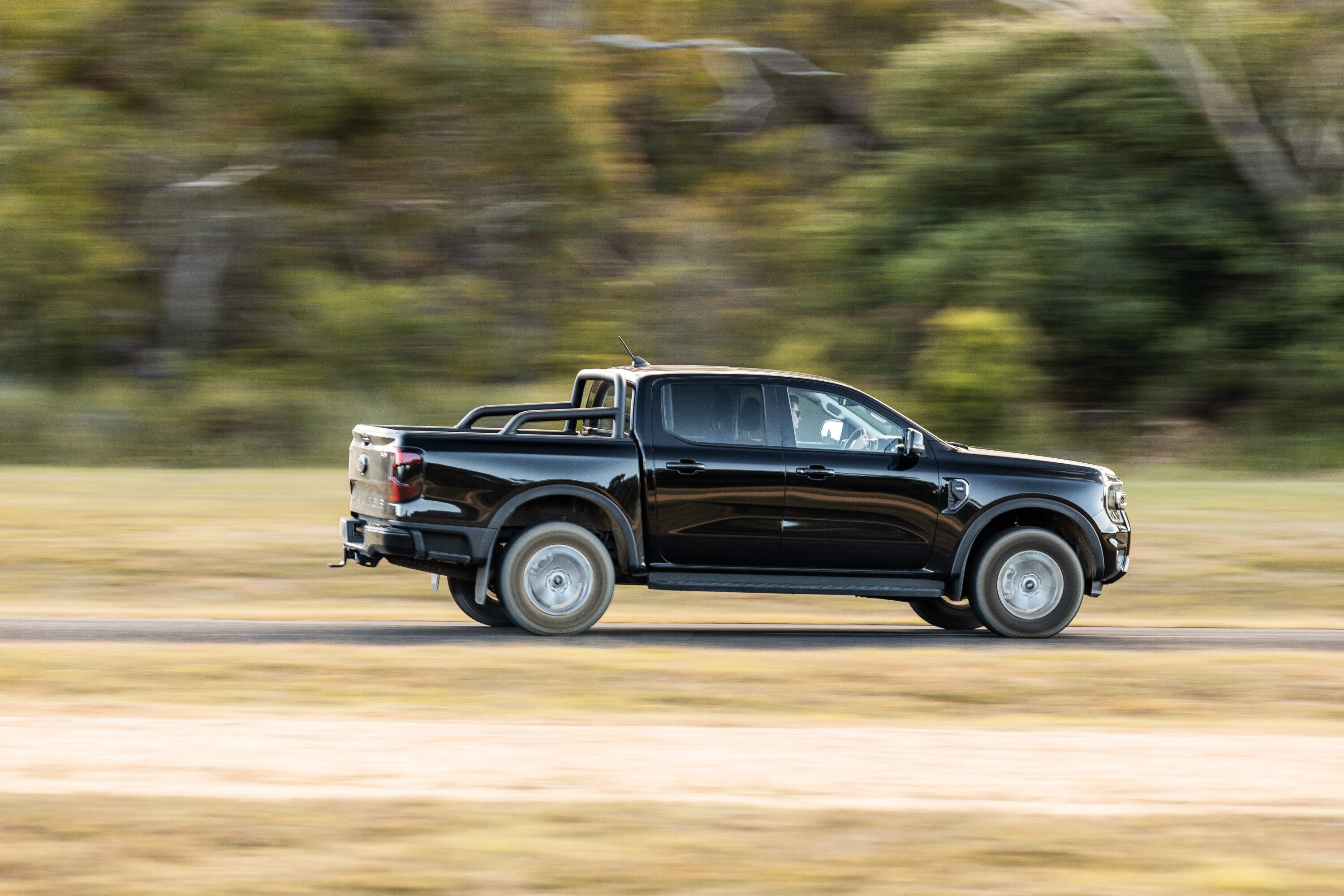
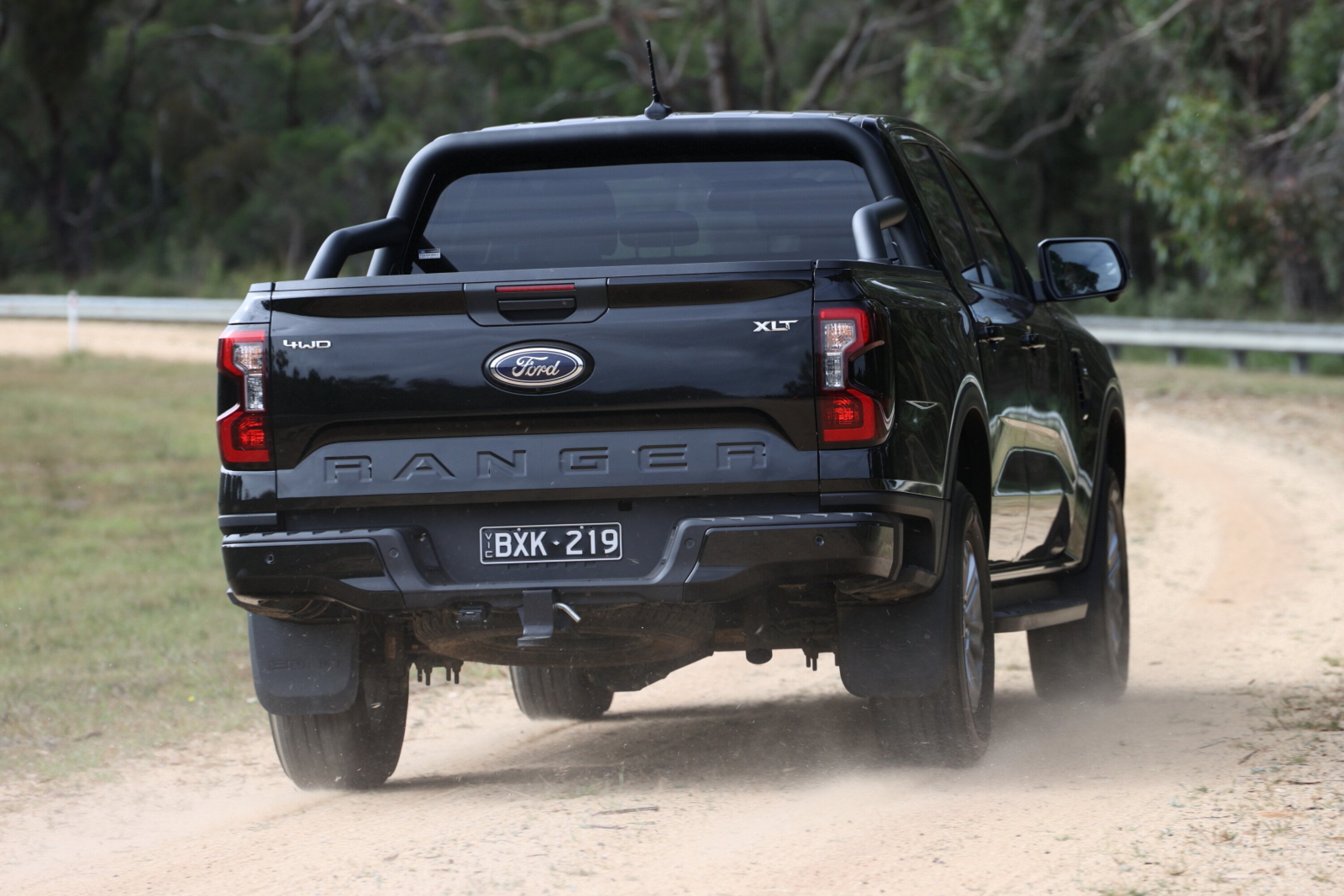
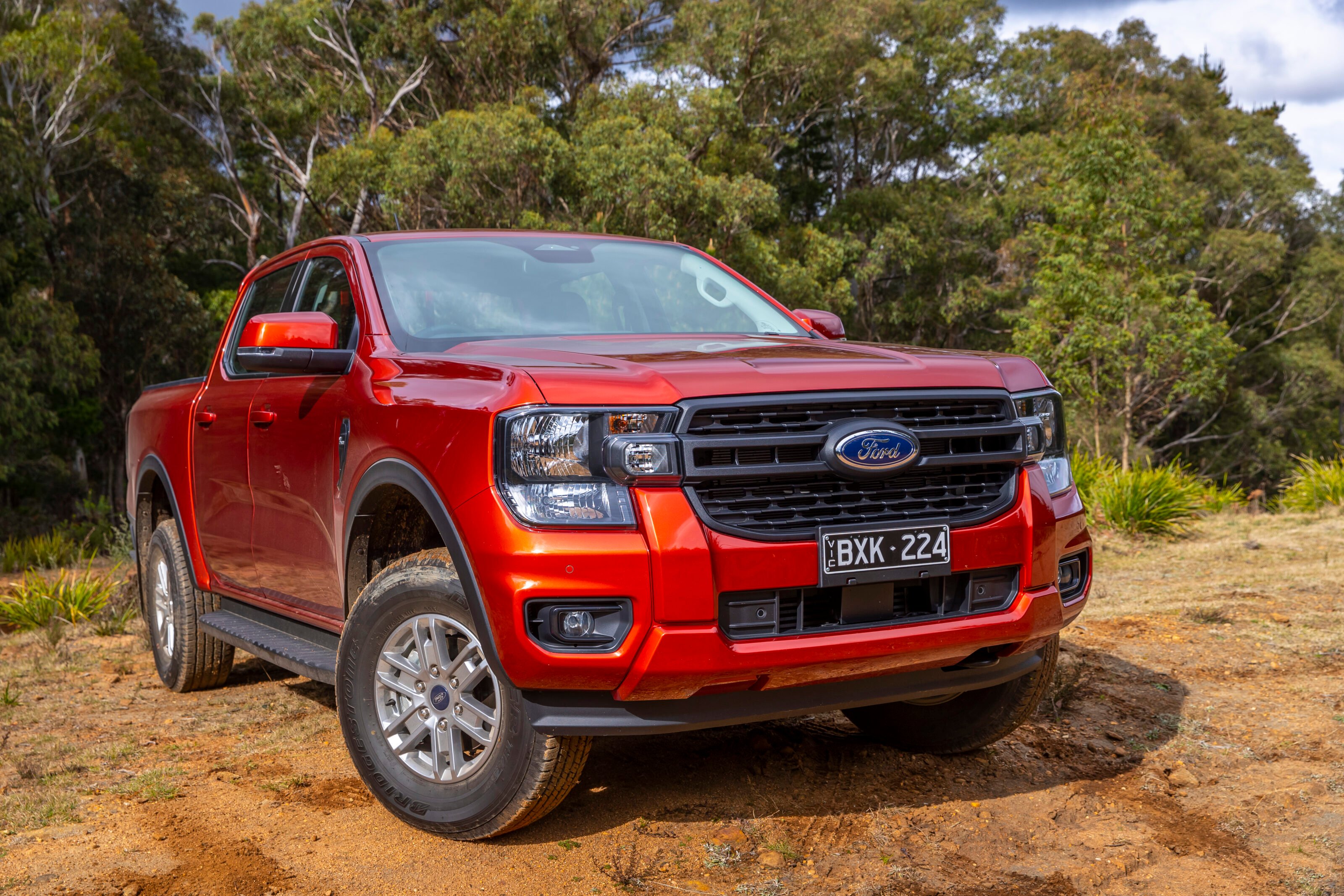
The latest generation Ford Ranger, released in 2022, is the smartest ute on the list with advanced off-road and towing tech, class-leading active safety and serious levels of refinement.
It’s also the only Aussie ute on the list because, while assembled in Thailand, it was designed and engineered by Ford Australia for our unique conditions.
The option we think represents the best tradie value is the mid-range XLT dual-cab, with the 2.0-litre bi-turbo engine, coming in at $61,990 before on-road costs.
1
Despite its small displacement the 2.0-litre engine produces 154kW/500Nm and backed by a 10-speed automatic transmission, it is surprisingly peppy.
An official fuel rating of 7.6l/100km isn’t too far from reality, with our testing returning figures between 8-9l/100km from the peppy 2.0-litre engine.
The XLT can be optioned with the more powerful V6 diesel, but at nearly $4,000 more for the extra cylinders we would recommend the four-pot unless you plan to tow regularly.
On the topic of towing, the full Ranger line-up (excluding the Raptor) will pull 3500kg, and payload for the XLT is a healthy 1005kg.
The XLT offers a premium cabin and technology offering, featuring LED headlights and daytime runners, adaptive cruise with ‘stop & go’ functionality, lane centering, active park assist and smart keyless entry.
The latest generation Ranger scored a full five-star ANCAP safety rating, with nine airbags onboard and Ford’s suite of safety features on stand-by.
1
Ford offers a five-year / unlimited-kilometre warranty for all Ranger models, and services come up every 15,000km or 12 months. Capped-price servicing keeps the first four services at or below $329.
For those wanting to trick up their new Ranger, the good news is that Ford joined forces with ARB to offer an impressive range of dealer-fit accessories. Of course, aftermarket support outside of Ford and ARB is also strong, with near endless accessory options out there.
MORE
Everything Ford
1
Isuzu D-Max LS-U
$59,000 before on-road costsThings we like
- Full suite of safety tech standard across entire range
- Tried and tested 3.0-lite u20184Ju2019
- Solid value
Not so much…
- Six speed gearbox feels slightly undercogged in 2023
- Loud compared to quieter engines here
- Harsh rear-end ride when unloaded
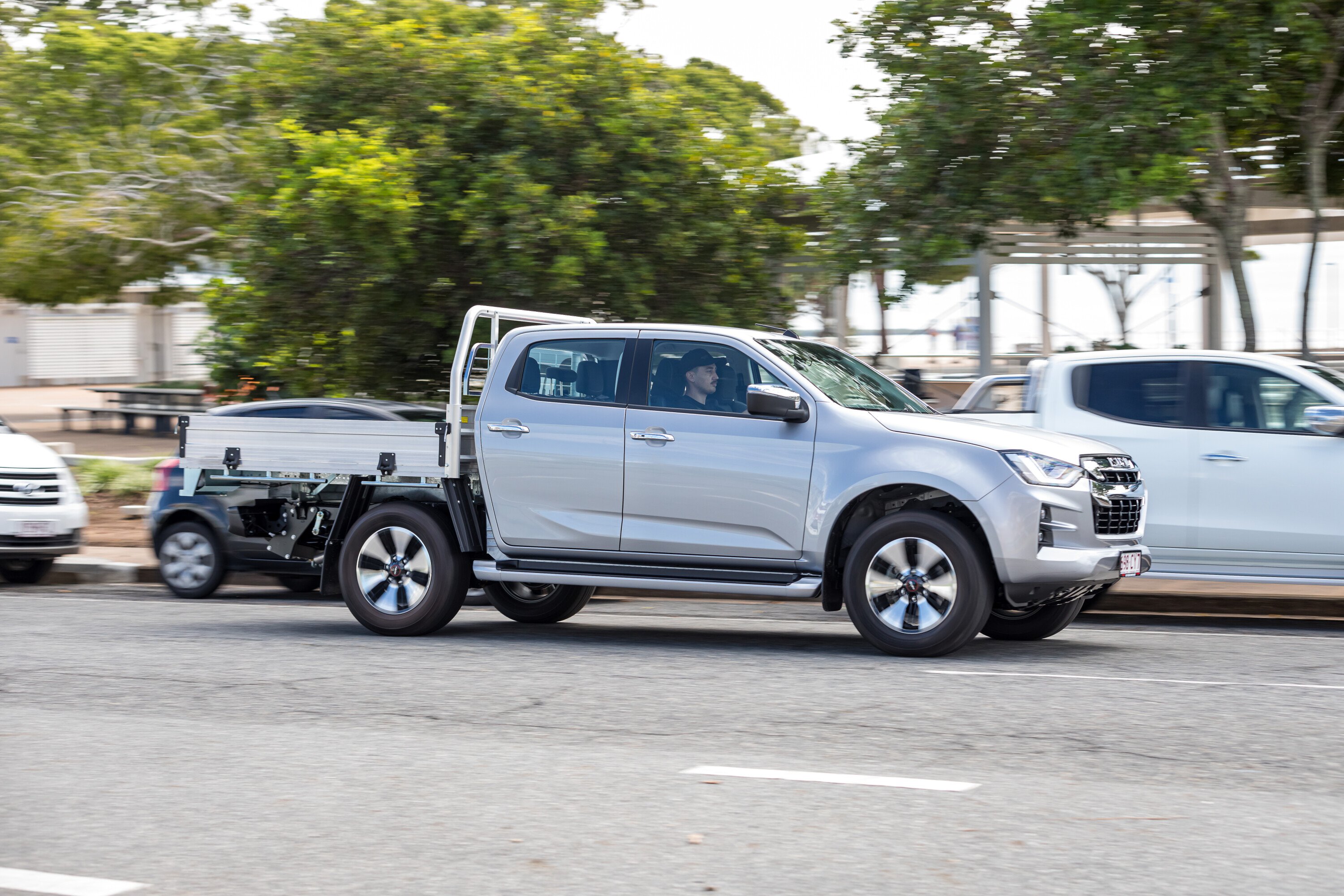
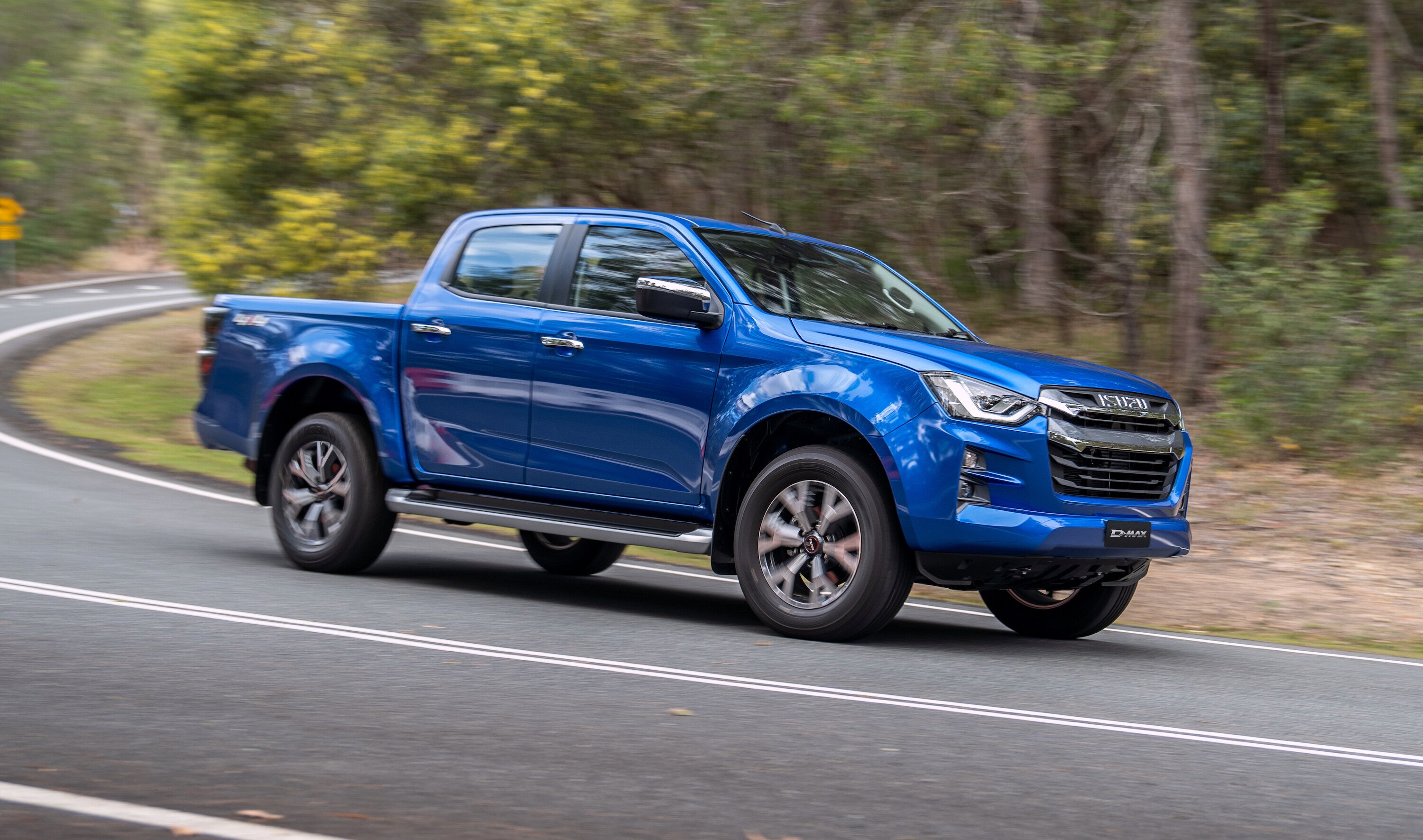
Isuzu’s latest generation D-Max has the largest engine on our list, an impressive array of standard safety technology, and a compelling price tag of $59,000 before on-road costs.
The 3.0-litre turbo-diesel engine is a variation of the same unit that’s been powering the D-Max since its Australian debut back in 2008, famed for its rugged reliability and tuneability.
Power comes in at 140kW/450Nm with the choice of a six-speed manual or automatic to transfer it to the wheels, but the beauty of this under-stressed engine is its wide truck-like torque spread.
1
Our reason for suggesting the mid-spec LS-U is that the X-Terrain above it gets additions like a sports bar, which most tradies will remove to fit a canopy, and the extra money is better spent on aftermarket upgrades.
Inside, the LS-U has a 9.0-inch infotainment screen, comfortable premium cloth seats, and a mix of soft and hard interior materials that offer a classy touch without sacrificing durability.
The D-Max scores a full five-star safety rating and eight airbags, as well as Isuzu’s full suite of advanced safety features including autonomous emergency braking, adaptive cruise, lane keep assist, forward collision warning, misacceleration mitigation, driver attention assist and automatic high-beam control.
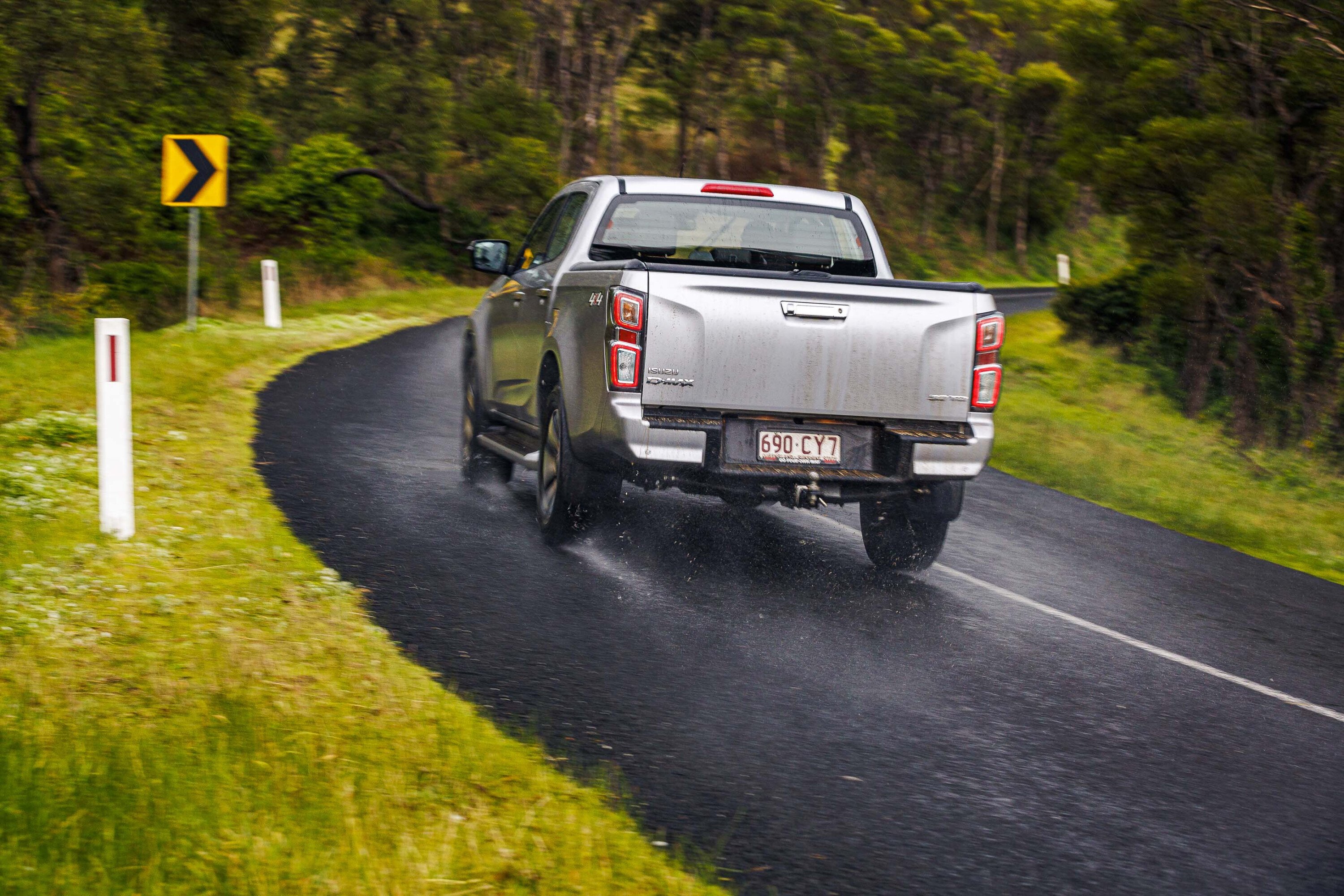
On the road, steering is fantastic, braking is predictable and power delivery is stout. However, unloaded, the D-Max is jarring with its stiff rear leaf setup performing best with some weight in the tray.
The D-Max has a maximum braked towing capacity of 3500kg and payload of 995kg. If you want to be able to put a tonne or more in the styleside tub, you’ll need to shop down to an LS-M or base SX model.
Claimed fuel use is 8.0L/100km, but owners can expect that number to hover between 8.5-9l/100km depending on how much highway work is done. We typically averaged just over 9L/100km when testing the D-Max during mixed use.
1
Isuzu offers a six-year / 150,000km warranty on all D-Max models, and services come around every 15,000km or 12 months. Capped-price servicing is offered for seven years or 105,000km, with the cost per visit coming in at between $409 and $769.
The D-Max has strong aftermarket support for everything from lift kits to canopies – but if you do increase the ride height by more than 40mm, look into fitting aftermarket upper control arms at the same time.
MORE
Everything Isuzu
Nissan Navara SL Warrior
$60,500 plus on-road costsThings we like
- Real-world 4×4 upgrades out of the box
- Good value
- Tough aesthetic
Not so much…
- Bare bones interior
- Pared back safety tech
- Stiff ride quality
The Navara is a strong contender, sitting on the lower end of the power stakes but offering strong value in off-road-focused models that don’t scream out for further customisation.
Powered by a 2.3-litre twin-turbocharged diesel engine, producing 140kW/450Nm, the Navara is no slouch, but it lacks the torque of gruntier options like the Ranger and HiLux.
Nissan claims fuel use figures of 7.9L/100km and it is an economical unit even when pushed, but delivered closer to 9L/100km during testing.
1
This is the only option on the list with a multi-link coil-sprung rear end, resulting in a plush unladen ride compared to the others on the list. It undoubtedly handles better around town than its leaf-sprung competition, but is still stiff. It’s a ute, after all.
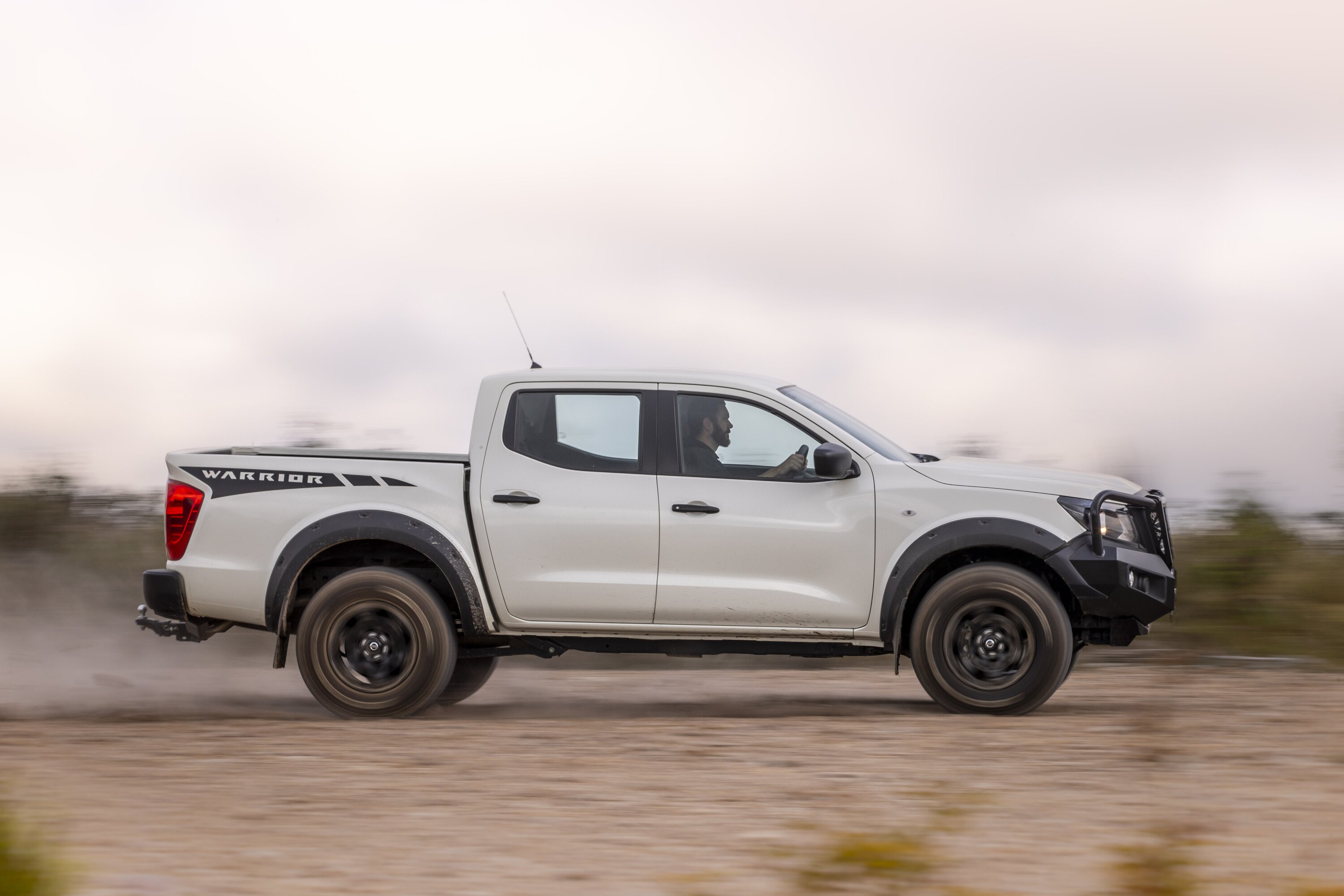
Since scoring a facelift in 2021, the NP300 Navara range has grown to include two Premcar-fettled off-road models. What’s unique about Nissan’s approach to its hardcore models, is that while one is of course a range-topper, the other is actually an entry-level SL model.
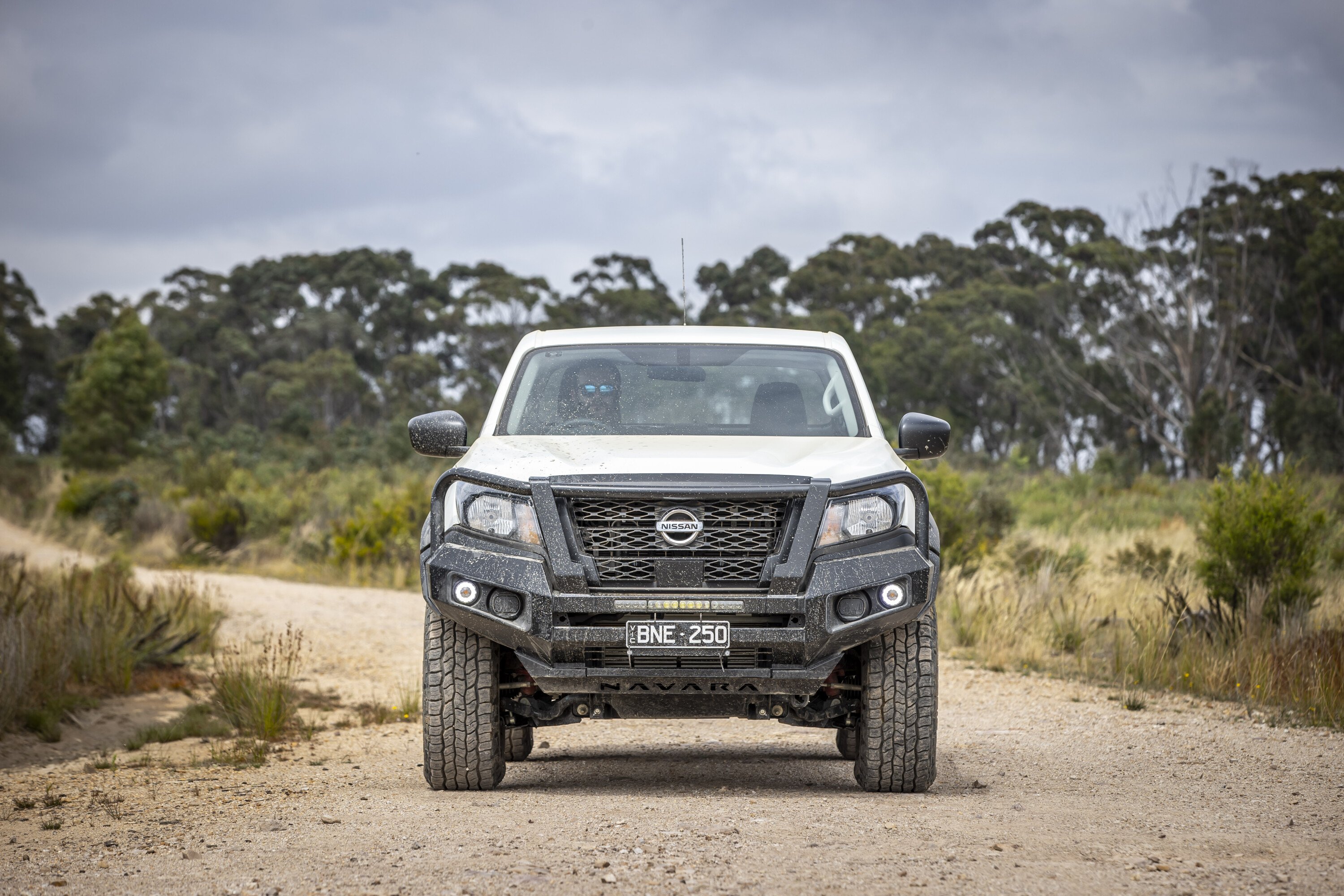
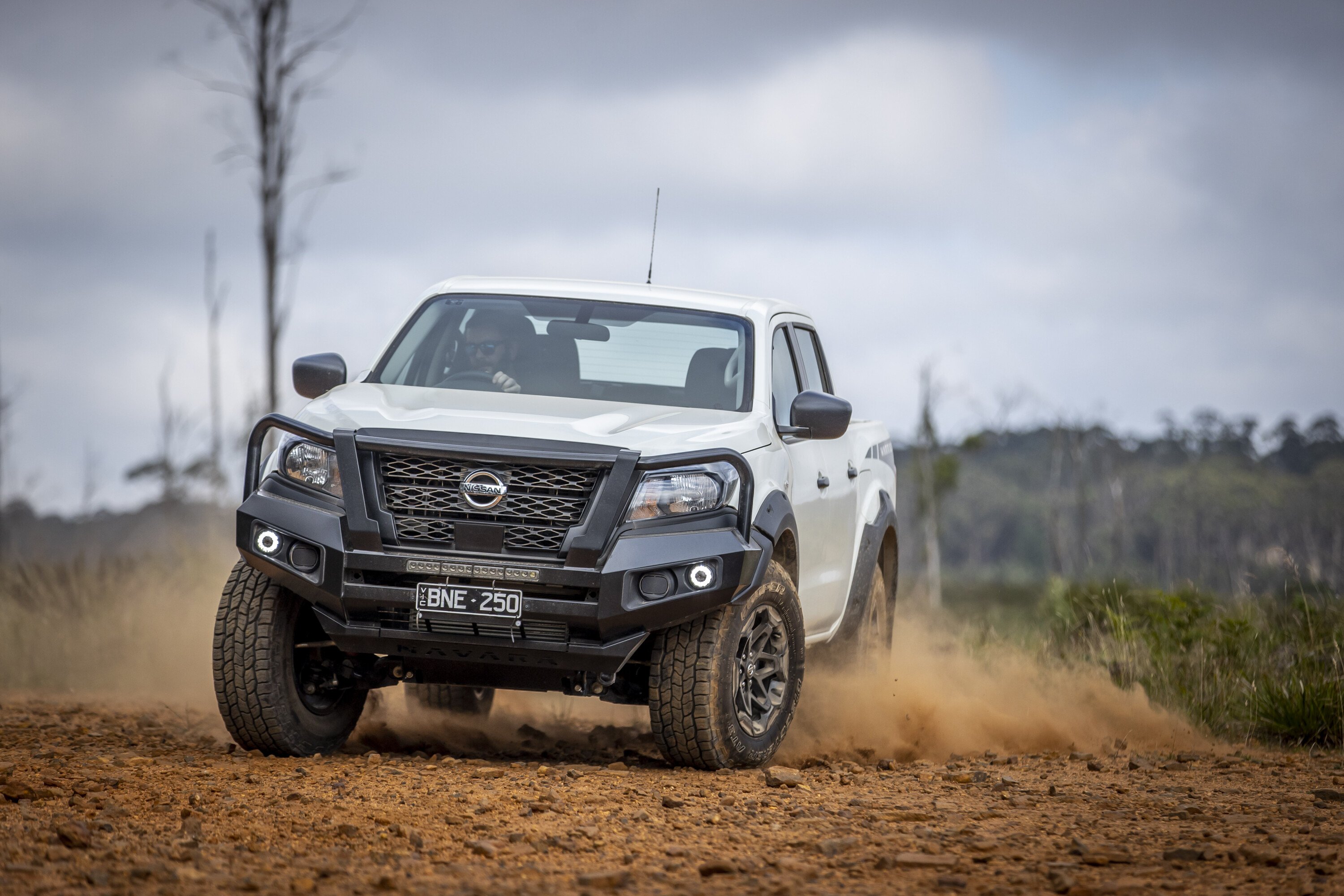
For that reason the SL Warrior is our pick of the Navara bunch for tradies, coming in at $60,500 plus on-road costs but with items like a lift kit and better rubber already ticked off the to-do list.
Not only does it offer serious value with a wider track, beefy bash plate, suspension lift, bullbar with built-in lightbar, towbar and larger all-terrain tyres from factory, it also scores a GVM upgrade. So the SL Warrior will happily carry 1081kg, tipping it over the tonne – good news for trade buyers.
It will also tow 3500kg, and having a 30mm wider track and 30mm longer wheelbase than a stock SL, it should in theory tow better too.
While the SL Warrior scores an impressive list of off-road gear, the interior and technology offering are fairly basic. Cloth seats and vinyl floors may deter some, but for hardworking tradies, this wipe-down interior will wear well. An 8.0-inch infotainment screen sits front and centre, with the usual Apple CarPlay and Android Auto (both wired), but that’s about it.
1
Safety in the base SL models is pared back too, with no lane-departure warning, blind-spot monitoring or surround-view camera system.
It does feature autonomous emergency braking, forward-collision warning, driver-fatigue warning and seven airbags.
While it scored five stars back in 2015, the Navara’s score expired in December 2022.
1
Nissan offers a five-year, unlimited-kilometre warranty with complimentary roadside assist.
Services come around every 20,000km, or one year, with capped-price servicing across the range. Service costs, for the first six visits, range from around $500 up to $782.
While aftermarket support is strong, the SL Warrior is fairly sorted out of the box, saving you time and money.
MORE
Everything Nissan
1
Toyota HiLux SR5
$58,680 before on-road costsThings we like
- Solid build quality
- Good on-road and off-road performance
- Strong aftermarket support
Not so much…
- Outdated compared to others on our list
- Stiff ride, particularly when unloaded
- Loud engine
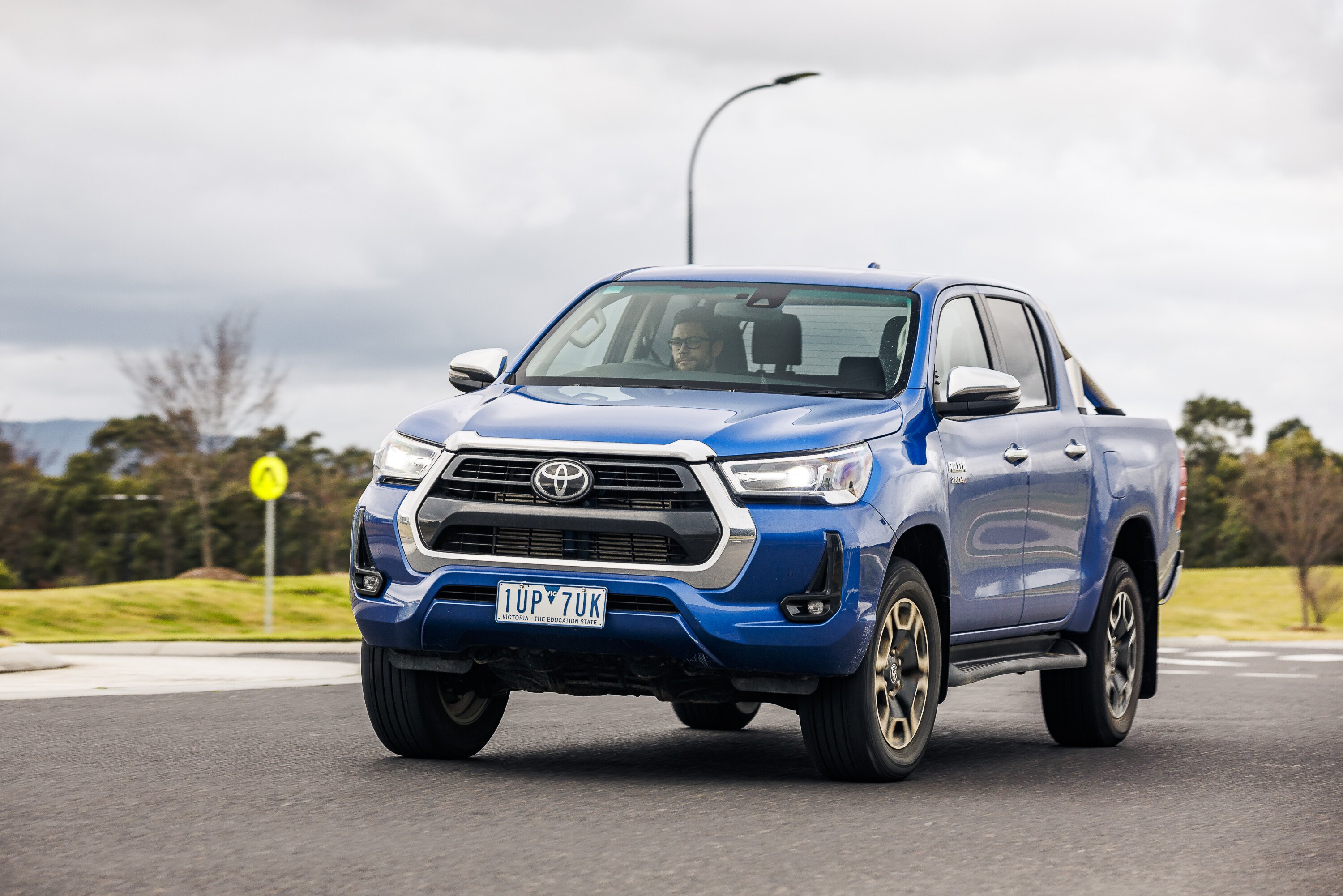
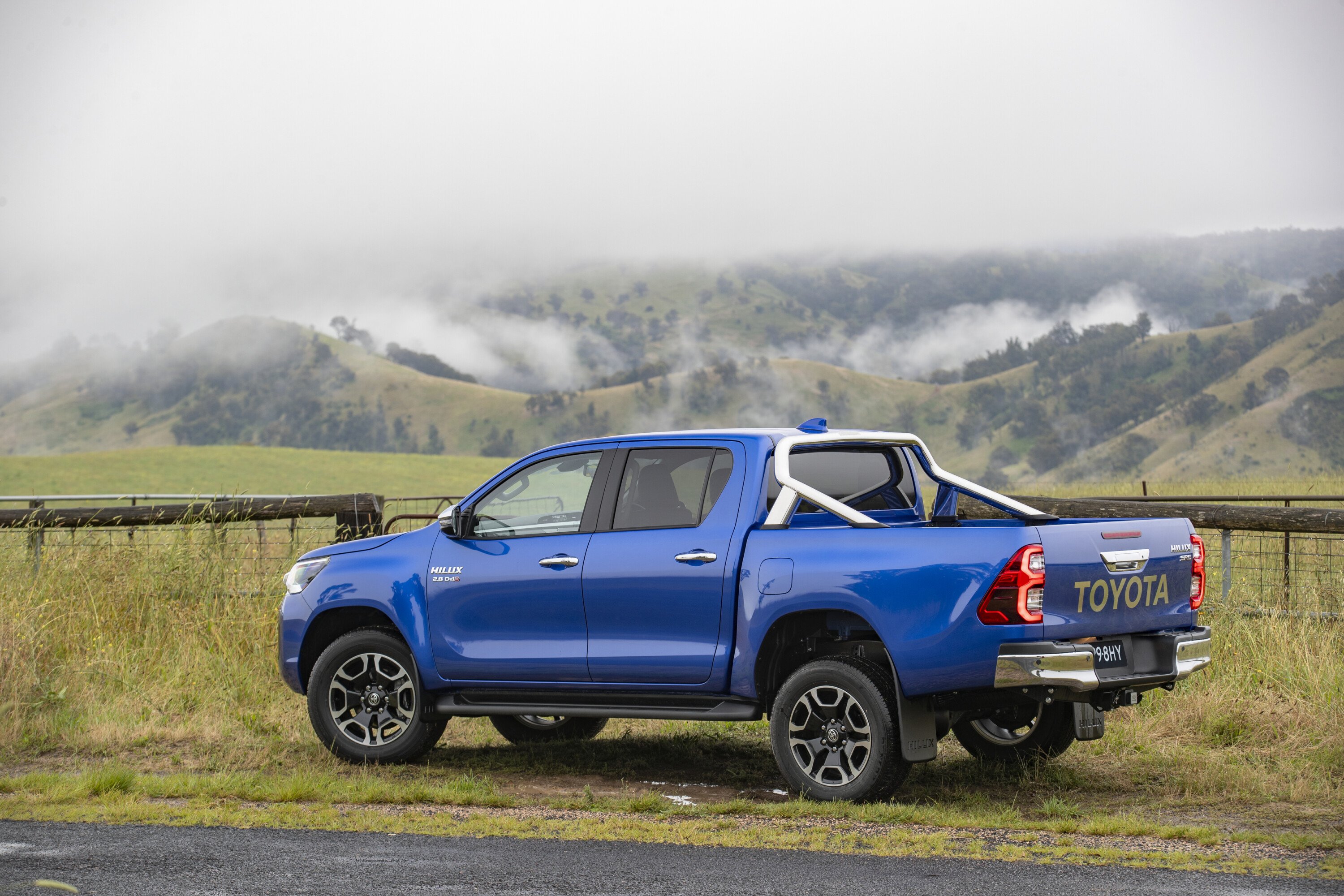
The undisputed king of the dual-cab utes, at least in terms of overall popularity, is the Toyota HiLux – the Milwaukee of the ute world. It also happens to be the top-selling car in Australia, period.
The ‘can’t kill ‘em’ reputation the HiLux earned across the last 50 years has stuck (even through widespread DPF issues), making it an easy go-to and a tradie favourite.
Our pick is the SR5, which sits around the middle of the recently expanded HiLux range, priced at $58,680 before on-road costs.
1
The HiLux is powered by a 2.8-litre turbo-diesel engine producing 150kW/500Nm, backed by a six-speed automatic or manual transmission, sipping a claimed 7.9L/100km. It’s one of the most frugal engines listed here, confirmed during real-world testing.
Being a high-spec model, it gets leather seats, 8.0-inch screen, and piano-finish black trim that feels premium, if a little dated.
The safety technology includes autonomous emergency braking, lane departure alert, adaptive cruise control, surround-view cameras and road sign assist. The HiLux has seven airbags and it scored a full five-star ANCAP safety rating in 2019.
The SR5 has a braked towing capacity of 3500kg, but its payload is under a tonne at 940kg. Fitting an alloy tray will of course claw back some payload.
Toyota offers a five-year, unlimited-kilometre warranty for its HiLux range and will extend it to seven years if vehicles are serviced within its dealer network.
The HiLux will, however, need to be serviced every 10,000kms or six months, which is more frequently than the others listed here. Services will set owners back an average of $290, or $1740 across the first three years.
Being by far the most popular dual-cab ute in Australia for so many years, aftermarket support is fantastic. Every off-the-shelf part you can imagine is available for the HiLux.
MORE
Everything Toyota
1
Mitsubishi Triton GSR
$55,690 plus on-road costsThings we like
- Fantastic value for money
- 10-year extended warranty
- Proven off-road performer
Not so much…
- About to be superceded
- Dated design against newer alternatives
- Down on payload and towing capacity
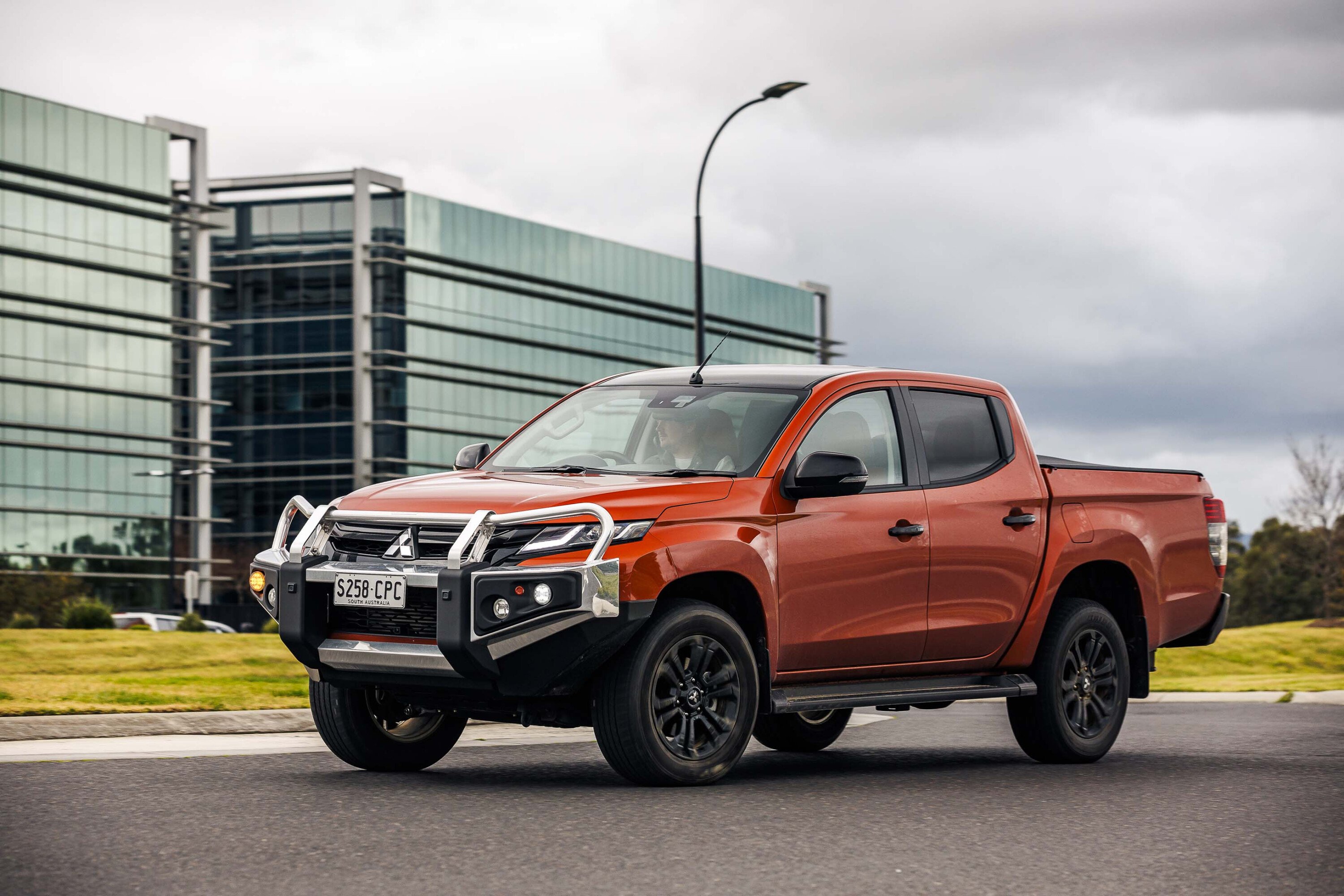
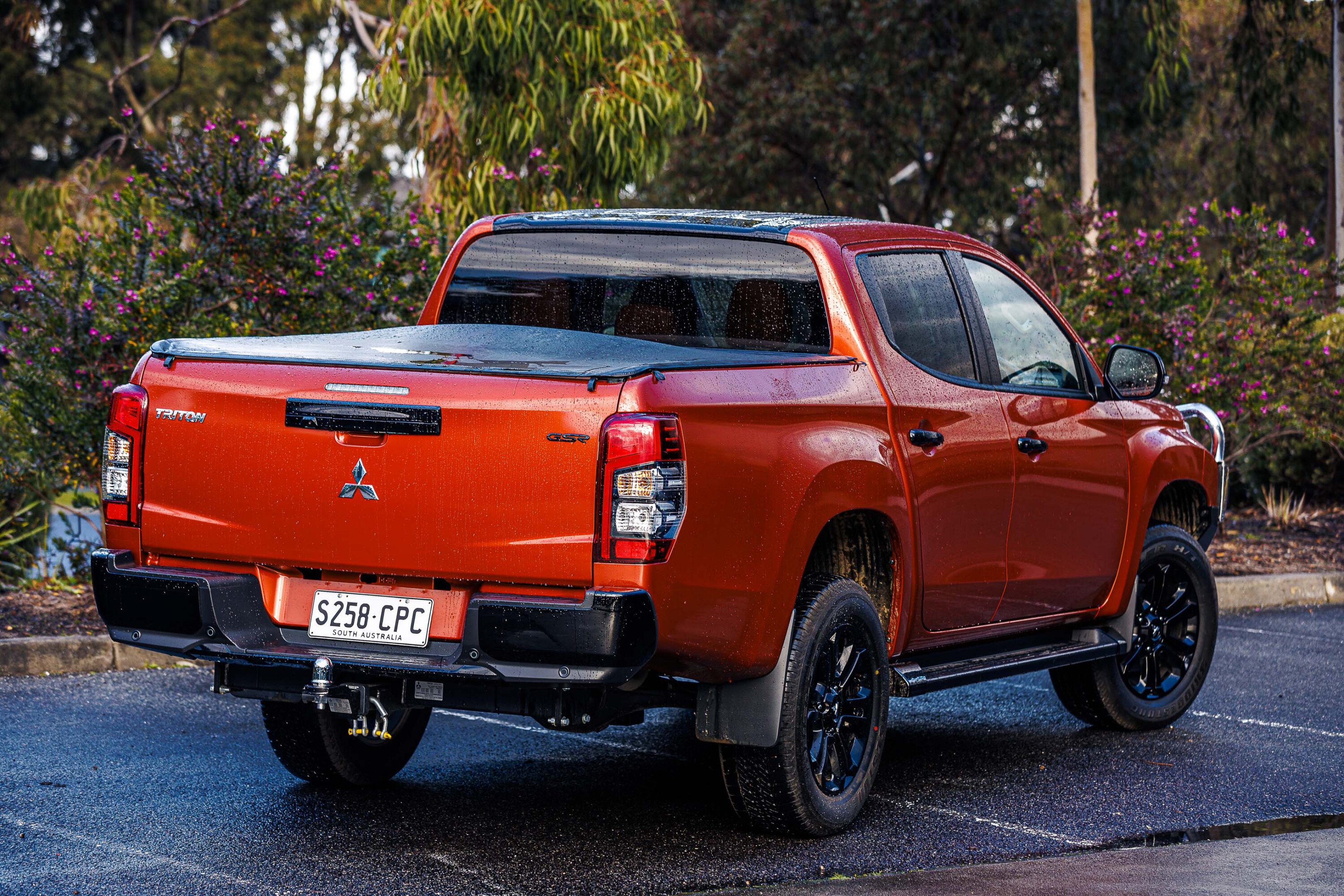
The Triton is the bargain of the bunch, with the top-spec GSR coming in at just $55,690 plus on-road costs. However, a new model has already been revealed and is due down-under in early 2024.
Don’t let the incoming model deter you from the current range just yet, though, because it’ll almost certainly cost you much more of your hard-earned cash to get into a next-gen Triton.
The current GSR model features a 2.4-litre turbo-diesel producing 133kW/430Nm, paired with either a six-speed manual or automatic transmission. Mitsubishi claims fuel use of 8.6L/100km which is about right, if not a little optimistic.
1
Braked towing potential is down on the other utes here, with the Triton topping out at 3100kg, and its payload is also on the lower end at 901kg.
A relatively modern interior features a 7.0-inch infotainment screen with smartphone connectivity, leather seats with heating and electric adjustment, keyless entry and push-button start.
The Triton GSR gets a comprehensive suite of safety technology with features like forward-collision mitigation, pedestrian detection, lane-departure warning, blind-spot monitoring. The Triton scored a five-star ANCAP rating back in 2015, but its score expired in December 2022. The Triton also has just six airbags – down on safety compared with the other options on the list.
The current-generation Triton has solid aftermarket support with myriad bullbars, lift kits, canopies and other accessories available.
If you plan on waiting for the new model, Mitsubishi and TJM have already developed 46 aftermarket products for the incoming range.
Mitsubishi offers a generous ten-year / 200,000km warranty for Triton models, provided all servicing is done at an authorised dealership.
Services come around every 15,000km or 12 months, and pricing is capped at around $600 per year for the first 10 years or 150,000km.
Sure, it’s down on power, payload and a little dated in its design, but this is the cheapest ute on our list – despite being a top-spec model.
MORE
Ute Buyers Guide
Visit our Best Utes page to find the right ute for you.
SCORING
| Ford Ranger XLT | Isuzu D-Max LS-U | Nissan Navara SL Warrior | Mitsubishi Triton GSR | Toyota HiLux SR5 | |
|---|---|---|---|---|---|
| Safety | 9 | 9 | 7.5 | 8 | 8 |
| Comfort | 9 | 7.5 | 8 | 7.5 | 7.5 |
| Engine | 8.5 | 8.5 | 8 | 7 | 8.5 |
| Value | 8 | 9 | 9 | 9.5 | 8.5 |
| Technology | 9 | 8 | 8 | 8 | 8 |
| OVERALL | 9 | 8 | 8 | 7.5 | 7.5 |
Specifications
| Ford Ranger XLT | Mitsubishi Triton GSR | Nissan Navara SL Warrior | Toyota HiLux SR5 | Isuzu D-Max LS-U | |
|---|---|---|---|---|---|
| Engine Size | 2.0 L | 2.4 L | 2.3 L | 2.8 L | 3.0 L |
| Induction | Twin Turbo Intercooled | Turbo Intercooled | Twin Turbo Intercooled | Turbo Intercooled | Turbo Intercooled |
| Engine Configuration | In-line | In-line | In-line | In-line | In-line |
| Cylinders | 4 | 4 | 4 | 4 | 4 |
| Power | 154kW | 133kW | 140kW | 150kW | 140kW |
| Torque | 500Nm | 430Nm | 450Nm | 500Nm | 450Nm |
| Transmission | 10-speed automatic | 6-speed automatic | 7-speed automatic | 6-speed automatic | 6-speed automatic |
| Drive | 4X4 Dual Range | 4X4 Dual Range | 4X4 Dual Range | 4X4 Dual Range | 4X4 Dual Range |
| Fuel Capacity | 80 L | 75 L | 80 L | 80 L | 76 L |
| Fuel Type | Diesel | Diesel | Diesel | Diesel | Diesel |
| Fuel Delivery | Common Rail Diesel (Direct Injection) | Common Rail Diesel (Direct Injection) | Common-rail Direct Injection | Common Rail Diesel (Direct Injection) | Common Rail Diesel (Direct Injection) |
| Fuel Consumption Combined | 7.2 L/100km | 8.6 L/100km | 7.9 L/100km | 7.9 L/100km | 8 L/100km |
| Fuel Consumption Highway | 6.9 L/100km | 7.8 L/100km | 6.7 L/100km | 7 L/100km | 6.9 L/100km |
| Fuel Consumption City | 7.7 L/100km | 9.9 L/100km | 9.9 L/100km | 9.4 L/100km | 9.8 L/100km |
| Fuel Average Distance | 1111 km | 872 km | 1013 km | 1013 km | 950 km |
| Fuel Maximum Distance | 1159 km | 962 km | 1194 km | 1143 km | 1101 km |
| Fuel Minimum Distance | 1039 km | 758 km | 808 km | 851 km | 776 km |
| CO2 Emission Combined | 189 g/km | 225 g/km | 208 g/km | 207 g/km | 207 g/km |
| CO2 Extra Urban | 182 g/km | 204 g/km | 177 g/km | 184 g/km | 180 g/km |
| CO2 Urban | 202 g/km | 261 g/km | 261 g/km | 247 g/km | 254 g/km |
| Front Rim Description | 17×7.5 | 18×7.5 | 17×7.0 | 18×7.5 | 18×7.5 |
| Rear Rim Description | 17×7.5 | 18×7.5 | 17×7.0 | 18×7.5 | 17×7.0 |
| Front Tyre Description | 255/70 R17 | 265/60 R18 | 275/70 R17 | 265/60 R18 | 265/60 R18 |
| Rear Tyre Description | 255/70 R17 | 265/60 R18 | 275/70 R17 | 265/60 R18 | 265/60 R18 |
| Length | 5370 mm | 5305 mm | 5260 mm | 5325 mm | 5275 mm |
| Width | 1918 mm | 1815 mm | 1850 mm | 1855 mm | 1870 mm |
| Height | 1884 mm | 1795 mm | 1825 mm | 1865 mm | 1790 mm |
| Wheelbase | 3270 mm | 3000 mm | 3150 mm | 3085 mm | 3125 mm |
| Track Front | 1620 mm | 1520 mm | 1600 mm | 1535 mm | 1570 mm |
| Track Rear | 1620 mm | 1515 mm | 1600 mm | 1550 mm | 1570 mm |
| Ground Clearance (mm) | 234 | 220 | 260 | 216 | 240 |
| Approach Angle (degrees) | 30 | 31 | 36 | 29 | 30.5 |
| Departure Angle (degrees) | 23 | 23 | 19 | 27 | 19 |
| Kerb Weight | 2250 kg | 1999 kg | 2224 kg | 2110 kg | 2110 kg |
| Gross Vehicle Mass | 3230 kg | 2900 kg | 3250 kg | 3050 kg | 3100 kg |
| Gross Combination Mass | 6350 kg | 5885 kg | 5910 kg | 5850 kg | 6000 kg |
| Payload | 1030 kg | 901 kg | 1026 kg | 1000 kg | 990 kg |
| Towing Capacity (braked) | 3500 kg | 3100 kg | 3500 kg | 3500 kg | 3500 kg |
| Towing Capacity (Unbraked) | 750 kg | 750 kg | 750 kg | 750 kg | 750 kg |
| Warranty | 5 yr/unlimited km | 10 yr/200,000km (if serviced with Mitsubishi) | 5 yr/unlimited km | 5 yr/unlimited km | 6 yr/150,000km |
| Regular Service Interval in Km | 15000 km | 15000 km | 20000 km | 10000 km | 15000 km |
| Regular Service Interval in Months | 12 months | 12 months | 12 months | 6 months | 12 months |
While it would be nice to have one of the flashiest, highest-spec new utes in the garage, they’re not always within a buyer’s budget.
We’ve covered the cheapest end of the dual-cab segment with our Best Ute Under $50K category, but what are the leading options in the midway $50K-$60K bracket?
Fully laden flagship models from challenger brands such as GWM, LDV and SsangYong have yet to climb above the $50,000 RRP mark (so we don’t include here GWM’s XSR that is $52,990 drive-away with on-road charges added).
1
Fortunately, there’s no shortage of good offerings from the more established brands in the segment. There are both LS-M and LS-U variants of the Isuzu D-Max in the mix, the closely related Mazda BT-50 has the XTR mid-range model, and Nissan has the Pro-4X Navara.
You’ll also find SR versions of the Toyota HiLux in this bracket, though Toyota’s perennially popular dual-cab doesn’t get serious with a good list of standard features until the SR5 which just creeps over $60,000.
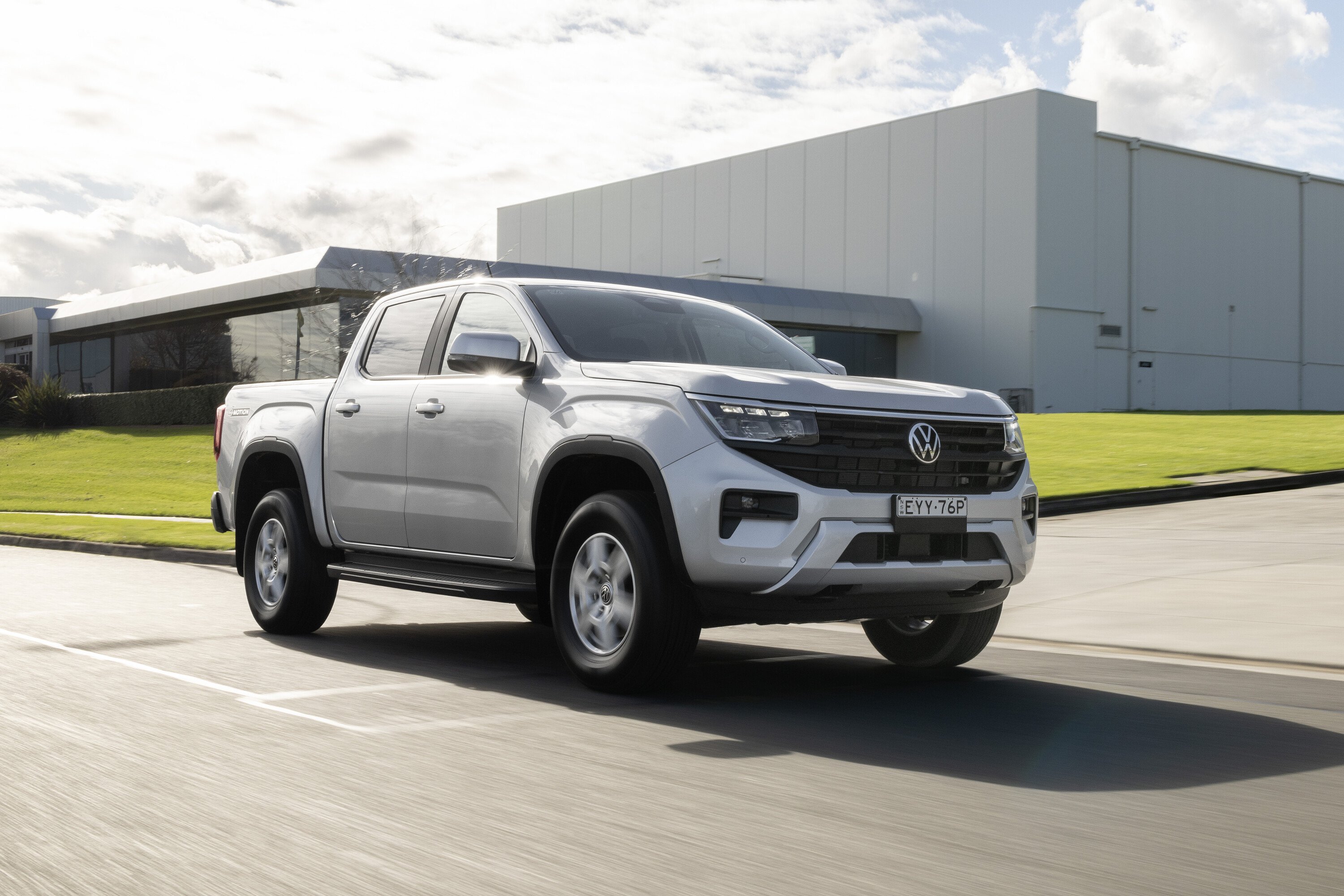
While the models above can be worth checking out, it’s the two newest models on the market that reign supreme: the Ford Ranger and Volkswagen Amarok.
1
The two models were co-developed and share a lot of their core engineering. They’re also closely matched when it comes to price.
The Amarok Life starts at $56,990 plus ORCs while the Ranger XLS starts at $54,730 plus ORCs.
Both models are 4×4 dual-cabs powered by the same 154kW/500Nm bi-turbo 2.0-litre diesel engine.
An Amarok Core costs $52,990 but comes with a single-turbo diesel with lower outputs – 125kW and 405Nm – and fewer features.
1
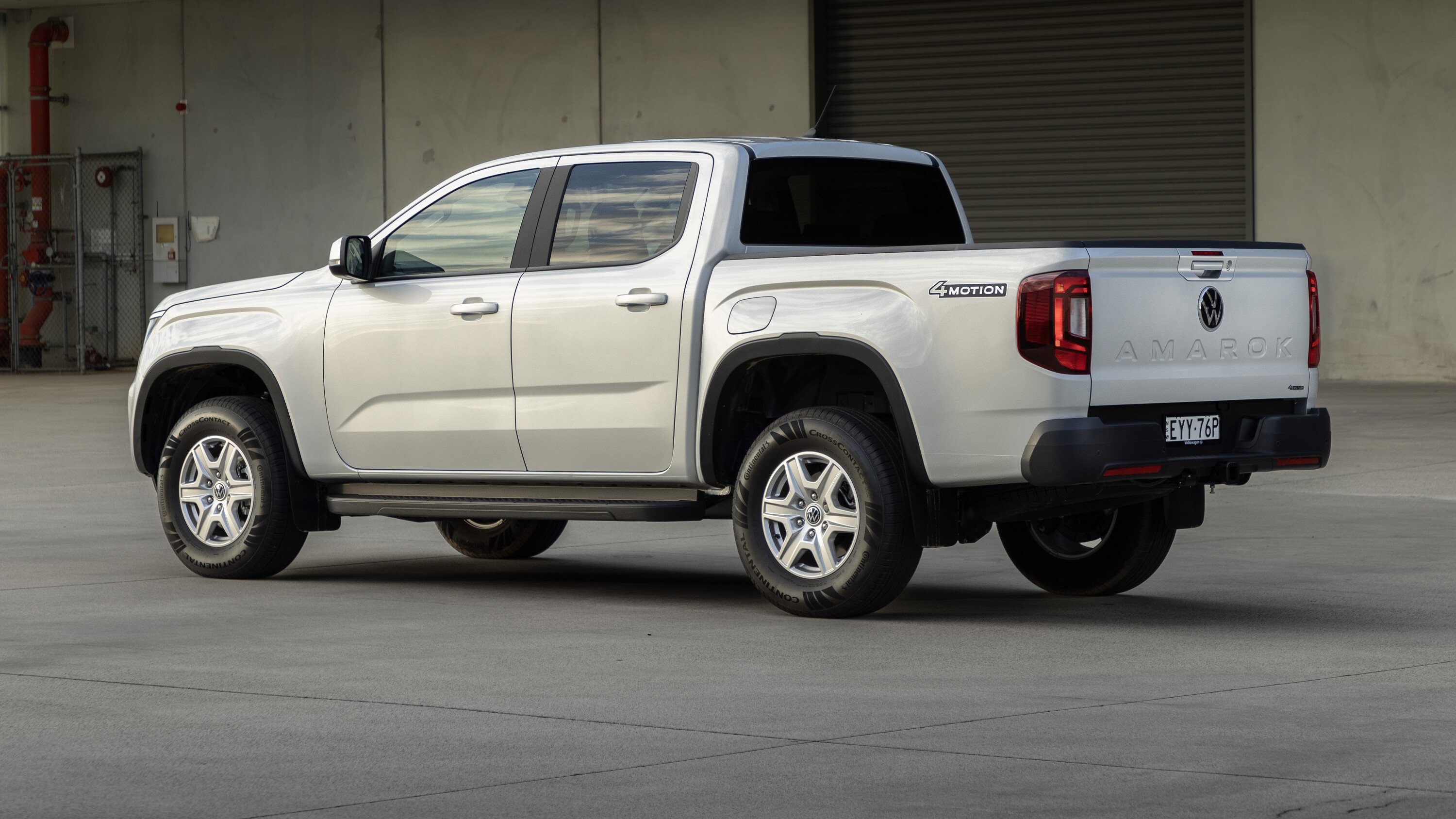
You can also option the bi-turbo engine in the cheaper Ranger XL but the XLS gets you lighter alloy wheels for a more premium look and the interior has better finishes including carpeted floors.
They both deliver unrivalled levels of safety, refinement and performance at this price point.
Both utes have a 5-star ANCAP safety rating and standard safety equipment includes:
| 2023 Ford Ranger and Volkswagen Amarok standard features | |
|---|---|
| Nine airbags, including rear curtain bags | Lane assist, lane keeping and lane departure warning |
| AEB with pedestrian & cyclist detection | Swerve steer assist |
| Dynamic stability control | Rear cross traffic alert |
| Electronic traction control | Speed sign recognition |
| ABS with emergeny brake assist | Hill descent control |
| Rollover mitigation | Front and rear parking sensors |
| Trailer sway control | |
The key point to both of these utes is that although they’re lower-specification models, they don’t feel like it when you slip inside and drive or ride in them.
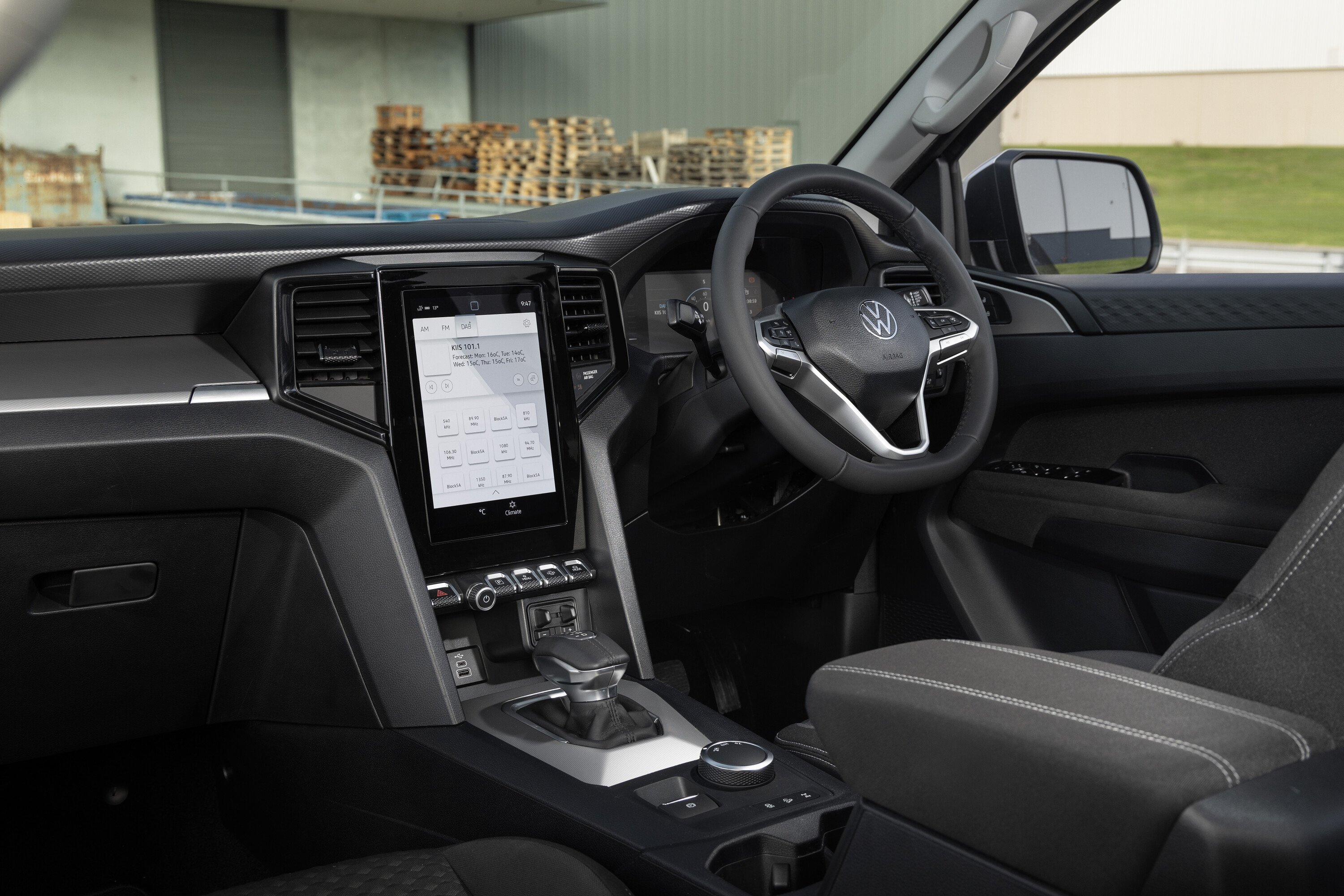
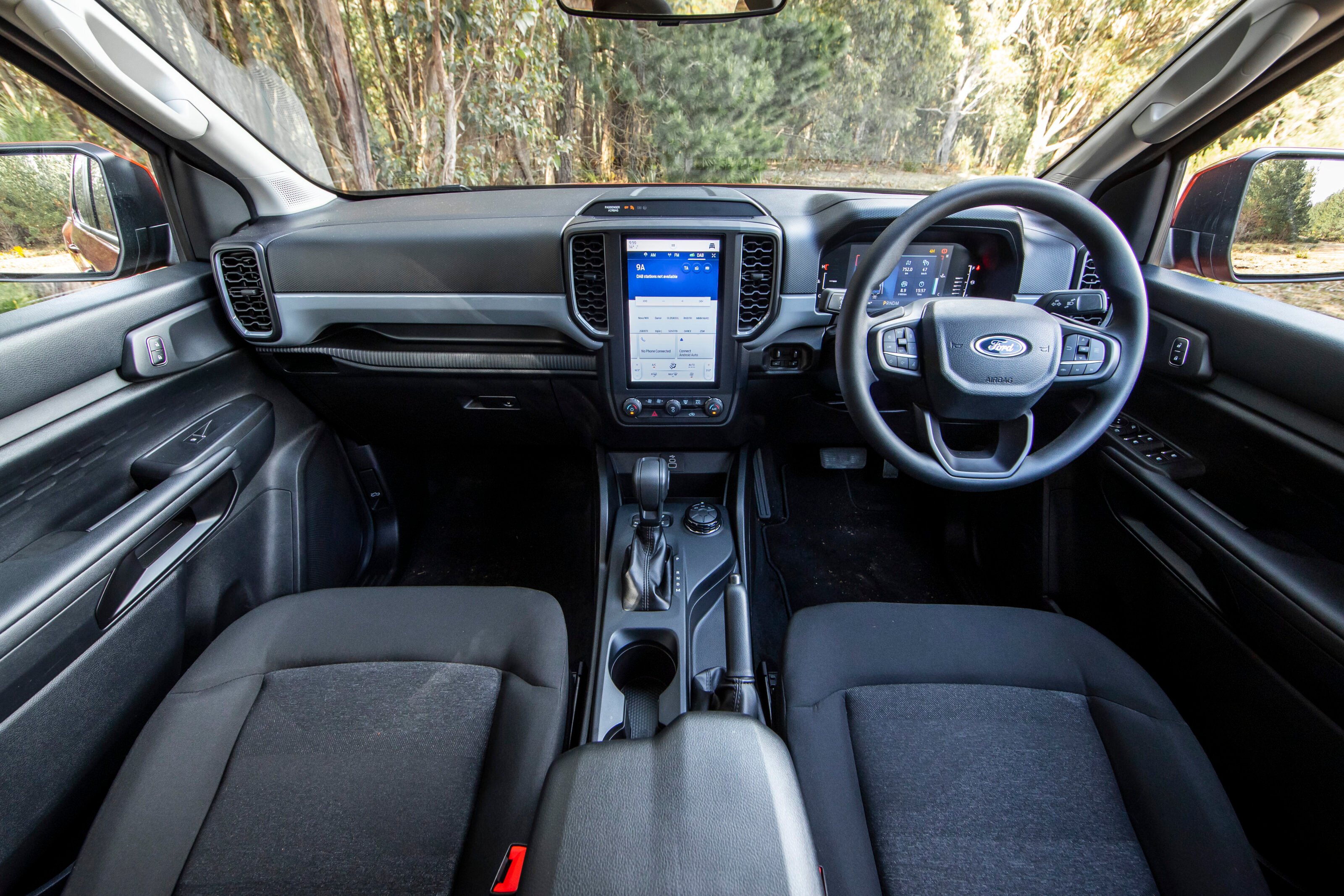
They also share contemporary cabins that include 10-inch infotainment touchscreens and standard air-conditioning.
The Amarok Life, however, more than justifies its slightly higher price tag when standard-gear lists are compared.
1
1
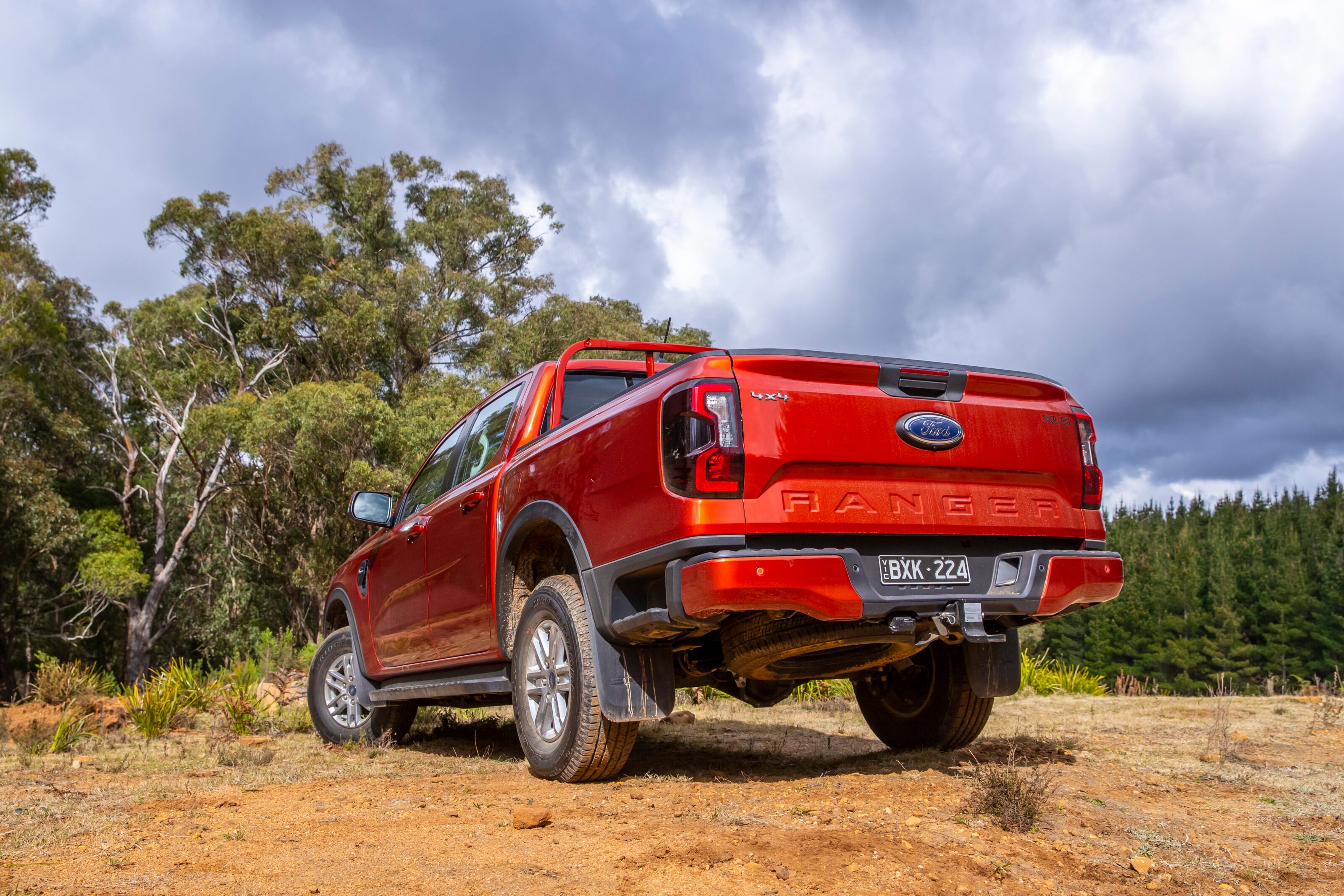
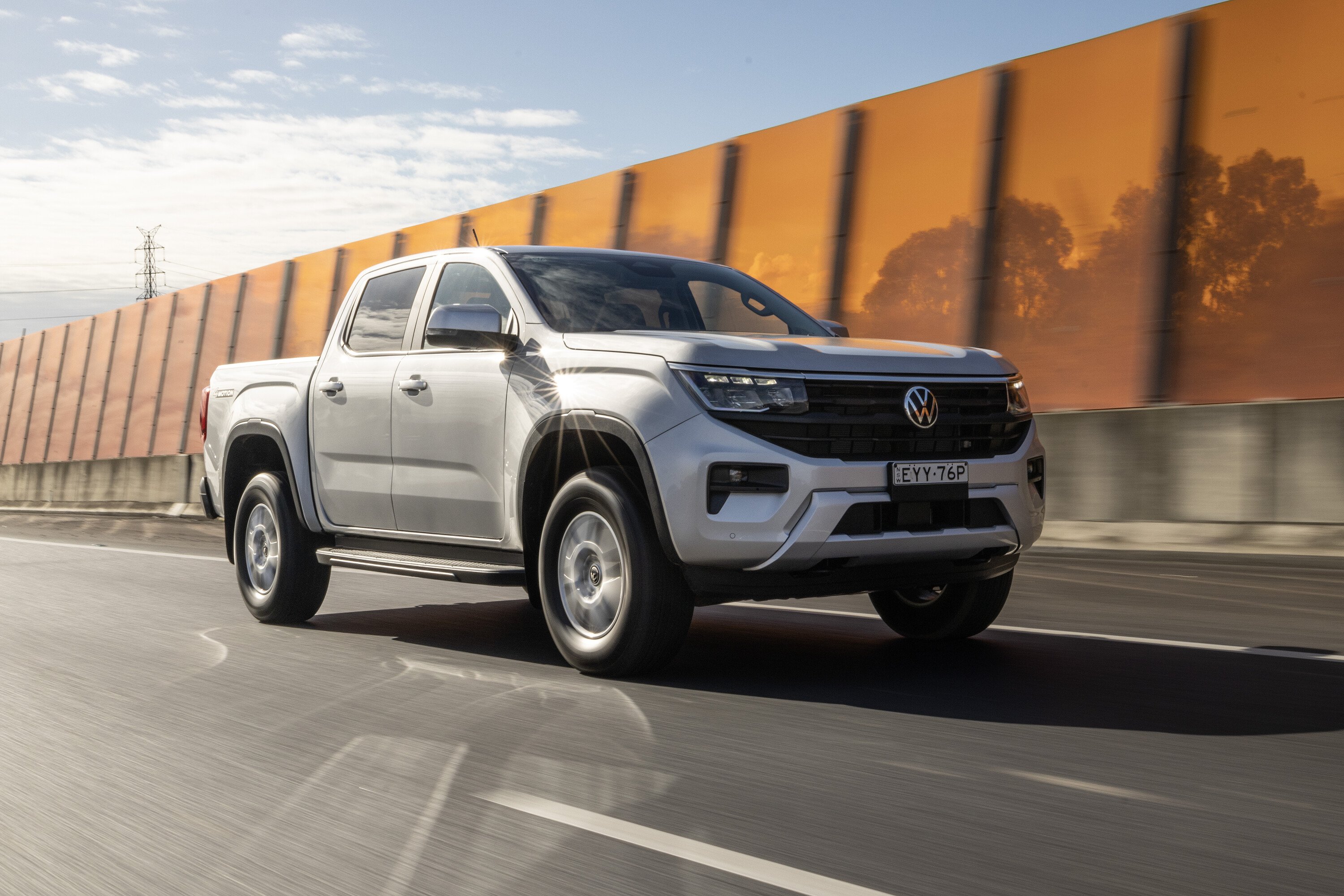
Exterior advantages for the Volkswagen include 17-inch alloy wheels vs the Ranger’s 16s, LED headlights and fog lights where the Ford uses halogens, and only the Amarok has rear privacy glass. One plus for the Ford is that it has front parking sensors not just rear sensors.
Inside, the Ranger XLS can’t match the Amarok Life’s leather-covered steering wheel and gear lever, auto-dimming rear-view mirror, and wireless phone charging. Tyre-pressure monitoring is also only available on the German (South African-built) ute.
1
LED headlights offer a huge improvement to driveability and safety at night, and having them in a ute at this level is a credit to Volkswagen. In fact, they are standard fit right across the new Amarok range.
As for tyre pressures, unless you are one of those rare folk who check at least weekly, we say a TPMS system is essential equipment. As the name suggests, they alert the driver to a drop in tyre pressure or sudden deflation, which could save your life by ensuring the optimal operation of the vehicle’s driver assistance safety systems.
Best Utes: Read the full series
Wheels Best Utes 2023 is your ultimate guide to the top picks in this vast and varied segment.
- Best Overall Ute
- Best 4×4 Ute Under $50k
- Best 4×4 Ute Under $60k
- Best 4×4 Ute Under $80k
- Best Family Ute
- Best Work Ute
- Best Ute for Towing
- Best Value 4×4 Ute
- Best Performance Ute
In XLS trim, the Ranger struggles against the Amarok Life for equipment.
The new Ranger and Amarok siblings are very similar vehicles, as you would expect, and they each represent the latest generation of mid-size utes in Australia.
It’s no shock that they’re not easy to separate.
The Ranger is at its best above $60,000, from XLT spec upwards, and (narrowly) wins most battles against the equivalent Amarok at higher trim levels. In XLS trim, however, it struggles against the Amarok Life for equipment.
This is no better illustrated by the fact that, to match all the Life’s features in the Ranger, you’d even need to bypass the XLT model for the Sport that’s priced from $64,990.
When those features include genuinely useful driver aids like LED headlights and tyre-pressure monitoring, and modern conveniences such as wireless phone charging, that makes the Volkswagen Amarok Life the clear winner of our Best Ute Under $60K category
1
SCORING
| VW Amarok Life | Ford Ranger XLS | |
|---|---|---|
| Safety, value and features | 8 | 7 |
| Comfort and space | 8.5 | 8 |
| Engine and gearbox | 8.5 | 8.5 |
| Ride and handling | 8 | 8 |
| Technology | 8 | 7 |
| OVERALL | 8 | 7.5 |
| Ford Ranger XLS | Volkswagen Amarok Life | |
|---|---|---|
| Price | $59,653 (estimated driveaway price) | $56,990 + ORC and options |
| Engine | 2.0L four-cylinder twin-turbo diesel | 2.0L 4-cylinder bi-turbo diesel |
| Max power | 154kW @ 3750rpm | 154kW |
| Max torque | 500Nm between 1750-2000rpm | 500Nm |
| Transmission | 10-Speed automatic | 10-speed automatic |
| 4X4 system | Part time 4×4 | part-time, dual range 4×4 + rear diff lock |
| Construction | four-door ute on ladder frame | 4-door ute cab with tub on ladder chassis |
| Front suspension | Independent via wishbones and coil springs | double wishbone IFS with coils |
| Rear suspension | Solid axle with leaf springs | live axle on leaf springs |
| Tyres | 255x70R16 | 255/70-17 on alloys |
| Kerb weight | 2216kg | 2242kg tare |
| GVM | 3230kg | 3250kg |
| GCM | 6350kg | 6350kg |
| Towing capacity | 3500kg | 3500kg (braked) |
| Payload | 1014kg | 988kg |
| Seats | 5 | 5 |
| Fuel tank | 80L | 80L |
| ADR fuel claim | 7.6L/100km | 7.2L/100km |
Visit our Best Utes page to find the right ute for you.
For several good reasons, mid-size 4×4 dual-cab utes are the go-to vehicle for thousands of Australians who like to tow.
Most of them offer a 3500kg braked towing rating. Their relatively long wheelbases are good for stability when towing. And they are more affordable than the big 4×4 wagons that also offer that 3500kg capacity, such as LandCruiser, Patrol and Land Rovers.
We’re spoiled for choice, too. With some of Australia’s biggest-selling vehicles in this 4×4 dual-cab ute category, manufacturers are falling over themselves to get product into the market for eager buyers.
This gives buyers options from lower-priced single-cabs in the $30,000 range right up to the heavily equipped sports utes such as the Ranger Raptor or more premium-focused variants such as the Volkswagen Amarok Aventura.
1
It’s been a year since the Ford Ranger hit the market and, when we tested it against its peers, it was the best of the pack by a long shot.
We scored the Ranger V6 as the best mid-size 4×4 for towing and the four-cylinder bi-turbo as second best. There was a lot of daylight between second and third places.
In the 12 months since that testing the only real news in the segment has been the launch of the second-generation Volkswagen Amarok. While you could think of the new Amarok as a Ranger in a German suit (or lederhosen!) because it shares its platform and drivetrains with the standard-setting Ford, it wouldn’t be right to pick the best towing rig without lining them up and testing them back-to-back.
1
Non-identical twins
Volkswagen took the Ranger’s T6 light-truck chassis, 3.0-litre V6 diesel engine and 10-speed automatic transmission, and fitted it with a flash new suit of panels that give it a distinctly VW look and feel.
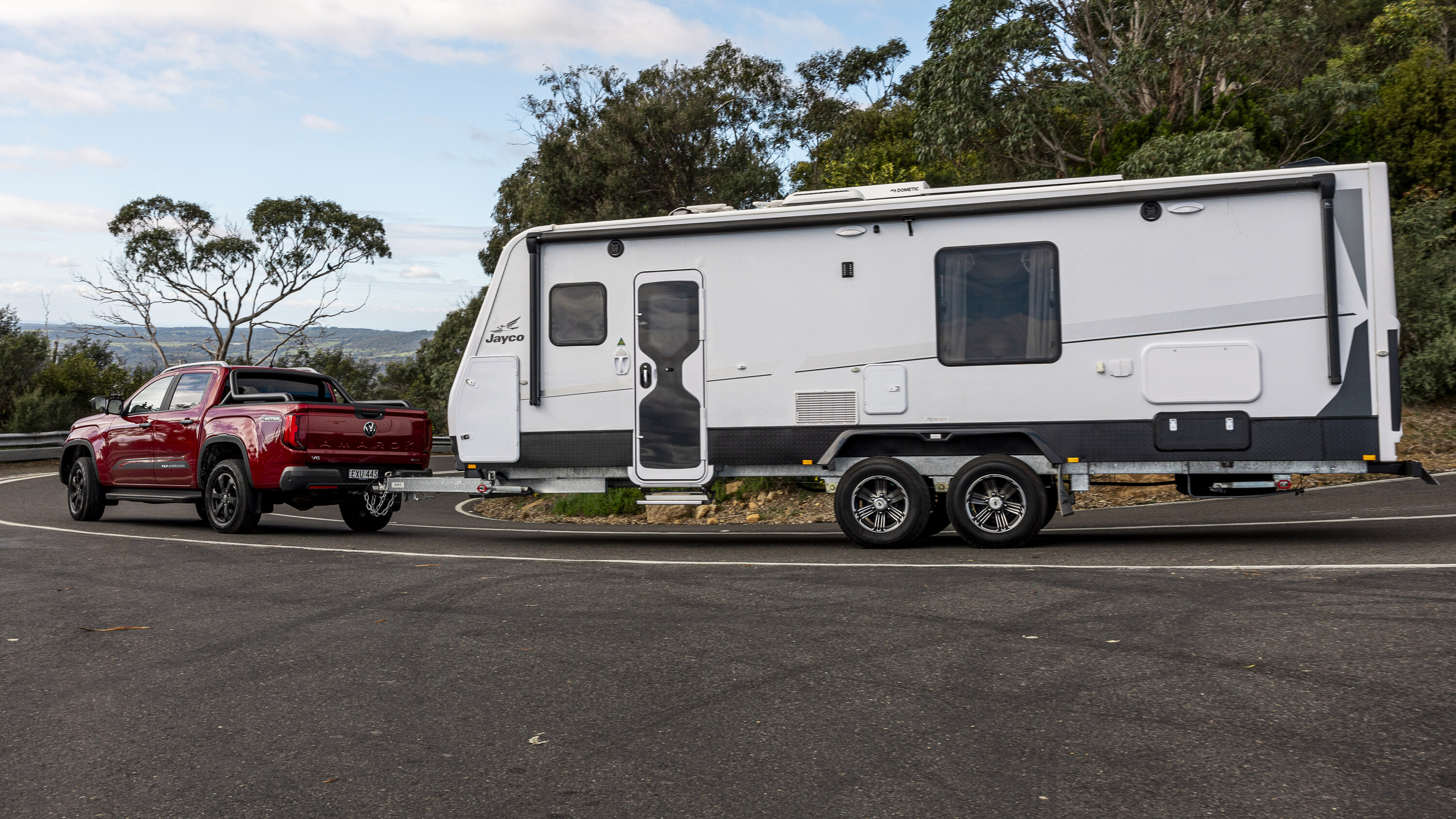
It delivered a similar job inside where the Amarok – tested here in $75,990 PanAmericana guise – gets softer feel touch-points, a bigger infotainment touchscreen than the $67,690 Ranger Sport as tested, and unique switch gear and controls.
1
The V6 Ranger and Amarok have a rated towing capacity of 3500kg and the GCM is a healthy 6400kg so they are class-leading in that regard.
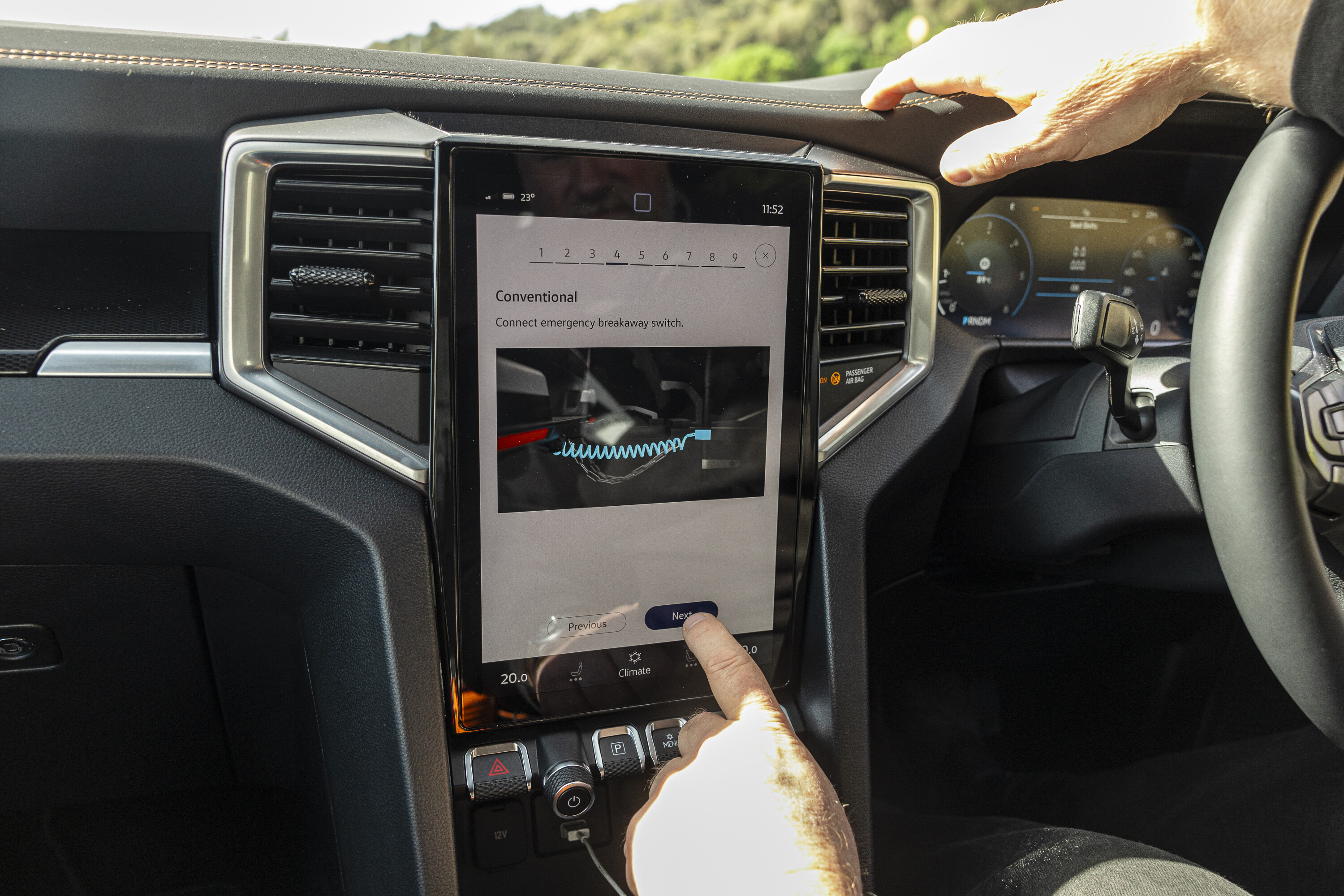
They both have inbuilt electric brake controllers and share their clever towing tech that includes customising the electronic driver’s aids to the size of your trailer, having a trailer light check feature, and a handy towing checklist for anyone for whom this discipline isn’t second nature.
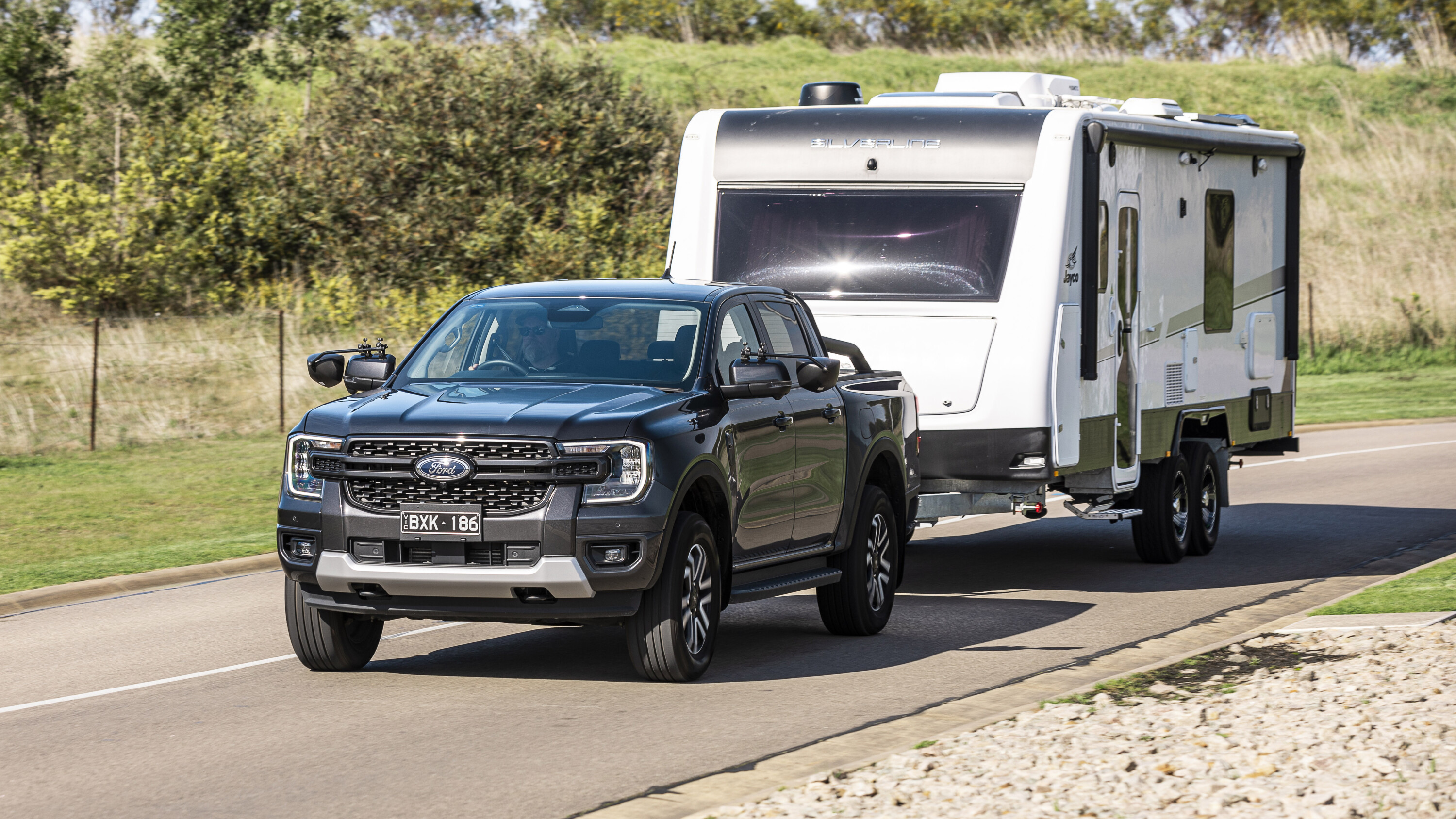
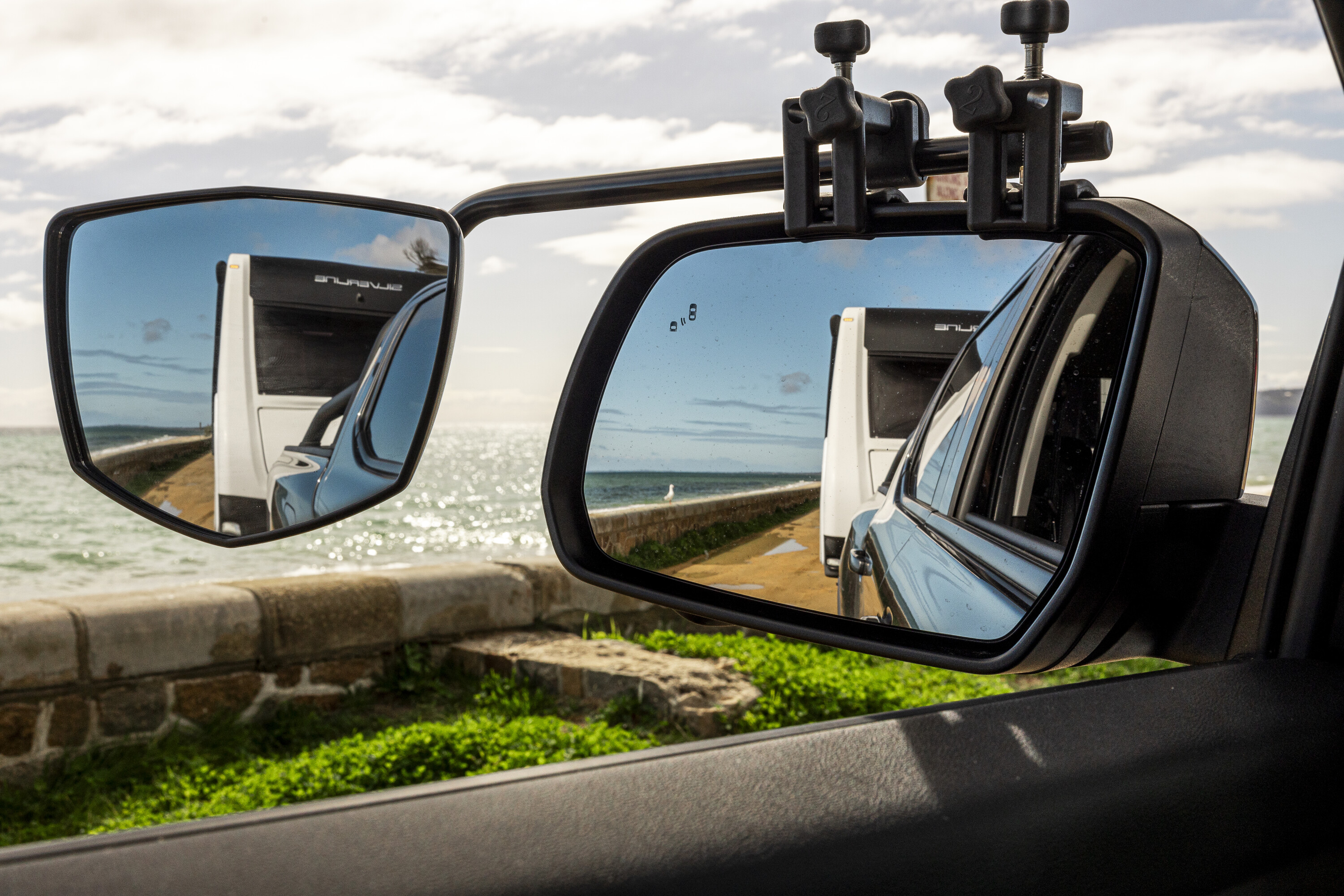
To put them to the test we borrowed a Jayco Silverline Club caravan from the team at Page Brothers Jayco RVs and Caravans in Moorabbin. The dual axle van weighs in at 2700kg with approximately 170kg down on the tow ball. It’s a fairly typical example of the size and type of caravan you see being hauled behind utes all over Australia, so it suited our test perfectly.
1
The Jayco van comes with its own electronic stability control that works in unison with the ESC and trailer sway control of both of these utes.
The engine outputs of the V6 in the Ranger and Amarok are 184kW and 600Nm, making them the most powerful in the class.
With this sort of grunt they both pulled the big caravan with ease, while the long wheelbase and size of the utes provided a stable platform. It terms of towing, you really couldn’t set the Amarok and Ranger apart; they do the job equally as well.
There’s an important distinction between the driving experiences when not towing, however.
Underneath, Volkswagen has used its own suspension calibration with firmer springs and shocks. The consequence is that the PanAmericana has a poorer ride than the Ranger both on and off road, with a tendency to rock passengers around in the cabin on less-than-smooth surfaces.
VERDICT
Although both utes are matched for excellent towing ability, the result isn’t a draw.
The Ford Ranger’s better ergonomics and superior ride comfort on and off road give the Blue Oval ute our nod here.
Best Utes: Read the full series
Wheels Best Utes 2023 is your ultimate guide to the top picks in this vast and varied segment.
Where once the ute was a mere workhorse for trades and farms, the modern dual cab ute is now often called upon to cart about our precious ones – so safety and comfort have become significant factors.
Manufacturers have, thankfully, put plenty of effort into making utes safer, while also making the cabins of dual-cab utes more car-like than ever before.
In this Best Family Utes category comparison, we look at the best dual-cabs out there for parents.
JUMP AHEAD
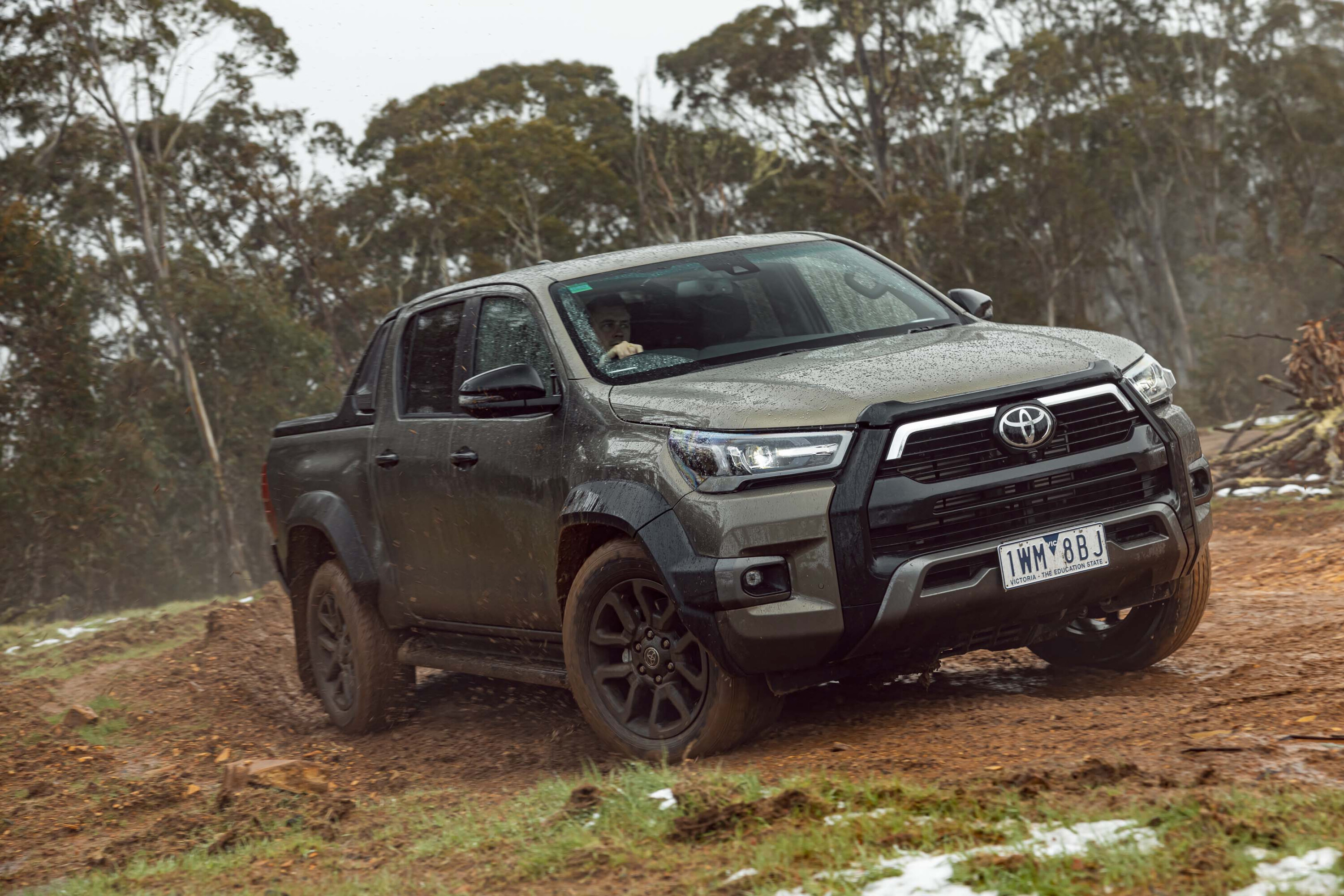
- ? Toyota HiLux
- ? Mazda BT-50
- ? Isuzu D-MAX
- 4️⃣ Ford Ranger (equal 4th)
- 4️⃣ Volkswagen Amarok (equal 4th)
- 6️⃣ GWM Ute Cannon
- 7️⃣ Mitsubishi Triton
Best Utes: Read the full series
Wheels Best Utes 2023 is your ultimate guide to the top picks in this vast and varied segment.
1
- Best Overall Ute
- Best 4×4 Ute Under $50k
- Best 4×4 Ute Under $60k
- Best 4×4 Ute Under $80k
- Best Family Ute
- Best Work Ute
- Best Ute for Towing
- Best Value 4×4 Ute
- Best Performance Ute
What we liked
- ISOFIX fittings
- Wide centre rear seat
- Some thoughtful practical interior elements
Not so much…
- Fabric top-tether loop
- No rear USBs
- Cabin design ageing
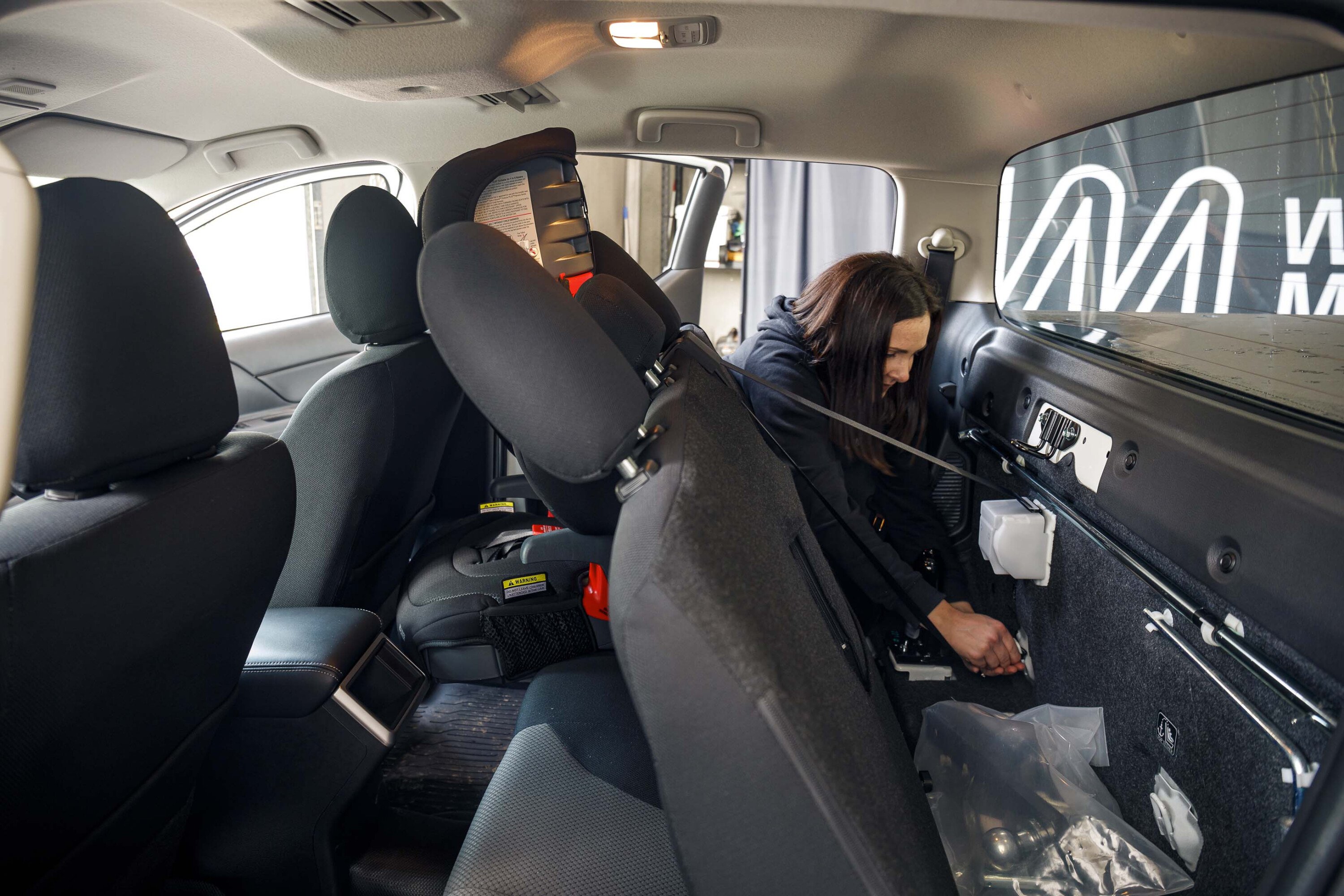
In days before ISOFIX came to the category, fitting baby seats in any ute was wrench-hurlingly frustrating – but even now, Australia being Australia, it’s still not as easy as it should be. Why? The peculiar requirement in Australian Design Rules for the fitment of a top tether.
It’s a very belt n’ braces regulation, and one that is a hangover from the days when cars were built locally.
When baby seats were mounted solely via seatbelts routed through their base, the top tether could theoretically add stability to a poorly tensioned installation. The robust lock-in ISOFIX system that leans into the strength of the vehicle’s chassis, though, doesn’t need it; in fact, it couldn’t make the requirement for a top tether any more redundant if it tried.
1
Space for baby seats and adults alike – three across!
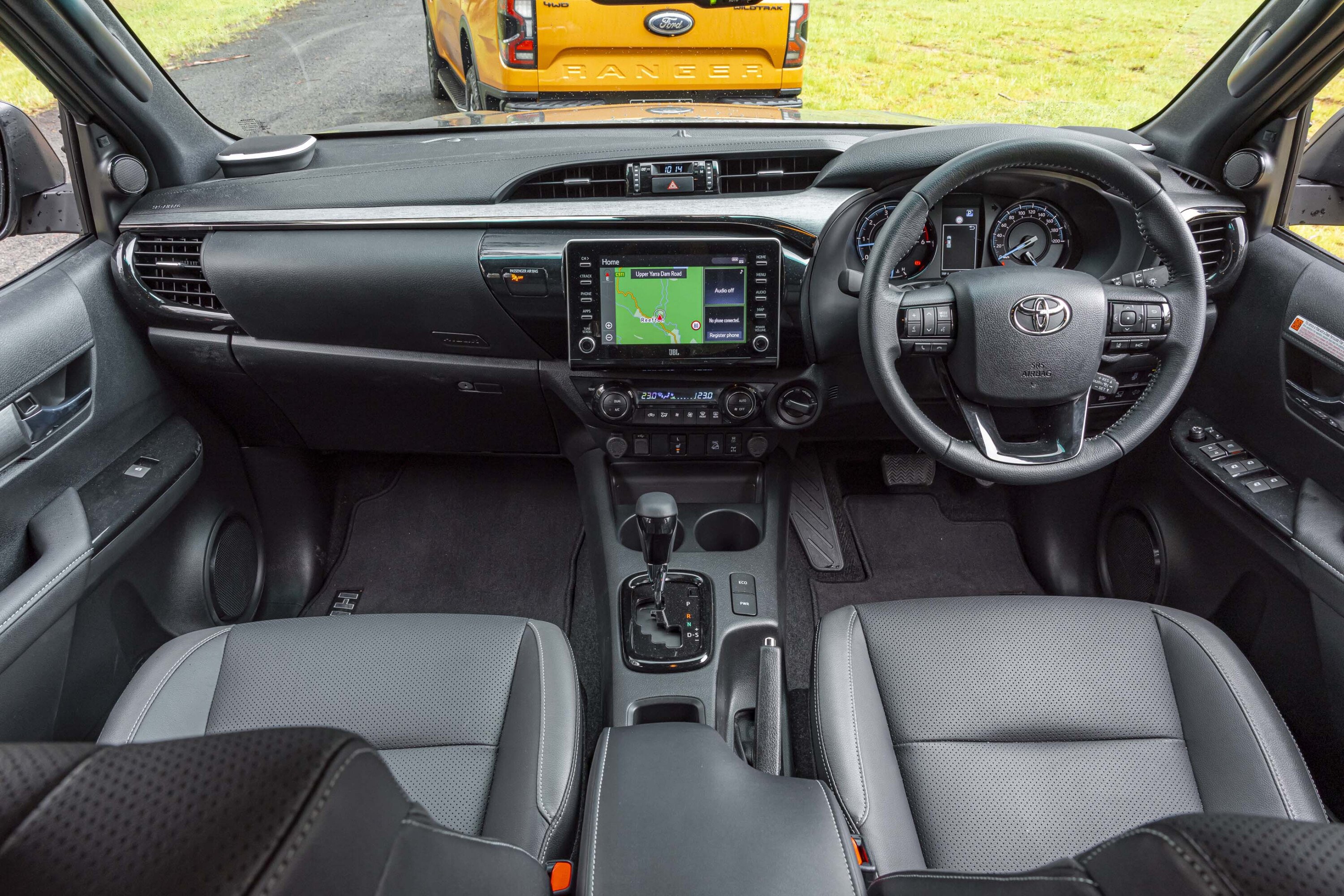
As with most utes, adding a baby seat to the HiLux requires a bit of fiddling to access the top strap – but once it’s in place, the broad rear bench can also easily accommodate two full-size baby seats, along with the potential for a third, non-tethered booster seat.
The centre seat is sufficiently broad enough, too, that an adult can ride shotgun with the nappy bandits.
There are no USB charging points (that’s the HiLux showing its age), but the adjustable rear vents blow frosty or toasty air on demand for living cargo of any persuasion. Opting for a HiLux with PU leather upholstery will also help eradicate all manner of sins with a mere wipe, too.
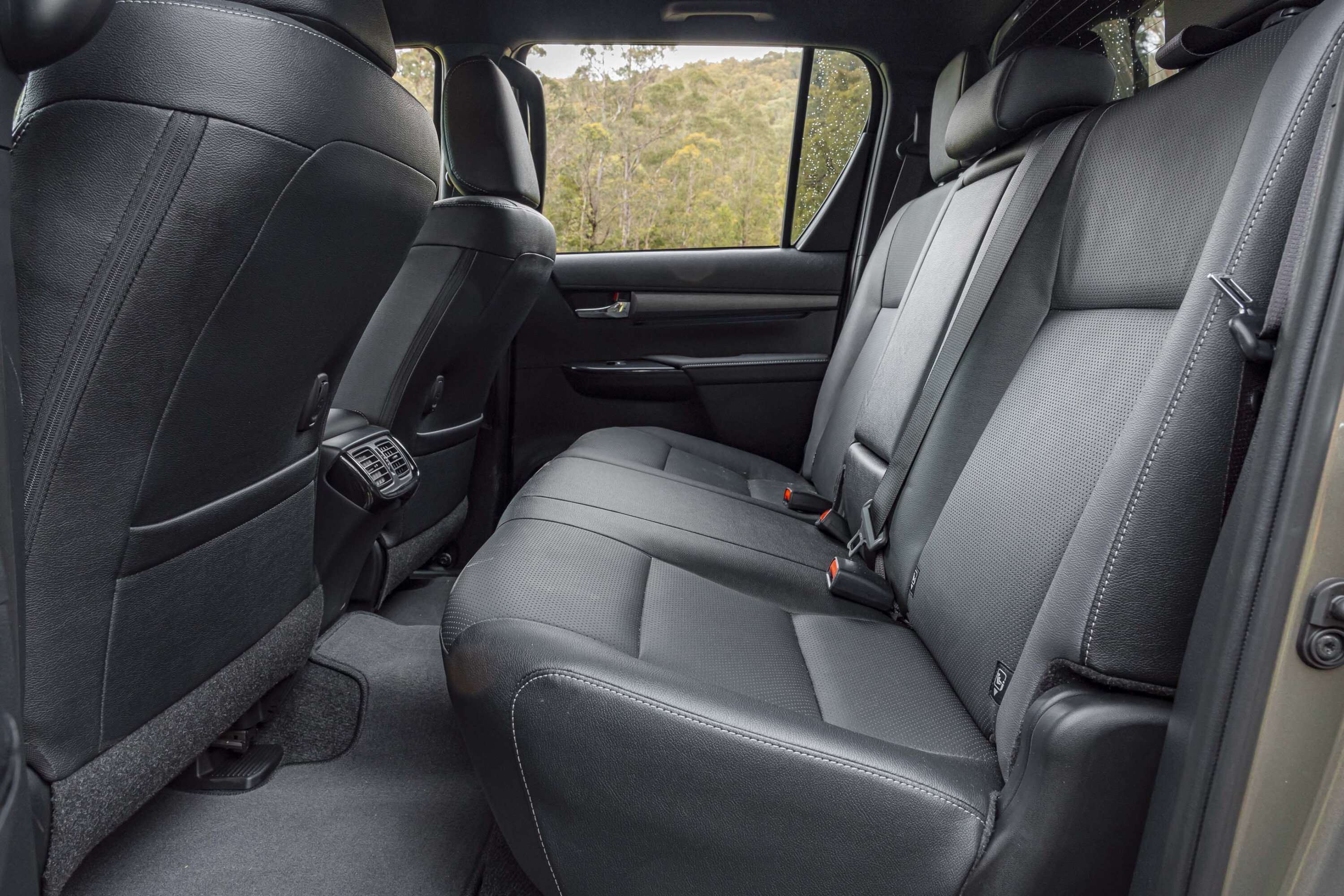
1
The seats themselves are comfortable and supportive. And, while rear occupants do sit quite upright, there’s plenty of headroom, toe room and shoulder room.
HiLux gets a big tick, too, for the flip-down hook on the back of the front seat to hang that bag of pad thai and kung pow chicken from.
Storage in the doors and in the centre console is adequate, but the rock-hard plastic (rather than a rubber insert) of the small trays and the two cup-holders makes a constant companion of rattling bits-and-pieces when off-roading.
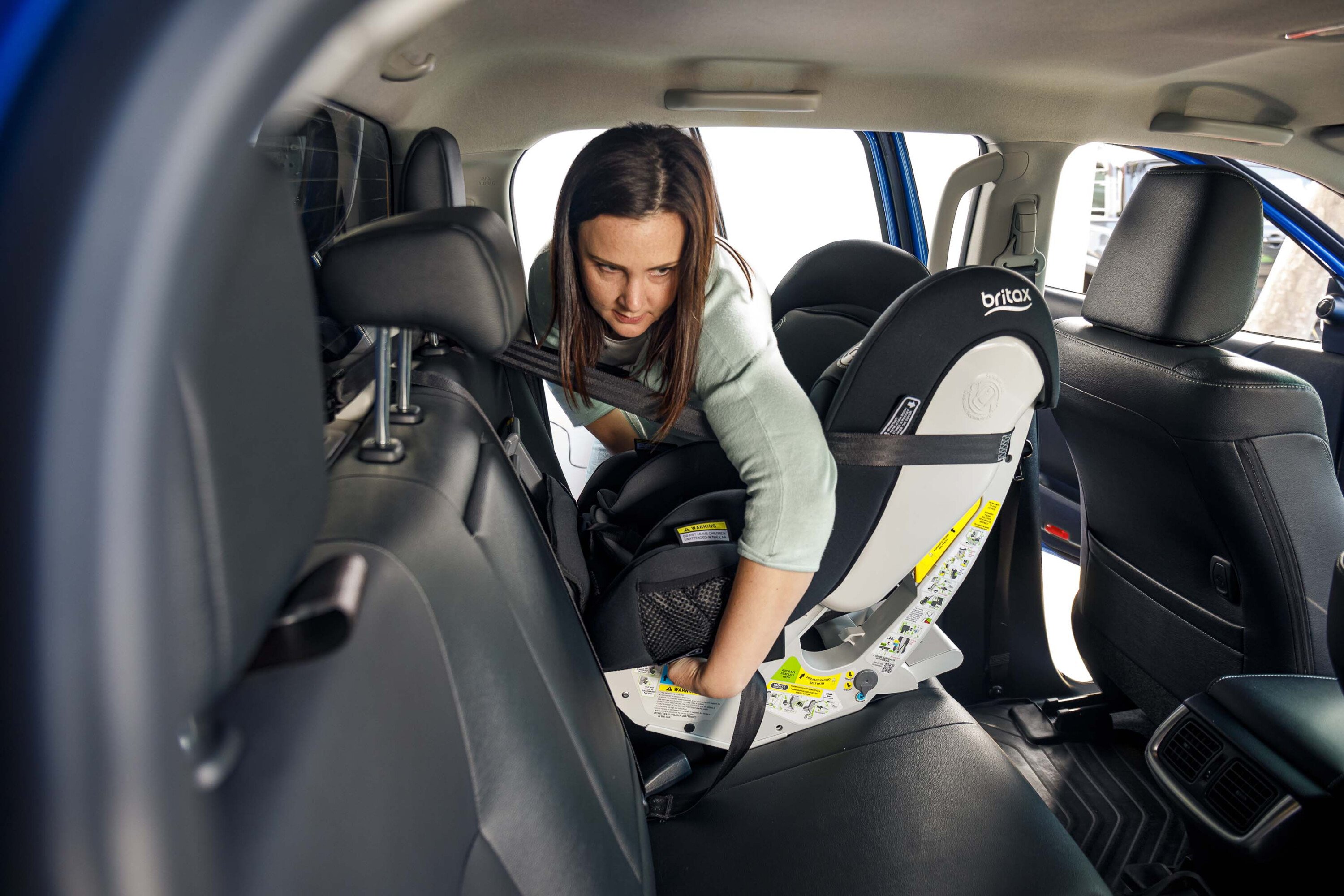
1
The HiLux is our Family Duties winner because, quite simply, it’s the most user-friendly and accommodating when it came to installing and securing our child seats.
It also has the widest space for an adult sitting between two child seats, and a decent amount of room in the door for drinks and toys – and who doesn’t love easily wipeable (albeit optional) leather upholstery?
MORE
Everything Toyota
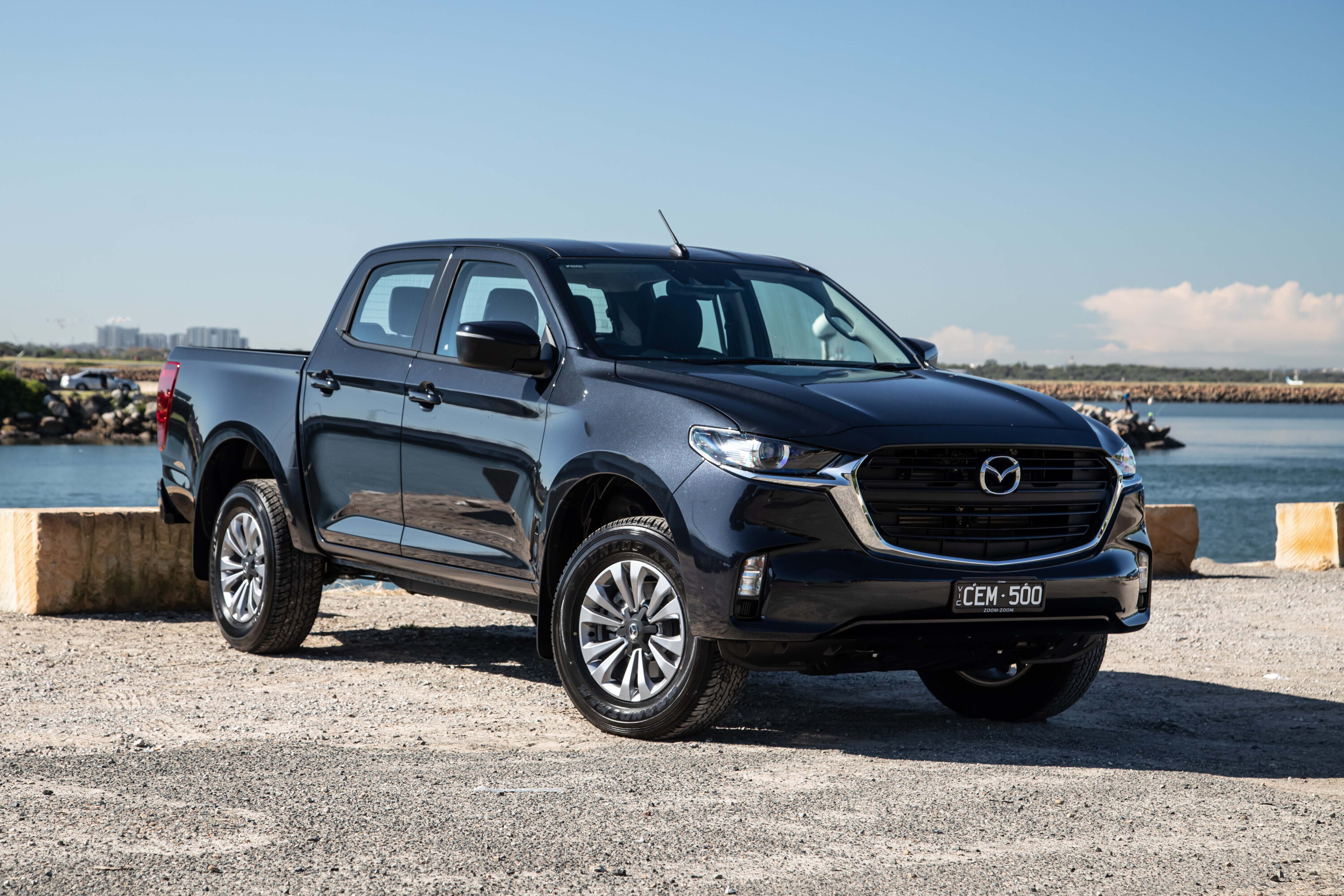
1
=? Mazda BT-50
Second place shared with D-Max
What we liked
- ISOFIX fittings
- Rear USB ports
- Decent seat back inclination
Not so much…
- Fabric top tether loop
- Rear-facing baby seat fitment
The twin of the Isuzu D-MAX, the Mazda BT-50 brings a classier visage to the notion of the rugged ute.
Putting a baby seat into the Mazda BT-50 is a relatively easy process, firstly because the door opens nice and wide. The tether strap which usually attaches to the seat back threads through a cloth eyelet under the outboard headrest and onto a steel tether point behind the centre headrest.
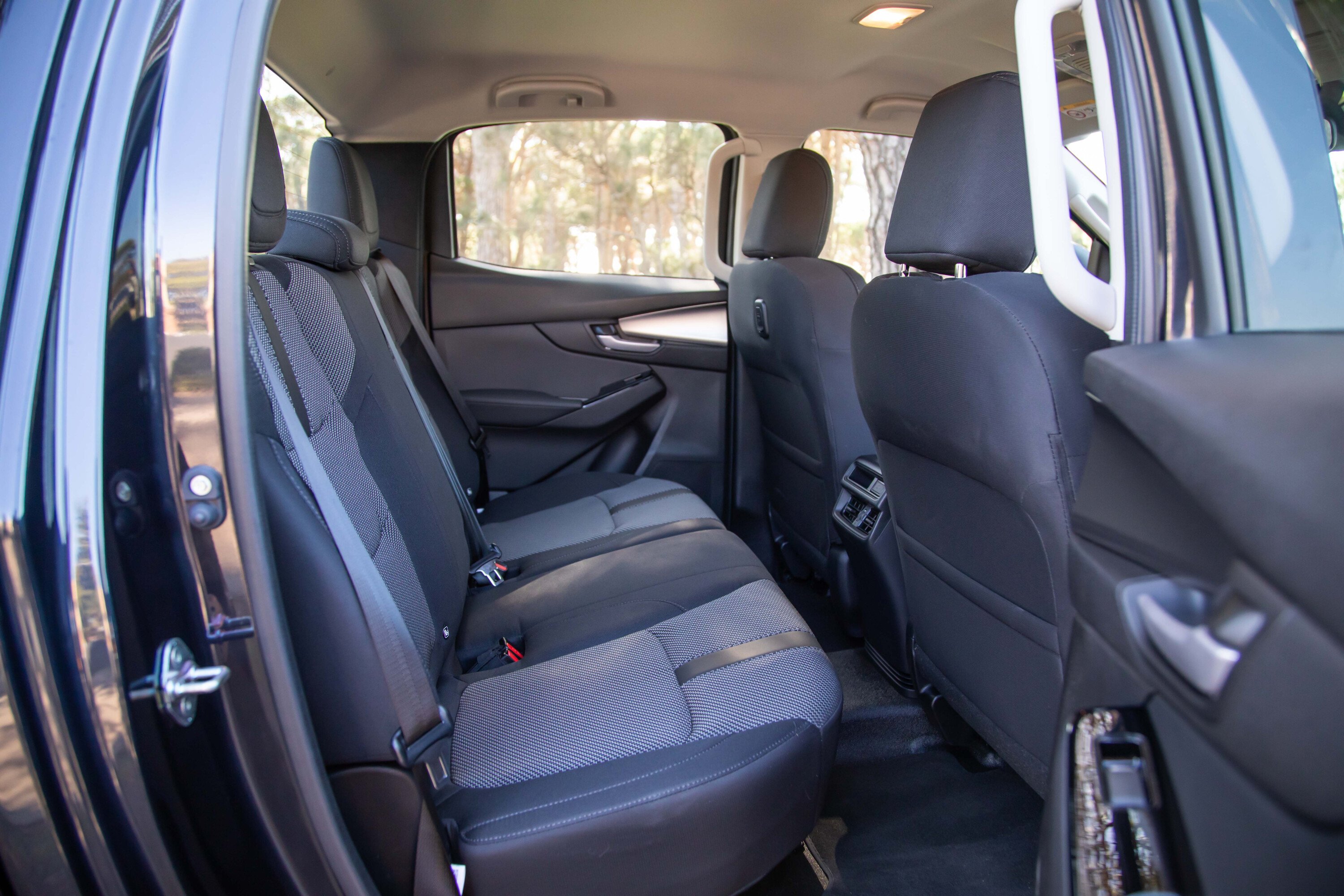
1
There’s room enough in the back for the baby seat without forcing the front seat passenger to slide their seat far forward, too.
On the subject of keeping the family safe, the BT-50 also has an impressive arsenal of safety kit, including the usual array of airbags, a reversing camera, autonomous emergency braking (AEB), electronic stability control, blind-spot monitoring, emergency lane keeping and lane departure warning, rear cross-traffic alert and a speed assist system.
It’s a safety suite that, along with its occupant protection capabilities in a crash, is enough to earn the BT-50 the full five-star ANCAP rating.
MORE
Everything Mazda
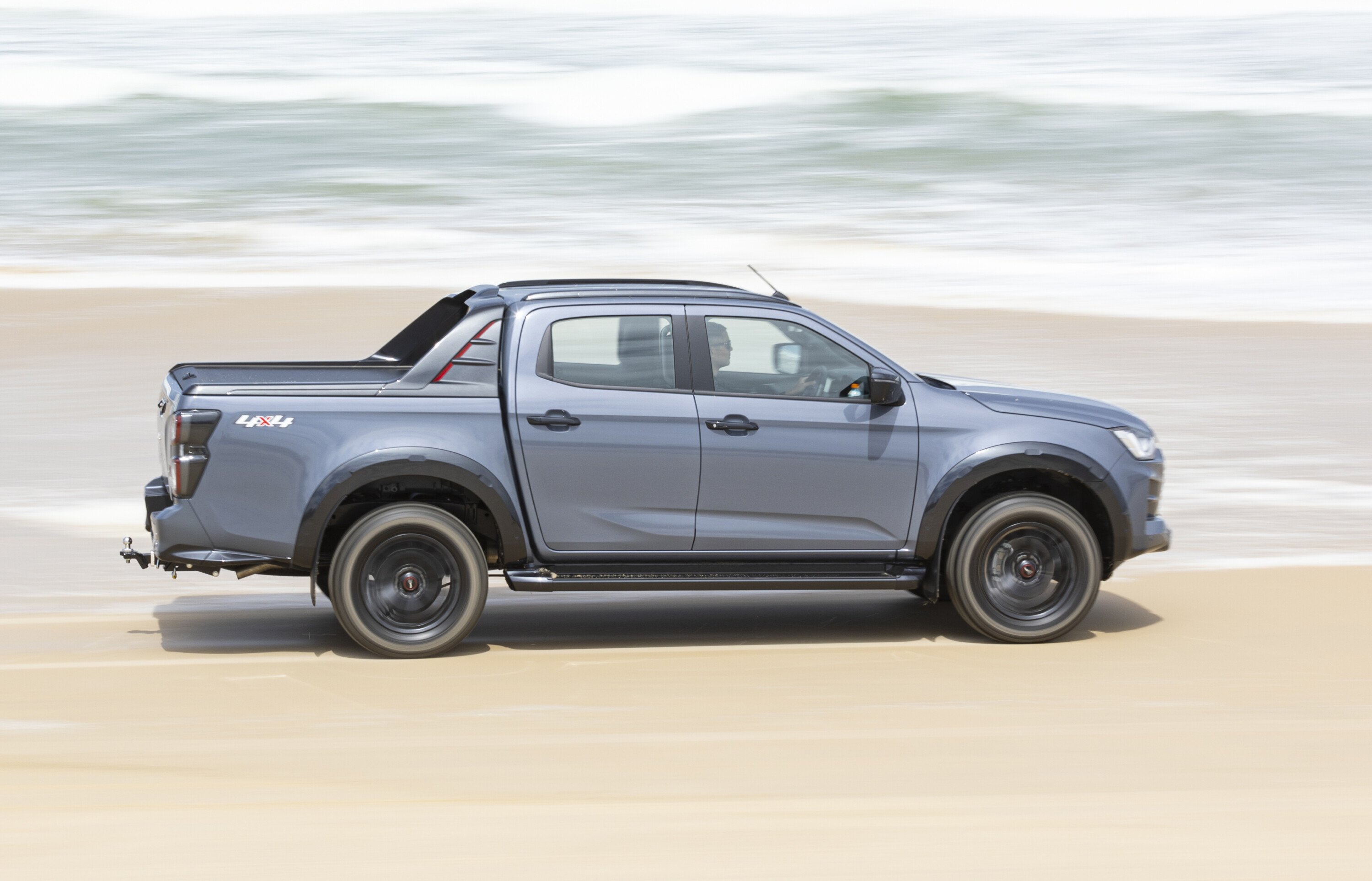
1
=? Isuzu D-MAX
Second place shared with BT-50
What we liked
- ISOFIX fittings
- Good knee room
- Decent seat back inclination
Not so much…
- Fabric top-tether loop
- Rear doors could open wider
Given that the D-MAX and BT-50 are twins under the skin, the same bouquets and brickbats around rear seat space can be fairly levelled at both cars.
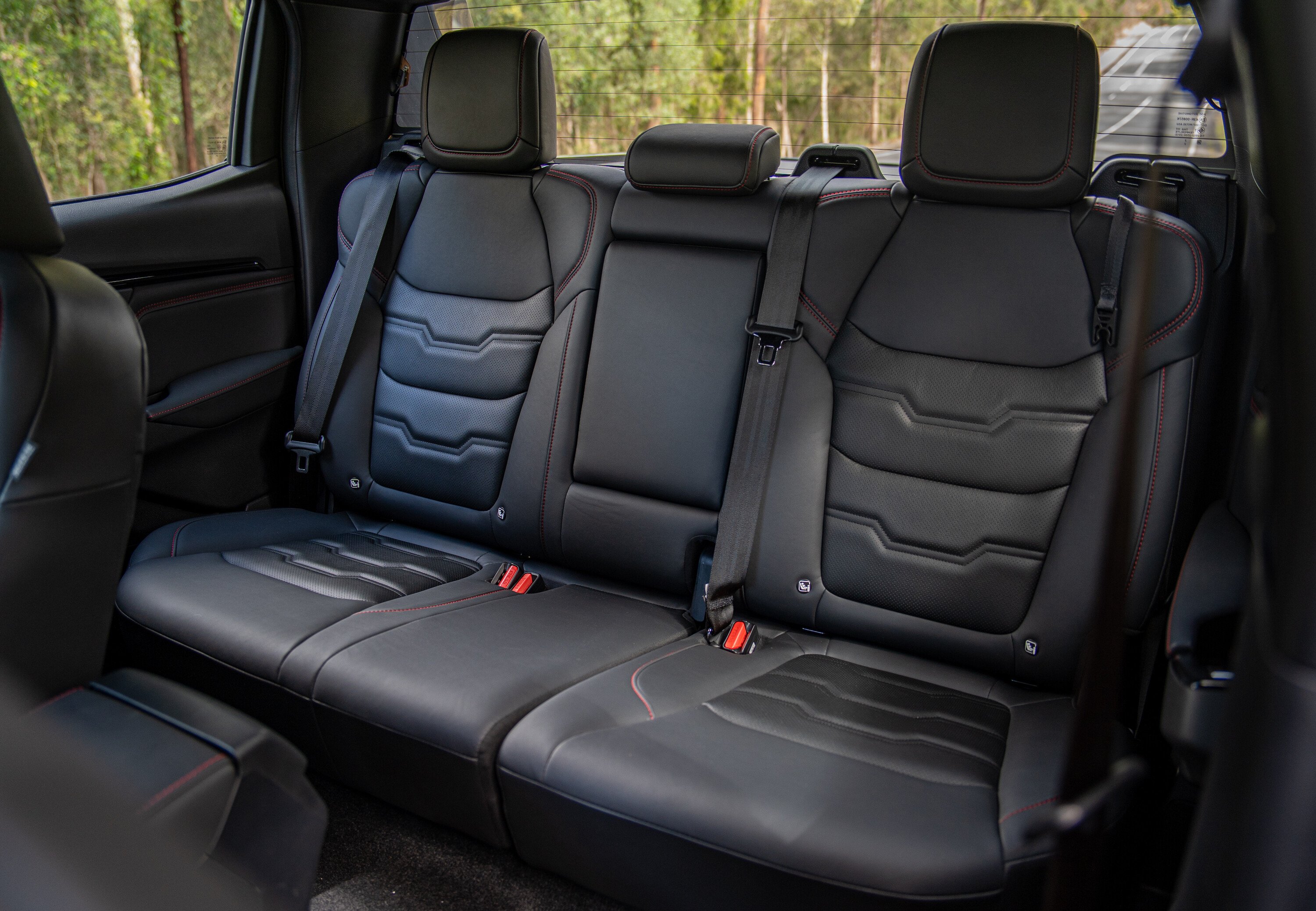
The rear doors don’t open as wide as some other utes, which could make loading people and things a little trickier. And, as with many dual-cab utes, rear legroom isn’t particularly generous, and second-row headroom is a touch limited.
Toe space is ample, though, and the bench itself is relatively deep, if a touch short under-thigh. The seatbacks also offer decent if not class-leading recline.
2
Second-row passengers are well looked after with a USB socket, door holders that will take up to 1.5L bottles, and great visibility even for smaller occupants.
Cupholders feature in the centre armrest, and seatbacks include pouches and takeaway hooks.
MORE
Everything Isuzu
1
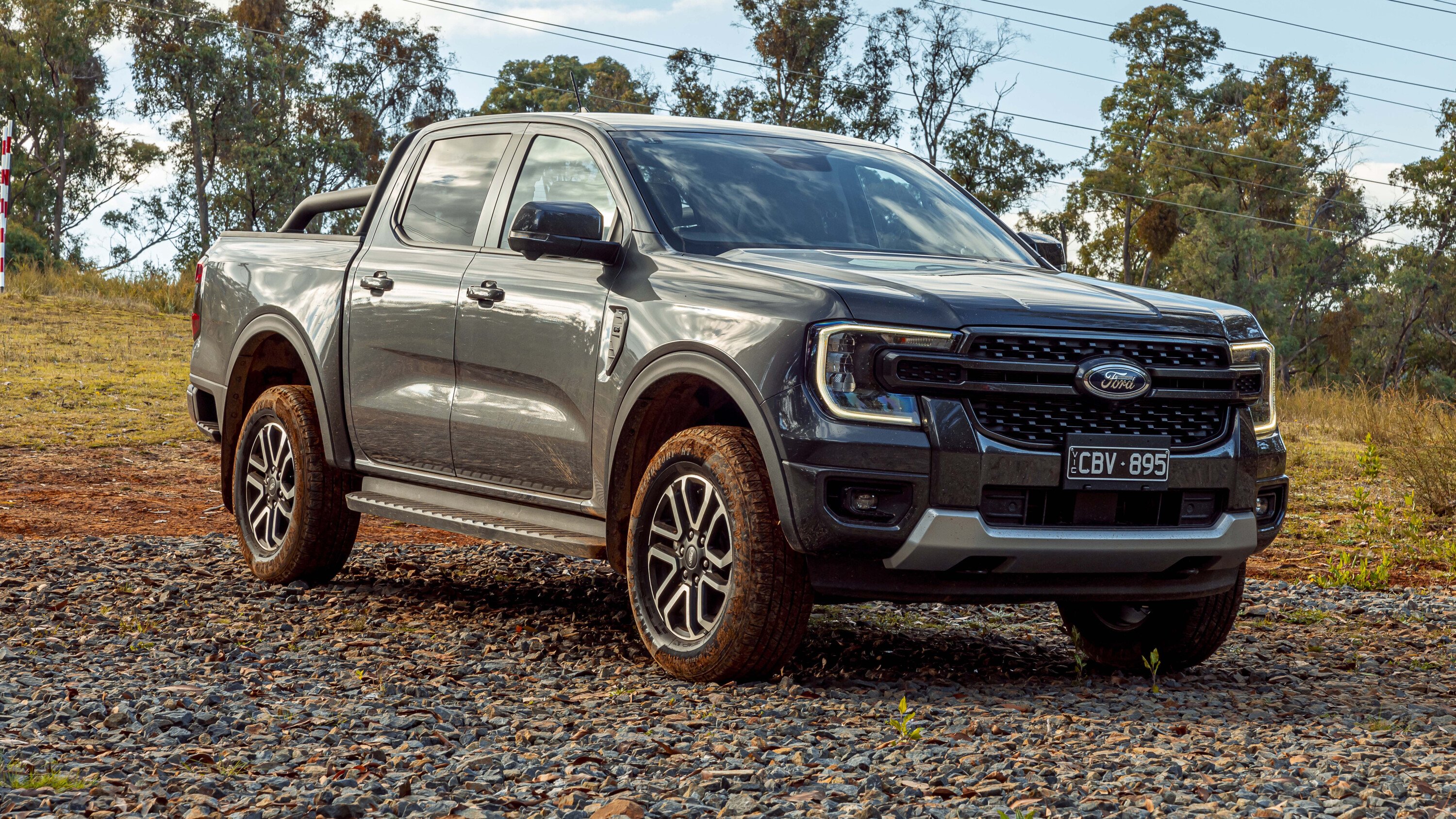
= 4️⃣ Ford Ranger
Fourth place shared with Amarok
What we liked
- ISOFIX fittings
- Rear USB ports
- Storage
Not so much…
- Soft cushioning
- Top tether access
The HiLux’s arch enemy, the Ranger, sits in the middle of the pack because, although it excels in many other fields and had some handy features like decent space in the door cards, there are a few let-downs.
They include a lack of rear legroom (including a high transmission tunnel that makes things a bit more cramped in the middle), and restricted door space.
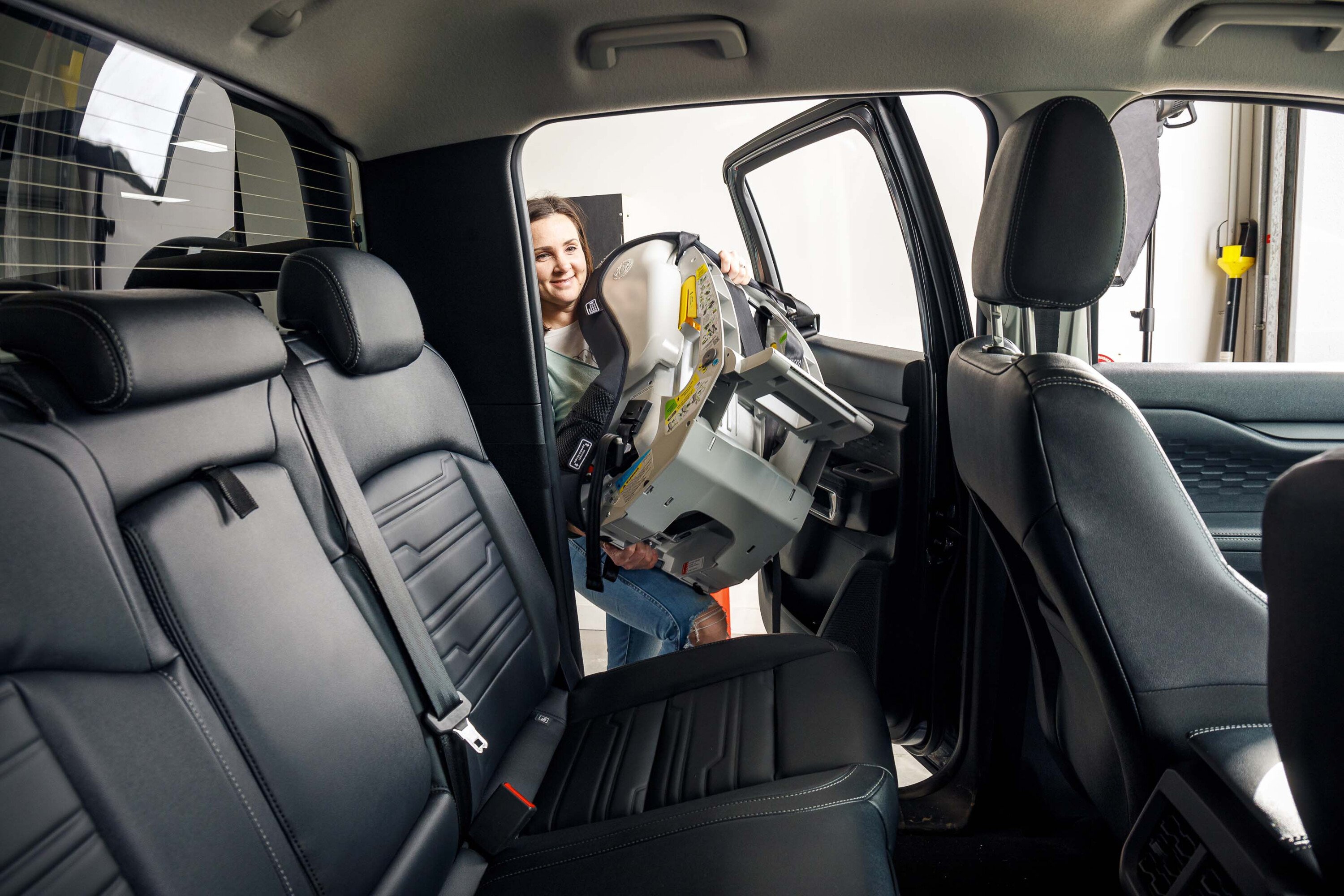
The most problematic issue, though, is how awkward it is to fit child seats due to the difficult-to-reach top tether anchorages. It was almost impossible to fit a rear-facing seat for a newborn securely enough without seeking professional help.
3
Another of our criticisms of this generation of Ranger is that its rear seat is on the squashy side for its class, though passenger room isn’t an issue.
Despite the difficulty of mounting it, a rear-facing baby seat fits easily and a fully grown adult can fit behind the driver without feeling overly compromised for knee room.
The more affordable XLT doesn’t get pockets on the front seatbacks and its very basic cloth interior isn’t wipe-down friendly.
MORE
Everything Ford
1
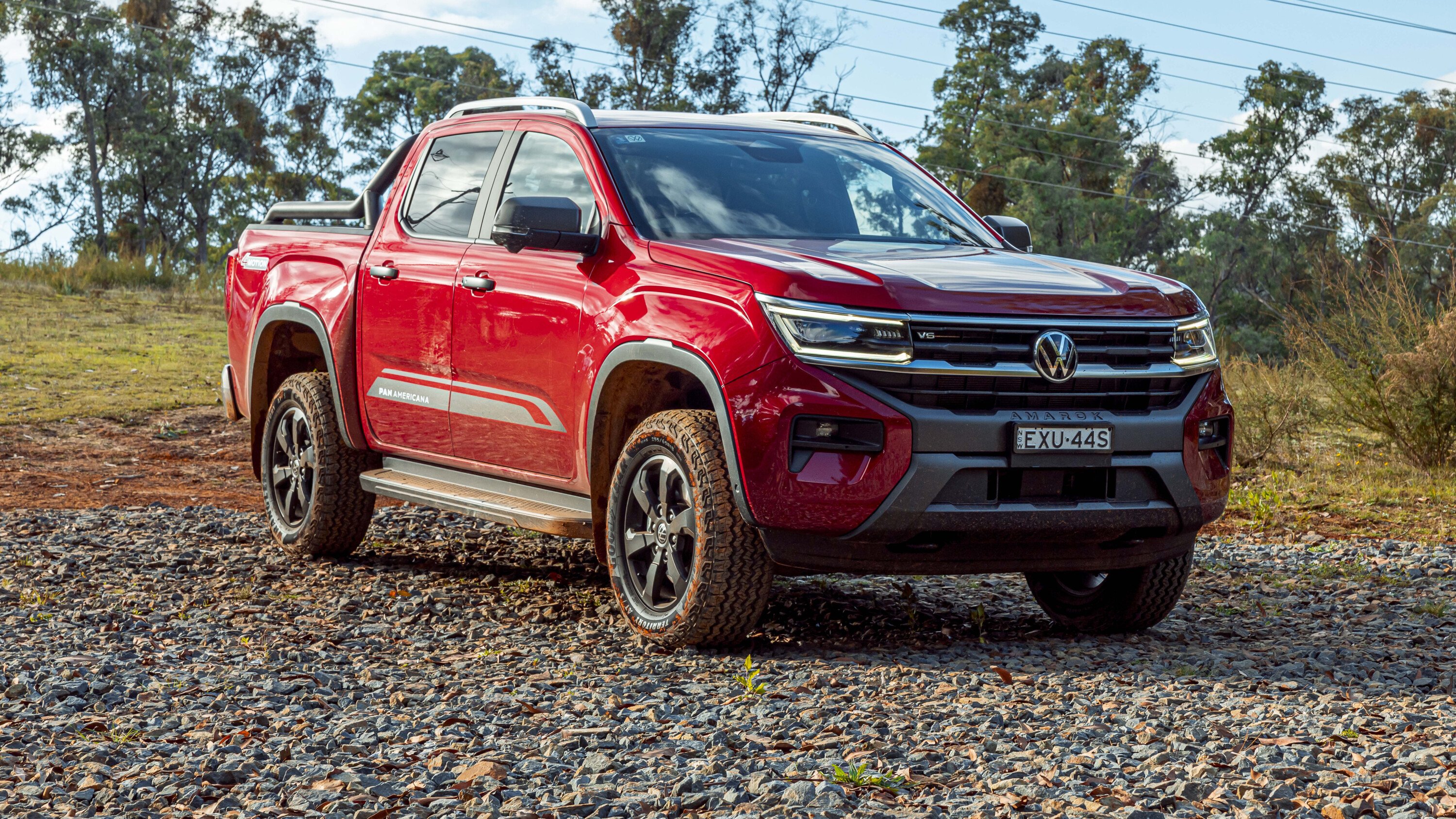
= 4️⃣ Volkswagen Amarok
Fourth place shared with Ranger
What we liked
- Now has side curtain airbags
- More room than before thanks to longer wheelbase
- Comfy, well bolstered backrest for rear passengers
Not so much…
- Fiddly to fit kid seats
- No rear USB ports
The all-new, second-gen Volkswagen Amarok was co-developed with the Ford Ranger and it’s all the better for it, especially when it comes to family duties. You now score side curtain airbags as standard, for example, which remedies one of the original Amarok’s biggest weaknesses.
And even though sharing its underpinnings with Ranger means outright passenger room is average rather than excellent, any existing Amarok owners will notice a huge improvement.
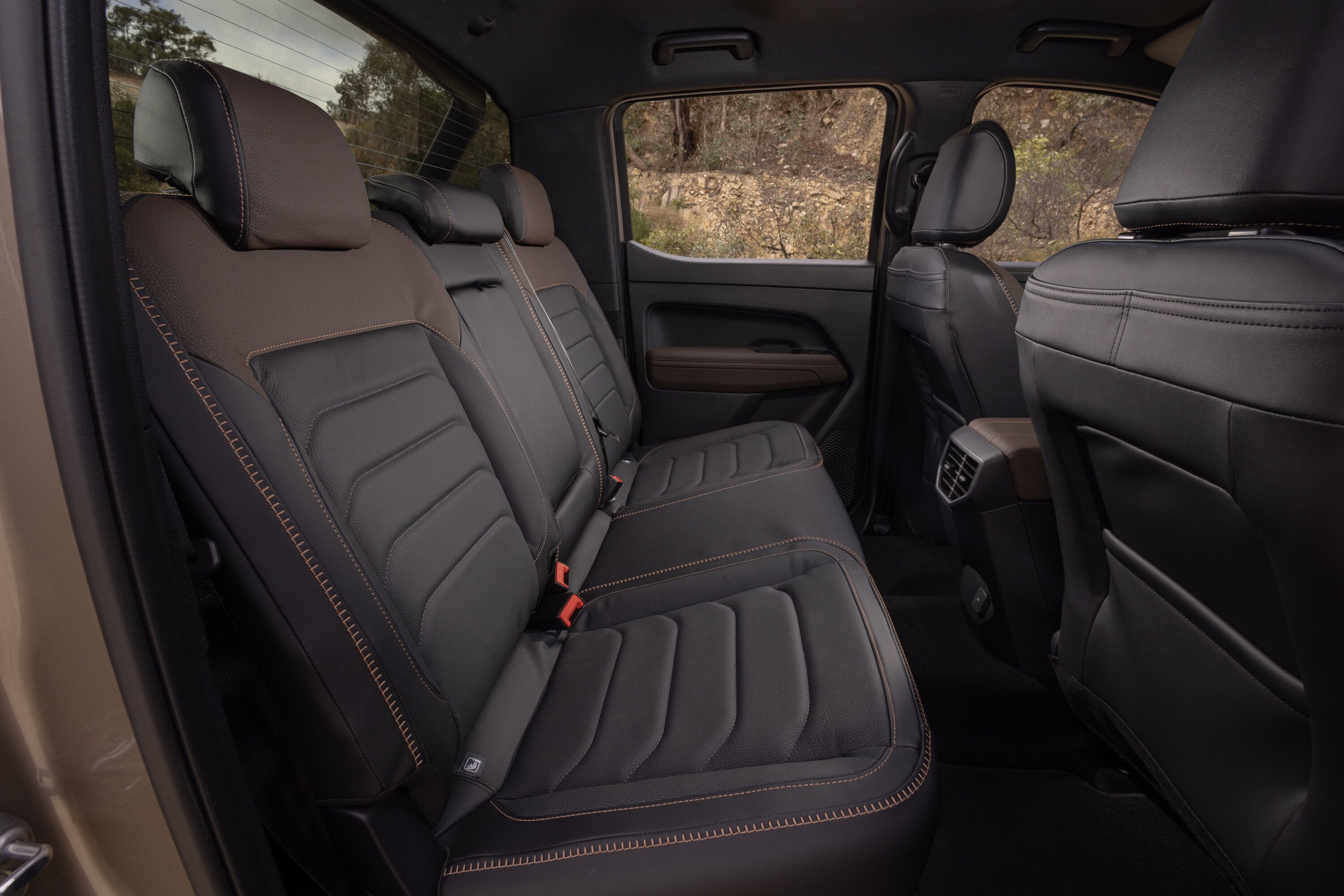
VW has injected an additional 175mm into the second-gen Amarok’s wheelbase and most of the extra space is felt in the rear pews. Six footers can easily sit behind one another and VW has done a fantastic job with the mix of materials which lends the Amarok’s cabin a premium, yet still hardwearing, feel.
3
Like Ranger, fitting a child seat is fiddly and there are no rear USB ports. The rear plastics also take a sharp step backwards and are noticeably harder. Rear passengers do score dedicated air vents, though, and the Amarok’s rear bench is marginally comfier than Ranger thanks to more pronounced bolstering on the backrest.
1
6️⃣ GWM Ute Cannon
What we liked
- ISOFIX fittings
- Decent door pockets
- 220v socket
Not so much…
- Fabric top tether loop
- Smaller rear glass
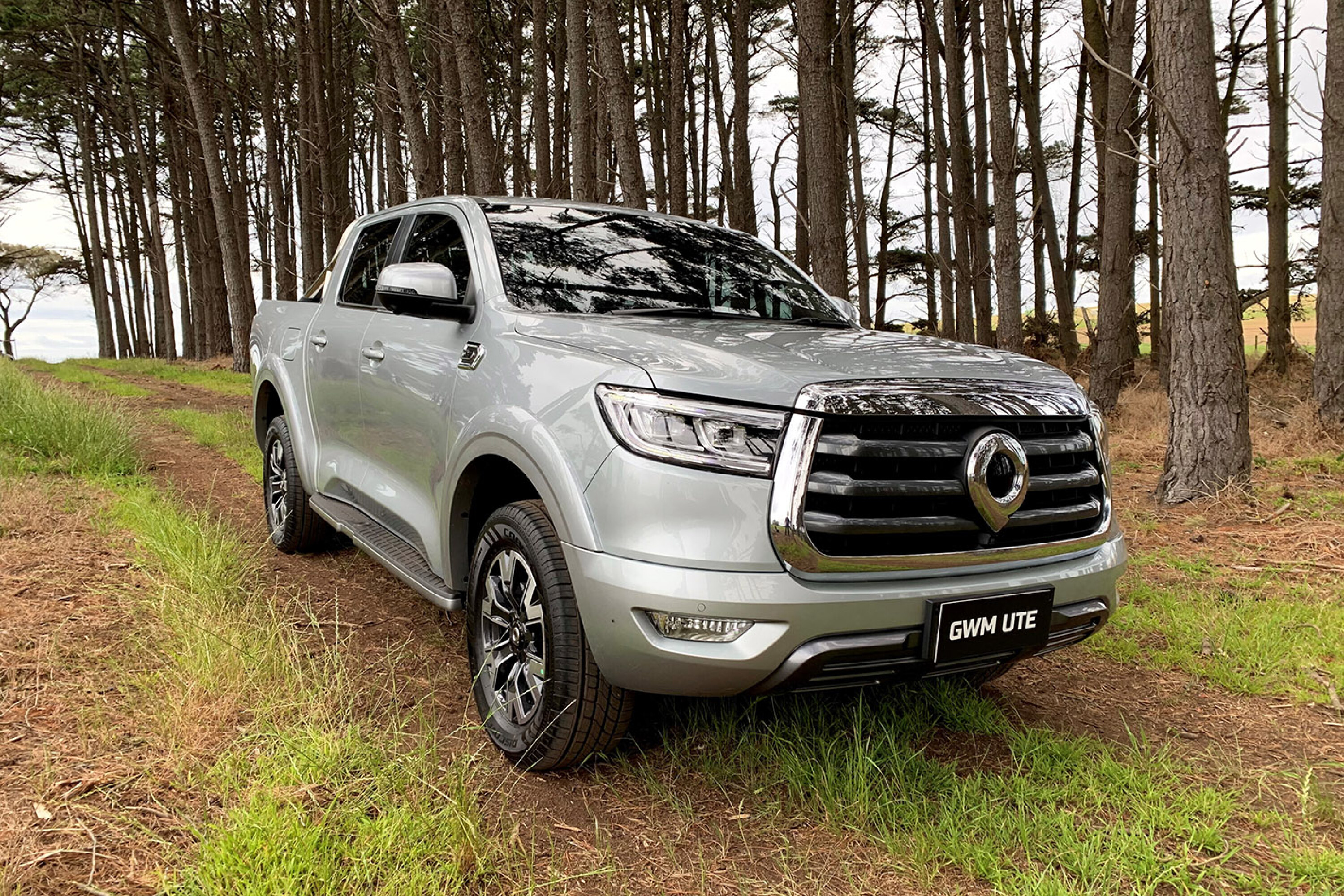
The GWM Ute Cannon is one of the leading proponents in the Chinese-sourced light-duty dual-cab space, and as such its performance for the modern family is critical.
Reports from our back seat riders confirm there’s plenty of space across the rear bench of the GWM, and the Cannon LS tested includes a 220-volt socket as well as a single USB point and rear vents.
The rear windows are a little bit smaller than those on, say, the Ranger or BT-50, which does restrict a bit of light into the rear end, but it’s only a matter of degrees.
2
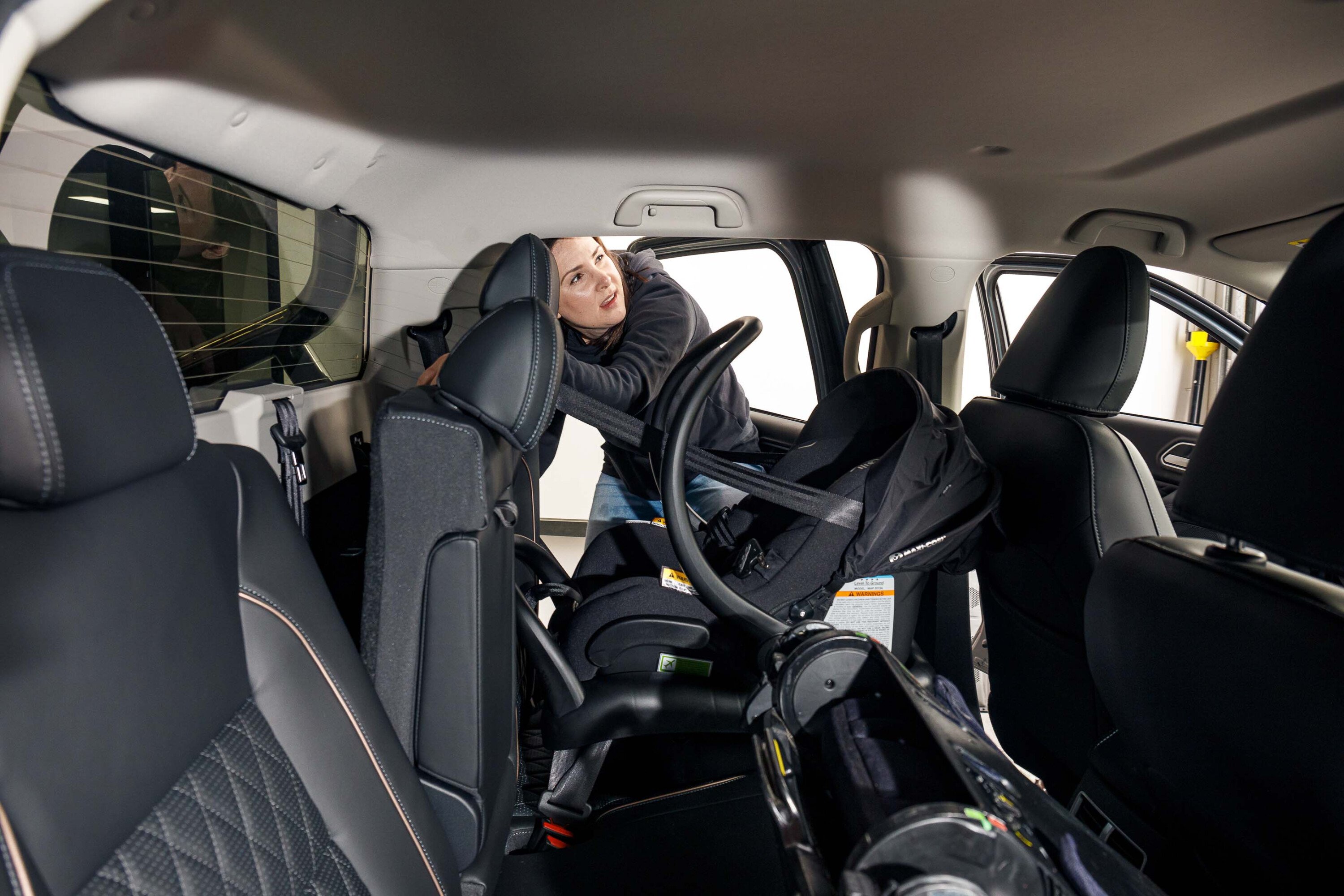
It’s also possible to add two ISOFIX baby seats to the outside seats, but you will have to fish around the rear side of the seat to find the centre seatbelt sash.
It’s an unusual two-buckle design, which will probably preclude the use of even a booster seat for the centre seat.
Offering a split rear row was one of the reasons the GWM scored well with judges, as well as offering lots of space in the doors, USB ports and pockets for rear passengers, and as well as good legroom.
MORE
Everything GWM
1
7️⃣ Mitsubishi Triton
What we liked
- ISOFIX fittings
- Decent door pockets
- Decent seat back inclination
- Wide bench
Not so much…
- Fabric top tether loop
- No rear USBs
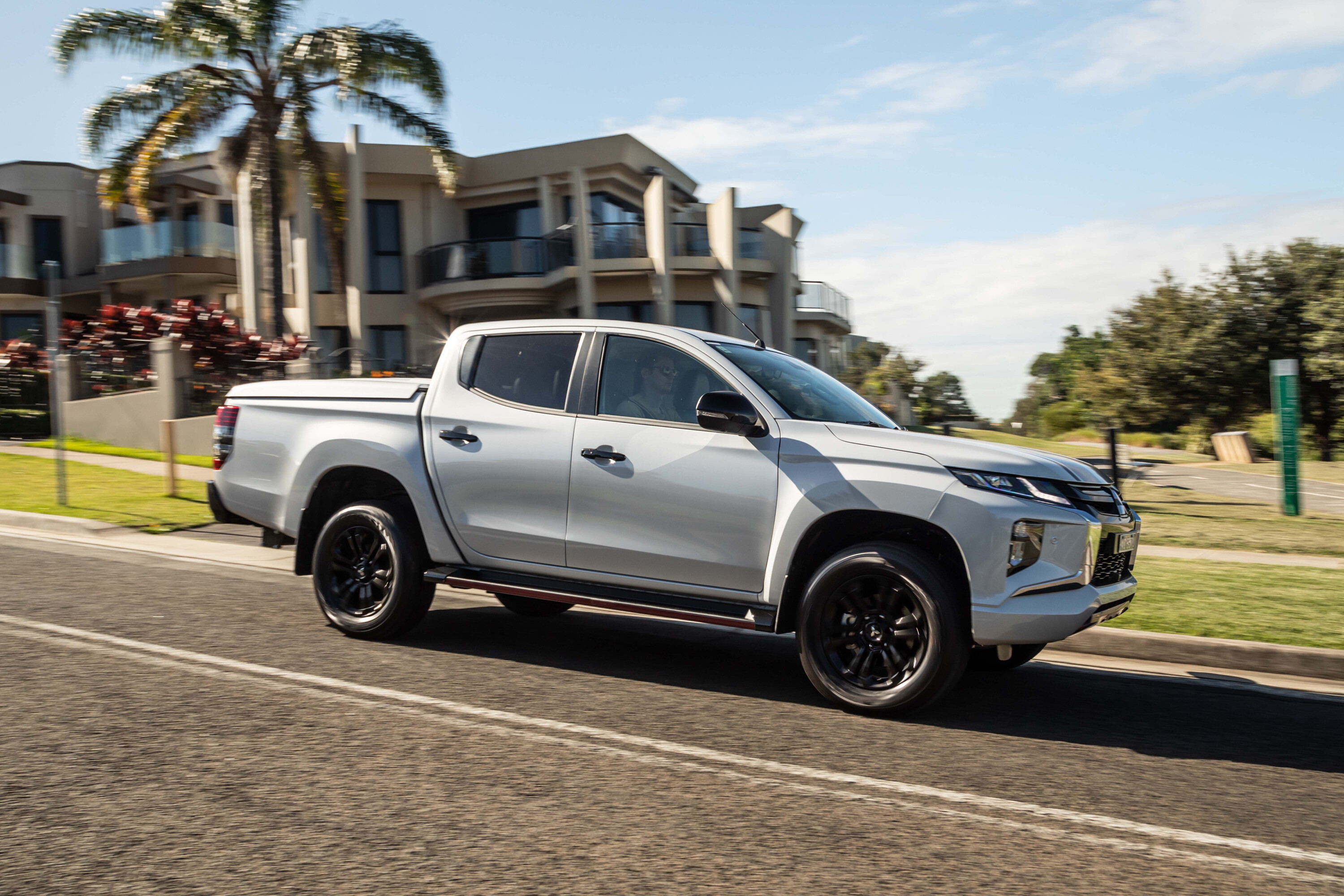
The Triton – which is set to be updated in early 2024 – has a high transmission tunnel with only satisfactory rear legroom, with the front seats needing to be pushed forward to accommodate rear-facing child seats.
2
The rear door cards too don’t offer much space, and again the top tether anchorages are hard to reach.
While the models with softer leather seats are favourable compared to the basic and cheap-feeling fabric trim of the base models, both felt quite uncomfortable to sit on as an adult passenger in the middle of the second row and give a feeling of being squashed when child seats are fitted either side.
Visit our Best Utes page to find the right ute for you.
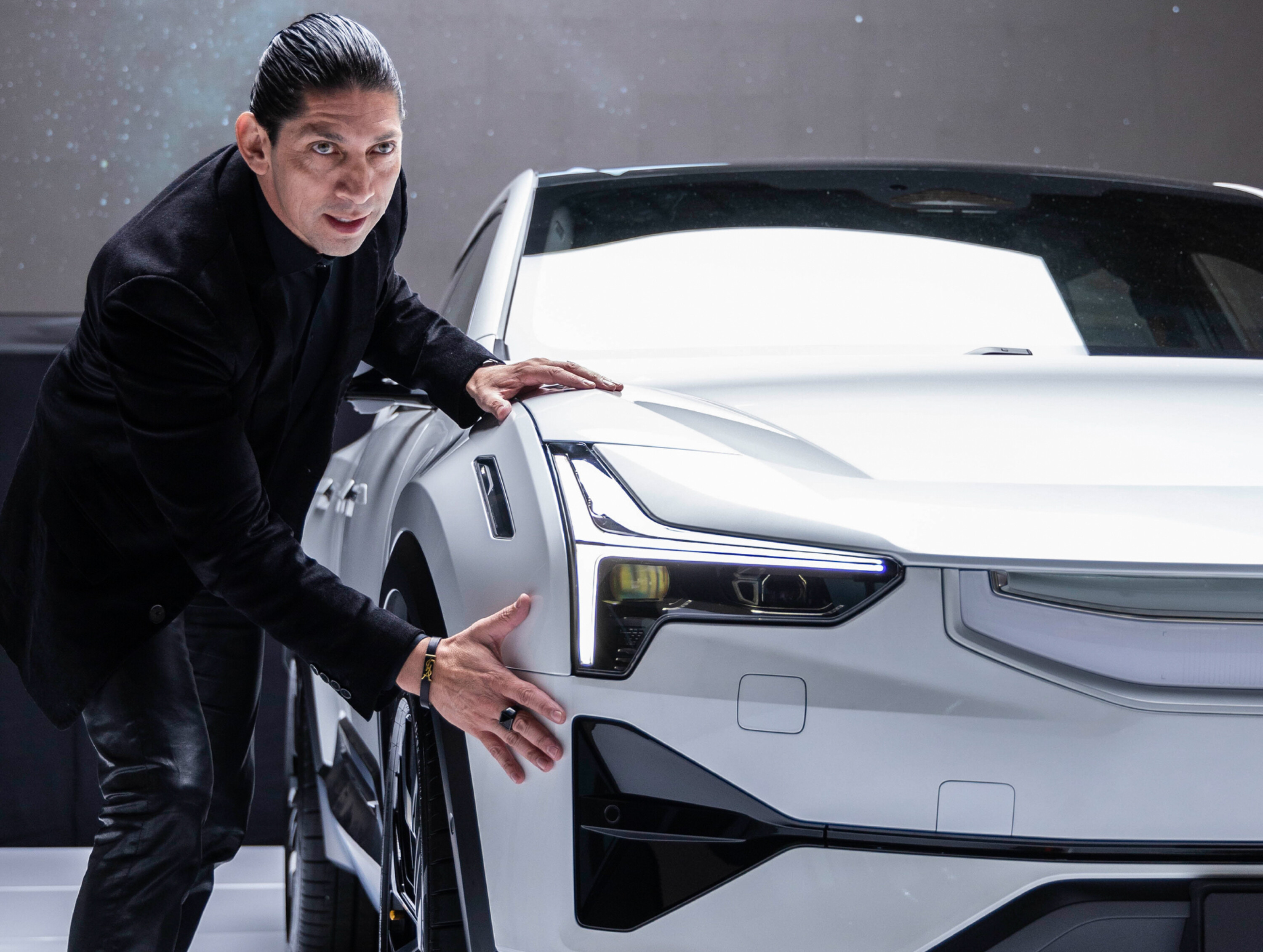
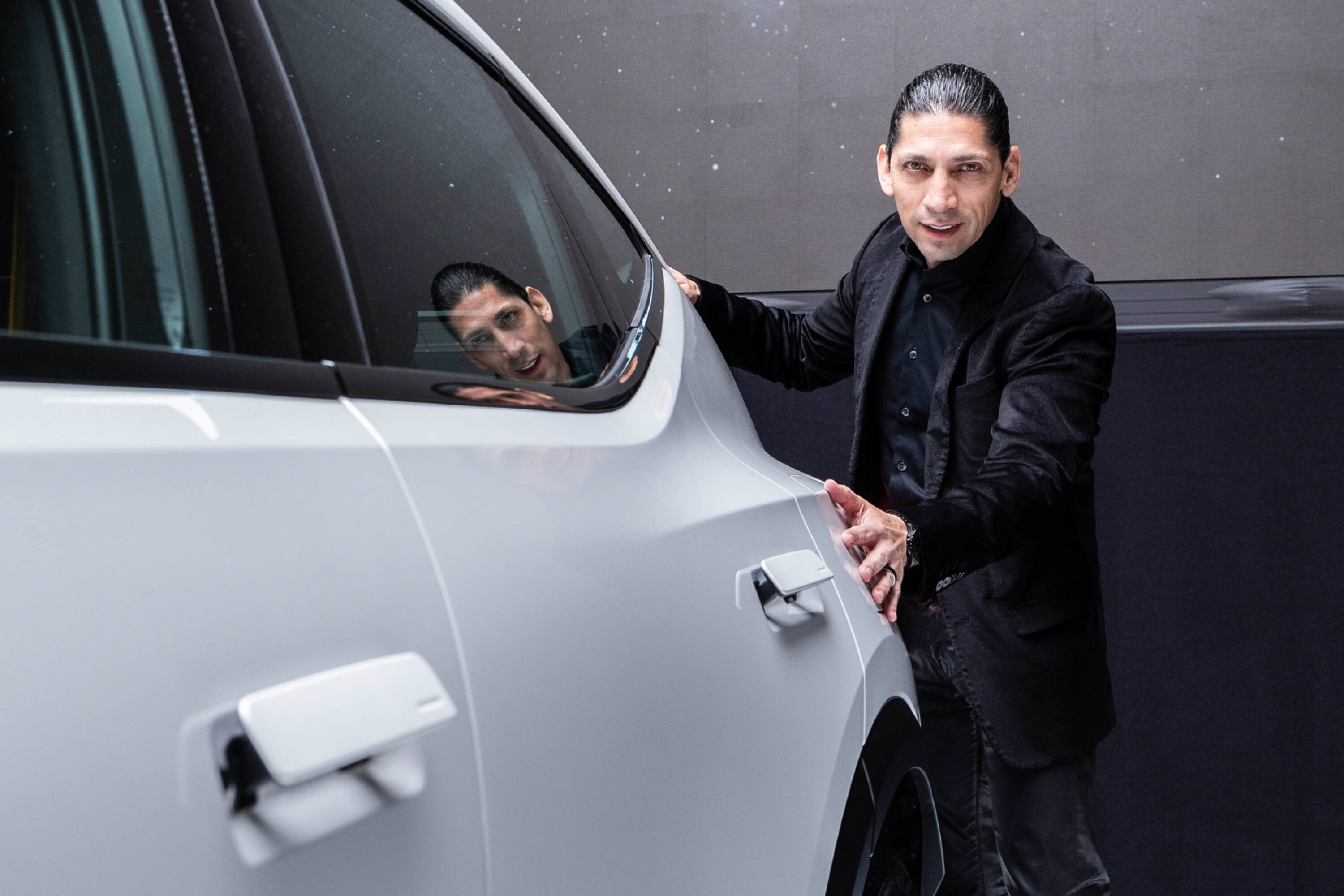
Speaking to Polestar 3 design lead Nahum Escobedo at the large SUV’s Australian unveiling, it became clear the company doesn’t care much for trends, fads or gimmicks. So while Chinese company Geely may own Polestar’s majority shareholder, Volvo, the brand’s ethos remains decidedly Scandinavian.
One battle for the design team was balancing aero efficiency with visual presence. To give the Polestar 3 a high bonnet line without rounding its edges, Escobedo and his team came up with a novel nose wing to keep the visual balance of an SUV without resorting to overly rounded edges for efficiency – something Esobedo is not a fan of.
“A lot of details around Polestar 3 like the wings and the SmartZone at the front where we cluster all the sensors and cameras, we have them because they have a function. Nothing is there by accident or as a styling exercise”, Escobedo explained.
If you really want that sort of entertainment, you know, you go to Vegas, or you go to a nightclub maybe? I don’t know. But not in our cars!
1
That begged the question: what are Nahum’s design pet peeves?
“One of them is the roundness of cars that are becoming almost potato-shaped, or like a Jelly Bean because that’s perfect for aerodynamics. Obviously, we want to do something different”, he replied.
Nahum didn’t name brands, but it’s not hard to look at the landscape and see what he’s talking about. Plenty of brands including Tesla, BYD, and the Mercedes’ EQ range seem to be falling into the aero-is-everything design trap. You could also accuse them of being guilty of Escobedo’s next peeve.
Who is Nahum Escobedo?
Growing up as a car-lover, Nahum can still remember the smell, vibrations, and sheer excitement a 1967 Corvette Stingray conjured up in him at nine years old.
A keen car and plane lover, Nahum’s been at Polestar since 2017 and has been involved in every design thus far taking the lead on the 3 large SUV, Precept concept car and its production version, the Polestar 5.
“Another trend you’re starting to see quite often is with interiors and exteriors – especially the interior – you have the option of any colour you want from the palette of lights.
“There are so many lights everywhere that I feel like I’m in a mini-Vegas! So many buttons, so many lights: this is purple, this is green, this is orange.
“The same thing is happening with exteriors, a lot of designs have started to integrate welcome lights, please walk lines etc. and these things will eventually become this sort of Christmas lights on the street.
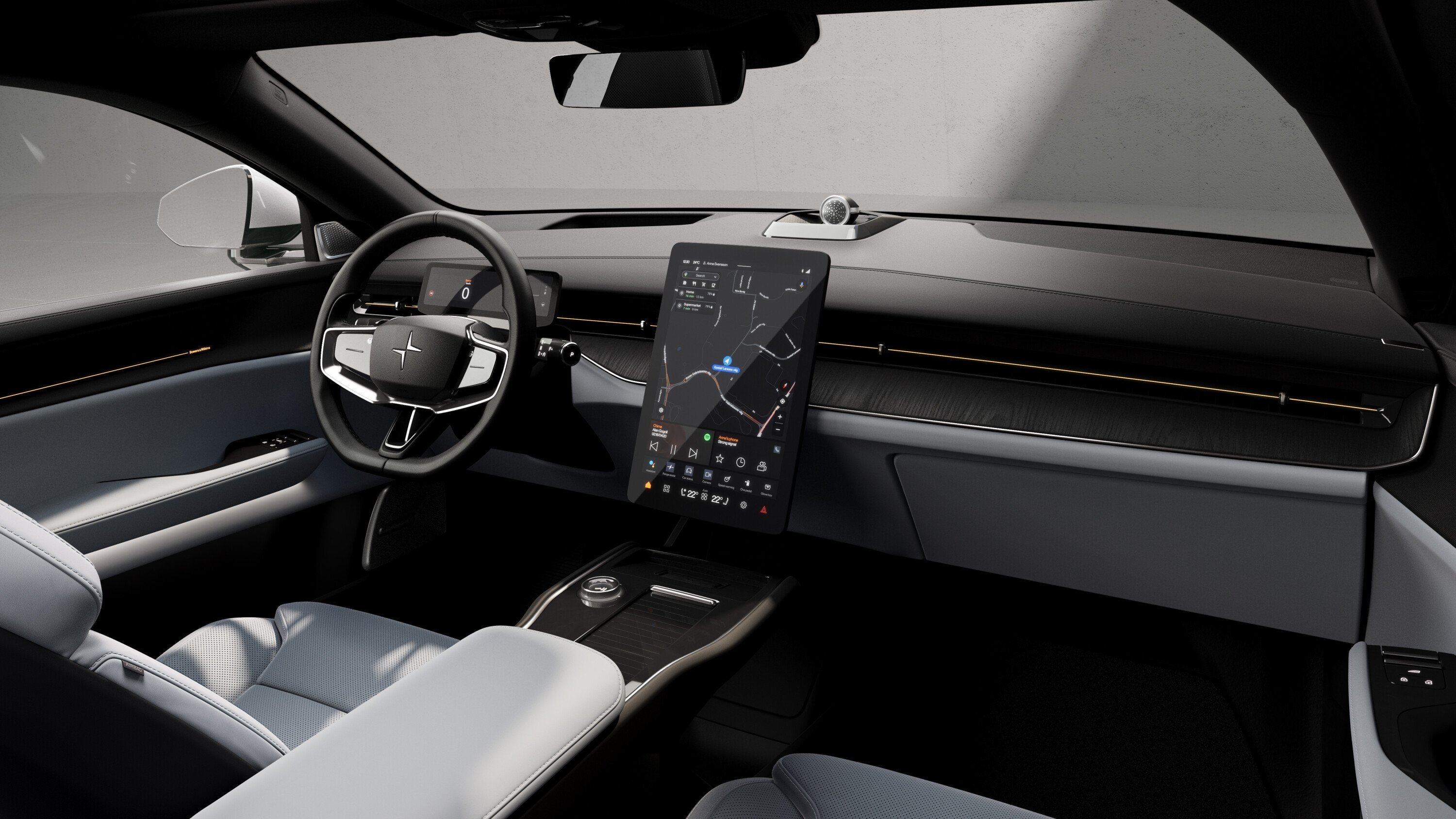
“At least in our brand, when you see our cars you will see the dual blades, you’ll see the brake lights, and you will not be disturbed by all these lights going around the car, because at the end of the day we want these vehicles to be for the driver to experience and enjoy the drive. If you really want that sort of entertainment, you know, you go to Vegas, or you go to a nightclub maybe? I don’t know. But not in our cars!” Said an impassioned Escobedo.
1
The last point, again, speaks to flashiness that some might describe as chintz or over-advertising. Whatever you call it, it doesn’t match Polestar’s Scandinavian ethos.
“We take a lot of pride and spend hours and hours trying to make sure that our cars look a certain way so that when you look at them you say ‘that’s a Polestar’ because of the way it’s designed, not because it has an emblem the size of a wheel.
“That’s part of the Scandinavian design philosophy. If you go to a furniture store, you will be able to detect which chair comes from Scandinavia – the same thing with our cars. The emblem is integrated, it has a function – it is our brand – but when you look at the design you know it’s a Polestar, not because of the humongous label”, Escobedo laughed.
1
It’s all in good fun, of course, and there are plenty of reasons why manufacturers may prefer a more rounded look for a vehicle, use a big badge, and examples of tasteful integrations of interior lighting exist.
As a new brand, though, it’s important for Polestar to define itself and not follow flash-in-the-pan trends. As the first purely Polestar-developed vehicle, the 3 is about setting the standard.
To speak put it in Nahum’s words: “This is our definition of what a luxury SUV should be nowadays. I always tell people that the Polestar 3 is not a people mover, it’s also for the driver; an SUV for the driver that also happens to be a luxury SUV as well.”
MORE
Everything Polestar
Volvo Cars will cease producing diesel-powered models globally by early next year as it prepares to be an all-electric brand by 2030.
Key Points
- Volvo Cars to end diesel production globally by early 2024
- Diesels already off the menu in Australia
- Plans to go EV-only in Oz by 2026, globally by 2030
The automaker announced the move at the Climate Week NYC event after it decided to stop developing new combustion engines last year.
While diesel vehicles typically consume less fuel than petrol equivalents, a litre of diesel contains more carbon than unleaded. They also produce a greater amount of harmful NOx emissions than petrol engines.
Diesel exhaust fumes have been classed as a group 1 carcinogen – the highest level – observed to exacerbate health conditions such as asthma, and have been attributed to causing more deaths than road accidents.
Electric powertrains are our future, and superior to combustion engines
? A step ahead in Australia
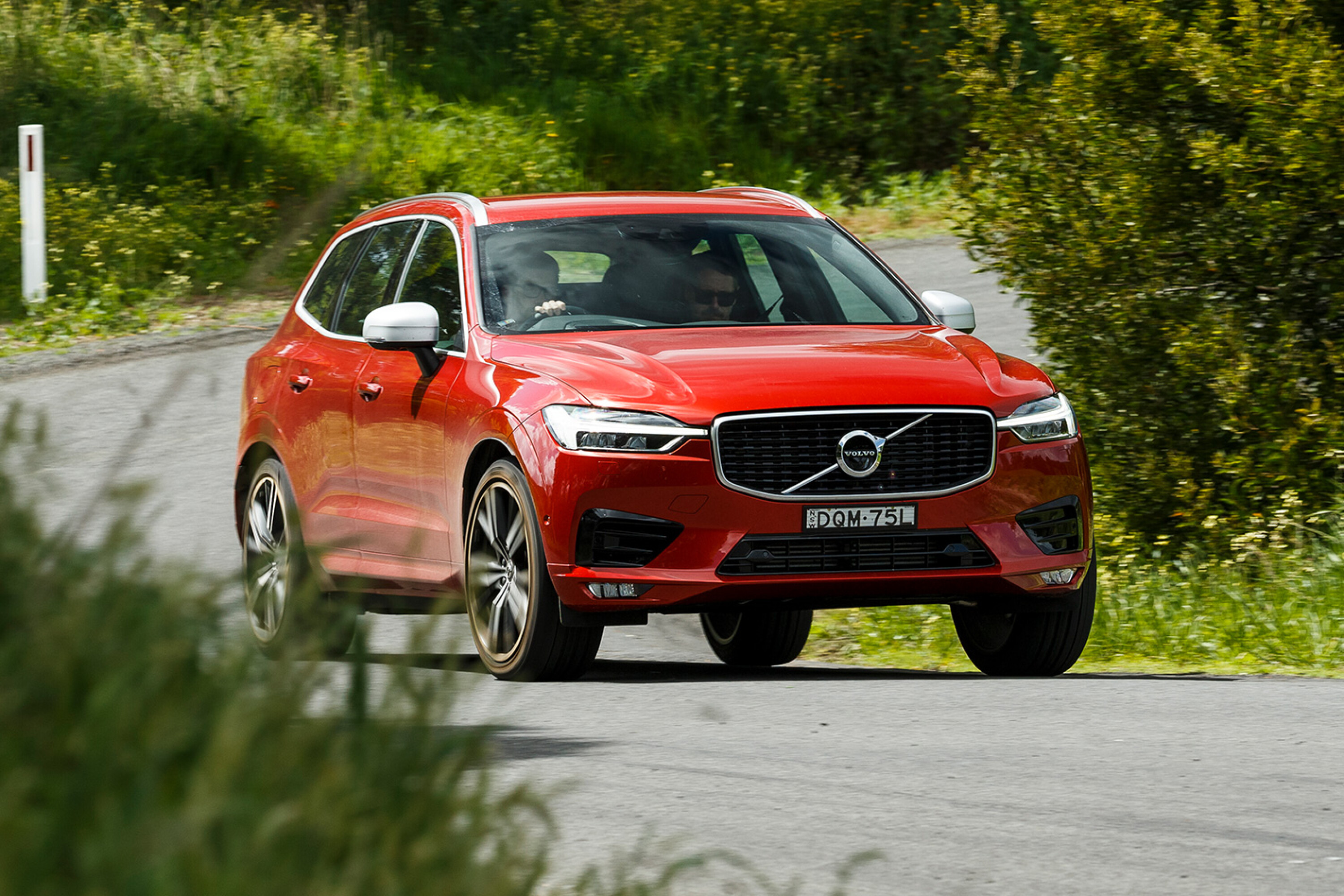
Locally, Volvo Cars has already committed to axing all combustion-engined sales by 2026. In August, 40 per cent of Volvos sales came from EVs alone. That’s impressive given only two pure electric models – the XC40 and C40 – are available in Oz.
Volvo no longer sells any diesel-powered models in Australia with the Volvo XC60 D4 medium SUV and XC90 D5 large SUV discontinued in 2022.
1
Volvo Cars, which was acquired by Chinese brand Geely in 2010 from Ford, aims to be carbon neutral by 2040.
Chief executive Jim Rowan said Volvo has completely committed its research and development into pure electric vehicles with no more money to be invested in ICE powertrains.
“Electric powertrains are our future, and superior to combustion engines: they generate less noise, less vibration, less servicing costs for our customers and zero tailpipe emissions,” Rowan said.
“We’re fully focused on creating a broad portfolio of premium, fully electric cars that deliver on everything our customers expect from a Volvo – and are a key part of our response to climate change.”
MORE
Everything Volvo
March 2, 2021: Volvo to go fully electric by 2030
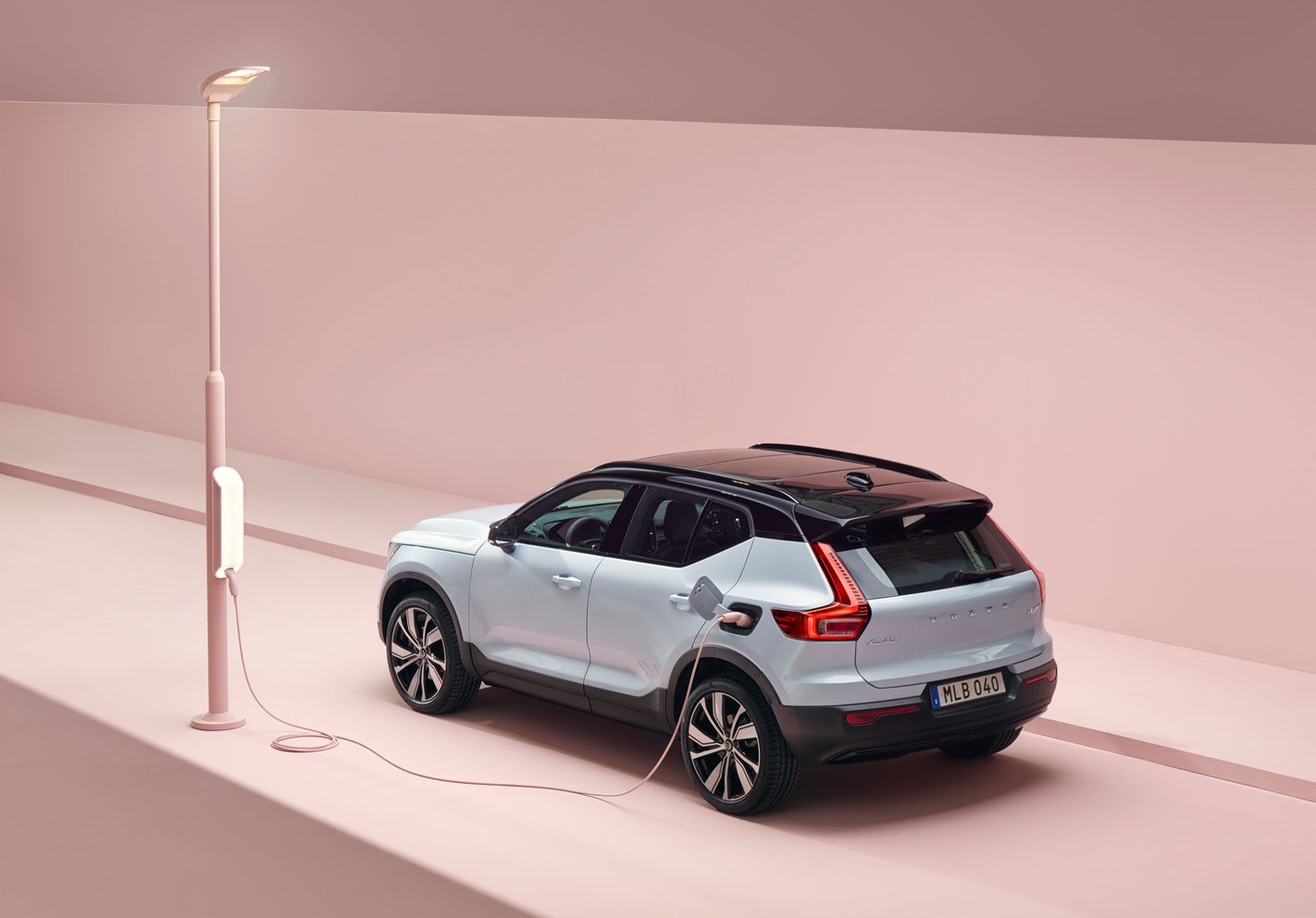
Volvo is the latest carmaker to commit to going fully electric by 2030, with a completely new family of electric cars that will only be available for sale online.
The Swedish carmaker has given itself nine years to phase out vehicles in its global portfolio with internal combustion engines, including hybrids.
Its transition towards becoming a fully electric carmaker is part of its ambitious climate plan, which seeks to consistently reduce the life cycle carbon footprint per car through ‘concrete action’.
In making this decision, Volvo is taking a punt that EV-friendly government legislation across its markets and rapid expansion of accessible high-quality charging infrastructure, will accelerate consumer acceptance of battery electric vehicles (BEVs).
Its thinking was also inspired by strong demand for its electrified vehicles in recent years and a belief that the market for internal combustion engine (ICE) cars is a shrinking one.
“There is no long-term future for cars with an internal combustion engine,” said chief technology officer Henrik Green.
“We are firmly committed to becoming an electric-only carmaker and the transition should happen by 2030. It will allow us to meet the expectations of our customers and be a part of the solution when it comes to fighting climate change.”
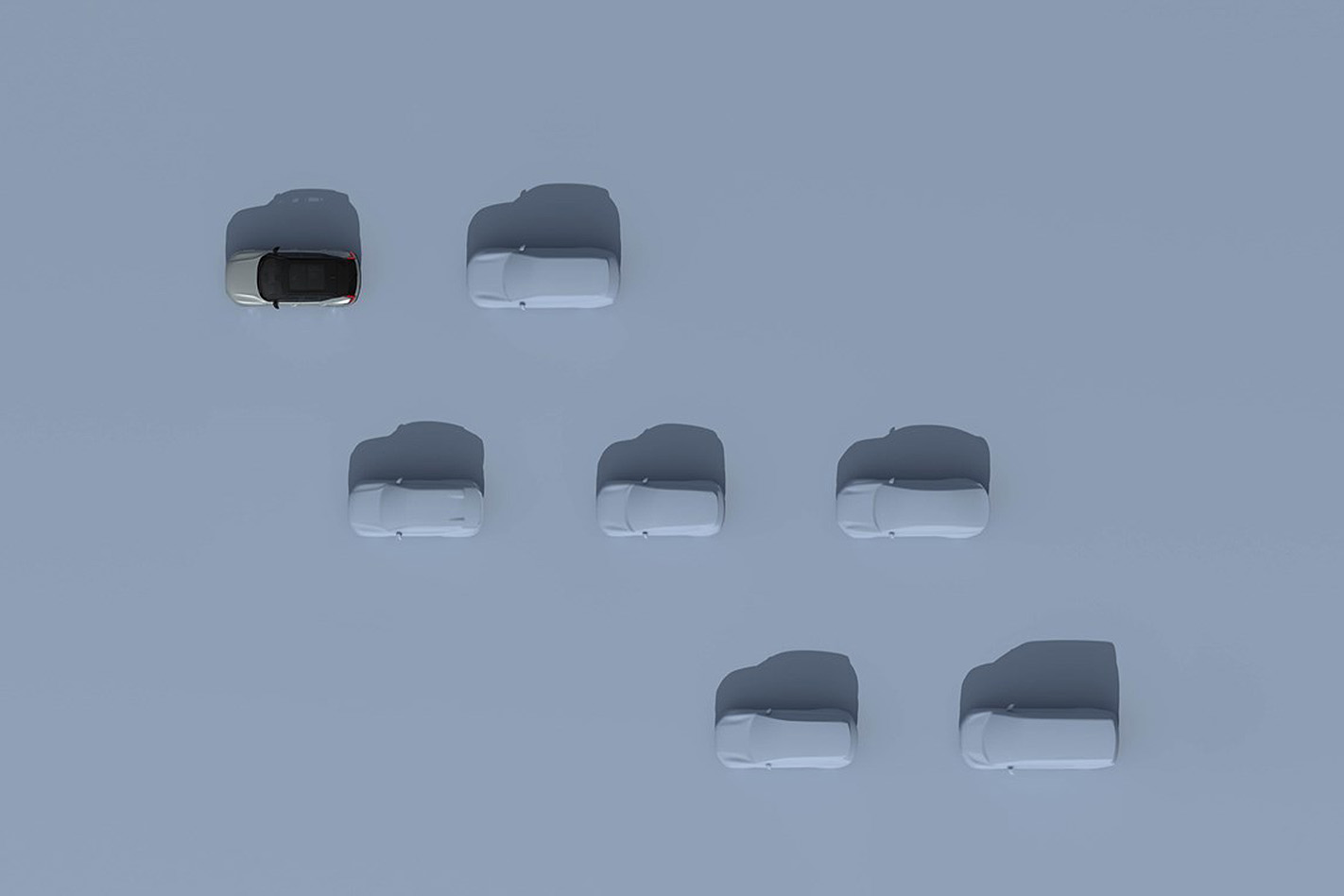
Volvo’s transition to an all-electric range will see BEVs account for 50 percent of its sales by 2025, with the rest hybrids.
1
By then the range will include five new models across passenger car and SUV segments, as teased in the above image.
The move towards full electrification comes together with an increased focus on online sales and a more complete, attractive and transparent consumer offer under the name Care by Volvo.
All fully electric models will be available online only at preset prices for either purchase or subscription in conjunction with its dealer networks around the world.
Lex Kerssemakers, Volvo’s head of global commercial operations explained the company’s future will be defined by three pillars: electric, online and growth.
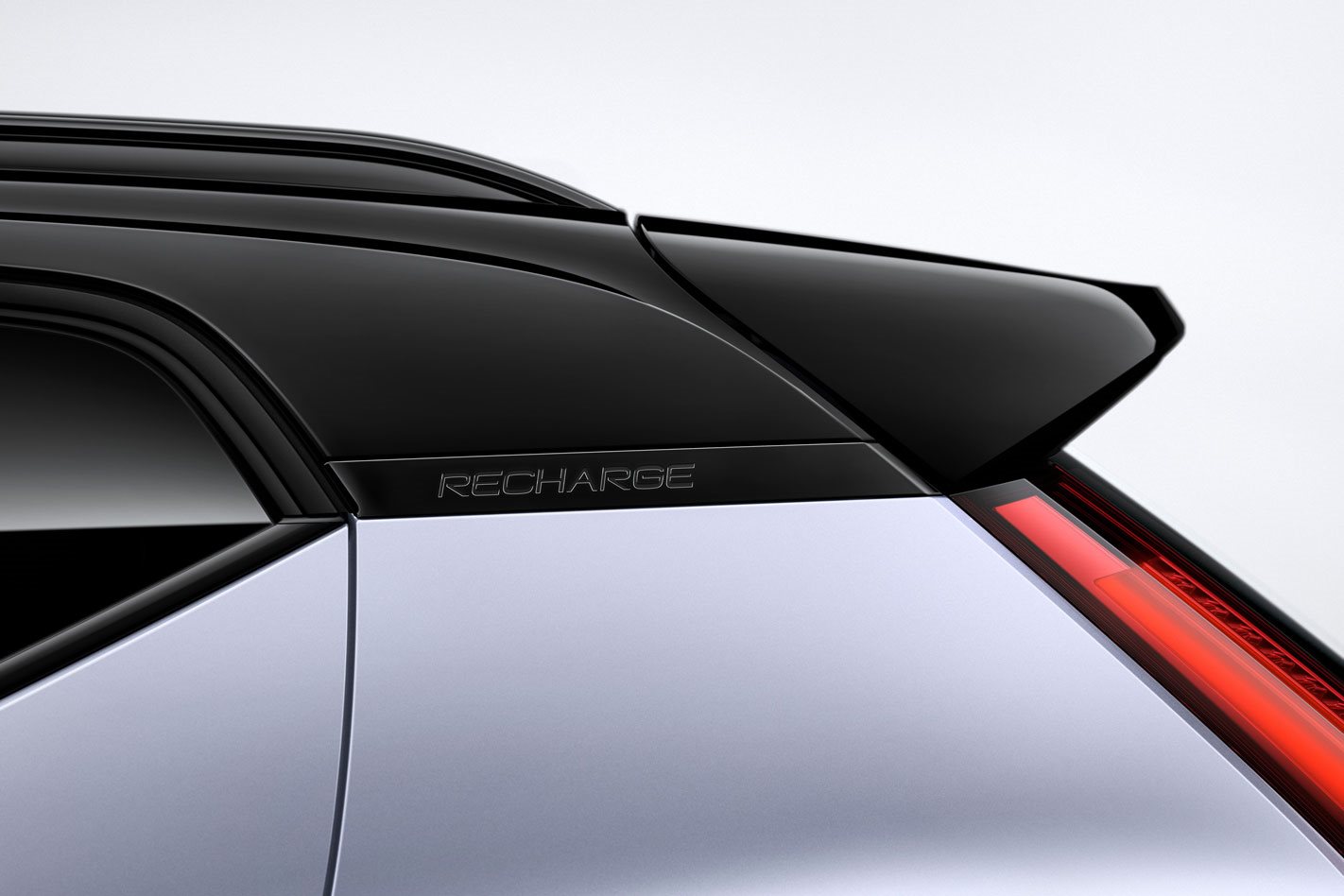
1
“We want to offer our customers peace of mind and a care-free way of having a Volvo, by taking away complexity while getting and driving the car. Simplification and convenience are key to everything we do.”
The Chinese-owned Volvo launched its first fully electric car, the XC40 Recharge in 2020 and is about to pull the covers off its second BEV, a new model in the 40 Series.
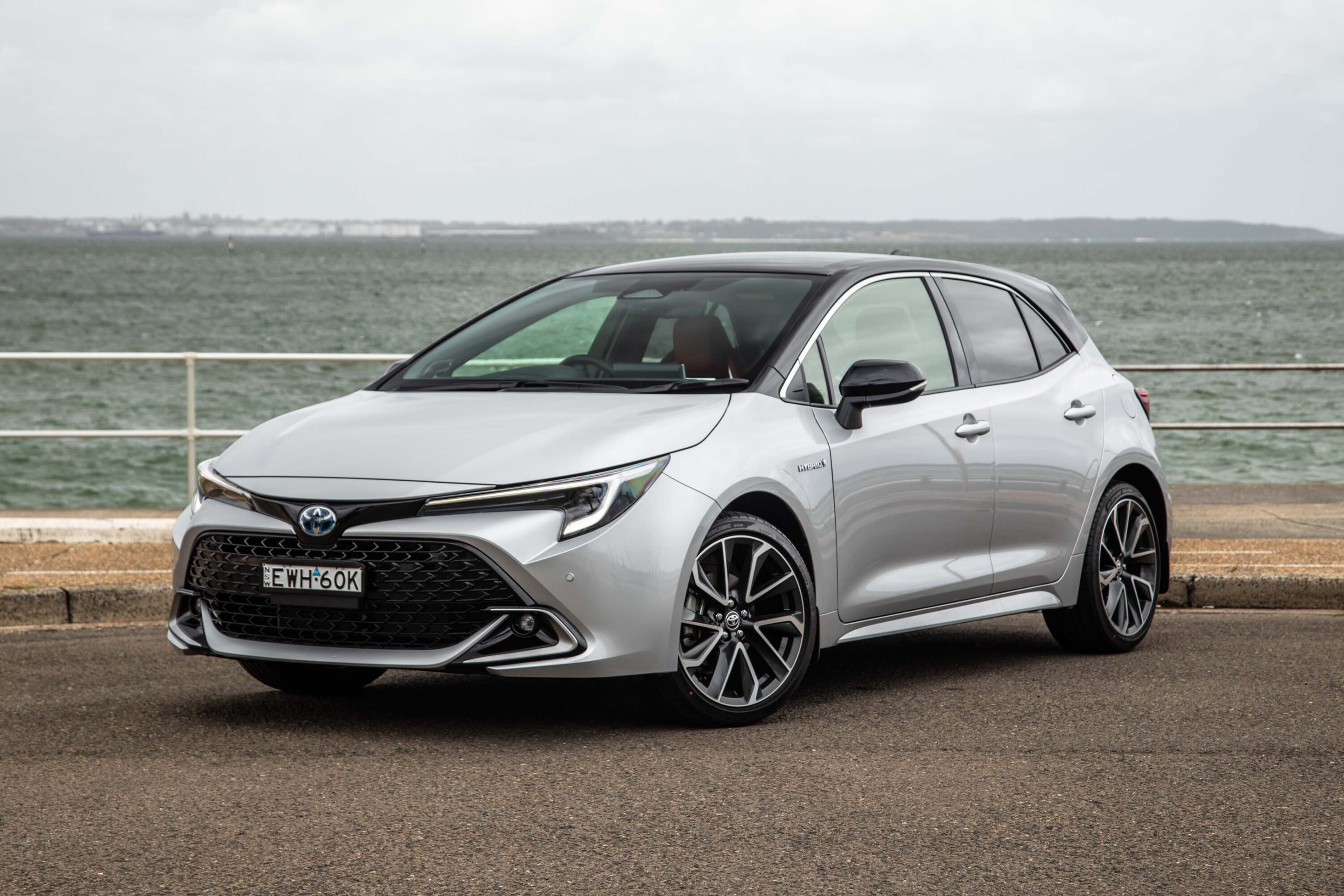
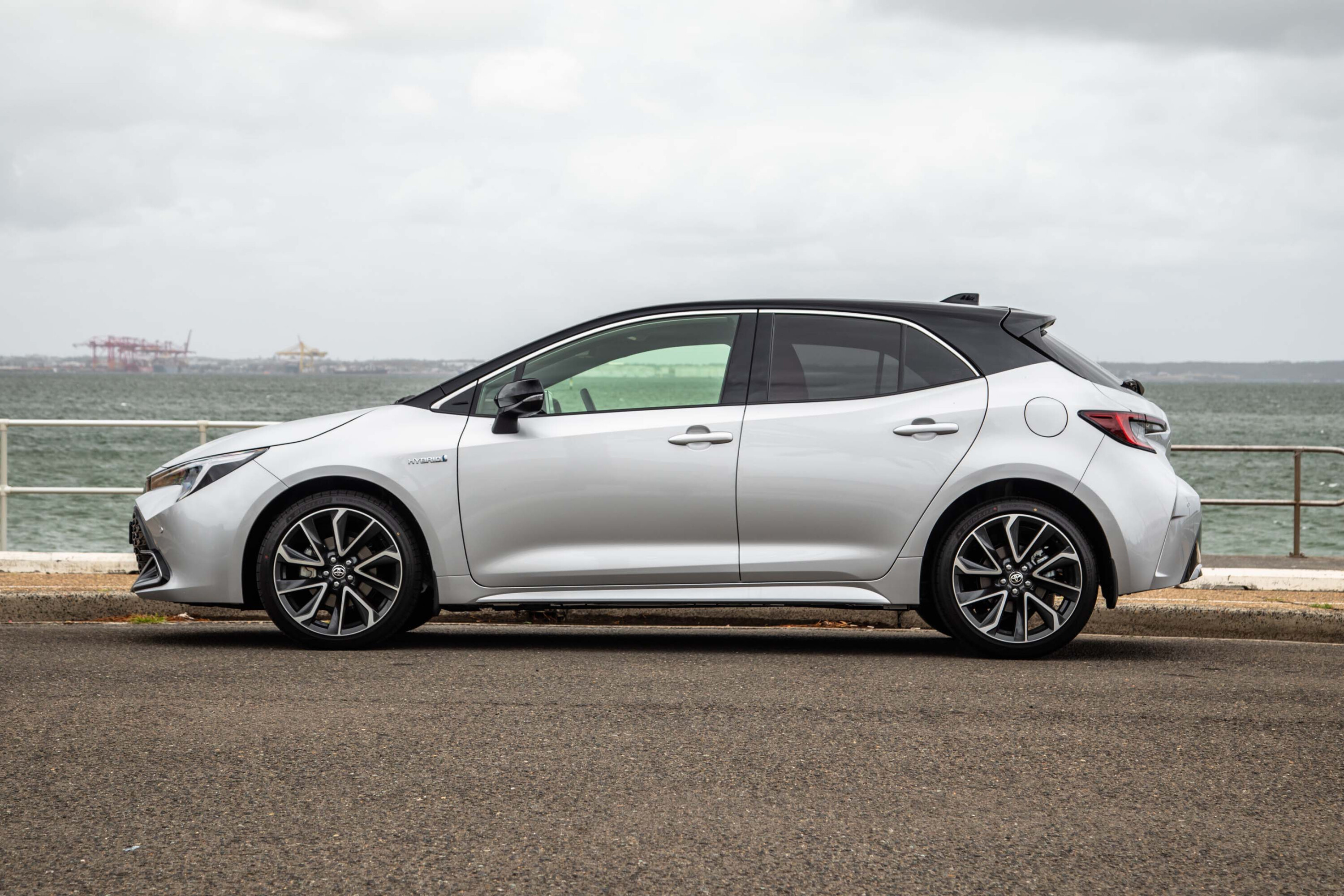
Having had a Corolla ZR myself for almost 2 years, I’m confident in saying it’s the car I’d be happy to return to.
In 2021 Toyota reached the incredible milestone of 50 million Corollas sold globally.
Since arriving in Australia in the 60s the Toyota Corolla has been a household name in the Australian automotive market for decades and is one of the world’s best-selling vehicles!
With the 2024 Corolla, Toyota continues the Corolla’s storied lineage with sporty aesthetics and modern tech.
Let’s dive into the top of the range ZR and what you’ll get.
1
Pricing and features
The Toyota Corolla comes in two body styles: the more budget-friendly five-door hatchback and the pricier sedan. Spec is more or less identical with a few outliers.
Positioned as the most premium variant in the Corolla lineup, the ZR brings a lot to the table. At $39,100 before on-road costs, the top-spec hatch is a humble and easy to jump into car. Its athletic stance, accentuated by sharp lines and unique alloy wheels, promises a dynamic drive.
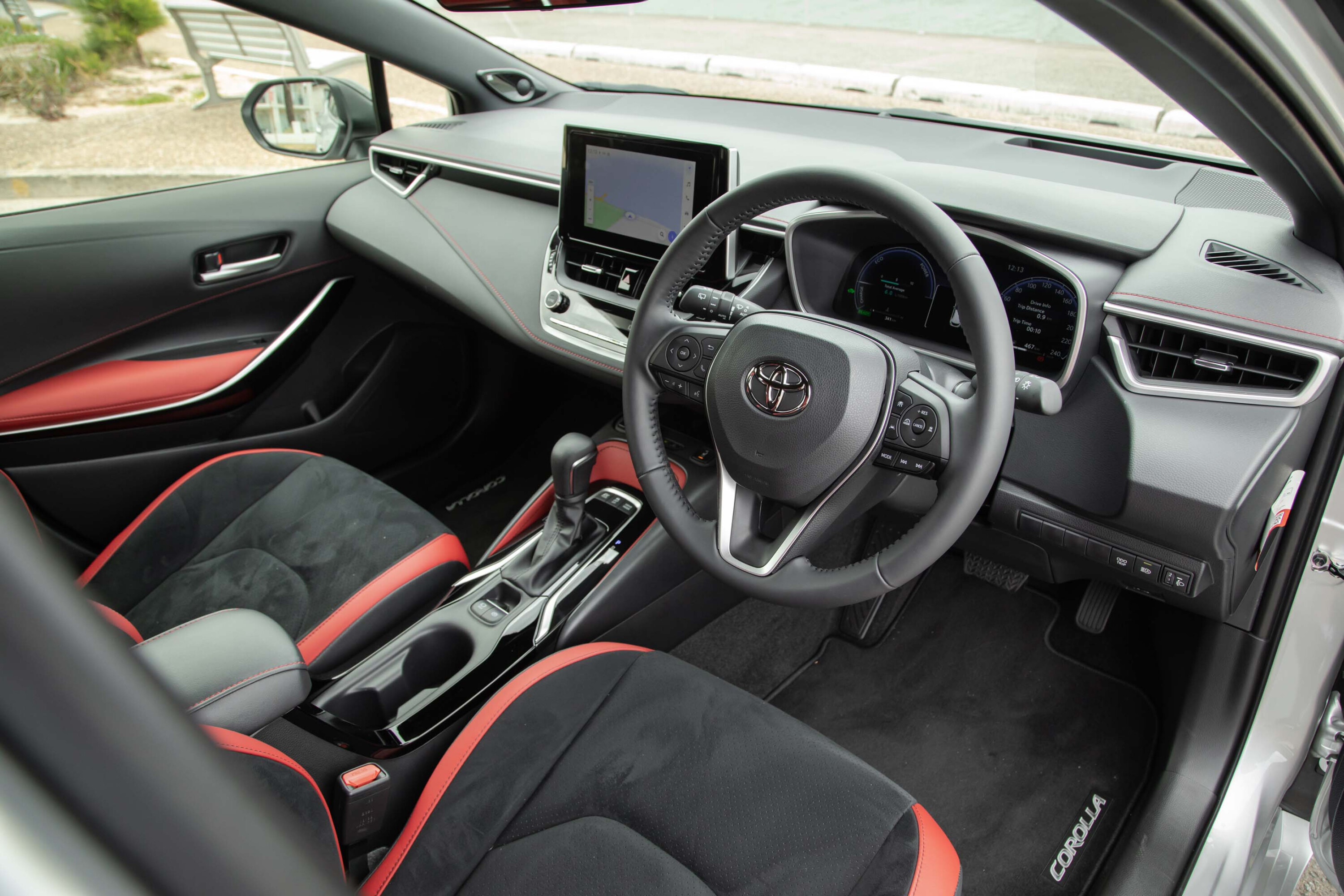
The interior echoes the sporty theme with a driver-centric cockpit, quality materials, and touches of elegance. The infotainment system, while straightforward, offers essential connectivity options like wireless Apple CarPlay and wired Android Auto.
1
The Corolla range from 2024 is available in only a 1.8L hybrid version.
The 1.8-litre engine with the ever-popular hybrid technology produces 103kW and 142Nm.
Fuel economy is something to boast about with hybrid variants using only 4.0L/100km (3.9L for Sedan) on a combined cycle.
The sedan is offered in the same three grades as the hatch – Ascent Sport, SX and ZR– with ZR topping off at $40,260 before on-roads.
The entry-level Corolla comes standard with plenty of spec, including:
1
The range-topping ZR adds plenty of luxury spec, such as:
| 2024 Toyota Corolla ZR features | |
| 12 months of Toyota Connected Services | Heated steering wheel |
| 12.3-inch digital instrument cluster | Leather-accented steering wheel and shifter |
| 18-inch alloy wheels | Leather/ultrasuede upholstery |
| 1x USB-C fast-charge point | Paddle shifters (petrol) |
| 8-speaker JBL sound system | Premium LED headlights |
| 8-way power adjust and lumbar for driver | Rear cross-traffic alert |
| Auto-dimming rear-view mirror | Rear privacy glass |
| Dunlop Sport Maxx tyres | Satellite navigation |
| Front and rear parking sensors | Sports bucket seats |
| Head-up display | Wireless phone charger |
| Heated front seats | ZR body kit |
You may consider stepping down into the mid-range SX which incorporates some of the above spec.
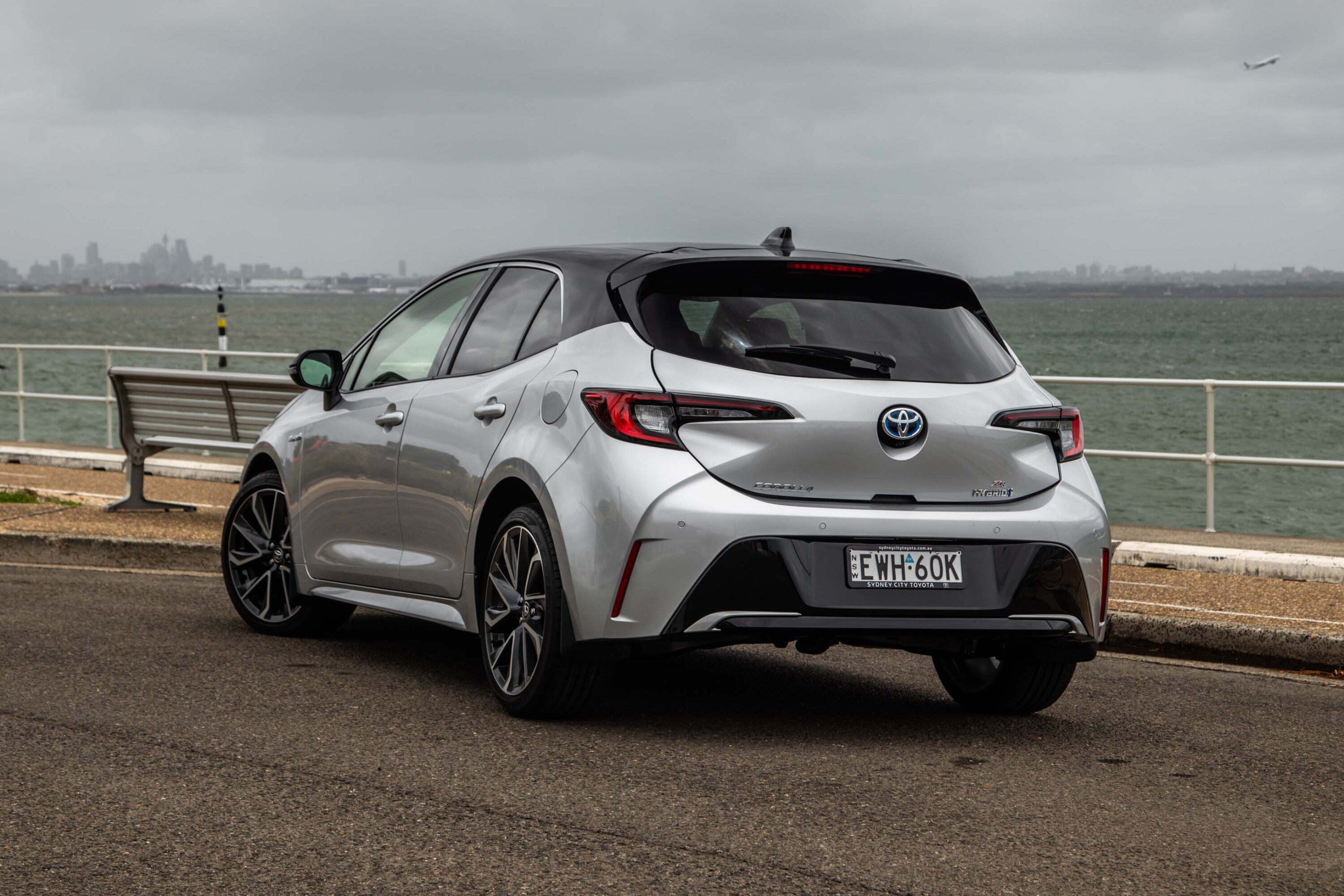
The option of a two-tone black roof is available for most colours in the ZR hatch and two seat trims – red and black leather accented.
Safety
The entire Corolla range is covered by a 5-star ANCAP rating from 2018.
| 2024 Toyota Corolla standard safety features | |
|---|---|
| Adaptive cruise control | Pre-Collision safety system |
| Automatic high beam | Rear seat occupant reminder |
| Forward autonomous emergency braking (vehicle, pedestrian, cyclist, junction) | Seven airbags |
| Lane departure warning | Toyota connected services SOS functionality |
| Lane-keep assist | Traffic sign recognition |
| Rear seat belt reminder | |
In the ZR you’ll get additional safety listed above such as rear cross traffic alert, blind-spot monitor, safe exit assist and parking sensors.
1
Key rivals
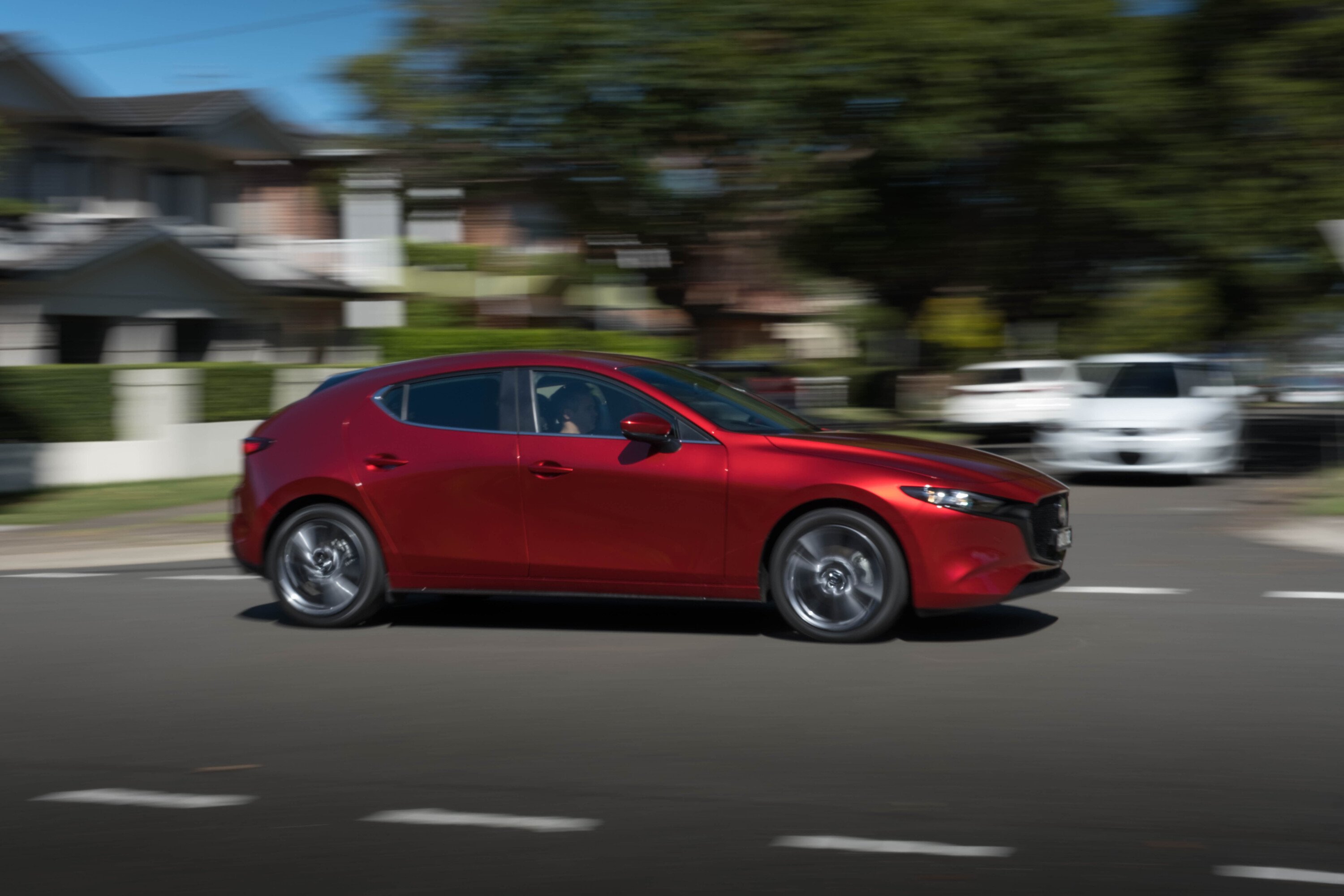
The small hatch and sedan segment has its share of worthy contenders, including:
1
Should I put it on my shortlist?
The 2024 Toyota Corolla ZR is an edgy take on a trusted classic. It offers a harmonious blend of sportiness, reliability, and modern features.
For those seeking a car that’s both fun and dependable, the Corolla is a good contender that deserves a spot on your list. I mean, it’s one of the worlds best selling cars ever, and one I enjoyed driving everyday because it never used more that 4.8L/100km.
As is the case with most Toyota vehicles, we’re in favour of the economical hybrid powertrain however removing the petrol variant means this is almost a 45k car. If you aren’t restricted to a budget the ZR has all the creature comforts you’ll very quickly be happy you chose.
MORE
Everything Toyota
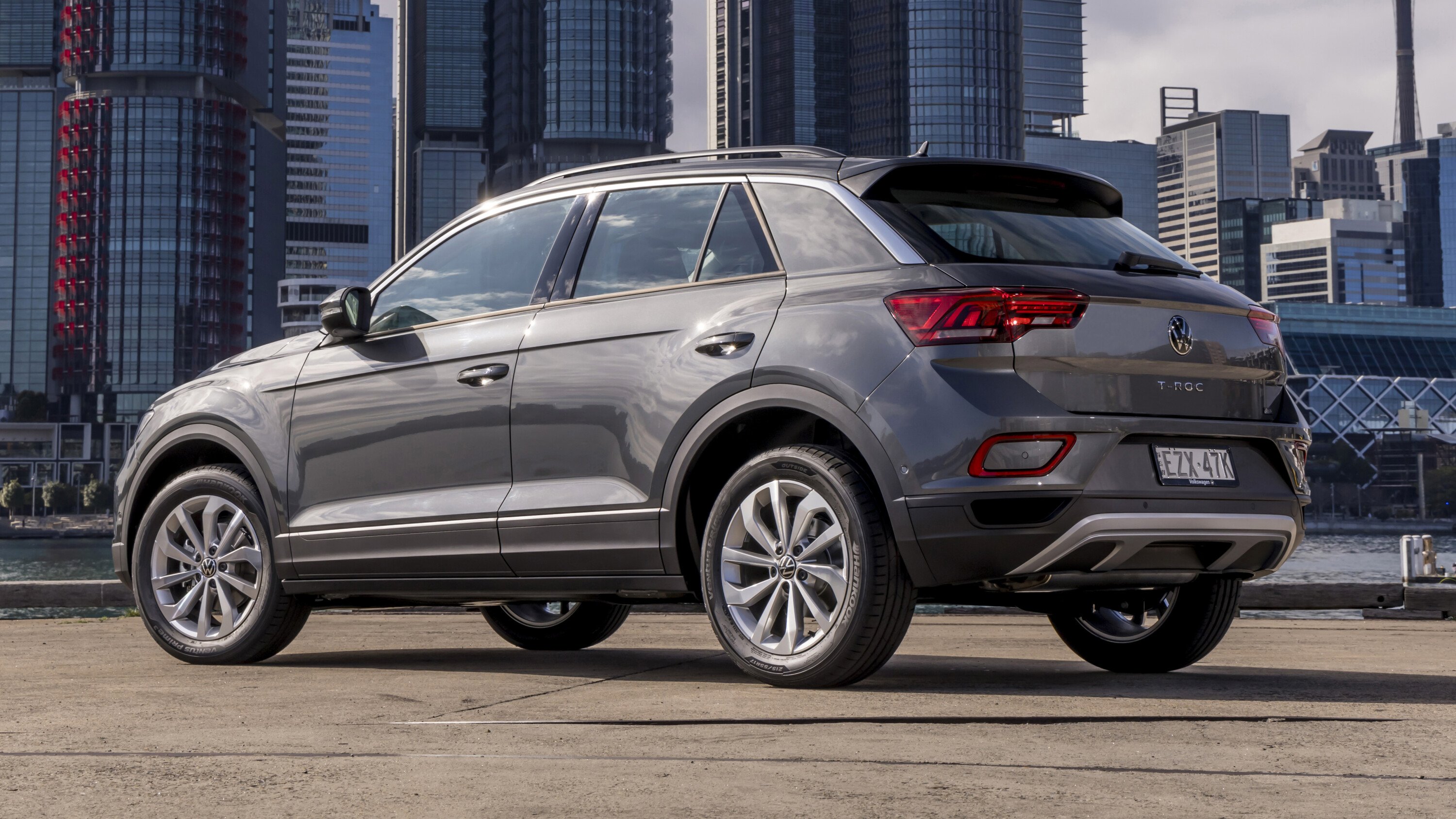
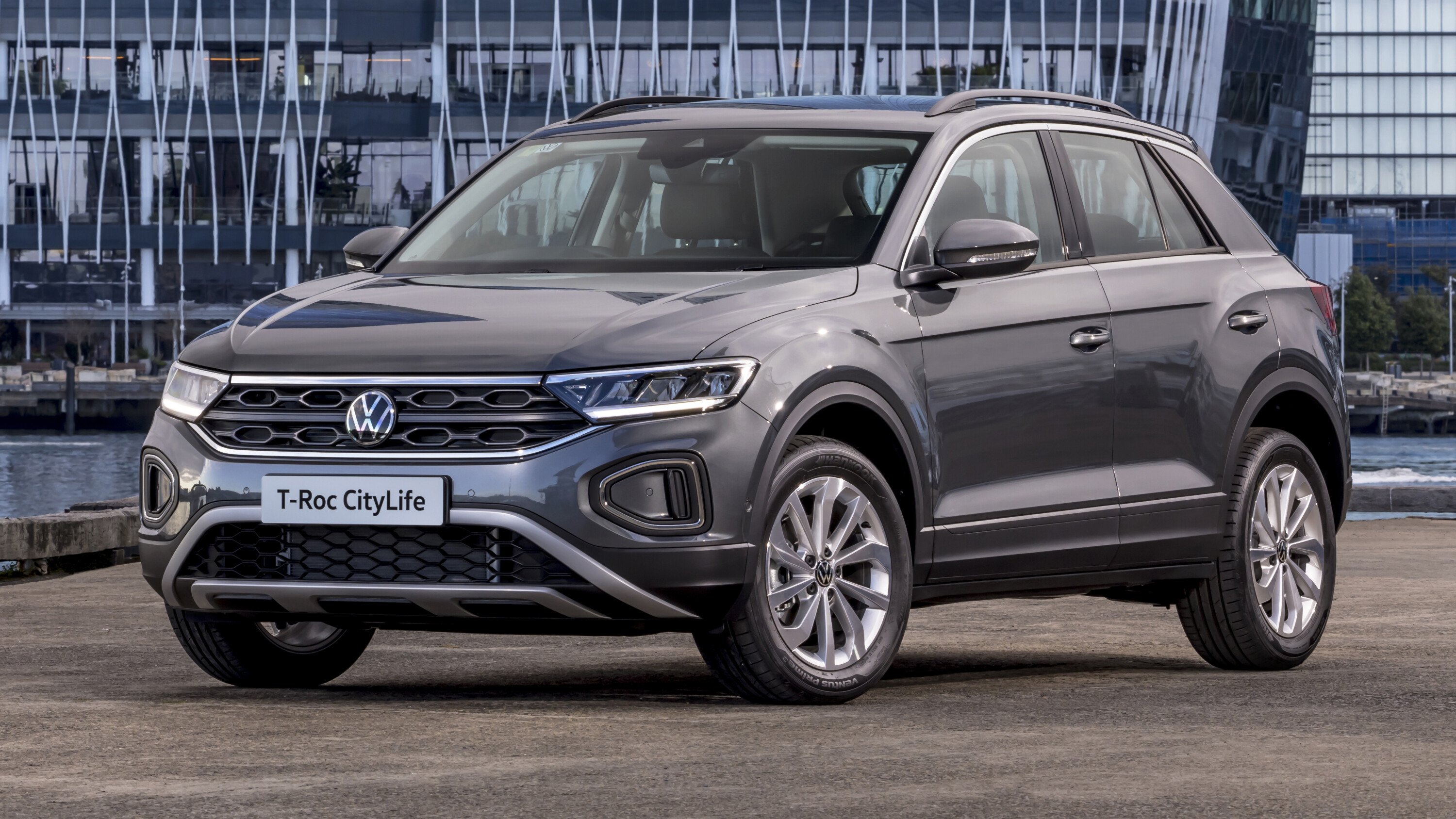
What’s significant about the Volkswagen T-Roc CityLife?
Introduced in September 2023, the Volkswagen T-Roc CityLife marks a new entry point into our 2023 Best Small SUV range – and it’s even on special!
Sitting beneath the Style, the CityLife is a limited-run offering, according to Volkswagen, with some 1500 units on hand to help bolster the bottom end of the SUV price scale for VW ahead of the arrival of the facelifted – and smaller – T-Cross in early 2024.
1
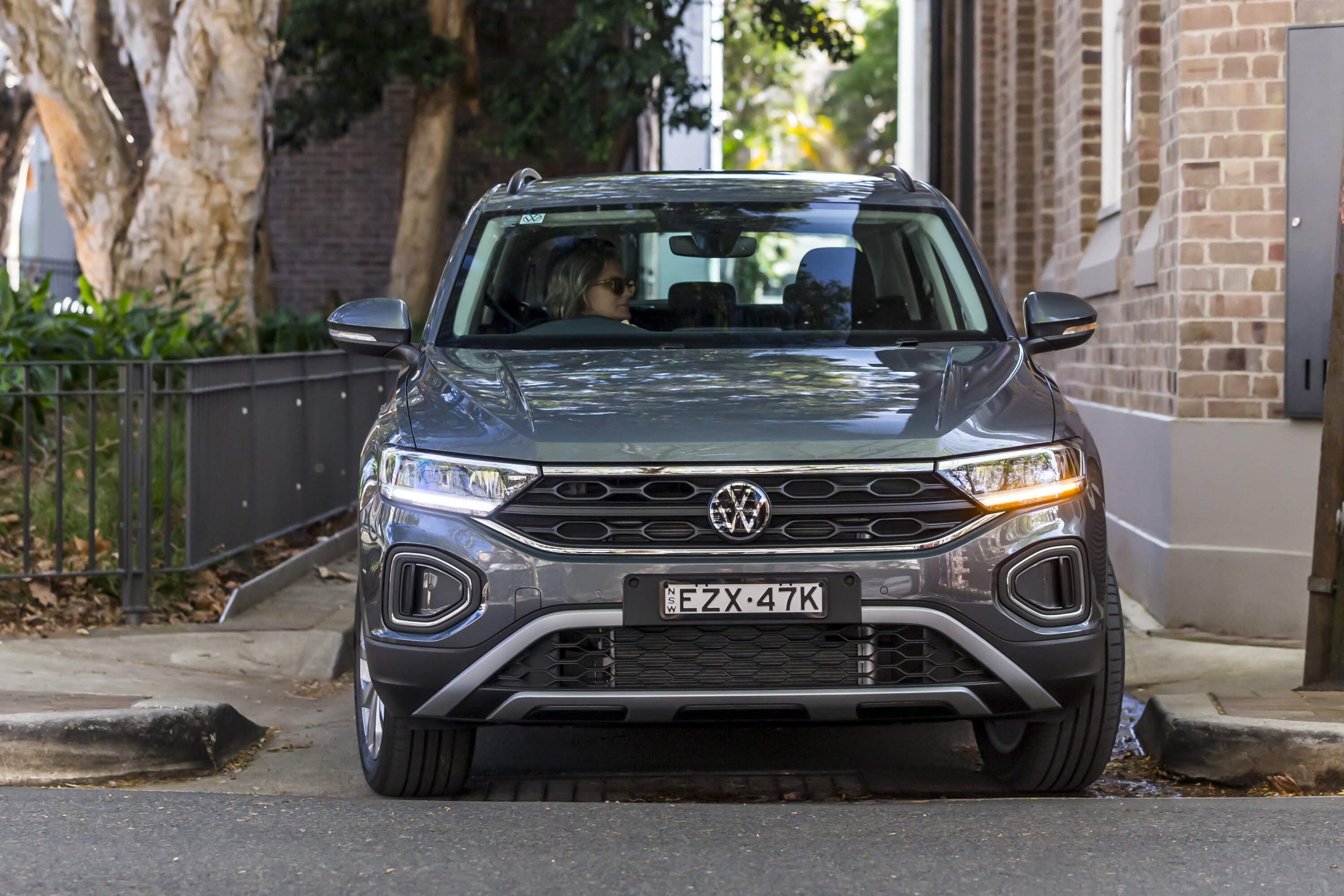
It retails at $35,990 plus on-road costs, but Volkswagen is currently offering it for the national drive-away price of $36,990.
While it might seem a little steep when held up against other entry-level small SUV like the Mazda CX-30 G20 Evolve ($33,310 plus ORCs) and the category-leading MG ZST Excite ($32,990), we reckon the T-Roc CityLife’s base value proposition is well worth the extra spend.
1
What else is beneath the skin?
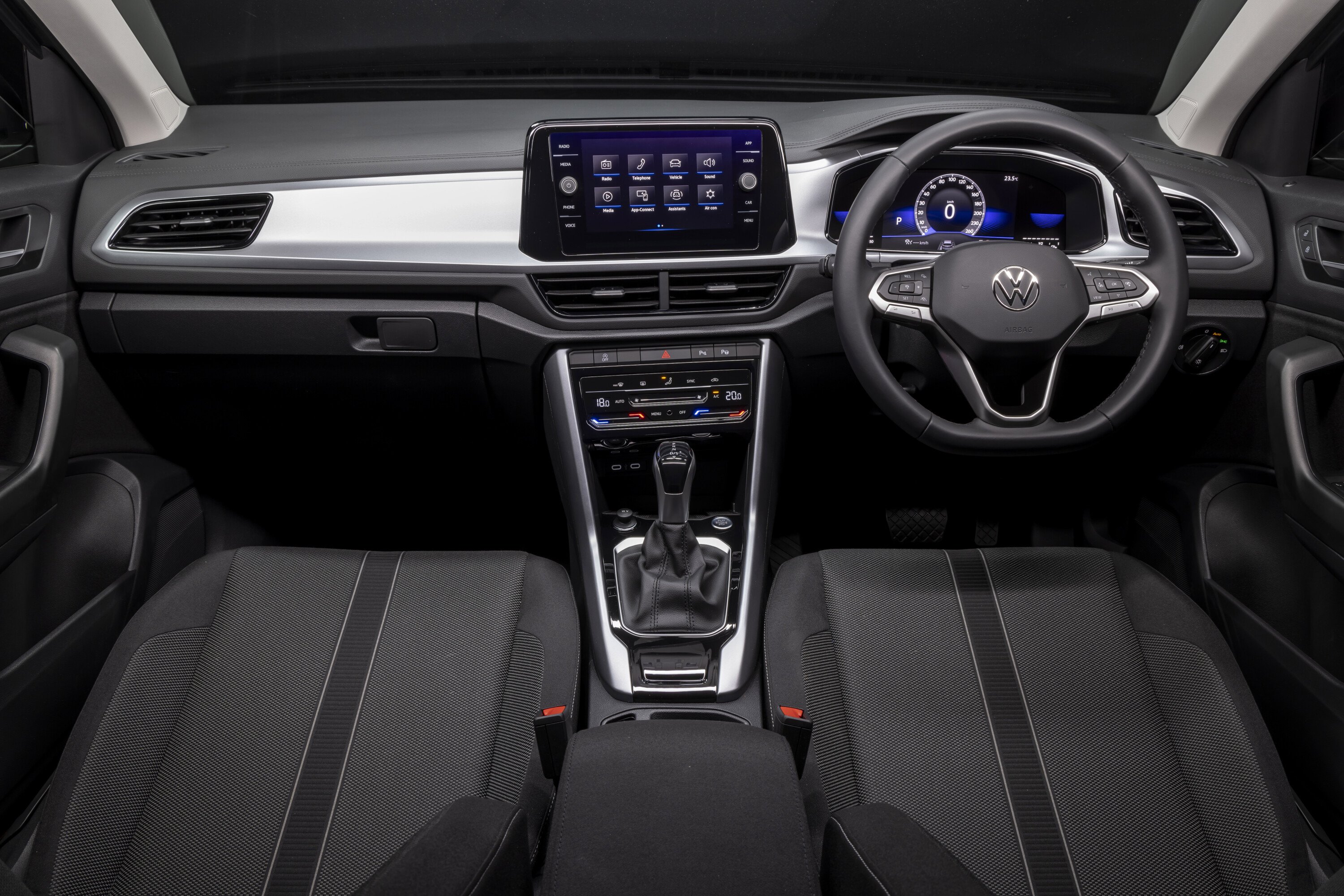
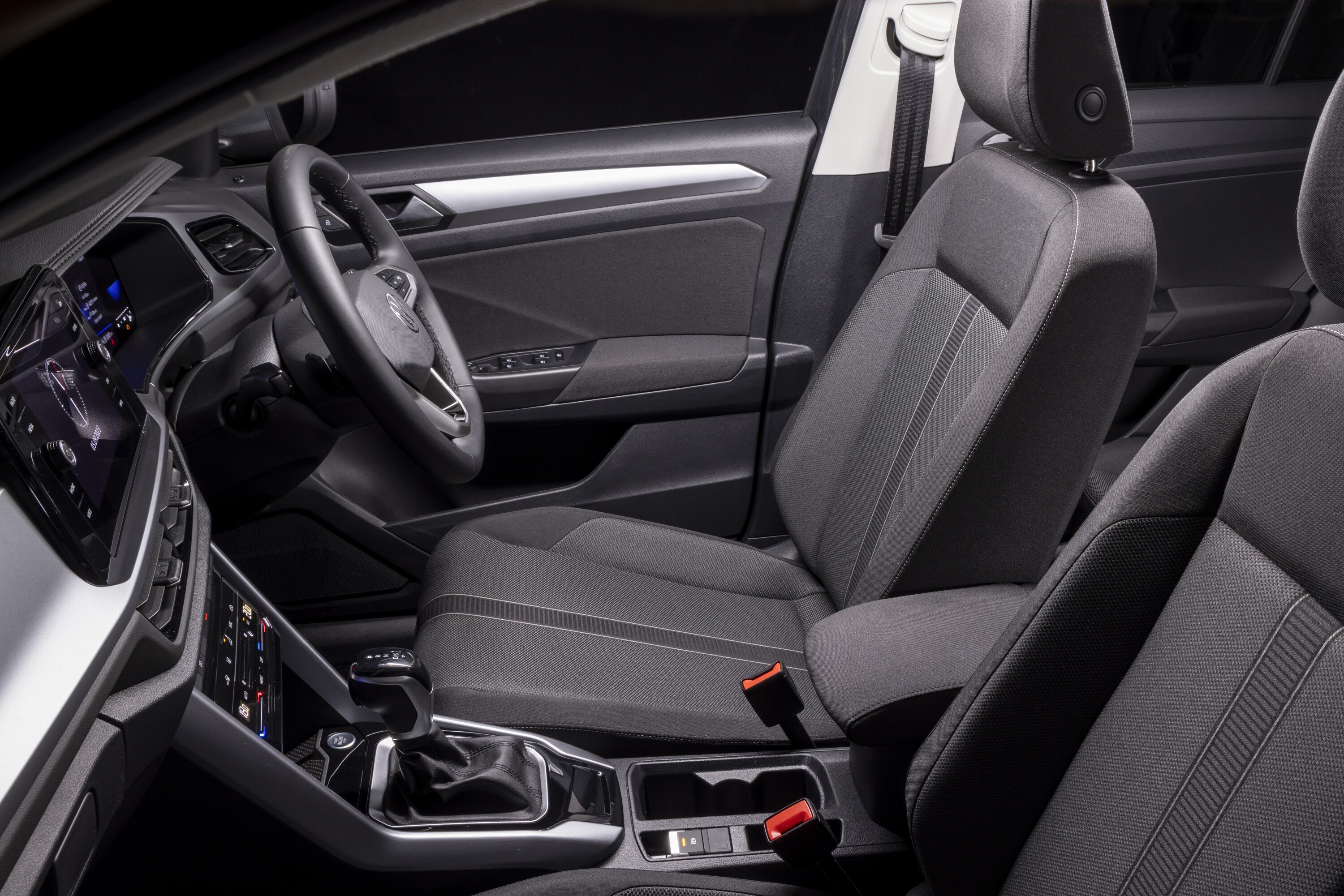
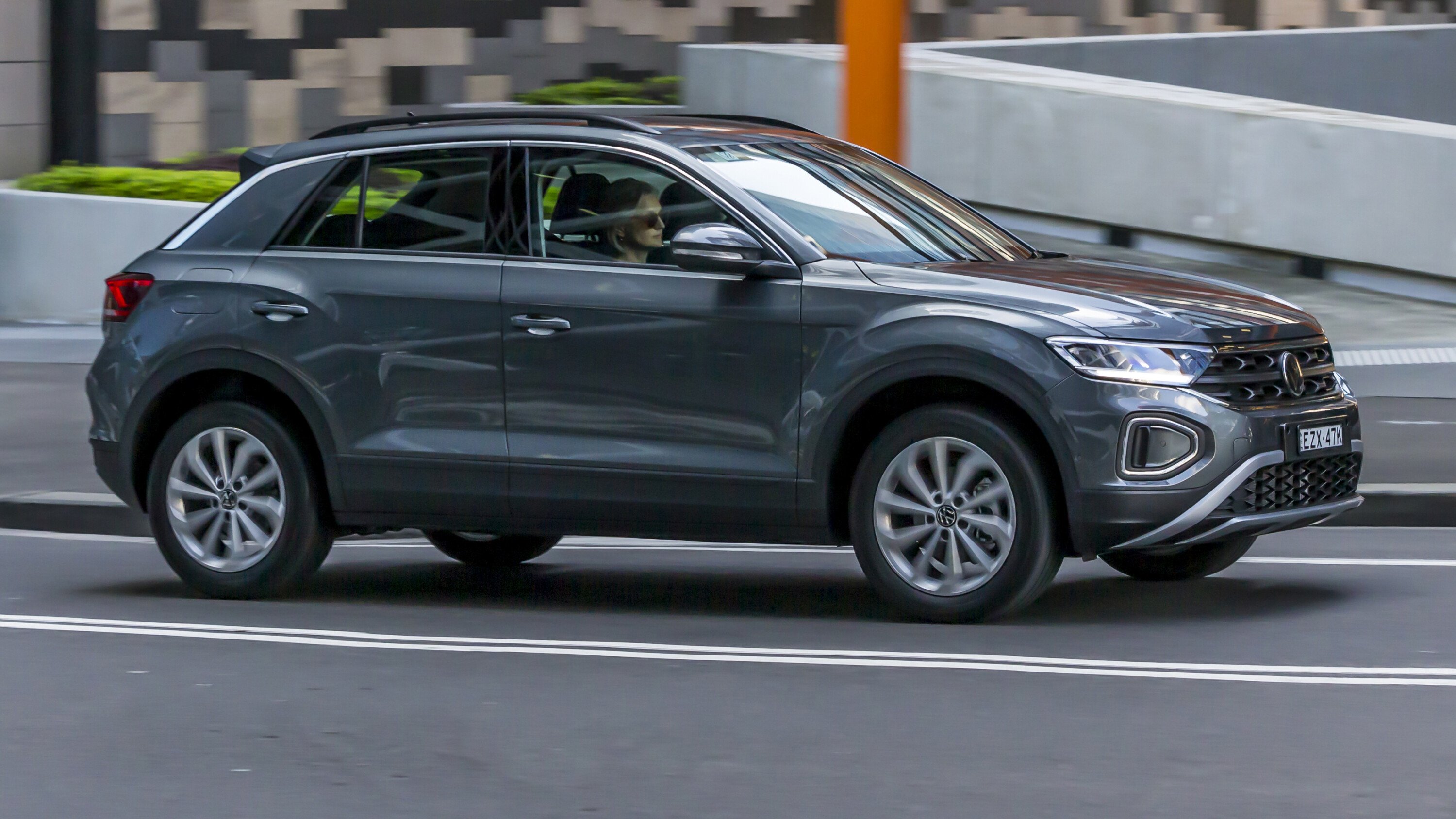
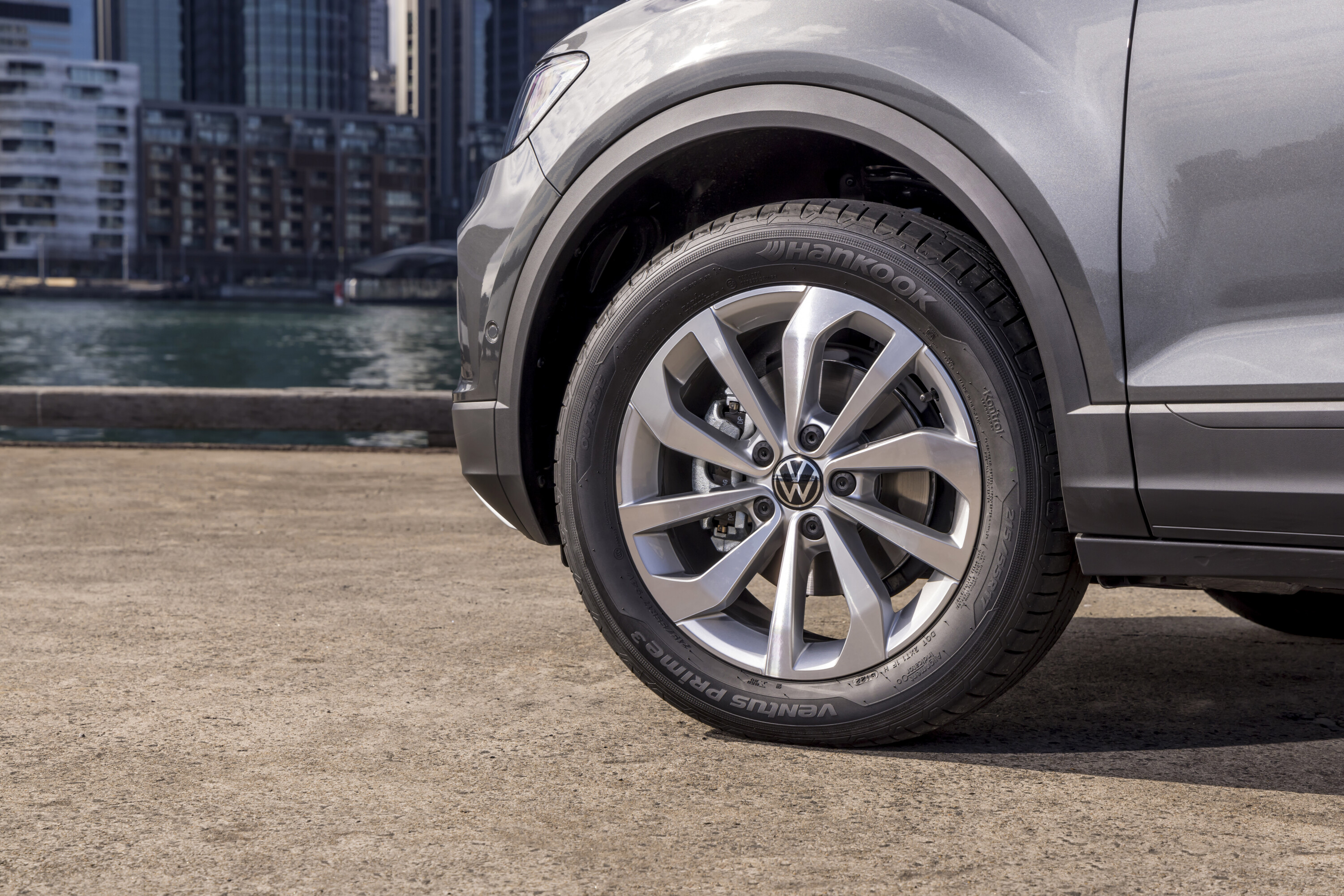
The CityLife shares the same 1.4-litre turbocharged petrol engine and eight-speed auto front-drive powertrain as the Style, but is fitted with smaller 17-inch rims and high-profile 215/55 tyres, more paint and less body cladding, VW’s basic LED headlight array and a cloth interior.
It also retains an impressively lengthy list of basic kit that includes IQ Drive, park assist, low speed AEB front and rear, high-beam assist, a digital cockpit with an 8-inch display, four USB-C ports and keyless entry.
Despite side assist and rear cross-traffic being added to the Style and the R-Line as part of this late-life tweak, though, the CityLife will miss out. It does, of course, inherit the T-Roc’s five-star ANCAP score, as well as its shorter-than-industry-average five-year warranty.
1
When does the T-Roc CityLife go on sale?
It’s available right now along with bolstered stocks of all T-Roc variants, according to Volkswagen.
It will only be around for a few months into the new year, though, while the drive-away price offer is in place until the end of the year.
1
What is it like to drive?
If there’s a more dependable and relatable platform combo than this one, we’d like to see it.
The MQB platform means stability and consistency, predictable dynamics and good ride comfort, along with great braking feel and decent (if overly light) steering.
Despite the tall 17-inch tyres, the CityLife can still feel a bit taut on broken terrain, even though it soaks up square-edged bumps impressively well.
1
The 1.4-litre four-cylinder turbo engine, too, can feel strained when asked to accelerate with alacrity in freeway scenarios.
However, when pottering in and around town, it does the job, and thumbs up for the retention of the steering wheel-mounted shift paddles.
It’s not especially frugal, though; we saw 7.4L/100km over 113km of mixed terrain, against a claimed combined fuel economy average of 6.3L/100km.
1
Is it worth considering over the Style?
In our view, the CityLife offers all the good bits of the almost-$3000 dearer Life, and it forgoes very little to do it.
Deleting the body cladding also helps to give the CityLife a more upmarket visage (in this reviewer’s eyes, at least), and the relative simplicity of the controls and buttons in, around and near the driver will endear the T-Roc CityLife to many.
1
MORE
Small SUVs
Lexus is preparing for an electric vehicle push from 2026, using Tesla as a benchmark to fast-track manufacturing and lower costs.
Snapshot
- Lexusu2019s next-gen EVs coming from 2026
- Inspired by Teslau2019s u2018giga castingu2019 approach
- To launch performance-focused EV models
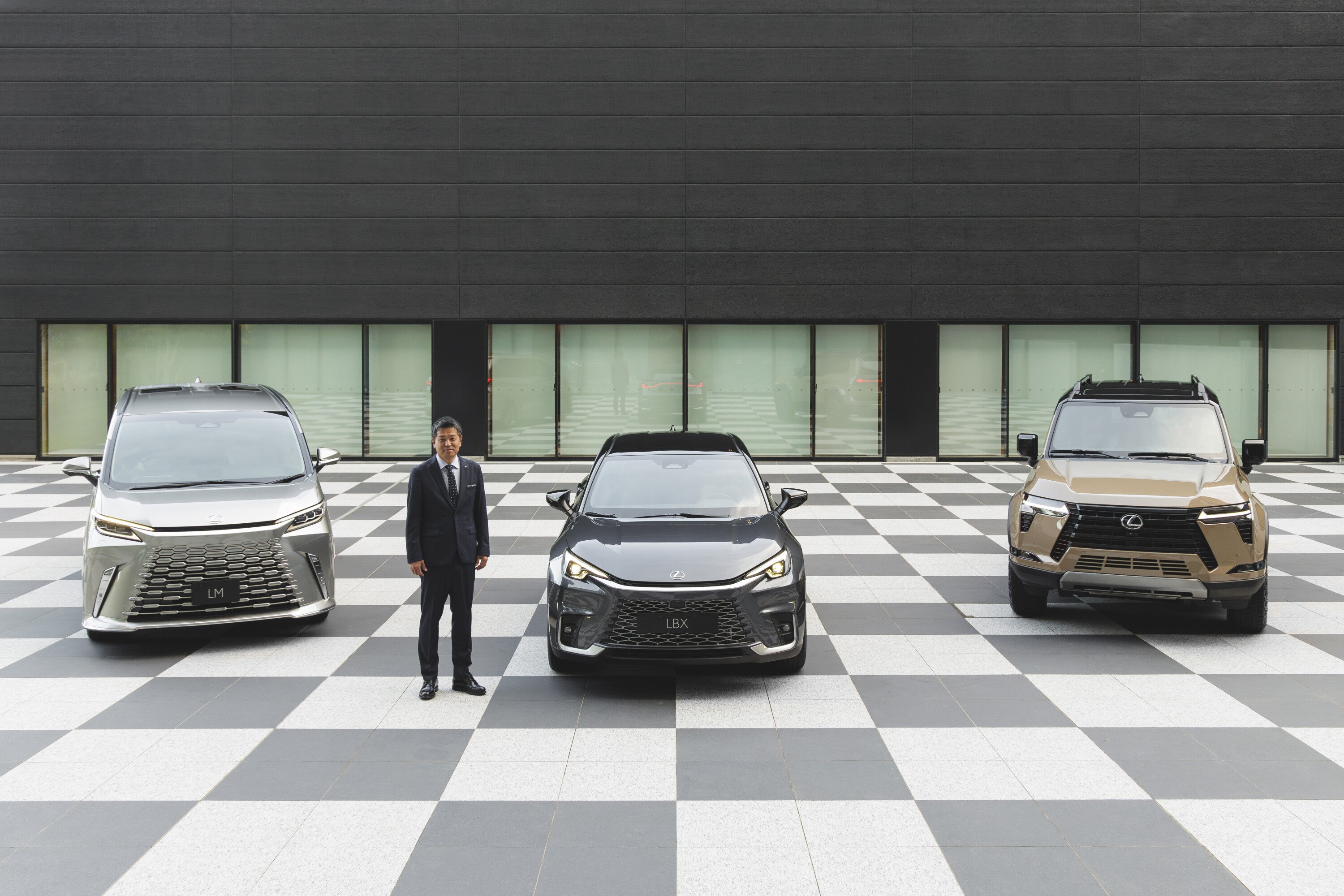
As part of parent Toyota’s new ‘battery-electric first’ strategy, the Japanese luxury brand will lead with next-generation EVs that will be previewed next month.
Lexus International president Takashi Watanabe told Automotive News [↗] it is “important to humbly look at and learn from” Tesla by adopting a modular structure.
“We need to make it easier to build and simplify as much as possible,” Watanabe said.
“One of our first steps will be modifying and rethinking our production methods.”
1
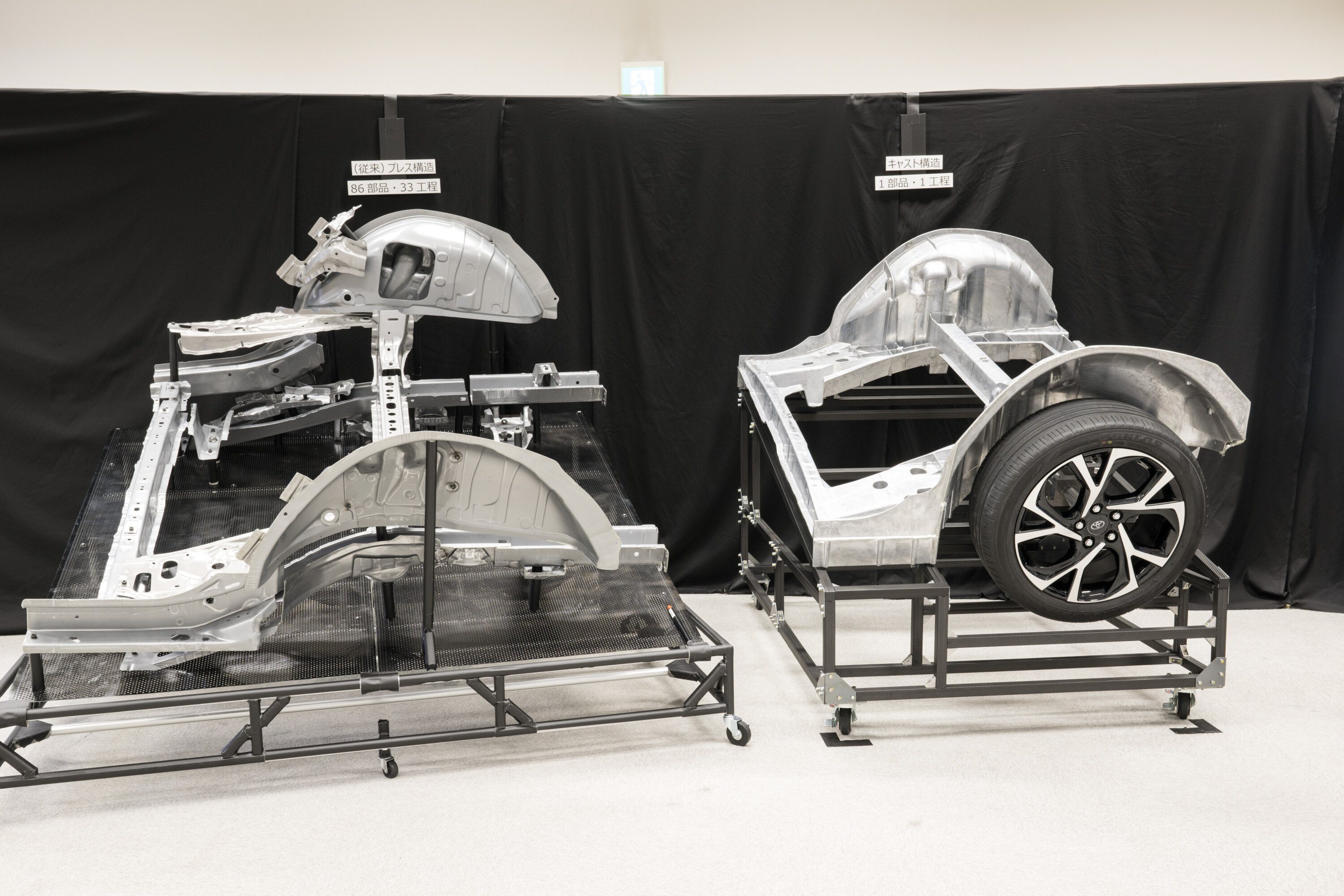
This references Tesla’s ‘giga casting’ technique, which uses a machine to fuse metal and produce larger body parts to fast-track production efficiency, cut costs and reduce weight.
Toyota has already debuted a ‘giga casting’ prototype, which pours molten aluminium into a single die-cast machine, chilled and solidified to make one-third of the vehicle body in around three minutes.
Normally, it would take 86 separate parts, 33 steps and several hours to assemble, according to Nikkei Asia [↗].
Hyundai has also reportedly benchmarked Tesla’s ‘giga casting’ method and may use it in its factories from 2026, reports Hankyung [↗].
1
Watanabe added its next-generation EVs will feature a new design theme, a performance driving focus, and models targeted at different countries.
As per most other carmakers, it will also adopt a software-driven approach, which may include unlocking upgrades via a subscription or purchase.
Toyota and Lexus have been developing a simulated manual transmission for EVs, and there have been rumours of a spiritual LFA electric sports coupe revival.
The company plans to offer an electrified option for every model by 2030, ahead of going EV-only by 2035.
Lexus currently sells two pure EV options in Australia – the UX300e small SUV and RZ medium crossover, with the latter sharing the same dedicated electric platform with the upcoming Toyota BZ4x and Subaru Solterra.
MORE
Everything Lexus
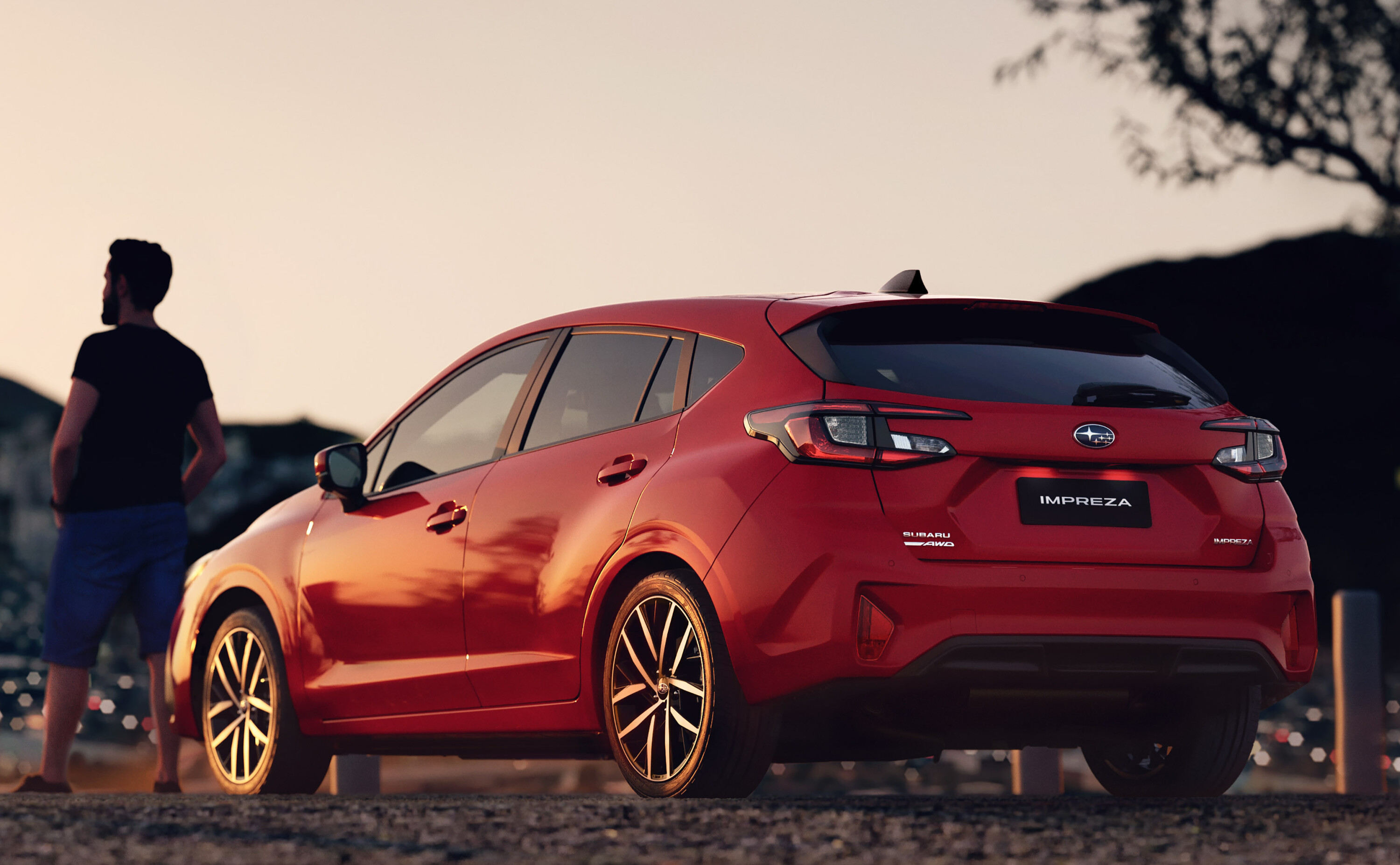
The 2024 Subaru Impreza hatch is now available to pre-order in Australia ahead of its local arrival in December.
Snapshot
- 2024 Subaru Impreza: Full Australian details confirmed
- Familiar underpinnings, engine for hatch-only sixth-gen Impreza
- Prices up between $4200 and $5200; due in December
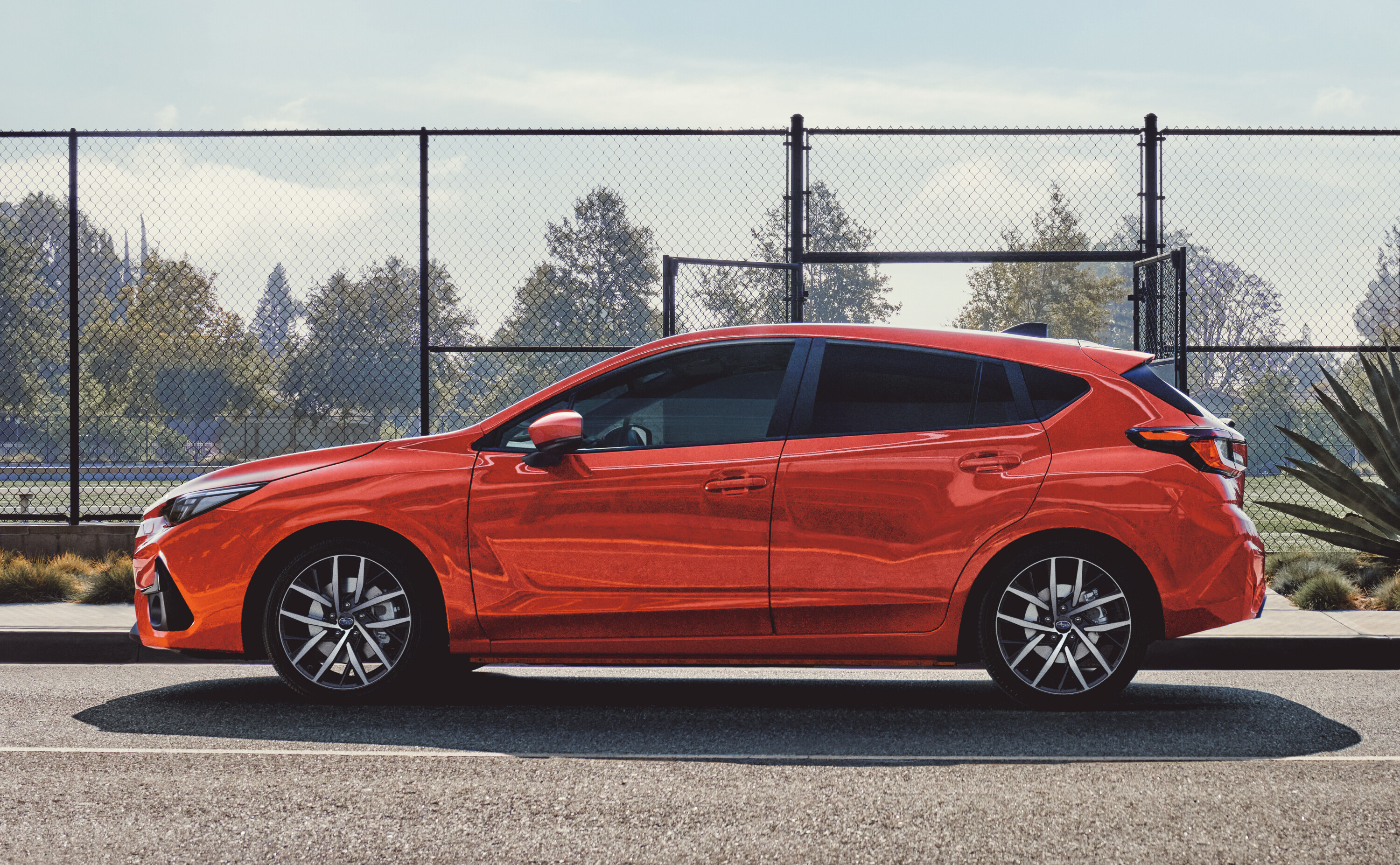
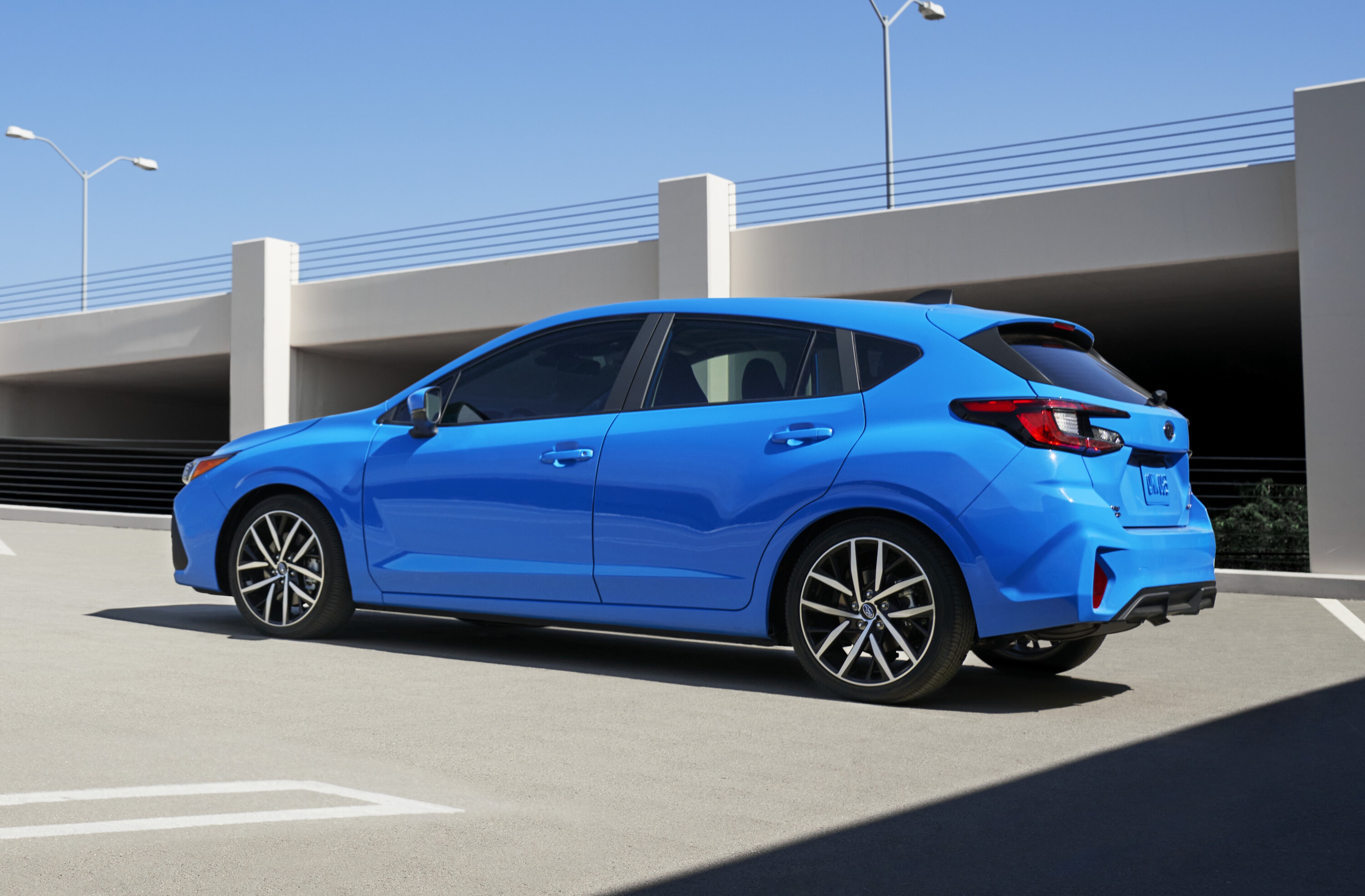
Now in its sixth-generation, the latest Impreza has carryover underpinnings and a familiar engine, and the sedan has been deleted globally for a hatch-only line-up.
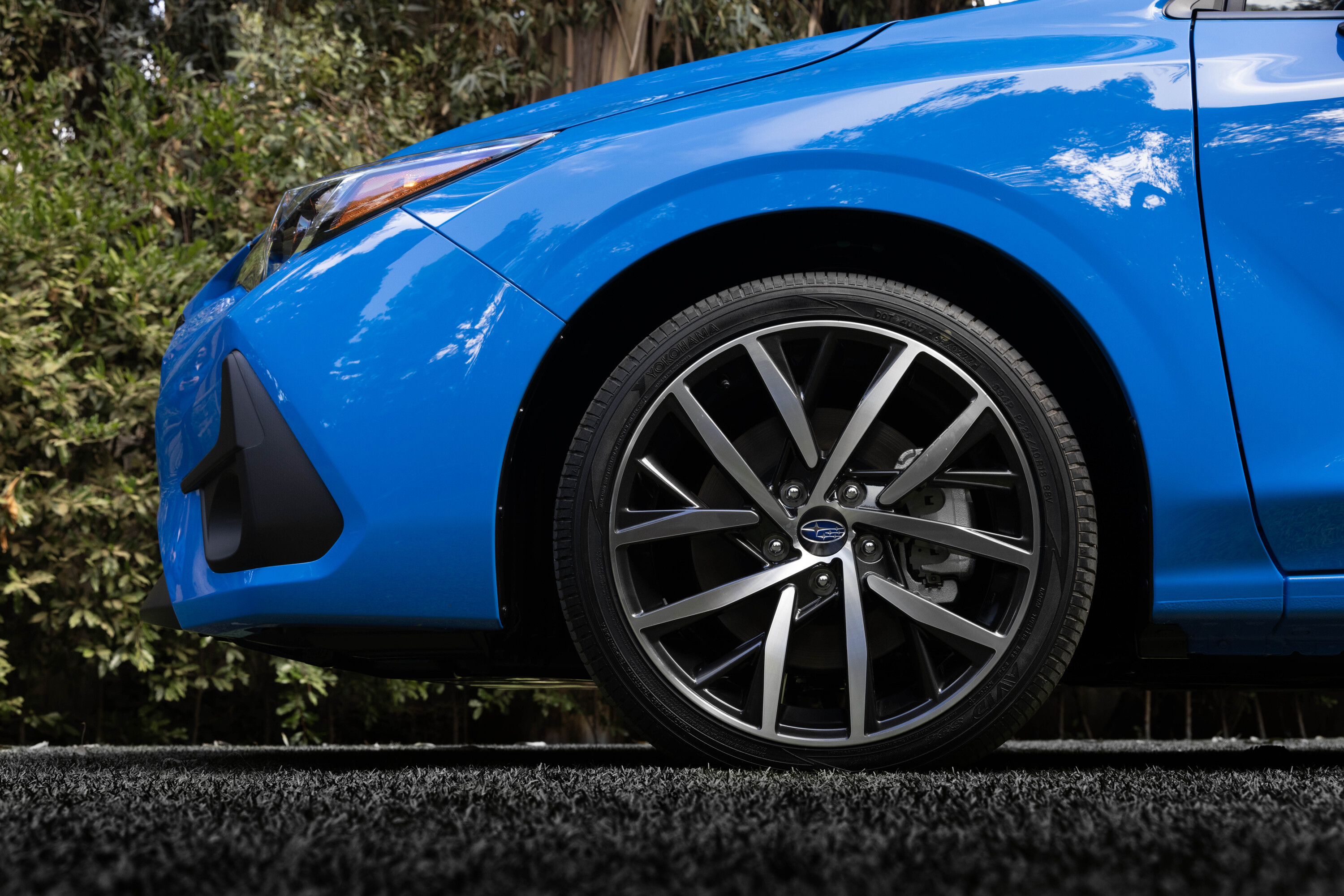
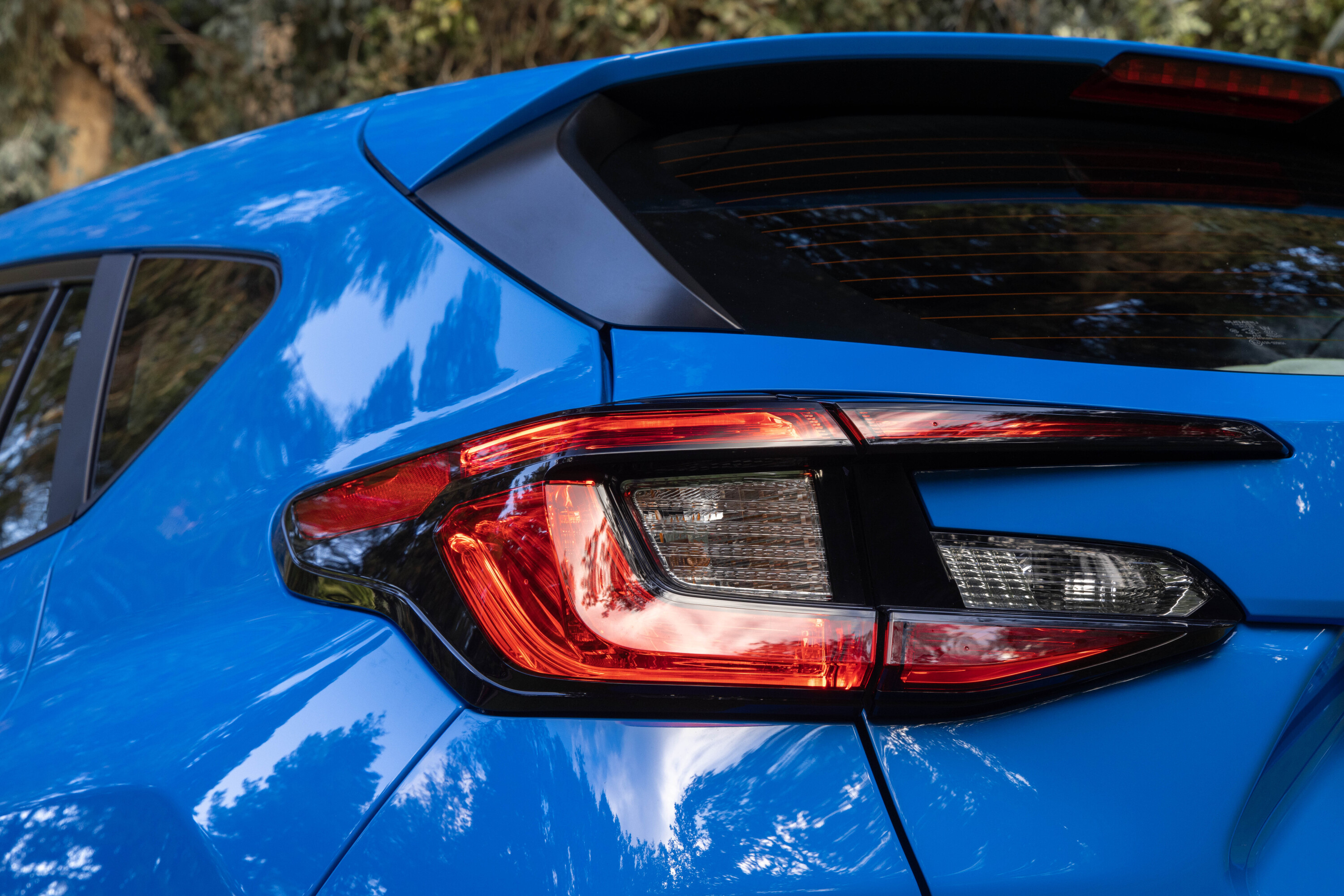
As the base vehicle for the jacked-up Crosstrek small SUV launched here in May, the Impreza has an identical range with three variants: 2.0L, 2.0R and 2.0S.
Compared to the current Impreza hatch first launched in 2016, prices are up between $4200 and $5200 to start from $31,490 before on-road costs.
1
However, Subaru claims the base Impreza 2.0L is “one of the highest specced entry models in the segment,” with a significant increase in standard equipment including a full suite of active safety tech for the first time.
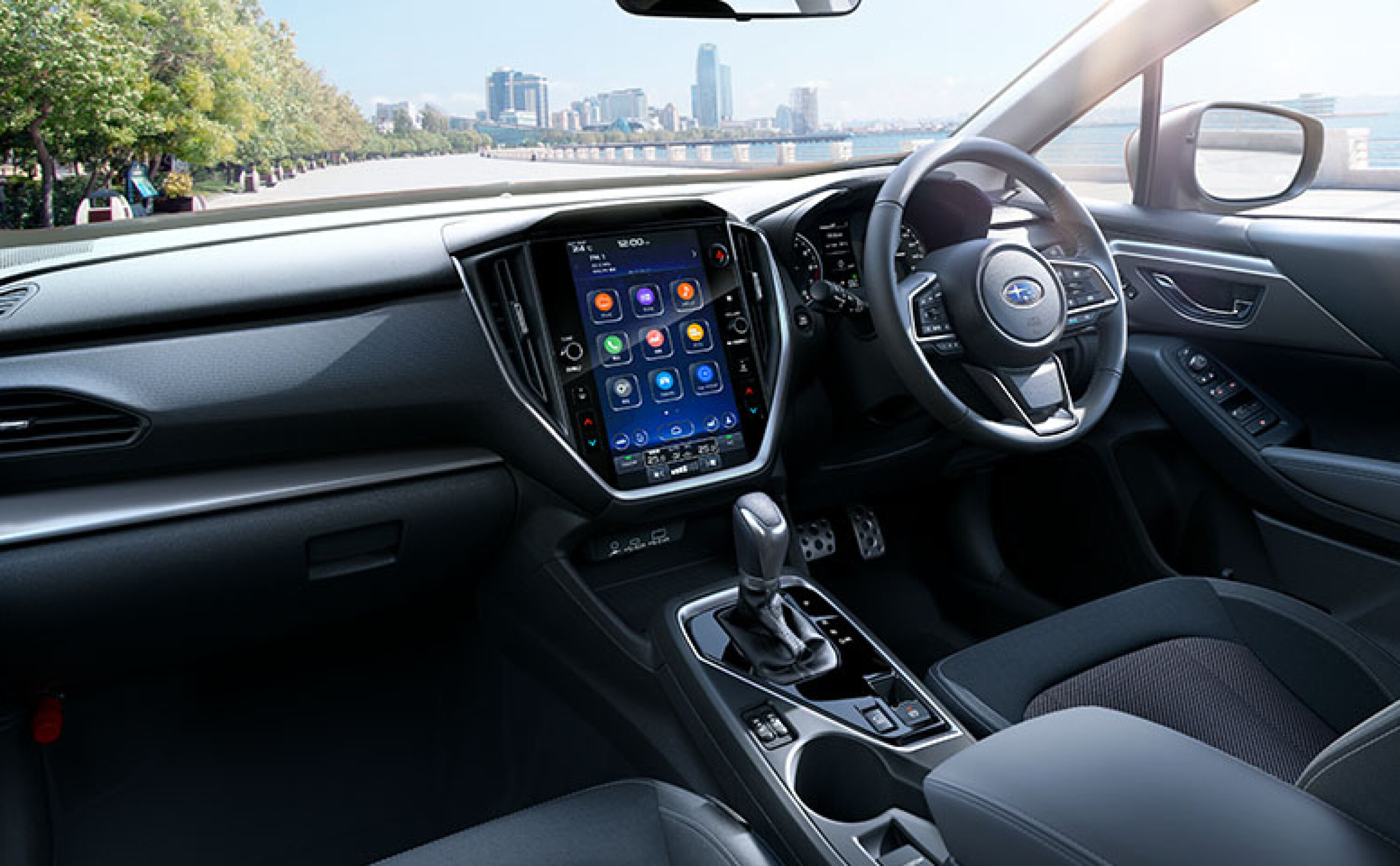
Inside, all variants have an Outback-matching 11.6-inch touchscreen with wireless phone charging and cable-free Apple CarPlay and Android Auto mirroring.
“For many customers, Impreza is their entry to the Subaru brand. Therefore, even with its price point, Impreza must deliver on the expectations of the Subaru brand,” said managing director Blair Read.
The Subaru Global Platform underpinning the new Impreza is 10 per cent stiffer with 3.4 times more structural adhesive for improved performance, handling and NVH. It has also fitted a version of the WRX’s dual-pinion electric power steering rack.
1
While there is no hybrid or Mazda 3 G25-rivalling 2.5-litre RS at launch, Subaru Australia said both powertrains could arrive in 2024.
At Subaru Australia’s recent 50th Anniversary event, Blair Read told Wheels that the success of the turbocharged Outback XT developed specifically for our market had strengthened the case for future right-hand drive niche variants such as the 2.5-litre Impreza, which is currently left-hand drive only for North American consumption.
More than 170,000 Subaru Imprezas have been sold in Australia since the vehicle was introduced at the 1993 Melbourne Motor Show.
JUMP AHEAD
- 2024 Subaru Impreza pricing
- 2024 Subaru Impreza features
- Colours
- Engine, drivetrain, and fuel economy
- Safety
- Dimensions
- Warranty and servicing
- Availability
2024 Subaru Impreza pricing
Prices exclude on-road costs.
| Model | Pricing | Change (vs 2023 Impreza) |
|---|---|---|
| AWD 2.0L | $31,490 | up $4200 (2023 2.0i-L) |
| AWD 2.0R | $34,990 | up $4900 (2023 2.0i Premium) |
| AWD 2.0S | $37,990 | up $5200 (2023 2.0i-S) |
1
2024 Subaru Impreza features
| 2024 Subaru Impreza 2.0L features | |
|---|---|
| All-wheel drive | LED headlights and rear combination lamps |
| 17-inch alloy wheels | Halogen daytime running lamps |
| 11.6-inch portrait infotainment system | Dual-zone climate control |
| Wireless Apple CarPlay and Android Auto | Paddle shifters |
| Tricot fabric upholstery | Power-folding side mirrors |
| 4.2-inch instrument cluster display | Tyre pressure monitoring |
| Six-speaker audio system | DAB+ digital radio |
| Driver monitoring camera | Driver personalisation system |
| Wireless phone charger | Front charge ports (1x USB-A, 1x USB-C) |
| Rear parking sensors | Keyless entry and push-button start. |
2024 Subaru Impreza 2.0R features
| In addition to 2.0L | |
|---|---|
| 18-inch alloy wheels | Front LED fog lights |
| Premium cloth upholstery | 360-degree camera system |
| Eight-way power-adjustable driveru2019s seat with power lumbar support | Front and side view monitors |
| Heated front seats | Heated side mirrors |
| Leather-wrapped steering wheelu00a0 | Front wiper de-icer |
| Steering-responsive, self-levelling LED headlights | Auto-dimming rear-view mirror |
| Automatic high beam | Illuminated vanity mirrors |
| LED daytime running lamps | Rear charge ports (1x USB-A, 1x USB-C) |
| Front cornering lamps | Alloy sports pedals. |
2024 Subaru Impreza 2.0S features
| In addition to 2.0R | |
|---|---|
| Leather-accented upholstery | Electric sunroof |
| 10-speaker Harman Kardon audio system | Built-in satellite navigation.u00a0 |
1
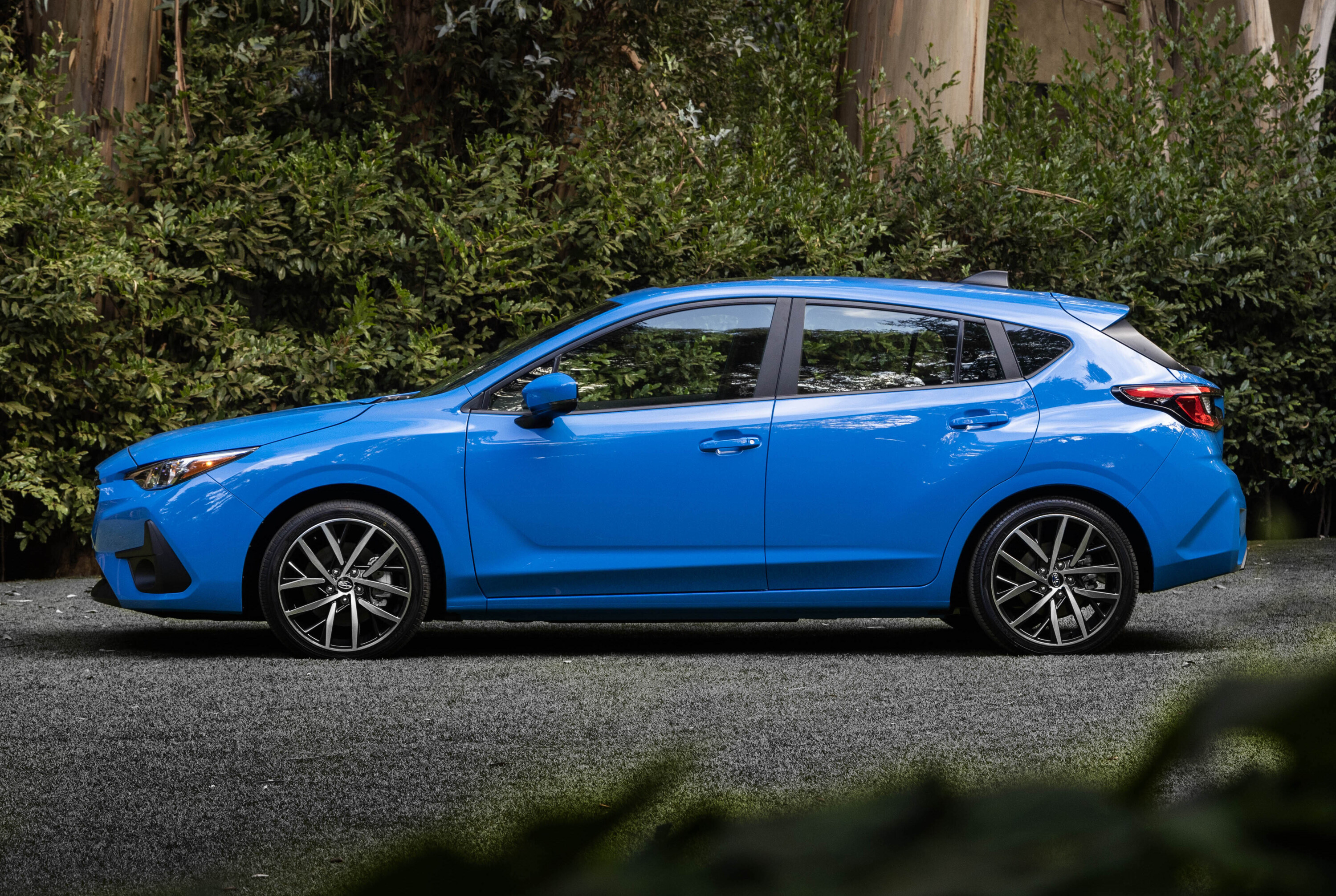
Colours
All colours are included in the Impreza’s price.
| Crystal white pearl | Ice silver |
| Magnetite grey | Crystal black |
| Pure red | Oasis blue (new). |
| Sapphire blue pearl |
1
Engine, drivetrain, and fuel economy
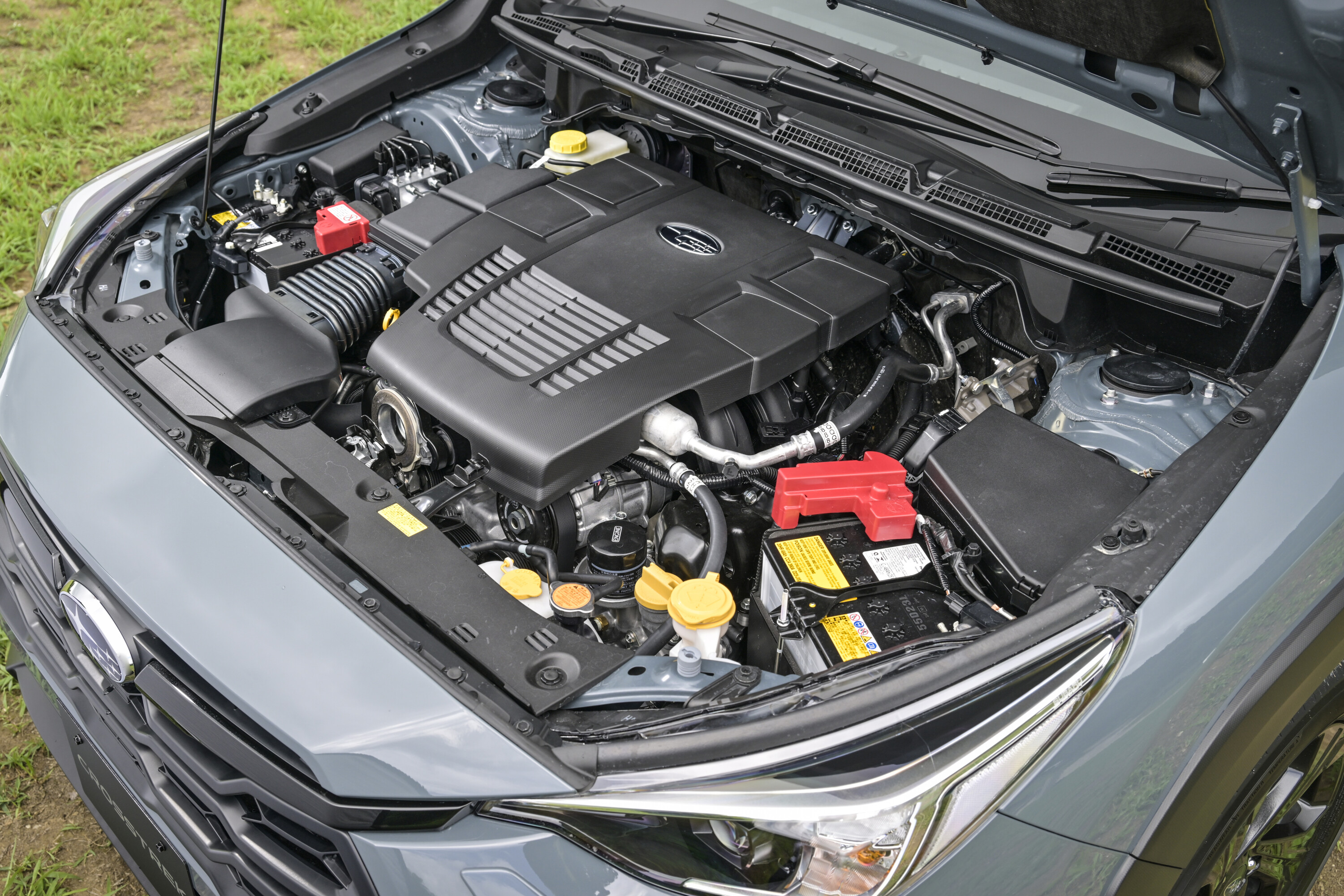
The 2024 Subaru Impreza is powered by a carry-over 115kW/196Nm 2.0-litre naturally-aspirated four-cylinder boxer petrol engine.
It is matched with a continuously-variable automatic transmission (CVT), which has an expanded gear ratio to improve takeoff acceleration and a higher overdrive top gear.
Combined fuel consumption has risen by 0.9L/100km for the 2.0L and 2.0R, while the 2.0S is up 0.3L/100km.
Subaru Australia told Wheels it is considering a hybrid powertrain for the new Impreza, and the 136kW/241Nm 2.5-litre naturally-aspirated RS variant available in the United States.
| 2024 Subaru Impreza fuel economy | ||
|---|---|---|
| 2.0-litre non-turbo petrol AWD | 7.5L/100km | 170g/km |
1
Safety
The 2024 Subaru Impreza is yet to be tested by ANCAP or Euro NCAP.
Nine airbags (dual front, side, curtain, far-side, and front passenger seat cushion) are fitted across the Impreza range, two more than before.
| 2024 Subaru Impreza active safety features | |
|---|---|
| Autonomous emergency braking (vehicle, pedestrian, cyclist, junction, reverse) | Front cross-traffic alert |
| Lane-keep assist with centring function | Traffic sign recognition |
| Lane departure warning | Intelligent speed limiter |
| Lane change assist | Leading vehicle departure alert |
| Blind-spot alert | Adaptive cruise control.u00a0 |
| Rear cross-traffic alert | |
1
Dimensions
The latest Subaru Impreza is 4490mm long, 1780mm wide and 1480mm tall, with a 2670mm wheelbase. This is 15mm longer and 5mm wider than the outgoing Impreza, with an identical wheelbase.
2024 Subaru Impreza boot space
The 2024 Subaru Impreza hatch has a 291-litre boot capacity – identical to the Crosstrek – which rises to 883L with the second-row folded flat.
1
Warranty and servicing
The Subaru Impreza is covered by the brand’s five-year/unlimited-kilometre warranty.
Maintenance is required every 12 months or 15,000 kilometres, whichever comes first – up from 12 months/12,500km. A five-year capped price servicing program is available.
| Service interval | Price |
|---|---|
| 12-month/15,000km | $346 |
| 24-month/30,000km | $473 |
| 36-month/45,000km | $421 |
| 48-month/60,000km | $772 |
| 60-month/75,000km | $361 |
Availability
The 2024 Subaru Impreza small hatch will arrive in Australia in December. It is now available to pre-order.
MORE
Everything Subaru
