
Note: What a flashback! This story was first published in 2019, but as Father’s Day nears, we couldn’t resist sharing it again. Enjoy!
A Father’s Day tale from classic MOTOR
It’s Wednesday and your mobile rings and it’s Geditor Buly-Buly on the line, asking if you’d care for a weekend of boom-shaka-laka with HSV’s new GTS stand-in, the SV300.
What do you do? Tip everything out of your diary for Saturday/Sunday and play the Gen Y sorry-I’ve-had-a-better-offer card? Or regretfully decline the opportunity to stampede 420 horses, pleading prior social obligations?
Er, lock in the naughty weekend thanks Eddie. This is a Big Kev moment. I’m excited.
1
Bulmer reckoned I was just the bloke to frighten those ponies. Lucky me. Must be because I’m a devout petrolhead, with high distinctions in prior HSV ownership.
I’d scoured Hawley’s low strafing run over the facts and figures of the SV300 in the November 2001 issue of MOTOR with a fair degree of eyebrow.
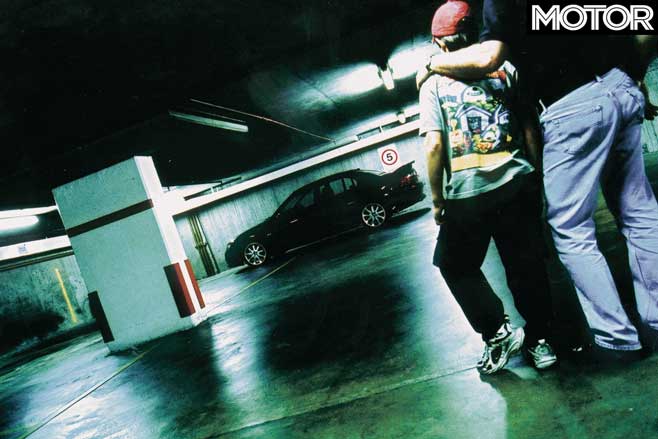
Never driven an HSV with more than 215kW before. Emotional deprivation, I know, but stay with me here. The kicker was, I had to come up from Melbourne to Sydney, where my 10 year-old boy Oliver lives with his Mum, to collect the SV300. Hey Oli, wanna do some high-speed father-son bonding this weekend?
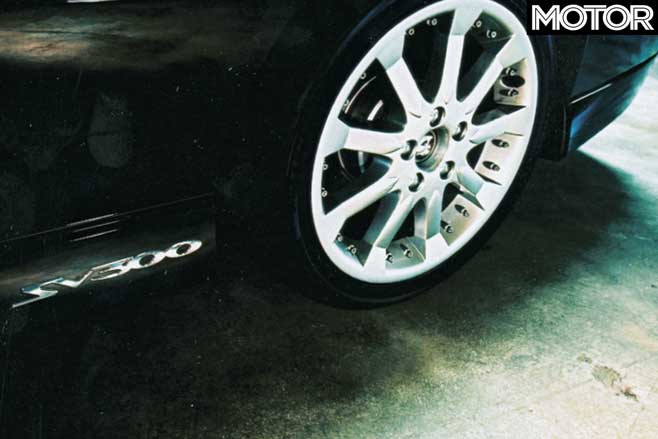
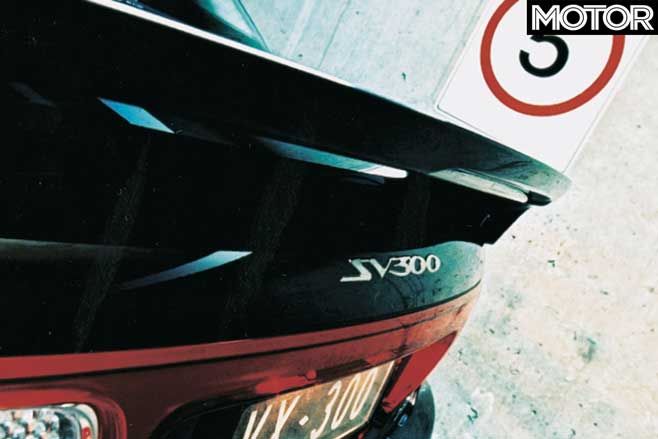
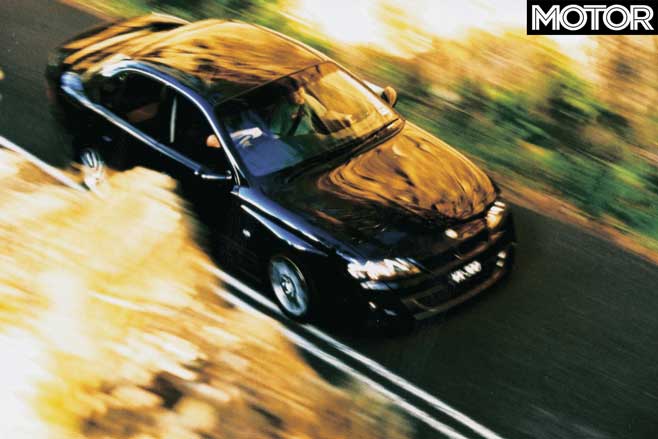
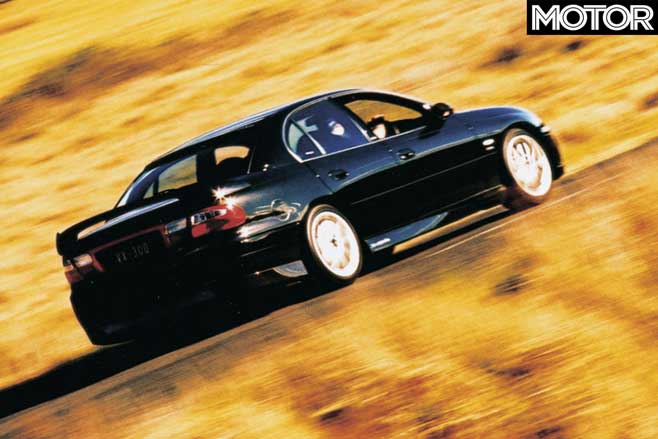
So we’ve lobbed in the bowels of the MOTOR car park in Sydney city and spotted the black SV lurking under the pallid glow of fluorescent lights, like a prowling feline. It’s an HSV all right: nose-down-tail-up attitude, 18-inch nine-spokers, rear spoiler. Mercifully, there’s no upswept, sullen fat lip on the rear underside as on the Clubsport R8.
1
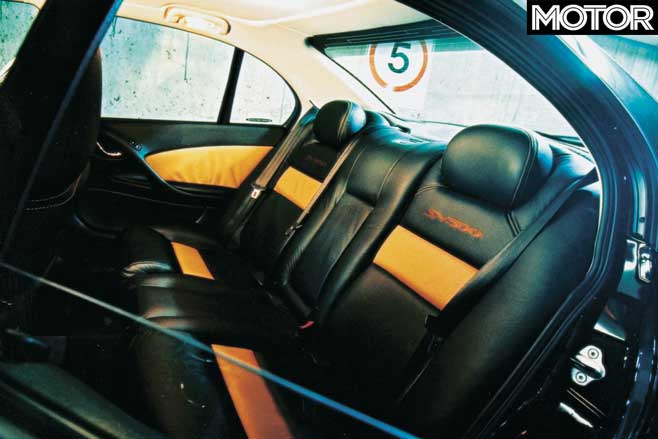
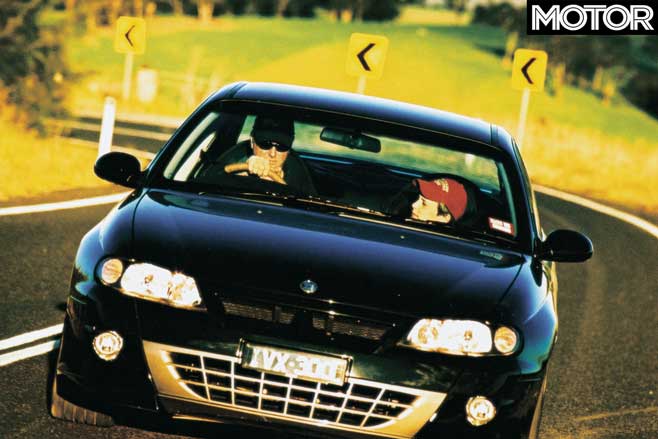
But on the front under-nose of the SV300 there’s a new grille in which you could rack a coupla dozen googies. No mistaking what we’re dealing with here, though: SV300 insignia are liberally confettied about the body. Inside, it’s branded on the seatbacks. too.
Considering this car takes the baton from the venerable GTS, “SV300” is hardly the most evocative nomenclature. HSV has withdrawn the GTS tag for an enforced hiatus and the smart money says it’ll surface real soon on the Monaro.
Back in the late ’80s I’d eschewed the Walkinshaw plastic porker for the original SV, the SV88. A 145kW slushbox I know, but I just loved the shape in that dark blue. Still do.
This latest SV iteration is a different kettle of Atlantic salmon entirely. For a start, the entry price of $95k would buy you a trendy inner-city bedsit in any capital, bar Sinney and probably a penthouse in Hobart. Mind you, compared with the compact VL, this mutha’s just about big enough to strata title anyway.
1
Slide in behind the wheel and the familiar HSV bucket grabs you like a catcher’s mitt grips a baseball.
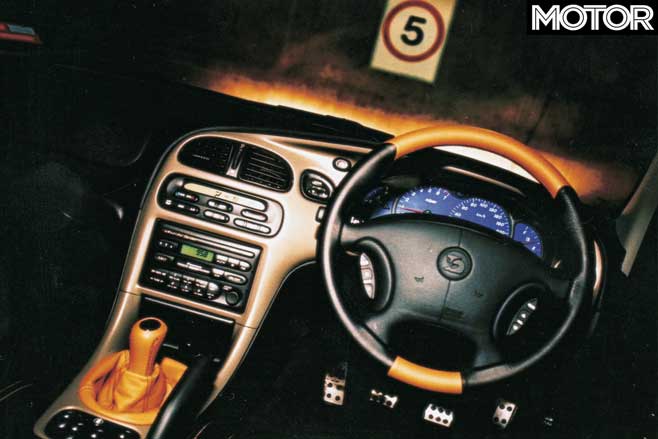
The dash, unexpectedly, is blue. What? Still no oil pressure gauge? And no clock?
Never mind, both visors have a flip-up cover that reveals a vanity mirror with twin lights. Handy when checking your choppers for spinach fragments, or restyling your nostril hairs before a meeting.
Maybe you already know, but the 250km/h speedo is calibrated differently either side of the 100km/h mark at the top of the dial. The gradations are wider before, closer after. Obviously, above 100km/h you warp into the time-space continuum.
1
The first clue that you’re dealing with higher high-end grunt is on the tacho: the redline sits at 6500.
Then, hellooo! There’s an anti-smoking button tucked down on the dash, behind the lower right of the steering wheel.
Yep, traction control. Have to confess, I did switch it off just to see what would happen. But only once. What happens? Well, let me put it this way: it looked very impressive through the rear vision mirror. Blue fog, wafting languidly through the forest…
Speaking of the steering wheel, like the gear-selector bag and seat inserts, the top of it is highlighted in lurid gold leather. The effect is sort of like you’ve been stuffing your face with handfuls of Twisties and then driven with your Twistie-dusted mitts between 11 and one o’clock.
1
The black leather is also contrasted with Twistie-coloured seat stitching. Nothing that couldn’t be neutralised after a few hours diligent handiwork with a black texta, I’m sure. It’s not a look I like, but to be fair, most people who checked it out cooed admiringly. And you won’t wearout foot pedals in a hurry: all are covered in racy drilled stainless steel. Including the left footrest.
In the place where cup-holders usually go (immediately north of the console bin) a dinky little three-piece tool kit sits in recessed foam rubber under a lid. Oliver locked onto the novelty value of the finger-sized torch immediately. Hmmm, think I’d rather have the cup holders, thanks.
No burred walnut on the dash, but you get a good ear-bruising from the 250W Eurovox (with clock) and ten stacker boot-mounted CD. No sunroof, though.
1
Design-wise, the under-bonnet layout is arguably more impressive than the dash. Start it up and there’s little clue that you’re unsettling so many horses. To me, the sounds were entirely familiar.
In fact, all the sensory inputs seem exactly the same as my original VR GTS. The HSV gene pool is obviously wide, deep and enduring.
So we first-geared it up a couple of layers of car park and emerged in the city on a perfect Saturday morning. We were heading for the Blue Mountains and the great driving roads around Oberon, but it was teeth-grinding stop/start all the way out Parramatta Road to the M4.
1
It wasn’t until the M4 toll gates that I got my first chance to ask the big question. I flung $2.20 at the bin, grabbed first gear, summoned up about 3500 on the tacho and dropped the clutch. The SV300 hunkered down and arrowed forward with a very satisfying V8 thrumming right through the business end of the power band.
Hit the redline and a little red dash light admonishes you to change gear. Snatch smend and, as the HSV ad campaign suggests, that V8 symphony delivers another aggressive serenade.
“Wow,” Oliver intoned solemnly.
MORE
History of HSV
1
This car seizes the horizon and in film parlance crash-zooms it in your screen. In order not to embed the SV’s egg crate nose into the droopy tail of a waddling Falc, I had to back off.
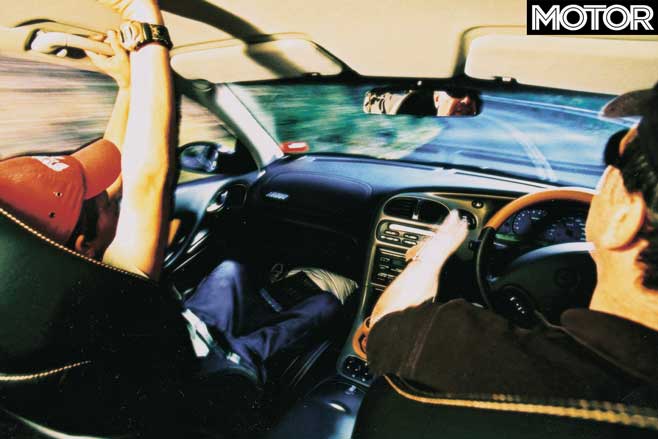
Oliver and I exchanged sly smiles, both awash with that warm inner glow that comes only with rapid forward motion. But the thing about the SV300 is that it’s not harsh or brutal. It delivers your immediate future so smoothly and seductively that it’s hard to believe you’re commanding so much power. And the higher, fatter torque band gives more flexibility in every gear.
Gotta say, spring in the Blue Mountains is a delight. Everything’s blooming and the air is as refreshing as a mouthful of chilled Krug. We left the highway and attacked the winding roads with their bends and switchbacks.
Here’s where the SV300 can’t disguise its bulk and sheer weight. In tight bumpy bits. I felt the Traction Control pulsing through the throttle pedal. And although the suspension and tyre package does a remarkable job of tying the car to the road, a bit of flip-flop creeps in beyond eight-tenths. But the self-preservation instinct kicks in long before the seat of the pants signals any threat to your wellbeing.
1
Everything’s relative though, isn’t it?
At the limit, the SV would leave a base Commode bobbing in its wake. On the other hand, this HSV is no M3. Suffice to say that I managed to exert enough lateral forces in it to nauseate my son in less than five minutes.
And the weekend went nearly as fast as the petrol in the tank. The trip computer never signalled less than 19L/100 km. But like all the other costs this is simply a commitment you make when you elect to be moved in HSV style. The fact more and more driving enthusiasts are making that commitment and supporting this unique Australian product is a credit to HSV’s consistently high standards.
May I please have another naughty weekend when the next GTS appears, Geditor?
1
FAST FACTS 2001 HSV SV300 BODY: 4-door sedan DRIVE: rear-wheel ENGINE: 5.7-litre pushrod 16v V8 BORE/STROKE: 99.0 x 92.0mm COMPRESSION: 9.8:1 POWER: 300kW @ 6000rpm TORQUE: 510Nm @ 4800rpm WEIGHT: 1700kg POWER-TO- WEIGHT: 176kW/tonne TRANSMISSION: 6-speed manual SUSPENSION: McPherson struts, coil springs, anti-roll bar (f); independent by multi-links, coil springs, semi-trailing arms, anti-roll bar (r) L/W/h: 4884/1842/1450mm WHEELBASE: 2793mm TRACKS: 1569/1587mm (f/r) BRAKES: 343mm ventilated cross-drilled discs, 4-piston calipers (f); 315mm ventilated cross-drilled discs, 4-piston calipers (r) WHEELS: 18 x 8.0-inch, alloy (f/r) TYRES: Bridgestone S-03; 235/40 R18 (f), 235/40 R18 (r) PRICE: $94,950
Family bonds
1
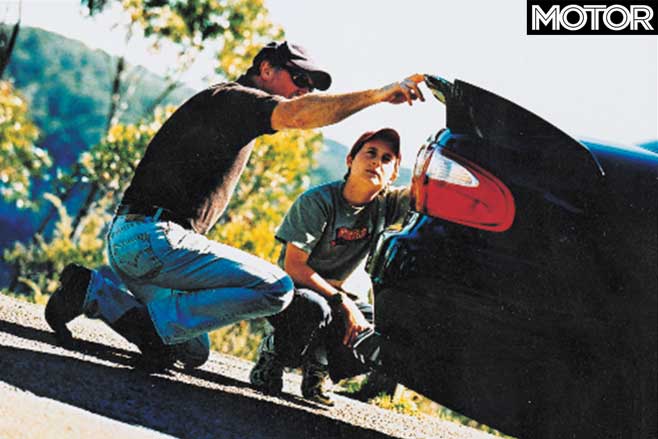
Julian: “We go back a long way. When I first scribed for GM’s Ad Agency, I lucked into a ’SV6’, the pre- Brocky HDT race-prepared winner of the Commodore Race of Champions in ’81. A comfortable rocket I kept the VC for seven years. Then came the SV88 – a cool cruiser that rode like a buckboard but handled well considering its now archaic suspension. The VR GTS with 5.7-litres got me back willingly to a manual. Finally, ummm – I’m the bloke you can blame for Skaife proclaiming himself a control freak. I directed those TV commercials.”
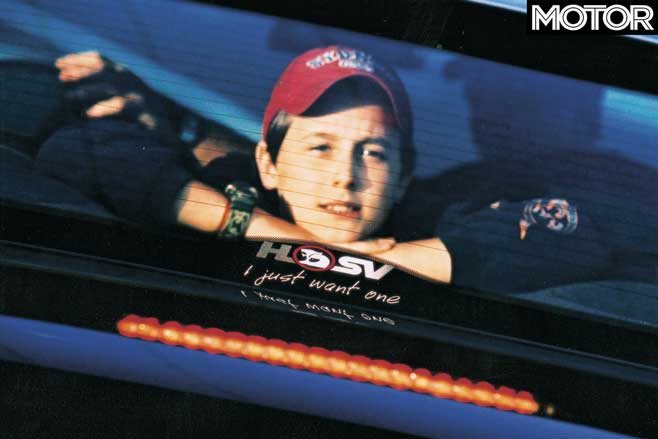
Oliver: At two, Oliver already showed a healthy disdain for Volvo drivers. While stuck behind one dithering in a multi-level car park, I sighed with exasperation, which prompted the imperious command from the back seat: ”Come on, dickhead!” Oli travelled in HSV style from birth: he had a baby capsule in the SV88. In the GTS, he had a booster and rode in the front bucket. Once. at age five, he asked me earnestly: “Dad, when you die, can I have the GTS?“
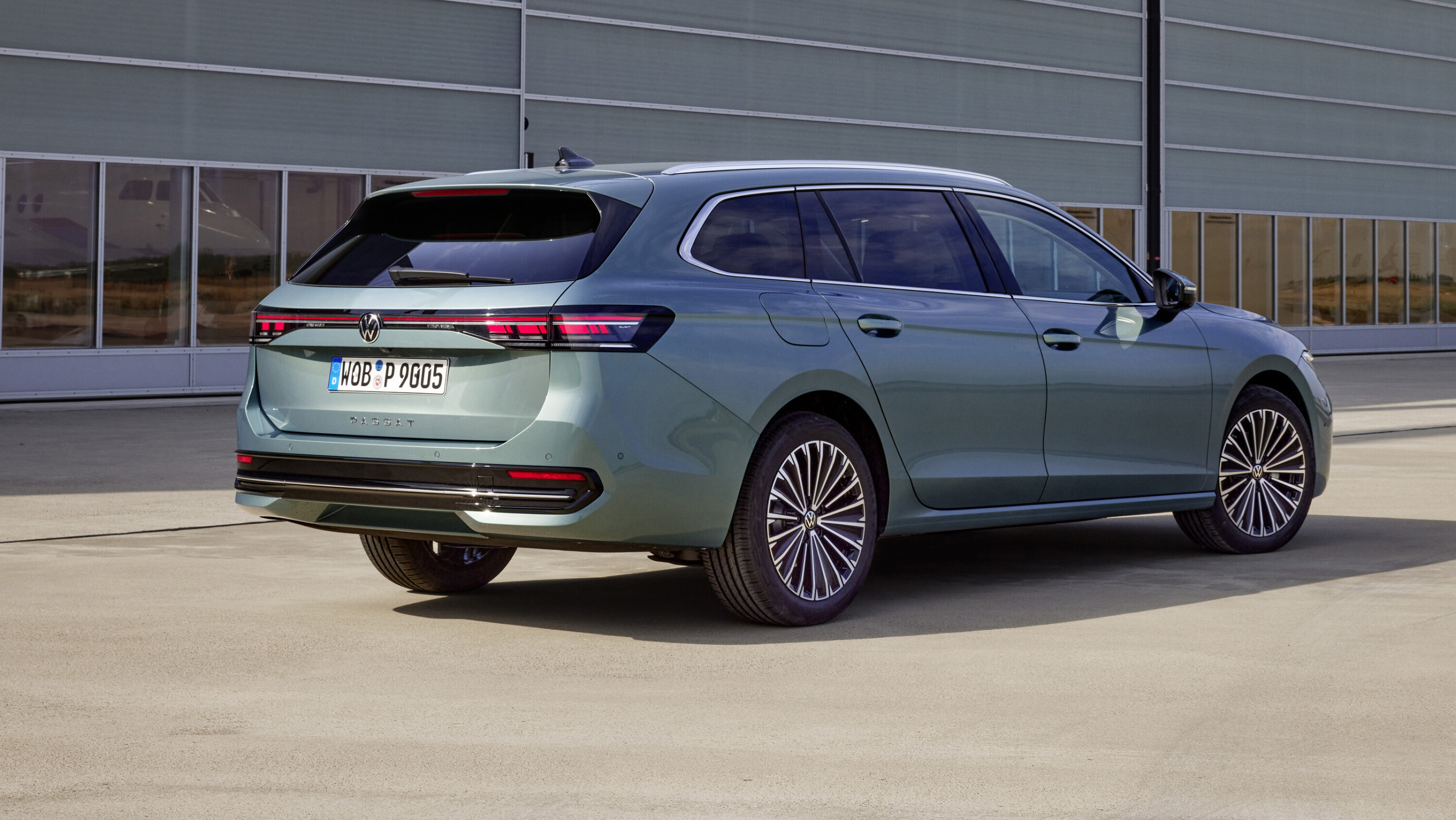
Following the interior unveiling of the Passat’s Skoda platform-share partners, Volkswagen has shown off its new medium-sized car – and it’s a wagon only.
Snapshot
- New Passat is wagon only and reserved strictly for Europe
- Fresh underpinnings, new adaptive dampers and massage seats available
- Closely-related Skoda Superb is what Aussie wagon buyers will need
Sharing its underpinnings and wheelbase with the Skoda Superb, the Passat isn’t due for Australian shores. Instead, it’s a Europe-only proposition for this generation.
Based on the latest iteration of the MQB Evo platform, the ninth-gen Passat launches with a pair of plug-in hybrids – one 150kW and another 200kW – both with 19.7kWh batteries for an EV driving range of 100km, says Volkswagen.
2
A brace of 2.0-litre petrols are offered in Europe, the range-topper falls back to 195kW (from 206kW) due to emissions equipment and there’s a lower 150kW tune.
The base 110kW 1.5-litre petrol is available too and all feature 48-volt mild-hybrid boost. Europe also gets the option of three tunes for the 2.0-litre turbo-diesel.
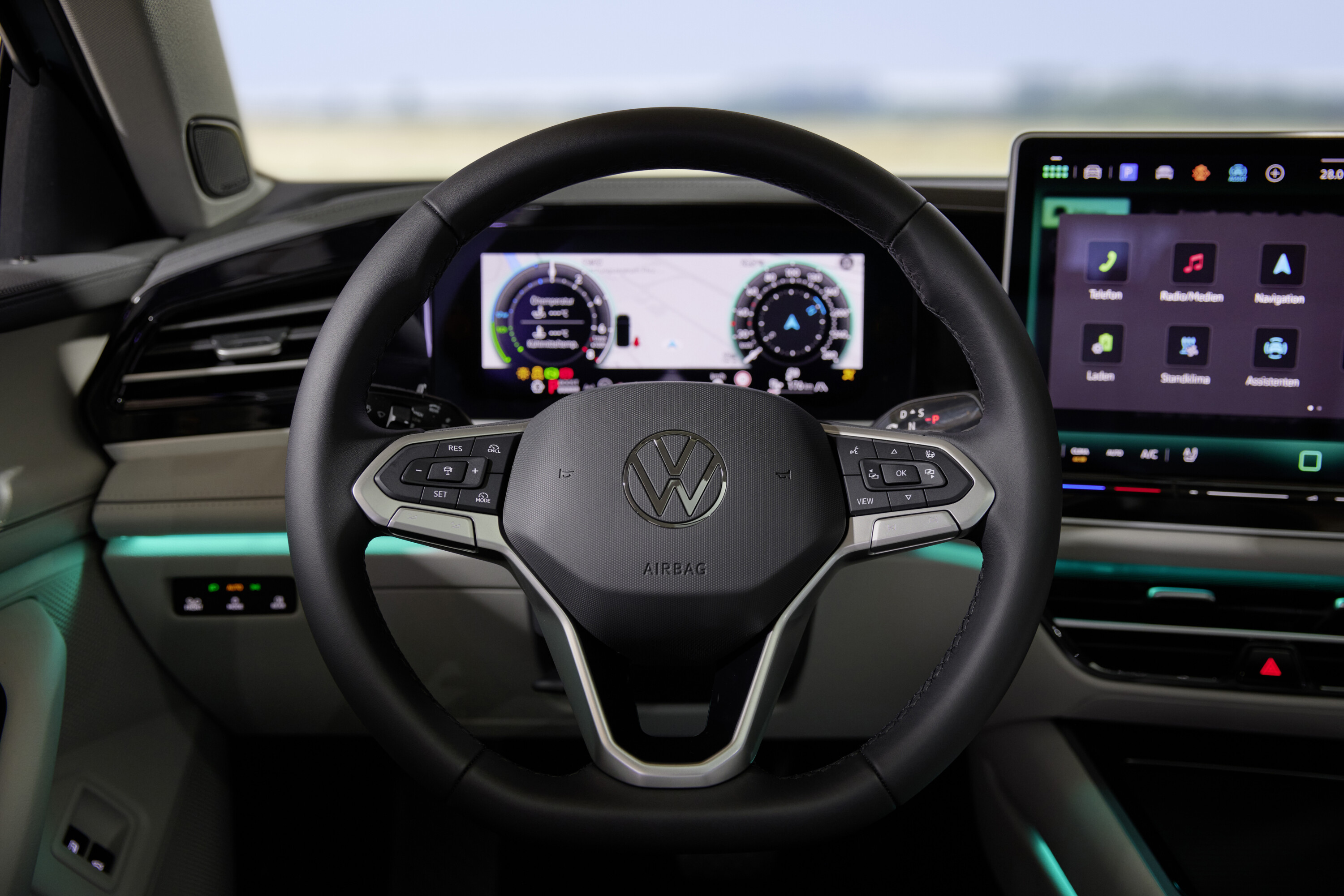
Inside, though, is where VW is most proud of the ninth-gen Passat. A new fourth-generation infotainment software that is focused on easing driver interaction.
Unlike the related Skoda Superb, though, HVAC settings remain either on capacitive sliders beneath the touchscreen, or in the menus. Volkswagen has at least removed the capacitive touch buttons from the steering wheel, replacing them with physical switches familiar from lower-grade Golfs.
The all-new seats are designed to be more comfortable and, on high trim levels, offer ‘ErgoActive’ 10-chamber massage function. Thanks to a 50mm wheelbase extension there’s an additional 5cm of rear legroom.
2
Underpinning proceedings is a new adaptive damper system, known as DCC Pro, which has a greater spread between the softest and firmest available settings, along with other refinements according to the carmaker.
Volkswagen has been clear in its messaging that the new Passat wagon will not come to Australia owing to its upcoming electric assault. Instead, that gap will be filled by Skoda with its new Superb. Also departing next year is the Golf R Wagon, likely to be replaced by the Cupra Leon Sportstourer.
For many young drivers, the probationary phase of obtaining your licence is new and exciting – however, it’s also full of limitations to keep everyone safe.
These limitations can be especially confusing as they differ between each of Australia’s states and territories.
As electric vehicles (EVs) emerge – typically marketed with claims of instant pick-up and fast acceleration – as the new default, rules and regulations may struggle to keep up.
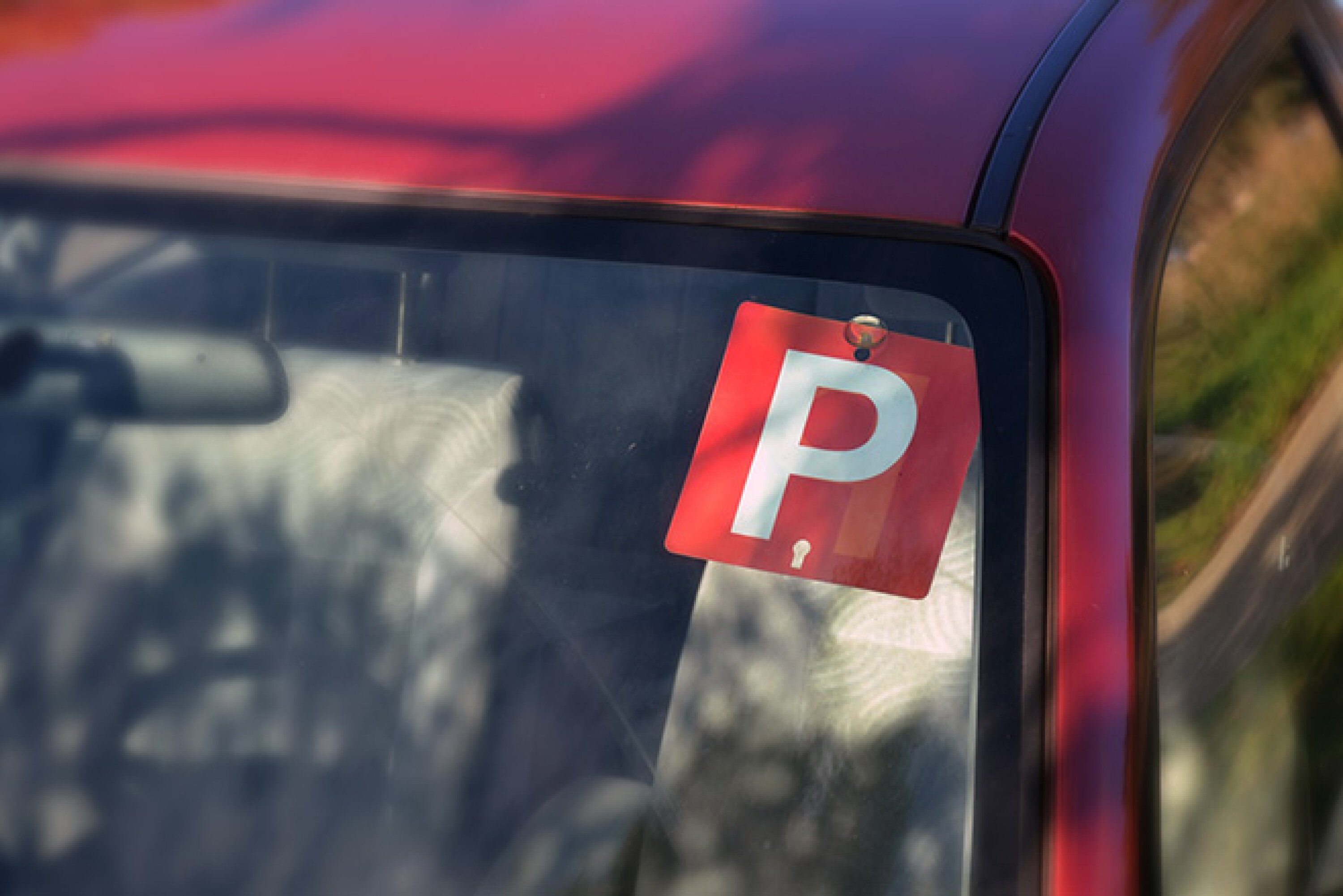
This begs the question: Am I allowed to drive an electric car on my P-plates?
1
Can I drive an electric car on my P-plates?
The simple answer is yes, but it depends on where you live and the model in question.
Restrictions on new drivers vary by state. In the Northern Territory, Tasmania, Western Australia and the Australian Capital Territory there are no vehicle restrictions for provisional drivers, so go for your life.
In New South Wales, Victoria, Queensland and South Australia there are restrictions regarding power-to-weight ratios and the definition of a performance vehicle.
1
As a rule of thumb, a P-plater is prohibited from driving a vehicle:
- With a power-to-weight ratio greater than 130kW per tonne
- With an engine that has been modified for increased performance
- That has been declared as a prohibited vehicle by local state laws
This becomes irrelevant for P1 and P2 provisional licence holders in South Australian drivers once they turn 25.
1
Which electric cars can I drive on P-plates?
In the Northern Territory, Western Australia, Tasmania and the Australian Capital Territory, you are permitted to drive any electric vehicle.
In other states, you’ll need to ensure that cars not already on a prohibited list have a power-to-weight ratio of 130kW per tonne, which you can find out using a simple equation.
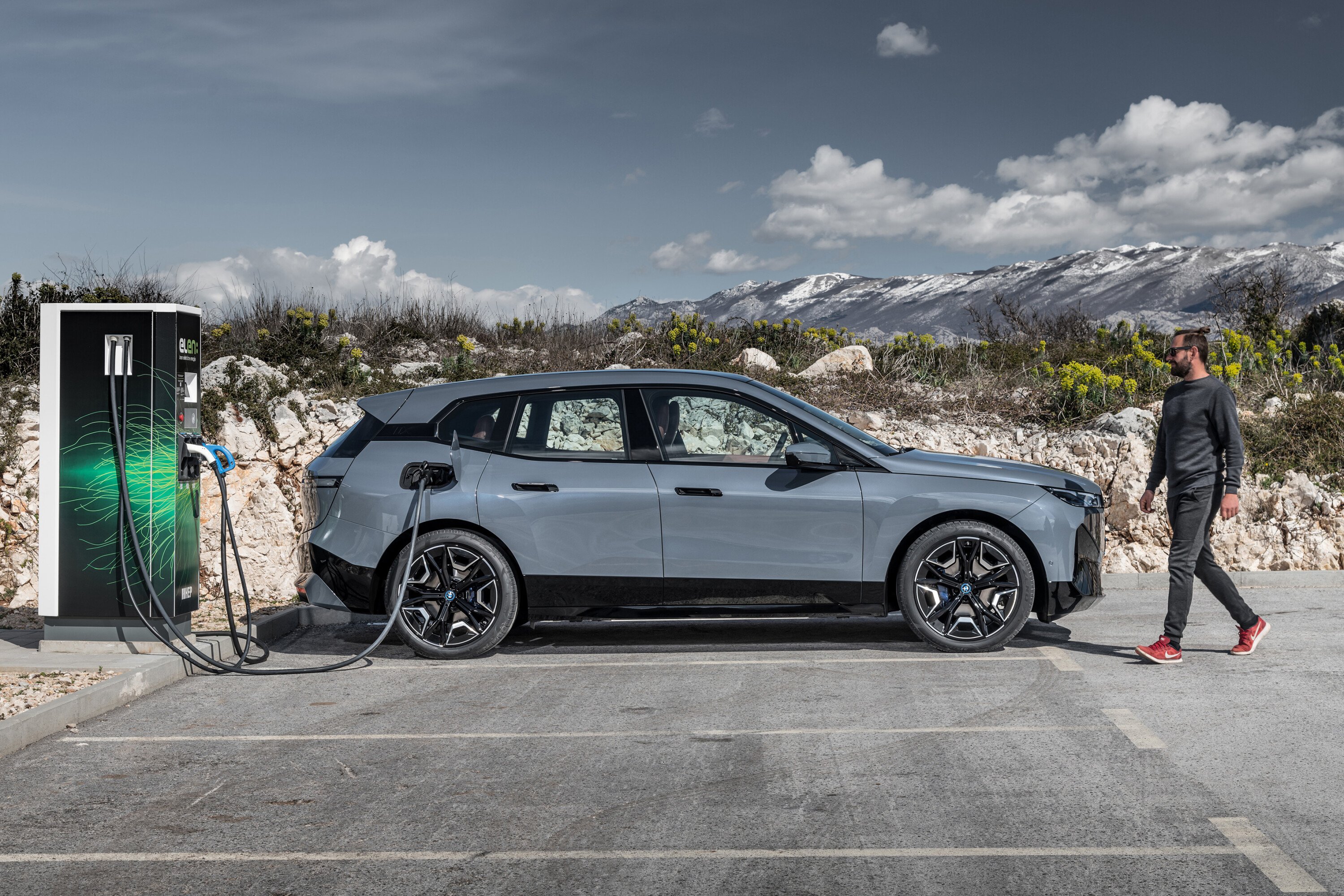
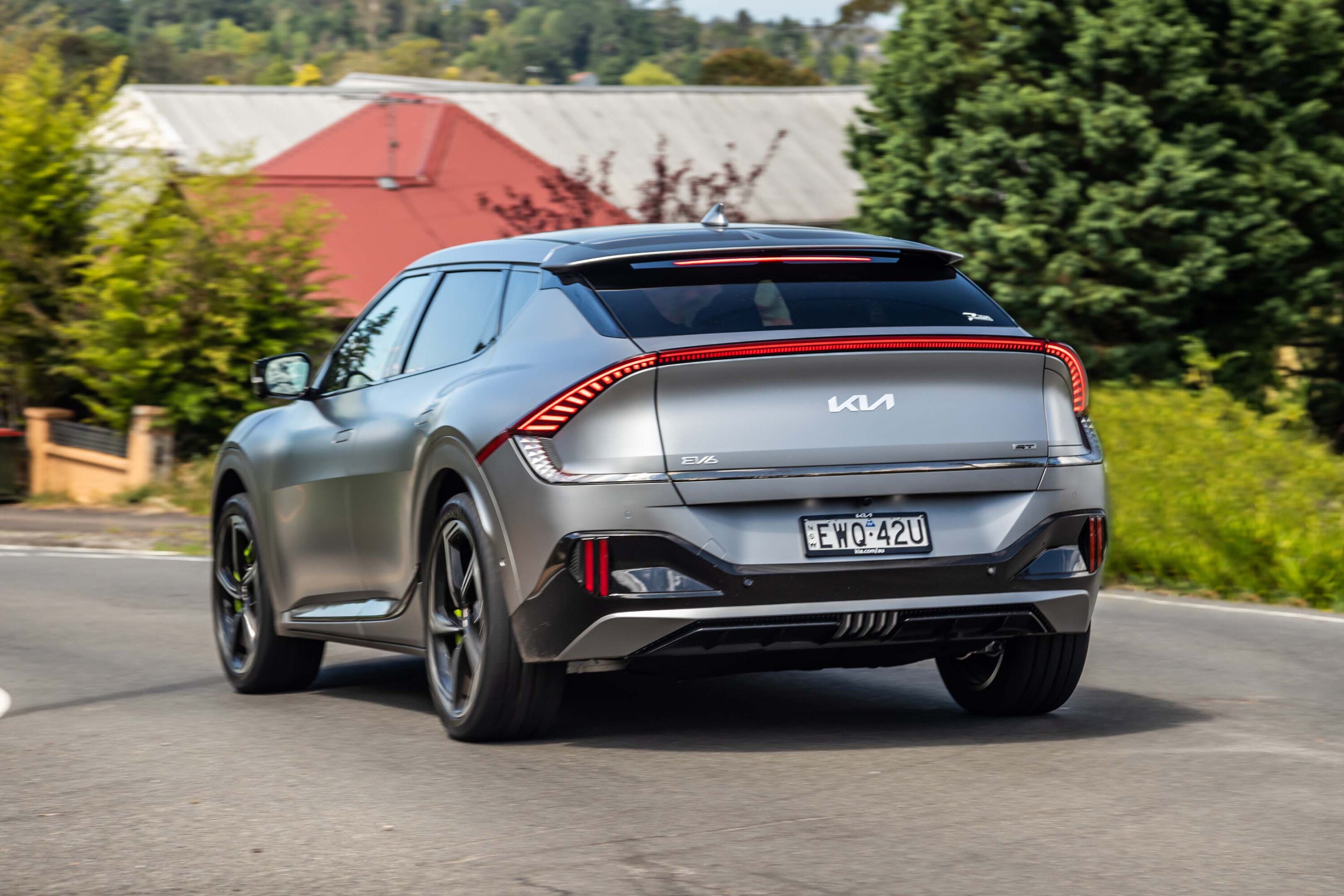
Take the listed power output of your vehicle and divide it by the kerb weight in tonnes. For example, our 2022 Wheels Car of the Year the Kia EV6 GT develops 430kW and weighs 2.620 tonnes (2620kg).
This gives the EV6 a power-to-weight ratio of 164kW/tonne, which is above the legal limit.
An MG 4 64kWh, though, with 150kW outputs and 1.672 tonnes of metal pushing down on the ground has a power-to-weight ratio of 90kW/tonne. It is therefore approved for P-plate drivers in all states.
1
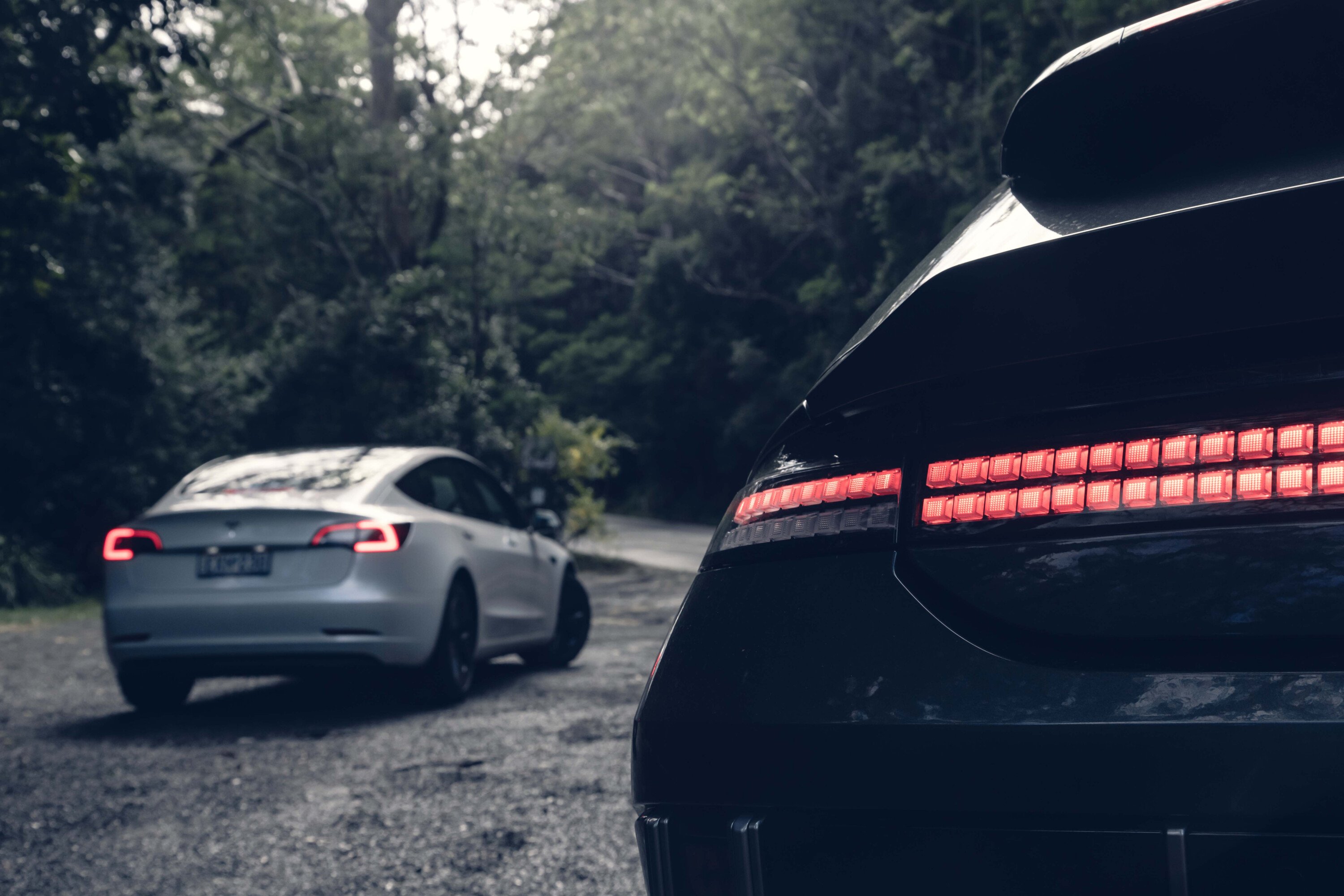
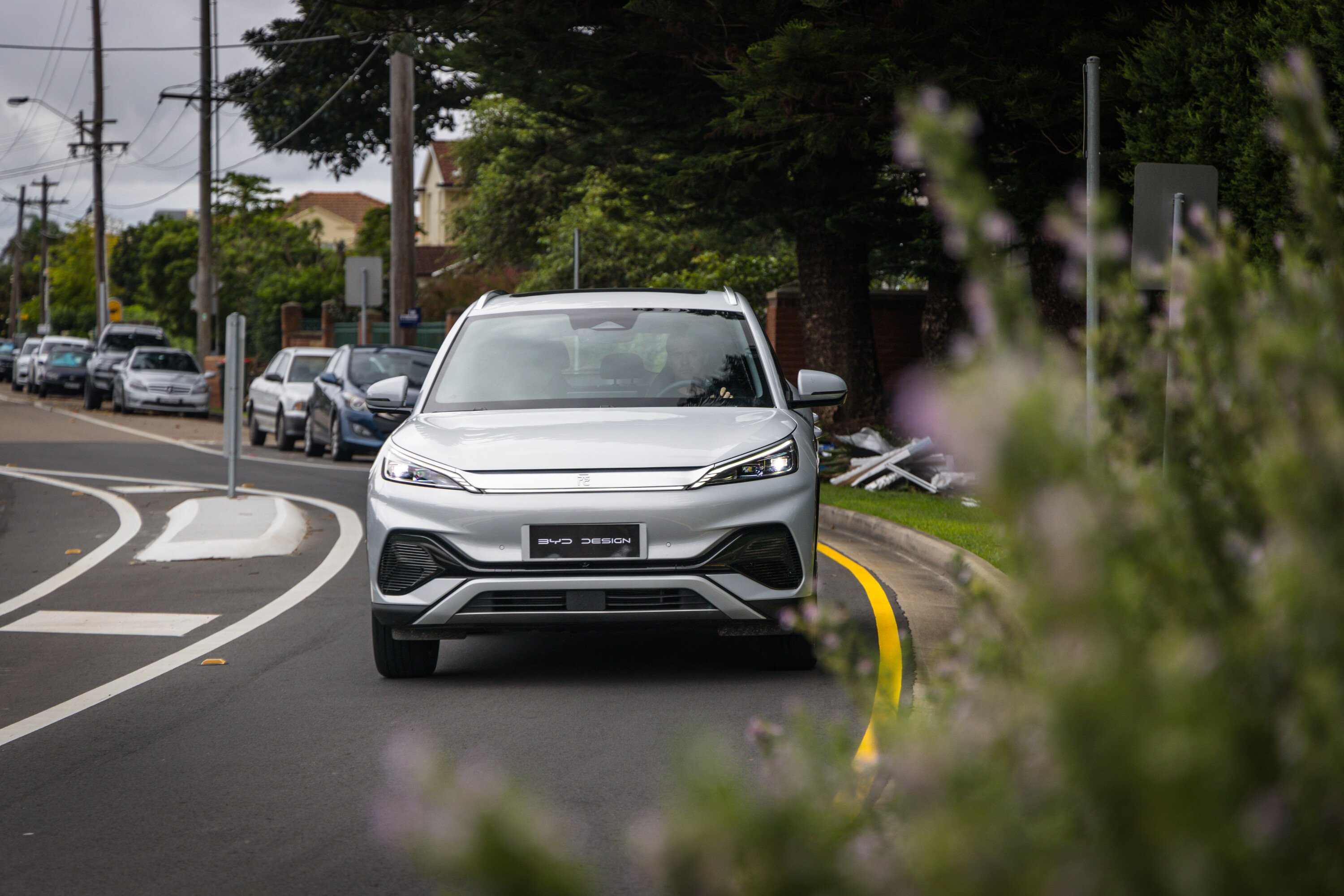
Typically, P-platers will be excluded from driving powerful, luxury electric cars such as Tesla, BMW and Genesis. Vehicles that are permitted include all current BYD models, single-motored Polestar 2s, all Hyundai Kona EVs and all electric MGs.
Relevant links to search banned P-plate vehicles in your state
Exceptions for prohibited vehicles
States with restrictions on vehicles do sometimes allow exemptions. This also varies state-by-state and is assessed on a case-by-case basis.
For example, in Victoria you can submit a probationary prohibited vehicle exemption application form and pay the $66.10 fee.
The same is relevant to NSW drivers who can submit their exemption form to be assessed for $34.
1
VicRoads may grant you an exemption from the P-plater limitation if you can demonstrate that, due to your critical activities, job, employment, or family situation, the restriction would cause you undue hardship.
In Victoria, a probationary driver can also drive a prohibited vehicle if they are:
- Being supervised by someone with a full driver’s licence sitting beside them
- Need to drive in the course of their employment and at their employer’s request
1
Penalties for driving a prohibited vehicle
If you’re caught driving a probationary prohibited vehicle, you risk receiving a fine. In some states, this fine is accompanied by hefty demerit points.
The NSW Police are particularly strict, handing out a substantial seven demerit points along with a huge $603 fine. Note that P1 and P2 licence holders in the state have limits of 4 and 7 points, respectively. So if you’re given this fine, it will result in the suspension of your licence.
In Victoria and Queensland, you’ll receive 3 demerit points and will need to pay fines of $385 and $154 respectively.
Considering that as a young driver you start with only about 5 or 6 points, it’s worth checking if your EV is on the do-not-drive list.
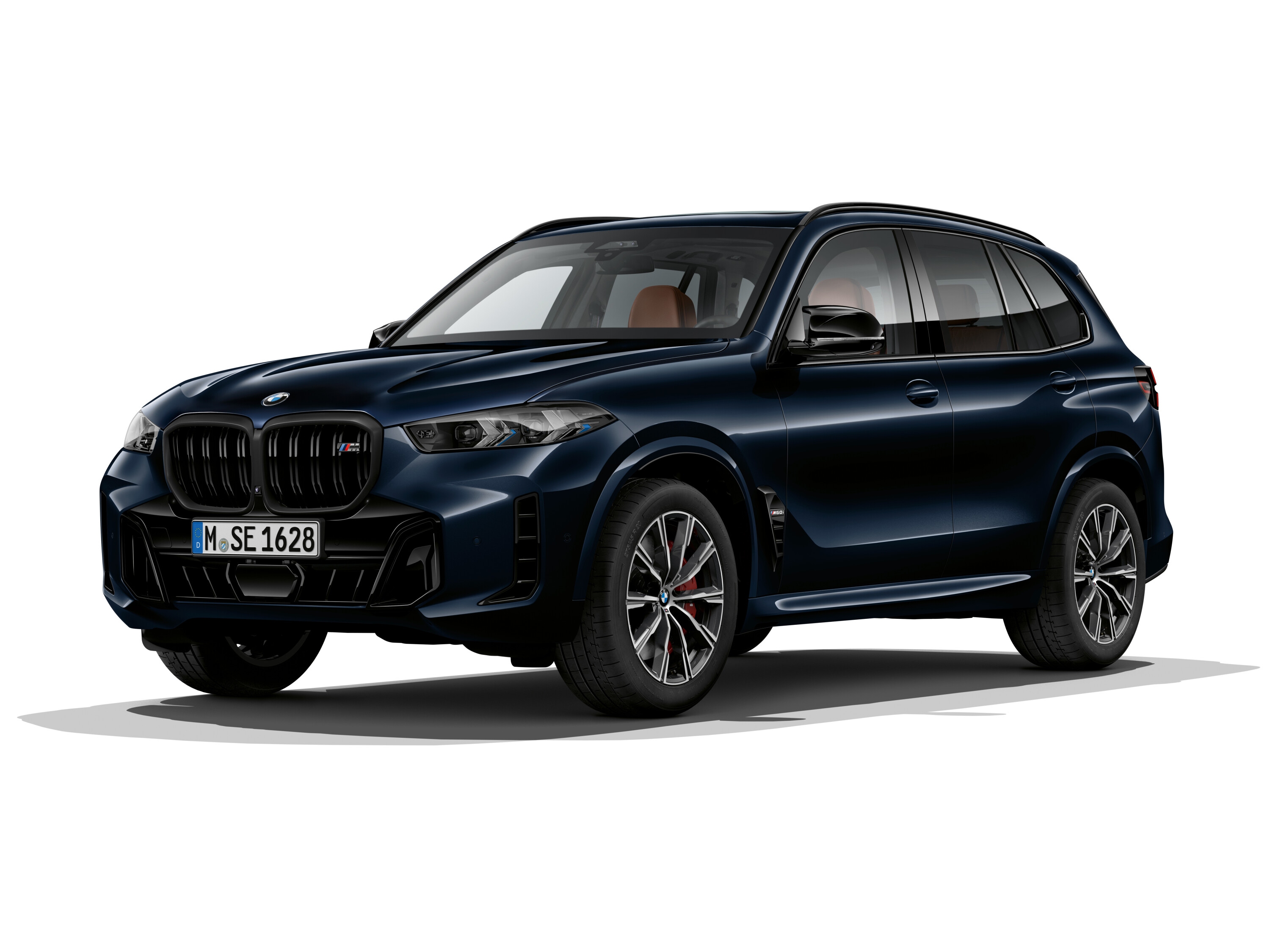
In news sure to attract the attention of politicians, celebrities, dictators and shady businessmen across the world, a new version of the BMW X5 Protection VR6 has been revealed.
1
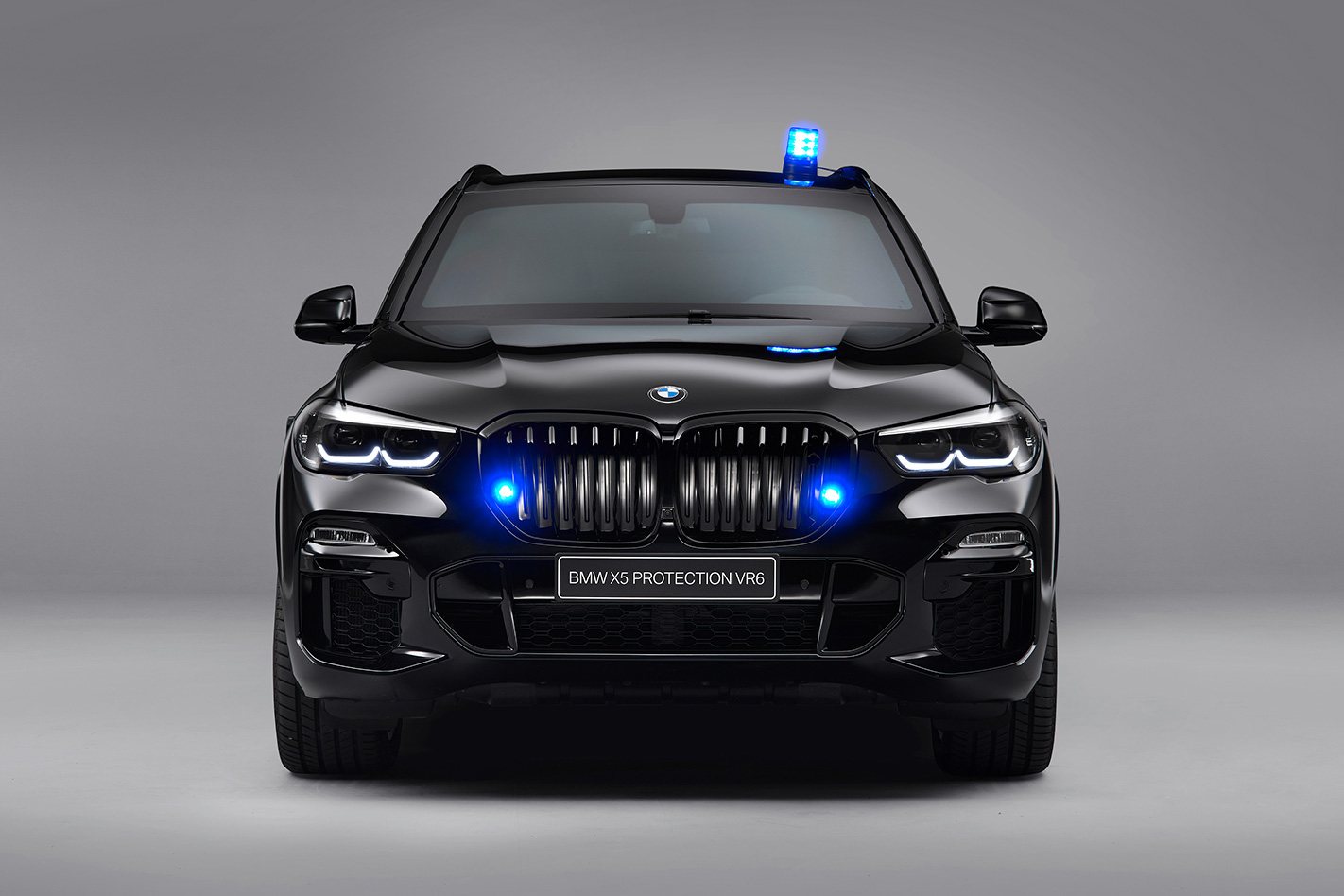
Claimed to be the world’s best-selling armoured vehicle, the BMW X5 Protection VR6 can withstand rounds from an AK-47 and is often used by the Australian Federal Police to ferry about high-value ‘At risk’ individuals.
That occasionally includes our Prime Minister, although he’s mostly transported in a heavily armoured, blast-resistant version of the BMW 7 Series, which has also recently been upgraded.
The updated X5 VR6 – which refers to its protection rating – brings it into line with the regular 2024 X5 and includes tweaked exterior styling and an updated cabin that moves to BMW’s curved widescreen digital display.
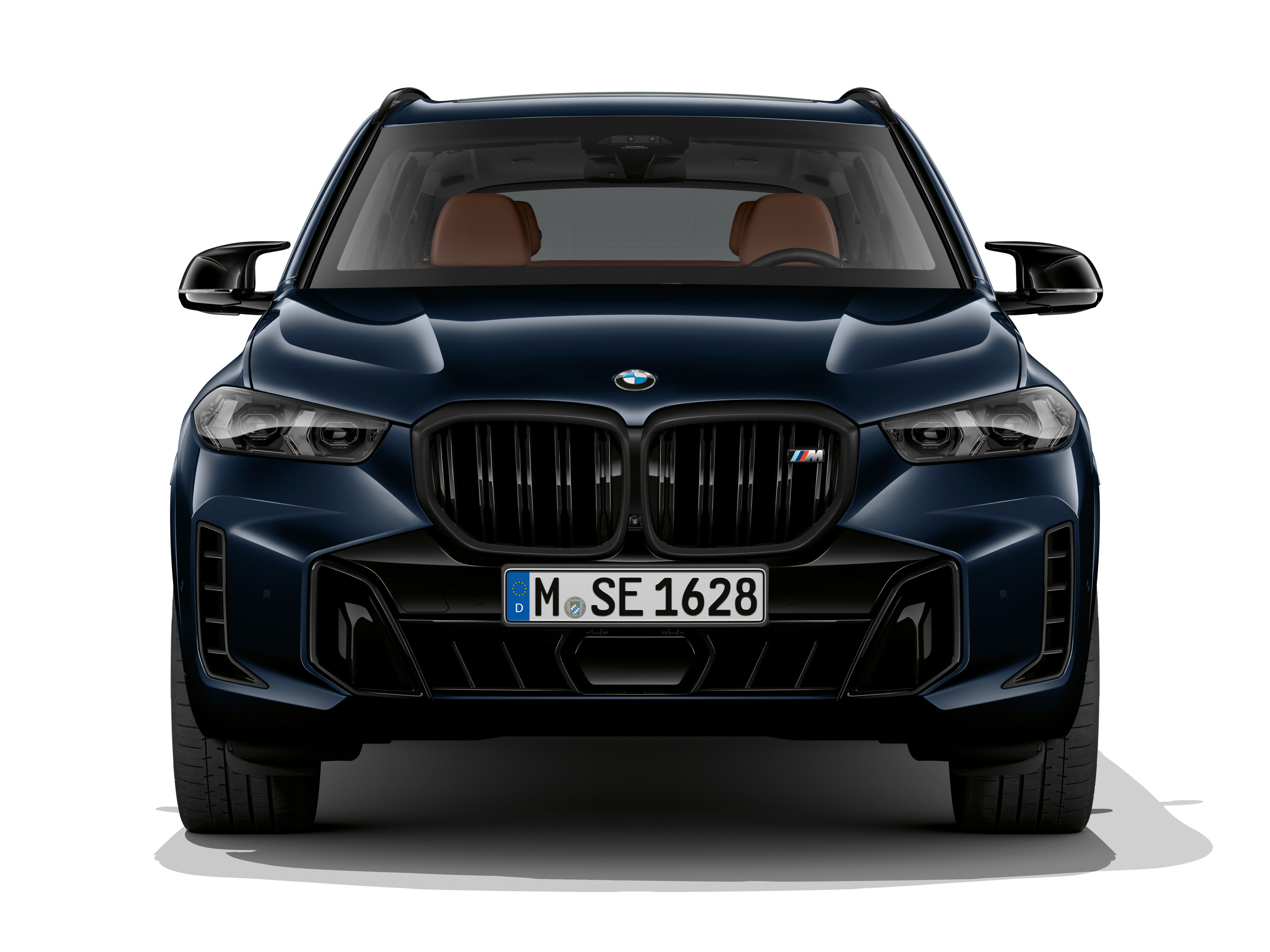
1
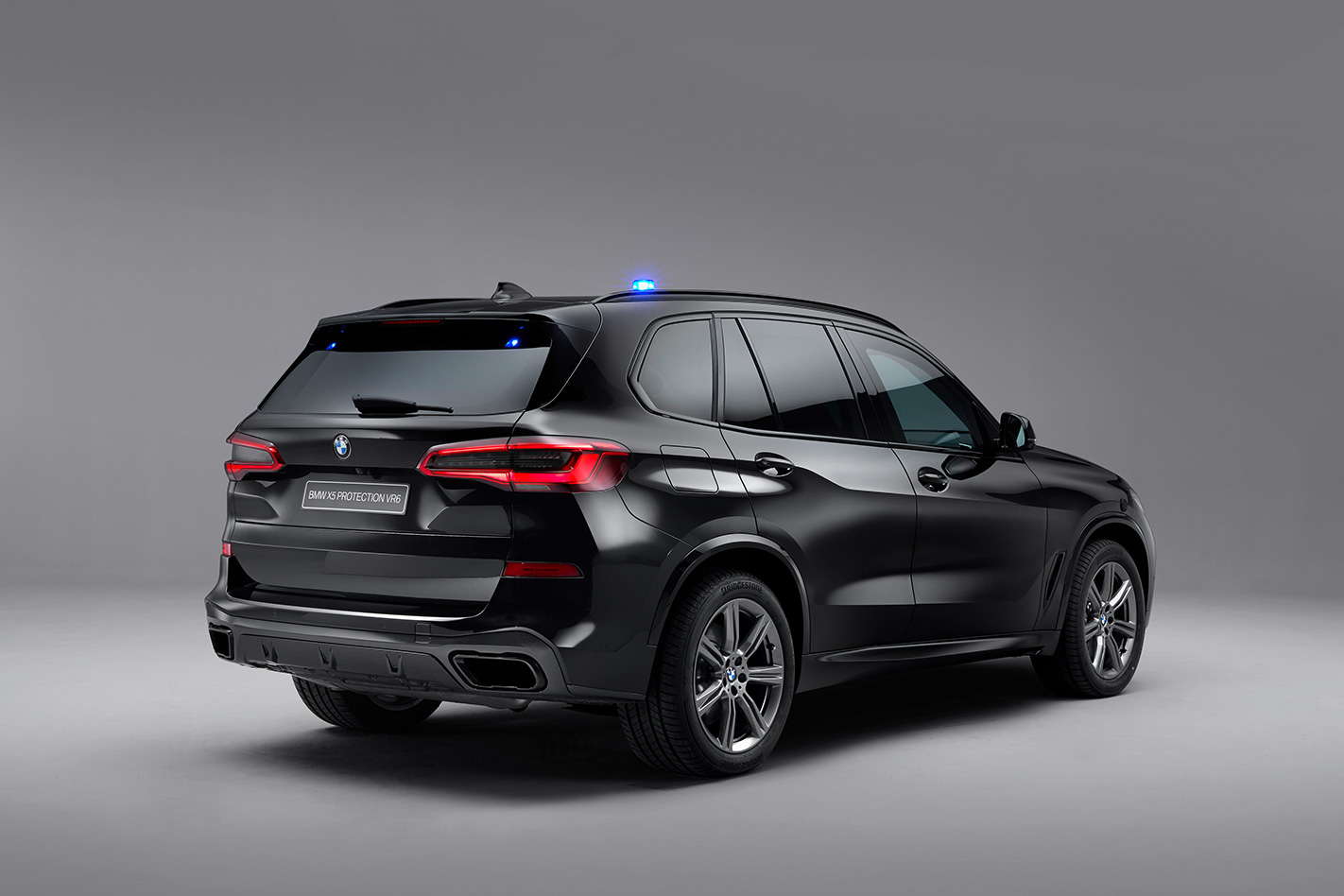
The goal, of course, is discretion and to make the VR6’s appearance indistinguishable from a regular X5 despite its heavily armoured body and 33mm thick windows.
The 4.4-litre twin-turbo V8, which churns out 390kW/750Nm, is now supplemented by a 48-volt sub-system and despite the extra heft of its armoured plating, the VR6 can hit 0-100km/h in a sprightly 5.9 seconds.
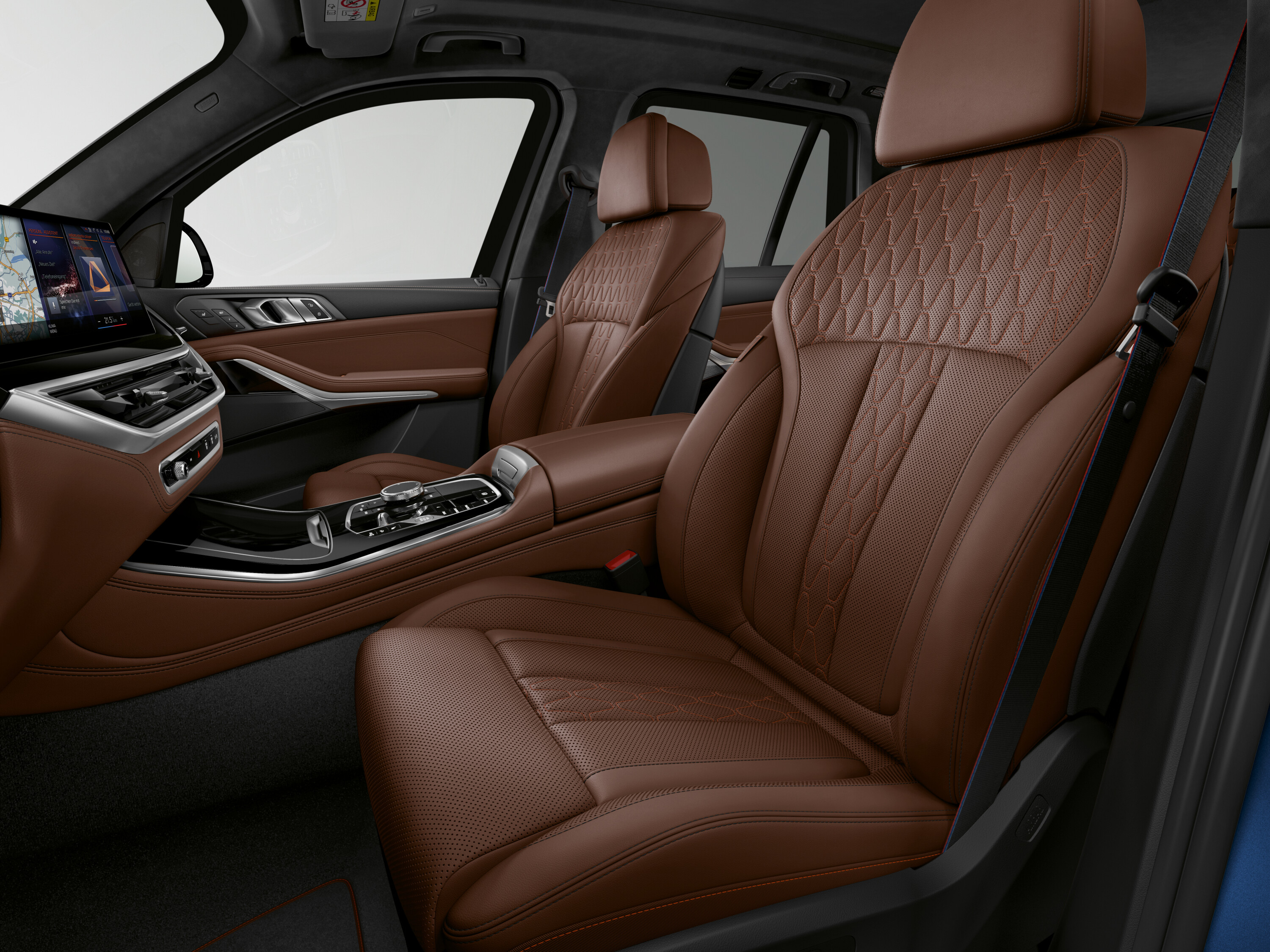
1
Adaptive M suspension is also standard, as is active-roll stabilisation and four-wheel steering, with these chassis system’s designed to make the X5 VR6 as capable and as nimble as possible should a fast getaway be needed.
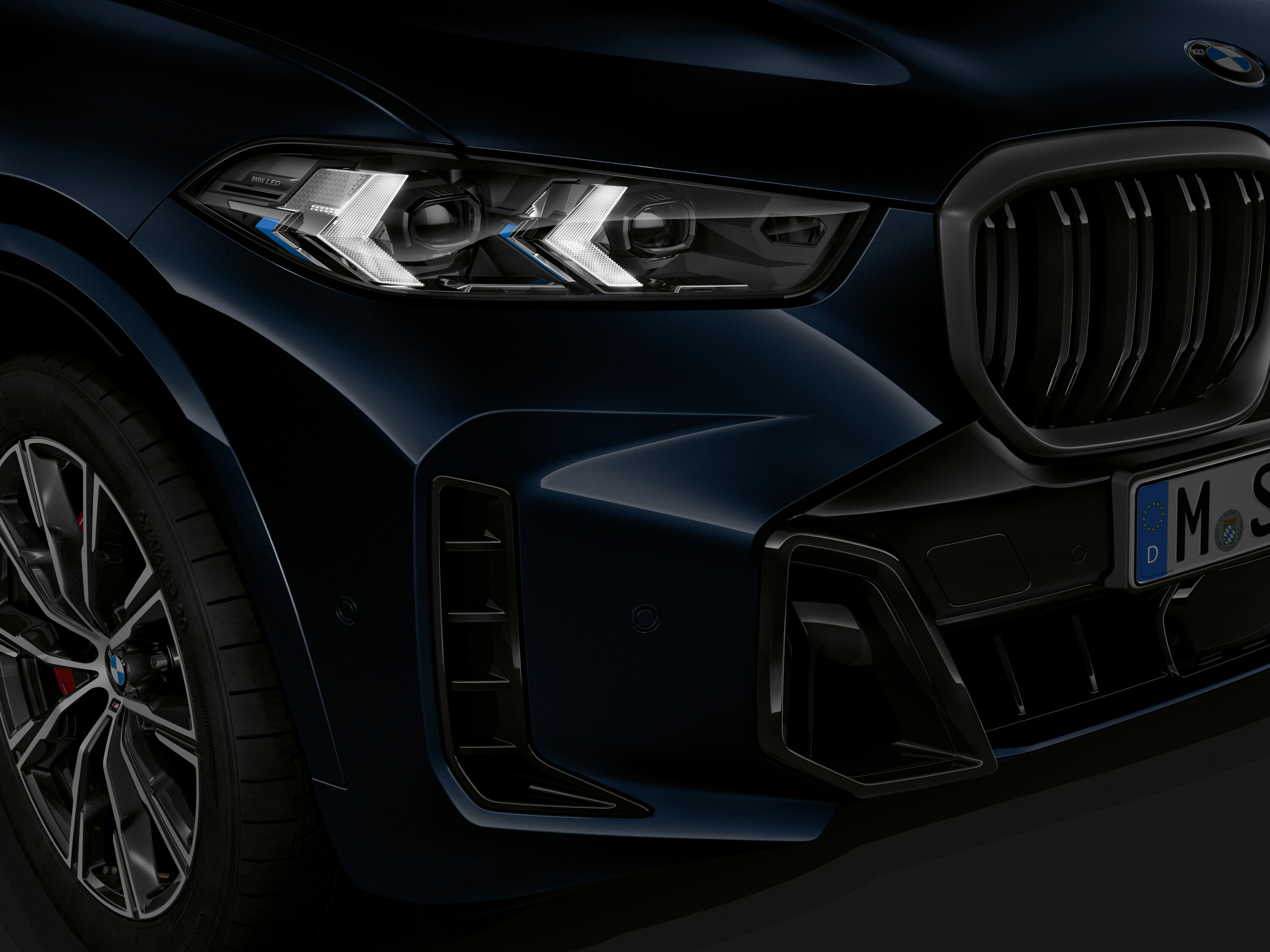
1
When it’s not dodging bullets, the X5 VR6 offers the same sense of luxury as a regular X5 thanks to Merino leather upholstery, ambient lighting, a hi-fi sound system, soft-close doors and four-zone climate control.
For more detail on how the BMW X5 VR6 protects its occupants, check out our original story below.
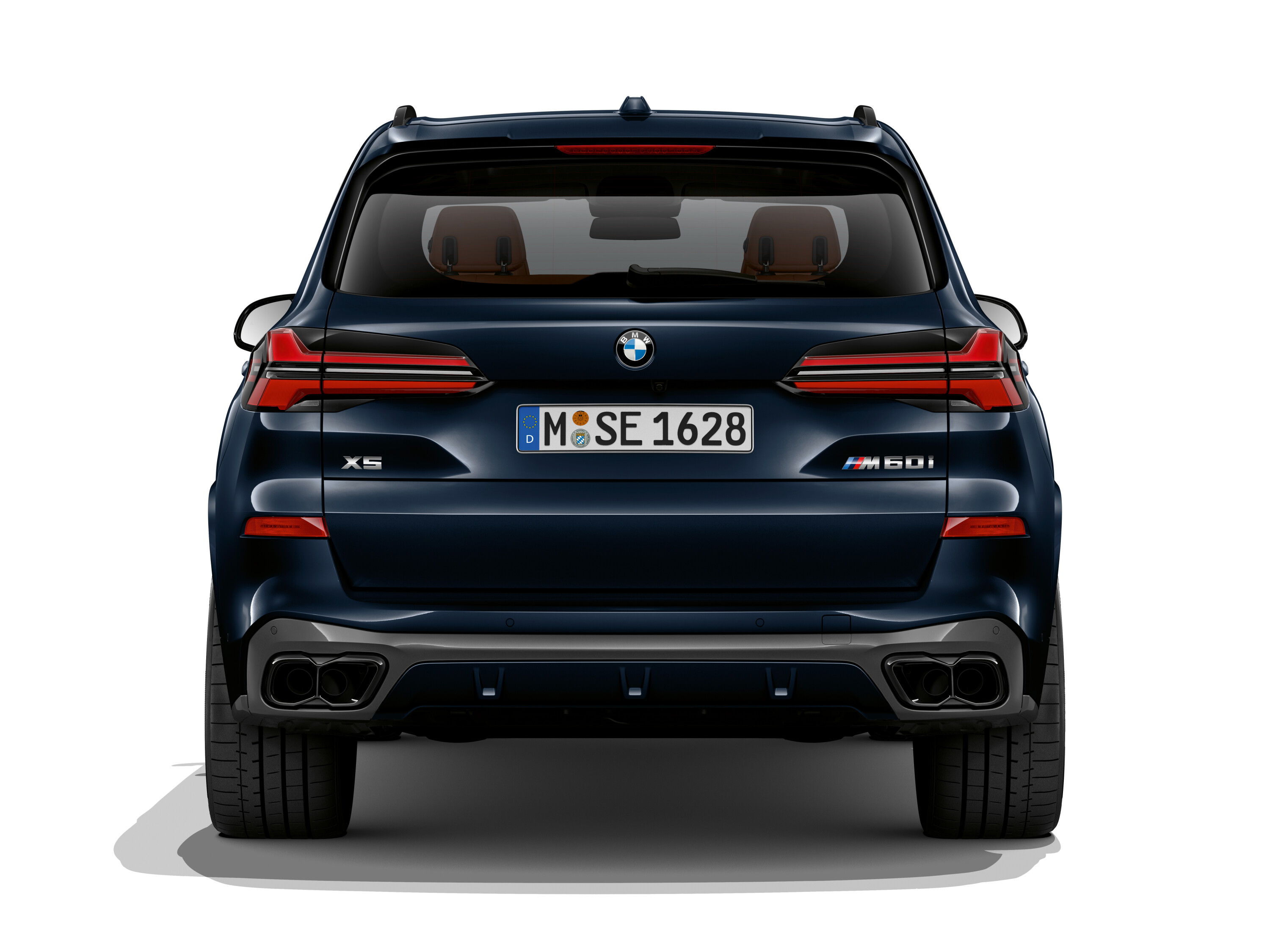
5
August 2019: It’s not just soccer mums and urban dwellers who are eschewing sedans for SUVs, with BMW’s new X5 catering for ‘those at risk’.
Cladded with the latest in armoured plating, BMW’s high-riding bullet-proof machine is called the VR6, named after its VR rating which is simply a certified ballistics resistance; levels 4, 6, 7, and 9 are the most commonly used on vehicles. While BMW’s armoured bus looks mostly the same to any other car in the X5 range, it can withstand bullets shot at the windows from an AK-47 assault rifle, and cruise along if explosives detonate underneath it.
1
MORE
BMW X5 review
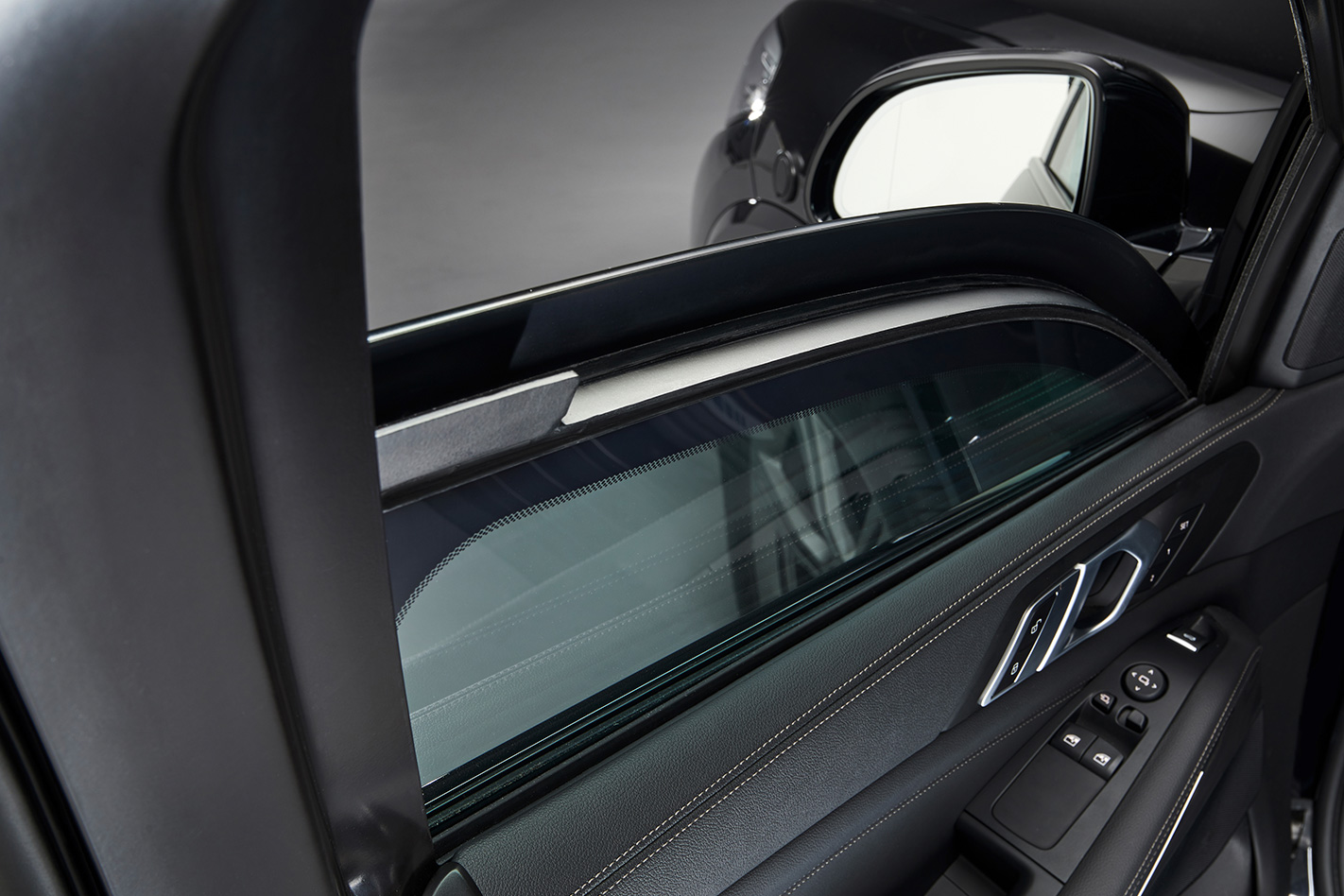
Impressive protection around the glasshouse comes from 33mm thick, multilayered polycarbonate-reinforced glass. Elsewhere the metal panels are replaced with high-strength steel armour plating which overlaps at the joins, and underneath is an aluminium underbody splinter shield designed to withstand DM51 grenades. We’re guessing they’d do a bit of damage to a run-of-the-mill SUV.
The sum of the parts is good enough to protect occupants in the hopefully unlikely scenario of a lateral blast of up to 15 kilograms of TNT from a distance of four metres. Post-blast protective technology further helps the car from secondary attacks. However unlikely a scenario may seem in the ’burbs of Australia, BMW says it has a number of clients at such risk.
1
“All over the world, private individuals, officials and celebrities alike rely on security vehicles from BMW… [which] offers private individuals and persons at risk customised protection against violent attacks, kidnapping or organised crime. This is often a decisive criterion, especially in regions like South America, Africa or Russia.”
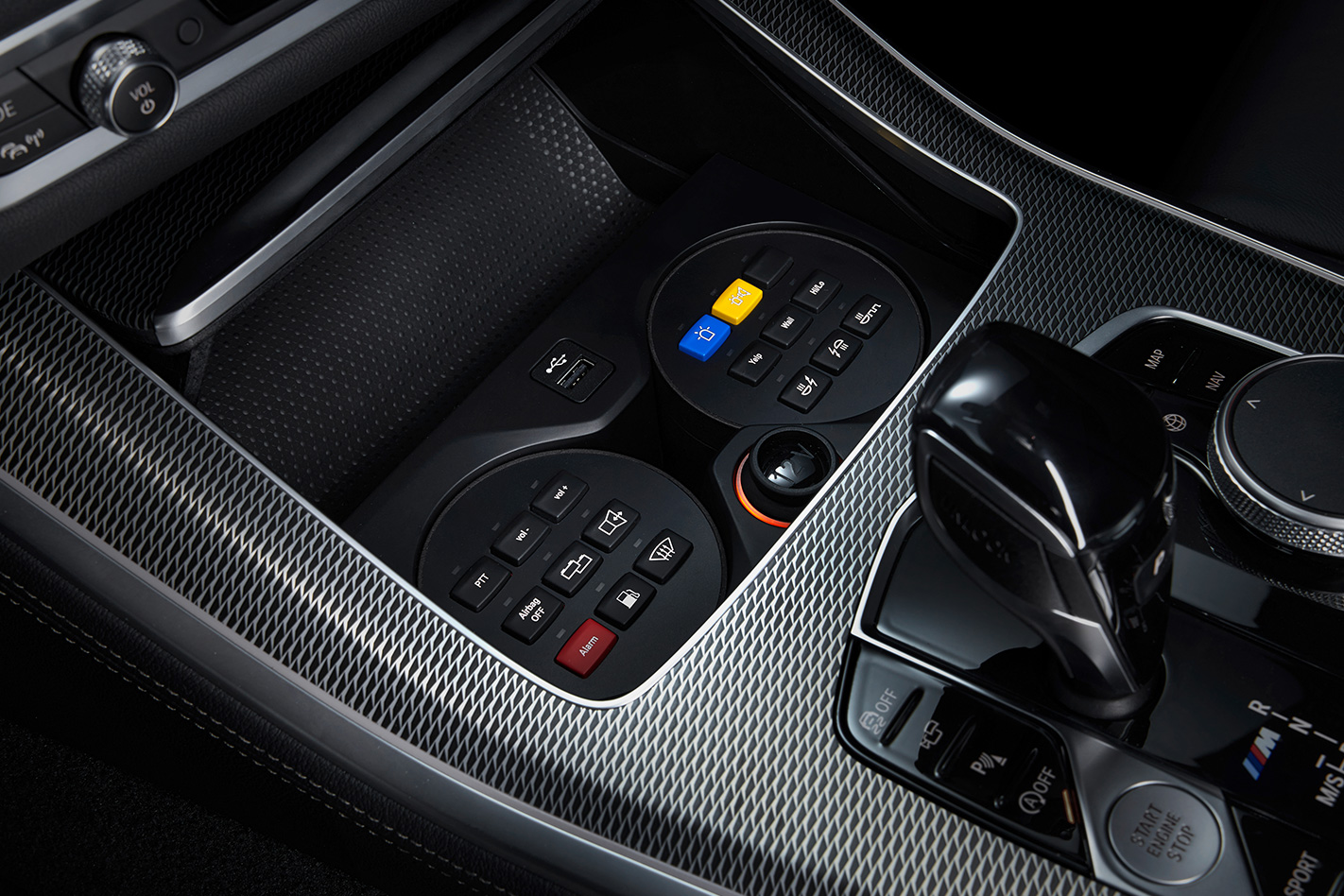
The former country’s clients will appreciate a short delivery time from the Spartanburg, USA plant where the VR6 is built. And for those with a really big target on their backs, further protection is on the options list like an armoured roof to protect against drone attack, a fibre composite floor to protect against HG85 hand grenades, and post-crash functions to retain mobility in extreme situations.
1
Powering the VR6 is the X5 M50i’s 4.4-litre V8 petrol engine, producing 390kW at 5500-6000rpm and 750Nm at 1800rpm, which BMW says makes the vehicle the most powerful in its niche segment. With all of the added armour it’s sure to weigh considerably more than a standard X5, but BMW hasn’t provided any figures from the scales, instead claiming the cladded tank will get away from a standstill to 100km/h in 5.9sec.
1
The X5 VR6 is just one of many armoured vehicles to come from the Bavarian maker, starting in 1978 with its work on the 7 Series sedan that inspired 3 and 5 Series cars to suit warlords and unpopular celebrities since.
Crikey.
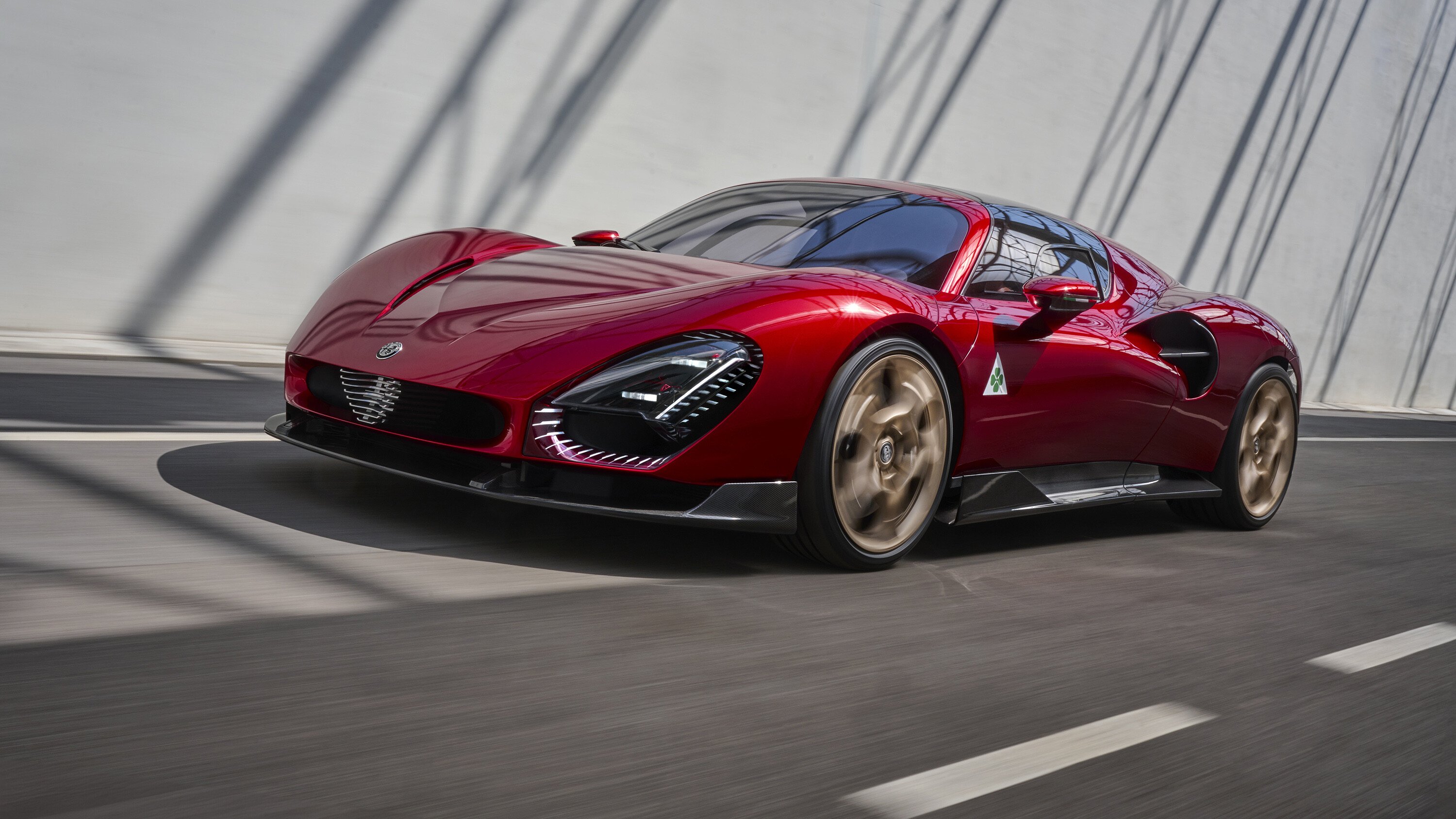
An all-new Alfa Romeo supercar has been rumoured and expected for some time now – but we’re not sure anyone expected it to look quite like this.
1
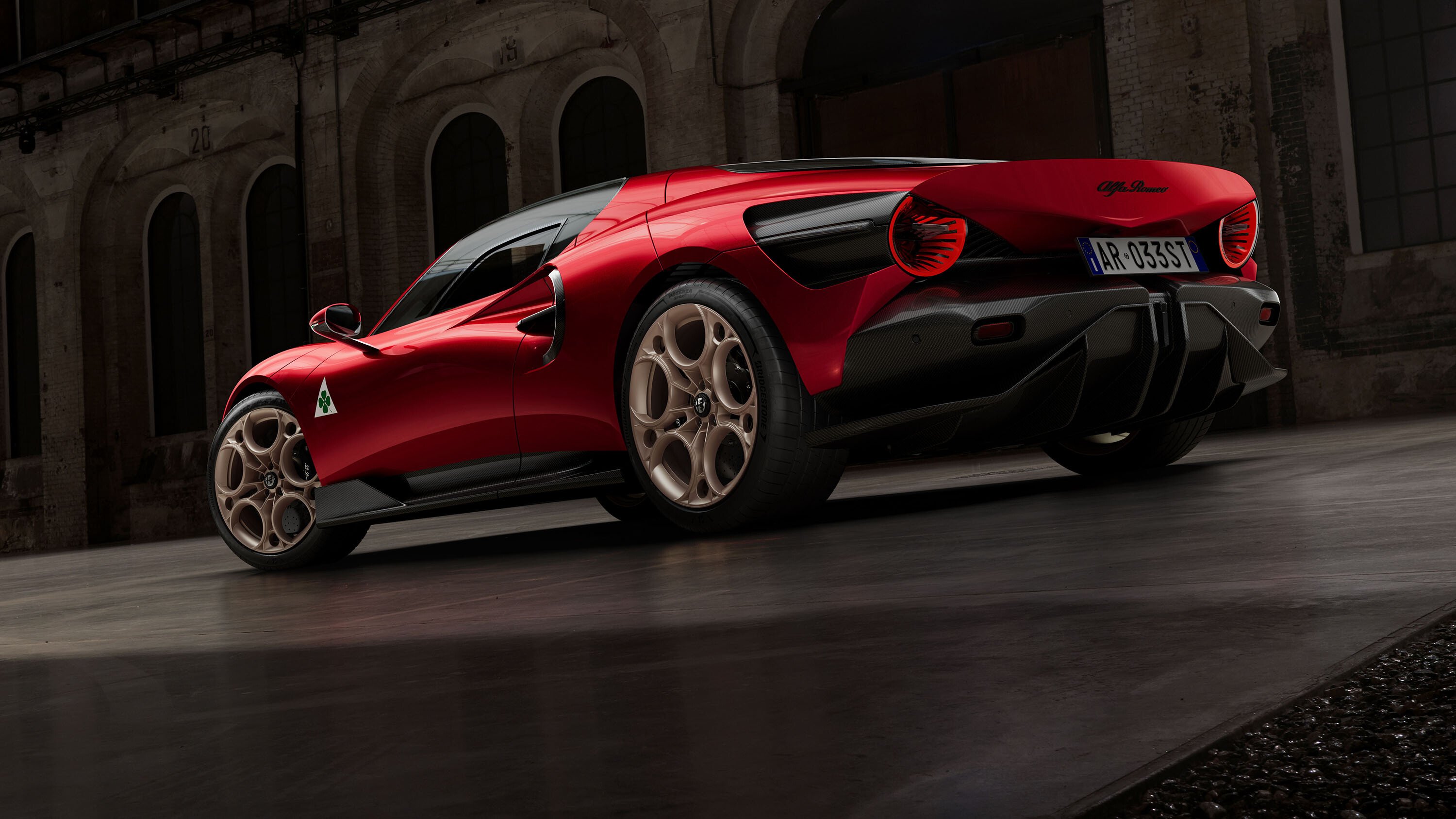
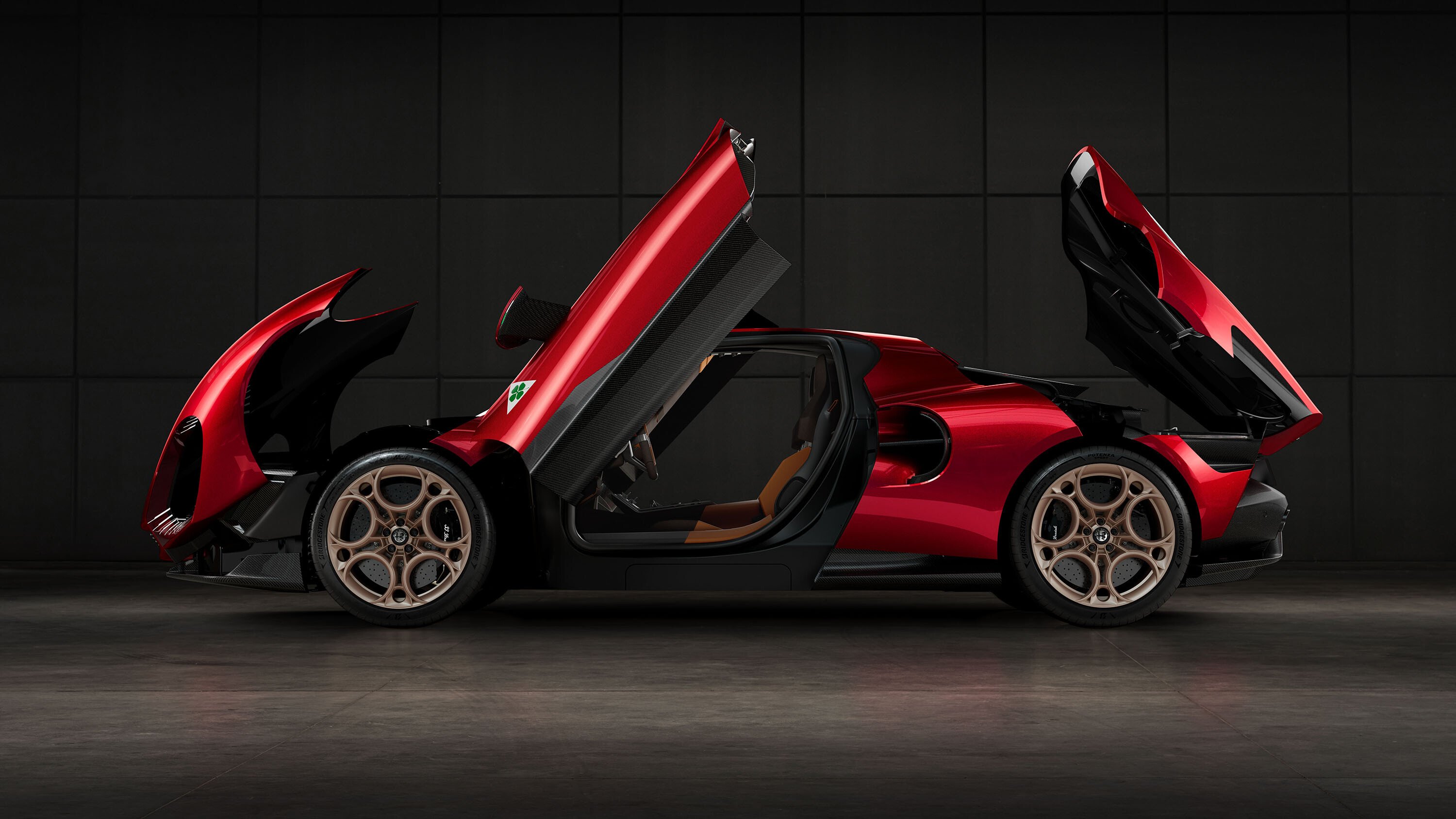
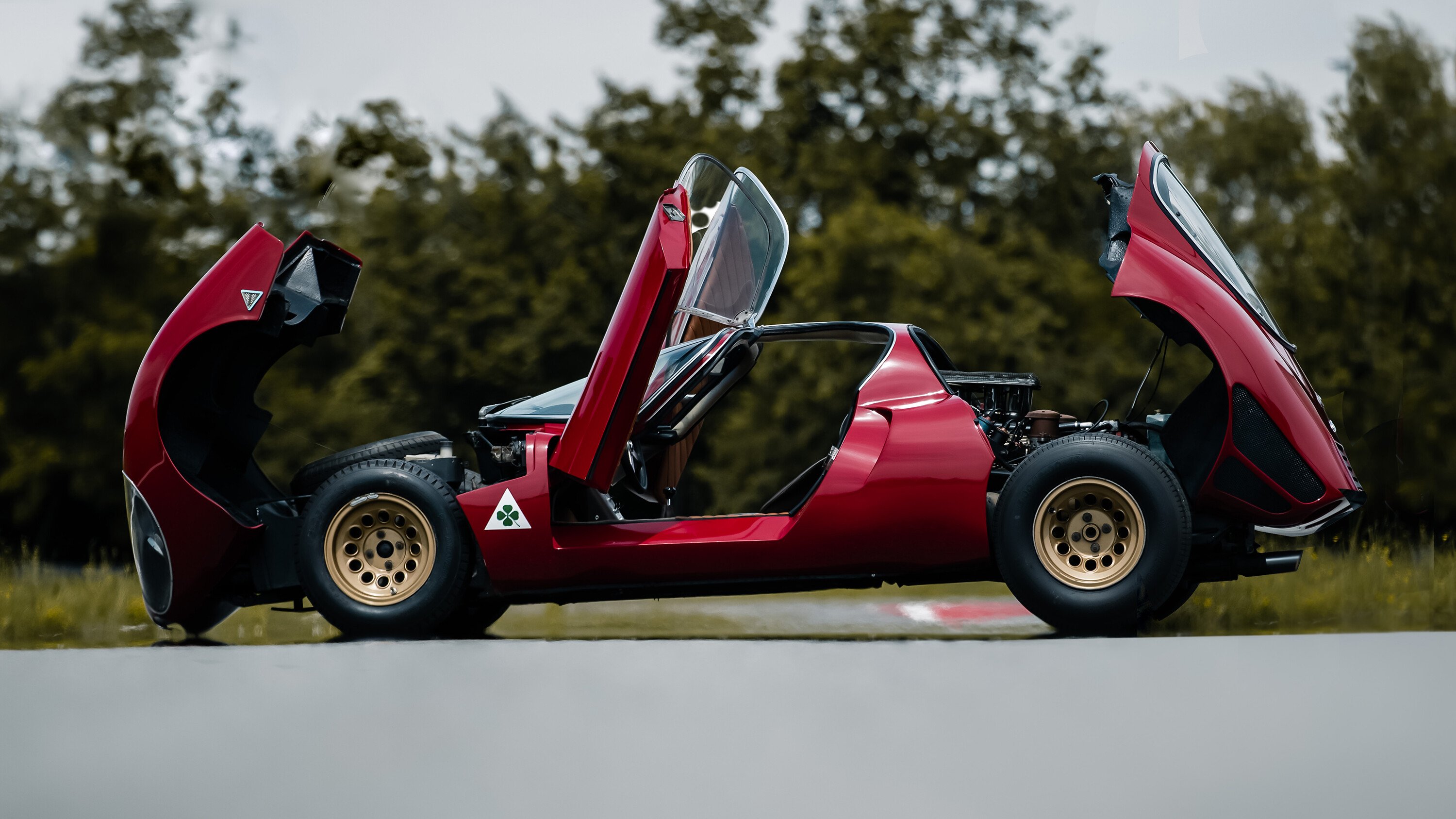
Meet the Alfa Romeo 33 Stradale, a reincarnation of its Sixties namesake, but a thoroughly modern one. This is no overpriced restomod.
Well, when they’re expected to cost three million euros apiece (so around $5m), perhaps the first part of that statement is up for debate. But all 33 cars have long since sold out, each going to customers hand-selected by Alfa and who have played a crucial role in the design of their car. No two will be the same.
1
Old-school or future fast?
There’s a stark choice that each buyer will have made at the very beginning of the process, with two powertrains on offer.
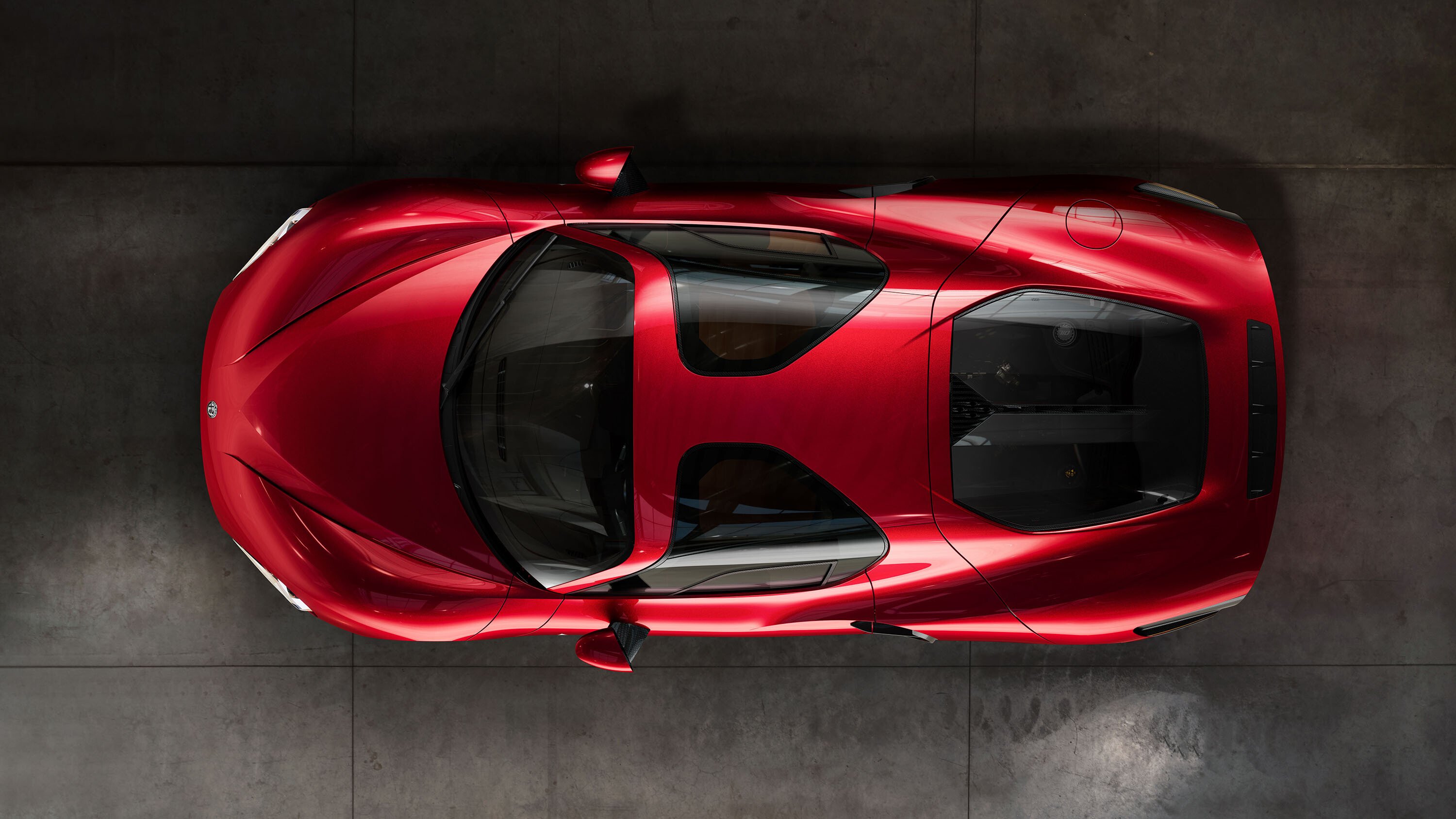
One sees an evolution of Alfa’s twin-turbo V6 – now measuring three litres – driving the rear wheels through an eight-speed twin-clutch paddle shifter.
Power is claimed to be in excess of 460kW, resulting in a top speed of 333 km/h and a 0-100 km/h below three seconds.
With a carbon tub and reasonably minimalist interior, you can expect it to dwell at the lighter end of the supercar spectrum.
1
But the other option is to go fully electric!
That version gets you motors at each axle for all-wheel drive and power north of 560kW – yet a claimed WLTP range figure of 450km.
Quite how many 33 Stradale buyers have opted for the silent treatment we’re not yet sure. A brave bunch, for sure, with that sonorous V6 practically singing out from the brochure.
1
As well as its carbon chassis, there’s double wishbone suspension front and rear, active damping and carbon-ceramic brakes.
A nose lift makes it a useable road car while launch control ought to bring it yet more to life on track.
Underlining its duality are the obligatory drive modes; Strada saves the V6’s loudest bellow for north of 5000rpm while Pista ramps every response to its max and allows all of the traction control to be deactivated. If you dare, in a $5m masterpiece…
1
21
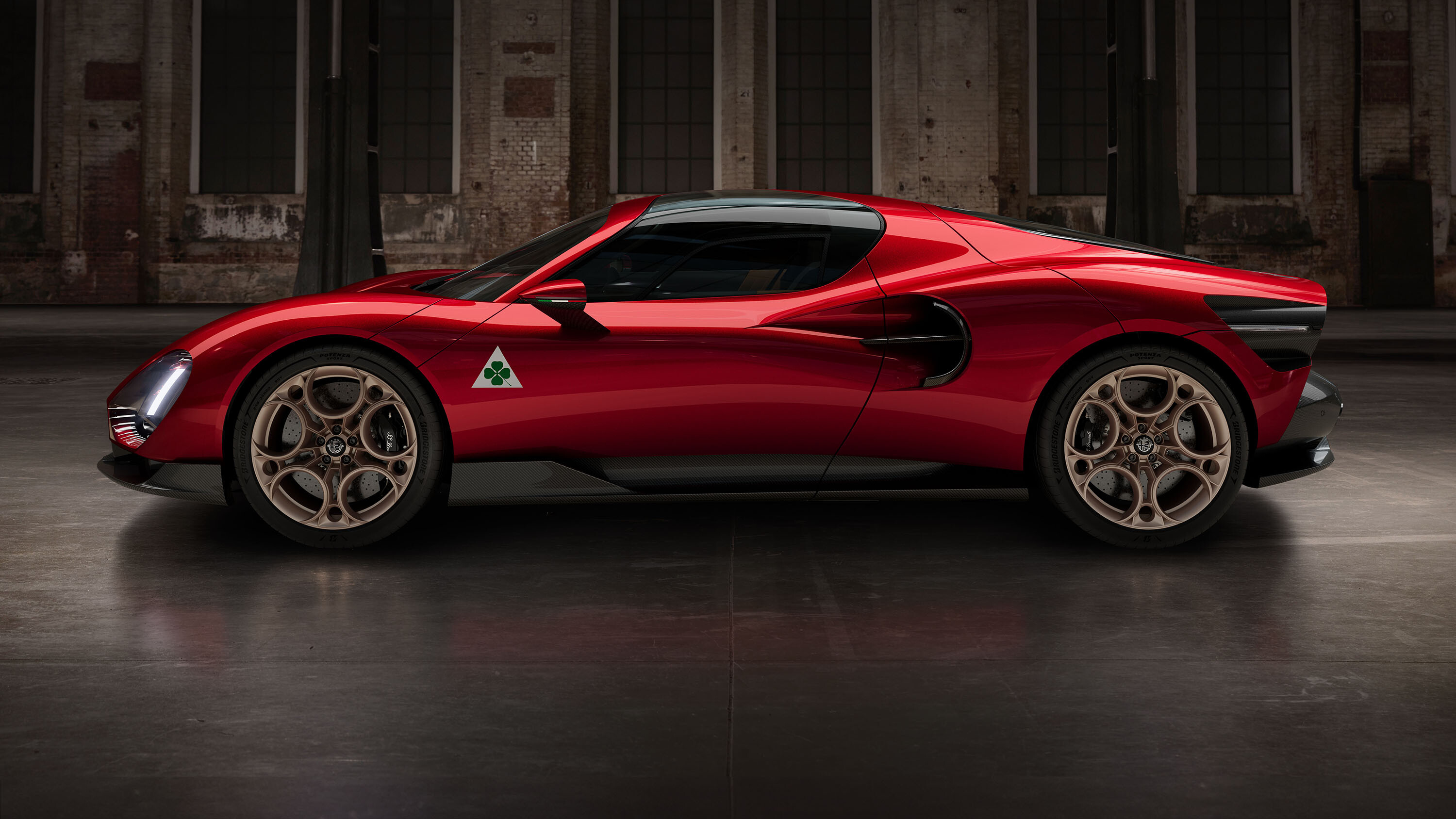
Beautiful as the body is, it’s also functional.
The headlights double as air intakes, feeding the radiator, while the struts of the wing mirrors act as aerodynamic spoilers, contributing to a 0.375 drag coefficient that’s achieved without a single active aero device.
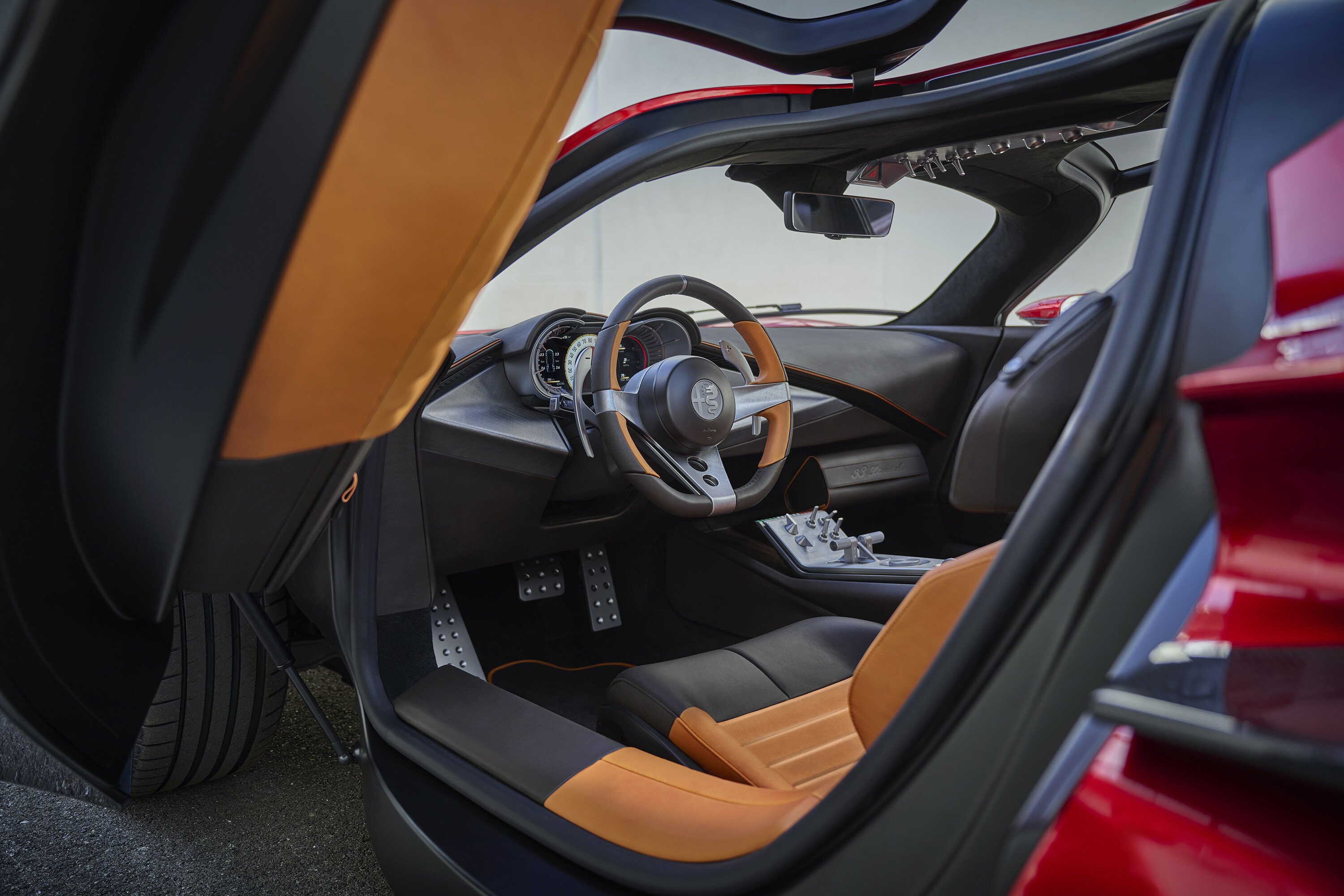
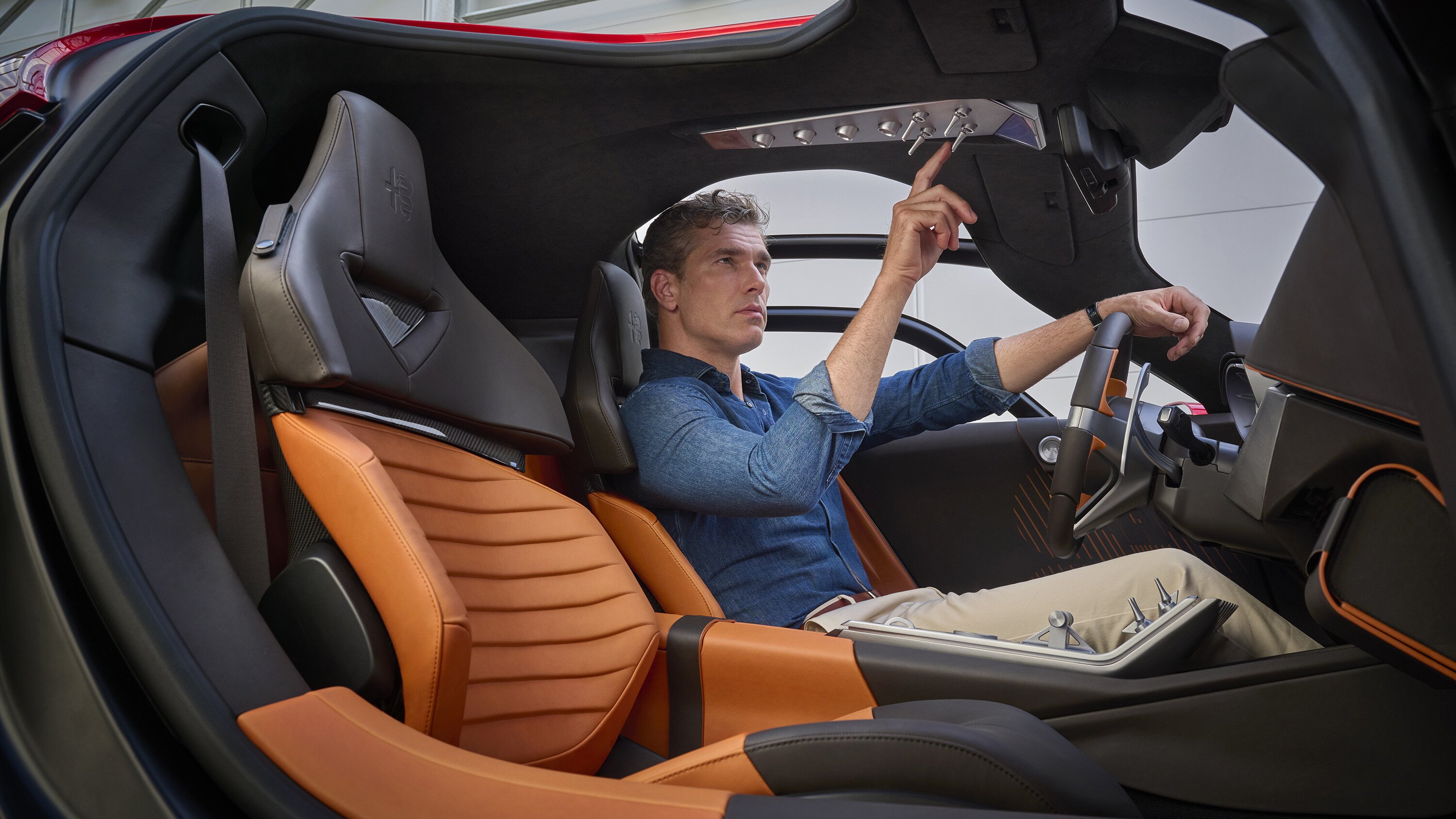
Inside, the steering wheel eschews all buttons – for added purity – though you do get modern digital dials. The other controls are said to be ‘inspired by aviation,’ and we’re inclined to not harangue Alfa too much for the cliché – just look at those gloriously crafted gear selectors sat delicately in the transmission tunnel.
1
There are two interior ‘themes’, with Tributo nodding to the 33 Stradale’s classic past, going all in on leather and aluminium, while Alfa Corse is more track-oriented with a focus on Alcantara and carbon.
Indeed, each and every car has been specced with the help of Alfa’s ‘Bottega’. Confused? Alfa tells us its Bottega team is ‘inspired by Renaissance workshops and 1960s coachbuilders, all of whom created works of art of pure beauty, according to their clients’ requirements.’
As if to underline the gravity of the Bottega’s work, it’s chaired by company CEO Jean-Philippe Imparato. No pressure…
7
There are four exclusive liveries to choose from, with plenty of historic motorsport nods along the way, while the lucky 33 buyers can even configure air intakes and badge colourings to their own unique tastes.
The front grille is available in classic or 3D versions, too.
‘We wanted to create something that lived up to our past, to serve the brand and to make the Alfisti fandom proud,’ says Imparato, while offering hope to those of us who didn’t quite make the order book. ‘This is the brand’s first custom-built car since 1969, and I promise it won’t be the last.’
Exciting times indeed.
Get used to the name because you’ll be hearing a lot more about it.
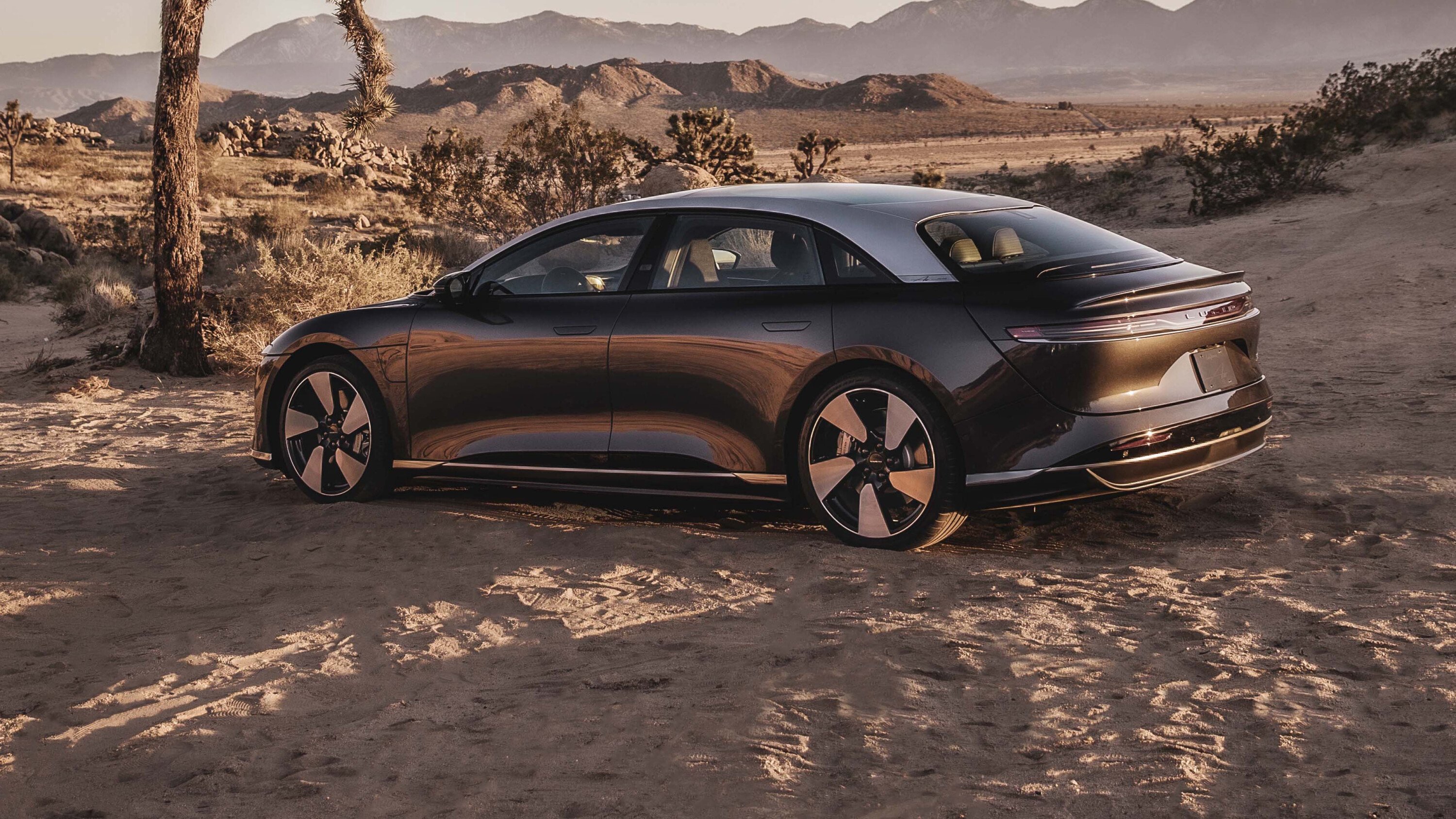
The Lucid Air Grand Touring luxury EV saloon, which won’t launch in Australia for another two years, is guaranteed to pull bigger crowds than the Tesla Model S, the visually polarizing BMW i7 and that aggressively aerodynamic jellybean, the Mercedes EQS.
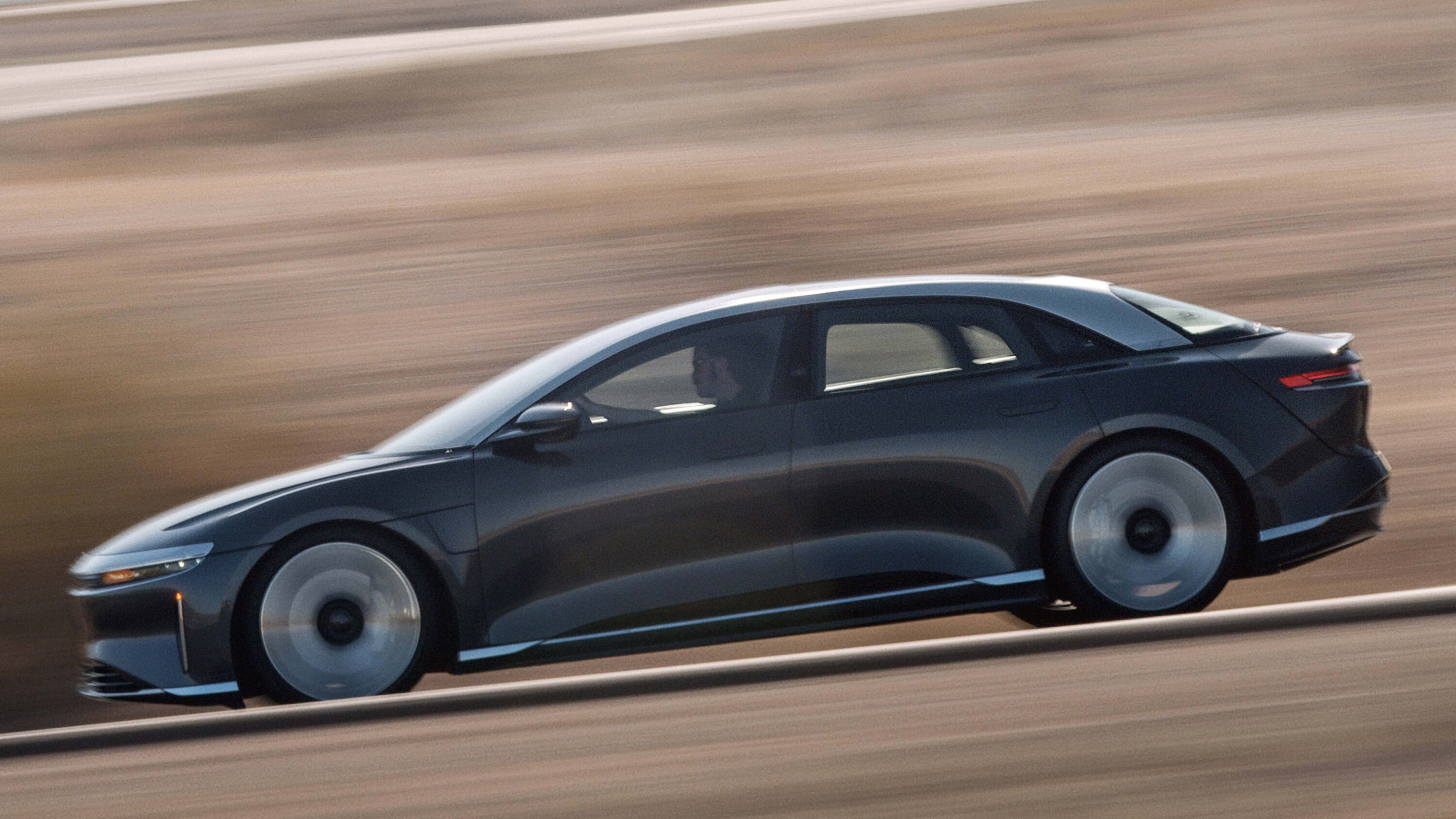
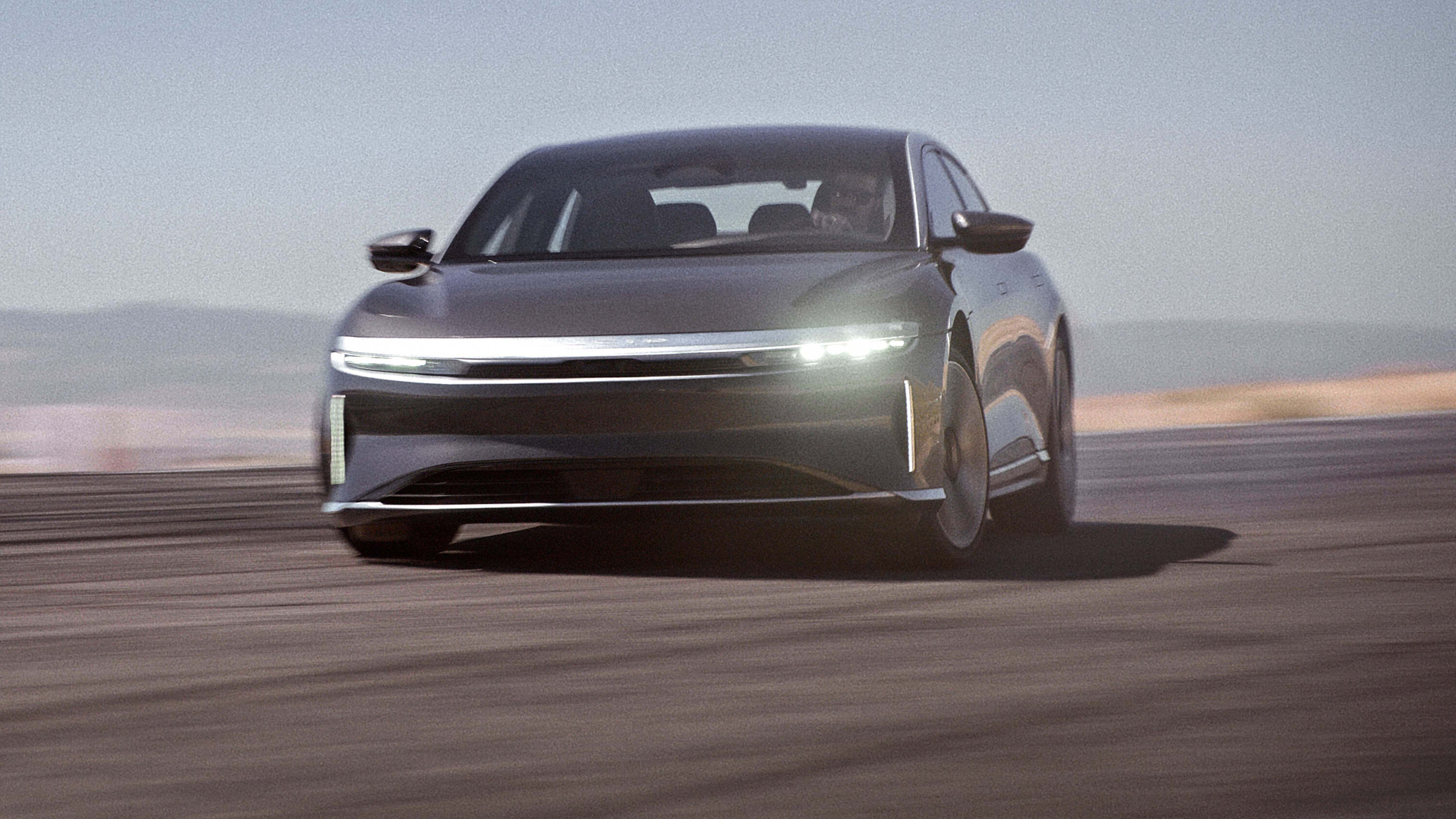
The Air Grand Touring is a very pretty car inside and out, and with a claimed drag coefficient of 0.197, it narrowly beats the almost-equally slippery competition.
1
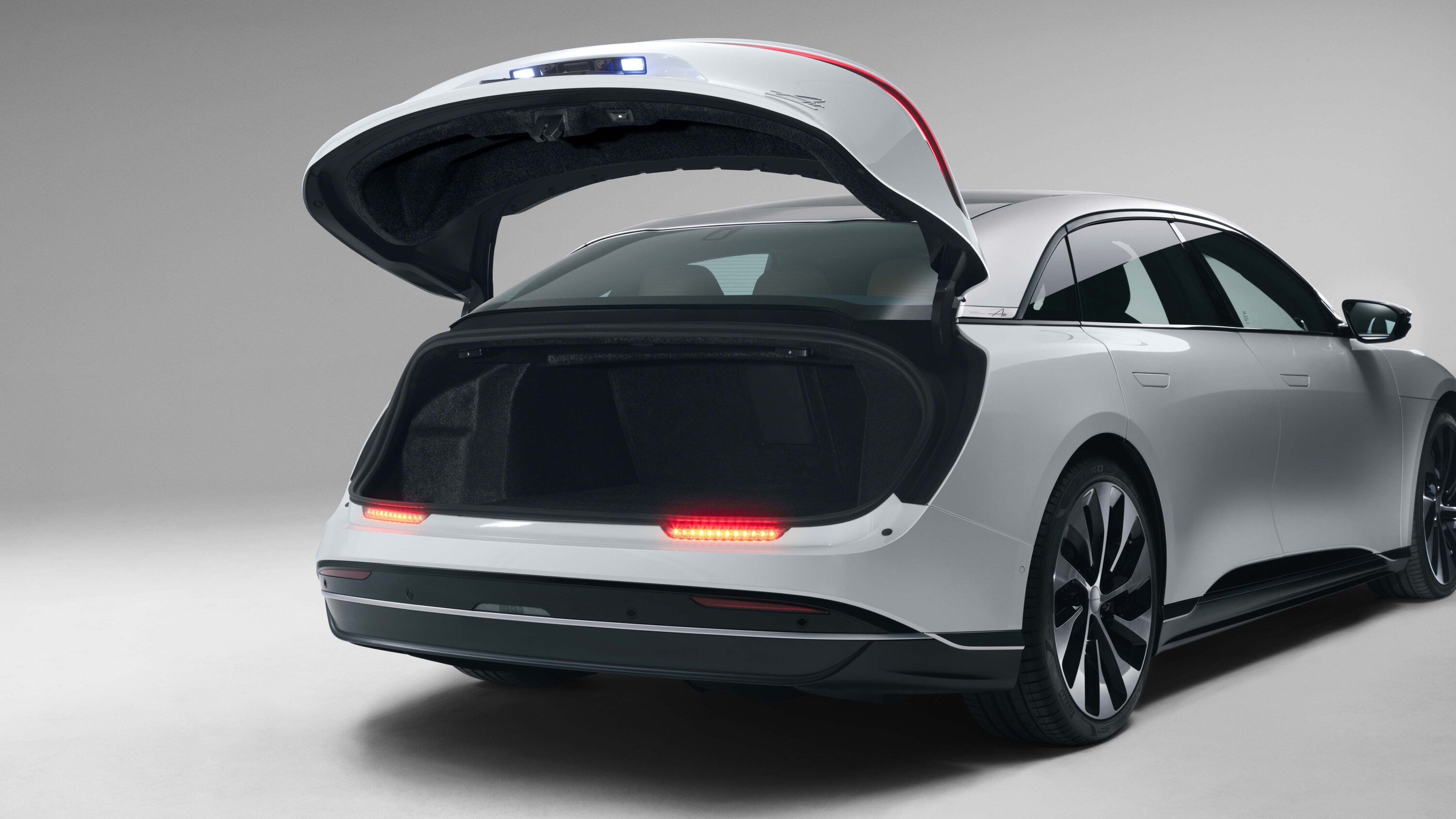
The other USPs of the newcomer from Silicon Valley are the larger-than-life 283-litre frunk which backs up a sizeable 627-litre boot, a maximum charging power of 300kW and a record WLTP range of up to 843km.
So why is the brainchild of the CEO Peter Rawlinson (who worked at Lotus and Jaguar before co-engineering the Tesla Model S) not selling like hotcakes across the globe? Because ramp-up has been slow, the budget is still tight and Lucid is struggling to match even no-name Chinese start-ups for familiarity and awareness.
The starting price of the 462kW Lucid Touring AWD is US$96,500 (A$151,000). Similar money buys a 335kW Mercedes EQS, a 406kW BMW i7 xDrive 60 or a 761kW Tesla Model S Plaid.
Note: This story uses a selection of Grand Touring and Grand Touring Performance photos.
1
Our Lucid test car arrived fully charged, yet the digital range indicator showed only 650km to empty, suggesting that the previous user had a very heavy right foot.
But we could match that, and the Air duly delivered. Forget about the 0-100km/h sprint which is a once-in-a-lifetime three-second affair; what really matters is the truly awesome and positively physical acceleration on the fly.
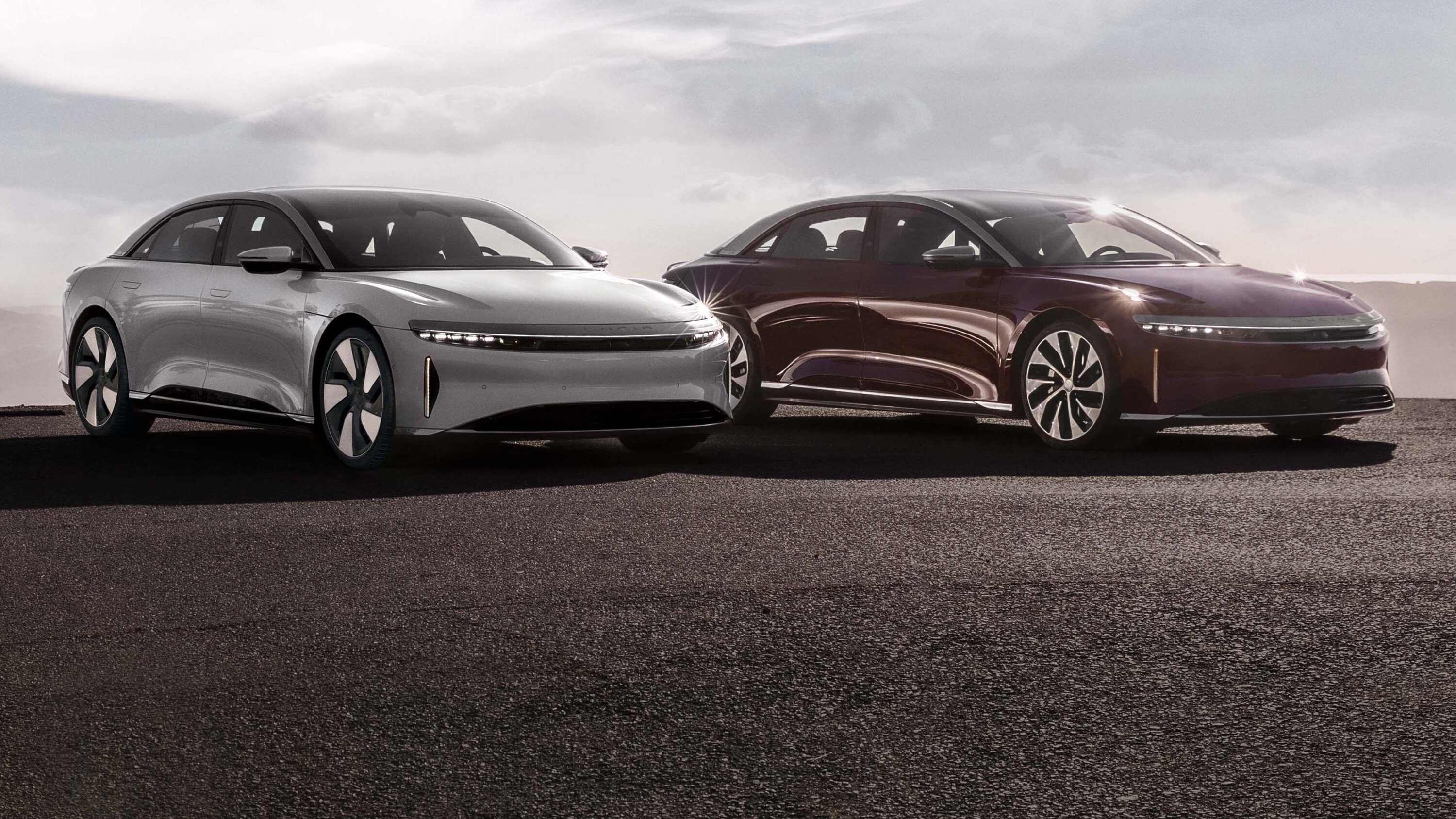
While most high-end EVs quit the V-max contest between 210km/h and 250km/h, the silver -over-maroon glass-roof beauty pulls an impressive indicated 282km/h. To hell with range anxiety! Let’s go find a Porsche Taycan Turbo and battle it out. Or, better, still, pull the Plaid off that Model S.
1
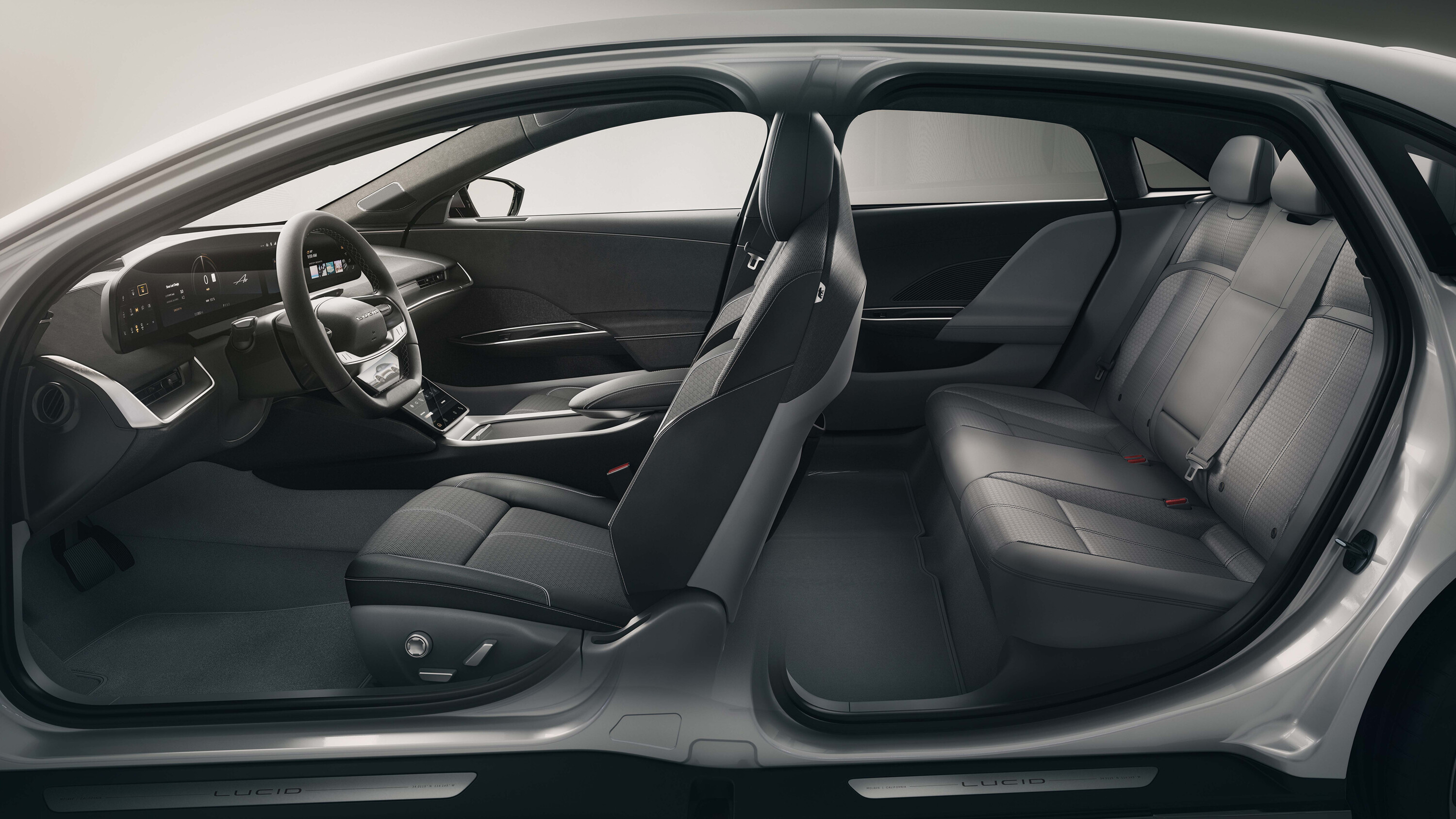
While the driver and the front-seat passenger travel in complete comfort, the occupants in row two are let down by the tightly packaged and uncomfortable bench which is short in the cushion and too casually padded.
The steep backrest puts you at an odd upright angle with the legs sharply bent and the knees akimbo – big and tall frames would be much better off in the back of a Skoda Superb.
The Air is also quite firmly sprung and damped, and it’s again the rear which raises complaints regarding minor jolts and an underlying restlessness on bumpy roads and over transverse ripples.
Driven flat out on the autobahn from Munich to Stuttgart on a weekday morning, the advertised range shrank in no time at all from 843km to a tad over 480km.
This just confirms that high-performance EVs still cannot match their ICE rivals as long-distance high-speed cruisers; they simply use too much energy when pushed hard [https://www.whichcar.com.au/car-advice/what-does-ev-kw-mean], and they take too long to replenish it.
However, the Air Grand Touring is the new undisputed pit stop king. While its rivals can spend between 29 and 34 minutes hooked up to high-voltage umbilical cords, the Lucid, which can be charged at rates up to 300kW, nails the 10-to-80 percent fill in 20 minutes flat; an achievement worth a bonus point because every extra minute of waiting time at grimy truck stops sucks.
1
To be fair, one should mention that vast parts of Europe, Asia and North America are not exactly drowning in suitable ultra-fast chargers, let alone Australia.
At a WLTP average consumption of 14.9kWh/100km, the Lucid is the most efficient contender in the high-performance six-figure price segment, too. On paper, it is even more energy efficient than a 91kW Renault Kangoo E-Tech or a 152kW VW ID.Buzz.
The Air shares its footprint with the Model S, but at 2360kg it packs 100kg more heft, and its 118kWh battery cannot quite match the Tesla’s mightier 130kWh power pack.
1
Although the Lucid loses the 0-100km/h duel to the top-notch Muskmobile by almost a second, it is still incredibly quick by super saloon standards, EV or not.
Less brutal than the Plaid, the Air behaves in a more composed manner, is equally well balanced and absolutely loves corners, not merely show-off straights where the car from Texas excels.
The steering of the Grand Touring expertly fuses intuition and feedback, its brakes are potent and responsive, the chassis talks you through its motions in a confidence-inspiring fashion, and there is an unfiltered honesty in every move this precision tool makes.
1
Downsides? Even the lower of the two regenerative braking stages is quite aggressive and thus too close to the controversial one-pedal feel, and requires constant throttle adjustments to maintain a steady flow.
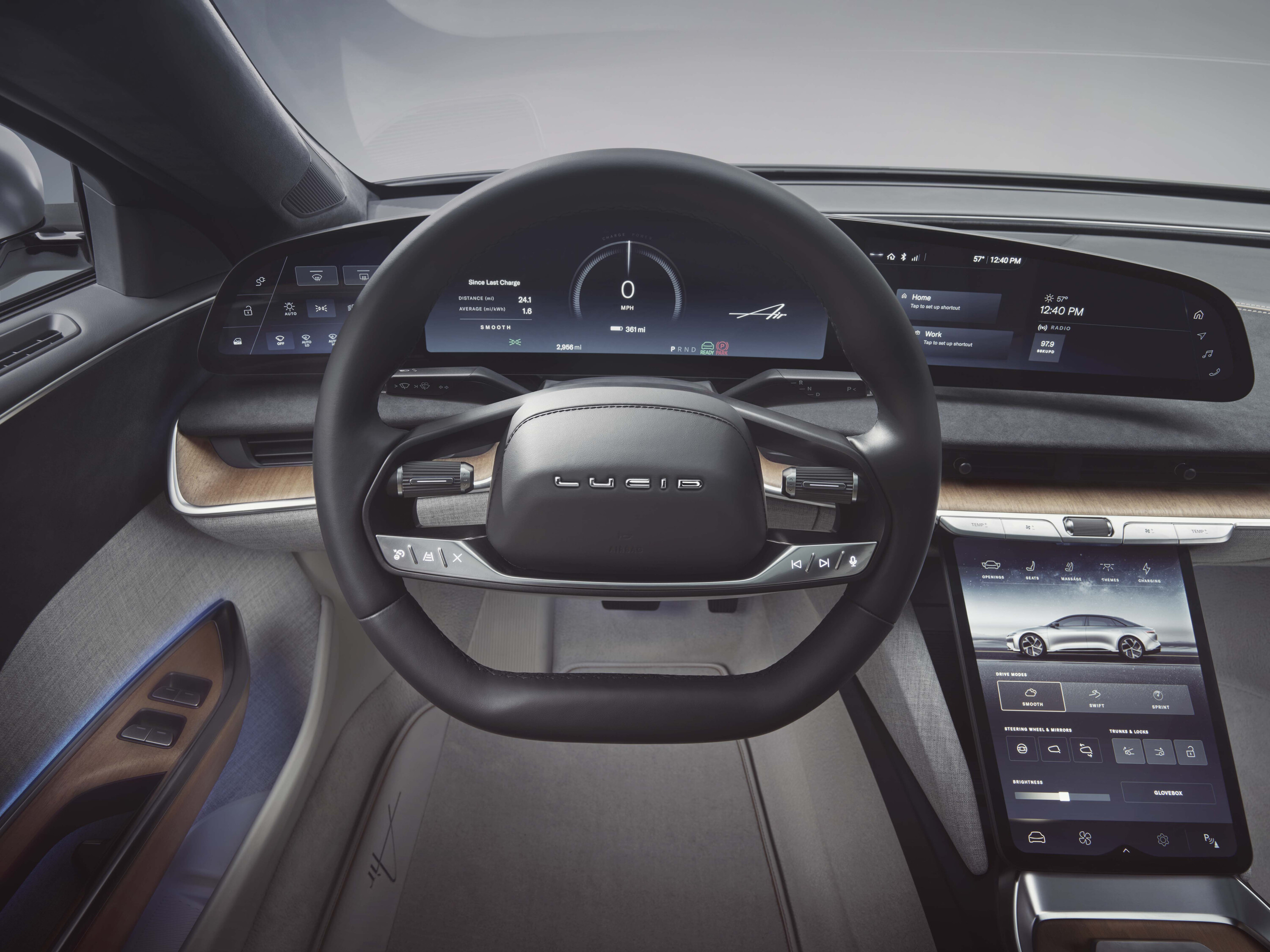
The drive modes labelled Smooth, Swift and Sprint are not sufficiently pronounced to have a sweeping effect on the dynamic composition, but that doesn’t really matter much because with up to of 1200Nm of instant torque, the right foot calls the shots.
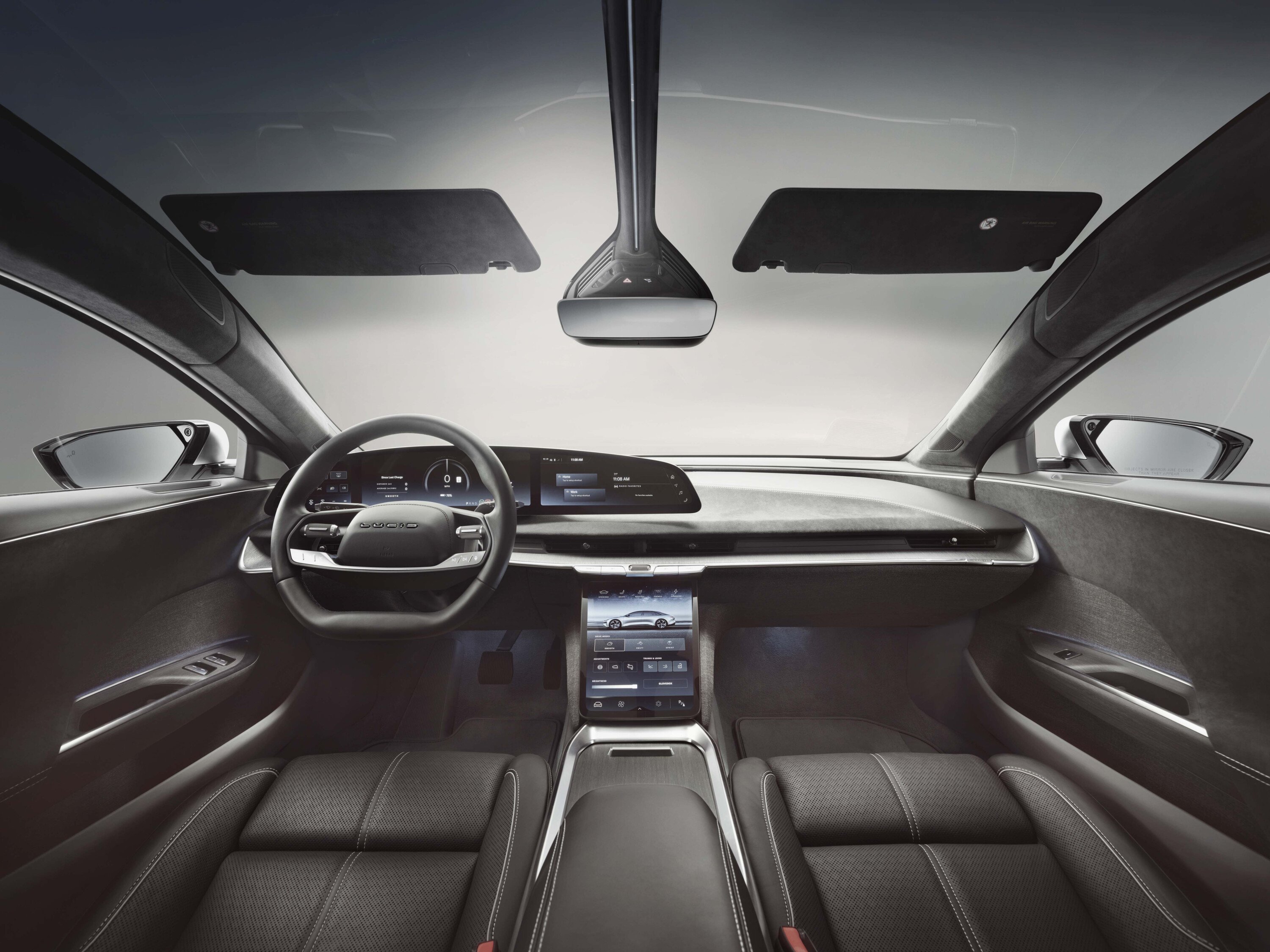
Sublime as it is, the Air may not do well in markets like China because it comes across more like an introverted class act, with pleasantly conventional ergonomics that are devoid of avatars, nicely put-together high-end materials in sedate rather than eye-scorching shades and a wholly functional rather than an overly intricate driver environment.
1
Minor software glitches still need fixing, though, as does that uncomfortable rear seat bench, and a virtual update to the brittle suspension set-up would not hurt, either.
But the Lucid is the only EV with a frunk worth a damn, and it is poised to win the street cred sweepstakes; the 358kW Pure AWD, for example, cost over twenty percent less than its main opponents while still eclipsing them all in terms of acceleration, range, consumption and charging time.
After a recent $US1.8bn cash injection from Saudi Arabia´s investment fund and a freshly inked cooperation agreement with Aston Martin, Lucid appears to be back on safer ground. This should boost buyer confidence in the Air, which has just come down in price by up to $US12,500/A$19,600 in America, with the base model starting at $US89,300 (A$139,900).
1
At the top of the range beckons the all-in 828kW Dream Edition Performance, but the 210kW extra horses are an answer to a question only very few high rollers will ask.
While the Grand Touring may not be the highest-tech thoroughbred in the EV corral, it certainly is a smart buy, a charming alternative to the prestigious German nameplates, its charge time versus driving range equation is positively compelling, and it is almost as mind-boggling as the Tesla Model S Plaid when it’s let off the leash.
MORE
Electric Cars
More EV stories to help you choose the best car for your needs
- ? EV news, reviews, advice & guides
- ❓ Short & sweet: Your EV questions answered
- ⚡ New EVs: Everything coming to Australia
- ? Australia’s EVs with the longest driving range
- ⚖️ Best-value EVs by driving range
- ? How much do EVs cost in Australia?
- ? How much more expensive are EVs?
- ⚖️ Number crunching: Is it time to switch to an EV?
- ♻ Should you buy a used EV?
- ?️ Are EVs more expensive to insure?
- ? Costs compared: Charging an EV vs fueling a car
- ? EV charging guide
- ? Are there enough EV chargers in Oz?
- ?? EV servicing explained
- ? EV battery types explained
- ? When do EV batteries need replacing?
- ? Hydrogen v EVs: What’s best for Oz?
- ✋? Mind your manners! EV charging etiquette tips
- ? How sustainable are EVs, really?
MORE advice stories to help you with buying and owning a car
Father’s Day is upon us.
And what kind of day would it be in a racing family if there wasn’t some kind of battle for motorsport supremacy?
The Van Gisbergen name is arguably best known now thanks to Shane, or SVG, the 2016 Supercars champ.
Note: What a flashback! This story was first published in 2017, but as Father’s Day nears, we couldn’t resist sharing it again. Enjoy!
Also…
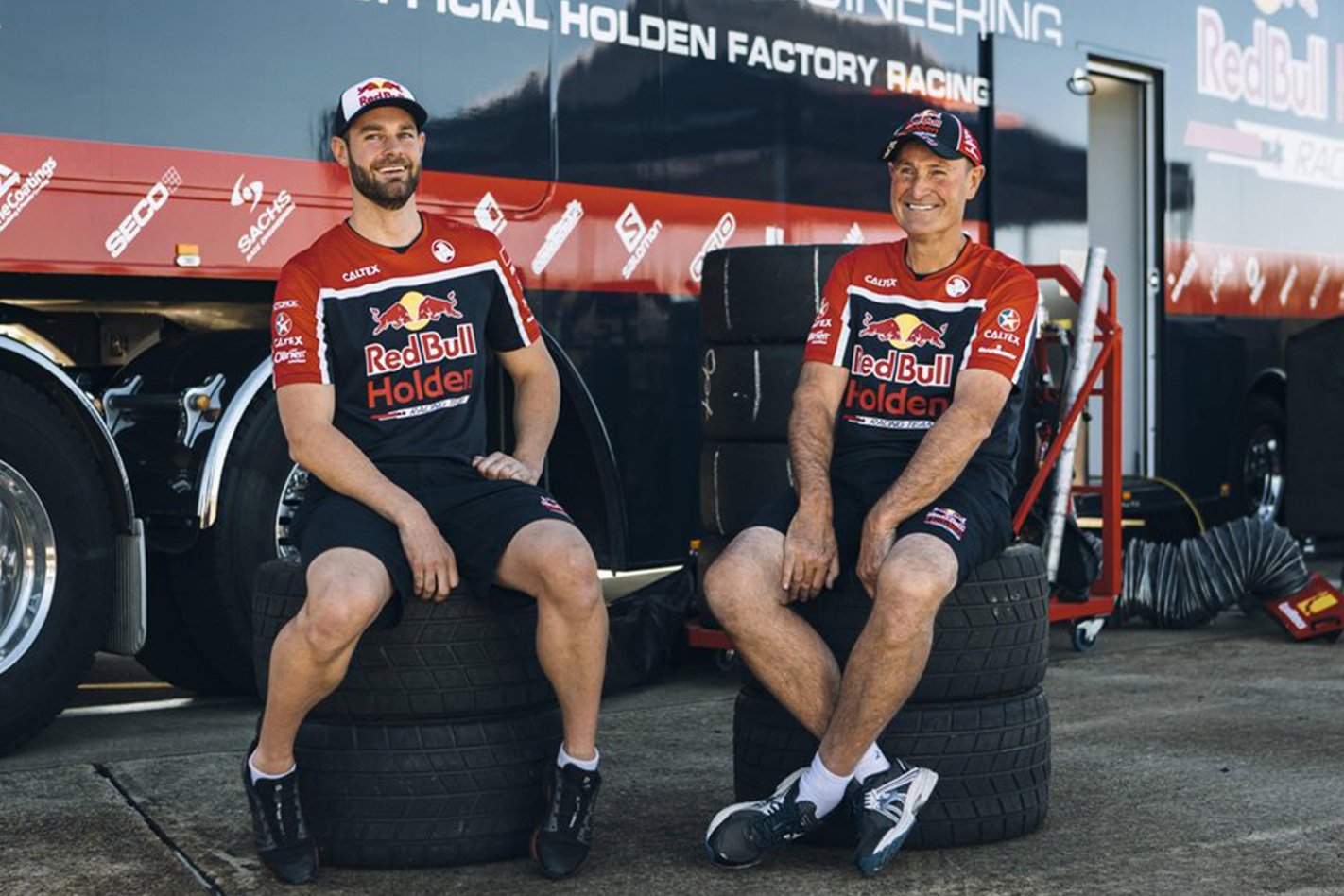
But a few people will remember his dad, Robert – or RVG, as we’ll call him.
Robert Van Gisbergen is a former rally driver, and probably helped kick-start his son’s career when he bought an ATV for Shane, when he was just five-years-old.
But despite being the person SVG learned the tricks of the trade from, RVG might just now be outgunned by his young lad.
Taking to the track at Norwell Motorplex in Queensland to see who reigns supreme on the blacktop, SVG and RVG jump in Shane’s Holden Racing Team Commodore Supercar to see who will be quckier.
“He’s beaten me in everything offroad, but I get him on the circuit now,” says SVG.
“But off-track… he’s always been a lot quicker.”
You might be able to guess who was quicker on the track.
With a time of 56.38s, SVG smashed Norwell. But his old man put up a surprisingly composed lap, and nipped at SVG’s time with a superb 56.80s. But this was never about the track.
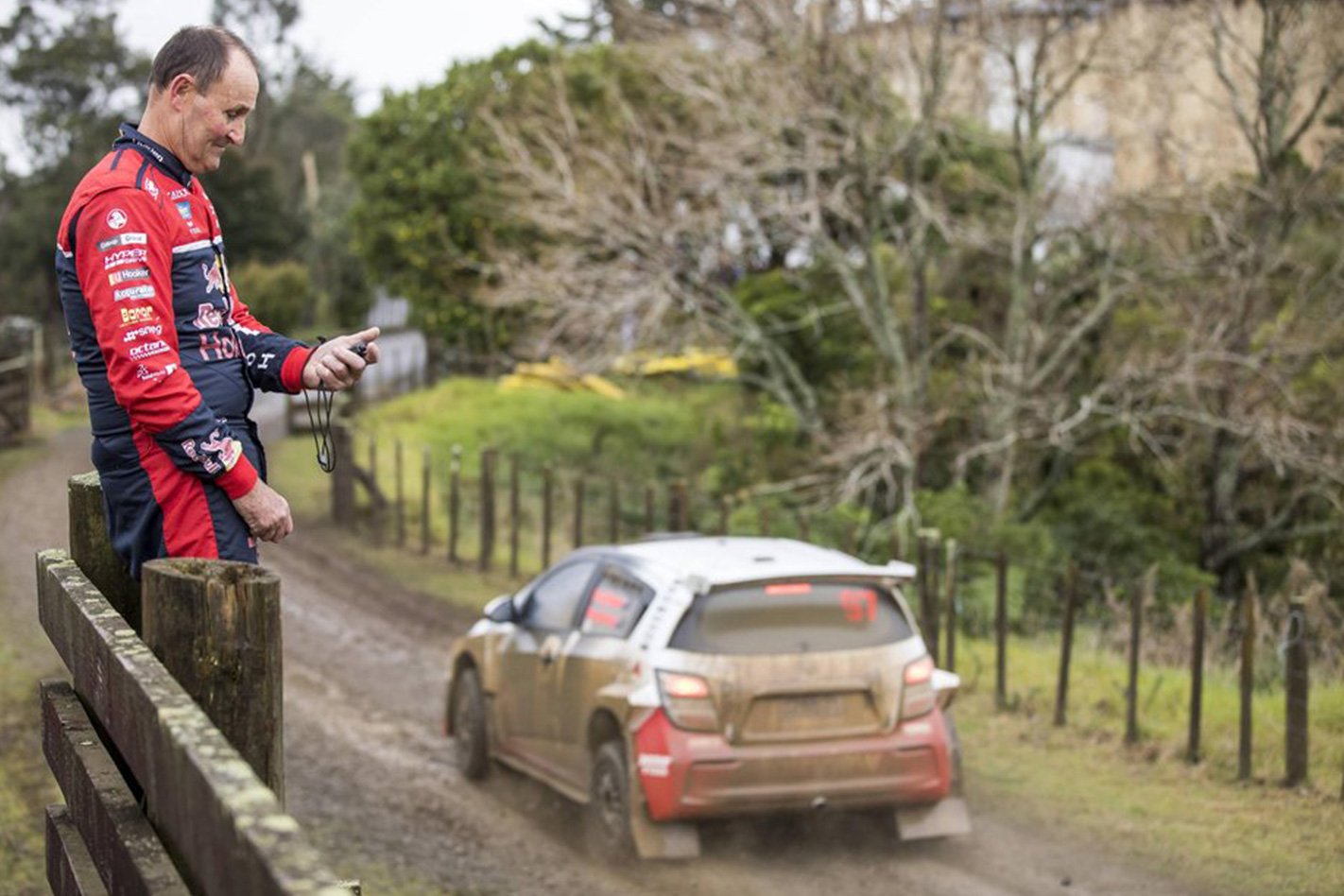
The fact that his dad has always been better off-road means Shane’s time of 52.22 around the dirt track at their family home (how cool is that?) might not be enough to top it even as a pro.
Watch the video, and see for yourself if Red Bull will be employing a new driver next year!
SHANE van Gisbergen is one of the fastest men to ever grace our shores.
The loveable Kiwi is the reigning Supercars champion, the outright lap record holder at Mount Panorama, and is generally known for his ability to race and drift anything with four wheels.
However, there is one man who SVG hasn’t been able to best all these years; his father, Robert.
Note: What a flashback! This story was first published in 2017, but as Father’s Day nears, we couldn’t resist sharing it again. Enjoy!
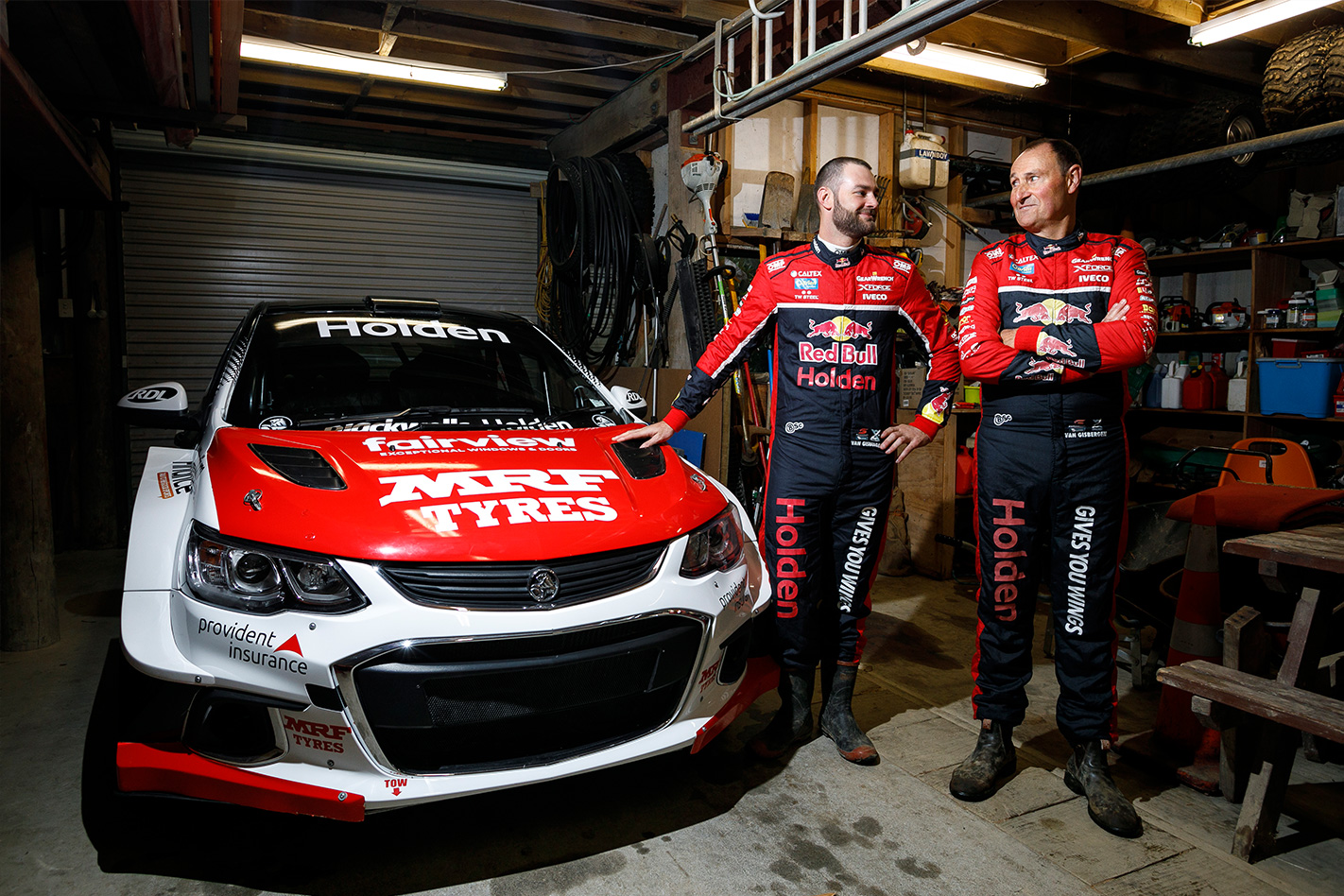
Despite now being one of the fastest racers in Australia, Shane has never beaten his father on that twisting ribbon of dirt.
A two-stage battle was put forward. First, the pair would take to Norwell Motorsport Complex in Queensland, in Shane’s regular office – a Red Bull Holden Racing Team VF Commodore Supercar.
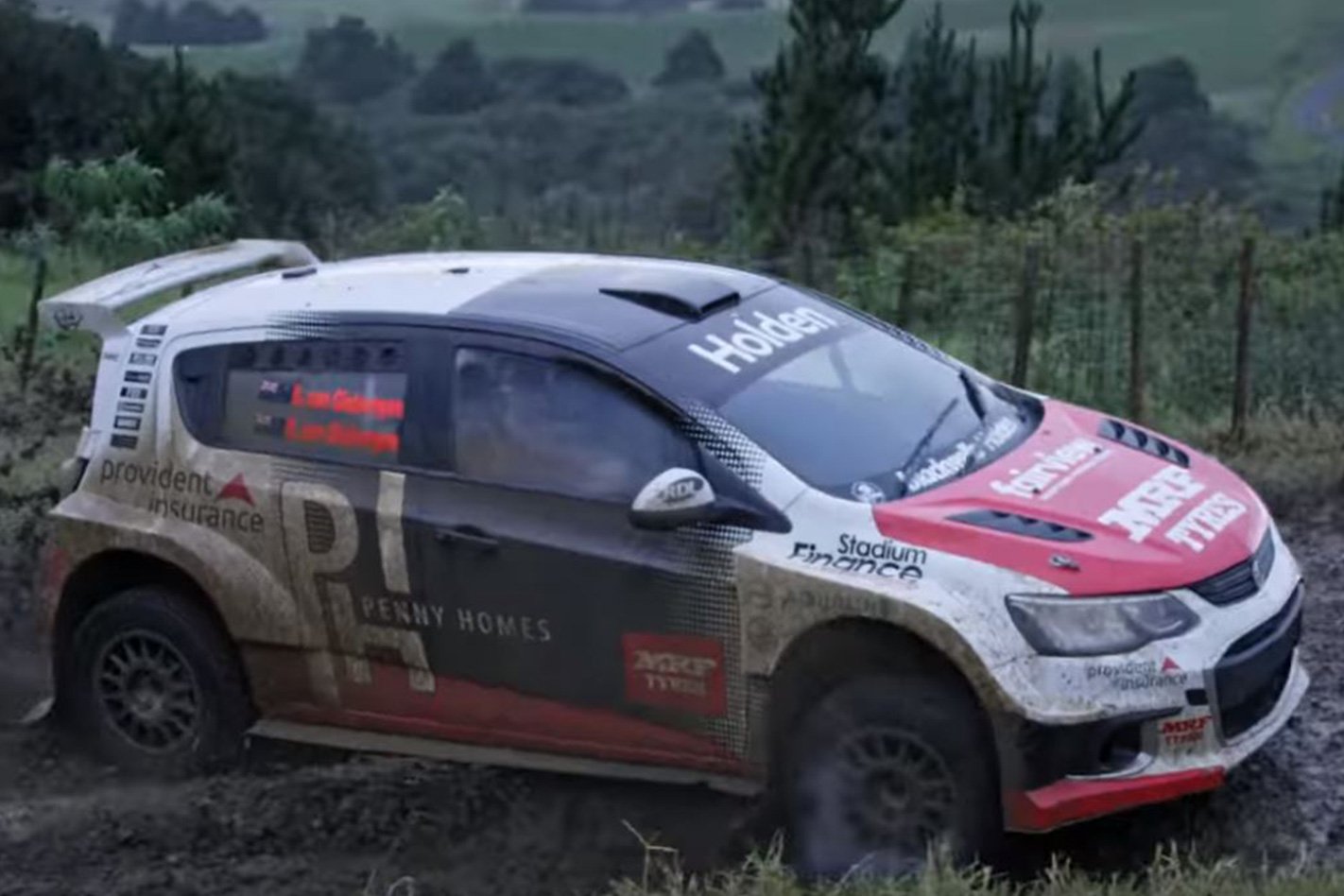
They would then fly to New Zealand for the final showdown; a high-speed blast up the family driveway in a Holden Barina AP4 rally car.
Wheels would be on the ground in New Zealand to look on as the two generations of van Gisbergens attacked the family driveway.
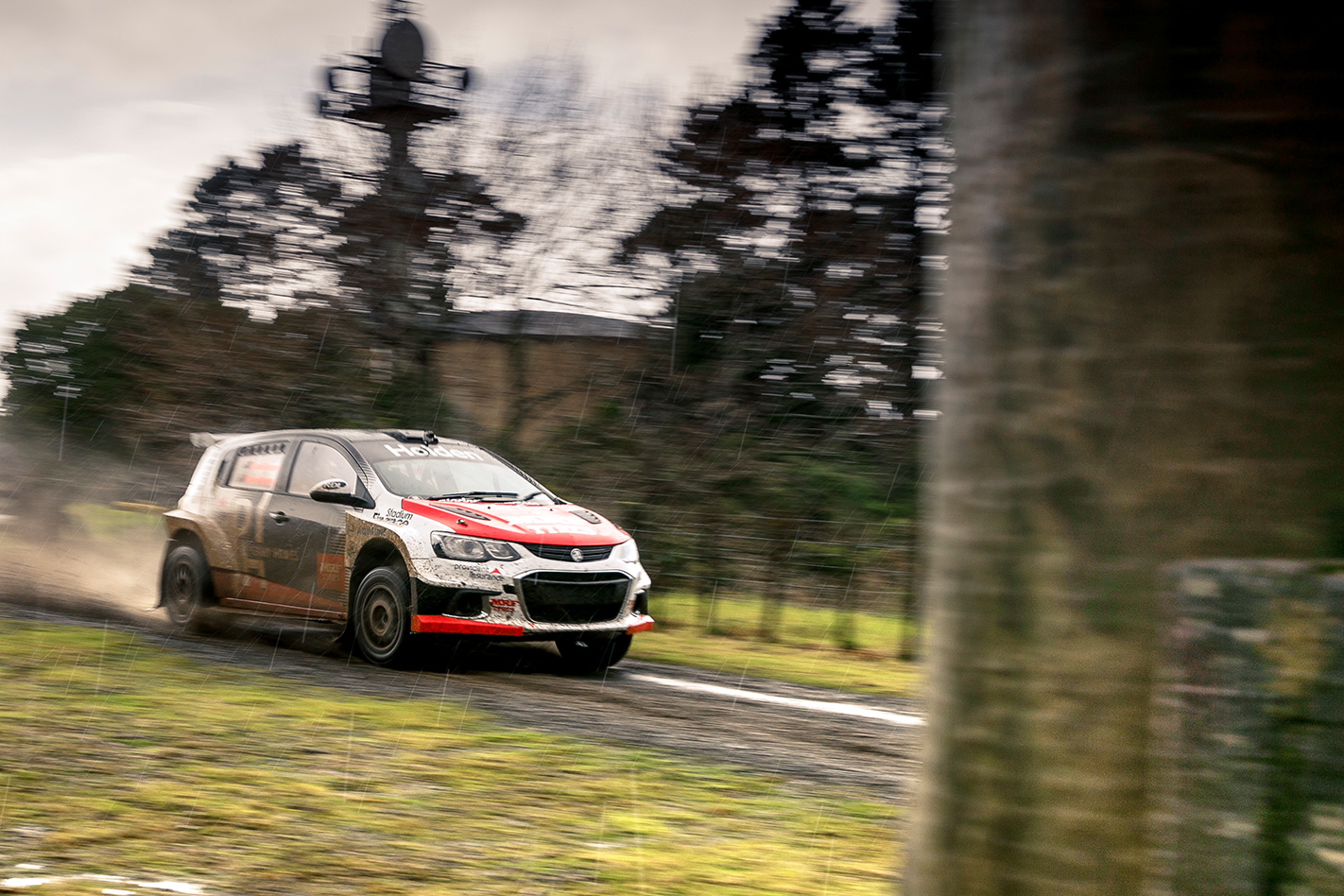
The results? Well, it was a no-brainer for Shane to be quicker in the Supercar. But it seems he needs to spend some more time practicing at home on the driveway before he can dethrone King Robert.
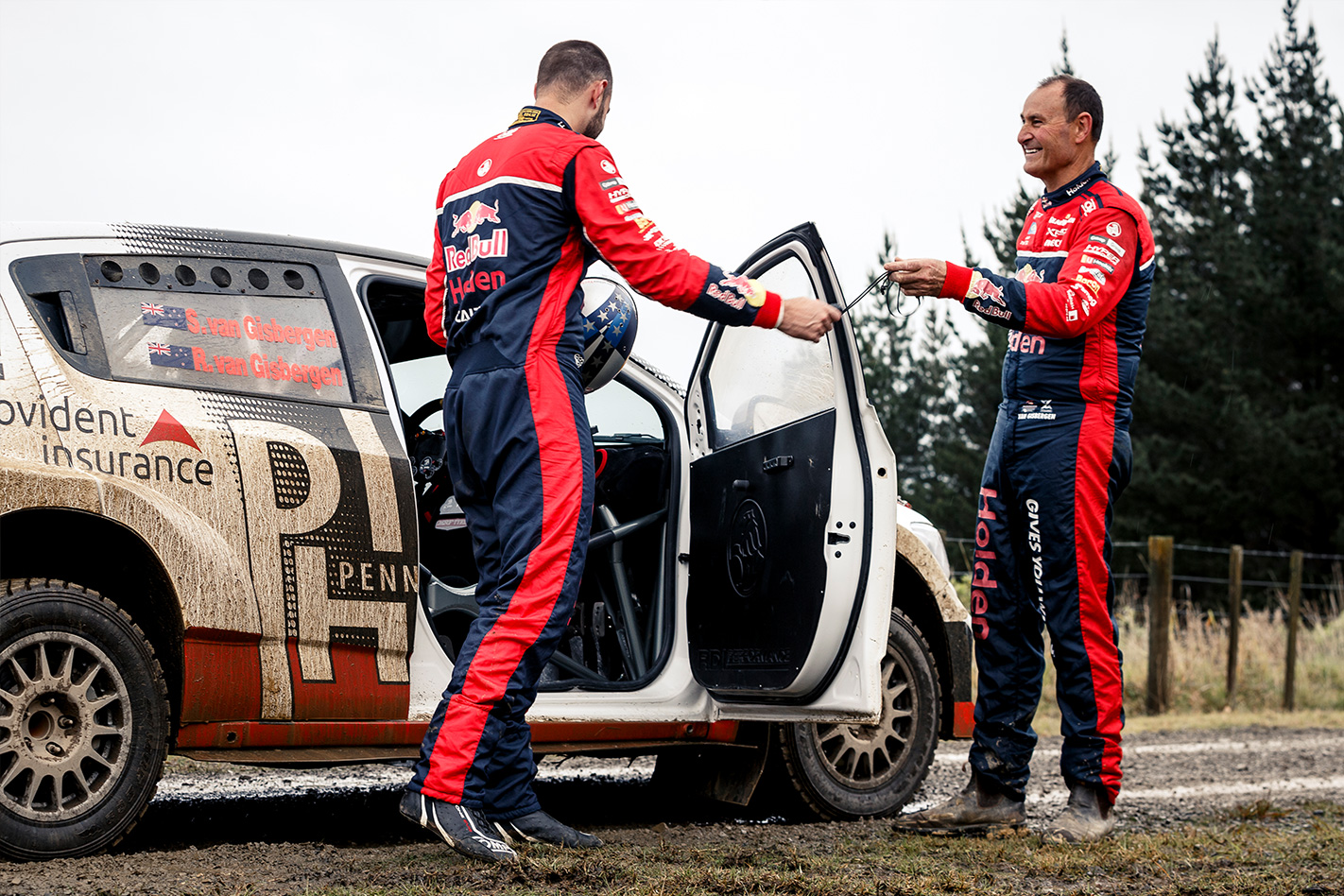
We have exclusive photography, and chat with SVG and his dad to give you the inside story on his family life, upbringing, and challenges.
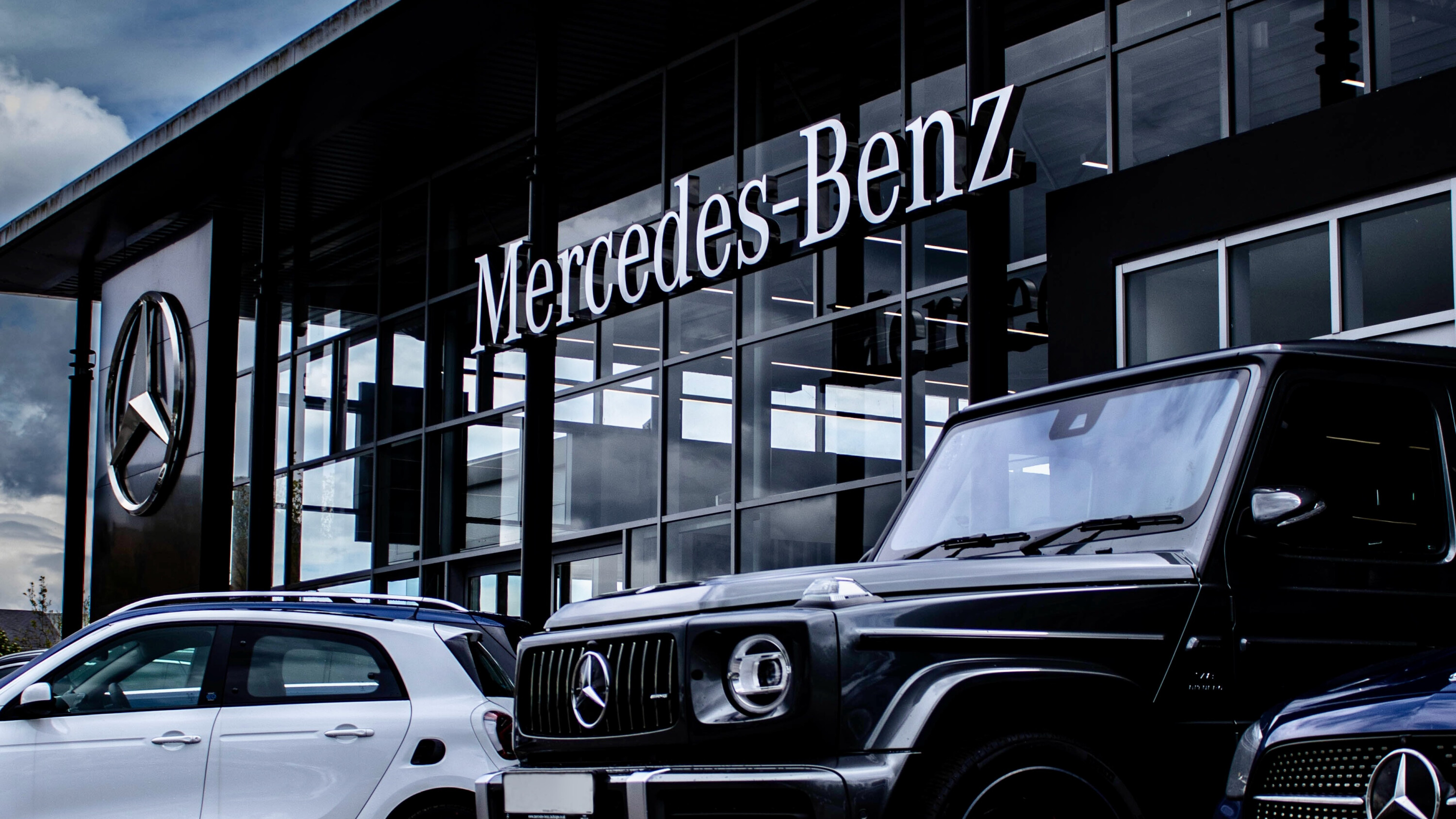
Australia’s Federal Court has ruled in favour of Mercedes-Benz in a landmark trial concerning the rollout of its controversial agency sales model.
In a swift and decisive verdict, Justice Jonathan Beach ruled today that “I have found against those four applicants [the Mercedes-Benz dealers] and their claims are to be dismissed.”
A total of 38 dealers took the German company to court last year seeking a combined $650 million in compensation saying they were forced to sign new agreements under duress when their old ones were terminated.
The case is particularly significant as it could influence the Federal Government to make further changes to the Franchising Code of Conduct, a fact Justice Beach acknowledged in his judgement today.
“Given the facts of this case leading to an adverse result for the applicants [the Mercedes dealers],” Justice Beach said, “it may be that further consideration needs to be given to the terms of the Franchising Code and a possible modification. But that is a matter for another day and obviously in another forum.”
1
Today’s ruling could also influence a broader change in how Australians buy their cars, with the fixed-price, direct-to-consumer model already gaining traction in favour of the traditional process of haggling with your local dealer.
In January 2022 Mercedes began using the agency model in Australia. Under an agency model, which can vary between brands and markets, typically the carmaker owns the vehicle stock instead of selling to a dealership – which then of course on-sells to the consumer.
The second major component is a standardised national price on each and every model in a company’s line-up, bringing an end to ‘haggling’ and negotiation on how much someone wants to pay.
Honda made the switch to an agency model in Australia in July 2021, while other brands such as Tesla and Polestar also used a fixed-price model to sell their vehicles and largely forgo brick and mortar dealerships.
The Mercedes-Benz trial, which kicked off in August 2022 and lasted several weeks, centred around three key issues: the timing of the negotiations, who issued the orders for the agency model – Mercedes-Benz Australia or its parent company Daimler AG – and the very meaning of goodwill.
A condensed summary of the trial’s verdict is now publicly available and contains the first 266 paragraphs of Justice Beach’s reasoning. The complete judgement, which is about 657 pages long and contains 3752 paragraphs will be sent to a limited number of key parties.
In handing down his judgement, Justice Beach noted, “In my view the applicants [the Mercedes dealers] ran a powerful and very thorough, forensic case. Mr Castle for the applicants presented a very skilled case on their behalf and all that could be said or should have been said on their behalf was said. It will be apparent from the reasons that I’m publishing that the applicants were successful on many issues of fact but lost on the law, essentially.”
Mercedes-Benz is Australia’s top-selling luxury brand, yet sales have been steadily dropping over the last five years as the German giant adjusts its local sales strategy. In 2017, Mercedes-Benz Cars (the Vans division has yet to be moved over to the agency model) sold 37,068 vehicles with sales up 3.1 per cent, by 2020 that number had fallen to 29,455 and down 7.9 per cent, while last year – the first full year of the model being in effect – it sold 26,801 cars and was down 5.5 per cent.
Mercedes has been moving way from ‘volume’ cars, instead focusing on higher equipment levels, even for base cars, in concert with price rises. Industry-wide sales figures have also been affected by Covid-related production and supply issues.
In response to today’s verdict, Mercedes-Benz made the following statement: “We welcome the court’s decision. Our focus continues to be on delivering luxury, high performance cars for our valued customers around Australia.”
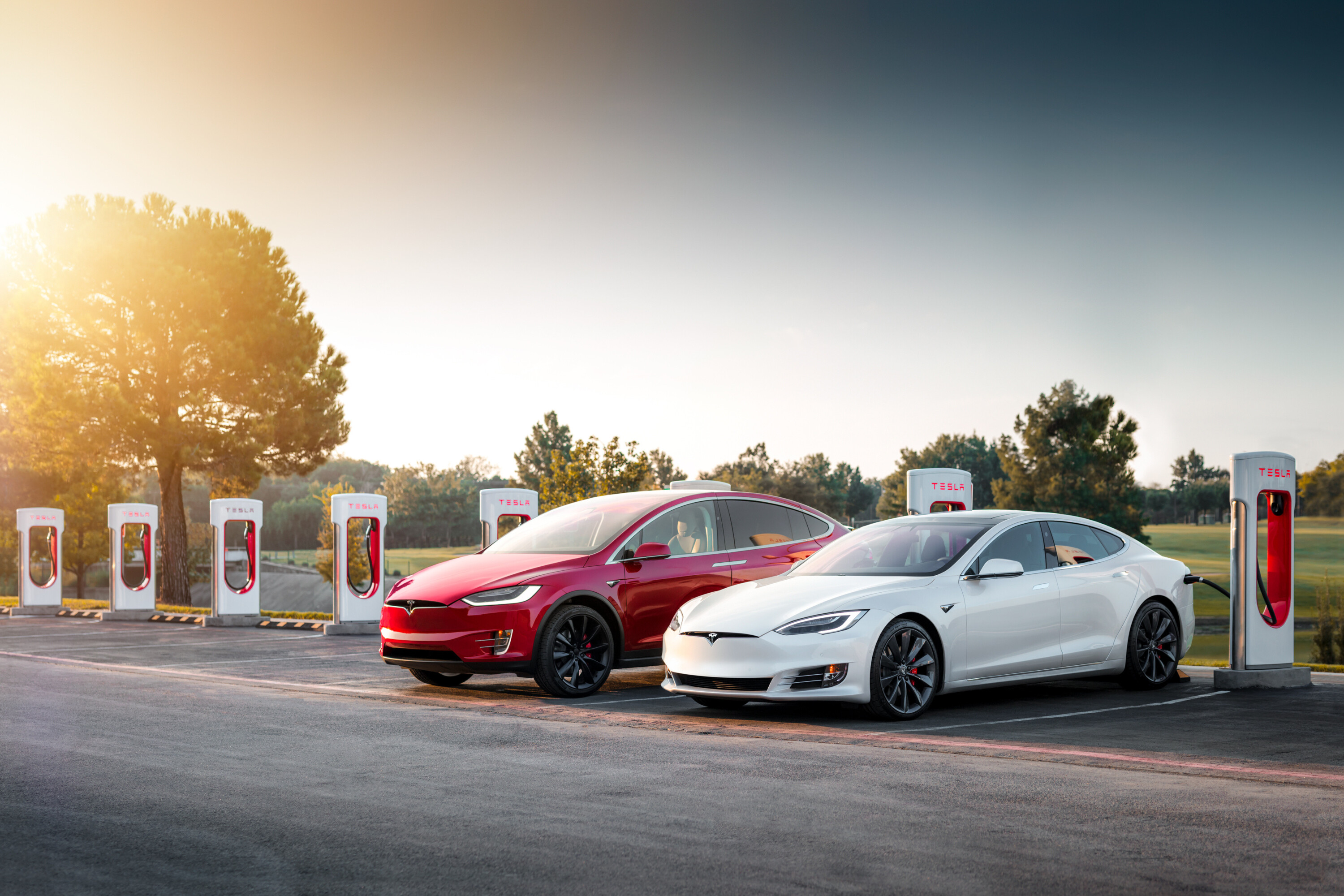
Tesla Australia has unlocked 25 additional Supercharging locations for all electric vehicle models to boost public charging access – but it comes at a high cost.
Snapshot
- 30 Tesla Superchargers now open to all EVs in Oz
- More expensive compared to plugging a Tesla model
- Using existing V2, V3 Superchargers
This means 30 out of 63 existing Tesla Superchargers in the country (listed below) are now part of its non-Tesla EV trial program, after it opened five sites in regional New South Wales earlier this year.
However, access to the company’s ‘V2’ 150kW and ‘V3’ 250kW DC fast charging stations is more expensive – costing $0.78 per kilowatt-hour in all locations, except for $0.77 per kWh at the Tamworth site (as at the time of publication).
Tesla offers a Supercharging membership subscription at $9.99 per month to reduce the charging cost to $0.63/kWh, except Tamworth where it’s cheaper at $0.60/kWh.
Yet, other major charging networks such as Chargefox, Evie, and BP Pulse generally range between $0.30 to $0.55 per kWh depending on the site.
⚡️ The price for convenience
For example, a BYD Atto 3 Standard Range owner, who recharges its 49.92kWh usable battery from 10 to 80 per cent on the 150kW or 250kW Tesla Supercharging network (without membership) will cost about $28 at most locations.
In contrast, plugging in at a Chargefox-owned station would cost around $16 on a standard 50kW stall or $21 on an ultra-rapid 350kW charger – keeping in mind that the electric SUV can only accept up to 70kW DC rates under optimum conditions.
1
Unlike plugging in a Tesla vehicle, it can be about double the price to charge a non-Tesla EV (without membership) and the rate doesn’t change depending on the time of day.
To encourage EV charging etiquette, ‘idle fees’ still apply at $0.50 or $1.00 per minute when the vehicle has finished charging, but is still plugged in after five minutes when the Supercharging location is half or fully occupied respectively.
Non-Tesla owners need to start and monitor charging sessions via the company’s smartphone app with a signed-up online account.
Tesla Supercharger stations have been lauded for reliability, ease-of-use, and availability of more stalls at each location compared to other networks.
Last week, the American vehicle and energy firm debuted its latest-generation V4 Superchargers in the United Kingdom with features to better accommodate all EVs, including app-free tap-to-pay card functionality.
| Tesla Superchargers open to all EVs in Australia (as at August 30, 2023) | ||
|---|---|---|
| Gympie, QLD | Tamworth, NSWu00a0 | Mornington, VICu00a0 |
| Rochedale, QLD | Tenterfield, NSWu00a0 | Shepparton, VICu00a0 |
| Toowoomba, QLD | Narooma, NSWu00a0 | Yea, VICu00a0 |
| Bathurst, NSWu00a0 | Wollongong, NSWu00a0 | Warrnambool, VIC |
| Blaxland, NSWu00a0 | Bendigo, VICu00a0 | Tuggeranong, ACTu00a0 |
| Berry, NSWu00a0 | Box Hill, VICu00a0 | Clare, SA |
| Campbelltown, NSW | Cann River, VICu00a0 | Mount Gambier, SAu00a0 |
| Dubbo, NSWu00a0 | Colac, VICu00a0 | Tailem Bend, SAu00a0 |
| Hollydene, NSWu00a0 | Geelong, VICu00a0 | Margaret River, WAu00a0 |
| Knockrow, NSWu00a0 | Moe, VICu00a0 | Williams, WA |
February 1, 2023: Non-Tesla Supercharging trial opens in NSW
Tesla has opened five Supercharging sites in regional New South Wales to all electric vehicle models as part of a trial.
Snapshot
- Five Tesla Superchargers in regional NSW open to all EVs
- $0.79 or $0.66 per kWh with subscription u2013 on par with refuelling petrol
- Wider trial roll out expected in Oz
The first five locations are all older ‘V2’ Superchargers capable of delivering up to 120kW of DC power via a Type 2 CCS port, instead of the newer ‘V3’ which can output 250kW.
However, there’s a caveat. Non-Tesla EV owners will need to pay more at $0.79 per kWh.
A $9.99 monthly membership subscription discounts it to $0.66 per kWh or the same cost as a Tesla EV, according to content creator Ludicrous Feed.
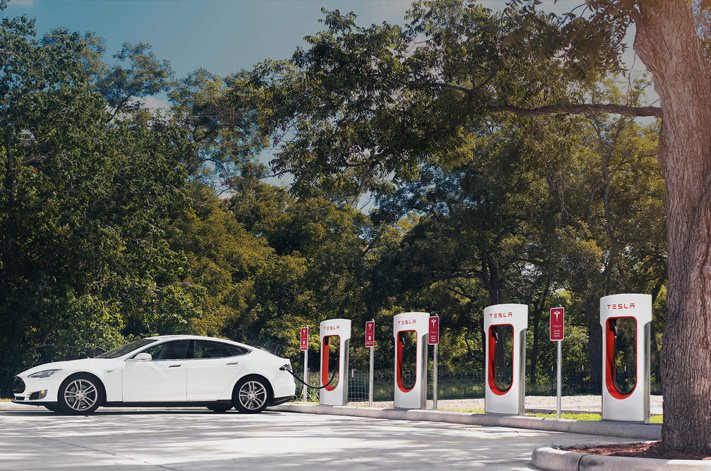
1
‘Overstaying’ fees also apply for all users who keep their EV plugged-in after it has finished charging. Tesla penalises owners $0.50 per minute when the Supercharging site is at 50 per cent capacity, or $1.00 per minute when at full capacity.
As per all other charging providers, non-Tesla drivers need to download the Tesla app, sign-up to an account, and select the right stall number to start the session – unlike Tesla EVs which automatically start charging after plugging in.
Tesla Superchargers remain the most expensive public EV chargers in Australia – making recharging on par with refuelling a petrol car regardless of whether the membership discount is applied.
Both Chargefox and Evie Networks’ priciest 350kW DC stations are priced at $0.60 per kWh, ditto Ampol’s AmpCharge 150kW units, and BP Pulse’s 75kW fast chargers are $0.55 per kWh.
Meanwhile, Chargefox and Evie Networks’ slower 50kW stations are only $0.40 per kWh and some state government or council-backed chargers are even cheaper.
These are the Tesla Supercharging locations open to all EVs in Australia
| Location | No. of stalls | Max charging speed |
|---|---|---|
| Narooma Plaza, NSW | 4 | 120kW |
| Bathurst Visitor Information Centre, NSW | 6 | 120kW |
| Dubbo Western Plains Cultural Centre, NSW | 4 | 120kW |
| Hollydene, NSW | 6 | 120kW |
| West Tamworth League Club, NSW | 4 | 120kW |
Tesla first started opening its Superchargers in 2021 in Europe for all EV models to access and has gradually expanded its pilot locations, including in the United Kingdom.
The American carmaker warns owners in the app to avoid parking sideways and blocking other spaces. This is because each electric car has their charge port in different locations on the body compared to Tesla EVs and may struggle to plug-in due to the shorter cable lengths of Tesla Superchargers.
For example, the cable may not be able to reach front fender-mounted charge ports on models such as the BYD Atto 3, Jaguar I-Pace and Porsche Taycan if parked straight into the spot.
Meanwhile, the right three-quarter side charging connectors on EVs such as the Hyundai Ioniq 5, Cupra Born and Mercedes-Benz EQB may park and block adjacent spots, as Superchargers were originally designed to suit Tesla models that have it on the left three-quarter side.
MORE
Everything Tesla
More EV stories to help you choose the best car for your needs
- ? EV news, reviews, advice & guides
- ❓ Short & sweet: Your EV questions answered
- ⚡ New EVs: Everything coming to Australia
- ? Australia’s EVs with the longest driving range
- ⚖️ Best-value EVs by driving range
- ? How much do EVs cost in Australia?
- ? How much more expensive are EVs?
- ⚖️ Number crunching: Is it time to switch to an EV?
- ♻ Should you buy a used EV?
- ?️ Are EVs more expensive to insure?
- ? Costs compared: Charging an EV vs fueling a car
- ? EV charging guide
- ? Are there enough EV chargers in Oz?
- ?? EV servicing explained
- ? EV battery types explained
- ? When do EV batteries need replacing?
- ? Hydrogen v EVs: What’s best for Oz?
- ✋? Mind your manners! EV charging etiquette tips
- ? How sustainable are EVs, really?
