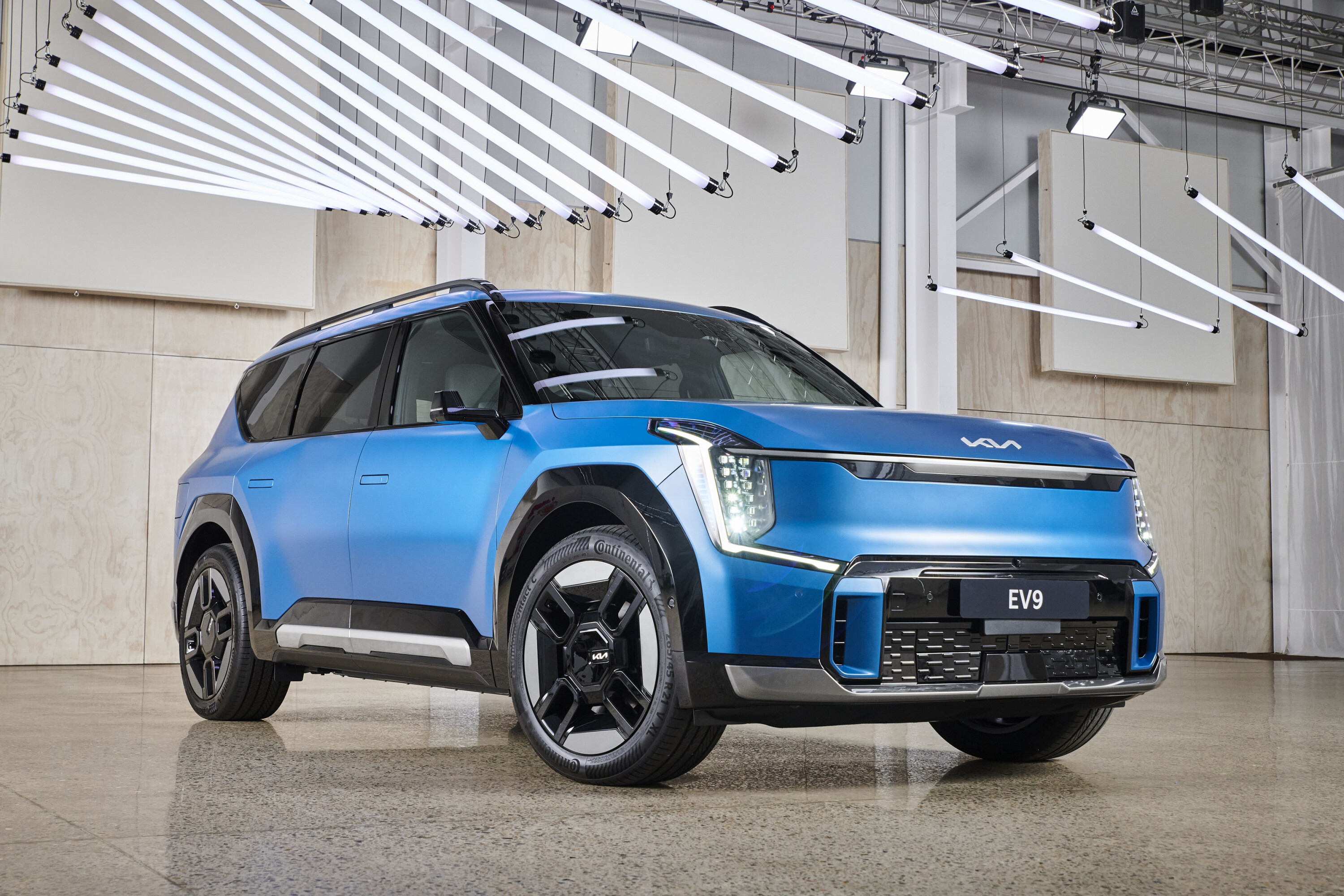
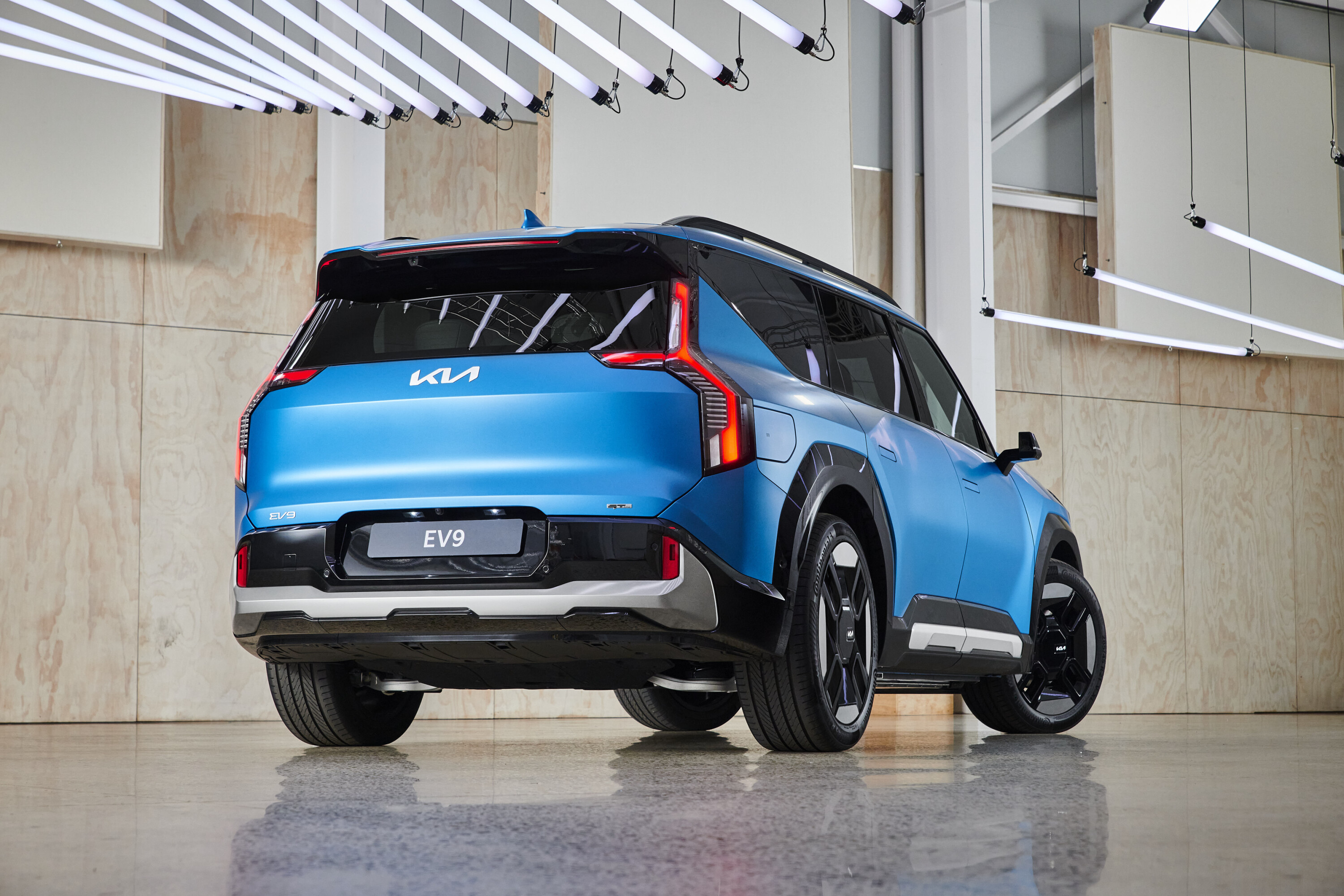
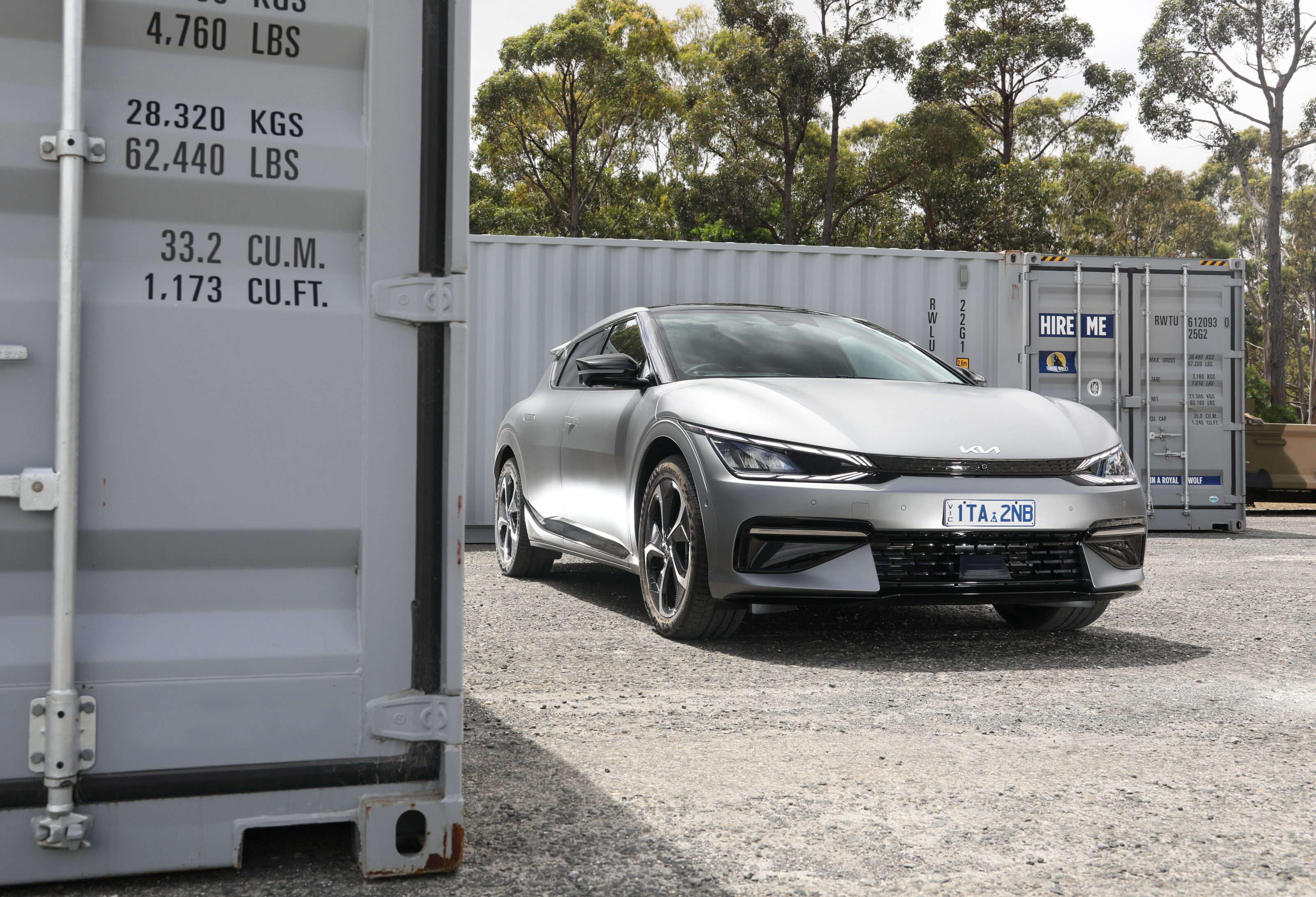
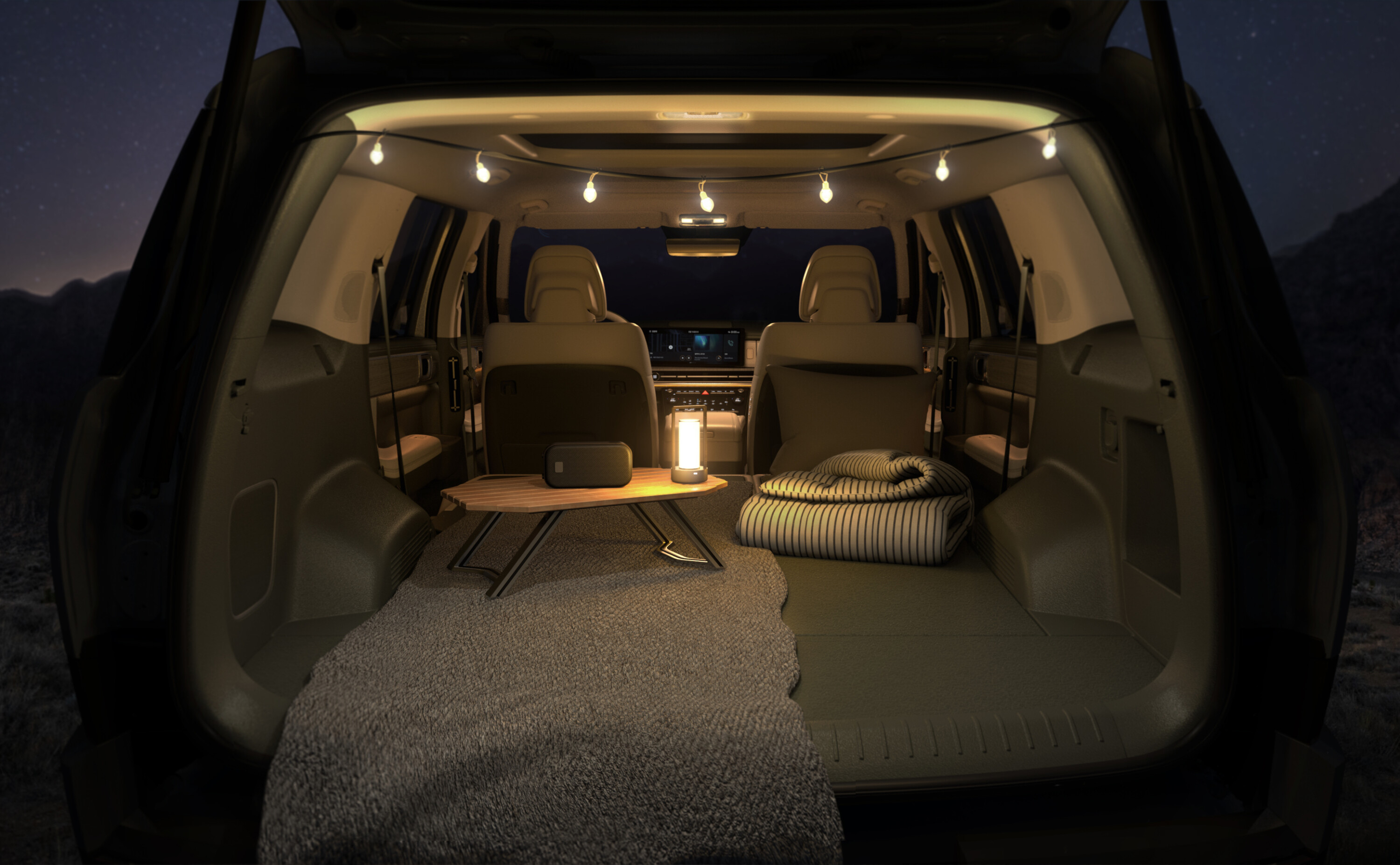
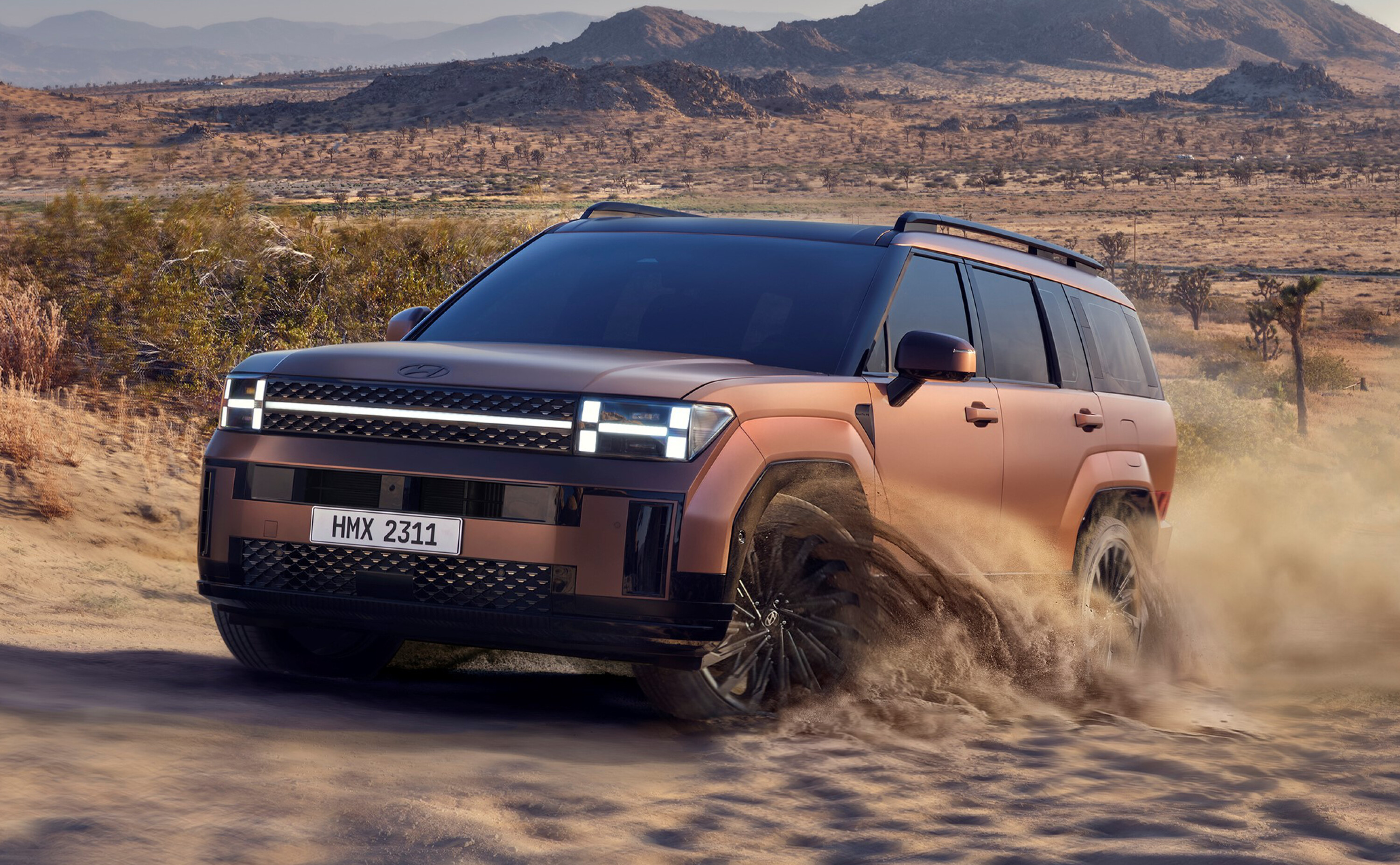
Kia’s massive EV9 is a unique thing, for Kia and the market alike, which could result in a surprise success – even at $100k a pop.
Story continues: EV9 pricing revealed
August: Is the EV9 ‘right-sized’ for Australia?
The upcoming EV5 will be roughly Sportage-sized – with the usual Tardis-like interior space advantages of a dedicated EV – but would a more Sorento-sized EV7 or EV8 suit local buyers better than this big new EV9?
Despite an emphasis on “upper large SUV” in the press release, I asked Kia Australia operations boss Damien Meredith at this week’s first local look if he would’ve preferred something smaller than the EV9.
“Well, it is what it is,” he said – not with disappointment, but seemingly in acknowledgement of the global reality that many models are developed first for the behemoth-loving and big-selling US market. Even with Australian feedback being an important factor.
“We’ve got it and we’re pretty excited about it, frankly,” he said. “Look, it’s an array of things. [Some] people are going to buy it because it’s electric, because it’s got seven seats, because it makes a really strong individual statement. I don’t think it’s going to be a LandCruiser or Patrol killer. It’s going to be a subset of a lot of different demographics that are interested in EV9.”
To validate Meredith’s point, I ran a survey. Of one.
My sister has just had her first child, and suddenly she wants to upgrade from her perfectly suitable 2016 Tucson to something bigger, like a Nissan Patrol. In fact, exactly like a Nissan Patrol, but the EV9 now has her interest. Or maybe it was my video on the EV9…
“Is it as big as a Patrol?”, she asked me via Facebook Messenger. “I want the new Patrol (what ‘new’ Patrol I wanted to ask…), but this looks amazing! The Patrol, even the 2022 model, looks quite dated with the woodgrain.”
I do love getting these insights into the consideration factors of the average buyer. (To be fair, it’s her partner pushing for the Patrol – he loves V8s and off-roading. ?)
14
Back to Meredith: What about a similarly massive SUV of a more premium cachet, like the BMW X7 or Mercedes-Benz GLS. Could the EV9 sway buyers away from those two?
He pauses, then commits: “Ah, Yes. There’s a lot of ‘badge’ to those, but I believe so. The difference between sophisticated Asian markets, to mature Western European markets, to Australia, is… we still, fortunately, we still look for the value equation,” he said.
“To answer your question, I believe we’re going to be like this (Meredith gestures with his arms wide) with where we get volume from with this [the EV9].”
Kia Australia marketing head Dean Norbiato: “It goes back to those ~7000 expressions of interest – we’ve seen a lot of interest from ‘new’ postcodes.”
“The upper north Shore (of Sydney), the lower north shore, the eastern suburbs – not traditionally heartlands for the Kia brand, but this product is something of a Trojan Horse into those areas. Once they get to purchase, we’ll see if that translates, but that’s where we’re seeing the hot spots and it’s interesting.”
For now, as Norbiato puts it, the EV9 represents something of a “unicorn” in Australia, with no direct rivals with that combination of big, electric, a proper seven-seat design, and a likely price tag that no premium badge will match.
“We see it as quite a unique product, it’s a unicorn when you compare it. It’s an upper large SUV, and when you compare it to what’s in that segment – it’s not going to compete with the off-road credentials of those two (LandCruiser 300 and Patrol), but we see it as being quite unique”, he added.
“We’ve shown it to a lot of existing Kia owners, and they’re interested in this product, at both a purchasing level but also… ‘that’s now in the Kia family, it makes me prouder to own my Picanto, to own my Seltos’”.
The all-electric 2024 Kia EV9 ‘upper large’ SUV will arrive in Australian showrooms in October, with the local ride and handling tune now finalised.
Snapshot
2024 Kia EV9 due in Australia in October
Local tuning completed for electric upper large SUV
Expected to start at more than $90K
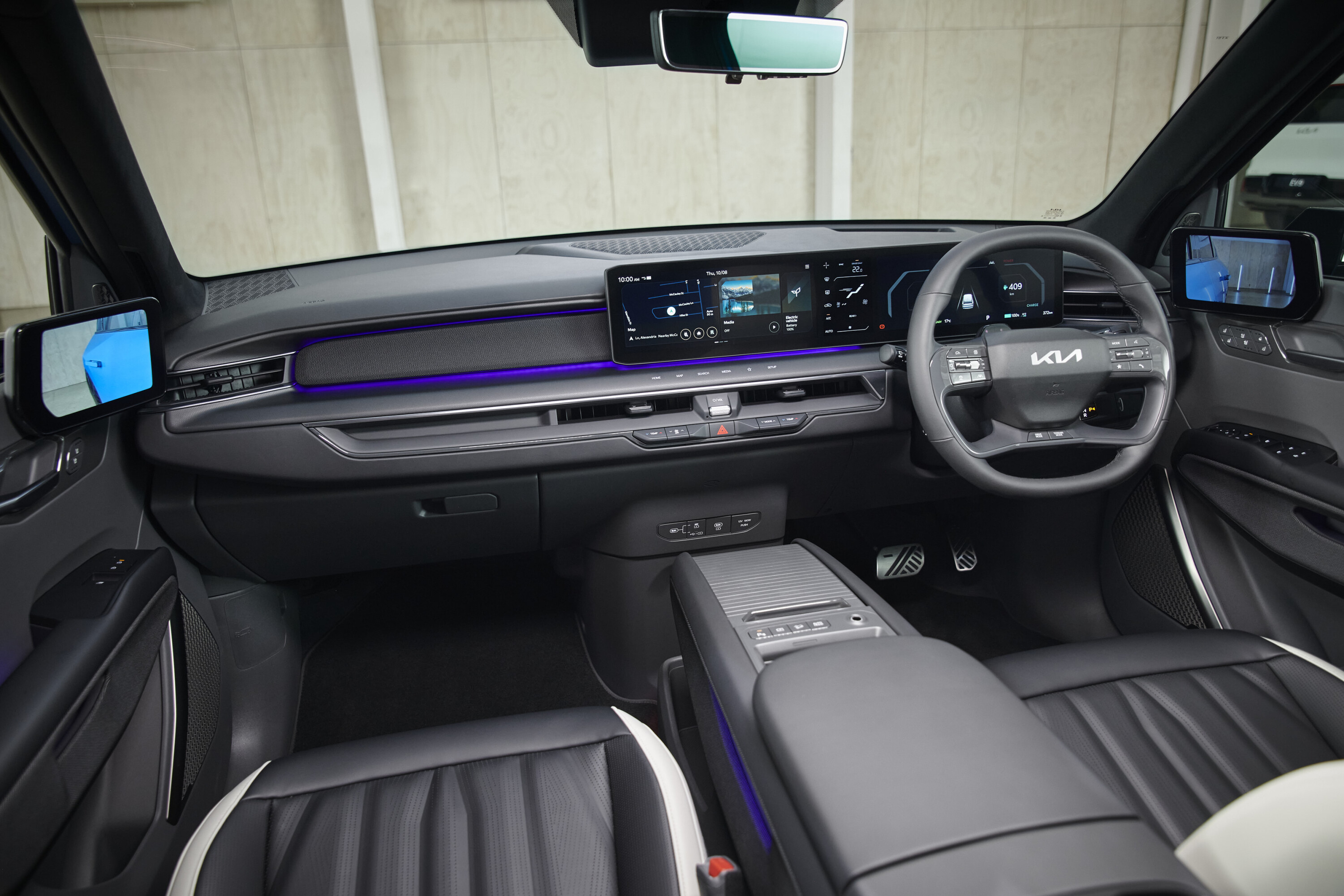
Kia Australia has confirmed the seven-seat EV9 – its largest vehicle yet, in the absence of the Telluride and Mohave – will debut its next-generation infotainment system and semi-autonomous highway driving tech.
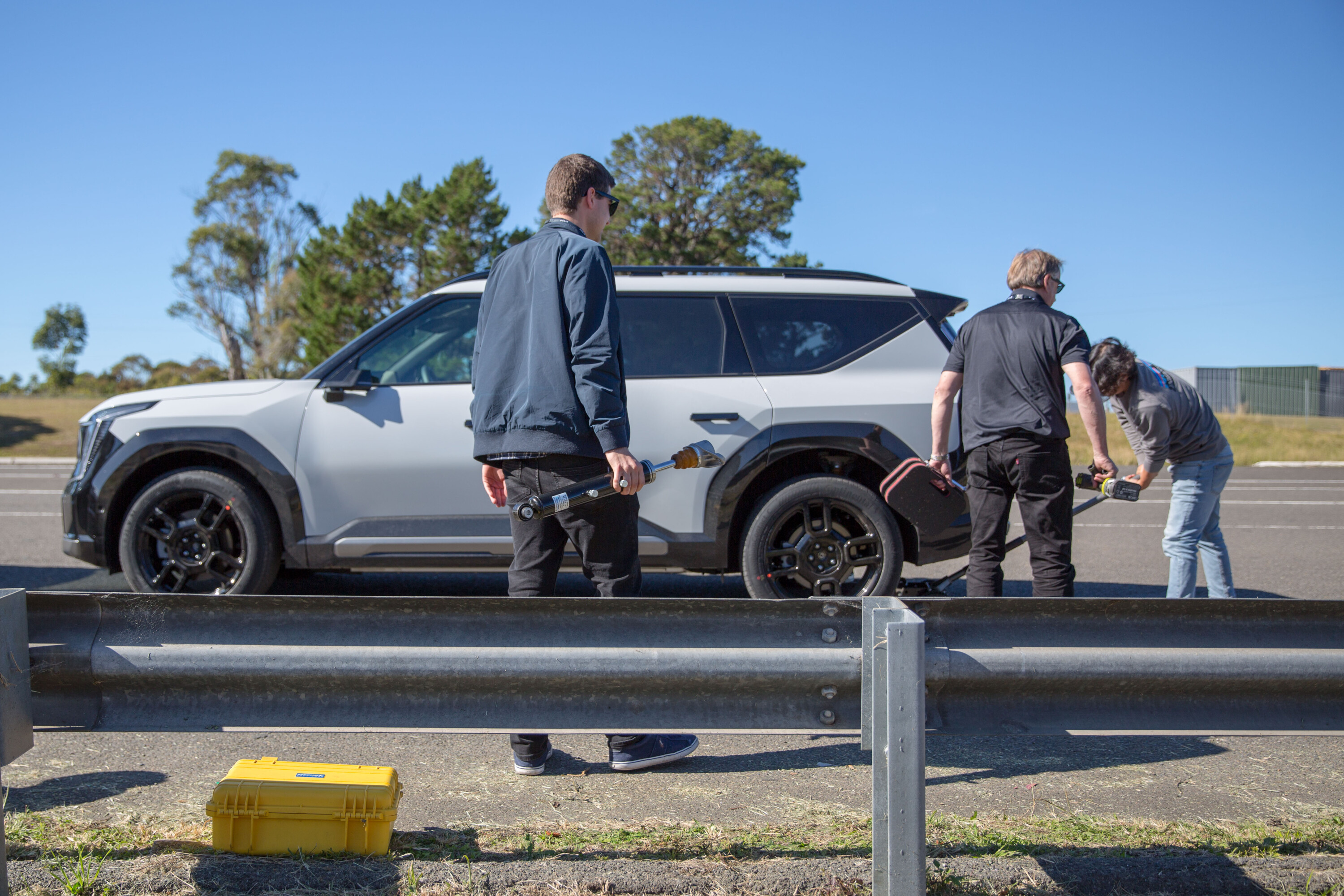
A local ride and handling tune was completed for the EV9. Led by chief engineer Graeme Gambold, the program tweaked spring and damper settings to suit local conditions better, as with the smaller EV6 and other internal-combustion Kia vehicles.
After more than three years of development in South Korea, Australian testing commenced earlier this year, with local engineers supported by colleagues from the global research centre in Namyang.
WALK-AROUND REVIEW
Click the play button at the top of this story to watch our walk-around review of the Kia EV9 or view the full image gallery.
1
Gambold said it was the first time local engineers had worked with “the combination of the E-GMP platform and self-levelling shock absorbers in the rear”.
“The equipment all works in harmony for the EV9, keeping the vehicle level despite loads. This is important for this big and boxy 7-seater, ensuring front-end grip is maintained whether the EV9 has one driver, or a whole family plus cargo in the back.
“We are confident Australians will appreciate how the EV9 drives and how well it will cater to their lifestyle”, he said.
The Kia EV9 will face limited competition in Australia at launch.
The smaller Mercedes-Benz EQB, and dearer EQS SUV, are the only three-row electric SUVs with no seven-seat Tesla Model Y and no right-hand-drive production for the latest Model X.
However, the EV9 will face off with its twin under-the-skin, the Hyundai Ioniq 7, which is due in Australia later in 2024. The Volvo EX90 is also due next year.
“[EV9’s] a big, full electric on a dedicated EV platform, provides seven seats, equipped with some really impressive technology and it’s locally tuned; there really isn’t an apples-to-apples competitor in the local new car market,” said Kia Australia chief executive officer, Damien Meredith.
1
Kia Australia plans to supply 100 units per month, with around 200 vehicles to arrive initially.
While full local details – including pricing – have yet to be confirmed, expect the EV9 to be priced from around $90,000 for the entry-level model to more than $110,000 for the GT-Line AWD, with a more-powerful GT due in 2025.
As reported, the EV9 will feature two battery options in Australia at launch: a 76.1kWh standard-range variant and a flagship 99.8kWh long-range variant.
1
Locally, Kia’s semi-autonomous ‘Highway Driving Assist 2’ system will debut in the EV9, combining adaptive cruise control with lane centring to assist steering on freeways.
It adds a hand detection sensor to the steering wheel to ensure drivers remain focused on the road ahead, while lane change assist will automatically steer the vehicle into the indicated lane when the turn signal is applied.
After debuting in the latest Hyundai Kona, the Kia EV9 will be Hyundai-Kia’s next vehicle – and the first Kia – to feature the group’s new Connected Car Navigation Cockpit (ccNC) infotainment system.
1
The ccNC system adds a more responsive interface, over-the-air software updates, and wireless Apple CarPlay and Android Auto with satellite navigation for the first time.
Kia Connect will be standard-fit, with a new online store to debut in Australia for the EV9.
The 2024 Kia EV9 electric SUV will arrive in Australia in October, with local pricing and features to be announced closer to its launch.
Below: Watch Nathan Ponchard’s first-drive review in South Korea.
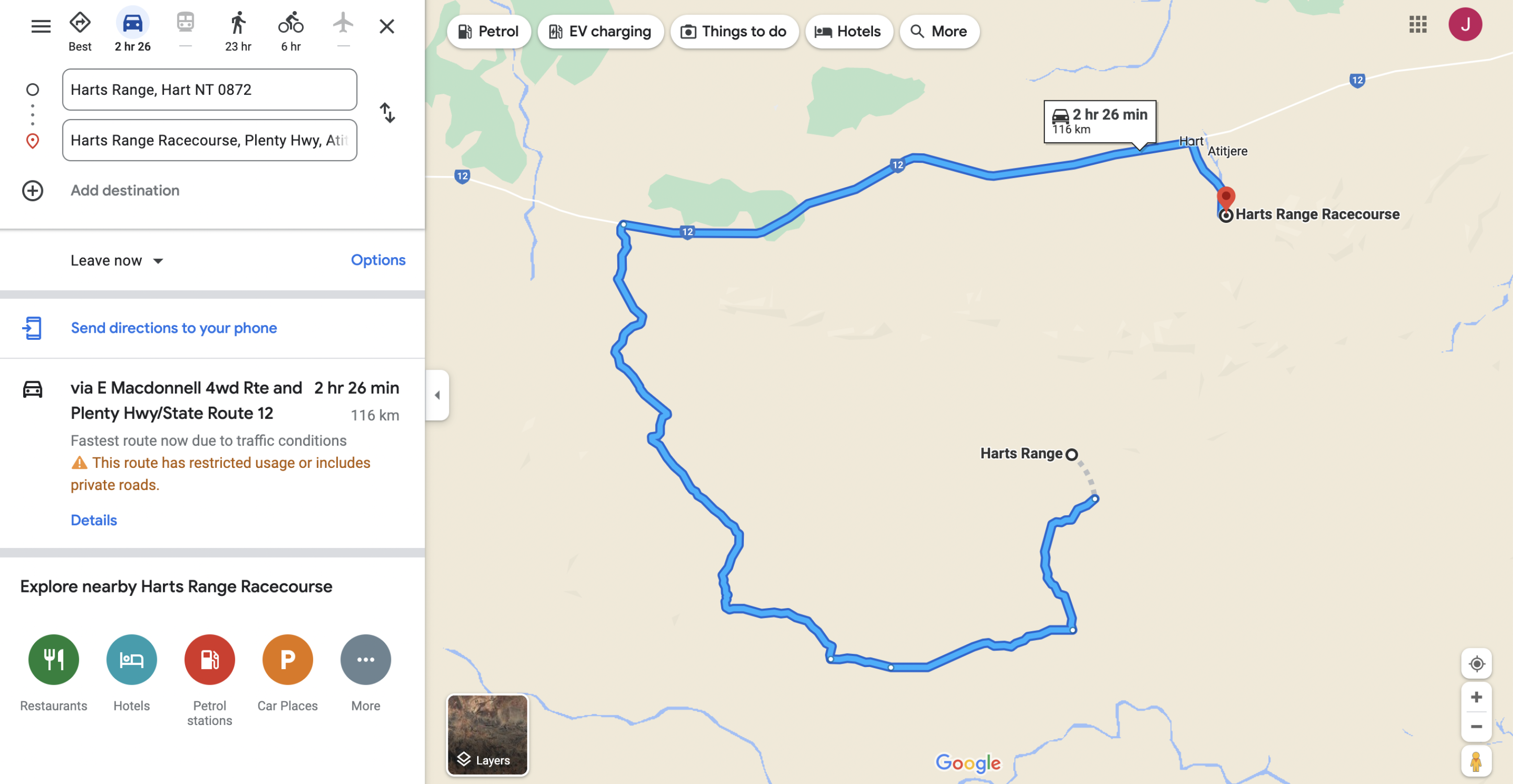
Last week, a 22-year old nurse from Alice Springs caught a lucky break after stranding her car following Google Maps to the wrong location.
Snapshot
Young nurse found by police after becoming stranded in the Northern Territory
Google Maps led driver to the wrong Harts Range location
A cautionary tale to double-check directions and always carry emergency supplies
With no reception, satellite phone or personal locator beacon, the 22-year-old took refuge in her car for the night after sending an SOS text 220km from her Alice Springs home, according to ABC News [↗].
Police said the driver was lucky she owned a new phone, such as an Apple iPhone 14, allowing her to communicate with emergency services via satellite with no phone reception.
The nurse had an esky packed with 18 beers and nothing else, as she was on her way from Alice Springs to a rodeo held at Harts Range Racecourse.
She had inputted Harts Range, which the navigation app had taken to mean the mountain ranges itself, rather than the township where the rodeo was being held.
Speaking to ABC News reporters, Senior Sargeant Michael Potts from Alice Springs police said to find the correct destination, she would have needed to input ‘Harts Range Racecourse’, or its Aboriginal place name “Atitjere”.
Alice Springs police said they wouldn’t have found the young nurse were it not for the owner of Ambalindum Station lending the use of his light plane to aid search efforts.
1
A cautionary tale for technology users
Google Maps and other web-based navigation systems work flawlessly, provided there’s a stable internet connection and up-to-date road information.
A Google spokesperson told ABC News it would speak with “local and authoritative sources” to resolve this specific naming situation.
“We use a variety of sources to get the most accurate and up-to-date information on the map,” said the Google spokesperson.
Google uses manual and automated techniques for mapping, but it’s not always infallible – especially in a large country such as Australia.
Sergeant Potts recommended that those travelling in the outback should always carry a precautionary slab of water as well as a locator beacon, satellite phone or emergency position indicating radio.
It’s also a good reminder to double-check destinations where possible by cross-referencing with a more old-school method, such as a paper map, or asking a local for directions to avoid the worst happening.
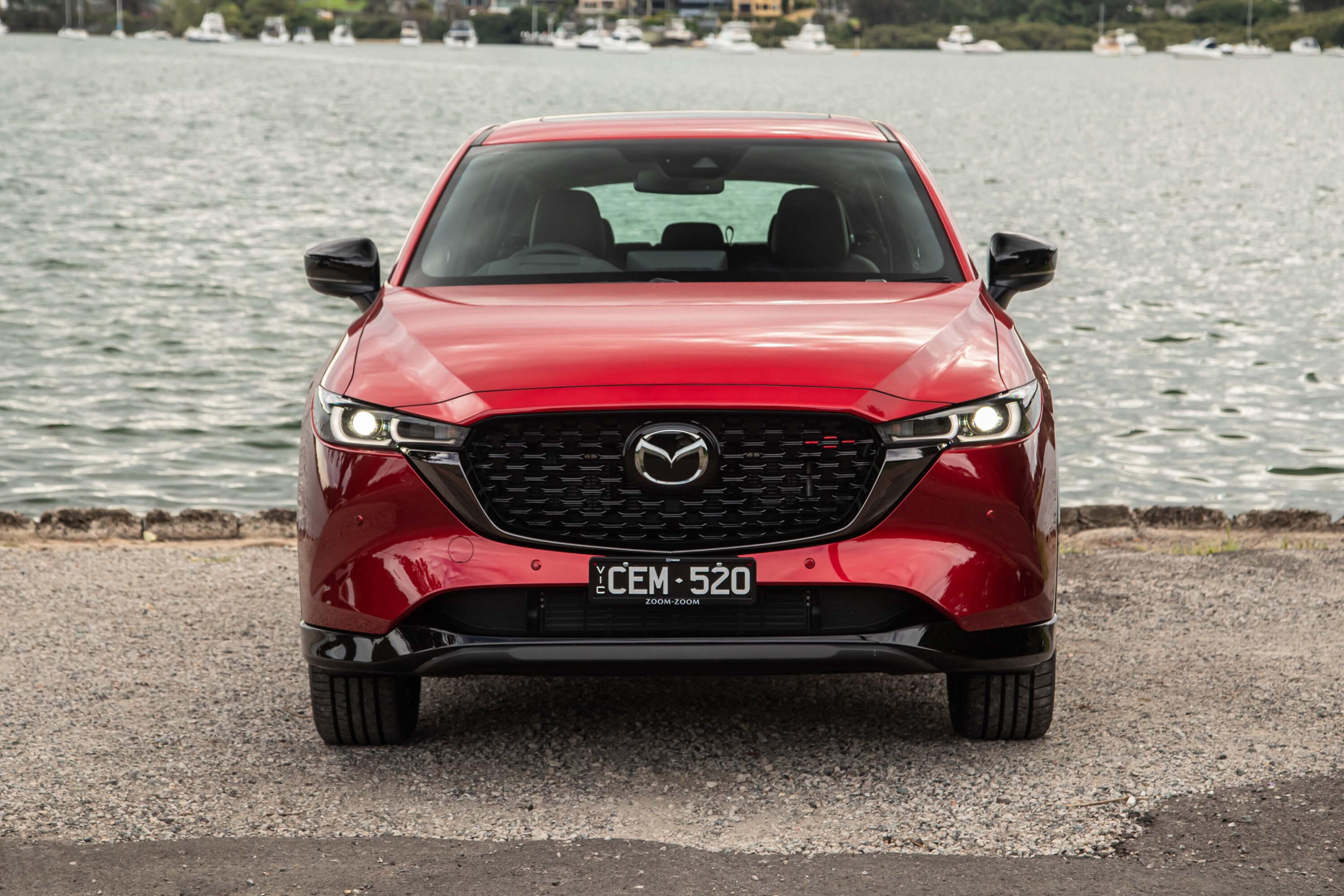
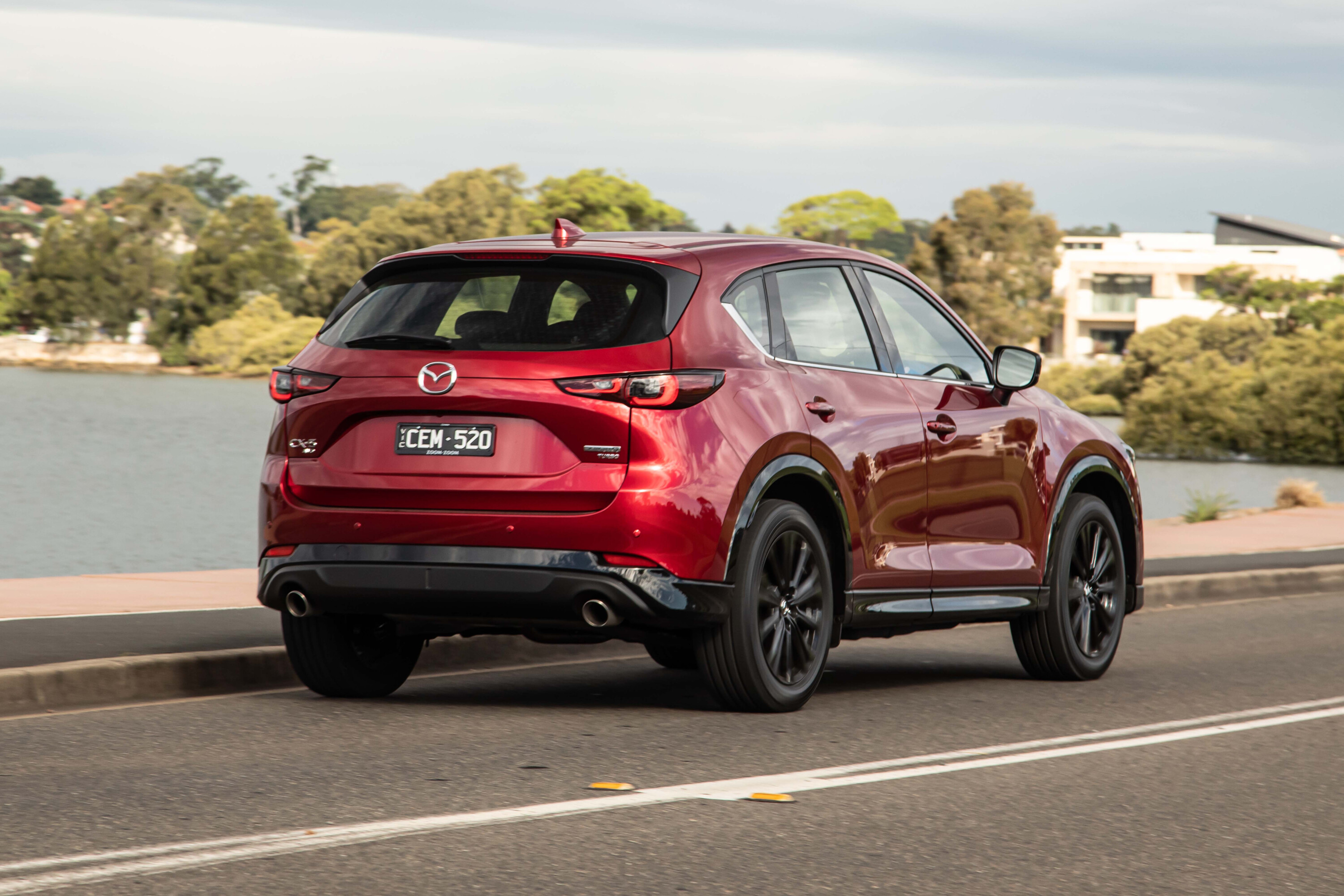
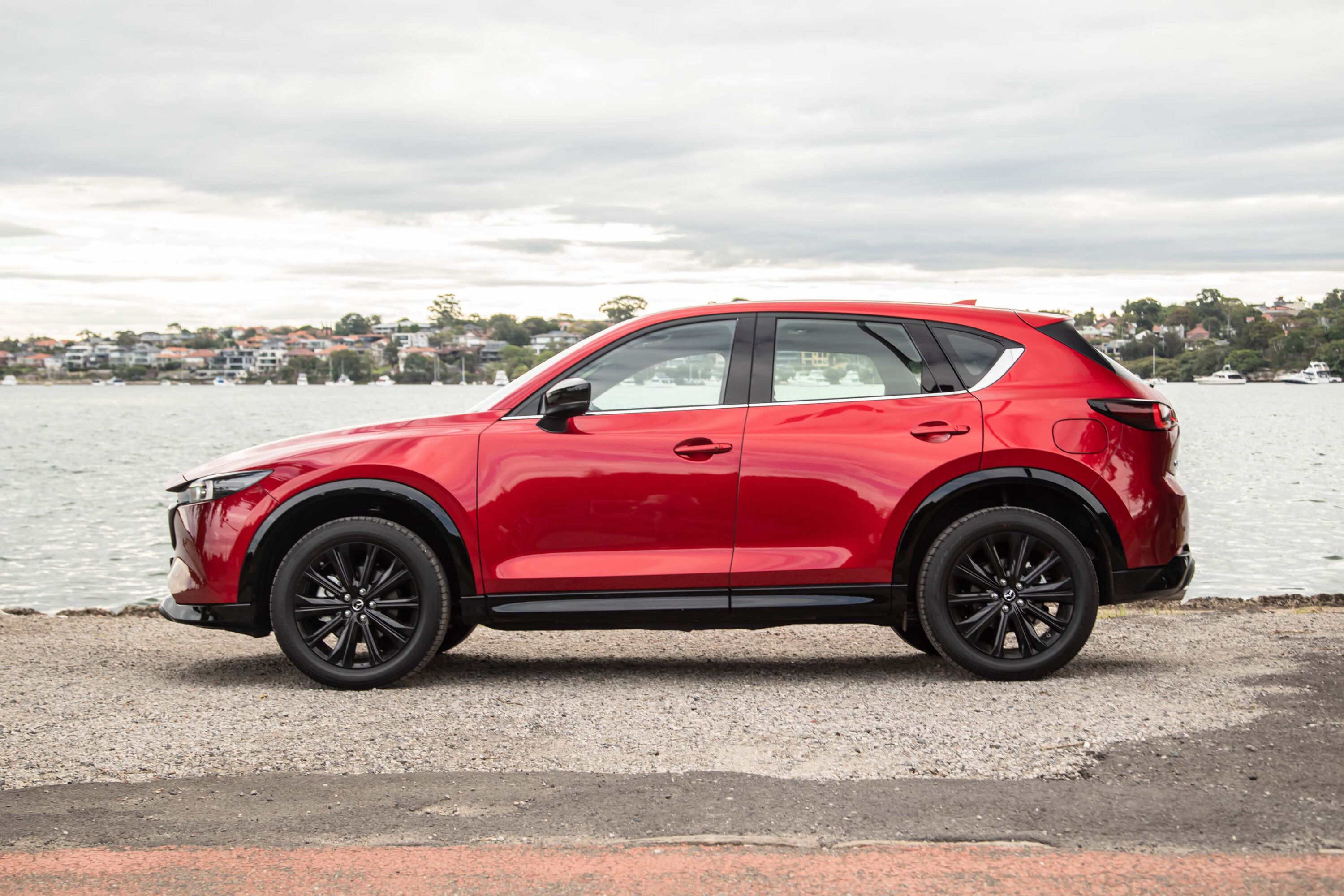
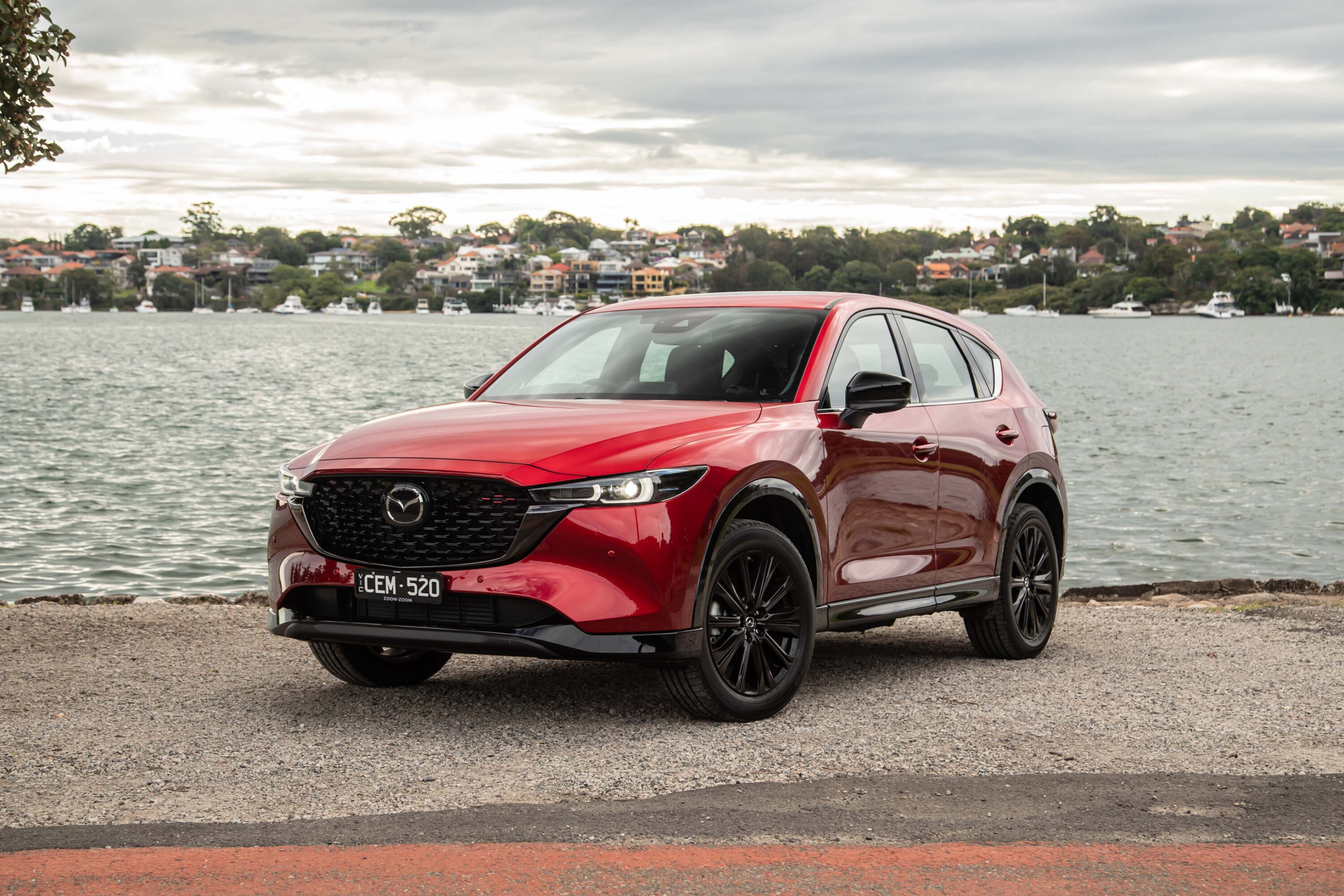
The Mazda CX-5 was a pivotal model for the brand when it launched in 2012, being the first to feature Mazda‘s Kodo design language, and continues to be a best-selling model for the brand.
In 2023, the CX-5 continues to impress Australians as an extremely strong offering in the popular medium SUV segment, sitting above the CX-3 and CX-30, and below the CX-60 and CX-8 in Mazda’s range.
1
Pricing and Features
Starting from $35,510 before on-road costs, the 2023 Mazda CX-5 is available in six variants, with three engine options (depending on grade) all paired with an automatic transmission.
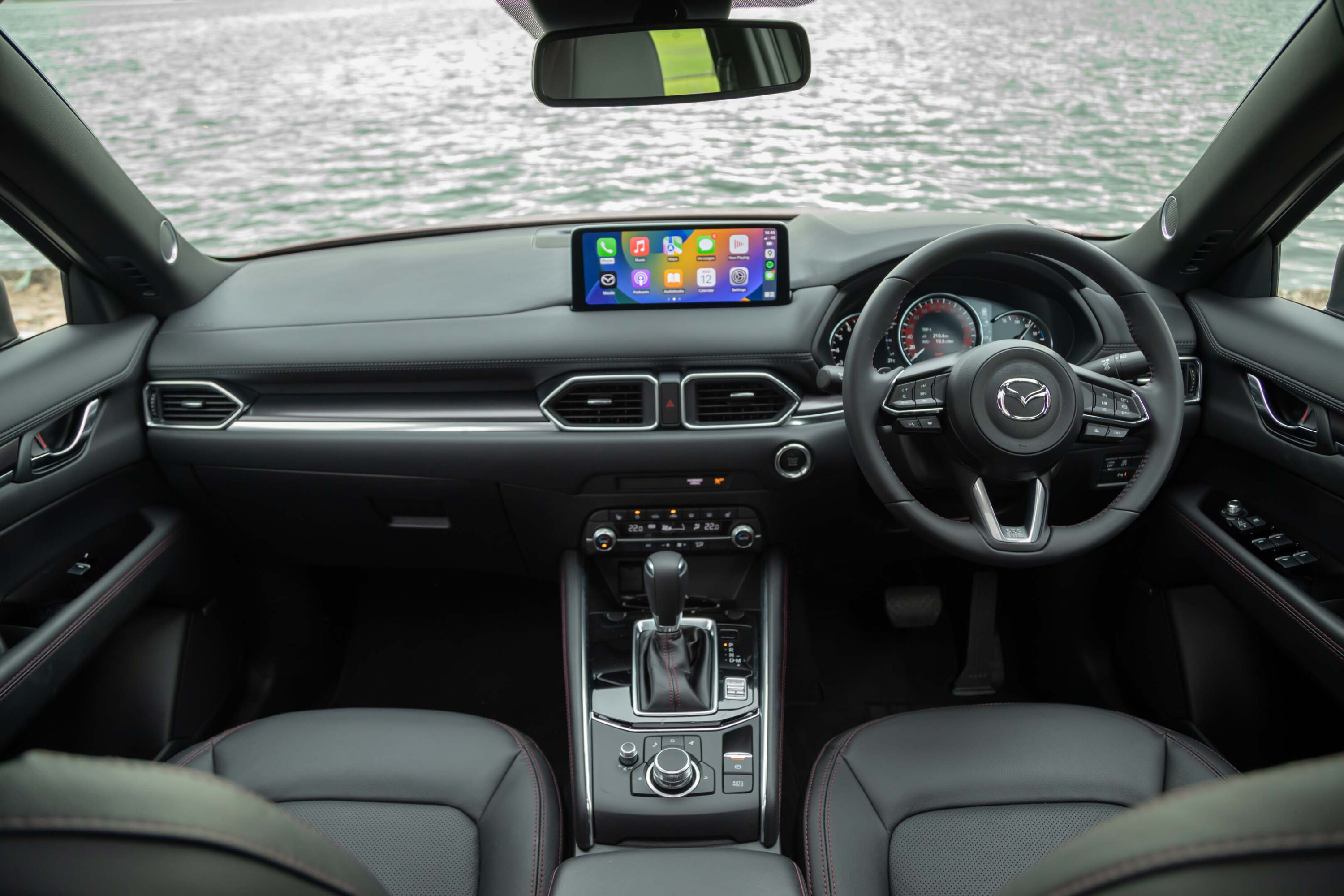
All come standard with a 10.25-inch display running Mazda Connect software as well as Apple CarPlay and Android Auto smartphone mirroring, plus a strong range of standard safety equipment such as blind-spot monitoring.
2023 Mazda CX-5 pricing (before on-road costs):
Maxx 2.0L 2WD
$35,510
Maxx Sport 2.5L 2WD
$39,310
Maxx Sport 2.5L AWD
$41,810
Touring 2.5L AWD
$43,700
Touring Active 2.5L AWD
$44,000
Touring Active AWD Diesel
$47,000
GT SP 2.5L AWD
$49,310
Akera 2.5L AWD
$51,500
GT SP Turbo AWD
$51,810
Akera Turbo AWD
$54,000
Akera Diesel AWD
$54,500
1
Features
2023 Mazda CX-5 Maxx features
17-inch alloy wheels
Lane-keep assist
Rear parking sensors
Rear cross-traffic alert
2023 Mazda CX-5 Maxx Sport features (in addition to Maxx)
Dual-zone climate control
Auto dimming rear view mirror
Satellite navigation
Auto headlamps
Wireless Apple CarpPay and Android Auto
Road sign recorgnition
1
2023 Mazda CX-5 Touring features (in addition to Maxx Sport)
Power mirrors
Front parking sensors
Black Maztex/synthetic suede upholstery
Wireless phone charger
Keyless entry
Reversible cargo floorboard
2023 Mazda CX-5 Touring features (in addition to Maxx Sport)
Power-folding mirrors
Front parking sensors
Black Maztex/synthetic suede upholstery
Wireless phone charger
Keyless entry
Reversible cargo floorboard
1
2023 Mazda CX-5 GT SP features (in addition to Touring)
19-inch alloy wheels
Heated, six-way power-adjustable front seats
Sunroof
Black leather seat trim with red stitching
Power tailgate
10-speaker Bose premium audio
2023 Mazda CX-5 Akera features (in addition to GT SP)
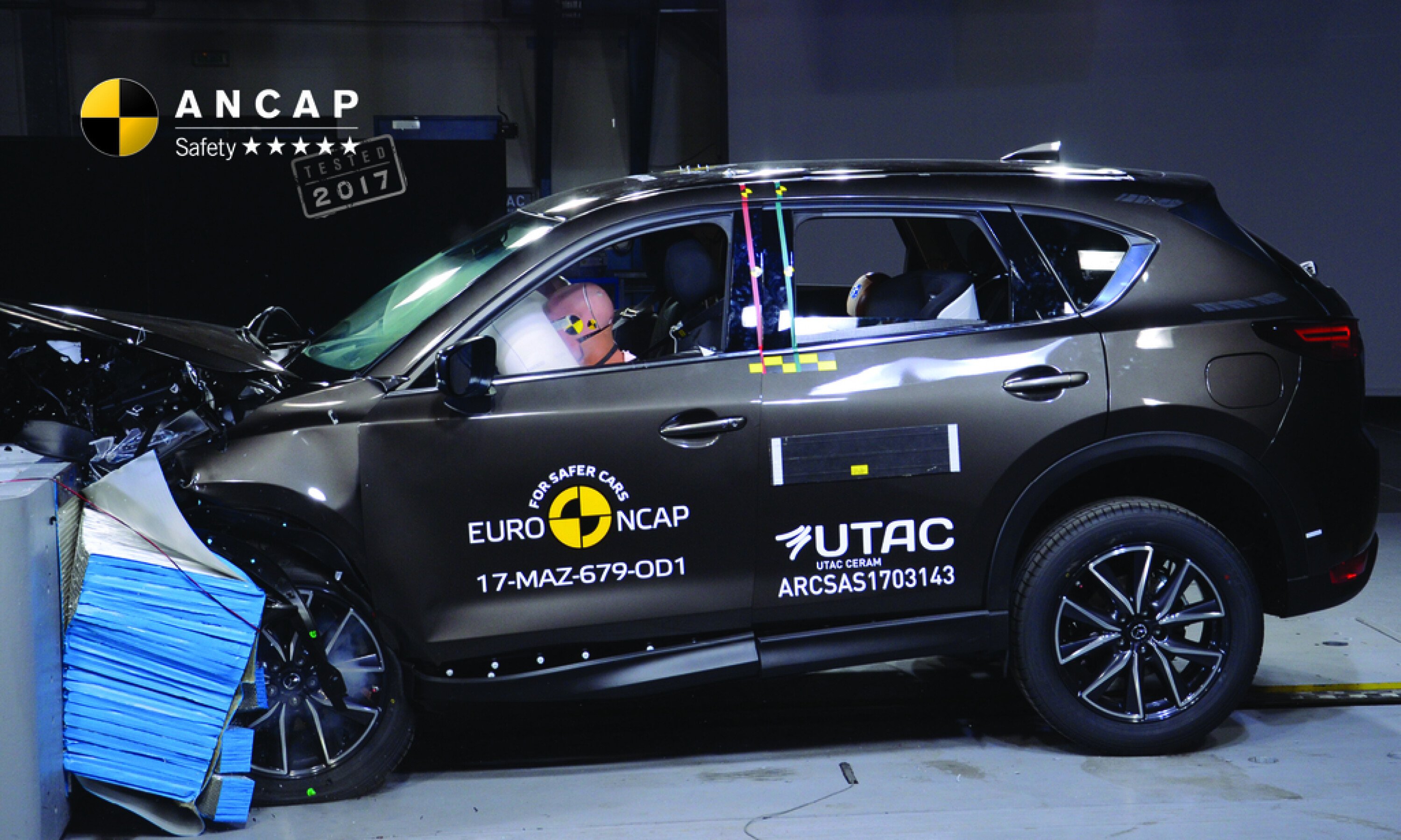
When the second-generation model of Mazda’s mid-sized SUV debuted in 2017, it garnered a five-star ANCAP rating, boasting an impressive 95 per cent score in the Adult Occupant Protection category.
However, due to ANCAP’s policy of six-year rating validity, this five-star score will lapse at the end of 2023.
That said, the CX-5 currently comes loaded with a commendable list of active and passive safety features.
Australian families love their medium SUVs. That’s why it is one of the biggest-selling segments and the CX-5 holds a significant portion of that pie.
The 2023 Mazda CX-5 is offered in a range of variants that are sure to impress anyone looking for a comfortable, enjoyable-to-drive and classily designed vehicle.
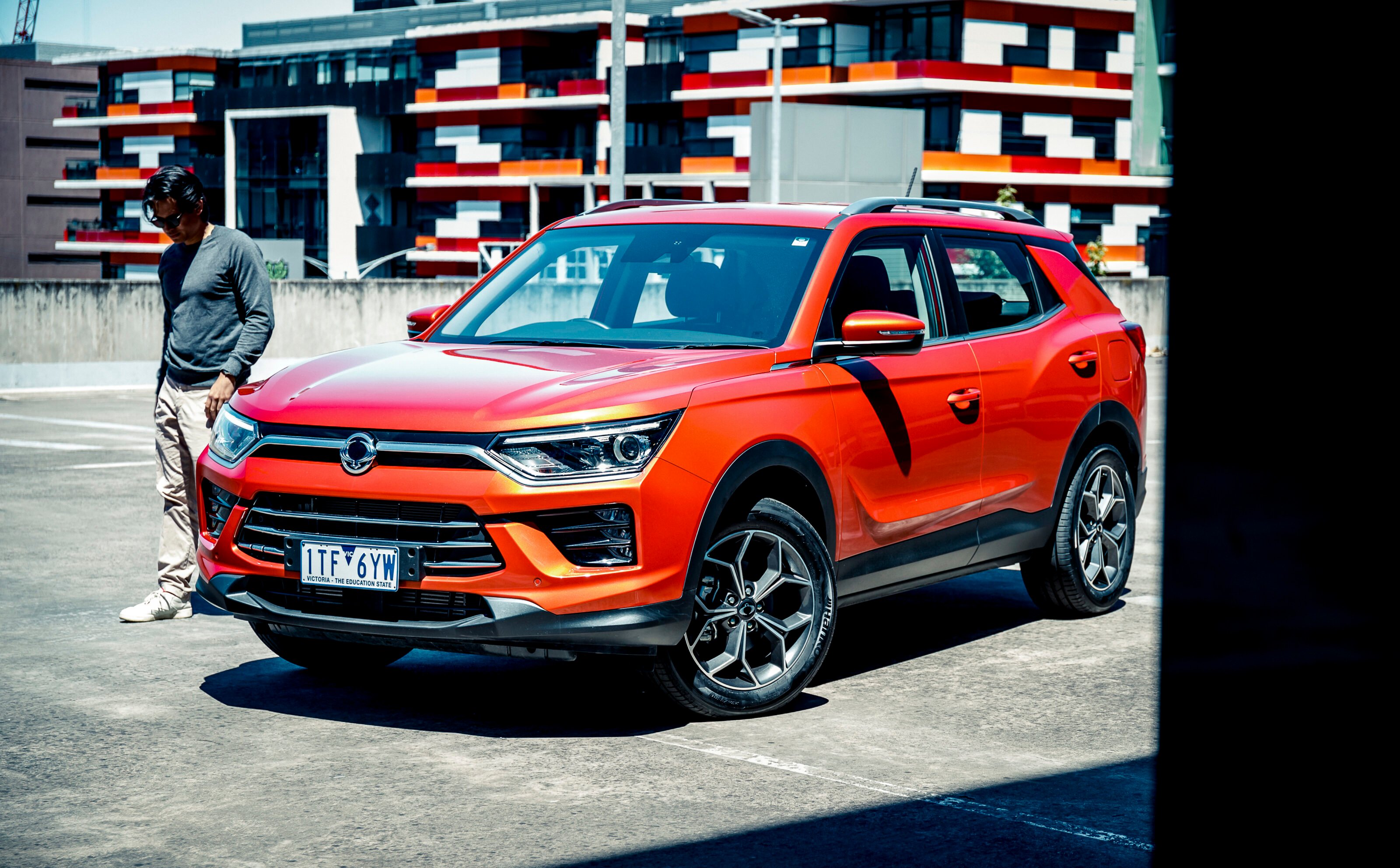
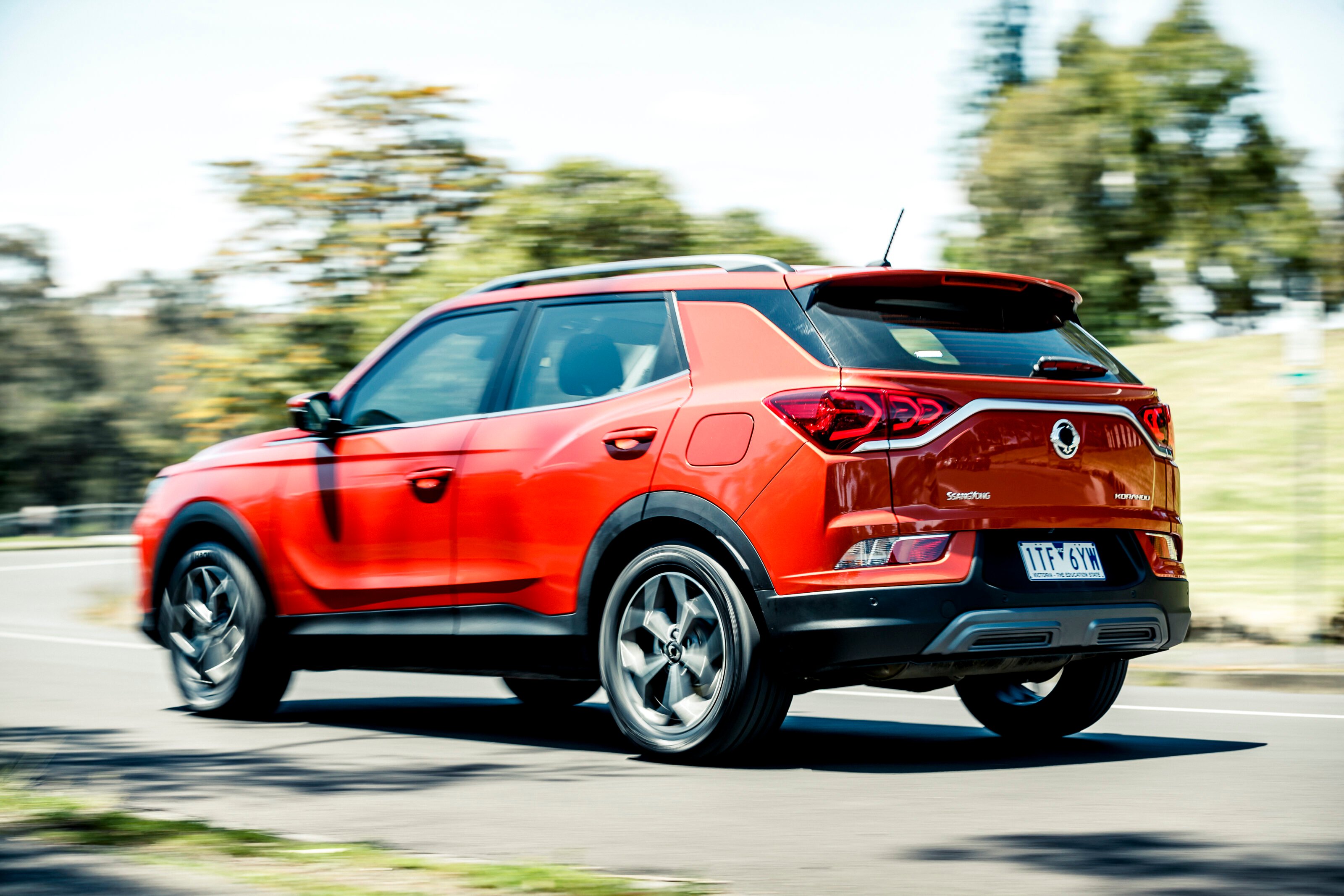
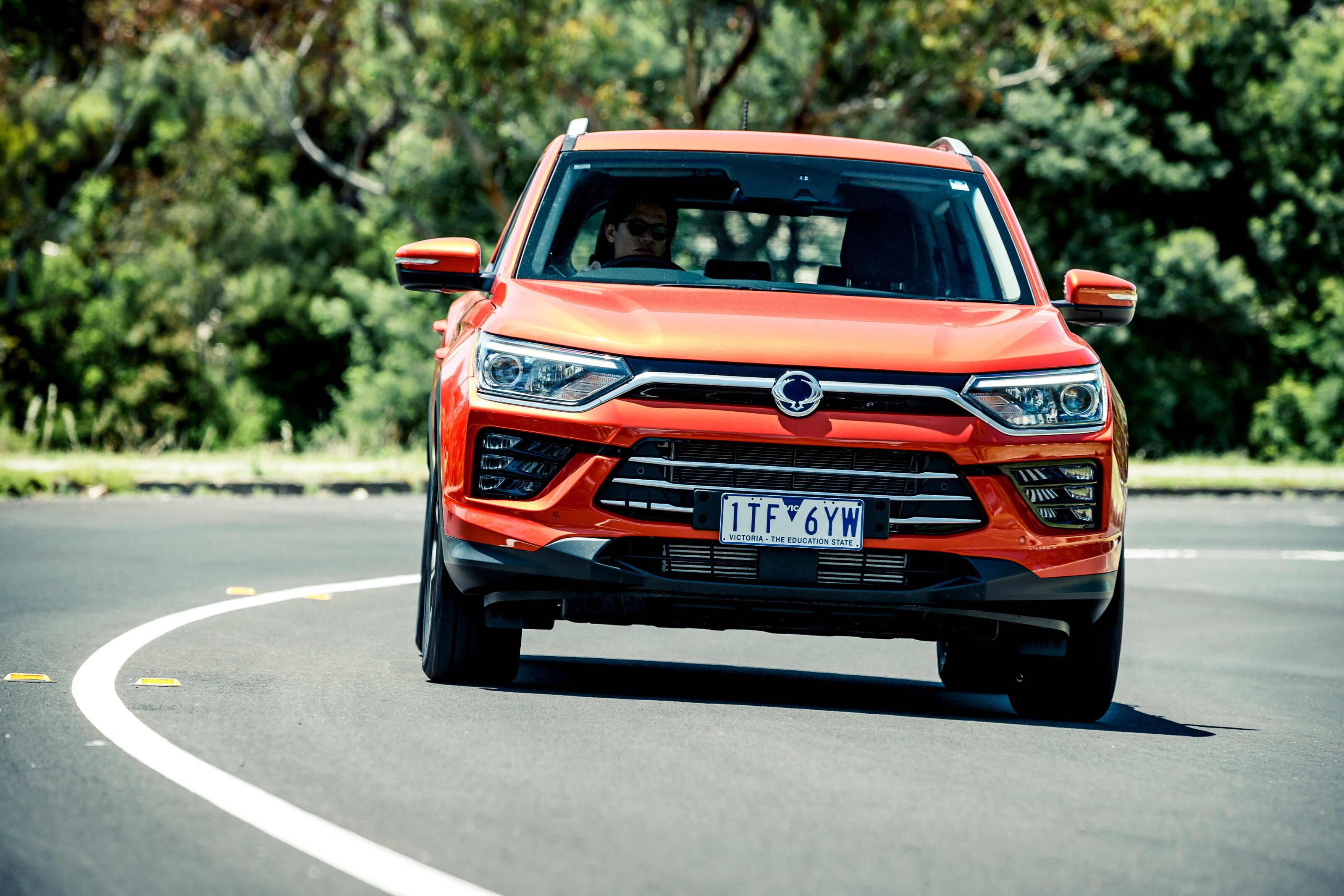
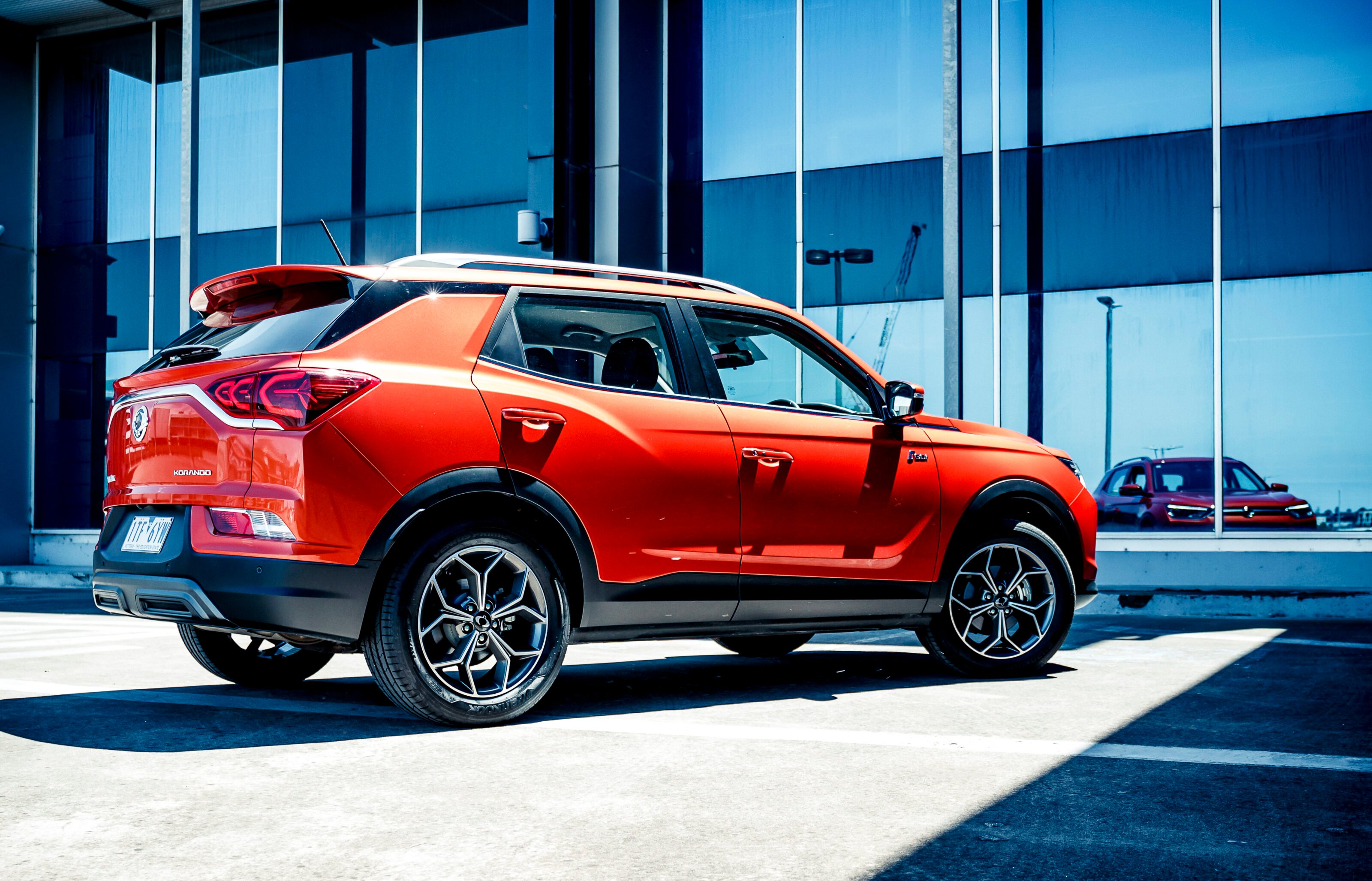
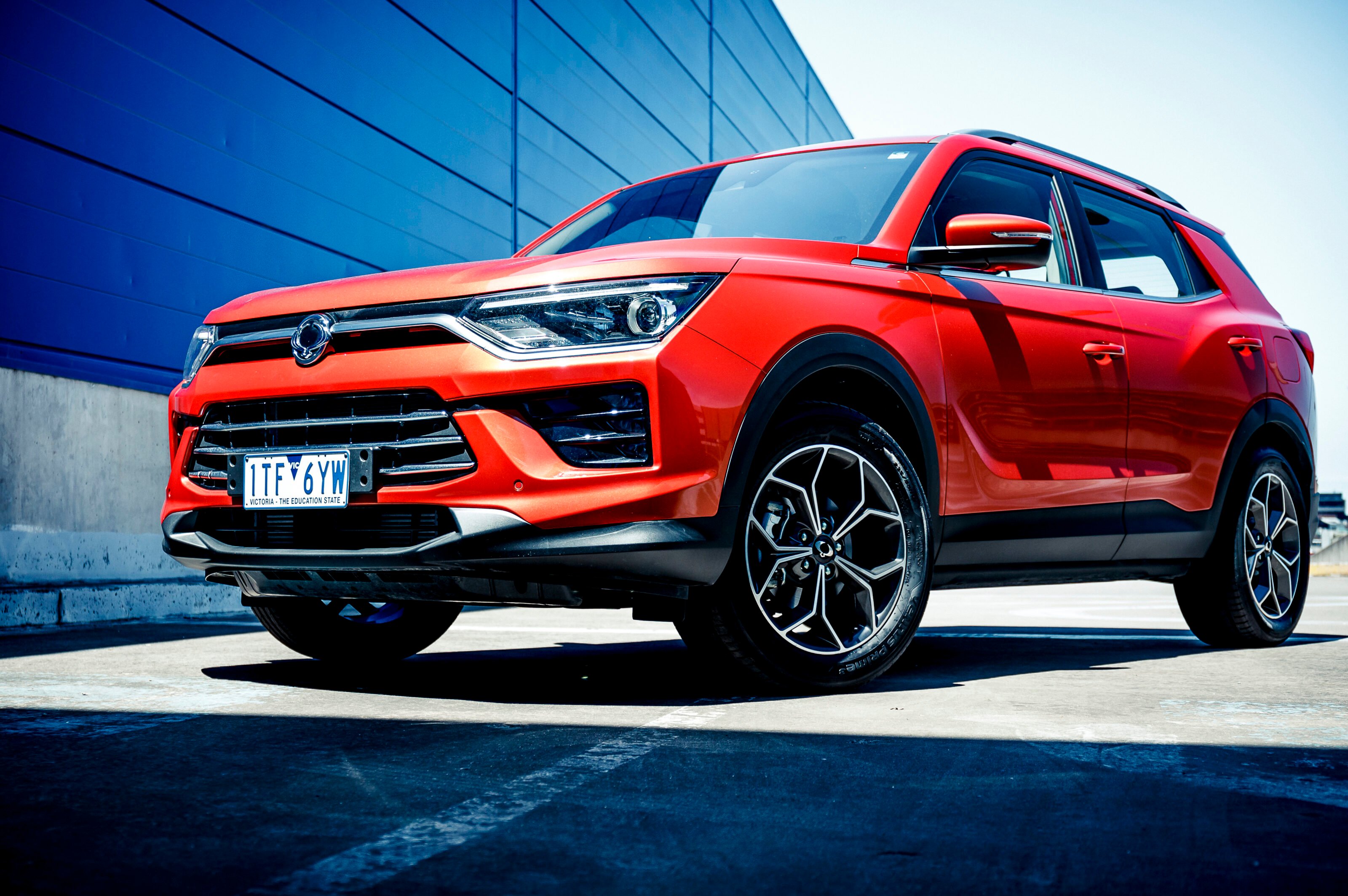
The SsangYong Korando has come a long way since it first debuted here in 1998. In contrast to that second-generation model’s, erm, interesting looks, the fourth-generation version of the Korean brand’s compact SUV is striking. Handsome, even.
Sitting in a small company line-up that also includes the Musso ute and seven-seat Rexton SUV, the Korando does need to stand out in the fiercely competitive small-SUV segment.
As the most affordable point in the SsangYong range, the Korando starts at $30,990 driveaway for the base EX.
1
For its segment, the Korando’s five-door, 4450mm-long body fares on the larger side – sitting between a Skoda Karoq small SUV and Toyota RAV4 medium SUV for length. Meanwhile, its kerb weight is near-average at 1469kg.
Released in 2019, the fourth-generation Korando has revised its offering in recent years. A manual gearbox is no longer available for the base EX, and a diesel AWD option was dropped for the flagship Ultimate in 2022.
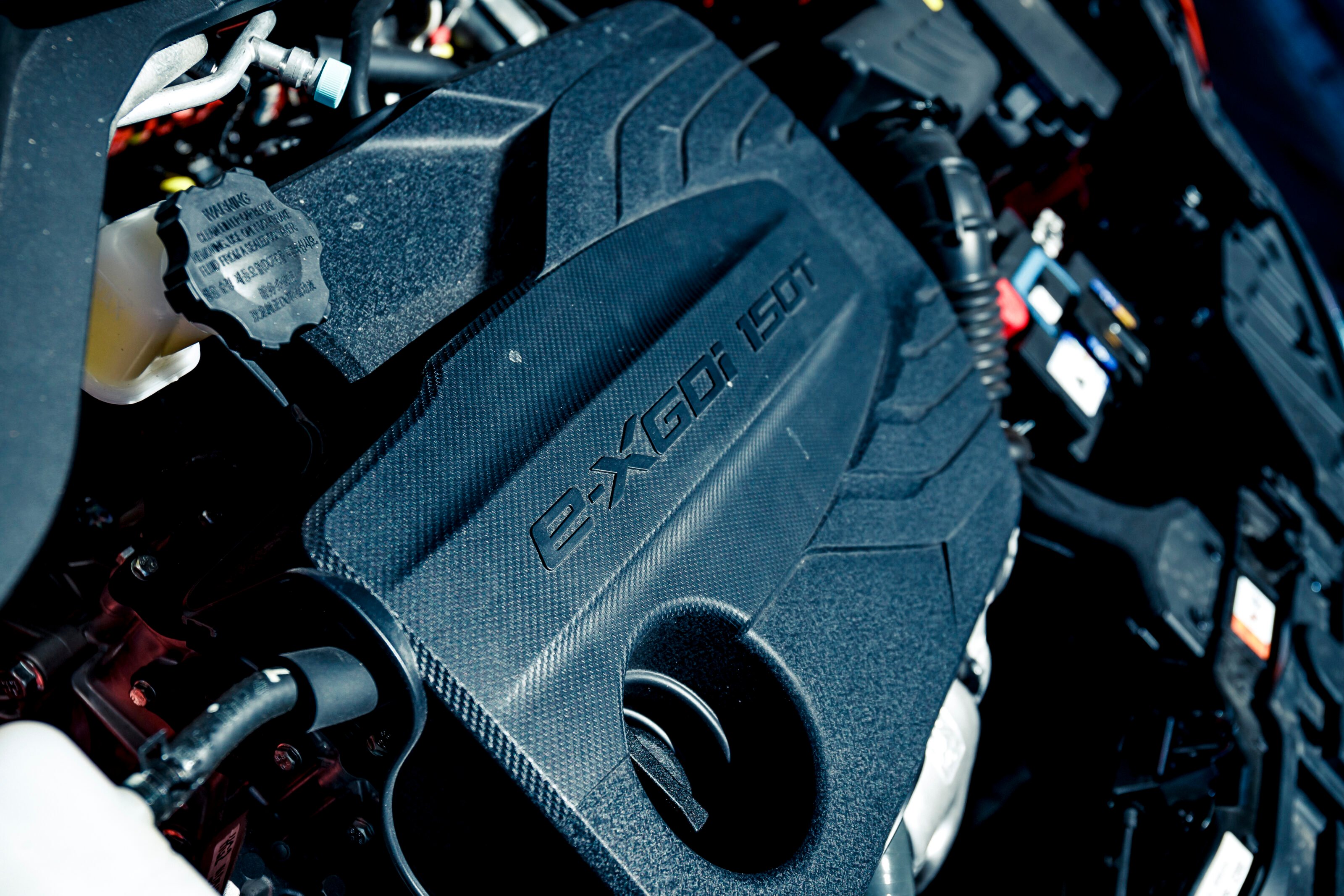
That leaves all models as front-wheel drive with a 1.5-litre turbo petrol engine and automatic gearbox.
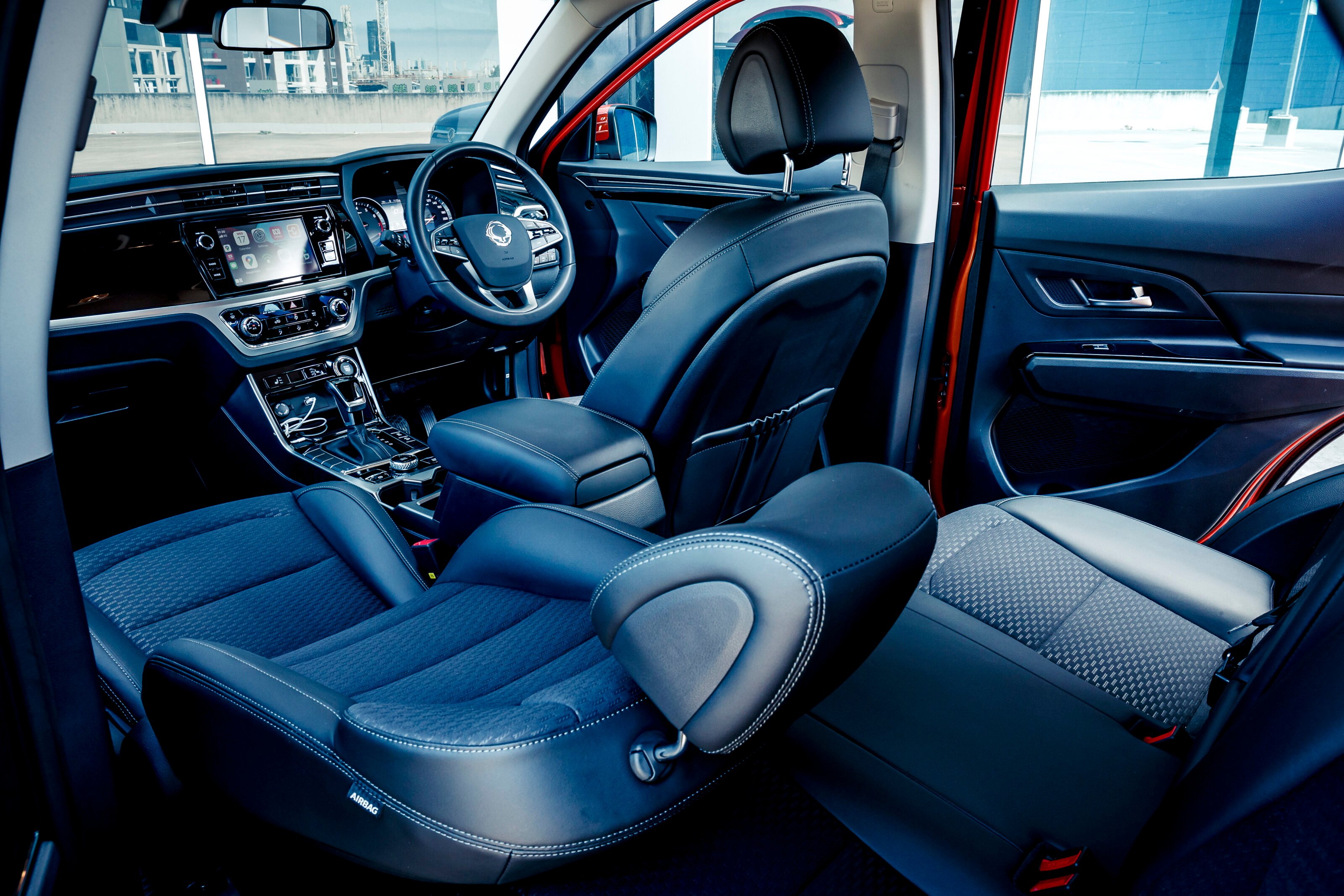
Choosing the mid-range ELX trim adds small touches of luxury to the Korando’s interior and exterior while upgrading its safety hardware. Gone are the oxymoronic “luxury” cloth seats in the ELX, replaced with fabric seats that feature synthetic leather bolsters. They’re also heated.
As the most affordable point in the SsangYong range, the Korando starts at $30,990 driveaway.
1
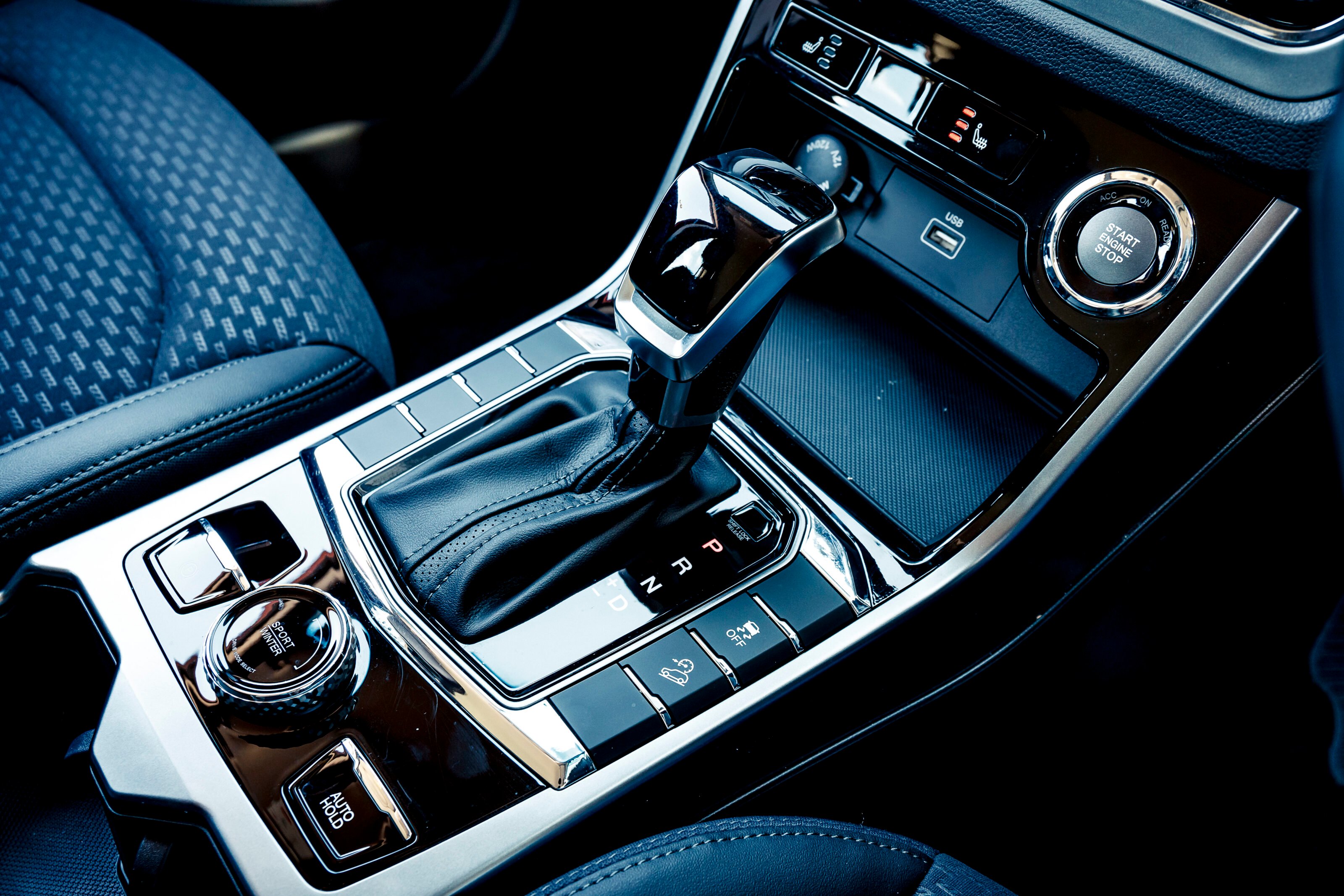
The seats are complemented by leather trim on the steering wheel and gear selector. Extra modern conveniences on the ELX include a smart key and doors that automatically lock at a certain speed or when you walk away, as well as an electric handbrake and steering column lock.
Outside, the ELX wears special LED daytime running lights in its front bumper that match highlighted slats in the front grille. It also scores 18-inch wheels (up from 17s on the base EX) and metal roof rails.
All Korandos received a five-star ANCAP safety rating in 2019, thanks in part to standard-fit AEB and lane-keeping technologies. The ELX introduces blind spot detection with lane change assist, and rear cross-traffic alert. There’s also an auto vehicle hold for inclines and parking sensors at both ends to augment the rear-view camera.
1
So, the $32,990-driveaway ELX adds just $2000 to the cost of an EX, making the mid-spec model look better value.
The $37,990 Korando Ultimate tempts extra cash with features including 19-inch diamond-cut alloy wheels, dual-zone climate, ventilated and electric front seats, heated steering wheel, sunroof, auto tailgate, adaptive cruise, and a larger (10.25-inch) digital driver display.
White is the only standard exterior colour. Add $595 for metallic paint, which includes Cherry Red, Dandy Blue, Platinum Grey, and Space Black. (Our test vehicle wears Orange Pop metallic that has since been discontinued.)
SsangYong sweetens the deal with an impressive seven-year, unlimited distance warranty backed by fixed-price servicing (every 12 months or 15,000km) and roadside assistance.
ADR combined fuel consumption is rated at 7.7L/100km; the ELX drank 8.8L/100km in our care over a mixed test route that included brief hard driving. At that level of consumption, you should extract more than 500km of range from its 47L tank. Just remember the Korando’s turbo motor requires 95 RON at a minimum.
High-quality fuel plays some part in the 120kW/280Nm engine’s hardworking nature. The torque peak arrives as early as 1500rpm and lasts until 4000rpm, making the Korando tractable from low in the rev range, often chirping the front wheels off the line under full throttle. But it’s a shame the transmission blunts the engine’s potential.
1
The six-speed automatic is a smooth shifter most of the time. In hurried situations, though, the gearbox can forget to upshift out of a low gear, and it’s very cautious about manually downshifting into second from third at more than 2750rpm.
Our biggest gripe with the transmission lies with its mapping. It’s determined to upshift and keep the engine under 2000rpm, even in Sport Mode, and the kick-down detente being set low to the floor also exacerbates the frustration.
The Korando is tractable from low down in the rev range but it’s a shame the transmission blunts the engine’s potential.
1
Fully pinned, the ELX’s engine loses enthusiasm above 5000rpm and upshifts well before a redline that begins at 6500rpm. Ultimately, the Korando accelerates to 100km/h from rest in 9.18sec, dispatching the 80-120km/h sprint in a respectable 6.89sec.
The engine isn’t musical sounding, either, but thankfully the cabin is quite well insulated.
Dynamically the ELX is a mixed bag. The Korando rides on fixed-rate dampers, 235mm-wide tyres with chunky sidewalls and the suspension layout is MacPherson strut front with a multi-link rear. It easily handles urban roads with its 10.7m turning circle and direct steering rack (at 2.8 turns lock to lock).
1
Out on country roads, the Korando struggles to settle on anything less than a smooth surface. At the same time, its roadholding – for all its stiffness over imperfections – is easily flustered by hard direction changes.
Mid-corner bumps easily provoke a secondary movement from the Korando, sapping confidence in its ability to hold your intended cornering line. We’d also appreciate more feedback at the top of the brake’s pedal travel, which feels spongy.
Out on country roads, the Korando struggles to settle on anything less than a smooth surface. At the same time, its roadholding is easily flustered by hard direction changes.
1
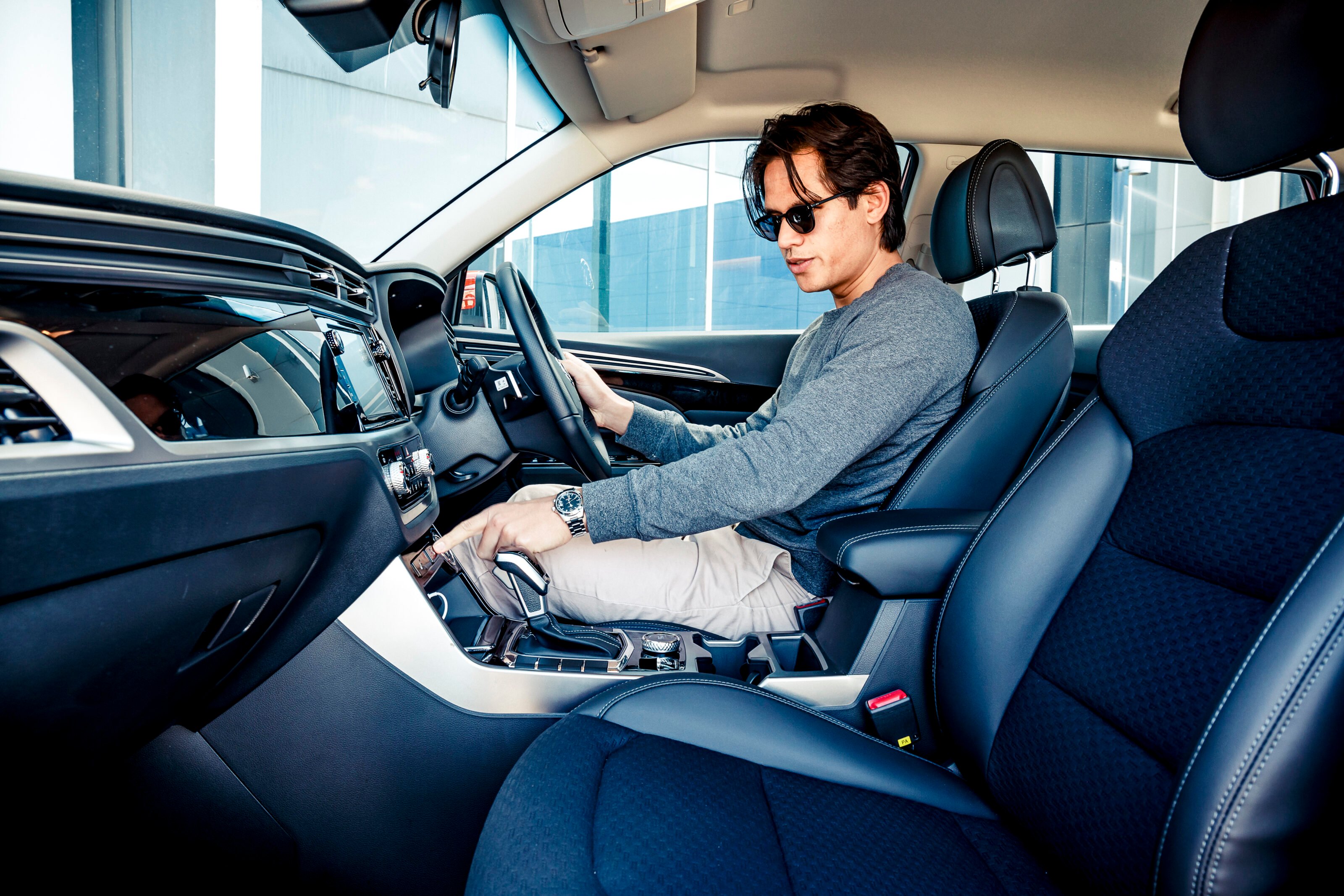
Otherwise, the Korando wins back points on interior packaging. The front seating position is set at a perfectly judged height for an SUV, while interior ergonomics place most touchpoints within easy reach. Two small markdowns include the central transmission tunnel that eats into legroom and a central storage box that reduces elbow room, but there’s plenty of headroom.
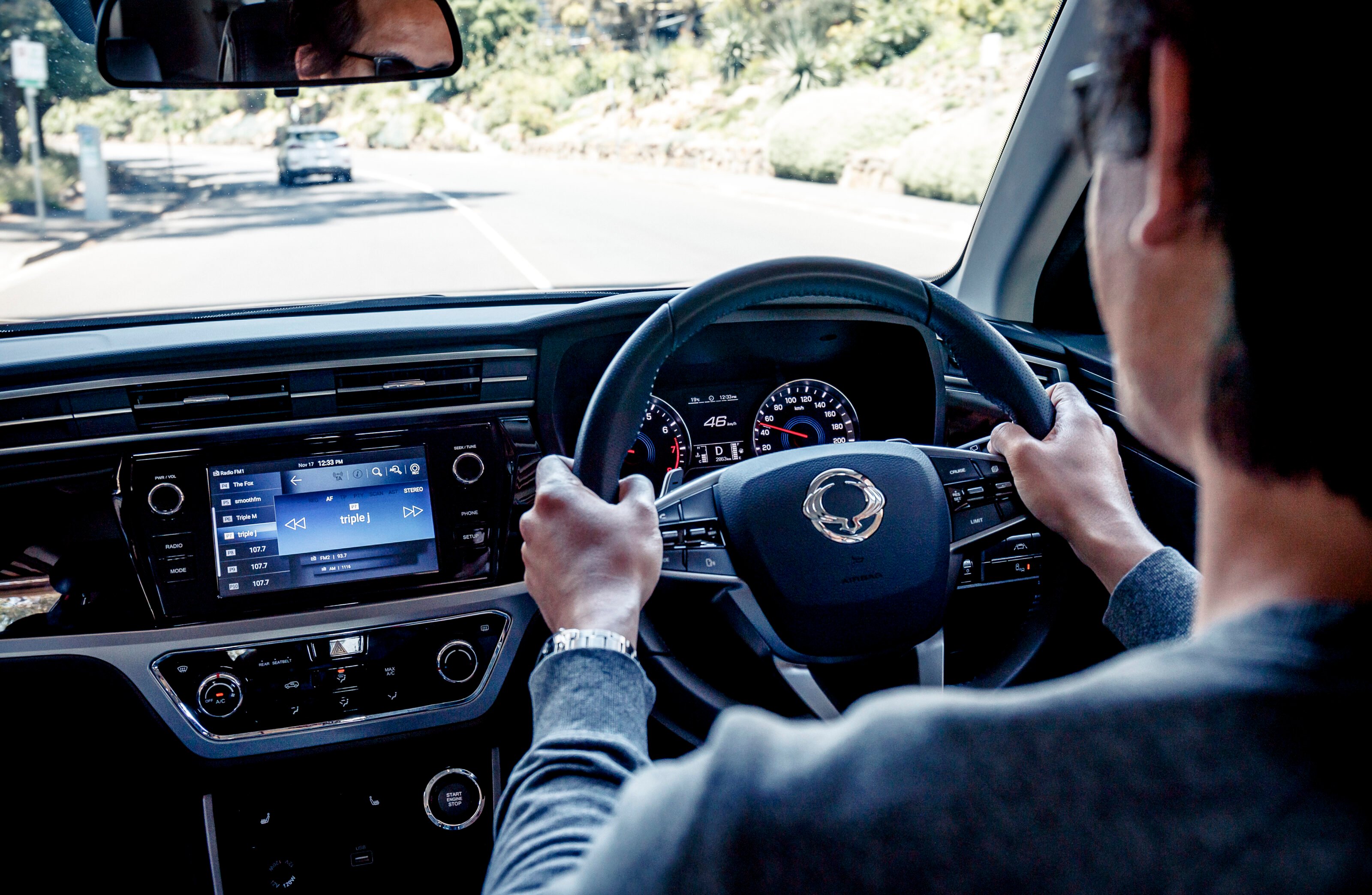
The front workstation is cohesively styled, with air vents well integrated into design features and the central console providing a straightforward layout. Standard smartphone mirroring saves you from the media screen’s patchy and bland infotainment software, but its touch functionality would benefit from a screen larger than 8.0-inches.
1
But the driver’s seat squab is undersized and on long trips, the bolsters quickly grow uncomfortable against your thighs. Elsewhere, the geometric gear knob’s hard corners feel unwelcome in the hand but the egg-shaped steering wheel is a delight and allows good visibility of the column stalks and dash.
What the rear quarters lack in equipment, they make up with decent room for heads knees and feet. A wide trans tunnel will make the centre passenger’s life tricky when placing their feet, though. Child seat ISOFIX points feature on the outboard seats.
Outward vision forward of the B-pillars is good. Still, the Korando’s C-pillars create a large over-shoulder blind spot that would be odious without the ELX’s blind-spot monitoring system, which does a good job of detecting vehicles approaching from far back.
1
Speaking of highway safety, the lane-keeping system is tuned well, gently steering the Korando away from the edges of your lane with no pinballing effect. We only wish the steering itself was as sharp, as it struggles for accuracy and feedback.
Wind noise is loud at highway speeds. And even though the six-speaker stereo offers good sound clarity, it lacks the power or bass to mask the wind and road noise.
The ELX’s absence of adaptive cruise control (offered only on the Ultimate) is noticeable among other active safety features but symbolises the Korando’s urban-focused nature. With a flat loading floor that hides a full-size spare, its rear boot swallows 551L with the rear seats up or 1248L with them down.
1
All up, the Korando has some notable flaws, such as the hard ride that spoils its around-town manners, sub-par NVH levels. and undersized seats that knock down its touring credibility.
Yet the Korando ELX also counters this with its strong ownership package, handsome looks, good low-down torque, and crucial safety features.
2023 SsangYong Korando ELX specifications
Body
5-door, 5-seat SUV
Layout
front-engine (east-west), FWD
Engine
1.5-litre turbocharged petrol 4-cylinder
Outputs
120kW @ 5500rpm / 280Nm @ 1500-4000rpm
Transmission
6-speed automatic
Weight
1469kg
Towing
500kg unbraked / 1500kg braked
Fuel tank
47L
Boot
551L/1248L (rear seats up/down – VDA)
Spare tyre
full-size alloy
L/W/H/WB
4450/1870/1620/2675
Suspension
Struts (f); multi-links (r)
Tyre sizes
235/55 R18
Turning circle
10.7m
Lock-to-lock
2.8 turns
Brakes
ventilated (f); solid (r)
Consumption (combined ADR)
7.7L/100km (95RON)
ANCAP
5 stars (2019)
Price
$32,990 drive-away
Price as tested
$33,585 drive-away *Orange pop metallic paint
0-100km/h (tested)
9.2sec
80-120km/h (tested)
6.9sec
L/100km (tested)
8.8L/100km
Kia’s Chinese-built rival to the popular Tesla Model Y electric SUV has leaked.
Snapshot
2024 Kia EV5 leaked in China
Chinese-built mid-size electric SUV to be a global model
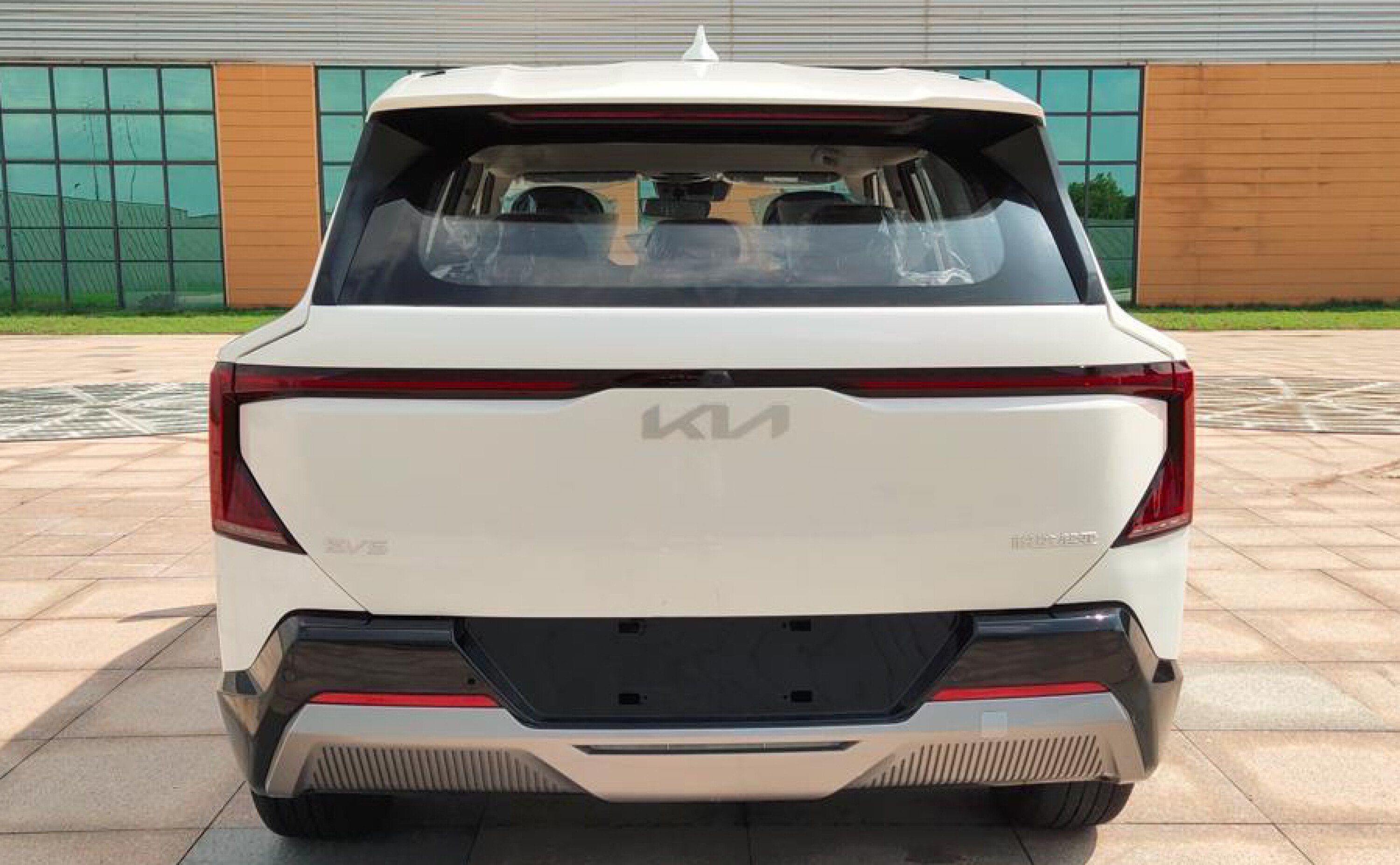
Regulatory images published by China’s Ministry of Industry and Information Technology reveal a toned-down – but similar – design to the concept.
The filing confirms the EV5 measures 4615mm long, 1875mm wide and 1715mm tall, making it similar in size to the internal-combustion Sportage and its Tesla Model Y rival.
1
This makes the EV5 slightly shorter – but taller – than an EV6, which is classified as a large SUV in Australia.
The Korean Car Blog also reports the Kia EV5 will be priced at 50 million won (AU$57,600) for the standard range variant and 57 million won (AU$65,700) for the long-range, with the latter said to have a 600km driving range.
While Chinese-market versions will feature a lithium-iron-phosphate (LFP) battery pack, overseas models will reportedly have nickel-manganese-cobalt (NMC) batteries.
In many ways, the Kia EV5 is a shrunken take on the full-size EV9 that’s due in Australia later this year with a similar design.
Kia has confirmed the EV5 will launch in China in late 2023. It won’t be limited to that market, with “details regarding any future plans for the other global markets [to] be made in due course.”
The 2024 Kia EV5 is expected to launch globally next year, potentially including Australia.
Kia Australia has confirmed to Wheels that EV6 electric SUV wait times have “significantly improved”.
Snapshot
Kia EV6 supply boosted for Oz, wait time now 2-3 months
Current backlog to clear within next few months
Has quickly been surpassed by Tesla Model Y in EV sales
There is still a backlog to get through, but once that’s cleared Kia estimates EV6 wait times will fall to around three months. This applies to all four variants, from the entry-level Air to the newly-introduced EV6 GT.
A Kia Australia spokesperson told Wheels that the reduced wait times are due to a “combination of supply freeing up and the Kia Australia sales team consistently rallying for more supply since launch.”
While the company didn’t detail how long the current EV6 order backlog is, Kia does expect it to “clear reasonably quickly over the next several months, with customers receiving their orders sooner than initially advised.”
Since its local launch in early 2022, the EV6 made headlines for extended waiting times of between one to two years due to industry-wide supply constraints and a small allocation for Australia.
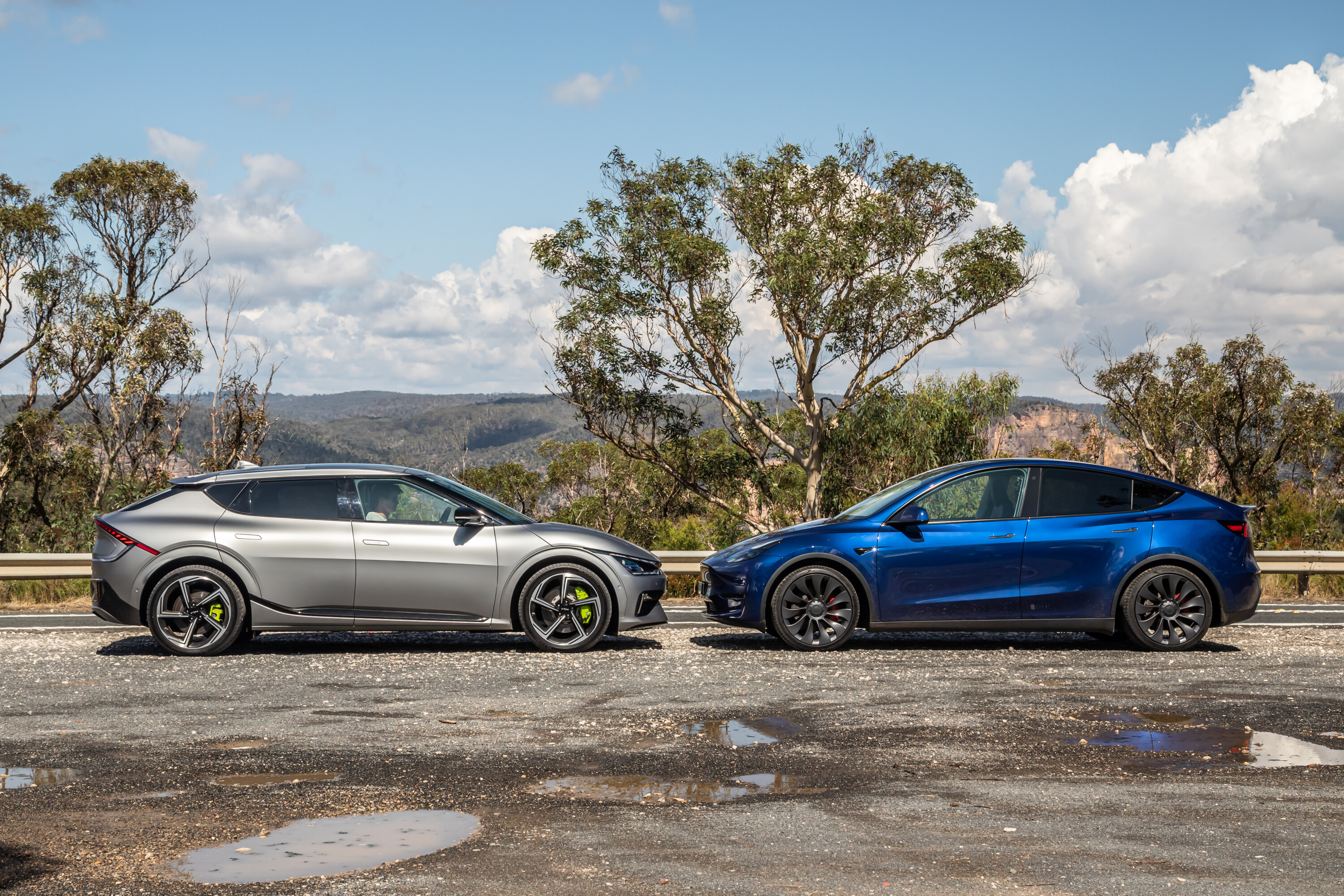
EV6 supply has gradually improved to a one-year wait or less – with some in-stock dealer demonstrators available. Chinese-made newcomers, including the top-selling Tesla Model Y medium electric SUV and more affordable BYD Atto 3 small SUV, are selling in far greater numbers.
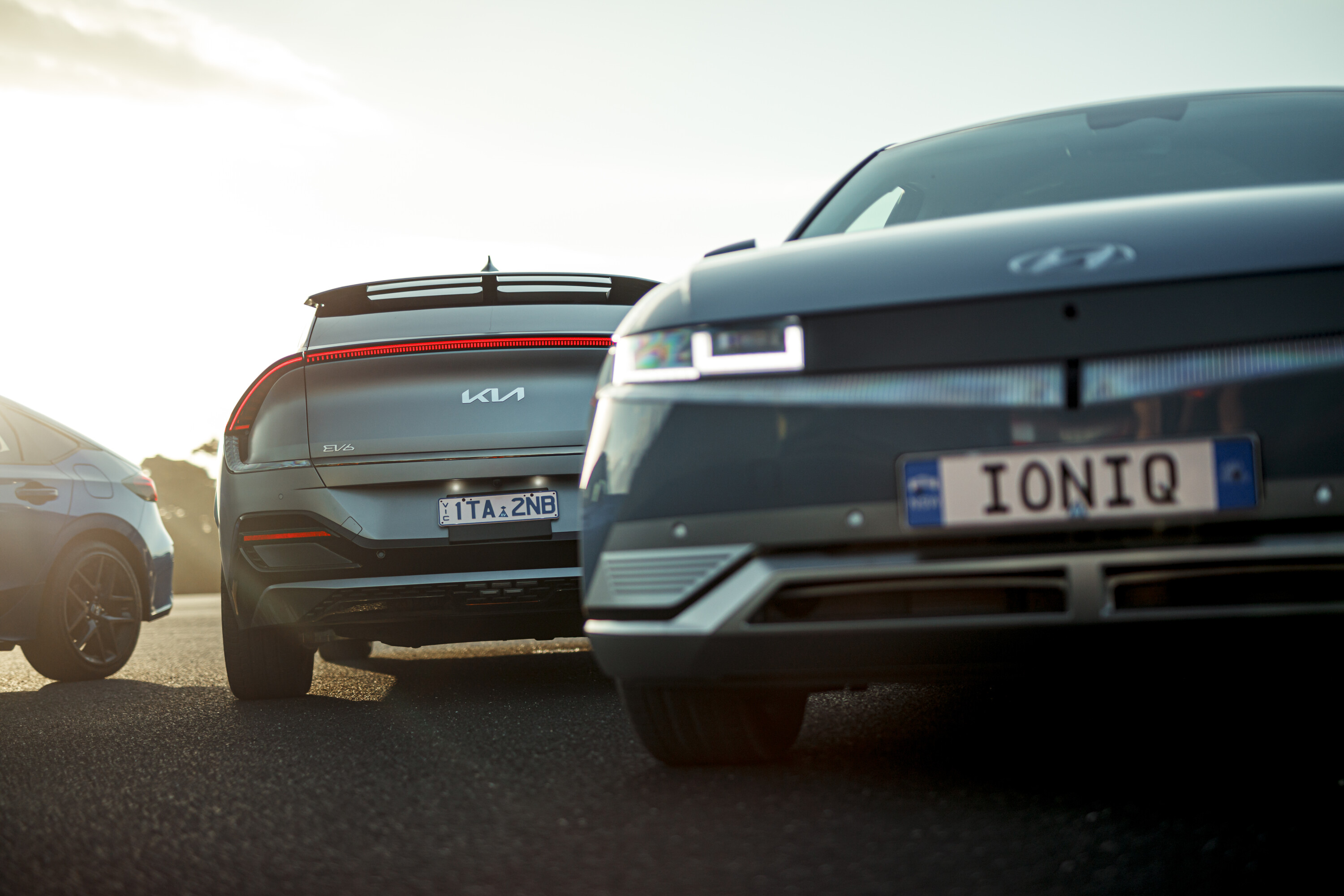
In contrast, the Hyundai Ioniq 6 sedan(342) appears to benefit from more stock allocation in Australia, with many examples available for immediate delivery depending on the location, according to Hyundai’s local online configurator.
1
Overall, since the Kia EV6’s launch, 1266 examples have been registered in Australia – or about one-fifth the Tesla Model Y (26,049) in total.
The 2023 Kia EV6 is priced from $72,590 before on-road costs. It was subject to a $4600 increase in mid-2022.
Our original story continues below unchanged.
June 3, 2022: EV6 supply bolstered for 2022
Snapshot
100 more cars for 2022
Stock likely to be better in 2023
GT variant landing quarter four, or latest early next year
Around 100 more examples of Kia’s halo electric car – the EV6 – are expected to land locally later this year, the company has confirmed.
Following an initial allocation of 500 vehicles, Kia Australia execs have said that lobbying their Korean bosses for more stock since the car’s launch at the beginning of 2022 has resulted in more coming our way.
“We spoke about 500 at launch, and we think we can get a little bit more than that – but not a great deal more. Over this year we can get another 100 cars in, taking us to around the 600 mark for 2022,” Kia’s General Manager of Product Planning, Roland Rivero, told Wheels.
1
“We hope next year there will be a far more abundant supply than the 600 or so. I’ve read several articles it is a three year wait for people, it won’t be, we can get more supply in 2023, but at least there’s more in the pipeline for 2022.”
Of the 91 Kia dealerships across Australia, a handful are being set up to both sell and service the EV6 – the Korean carmaker’s first dedicated electric car.
Selling the model through its Australia-wide dealership network is a strategic difference between the EV6 and the Hyundai Ioniq 5. While the two vehicles are underpinned by the same battery-electric architecture, Hyundai Australia has opted to sell its allocation of 400 Ioniq 5s at a fixed price through its website.
It’s understood deposits for the EV6 have now reached around the 2000 mark – with some of those being for the upcoming flagship GT variant – which hasn’t been released locally yet. Rivero confirmed it’s expected to arrive during the fourth quarter of this year, or very beginning of next year in the worst case scenario.
“We’ve already started tuning that variant,” he said. “Part of that is being done in Germany and we’re going to complete the rest of the electric suspension tuning here in Australia.”
Pricing for the 2023 Kia EV6 GT hasn’t yet been announced, but it’s likely to become the most expensive car offered by the Korean carmaker in Australia – with a price tag set to fall close to $100,000.
“We haven’t even driven that [GT] variant yet, but we’re pretty excited. The [regular] EV6 is the best Kia I’ve ever driven and if that’s any indication of what the GT will be, we’re off to something special that’s never been part of this brand before,” Chief Operating Officer Damien Meredith previously told us.
The dual-motor, all-wheel-drive EV6 GT produces 430kW and 740Nm. With a quoted 0-100km/h time of 3.5 seconds, it is the fastest-accelerating Kia production car yet.
Other EV6 variants also use a 77.4kWh battery, but are equipped with less powerful motors or use a single electric motor.
1
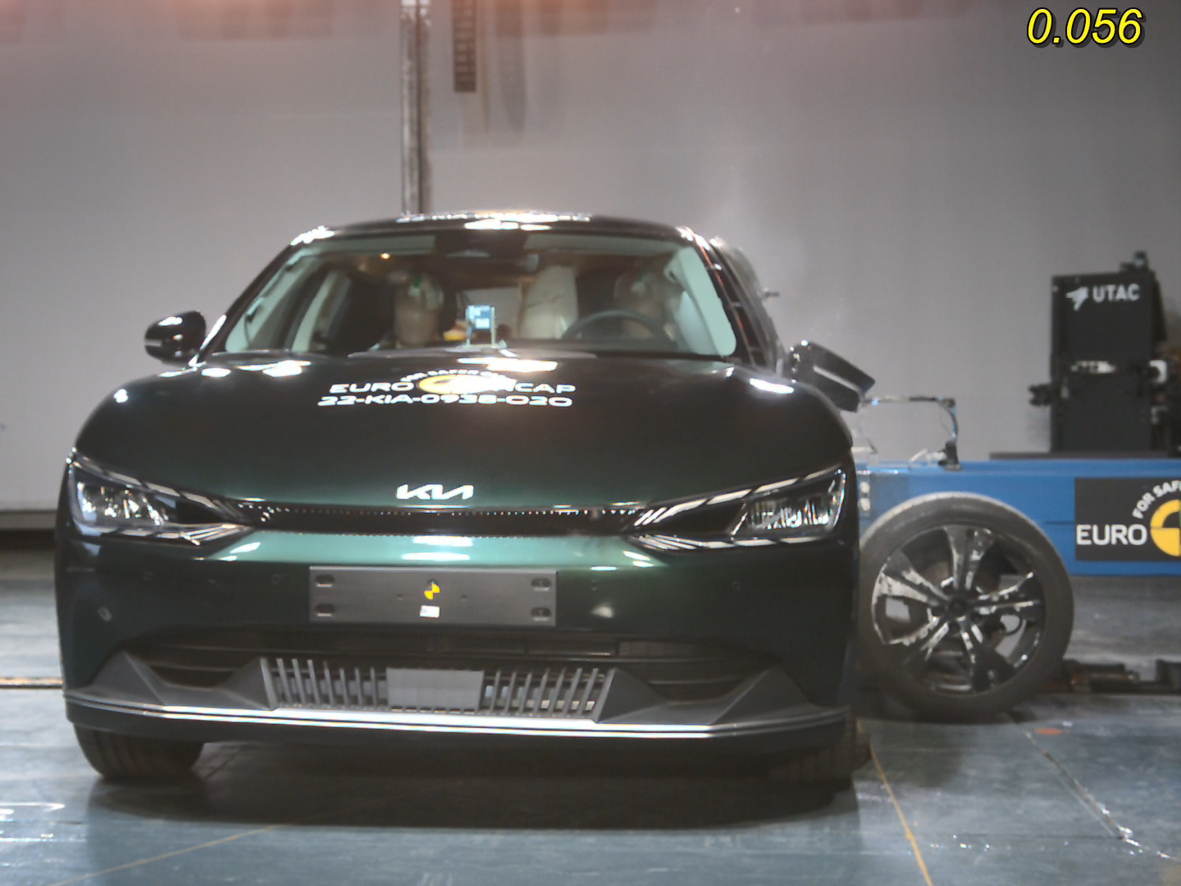
While the much-anticipated EV6 GT is set to be popular for the brand, and the model has had other recent wins such as the awarding of a five-star ANCAP safety rating, stock issues remain an issue.
“The problem at the moment is that getting, say 2000, EV6s into the country is just an impossibility. Based on our monthly arrivals it’s looking like about 600 this year, but it’s far from enough of what is required to meet demand,” Meredith told Wheels this week.
“Winning Wheels Car of the Year (COTY) speaks volumes about what it has done, and will do, for the brand – although you can’t dismiss the strength of the new Sportage and what that has done with its own awards, and the Carnival as well.
1
“We’ve worked really hard and seen a massive change in how we communicate the message of our brand in a relatively short period of time. We’re proud of what EV6 has achieved, but you’re only as good as your last kick and we have to keep on going.
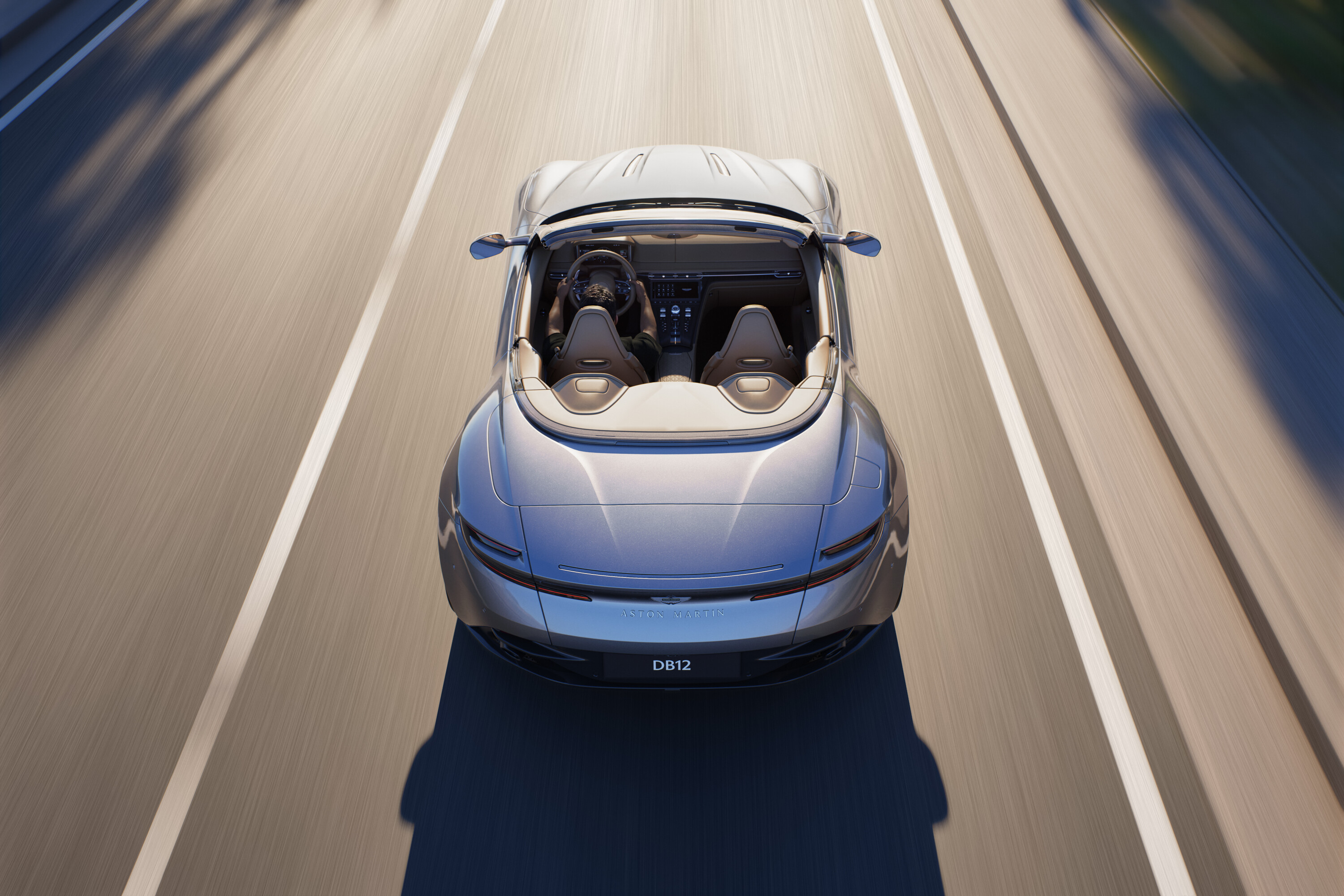
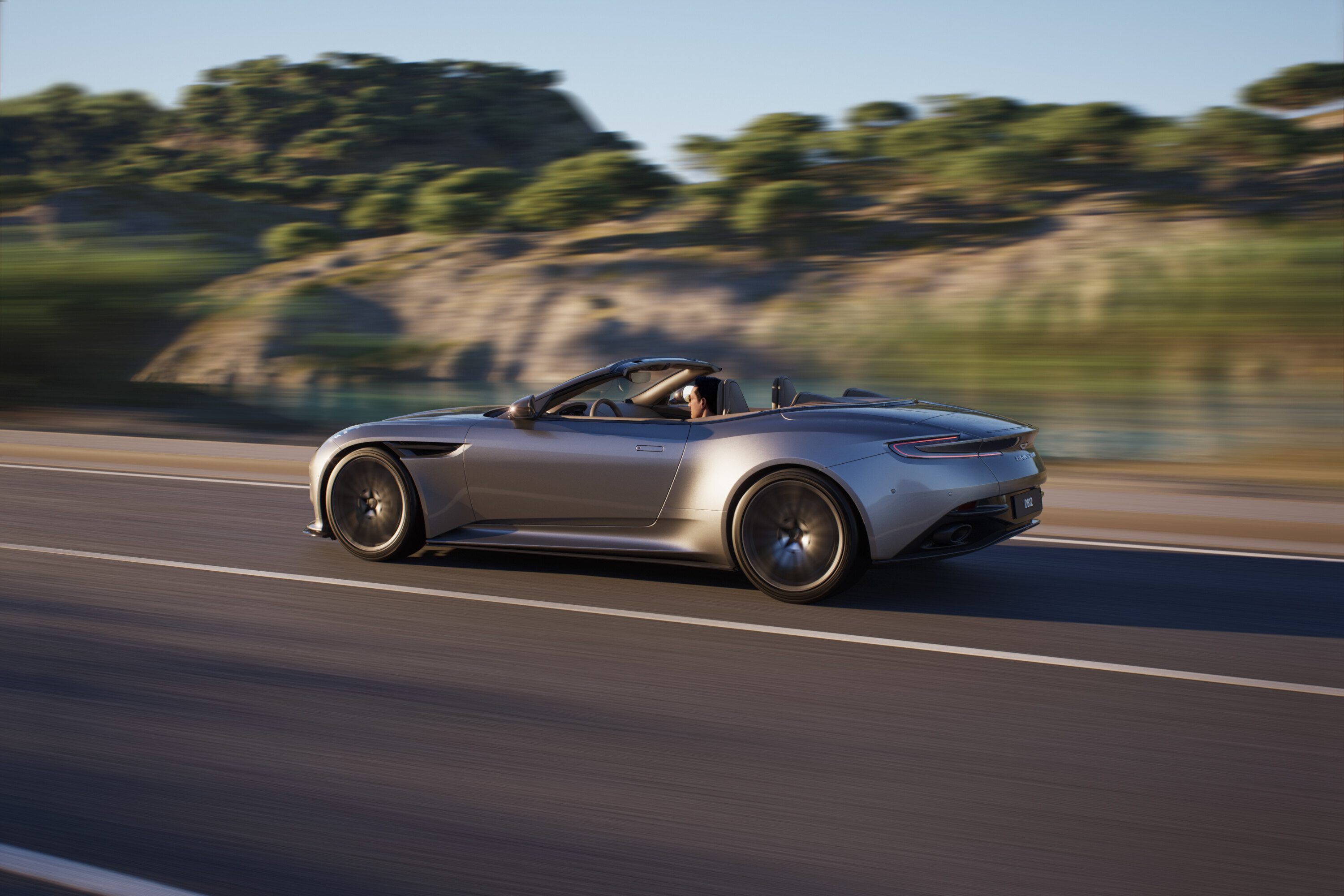
Aston Martin has unveiled the 2024 DB12 Volante, the British carmaker’s flagship drop-top grand tourer.
Snapshot
Aston DB12 doffs its cap
Twin-turbo V8 drop top hits 100km/h in 3.7 seconds
Classic Aston lines make for a gorgeous convertible
The DB12 Volante utilises the same bonded aluminium structure and AMG-sourced handbuilt twin-turbo V8 as the coupe – but with the roof down it looks even more stunning.
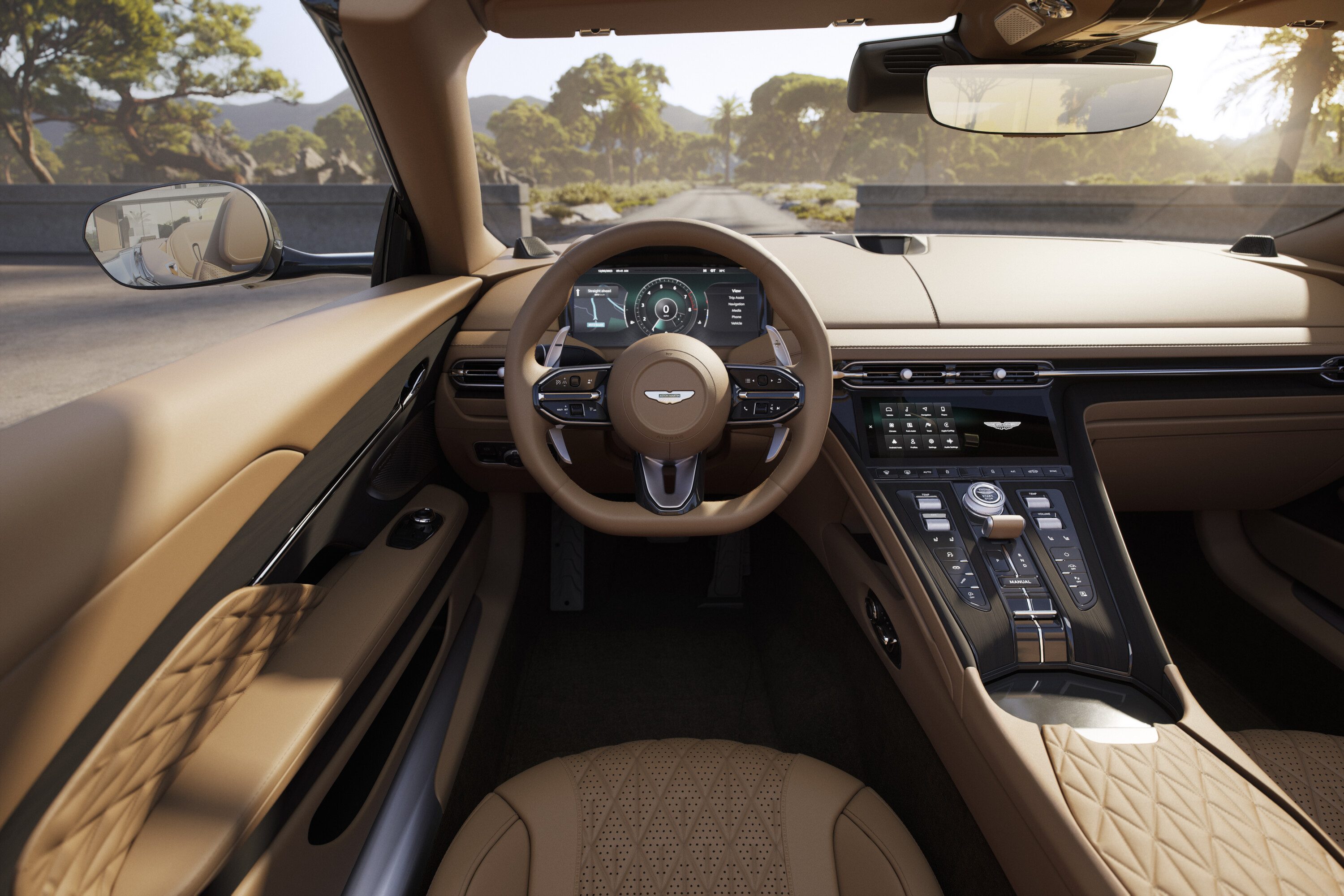
Displayed in a more restrained communications spec with silver paintwork over beige leather and wood trim, the Volante comes across as classier than the lurid green, gold-wheeled DB12 coupe.
Having recently hit vogue again, the Volante eschews a 2000s-era metal top for a soft rag item just like one of its main rivals, the Mercedes-AMG SLand its DB11 forebear.
No longer the ‘softer’ option, DB12 Volante offers the stimulation of a true sports car
The DB12 Volante’s roof features eight layers of sound insulation and can open in 14 seconds at speeds up to 50km/h – closing takes 16 seconds. Owners will be able to operate the ‘K-Fold’ roof with remote keys within a two-metre radius.
Aston’s design team has worked hard to preserve the DB12’s sleek lines with the Volante, and – in its own words – has penned “a lithe and muscular tail that puts the lumpen efforts of package-compromised rivals to shame”, a bold claim.
“For many of our customers, roof-down driving is the greatest pleasure. Aston Martin Volantes have captured that emotion and expressed it in unique style for more than six decades”, said Aston Martin CEO, Amedeo Felisa.
Underneath it’s very similar to the coupe but with a few key changes. These include different underbody parts such as the engine cross brace to account for its toplessness.
It benefits from the same structural improvements Aston made over the DB11 coupe, such as stiffer suspension mounting points and bracing for a five per cent improvement in torsional rigidity. This should enhance suspension action and steering feel.
Keeping the 21-inch alloys shod in Aston Martin OEM Michelin Pilot Sport 5S tyres (275/35 front 325/30 rear) in touch with the ground is double-wishbone front suspension and a multi-link rear axle.
1
Steel springs are paired with adaptive dampers. The Volante gets bespoke rear spring rates and a damper tune to suit its different distribution of mass.
“No longer the ‘softer’ option”, is the result according to Mr Felisa, adding the “DB12 Volante offers the stimulation of a true sports car with the unique pleasure and satisfaction that only a convertible Aston Martin can deliver.”
Although disappointing to lose the DB11’s 5.2-litre twin-turbo, there’s some consolation in an extra 43kW from the handbuilt 4.0-litre twin-turbocharged V8 that produces 500kW at 6000rpm and 800Nm between 2750-6000rpm.
It drives the rear wheels via an eight-speed ZF automatic with a shorter final drive ratio than the DB11, and at the back Aston has packaged an electronically-controlled limited-slip differential.
1
Braking is taken care of by 400mm front and 360mm rear cast iron brake discs as standard, while carbon ceramics – that save 27kg of unsprung mass – are optional.
Inside is a familiar affair ro the coupe with a new infotainment system built around a 10.25-inch touchscreen and Aston’s own software with navigation and 3D mapping. Sound is taken care of by an 11-speaker stereo standard, while a pumping 1170W 15-speaker Bowers & Wilkins sound system can be specified.
Aston offers a broad colour palette for standard DB12 Volante colours and leather, with almost endless options at the buyer’s fingertips if they choose to go for the custom ‘Q’ program.
Cars will start being built in the third quarter of the year, and the first deliveries to Europe and the United Kingdom begin in Q4. Australian arrivals are likely to follow in 2024. Expect a starting price above $400K and on the way to $500,000 locally.
When it comes to a large family SUV, the Hyundai Santa Fe has long been a dependable, if slightly under-the-radar, choice to consider.
On sale since 2000, the Santa Fe has grown in size, spec and price over the last two decades.
You may already own a Santa Fe and are considering an upgrade, or you might be looking at a current 2023 model. Is it worth waiting for a 2024 Hyundai Santa Fe? Let’s run through the basics.
If you’re looking at a seven-seat large SUV to pack the kids and their junk into, the Santa Fe is a great place to start… and if you have bigger kids or more stuff, then it might be worth waiting for the 2024 model.
It’s bigger in almost every direction; at 4830mm it’s 45mm longer than previously, its 2815mm wheelbase is 50mm longer than previous, and it is 35mm taller at 1720mm. Its overall width remains static at 1900mm, despite those prominent wheel arches.
Nowhere is that extra length more evident than on the inside. The second-row legroom is up by 35mm to 1075mm, and by 20mm to 1055mm in the hybrid-equipped version. Third-row legroom, meanwhile, has increased by 15mm to 761mm.
2
Hyundai is also claiming best-in-class third-row headroom for the 2024 Santa Fe, with the third-row headroom’s height lifting by 69mm to 958mm.
It is also claims that the Santa Fe’s luggage capacity has grown by 91 litres, while tailgate opening width jumps by a claimed 125mm.
The extra third row room in the new car may answer one of the few niggles our team has had with the current Santa Fe; those stuck in the third row are pretty light on for space.
The current spec Santa Fe only moved over to Hyundai’s new N3 platform in 2021, allowing the addition of new engines, hybrid parts and updated safety kit.
It is rated to tow 2500kg of braked trailer and 750kg unbraked.
We can’t confirm what the platform variant is yet on the 2024 Santa Fe, but we suspect it’s a modified design of the N3 – more closely related to the version that underpins Hyundai’s Staria van.
With the omission of both the diesel and petrol engines, there is also a question mark over the braked towing capacity of the 2024 Hyundai Santa Fe… though we would be very surprised if it wasn’t rated to at least match that of the current model.
While final specs are yet to firm up ahead of its launch, the 2024 Hyundai Santa Fe is likely to adopt the 207kW/422Nm Theta III turbocharged 2.5-litre four-cylinder engine from the Sonata as its headline powertrain.
This will potentially be combined with an all-wheel drivetrain backed by an eight-speed dual-clutch gearbox. Expect fuel economy to be in the region of 9L/100km.
The Gamma III 1.6-litre turbocharged four-cylinder is also likely to arrive at launch in series hybrid guise and will likely be tied to a front-wheel drivetrain and a six-speed automatic transmission. It’s good for 132kW and 265Nm, while returning 6.5 litres per 100km according to supplied specs.
1
However, there are couple of notable omissions from the Santa Fe’s specification sheet; both the 2.2-litre turbo diesel and 3.5-litre naturally aspirated V6 powertrains present in the current Santa Fe are not available in the 2024 Santa Fe.
This may disappoint some fans of the bigger capacity V6, which made towing a breeze. It was, however, quite a thirsty unit.
Likewise, the smooth and refined turbo diesel engine had its fans, but with a greater emphasis on electrification and hybridisation – and, no doubt, little appetite for it in the Santa Fe’s biggest market, the US – the oiler will not be available on the 2024 Santa Fe.
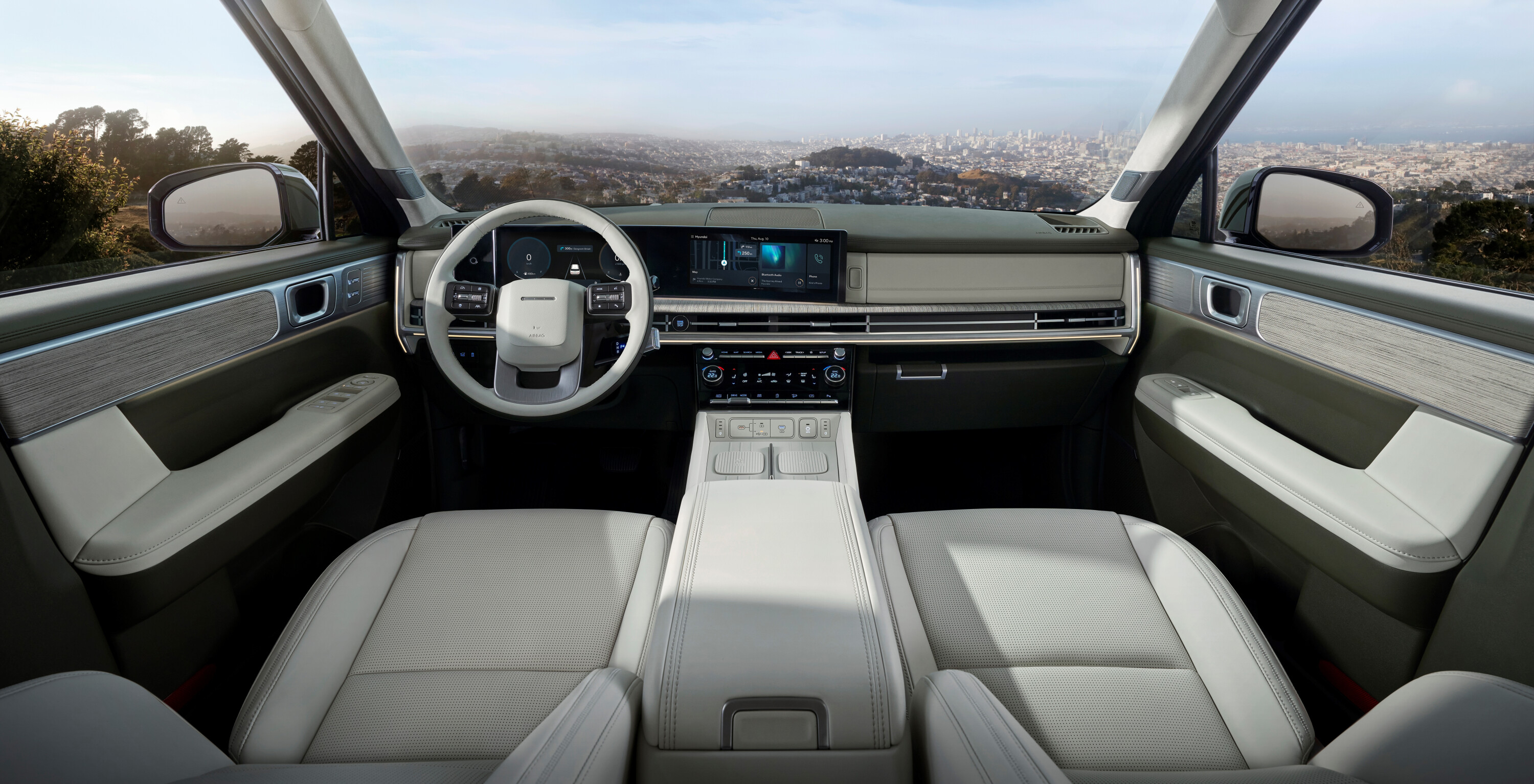
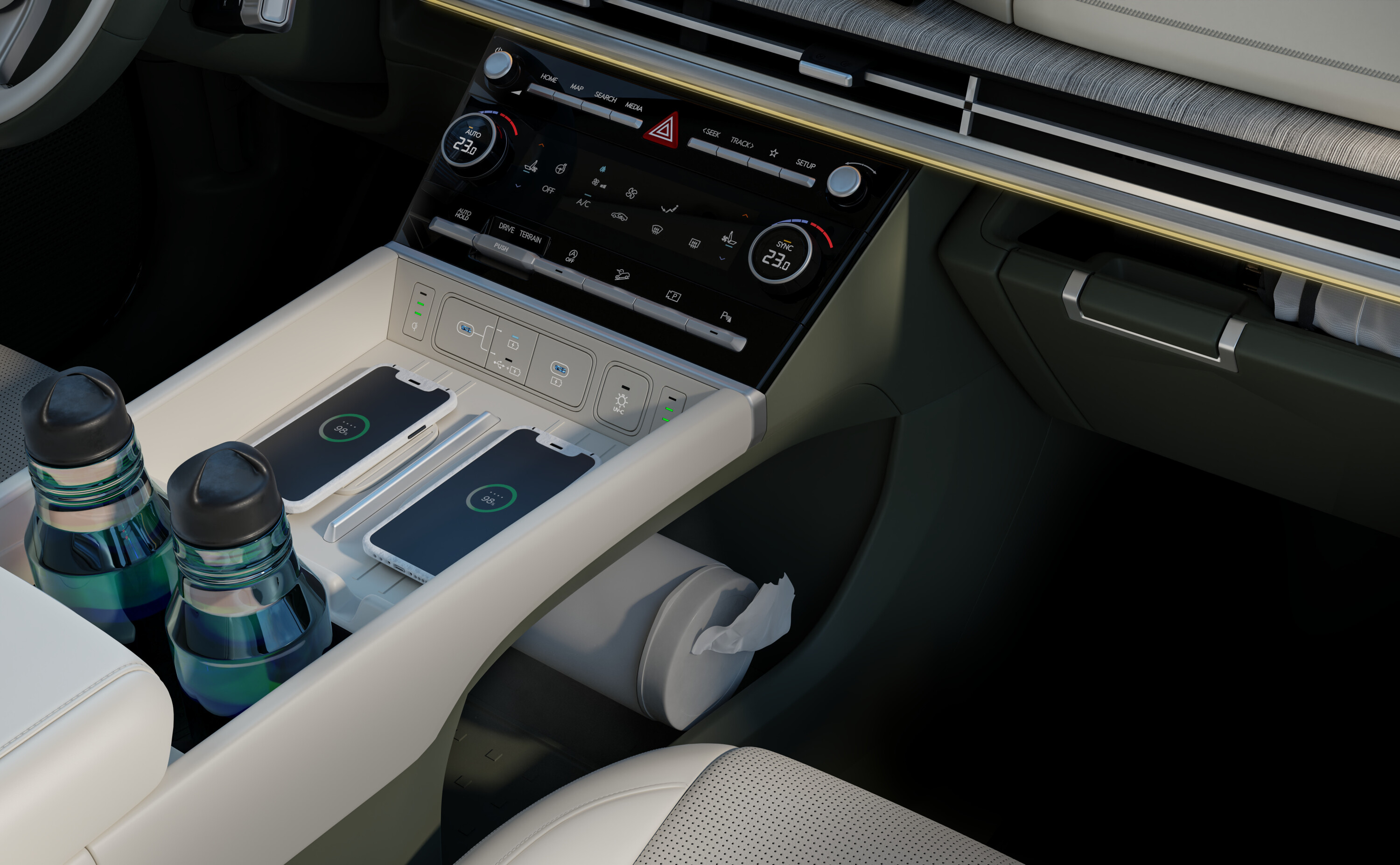
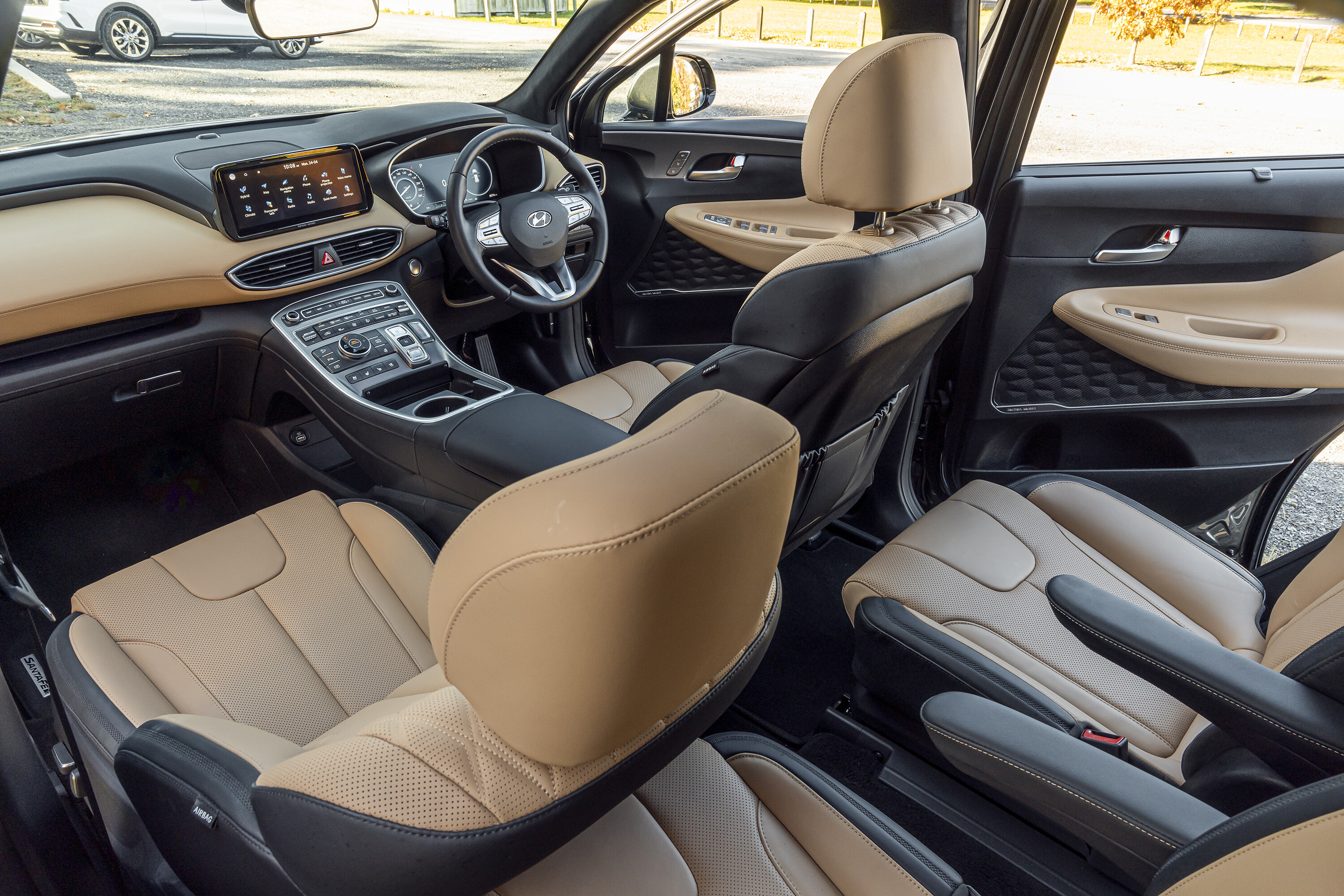
Inside, the dash of the 2024 Santa Fe mimics the style of the Sonata and Tucson, with twin 12.3-inch screens mounted side by side on a sweeping curved binnacle, while the electronic gear shifter has been relocated behind the steering wheel.
A mix of digitally accessed controls and traditional dials and switches for climate control and the like combine with a generously wide centre console that’s home to a pair of inductive phone charging pads.
The high-spec version used for press images sported heated seats, push-button start, multi-zone climate control and a digital rear-view mirror that can be used when visibility via the traditional glass mirror is compromised.
2
In terms of differences, the twin-screen dash and revised centre console arrangement gives the new car a considerable leg-up over the current car.
The current spec Santa Fe benefitted from the addition of a push-button gear shift and floating centre console from Elite trim up (very similar to that in the Palisade) that liberated useful incidental storage below, with a tray big enough for a small backpack or shoulder bag.
In terms of differences, the twin-screen dash and revised centre console arrangement – not to mention a lift in overall ambience and styling – gives the new car a considerable leg-up over the current car.
Pricing hasn’t yet been divulged for the 2024 Hyundai Santa Fe, but it’s reasonable to expect that they will increase from their present position, given the increase in specification, new powertrains and increased production costs.
For example, the 1.6-litre HEV-equipped AWD Highlander currently costs $69,500 plus ORCs, while the base model V6 FWD starts at $46,050 plus ORCs.
If we were laying bets on how much the 2024 Santa Fe will cost, we would expect price rises of between 10 and 15 per cent across the range, depending upon variant. Of course, there will also be fewer variants to choose from, thanks to the demise of the diesel and V6 petrol engines.
1
Is the 2024 Hyundai Santa Fe worth the wait?
If you value modern design, the most up-to-date safety systems and need a smidge more room that the current version provides, then yes.
If you currently own a V6 petrol model, then updating to the turbocharged 2.5-litre version will net real-world fuel savings without a significant impact on performance, as well.
Anyone who’s spent time playing games from the Gran Turismo franchise will be struck by the sound quality of the Sony Pictures movie adaptation.
The screen opens with a montage of JDM heroes, including a Honda NSX Type R approaching redline. There are no lawnmower engine sounds here – it’s all immaculately recorded and makes for eargasmic listening.
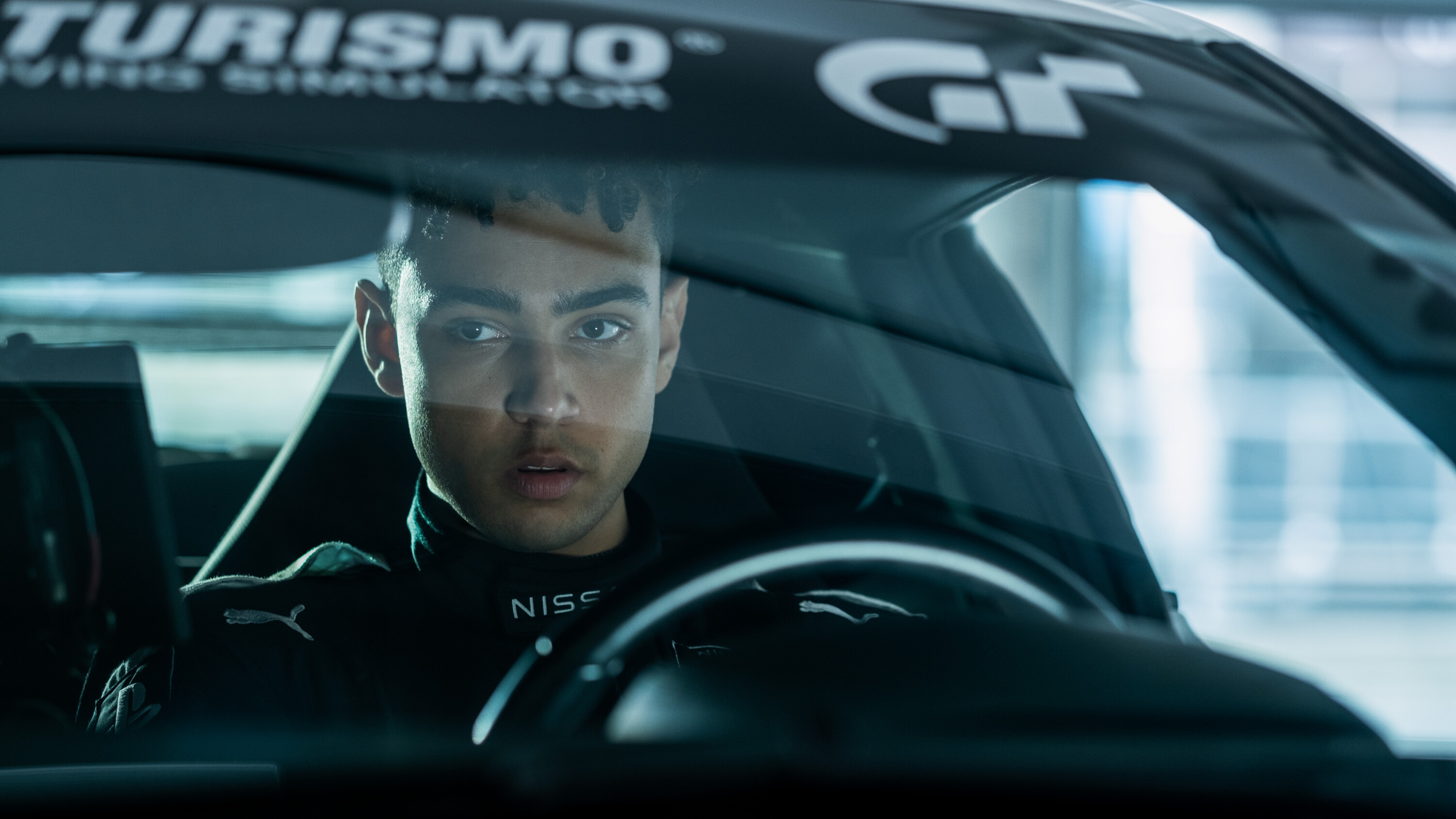
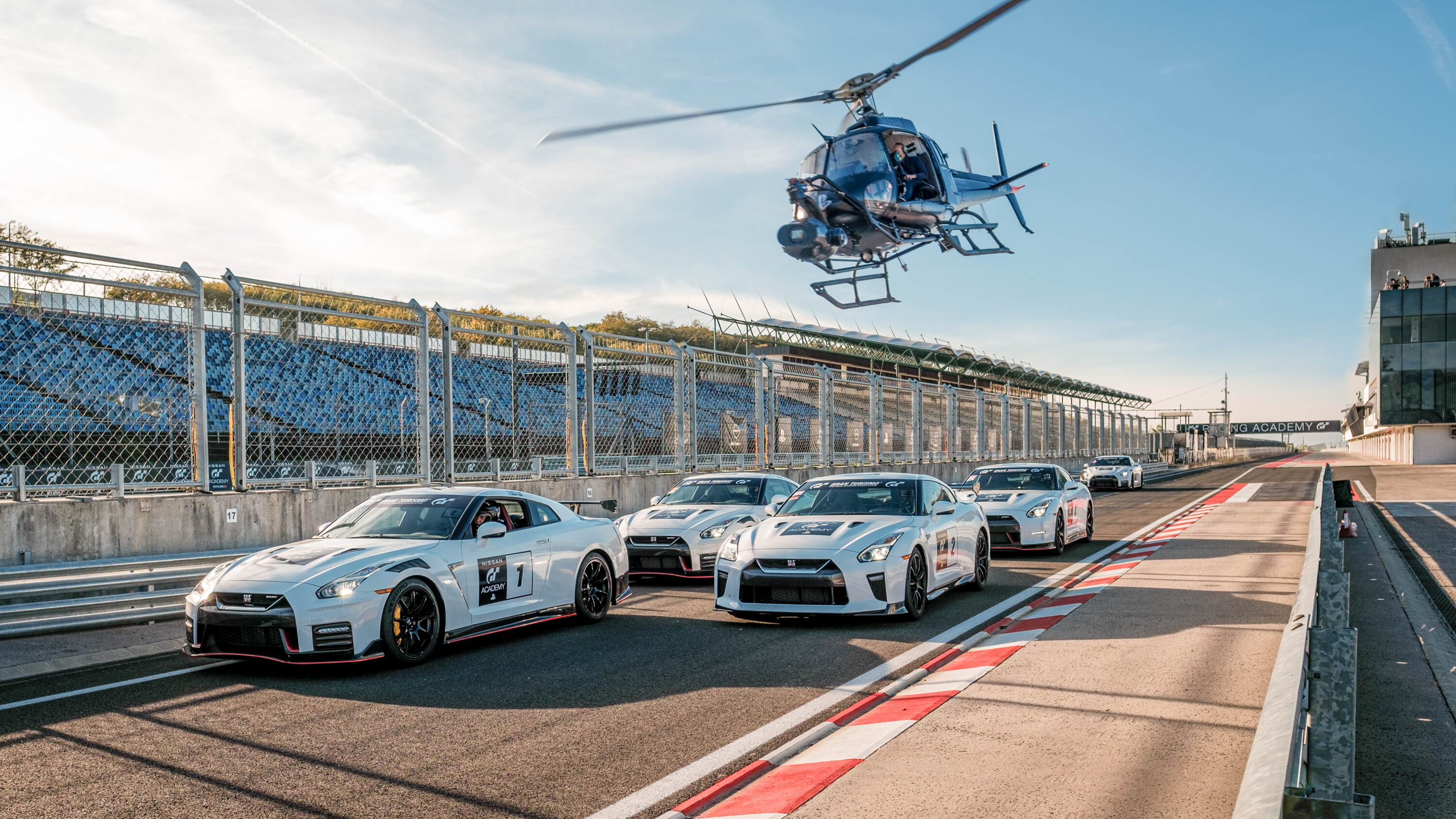
Then we get into a tale based on the true story of Jann Mardenborough climbing through the racing ranks after he became the third winner of GT Academy in 2011 at just 19 years old.
1
Played by Archie Madekwe, Jann battles against his middle-class roots and a father who has little faith in the prospects a video game may bring.
With little support from dad (Djimon Hounsou) and mum (played by ex-Spice Girl, Gerri Halliwell) Jann has to balance a love interest and being a teenager with his secret racing life.
Predictably, there’s a fast-talking Nissan marketing guy (Orlando Bloom), a Nikita Mazepin-type oligarch’s son who races a gold Lamborghini, and the mostly-forgettable GT Academy racers. All-around automotive talent and television presenter, Emelia Hartford, also features as a fellow GT Academy competitor.
1
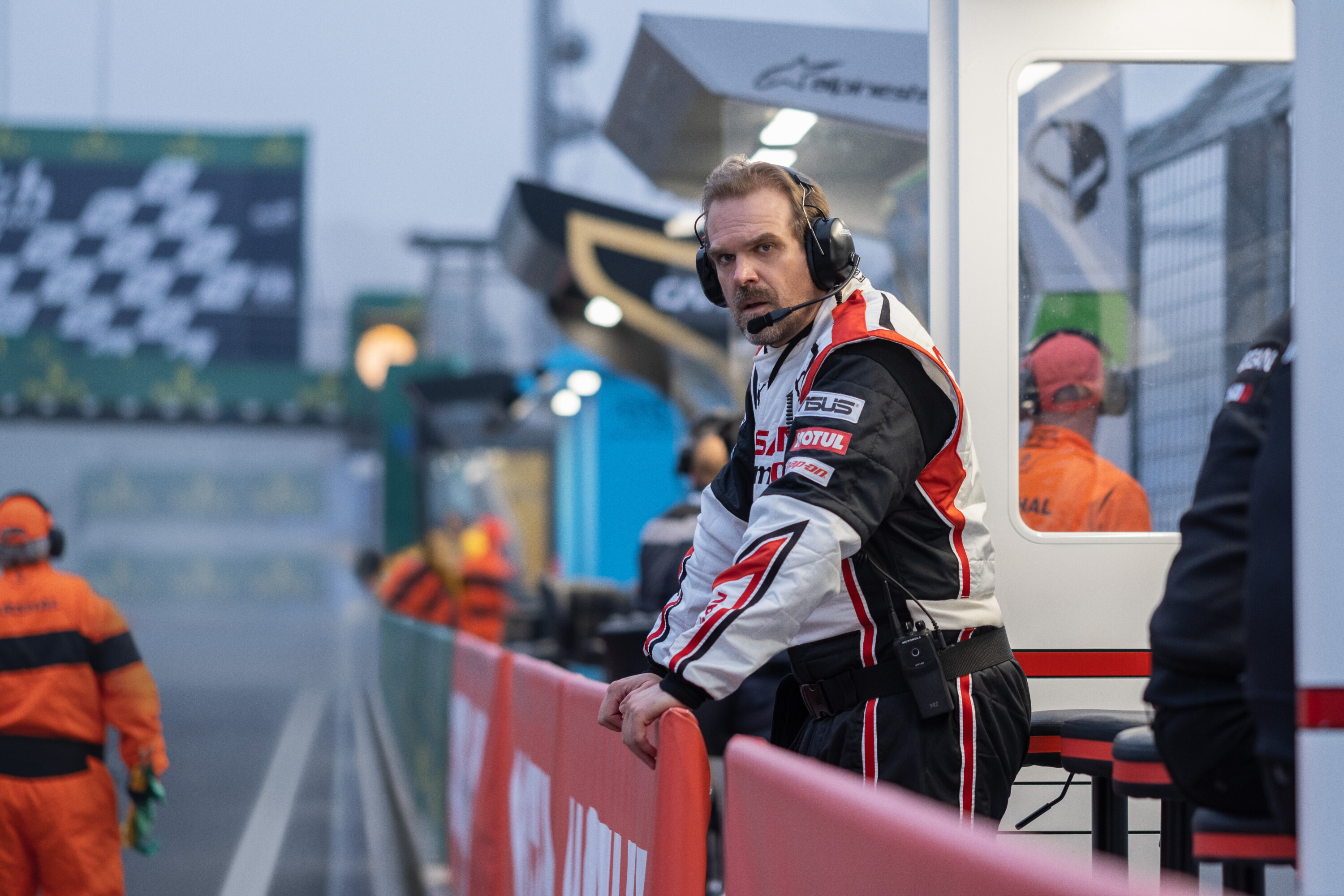
Jack Salter, a crotchety ex-racer whose career was cut short (David Harbour), is the exception for charcter development.
Salter grows to really believes in Jann and champions his skills after he identifies an issue with the physical car – but that’s the extent of character development outside of the protagonist.
Being an automotive publisher, we’re of course interested in the ‘cars-t’. This includes a lot of new Nissan products (Qashqais after Learjets seemed a bit odd), but there are also JDM classics – the Skyline R33 GTS-T that flashes past Nissan HQ and the gorgeous cars on display in the lobby, as well as dad’s Corrado VR6 that’s involved in a well-choreographed car chase.
The racing, though, is less convincing. Die-hard motorsports fans may be frustrated which seems to be the case for any car movie reaching for broad appeal.
1
Sony features in a cute gesture of product placement with a Walkman that’s linked to the movie’s fantastic soundtrack
My advice? Try and ignore the fact that Silverstone and Circuit de la Sarthe (Le Mans) are ostensibly played by a combination Fuji Speedway, Hungaroring, and the Red Bull Ring all at once. And don’t look too closely at the 997 Cup Car that’s competing against a Ford GT GTE and Jann’s R35 GT-R GT3 race car.
The race weekends are strangely dramatised – it appears that Jann and the rest of the racers only drive the race, rather than the reality that is multiple practice and qualifying sessions before the race proper.
Sony features in a cute gesture of product placement with a Walkman that’s linked to the movie’s fantastic soundtrack. From Chopin to Black Sabbath via Jamie XX’s excellent Colours album. Jann’s obsession with Kenny G provides some comic relief, too.
1
While the cinematography is not challenging or typical of most Hollywood films, it is a great analogue of Gran Turismo gameplay.
Think epic sun flares, vibrant colours, shallow depth-of-field and plenty of dramatic, high-speed pans. The vehicle stunts and driving (done by the real Jann Mardenborough) also deserve praise – especially knowing there were only seven weeks of filming.
Like Ford v Ferrari, Gran Turismo is not really a movie for mad fans of motorsport. Inconsistencies, excessive drama and stupidly superhuman driving talent get in the way of what is a vibrant and aurally pleasing movie.
Sit back, relax, enjoy the sights and sounds, and Gran Turismo might just have you reaching for the controller or simulator to test your mettle against the best of GT Academy when you get home. It might even inspire the next generation of racers.