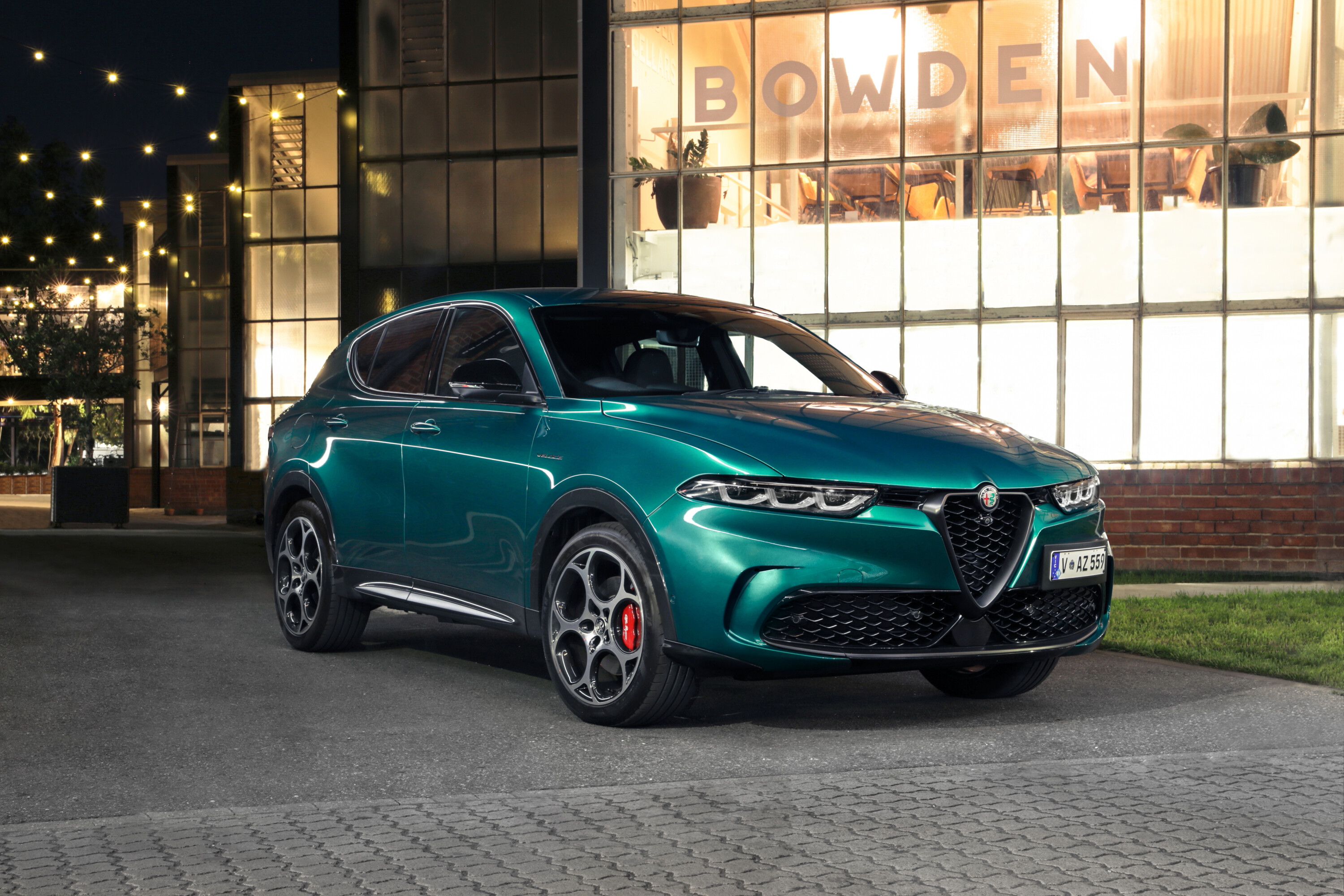
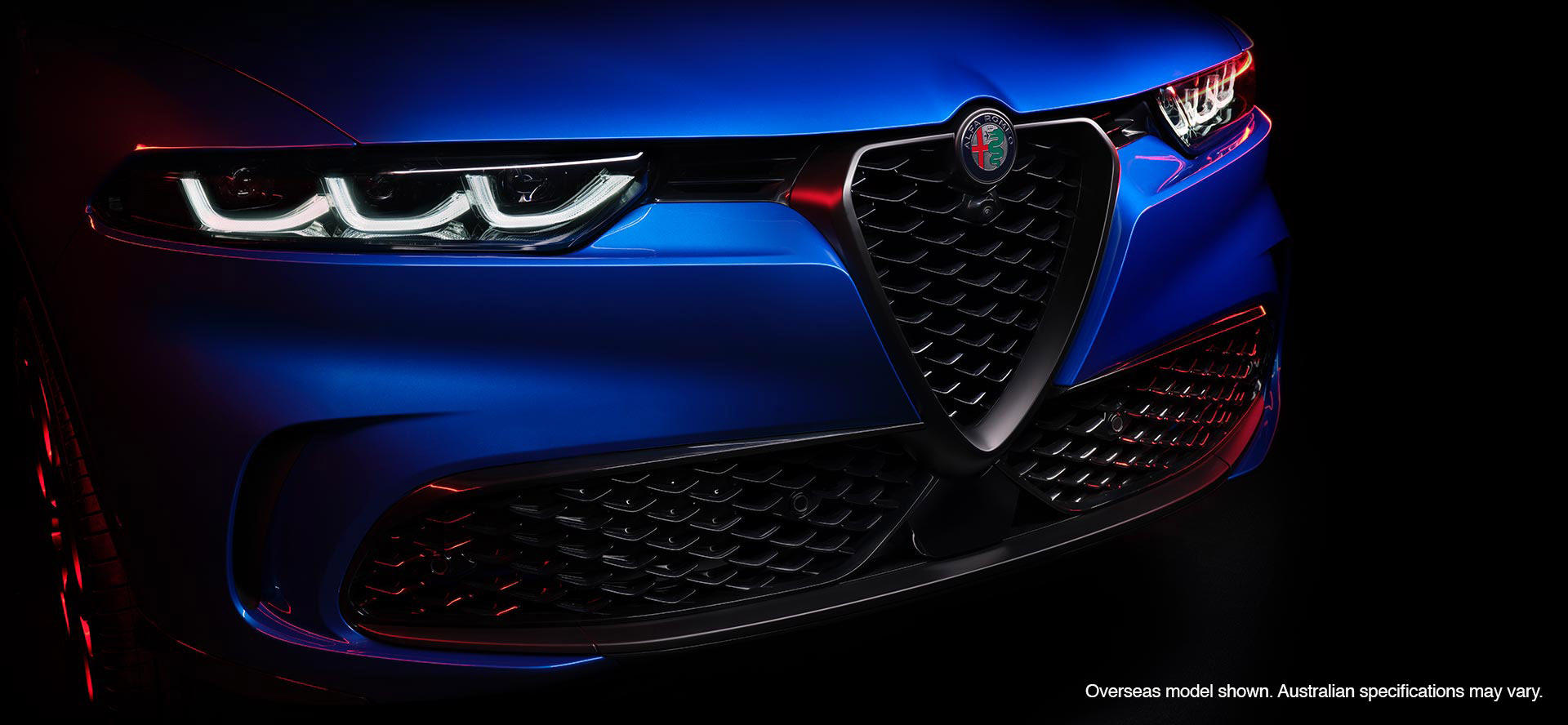
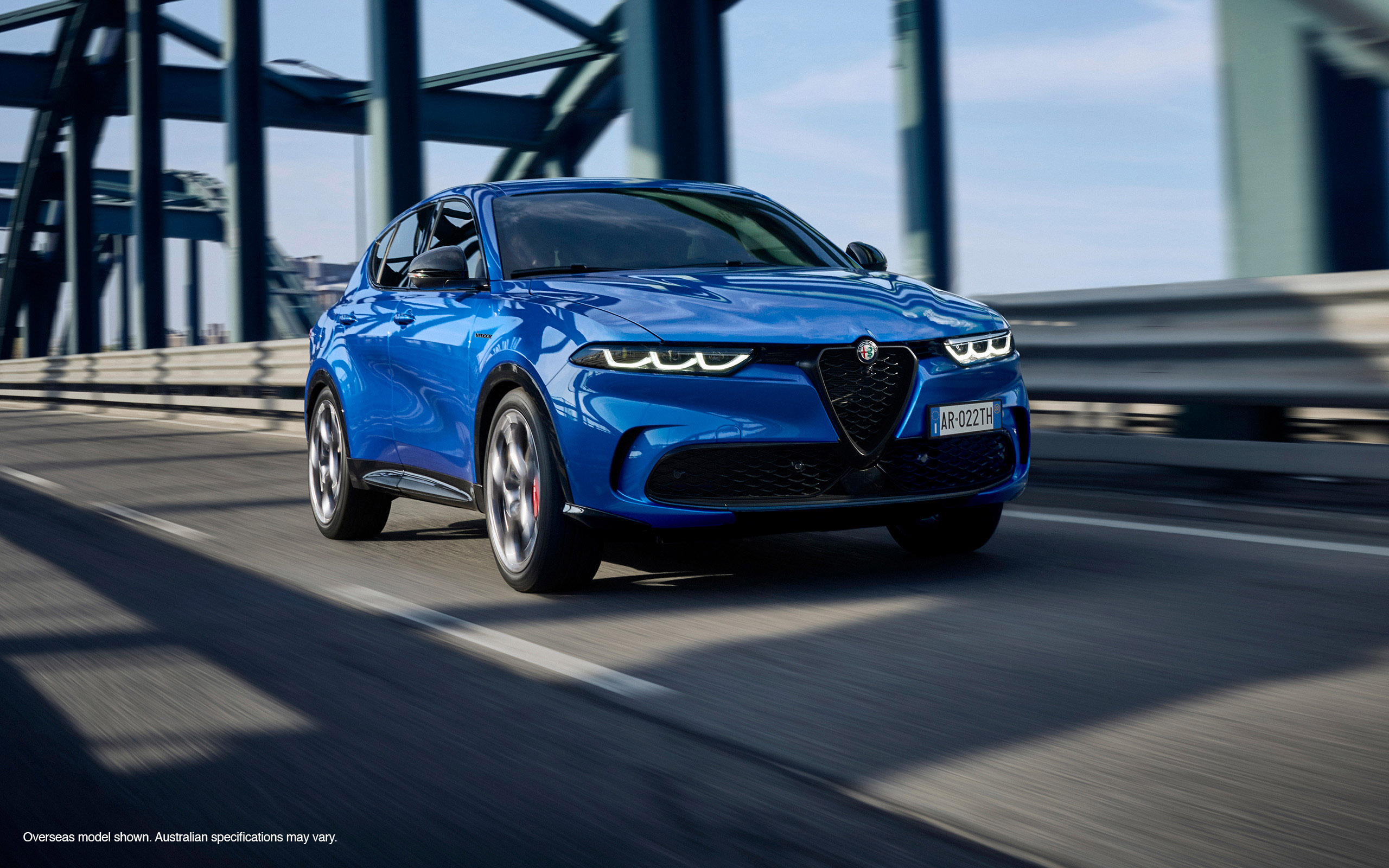
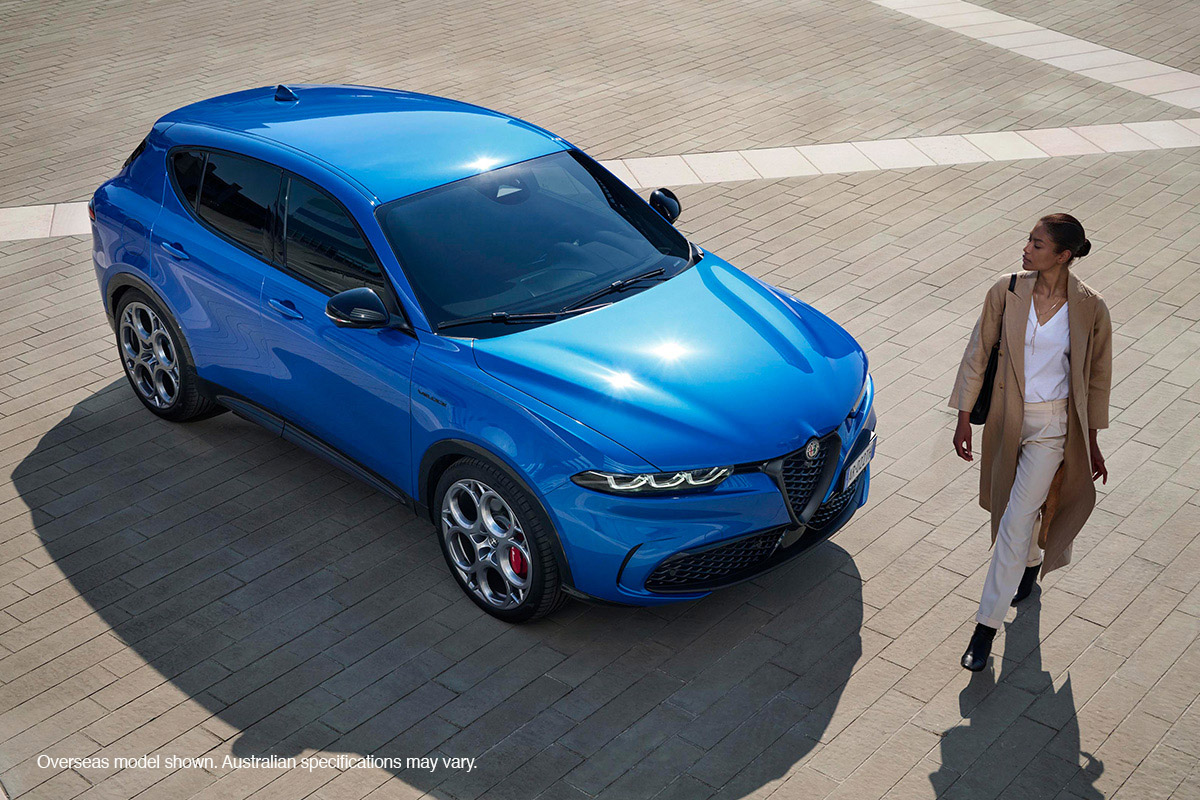
UPDATE: 2023 Alfa Romeo Tonale plug-in hybrid priced; Ti and Veloce on sale now
The plug-in hybrid 2023 Alfa Romeo Tonale will arrive in Australia between October and December.
Badged Q4, theTonale plug-in hybrid is priced from $77,500 before on-road costs – a $21,100 premium over the mild-hybrid Veloce.
For the added cost, the Tonale Q4 adds a more-powerful 208kW/550Nm plug-in hybrid system, an electronic all-wheel-drive system, and regenerative braking.
1
Under the skin, the 15.5kWh lithium-ion battery pack allows for a WLTP-rated 60-kilometre all-electric driving range, with a peak 7.4kW AC charge rate allowing for a recharge in “less than 2.5 hours”.
While standard equipment is shared with Veloce, it is also fitted with heated and ventilated front seats, eight-way power front seats, black perforated leather upholstery, and a 14-speaker, 465-watt Harman Kardon sound system.
The mild-hybrid Alfa Romeo Tonale arrived in Australian showrooms in June, with our launch review linked below.
October 4, 2022: Alfa Romeo Tonale pricing announced
“The Alfa Romeo heritage shines through with the modern style and ingenuity that make the Tonale Hybrid a one-of-a-kind.”
Snapshot
Alfau2019s small SUV priced for Australia
Starting from $49,900 plus on-roads
Two variants at launch: Ti and Veloce
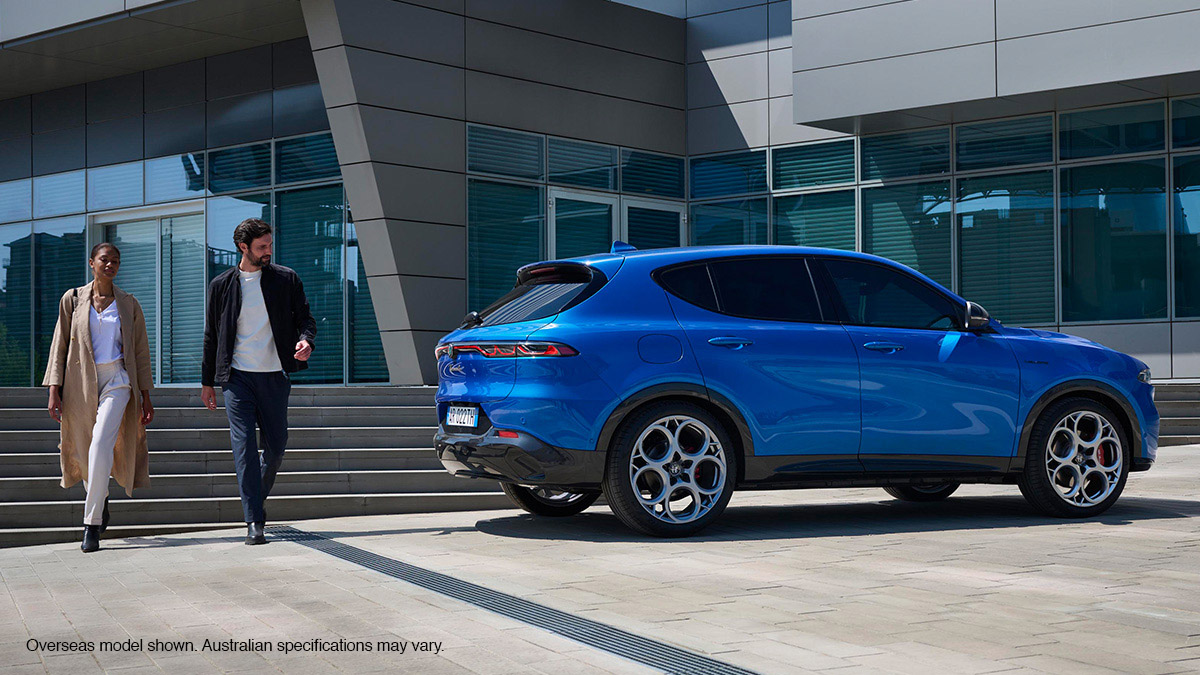
The 2023 Alfa Romeo Tonale is gearing up for a February release in Australia with a 48-volt hybrid powertrain and two trim levels.
Tonale pricing kicks off at $49,900 before on-road costs for the Ti and climbs to $56,400 for Veloce. Options packs and six paint colours are available to tailor the Tonale to your preferences.
The Tonale small SUV is a rival for the Mercedes-Benz GLA-class, Audi Q3, Lexus UX and BMW X1. Alfa has kept pricing sharp for its new SUV, with the $49,900 list price undercutting the most affordable BMW X1 in Australia.
Underneath the Tonale is Stellantis’s same ‘Small Wide 4×4’ platform as found in the Jeep Compass and Renegade, though Alfa says it’s an updated version.
The Tonale has been pitched as Alfa’s saviour, and the first step on the brand’s electric journey. Reports indicate the small SUV may also offer a fully-electric model in the future.
“We are very excited to see Alfa Romeo move towards electrification. The Tonale Hybrid is the ultimate blend of past, present and future, with its classic style, meticulous interior and driver-centric environment”, said Alfa Romeo Australia managing director, Kevin Flynn.
Tonale will arrive in Australia with just one engine choice. It’s a hybrid that uses a 1.5-litre turbo-petrol four-cylinder teamed with a 48-volt electrical system for 118kW/240Nm.
The electric motor produces 15kW and 55Nm, which Alfa says is enough to get the Tonale off the line and up to around 15km/h.
Providing electricity for the motor is a 0.8kWh battery, so there’s no meaningful EV-only driving range. Alfa claims 5.6L/100km fuel efficiency (NEDC).
1
Alfa has confirmed that a plug-in hybrid Tonale is due in the third-quarter of 2023 featuring much feistier peak outputs of 205kW/550Nm. The PHEV will also use an all-wheel-drive system where the regular Tonale is front-drive only.
Equipment and technology
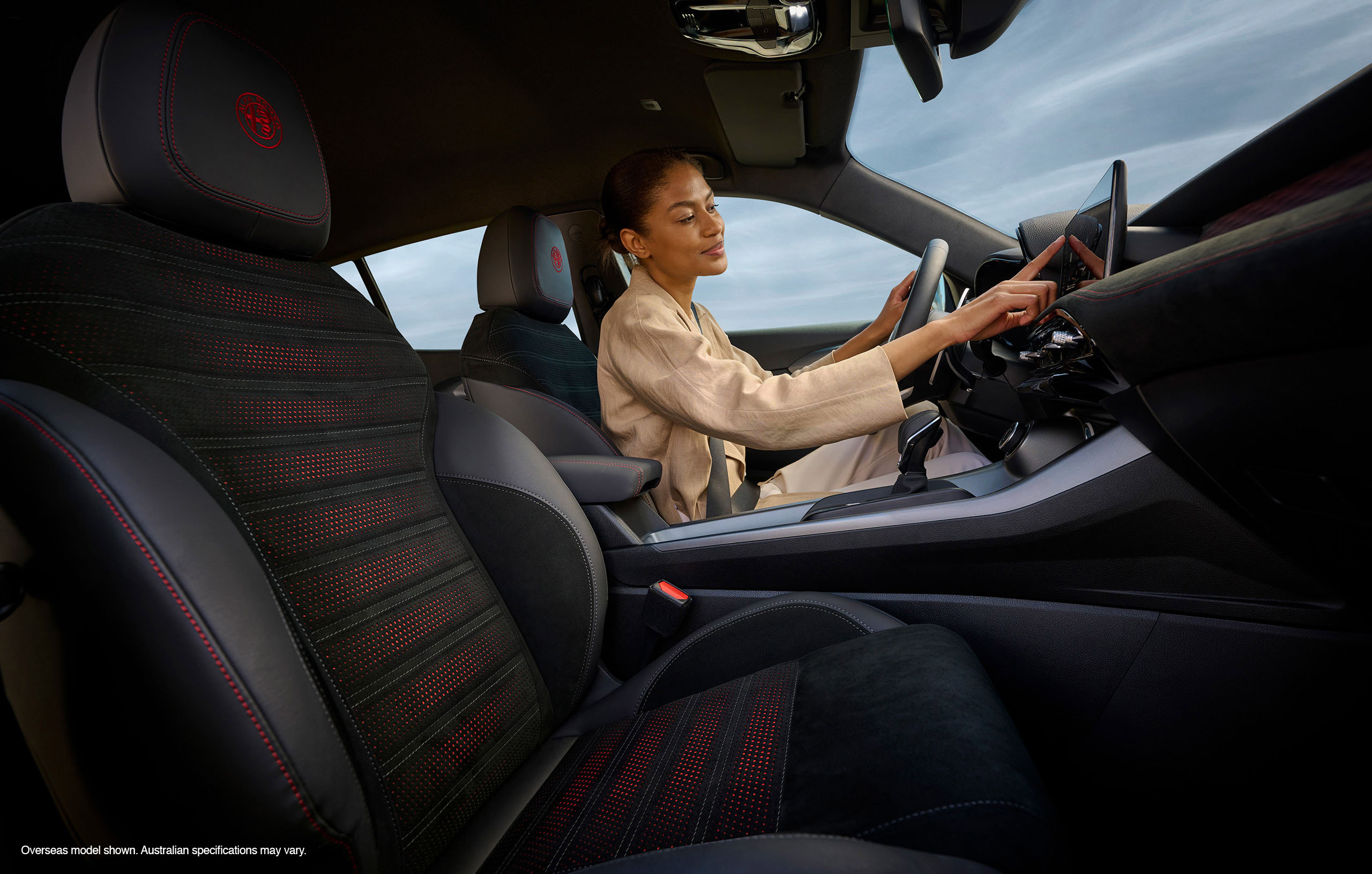
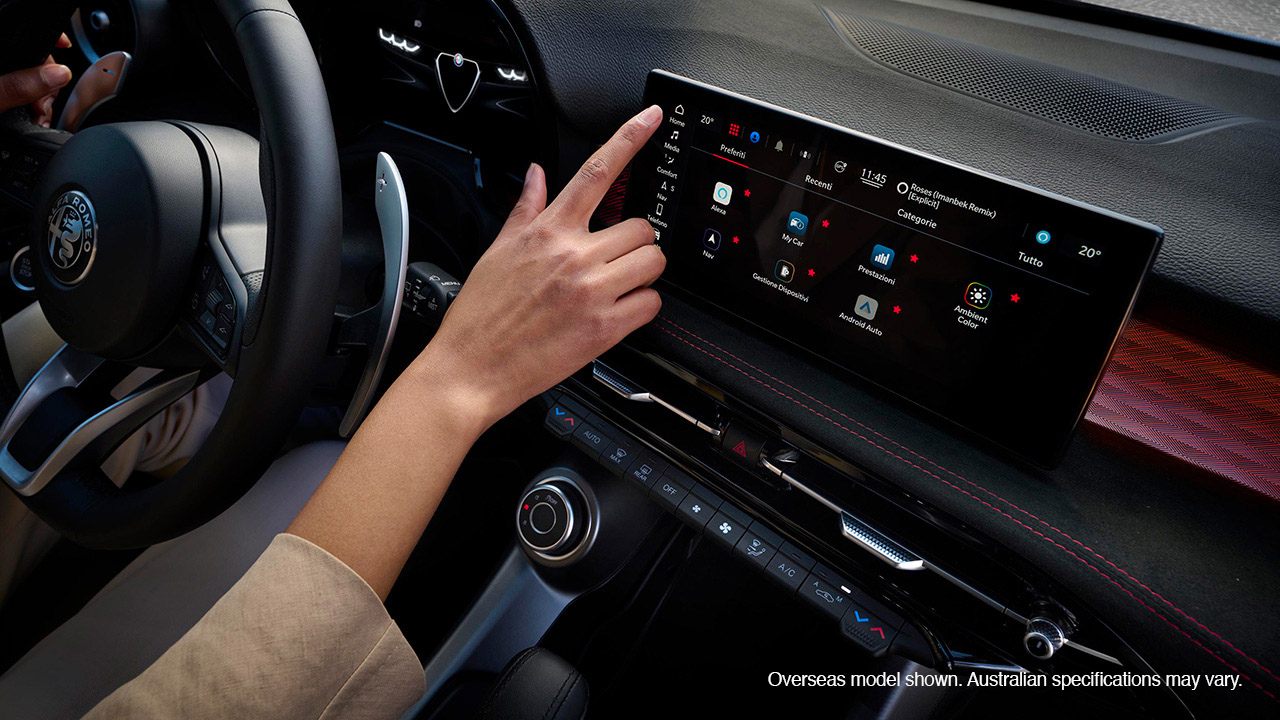
The base Tonale wears Alfa’s storied Ti badge and gets a healthy amount of technology and equipment standard including digital instruments, wireless smartphone mirroring and leatherette/cloth upholstery.
1
Alfa Romeo Tonale Ti equipment:
18-Inch alloy wheelsu00a0
Matrix LED headlights with auto high-beam
Carbon cloth/leatherette upholstery
Six-way manual adjust seat with powered driver lumbar adjust
10.25-Inch touchscreenu00a0
Wireless Apple CarPlay and Android Auto
12.3-Inch digital driveru2019s display
Wireless charging pad
Keyless entry and start
Tyre pressure monitoring
Adaptive cruise controlu00a0
The Tonale Ti can be specced up with a technology pack that brings stop and go for the adaptive cruise control, blind-spot monitoring, rear cross-traffic alert and a 360-degree camera.
The sportier Veloce takes things up a notch in Tonale land with bigger 19-inch alloy wheels, red Brembo brake calipers and more driver assistance technology.
Alfa Romeo Tonale Veloce adds:
19-inch alloy wheelsu00a0
Red Brembo brake calipers
Dark Miron body kit and grille details
Privacy glass
Alcantara/leatherette upholsteryu00a0
Aluminium gear shift paddles
Adjustable dampers
Technology pack
1
Both the Ti and Tonale are available in five colours, though only the Veloce can be finished in Montreal green metallic. Each grade is available with the with the Lusso pack.
Lusso Pack adds:
20-inch alloy wheels
Heated and ventilated front seats
Eight-way power front seats
Black perforated leather upholstery
14-speaker 465-Watt Harman Kardon sound system
Safety equipment
The Alfa Tonale was awarded five stars in Euro NCAP safety testing, though it is yet to be evaluated by ANCAP.
Standard safety features include front AEB with pedestrian and cyclist detection, driver monitoring, lane-departure warning, lane-trace assist, front and rear parking sensors, traffic sign recognition and six airbags.
1
The Alfa Romeo Tonale is available to order now with deliveries beginning in February 2023.
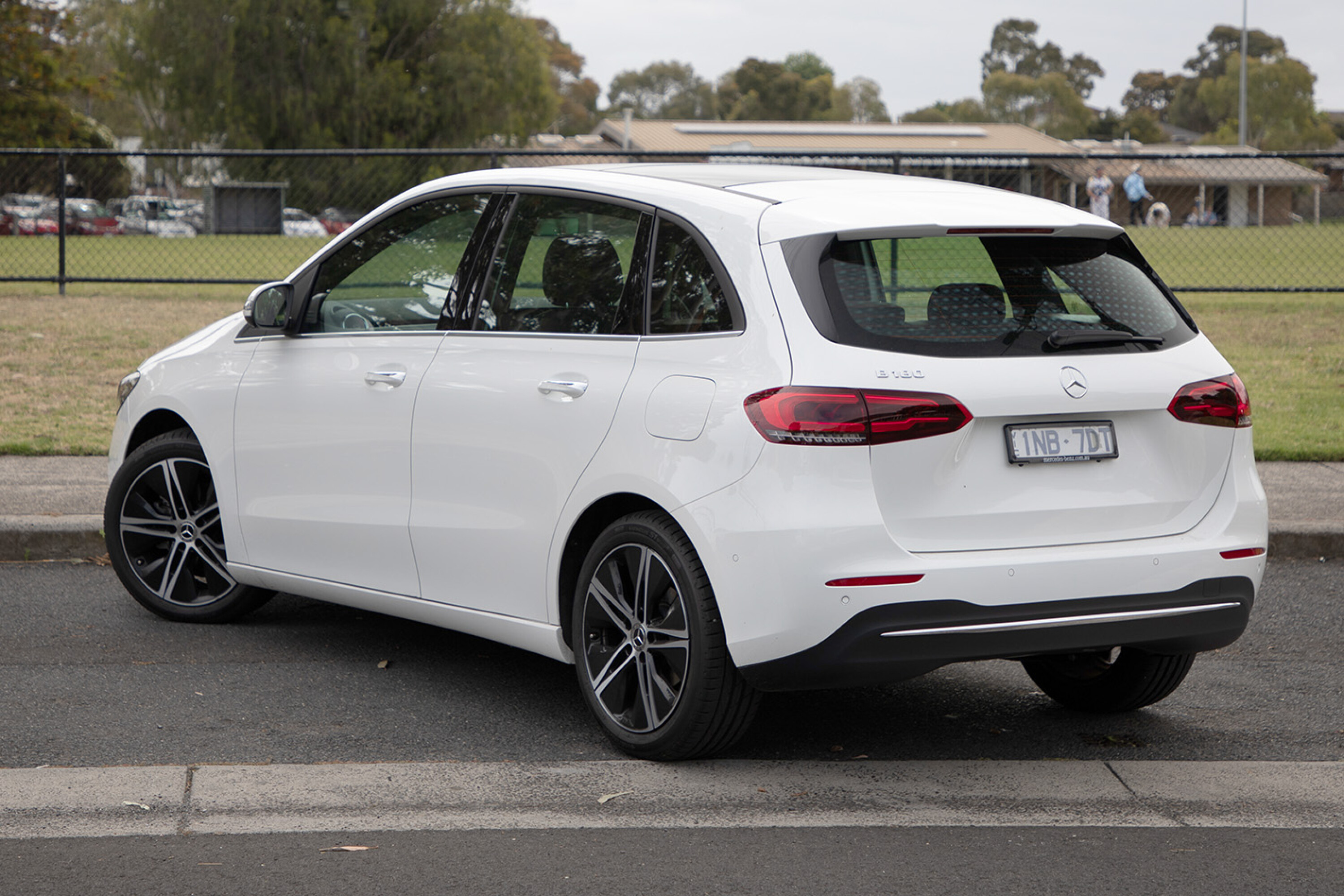
The tall Mercedes-Benz B-Class hatch has been discontinued in Australia, with no successor planned.
Snapshot
Mercedes-Benz B-Class axed in Australia
Around 25,000 units sold in its 18-year run
Five-seat MPV to remain in production for other markets
Mercedes-Benz Australia had announced the facelifted B-Class – unveiled in October 2022 – was due in the third quarter of this year (July to September inclusive).
Based on the A-Class small car, the original B-Class arrived in Australia in 2005, followed by the second generation in 2012 and the latest iteration in 2018.
At launch, the third-gen B-Class was offered locally in B180 and B200 form before the latter variant was dropped in 2019, leaving the entry-level B180 as the sole offering.
In its 18-year run, 25,003 B-Classes were sold in Australia to June 2023, compared to more than 48,000 A-Classes over the same period.
The Mercedes-Benz B-Class remains in production for other markets – including Europe – with the recent facelift introducing a reshaped ‘star pattern’ grille, redesigned headlight internals, modified tail-lights, and new alloy wheel designs.
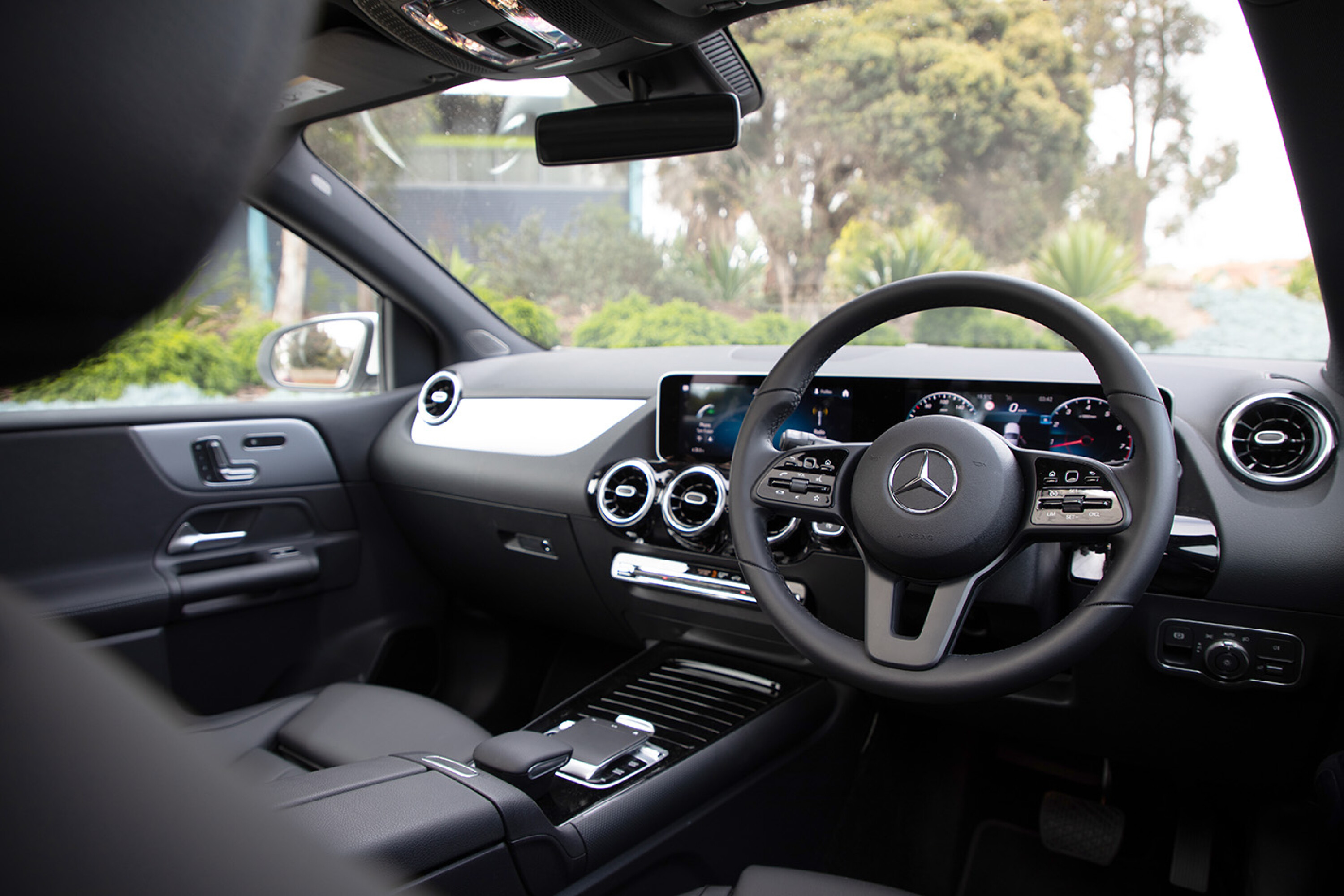
Inside, it gained Mercedes’s latest steering wheel design, wireless Apple CarPlay and Android Auto, a simplified centre console, a higher-resolution 360-degree camera, “newly-designed” display styles, machine learning, an extra USB-C port, and a fingerprint scanner.
In Australia, the Mercedes-Benz B-Class faced no five-seat MPV competitors, with the similarly-shaped BMW 2 Series Active Tourer discontinued three years ago.
1
A second-generation BMW 2 Series Active Tourer – heavily related to the latest X1 small SUV – was unveiled in late 2021 but remains off-limits for Australia.
? July 2023: The CX-60 is now on sale in Australia, and we’ve driven it
It’s a Mazda unlike any other, but is the CX-60 worthy of the brand’s ambitious upmarket foray? See our review at the link below.
▶ Story continues: CX-60 crash safety praised
The 2023 Mazda CX-60 midsize SUV has received a five-star ANCAP safety rating.
Snapshot
2023 Mazda CX-60 receives five-star ANCAP testing
Applies to all variants: petrol, diesel and plug-in hybrid
Based on Euro NCAP testing conducted in 2022
This rating is based on testing conducted by Euro NCAP last year, applied under the 2020-22 criteria.
ANCAP or Euro NCAP have yet to publish vehicle results under more-stringent criteria introduced in 2023.
1
The score applies to all CX-60 variants – Evolve, GT and Azami – for the petrol, diesel and plug-in hybrid.
It scored 91 per cent for adult occupant protection, 93 per cent for child occupation protection, 89 per cent for vulnerable road user protection, and 77 per cent for safety assist.
“The CX-60 will be a welcome and safe addition to the medium SUV segment, and provide varied choice to customers looking for a safe and environmentally friendly vehicle,” said ANCAP chief executive officer, Carla Hoorweg.
The Mazda CX-60 has eight airbags: dual frontal, side chest, side head, curtain, driver knee, and front-centre.
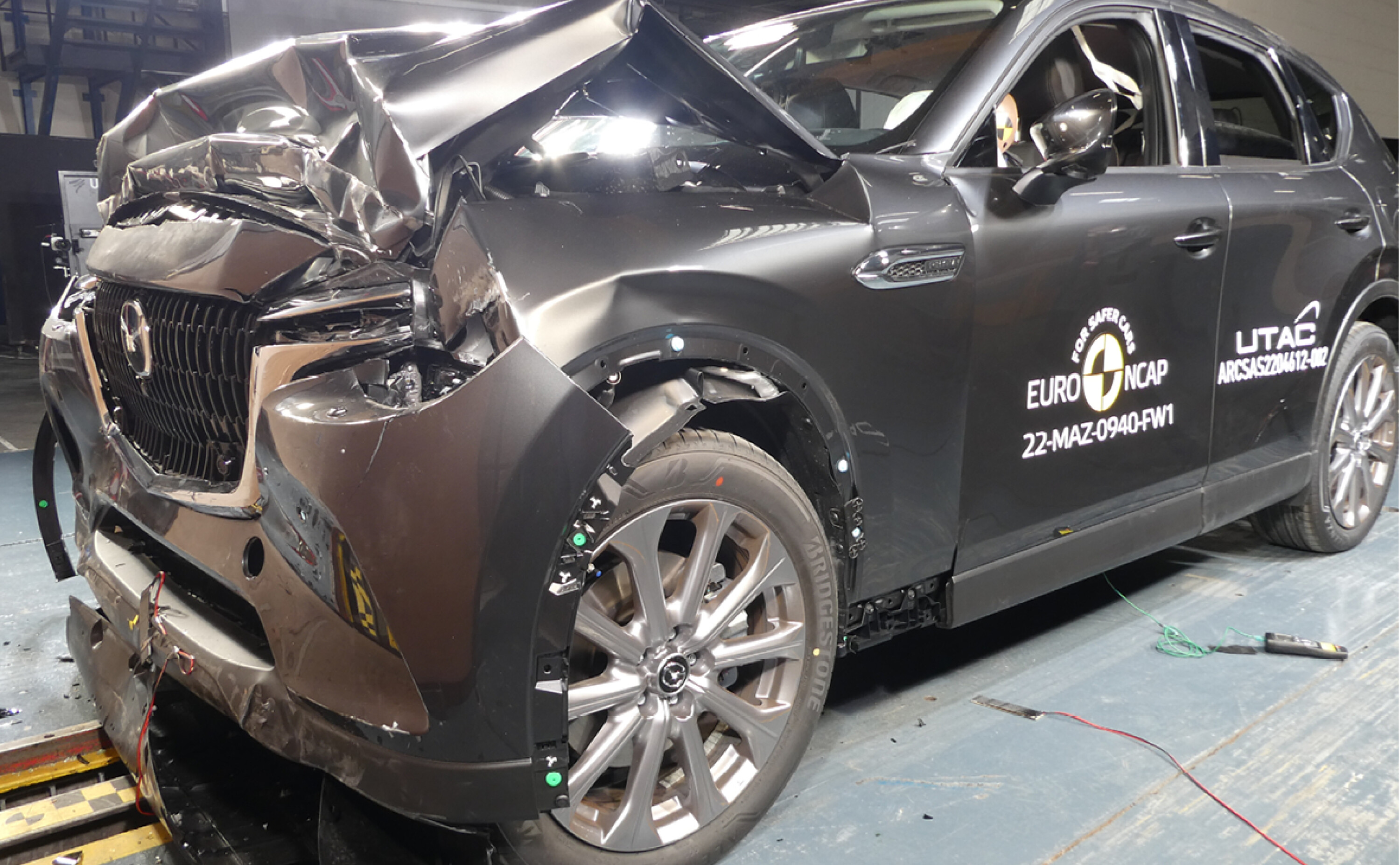
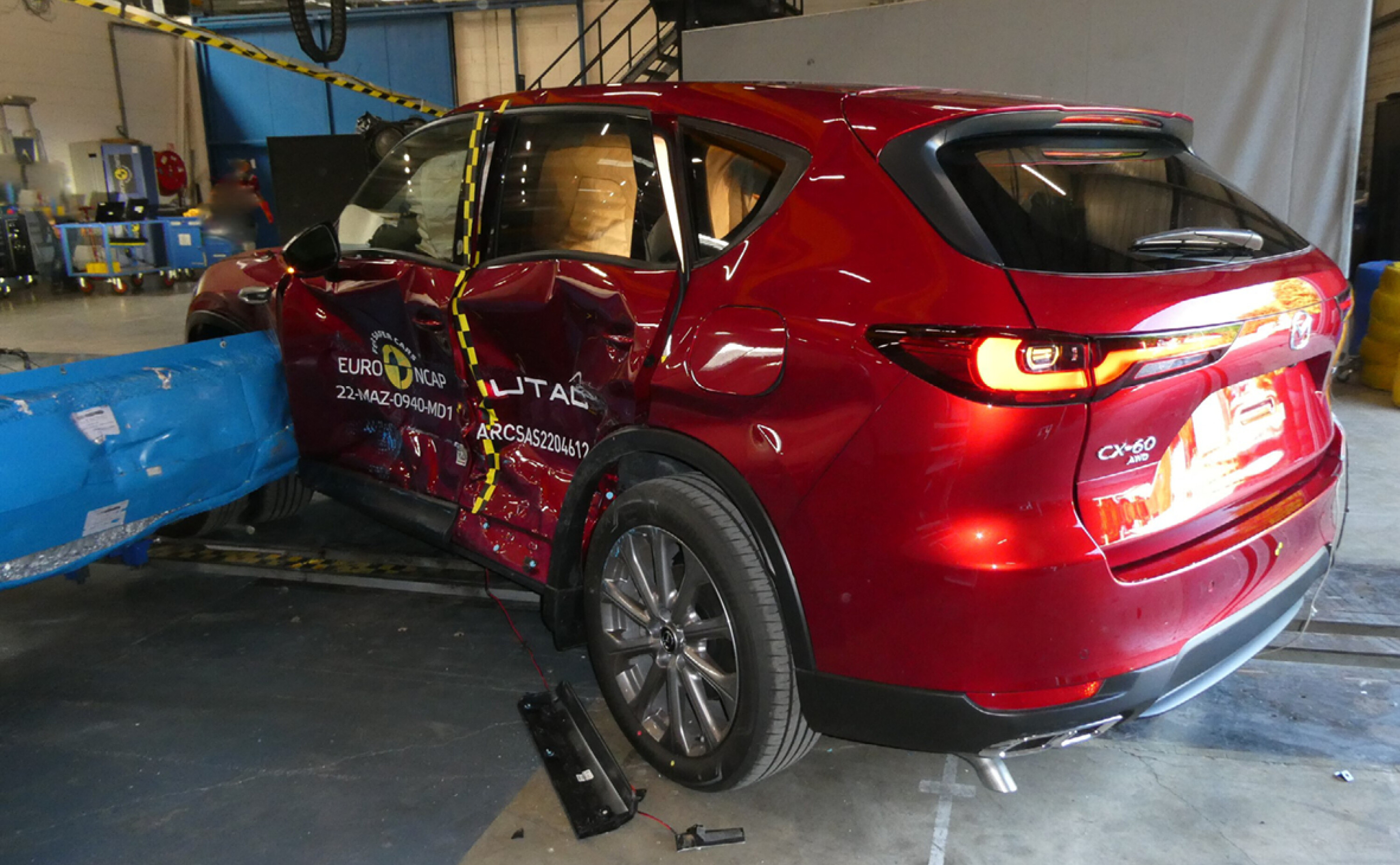
In crash testing, the CX-60 scored well, with high results for protecting adults and children in side-impact testing, and adults in the oblique pole test.
However, it received an ‘adequate’ and ‘marginal’ rating for the driver’s chest and legs in frontal-offset testing, with deductions applied for “potential knee injury risk for occupants of different sizes/statures” and incorrect knee airbag deployment.
The optional Vision Technology package – standard for the flagship Azami – adds a driver monitoring camera, front cross-traffic alert, traffic jam assist, and a see-through view for the 360-degree camera system.
All variants of the 2023 Mazda CX-60 are now arriving in local showrooms, priced between $59,800 and $85,765 before on-road costs.
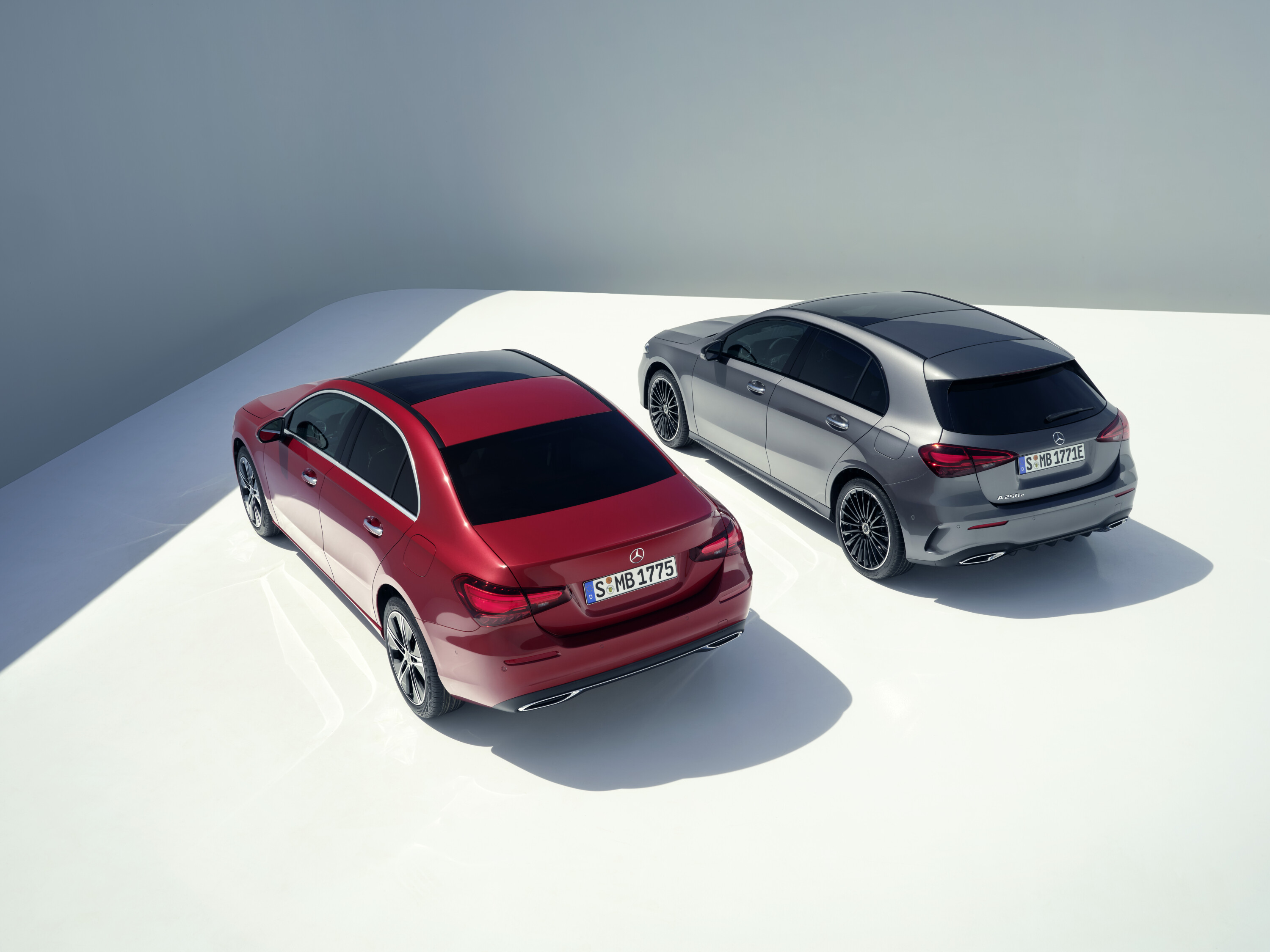
2023 Mercedes-Benz A-Class facelift: Full Australian details
Updated hatch and sedan receive mild design revisions, more tech
Price rises of up to $13,000; A250e PHEV axed
Mercedes-Benz Australia has deleted the plug-in hybrid A250e hatch from its line-up, while all variants have received price increases of up to $13,000.
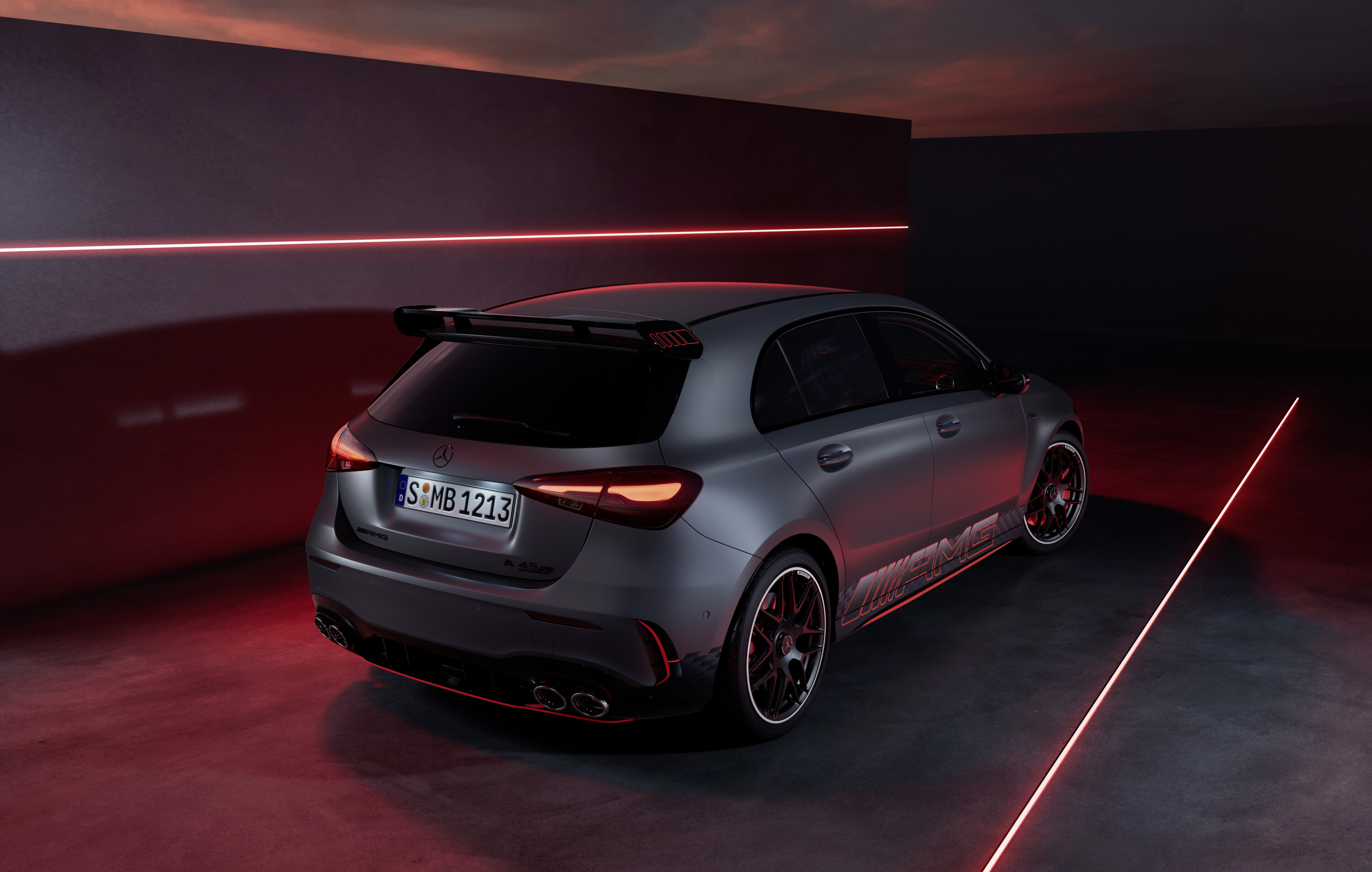
The largest increase applies to the flagship A45 S hyper hatch, now priced from $119,900 before on-road costs – in line with the BMW M2 and $26,000 more than an Audi RS3.
1
Base hatch and sedan variants feature a new powertrain with the A200 returning to local showrooms, replacing the less-powerful A180 with additional equipment for $10,000 more than before.
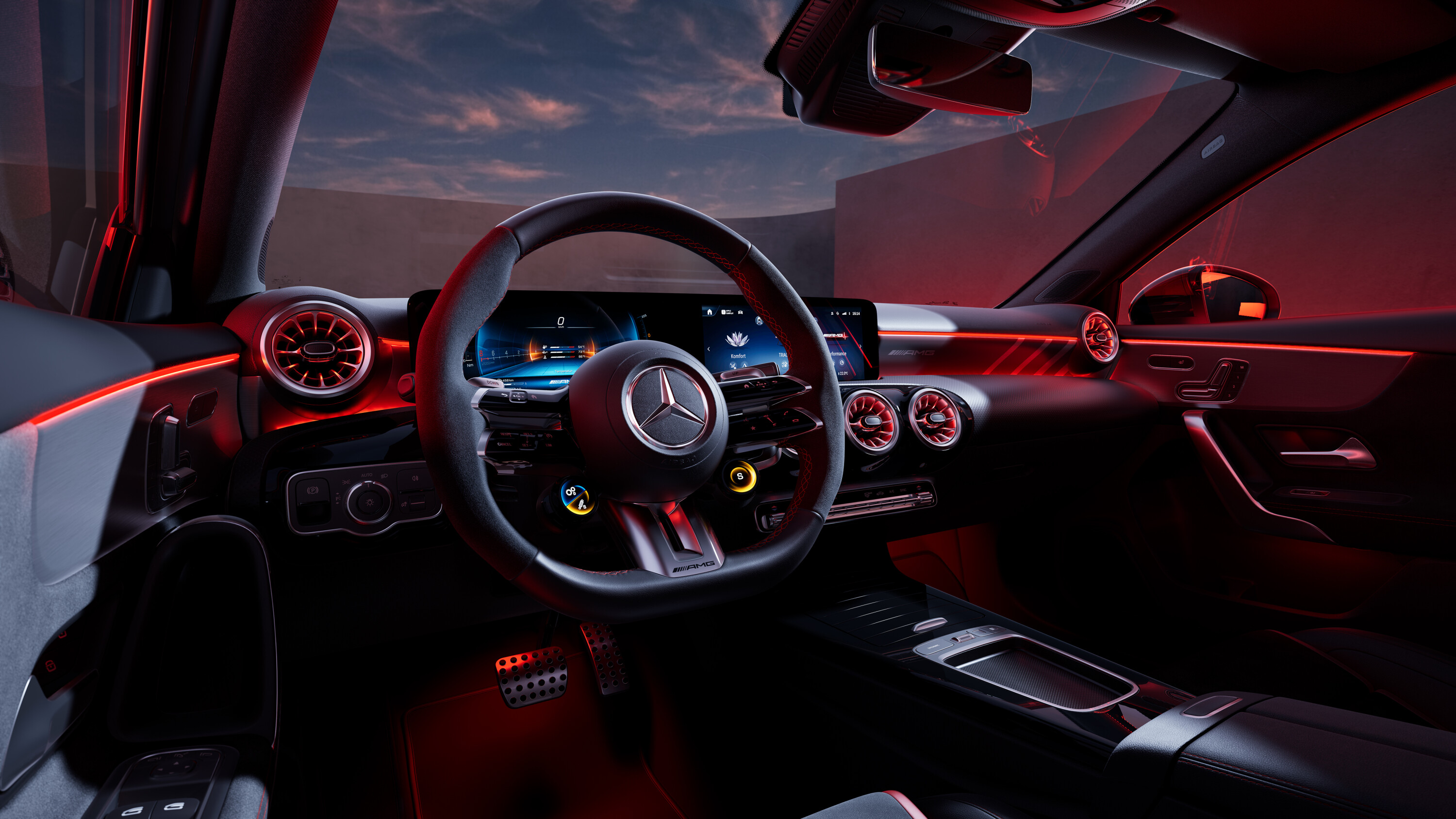
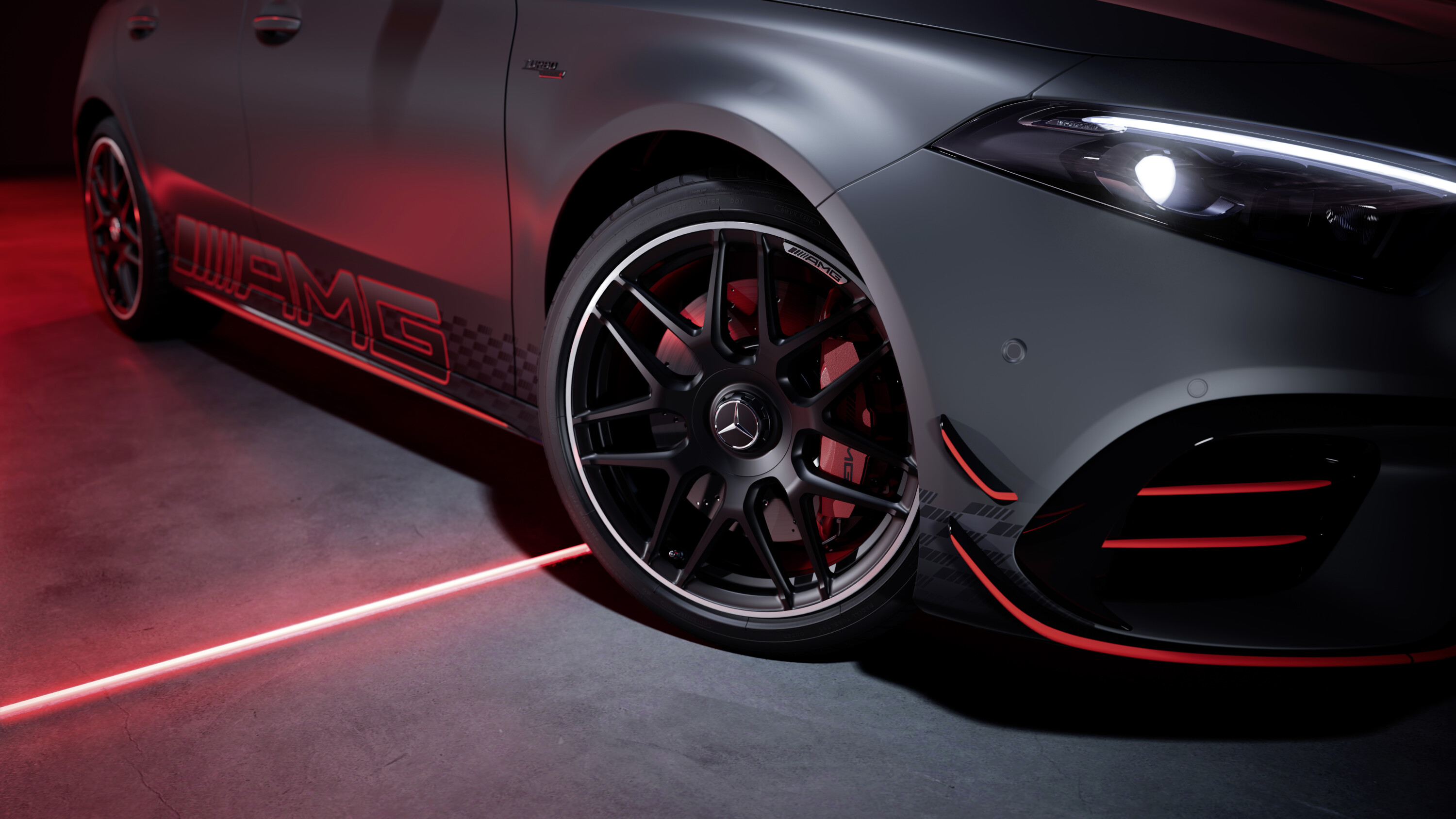
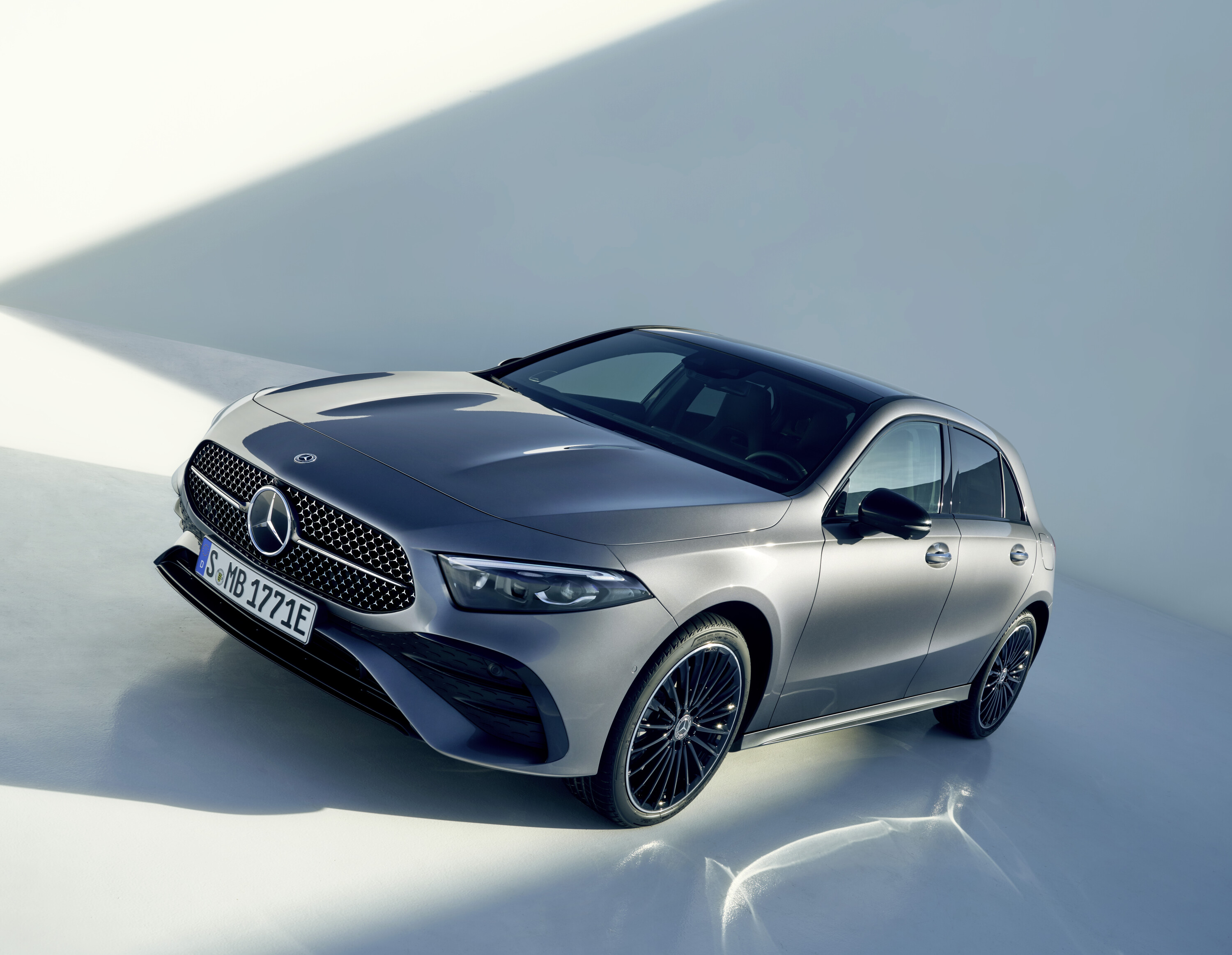
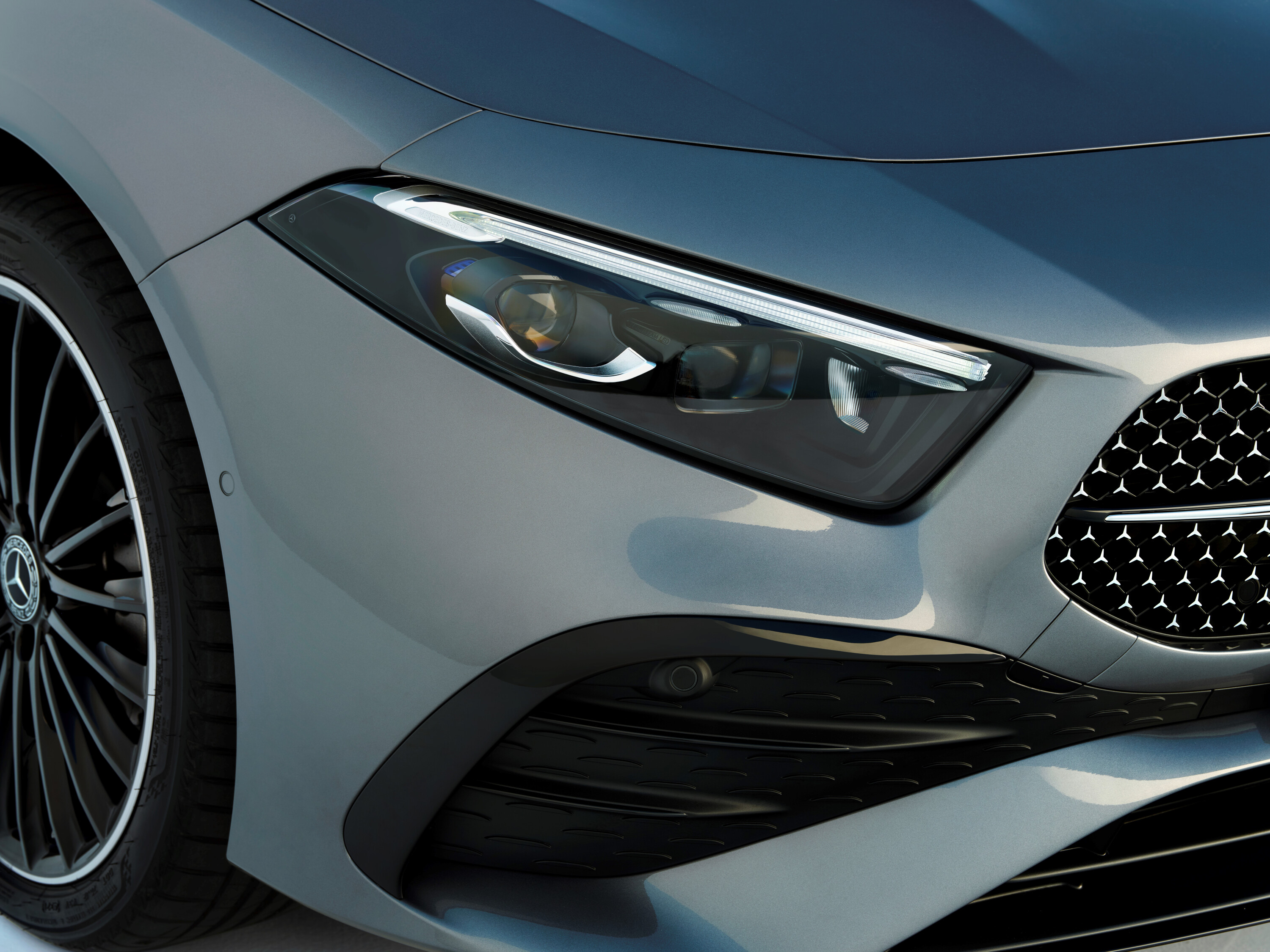
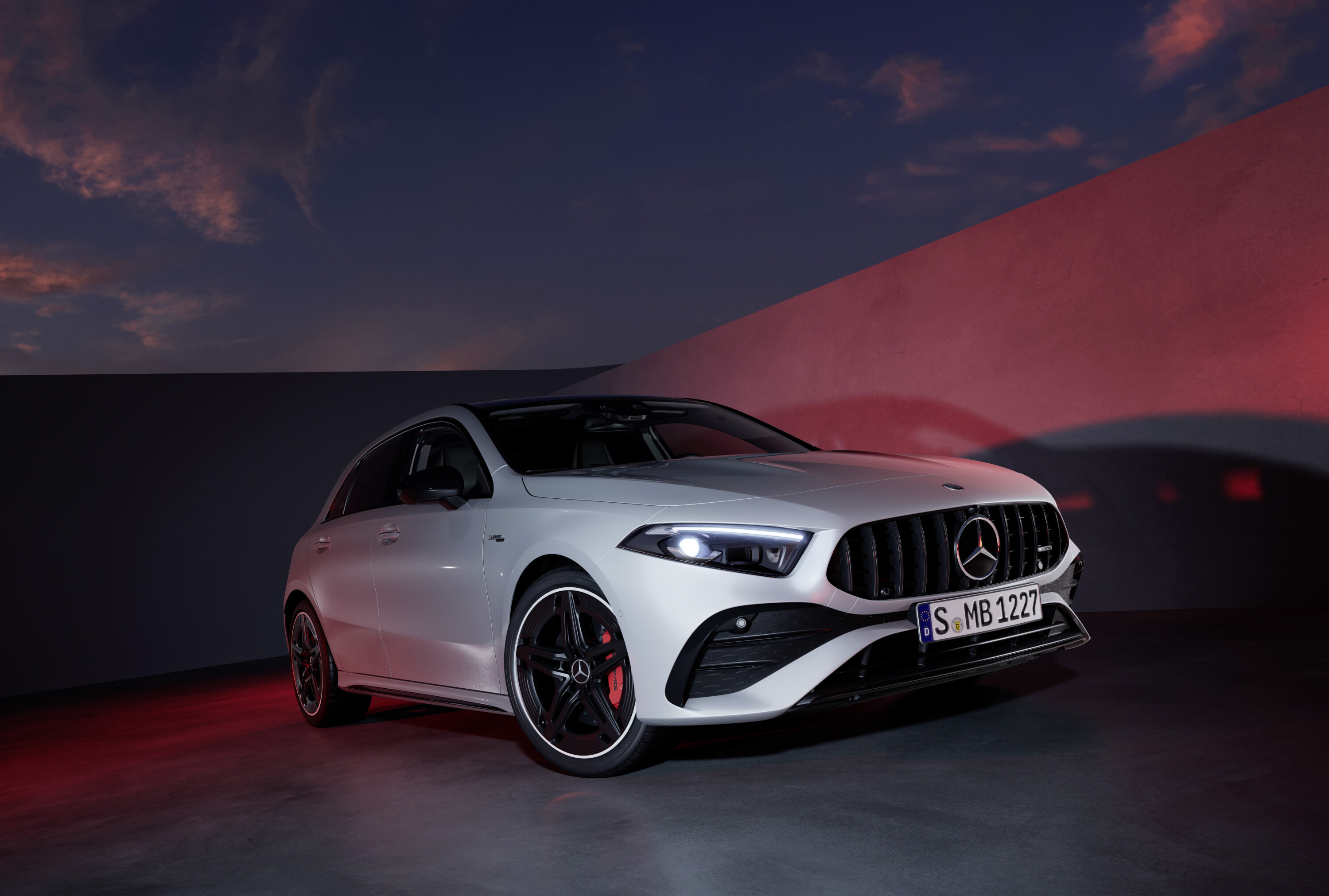
Design changes include a larger front grille, redesigned headlight internals, modified tail-lights, new alloy wheel designs, an AMG twin-spoke steering wheel, a simplified centre console with the touchpad removed and repositioned controls, and an additional USB-C port.
While the current 10.25-inch MBUX infotainment system remains, it has been revised with new features.
This includes wireless Apple CarPlay and Android Auto, a higher-resolution 360-degree camera, newly-designed display styles, machine learning, and the ability to speak to the voice assistant without saying ‘Hey, Mercedes’ first in some instances.
1
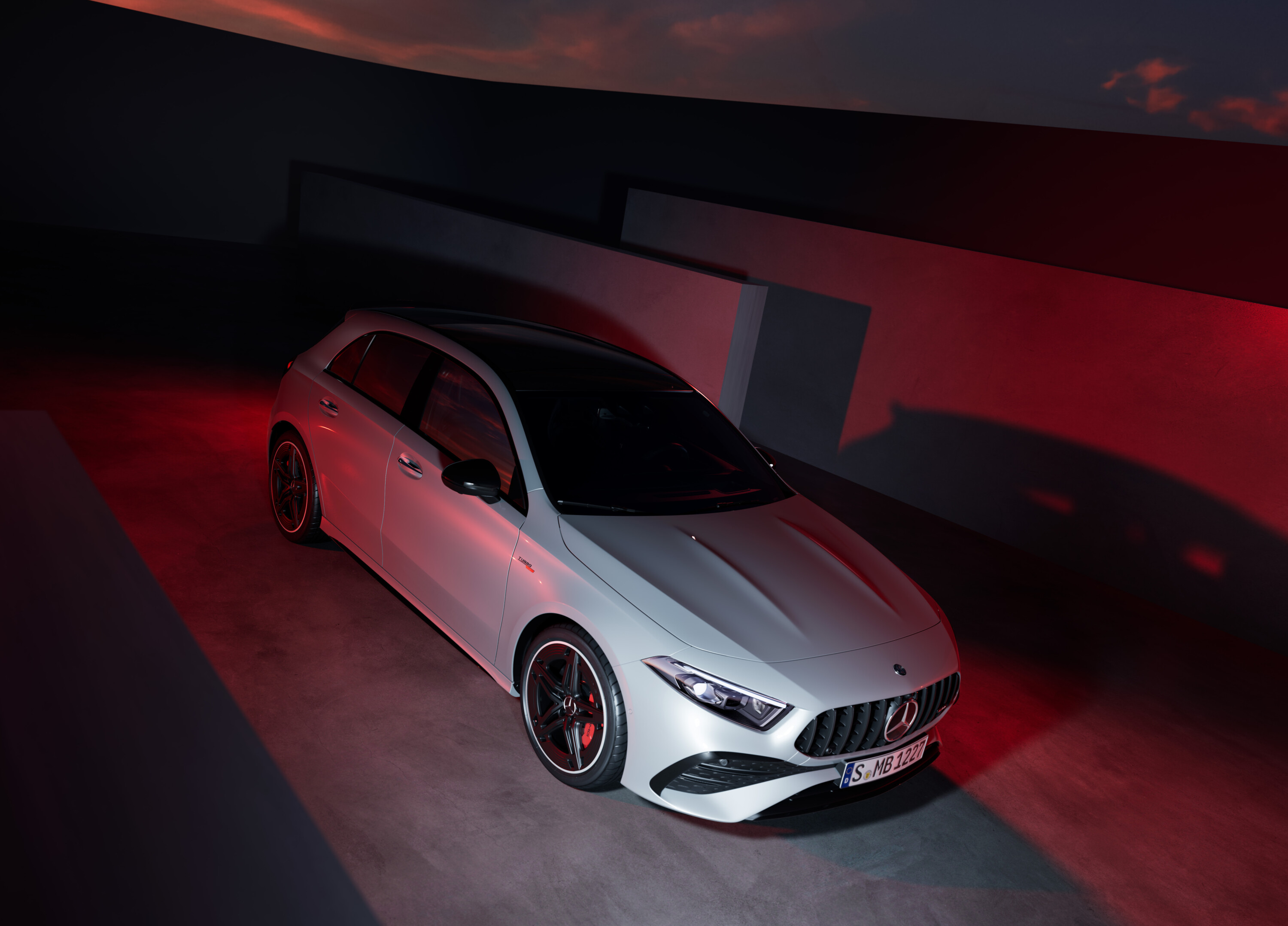
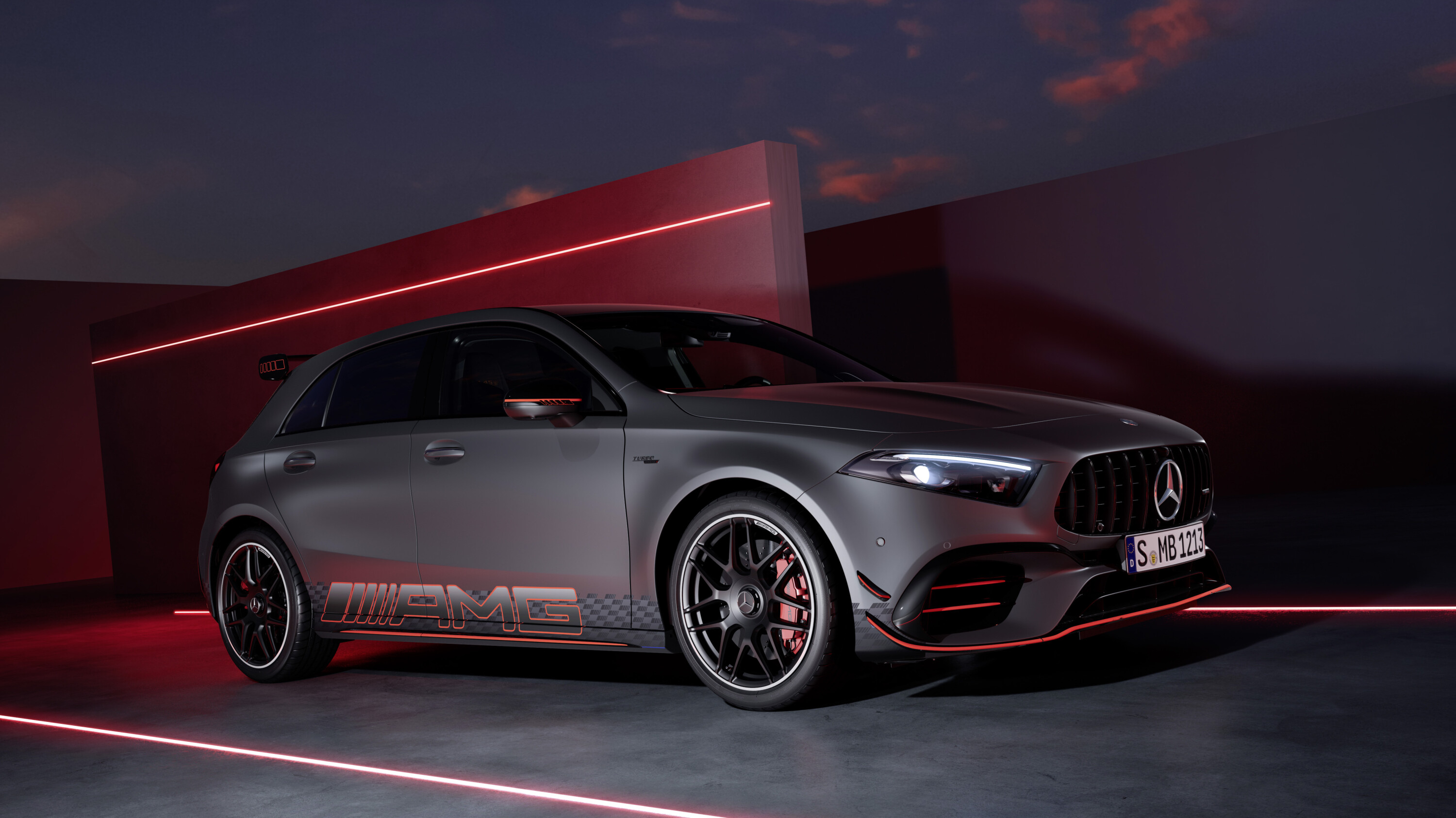
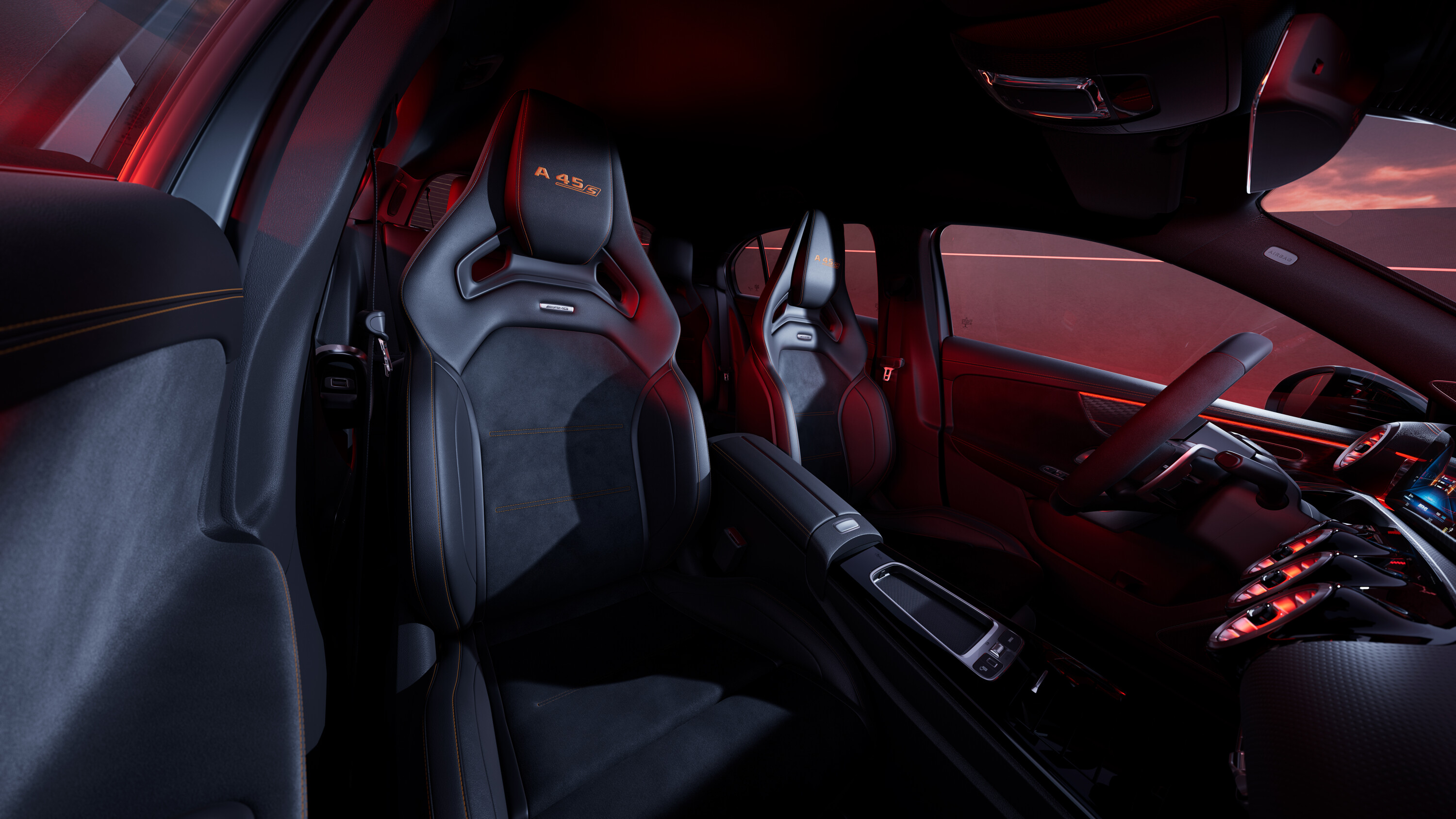
Mercedes-AMG versions – the A35 and A45 S – pick up the round AMG emblem to replace the Mercedes star with a laurel wreath that remains fixed to the bonnet on non-AMG variants.
In addition, the performance sub-brand has beefed up its A35 with a bulkier front bumper, Panamericana grille, and a power bulge on the bonnet.
A fingerprint sensor on the centre console to identify and authenticate the driver is not available in Australia.
The Mercedes-Benz A-Class is Australia’s third-highest-selling luxury small car, with 1305 sales year-to-date, behind the BMW 1 Series/2 Series Gran Coupe (1663) and Audi A3 (1403).
Under the bonnet, Mercedes-Benz has added 48-volt mild-hybrid technology across the A-Class range – excluding the A45 S.
The brand says its integrated starter-generator, which replaces a traditional starter motor and alternator, will provide 10kW more power in ‘EQ Boost’ mode.
A200
Replacing the A180, the mild-hybrid – from July production – A200 hatch and sedan feature a 1.3-litre turbocharged four-cylinder petrol engine producing 120kW and 270Nm.
Power is up 20kW and 70Nm over the A180, and up 20Nm over the pre-facelift A200 available locally in 2018 and 2019.
As before, it is matched to a seven-speed dual-clutch automatic transmission, sending power to the front wheels.
Mercedes-Benz claims an 8.3-second 0-100km/h sprint time, down from 8.8 seconds for the A180.
1
A250
The A250 has a 2.0-litre turbo-petrol four, with 165kW and 350Nm, all-wheel-drive, and a 6.3 second 0-100km/h sprint time.
AMG A35
In the AMG A35, the 2.0-litre turbo is uprated to 225kW and 400Nm, with a new eight-speed dual-clutch automatic transmission replacing the seven-speed unit and a revised front radiator for improved cooling.
It has a 4.7-second 0-100km/h sprint time.
AMG A45 S
The flagship A45 S ‘hyper hatch’ remains a hatch-only offering, with its 310kW/500Nm turbocharged 2.0-litre four-cylinder carrying over unchanged.
This allows it to complete the 0-100km/h time in 3.9 seconds – 0.2s faster than an automatic BMW M2, but 0.1s less than an Audi RS3 hatch.
Front-wheel drive variants have a torsion-beam rear suspension and 43-litre fuel tank, while all-wheel drive models sport multi-link independent rear suspension and a larger 51-litre fuel tank.
A2000 and A250 require premium unleaded (95 RON or higher), while AMG variants require 98RON.
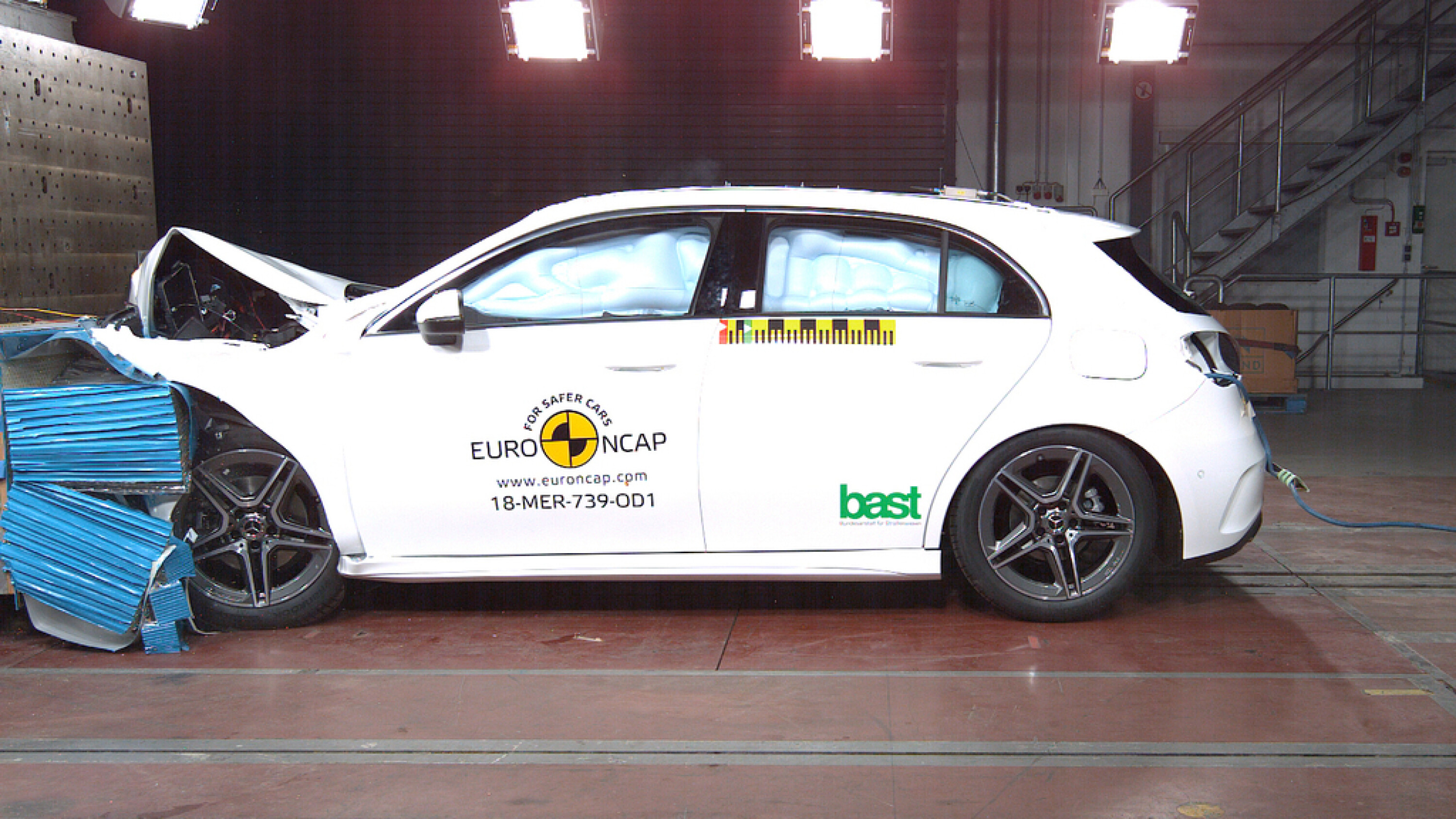
The Mercedes-Benz A-Class is covered by a five-star ANCAP safety rating, based on testing conducted in 2018.
It scored 96 per cent for adult occupant protection, 91 per cent for child occupant protection, 92 per cent for vulnerable road user protection, and 73 per cent for safety assistance.
Nine airbags (dual front, rear head, front and rear side, and front knee) are fitted as standard.
As per the wider Mercedes-Benz range, the A-Class is covered by the brand’s five-year/unlimited-kilometre warranty.
A complimentary roadside assistance program during the vehicle’s warranty period. The program can be extended for $149.60 per year.
Service pricing can be pre-purchased, consisting of three-, four- or five-year packages with 12-month/25,000km intervals for the A200, A250 and AMG A35.
Maintenance for AMG A45 S is required every 12 months or 20,000 kilometres, whichever occurs first.
2023 Mercedes-Benz A-Class service plan pricing
Model
Three-year
Four-year
Five-year
A200, A250
$2725
$3950
$5665
AMG A35
$3025
$3950
$5655
AMG A45 S
$4228
$5275
$6111
Availability
The updated 2023 Mercedes-Benz A-Class hatch and sedan are now available in Australia.
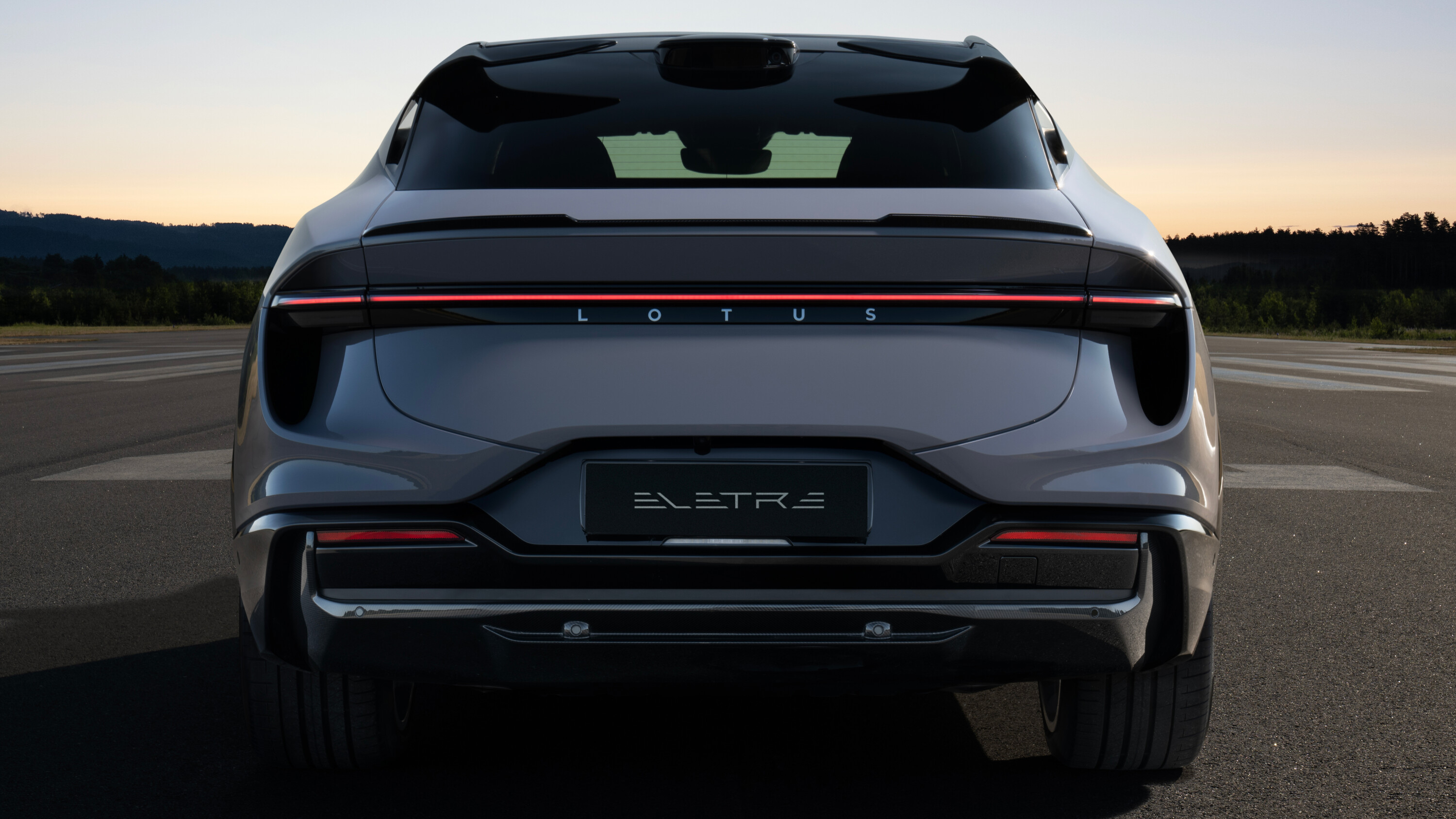
Put together on a shoestring budget by a small team operating in makeshift premises, the first Lotuses were the brainchildren of Colin Chapman – a half-crazed purveyor of lightweight construction, radical aerodynamics, brutal decontenting and reduce-to-the-max engineering.
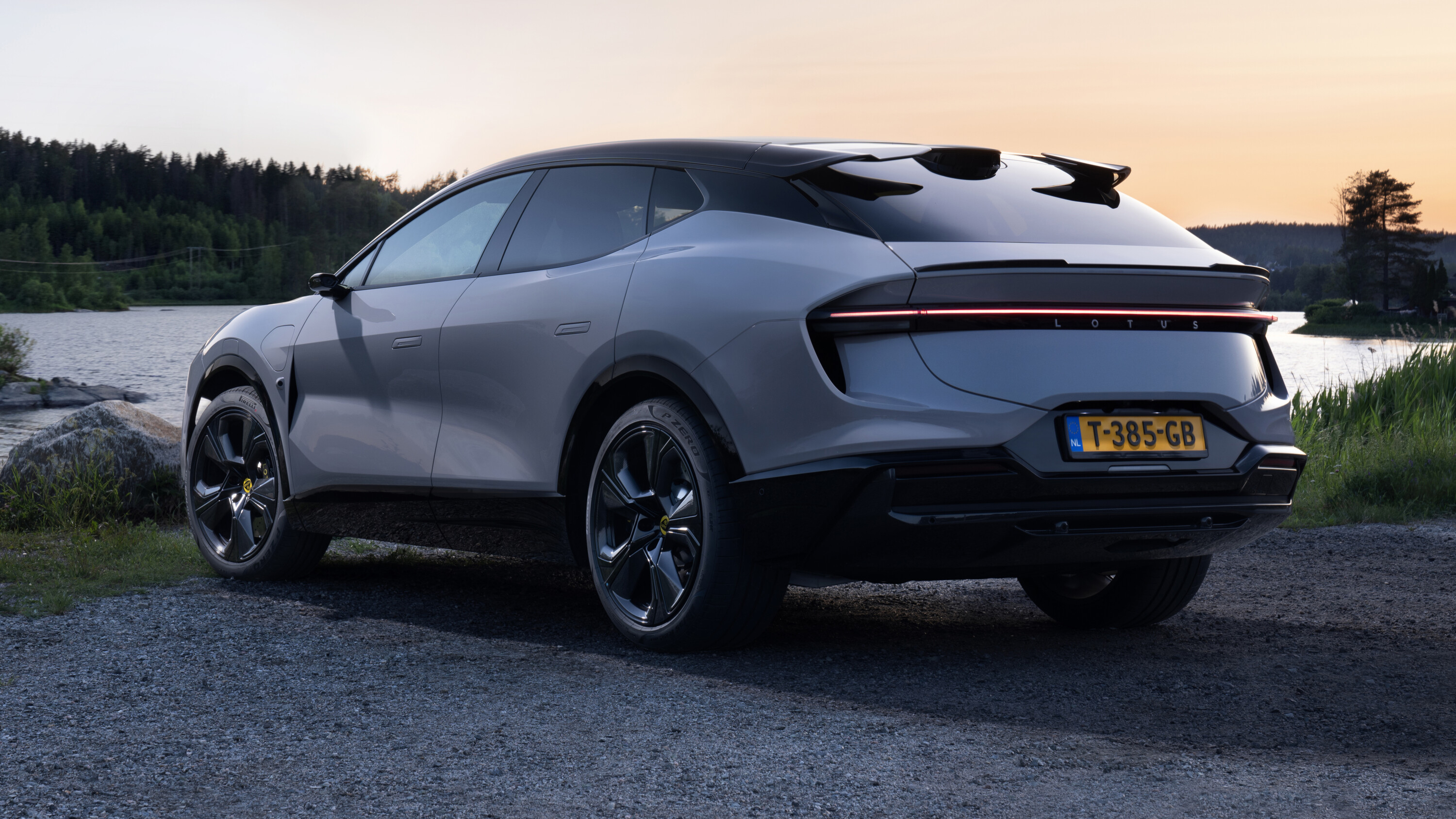
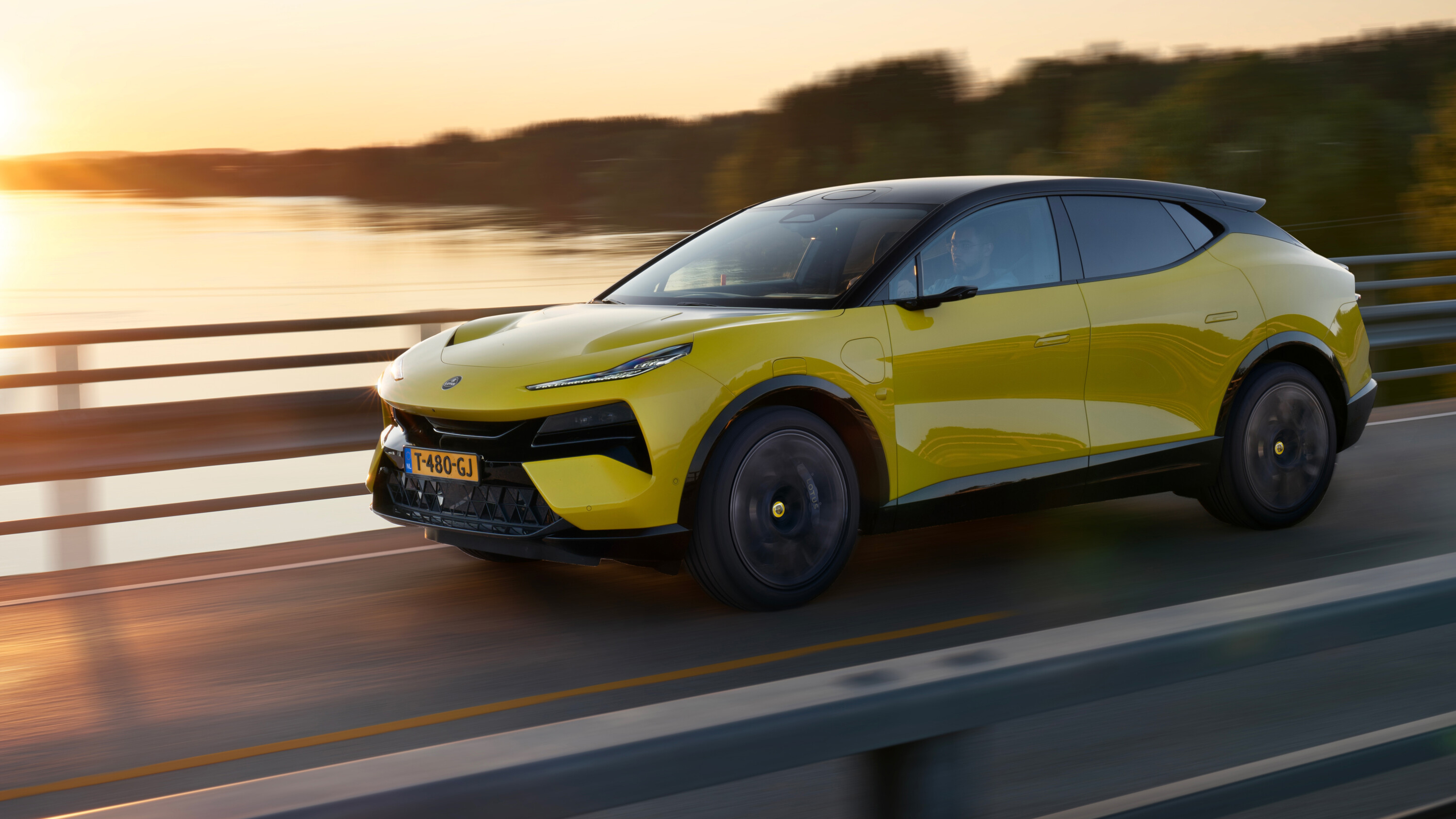
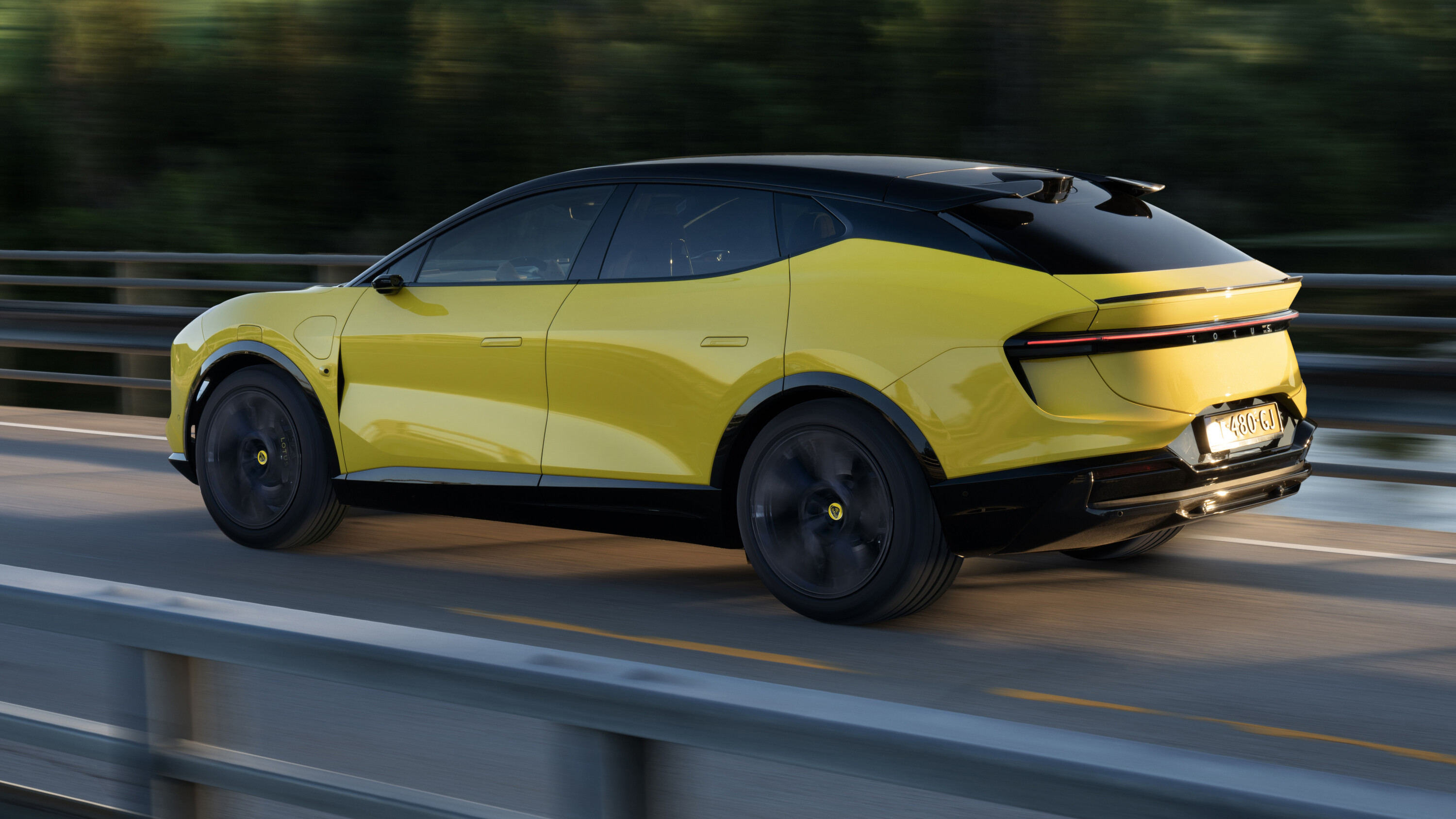
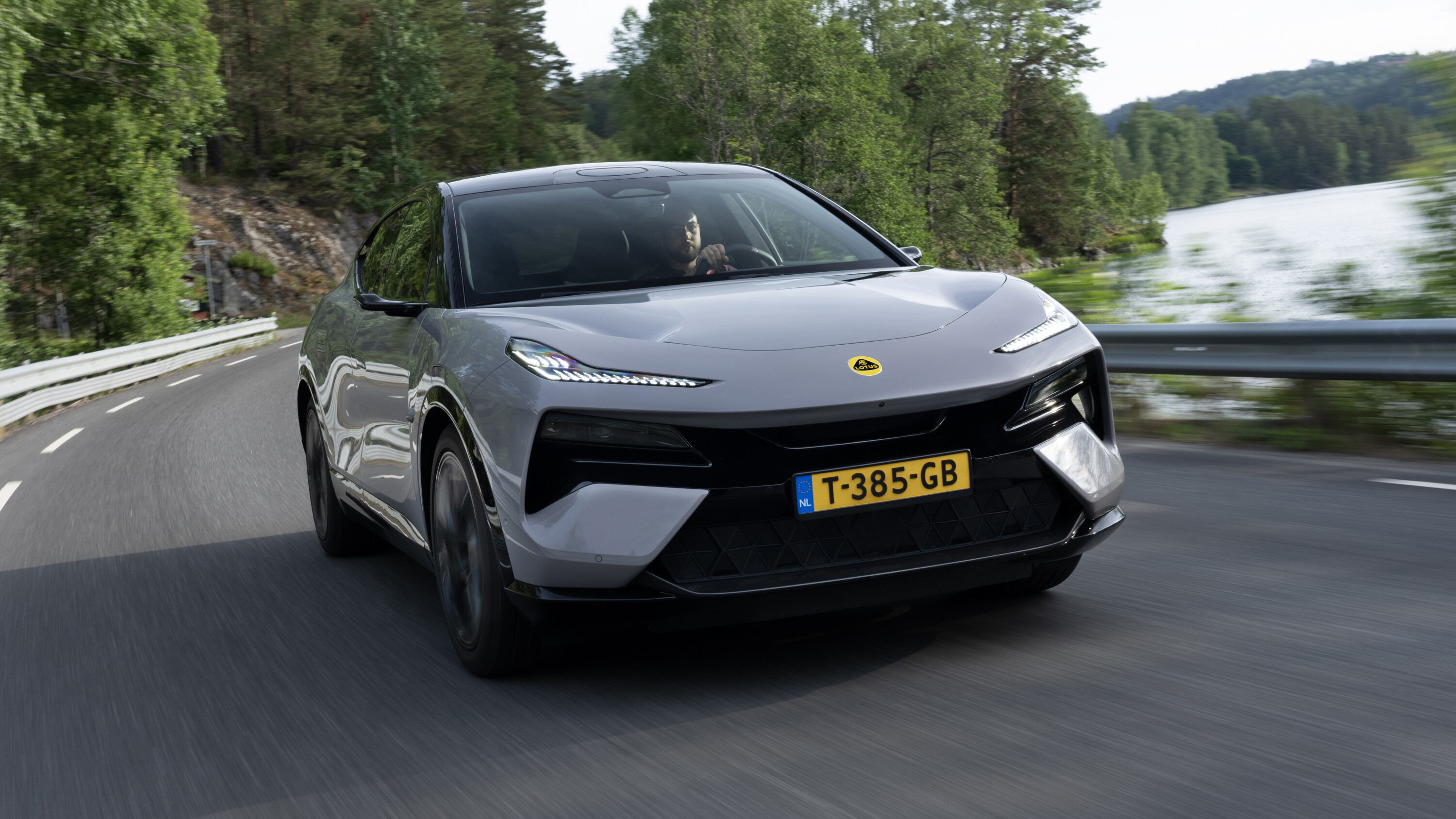
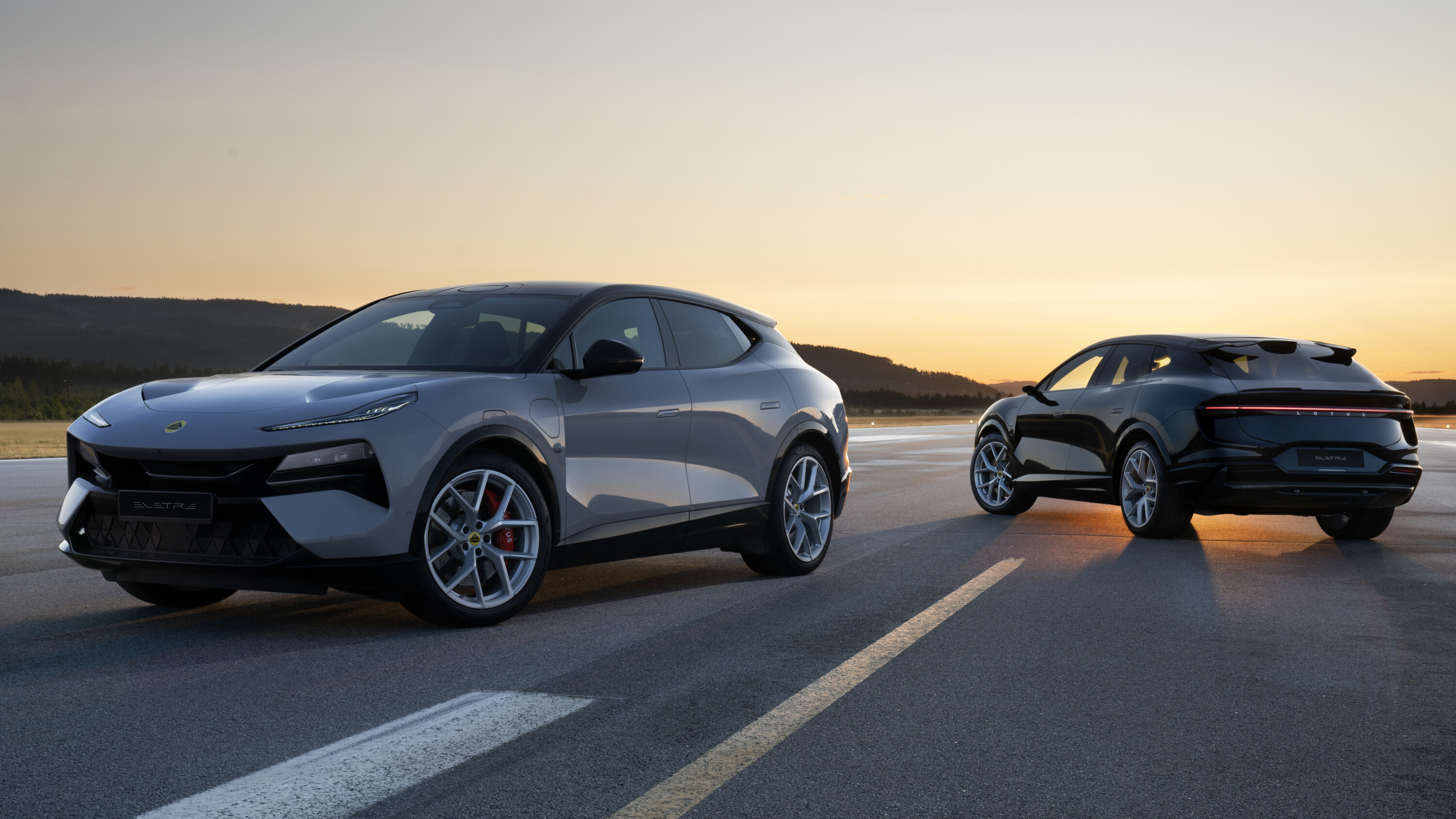
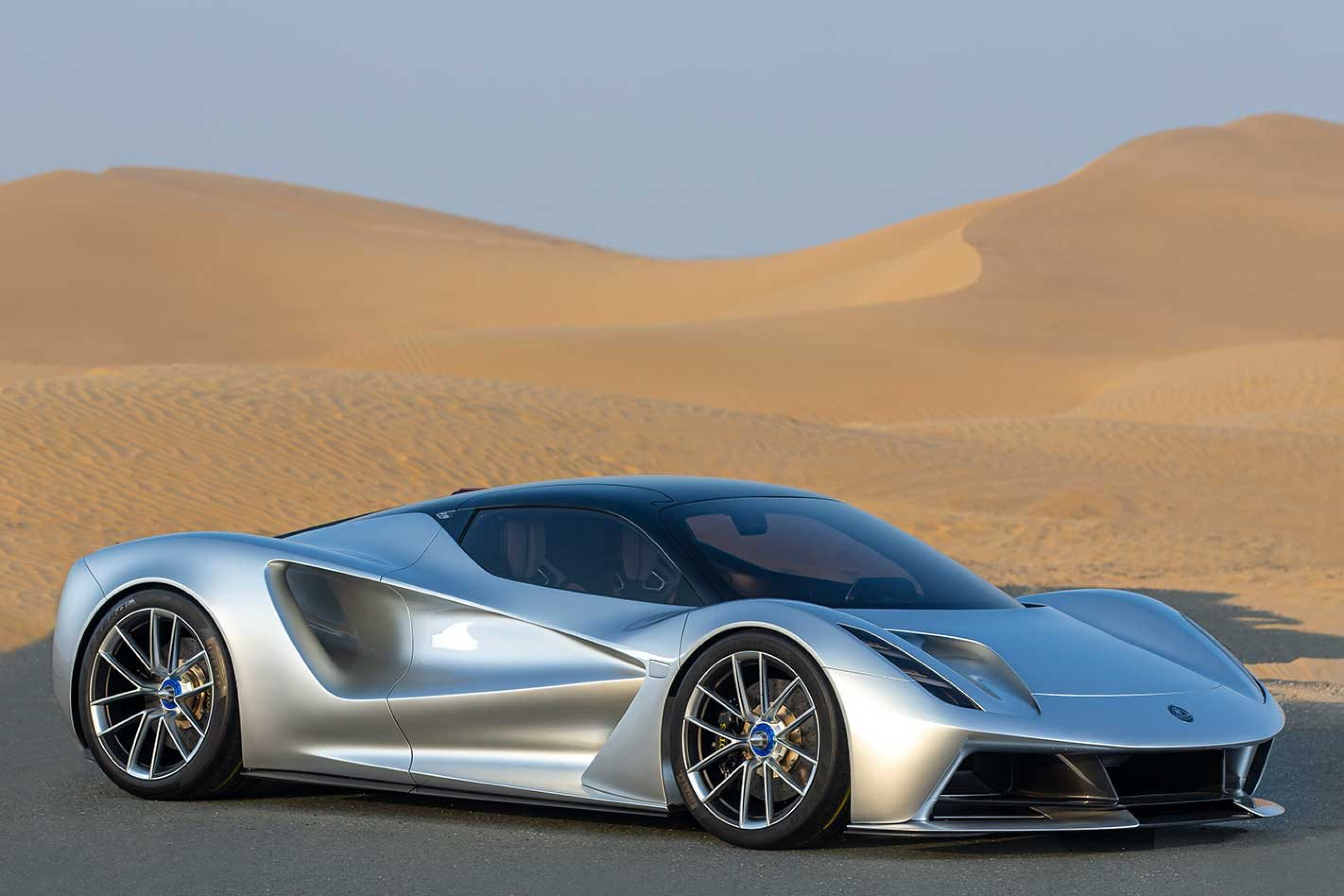
One could argue that the zero body-fat Emira and the high-downforce Evija still incorporate key elements of the master’s rebellious original approach to sports car design, but the Eletre – all 2.5 tonnes and over five metres of it – surely is a different animal. A D-segment SUV, this is the first four-door five-seater since the Lotus Omega/Carlton which was more of a marketing-driven emergency fund-raiser than an authentic brand-shaper.
Based on an all-new bespoke platform unrelated to other Geely brands like Polestar, Volvo and Zeekr, this full-size Lotus crossover represents the marque’s transition from fringe cottage industry car-maker to world-class player good for 175,000 vehicles a year by 2030.
1
Wishful thinking or breakthrough strategy?
“We cannot base our future on 1500 sports car sales per year,” knows Max Szwaj who runs the Lotus Tech Innovation Centre in Raunheim near Frankfurt, homeroom of the Eletre.
“To survive, we had to reinvent ourselves by expanding the portfolio and setting new standards in terms of vehicle dynamics and user experience. The main agent of change is of course the irrevocable switch to electrification.”
At launch, there are three Eletres to choose from. The base model (£89,500 in the UK or about AU$172,000) and the S (£104,500/AU$200,600) share a single-speed dual-motor drivetrain rated at 449kW and 710Nm.
They can sprint from 0-100km/h in 4.5 seconds and will reach a maximum speed of 255km/h. The 266km/h R version (£120,000/AU$230,000) which does the acceleration run in a flaming 2.95sec, boasts an even mightier 675kW and 985Nm masterminded by a two-speed transmission.
1
Common to all variants is the 800V system, a potent 112kWh lithium-ion battery and the ability to boost the state of charge from 10 to 80% in 20 minutes when connected to a 350kW DC force feeder.
While the two lesser editions promise a maximum range of 600km when driven with iron self-restraint, the R led on an equally tight leash needs fresh energy every 490km.
Only the R features active roll bars and rear-wheel steering together with shaved performance tyres and a leerier Track mode, plus of course 225 additional horses and 285Nm of extra torque. Air springs with continuous damping control, matrix LED headlights, head-up display and the intriguing so-called Hyper OS are standard on all versions.
1
We’d go for the no-frills base model which is remarkable value for money compared to its main rivals, the Mercedes EQE 53 AMG and BMW iX M60.
Norway is great for offshore sailing, cross-country skiing and fishing, but the country which keeps breeding world rally champions like Petter Solberg is dangerous ground for lead-foot hooligans unwilling to respect the drastic speed limits.
It took us forever to find a suitable mix of firmly compressed gravel lanes and scar-faced winding B-roads where it was safe to put the “born British, raised globally” SUV through its paces. But whatever you do, however hard you press on and how many electronic helpers you put to rest, there is no way to fully neutralise the massive weight, mass and momentum.
1
There is no snap oversteer, no mid-corner front-end loss of grip, no borderline torque vectoring algorithm.
Even though the ride height can be lowered (and raised) in two steps by up to 25mm and the dampers will firm up accordingly in Sport, reeling in the bulk before push-carving it again through low- to mid-speed corners without overdriving the liquorice bespoke Pirellis is a tightrope task for man and machine.
The Eletre does not feel like a Lotus because Lotus never built an SUV. But it is, even in Track mode and on wet turf, a perfectly safe, controllable and confidence-inspiring piece of kit. There is no snap oversteer, no mid-corner front-end loss of grip, no borderline torque vectoring algorithm.
Its steering winds on and unwinds lock with intuitive haptic clarity, never feeling detached or acting in an artificial manner.
1
The brakes (carbon-ceramic rotors cost extra) harbour the stopping power of a guillotine, fuse instant feedback and progressive action, balancing electric and mechanical deceleration with aplomb.
Full marks again to the shaved bespoke 22-inch Pirelli P Zero tyres which combine instant superglue grip with a sublime breakaway behaviour.
But nothing rocks you like the awesome instant grunt which jolts the family hold-all in a ballistic two seconds from 90-120km/h. We asked Max Szwaj which elements of the original DNA are worth preserving, and where new brand values must be added to prepare Lotus for the EV age.
“Aerodynamics remain one of our key fortes,” claims the man in charge.
“Check out the Eletre for adaptive features like the downforce-enhancing rear spoiler-cum-air-brake and the active front grille with seven individual apertures.
“Weight reduction is an arduous task when it comes to EVs, but with the next-generation SUV we’re going to make a significant step in this direction, too.”
1
Also high up on the priority list is digitalisation – think gaming, streaming, real-time 3D animations and connectivity.
“The Eletre is furthermore best in class in terms of UX and user-friendliness,” add Szwaj.
There is not the faintest trace of old-school Lotus inside the Eletre, and that’s for the better of it.
Fit and finish, once a truly alienating issue, deserve a firm thumbs up, the materials are positively premium, the equipment is reassuringly complete, rear legroom in particular benefits from the engineless packaging, and the boot of the standard five-seater holds a cavernous 688 litres, not counting the useful 46-litre front cubicle.
1
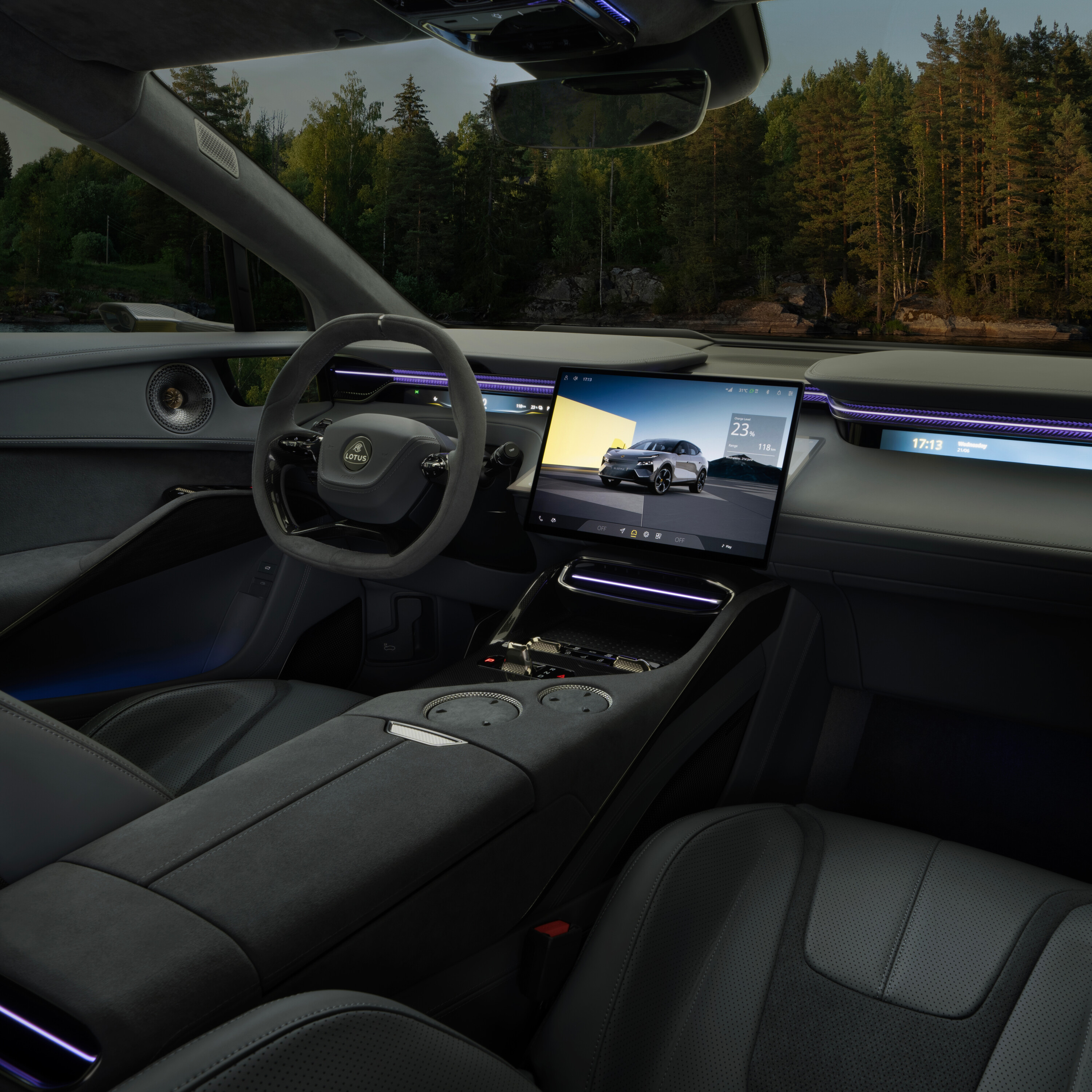
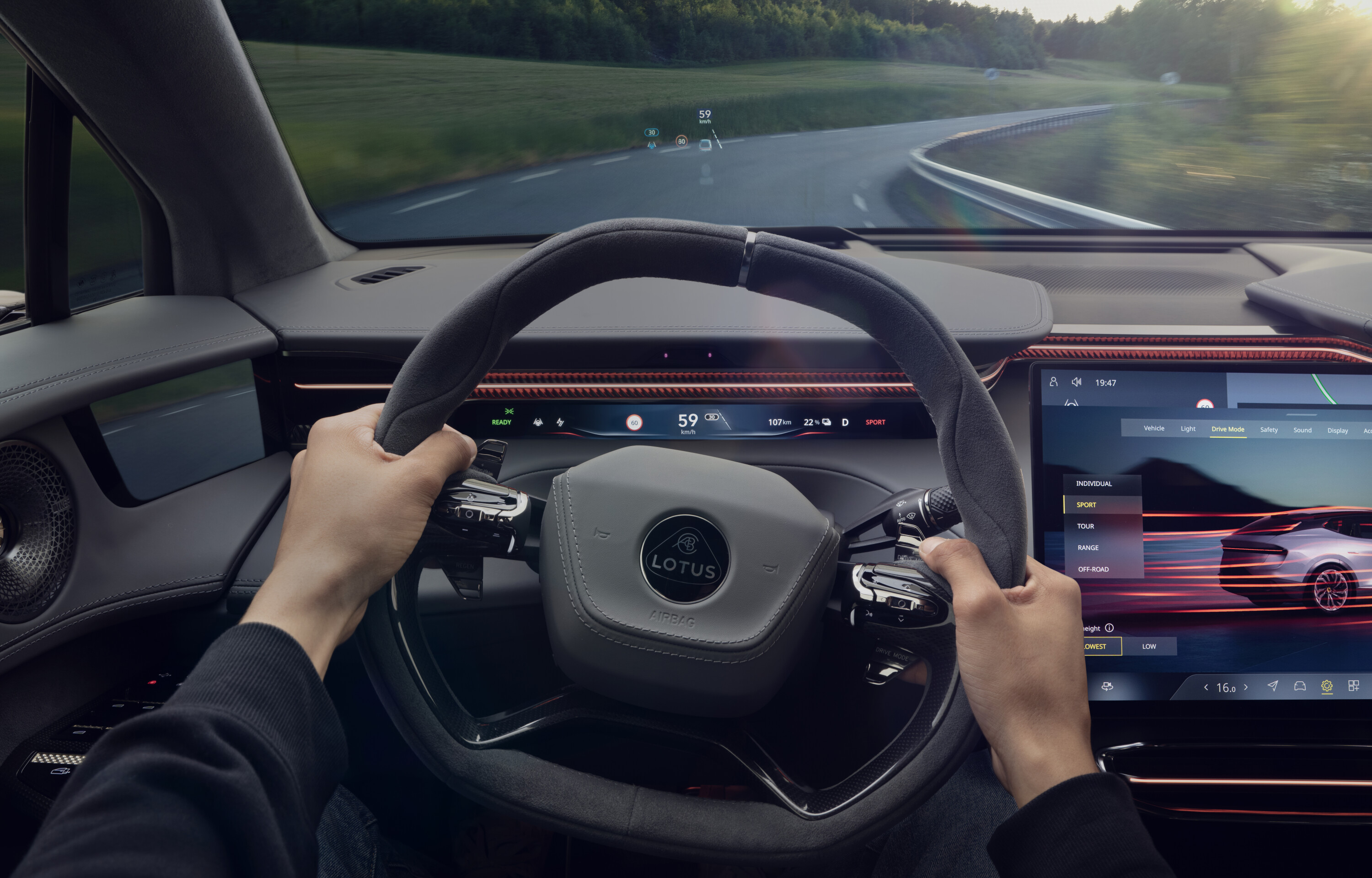
The driver instrument monitor is mirrored on the passenger side by a “ribbon of technology”.
In terms of digital mod cons, the Eletre can be had with a pair of camera-operated low-drag door mirrors, an iPad-type control panel exclusive to back seat passengers and a pair of slender horizontal screens which run almost the full width of the dashboard.
The driver instrument monitor is mirrored on the passenger side by a “ribbon of technology”. A similar device relaying road speed, charging and sat-nav stats, points of interest and music playlists was first introduced in the Ferrari FF.
Built in China, the Eletre deserves full marks for sparing us questionable assets like half a dozen different fake sound patterns, hyperactive when-to-charge-and-where advisors, nerve-wracking assistance systems interfering seemingly at random, and largely clueless but positively patronizing on-board avatars.
1
While the left paddle lets you choose the preferred regen level, the right paddle scrolls through the drive modes labelled Tour, Range, Sport, Off-Road, Individual and Track (R only).
At the beginning of day two, we selected Individual and locked everything in Sport bar the suspension which is best left in Tour for that extra compliance cushion.
As far as ESP goes, it’s either On or Off – there is no in-between Dynamic Plus option. Backed up by 5G connectivity and three times the software power of the Tesla autopilot system, the Eletre is ready for Level 4 autonomous driving as soon as regulations allow it.
2
There is more to come: steer and brake by wire; lateral, vertical and longitudinal vehicle motion control; semi solid-state batteries for greater power density in a smaller and lighter package.
As a result, the next-generation cars due from 2025 are set to complete the charge cycle in only five minutes and will take the cell-to-body concept to a new level, while further advancing the digital user experience. Lotus, a software-driven company?
Why not. In the auto business, there is always room for one more handbrake turn.
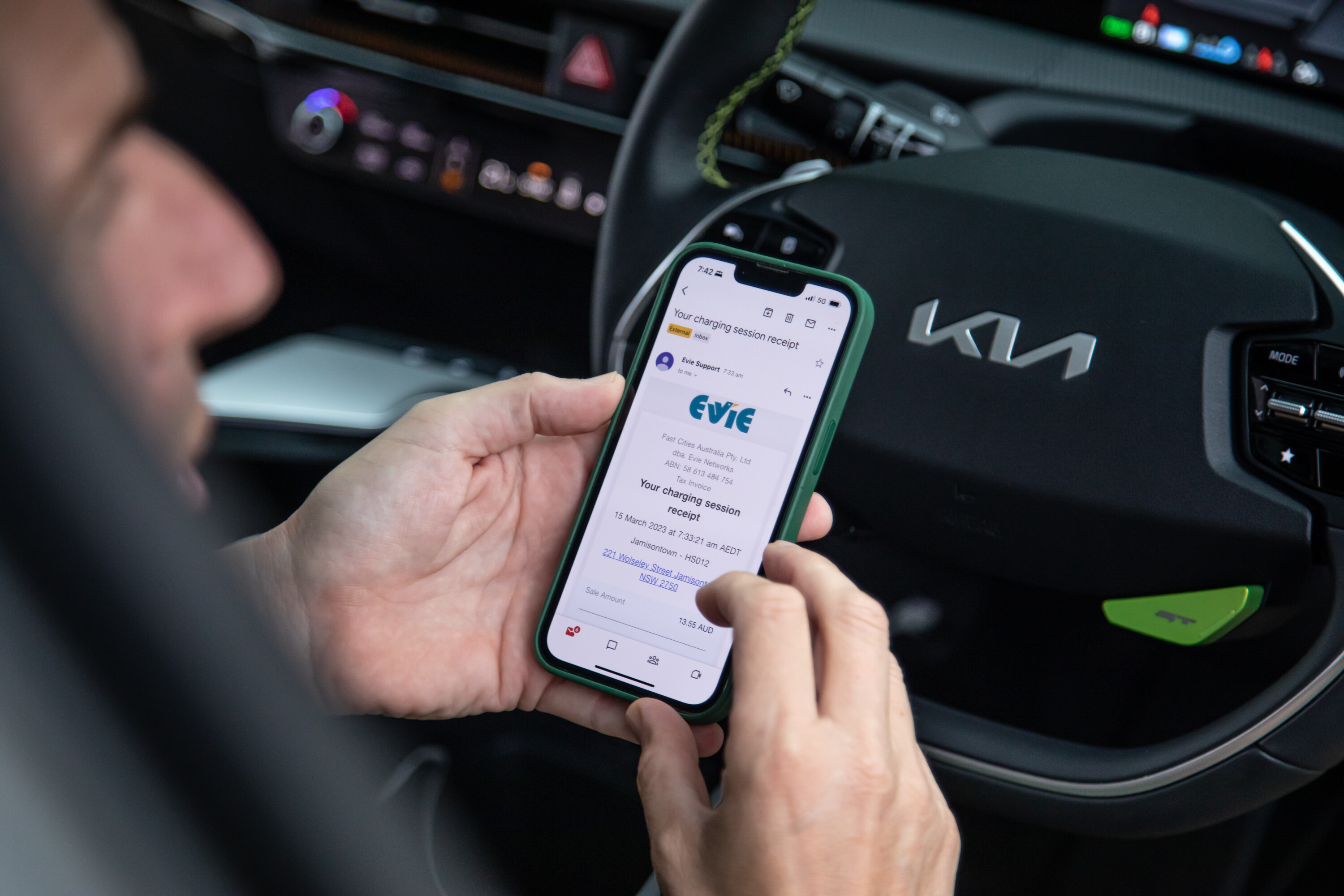
Evie Networks’ fast EV chargers will become pricier again next week, as electricity costs continue to rise.
Snapshot
Evie Networks raise charging prices by up to 10 per cent
First time 350kW chargers hit with increase, second time for 50kW this year
Still cheaper than BP Pulse and Ampol AmpCharge
From Monday, July 10, Evie’s most common 50kW DC public fast charging stations will cost $0.50 per kilowatt-hour (previously $0.45 per kWh) – representing a 10 per cent increase.
Additionally, 350kW DC ultra-rapid charging stations will be priced at $0.65 per kWh (previously $0.60 per kWh) – representing a 7.7 per cent increase.
The increase comes just six months after the charging provider raised 50kW stations from the base $0.40 per kWh rate in February, which was also attributed to higher electricity market costs.
What does this mean for my wallet?
For example, a Tesla Model Y RWD owner who recharges its 57.5kWh usable battery from 10 to 80 per cent will need to pay about $2 more than before on Evie Networks.
The charging bill will total to around $20 on a 50kW fast charger or $26 on a 350kW ultra-rapid station.
1
However, it’s the first time Evie’s 800-volt class high-powered chargers have been subject to a price rise since the company’s debut in late 2019.
In an email to users, Evie Networks said the price increases were consequently a “direct result of the rising cost of energy” in order to continue investing in operating and expanding its network. It aims to triple its network reach this year.
The Australian Energy Regulator approved increased default electricity costs by up to 25 per cent nationwide, depending on the region on July 1.
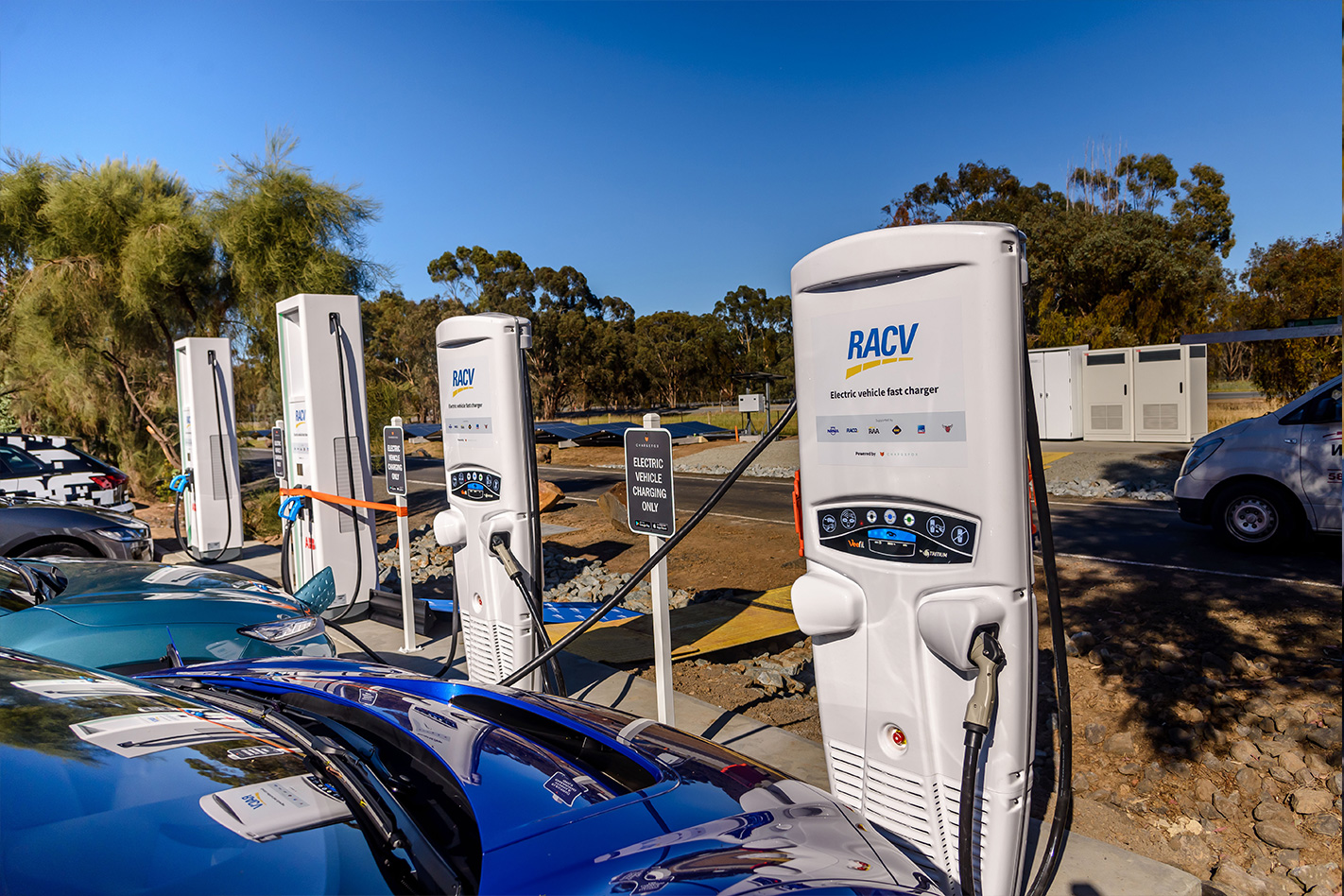
Its direct EV charging network rival, Chargefox, hasn’t raised prices yet for its own 50kW and 350kW DC units, with fees still set at $0.45 and $0.60 per kWh respectively. Other non-Chargefox owned chargers, but facilitated through the company, have different set fees.
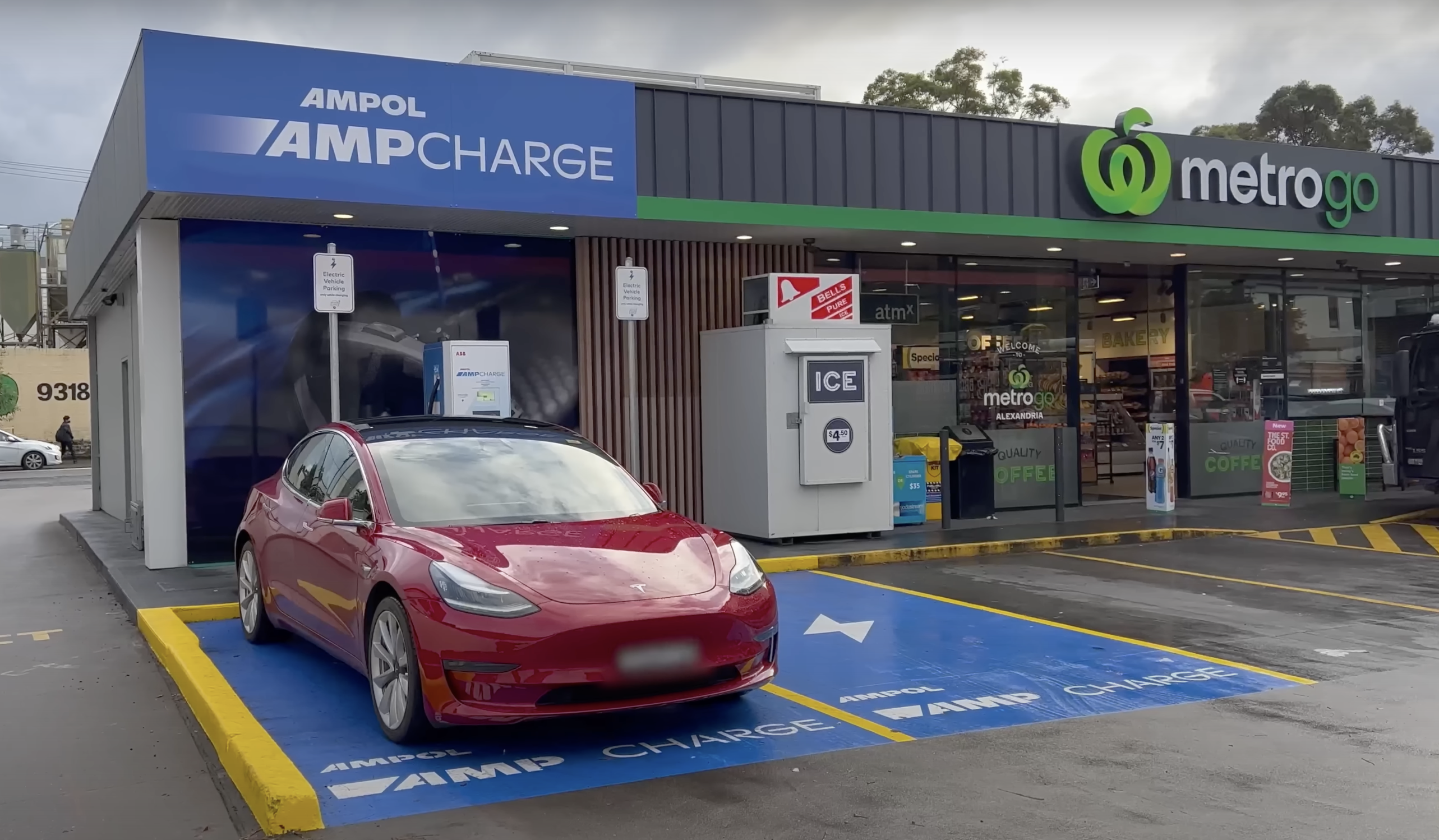
Despite the price rises, Evie Networks’ chargers are still more affordable than BP Pulse’s 75kW DC units at $0.55 per kWh and Ampol’s AmpCharge 150kW DC capable chargers costing $0.69 per kWh, as at the time of publication.
February 8, 2023: Evie and Ampol raise charging prices
Evie Networks and Ampol’s AmpCharge have increased EV charging rates by up to 13 per cent due to rising electricity costs.
Snapshot
Evie Networks 50kW chargers now $0.45 per kWh
AmpCharge 150kW charges now $0.69 per kWh
Rising energy costs blamed for increases
From February 13, Evie’s most common 50kW DC public fast chargers will now cost $0.45 per kWh (up from $0.40 per kWh), representing an 11 per cent jump.
It’s the first time the company has applied a price increase since its launch in late 2019, as the second-largest EV charging network in Australia – which is seeking to install 200 additional stations this year.
1
Evie’s priciest 350kW DC ultra rapid chargers will remain the same rate at $0.60 per kWh.
Additionally, Ampol’s AmpCharge 150kW DC fast chargers are now priced at $0.69 per kWh (up from $0.60 per kWh), representing a 13 per cent hike.
“Ampol aims to offer great value, high quality products to our customers. In order to continue doing so, and after a review of wholesale energy costs, we’ve needed to revise the pricing structure to reflect market conditions and rising energy costs,” AmpCharge said in a statement posted on PlugShare.
Last week, the American company opened up five Supercharging trial sites in regional New South Wales to charge any EV model.
However, there’s a catch: it’s even more expensive at $0.79 per kWh, unless you opt for a $9.99 per month subscription to obtain a discounted rate.
The state motoring club-owned Chargefox network is now the cheapest (and largest) EV charging provider in the country, costing $0.40 per kWh for most 50kW units and $0.60 per kWh for 350kW stations.
1
It also runs state government-backed and local council chargers, which may cost less as per Queensland’s Electric Super Highway (QESH) which is only $0.30 per kWh, while all NRMA chargers are still free-of-charge for any EV owner (but will become a member-only perk in the future).
It’s worth noting that the most convenient and cost-effective way to charge an EV is at home overnight on off-peak electricity or when there’s free solar energy generation during the day, provided you can plug in to a standard home socket.
The Triton is a perennial favourite for ute buyers, consistently playing third fiddle to the HiLux and Ranger in the 4×4 sales race.
It’s an admirable achievement in a heavily competitive segment, with the Triton’s enduring weapon being its high value for money.
The flagship vehicle in the Triton line-up is the GSR, which undercuts the Ranger Wildtrak by about $10K and the SR5 Hilux by $6K, yet comes with a similar features list.
It also asks for about $6K more than the second-tier Triton GLS 4×4, with the main differences between the two mainly cosmetic – think black roof, grille and rear bumper; heated front seats; and faux leather, to name a few.
So the obvious question to ask is whether these added features make the GSR more appealing than the lower-spec Triton variants? Better still, is it worth waiting for the new-gen Triton – with a “new” and “revised” engine – that’s due to hit Australian showrooms by the end of 2023?
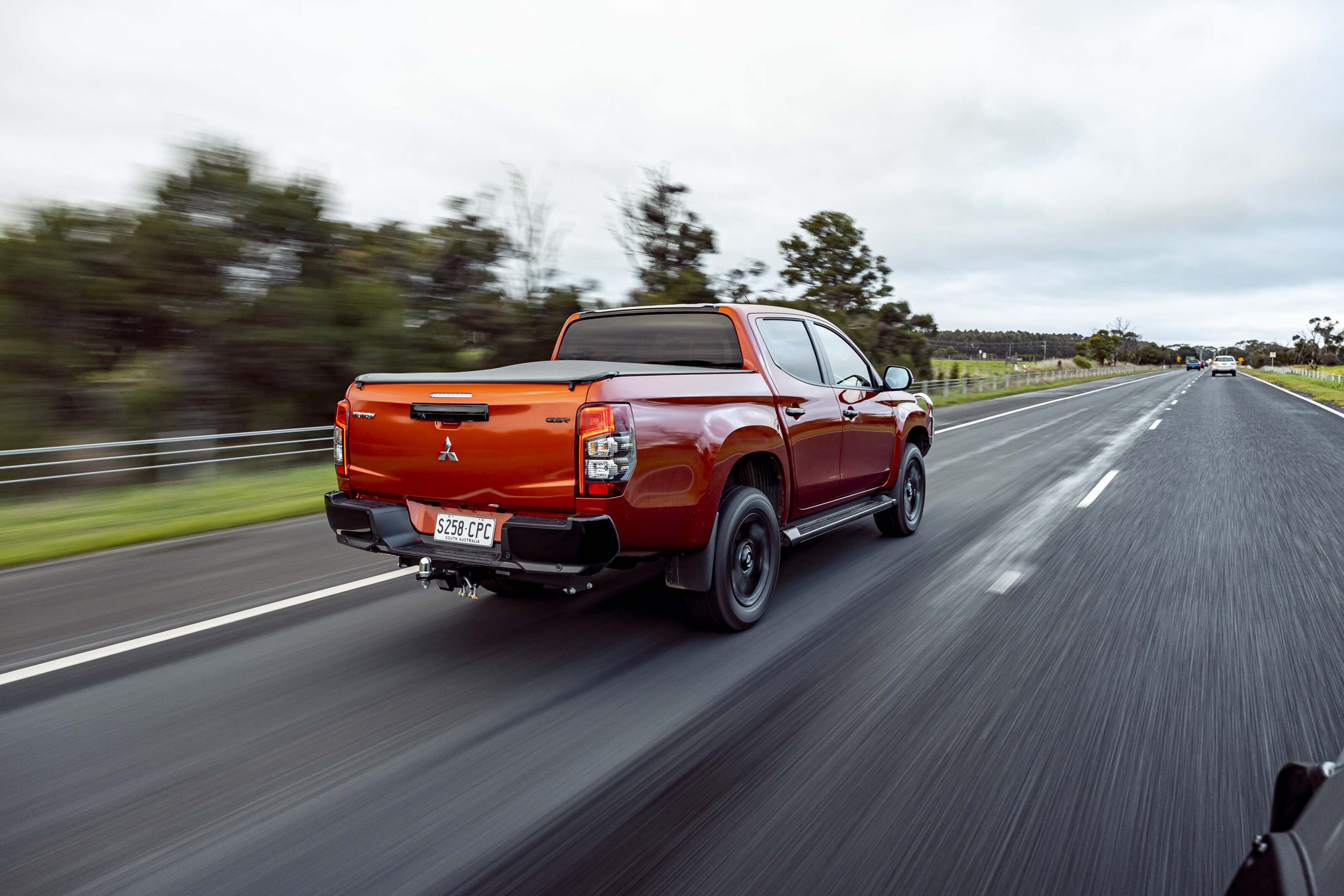
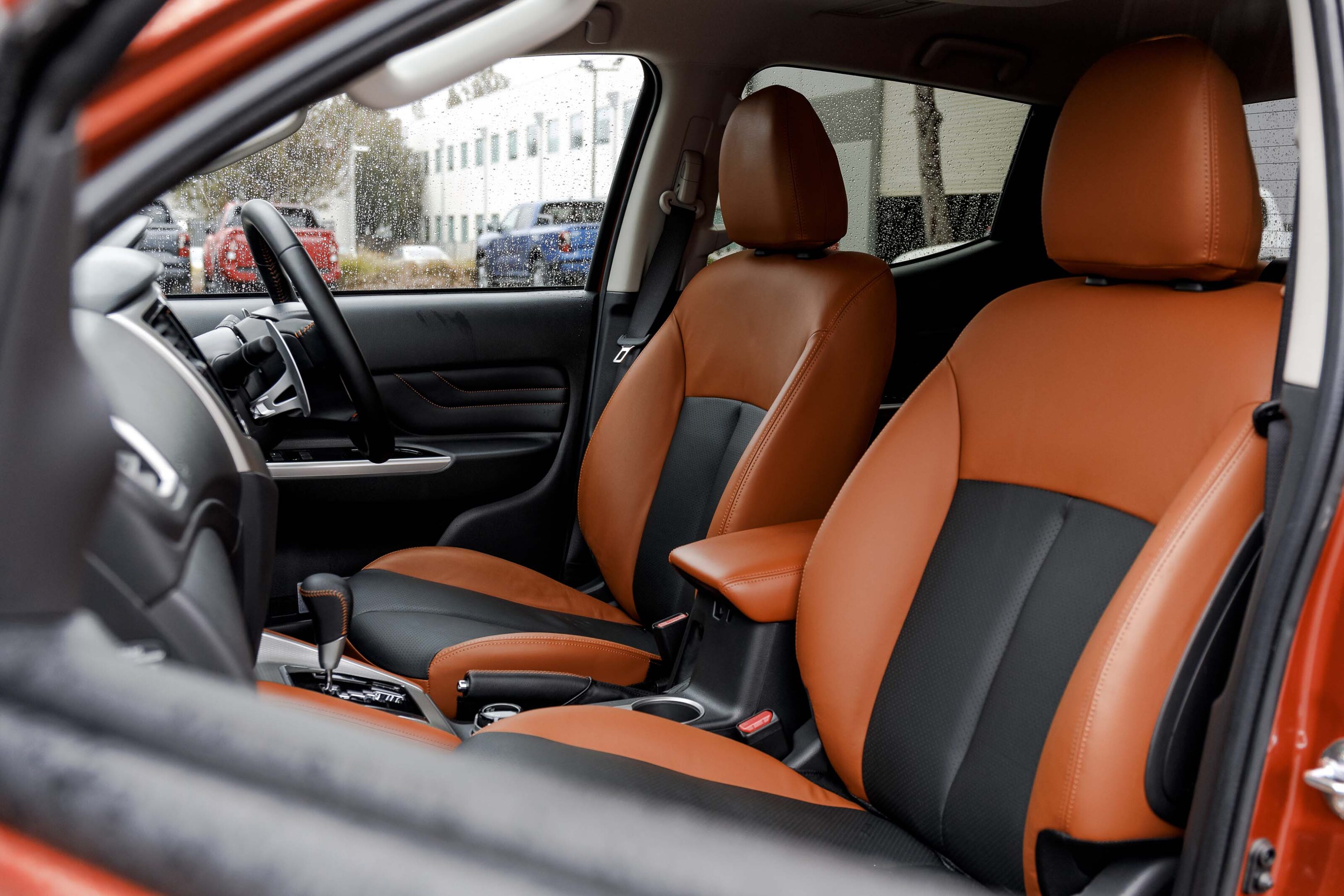
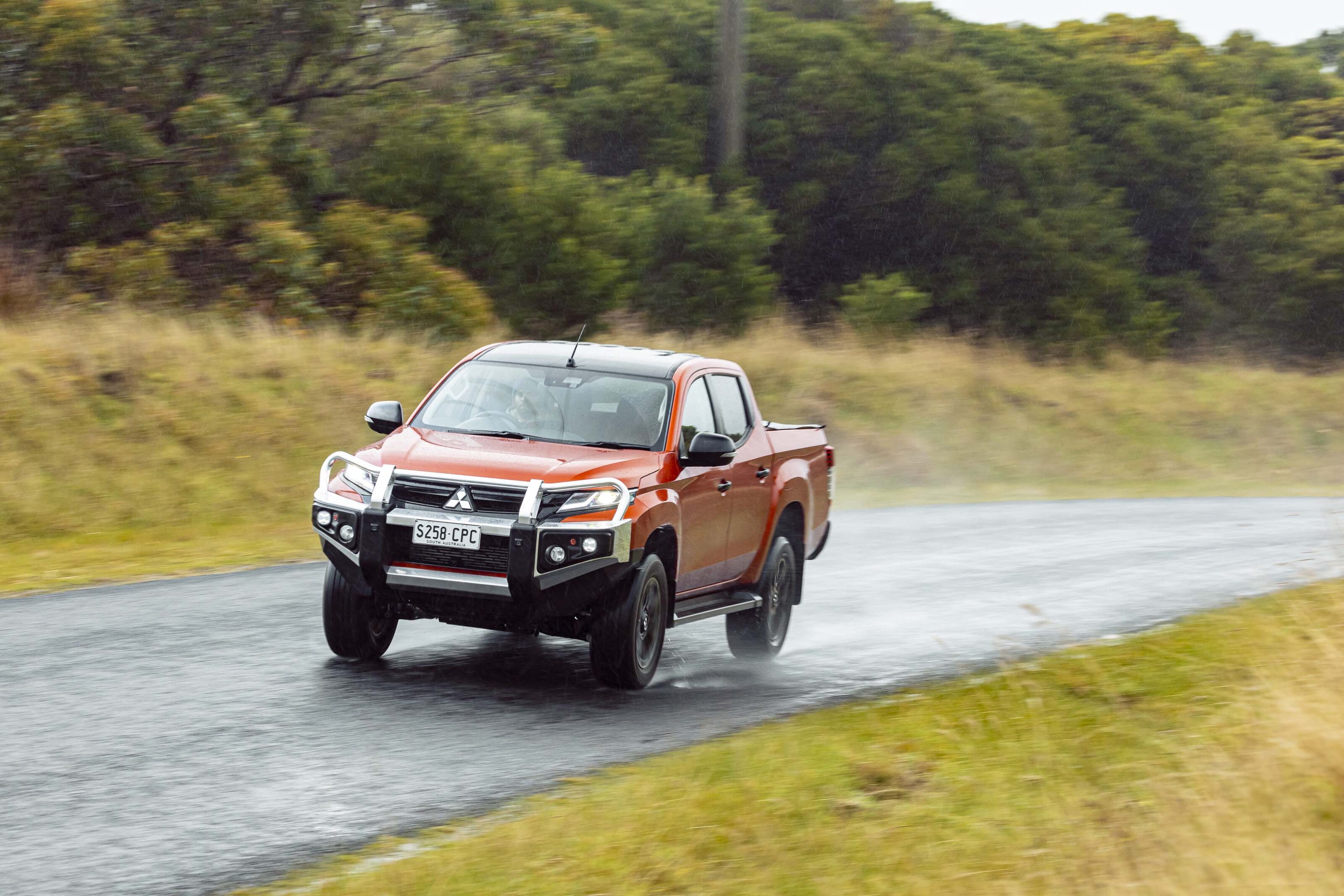
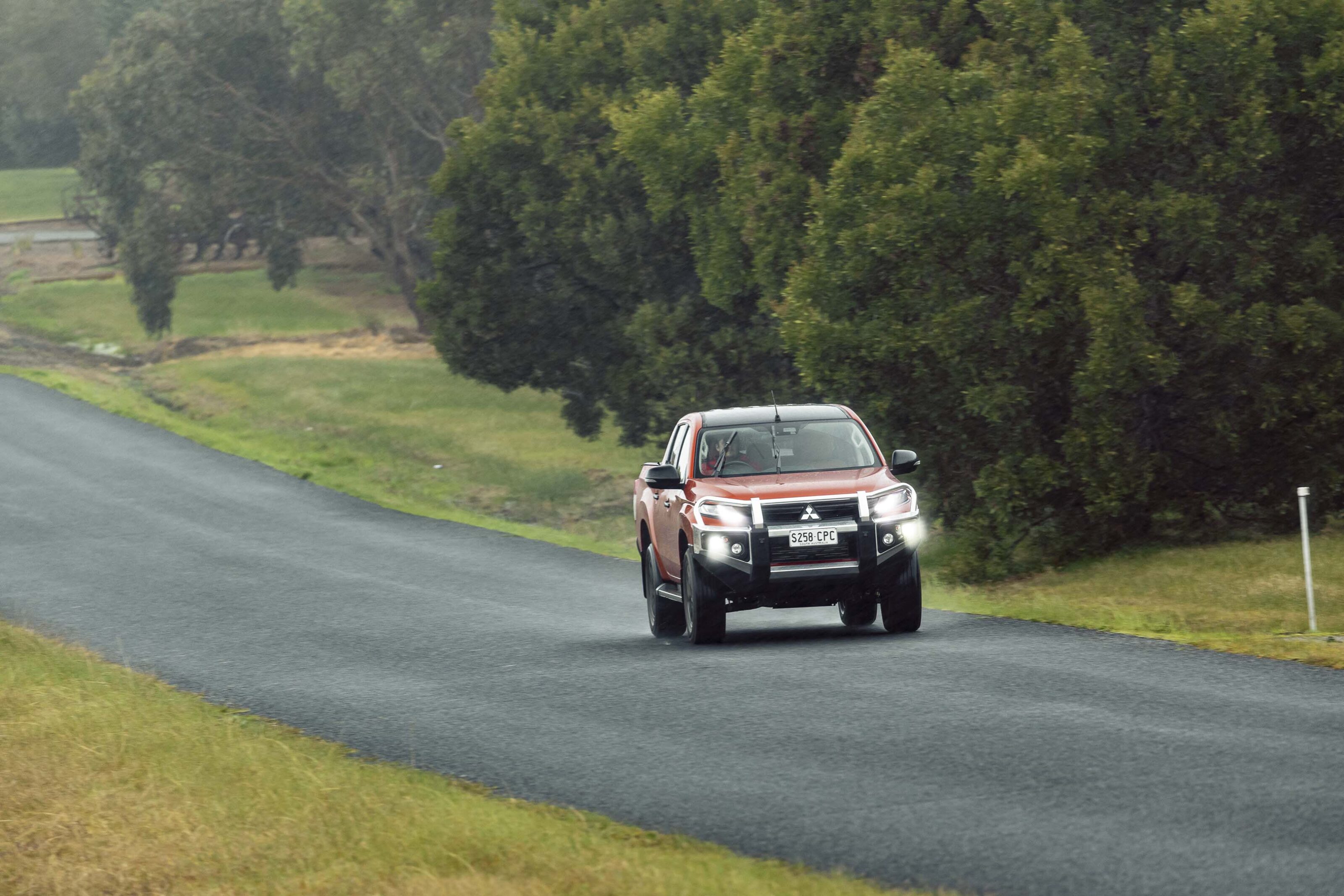
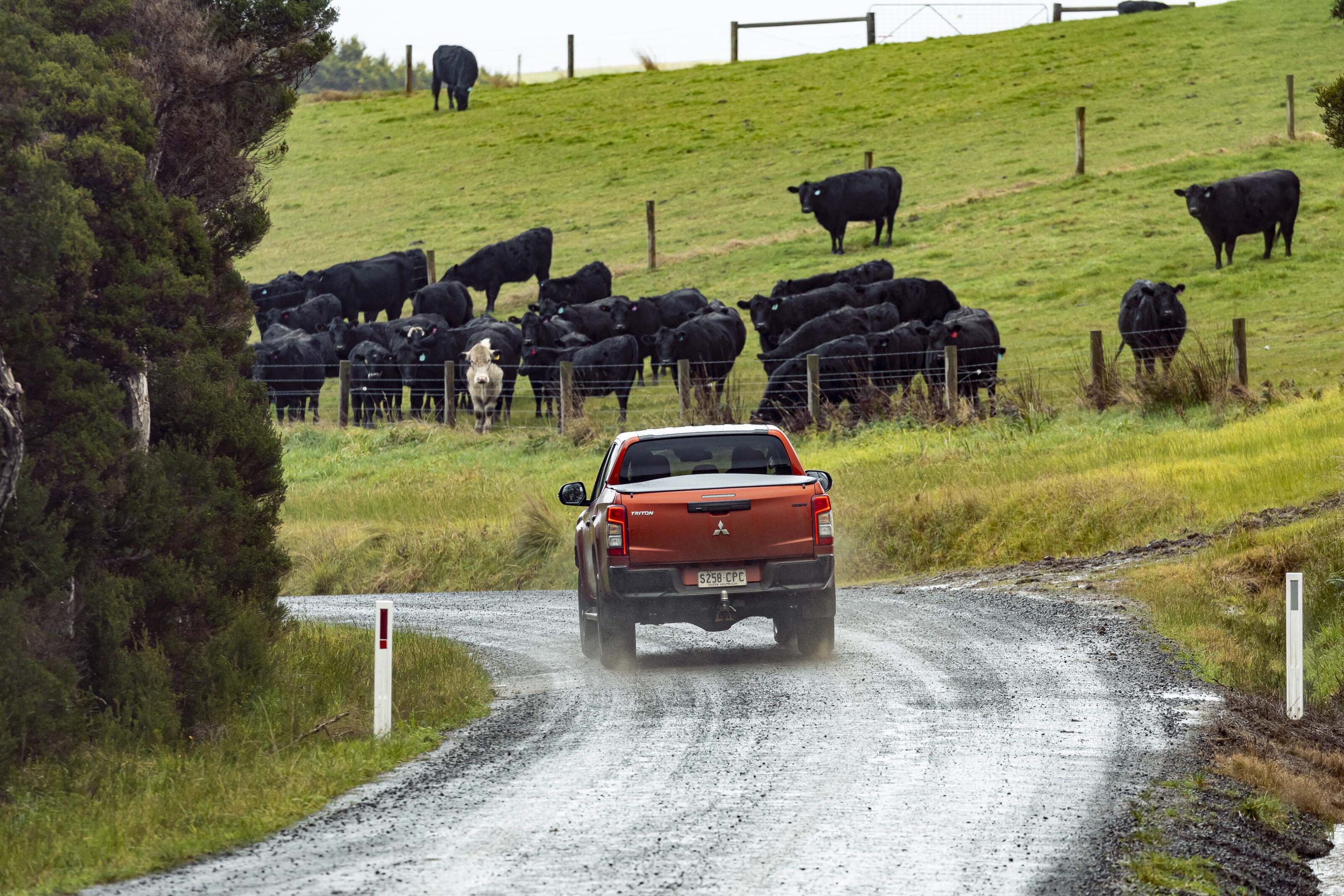
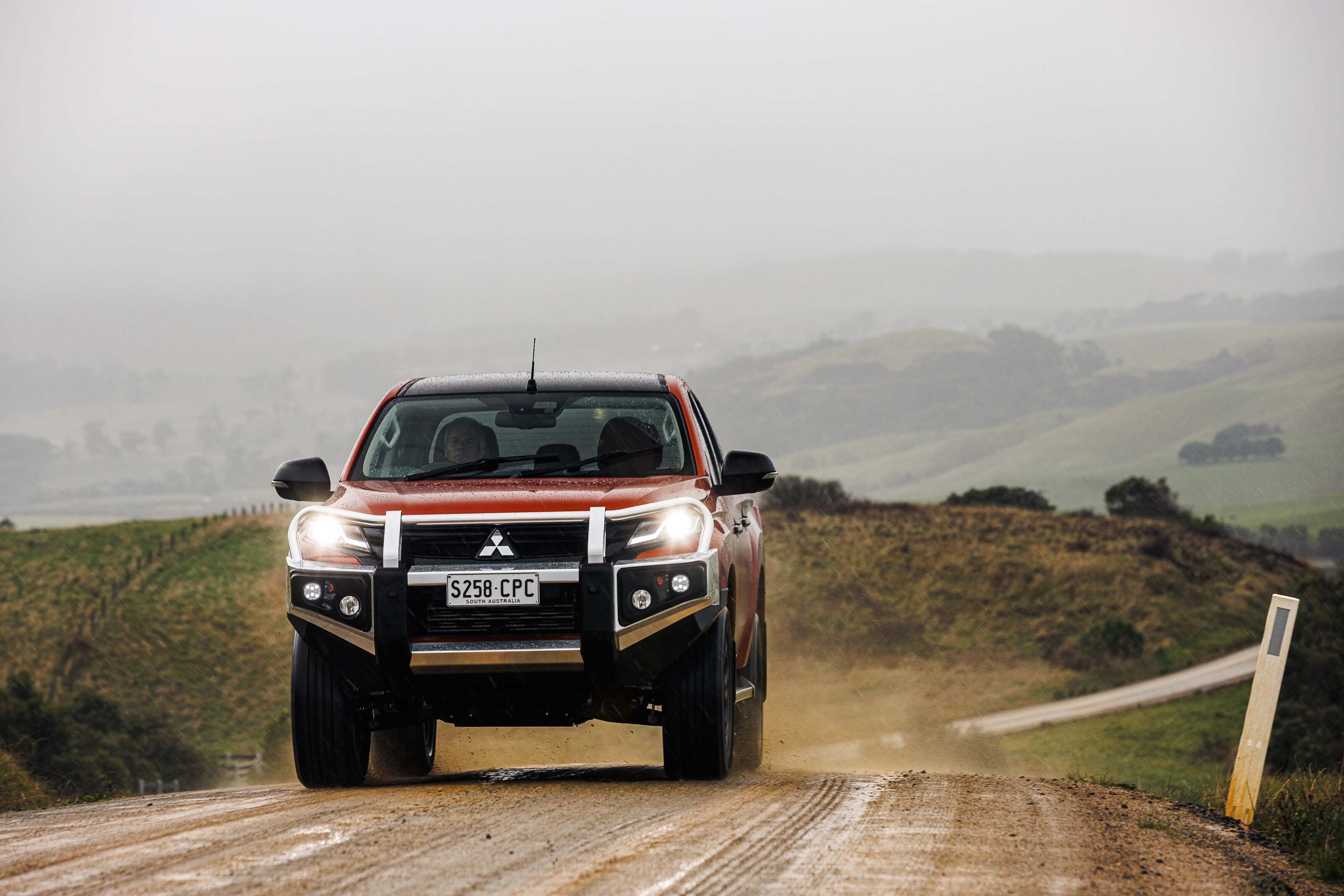
Resplendent in eye-catching (and no-cost optionable) Sunflare Orange paint, our Triton GSR test vehicle is rocking a shiny steel bullbar ($4611) to go with the standard tan orange leather-appointed upholstery (with heated front seats), keyless entry, and a now-undersized 7.0-inch infotainment screen.
The GSR features Mitsubushi’s Super Select II 4WD system and rear diff lock as standard, making it capable of hitting 4WD tracks directly from the showroom floor.
Considering the top-shelf Triton opens with a list price of $55,690 (before on-road costs), that’s a generous equipment list for the money. It undercuts the new four-pot Ford Ranger Wildtrak’s list price by $10,500 and the Toyota HiLux SR5 4×4 by $6240.
1
However, with a new-generation Triton waiting in the wings and due later in 2023, the familiar Triton is beginning to show its age in the face of younger competition, especially inside the cabin.
It’s well-equipped and trades high on its strong value proposition, but faults are also beginning to show in its driving dynamics. The current generation was facelifted in 2019 but has spent seven years on the Australian market now.
Is the top-spec Triton GSR worth considering, or is it better to wait until the new-gen launches? Let’s find out.
Mitsubishi’s most recently updated MY22.5 Triton pricing announced back in April pitches the GSR dual-cab at $56,690 before on-road costs.
This update includes improved infotainment with the inclusion of Mitsubishi’s Smartphone link Display Audio system (with improved Apple CarPlay and Android Auto functionality), and adds a 360-degree camera system, for a modest increase of $2450.
1
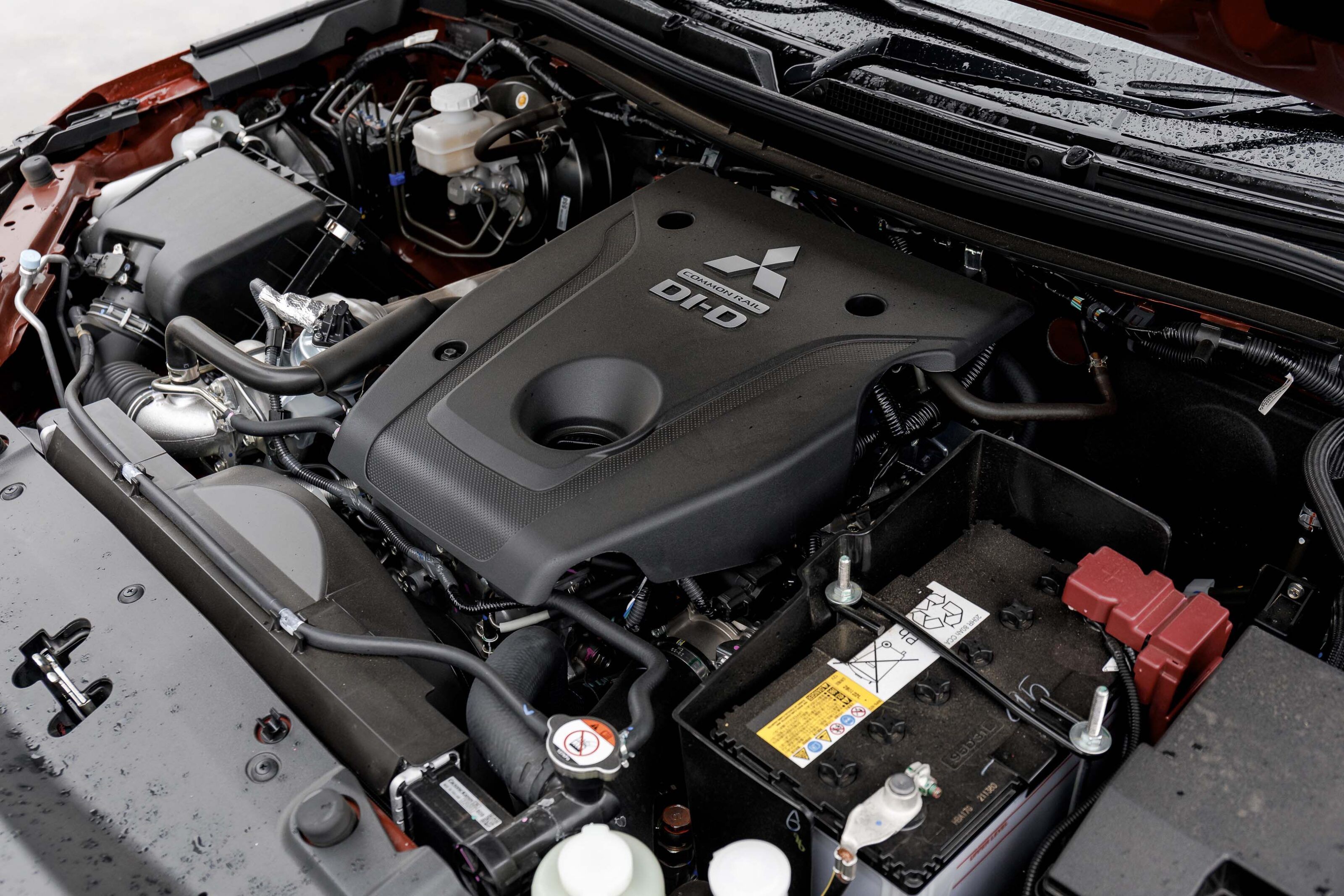
Long-time Mitsubishi enthusiasts will recognise the GSR nomenclature from sporty Lancers of yore, preceding the hallowed Evo nameplate. Here, though, the Triton GSR uses the same 2.4-litre turbo-diesel and six-speed automatic powertrain configuration as the rest of the range, producing 133kW/430Nm.
Visually distinguishing the GSR is the blacked-out trim with matching grille, roof, mirrors, door handles and sports bar.
1
Tech, comfort and convenience features include keyless entry, tan orange leather seats with heated front row and powered driver’s side adjustment, a six-speaker stereo, 7.0-inch infotainment screen, dual-zone climate control, front and rear parking sensors, automatic wipers and headlights, improved Apple CarPlay and Android Auto functionality, 360-degree camera and more.
A feature of upper-spec Tritons is Mitsubishi’s Super Select four-wheel-drive system with the ability to switch between rear-wheel, all-wheel and locked four-wheel drive modes on the fly, with high- and low-range gearing plus a locking rear differential.
Standard-fit safety equipment comprises front, front-side, curtain and driver’s knee airbags, plus autonomous emergency braking (AEB), lane departure warning, blind-spot monitoring and trailer stability assist.
Mitsubishi’s Triton trades on value and undercuts up-spec aforementioned Ranger and HiLux rivals.
In the case of the popular HiLux SR5 4×4 automatic, the Triton GSR saves $6240 and contains many of the same popular features as standard.
Both SR5 and GSR features are quite similar, though Triton owners may miss the more modern cabin of the HiLux, as well as technologies such as speed sign recognition and adaptive cruise control.
The Toyota’s bigger 2.8-litre turbo-diesel is also punchier, with outputs of 150kW and 500Nm.
Stepping into the cabin, great strides have been made to lift the visual ambience of this traditionally blue-collar ute.
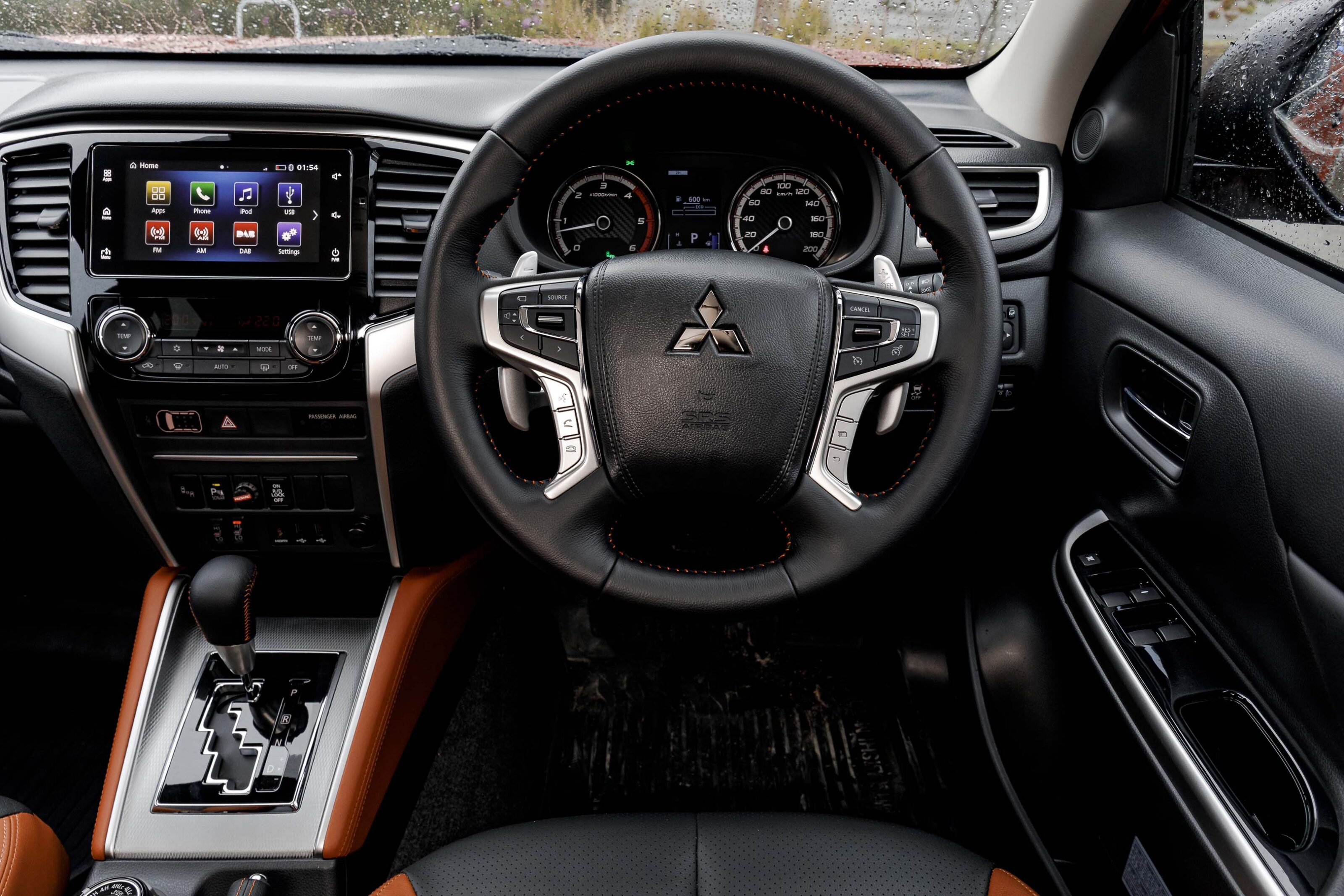
The tan orange upholstery is certainly eye-catching, and the leather-covered steering wheel, gear selector and door trims are welcome added niceties to your main touchpoints with the vehicle. The nice use of red stitching also enhances the GSR’s visual appeal.
Function still leads form, which isn’t necessarily a bad thing, with much hard plastic to be found on the dashboard and a switchgear layout that, while intuitive, ergonomic and functional, is beginning to look a little dated in the face of younger rivals.
There’s decent levels of adjustability for a variety of driver builds, with a tilt- and reach-adjustable steering column plus powered driver’s seat controls. The front seats are mounted high, but feel solid and supportive, with no complaints about the final seating position. The black seats are prone to get dirty, quickly, especially if pursuing red dust or mud on an off-road trek.
2
Where the Triton GSR is let down is with the 7.0-inch touchscreen, which, while functional and responsive, is considerably smaller than those found in competitors. The UI and interface is cumbersome to navigate, and using Apple CarPlay and Android Auto was a hit-or-miss affair, with the system dropping in and out at random.
The use of buttons instead of dials – to control volume, for example – is a bit of a head-scratcher, as is the need to press “touchscreen” buttons instead of “actual” buttons and dials in a lot of circumstances.
The Triton is in serious need of an infotainment overhaul
Two central cup holders, a bin under the armrest and large bottle-sized bins in each door provide easy storage solutions close to hand. Two USB-A plugs up front provide smartphone mirroring and charging, and there’s an HDMI input up front, too.
Entry and exit handles are utilised for both the driver and front-seat passenger, which is a clever addition.
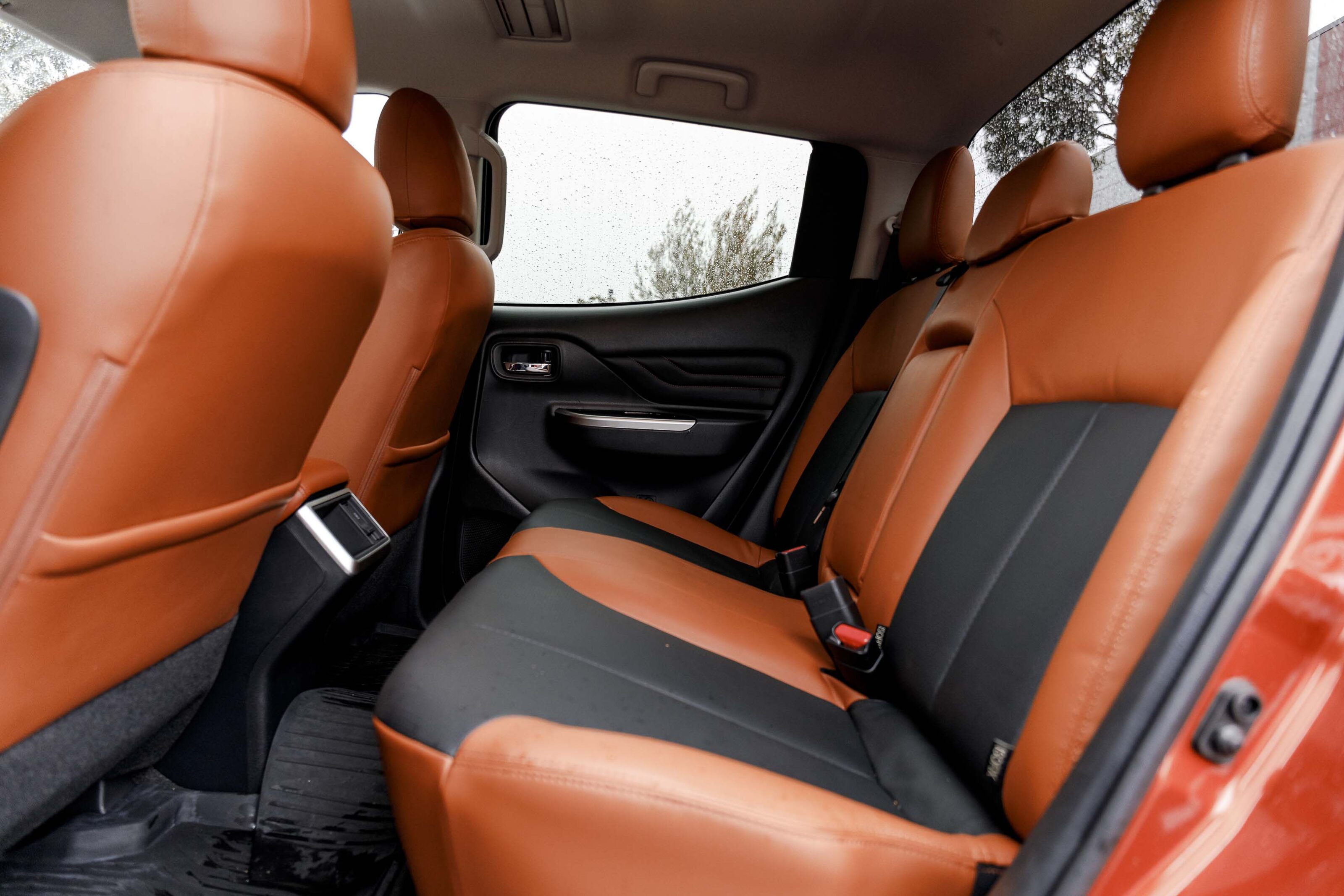
Second-row seats look a bit thin and basic but are deceptively supportive once you sit in them, with a fair bit of rake to the backrests and surprisingly good under-thigh support in comparison to rivals with much flatter seats. There’s ample space in the second row for three kids or two adults, but three adults abreast will be a squeeze.
TV screens behind the front headrests will help to keep kids entertained on longer road trips.
1
The softer leather seat trim is a welcome luxury over the cloth upholstery found in lower-spec Tritons. Middle seat legroom, however, is impinged by a little storage tray that pokes out behind the front armrest and a rather tall transmission tunnel.
At 175cm tall, I fit with relative comfort in the second-row outboard seats, with some legroom and toe room to spare. It’s not a wide cabin though, and even with a small child in the middle seat, seating three abreast would quickly become quite cosy.
There are two further USB ports to be found back there, plus two cup holders in the fold-down centre armrest along with large door pockets for rear passengers.
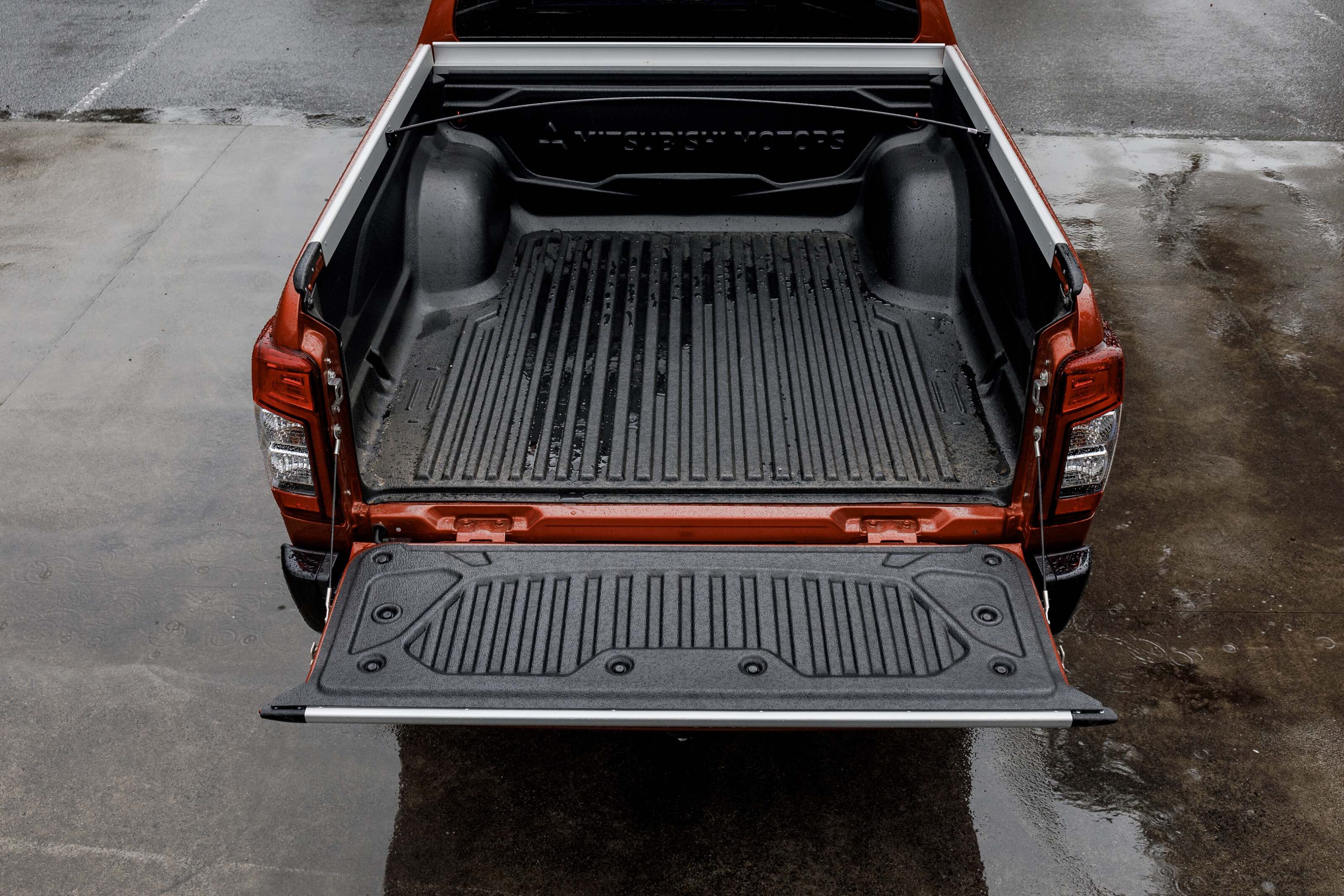
Triton dual-cab trays measure 1520mm in length, 1470mm in width and 175mm in height – with 1085mm at the narrow point between the wheel wells.
It must be noted that an available lockable roller cover, while handy for security, does impinge on tray space and shifts the tie-down points rearward.
Payload capacity is 901kg, which is down 44kg on the cheaper, more workhorse-oriented GLX+.
Mitsubishi’s Triton trades well on its value-minded asking price and generous levels of included equipment, but it falls short of class benchmarks due to ageing driving dynamics.
It’s a competent machine, especially so when you consider its native ability off-road, but falters in the finer points of on-road ride and handling.
Like many vehicles of this class, the steering ratio is rather slow, producing lots of arm movements when navigating tight urban areas at low speeds. There’s also a bit of an on-centre dead zone, needing a touch more steering input than you might expect before the front end begins to react.
1
The 2.4-litre four-cylinder turbo-diesel is effective but quite vocal and lacks the smooth refinement of younger rivals. There’s decent torque to be found low down, however, and it’s a smooth sailer once up to a cruise, calmly building pace as the six-speed automatic keeps the powerplant within its comparatively narrow operating window.
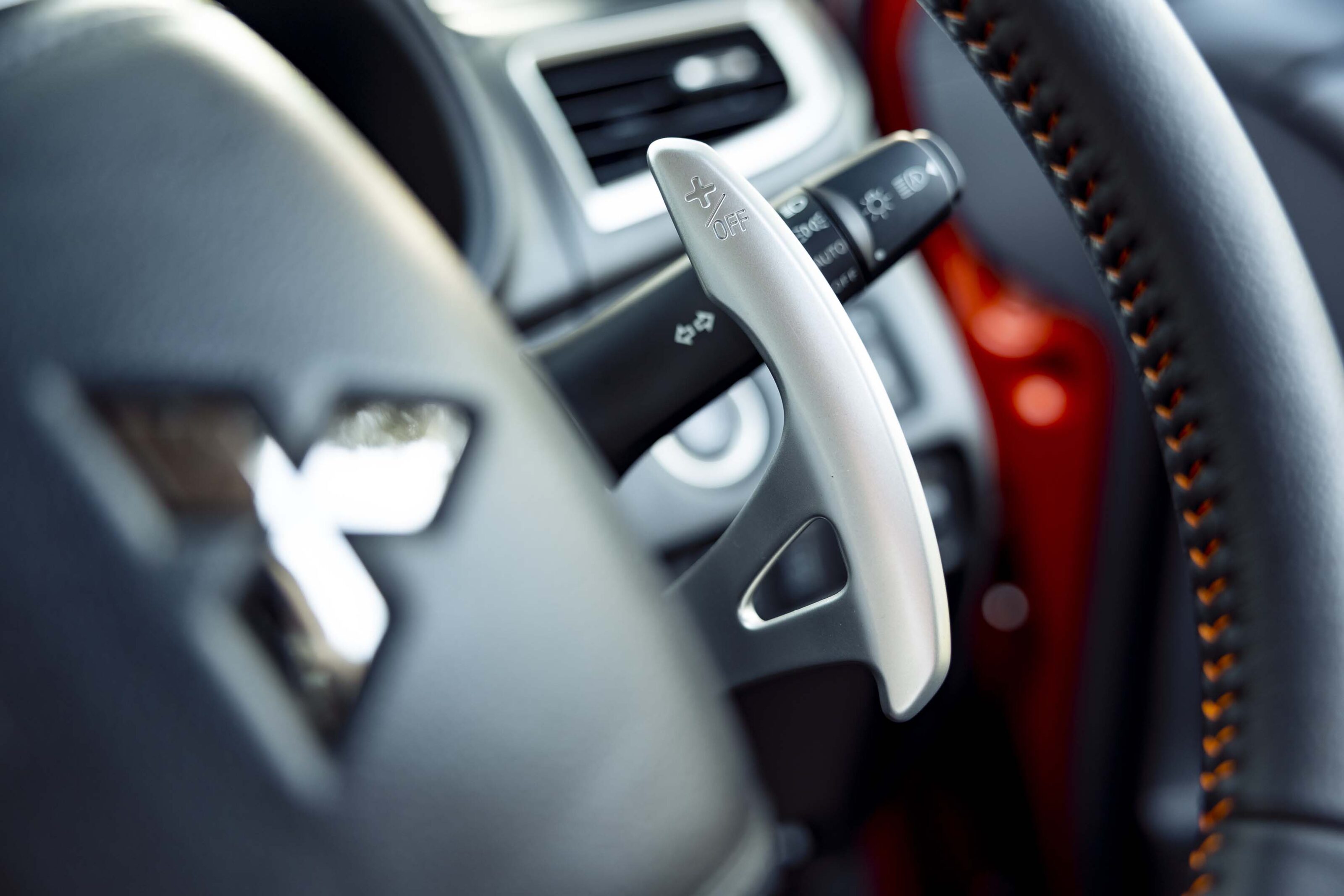
In fact, the automatic six-speed transmission’s logic feels rather well-matched to the engine, as I rarely felt the need to take charge of shifts of my own (though the aluminium paddle shifters, lifted from the now-extinct Mitsubishi Lancer Evolution X, did make me giggle).
Despite the novelty, there is a noticeable pause between engaging the paddle shifters and the transmission reacting with a gear change, so it’s often quicker to let the automatic work it out for itself.
1
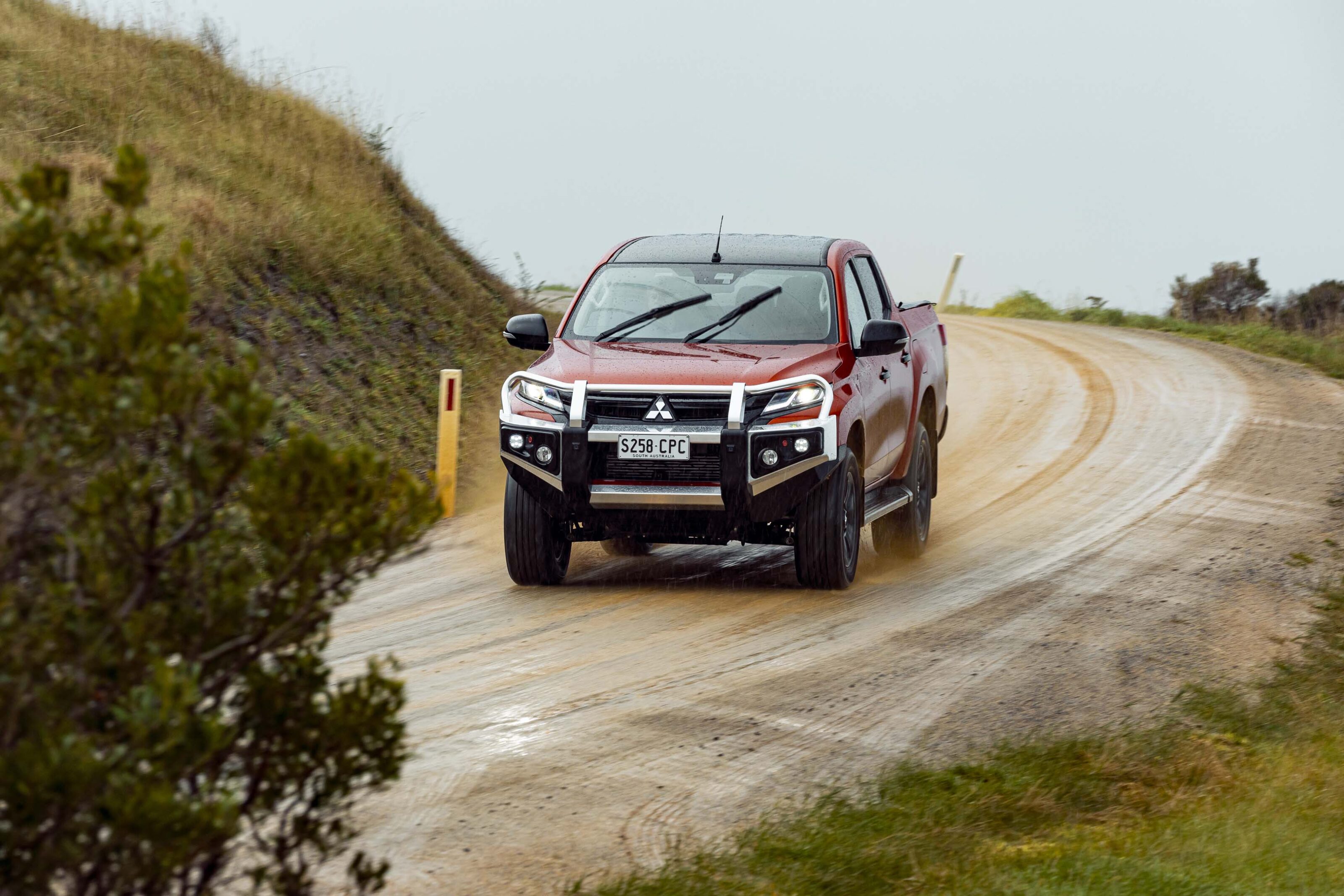
Away from the tarmac at lower speeds, body control is above par, but on-road the ride is terse and firm with a quick rebound effect that often has the body unsettled by even small bumps.
In fact, on thin road corrugations, there’s an unsettling see-saw effect with vibrations transmitted throughout the body structure.
This is a competent machine overall but falls short on the finer points of ride and refinement in comparison to rapidly developing challengers and rivals that have appeared on the market within the last five years.
The 2023 Mitsubishi Triton GSR wears a manufacturer-claimed fuel consumption figure of 8.6L/100km.
Previous testing, however, during the Wheels 2022 dual-cab comparison, showed the top-spec Triton returning 10.6L/100km in the real world, covering 235km on our test loop and drinking 25.01L of fuel.
Total fuel tank capacity of the Mitsubishi Triton is 75 litres.
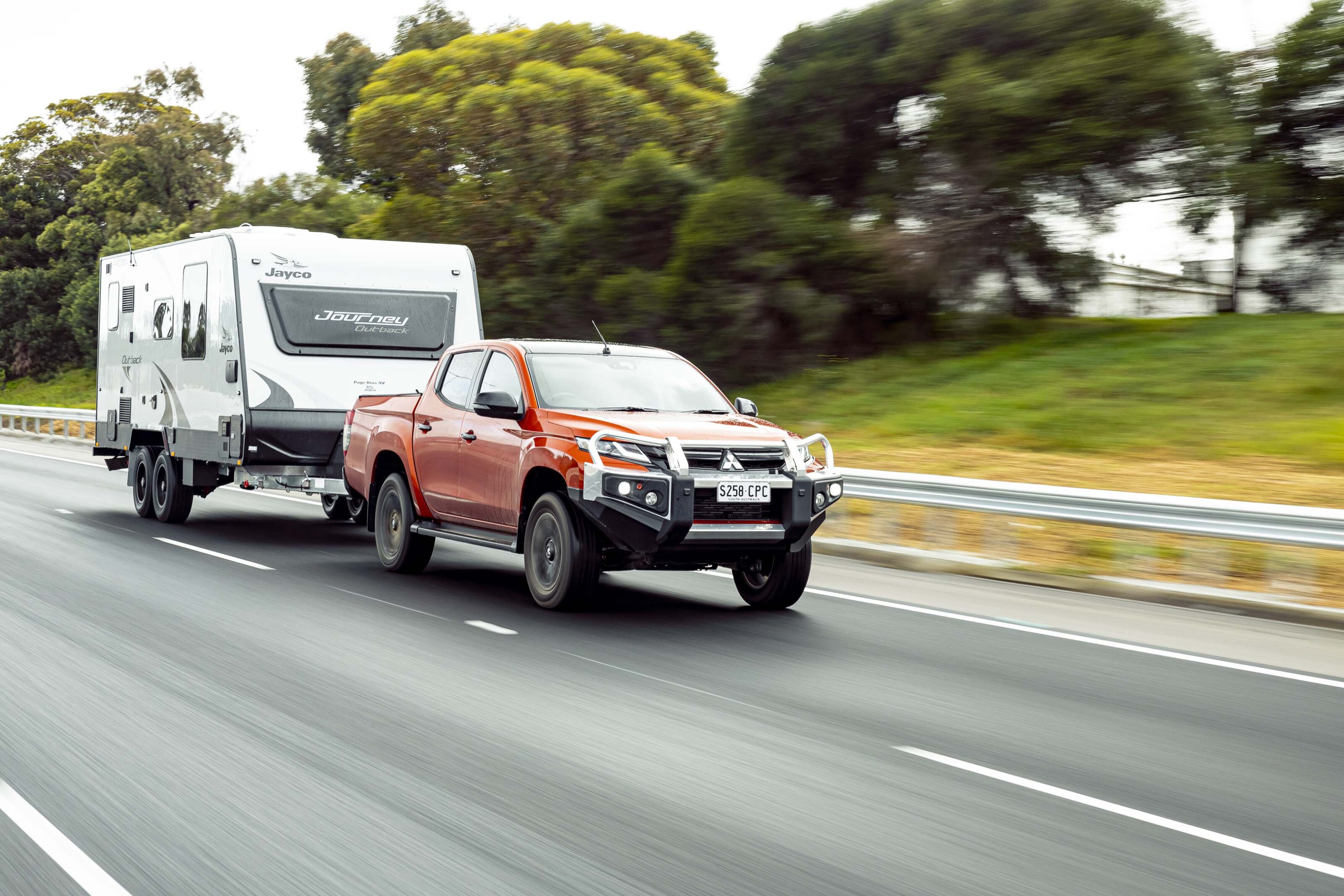
The Triton is physically smaller than many of its competitors and for many buyers, this is a positive. But its size and relatively short wheelbase of 3000mm means that Mitsubishi conservatively rates the Triton’s towing limit to 3100kg.
However, it does make up for this shortcoming somewhat with a generous GCM that still allows you to carry a bit in the vehicle if you are towing at the maximum weight.
Also beneficial on the Mitsubishi are the transmission paddle shifters mounted behind the steering wheel that make it easy to tip back a gear or two when you want a bit of engine braking.
But there’s a lot of leverage between the tow bar and the rear axle, resulting in porpoising when travelling over uneven road surfaces and that short wheelbase combines with a long overhang at the rear to give the Triton a bouncy feel when towing a 2100kg Jayco caravan.
All 2023 Mitsubishi Tritons bear an ANCAP rating of five out of five stars.
It achieved this during initial testing in 2015, with the pre-facelift range, so would be unlikely to achieve a top score if tested against today’s tougher criteria.
Standard features include autonomous emergency braking with pedestrian and cyclist detection and junction assist (when turning across oncoming traffic), blind-spot monitoring, rear cross-traffic alert and lane departure warning (but no lane-centring assistance).
All new Mitsubishis are covered as standard by a five-year/100,000km vehicle warranty. Stay on top of your scheduled servicing with the Mitsubishi network, however, and Mitsubishi will extend your warranty to an impressive ten years or 200,000km.
Servicing intervals are every 120 months or 15,000km, whichever comes first.
Mitsubishi will also cap servicing costs for the first ten years or 150,000km, with subsequent maintenance costs projected at around $600 per year (or every 15,000km).
The Triton GSR occupies a particular in-between spot among the major players within the bursting dual-cab ute market. It’s a decent way cheaper than the popularly desired heavy hitters and presents impressively for the money you pay.
It doesn’t boast the on-road driving finesse or the engine refinement of the new Ranger, but it’s a viable and more affordable alternative for those who lie awake at night thinking about the ever-popular HiLux. Its smaller size and nimble on- and off-road dynamics make it a terrific all-rounder for work and play.
If you do hard and dirty work, the Triton’s rugged but basic interior will perhaps suit your life even better, with greater peace of mind from Mitsubishi’s superior warranty. Still, its infotainment system does feel generations old and is in dire need of an update.
If things like faux leather, two-tone upholstery, heated seats and black exterior treatment aren’t high on your wishlist, you could save yourself considerable coin by opting for a lower-spec Triton GLX+ which retails for $46,190.
Or if you’re willing to wait for the next generation, a new Triton is just around the corner, and those finicky, outdated foibles should be long gone.
A huge annual survey in the US has found new vehicles are increasingly troubled by fancy new technology features – all the way down to door handles.
Snapshot
Tech has caused more issues for owners, American survey finds
Increasingly problematic door handles, safety systems
Stellantis car brands topped the reported quality list
Based on 93,380 participants, who owned or leased new 2023 model-year vehicles in America, the The JD Power 2023 US Initial Quality Study [↗] concluded that the industry average went up to 192 number of problems per 100 vehicles – compared to 180 in 2022.
1
ud83dude43 Key new vehicle reliability issues
Door handles u2013 a trend of redesigned, flush and electronically operated handles have been problematic, with 70% complaints being electric vehicle models.
Safety systems u2013 owners encountered most issues with lane departure alert and lane-keep assist, followed by forward collision warning and auto emergency braking.
Android Automotive u2013 a wide gap in complaints between vehicles fitted with Googleu2019s built-in software and those without, though exact problems werenu2019t detailed.
Qi wireless charging u2013 a notable increase in problematic pads were recorded, including poor location, phone overheating, and intermittent or no charging.
A number of brands couldn’t be included in the survey, however – including electric carmakers Tesla, Polestar, Rivian, and Lucid Motors. These companies declined to allow JD Power to survey their owners in states where consent was required, and therefore weren’t able to collect representative data relative to other car brands.
1
Which brands impressed?
Stellantis brands Dodge, Ram and Alfa Romeo improved their scores and topped the 2023 Initial Quality Study.
In contrast, Volvo, Chrysler and Volkswagen were at the bottom of the survey’s reliability list – with the latter experiencing 19 more reported problems per 100 vehicles this year.
The era of electric cars is now here, and one thing that is becoming rapidly evident is the diminishing gap regarding EV technology and features between mainstream and premium brands.
In the past, premium brands have been able to claim higher levels of engine and mechanical development, design, and advanced digital features.
But with the advent of EVs and the inherent engineering standardisation in EV motors and battery packs, coupled with the relative ease today of developing modern digital/ electronic aids and features has all greatly diminished the added worth that premium brands once maintained over mainstream brands.
It will become increasingly difficult for luxury brands to keep charging
a hefty price premium for their EVs that are almost indistinguishable from mainstream models in terms of EV and digital technology and what they offer as an ownership experience.
One can readily surmise that Tesla has already perceived this trend hence their recent worldwide downward price adjustments.
ud83dudede Editor Andy
You’ve hit the nail on the head here, Robert, and it’s a theme I touch upon in my review of the new Mercedes-Benz EQE in this issue. Not only are there inter-marque price discrepancies that are ever harder to square but intra-model trim walk-up issues that many manufacturers have yet to adequately resolve.
1
Mind yourself
?️ Andrew Jones, Mindarie, WA
I would like to comment on Dylan Campbell’s ‘Flat Chat’ column (Wheels, March ‘23) of a couple of months ago, regarding making drivers more mindful.
I so agree with his comments! His insightfulness to see that all the (admittedly incredible) new features that new cars come packed with essentially remove a lot of focus and thought processes from our approach to the responsibility- laden privilege of driving.
To my mind, the principle can even be taken to the next level into so many areas of our lives: the less we are required to think, and make good, considered judgements for ourselves, the more incapable, (dare I say stupid?) we’re broadly becoming.
Like all things, good reasoning, care and consideration come through practice. Being pushed out of our comfort zone from time to time is good and beneficial.
ud83dudede Editor Andy
We all know people that we wouldn’t trust with making a sandwich who we seem to trust when they come the other way in two tonnes of metal at a closing speed of 200km/h. And therein lies the issue; making the near-mindless more mindful.
1
Rude Aussies
?️ John Sharman, email
I read Daniel Gardner’s ‘Squeaky Wheel’ column (Wheels, March ’23) with interest. However I believe he was being overly kind to Australian drivers.
I was a military driving instructor and a driver testing officer, and I believe that the differences between British and Australian drivers is much more than just courtesy.
I have driven in the UK, as well as Europe and North America. Particularly in the UK, I would rate the skill levels of average drivers to be much higher than in Australia.
Maybe it is something to do with the narrow roads requiring a higher degree of skill, as well as a higher level of courtesy.
I find Australian drivers to be lazy and impatient as well as discourteous. Lazy in their driving habits, such as lane keeping, late braking, staying within the speed limits etc; impatient in respect of speeding, tailgating, risky overtaking and turning, etc.
I would like to see a road-safety campaign based around the need for patience – we are all using the road and need to arrive safely. It only takes one impatient ill-conceived action to create chaos on the road and we are all impacted.
A few extra seconds in our journey is of very little consequence, but
an accident can take up hours unnecessarily because of the impatience of one driver, and perhaps an unnecessary loss of life.
1
Pursed strings
?️ Mark Walland, Mornington, Vic
Dylan Campbell’s ‘Flat Chat’ column on the demise of performance cars (Wheels, April ’23) was a sad read indeed.
The purchase of a car has been probably the single greatest category of discretionary spending over the last century. The various EV proponents who tell us that the electric era won’t change that enthusiasm seem to misunderstand some of the magic that drives those purchases.
Add in car body designs that have become increasingly derivative and indistinguishable one from the other; and a stable of EVs – with their silly nostril-free plastic noses, silver plate wheels and bodies that look like props from Tron – that go fast without engaging any of the senses other than vision – and it’s not hard to see discretionary dollars going elsewhere.
When we buy cars because we have to – rather than because we want to – then we’ll buy fewer cars. That has to be bad news for any industry.
1
The Wheels question to you
Was the Miami GP the most boring F1 race ever?
Might have been
Chris Peacock, WA: Little other than DRS overtakes, a predictable winner, nothing in the way of on-track incident and MIGHT the cringe factor of everything surrounding it made it one Iu2019ll not BEEN hurry to watch again.
Give it a chance
Roy Bellingham, NSW: There have been many more boring races even in what we think of as the u2018golden ageu2019 of F1. The racing at Miami wasnu2019t bad and the tracku2019s one of the better new circuits. The yacht marina is still dumb though.
Want to have your say? Keep it tight (no more than 200 words) and include your suburb if via email: [email protected]. You can also chime in on Facebook & Instagram.
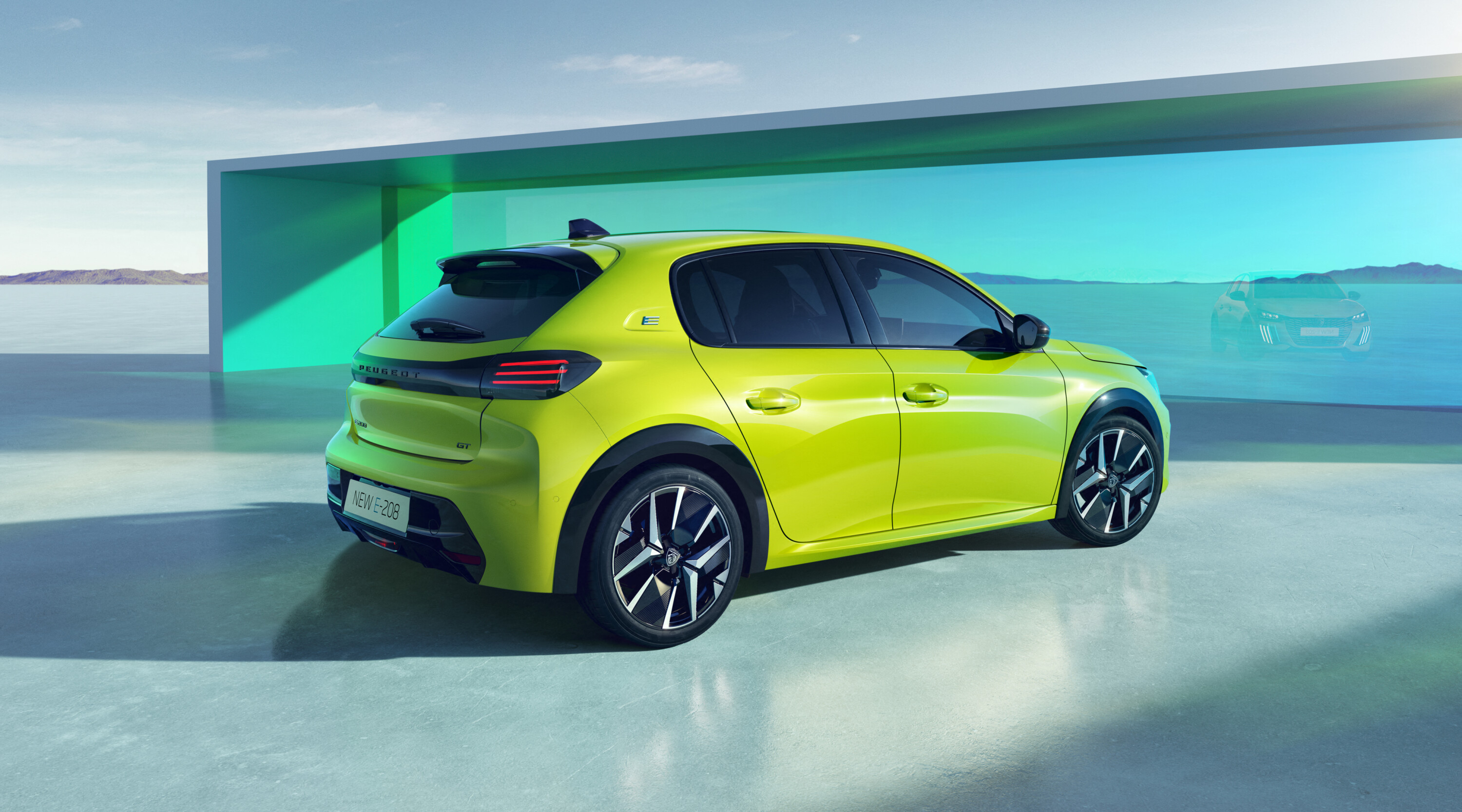
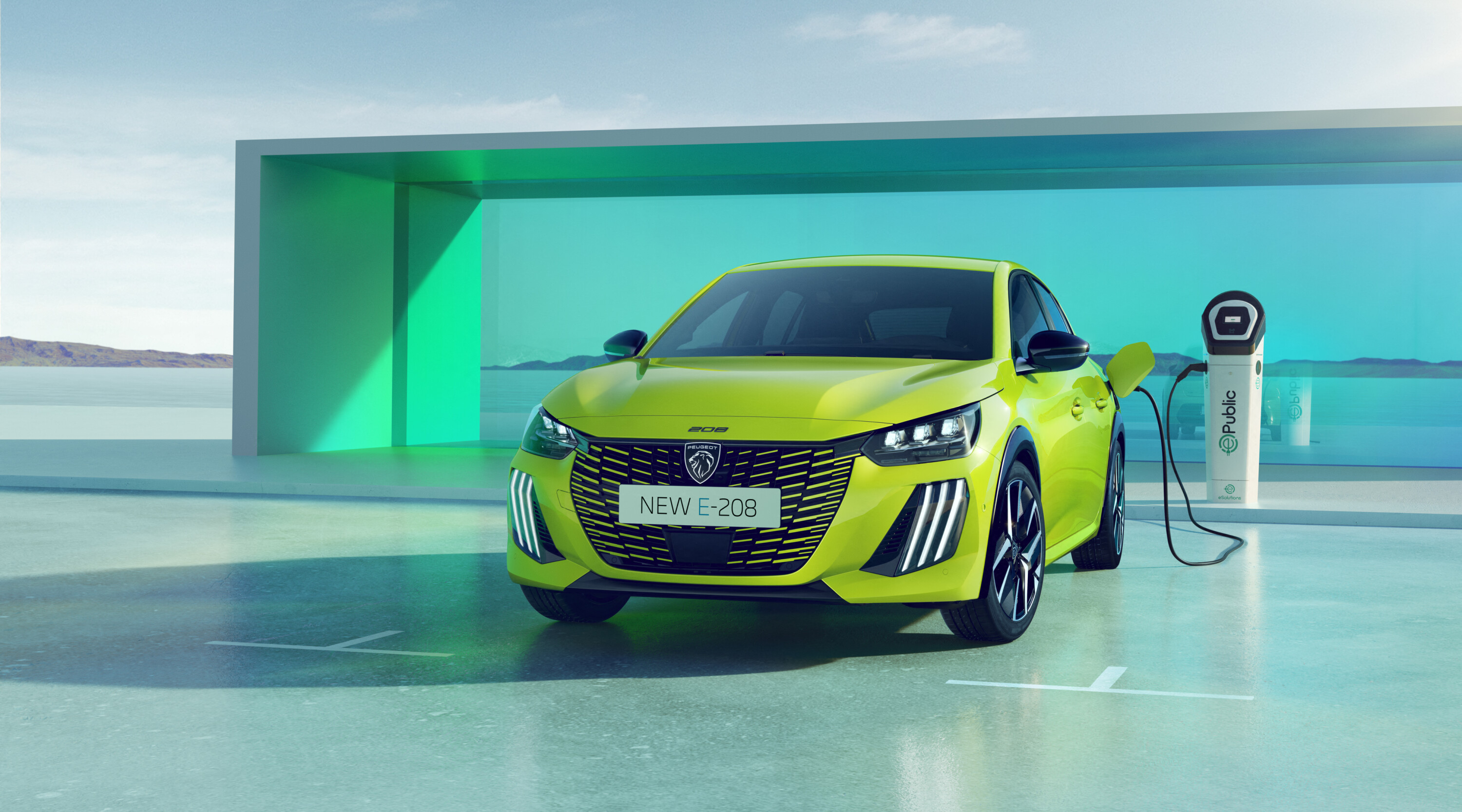
The 2024 Peugeot E-208 electric hatch will debut in Australia with a facelift.
Snapshot
2024 Peugeot E-208 confirmed for Australia
Electric light hatch to rival Euro-built Fiat 500e, VW ID.3 and Cupra Born
“As we continue to broaden our electrified offering, the new E-208 will strengthen our range as we re-enter the small hatch market in Australia,” said managing director, Kate Gillis.
While local details – including pricing and launch timing – will be announced “in due course”, Peugeot has confirmed the E-208 will arrive here at some point next year.
1
Under the skin, the E-208 is related to the E-2008 GT electric small SUV due in Australia in September from $59,990 before on-road costs, riding on the same internal-combustion-derived eCMP architecture.
With the E-208 serving as the E-2008’s low-riding hatch counterpart, expect it also to be offered in a sole flagship variant, with an estimated price in the low-to-mid $50,000 range – similar to the Fiat 500e.
Compared to the Fiat, the E-208 is one size larger, has a larger battery capacity, and can travel further between charges.
In Europe, the Peugeot E-208 is the best-selling electric light car, beating the Mini Cooper SE and Opel Corsa-E, while it is the continent’s top-selling vehicle when including not-for-Australia petrol variants.
New for the updated model is a more-powerful 115kW electric motor, up from 100kW. It remains paired to a 51kWh lithium-ion battery pack, allowing for a WLTP-rated 400-kilometre driving range.
In addition, it now features Peugeot’s latest lion badge, a new three-claw light signature, an updated front grille, and redesigned two-tone alloy wheels.
Flagship variants boast additional LED lights, while the exterior colour palette includes two new finishes: agueda yellow and selenium grey.
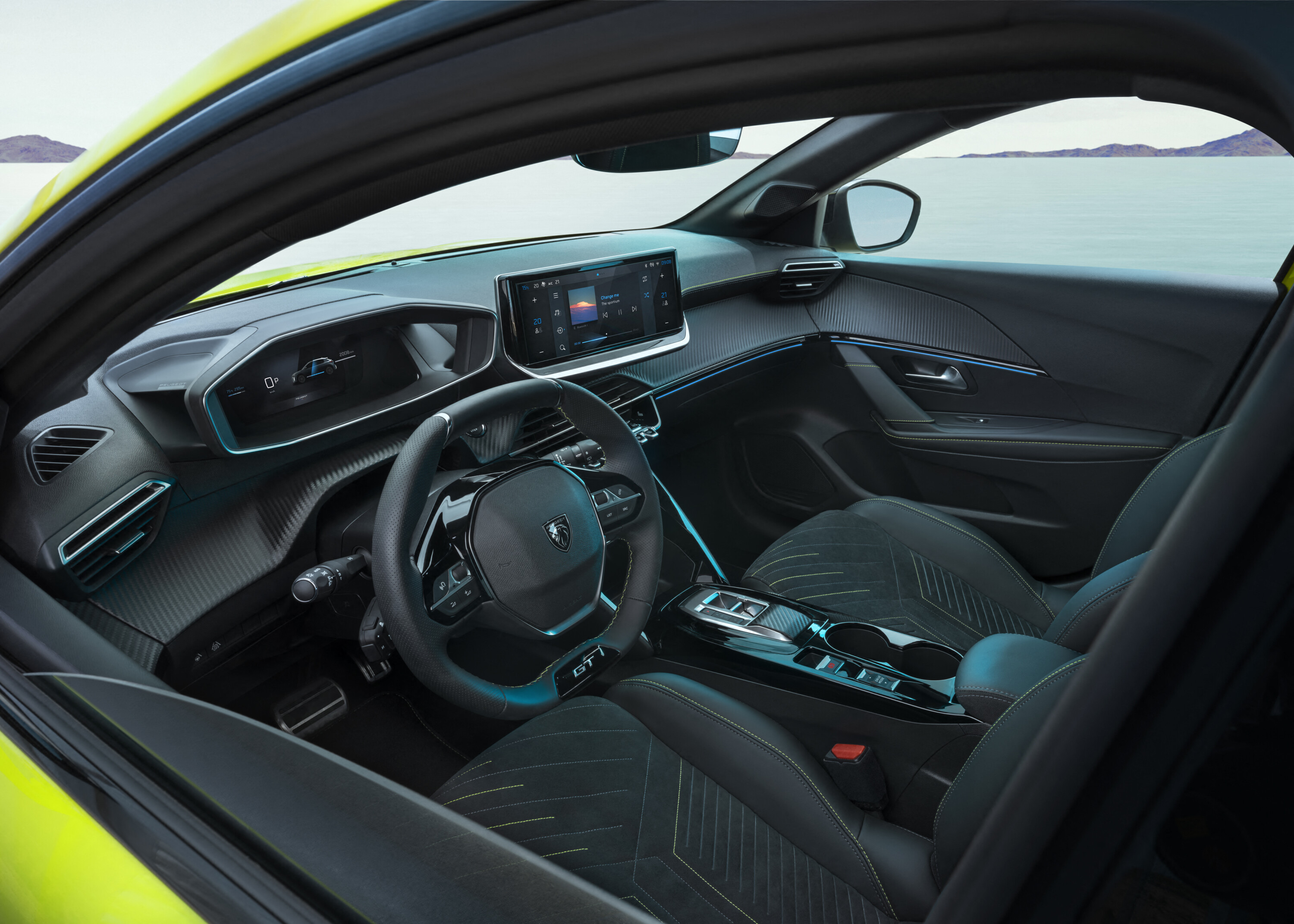
Inside, a 10-inch infotainment system is now standard-fit running Peugeot’s updated i-Connect system with wireless Apple CarPlay and Android Auto, and over-the-air software updates.
Other changes include higher-resolution cameras, a 15-watt wireless phone charger (up from five-watt), and USB-C charge ports, while the 10-inch digital instrument cluster, with a 3D effect for the GT, remains unchanged.
1
Measuring 4055mm long, 1765mm wide and 1430mm tall, with a 2540mm wheelbase, the Peugeot E-208 is similar in size to a Toyota Yaris – but smaller than the Corolla-sized MG 4, BYD Dolphin and GWM Ora. It has a 309-litre boot capacity.
The 2024 Peugeot E-208 electric hatch will arrive in Australia next year, with local details to be announced closer to its launch.
“Further details regarding Australian specification and launch timings will be announced in due course,” said Peugeot Australia.