
WhichCar last reported on the Driving Skills for Life (DSFL) campaign in 2019, its 5th year of operation. Read about it here.
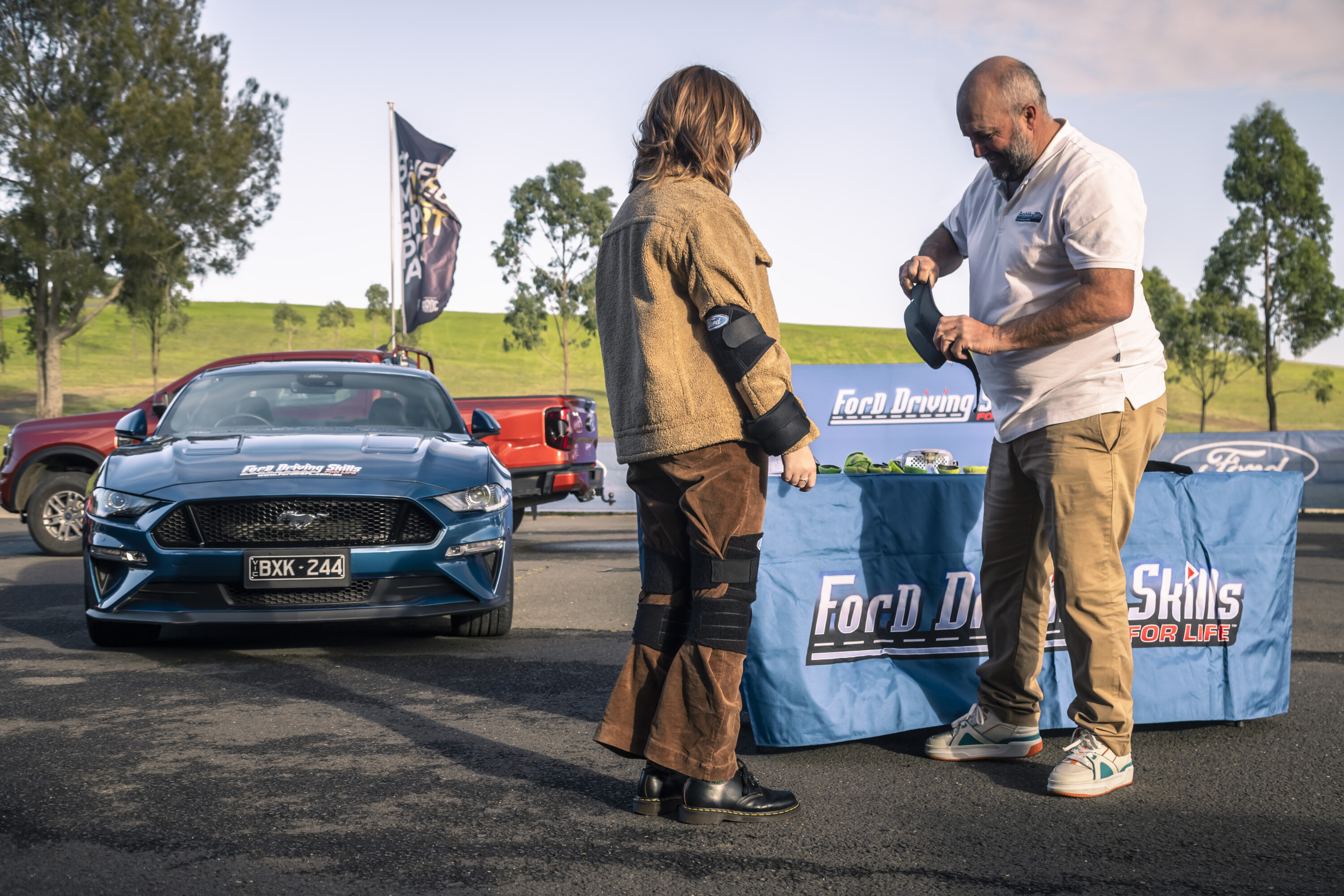
Ford Australia has revived its free Driving Skills for Life program, following alarming TAC Victoria data that reveals P-platers are seven times more likely to be killed or injured when driving at night, compared to fully-licensed drivers.
This year, the program concentrates primarily on the nuances and risks associated with night-time driving.
In addition to the massively disproportionate risk to P-platers, data from the NSW government has indicated that approximately one-fifth of road fatalities in NSW are attributable to fatigue, with the probability of a fatigue-induced crash escalating by fourfold late in the night or early in the morning.
1
The onset of darker winter nights makes it even more critical to arm young motorists with skills and knowledge for maintaining road safety – particularly as the sun sets earlier in the winter months.
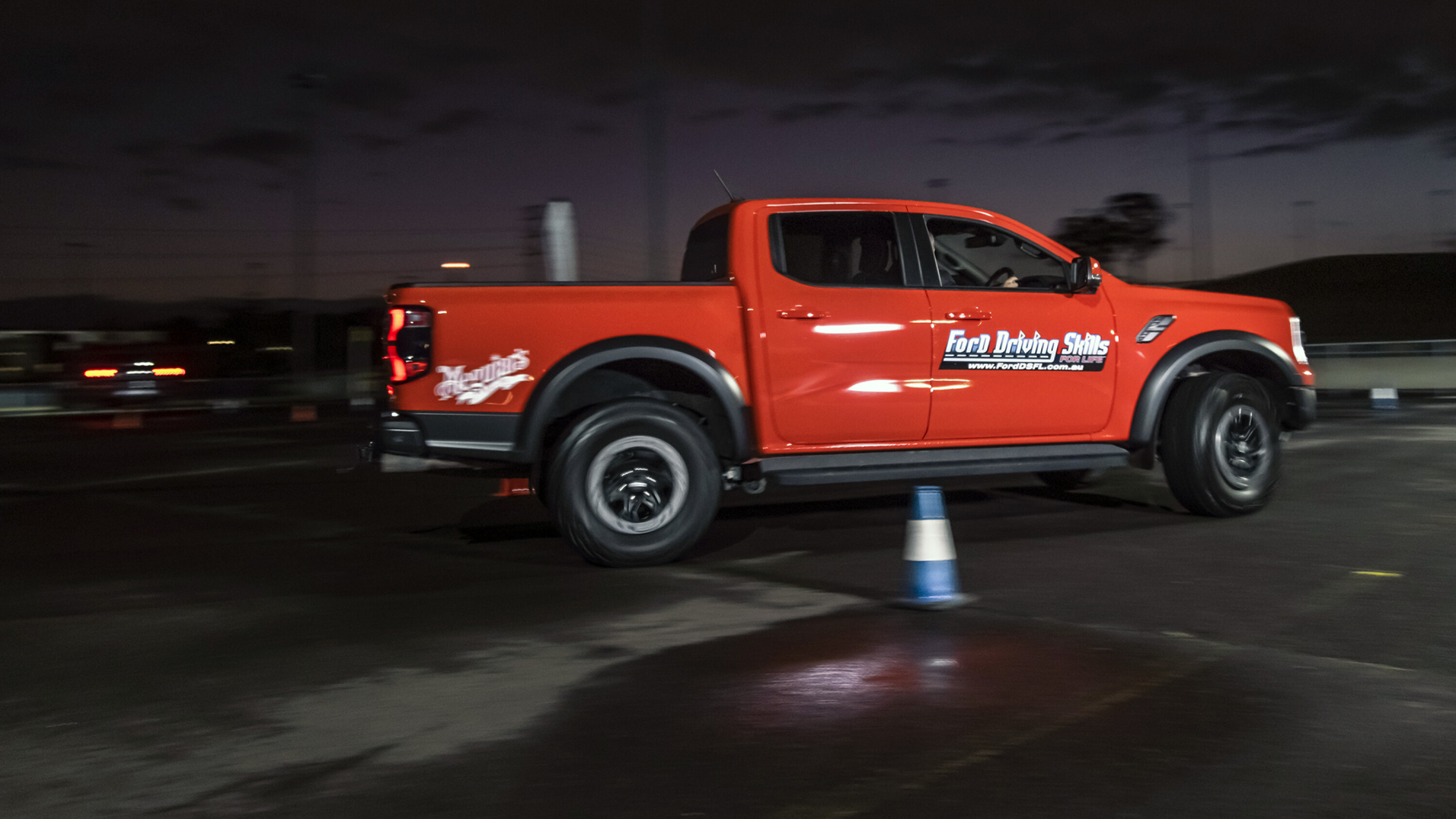
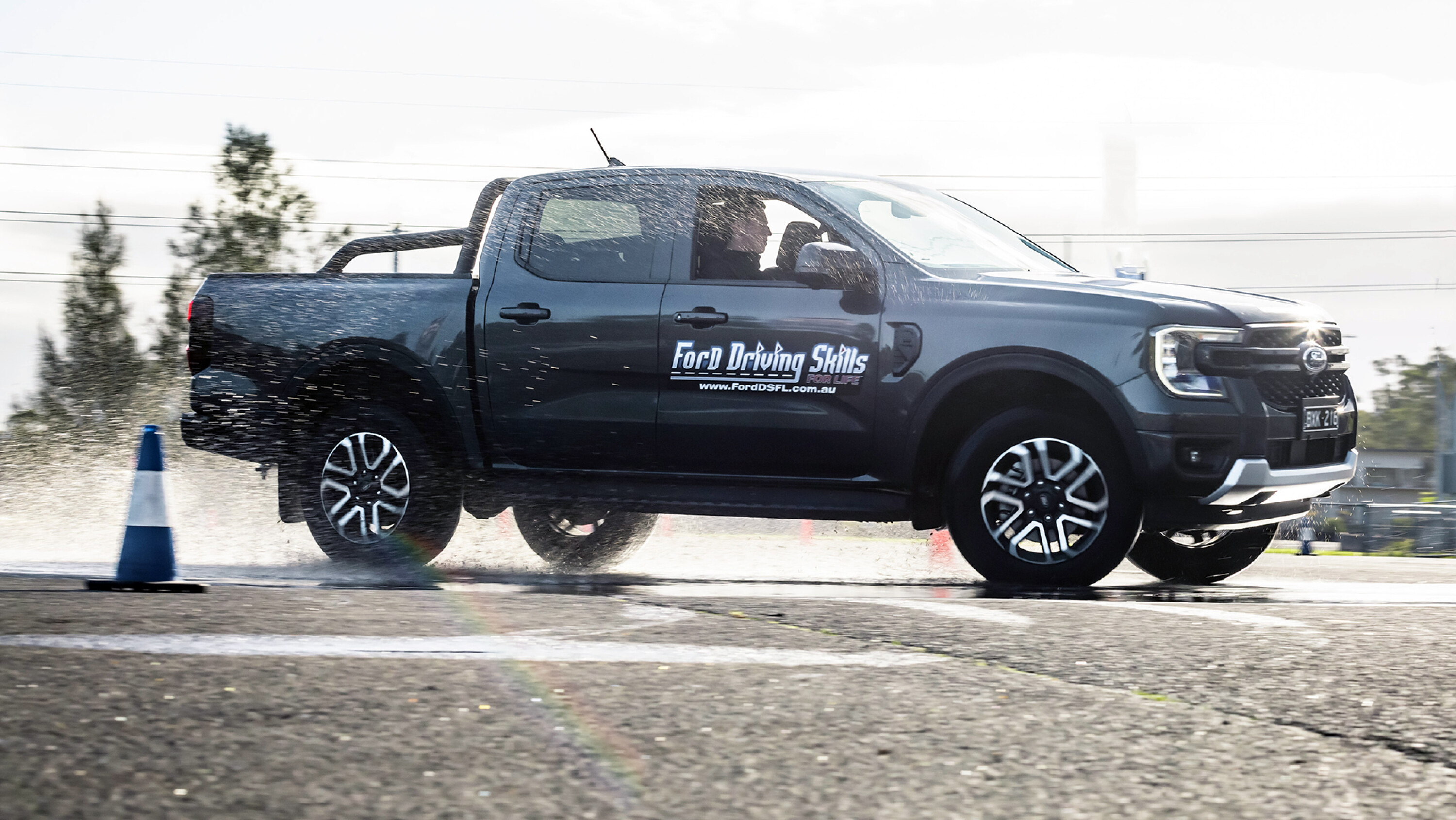
The DSFL program, run in partnership with training organisation Driving Solutions, is designed to go beyond the scope of typical L-Plate driver training, highlighting the perils of night driving on Australian roads.
It aims to equip drivers with enhanced skills in emergency braking, steering and vision, cornering, parking, and the understanding of fatigue’s effects on driving, demonstrated through a unique ‘fatigue suit’.
1
“What I see is kids who often have had very minimal night driving experience, and when you have difficult conditions – in the dark, when it’s raining, perhaps with friends in the car – and you combine that with less experience… it can make for a very dangerous situation,” says James Stewart, Director at Driving Solutions.
“That’s what we want to tackle with Driving Skills For Life this year.”
1
The Ford Driving Skills for Life initiative will run from June through September 2023, with program events scheduled across various regional and metropolitan sites in NSW, QLD, and VIC.
The complimentary program is open to drivers aged 16 to 24, who hold a valid learner’s permit or driver’s licence, with registrations now being accepted at www.FordDSFL.com.au [↗].
More advice & guides to help you choose the best car for your needs
- All advice stories
- Longest warranties & capped-price servicing period
- Buy new or used?
- Best cars for your teenager
- Must-have features for new drivers
- Active safety tech explained
- Australian road rules explained
- Does driving slower save fuel?
- Does my car need the pricier fuel?
- Help, I’ve used the wrong fuel!
- What is a hybrid car?
- How long do tyres last?
- What shoes should I wear to drive?
- What to do after buying a new car
- How much does LCT add to a car’s price?
- The ‘check engine’ light just came on…
- Is it illegal to drive too slowly in Oz?
- FWD v RWD v AWD – which is safer?
- How much can my large SUV tow?
- ⚡ ALL ELECTRIC VEHICLE ADVICE
- All advice stories
- Longest warranties & capped-price servicing period
- Buy new or used?
- Best cars for your teenager
- Must-have features for new drivers
- Active safety tech explained
- Australian road rules explained
- Does driving slower save fuel?
- Does my car need the pricier fuel?
- Help, I’ve used the wrong fuel!
- What is a hybrid car?
- How long do tyres last?
- What shoes should I wear to drive?
- What to do after buying a new car
- How much does LCT add to a car’s price?
- The ‘check engine’ light just came on…
- Is it illegal to drive too slowly in Oz?
- FWD v RWD v AWD – which is safer?
- How much can my large SUV tow?
- ⚡ ALL ELECTRIC VEHICLE ADVICE
Lexus said its controversial ‘yoke’ steering wheel is still another 12 to 18 months away and should pass the notoriously tough Australian Design Rules (ADRs).
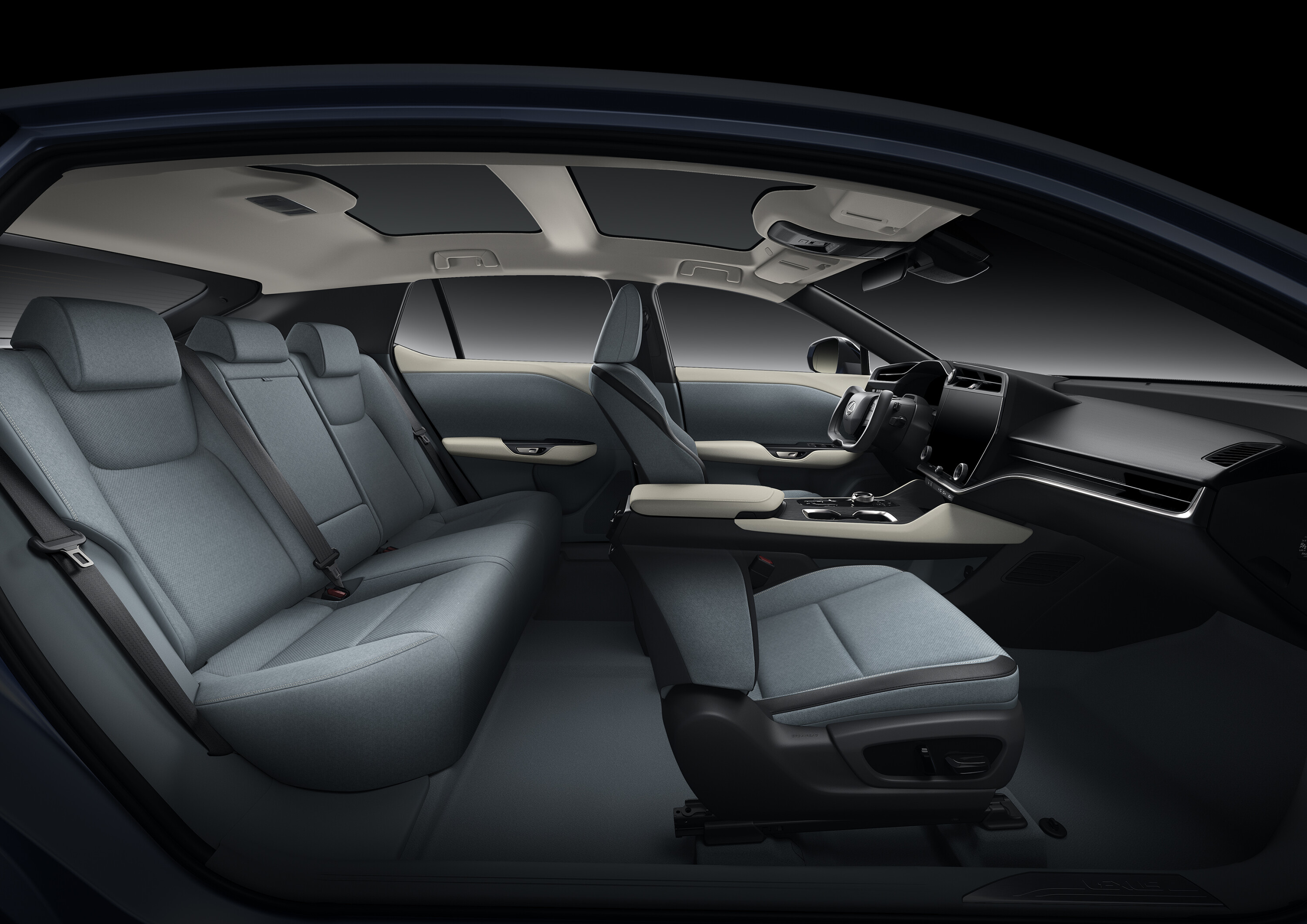
The Formula One-inspired ‘yoke’ does away with the traditional round steering wheel, lopping off the top entirely and flattening out the bottom.
The ‘yoke’ is paired with infinitely variable steering, enabled by steer-by-wire which does away with any mechanical connection to the front wheels. The steering is done solely by sensors, motors and computers.
1
U-turns can be executed in a mere flick of the wrists – 150 degrees instead of 540 degrees of a conventional system. Still under development, the ‘yoke’ is not yet offered in any markets yet.
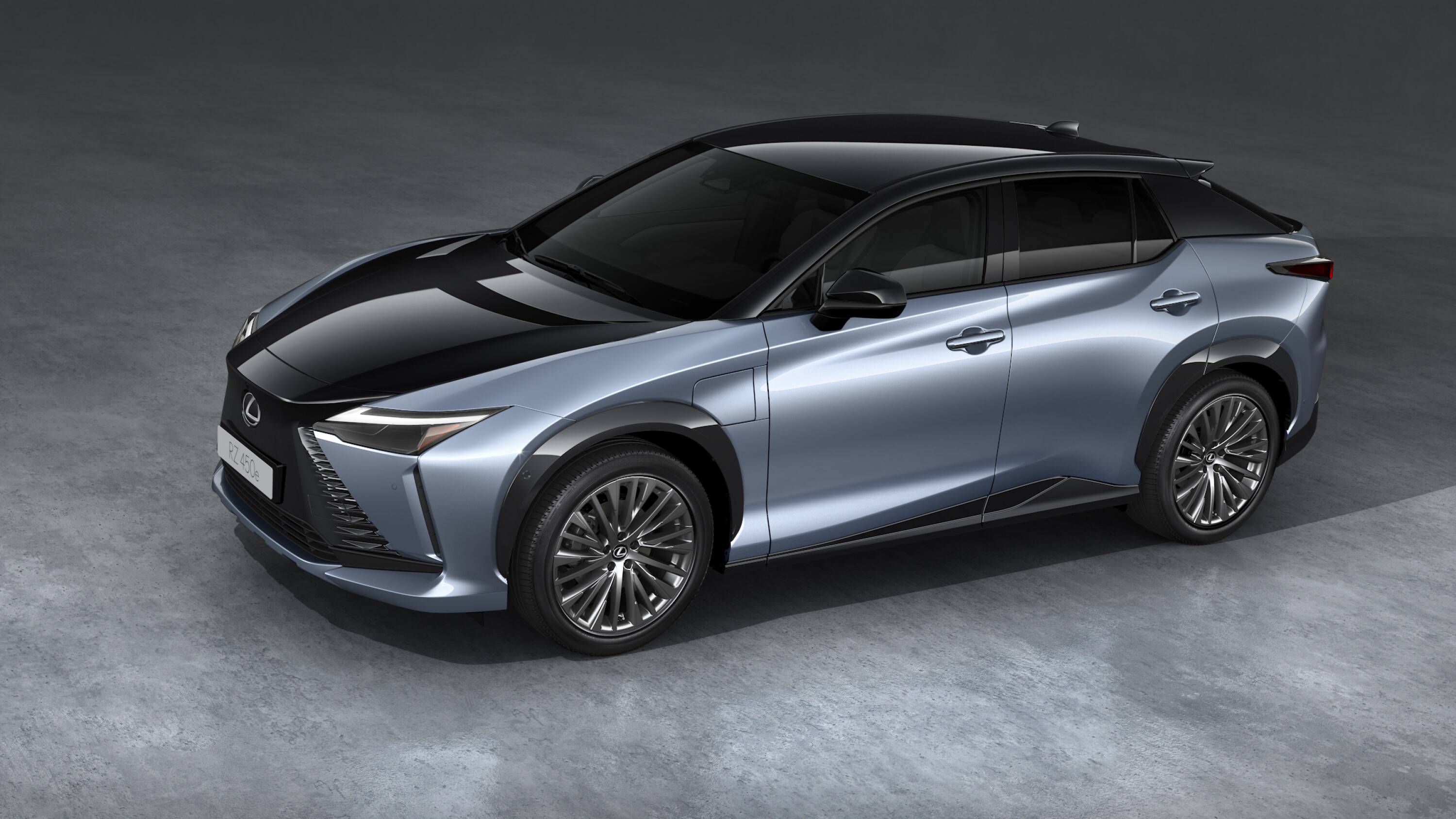
Lexus will offer the system on its first dedicated-platform electric vehicle, the RZ – but not for another 12 to 18 months, said Chief Executive John Pappas.
“I don’t think it will have any issues with ADRs,” Pappas told Wheels. “We’re trying to get it right. It’s under development.”
1
Pappas said the ‘yoke’ was an upgrade and would cost extra if customers wanted it. “It will, but we haven’t determined how that all looks and what it is,” he said.
Meanwhile wait times for new Lexus vehicles are expected to shorten after the brand announced it had secured a larger share of global production. Production shortages have led to Lexus pausing orders of vehicles like the NX plug-in electric hybrid.
More than 5000 NX units are due this year alone, Lexus said.
The first batch of RZ electric vehicles will tally 500, and 150 are already sold, said Lexus. There are ‘no plans’ to offer a cheaper, single-motor front-drive electric RZ variant in Australia at this stage.
1
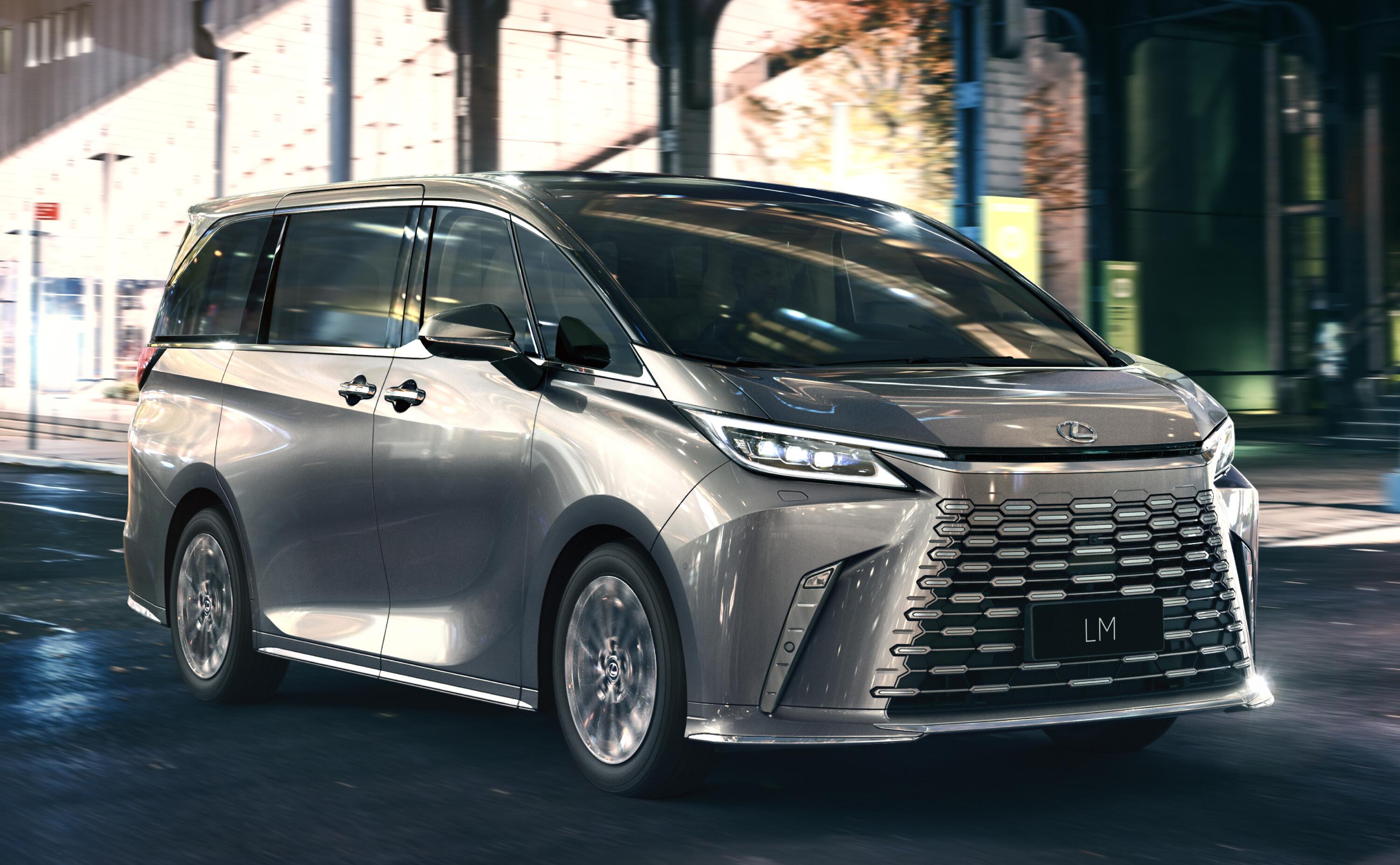
Off the back of Lexus’s announcement it will bring the luxury LM van to Australia for the first time, it has also confirmed two hybrid variants will be offered. The LM350h will arrive in the last quarter of this year, while the LM500h is expected quarter one next year.
Offering ‘business class’ comfort for rear seat passengers, hybrid LM350h van is powered by a petrol 2.5-litre inline-4 with electric motors and 184kW (combined). The LM500h uses a turbocharged 2.4-litre inline-4 with a healthy 273kW combined.
“It’s going to give us a look at new buyers,” said Pappas. “Where it’s going to sit in that space, in terms of level of luxury, it’s going to be market-leading.”
Pricing has not yet been announced.
MORE
Everything Lexus
MORE
Electric Cars
More EV stories to help you choose the best car for your needs
- ? EV news, reviews, advice & guides
- ❓ Short & sweet: Your EV questions answered
- ⚡ New EVs: Everything coming to Australia
- ? Australia’s EVs with the longest driving range
- ⚖️ Best-value EVs by driving range
- ? How much do EVs cost in Australia?
- ? How much more expensive are EVs?
- ⚖️ Number crunching: Is it time to switch to an EV?
- ♻ Should you buy a used EV?
- ?️ Are EVs more expensive to insure?
- ? Costs compared: Charging an EV vs fueling a car
- ? EV charging guide
- ?? EV servicing explained
- ? EV battery types explained
- ? When do EV batteries need replacing?
- ? Hydrogen v EVs: What’s best for Oz?
MORE advice stories to help you with buying and owning a car
The boss of Lexus Australia said there are no plans to axe its 5.0-litre naturally aspirated V8, despite being one of the last brands in Australia to offer one.
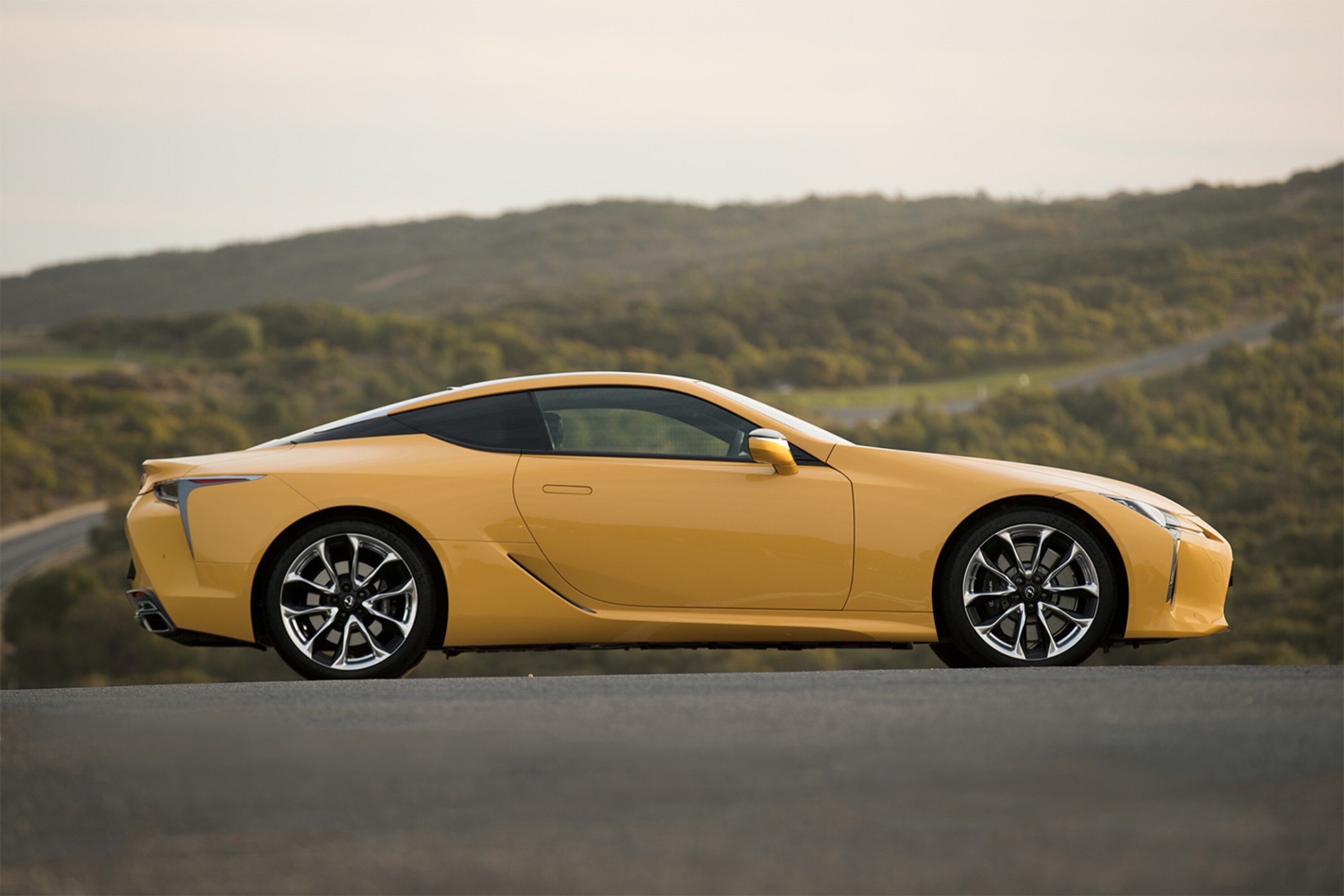
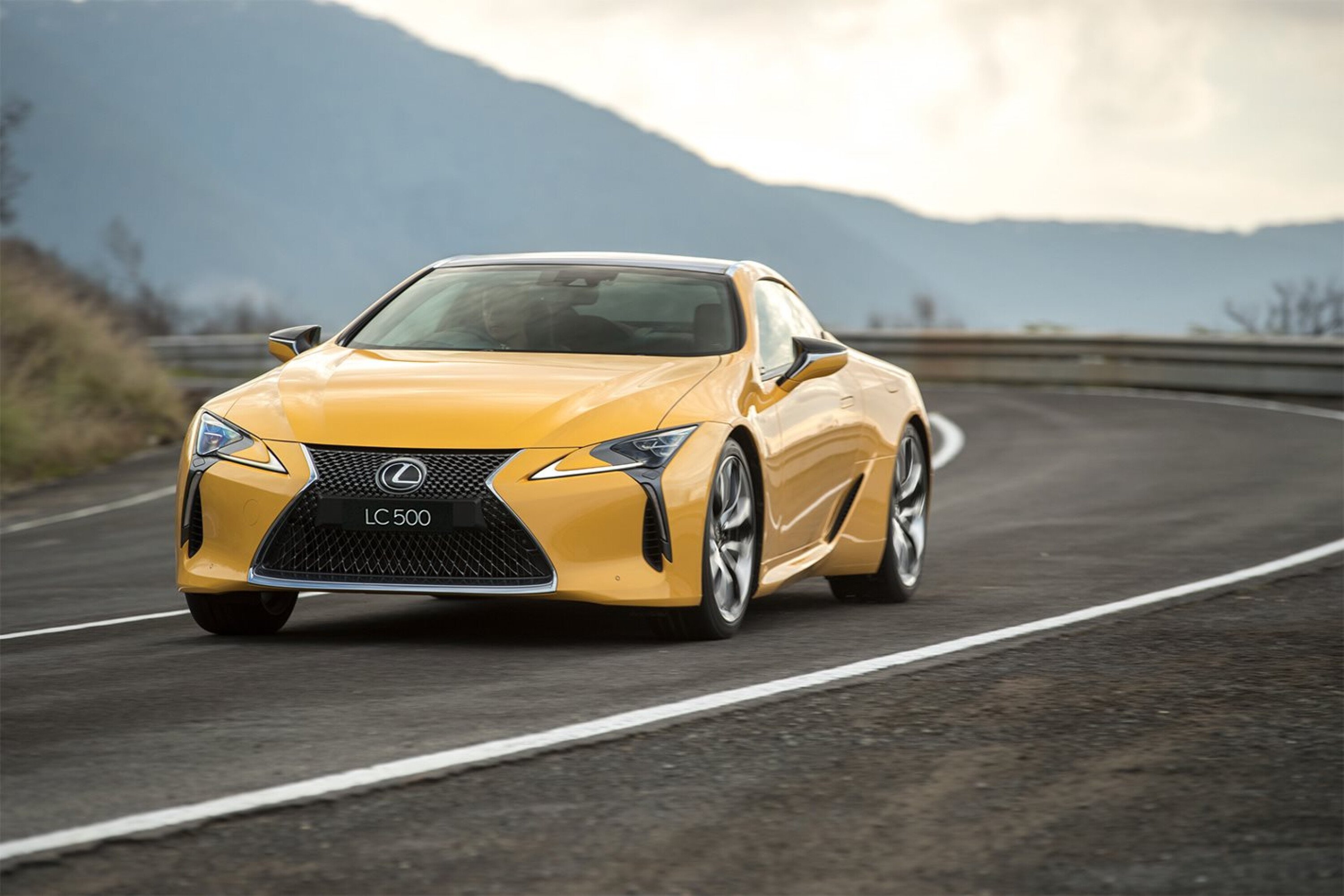
Once installed in vehicles like the RC F coupe and GS F sedan, the Lexus 2UR-FSE 5.0-litre naturally aspirated V8 is now only available in the niche-selling LC500 coupe and convertible.
Lexus Australia Chief Executive Officer John Pappas said the brand would remain a safe-haven for a naturally aspirated V8 in Australia for the foreseeable future. He said Lexus’s broader strategy hinted at a timeline for the V8’s future.
1
“At the end of the day, by 2025, 80 percent of sales will be electrified,” Pappas told Wheels. “That’s our plan. By 2030, that will be 100 percent. That probably answers your question.
“And then by 2035, we’re aligning to our global position which is to say, a zero-emission vehicle line-up.”
Pappas said Lexus sold very few LC500s in Australia, but demand was still there.
“It’s a ripper vehicle, and a halo car,” he said. “It’s great for our brand. We sell all the ones we can get.”
1
Just five brands still sell naturally aspirated V8s in Australia – Lexus with its LC500, Nissan Patrol, Ford Mustang, RAM 1500 and Chevrolet’s Corvette and Silverado. Jeep recently fell off this list, discontinuing its Grand Cherokee V8, now offering V6s only.
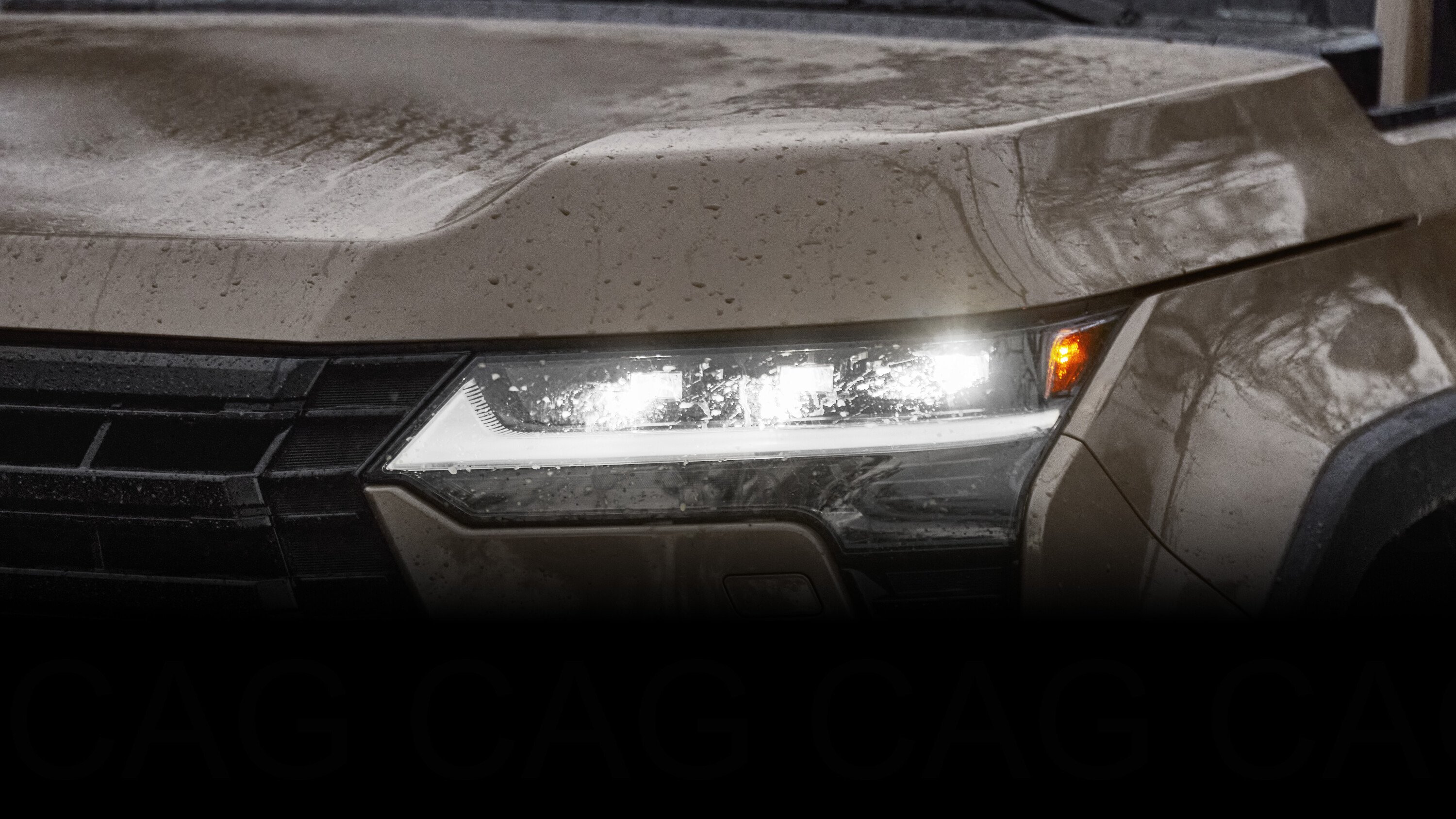
Lexus also confirmed the updated MY24 LC coupe and convertible will go on-sale in Australia. The current model’s 10-inch infotainment screen with touchpad control will be replaced with a new, 12.3-inch touchscreen mounted 86mm close to the driver (the touchpad deleted). There are new forged wheel designs; subtly altered suspension; re-tuned brake-by-wire and an updated active safety system.
“If there’s tech changes available [they’ll come to Australia],” confirmed Pappas.
1
Lexus said it couldn’t confirm plans to bring the LC500 Ultimate Edition coupe or convertible to Australia. To be offered overseas, the Ultimate Edition features a carbon-fibre rear wing, front aerodynamic canards; louder V8 engine note and more aggressive differential calibration.
Meanwhile Lexus remains coy on continuing speculation around the GX, which could help satisfy seven-seater demand in its Australian line-up. Reports continue to link the US-made TX to Australia, but it’s not expected to be produced in right-hand-drive.
“There’s no doubt that GX looks like a cracking car,” said Pappas. “It’s going to be a ripper wherever market it goes, but we haven’t confirmed it for Australia.” (UPDATE, June 9: As noted below, the GX has now been unveiled.)
Lexus also welcomed the Australian Government’s plans to fund better local fuel economy standards and invest in green hydrogen, but said despite the existence of the Toyota Mirai, there are no plans for a hydrogen-powered Lexus.
June 9: Lexus GX revealed!
Well, here it is at last. Lexus unveiled the new GX today, and we expect it to come to Australia. Details at the linked story below.
MORE
Everything Lexus
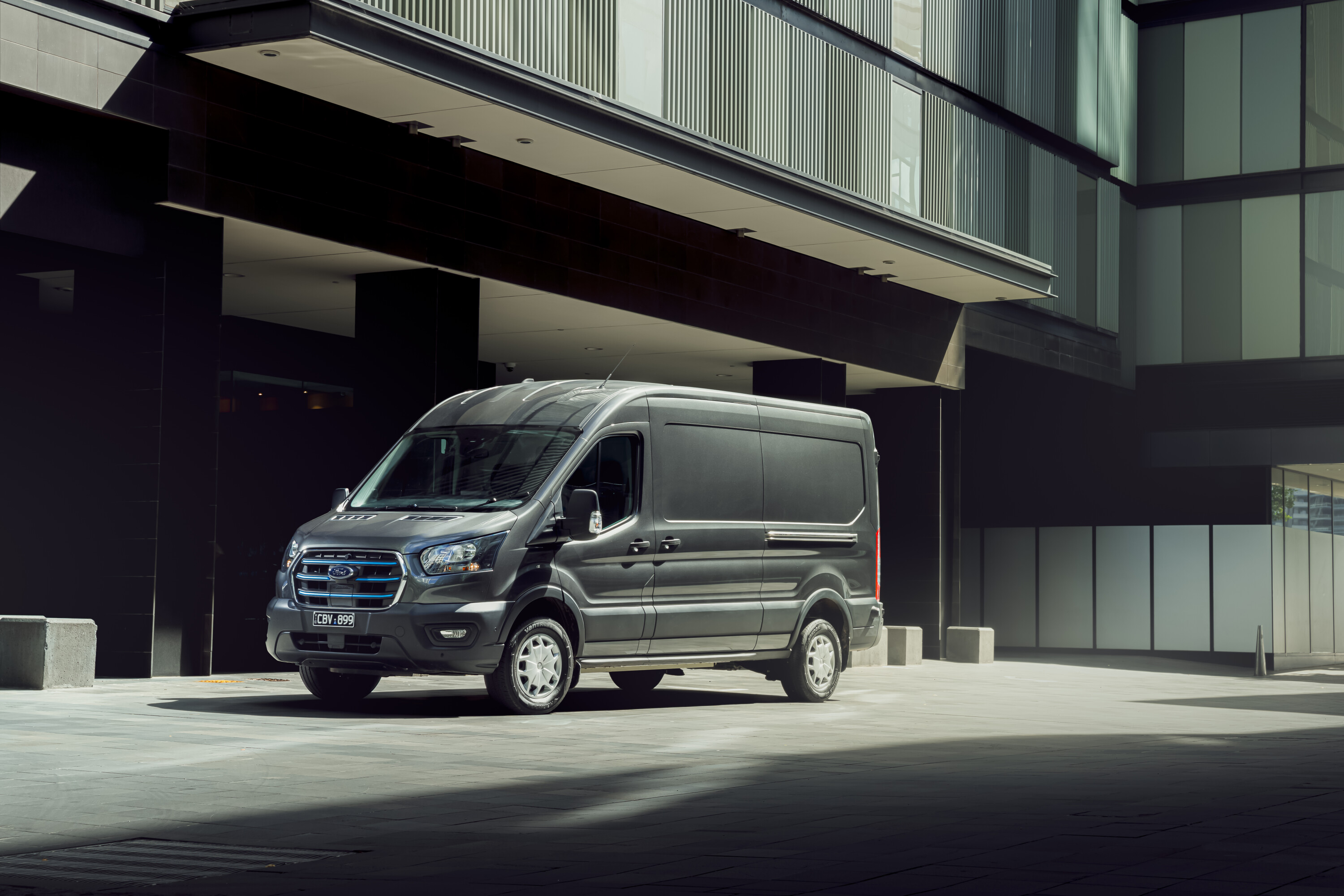
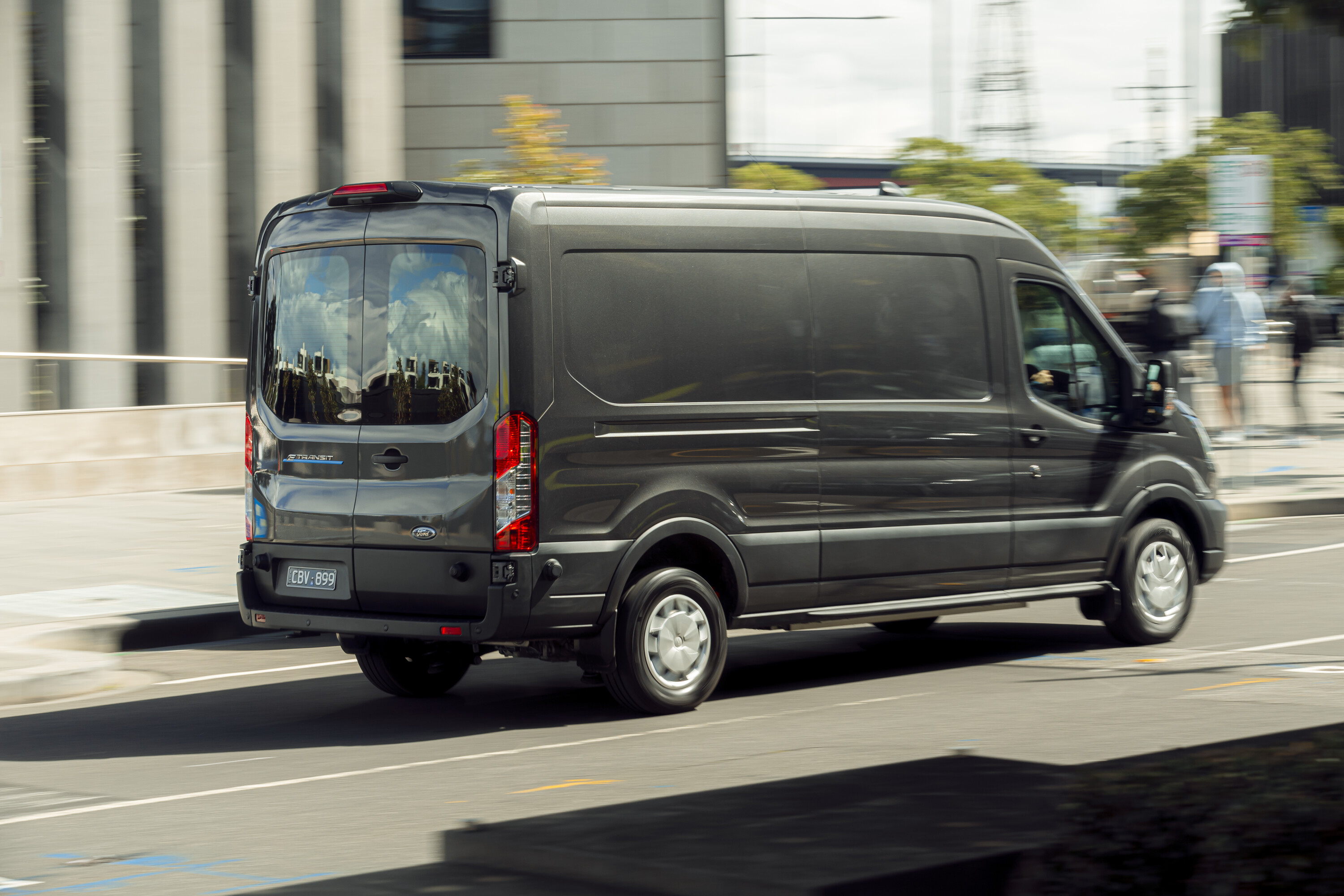
Ford‘s e-Transit, the all-electric version of its long-serving commercial king, has hit the Australian market from $104,990.
The e-Transit is pitched as the same affable, familiar and functional Transit that faithfully serves working motorists, and offers lower running costs, zero tailpipe-emissions and the smooth refinement of an Electric Vehicle powertrain.
Australia is to receive the 2023 Ford e-Transit in exclusive LWB configuration, in ‘mid-roof’ guise as standard, with the option of a ‘high-roof’ variant asking a further $1500.
1
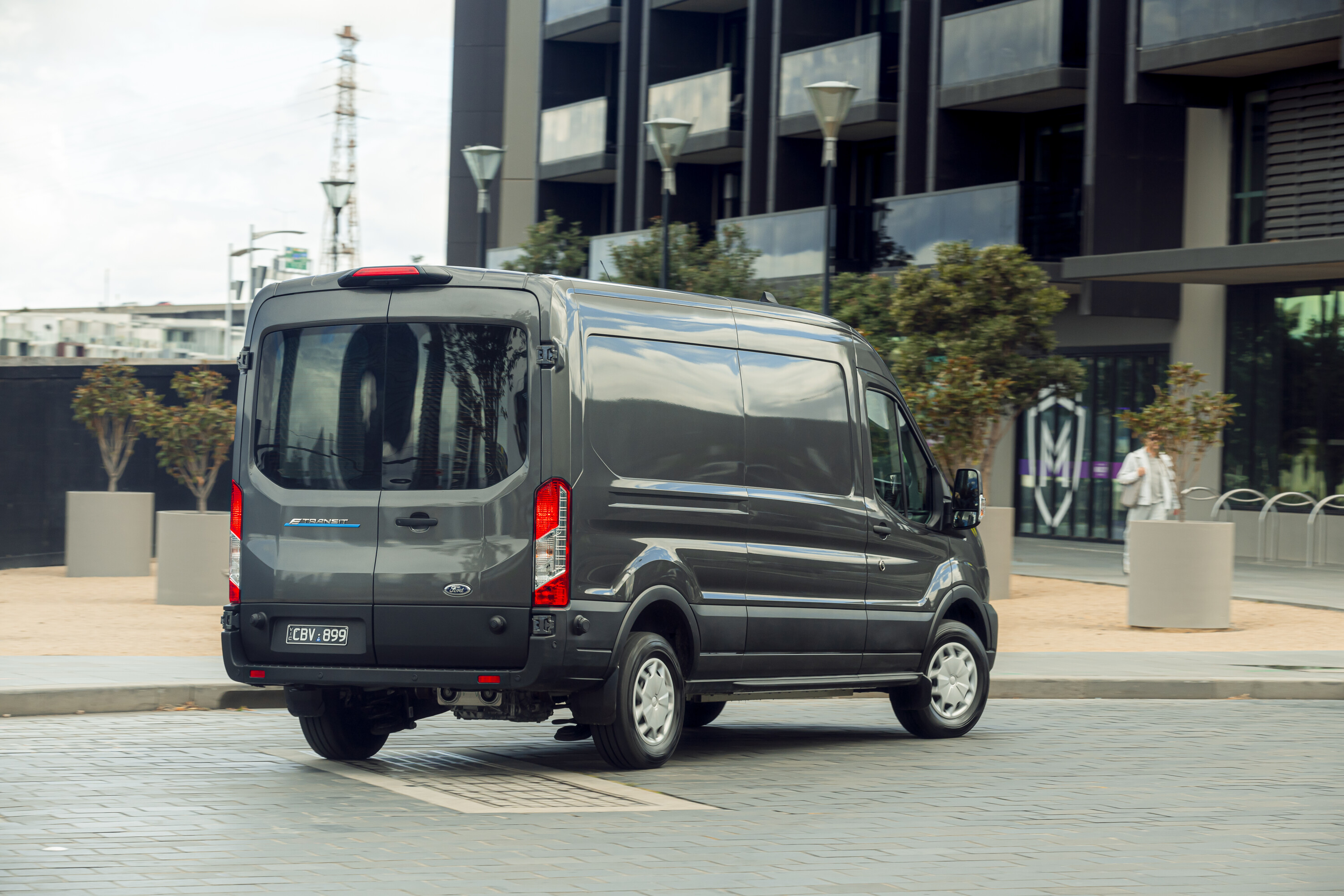
The e-Transits pack a 68kWh battery, delivering a WLTP claim of 307kms for the mid-roof e-Transit, and 295kms for the slightly less aerodynamic high-roof vehicle. DC fast charging (at 115kW) sees a 15-80 percent topup take approximately 34 minutes.
Elsewhere, the electric van is the most advanced Transit from Ford yet, with a number of connected services and features available to operators through the FordPass App, the Detroit giant’s latest SYNC4 infotainment system and a large 12-inch display.
2023 Ford e-Transit pricing
| Ford e-Transit | Price (exc. on-roads) |
|---|---|
| Mid-roof | $104,990 |
| High-roof | $106,490 |
1
2023 Ford e-Transit features
The Ford e-Transit shares many of its standard features with the rest of the existing Transit range, and include:
| 16-inch steel wheels | 12-inch infotainment screen |
| Ford SYNC4 infotainment system | DAB+ Radio |
| Wireless Apple CarPlay & Android Auto | Drive Modes: Eco, Slippery, Normal |
| Satellite navigation | Over-the-air updates |
| Two USB ports | FordPass Connect |
| Four-speaker stereo | 4.2-inch semi-digital instrument cluster |
| Single-zone climate control | Artificial leather-wrapped steering wheel |
| Cloth upholstery | Rain-sensing wipers |
| Heated front seats |
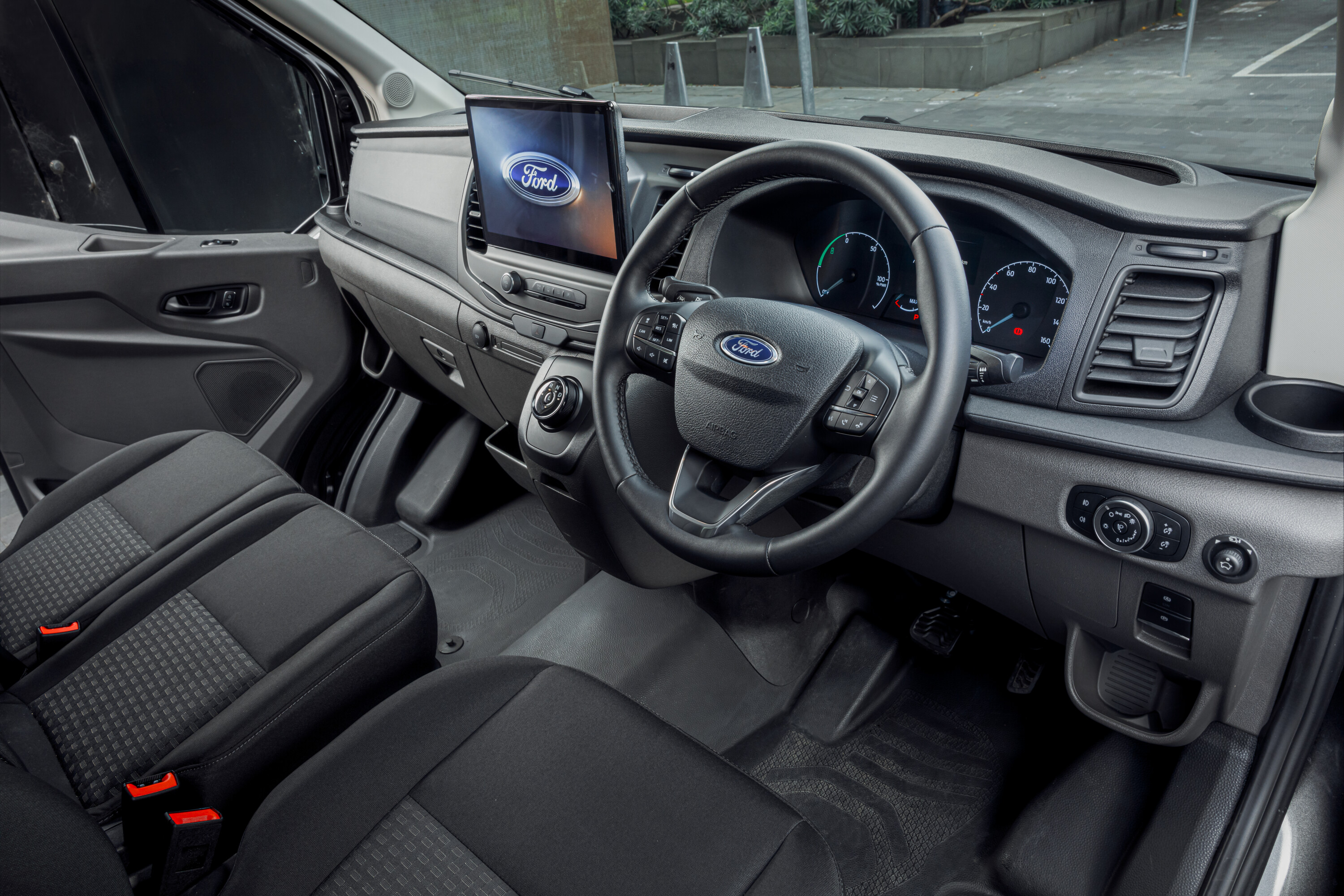
Headline features include Ford’s latest SYNC4 infotainment system, combined with the impressive and crisp 12.0-inch display. SYNC4 facilitates wireless smartphone mirroring, for both Apple CarPlay and Android Auto, and adds real-time connected satellite navigation, scheduled pre-conditioning and a digital owner’s manual for ease of use.
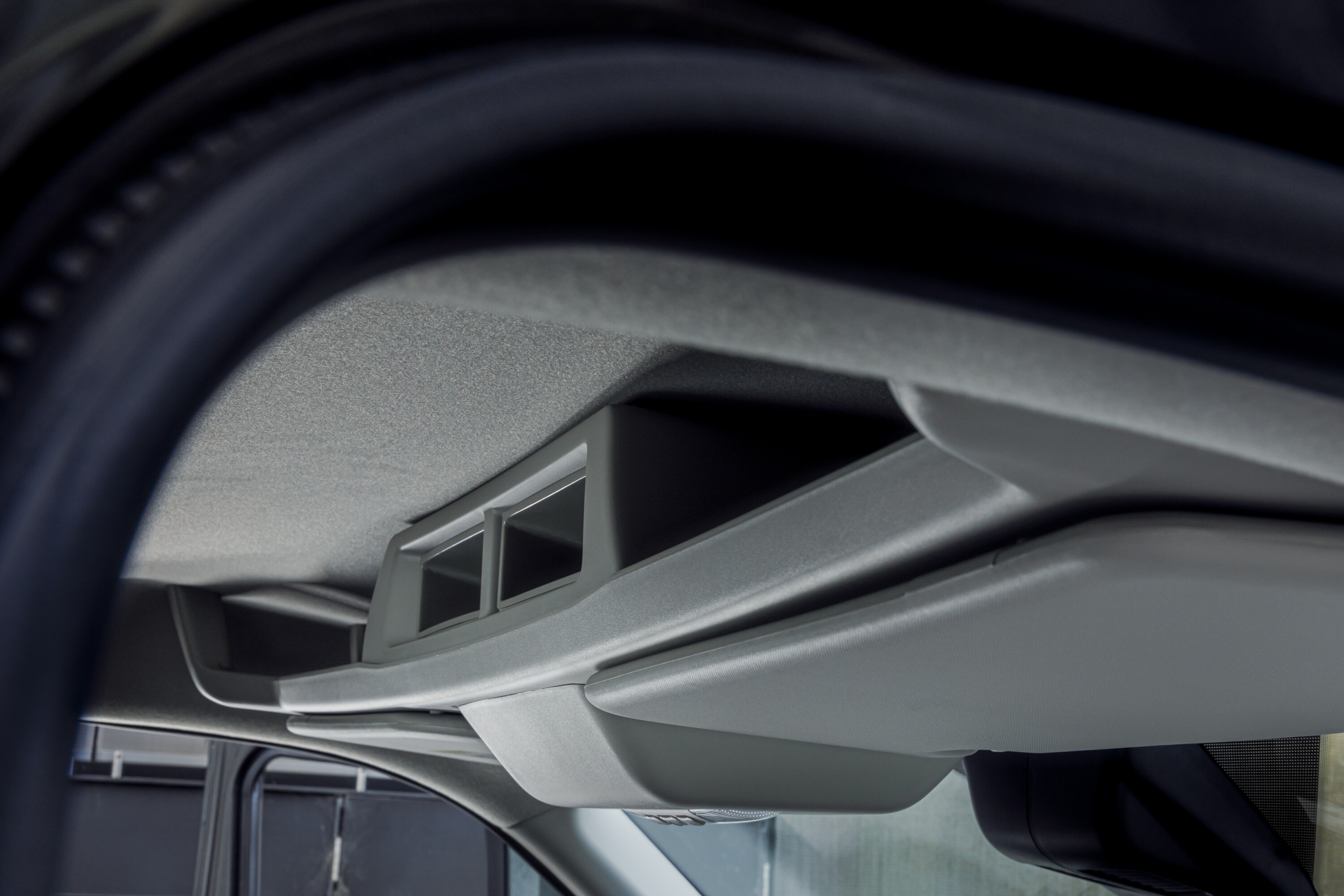
Technology aside, as a working van, the e-Transit’s cabin comes packaged full of storage bins, nooks and crannies, delivering a durable, ergonomic and functional roadgoing workspace.
1
Operators of e-Transits will also make great use of Ford’s Connected Services, available through the FordPass mobile phone app.
A number of over-the-air services are available, including Remote Start, Remote Unlock, as well as remotely sending navigation routes from your phone to vehicle, plus real-time monitoring of vehicle status pertaining to charge state, distance to empty, nearby chargers, charge settings and charge logs.
1
Options
Available e-Transit options include two special paint palettes – titled Prestige and Special Vehicle Options (SVO).
Buyers can also opt to swap the dual-front passenger jump seats with a single seat (reducing cabin occupancy from three to two) as well as the option of dual side sliding doors.
1
| Options | Price |
|---|---|
| Prestige paint | $700 |
| SVO paint | $1400 |
| Single front passenger seat | $150 |
| Dual side load doors | $1000 |
| High roof | $1500 |
Chassis and powertrain
Ford’s electric commercial van is powered by a 68kWh battery, feeding a single motor, producing 198kW/430Nm, driving just the rear wheels through a single-speed automatic transmission.
The battery is contained, sealed with side impact protection, beneath the load floor, with Ford investing in the redesign of the rear subframe, which houses an independent semi-trailing arm rear end, and the compact electric motor.
The assembled coil sprung unit was designed compact enough for a no compromise approach to cargo capacity, with Australian e-Transits equalling the carrying capacity of the established Diesel Transit 350L RWD variant.
1
Charging and efficiency
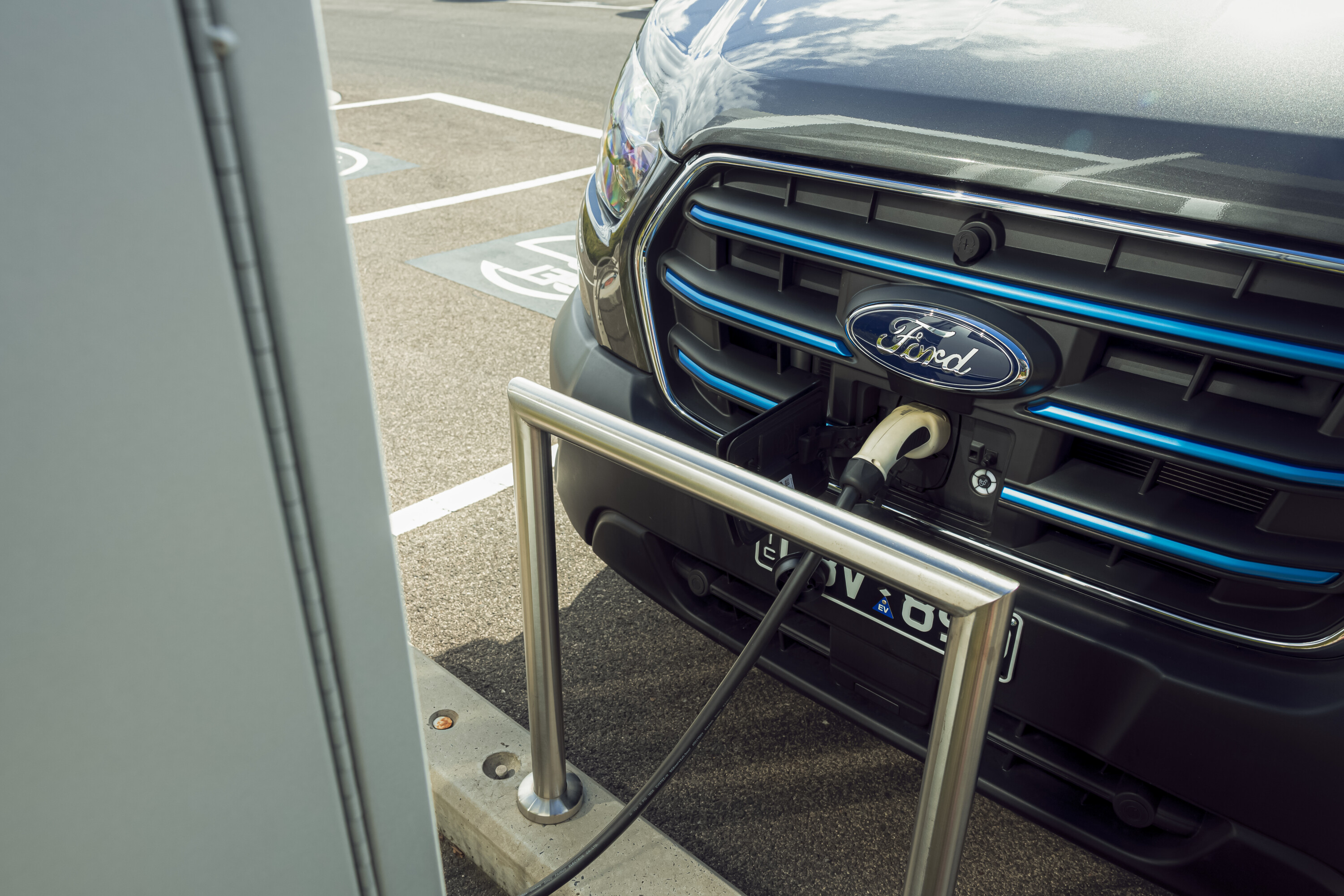
Ford’s e-Transits are easily spotted thanks to their blue-highlighted grille and front-facing charging port.
A complimentary Mode 3, 32-amp charge cable is provided to facilitate charging out in the field.
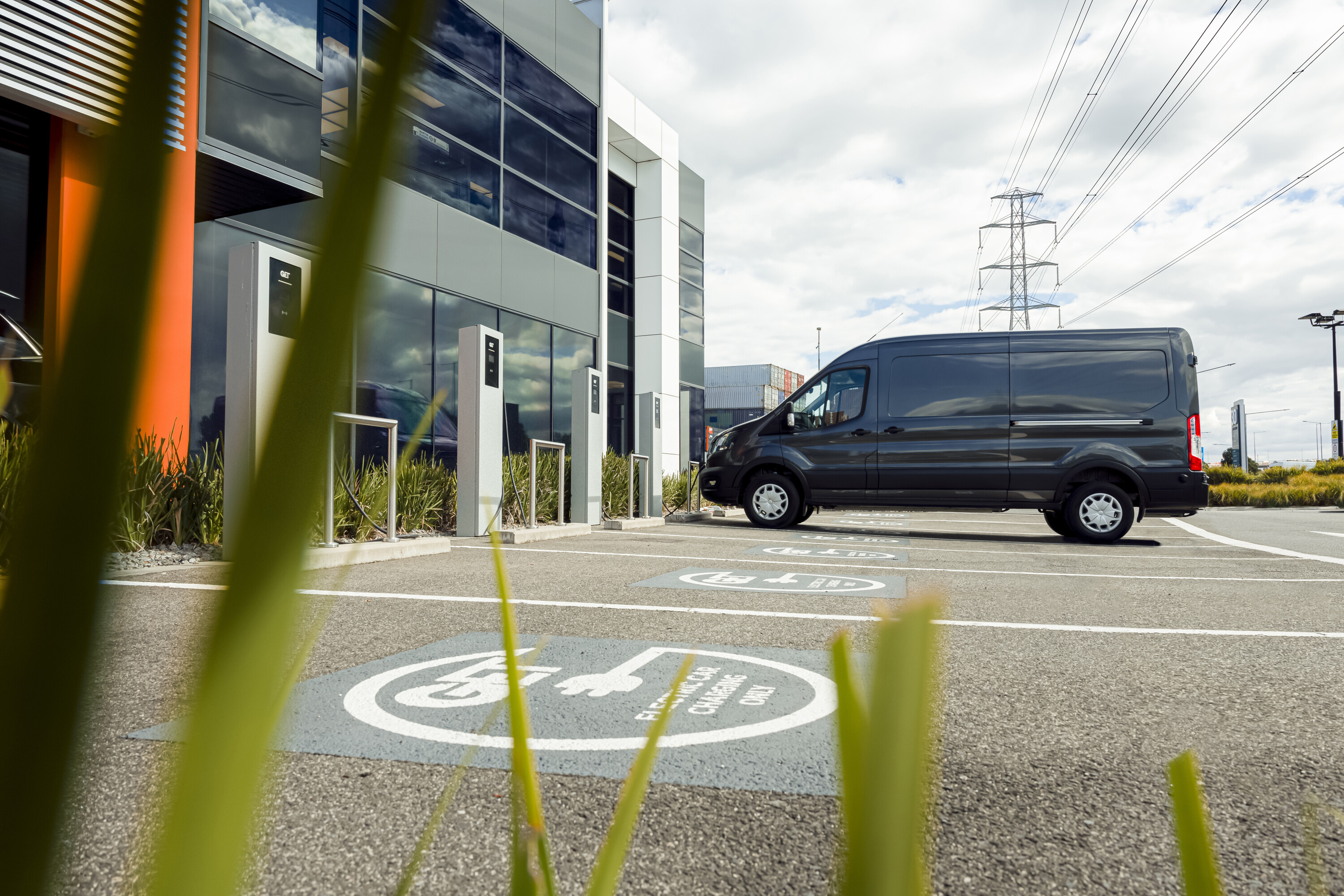
Charging through the AC wall socket (three-phase 11kW) will see a complete charge cycle take around eight hours, while DC fast charging (at 115kW) will see a 15-80 percent topup take place in about 34 minutes, according to Ford.
Regenerative braking is always active to a certain degree, but is optimised in the Eco Drive Mode.
1
Cargo capacity and weights
With the battery pack sealed beneath the floor, backed by a new, compact independent coil sprung rear setup, Ford’s new e-Transit delivers an uncompromised capacity when measured against its established, diesel-drinking, counterparts.
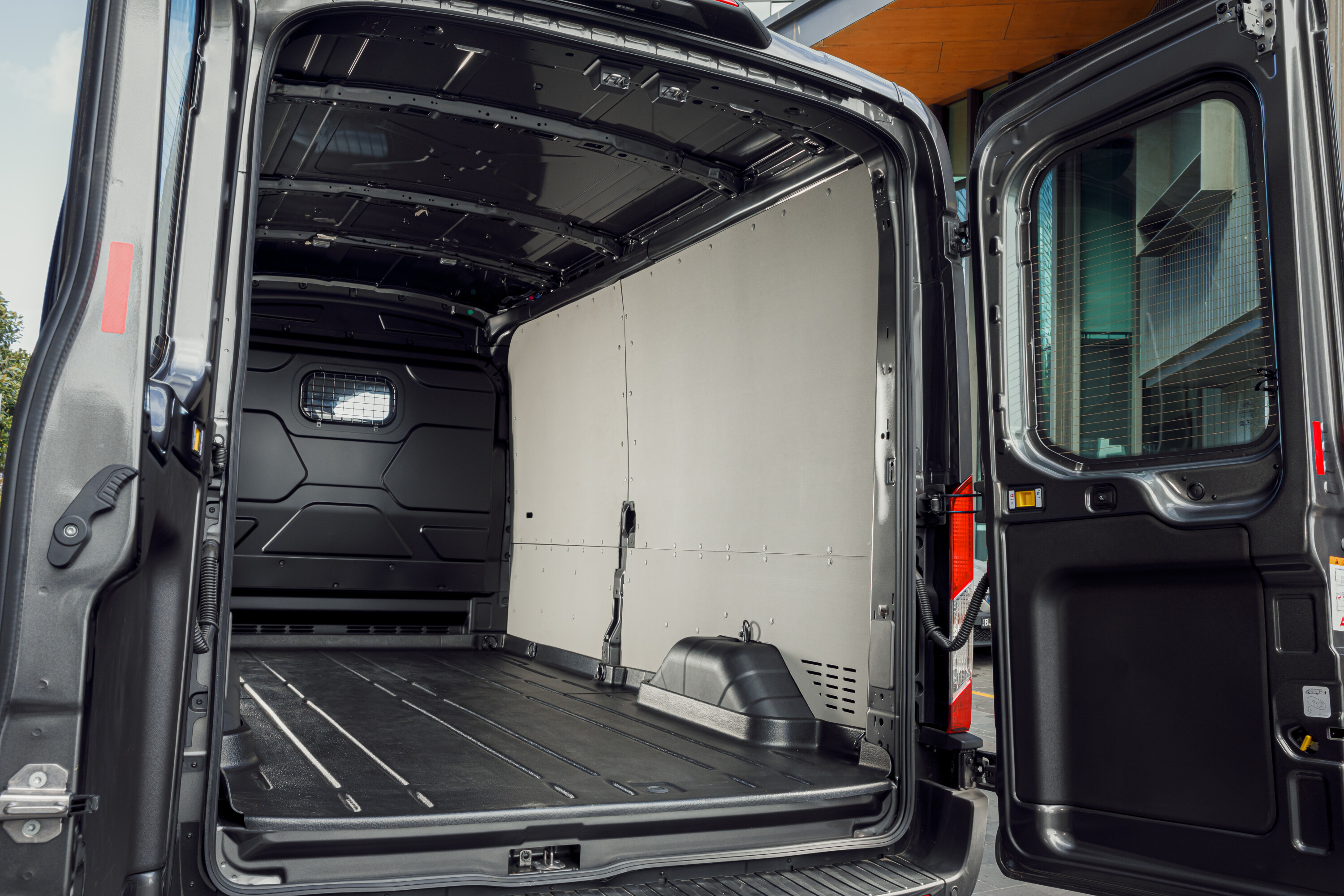
The standard e-Transit mid-roof yields 11 cubic metres with an ultimate payload of 1611kg. The taller high-roof variant swells to 12.4 cubic metres of cargo capacity, with a slightly hampered 1566kg.
1
The cargo space, separated from the passenger cabin with a fixed bulkhead, is illuminated with ten tie-down points.
Dimensionally, the load space is remarkably similar to existing Transit variants of this generation, with any load area fitouts able to be transferred to a new e-Transit with minimal modification and downtime.
Rear barn doors open 270 degrees to maintain easy forklift and pallette access.
| E-Transit cargo space | Mid-roof | High-roof |
|---|---|---|
| Load space max (cubic metres) | 11 | 12.4 |
| Gross vehicle mass (kg) | 4250 | 4250 |
| Max payload (kg) | 1611 | 1566 |
| Kerb weight (kg) | 2639 | 2684 |
Safety
Ford’s range of Transit vans (including e-Transit) have not been assessed by ANCAP.
The e-Transit boasts a similar safety suite to the rest of the Transit van range, including six airbags; comprising dual front, side and curtain cushions, as well as active safety features, including:
| Autonomous emergency braking (AEB) w/ pedestrian detection | Adaptive cruise control |
| Blind spot monitoring | Blind spot assist |
| Hill launch assist | Intersection assist |
| Lane keeping aid | Lane departure warning |
| Traffic sign recognition | Rear camera |
| Rear parking sensors | Auto hold |
1
Ownership
The Ford e-Transit will be covered by Ford’s five-year / unlimited-km vehicle warranty, with an added battery and high-voltage components warranty of eight-years / 160,000kms.
Service intervals run annually, or every 30,000kms, whichever occurs first.
Availability
The 2023 Ford e-Transit van is available now, exclusively through the brand’s network of Authorised Ford EV Dealers.
More EV stories to help you choose the best car for your needs
- ? EV news, reviews, advice & guides
- ❓ Short & sweet: Your EV questions answered
- ⚡ New EVs: Everything coming to Australia
- ? Australia’s EVs with the longest driving range
- ⚖️ Best-value EVs by driving range
- ? How much do EVs cost in Australia?
- ? How much more expensive are EVs?
- ⚖️ Number crunching: Is it time to switch to an EV?
- ♻ Should you buy a used EV?
- ?️ Are EVs more expensive to insure?
- ? Costs compared: Charging an EV vs fueling a car
- ? EV charging guide
- ?? EV servicing explained
- ? EV battery types explained
- ? When do EV batteries need replacing?
- ? Hydrogen v EVs: What’s best for Oz?
MORE advice stories to help you with buying and owning a car
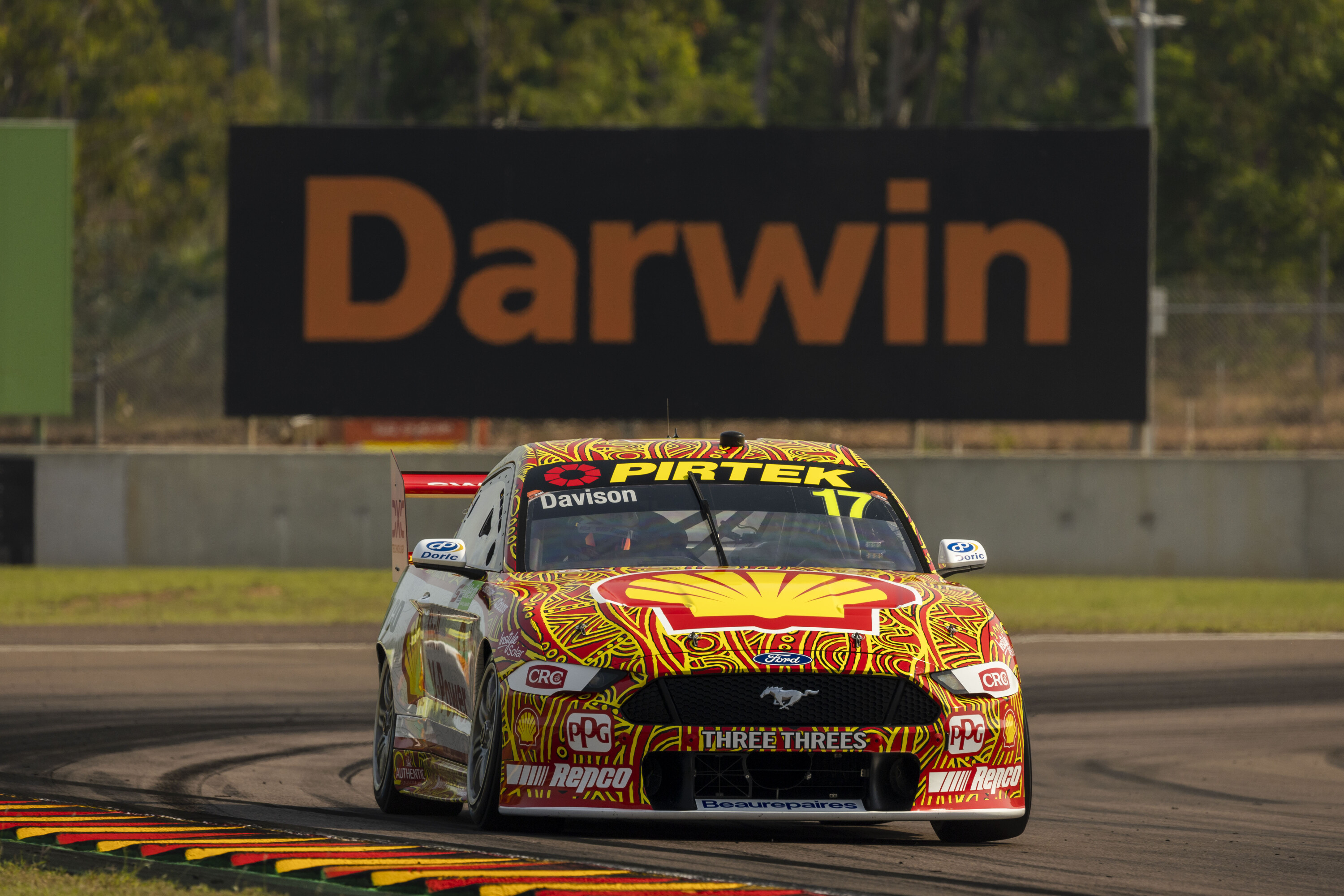
Rev your engines for the epic return of the Darwin Triple Crown on June 16-18!
The betr Darwin Triple Crown is hands-down one of the most exciting motorsports events around. It combines the official Indigenous Round of the Repco Supercars Championship with the finals of the Australian Top Fuel Championship and the thrills of the Australian Superbikes, plus plenty more!
1
To celebrate ONE MONTH TO GO, we’re giving two diehard fans the chance to win the experience of a lifetime with an unbeatable, money-can’t-buy weekend at the legendary betr Darwin Triple Crown!
Enter to win the following for you and a mate:
- Two Three-Day Hot Passes
- Two Grid Walks, where you can walk among the legends of the sport
- Two Start-Line Experiences that will get your heart racing
- Two Darwin Triple Crown Merchandise Pack, so you can gear up like a pro
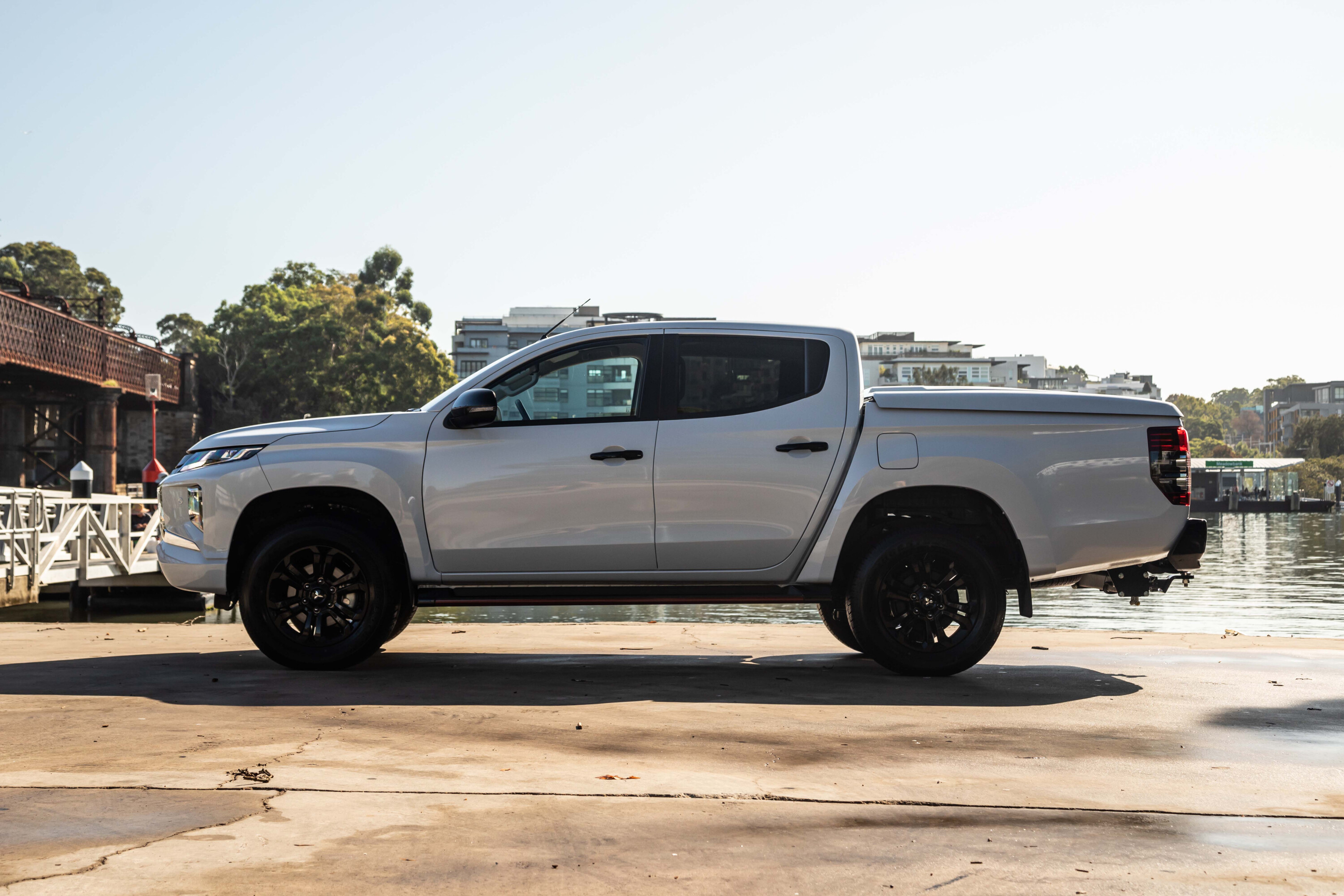
One of the most attractive attributes of this 2023 ‘MR’ Mitsubishi Triton (now eight years into its life cycle and due for replacement next year) is its honest simplicity. The ladder-frame chassis can trace its roots back to the 2006 Triton, and although it’s come a long way in those 17 years, the current Triton can’t compete with the class-leading Ford Ranger for outright excellence.
When it comes to value, the Triton’s also under fire from new-start Chinese rivals such as the GWM Ute and LDV T60, as well as South Korean stalwart, the SsangYong Musso XLV.
The next-gen Triton promises a longer and wider body, more safety features, and – probably – a much higher entry price. No doubt, it’ll aid the next Triton against the dominating Ranger/Amarok cousins, but there’s a danger the Triton will lose some of its core rough-and-tumble appeal in the process.
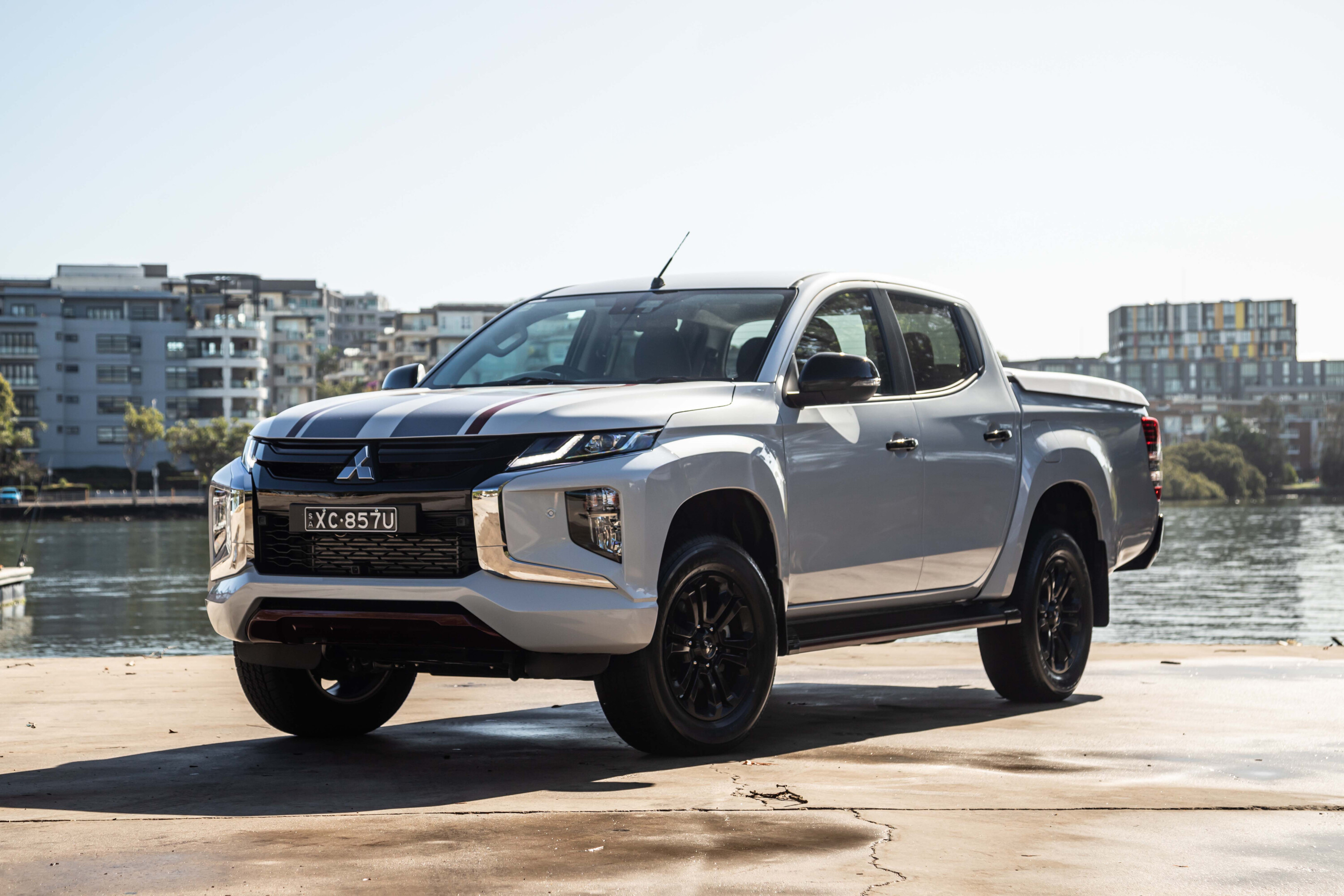
Before the new car arrives in 2024, Mitsubishi is sending off the Triton with 400 examples of this GSR Deluxe-based Sport Edition.
Should you run out and buy the last of this Triton breed?
1
JUMP AHEAD
- How much is it, and what do you get?
- How do rivals compare on value?
- Interior comfort, space and storage
- What is it like to drive?
- How much fuel does it use?
- How safe is it?
- Warranty and running costs
- VERDICT
- Specifications
How much is it, and what do you get?
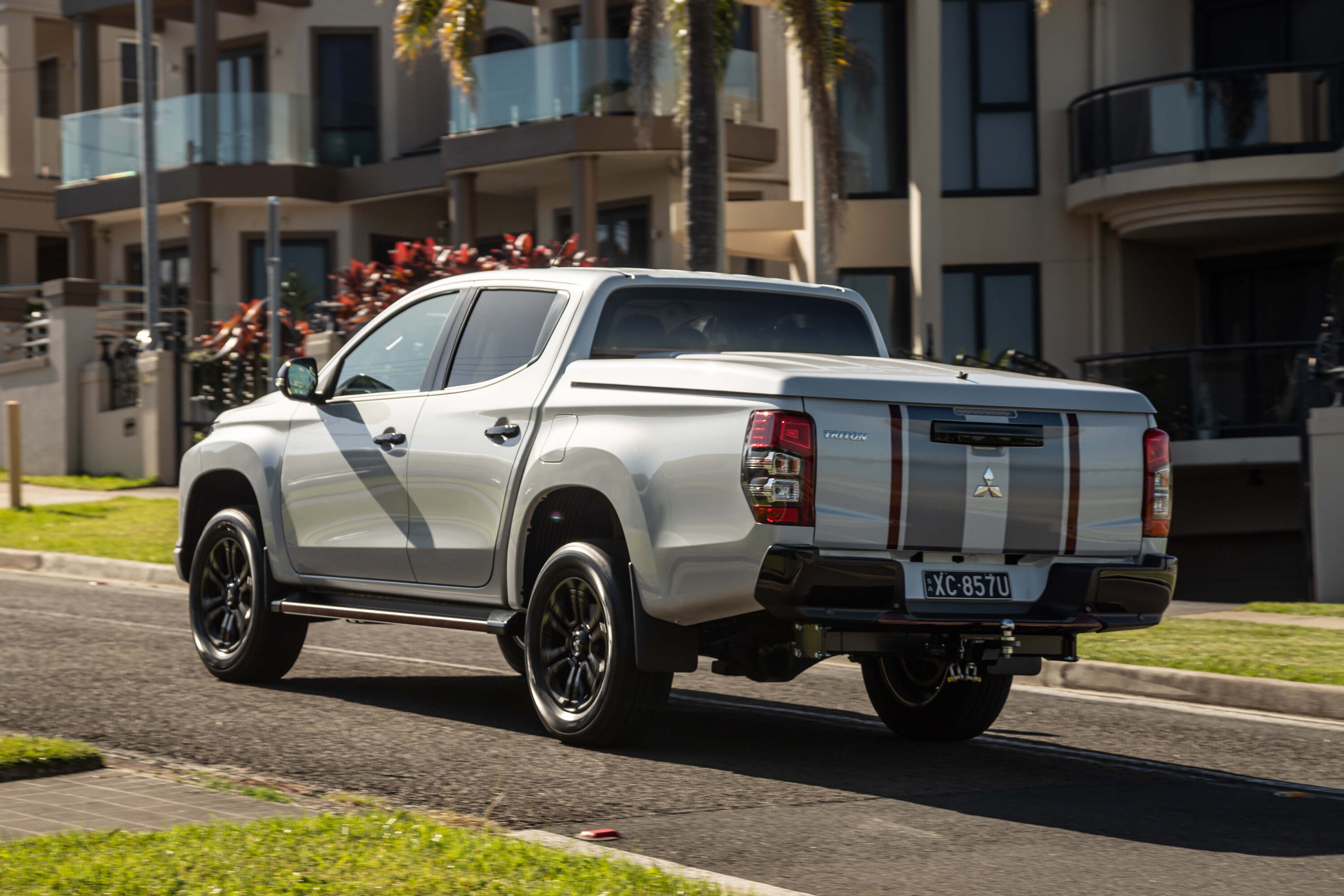
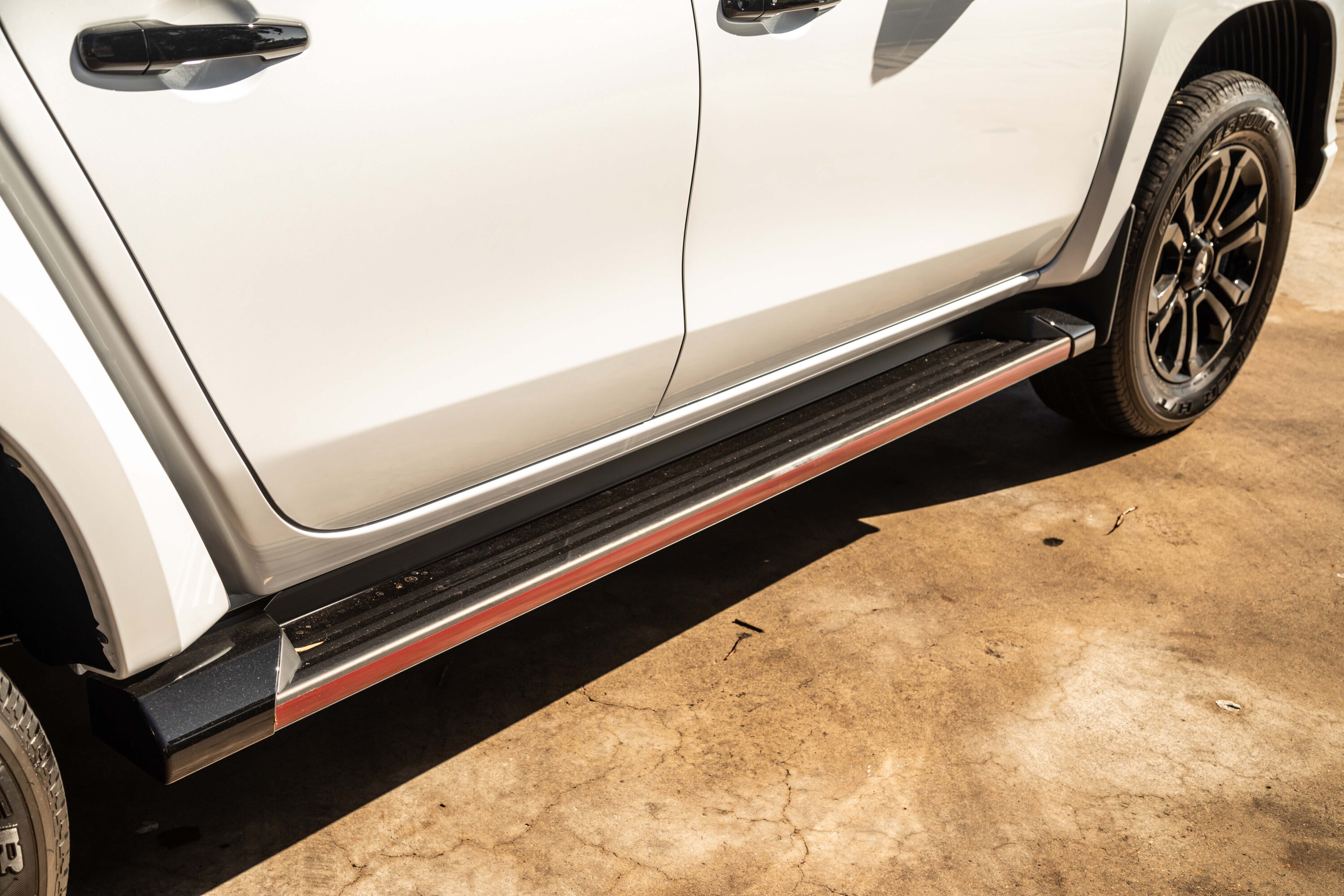
The Sport Edition fits in towards the top of the Triton range. It’s essentially a GLS fitted with the Deluxe package and a few unique extras – that sticker pack and accented skid plates outside matched with red contrast stitching in the cabin.
You’ll also find a 7.0-inch colour touchscreen and electric driver’s seat adjustment along with the GLS’s Super Select 4WD system and locking rear differential.
It costs $56,440 before on-road costs, marking a $1950 premium over the almost identical GLS with Deluxe pack ($54,490 before on-road costs).
1
| 2023 Mitsubishi Triton Sport Edition features | |
|---|---|
| Two-tone 18-inch alloy wheels | Accented skid plates |
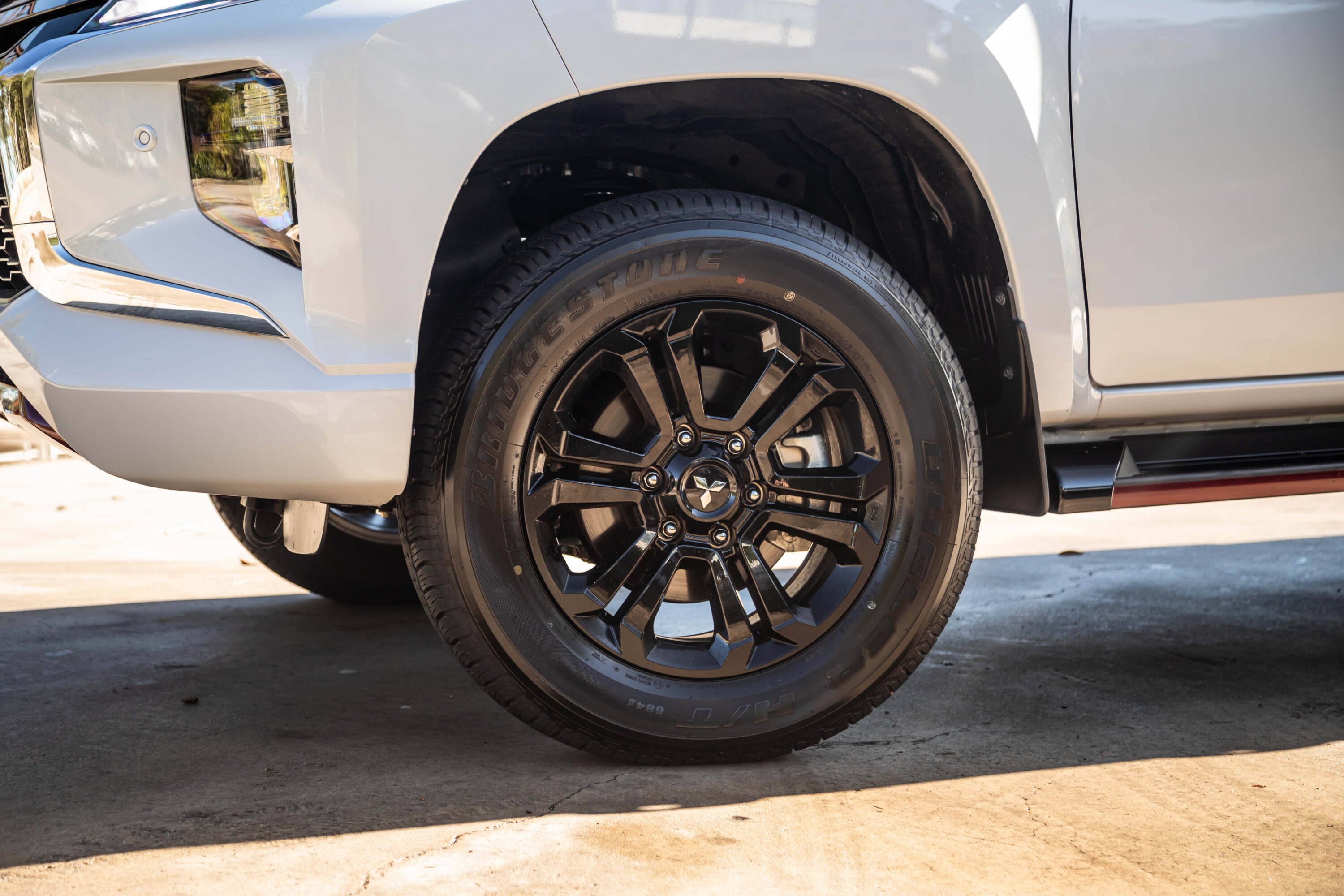
| Sport Edition decal package | 265/60R18 Bridgestone Dueler H/T tyres |
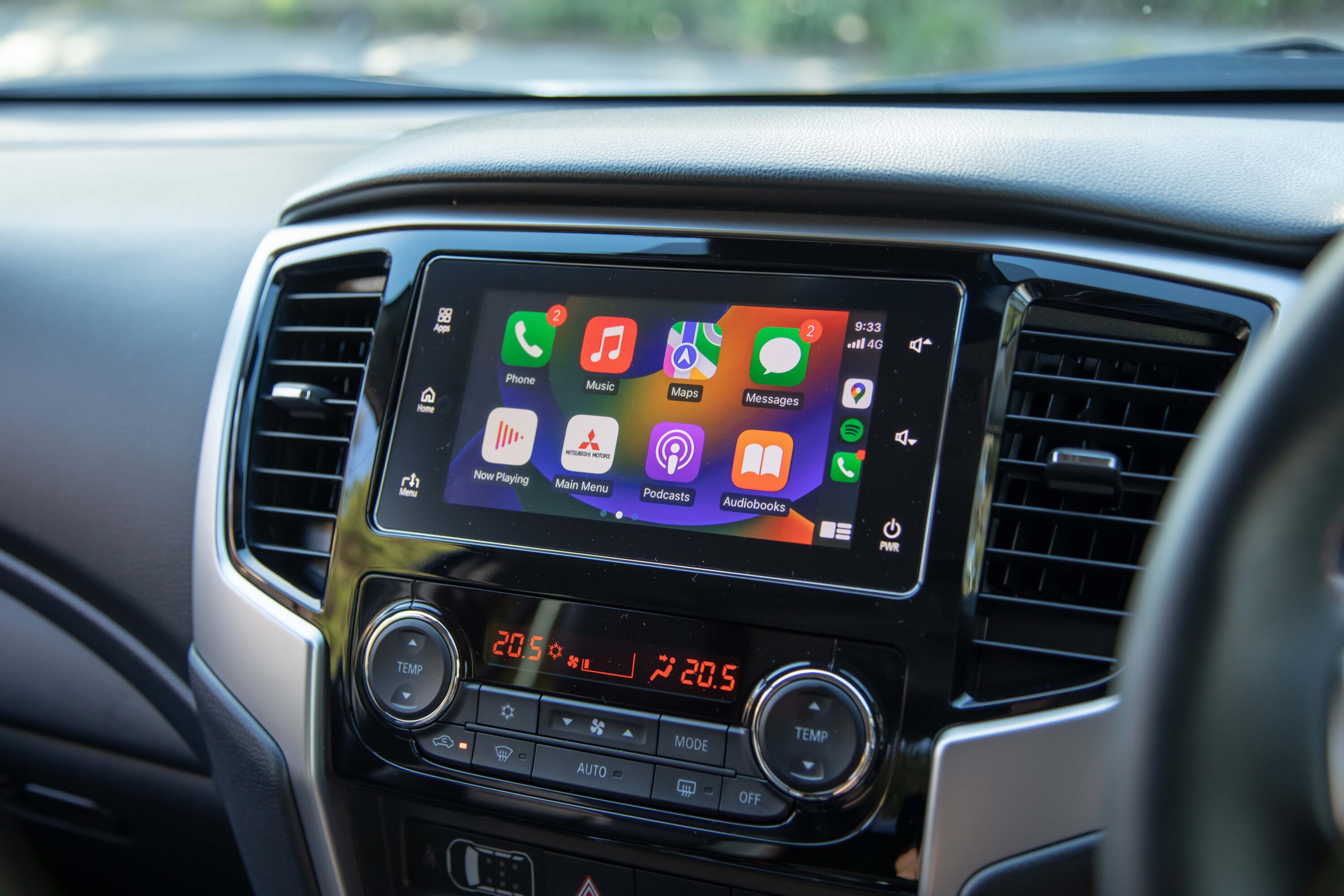
| 7.0-inch touchscreen | Wired Apple CarPlay and Android Auto |
| 6-speaker sound system | Leather-wrapped wheel and gearshift |
| LED headlights and DRLs | Leather upholstery |
| Driveru2019s seat power adjust | Heated front seats |
| 360-degree monitor | Keyless entry with push-button start |
| Paddle shifters | Dual-zone climate control |
1
How do rivals compare on value?
The Triton has always been at the cheaper end of the dual-cab spectrum, but as this model has matured and features added, its price has snuck up. The Triton isn’t the bargain it once was.
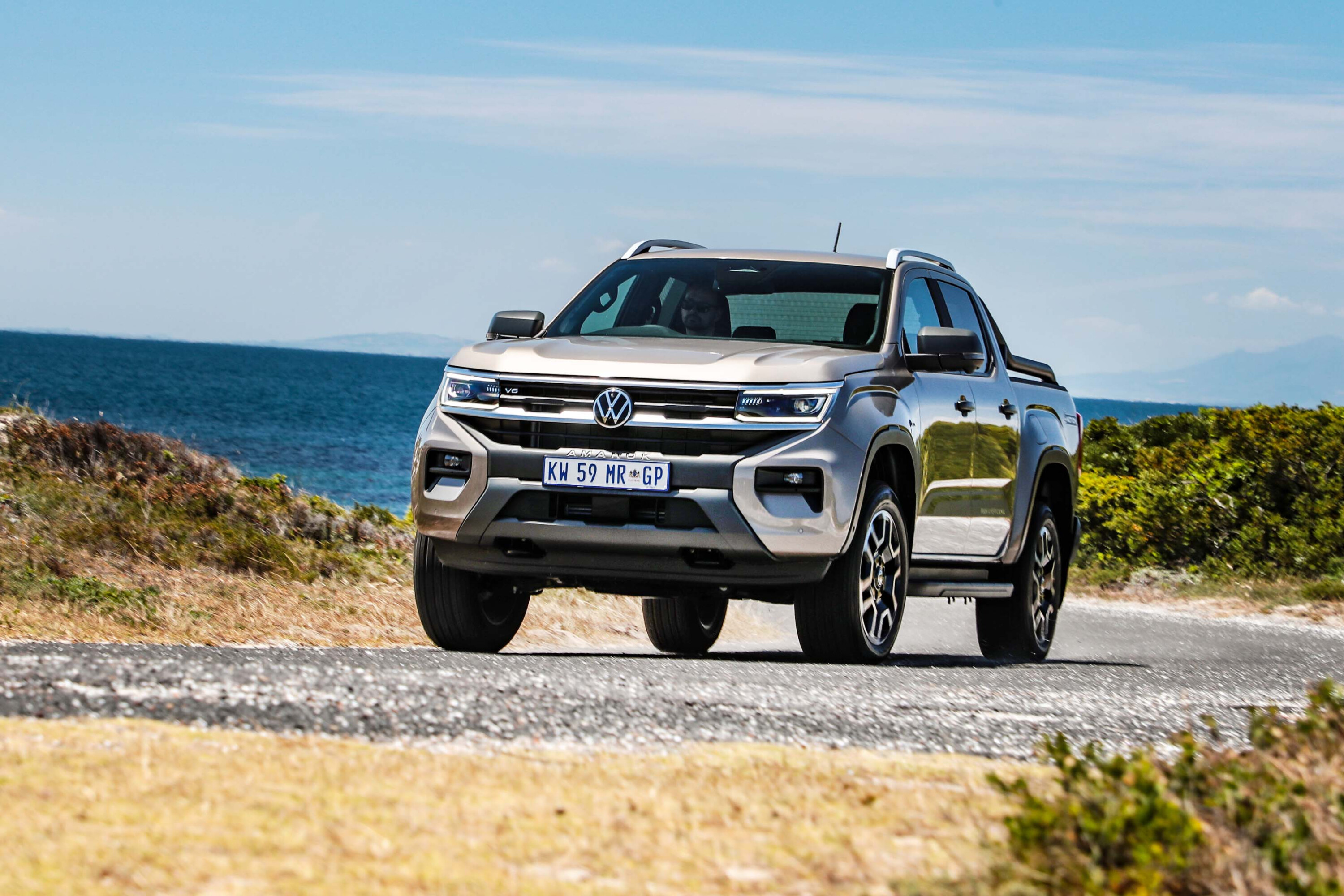
And while the Triton Sport Edition may have some leather inside, compared to lower-spec new rivals such as the Ford Ranger XLS ($54,130), Isuzu D-Max LS-M ($55,300), and Volkswagen Amarok Style TDI500 ($56,990) – all before on-road costs – it lacks modern technology, sufficiently-sized touchscreens and cabin space.
At $56,440 the Triton Sport Edition has all the off-road features, a clever 4×4 system and a willing and smooth-for-a-ute 2.4-litre turbo-diesel, though we think the regular GSR auto ($51,490 before on-road costs) remains the sweet spot in the current Triton range.
1
Interior comfort, space and storage
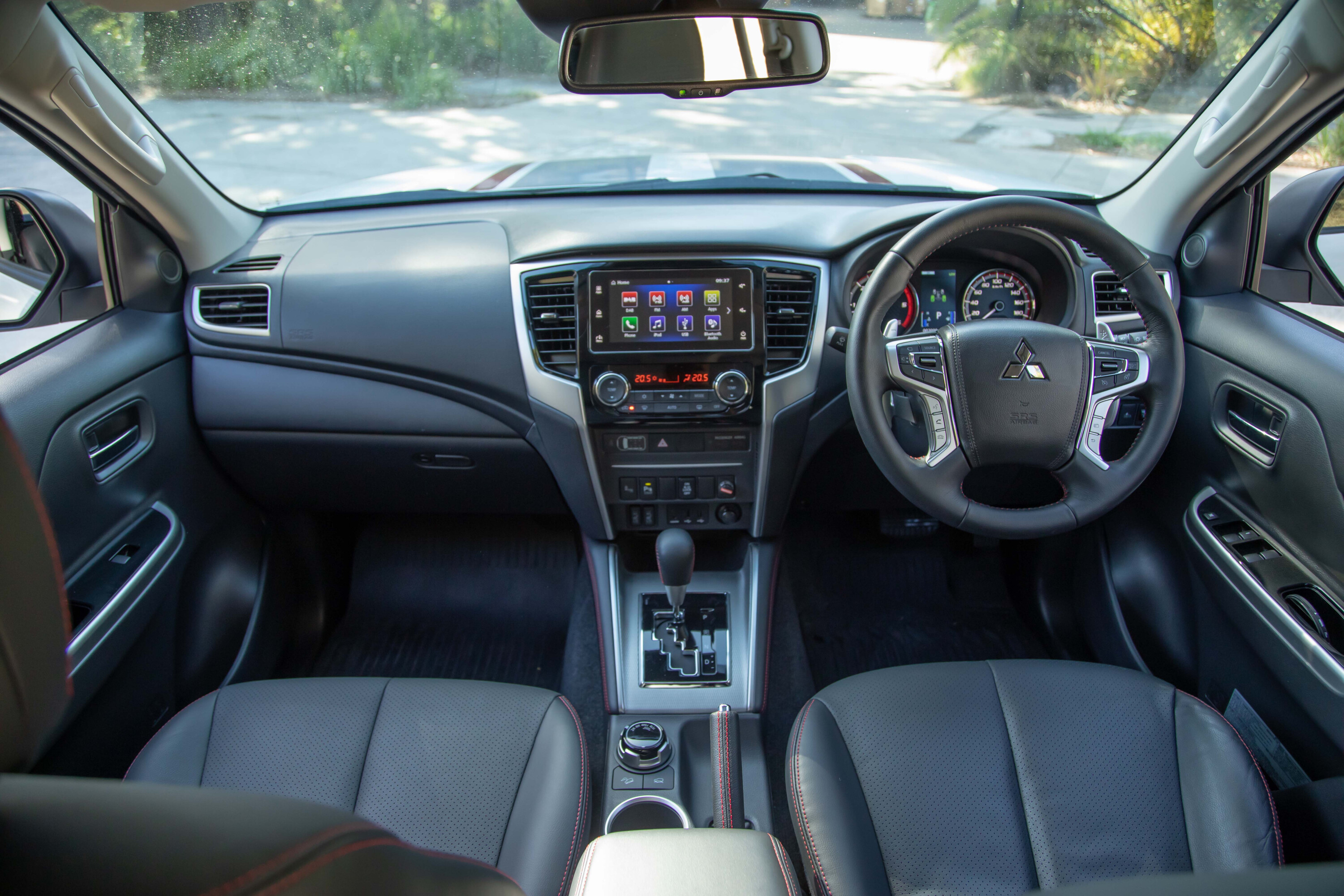
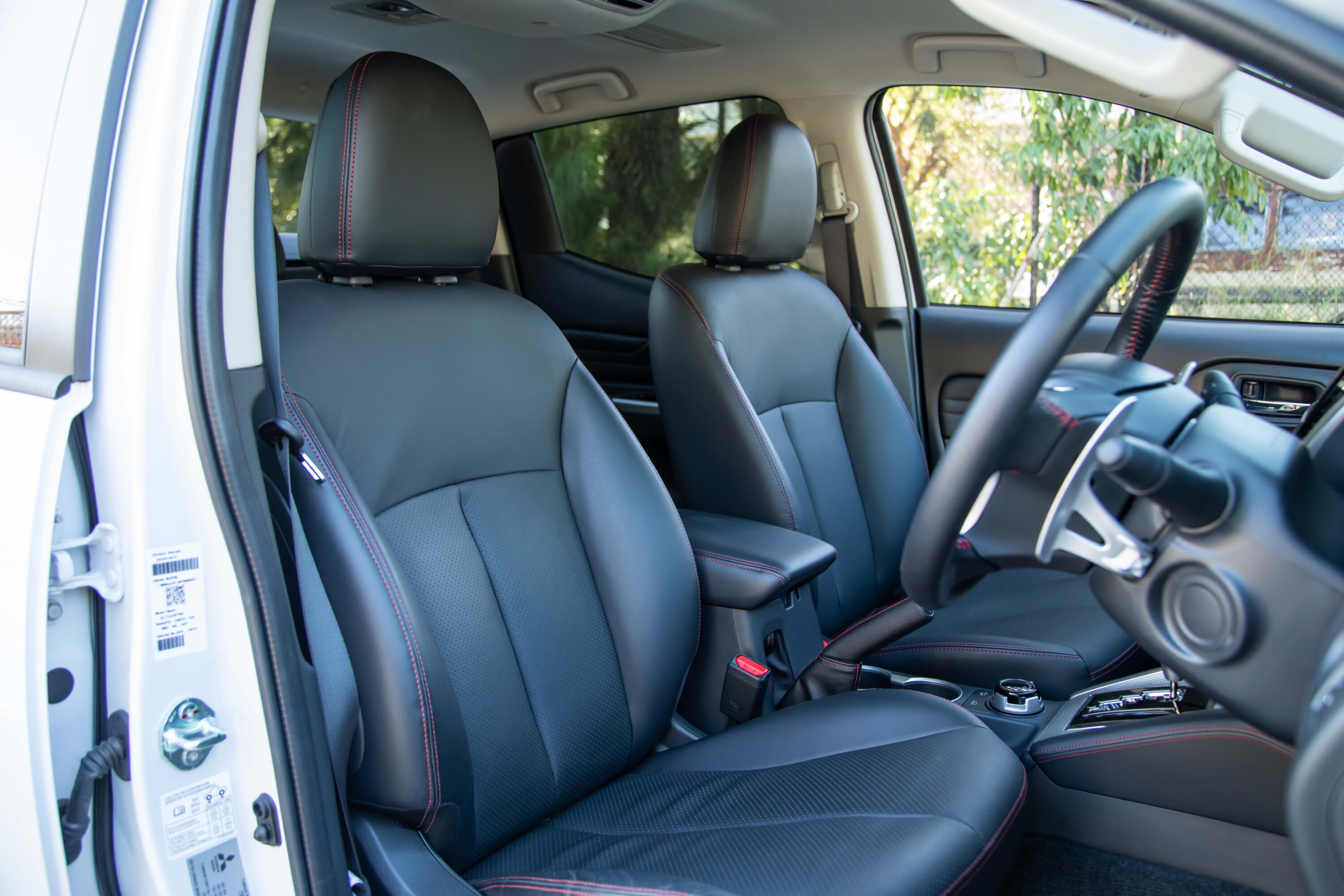
With its nicer leather appointments and contrasting red stitching, the Sport Edition does have some mild visual interest, though the cabin design is dated. Its 7.0-inch touchscreen is small (and has graphics reminiscent of a Nokia 3310), but it does have wired Apple CarPlay and Android Auto.
The Triton’s interior is best described as simple and workmanlike. It would be easy to clean, and the build quality is really rather good. There were no creaks or rattles during our test period – it feels built to stand the test of time and road corrugations.
Comparisons
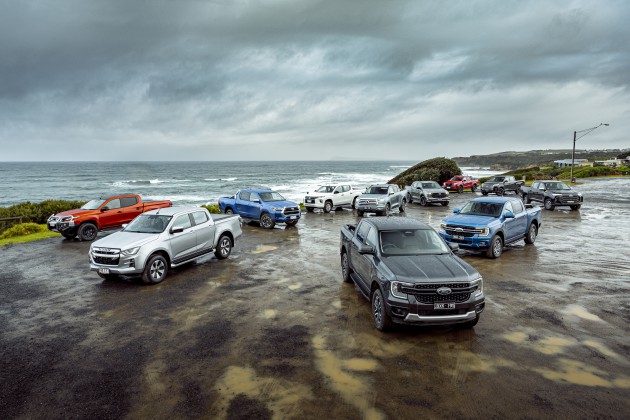
Best Utes: The Daily Living Test
Dual-cab utes have charged in as a firm favourite for family hauling and daily duties, well beyond the old mould of tradie tasks and off-road adventures. It’s time to see which are best suited to the role.
For the new Triton, Mitsubishi could do with borrowing the Outlander medium SUV’s plush seats as they’re far more ensconcing and supportive than the Triton’s flat chairs. The driver’s seat is power-adjustable (the passenger’s manual), but only in six directions with no cushion tilt.
The analogue dials are legible and simple, without being sexy, and incidental storage could do with a Ford Ranger-style revamp; a hot-chip holster and wireless charging pad would be much appreciated.
1
Above the relatively accommodating rear seat is an out-of-the-ordinary ceiling-mounted ventilation pod that does a much better job directing air across the face of passengers – especially children in child seats – than most rivals’ knee-chilling console-mounted air vents.
Where the Triton struggles is width; you wouldn’t want to put three adults, or teenagers, across the rear bench for long periods. The Triton features two sets of ISOFIX attachments for the outboard seats and a pair of top tether anchor points for child restraints. A small amount of extra hidden storage can be found behind the Triton’s backrest.
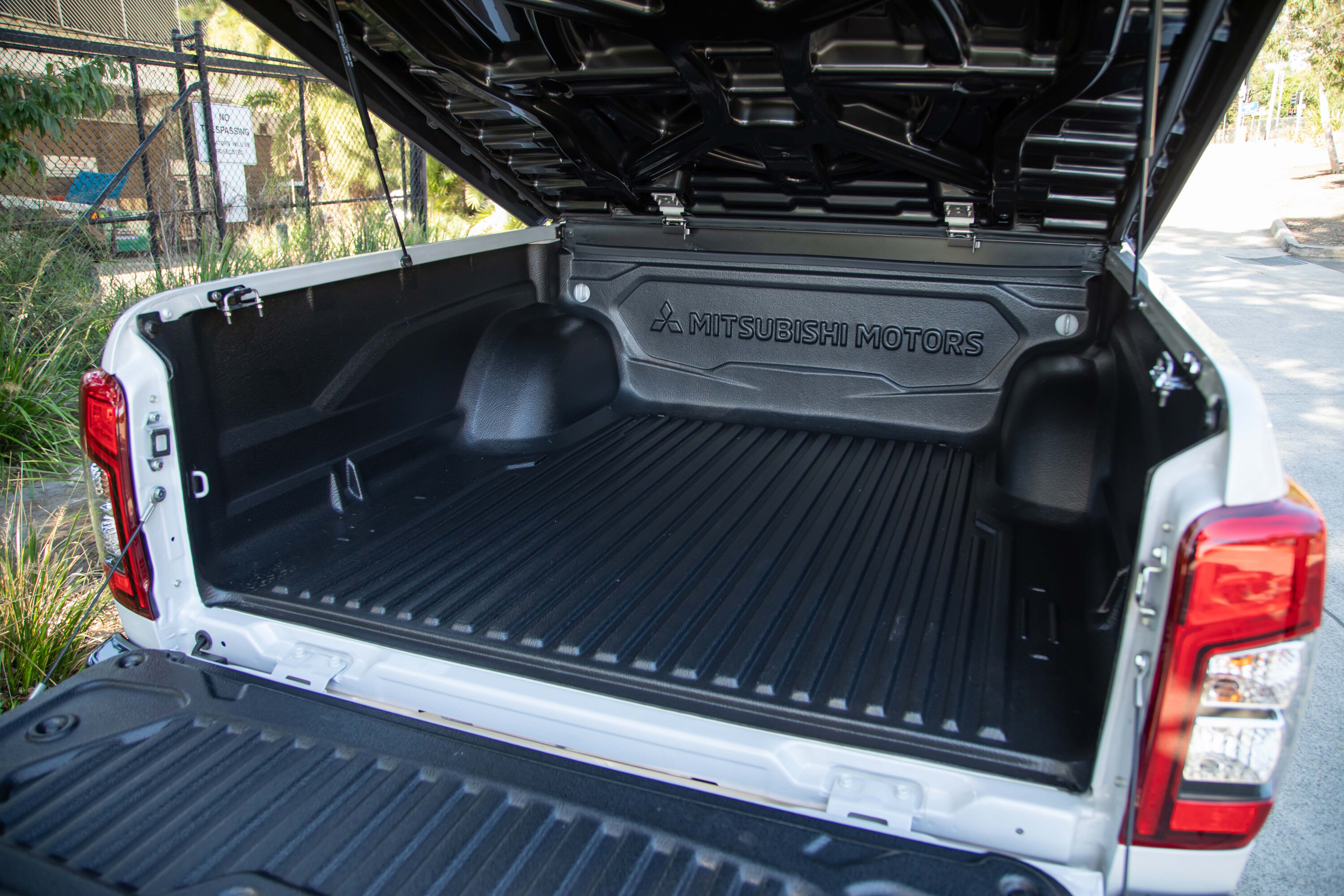
The Triton’s tray is relatively practical, with the Sport Edition getting a lockable rigid tonneau cover on struts. This is good for safely leaving items in the rear, but does eat into ultimate storage capabilities.
In the Triton’s standard pick-up tub are a plastic bedliner and four tie-down points. It measures 1470mm long and 475mm deep. It’s 1430mm at the widest point, pinching to 1040mm between the rear arches, and is rated for a 909kg maximum payload.
1
What is it like to drive?
Whether or not you like the Triton will come down to your expectations and needs for a dual-cab. If you’re a long-time Triton, HiLux or D-Max owner, the Mitsubishi is on the money. But if this is your first foray into dual-cab land from a large SUV or passenger car, there are more refined options.
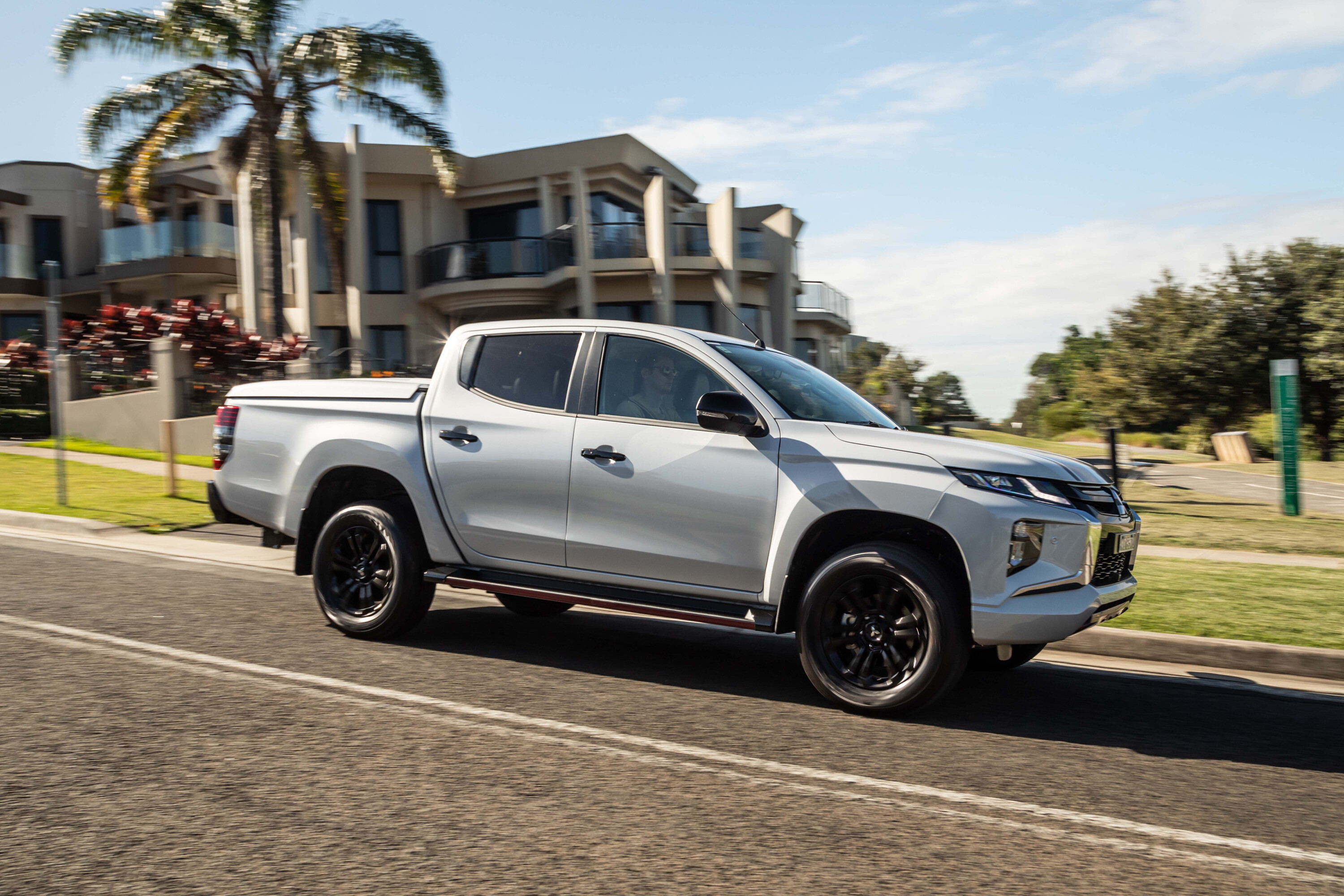
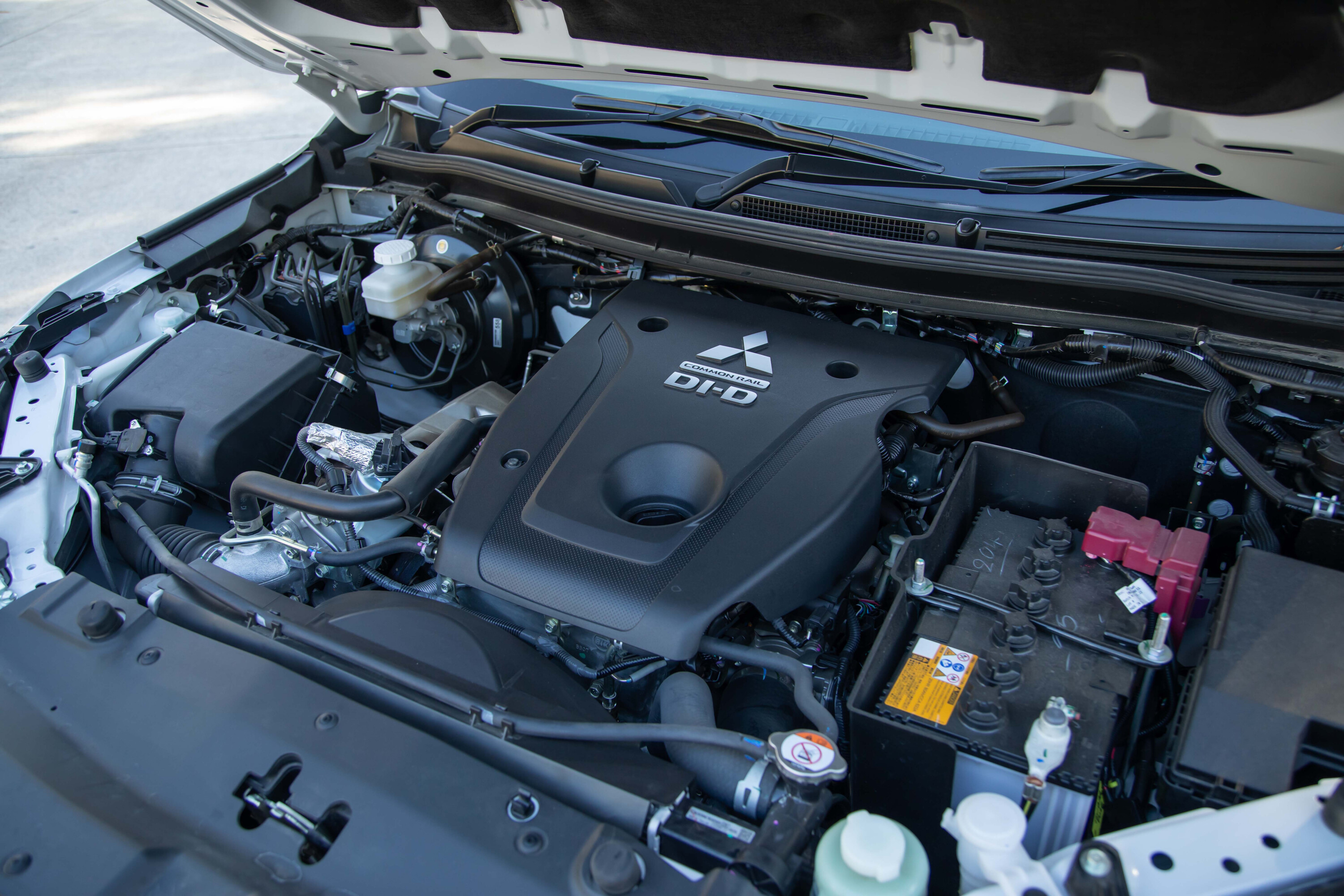
The willing 2.4-litre turbo-diesel four-cylinder produces 133kW/430Nm and is sufficiently refined at low revs. Once above 2000rpm, it motivates the Triton well enough, and previous towing tests (it’s rated up to 3100kg braked) have shown it to be an adequate, if not star, performer. Mitsubishi doesn’t claim a 0-100km/h time for the Triton, but we’ve previously timed its sprint at a rather relaxed 11.63 seconds.
Where the Triton struggles most is rolling response. It’s partially a symptom of the single-turbo’s lack of torque next to the current crop of 500Nm-plus dual-cabs, but the six-speed automatic transmission’s relaxed calibration doesn’t help.
1
The Triton’s steering is heavy, and slow, and while it doesn’t offer any feel there is a tendency for the wheel to rattle in your hands over sharp-edged bumps. It doesn’t inspire confidence on the road and requires quite a lot of input owing to a slow 3.2-turn lock-to-lock ratio.
Once into the tough stuff, though, the relatively light (1991kg) Triton has a benign and safe chassis with gentle understeer. It’s great for driving quickly on dirt, as you know it isn’t likely to swap ends on you even if it isn’t quite as planted as wider dual-cabs.
For those regularly driving on looser soil, sand, or mud a more aggressive tyre tread would improve grip, though the Triton’s 265/60R18 Bridgestone Dueler H/T tyres strike a pleasing balance between on-road refinement, grip, and security on hard-pack dirt.
1
When unladen, the Triton’s leaf-sprung live axle rear end tends to judder, buck and heave over bumps. It’s not damped with much sophistication and, while the ride is firm below 60km/h, it’s also very easy to hit the front bump stops through big compressions above 80km/h.
Though we didn’t take the Triton onto technical trails this time, its Super Select II 4WD system allows you to leave it in four-high with an unlocked centre differential. This makes the Triton more secure to drive on wet asphalt and is an excellent feature for towing.
With its light kerb weight, compact dimensions and low-geared low-range transfer case, the Triton is still a solid choice for someone looking to go off-road or tow medium-sized caravans – but the Sport Edition’s exterior stickers don’t improve the Triton experience.
1
How much fuel does it use?
The Mitsubishi Triton uses 8.6L/100km on the ADR combined fuel consumption cycle. Over our 200km test loop including highway, suburban and urban driving, the Triton Sport Edition showed 8.6L/100km on its trip computer.
The Triton requires diesel fuel at the bowser and has a 75L tank for an average roving range of 872km.
1
How safe is it?
Mitsubishi has added safety technology over the life of the Triton, though it still misses some features and aids that rivals have implemented. It has regular cruise control with no distance-keeping function and lacks lane-keep assist functionality.
The Mitsubishi Triton’s 2015 ANCAP five-star rating expired on January 1 of this year, so it is therefore considered unrated by the Australasian new car safety testing body.
| Mitsubishi Triton safety features | |
|---|---|
| Seven airbags (including driveru2019s knee) | City-speed AEB with pedestrian detection |
| Blind-spot monitoring | Lane-departure warning |
| Rear cross-traffic alert | Front and rear parking sensors |
1
Warranty and running costs
The Mitsubishi Triton is backed by Mitsubishi’s 10-year ‘Diamond Advantage’ warranty which means – providing the Triton is serviced on time at a dealer – Mitsubishi will extend your warranty coverage from the standard five-year/100,000km duration to 10 years or 200,000km.
Maintenance is due every 12 months or 15,000kms – whichever comes first – and pricing is capped for 10 years. Over five years/75,000km of ownership you’ll pay $2895 in scheduled servicing.
1
VERDICT
If you’re looking for a dual-cab to replace an SUV for family duties and the occasional off-road bash, the Triton is not the most enticing choice. For all its foibles, the dependable Triton is a ute that wears its attributes with honesty and pride. There’s no veneer of distracting driver aids and chintzy air vents like in a GWM ute; the Triton is what it is.
We wonder if a new Triton that’s bigger and more premium might lose some of the current ute’s down-and-dirty appeal. But the truth is that, right now, there’s a raft of safer, more advanced, and better-driving utes. The next-gen Triton is coming for a slice of that action.
Of the MR Triton range our money would go on a standard GLS, but if you want a leather-trimmed work ute that’s equipped with all the off-road smarts and isn’t afraid to get down and dirty on the weekend, the current Triton Sport Edition still delivers.
| 2023 Mitsubishi Triton Sport Edition specifications | |
|---|---|
| Body: | 4-door, 5-seat dual-cab ute |
| Drive: | selectable four-wheel |
| Engine: | 2.4-litre turbo-diesel four-cylinder |
| Transmission: | 6-speed automatic |
| Power: | 133kW @ 3500rpm |
| Torque: | 350Nm @ 2500rpm |
| Bore x stroke (mm): | 86 u00d7 105.1 |
| Compression ratio: | 15.5 : 1.0 |
| Fuel consumption: | 8.6L/100km (tested) |
| Weight: | 1991kg |
| Suspension: | struts with coils springs front,nlive axle with leaf springs rear |
| L/W/H: | 5305mm/1815mm/1795mm |
| Wheelbase: | 3000mm |
| Brakes: | 296mm ventilated disc front / 11.6u201d drum rear |
| Tyres: | 265/60 R18 Bridgestone Dueler H/T |
| Wheels: | 18-inch alloy (full-size spare) |
| Price (as tested): | $56,440 + on-road costs |
Car buyers rely on safety ratings as a factor to make an informed major purchasing decision, but the design of crash test dummies generally don’t represent most female bodies.
Key Points
- ‘Hybrid III’ dummy represented 5% of females when developed in 1988
- Based on male dummy model, which covers 50% of population
- Carmakers & safety authorities working to improve representation for all bodies
Women tend to be smaller and lighter than men, with different torso, hip, and pelvis shapes – resulting in a different seating position.
A study from the National Highway Traffic Safety Administration [↗] revealed that women could be three times more vulnerable to whiplash injuries in the event of a rear vehicle impact.
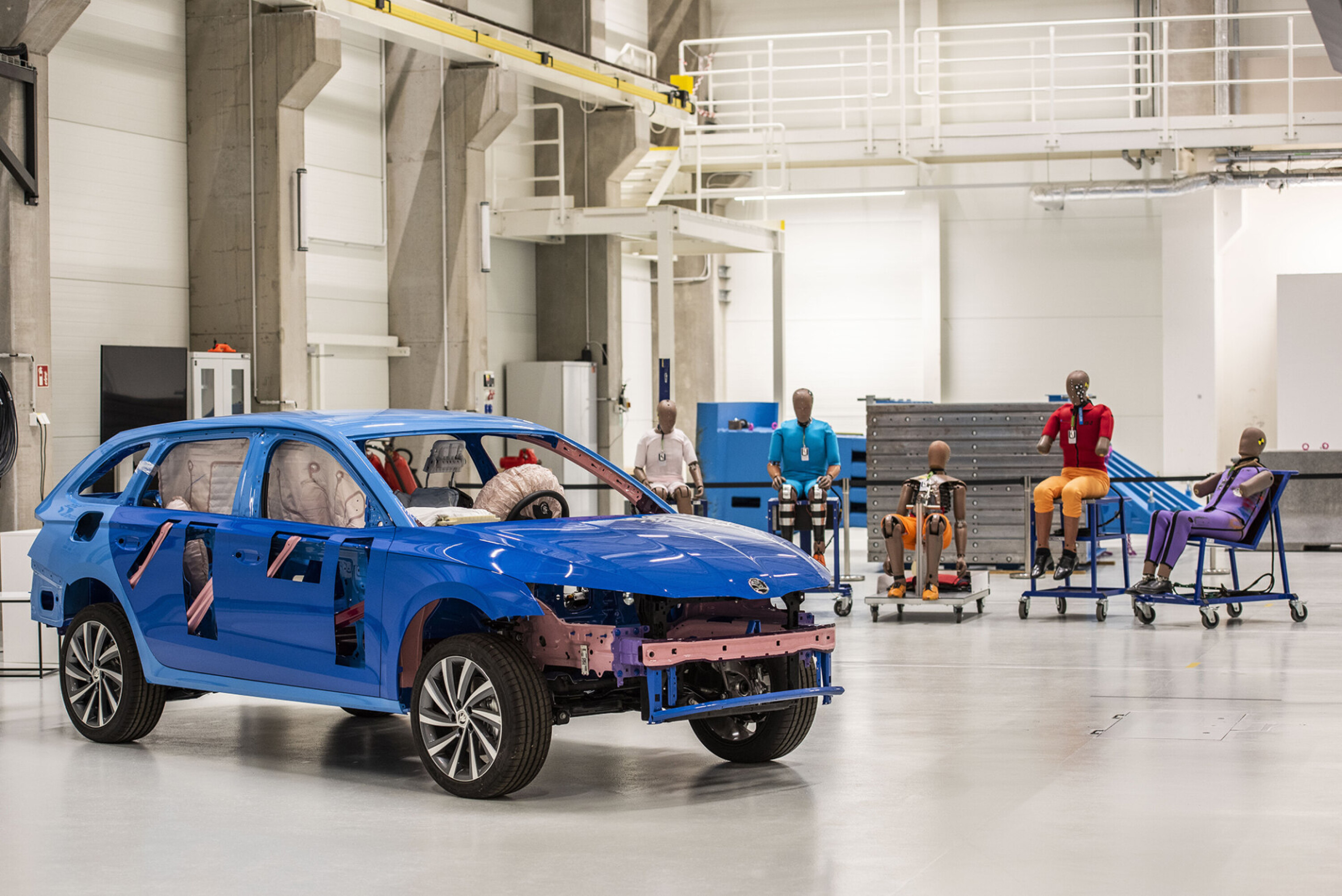
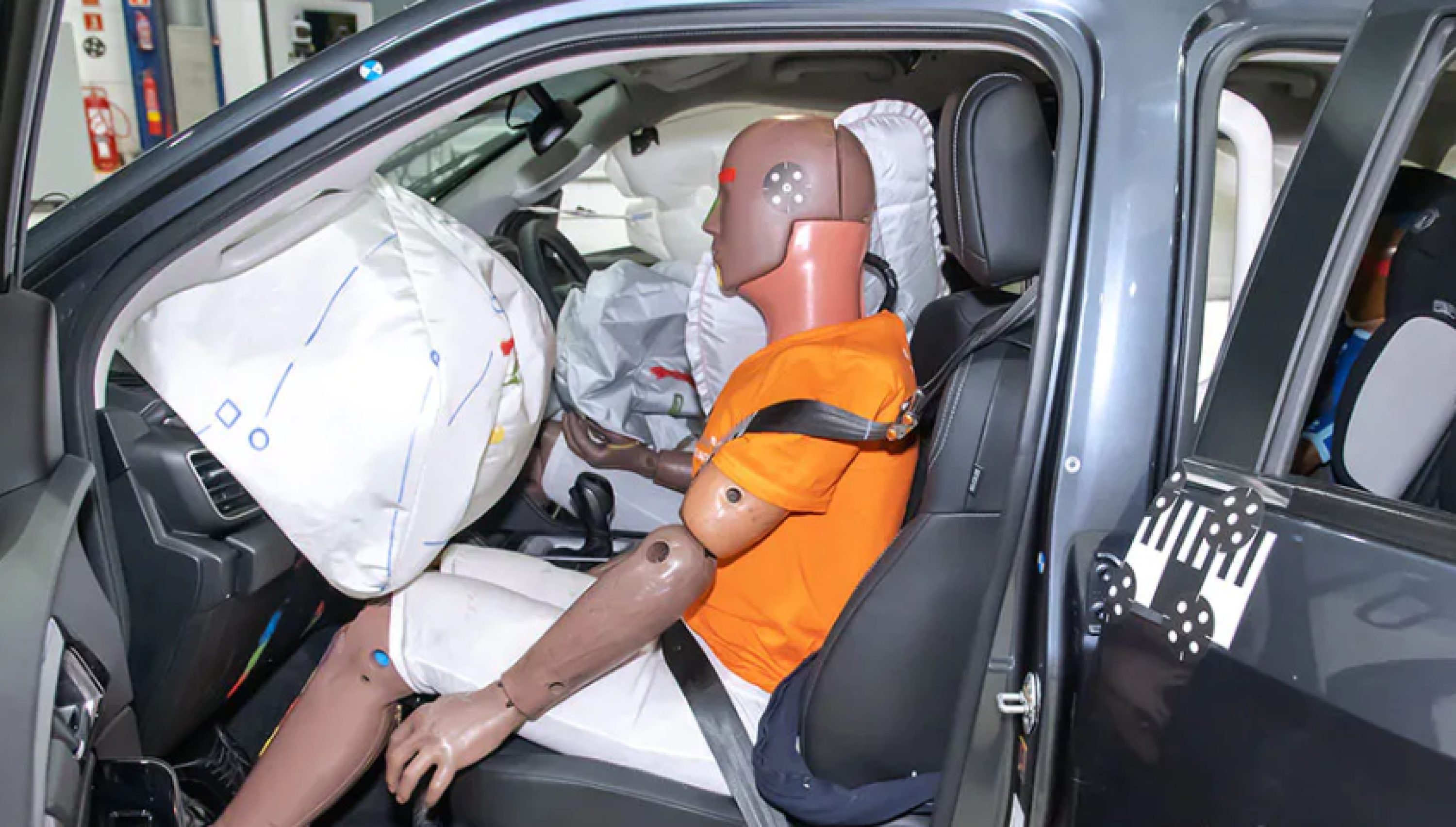
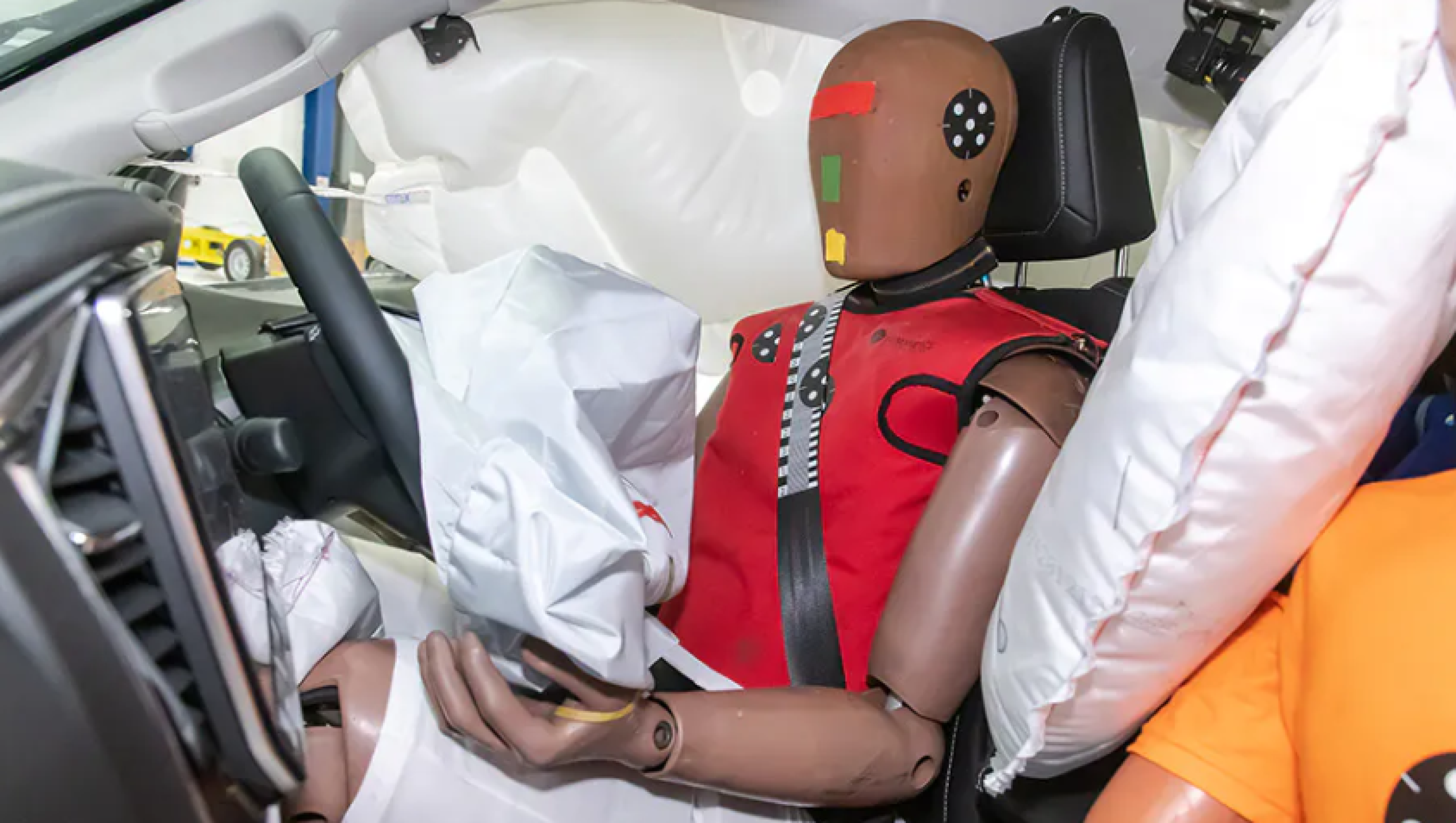
According to the Australasian New Car Assessment Program (ANCAP), it has used two ‘Hybrid III’ fifth-percentile female dummy models in the full-width frontal test (driver and rear outboard passenger seats) since 2018. It forms part of its ‘adult occupant protection’ testing category.
1
Only five per cent of females in Australia were smaller than the 152cm, 45kg dummy when it was first developed in 1988.
In contrast, the related Hybrid III 50th-percentile male model represents the average male population at 175 centimetres and 77.7 kilograms.
Speaking with WhichCar, an ANCAP spokesperson said the organisation uses different dummies for each test, based on “real-world crash population and worst-case scenarios” and the results aren’t limited to one gender or body type.
“The smaller occupant tends to be the more difficult to protect as they sit closer to the steering wheel and have a lower pelvis height that is more likely to ‘submarine’ beneath the lap belt,” the spokesperson said. “On this basis, the fifth-percentile female dummy is chosen.”
1
“It is not realistic to test all crash types for all occupant sizes, as this would be cost prohibitive”
“Female drivers have tended to be over-represented in intersection side impact crashes, [but] currently there is not a suitably advanced small female side-impact dummy available. There has been an ongoing international project to develop a smaller version of the WorldSID dummy, but this remains incomplete and so the 50th [percentile] male dummy is used.
“It is not realistic to test all crash types for all occupant sizes, as this would be cost prohibitive – but our choice of test tools aims to give the best safety outcome for the broadest range of occupants.
“As new tools and methods become available, we will continue to review the appropriate choice for each test.”
1
Male-orientated design
According to the Insurance Institute for Highway Safety (Discover Magazine [↗]), ‘Sierra Sam’ was the first crash test dummy, developed in the 1940s for the United States Air Force to help protect pilots – with male body norms at the time.
Dr Maureen Engel, an academic and lecturer in digital culture at The University of Queensland, said female dummies today are adapted from male models.
“The crash test dummy itself was a marvellous innovation in safety and the initial model was based on the average proportions of a North American man,” Dr Engel told WhichCar.
1
“That is a common problem in a lot of design, engineering [and medical] environments, where the male subject is taken to be the norm – and then women are the bodies that are ‘different’.
“What happens over time is a whole kind of system builds around these technologies… there are children, people who are very short or very tall, and all kinds of outliers where being able to account for them becomes a problem rather than a requirement.
Dr Engel described this as a “a specific example of a broader issue that’s [also] a very common cultural phenomenon”, highlighting the importance of recognising that these unintended but common biases “happen on many different levels on body size, gender, age and physical ability”.
“We design all sorts of things with very specific bodies in mind, and that can be tremendously disadvantageous to many different kinds of people.”
1
Improving representation
Data from the Australian government [PDF ↗] shows that the majority of drivers involved in a fatal accident between 2012 to 2021 were male – but female occupants are still more likely to be killed in a vehicle accident.
According to Green Slips [↗], around 52 per cent of Australian licence holders are female.
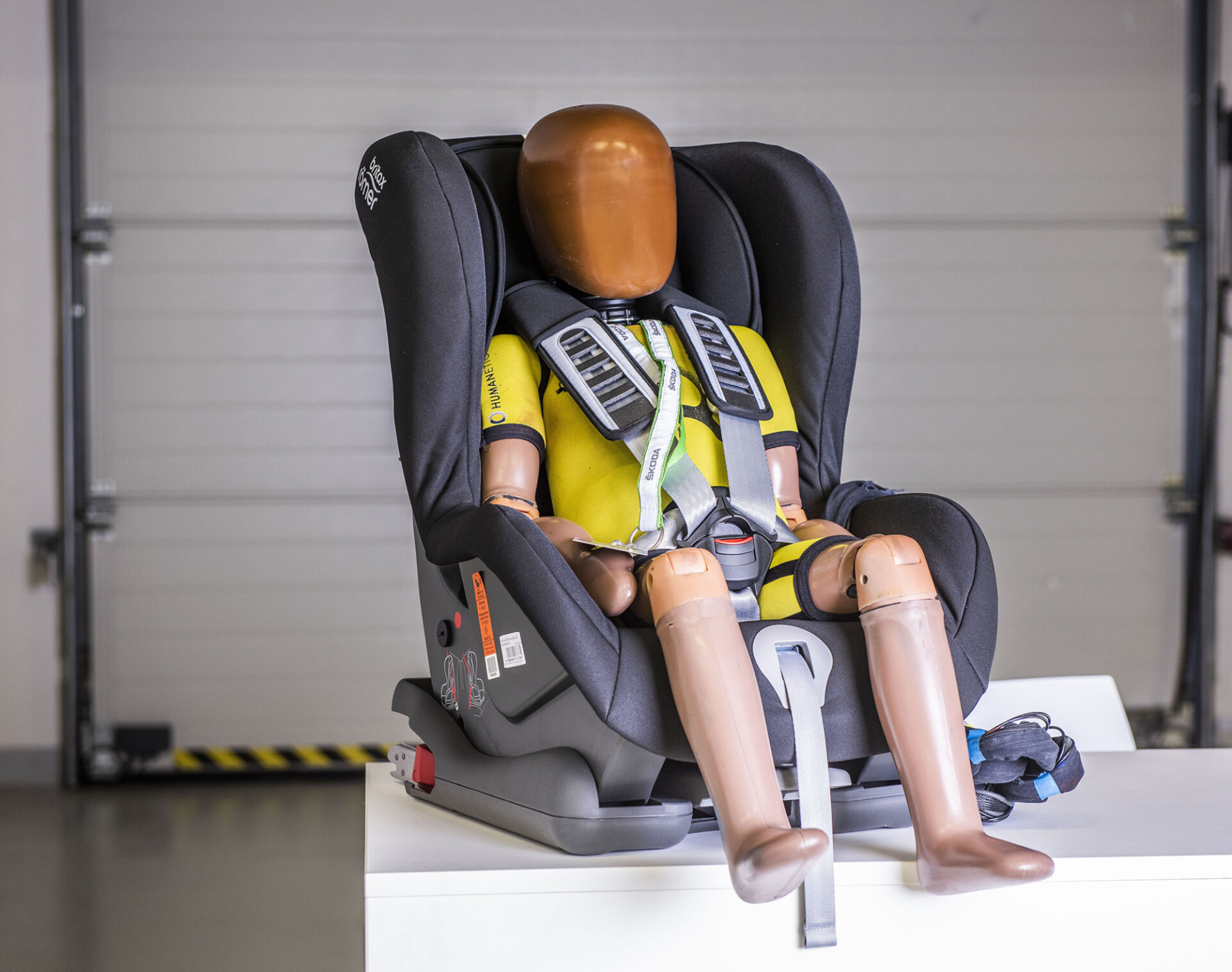
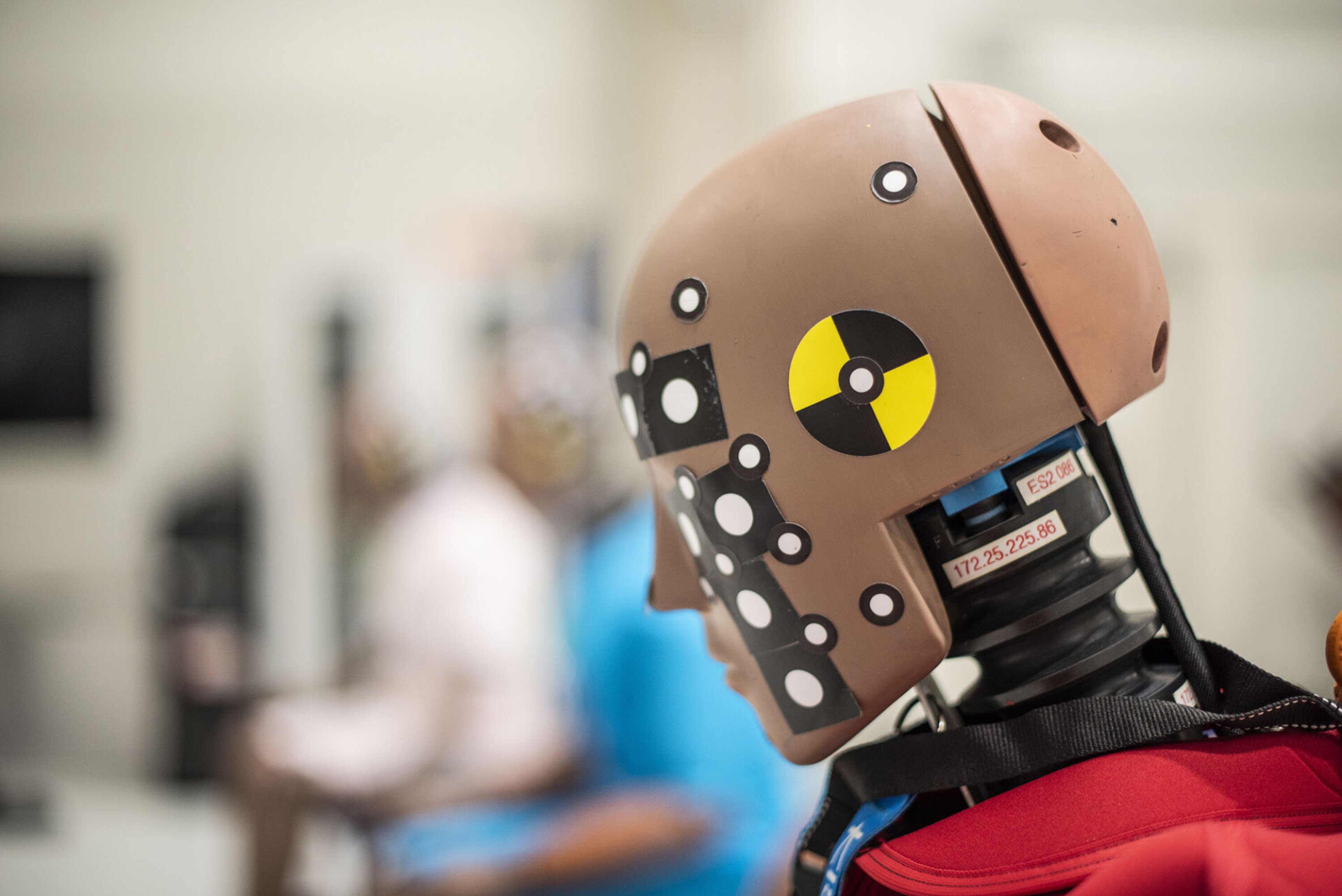
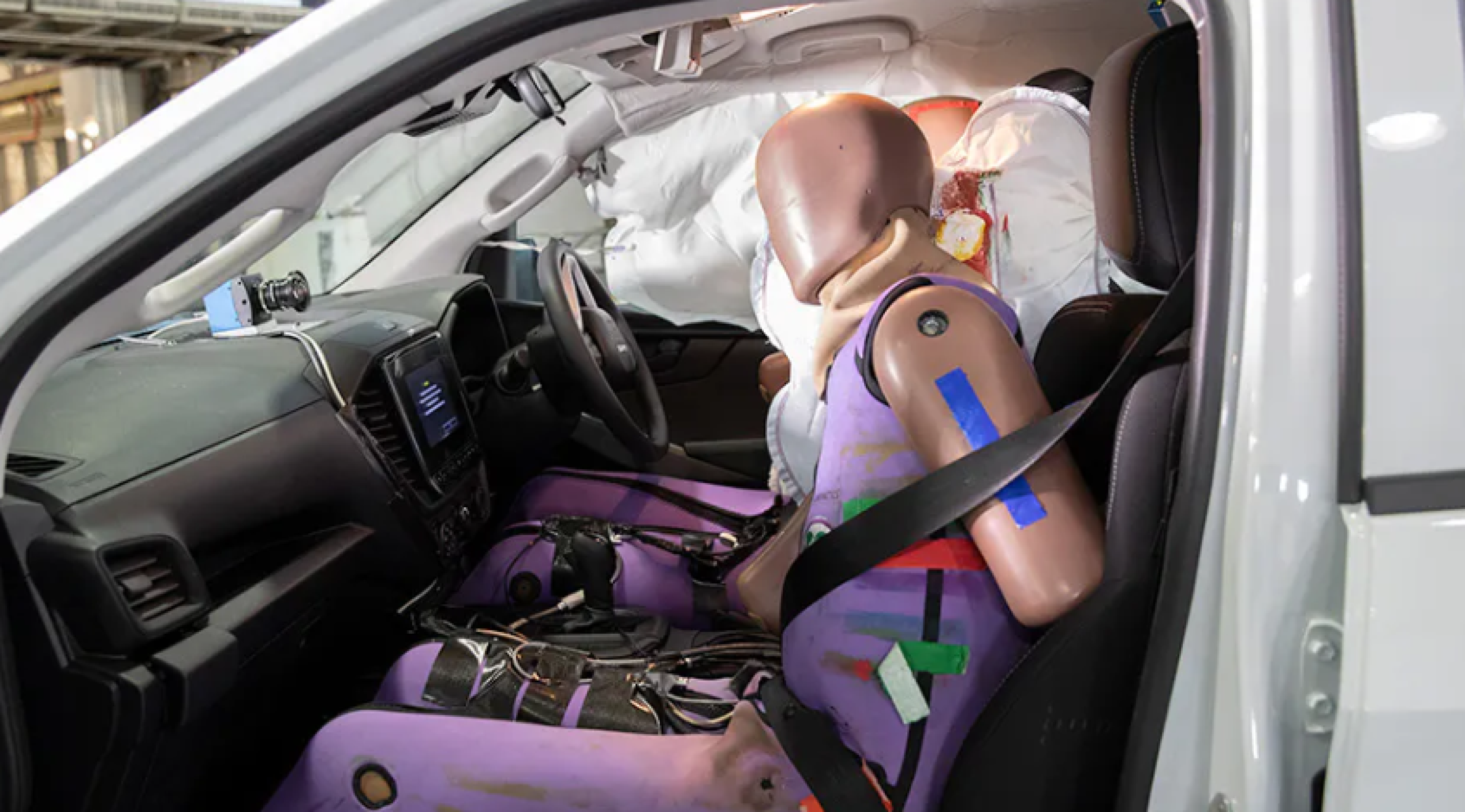
The discrepancy isn’t for a lack of effort on the part of manufacturers, either. Carmakers conduct internal safety tests when developing new models to ensure they comply with global safety standards – but a spokesperson for Skoda’s head office in the Czech Republic told WhichCar that carmakers and independent safety authorities are currently limited to two key anthropomorphic dummy suppliers: Humanetics and Kistler.
1
“The test dummies are mainly measuring devices that contain a lot of sensors… For each type of dummy, based on the injury risk curves, the biomechanical criteria [are] set up. They take into account gender and age, and the severity of the injury. The body proportion doesn’t play [an] important role.”
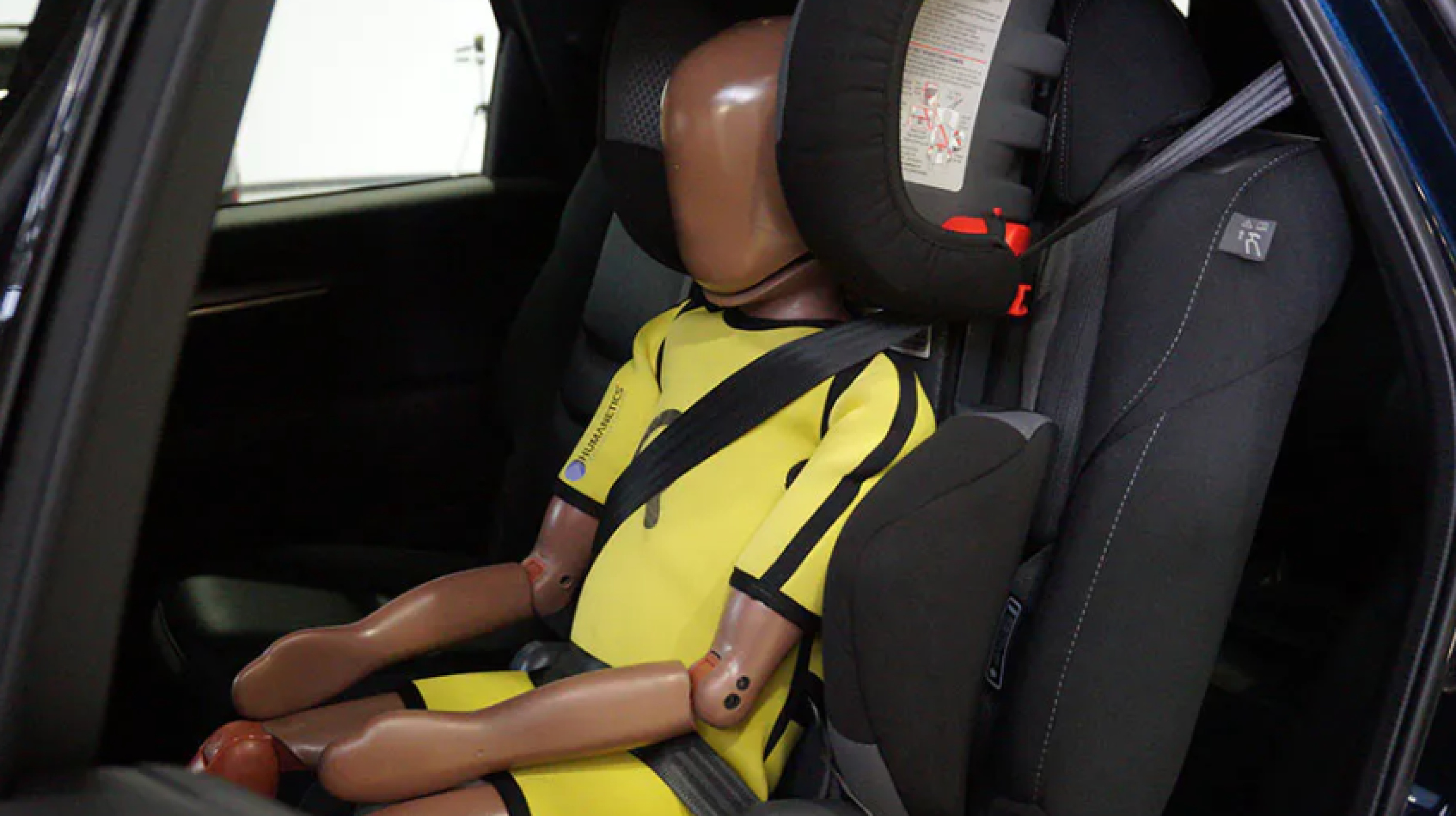
The spokesperson said that Humanetics and Kistler are “continuously” working on new biofidel devices (the formal name for crash test dummies), and a new model – THOR-5F (47.3kg) – is in the works to replace the Hybrid III fifth-percentile female dummy introduced in 1988.
1
“From 2027, consumer organisations like Euro NCAP will use the THOR-5F, and define new biomechanical criteria. There are also activities to create and take into account the pregnant, elderly or obese crash test dummies (123.8 kg), in order to cover [the] whole diversity of the population,” the Skoda spokesperson said.
Sounds like a solution is around the corner? Not quite. While THOR-5F is technologically more advanced for authorities to better assess frontal impact test results, it is still fifth-percentile female and is based on the 50th-percentile male model (THOR-50M), reducing its value beyond the current Hybrid III model.
And locally?
In 2020, ANCAP introduced THOR-50M to its family of dummies, which includes a range of other models to assess side impact crashes, child occupant protection, and active safety assistance systems.
There’s hope, but it won’t come cheap
While this all suggests there’s little promise of improvement in properly assessing female vulnerability in a crash, there is some hope with the first ground-up female car crash test dummy developed in late 2022 by the Swedish National Road and Transport Research Institute.
For now, the 162cm, 62kg dummy remains just a study model and isn’t yet available to crash test organisations, it claims to reflect the same dimensions as an average woman today.
However, there may be only a small likelihood that crash test organisations will upgrade to this new model even when it’s made available: according to Skoda [↗], the industry’s existing dummies are made up of replaceable individual parts to mimic the human body, so they effectively have an unlimited lifetime.
Exacerbating this, the high price tag – up to AU$1 million (€650,000) for the existing THOR-50M model – means dummies are more often repaired than replaced.
Accurate female representation in crash testing, therefore, will likely remain low for the foreseeable future.
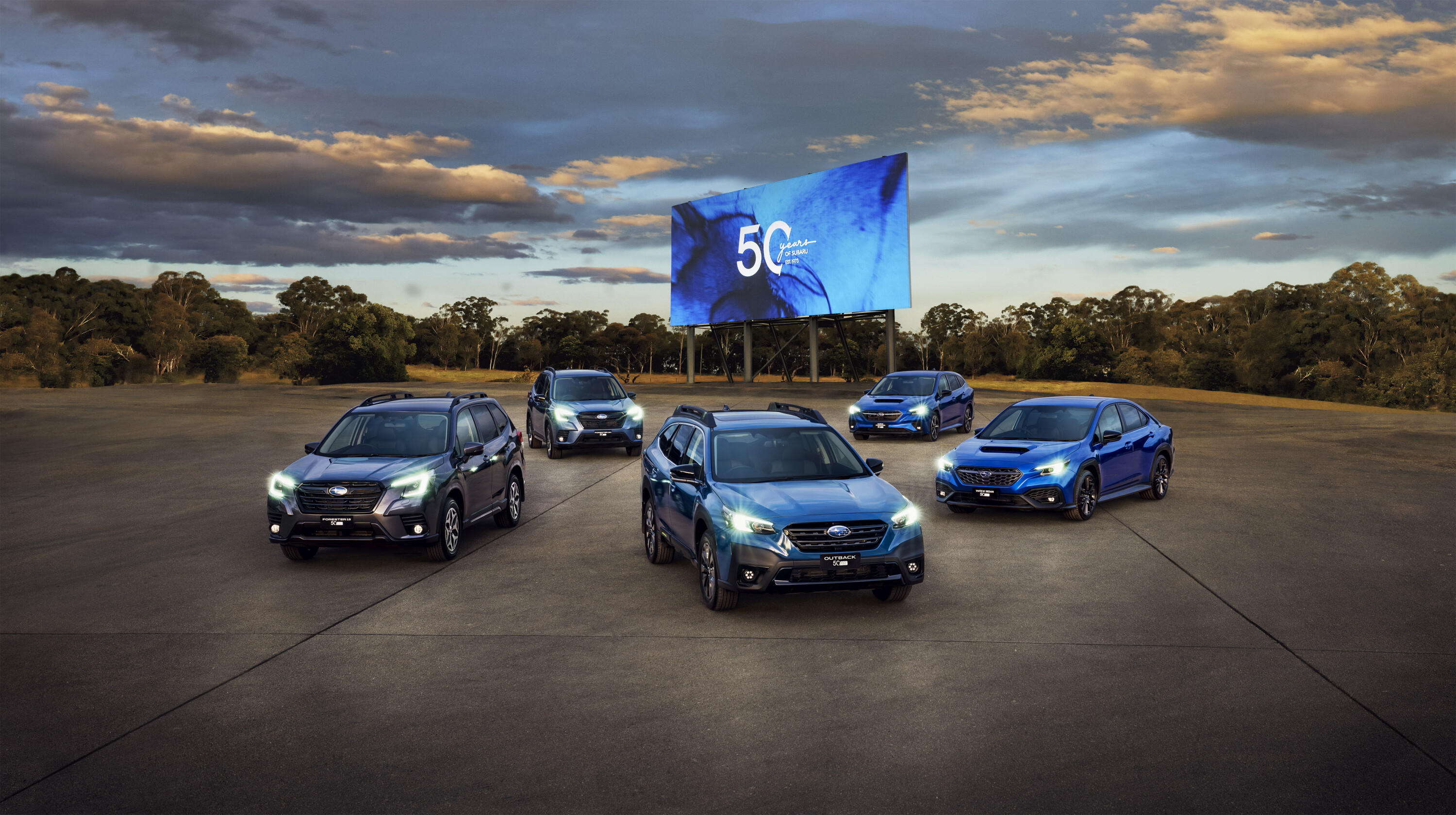
Subaru Australia has launched five special-edition models to celebrate its 50th anniversary.
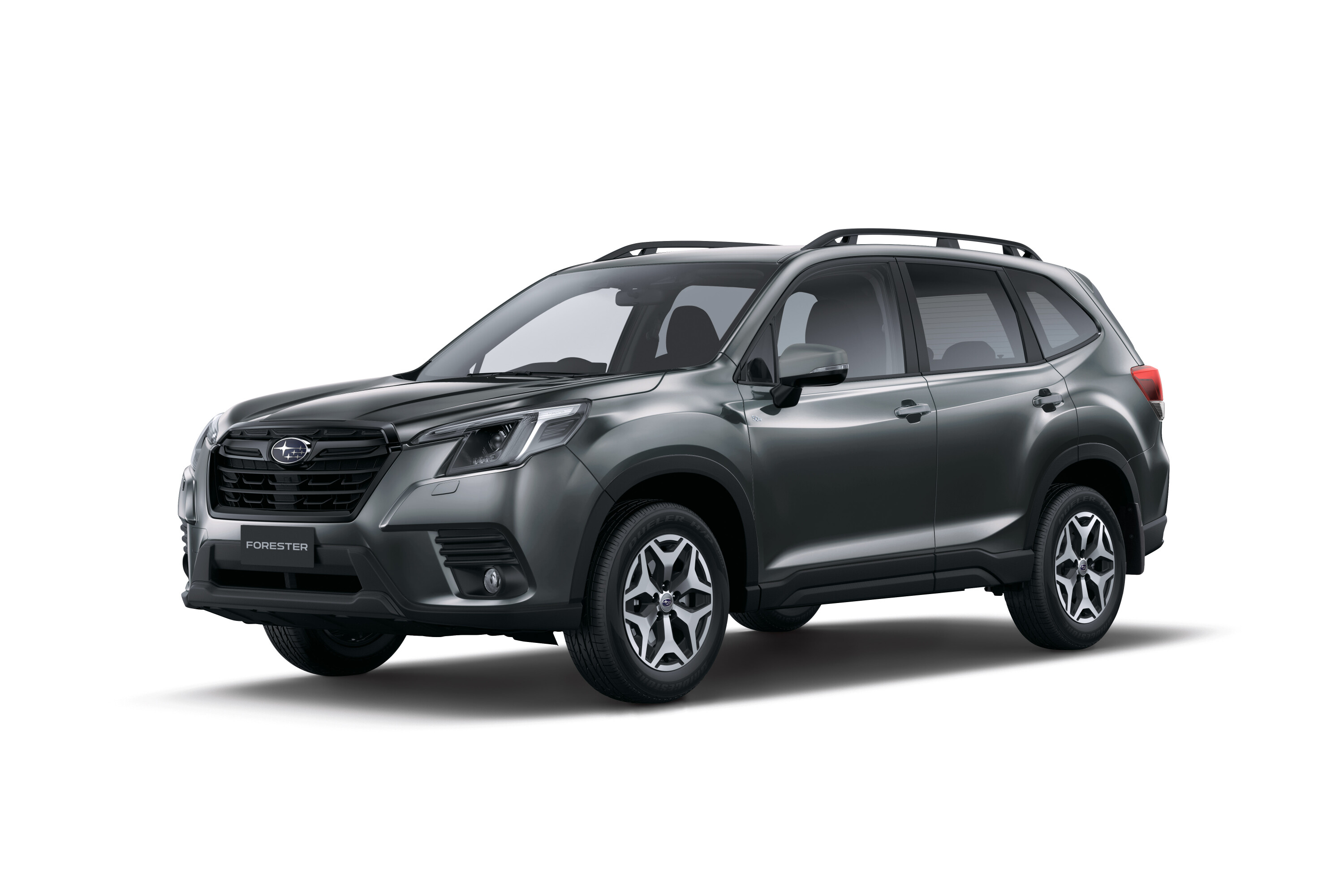
Following the launch of the limited-run Impreza S-Edition in March and the all-new Crosstrek small SUV due this month, the brand has unveiled Forester, WRX and Outback 50 Years Edition specials.
All vehicles receive 50 Years Edition insignia on the front doors and black rear badging, with other changes specific to each model line.
1
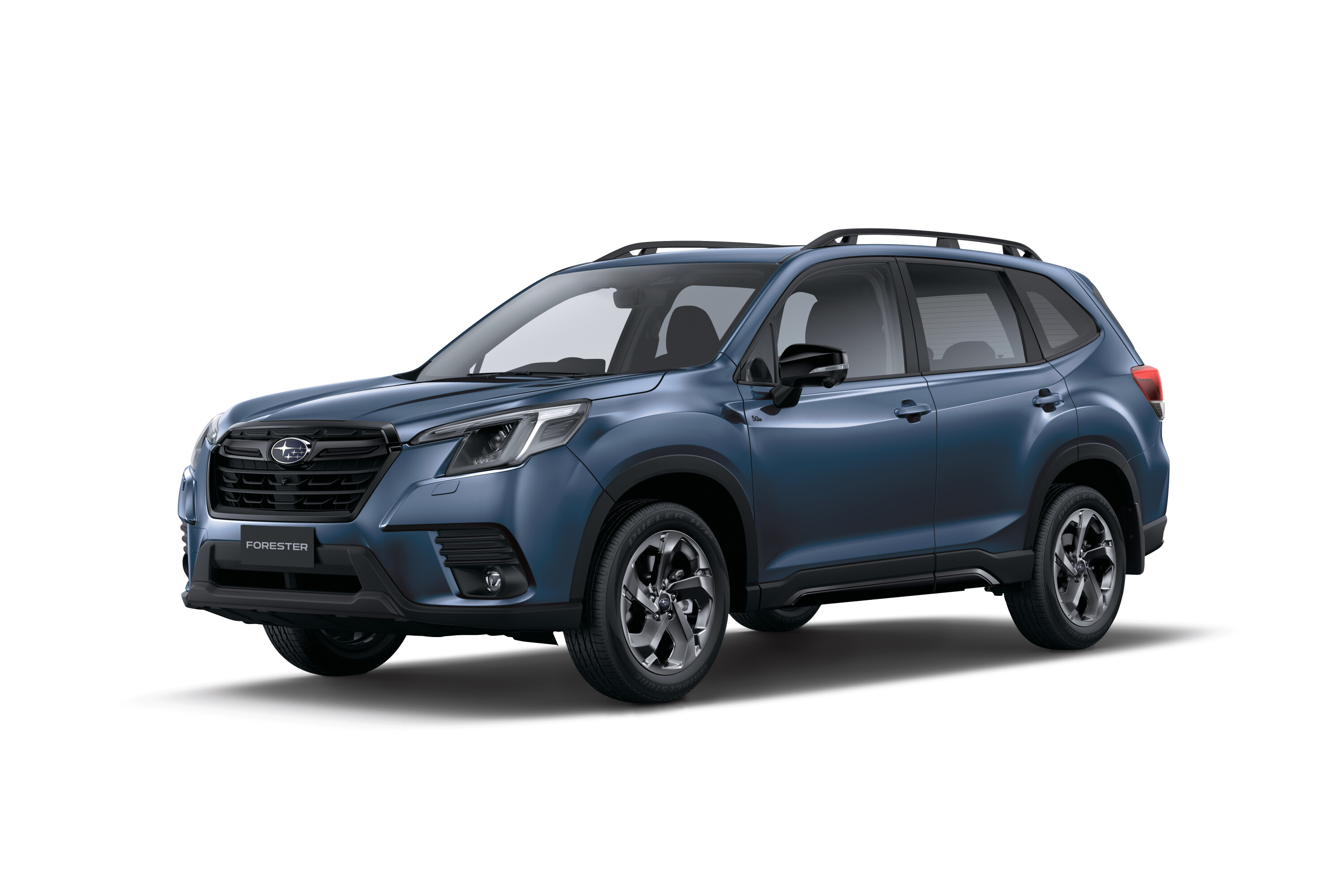
While the WRX and Outback are limited to a single 50 Years Edition – based on the base WRX and flagship Outback Touring XT – the Forester is available in entry-level 2.5i and flagship 2.5i-S guise.
A spokesperson for Subaru Australia told Wheels Media today that while there are no specific numbers of each 50 Years model available, “we can confirm there is currently a healthy amount of stock available for each of these special editions”.
2
FEATURES
2023 Subaru Forester 2.5i 50 Years Edition
- $38,890 before on-road costs
| Subaru Forester 2.5i AWD 50 Years Edition | |
|---|---|
| Black leather accented seat trim | Available in Crystal White, Ice Silver, Horizon Blue, Magnetite Grey, Crimson Red and Crystal Black external colour |
| Upgraded dash panel, sides of the centre console and door trims (same as the Forester 2.5i-S AWD) | Special 50 Years Edition badge |
2023 Subaru Forester 2.5i-S 50 Years Edition
- $46,840 before on-road costs
| 2023 Subaru Forester 2.5i-S 50 Years Edition | |
|---|---|
| Dark Grey high lustre 18-inch alloy wheels | Black front and rear under guards |
| Black front grille | Black lustre rear badges |
| Crystal Black shark fin antenna, door mirror caps, side and rear garnish | Available in all Forester external colours, with internal black trim only |
| Black roof rails | Special 50 Years Edition badge |
| Black front fog light garnish | |
2
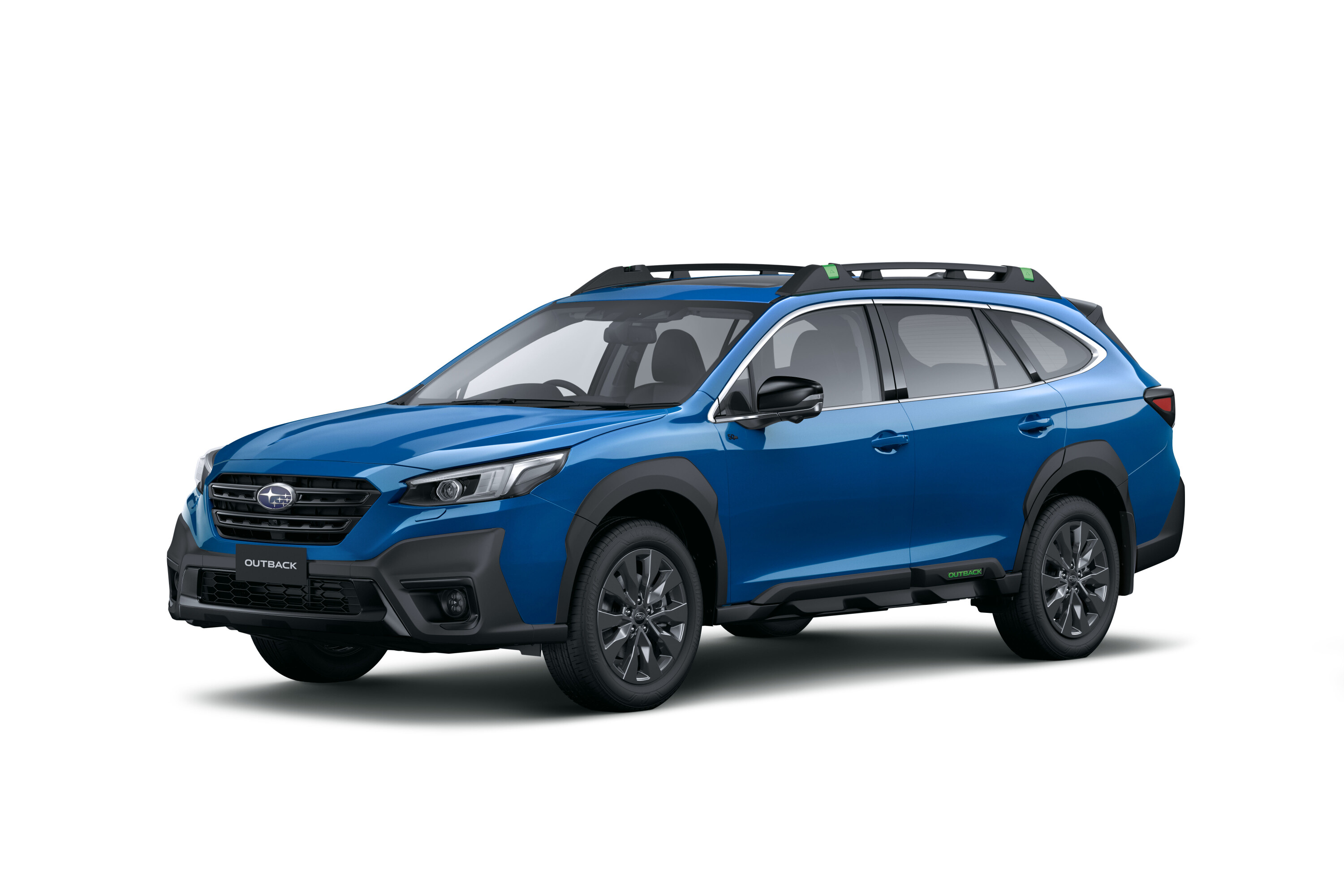
Subaru Outback AWD Touring XT 50 Years Edition
- $56,490 before on-road costs
| Subaru Outback AWD Touring XT 50 Years Edition | |
|---|---|
| Available in Geyser Blue only, with internal black trim only | Crystal Black rear garnish and rear spoiler |
| Sport model exterior styling (including fixed roof rails, green highlights and black rear badges) and dark metallic finish alloy wheels | Special 50 Years Edition badge |
| Crystal Black rear garnish and rear spoiler | |
While Subaru’s off-road-focused Wilderness range (available for the Crosstrek, Forester and Outback in North America) has yet to reach Australia, the 50 Years Edition’s Geyser Blue paint makes it out closest look yet.
This is the most-expensive 50 Years Edition, with a list price of $56,490 plus on-roads – up $500 over the standard Outback Touring XT.
The Outback XT launched in Australia earlier this year with a detuned version of the WRX’s 2.4-litre four-cylinder turbo-petrol engine, producing 183kW and 350Nm.
3
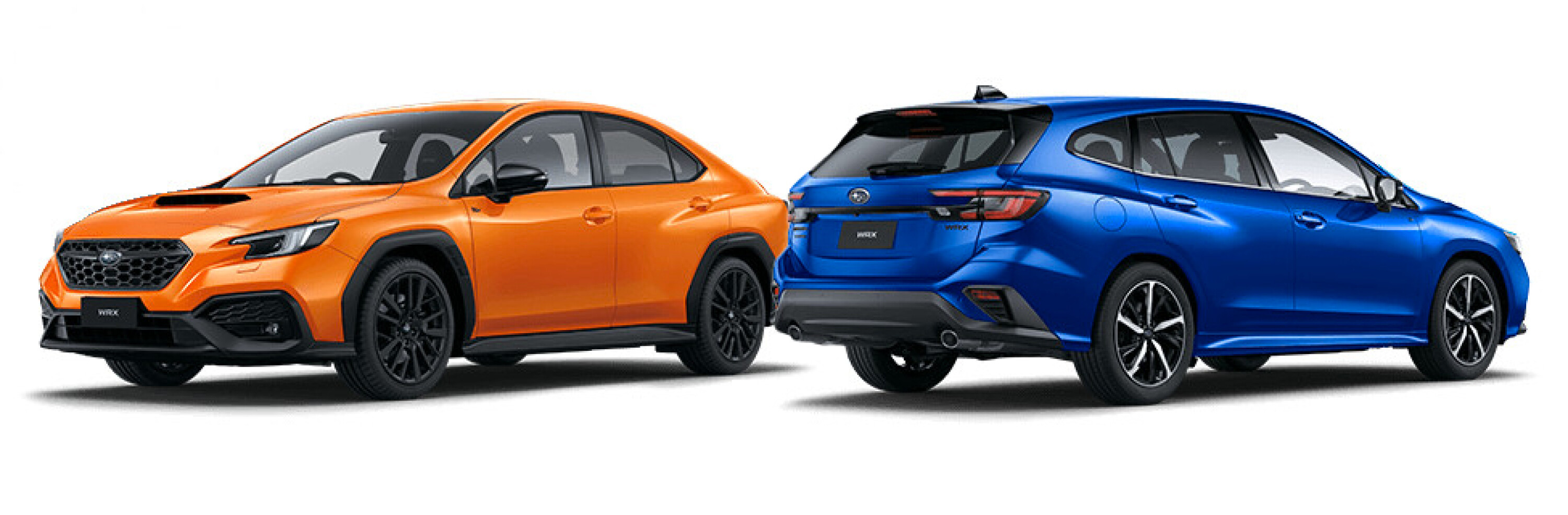
2023 Subaru WRX 50 Years Edition
- Manual sedan – $47,690 before on-road costs
- CVT sedan – $51,690 before on-road costs
- Sportswagon – $52,190 before on-road costs
| 2023 Subaru WRX 50 Years Edition | |
|---|---|
| Crystal Black door mirror caps, rear spoiler and shark fin antenna | Blue stitching on the seat and door trims, instrument panel, steering wheel, shift boot, centre console padding and front centre armrest |
| Black rear badging | Premium leather steering wheel |
| Ultrasuedeu00ae seat trim (black and grey only) | Sedan colours: Ceramic White, WR Blue, Crystal Black and Solar Orange |
| Powered driver and front passenger seats | Sportswagon colours: Crystal White, WR Blue and Crystal Black external colour. |
| 2 x rear USB-A charging ports | Special 50 Years Edition badge |
The WRX 50 Years sedan is priced from $47,690 before on-roads for the manual or $51,690 plus on-roads for the automatic, representing an increase of $1700 over the base variant.
The WRX Sportswagon 50 Years is priced at $52,190 before on-roads – representing a $1200 increase – and remains exclusively fitted with a CVT automatic transmission, with no manual option.
? 50 years of Subaru in Oz
Subaru Australia kicked off official operations in 1973, with the Leone debuting all-wheel-drive for the brand in 1975.
1
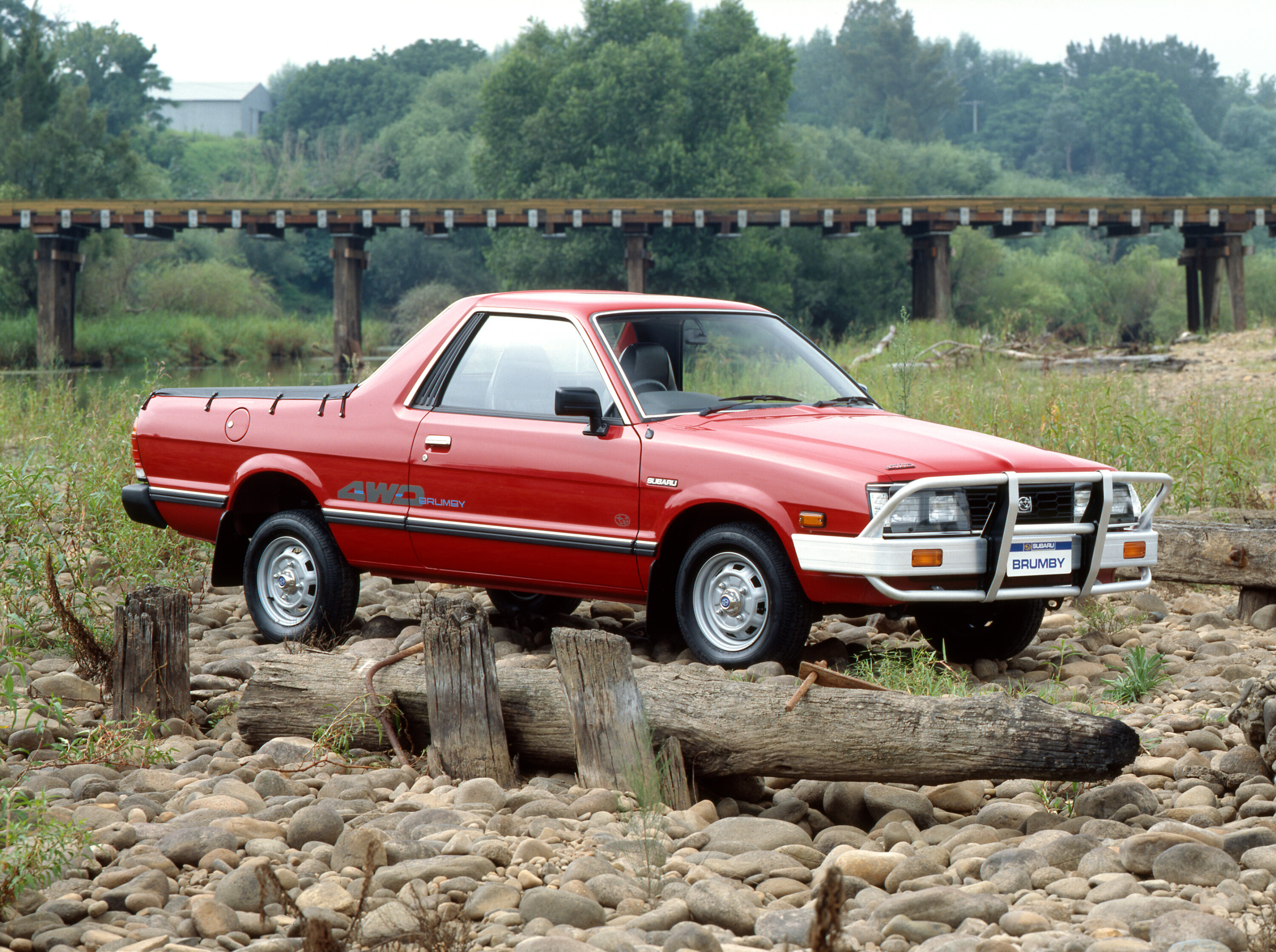
However, the Brumby ute’s success kick-started the brand locally after its arrival in 1978.
From 1998 onwards, Subaru committed to selling only all-wheel-drive cars in Australia – breaking tradition with the joint venture Subaru BRZ and Toyota GR86 sports cars.
More than 50,000 WRX-badged cars have been sold in Australia since the model’s arrival in 1994, with the nameplate awarded five MOTOR ‘Bang for Your Buck’ commendations.
Subaru Australia timeline
- 1973 u2013 Subaru Australia opens for business
- 1978 u2013 Subaru Brumby arrives in Australia
- 1985 u2013 Subaru Australia claims first rally victory in the Western Mail Rally, with Ross Dunkerton driving a Subaru RX Turbo (the first time an AWD vehicle had won a national rally event)
- 1989 u2013 Subaru launches Legacy. Renamed Liberty for Australia, to avoid clash with the charity
- 1994 u2013 Subaru Australia launches the Impreza WRX
- 1998 u2013 Australia becomes one of the first places in the world outside Japan to officially receive Impreza WRX STI vehicles
- 1998 u2013 Subaru Australia makes the move to AWD vehicles only
- 2005 u2013 Subaru Australia wins tenth consecutive Australian rally title
- 2012 u2013 EyeSight camera-based safety tech is introduced in Australia
- 2012 u2013u00a0BRZ launches in Australia, returning a RWD model to the range
- 2017 u2013 Levorg launches in Oz, ‘spiritual successor’ to fourth-gen Liberty
- 2019 u2013 Subaru Australia sells its one-millionth car, a Subaru Forester
- 2020 u2013u00a0Liberty leaves Oz range, leaving Outback the only model in that family
- 2021 u2013 Subaru celebrates 50,000 WRX sales in Australia
- 2021 u2013 Subaru wins Roy Morgan Annual Customer Satisfaction Award: Major Car Manufacturer of the Year
- 2022 u2013 Subaru celebrates 100,000 XV sales in Australia
- 2022 u2013u00a0Subaru confirms no STI variant for new WRX
- 2023 u2013 Subaru Australia celebrates 50 Years
1
2023 Subaru Forester pricing
Prices exclude on-road costs.
2023 Subaru WRX pricing
Prices exclude on-road costs.
2023 Subaru Outback pricing
Prices exclude on-road costs.
MORE
Everything Subaru
May 2023: BYD Seal spied in Sydney
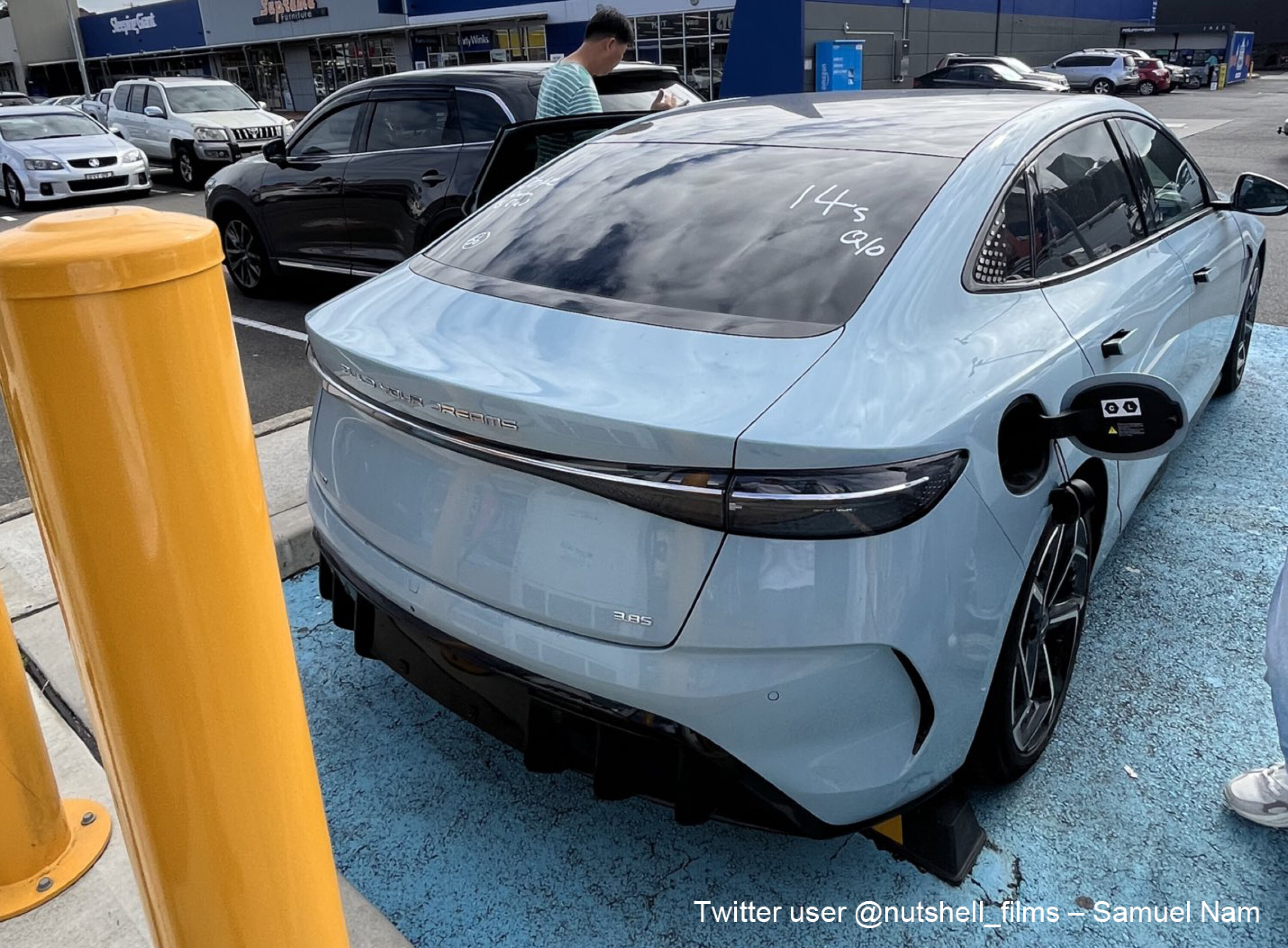
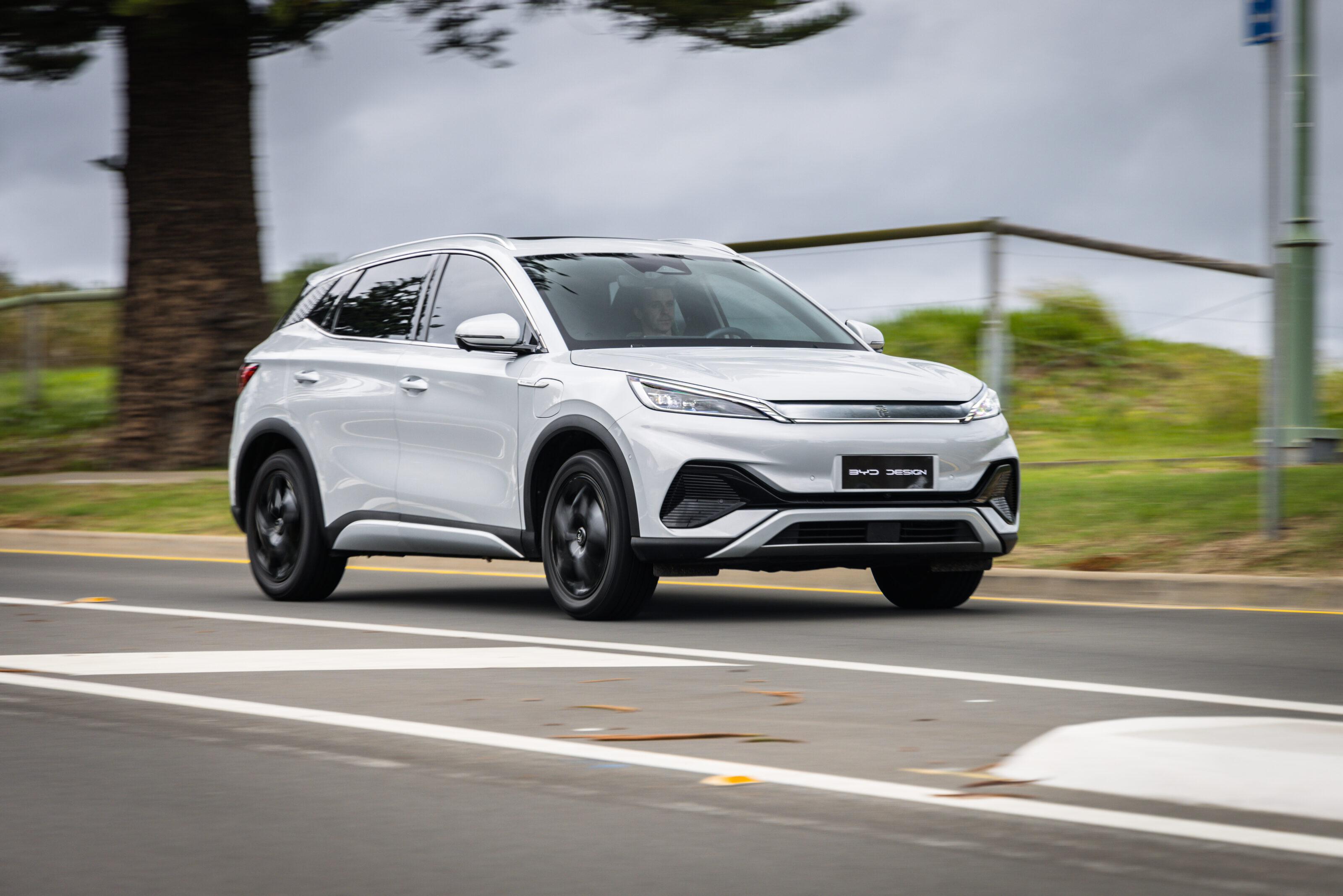
The BYD Seal, a midsized Tesla Model 3 rival, has been spied in Sydney this week.
Key Points
- New EV appears on social media, spotted in Sydney
- Test car here in RHD form; could be a production car
- Australian launch confirmed, timing currently sometime in second half 2023
Spotted on Twitter by Wheels Media contributor Henry Man, the Seal / Atto 4 was spied by user Samuel Nam [↗], plugged into an Evie charger in Bankstown.
As one commenter noted [↗], the Seal is here in right-hand-drive, but its charging point remains on the driver’s of the vehicle – less than ideal for any potential roadside charging in a parallel-parked position.
Another reply said, “BYD gonna be the android of EVs very soon in Australia” – likely a reference to the ubiquity of affordable Android devices in the market, although it could be a sly poke at BYD as an ‘inferior’ alternative to Tesla, often described as the Apple of car brands.
We’ve contacted local BYD distributor today for an update on the Seal’s Australian launch timing and will update this story when we know more. See our story here on the Seal and Dolphin being confirmed for Australia.
1
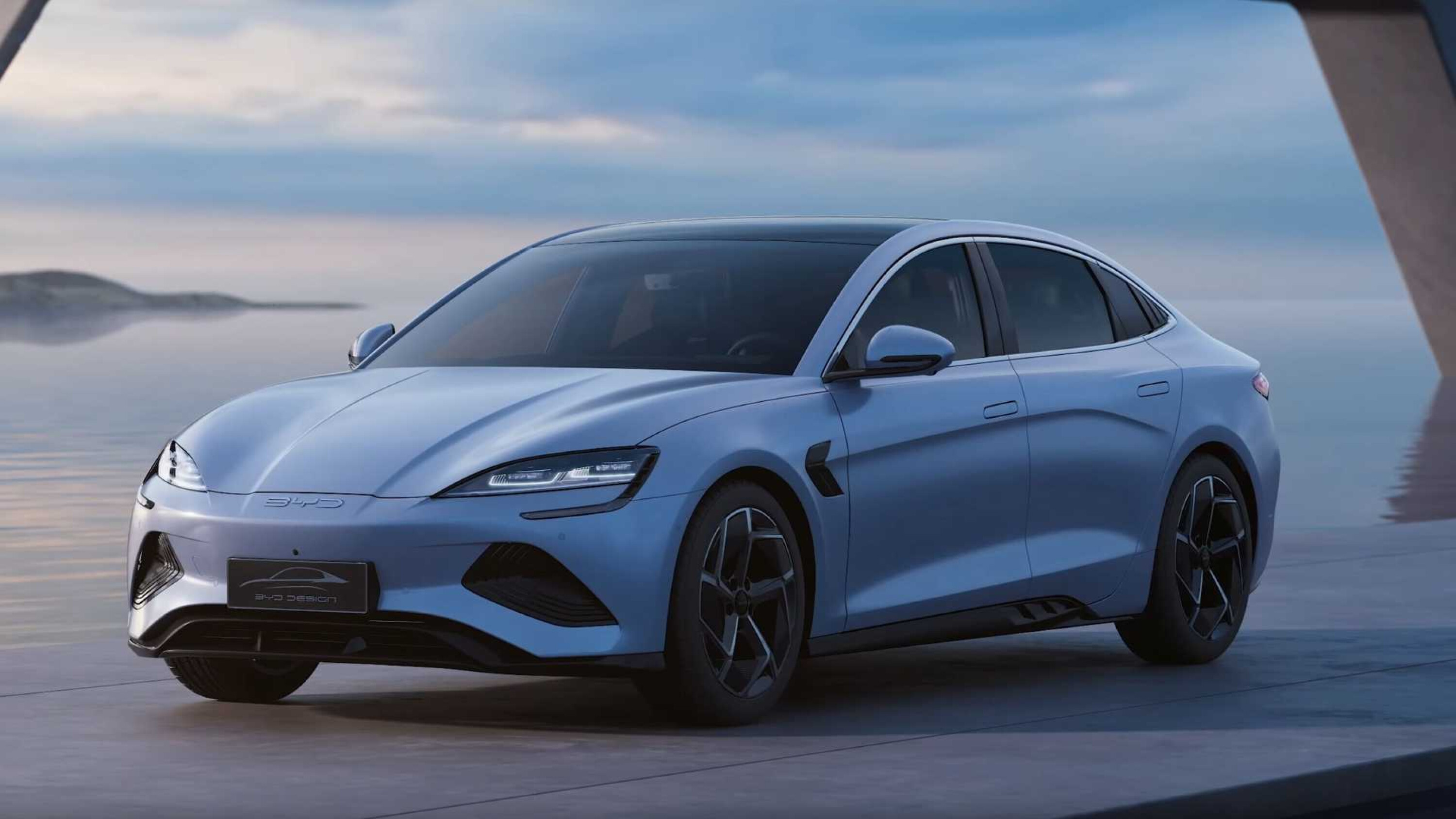
November 2022: Seal expected for Australia by second half 2023
The BYD Dolphin and Seal have hit a slight delay for Australia, with pre-orders now expected to open in 2023 in order to cut delivery wait times. Get the full story at the link below.
1
August 2022: BYD Seal sedan launches in CHina
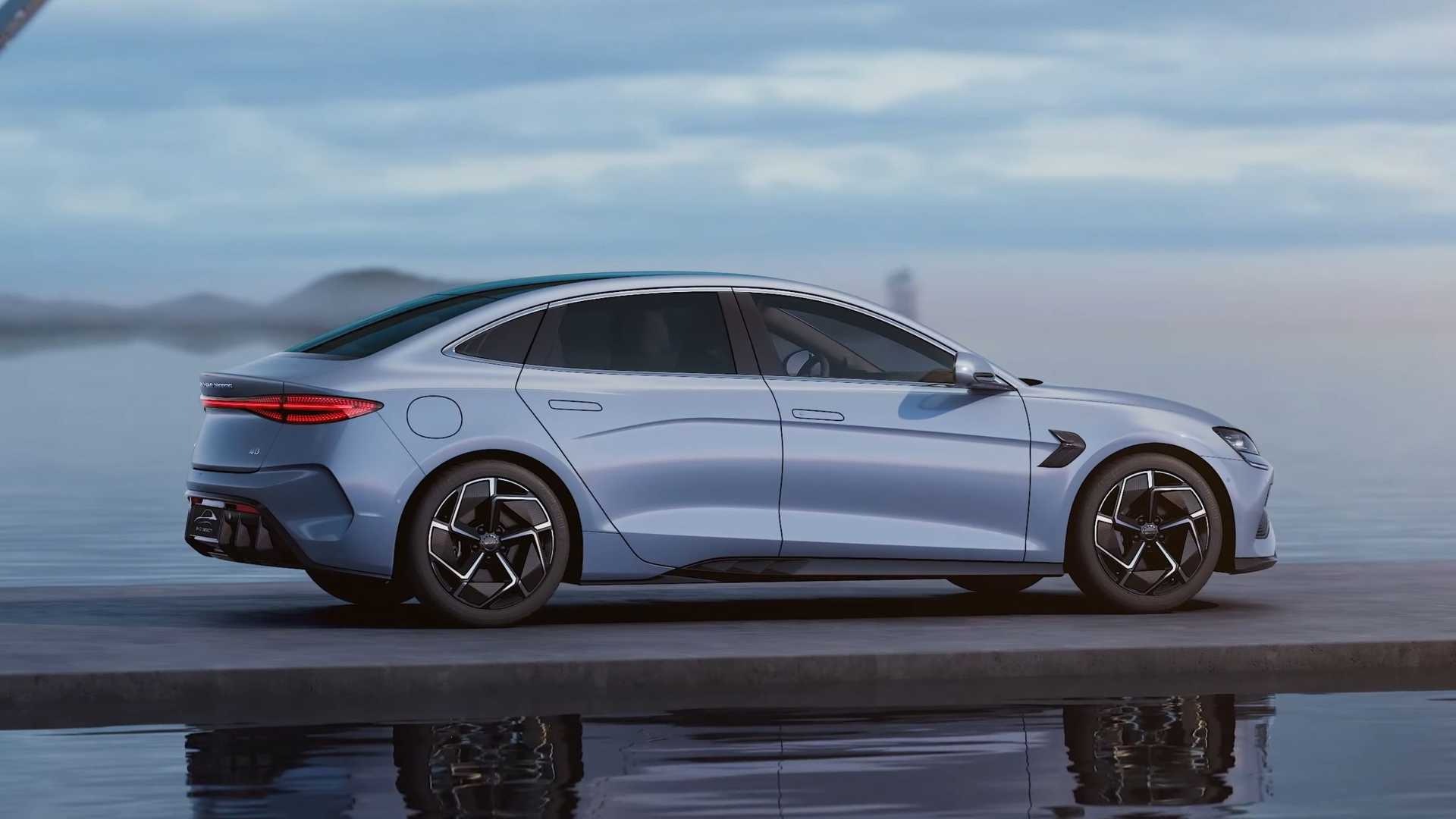
Chinese electric vehicle company BYD has launched a Tesla Model 3-rivalling electric sedan in its domestic market, ahead of an expected Australian launch in early 2023.
The mid-size electric sedan is badged BYD Seal in China but could adopt the Atto 4 nameplate locally, according to EVDirect’s Luke Todd – joined by the Atto 3 small SUV and Dolphin (or Atto 2) small hatchback.
EVDirect is the local third-party distributor for BYD vehicles, with an aggressive model expansion planned for Australia.
1
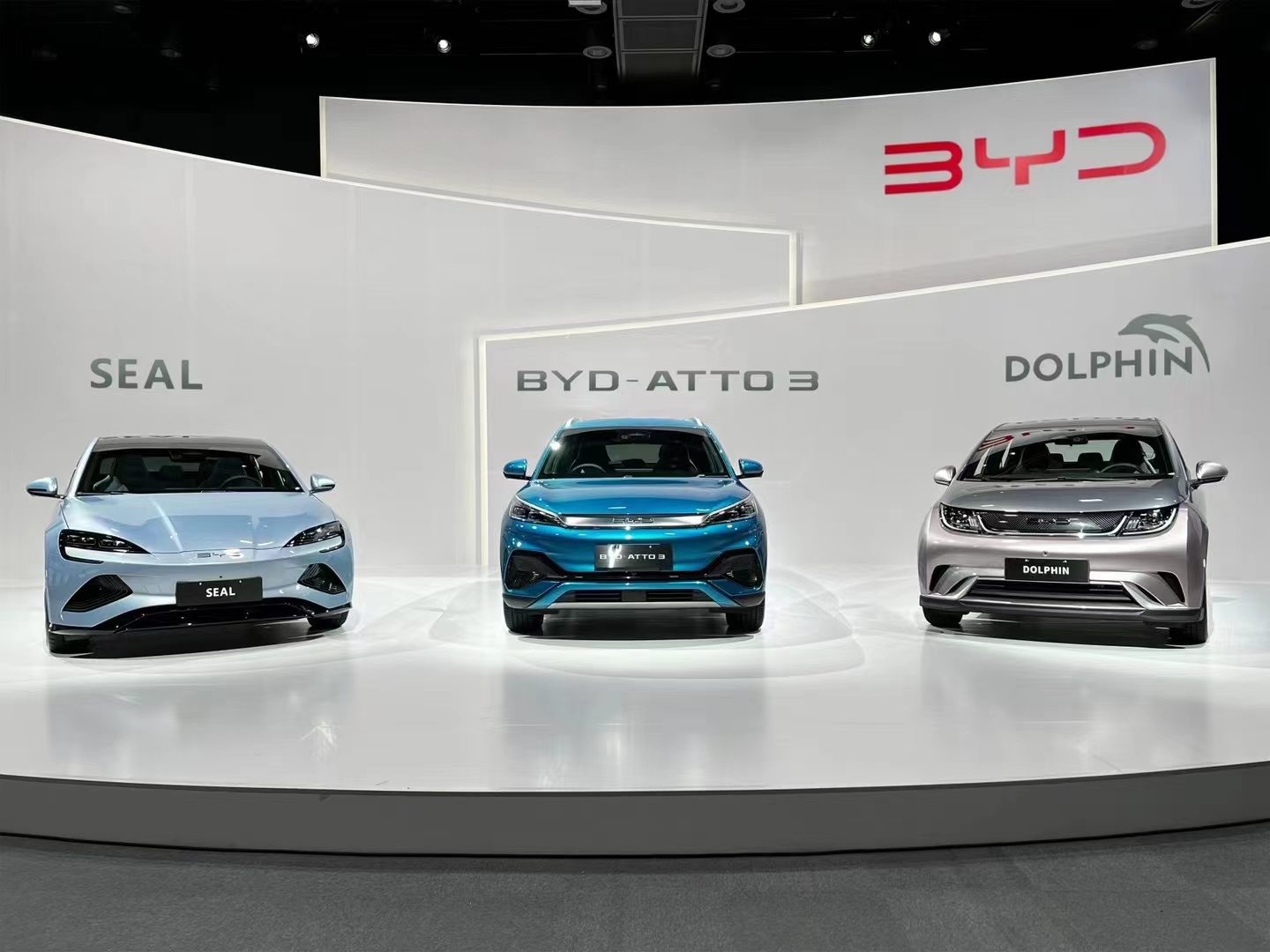
Last week, the electric vehicle marque launched in the Japanese market – an uncommon move for a Chinese brand – with the Atto 3 joined by the Seal and Dolphin, in a move that could extend to our market. BYD is yet to officially confirm details for Australia.
While the BYD Atto 3 is aimed to target the MG ZS EV, Kia Niro EV and Hyundai Kona Electric, the Seal will compete against the top-selling Tesla Model 3, with similar dimensions and technical specifications.
Measuring 4800mm in length, 1875mm in width and 1460mm in height, the BYD Seal is around 160mm longer but 58mm slimmer than the Model 3 – and similar in size to a Toyota Camry.
According to InsideEVs, BYD claims it has recorded more than 60,000 pre-orders for the Seal in China, with prices starting from 222,274 yuan (AU$46,800) and extending to 286,800 yuan ($60,450) for the range-topping extended range variant.
1
For comparison, before subsidies, the entry-level Tesla Model 3 is priced from 280,000 yuan (AU$59,000) in China.
As an example, applying the $14,000 difference in pricing between China and Australia for an Atto 3 would see the BYD Seal priced around $60,000 to $74,500 locally – undercutting the Tesla Model 3, which is listed from $65,500 before on-road costs.
Depending on the battery, there is an NEDC-rated driving range between 550km and 700km, with lower numbers expected under the more-stringent WLTP standard.
1
The standard range model features a 61.4kWh battery pack and a single electric motor producing 150kW of power and 310Nm of torque, with power believed to be sent to the rear wheels. The claimed range is 550 kilometres, with a 0-100km/h time of 7.5 seconds.
Stepping up to the long-range variant brings a larger 82.5kWh battery and a more-powerful 230kW and 360Nm motor, with a claimed 0-100km/h time of 5.9 seconds and 700km range.
The dual-motor, all-wheel drive model has a 230kW rear and 160kW front motor, with a total system output of 390kW and 670Nm, allowing for a 3.8 second 0-100km/h time and 650km range.
Under the skin, the BYD Seal rides on the brand’s latest ‘e-Platform 3.0’ electric vehicle architecture, featuring 800-volt charging capabilities and its proprietary lithium-iron phosphate ‘Blade’ batteries to improve durability and lifespan.
MORE
Everything BYD
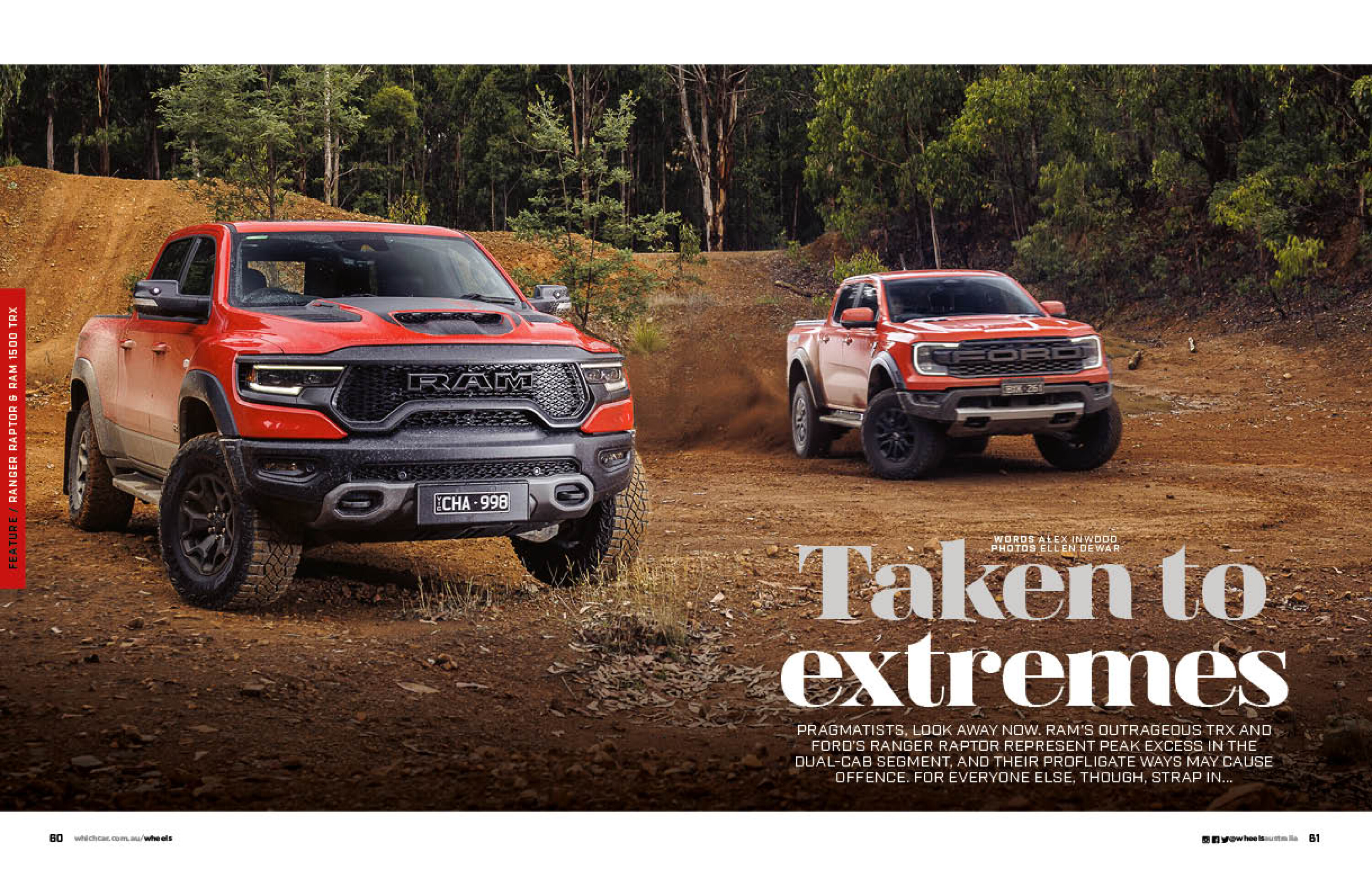
It’s RAM and Raptor on the cover of May edition of Wheels, an 815kW head-to-head for those who don’t do moderation.
The new RAM 1500 TRX admittedly hogs the majority of the big numbers, fronting up with 523kW, 882Nm, 3033kg and $209,950. Sounds adequate.
1
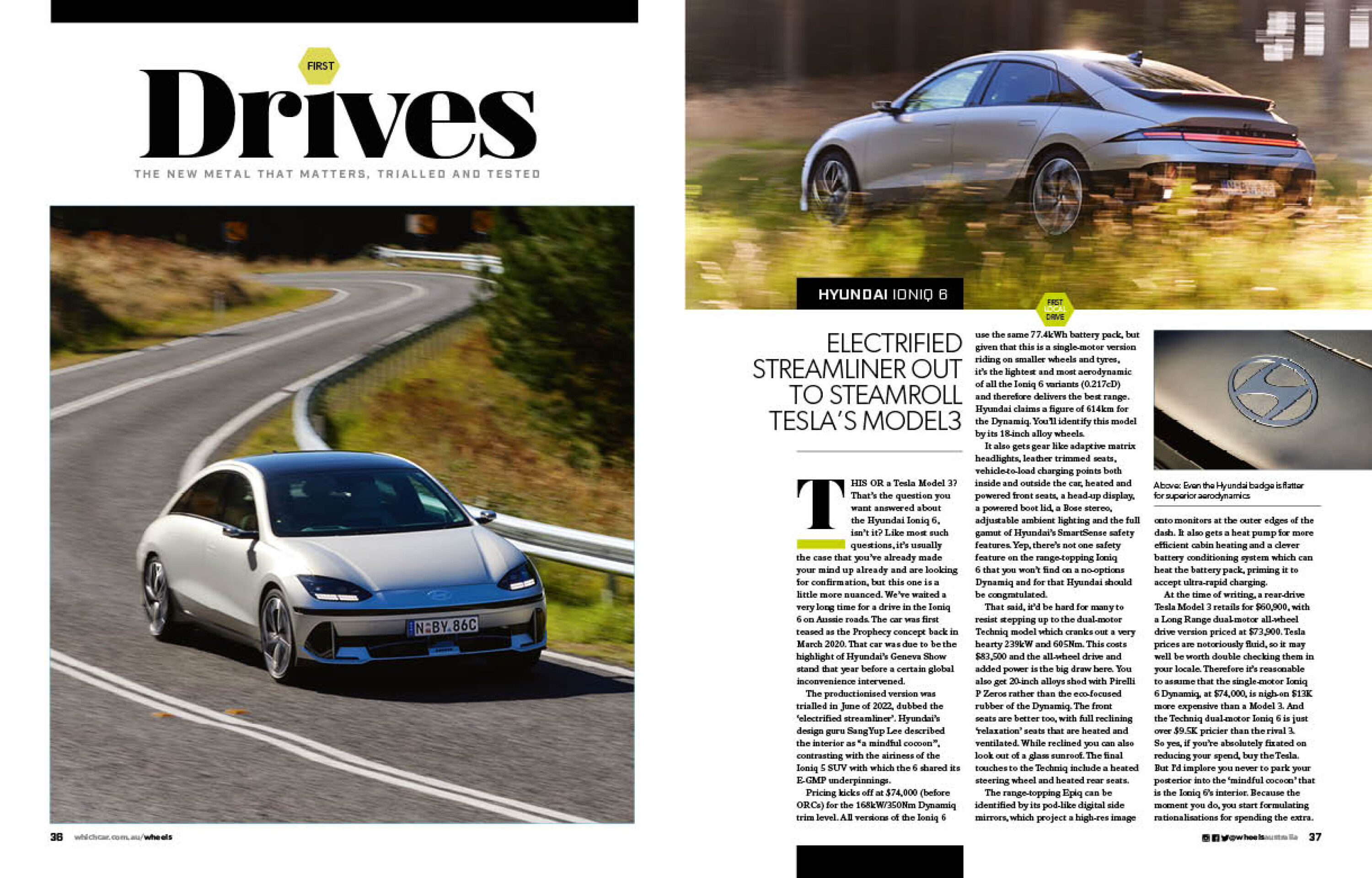
Ioniq 6 EV driven
We’ve also got a first local drive in Hyundai’s Ioniq 6 ‘streamliner’ and, if you type ‘antithesis of streamliner’ into Google, you might well get an image of an LDV Mifa 9. We’ve driven that too.
1
Hot hatches (well, one of them’s a sedan)
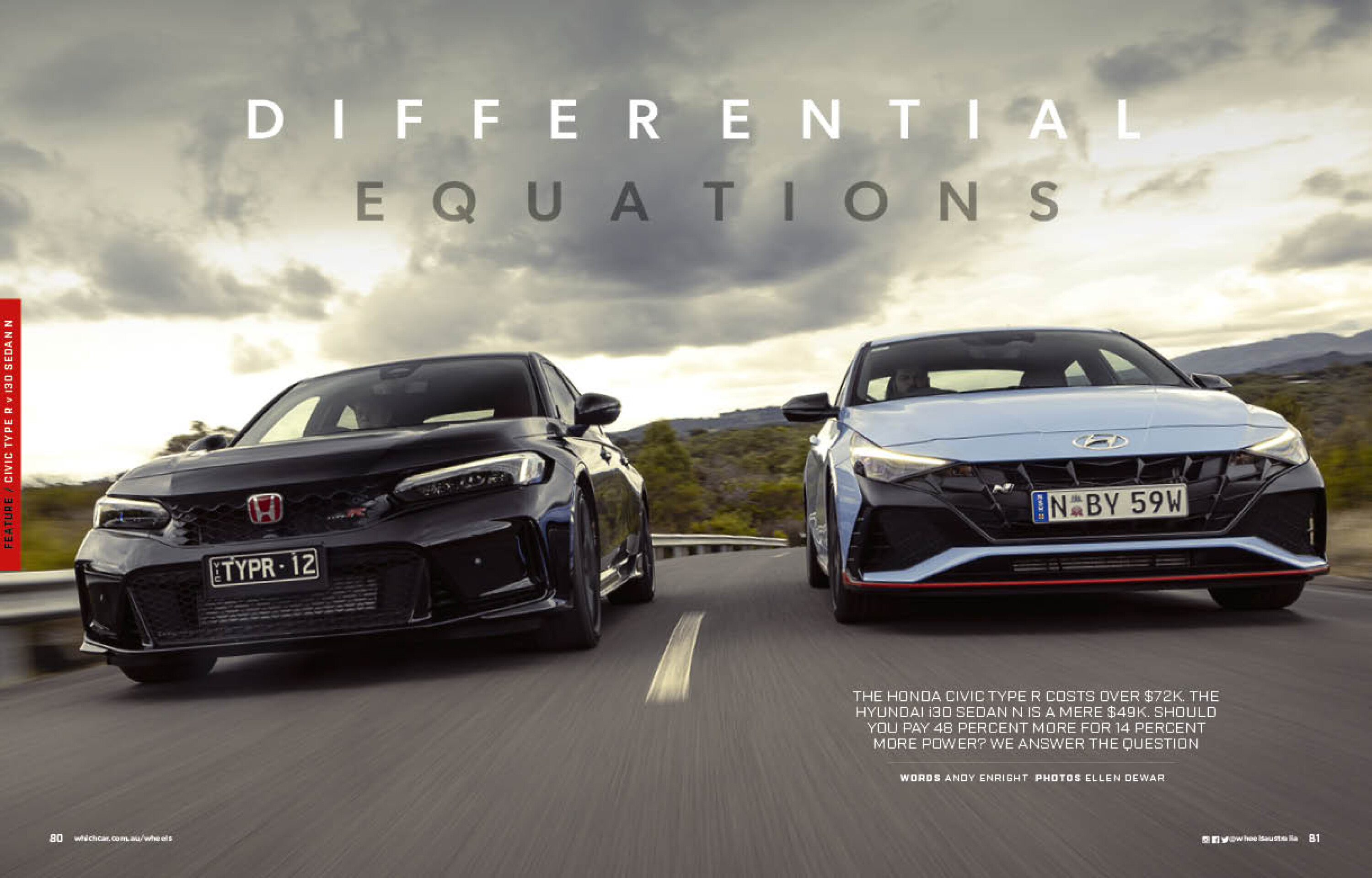
Honda’s all-conquering Civic Type R draws a bead on Hyundai’s i30 Sedan N as we wonder if it’s really $23k better.
1
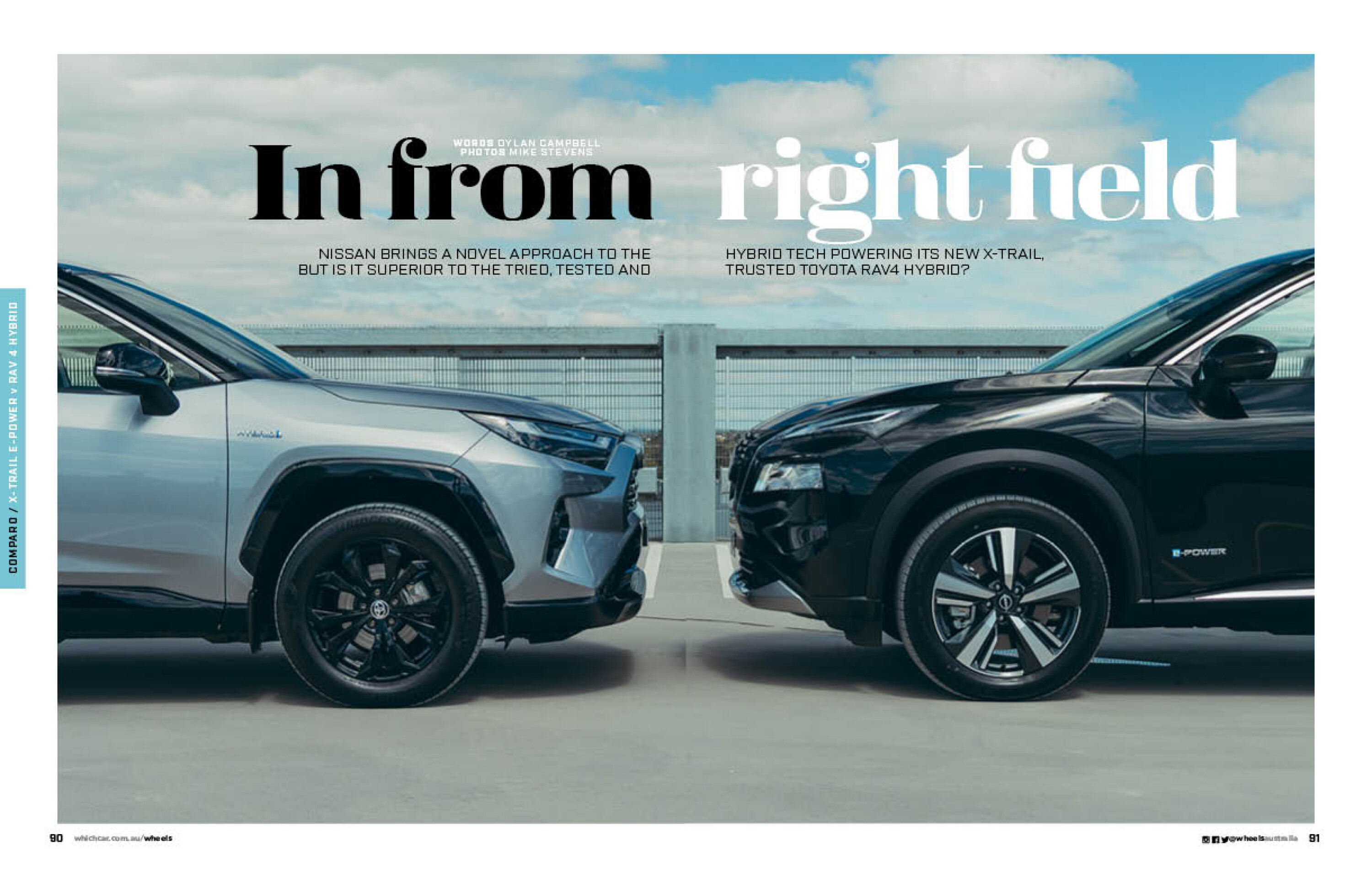
Toyota’s RAV4 hybrid has a compelling rival at last
Hybrid versions of the Nissan X-Trail and Toyota RAV4 go head to head for the family buyer with an aversion to servos.
1
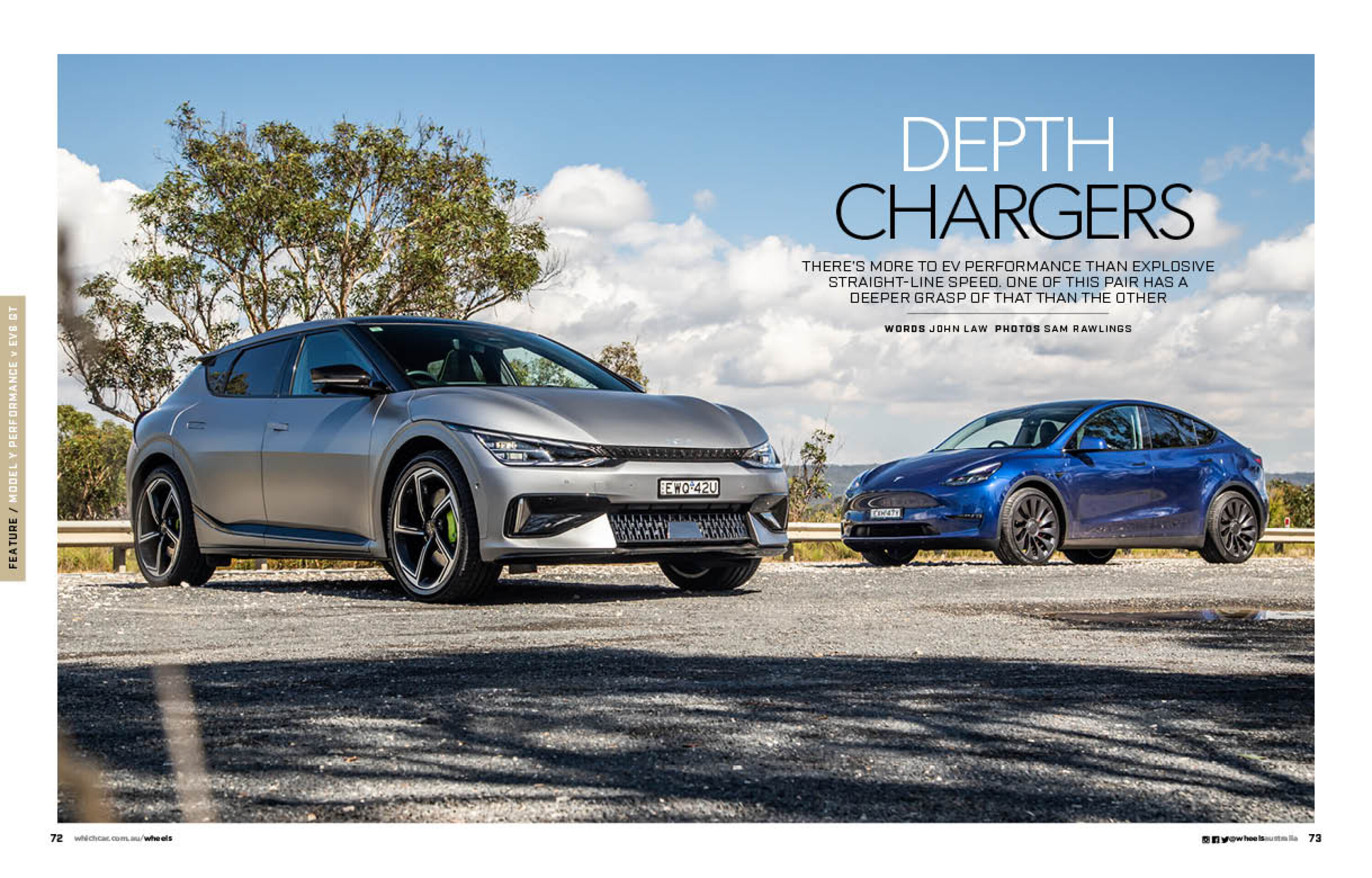
The quick and the electrified
For those who really go the extra mile to avoid the temptation of a forecourt Four & Twenty, there’s the Tesla Model Y Performance versus Kia EV6 GT. Just add junior g-suits to the family shopping list along with chicken nugs and Milo.
1
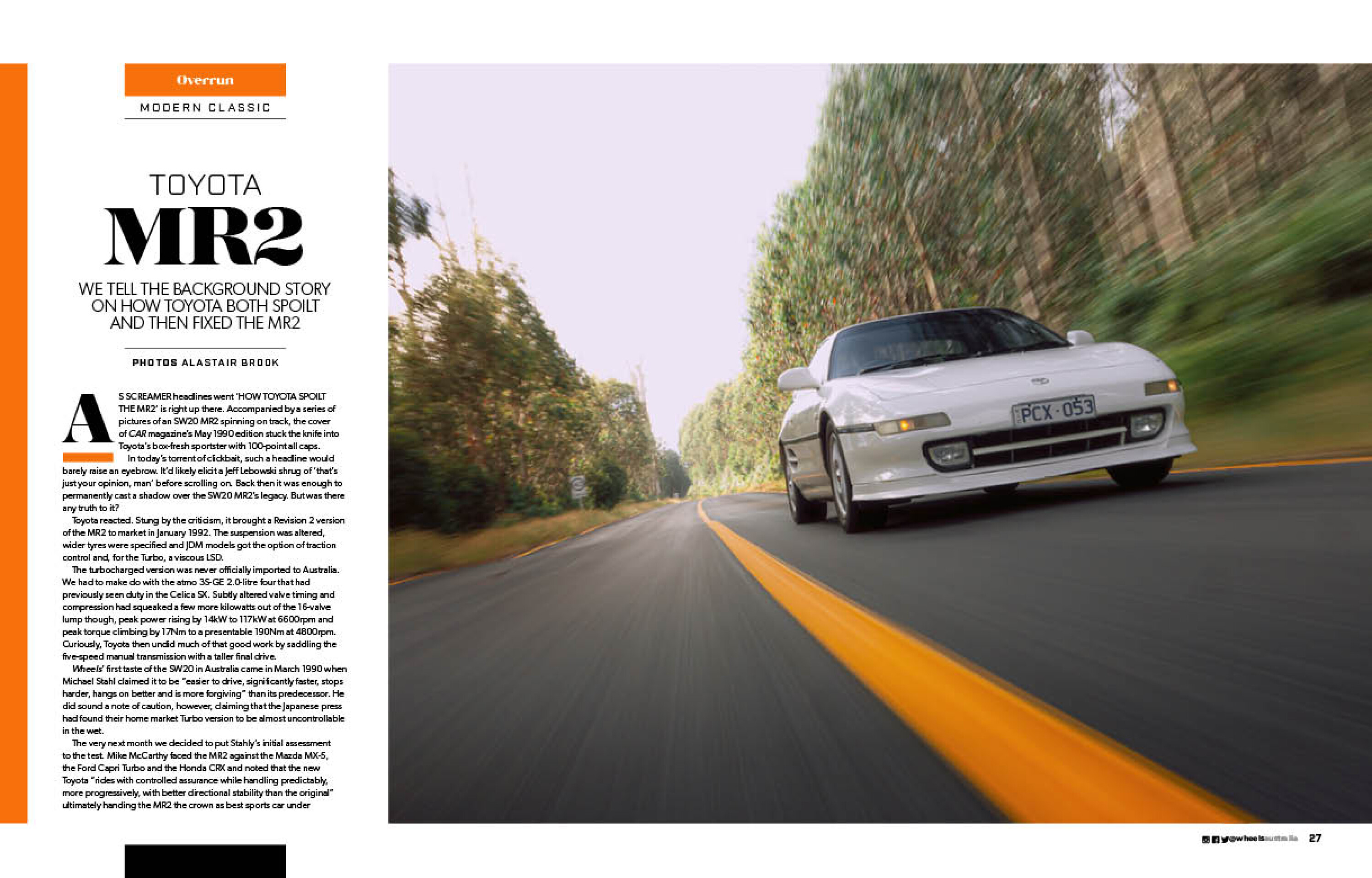
We’ve turned 70! ?
In this issue, we’re easing you into the forthcoming Wheels 70th birthday trilogy of special editions with a look at some of the magazine’s greatest covers from the last seven decades. We tell the story of how Toyota ruined and then did its best to un-ruin the second-gen MR2. We also pay tribute to two fast, and dearly missed Craigs, Breen and Breedlove.
1
What else?
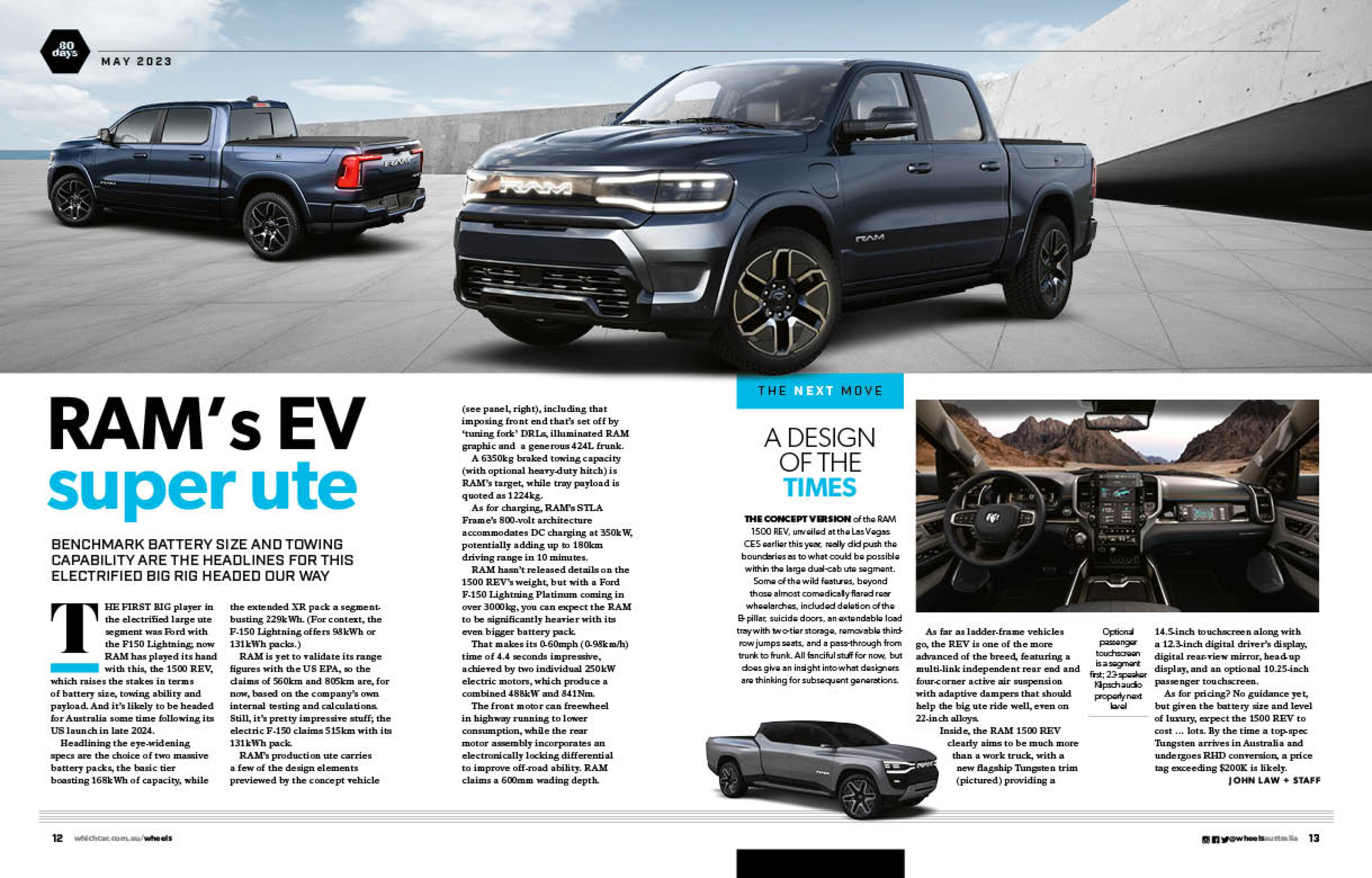
There’s also the Mercedes-Benz EQB350 4MATIC on test, the usual opinion from our team of columnists, a look back at the MGB GT, a farewell to the Mazda CX-9, a big hello to the RAM 1500 REV and a very moist McLaren. Get after it!
You’ll find it on shelves from May 8th
1
Not yet a subscriber?
You can subscribe to Wheels magazine from only $59 and we’ll send you a copy of the current issue straight away.
Subscriber benefits
- Huge savings on the regular cover price
- Free delivery to your doorstep
- Free digital access
- Browse the entire Wheels archive back to 1953
- Exclusive benefits and discounts
