
Snapshot
- Genesis developing more hi-po luxury EVs
- Flagship coupe and convertible EVs under evaluation
- Wants to be distinct from Hyundai N, Kia GT counterparts
South Korean luxury carmaker Genesis is accelerating developments on more high-performance electric vehicles amid competition heating up from BMW M, Mercedes-AMG, and Audi RS divisions.
“As a group, we are looking at the most efficient ways of developing electric cars as we approach the new era, but at Genesis, it is clear that we want to be differentiated. We can’t just carry over from our sister brands,” head of Genesis product planning, Mark Choi, told Autocar.
“We want to separate ourselves on the more high-performance side.
“We are not keen on a high-performance sub-brand or anything like that, but we do talk about developing ‘effortless’ powertrains – enough power to be enjoyable in all circumstances, and which satisfies the luxury experience.”
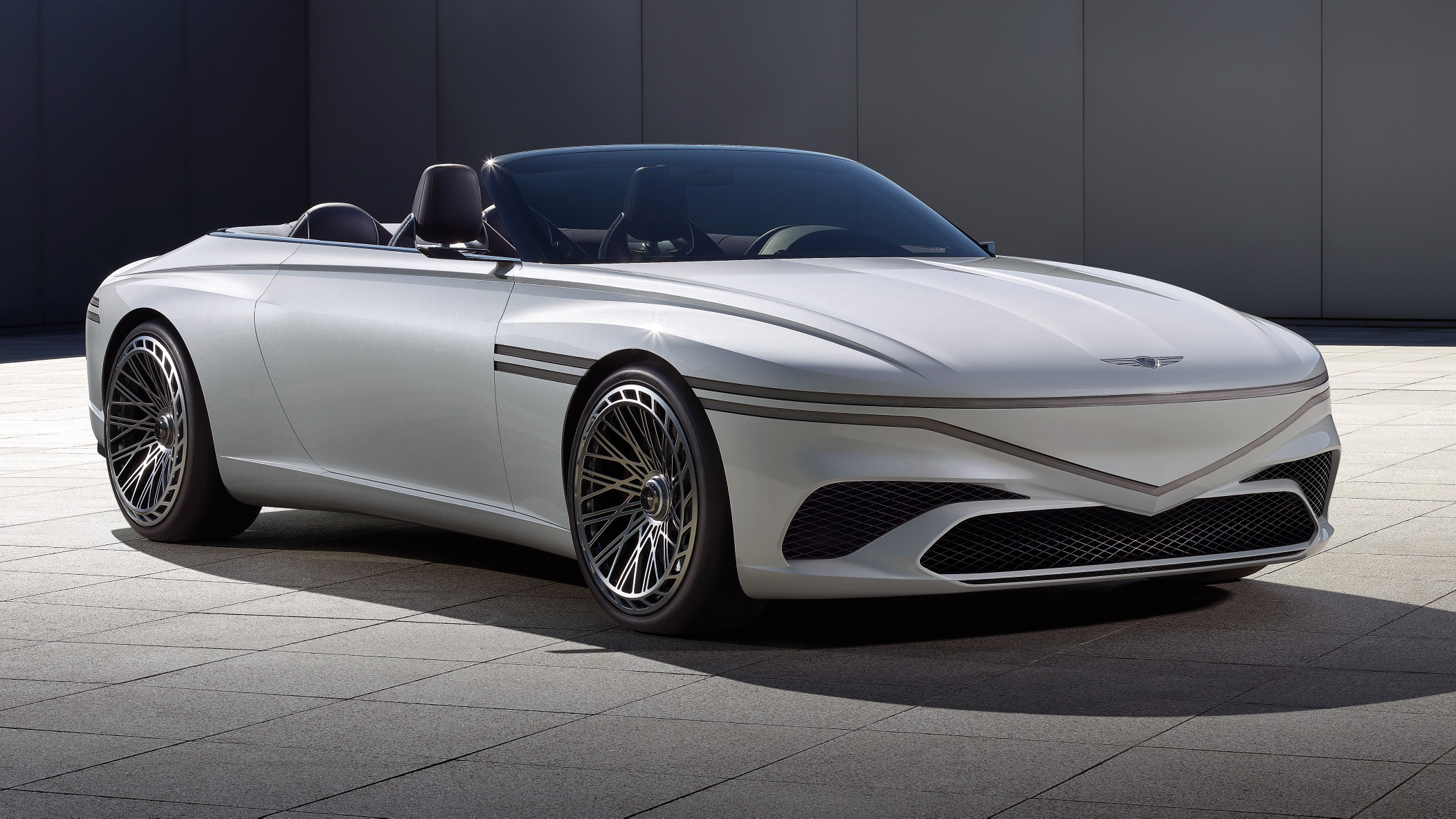
The premium marque of the Hyundai Motor Group unveiled three related EV concepts in the past two years – the X Concept, X Speedium Coupe and X Convertible.
Choi said they have received good feedback and could become a reality if it’s “possible and then feasible”.
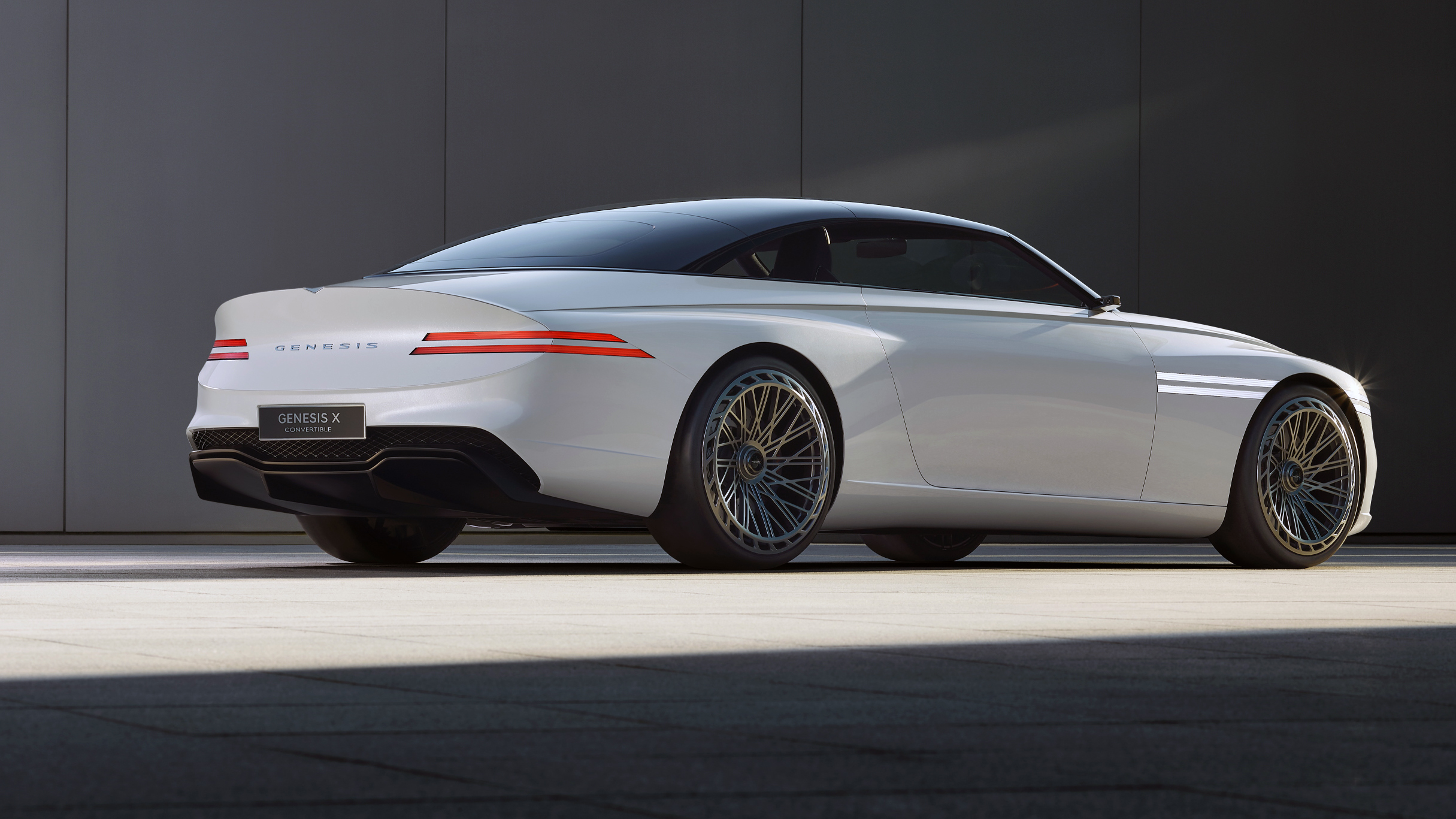
Genesis design head, Sangyup Lee, wanted to launch a flagship coupe, but admitted to Autocar that the “flush shapes we want… are not easy to make in production, especially around the A and B-pillar. These are challenging engineering details that we need to be perfected before we can proceed.”
High-performing EV technologies and know-how aren’t out-of-reach for the luxury brand, with its Hyundai and Kia counterparts developing electric N models and selling the hot EV6 GT.
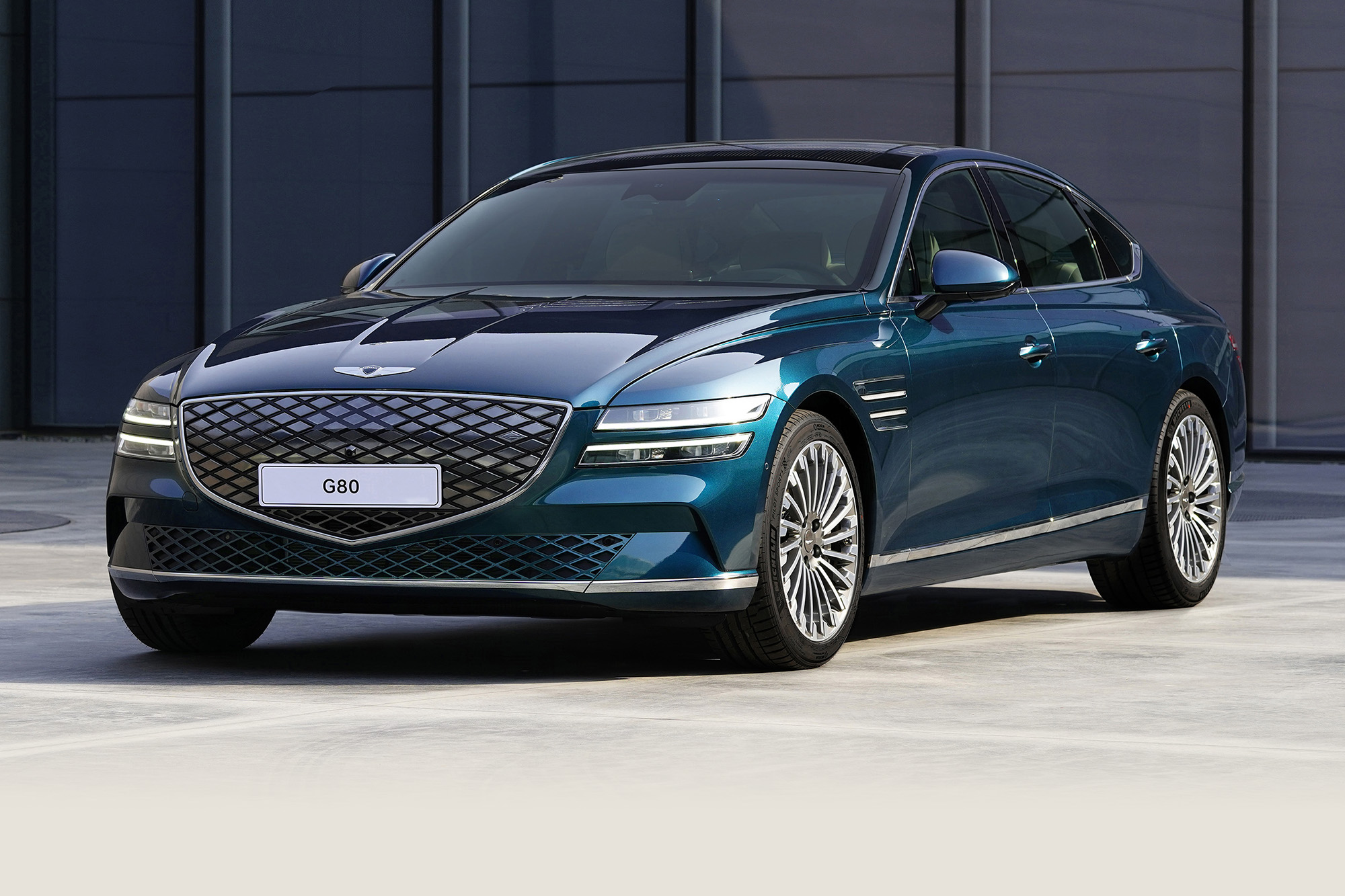
Genesis launched a trio of EVs last year, including the bespoke GV60 crossover, Electrified GV70 SUV, and Electrified G80 sedan. All models already have a performance-edge boasting sub-5.5 second 0-100km/h acceleration times.
The automaker will only launch all-electric cars from 2025, with six new models slated by 2030.
Genesis executives also confirmed to the British publication that it’s evaluating the launch of a smaller, Europe-focused EV inspired by the 2019 Mint concept to rival the upcoming ‘Tesla Model 2’.
Toyota has announced it will discontinue the Camry sedan in its Japanese home market in late 2023, after a 43-year run.
Snapshot
- Toyota Camry sedan axed in Japan, export production to continue
- Toyota Australia confirms Camry is safe for Australia, as next-generation model looms
- More than 1.3 million sales in Japan since 1980, but dwindled to less than 6000 in 2022
However, as reported by Nikkei Asia, production in Japan will continue for export markets.
A spokesperson for Toyota Australia told Wheels there are “categorically no plans to stop selling Camry in Australia”, as it “remains as incredibly popular as ever.”
The report states “new Camry models under development will be sold exclusively to foreign markets”, with rumours suggesting the ninth-generation Camry will launch in the next two to three years.
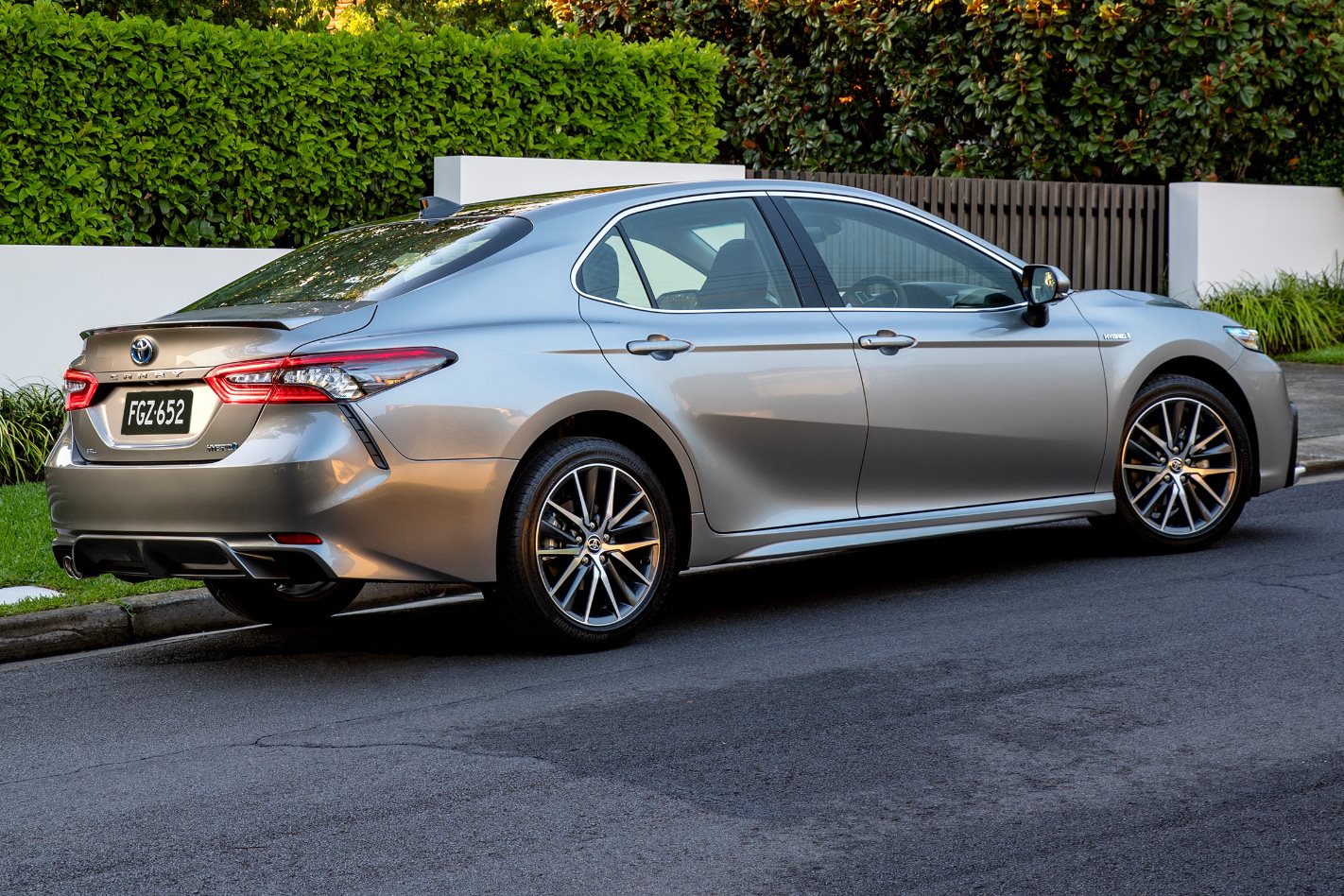
In its 43-year history, Toyota has shifted over 21 million Camrys worldwide, with around 1.3 million sales in Japan since 1980.
But while the Camry remains popular globally – particularly in the United States – sales fell to less than 6000 units in Japan last year, partly due to the semiconductor chip shortage.
In Australia, the Camry is the most-popular mid-size passenger vehicle, with 9538 examples registered last year – more than six times the amount of the second-placed Mazda 6.
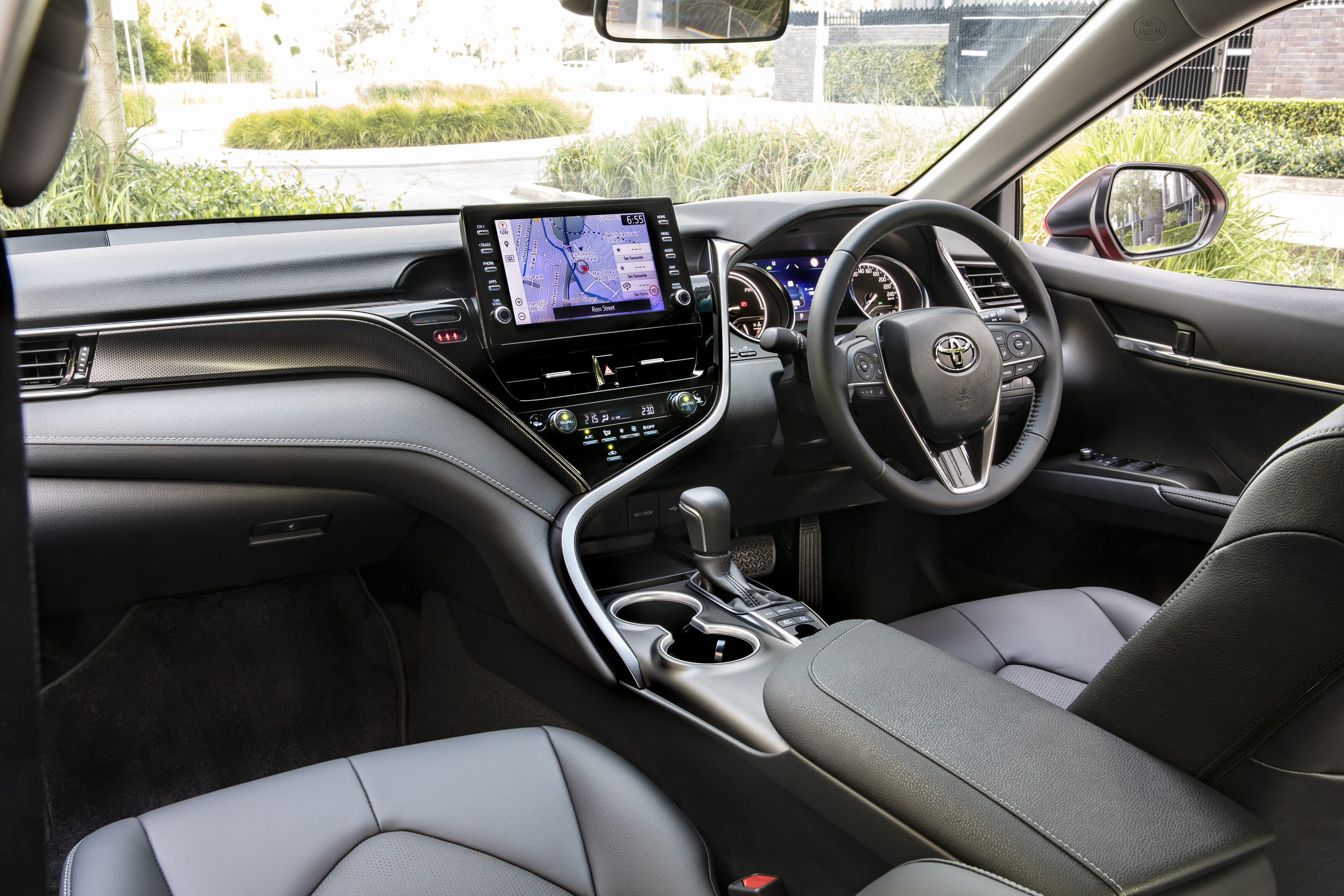
It was outsold by the more-expensive Tesla Model 3 in 2022, however, with 10,877 sales of the all-electric sedan – and plenty more expected this year.
In Japan, the Camry also faces competition within Toyota’s range, with all-new versions of the Prius hybrid and the Crown – available in sedan, estate, SUV, and crossover form – launched in the past 12 months. Both are off-limits for Australia.
The current-generation, Japanese-built Toyota Camry, launched in 2017, returned to being an imported model in Australia – the first in 30 years after Toyota’s manufacturing facility in Melbourne closed.
It remains popular with fleet, taxi and ride-share buyers, in addition to private customers – but the RAV4 mid-size SUV is Toyota’s top-selling passenger vehicle in Australia, with 34,845 registrations in 2022 and a 12-month-plus wait list for the most-popular hybrid variants.
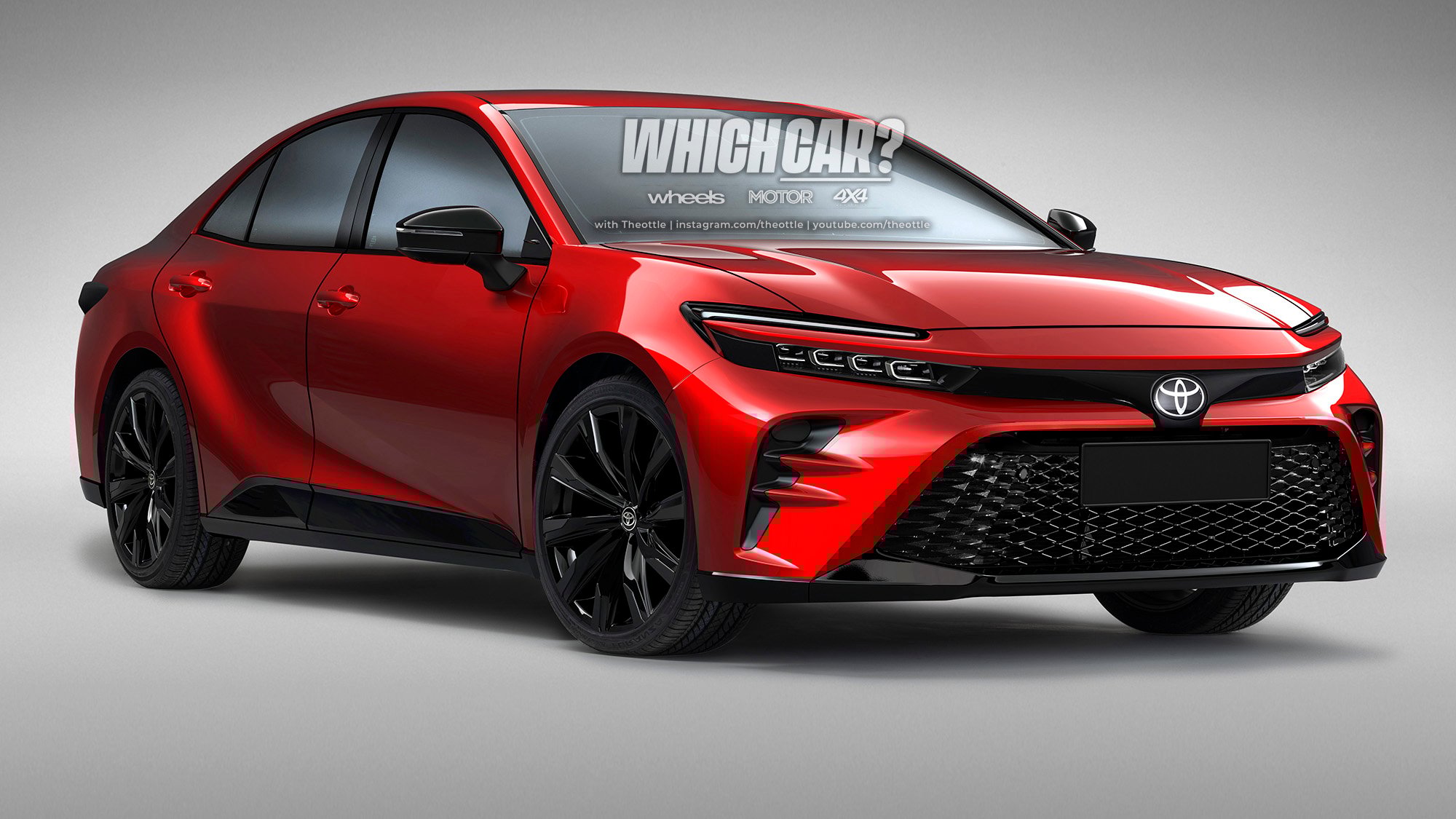
The next-generation Camry, depicted above in our speculative renderings, is expected to take cues from Toyota’s latest vehicles – such as the Crown and Prius – with hybrid-only powertrains and similar underpinnings to the current model.
Inside, new technology is tipped to include a larger widescreen running Toyota’s latest infotainment system, a digital instrument cluster, and a smartphone-based digital key.
“[Koji Sato] may very well decide that we need to accelerate some other models, right? This is not beyond possibility.”
That’s Sean Hanley, Toyota Australia’s head of sales and marketing, offering a glimmer of hope for buyers looking to the big T for a consistent stream of new electric models in its local range.
Speaking with Wheels this week, Hanley spoke of what we can expect from Toyota over the coming year, and what effect the carmaker’s new president might have on electrification when he steps in on April 1.
“There are two other electric models coming, but I can’t really talk more about the product specifically – except to say we’ve pretty publicly said that’s happening.”
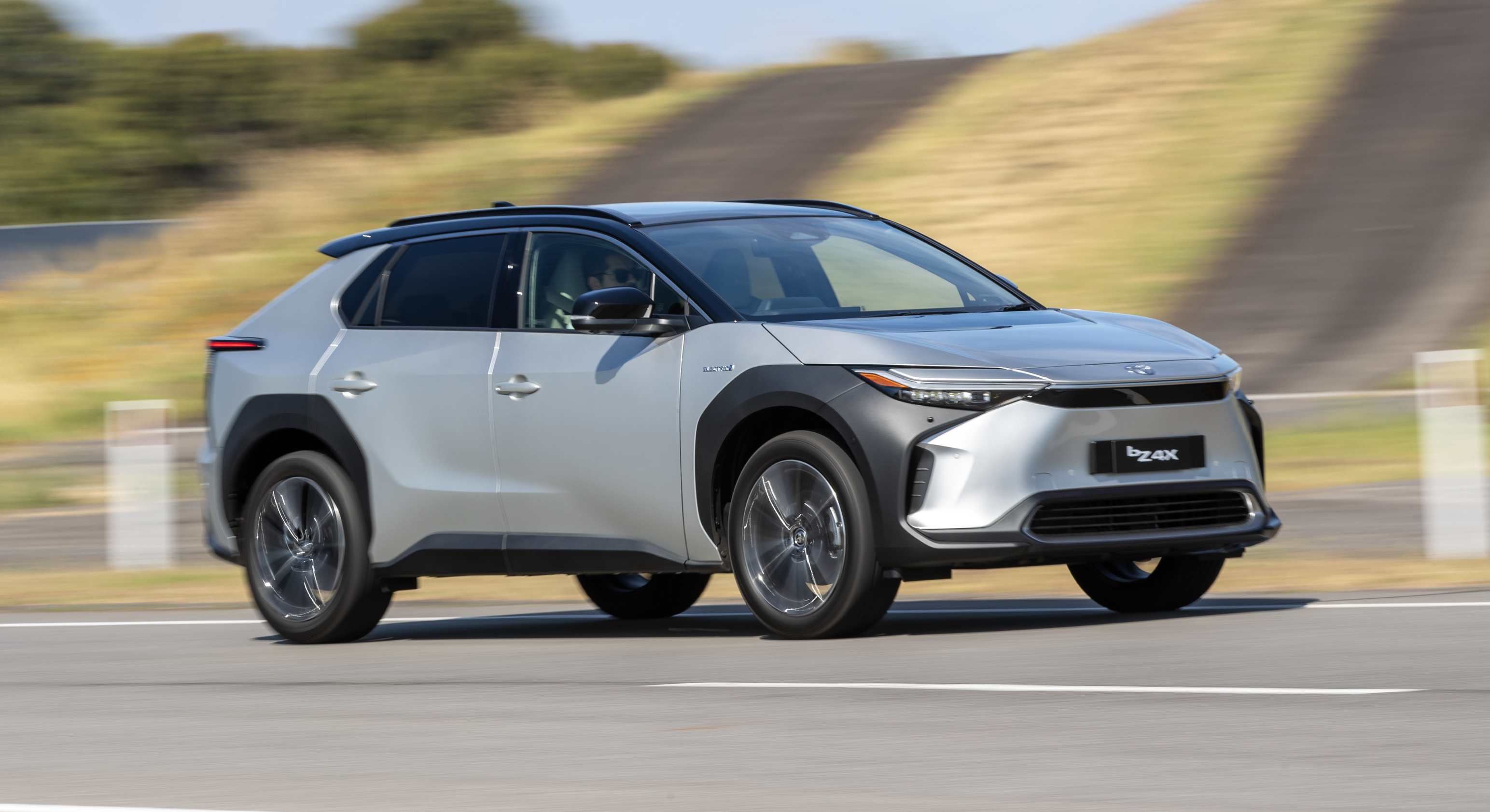
While Hanley is open to more than three BEVs in Toyota Australia’s line-up before 2030, he’s also focused on the smooth roll-out of BZ4x.
“We’re setting our dealer infrastructure up for the future, and I think the fact that our dealers are investing in this infrastructure is a great signal to the market that we are actually serious about getting our carbon footprint reduced.”
But even with an extra EV, Toyota Australia isn’t anticipating a total sales overhaul, unlike premium marque Volvo. Instead, volumes are predicted to be modest initially.
“The volumes will be quite small to start with in relative terms – I mean we’re selling over 200,000 cars each year, so the volumes of BEVs will be quite small to start with – [Toyota is] investing now for the future after 2030 and I think the fact that we have a partnership with our dealers to put this infrastructure in is a clear demonstration to the market that we’re gonna have more than one BEV in the future,” said Hanley.
“What other brands right now are going to have all of their dealers with charging infrastructure by the end of December?” said a confident Hanley.
What other Toyota EVs are coming to Oz?
For Australia, where the RAV4 is Toyota’s second best-selling vehicle (following HiLux), the BZ4x is a smart first-play.
But what’s next? Toyota isn’t saying, obviously, but here are some options.
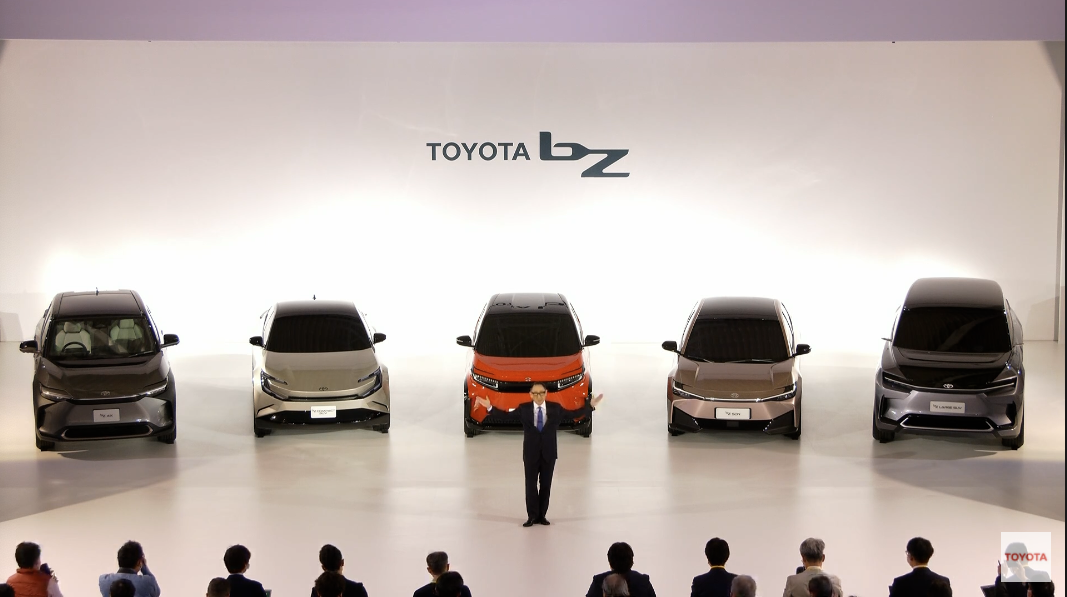
The BZ Sedan concept previews what’s expected to be called the BZ3, expected to be a Camry-sized, it’ll launch in China first, with Europe and Australia potentially following.
Next up will be a production version of the BZ Compact SUV – we’d wager it’ll wear BZ2x or BZ3x badging. These are the two most complete of the 30 concepts shown off by Toyota/Lexus in December 2021, but a host of other possibilities could follow.
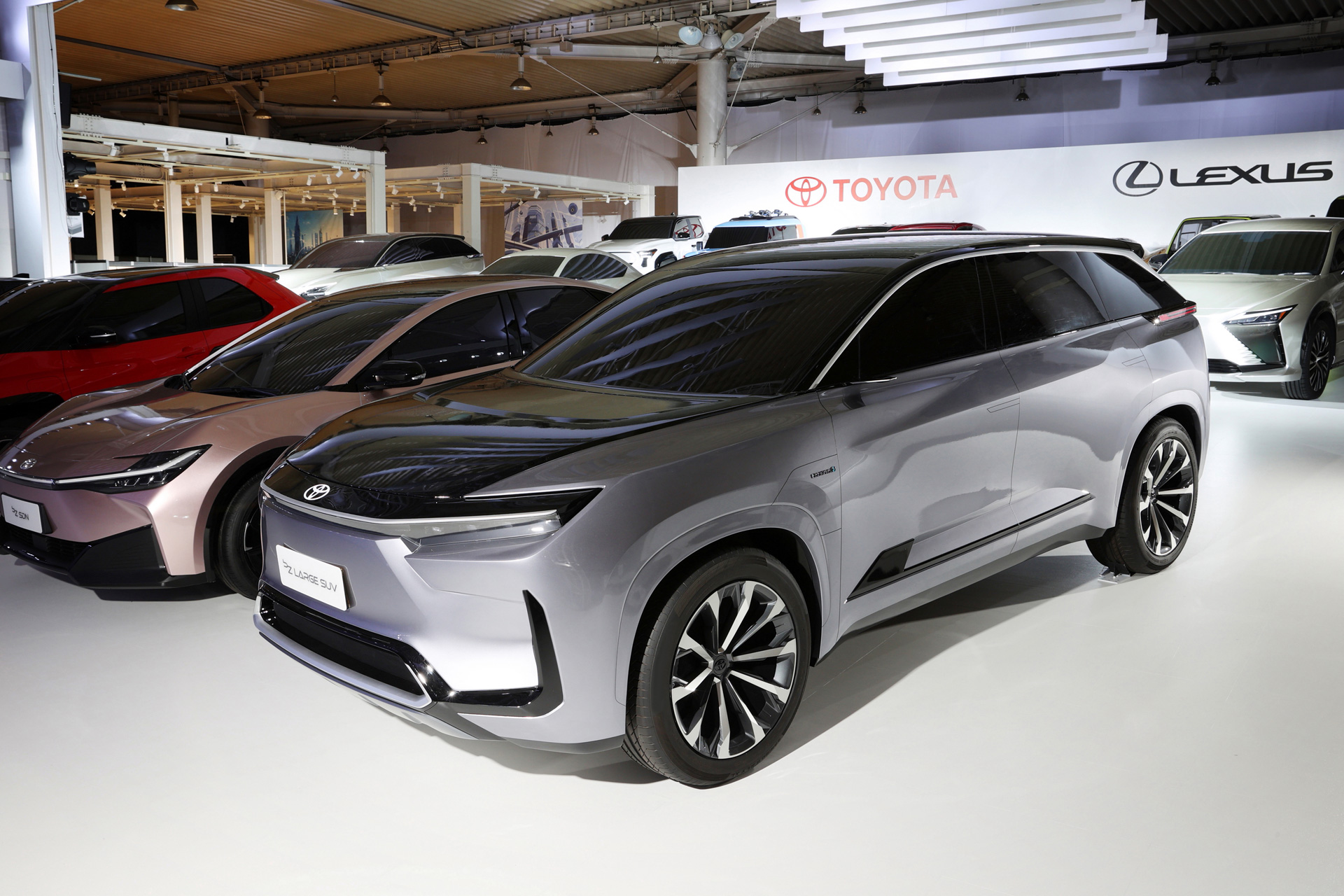
That leaves the BZ large SUV (pictured above), slated to be a three-row EV of similar size to the Kluger. That’s the sort of vehicle that could resonate here, as would the electric BZ ute concept.
There were also some enthusiast-focused vehicles such as the Urban Cruiser (not a great name) and a sports car concept that could preview an MR2 revival under the GR performance brand.
A plethora of options, then – but for now, the ‘BZ large SUV’ remains the most sensible for Toyota’s Australian arm.
Reassuring news for Honda fans today, however many may still be out there: the brand says it’s “here to stay”, despite its record sales slump.
Snapshot
- Honda reaffirms its commitment to Australia despite record sales slump
- 2022 recorded the brandu2019s lowest sales on record
- Honda boss says poor supply is to blame, not Hondau2019s switch to a controversial u2018agencyu2019 sales model
Honda sales have been in freefall since 2018, with the brand’s switch to a controversial fixed-price ‘agency’ sales model in July 2021 only seeming to accelerate the decline.
Previously a mainstay Top-10 player in Australia, Honda’s sales have fallen 72 percent since 2018 when it sold 51,525 units to just 14,215 sales in 2022. It now sits 12th outright in the rankings (February 2023 year-to-date) with 2.3 percent marketshare and sales are down another 10 percent so far in 2023.
Despite the slump, the brand’s new top local executive has defended the company’s agency model switch – and reaffirmed Honda’s commitment to Australia “for the next 50 years”.

“When we were getting into agency [the fixed-price model] there was lots of talk about whether we were going to be here, whether we were leaving the market,” said Honda Australia director Carolyn McMahon.
“That was a strategic move, for us to be here for the next 50 years… And I hope it demonstrates to you that we’re not going anywhere. We’re here to stay.”
McMahon added that Honda is “happy” with how the agency sales model has been rolled out and blamed poor supply – not a lack of demand for Honda product – as the key reason behind the low sales figures.
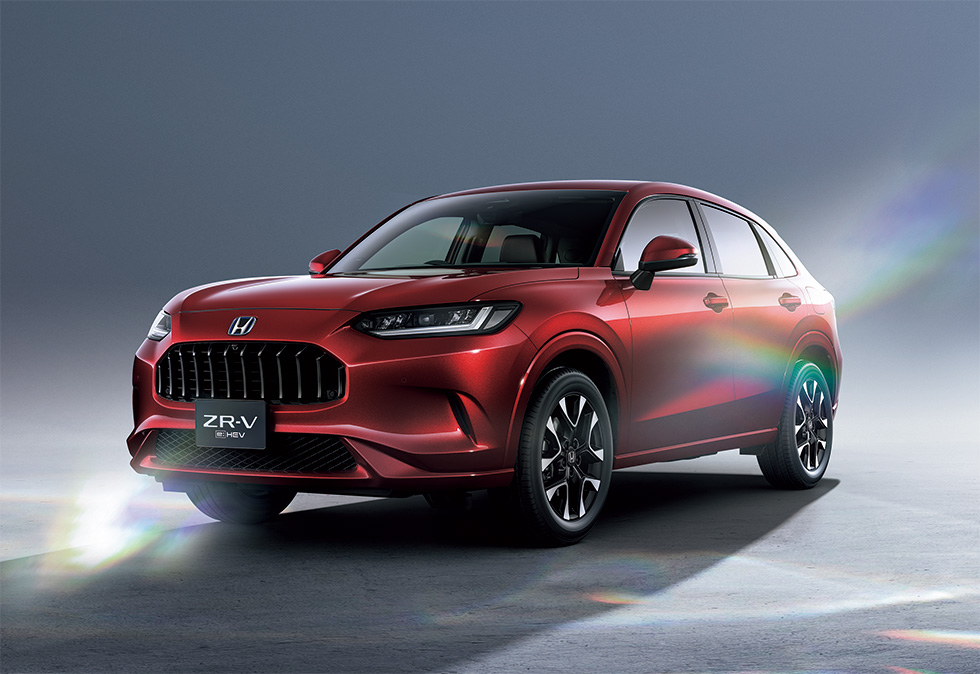
“It’s been 18 months now since we went into agency, and as the director in charge of that transformation, we planned for everything except for a pandemic,” explained McMahon.
“Basically, implementation went well; we were well-planned. There have been some challenges because of the pandemic, but essentially we’re happy with where we are at.
“We think the market has accepted the model, we think our dealers are happy with the model. COVID-related supply is not allowing us to be exactly where we want to be with volume, but in the main we had a plan, we released that plan and we’re happy with it. We think it’s pretty good.”
McMahon added that if Honda was able to secure stronger supply – click here to read our recent update on Honda wait times – local sales would be closer to 20,000 units per year rather than the 14,000 units it moved in 2022.
“We planned for everything except for a pandemic.”
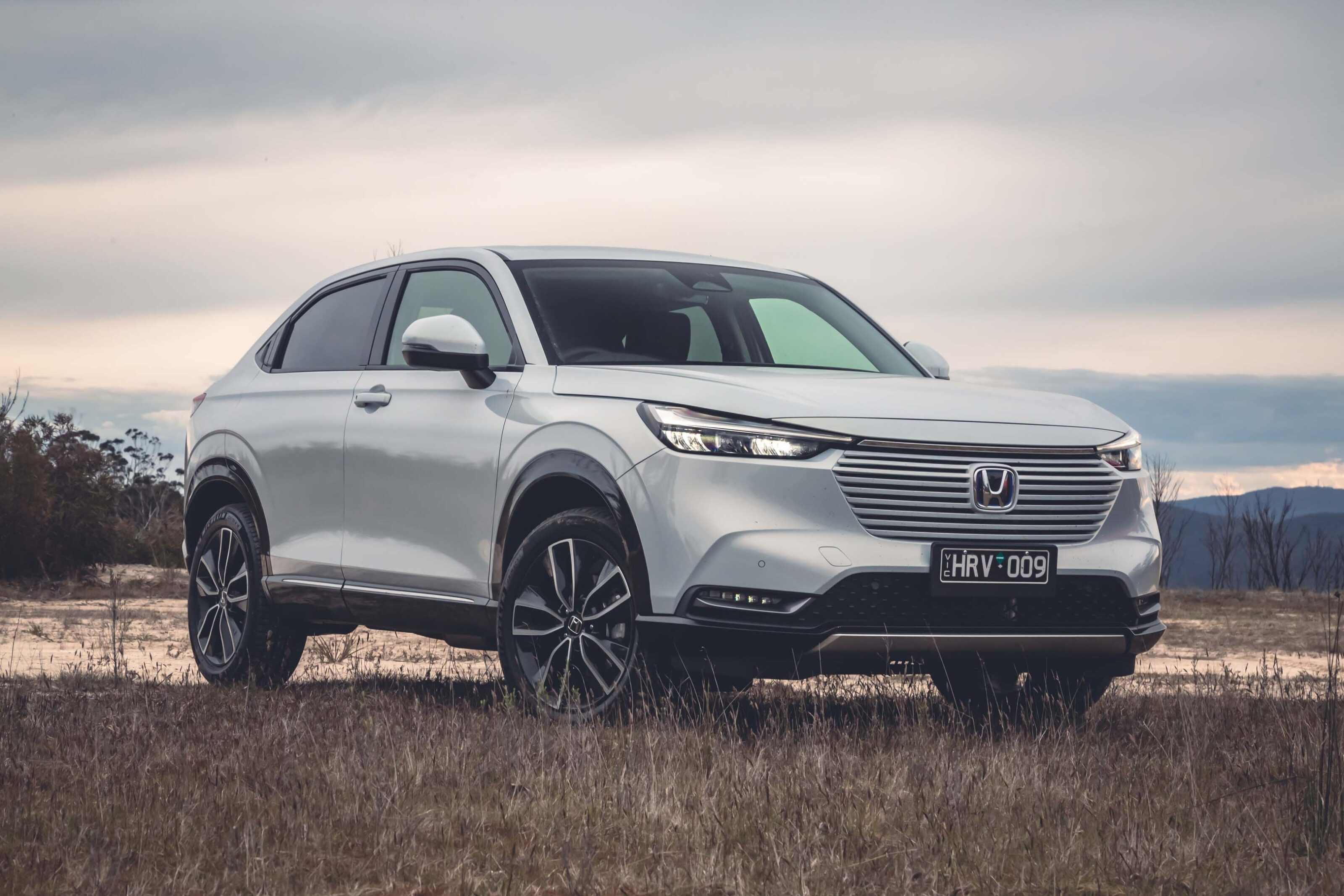
“That was our strategic volume level,” she said. “That’s where demand is, so that’s fantastic.
“Volume for everyone in the industry has been up and down. Our volume is tied to availability. We’re not immune to the delays and volume challenges that the whole industry has been having, but what we are happy about is the demand for our product. Demand is where we thought it would be.”
McMahon also cited Honda’s own research of 22,000 customers, which shows “75 percent advocate for the agency model” as further proof that the agency switch has been successful.
As well as switching sales models, Honda has undergone several other wholesale changes in Australia. It has rejigged its executive team, relocated its Melbourne head office and also consolidated its automotive, motorcycle, power equipment and marine businesses into one company after 30 years as separate entities.
Geely’s Lynk & Co has previewed an all-new 08 hybrid SUV ahead of a full reveal on March 25 – which could share the same base as the next-generation Volvo XC60.
Snapshot
- Lynk & Co 08 Chinese luxury SUV previewed
- Sporty design, new tech developed with smartphone maker
- Could share same platform as Volvo XC60 successor
The Chinese luxury SUV likely rides on the automaker’s Compact Modular Architecture (CMA) 2.0 platform and will be sold in its home country from the second half of this year, followed by Europe and other international markets from 2024.
While Lynk & Co announced two years ago its intention to expand to Australia by 2025, there have been no updates since.
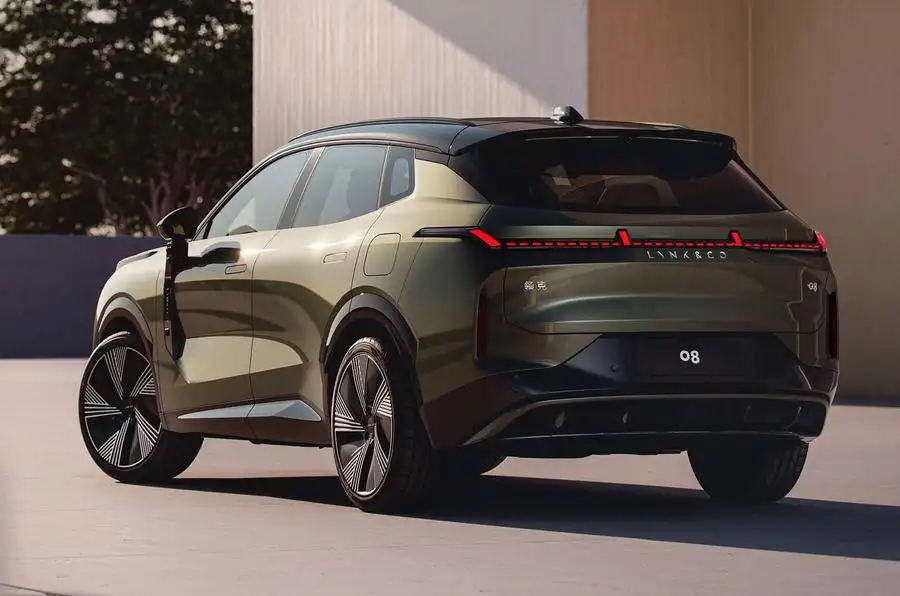
The 08 features a sleek front with a thin black strip housing the LED headlights and presumably safety assistance sensors, with a sculpted side profile, flush door handles, and Lynk & Co logo flowing from the wing mirror in a gloss black trim.
The aggressive rear continues the toothpick-like LED motifs across its full-width rear light bar, along with a prominent sporty rear diffuser and reflector lights.
An image posted to China’s Weibo also reveals a new Tesla-esque large horizontal-orientated touchscreen with a tablet-like user interface developed with Chinese smartphone firm Meizu.
According to Autocar, the Lynk & Co 08 is expected to be offered in a parallel-only hybrid powertrain or plug-in hybrid electric vehicle (PHEV) configuration with up to 50kW DC fast-charging capability.
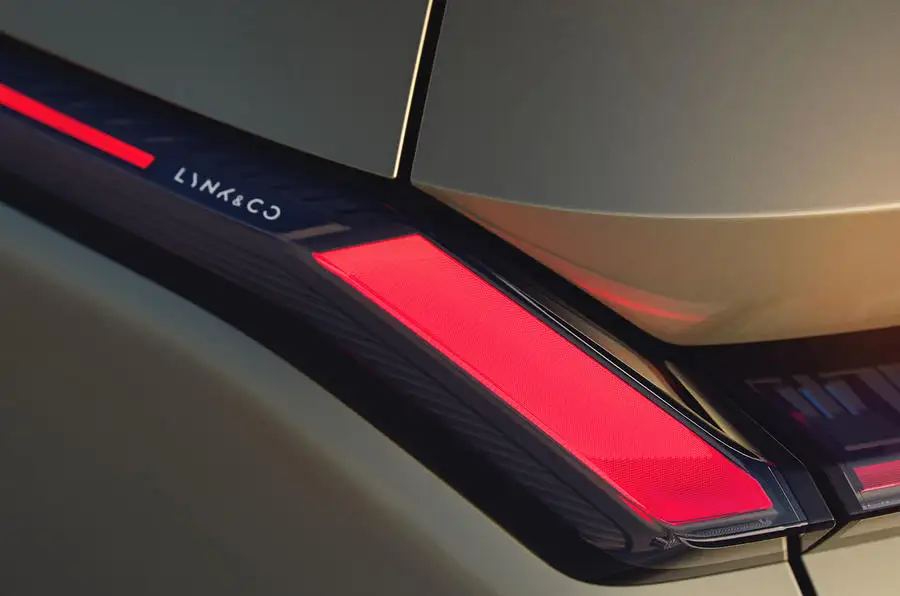
The third-generation Volvo XC60 is expected in 2024 and could likely be a full electric-only proposition, as the Chinese-Swedish automaker readies an EV-only line-up in Australia by 2026.
However, it could be renamed EX60, and previous reports hinted at using the Scalable Product Architecture (SPA) bespoke EV platform instead to be aligned with the larger Volvo EX90.
Unlike other Geely sub-brands, Lynk & Co has closer ties with Volvo Cars with a 30 per-cent stake, alongside the Geely Auto brand at 50 per cent, and the parent Zhejiang Geely Holding Group at 20 per cent.
Never have I agonised over a Wheels Car Of The Year decision quite like this one.
I’ll be completely open about that. In the past, I’ve built up a clear picture of what was rising to the top of the running order, whereupon I’d hand a voting slip to the editor, who’d disappear off to the traps to tally the numbers and declare the winner. Easy.
When Ged Bulmer was in the big chair, he did likewise, remaining shtum when asked what the winner was by one of the judges. “You know I’m not about to tell you that,” he fired back, observing Wheels’ time-honoured confidentiality ahead of the big announcement.
“But was the voting unanimous?” shot back the judge. “Yep,” said Bully, before realising his error.
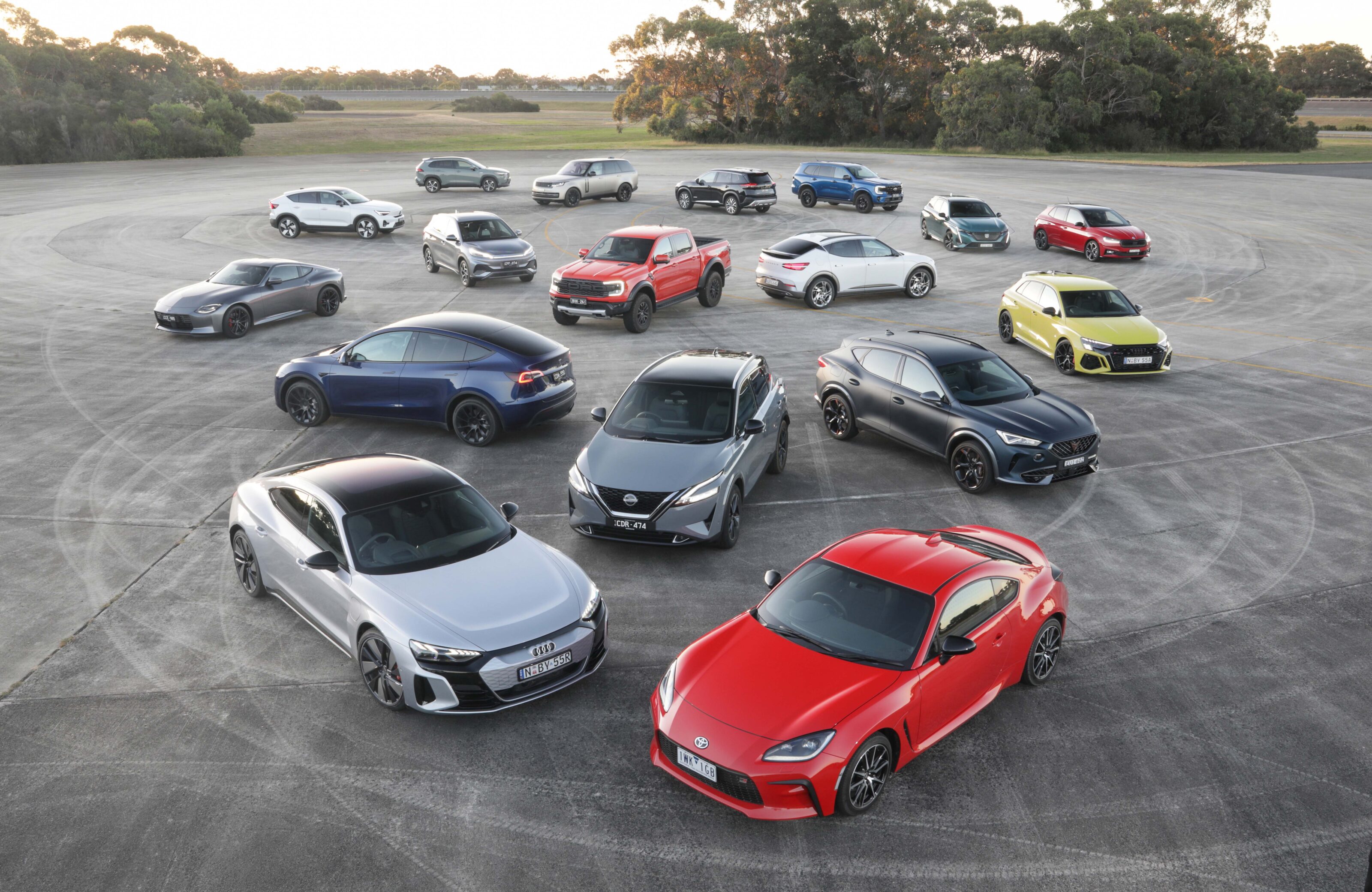
This year the voting wasn’t quite so cut-and-dried.
In fact, we had the rare luxury of a whole weekend to mull our final verdict. I’m not sure if those additional days swayed any decisions on the panel.
It didn’t change mine, but despite there being a clear majority in favour of this year’s winner, the gap between first and second place was more of a cleft than a gulf.
There will always be people who won’t like a COTY verdict. It’s the nature of the beast that when you throw 17 vehicle lines into the mix, only one will win – and therefore a lot of people will be disappointed that perhaps they backed the wrong horse or, come to that, feel that we have. Especially so in a field as open as this year.

2023 Ford Everest: Wheels Car of the Year winner
Brilliant large SUV that’s designed for Australians by Australians snags Ford its first COTY since 2004. Here’s why.
Perhaps it’s worth looking at things another way. COTY isn’t a one-size-fits-all award. The fact remains that all of the cars that warrant an invite are extremely good.
The finalists are truly excellent and easily merit a buy recommendation. So if you see something you fancy in this year’s field, relax in the knowledge that in choosing it, it’s unlikely you’ll end up suffering much in the way of buyer’s remorse.
That said, there can be only one winner, and it’s a deserved champ. We put in the hard yards inspecting every car, putting them through the mill at the proving ground as well as on town and country roads, in order to bring you a verdict you can trust. Nobody else in Australia tests vehicles like this, but things have subtly changed.
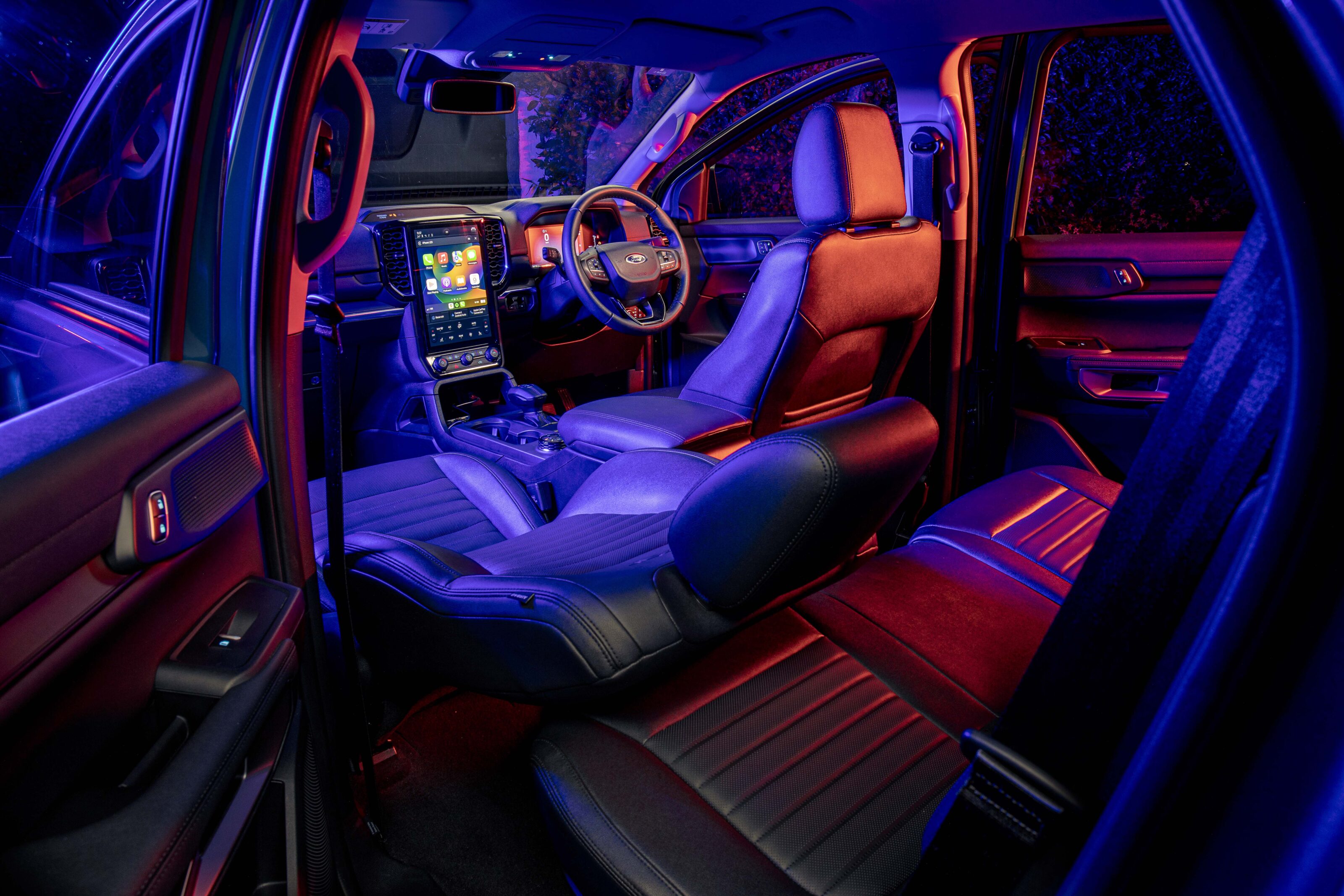
In the past, the judging criteria were numerically rigid.
The car that totted up the biggest numbers won, and this occasionally threw up some outlier decisions. We all know the examples (and many of you have sounded off in the comments of this timeline). This year, we’ve let the criteria guide the process and also relied on common sense and shared experience to arrive at a verdict that feels right.
If we’re awarding Car Of The Year to a vehicle which nobody then buys, we’ve clearly got something wrong. It’s still almost sacrilegious to admit in the office here, but that has happened in the past.
I’ll likely get phone calls from ex-editors telling me I’m wrong.
Nevertheless, I feel it’s our duty to help nudge COTY in a direction that better serves and prioritises our readers. I hope you agree.
UPDATE: Germany could get its way on synthetic fuels for new combustion cars beyond Europe’s 2035 ICE ban
Key Points
- EU offers exception for e-fuel cars beyond 2035
- Germany, leading the opposition, is examining the draft
- It’s hoped a decision is reached this week
The European Commission has drafted concessions to allow the sale of new cars with internal combustion engines after its initial 2035 hard cutoff, but only if they run on climate- and carbon-neutral e-fuels. The move comes as the EU attempts to save its green plan of phasing out combustion cars after Germany voiced unexpected last-minute objections, halting the approval process.
Reuters, which has seen the draft, indicates that the EU is looking to create a new type of vehicle category in Europe specifically for cars that can only run on carbon-neutral synthetic fuels.
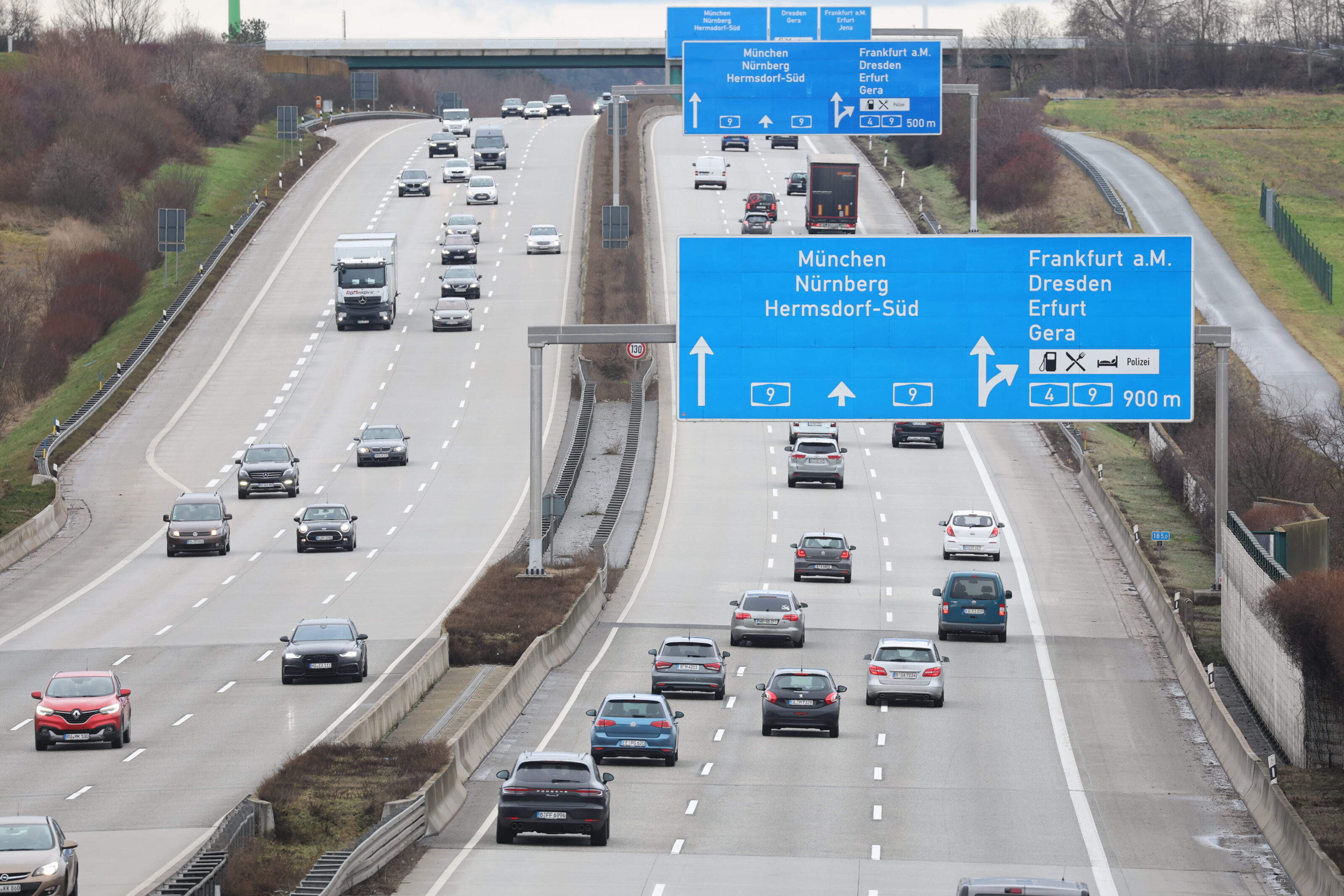
The draft indicates that technology would need to be implemented to prevent them from driving on fossil or non-carbon neutral fuels.
The drafted proposal could offer a road forward for car manufacturers to continue to sell combustion-engine vehicles after the original 2035 deadline, when the EU’s ban on the sale of new CO2-emitting vehicles is to take effect.
The European Parliament and EU Countries agreed on the law late last year, however Germany’s Transport Ministry shocked the room after lodging last minute objections, days before a routine rubber-stamp vote was to take place.
Germany’s stance is that the EU should allow the sale of new cars running on synthetic or e-fuels after 2035.

“We are interested in a quick clarification, but it must be resilient and binding. We are currently examining this carefully” a German spokesperson said.
Close sources suggest that the EU’s condition that cars must recognise carbon-neutral fuels from emissive pollutive fuels is problematic for Germany’s hugely valuable car industry as it would largely force OEMs to develop new engines.
E-fuels are a synthesis of captured CO2 emissions and hydrogen, produced with CO2-free electricity. For traditional motoring enthusiasts, it’s a last bastion of hope for the survival of internal combustion motoring.
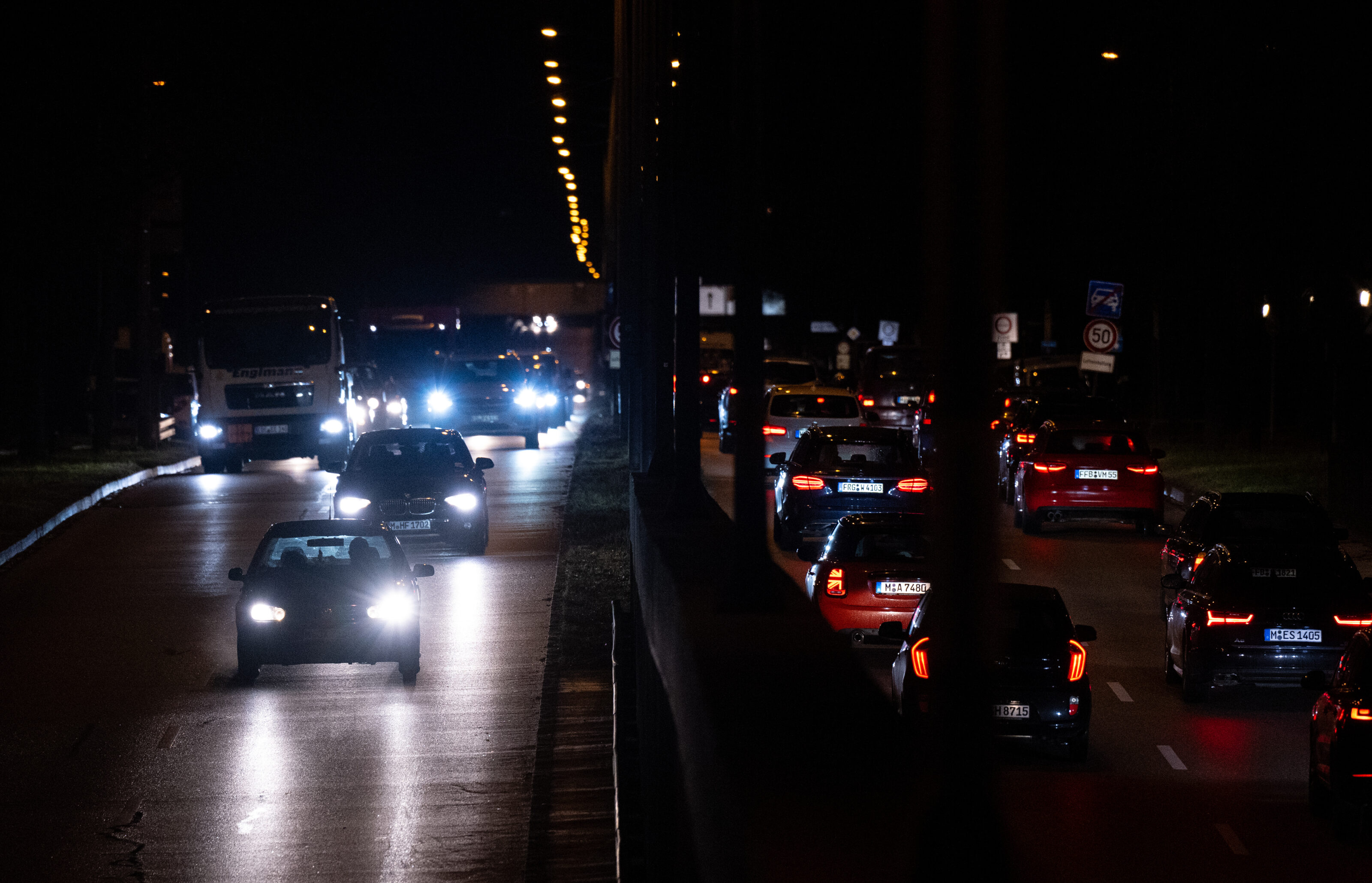
The counterargument against synthetic fuels is that the energy needed to produce them is wasteful and better used for emissions that are harder to decarbonise.
There is also a risk of Greenwashing, and how industries with vested interests may lobby together on how “carbon neutral” is defined.
E-fuels are not yet produced at scale, with a recent study finding that all currently planned e-fuel projects globally would only account for 10 per cent of Germany’s demand for e-fuel use in aviation, shipping and chemicals in the next few years – not including personal mobility and transport.
Germany’s governing Free Democratic Party is historically pro-industry, and has lead the opposition against the EU’s sweeping combustion bans, garnering support from Italy, the Czech Republic, Poland, Romania, Hungary and Slovakia along the way.
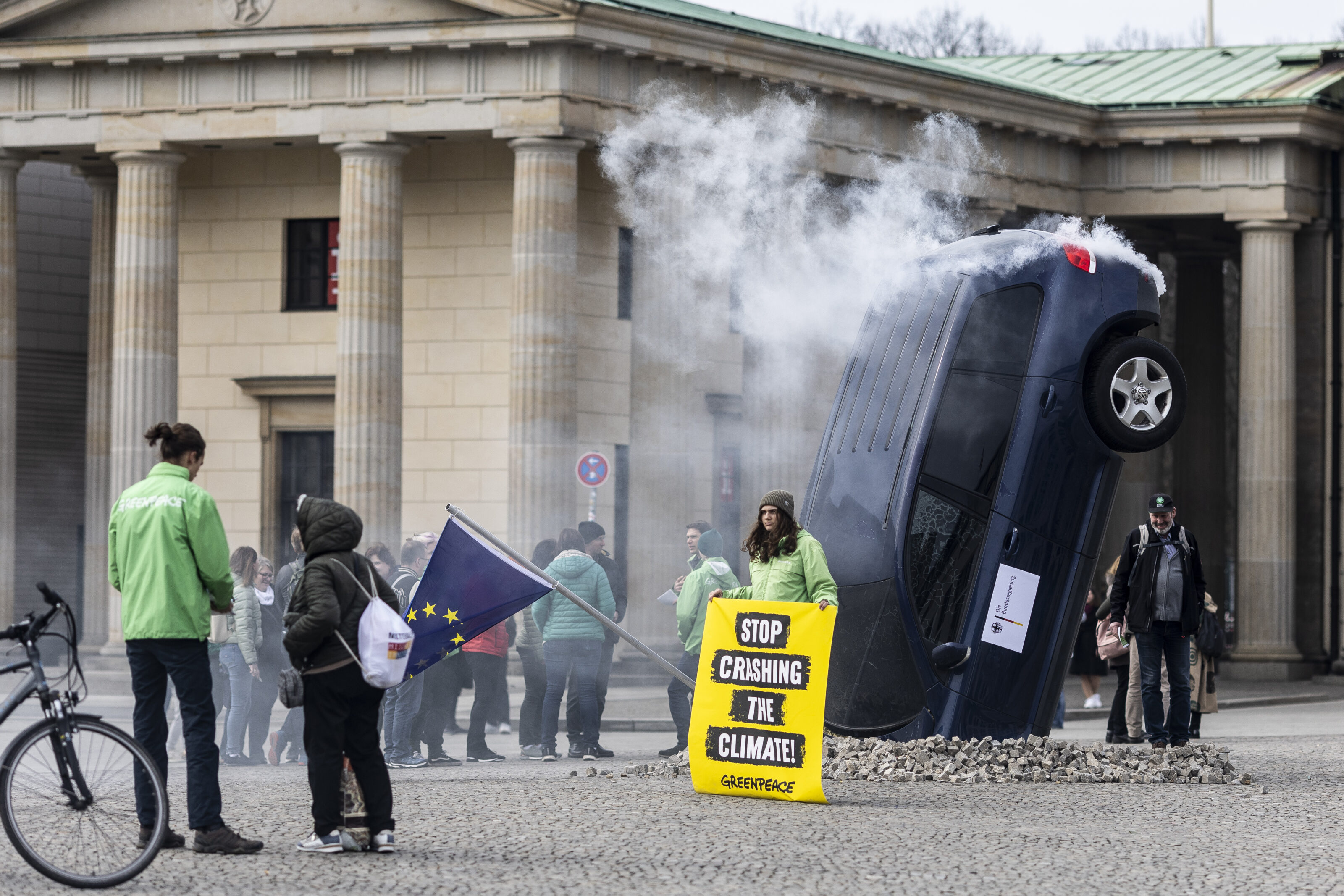
Local activists and climate organisations have held a number of protests at the German Transport Ministry in the past few weeks, some calling for the resignation of Transport Minister Volker Wissing, the face and initial voice of Germany’s objections to the EU deal.
Beyond Germany’s concerns that the EU’s sweeping green deal might hurt its car industry, less-developed EU countries have voiced concerns that the combustion deadline date is too soon, citing concerns over EV affordability.
The EU, however, believes the 2035 date is critical to its goal of reaching carbon neutrality by 2050, given a car’s average lifespan is 15 years.
The story to here
March 16: EU offers e-fuels exemption to Germany in bid to save green deal
After Germany unexpectedly halted proceedings on the EU’s sweeping green plans, which include a blanket combustion engine ban from 2035 on all new cars on sale, the European Union has offered a declaration that could make concessions for vehicles running on synthetic, or e-fuels.
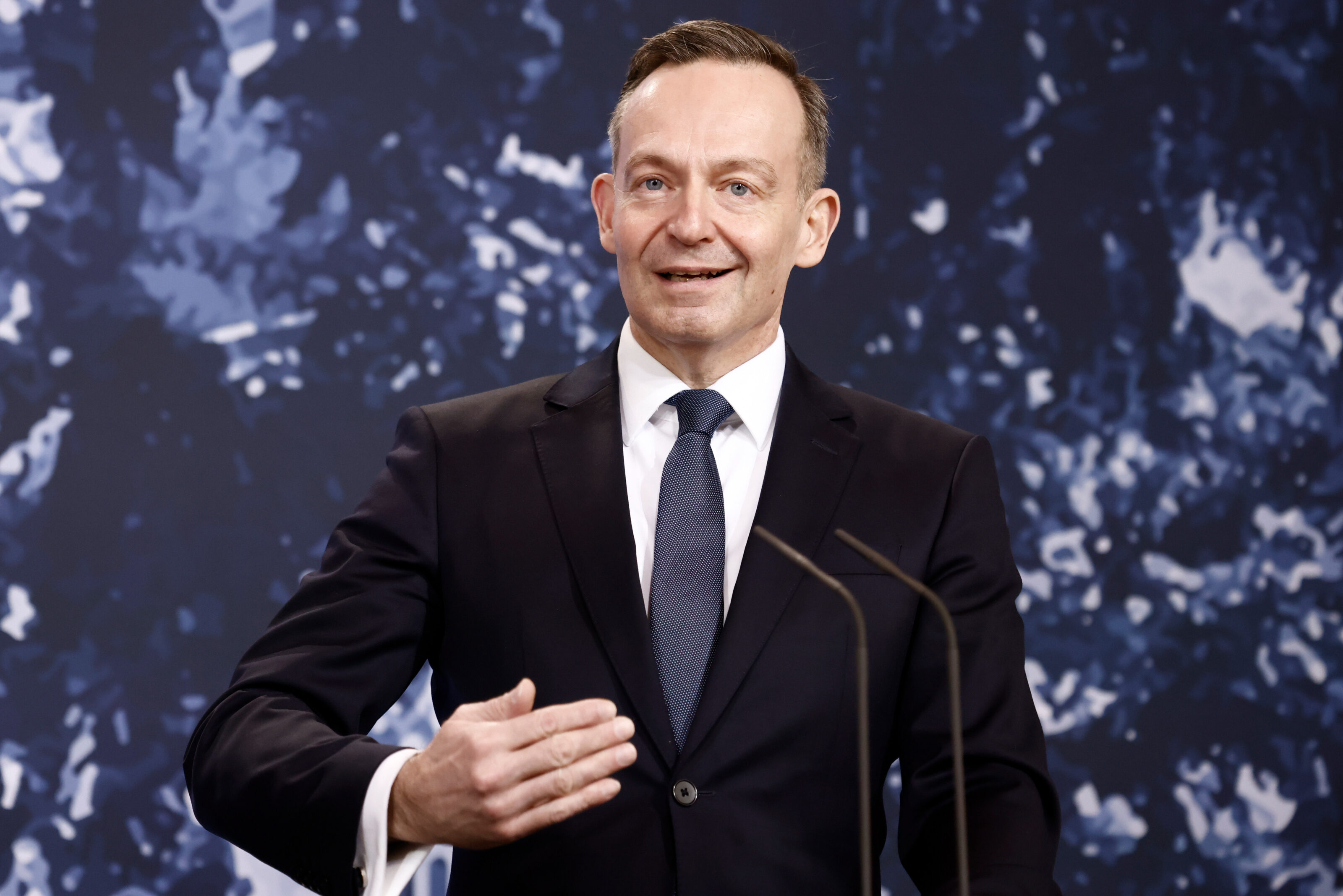
The move hopes to end a dispute, first voiced by German Transport Minister Volker Wissing (pictured below), which halted regulation approvals earlier this month.
Automotive News Europe reports that the EU Commission has yet to put forward any timelines on delivering its e-fuels proposal, however.
Sources close to the matter indicate that it’s unclear whether the proposal will satisfy the pro-business agenda of Germany’s current Government – with a number of industries hit particularly hard by last year’s European energy crisis brought about by supply complications off the back of the ongoing Russia-Ukraine conflict.
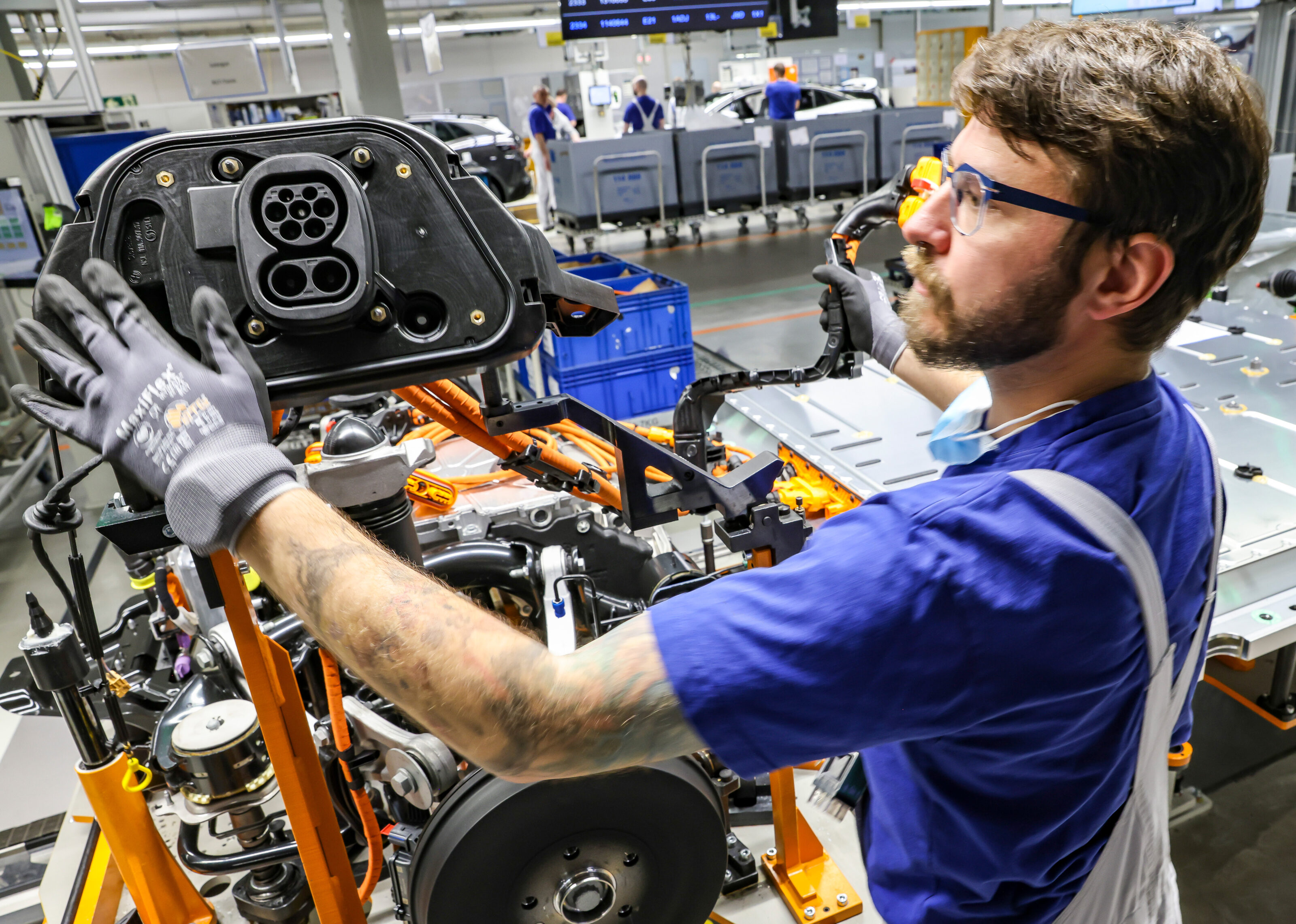
Decarbonising transport is a cornerstone of the EU’s goal to slash emissions by 55 per cent by the end of the decade. Germany, however, has a vested interest in the auto industry, which makes up its largest economic segment. Germany employs around 800,000 people across the automotive sector, which rakes in an annual revenue in excess of EU€411 billion (AU$656 billion).
Details of the proposed e-fuels exemption are unlikely to surface before EU elections next year, given the length of time needed to pass regulations.
However, the declaration would change the rules that determine which cars can be put on the road in Europe beyond the 2035 combustion cutoff.
Cars that exclusively run on e-fuels may be permitted after the effective ban, however, given that they are molecularly identical to conventional fuels, extra technologies or additives would likely be needed to help enforce the ban on damaging fossil fuels.
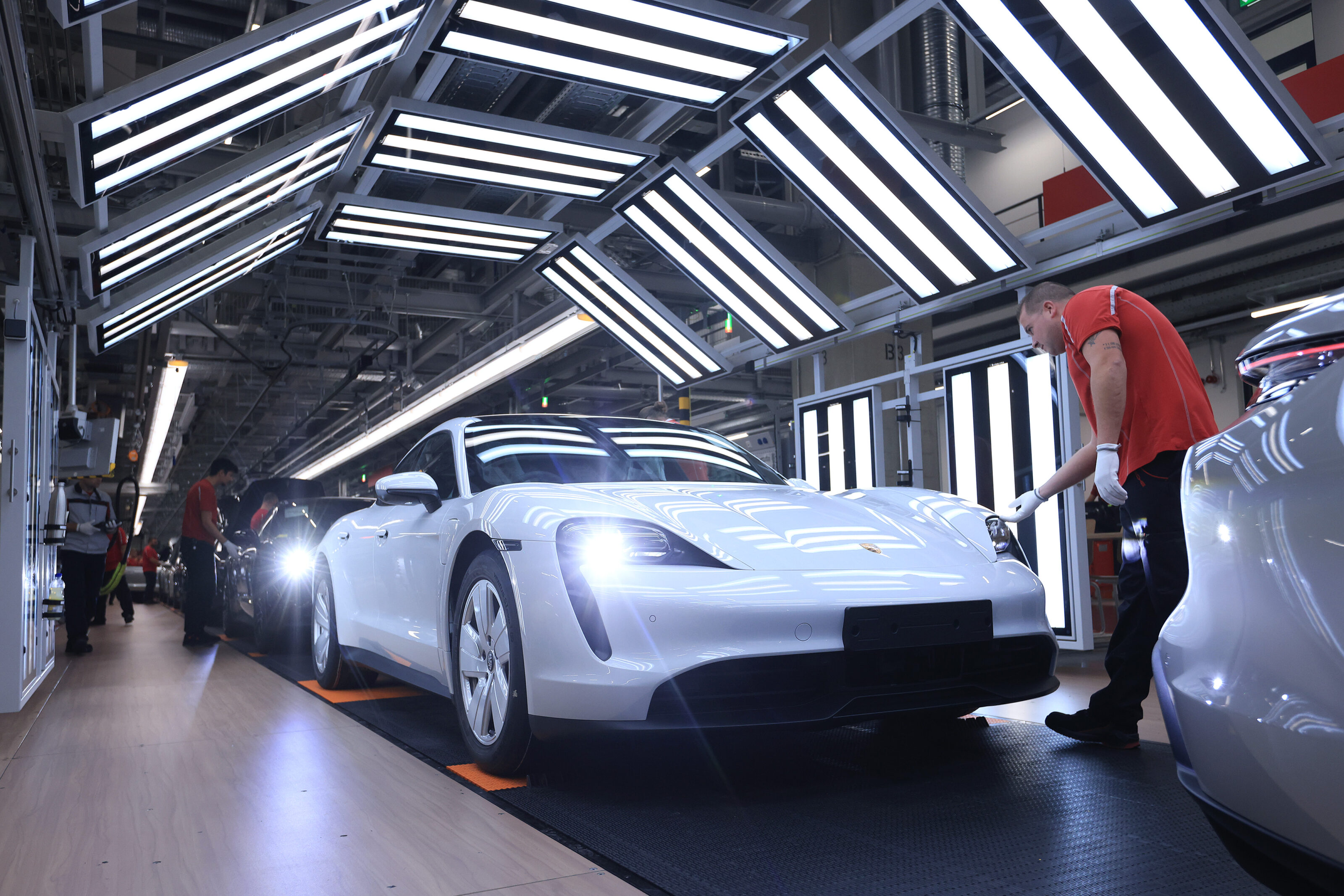
The crux of the EU’s green deal roadblock seems to be whether an exemption on e-fuels will be deemed acceptable by Germany’s Volker Wissing, whose governing Free Democratic Party acted as the shock roadblock in what was expected to be a routine rubber-stamp approval.
Germany, of course, isn’t the only EU member that has voiced concern over the combustion-car ban, with Italy quickly jumping to Germany’s support. Transport Ministers from EU countries which generally oppose stricter emissions regulations are set to meet in France on Monday to discuss the proposal.
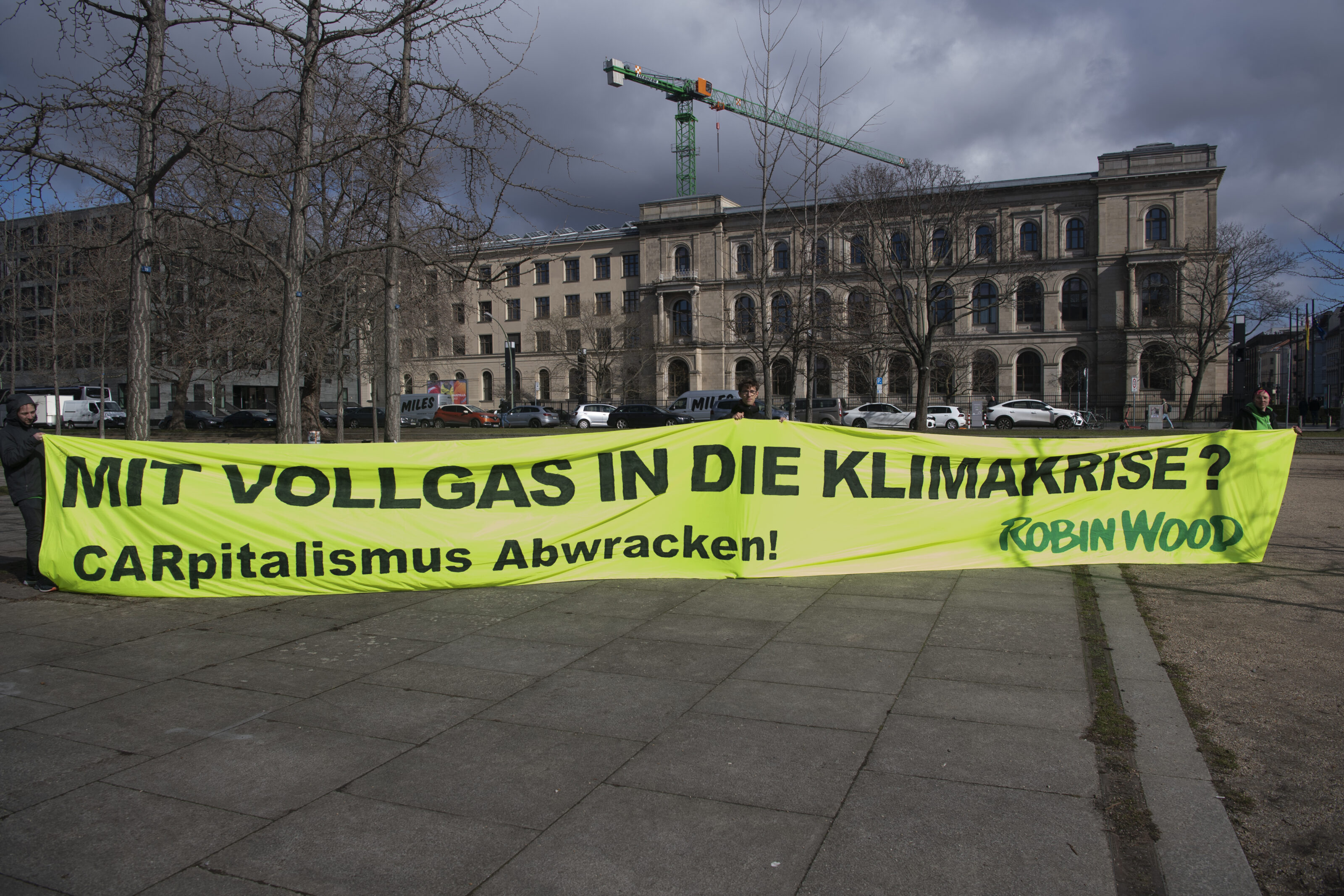
A spokesperson for the German Transport Ministry confirmed that Wissing will take part in Monday’s meeting, but could not comment on the EU’s new e-fuels proposal.
Porsche and Ferrari are the two biggest players pushing for e-fuels to be exempt, with synthetic combustible advocates arguing that they are effectively renewable electricity converted into a combustible, liquid fuel using atmospheric CO2.

Conversely, those against synthetic fuels argue the energy consumed in their creation is wasteful and should be saved for emissions that are more difficult to decarbonise. Some also worry that e-fuels could introduce regulatory uncertainty amongst the auto industry.
While EU politics can feel far flung from Australia’s humble, small auto market – regulations affecting the factories and manufacturers which supply us can directly impact which products will be available to Australian consumers in the future.
March 8: Porsche and Ferrari push to exempt e-fuels from ICE ban
Carmakers Porsche and Ferrari are seeking to exempt e-fuels from the EU’s planned 2035 ban on new internal combustion engine vehicles.
The companies’ bid follows a move by Germany on Monday challenging the ban and delaying the vote which was due to take place yesterday.
According to Automotive News Europe, the European Commission, Germany, and Italy will hold talks in the coming weeks on how to integrate e-fuels into the proposals.
In July last year, Porsche announced it planned to build an Australian plant for e-fuel production, located in the north-west of Tasmania, with operations slated to begin in 2026.
The German manufacturer locked in the HIF (Highly Innovative Fuels) Tasmania Carbon Neutral eFuel Plant as its first commercial-scale facility to be built in Australia.
The Australian site would join the Haru Oni facility being built in Chile, which is aimed to produce 55 millions litres of synthetic fuel at that location by the end of 2024.
March 6: EU vote on ICE ban delayed
The European Union has delayed a pivotal vote on its ban on combustion engined cars after Germany voiced last-minute objections based on concern’s over how the plans will affect the motoring industry.
German officials are now in talks with the EU on how to reach a compromise, and is seeking concessions to allow the use of e-fuels in new cars after the ban’s proposed 2035 cut-off, with Automotive News Europe indicating that a deal could still be reached, allowing the proposed phase-out to go ahead as planned.
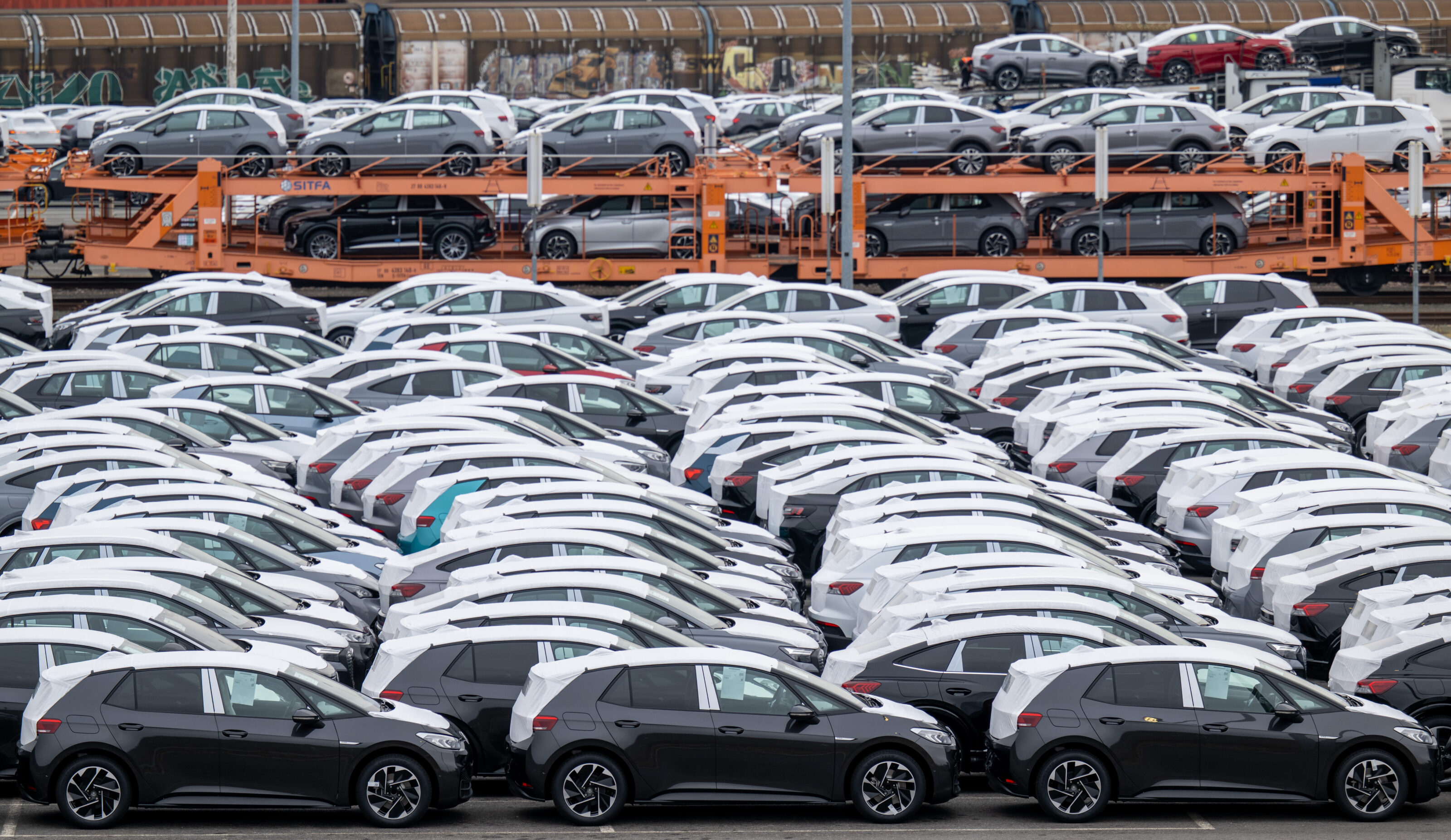
German Transport Minister Volker Wissing spoke in Berlin’s lower house of Parliament last week, stating: “It is contradictory when the EU Comission calls for high climate protection targets on one hand, but on the other hand makes it more difficult to achieve these targets through overambitious regulation”.
Last week, EU ministers were scheduled to vote in what was expected to be a simple routine approval of a deal clinched in 2022 to effectively ban the sale of fossil fuel-powered vehicles from 2035.

Daniel Holmberg, a spokesperson for Sweden – which currently holds the EU’s rotating presidency, confirmed on Twitter that the voting had been delayed and that the combustion car ban will be revisited “in due time”.
Germany is seeking amendments to the EU’s climate proposals to allow provisions for synthetic or e-fuels to be used in combustion engine cars beyond the original 2035 cut-off.
While Germany’s late-game objection was unexpected, there were concerns that it might have abstained from voting for the EU’s aggressive green plans, which could have derailed the entire proposal.
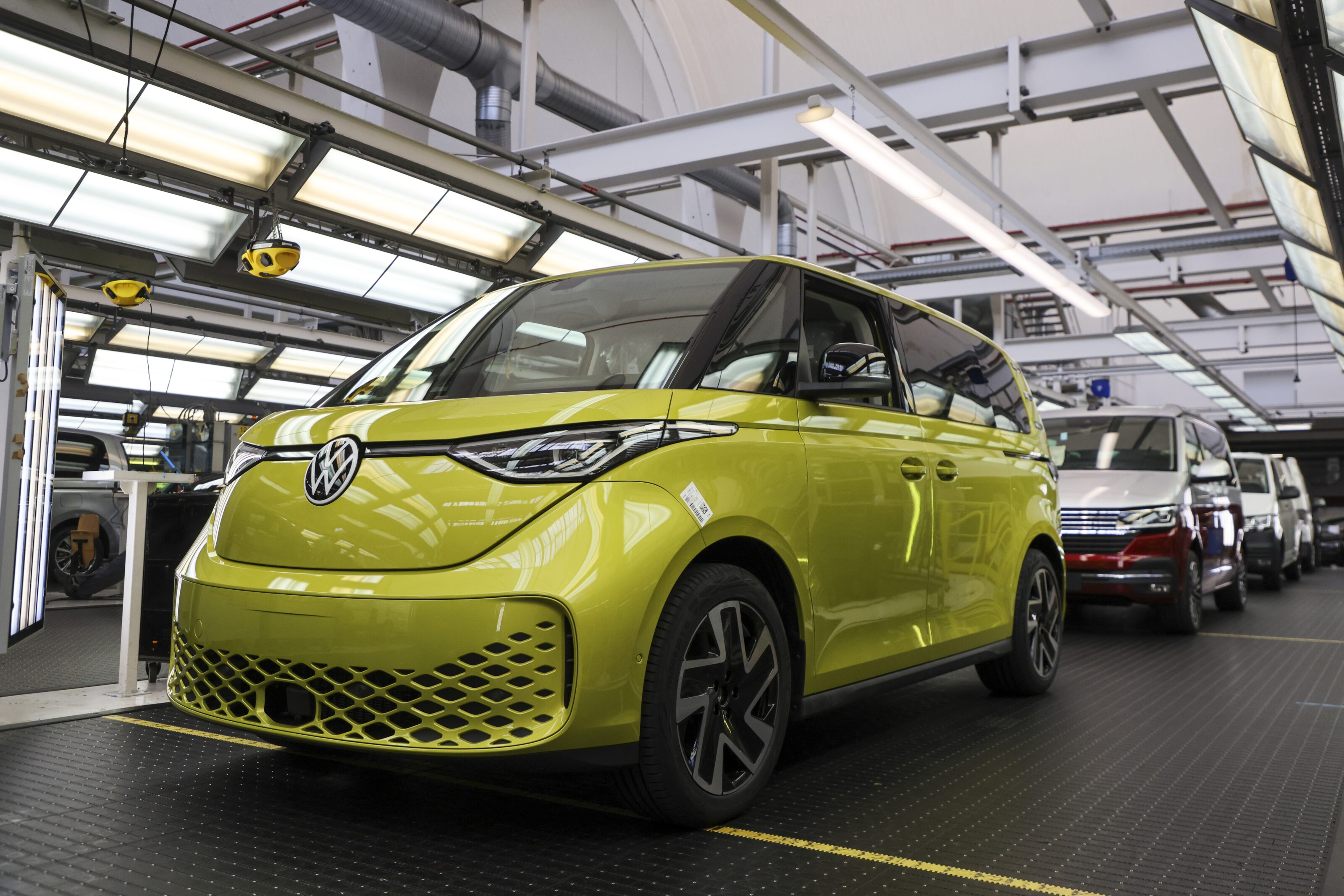
Some German officials, however, have indicated that there may be a solution which will preserve the original proposal’s timeline and ban.
“If the commission has a credible stance in conversations with the ministers and the German Government, I’m optimistic that a solution will be found,” said Sven Giegold, state secretary at Germany’s Federal Ministry for Economic Affairs and Climate Action.
What may prove difficult, however, is the fact that adding concessions in legislature for ‘e-fuels‘, which are combustible fuels produced from renewable energy, is likely to be technical and difficult, and faces a closing window of time ahead of EU parliamentary elections next year.
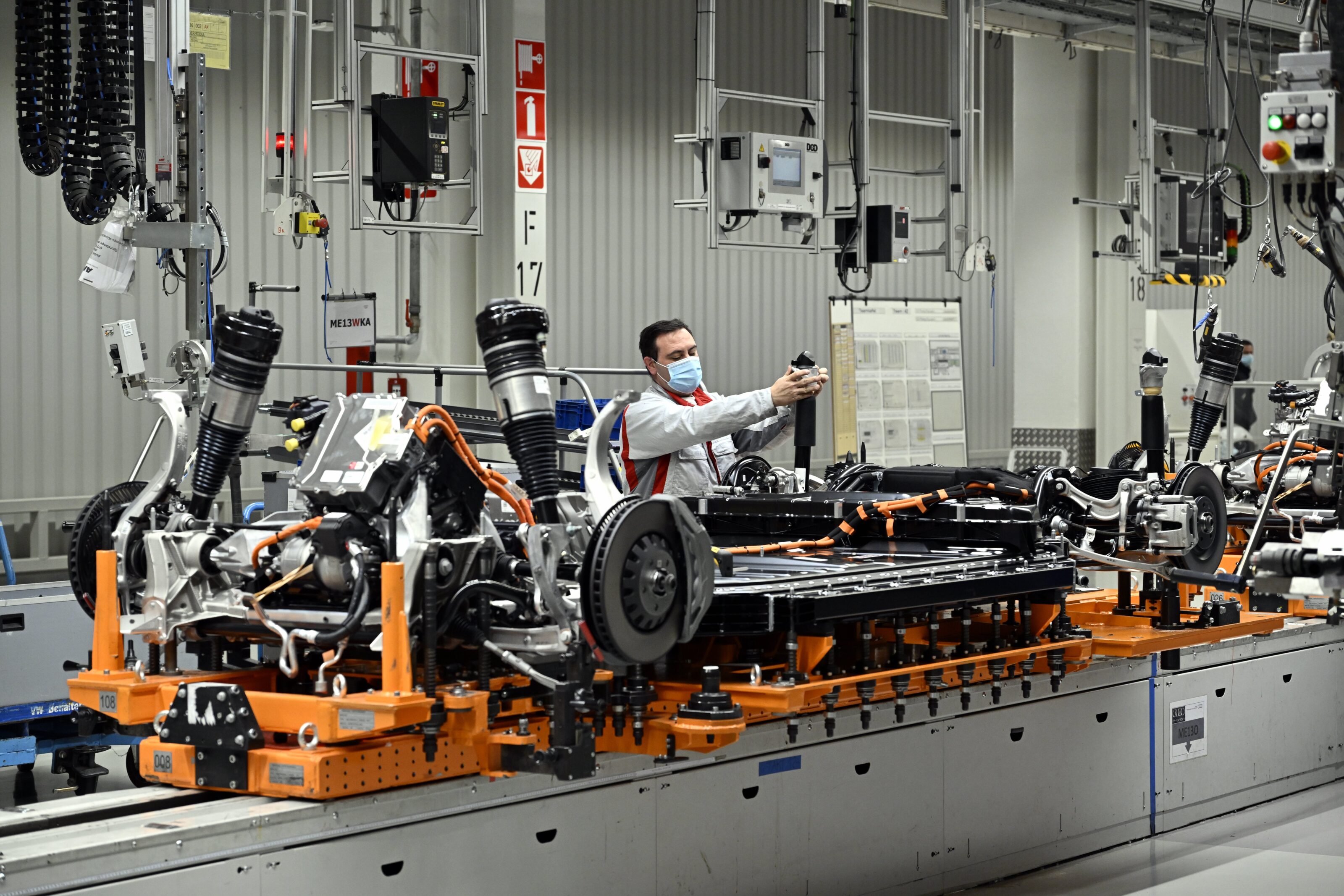
While the European Union’s green plans are widely regarded as positive, decisive action in the face of the looming climate crisis, they haven’t been without consequence.
Ford recently announced that 3800 jobs will be made redundant across its European operations, 2300 of which are currently based in Germany. Ford cited the European industry’s rapid pivot towards electrified vehicles as the reason for the sudden restructure.
Incoming Euro-7 regulations, set to be introduced by 2025, also drew the ire of Germany’s Transport Minister, with Wissing saying: “It’s clear to me that we have to take another fundamental look at Euro-7. The outcome must not jeopardise jobs, nor must mobility become a luxury good.”
Snapshot
- CATL reportedly starts Qilin battery mass production
- Offers up to 1000km claimed driving range using 4680 cells
- Debuting on Zeekr 009 people-mover, but only 001 liftback will achieve long range
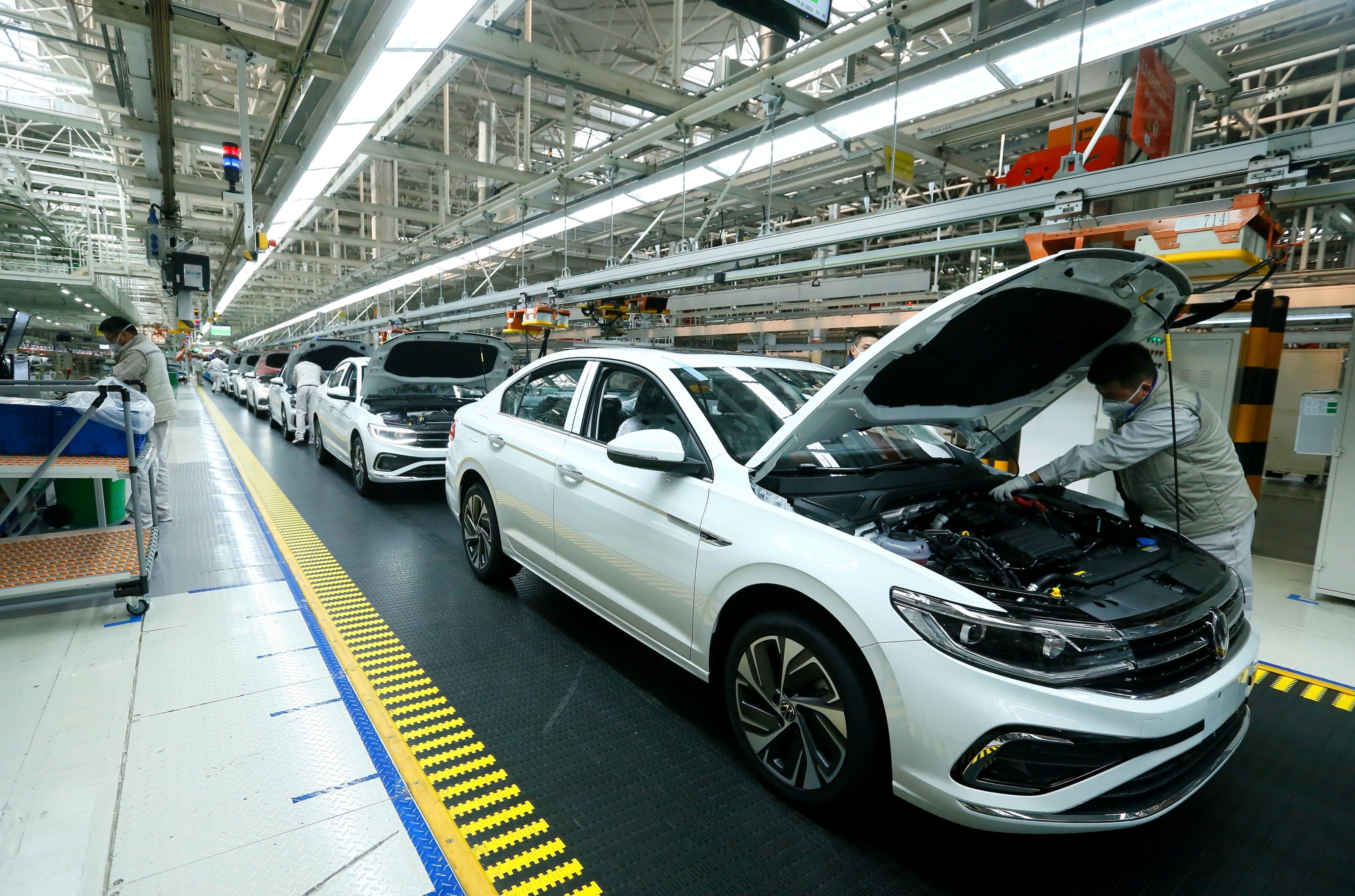
The world’s top electric vehicle battery supplier has started producing a new battery pack – touting up to 1000 kilometres of driving range.
According to Chinese media outlet The Paper, Contemporary Amperex Technology Limited (CATL) has begun mass production of its Qilin battery pack, which was unveiled mid-last year.
To achieve its diesel-like driving range capability, it adopts 4680 cylindrical design cells that have a higher 255Wh/kg energy density for lithium-ion or 160Wh/kg for lithium ferro-phosphate, and 72 per cent internal volume utilisation efficiency.
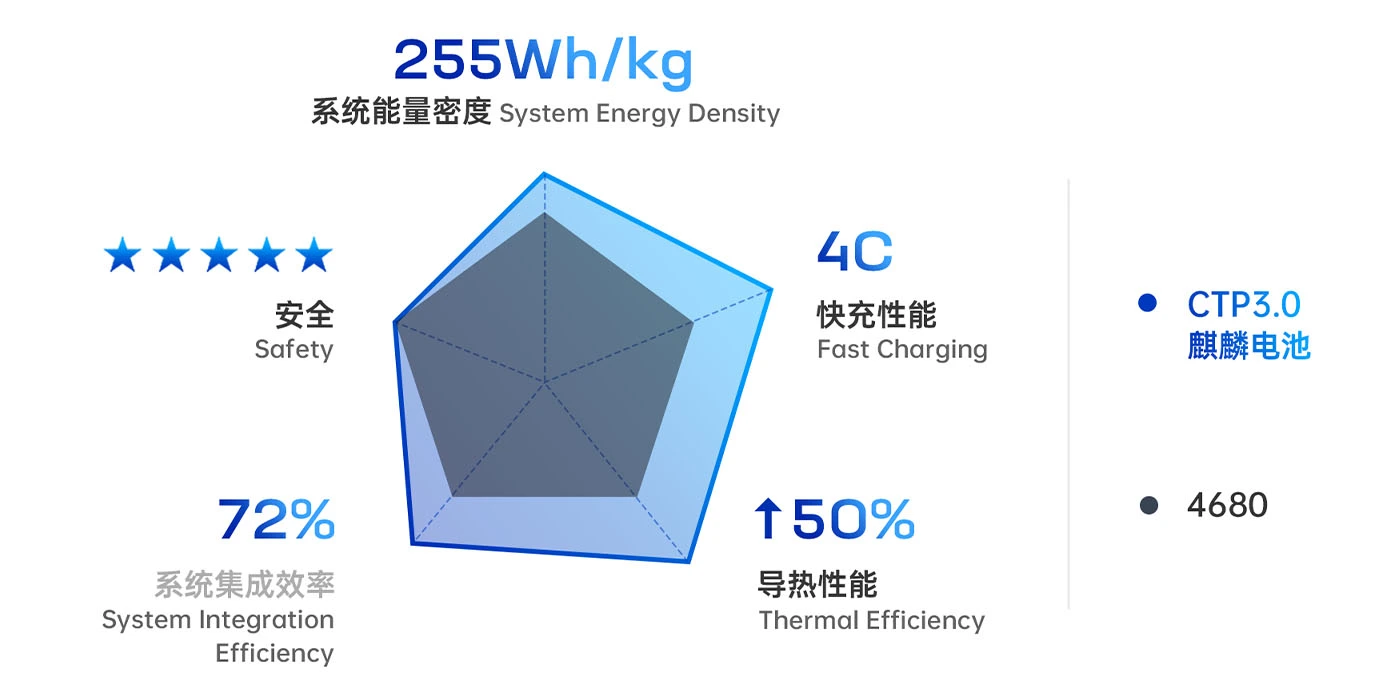
CATL also claims a 50 per cent improvement in thermal efficiency, can deliver 13 per cent more power than conventional packs, and 10-minute ultra rapid charging from 10 to 80 per cent capability.
The first production EV model to debut the Qilin battery will be Geely’s Zeekr 009 luxury people-mover. Rumours have even suggested Volvo Cars will launch a related counterpart in China.
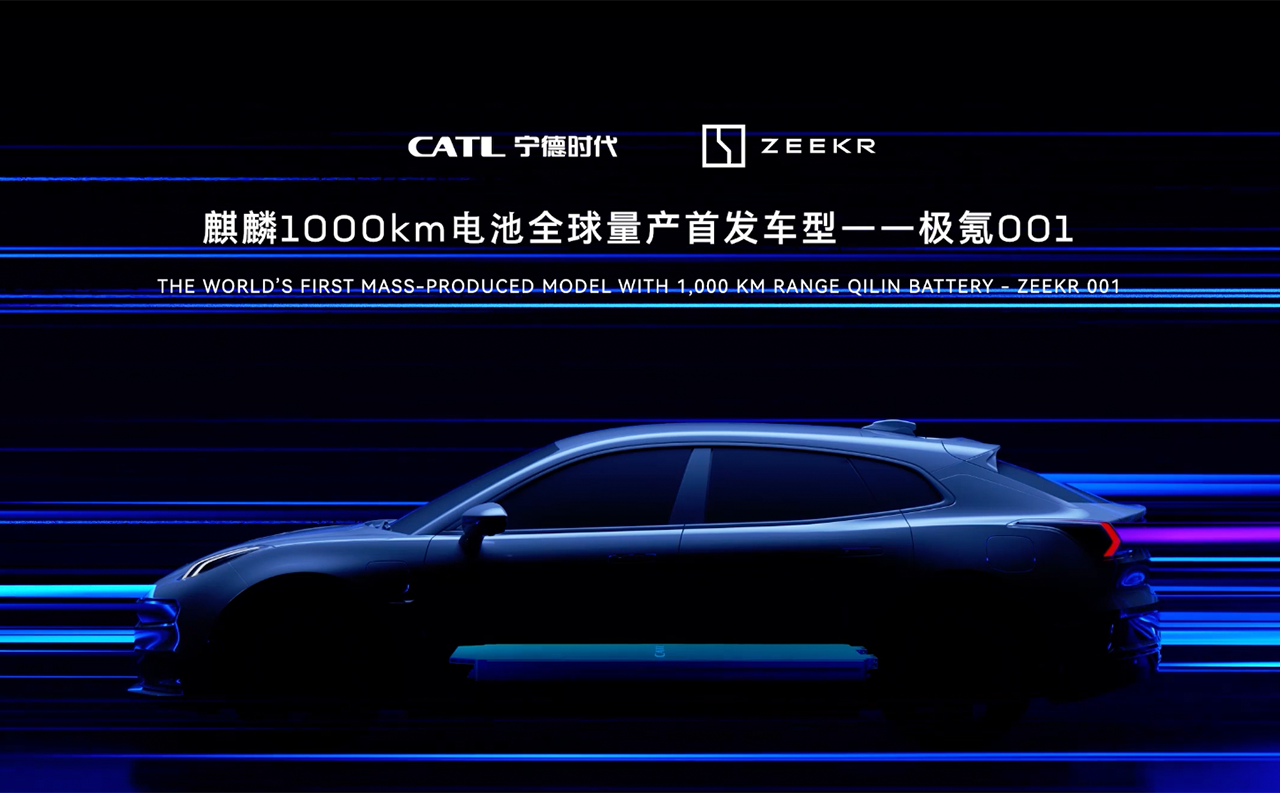
It will be followed by the Zeekr 001 large liftback – which promises the landmark 1000 kilometre driving range thanks in part to its sleeker aerodynamic shape.
Tesla already adopts the 4680 cell design that forms the structure for a base Model Y all-wheel-drive variant produced in Texas, but isn’t in mass production yet.
Meanwhile, Chinese conglomerate Build Your Dreams (BYD) is implementing its proprietary Blade Battery in its EVs, which is a structural pack made out of thin slats that the firm claims can increase its internal space efficiency by more than 50 per cent, and is more durable and safe than conventional lithium-iron-phosphate (LFP) packs.
A recent Deloitte survey found that while interest is increasing in EVs, driving range, charging and price are still key barriers in adoption in Australia.
That’s despite statistics suggesting many Australians – especially those who commute in metro areas – can comfortably drive with the EV range capabilities on offer today and select petrol-engined models are on par or pricier than electric models.
? More reading on EV battery news
Not finished learning about electric car battery tech? Here are some more stories for you.
⚡ More EV stories to help you choose the best car for your needs
? MORE advice stories to help you with buying and owning a car
The boss of VW’s Spanish brand Cupra has hinted at a future sports car that would add to its selection of sporty SUVs and hatchbacks.
CEO Wayne Griffiths revealed the potential plan during a phone call with Australian media ahead of the April launch of the Cupra Born electric hatch.
The revelation came as Griffiths was asked about future product that might be inspired by the brand’s planned launch in the US.
“A lot of manufacturers have made the mistake of taking European cars and trying to make them work in America,” said Griffiths. “To get it right you need a big car; it would have to be an SUV because that is what the US customers want.
“We’re not looking at a pickup as VW has just announced the Scout brand so that is something they will be doing. Any car we take to the US would probably also be a great car for Australia; [it wouldn’t be LHD only] it would be a global product.”
“[A ute] is not our priority in this [Australian] market. Any car we bring has to be in line with our brand and our brand DNA. So I’m sorry I can’t promise you a ute, but as I understand it Australians also love their sports cars.
“If we bring additional cars, and by that I mean new models, it would be based on a sports car for the future.”
Griffiths shut down further questions on the sports car, claiming he would get into trouble otherwise.
A Volkswagen version of the sports car would seem inevitable to justify the business case for what has become a particularly niche vehicle type.
Toyota and Subaru (86/BRZ) and Toyota and BMW (Supra/Z4) are two sports car partnerships running, though Cupra, Skoda and Volkswagen are all part of the vast VW Group empire sharing a significant number of components, including platforms.
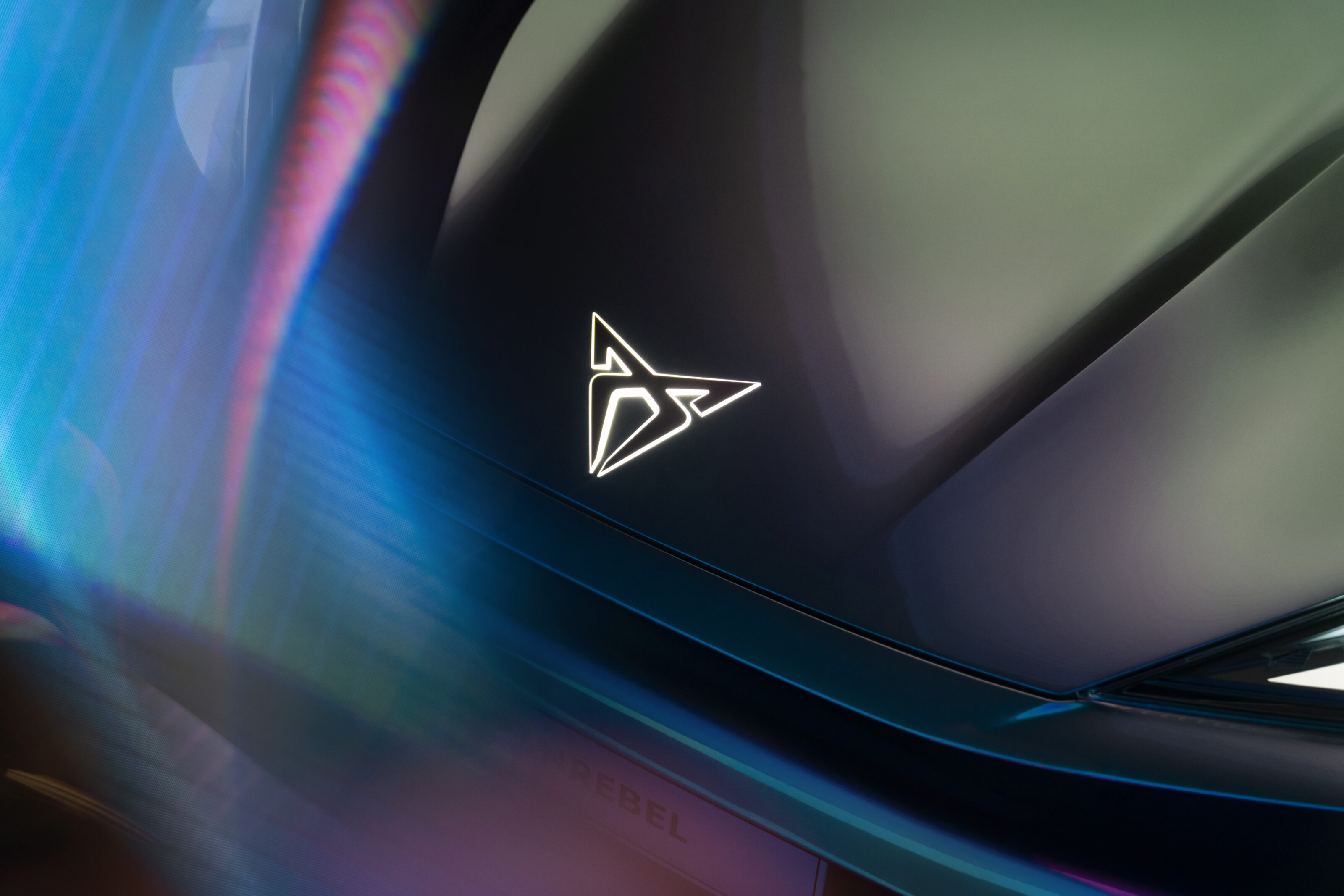
It’s also virtually guaranteed to be electric as Cupra is aiming to be a fully electric brand by 2030. The company currently competes in the all-electric FIA ETCR eTouring championship (main image).
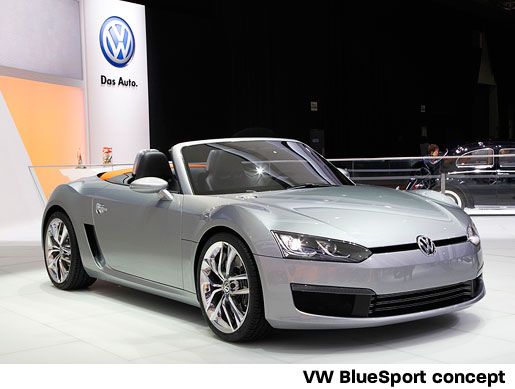
Volkswagen has toyed for years with the idea of producing a sports car.
It unveiled an Audi TT-inspired concept called the BlueSport in 2009 (above) – a lightweight, mid-engined four-cylinder roadster that was planned as a Mazda MX-5 rival but never went into production.
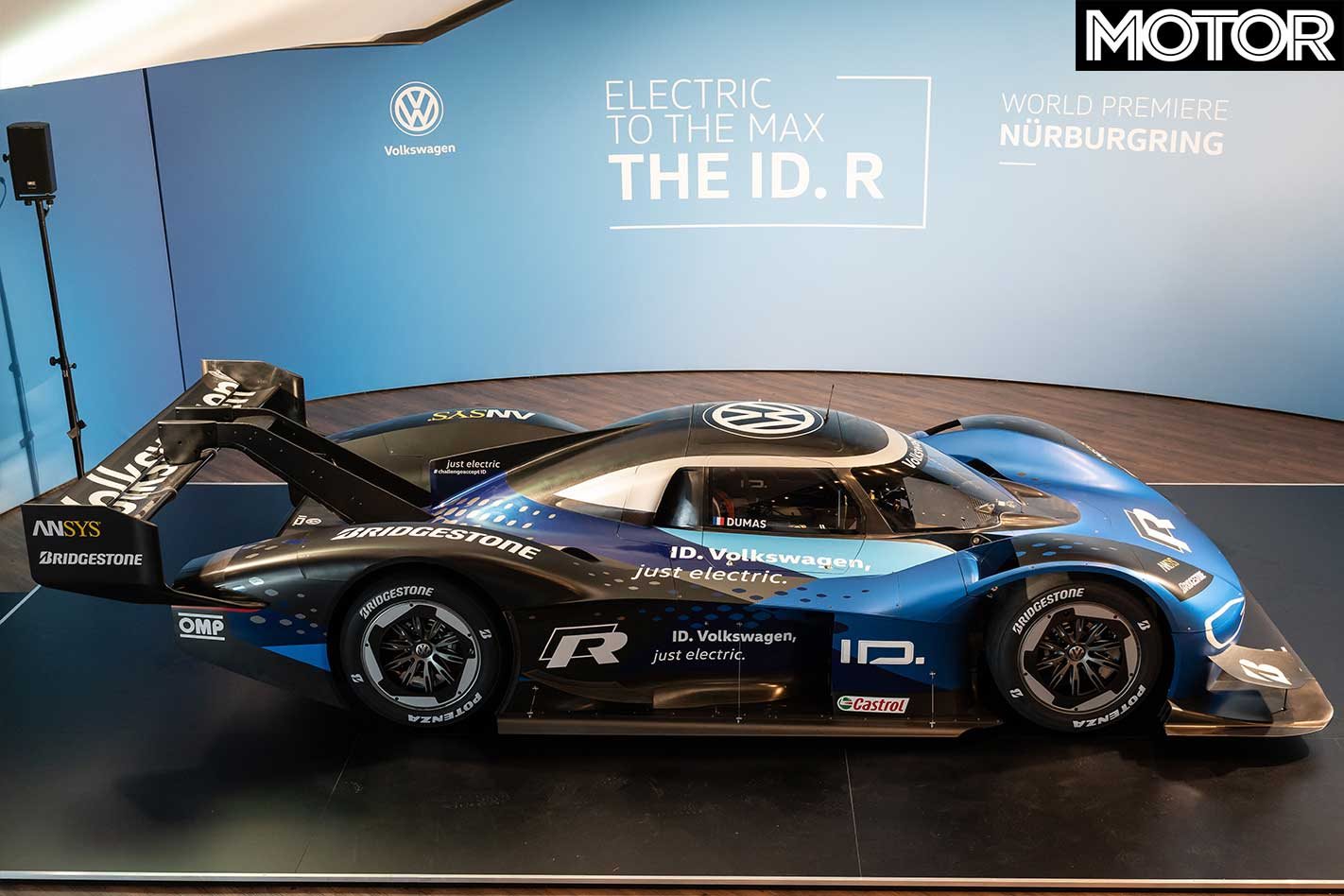
More recently, VW created the ID.R racing car concept (pictured below) that showcased the potential for impressively quick electric performance.
Elsewhere in the VW Group, Porsche has already confirmed electric successors for the 718 Cayman and Boxster sports car twins.
Cupra and Volkswagen sports cars would be expected to be significantly more affordable than the Porsches.
Cupra’s sportiest cars are currently the Cupra Ateca, Formentor VZx SUV and Leon VZx hatch, both of which share drivetrains and more with the VW Golf R.
The sporty Born electric hatch arrives this year, to be followed in the next three years by the Terramar plug-in hybrid SUV, Tavascan electric SUV, and Urban Rebel electric city car.
Cupra has targeted 7000 sales in Australia by 2025.
UPDATE: Court throws out appeals against previous Mazda conduct judgments
The Full Federal Court today has dismissed an appeal by consumer watchdog the ACCC against an earlier Federal Court judgment that ruled Mazda did not engage in unconscionable conduct in its dealings with nine customers.
However, the same court today also dismissed Mazda’s own appeal against another previous judgment that found the carmaker had made 49 false representations to consumers about their rights.
The Full Court rejected the Australian Competition and Consumer Commission’s appeal from the trial judge’s finding that Mazda’s dealings with the consumers was not unconscionable.
“We appealed this case because we believe that it is not acceptable business practice for businesses to give consumers the ‘run around’ and discourage them from pursuing their rights for a refund or replacement vehicle,” ACCC Commissioner Liza Carver said.
The ACCC said it will carefully consider the Full Court’s judgment before deciding what to do next.

The case will now be referred back to the trial judge for a hearing at a later date on the penalties and other orders sought by the ACCC in relation to the false representations made by Mazda, which are said to go back to 2013.
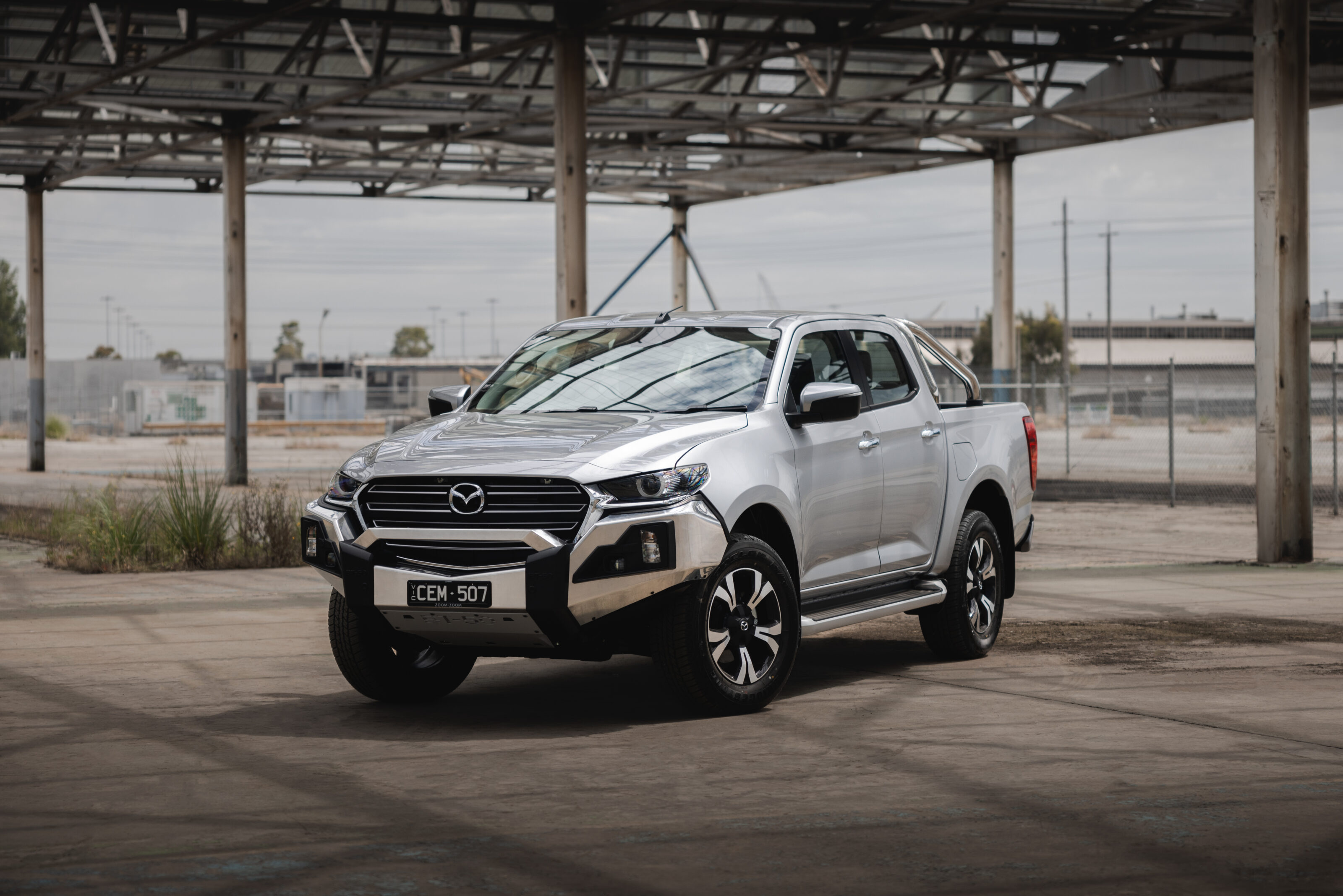
The models involved include; the Mazda 2, Mazda 6, CX-5, CX-3 and BT-50 purchased between 2013 and 2017 – though the ACCC only launched its case against the manufacturer in 2019.
A spokesperson for the auto company told Wheels: “Mazda is pleased that the Federal Court by majority has upheld Justice O’Callaghan’s finding that it did not engage in unconscionable conduct.
“This decision is an acknowledgment that Mazda acted within the law, and that Mazda was, and remains, committed to ensuring that its customers are treated fairly within the law.
“We are disappointed that the Court upheld Justice O’Callaghan’s finding that Mazda engaged in misleading conduct, and are carefully reviewing the Court’s decision in that regard.”
Our earlier story continues below unchanged.
The story to here
April 2022: The ACCC has filed an appeal against the Federal Court’s decision to dismiss its allegation that Mazda Australia engaged in unconscionable conduct.
Despite an earlier ruling that Mazda had engaged in false or misleading representations with nine customers, the Federal Court dismissed the ACCC’s application of the more serious accusation of ‘unconscionable conduct’.
“In addition to finding that Mazda made false or misleading representations, the Court found that Mazda gave consumers the ‘run-around’ by engaging in evasion and subterfuges, provided appalling customer service and failed to make any genuine attempt to consider and apply the consumer guarantee provisions of the Australian Consumer Law,” ACCC Commissioner Liza Carver said today as the watchdog launched its appeal.
“We will argue that based on the Court’s factual findings, Mazda’s conduct fell below the applicable norms of commercial behaviour, and was in all the circumstances unconscionable.”
If Mazda is found to have engaged in unconscionable conduct, the company could be liable for greater penalties under Australian Consumer Law.
A spokesperson for Mazda Australia told WhichCar the company has filed its own appeal seeking to have the misleading conduct decision overturned.
On the more serious allegation they said: “Mazda maintains the trial judge was correct in finding that Mazda had not engaged in any unconscionable conduct.”
Read on for our coverage of the Court’s previous decision.

December 2021: The Federal Court has ruled Mazda Australia misled a number of customers who were experiencing issues with their cars, following a legal battle lasting two years.
Mazda was found to have made false or misleading representations to nine consumers, refusing to provide a full refund despite the owners experiencing serious and recurring faults with their new cars – a right guaranteed under the Australian Consumer Law.
“Mazda engaged in long, drawn out discussions with the consumers, often multiple times a day over months, in which it misled the consumers about their rights,” ACCC Chair Rod Sims said following the ruling.
“Mazda’s conduct towards these consumers was not just appalling customer service as noted by the judge, it was a serious breach of the law.”
Despite multiple attempts at repairing the cars – including up to three engine replacements in one case – the company told its customers they would only be provided a partial refund, or a replacement vehicle if the owner made a significant payment towards it.
“The message to the new car industry is clear, consumer rights are not negotiable and must not be misrepresented to consumers,” Sims said.
“If a vehicle cannot be repaired within a reasonable time, or at all, consumers have a right under the Australian Consumer Law to a refund or replacement.”
But while the court found the car company made false or misleading representations, it disagreed with the ACCC’s allegations of engaging in “unconscionable conduct”.
A spokesperson for Mazda Australia told WhichCar it was taking the Federal Court judgment into careful consideration, but did not have any further comment at this stage.
The Federal Court will rule on penalties at a later date.
