
Snapshot
- V2G bidirectional charging approved for South Australia
- Compatible EV and ~$10,000 V2G inverter required
- Winery owner already profiting from V2G, despite small battery Nissan Leaf
Vehicle-to-grid (V2G) bidirectional charging has been approved for South Australians, allowing electric car owners to get paid for feeding and stabilising electricity back into the grid.
The South Australian Power Network (SAPN) has approved a few pilot sites, with customers like winemaker Joseph Evans using V2G to enable his business and home to go off-grid.
V2G allows electric vehicle owners to take advantage of free solar energy generation and charge the car during the day, then essentially use the EV as a home battery storage system by discharging what’s left in the car to power the home or business at night.
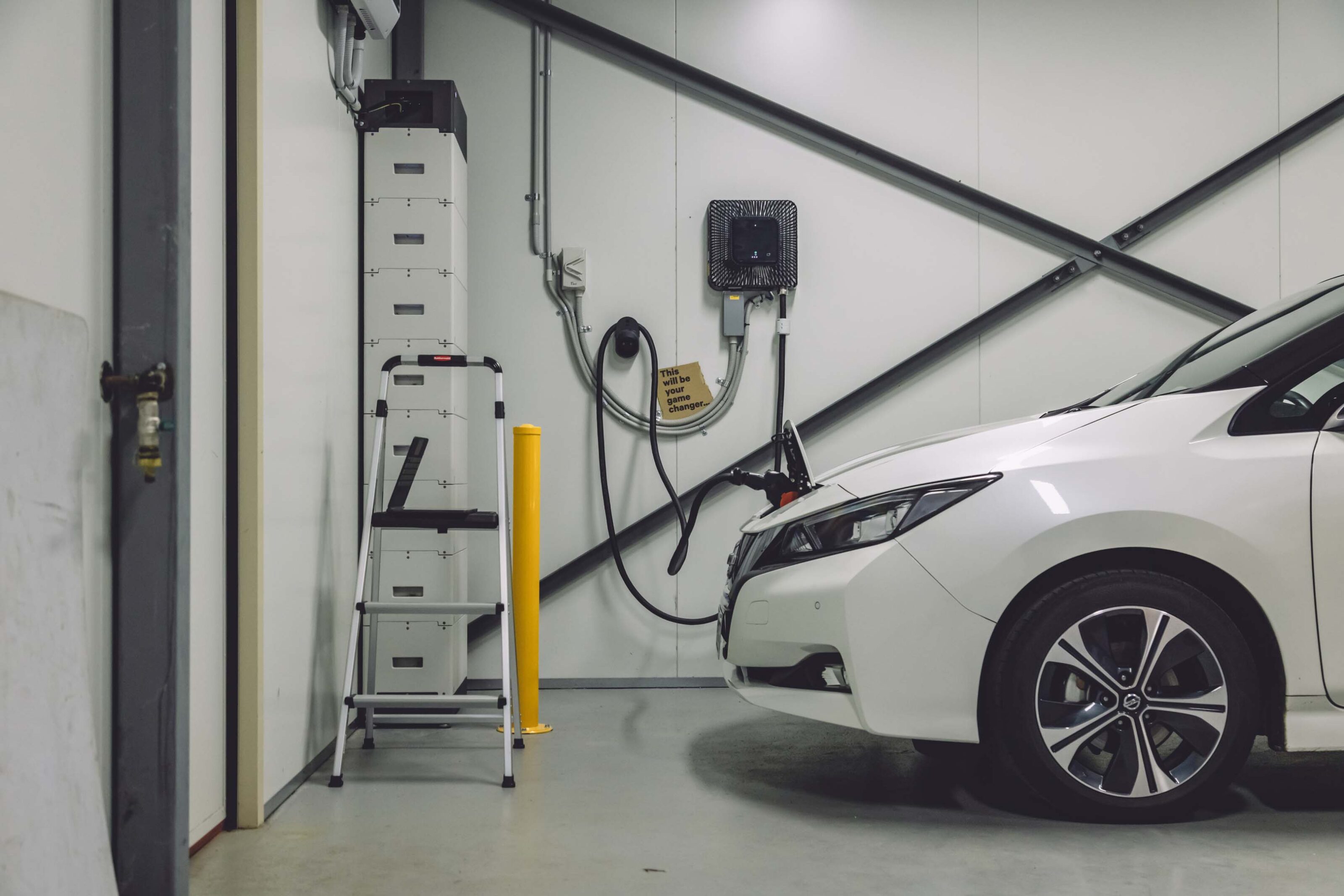
If there’s still excess energy available in the EV battery pack, it can be sold back to the electricity grid, then in the morning, the car automatically recharges when the sun is out. This looping process can be monitored and controlled via a mobile app.
Despite the modest 39kWh usable battery pack in Evans’ base Leaf EV, it is more than enough to run his winery business and slash electricity bills to zero in combination with installed solar panels.
“I’ve gone from a $6000 annual power bill to making around $50 per week in profit selling my excess power back to the grid,” Evans said.
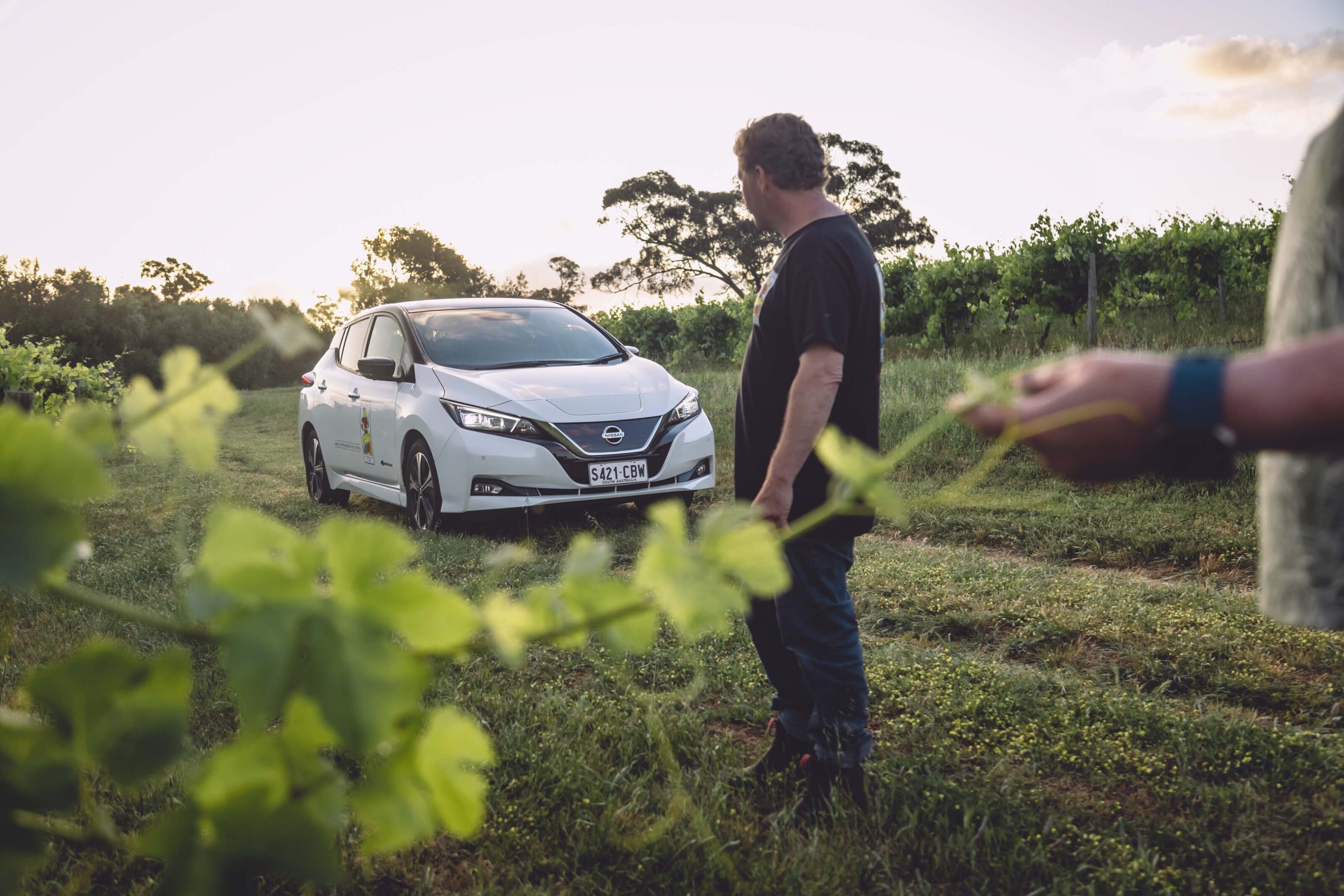
“That is more than $2500 in annual profit, from what was once a significant cost. And what’s even better is the fact that, while fuel and electricity prices are only heading in one direction – and that direction is up – my costs are fixed, and fixed at zero.”
Currently, only the Nissan Leaf battery-electric hatchback and Mitsubishi Outlander plug-in hybrid electric vehicle (PHEV) SUV are capable of V2G in Australia – both of which use the old Japanese CHAdeMO charging connector.
However, a V2G bidirectional inverter is also required – the only model available in Australia, the Wallbox Quasar, is sold by JetCharge priced at around $10,000. It will open the order books for South Australians in late January.

Evans is one of the first Australians to utilise V2G technology after a trial funded by the Federal Government’s Australian Renewable Energy Agency (ARENA) fund saw 51 Nissan Leaf’s replace the Australian Capital Territory’s (ACT) fleet of combustion-engined vehicles and use V2G.
The Volkswagen Group is building V2G hardware in all Modular Electric Toolkit (MEB)-based electric cars like the Cupra Born warm hatch, Volkswagen ID.4 family SUV and ID.Buzz van via the more common Type 2 port.
The Ford F1-50 Lightning electric ute in the US is also V2G capable and Porsche has trialled its sporty Taycan with the German electricity grid.
Most carmakers have committed to offering bidirectional charging – except Tesla.
Snapshot
- Musk selling more of his own Tesla stocks amid Twitter takeover
- Tesla shares plummeting and shareholder concerns increasing
- Musk promised to step down as Twitter CEO today
Tesla’s third largest individual shareholder, Leo Koguan, is calling for Elon Musk to resign as CEO after he sold more company stock worth AU$3.6 billion last week.
Kougan, who owns around AU$15 million in Tesla shares valued at up to AU$5.4 billion, believes Musk’s move suggests he is no longer committed to the electric vehicle carmaker amid his roughly AU$66 billion takeover of social media platform Twitter.
After doing a public poll, Musk announced that he will step down as Twitter CEO “as soon as I find someone foolish enough to take the job”.
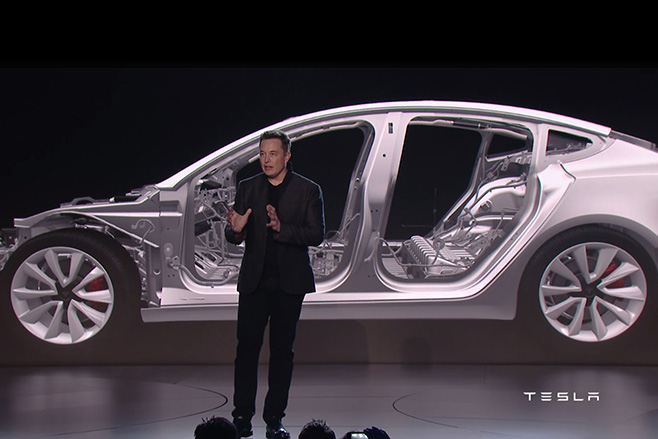
“Elon abandoned Tesla and Tesla has no working CEO,” Kougan tweeted.
“Tesla needs and deserves to have working full-time CEO.”
Musk has come under fire among investors for selling his Tesla stocks, with some speculating that he’s using the funds to invest in transforming Twitter as a hub for free speech without bot and spam accounts.
The entrepreneur – who also owns SpaceX, the Boring Company, and Neuralink and Open AI – is no longer the world’s richest man after acquiring Twitter and a subsequent sharp fall in the Tesla share price, down by almost 18 per cent in the past month. According to Forbes, Musk’s net worth sits at about AU$233 billion.
Tesla was founded by Martin Eberhard and Marc Tarpenning in 2003, before Musk took over as CEO in 2008.
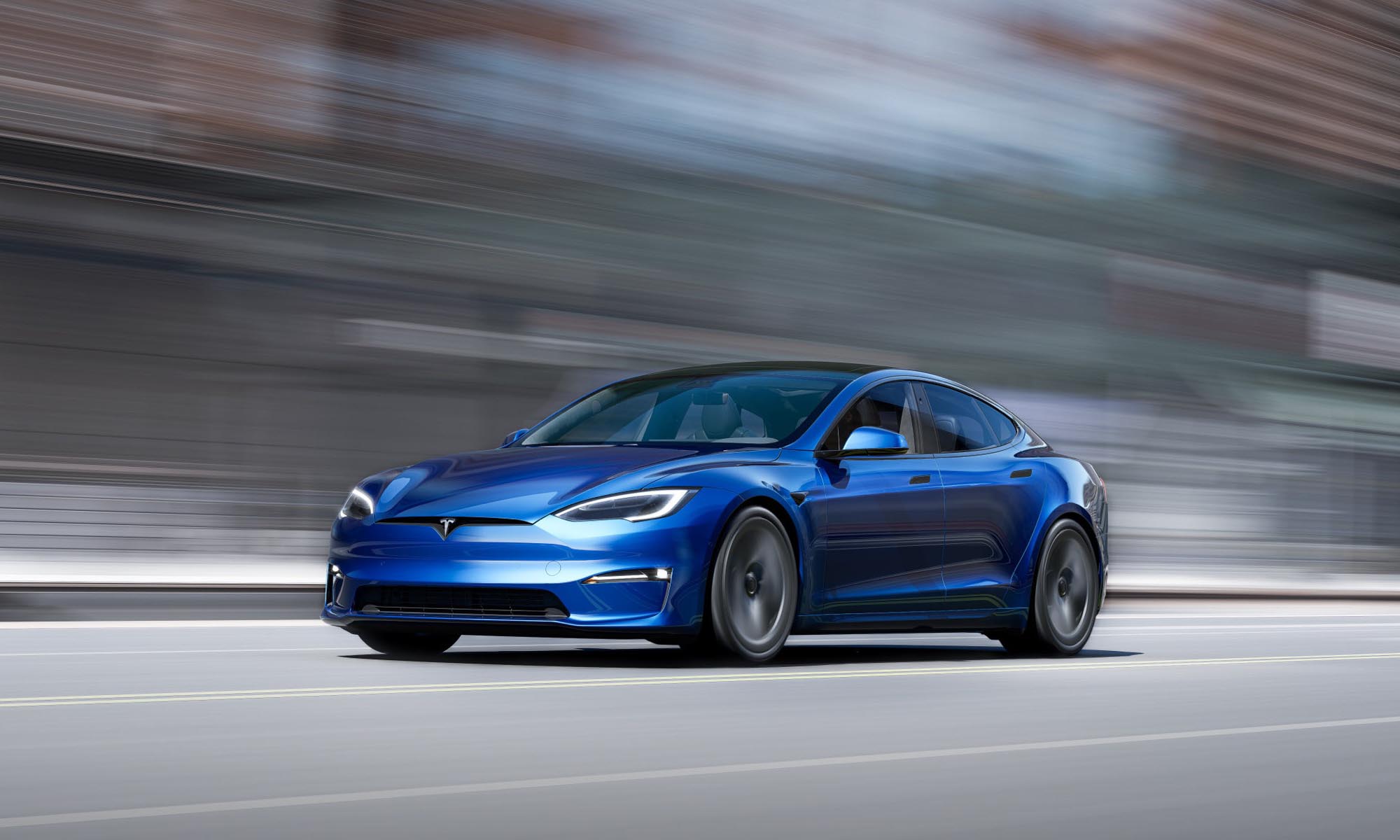
It’s now the world’s best-selling electric vehicle car brand led by the Tesla Model 3 small sedan and Model Y medium SUV, alongside Model S and Model X flagships.
The American carmaker is also rolling out its Semi delivery truck to commercial customers – albeit five-years after its debut – and is still yet to deliver its promised second-generation Roadster coupe and controversial Cybertruck electric ute.
UPDATE, December 2022: RN22e driven in Australia for the first time
Following the global unveiling and world-first drive in September, we’ve now driven the mean Hyundai RN22e racing concept right here on Australian soil at The Bend – the world’s second-longest full-time racing circuit.
Lucky for us, Hyundai had flown the RN22e in as part of its annual N Festival celebrations. Along with having its rabid N-owning fans there, Hyundai invited us along too.
We’ll let Angus’s existing review below give you the impressions in written form, but right here you’ll find Daniel Gardner’s video review from The Bend. As you’ll see… he’s really into it.
What do you think of the RN22e? Tell us in the comments – but not before you read Angus’s review from September, right below our video.
September 2022: RN22e world-first drive, in Europe
“It’s not just a technology demonstrator. We want to send out the message that there’s an optimistic future. We think we can deliver an exciting product in terms of EV performance.”
It has 430kW and 740Nm, all-wheel drive, and looks ready for a hot lap of Mount Panorama. But to the engineers at Hyundai’s N brand and motorsport division, the Hyundai RN22e has been designed and engineered to test hardware and software that will see duty not just on the racetrack in 2023, but also in Hyundai’s first high-performance electric vehicle, the forthcoming IONIQ 5 N.
The RN22e is, of course, based on the swoopy new IONIQ 6 sedan that’s expected to go on sale in Australia in the first half of 2023.
When the race version of the IONIQ 6 hits the track in Europe’s eTouring Car World Cup next season, it will mark the competition debut of Hyundai’s E-GMP electric vehicle architecture and will be the first car in the all-electric race series based on a vehicle designed from the wheels up to be powered by electricity.
More interesting to most of us, though, is what the RN22e says about Hyundai’s approach to building high-performance electric road cars.
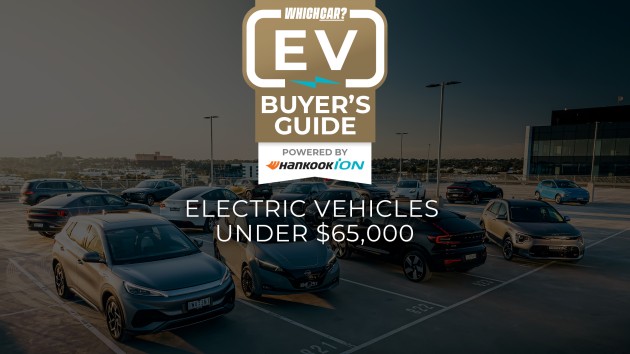
Best Electric Cars Under $65k: Affordable EVs Rated
Welcome to part one of three price-based EV buying guides, this one focused on the most affordable electric cars available in Australia today
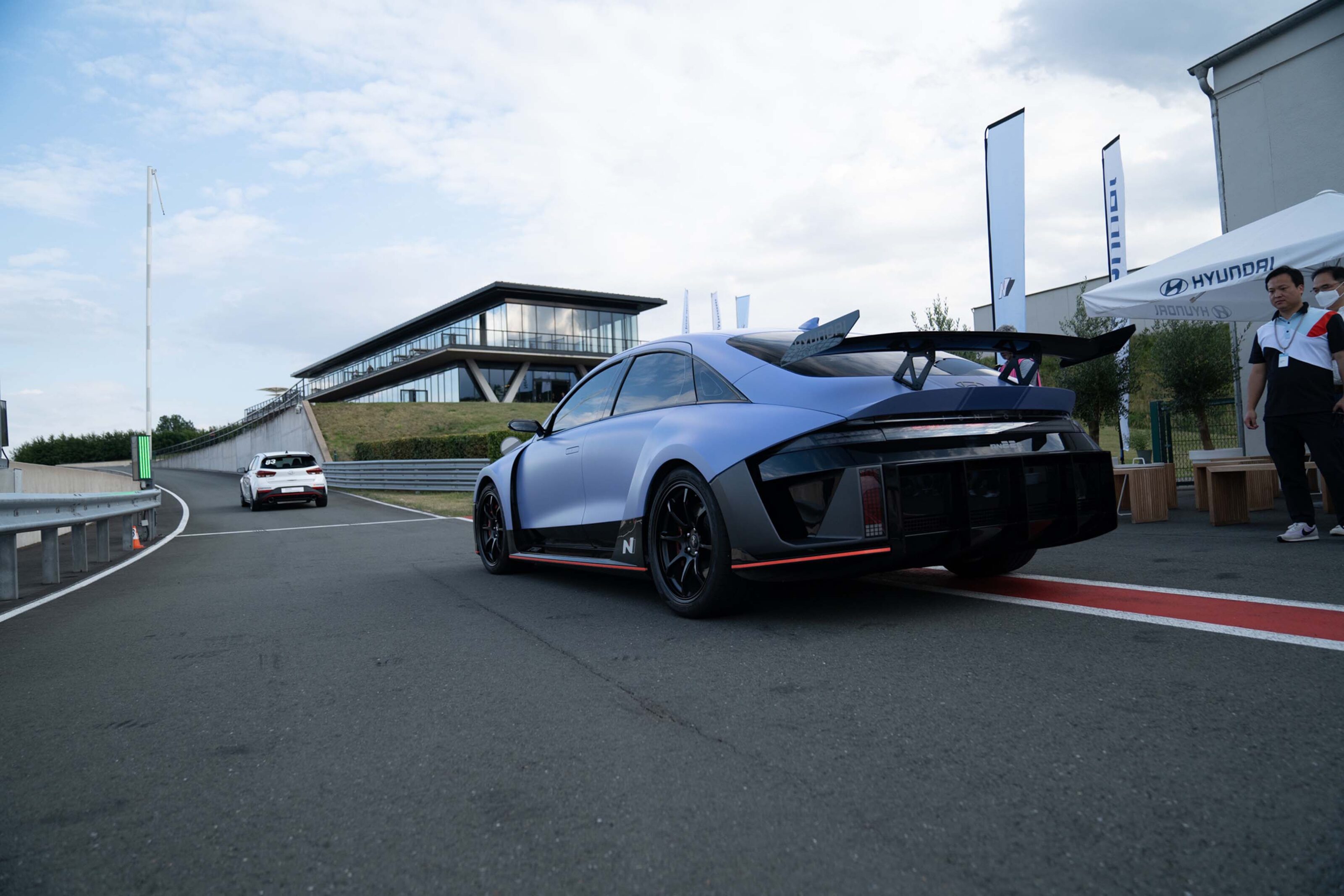
“It’s not just a design exercise,” says N brand’s Jae Keun Yoo of the muscular RN22e.
“It’s not just a technology demonstrator. We want to send out the message that there’s an optimistic future. We think we can deliver an exciting product in terms of EV performance.”
The spec sheet certainly looks promising. The RN22e’s 430kW, 740Nm dual-motor powertrain is fed by a 77.4kWh battery, the same capacity as used in long-range E-GMP road cars.
Output between the two e-motors is asymmetrical, with the rear unit producing 270kW and the front chipping in 160kW. Hyundai says the motors now spin to more than 20,000rpm – up from 15,000rpm – to deliver a higher top speed.
A battery conditioning system raises the battery temperature to the optimal level to maximise performance before track driving, then lowers it to enable fast charging using the E-GMP’s 800V architecture.
To help make the thermal management of the battery even more efficient, the electric motor and battery have independent cooling systems, both fed by the wider intake at the front of the car.
Power distribution technology already available in E-GMP-based Hyundais has been further developed, using experience gained from Hyundai’s World Rally Cars, to enable faster switching between all-wheel drive and rear-wheel drive.
There’s also a torque vectoring system on the rear motor that uses clutches to individually adjust torque distribution to the left and right rear wheels.
With all that focus on the rear axle, it’s no surprise that the RN22e feels decidedly tail happy the first time you get behind the wheel. Lift off the accelerator on corner entry and the rear end immediately starts to come around. Get on the power midway through a fast sweeper and it’s the same story.
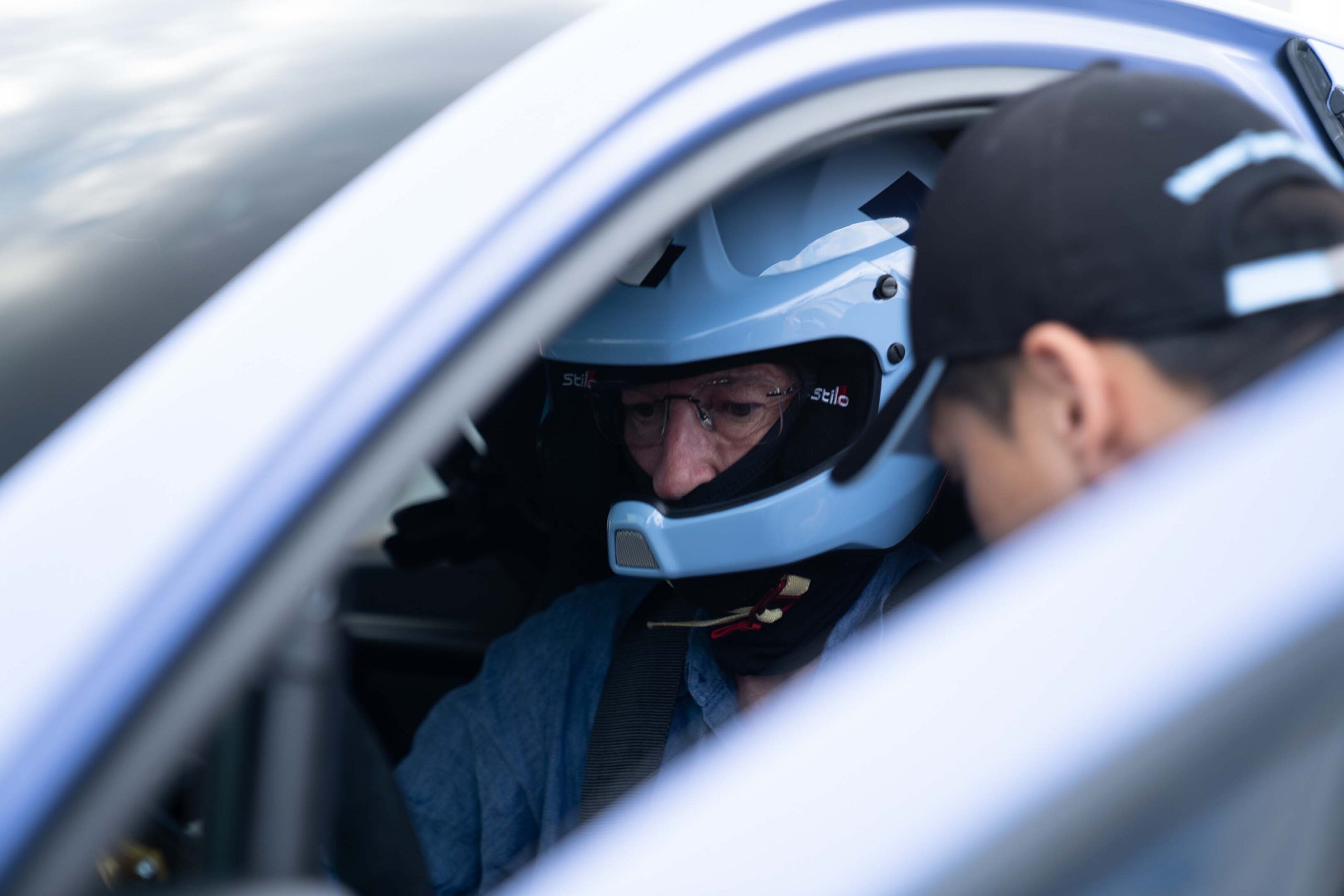
With all that focus on the rear axle it’s no surprise that the RN22e feels decidedly tail happy the first time you get behind the wheel.
Fortunately, the chassis clearly communicates its intentions, and it doesn’t take long to get used to using the prompt lift-off rotation to get the Hyundai into the corners, and then using the accelerator to control the slip angles through them.
Of course, oversteer everywhere is not the fastest way around a racetrack and engineers on the RN22e project admit that if you want to chase the ultimate lap time a more balanced, higher grip chassis set-up is only a software tweak away. But the RN22e has been deliberately set up to be a show-off drift king, to prove that an EV can make you smile behind the wheel.
In an era when many EVs feel stolidly one-dimensional in terms of their dynamics, the RN22e’s chassis is remarkably receptive to driver inputs.
We found that in its most aggressive setting, the adjustable regenerative braking helped load the front axle on lift-off and initiate rotation on turn-in.
Selecting lower regen allowed for more nuanced adjustments with the accelerator, making the car feel more balanced through fast corners.
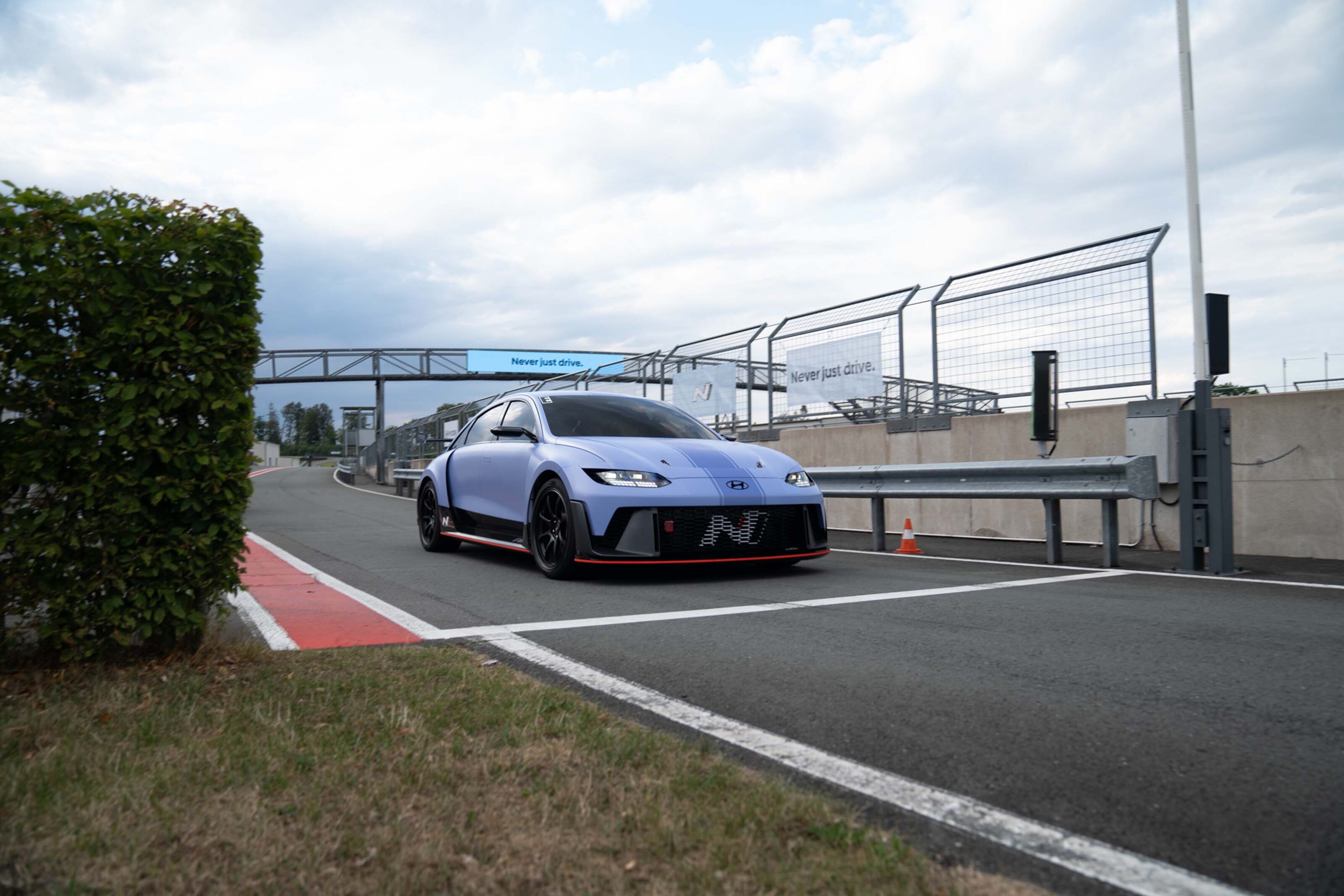
The corollary of that, of course, is you tend to work the brakes harder. To cope, the RN22e uses high-performance friction material pads in four-piston monobloc calipers that clamp 400mm rotors front and rear.
It stops well, with decently consistent feel and good stability. N engineers say they’re still working on the regen braking technology to optimise it further so drivers can attack corners faster and more aggressively.
N boss Till Wartenberg says high performance emotionalises cars and people, but he admits making an electric vehicle as emotional as an ICE high-performance vehicle is a challenge.
Which is why the RN22e has a simulated gearshift mode and simulated engine noise, which is played through both internal and external speakers. From behind the wheel, the engine noise is surprisingly convincing, rising and falling in conjunction with the fake gear shifts, which are actuated via paddles just as they would be in a conventional ICE car with a dual-clutch transmission.
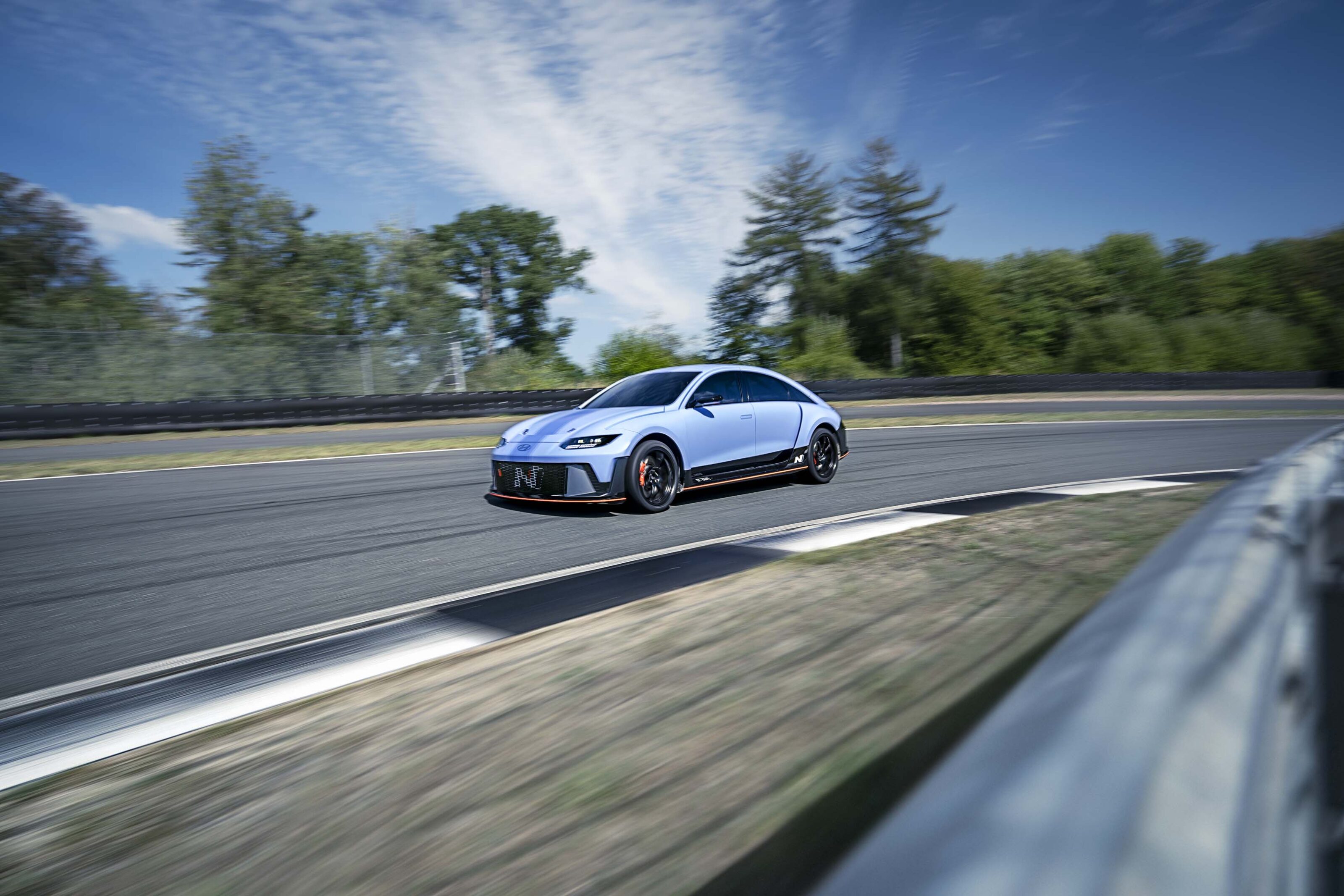
The simulated gearshift mode doesn’t make you go faster. In fact, it’s slower on the track, not least because the power and torque outputs from e-motors are cut to give the sensation that you’re shifting gears. But it does feel reasonably realistic, and you do have to pay attention to shift points to be as quick as possible, just as you do in a real DCT car.
Of course, fake gearshifts and fake engine noise are gimmicks. But you could argue they are perhaps no more of a gimmick than putting a clutch pedal and seven-speed manual transmission in a Porsche 911 when the faster, smoother, more efficient PDK dual-clutch transmission is demonstrably the better option for ultimate performance.
The point is that fake shifts and fake noise are meant to be fun, and they unquestionably increase engagement for drivers who want sound with the fury that comes from a big power, high-torque EV.
Which is why Hyundai plans to have both technologies available on the IONIQ 5 N.
MORE: 2023 IONIQ 6 review
Hyundai’s “electrified streamliner” packs a punch, but in a bit of a heavyweight way. Unlike the RN22e, this is a car you’ll actually be able to buy in Australia next year. So let’s see how it goes. Review at the link below.
Snapshot
- Stinger Tribute Edition limited to 1000 units globally
- End of production announcement a shock to Australia
- Stinger remains in Oz business plan for 2023
- Kia global yet to give precise end of production date
Kia has said it will lay the Stinger to rest after the last of the 1000 Tribute Editions roll off the production line… but Australia remains committed to the liftback.
The fate of the Kia Stinger has long been in question with tightening emissions mandates as well as increasing demand for SUVs and electric vehicles. There certainly won’t be a second-gen vehicle in combustion form as the EV6 GT takes the reins as Kia’s flagship.
As a final hurrah globally, the Tribute Edition wears exclusive matte grey paintwork and gets special terracotta-tanned leather within, with no changes to its mechanical attributes.
“The Tribute Edition pays homage to Kia’s high-performance vision, and celebrates the Stinger sedan’s significant contribution to the brand since its introduction in 2017, as production of the groundbreaking model comes to an end”, Kia said in a statement.
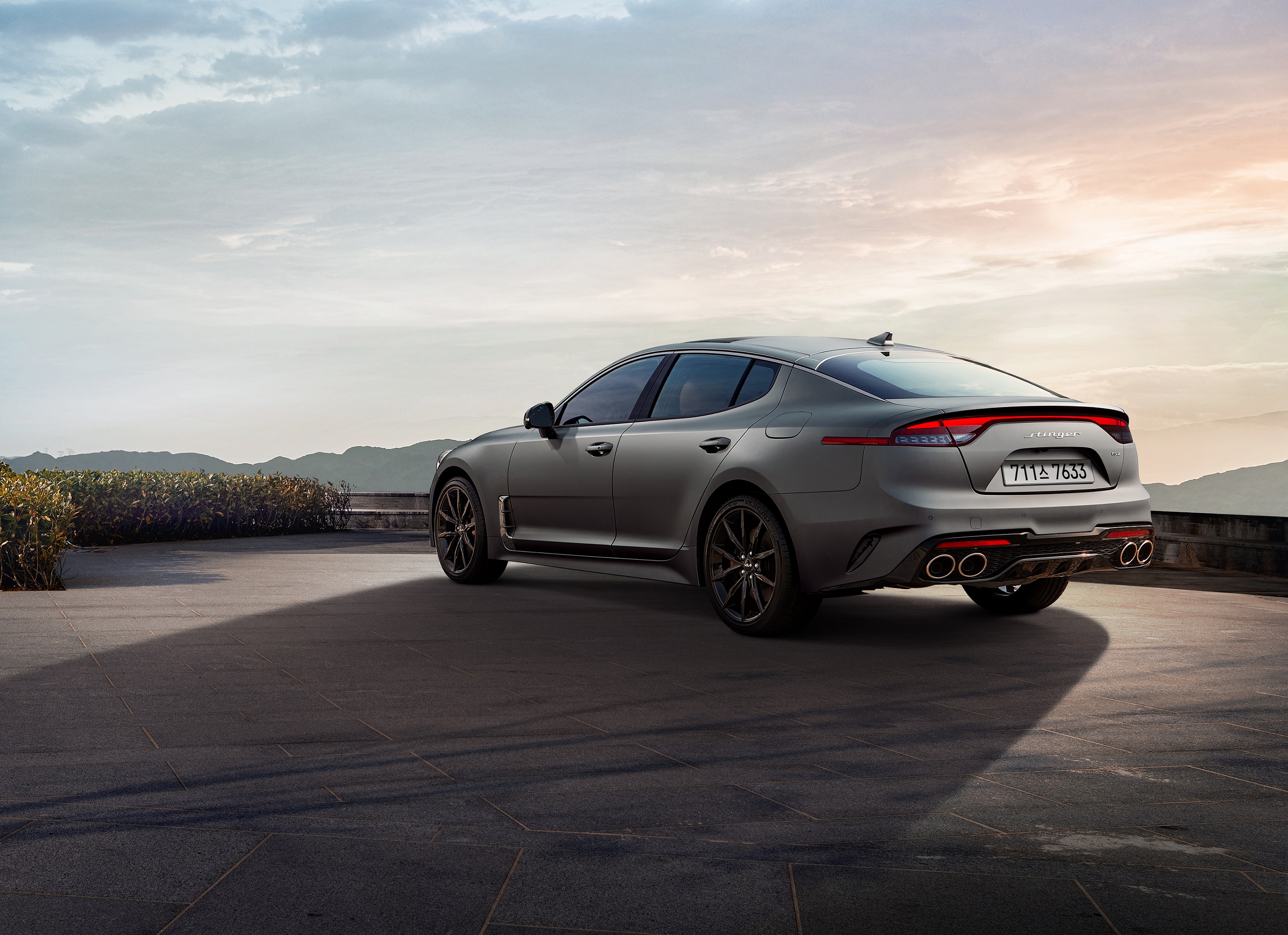
Stinger to live on in Australia in 2023
Yet the Stinger looks to be fighting the dirt off its coffin for a little longer, at least in Oz. Kia’s Australian arm has been fighting the Stinger’s rumoured demise for some time, and while head office has popped the final sting in the tail for the rear-drive liftback, Australia isn’t keen to back down yet.
“With no official end of production date announced by [Kia] Global, we are still taking orders and plan to sell as many as we can get our hands on next year,” a Kia Australia spokesperson told Wheels.
Far from Australia’s success with Stinger seeing it as a prime market for the tribute, then, instead it sounds like the ‘business as usual’ approach Kia executives confirmed to Wheels earlier in the year will continue.
A lack of penalty for selling petrol or diesel vehicles in high volumes in Australia is also likely a contributing factor to Stinger’s ongoing success here. There are currently four variants in the Stinger range, which spans $55,490-69,890 drive-away.
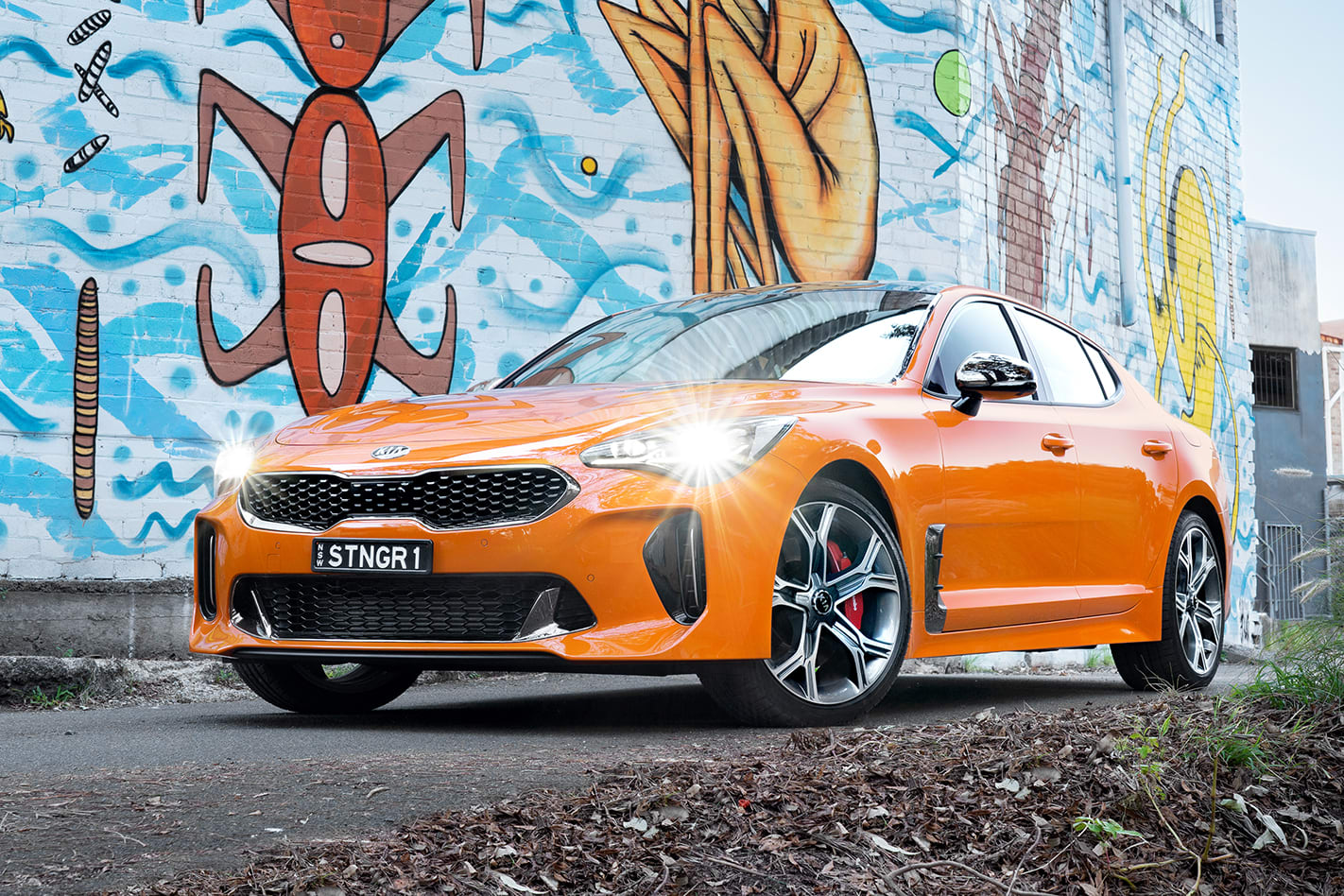
“We won’t be introducing the Tribute model. Due to the strong demand for Stinger in Australia and backorders to fill, a Tribute Edition will only spark even more demand which is unnecessary with the end in sight,” the spokesperson added.
Sales numbers prove that Stinger love in Australia has only grown over the years, with the spiritual successor to the Holden Commodore SS and Ford Falcon XR6 Turbo tallying 2161 sales in the 11 recorded months of 2022 – up 58 per cent on the 1371 delivered in the same period last year.
Kia says that until Global hands down a true ultimatum in the form of a final production day for Stinger, it will keep taking orders Down Under. Regardless of its Australian success, it seems that 2023 or early 2024 will mark the end of Stinger as global demand recedes by the day.
What makes the Stinger Tribute Edition special?
It’s finished in moonscape matte grey duco with black 19-inch alloy wheels. A further black package features on the outside, with contrast mirror caps, headlight surrounds and Brembo brake calipers.
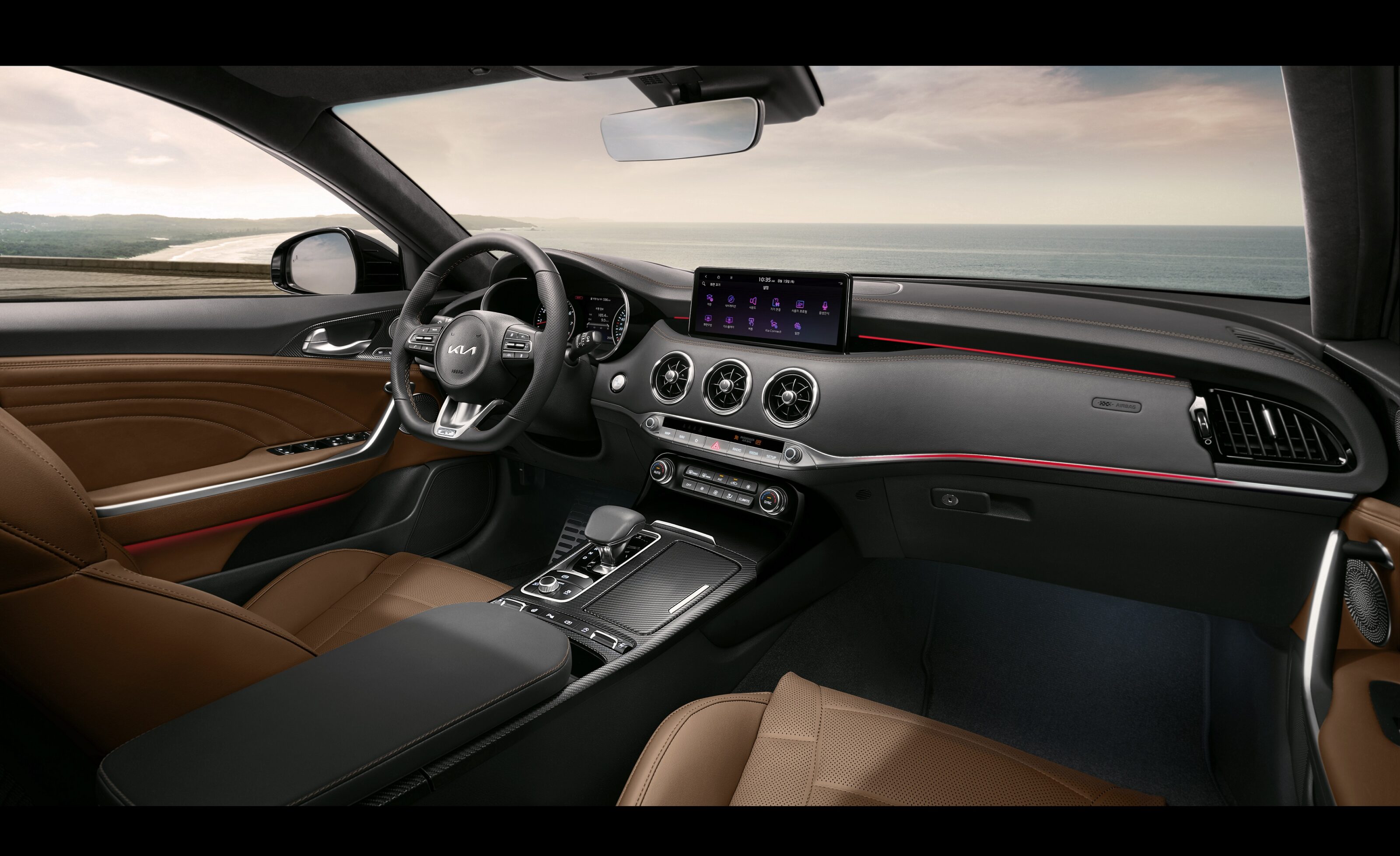
Inside is terracotta-tanned leather upholstery – exclusive to the Tribute Edition – fitted to the steering wheel, armrests and seats that now have a new wasp logo in the headrest. There’s also carbon fibre-look interior trim and numbered door plaque.
Under the bonnet, Stinger’s 3.3-litre twin-turbo V6 petrol engine remains, producing identical 274kW/510Nm outputs. Although in Australia the model is exclusively rear-wheel-drive with a limited slip differential fitted, in other markets AWD is available. All Kia Stinger GTs feature an eight-speed torque converter automatic transmission.
Snapshot
- Tesla owners can now remotely livestream the caru2019s interior
- New user interface tweaks to address V11 complaints
- Apple Music support, track mode for Model Y Performance and more
Tesla has released its annual Christmas over-the-air (OTA) software update to its electric cars, including remote cabin camera monitoring, track mode for the Model Y Performance SUV, Apple Music support and more.
The latest 2022.44.25 update is rolling out now to all Tesla EVs in Australia, including the Model 3 sedan, Model Y crossover, and older Model S and Model X.
Owners will receive a notification once the software update is available in the ‘software’ tab of the touchscreen settings or Tesla mobile app. Once downloaded, the vehicle cannot drive or charge during installation.

What’s new in the 2022 Tesla holiday OTA update?
The update doesn’t bring a major user interface overhaul like with last year’s V11 software, but introduces some convenient new features and Easter eggs. Some features require Tesla’s Premium Connectivity subscription, which costs $9.99 per month.
Apple Music
The Apple Music streaming app is now built-in to Tesla vehicles in addition to Spotify, Tidal and TuneIn.
Users need to login to their Apple ID account by scanning a QR code, have an active Apple Music subscription, and the Premium Connectivity subscription is required.
Cabin camera monitoring
Tesla owners can now view the interior camera via the mobile app while using dog mode or sentry mode to monitor the cabin live, in addition to watching the exterior cameras.
A Premium Connectivity subscription is required.
Driver instrument cards
Media controls are now located within the instruments section to be closer to the driver. Swiping up opens ‘recents and favourites’ and ‘sources’.
It also reintroduces trip and tyre pressure information for the Model 3 and Model Y by swiping left and right, without going into the settings menu by swiping left or right of the media controls card.
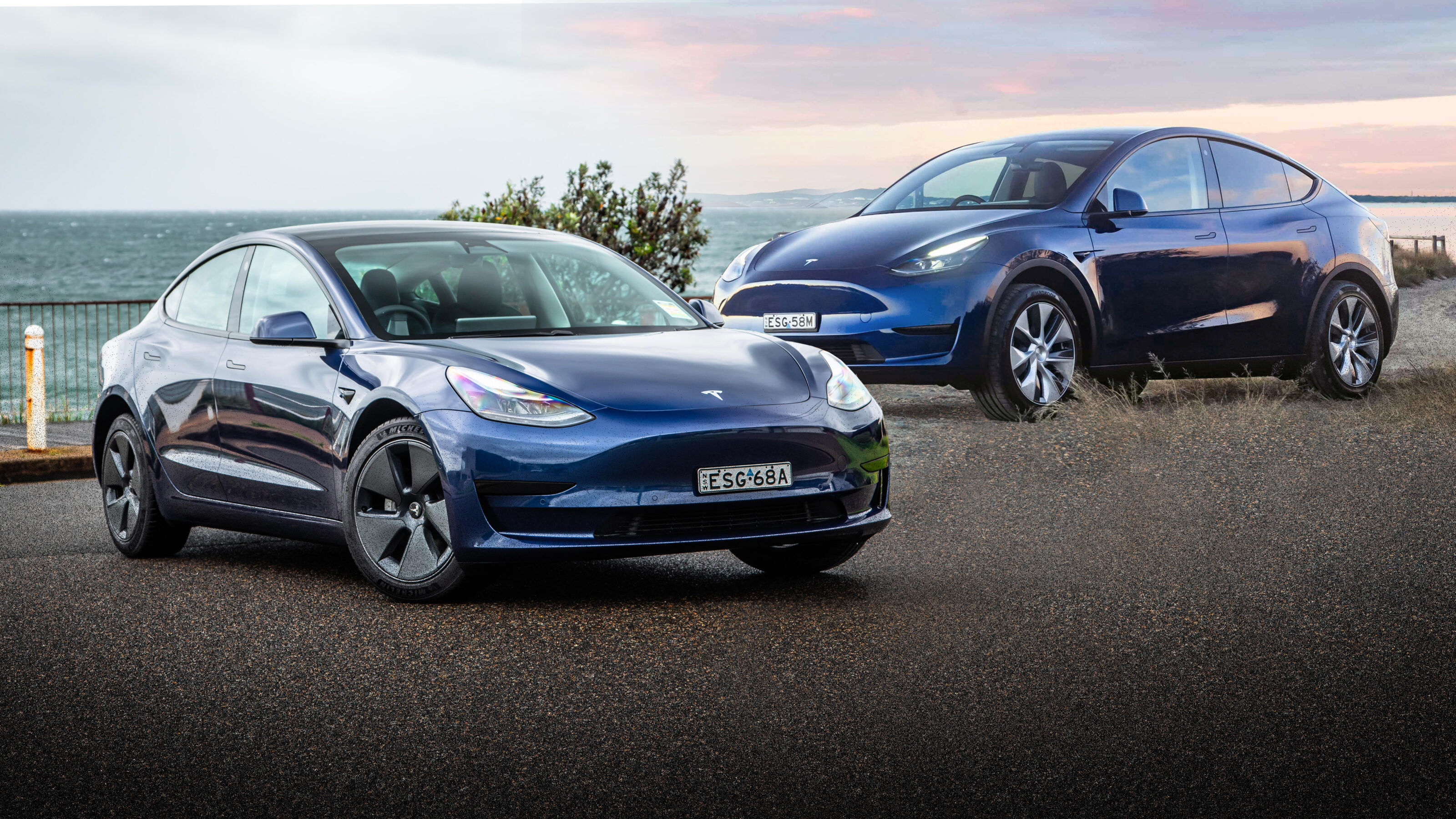
Revised navigation UI
The layout of the built-in Google Maps has been tweaked with more prominent next-turn directions and other information like battery level on arrival, the ETA and cancel button are now located at the bottom of the display.
Climate control fan speed
The automatic climate control can now be set on low, medium or high fan speed intensities.
Auto indicators
The turn indicators now automatically deactivate after completing a lane charge, fork or merge.
It can be turned off via the ‘lights’ section of the settings app.
Track mode for Model Y Performance
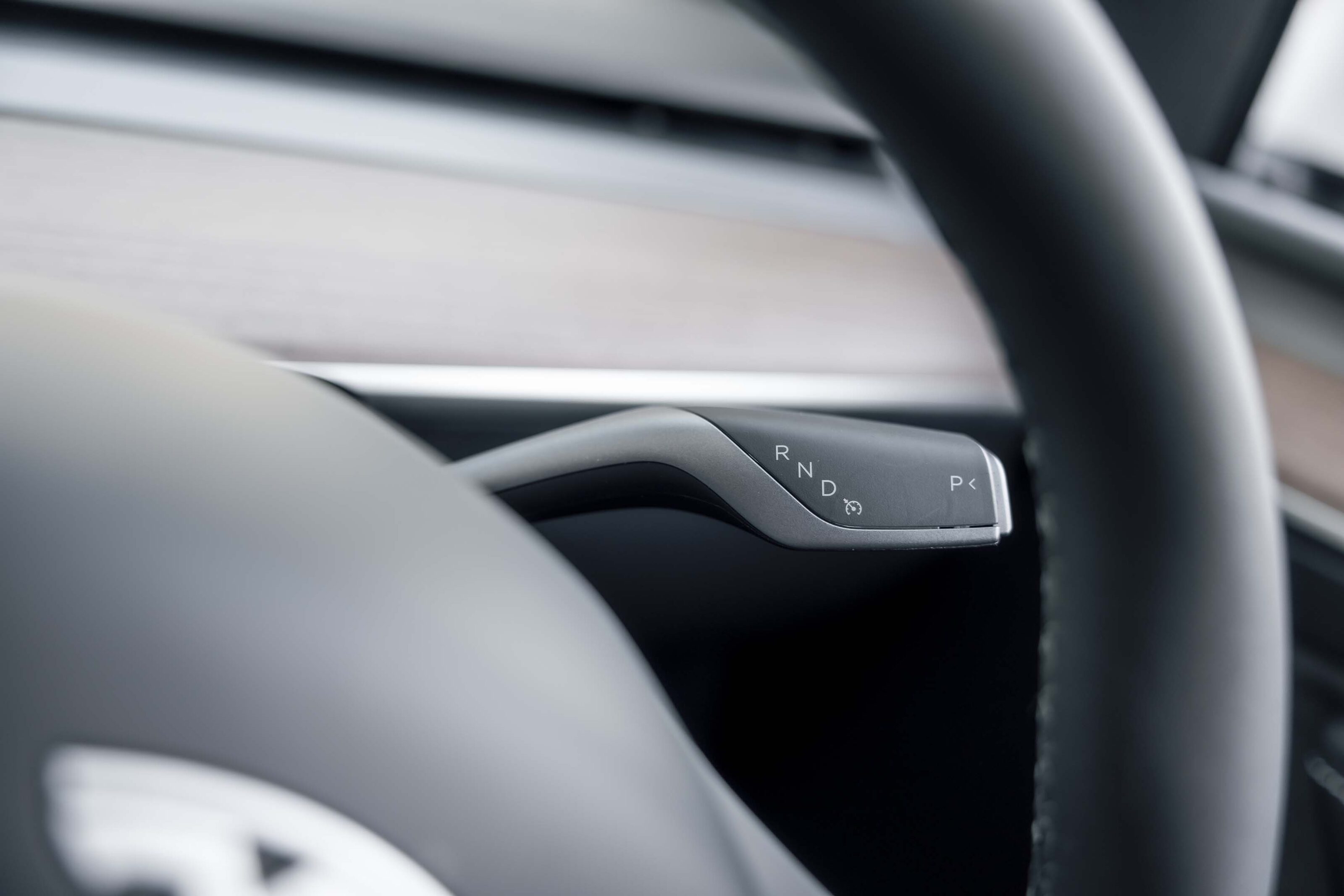
The flagship Tesla Model Y Performance crossover gains track mode to unlock tweaks to the stability control, powertrain and brakes already available in its Model 3 Performance twin.
However, it should only be used on controlled track conditions.
Bluetooth phone tweaks
When you’re on a call on your phone and first step into your Tesla, it will prompt a confirmation to transfer the call to the vehicle’s Bluetooth first, instead of automatically switching.
Additionally, owners can now search for specific contacts when a smartphone is connected via Bluetooth.
Multiple Bluetooth gaming controllers
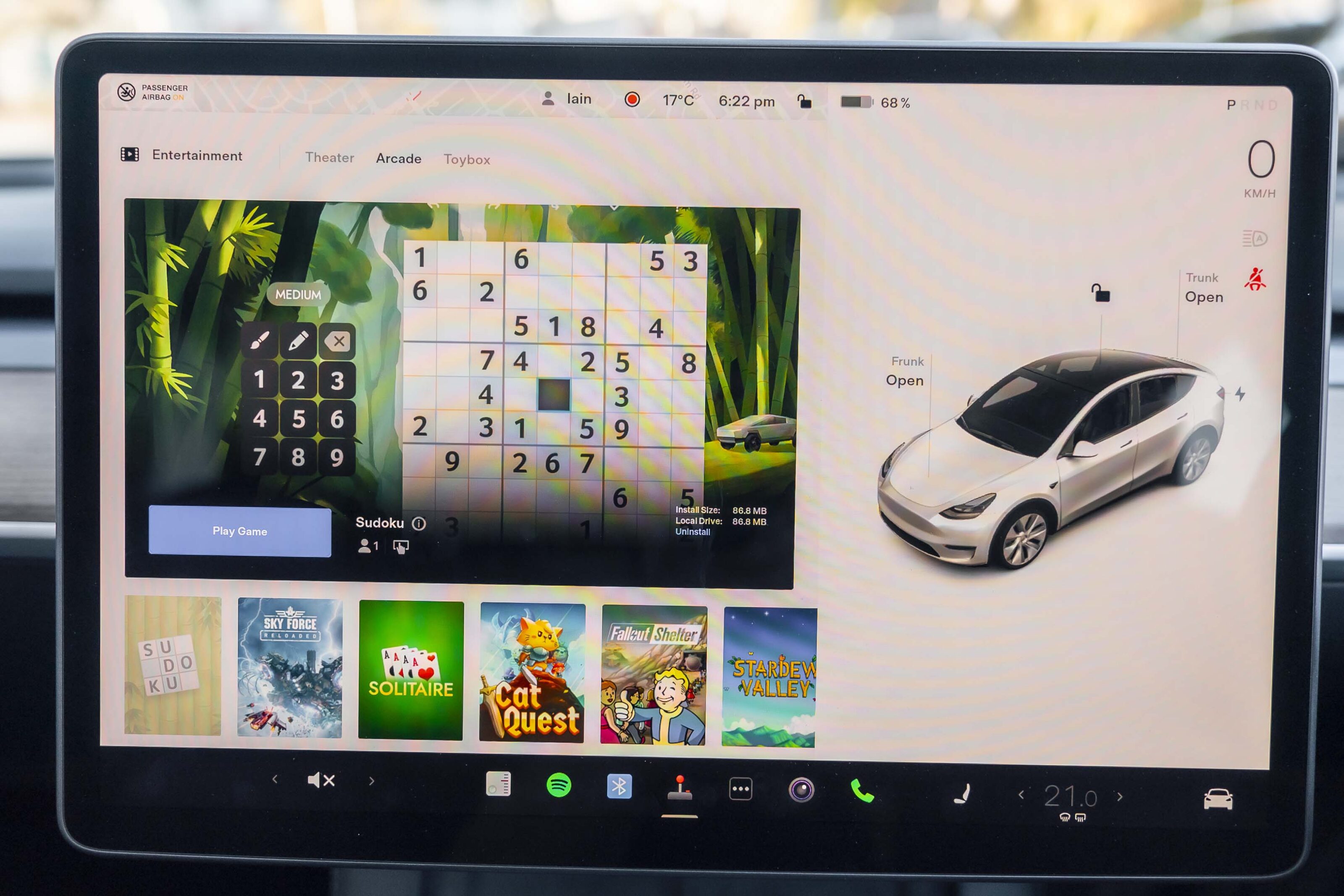
Several gaming controllers can be connected via Bluetooth at the same time to play multiplayer games in the Arcade.
Rainbow visualisations
The rainbow road visualisations can permanently show when Autopilot is active by toggling ‘Always Rainbows’ in the Toybox section.
Scheduled light show
The Christmas light show can be scheduled for up to 10 minutes ahead of time via the Toybox. This enables multiple Tesla vehicles to perform the show at the same time.
Disable auto-present door handles
The Tesla Model S large sedan can disable its automatic pop-out door handles while parked at home.
Exclude auto door opening
The Tesla Model X large SUV can now disable its automatic front door opening while parked at home.
Fart mode via mobile app
The famous ‘Emissions Testing Mode’ can now be used from the Tesla mobile app.

‘Verified’ fart mode
A new fart sound has been added to the ‘Emissions Testing Mode’. It’s called ‘Verified’ and features the Twitter tick symbol.
Garage door opening
Tesla EVs also support myQ Connected garage door openers to remotely monitor and control via the touchscreen.
Furthermore, when near connected HomeLink garage doors, it now shows buttons to activate or cancel and the number of metres before the signal is transmitted when it’s set to auto-open/close.
What isn’t available in Australia yet?
Some features in Tesla’s latest 2022 Christmas update aren’t available for Australians, mostly because the facelifted Model S large sedan and Model X large SUV aren’t on sale yet – but both flagship electric cars are starting to roll out beyond the US for the first time in Europe.
Steam (beta)
Valve’s Steam gaming store now enables the updated Model S and Model X to buy, download and play computer-grade games utilising its AMD Ryzen processor and Navi 23 graphics unit. Gamers can connect gaming controllers, mice and keyboards.
A Premium Connectivity subscription is required. Only Steam Deck-approved games can be played.
Zoom
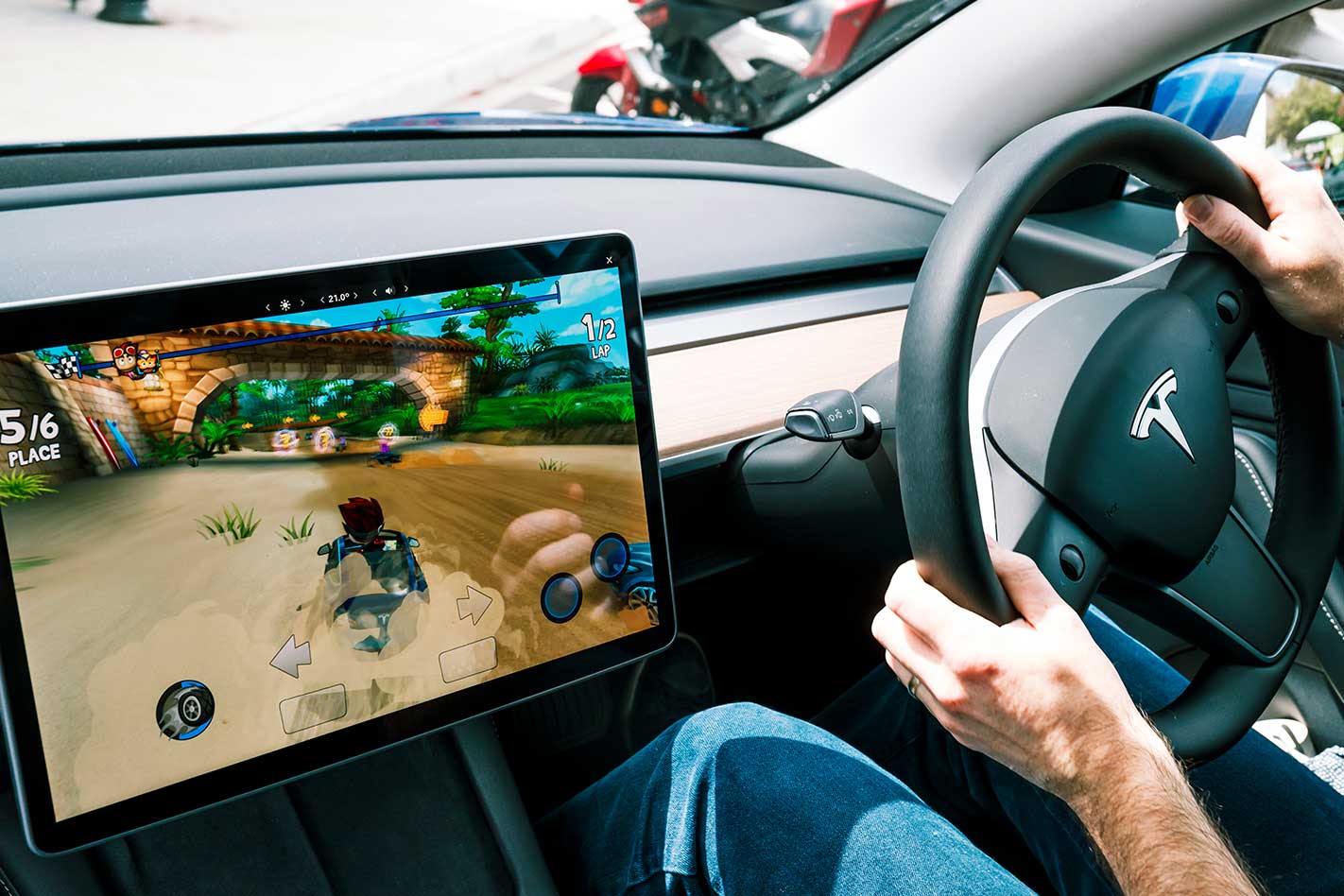
The ubiquitous virtual meeting app Zoom is available for the Model 3, Y, updated S and X using the cabin interior. Video and screen sharing are only displayed while parked and switches to audio-only when driving.
A Premium Connectivity subscription is required.
Rear screen control
The updated Tesla Model S and X has a display for rear row passengers. It can now be controlled directly from the front and owners can choose either the front or rear display as the audio source or lock the rear screen entirely.
The 2023 Alfa Romeo Giulia SWB Zagato has been revealed as a one-off special.
Snapshot
- 2023 Alfa Romeo SWB Zagato revealed
- One-off special features a bespoke two-door body and a shortened wheelbase
- Built to celebrate 100 years of collaboration between the two brands
It follows celebrations for the 100th anniversary of the collaboration between Zagato, a Milan-based coachbuilder, and Alfa Romeo, with the first model being the 1921 Tipo G1.
The custom vehicle started as a Giulia Quadrifoglio sedan, with customisations including a shortened wheelbase, a bespoke two-door carbon fibre body, Tonale headlights, and a twin-turbo V6 sourced from the GTAm with a six-speed manual transmission.
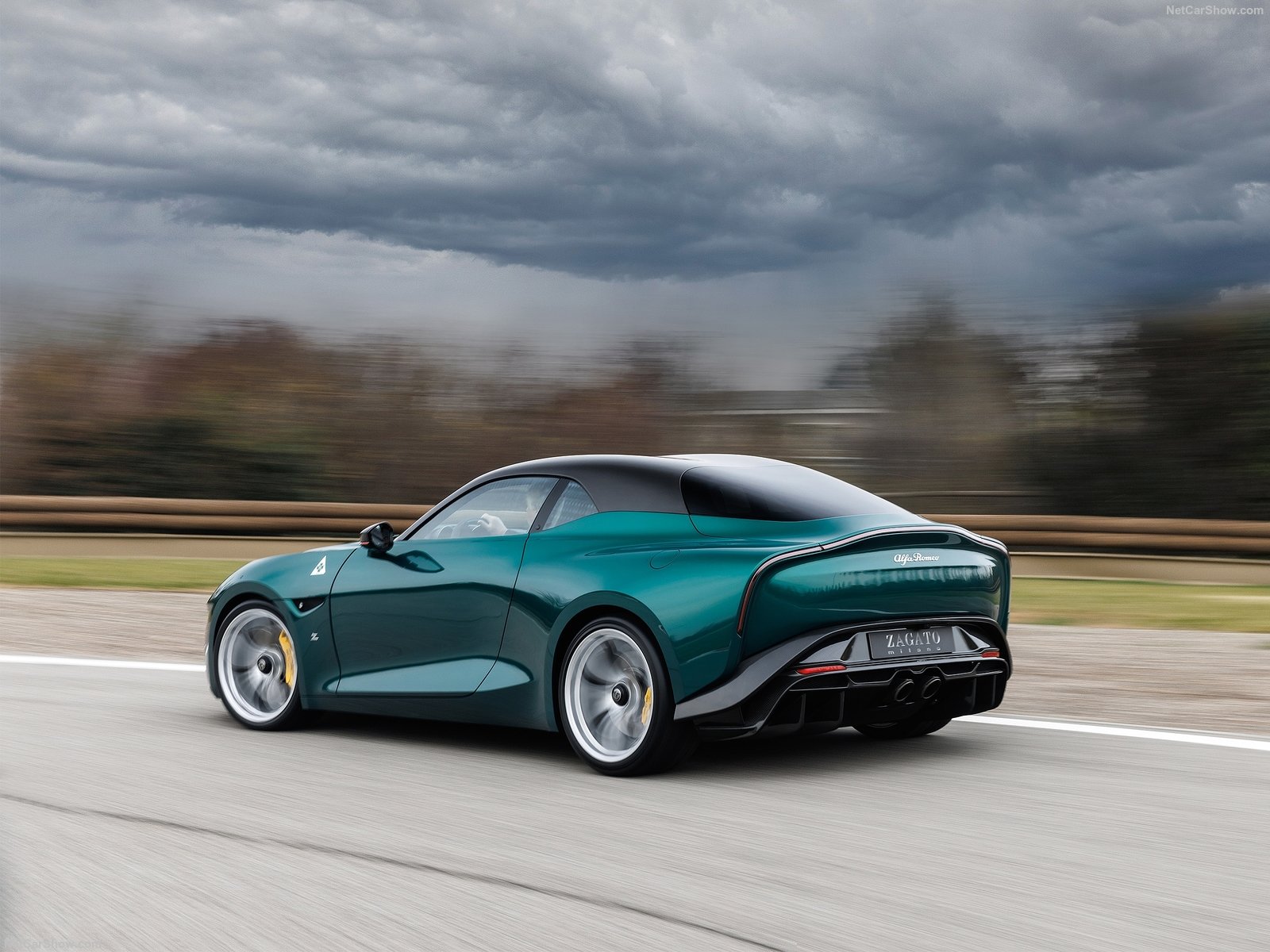
Up front, the Giulia SWB Zagato combines new and old design elements with inspiration from the Alfa Romeo SZ (1989-91). These include three-point LED headlights borrowed from the recently-launched Tonale small SUV, a carbon fibre splitter, and a prominent air vent on the bonnet.
Along the side, there’s a triangular Quadrifoglio badge, a Zagato emblem, hidden door handles, and five-spoke 20-inch alloy wheels sourced from the GTAm.
The rear design, meanwhile, is said to be influenced by the 1963-67 Giulia TZ, while the GTAm’s large rear spoiler has been removed for a sleeker look.
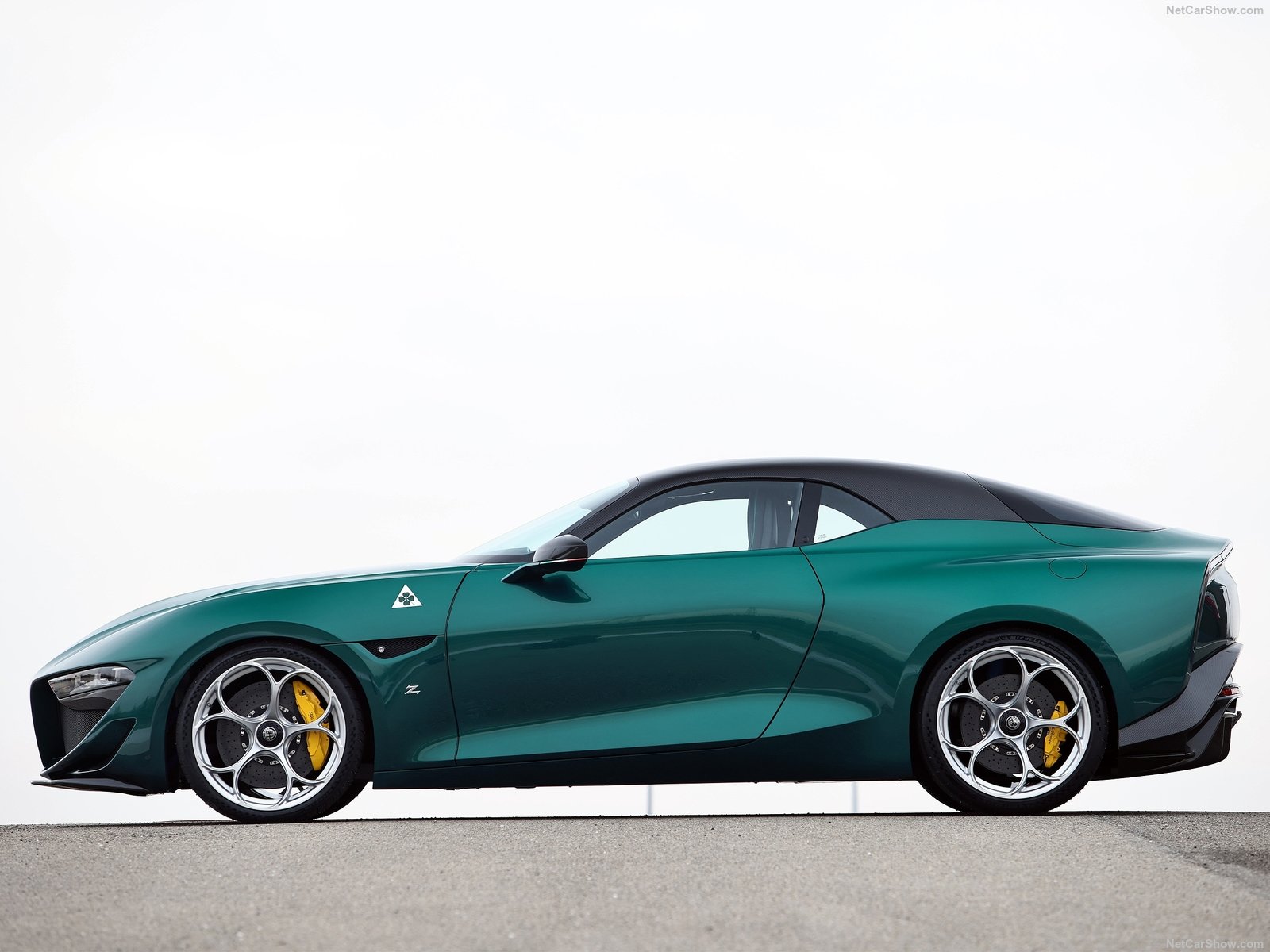
Under the bonnet, the twin-turbo 2.9-litre V6 produces 398kW and 600Nm – in line with the GTAm – however, the six-speed manual available on the Quadrifoglio in European markets has been retained.
Inside, the vehicle retains the Giulia’s layout with a few unique elements: green accents, carbon fibre door cards, a two-seat configuration, and carbon fibre front bucket seats with a ‘Z’ emblem on the headrests.
While Aston Martin’s design team supported the project, the one-off Giulia SWB was developed and produced by Zagato “without external support”.
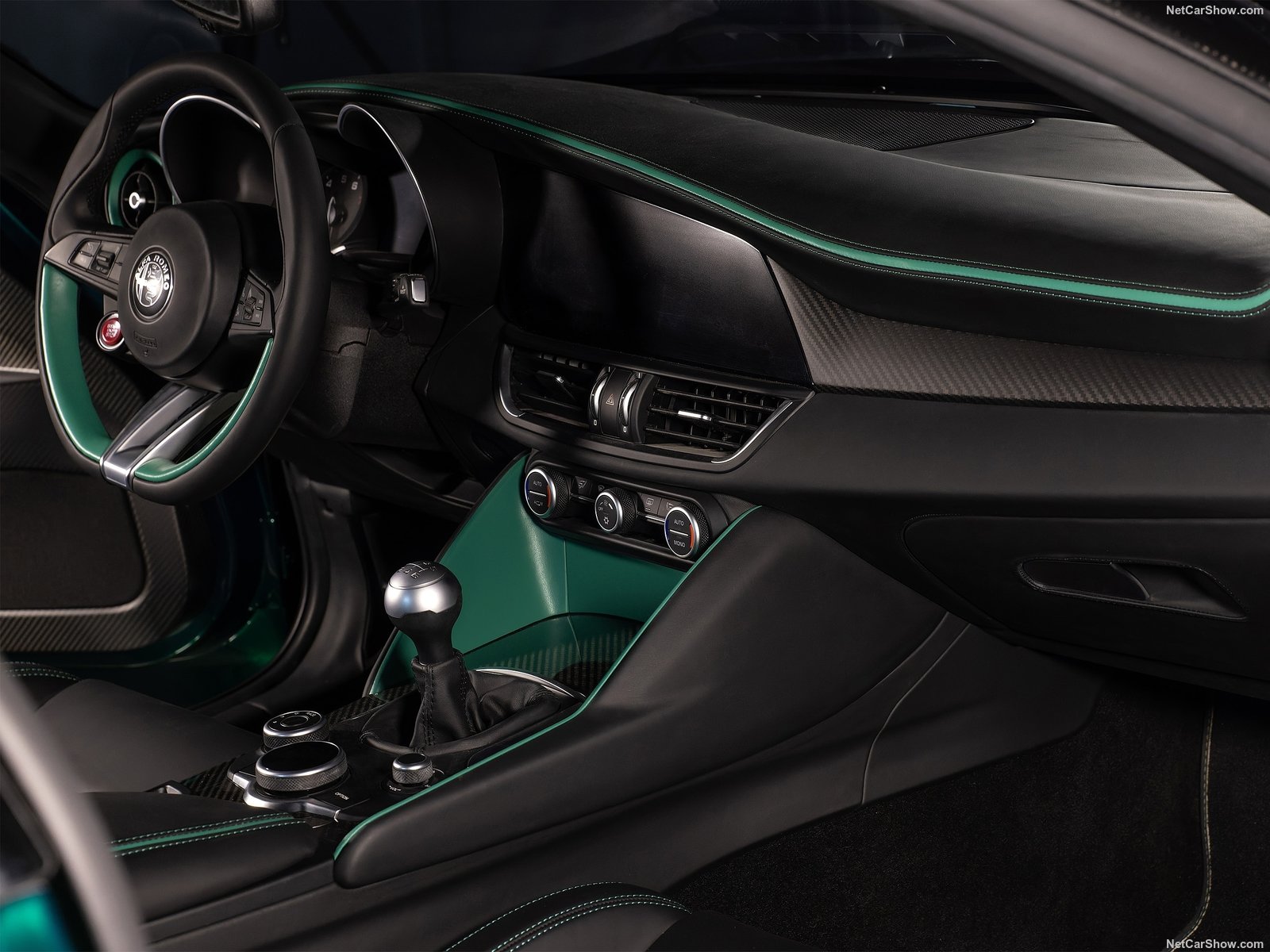
Its design was led by Alejandro Mesonero, the head of Alfa Romeo’s design centre, who said: “The result is a car that fits perfectly into the historical path of the two marques where the first objective was and is to combine beauty with performance.”
“The philosophy of this new 2023 SZ is that of the 1960s, with a body driven by simplicity, aerodynamics and lightness,” he added.
“The new SZ offers a dynamic, simple body, where long lines run from the front to the rear where creating ‘a strong but discreet muscularity at the same time.”
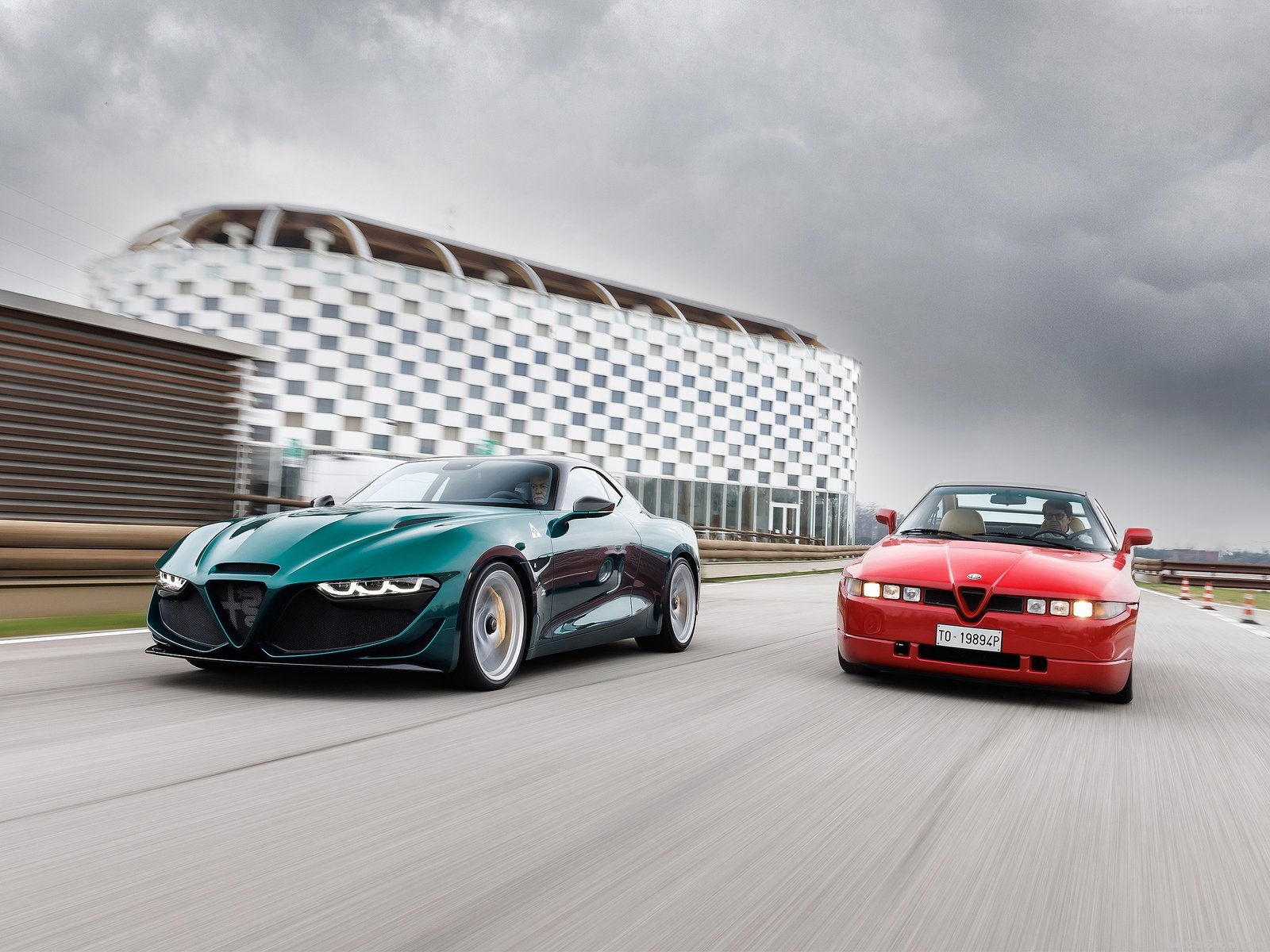
“We are extremely satisfied with the collaboration we had throughout this period with Centro Stile Alfa Romeo, the teamwork was perfect, also with the Marketing and Communication department. It has been an exhilarating experience that has confirmed how the combination of Alfa Romeo and Zagato is an absolute classic of collecting,” said Zagato CEO, Zed Milano.
The sole 2023 Alfa Romeo Giulia SWB Zagato is destined for a German customer, who was selected from a number of Zagato customers owing to his range of limited Alfa Romeos, including the 8C Competizione.
While the coachbuilder hasn’t revealed a final price tag, it is likely to be quite expensive due to its extensive modifications, including the two-door carbon fibre body.
Price parity, it is said, will mark the true start of the EV age.
The thinking goes that when a battery-powered model costs about the same as its combustion-engined equivalent, all other incentives and selling points will become secondary in the eyes of mainstream consumers.
So while models such as the Porsche Taycan continue to demonstrate the upper echelon of EV ability along with their correspondingly prickly prices, all eyes are on the more humble offerings as the true barometer of electric transition.
That’s why challenger brands are taking a fair chunk of the action in new EV sales. In fact, there are only four models that that compete in the sub-$60k electric market – until now.
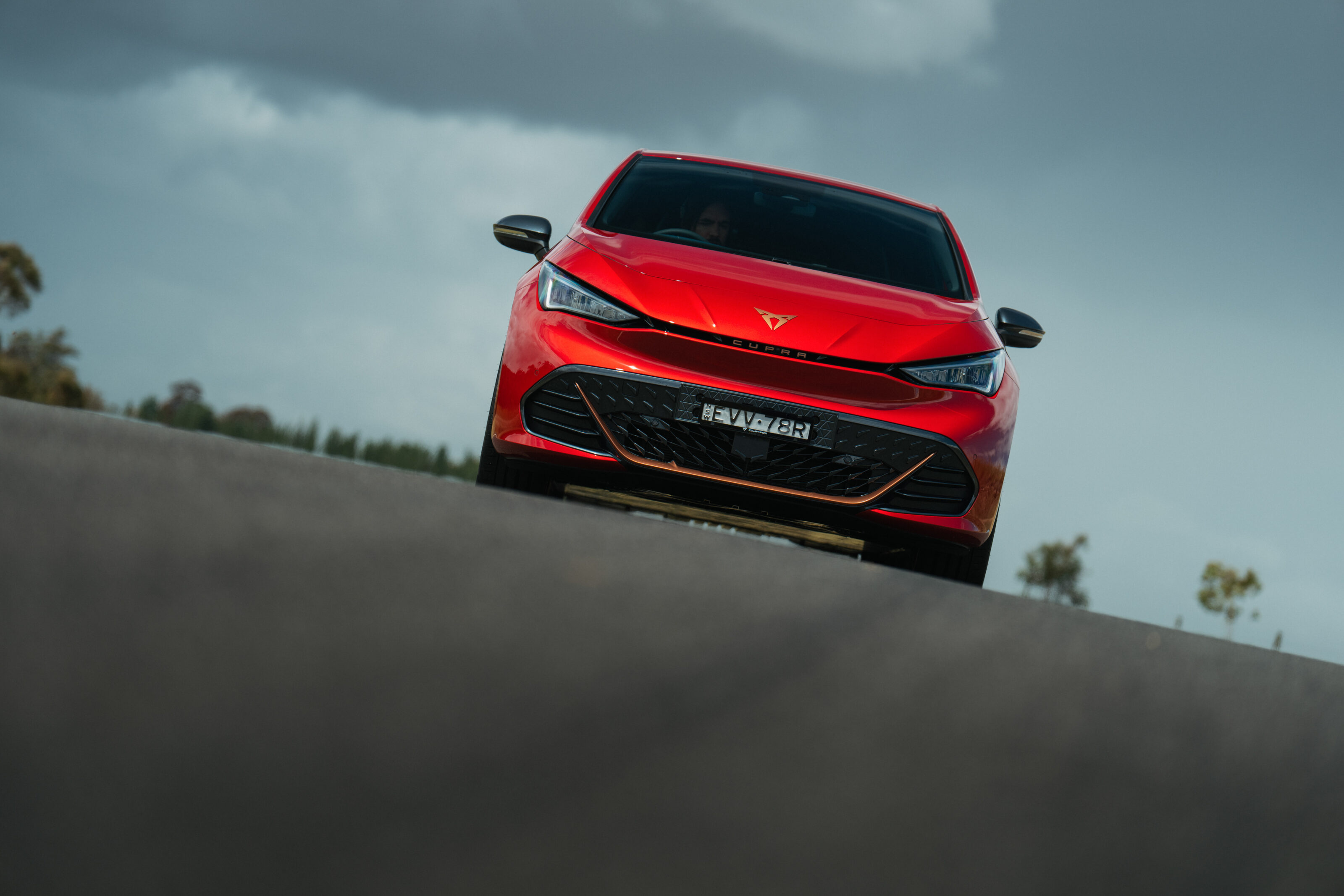
Like the current cheapest Chinese EV brands – MG and the BYD, Cupra is also a challenger brand, entering Australia’s tough market about six months ago but it has a couple of highly compelling attributes to its name. Firstly, it’s a European marque with Volkswagen Group parents and secondly, as of early next year it’ll offer only the fifth electric vehicle to cost less than $60,000 – the Born is born.
Arriving as a single rear-wheel drive variant with 170kW and 310Nm, an 82kWh battery and up to 511km of range, the Born is not just in the more affordable end of the market but also packs in a compelling list of features that make it stand out.
A first meeting with the model in Sardinia in 2021 confirmed that the often tricky small hatchback styling challenges have not presented much of a problem for the Cupra design team. And the aesthetics are still looking sharp for a reunion on Australian soil.
Best Electric Cars Under $65k: Affordable EVs Rated
Welcome to part one of three price-based EV buying guides, this one focused on the most affordable electric cars available in Australia today
How much is the 2023 Cupra Born EV?
| Model | RRP | Drive-away |
|---|---|---|
| Cupra Born | $59,990 before on-road costs | ACT: $61,990, NSW: $62,490, QLD: $63,490, VIC: $64,490, WA: $64,490, SA: $66,490 |
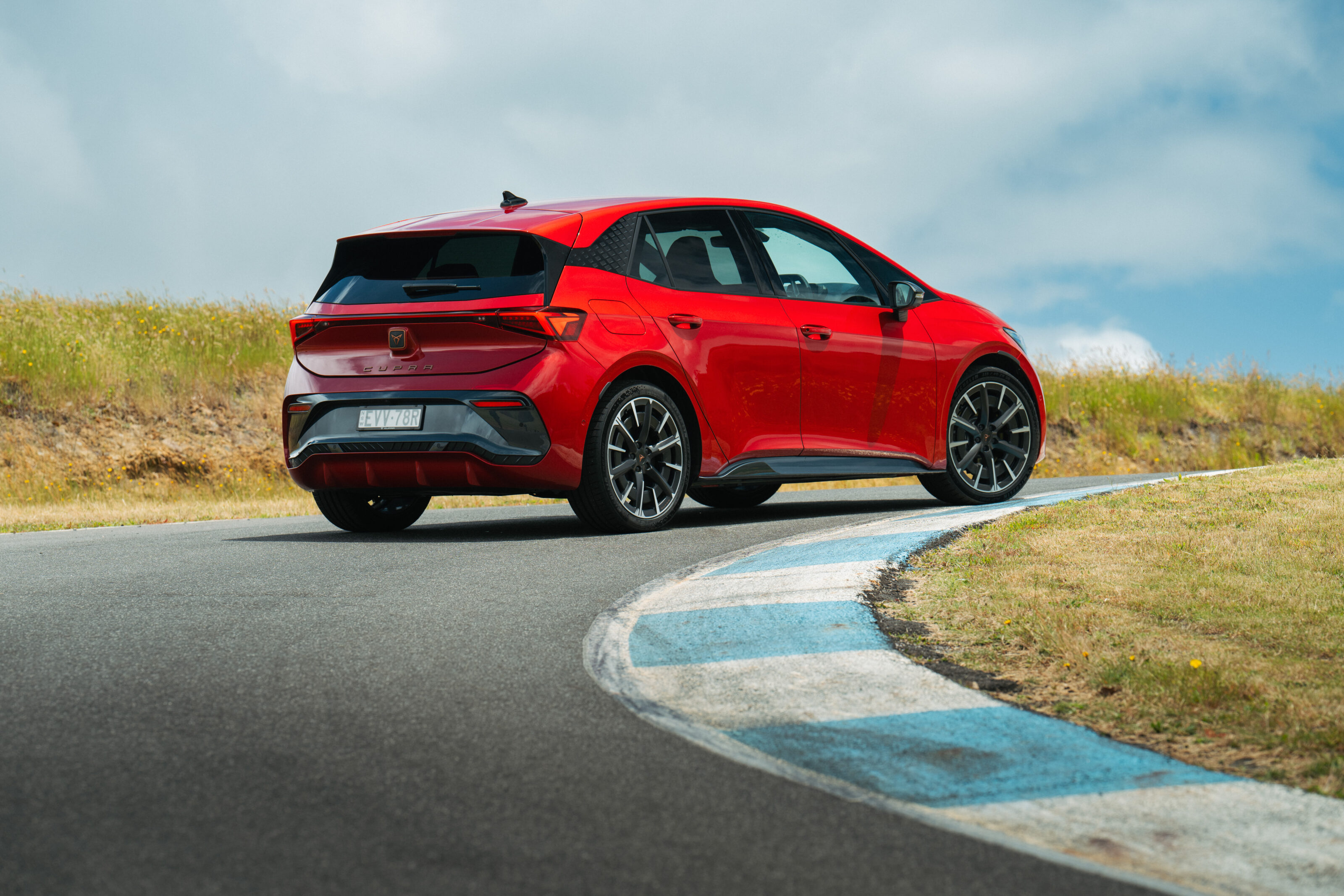
Two pre-production examples have been covering many thousands of kilometers over the past few months as part of Cupra’s evaluation process, while the company secured a third example to bring along in full production trim.
While none can currently be driven on local roads by media, we were offered a few laps of a private test track to get a taste of what the Born will offer when it arrives in March 2023.
Weather conditions were far from ideal for a first blast in unchartered territory and a rear-drive torque-heavy hatch, but it doesn’t take many laps to realise the Born’s engineering team wasn’t born yesterday.
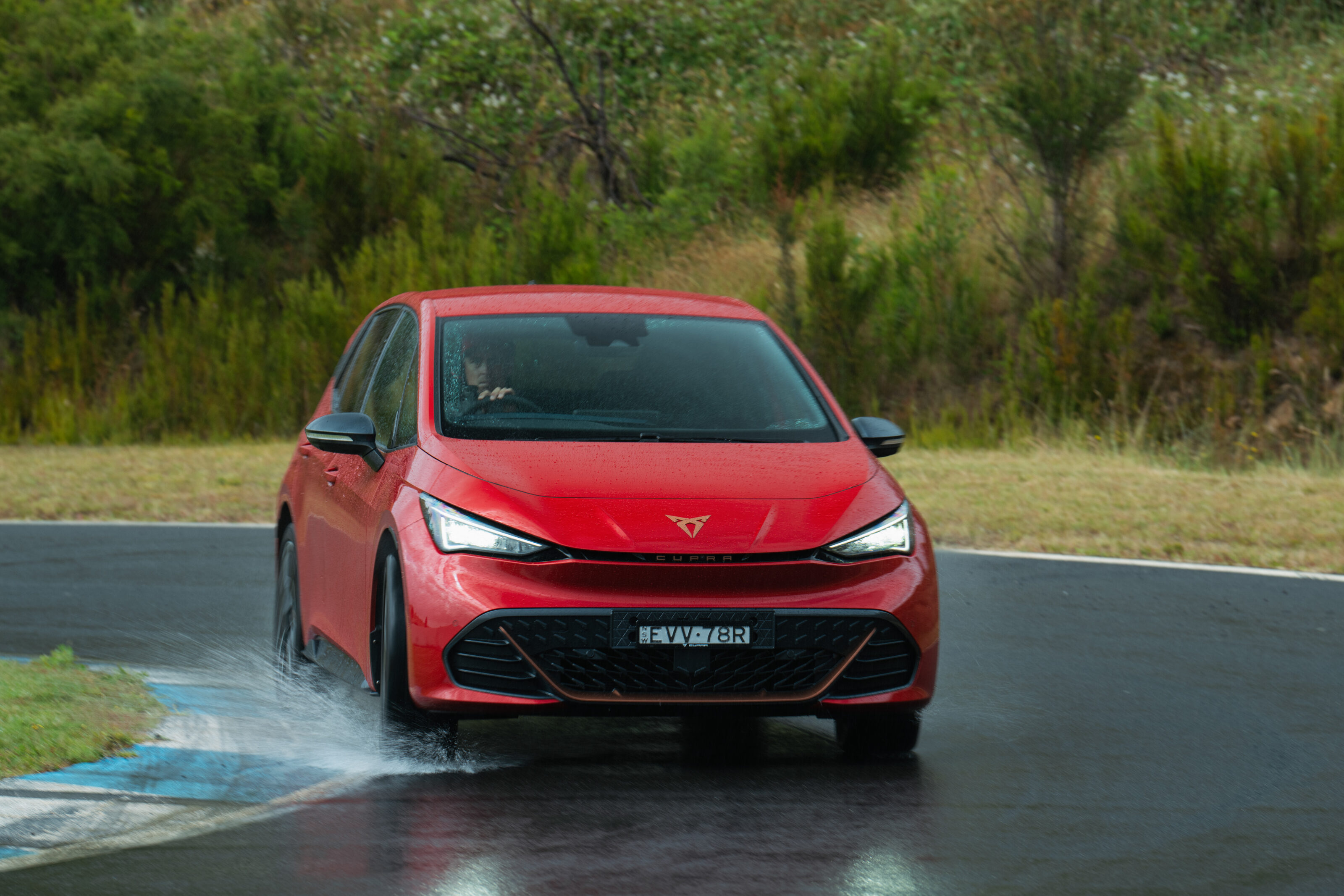
With grippy Michies wrapped around 20-inch alloys, the Born has a serious amount of grip but it’s not all thanks to expensive rubber. There’s plenty of body stability and roll-resistance with a bit of cornering speed and the steering is sharp and pleasantly weighted.
The production version we drove was specced up with the optional $2600 Performance pack which adds a sport ESC setting but even with the slightly more relaxed stability mode, the electronics intervene a little earlier than we would like and, as this is this is the first production example in the country, we had been forbidden from going all out and all off.
A real surprise however were a couple of pre-production Borns that have already spent thousands of kilometres and over a few months in Australia for testing and evaluation. Unlike the Performance option, the pair of more standard vehicles have 19-inch wheels and less sporty rubber.
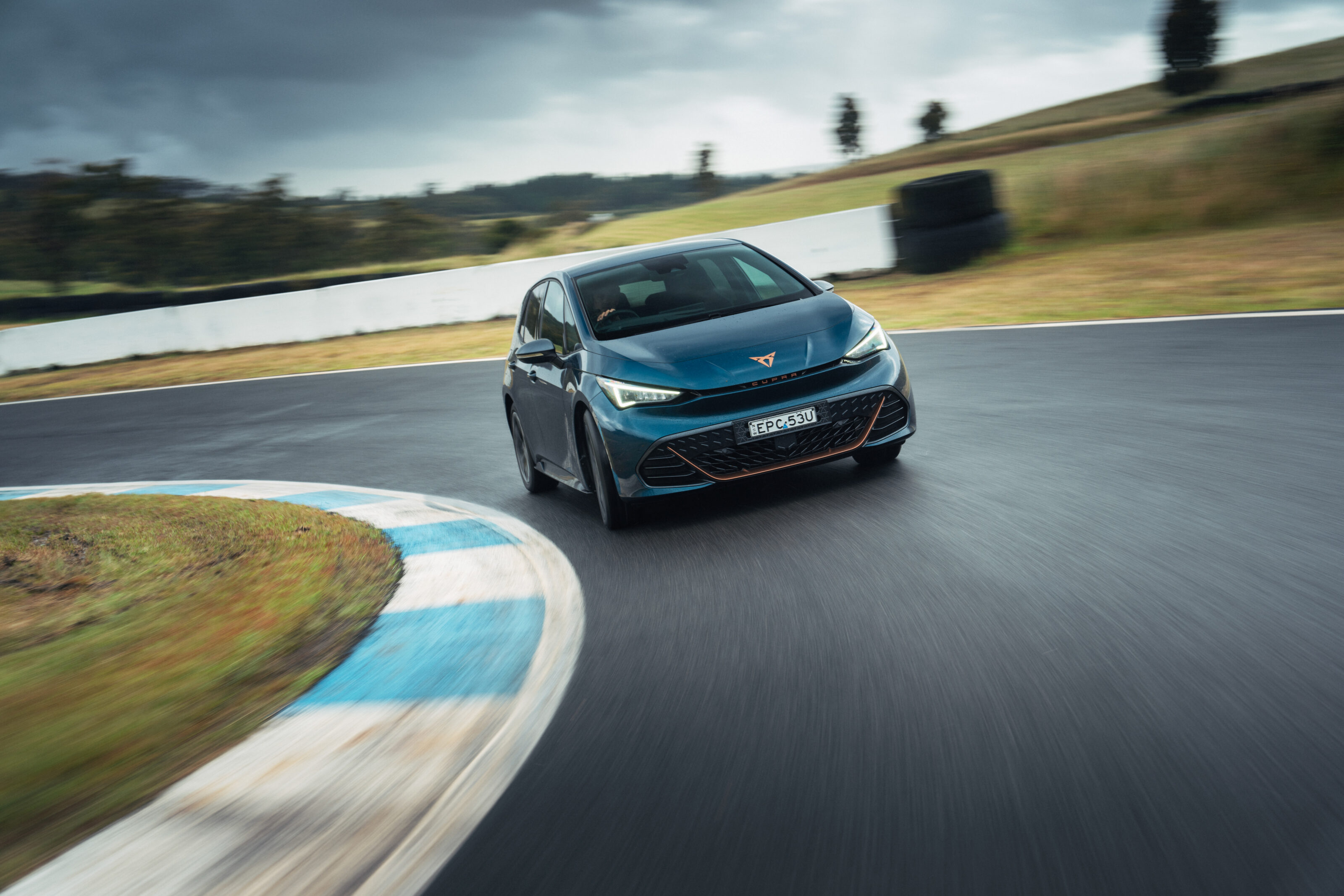
The result is a far more lively nature in changing conditions. While the polished Performance Pack Born is a focused and competent machine, the ‘lesser’ version offers more charisma and charm – at least under the very controlled conditions for our first steer.
Aside from the various engineering add-ons, extra switches and a lump of data-logging hardware in the boot, we were advised that the development cars were not representative of the cars that’ll be rolling into showrooms next year, even so, they have taken their use and abuse in Australia’s harsh environment admirably.
If this is an indication of the production model quality and durability, then the Born is going to be a tough little nut.
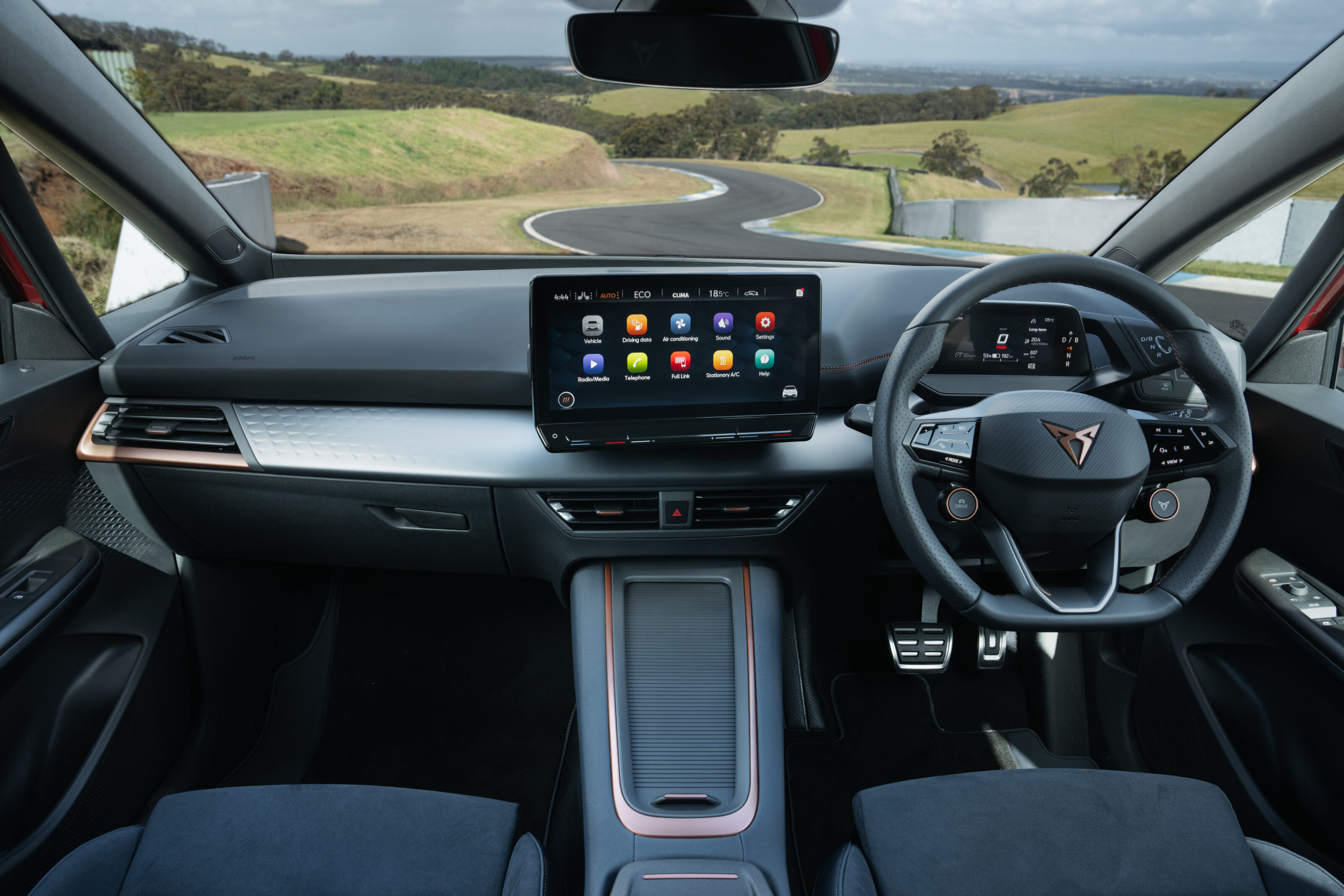
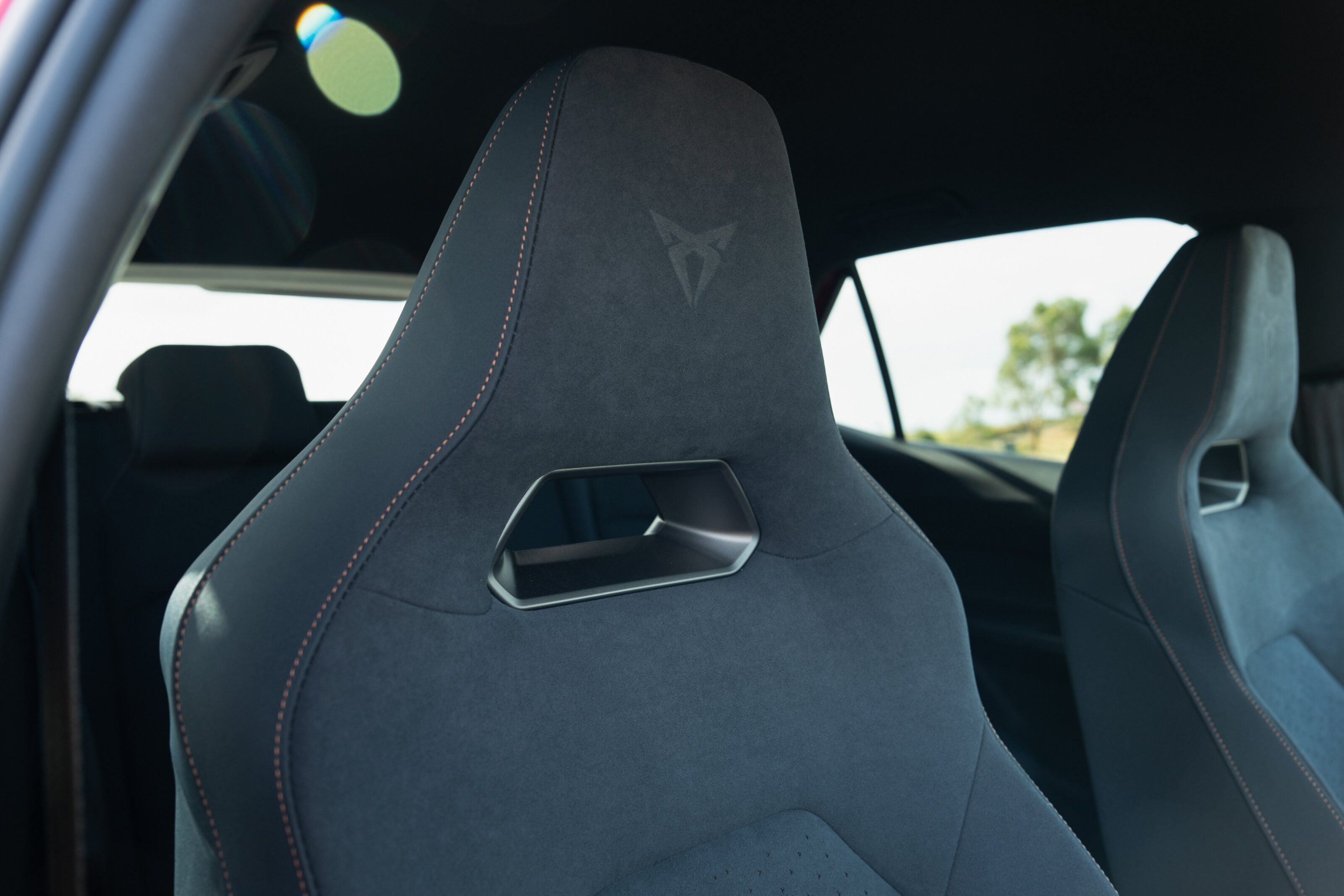
Stepping into the production car with full interior pack – another option at $2900 – opens up a new standard for affordable EVs. From the beautiful Dinamica seat upholstery, sporty and comfortable sports seats and digital displays, to the spacious cabin with plenty of tech including a pair of USB-C sockets in each row of seating, the Born feels like Cupra deserves a place in the premium market.
The only downside to the pair of optional packs is they reduce the number of seats from five to four – a shame as the second row is surprisingly generous and serves as a respectable place for three people, if not necessarily for longer journeys.
Comfort and convenience features include keyless locking/unlocking and start, heated leather steering wheel, dual-zone climate control, tinted rear windows, and a 385-litre boot.
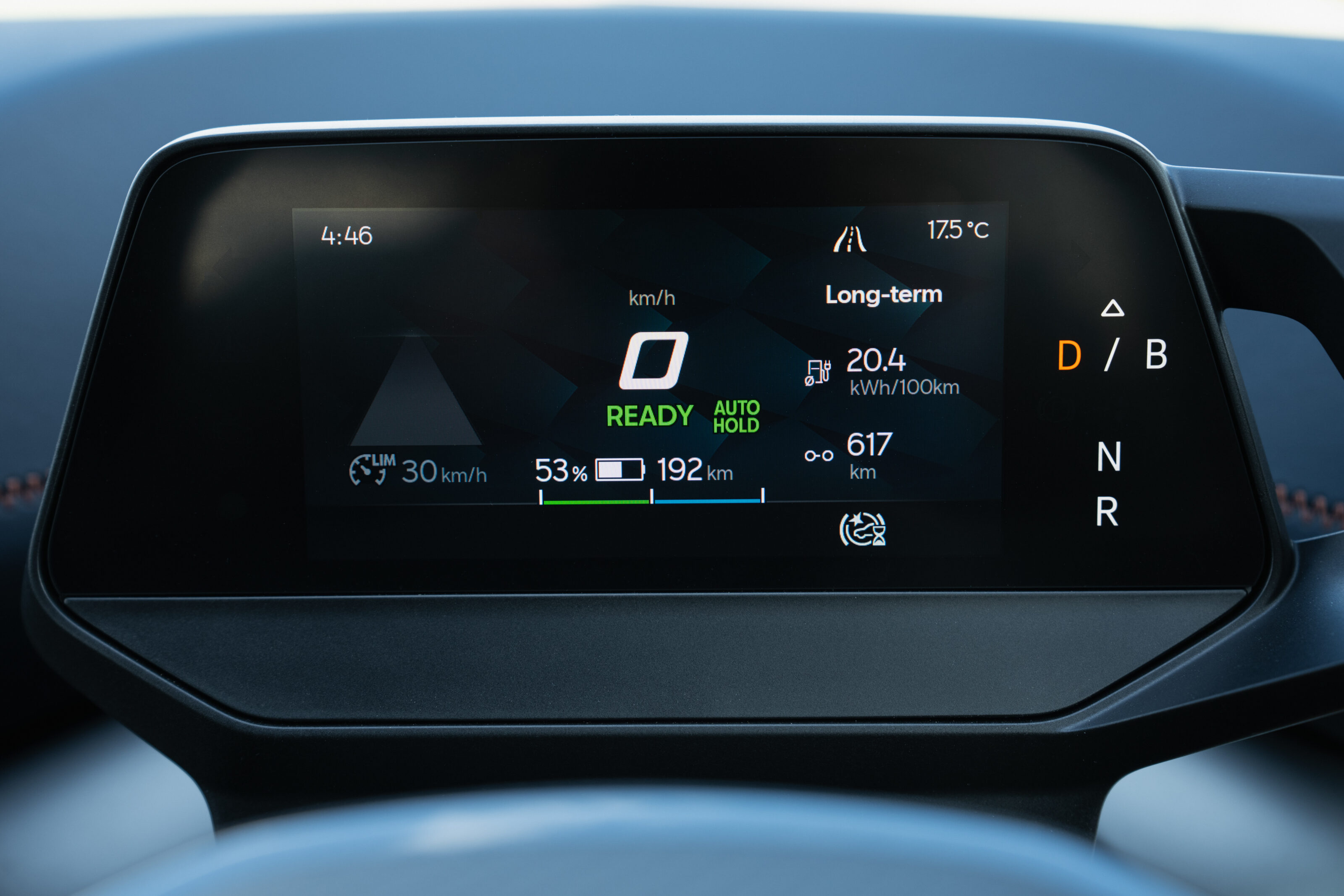
2023 Cupra Born features
| 19-inch alloy wheels (black and copper) | Auto-dimming rear-view mirror |
| 12-inch infotainment system | Drive mode selector |
| Wired Apple CarPlay and Android Auto | Tyre pressure monitoring |
| DAB+ digital radio | Front bucket seats |
| 5.3-inch digital instrument cluster | Recycled fibre upholstery |
| Four USB-C ports (2x front, 2x rear) | Dual-zone climate control |
| Wireless phone charger | Adaptive steering |
| Colour-adjustable ambient lighting | Sports suspension |
| Leather-wrapped heated steering wheel | Automatic parking |
| LED head and tail-lights | Rain-sensing wipers |
| Rear spoiler | 360-degree camera system |
| Heated power-folding side mirrors | Carpet floor mats |
| Keyless entry and push-button start |
There’s also a decent amount of safety and driver assistance features offered in the deal with a 360-degree maneuvering camera, tyre pressure monitoring, seven airbags, automatic headlights and wipers, lane-departure and parking assistance, adaptive cruise control, driver fatigue monitoring and autonomous emergency braking with pedestrian and cyclist recognition – all included in the price.
But about that pricing – while circa $60,000 seems a bit steep for a small hatchback from a mainstream brand, it’s very close to the money in a premium market context. BMW’s driver-focused 128ti has a comparable 180kW and a $59,000 price tag, the venerable VW Golf GTI is also 180kW and $55,000, and it’s almost the same story for the Mercedes A250 which has 165kW and a $63,400 price tag.
Chuck a few options at the Born and it certainly feels posh enough to compete in the premium arena and, like Audi, its Volkswagen overlords are more than capable of injecting enough quality and brand equity into Cupra models.
Warranty and servicing
As per the wider Cupra range, the Born will be covered by the brand’s five-year, unlimited-kilometre warranty.
Cupra Australia has yet to announce details for battery coverage and servicing information for its electric vehicles. The high-voltage components in its plug-in hybrid range are covered for eight years or 160,000 kilometres, whichever occurs first.
VERDICT
Along with the Leon, Formentor and Ateca pioneers, the Born arguably deserves to be compared with premium rivals.
With a long range, unique styling, generous standard equipment and European appeal, the new Cupra Born is quite possibly the easiest electric vehicle to recommend in the current zero-emissions market.
But with a sharp price that hovers tantalisingly close to equivalent petrol-powered premium small hatchbacks, perhaps even more exciting is its indication that EV price parity is on the horizon.
2022 Cupra Born specifications
The top-spec 2023 Kia EV6 GT-Line AWD earned the coveted Wheels Car of the Year title last year – only the second electric vehicle to do so in the award’s long history.
Out of a highly competitive field of 21 cars, Kia’s new swoopy EV crossover reigned supreme with the judges unanimous.
But with that bar set so high, how does Kia’s entry-level EV6 Air RWD sibling fare?
The EV6 Air shares a single electric motor with the mid-range GT-Line RWD and offers a longer range but a leaner equipment list.
Our COTY winner, the GT-Line AWD, has two motors – one front and one rear – while the performance GT flagship brings 80 per cent more power.
Pricing and features
As with many models in this inflation-heavy time, pricing for the Kia EV6 increased in 2022 – up by $4600 across the board. As a result, the range now starts from $72,590.
With on-road charges added, it’s closer to $80,000 in some states, depending on available electric vehicle incentives ($78,585 based on Melbourne pricing).
The GT-Line RWD costs $79,590, the GT-Line AWD rising further to $87,590, and the GT AWD at $99,590 – all before on-road costs.
Supply of all variants is incredibly limited. Just 500 units were available initially against a reputed 25,000 expressions of interest, so getting your hands on one any time soon may prove tricky.
UPDATE: Kia EV6 GT driven in Australia
“This isn’t even my final form”, chuckled the 239kW & 605Nm EV6 GT-Line last year. Now we understand. See our first drive review of the flagship EV6 GT, including a track test, at the link below.
There are several electric SUV rivals at this price point. These include the EV6’s twin, the Hyundai Ioniq 5, and the Tesla Model Y.
Compact electric SUVs from some luxury brands are also in the frame: the Mercedes-Benz EQA250 and Volvo XC40 Electric.
For buyers less focussed on body style, there’s also the Tesla Model 3 sedan and Polestar 2 sedan.
As standard, the EV6 Air gets features such as LED daytime running lights, headlights and tail-lights, three USB ports (one type A and two type C) in the front, plus two USB-Cs for rear occupants in the front seatbacks, two 12V power outlets (in the front and boot), a wireless phone charger, and a six-speaker sound system (versus a 14-speaker Meridian Premium setup in the GT-Line and GT grades).
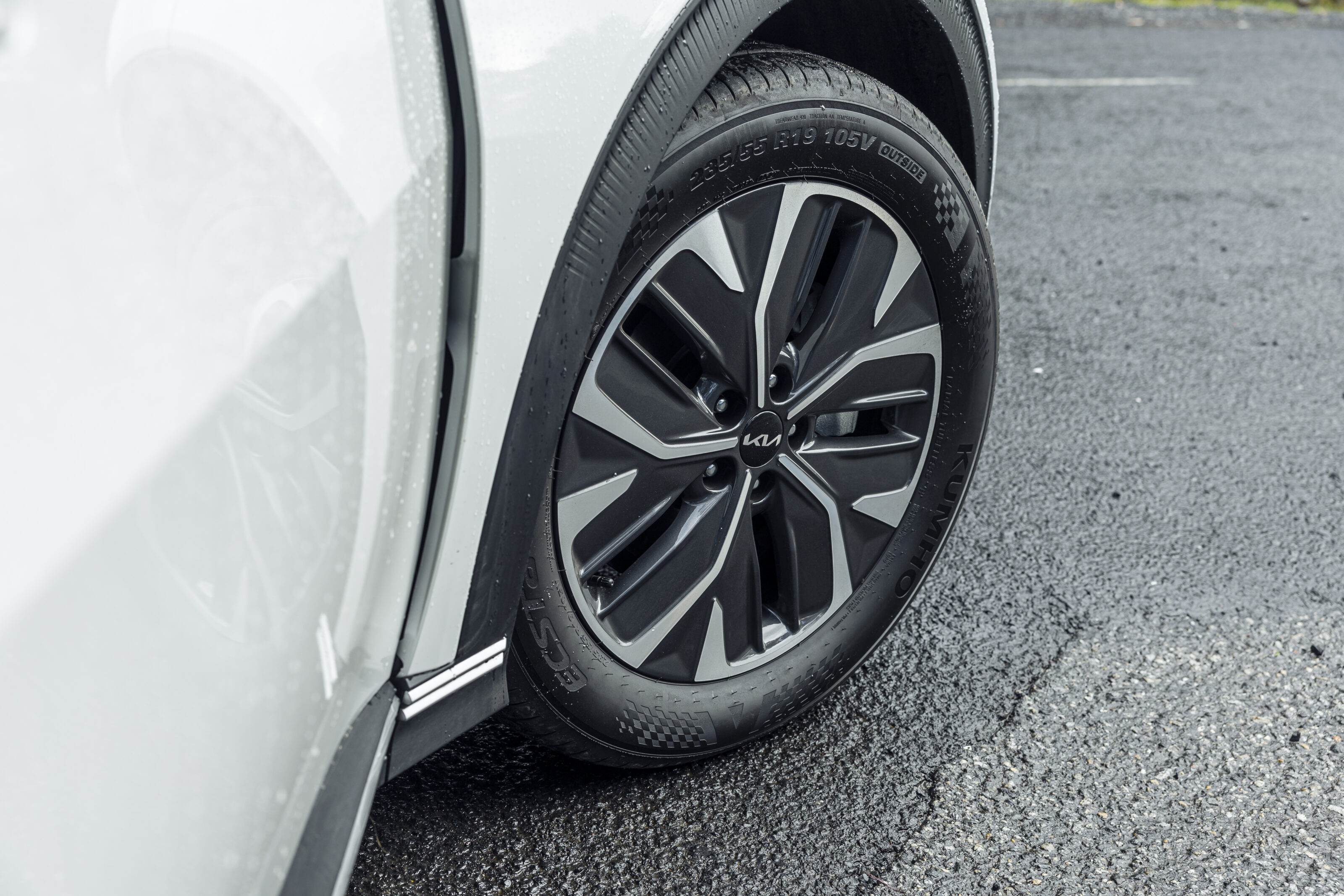
It also has 19-inch machined alloy wheels and Kumho/Nexen 235/55 R19 tyres compared with the GT-Line’s 20-inch alloys and 255/45 R20 Continentals.
The Air misses out on features including vehicle-to-load exterior adaptor, head-up display, eight-way electrically adjustable seats, powered tailgate, heated and ventilated seats, privacy glass, sunroof, heated steering wheel, metal scuff plates, alloy sports pedals, ambient lighting and remote smart park assist.
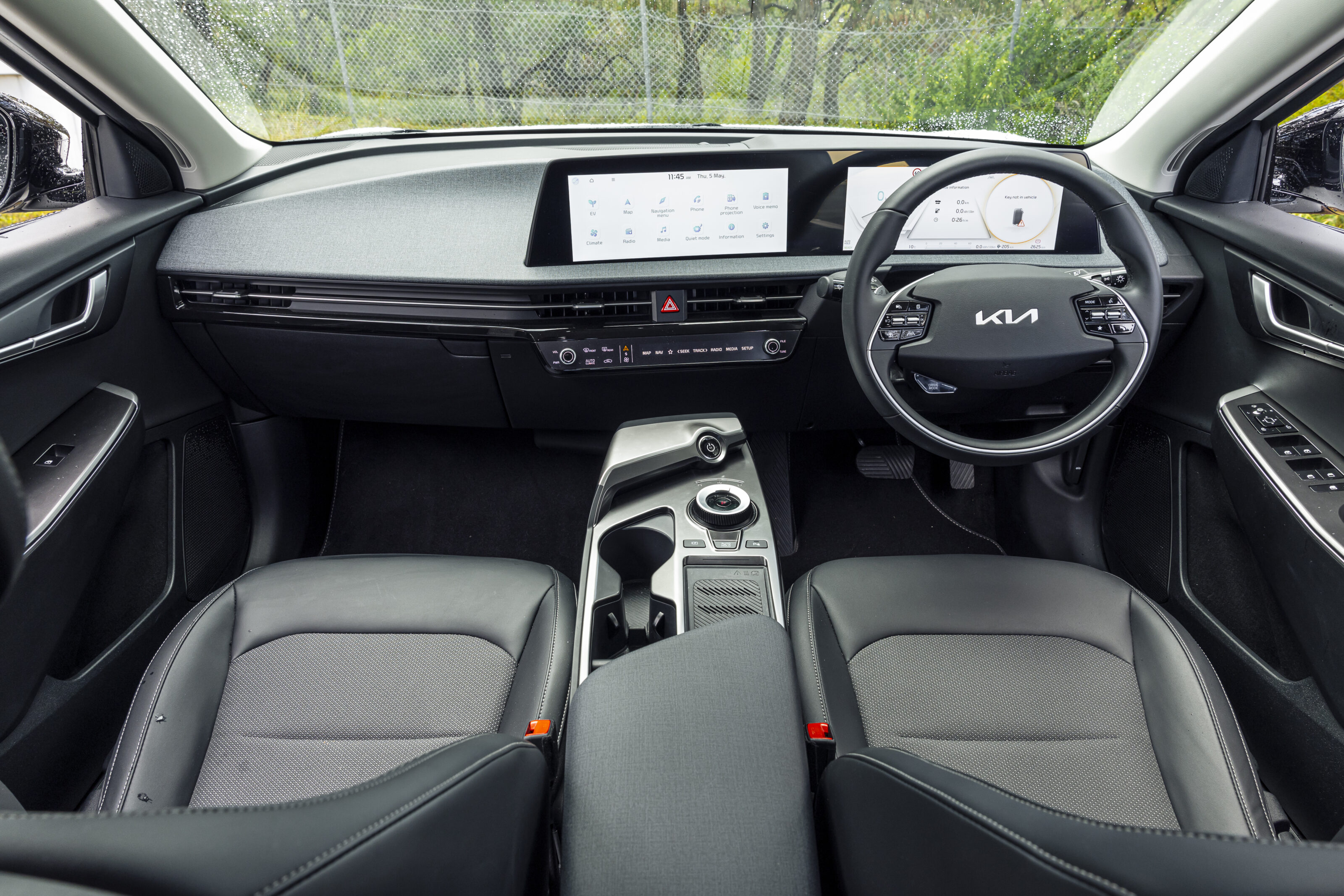
The 2 x 12.3-inch combined infotainment screen and digital instrument cluster set-up found throughout Kia’s updated model range looks modern and borderline futuristic in its appearance and also delivers exceptional levels of simplistic functionality.
It’s clean, easy to use and doesn’t try to be too over the top or clever, while still offering plenty of tweakable options.
One exception was that we could not for the life of us figure out, despite changing every sound setting we could find, how to turn down the ‘SCHOOL ZONE AHEAD’ warning. Passing not one, but three, schools on the kindy run twice a day in each direction, this got really irritating very fast – so much so even our three-year-old started mimicking it and saying ‘Silly Kia’. Joy of joys.
Unlike many Kia base models, the EV6 Air doesn’t have wireless Apple CarPlay/Android Auto (though in our experience of wireless CarPlay in other Kia models, such as the Stonic, has patchy connection and so its absence is not necessarily a great loss).

The interchangeable haptic feedback buttons for the infotainment and climate control are user-friendly, although on one occasion switching between functions did cause the system to freeze and it couldn’t be rebooted until we restarted the car. A minor blip on an otherwise impressive performance.
The Air’s black interior with light grey cloth headliner distinguishes it from its GT-Line sibling and the cabin remains a neat, modern and inviting environment – while not so space-age that it could be accused of being stylistically too far-reaching for those who don’t want their first EV to feel like something from The Jetsons.
As an overall package, the Air feels cool and elegant and has a real eye-catching presence. Judging by envious looks from both our neighbours and the general public, it’s definitely a car that makes a statement.
While its flush door handles add to the visual appeal and no doubt help with aerodynamics, from a practical point of view trying to get them open while also holding a toddler or keeping them close by and trying to juggle a million other things in your hands is nigh-on impossible.
The EV6 was awarded ANCAP’s maximum five-star crash rating in 2022.
The Air’s safety features include:
hill start assist, autonomous emergency braking (car, pedestrian, cyclist and junction turning), lane-keep assist, blind-spot collision warning and avoidance assist (with rear cross-traffic alert too), driver attention alert with lead vehicle departure alert, parking sensors front and rear and a rear-view camera with dynamic parking guidelines (with an impressively crisp picture).
It also has three top tether anchors and two Isofix points for child seats – not too difficult to find, but certainly could still be easier.
GT-Line models add parking collision avoidance assist, surround-view monitor with 3D mode, blind-spot view monitor and powered automatic child-proof rear door locks. The blind-spot view monitor is a particularly nifty feature that we missed in the Air at junctions or when changing lanes.
There are no options available on the EV6 other than premium paint. Runway Red is the only standard, no-cost colour and more colour options – including a $3295 Moonscape matte grey finish – are available only on the GT-Line.
On our test car, Kia had provided a Type 2 Single Phase five-metre 32A 7kW Straight Cable, which normally costs $492.91 (incl. GST). Prospective EV6 owners can also choose to buy two Kia-branded wall chargers , priced between $3190 and $3690.
Comfort and space
In addition to lacking some modern creature comforts like heated seats and a powered tailgate, we didn’t find the Air’s comfort matched that of the GT-Line – as expected.
The manual adjustment coupled with the cloth and artificial leather combo for the seats makes them harder than is desirable, and not as sumptuous as the higher spec’s artificial black suede/vegan white leather. And where our COTY judges felt the GT-Line’s seats were made for sitting in rather than on, not all our testers were enamoured with the Air’s seats.
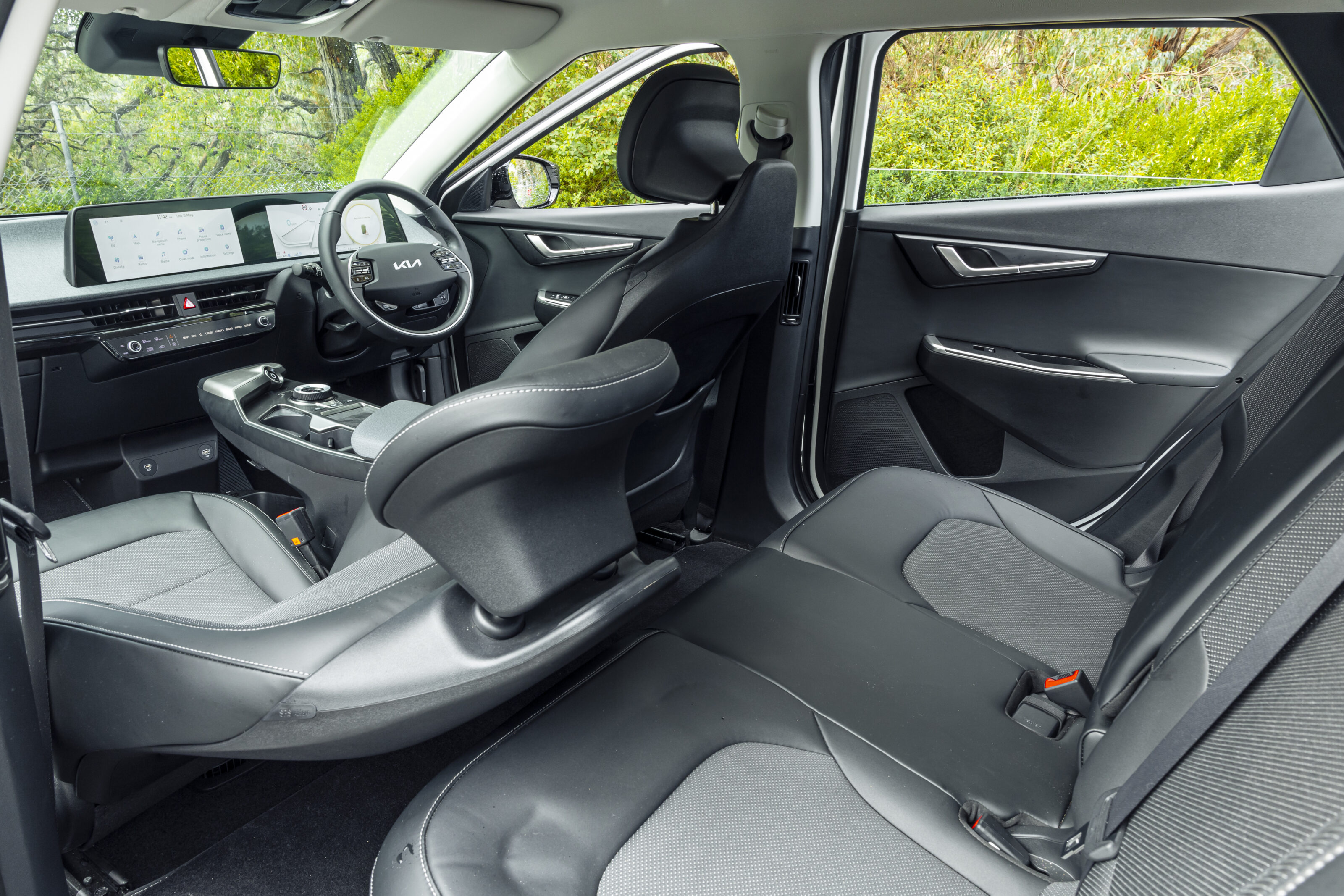
For parents considering the EV6 as a family SUV, it’s not possible to comfortably fit two adults plus a child’s car seat for more than a short journey.
Legroom is also generally best suited to average-sized occupants – with the front seats sitting so low down to the floor, there’s little room for rear passengers to stretch out their legs or feet into the space ahead.
However, the flat floor layout – common to most EVs – helps middle occupants, who aren’t forced to put their legs either side of a transmission tunnel like they would have to in most combustion-engined vehicles.
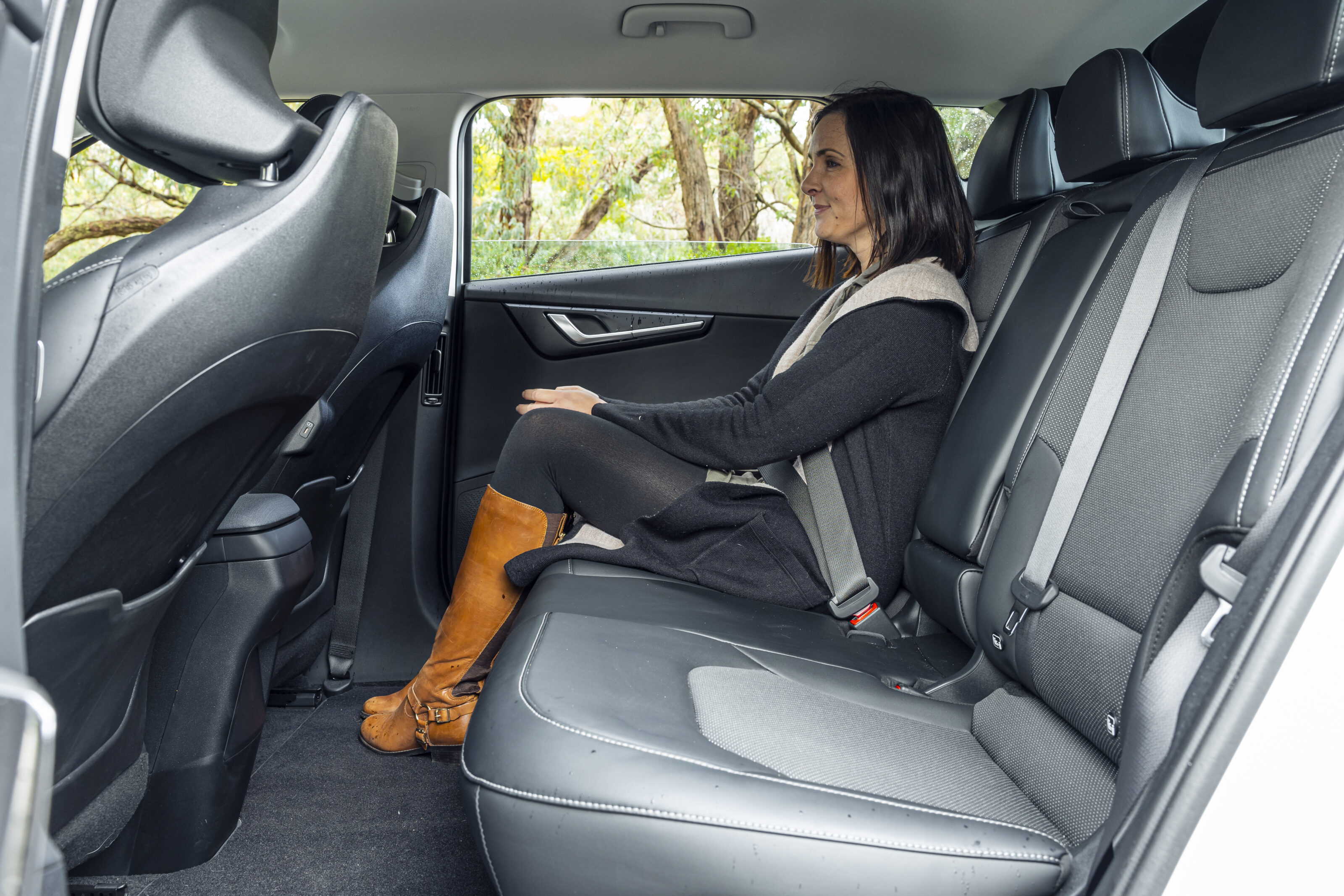
Along with two USB-C charging ports, the rear cabin features air vents, two cup holders in the armrest and two bottle holders in the doors (in addition to the four up front), and map pouches on either side (though they’re not particularly geared to putting a child’s toys or snacks in for example).
Storage is generous up front, where there are multiple areas to keep things – there are nooks in both doors for smaller items, a surprisingly deep central cubby bin, and a cavernous cradle underneath the floating centre console filling the slot normally occupied by a transmission tunnel.
Even better? It’s big enough for that enormous 1L drink bottle no car ever seems to have room for.

EV6 boot space
The 490-litre boot is more than enough for everyday needs but offers less space than the smaller Sportage SUV’s 543-litre luggage compartment with the back seats up. Kia’s other large SUV, the Sorento, offers 616L.
With all seats down (easily done thanks to a quick lever pull in the boot) the EV6 provides 1270L and an additional 52L ‘frunk’ under the bonnet. (An EV-owning neighbour said they use their frunk for takeaways to stop the food smell pervading the car’s interior.)
Although the Air doesn’t get the GT-Line’s powered tailgate, its grab handle makes it easy and light to pull down and not awkward as can often be the case.

On the road
The 2023 Kia EV6 Air is powered by a single electric motor producing 168kW and 350Nm, driving just the rear wheels.
It’s capable of 0-100km/h in a claimed 7.3 seconds, and its 77.4kWh battery provides an estimated 528km of driving range.
By comparison, the mid-spec GT-Line RWD offers the same set-up and outputs but with a lower driving range of 504km, while the top-of-the-range GT-Line AWD utilises two motors and all-wheel drive to offer 239kW/605Nm, propelling it to 100km/h in just 5.2 seconds – though this comes at the expense of driving range, which falls further to 484km.
Having undergone Kia’s local ride and handling program, the EV6 is well matched to our roads. The steering is well judged. It’s neither too light nor too heavy and the wheel moves fluidly and instinctively.

The EV6 is controlled around corners and roundabouts and gives the driver a confidence that the vehicle is nicely planted on the road. The 2000kg kerb weight is well hidden, as the car feels fun and nimble. There’s plenty of grip and traction, and there’s also less body lean than you’ll experience in a Model Y.
In fact, the EV6’s low centre of gravity making it feel more sportscar than SUV, and thanks to the composed suspension it glides over uneven road surfaces with little fuss. And when we travelled in the second row, the ride was so smooth even speed bumps were barely noticeable.
There are three driving modes available, influencing performance only: Eco, Normal and Sport, easily toggled between thanks to a small button on the steering wheel. Sport mode is a lot of fun, offering an enjoyable thrust of torque.
Such driving will dent your driving range, of course. Eco is, as expected, more reserved, though is also all that’s needed for everyday driving while still delivering a quick response.

Normal mode is nestled in between and is more keen than Eco without feeling as urgent as Sport.
Saying an EV is quiet seems a little obvious, but aside from the absence of any din generated by the burning of fossil fuels, the EV6 is near silent in almost every other regard, too.
Wind and tyre noise are at an absolute minimum, providing a quiet and refined journey for all occupants. There’s a slight hum from the power surge you get when you put your foot down, which is vaguely reminiscent of a jumbo jet using its library voice, but no other noise of note.
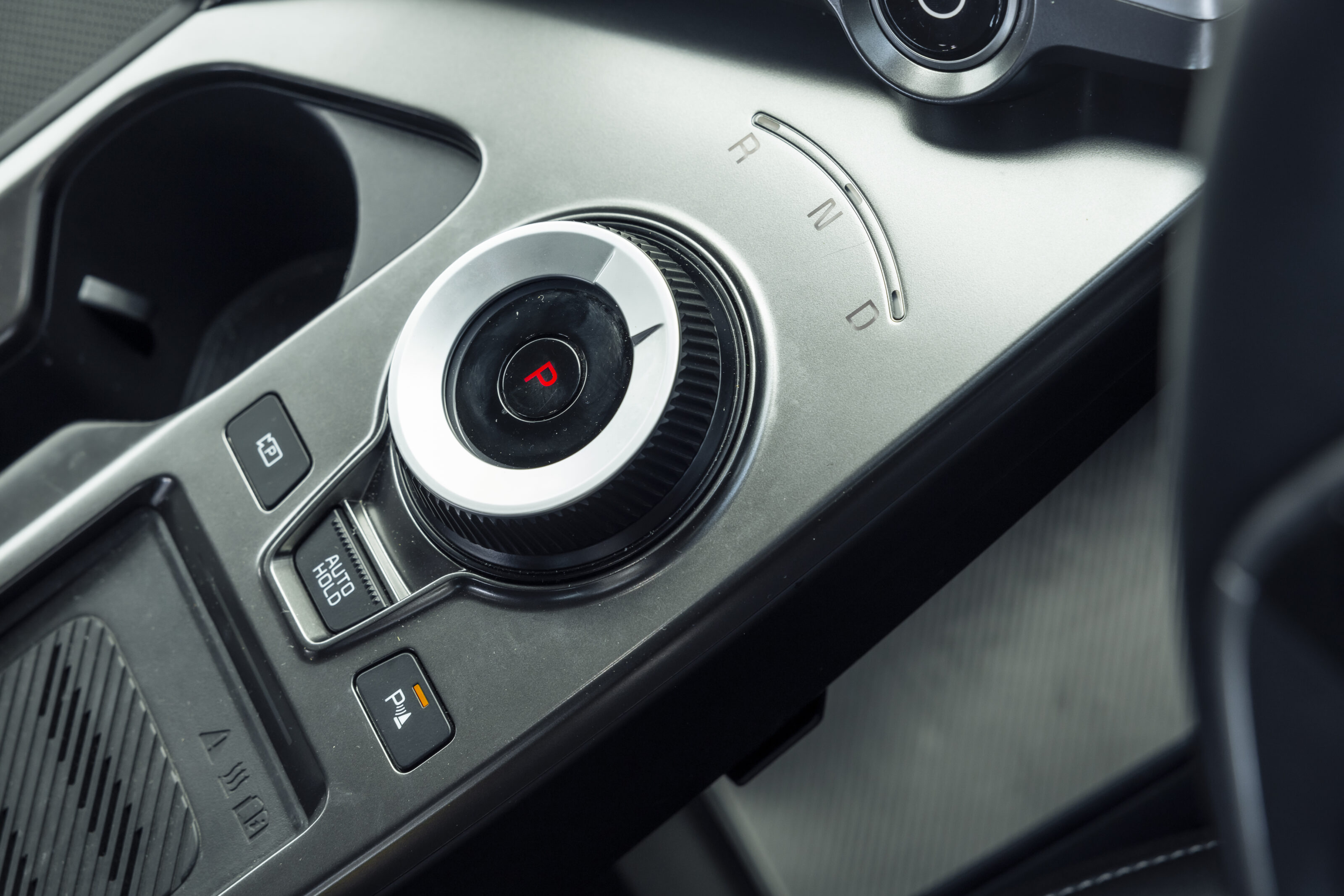
Changing from reverse to drive is straightforward using the sleek-looking rotary shifter, but changing from one to the other can, on occasion, be a tad awkward and we found it can get stuck in neutral if your foot is not fully depressing the brake pedal.
The brakes themselves are well-judged and are a good backup to the regenerative deceleration that results in easing your foot off the accelerator.
At first, the one-pedal driving style (as found in many electric vehicles) can feel fairly aggressive initially before you get used to it. If you don’t, it can be adjusted easily through the infotainment system to either be strong (the default), mild, or off altogether.
This tester found the mild option to be the sweet spot, offering just the right amount of deceleration to not feel like you’ve slammed your foot on the brake, but enough to reap the benefits of slowing down quickly and smoothly when needed (such as a sudden speed limit drop) as well as the obvious gain of turning motion into energy for the battery.
And with Australia’s EV infrastructure still very much being in its infancy, you’ll soon find yourself becoming hyper-aware of all the ways you can keep those kilometres topped up.
The EV6 will also show you how driving range is affected by the climate controls in real time – and offers a restrictive function and ‘driver only’ button to help lessen the impact.

To power its battery, the EV6 comes with a trickle charger, tucked away neatly underneath the boot floor, for plugging into a normal household power outlet – our only option at home.
The bad news is that this offers just a maximum of 2kW of power, meaning it will take a very long time to reach a full charge.
That makes Kia’s optional mini wallbox charger – just under $3200 at the time of writing – a wise investment. With 7.2kW, it’s capable of easily topping up the EV6 overnight.
Thanks to its 800V platform, the EV6 is capable of using a Type 2 350kW DC ultra-rapid charger to go from 10 to 80 per cent in 18 minutes, or a 50kW DC fast charger in 73 minutes.
If only rapid chargers weren’t such a rarity in Australia.
Ownership
Kia Australia offers a seven-year, unlimited-kilometre warranty, with seven years or 150,000km of battery cover and capped-price servicing.
Service pricing
- One year/15,000km $129
- Two years/30,000km $333
- Three years/45,000km $132
- Four years/60,000km $358
- Five years/75,000km $136
- Six years/90,000km $354
- Seven years/105,000km $141
Alternatively, Kia offers optional pre-paid servicing, as follows
- Three years $594
- Five years $1089
- Seven years 1584
Compared to its Hyundai Ioniq 5 cousin, the EV6 can be bought in a Kia showroom rather than exclusively online. (When either can be bought at all…)

VERDICT
The EV6 in all forms remains without doubt one of the most convincing electric vehicles currently on the market.
Kia has created an exciting, capable and good-looking machine in the EV6 – and it’s compelling enough, in our view, to entice owners of petrol and diesel vehicles over to electric.
The mid-2022 price increase, however, does further emphasise the lack of some equipment in the base Air now that it’s realistically a circa-$80,000 proposition on the road.
We feel there is enough spec on the higher GT-Line grade to justify including some of its nice-to-have features on the Air, such as electric seats and auto tailgate – especially since the GT-Line has the sharper looks, fancier cabin, plus faster performance and all-wheel drive.
Yet while there is the slightly cheaper Niro EV, the EV6 in all forms remains without doubt one of the most convincing electric vehicles currently on the market.
2023 Kia EV6 Air specifications
UPDATE, March 2023: Ioniq 5 N Prototype driven!
Hyundai’s first super-hot electric N model is getting closer. To see how it’s coming along, we sent Carey to a big sheet of ice for some slidey fun. Get the full story at the link below.

December 2022: New Ioniq 5 N rendered
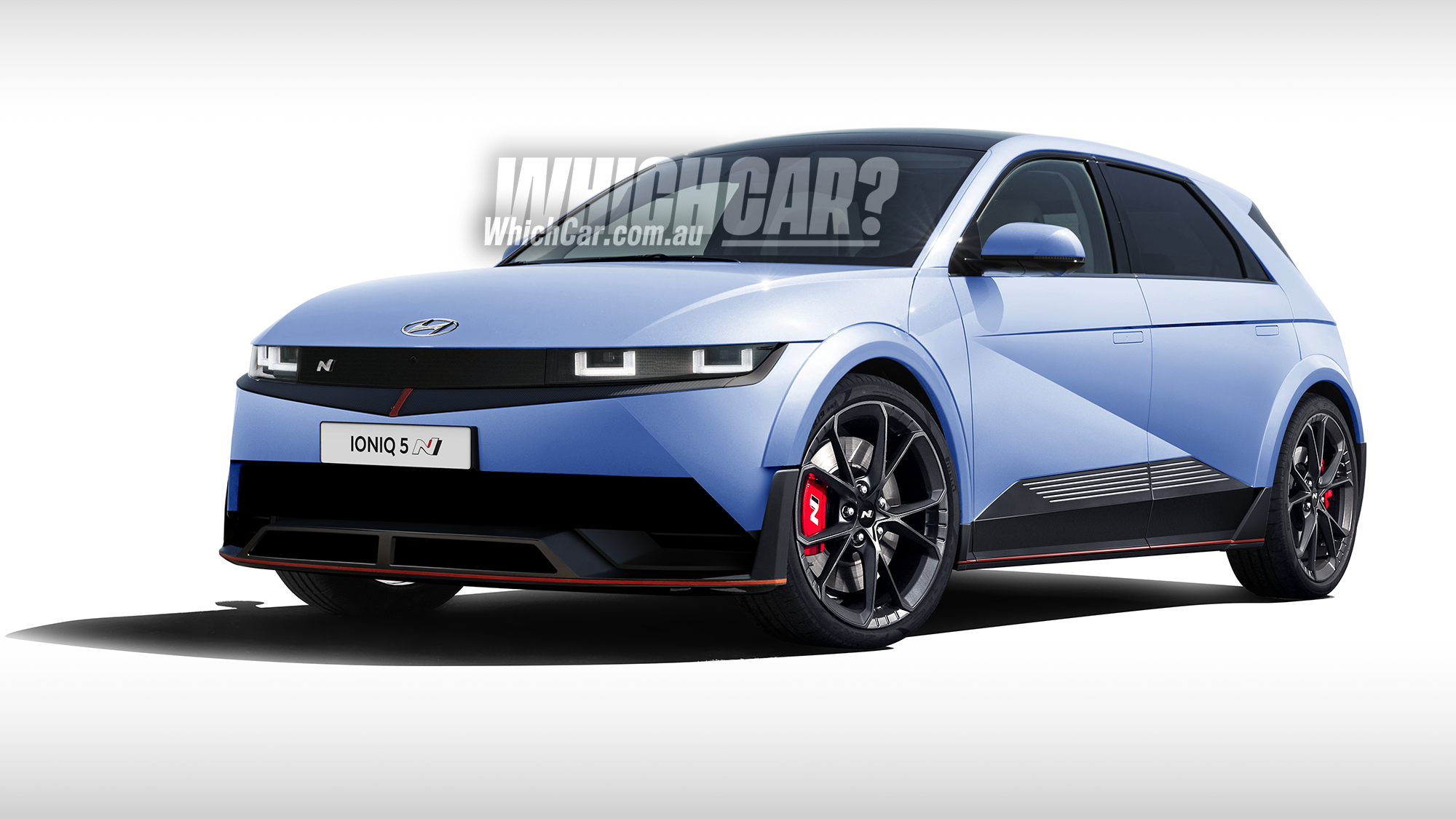
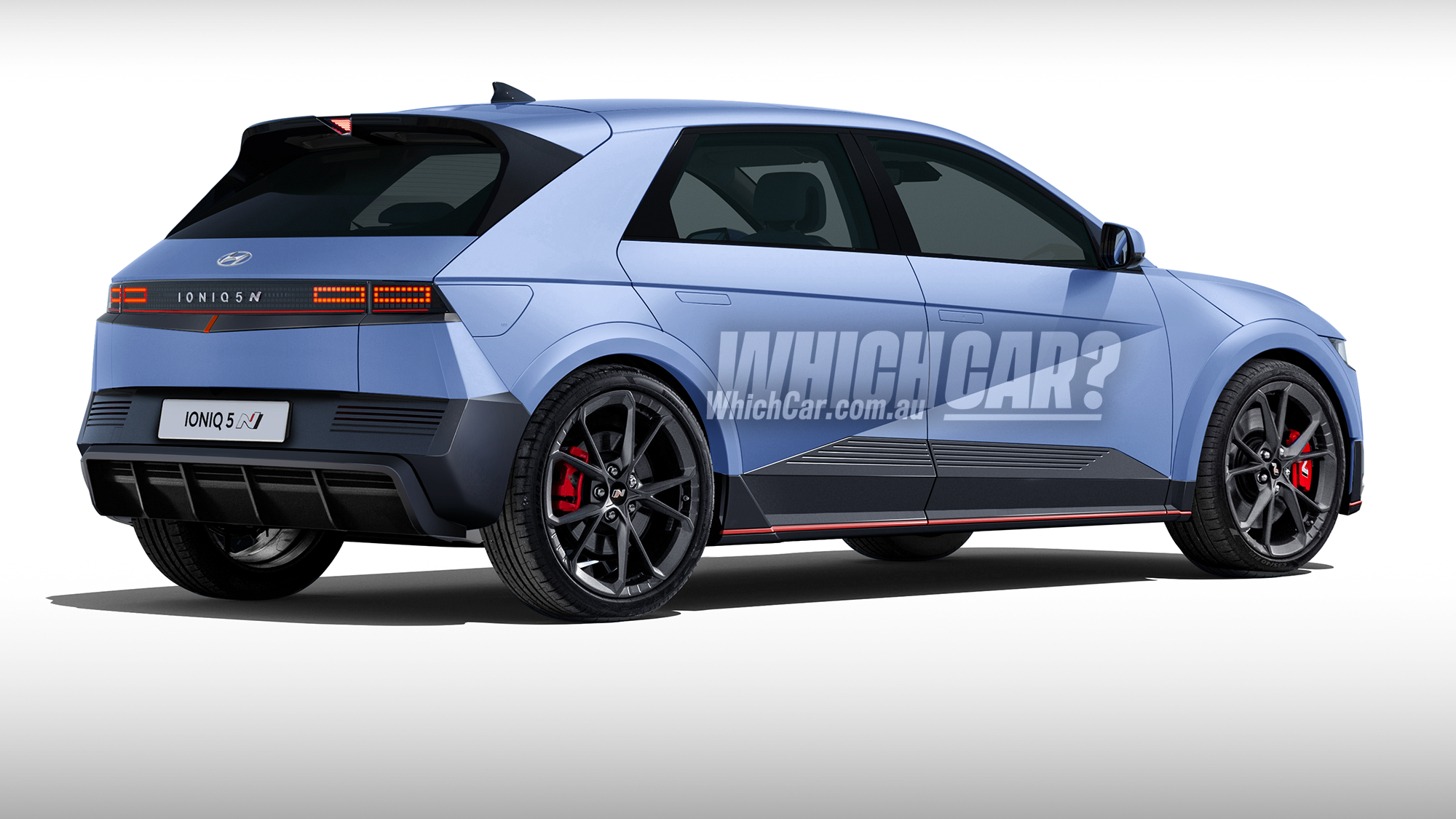
As we move closer to the big debut of Hyundai’s hero Ioniq 5 N, we’ve put together a pair of renderings that dig into its potential styling.
What do you think of the look? Most now know that the Ioniq 5 is a much bigger vehicle than it appears in images, so the performance-focused N variant is likely to cast an imposing image on the road.
We’re expecting a fairly muscly appearance, although – like Audi’s RS E-Tron GT – any sort of panel widening beyond bolt-on flares is looking unlikely. Instead, buyers should expect a lower ride height, bigger and wider wheels (under those added flares), and a unique bumper design at both ends.
Huge brakes will of course stand out behind those slim spokes, and battery cooling intakes will be an obvious addition.
Continue reading below for all we know about the Ioniq 5 N so far!
August: 2023 Ioniq N gets out in its final production body
Hyundai’s upcoming electric super-SUV, the 2023 Ioniq 5 N, has been spied in its production body for the first time.
This isn’t the first time the flagship Ioniq 5 variant has been spotted on the road, but previous prototypes were merely ‘mules’ wearing modified bodywork from the regular model already on sale.
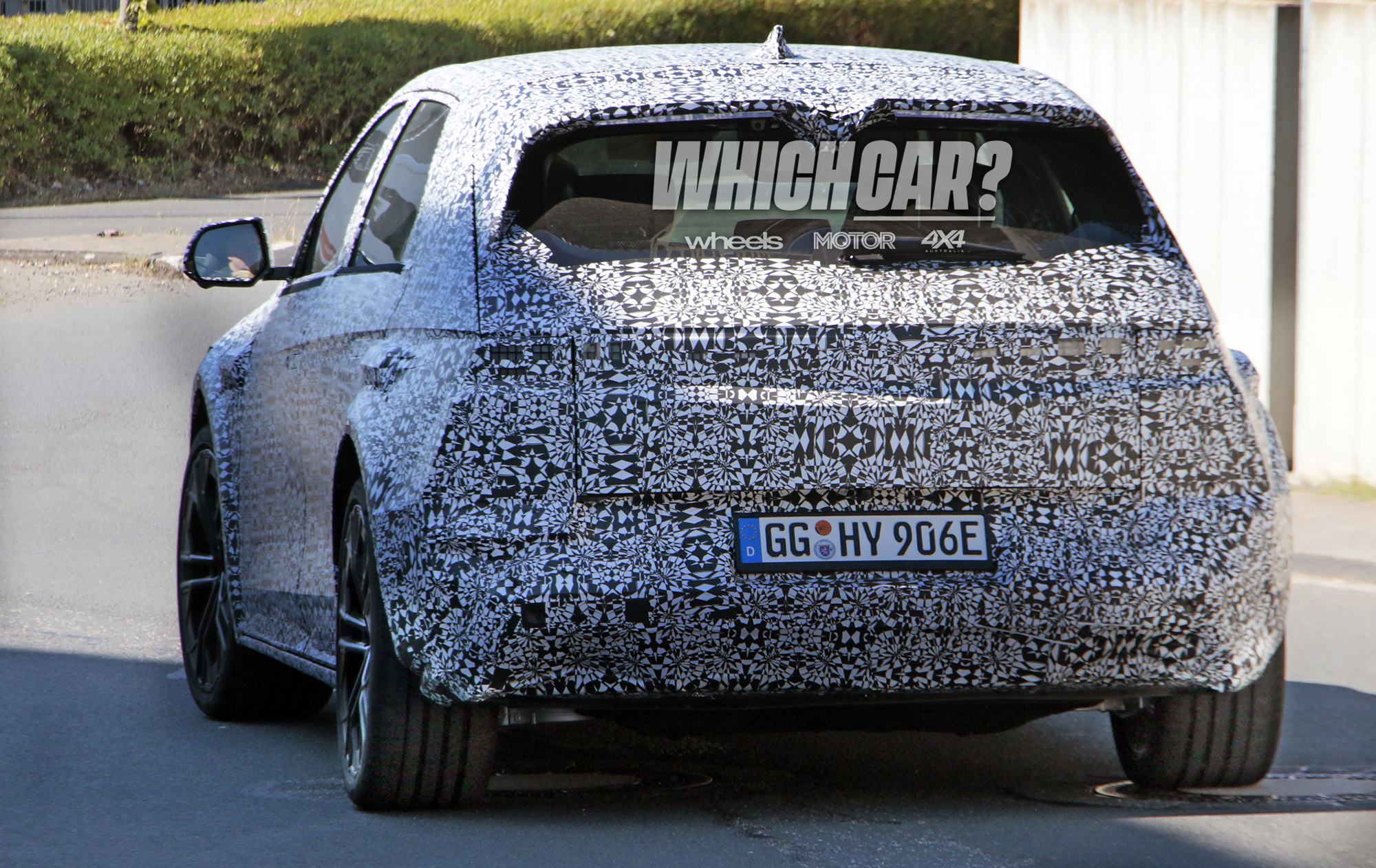
This new pre-production car, while still camouflaged, reveals that we can expect some significant new panel work at most points.
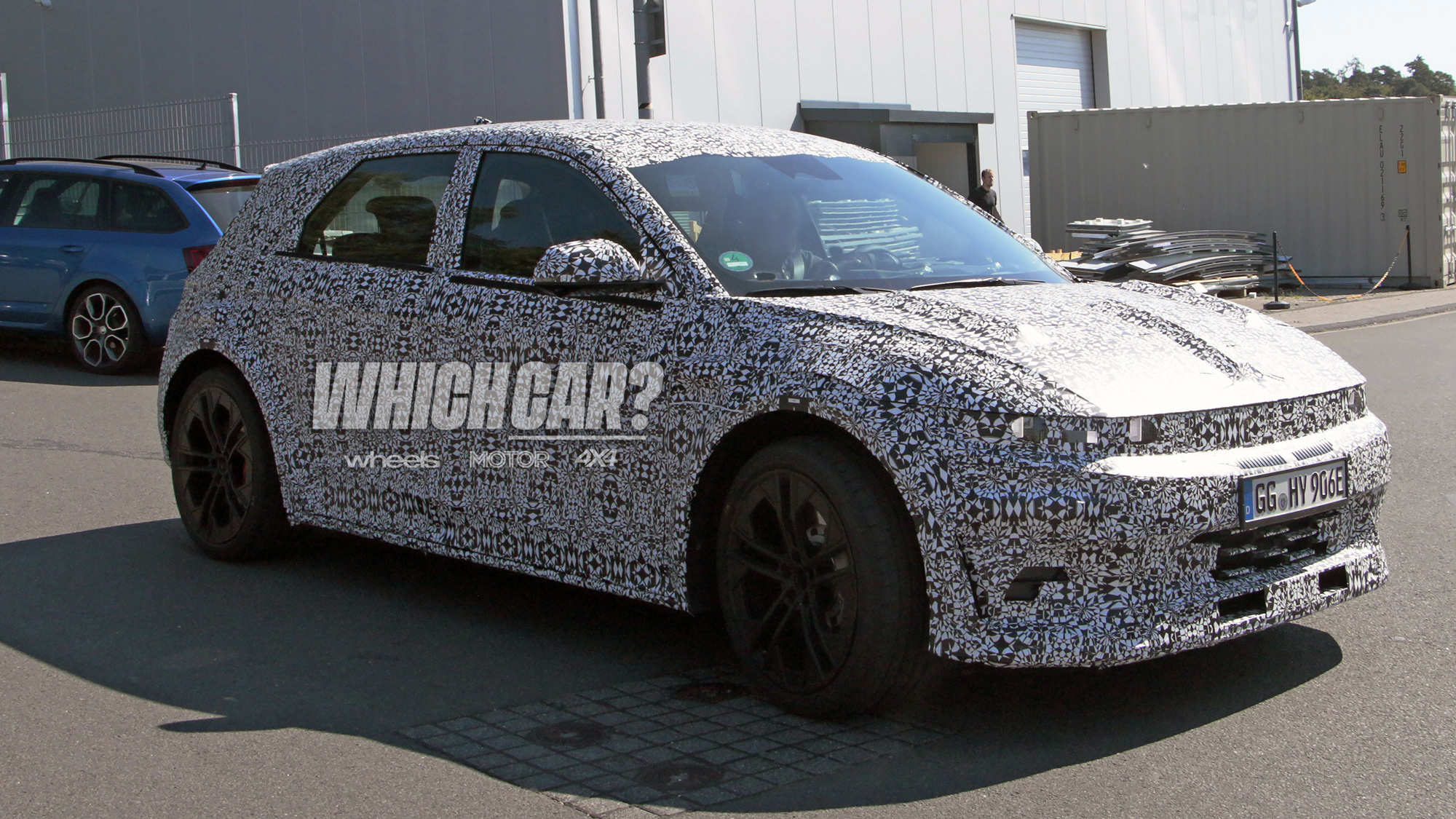
The front bumper showcases a bolder and beefier design, protruding further forward before curving back into a wide new lower air intake.
The real story is at the corners, though, with the Ioniq 5’s wider track and big new wheels demanding flared guards to match.
As a result, we see some properly rolled corners accommodating wide new rims and rubber, along with a large braking package.
For more on the new hero Hyundai, read our continuing story below.
The story to here
July 15: 2023 Hyundai Ioniq 5 N confirmed
Snapshot
- Ioniq 5 N confirmed for Australia
- Pricing expected around the $100,000 mark
- Model will be revealed in 2023
Hyundai has confirmed that its proliferating high-performance N brand will make its electric debut in 2023 with a range-topping and pumped-up version of the Ioniq 5 – and it’s coming to Australia.
The company’s first zero-emissions N model is yet to be revealed in full but the electrified N pioneer is expected to receive the same comprehensive suite of enhancements as the rest of the N family, including more aggressive chassis, body and powertrain upgrades.
While an exact reveal date is yet to be locked in, the Ioniq 5 N will break cover in 2023 and will arrive in Australian showrooms before the year is out.
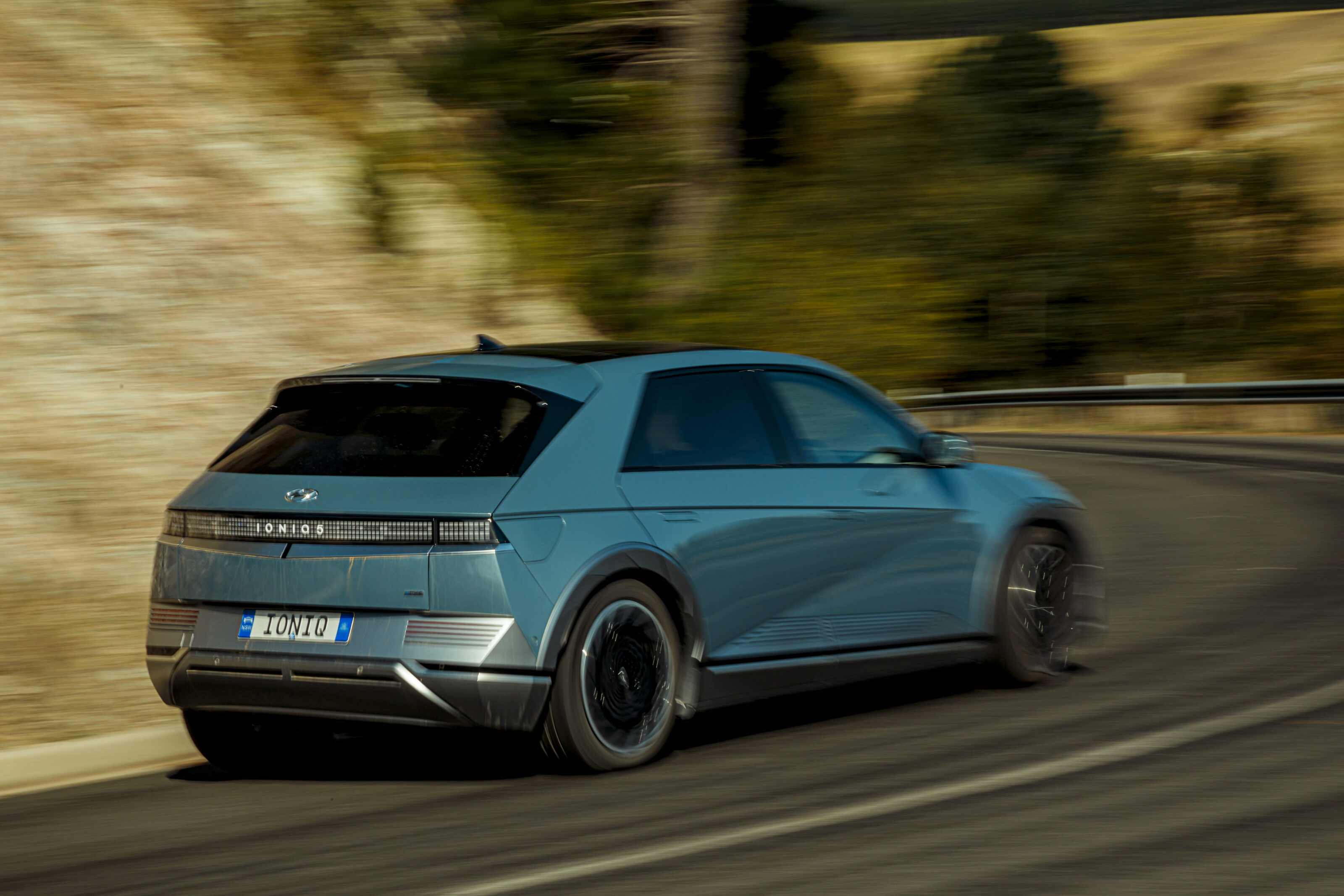
Details in all areas are light at this stage, but sources suggest the first electric N will have a ticket price in Australia around the $100,000 mark, making it the most expensive Hyundai to date – but the potent EV is expected to bring a significant amount of kit for the cash.
Power and torque will increase compared with the current model, which produces 225kW and 605Nm in dual-motor trim and it’s likely the N version will align closely with the recently announced (and mechanically very similar) Kia EV6 GT, which ups the amps to 430kW and 740Nm.
If the Hyundai is on par with its Kia sibling, Ioniq 5 N owners can expect a zero to 100km/h dash in just 3.5 seconds.
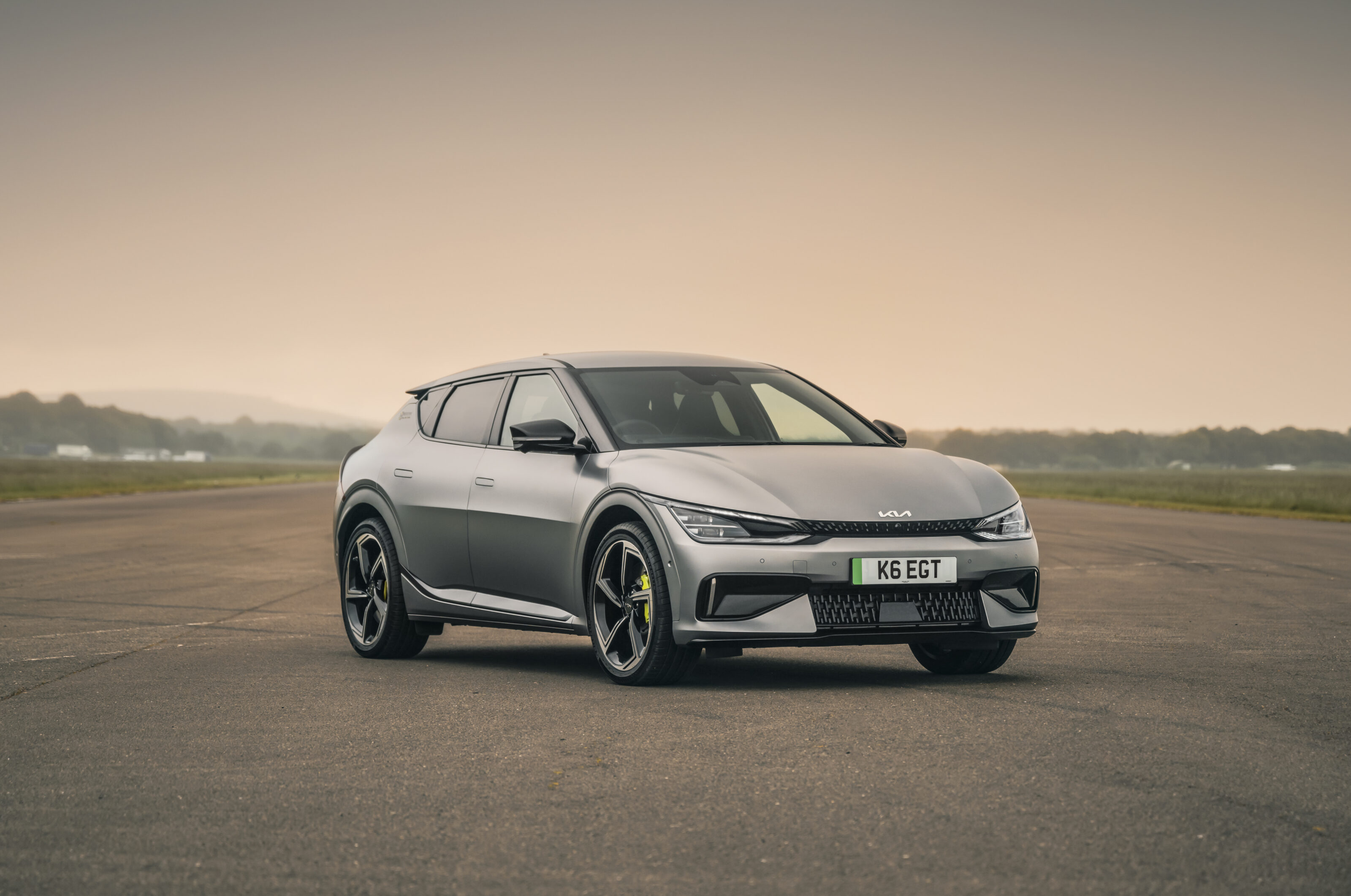
However, while the Kia has a 77.4kWh battery, the existing Ioniq 5 range has a maximum battery offering of 72.6kWh. Unless the N version is upgraded to the larger capacity power pack, performance figures may be limited when compared with the most potent EV6.
The announcement comes as the South Korean company revealed a brace of high-performance N-badged EV concepts at events in Busan, bolstering its commitment to electrification – with both battery and hydrogen fuel-cell technology leading the charge in unison.
If production versions of the RN22e and N Vision 74 eventuate, Hyundai will have almost as many electric N models in its ranks as it does petrol powered machines.
Either way, the recent revelations galvanise the manufacturer’s plans to become an electric authority and the performance car market is set for a shake-up.
UPDATE, December 20: New 2026 Mazda MX-5 rendered
Following the news earlier this month that Mazda is working on a new, electrified generation of its iconic sports car, we couldn’t resist rendering the new 2026 Mazda MX-5.
We didn’t need to speculate or look far for inspiration, either, with Mazda design boss Akira Tamatani telling Wheels Media that the recent Vision Study concept would likely inform the new MX-5’s look.
Steering close to the concept itself, we’ve rendered the new MX-5 in an RF-like hardtop design. Mazda hasn’t specifically said the RF will return for the next model, but we suspect the Vision Study is a decent clue.
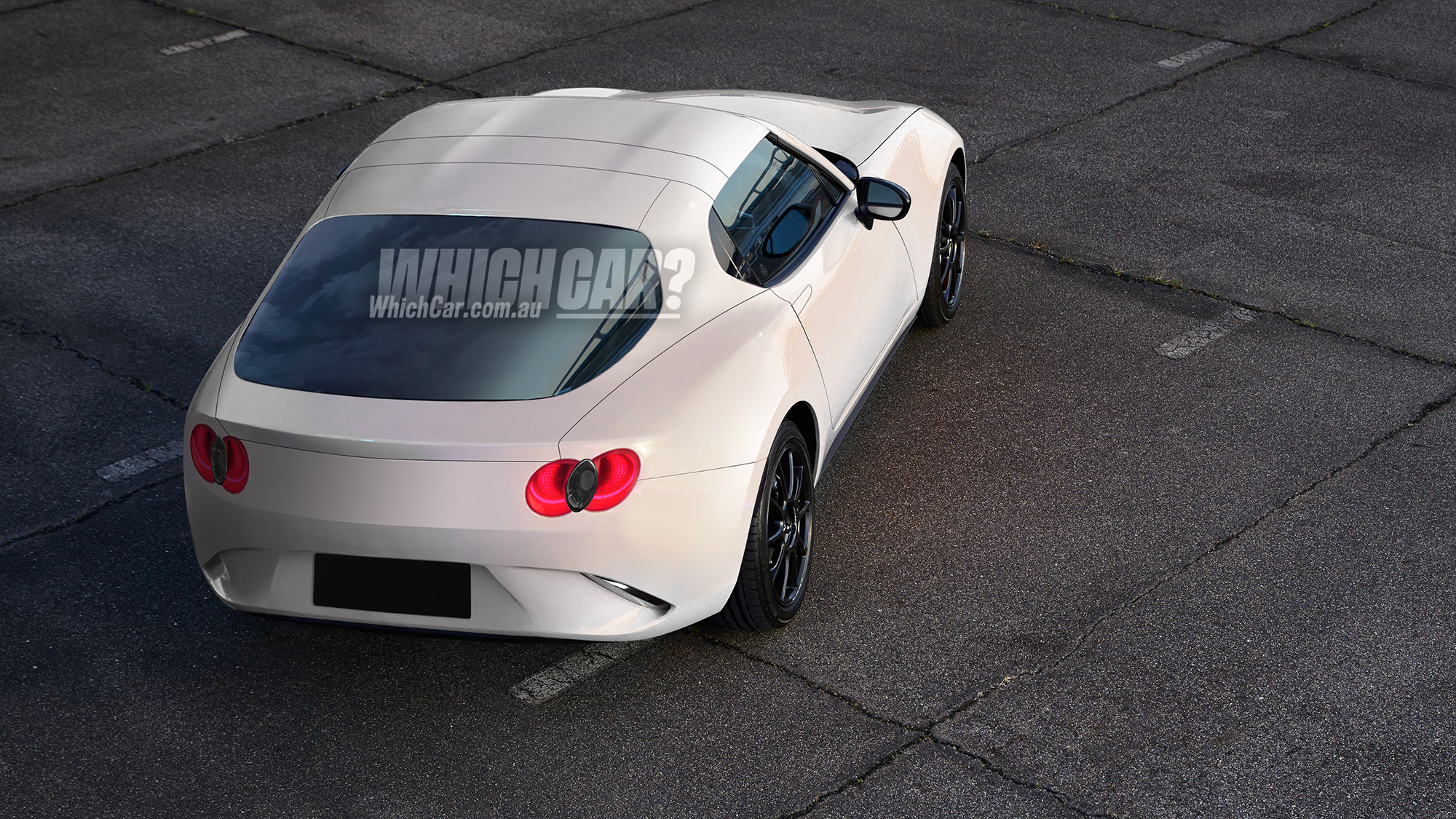
Of course, our rendering is a little less exciting when compared to the show car’s low and wide proportions, but given the MX-5’s role as an affordable and lightweight sports car, we can likely expect the final look to be much tamer. So, that’s how we tasked our artist.
Conveniently, the new MX-5 will likely be known as the NE – primarily because it follows the current ND, but the E in the model designation could easily stand for ‘Electrified’. Yep, as with most cars coming in the years ahead, the new MX-5 is expected to feature a petrol-electric hybrid power system.
Below: the Vision Study concept
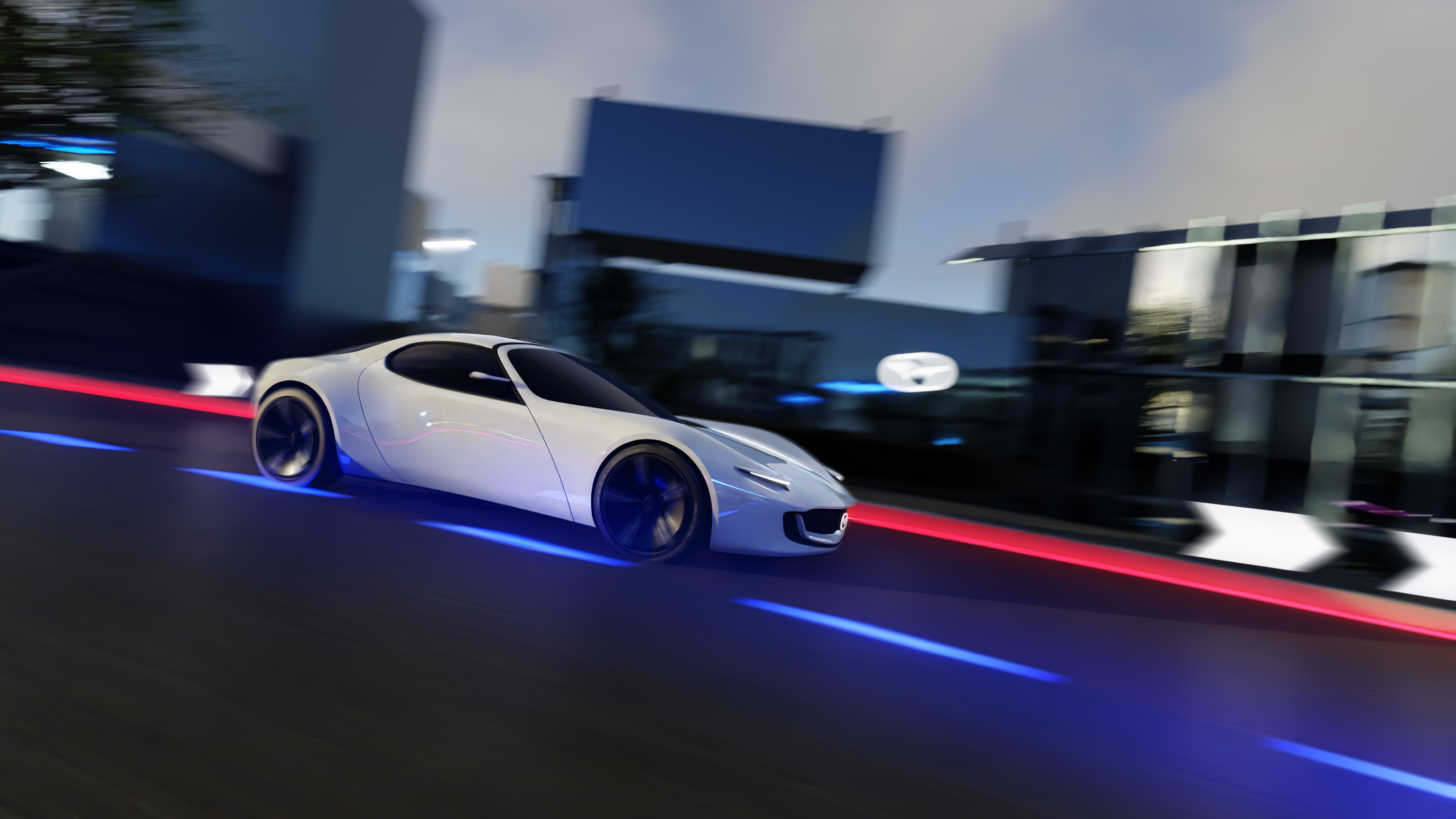
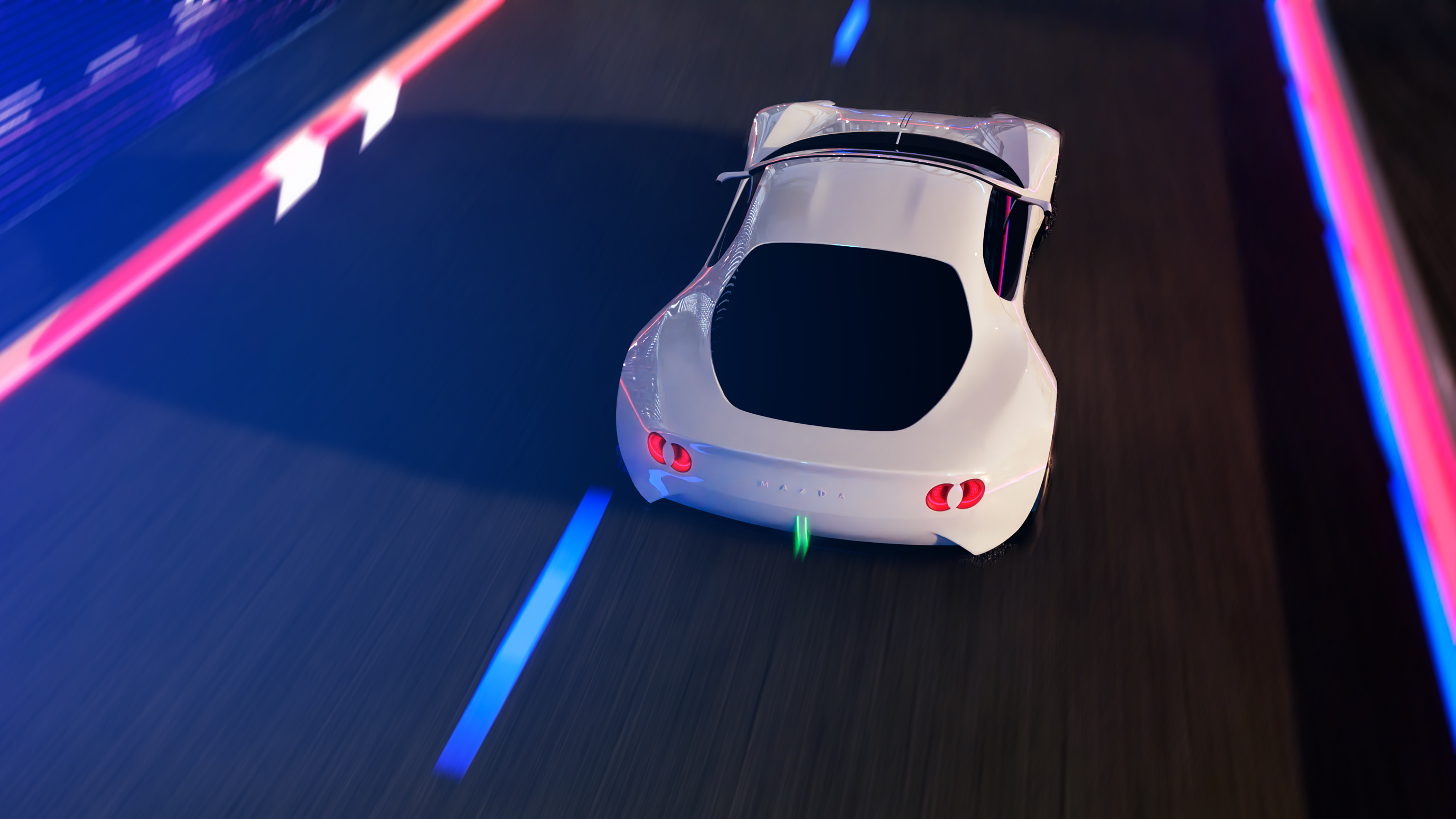
What do you think about electrifying the iconic MX-5? And what do you think of the new look? Tell us in the comments below!
The story to here
December 5: New MX-5 confirmed, 2026 launch likely
An all-new version of the Mazda MX-5 is tipped to arrive in 2026 with the Japanese brand confirming it’s exploring ways to electrify the iconic lightweight sports car.
The new car will be the first all-new MX-5 since 2015 and its appearance is likely to take inspiration from the striking Vision Study concept Mazda showed last week, according to the brand’s head of design, Akira Tamatani.
The confirmation that Mazda is working on a new generation MX-5 will be a relief to sports car fans. It’s becoming increasingly difficult to justify the expense of standalone performance cars and joint ventures that allow companies to share costs on such projects are now common.
Toyota and BMW teamed up for the Supra and Z4, for example, while Toyota and Subaru entered a joint venture for the 86 and BRZ. But Mazda has confirmed the MX-5 will remain solely in house.
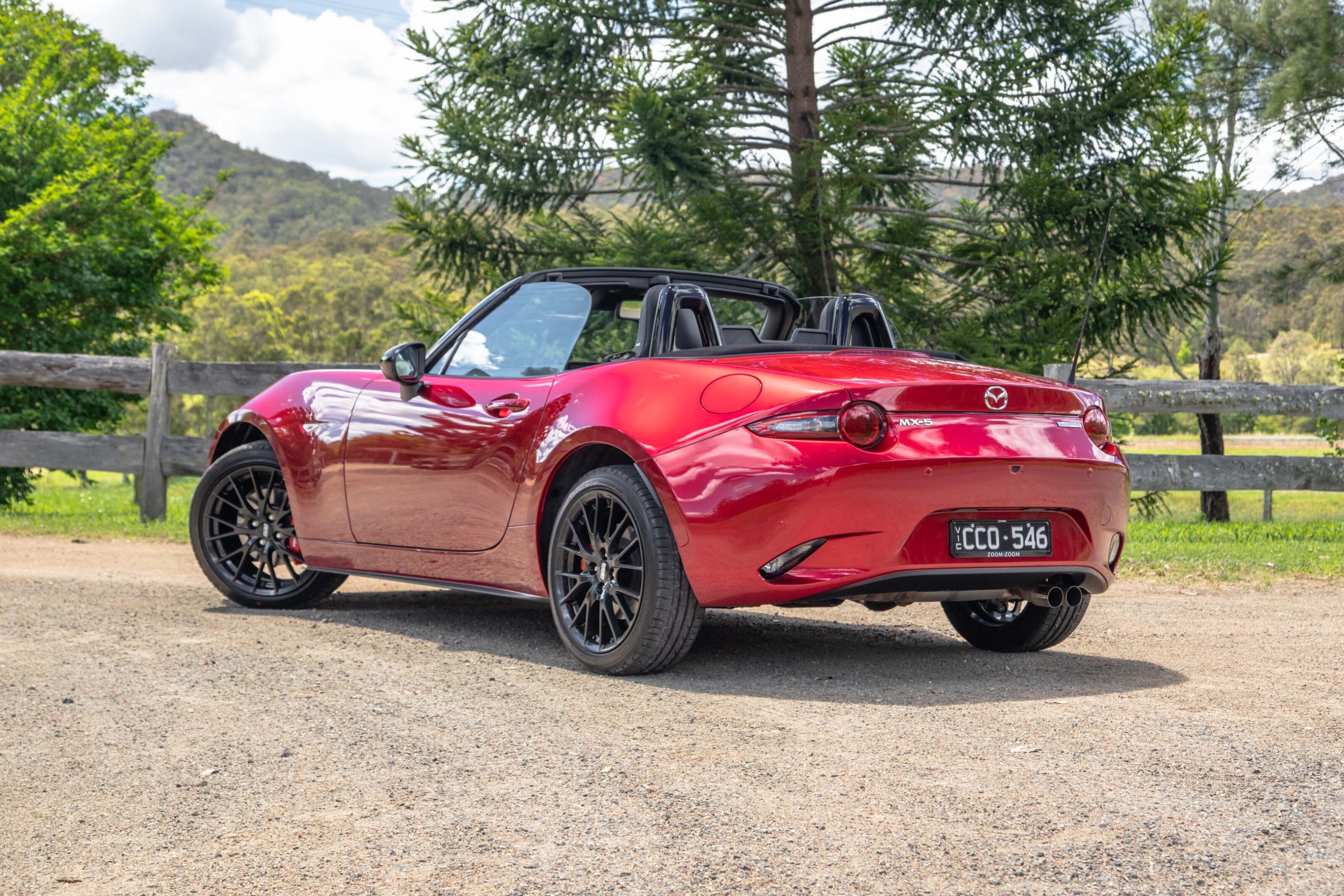
“The MX-5 is an icon in the Mazda product lineup and we have a lot of promise with our current MX-5 owners spread all over the world, so we will continue our MX-5 in the future,” Mazda’s director and senior managing executive officer, Yasuhiro Aoyama, told Wheels.
Aoyama also revealed the new MX-5’s timing is likely to coincide with the introduction of Euro 7 emissions regulations, which are set to come into force from July 2025.
“It should be also heavily triggered by the implementation of the new legislation that was recently announced for stage seven in Europe,” said Aoyama. “So the contents of stage seven we are still investigating, but it will affect our MX-5 at the time.”

The stricter emissions regulations also means the new MX-5 is likely to be electrified in some way. A hybrid powertrain is the most likely solution, though Aoyama acknowledged Mazda’s challenge will be keeping weight as low as possible to ensure the new sports car continues the MX-5’s longstanding philosophy of being lightweight. The current ND MX-5 boasts a kerb weight of 1021 kilograms in manual roadster guise.
“It will, at the time, be some kind of electrification so we need to investigate the most appropriate strategy for the future MX-5 which will not betray our passionate fans’ expectations,” said Aoyama.
Mazda’s head of design also confirmed the next-gen MX-5 is likely to be electrified in some way, but exactly what form the new car’s powertrain will take is yet to be locked in.

“The next-generation MX-5 we may have to think about electrification as well there and if that’s the case the car has to be lightweight, of course, and it still has to have an MX-5-ness,” said Akira Tamatani. “So how can we satisfy both of those things we need to really run a good study on that so we don’t have a clear answer to that yet.”
One thing Tamatani ruled out was fitting the new MX-5 with Mazda’s fresh 3.3-litre straight-six which produces 209kW/450Nm in the soon-to-arrive CX-60 and features a mild-hybrid system. We jokingly suggested that engine would be a good fit, but Tamatani replied:
“If you put that kind of engine in and it won’t be an MX-5 anymore,” he laughed. “High power sports car? Haha. I wish I could make that kind of vehicle.”
As for how the new-gen MX-5 will look, Tamatani didn’t give much away, but he did hint that the sleek Vision Study concept car will provide some inspiration. Mazda showed the Vision Study as part of its mid-term management plan update last week, but it gave little away about the long-nosed hardtop coupe.
That lead to some media outlets speculating it could point to a new RX-7, while others concluded it was a design study for a new MX-5. The answer, according to Tamatani, is neither, although the new MX-5 is likely to draw inspiration from the concept car.
“Please take it as an image, just an image,” he said. “It’s a message. We have this passion to create that type of vehicle, that’s the message we want to say. But will we make production vehicles made from that? We still haven’t really decided.”
