
UPDATE, December 19: Q8 E-Tron driven!
Following its unveiling in November, we’ve now driven the updated Audi Q8 E-Tron (the SUV formerly known as ‘E-Tron’). Get our full story at the link below.
The story to here
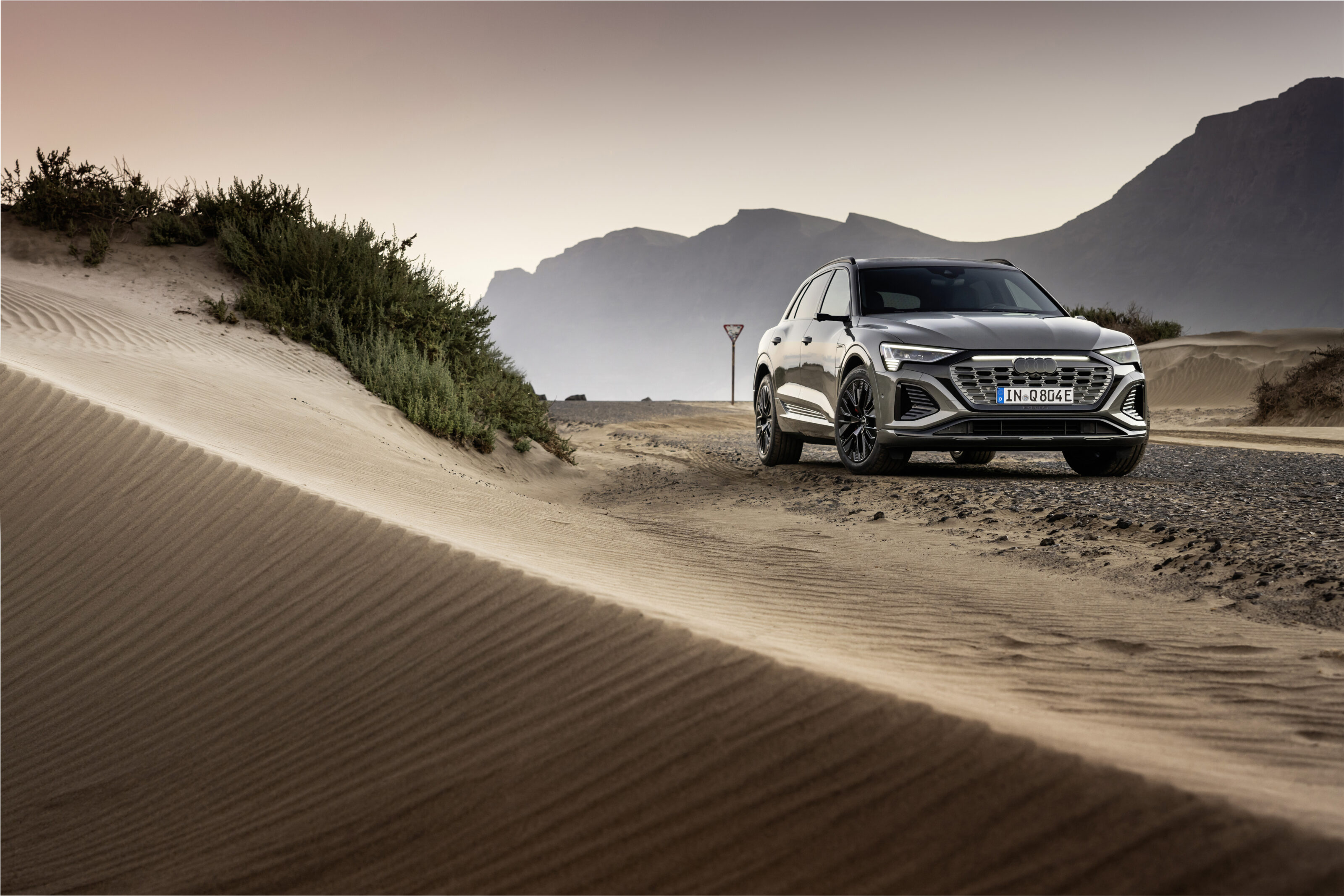
The updated 2023 Audi Q8 E-Tron has been revealed, with an Australian release expected within six months of its European on-sale date in February.
Snapshot
- Audi E-Tron facelift revealed; now Q8 E-Tron
- Up to 600km driving range for Q8 E-Tron 55 Quattro Sportback
- Aerodynamic improvements and bigger batteries
Previously known as the E-Tron, Audi was tipped to change the electric SUV’s name to Q8 E-Tron, but we expected it to coincide with a new generation in 2026, rather than a mid-life refresh.
The update brings more than just a new name, though. A lightly restyled exterior and interior improve its appeal, but that’s overshadowed by an increase in driving range to 600km for the Sportback 55 Quattro.
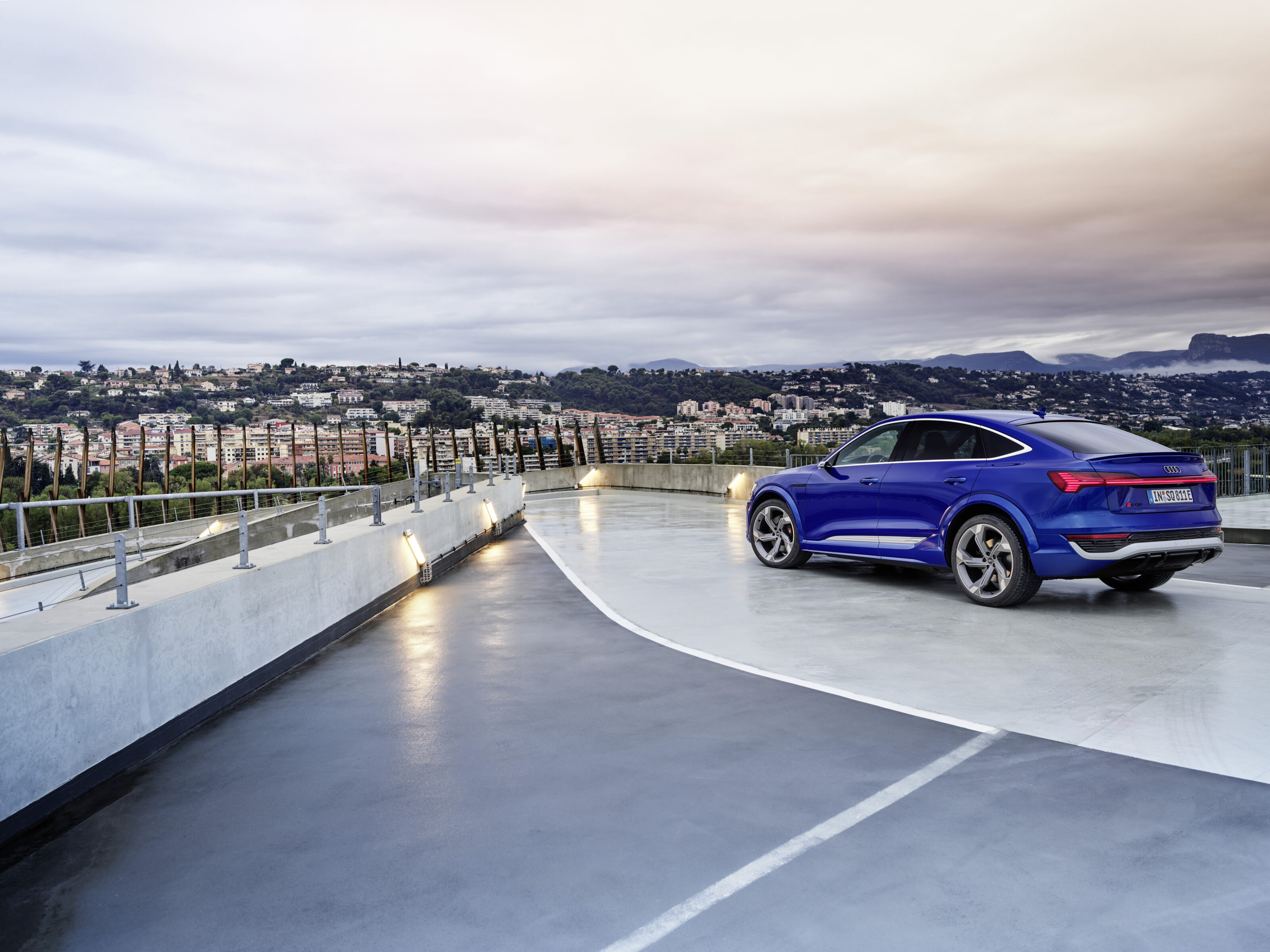
Audi has refined a whole host of things for the Q8 E-Tron with more efficient motors and aerodynamic improvements, but there’s also a bigger battery – the largest fitted to an Audi EV yet at 106kWh for the E-Tron 55 Quattro and SQ8 E-Tron.
The larger range and bigger battery should help the non-MEB-based Q8 E-Tron against rivals such as the Mercedes-Benz EQC, BMW iX and Jaguar I-Pace.
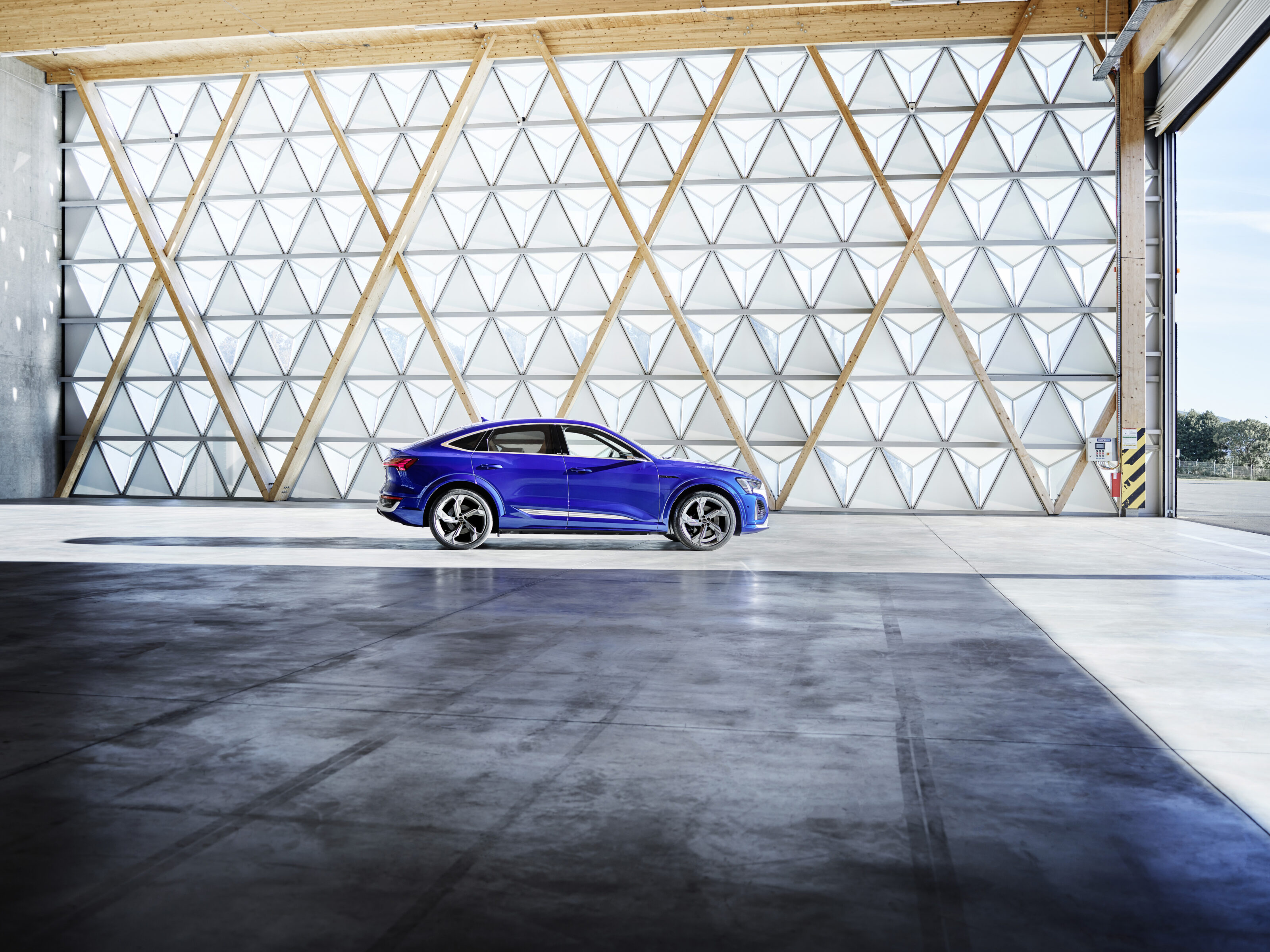
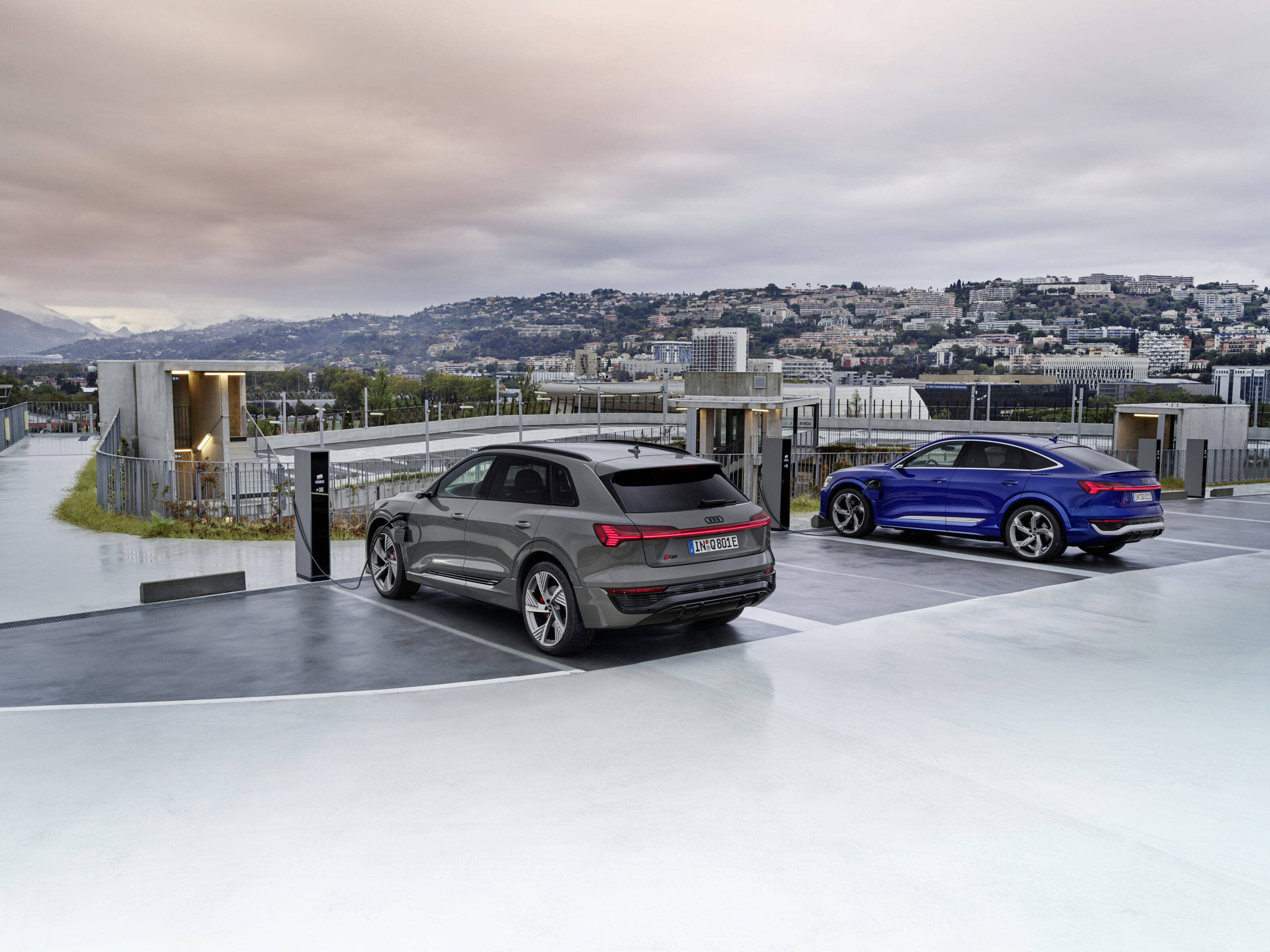
Outside, the Q8 E-Tron’s updates are relatively minor. There’s a new grill design that, in S Line trim, is painted body colour. At the rear, there’s new Q8 badging and an updated lighting signature, but it’s still recognisable as the E-Tron it once was.
Australian pricing is yet to be confirmed, but Audi will launch the facelifted Q8 E-Tron in every market within six months of it hitting European dealers in February.
JUMP AHEAD
- Driving range improvements
- Charging and power
- Dynamic updates
- Safety and technology
- Australian pricing and availability
How Audi improved the Q8 E-Tron’s driving range
Audi says the Q8 E-Tron in 55 Quattro guise is capable of 582km on a single charge for the wagon, and up to 600km for the slipperier Sportback in combined WLTP figures.
These are up by about 170km, or 12 per cent over the old car – Audi has achieved this in a number of ways.
Starting with aerodynamics, the redesigned grille and diffuser are the obvious visual cues, but underneath Audi has been hard at work optimising the Q8 E-Tron.
The result is a 6 per cent drag reduction to 0.24Cd for the Sportback and 0.27Cd for SUV – that sounds small, but every little bit counts when it comes to range.
The upper-trim 55 Quattro variants receive a new 106kWh lithium-ion pack that uses a different chemistry for greater energy density, resulting in greater driving range.
Using the same battery but more powerful motors, the SQ8 E-Tron (replacing the E-Tron S), has a driving range between 494 and 513 kilometres.
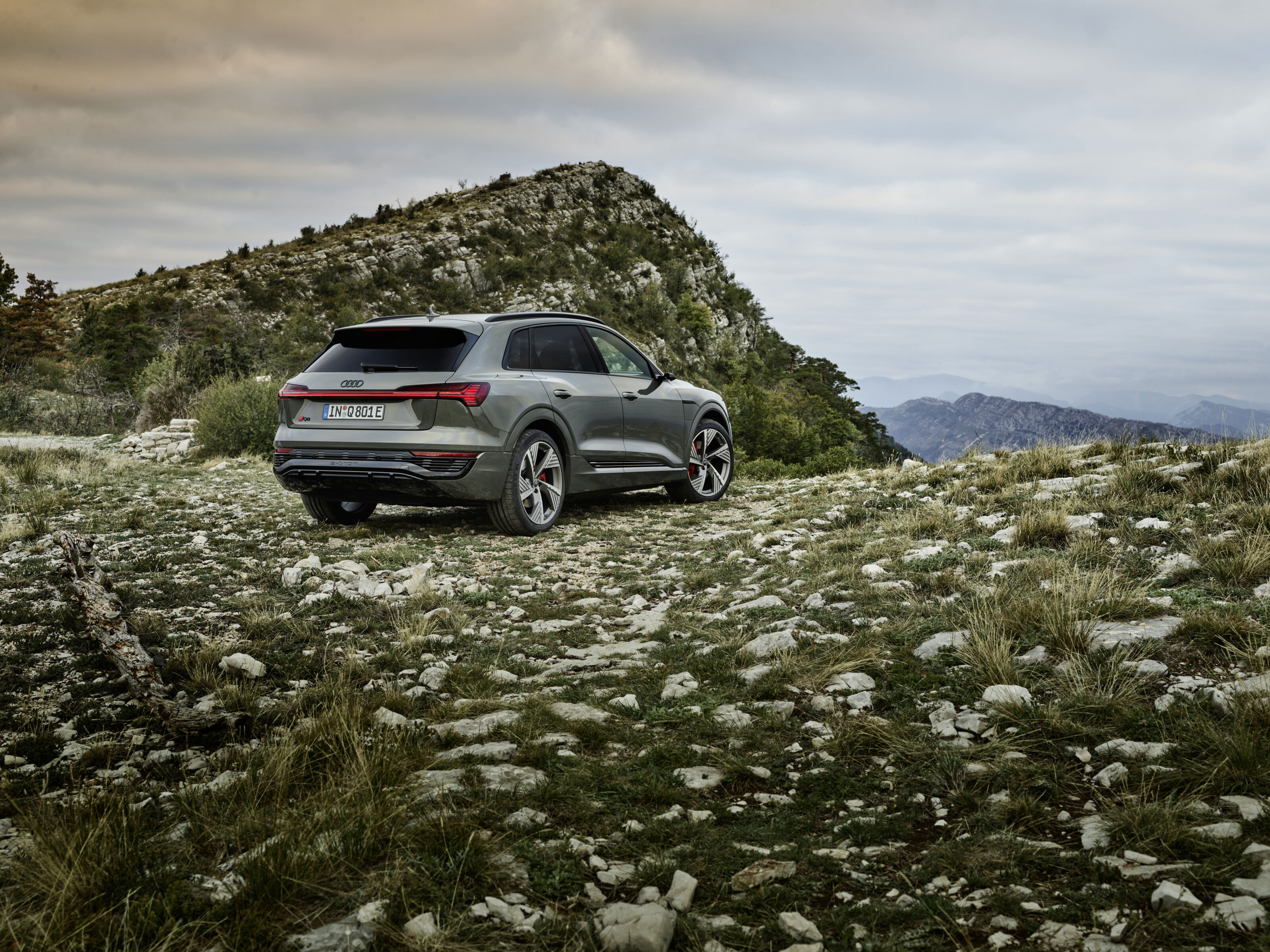
Additionally, the battery packs are bigger across the board with the base 64.7kWh pack dropped, meaning the Q8 E-Tron 50 Quattro equipped with an 89kWh pack is good for 491-505km from a charge.
Finally, the rear motor is more efficient, according to Audi. It uses 14 instead of 12 coils to provide the same amount of torque for a lower current draw from the battery in the updated Q8 E-Tron.
Q8 E-Tron charging and power
This new battery also allows faster recharging. DC electricity can now be taken on at a rate of 170kW (up from 150kW), for a 10-80 per cent (60-480km) recuperation time of 31 minutes for the larger battery.
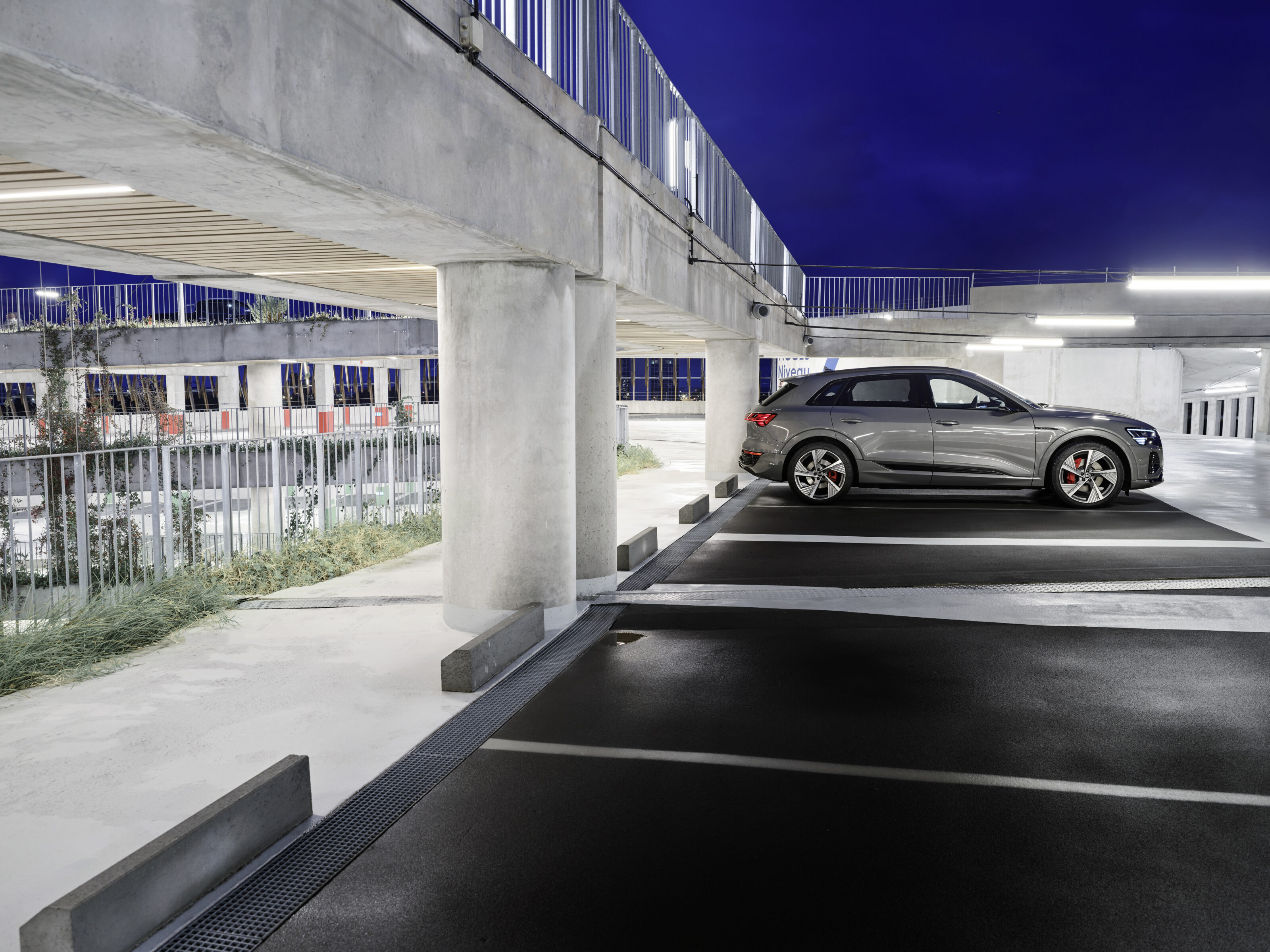
The improvements in charging are thanks to the new 106kWh battery pack, which packs 72Ah cells where 50Ah cells were before. The more expensive nickel-cobalt-aluminium (NCA) chemistry also helps with faster charging compared to the old nickel-manganese-cobalt batteries still found in 50 Quattro variants.
Power and torque remain the same for all variants. All models have at least two motors, with the 50 Quattro kicking things off with 250kW and 664Nm in boost mode.
The 55 Quattro steps power up to 300kW while torque remains the same. The tri-motor SQ8 E-Tron develops 373kW of power and 973Nm of torque. All use a single-speed reduction gear, unlike the J1-platformed E-Tron GT which gets a two-speed transmission.
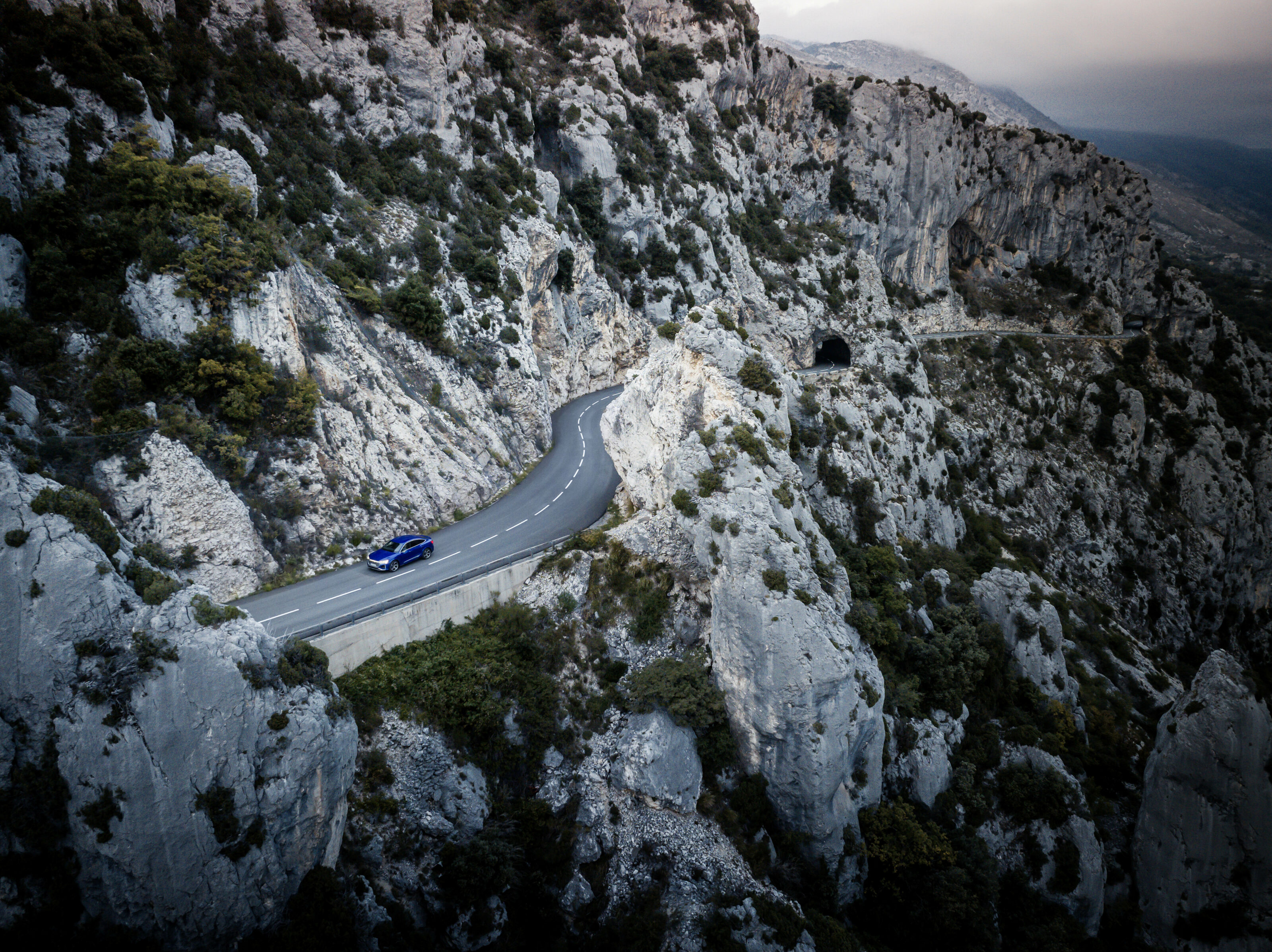
Q8 E-Tron dynamics
Audi says along with power efficiency, that the upgraded rear motor gives greater torque vectoring for a sporty feel.
The standard-fit adaptive air suspension has been reprogrammed for the facelifted Q8 E-Tron for greater focus on dynamic prowess with a revised ESC tune to match.
Audi has also recalibrated the electric steering with a quicker rack, and stiffer top mounts in the front suspension for a more athletic response.
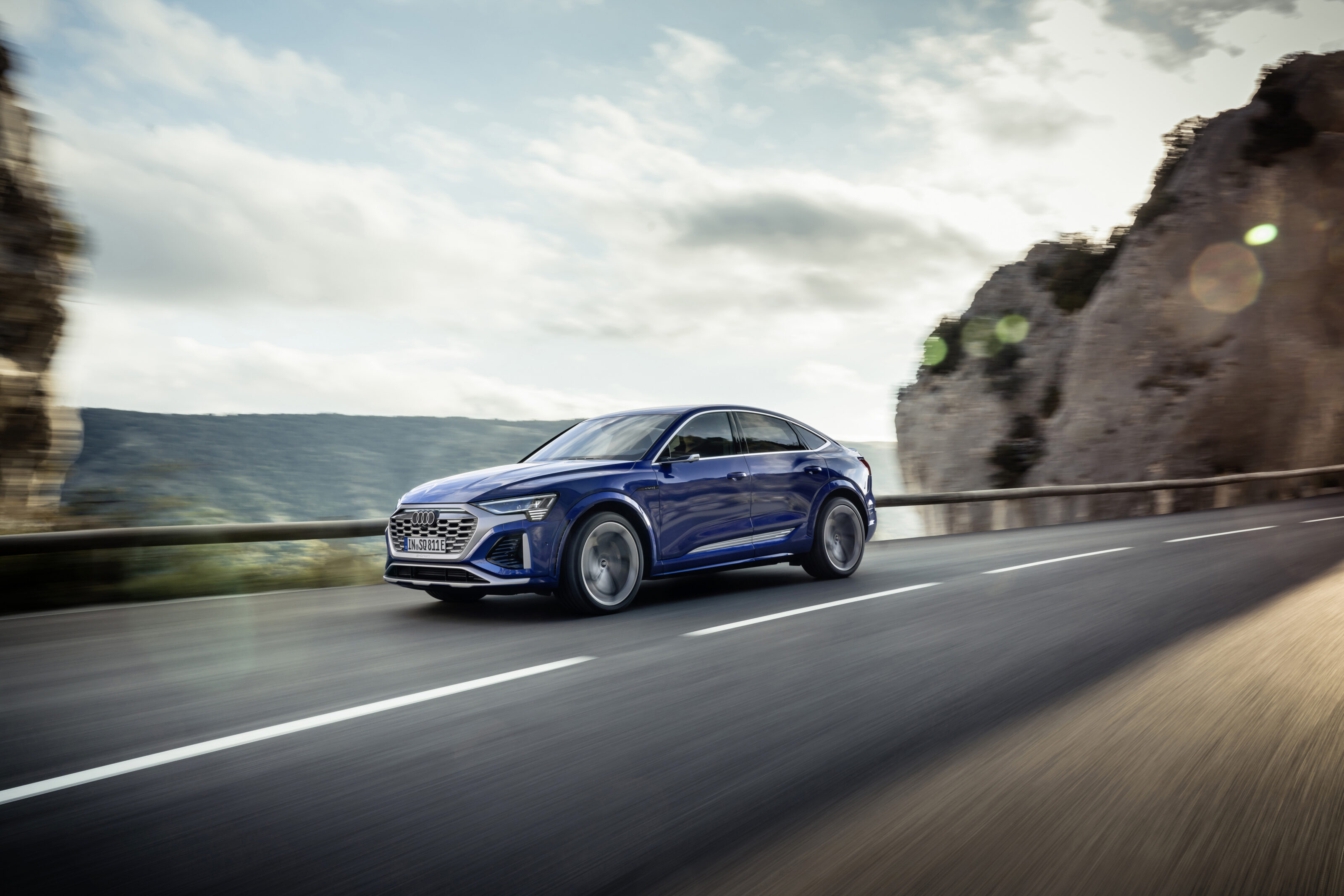
Safety and technology
Audi has added remote park assist functionality for the 2023 Q8 E-Tron GT. There are five cameras and five radar sensors combined with 12 ultrasonic sensors.
The Q8 E-Tron GT, therefore, has provisions for level two autonomy with adaptive cruise control, lane-keep assist, and autonomous emergency braking with pedestrian, cyclist, junction and motorcycle detection.
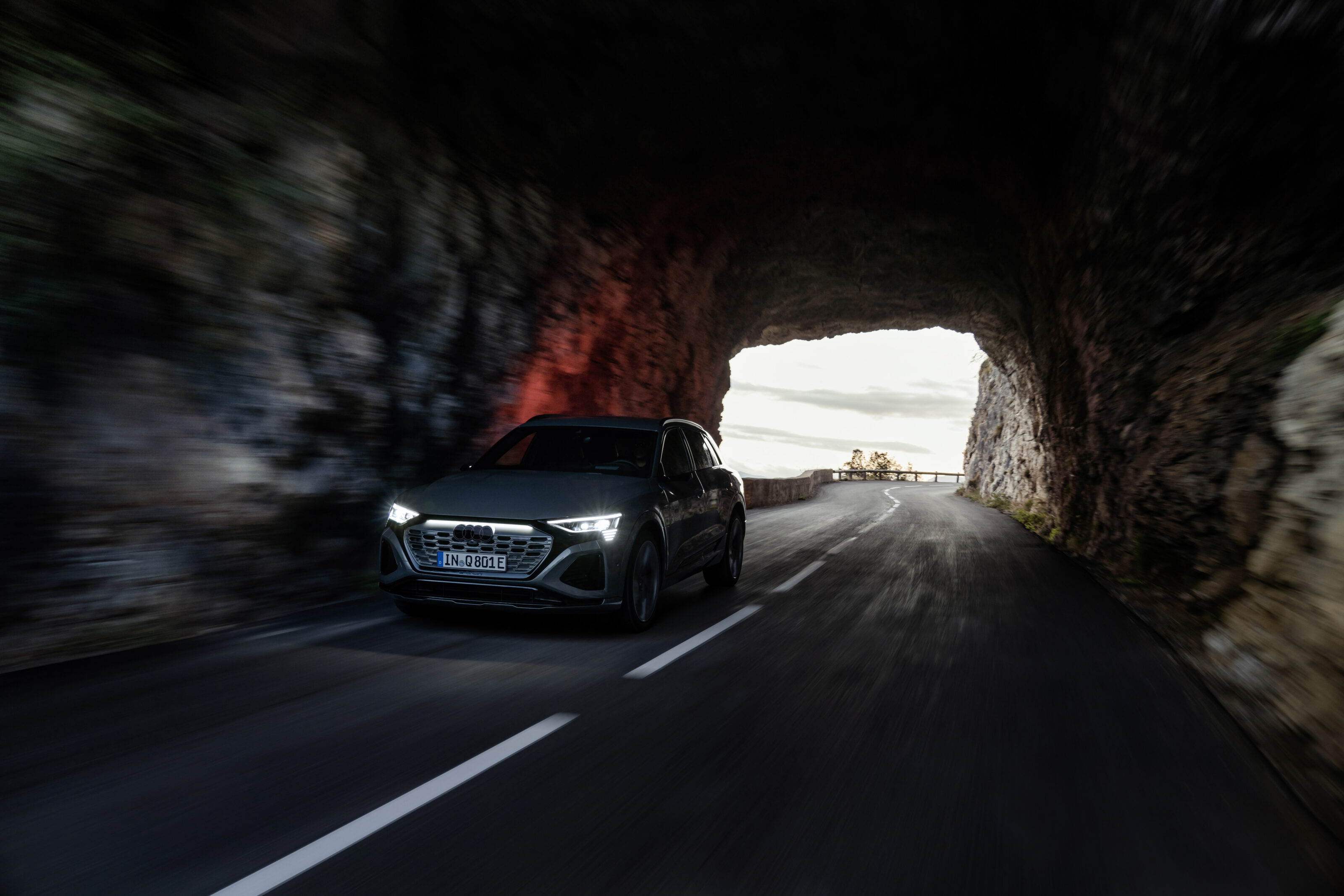
There are also new digital matrix LED headlights fitted to the Q8 E-Tron GT and redesigned LED tail-lights.
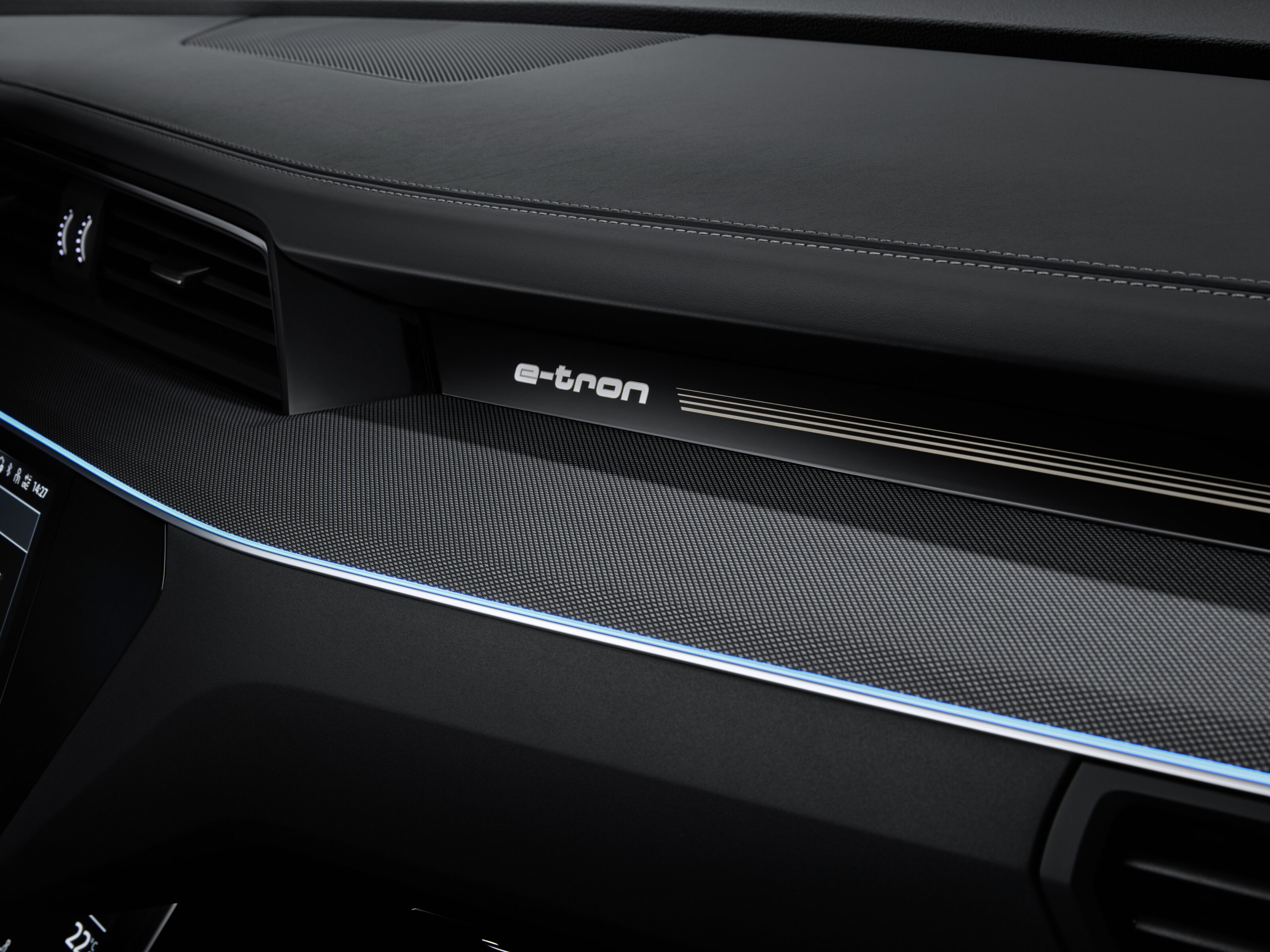
Inside, the Q8 E-Tron features a 10.5-inch infotainment system with wireless Apple CarPlay and Android Auto, while the lower screen is used for ventilation. A 12.3-inch digital instrument cluster with satellite navigation integration remains ahead of the driver.
Following customer feedback, the entry-level leather seats now have contrast stitching as standard, while there are also two new choices for decorative inlays including walnut wood, and the carpets are made from recycled PET bottles.
Availability
The 2023 Audi Q8 E-Tron is gearing up for a February launch in its home market of Germany.
At the Q8 E-Tron’s reveal, an exact Australian release wasn’t given but Audi is aiming to roll the new electric SUV out to all markets within six months of its German launch.
As for availability, Audi noted the E-Tron SUV and Sportback had remained relatively sheltered from chip shortages, and in solid supply that looks to continue into Q8 E-Tron sales.
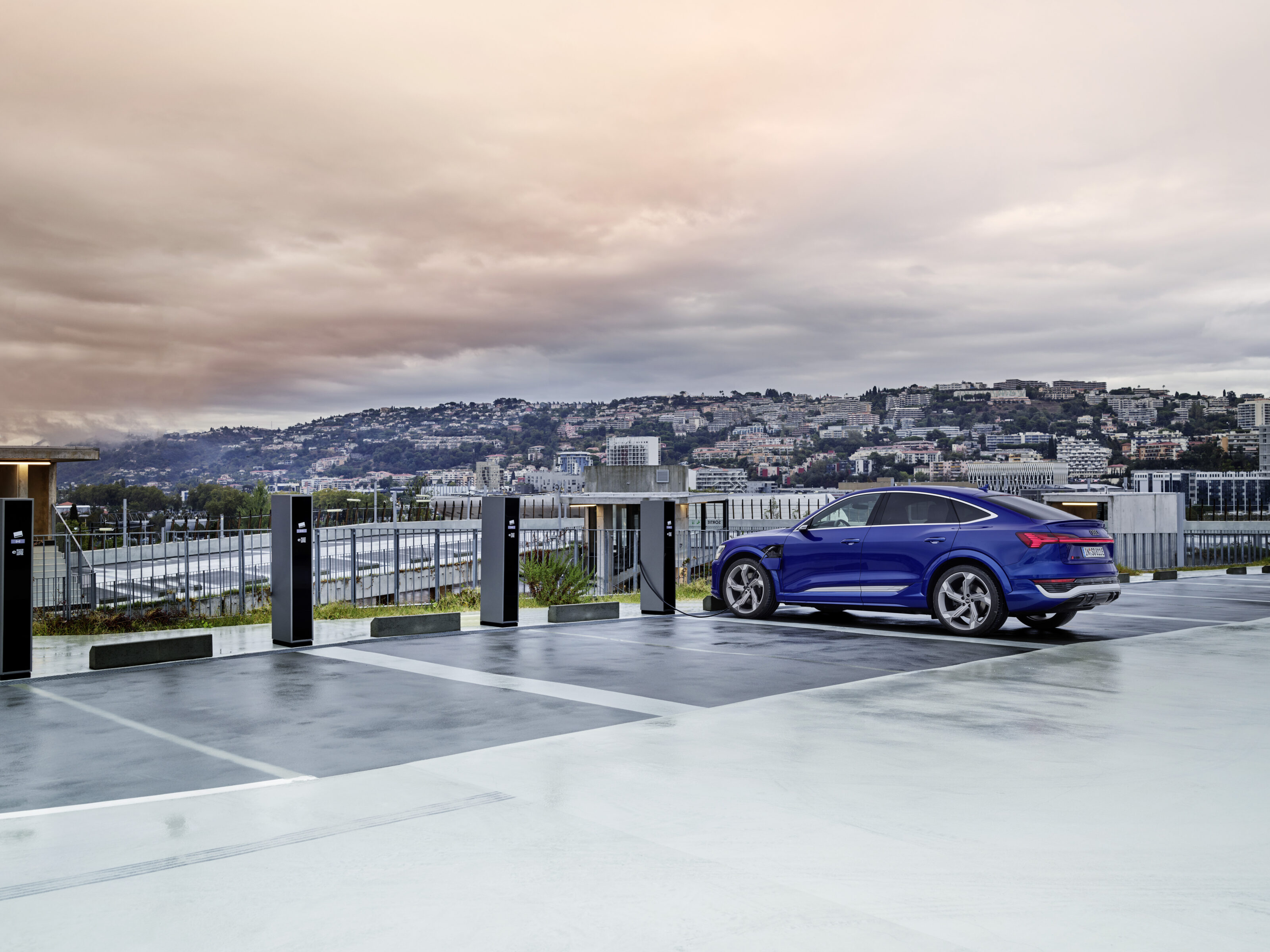
Pricing will start from EU€74,400 in Germany for the E-Tron 50 Quattro, which equates to AU$115,000 at the current rate.
It’s unlikely Audi would drop $20K from the price of the previous car, which started at $138,323 before on-road costs with the smaller battery. Instead, expect the E-Tron 50 Quattro to start from $140-150K before on-roads in Australia.
UPDATE: Tesla boss Elon Musk has promised the Cybertruck will begin production in 2023, but until that happens we can admire this set of alloys penned for the ute by hypercar designer Sasha Selipanov.
The Up Cyberhex wheels with their brutalist hexagonal spokes are the first rims designed and engineered specifically for Cybertruck, despite the ute not yet being available.
The wheels themselves are a collaboration between designer Selipanov and Tesla tuner, Unplugged Performance, which currently list the wheels for sale from US$5922 (AU$9219) for a set of four.
https://www.instagram.com/p/CkOa2cCL4JK/
Designed originally for Selipanov’s 2007 Pharaoh off-road concept, the brutalist-futuristic Cyberhex wheels really suit the Cybertruck – you can see the similarities between Sasha’s sketch and the Tesla design above.
To ensure adequate strength for the heavy, off-road focused Cybertruck, the wheels use a forged monoblock construction. Unplugged is currently accepting reservations, but Cybertruck fitments won’t ship until final evaluation has been completed.
For those who like the design though, the Cyberhex wheels are available in other fitments, including for Model 3, Model S and Model Y in 20-, 21- or 22-inch diameters in four colours.
Unplugged Performance is based in the US but ships its aftermarket Tesla products worldwide, including to Australia.
https://www.instagram.com/p/Cki-7Ppp_aA/
Our original story, below, continues unchanged.
The story to here
UPDATE October 1: Tesla Cybertruck will “serve as a boat” when it launches next year
The Tesla Cybertruck will boast a waterproof design when it launches in 2023, according to Elon Musk – and even better, it’ll be able to make short water crossings without the aid of traction. Or, so we must assume, from Musk’s latest fever-brained posts online.
According to tweets sent yesterday, Musk said the Cybertruck will be able to “serve briefly as a boat”, allowing it to travel from Space X’s Starbase to South Padre Island by water – rather than take the usual 65-kilometre, 50-minute road route like mere mortals.
Above: The best route from Space X’s Starbase facility to South Padre Island, if you’re stuck with nothing but a car.
Musk has previously said that even the Model S sedan can float, but, of course, it’s not covered under warranty.
“We *def* don’t recommended this, but Model S floats well enough to turn it into a boat for short periods of time. Thrust via wheel rotation,” he tweeted.
The story to here
July 2022: Cybertruck deliveries due in mid 2023
Tesla’s long overdue Cybertruck could appear in driveways sometime next year, if CEO Elon Musk is to be believed.
Responding to a popular question posted online during Tesla’s Q2 2022 earnings Q&A – “when will the Cybertruck be officially available?” – Musk responded directly with the answer “We’re hoping to start delivering them in the middle of next year”.
This follows similar comments from Tesla’s Q1 earnings call, when Musk said the Cybertruck would come “hopefully next year”.
If the Cybertruck does make its market debut in 2023, it will follow the likes of Rivian’s R1T pickup, the Ford F-150 Lightning, the Hummer EV, and possibly GM’s Chevrolet Silverado EV, which is also due next year.
In the meantime, Tesla has removed the Cybertruck from its Australian website. It’s worth noting that Tesla had never confirmed global availability for the Cybertruck, but allowing Australians to place a (refundable) $150 deposit did at least give Tesla some extra cash to build interest upon.
The story to here
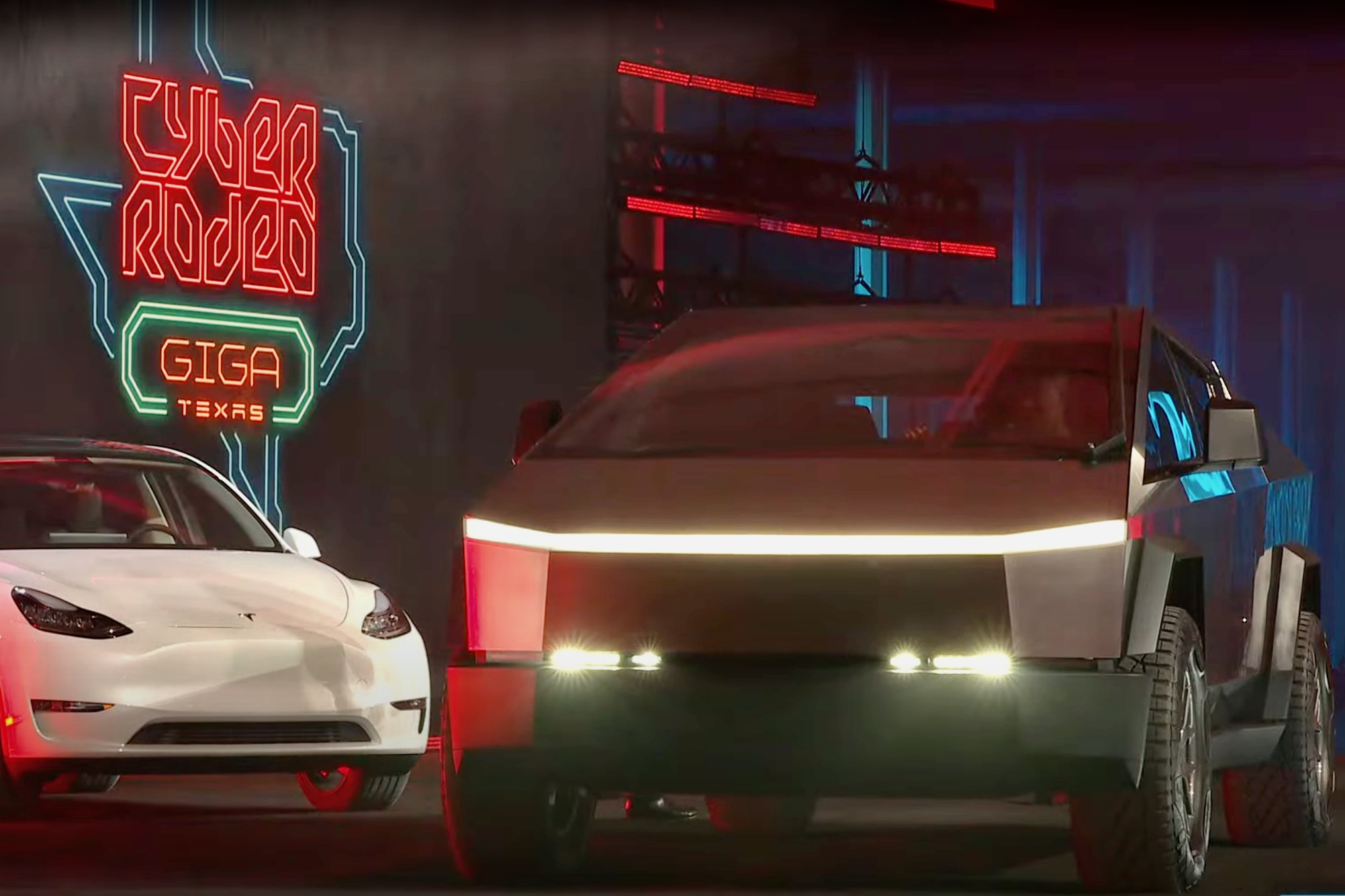
April 2022: The 2023 Tesla Cybertruck has been shown again, this time looking more road ready than the previous concept version.
Tesla showed off the Cybertruck at its Cyber Rodeo event, hosted at the company’s factory in Texas, though few details were revealed about the electric pick-up.
“I think this will be our magnum opus,” CEO Elon Musk said after the Cybertruck arrived on stage.
The most obvious changes are the addition of side mirrors, a windscreen wiper, and revised headlights and tail-lights.
Also new is the deletion of exterior door handles, with Musk telling the audience the vehicle “can tell that you’re there and know it needs to open,” though it’s not clear whether this update will comply with new-car design regulations in the US.
A set of more conventional alloy wheels are a new addition to the ute too.
Images of the Cybertruck’s interior have also appeared online, showing the company’s controversial steering yoke in place of a more traditional wheel – albeit missing an airbag – and adopting Tesla’s typical dashboard design with a single centrally-mounted infotainment screen.
Musk apologised for the delay in bringing the Cybertruck to market, having first shown the vehicle in 2019, but promised the pick-up would be entering production next year.
Despite the company taking $150 deposits in Australia, it’s not yet clear whether the model will actually be sold here.
A crowdsourced Cybertruck reservation tally estimates around 1.39 million deposits have been paid, providing Tesla with approximately US$139 million (AU$185 million) of interest-free cash.
UPDATE, March 29 2023: Australian timing confirmed for ID models
Volkswagen Australia has today confirmed local launch timing for its ID.3, ID.4, ID.5 and ID.Buzz models – get all the details at the links below.
Story continues…
ID.4 review: Australian preview drive
Volkswagen has made a big song and dance about electric vehicles being the future, pushing for government mandates and infrastructure spending in Australia.
And yet, the brand – as of right now – doesn’t sell an EV in this country. In fact, Volkswagen doesn’t even sell any kind of hybrid here. So, what gives?
It all comes down to how Volkswagen global sees the Australian market, and the sales figures don’t lie. Month after month, it’s utes that belch out 200-plus grams of CO2 per kilometre taking top spot, but that is starting to change.
Tesla is seeing cracking success with its mid-size Model 3 sedan and Model Y medium SUV, and other challenger brands like Polestar are getting in on the action while Volvo reckons it can increase sales by going EV-only sooner in Australia.
There’s also a change on the way for the Australian vehicle landscape as we move towards our first federal EV strategy, on which Volkswagen has been asked to give comment.
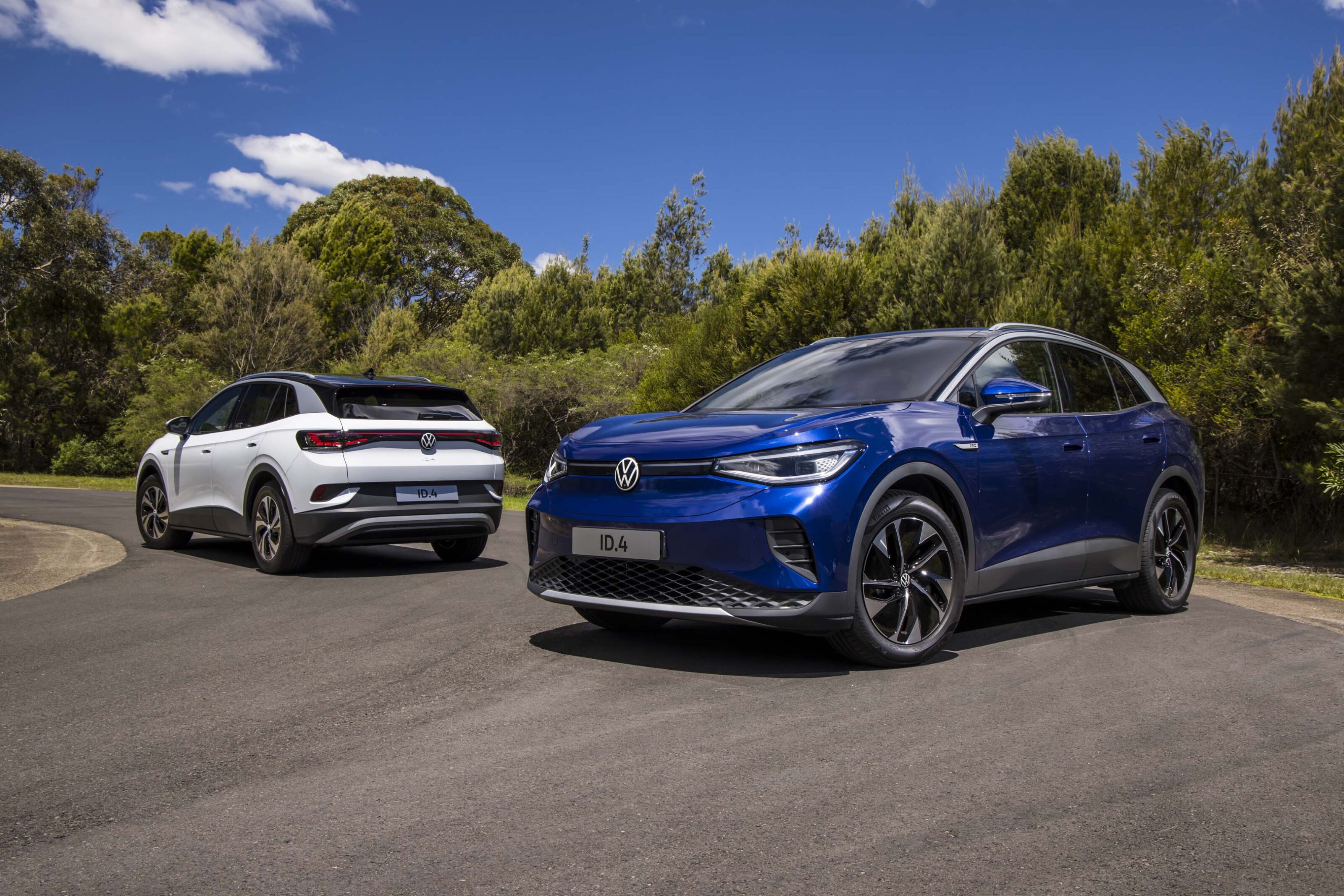
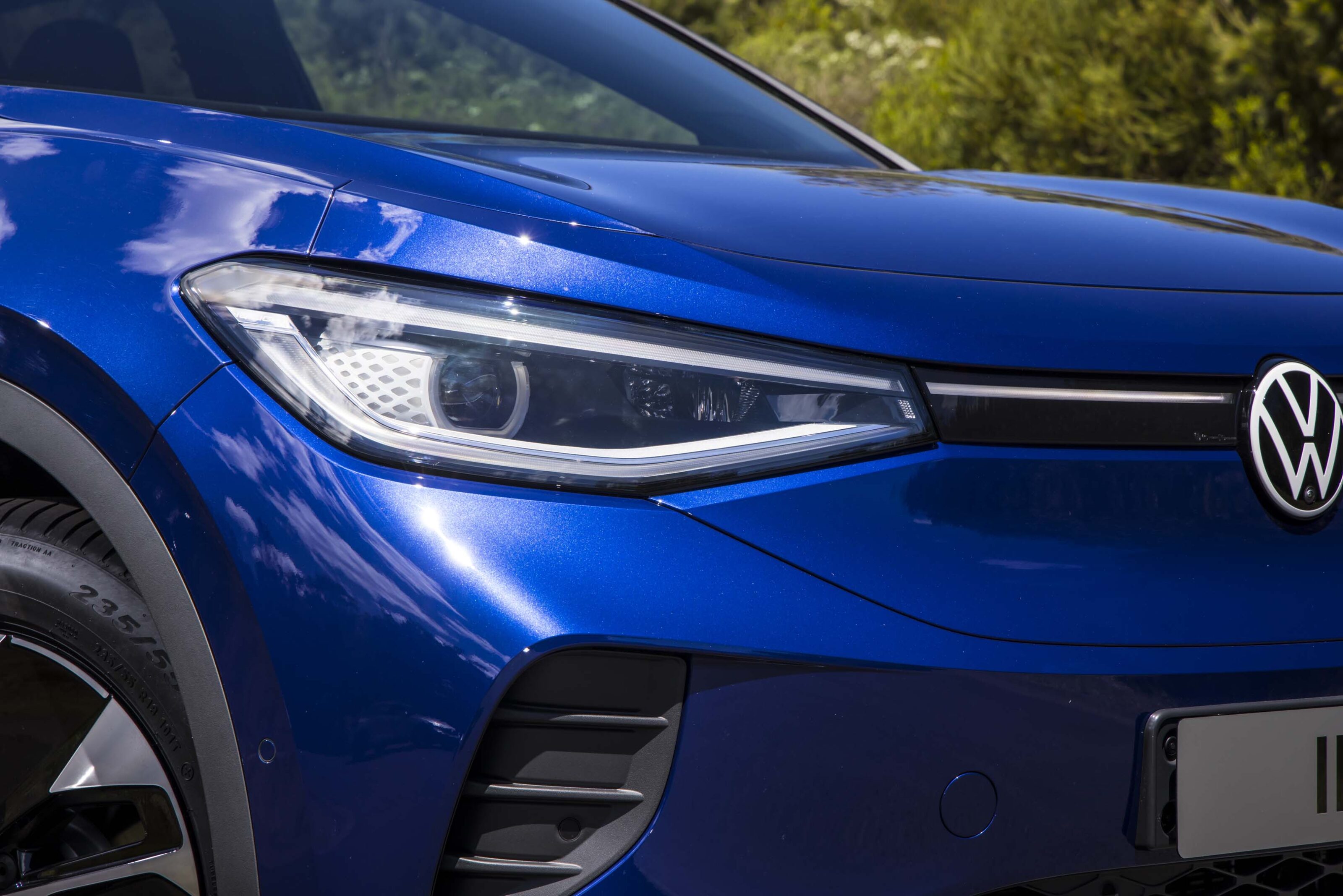
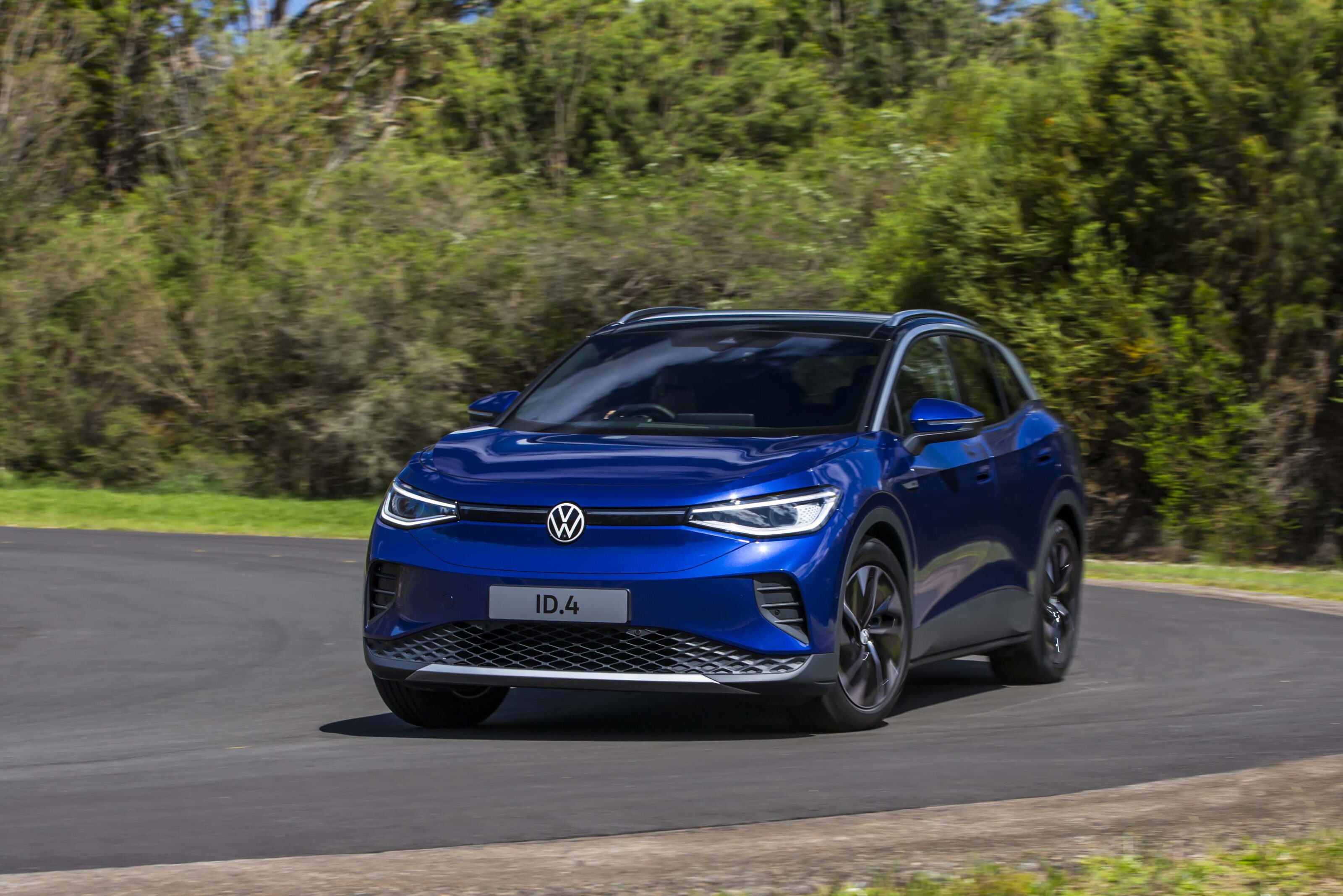
The 2023 ID.4 electric mid-size SUV will be the first of Volkswagen’s MEB-based vehicles to hit our shores (though not the first Group product, with the Cupra Born due sooner), followed by the ID.3 after its 2024 facelift, and latterly the ID.Buzz van.
With that in mind, the brand organised a day for Wheels to come and test out two variants of ID.4: a top UK-spec Pro Performance, and a lower-end Pure Performance variant. Unfortunately with Australia’s bureaucratic madness, we journos aren’t allowed to drive pre-production cars on the road, so were instead invited to a private test track that simulates an Aussie country road as best you can.
Volkswagen ID.4: The basics
| Feature | ID.4 Pure Performance | ID.4 Pro Performance |
|---|---|---|
| Motors (R) | Single asynchronous motor | Single asynchronous motor |
| Power | 125kW | 150kW |
| Torque | 310Nm | 310Nm |
| 0-100km/h (claimed) | 9.0 seconds | 8.5 seconds |
| Gearbox | Single-speed reduction gear | Single-speed reduction gear |
| Body | Steel, 5 doors, 5 seats | Steel, 5 doors, 5 seats |
| Battery size (usable) | 52kWh | 77kWh |
| Range (WLTP combined) | 345km | 522km |
| Efficiency | 16.7kWh/100km | 17.2kWh/100km |
| Boot space | 543L | 543L |
JUMP AHEAD
- How much is it, and what do you get?
- Interior comfort, space and storage
- What is it like to drive?
- How much driving range does the ID.4 have?
- How safe is it?
- Warranty and running costs
- VERDICT
How much is it, and what do you get?
Because the ID.4 won’t be released in Australia until late 2023, pricing and specification are not finalised. VW’s local outfit has said (somewhat cryptically) that it will be targeting the price of a Tiguan 162TSI R-Line for its up-spec ID.4 model.
That car currently lists for $56,990 before on-road costs. If the ID.4 is that cheap, it’ll undercut almost all its rivals, including the Tesla Model Y, Hyundai Ioniq 5 and Kia EV6. Hell, it’d even give the doddery Nissan Leaf a run for its money.
But this all hinges on the Tiguan not being subjected to sneaky price rises along the way.
Still, for a high-spec mid-size SUV with a 12.0-inch touchscreen, power-adjustable Ergocomfort seats, tri-zone climate control, wireless Apple CarPlay and digital driver’s display, that’s pretty solid.
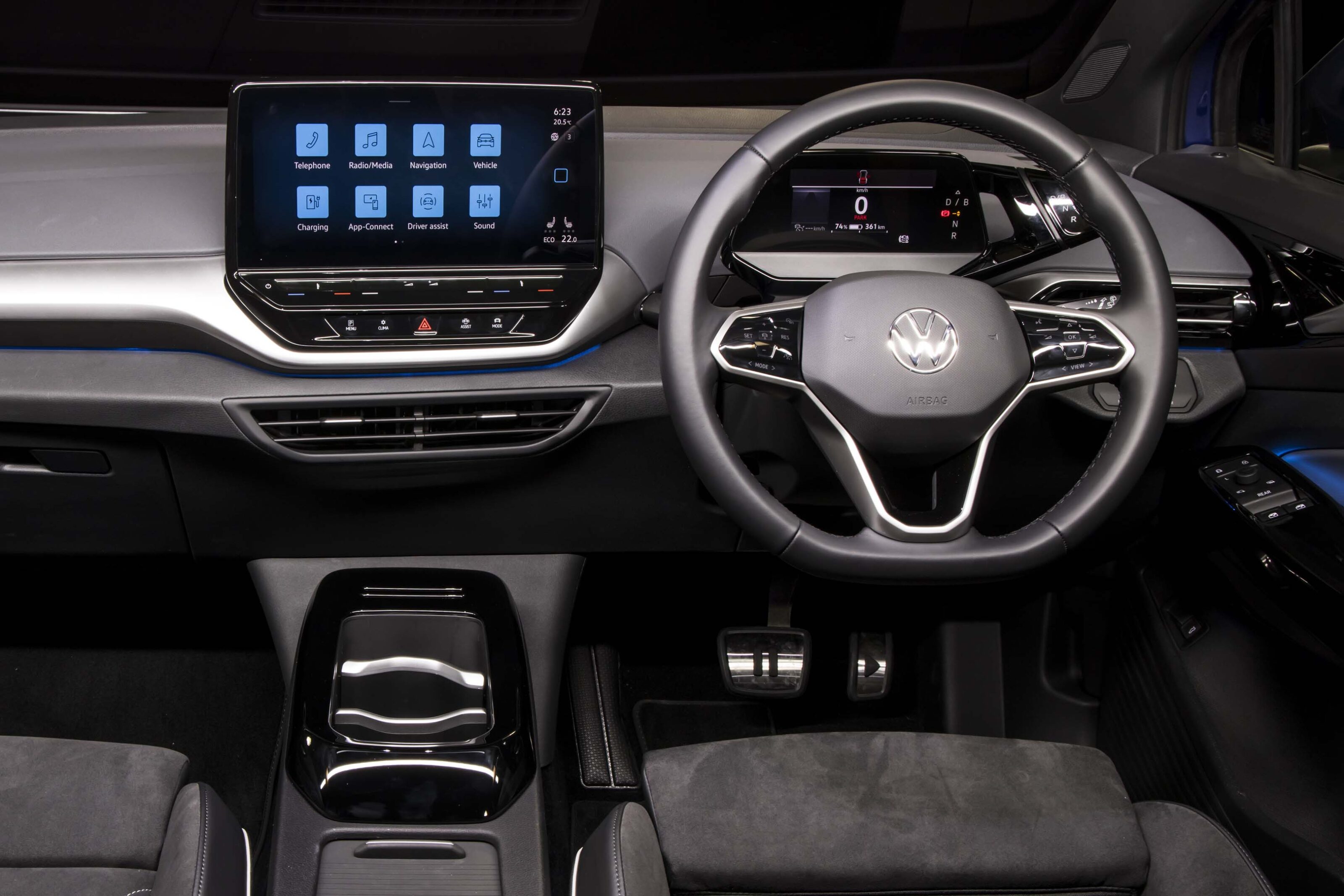
It’s a shame, then, that the new ID Display attached to the steering column is far less interactive that the brand’s 10.25-inch digital display in its petrol and diesel cars. There’s no provision to show a map and the graphics are low resolution. It will interface with Apple Maps for turn-by-turn directions, but unfortunately not Google Maps or Waze.
The ID.4’s EV credentials are strong, though. A 522km driving range on the WLTP combined cycle is claimed for its 75kWh battery pack and there’s 125kW DC fast charging.
Overall, the deal sounds pretty sharp even if the price does creep up to around the $65K mark by the time ID.4 arrives.
There is a cheaper ID.4 option, too. VW wasn’t suggesting prices for the Pure Performance with its smaller 52kWh battery pack and 345km driving range (WLTP), though it’s likely to be targeted at fleets such as local councils and potentially the police.
Interior comfort, space and storage
We only spent a brief two hours in total learning about and poring over the ID.4, so we’ll save our final verdict until its Australian release. There will be changes, such as interior trim pieces, materials, and potential software tweaks to come, but these cars are largely indicative of what will be sold in Australia.
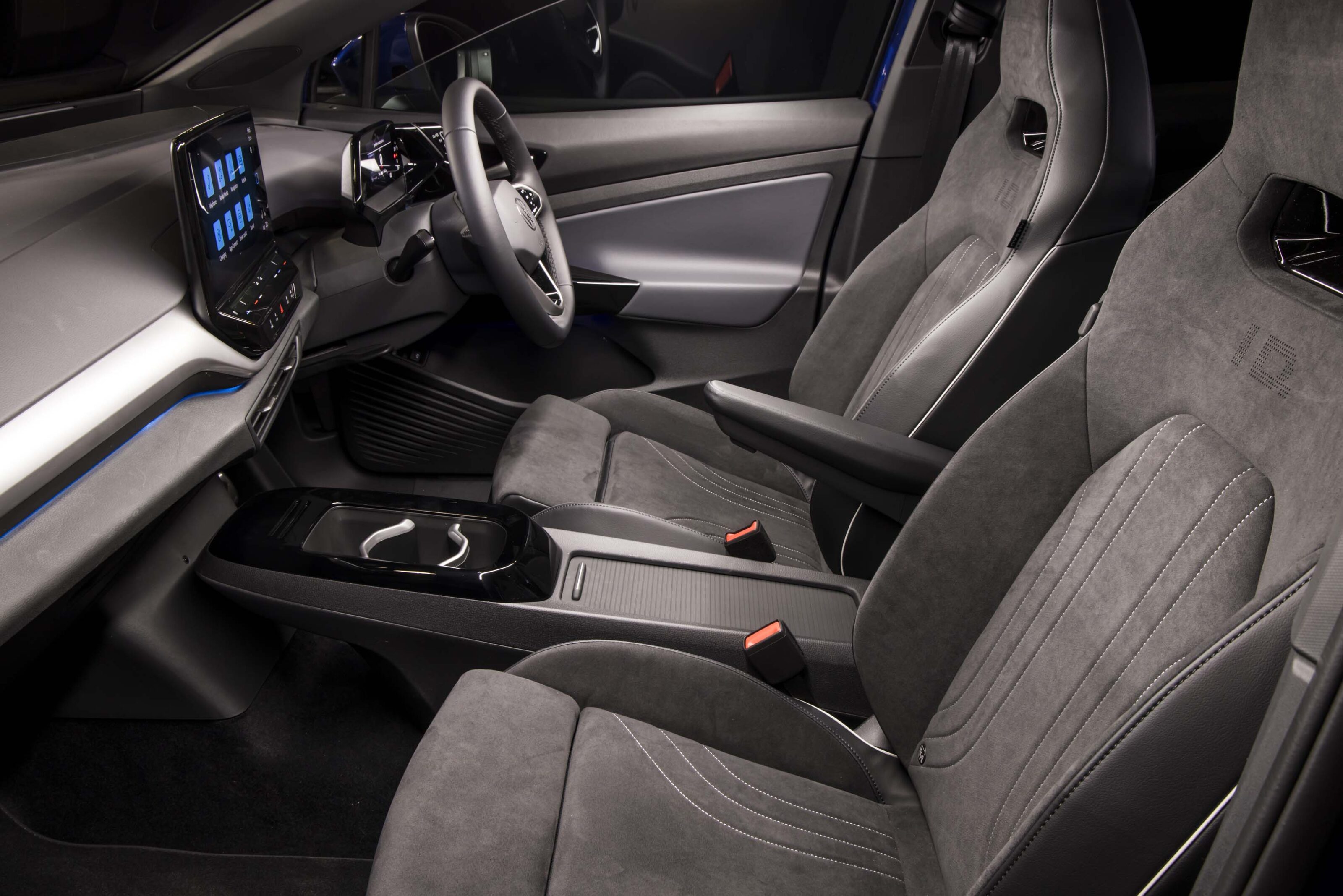
The base Pure Performance gets a 10.0-inch touchscreen and quite comfortable (manually adjustable) front seats with cloth upholstery.
Moving up to the Pro Performance nets suedecloth upholstery and power-adjust Ergocomfort seats with three-stage heating. There have been comments about the ID range’s interior plastics, and honestly, they’re pretty accurate. The ID.4 doesn’t have that same premium material feel as you get in a Tiguan or even the Golf small car. Build quality isn’t too flimsy, though.
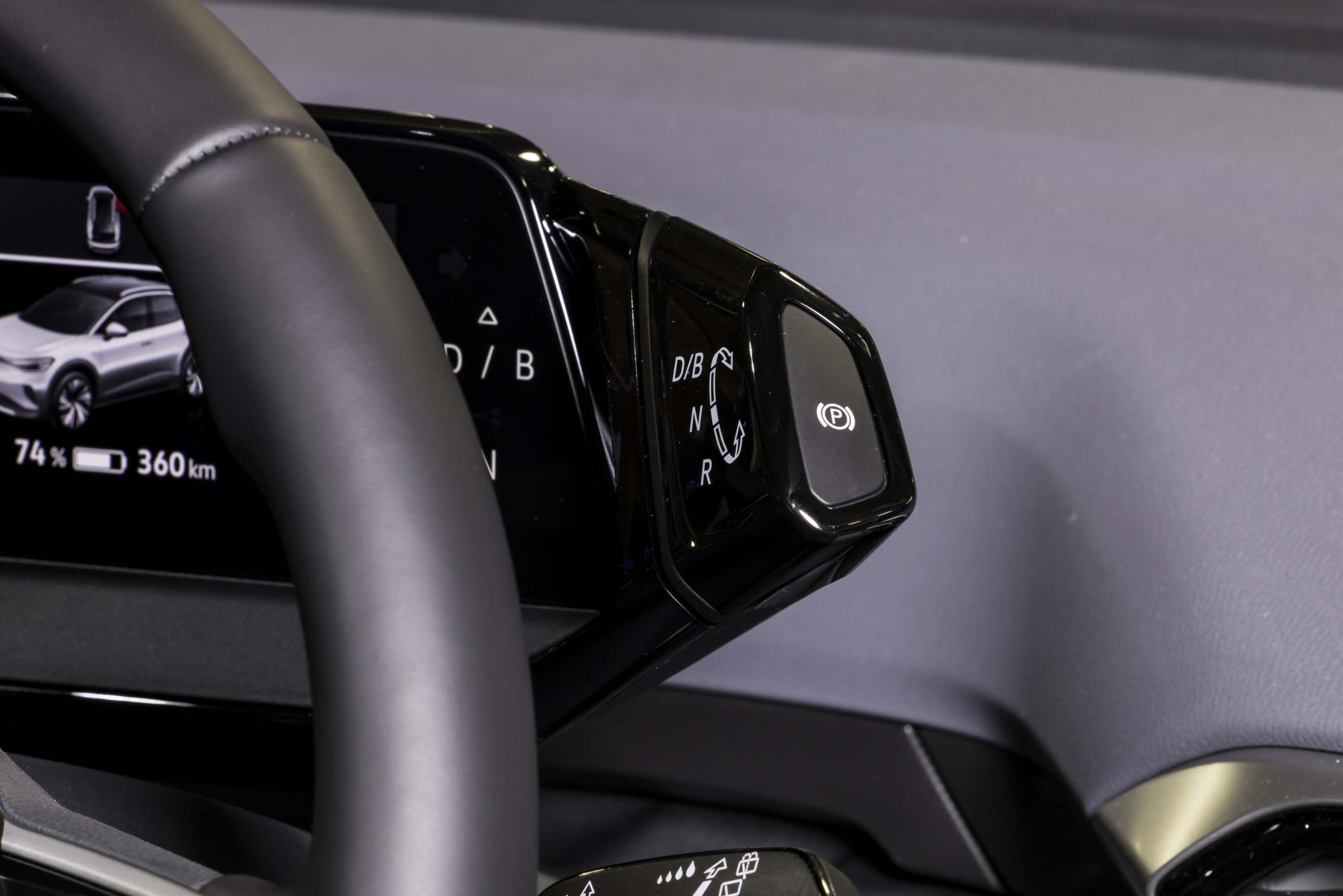
There are some interesting features to cover, including the BMW-i3-copy gear selector and the fact there are only two window switches for all four windows. I get this saves on material, and may open up a little more storage, but it does feel like innovation for innovation’s sake, rather than a value-add.
Best Electric Cars Under $65k: Affordable EVs Rated
Welcome to part one of three price-based EV buying guides, this one focused on the most affordable electric cars available in Australia today
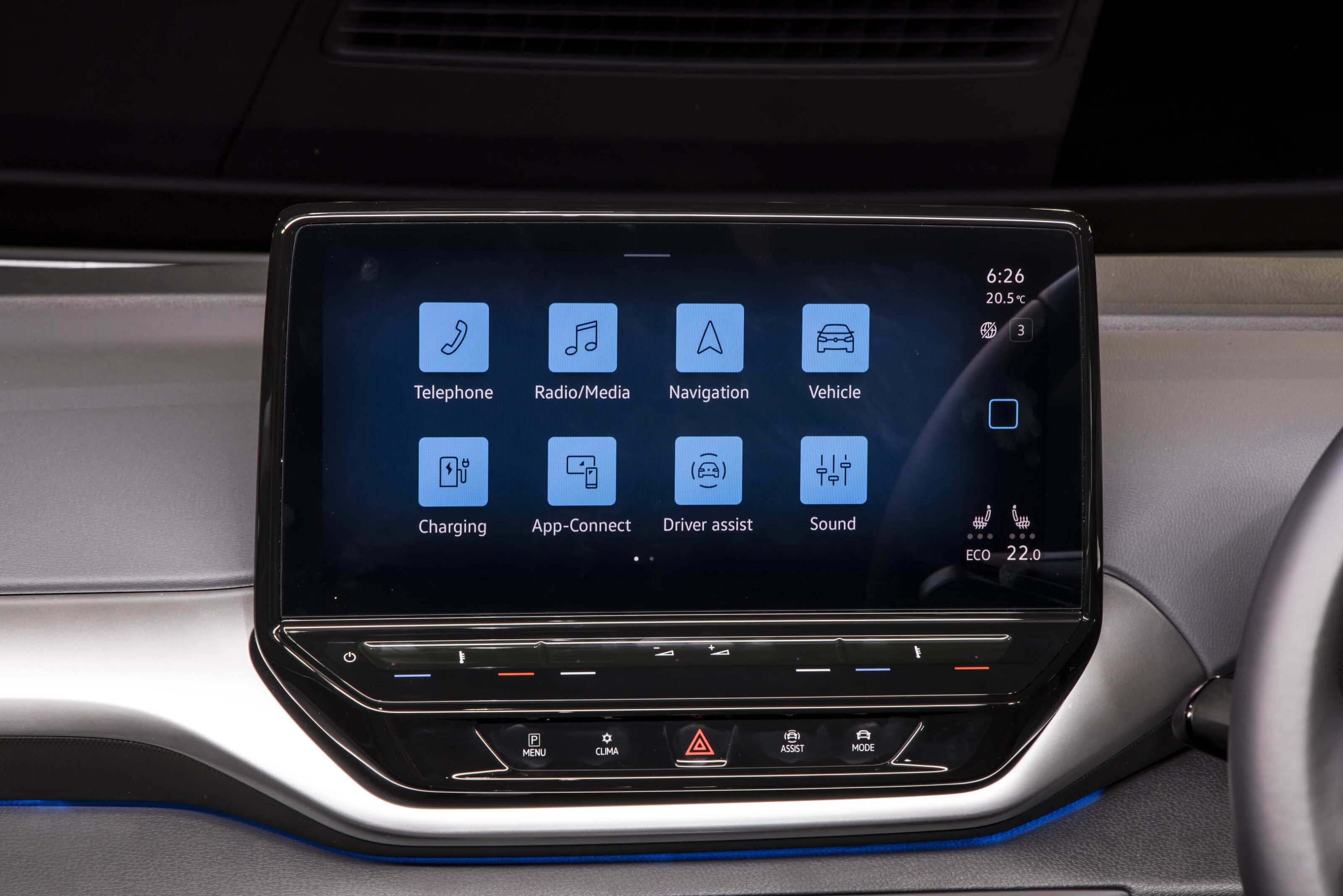
Still, the technology package is shaping up nicely. The touchscreen does take some time to boot up from a start – plus, being UK-spec, our test cars didn’t have 4G connectivity to run the connected services – but the software is quite handsome.
Interacting with the car’s features is done almost exclusively via the touchscreen, too. There are shortcut buttons built into the screen bezel for drive modes, climate control and parking settings, but it’s a very touch-heavy ecosystem.
The ID.4’s 4584mm length and 2771mm wheelbase make for a roomy ride in the back seats. There’s loads of knee room and decent headroom, though the high floor does make for compact toe space.
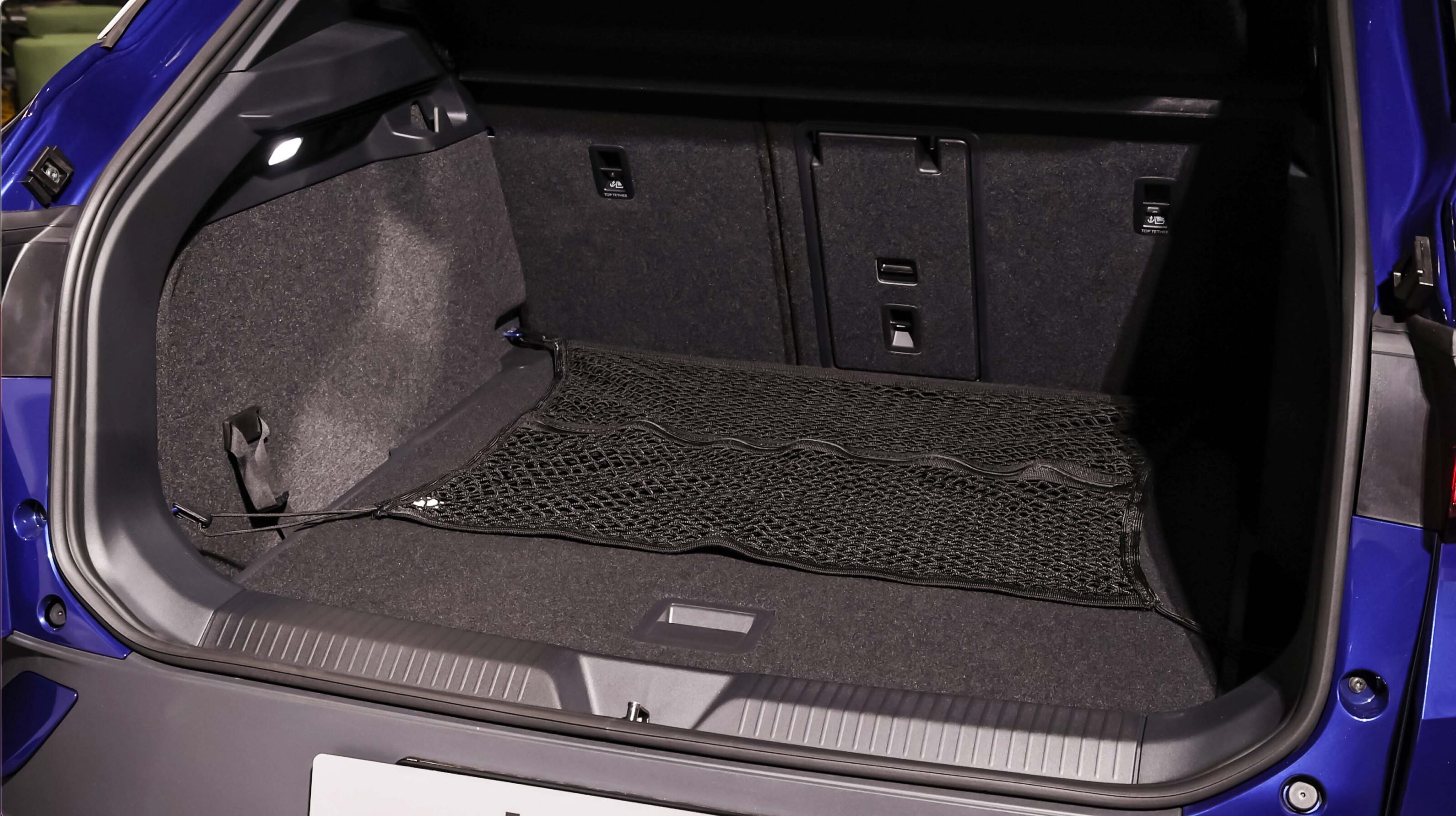
Sadly, there’s no sliding bench as you’d find in a Tiguan, which means the ID.4 isn’t quite as customisable or ultimately as well-packaged as the brand’s equivalent internal combustion mid-size SUV. Still, a 543L boot is nothing to sniff at in this class. There’s additional storage under the false floor for the supplied Mode 2 (home) and Mode 3 (public) charging cables.
What is it like to drive?
Alright, here’s what you really want to know. Is Volkswagen’s EV any good? Well, unfortunately, the nature of a closed road course makes it hard to get a proper, well-rounded view of a vehicle like this. But still, we’ll give it a crack.
One thing’s for sure, you can tell the ID.4 is rear-wheel drive. On power, there’s a distinct feeling that drive is being sent rearwards, and it’s fairly talented. The steering is classic Volkswagen, and the Pro performance gets a progressive rack like you’d see in a Golf R Line.
Aside from its rear-driven feel, the ID.4 is quite benign and unremarkable, and in this case, that’s a positive thing. The ride quality seemed fairly agreeable, though the track was definitely smoother than your average Aussie road with no speed humps to worry about.
It really is an easy car to grow accustomed to, partly because the regenerative braking program is low on strength. There’s no selectable one-pedal mode, just ‘D’ and ‘B’ on the twist-shifter, and neither fully stops the car. The brake feel is fairly normal and confidence-inspiring too, which is good.
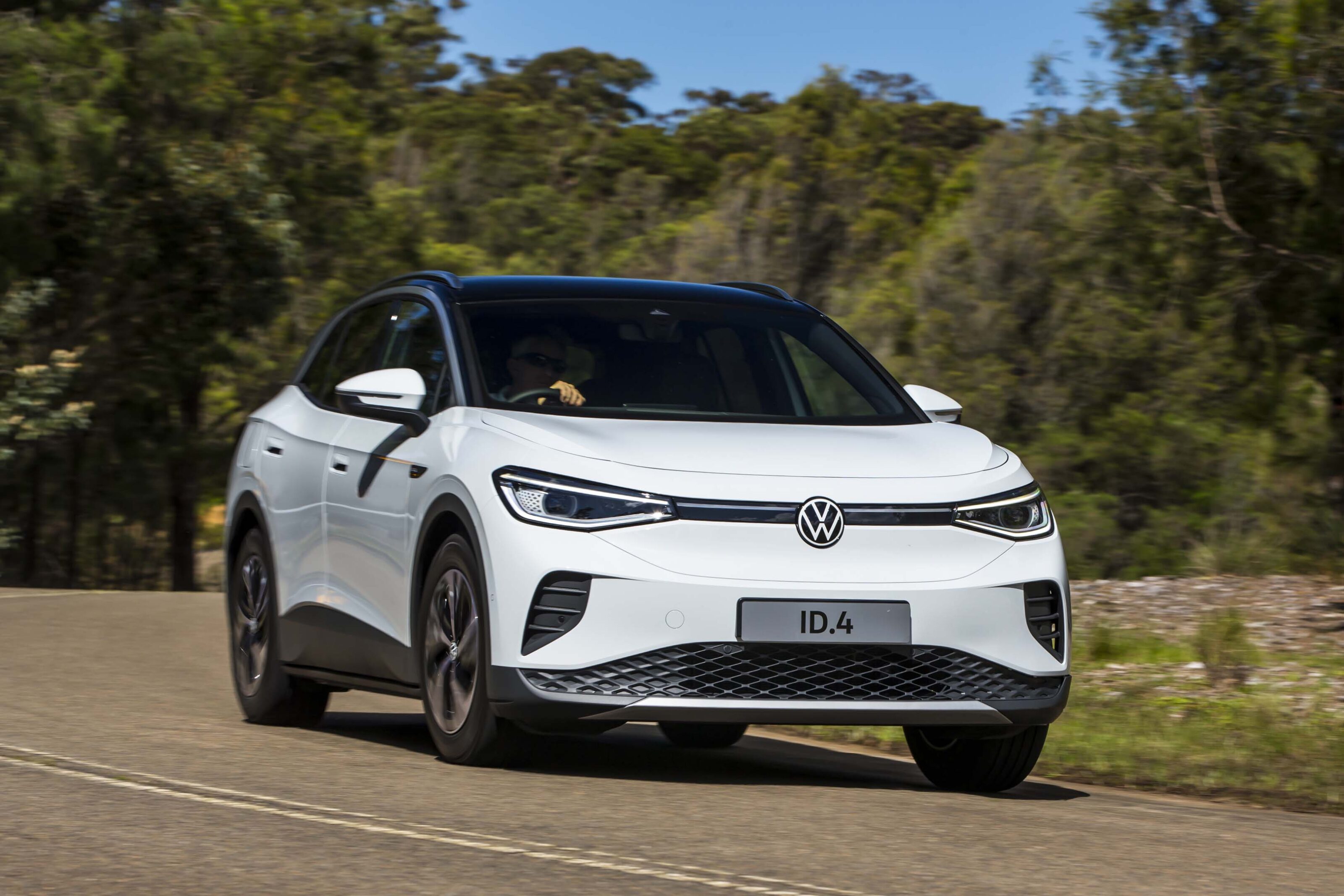
As for its power delivery, the 2124kg ID.4 isn’t what you’d call rapid, though it’s able to hit 100km/h in a respectable 8.5 seconds and on to a top speed of 160km/h with its single-speed reduction gear. It seems like Volkswagen has throttled back the maximum punch available from a standstill to create a smoother experience in the ID.4.
Cabin isolation is also respectable. The ID.4 isn’t too boomy, but there was some resonance you could hear over the few bumps on the test track.
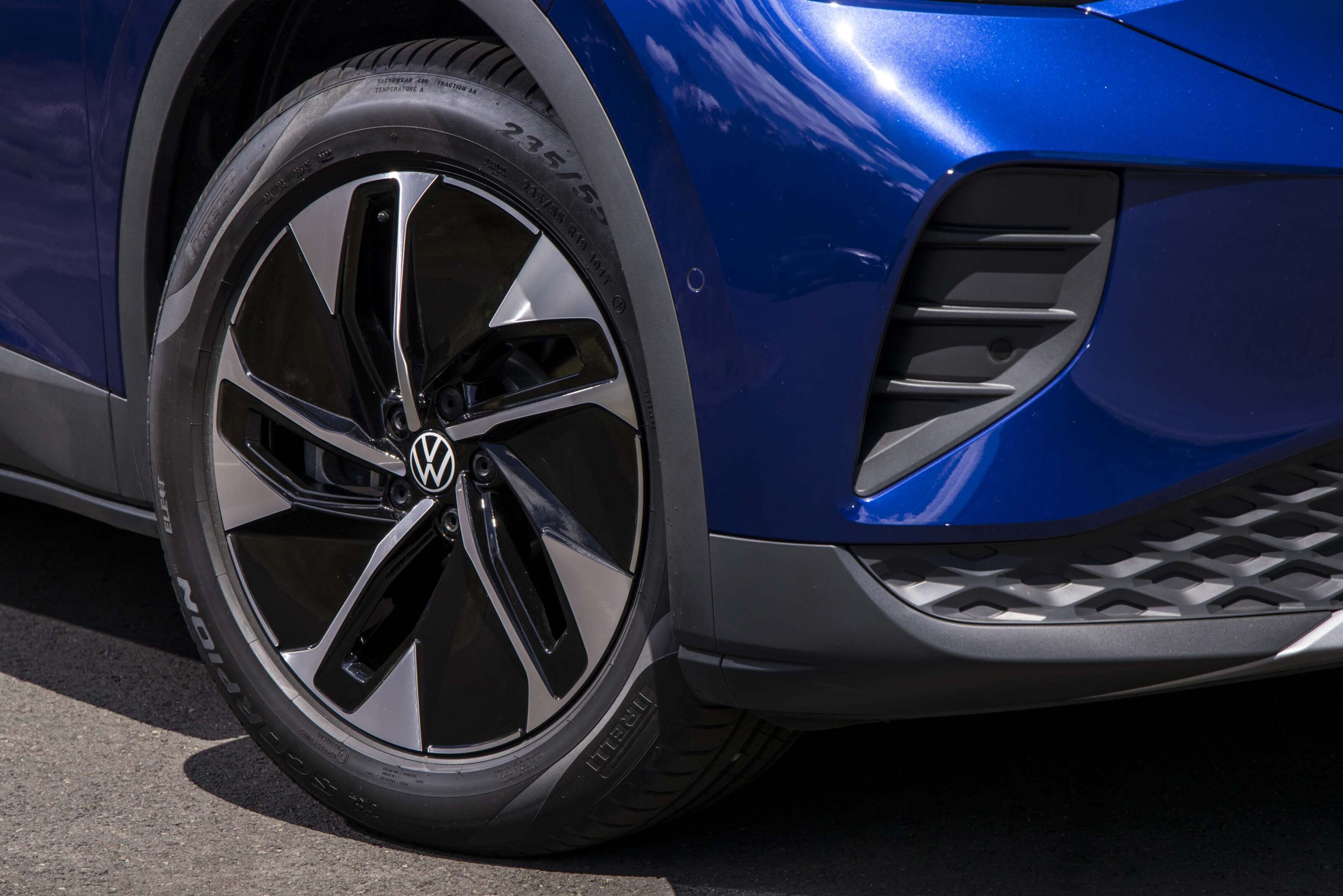
We also drove the Pure Performance that sat on 19-inch alloys but with narrower 235/55R19 (rather than 255/50R19) rear tyres that had more of an eco-lean than the Pro Performance’s Pirelli rubber.
Volkswagen is also looking to bring the GTX versions of the ID.4 (and coupe-styled ID.5) to Australia in the future, but plans are yet to be confirmed.
How much driving range does the ID.4 have?
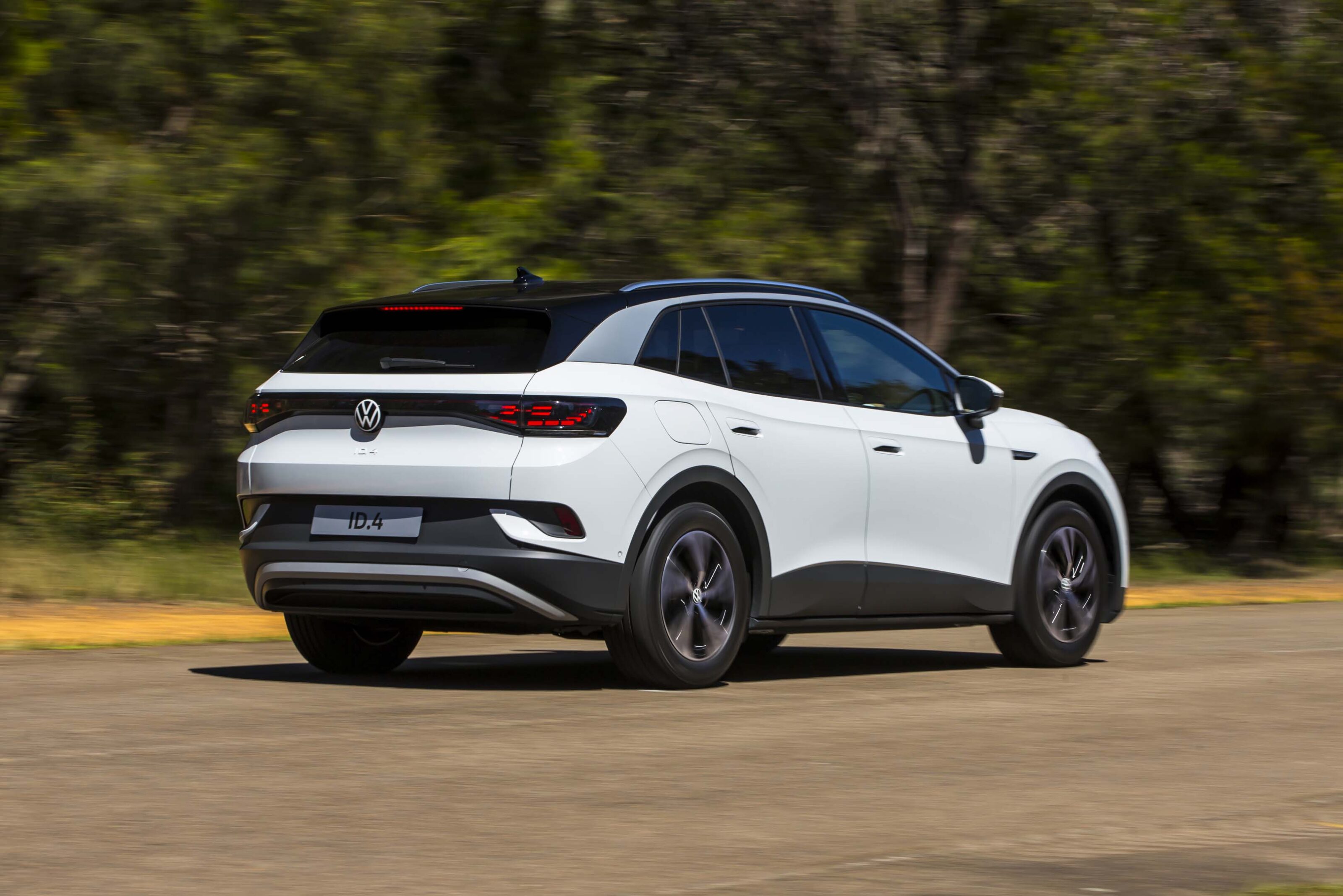
The 2023 Volkswagen ID.4 Pro Performance has a 522km driving range on the combined WLTP test from a 77kWh lithium-ion battery, which equates to an efficiency of 17.2kWh/100km.
Volkswagen’s test loop wasn’t a realistic representation of driving conditions, so the efficiency numbers we got are unlikely to be of use. We’ll have a full test next year to challenge VW’s range claim.
The more powerful ID.4 Pro Performance is capable of DC fast-charging at 125kW, giving a theoretical 0-80 per cent charge (or 0-418km range) time of 33 minutes. A full DC charge will take 42 minutes, or using a three-phase 11kW wallbox will take around eight hours.
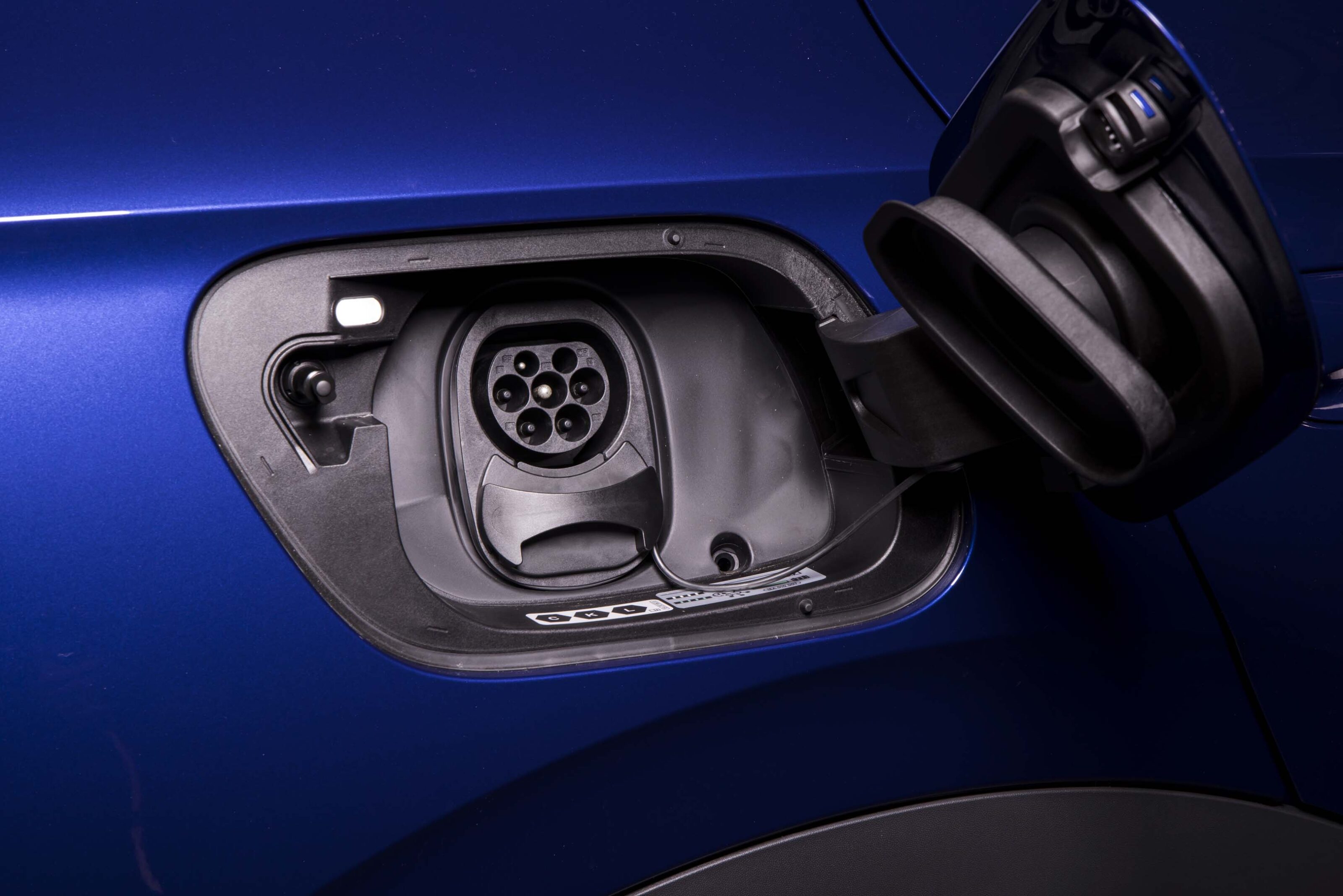
Also on test was the smaller battery (52kWh) Pure Performance with 345km driving range as rated on the combined WLTP cycle. It takes DC fast charging at 110kW for a 0-80 per cent time of 26 minutes, or 0-100 per cent in eight hours using a 7.2kW single-phase wallbox.
VW has chosen Jet Charge as its charging partner, but the ID.4 will take electricity from any Chargefox, Evie, Ampcharge, or destination charger that isn’t Tesla-branded via its CCS and Type 2 charging port.
Required Mode 2 home, and Mode 3 public charging cables will be included with the purchase of an ID.4 in Australia.
Volkswagen ID.4 against rivals
| Stats | VW ID.4 Pro Performance | Tesla Model Y RWD | Kia EV6 Air RWD | Hyundai Ioniq 5 RWD |
|---|---|---|---|---|
| Price (before on-road costs) | ~$60,000 | $72,300 | $67,990 | $72,000 |
| Battery size | 77kWh | 57.5kWh (estimated) | 77.4kWh | 72.6kWh |
| WLTP Range | 522km | 455km | 528km | 451km |
| 10-80% fast-charge (DC) | 33 minutes (125kW) | 25 min (170kW, estimated) | 18 minutes (200kW+) | 18 minutes (200kW+) |
| Power | 150kW | Not stated | 168kW | 168kW |
| Torque | 310Nm | Not stated | 350Nm | 350Nm |
How safe is it?
The Volkswagen ID.4 was awarded five stars in European NCAP safety testing in 2021.
Volkswagen Australia says it will not compromise on safety equipment for our market, and that the ID.4 Pure Performance is the minimum spec it would consider importing.
The Pure Performance has forward auto emergency braking (AEB) with pedestrian, cyclist, junction and motorcycle detection, as well as reverse AEB, rear cross-traffic alert, blind-spot monitoring, lane-keep assist and adaptive cruise control. There are also eight airbags, including a centre item.
Adding to that specification, the Pro Performance – indicative of the private buyer’s choice – is equipped with Volkswagen’s Level 2 autonomous driving suite, called Travel Assist, which offers more advanced adaptive cruise control and lane-trace assist with touch capacitive steering wheel controls.
Warranty and running costs
Servicing and warranty are yet to be locked in for Australia ID.4s. However, Volkswagen did say it was almost certain to back the car with the same five-year, unlimited-kilometre warranty as the rest of its passenger car range.
The battery supplier is understood to cover high-voltage parts for eight years or 160,000km.
Maintenance plans will be worked out in time, but Volkswagen indicated it is considering a similar two-year interval without a kilometre limit as offered in the UK.
VERDICT
If the Tesla Model Y challenges your perception of cabin technology, then the Volkswagen ID.4 merely shuffles the game along, but that’s no bad thing.
We’ll hold final judgement until we’ve spent more time in the ID.4, but the cabin concept, driving experience and practicalities are likely to tantalise existing Tiguan owners that may feel alienated by the current crop of out-there interiors.
The ID.4 isn’t quick, but initial impressions suggest a smooth and serene drive. Yes, some cabin materials and build quality issues remain, but if Volkswagen can nail the circa-$60K price tag, that may not be such an issue.
UPDATE: Toyota has released pricing for the 2023 Corolla hatch and Sedan range in Australia.
Snapshot
- Revamped hatch and sedan get more tech, more grunt
- Prices up across the board
- Entry-level Ascent Sport $2735 dearer
The 2023 Toyota Corolla Range now starts from $28,130 before on-road costs, representing a $2735 premium over the pre-update model.
That kind of price increase isn’t unique as vehicles become dearer across the board. It also brings the Corolla range into line with rivals such as the Mazda 3 and Volkswagen Golf in price terms.
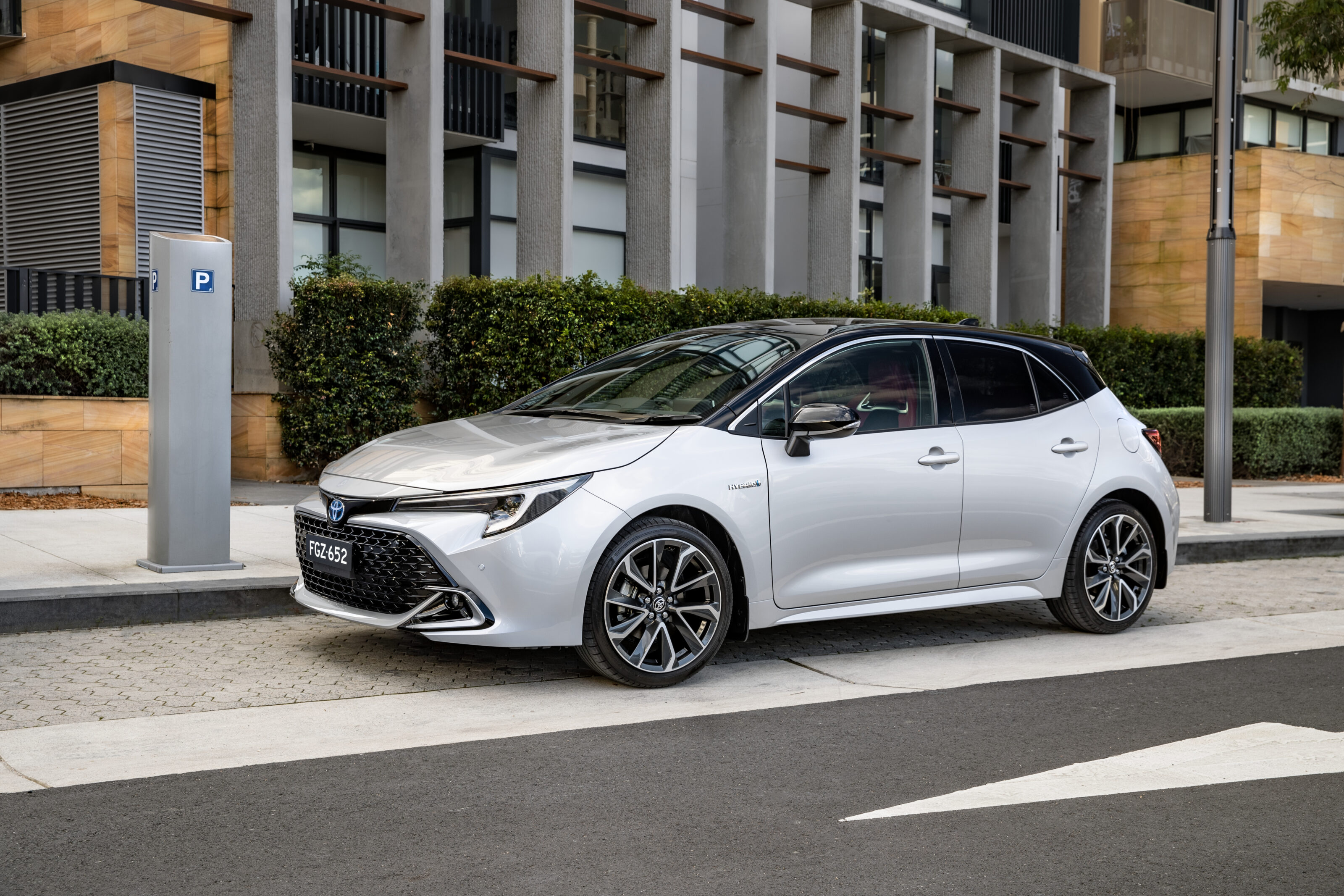
Toyota’s Corolla line-up tops out at $39,120 before on-road costs for the newly-available flagship ZR hybrid sedan, with pricing for the halo AWD GR Corolla yet to be announced.
Click here to see the full 2023 Toyota Corolla price list.
But it isn’t without justification. The latest fifth-gen hybrid system is a $2500 upcharge, but its 1.8-litre petrol engine and lithium-ion battery bumps Corolla hybrid outputs markedly to 103kW of power – a 13kW increase.
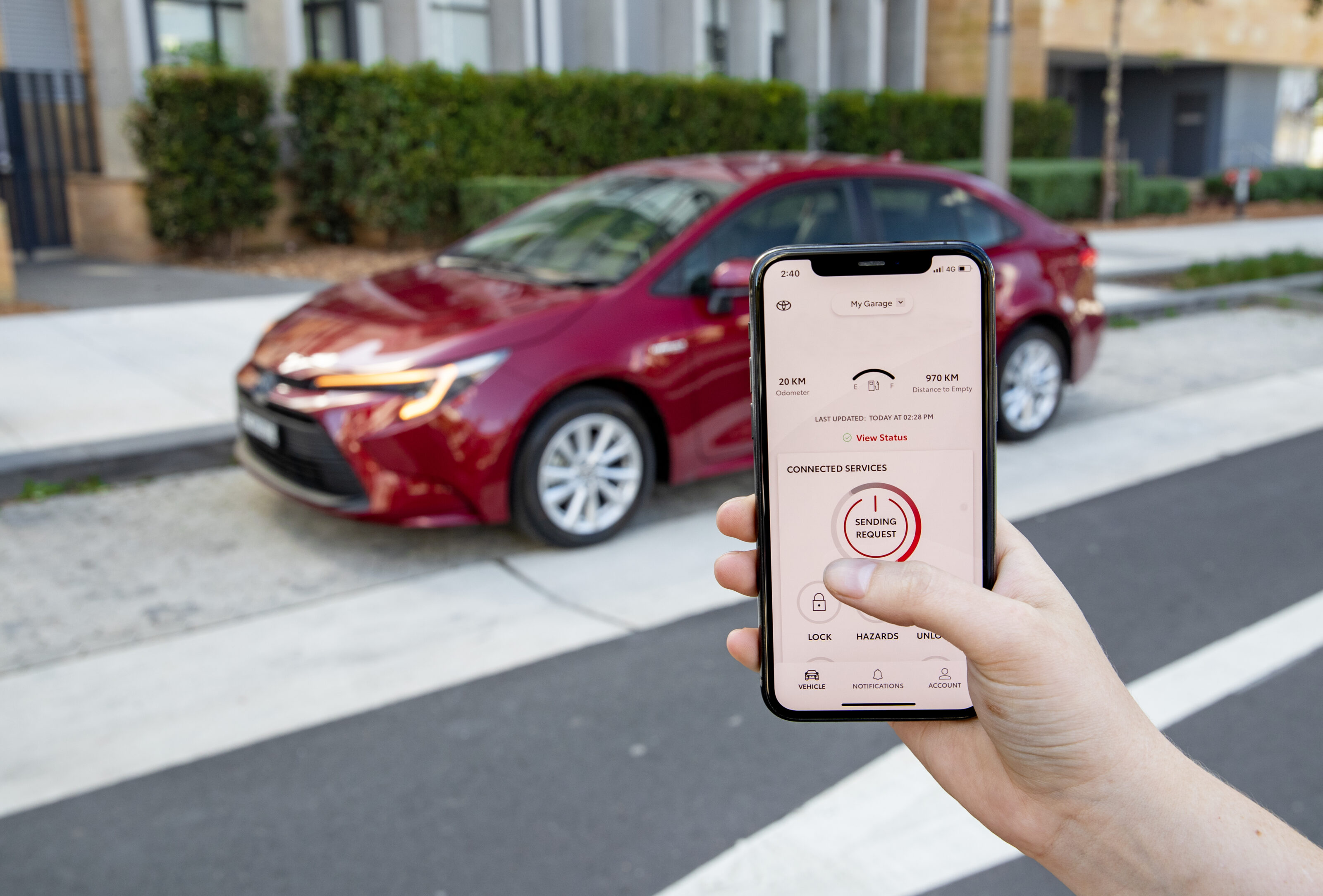
There are also more safety features across the range, as well as connected services added to the Corolla line-up.
“With greater safety and convenience features and improved performance for hybrid models, the new Corolla range will give our customers greater peace of mind,” Vice President of Sales, Marketing and Franchise Operations, Sean Hanley said.
“Corolla has long been one of Australia’s most popular passenger cars and these upgrades are set to make it even more appealing,” he continued.
RELATED READING
Looking for more details on the wider Corolla range? Our full range review has everything you need to know.
Jump ahead to what interests you
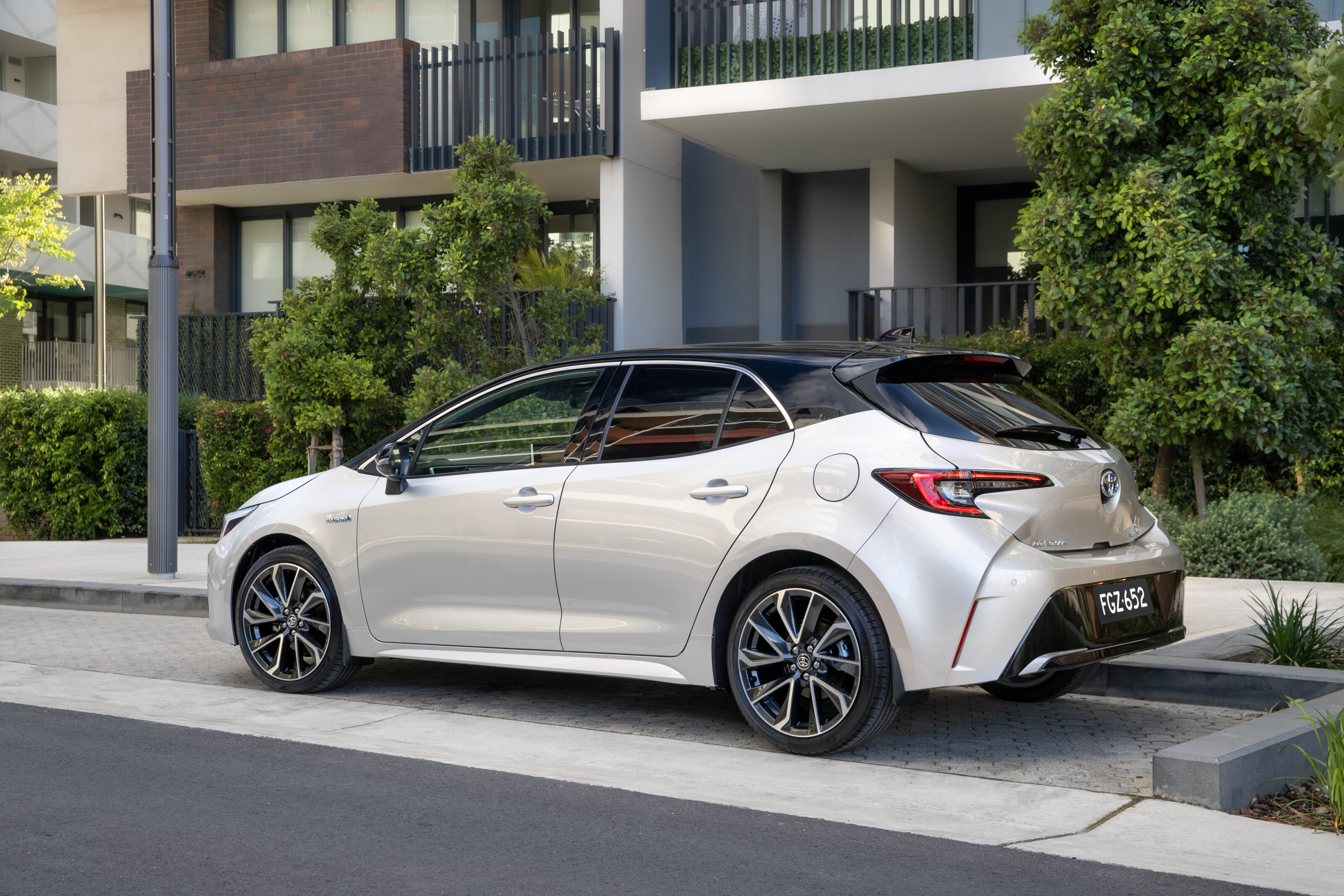
What’s new in the 2023 Corolla?
The Australian market Corolla effectively follows the Japanese model’s tweaks for 2023, but not entirely. Aussie cars make do with a smaller, but still new, 8.0-inch touchscreen across the range, rather than the generous 10.5-inch that Japan gets – and we see in the Corolla Cross SUV.
That means the Ascent Sport gets a 7.0-inch multi-information display and new touchscreen with wired Apple CarPlay and Android Auto as well as redesigned 16-inch alloys and fresh front grille.
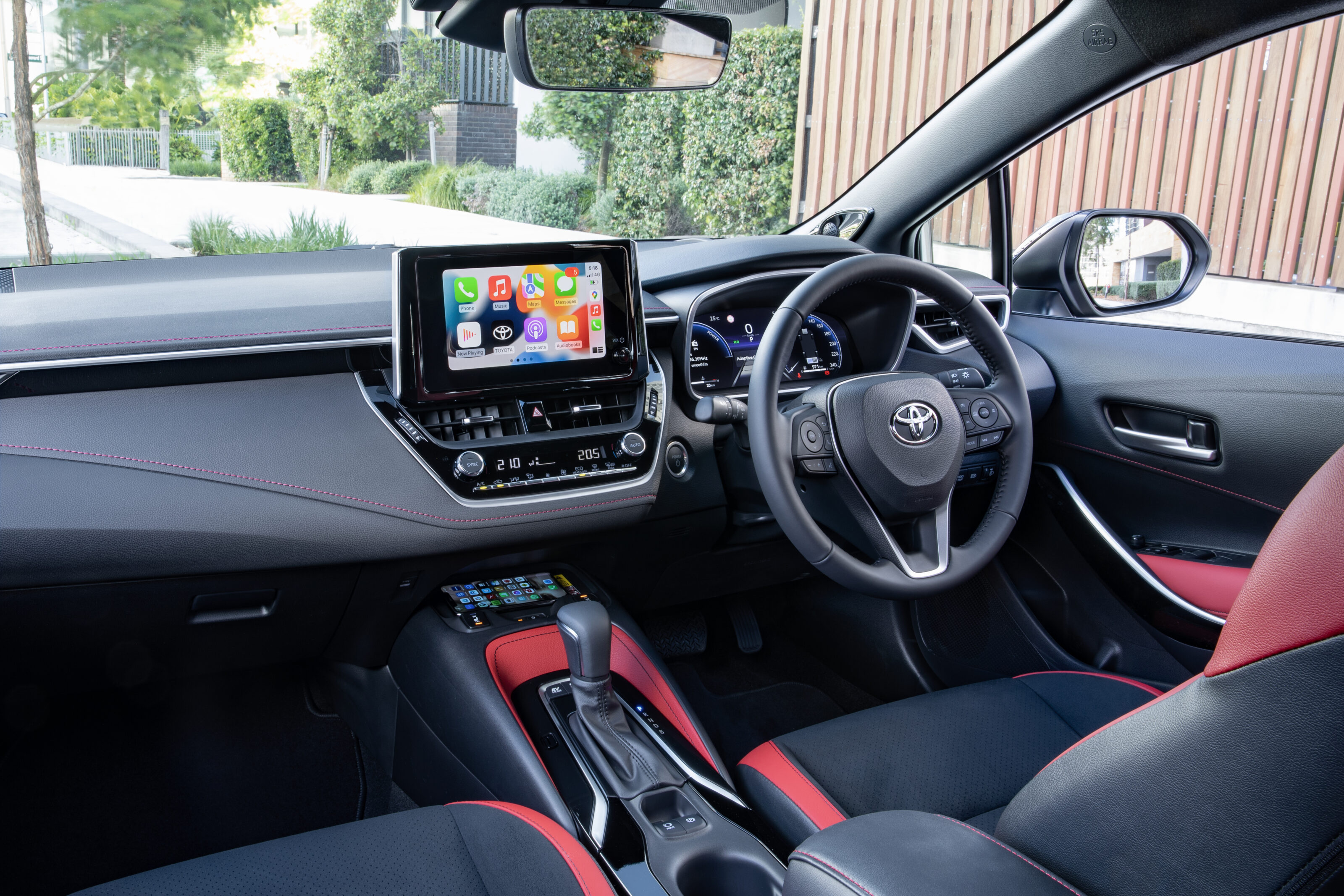
Hybrid Ascent Sport sedans have in-built navigation as standard, where hatches do not. Connected services including voice control, and live navigation is complimentary for the first 12 months of ownership and will be charged monthly from then on. Read more here.
Safety has been improved with the addition of motorcyclist and junction detection for the frontal AEB across the range, redesigned blind-spot monitoring and revamped lane-keep assist that can bring the vehicle to a stop gently if driver inattention is detected.
The base model Ascent Sport hatch can be optioned with rear cross-traffic alert and front/rear parking sensors with the Convenience Pack ($1000). For the sedan this also adds blind-spot monitoring.
Mid-spec SX grades get auto wipers, auto-dimming rear mirror remote climate control pre-conditioning (hatch only) and a full complement of parking sensors.
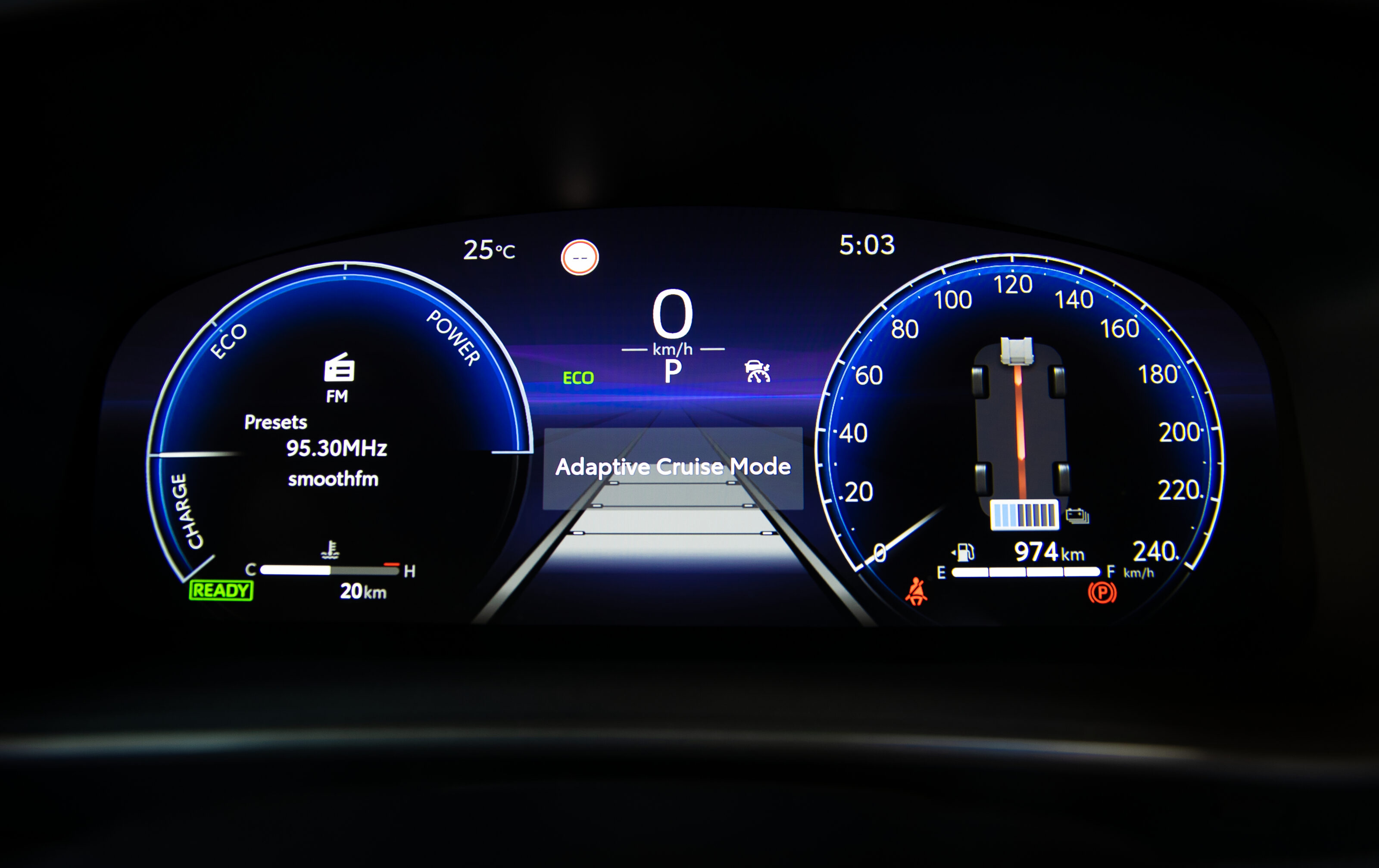
The ZR range-topper gets a bigger 12.3-inch digital driver’s display and red interior trim. ZR is the only grade available with two-tone paint in combination with Frosted White, Graphite, Jasper Red, Silver Pearl or Lunar Blue hues.
In total there are eight colours, with Peacock Black and Eclectic Blue dropped for Sunstone Orange and Lunar Blue.
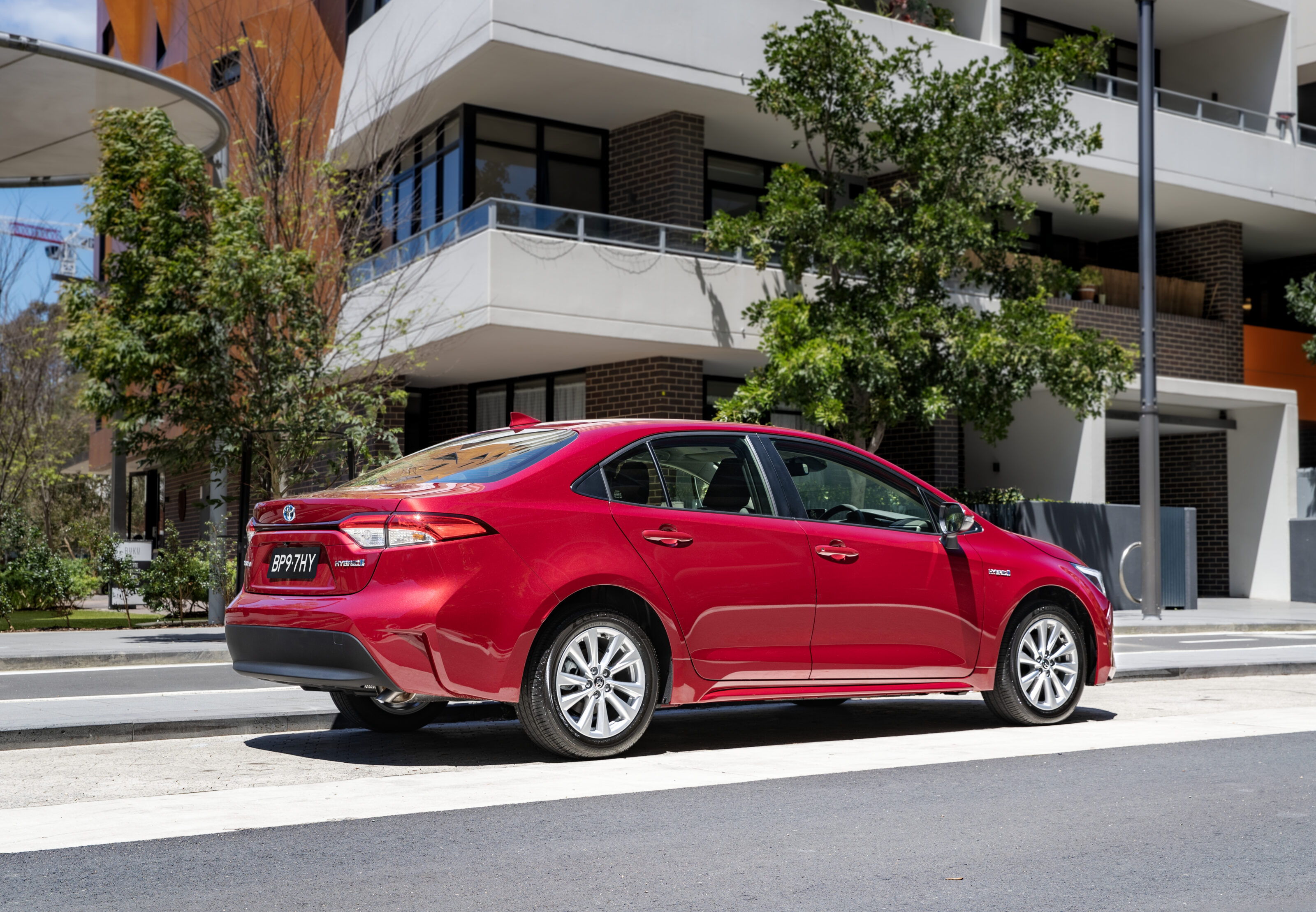
MY23 Toyota Corolla powertrains
Just like in the Corolla Cross, the 2.0-litre naturally-aspirated direct injection petrol four-cylinder has been reworked lightly to provide an extra few Newton metres, with outputs now 125kW/202Nm in the hatch, and 125kW/203Nm in sedan.
The base petrol engine sends power to the front wheels via a CVT automatic with 10 simulated ratios, and no manual transmission offered.
But where bigger jumps have been made is in the hybrid powertrain, that now costs $2500 more than the petrol engine rather than the $2000 it did before.
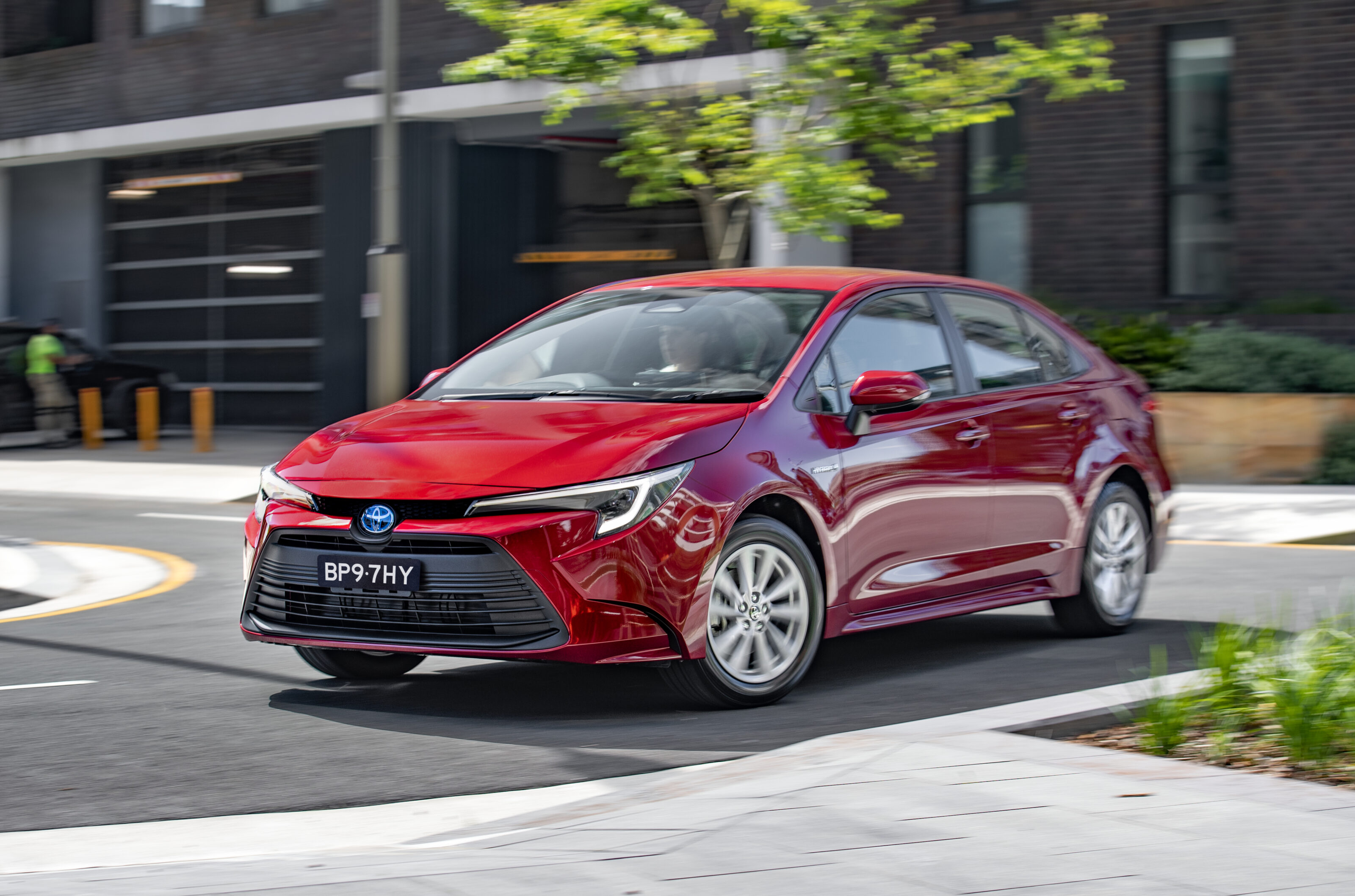
The fifth-gen hybrid brings an updated front electric motor with twice as many magnets per pole, and a lithium-ion battery to replace the nickel-metal hydride item. This works to lower weight while improving outputs.
Power is now up to 103kW from 90kW before, a meaningful 14 per cent bump. The 1.8-litre Atkinson cycle petrol four-cylinder is unchanged, but there is a new motor generator and smaller hybrid transaxle.
Toyota Corolla Availability
The revamped 2023 Toyota Corolla range is available to order now, contact your local dealer for information on wait times and availability.
2023 Toyota Corolla pricing
Corolla hatch
| Ascent Sport petrol | $28,130 | Up $2735 |
|---|---|---|
| Ascent Sport hybrid | $30,630 | Up $3235 |
| SX petrol | $31,280 | Up $2485 |
| SX hybrid | $33,780 | Up $2985 |
| ZR petrol | $35,120 | Up $2425 |
| ZR hybrid | $37,620 | Up $2925 |
Corolla sedan
| Ascent Sport petrol | $28,130 | Up $2735 |
|---|---|---|
| Ascent Sport hybrid | $31,180 | Up $3785 |
| SX petrol | $31,280 | Up $2485 |
| SX hybrid | $33,780 | Up $2985 |
| ZR petrol | $36,620 | Up $2425 |
| ZR hybrid | $39,120 | New variant |
Our original story, unchanged, continues below
October 5: 2023 Toyota Corolla: Australian details revealed
Snapshot
- 2023 Toyota Corolla update revealed
- Expected to arrive in November
- Price rises between $2300 and $3500 likely
The 2023 Toyota Corolla hatch and sedan will arrive in Australian showrooms in November, according to leaked details.
It will likely bring hefty price rises between $2300 and $3500, depending on the variant.
With the current Corolla priced from $25,395 before on-road costs, this will take its starting price closer to $30,000 – in line with the Mazda 3 and Volkswagen Golf.
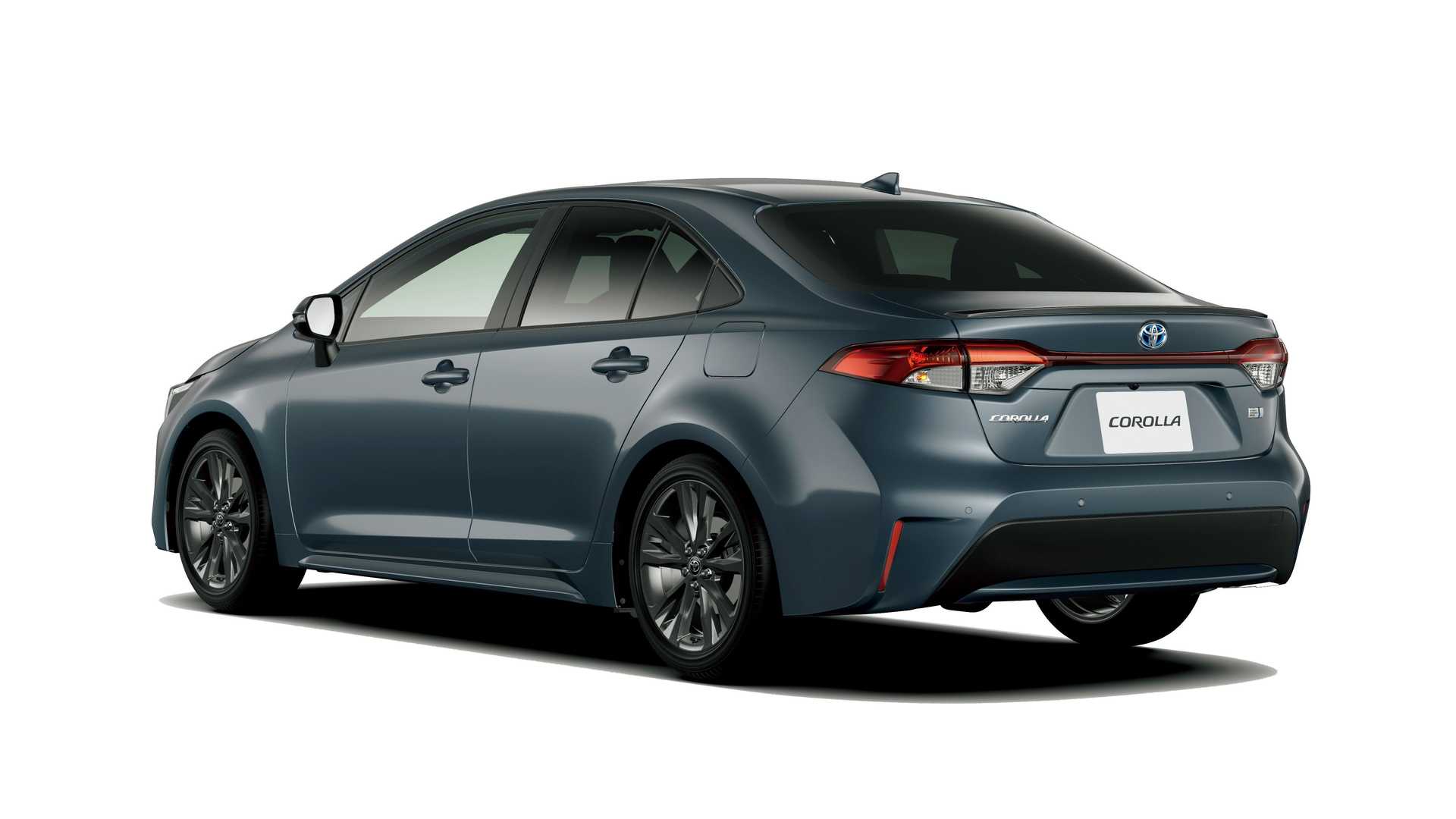
Hybrid variants are likely to be subject to a larger increase – between $2800 and $3500 – while petrol versions are tipped to rise between $2300 and $3000.
“Further details will be released closer to the launch of the upgraded Corolla,” said a spokesperson for Toyota Australia.
As revealed in Japan this week, the updated Toyota Corolla gains mild exterior revisions, an updated hybrid powertrain, new safety features, and a tech-focused interior.
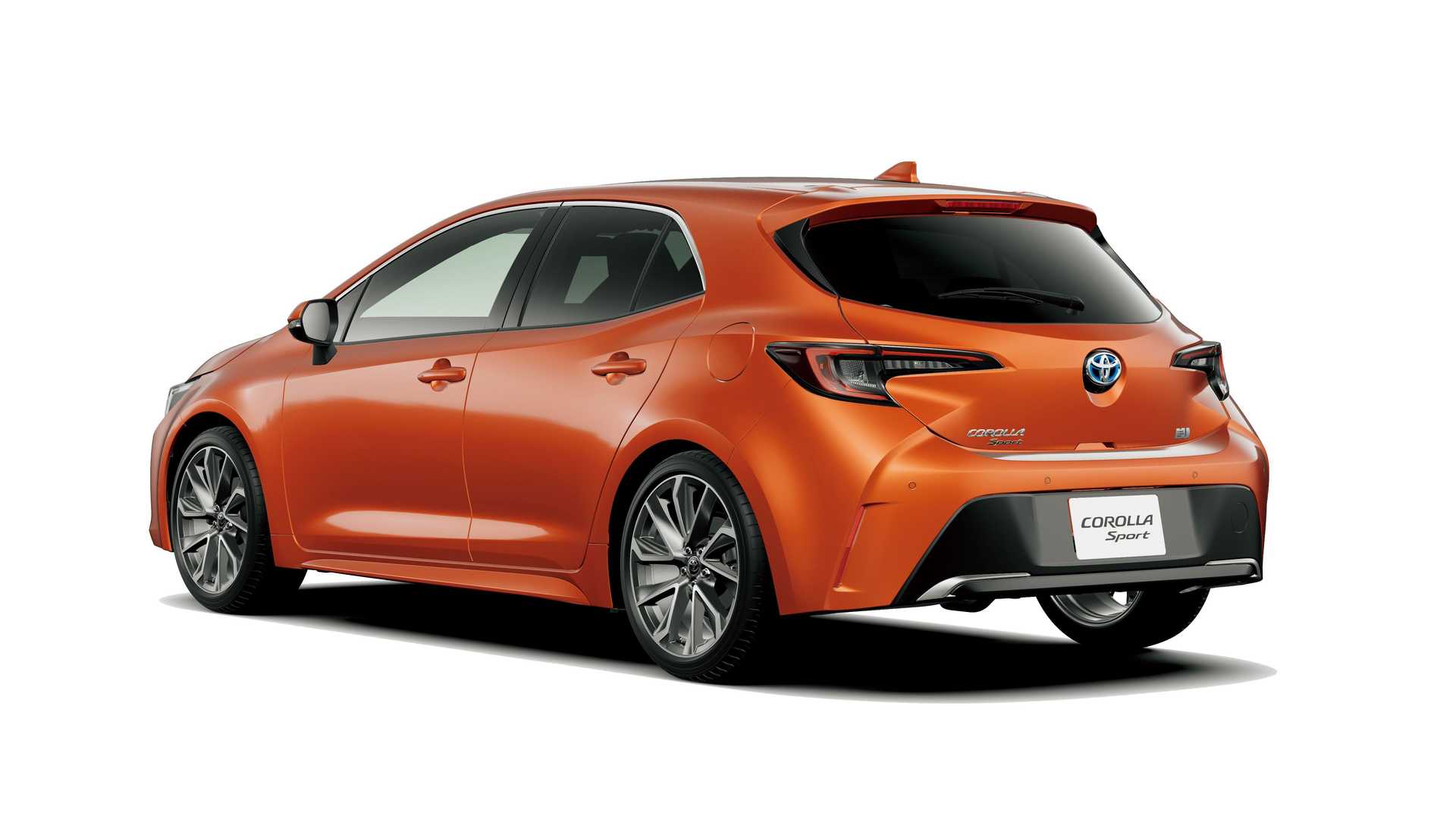
For the new model year, the Corolla will also feature Toyota Connected Services as standard.
Like the related Corolla Cross small SUV, it will be limited to a complimentary 12-month subscription – but Toyota says its updated in-car connectivity includes new features not yet seen in existing vehicles.
Toyota Australia has confirmed it will announce further details on Connected Services at the launch of the Corolla Cross this month.
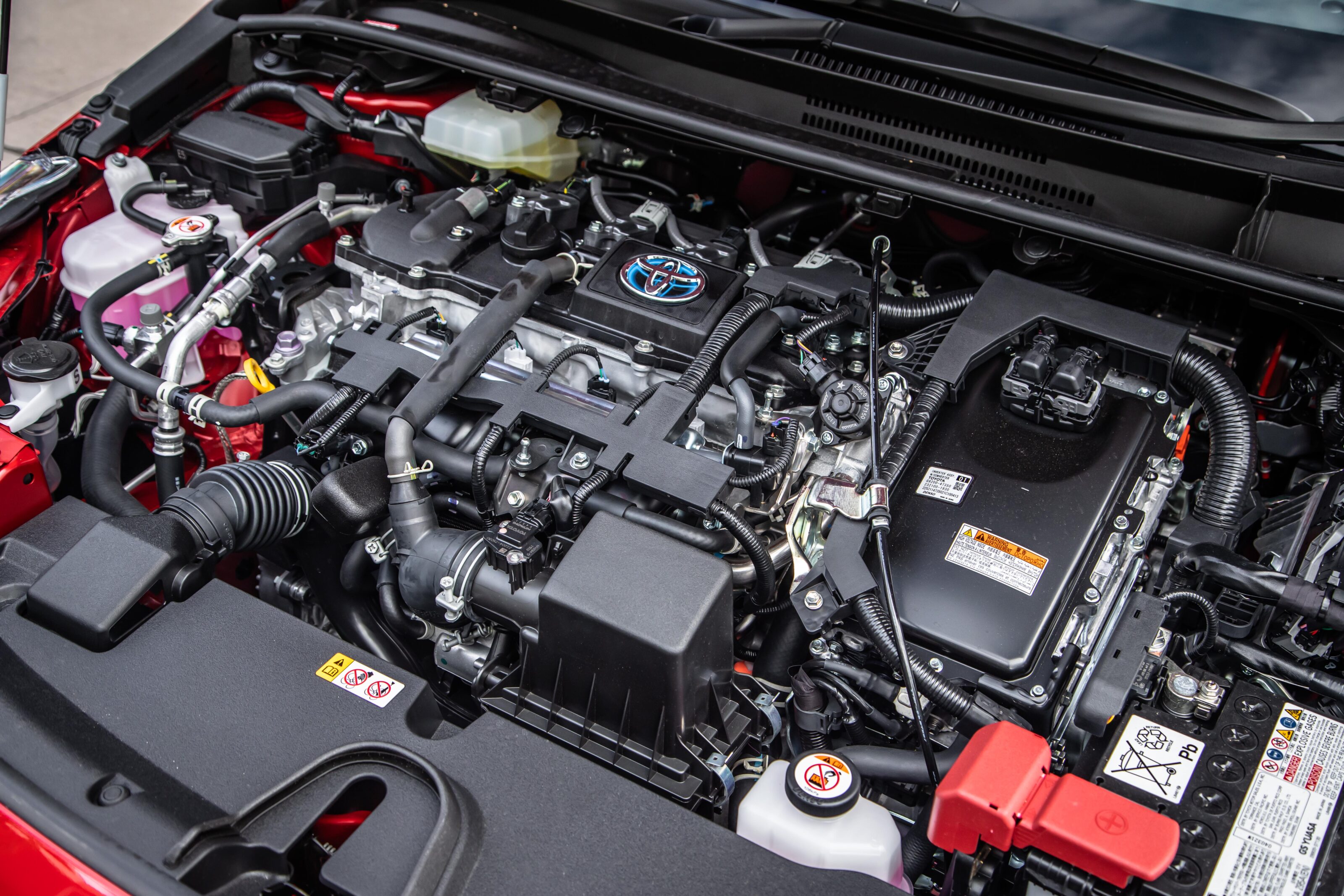
Under the bonnet, the naturally-aspirated 2.0-litre engine has received efficiency improvements in Japan, with 125kW and 202Nm (+2Nm), but it is unknown if this will reach Australia.
Meanwhile, the 1.8-litre hybrid system receives an updated electric motor and a lithium-ion battery to replace the current nickel-metal hydride unit.
Earlier this year, Toyota’s local arm confirmed the updated Corolla Hybrid will get an 8kW bump, bringing power to 98kW – along with “fresh alloy wheel designs and an updated colour palette” across the range.
The new colours are sunstone orange and lunar blue, with the latter featuring an optional two-tone black roof for the ZR hatchback. Peacock black and eclectic blue will be discontinued.
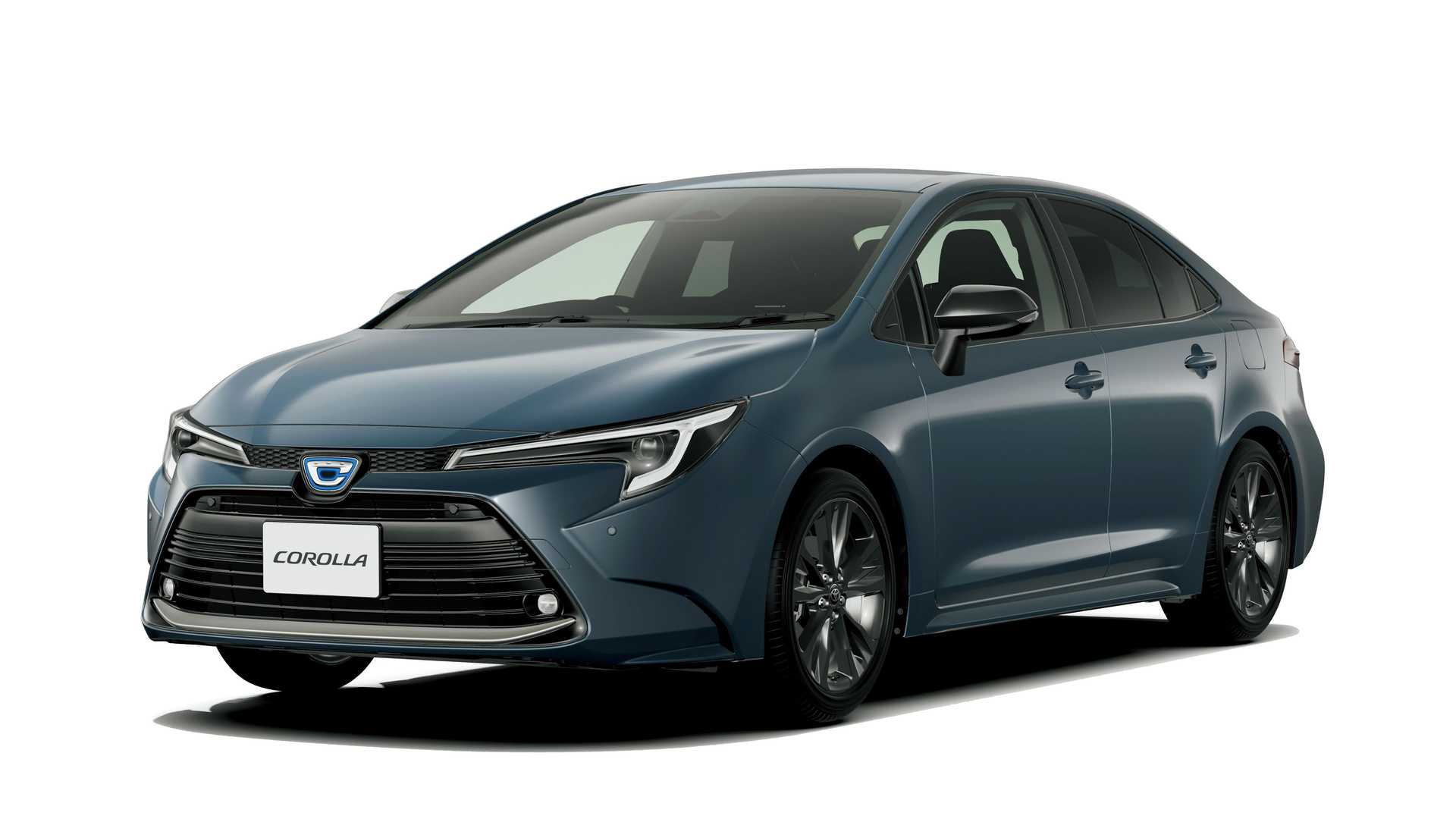
Exterior changes include updated headlights, thicker daytime running lamps and a reshaped front grille with additional chrome highlights.
Inside, the Corolla adopts Toyota’s latest generation infotainment system, offering wireless Apple CarPlay and Android Auto, connected satellite navigation, and over-the-air software updates.
While a 10.5-inch high-resolution touchscreen is available overseas, local examples will likely retain an 8-inch setup running the new software.
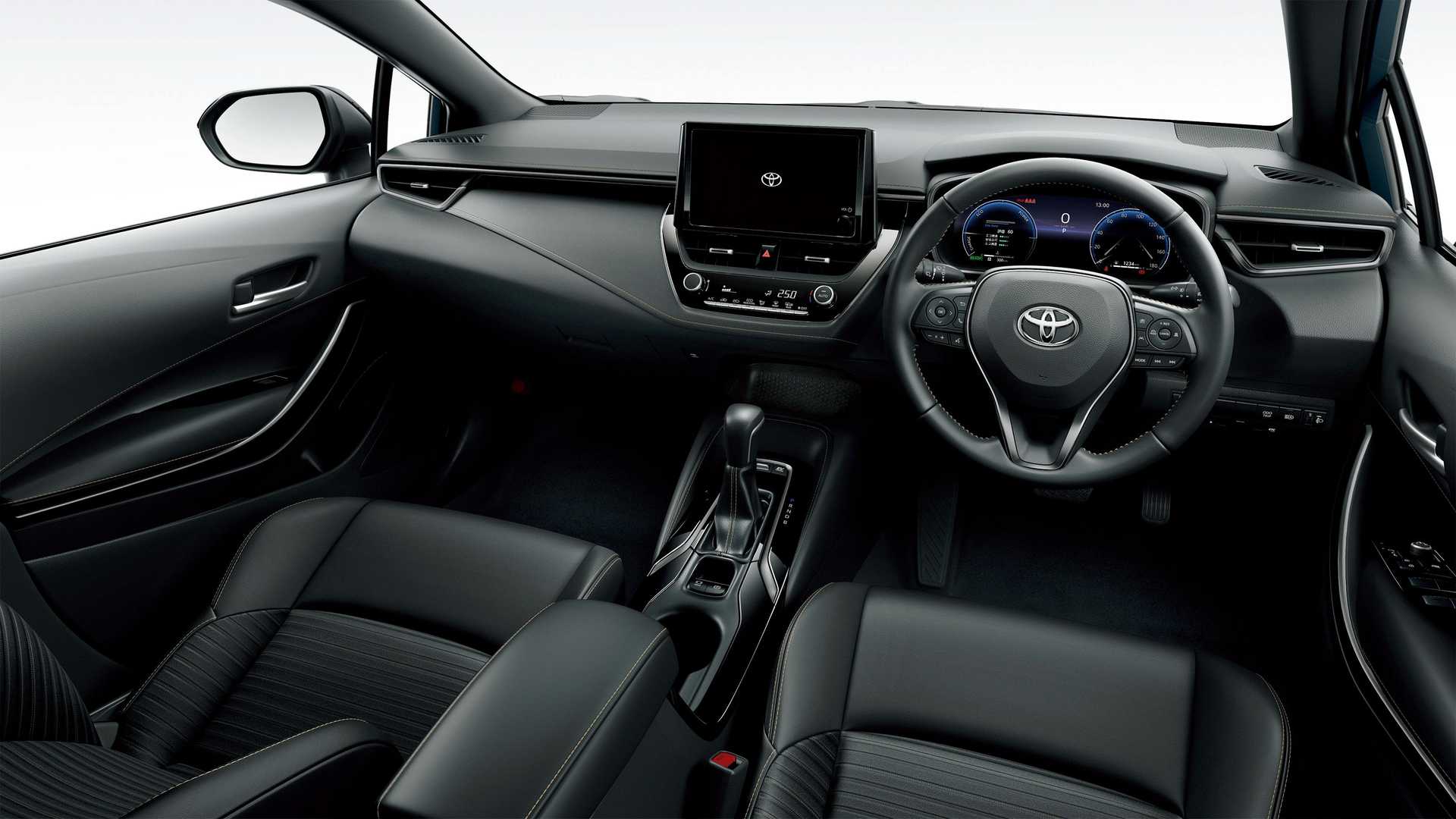
A 12.3-inch digital instrument cluster will be offered on the flagship ZR grade, while the current 4.2-inch display will be replaced by a 7-inch semi-digital unit for the Ascent Sport and ZR.
As previously announced, USB-C ports will feature across the range, along with “updated safety” features.
This is likely to comprise Toyota’s third-generation safety suite – as seen on Corolla Cross – enabling lane change assist, junction and motorcyclist detection, curve speed assist and an emergency driver stop system.
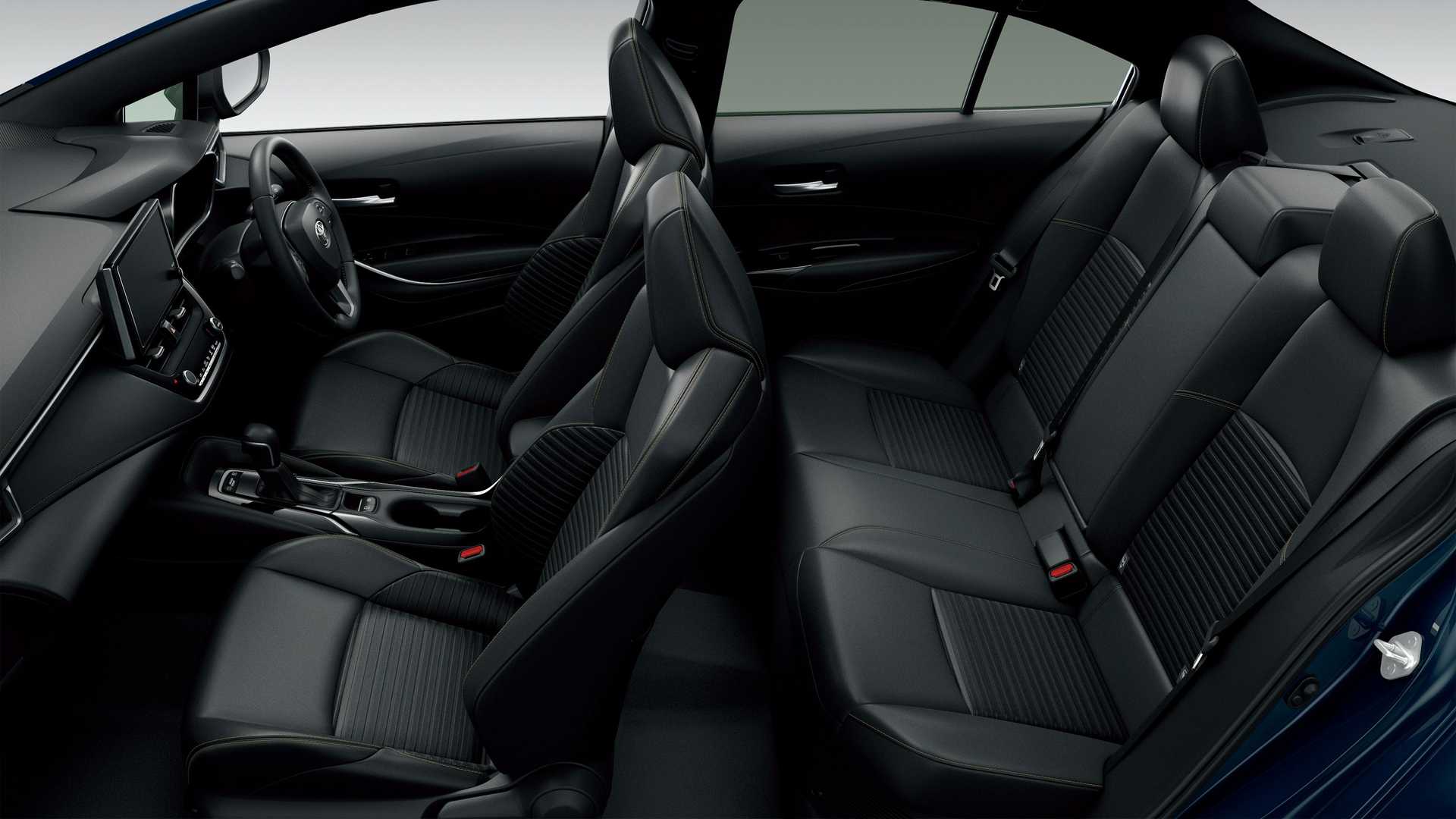
These features will join the existing autonomous emergency braking, lane-keep assist, lane departure warning, adaptive cruise control and traffic sign recognition.
In a further safety boost, the entry-level Ascent Sport is expected to gain blind-spot alert and rear cross-traffic alert, which are currently limited to the SX and ZR.
However, blind-spot alert and rear cross-traffic alert could be limited to a new ‘convenience pack’ for the Ascent Sport, with exact details surrounding the factory-fit option currently unclear.
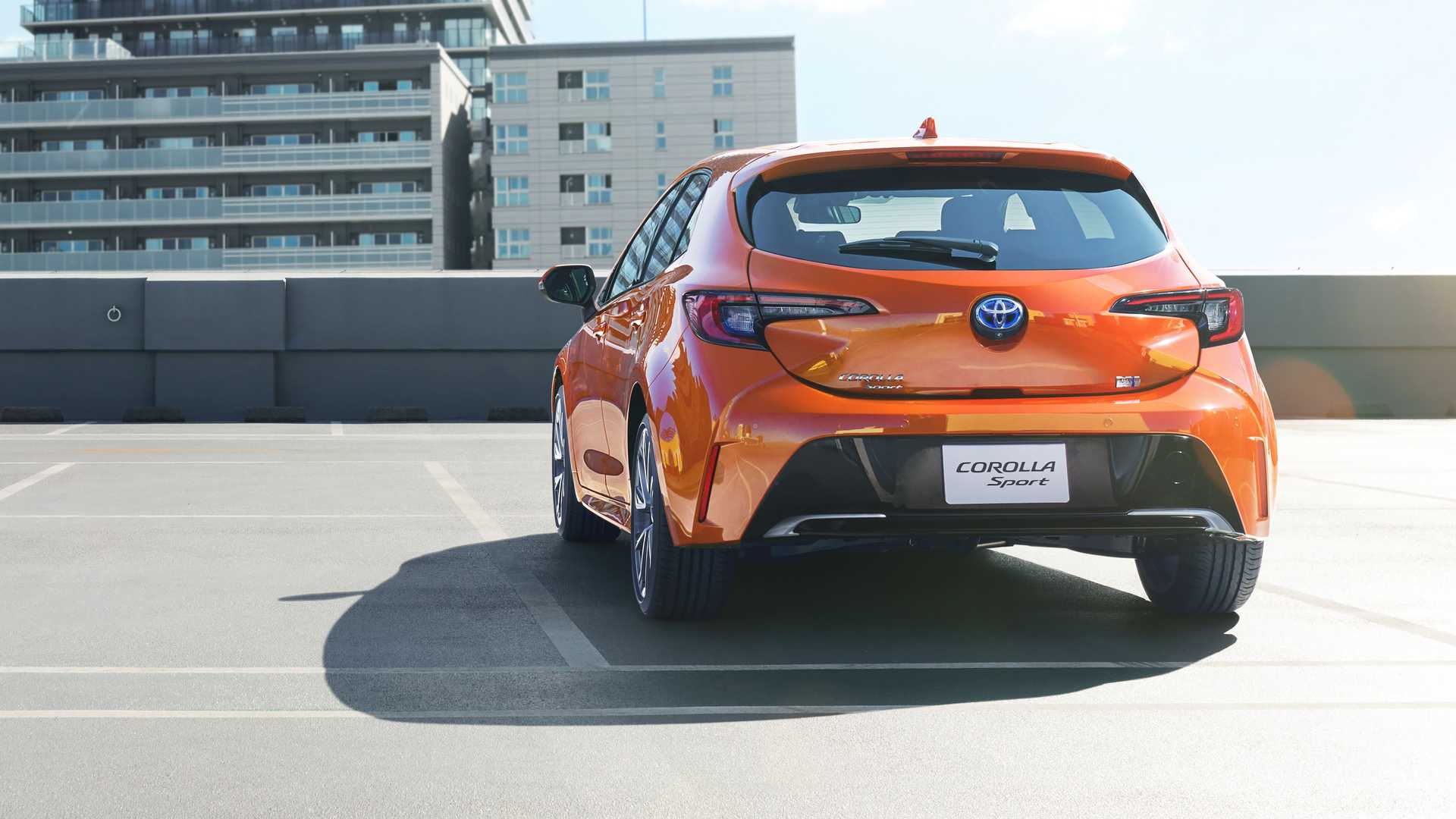
Front and rear parking sensors will feature on SX and above, along with remote start, an auto-dimming rear-view mirror and rain-sensing wipers. The latter was previously limited to the ZR sedan.
A hybrid ZR sedan is also tipped to finally join the range, with the hybrid sedan range currently limited to Ascent Sport and SX trims.
The 2023 Toyota Corolla will likely arrive in Australian showrooms in November, so stay tuned to Wheels for official details – including pricing – as it emerges.
RELATED READING
Looking for more details on the wider Corolla range? Our full range review has everything you need to know.
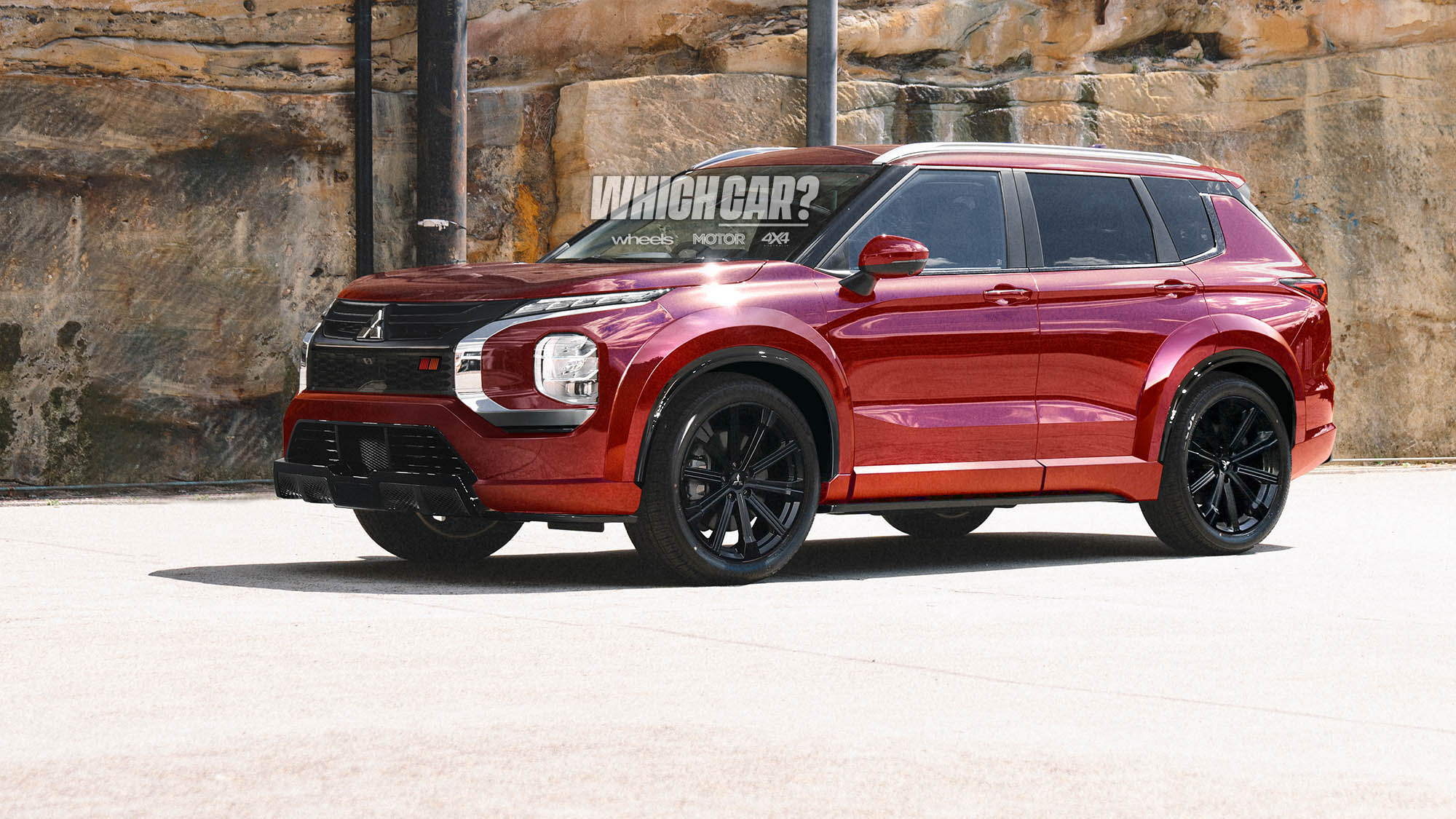
Mitsubishi’s revival plan for its long-dormant Ralliart performance division is still in its infancy, but the company’s ultimate goal is a do-it-all device that will provide grip and speed no matter the terrain – and this vehicular Swiss Army Knife will be based on Mitsubishi’s family-sized SUV, the Outlander PHEV.
Hiroshi Masuoka is not only a vice president of Mitsubishi Motors, but is also the general manager of the Ralliart business promotion office – the division tasked with rebuilding the Ralliart sub-brand.
Speaking exclusively with Wheels, Masuoka was candid about what was on his wishlist for Ralliart’s future flagship and first “complete car”.
“Actually, we have a concept model in testing. It has the latest PHEV technology, which has three motors – one at the front, two at the rear. It’s based on Outlander, but obviously it’s quite unique, being a prototype.
“The rear two motors are synced, so it can be working as a torque vectoring system to help steering,” Masuoka told us, describing it as a modern interpretation of the Lancer Evolution’s agility-enhancing Active Yaw Control technology.
“It’s actually a lot of fun on a snowy road. No slip!”
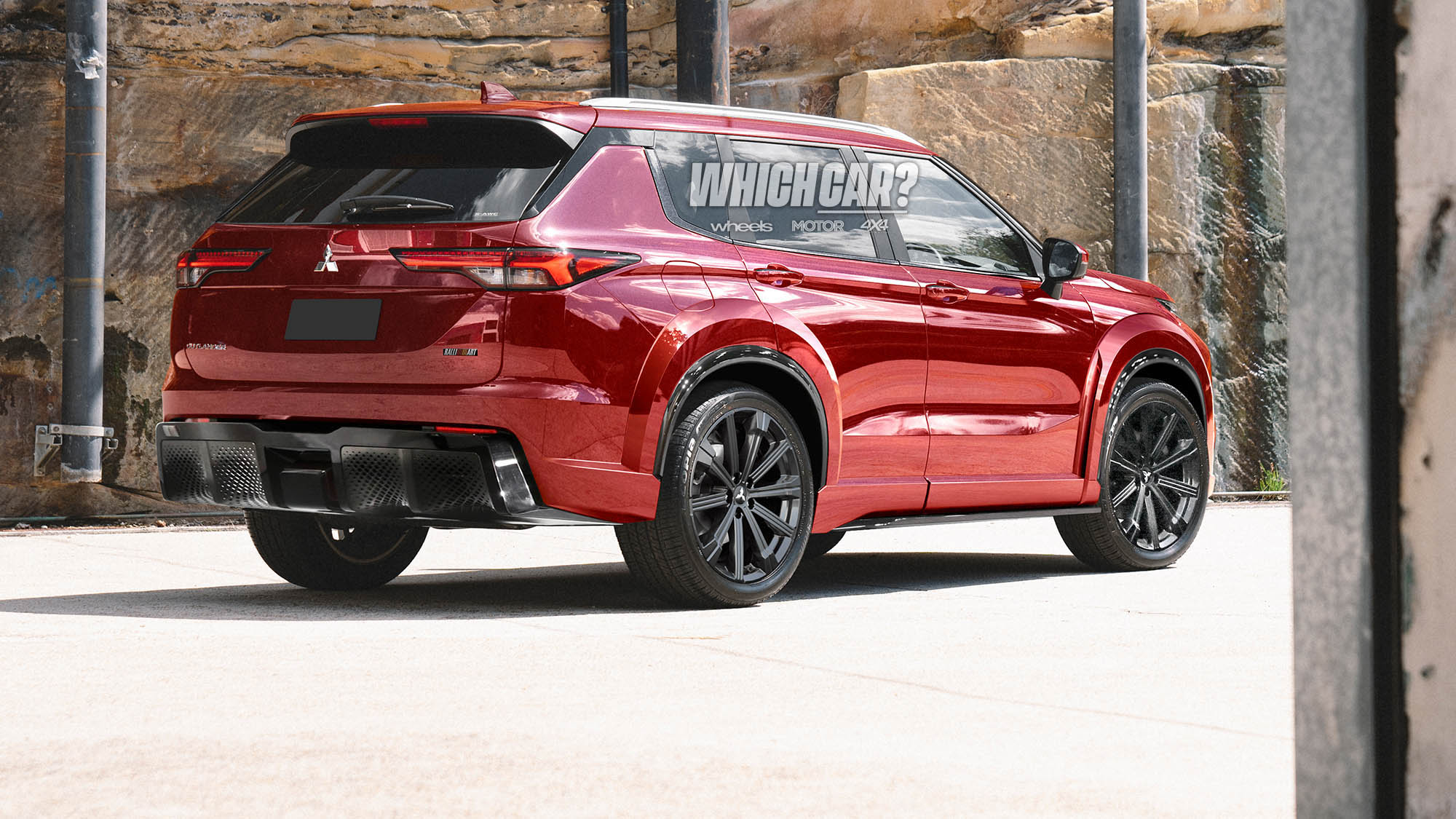
“We have a concept model in testing. It has the latest PHEV technology, which has three motors – one at the front, two at the rear.”
He obviously relishes his job. Far from being just another corporate suit in one of Japan’s biggest zaibatsu, Masuoka is a hard-charging rally driver at heart and was a former works driver for Mitsubishi during its Paris-Dakar days.
Racing from the late 80s to the late-noughties, often at the wheel of a Pajero and often finishing at the pointy end of the pack, Masuoka is not only a 21-race veteran but also achieved back-to-back wins in Dakar in 2002 and 2003. He’s got cred where it counts.
And it’s clear that he’s looking forward to infusing some of the terrain-conquering attributes of his old Pajero rally cars into the machines that are coming down Ralliart’s product pipeline. By the way he talks about what’s in the works, it sounds like Ralliart’s future road cars will be Dakar-ready right off the showroom floor – or at least close to it.
“That DNA from Dakar flows into our Mitsubishi car products,” Masuoka said. “If we were to develop the Ralliart complete car, our priority is going to be “The Almighty Model”, which can do everything with one car.”
“With Outlander we can go offroad, or have on-road comfort, or even drive a snowy road without any concerns or worries – it gives us peace of mind. But for instance, to get the road clearance we would consider to have air suspension as one approach.”
That’s something of a bombshell. Air suspension is normally the preserve of ultra-luxe limousines and gigadollar SUVs like Range Rovers and the GLS-Class – largely due to its expense to manufacture and maintain. Masuoka reckons air springs could do wonders for the Outlander’s performance, giving its suspension the adaptability required to tackle gnarly gravel trails AND tarmac twisties with the same hardware.
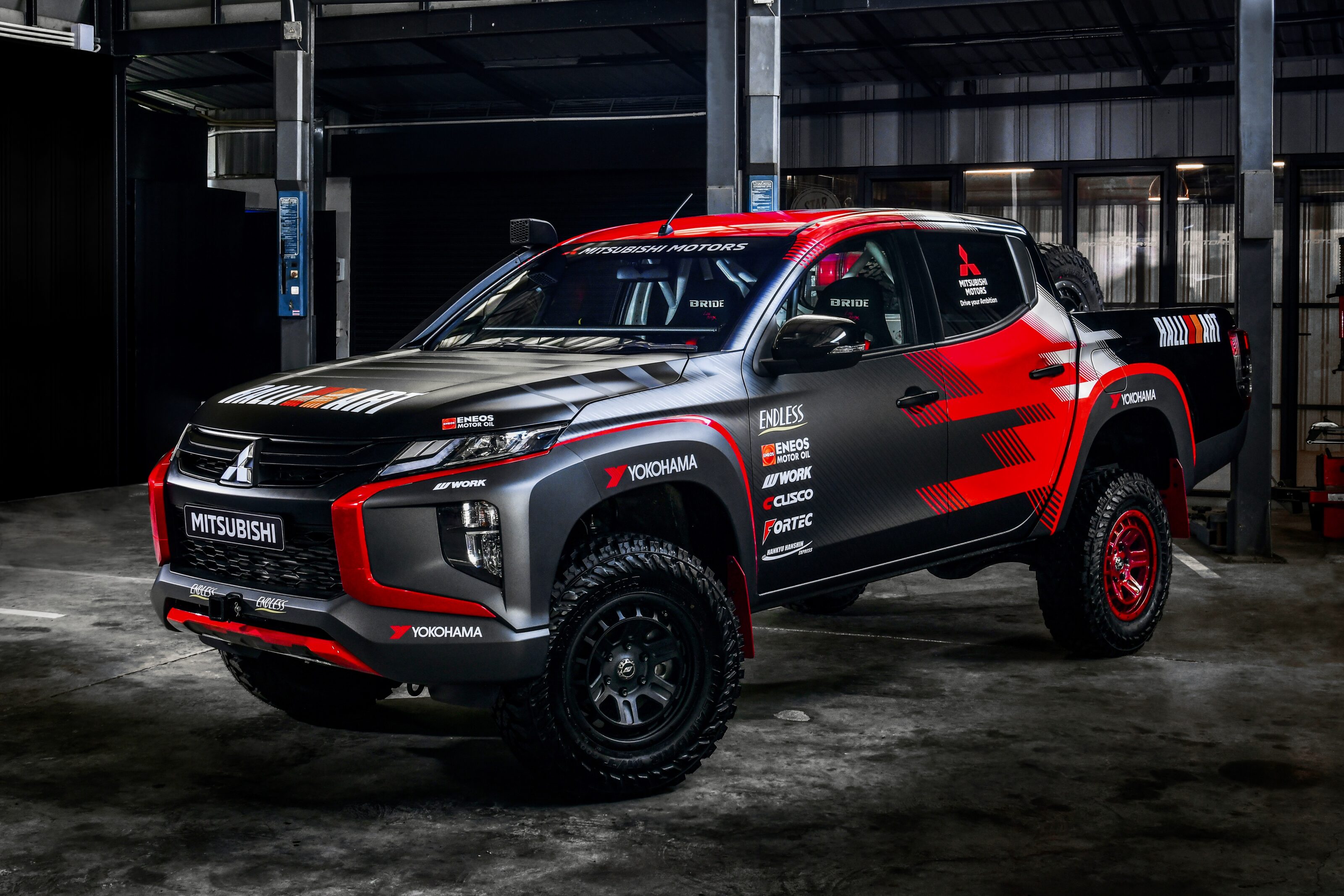
“Our priority is going to be “The Almighty Model”, which can do everything with one car.”
But when asked if adding triple-motor powertrains and specialised air suspension hardware to the Outlander would result in a car that’s not only dynamically versatile, but also prohibitively expensive, Masuoka’s answer was direct: “No”.
“When we see the future, I’m thinking and feeling that our future product will need the height control for Mitsubishi Motors’ new car, a Ralliart kind of concept. This is not committed yet, but this is our will, our thoughts and our direction.”
What of the rest of the mechanicals?
Masuoka wouldn’t go into specific numbers, but the Outlander Ralliart (or Outlander Evolution, if Mitsubishi’s previous form with the Lancer Evolution and Pajero Evolution is applied) looks set to get a significant bump in grunt to help it hurry over whatever sand dune, rocky path or mountain highway to wish to point it at.
Assuming Masuoka’s team is able to simply package another standard Outlander PHEV rear motor into the car’s rear end, that alone would add 100kW to the car’s system output and bring the total to a very handy 285kW (85kW via the standard front motor, plus 100kW from each rear motor).
Given the dearly-departed Lancer Evolution managed to deliver zinging performance with just 217kW, a 285kW tri-motor setup with a torque-vectoring rear axle sounds pretty juicy. In a happy coincidence, that output is also the same as BMW’s X3 M40i – another high-performance SUV that Ralliart would be wise to benchmark against.
Would the Outlander PHEV’s 2.4-litre on-board generator and 20kWh battery be able to supply those motors with enough juice to sustain some spirited driving, though? That remains to be seen.
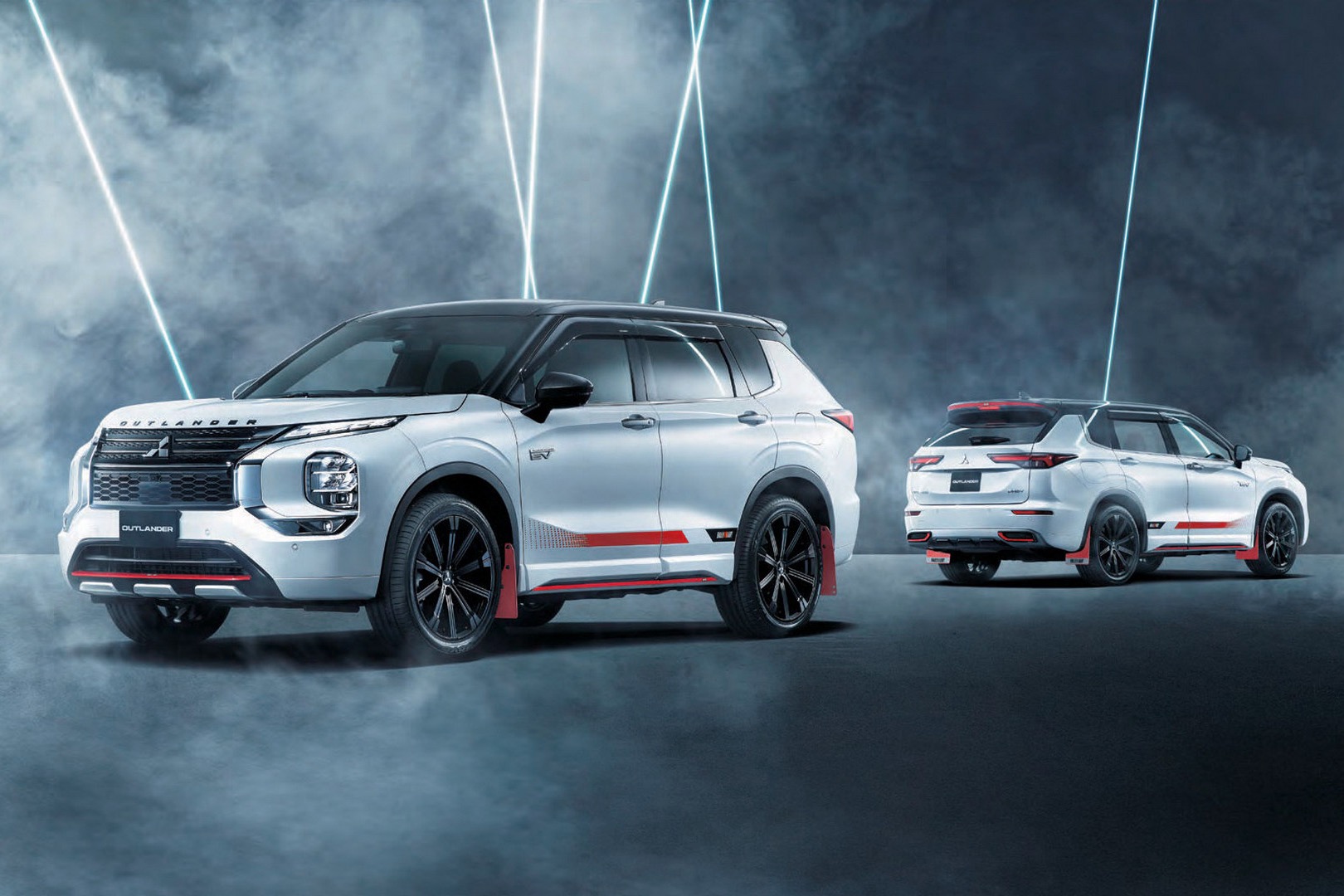
But there are other engineering challenges ahead too. Not only to deliver on the performance promise of the Ralliart brand, but to do so while keeping the Outlander Ralliart’s advanced electrified powertrain reliable.
“I believe that there is more room for us to update the performance, like power increases and things like that. It is feasible, but at the same time we need to take care of the cooling more, and the heat control,” Masuoka told Wheels.
“The performance will be increased, but at the same time those treatments [to cooling] will be needed. That’s the important part.”
Also important: how much will the Outlander Ralliart or Outlander Evolution cost? That’s anyone’s guess, given we don’t expect it to break cover until the middle of this decade. However, with the top-spec Outlander PHEV Exceed Tourer retailing for $68,490 right now, the more technology-laden performance flagship would surely push the $80K region – and perhaps nudge closer to $90K.
With an additional motor and the added cost and complexity of Masuoka’s favoured air suspension, it seems unlikely that the Outlander’s performance king will be priced within just a few grand of its more prosaic siblings – especially if the high-voltage battery needs to be any bigger than the Outlander PHEV’s 20kWh unit.
Aesthetically, it appears the final design has yet to be locked in.
The renderings you see further up in this story are heavily based on the Vision Ralliart Concept that was revealed at the start of this year at the Tokyo Auto Salon, but the final product may not necessarily look the same – or be as subtle.
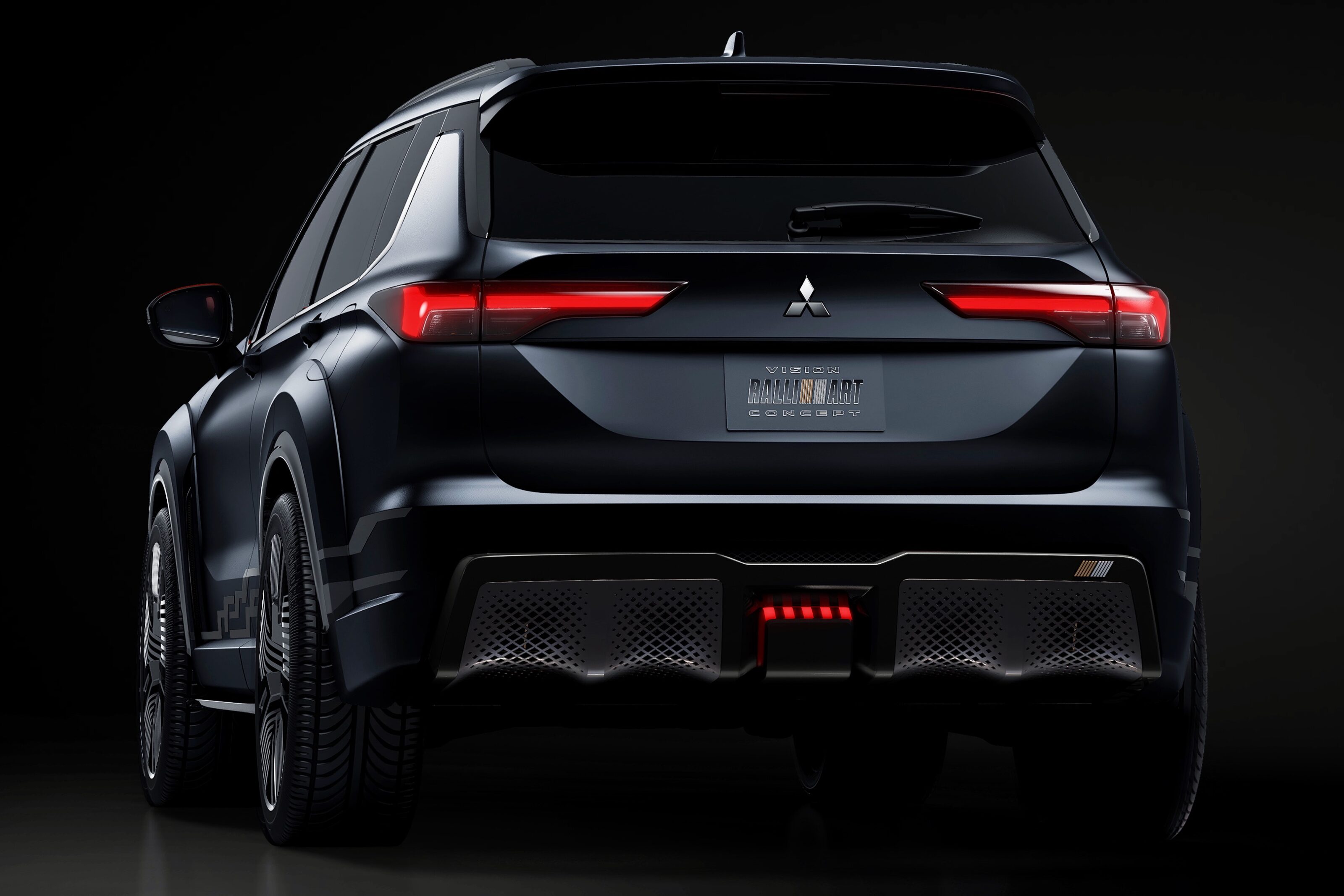
“So for example, the Baja Portalegre Outlander (below), we stretched the width to have that closer to the Pajero’s size, and that’s kind of one of our studies to see what we could do with Outlander,” Masuoka explained. Perhaps the Vision Ralliart’s wheelarch extensions aren’t wild enough?
But before we see the next generation of Mitsubishi performance cars, there’s an interim stage that needs to occur first.
The company has stated that the Ralliart resuscitation will happen in phases: the first stage has already taken place, with the rollout of cosmetic ‘dress-up’ packages in Thailand, the USA and Japan for the current-generation Triton, ASX, Eclipse Cross and Outlander, as well as the announcement of Mitsubishi’s return to motorsport with the Triton in the Asia Cross-Country Rally.
Stage two will be a little more meaningful for performance fans. Aftermarket enhancements will be released to give owners the option of tweaking their suspensions and other easily-modifiable components, with the final stage – the arrival of fully-fledged Ralliart “complete cars” – coming afterward.
“This is a restart of Ralliart,” Masuoka said to Wheels.
“It’s being born small, but will grow larger and larger, step by step. At this moment we are providing dress-up parts, but for the future we are considering to have technical parts as the next step.”
“Further, we’re going to have the Ralliart complete cars which not only have the exterior parts, but the technical parts as well. However, we need time – please wait!”
The waiting times aren’t necessarily a symptom of a lack of will on Mitsubishi’s part, but more a reflection of the complex nature of bringing modern cars to market – even when talking about simple bolt-on modifications.
“I’m feeling a little bit of stress, but I understand it requires time to solve. When we had the Lancer Evolution, technical parts development and supply was fine because it’s easily installed.
“But these days, like with the Outlander PHEV or other latest models, if we change the parts or modify the parts it requires the resetting of the S-AWC or ADAS systems, so it’s not as easy compared to the era when we had the Lancer Evolution.”
For Mitsubishi enthusiasts who’ve been patiently waiting for positive developments since the departure of the Lancer Evolution in 2015, the news that Ralliart-tuned product is returning in the form of a mid-sized hybrid SUV may not be quite what they were hoping for.
However, with Hiroshi Masuoka and his team promising a car that can carve up corners, slay at stoplights and grip on gravel – while also providing a zero emissions capability and family-friendly transport – Mitsubishi’s Swiss Army Knife approach may give it one of the most broadly-appealing mainstream performance cars out there.
Expect to hear more as we draw closer to its anticipated 2025 debut.
At 9:30am on Monday, November 7, 2022, a man was charged after allegedly being caught travelling at 280km/h on the Hume Highway, about an hour south of Sydney.
The area of the Hume Highway near Mittagong where the driver was allegedly detected at 280km/h has a posted 110km/h speed limit.
Police claim a 22-year-old male was driving a blue Volkswagen Golf at the time he was travelling more than double the speed limit.
Police officers directed the vehicle to pull over and issued a court attendance notice for ‘drive speed/manner dangerous’ and he is due to appear in Moss Vale local court next month. The man’s driving privileges were withdrawn at the scene.
Travelling at more than 45km/h over the speed limit is considered a serious speeding offence by NSW Police and carries with it a maximum fine of $3300 and instant six-month licence suspension.
It will be up to the courts whether the alleged offender is charged with a Hoon offence on top, potentially in the areas of excessive speed or street racing.
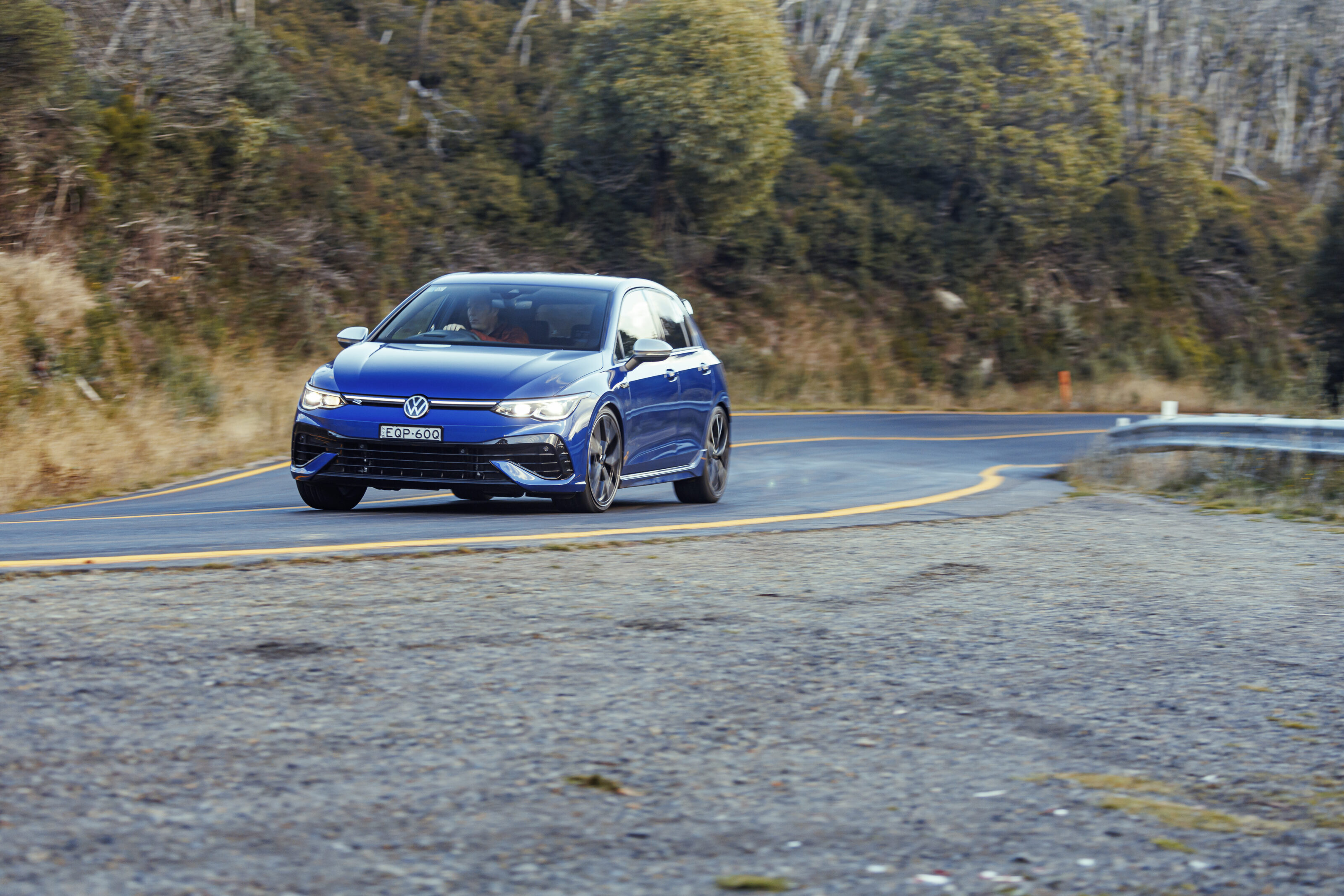
A photo uploaded to Twitter by NSW Police appeared to show the vehicle in question was a previous-generation Mk7 Golf R, the most powerful variant in the range.
Volkswagen does not claim an official top speed for the 235kW/400Nm, AWD, Mk8 Golf R, but German YouTuber Automann.TV legally hit a GPS verified 277km/h in one example on a section of Autobahn.
The RACV’s calculation takes into account running costs as well as purchase costs, so the MG3 is off to a strong start with its affordable entry price that accounts for around 80 per cent of the total cost.
Snapshot
- MG3 is cheapest car to own in Victoria
- Monthly price up 17.5 per cent since 2021
- Toyota performs strongly in many categories
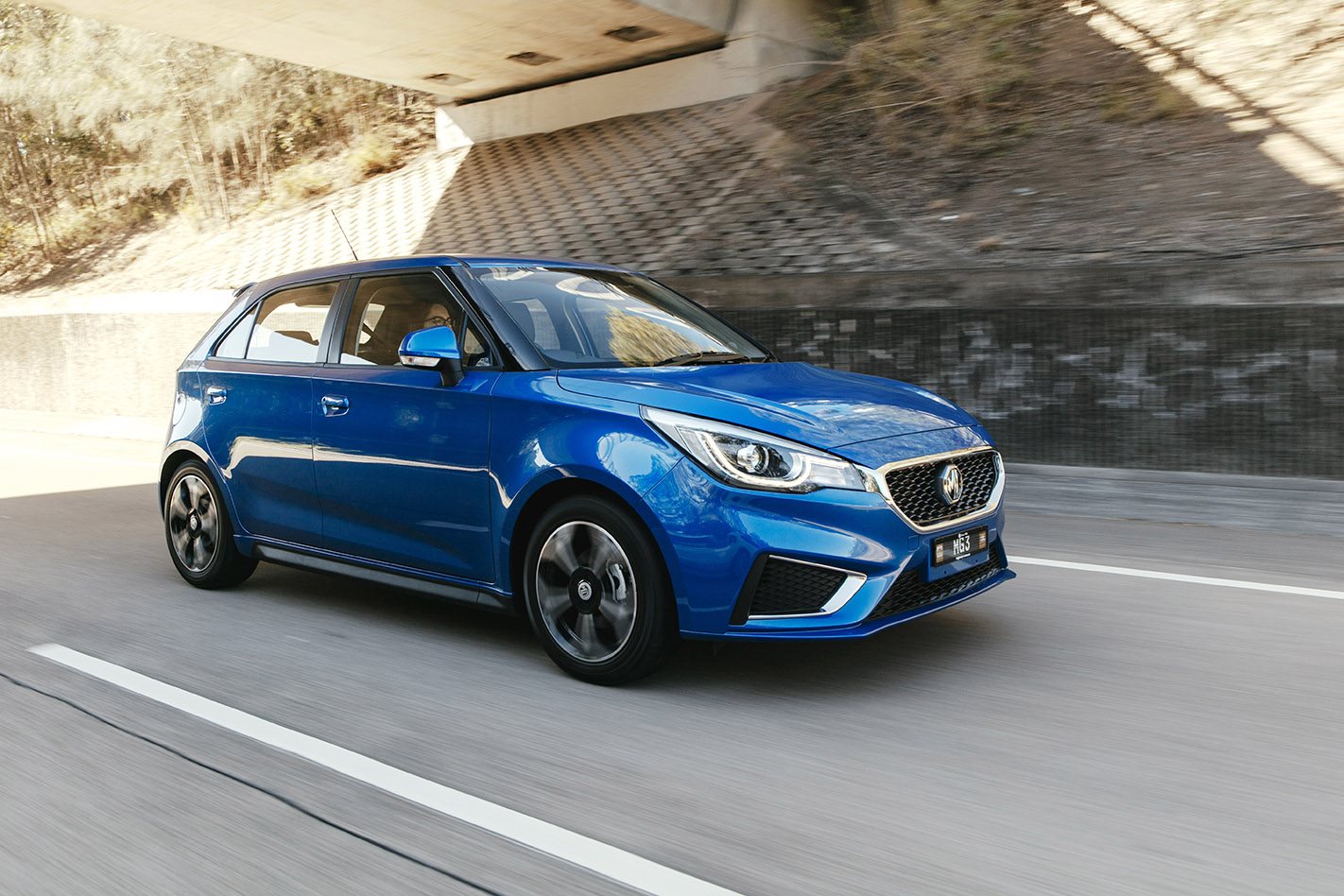
The annual survey carried out by the Royal Automobile Club of Victoria (RACV) ranked 80 models, finding the 2022 MG3 Core ($18,990 driveaway) as the cheapest car to buy, own and run over a five-year period in Victoria.
RACV’s survey takes into account the purchase of a new car with a loan, servicing, replacement items such as tyres, fuel economy and club membership over a typical 15,000km annual distance.
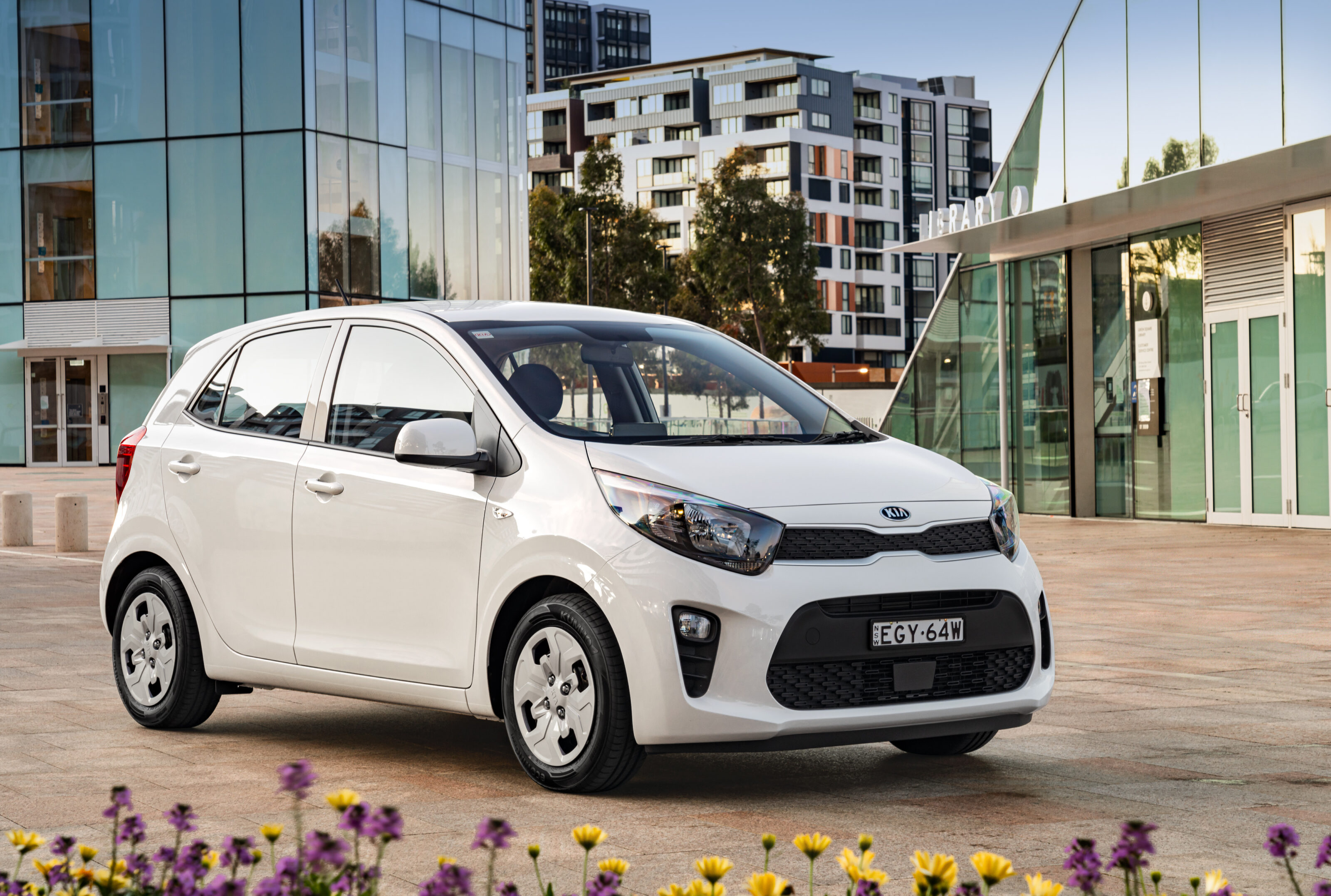
Taking all factors into account, RACV found the MG 3 would cost $734.84 per month over five years, closely followed by the Kia Picanto S ($746.34) and a little further back, the Suzuki Baleno GL ($804.87).
What about cars for the family?
The most popular category in Australia, the midsize SUV, was led by the Toyota RAV4 GXL 2.0-litre petrol ($1245.08), with 4×2 utes crowned by the Mitsubishi Triton GLX 2.4 auto ($1419.23) and 4×4 utes the GWM Cannon ($1451.05)
MG managed to sneak a second vehicle into the 11-car list with the MG ZS electric, the most affordable EV at $1109.49 per month.
JUMP AHEAD: The 11 most affordable vehicles to own in each category
Owning a car is getting more expensive
“It would surprise no one to see that the cost of owning and operating a car has risen, given the trends we have seen in fuel prices,” said RACV head of policy, James Williams.
RACV’s calculation takes into account running costs as well as purchase costs, so the MG3 is off to a strong start with its affordable entry price that accounts for around 80 per cent of the total cost.
But the MG3 has still been subjected to price rises, as with the rest of the industry – and the wider economy in general.
RACV showed how much more expensive the MG3 has become, with this year’s monthly total up 17.5 per cent compared to last year’s $625.50 monthly cost.

Another big factor is fuel cost, which RACV found to account for around 13 per cent of total ownership costs over five years.
Despite the huge jump in fuel prices, RACV found that petrol-only cars are still more affordable over five years than hybrids where they’re offered, for example with the Corolla, Camry and RAV4.
With the fuel excise reinstated at full whack federally, prices across the country are climbing. Factors like servicing, insurance and registration remain fairly consistent for ICE cars, however.
With rising costs of new cars, the second hand market is also climbing. It’s for this reason Mr Williams suggested looking at new vehicles in spite of higher purchase prices.
“When you factor in the growing price of used cars and the improved fuel efficiency and safety ratings of new cars, there is a very good argument to take a close look at the more affordable models outlined in the survey,” he said.
RACV’s cheapest cars by category
| Category | Model | Monthly average cost |
|---|---|---|
| Light cars | MG3 Core 1.5 4sp auto hatchu202f | $734.84 |
| Small cars | Toyota Corolla Ascent Sport 2.0 CVT hatchu202f | $950.93 |
| Medium cars | Toyota Camry Ascent Sedan 2.5 8sp auto petrol | $1,123.26 |
| People movers | Hyundai Staria 3.5 V6 FWD 8SP autou202f | $1,563.65 |
| Electric cars | MG ZS EV | $1,149.00 |
| Small SUVs | Kia Stonic S 1.4 6sp auto FWD | $905.89 |
| Medium SUVs | Toyota RAV4 GXL 2.0 FWD CVT | $1,245.08 |
| Large SUVs | Subaru Outback 2.5 AWD CVT MY23 | $1,415.43 |
| Off-roaders | Mitsubishi Pajero Sport GLX 2.4 8sp auto | $1,563.51u202f |
| 4×2 utes | Mitsubishi Triton GLX 2.4 6sp auto 4X2 dual cab pickup | $1,419.23 |
| 4×4 utes | GWM Cannon 2.0 4×4 8 sp auto dual-cab pickup | $1,451.05 |
Shannons has launched a new documentary series, interviewing and exploring the works of Australia’s leading automotive designers, while offering incredible footage of their teams at work.
The series, titled ‘Design to Driveway’, is airing online over seven weeks. You can find the episode links at the bottom of this story, so grab a snack and throw your feet up – this is good watching.
UPDATE: Episode 4 now live!
Episode 4 of Design to Driveway is now live, so keep scrolling to see links to each episode in order – or use the links below to jump to your preferred next episode.
Photo: Shaun Scerri’s HQ Monaro GTS. Photo: Chris Thorogood.
JUMP AHEAD
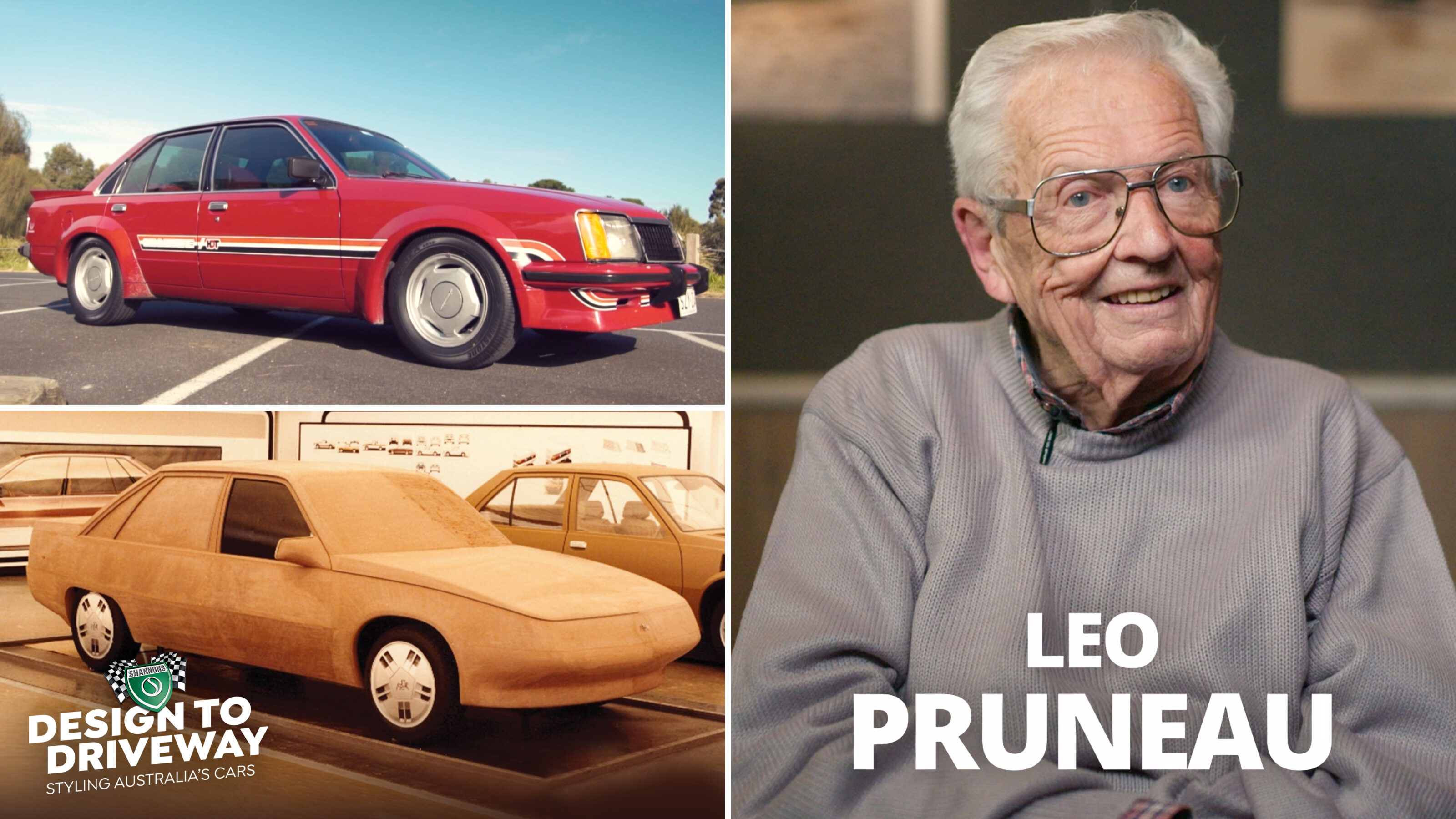
Episode 1: Leo Pruneau
“I could not get the gasoline out of my blood”.
Watch the episode here
In episode one, host Warren Brown speaks with Leo Pruneau, the American-born designer responsible for the 1965 Chevy Impala and – after relocating to GM’s Australian business in Holden – the Statesman Caprice (inspired of course by Rolls-Royce and Aston Martin).
Along with the first-gen VB Commodore and its facelifts through to VK, Pruneau was also the designer behind the iconic LE Monaro coupe – partly through a serendipitous coincidence, as you’ll discover in the video.
Although Leo Pruneau retired from Holden in 1988, he says “I could not get the gasoline out of my blood”.
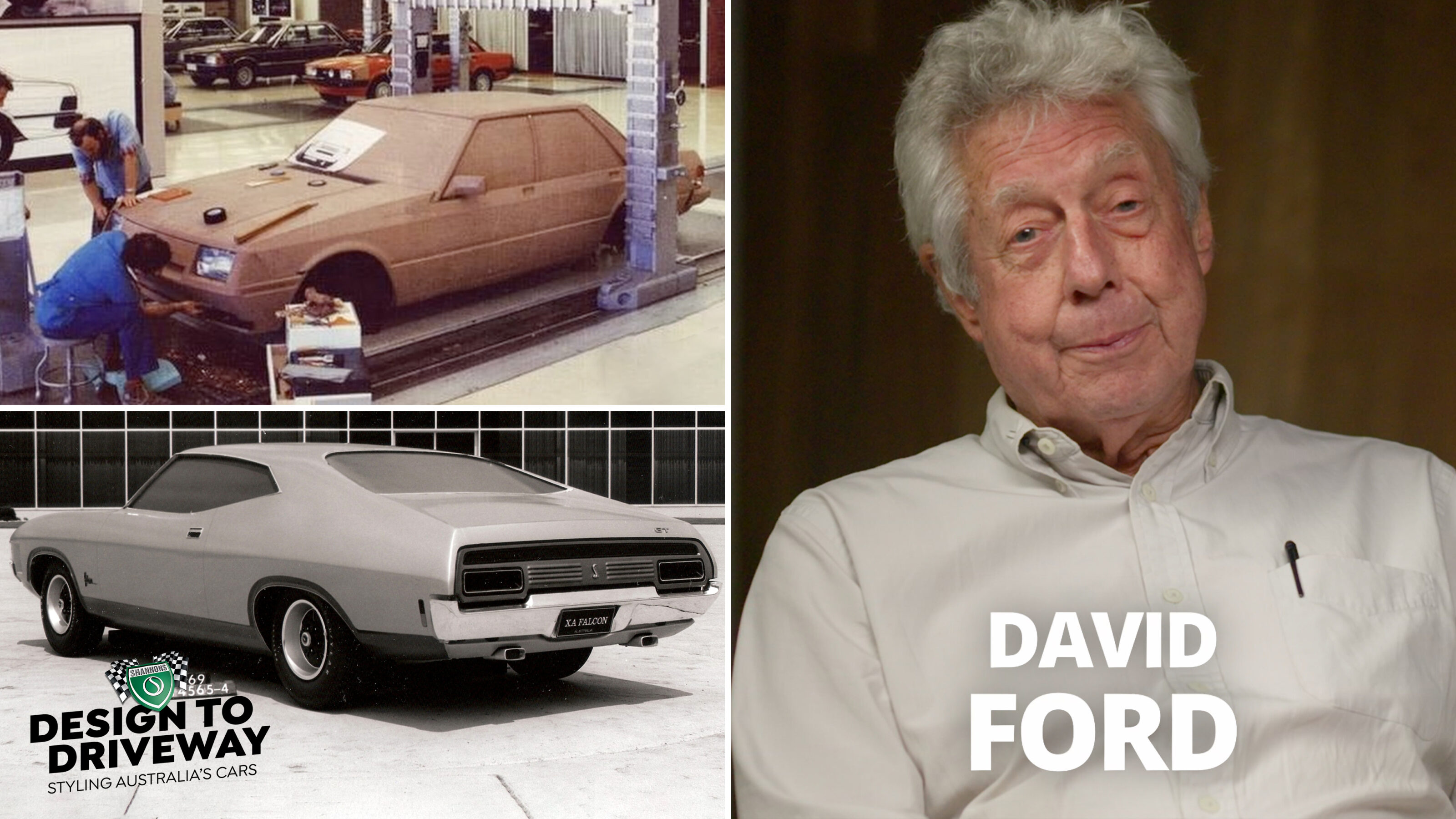
Episode 2: David Ford
“It was a hell of a ride while I was on it.”
Watch the episode here
In episode two, Shannons steps over the great automotive divide to land in the blue oval, to speak with David Ford (not related!), the product planner and honorary ‘designer at heart’ who helped shape and introduce the XR Falcon – later steered, in 1967, to Ford’s first Bathurst victory by Fred Gibson.
David later made significant contributions to the next-generation Falcon models, XA through XC, and into the XD body, while also driving the creation of Australia’s Fairlane.
“Shannons are proud to commission this landmark series to celebrate the rich design heritage of the cars we all know and love. While Shannons plays a key role as Australia’s leading insurer for motoring enthusiasts, we also believe it is very important to preserve our automotive history for future generations” said Mark Behr, Executive Manager, Marketing for Shannons.
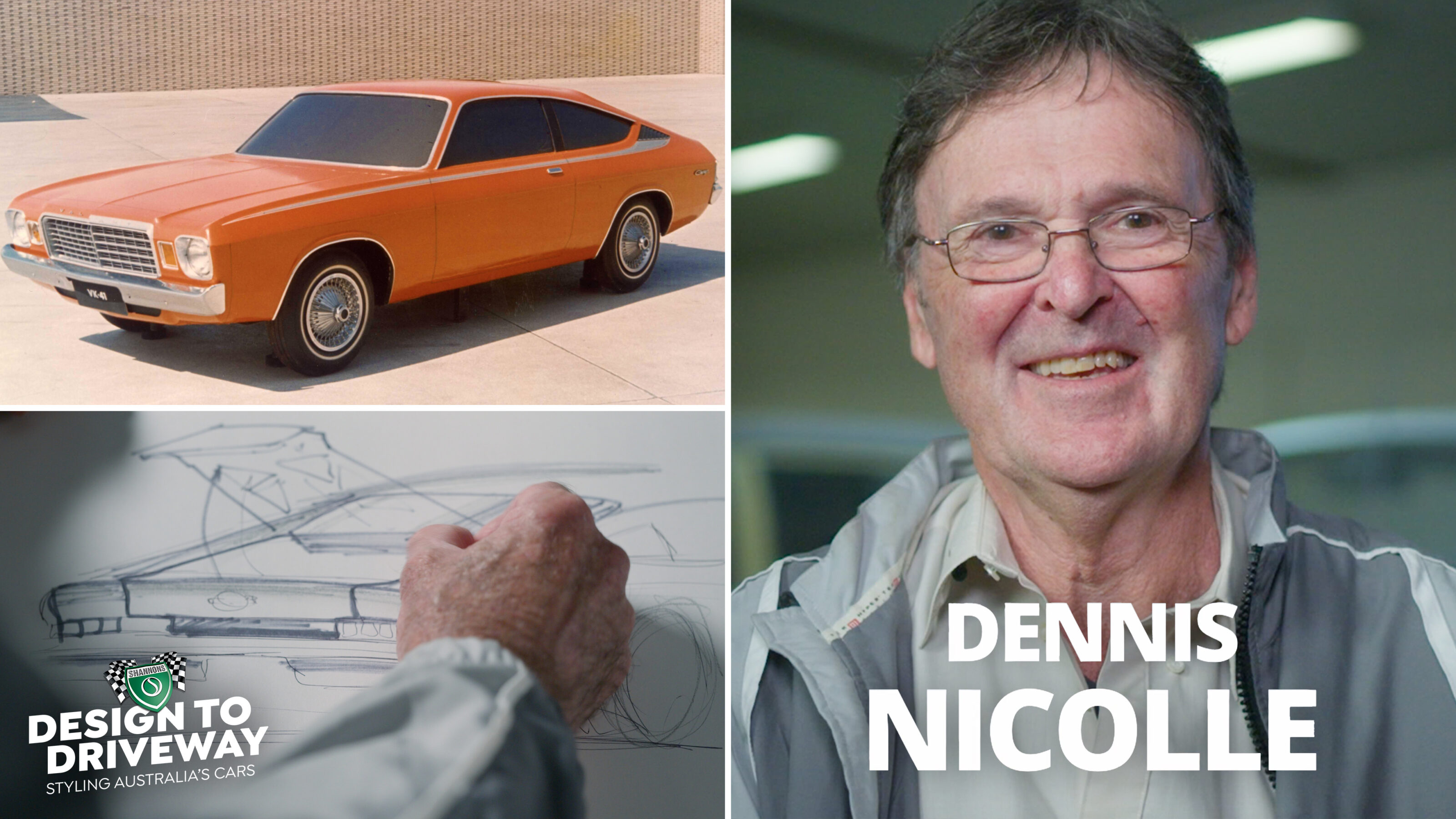
Episode 3: Dennis Nicolle
“Hey Charger!”
Watch the episode here
The strange tides of the automotive industry gave one man the job of designing two distinctly different yet still iconic Australian cars – the VJ Valiant and the TM Magna.
Nicolle’s career saw him go from the Chrysler Keswick pattern shop in Adelaide, but his first big design job was in helping on the VJ Valiant Charger. He later travelled to the US to train with the legend, Bob Hubbach.
“Upon returning to Australia, Nicolle then helped pen the likes of Valiant, Regals and more Chargers again before he caught the wave of Australia’s surf culture, creating the winning styling of the Drifter Panel van and Drifter utility,” Shannons says of Nicolle.
When Chrysler exited and Mitsubishi moved into Tonsley Park, Nicolle found himself responsible for styling multiple generations of Magna (and Verada), including export models.
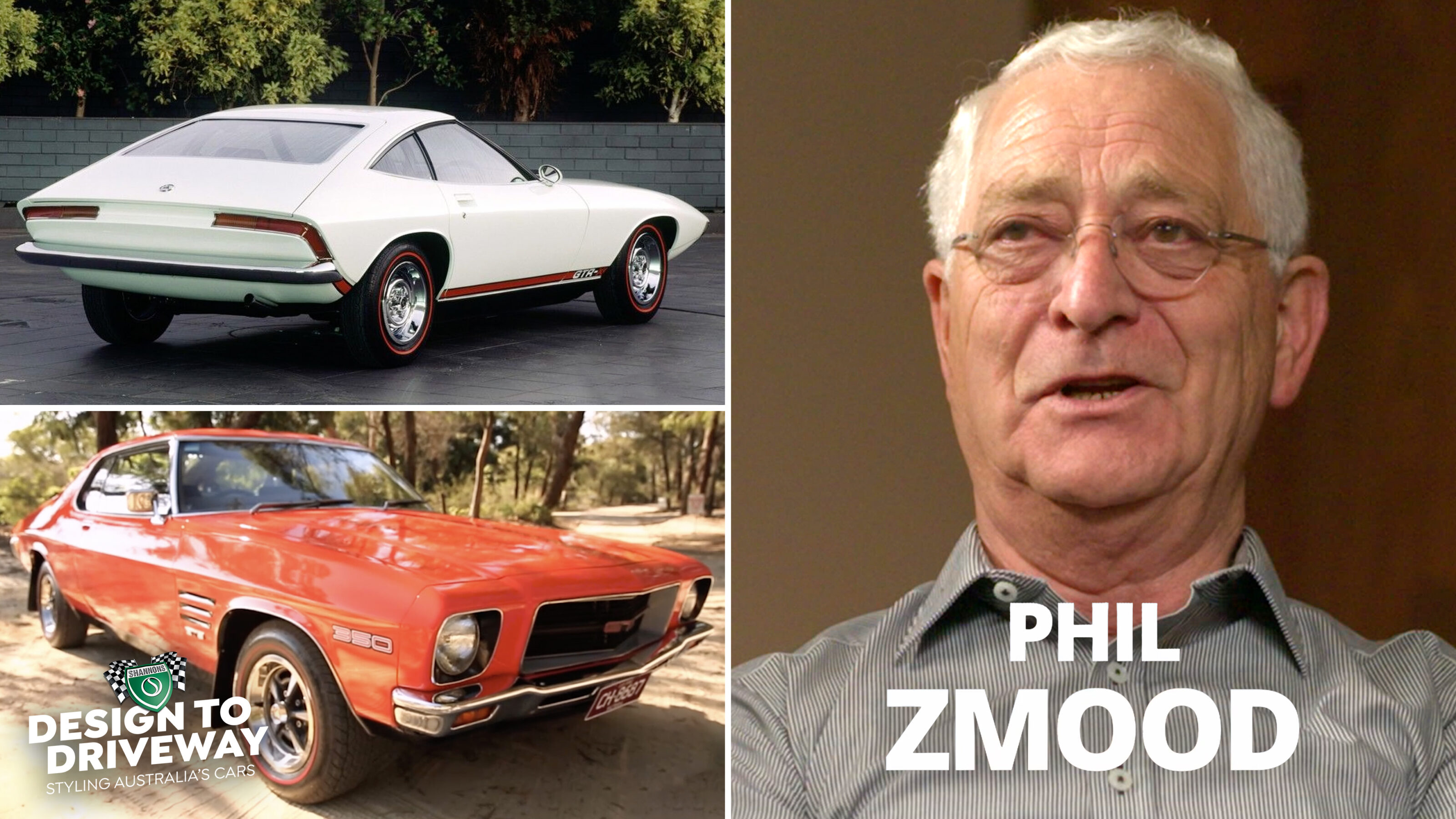
Episode 4: Phil Zmood
“…otherwise Holden might’ve disappeared even earlier than it has.”
Watch the episode here
Winning an influential car design competition in London saw Phil Zmood get his start in the Holden design studio, designing the pieces we might not think about as being a standalone job: wheel caps, grilles and badges.
Phil is perhaps best known, though, for his work on the HQ series, evolving into the Kingswood, Premier and Monaro – along with sports variants of the GTS, commercial vehicles, and luxury models loved by so many today.
The story of Phil Zmood at Holden is a long and rich one, so this episode is not one to be missed.
Keep an eye out for more episodes to air each week.
UPCOMING
- Episode 5: David Hardy – Leyland Australia Designer Premieres 13th November
- Episode 6: Graham Wadsworth – Ford Australia Designer Premieres 20th November
- Episode 7: Richard Ferlazzo – Holden Chief Designer Premieres 27th November

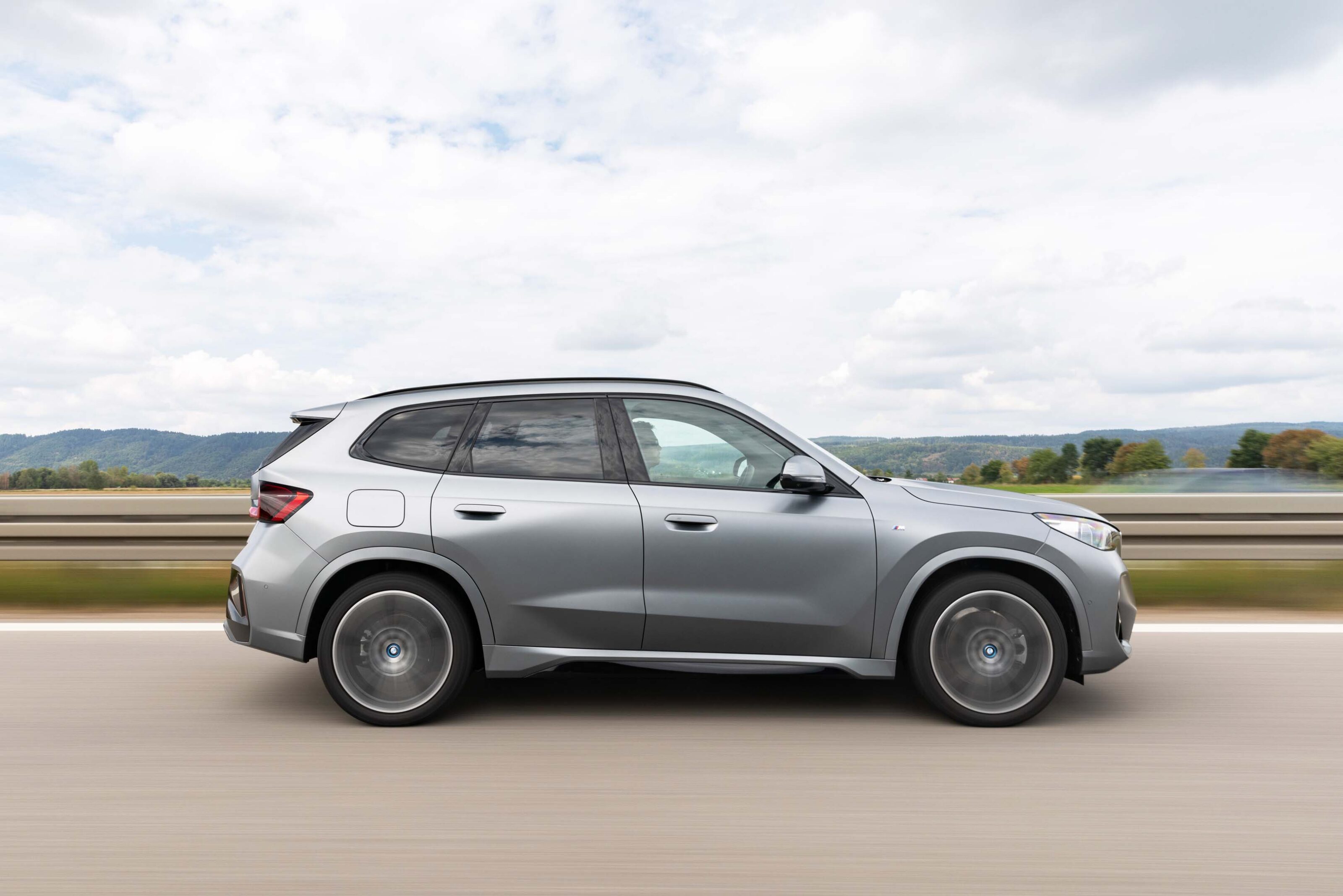
BMW Australia has announced that all of its new vehicles will now be sold with a five-year unlimited kilometre warranty.
The move brings the company in line with rivals such as Audi and Mercedes-Benz in offering a sixty-month deal.
Although the official date from which the warranty takes effect is November 1st 2022, BMW Group Australia will also extend the validity period and offer the new warranty to customers who purchased a new BMW, MINI or BMW motorcycle on or after October 1, 2022.
Wolfgang Buechel, CEO of BMW Group Australia, said “The new warranty offering perfectly complements our extensive range of ownership benefits, making the purchase of a new BMW or MINI even more compelling while providing long term peace of mind for our customers during their ownership journey.”
“We look forward to introducing our new warranty and collaborating with our valued dealer network around the country to continue providing a high level of service and experiences to our customers,” Buechel noted.
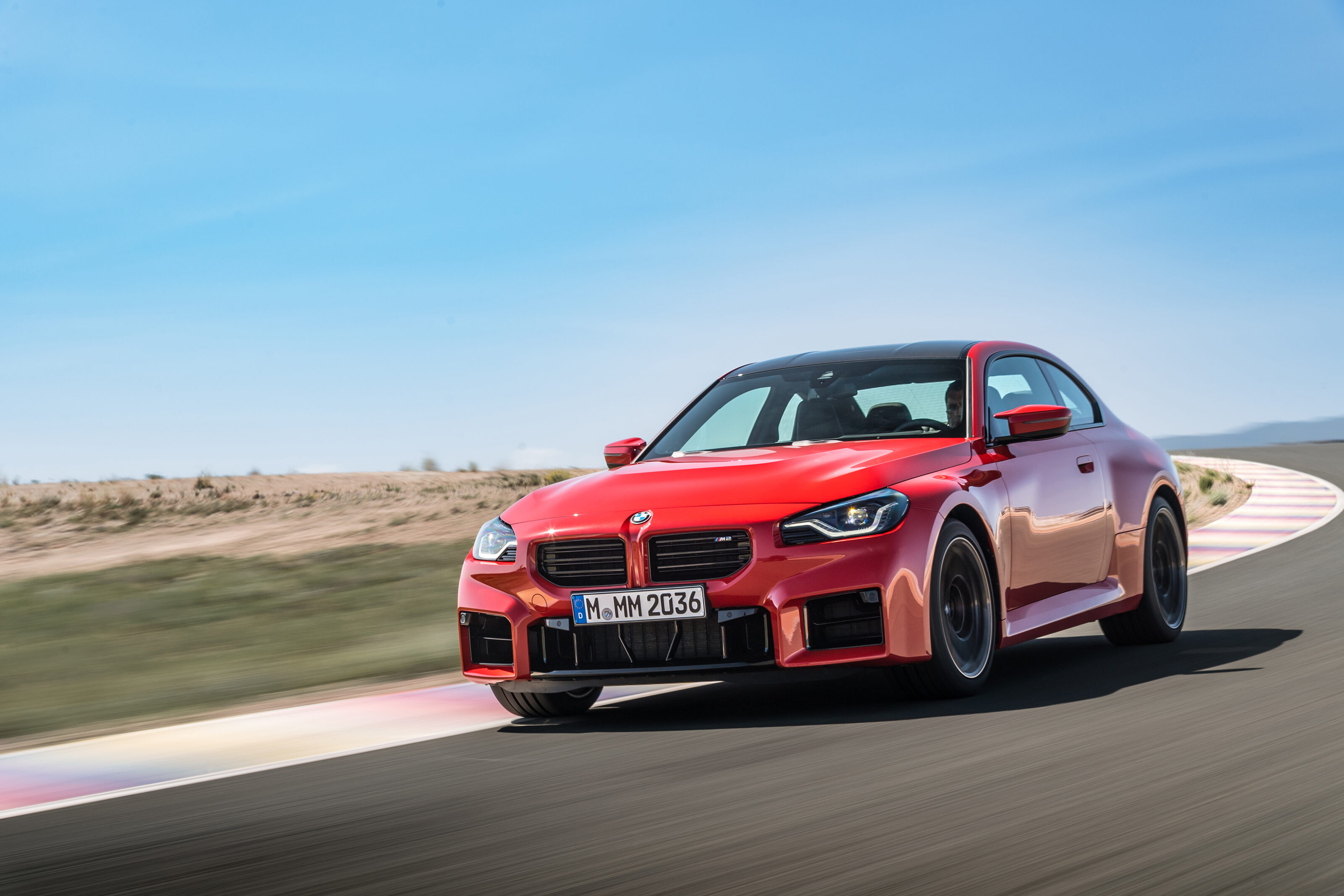
While it’s hard to quantify how much a three-year warranty has affected BMW’s bottom line in 2022, it’s clear that more proactive rivals rivals have seen marked lifts in sales.
BMW cited a tight global supply situation for vehicle components and pandemic-related lockdowns in China, particularly during the first half of the year, as reasons for its third-quarter automobile sales totalling 587,744 units. 0.9 percent down on the same period the previous year.
By contrast, Mercedes-Benz, which moved to a five-year deal in 2022, shifted some 530,000 cars during Q3 of 2022, an improvement of 38 per cent over the same period in 2021. Audi’s numbers were up by 12.7 percent over the same period, lifting from 368,020 units to 414,688.
Melbourne-based business Jaunt Motors will merge with Zero EV to form a new business called Fellten, making it the largest electric vehicle conversions company in the world.
Cool. Who even are Jaunt and Zero EV?
Jaunt began back in 2019 as a crowdfunding initiative to encourage EV four-wheel driving with a “distributed manufacturing model”, effectively allowing community groups to buy an electric Land Rover for business use.
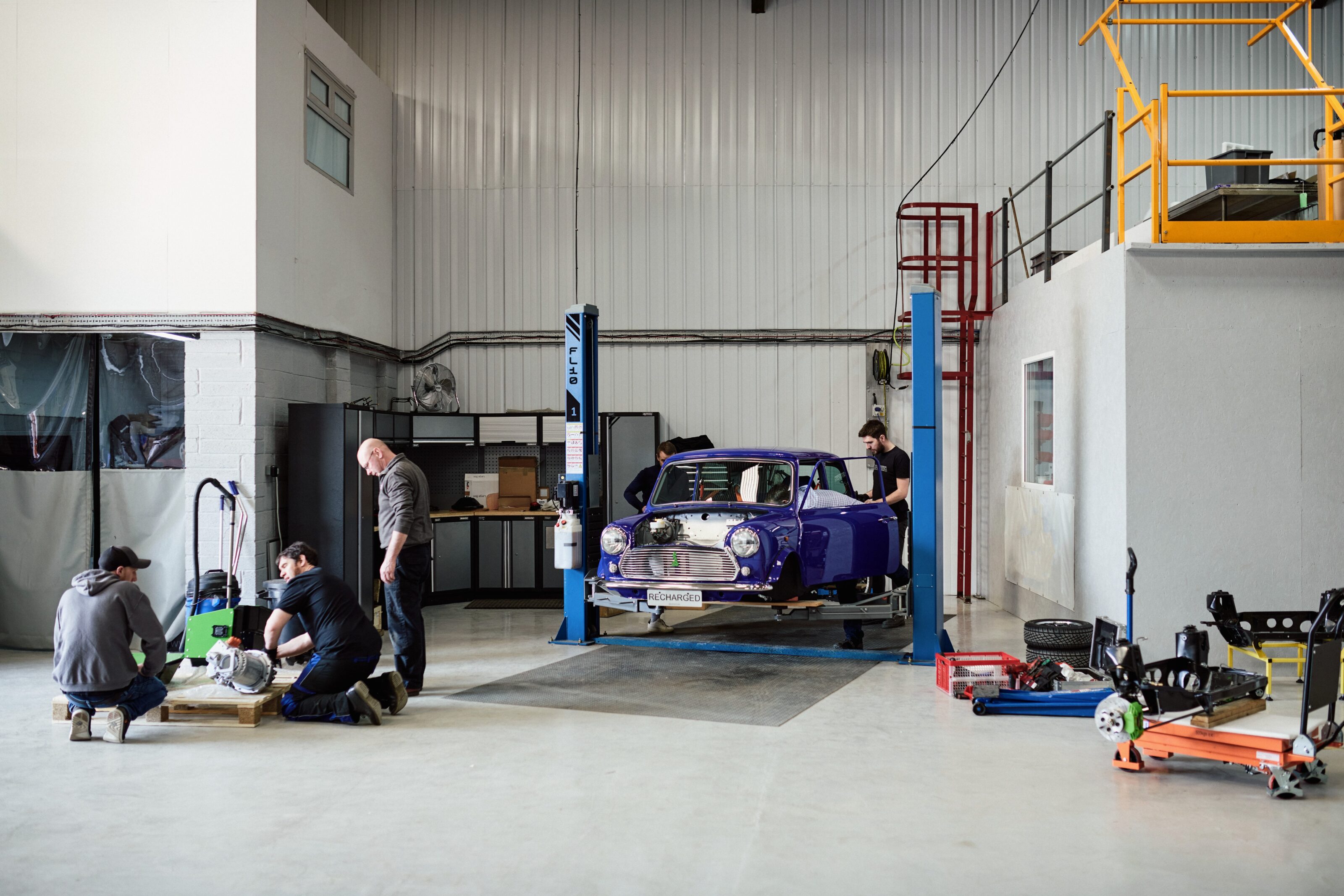
Since its founding, Jaunt has grown to be Australia’s largest electric conversion workshop, converting 4WD vehicles into EVs that can be purchased or rented.
Zero EV, based in Bristol in the UK, says its driving purpose has been to offer quality parts for electric vehicles, aiming to increase reliability and offer solid after-sales support and training with accessible pricing.
According to SmartCompany, the completion of the merger will create a new entity named Fellten, which will aim to take the EV conversion business global – supplying conversion systems (and training programs) to workshops in Europe, North America, and of course Australia.
What they said
According to Fellten CEO Chris Hazell, the merger “will provide classic vehicle customers with any level of electrification support, and provide automotive experts, mechanics and electric vehicle converters with the technology, tools and training to be a part of the growing global demand for electrification.”
Co-founder and CEO of Jaunt Motors, Dave Bulge added, “Every vehicle on the road will need to be electric by 2050 for us to achieve net zero emissions and classic car owners will want their vehicle to be electric much sooner. With production facilities on three continents, industry-leading technology and development capabilities, Fellten is ready to meet those needs for consumers and the automotive industry.”
Fellten claims their products and initiatives will allow conversions to be performed on any vehicle from any era, rather than being focussed on classic 4WD vehicles from Land Rover – a Make originally selected by Jaunt for their use of aluminium panels and their body-on-frame construction (which makes them easier to modify).
The UK and Australian operations will expand in 2023 along with a North American facility opening in 2023.
