
When Ford announced it would produce a fully electric version of its iconic F-150 plus-sized ute, it prepared its books to take about 40,000 orders – but just a short time after the Lightning broke cover, the company had amassed more than 200,000.
That’s why there’s currently a massive project underway at the Dearborn plant in Michigan to upscale its factory output to 150,000 per year by July 2023.
The expansion of the Rouge plant just a short drive outside Detroit is historically significant for the Blue Oval, as the electric vehicle line occupies the very same land that Ford used to produce its early Model A, and the company says the contemporary model made there today is every bit as significant.
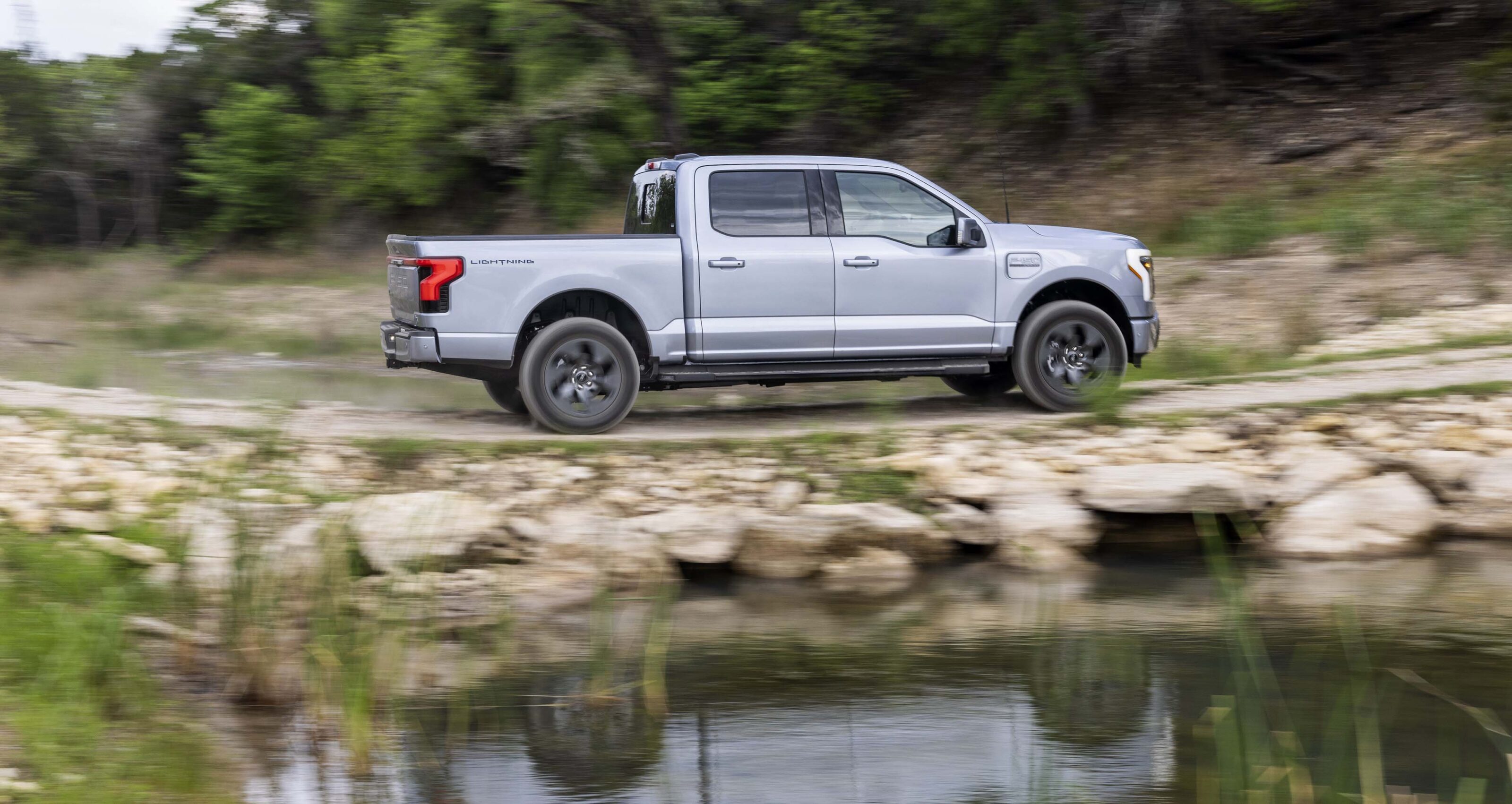
Understanding why Ford’s first electric truck far exceeded even Ford’s own expectation takes approximately 4.5 seconds – coincidentally about the same time this 2950kg monster takes to get from a standstill to 100km/h.
As its name would suggest, the Lightning is quick. Really quick.
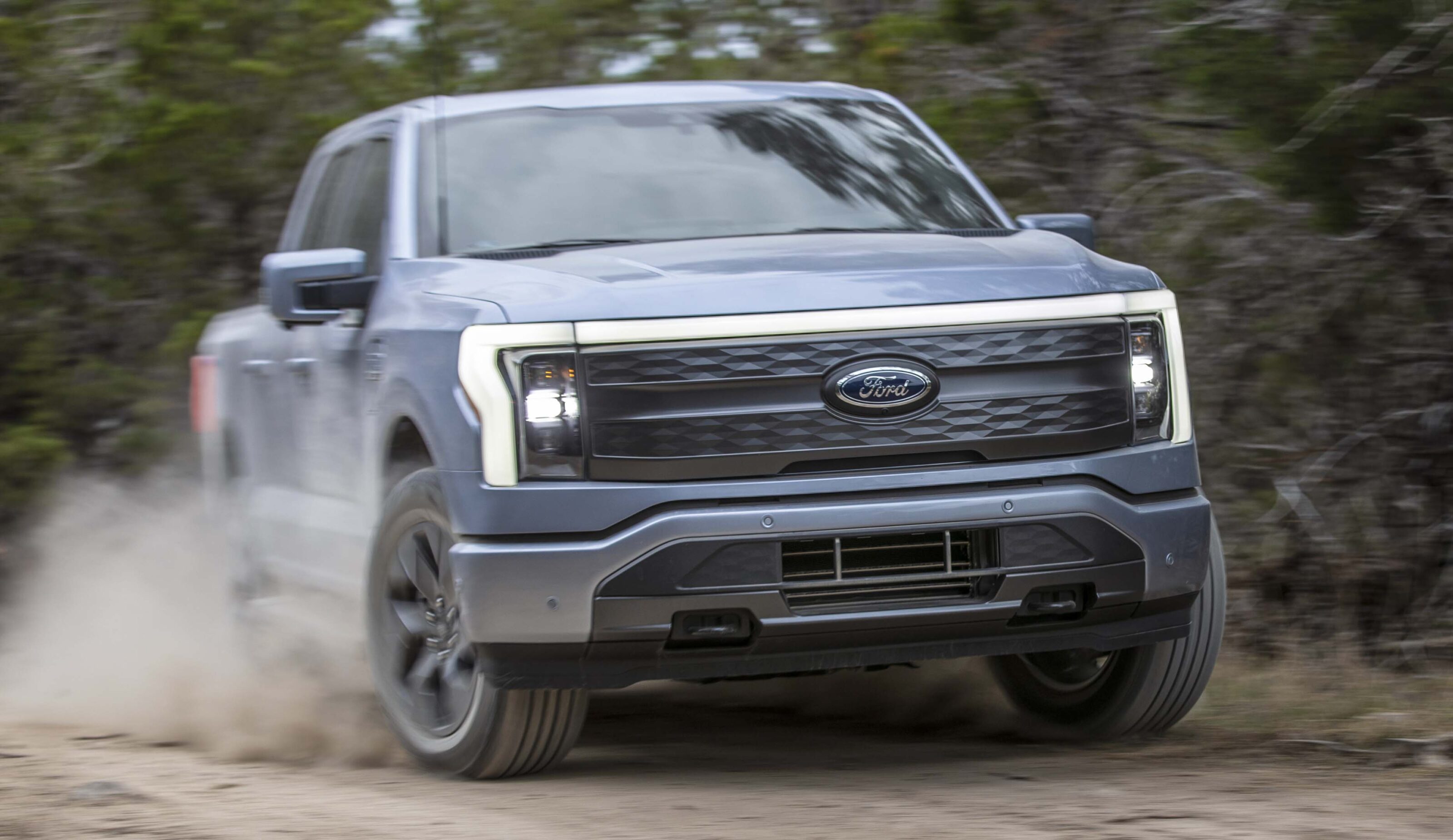
The secret lies in the figures that are as eye-opening as the weight of this beast. With up to 433kW available, this particular F-150 has about the power of the last-generation Ford GT – but where the electric mammoth really excels is in torque.
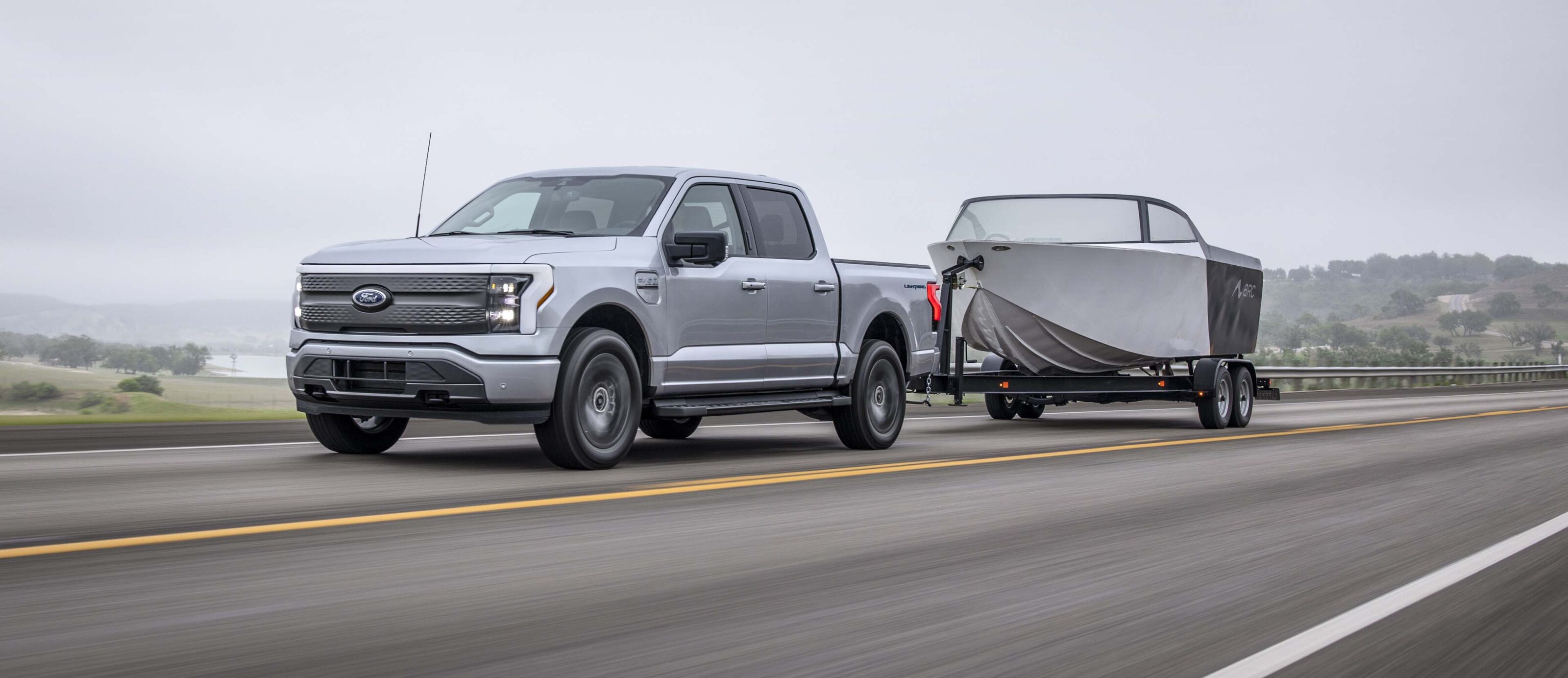
With both motors amped up to max (there’s one on each axle for four-wheel drive, naturally), the Lightning sends 1050Nm via all four wheels to the road, or trail, or boat ramp, or construction site. But that actual sensation of lighting up the Lightning’s full performance is even more spectacular in practice than is reads in figures.
Pin the quiet pedal and there’s a split second of hesitation as the traction control tries to accommodate the request of a mountain of torque being thrown at each wheel. But once it works out where all the grip is, the F-150 bolts out of its blocks like its tail has been stamped on.
Within the speed limit, the raw acceleration is apparently boundless. We’re becoming accustomed to the way high-end EVs accelerate, but to feel a level of performance that was once the preserve of electric sports coupes and premium sedans now dealt out by a big truck, invokes the delight of driving the very first serious EVs.
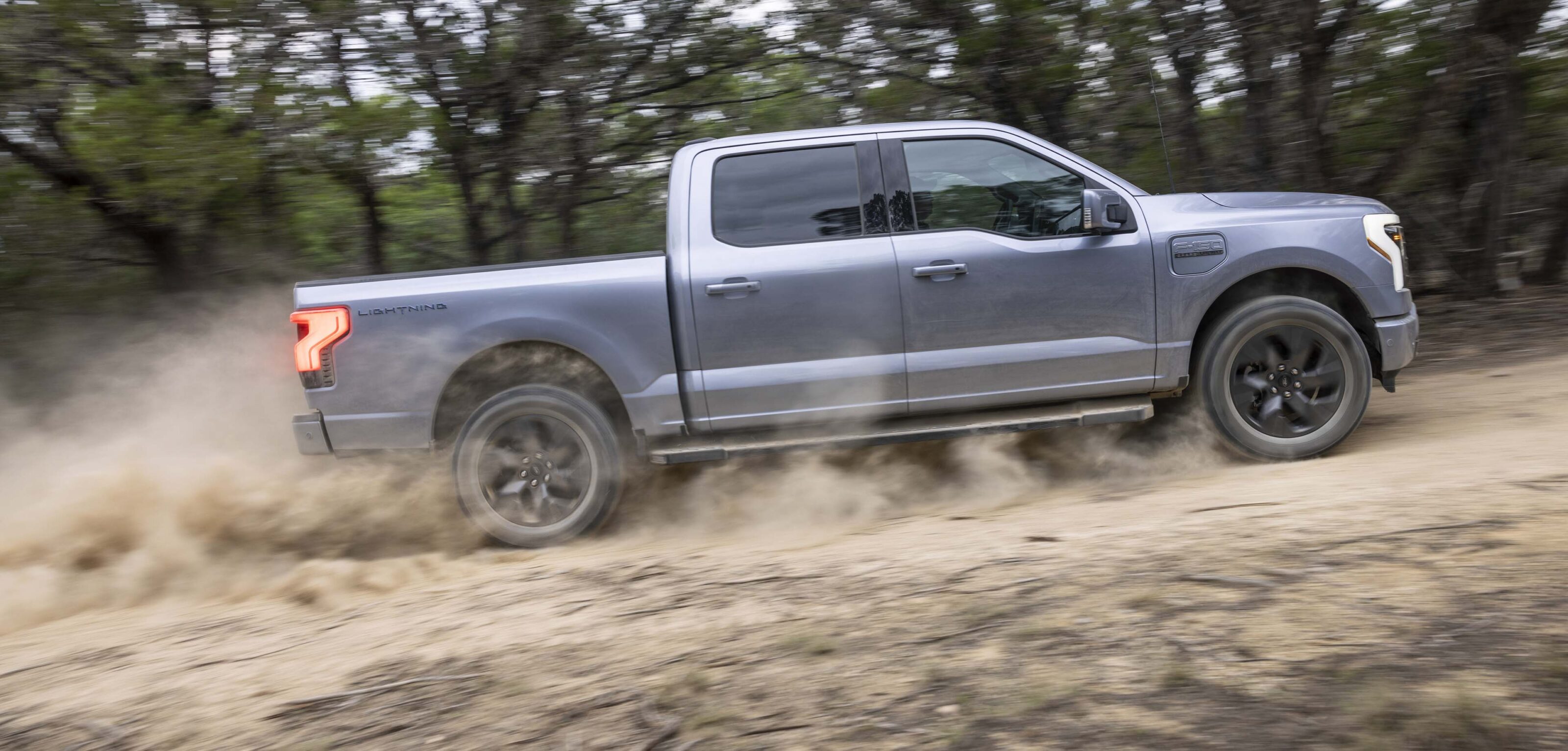
Once it works out where all the grip is, the F-150 bolts out of its blocks like its tail has been stamped on.
Almost as impressive however, is the silence of the Lightning’s cabin when cruising. At speeds of up to 50mph (80km/h), there’s zero tyre noise and barely perceptible wind noise.
In fact, the newest F-150 is not just one of the quietest EVs we’ve driven, but one of the quietest vehicles full stop. I wouldn’t be surprised if engineering teams at all the premium brands are busy reverse engineering the Lightning to find out how they did it.
Its ride is not quite as serene with the busyness that you might expect from a ladder-chassis ute and the characteristic judder over certain surfaces, but it’s certainly above average, thanks in part to coil springs in all corners.
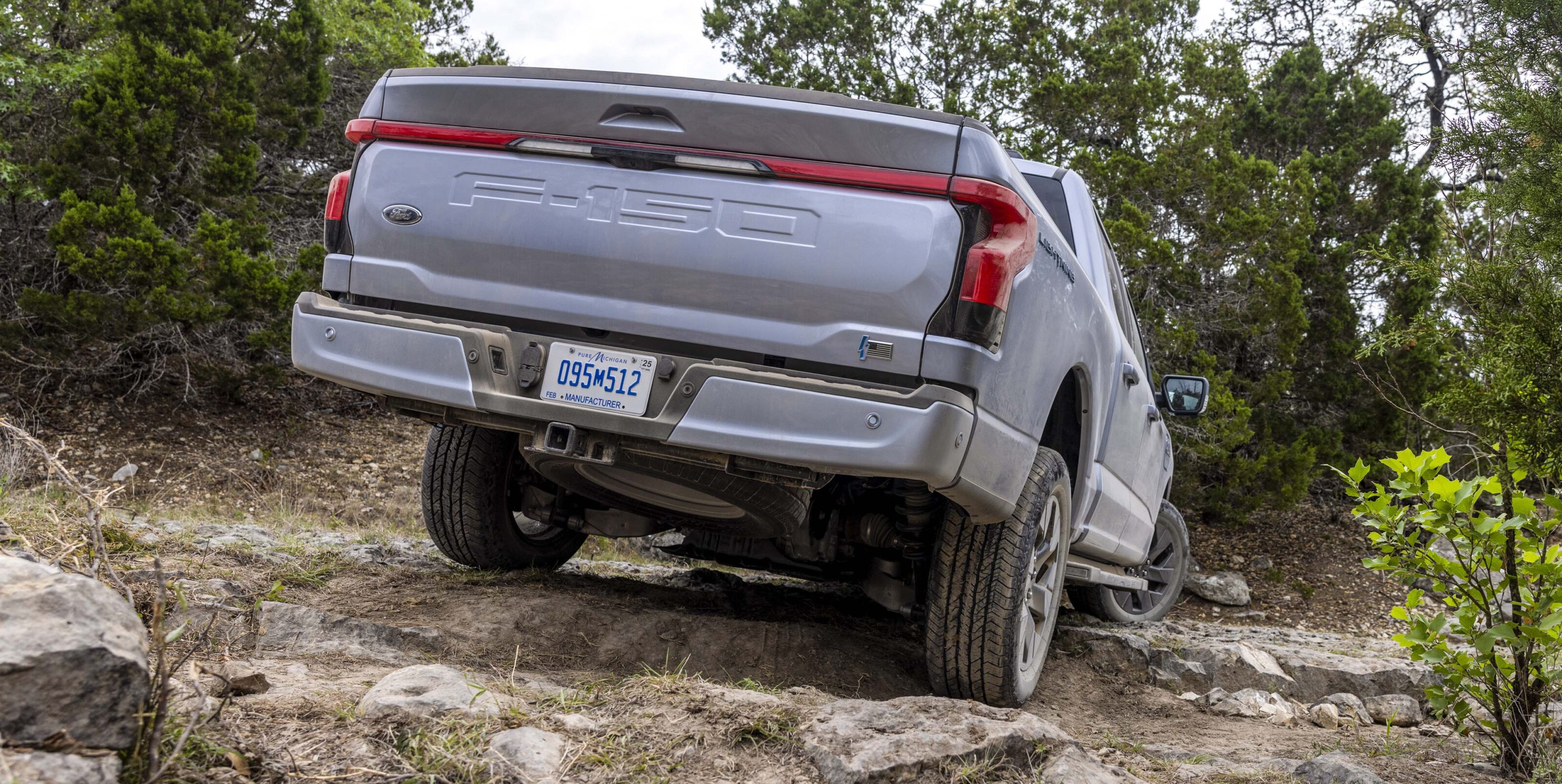
That said, it’ll still carry up to 1014kg in its tray and haul up to 4.5 tonnes hooked up behind – as long as you option the biggest battery and the Max Trailer Tow pack.
And if that wasn’t enough of a commitment to towing duties, Ford has just introduced an innovative PTHA system that allows the Lightning to steer itself in reverse toward a tow hitch for zero-fuss trailer hooking.
Part of the Lightning’s hard-working nature is down to its construction. It may have a relatively unorthodox drivetrain for something in the truck world, but it still relies on the tried and tested steel ladder chassis for its underpinnings.
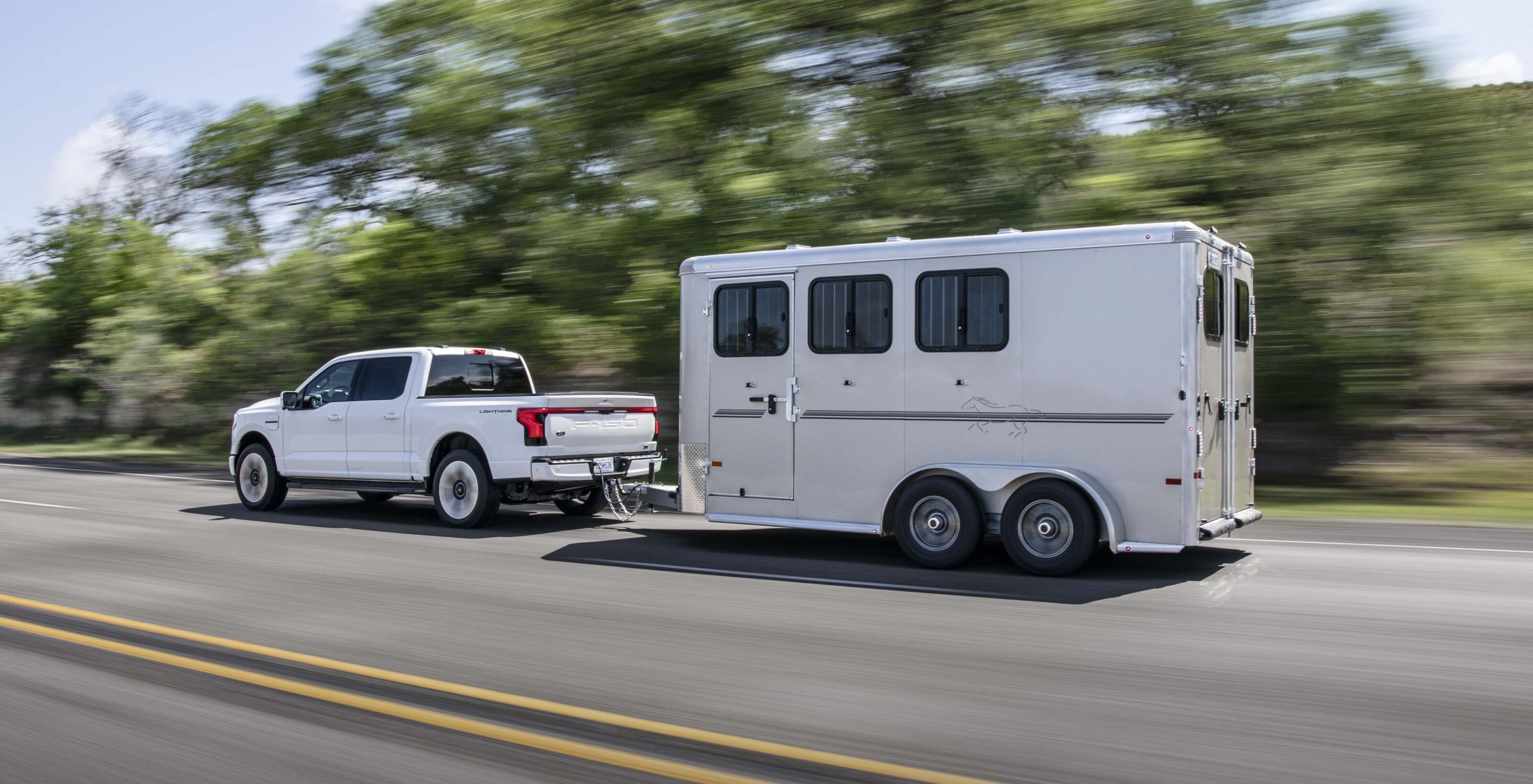
Its body is similar enough to be produced on the same line as the petrol and diesel versions of the F-150, and while its box-section chassis underpinnings are also similar to the rest of the range, the platform is built separately.
The construction allows Ford to position the Lightning’s battery within the rungs of the chassis, which allows a respectable ground-clearance of 226mm to be achieved, while avoiding the intrusion of the lithium-ion battery unit into the passenger or load areas.
In short, one of the F-Series’ best-selling propositions is unchanged with electrification.
EV Buyer’s Guide: Electric Vehicles Under $65K Ranked – The Best and The Rest
Welcome to part one of three price-based EV buying guides, this one focused on the most affordable electric cars available in Australia today
Two battery versions are on offer, starting with the 98kWh ‘standard range’ which will hold enough charge for up to 240 miles (386km) says Ford, while the 131kWh ‘extended range’ battery will power the Lightning up to a whopping 515km.
There are also a number of specification grades on offer in Ford’s native USA market. For the full luxury experience, the Premium offers the largest combinations of screens and a unique dashboard layout paired with the biggest battery.
We also had the opportunity for a quick blast in the entry level Pro which is certainly more utilitarian but still offers a decent level of technology and surprisingly good luxury and comfort features for a base grade.
Ford has also just introduced a cool Special Service Vehicle Package which adds police-grade heavy duty upholstery, steel intrusion plates and factory roof mountings for flasher beacons – ideal for the doomsday prepper who wants to reduce their carbon footprint. Or perhaps an environmentally conscientious mining or security company.
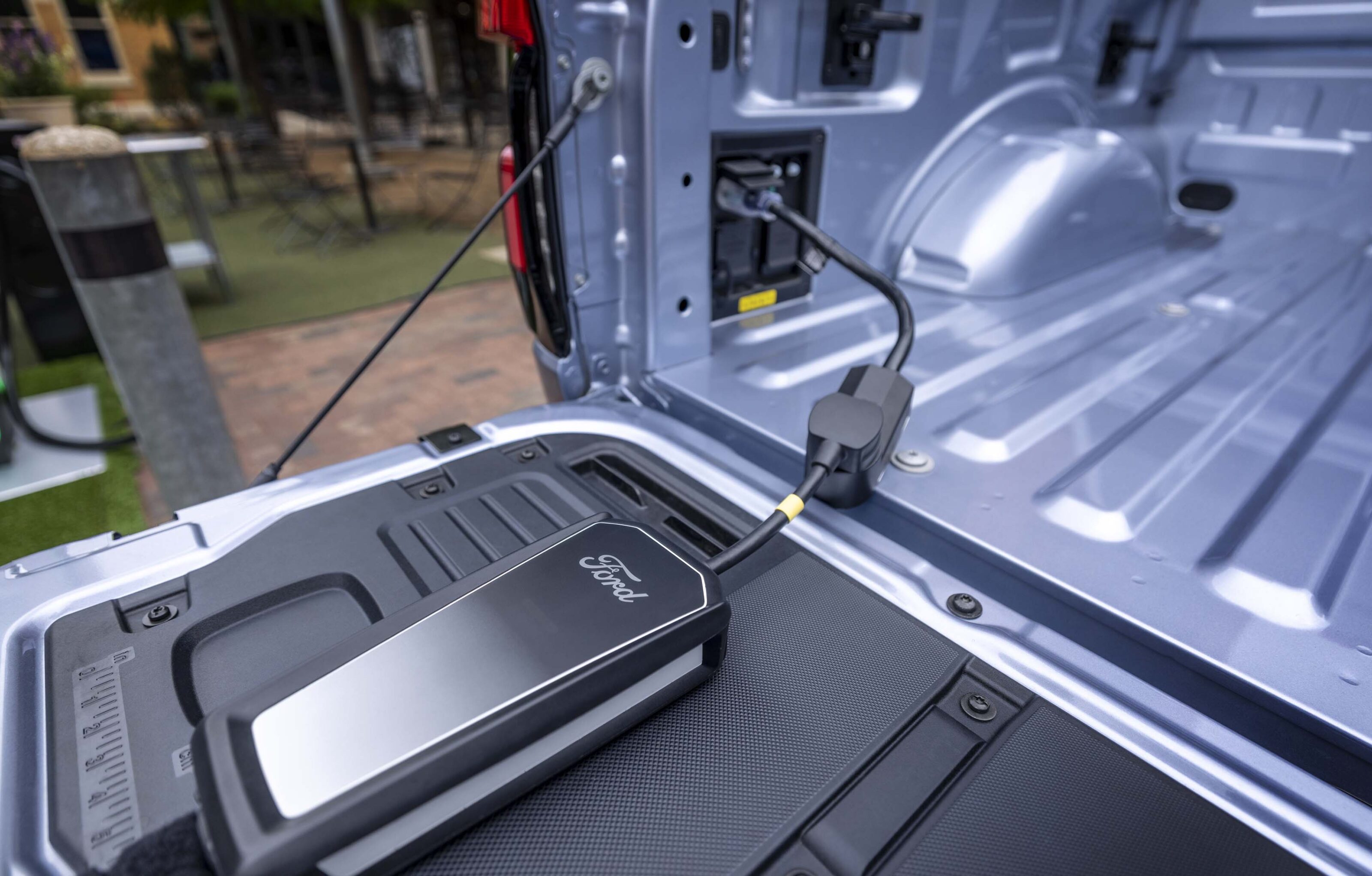
Pricing in the US ranges from $46,947 (A$72,300) for the entry Pro, up to $96,847 (A$150,000).
At that price, the F-150 Lightning is on par with some of its diesel power rivals from Ram and Chevrolet, which offer the similarly sized 1500 variants but without the option of battery power. Although, that said, pricing is likely to look very different if the electric F-truck were to be given the green light for Australia.
Which brings us onto perhaps the only disappointment to be taken from a first brief meeting with the electric F-150. Ford has not yet confirmed the model for Australian launch, but a firm emphasis must be placed on the ‘yet’ part of that statement, because there are two avenues in which the Blue Oval beast EV may make it Down Under.
Firstly, with the expansion of its Dearborn manufacturing facility, the upgrade to 150,000 units per year may also include the capacity to produce versions in right-hand drive, mimicking the production schedule of the hugely successful ‘global’ Mustang.
But if that’s too much of a dream, then there’s also the possibility of local right-hand drive conversion – and the addition of the electric F-150 variant to the already confirmed petrol version that’ll start rolling out of the facility in Melbourne’s north next year.
Either way, alongside a number of other battery powered utes making their way to market around the world, including the compelling Rivian and elusive Tesla Cybertruck, the F-150 Lightning is still somewhat of a triumph.
A former prime minister of Australia, who is best probably forgotten, once painted a grim picture of an electric future and proclaimed that electric vehicles would be a terrible fit for tradies, would fail to tow a boat, and would ruin the weekend.
Ford has produced a vehicle that not only categorically demolishes each of those myths, but the F-150 Lightning is already attracting enough attention that any misinformation surrounding the ability of electric vehicles is being drowned out by the voices of a far larger audience.
2023 Ford F-150 Lightning specifications
Ferrari has lifted the curtain on the SP51, the latest commission as part of its super-exclusive One-Off series for its most valuable clients.
The SP51 is underpinned by the existing Ferrari 812 GTS, the convertible version of Ferrari’s front-engined twelve-cylinder sports car, and carries over its chassis, 6.5-litre V12 and seven-speed dual-clutch transmission.
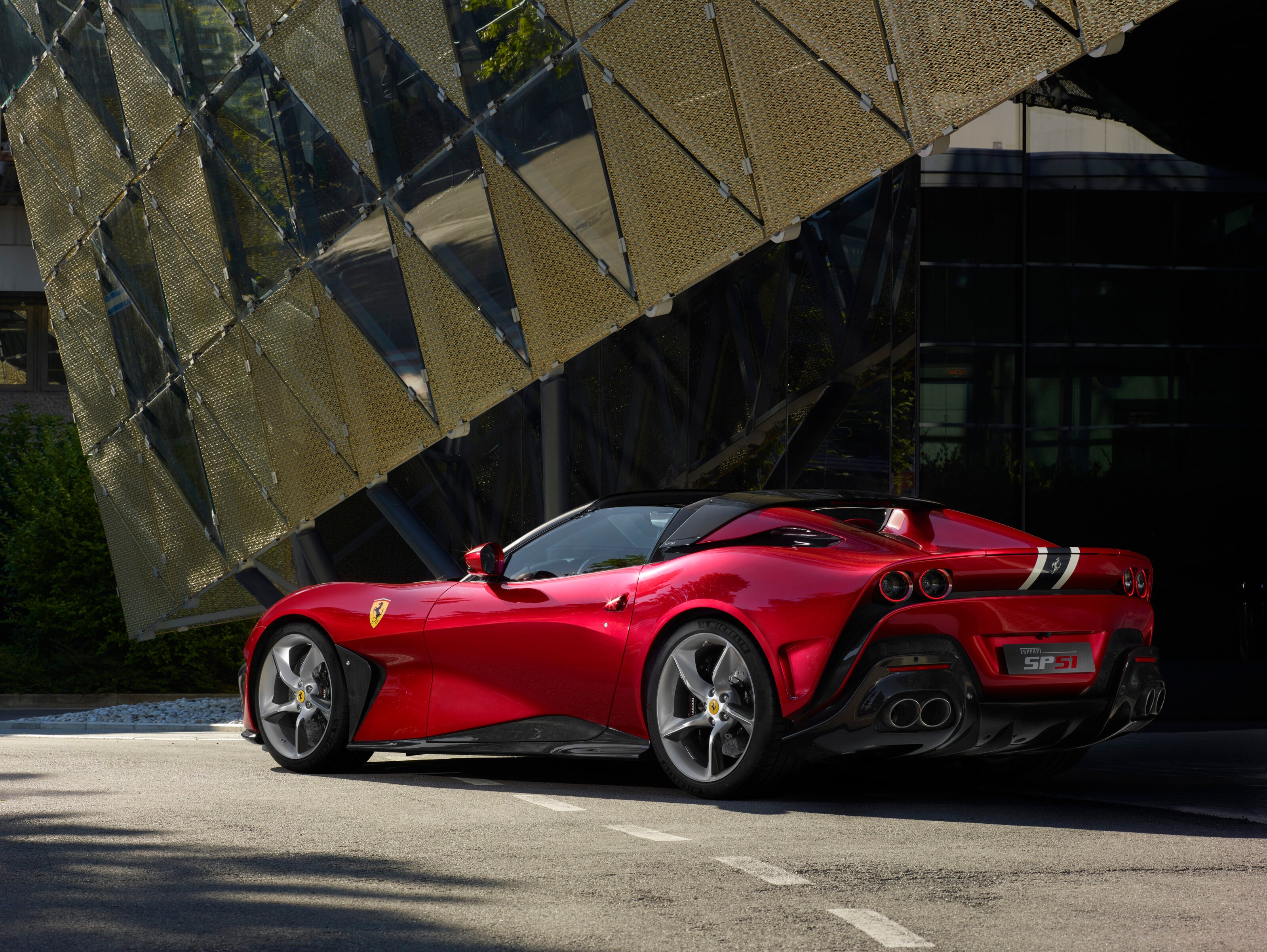
While the mechanicals are familiar, the SP51’s new skin was penned at the Flavio Manzoni-lead Ferrari Styling Centre. Unlike the 812 GTS donor car, the Ferrari SP51 is a true roadster with no folding roof mechanism or even a temporary pop-in targa panel.
To keep the elements out of the cabin, extensive work was carried out in the aerodynamics department requiring various methods, including; CFD simulation, wind tunnel testing and dynamic testing to ensure in-cabin comfort – while also delivering the acoustic richness and exciting wind feel that customers expect.
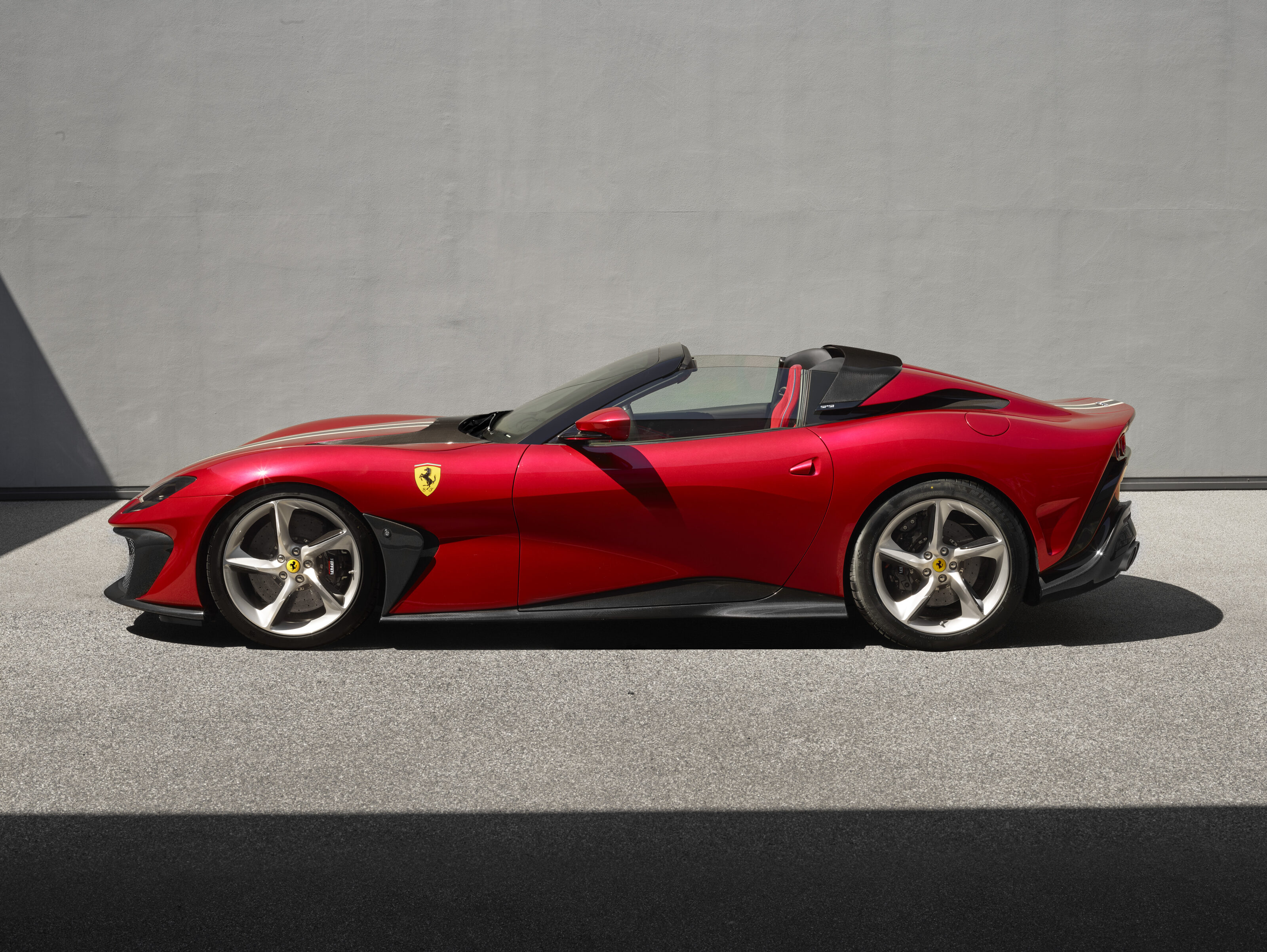
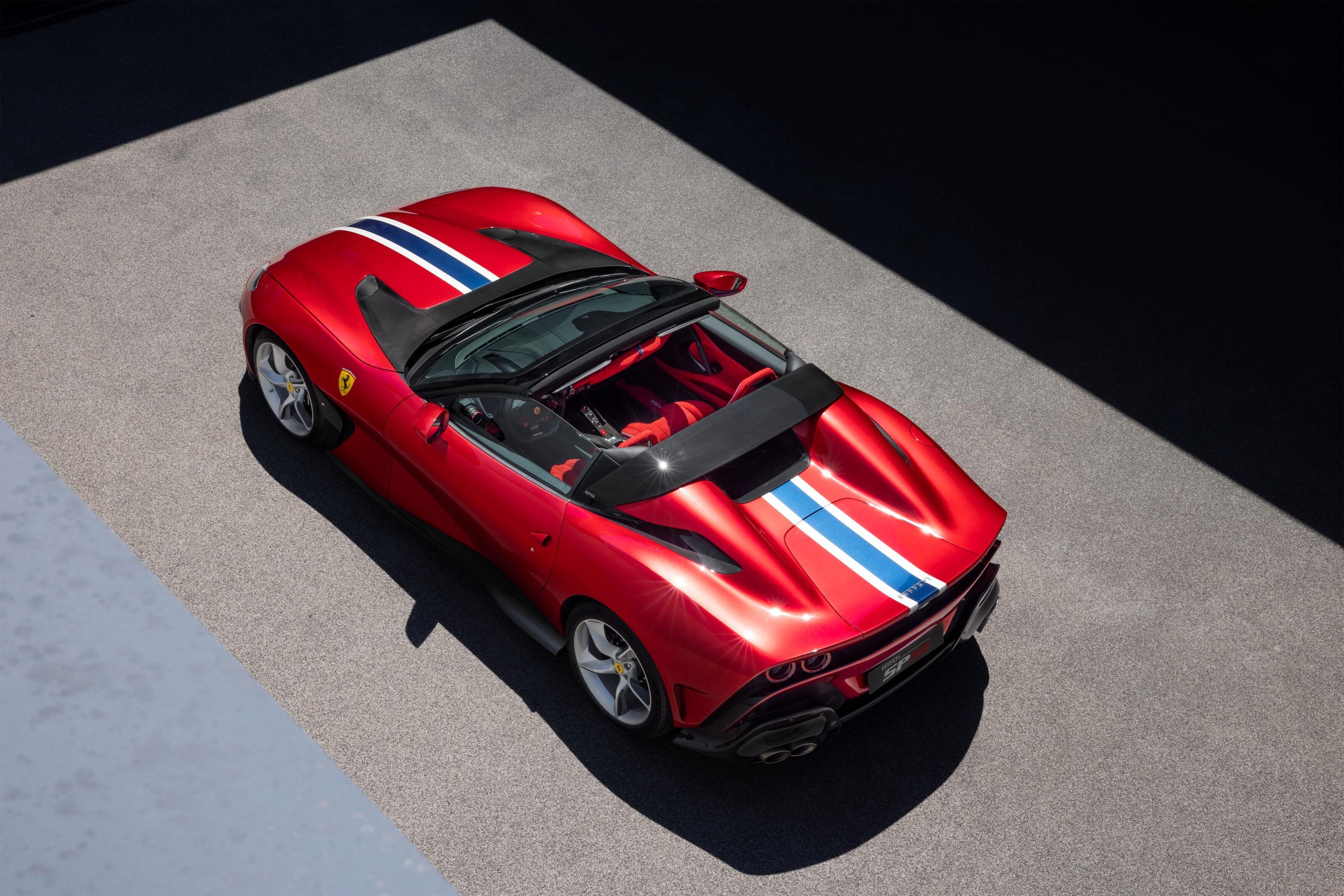
Its sculpted form looks tremendously dynamic, even at a standstill, with visual intricacy provided by blending exposed carbon fibre with a new three-layer Rosso Passionale paint colour – developed specifically for this car.
The subtle white and blue stripe livery harks back to the 1955 Ferrari 410 S – the last of Ferrari’s iconic Lampredi-powered racing cars, driven by the likes of Juan Manuel Fangio and even Carroll Shelby.
The flying buttresses and bridge behind the headrests cleverly conceal a roll-over bar, doubling as a visual nod to Ferrari’s prototype racers of the ’60s.
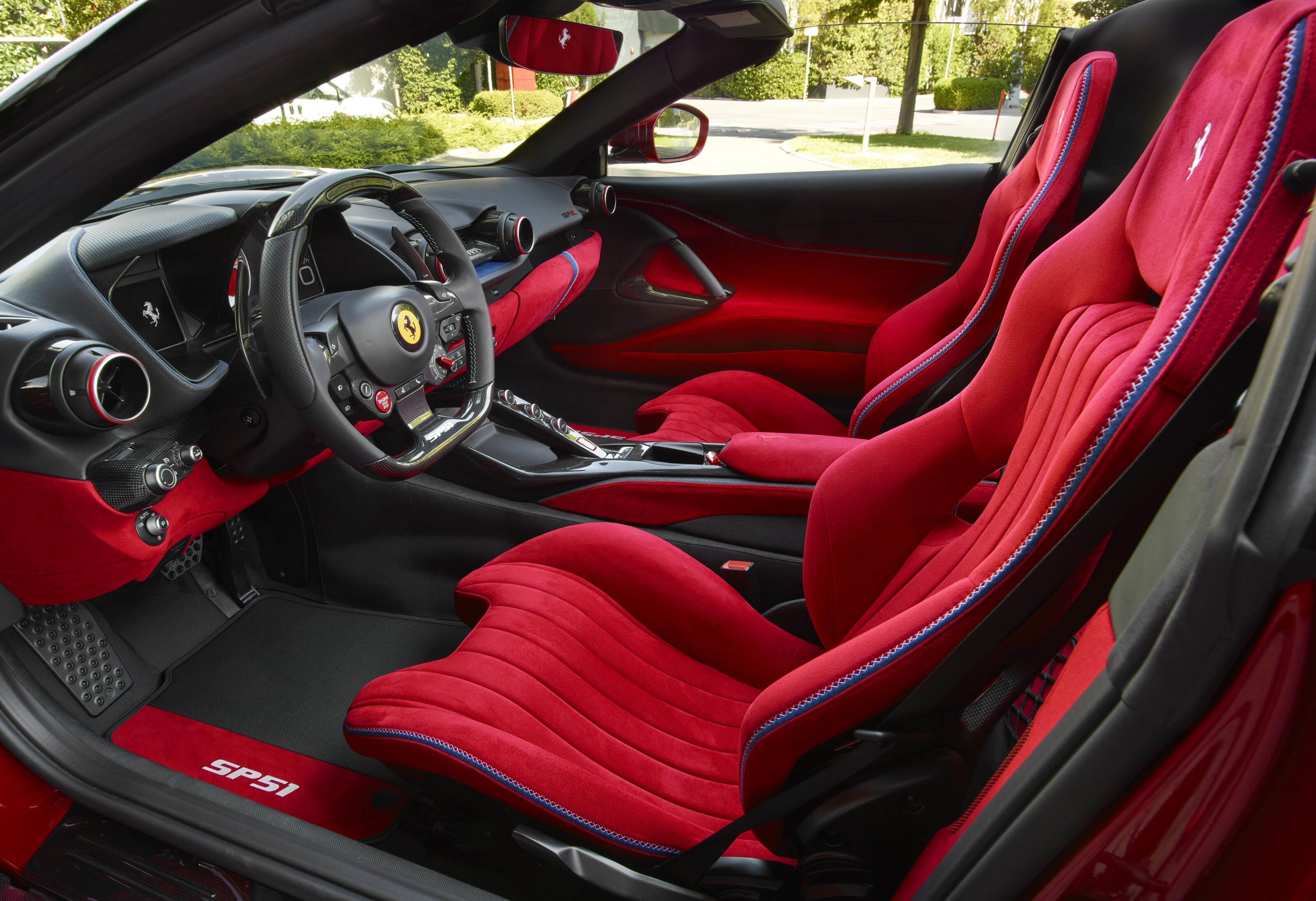
Inside the cabin, the stem-to-stern white and blue stripe is mirrored, running over the transmission tunnel and between the seats. The SP51’s signature rosso passionale colour was also reflected in the Alcantara trim, while the cabin is topped off with bespoke cross-stitching and several detailed embroideries.
The Ferrari SP51 is destined for a longstanding Taiwan-based client, who also happens to be one of Ferrari’s leading collectors. Ferrari’s One-Off, or ‘Special Projects’ programme is akin to modern day coachbuilding, with other clients including British guitar icon Eric Clapton, Edward Walson – son of John Walson, inventor of cable television, and New York real-estate mogul Peter Kalikow.
Ferrari did not indicate how much the SP51 cost its commissioner, but, as is usually the case with these things, as the old saying goes…if you have to ask.
Snapshot
- Most Tesla owners driving 10k+ kms a year
- 90 per cent use a public charger less than once a week
- Most charging takes place at home
The largest survey of Tesla owners in Australia to date has found the vast majority travel in excess of 10,000 kilometres a year – and only charge at home twice a week.
The report, compiled by the Tesla Owners Club of Australia together with the Electric Vehicle Council, also revealed 90 per cent of owners use public chargers less than once a week, showing they’re not overly concerned about their driving range and travel the same amount of kilometres as petrol and diesel car owners.
Eighty nine per cent said they drive 10,000km per year in their Tesla, while 38 per cent said they travel more than 20,000km. The national average for all passenger vehicles is around 11,100kms.

According to the report, the vast majority of drivers charge their vehicles during off-peak times, suggesting current market offers – such as time-of-use tariffs – are working.
Eighty per cent said they charge at home at least twice a week, though only 15 per cent reported topping up during the evening peak. Tesla owners with home solar systems said they primarily charge during the day, while those without do so overnight, peaking at around 1-2am.
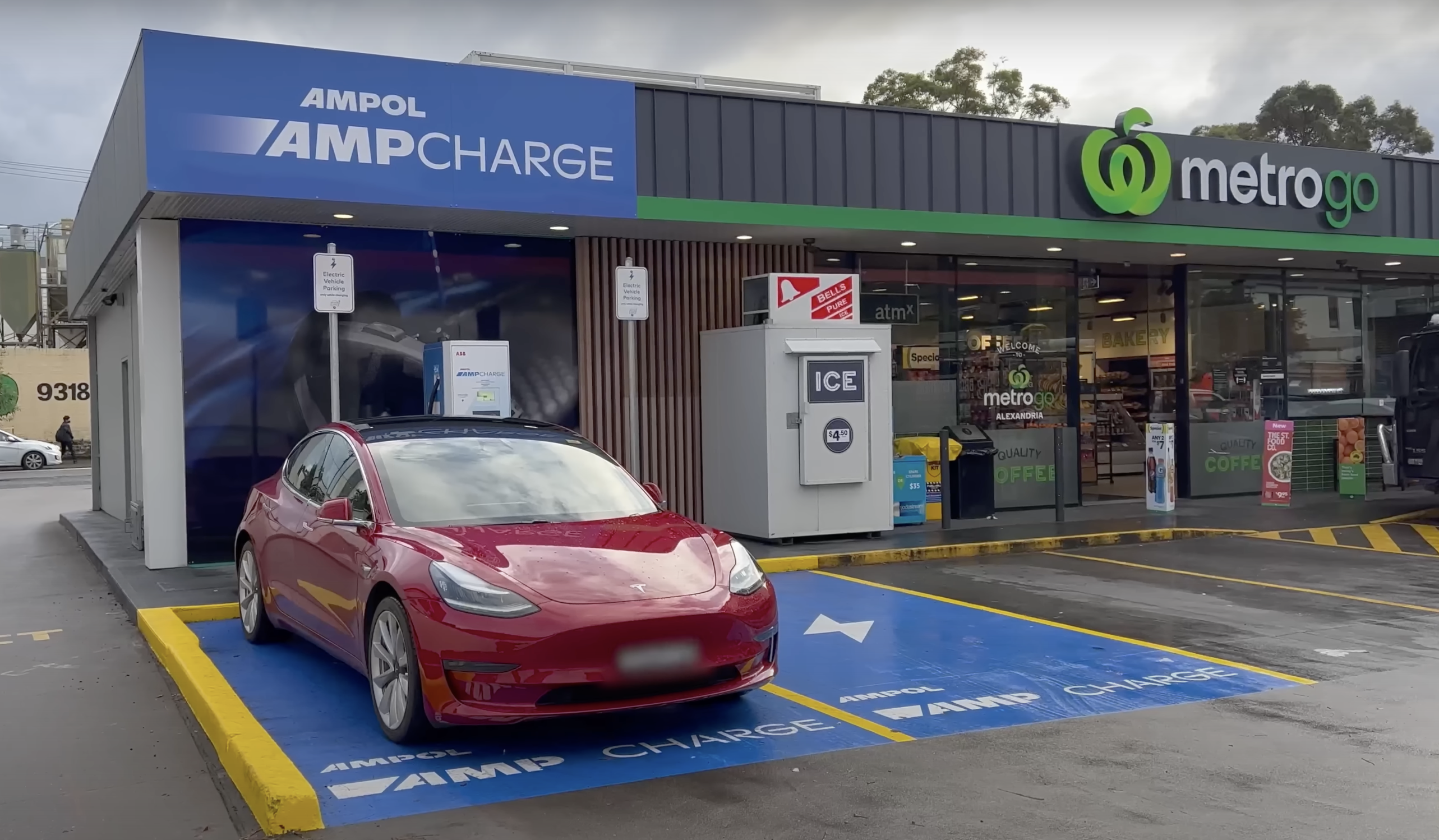
The Tesla Owner’s Club of Australia (TOCA) was established in March 2016 by a group of enthusiastic Tesla owners, for this report 741 people were surveyed.
Most respondents lived in NSW or VIC, and while the split in most states and territories was unsurprisingly weighted in favour of metropolitan areas, in NSW the divide was almost even between Greater Sydney and regional NSW.
The majority of those surveyed were between 50 and 69 years-old, but ages ranged from people being in their 20s to over 80.
The most commonly owned car (prior to having a Tesla) among the group was a Volkswagen, followed by a Toyota, Mercedes or Subaru. Roughly 12 per cent said they use their Tesla to tow, 88 per cent did not.

Electric Vehicle Council chief executive Behyad Jafari said the study would be valuable for policy makers trying to boost Australia’s uptake of EVs.
“This study puts another nail in the coffin of the myth that driving range is an issue for EV owners with the vast majority driving the same average kilometres a year as Australia’s average passenger vehicle,” he said.
“We know range anxiety is a major impediment to people buying EVs. This finding is yet another reason showing there is nothing to fear.
“The survey also found that only 10 per cent of respondents charged their vehicles at work – indicating there is ample scope for employers to install charging infrastructure. If Australia introduced a fringe benefits tax exemption for workplace charging it would help align EV charging with daytime excess solar energy generation.”
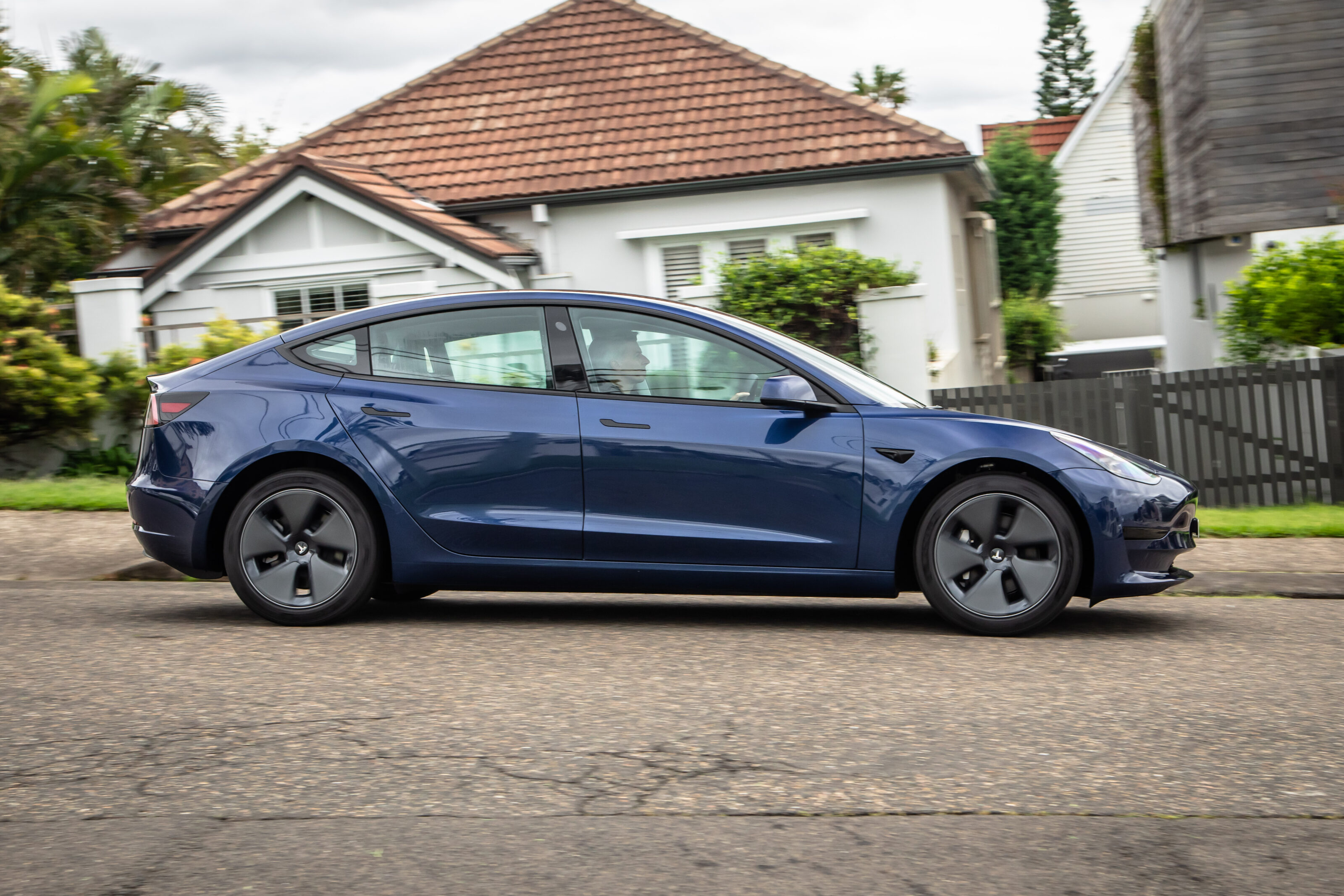
“This survey is an excellent starting point for understanding Australia’s Tesla drivers,” said Pete Thorne, President of the club.
“With just 12 per cent of respondents aged under 40, there is the need to do more research to understand the preferences of younger drivers who may want to own an EV in the future.
“We’re calling on federal and state governments to take this research into account when deciding EV policy, which is a crucial part of Australia’s future.”
Amazon Alexa Custom is here to replace what usually proves to be a poor in-car imitation of the voice assistants packed into our phones and home smart speakers.
Snapshot
- BMWu2019s new voice assistant will be powered by Alexa
- More capable than existing Alexa support
- Amazonu2019s Echo Auto accessory has been refreshed
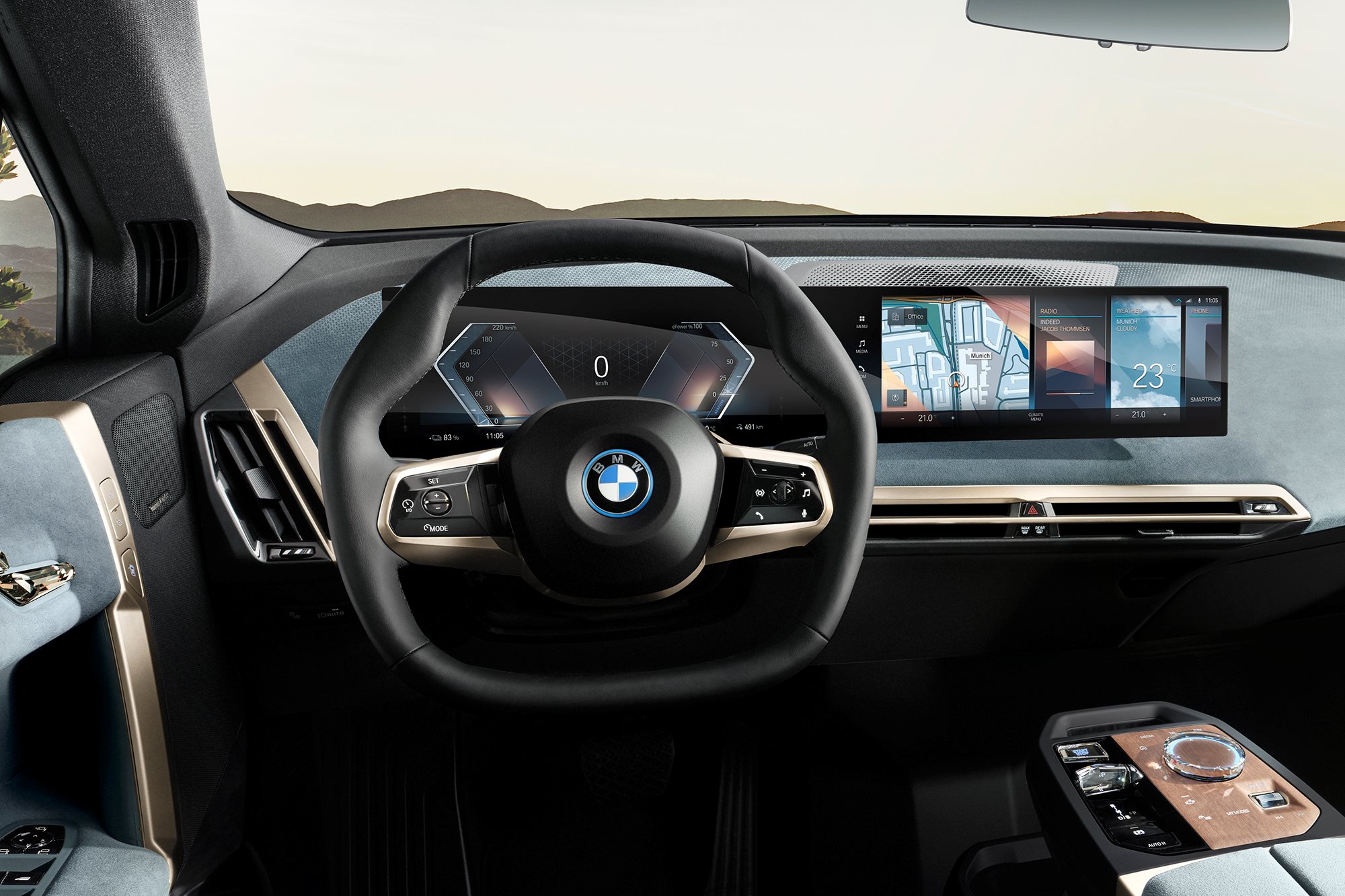
For those who prefer Alexa – Amazon’s rival to Siri and Google Assistant (and, *cough* Samsung Bixby) – BMW has confirmed it will integrate the new Alexa Custom Assistant into its own in-car voice assistant.
BMW has already offered integration with Amazon Alexa since 2018, but in this new form, BMW’s native voice assistant will be powered by the online shopping giant’s considerably more advanced and evolved smarts.
What’s the difference? Apart from being able to more intelligently understand what you want from it – whether it’s answering a question, setting a reminder, calling a contact, playing media or controlling features of the car – the new system will also allow BMW to set its own custom wake words. This will likely mean owners will continue to say “hey BMW” to invoke the assistant, rather than “hey Alexa”.
This upgrade is thanks to the launch of Alexa Custom in late 2021, developed to effectively incentivise car makers to license and lean on Amazon tech, rather than investing in what usually proves to be a poor imitation of the voice assistants packed into our phones and home smart speakers.
What even is Alexa Custom?
In many respects, Alexa Custom enters as a rival to Apple’s CarPlay and Google’s Android Auto – along with the more powerful Android Automotive that now underpins the entire infotainment system of brands like Polestar, Stellantis and, soon, Ford. But, while those are all a combination of visual and voice-activated interfacing, Alexa Custom is for voice only. BMW’s own familiar system will continue as the visual and touch-based infotainment interface.
Although not confirmed, it’s likely that Google Assistant and Siri will continue as the default voice assistant when drivers are connected to the Android Auto and CarPlay systems.
The next-gen voice assistant will appear in new models “within the next two years”.
With BMW’s latest-gen iDrive 8 still pretty fresh, we can likely expect this upgrade to form part of an iDrive 9 launch.
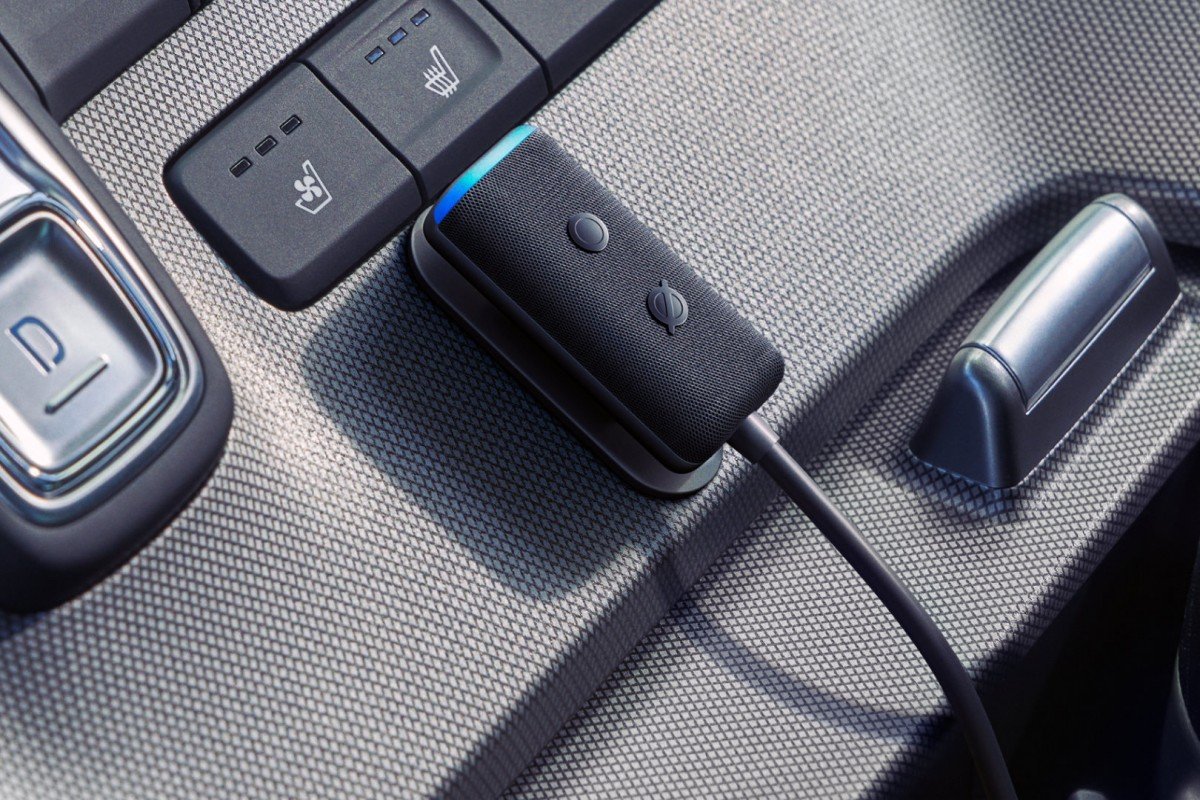
Echo Auto upgraded with new design and ease of use
Look, if you really prefer using Amazon Alexa – and a lot of people do – over Siri on the iPhone or Google Assistant on Android, then this is probably one of the easiest ways to get it into your car.
Android users won’t have much use for it, since you can set Alexa as your default voice assistant on any Android phone, but iPhone users don’t have that sort of customisation available to them – and those are perhaps the target customer for this new upgraded Echo Auto.
Like the old one, the new Echo Auto is a little microphone-equipped smart box that connects to your phone and car via bluetooth (or 3.5mm cable as needed), while drawing power from your phone’s USB port. It can then listen for you to ask it all the sorts of questions one asks of a voice assistant.
In its new form, the Echo Auto has five microphones – which is down from eight in the old one, although Amazon says these ones are better and smarter.
It’s also smaller, specifically so that you can find the best possible place to mount it on your dashboard – with its included adhesive mount, that is.
The new Echo Auto hasn’t yet gone on sale, but the old one is still listed as available on Amazon, priced at $79.
The 2023 Lamborghini Urus S has been revealed with a more powerful engine and an updated design.
A successor to the current Urus, which has achieved “more than 20,000” sales since it launched in 2018, the Urus S offers the same tune as the recently-revealed Performante.
It will launch in Australia in the second half of 2023, priced from $409,744 before on-road costs – up $17,776 over the outgoing Urus.
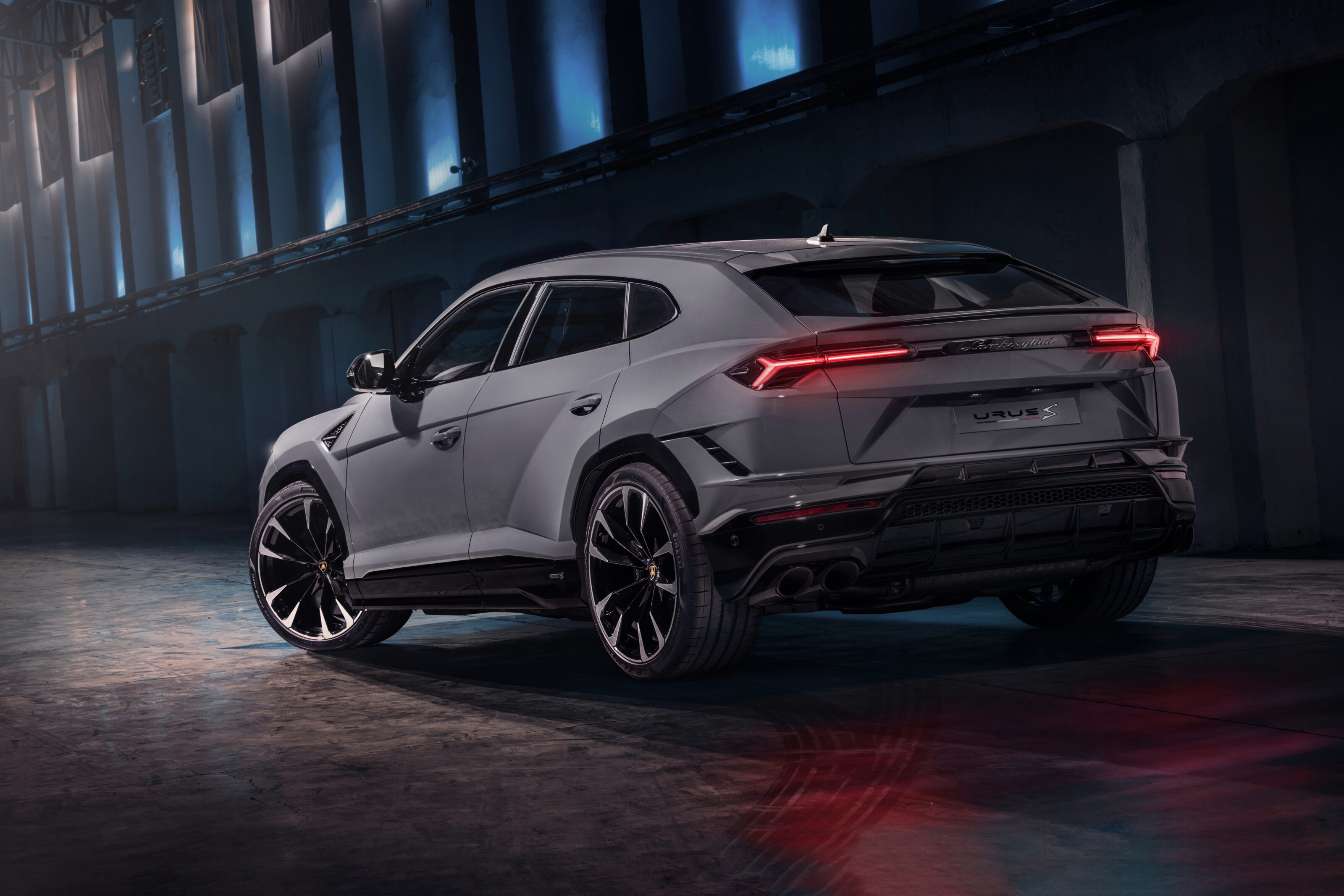
As such, the 4.0-litre twin-turbo petrol V8 now produces 490kW and 850Nm – up 12kW, while torque is unchanged. With power sent to all four wheels, it is matched with an eight-speed automatic transmission.
Lamborghini claims the Urus S will complete the 0-100km/h sprint in 3.5 seconds – down 0.2s over the Performante – with a 305km/h top speed, while the 0-200km/h run takes 12.5 seconds.
Featuring a retuned exhaust system, the Italian brand says the Urus S has a “more distinct” start-up sound and a sharper note in each of the six drive modes, including a new user-customisable Ego mode.
The front bumper has been redesigned, with an identical look to the Performante replacing the previous honeycomb design.
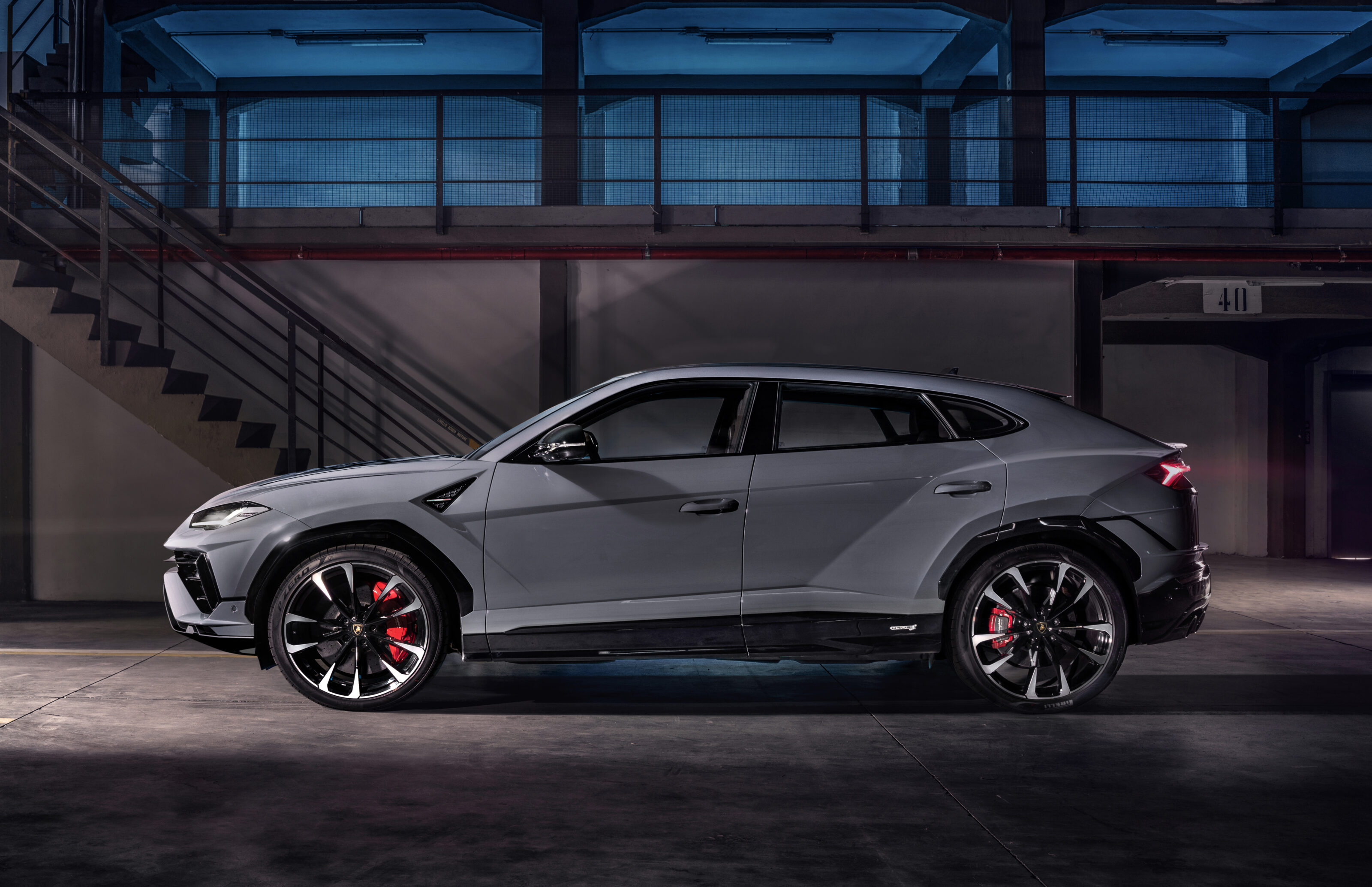
Gloss black, body colour and shiny or matte carbon fibre inlays are available, while customisation options have improved, with an increase in colour, trim, wheel, style and special detail options.
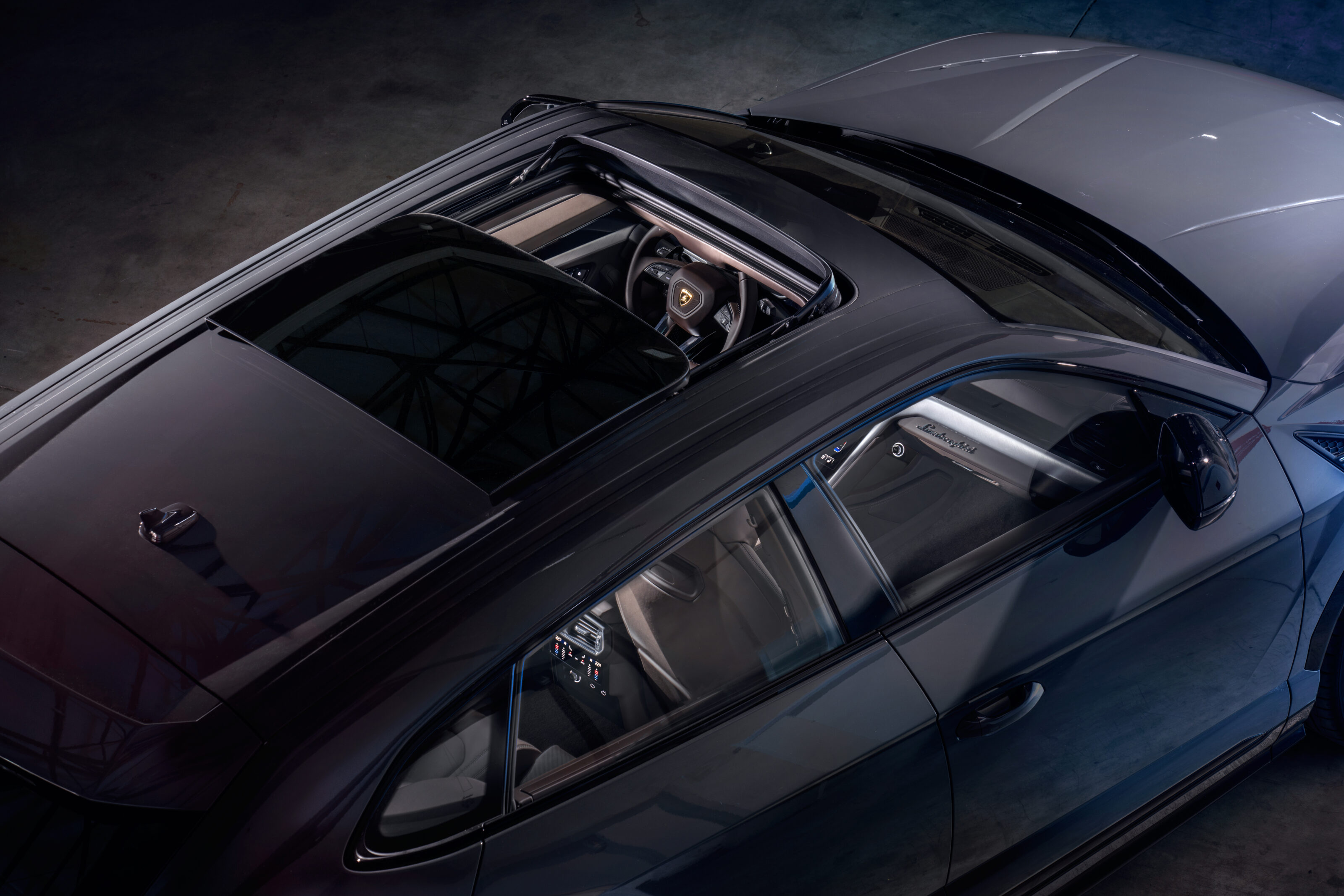
A lightweight carbon fibre roof and bonnet with matte black air vents are optional, helping to keep the Urus S’s circa-2200 kilogram weight down. Lamborghini hasn’t revealed its weight, but the Performante is 47kg lighter with its carbon fibre components.
In addition, the rear bumper has been modified, with a gloss black diffuser and new, deeper air vents, along with a modified twin-pipe exhaust system available in various colours.
There are also new alloy wheels, ranging from 21- to 23-inch designs in black, titanium or chrome.
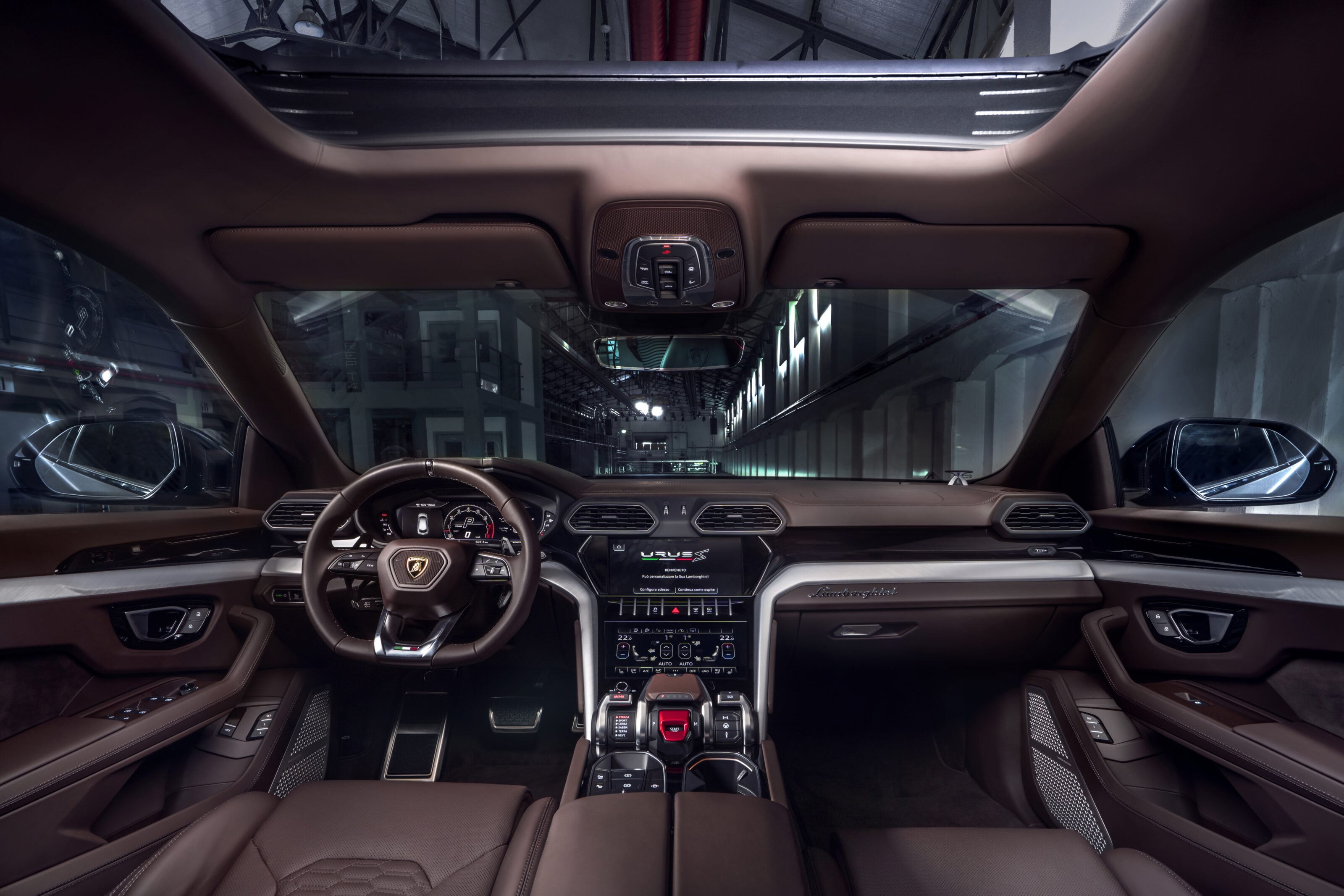
The cabin of the Urus S takes inspiration from the Urus Performante, with new bi-colour trim options to “underline the high-performance credentials of the Urus S while delivering understated and timeless luxury.”
With identical outputs to the Urus Performante, expect similar performance, with the hotter version fresh from setting the record for a production SUV at this year’s Pikes Peak International Hill Climb, blitzing the Bentley Bentayga’s 2018 record by 17.838 seconds.
However, it misses out on the Performante’s lower suspension, 16-millimetre wider track, specially-designed Pirelli P Zero Trofeo R semi-slick tyres and Rally drive mode.
As with the outgoing Urus, drive modes include Strada (comfort), Sport and Corsa (race), and the new customisable Ego selection.
The 2023 Lamborghini Urus S will arrive in Australia in the second half of next year.
Snapshot
- Pricing unchanged from existing lineup
- Deliveries expected early 2023
- Fresh styling for MY23
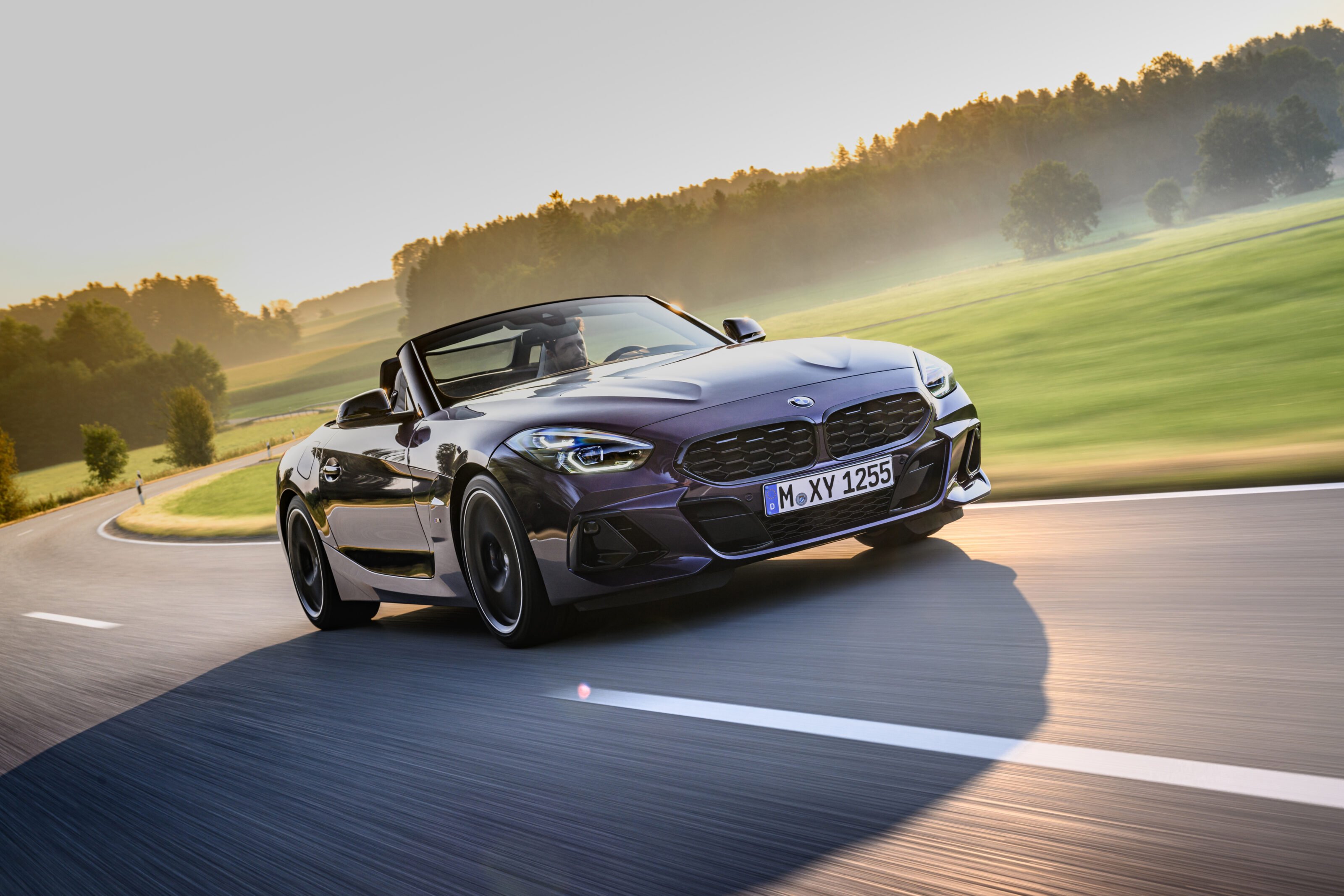
The 2023 BMW Z4 roadster will arrive in Australia early next year priced from $90,900 before on-road costs.
The third generation BMW Z4 has been given a facelift for MY23, including fresh design accents for the exterior, more paint finishes, a new alloy wheel design and an expanded range of equipment.
The lineup remains unchanged from the existing two variants, keeping the sDrive20i and M40i, which utilise TwinPower turbo engines and eight-speed automatic Steptronic Sport transmissions.
2023 BMW Z4 Australian pricing
All pricing is before on-road costs.
| Variant | Pricing |
|---|---|
| Z4 sDrive20i M Sport | $90,900 |
| Z4 M40i | $133,900 |
| M Sport Plus package | $3500 for sDrive20i or $2500 for M40i |
| Precision Package | $3600 for sDrive20i only |

Features
The updated Z4 gets a fresh styling package, which includes a new kidney grille design that features horizontal slats and new front apron side air curtain intakes.
There are also three new metallic exterior colours available for the range, which include M Portimao blue, thundernight and skyscraper grey.
Additionally, the Z4 gains a new 19-inch alloy wheel design, offering an M light V-spoke style 772 M bicolour jet black matte option with a diamond polished edge, as well as the existing 19-inch M light alloy wheels in double-spoke 799 M style.
Across the lineup there are two optional packages that can be had.
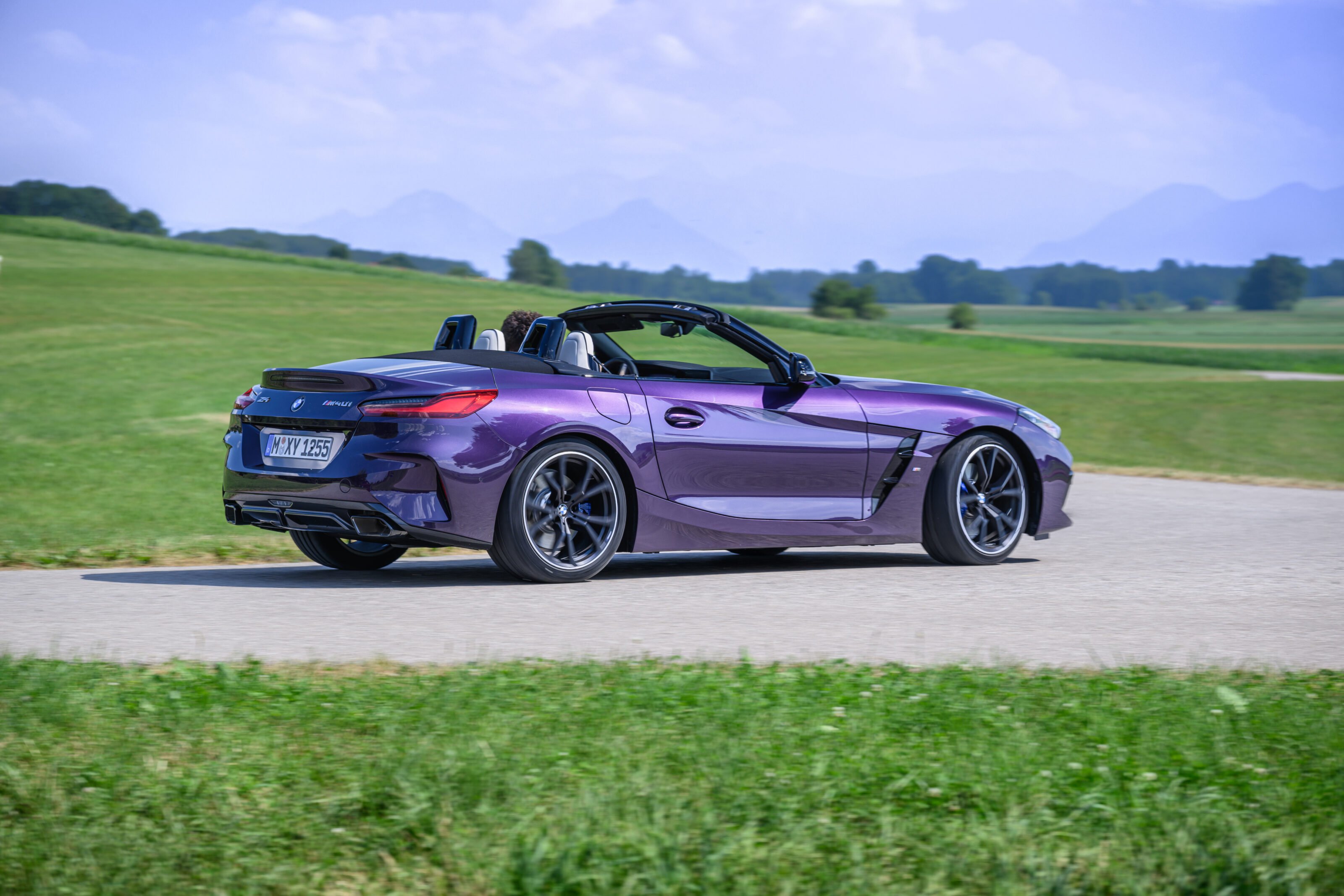
M Sport Package
Available on either the sDrive20i or M40i grades, the M Sport Package includes:
| 19-inch M light alloy wheels double-spoke style 799 M bicolour (standard on M40i) |
| M Sport brakes in blue or red (standard on M40i) |
| Tyre pressure indicator |
| Adaptive M Suspension (standard on M40i) |
| M seatbelts |
| M high-gloss Shadow Line with extended contents, including; kidney grille frame, M lights, tailpipe trim, front bumper inserts (M40i only), rollover protection bar (M40i only) and body-coloured mirror caps (M40i only) |
For Z4 sDrive20i drivers, combining the Package with either the 19-inch M light alloy wheels in double-spoke style 799 M or V-spoke style 772 M in bicolour jet black matte will cost $4000.
Beyond the features listed in the M Sport Package above for the sDrive20i, M40i customers adding this will be able to opt for metallic paint.
The revised M Sport Plus package also now integrates M lights Shadow Line, which replaces chrome touches for the headlight element surrounds with black.
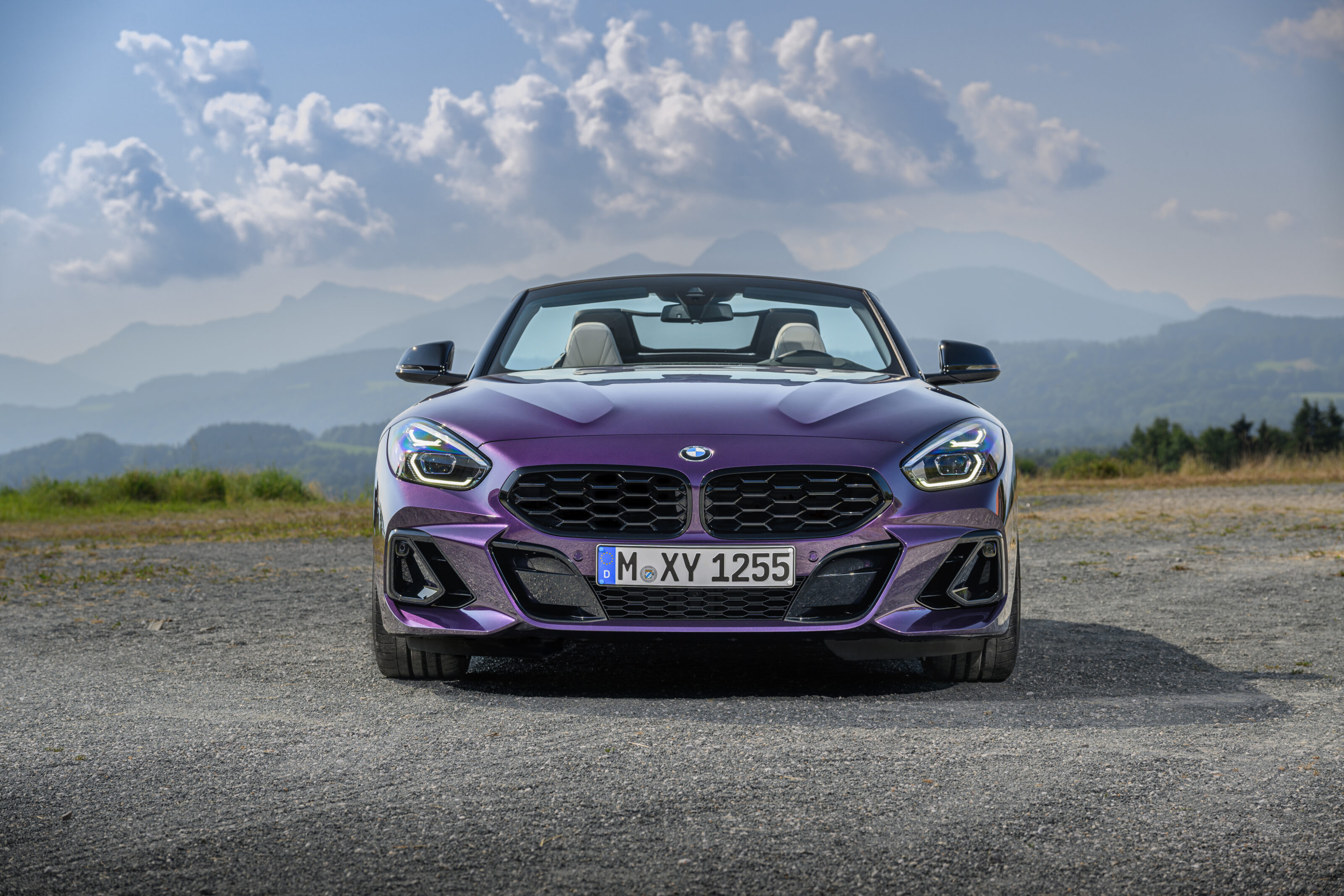
Precision Package
Available on only the M40i, the Precision Package includes:
| Heated steering wheel |
| Lumbar support for driver and front passenger |
| Ambient lighting |
| Adaptive LED headlights |
| Harman Kardon surround sound system |

Engine and transmission
As mentioned, powertrains remain unchanged from the existing line-up, keeping the 2.0-litre TwinPower turbo four-cylinder inline petrol engine in the sDrive20i and the 3.0-litre TwinPower turbo inline-six petrol found in the M40i.
Both are mated to an eight-speed automatic Steptronic Sport transmissions driving the rear wheels.
The 2.0-litre four-pot makes 145kW of power and 320Nm of torque for a claimed 0-100 sprint time of 6.6 seconds, while the 3.0-litre six offers 285kW and 500Nm to cut that figure down to a nippier 4.1 seconds.

Availability
The 2023 BMW Z4 roadster will be arriving locally early next year.
Snapshot
- LDV eDeliver 9 van and Mifa 9 people mover confirmed for Australia
- Will join the eT60 in the brand’s all-electric line-up
- Full details expected in November
The 2023 LDV Deliver 9 cargo van and 2023 LDV Mifa 9 people-mover have been confirmed for Australia.
Announced today alongside Australia’s first electric ute, the LDV eT60, all three commercial vehicles will launch in November, with full details – including pricing – to be announced in the coming weeks.
The seven-seat Mifa 9 is based on the petrol-powered G90 people mover recently trademarked in Australia.
An eight-seat version of the Mifa 9 will become available in early 2023, but there’s no word on any plans to offer the internal-combustion version.
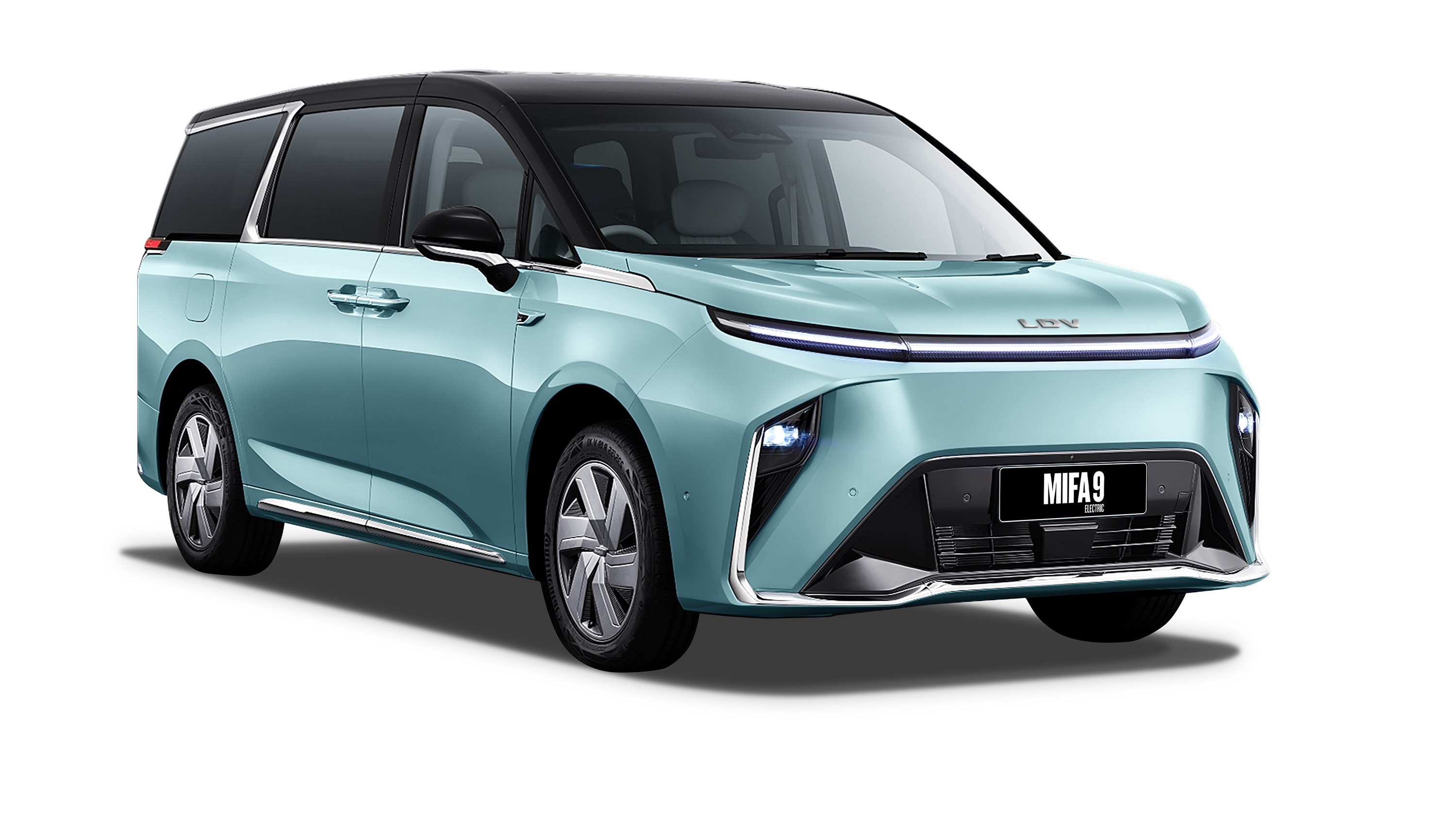
A 90kWh battery pack sits underneath the body of the Mifa 9, allowing for a claimed driving range of 440 kilometres on the stricter WLTP cycle, depending on the variant.
Power is rated at 180kW and 350Nm, while consumption in the UK is listed at 17.9kWh/100km.
LDV says the Mifa 9 will charge from 20 to 80 per cent in around 36 minutes with a DC fast-charger, while an 11kW AC unit will complete this in approximately 8.5 hours.
UK pricing for the Mifa 9 has yet to be publicly announced, with pre-orders now available in British dealerships.
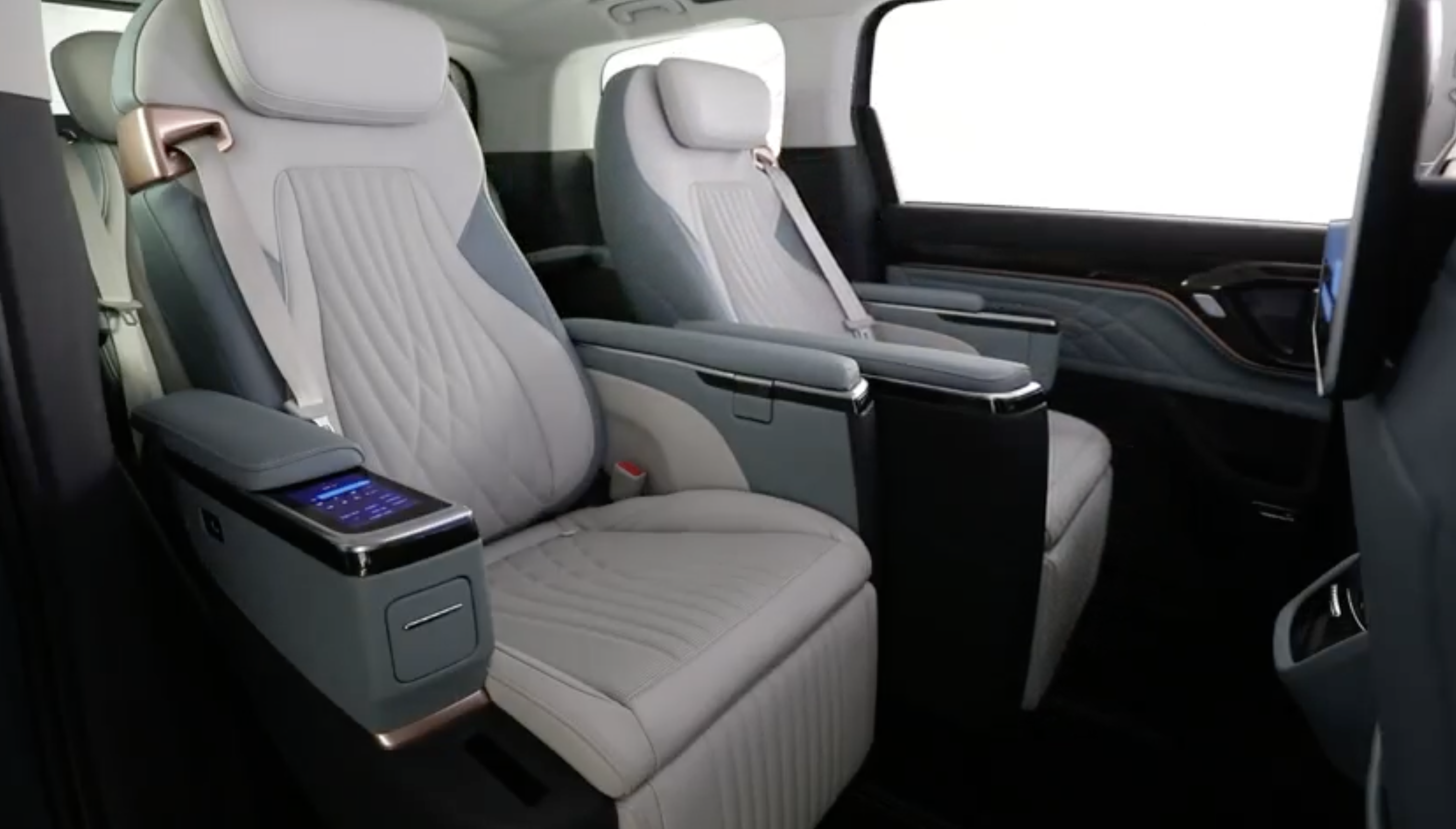
Measuring 5280 millimetres long with a 3200mm wheelbase, the van is larger than the mammoth Mercedes-Maybach GLS, but similar in size to the recently-discontinued G10 MPV.
Outside, it wears slim LED headlights, large front air intakes, chrome lashings, large rear tail-lights, and aerodynamic wheel covers.
First revealed at the 2021 Guangzhou Auto Show, the Mifa 9 sports a large widescreen display that spans almost the entire width of the dashboard in China. It is unknown if local variants will feature this expansive setup, or instead opt for smaller infotainment and instrument cluster units.
LDV claims it expects the Mifa 9 to achieve a five-star safety rating, with a suite of active safety equipment as standard, including autonomous emergency braking, lane-keep assist, adaptive cruise control and rear cross-traffic alert.
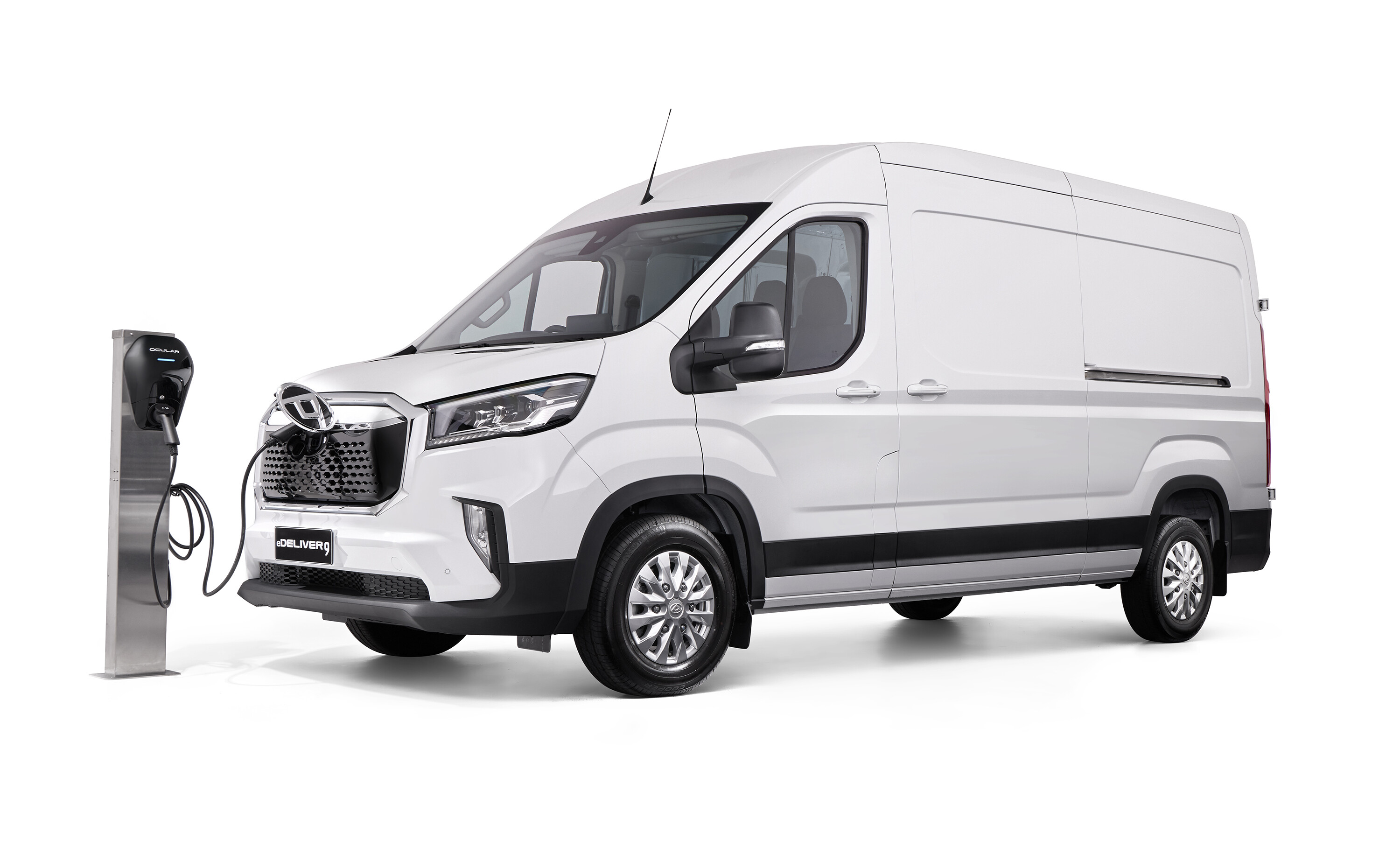
Meanwhile, the eDeliver 9 cargo van will be available in long-wheelbase mid- and high-roof variants, and a cab-chassis variant.
It features an 88.5kWh battery pack – the highest capacity available globally – allowing for a WLTP-rated 280-kilometre driving range in mid-roof guise.
According to the brand, the eDeliver 9 will charge from 20 to 80 per cent in around 45 minutes with an 80kW DC fast-charger. An 11kW AC unit will complete this in approximately nine hours.
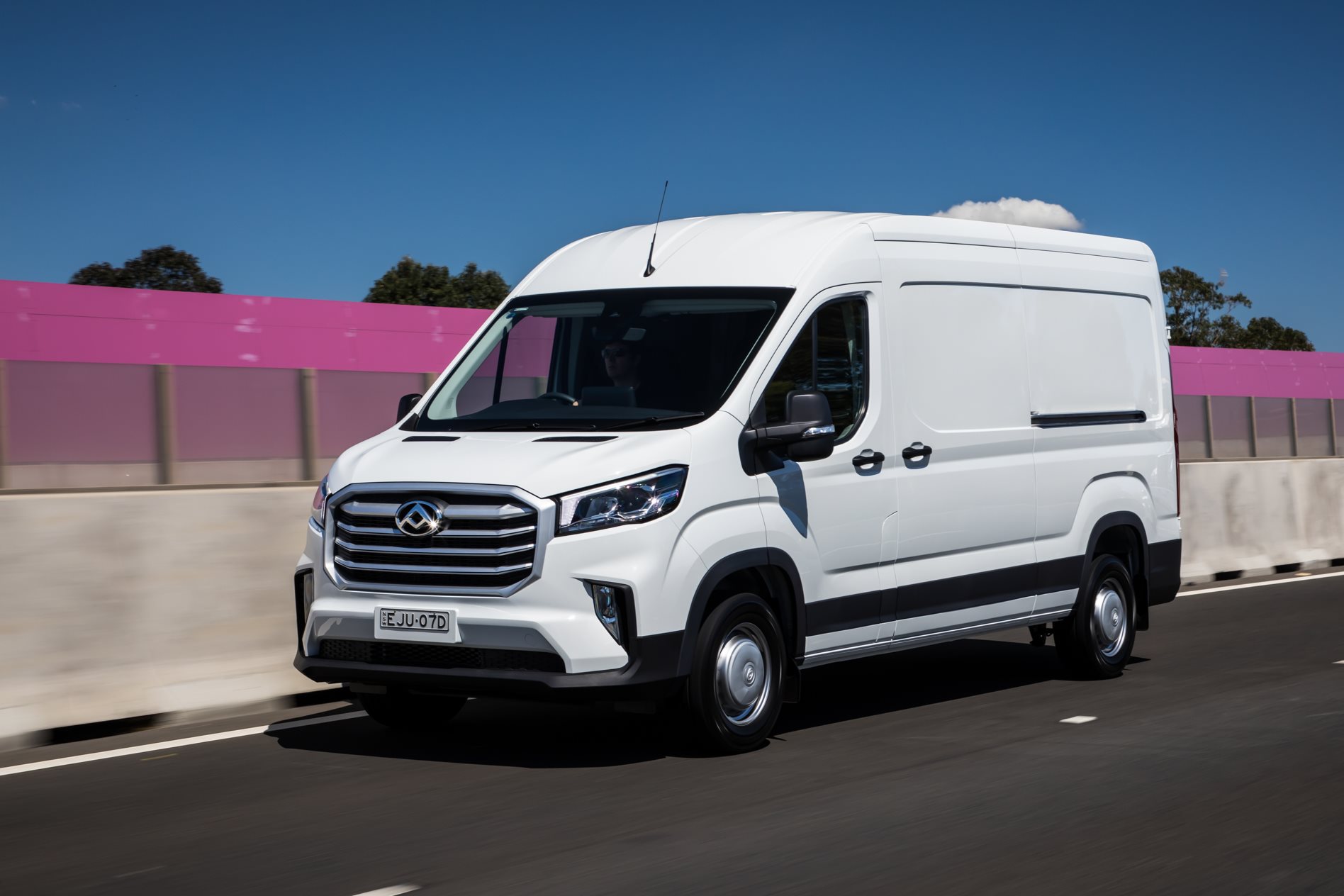
LDV offers the eDeliver 9 in New Zealand, with the long-wheelbase 88.5kWh variant priced from NZ$86,948 drive-away (AU$76,400). The brand also provides more-affordable 51.5kWh and 72kWh battery options across the ditch.
LDV Australia’s general manager, Dinesh Chinnappa, says it wants to be part of the global car market’s “most significant revolution in decades”.
“Every major OEM is committed to developing electric vehicles, but what is less spoken about is the growing influence of China’s EV market on the rest of the world,” said Dinesh.
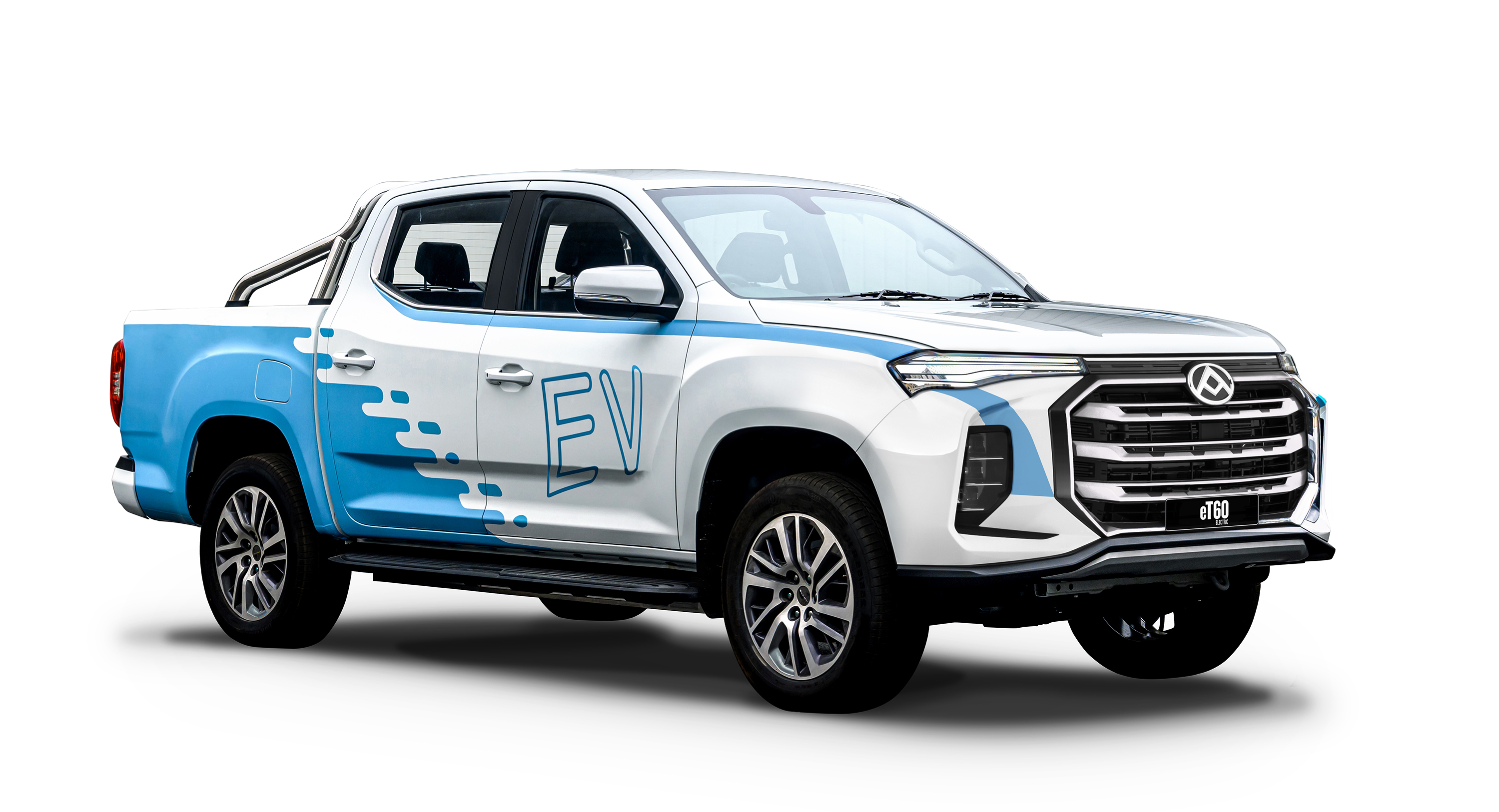
“And we in Australia are now benefiting from that influence with the arrival of eT60, eDeliver 9 and Mifa 9.
“In the first half of 2022, 2.4 million EVs were delivered to customers in China, more than double the total annual new car market in Australia. EVs now account for 26 per cent of all car sales in China, and 57 per cent of global EV sales. China is moving ahead in electrifying its transport industry and it’s bringing the rest of the world – including Australia – with it.”
The 2023 LDV Deliver 9 and 2023 LDV Mifa 9 will arrive in Australian showrooms from November, with local pricing and full details to be announced at launch.
Snapshot
- SUV to have full world debut in October 2022
- Australian launch anticipated for second half 2023
- Design cues taken from Polestar 2 and Precept Concept
A new view of the upcoming 2023 Polestar 3 electric SUV has been handed down today, along with confirmation that the new model will debut on October 12 in Copenhagen.
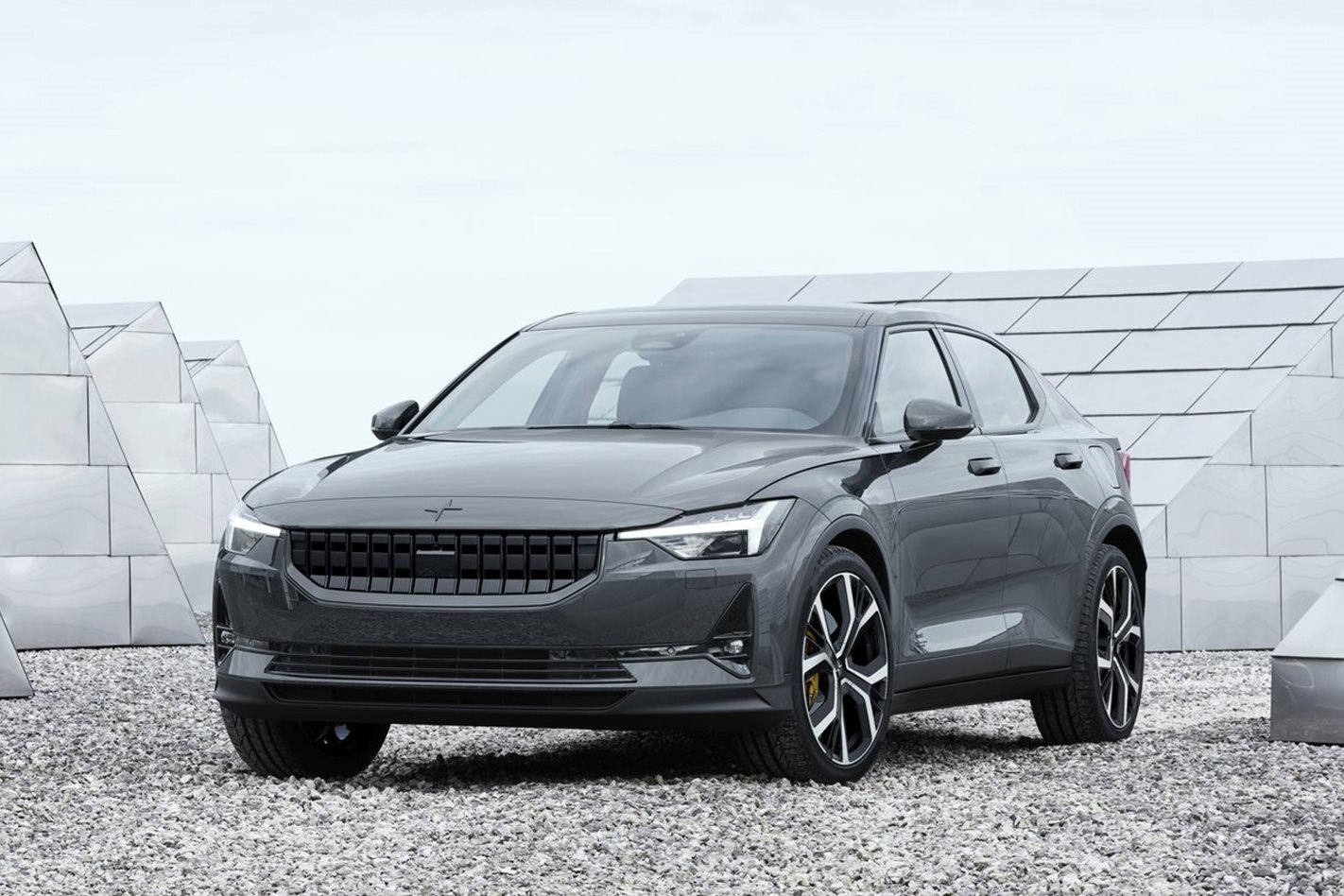
Today’s new ‘teaser’ image offers a second new view of the Polestar 3 EV’s rear styling, revealing its styling ties with the current Polestar 2 already available in Australia.
The new image (above) follows a photo published in June (below), alongside a similarly revealing shot of the upcoming Polestar 5.
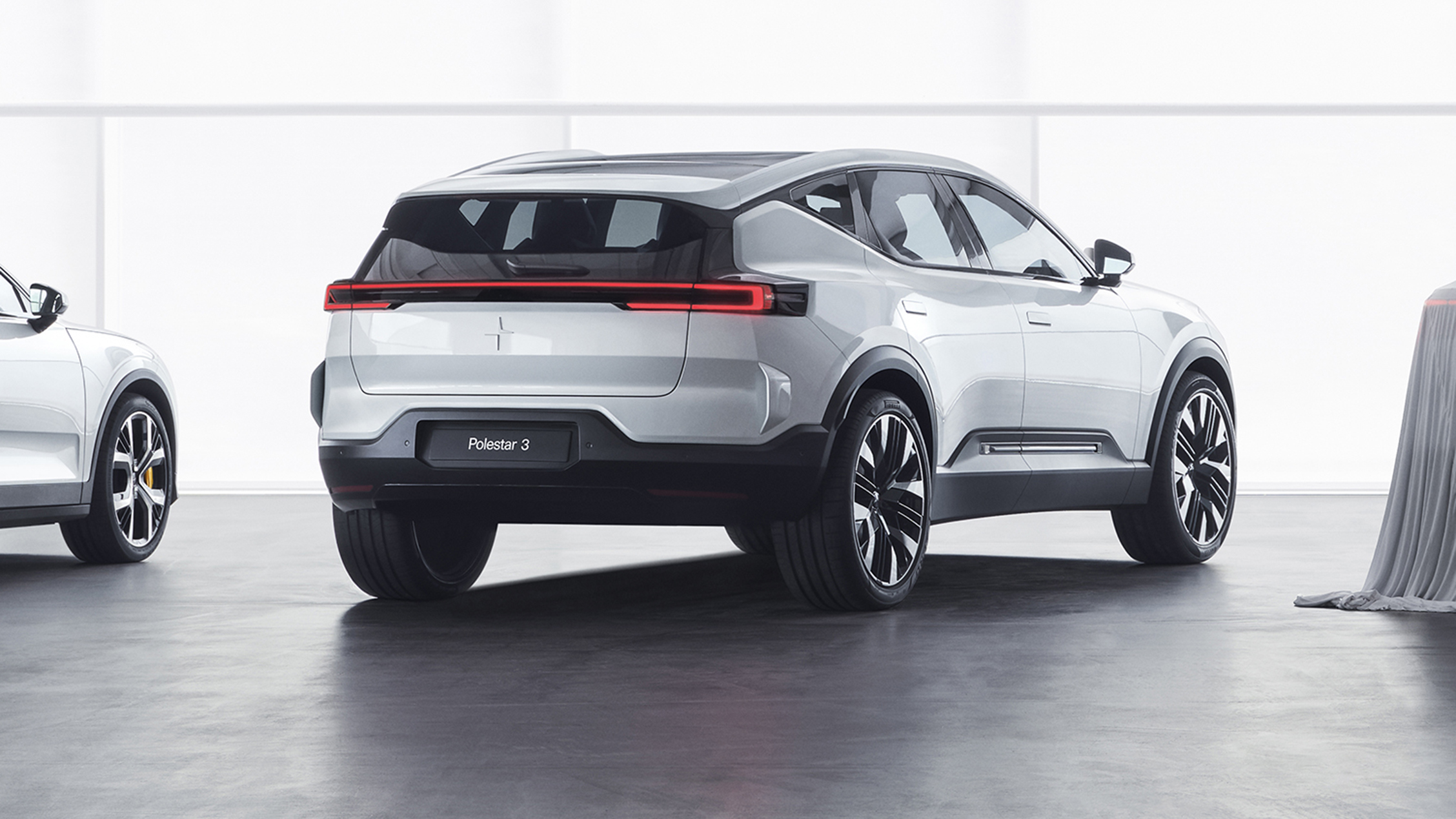
Setting the 3’s rear styling apart from the Polestar 2 is a tighter, inverted design to the tail lamps, with the full-width lightbar running along the top of the module rather than along the bottom.
The lightbar sits high on the tailgate, beneath a narrow rear glass section and capped by a tapered roofline with an integrated lip spoiler. Aero-assisting panels stand out at each end of the rear bumper.
Polestar says we can expect to see all versions of the 3 EV powered by a rear-biased dual-motor drive system, adding electric torque vectoring through a dual-clutch design at the rear.
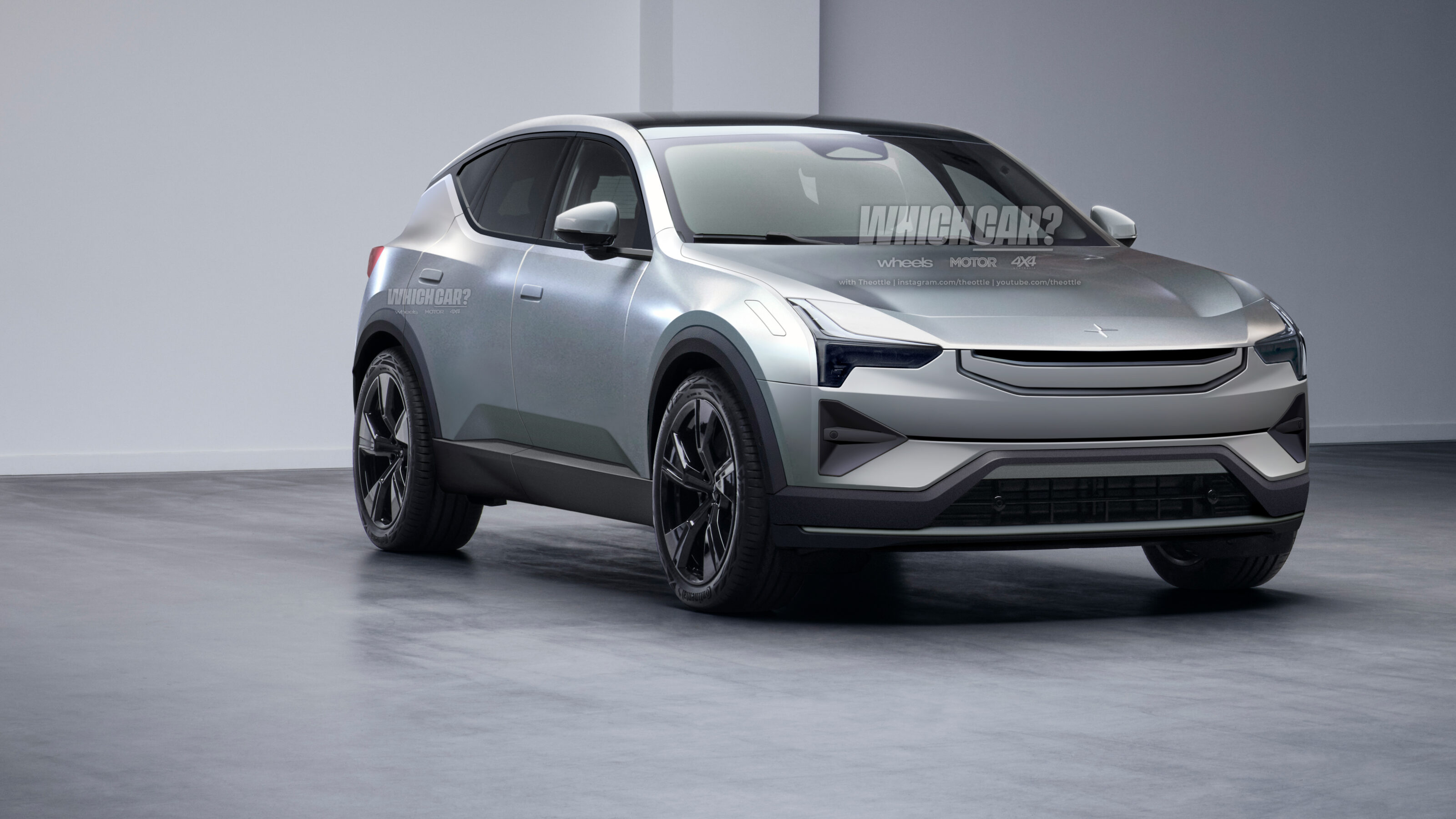
Adaptive dual-chamber air suspension and active dampers will also be standard equipment, promising top-shelf ride comfort by adjusting the dampers every two milliseconds.
Like the Polestar 2, the 3 will be offered with an optional Performance Pack, boosting outputs to 380kW and 910Nm.
A special Polestar Engineered chassis tune will also form part of this package, along with gold accents to the seat belts and valve caps, and a laser-etched ambient interior light strip.
Watch for more on the Polestar 3 to come in the days leading up to its October 12 reveal.
The story to here
June 7: Polestar 3 SUV revealed in profile view
Polestar has released the first full image of its upcoming Polestar 3 SUV, taking the camouflage wrapping off its most crucial model yet.
The Polestar 3 will have its full global reveal in October, when it will become the electric performance brand’s first SUV – sharing a platform with the next-generation electric XC90 large SUV from co-owner Volvo.
Production will commence in early 2023 in both China and the United States, with an Australian launch expected sometime in the second half of next year.
It will join the Polestar 2 sedan that was released locally at the start of 2022.
At launch, the Polestar 3 will feature a dual-motor drivetrain and a large battery, with a targeted driving range of more than 600 kilometres (WLTP).
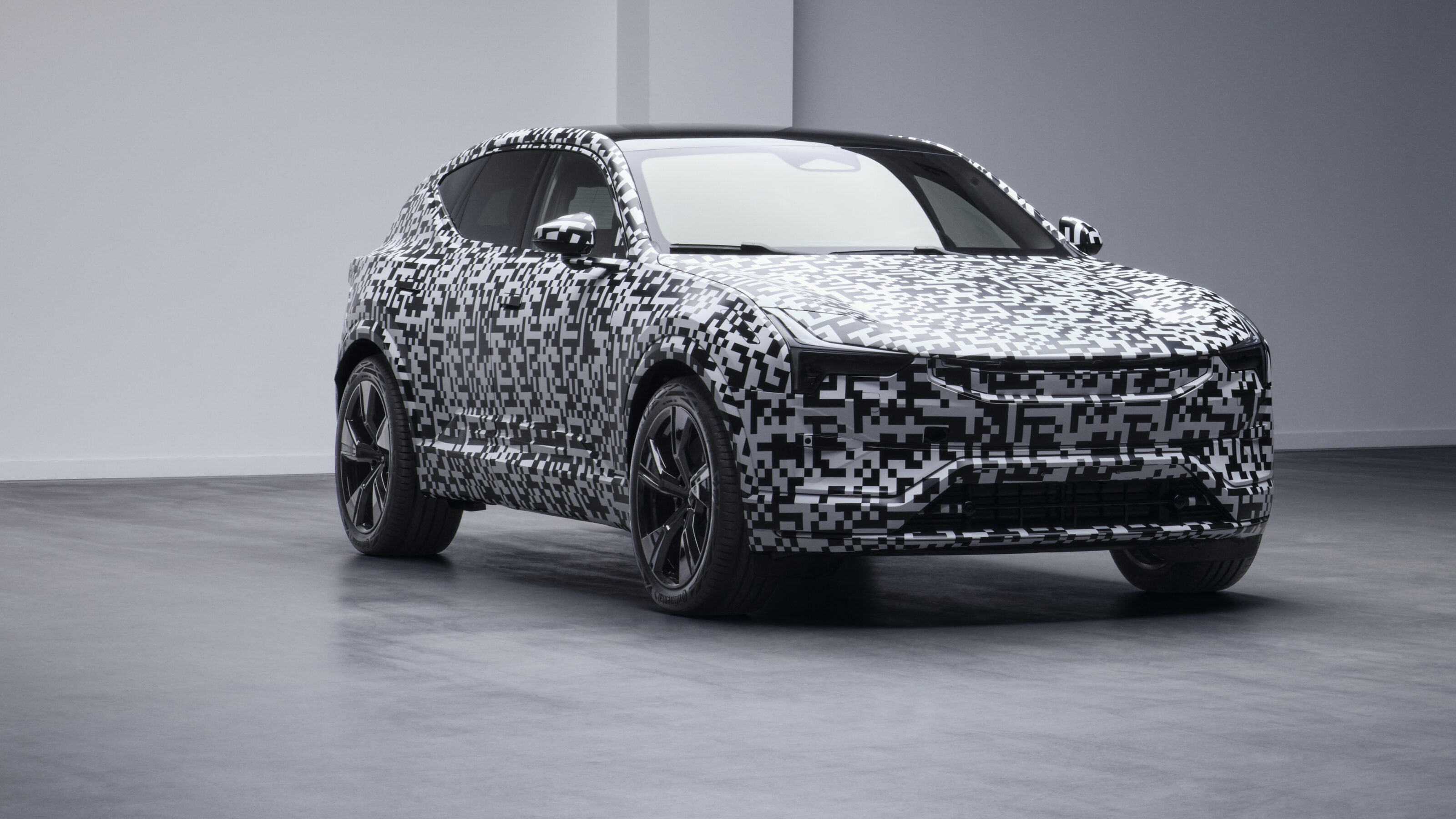
Images released today by the Swedish brand show the Polestar 3 – already confirmed for Australia – takes design inspiration from both the Polestar 2 and the Precept concept that will transform into the Polestar 5 production car due in 2025.
Gone is the grid-like ‘grille’ from the 2, instead replaced by a flatter unit with two chrome strips and seemingly more geared towards technology than aesthetics indicated by the presence of a front camera and the words ‘Smart Zone’ and ‘sensor cluster’.
According to the brand, the Polestar 3 will, over time, offer autonomous highway piloting powered by LiDAR sensors from provider Luminar and centralised computing power from artificial intelligence developer NVIDIA.
Cues taken from the Precept include flush-mounted doorhandles (they’re conventional on the Polestar 2), Y-shaped ‘Thor’ headlights, wheel design, and the plastic cladding along the lower doors (though featuring a chrome strip on the 3).
A subtly integrated, body-coloured spoiler overarching the join of the sunroof and tailgate points to some aerodynamic focus by the Polestar 3 development team.
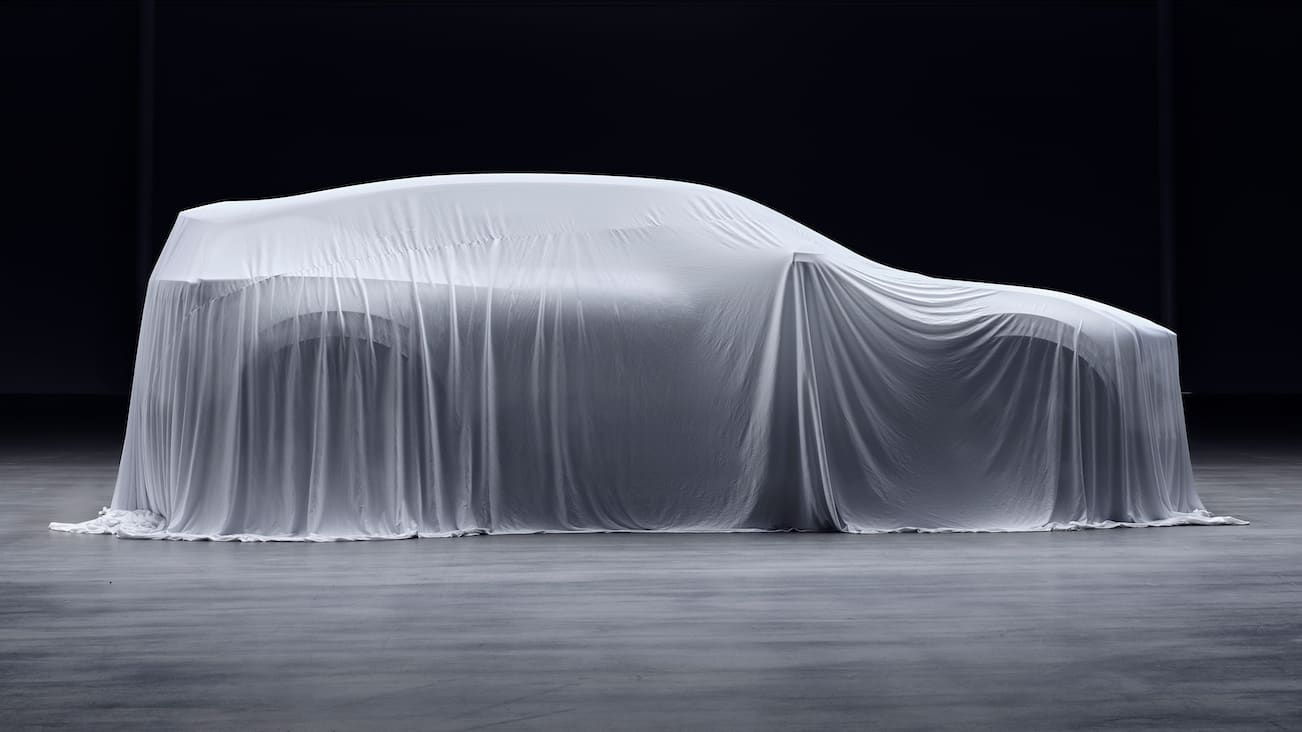
There’s also a nod to the Volvo XC40 profile, with the upward kick from the rear doors into the C-pillar.
The rear lights blend tail-light treatments from both the 2 and Precept – C-shaped LEDs joined by a light bar and effectively a flipped version of the design on the Polestar 2.
The 3 also takes some front bumper styling from the concept car, with the top where it meets the bonnet featuring several wide openings – possibly hinting at some kind of cooling function.
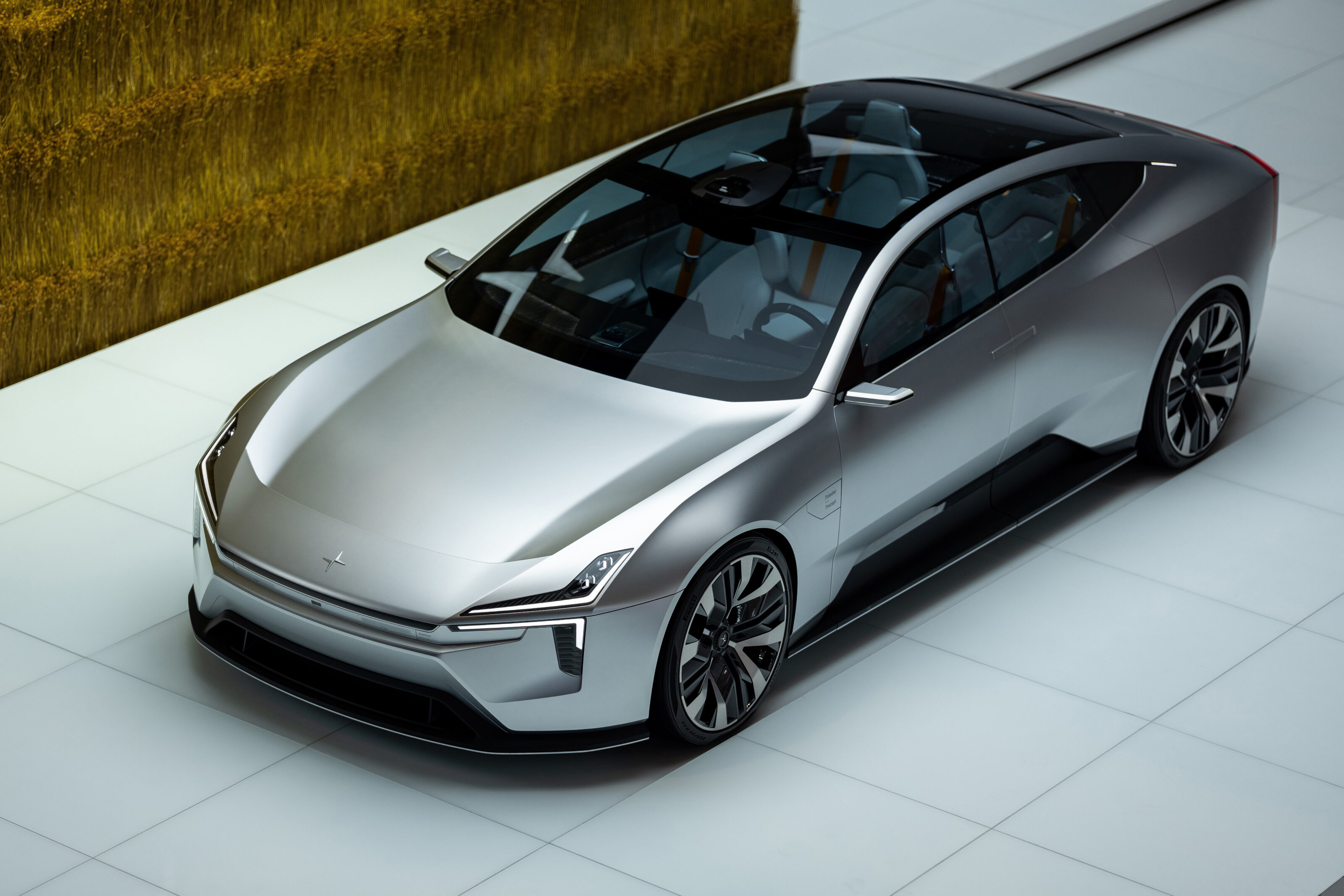
Polestar 3 manufacturing will include a South Carolina facility in North America as well as China, marking the first time the Volvo-Geely co-owned brand has produced vehicles outside of China.
The Polestar 3 is set to compete against the likes of the Porsche Cayenne and also electric SUV rivals including the Audi E-Tron.
Polestar has also confirmed that the new 3 will also use Google’s Android Automotive OS, as expected, which will ‘feature industry-leading connectivity features.’
“Polestar 3 is the SUV for the electric age. Our design identity evolves with this high-end large luxury EV, with a strong, individual brand character,” said Polestar CEO Thomas Ingenlath.
“With this car, we bring the ‘sport’ back to the SUV, staying true to our performance roots.
“This is a major milestone for our company, one that boosts our growth trajectory and takes us into our next phase.”
Polestar plans to launch a new car every year for the next three years, starting with Polestar 3, and aims to increase its presence to at least 30 global markets by the end of 2023 with a goal of achieving around 290,000 global sales by the end of 2025.
A smaller SUV called the Polestar 4 is expected in 2024.
UPDATE: Consultation on EV strategy launched
The Federal Government has today launched a consultation on its first electric vehicle strategy.
The consultation, which was announced at Australia’s first ever EV summit last month, will seek Aussies’ views on how to encourage uptake of EVs, increasing charging infrastructure, boosting local manufacturing – as well as the much talked about fuel-efficiency standard.
Minister for Climate Change and Energy Chris Bowen said well-designed policies will help secure more affordable EVs for Australia in future.
“At the heart of the national strategy will be a plan to improve affordability and choice for consumers by growing the Australian EV market,” he said.
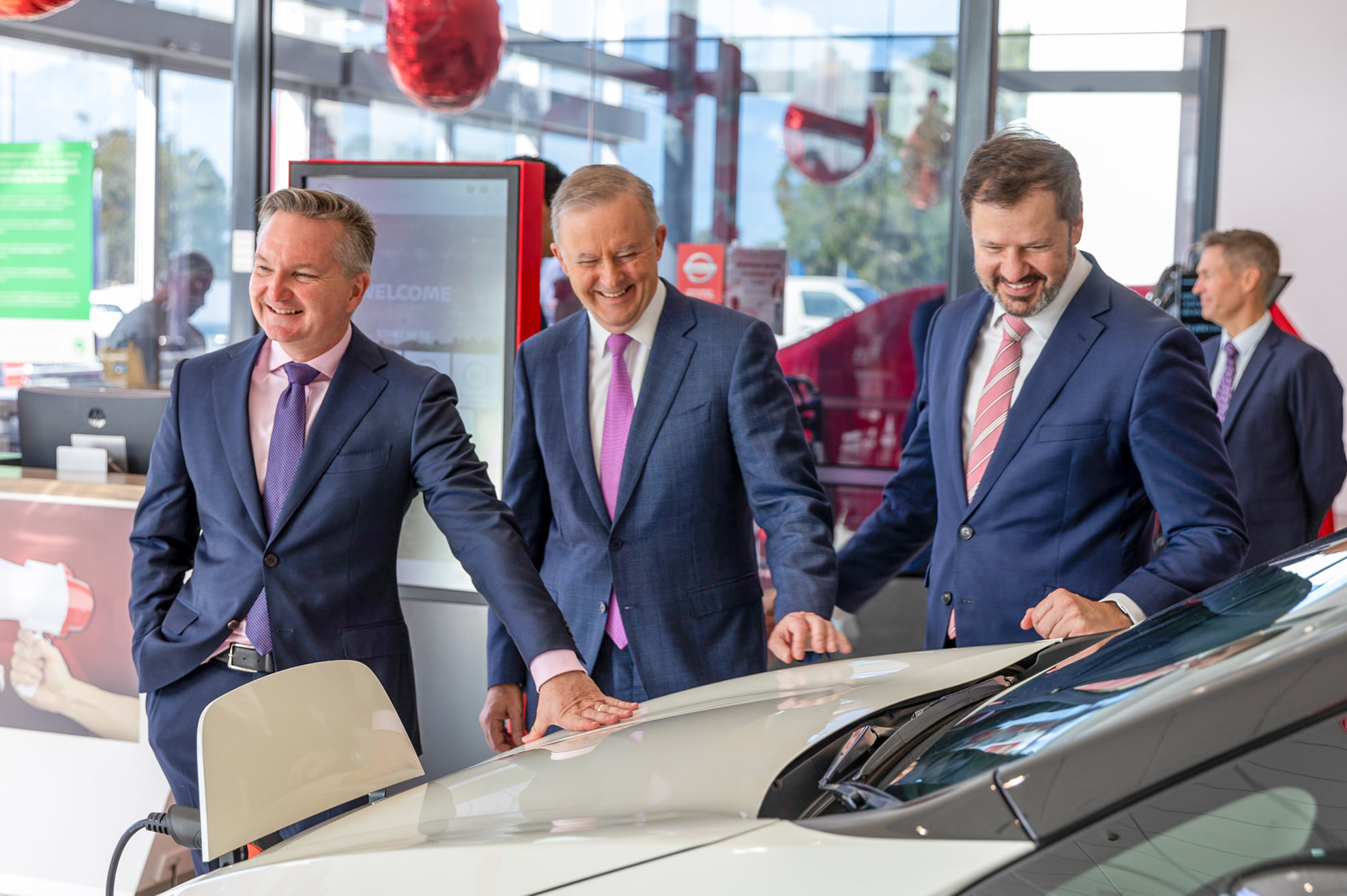
“This is a genuine consultation to inform the right policy settings so we can see more affordable electric vehicles on our roads.
“Right now, Australians miss out on a wider choice of affordable EVs because of our policy settings are outdated. It’s time for Australians to get a fair go when they’re deciding on their next car.”
“Our cars are less fuel efficient on average than Europe and the US. Now is the time for Australia to join the rest of the world and electrify our road transport,” added Minister for Infrastructure, Transport, Regional Development and Local Government Catherine King.
Behyad Jafari, CEO of the Electric Vehicle Council (EVC), said the Government was right to start with making EVs more affordable, but the real priority was an emissions standard.
“Australia can absolutely be an EV powerhouse, employing Australians to build products right across the EV supply chain. But we won’t realise those opportunities while our standards lag the rest of the world,” Jafari said.
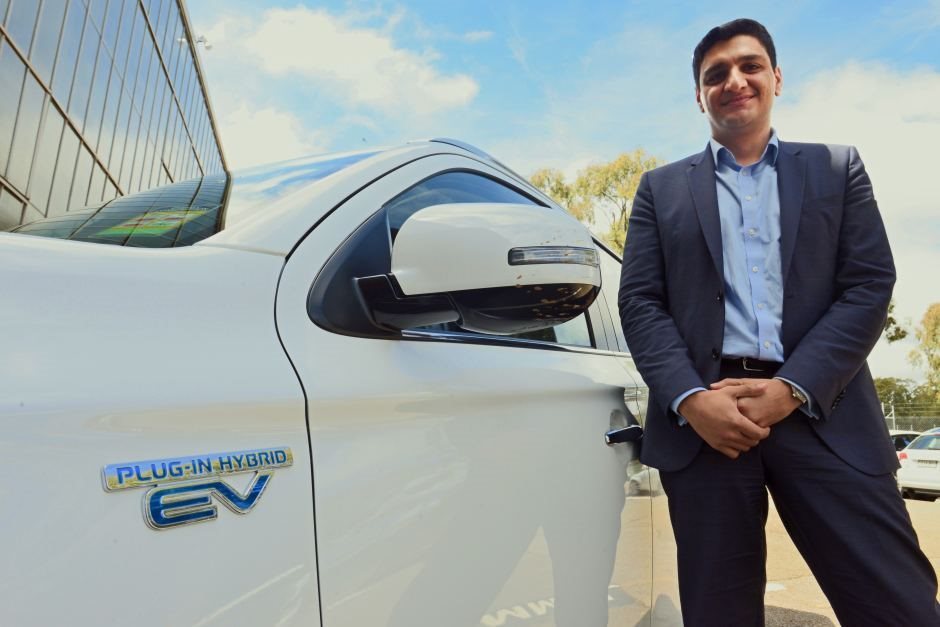
“The most urgent next step from this process is a strong fuel-efficiency standard that reflects best practice.”
The Federal Chamber for Automotive Industries (FCAI), the peak body for Australia’s automotive industry, also has welcomed the release of the Discussion Paper but said the outcome must be an ambitious yet achievable policy framework for carmakers and consumers.
“There are many key issues that need to be examined in this review. These include vehicle price, model availability, battery supply and the provision of further consumer support through the development of charging infrastructure and purchase incentives,” said Chief Executive Tony Weber.
The story to here
August 19: EV Summit calls for fast action on emissions standard
A national emissions target for new cars needs to come quickly if Australia is to catch up to the rest of the world, the country’s first ever electric vehicle summit heard today.
Carmakers, politicians and consumer groups spoke at the inaugural event in Canberra on Friday, calling the announcement of a federal consultation on developing a fuel-efficiency standard a key moment and saying the “starting gun has been fired”.
Federal Minister for Climate Change and Energy Chris Bowen appeared at the summit this morning to make the announcement, which also included a national EV strategy and look at implementing a country-wide incentive scheme.
But before long, much of the debate turned to how long it would take to bring in an emissions target.
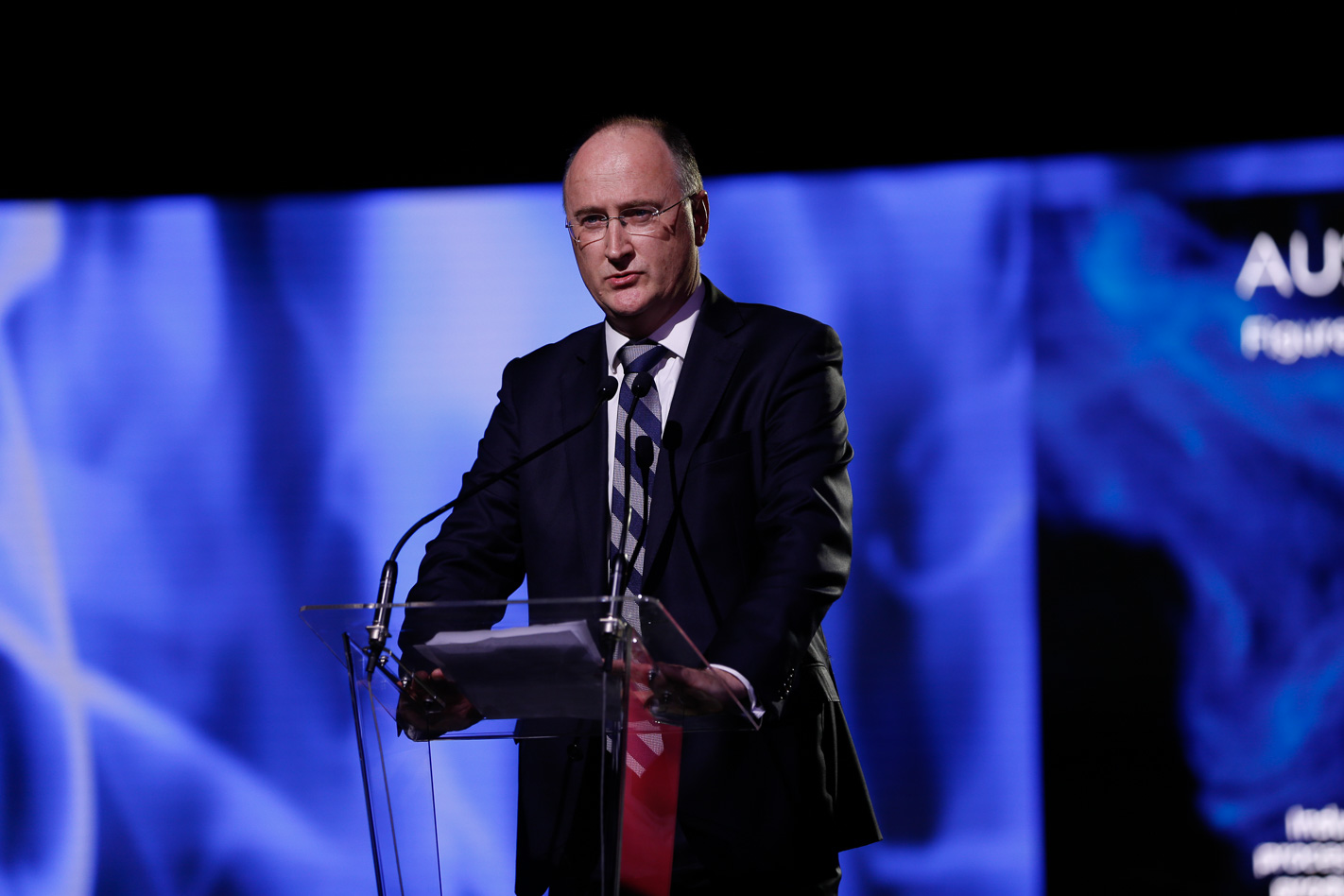
“We need to exert pressure for fast and timely action,” said Zoe Daniel, MP for Melbourne’s Goldstein constituency. “I understand the perspective of de-risking what has been a hit political potato for a long time, and that the Government wants to do a process of consultation – but let’s make that a quick chat.
“I would like to see the results of what that has yielded by the end of the year, then the actual writing of regulations will take time. But in the volatile political environment we’re in, we want this through in this Parliament at worst and ideally sooner.”
The need for a speedy discussion process was backed by Rob Giltinan, Director of Policy at the National Roads and Motorists’ Association (NRMA) who said an implementation date of 2025 makes sense to tie in with the reduction in the parts per million of sulphur in our petrol coming in 2024.
“We need to catch up with the rest of the world,” said Polestar Australia’s Managing Director, Samantha Johnson, “But things have to happen more quickly – we’re way behind, we can’t go at the same pace the other countries have gone we have to go faster.”
Other voices too claimed “we don’t have another three to five years to kick this around” and believed a target was needed much sooner to accelerate uptake and meet our climate goals.
Volkswagen Group Australia’s Managing Director, Paul Sansom, told the summit implementing a fuel standard could see its rollout of electric models sped up overnight.
“This conversation is one we’ve consistently been having for years now, so with today’s announcement from the Minister we are delighted to hear there is a consultation starting with the industry into fuel-efficiency standards,” he said.
“One in two of our customers is walking into our showrooms every day looking for an EV and we can’t satisfy that demand at the moment because we haven’t had the policy. So these targets are incredibly important when I have the conversations with my five different headquarters across Europe – if they ask: ‘What’s the situation in Australia Paul? Is there any legislation or penalties?’ And I say no, they say: ‘ok we’ll move onto the next market’.
“This announcement is great, but it’s only a start. If there is a need for consultation then I agree it needs to be fast – and that will unlock production for us and others in the market to give consumers more affordable EVs. There’s a huge amount of work to do.”

When challenged by Zoe Daniel MP on how quickly VW could change its plans to bring more EVs to Australia, Sansom added: “Implementation – if we had standards today – we could bring cars here tomorrow, we really could, it’s a game-changer, not just for VW but for everyone. It will open the doors for more affordable EVs in our market.
“The blueprints are already there for us around the world [to create an emissions standard] we don’t have to reinvent the wheel here – the most important thing is that the products are there, we can bring them here if we get the circumstances right, we don’t need the notice period we talked about before.”
“The decision-makers [at Polestar HQ] who choose whether to send EVs to any given country have to make sure that it has the right policy to support EVs, otherwise it won’t have the right demand and uptake. Even being an EV company, I still have to convince them to bring EVs here rather than to other right-hand-drive markets like the UK, which have strong supply and demand and policies in place,” added Samantha Johnson.
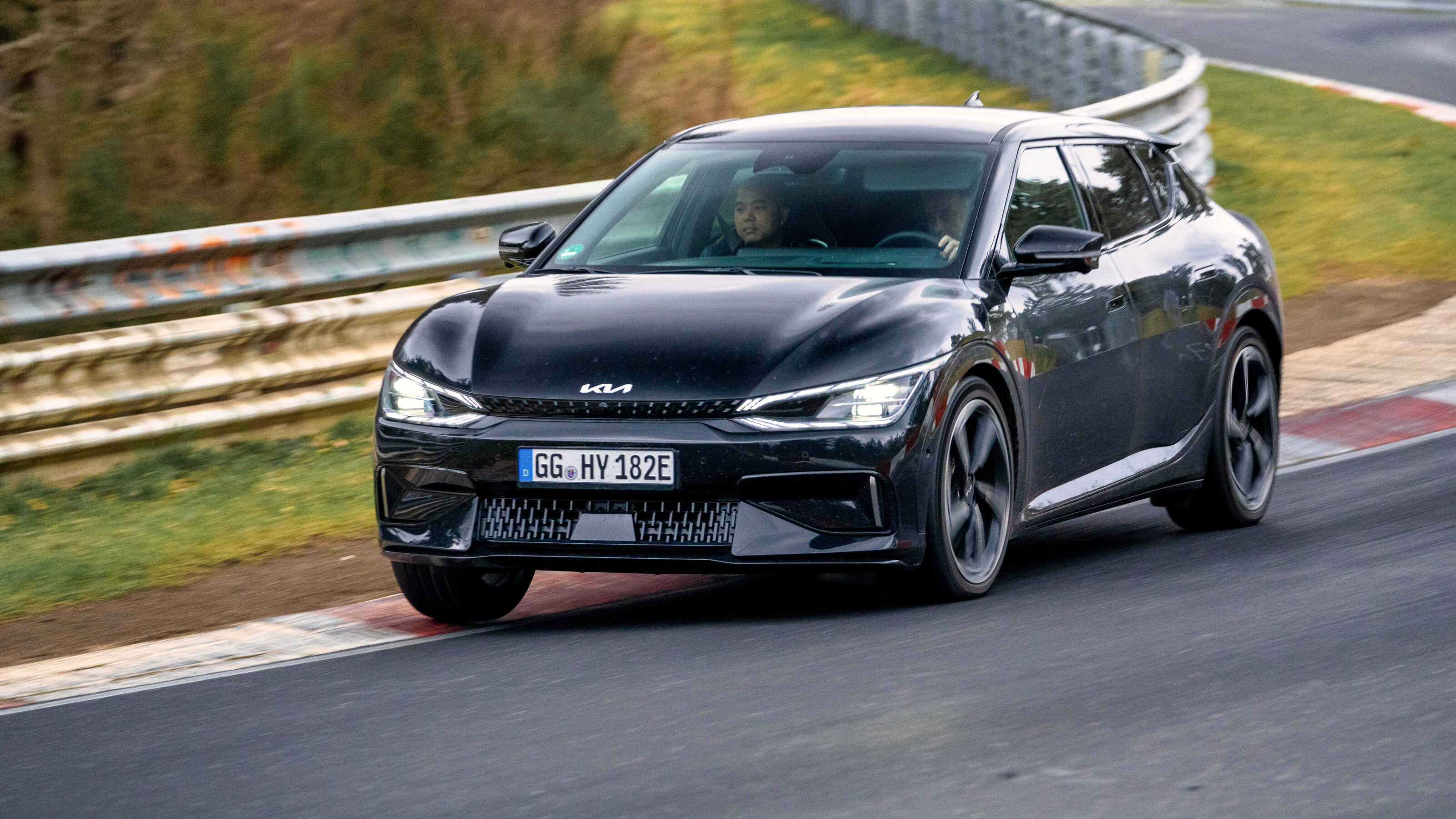
“Australia has huge potential and the momentum is there now, we just need to put all the things in place so I can now go back and say we have a good environment give me the supply to satisfy the demand.
“We’ve seen a real shift in consumer behaviour in recent years, many people are now talking about their next car being an EV. The fuel-efficiency standard is the strongest thing needed at the moment, but on the incentive and consumer side we still need a federal and consistent model.”
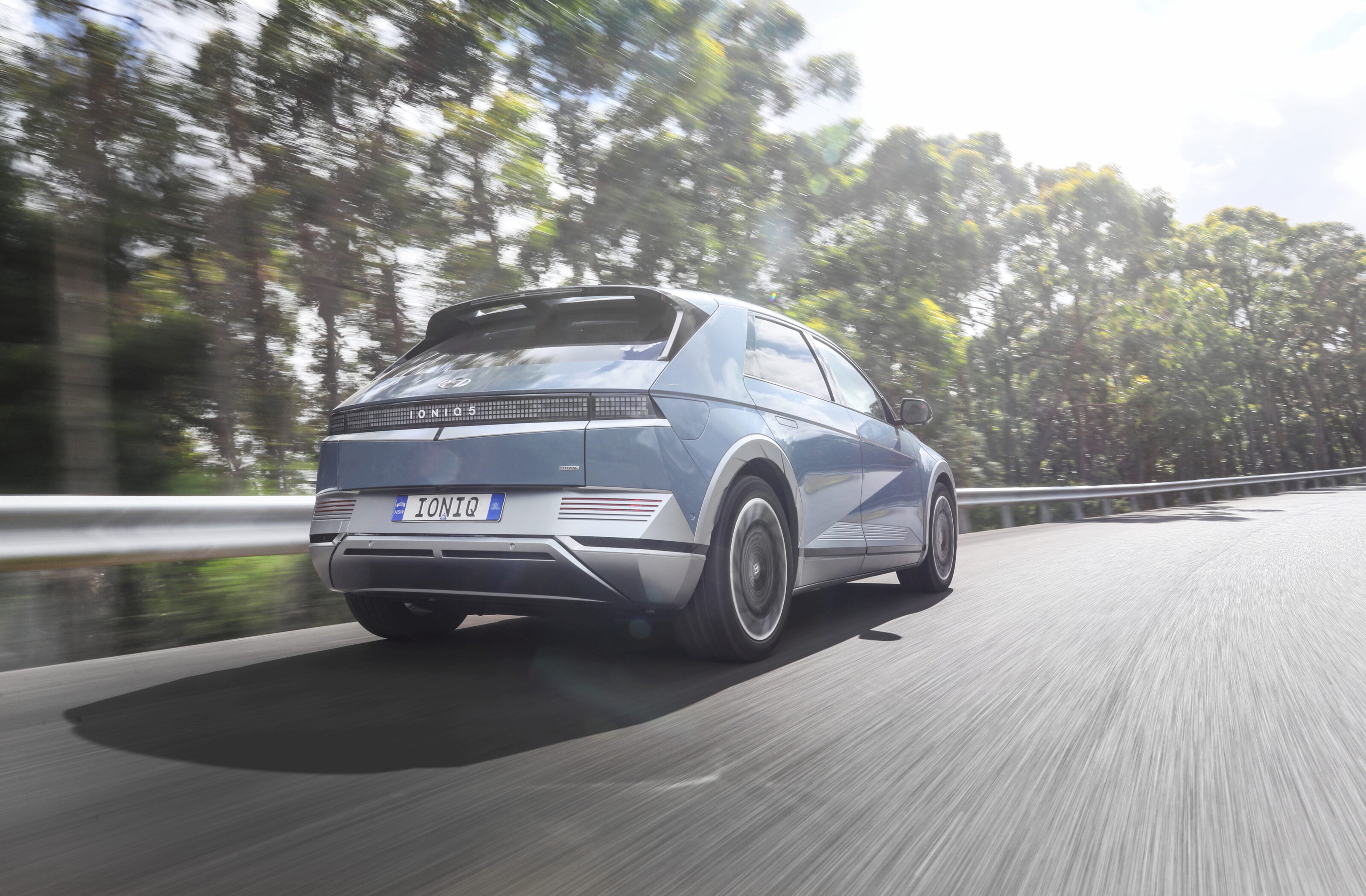
The NRMA too said it had seen Aussies’ perspectives on EVs shift in just the last five years.
“We have 2.8 million members and have the advantage of being able to test policy decisions regularly. In 2017 we asked our membership how they felt about EVs and received a lot of pushback – it was incredibly negative,” said Rob Giltinan.
“Over the last five years though, we’ve seen sentiments shift significantly – 60 per cent of our members are now looking to purchase an EV as their next vehicle, and a quarter are proactively researching it, we’re not getting any of the negativity like we did.”
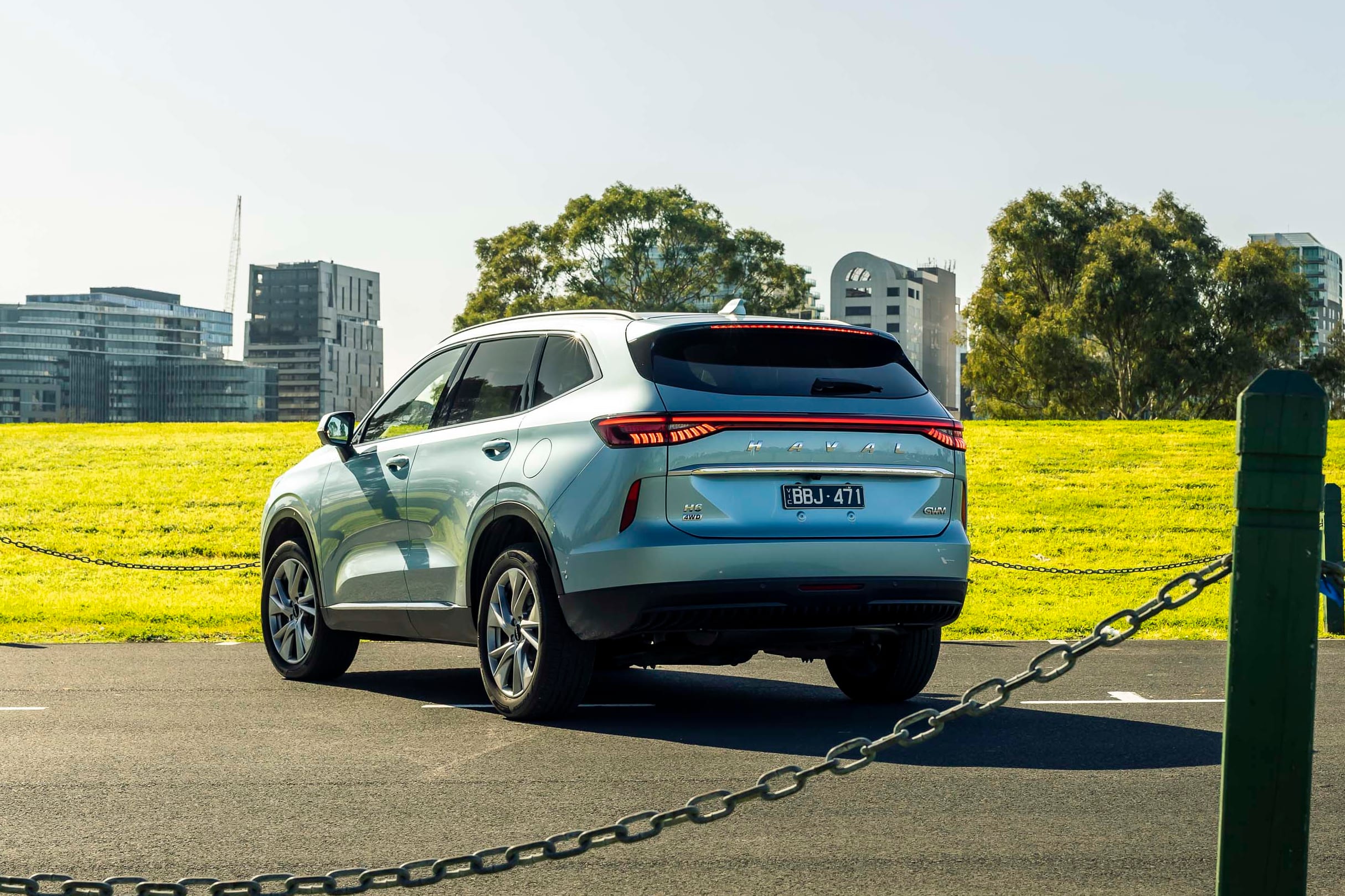
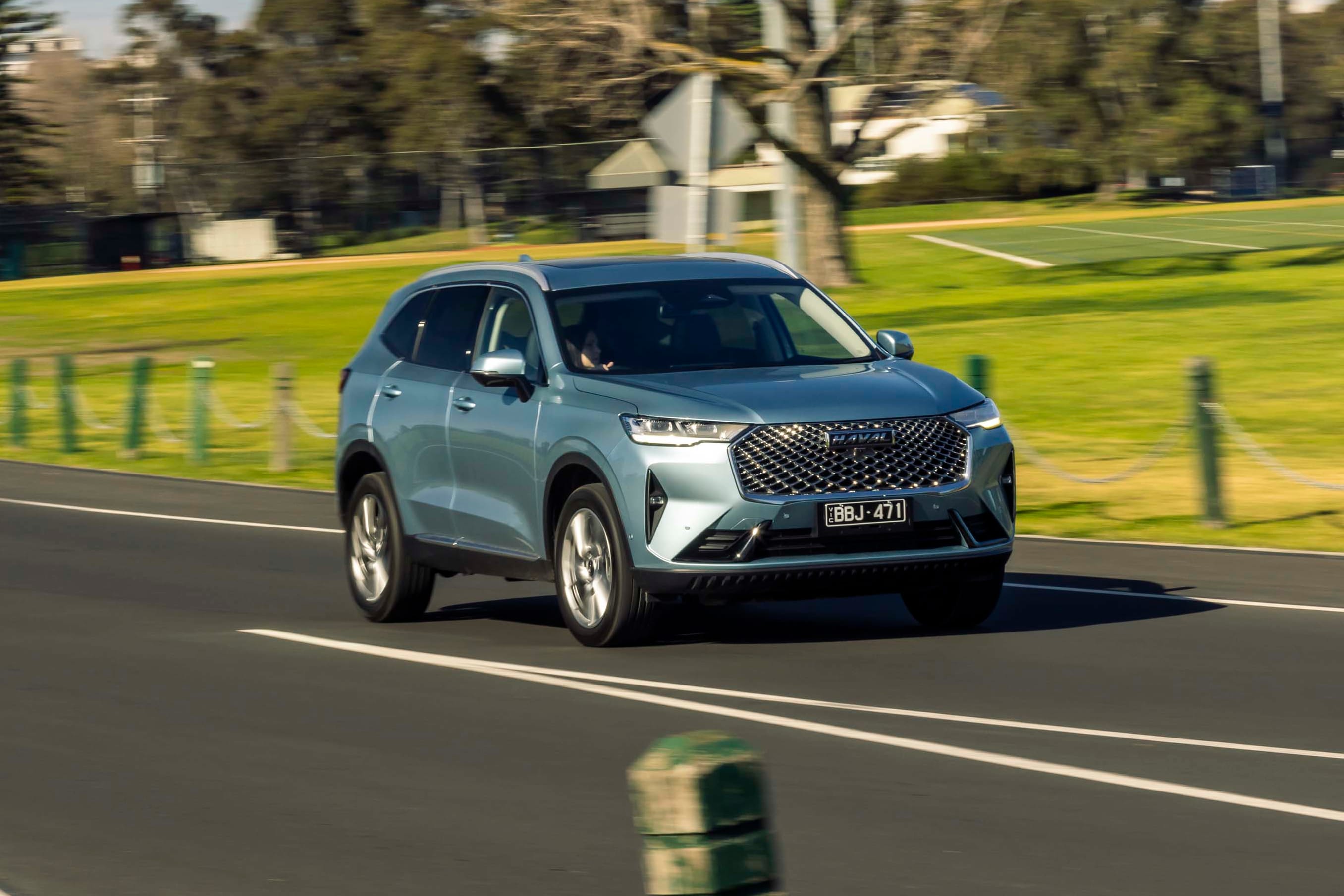
Offerings from Chinese brands like GWM Haval are fast climbing up the sales charts in Australia and, of those, the H6 mid-sized SUV is proving to be one of the most popular, with buyers attracted to the value-for-money proposition.
While the H6 is not yet causing sleepless nights for the best-selling contenders in this busy segment, such as the Toyota RAV4, Mitsubishi Outlander or Mazda CX-5, it has already outgunned established models like the Ford Escape, Skoda Karoq and Volkswagen Tiguan (though the supply crisis continues to make sales data difficult to interpret).
With a premium cabin experience and plenty of safety kit tucked away inside too, the H6 has the potential to cause concern for closer competitors such as the Honda CR-V and upcoming Nissan X-Trail and – with some improvements to its driving dynamics – it could catch up to the Kia Sportage and Hyundai Tucson in the long run.
Pricing and features
The basics
| Engine | 2.0-litre turbo-petrol |
|---|---|
| Power | 150kW @6000-6300rpm |
| Torque | 330Nm @1500-4000rpm |
| Transmission | 7-speed dual-clutch |
| Drive | all-wheel |
| Fuel consumption | 8.3L/100km (combined) |
| Price | $43,485 drive-away, including premium paint |
The 2022 Haval H6 comes in four grades, starting with the entry-level Premium priced from $33,990 drive-away.
The range then moves up to the mid-spec Lux from $36,990 and finishing up with the Ultra and Ultra Hybrid, which cost from $39,990 and $45,990 respectively. All prices are drive-away.
The Ultra we have here costs $43,485 drive-away, because it comes with all-wheel drive and is coated in $495 worth of Energy Green premium paint. There are also four other optional colour choices, with just Hamilton white offered free.
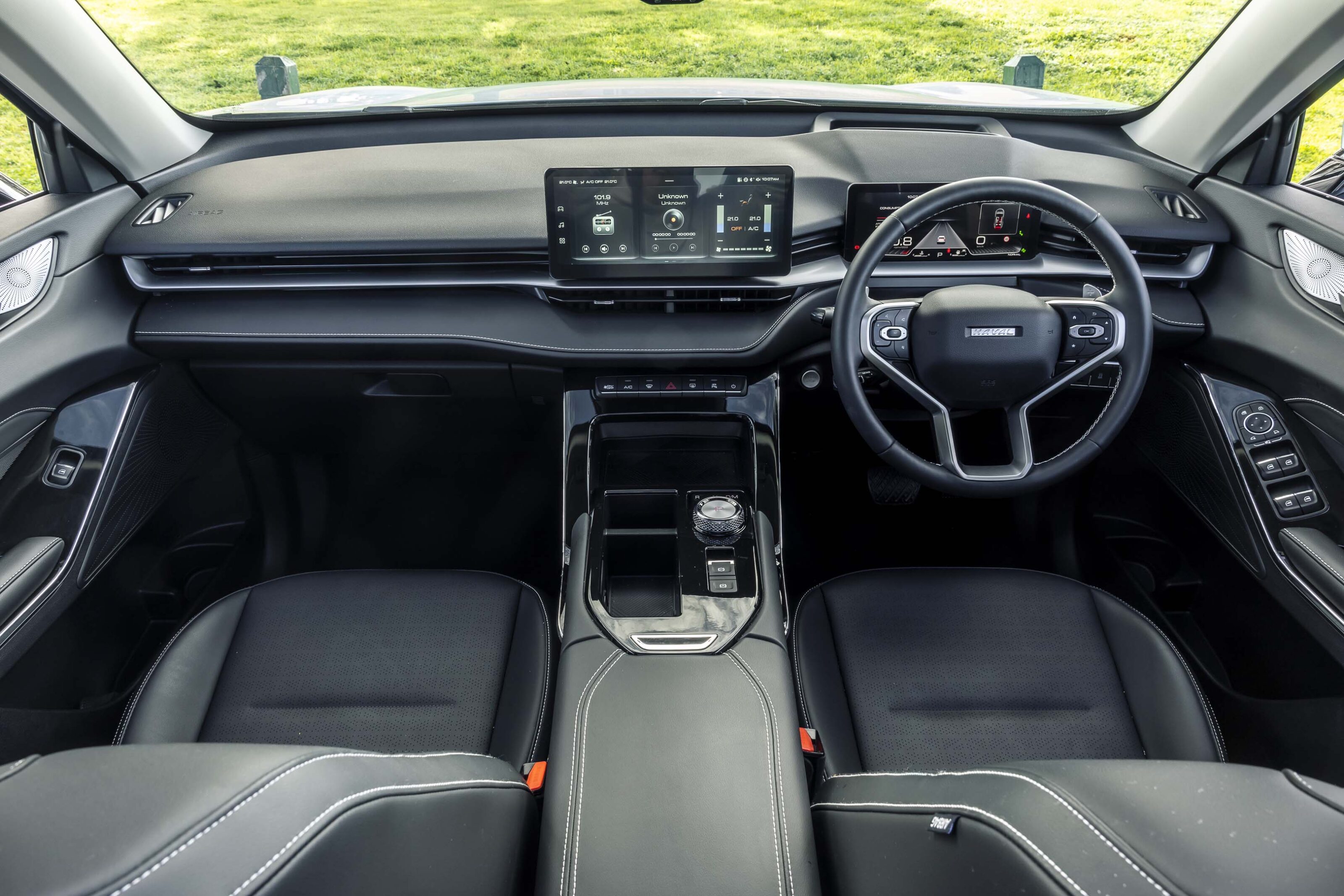
Being a top-spec grade, the H6 Ultra has all the bells and whistles and doesn’t really want for anything, packing in a lot of kit for under $40K if you skip the posh paint and opt for the front-wheel drive version.
To get roughly the same amount of kit in a rival such as the Kia Sportage GT-Line or Hyundai Tucson Highlander you’d be looking at upwards of $54K for one with all-wheel drive.
For the money, in the H6 Ultra you get as standard: a powered tailgate, electric seats for both the driver and front passenger – which are heated and ventilated – a heated steering wheel, wireless phone charging, dual-zone climate control, heated wing mirrors, eight speakers for the audio system and a head-up display.
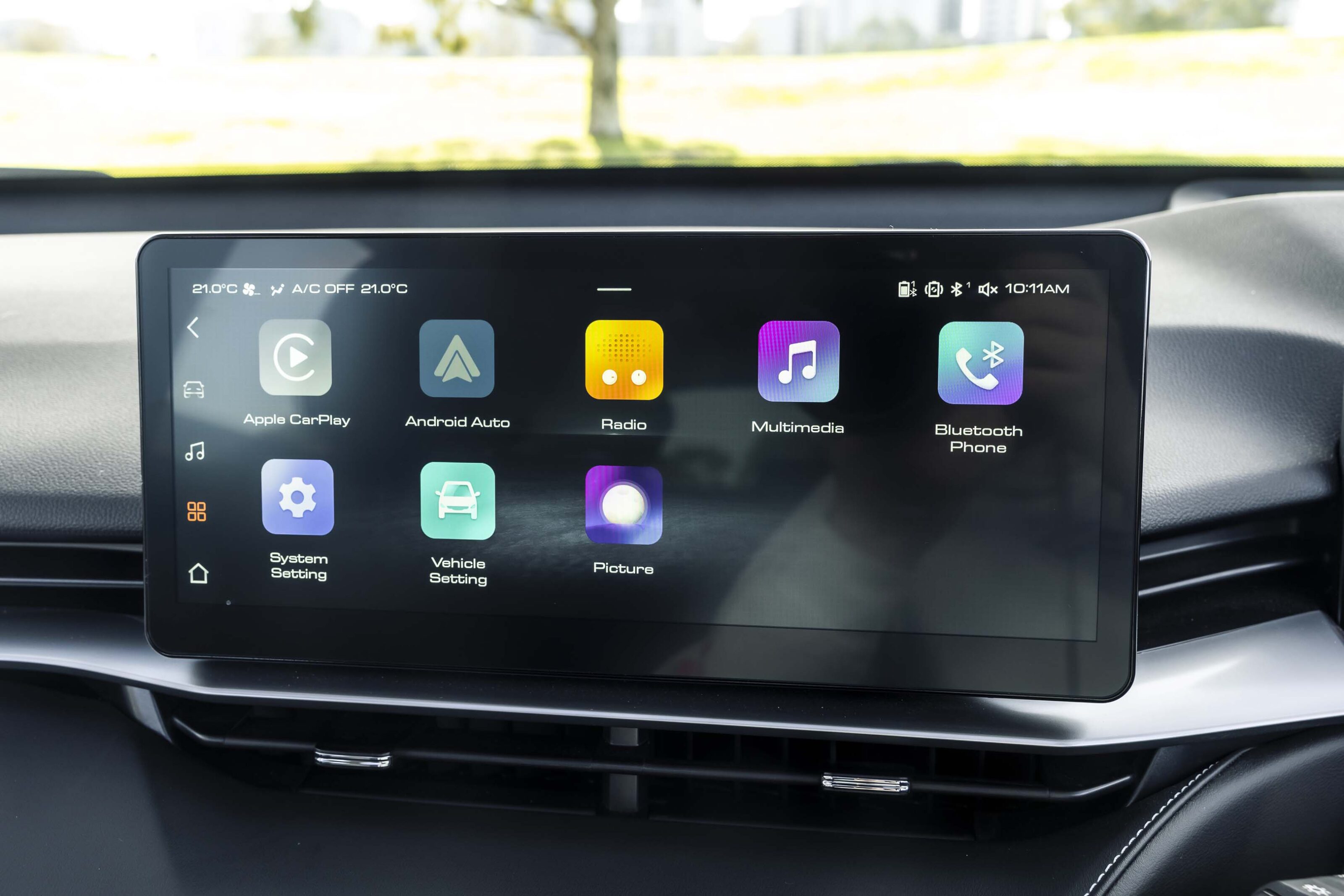
It also has wired Apple CarPlay and Android Auto on a nice big 12.3-inch screen, versus the 10.25-inch unit found in lower-spec variants.
The infotainment system, accessed via said 12.3-inch touch screen, is simple to use if a little basic in its functions.
Slightly awkward is that contained within the menus are things such as the heated seats and heated steering wheel – as well as the driving modes – which would all be better as physical buttons, as accessing them on the go is fiddly and distracting.
Other niggles include the positioning of the two front USB ports, which are located low down on either side of the centre console near your feet – with the one that operates Apple CarPlay and Android Auto on the passenger’s side rather than the driver’s (likely a hangover from the conversion to right-hand-drive for the Australian market) and, though the doors are keyless, they don’t offer a touch lock/unlock function.
Better news comes from a sunroof so big it spans almost the entire length of the car, drenching the cabin in sunlight, and an impressively clear and feature-packed 360-degree camera system that makes parking a doddle.
As range-topper, the H6 Ultra has GWM Haval’s full safety tech suite.
Key safety features for the 2022 Haval H6 include adaptive cruise control, rear cross-traffic alert and braking, intelligent cornering control, front and rear parking assist, forward collision warning, lane-keep/centre/departure assistance and blind-spot monitoring to name just a few.
Additionally, the Haval H6 has a five-star safety rating, awarded by ANCAP in 2022.
Comfort and space
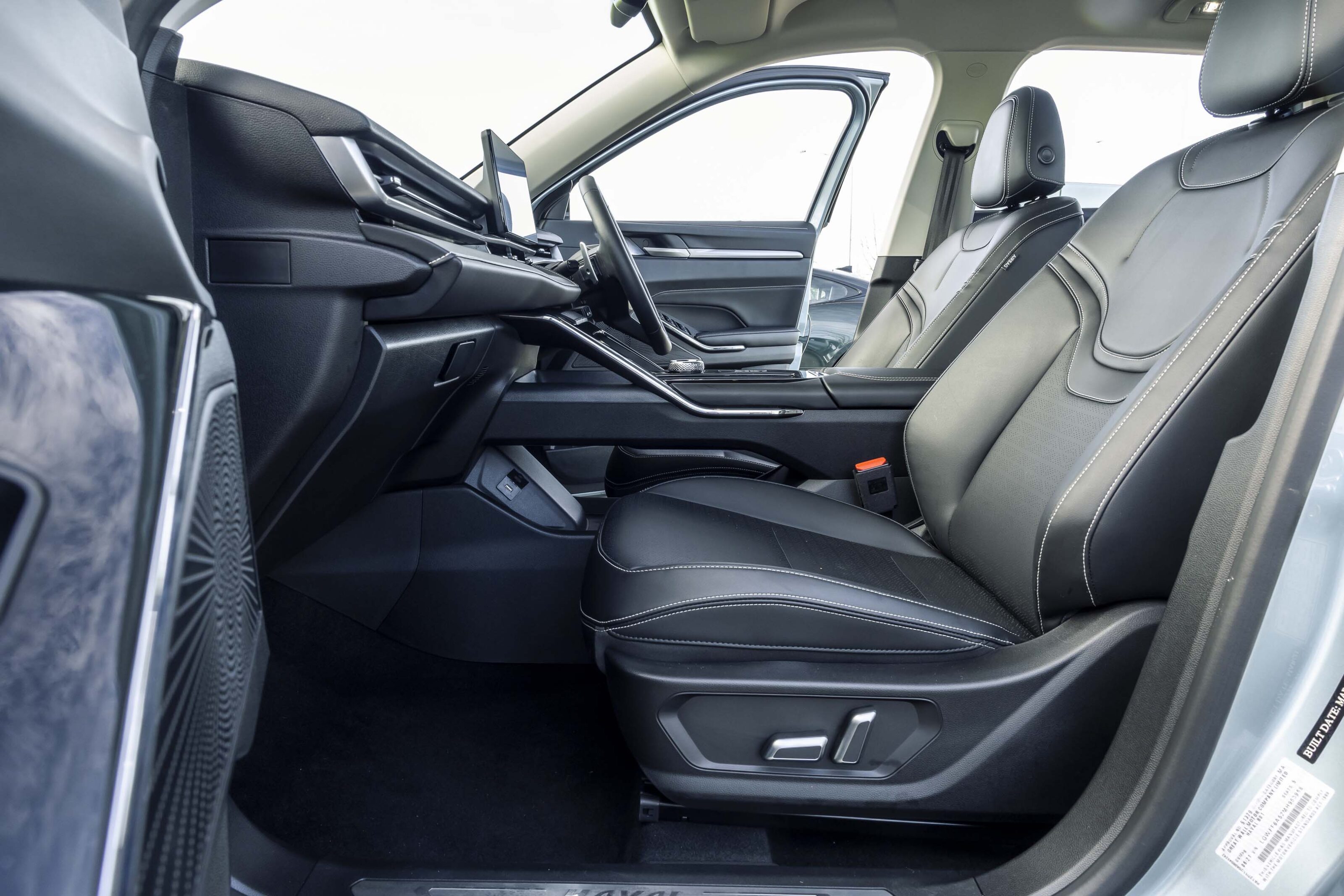
The interior of the H6 looks and feels premium. From the second you get in, you’re immersed in a cabin that on the surface appears to punch well above its weight for the price point.
GWM Haval’s leather-like Comfortek upholstery wraps the seats and major touch surfaces. Front occupants are treated to seat heating and ventilation but, to us, the cushioning feels a little too firm.
The 12.3-inch touchscreen is very on-trend and sits in the centre of the dash, with a floating centre console that sits snugly in between the driver and front passenger providing lots of space.
A cubby bin underneath has ample room for a small handbag or wallet, which is handy for stopping them from rolling around on the passenger seat or in the footwell.
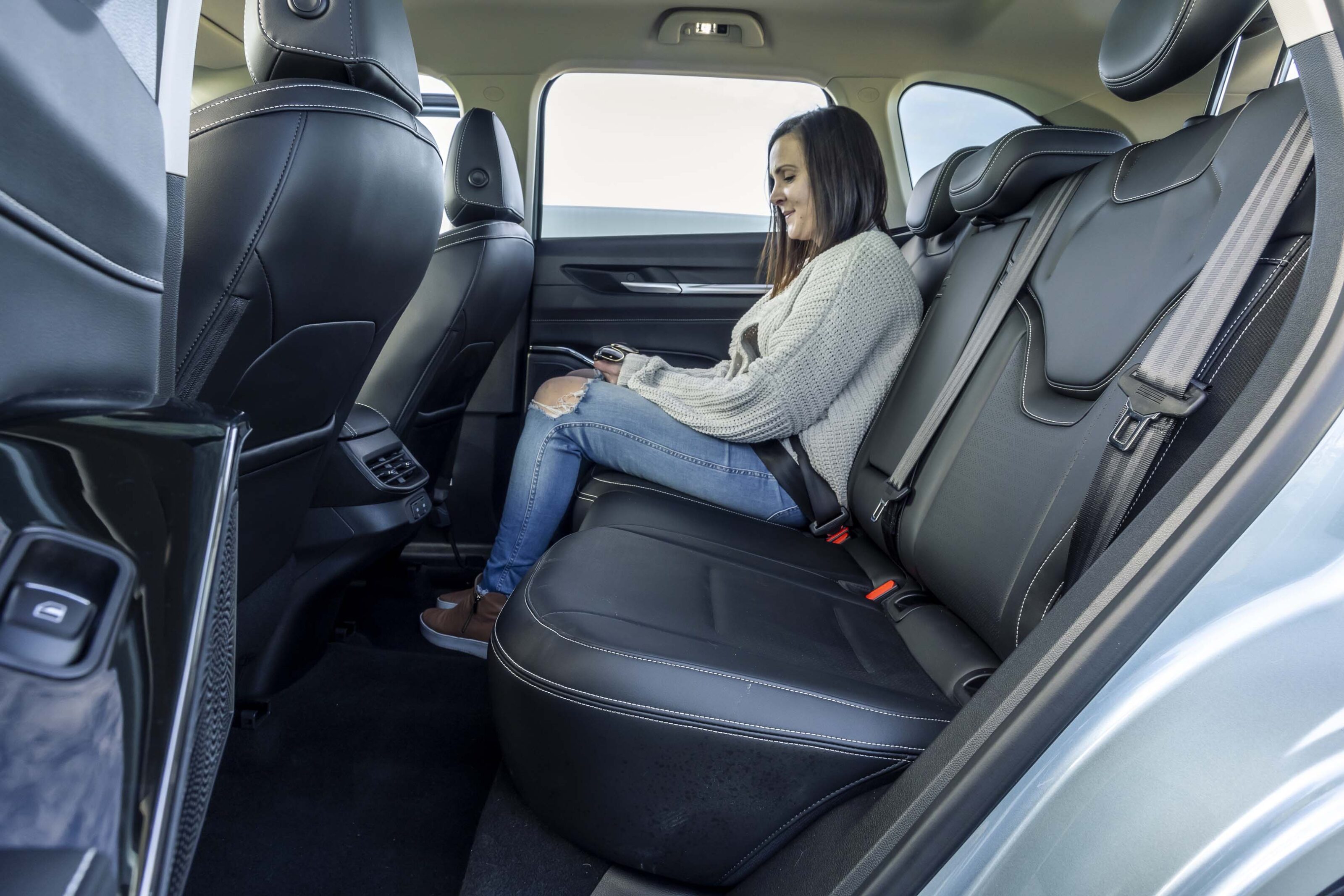
Rear occupants get a pretty good deal too with heaps of legroom, an almost flat floor thanks to a low transmission tunnel that really opens up the space, two USB-A ports, air vents, privacy glass and map pockets on both sides.
The seats are nice and deep too, meaning little ones can rest their feet on the edge while sitting in a child seat rather than have them dangle down, a plus for child comfort.
Only super-tight space in the door cards lets the rear of the H6 down; there’s not even enough room for a small drink bottle as only one of those silly teeny tiny airline-sized ones containing barely a few gulps will fit.
Rear occupants get a pretty good deal too with heaps of legroom and an almost flat floor that really opens up the space
The doors themselves hold themselves open on an incline and provide a wide aperture for getting things such as child seats – or small people – in and out.
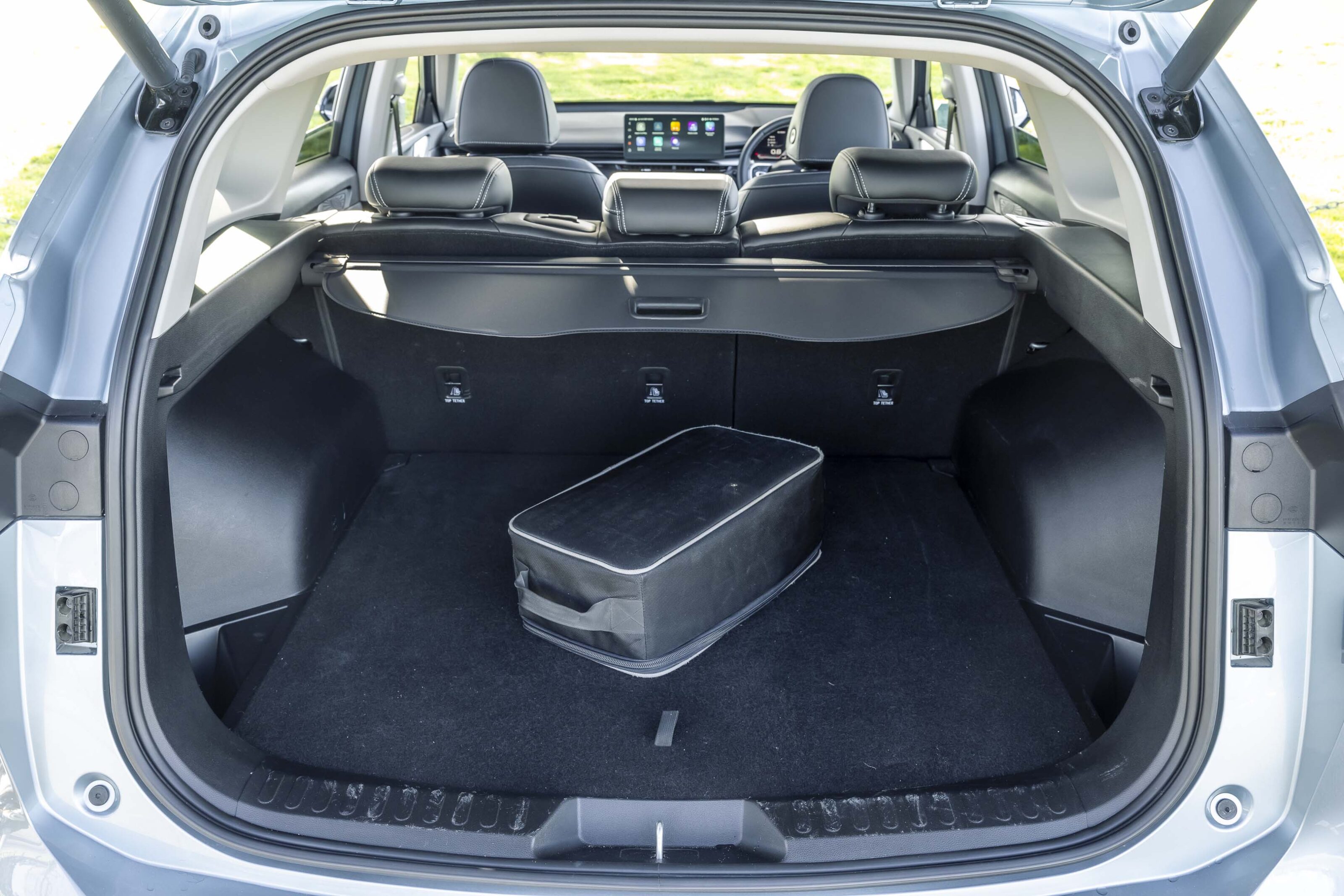
A pair of ISOFIX points for installing said seats are easy to locate and click in, and access to top tether anchorages via the incredibly cavernous boot is good too.
2022 Haval H6 boot space
Offering 600 litres of capacity with the second row up and 1485L with it folded down, the Haval H6’s boot space is a real selling point of this car. A glance over the shoulder from the back seat gives the impression it goes on for miles.
It easily beats the HS, X-Trail and Sportage too – their respective boot capacities being 463L, 565L and 543L – although the Sportage bests the H6 with the seats down at 1829L.
It’s also significantly more space than you’ll find in the coupe-style H6 GT, which shrinks to 392 litres as a result of the more dramatically sloped rear end.
On the road
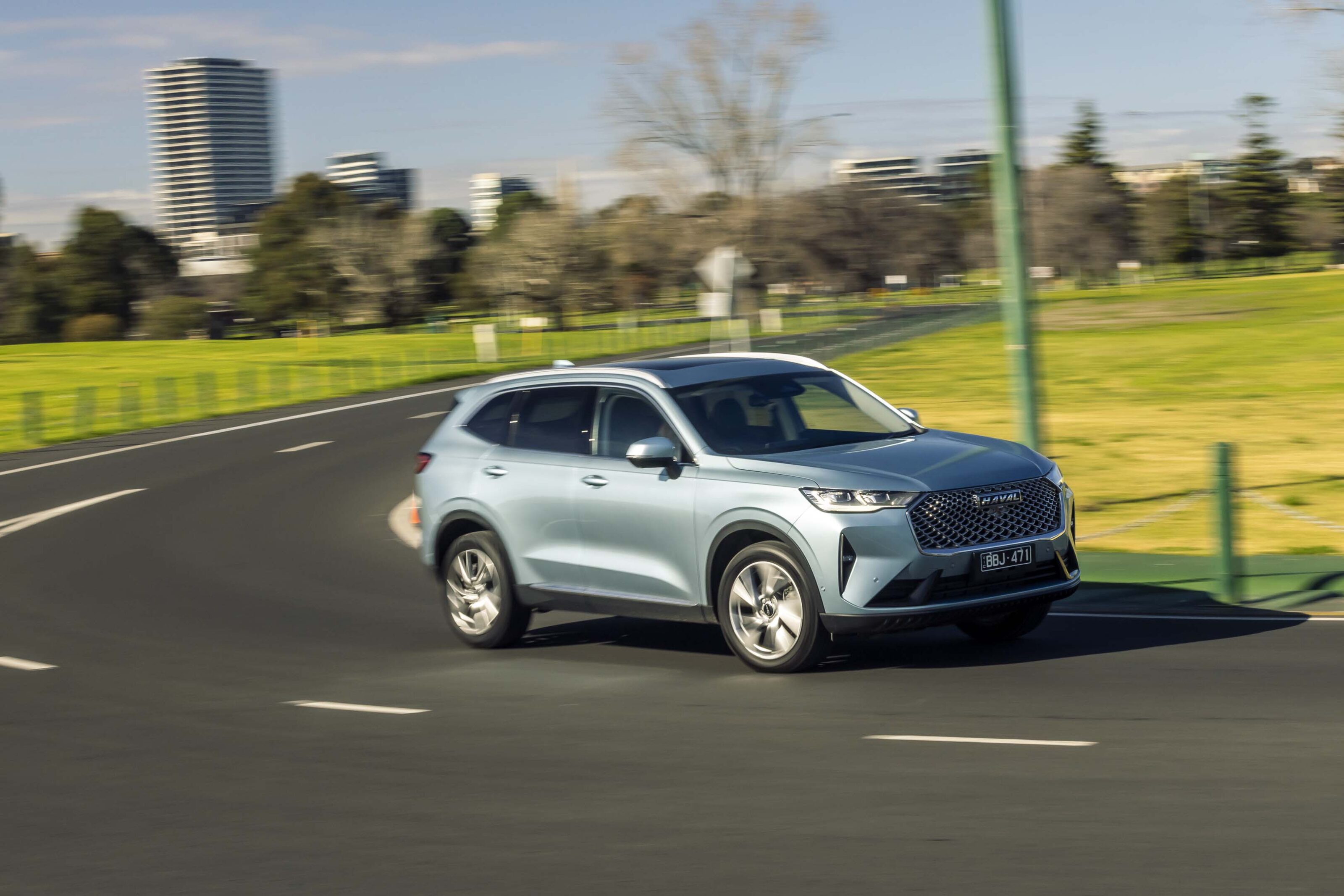
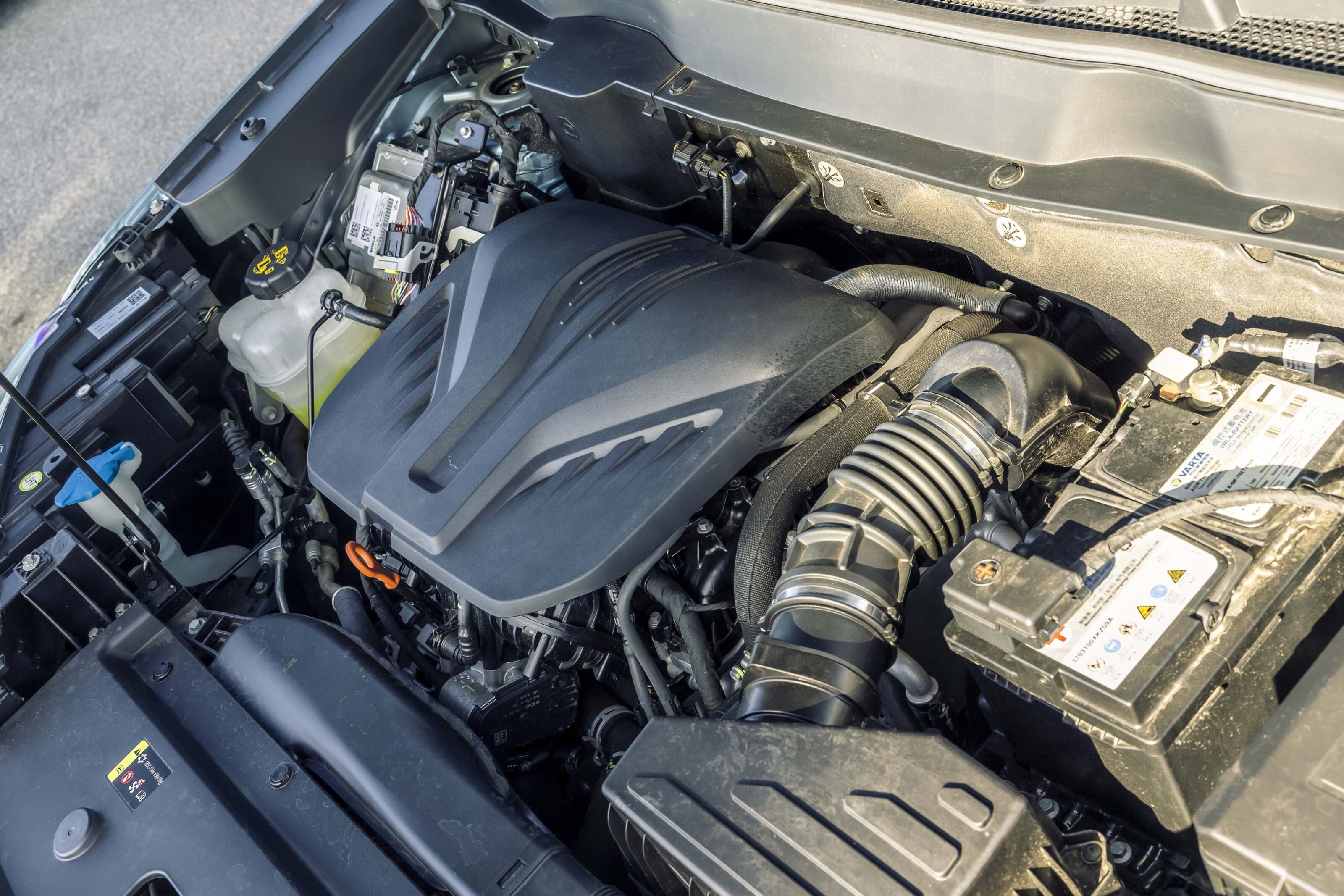
With the exception of the Hybrid, each H6 trim grade is available with the same 2.0-litre turbo-petrol engine and seven-speed dual-clutch automatic transmission, with either two- or all-wheel drive.
Our Ultra on test here is the AWD version, with power and torque rated at 150kW and 320Nm respectively.
The 2.0-litre is eager, providing a noticeable – but not unpleasant – induction rasp and making the H6 surprisingly quick for a car of its size and road presence.
Its healthy torque figure helps make overtaking a breeze, and it can haul a full load of people and their possessions with little impact on performance.
There’s a bit of turbo lag when moving away from the lights on occasion, though the bigger issue is that the idle-stop/start system can be reluctant to get going again.
The transmission is a little unwilling to shift quickly, especially in manual mode, where it feels like you can count more than a second between some downshifts.
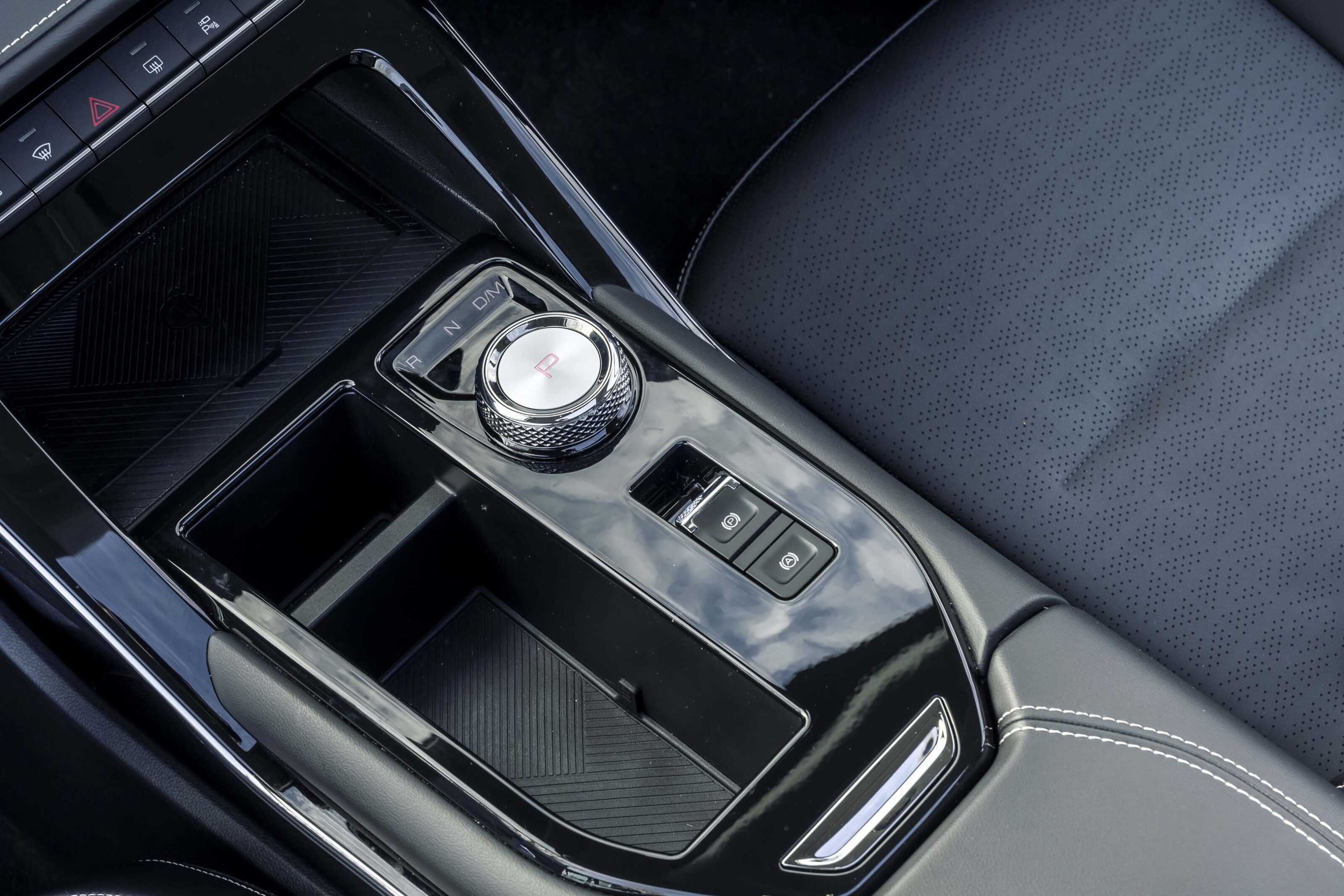
The rotary dial used to control it is also a bit finicky because it doesn’t solidly click into place as others do, instead performing like a toggle used to flick through menu options, meaning you have to really check what gear you’re in before trying to move away.
In contrast, the H6’s steering is more than capable, with no real evidence of dead spots, and its weight can be adjusted via a function buried in the touchscreen menus.
We found Light mode is a bit too, well, light for our liking and while Sport is responsive without being too heavily weighted, we spent most of our time in Comfort.
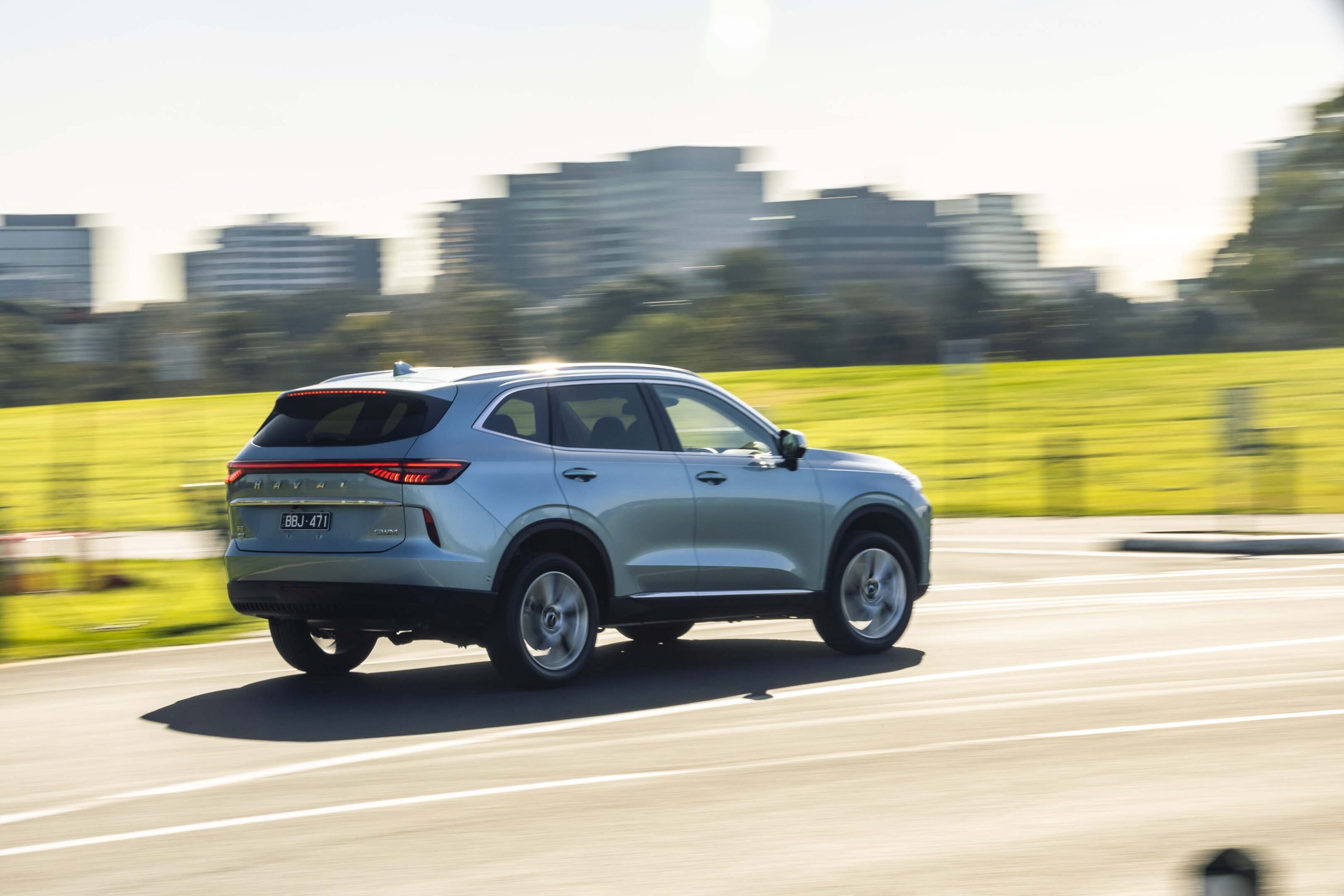
There are also four regular driving modes; Normal, Eco, Sport and Snow. An additional two for the AWD Ultra – and slightly more Aussie-appropriate than Snow – are Off-road and Sand.
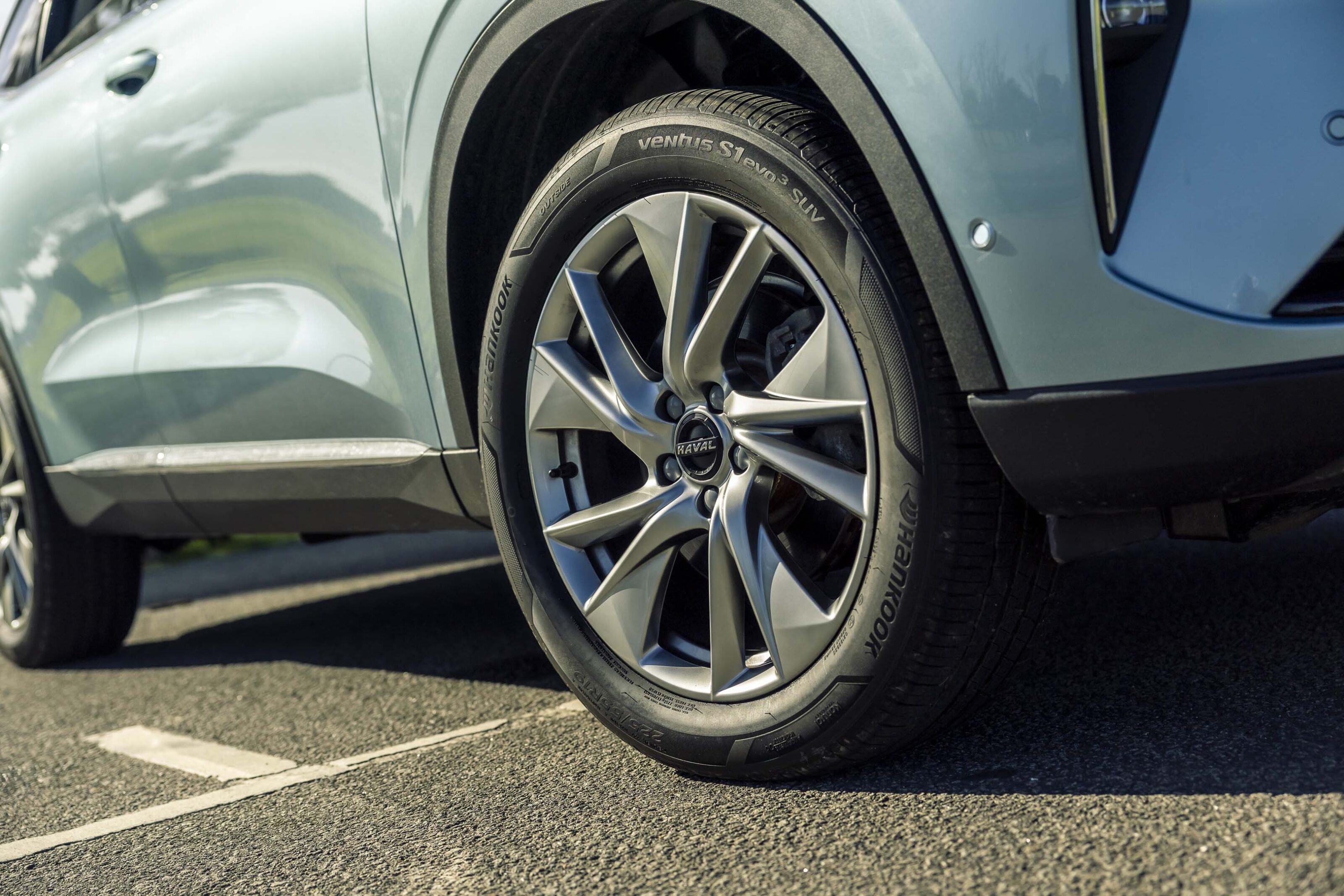
We didn’t take the H6 away from sealed roads during our time with it, but even on normal driving surfaces, the AWD and Hankook rubber combo offers decent grip. The suspension is soft and comfortable, only slightly unsettled on poor-quality roads.
Fuel economy for the 2022 Haval H6 Ultra AWD is rated at 8.2L/100km, which is adequate for an all-wheel-drive vehicle of its size, and we slightly bested that during our test with a result of 8.1L/100km.
By comparison, the front-wheel drive Haval H6 is claimed to use 7.4L/100km.
If fuel efficiency is important to you, there’s an Ultra Hybrid variant available with 5.2L/100km consumption. This drivetrain also brings more power and torque, though a trade-off is losing all-wheel drive, as it powers the front wheels only.
Ownership
Like all GWM products, the 2022 Haval H6 Ultra has a seven-year, unlimited-kilometre warranty, five years of roadside assistance and five years of capped-price servicing.
Servicing is every 12 months or 15,000km – except for the first year which is 10,000km – with pricing as below:
| Year | Kilometres | Cost |
|---|---|---|
| First year | 10,000km | $210 |
| Second year | 25,000km | $280 |
| Third year | 40,000km | $480 |
| Fourth year | 55,000km | $580 |
| Fifth year | 70,000km | $210 |
VERDICT
For a practical family hauler, it doesn’t do much wrong.
Being fully loaded with desirable features, a premium-feeling cabin, lots of safety tech and all this for a lower price than many of its rivals, the GWM Haval H6 Ultra would fit in very well with families who want creature comforts and need extra space.
Throw in the seven-year warranty and some very affordable servicing costs, and the H6 could start to look even more tempting for those who prioritise long-term ownership and value for money over driving performance. Even in that regard, the H6 confidently stands its ground.
It may not be the segment leader by a long shot, but should the H6 be on the shopping list? Absolutely. For a practical family hauler, it doesn’t do much wrong.
Haval H6 Ultra turbo petrol AWD specifications
| Body | 5-door, 5-seat medium SUV |
|---|---|
| Drive | all-wheel |
| Engine | 2.0-litre turbo-petrol |
| Transmission | 7-speed dual-clutch |
| Power | 150kW @6000-6300rpm |
| Torque | 330Nm @1500-4000rpm |
| Fuel consumption | 8.3L/100km (combined) |
| Suspension | struts at the front, multi-link at the rear |
| L/W/H | 4653mm/1886mm/1724mm |
| Wheelsbase | 2738mm |
| Tyres | 225/55 R19s Hankook Ventus S1 Evo3 |
| Wheels | 19-inch alloy |
| Price | $43,485 drive-away, including premium paint |
