Snapshot
- Forester STI Sport available for the Japanese market
- Minor mechanical and visual upgrades handed down to the popular crossover
- Australian launch unlikely due to different engine specs
The 2023 Subaru Forester has been tweaked by Subaru Tecnica International in Japan, revealing the STI Sport edition.
Based on Subaru’s popular crossover, the Forester STI Sport gains a number of tweaks above its lesser variants, the biggest of which is the addition of STI-tuned dampers for better road-holding along with 18-inch alloys shod in 225/55 rubber.
Numerous styling tweaks have also been made to its exterior, from the gloss black front skid plate, fog light surrounds, side sill cladding, mirrors, rear diffuser and rear spoiler to the iconic cherry red STI badges on the grille.

A range of exterior paint finishes, such as crystal white pearl, magnetite gray metallic, ice silver metallic and crystal black silica, are available to order for domestic market buyers.
The cabin scores a mix of Bordeaux leather and Nappa leather upholstery on its seats, doors and dashboard, highlighted by red contrast stitching, while the seats also feature STI emblems on the headrests.
Optional equipment includes a power lift tailgate and Subaru’s EyeSight Safety Plus system.
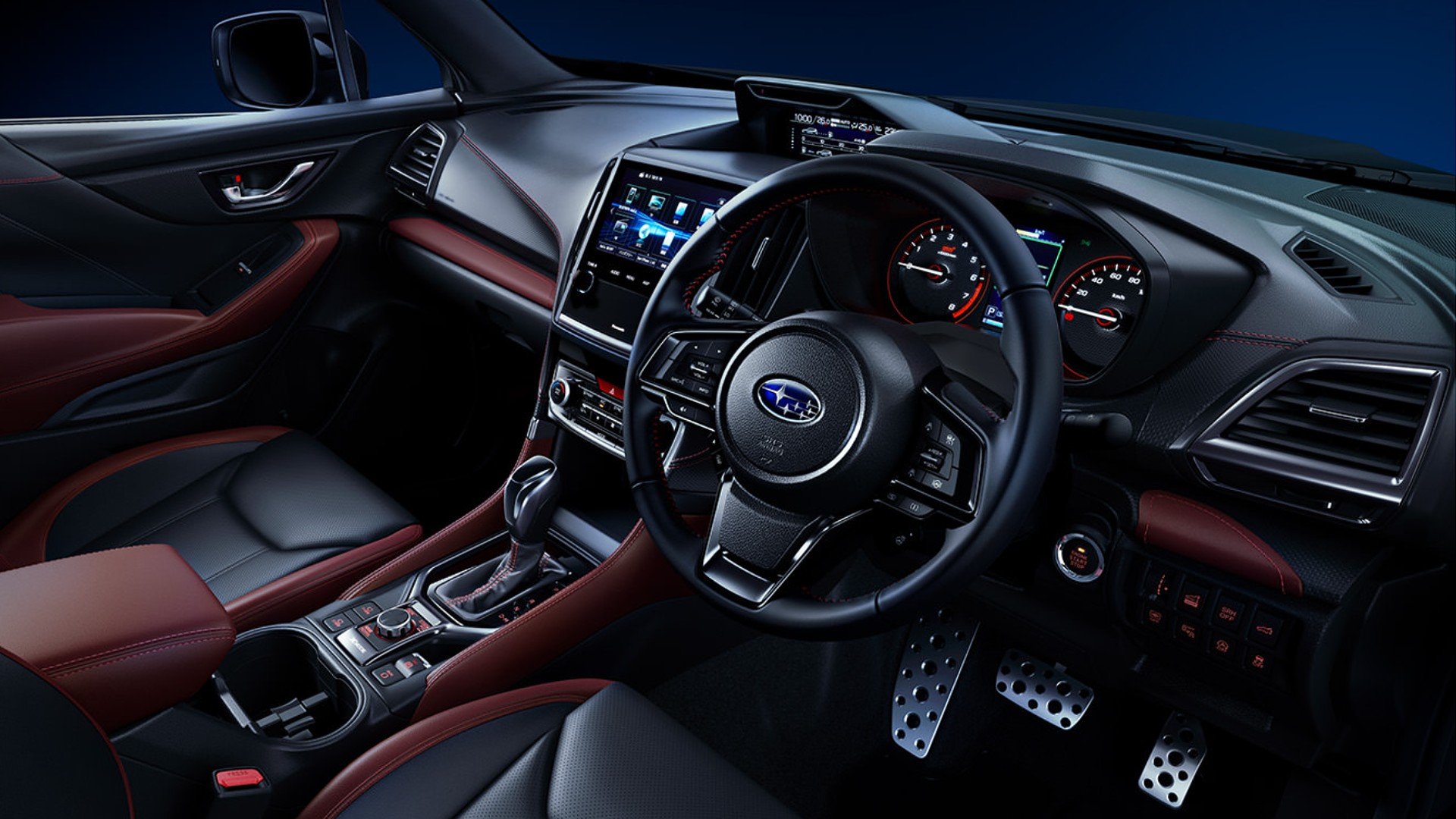
The 1.8-litre turbocharged four-cylinder boxer engine is unchanged from other Japanese Forester variants, continuing to develop 130kW and 300Nm which is sent to all four wheels through a CVT automatic.
Unfortunately for Australian buyers, the STI Sport likely won’t be coming to the local market, as Subaru’s powertrain offerings are limited to the 2.5-litre, naturally-aspirated four-cylinder and a 2.0-litre four-cylinder hybrid.
While Subaru Australia hasn’t totally ruled out the STI Sport, other unique grades could be added to the line-up.
“We are working closely with the factory on upcoming Special Edition options for the Australian market,” a Subaru spokesperson told Wheels. “We look forward to sharing further details closer to launch.”
Snapshot
- GR GT3 concept originally shown off at Tokyo Auto Salon
- Toyota could enter GT3 competition if a road car is homologated
- Platform rumoured to also underpin a future Mazda model
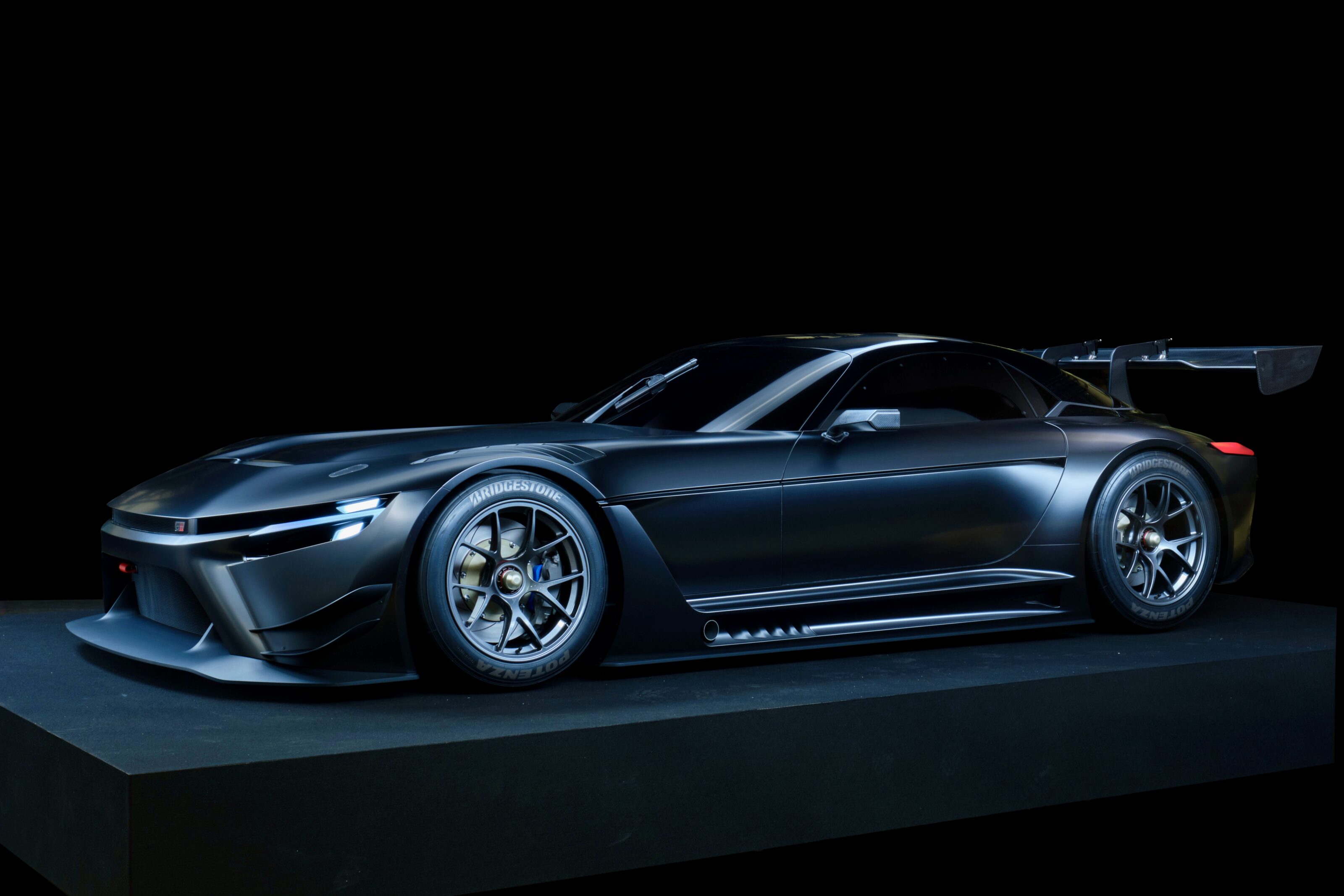
New design patent application images have shown Toyota is serious about turning its GR GT3 concept into reality.
First revealed at this year’s Tokyo Auto Salon, the GR GT3 concept raised eyebrows as it shared a number of simiar design features to the Mazda RX-Vision GT3 Concept shown in early 2020, fuelling rumours that the manufacturers could be collaborating on a shared halo sports car platform.
The patent images show a largely unchanged vehicle from the concept aside from the omission of its rear wing, although elements such as the front splitter and canards as well as the side-exit exhaust remain.
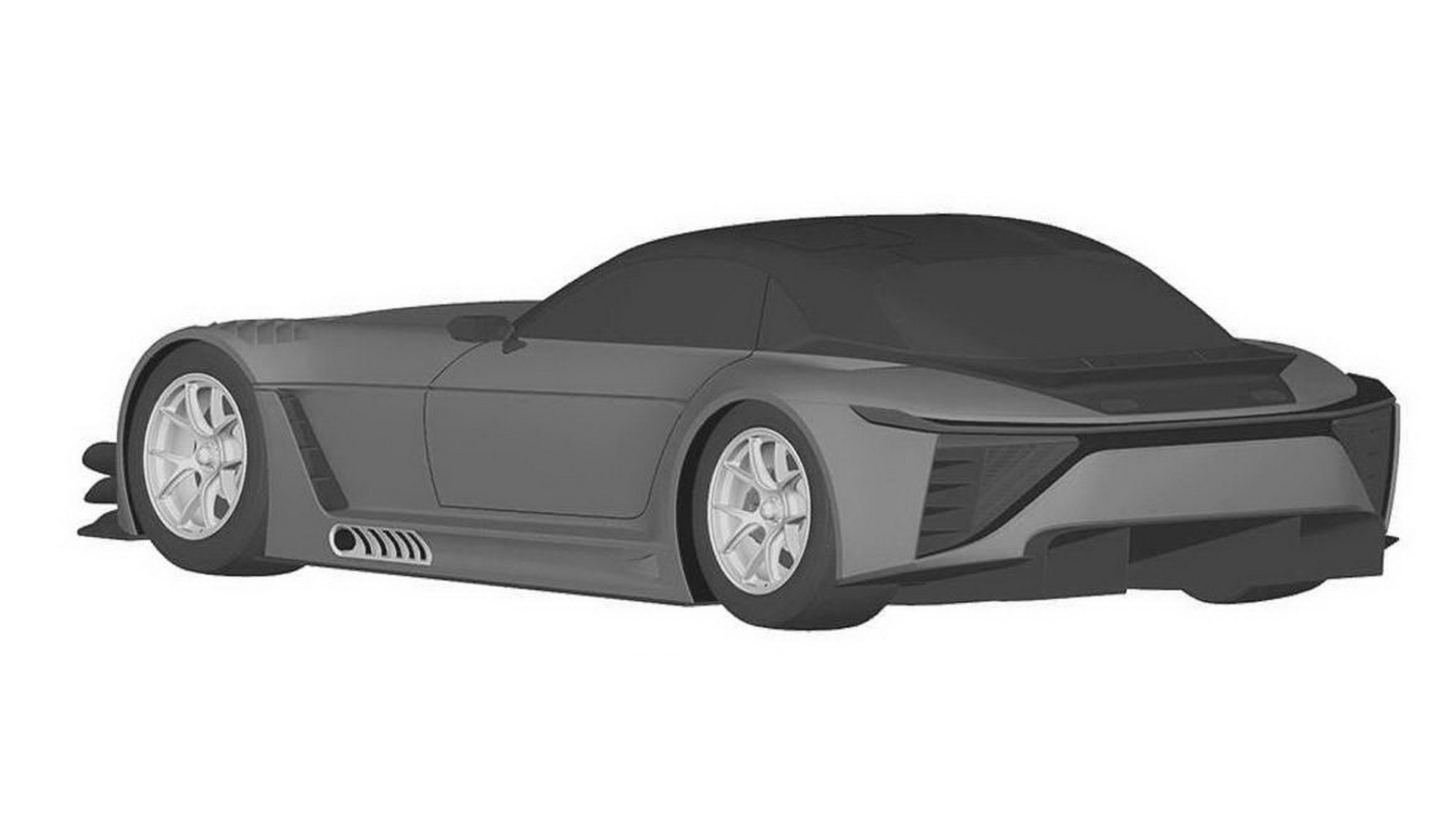
It might be hard to imagine a car like this being homologated for road use in its current state, but Toyota does need to create some form of production version for any GT3 racing project.
Just like the BMW M4 and Mercedes-AMG GT-based GT3 racers, a production version of the GR GT3 could go without the side-exit exhaust but adopt it for the racing variant, given the number of carry-over parts are limited.
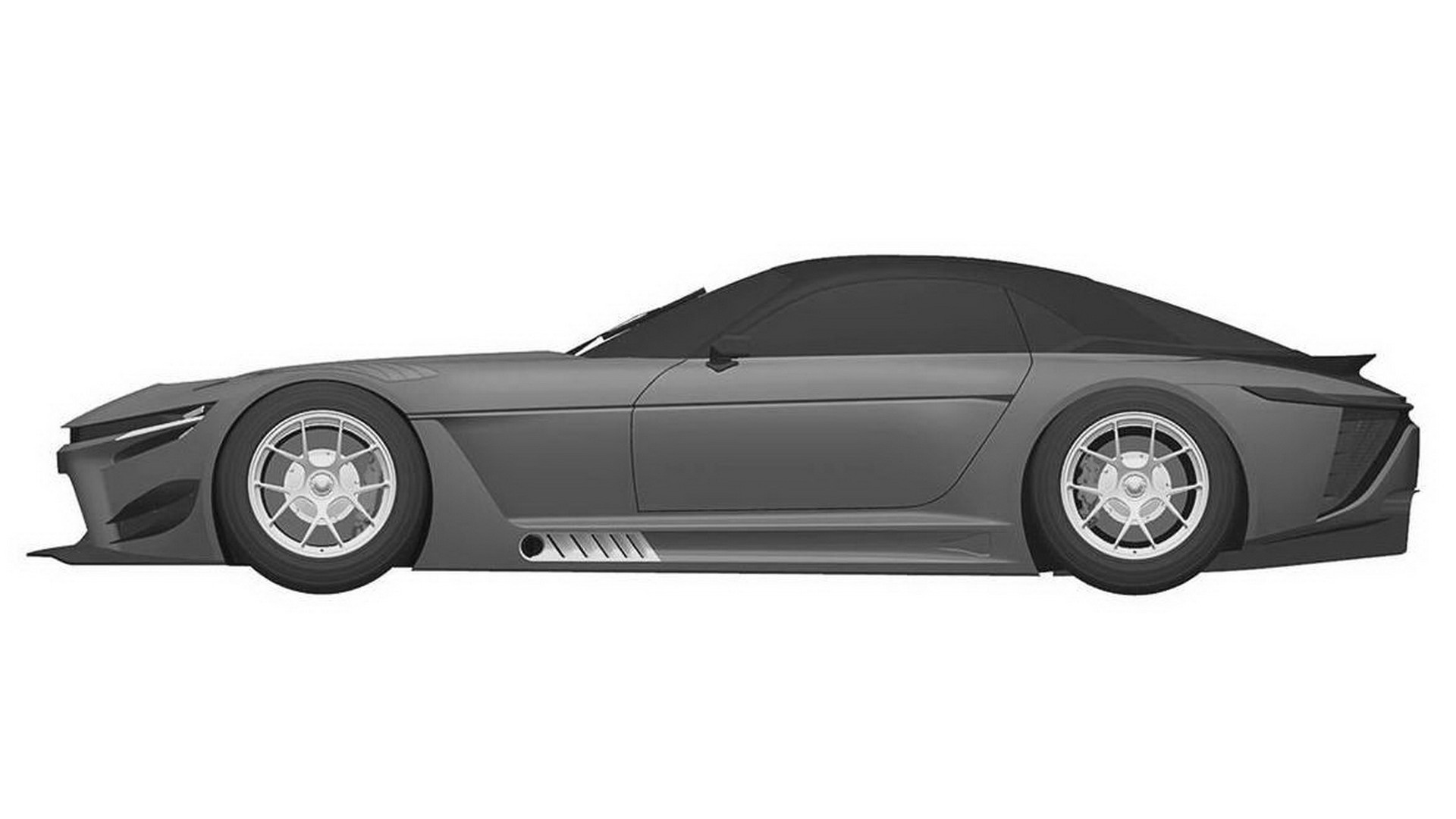
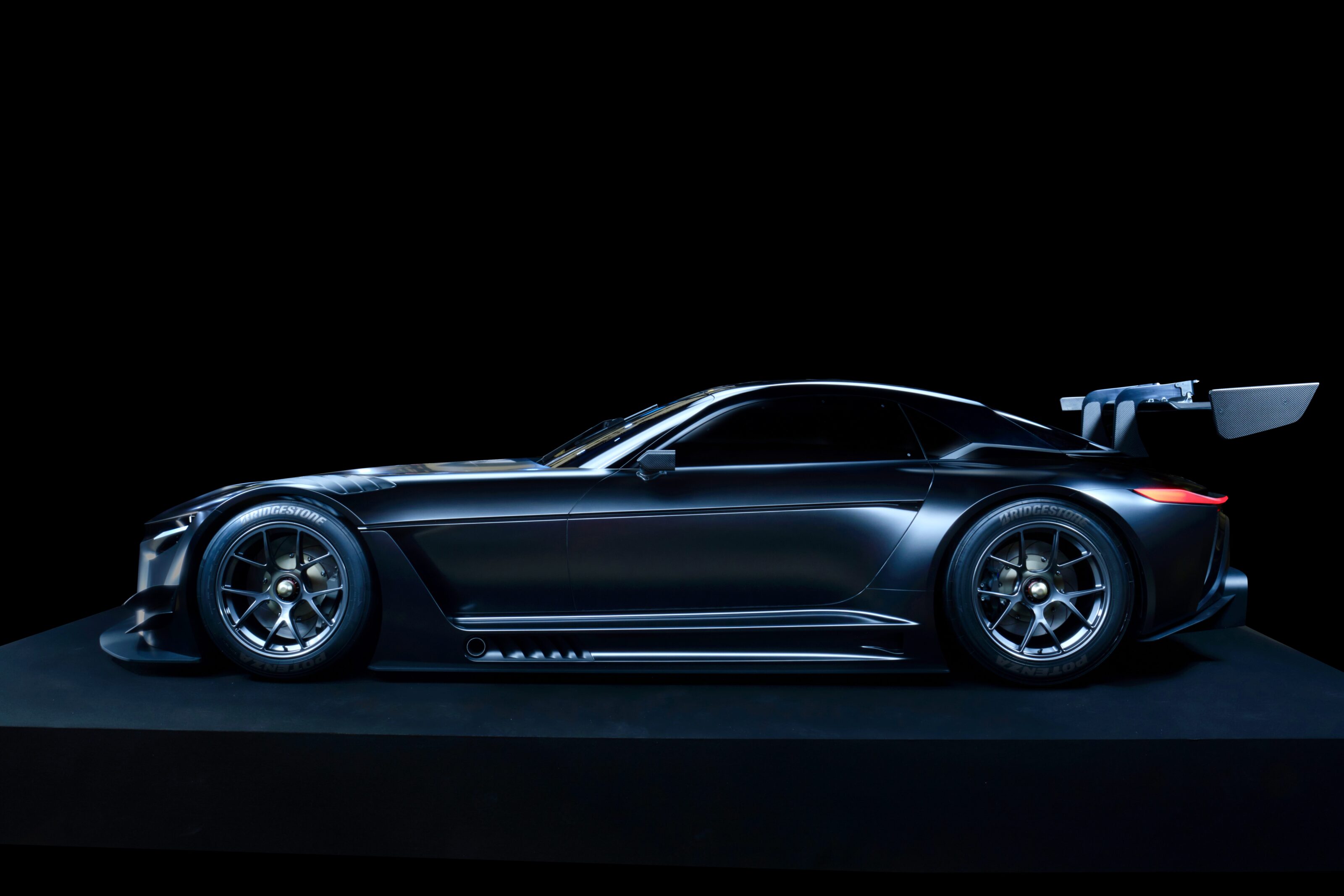
The standard GR’s design could even influence the Lexus LFA’s electric successor, however the existence of an exhaust suggests it wouldn’t utilise the same powertrain as its luxury counterpart.
Toyota and Yamaha have been developing a hydrogen-fuelled V8, having made no secret of its intentions to save internal combustion through the use of hydrogen in an alliance with Mazda and Subaru.
UPDATE: BMW M teases new CSL Hommage birthday present
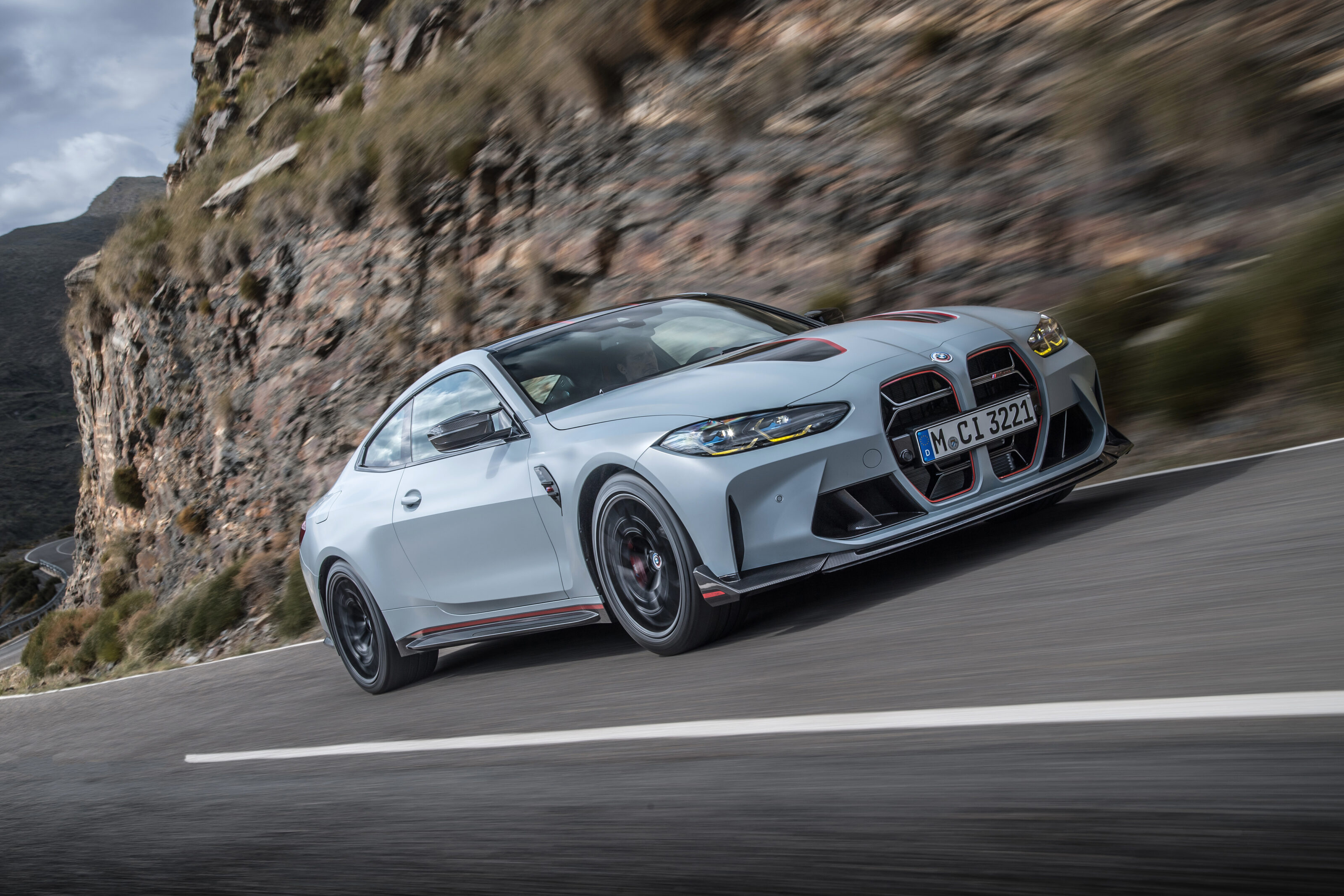
We’d all hoped, and really we knew it was coming, but here it is: our first look at the hotly anticipated BMW M CSL Hommage.
(Its real name is still to be confirmed, but this writer is betting on that one.)
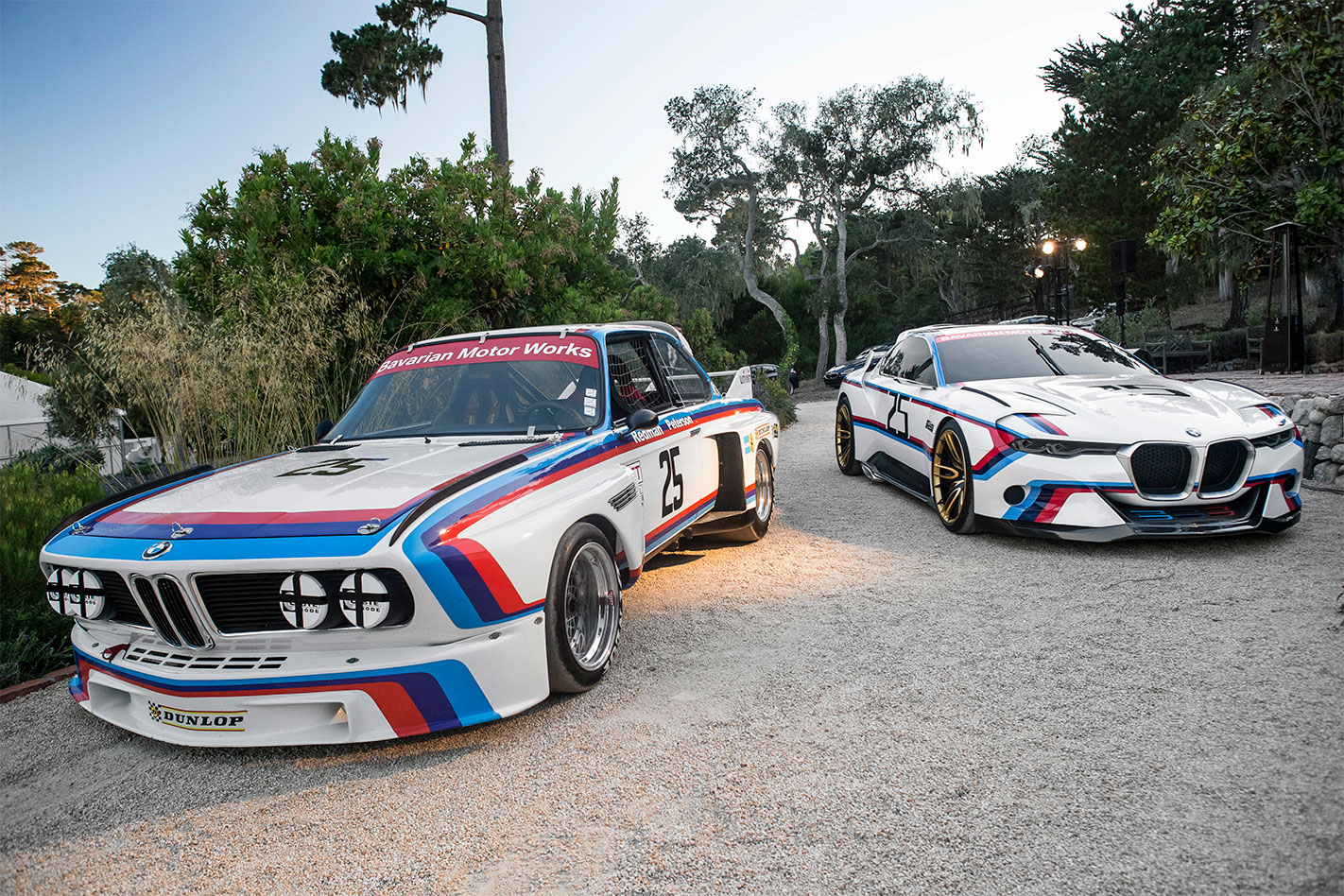
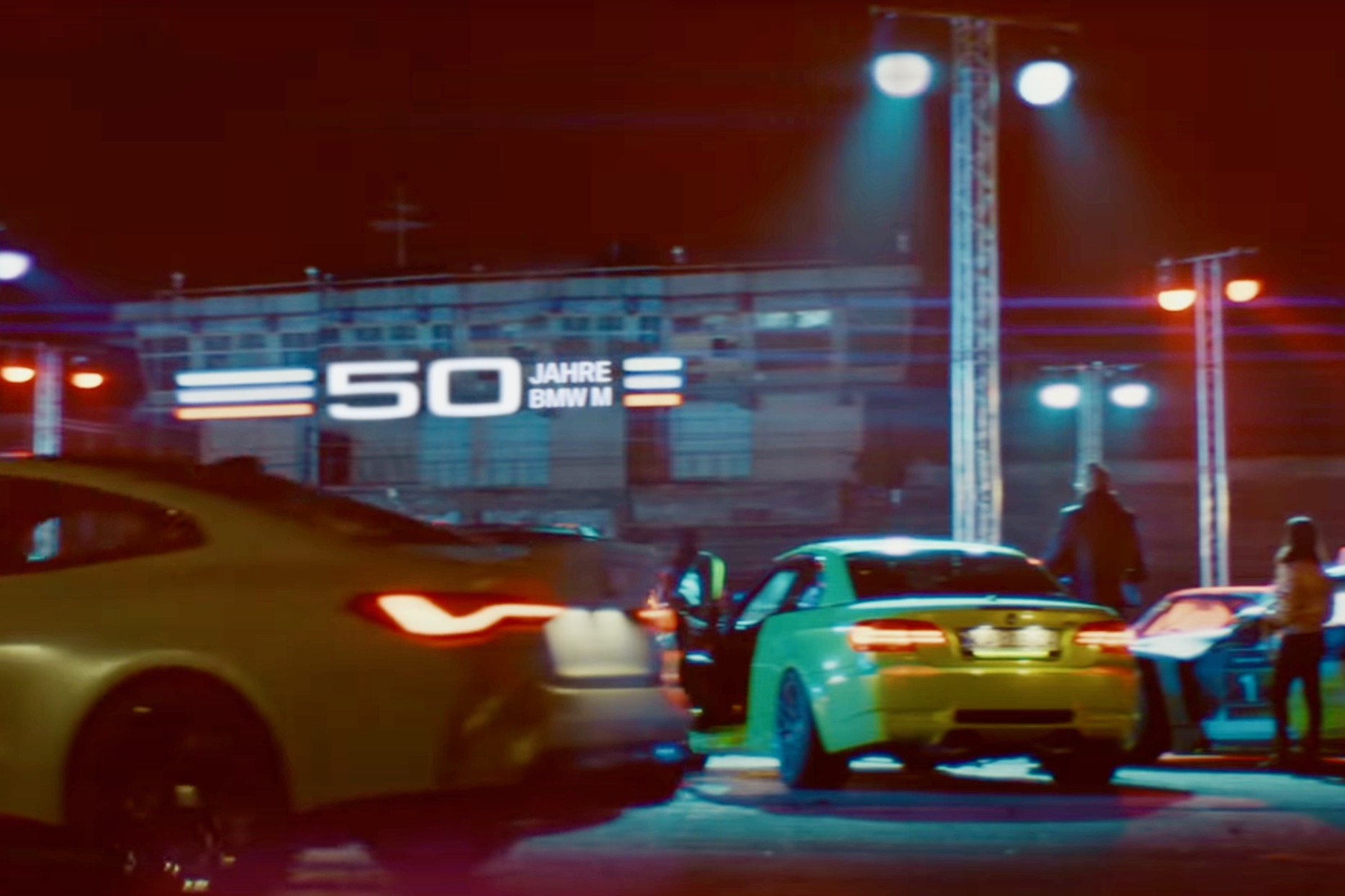
Based on the only recently revealed M4 CSL, the new CSL Hommage will debut as both a tribute to the 3.0 CSL shown below, and also as BMW M’s 50th birthday gift to itself.
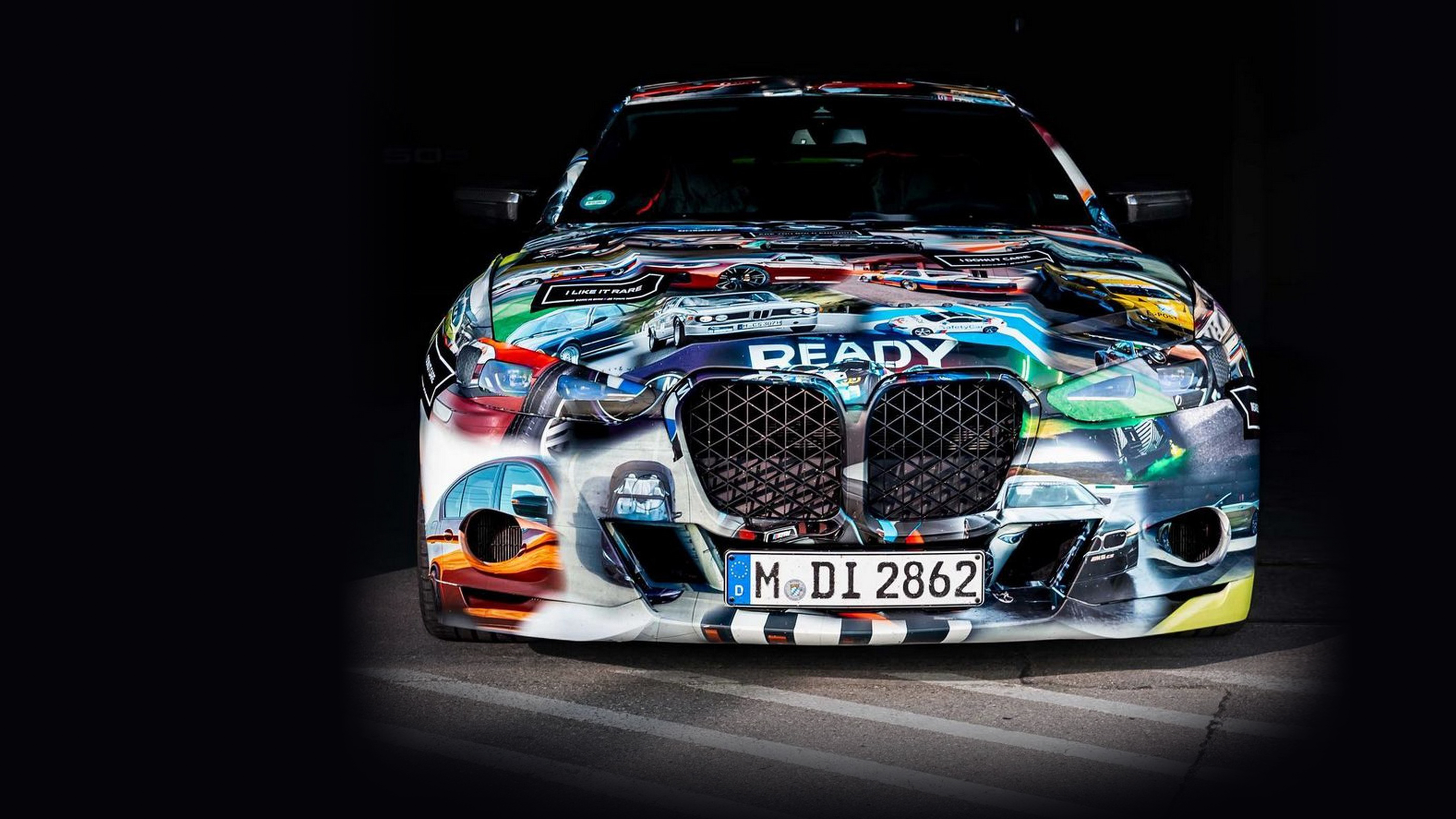
No technical details have been handed down yet, but as our man Georg Kacher outlines below, we’re expecting a huge 447kW – up from the already mighty 405kW offered with the M4 CSL.
On the styling front, the CSL Hommage will wear a tapered grille design harking back to the 2015 CSL Hommage Concept that clearly inspires the new car’s overall look. Big circular ducts appear in the bumper as a tribute to the 3.0 CSL.
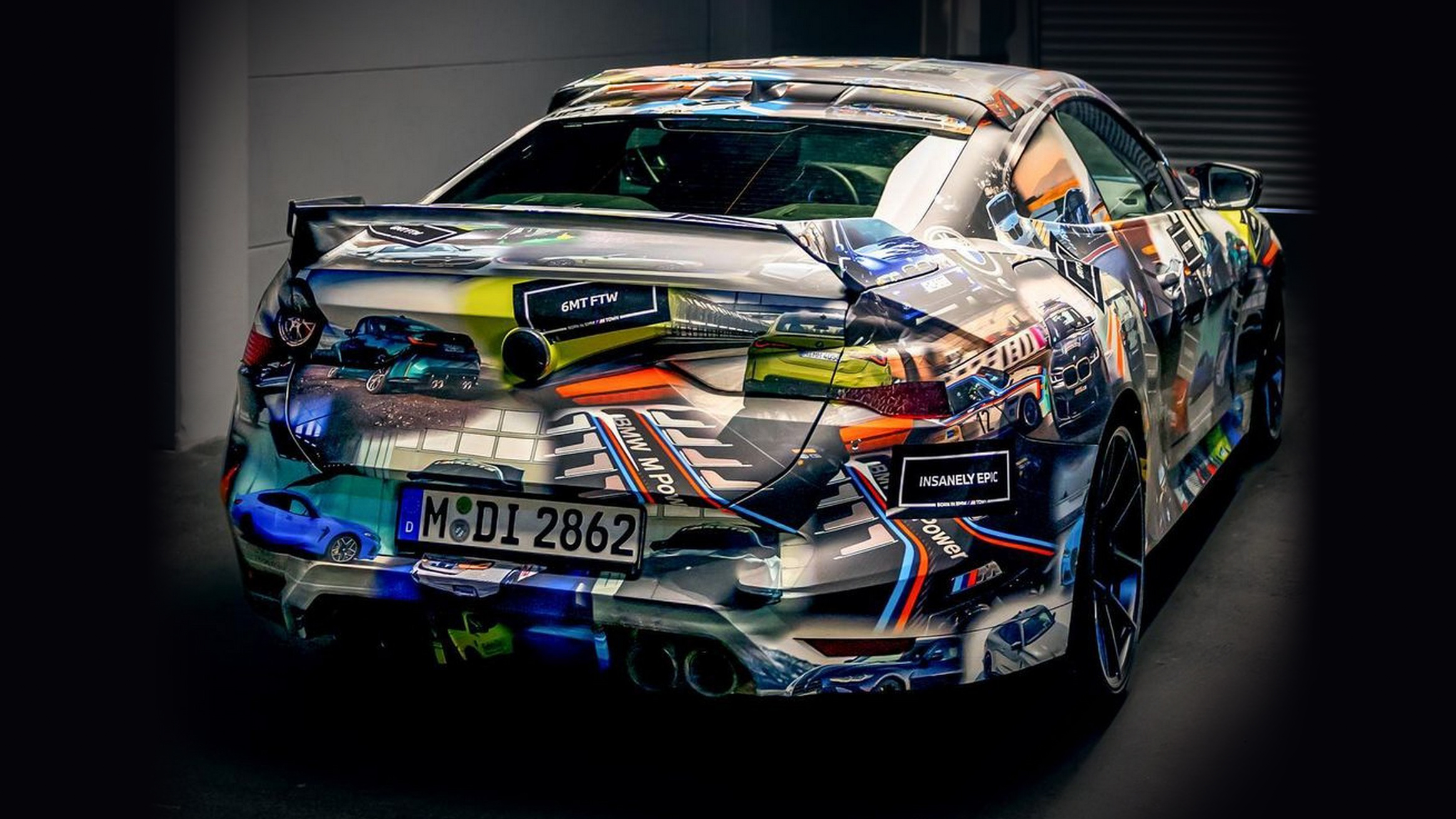
The profile of the new CSL looks to add massive upswept guards at each corner, although the images here offer only a hint of that theme.
The rear is more distinctly M4, although with a new bumper and boot lid design, and a full-width wing that reaches down into the new-shape rear quarter panels.
Grille aside, it looks like digital artist Avarvarii got it pretty close with the renders posted to his instagram earlier this month for the UK’s Car magazine.
https://www.instagram.com/p/CeQeUObq8wV/
The story to here: All the details
May 11
Snapshot
- Limited to 50 units
- 410kW CSL derivative priced at u20ac180,000 (AU$270,000) to follow
- All-electric sports car architecture to be jointly developed with McLaren
Some of the best-looking BMWs never made it into production, but they regularly stole the show at the prestigious Villa d´Este Concours d´Elegance down by Lake Como in Northern Italy.
Among the most memorable concepts were the Hommage cars which paid tribute to the M1 (design by Benoit Jacob), the 2002 (design by Alexey Kehza) and the 3.0 CSL (design by Karim Habib).
When they went through the company archives, looking for inspiration for the M division’s 50th birthday special, the managing director Frank van Meel and his team did not have to think twice – after all, no other model captures the substance, style and spirit of the brand’s go-faster satellite more comprehensively than a re-imagined batmobile.
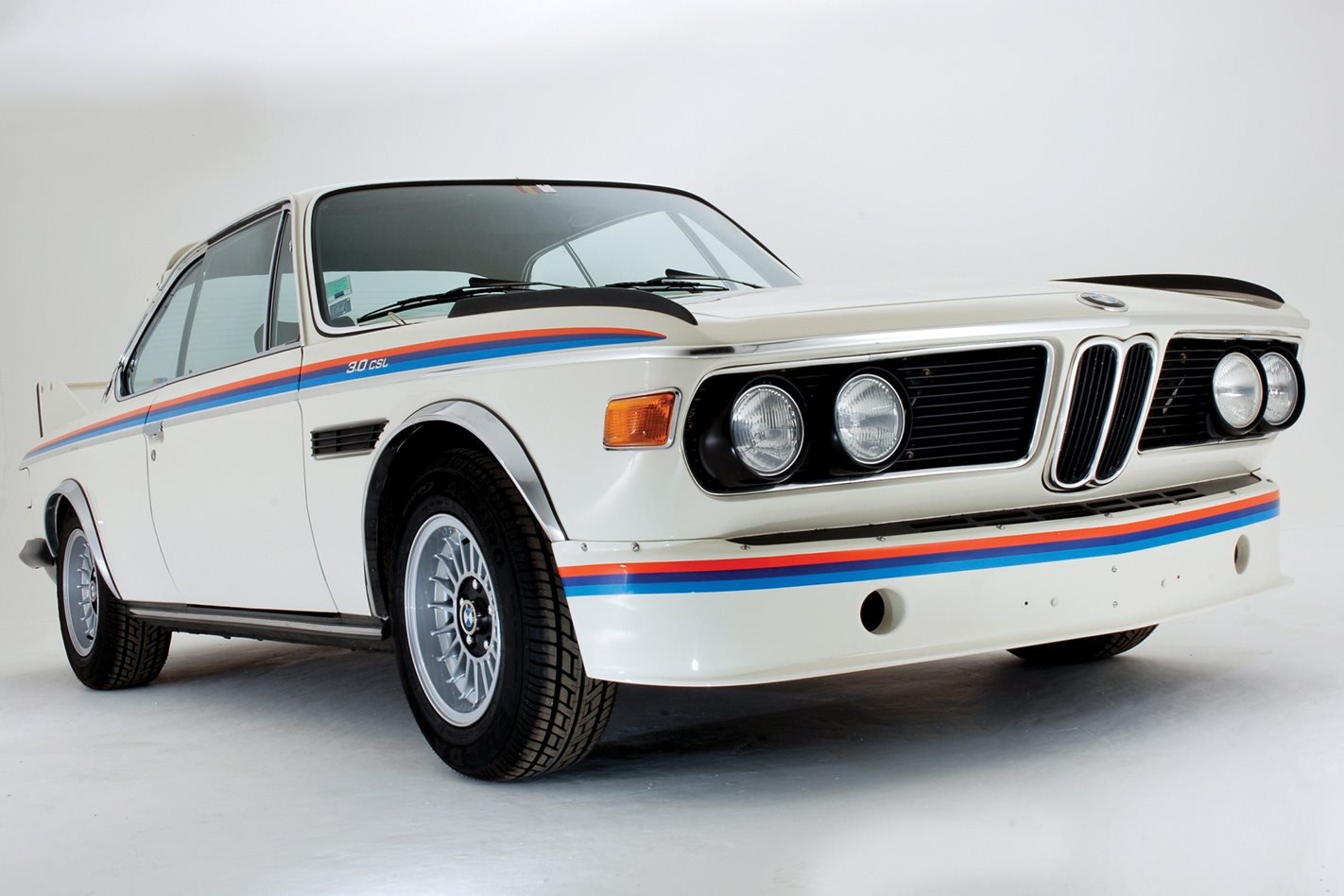
Codenamed E9, the CS series was built by Karmann in Osnabrück. The undisputed flagship version was the CSL, which dominated touring car racing in the early to mid 70s. The final evolution series available between 1973-1975 did not only feature lighter windows, doors and bonnet, but also a comprehensive aero kit complete with huge rear wing – which was not even street-legal in Germany.
It was the first production car developed by the Motorsport GmbH masterminded at the time by the former racing driver Jochen Neerpasch, it first introduced the legendary M logo, and it pioneered the trademark red, lilac and blue M design. Although the M1 that followed was a much more extreme and exclusive piece of kit, the batmobile remained the pinnacle of M-ness, which was over time complemented by the first M3, six generations of M5 as well as more recent additions like M2 and M4.
Although the original CSL sat on a shortened 7 Series platform, its spiritual successor expected to launch this month uses the underpinnings of the M4. Not just any M4, but the limited-edition CSL which sheds 100 kilos of weight over the mainstream model.
While the CSL engine develops 410kW instead of 380kW, the Hommage car ups the ante once more to a lofty 447kW. In race trim, the M4 engine can allegedly produce an even meaner 485kW. The final M4 iteration expected early next year is the 395kW M4 CS.
Thanks to its completely redesigned lightweight body and the extra 50 horses, the 0-100km/h acceleration time predicted for the Hommage is down to 3.5sec, a number not even the top-of-the-line 462kW/1015Nm iX can match.
The top speed will be in excess of 300kph, but it may narrowly miss the 200mph mark due to tyre-related speed index issues and the need to trade low drag for increased downforce.
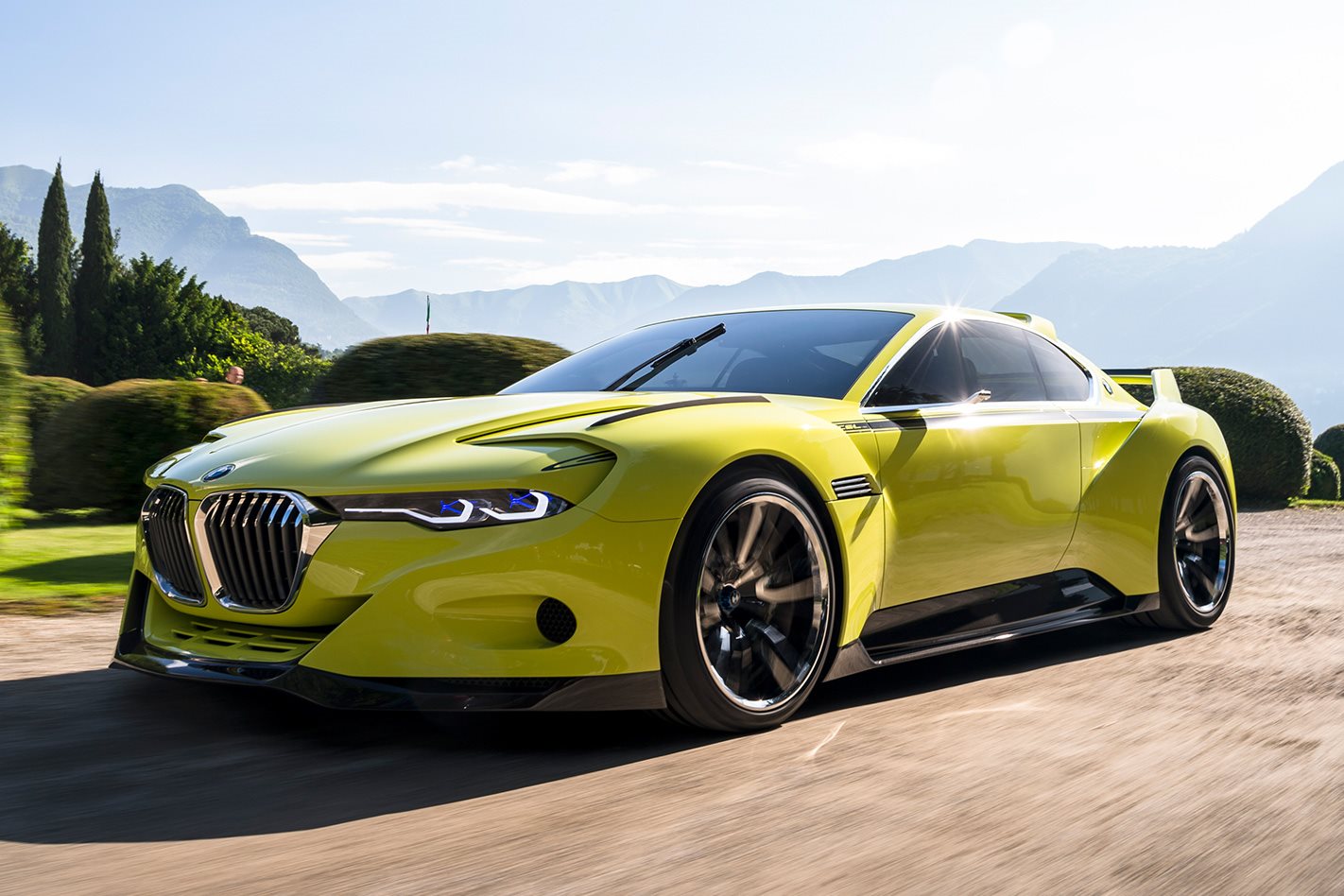
The yellow 2015 concept was a wild-looking thing sporting a set of prominent rear aerofoils, bossy Terminator wheels and arches, interlacing psychedelic rear light graphics, totally modern headlamps and an early anticipation of the love-it-or-hate-it upright rodent fangs grille that started spreading like an eye disease in 2019.
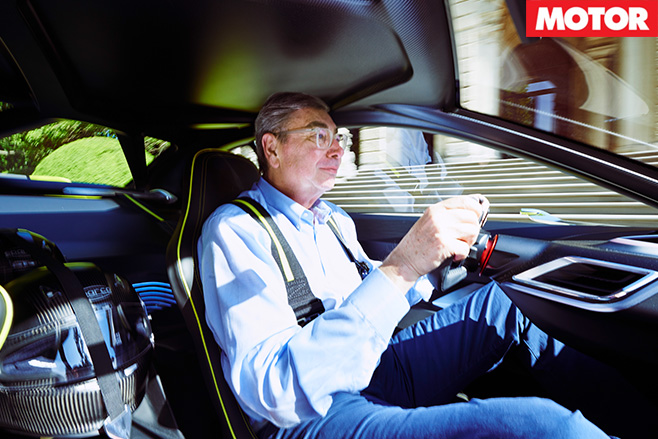
The interior showed a strange mix of neo-sporty and polarisingly futuristic styling elements. Forgettable details included the full-width wooden dash-board, the yoke-style pseudo steering-wheel, a minimalistic digital display and an artsy-fartsy carbon-fibre rollover protection device installed behind the seats.
We can’t wait to check out the visual links between the 2015 one-off and the 2022 few-offs effort, but since the starting point is said to be the most radical evolution of the M4 yet, the wheelbase and the proportions are bound to adhere to the three-box principle.
For homologation and safety reasons, certain hard points cannot be touched, but the designers are free to change all hang-on panels and body surfaces in a way that does not violate the safety rating and the type approval.
Way back then and now, carbon fibre is the chosen clay substitute applied by the creative team under Adrian van Hooydonk (group), Domagoy Dukec (brand) and Anne Forschner (BMW M).
It seems safe to expect mostly bespoke body panels, more aggressive aerodynamics, certain retro details like splitters and fins, bigger lightweight wheels, different front end graphics and a lower-drag rear end sporting additional air dams, deflectors and diffusors.
Yellow matrix headlights and 3D laser rear lights are also high up on the probability list, but dual side-pipes and extended wings may no longer be legal.
The idea behind the Hommage concept is to create a racing car for the street, a near-supercar which is more emotional to drive, look at and listen to than any other road-legal BMW.
The maximum torque is expected to climb to 700Nm – that’s close to the 750Nm peak the faster-shifting eight-speed ZF box can handle. All-wheel drive would of course help to convert all that grunt into better traction, but there is no way the minimalist M Hommage will waste 80 kilos on a second set of driven wheels.
While the original CSL tipped the scales at a super-slim 1165 kilos, the unofficial target weight for the 2022 version is 1550 kilos.
To reach this goal will require extreme decontenting, extensive material substitution, miniaturisation and breakthrough concepts like single-piece slide and tilt bucket seats, a printed rudimentary back-to-basics instrument panel and a tiny starter battery – to name only a few items.
These changes won’t come cheap, because the investment can only be spread over 50 units, and because more often than not fabrication and personalisation require 3D printers. The carbon fibre work has been farmed to a local specialist.
While the M Hommage is said to sell for a hefty €600,000 (AU$910,000) –with or without tax does not really matter at this level – the CSL can be had for less than a third of this sum. Although the junior batmobile is heavier, not quite as potent and somewhat less dazzling in appearance, it should be a little quieter and ride with a bit more respect.
While the in-dash lap and race timer, the numerous go-pro mounting points and an extensive set-up menu makes the child inside happy, adjustable aero elements, anti-roll bars and shock absorbers are an open invitation to fine-tune the dynamic talents.
Although we have yet to see the final shape of things to come, the M Hommage is definitely not a stealth car on steroids. In view of its price and rarity, it may in fact be the very first ultimate driving machine too precious to be maxxed out in the real world.
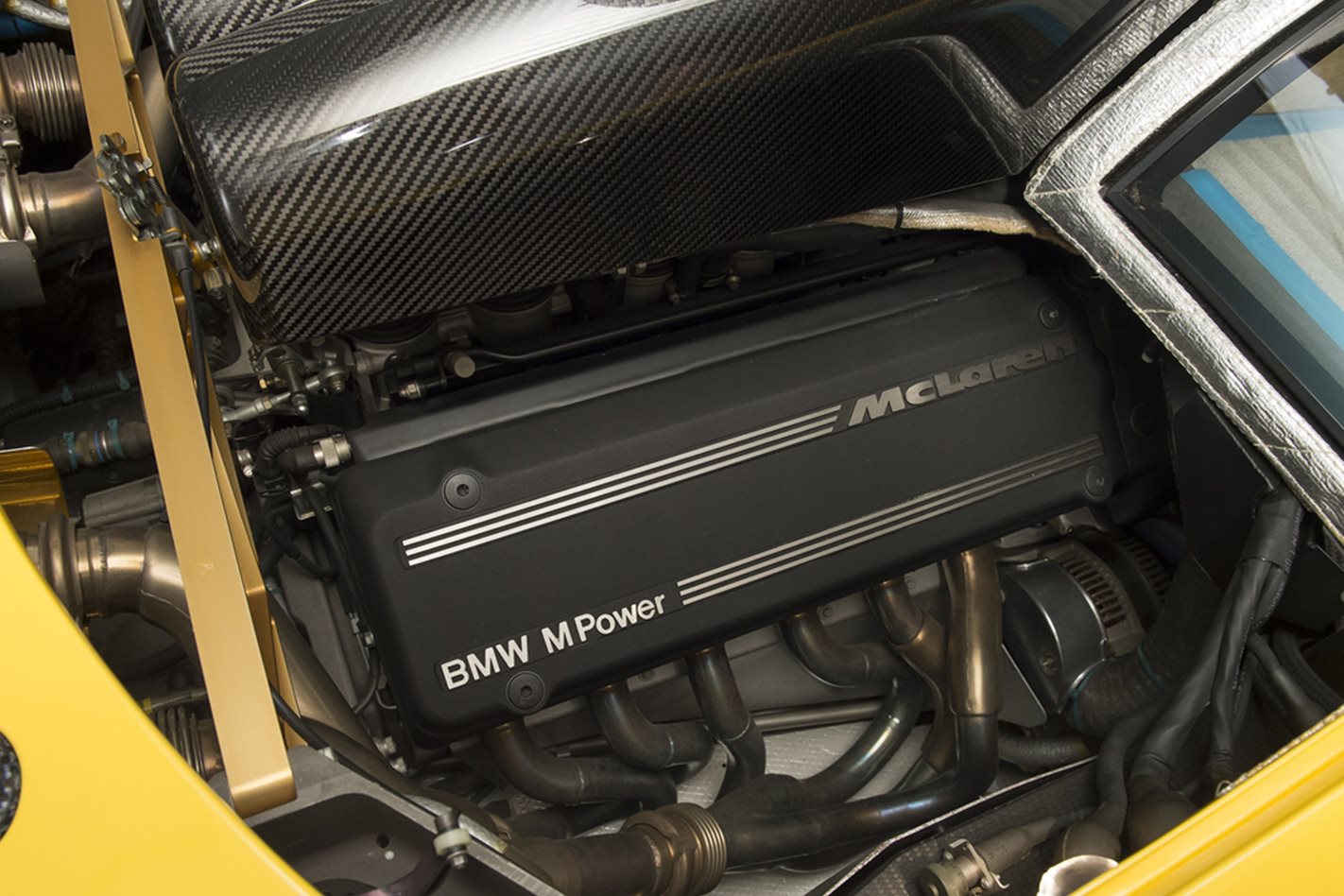
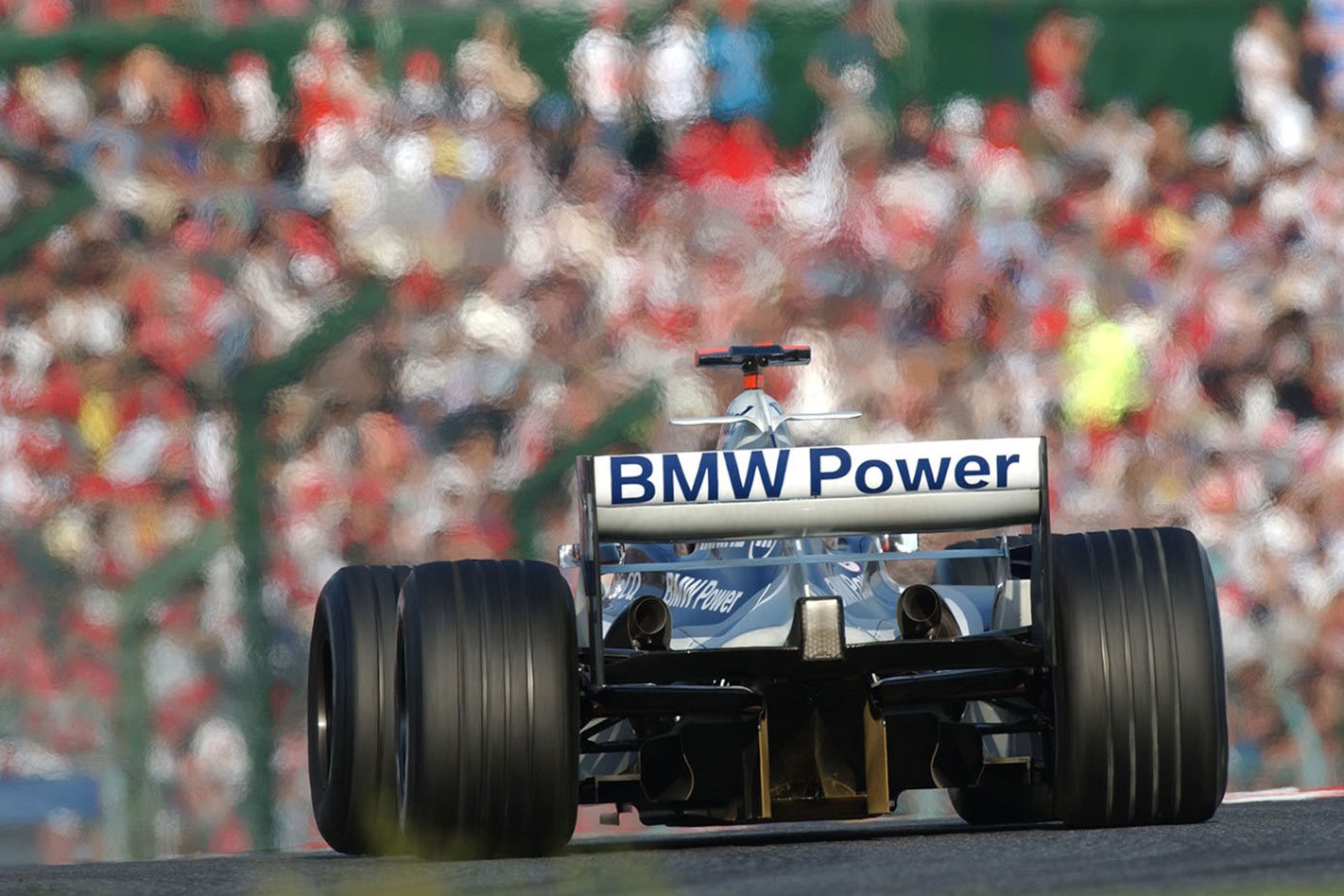
Strategically even more significant that the M Hommage is BMW’s plan to form a co-operation with McLaren Cars. The memorandum of understanding signed in Munich in late March details the joint development of a new electric sports car architecture plus related componentry.
Ever since the McLaren F1 powered by that awesome BMW V12 bowed out in 1993, the two companies maintained a relatively close relationship, which only drifted apart briefly when Mercedes launched the SLR McLaren in 2002.
Later that decade, the Brits started introducing a much wider selection of not so different models that confused dealers and buyers alike. Most of them were fine cars, but mushrooming complexity kept tearing new holes in the cash blanket.
Mainly due to the clash of engine configurations – V6 vs straight-six – the proposed co-operation project with BMW came to nothing.
Although we have yet to drive the Artura (editor’s note, June 28: We’ve since driven it. Story here.), the hybrid concept may actually not be green enough to take the brand into a CO2-neutral future. This is why a modular all-electric sports car/supercar/hypercar DNA looks now like the most pragmatic option for McLaren and its partner.
There are many puzzling elements clouding this complex master plan, but most mysterious is the role of Audi –which suggested, off the record, that a deal with the McLaren Group was as good as done. Except it obviously isn’t.
Intelligence gathered in Germany, the UK and Bahrain leaves little doubt that the owners of McLaren have rejected both takeover bids as inadequate. It transpired that Audi has, in a parallel move, also contacted Sauber which is currently racing with Alfa, but suddenly looks like the future front-runner ally of the Germans.
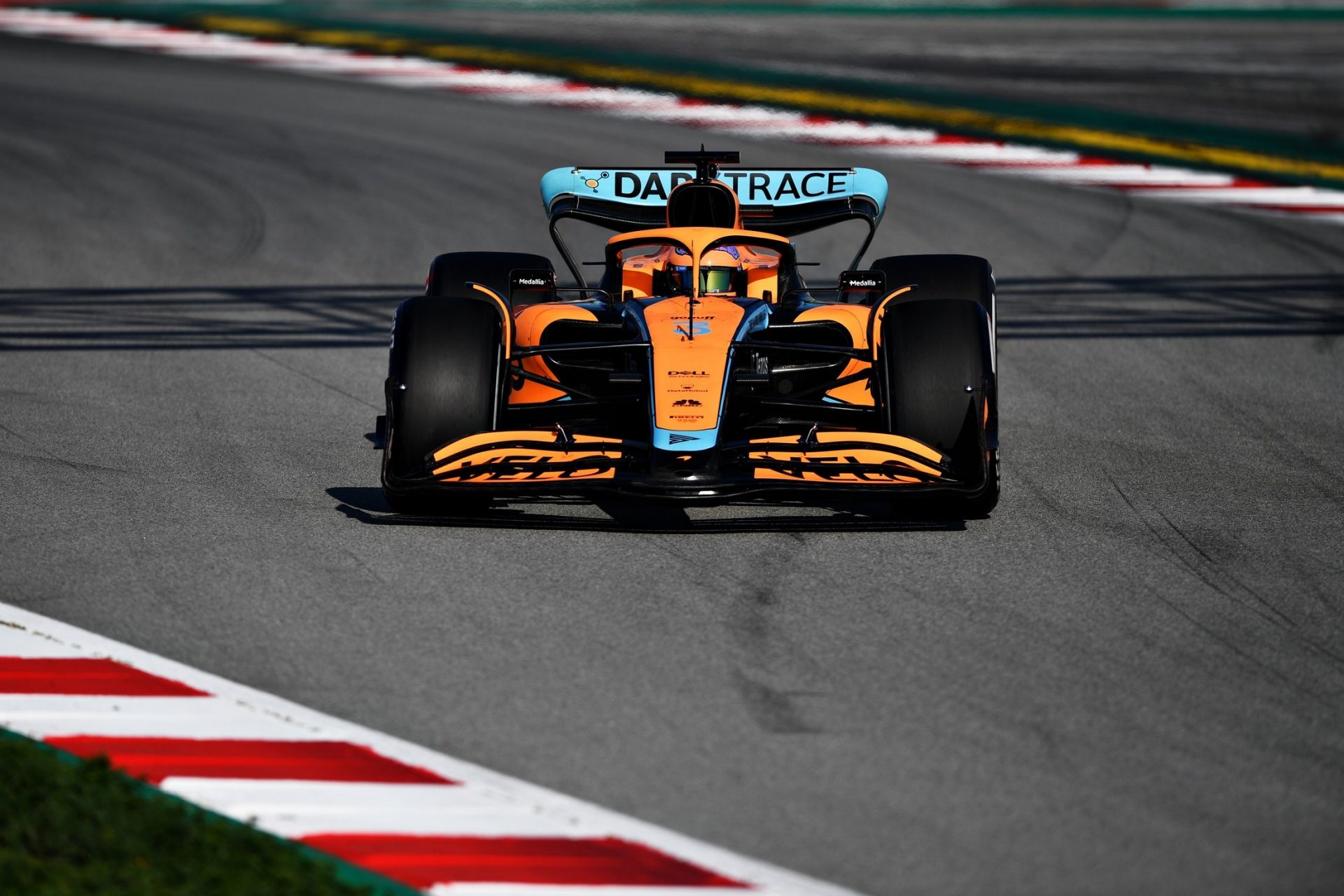
Sauber is currently unable to beat McLaren to the chequered flag, but then the Swiss are not saddled by an ailing car division that needs sorting. Another uncertainty factor is the F1 rulebook for 2026 and beyond, which won’t be complete before the end of June. It remains to be seen whether Ferrari and Mercedes will, as previously indicated, support the regulatory changes demanded by the Volkswagen satellites.
While Red Bull has already expressed its willingness to team up with Porsche, no such statement was, to our knowledge, issued by any team with regard to Audi.
Imagine for a moment you are in charge of the McLaren Group where the F1 division is a solid money maker whereas McLaren Cars is strapped for cash. Would you sell racing to save automotive and risk to walk away empty-handed? Not when an old friend like BMW is offering support with no apparent strings attached.
Between now and 2030, the McLaren product portfolio is unlikely to change dramatically. But the company does need a new V8 which meets EU7 and is strong enough to power future super and ultimate series hybrid models, and it must make sure the Artura can brave the F296 and the next Huracan.
The team from Woking can’t walk down electric avenue all by itself. Instead it needs a strong ally to develop cells, e-motors, inverters, electric and electronic architectures, cooling concepts, charging and discharging cycles – as well as high-performance operating algorithms.
BMW is in the position to assist, and in return would benefit from McLaren’s strengths like high-end carbon-fibre applications, lightweight design and outstanding vehicle dynamics all the way up to the Senna/P1/Speedtail/Elva segment.
Since BMW is not interested in returning to F1, the collaboration would be primarily project- and tech-related, not marketing-driven.
Co-funding a new high-performance E/E matrix is small fry for a heavyweight OEM which may, in a second step, give McLaren access to potential extensions of the model range like the meanest ever SUV derived from the MkII XM, a version of the pending one megawatt four-motor e-crackerjack, or the recently completed state-of-the-art 4.4-litre V8.
If this arrangement does materialise, the day-to-day work will almost certainly be masterminded by the M division. Keep thinking along these lines, and the joint powers in charge may, in the not too distant future, surprise us with a zero-emission M1 Hommage coupé – which may be even more retro in character, but positively even more advanced in concept and content.
UPDATE: Ioniq 6 gets its most revealing teasers yet
Hyundai has handed down a set of new preview images for its upcoming Ioniq 6 electric sedan, offering the clearest look yet at some of its design details.
The tightly cropped photos show a big wheel in low-profile rubber tucked cosily under a flared guard, with a nice low offset for a very ? look. (And, of course, the dynamic benefits it brings.)
Another image offers a close-up look at the 6’s coupe-like roofline, focusing on a sharp C-pillar that evokes thoughts of the Mercedes-Benz CLS.

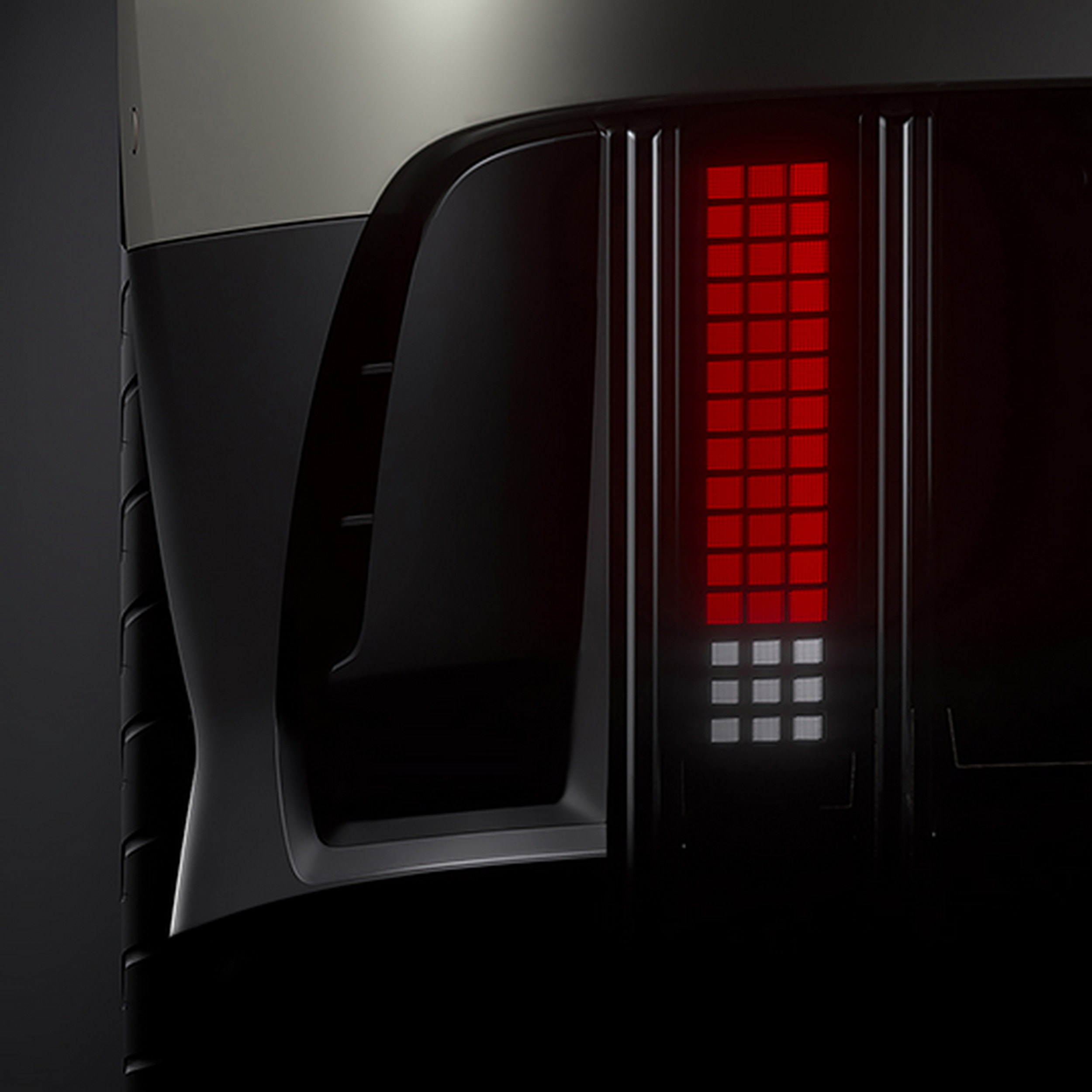
As spy photos have suggested, it’s also clear the Ioniq 6 will feature a large integrated spoiler at the rear, with a bold LED lightbar as the key showpiece.
The final two shots in this latest tranche of teasers reveal a look at front- and rear-end styling details, including battery or brake cooling ducts up front and tall pixel-style LED lighting in the lower rear.
Watch for the Ioniq 6 to make its full debut tomorrow morning.
The story to here
June 21: Hyundai Ioniq 6 previewed ahead of June reveal
Hyundai has confirmed the Ioniq 6 electric sedan will be unveiled before the month is out, teasing its latest EV with a concept design sketch.
Having drip-fed teasers of the model recently (further below) after it was previewed by the Prophecy concept in 2020, Hyundai has announced the covers will come off the Ioniq 6 later this month, with the latest addition to the Ioniq family running on a stretched wheelbase version of the Electric Global Modular Platform (E-GMP) that underpins the Ioniq 5.
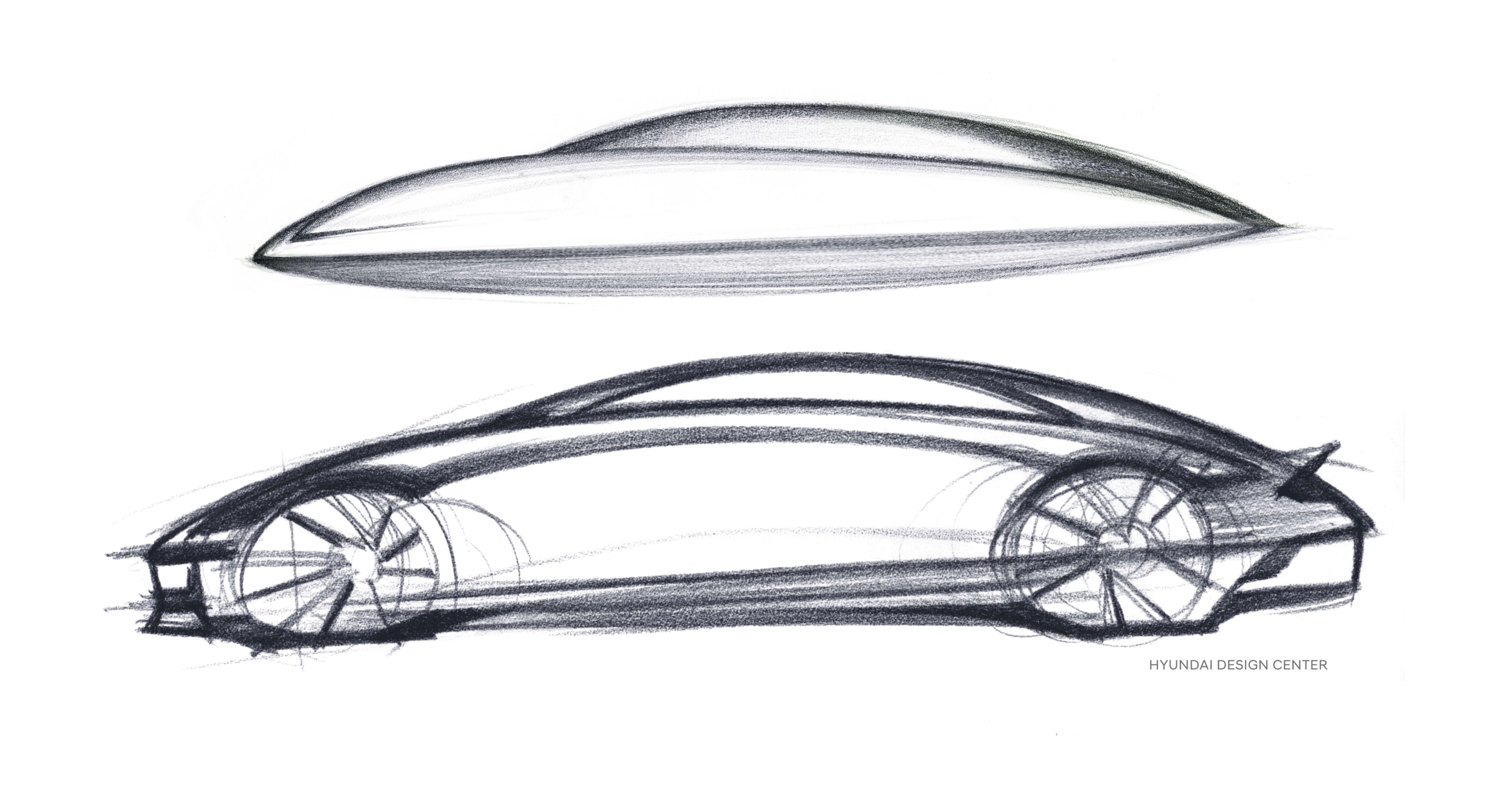
As with last week’s video teaser of the EV, Hyundai has said the Ioniq 6 will be an ‘Electrified Streamliner’, boasting its design “reflects Hyundai designers’ commitment to satisfy both aesthetic and functional needs of customers in the electric mobility era”.
Read on below for more information on what we know so far about the Ioniq 6.
June 14: Hyundai Ioniq 6 teased as an ‘Electrified Streamliner’
Hyundai is edging closer to revealing its Ioniq 6, the third electrified model to wear the Ioniq badge and its first sedan to do so.
Originally previewed by the Prophecy concept, Hyundai has all but confirmed the Ioniq 6 will be its sleekest sedan yet in a new video uploaded to YouTube, calling the new model its ‘Electrified Streamliner’.
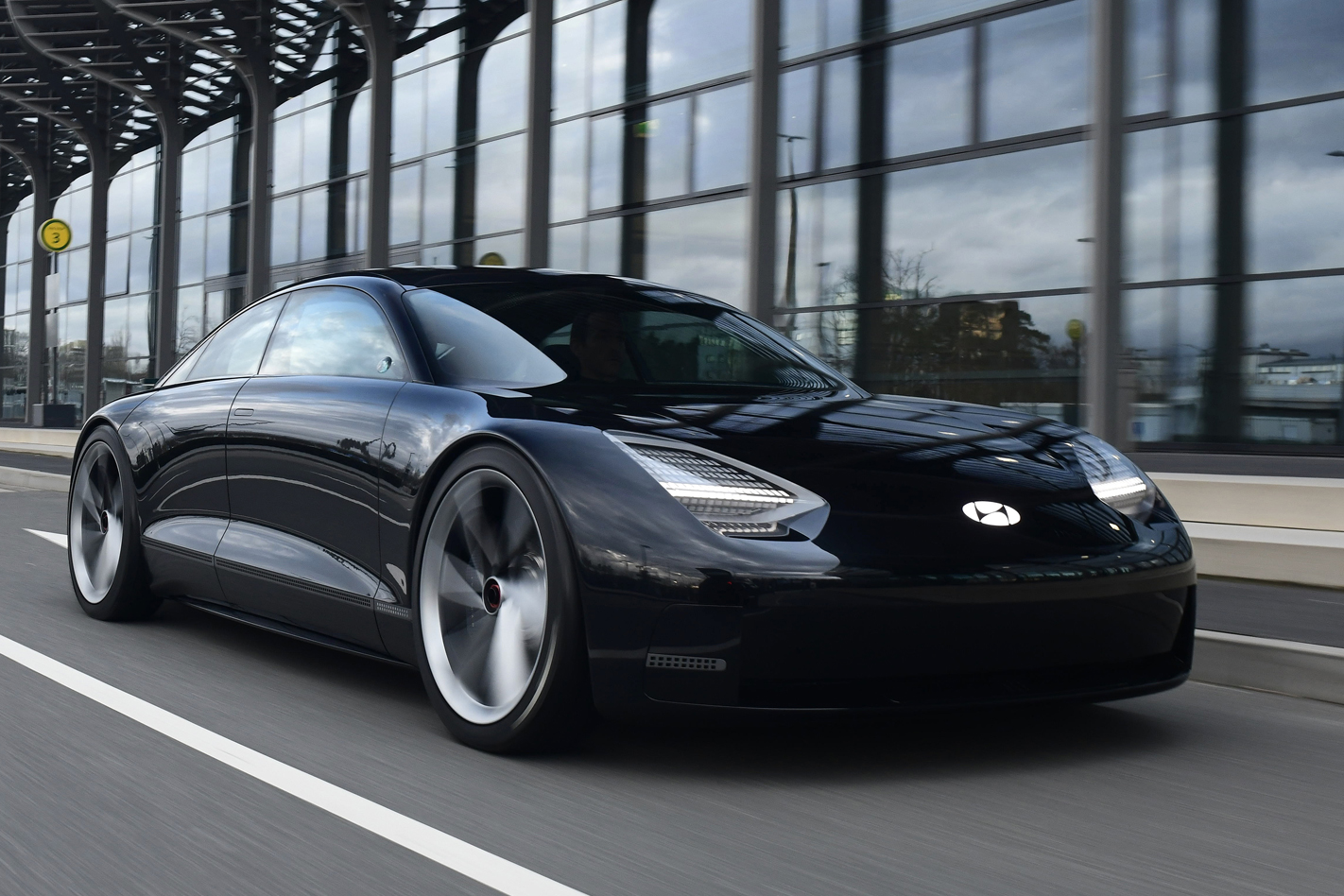
While we still don’t get to see any glimpses of the Ioniq 6, Hyundai shows off the sources of inspiration for its latest EV – all of which promise to make it more aerodynamic than the retro-inspired Ioniq 5.
Joining the 5 and 6 in the Ioniq line-up will be the Ioniq 7 SUV, previewed at the end of last year in concept form as a three-row EV, retaining the same E-GMP platform as its siblings.
April 15: Hyundai Ioniq 6 gears up for reveal
The 2023 Hyundai Ioniq 6 will make its debut in the coming months, it has been revealed.
The design boss of Hyundai told the UK’s Autocar the all-electric Ioniq 6 would soon be unveiled, but declined to respond to rumours the model had undergone a redesign since the Prophecy concept was shown in 2020.
“The Ioniq 6 is in the spirit of Prophecy,” SangYup Lee said.
“The car gets taller because of the skateboard platform. And the design maximises the interior space. There’s also a lot of aerodynamic improvement. It’s been done for a long time.”
In August 2021, The Korea Economic Daily reported the Ioniq 6’s launch had been pushed to mid-2022 in order to change aspects of the car’s chassis to accommodate a larger battery, as well as to refit the factory where the new model will be manufactured.
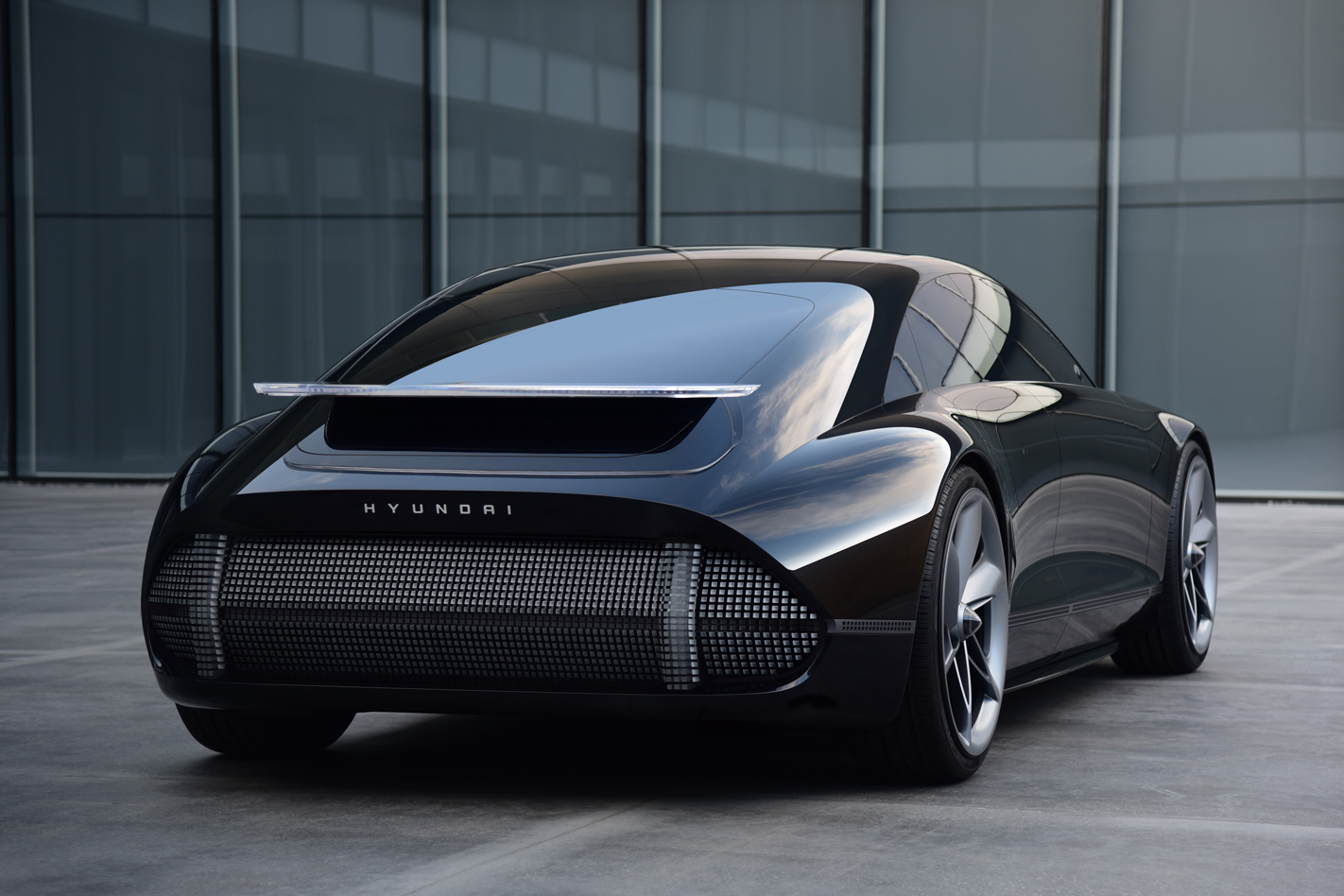
While the Ioniq 6 and Ioniq 5 are both based on the company’s E-GMP electric vehicle architecture, whispers out of South Korea suggest Hyundai wanted to increase the former’s battery pack to 77.4kWh.
Along with its aerodynamic design, the larger battery should provide a noticeable improvement to the driving range when compared to the Ioniq 5, which can be optioned with a 73kWh battery.
Expect teasers and a reveal date to be announced for the 2023 Hyundai Ioniq 6 in the coming months.
Formula 1 says 100 per cent sustainable fuel could power its cars from 2026
- New fuel to help drive net zero carbon goal for 2030
- Fuel companies aiding development
- Next-gen engine regs to likely herald the change
Formula 1 has announced it is developing a 100 per cent sustainable fuel for its next generation of engines, designed to help the sport achieve a net-zero carbon footprint by 2030.
F1 has been partnering with fuel companies, and the FIA, to create a “drop in” fuel that won’t need significant modification to be adopted – and F1 hopes it could be introduced as soon as 2026 when current engine regulations are replaced.
The incoming fuel is also just one component of F1’s plan for carbon neutrality. New “ultra-efficient” logistics for international travel, as well as offices and factories powered by renewable energy, will also drive the sport to the 2030 target.
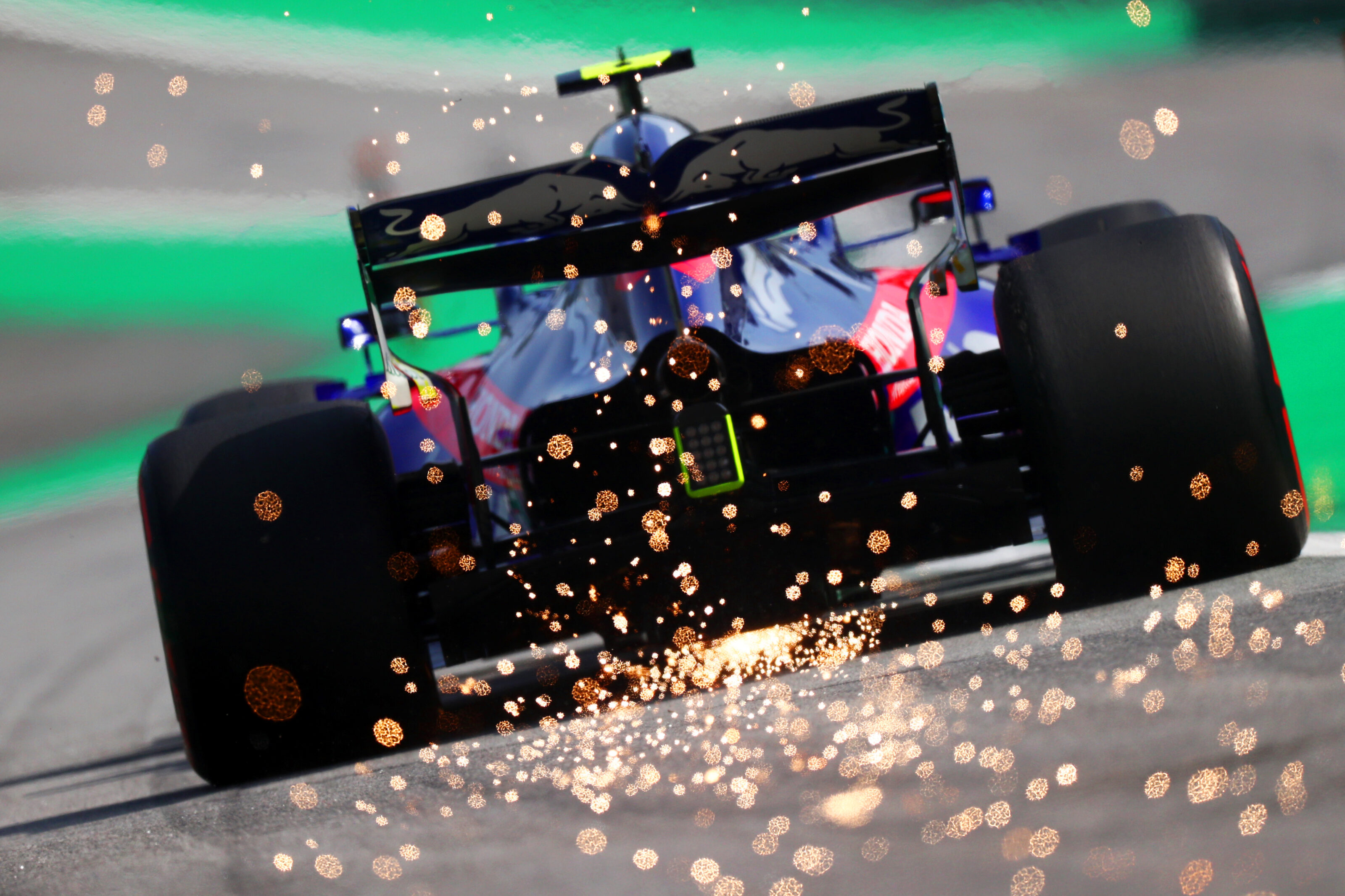
As for what the new fuel will be made from, F1 is saying an advanced component will come from capture methods, urban waste or non-food bio-mass – which should cut carbon emissions by at least 65 per cent compared to fossil fuel.
Examples of biomass include algae, agricultural waste and non-food crops grown on land unsuitable for food production.
Meanwhile, carbon capture is based on extracting carbon from the air, with renewable energy, to realise a net-zero transaction when the fuel is eventually burned.
Currently, the turbocharged hybrid 1.6-litre V6 engines used in Formula 1 boast ground-breaking thermal efficiency, thanks to their specialised energy harvesting systems. But the complicated Motor Generator Unit attached to the turbocharger is reportedly being dropped to reduce complexity, costs and to attract new manufacturers.
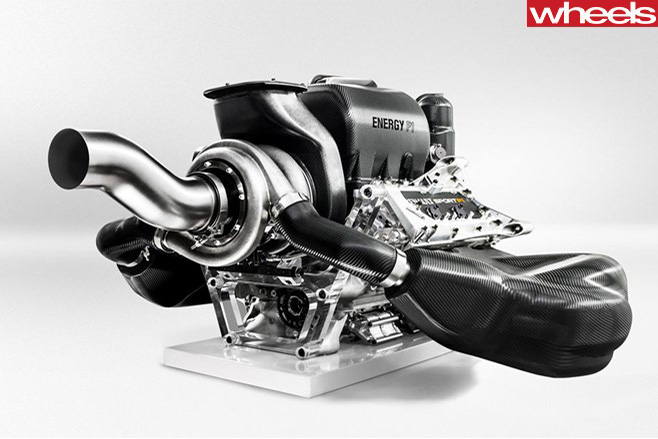
Before then, F1 will make a very small step towards sustainable fuels next year as the grid adopts a new E10 fuel mixture in 2022, requiring fuel with a ratio of 10 per cent ethanol and 90 per cent fossil base.
This leaves the sport four years until the 2026 season begins and a further five to achieve full carbon neutrality. But the fuel itself won’t make much of an impact on that overarching goal, as racing is believed to account for around 0.7 per cent of the sport’s total carbon emissions footprint – calculated at 256,551 tonnes for 2018.
However, F1’s Chief Technical Officer Pat Symonds believes the fuel will be applied more broadly, saying it might play a role in the road car and transport industry, or even aviation – thanks to its high energy density target.

“These fuels will initially be created on a small scale in a pilot plant to develop the methods that will then be suitable for mass production”, he said.
This is something car companies like Audi and Porsche are already exploring, and remains promising for motorsport and ICE enthusiasts. F1 says electric vehicles will account for only eight per cent of those on the road in 2030, leaving 1.6 billion still reliant on internal combustion.
UPDATE, March 29 2023: Australian timing confirmed for ID models
Volkswagen Australia has today confirmed local launch timing for its ID.3, ID.4, ID.5 and ID.Buzz models – get all the details at the links below.
November 2022: ID.4 driven in Australia!
We’ve now had a chance to drive an overseas ID.4 car in Australia. Get our full story at the link below.
Story continues…
Snapshot
- ID.4 and ID.5 to arrive in 2023
- Models will be VW’s first EVs locally
- Will join Cupra Born and Skoda Enyaq
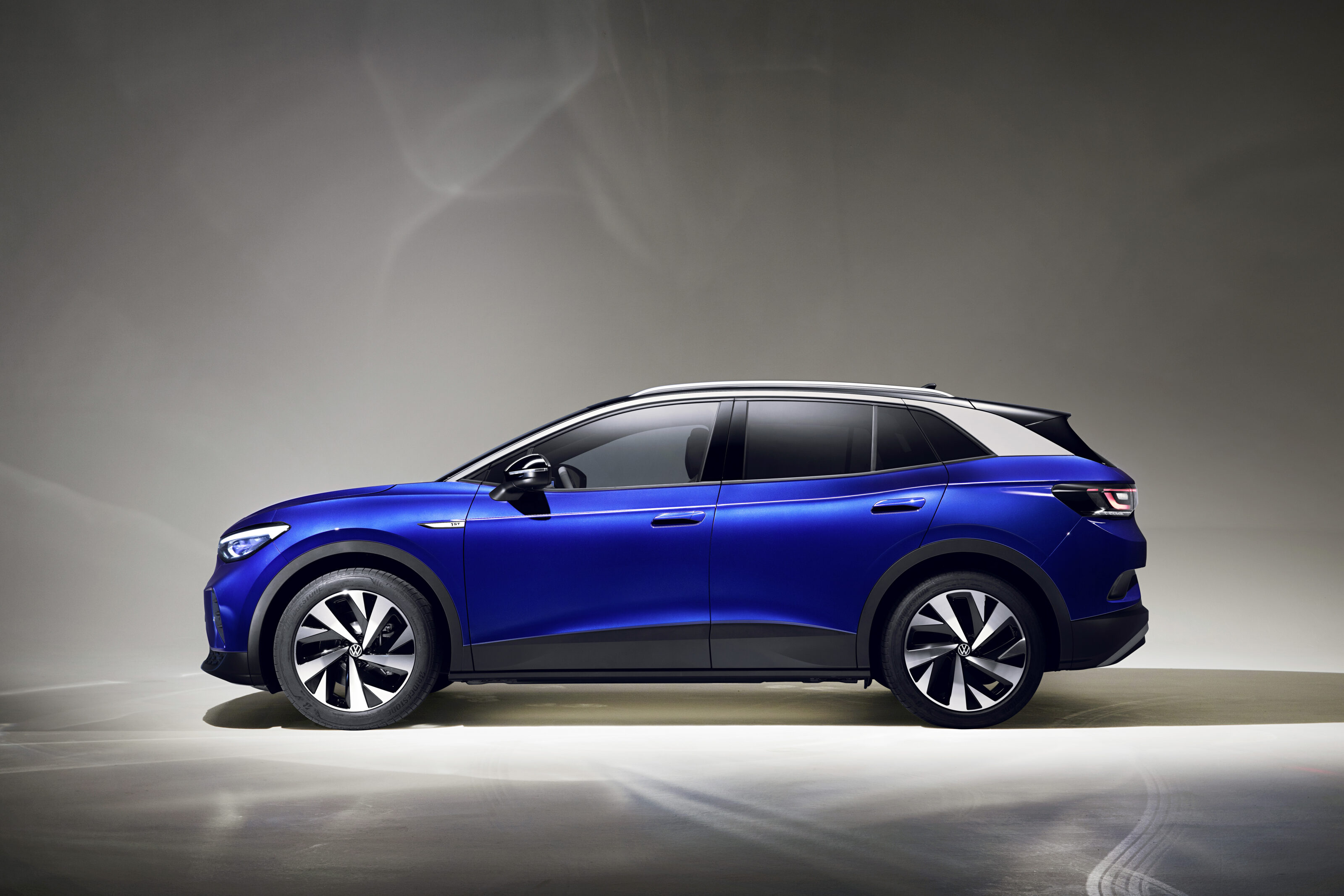
The Volkswagen ID.4 and ID.5 SUV twins will spearhead the German brand’s EV charge in Australia from 2023.
VW has finally confirmed its first EV models for this market, having previously criticised the former Australian Government for its lack of electric-vehicle strategy.
The ID.4 and ID.5 will join the other VW Group mainstream EVs so far confirmed for this market – the Cupra Born hatchback due in late 2022 and the Skoda Enyaq wagon and four-door coupe also arriving in 2023.
“Australia will this decade become a key market for the ID. Family,” said VW Australia spokesman Daniel DeGasperi. “Volkswagen Group Australia expects 20 per cent of sales to be EVs by 2024.
“Our current priority is to bring the start of production forward on ID.4 and ID.5 so they reach Australia next year. Along with the ID.Buzz we are excited about an expanded ID. family globally.”
The ID.4 and ID.5 are essentially the same vehicle merely distinguished by body styles, with the latter adopting a coupe-style sloping roofline.
They sit on VW’s MEB battery-electric platform and in other markets are offered with different battery sizes and outputs.
There’s a 52kWh entry-level model with a choice of 109kW or 125kW electric motors, the mid-range version features a 77kWh battery with 150kW and a WLTP-rated driving range of almost 540 kilometres. Both are rear-wheel-drive with a single motor.
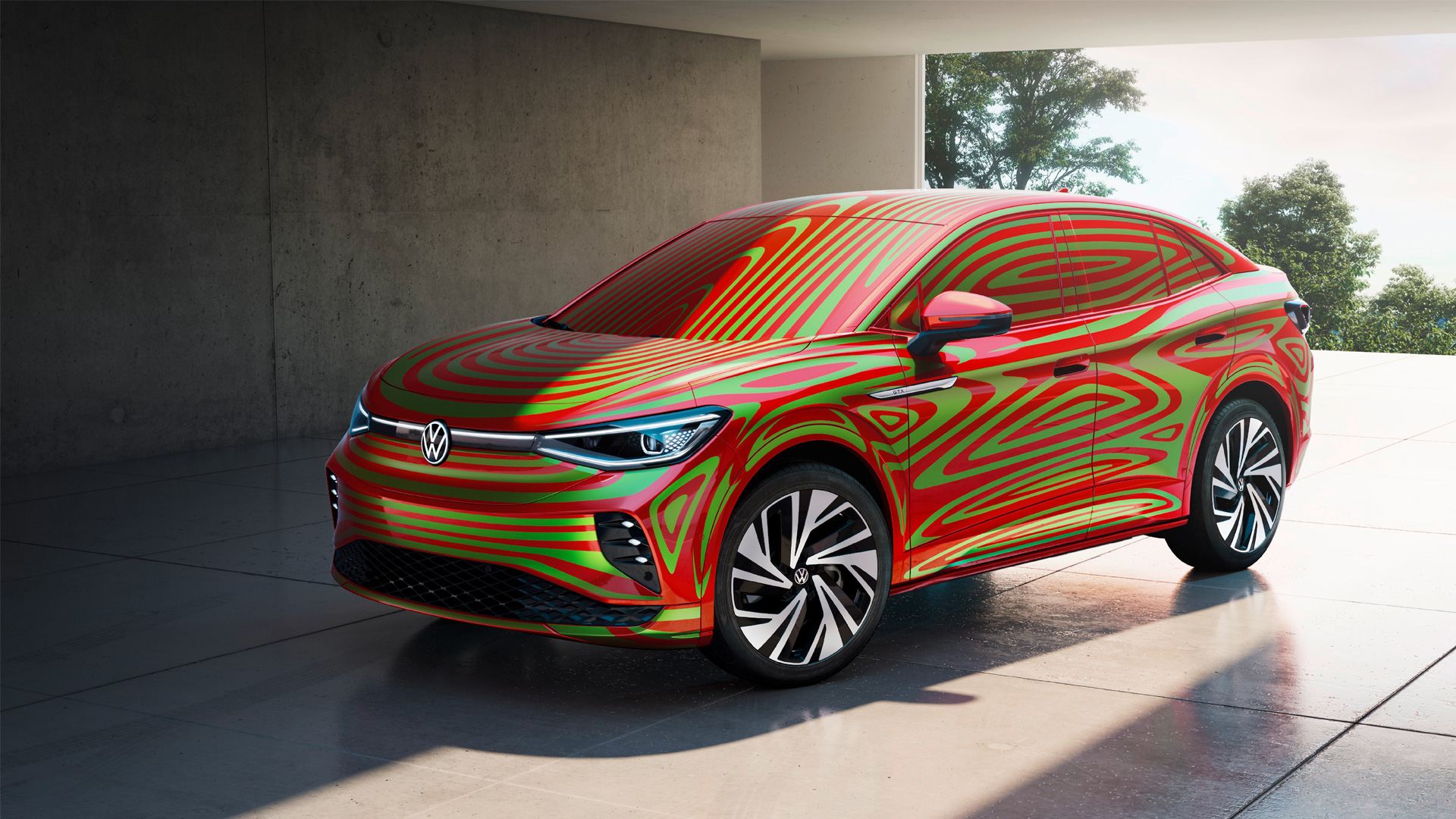
An all-wheel-drive, dual-motor GTX sits at the top of the ID.4 and ID.5 ranges, delivering 220kW and a driving range of more than 500km from its 80kWh battery and twin motor set-up.
The ID.4 and ID.5 are around 4.6 metres long, making them both slightly longer than VW’s conventional mid-sized SUV, the Tiguan.
The ID.4 will give VW Australia a crucial rival to the Tesla Model Y, as well as the Kia EV6 and Hyundai Ioniq 5.
VW’s ID.Buzz, a 21st-century ‘Kombi’, makes a natural choice for Australia. The production version of a vehicle that debuted as a concept more than a decade ago was revealed in March, powered by the same 77kWh battery and 150kW rear electric motor arrangement as found in other ID models.
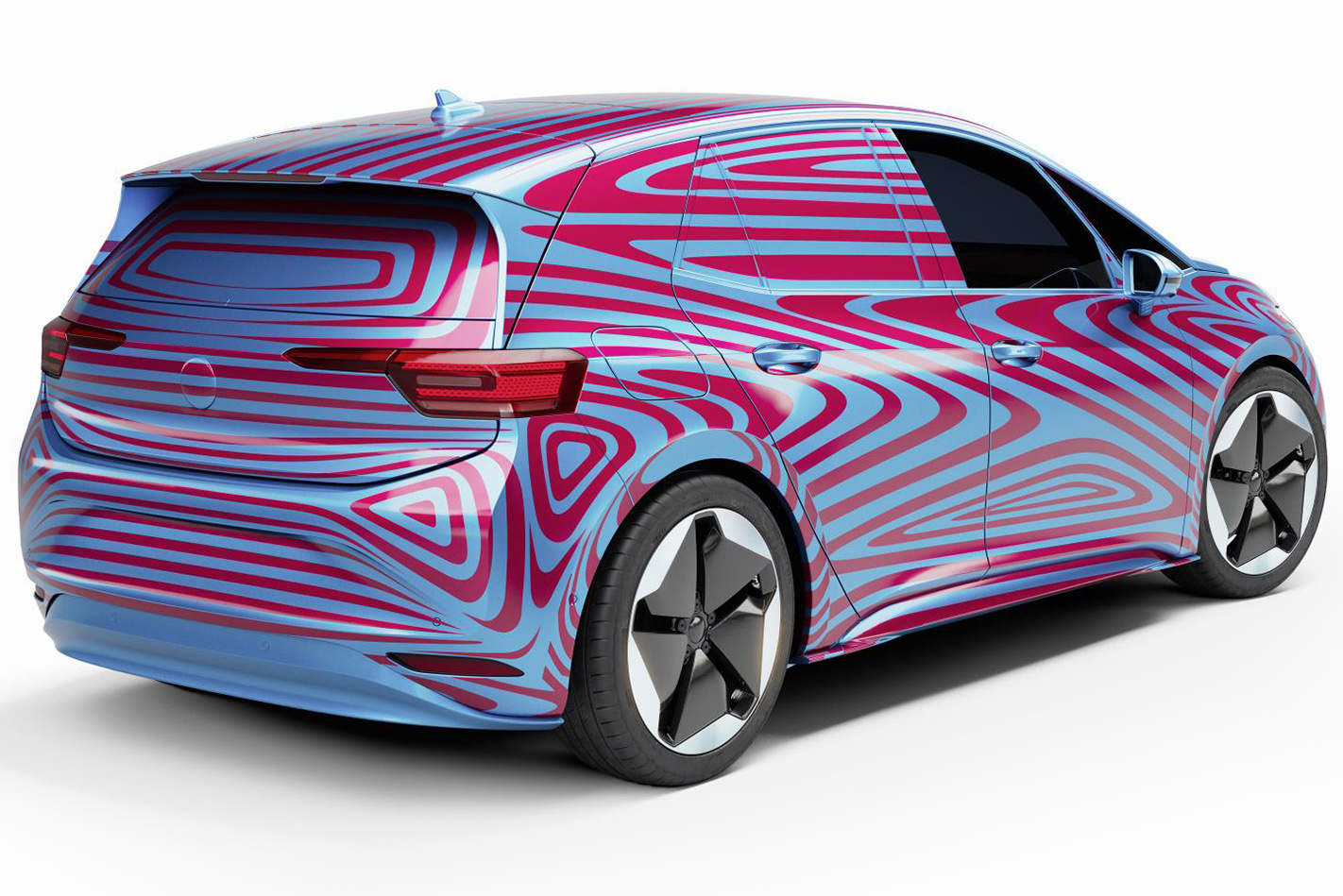
VW’s most affordable ID model, the ID.3, is also expected to reach Australia. The first of the ID vehicles was launched back in 2019, and it’s likely VW Australia will wait for a facelifted version that would be due sometime in 2023 based on typical vehicle lifecycles.
In the UK, the ID.3 is priced from the equivalent of AU$63,500, the ID.4 from $66,000, and the ID.5 – featuring a 77kWh battery as a minimum – costs $88,000 when converted from British pounds.
It’s less clear whether there would be a place for the production version of the ID.Aero concept that was unveiled overnight as the flagship-in-waiting for the ID range. Expected to be called the ID.6 in Europe, the model will be a natural rival for the Tesla Model 3.
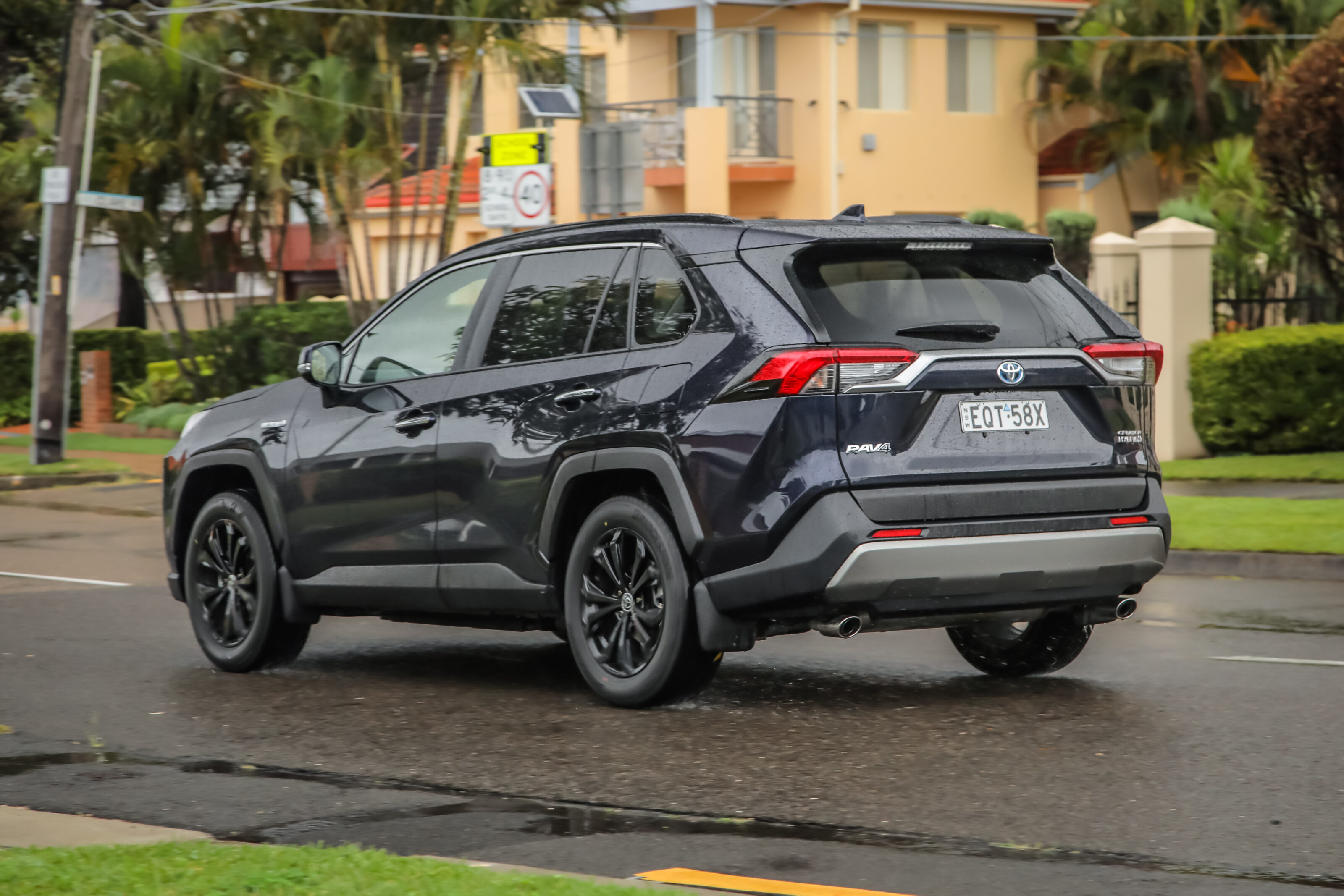
Mazda and Toyota have been battling each other for the mid-size SUV crown for almost a decade. For most of that decade, they traded blows in the sales race but the Mazda CX-5 was the better car. But then came the current generation of Toyota RAV4, with its TNGA underpinnings, a big lift in driver dynamics and an ever-improving hybrid drivetrain.
I often cheered the Mazda on for doing well because out of the mid-size SUV pack, it was the nicest of the lot to drive, occupy and look at.
Toyota changed the game overnight with a RAV4 that comprehensively obliterated criticisms of the previous generation, while a range of competitors have been inspired to do better by Mazda’s mid-sizer.

Mazda never takes a challenge lightly and is always tweaking, always hustling, looking for new ways to improve the CX-5 and its appeal. Drop an engine here, add a spec level there, listen to the customers, deliver on safety and driving dynamics then send it into battle.
Pricing and features

Mazda offers two Touring Actives, the 2.5-litre petrol at $42,880 and the 2.2-litre turbodiesel at $45,880 (before on-road costs), both of them in all-wheel-drive guise.
If you’re happy to save $500 to lose the Active’s hi-vis green, there is the Touring in petrol AWD format.
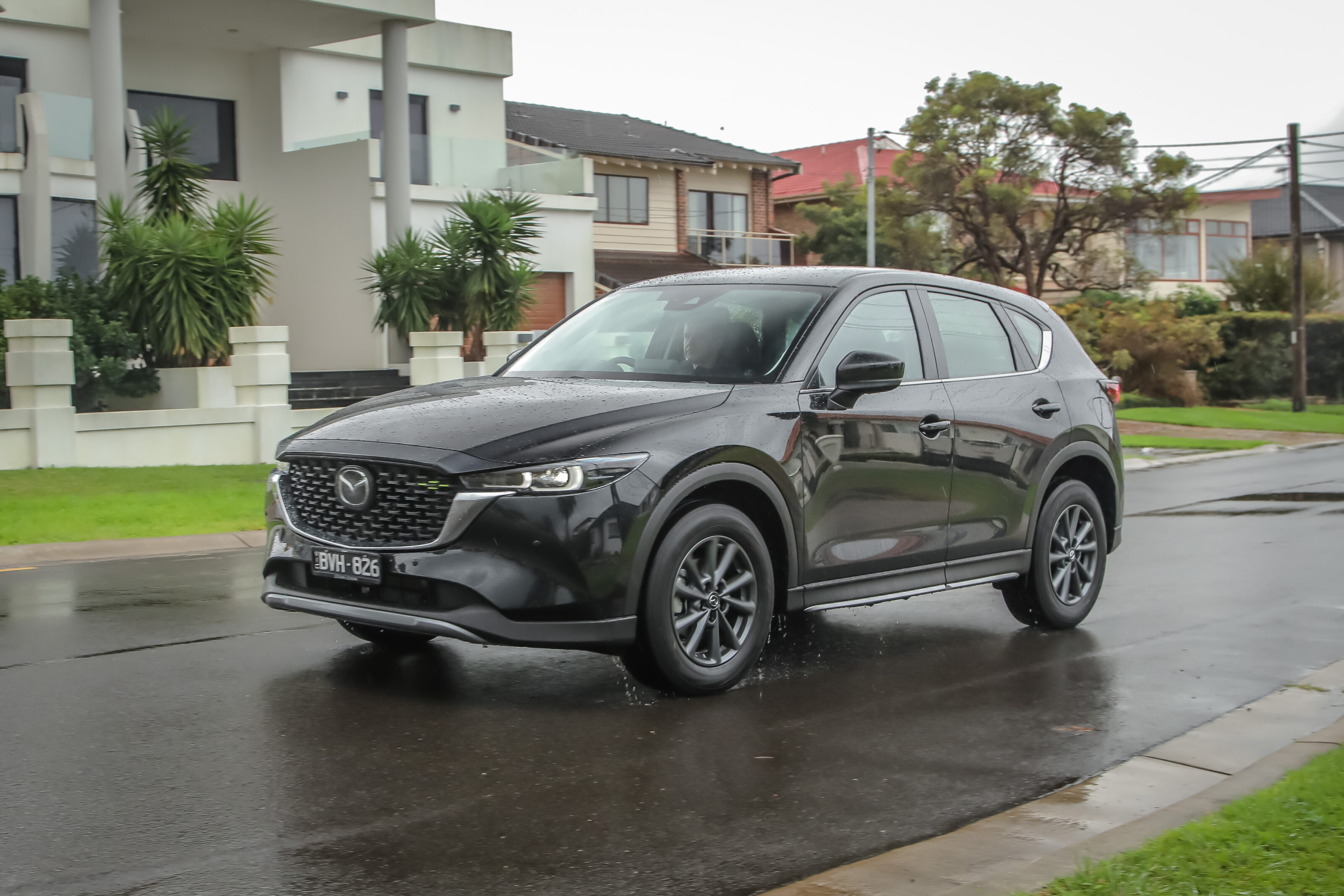
A CX-5 Touring Active ships with 17-inch alloys, dual-zone climate control, six-speaker stereo, reversing camera, cloth interior, keyless entry and start, front and rear parking sensors, adaptive cruise control, sat-nav, LED headlights with auto high beam, auto wipers, leather steering wheel and shifter, heated and folding rear vision mirrors, wireless phone charging and a space-saver spare.
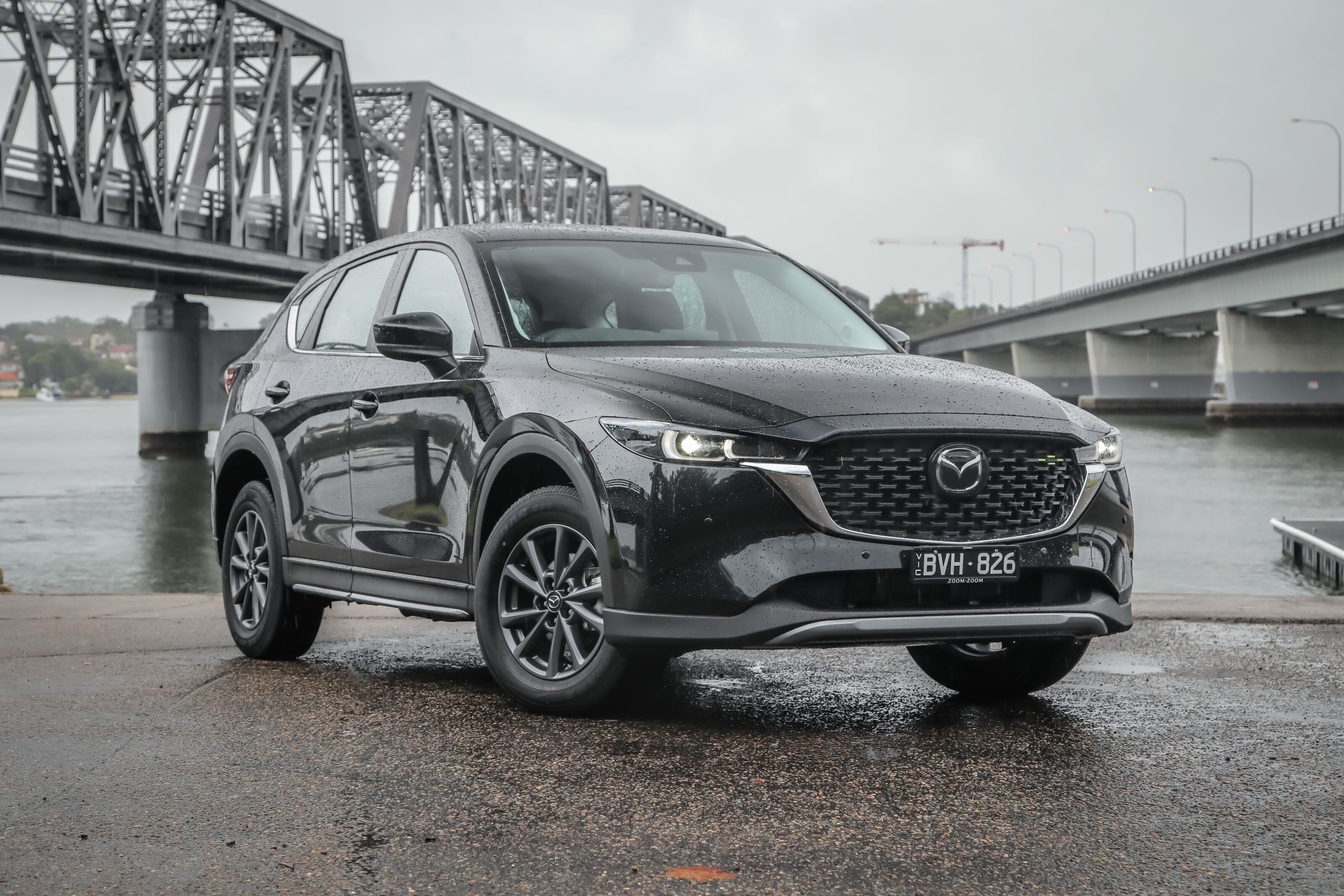
The Active adds a splash of lime green to the grille and takes the colour inside, replacing what is usually plastic or satin-finish chrome. The exterior also scores some extended plastic cladding where before there was painted sheetmetal, one of the things that makes the CX-5 a fine looker, so for me it’s a downside but for others, a boon.
In the cabin, you’ll find Mazda’s older version of MZD Connect and its 8.0-inch touchscreen with sat-nav plus USB connectivity for Apple CarPlay and Android Auto, which is fine and works well. This original version of MZD Connect has been around a while but it’s still light years away from Toyota’s galactically lazy approach to touchscreen media software.
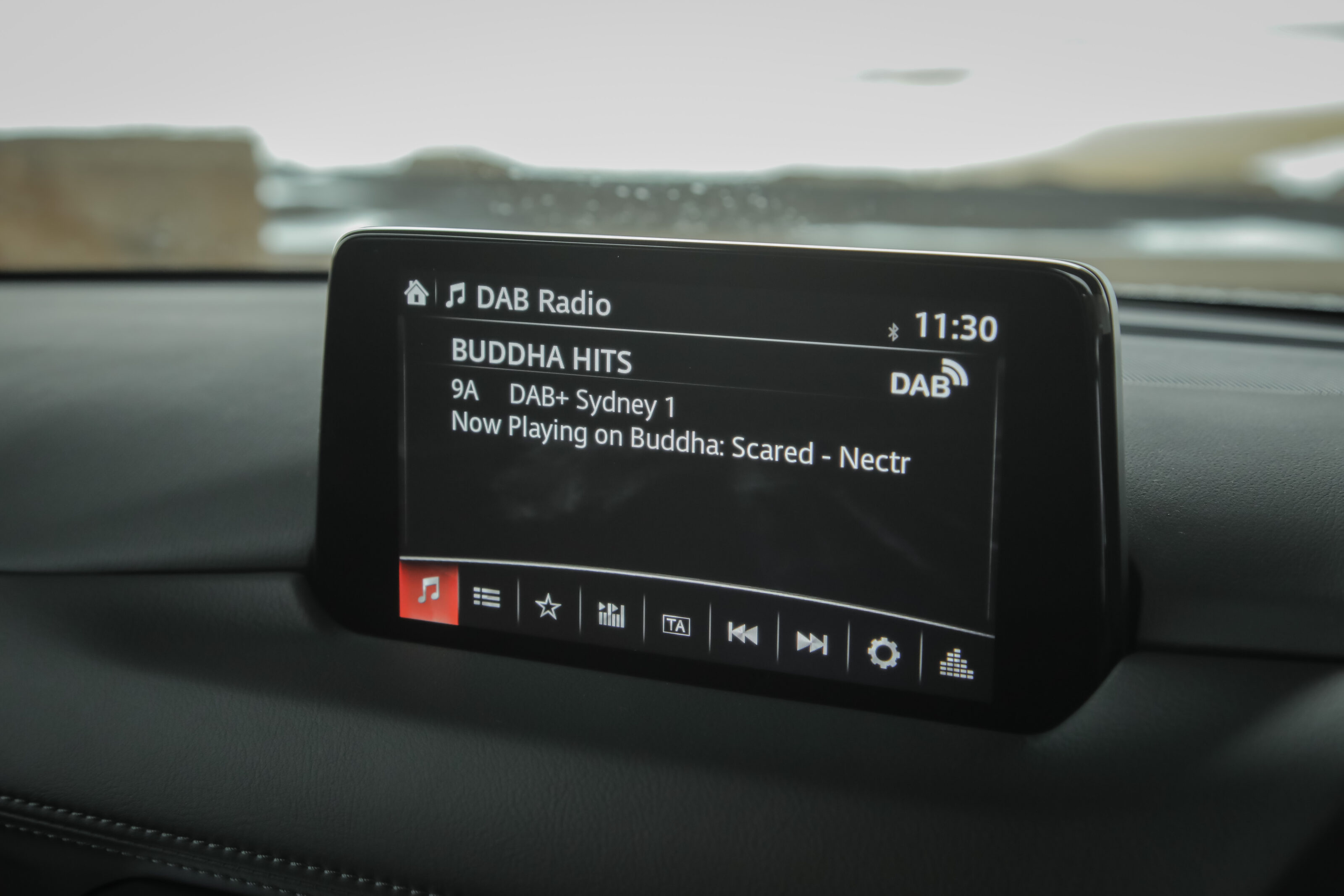
Mazda is hardly the biggest car company in the world and has its own software, but Toyota is the biggest car company in the world and should do better than what looks like something it just plucked off an open source file server somewhere.
For its part, the RAV4 Cruiser starts at $43,250 for the front-wheel-drive 2.0-litre version, jumping to $48,750 for the all-wheel-drive Cruiser Hybrid. In the middle, predictably, is the front-wheel-drive Cruiser Hybrid for $45,750.
Pitted against the $42,880 CX-5, this RAV4 looks pricey – until you remember it has an electric motor and battery pack to help you save fuel, as well as a few spec inclusions the Mazda is missing. Again all these prices are before on-road costs.
Infotainment: Toyota is the biggest car company in the world and should do better than what looks like something it just plucked off an open-source file server.

You get bigger 18-inch alloys, a nine-speaker stereo, dual-zone climate control, front and rear parking sensors, adaptive cruise control, keyless entry and start, 360-degree parking cameras, heated and ventilated front seats, sat-nav, auto LED headlights, auto wipers, powered tailgate, wireless phone charging and space-saver spare.
The Mazda’s five-star ANCAP score dates back to 2017 while the Toyota’s is from 2019. Neither feature a centre front airbag, which is a supposed pre-requisite for a 2022 five-star rating.
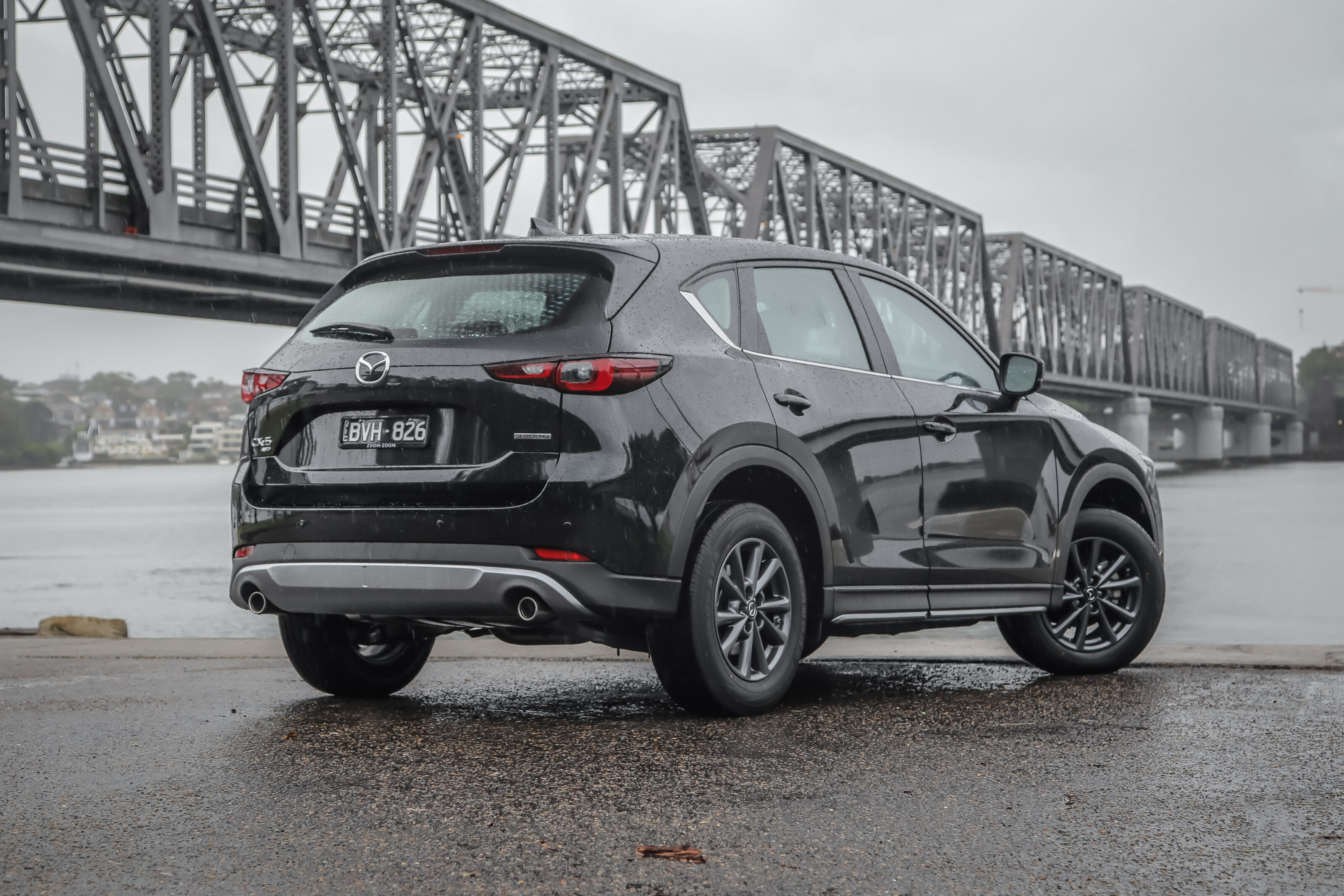
The Mazda has six airbags where the Toyota has seven (including driver’s knee airbag) but both have ABS, stability and traction controls, blind-spot monitoring, forward auto emergency braking (AEB), forward and rear collision warning, lane departure warning, lane-keep assist, speed limiter, speed zone reminder with road sign recognition and reverse cross-traffic alert.
On both, the forward AEB has pedestrian and cyclist detection while vehicle avoidance works at high and low speeds. The Mazda adds reverse AEB to just shade the Toyota on active safety whereas the RAV4 has that extra airbag for passive safety.
Either way, the Toyota does take the win on value as even though it’s more expensive in hybrid form, you’ll bridge some of the gap in total cost of ownership terms with fuel savings and the RAV just has more standard kit.

Comfort and space
It would be easy to say the RAV4 wins here purely on extra space because it has quite a bit of extra space, but it’s more than that – it’s useable space, with a much longer wheelbase handing you a lot of interior real estate.
Boot capacity in the CX-5 starts at 442 litres, soundly walloped by the RAV4’s 580 litres.
Annoyingly, Toyota fails to offer a figure with the rear seats down but it’s definitely more than the Mazda’s 1342 litres, at a guess by at least 200 litres. The RAV also has a powered tailgate to make access that little bit easier.
The Toyota stretches its advantage in rear seat accommodation. While both share pretty decent headroom, the RAV4 has more legroom and a more comfortable rear seat for longer journeys. The windows are also bigger, letting in more light and the rear door apertures are easier to pass through.
Both have good-sized bottle holders in the doors and a pair of cup holders in the centre armrest. And you get air vents in the rear as well as USB ports.
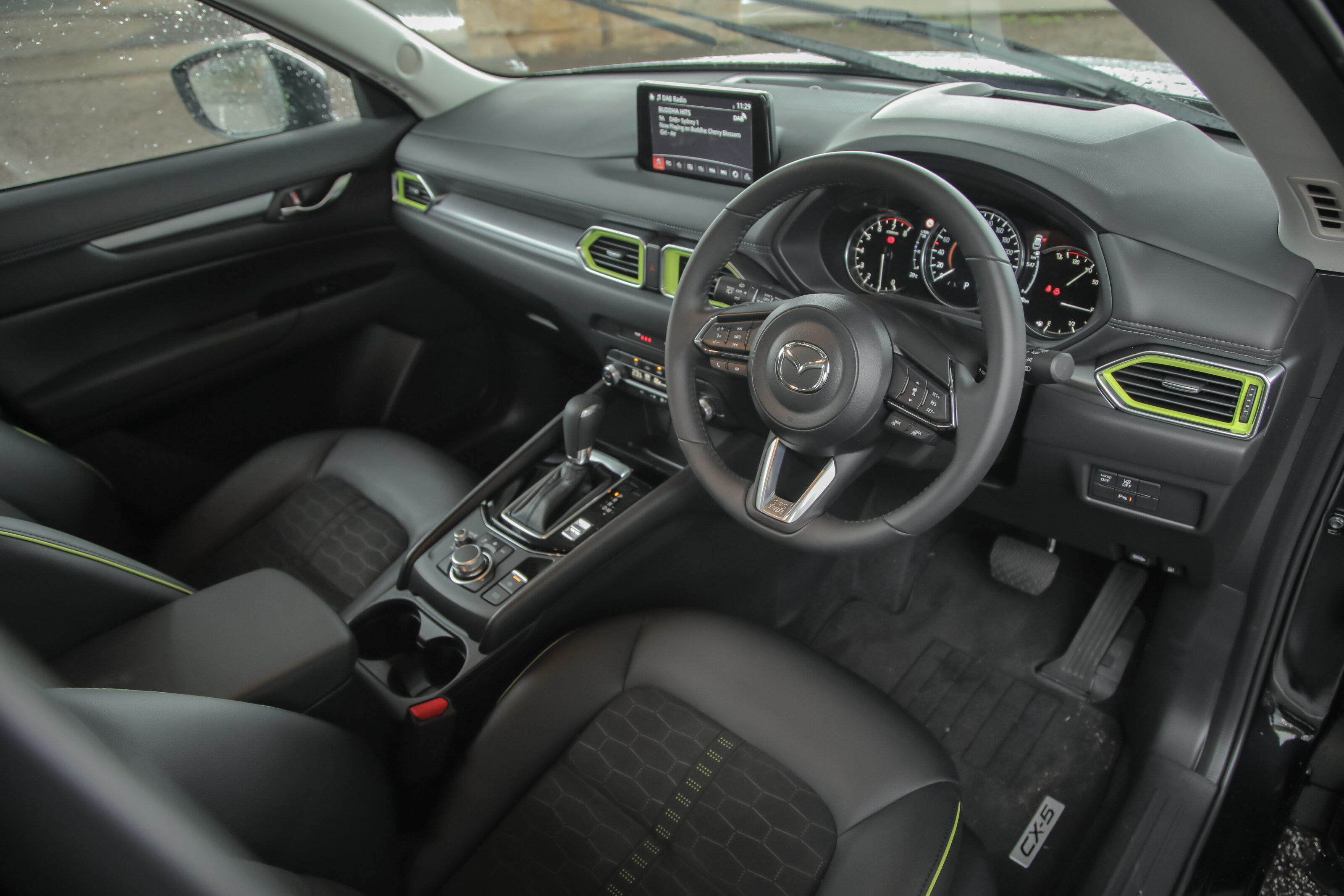
Moving to the front, the RAV4 again has more light and lighter-coloured materials to make the cabin feel bigger again. The CX-5’s is very pretty, with lovely materials and a calm, button-light design.
Mazda has slowly and deliberately gone through each of its interiors to reduce visual clutter but not at the expense of useability, pulling off an excellent balance.
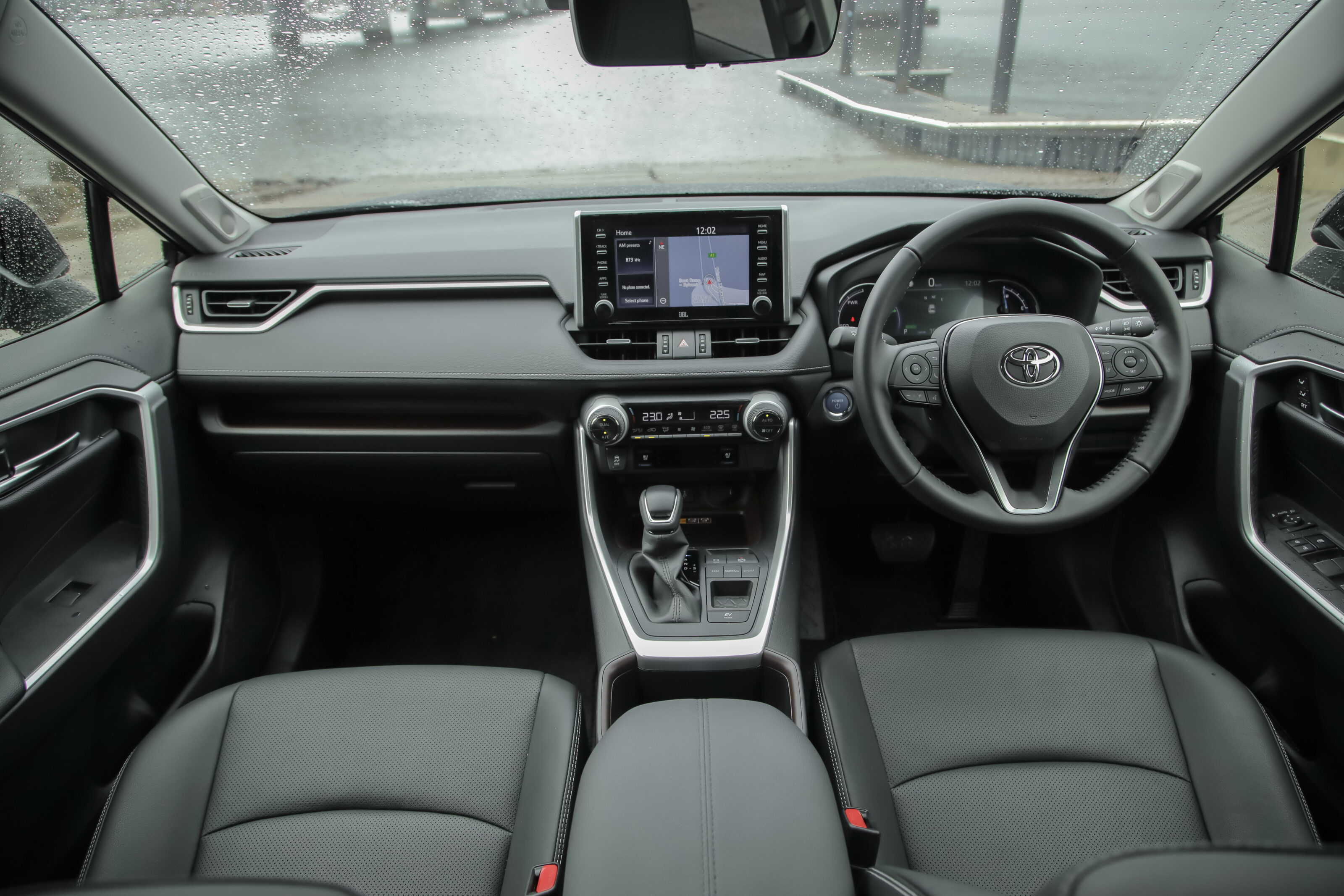
The RAV4 is a more, shall we say, family-ready interior, with slots and bins for stuff, rugged cloth on the seats and surfaces that look and feel like they’ll take a pounding.
I’ve long been a fan of the rubberised twist dials for the climate control, too, mostly because it’s unusual but it also sells the idea of a tough interior.
The Mazda wins on style – it’s the coolest by far – but the Toyota is roomier, slightly more comfortable in the back, and full of inventive storage ideas, so is the winner in every other area.
Mazda has slowly and deliberately gone through each of its interiors to reduce visual clutter but not at the expense of useability, pulling off an excellent balance.

On the road
As you might expect, these two machines have very different drivetrains.
They’re not exactly matched – the Cruiser we had was front-wheel drive and the Mazda all-wheel drive, but you can chop and change each model around a bit to get a closer match. Either way, you either have to drop down to the Maxx Sport 2.0 on the Mazda for front-wheel drive or pay more for the RAV4’s eFour all-wheel-drive version.
Mazda still isn’t offering a true hybrid version of one of its most important cars.
The CX-5 has Mazda’s 2.5-litre naturally-aspirated four-cylinder with 140kW at 6000rpm and 252Nm at 4000rpm. Neither of those figures is startlingly high or depressingly low.
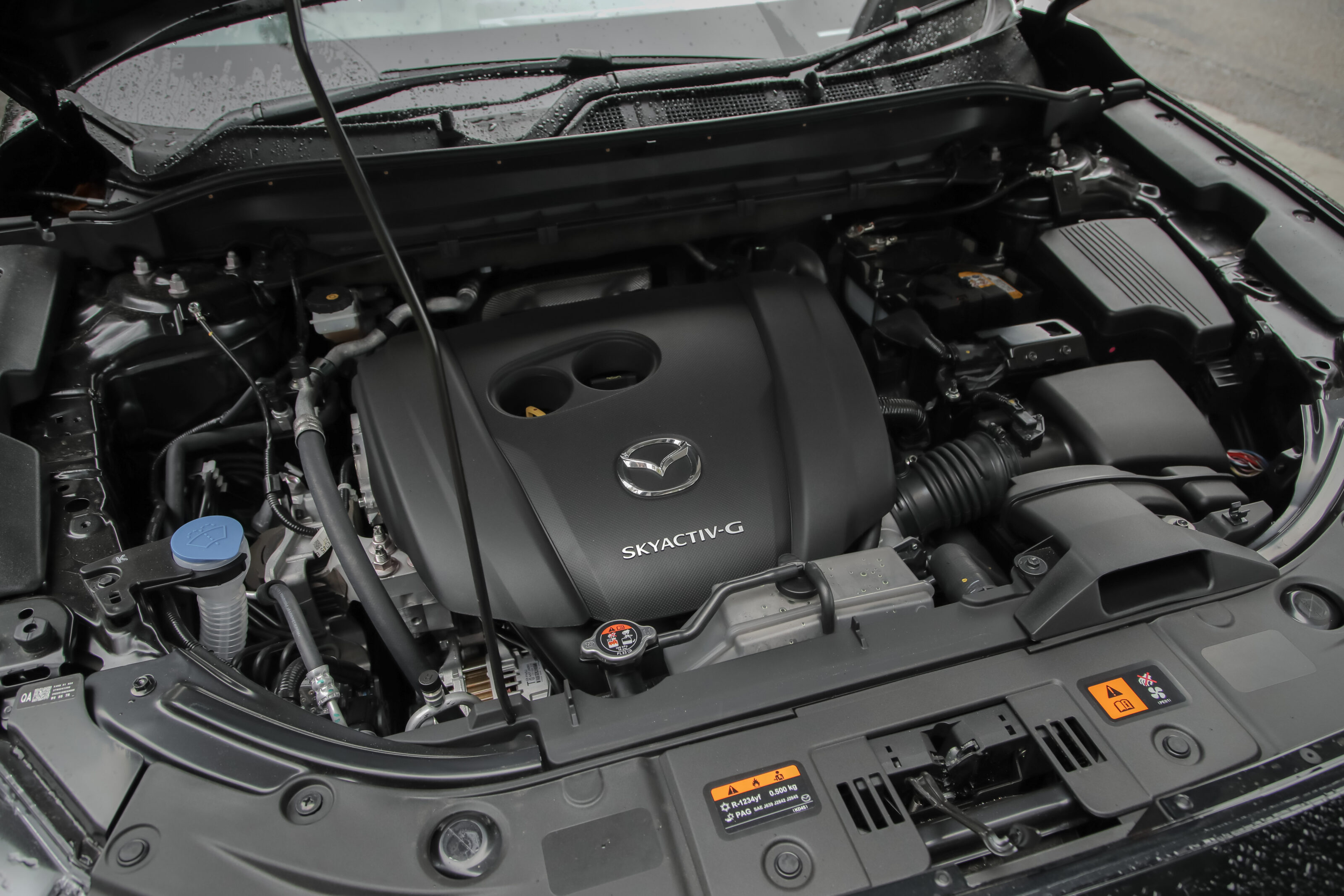
Mazda was one of the great proponents of stop-start tech to save fuel and has been working on improving fuel efficiency (rather than chasing power) and driveability for more than a decade. Power reaches all four wheels via Mazda’s own six-speed automatic.
Onboard the RAV4 you have a 131kW 2.5-litre four-cylinder, with 221Nm of torque.
When you add the electric motor, combined power rises to 160kW and while there is obviously a lot more torque, Toyota doesn’t quote a number, instead waving its hands in the air and mumbling about science and maths and stuff.
Suffice to say it’s going to be a solid chunk more than the Mazda’s twist number while there’s power in the battery.
Fuel consumption
While the Mazda claims a combined cycle figure of 7.4L/100km, this isn’t really going to happen, with a fairly solid pattern of this engine and transmission combination delivering between 9.0 and 11.0L/100km.
The Toyota’s is 4.7L/100km and I’ve never got worse than 6.0L/100km, with the Cruiser’s dash telling me I’d used 5.6L/100km. When petrol is running at $2 per litre (June 2022), that’s a $6-$10 difference for every 100km.
The Mazda does its best with what it’s got. It’s quiet, refined and smooth and you can feel the years of work that has gone into this drivetrain. It’s not effortless but has enough power and torque to shift its 1659kg kerb weight around (the RAV4 is only 26kg heavier) with relative ease.
It’s almost a shame the turbo engine isn’t available in this spec, because it’s quite lovely.
On the freeway, it’s also very quiet and when the road becomes a bit more interesting, the CX-5’s decade of being the benchmark or a heartbeat away is clear. It has a lovely flowing feel when you’re moving around, the clever G-Vectoring chassis tech unobtrusively working in the background to help deliver a well-sorted, dynamic-for-an-SUV ride and handling balance.
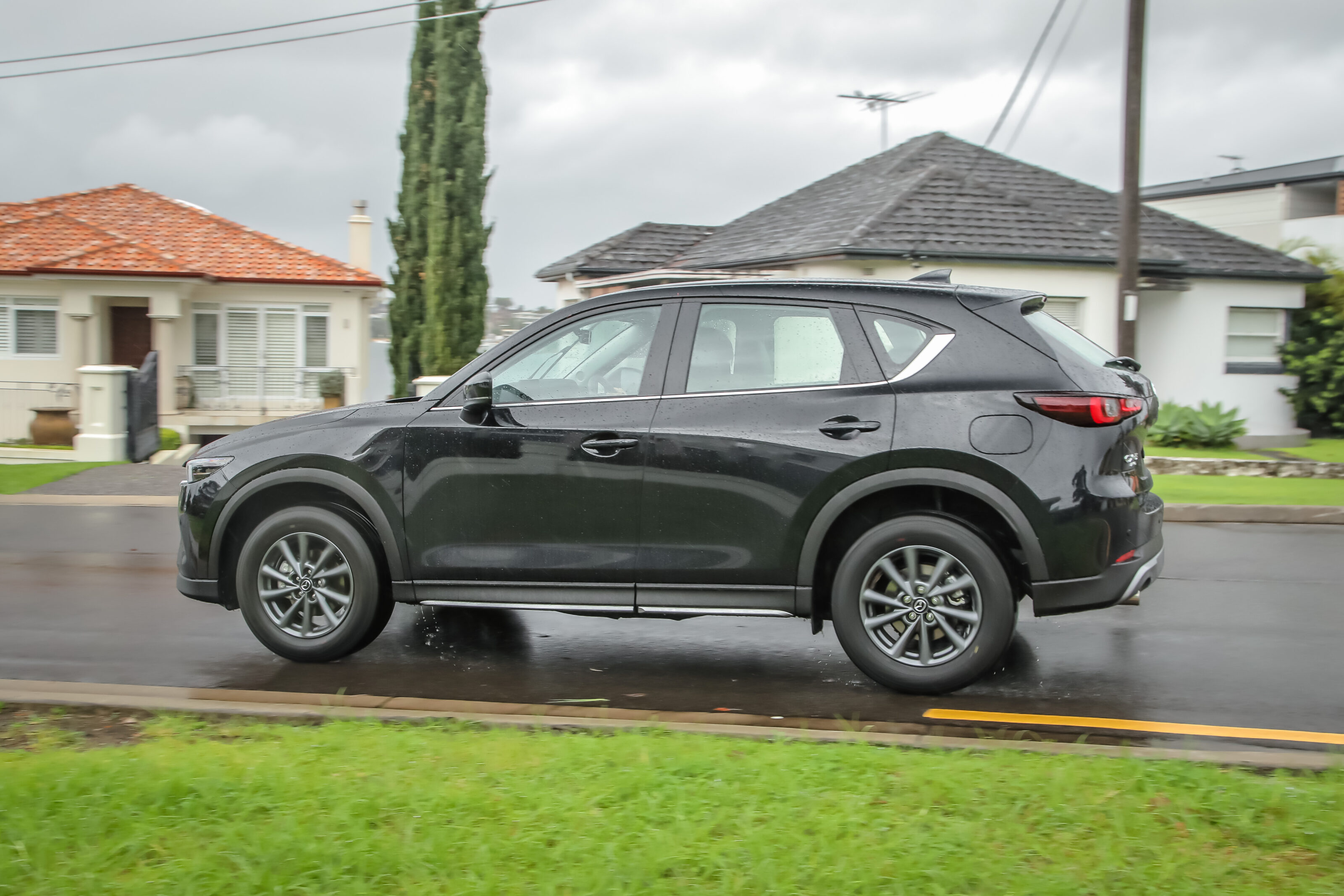
The Mazda does its best with what it’s got. It’s quiet, refined and smooth and you can feel the years of work that has gone into this drivetrain.
Moving to the RAV4, owners of the old-gen may know that there was quite a gap between the CX-5 and RAV4’s driving experience. The old RAV was a bit of a duffer, noisy with hopeless steering and just not set up the way rivals were.
I could never bring myself to recommend a RAV4 because of the driving experience, but I can now cheerfully report that those particular demons have been banished.
This RAV rolls on a much newer platform and it shows. The hybrid drivetrain is exceptionally efficient and even in front-wheel-drive form you’ll get around smartly in town or on the freeway.

The automatic continuously variable transmission is probably its weakest point but is masked by the torque fill effect of the electric motor from standstill. It’s still a decent transmission as far as the CVT style of transmissions goes.
The low-down pull of electric at very slow speeds and electric plus petrol at higher speeds is noticeably better than the Mazda’s more traditional set-up and may prove for some to be worth the price of admission alone.
The ride is good, even on the bigger 18-inch wheels and it has a much more positive steering and handling feel. It will lean over more than the CX-5 in cornering and is overall a softer set-up thanks largely to the rampantly sooky American market, but it does mean traversing potholes, lumpy roads and speed bumps is more comfortable.
The Mazda is more fun to drive and runs the RAV4 closely in other areas, but that hybrid driveline does, again, award the Toyota another win.
Ownership
Both companies offer a five-year warranty with unlimited kilometres and fixed price servicing regimes.
Once again, the Toyota takes a convincing win with the first five services costing $230 each for a total of $1150. You’ll return to the dealer every 12 months or 15,000km and keeping up with Toyota dealer servicing nets you an extra two years of warranty coverage on the drivetrain.
Mazda is still insisting on 12-month/10,000km service intervals. The capped-price servicing regime lasts for five services, with three priced at $350 and two at $380 for a total of $1810 over the five, costing an extra $660 over five services compared with the Toyota.
VERDICT
On cold hard facts, the Toyota RAV4 takes a pretty decent victory here.
From all objective angles, the RAV4 has it over the Mazda even though it does cost more to buy (and probably take longer to actually reach you).
The Mazda, to my eyes, is cooler and a slightly better car to drive, but these are only two things and not always the things buyers are looking for, or at least not at the top of the list.
The RAV4 uses less fuel, is cheaper to own and run, and justifies its pricing with a few extra bits and bobs in the cabin, the hybrid drivetrain, and more space for you and the family.
Neither is the wrong choice; both are terrific cars. The Mazda’s lack of hybrid tech just plays against it in this test, especially now with expensive fuel making that few bucks of difference every 100km even more important.
If the RAV had the Mazda’s looks and that little bit extra in the chassis, that is almost the perfect mid-size SUV right there.

SCORING
Toyota RAV4 Cruiser Hybrid: 8.5/10
What we like
- Hybrid drivetrain
- Interior space
- Good ownership proposition
Not so much…
- Hopeless media system
- CVT gearbox
- Long wait times
Mazda CX-5 Touring Active score: 8.0/10
What we like
- Great looks
- Lovely to drive
- Premium, if dark, interior
Not so much…
- Short service intervals
- No turbo or hybrid option
- More expensive to service
2022 Mazda CX-5 vs Toyota RAV4 specification comparison
Volkswagen’s first electric sedan will go on sale in 2023 to take on crucial rivals including the Tesla Model 3.
The four-door model expected to be called the ID.6 in Europe has been previewed this week by the ID.Aero concept car.
The close-to-production show car takes its name from the vehicle’s slippery shape, which VW says has a co-efficient of drag of just 0.23.
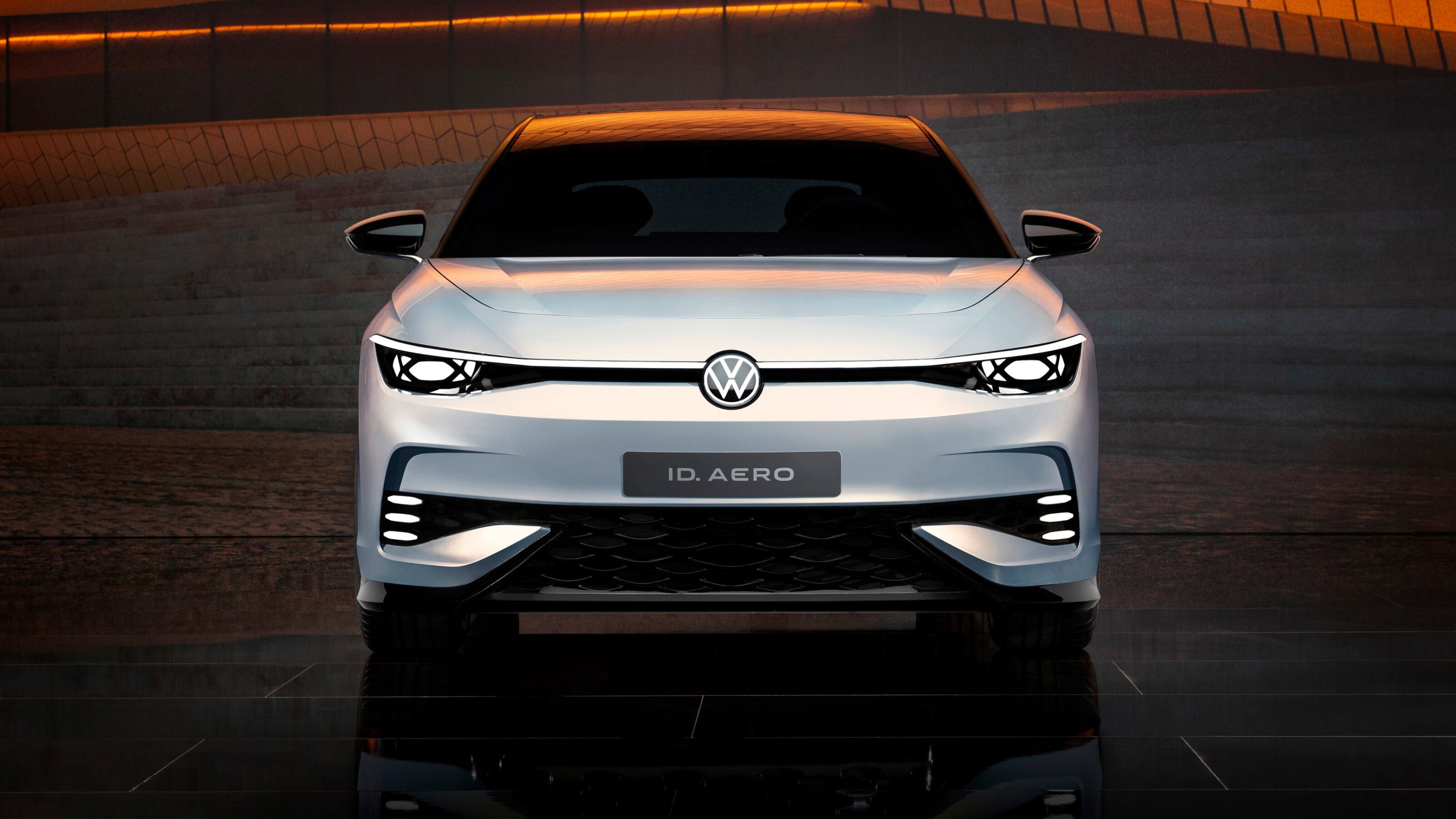
The ID.Aero is being positioned as a premium midsized sedan to rival the Tesla Model 3, though the concept’s near-5-metre length places it closer to the Model S large sedan in size.
In size, and with a wheelbase believed to be about three metres long, the ID.Aero has plenty in common with VW’s ambitious 2002 Phaeton limousine.
Volkswagen says the concept sedan features a 77kWh lithium-ion battery, offering a driving range of up to 620km on the WLTP cycle. Multiple battery sizes are expected to be available as per other ID models.
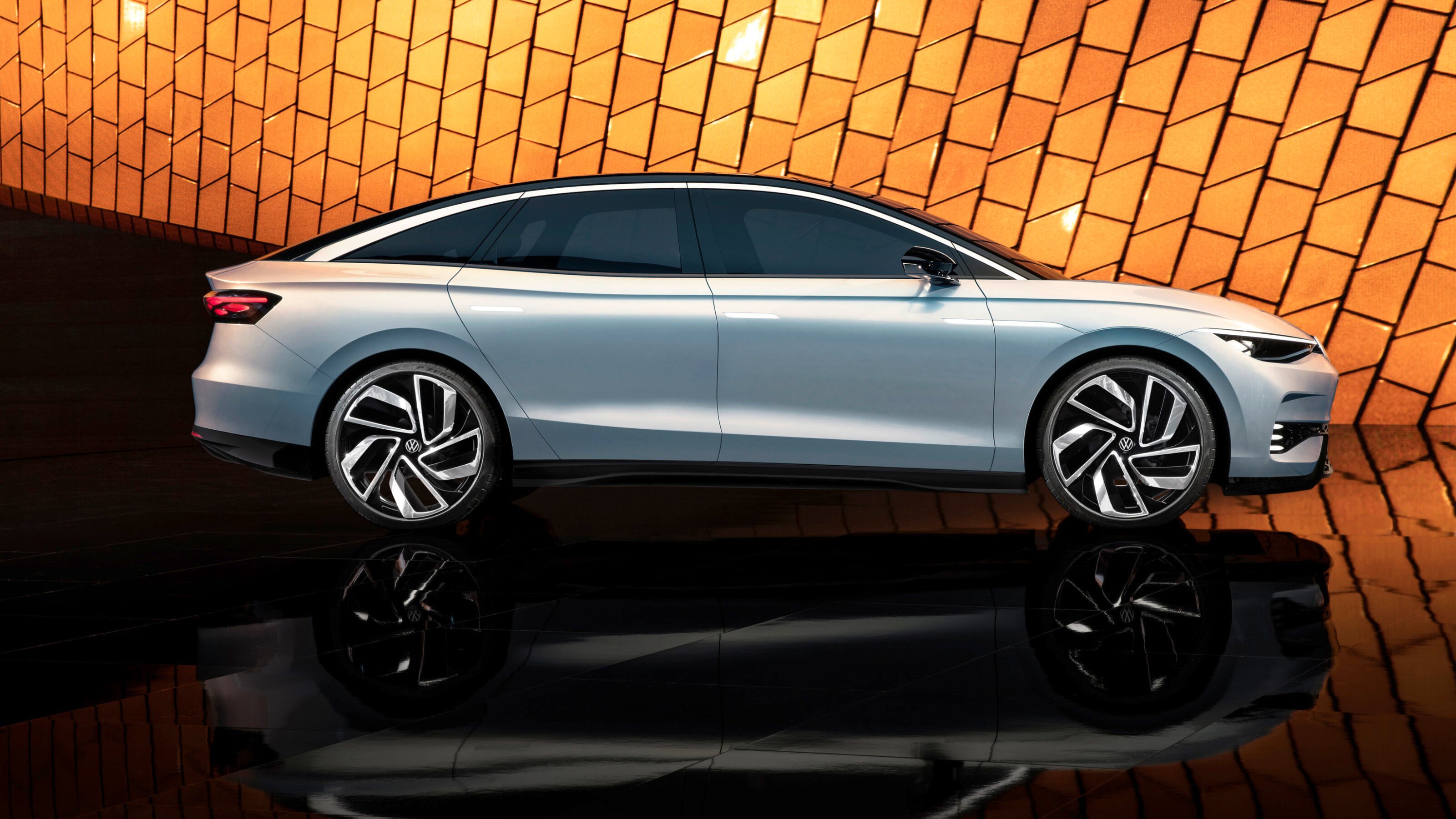
Sitting on an extended version of VW’s MEB battery electric platform, the ID.Aero fits neatly into the existing ID family with its curved lines and smooth surfaces. It looks like a stretched, lower-roofed version of the ID.4 SUV.
The roof, painted in black as an offset to the main body colour, slopes virtually seamlessly into the sedan’s tail.
Other exterior highlights include 22-inch two-tone wheels, LED matrix headlights, and illuminated touch door ‘handles’.
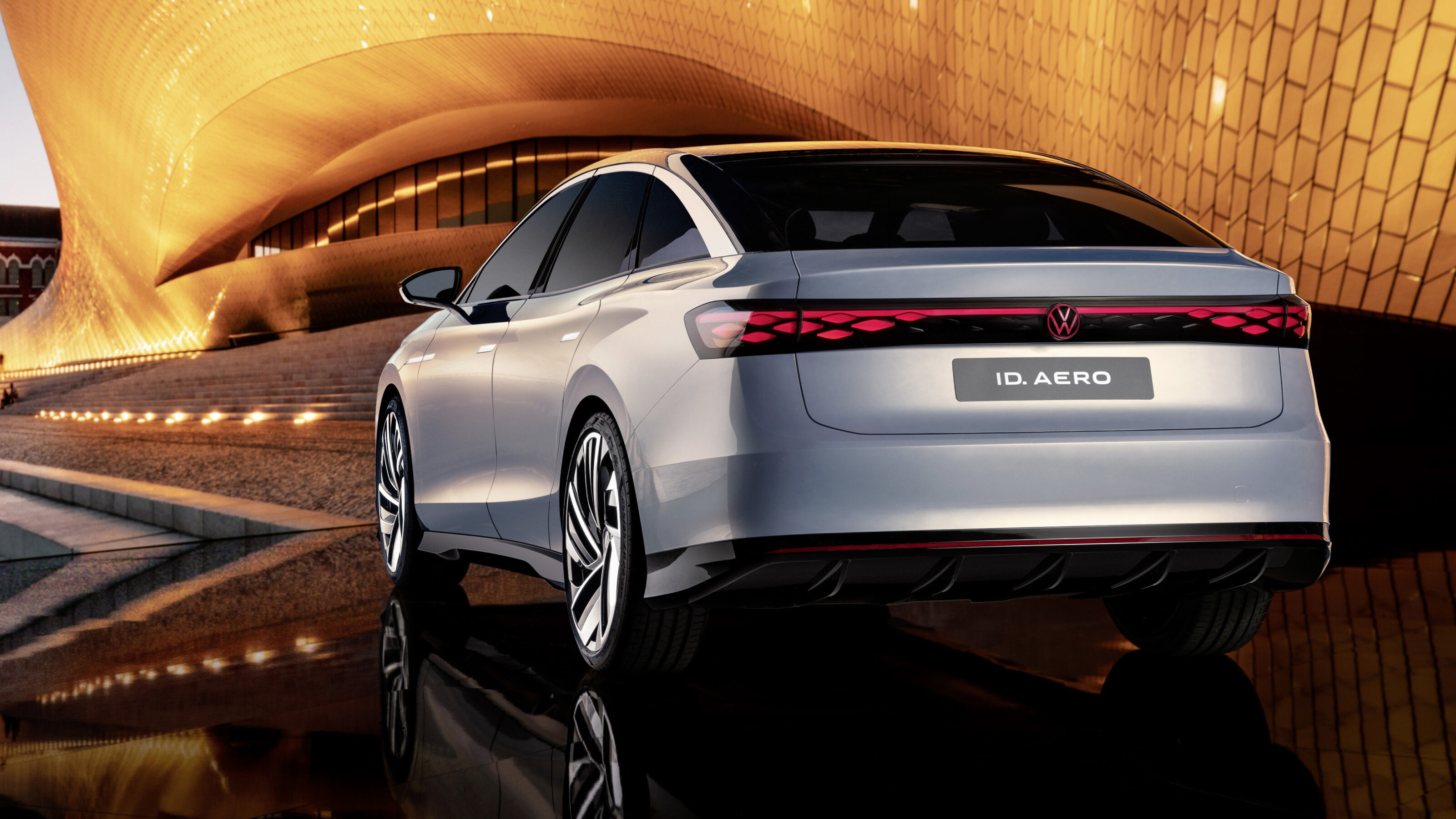
“With the ID.AERO show car, we are revealing a preview of the next member of the ID. family,” said Ralf Brandstätter, Volkswagen Passenger Cars CEO.
“[It’s] a car with an emotional and at the same time extremely aerodynamic design, a range of over 600 kilometres, an extraordinary amount of space and a premium interior.
“With our Accelerate strategy, we are intensively driving forward the electrification of our model range. Following the ID.4, this model will be our next global car for Europe, China, and the US.”
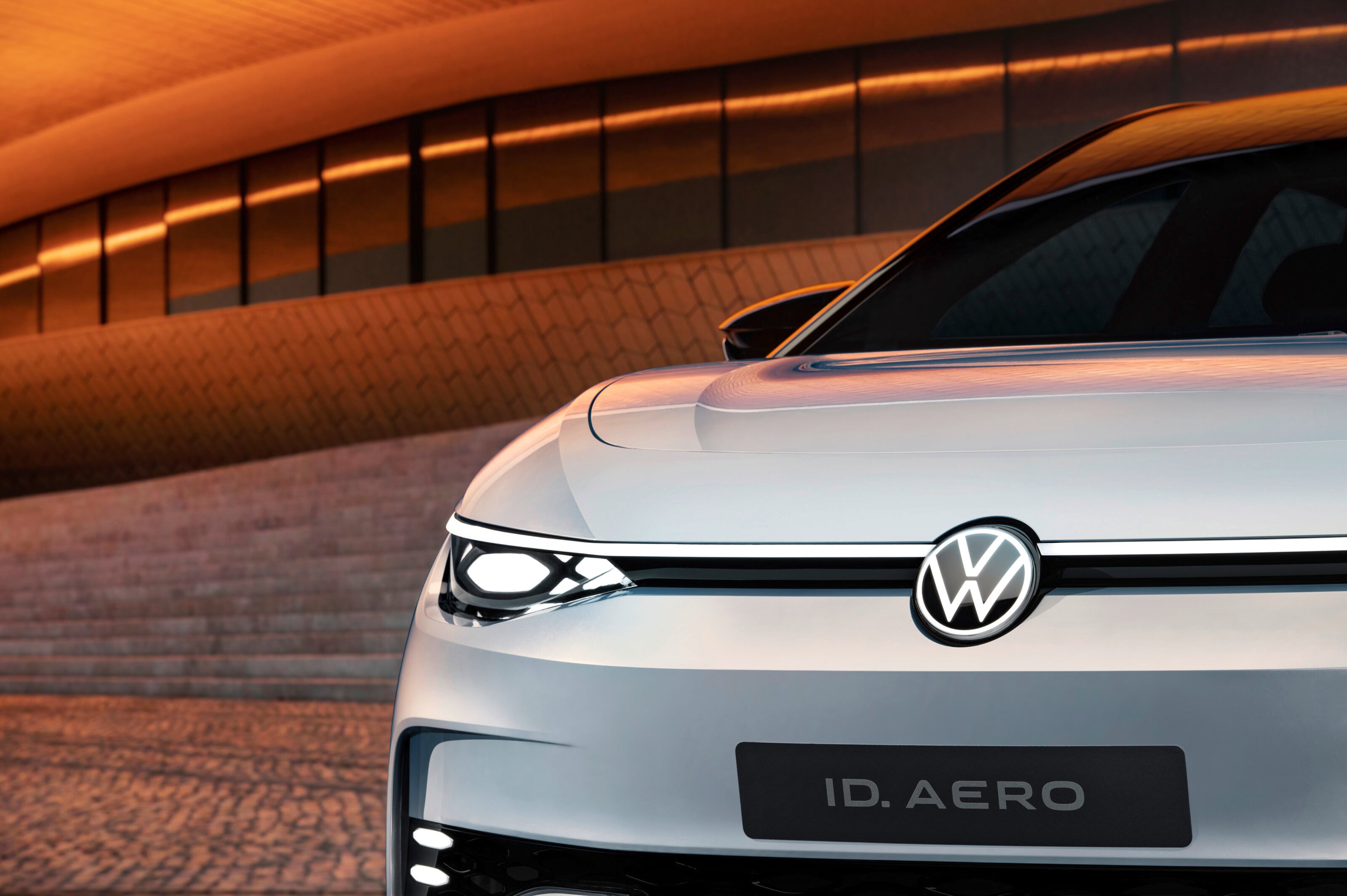
The ID.Aero/ID.6 will become the flagship of Volkswagen’s rapidly expanding ID range of electric vehicles. These currently include the ID.3 hatchback, ID.4 midsized SUV, ID.5 midsized SUV coupe, and the upcoming ID.Buzz people-mover.
The European version of the ID.Aero will be built at VW’s Emden plant in Germany, where the current midsized Passat sedan/wagon is produced, along with the ID.4.
Snapshot
- More than 230 chargers to be installed by 2025
- All can be used at no cost for the first 7kWh daily
- First 50kW stations will be open by end of this year
More than 230 electric vehicle charging stations will be installed in Sydney by 2025 – expanding to in excess of 1000 over the next decade, it has been announced today.
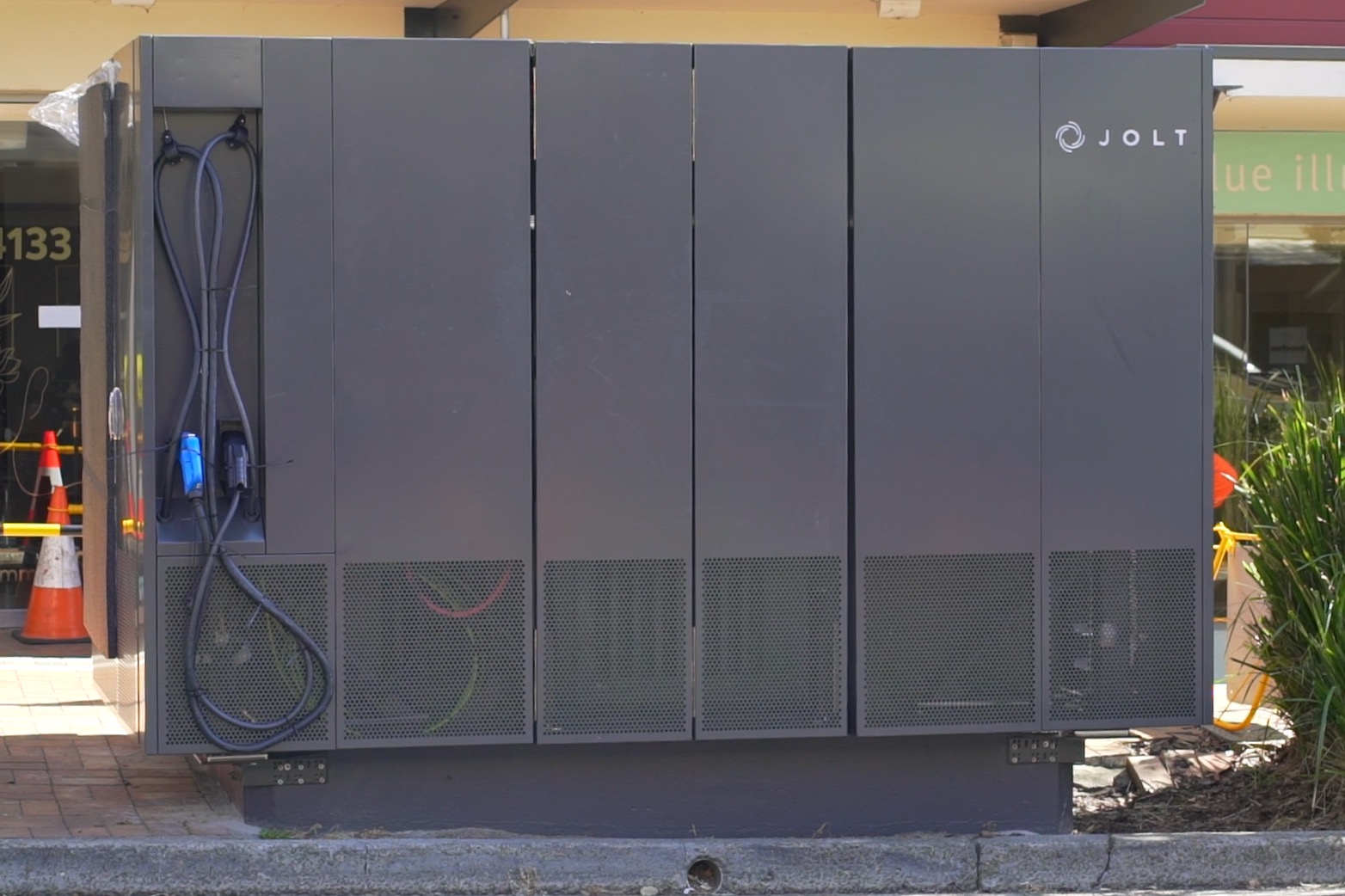
EV network provider Jolt has teamed up with electricity firm Endeavour Energy to create the new chargers which will be rolled out across Western Sydney over the coming years.
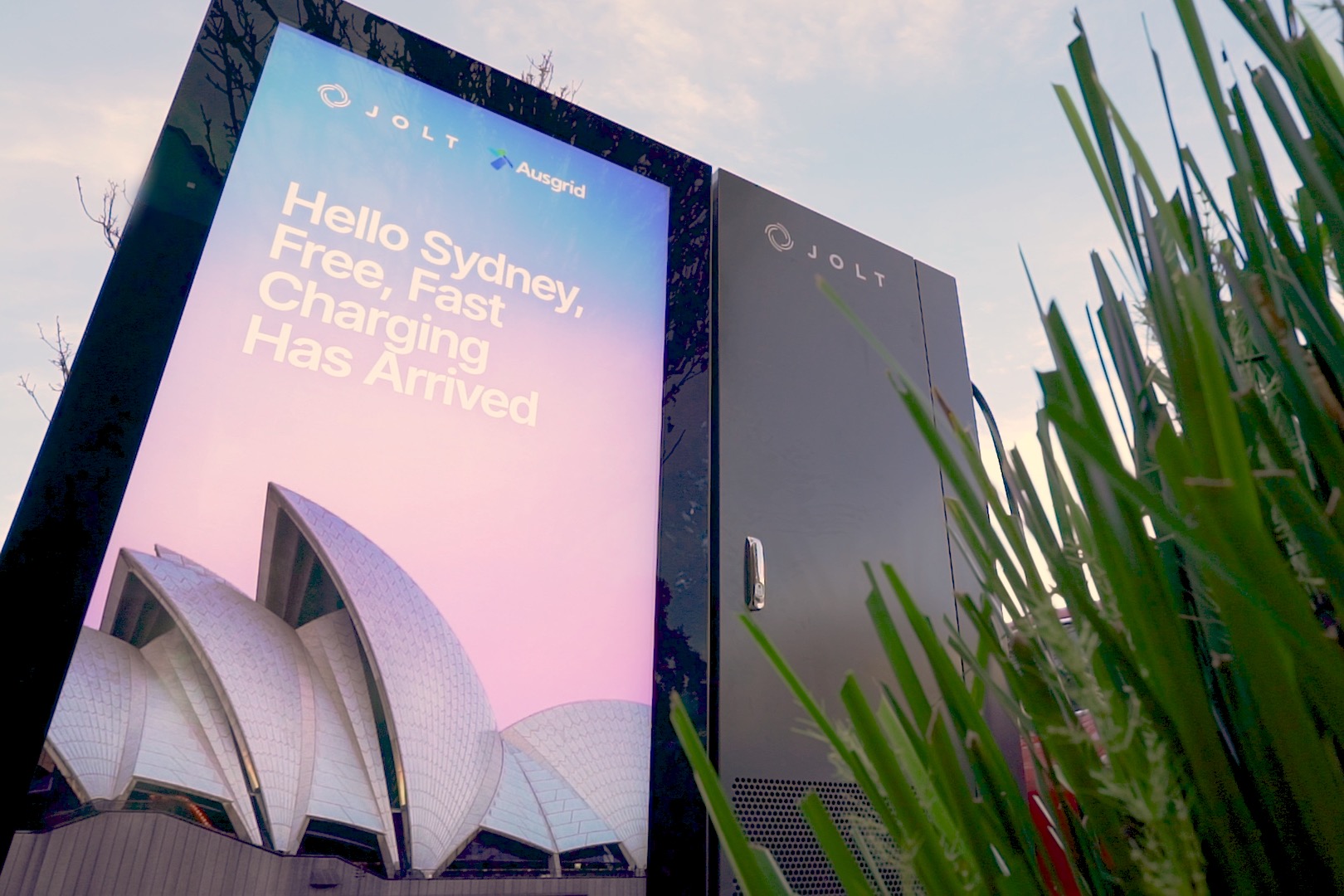
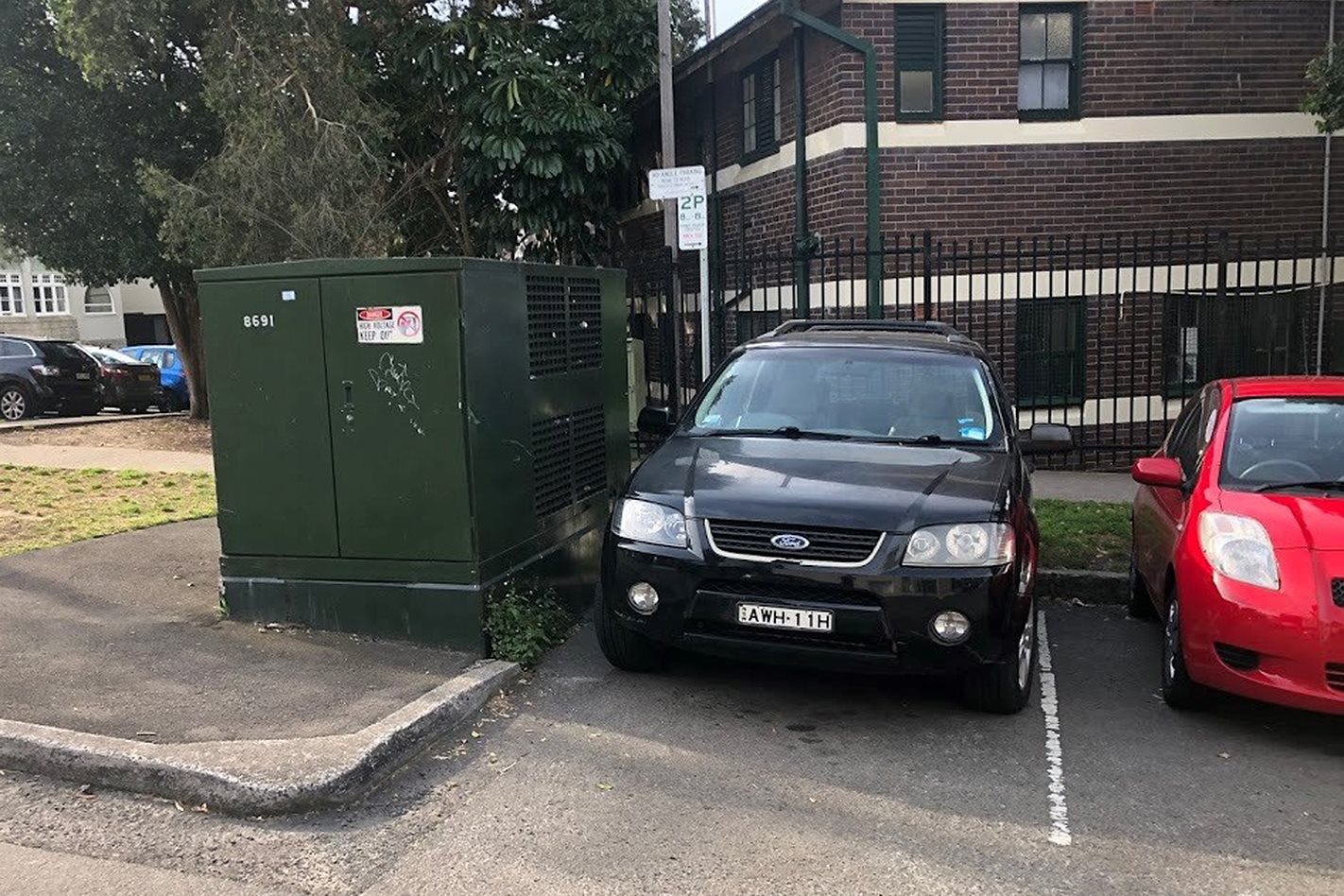
Crucially for drivers, the new EV charging stations will be free to use for the first 7kWh that day, and will be installed on existing Endeavour Energy streetside substations – meaning they will be available for those who do not have access to off-street charging for quick top-ups.
According to Endeavour Energy, the first points are expected to open as early as the end of this year.
“In a world where we are ‘electrifying everything’, our customers are depending on us to support their daily life – for commuting, working remotely, for education and entertainment,” said chief customer and strategy officer, Leanne Pickering.
“The partnership with Jolt harnesses the exciting momentum around EVs as people see the benefits of contribution to the environment through reducing carbon emissions and cleaner air.
“We are building a modern grid that can support the sustainability aspirations of every customer on our network – from large scale commercial solar farms to resident battery storage and an EV charging network.”
By 2040 the firm predicts there will be around 1.3 million electric cars in the Endeavour Energy network, which covers Sydney’s Greater West, Blue Mountains, Southern Highlands, the Illawarra, and NSW South Coast.
“We’re thrilled to be expanding our footprint to the wider Sydney area and provide free, fast charging to more EV drivers through our partnership with Endeavour Energy,” said Jolt CEO, Doug McNamee.
“Our communities want greater accessibility and more EV chargers to be able to charge on the go. In the last two years alone, the Jolt network has given out more than 162,000 free kilometres to EV drivers across Australia. We’re delighted to begin stage one of our plans with Endeavour Energy to help electrify the future of transportation.”
Across the Jolt charging network, all electric vehicle drivers will have access to 7kWh of free charging per day, providing around 40 to 50 kilometres of driving range and a 15-minute charging time, depending on the type of vehicle.
Jolt’s chargers, most of which are 25kW DC fast outlets, are powered by 100 per cent green energy.
By comparison, a Kia EV6 Air using a 350kW DC fast charger can be topped up by roughly 370km in 18 minutes, or a Tesla Supercharger can provide around 320km of driving range in 15 minutes.
Tuesday’s announcement adds to existing plans 5000 free EV chargers nationwide thanks to an investment of $500million from US firm BlackRock.
It also joins another partnership between Jolt and electricity firm Ausgrid for more free charging points – the first of which opened in the Sydney suburb of Mona Vale last year.
If you’re a Mazda Japanese tuning enthusiast, AutoEXE is a name to know. The Tokyo-based outfit is a long-time Mazda specialist, with a history of developing body kits, suspension and engine components – most popularly, for fire-breathing rotary sports cars and finely-honed MX-5s.
Mazda’s more pedestrian models aren’t exempt, however. AutoEXE has recently turned its attention to the new Mazda CX-60, unveiling its latest creation ahead of upcoming suspension, brake, intake and exhaust components set to be released later this year.
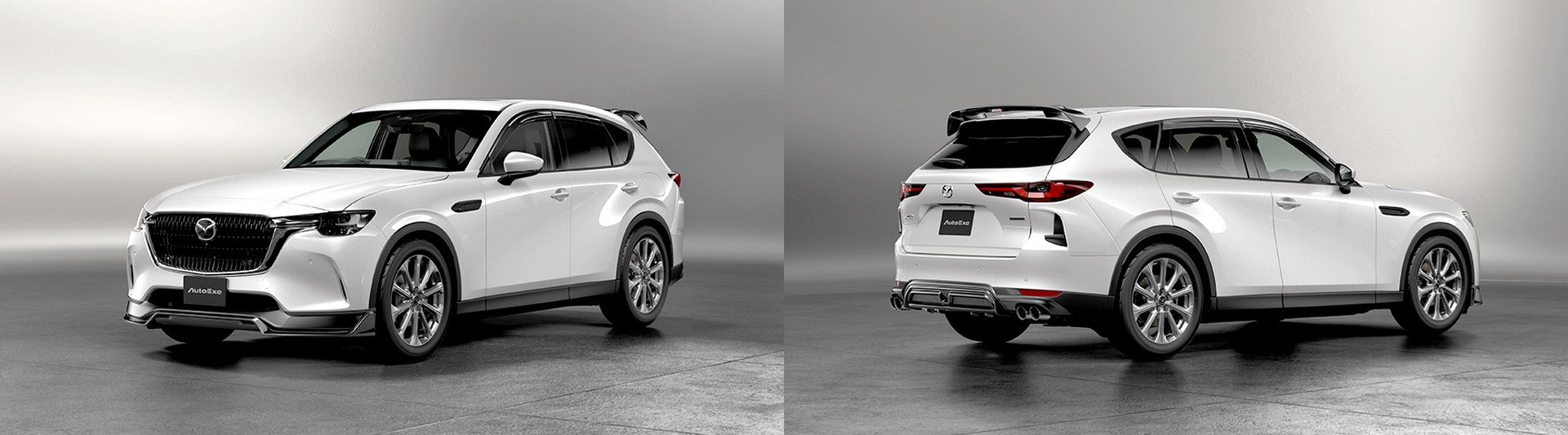
The multi-piece dress-up kit injects a healthy dose of sporting visual presence to Mazda’s newest flagship mid-size SUV – which is confirmed for Australia and expected locally later this year.
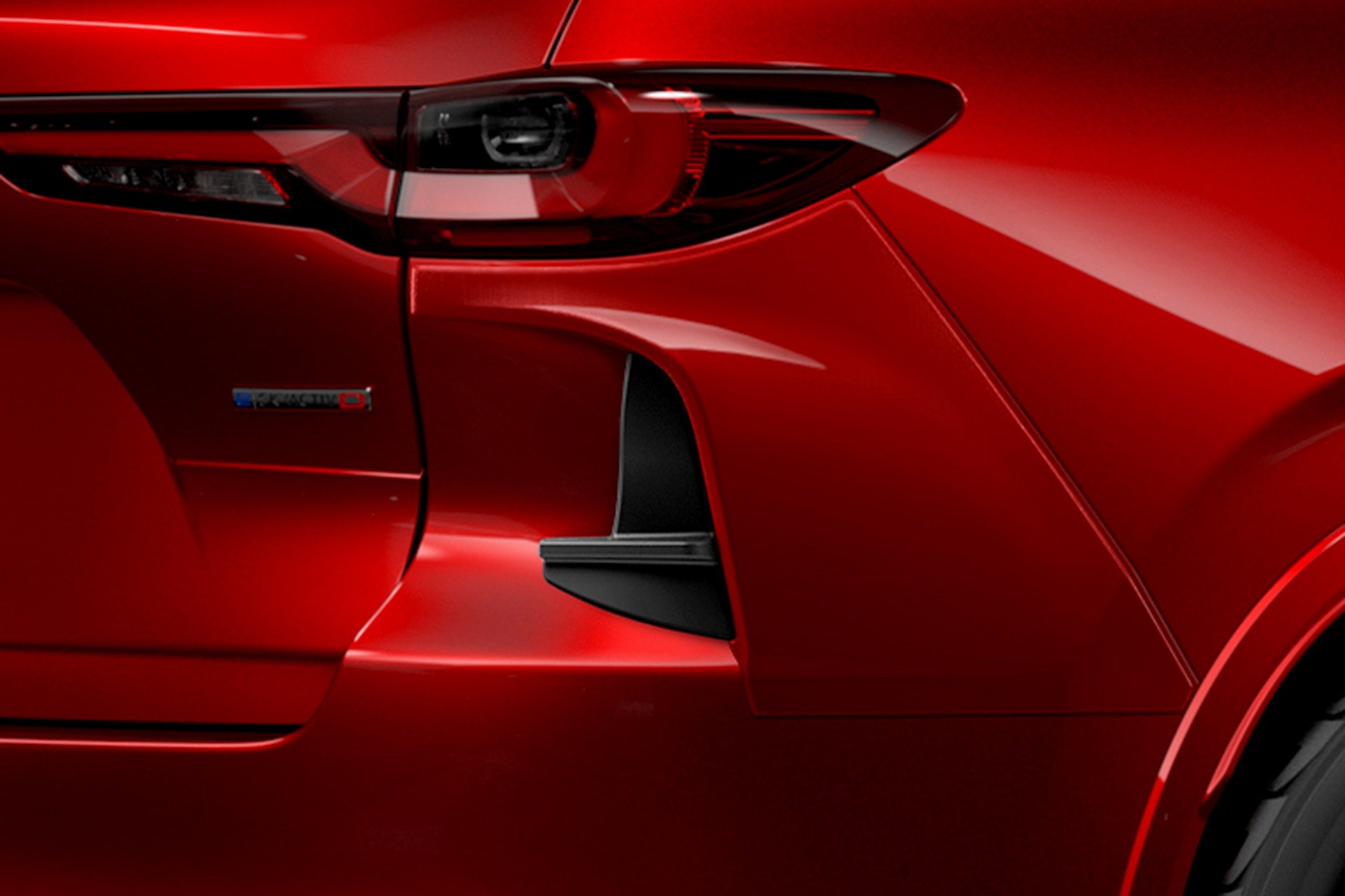
The complete kit comprises a deep chin spoiler up front and aerodynamic wind deflectors down the sides, along with a rear wing, vented over-panels at the rear quarter and an integrated diffuser with quad exhaust outlets.
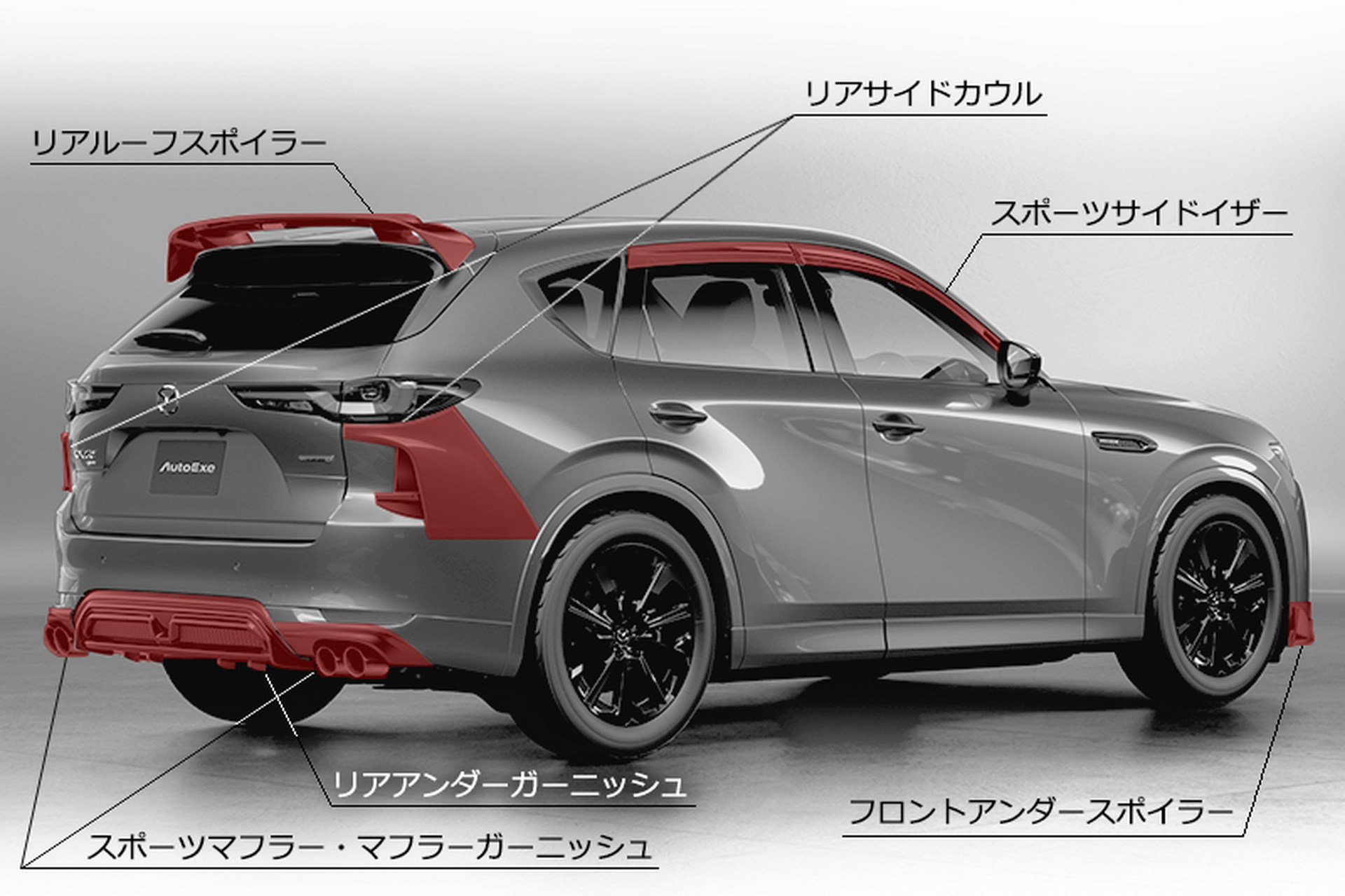
The body styling components can be purchased as a complete kit, or as individual pieces.
According to AutoEXE’s website, buyers will be asked ¥90,200 (AU$963) for the front splitter, ¥33,000 (AU$353) for the wind deflecting visors, ¥90,200 (AU$963) for the rear spoiler, ¥82,500 (AU$880) for the rear diffuser and ¥68,200 (AU$728) for the rear quarter vented panels.
The quad exhaust muffler is still under development, with pricing to be announced later this year alongside the incoming suite of mechanical upgrades.
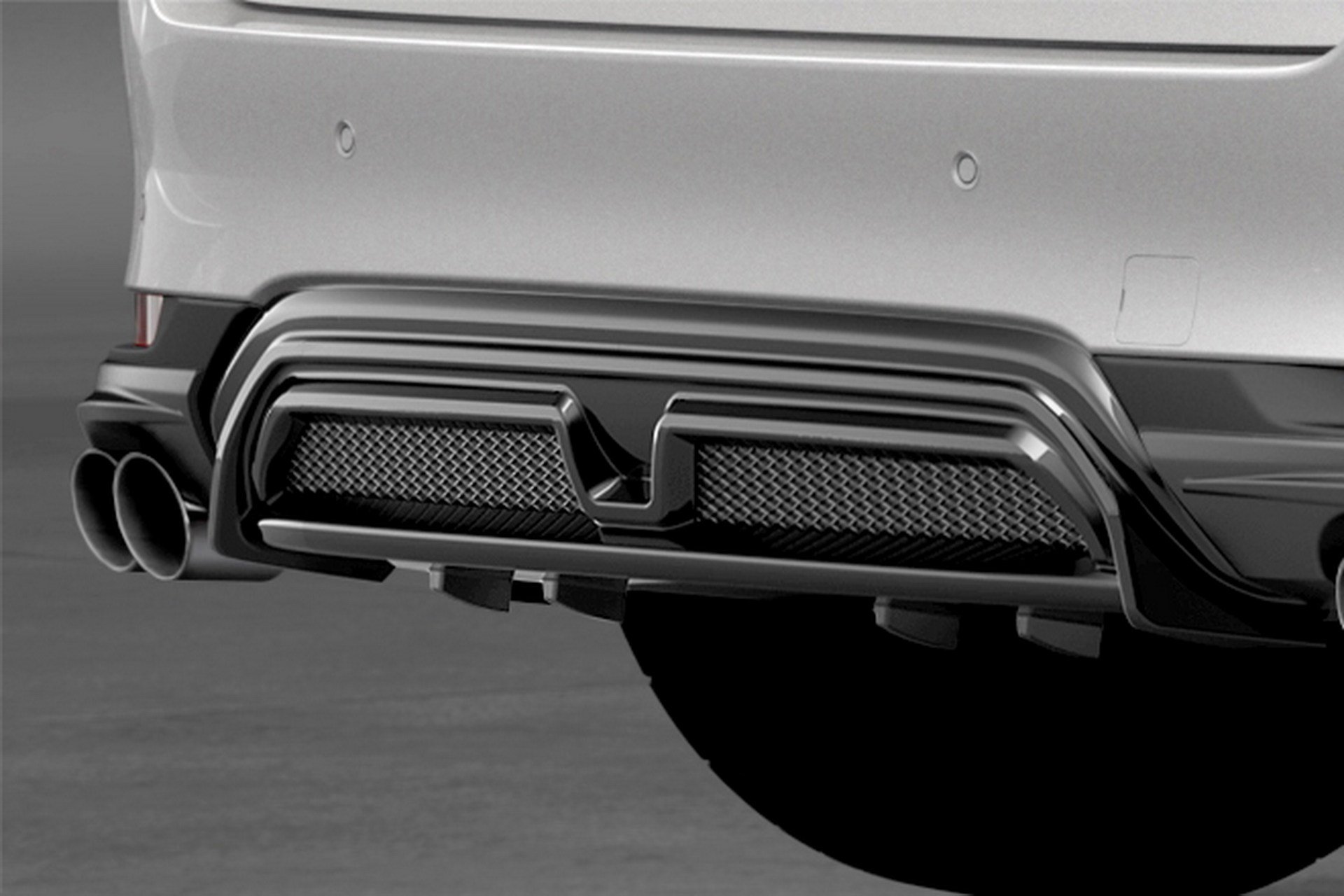
AutoEXE was founded in the 1990s by Yojiro Terada, a former Mazda factory works driver.
Terada-San is ranked third, behind Henri Pescarolo and Bob Wollek, in terms of overall Le Mans 24 Hour participations (29 Le Mans since 1974, with five class victories) and has also claimed two class wins at the 24 Hours of Daytona in 1979 and 1982.
The mid-size CX-60 went into production earlier this year and debuts a number of new inline-six engines (in 3.0-litre petrol and 3.3-litre turbodiesel configurations), headlined by a 2.5-litre PHEV variant producing 241kW/500Nm – making it the most powerful road-going car ever produced by Mazda.
Specific local timing is yet to be finalised, but Mazda Australia have already confirmed the model for the Australian market.