
Introduction: Dear Neighbour
Kirby finds out ‘his’ E53 Coupe has been keeping secrets
My neighbour Margaret is a lovely lady. She’s retired and lives alone, spending her days tending to our complex’s communal gardens. Margaret also keeps a very close eye on the frequently rotating parade of vehicles that I bring home from work.
Whenever I bump into Margaret I am blessed with a rundown of her verdicts on my recent wheels. Lamborghini Urus: too green. Toyota GR Yaris Rallye: looks like great fun. Jaguar I-Pace: very futuristic. It’s always intriguing to hear what Margaret has to say about a car. She doesn’t care about brand heritage or power outputs, it’s an assessment made without bias.
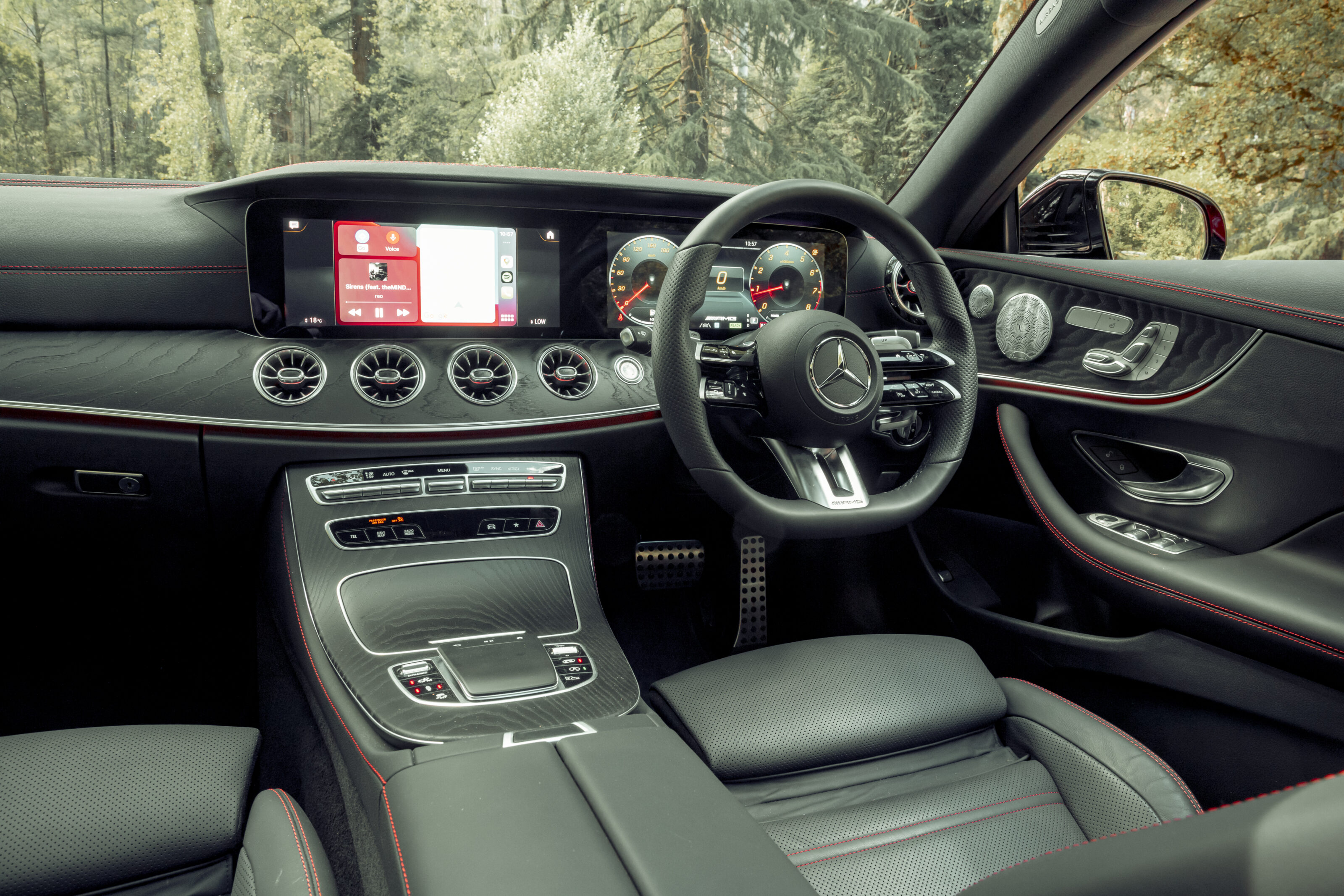
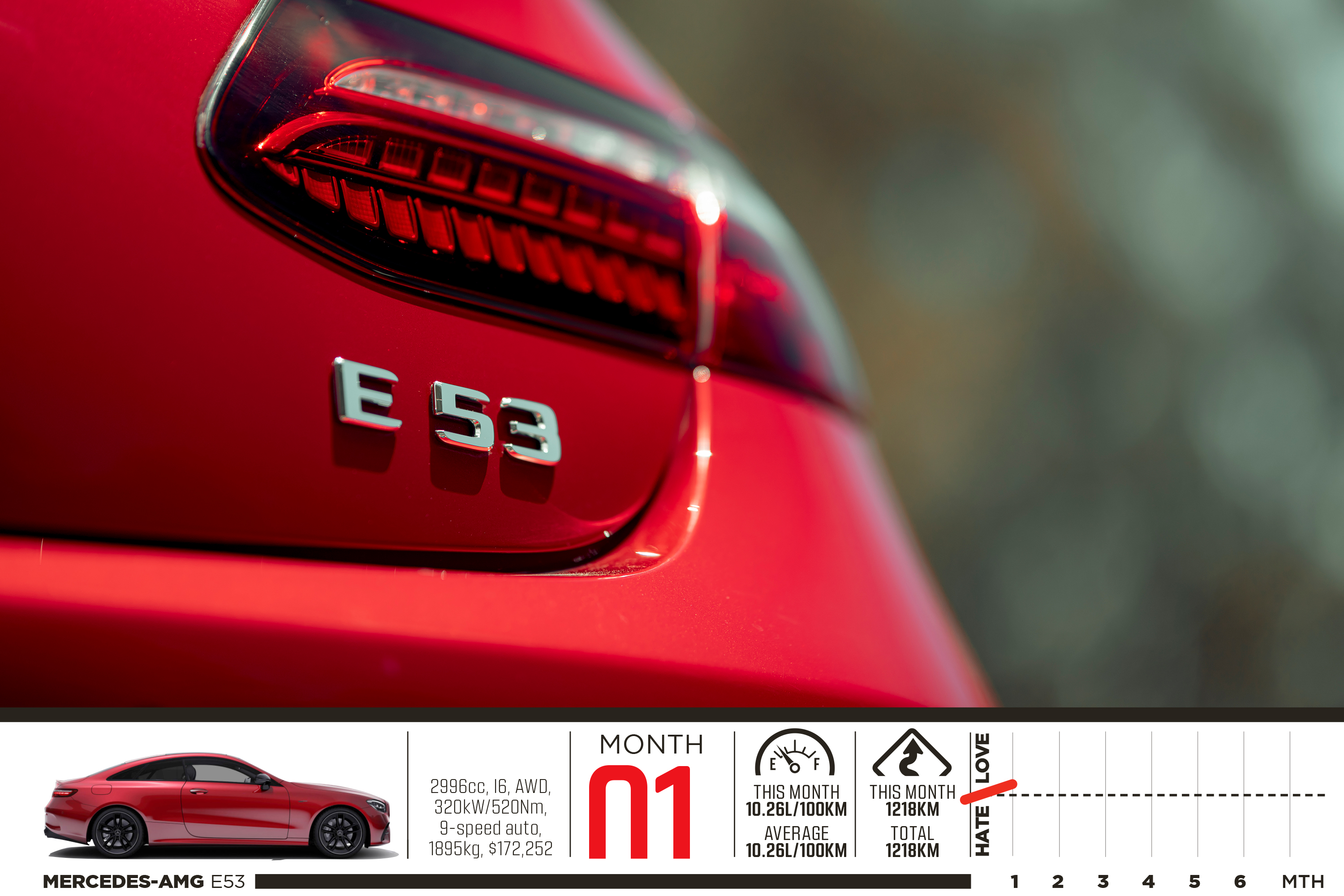
So it came to pass that I became the temporary custodian of this Mercedes-AMG E53 Coupe. What the local PR team didn’t know in approving the long-term loan, is that they’d secure themselves a hardcore fan. The reaction from Margaret was almost instant the moment I slipped up the driveway, with the kind of cooing noises I would assume are traditionally reserved for her grandchildren.
In Margaret’s eyes, the E53 retained the same sublime cool as big American coupes from the ’50s. It’s not hard to follow her line of thinking, with the flowing, almost creaseless, exterior bodywork and the big pillarless windows. In these warmer months I’ve taken to having every aperture open for the full boulevardier experience – who says you need a drop-top for cool summer cruising?
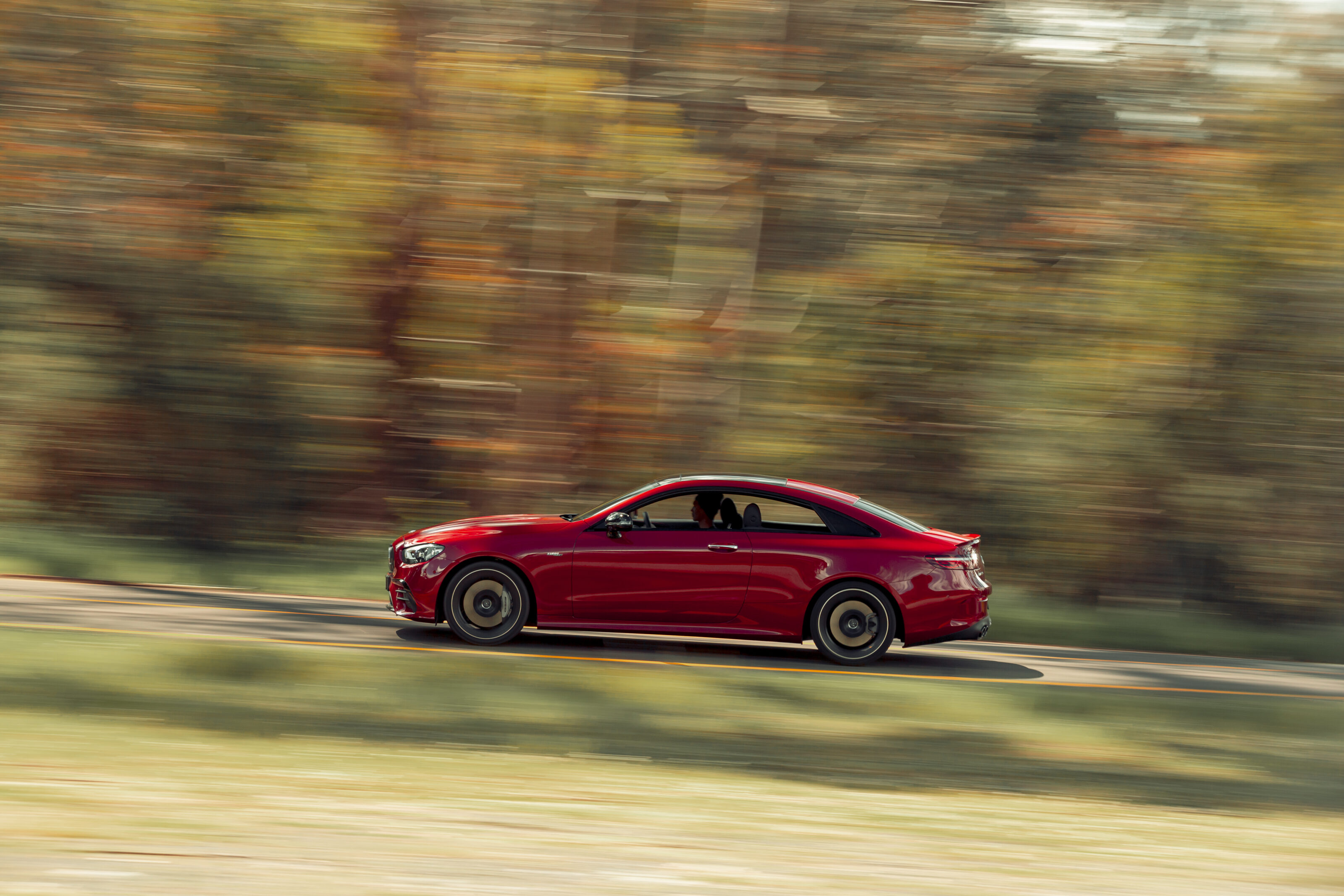
Yet, for a near-enough $200,000 large coupe, and seemingly in spite of the three-letter badge on the boot, the E53 is surprisingly low-key in its personality. In its comfort settings, it is the kind of vehicle that I’d happily put someone of Margaret’s vintage behind the wheel of without worrying she was going to end the journey travelling backwards through one of her beautifully manicured hedges.
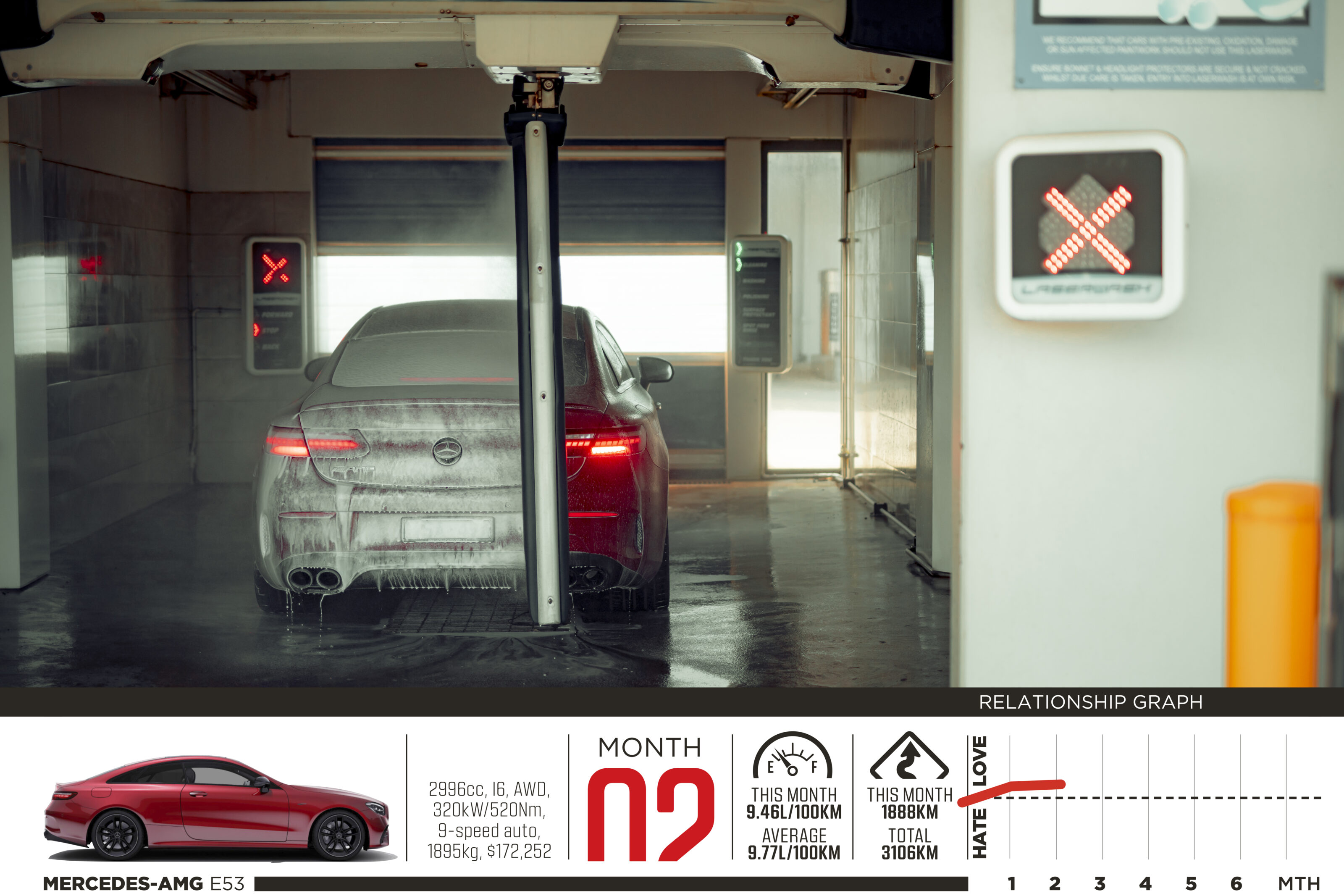
There’s nothing as uncouth as a launch control system, but it’ll still crack 100km/h from a standstill in a claimed 4.4 seconds. The big coupe uses a combination of a 3.0-litre straight-six, 250Nm e-motor, turbocharger AND an 48-volt electric compressor to send 320kW and 520Nm to all four wheels via a nine-speed automatic transmission.
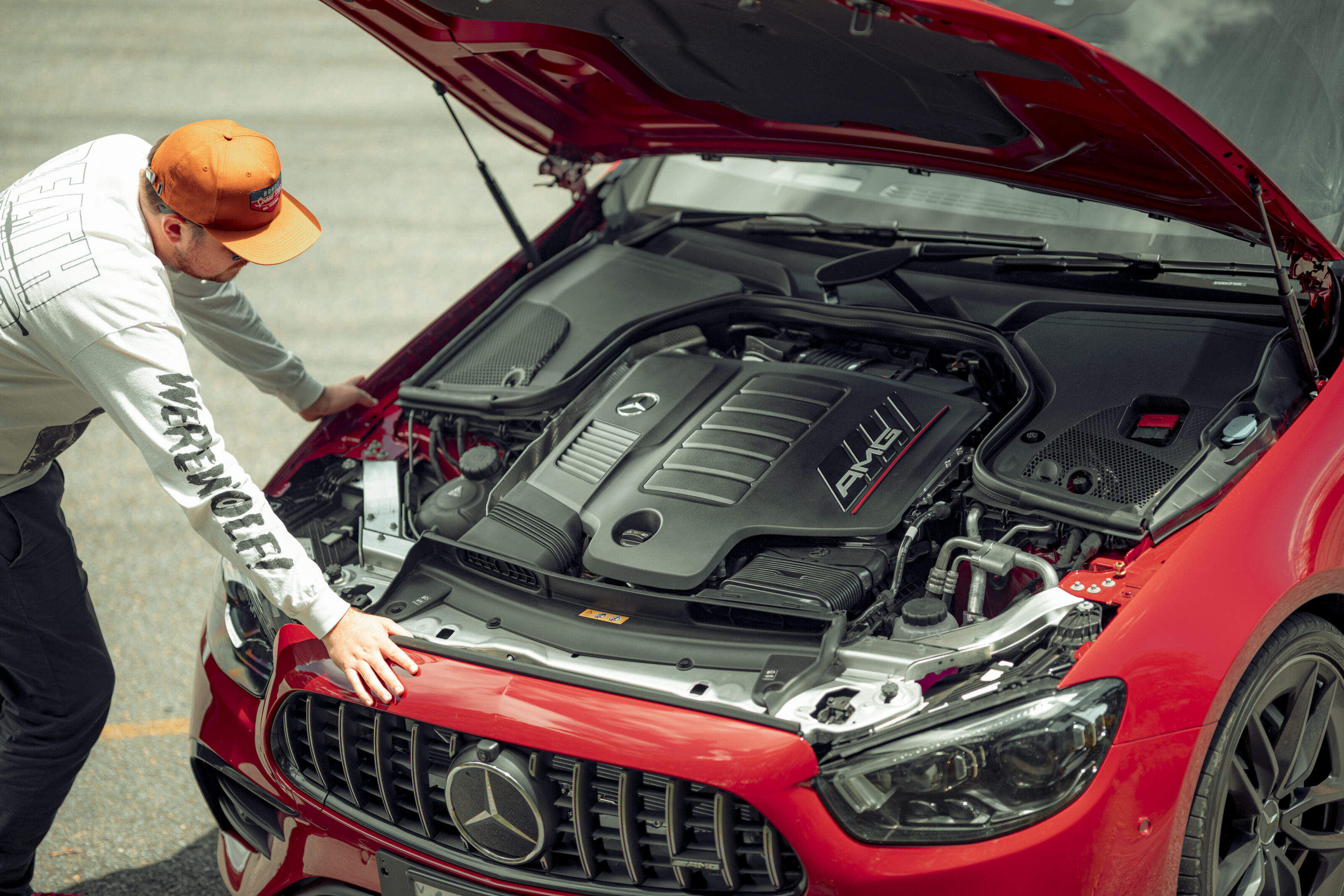
Despite the impressive power, and multifaceted componentry, propulsion is delivered with velvet-wrapped subtlety. Instead of the electric power being added like a kick in the back, it’s mixed in naturally, hiding in plain view. This is one of the E53 Coupe’s great strengths. It dispenses with any pre-conceived notions of AMG brutality, and is seemingly instead a refined and pleasant cruiser.
On one drive home I began to fiddle with the coupe’s adaptive exhaust, and was left reeling by the auditory step change.
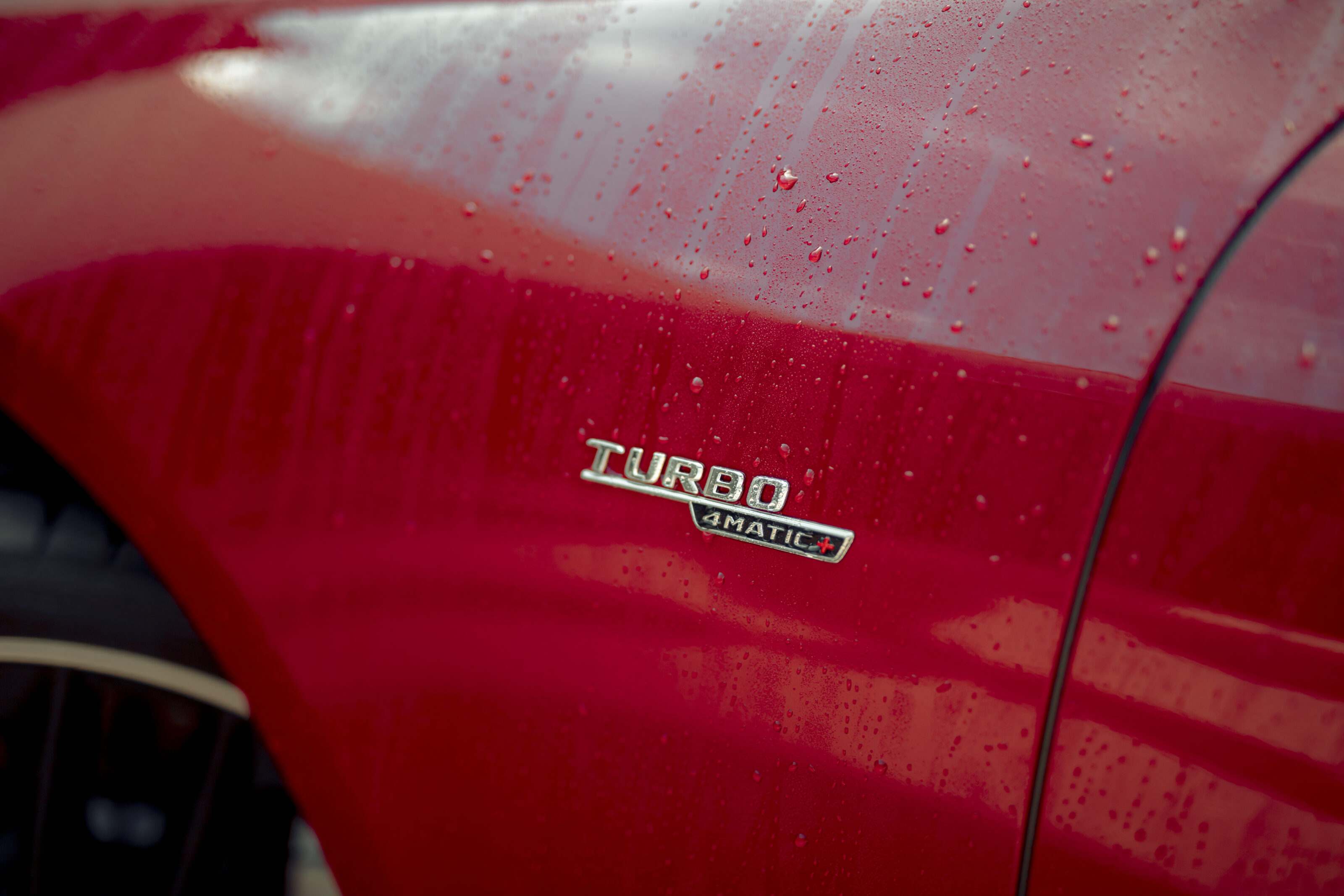
In an era of shouty AMG V8s the E53’s soft vocal tones in Normal mode had been rather refreshing. Well, the charade ended once Sport+ was selected. I was transported into the middle of a bullring, the adaptive exhaust now cracking its whip behind my head with each change of ratio, and burbling on the overrun. The sudden personality reveal was akin to finding out tottering ol’ Margaret was also a black belt in Krav Maga.
With a simple flick of a switch, the relaxing companion for my commute morphed into a barking attack dog.
A frenetic schedule means no kill command has been issued to the E53 yet, but I’m looking forward to doing so soon. I might just invite Margaret along for the ride. – CK
Things we love:
- Silky smooth power
- Timeless design
- Adaptive exhaust
- Doors are very long
- Like, really long
- Haptic buttons
Month Two: Inner Pursuit
Is a stretch of the Hume Highway the missing link?
We’re all just a bit nerdy here at MOTOR. It’s a somewhat unspoken prerequisite to join the team. But even the following random comment that came out of my mouth took Kirby a little by surprise.
“There’s a section of the Hume Highway I’ve never driven, but I’ve always wanted to”.
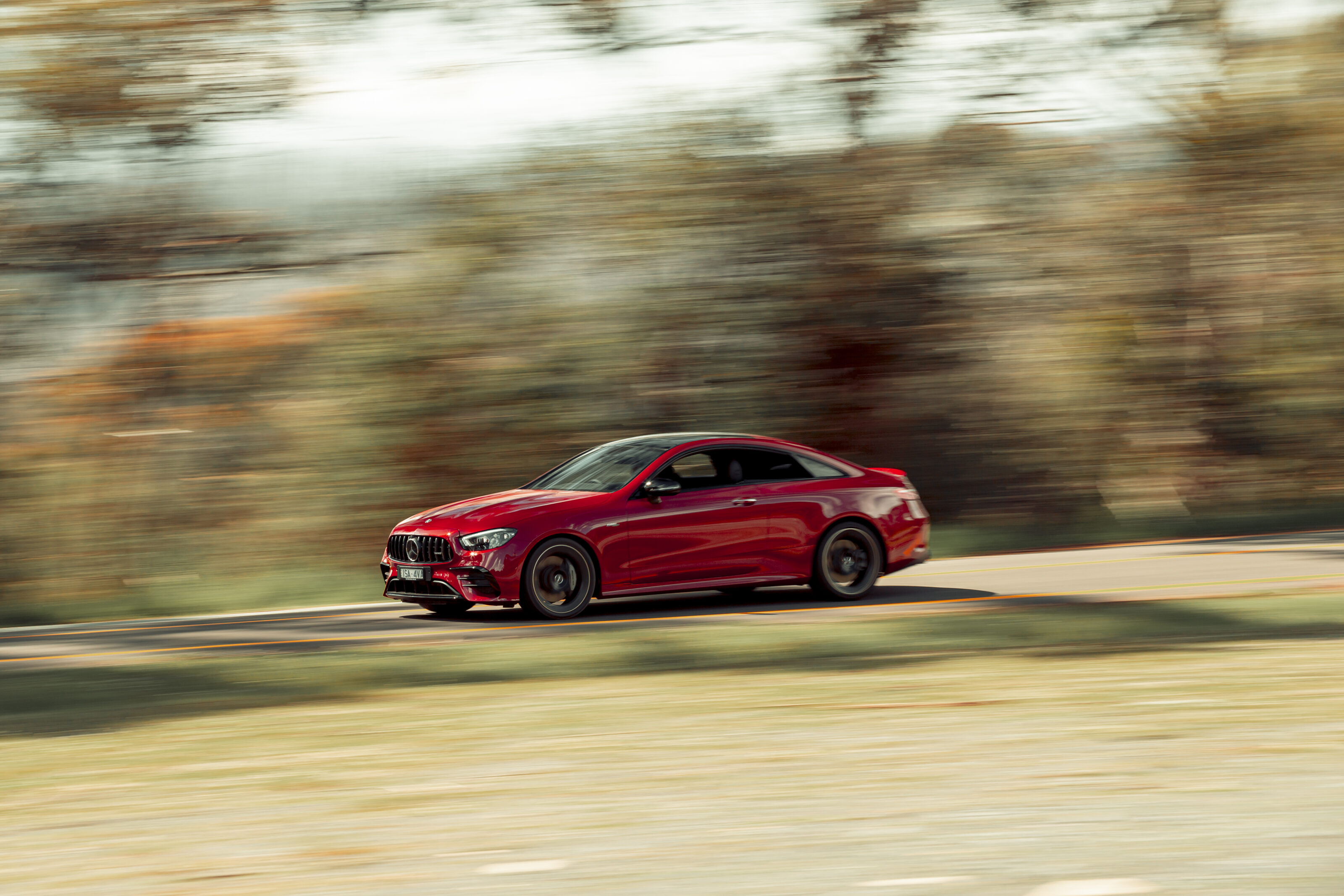
I’m not sure, but for a moment I think he questioned whether or not giving me the key to ‘his’ Mercedes-AMG E53 Coupe long termer for my Melbourne to Canberra round trip was a good idea or not.
Most of you living in the eastern states would know that while the Hume is broadly adequate as a means of journeying between our two biggest state capitals, it’d never make anyone’s list of must-drive roads. Not me though.
There’s a pseudo middle ground, a 129km section of highway between Table Top and Wagga Hill, I’ve always missed given I grew up in Wagga. If you haven’t fallen asleep yet, fire up Google maps to see what I’m talking about. I told you we’re all a bit geeky here.
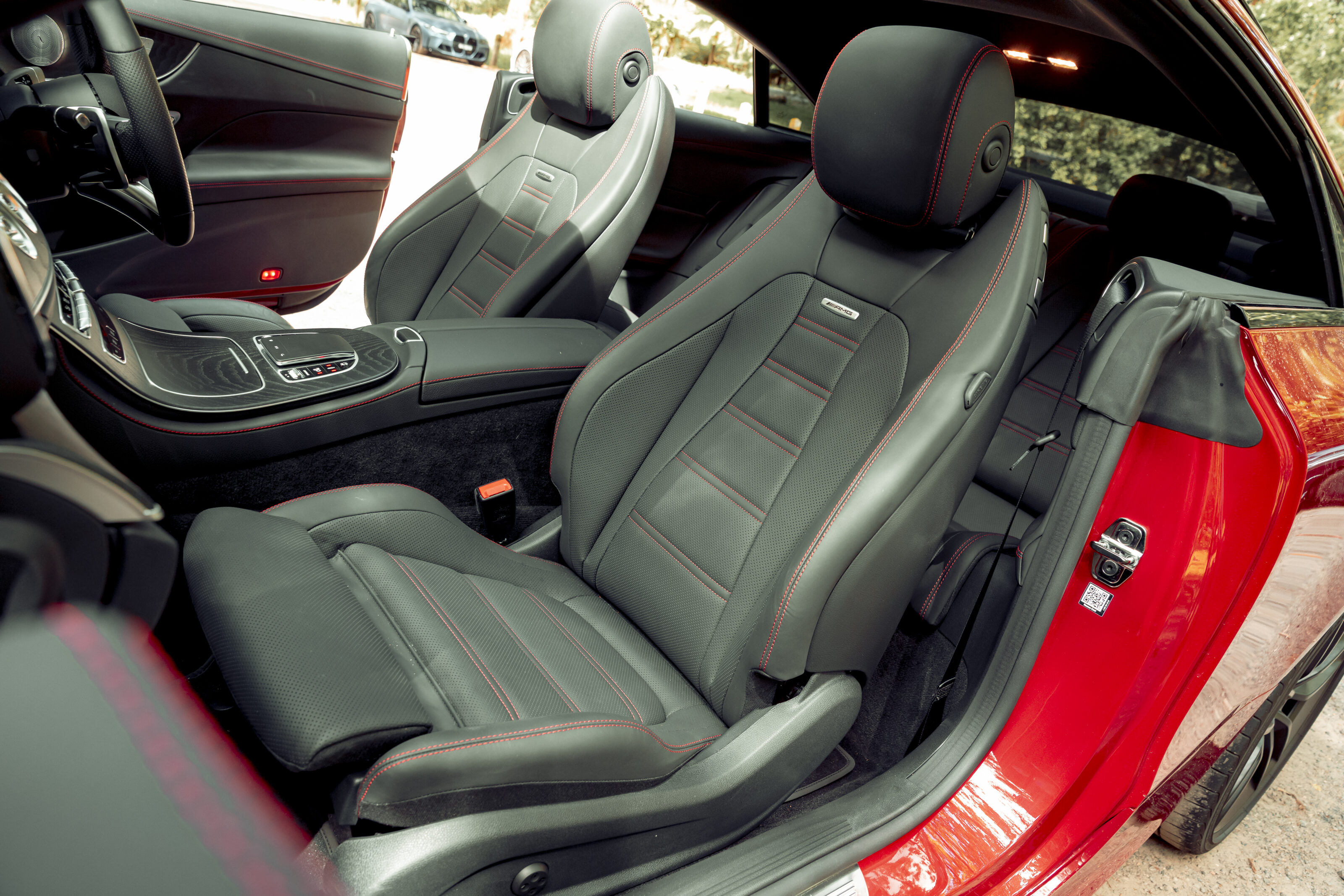
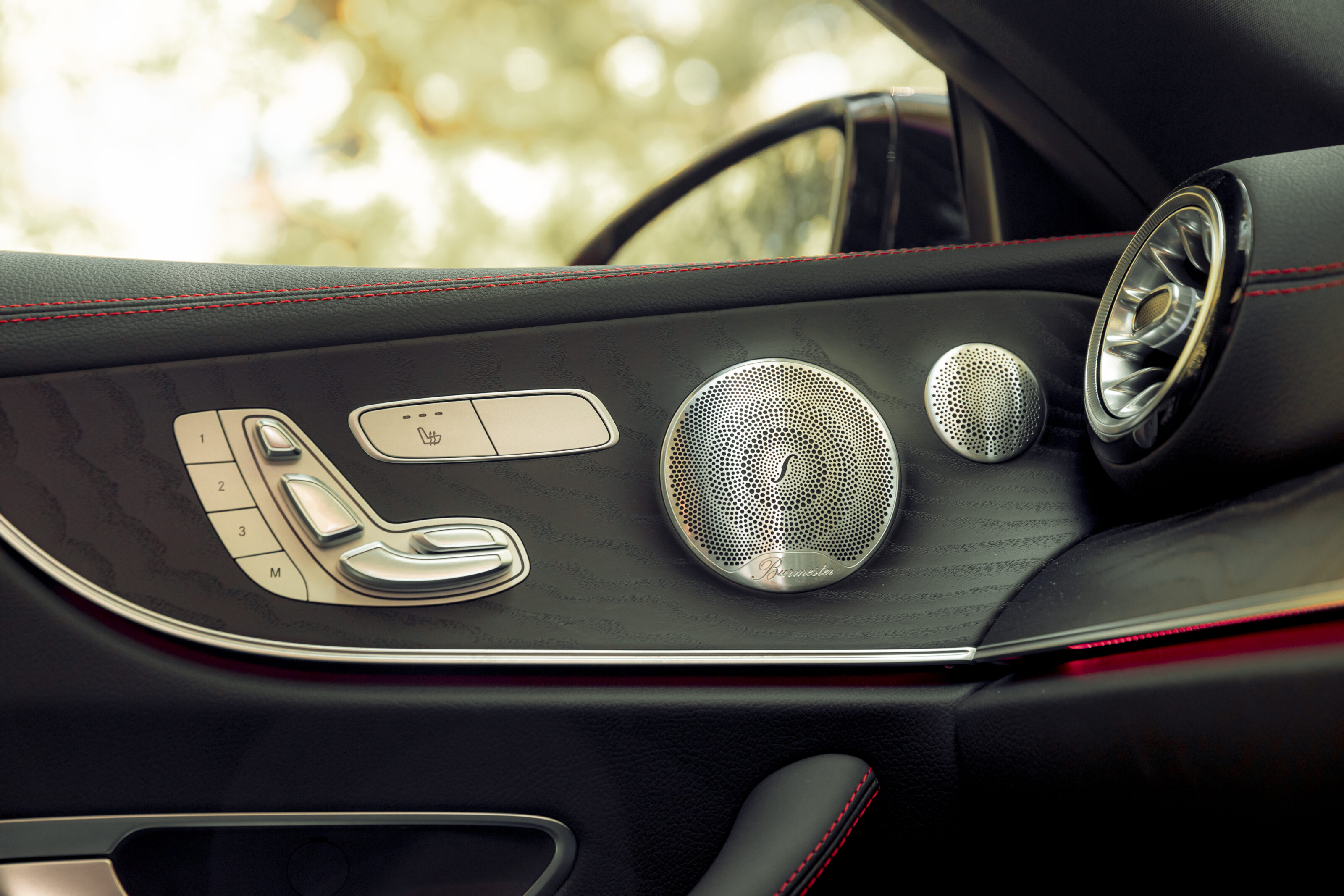
In terms of a car fit for a solo expedition, the big E53 ticks numerous boxes. The 425-litre boot swallows my bags with room to spare, the cabin is airy and spacious with a vast range of seating adjustment, all the tactile materials are agreeably high end and it’s packing enough tech/sound system grunt to keep anyone entertained. The quality of the Burmester audio is of particular note as it does a great job of drowning out the surprising road noise on the varied Hume surfaces.
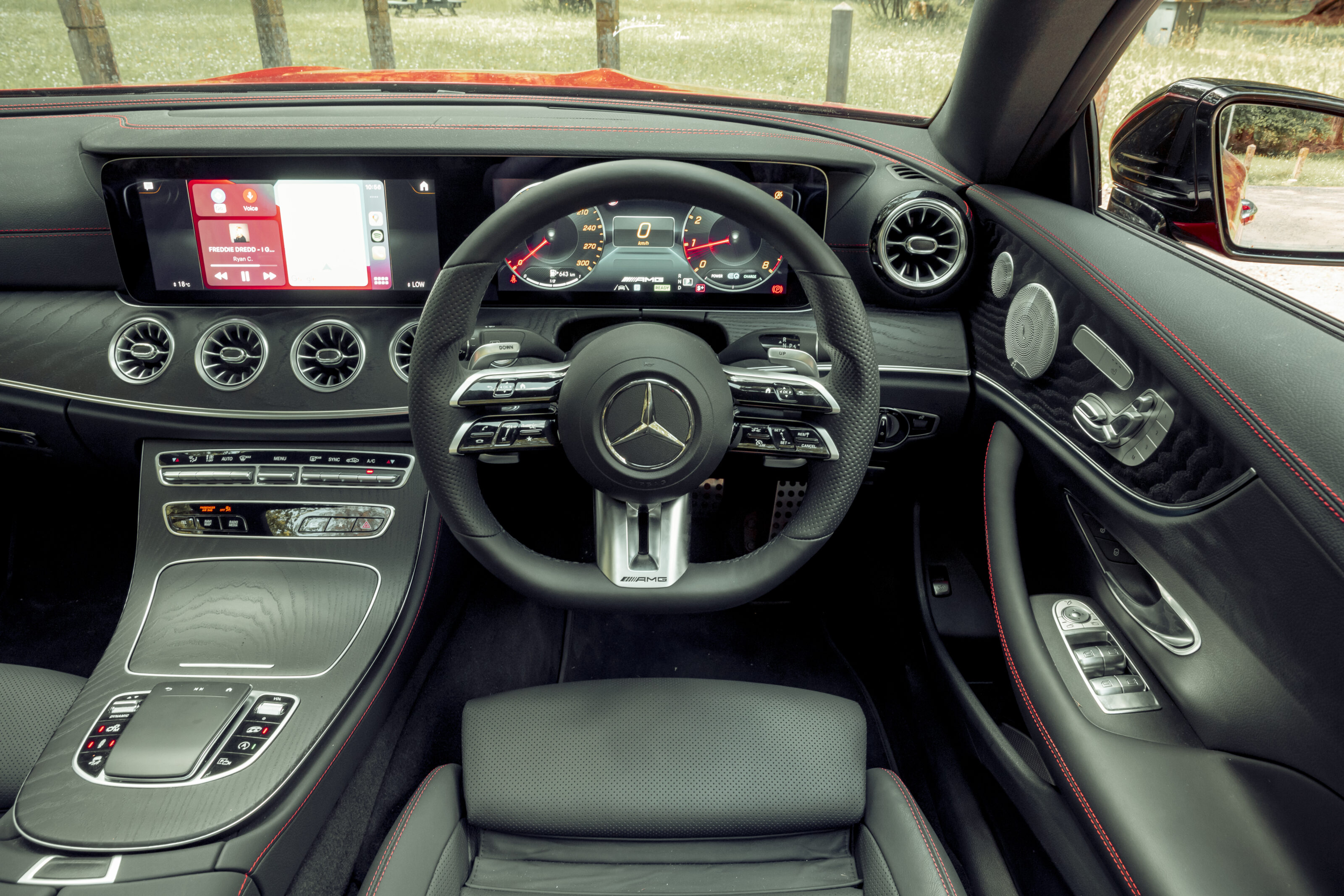
It has drama, too, with a lack of B-pillar and a large panoramic sunroof creating a convertible-style experience – just without as much wind buffeting. The mood lighting, with a vast spectrum of colours to choose from, the turbine-look fan controls and the red stitching add aesthetic bling.
At night it feels like you’re ensconced in a swanky inner-city cocktail bar that just happens to have plush seating. The new steering wheel is fat-rimmed, which isn’t to everyone’s style, nor are the touch-sensitive buttons for various controls. Time to familiarise yourself with them, just like the central trackpad, is key.
One very cool feature that now comes as standard is the virtual image windscreen projection. In layman’s terms this means that direction arrows appear in the head-up display while the central 12.3-inch infotainment screen reveals real-time street signs, turn directions and house numbers. It works brilliantly.
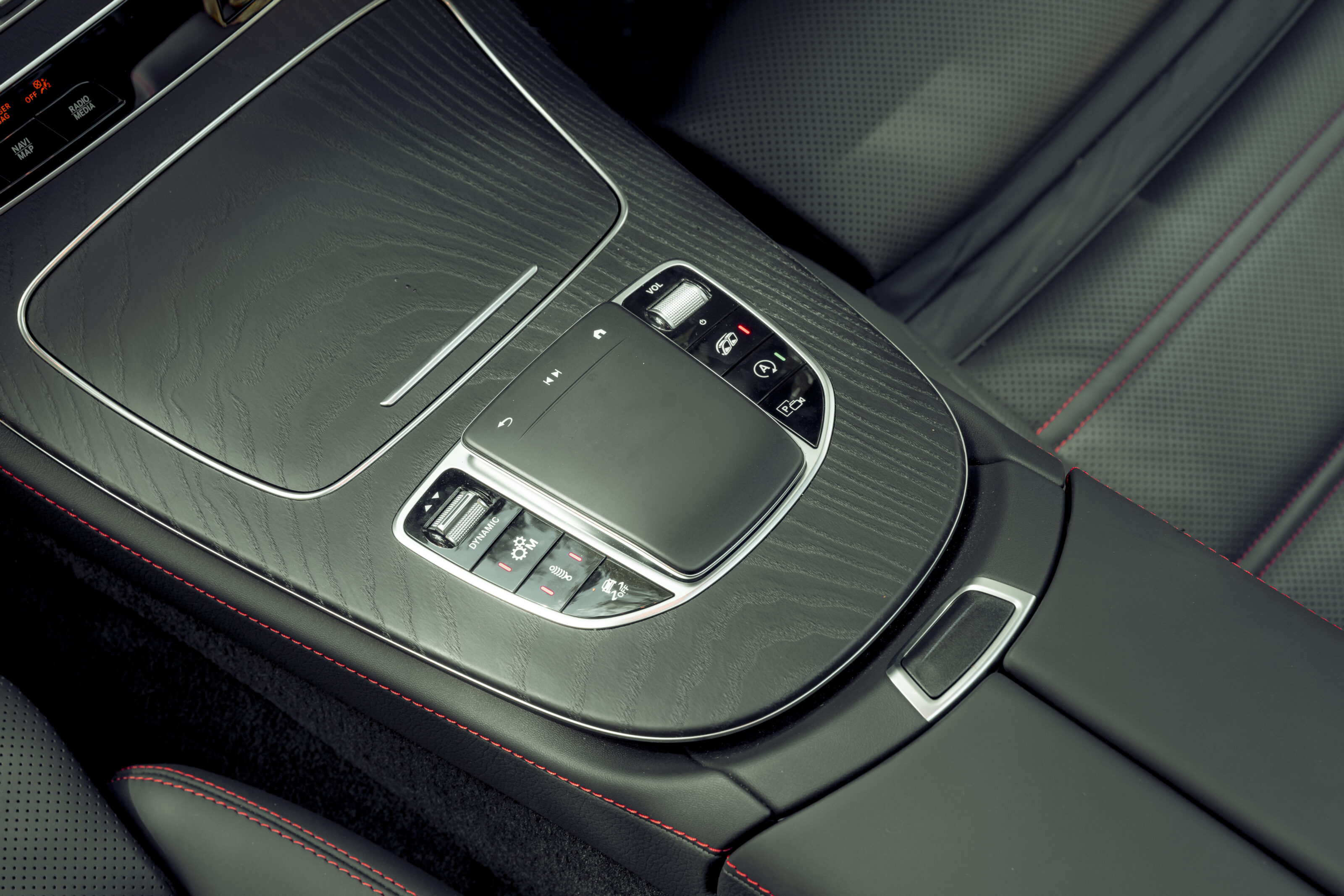
However, the downside is that you have to be using the satellite navigation provided by Mercedes via the MBUX system. It doesn’t work when connected to Apple/Google maps via CarPlay or Android Auto – both of which aren’t wireless and require a USB-C connection.
On the long stretches of tarmac the Merc chews up the kays with aplomb.
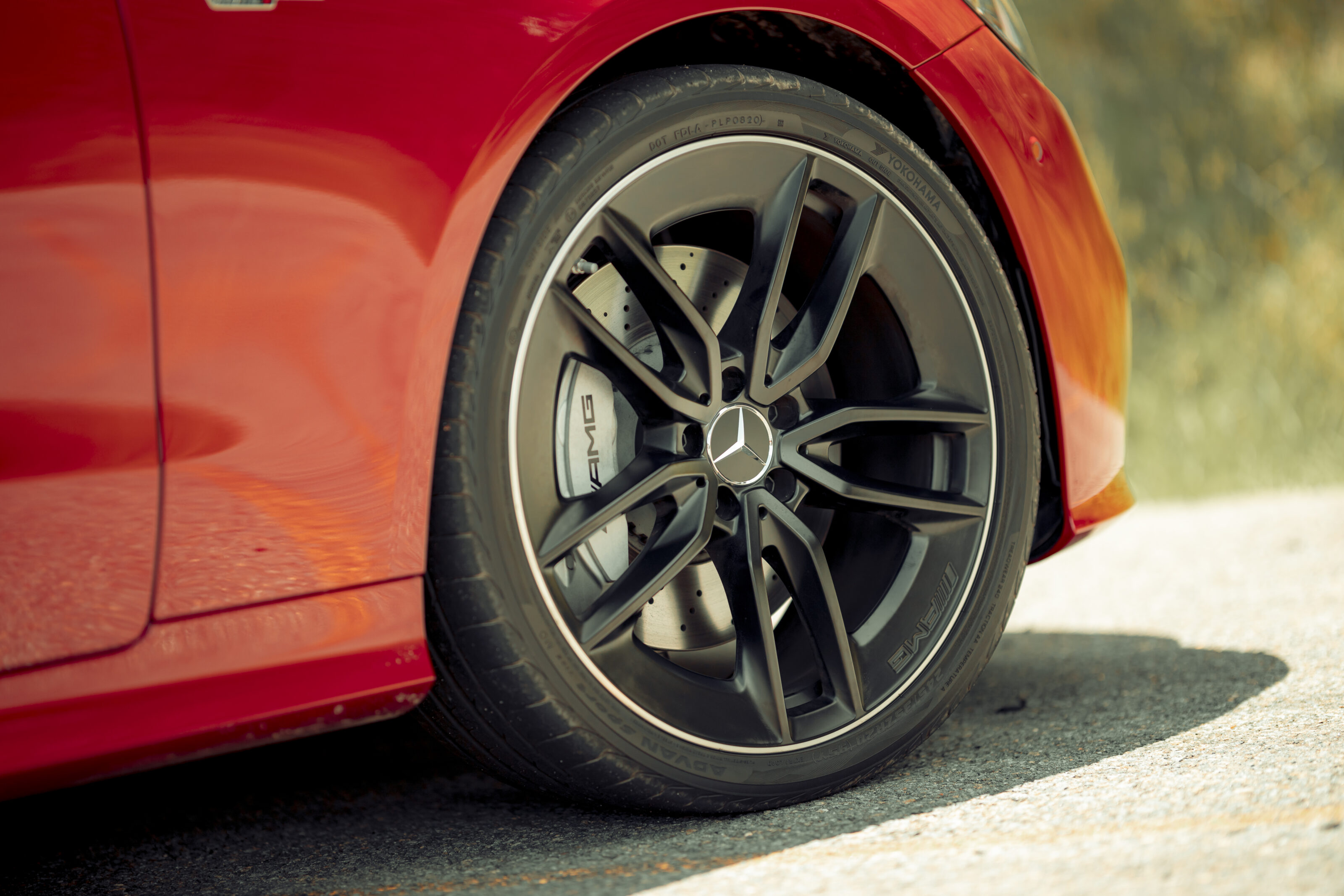
Despite running 20-inch AMG rims and low-profile Yokohama/Advan tyres, the ride quality is appreciably supple at speed. Where the air suspension struggles to iron out all the lumps and bumps is over sharp, low-speed potholes. They’re both felt and heard in the cabin. However, on this trip the ride quality is acceptable, working with the comfortable cabin to create an overall cosseting environment. The trade-off is that when the road isn’t dead straight, the experience is slightly less engaging than you expect given the AMG badge.
Okay, while my 1350km jaunt to discover new territory is hardly the stuff of Burke and Wills, I ticked off a uniquely nerdy aspiration and learnt a lot about the E53 Coupe.
Ironically, it seems Mercedes-AMG is on an exploratory mission, too. It seems to be trying to find the middle ground between being a comfortable cruiser like an E-Class Coupe while fulfilling an expectation of all-out AMG performance.
For me, the jury’s still out on whether there’s enough pure Affalterbach in the genome.
In most senses, Mercedes-AMG has created a pleasing, premium and discerningly rapid thing. Connoisseurs of luxury, car enthusiasts and tech geeks alike will be intrigued by the E53 for different reasons.
It’s hard not to recommend in this segment and I’m sure those who buy it will find the two-door thoroughly enjoyable to live with. It doesn’t really do anything wrong. Yet, it doesn’t make me love it. And for a car costing $172,252 it ought to. Back to you, Kirby. – TG
Things we love:
- Kilometre cruncher
- Premium cabin
- Cool tech
- Confused intent
- Low-speed ride
- ‘Want’ factor
Dennis Savic is happy to admit that if it weren’t for a stint at Ford Australia, where he worked on the 2022 Everest SUV program, his eponymously named electric motorcycle would likely still just be a doodle on the back of a notepad.
Ford’s Broadmeadows headquarters is rarely thought of as a hotbed for young techpreneurs, but the Perth native credits his stint there for providing the skills and confidence to pursue a dream he’s dedicated the past decade of his life to.
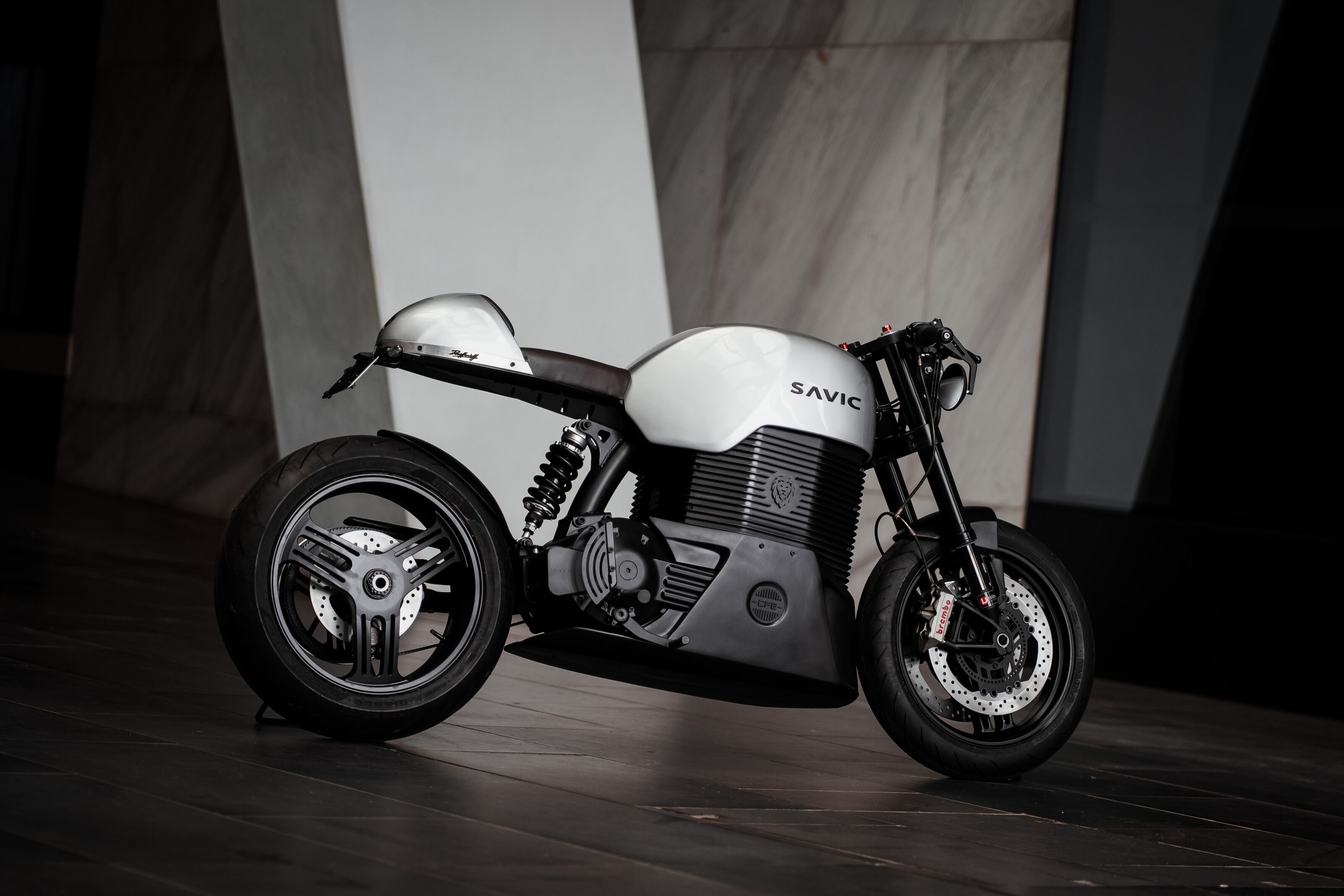
That dream is to create an Australian designed and manufactured battery electric motorcycle that Dennis Savic believes will delight riders with its powerful performance, data smarts, and head-turning looks, while going wheel to wheel with the best from BMW, Harley Davidson, and others.
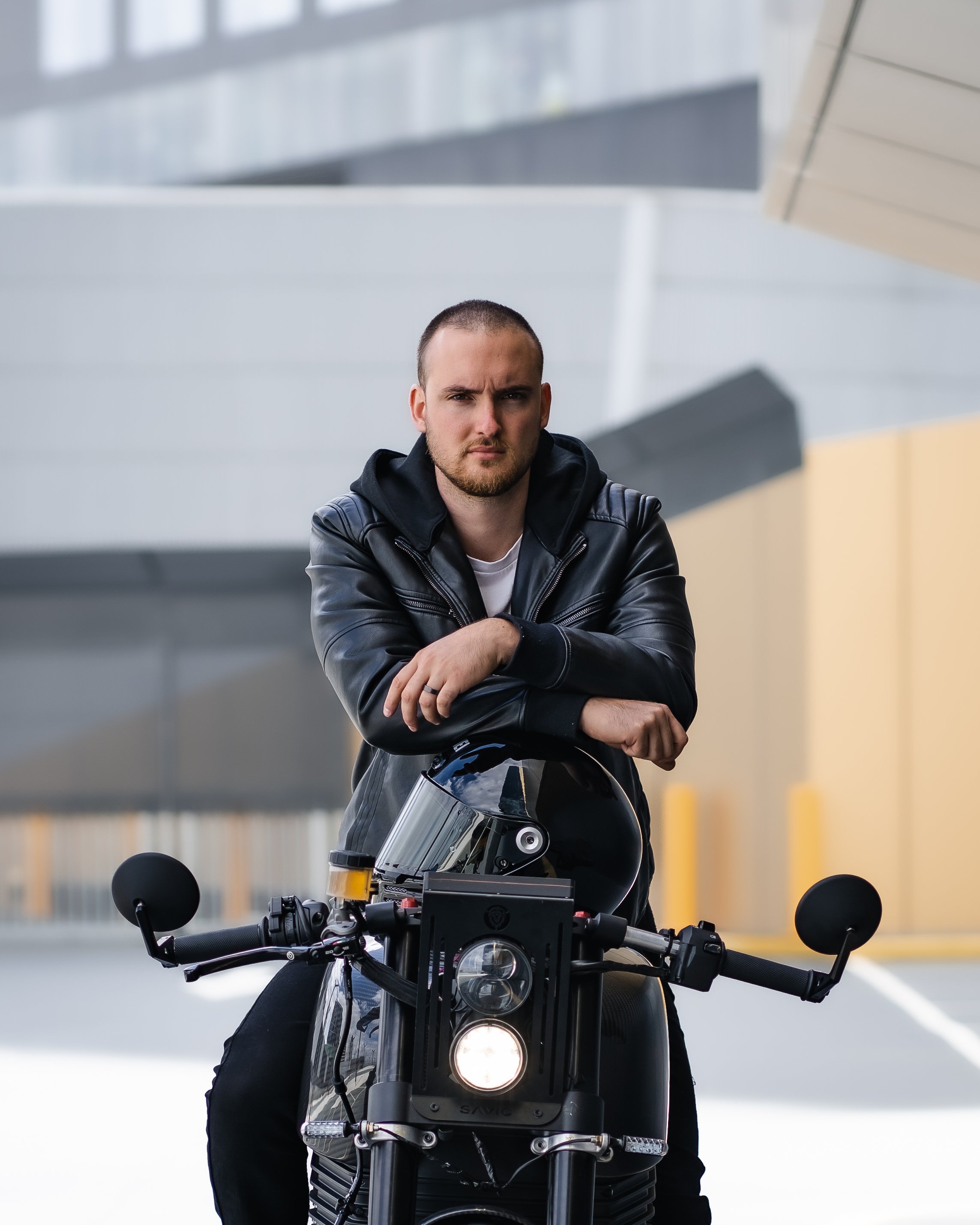
“Our number one priority is to play a leading role in the e-mobility revolution, and we want to do this by delivering future-proof motorcycling to riders who love the art of classic motorbikes, but want a reliable vehicle to get from A to B safely, comfortably and affordably, with zero emissions,” says the 30-year-old company founder and engineer.
Now, after a decade of effort from Savic and his small but dedicated team of like-minded engineers, designers and software developers, Savic Motorcycles has gone from thriving start-up to a company about to begin assembly of its C-Series electric cafe racer at a new facility in West Melbourne later this year.
Savic said the genesis of the idea came at a ‘Cars of Tomorrow’ conference he attended as a fresh-faced 19-year-old engineering student in 2012.
“Back then I had an idea, a concept, and a final year student project… and no idea how I was going to build motorbikes,” he said.
The journey has had its share of twists and turns, but one of the more significant came in 2017, three years after Savic completed his engineering degree at the University of Western Australia, where his final-year thesis was on electric motorcycle chassis design.
The young entrepreneur moved to Melbourne to work for an engineering firm, which in turn led to a meeting with a Ford manager who shared Savic’s passion for design and motorcycles, and offered him a role at the Blue Oval.
“I was brought into Ford as a weight attribute engineer working on the 2022 Everest, and I stayed in that role for about 12 months, but was then fortunate to have a role created for me as an optimisation engineer, so I got quite involved in trying to lightweight individual components on the vehicle,” he said.
By then Savic and his Perth-based designer Dave Hendroff had penned the initial design sketches for the Savic C-Series and in 2018 they debuted a concept to critical acclaim at the 2018 Melbourne Moto Expo.
“I was aware of the benefits of electric vehicles quite early on, but doing an EV from the ground up gave us way more freedom in terms of design,” he says.
By mid-2020 Savic felt he had the necessary skills, contacts, and confidence to step out on his own, and last October Savic Motorcycles confirmed the C-Series would move from prototype to production, following the completion of a $1.83 million capital raising.
“Now that our first production run is funded, we’re aiming to have at least 20 bikes delivered to their owners in the last quarter of 2022, before scaling up manufacturing in 2023.”
One of the challenges Savic says he and his team grappled with from early on was designing a head-turning motorcycle that would combine the power, handling, and stripped-back style of a traditional cafe racer, with the latest electric battery and power conversion technologies.
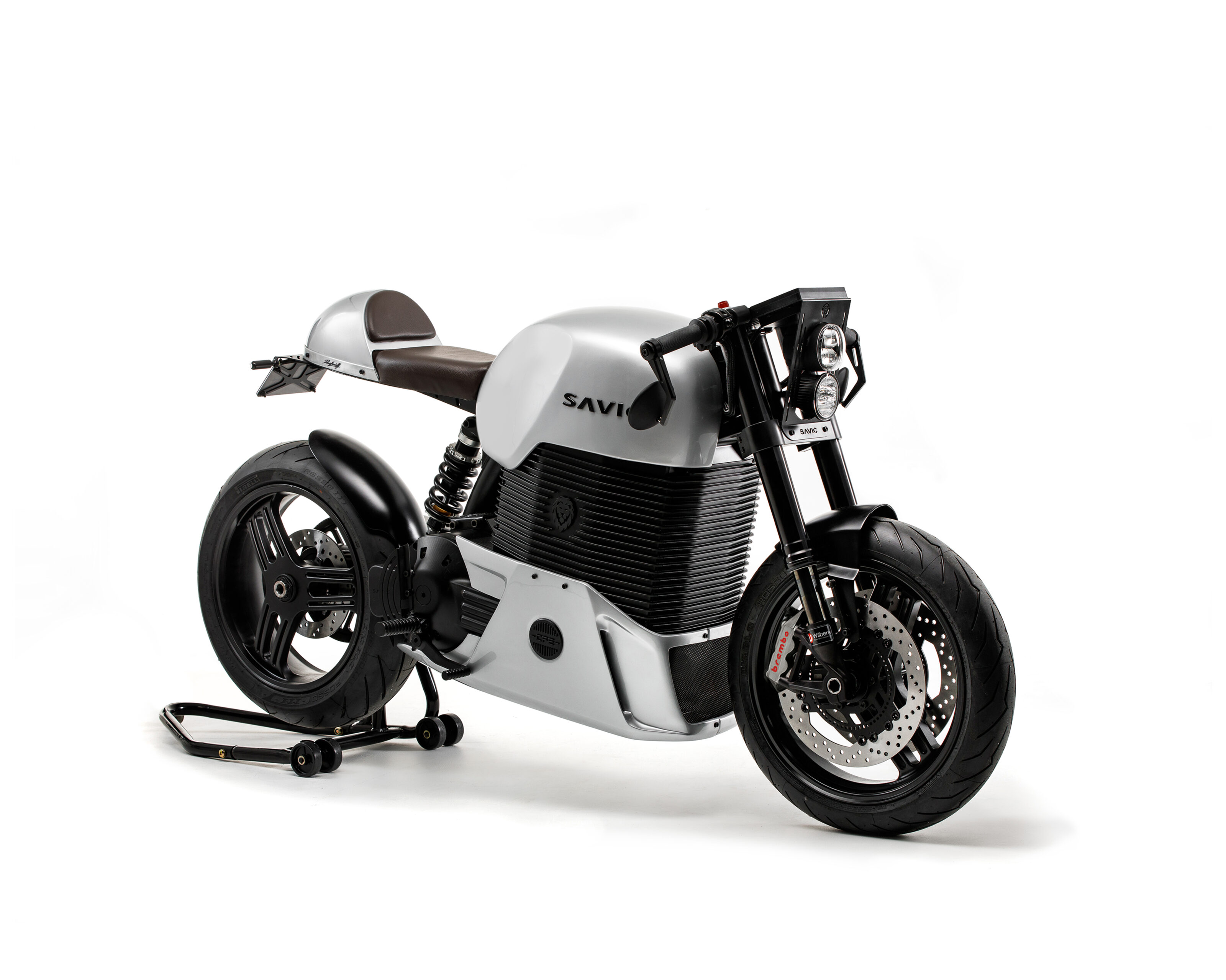
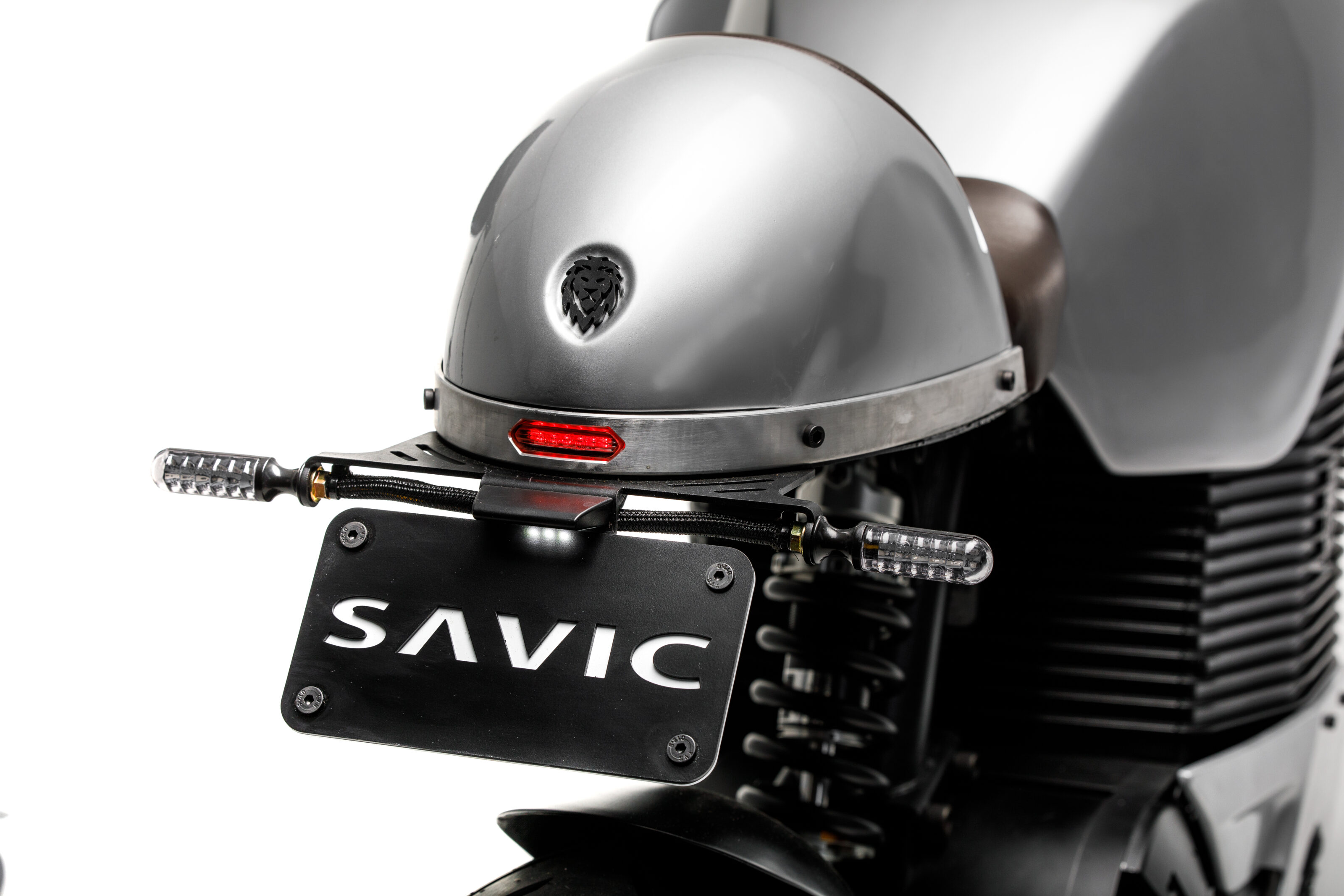
“With the C-Series, we wanted to recreate the distinctive pared-down style of a café racer, with clip-on handlebars, a broad ‘fuel tank’, and a vegan-leather cowled seat, enabling riders to adopt a low racing stance,” he said.
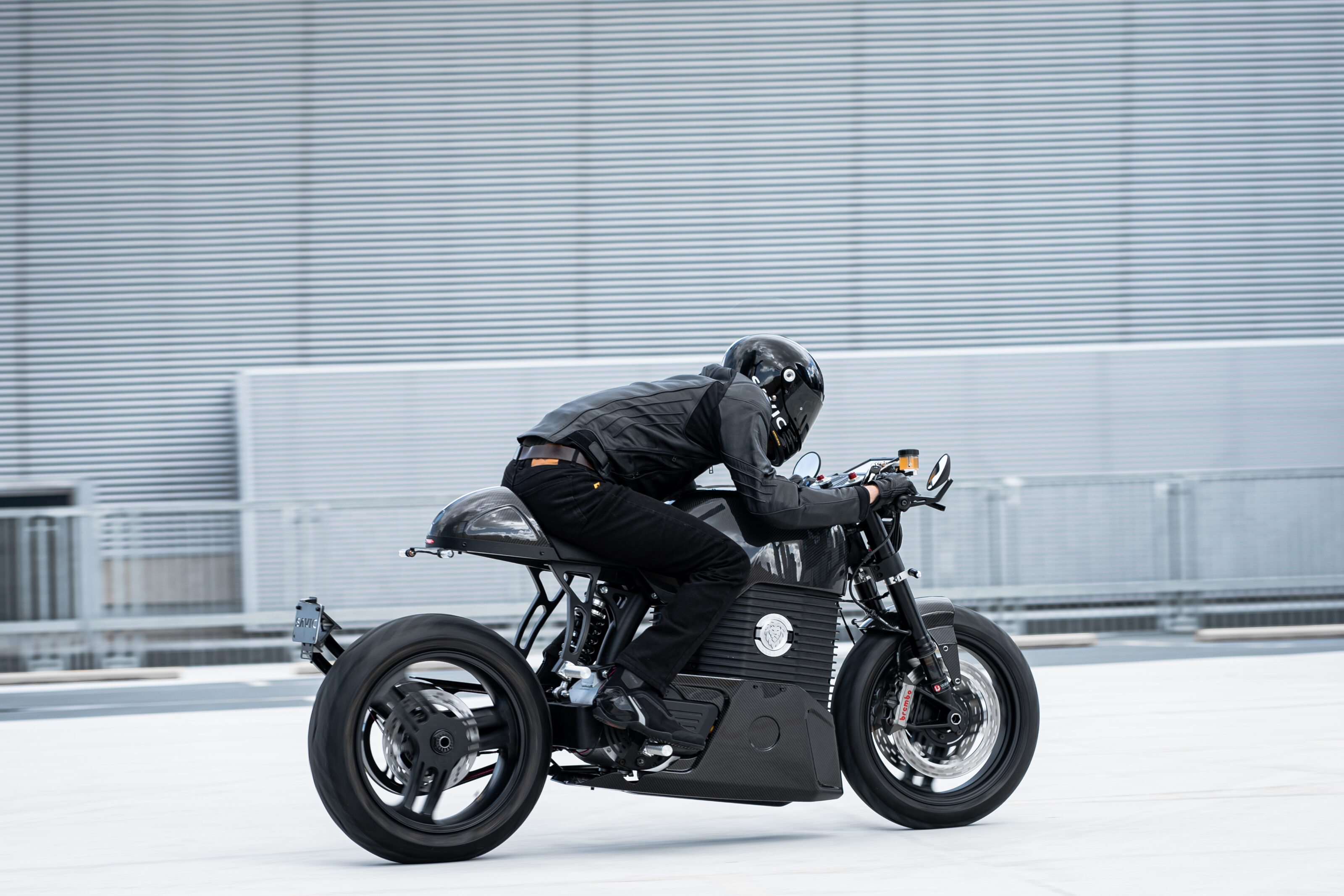
The main engineering challenge was weight, specifically integrating the bulky 80kg powertrain – more than one-third of the bike’s overall weight – without detracting from the lines and distinctive racing style of the iconic 1970s motorcycles it emulates.
“We did this by casting the bike’s frame in lightweight aluminium, and incorporating the powertrain enclosure – containing the motor, the motor-controller, and a 144-volt battery pack – into the frame, as a structural chassis element.”
This approach allowed Savic and his team to use the same fully integrated, stressed, liquid-cooled motor and energy storage system to construct two models with different price points, power outputs and range.
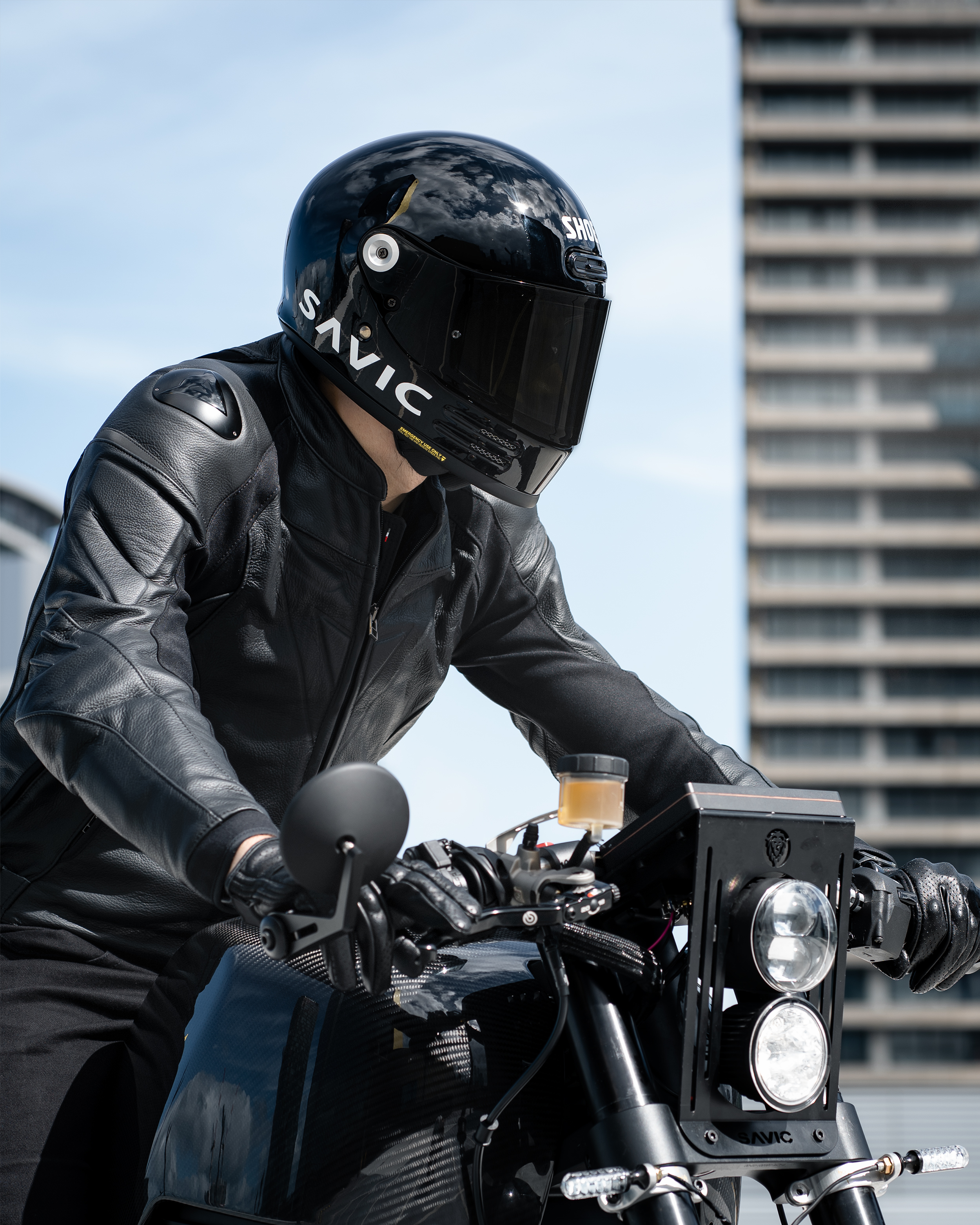
The top-of-the-line Alpha costs $26,990, has outputs of 60kW and 200Nm, sprints from 0-100km/h in 3.5 seconds, and has a 200km riding range courtesy of its 16kWh battery. The lighter and more affordable Delta costs $16,990, boasts 40kW of power, and has a 9kWh battery delivering 150km of range.
Savic’s target is to grow to a production volume of 5000 units per year over the next five to 10 years.
“Our first target is to grow to the size of MV (Augusta), but our longer-term aspiration is to grow to the size of Indian motorcycles. We think that if we could grow to the size of MV in the next five years that’d be a pretty good achievement.”
Gear-free
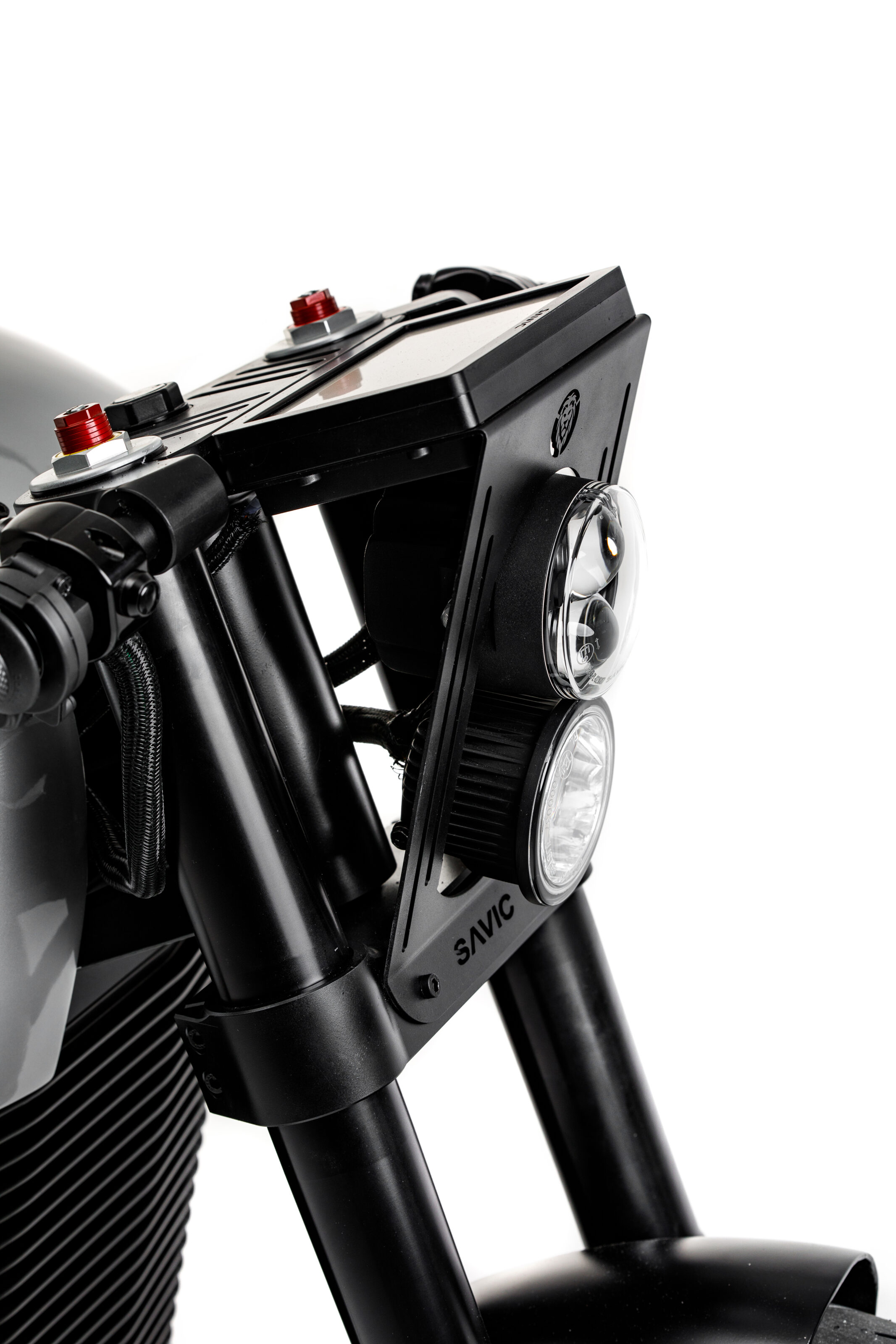
Dennis Savic says the absence of gears or clutch means the C-Series offers a simpler, more seamless riding experience than a traditional combustion motorcycle, and that his company wants to make the dream of electric motorcycling accessible to younger, more price-conscious consumers, with its future products.
Can-do
Dennis Savic says the C-Series has been designed to “fulfil the promise of ethical, pollution-free transport,” and that more than 80 percent of the bike’s structure is made from fully recyclable cast aluminium.
Riveting stuff
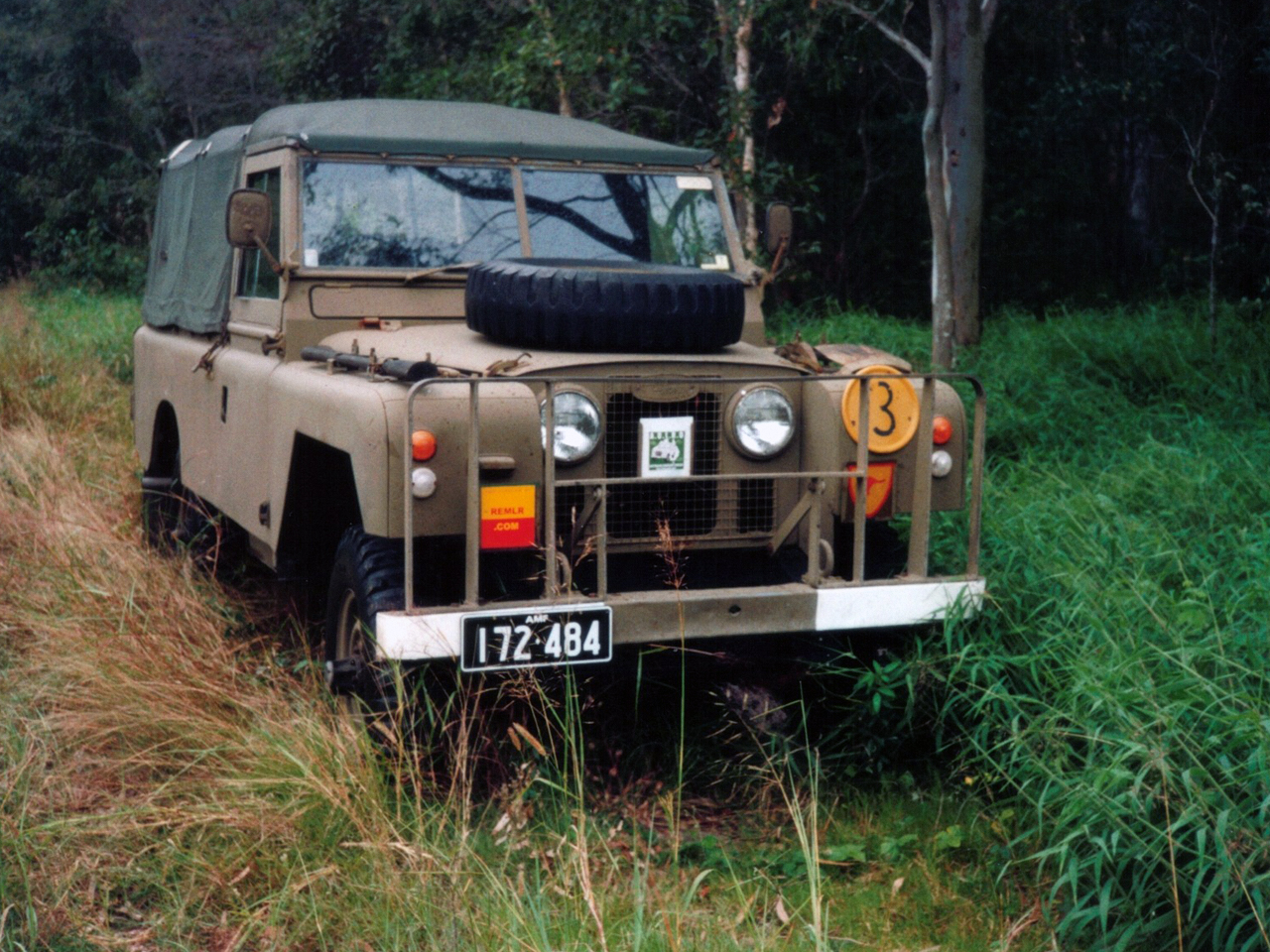
John Carey’s column (Wheels, May 2022) brought back memories of my first paid employment while I was a humble uni student.
It was in the mid-1960s and I got work at Pressed Metal Corporation in Enfield, Sydney.
At that time PMC were assembling many iterations of the Land Rover: SWB, LWB, civilian and Army versions. Four-cylinder petrol and diesel, deafeningly noisy, and crash gearbox on first and second gear.
The six-cylinder was a huge step forward in noise reduction and the all-synchro gearbox was a revelation.
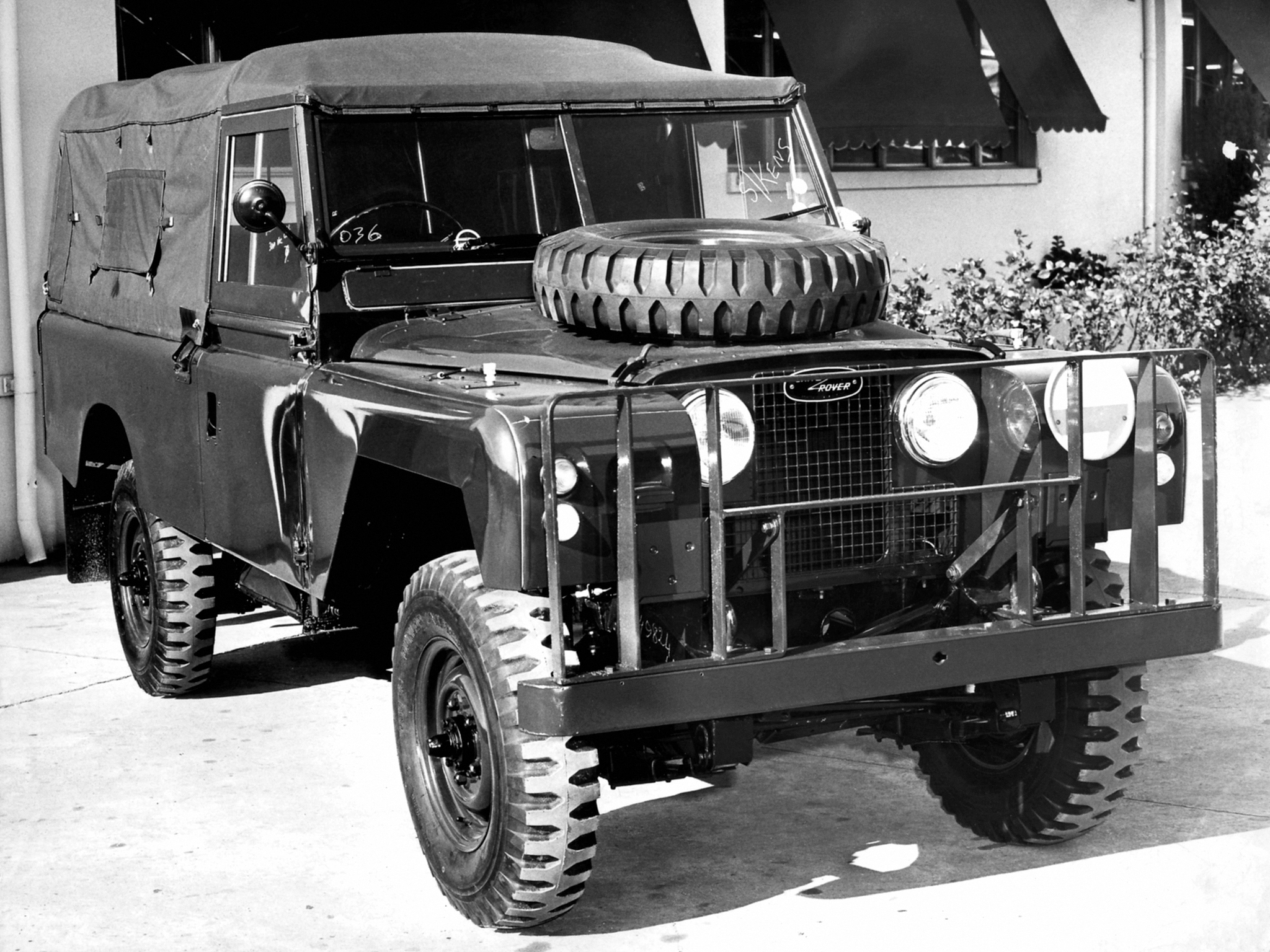
The Army versions included ambulances and trailers, all delivered to Moorebank Army base. They were flat-chat at 50mph, and the slightest paint blemish meant rejection!
PMC also did work for BMC (Austin Healey Sprites, MGBs and Morris J-Vans), Fiat 1100s, Datsun Bluebirds and Isuzu Belletts. PMC also dabbled in bus prototypes.
My job? I started with pop-riveting the galvanised trims onto the rear of the Land Rover body and then moved to vehicle delivery.
What a great job for a 17-year-old! Thanks for the memory jog!
Graeme Horsnell, Greenacre, NSW
Rising sun
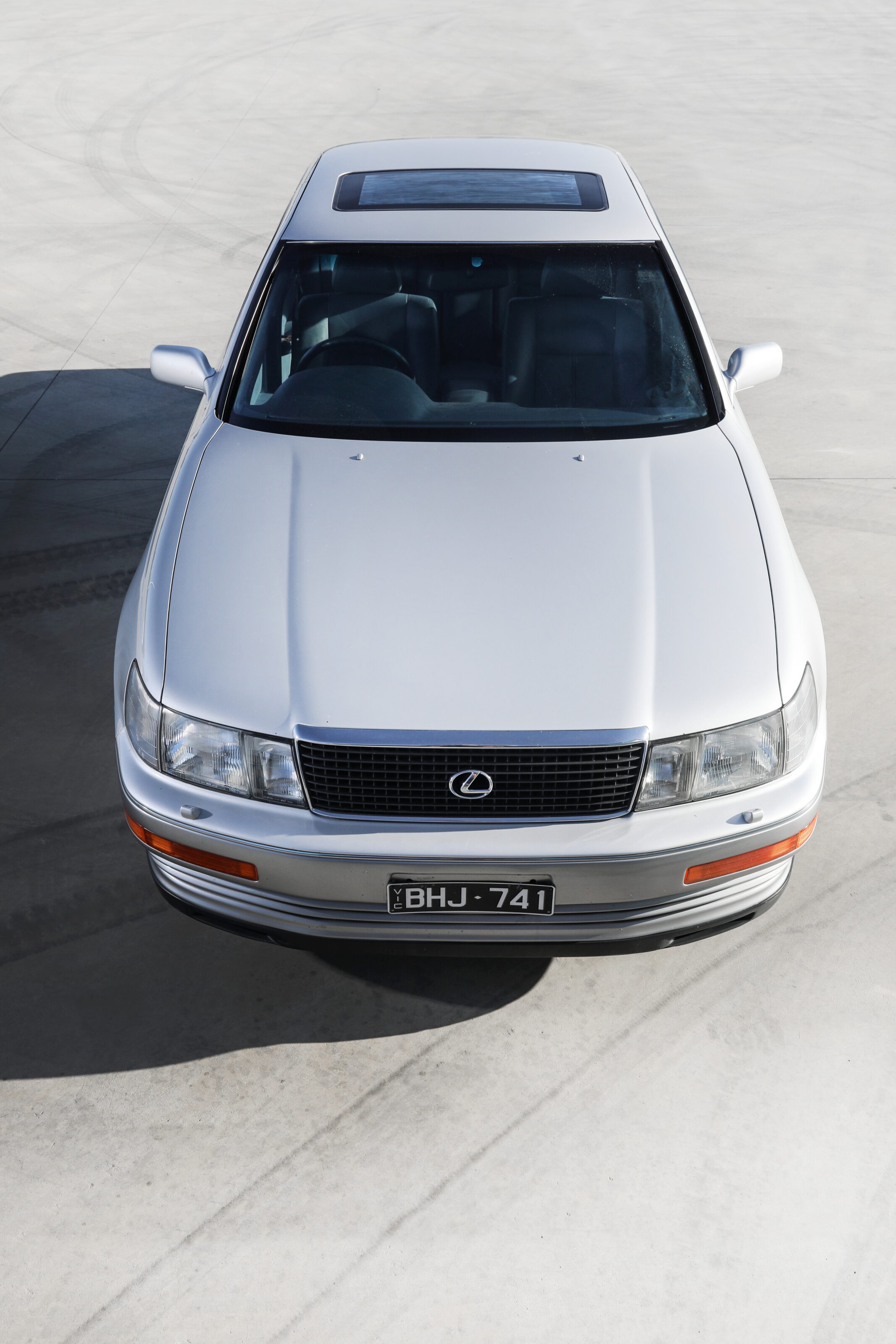
How I relished the Lexus LS400 Modern Classic feature in the April issue. So much more than just a car, this model established a brand and set standards in so many new areas.
Overall ownership experience is one, NVH another. To fully understand its impact, you need to consider where Japanese cars were barely 10 years before.
The Honda NSX is much the same, and both showed there was no niche too ambitious for Japan’s manufacturers.
The late-’80s and early-’90s really was Japan’s automotive golden era.
One niche they never quite cracked though, was the mid-size super-sedan, owned by the Germans. We never got to see a true M5 competitor from the land of the rising sun.
Anthony Aspiridis, Thornbury, Vic
Digital classics
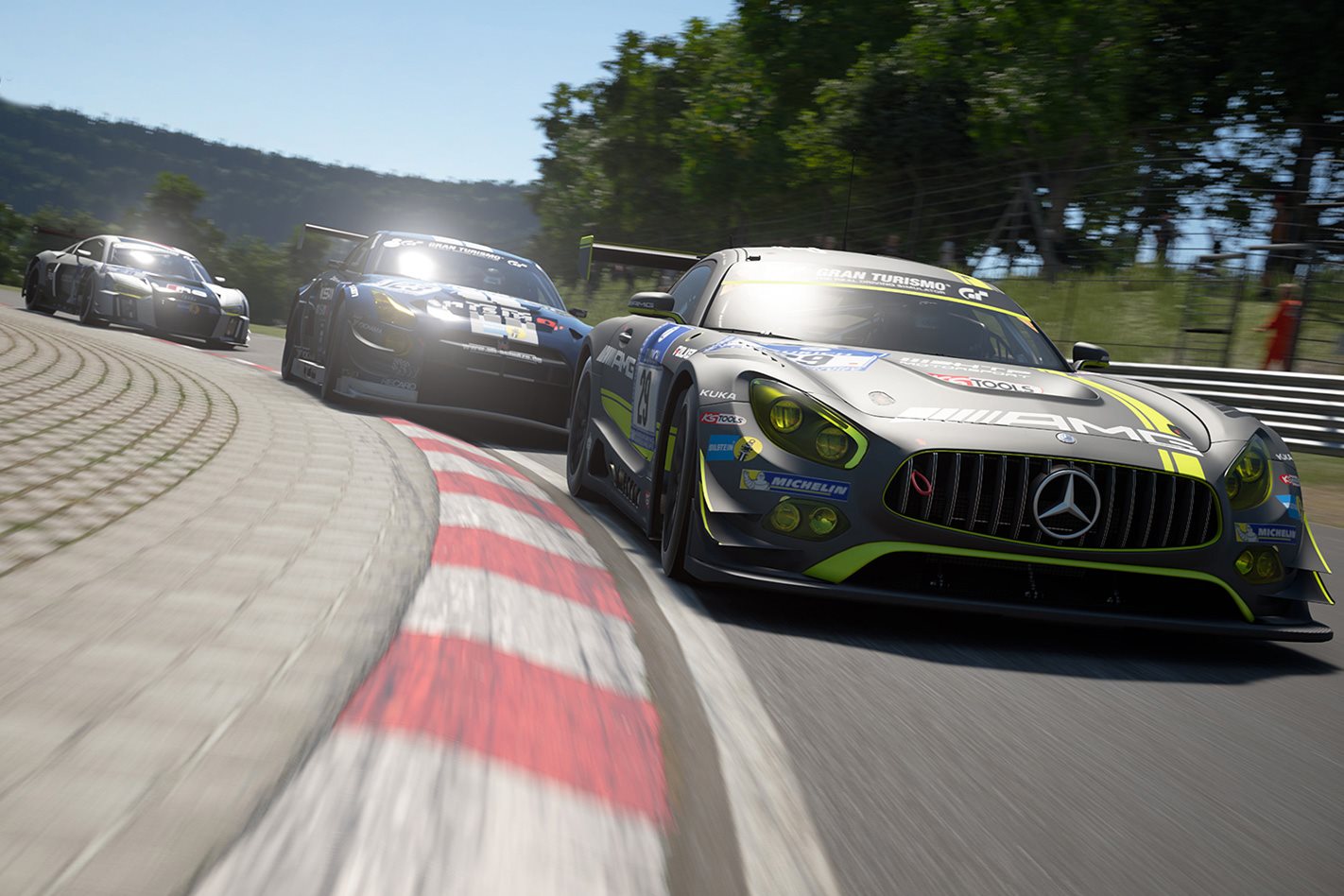
I imagine a large portion of everyone at the Wheels office is aware of Sony’s latest Gran Turismo game release.
While I personally haven’t had the pleasure of experiencing it, I’m told it’s a tour de force of a racing simulator.
I do laugh at the decision to price cars held high in cultural regard at their real-life enormous second-hand value; $500,000 for an ’02 NSX, $250,000 for an FD RX-7, $450,000 for an R34 GTR.
I imagine these prices are put in place to grant respect and honour to these cherished vehicles.
Thing is, we already live in a world where these cars cost that much. Surely I can drive them on a PlayStation without having to consider my financial situation.
Hopefully you don’t want to race a Hilux around the Nurburgring.
Adam Greenwood via email
In some aspects, Adam, Gran Turismo has been overtaken by sims like iRacing for realism, but for children of the 1980s and ’90s, the nostalgia is there. On the in-game prices, who doesn’t like a little challenge and a reward?
Take it outback
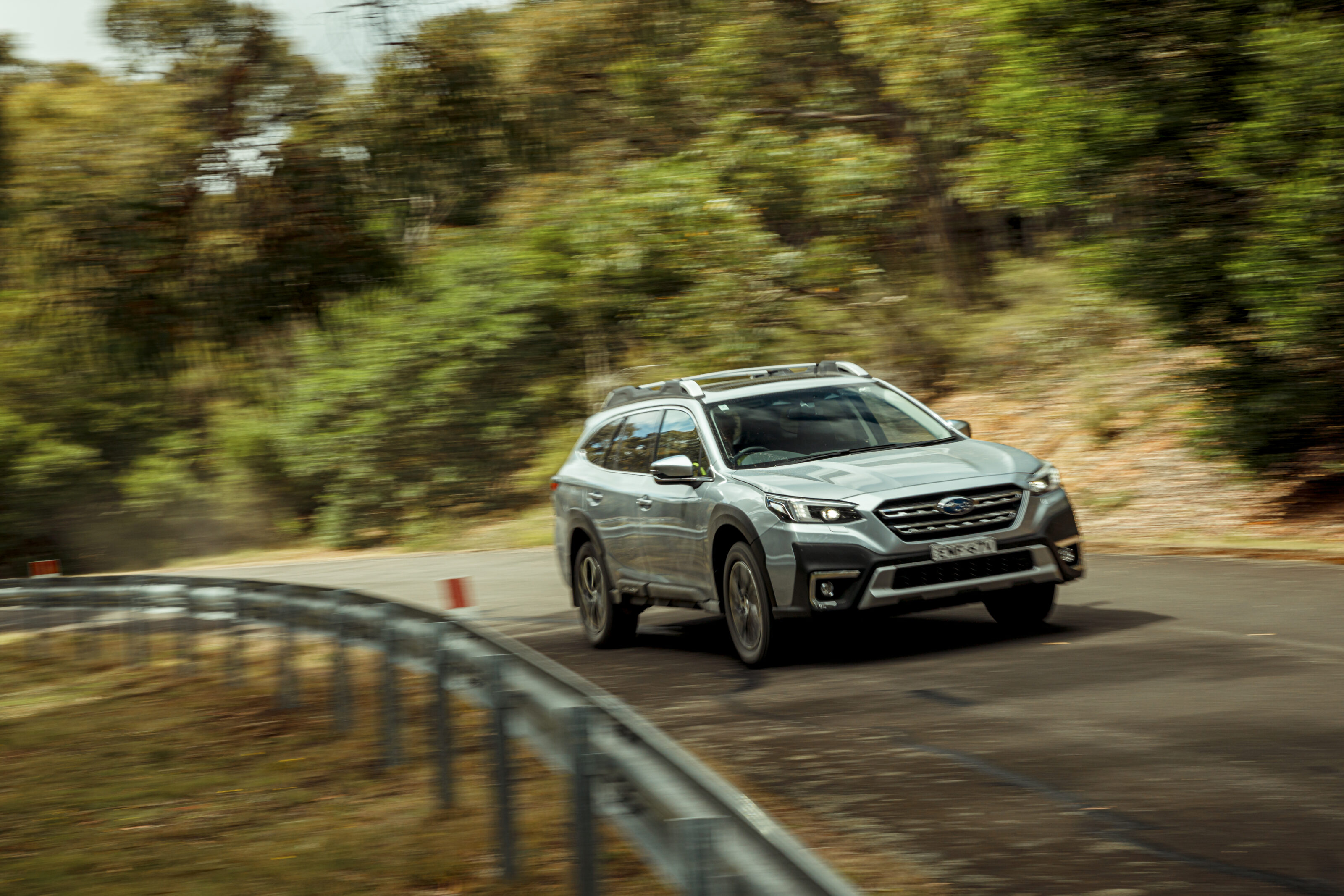
I too share Simon Telford’s respect for the new Subaru Outback (Garage, Wheels, May 2022) having chosen one as my company car about 10 months ago. I opted for the Sport model with a couple of handy options – tow bar, protection pack – and couldn’t be happier.
As you have noted, it’s just so fit for purpose, as both a load lugger, and also just a nice drive.
Point of interest. I too was annoyed by the overly loud BONG warning of speed/red light cameras, but eventually worked out that if you adjust the volume while the bong is sounding it can be reduced. Better still, it doesn’t alter the radio volume.
I look forward to the next couple of years driving the Outback but will be hoping the turbo version makes its way Down Under…
Roger Boyle, Rowville, Vic

Mini’s Max prices
In the last six months the rise in new-car prices by some manufacturers has been outright contemptible.
I have been looking to purchase a Mini Clubman Cooper S, and Mini Australia has just made another price increase this year on April 1 of $1545.
That makes the price increase on the RRP since December 2021 of $4845, or just over 10 percent. It is deplorable how Mini can justify such a huge increase in just four months while still having the audacity to continue to offer a below-industry-standard warranty of three years.
One can only surmise with the current global situation they are making fewer vehicles and need to increase prices to maintain previous levels of profit generated from higher sales volume.
As a prospective customer, this level of blatant price wringing has lost me. I’m now looking elsewhere at brands that have a more rewarding customer focus.
Ian, Cardiff, NSW
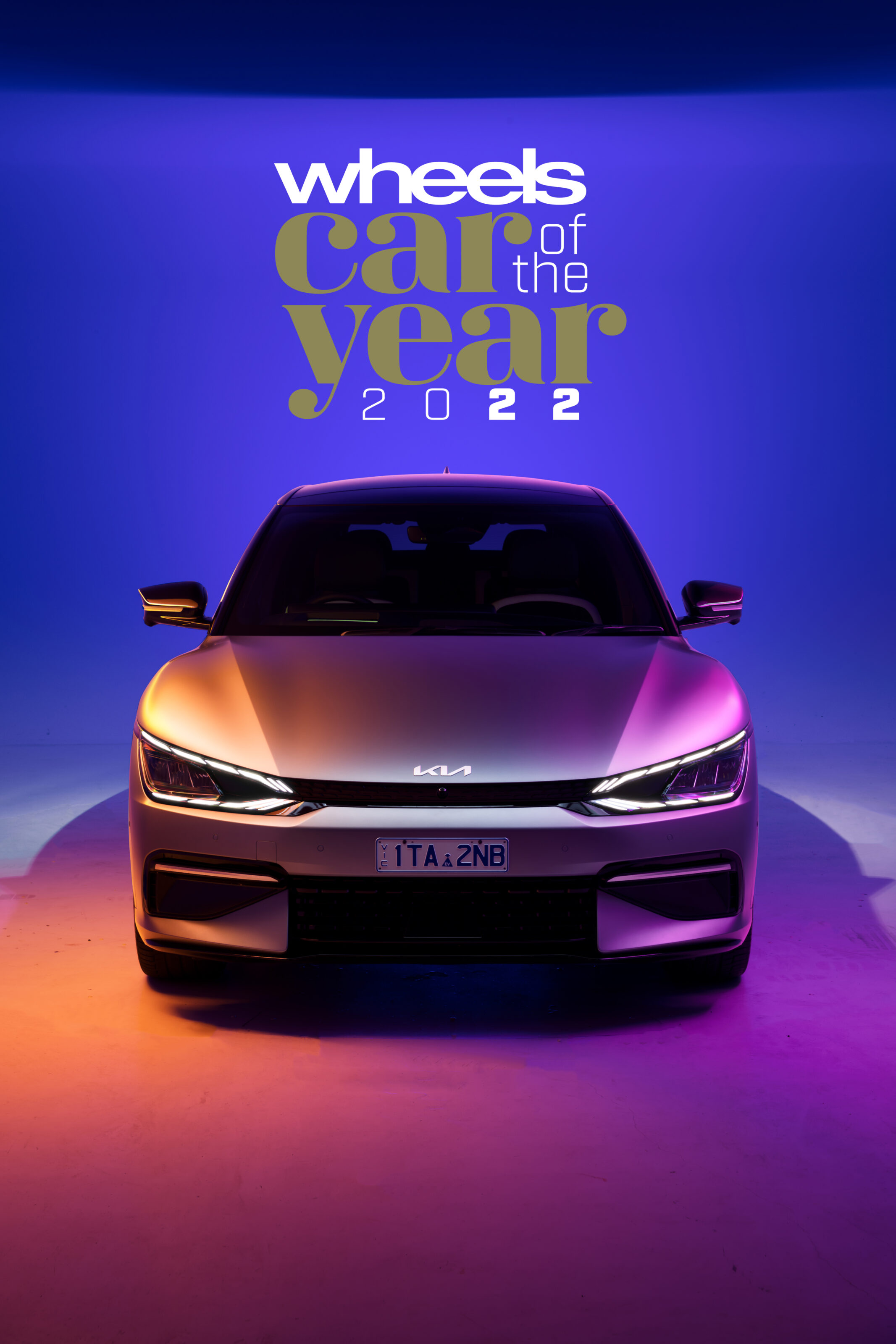
The question: Do you agree with COTY being awarded to the Kia EV6?
I think you got it right this year. The EV6 is a car people will buy because they can trust the brand to get it right and help if there is an issue.
I’d have one over a Porsche!
‘Roger Dodger’
Surprised you overlooked the fabulous i20 N which shows a lower-priced Hyundai is something you can feel proud about owning.
Johnny Harry
Bugatti is celebrating the first production unit of its limited-run Centodieci hypercar rolling off the Molsheim line, paying homage to a legend of the brand.
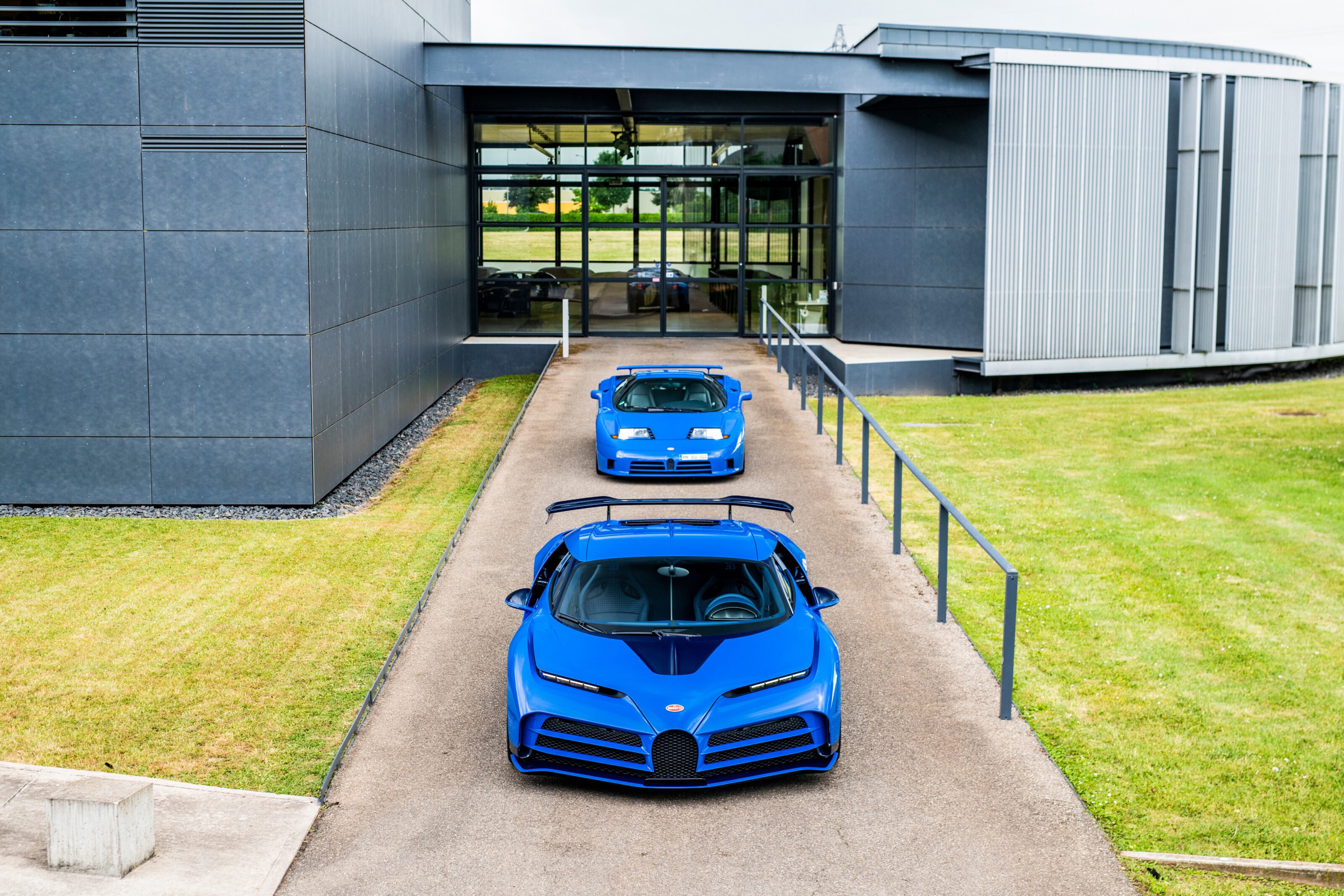
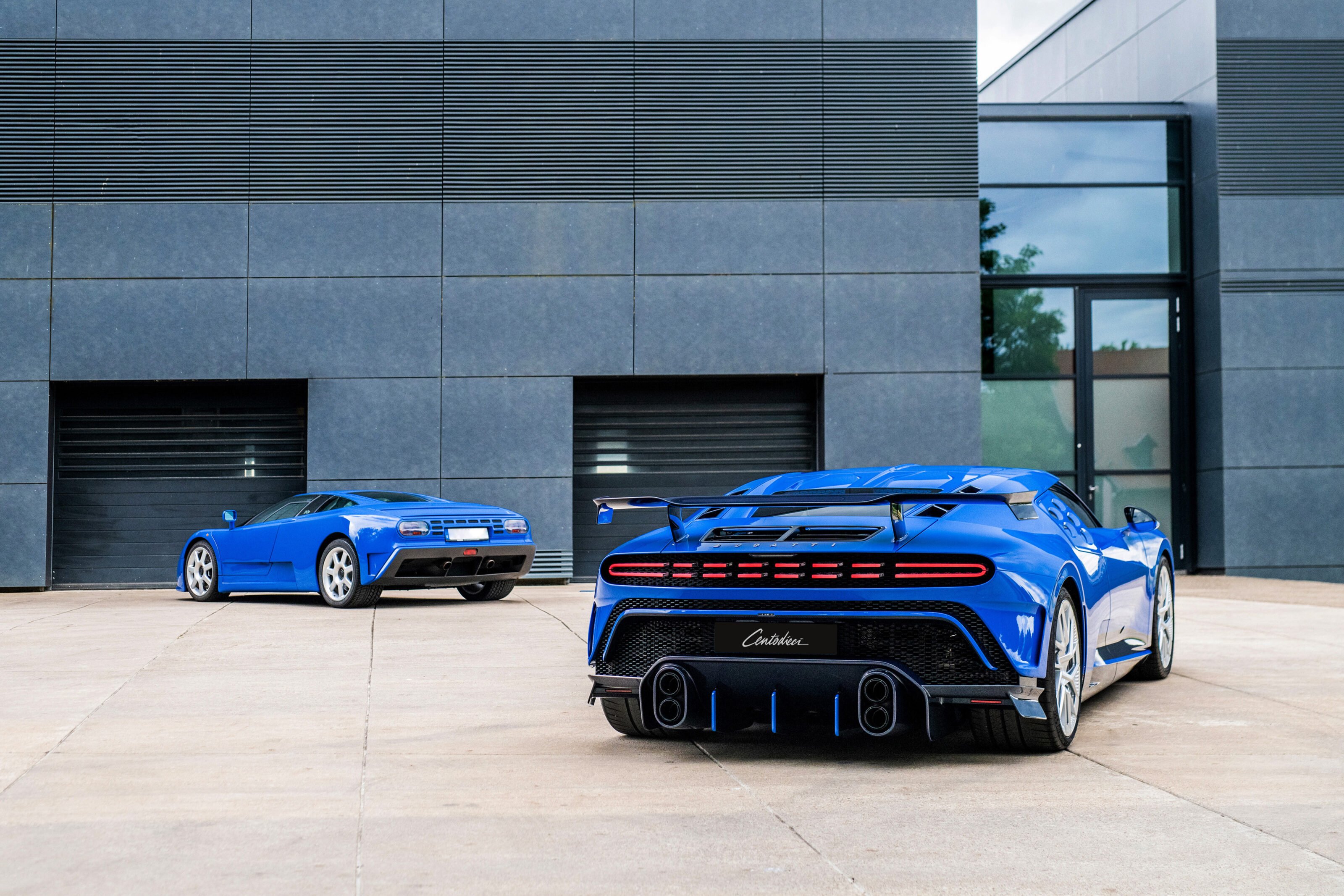
Announced in 2019 as a 10-build run celebrating the famous EB110, the Centodieci is based on Bugatti’s Chiron, but with a bespoke, coachbuilt body taking inspiration from the hypercar of the 1990s.
As such, in addition to its front air intakes, which mimic those of the EB110, the first production example has been painted EB110 blue – reflecting not only the colour of its predecessor, but also the ‘Fabbrica Blu’ plant in Campogalliano, Italy, where the original was built.
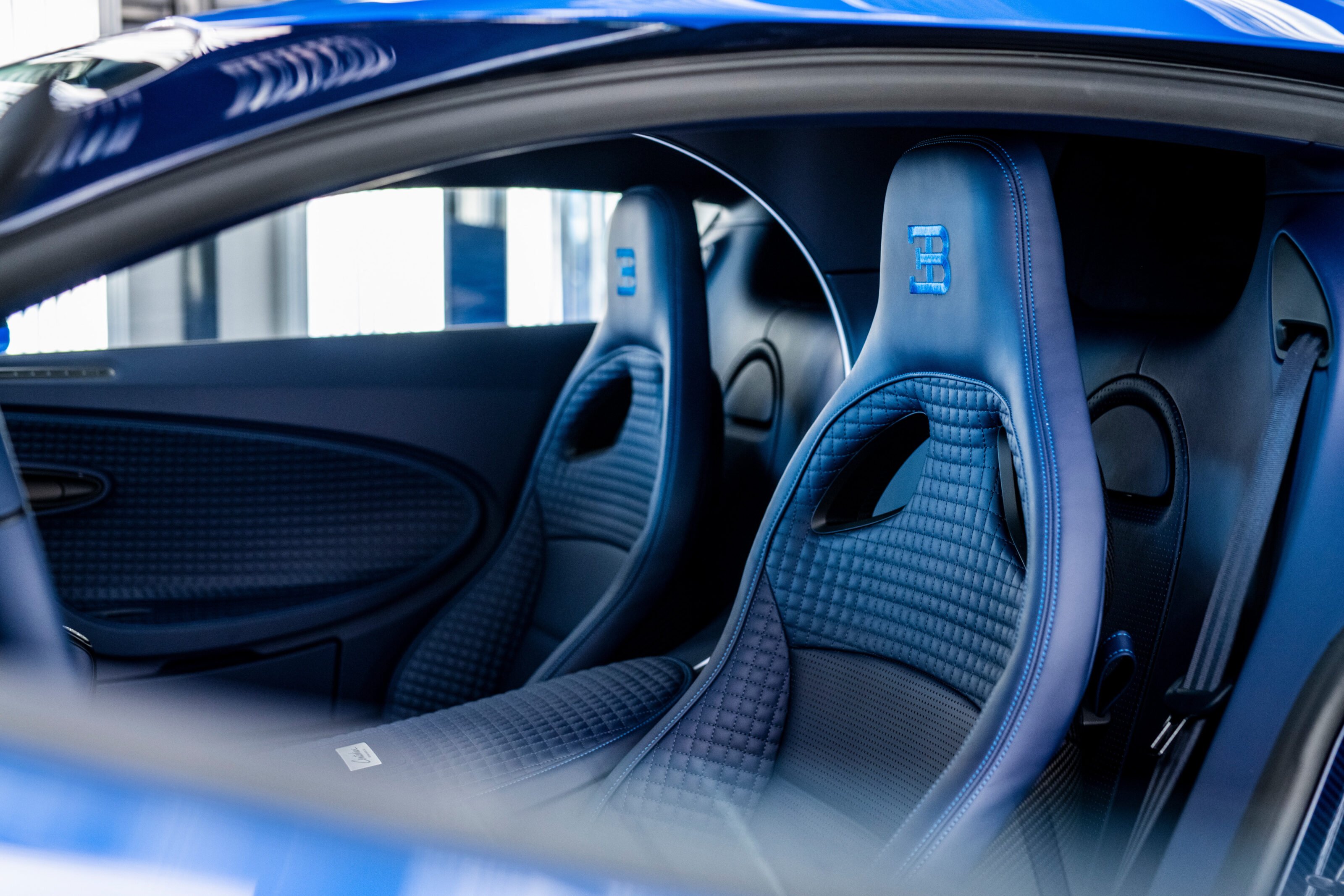
Step inside the cabin and the blue treatment continues, with a mix of blue shades adorning the seats, dashboard, steering wheel and just about every other surface in the cockpit.
Quilted leather seats feature a chessboard-like pattern, which extends to the roof liner, door panels, centre console and floormats – a process which took 16 weeks to complete.
As with the Chiron and the Veyron before it, the Centodieci is powered by a W16 engine, with the 8.0-litre, quad-turbo unit now producing 1176kW – good enough for a 2.4-second 0-100km/h sprint time and a top speed of 380km/h.
“We at Bugatti in Molsheim are proud to have completed and delivered the very first Centodieci – Bugatti’s latest few-off model,” said Bugatti president, Christophe Piochon.
“The Centodieci builds upon Ettore Bugatti’s successful 110-year lineage of exceptional design and performance, while reviving the memory of the brand’s recent history.
“The EB110, built by Romano Artioli in Italy, was a critical path to the re-establishment of Bugatti in 1998. After two years of relentless development, we have refined the Centodieci to the standard our customers expect of all Bugatti models.
“Our designers and engineers pour the very same passion and desire for perfection into the marque’s few-off models as they do for Bugatti’s series production units.”
Earlier this year, a trio of EB110 GTs sold for over €1.8 million (AU$2.7m) each, with the most expensive prototype example auctioned for €2.1m (AU$3.1m) by RM Sotheby’s.
When it launched in 2019, the Centodieci was given a list price of €8m (AU$12m), with all examples accounted for before the model was officially revealed.
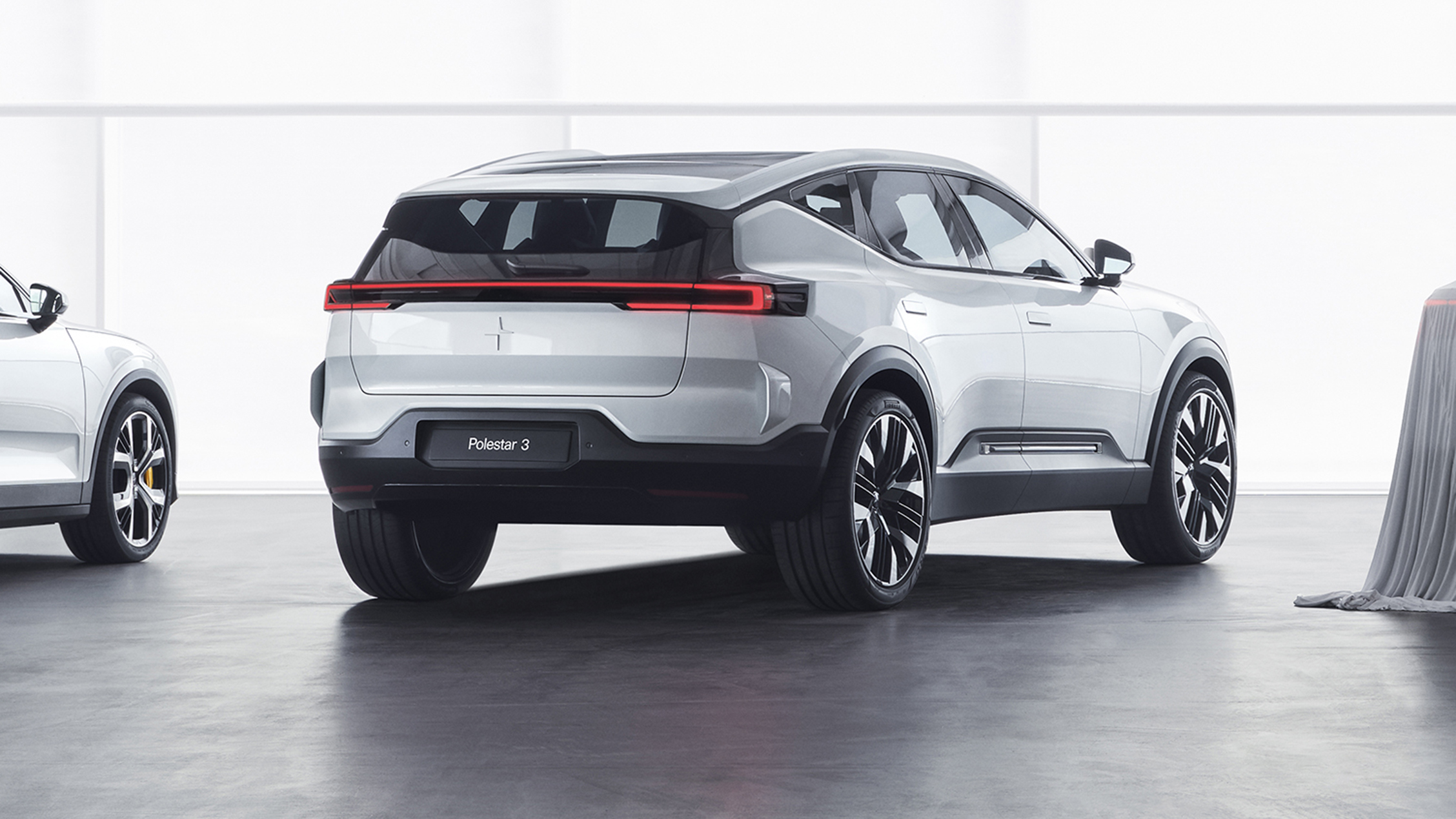
Thanks to a fresh announcement describing continued growth, we have a set of images that offer a clear look at the showroom-ready rears of three new Polestar models.
The new photos give us a proper look at the new Polestar 3 electric SUV from the back end, just days after the brand handed down its first preview – a clean side profile.
As expected, the XC90-sized Polestar 3 will focus on a fast and tapered ‘lifestyle’ look, with a solid light bar along the rear end to keep it well on-brand.
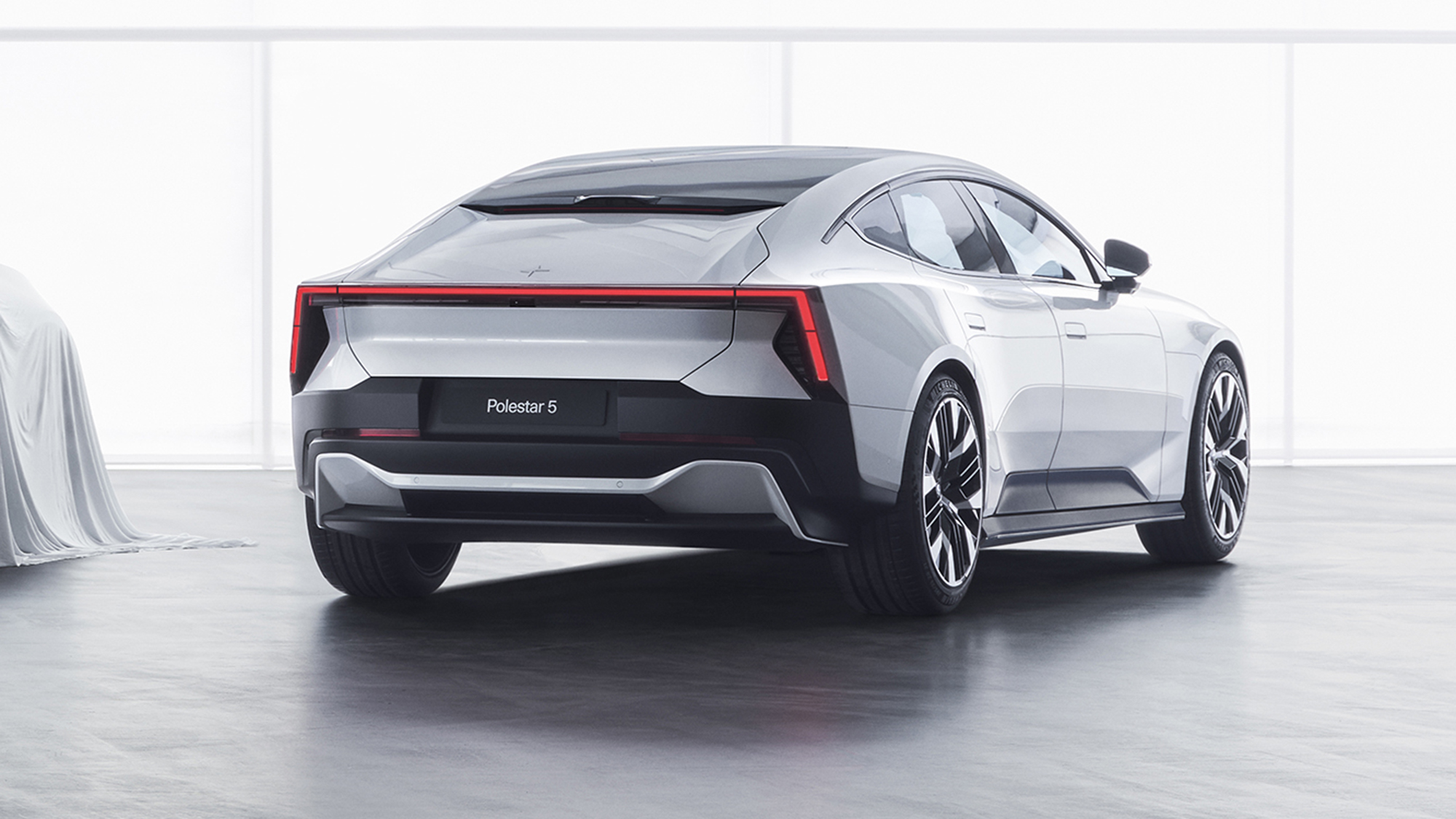
Joining the 3 in this latest preview is a shot of the coming new Polestar 5 sedan, set to debut soon as a rival to models like the new Lucid Air, Mercedes-Benz EQS, and ageing Tesla Model S.
As with the Precept concept that preceded it, the Polestar 5 boasts a properly futuristic look with plenty of bold angular details married to a long sloping roofline that terminates at a cliff-like rear deck.
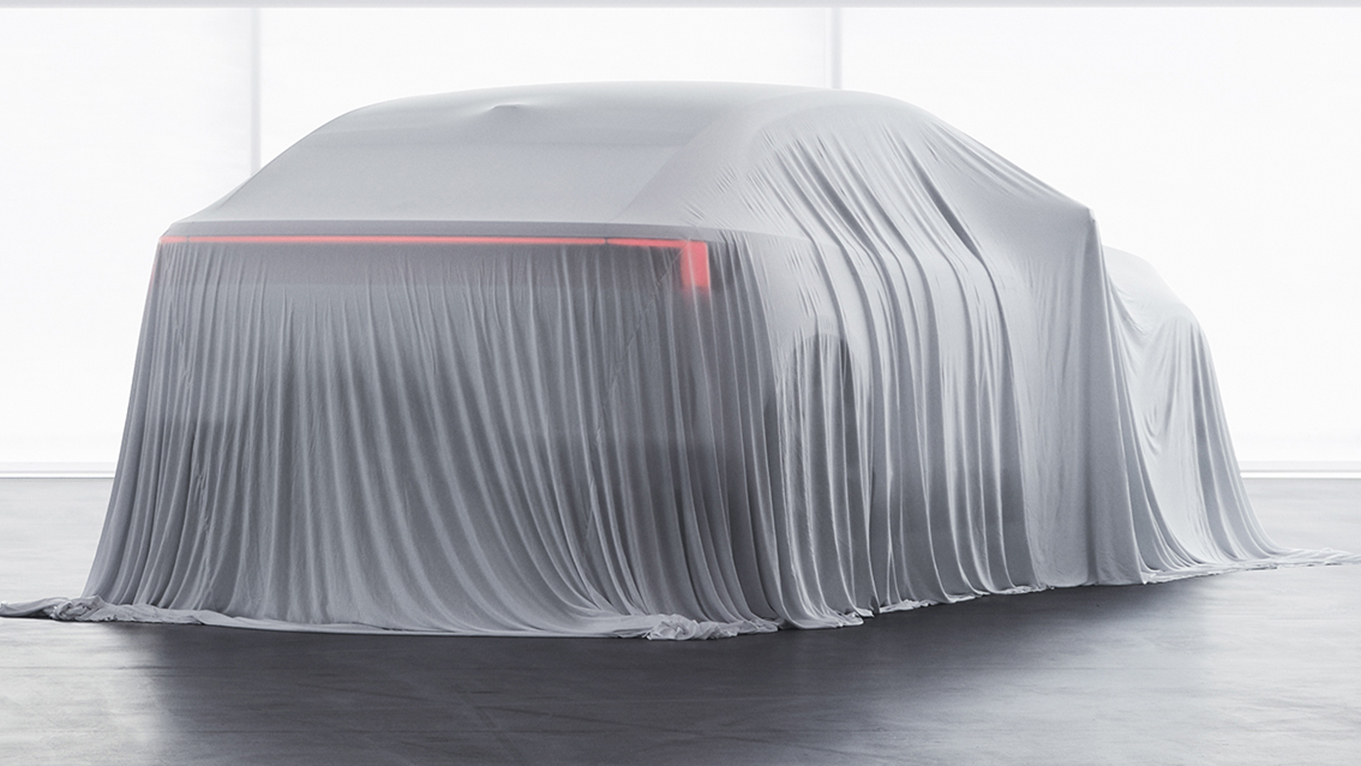
Finally, we see the upcoming Polestar 4, still draped in a heavy but translucent cover to offer the barest hint of what lies beneath.
What’s known so far is that the 4 will debut as an electric SUV ‘coupe’, making it a rival to models like the next-generation electric Porsche Macan and the Audi Q5 E-Tron.
It seems clear the 4 will take styling cues from the 5, at least at the rear, although it’s too early to say with certainty. The 4 is expected to debut in 2024.
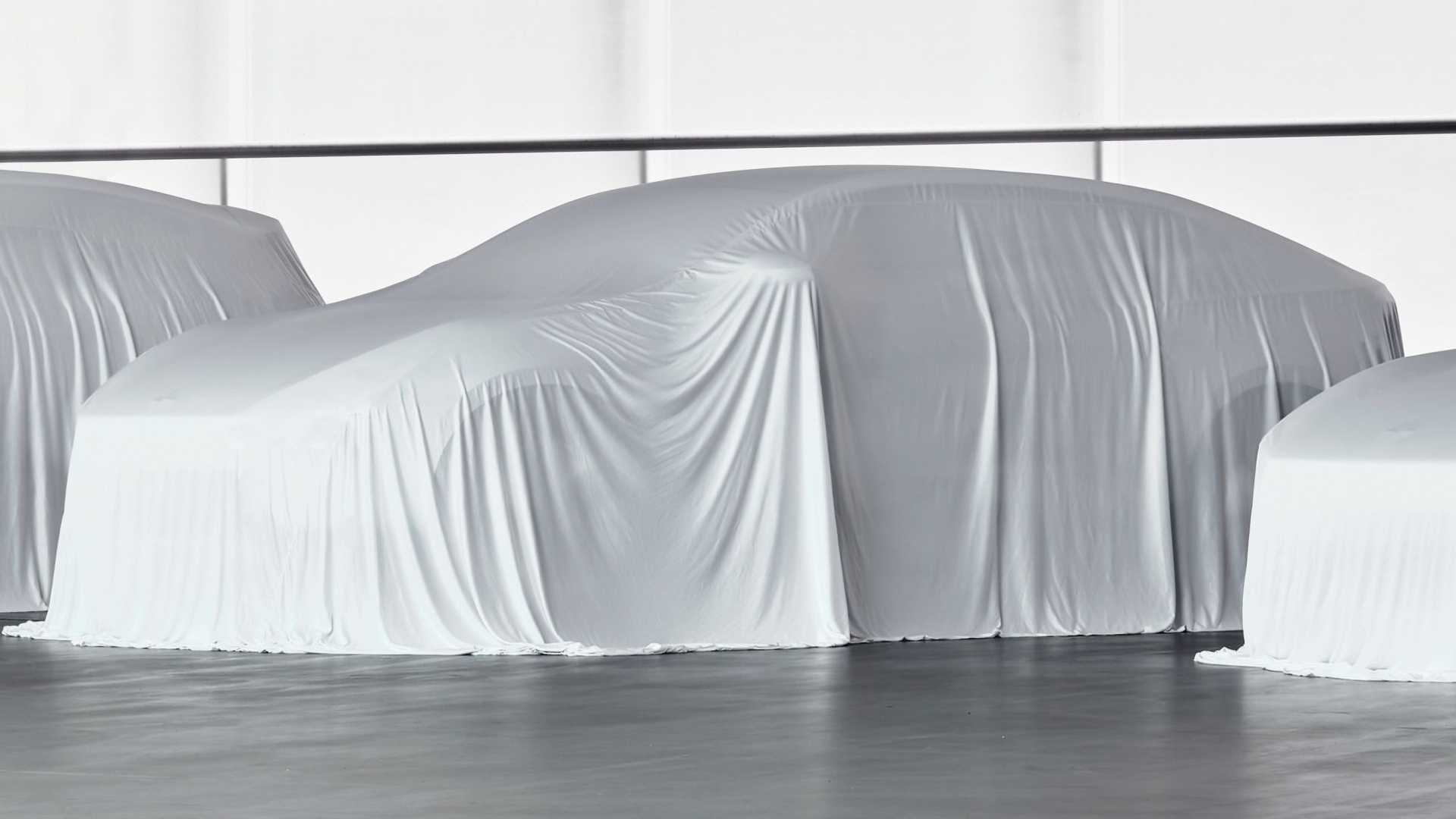
All three new models are expected to come to Australia, which has already stood out as an early market for the Polestar brand.
As for the purpose of the press release, Polestar confirms it has now received “over 32,000” customer orders for the Polestar 2 this year, thanks in part to its launch of over 130 “retail locations” globally – with 30 more expected in 2022.
It’s sometimes hard to tell what makes a car a classic, even when you’re one of the people designing it. My friend Robert Cumberford, automotive designer and critic, started his professional design career at age 19 in the styling studio of General Motors in 1954.
He was put to work on the 1956-’57 Corvette, GM’s Motorama dream cars, and the 1957-’58 Chevrolet, a substantially new model to replace the already completed ’55-’56.
But the engineering department was having problems with the new mainstream model. Word came down that the ’55-’56 range would have to be tarted up and trotted out for another year and made to look bigger and more luxurious, as was being anticipated for the florid, four-headlamp replacement.
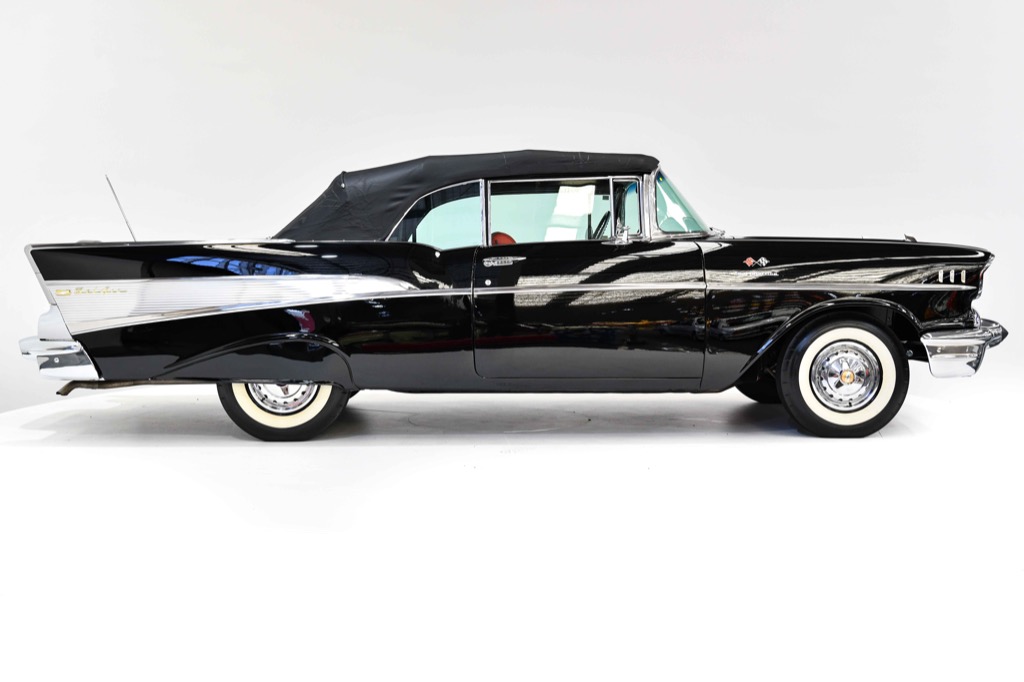
Robert recalled that the team (which included Joe Schemansky, who in 1964 would establish Holden’s design studio) completed a fibreglass model of the ’57 facelift within eight weeks.
They hated it, and liked it even less after the arrogant and autocratic Harley Earl slapped on more chrome and ‘Greyhound bus’ side-panel inserts on the top-line Bel Air model. A 63mm longer body and styling tricks like a full-width grille and thin tail fins that emphasised rear bumper width achieved the look-bigger mandate; dual ‘bombsight’ bonnet ornaments added the visual speed factor.
The latter had notably replaced a jet-plane bonnet mascot on the ’55-’56 cars. The cheap tin ‘speed nuts’ that attached these would corrode; when the bonnet was hoiked open for servicing, the jet would take flight backwards through the windscreen, proving a warranty nightmare for GM.
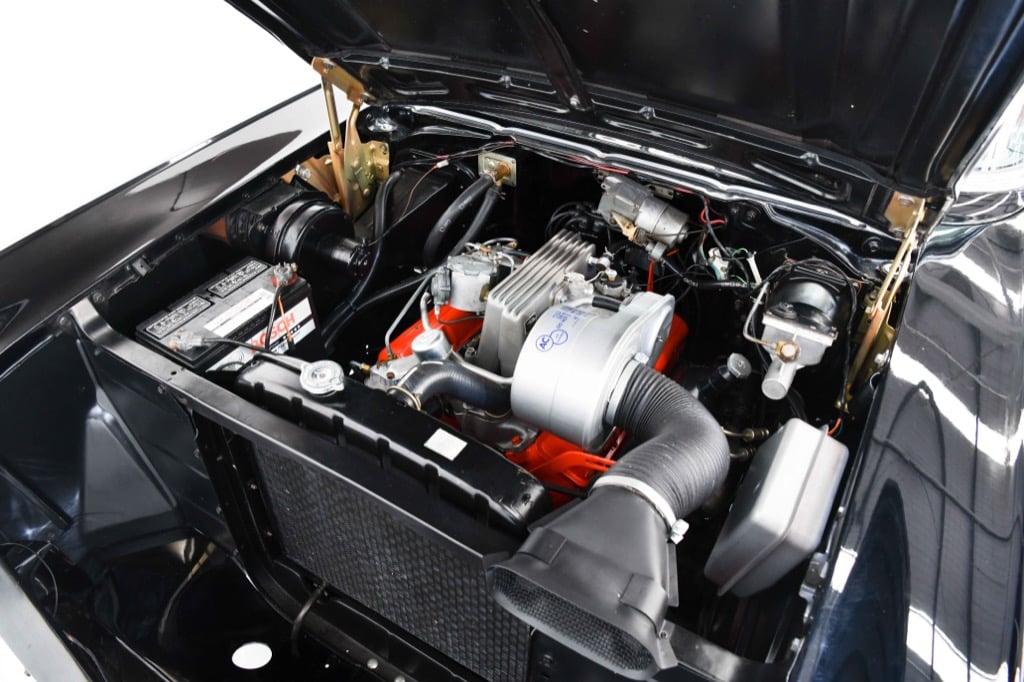
A similar flaw quickly surfaced on the ’57, with its chrome bumper bullets (dubbed ‘Dagmars’, after a busty US actress). These lined up visually with the protruding jet-cone tail-lamp lenses … and unfortunately, also literally, as cars rolling off the assembly line promptly punched out the tail lights of those in front.
The tail lamps were redesigned and the Dagmars detuned, although rubber cones became a popular dealer retrofit.
There was also substance under all that style: the ’57 debuted the optional and troublesome Ramjet fuel injection (a US passenger-car first), and a sophisticated Turboglide auto transmission.
The ’57 was fast and frugal, with bling to swing and a potent NASCAR and drag racing future ahead of it. Available in sedan or wagon (each with two or four doors), hardtop coupe or convertible as seen here, more than 1.55 million of the 1957s were built.
Worth the squirt
Chevrolet offered four engines in the 1957 range, spanning a 3.9-litre in-line six, a 4.3-litre V8 and a pair of 4.6-litre V8s, with either a two-barrel carb (138kW) or four-barrel carb (164kW).
GM’s Rochester carburettor division developed the Ramjet fuel-injection system, which improved tractability and increased power to 183kW; however, the expense (a $500 option) and reliability problems made the ‘fuelie’ V8 scarce, with only 1503 Bel Airs being thus optioned.
Right on track
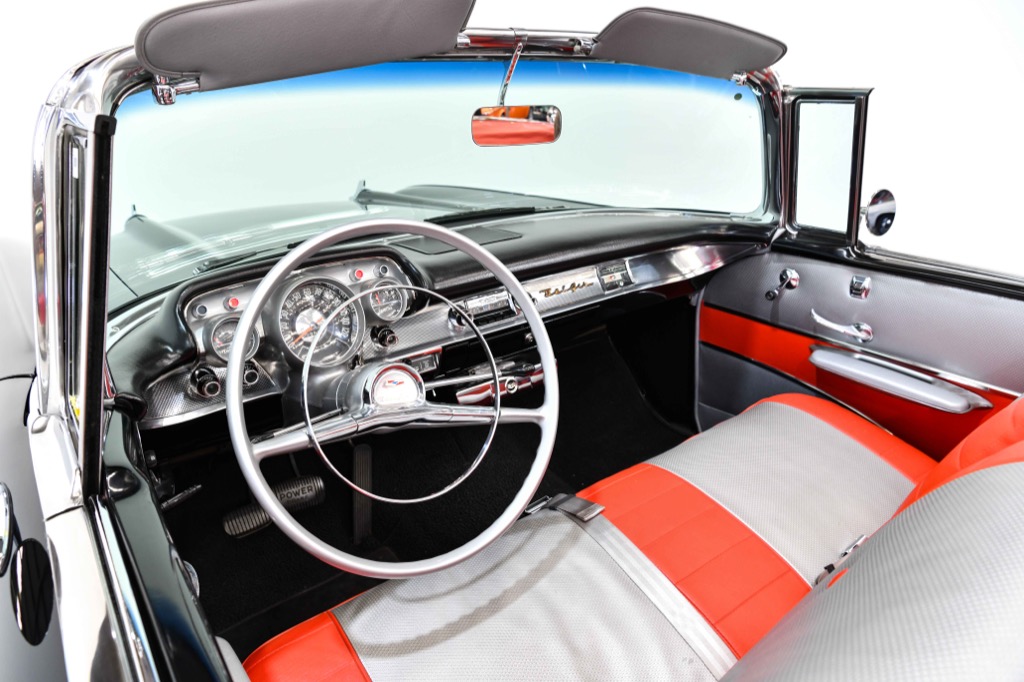
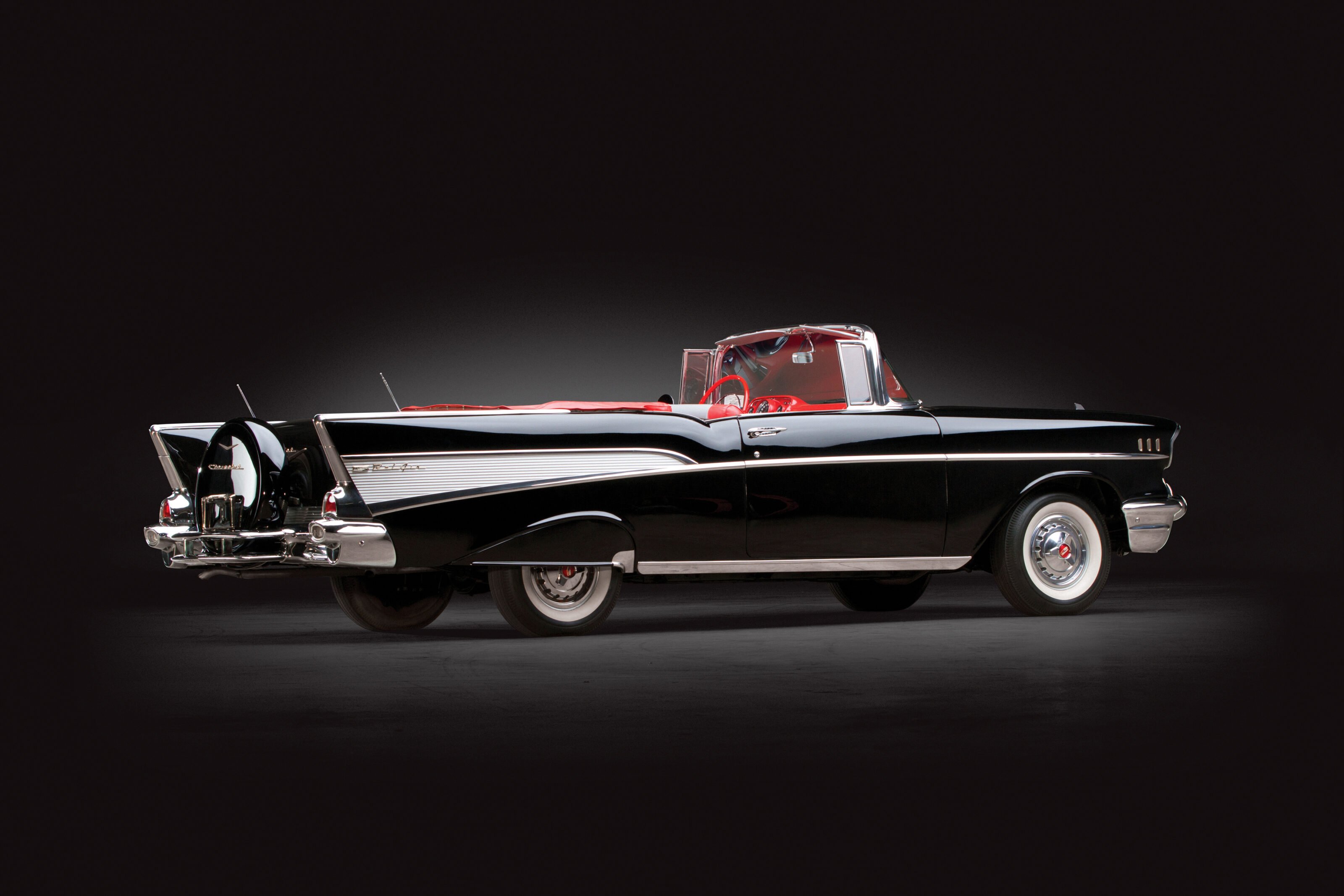
The styling team intentionally added some Cadillac cachet to the ’57 Bel Airs; 63mm longer than the previous year, they also had Caddy-mimicking ‘V’ badgework and, as beautifully modelled on our black fuelie Convertible, lavish two-tone interiors.
A power convertible roof, tinted glass, power windows, ventilated seat pads and seatbelts were available as options. But the ’57 wasn’t only a boulevardier: the base One-Fifty two-door, fitted with the fuelie V8, dominated NASCAR’s 1957 season.
Snapshot
- Kiyohiko Ito to join with international Mitsubishi experience
- Rob Nazzari promoted to share COO role with Yoichi Watanabe
- Tony Principe gets new Chief Business Advisor role
- Yohei Ito joins as Director of Aftersales
Mitsubishi Australia has installed four new executives at the top of the company, bringing in talent from its wider international network as well as promoting from within.
Kiyohiko Ito will join the team as Chief Financial Officer with substantial experience in the same role at various other international Mitsubishi markets – including Russia, Europe, Middle East and Africa.
Meanwhile, Rob Nazzari has been promoted to the role of Co-Chief Operating Officer (COO), sitting alongside existing Co-COO Yoichi Watanabe, with both reporting to Chief Executive Officer (CEO) Shaun Westcott.

Nazzari has worked at Mitsubishi Australia for more than 13 years across a variety of leadership roles, most recently as its Director of Marketing and Operations.
Elsewhere, Tony Principe moves into the newly-created role of Chief Business Advisor, harnessing his own 37-year career with Mitsubishi to advise the leadership team on “vital strategic and operational matters”.
And finally, Yohei Ito has been added to the lineup as Director of Aftersales. Ito joined the carmaker’s Australian arm in March after many years working at Mitsubishi Motors Corporation’s headquarters in Tokyo, Japan, and more recently at its location in Thailand.

“These positive personnel moves are the result of much hard work conducted by all our staff, from the executive level down, in developing a future strategic direction for the business,” said Shaun Westcott.
“With a number of important appointments sourced internationally, it also demonstrates how well respected Australia’s work is within Mitsubishi Motors Corporation’s global ecosystem, and comes off of the back of significant growth across both sales and aftersales [locally] over the preceding two years.
“We’ve achieved a great mix of internal promotion and global expertise with these announcements, balancing strong local insight with an up-to-the-minute worldview.”

Mitsubishi is having a strong year locally, despite the ongoing supply issues affecting the industry, with 35,902 sales year-to-date and up 13 per cent – putting it third in the new car charts.
Its best-selling models at present are the Triton ute, which placed 7th in May with 2054 units sold and up 11 per cent, and 4th year-to-date with 14,906 and up 36 per cent, and its new-gen Outlander mid-sized SUV. The latter came 10th in May with 1799 models shifted and up 135 per cent, but is missing from the top 10 for the year so far.
Key Points
- Combined petrol-electric 500kW, 720Nm
- Claimed 0-100km/h time of 3.0 seconds (200 in 8.3s)
- Australian pricing from $449,500
A tough one, this. McLaren Automotive has laboured long and hard to deliver only its second all-new car in the company’s 12-year history. And there’s a lot to like about the McLaren Artura.
It’s light and quick, with a punchy PHEV powertrain and a chassis that’s stickier and more stable under pressure than that of a 720S or a 570S. It looks and feels better built than any of its predecessors, too, with tighter panel gaps and fewer rattles and squeaks.
The Artura I’ve just driven is still a work in progress. A car that’s not yet finished. Let me explain.
I can’t remember the last time I had trouble with a car on a media drive program. So, I was more than a little surprised and dismayed when both the instrument panel and the central touchscreen on the Artura I had been driving on the great roads through southern Spain suddenly faded to black for no apparent reason.
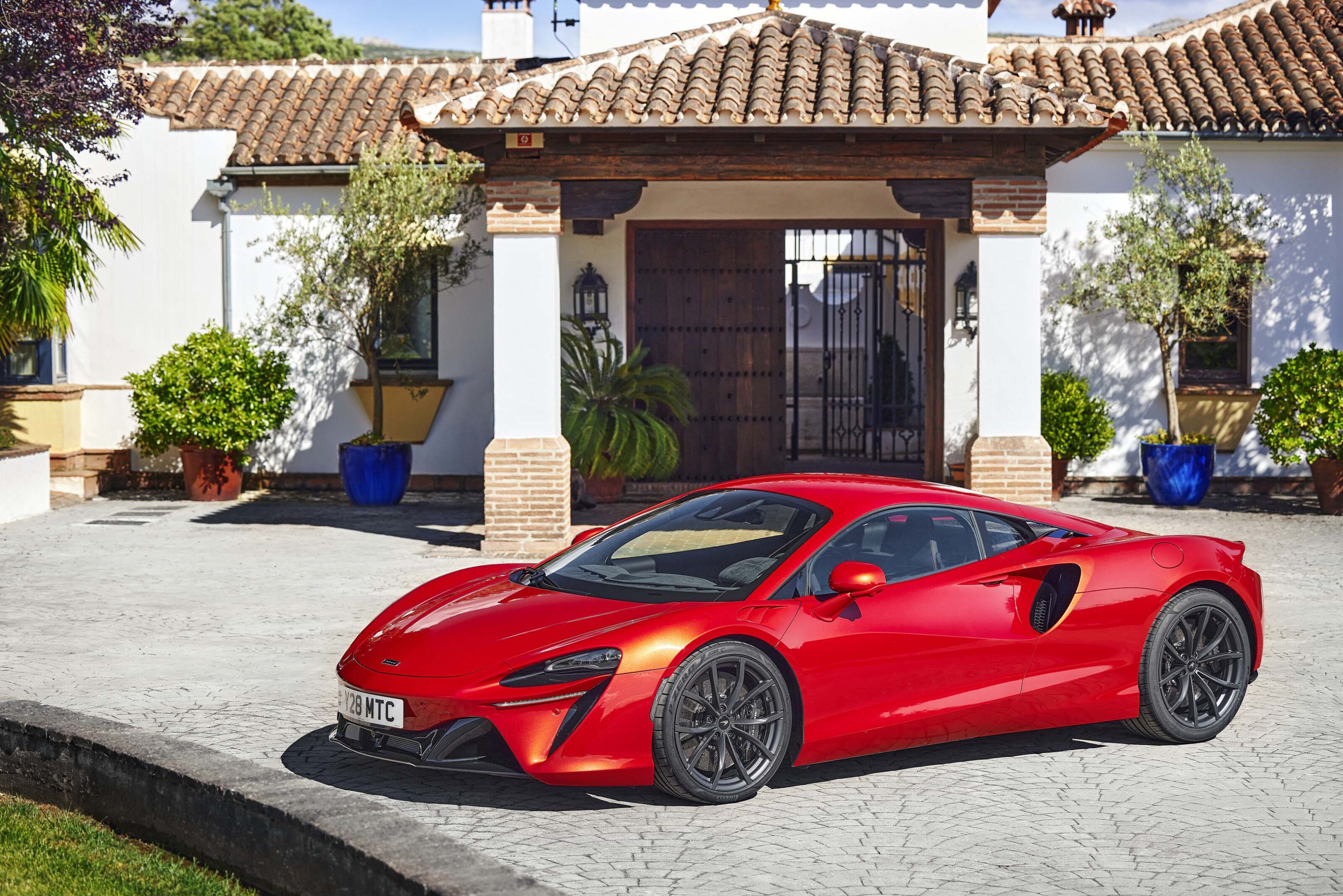
The instrument panel flickered back into life, but the central touchscreen remained out of commission – along with the air-conditioning, the navigation, the audio, the phone connection – for the remainder of the trip. Given it was a bright, sunny day with the mercury hovering in the low 30s, the remainder of the drive wasn’t pleasant.
Worse, my car wasn’t the only Artura with problems: Several suffered similar infotainment system failures, and one journalist was stuck by the side of the road when their Artura simply stopped running altogether. It was eventually coaxed back into life but would only proceed in ‘limp home’ mode, which made for a grindingly slow run back to base.
Significant software glitches were clearly plaguing the Artura’s vaunted new ethernet electrical architecture. That’s unacceptable in any car launched in the 2020s, let alone one that is expected to cost about $450,000 when it arrives here.
But what’s worse is that McLaren last year abruptly cancelled media drives of the Artura because of software problems. Is there a deeper issue here?
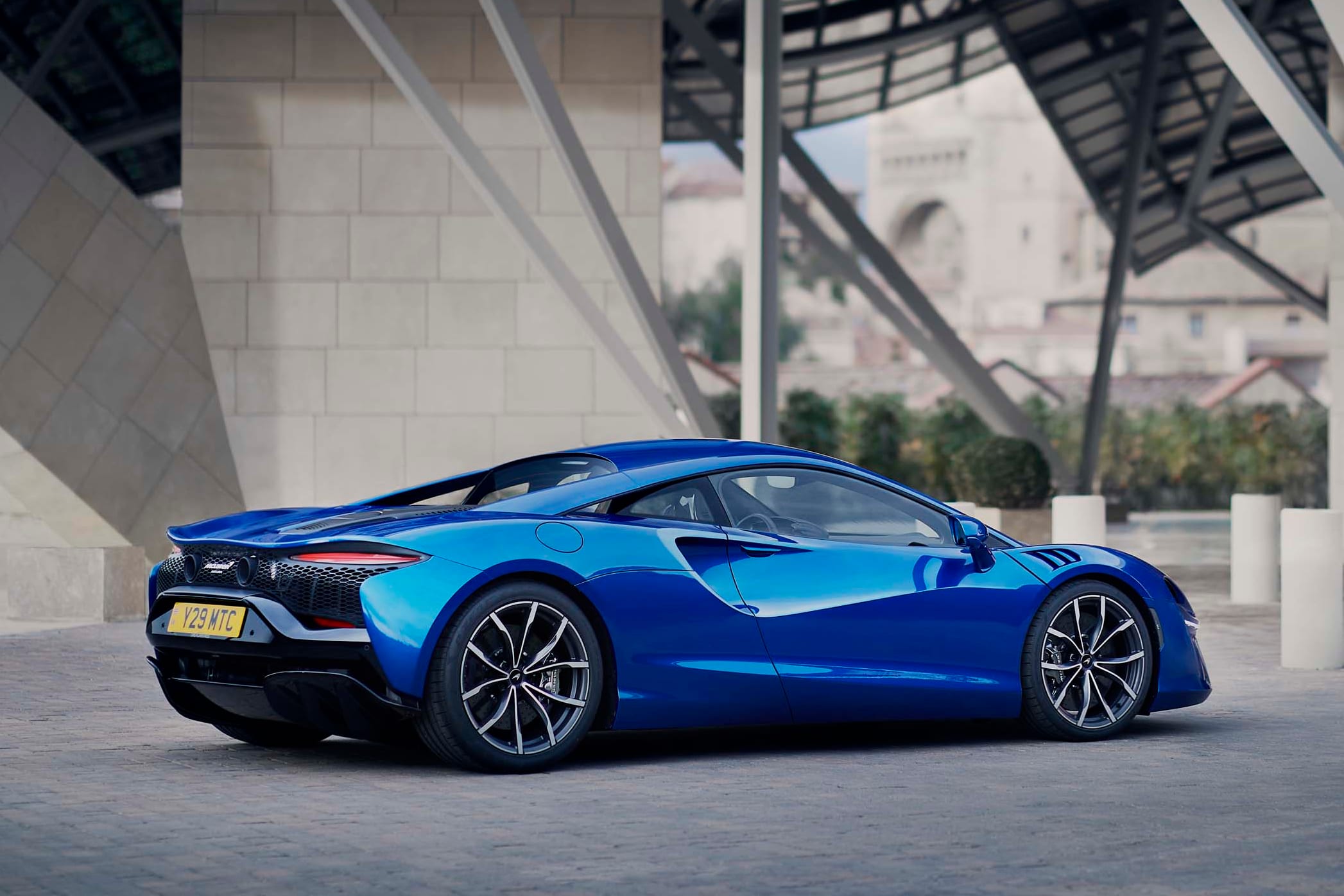
McLaren says no. Company insiders say the Arturas we drove didn’t have the latest, customer-spec software, which for some reason was due to be installed 10 days after the media launch. They also say there were no problems with the same cars when they were driven by a subsequent group of media.
We’ll be investigating further. But in the meantime, what about the rest of the car? At first glance, the Artura looks exactly as you’d expect a new McLaren to look. But closer inspection reveals a carefully nuanced evolution of McLaren design themes rather than a cut-and-paste of familiar graphics, and careful attention to aerodynamic detail.
The Artura looks tighter, more sophisticated, more composed than any previous McLaren, with well-controlled surfaces, crisper detailing and snugger panel gaps.
The doors, rear clamshell, roof and A-pillars are all superformed aluminium pieces, the bonnet is a conventional aluminium stamping, and the front and rear quarter panels are made from composites.
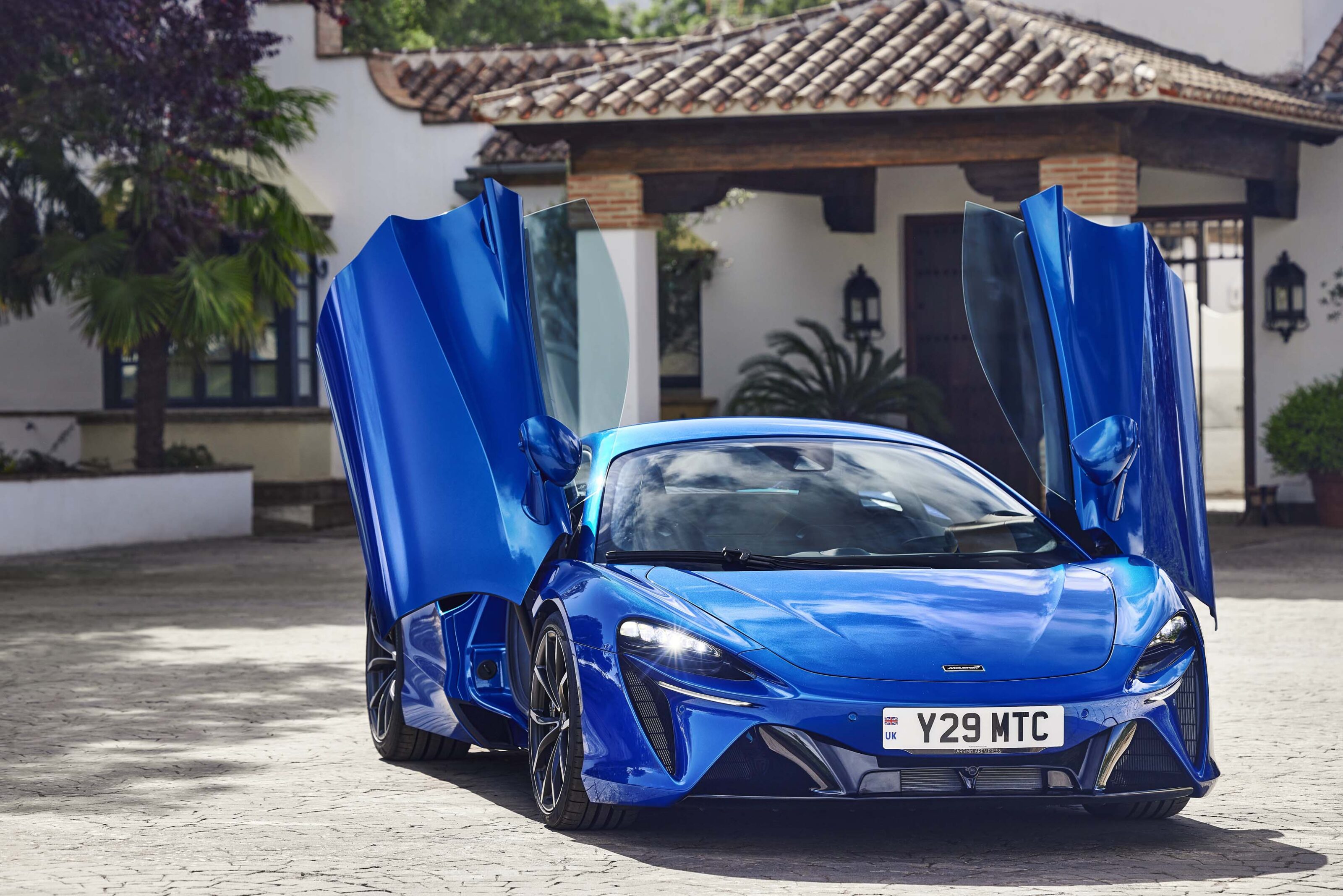
The Artura looks tighter, more sophisticated, more composed than any previous McLaren.
At 4539mm the Artura is 10mm longer overall than a McLaren 570S but its 30mm shorter wheelbase delivers a subtly different proportion. The suspension is all-new, too.
Gone is the hydraulically cross-linked system that traces its origins back to the MP4-12C. In its place is a more conventional multi-link setup front and rear, with adaptive dampers that can be switched between Comfort, Sport, and Track modes. The rear suspension structure is twice as stiff as the 720S set-up and has been designed to deliver improved traction.
The Artura is also the first McLaren fitted with an e-diff. Another first – a world first, in fact – is the standard fitment of Pirelli’s P Zero Cyber Tyre, which features an embedded chip that feeds real-time data into the Artura’s electronic brain.
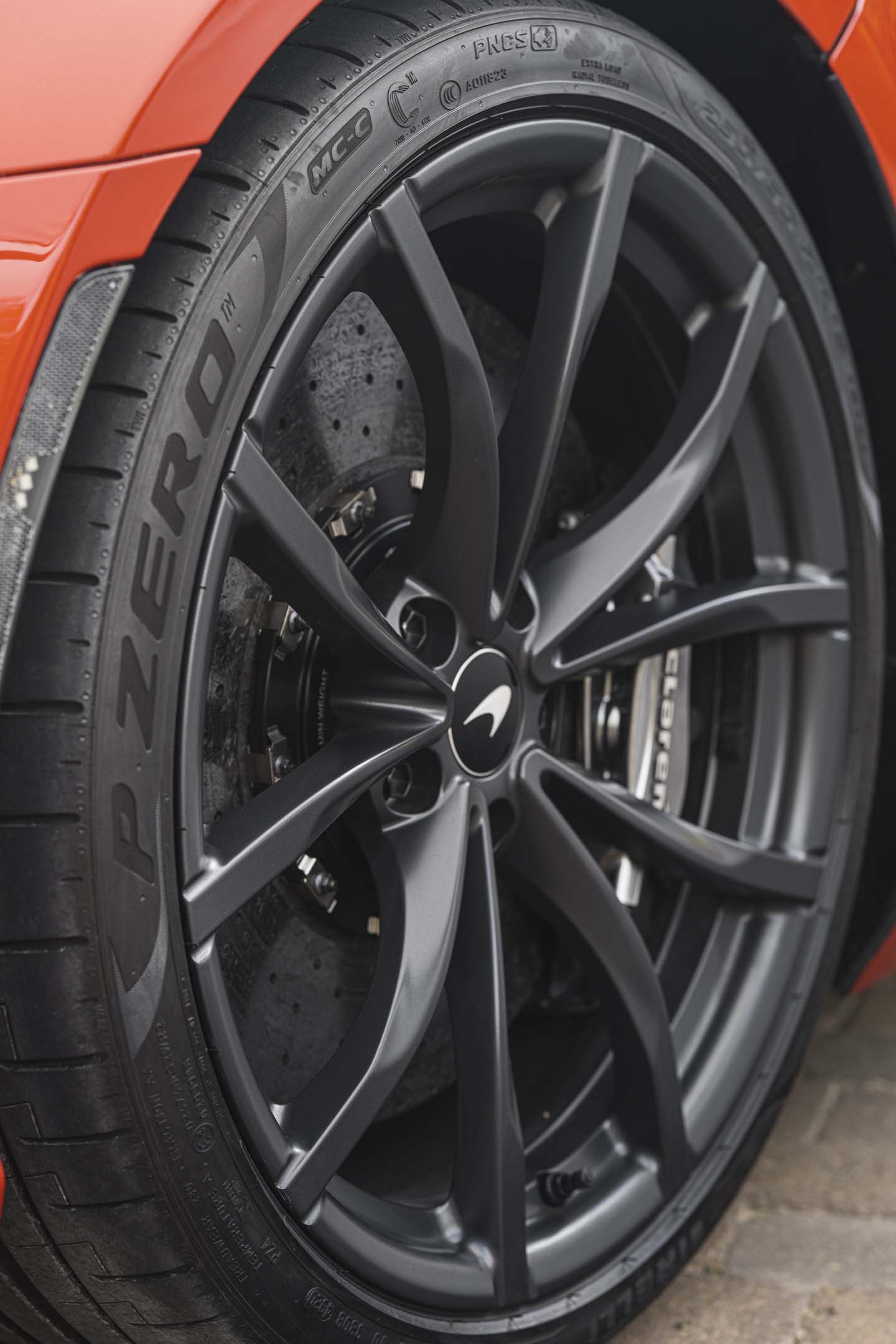
The Artura thus not only knows which tyres are fitted – stickier P Zero Corsa Cyber Tyres are available as an option – but also whether they are above or below their optimal operating temperature. In Track Mode, the system can warn you when the tyres exceed a pre-set temperature threshold.
The clever bit of the Cyber Tyre system is that the temperature is taken directly from the tyre carcass itself rather than from the rim, as is current industry practice.
Speaking of rims, the Artura rolls on 19-in front and 20-in rear forged alloys, with 235/35 R19 and 295/35 R20 Pirellis. Lurking behind the wheels are standard carbon-ceramic disc brakes – 390mm on the front axle and 380mm on the rear – clamped by six-piston and four-piston forged monobloc calipers respectively.
The Artura is fitted with Pirelli’s P Zero Cyber Tyre, which features an embedded chip that feeds real-time data into the Artura’s electronic brain.
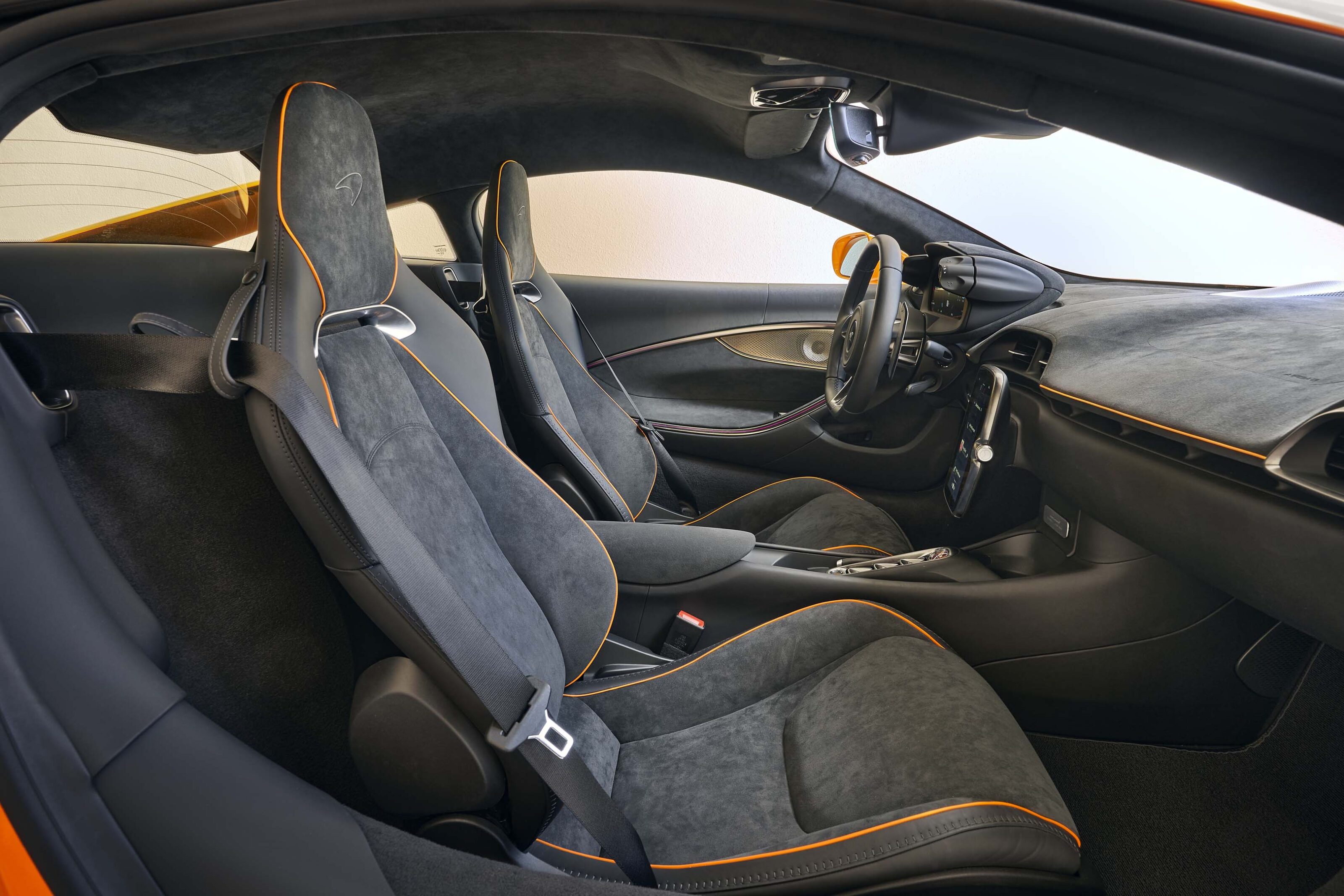
The Artura’s carbonfibre structure is lighter, stronger, and stiffer structure than that used in the 720S and 570S and has been designed to ensure the optimal placement of the battery pack required for its plug-in hybrid powertrain.
The internal combustion component of that powertrain is a 3.0-litre, 430kW, 584Nm, twin-turbo V6 built by British engineering company Ricardo.
Codenamed M630, it has a 120-degree vee like the V6 in the PHEV Ferrari 296GTB, which not only allows more room for packaging the twin turbochargers in the vee between the cylinder heads but also lowers the Artura’s centre of gravity.
The 160kg M630 engine is 190mm shorter, 220mm narrower and 50kg lighter than the 4.0-litre M840 V8 that powers the McLaren 720S.
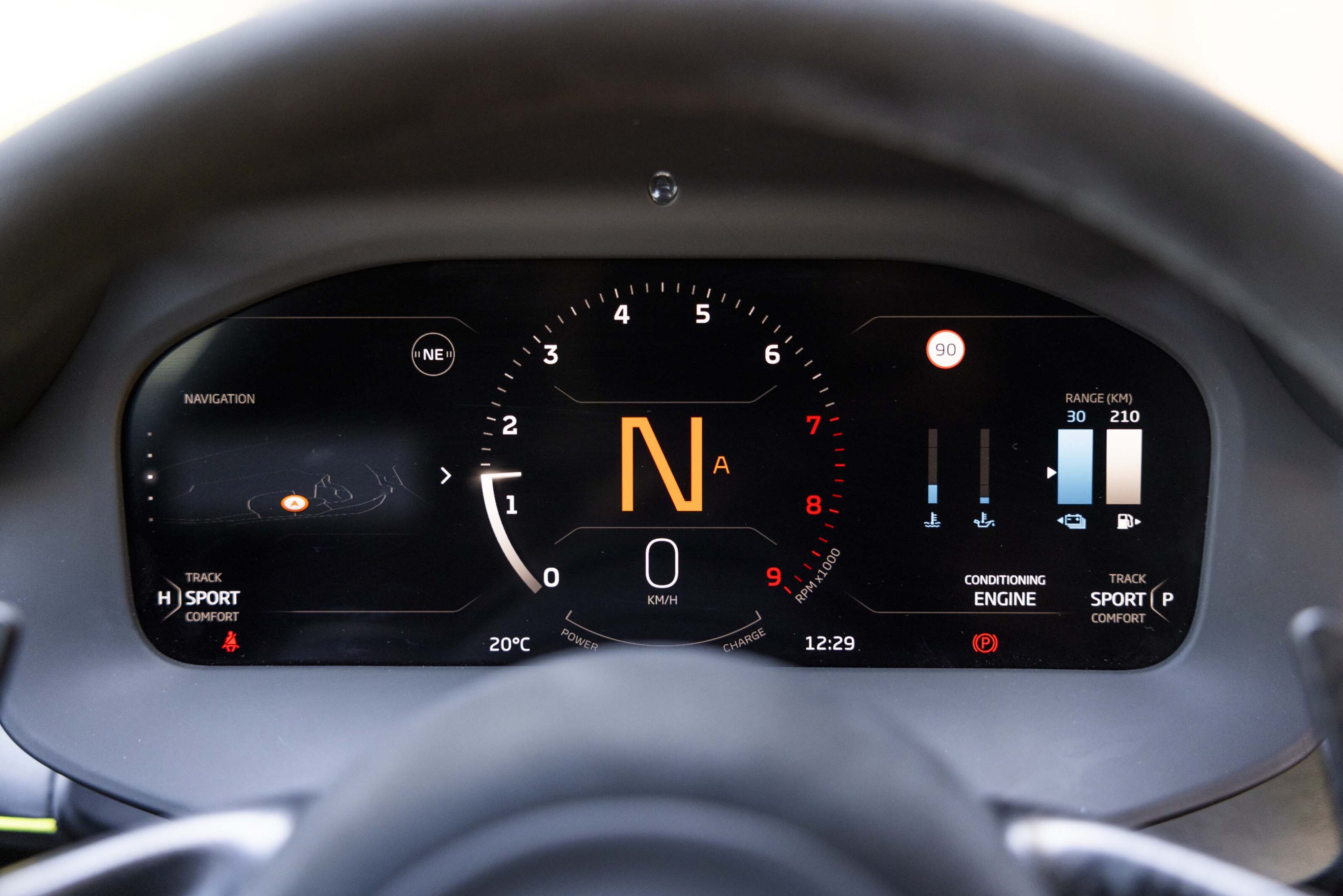
The hybrid component is an axial flux e-motor mounted between the engine and a new eight-speed dual-clutch transmission. That’s also smaller and lighter than the seven-speeders used in previous McLarens, not least because it has no reverse gear. The e-motor is used to drive the Artura backwards.
Powered by a 7.4kW/h battery that weighs just 88kg and is bolted under the fuel tank at the centre of the car, the e-motor adds 70kW and 225Nm to bring the powertrain’s total system output to a healthy 500kW at 7500rpm and 720Nm of torque from 2250rpm to 7000rpm.
As with previous models, McLaren allows handling and powertrain modes to be independently selected. Unlike previous models, however, there’s no need to activate the system before switching modes.
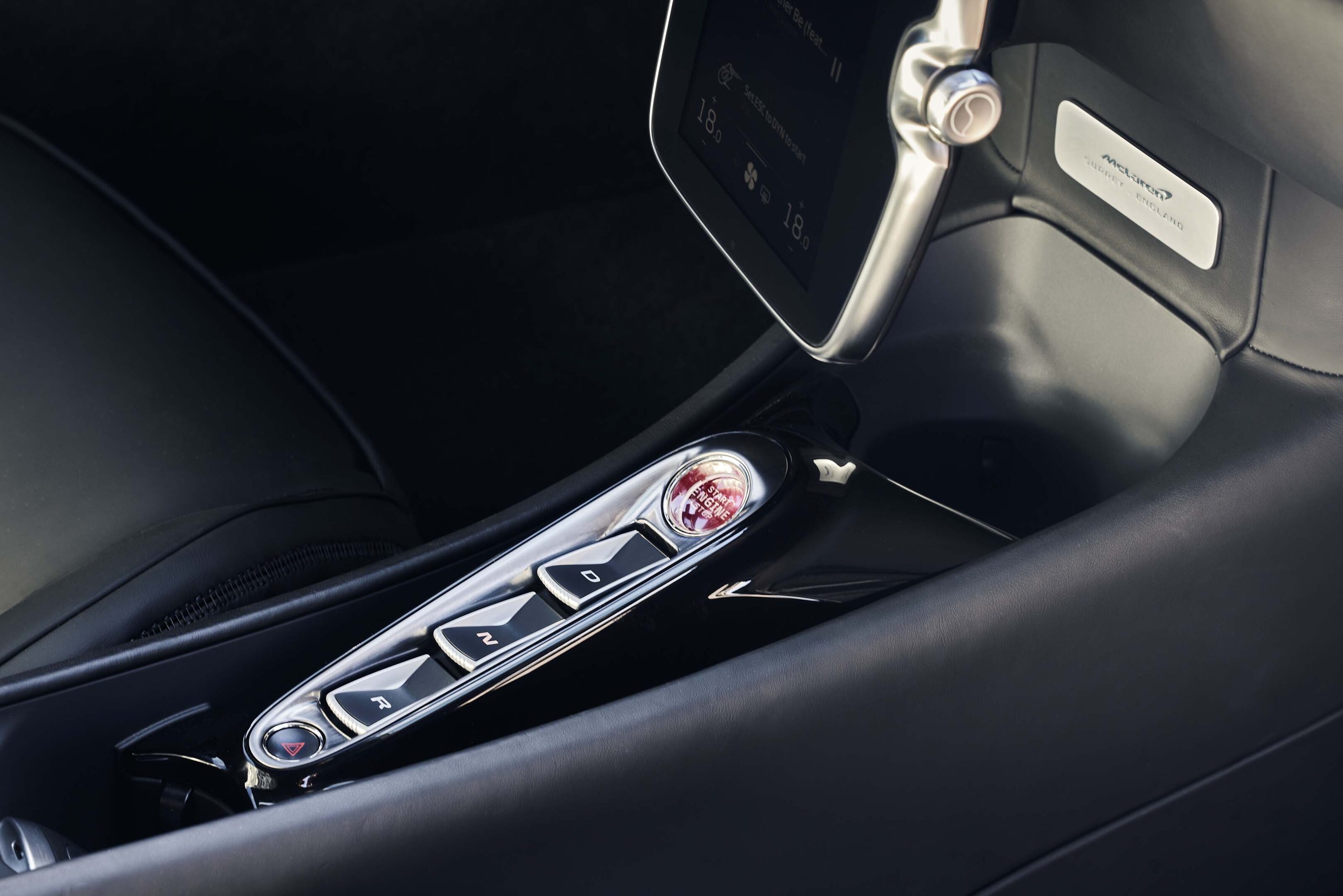
And the modes are now accessed via rocker switches mounted at the corners of the instrument binnacle, a fingertip’s stretch away from the steering wheel rim.
The instrument binnacle moves in concert with the reach- and rake-adjustable steering wheel to ensure the mode switches stay within reach.
The default powertrain mode is Electric. From a standstill, the Artura moves swiftly away, a gentle whine from the axial flux e-motor building as speeds rise. McLaren claims the Artura will travel 18km on pure electric power, at speeds of up to 130km/h.
Progress is not quite as seamless as in a pure EV, though – at times you can hear or feel the eight-speed dual-clutch transmission at work.
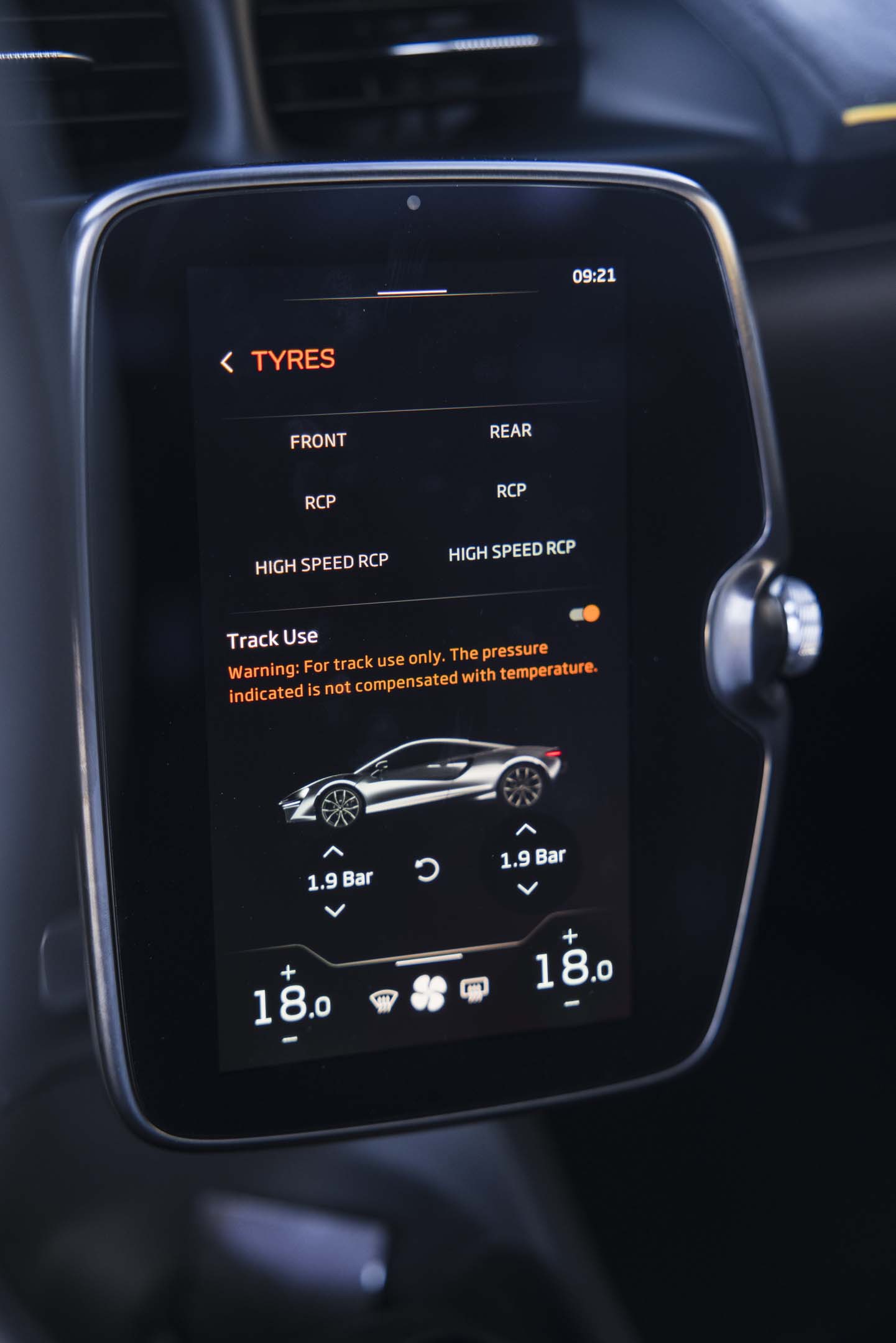
Comfort mode is good for everyday driving, especially with the dual-clutch transmission in automatic. The Comfort setting is calibrated to ensure optimal fuel efficiency and will shut down the internal combustion engine at speeds below 40km/h, and keep the engine shut down as long as possible at all other times.
In Sport and Track modes the internal combustion engine is always running, and the e-motor is deployed to deliver torque-fill across the power curve. The battery is kept at higher states of charge than in Comfort mode to ensure the e-motor is always ready to assist.
And assist it certainly does, helping deliver a rich seam of torque right across the rev range in Sport and Track modes that is readily exploited by the slick-shifting dual-clutch transmission, especially if you switch it to manual operation. Track mode uses McLaren’s inertial push system to deliver the fastest, most concise shifts possible.
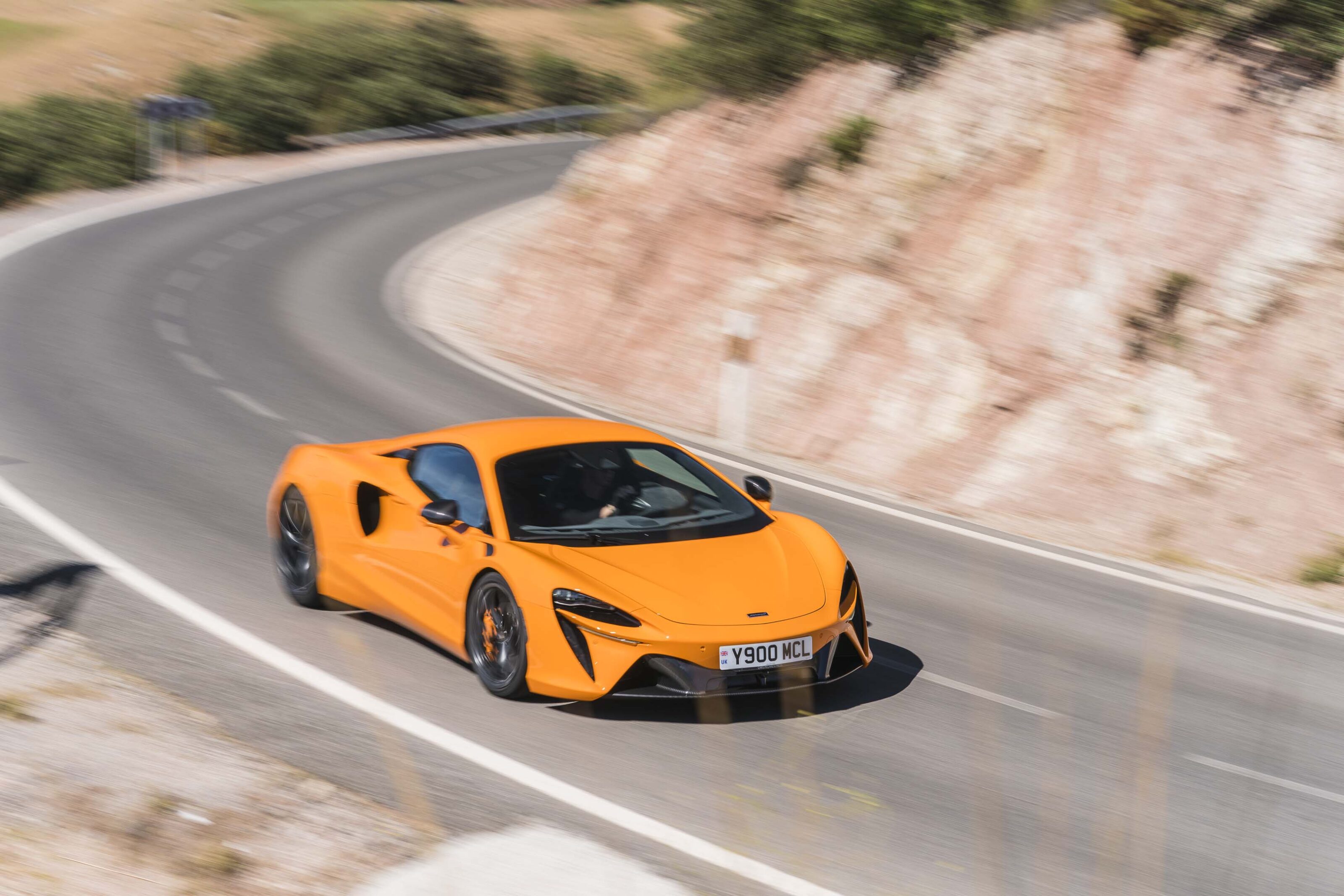
The electric motor helps deliver a rich seam of torque right across the rev range in Sport and Track modes.
With an effortless 500kW and 720Nm on tap in a car that’s claimed to weigh just on 1498kg, you’d expect the Artura to be quick.
McLaren quotes a 0-100km/h acceleration time of 3.0 seconds, with 200km/h coming up in 8.3 seconds on the way to an electronically limited 330km/h top speed.
Those are numbers that’ll have you smiling with anticipation as you open the door. And yet when it comes to the actual drive experience, the Artura feels oddly aloof. It has none of the shock-and-awe of the 720S, a car with truly remarkable top-end thrust.
Nor does it dance the light, lively dance of the 570S through the twisty bits. No, the Artura feels like an altogether more grown-up McLaren, more planted, more considered.
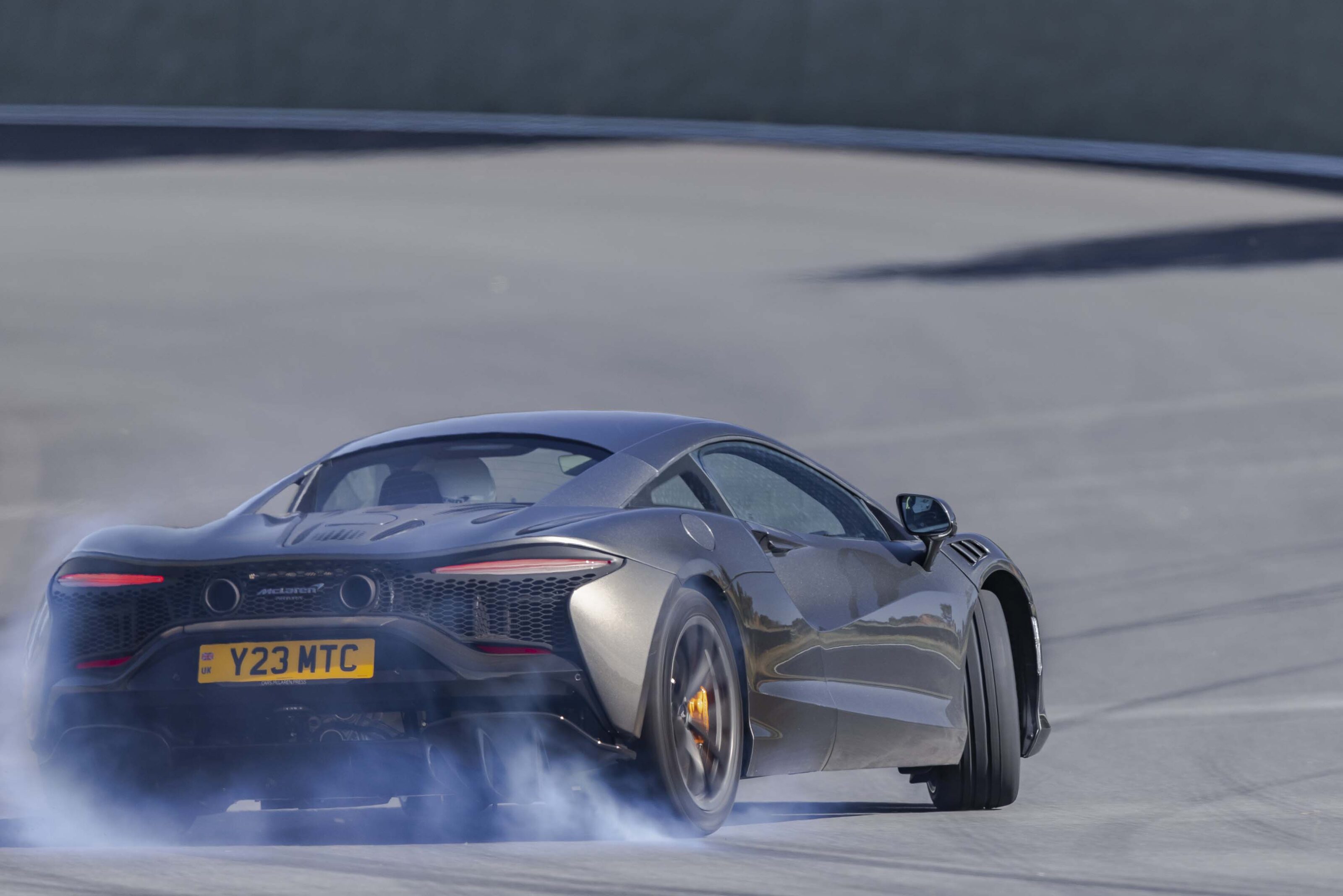
It doesn’t have the sparkling charisma of that other PHEV V6 supercar, Ferrari’s 296GTB, either. The Ferrari’s wide-angle V6, almost identical in format and capacity, sings to its 8500rpm rev limiter while generating spine-tingling third-order harmonics like those of a V12; the Artura’s engine, by contrast, sounds sonorous and workmanlike.
Beyond that, the Artura feels heavier, more deliberate than the 296GTB, especially in terms of steering and brake pedal feel, as well as in the transient responses of the chassis.
The hydraulically assisted power steering has been tuned to further reduce the noise coming through the system, and so feels heavier than you’d expect in a McLaren, especially with the suspension set in the softer Comfort mode.
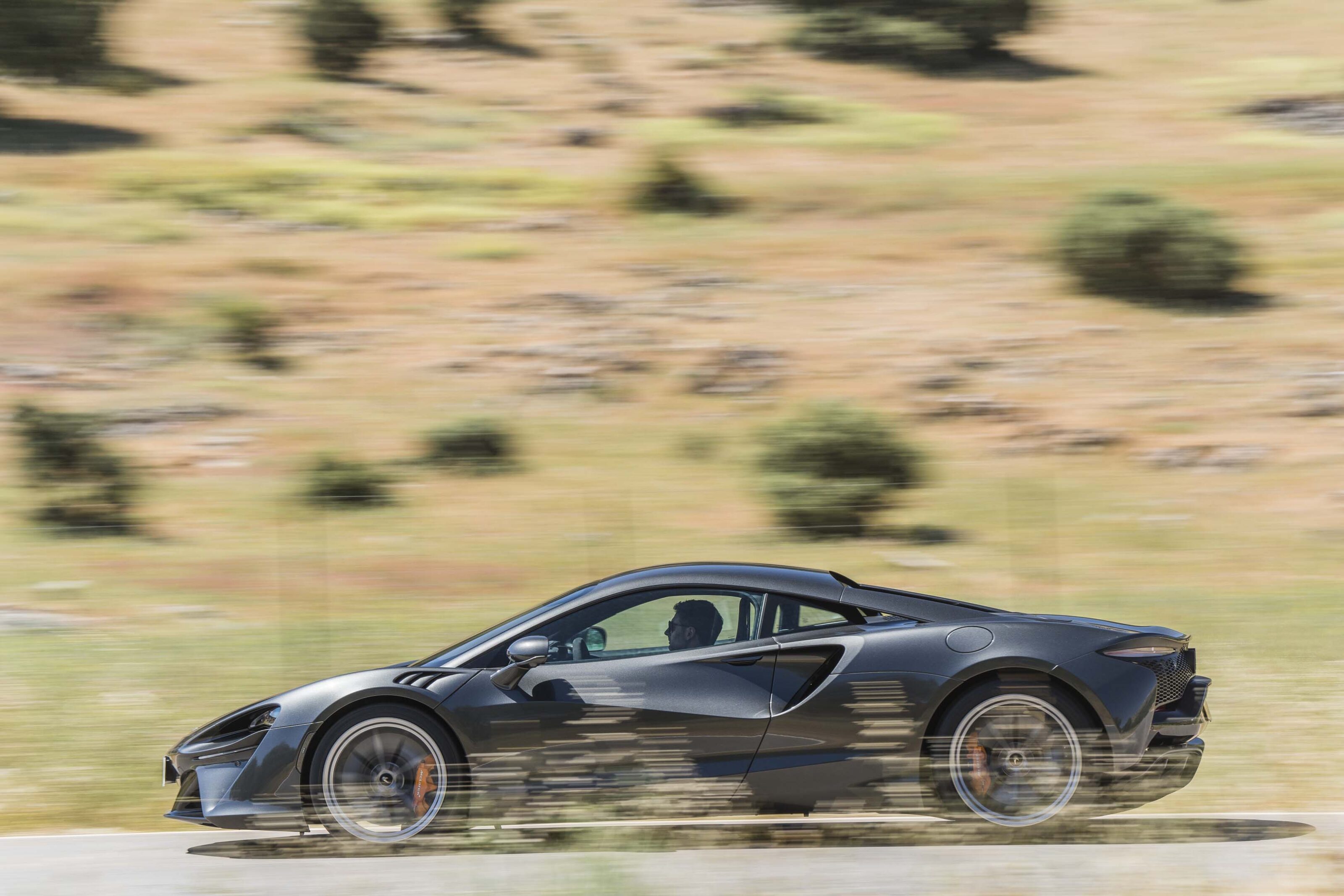
The redesigned rear suspension and the e-diff deliver a ton of traction, so the tail stays resolutely planted unless provoked. It’s a sensible setup – both the 720S and 570S can become busy at the rear when pushed – but it means the Artura works its front tyres a little harder.
On the track, with both powertrain and suspension in Track mode, the Artura requires a slightly earlier turn-in than you expect through fast corners, even on a neutral throttle, to allow for the mild understeer.
In tight corners, though, that reliable rear end means the Artura can be taken deep into the apex under brakes, the weight transfer used to load the front axle and get the front tyres to bite on turn-in.
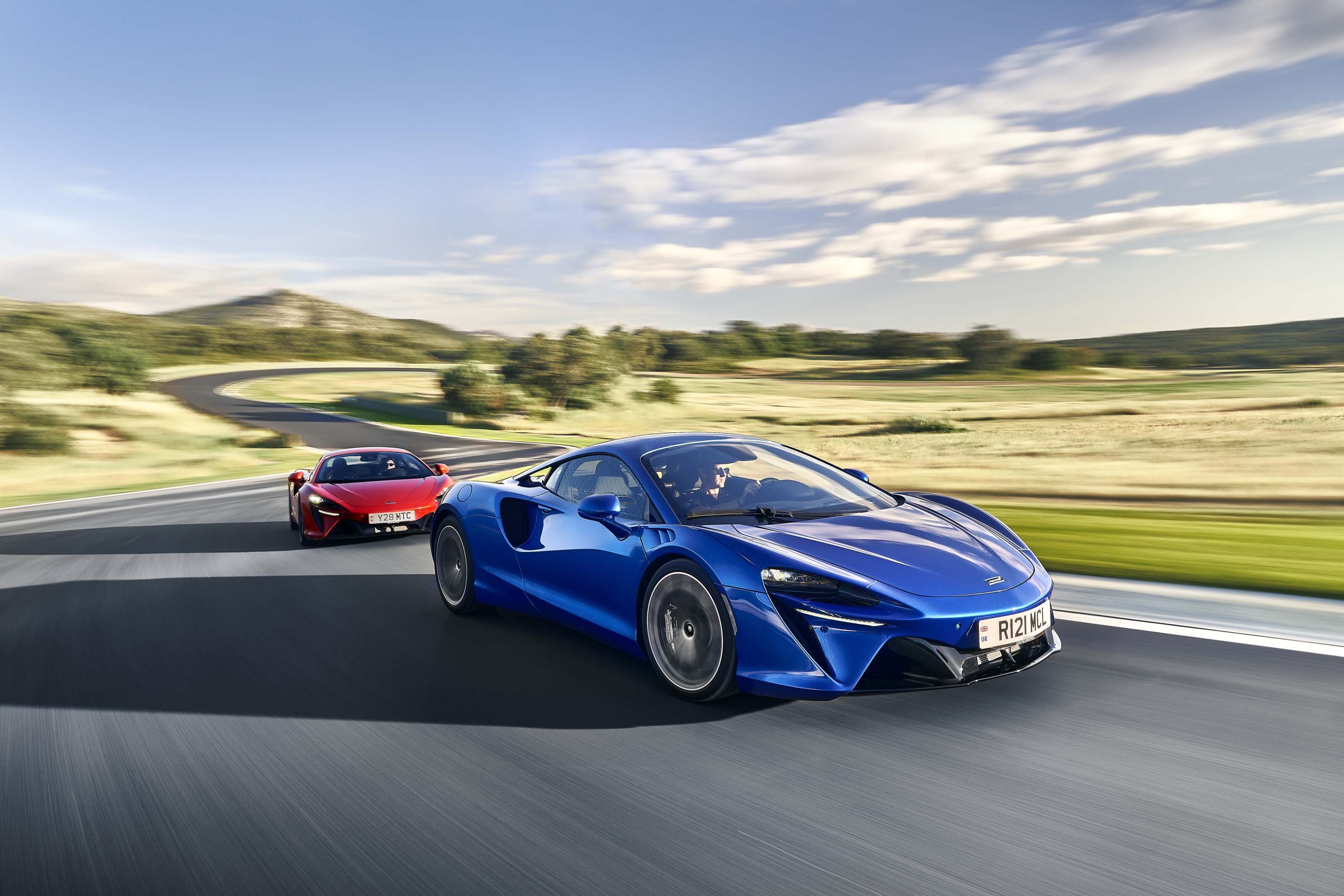
Then, as you open the steering on corner exit, you can quickly go to power and use that terrific traction to punch the McLaren down the straight.
The McLaren Artura is impressively quick from point to point on the road and on the track. It rides well and grips tenaciously and feels rock-solid when pushed. It just needs software that works properly.
McLaren has promised to get me back into an Artura very soon and let me live with it for a longer period – at least a month – to confirm the customer-spec software does indeed work as it should.
Stay tuned for an update.
Key Points
- 420km range for iX 40, 620km for iX 50
- iX 50 hits 100km/h in 4.6 seconds (claimed)
- Range priced from $135,900
Like it or not, flagship electric vehicles from most manufacturers are SUVs like the 2022 BMW iX tested here because that’s what buyers insist upon. BMW’s M boss Frank van Meel even admitted electric SUVs are what they want – and that’s just the way it is.
And so it was with a somewhat heavy heart when I saw BMW pull the covers off what has become the new iX that it wasn’t an ‘iM5’ or something equally unlikely.
Big SUVs are big business, and BMW was part of the genesis of the step change in the motoring industry that has very nearly killed the sedan. The company itself insisted that its first mainstream EV would be a 3 or 5 Series-sized car but almost overnight that honour went to the iX3, an electrified X3.
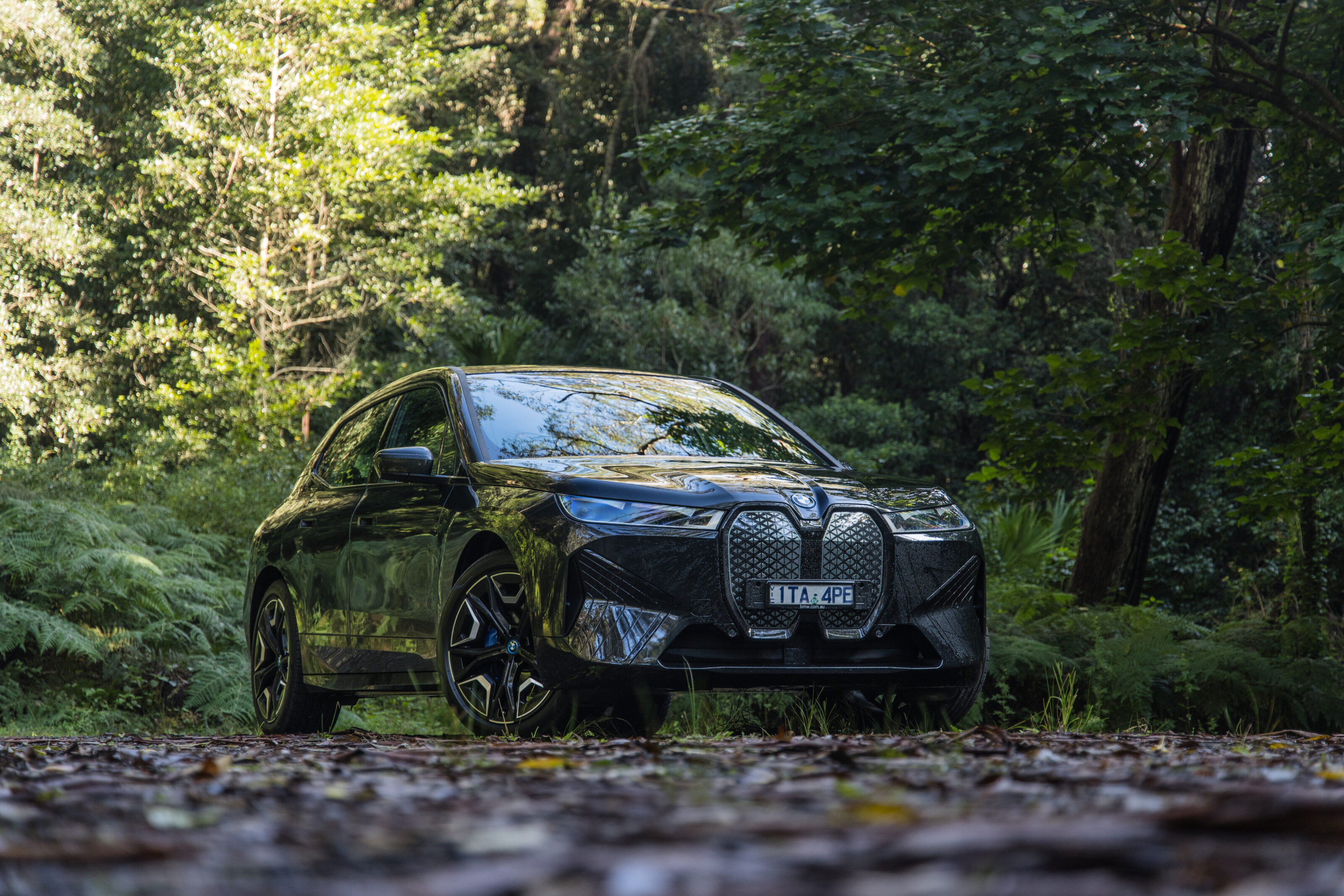
The i4 came along first in concept and then production form, and hot on its heels came something quite different, philosophically and stylistically.
Drawing on the BMW i forebears that paved the way, the i3 and the i8, the iX sets the benchmark for future BMW EVs with its construction of carbonfibre and aluminium plus a genuinely inventive and more sustainable interior.
The question is, does BMW do the same thing for this segment as it did to define the sports sedan?
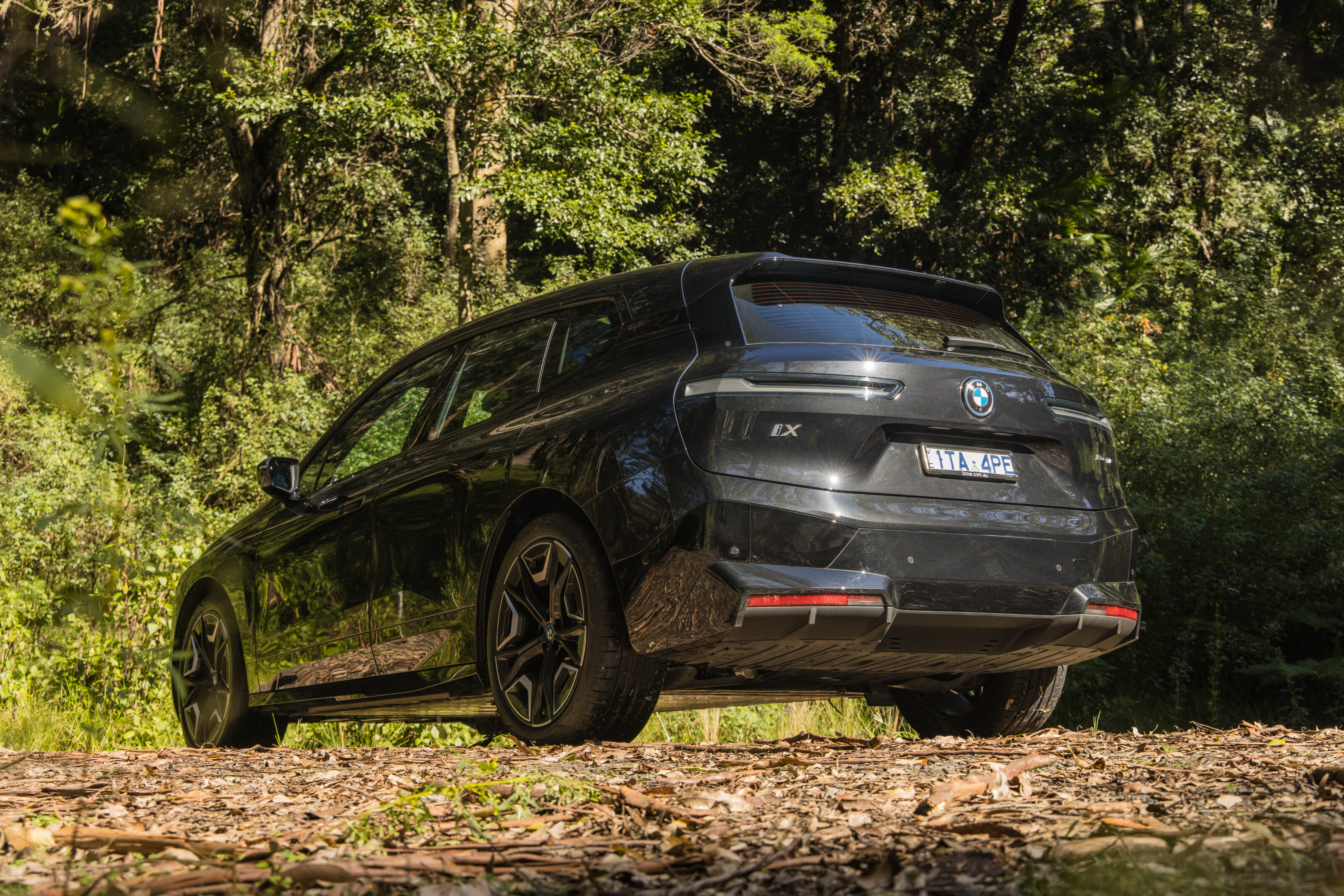
Like it or not, flagship electric vehicles from most manufacturers are SUVs like the 2022 BMW iX tested here because that’s what buyers insist upon.
Pricing and features
The iX 40 xDrive comes in two battery capacities and three specifications, starting at $135,900 before on-road costs. For that you get 21-inch wheels, auto LED headlights, 18-speaker stereo, 2.5 zone climate control, heated and massaging front seats, and keyless entry/start.
There’s also a head up display, active cruise control, 12.3-inch curved digital dash, reversing camera, around-view cameras, front, side and rear parking sensors, heated and folding rear vision mirrors, auto wipers, olive-tanned leather interior, wireless charging and a tyre repair kit.
The Comfort Access system means you can use your phone or an NFC card to get into the car and open the tailgate.
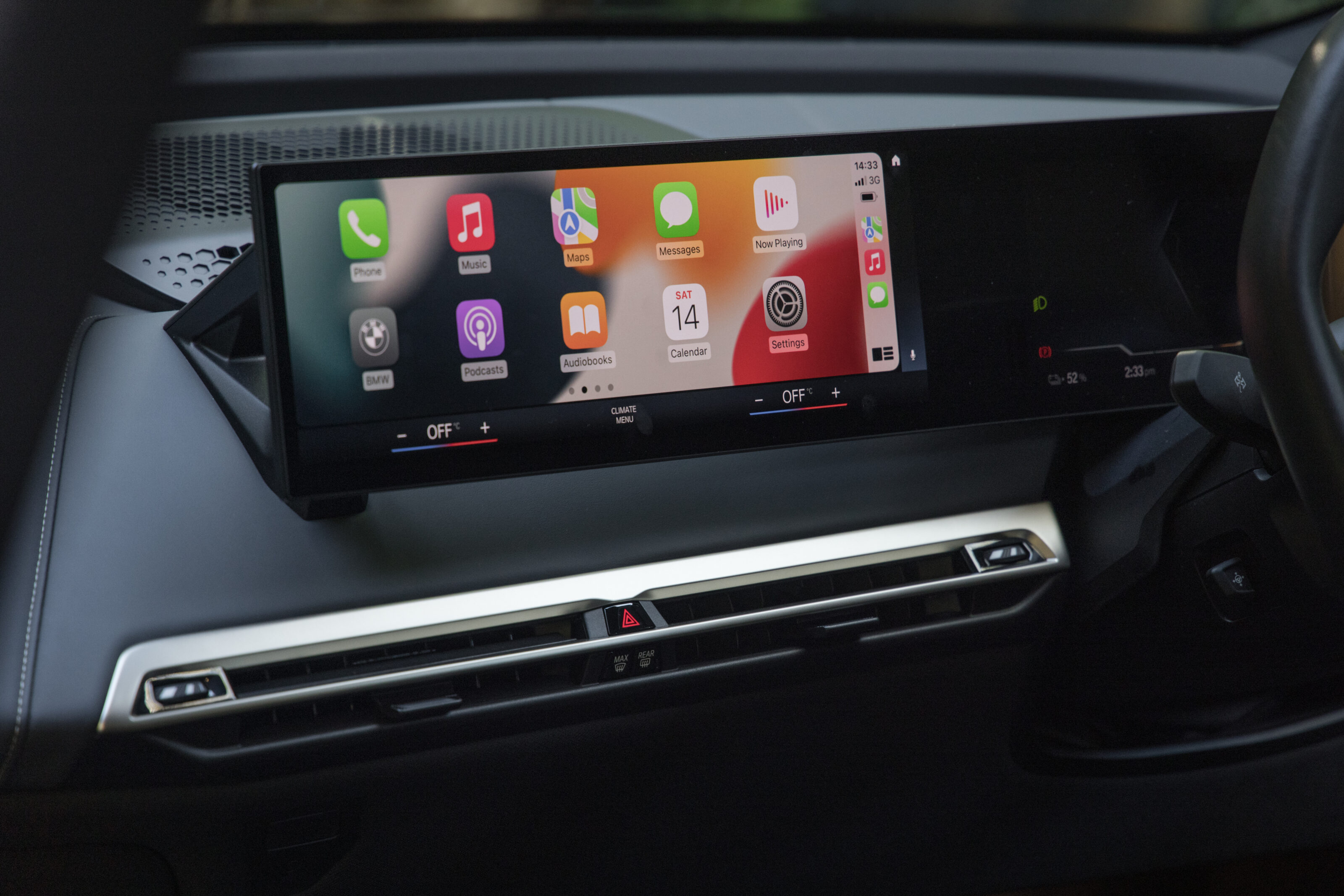
BMW’s excellent OS8 is displayed in the 14.9-inch curved display that sits in the same housing as the instrument panel. You get wireless Apple CarPlay and Android Auto, DAB+ digital radio, sat-nav and a whole host of other features to keep you occupied. It can be operated by both touch and the iDrive controller.
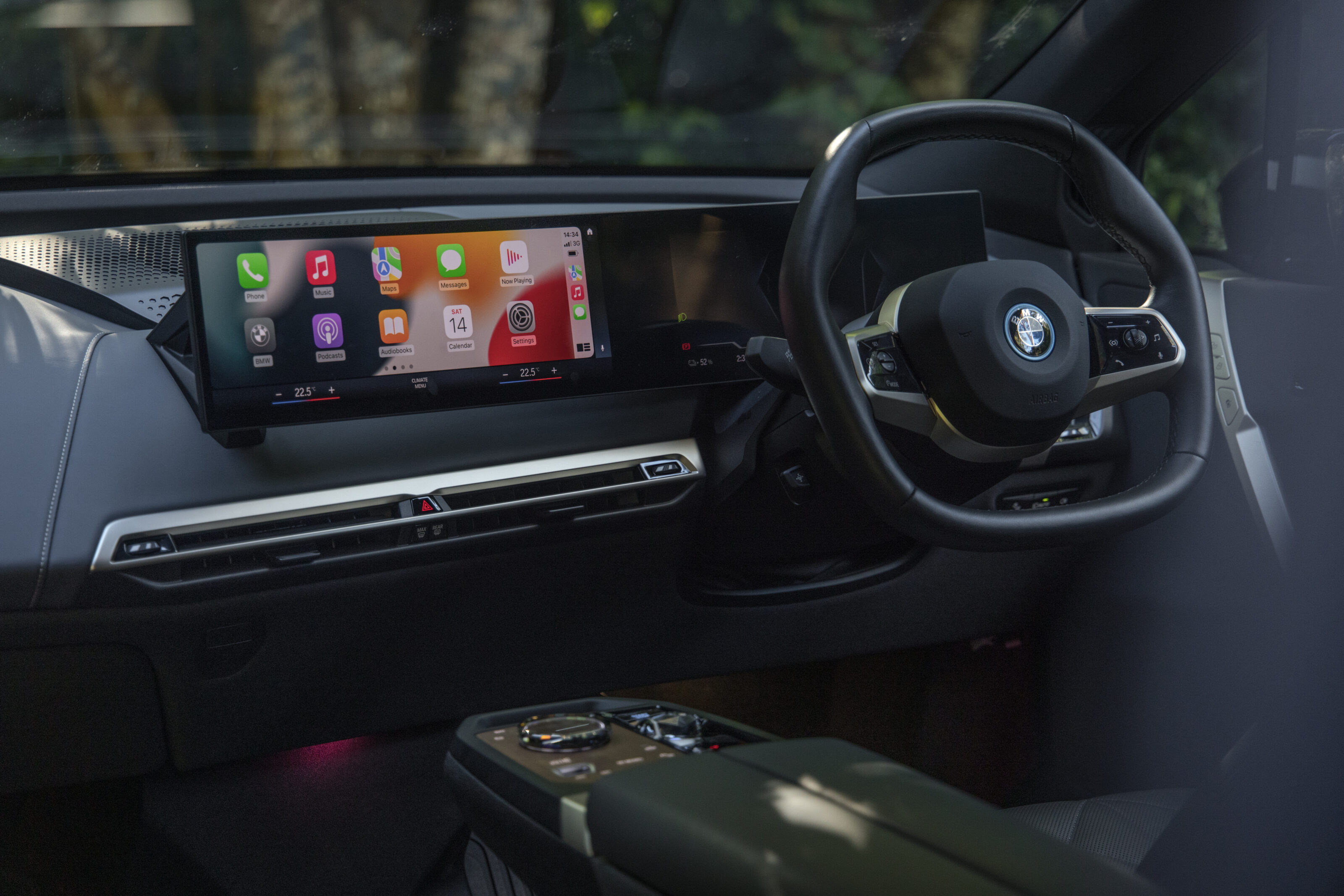
Metallic paint is $2000 which, frankly, is a lot of damn money.
Stepping up to the $141,900 iX xDrive 40 Sport gets you 22-inch alloys, metallic paint, some blacked-out bits, darkened headlight lenses and blue brake calipers.
The 50 is $169,900 before on-road costs with a huge 112kWh battery, 22-inch wheels, laser headlights, active steering, adaptive air suspension, whacky electrochromic sunroof and soft-close doors. It also gets a bump in power and torque to help shift its two-and-a-half tonne kerb weight.
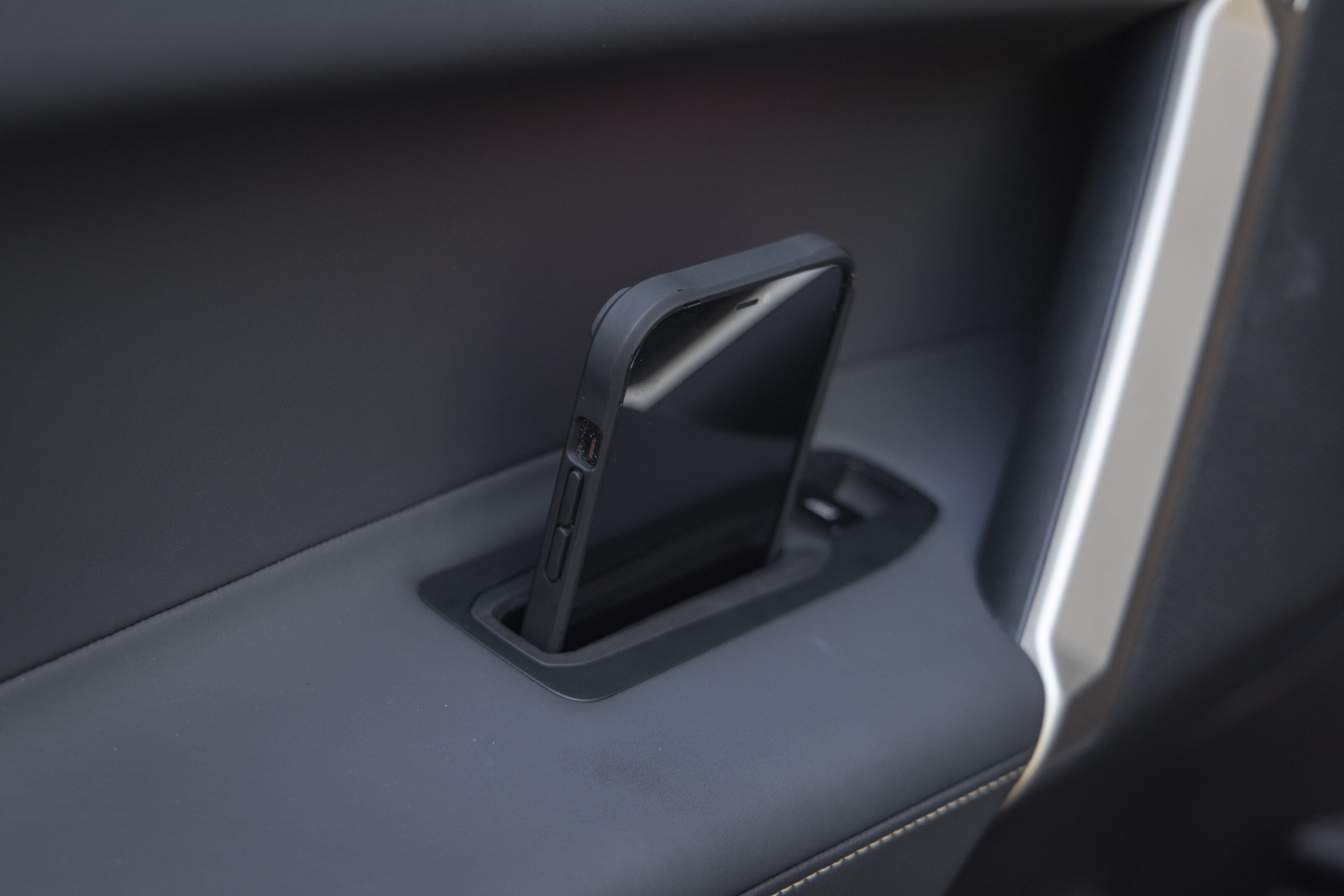
Several packages are available across 40 and 40 Sport variants. For $3500 you get the Comfort Pack with ventilated seats, heated steering wheel and a bunch of heated armrests. Heated surfaces are better for the battery in a cold climate than running the heating.
You can pay $9500 for an Enhancement Pack that adds the awesome laser lights, glass roof with electrochromic tinting and soft-close doors. The car I drove had this added.
And you can pay $8000 for a 30-speaker Bowers and Wilkins stereo and an internal camera. Internal to the car, not you. That wouldn’t be any fun and trust me I know, I have reached that age. The camera looks for people smiling and takes a photo. BMW says it’s not sent to the cloud and you can retrieve it from the car’s own storage via the BMW Connected app.
A five-star ANCAP rating is a direct transfer of the EuroNCAP score, which is part of a long-standing agreement between the two organisations.
The iX comes with six airbags, the usual traction and stability controls, auto emergency braking with pedestrian, cyclist and junction assist, forward collision warning, blind-spot monitoring, lane change and lane-keep assist, front and rear cross-traffic alert, rear AEB, evasive steering assist and speed limit assist.
You also get three top-tether anchors and two ISOFIX points for securing child seats.
Comfort and space
The iX’s interior will surely go down as one of the greats because it looks incredible but also feels incredible. A lot of effort has gone into keeping owners’ delicate fingertips from touching anything as gauche as plastic, with very, very few instances of such a substance.
Fake and real leather swathes the cabin and where it doesn’t go you’ll find metallic finishes, cut crystal-like glass for the iDrive controller and shifter and a wooden panel surround. Only the handbrake and auto-hold buttons are plastic, along with the hidden mechanical releases for the doors (for if there’s a problem with the grab-handle mounted electronic door releases).
Add the optional electrochromic sunroof, which goes from clear to opaque with the touch of a button and it’s really, genuinely special here. The front seats look big and overstuffed but are very comfortable and hold you in nicely. The massage function isn’t terribly exciting but I guess you don’t want it getting too frisky.
The iX’s interior will surely go down as one of the greats because it looks incredible but also feels incredible.
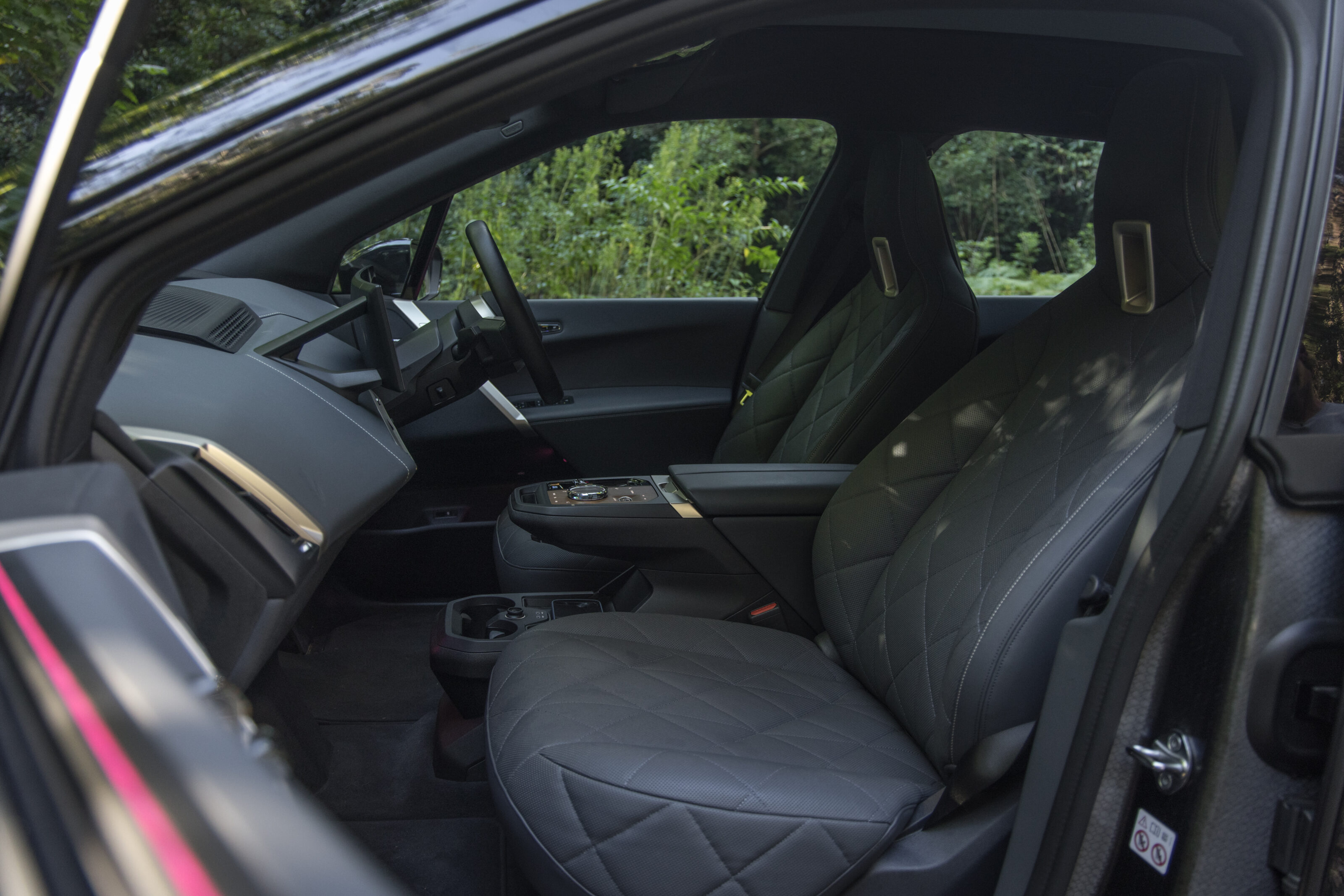
To go with the wireless phone charging, attached to the front of the floating console are two 12-volt and two USB-C sockets in the front, two cup holders and giant bottle holders in each door.
In the rear, you have a gigantic amount of space that is made more enjoyable by lots of glass and therefore lots of light. You have two USB-C ports in the back of each front seat, your own climate controls (the Sport and 50 have dual-zone in the rear) and cup holders in the centre armrest.
If this sort of thing bothers you, the glass in the rear doors only goes down to about halfway. I know that irritates some people, so you’ve been warned.
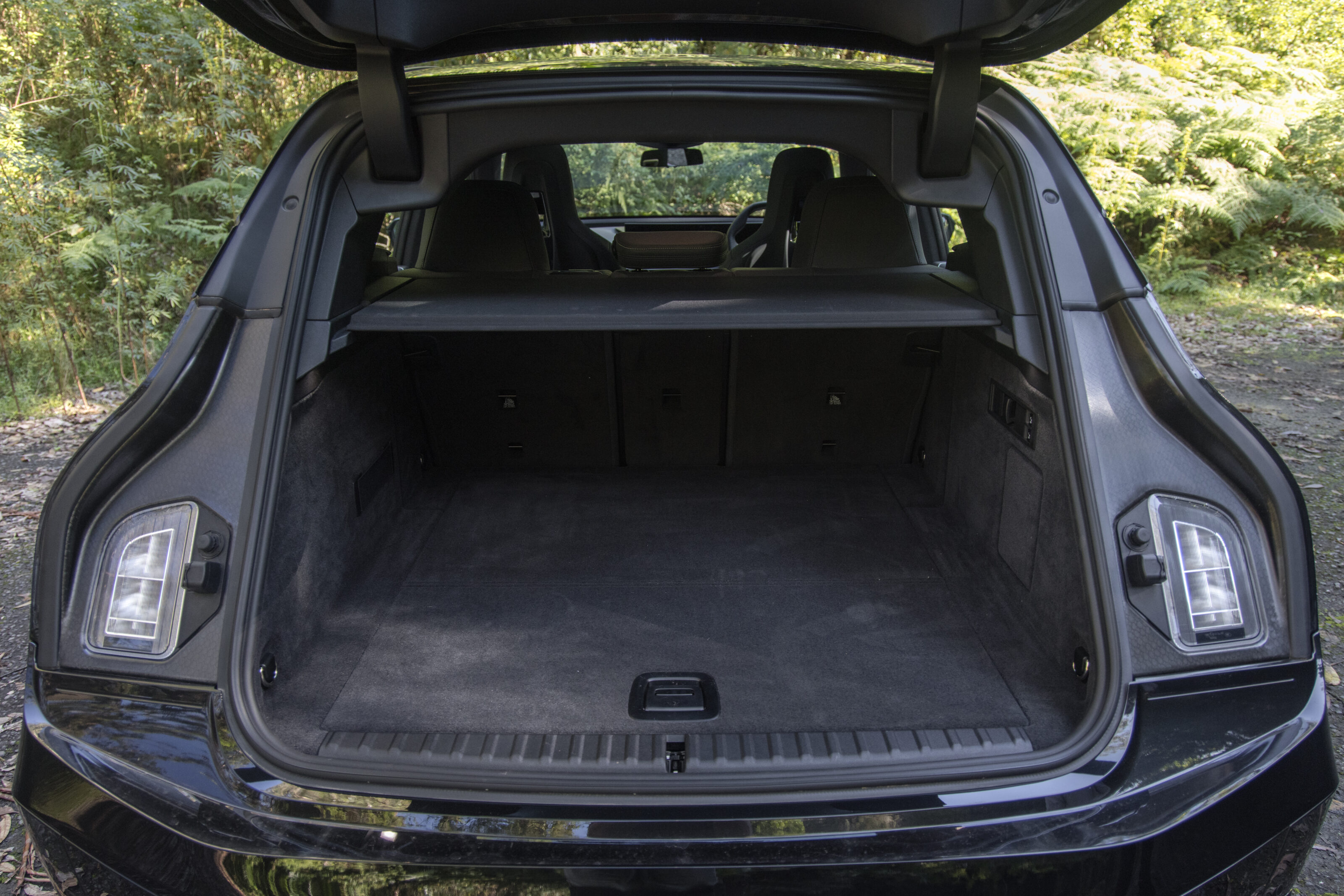
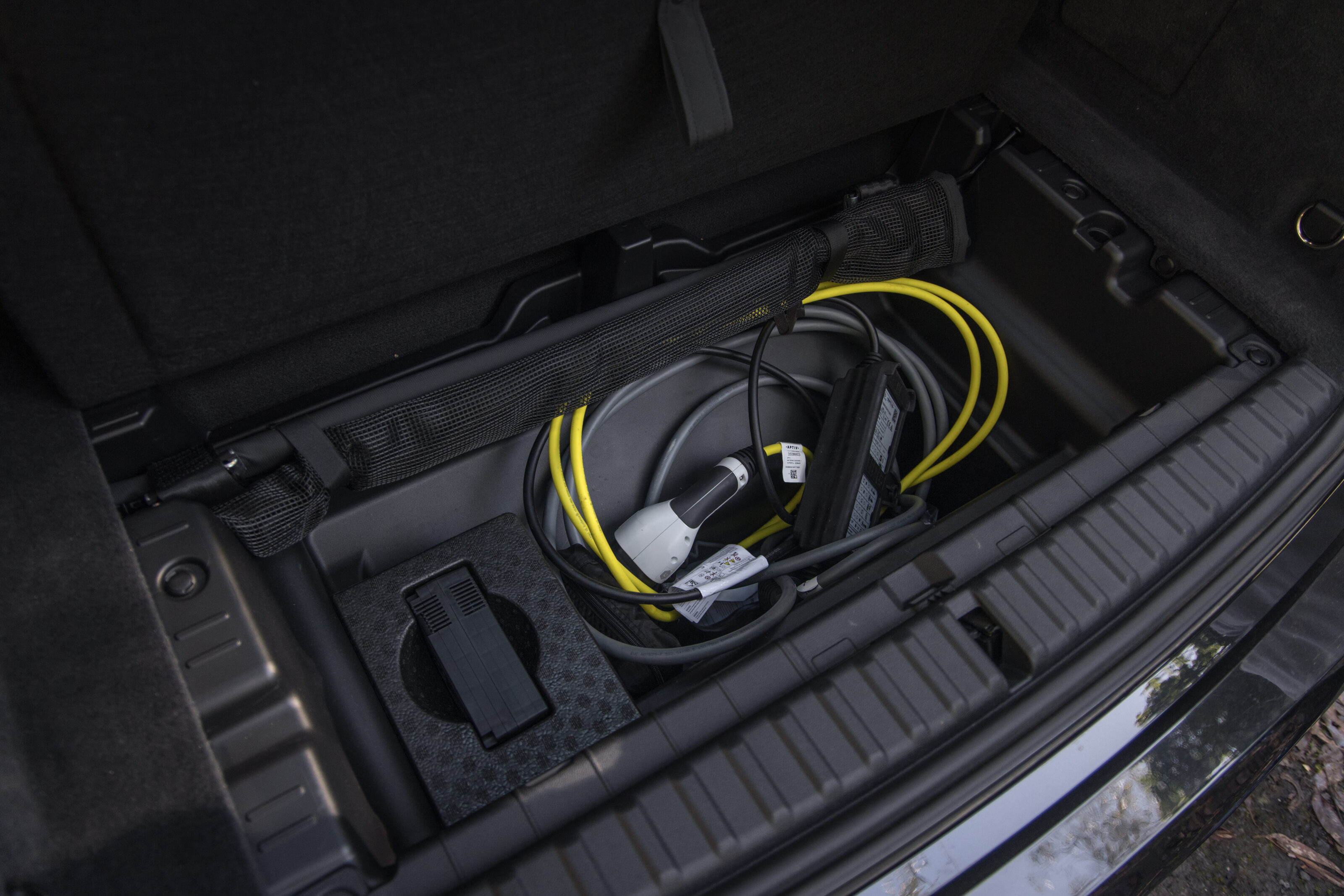
The BMW iX’s boot space comes in at 500 litres. Occupant space has obviously been the priority here given the limo-like rear seat and some have complained that 500L isn’t much for a car this size. Fair enough. Folding the 40:20:40 split-fold bench triples the space to 1750 litres. Under the boot floor is a great spot for your charging cables and there is also a cargo net stored there.
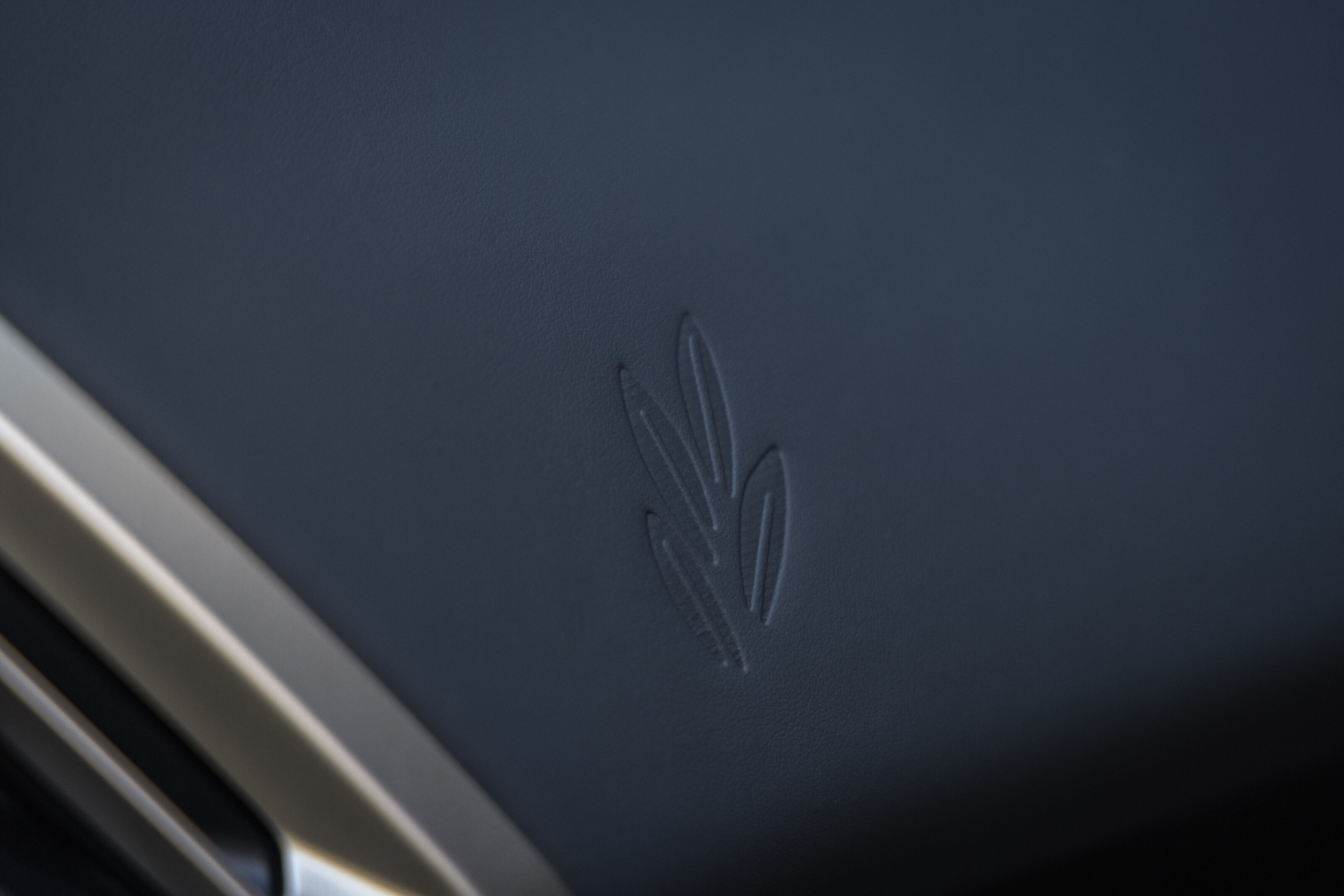
As part of BMW’s commitment to sustainability, the leather is tanned with olive leaves (and there’s an olive leaf motif in the dash in front of the passenger), 60kg of the plastics are recycled, large amounts of the battery’s metals are in what BMW calls “second use” (upcycled, I guess) and the floor mats are made of recycled fishing nets.
It’s not a lot, but it’s a start and there’s none of this stupid “the car has an NFT to track the materials from cradle to grave” which is incredible nonsense when a simple database can do the same thing without a massive carbon footprint.
BMW has not yet succumbed to the blockchain bros and hopefully it never does. Yes, I may have just read the Wheels review of the Alfa Romeo Tonale and no, I am not cranky about the NFT thing, I’m furious.
Battery and charging
The 77kWh battery pack underneath the iX 40 has a range of 420km on the WLTP cycle from its 71kWh of useable capacity. Charging at home is going to be slow, from around 2kW through to 11kW if you have three-phase power and the right wallbox.
When you head to a fast-charging station, the iX 40 will charge at up to 150kW and add about 95km of range in ten minutes as long as you have at least ten per cent of charge and the charger is giving you full beans, which they rarely do.
By comparison, the iX 50 comes with a gigantic 112kWh battery for a range of up to 620km. You can charge faster with this one at up to 200kW. It’s not the fastest available but, in practical terms, you’ll have trouble finding a charging station to offer that kind of grunt.
BMW gives you a five-year Chargefox subscription for unlimited charging, so it’s worth finding out where your nearest station is. And when they’re planning on fixing it.
On the road
The iX 40 might be the entry-level car but it’s got two electric motors punching out 240kW and 630Nm through a single-speed transmission.
Like the iX3, the motors are of the current-excited synchronous variety, which means they don’t have any magnets, so no rare metals were dragged out of the ground to make them. The battery is still full of them though, but you can’t have everything.
Stepping up to the iX 50, you get a massive 385kW of power and 765Nm of torque. That cuts 1.5 seconds off the iX40’s 6.1-second 0-100km/h time for a rapid 4.6 seconds.
Pity it isn’t 500kg lighter; this thing would really shift.
The official power consumption figure for the 40 is 22.5kWh/100km while the 50 slurps electrons slightly faster at 23kWh/100km.
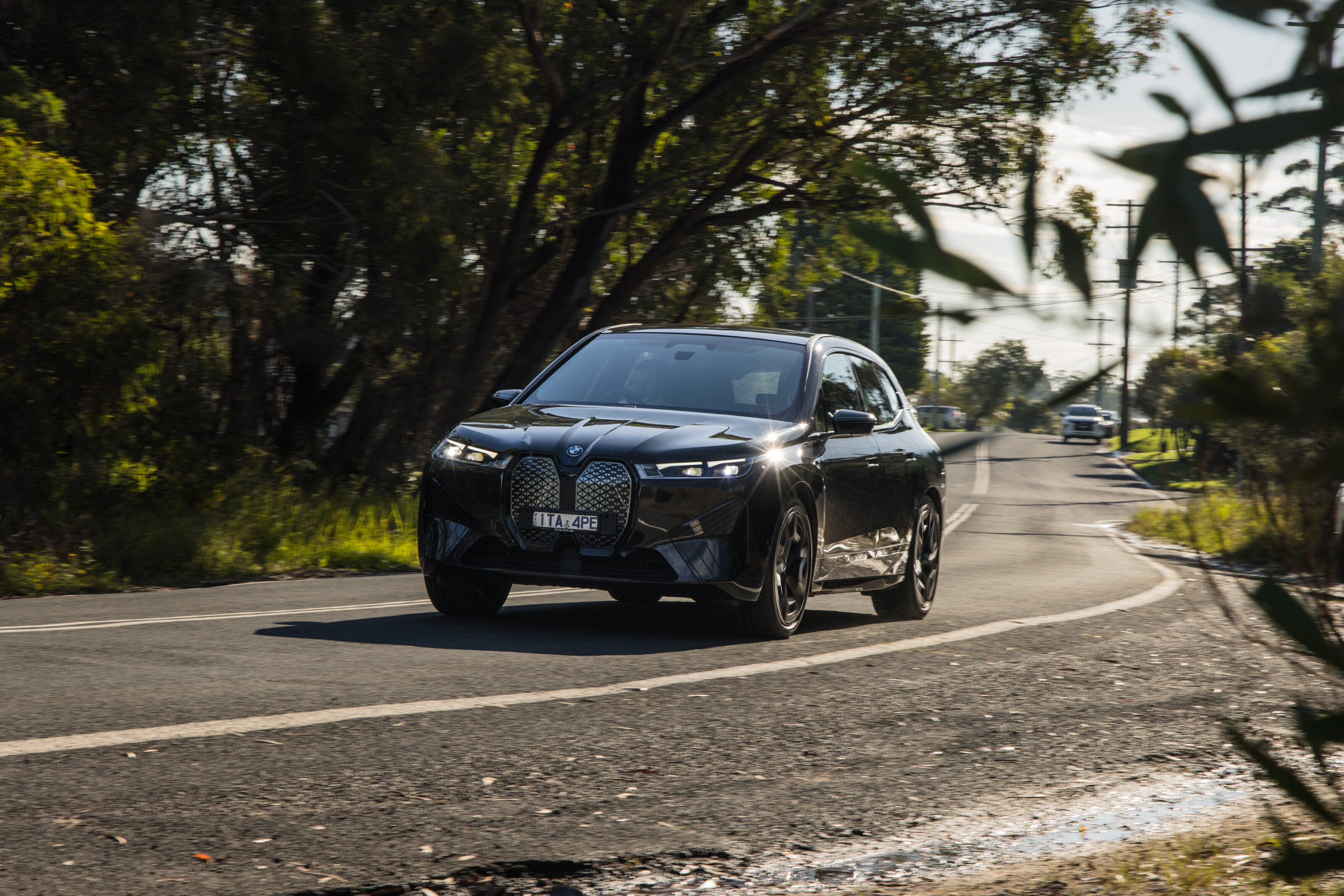
I had the mid-spec iX40 Sport for a week that, given I live in Sydney, was mostly wet. The day we shot the video was one of the very few days we’ve had where it wasn’t chucking it down all day.
Even though the weather has made me grumble a lot, it’s very good for assessing a car’s overall capability.
This car is unlike anything else in the current BMW range. It does use a lot of CLAR bits and pieces (CLAR is BMW’s rear-wheel drive cluster architecture) but is not like the i4 or iX3, which are clearly ICE cars with EV bits swapped in.
Like the i3 city car before it, the iX has a mix of aluminium and carbonfibre (with some high-strength steel) for the body and shell as well as composite panels. The car is not based on BMW’s dedicated EV platform known as Neue Klasse.
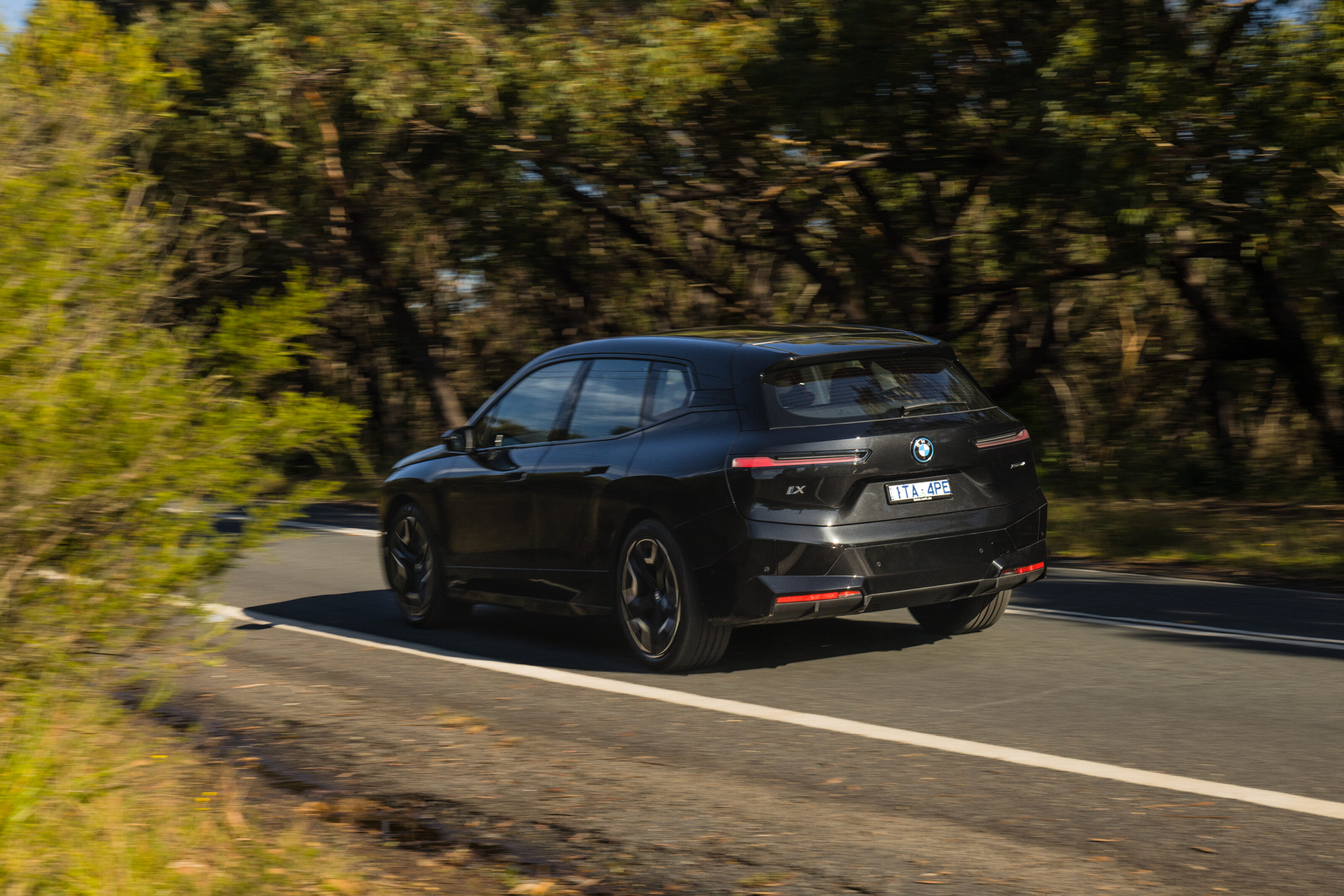
The iX is basically unflappable. Despite dragging nearly 2500kg around on its big 22-inch wheels, it’s only in specific circumstances you’ll find the ride getting messy and even then, it’s just something you notice rather than something that will irritate you.
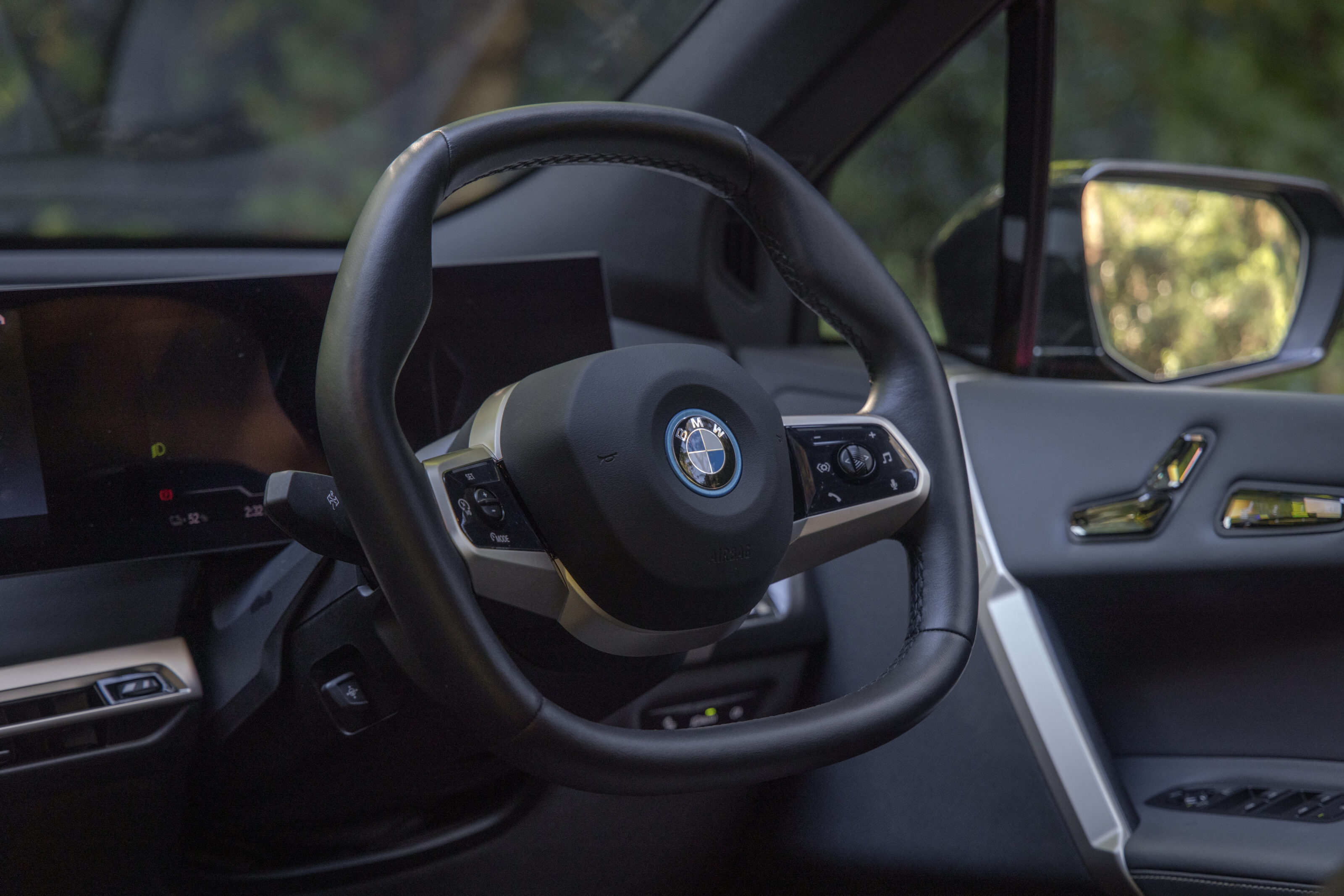
Steering weight is perhaps a little lighter than I’m used to in a BMW (and the hexagonal steering wheel is annoying) but in the city, that doesn’t really matter.
You get enough info from the Pirellis and the road to know what’s going on and that BMW feeling of being firmly planted on terra firma is present and correct but without a feeling of excessive heft.
The iX is basically unflappable.
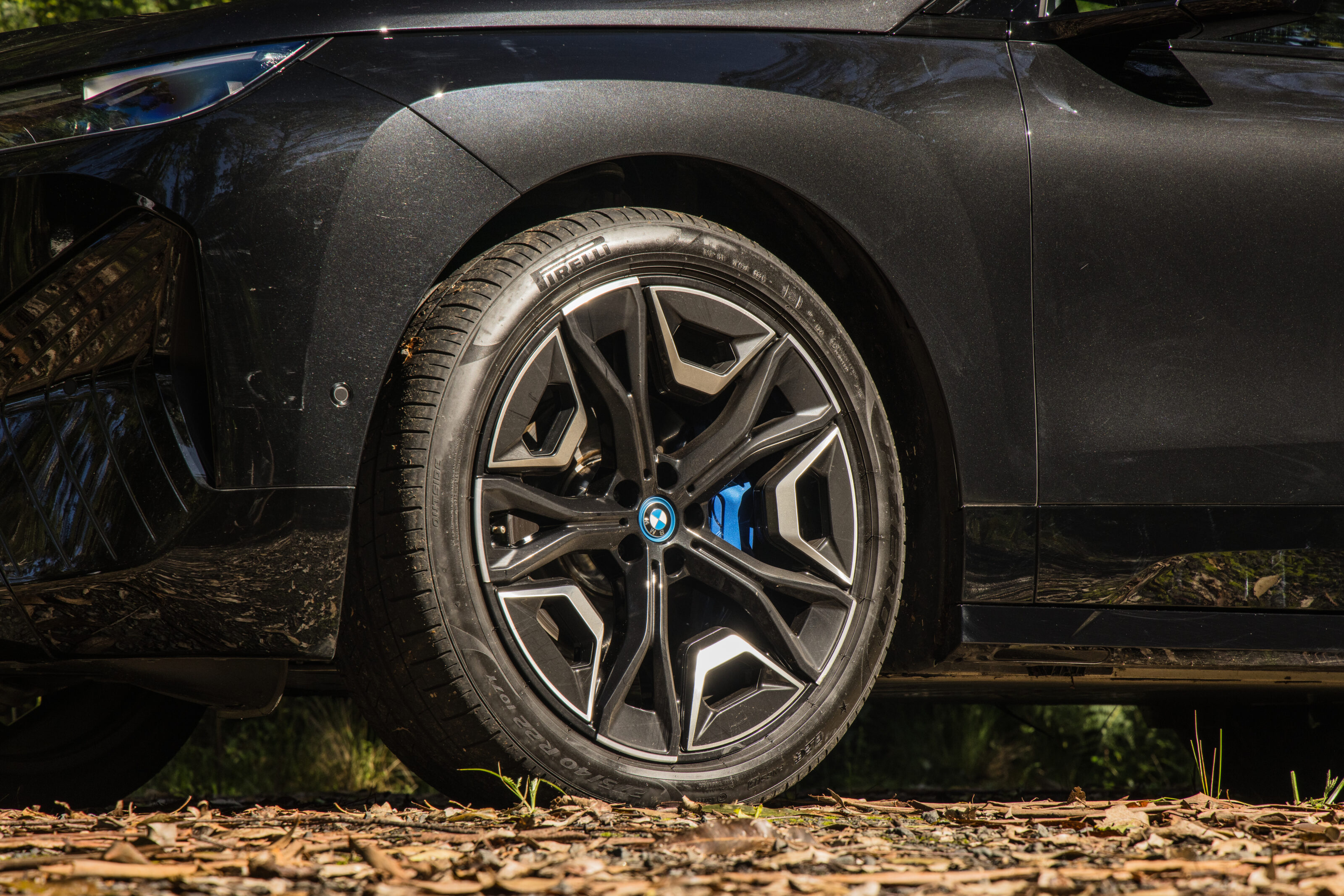
It’s extremely quiet both in town and at a cruise, no doubt plenty of that weight going to thicker glass and lashings of sound deadening to reduce the invasion of noise into the lovely cabin.
It’s a brilliant place to spend time, the comfort of the seats never running thin. And even the “basic” stereo is excellent.
While the iX gets decently close to its 420km WLTP in real-world driving, it’s that basic figure that has me wrinkling my nose. To really hammer home the car’s advantage over its obvious rivals – Audi e-Tron, the COTY-winning Mercedes EQC and Jaguar i-Pace – the range really needs to be another fifty or sixty kilometres, or another five to ten kWh of battery capacity.
BMW does a better job of getting you close to the stated range than some cars costing around half the price (looking at you Polestar and Volvo) and some cars costing rather more, so I guess that’s where the company has settled.
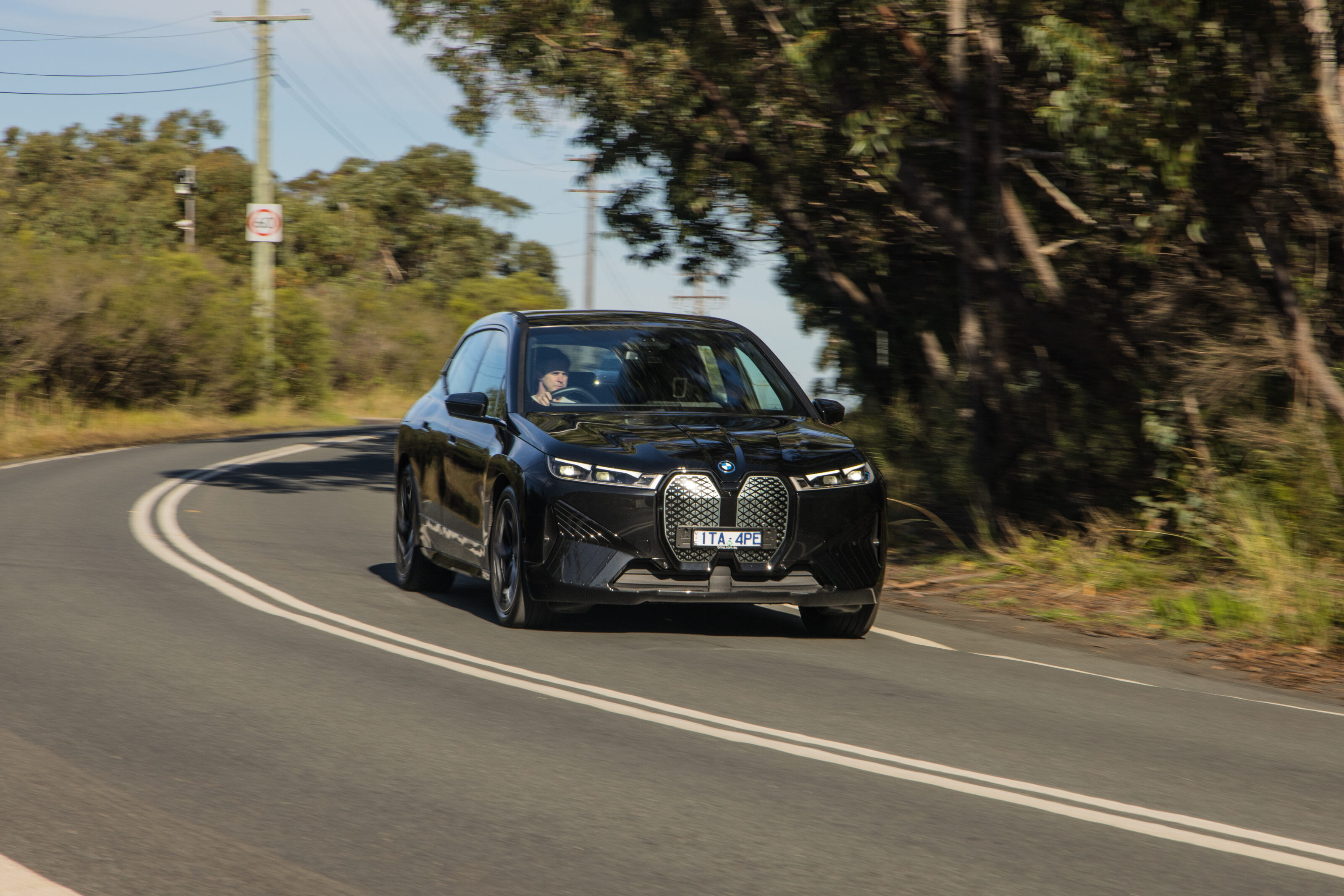
BMW does a better job of getting you close to the stated driving range than some cars costing around half the price.
Ownership
BMW persists with a three-year, unlimited-kilometre warranty, which really sticks in my craw considering all of its immediate rivals have moved to five years, long after the bulk of the industry had also moved there.
The battery warranty is competitive at eight years/160,000km, which is competitive with the rest of the EV landscape, so there’s at least some progress there.
A five-year Chargefox subscription to that company’s fast-charging network is free, meaning you could (technically) never pay for fuel again.
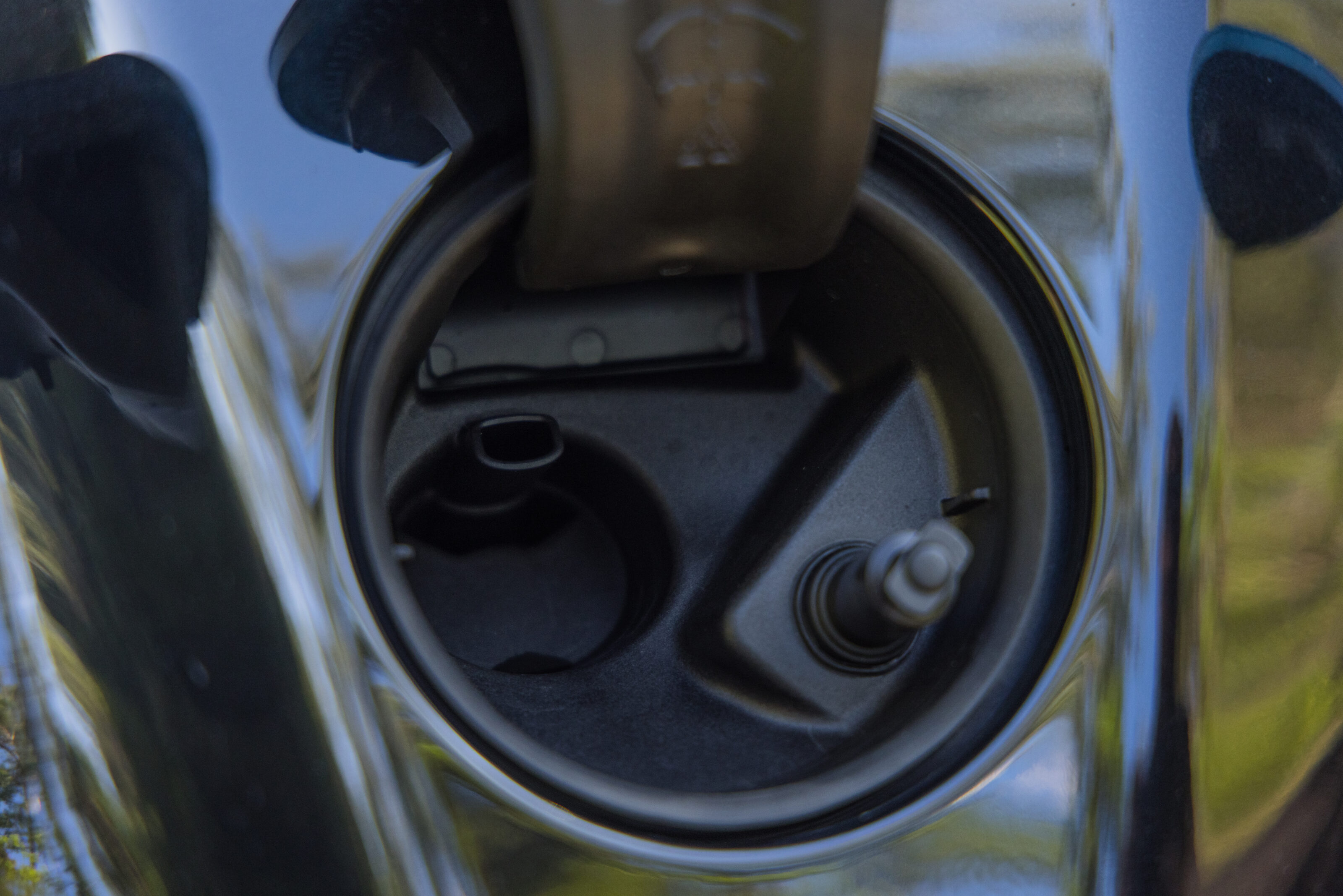
There are caveats and at the time of writing, the network is not only patchy (large slabs of government money are on the way to expand it) but many of the 350kW charging stations are broken, which is a supplier problem rather than a Chargefox problem.
You can pre-pay your servicing for four years at a cost of $1520 and six years for $2195. BMW servicing is “condition-based” but it’s likely you’ll be visiting a dealer every 12 months at worst.
I know this upsets some of the more zealous elements of a certain brand, but I’m a fan of a big complicated box – one that carries around my family and friends – getting a regular once-over.
VERDICT
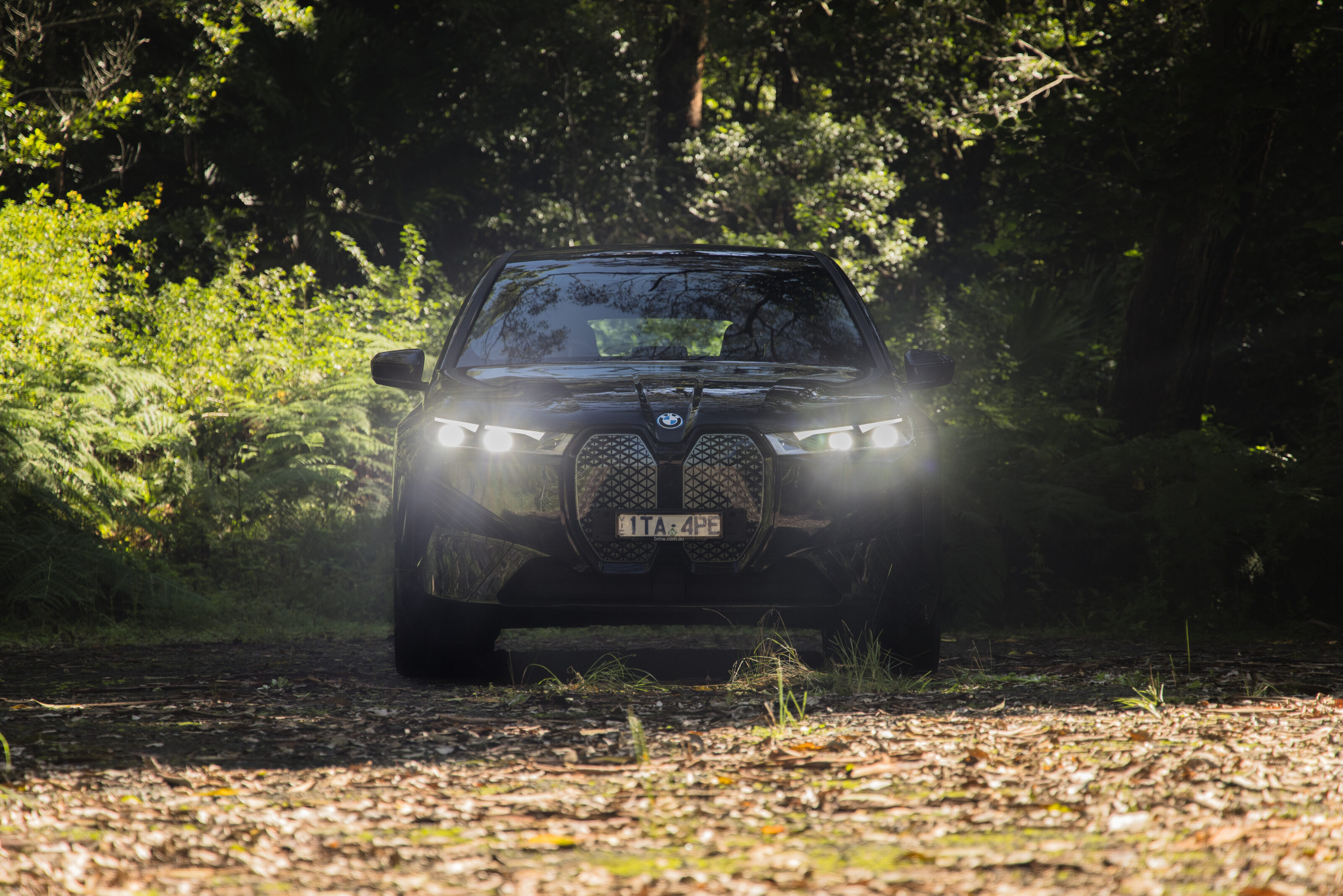
For a car essentially cobbled together from different philosophies, the iX is excellent and feels like it’s all of a piece.
In 40 spec it’s definitely skewed in the general direction of comfort while maintaining plenty of BMW’s trademark sportiness, roadholding and grip. It’s certainly quick enough and it’s a genuinely excellent car, which you should expect given the badge.
Warranty and a slightly disappointing range (for the money) aside, the iX is a bit of a triumph. Striking on the outside, beautiful on the inside, it brings the same sort of sensibility to the SUV that Audi did with the Q8. Stacks of interior space for five people, commanding road presence and in the case of the BMW, a brilliant EV drivetrain.
The iX points to the future of electrified BMWs. If a car pulled together from a lot of different bits makes this good a whole – and it’s not at all obvious unless you do a lot of research – then Neue Klasse EVs from Munich are going to be something to behold.
Related video
Snapshot
- All-electric Blazer SS to launch in North America next year
- New Blazer has become GM’s first EV to adopt SS badges
- Blazer crossover has previously been ruled out for Australia
UPDATE, June 14, 2022: Chevrolet Blazer becomes GM’s first SS EV
The 2023 Chevrolet Blazer SS has been revealed, becoming the first General Motors electric vehicle to wear the SS (or Super Sport) badge.
Having previously been fitted to the General’s hot Holdens, the SS trim looks to now be adopted by EVs, with the new all-electric Chevrolet Blazer taking the honours as the first model to do so.
GM CEO Mary Barra shared the first full exterior shot of the Blazer online, confirming more details will come later next month.
Styling cues for the Blazer SS come not only from its combustion-engined counterpart, but also the recently-revealed Silverado EV – Chevy’s fully-electric pick-up truck.
Unfortunately, for any Australians who might be interested in a new SS on their driveways, Chevrolet has previously ruled out any chance of offering the Blazer in the local market – with the V8 Silverado and the C8 Corvette standing as the brand’s only model on sale (more on the pick-up below).
The story to here
March 10, 2022: Chevrolet Blazer electric to become first ‘SS’ EV
The upcoming fully-electric Chevrolet Blazer EV will become the first Chevy electric vehicle to use the SS name, with new teasers hinting at a performance variant.
Affixed to all of Chevy’s performance-focused variants – as well as fastest versions of Holden Commodores and Toranas through the years – the SS nameplate’s inclusion on the Blazer EV crossover shows the manufacturer isn’t afraid to use its history to push future products.
The short teaser video doesn’t show us much, other than an illuminated charging port located behind the front quarter panel in addition to the SS logo on the car’s wheels.
The Blazer EV will launch next year around the North American fall, although don’t expect it to come to Australia given GM’s withdrawal from right-hand drive markets.
Currently, the only GM vehicles on sale in Australia are the Chevrolet Silverado and Corvette – both of which are imported by General Motors Special Vehicles, a company which likely won’t want to go up against the established competitors in the crossover SUV game.
The Blazer EV is a part of Chevrolet’s latest electrification strategy, having already announced the launch of its GMC Hummer EV and Silverado EV, both of which utilise the company’s Ultium battery.
