
COTY day one. While the judges pored over each car, familiarising, discussing, prodding trim and looking in engine bays, there was something perhaps a little more stimulating to watch happening a couple of kilometres away.
A black Mercedes-Benz S450L waits on a long, empty strip of tarmac, before its rear tyres chirp, its rear squats, and the limo from Stuttgart makes its way north of 120km/h before the anchors drop, and its ABS sees it standing still again in a matter of seconds.
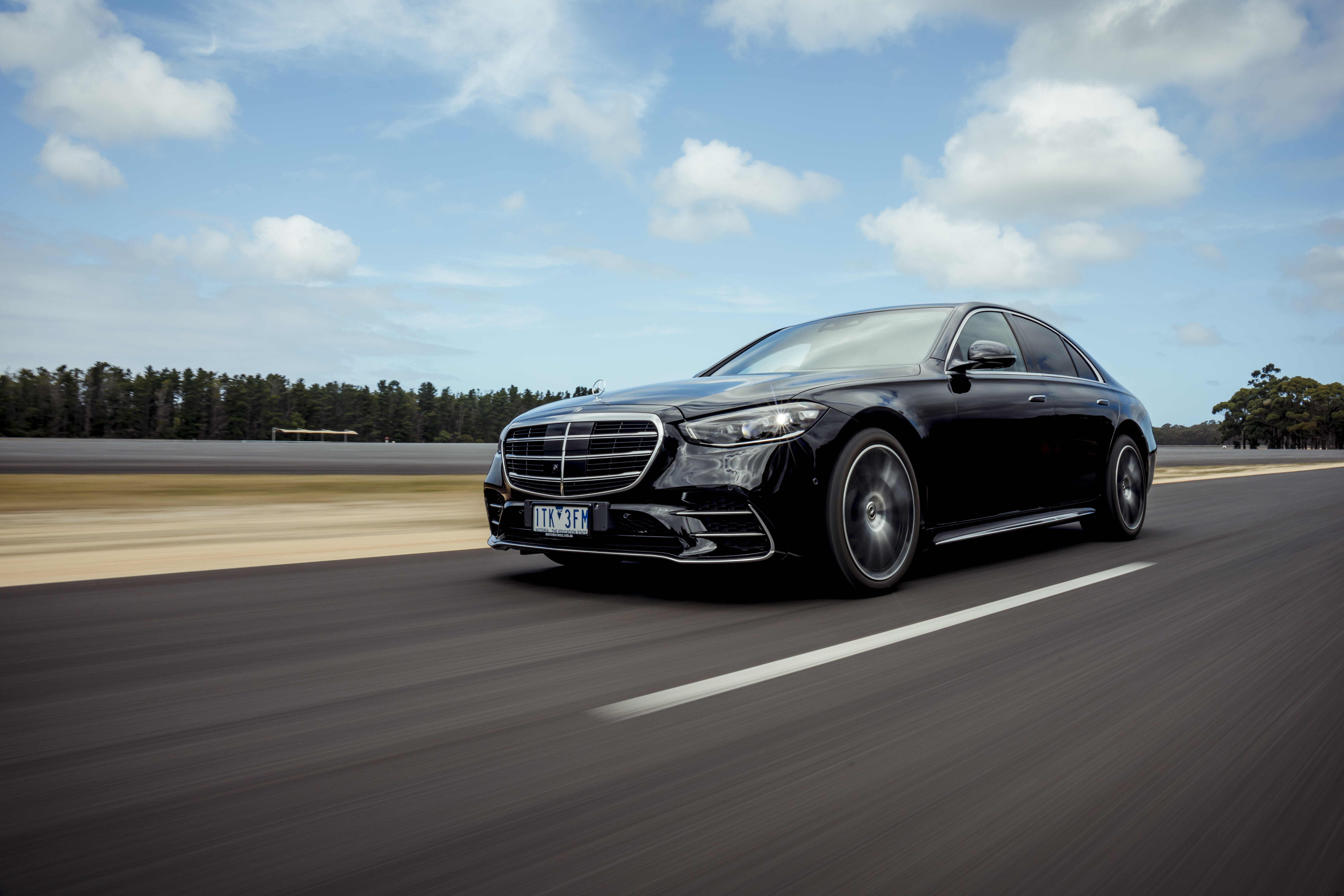
Data collection for Car of the Year is equal parts fun, frantic, and daunting. Louis Cordony and I found ourselves in charge of data for COTY 2022, while the rest of our support team helped photographers and video team keep cars clean for capture.
Braking, cabin noise, weights, and as you’ll read below, acceleration were the primary metrics we focused on, though we even checked the actual speed at an indicated 100km/h for the field.
But what made it to 100k/h first, you ask? It might not surprise you to find it’s the…
Porsche Taycan 4S Cross Turismo – 4.2s to 100km/h
The electric wagon makes it to within a tenth of its claimed 0-100km/h time, 4.1s, and to make sure we went back and launched the Taycan to 100 four more times. Each time, it returned the exact same 4.2s.
When you spend $250,000 (as tested), you’d want to know that 420kW and 650Nm is actually working for you.
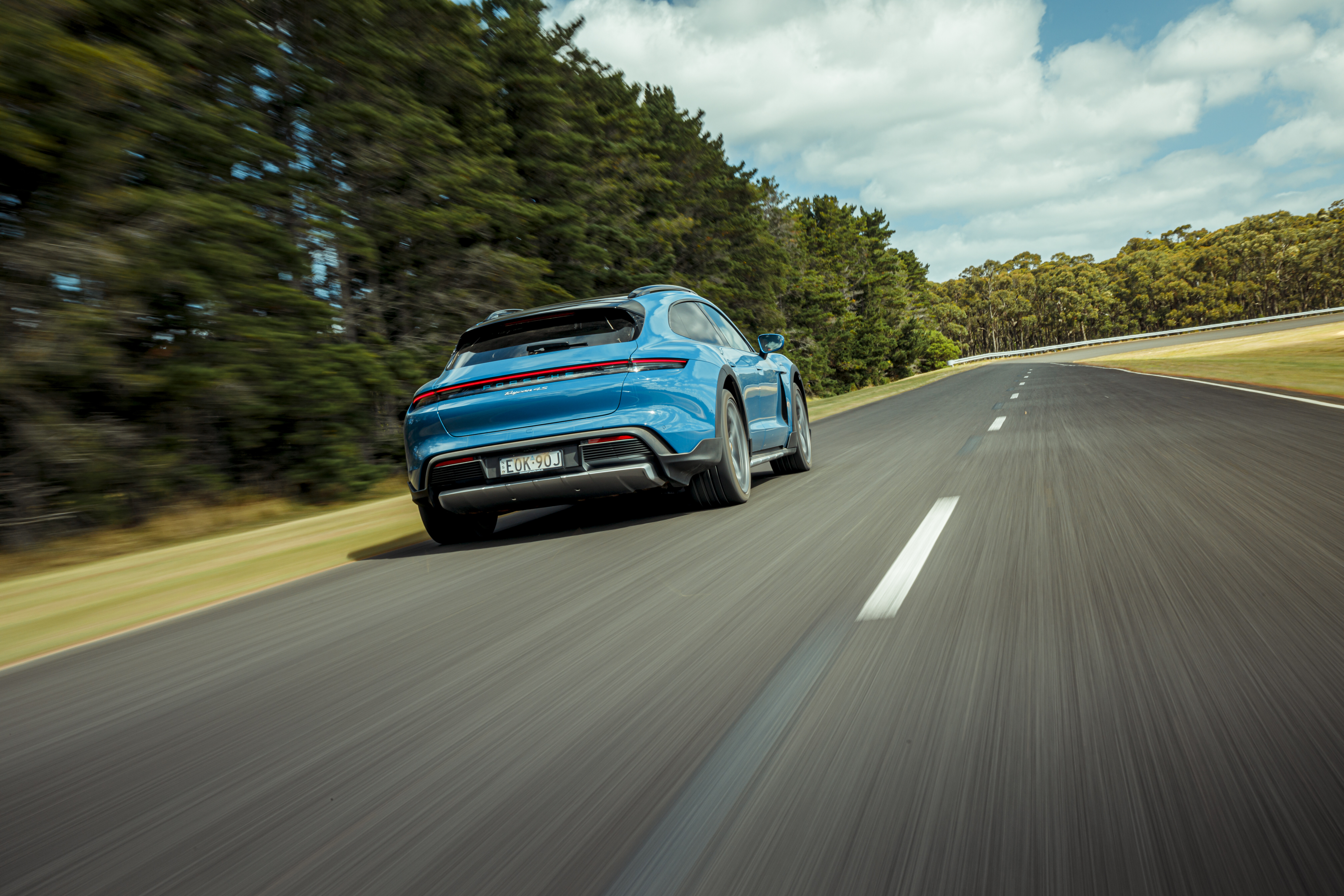
It says something about the ease with which EVs can be driven that consistent acceleration was rampant in the electric contenders in the COTY field, but the Taycan showed it best. Each run it hit every 10km/h marker within the same tenth. To 120? 5.7 seconds.
Kia EV6 GT-Line AWD – 5.09s
That’s right, the car that takes home the trophy isn’t the quickest, but it is pretty bloody quick. While it’s almost a second slower than the Porsche, the long-range version’s near-5sec sprint to 100km/h is still sports car territory. Our testing beat its claimed 5.2s time.
Its 239kW and 605Nm are both impressive, though the torque and how immediate it is are the reasons we see the EV6 here, as with many high-energy EVs.
Hyundai Ioniq 5 – 5.29s
A little slower, and only a little behind the EV6 in our overall ranking, the Ioniq 5 is, in a lot of ways almost as good as its Kia cousin. But two tenths, to most humans, isn’t really noticeable in a day-to-day, and we can’t imagine there are many who will be noticing the difference.
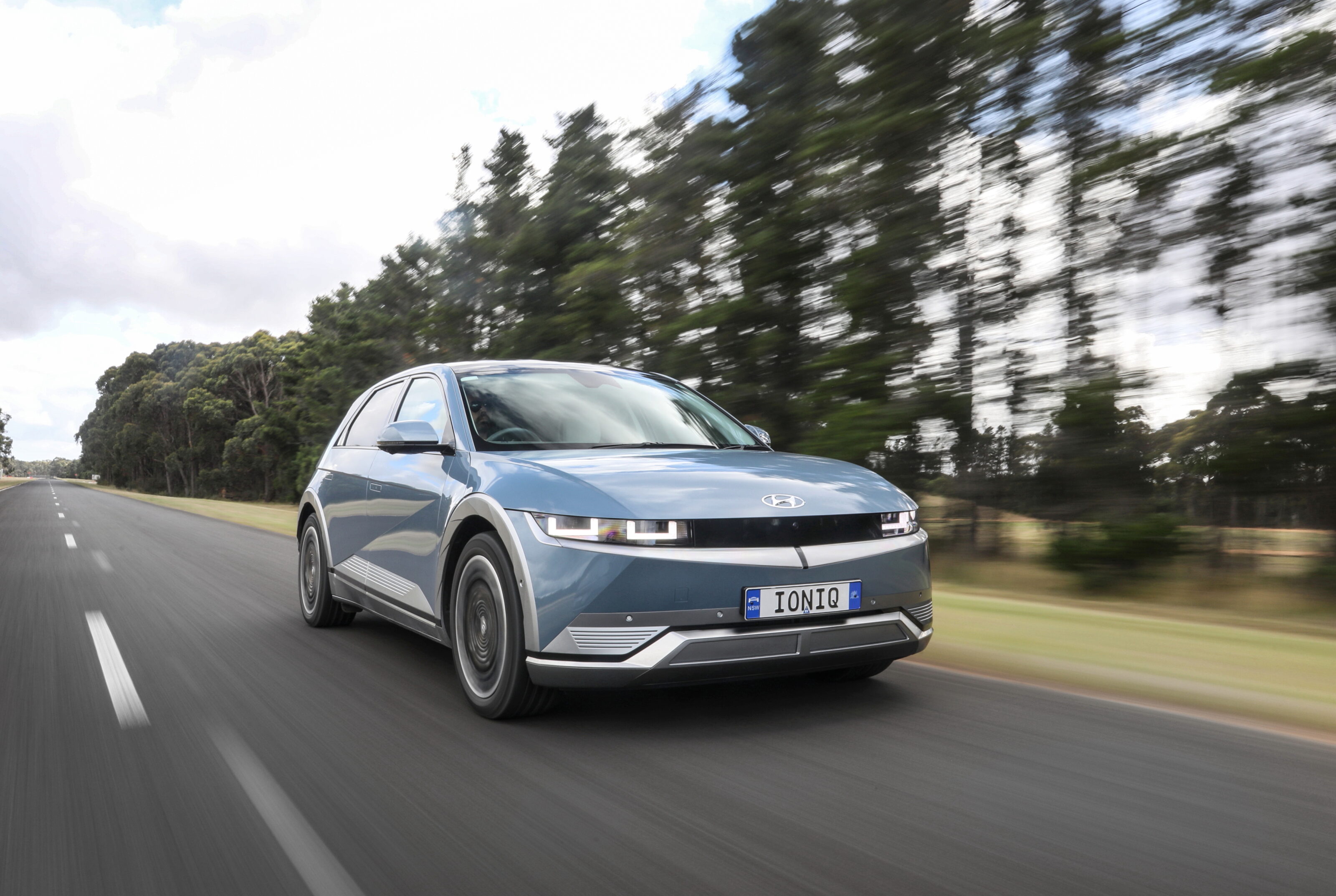
If you look at the EV6’s outputs, the Ioniq is only a little bit down on power, 225kW vs 239kW, and matches the EV6’s torque.
After the podium, we find the hefty-but-plush S-Class and the mid-sized SUV from Genesis, the GV70, only a tenth apart from each other, both weighing in at over two tonnes, both powered by turbo V6s, and both with all-wheel drive. Despite the body shapes, sometimes similar ingredients get similar results.
Down the back of the pack, we find no surprises in the cars that aren’t really meant to go fast. The Outback and Palisade, 9.4 and 9.3 seconds to 100km/h respectively, are built to be comfortable on long trips with a few people inside, and the MX-30, 9.2s, while an EV, is a relatively low-range, low-powered (107kW/271Nm) city SUV and doesn’t quite have the highway punch of those from South Korea.
Below is the full table, with 0-100km/h and 0-120km/h times, ranked by their time to 100, with a column to rank their times to 120.
| Make | 0-100km/h (seconds) | 0-120 km/h (seconds) | 120km/h rank |
|---|---|---|---|
| Porsche Taycan | 4.2 | 5.7 | 1 |
| Kia EV6 | 5.09 | 6.97 | 2 |
| Hyundai Ioniq 5 | 5.29 | 7.22 | 3 |
| Mercedes S450L | 5.6 | 7.5 | 4 |
| Genesis GV70 | 5.7 | 7.7 | 5 |
| Mercedes C300 | 6.04 | 8.11 | 6 |
| BMW iX | 6.06 | 8.32 | 7 |
| Subaru BRZ | 6.9 | 9.1 | 8 |
| Hyundai i20 N | 7.24 | 9.44 | 9 |
| Lexus NX | 7.4 | 9.8 | 10 |
| Polestar 2 | 7.5 | 10.2 | 11 |
| Toyota LandCruiser | 7.78 | 10.54 | 12 |
| Volkswagen Golf | 8.2 | 11.5 | 15 |
| Honda Civic | 8.24 | 10.93 | 13 |
| Kia Sportage | 8.26 | 11.48 | 14 |
| Hyundai Tucson | 8.51 | 11.72 | 16 |
| Skoda Octavia | 8.8 | 12.2 | 17 |
| Kia Carnival | 9.2 | 12.8 | 19 |
| Mazda MX-30 | 9.3 | 13.2 | 21 |
| Hyundai Palisade | 9.32 | 13.12 | 20 |
| Subaru Outback | 9.42 | 12.72 | 18 |
Snapshot
- New BMW S68 debuts in X7 M60i
- 4.4-litre twin-turbo V8 develops 390kW and 750Nm
- Expected to be used across BMW’s M range in the future
BMW has quietly introduced a new V8 engine to its range, as the S68 comes in to replace the aging N63 and S63.
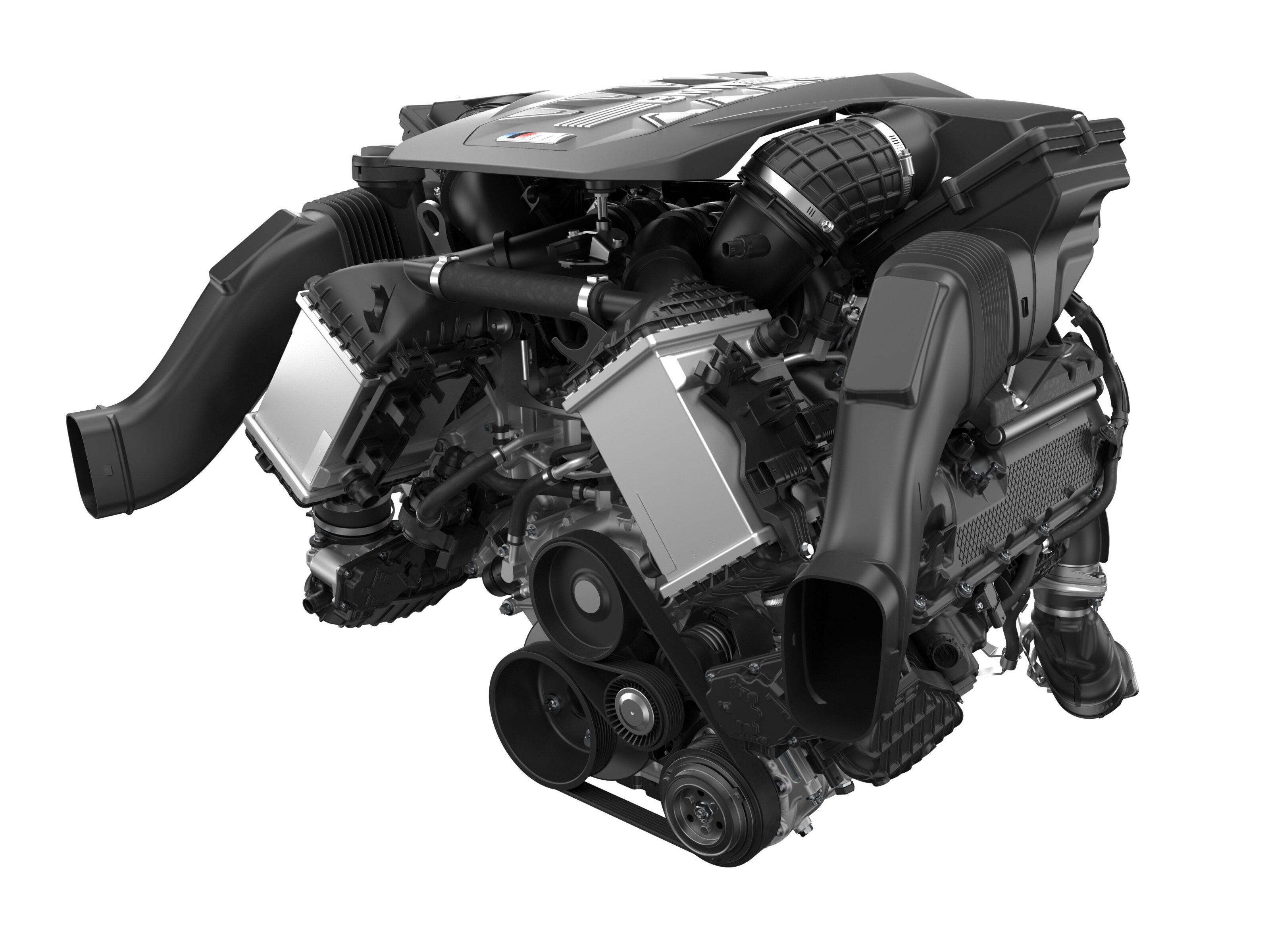
Making its debut in the new X7 M60i, the S68 is a 4.4-litre, twin-turbocharged V8, pushing out 390kW and 750Nm in the SUV while making use of BMW’s revolutionary hot-vee design with both turbos nestled in the middle of the two cylinder banks.
Despite sharing the same displacement, basic design and outputs of the outgoing N63 which was used in the previous X7’s xDrive50i grade, the S68 is a totally new engine, featuring a cross-bank exhaust manifold, banksymmetrical turbochargers and external engine oil cooling – as well as a reinforced crankshaft drive, revised turbochargers, a new oil pump and a weight-minimised oil sump.
As opposed to the rest of BMW’s hybrid model line-up, which use 48-volt mild-hybrid motors attached to the crankshaft, the S68’s hybrid power comes from an electric motor mounted in the vehicle’s eight-speed Steptronic Sport transmission, making its debut in the new X7 with up to 9kW and 200Nm of assistance.
BMW says the new V8 unit and its mild-hybrid package can help the X7 to acheive the 0-100km/h sprint in 4.7 seconds – not bad for an SUV with a kerb weight of just under 2.5 tonnes.
On the WLTP cycle, the S68-powered X7 returned a fuel consumption reading of 12.2-13.3 litres per 100 kilometres, with its CO2 emissions of 278-303 grams per kilometre ensuring it complies with Euro 6d emissions regulations.
While we can expect to see the S68 under the bonnet of BMW’s next-generation M Division cars, the upcoming Range Rover and Range Rover Sport have to make do with the older N63 engine.
With an expanding array of global accolades being notched into its belt, the Ioniq 5 looked strong on the pre-event form guide.
And its fortunes only became stronger, on merit of performance, once COTY got underway. Its landmark status, for spearheading the electric Ioniq sub-brand and as the first model spun off its maker’s dedicated E-GMP platform, brought ample COTY equity, in terms of both innovation and technology. It’s an originator, set to spurn, at most recent count, some 17 new models across the Hyundai/Genesis fold by 2030 at an estimated investment of A$22 billion.
Then there’s Ioniq 5’s inimitable design, one that’s as commanding as it is utterly distinctive. Brave and downright ballsy, though, was Hyundai’s decision to prescribe an oversized hatchback form, rather than a safer and oh-so-predictable SUV-cum-crossover proposition. The Ioniq 5’s deftly executed sense of adventure, bringing something that feels genuinely fresh and distinctly different to the motoring landscape, wasn’t lost on COTY’s judging panel.
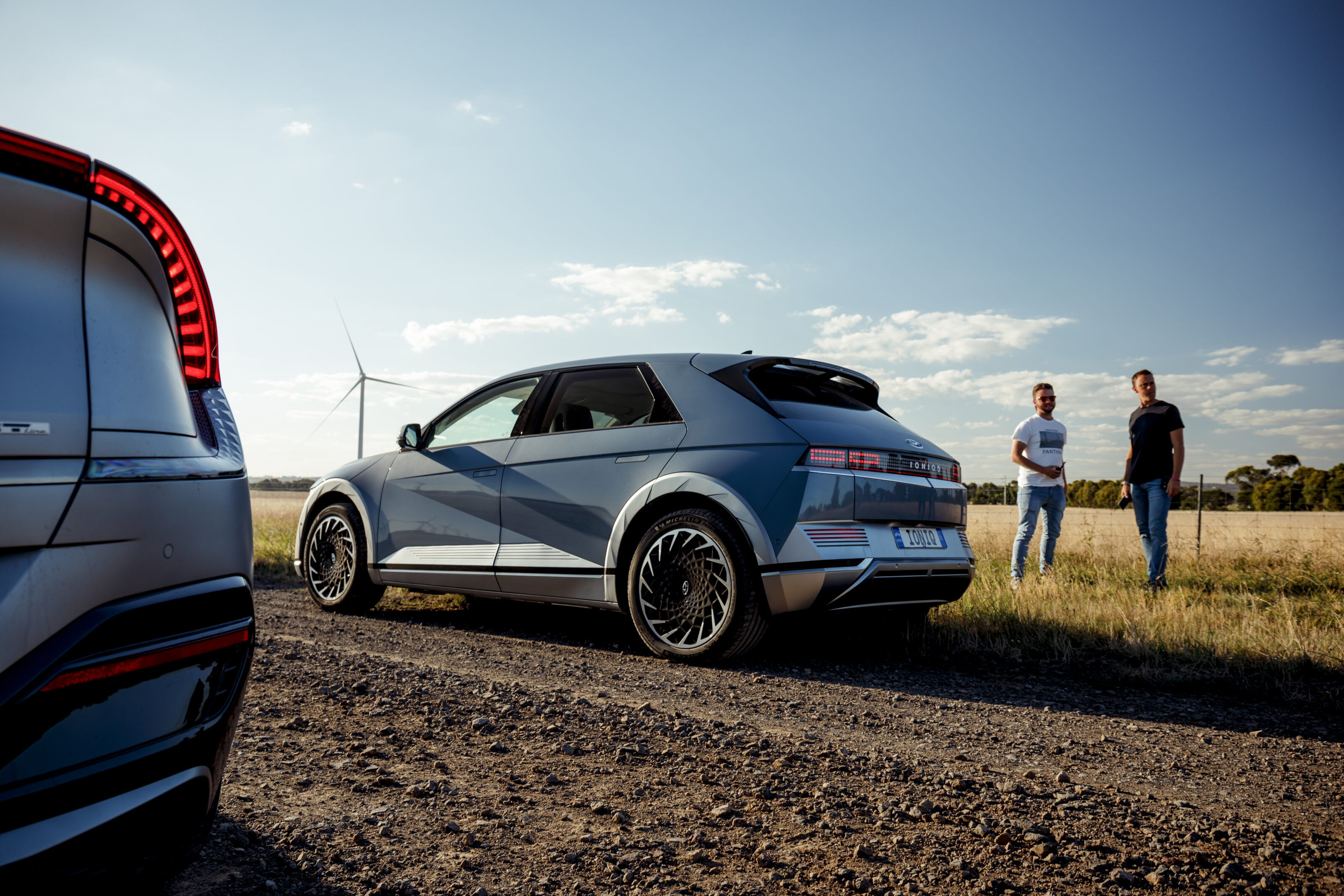
“I love that it’s not trying to be an SUV,” Dan noted. “Yet the ride height, the AWD and spaciousness do lend an SUV-like utility.”
“It makes a statement with cool, retro-modern exterior styling and funky pixelated graphics,” Richard added. “Ioniq 5 owners send a message: ‘I’m ready for the future now!’”
The plaudits kept rolling on as judges climbed through the Hyundai’s cabin during walkarounds. While sharing certain hardware DNA with rival Kia EV6, the Ioniq 5 is different, joyously bright and conspicuously dipped in space-age kitsch. It’s a theme that deliberately avoids those well-trodden sporty or overly dark-tinged, premium-by-the-numbers stylisms.
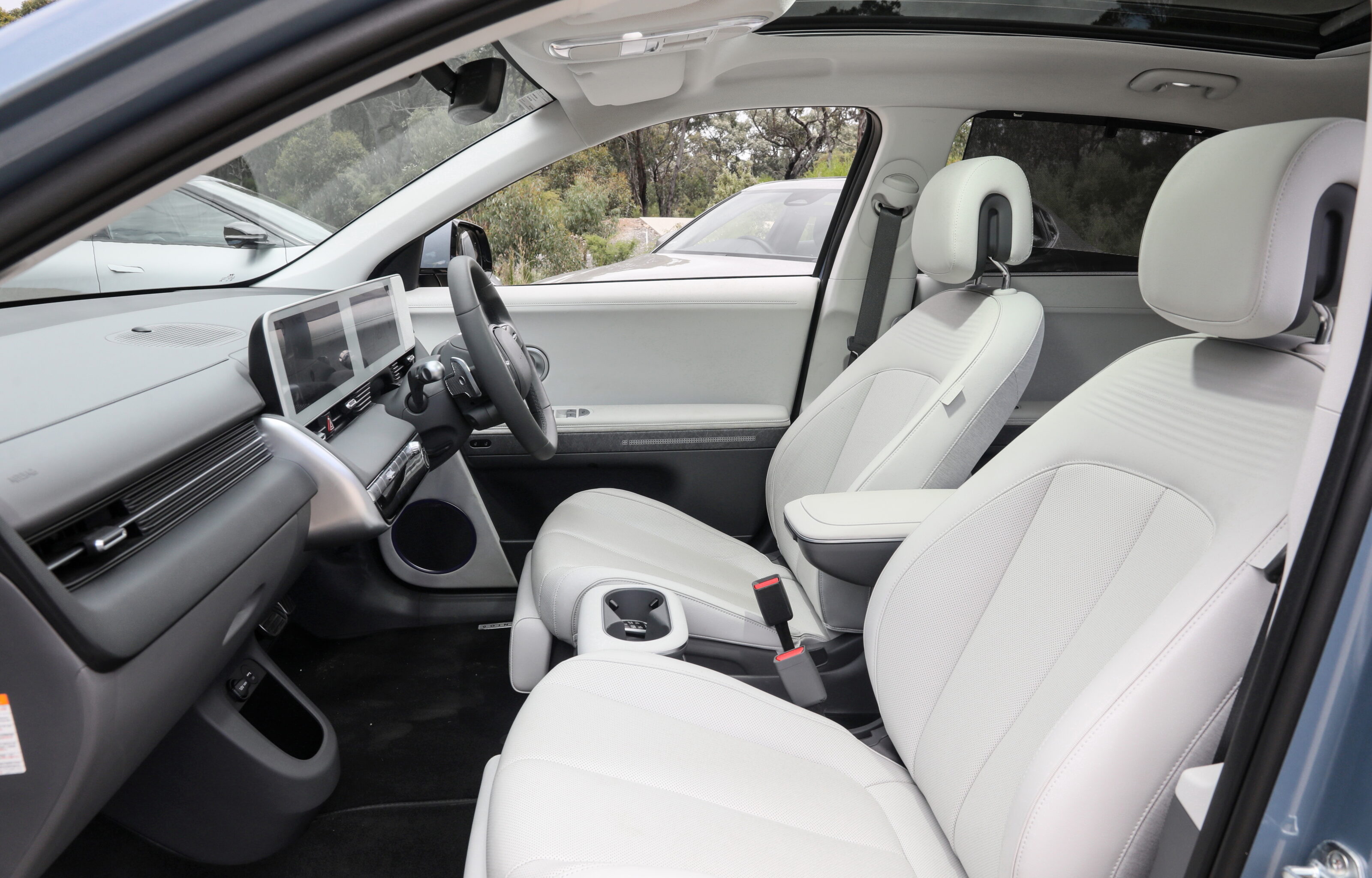
“The cabin oozes showroom appeal and sheer wow factor,” Alex added. “Outward vision is excellent though the front seating position is good if not ideal…” Many judges agreed – you sit ‘on’ the Ioniq 5 rather than ‘in’ it as you do in the EV6.
“Its value advantage over the Kia will be plenty for some” – Alex Inwood
Packaging is excellent. Its jumbo hatchback form sculpts impressions of airiness and roominess its key Korean EV rival couldn’t quite muster and judges noted its build quality andmaterial execution is a little more uniform, from windscreen to boot lid, than the EV6 manages.
“The innovative sliding console and (electric) rear seat is a real packaging win,” Richard noted.
Inwood: “The clever central island offers ample storage while the flat floor and lack of centre console really contribute to the sense of space.”
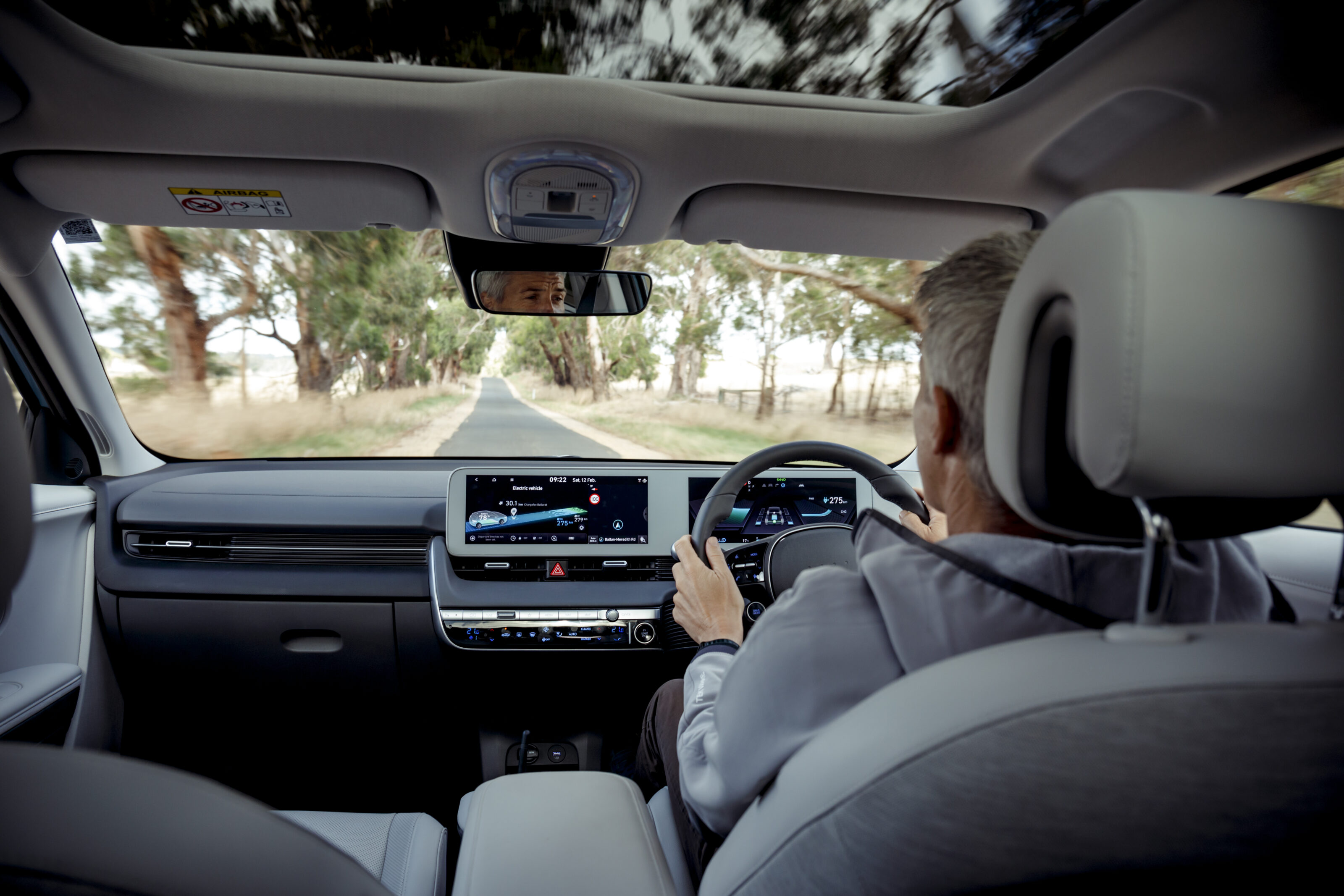
What the Ioniq 5 proved early was that its design is as wonderfully functional as it is flamboyant in form. But once it did convert electrons to forward motion, the Hyundai started to really show the depth of its ability.
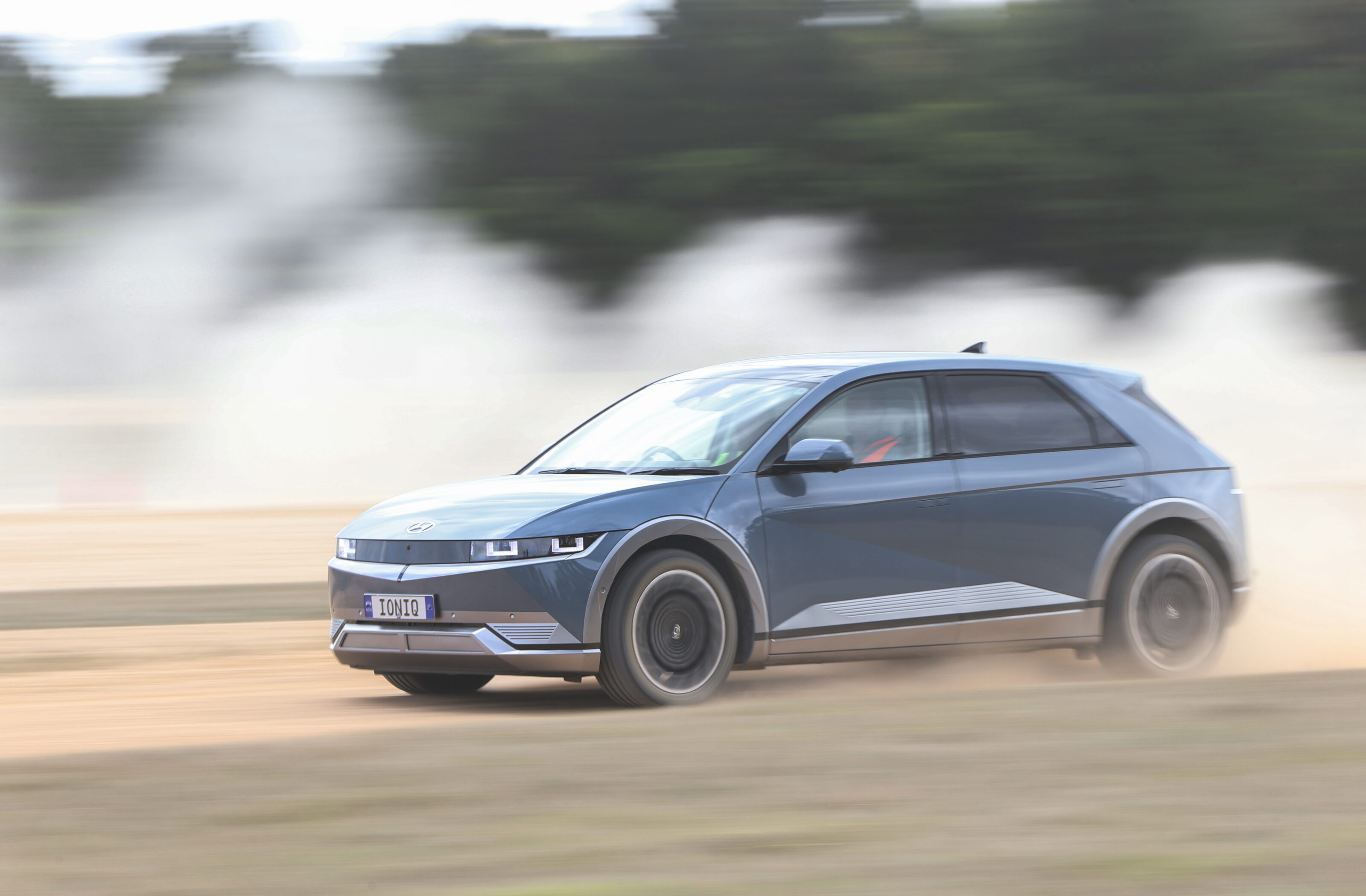
The gun-blazing AWD version of Ioniq 5 fronted up for COTY’s new variant-based format, its dual-motor layout plying 225kW and 605Nm, and vastly more energetic than the range’s 160kW and 350Nm RWD variant. Both use a 72.6kWh battery, though our all-paw competitor yields a vastly superior 5.3sec as-tested 0-100km/h sprint compared to the single-motor’s more leisurely, claimed 7.4. Response is instant and thrust is relentless, even in default Drive, no mode fiddling required. Activate Sport, though, and there’s a conspicuous lift in enthusiasm.
Praise, too, was heaped on the brake-regen adjustment, adjustable from near absence to forceful, one-pedal stop-start convenience. Emergency braking, too, across both gravel and hot-mix, proved impressive.
Its 430km claimed range is competitive among COTY’s EV crop, if not world-beating in outright terms. On 350kW DC fast-charging, the battery will replenish from 10 to 80 percent in around 18 minutes.
A key point is that the Korean EVs aren’t identical twins under their disparate skins: from wheelbase to suspension hardware and tuning, there are key differences at play. And yet the general poise, balance and driver interaction of both Korean EVs sailed well beyond expectation, and exceeded that of so many COTY rivals. Similar enough, in fact, that early on, judges began to question if the pair could, or in fact should, be split in final standings.
Through the swerve-and-recover test and punted with vigour at the proving ground’s simulated twisty road loop, the Hyundai continued to impress, demonstrating a composure and outright point-to-point pace that raised many judges’ eyebrows. Back the pace off and relax, however, and the Ioniq 5 turned wonderfully refined, quiet and comfortable.
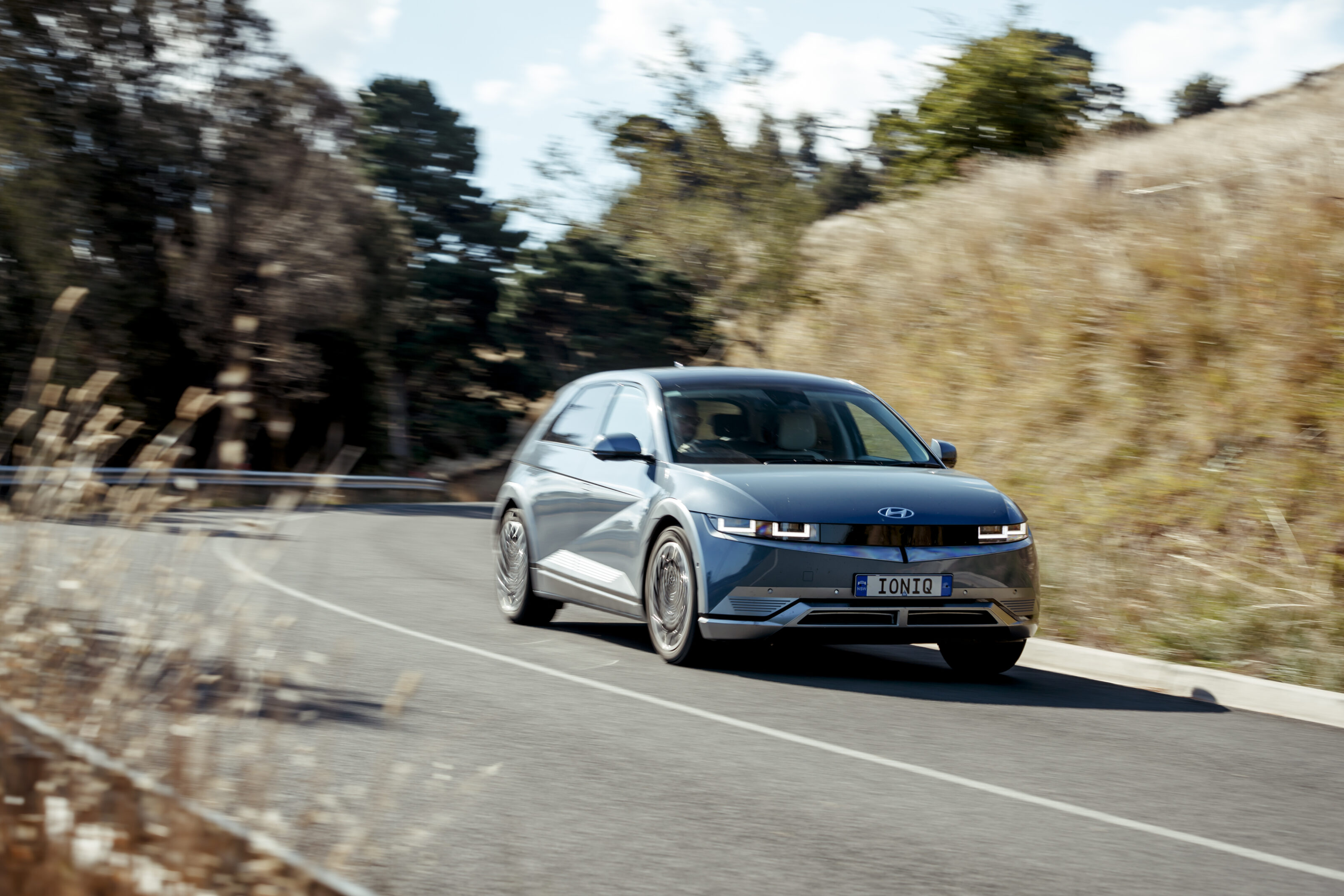
By end of Day Three at AARC, the Ioniq 5 had marched confidently to the sharp end of the COTY standings. But so too did its key EV nemesis from Kia. Thing is, the Hyundai, at $75,900 list, is around $7K more affordable and therefore held a not-inconsiderable value-for-money trump card entering the Day Four road loops. And proceeded to drop it into the first real-world pothole…
One-up, the Hyundai’s long legs and rapid pace couldn’t compensate for its occasionally flustered ride and handling balance. Across the properly crook bitumen, it becomes more unsettled with the rising road speed, demanding more correction and chasing to track true than the Kia EV6. Or the C-Class. It’s not bad per se, just confidently outclassed compared to the more settled and composed EV6.
Three-up, with luggage, that polished refinement the Ioniq 5 spruiks around town or across smoother bitumen is replaced by thumping compressions and a degree of bump steer of a chassis stretched out of its comfort zone.
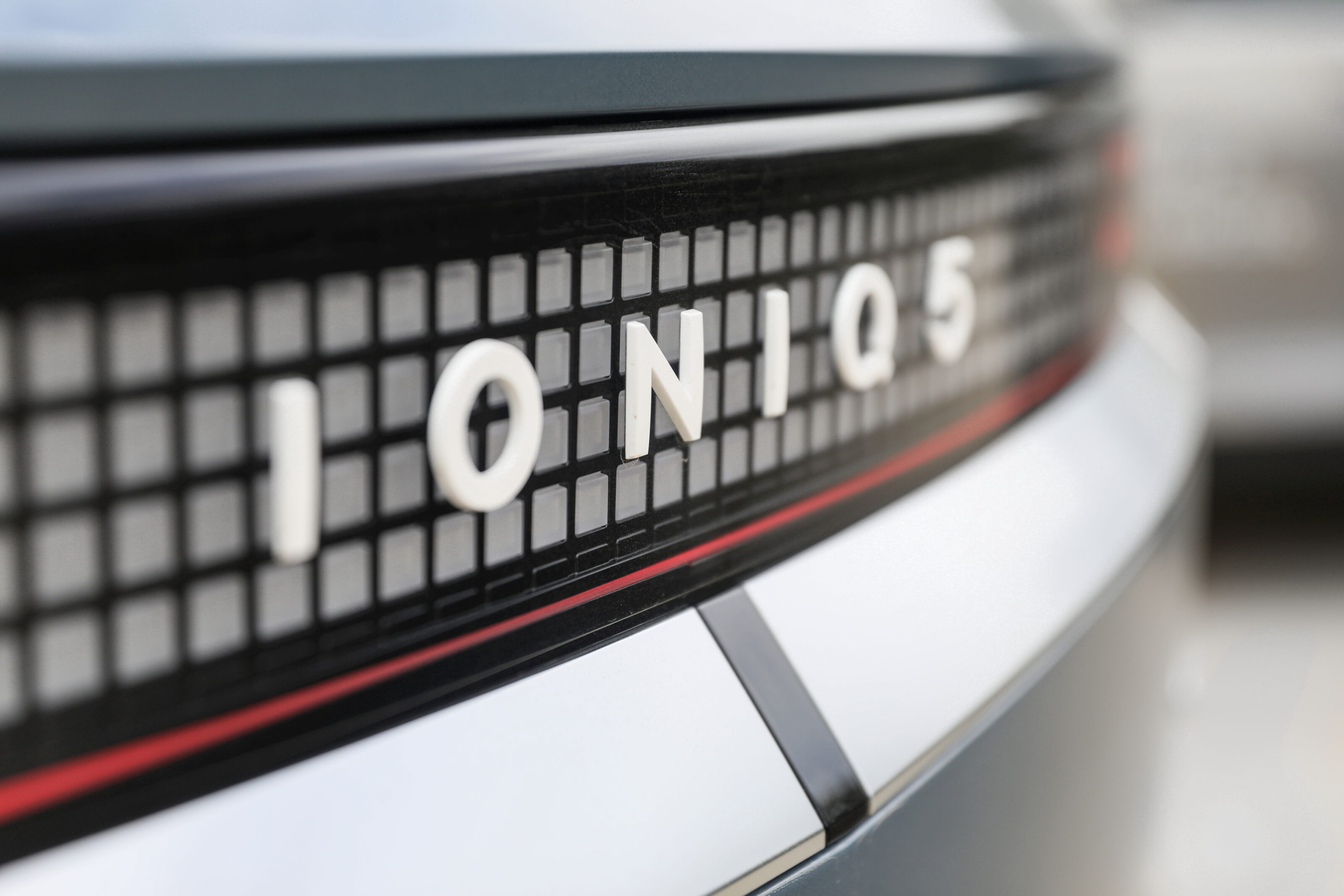
Further, rack rattle that hadn’t exposed itself during AARC assessment was also rearing its head to weigh against the Hyundai’s fortunes. And the road loop’s humpback bridge exposed the Ioniq 5’s rear axle topping out in what Dylan coined its “billy goat kick”.
“The road loop was really illuminating,” said Alex. “Ioniq’s body is less controlled than the Kia and ragged edges appear a fair bit earlier.”
How hard the Hyundai should be punished for an isolated if significant dynamic shortfall was a big topic of discussion amongst the judges, if one that ultimately found consensus.
It was fairly simple. One other COTY competitor, so similar in so many ways, hadn’t dropped any ball quite so large to count against it, thus proving itself the better and more accomplished all-rounder.
2022 Hyundai Ioniq 5 specifications
MOTOR’s Performance Car of the Year is a feast for the senses. While we can’t bring you the smells – probably for the best in some cases – we can indulge you in the visuals.
That’s why we’ve got three of the best automotive photographers in the business to capture everything we see through their lenses.
The trio in question includes Head of Photography Ellen Dewar, staff photographer Alastair Brook and long-term MOTOR freelancer Cristian Brunelli.
For 2022, MOTOR went bigger in many ways and shooting the 18-car field in one tracking shot at Phillip Island is proof of that.
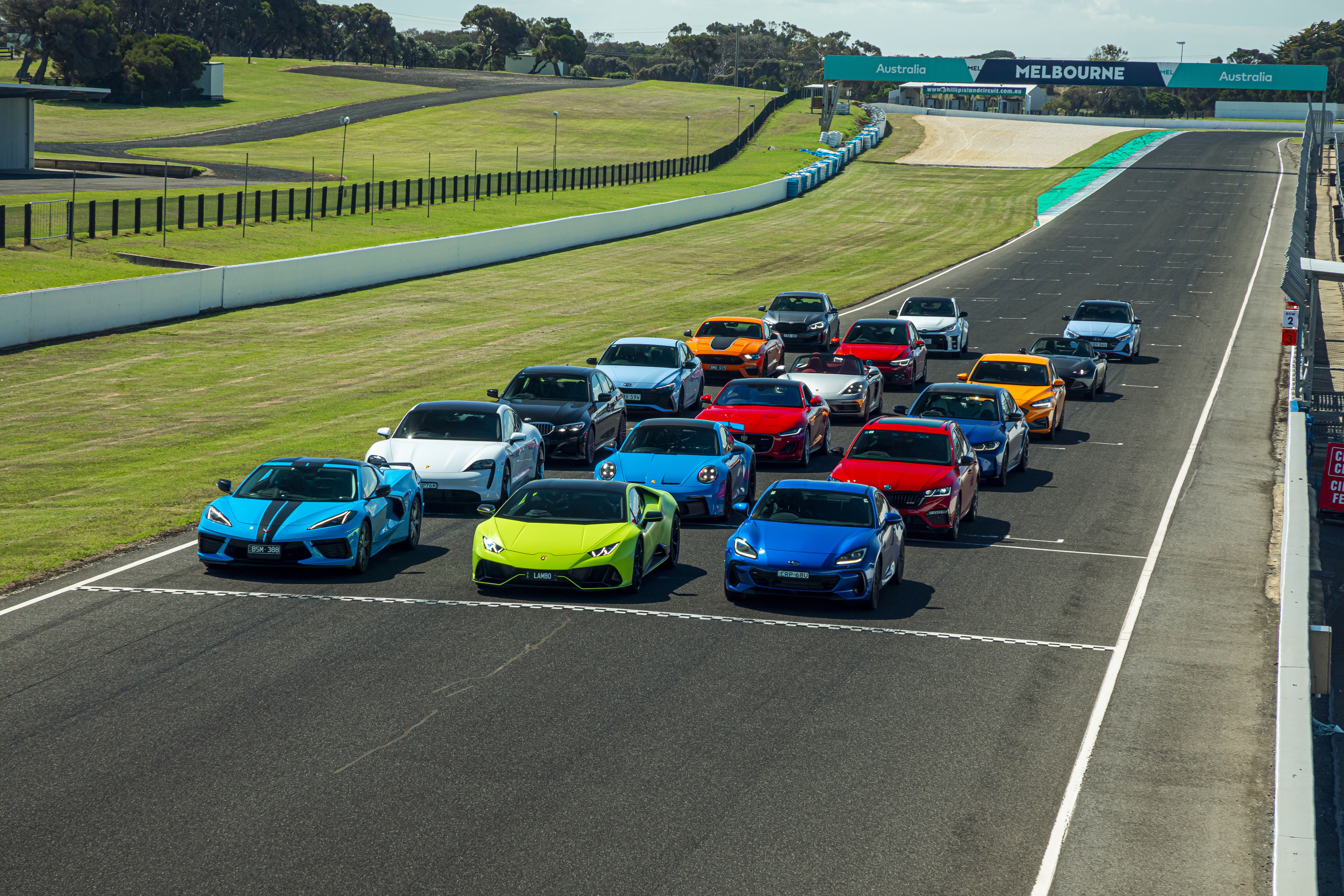
It was no easy task, either, with only a small window to get the shot in the bag. We asked staff photographer Alastair Brook to sum up his experience behind the camera.
“It should be no surprise that orchestrating an 18-car group tracking shot with only half a lap to play with (thanks, mileage limits) is like herding cats in a room made of ball bearings,” he said.
“However, once I was confident I had a few keepers in the bank, looking up from the camera to see some of the best performance offerings from 2021 driving behind me in formation was pretty special, if only to soak in for a brief period. Glad I took a few happy snaps I guess.”
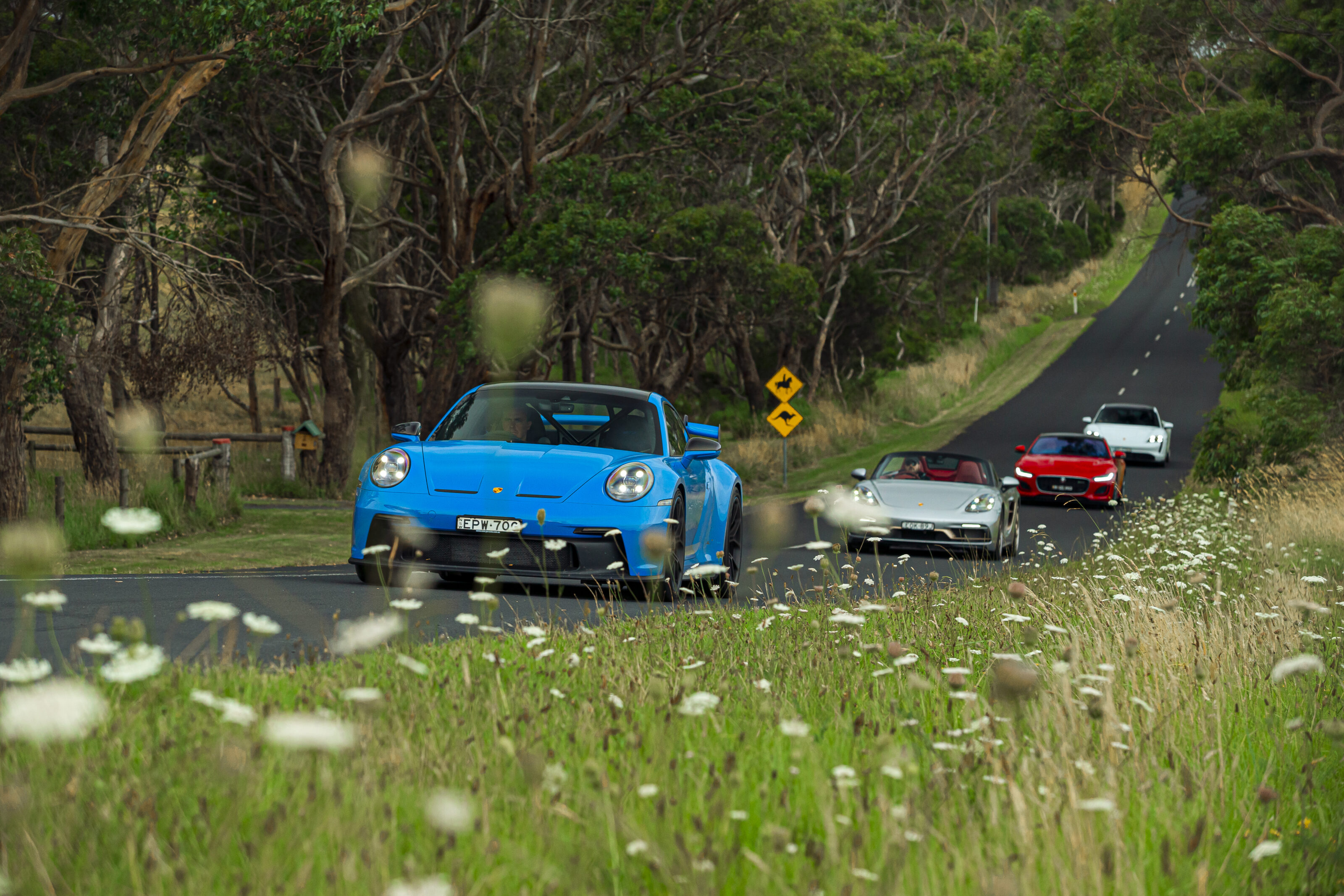
We’re proud of the fact the crew tasked with encapsulating the spirit of PCOTY are just as passionate about the event as the judging team. And with that, Alastair sums up his role in bringing you, the reader, along for the ride.
“The main perk of my job is, almost by its very definition, that I need to be where my camera is and therefore I need to experience the things which I try and bring readers along for,” he explained.
So, click through the image gallery and immerse yourself in the top-notch photography produced by our passionate and talented team.
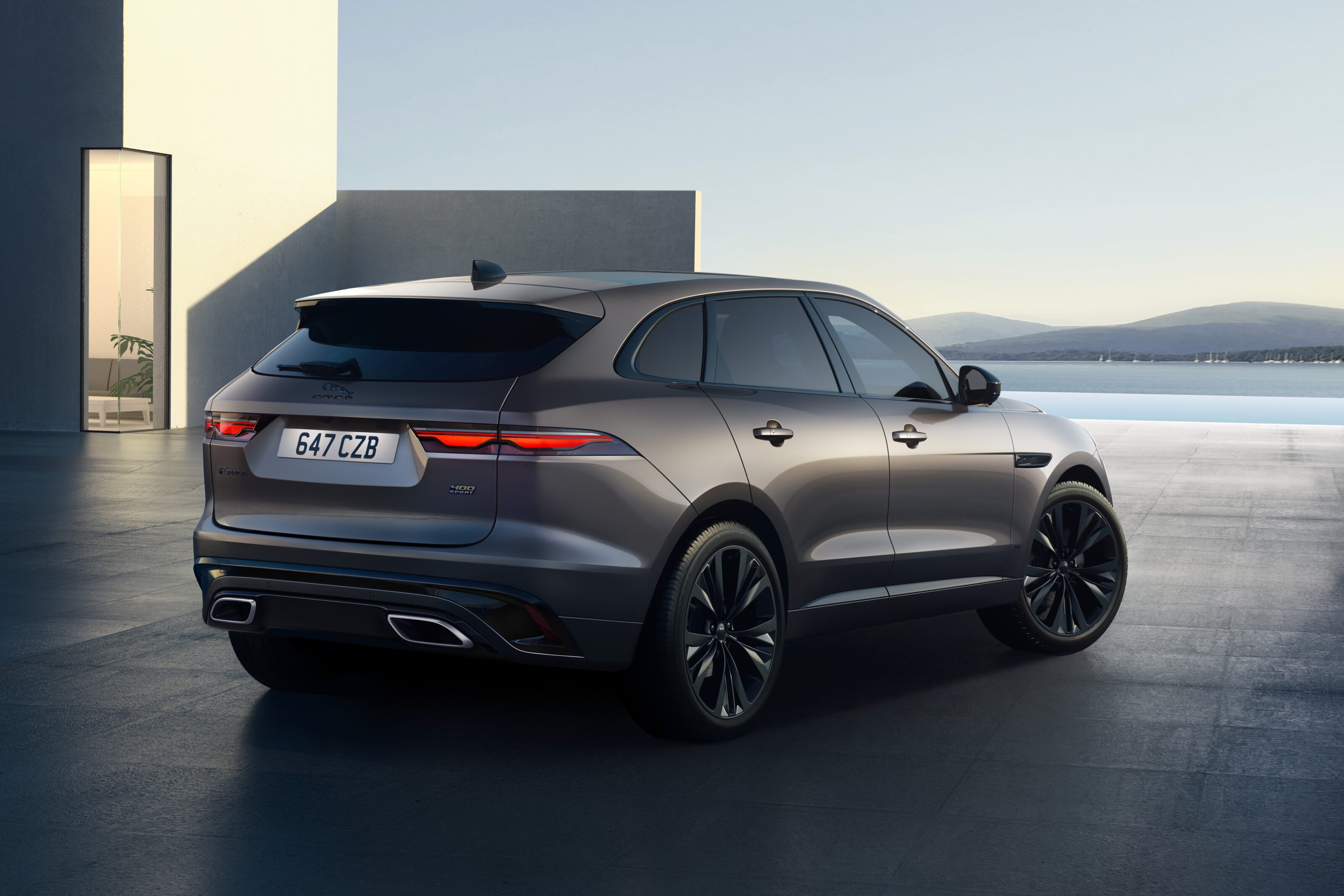
The 2023 Jaguar F-Pace 400 Sport will join the rest of the range in the second half of 2022.
Jaguar announced the 400 Sport will be an addition to the F-Pace line-up for the 2023 model year, with the sporty new variant bringing a black exterior theme along with a mild-hybrid powertrain.
The F-Pace 400 Sport will be powered exclusively by Jaguar Land Rover’s 3.0-litre ‘Ingenium’ turbocharged six-cylinder petrol engine, which produces 294kW and 550Nm thanks to the addition of an electric supercharger.
The mild-hybrid system adds electric assistance via a belt-integrated starter-generator, fed from a 48-volt lithium-ion battery pack to improve fuel efficiency and performance, as well as reducing emissions.
Power is driven to all four wheels through an eight-speed automatic transmission, allowing the F-Pace 400 Sport to hit 100km/h from a standstill in a claimed 5.4 seconds.
The model features black exterior trims, roof rails, tinted windows, and 21-inch alloy wheels finished in gloss black. A set of 22-inch wheels in either gloss black or gloss silver can also be optioned, while buyers get a total of 10 exterior paint colours to choose from.
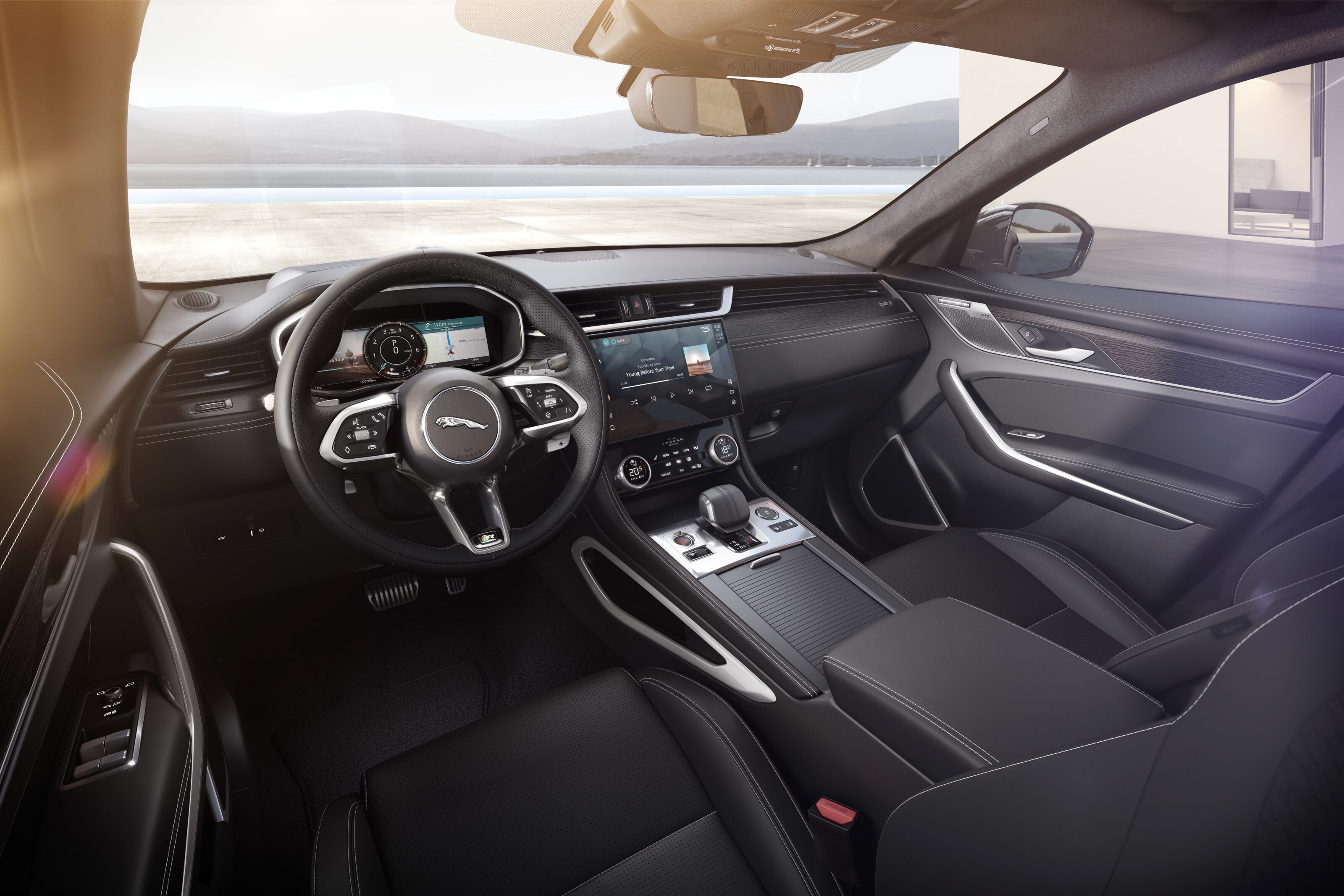
Inside, occupants are greeted with performance seats trimmed in Windsor leather, satin charcoal ash trim, and a black synthetic suede headliner.
JLR’s Pivi Pro infotainment system is also standard, and features Amazon Alexa – which can take voice instructions for both the radio and climate control.
Pricing for the 2023 Jaguar F-Pace 400 Sport will be announced closer to the model’s local launch.
Gimmicks and fads are a big part of the automotive world. They always have been and always will. Drift mode, a feature that made headlines for all the misguided reasons with the Ford Focus RS, is a feature that aids rear-axle yaw for typically tied-down all-wheel-drive cars. Think Mercedes-AMG A45 S and you’re on the money. However, for M3s with M Drive Professional, BMW has taken a different tack.
A rear-drive M3 with a stonking S58 powertrain packing 353kW and 550Nm doesn’t need a Drift mode. Its on-paper figures are more than enough to eviscerate the rears in real-world, almost poetic slides. So instead, the M Division has devised a way to rate your drifts, offering either instant gratification or critic via the central 10.25-inch infotainment screen. It’s called M Drift Analyser.
So, how does it work? Well, essentially, you switch all the safety systems off (hold down the DSC button for at least four seconds) and dial the 10-stage traction control system to zero. Then you head out on track – which is the critical part of the equation. Do not try this on public roads. There’s even a legal disclaimer to clear.
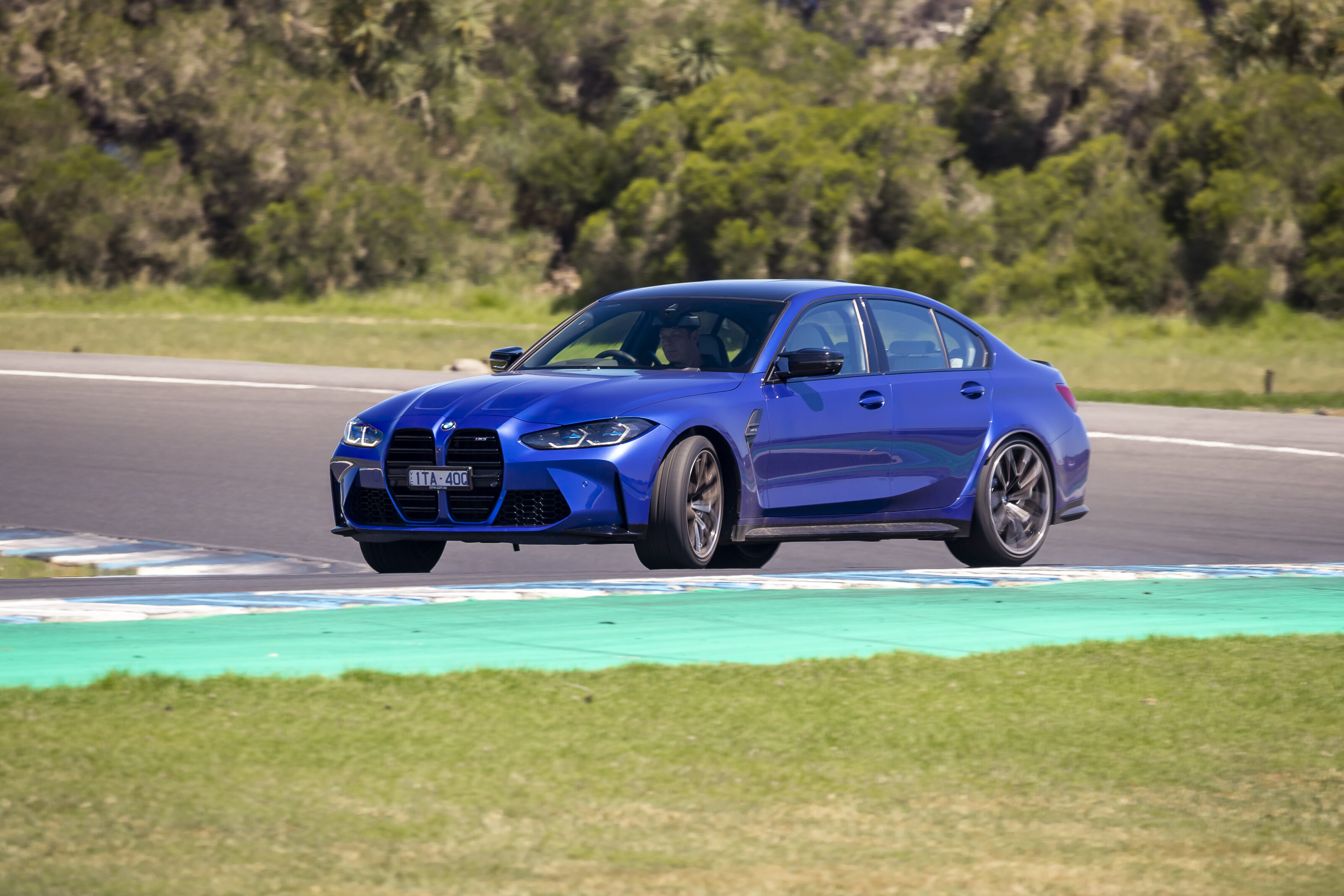
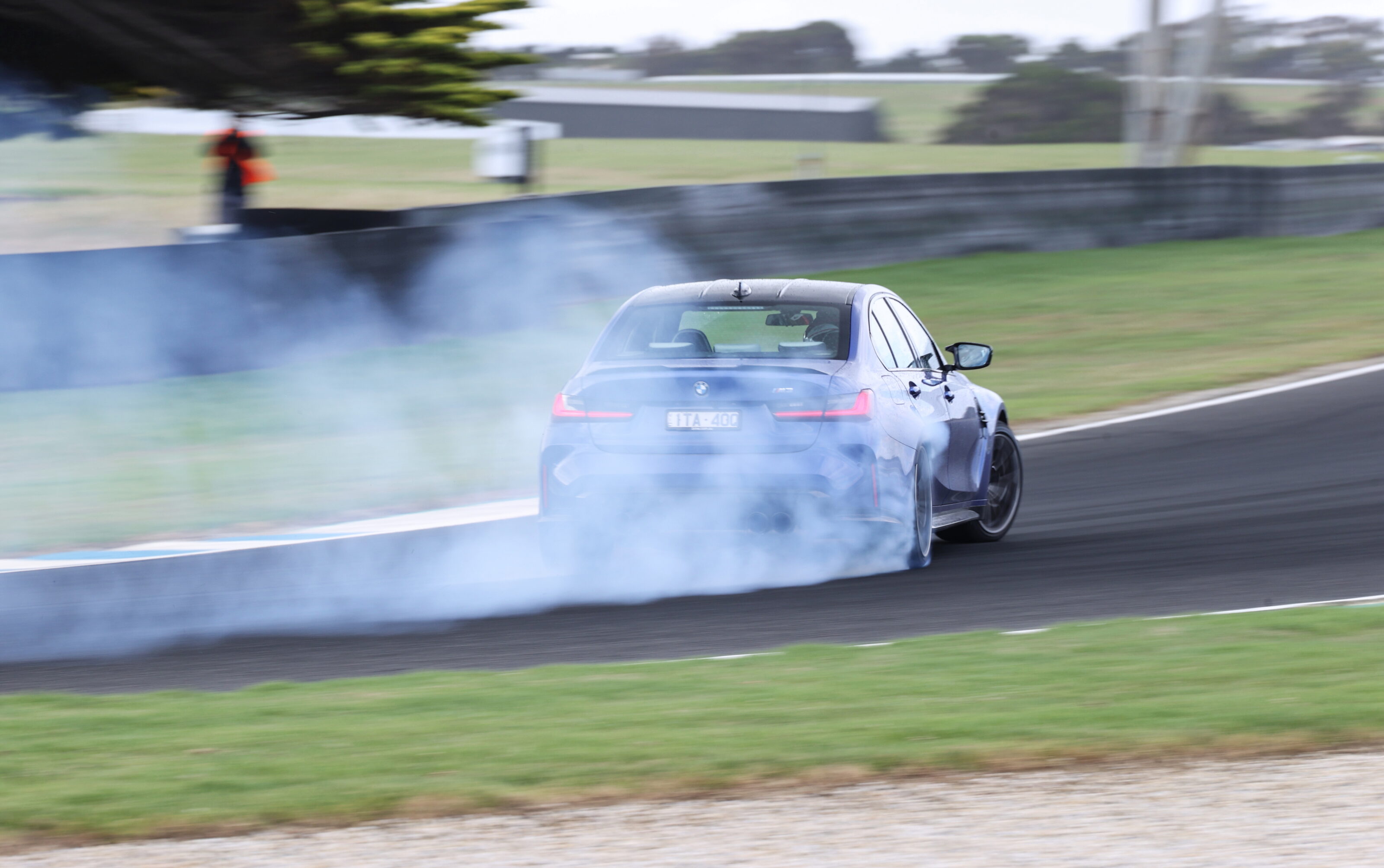
Once on track, mash the loud pedal and try and hold a slide. The analyser then measures how far your drift is, what angle you get to and how long you can hold the slide before rating your efforts via a star system. It’s like getting a gold star on your homework from BMW.
It’s important to note that the system doesn’t actively help you drift the car – unlike Ferrari’s side slip angle control (SSC). The driver has to engage and hold the slide. The maximum drift angle is limited by the maximum steering angle, which is 35 degrees. The analyser is constantly computing things like yaw rate, wheel spin, steering angle and even tyre temperatures in an attempt to accurately rate your skills.
It even detects transitions and linking manoeuvres then adjusts your score accordingly. Additionally, if you have lap-time recording active you can watch it back on your smartphone. For pub chat, you can even send your results to your M3/M4-toting mates. Is it all a gimmick? Probably. But it’s fun, too. Just be sensible as you don’t want to end up on A Current Affair to face Tracy.
Jump to read the section about our top 10 inline six engines
In 2019, Jaguar Land Rover announced it would once again be putting inline six-cylinder engines into its cars and SUVs, phasing out its venerable range of V6 petrol motors in the process.
But why is this engine overhaul important? With both the old V6 and the new inline-six displacing an identical 3.0 litres, will you even notice the change from behind the wheel?
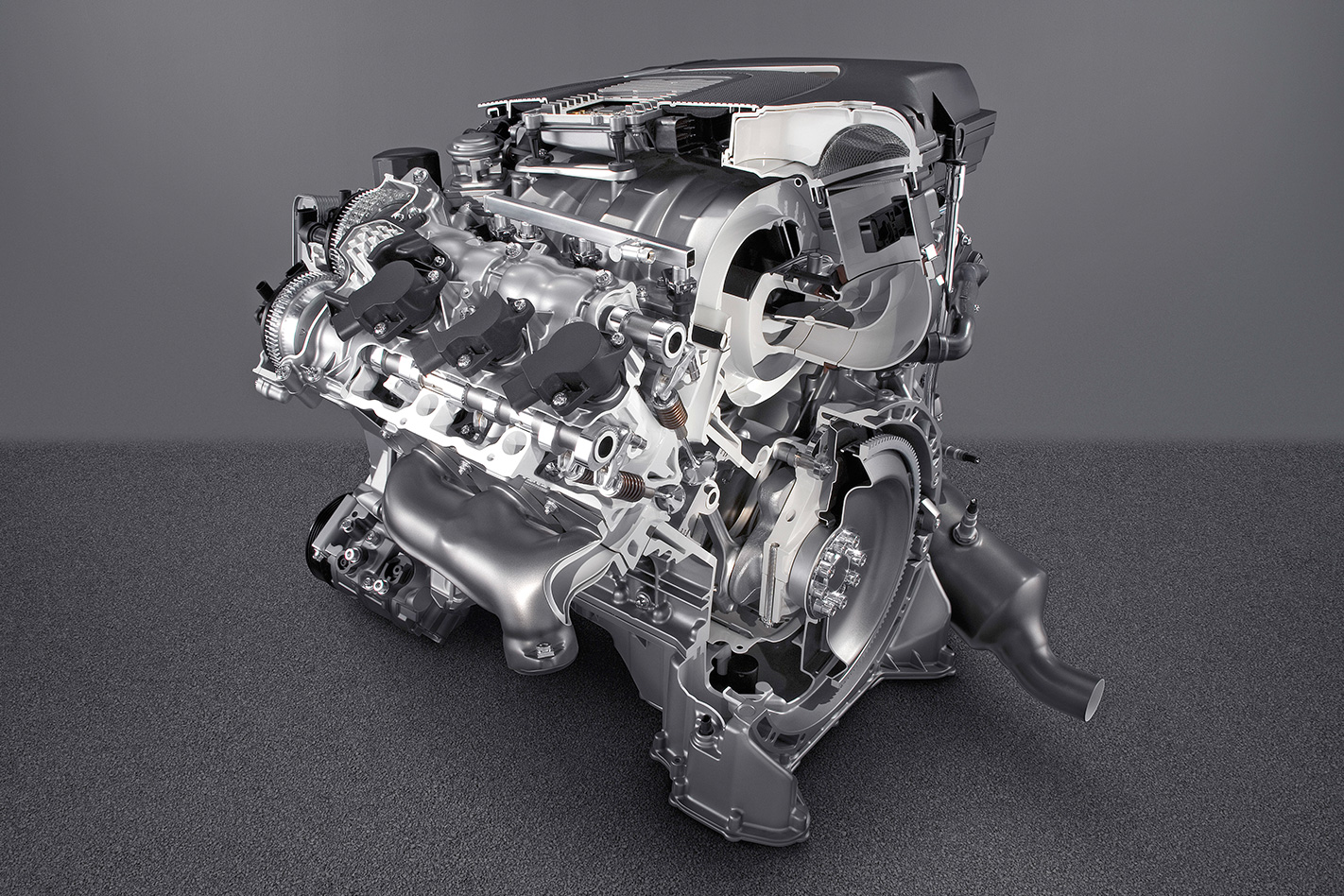
It’s a question that also applies to those following developments at Mercedes-Benz, which has also made a similar switch from V6 powerplants to inline sixes. BMW, meanwhile, never moved away from the inline-six format. So, why the resurgence of interest in a type of engine that many thought was dead?
Well, though the cylinder count remains the same, the switch from arranging them in two banks (as in a V6) into just one brings some surprising differences. Here are the ones that will matter most to you, the driver.
Refinement
An inline-six engine is actually more refined than a V6 with the same displacement. In fact, improvements in refinement were one of the main reasons why Jaguar Land Rover decided to switch back to straight sixes (an engine configuration the company had abandoned decades ago in favour of V6s).
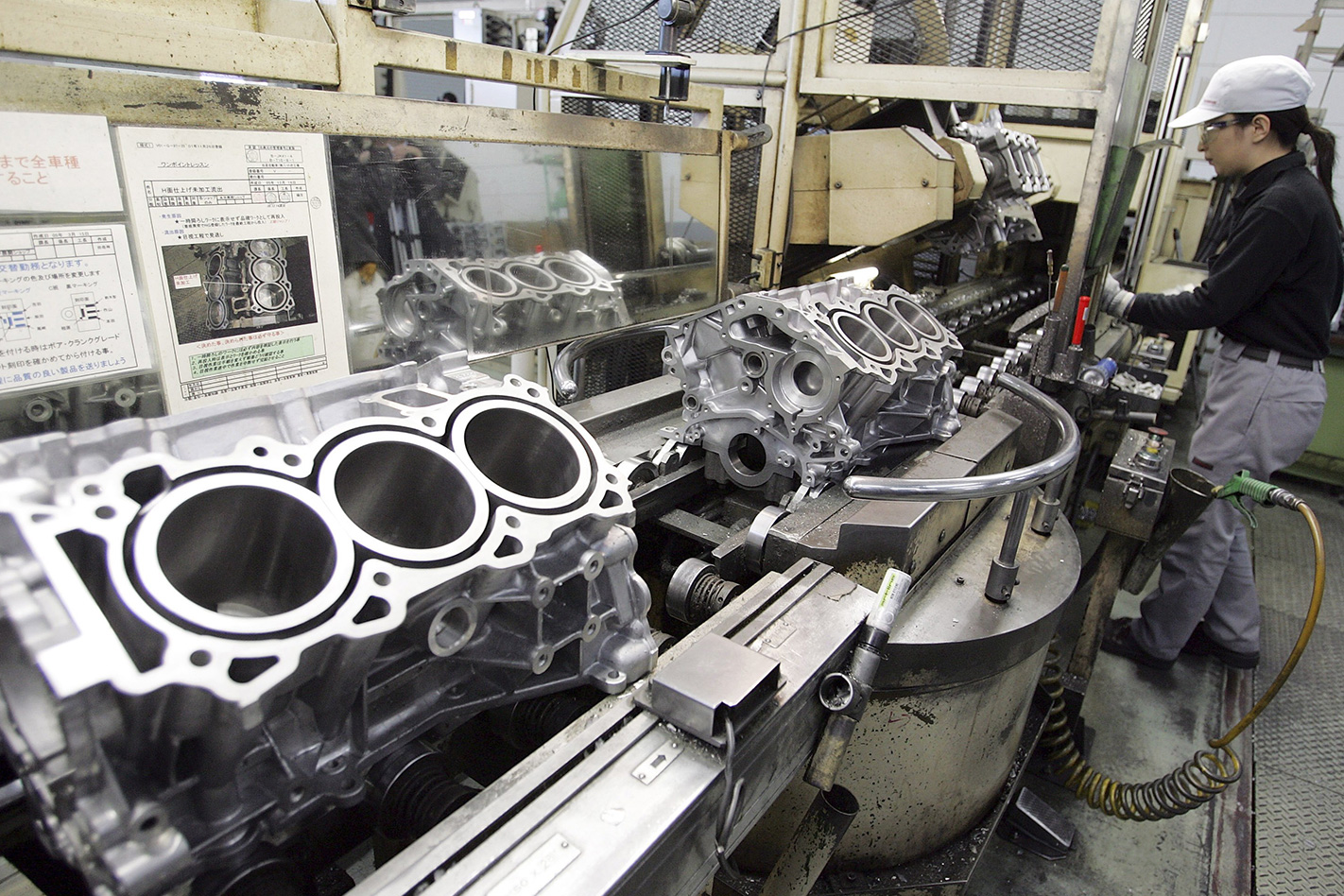
In an inline-six, each cylinder that’s undergoing a combustion stroke is balanced out by another cylinder that’s undergoing an induction stroke, and with these ‘paired’ cylinders often being located symmetrically around the centre point of the crankshaft, there’s very little vibration generated by an inline six-cylinder engine as a result.
V6s, by contrast, do not enjoy the same harmonic advantage.
Performance
There are certain other advantages to the inline-six configuration – advantages that focus on making power through more intelligent packaging.
With turbocharged six-cylinder engines effectively taking the place of bigger V8s in many modern cars, the simpler in-line layout provides more space to put performance-enhancing devices such as turbochargers, superchargers, and their associated plumbing.
A V6 engine, meanwhile, must either find room in the valley between each cylinder head (such as in turbocharged V6-powered Audis) or in the limited space on either side of the engine (Like Nissan’s GT-R) which makes for a cramped and complex turbocharger installation.
Shoehorning in other power-adders like electrically-assisted turbos and/or superchargers would be extremely challenging on a V6.
And with performance cars increasingly making use of electrically-boosted turbos and superchargers – often both in the same installation in a lag-reducing sequential arrangement – having a maximum of space to place these things means greater performance potential.
It’s somewhat ironic, given one of the big reasons for the adoption of V6 engines decades ago was their compactness and ease of packaging – but that was back in the day when turbocharging wasn’t as commonplace as it is now.
Sound
This benefit can vary depending on how an individual car is engineered but generally speaking, inline sixes tend to generate more pleasing exhaust notes than their V6 counterparts.
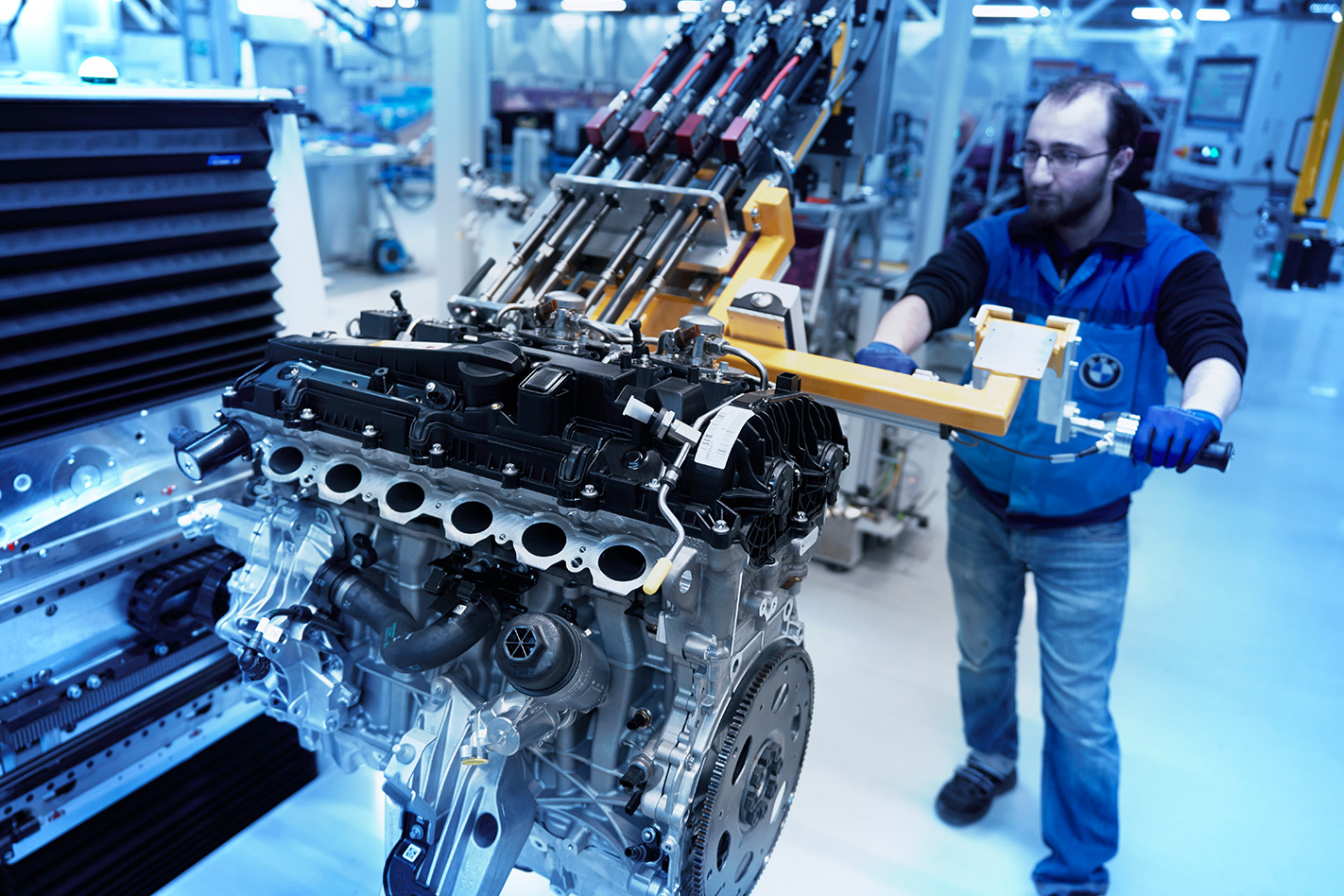
Why? Because having all six exhaust ports on the same side of the engine means they can be merged together in a way that neatly separates the exhaust ‘pulses’ from each cylinder, something that’s harder to do on a V6 (but not impossible). Result: sonic bliss for straight-six performance cars.
Cost and complexity
Here’s the REAL reason why inline sixes are making a comeback. It’s now more cost-effective for carmakers to simply set some core dimensions for their inline engines and add or subtract cylinders as necessary – an engineering technique known as ‘modularity’.
BMW has been doing it for years now – its inline-six, inline-four and inline-three engines all share the same critical bore-spacing (the distance between each cylinder) and cylinder displacement measurements as each other, the main difference being how many cylinders are cast into their engine block.
That’s not something that can be easily done with a V6 format. Mercedes-Benz tried to do so by making its first production V6 a shortened version of its existing V8 engine architecture, but it introduced compromises in design (namely the use of a 90-degree angle between each bank of cylinders, rather than the 60-degree angle that’s more common for V6s) that gave the six-cylinder motor poor refinement.
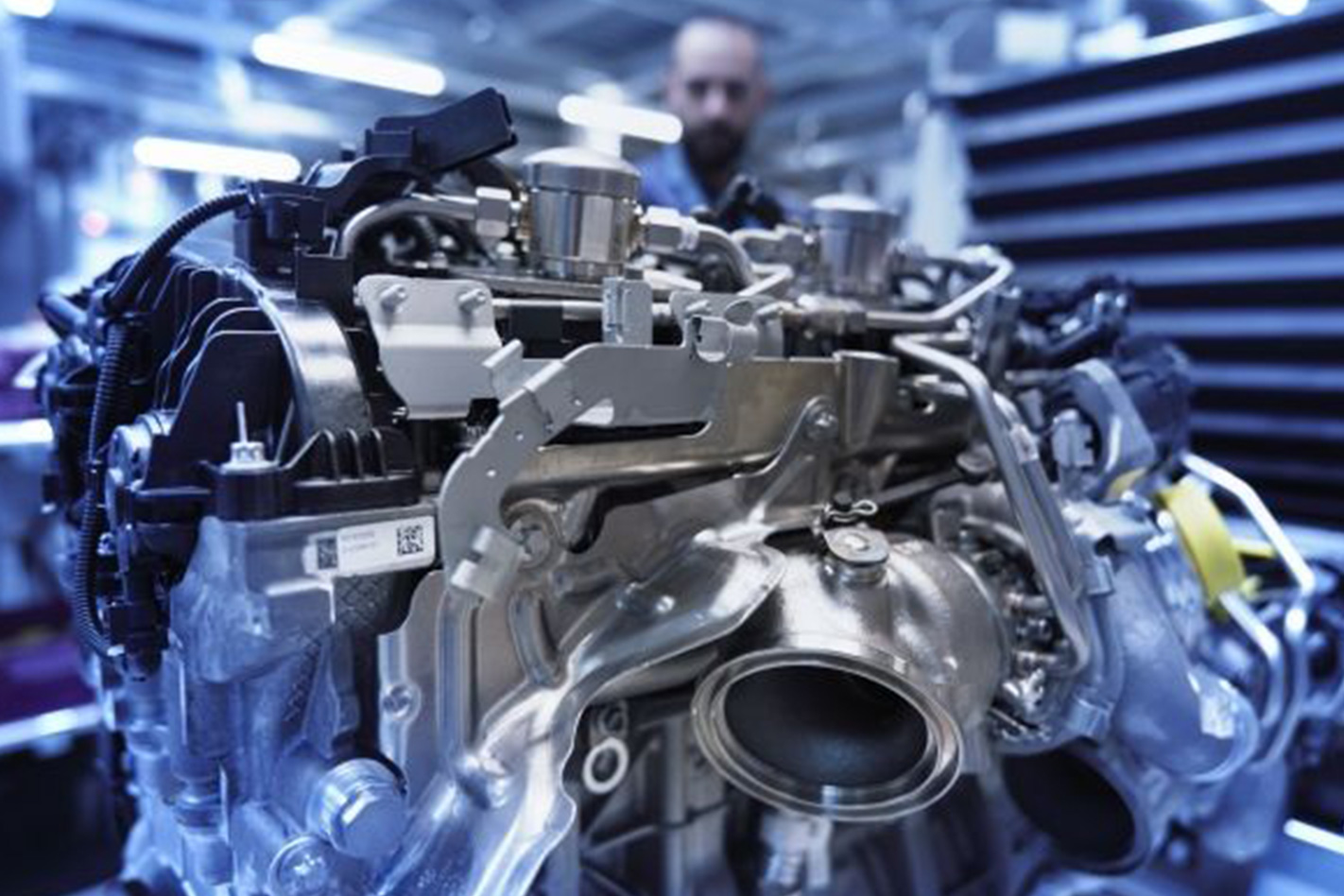
And that saves money by allowing the same production line to process different engines of different sizes. What’s that mean for you? Simply put, manufacturers can use the money saved in engine design and production on other things, like in-car technology, higher-quality materials, or simply keeping the price tag as low as possible.
No safety compromise
Safety concerns were a primary reason why V6s took over from inline sixes, with their shorter length allowing bigger crumple zones and minimising the chance that the engine might enter the cabin in a massive frontal collision. It was a primary reason for safety-conscious Mercedes-Benz, so why is the company moving back to inline-sixes for its large cars?
Technological advances mean that the engine’s ‘accessories’ – the power steering pump, air conditioning compressor and alternator – no longer have to be mounted off the front of the engine, a position that added overall length.
Now able to be electrically driven, they can be positioned elsewhere in the engine bay and thus bring the dimensions of a straight-six down to a level where crash safety isn’t compromised.
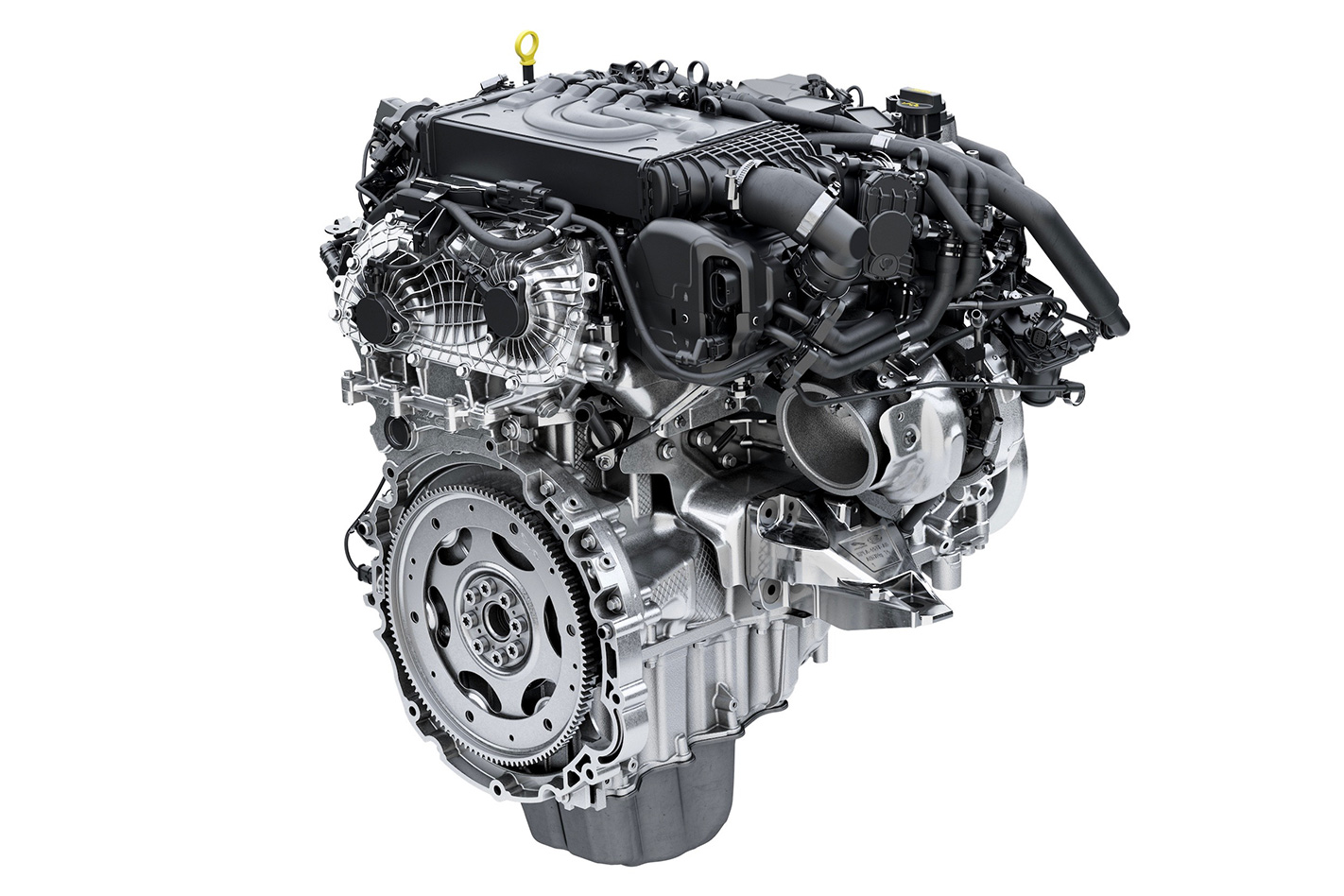
The height of inline engines was another safety issue, this time for pedestrian protection. Again, technology comes to the rescue here, with pop-up hinges now able to physically lift the bonnet to give unlucky pedestrians more clearance from the hard metal of a cylinder head.
So what have we got to look forward to?
There are so many performance car heroes of the past that feature inline six-cylinder engines. If the new brace of straight-six engines are anywhere near as good as this lot, we’re in for a good time.
TVR Speed Six
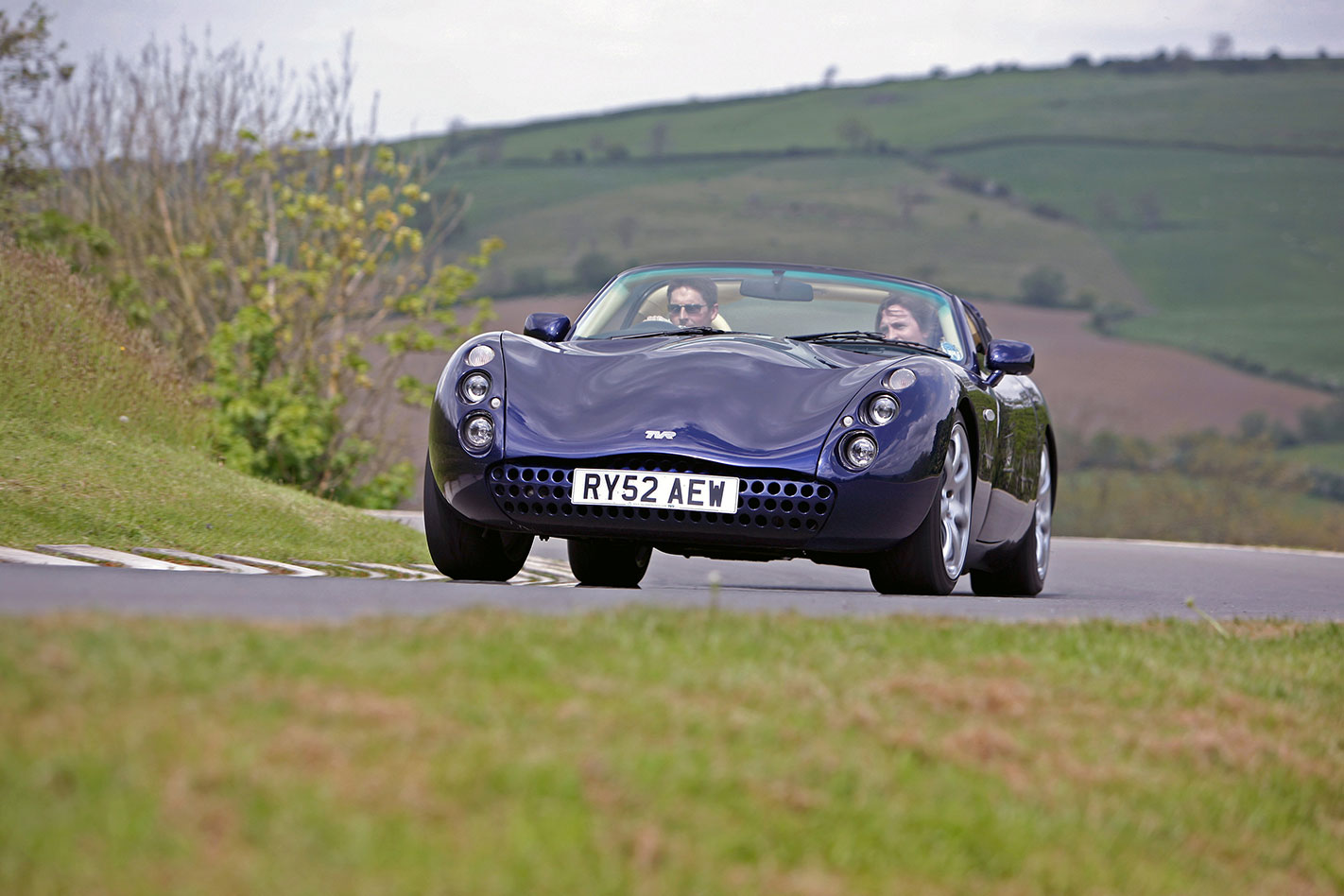
PRODUCED: 1999-06 DISPLACEMENT: 3996cc INDUCTION: NA
Britain’s TVR was ambitious to name its inline-six after Bentley’s own famous 6.5-litre. But its resulting engine honoured the legendary name well.
The story goes TVR had dreams to build a road version of the 7.7-litre V12 GT1 Cerbera Speed 12 until company boss Peter Wheeler decided it was too dangerous.
It then derived an alloy, dry-sumped 4.0-litre six from the project that unleashed 268kW/420Nm. The engine went on to find its wildest form in the 2005 Sagaris, making 303kW/473Nm at 7500/5000rpm, the zenith for a production atmo straight six.
Mercedes-AMG M256
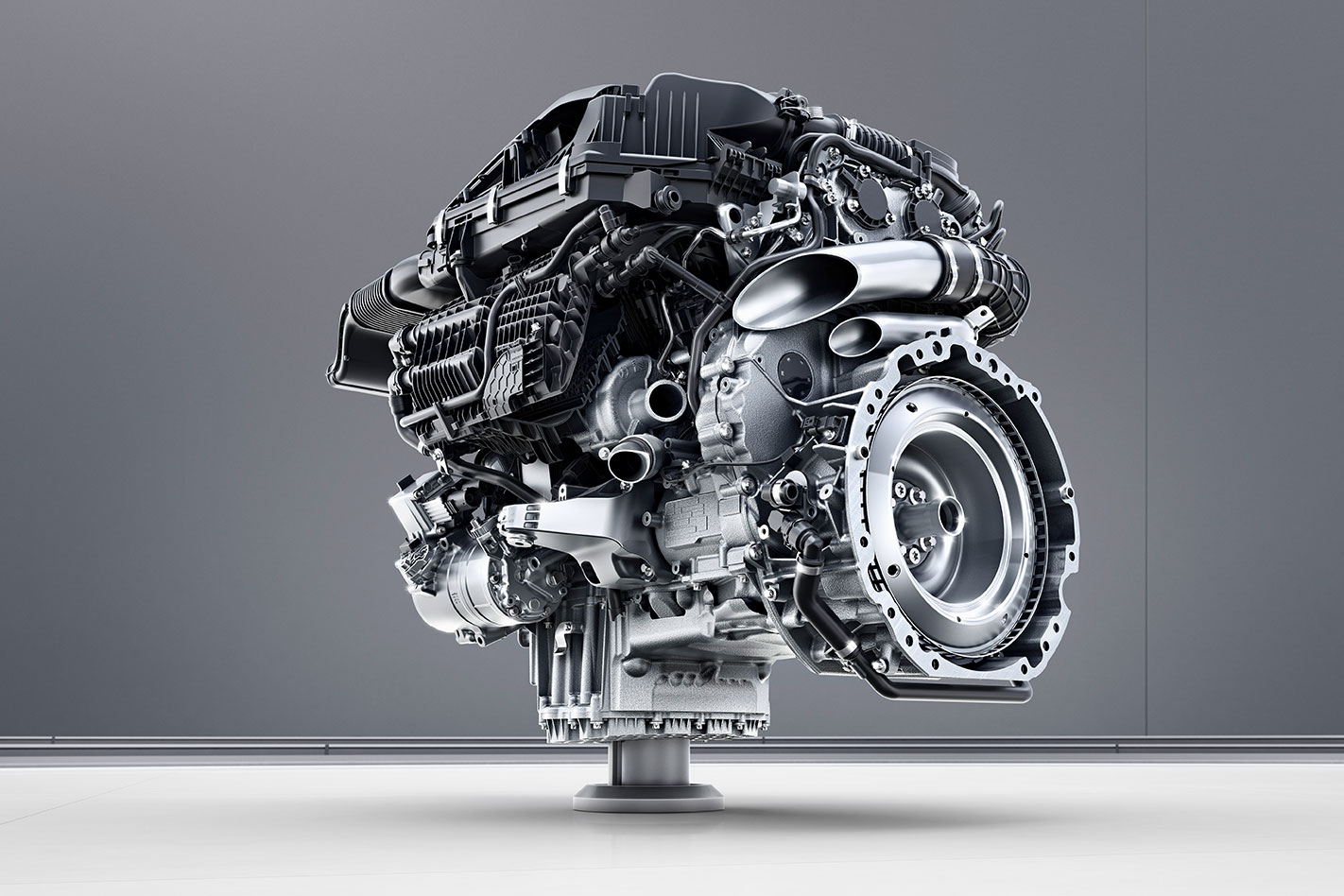
PRODUCED: 2016- DISPLACEMENT: 2999cc INDUCTION: Turbo, s/c
Mercedes-Benz’s M256 returned to lining six pots in a row after it ditched the layout in 1999 to focus on vee engines. Found today in AMG’s 53-badged variants, the M256’s genius lies not in V8-upsetting grunt, but hybrid integration.
The 48V battery system powers ancillaries like A/C and the water pump, as well as the electric supercharger, to not only free up the engine from parasitic belt drive, but aid turbo spool as well. The electric motor on the output shaft then plays both starter motor and power booster, helping deliver 320kW and sometimes as much as 770Nm.
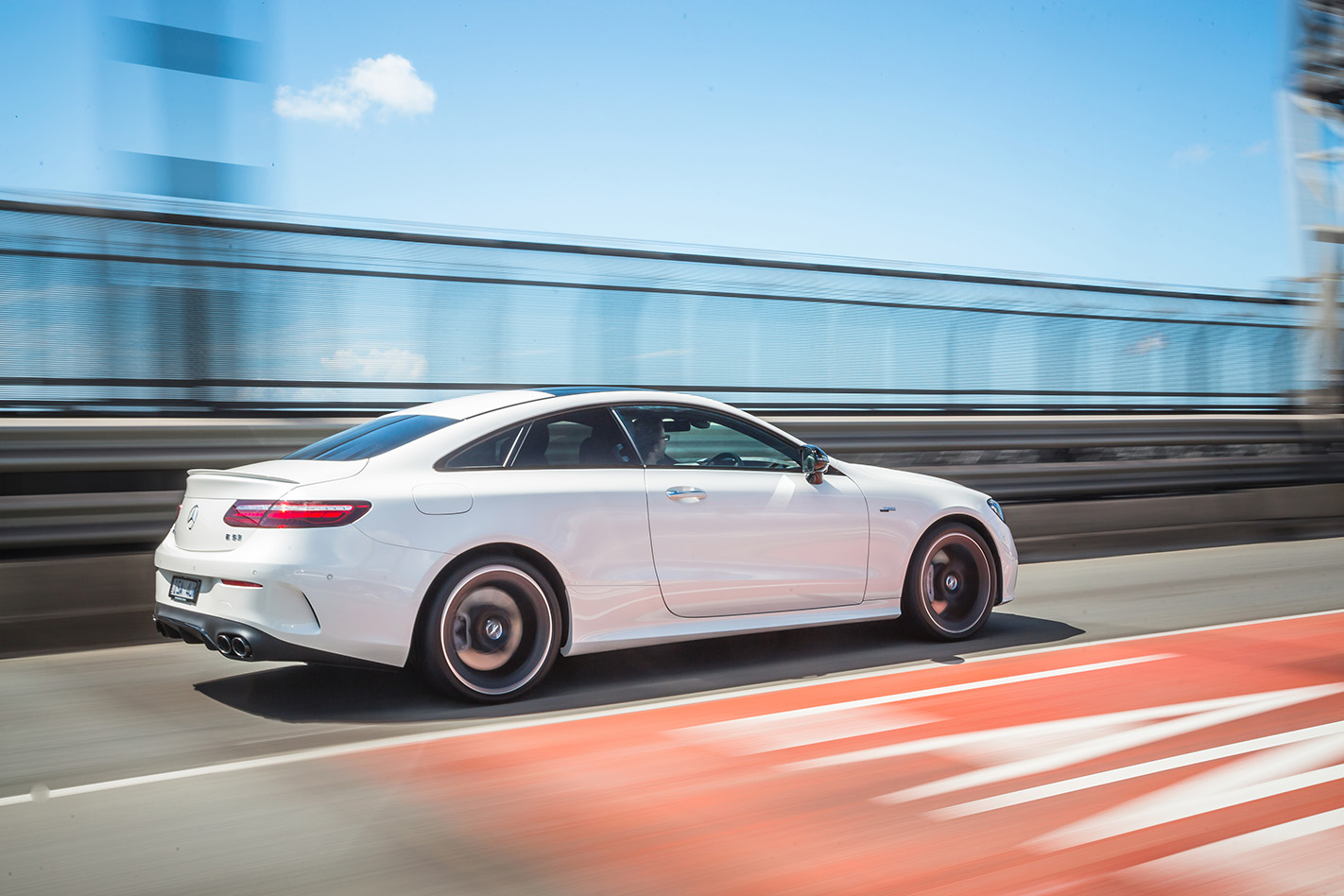
The result is an incredibly smooth, strong feeling engine that is as refined as it is ground breaking.
Ford Barra
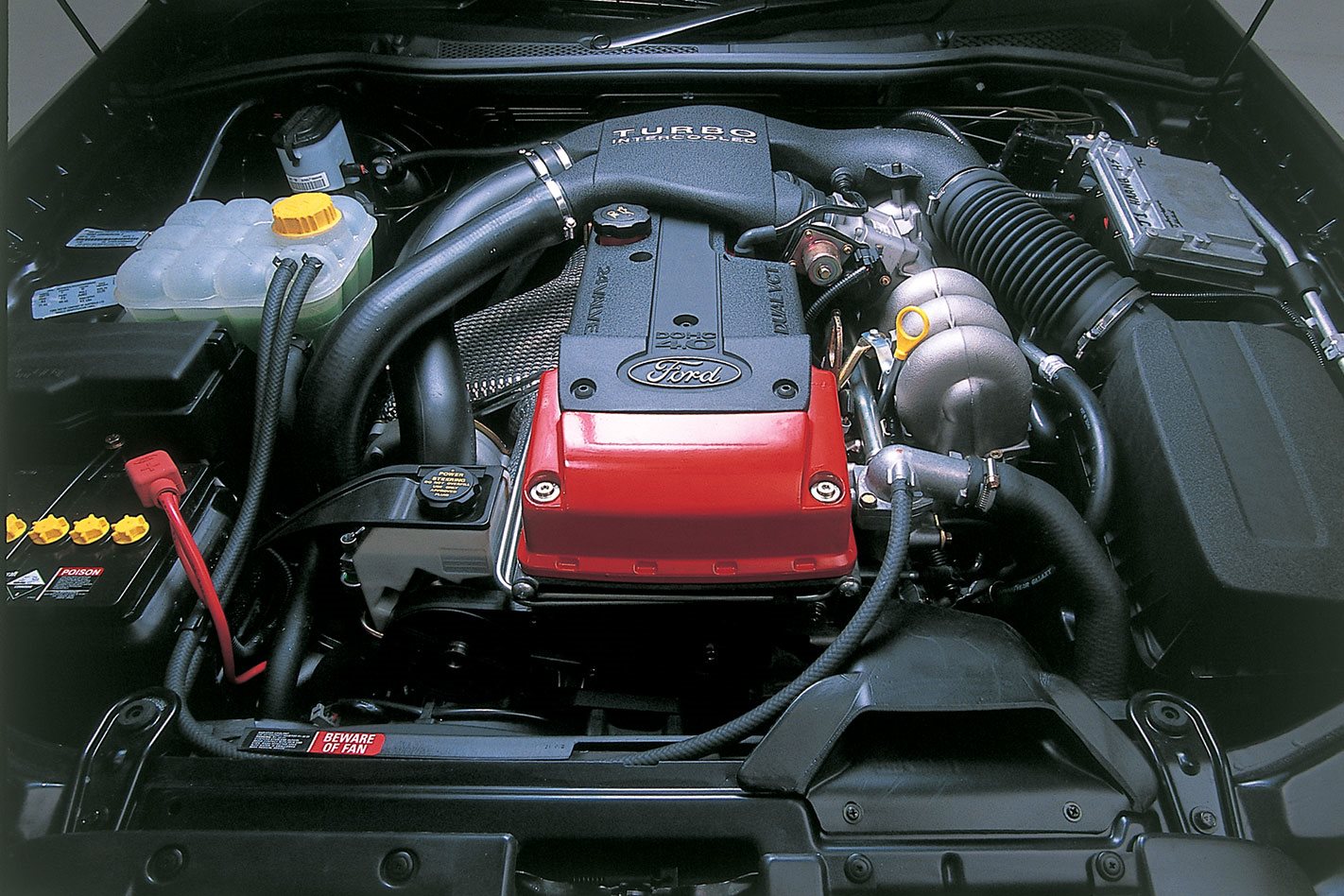
PRODUCED: 2002-14 DISPLACEMENT: 3983cc INDUCTION: Turbo
The Barra showed Aussies could build a world-beating six as good as anyone else.
It was FPV engineer Gordon Barfield’s inspired idea to bolt a large turbo to Ford’s all-new DOHC 4.0-litre six, producing 220kW/450Nm on a measly five psi. Later Ford and FPV versions showed the cast-iron block’s true potential, culminating in the Falcon XR6 Sprint that put all the best bits into a 325kW/576Nm swansong that could thump out 370kW and 650Nm on overboost.
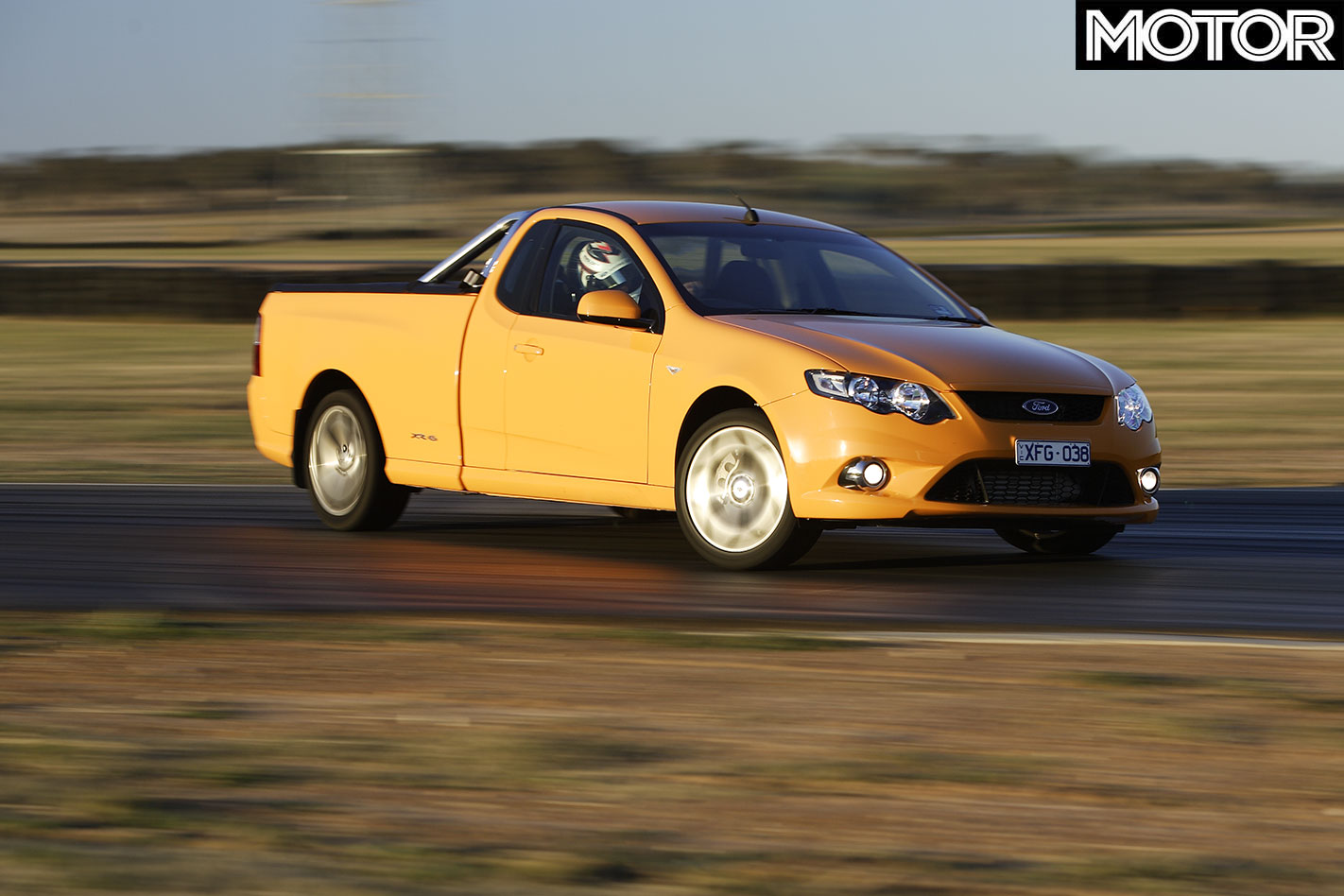
Unsurprisingly, tuners have also flocked to the engine, revealing 1000kW as achievable on a stock block.
BMW S54
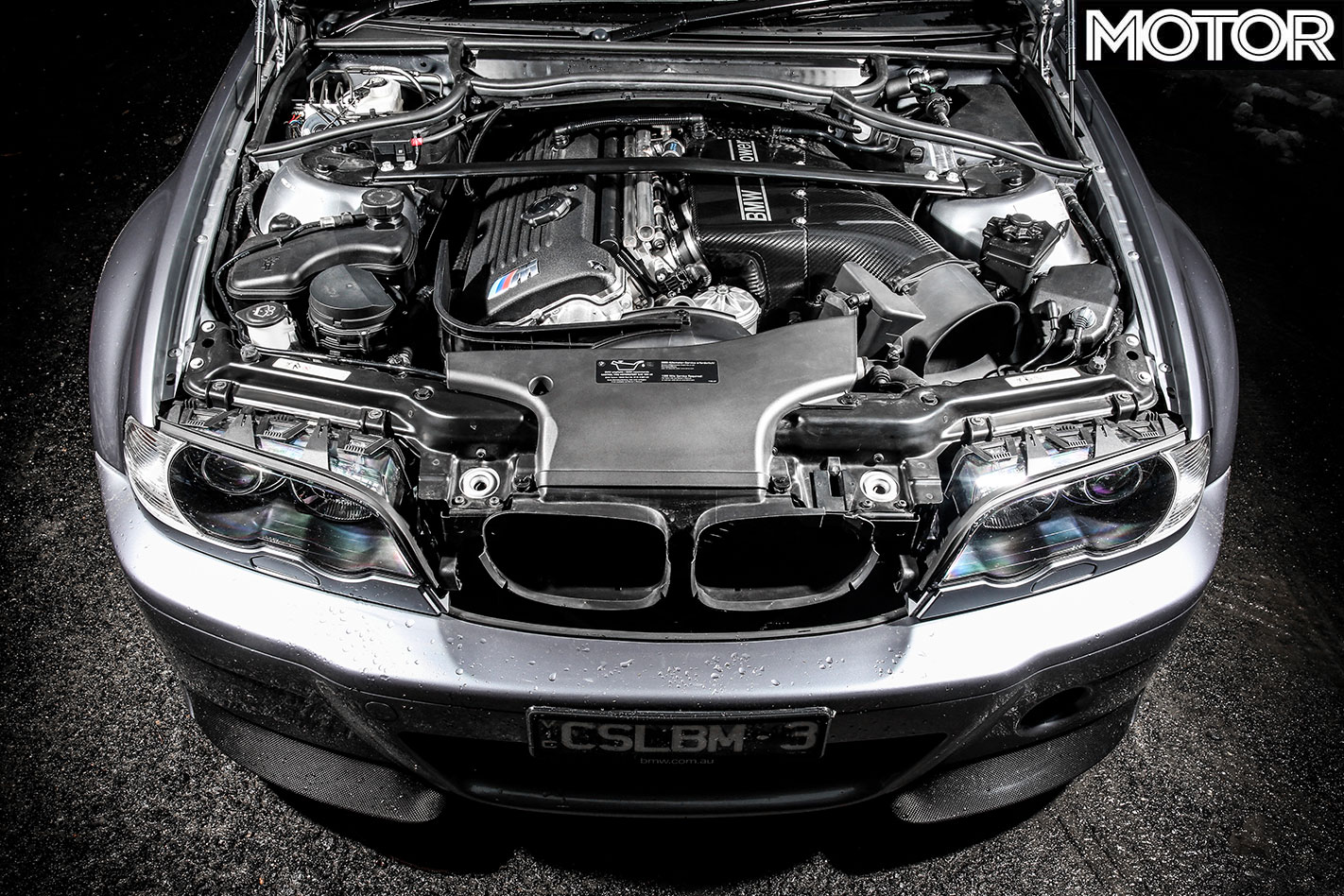
PRODUCED: 2000-06 DISPLACEMENT: 3246cc INDUCTION: NA
The E28 M5. The M1. BMW has relied on the inline-six to power its most iconic performance heroes for decades and the S54B32 that debuted in the E46 M3 is a particular highlight.
In regular M3s it delivered 252kW/365Nm thanks to its individual throttle bodies and double VANOS, while a reworking of its valvetrain and a new carbon-fibre air intake in the CSL’s HP version unlocked a further 13kW and 5Nm.
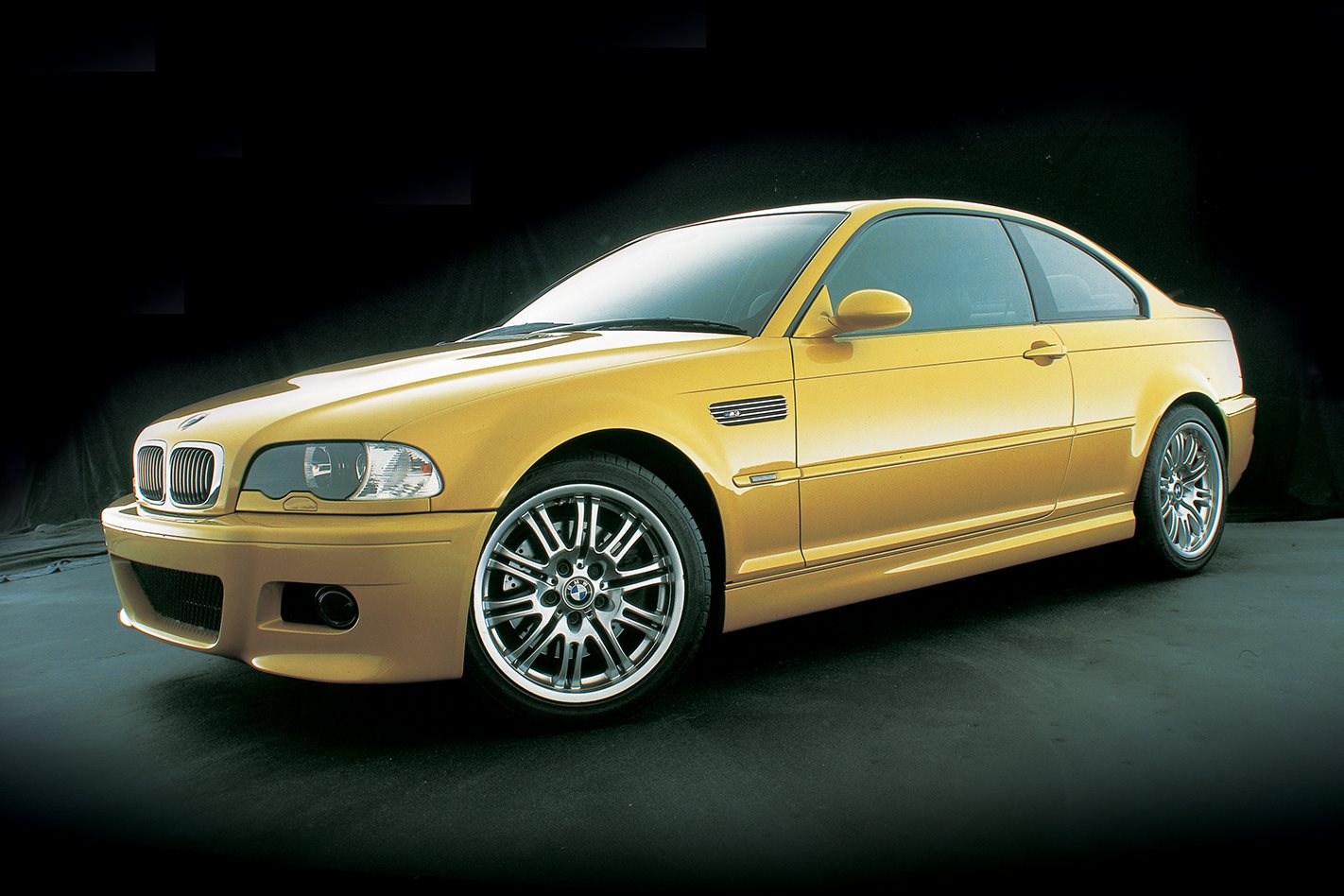
Besides the incredible noise emitted when spinning the S54HP to 8100rpm, it also extracted 83kW/115Nm from each litre of its 3246cc capacity. An achievement that an engine like Ford Mustang’s 5.0-litre Coyote V8 would need 415kW/575Nm to match.
Mercedes-Benz M198
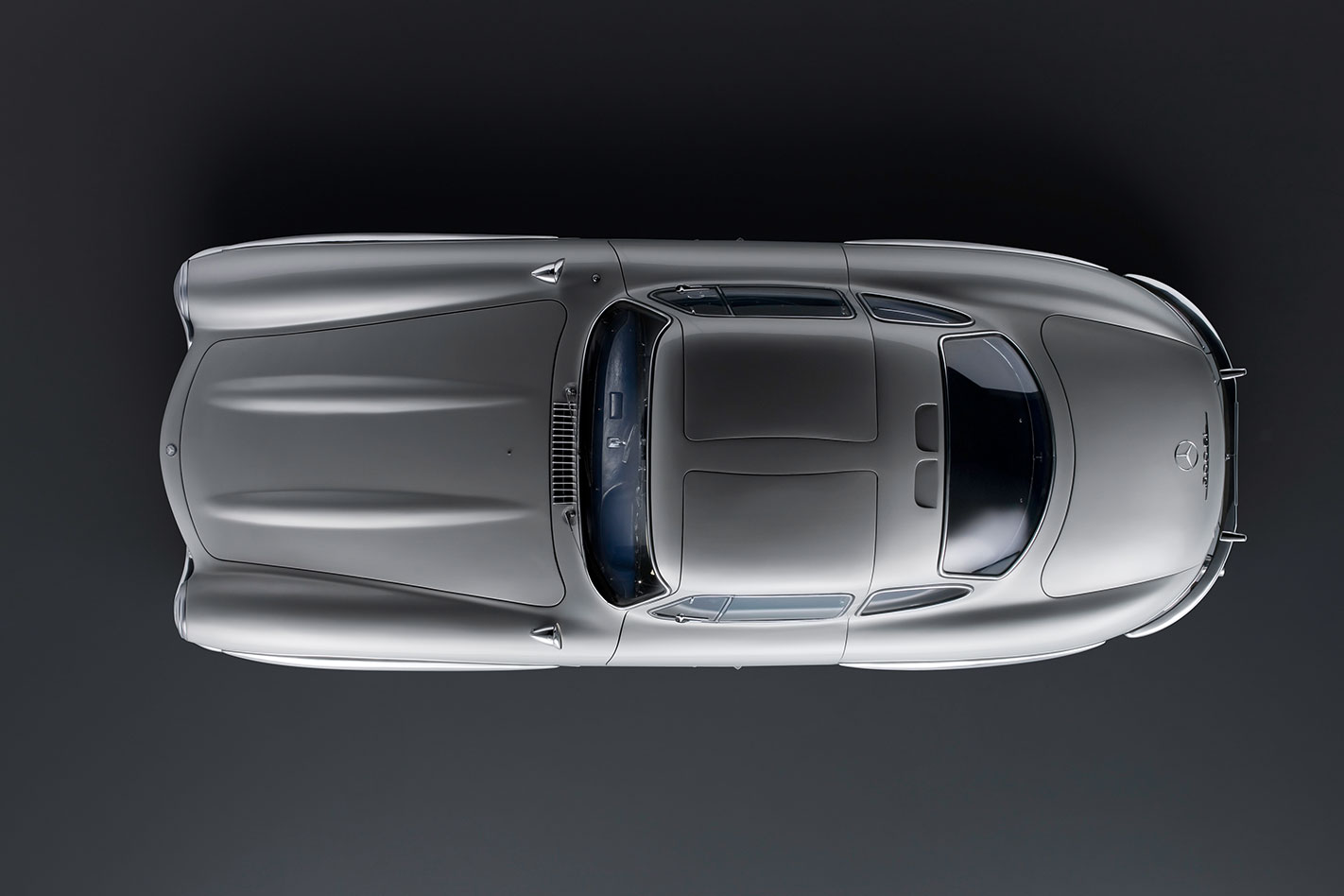
PRODUCED: 1954-63 DISPLACEMENT: 2996cc INDUCTION: NA
Engines usually find their ultimate form on the racetrack, but the roadgoing Mercedes-Benz 300SL bucked that trend when it debuted at the New York International Auto Show in 1954. Its donk was based on the M186 found in the brand’s W186 300 limo, which was then dry sumped for duty in the W194 SL racers.
They produced 125kW, or enough to propel them to first place at the 24 Hour of Le Mans enduro in 1954. In road trim, engineers developed the engine further as the M198 with a Bosch direct mechanical fuel injection system (a production car first), to produce 148kW and 275Nm. To top it off, the block was then upgraded to a far lighter alloy in 1962.
Nissan RB26DETT
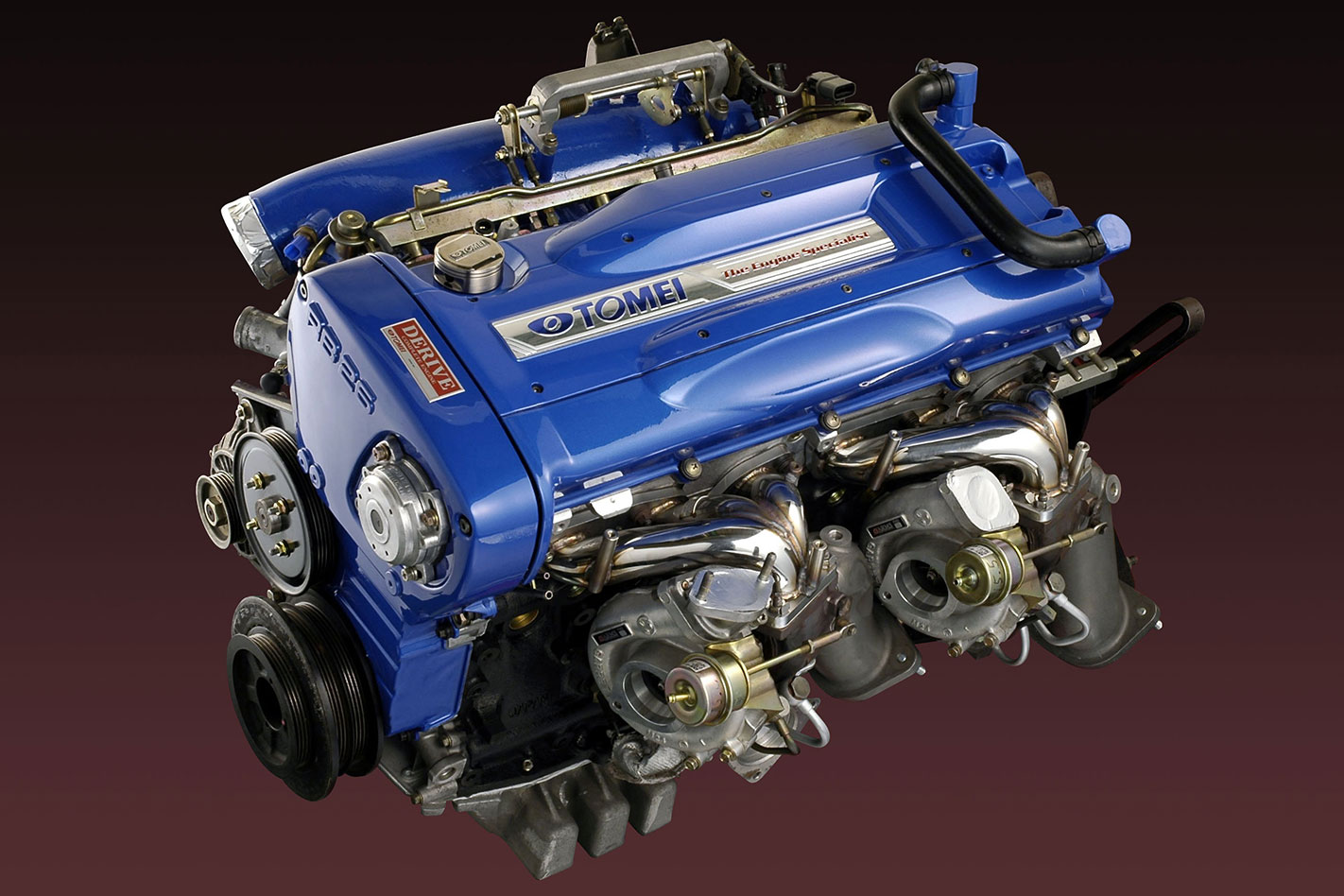
PRODUCED: 1989-02 DISPLACEMENT: 2568cc INDUCTION: Twin-turbo
While Nissan’s RB engine had been around for a while, it reached its peak when it was called up for the R32 Skyline GT-R. Debuting the new ‘26DETT’ suffix, it used belt-driven dual overhead camshafts, a cast-iron block, individual throttle bodies and twin ceramic turbos to punch out 205kW/355Nm.
While that was plenty for its day, the Japanese gentleman’s agreement on a 206kW limit grew increasingly restrictive as the GT-R evolved into R33 and R34 guises.
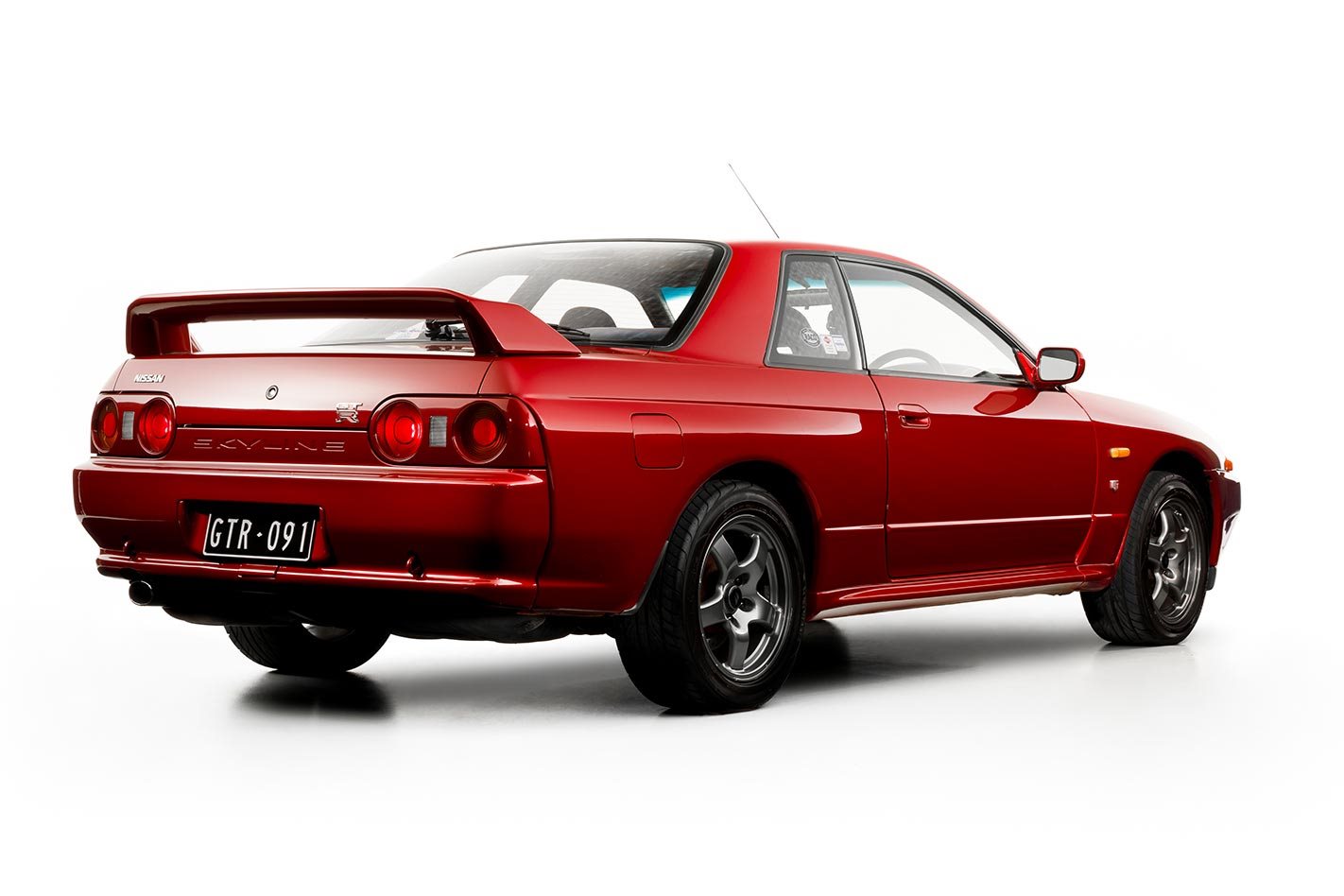
The engine’s Group A racing record with the R32 hinted at its capability, as do tuner examples, while Nismo showcased its production potential when it bored them to 2.8-litres for the 2004 GT-R Z-Tune. These made 368kW/540Nm.
Chrysler Hemi 6
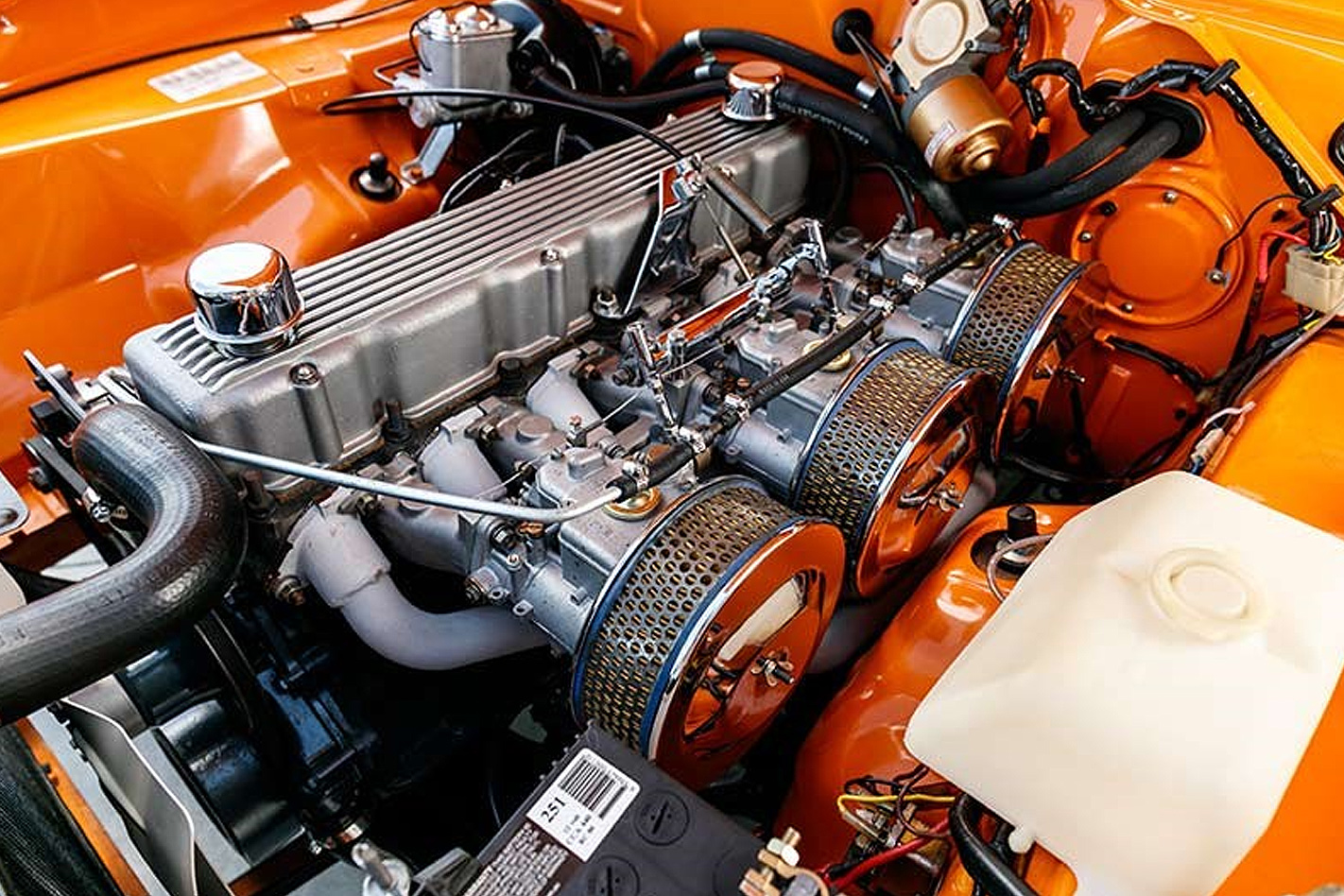
PRODUCED: 1972-73 DISPLACEMENT: 4342cc INDUCTION: NA
Aussies first tasted a six with true V8-crushing grunt when Chrysler Oz rolled up its sleeves on the 1972 Charger E49.
While the Aussie overhead-valve Hemi engine was fairly simple, locating exhaust and intake ports on the one side, it proved there was no replacement for displacement. Reworking the 4.3-litre used in the 1971 Charger E38, the E49’s engine sucked air through its triple Webers to put out 225kW/441Nm.
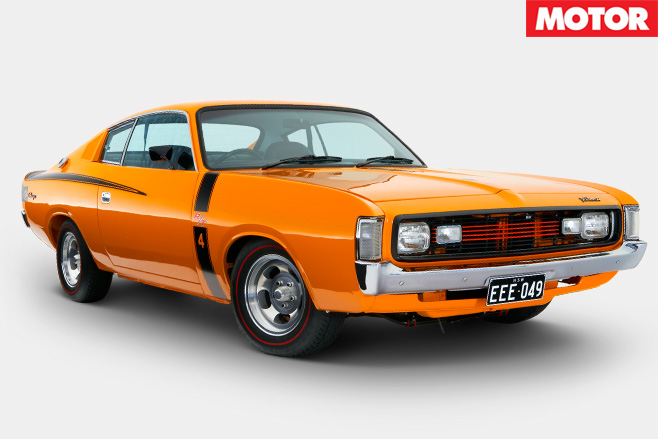
Forget the Holden Torana GT-R XU-1, this Chrysler covered Ford’s fabled GT-HO Phase III’s V8 for kilowatts. Although the E49 did not win Bathurst, it cut the quarter-mile in 14.4sec and earned local legend status.
Jaguar XK6
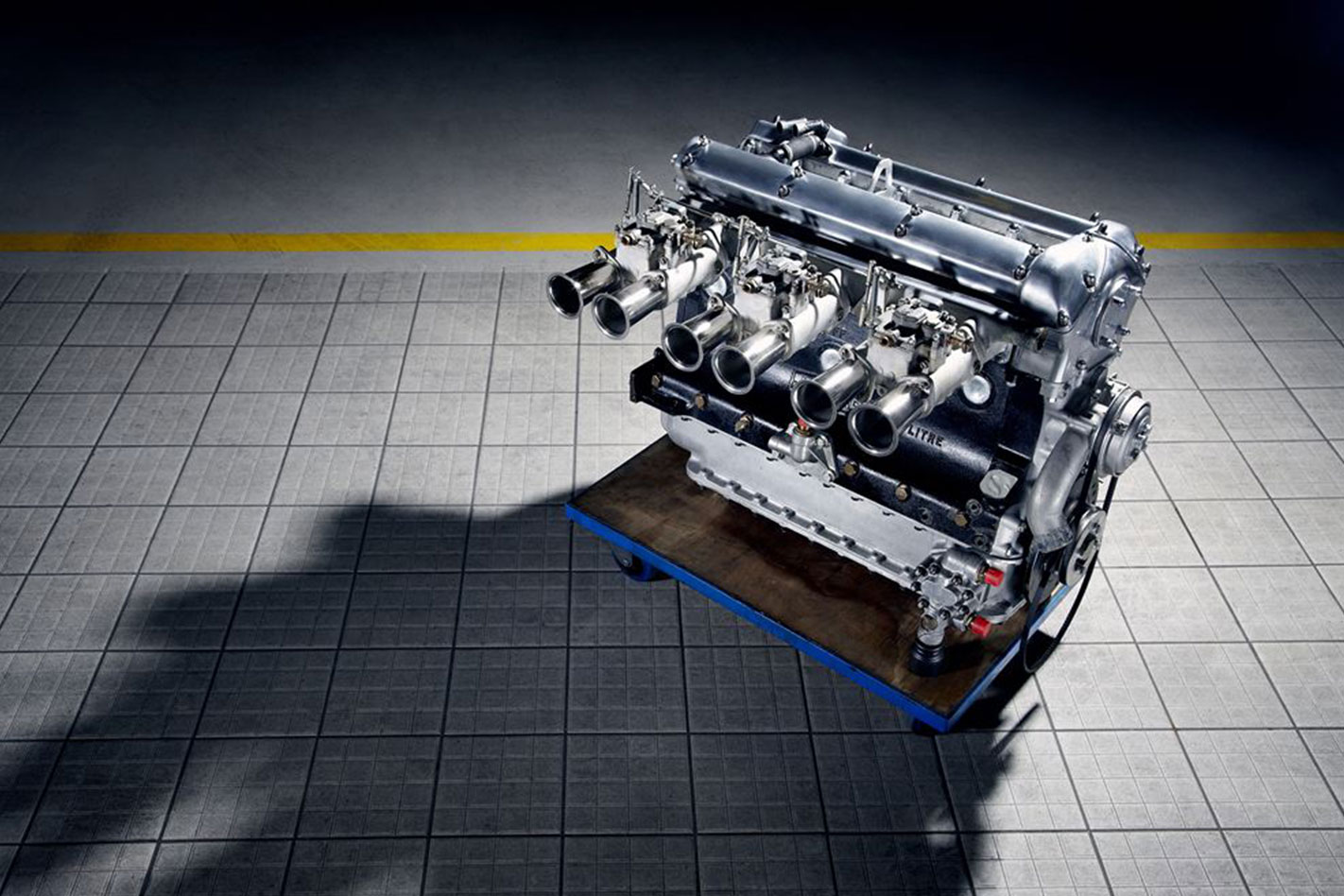
PRODUCED: 1949-92 DISPLACEMENT: 3442cc INDUCTION: NA
Decorated and versatile, the XK6 has powered everything from modern tanks to the gorgeous E-Type. Its legend kicked off with the 3.4-litre crossflow DOHC six that pushed the XK120 to 205km/h and a production car speed record in 1949, before claiming the 24 Hours of Le Mans in 1951 and 1953 in the nose of the C-Type.
The succeeding D-Type took the great race in ’55, ’56 and again in ’57 when a privateer raced the larger 3.8-litre version.
But it’s in the 1957 XK-SS, a road going D-Type, where the 3.4-litre truly flexed its muscle with 195kW.
Toyota 2JZ-GTE
PRODUCED: 1991-02 DISPLACEMENT: 2997cc INDUCTION: Twin-turbo
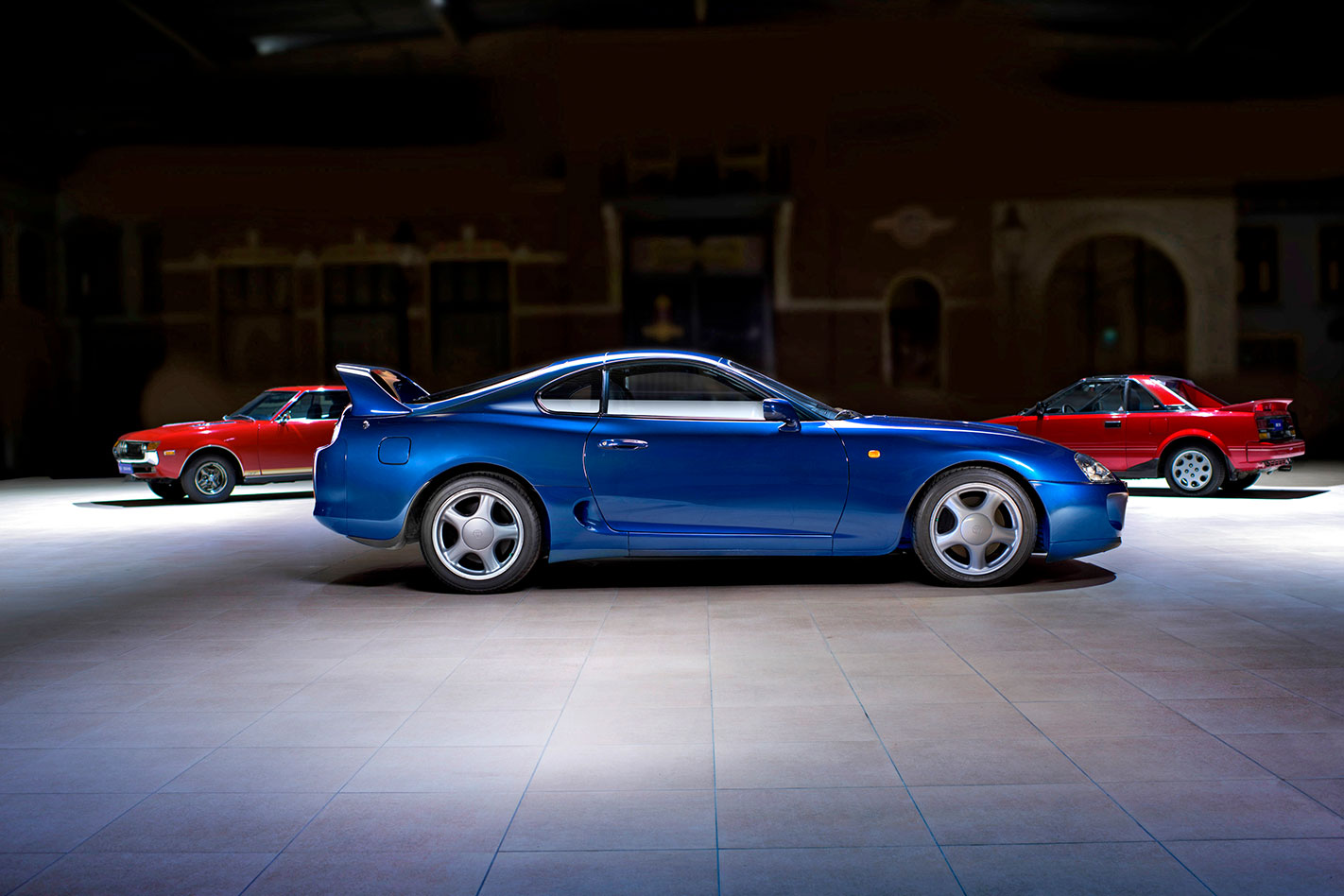
Toyota’s Aristo might have wielded the 2JZ-GTE first, but it will be remembered as an engine that belonged to the Supra.
Strength was key in the 2JZ-GTE’s clean-sheet design that, surprisingly, reverted to a cast-iron block. It also used a closed deck, forged crankshaft and a square bore and stroke.
Sequential turbos could push 243kW and 431Nm through its 3.0-litres, enough to propel a delimited Supra to 290km/h, but the engine quickly found its calling in the aftermarket that discovered it could easily reap 745kW with choice modifications.
BMW S58
PRODUCED: 2019- DISPLACEMENT: 2993cc INDUCTION: Twin-turbo
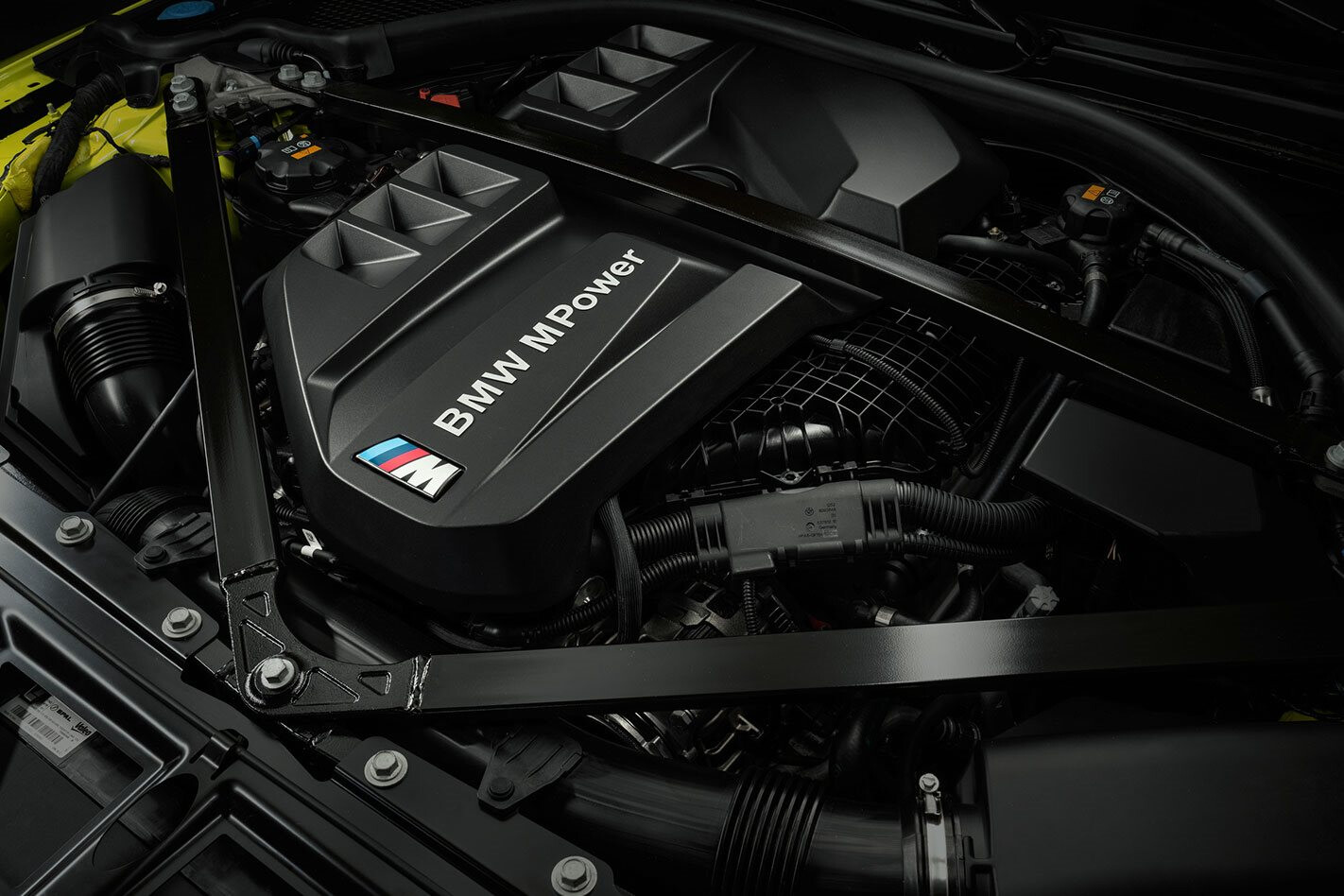
Turbocharging the F80 M3 might have given it serious grunt, but it’s the new M3’s S58 engine that has found manners to go with it.
The engine still spins high to 7200rpm. And not only does its 3D printed cylinder head, forged pistons and a lower compression ratio squeeze a hefty 375kW/650Nm from just 3.0-litres, it’s docile and smoother in delivery – as we’ve found in the X3 M.
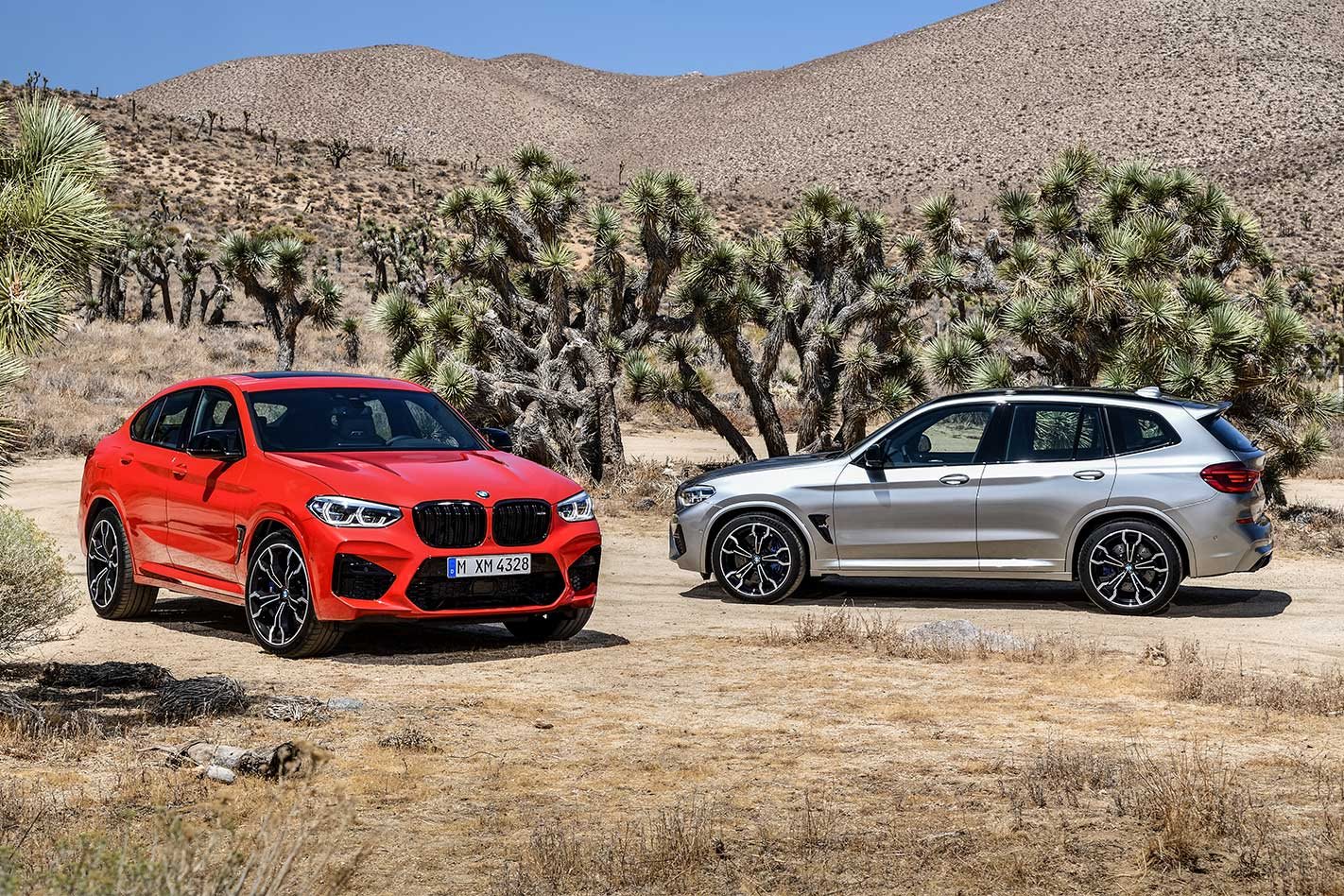
A small weight saving also paves the way for duty in the new M4 GT3, replacing the V8 M6. It confirms its closed-deck block and forged crank as sturdy enough to handle serious motorsport.
Caveats?
So with that many advantages in the inline-sixes favour, is the V6 on borrowed time? Not really, because of one simple fact – inline sixes are extremely difficult to package in any car that isn’t longitudinally-engined, where the engine points the same way as the car’s direction of travel. Large transverse-engined vehicles (where the engine is aligned sideways) like the Toyota Kluger require six-cylinder power in a compact package so for those vehicles, a V6 is still the best choice.
But for rear-wheel drive (or all-wheel drive) performance cars and large luxury sedans, it looks like the inline-six is very much back in fashion.
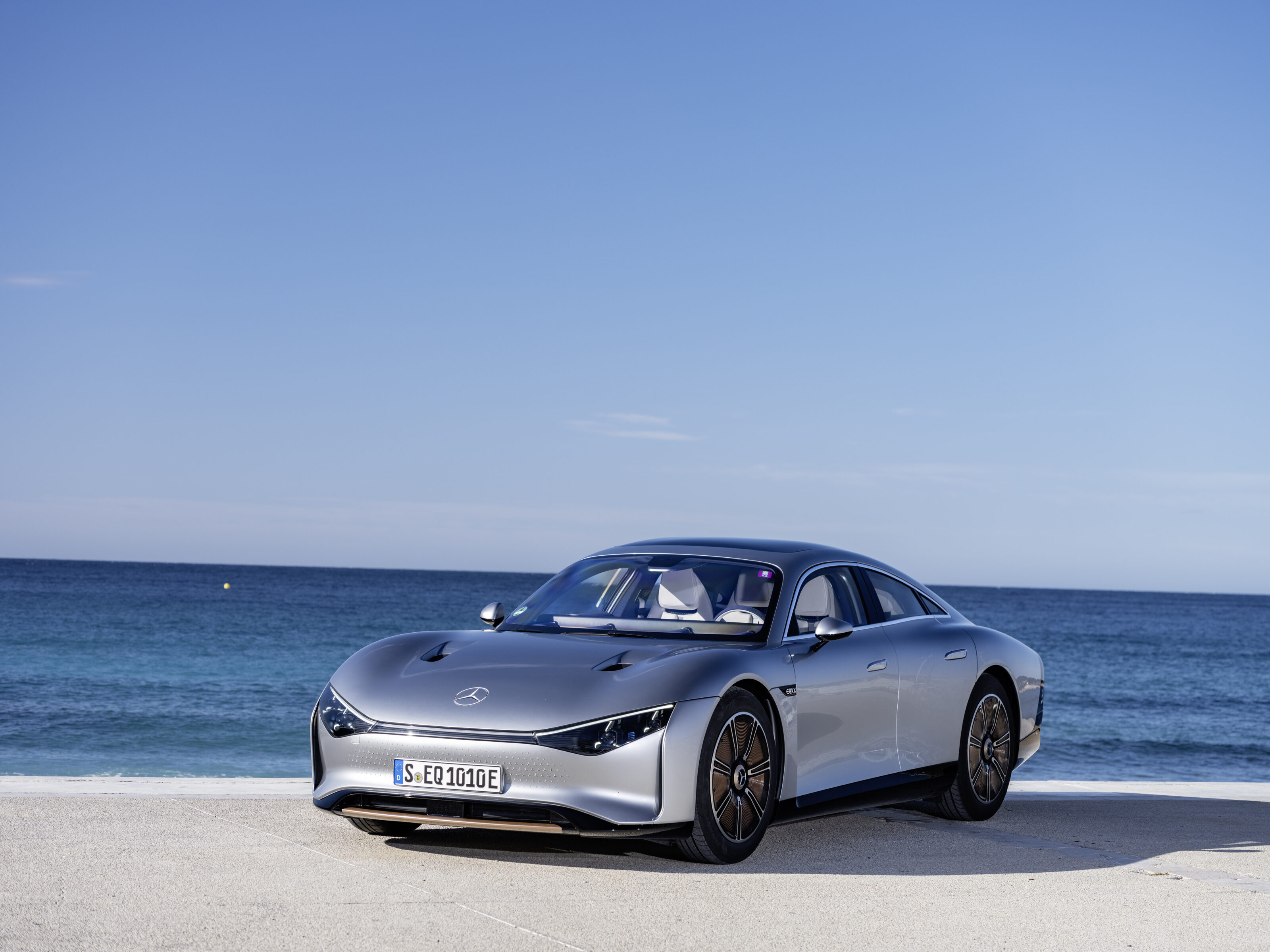
Mercedes-Benz‘s VISION EQXX battery-electric test vehicle has travelled more than 1000 kilometres from Germany to the south of France on a single charge.
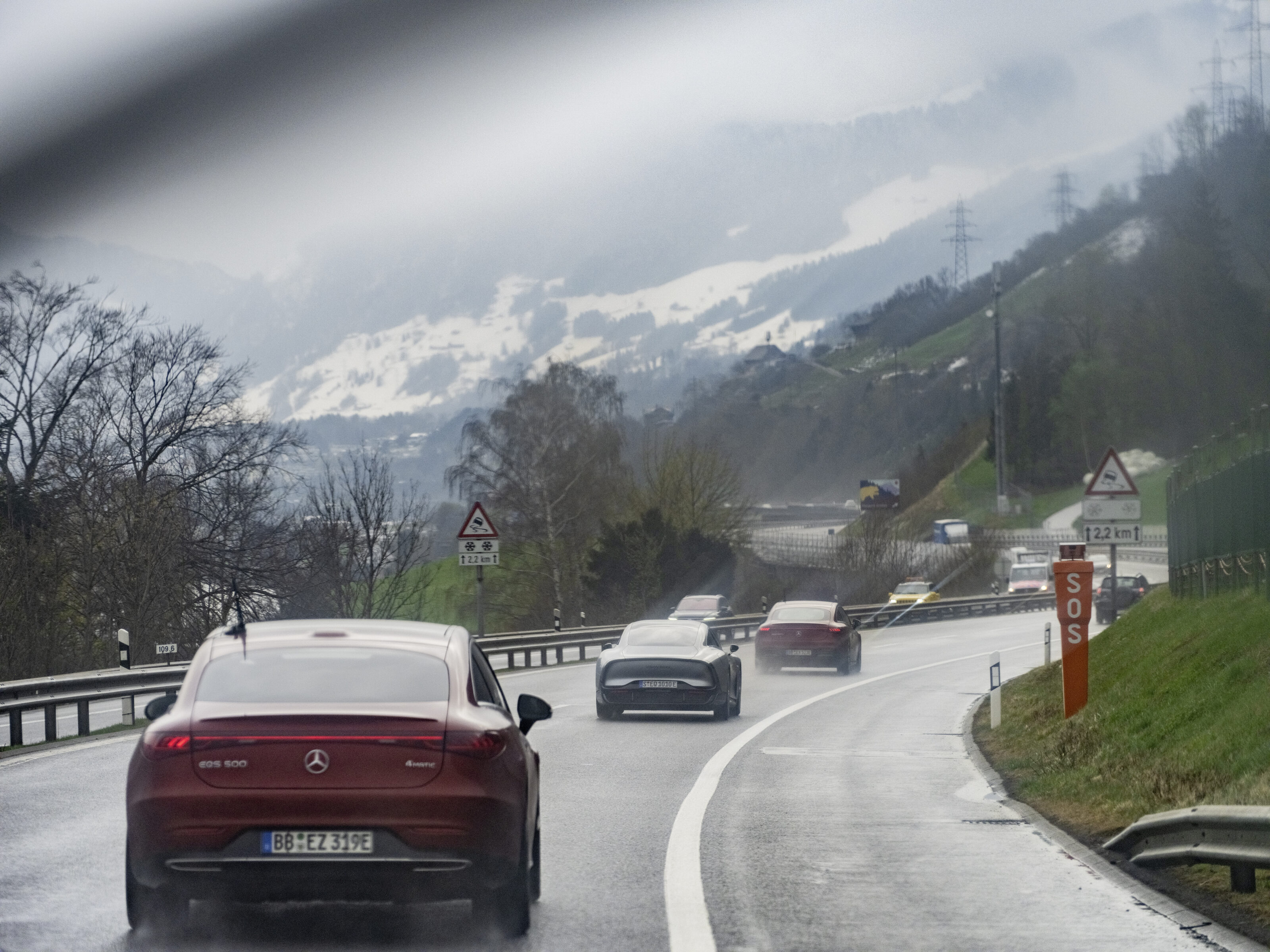
Travelling from the Sindelfingen assembly plant near Stuttgart across the Swiss Alps and Northern Italy to its destination of Cassis on the Côte d’Azur.
The journey started in cold and rainy conditions, and was undertaken at regular speed limits, save for a stint of fast-lane cruising at up to 140 km/h on an autobahn.
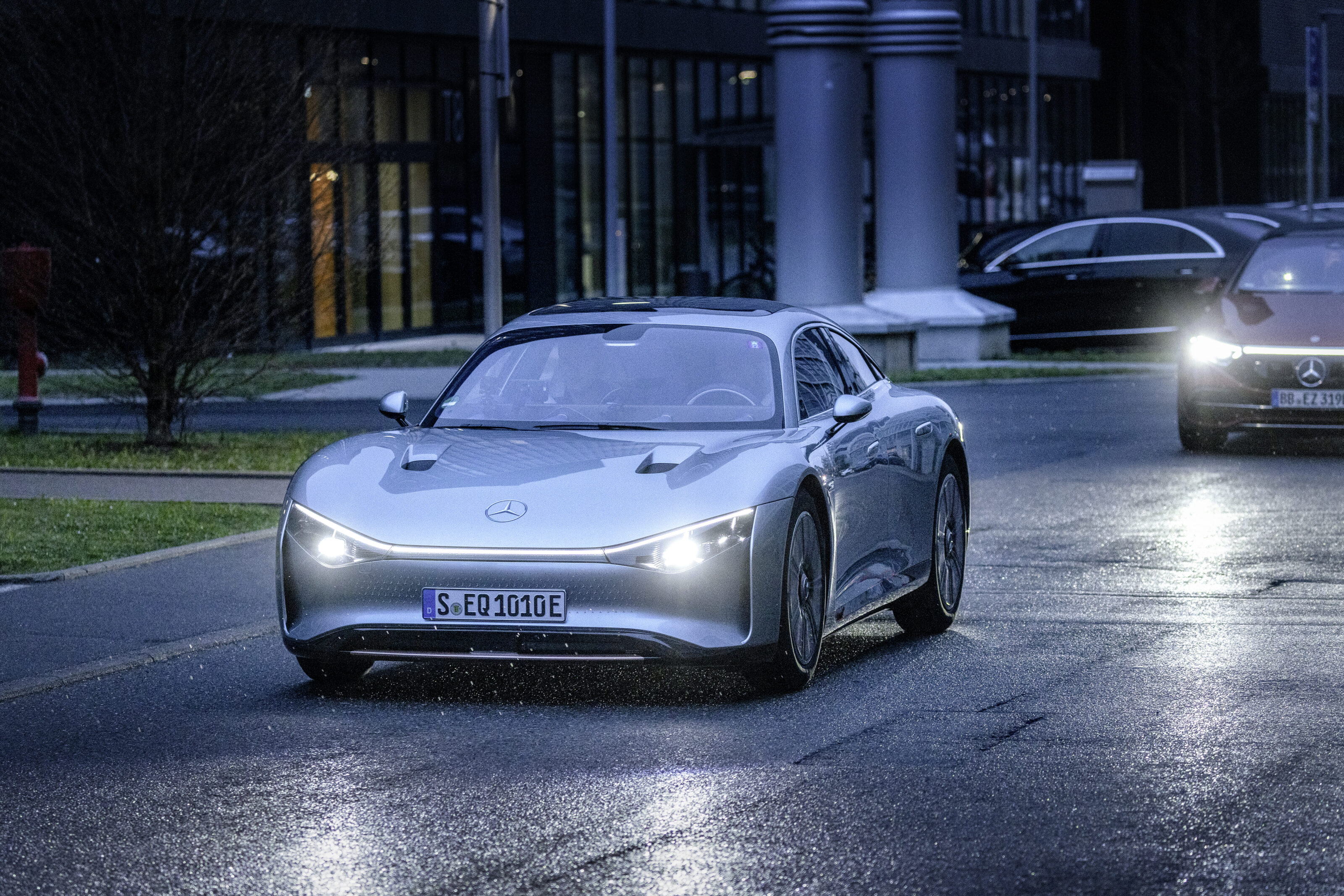
The 100kWh battery’s state of charge on arrival at Cassis was around 15 per cent, which would have provided an additional 140km of range.
Efficiency was what Mercedes-Benz claims is a record-breaking low of 8.7 kWh/100km. By comparison, one of the more economical EVs on the market, the Hyundai Kona, will do about 13.5kWh/100km on a good day.
To prove its endurance, the VISION EQXX’s charging socket was sealed and it was accompanied by an independent expert from the certification body TÜV Süd.
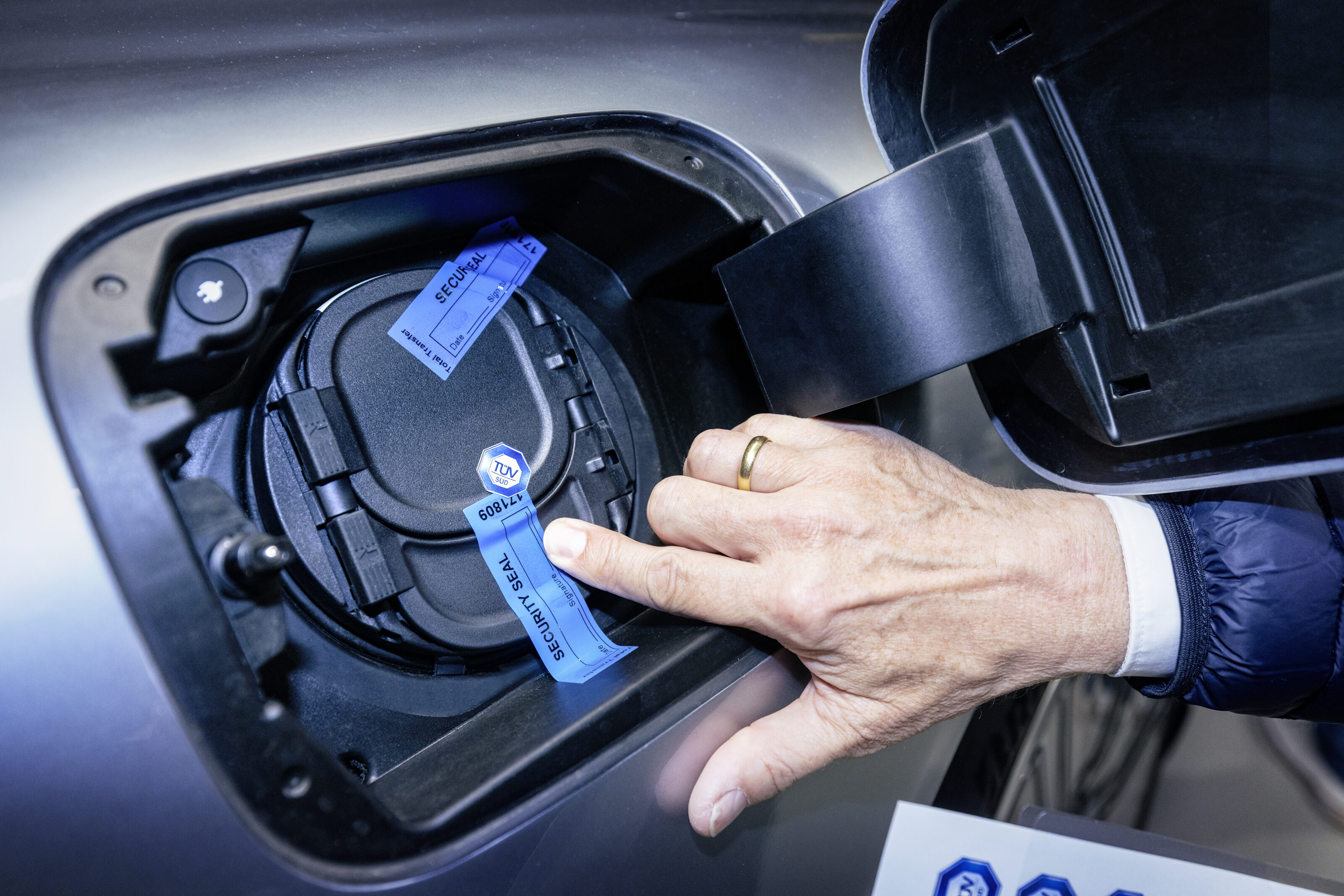
According to Mercedes-Benz, the achievement has delivered a new benchmark for electric vehicle efficiency and the technology used in the vehicle will be deployed in upcoming series-production vehicles.
“The VISION EQXX is the most efficient Mercedes ever built,” said Ola Källenius, Chairman of the Board of Management of Mercedes-Benz Group AG.
Innovative technology
“The technology programme behind it marks a milestone in the development of electric vehicles. It underpins our strategic aim to ‘Lead in Electric’.”
The VISION EQXX completed the one-day road trip across several European borders: from Germany to Switzerland, on to Italy, past Milan and finally to its destination, the port town of Cassis in France.
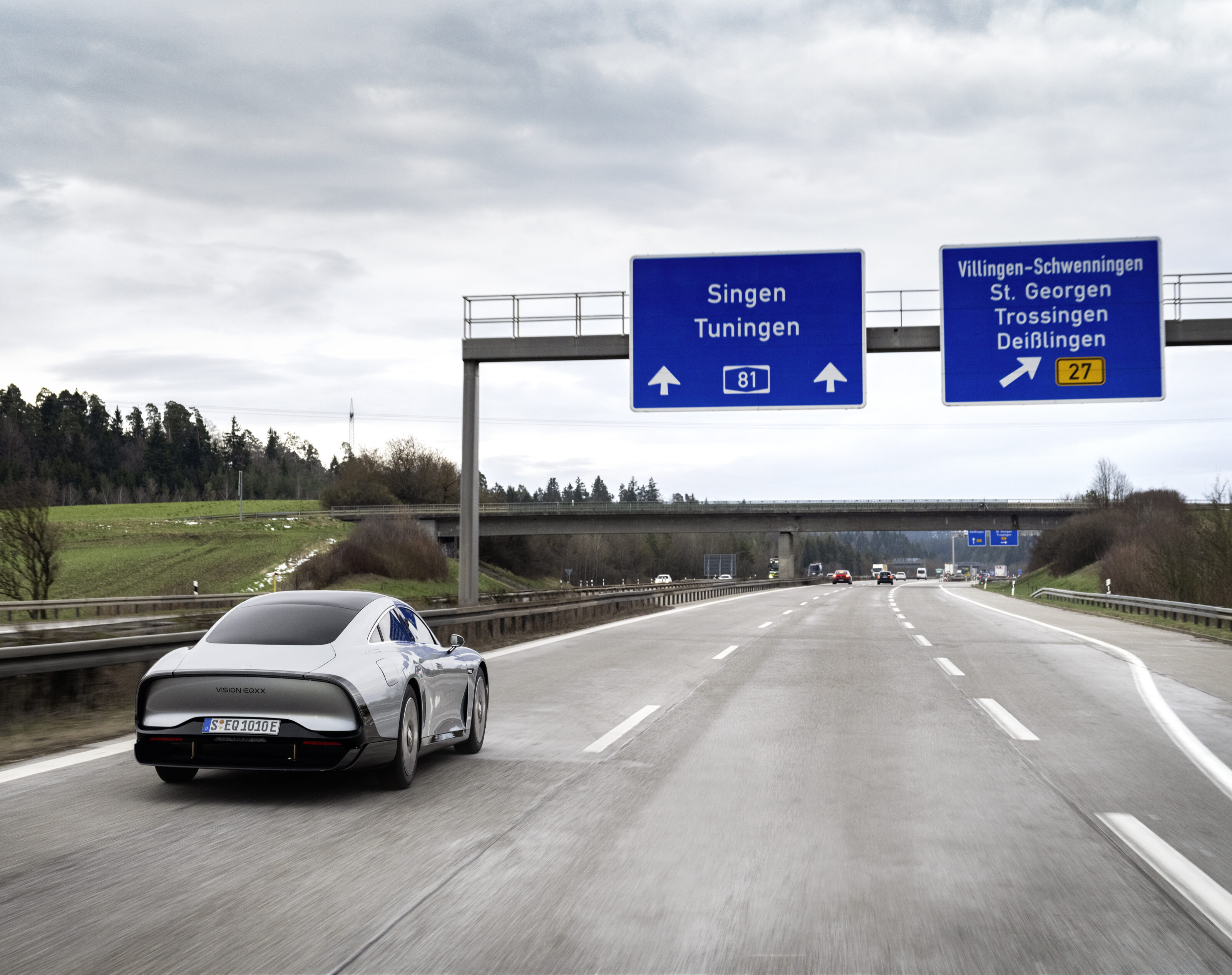
The route profile – which included everything from freeways to mountain passes and even roadworks – and the weather conditions were chosen to provide a wide variety of challenges. This included travelling in cold conditions where lithium-ion batteries are most inefficient – temperatures from start to finish ranged from three to 18 degrees Celsius.
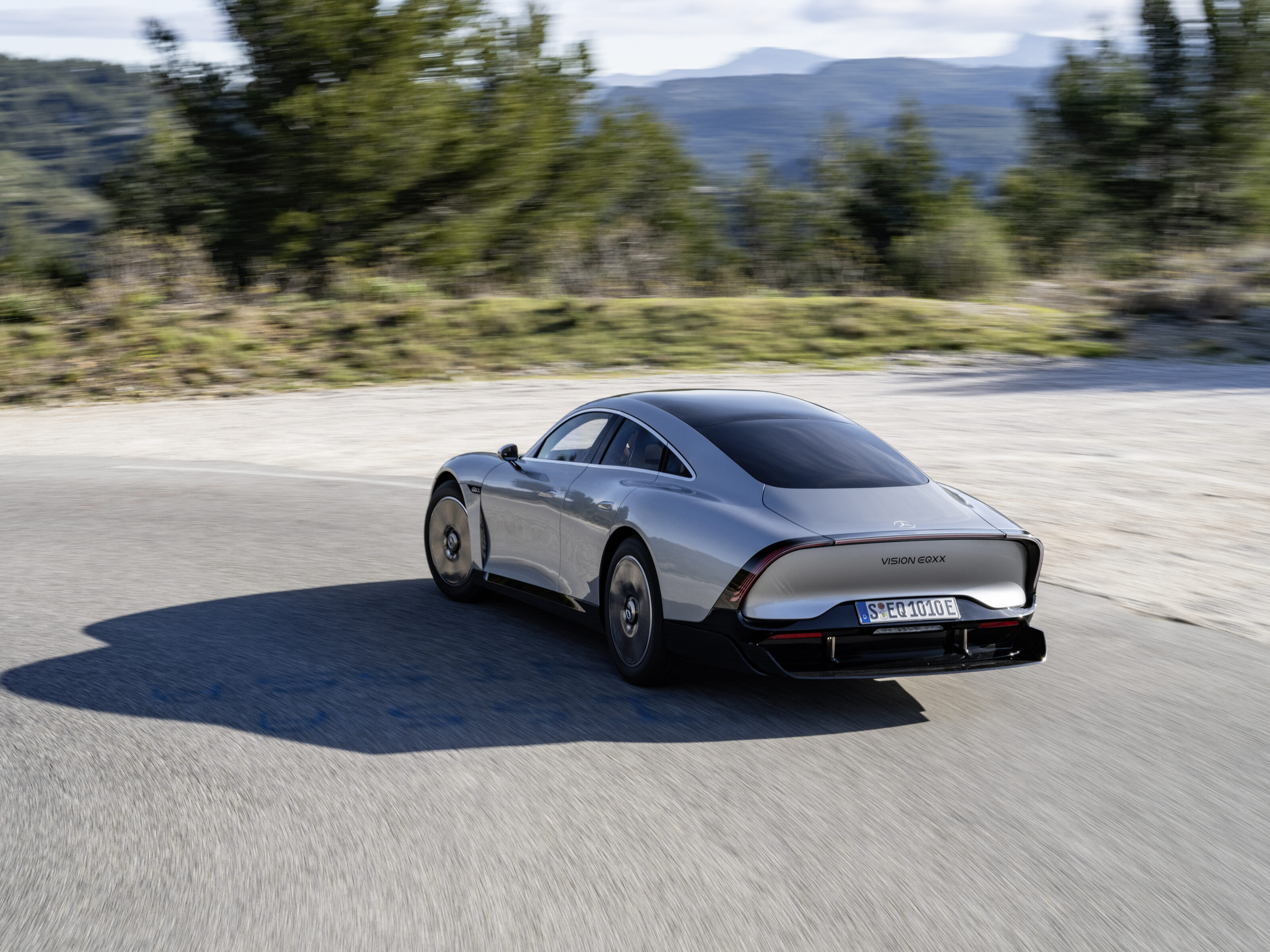
Countering the cold was the VISION EQXX’s slippery design that sees it achieve a drag co-efficient of 0.17 – the Porsche Taycan’s is 0.22.
Much of this is due to the small frontal area of 2.12 m² and fishtail rear end that mean the rear wheels roll in the slipstream of the front wheels. An active rear diffuser, which automatically deploys at 60 km/h, provides better airflow to significantly reduce drag.
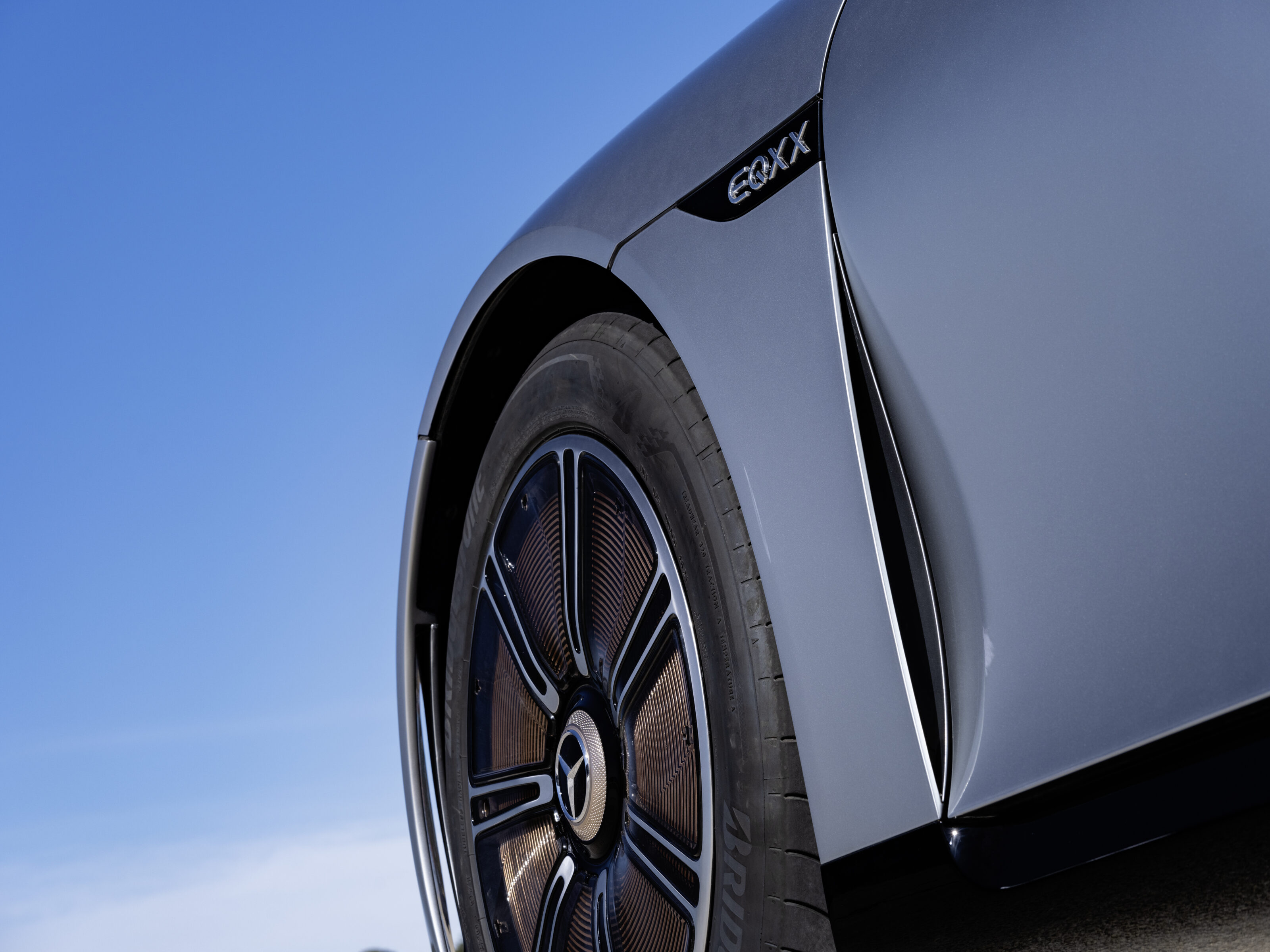
Then there are the tyres Bridgestone designed specifically for the VISION EQXX, which have a very low rolling-resistance rating of 4.7 thanks, in part, to their 185/65 R 20 97 dimensions (large diameter and a narrow tread).
By way of comparison, the current EU tyre label requires a figure of 6.5 for the top rating in Class A, with the Mercedes-Benz EQS rolling on tyres with a resistance of 5.9.
The VISION EQXX’s lightweight construction, helped by the dedicated electric chassis with a lightweight F1 subframe and aluminium brake discs, was particularly helpful during the uphill climbs through the Alps.
Also contributing to the light weight (1755 kilograms unladen) is the battery. At 100kWh, the power storage unit developed specifically for the VISION EQXX has almost the same amount of energy as the battery of the EQS, but has half the volume and is 30 per cent lighter.
The outcome is that the compact battery, measuring just 200 x 126 x 11 centimetres, is also comparatively light at 495 kilograms and can fit in a compact car.
One good thing about negotiating mountains in an EV is when you have to come back down. The VISION EQXX made the most of the situation, with its highly efficient regenerative braking system pegging back some of its battery charges.
The VISION EQXX can use regen braking’s recuperation effect on any type of gradient and during every braking manoeuvre, thus extending its driving range. A positive side effect is that the mechanical brakes are barely used, which makes it possible to use new types of aluminium brake discs that weigh significantly less than their steel counterparts.
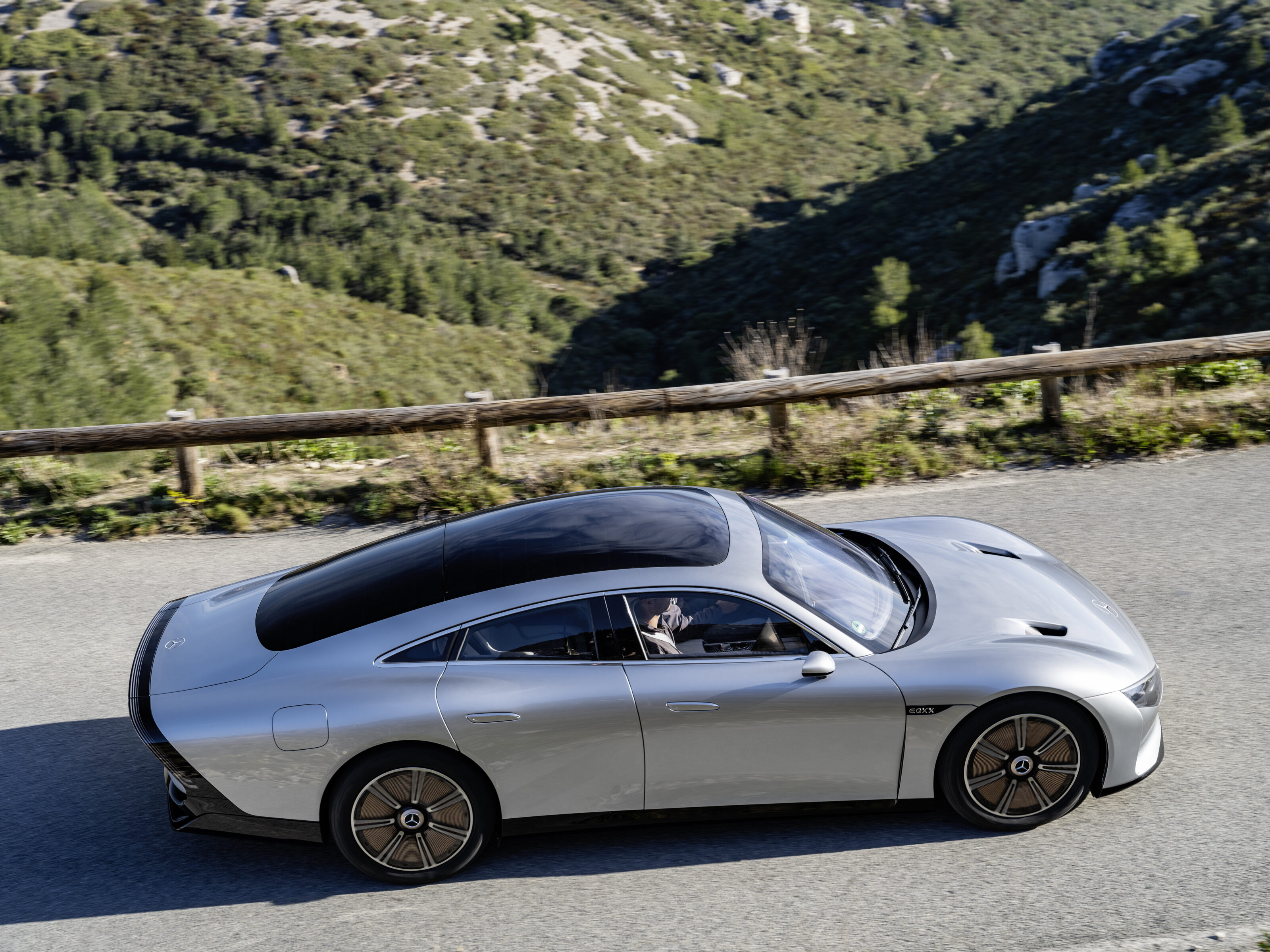
Another way to conserve energy is through the rooftop solar panels that proved useful around midday in the Po Valley near Milan. The 117 solar cells feed the 12-volt battery, which supplies power to auxiliary functions such as the navigation system – which reduces the load on the high-voltage battery.
Overall, the solar booster increased driving range by more than two per cent – which adds up to a good 25 kilometres on a journey of more than 1000.
The electric drive unit in the VISION EQXX – consisting of the electric motor, transmission and power electronics – was developed together with the F1 specialists at Mercedes-AMG High Performance Powertrains (HPP) and has a peak output of 180kW.
Just like the battery, the electric drive unit is compact, lightweight and highly efficient. Its average efficiency is 95 per cent, which means 95 per cent of the energy from the battery ends up at the wheels.
VISION EQXX specifications
VISION EQXX quick facts
- It completed more than 1000km with a single battery charge in real everyday traffic
- Efficiency-enhancing measures lead to very low battery consumption of 8.7kWh/100 km
- The aerodynamics and exterior design enable a benchmark drag coefficient of 0.17, which has a particularly positive effect on energy consumption at high speeds on the motorway
- The tyres with a significantly lower rolling resistance than the class A required by the EU tyre label and improved aerodynamic geometry, combined with lightweight magnesium wheels, provide more driving range
- The radically new drive concept developed by Mercedes-Benz achieves a benchmark efficiency of 95 per cent from the battery to wheels
- Advanced digital tools enable innovative lightweight designs that increase efficiency and driving range
- Ultra-thin roof panels feed the battery system and provide up to 25km of additional driving range
- Software-driven approach is the key to success in achieving efficiency targets and a fast development process, including a sophisticated battery management system.
VISION EQXX trip data
Snapshot
- 3.5-litre twin-turbo V6 to power next-generation G90
- 48-volt electric supercharger available to boost power
- Preemptive suspension system standard across the range
UPDATE, April 14, 2022: The standard-wheelbase 2023 Genesis G90 will gain the electric supercharger previously exclusive to long-wheelbase variants.
That is according to South Korean publication DailyCar, citing documents from the nation’s Ministry of Industry and Environment.
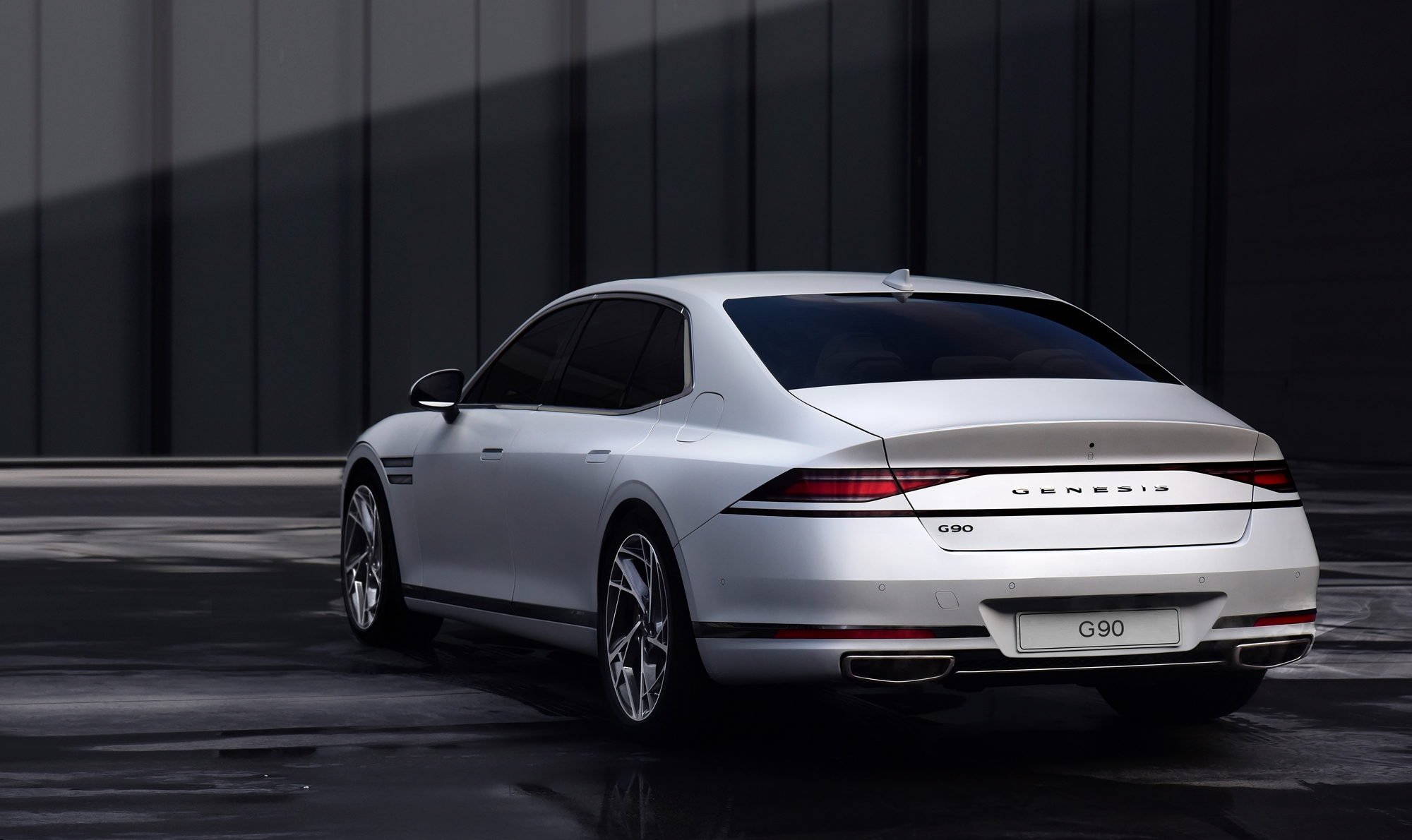
The 48-volt electric supercharger is mated to the G90’s 3.5-litre twin-turbo V6, producing 305kW of power and 549Nm of torque – a boost of 26kW/19Nm over the regular 279kW/530Nm unit.
Genesis claims the addition of the electric supercharger will improve response, with increased acceleration at low to medium speeds and torque performance – in addition to greater fuel economy.
The marque’s plan to expand the boosted engine into additional vehicles is currently unknown, however, it will be shortlived with Genesis planning to go all-electric by 2030.
The story to here
December 15, 2021: Genesis’ most luxurious model yet is motivated by a 280kW 3.5-litre turbocharged petrol engine, while the long wheelbase versions gains an electric compressor powered by the new 48-volt mild hybrid system.
Genesis hasn’t confirmed a power output for the G90’s unit assisted by its electric supercharger, but unlike the rear-drive-only standard wheelbase car, the long wheelbase model’s eight-speed automatic gearbox sends power to all four wheels.
Multi-chamber air suspension and rear-wheel steering – boosting manoeuvrability at low speed and stability at high speed – also feature as standard on the G90 Long Wheelbase.
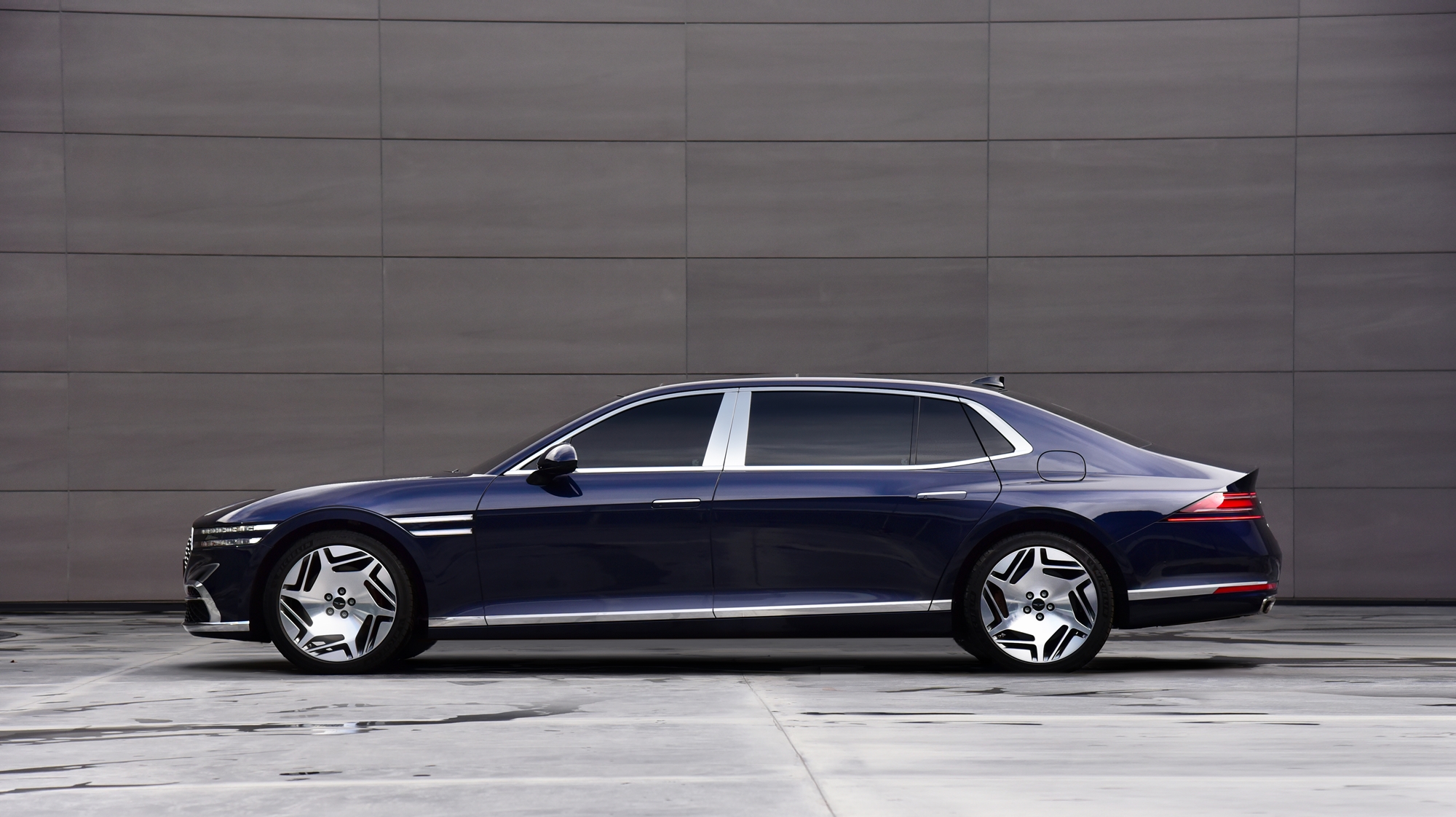
The regular G90 offers Genesis’s Preview-Electronic Control Suspension, a system which scans the road ahead of the car and uses data from the sat-nav to adjust the suspension dampers according to the road for maximum comfort. This adaptive tech features on the air-sprung set-up, too.
According to Genesis, if the technology senses a hump in the road 100m ahead, it raises the car’s ride height by 10mm and optimises the suspension settings to reduce the jolt to passengers; on rough roads the system can raise the suspension by as much as 25mm at both the front and the rear to avoid the body contacting the ground over harsher bumps.
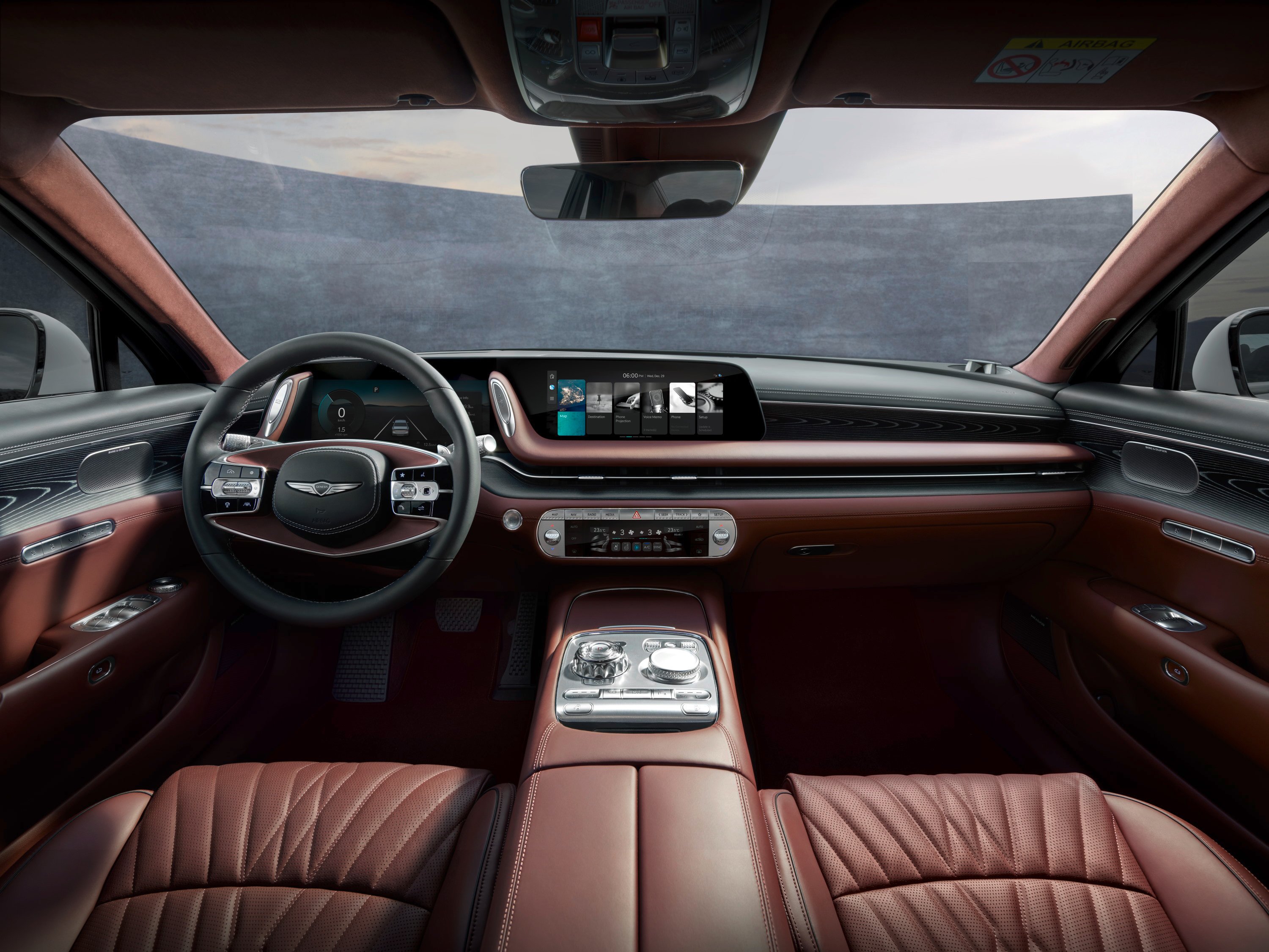
There’s also a Brake Mode function with a ‘Chauffeur’ setting – one of three modes which adjusts the parameters of the braking system depending on driver preference.
Continuing the focus on refinement, Genesis has equipped the G90 with active noise cancellation tech. This picks up frequencies from road noise and sends signals to the car’s speakers to cancel this out. It’s helped by laminated glass.
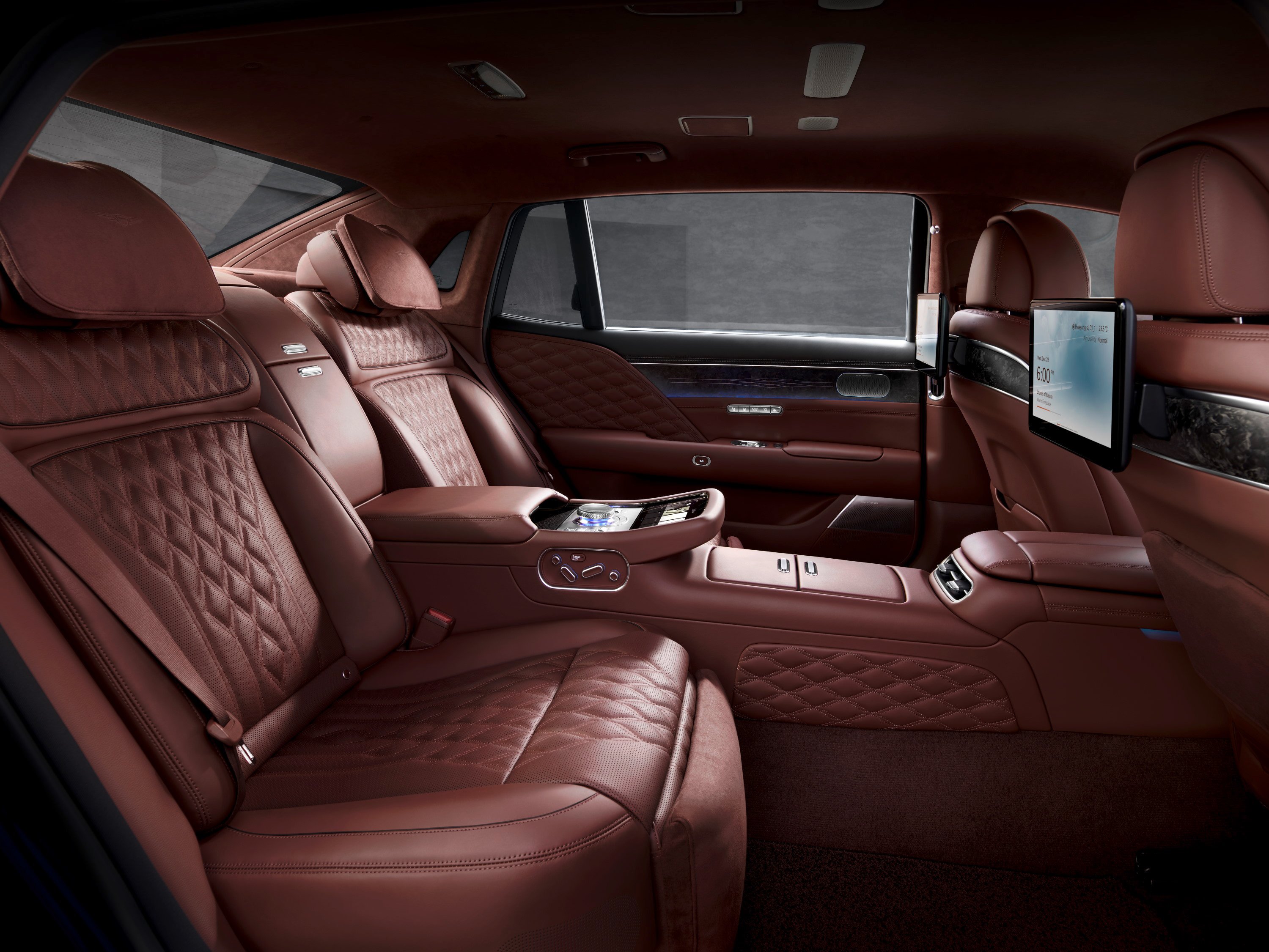
Other tech includes flush door handles, keyless entry vid Genesis’s Digital Key 2 and a fingerprint recognition system to start the car, which also pre-loads specific driver settings which have been previously assigned to the driver’s fingerprint.
Described as “the most elegant interpretation of the brand’s design philosophy of Athletic Elegance yet” by the Hyundai Group’s premium brand, the Genesis G90 combines many design features seen on its most recent models, such a the smaller G80 sedan and GV80 SUV. The model has so far been ruled out for Australia as a rival for the BMW 7 Series and Mercedes-Benz S-Class.
The global shift towards electric vehicles is in full swing, with one senior manager at Mazda suggesting we could be witnessing the last petrol and diesel engines to be developed.
“This will be – most likely be – the last generation of internal-combustion engines,” Mazda Europe’s head of technical development, Joachim Kunz, told Automotive News Europe last month.
However, Kunz looked to downplay his comments later, telling the UK’s Autocar just last week the MX-5 would continue in its current format.
“[The MX-5 is] our brand icon and it is always treated very specially,” he said.
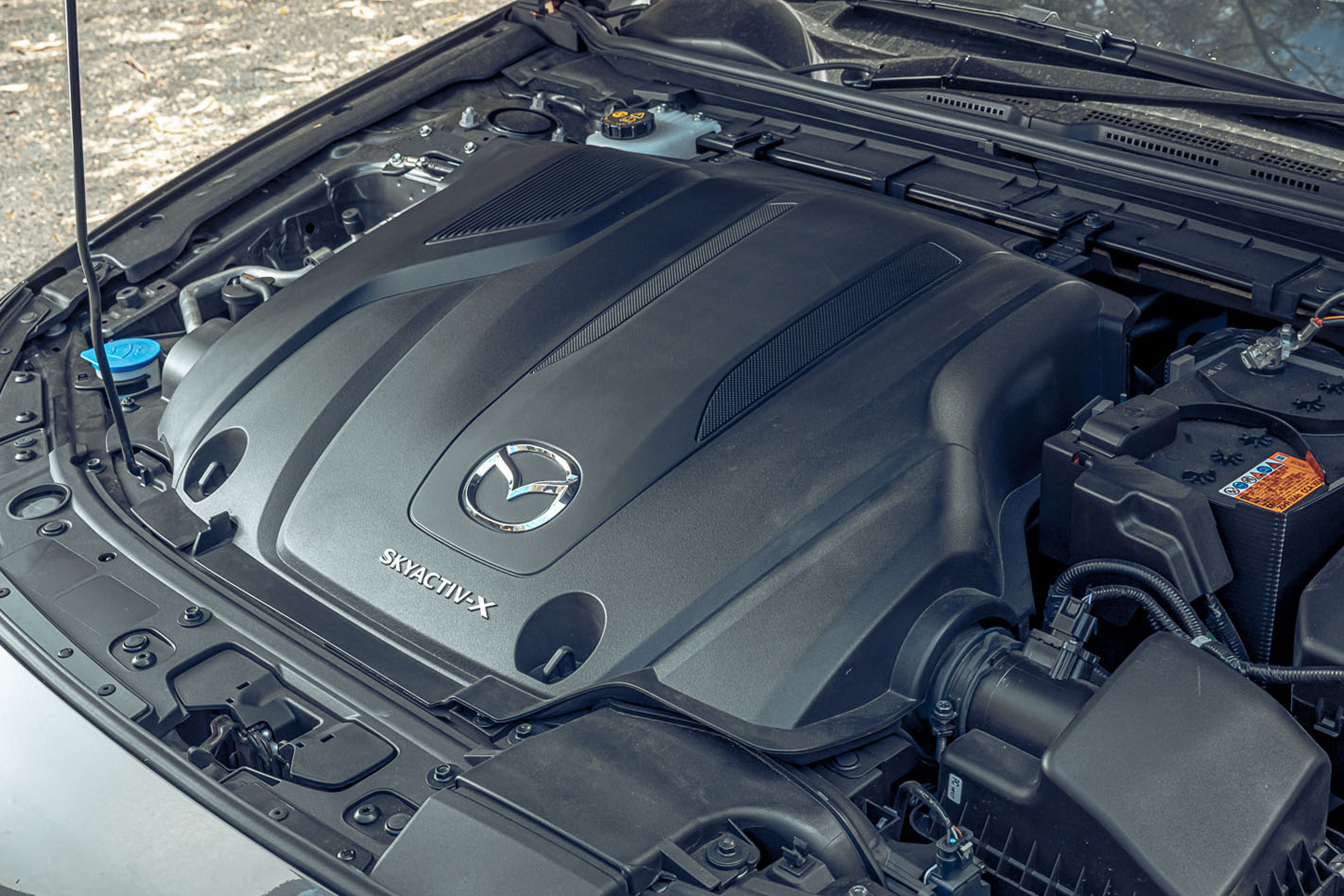
“At the moment, it looks like we will have this car forever, with this size and concept and combustion engine. Of course, some day, we will have to electrify it, but we want to keep this pure concept.”
Rumours of a mild-hybrid MX-5 have swirled for some time, after technical drawings first surfaced in 2020.
Kunz’s suggestion that this is the last generation of internal-combustion engines came as he outlined plans for the Japanese carmaker to offer a Euro 7-compliant six-cylinder diesel engine in the future.
“Mazda will fulfil the Euro 7 emission standards with the new diesel engine,” Kunz said, despite the final regulations not yet being written up.
The European Union is planning to introduce the stringent new emissions regulations from 2025, opening a number of new testing facilities recently ahead of the changes.
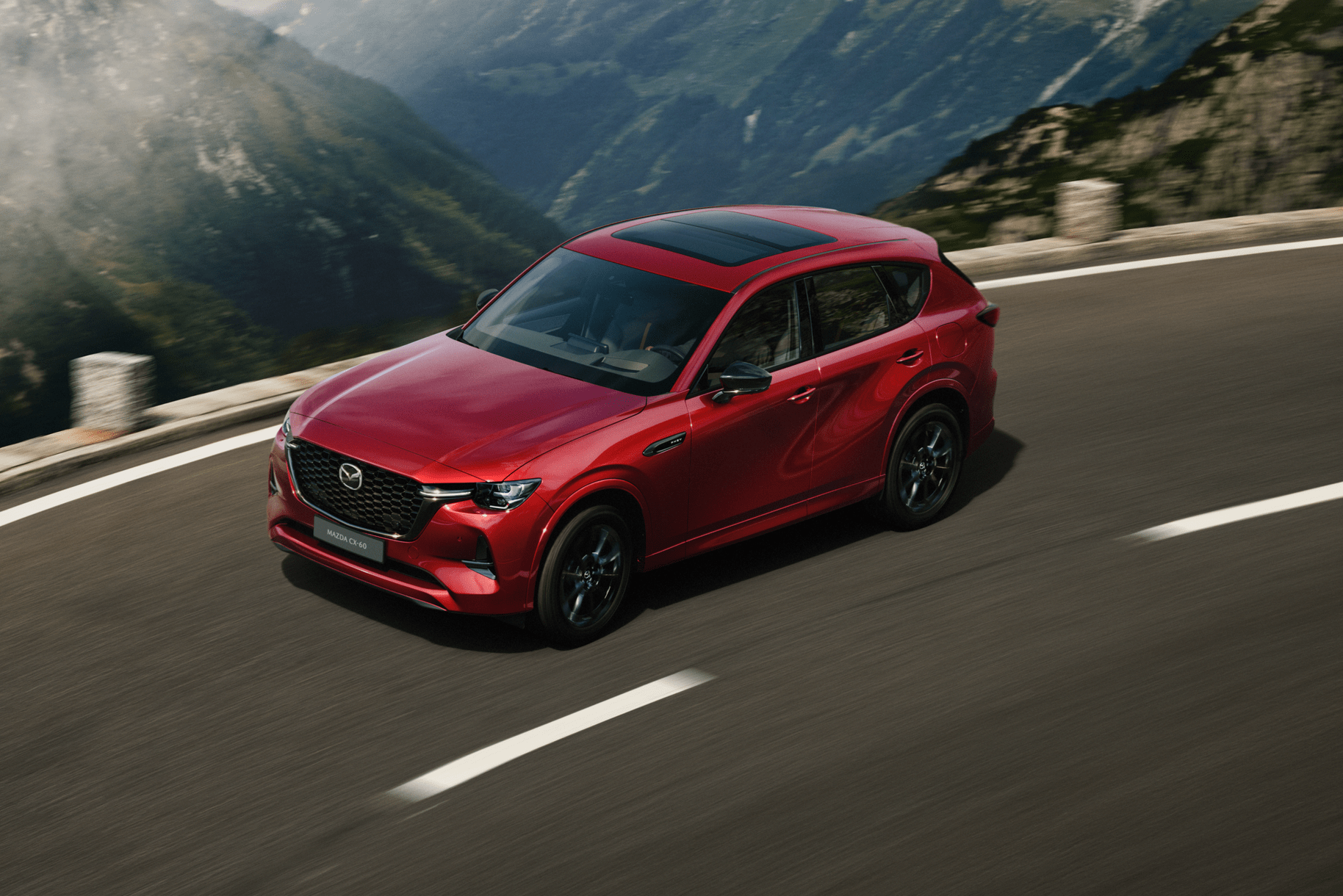
“Having a 3.3-litre engine means we want to be on the safe side for torque and power,” he said during the CX-60’s unveiling last month.
“To get low NOx emissions we need low combustion temperatures. Having a bigger engine keeps temperatures lower, which is good both for reducing the heat loss and for cutting the raw NOx emissions. This in turn will enable us to have a simpler after-treatment system.”
