
If you’re going to build your own birthday present, it might as well be a good one. And while Saab was busy celebrating 30 Years of Swede turbocharging with the 2008 9-3 Turbo X, it also went and added all-wheel drive for the first time. To say the party got a little out of hand is an understatement.
Saab never really did things by halves. The updated second gen 9-3 was touted as having 2000 new parts – just for a mid-cycle refresh. Then there’s the fact that the Swedish gurus at Trollhättan, under GM rule at the time, had already completely overhauled the Vauxhall Vectra platform (Holden to us) to create an ostensibly new car. GM went berserk when it saw the bill.
That philosophy translated into the Turbo X and the company’s first all-wheel drive system. Branded Cross-Wheel Drive (XWD) and based off the fourth generation Haldex system, the Swedes engineered an active limited-slip rear differential. XWD used speed sensors which were able to electronically apportion up to 85 per cent of drive torque to the rear axle and then the eLSD then directed torque to the rear wheel with the most grip which, coming from a company with such a long front-drive tradition, made the Turbo X special and ground breaking. As MOTOR stated in 2008, “according to Saab, this is eLSD’s first road-going application”.

Despite using a GM-sourced 2.8-litre turbo V6, what the Turbo X really needed was more than 206kW and 400Nm. Having to lug 1741kg hampered the straight-line acceleration figures despite the XWD system offering playful, rear-biased dynamics. With the recalcitrant six-speed torque-converter auto, it’s utterly crippled. Three pedals and self-shifting has you at 100km/h in a respectable 6.2 seconds, however, the auto slushbox is a yawning 1.1sec slower to triple figures.
The 9-3 Turbo X came standard with 18-inch wheels, but you could option 19-inch alloys for $2250. Inside, the turbo’s boost gauge is a replica of the original 99 Turbo display.
Only 30 of the 2000 units produced globally made it Down Under. Of those, 25 were sedans and five were the SportCombi. They were priced eye-wateringly high. Try $91,300 for the auto sedan ($88,800 manual) and $92,800 for the automatic SportCombi ($91,300 manual). The cheat is to find a 9-3 Aero XWD, which featured the mechanicals of the special edition.
While it didn’t match the significance of the 99 Turbo, the first mainstream application of turbocharging, it still showcased the extreme lengths the Swedes were willing to go to for true innovation. All of which makes it all the more sad that this bold marque no longer exists.

SAAB 9-3 TURBO X SPECS
| ENGINE | 2792cc V6, DOHC, 24v, turbo |
|---|---|
| POWER | 206kW @ 5300rpm |
| TORQUE | 400Nm @ 1900-4500rpm |
| GEARBOX | 6-speed automatic/manual |
| WEIGHT | 1741kg |
UPDATE, June 7, 2022: GR Supra manual driven
Following its global reveal, we’ve now driven the new manual-equipped Supra ahead of its Australian debut. Read our review at the link below.
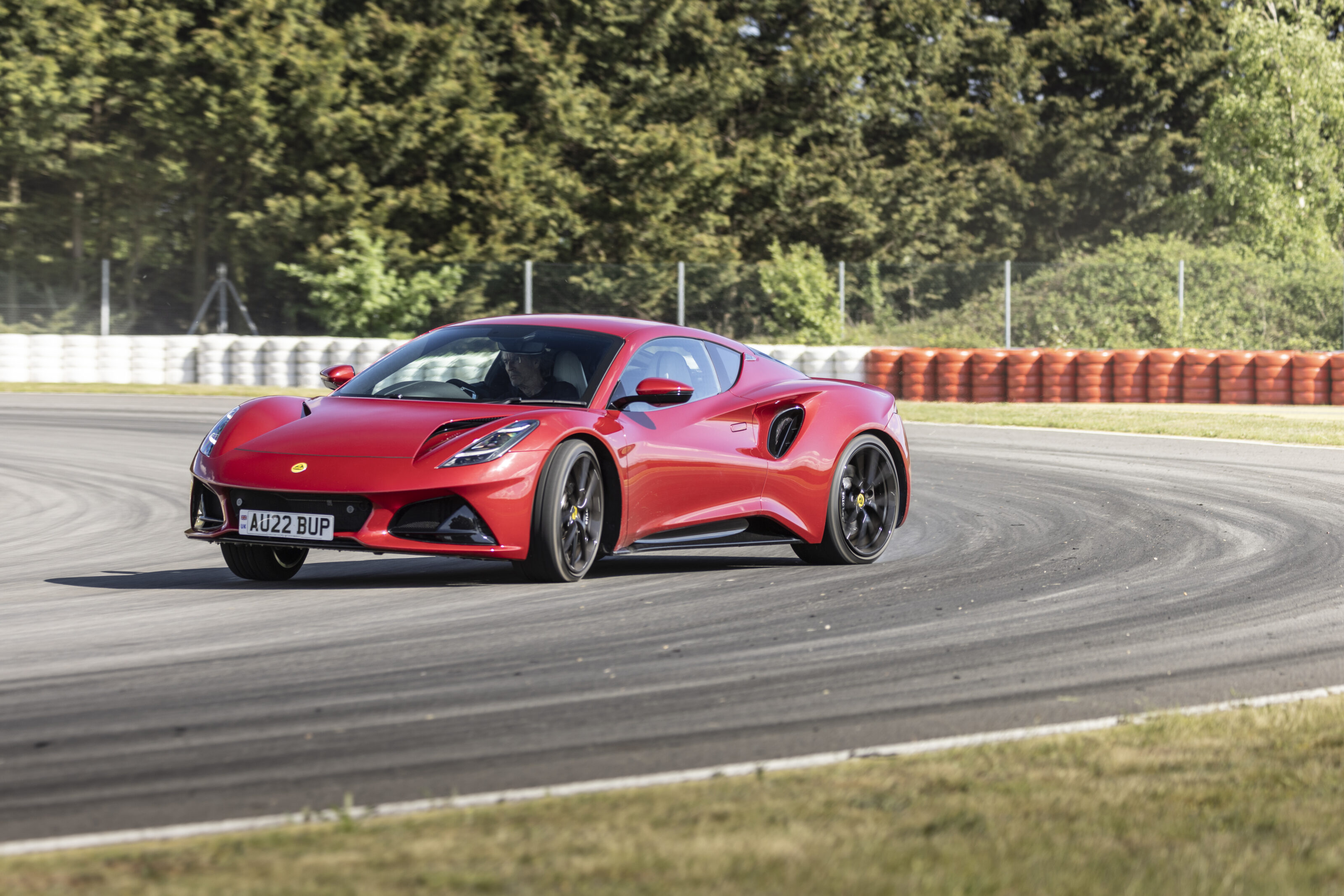
The story to here: Supra manual coming
Snapshot
- 2023 Toyota Supra reportedly picking up six-speed manual transmission
- Likely to be paired with the flagship 3.0-litre turbo six
- First details expected in late April
The fifth-generation Toyota Supra is reportedly in line to receive a manual transmission for the first time later this year.
According to Japanese publication Creative Trend, the updated 2023 GR Supra will be showcased to the world on April 28, 2022, with production to commence in July and deliveries for the domestic market to start in October.
While the related BMW Z4 offers the choice of a manual in entry-level 2.0-litre turbo-petrol guise, the Supra will pair a six-speed manual transmission with its 3.0-litre turbocharged six-cylinder – although it is expected to be limited to the flagship RZ variant in Japan.
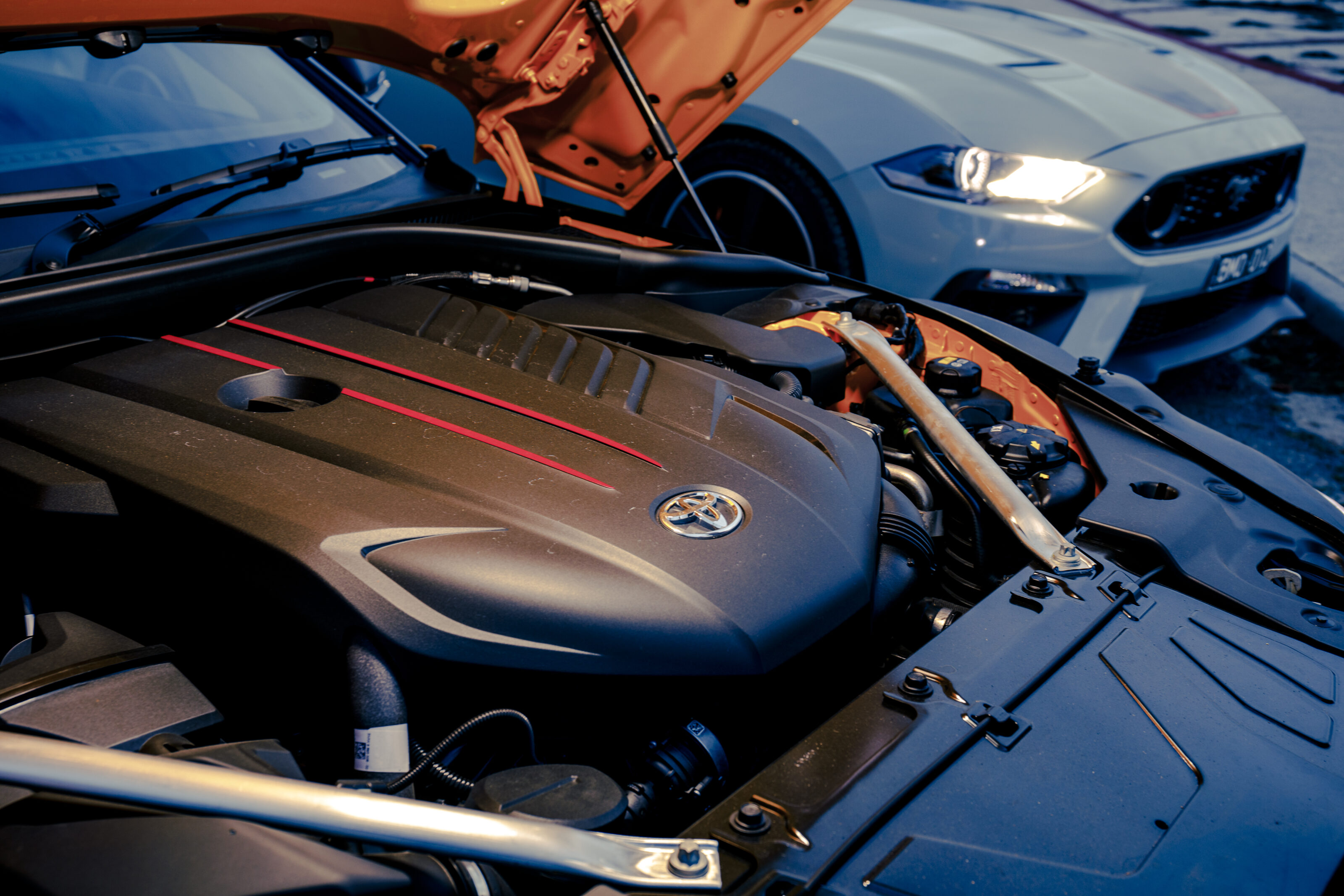
In its present form, the turbocharged inline-six produces 285kW of power and 498Nm of torque, following a 35kW power boost two years ago. It is currently unknown if the manual’s outputs will differ or remain identical to the eight-speed automatic.
The specification for the manual Supra is likely to remain otherwise identical to the flagship variant upon which it is based, apart from the omission of adaptive cruise control and reverse autonomous emergency braking (AEB).
To mark the release of the manual Supra, Toyota is expected to launch a limited-run Matte White Edition. As its name suggests, the vehicle will be offered exclusively with a matte white exterior – plus tan interior, a wireless phone charger, and unique badging.
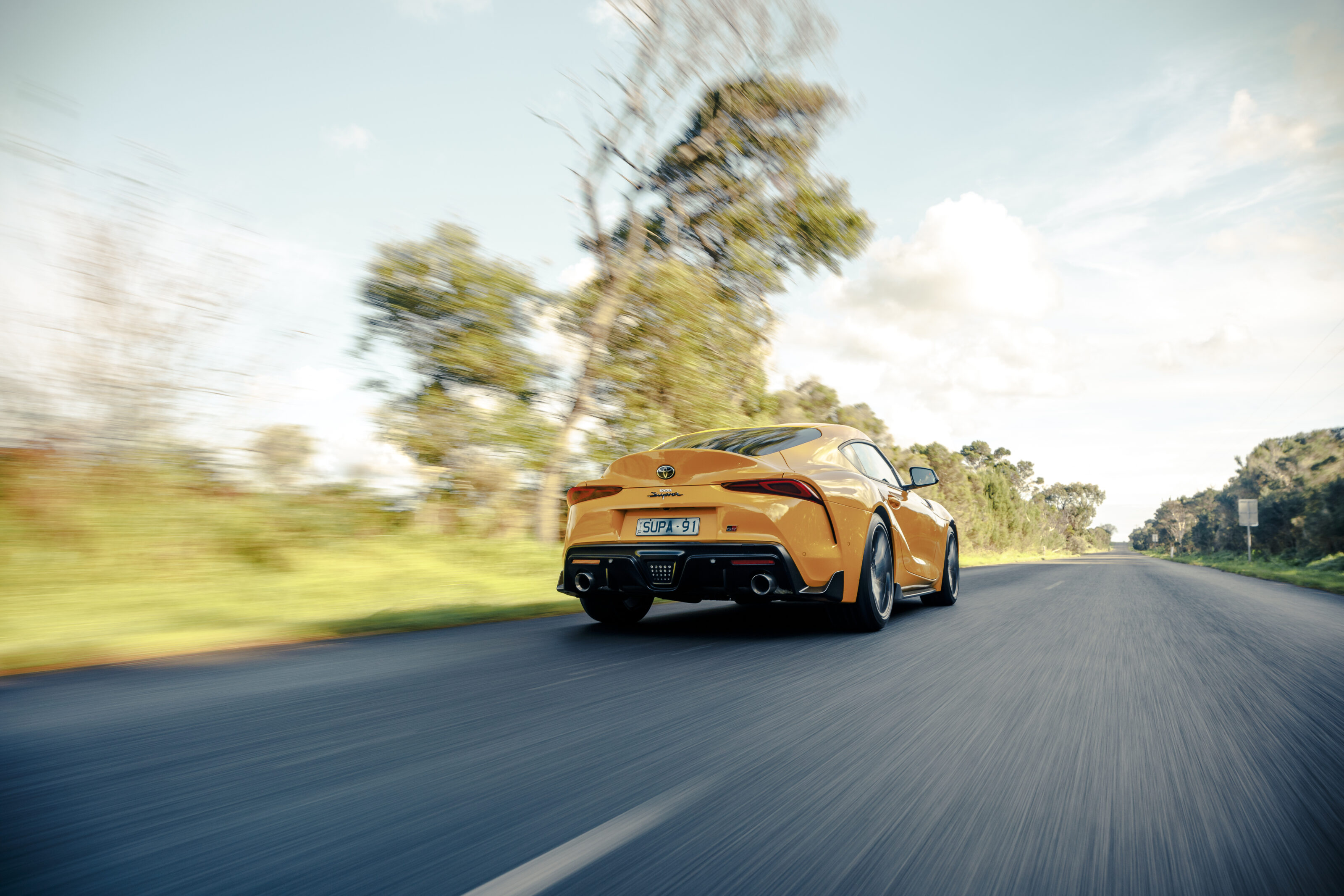
In addition to the manual and limited-edition variant, the 2023 Supra is also rumoured to gain lighter 19-inch forged alloy wheels with a new design, a revised steering tune and chassis adjustments.
The rumoured addition of a manual transmission comes as the Supra faces new competition from the redesigned Nissan Z, which pairs a 3.0-litre turbo V6 producing 298kW/475Nm with the choice of a six-speed manual or nine-speed automatic.
Full details for the 2023 Toyota Supra are expected to be announced next month.
Snapshot
- Nissan set to donate u20ac2.5 million to help Ukraine
- Porsche and Stellantis raise u20ac1 million each
- Detroit-based General Motors and Ford make minor contributions
A slew of automotive manufacturers are raising funds to send to Ukraine amidst the ongoing conflict in eastern Europe.
On top of the obvious, direct impacts on the people of Ukraine, the Russian-instigated conflict has forced a majority of the world’s automotive manufacturers out of the country due to international sanctions against the Putin-led regime.
However, rather than just running away from the region, a handful of brands have raised funds to support the Ukrainian people, with Nissan setting up the largest fund so far – set to be worth €2.5 million (AU$3.73m), €1 million (AU$1.49m) of which will be directed to the Red Cross for humanitarian aid.
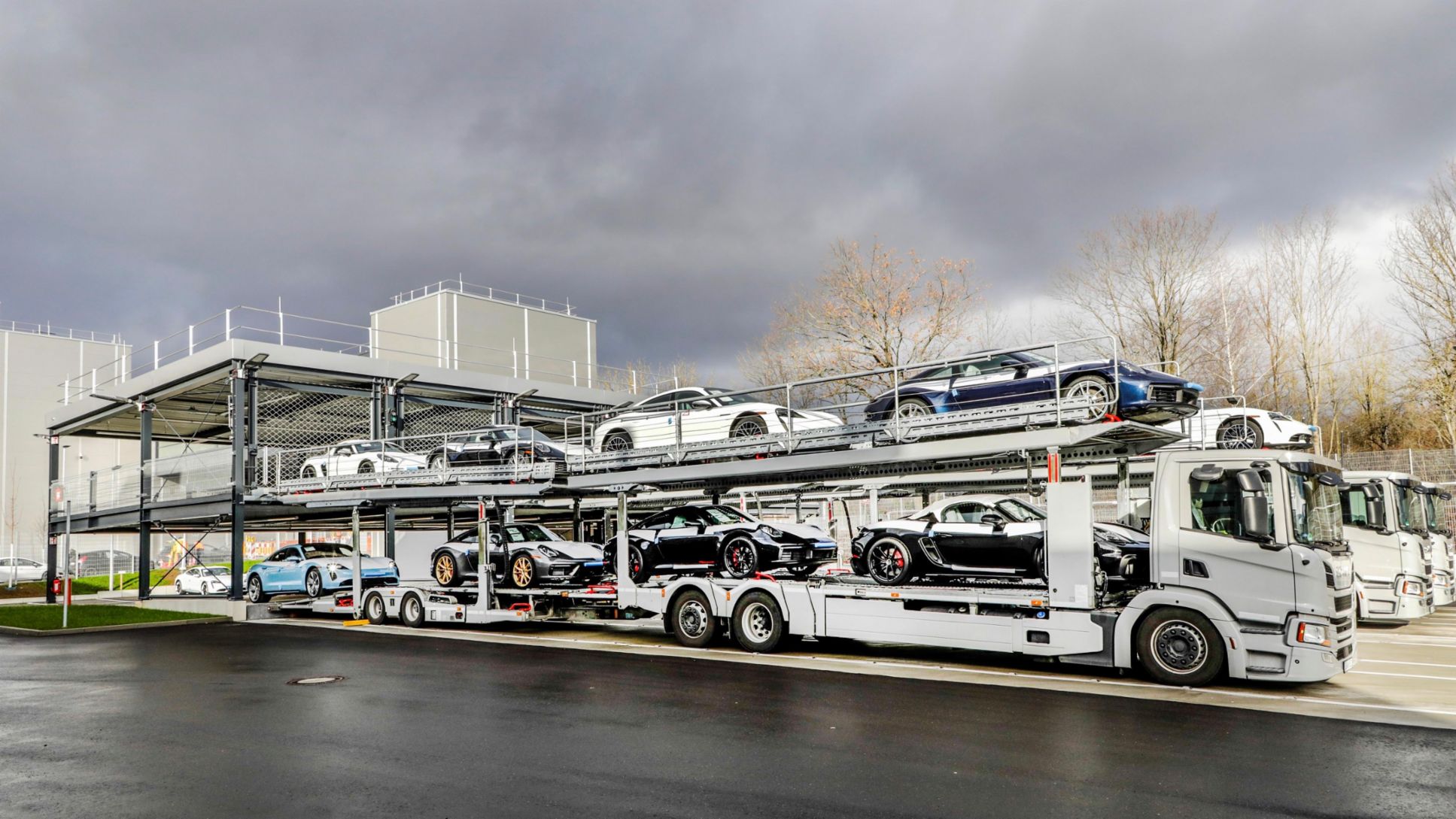
Nissan CEO Makoto Uchida said the manufacturer couldn’t sit by while the conflict raged on, with production to pause soon at its plant in St. Petersburg, Russia.
“We have all been moved by the suffering of so many people and families – including members of our own Nissan family,” said Uchida.
“We have created the Nissan Cares fund to stand by our employees, and to support to the international efforts working around the clock to respond to this immeasurable human tragedy.”
Porsche’s donation of €1m will come in two parts, with €750,000 (AU$1.12m) set to go to the United Nations Refugee Aid, while the remaining €250,000 ($373,000) will be sent to the Ferry Porsche Foundation, focusing on supporting children and young people.
Dutch-based conglomerate Stellantis is also making its own €1m donation, working with Ukrainian non-government organisations to support the local community.
“Stellantis condemns violence and aggression and, in this time of unprecedented pain, our priority is the health and safety of our Ukrainian employees and families,” said Stellantis CEO Carlos Tavares.
“An aggression that shook a world order, already unsettled by uncertainty, has been launched. The Stellantis community, made of 170 nationalities, looks with dismay as civilians flee the country. Even if the scale of casualties is not yet apparent, the human toll will be unbearable.”
North American manufacturers General Motors and Ford are each making smaller donations, with GM committing US$250,000 (AU$343,500) to the International Rescue Committee, while the Blue Oval’s Ford Fund has made a US$100,000 (AU$137,400) donation to the GlobalGiving Ukraine Crisis Relief Fund.
UPDATE, February 23, 2022: The new 2023 Renault Austral will make its global debut on March 8, the French brand has confirmed today.
The story to here
Snapshot
- 2023 Renault Austral to replace Kadjar
- The small SUV shares its vehicle architecture with the Nissan Qashqai
- Hybrid models confirmed, but no all-electric powertrain
UPDATE, March 8, 2022: The 2023 Renault Austral has finally been unveiled – although at this stage it is only confirmed for Europe, with the Australian arm of the carmaker unable to say whether the small SUV will come here.
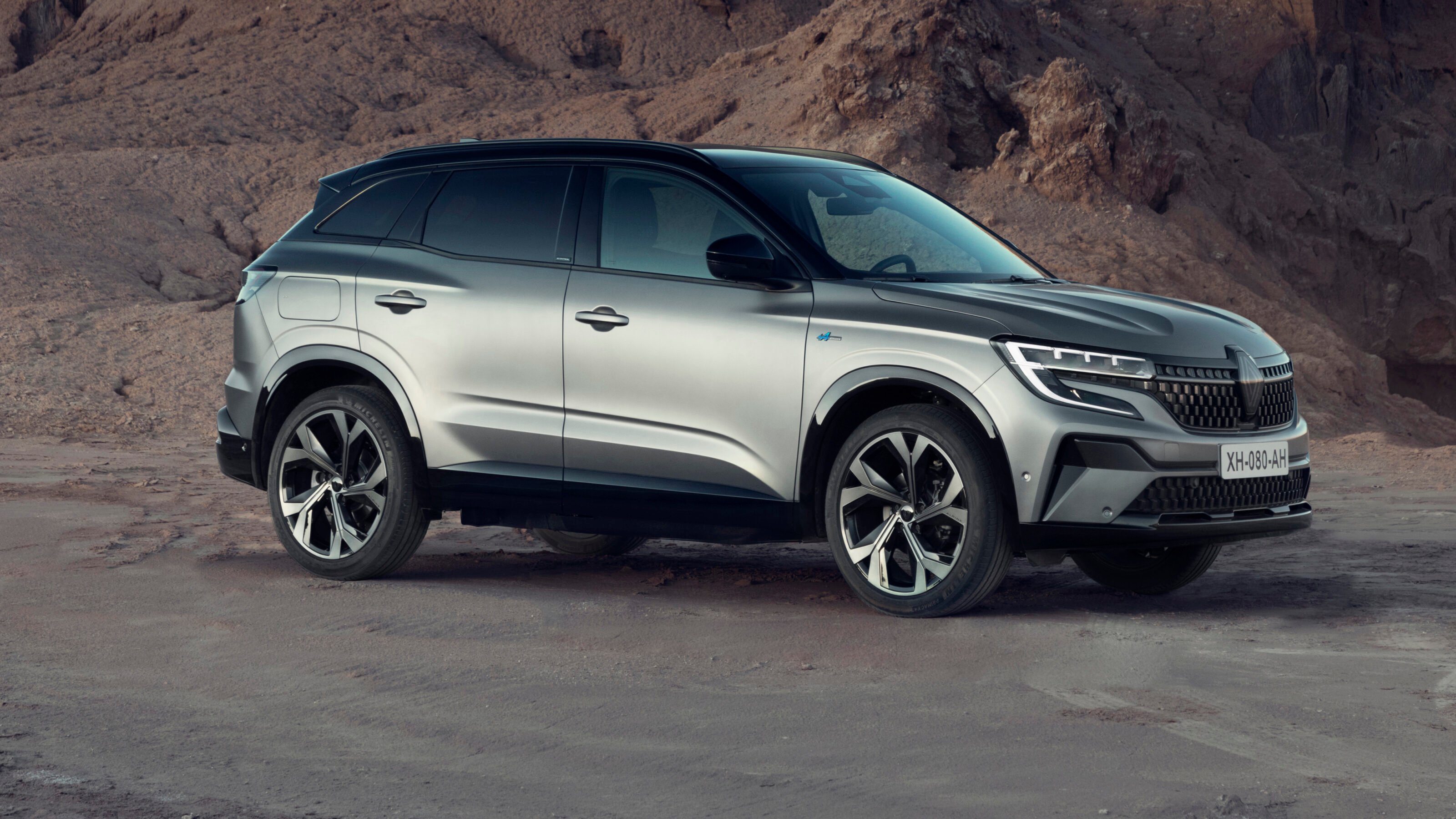
Features of the European model were revealed tonight in a global debut, telling us the Kadjar replacement will come with a choice of three hybrid powertrains and a new top-spec Esprit Alpine variant inspired by its, you guessed it, Alpine sub brand.
Read the full details in our reveal story by clicking the link below.
The story to here
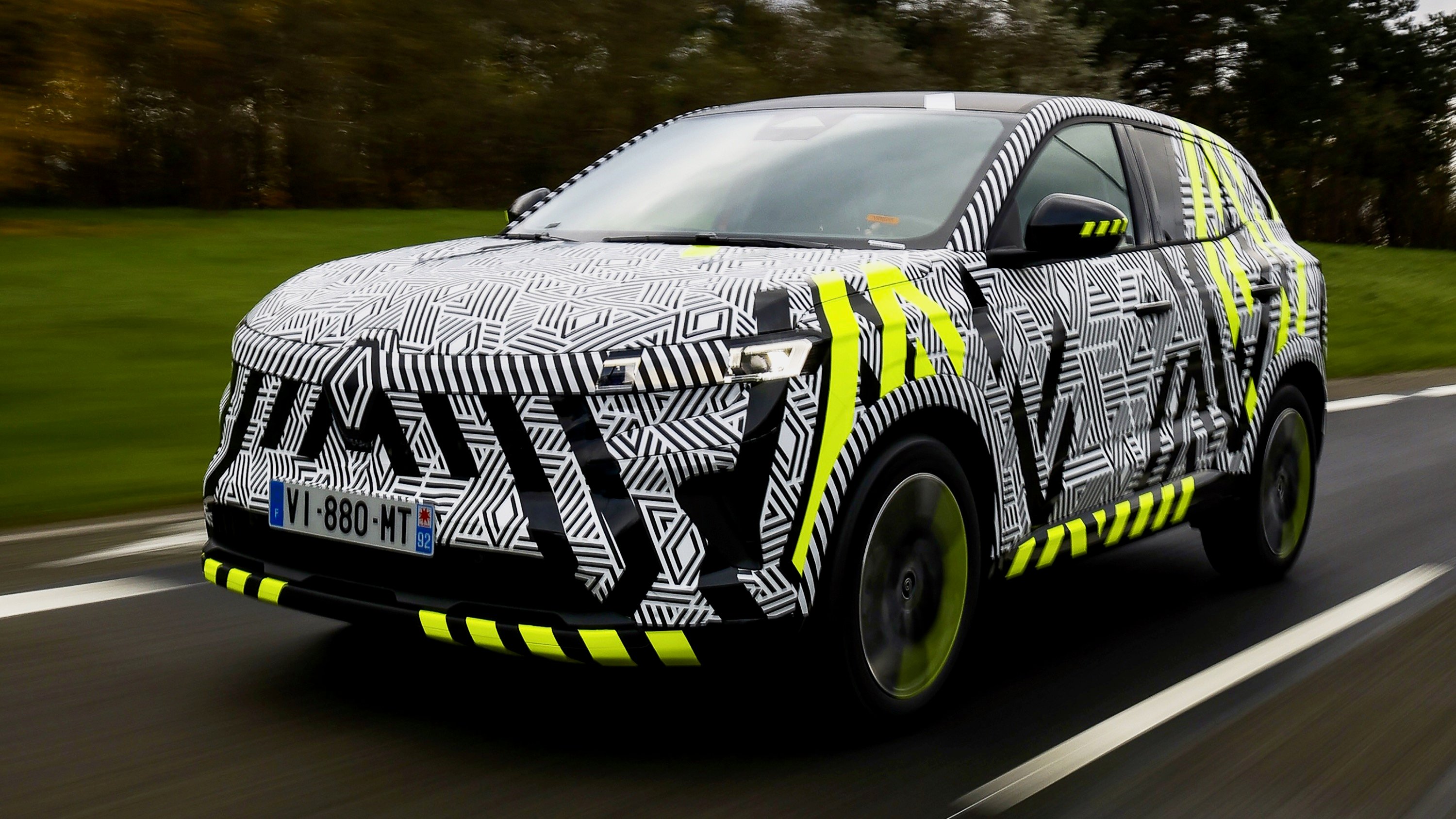
February 4, 2022: The 2023 Renault Austral has been captured in Europe, providing yet another look at the Kadjar-replacing crossover.
The spy photo was published on Spanish website Cochespias, revealing the small SUV’s headlight and alloy wheel designs in greater detail.
Just like the Megane E-Tech Electric, the Austral will adopt Renault’s latest design language.
This includes slimmer C-shaped LED headlights with a revised DRL signature, as well as the French marque’s new minimalist diamond branding.
January 27, 2022: Renault has shown off a design sketch for the interior of its latest SUV, the Austral.
Replacing the Kadjar, the French manufacturer looks to be giving the Austral a contemporary interior from launch, with its digital instrument cluster and OpenR infotainment screen angled towards the driver.
According to Renault, the portrait-mounted screen’s size of 24.3 inches is one of the largest in any car on sale, with Google Automotive Services being used as the default software, although the system is Android Auto and Apple CarPlay capable as well.
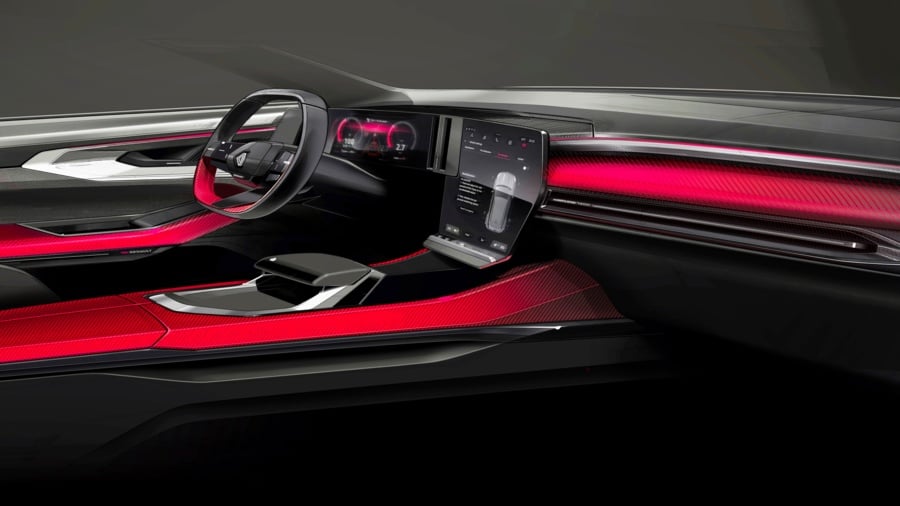
Various nooks and crannies in the cabin are said to provide up to 30 litres of extra storage, with the centre console – split into two separate compartments – offering the most space.
With no transmission tunnel to worry about, leg room in the second row of seats has been increased over its predecessor, also freeing up space in the front which Renault says creates a “cocoon” effect.
“When we created all-new Renault Austral’s passenger compartment, the three recurring themes were the perception of space, edgy design and a protective feel,” said Agneta Dahlgren, Renault Design Project Director.
“All-new Renault Austral’s cocoon is as comfortable as it’s brimming with technology. The passengers are at the centre of the experience, the cockpit is as reassuring as it’s streamlined, and they enjoy the feeling of sharing the space and having their individual space at the same time.”
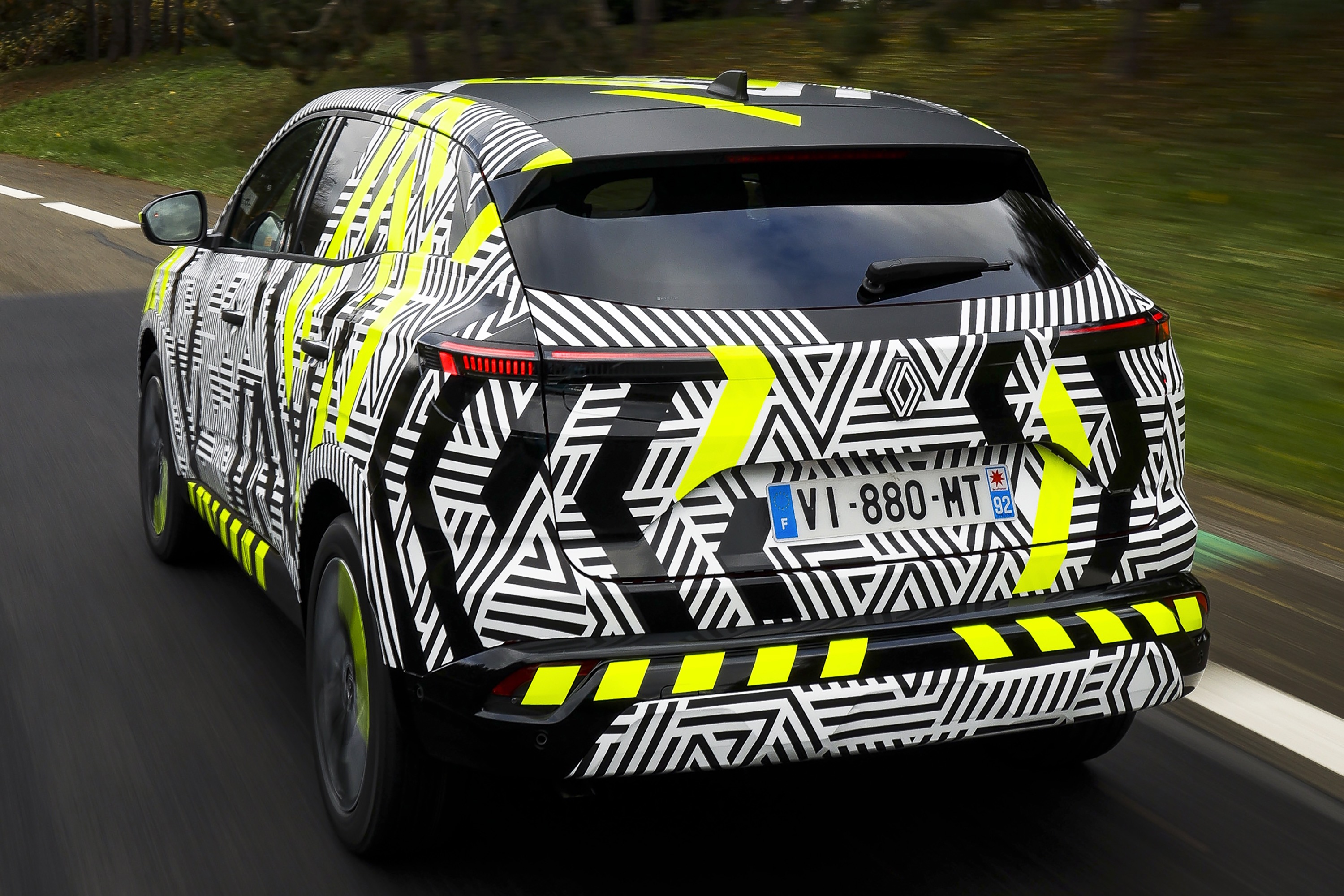
January 6, 2022: The 2023 Renault Austral has been teased again, this time with a camouflaged prototype being shown undergoing testing.
Renault has confirmed the Austral will only be offered with electrified powertrains, though there’s no word yet on whether Australian buyers will get their hands on the new model, which is set to replace the Kadjar in overseas markets when it launches later this year.
The French carmaker has named both 1.2-litre and 1.3-litre mild-hybrid engines for the new SUV, but has suggested there will be more engines on offer, producing as little as 105g of CO2 per kilometre, and putting out as much as 149kW.
Under the camouflage wrap, the Austral appears to borrow its styling cues from the recently-unveiled Renault Megane E-Tech electric SUV, with C-shaped headlights and a rising shoulder line at the C-pillar.
Expect the 2023 Renault Austral to be unveiled in the second quarter, with the vehicle’s launch likely in the second half of 2022.
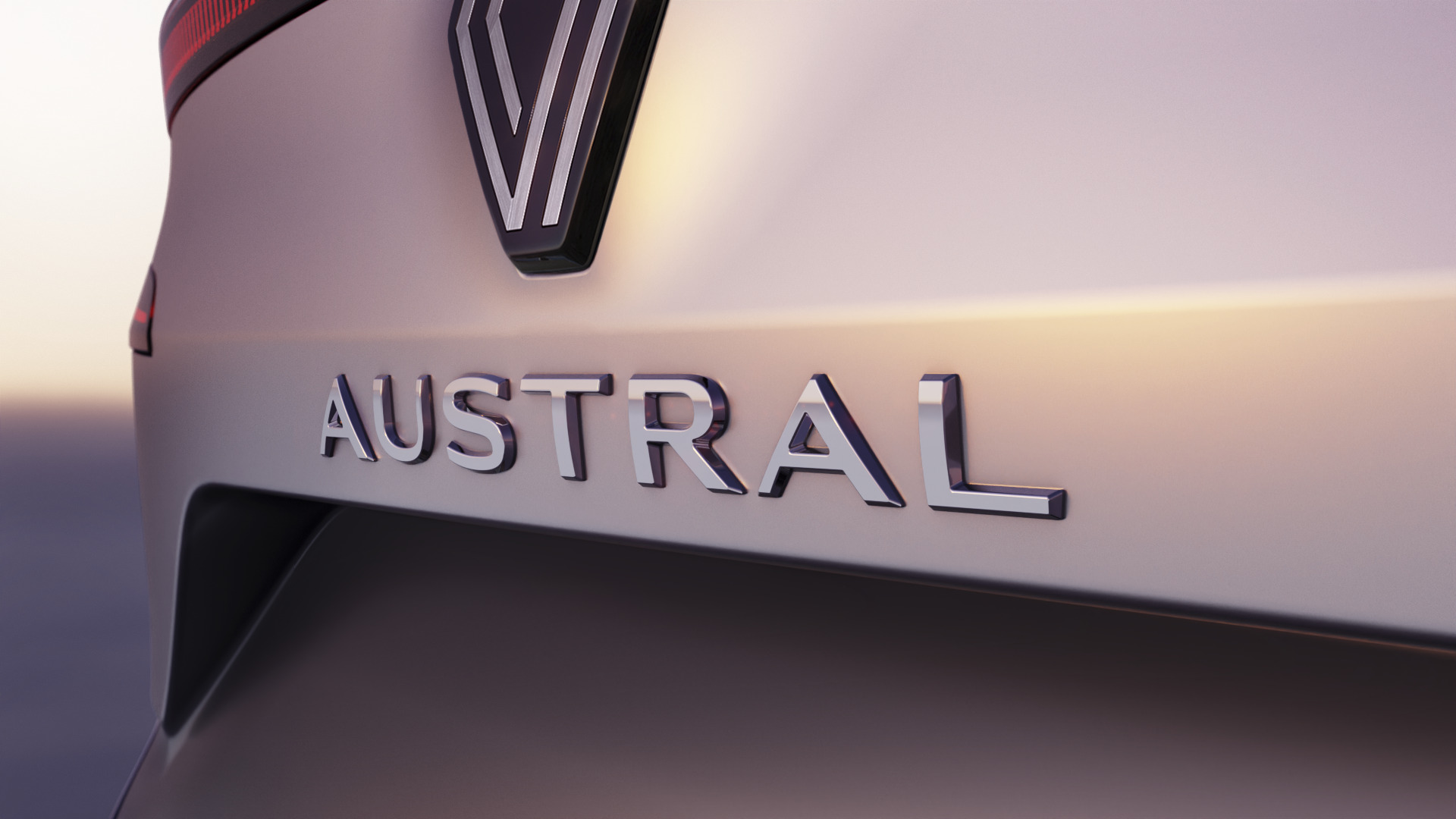
December 7, 2021: The 2023 Renault Austral has been previewed as the latest SUV to join the French carmaker’s range.
Renault announced the Austral name overnight, confirming the model will replace the Kadjar when it arrives in 2022.
The Austral is expected to share its underpinnings with the new Nissan Qashqai, using the CMF-C platform as part of the Renault-Nissan-Mitsubishi Alliance. This means greater interior space for occupants, thanks to the Qashqai’s 4510mm length – 61mm longer than the Kadjar.
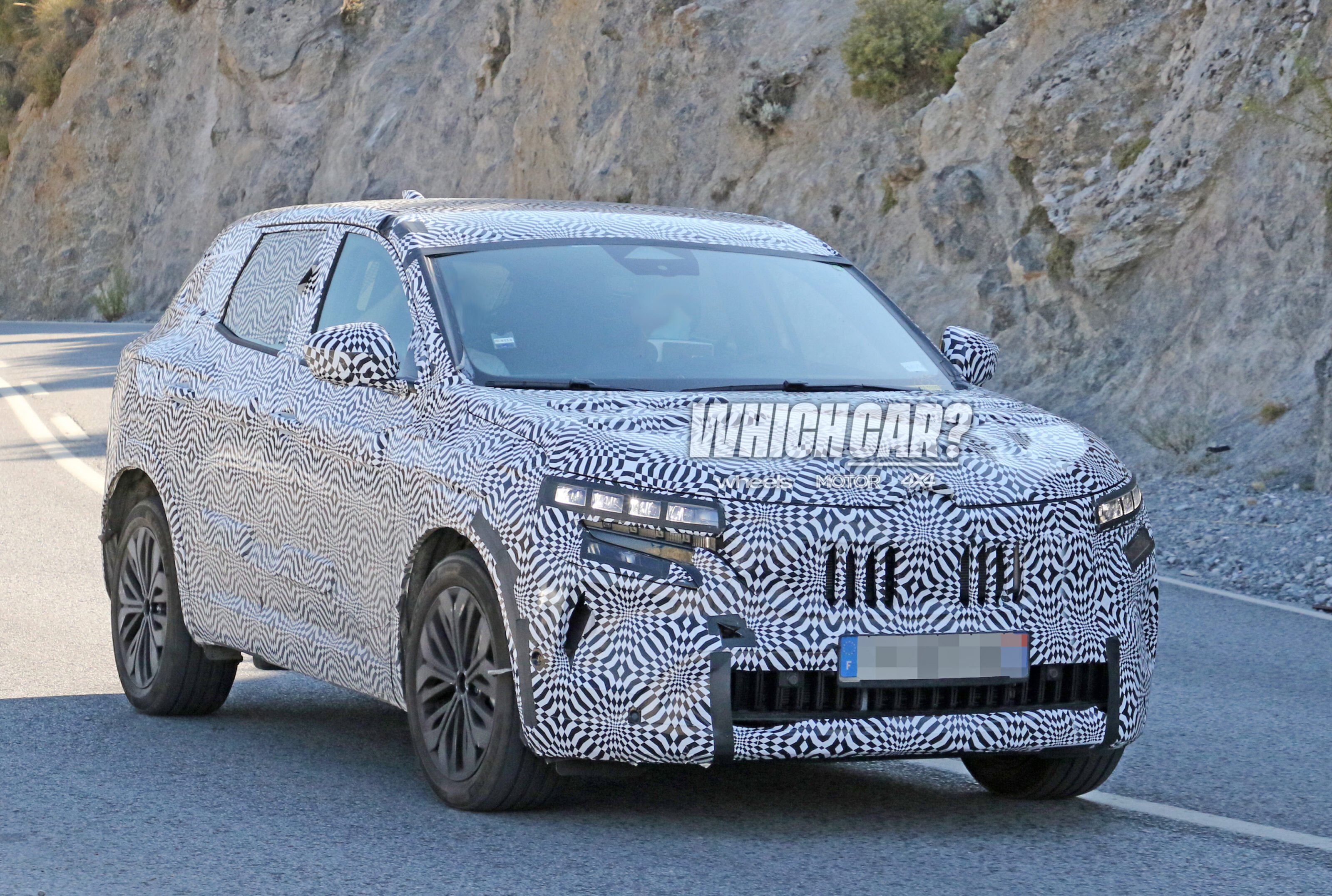
Buyers can expect to be offered a range of petrol and hybrid engines. Overseas, a 1.3-litre, turbocharged four-cylinder engine with up to 116kW can be expected, paired with a mild-hybrid system for improved emissions and fuel economy. Traditional hybrid and plug-in hybrid powertrains are also rumoured.
Named after the Latin word ‘australis’, meaning ‘of the south’, the new Austral is part of the company’s plan to “reconquer” the C-segment of the European market, as outlined at the Renaulution event in January.
“[The name] Austral conjures up the vibrancy and heat of the south, the tranquil pleasure of nature, as well as wide open spaces, evoking limitless opportunities,” the company explained at the model’s announcement.
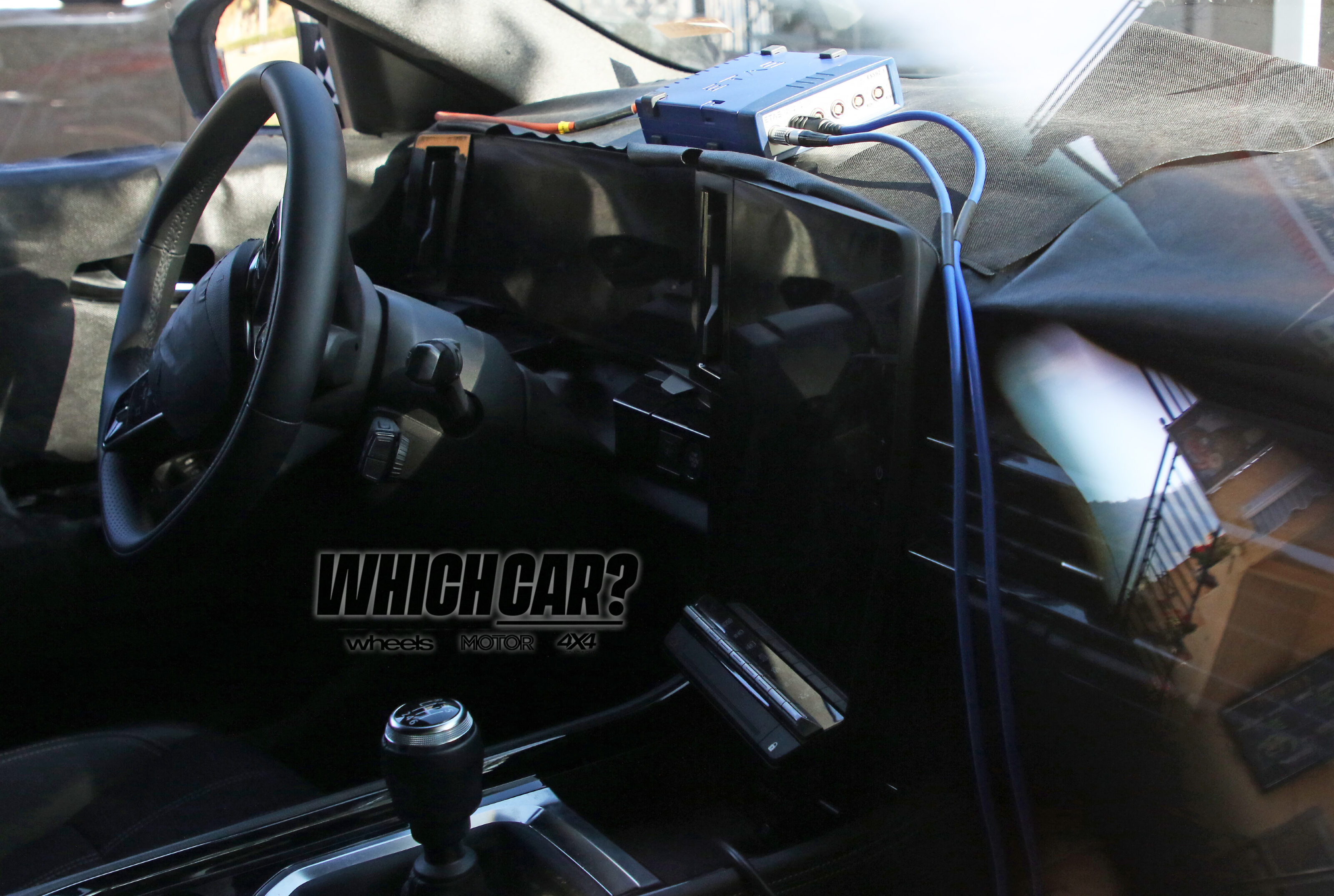
While a spokesperson for Renault Australia told Wheels it was considering all future products available to our market, the company didn’t have anything to add at this stage.
However, in explaining the Austral name, the company’s head office said “an international name is a perfect choice for a vehicle that will be sold across Europe and further afield,” suggesting the model could eventually join the Arkana, sitting below the Koleos in the local line-up.
The 2023 Renault Austral will be fully unveiled in the second quarter of next year.
Snapshot
- Alpine variant available for first time on any Renault model
- Choice of three hybrid powertrains
- Pricing yet to be revealed, on sale fourth quarter 2022
The 2023 Renault Austral has finally been revealed following months of teasers from the brand.
Boasting three electrified powertrains and a top-spec Esprit Alpine variant, a first on any Renault model, the Austral is the French marque’s replacement for the ageing Kadjar crossover.
As expected, much of the new model’s design language is borrowed from its Megane E-Tech Electric sibling and it will share its underpinnings with the Nissan Qashqai – riding on the Alliance’s CMF-CD next-gen platform.
While the carmaker has previously confirmed the Austral would come with two mild-hybrid powertrains, a 1.2-litre three-cylinder turbo-petrol and 1.3-litre four-cylinder turbo-petrol, it has also now revealed a ‘self-charging’ version of the 1.2-litre unit will also be offered.
Pricing for the Austral has yet to be revealed, but is expected to be in excess of the $29,990-$37,990 (corr.2020) asking price of the Kadjar it replaces if it did come to our shores.
Wheels contacted Renault Australia for confirmation of a local berth and a spokesperson for the brand told us that while there are no other details to share at this very early stage, it “welcome[s] all right-hand-drive products and their suitability for our market”.
Features
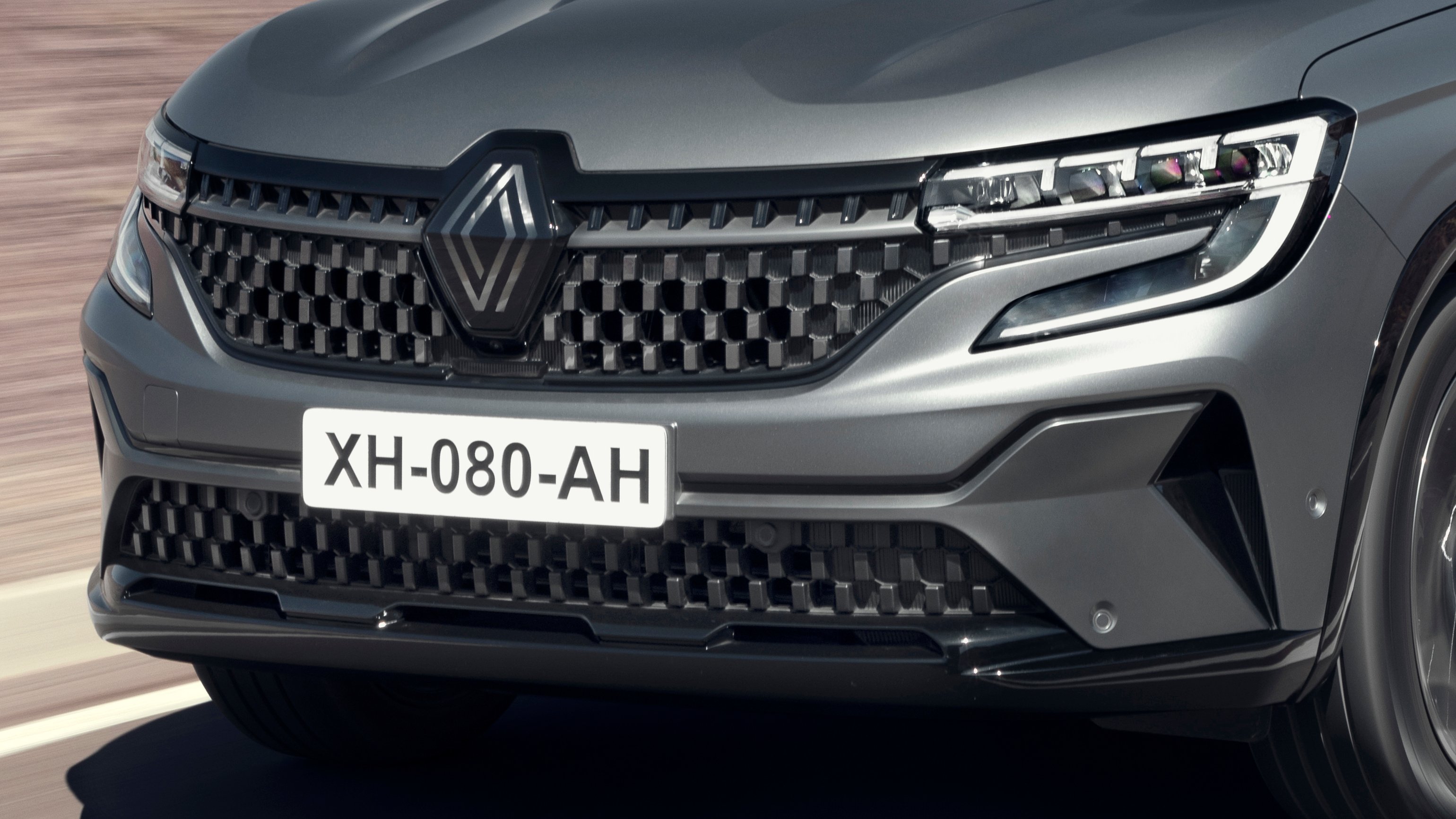
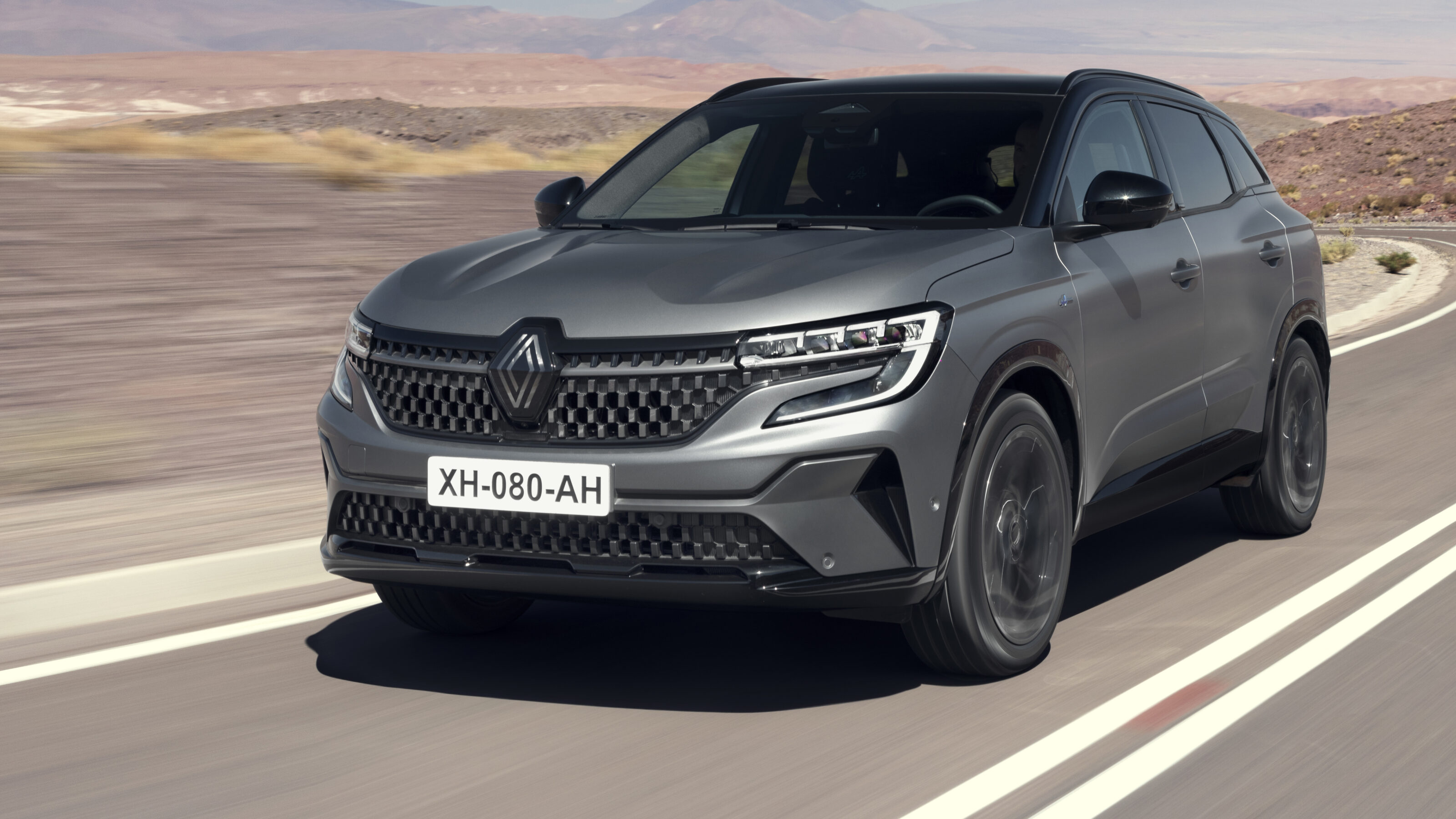
The 2023 Renault Austral borrows much of its styling cues from the recently-unveiled Renault Megane E-Tech electric SUV, with C-shaped headlights and a rising shoulder line at the C-pillar.
The Austral comes in seven body colours and can be had in a variety of alloy wheels ranging from 17-inches to 20-inches in size, most of which are diamond-cut.
The car’s centrepiece is its 12.0-inch portrait OpenR infotainment screen, twinned with a 12.3-inch digital instrument display and a new-generation 9.3-inch head-up display. In addition to the Arkamys sound system found in other members of the Renault family, the Austral features a Harman Kardon unit as an option.
The cabin is made up of a combination of real timber, leather, Alcantara, padded textiles and other form-fitted materials that are soft to the touch and paired with lacquered highlights in deep glossy black and satin chrome. It also features customisable lighting system known as Living Lights.
Various nooks and crannies in the cabin provide up to 35 litres of extra storage, with the centre console – split into two separate compartments – offering the most space.
Meanwhile the boot has a 500L capacity in the two mild hybrid variants with the second row back and upright, which extends to 575L when brought forward and to 1525L when folded flat.The modular design means that some versions feature a 2/3–1/3 split-folding rear seat that can also be individually adjusted along 160 millimetre rails.
With no transmission tunnel to worry about, leg room in the second row of seats has been increased over its predecessor to 274 millimetres, also freeing up space in the front which Renault says creates a “cocoon” effect.
It also houses a streamlined hand rest that is said to make using the multimedia screen more comfortable. The console includes a phone slot with inductive charging capabilities.
And there’s greater interior space for occupants, thanks to the CMF-CD platform it shares with its Qashqai cousin, and it measures up at 4510 millimetres long, 1830mm wide, 1620mm high and has a 2670mm wheelbase. That makes it 60mm longer, 10mm slimmer, 20mm taller, and with a 23mm longer wheelbase than the Kadjar it replaces. It weighs in at 1373 kilograms too.
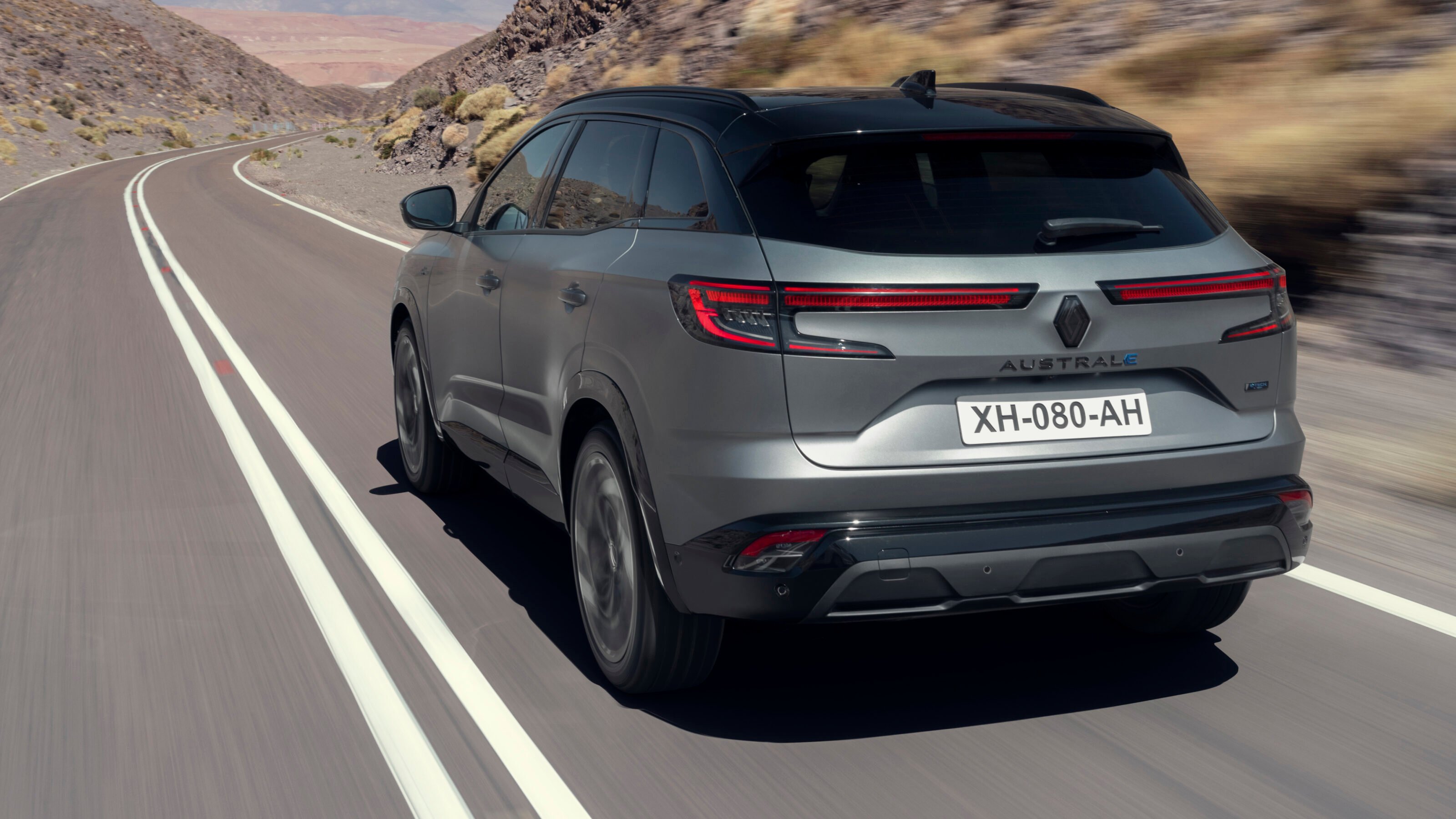
For the first time ever, a Renault model will have a range-topping Esprit Alpine variant offering Austral buyers a more sporty feel.
This version sees the Austral get an even more assertive design underpinned by a new, specially designed, satin shale grey body colour said to be more robust and easy to maintain.
The sporty feel is enhanced by the addition of a grille bar and satin grey sport blade 20-inch diamond-cut black Daytona aluminium rims with ‘Alpine’ branding; satin black roof rails – décor highlights in diamond black, extra glossy black and ice black appear across the car’s exterior. There are also Esprit Alpine badges located on the car’s side.
Inside, Esprit Alpine also boasts a number of distinctive elements to set it apart from the rest of the range, which has yet to be revealed, and includes; blue stitching and piping, unique, Alcantara upholstery with carbon-fibre ‘twill’ fabric, Nappa leather steering wheel with Alcantara inserts and stitching in blue, white and red, aluminium pedals and door sills bearing the ‘Alpine’ logo.
The top-level trim includes a bi-tone finish as a standard feature.
Engine, transmission and economy
As mentioned above, the 2023 Renault Austral comes with a choice of three electrified powertrains – there are no purely fossil-fuel powered options, nor is there a fully-electric version.
First up is the mild hybrid utilising a 1.3 litre four-cylinder turbocharged direct injection petrol engine that is already available throughout the Renault range. Developed in collaboration with Daimler, the engine is backed up by a starter motor and a 12V lithium-ion battery. It boasts either 104kW (in either auto or manual guise) or 119kW (auto only) – in 119kW guise maximum torque is 270Nm between 1800 and 3500rpm with fuel economy rated at 6.2L/100km and 136g CO2/km.
Second cab off the rank is the more advanced mild hybrid option which makes its Renault début with the Austral and serves as a genuine alternative to diesel.
It combines the latest 1.2 litre three-cylinder turbocharged petrol engine with a 48V lithium-ion battery and electric motor. The 97kW engine mated to a manual transmission are said to make the Austral a pleasure to drive, while keeping fuel efficiency and CO2 emissions to the best level for the category at 5.3 L/100km and 123g CO2/km. The settings can be toggled to maximise energy output, while keeping fuel use 20 per cent lower than that of an equivalent non-hybrid combustion motor.
Rounding out the choice of powertrains is the brand-new E-Tech ‘self-charging hybrid’ – a 1.2-litre three-cylinder turbo-petrol engine paired with an electric motor good for 146kW of power. It’s paired with a 1.7kWh lithium-ion 400V battery and a smart multi-mode clutch-less dog box (a transmission usually reserved for motor racing) for better performance, while also reducing fuel use and CO2 emissions. Fuel economy for this one is rated at 4.6L/100km and 105g of CO2/km.
As with Renault’s previous generation of E-Tech Hybrid engines, the car always starts in full-electric mode for a driving experience that is unique to electric cars.
Renault’s Multi-Sense Advanced technology features three pre-set driving modes: Eco, Comfort and Sport. A fourth mode (Perso) gives the driver free rein. Meanwhile and Extended Grip Pack includes two additional modes: ‘Snow’ and ‘All roads’.
Drivers can switch between modes at any time, either manually or via the voice command Google Assistant. The Austral also features a brand-new proactive function to help reduce fuel use in that it automatically suggests switching to Eco mode.
The Austral’s chassis also comes in two versions: flexible torsion beam for two-wheel steering models and a multi-link rear axle with 4CONTROL Advanced for four-wheel steering – the latter of which has a turning circle measuring 10.1 metres.
Safety
Safety features on the all-new Renault Austral include:
| Active driver assist |
| Adaptive cruise control with stop and go |
| Lane Centring |
| GPS data and mapping |
| 360-degree around view 3D camera |
| Automated park assist |
| Blind-spot warning |
| Lane departure prevention when overtaking |
| Rear automatic emergency braking |
| Rear cross traffic alert |
| Matrix LED Vision smart lighting |
| Occupant safe exit. |
Availability
The 2023 Renault Austral will go on sale in Europe from the last quarter 2022.
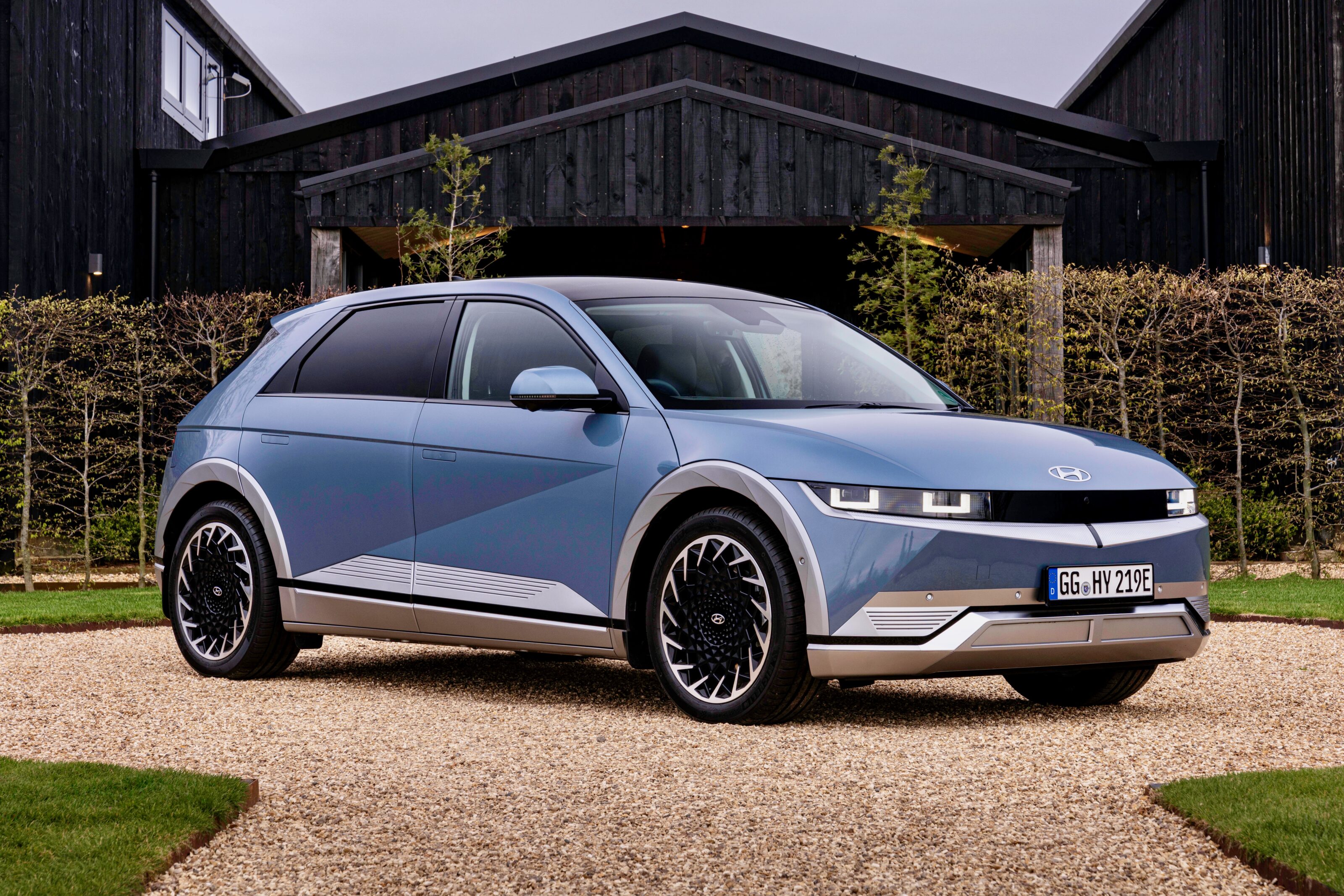
UPDATE, March 8: Buyers will soon have more affordable versions of the 2022 Hyundai Ioniq 5, with confirmation there will be additional variants offered in the near future.
Information submitted by Hyundai to the Department of Infrastructure shows the Ioniq 5 will gain a ‘standard range’ model, joining the ‘long range’ offered at the vehicle’s launch.
Buyers currently only have access to the 72.6kWh battery pack variant, which either uses a single electric motor sending 160kW/350Nm to the rear wheels to deliver 451 kilometres of claimed driving range, or the optional dual-motor all-wheel drive version which offers up to 430km and produces 225kW/605Nm.
The new ‘standard range’ is expected to arrive with a 58kWh battery, with a single 125kW/350Nm motor or a 173kW/605Nm dual-motor option providing all-wheel drive.
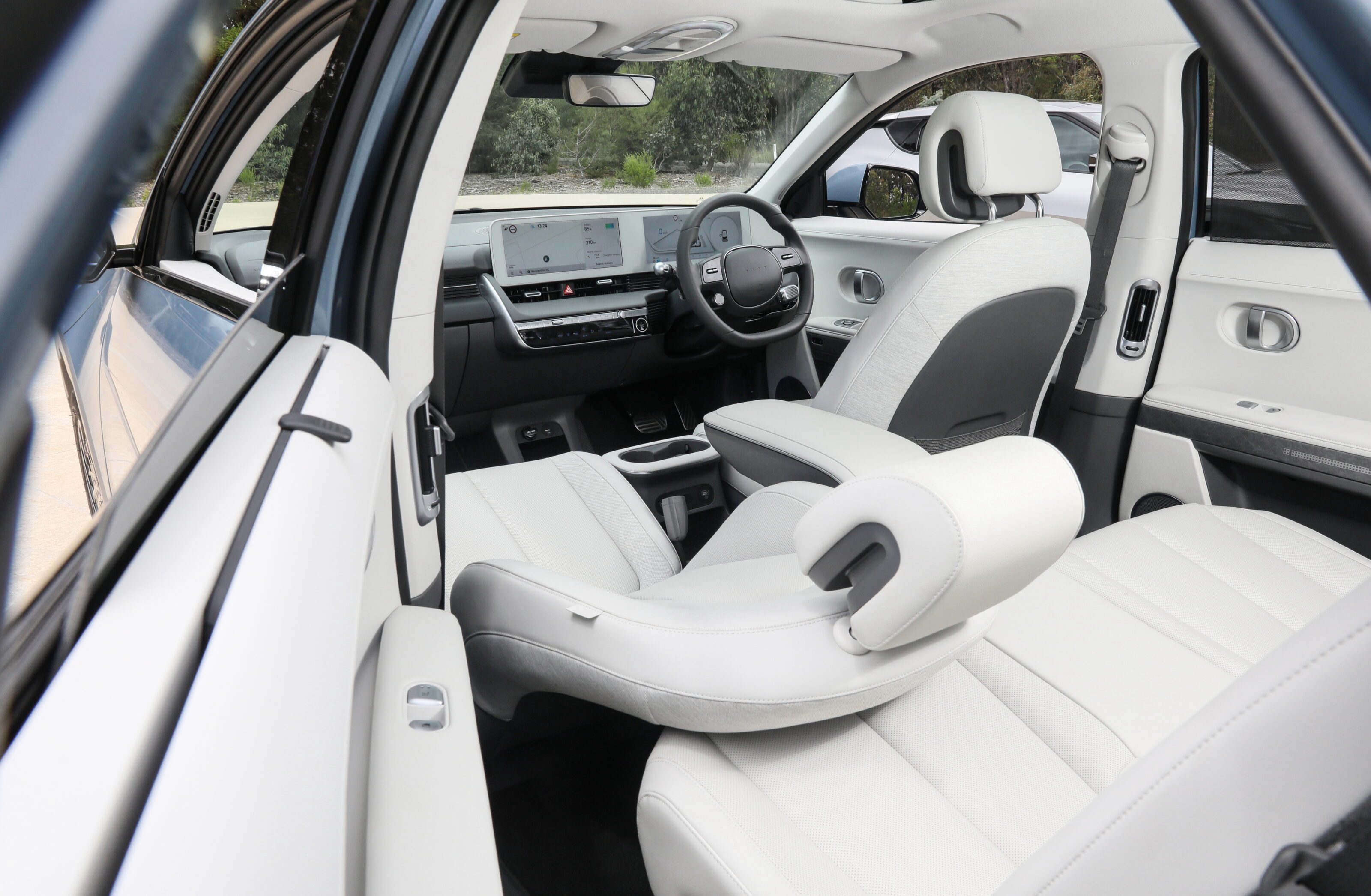
Hyundai has yet to announce details, but expect 384km of range for the single-motor version, and 362km for the dual-motor.
“We have plans to expand the Ioniq 5 range, and introduce lower trim grade models, later this year,” a spokesperson for Hyundai Australia told Wheels.
“We can’t confirm details at this stage but you can expect similar line-ups to those seen in overseas markets – including the smaller battery version (potentially up to three trim grades).”
It’s thought the local line-up could mirror the variants offered in the UK, with the base model, mid-range version, and a flagship Ioniq 5 on the cards.
The story to here
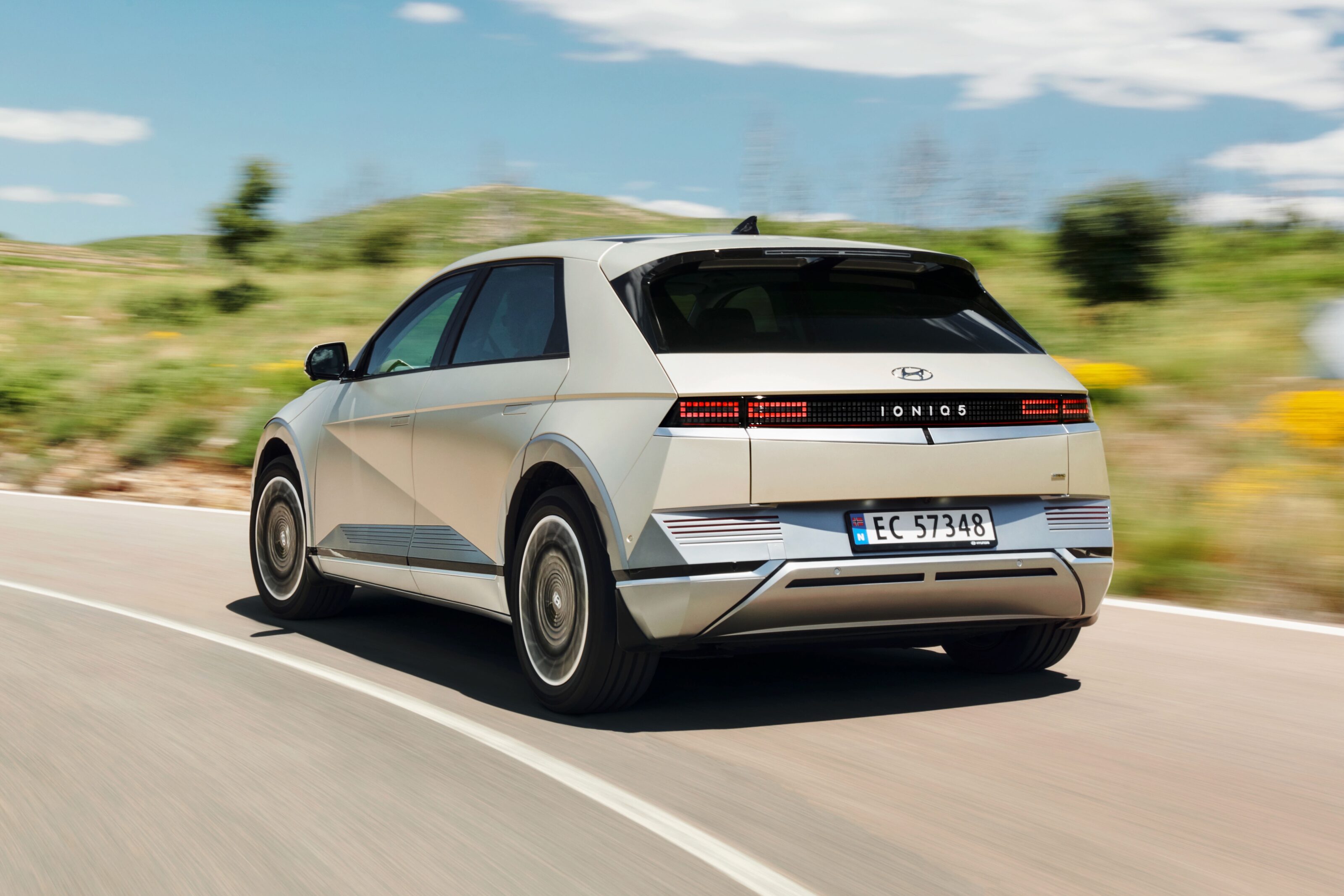
October 13, 2021: Hyundai’s Ioniq 5 battery electric car is set to close the price gap to the Tesla Model 3 in 2022 with a new entry-level variant.
The Korean carmaker has launched its first model of a new Ioniq-badged range in “flagship” specification only in Australia, priced from $71,900 in RWD form and starting at $75,900 in AWD guise.
The base model is yet to be officially confirmed, but is expected to be powered by a smaller, 58kWh battery. Launch models share a 73kWh battery.
The trade-off for a lower specification with less performance and shorter driving range will be a price tag somewhere between $60,000 and $65,000.
This would take the Ioniq 5 closer to the $59,900 starting price of the Model 3 that is the best-selling EV both locally and globally, as well as the Volvo Group’s identically priced Polestar 2 EV arriving in November.
The most affordable Ioniq 5 would be eligible for the best EV incentives currently available in Australia. New South Wales and Victoria are offering a $3000 rebate on pure electric vehicles costing roughly $69,000 or less.
According to Hyundai UK’s specifications, the 58kWh battery Ioniq 5 produces 125kW and 350Nm, accelerates from 0-100km/h in 8.5 seconds, and has a WLTP driving range of 384km.
The Tesla Model 3 Standard Plus Range and Polestar 2 Standard Range are both quicker, while offering longer distances of at least 440km.
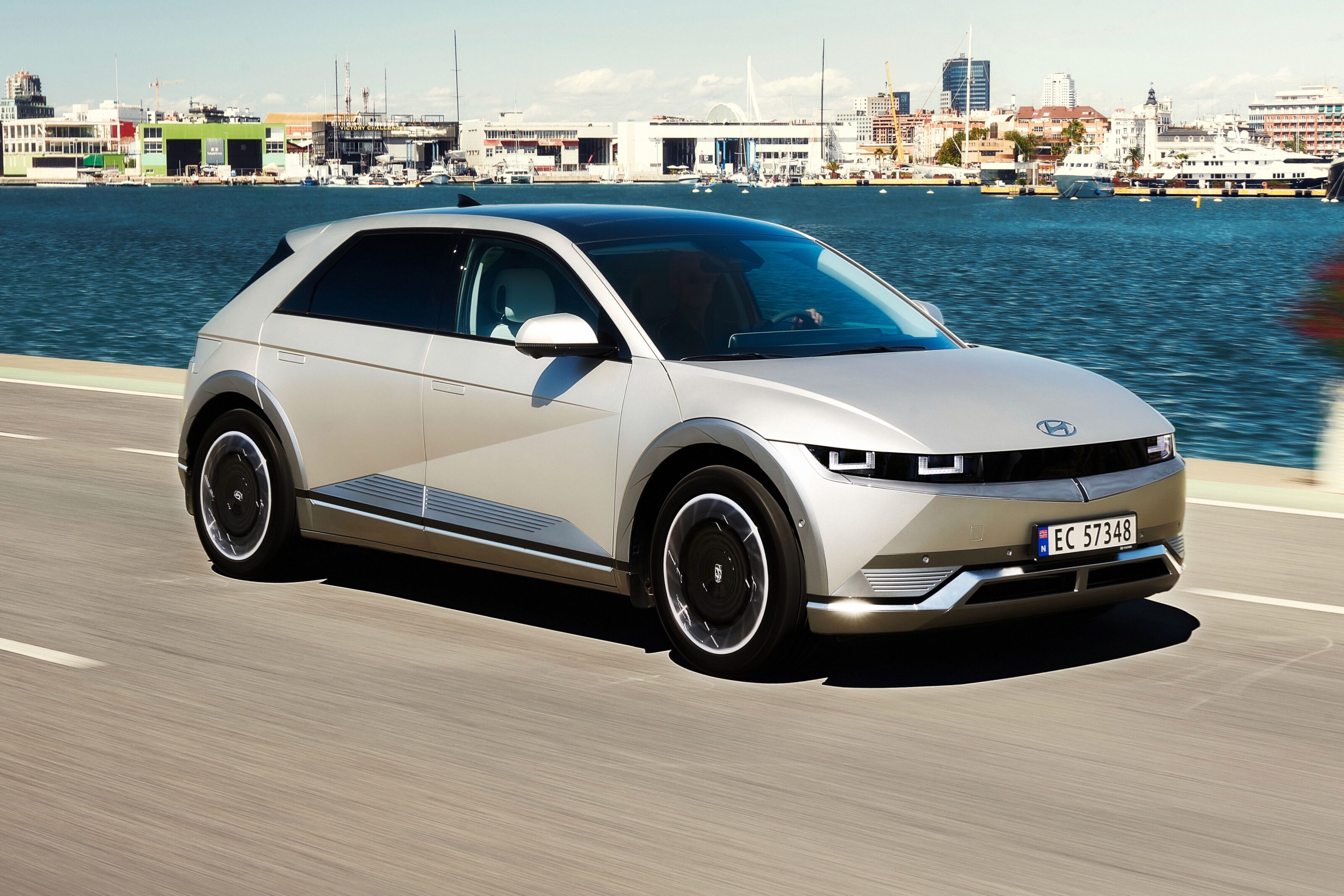
The Ioniq 5’s launch variants have a WLTP-cycle driving range of between 430km (AWD) and 451km (RWD) and respective acceleration claims of 5.2 and 7.4 seconds.
Hyundai Australia is also planning to introduce a longer-range Ioniq 5, which would offer a maximum 481km simply by equipping the 73kWh RWD variant with slightly smaller, 19-inch standard wheels.
The company says it will confirm pricing and specifications for an expanded Ioniq 5 line-up in coming months. Up to three trim grades are possible, which could potentially see familiar names such as Elite and Highlander applied to mid-spec and high-spec variants.
The firm’s general manager of product, Andrew Tuitahi, said feedback from prospective customers would help the company finalise the future Ioniq 5 line-up.
“There’s a lot of scope for us to scale down the [Ioniq 5’s] feature level, including battery [size] and [driving] range,” said Tuitahi. “For now, we’ve decided a flagship spec is the best way to introduce the car. As time progresses, we’ll consider different spec and price levels.”
Hyundai Australia opened online orders for the Ioniq 5 yesterday and said within two hours it sold out of the 240 units that can be guaranteed for 2021 delivery. The company has a total production allocation of 400 units for 2021, with December builds arriving in early 2022.
The company says it has received more than 13,000 expressions of interest for the EV and it expects demand to outstrip supply next year.
“We’ll have significantly higher [supply] in 2022 than the 400 we had for this year, but less than we would ideally like,” said Tuitahi.
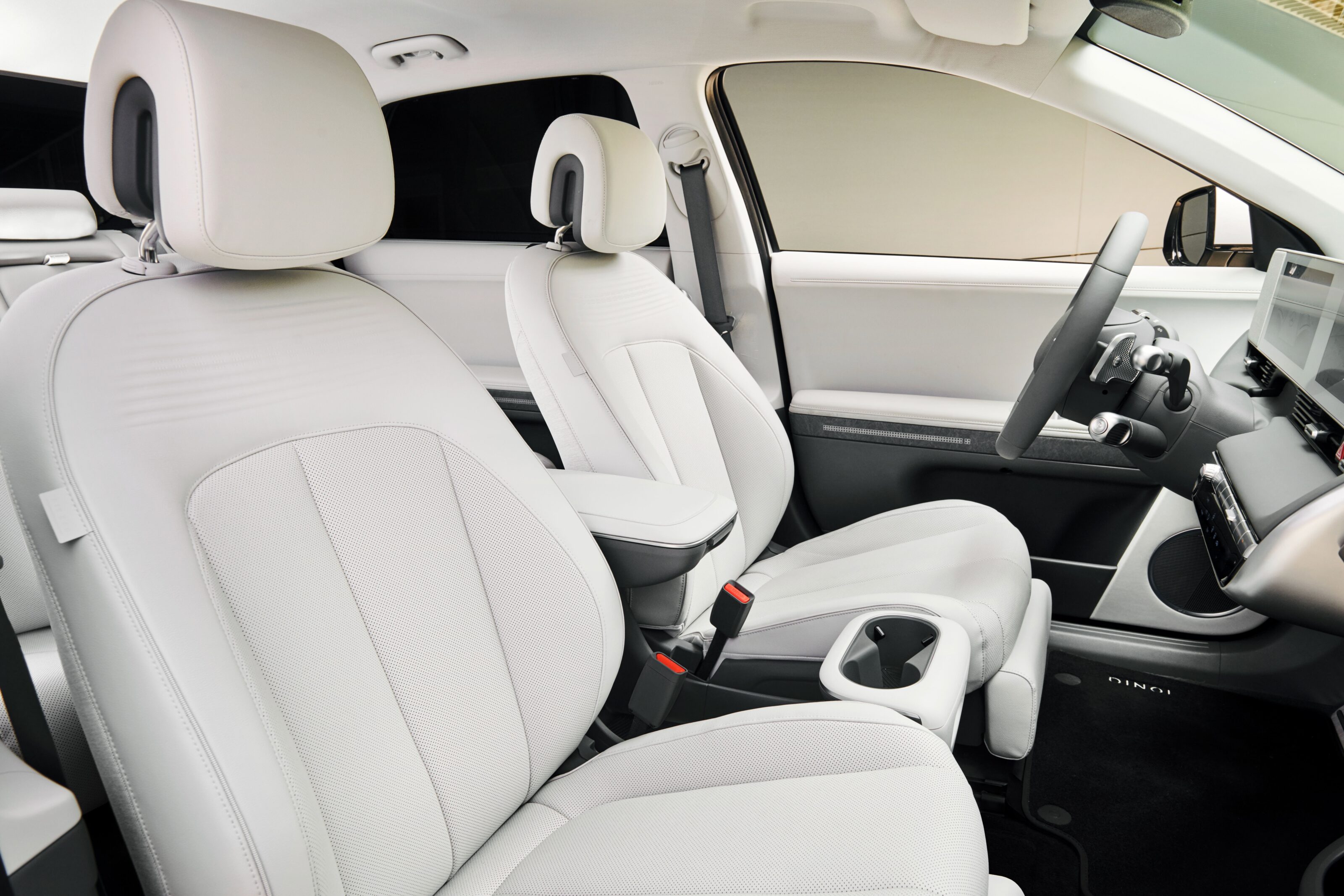
It’s an open secret that an N performance version of the Ioniq 5 will eventually appear to assume the ultimate flagship status.
The sporty EV has been regularly spied testing at Germany’s Nürburgring and could produce as much as 450kW.
A GT version of Kia’s related EV6 has outputs of 430kW and 740Nm from its twin electric motors and an anticipated 0-100km/h of 3.5 seconds, though this is still slightly slower than the 3.3-second claim for Tesla’s Model 3 Performance.
Future Hyundai EVs confirmed to share the Ioniq 5’s E-GMP battery-electric platform are the Ioniq 6 sedan and Ioniq 7 large SUV. The sedan is “due in the next 18 months” with the SUV “about two years away”.
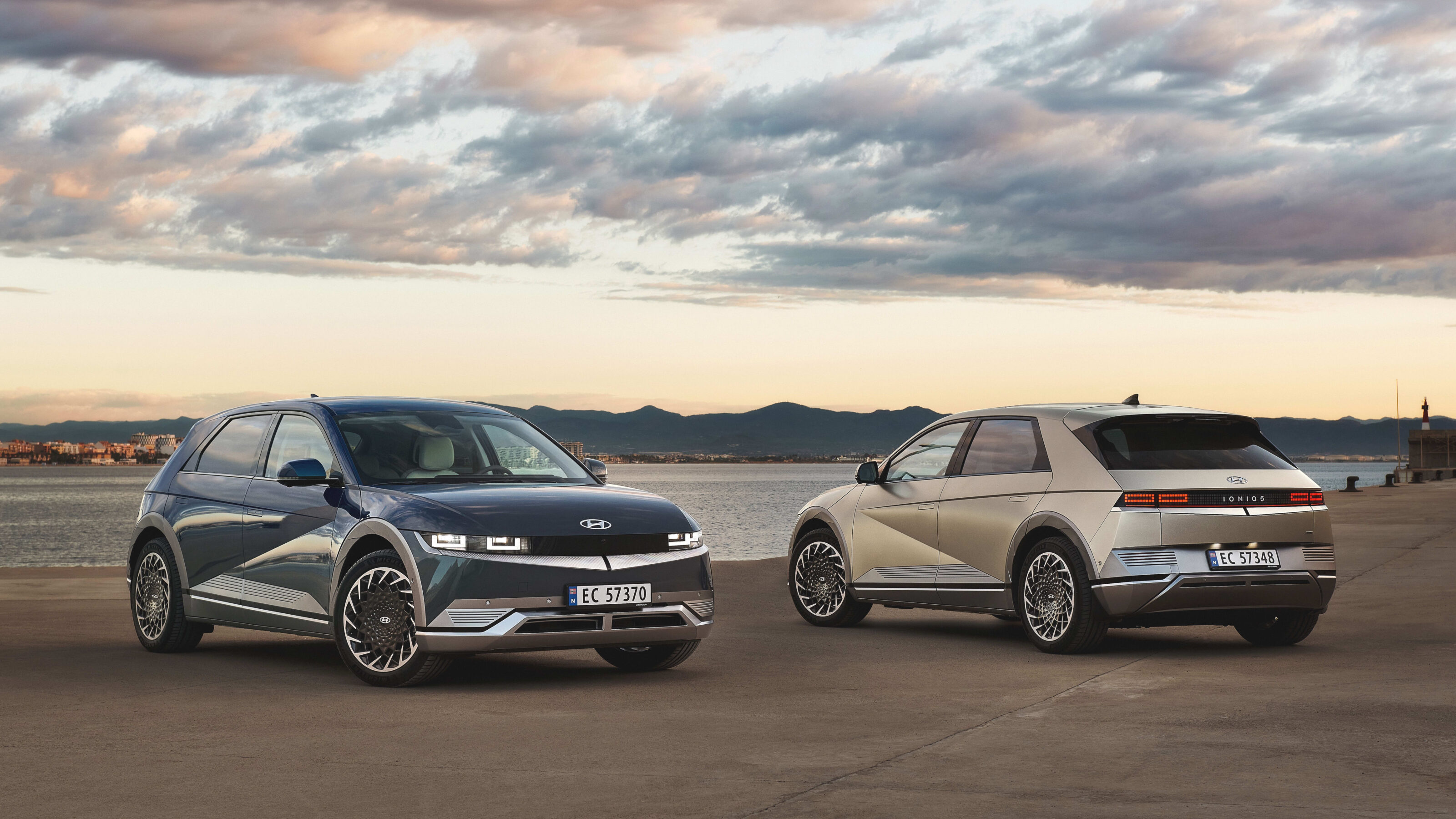
2022 Hyundai Ioniq 5 range (anticipated)
Ioniq 5 ‘Base’
Ioniq 5 RWD
| Price | From $71,900 |
|---|---|
| Battery | 72.6kWh |
| Electric motors | single, rear |
| Power | 160kW |
| Torque | 350Nm |
| Efficiency | 16.7kWh per 100km |
| Range (WLTP) | 451km |
| 0-100km (claimed) | 7.4 seconds |
Ioniq 5 ‘Long Range’
| Price | TBC |
|---|---|
| Battery | 72.6kWh |
| Electric motors | single, rear |
| Power | 160kW |
| Torque | 350Nm |
| Efficiency | 16.8kWh per 100km |
| Range (WLTP) | 481km |
| 0-100km (claimed) | 7.4 seconds |
Ioniq 5 AWD
| Price | From $75,900 |
|---|---|
| Battery | 72.6kWh |
| Electric motors | dual, front/rear |
| Power | 225kW |
| Torque | 605Nm |
| Efficiency | 16.7kWh per 100km |
| Range (WLTP) | 430km |
| 0-100km (claimed) | 5.2 seconds |
Ioniq 5 N
| Price | TBC |
|---|---|
| Battery | 77.4kWh (estimated) |
| Electric motors | dual, front/rear |
| Power | 450kW (estimated) |
| Torque | 740Nm (estimated) |
| Efficiency | TBC |
| Range (WLTP) | TBC |
| 0-100km (claimed) | 3.3 seconds (estimated) |
The price of oil has soared to US$135 a barrel in recent days, meaning Aussie drivers could be paying more than $2.20 per litre at the pump in the coming weeks – and eventually as much as $2.50/L.
While Brent Crude has reversed some of those gains today, settling at around US$125/barrel at the time of writing, some technical analysts are suggesting it could be the beginning of an even greater rally to the upside.
Investment bank JP Morgan, which boldly predicted US$125/barrel back in December, is now saying Brent Crude could hit US$185/barrel by the year’s end, while another hedge fund is foreshadowing US$200/barrel, according to Yahoo!Finance.
Petrol prices hit an all-time high at the end of February, with a national average of $1.79/L reported. At the time, Brent Crude was priced at US$96.
This week also saw the average increase to $1.83/L according to the Australian Institute of Petroleum – a rise of 2.2 per cent from the February highs, but a far cry from the 39 per cent increase in oil over the same period.

This has led some industry experts to warn the current prices could be as good as it gets for the foreseeable future.
“What we’re bracing ourselves for is averages of over $2 per litre,” the NRMA’s Peter Khoury told WhichCar.
“And unfortunately [the Ukraine conflict is] just going to keep pushing the price up. Now obviously there’s talk of sanctions on Russian oil, which will also impact oil prices further. They jumped significantly overnight, and there really isn’t any good news in store when you look at forecasts in the short-term,” Khoury warned.
“So $2 per litre is what we’re expecting at the high point of the next cycle (for the capital cities that have price cycles), and if the latest increase is passed on, that could go as high as $2.20 for regular unleaded – and that’s the average I’m talking about.”
Oil’s roar higher appears to be part of a wider rally in commodities, with metals such as aluminium, tin, lead, nickel, zinc, and copper all increasing dramatically, with expectations the move could eventually force hybrid and electric vehicle makers to pass on the increased costs.
“Right across the board there are obviously concerns about the impacts of these increasing prices” Khoury said.
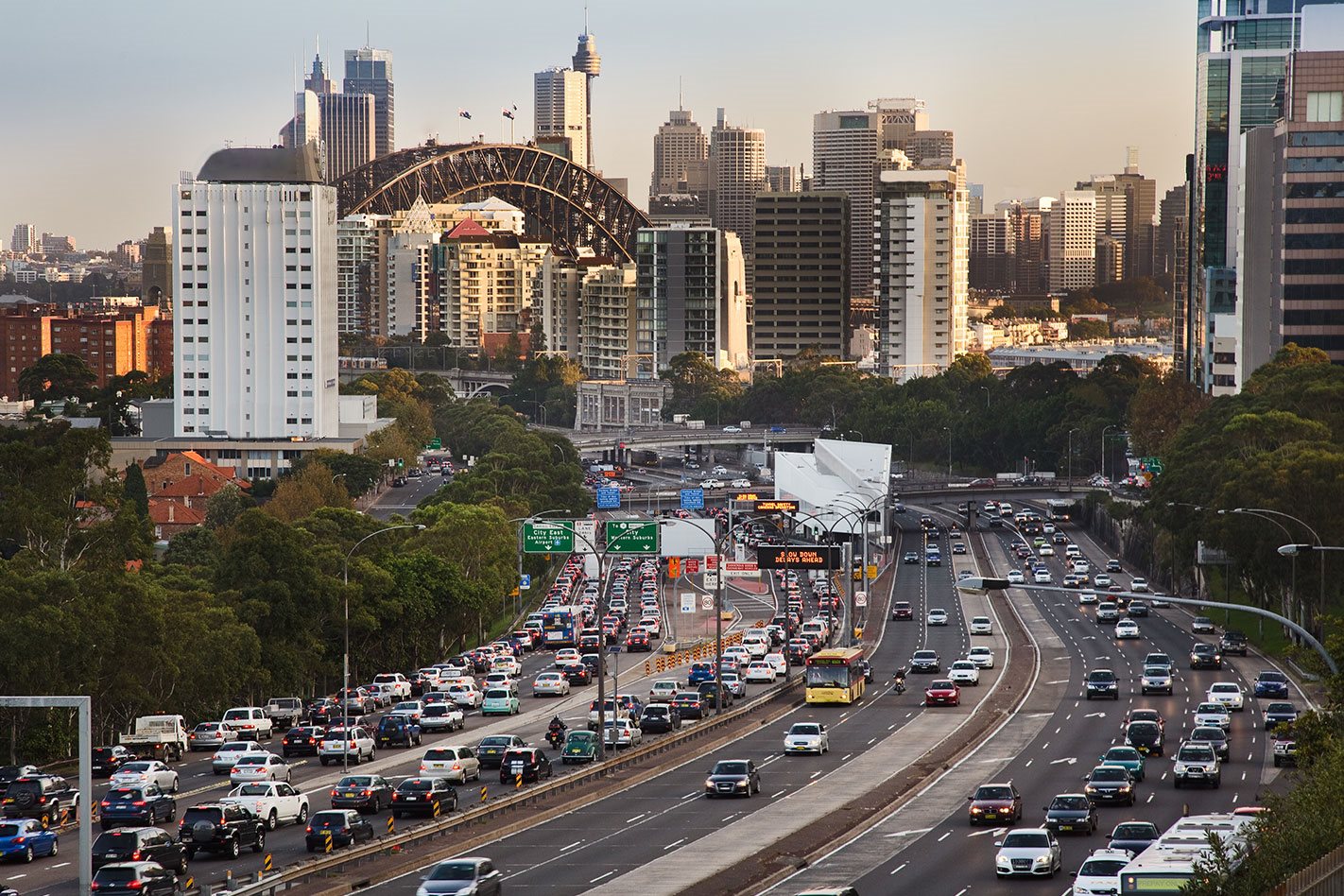
“Diesel’s the same – wholesale price of diesel is now more expensive than regular unleaded, which is uncommon, but it’s just a demonstration of the period of time that we’re in.”
Khoury says right now is the time to be filling up “because we are going to get a significant price shock at the bowser in the coming days,” and recommended Sydneysiders get the myNRMA app or use the State Government’s Fuel Check website to find the cheapest prices locally.
Jeep showed off its very first all-electric model in recent days, a small SUV codenamed ‘516’, ahead of its launch in the first half of 2023.
With the increasing popularity of compact pick-ups in the US, such as the Hyundai Santa Cruz and Ford Maverick, it makes sense that Jeep might be considering a lifestyle ute of its own to slot in under the dual-cab Gladiator.
Artist Theottle has created these digital renderings to provide a glimpse of what it could look like, and we’ve named it the Jeep Scrambler – a throwback to a small ute offered by the US carmaker between 1981 and 1986.
While the original Scrambler was touted as “America’s first small 4×4 pick-up,” this new version could well be America’s first small electric pick-up, with most manufacturers currently focused on battery-powered versions of full-size pick-ups like the Ford F-150 Lightning, Chevrolet Silverado EV, and the future Ram 1500 EV.
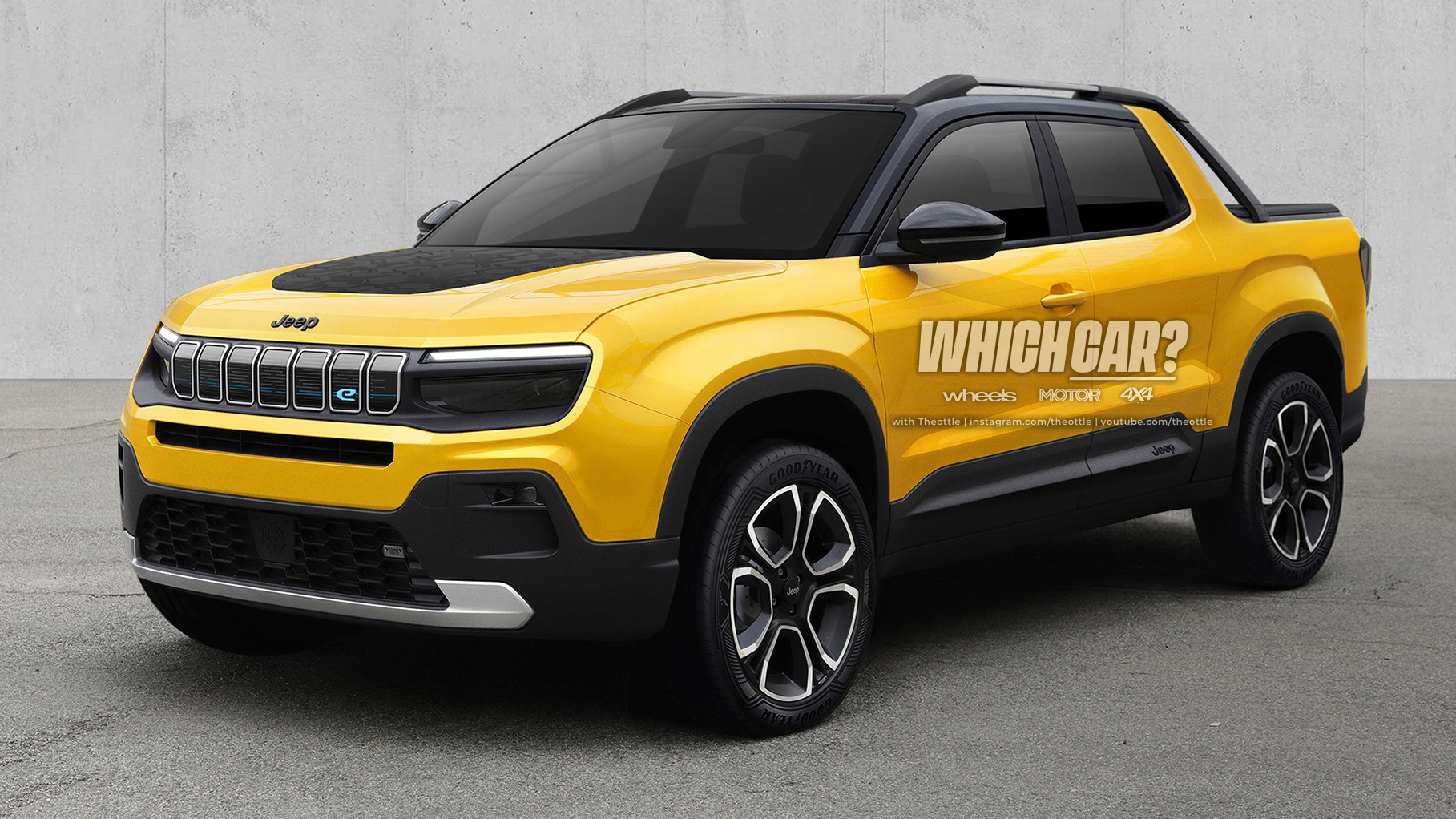
The Jeep SUV on which this ute is based is said to be underpinned by the e-CMP platform shared across other Stellantis electric models, though some outlets are reporting the Jeep could introduce a rear-mounted electric motor, giving the 516 all-wheel drive.
The 2024 Jeep Scrambler ute may only exist in our imaginations at the moment, but given the sudden interest in small pick-ups in large markets like the US, there’s no doubt Jeep is considering its options.
Snapshot
- 2022 Mitsubishi Triton affected by the semiconductor chip shortage
- Higher-spec grades feature aftermarket infotainment system to ensure supply is maintained
- Factory head unit retained on MY22 examples fitted with a 360-degree camera
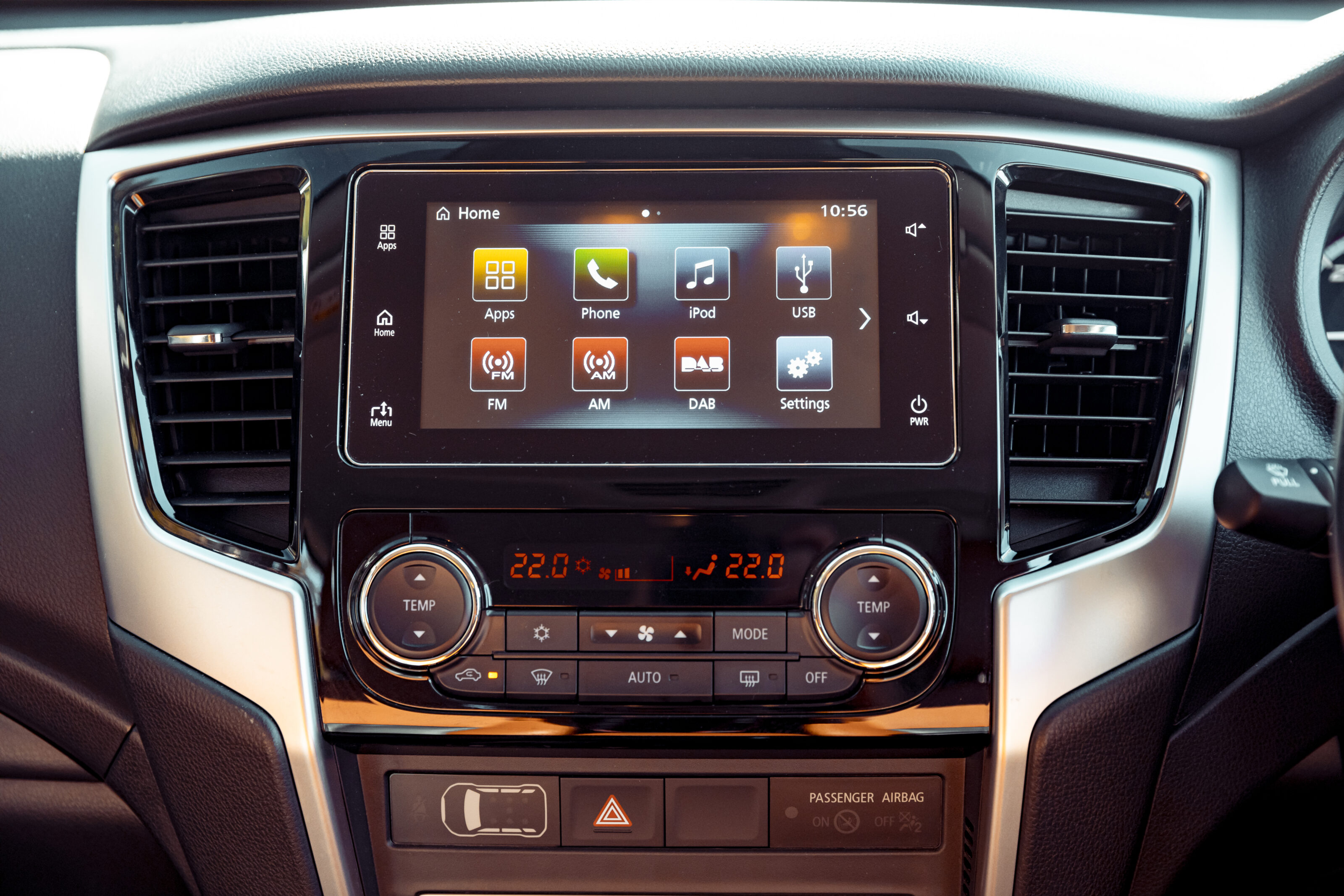
Mitsubishi Motors Australia has replaced the stock head unit fitted to some grades of the 2022 Triton ute due to the ongoing chip shortage.
Higher-spec examples of the MY22 Mitsubishi Triton feature an aftermarket infotainment system – referred to as ‘Mi-Display’ – with stock of the brand’s own Smartphone-link Display Audio system unable to keep up with rising demand for the Triton amid the chip crisis.
Apple CarPlay and Android Auto compatibility has been retained with the aftermarket unit, however, the HDMI port previously fitted as standard has been removed from selected Triton variants.
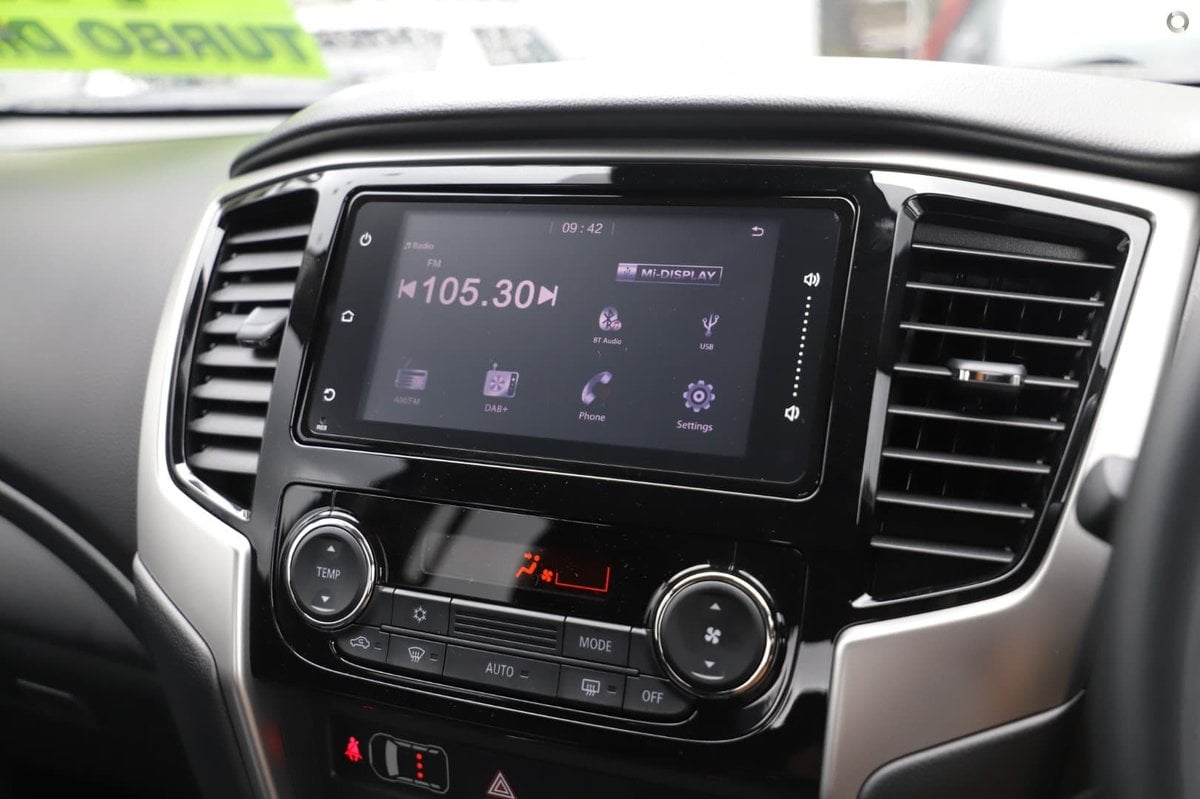
Variants receiving the 7-inch aftermarket unit include; GLX+, GLX-R, GLS and GSR. The base GLX continues to feature Mitsubishi’s own, smaller 6.1-inch infotainment system without Apple CarPlay and Android Auto.
As a result of the shortage, Mitsubishi now only has enough stock to offer the 360-degree camera system, once standard on the flagship GSR, as an option.The 360-degree camera and normal Smartphone-link Display Audio system are also included as options on the GLS Deluxe grade.
“The reason for the audio change in MY22 was in response to semi-conductor related supply shortages.
“The top-grade GSR (with tan orange interior option) was prioritised to retain the [Smartphone-link Display Audio] unit. There were also enough units to supply the GLS Deluxe grade”.

Wheels understands the model-year 22.5 Triton – set to launch around June – will return to using the regular head unit, with the 360-degree to again become standard-fit on the GSR, as was the case from 2019 (in now-discontinued GLS Premium guise) to 2021.
The company spokesperson said Mitsubishi will “advise of MY22.5 updates as soon as they are finalised”.
Last month, the Mitsubishi Triton posted its highest sales figures since June 2018, with 3811 deliveries – up 116.1 per cent over February 2021 – to put the Triton in third place on the overall sales charts. This was the third-highest sales number ever recorded for the Triton, behind June 2014 (4124) and June 2018 (3919).
In addition, Mitsubishi has been forced to make several changes across its local range to ensure it has a steady supply of vehicles.

In June 2021, the ASX and Eclipse Cross were bolstered with new special edition variants, in order to reduce wait times.
These limited-edition models sat alongside regular production grades, but with the omission of blind-spot monitoring and rear-cross traffic alert.
“Over the past year, we’ve worked with our dealers to understand the challenges they have with supply constraints, largely related to COVID-19, but now compounded with the semi-conductor challenges, and also what key features customers want to see,” said Owen Thompson, Mitsubishi Motors Australia’s senior manager of product strategy, when the special edition models were announced.
Pricing and specifications for the new-generation Outlander were also altered in February for model-year 2022.5, due to supply issues associated with the chip shortage.
The entry-level ES now sports a one-touch power window operation for the driver’s side only, rather than both sides, while the LS loses its electric tailgate.
Meanwhile, the mid-spec Aspire swaps its fully-digital 12.3-inch instrument cluster for a semi-digital 7-inch display. Pricing for the flagship Exceed and Exceed Tourer variants was also bumped up by $500 and $1000 respectively due to higher production costs, with no changes to standard equipment.
UPDATE, March 7, 2021: Porsche seems to be getting serious about bringing an overlanding, high-riding 911 to market as a black prototype has been spied again – this time in Scandinavia.
Testing in the cold weather and snow, this exact car wears the same registration as the one seen late last year being shaken down at the Nürburgring in Germany (see further below).
Captured by CarSpyMedia, the car in question features a noticeable ride height increase over the standard 992-generation 911, while watching it go over low-speed bumps shows off a considerably larger amount of suspension travel.
Although not yet officially confirmed by Porsche in any capacity, Motortrend has speculated the variant could be named ‘Dakar’ rather than ‘Safari’ as was previously anticipated, drawing inspiration from the marque’s success in the 1984 and 1986 Paris-Dakar rallies.
The story to here
December 20, 2021: The 2023 Porsche 911 Safari has been spied again, this time testing its capabilities on the sand dunes of Dubai.
A photo of the raised 911 was posted on Instagram, but the quality of the image suggests it could have been taken from a video of the upcoming Porsche.
Given how deep in the sand the wheels area is, it appears as if the car may actually be bogged. Not impossible, given the prototype looks to be driving on high-performance road tyres.
https://www.instagram.com/p/CXpzZbrBQII/
The same account also has a short video of what appears to be a Porsche 911 GT2 RS with a missing front-end doing a 180-degree turn, spraying the camera-holder with dirt and rocks – perhaps to discourage any filming.
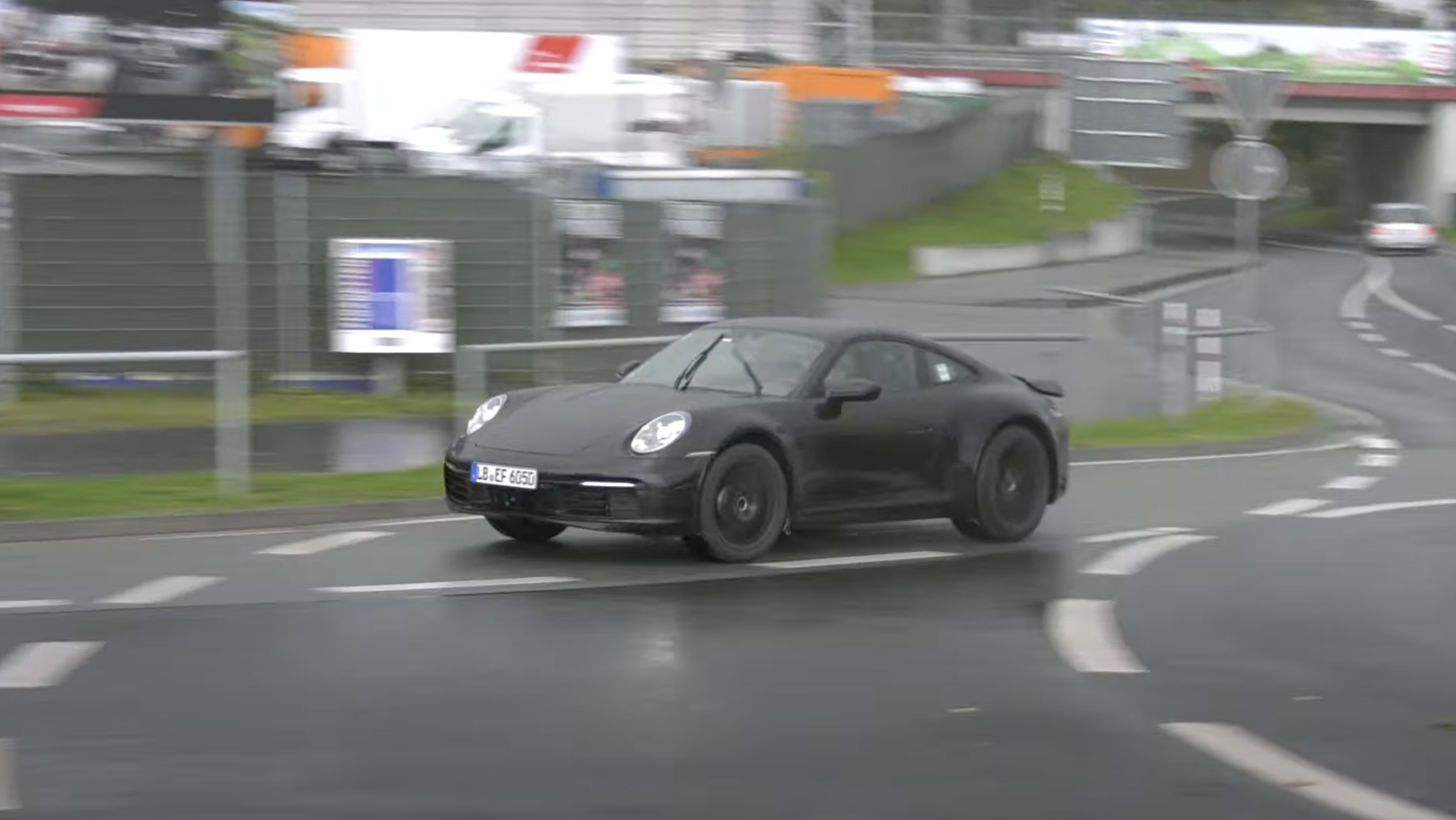
December 8, 2021: A rally-inspired version of the 911 is set to return for 2023, likely adopting the Safari name.
About half a century ago, Porsche created lifted rally-ready versions of the 911 to compete in off-road events, with the 911 SC notably winning the 5000km East African Safari Rally.
Thanks to the eagle-eyed videographers at CarSpyMedia, a near-production prototype of the Safari was recently spied testing on the Nürburgring, showcasing yet another variant for the latest 992 range – with the model set to join the Carrera, Targa, GTS, Turbo, Turbo S and GT3 in the 911 line-up.
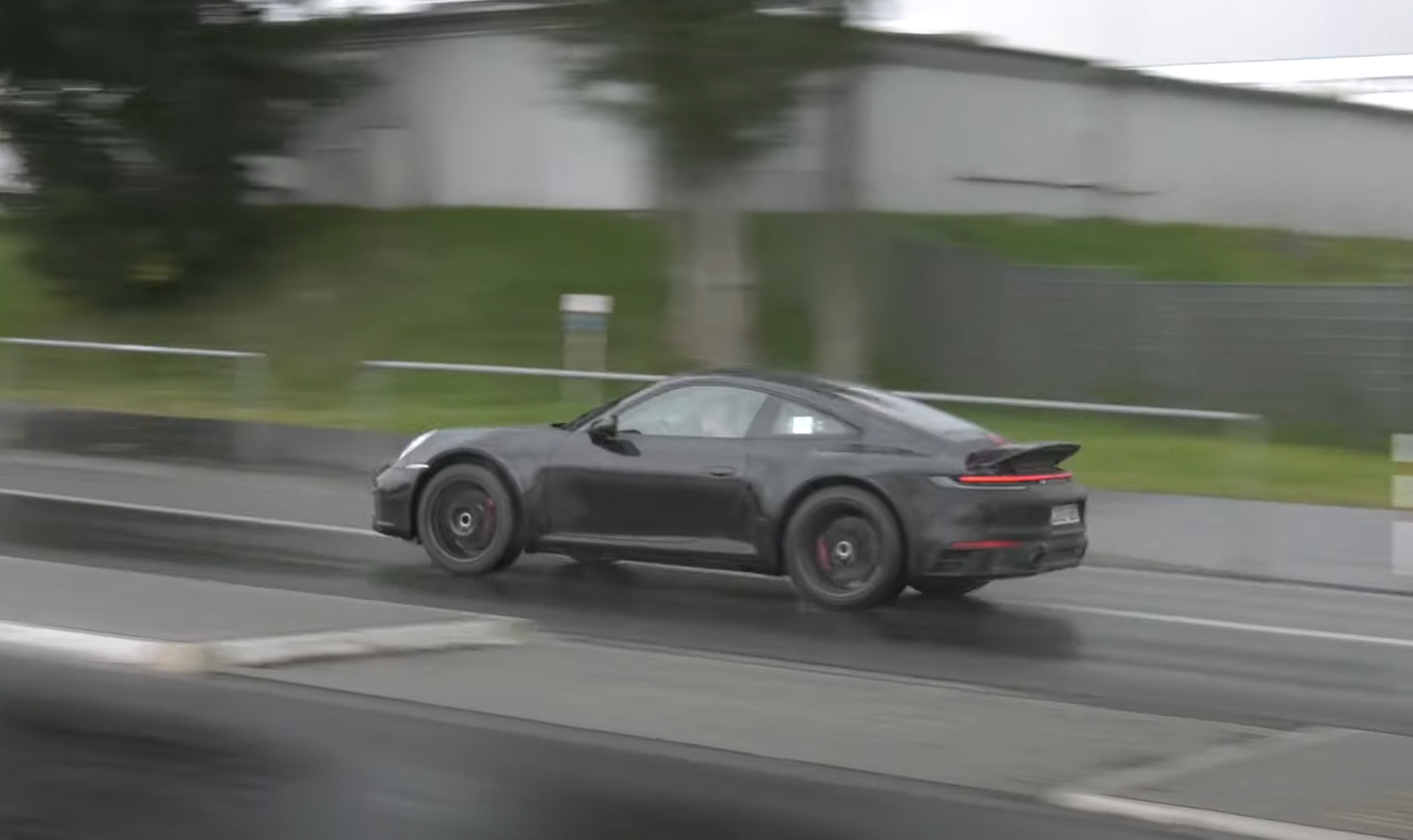
The prototype seen here features a higher ground clearance, thanks to taller suspension, in addition to chunkier wheels and a likely all-wheel-drive system – presumably with selectable off-road driving modes, but without a differential lock (unlike the Cayenne). Active dampers and softer springs over the regular 911 are also expected.
There is also subtle wheel cladding to accentuate the rally appearance of the Safari, along with the addition of updated front and rear bumpers, side skirts and skid plates that work towards creating a look similar to the elevated Taycan Cross Turismo wagon.
Expected to be powered by the same 3.0-litre twin-turbocharged flat-six as the ‘normal’ 911, the Safari is tipped to feature an identical engine tune to the entry-level Carrera, with 283kW of power and 450Nm of torque on offer.
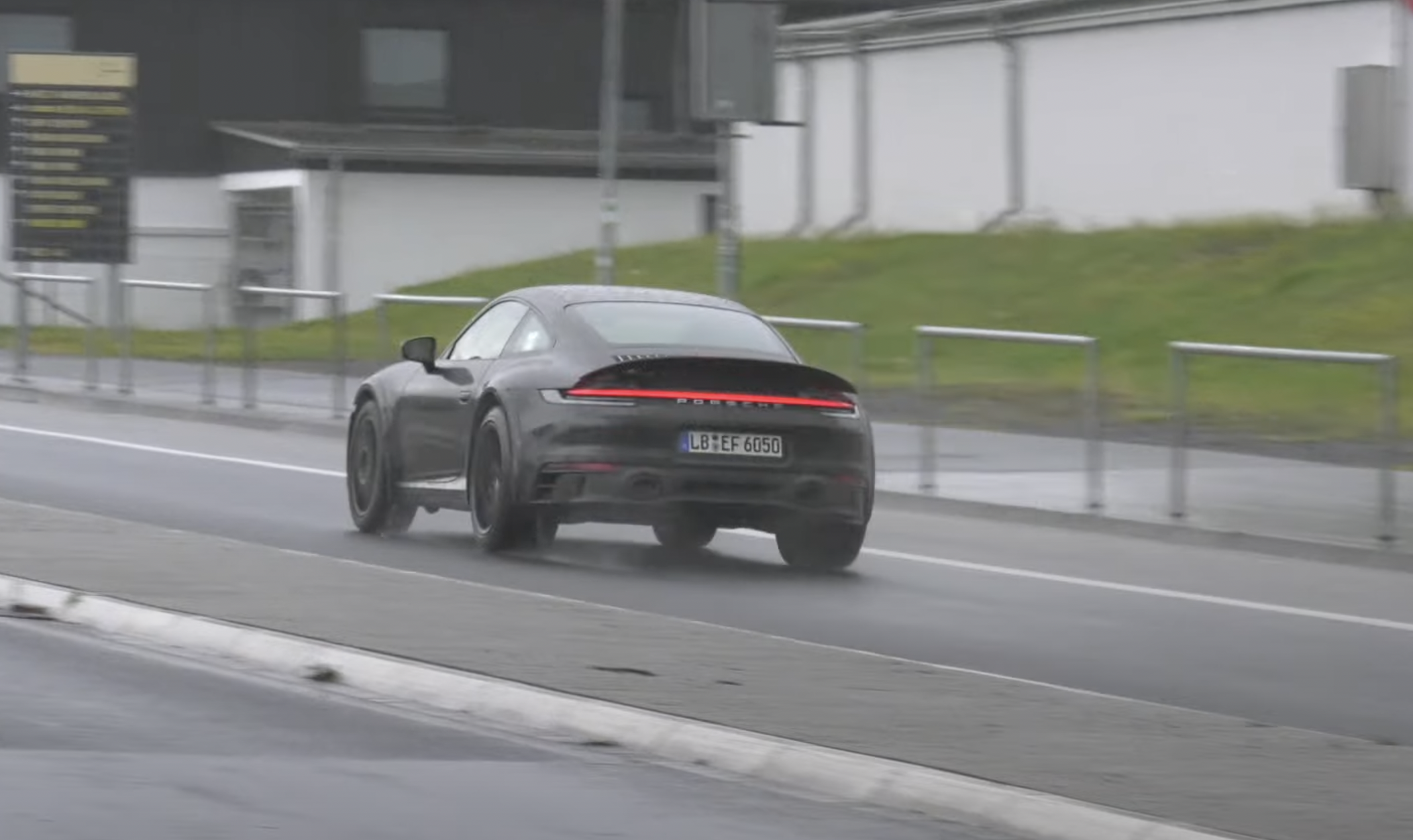
More powerful versions are also possible, such as the 331kW/530Nm tune of the same turbo-six from the Carrera S. No major changes are expected to the gearbox of the high-riding 911, meaning the eight-speed dual-clutch automatic transmission is set to carryover largely untouched.
The 2023 911 Safari is expected to join the line-up in early 2022, likely in time for a mild facelift to the rear-engined sportscar – which is also slated to bring hybrid power to the iconic Porsche for the first time ever.
