
Snapshot
- Formentor variants to mirror Leon offerings
- Plug-in hybrid available in VZe grade
- Pricing to be announced closer to launch
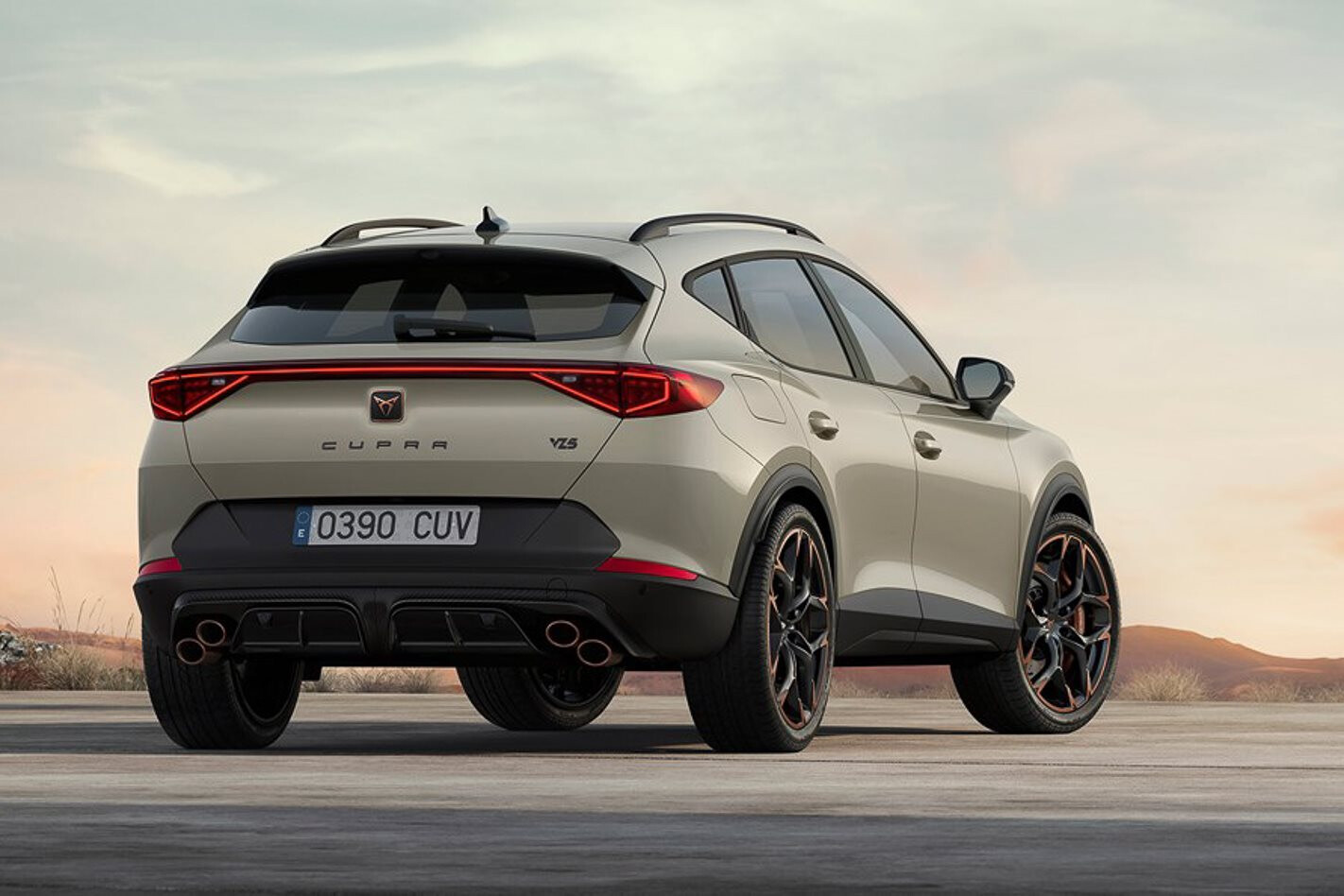
The Cupra Formentor’s Australian specs have been confirmed as the Spanish manufacturer gears up for a local launch.
Set to go on sale with the remainder of the Cupra model line-up in July, the Formentor is touted as the marque’s first “bespoke” vehicle, with its design and ethos like nothing else in the Volkswagen Group fleet.
Just like the Leon hatchback, the Formentor will be available in four grades from launch, ranging from the entry-level ‘V’ trim to the range-topping, 228kW VZx.
Features
Formentor V
| 2.0-litre turbocharged four-cylinder petrol engine (140kW/320Nm) |
| Seven-speed wet clutch dual-clutch gearbox |
| All-wheel drive |
| 18-inch sport black and silver alloy wheels (with 18-inch temporary spare) |
| Metallic paint (Nevada white, magnetic tech, magic black, asphalt blue) |
| Heated power folding mirrors covered in dark chrome |
| Full LED headlights and daytime running lamps |
| Rear LED lampsu00a0 |
| Fog lamps with cornering function |
| Auto high beam |
| Rear tinted windows |
| Rear spoiler |
| Heated power folding mirrors |
| Mirror covers in dark aluminium |
| Welcome light with logo protection |
| Glossy black roof rails |
| Front and rear parking sensors |
| Dynamic chassis control |
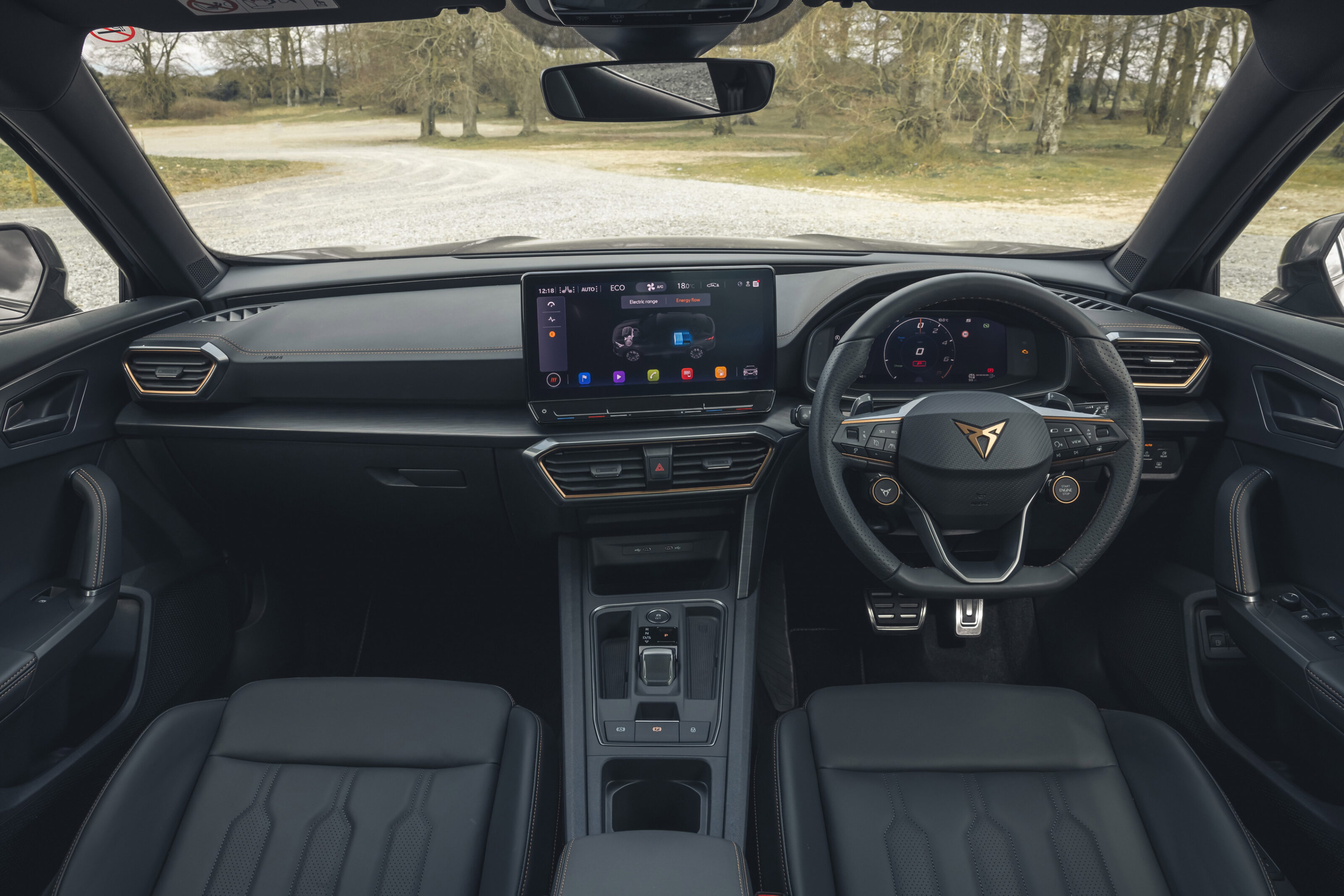
| 10.25-inch digital cockpit |
| 12-inch infotainment screen with satellite navigation |
| Wireless phone charging |
| Wireless/wired Apple CarPlay/Android Auto |
| USB-C ports (two front, two rear) |
| Cloth sports bucket seats |
| Three-zone climate control air-conditioning |
| Auto dimming rear view mirroru00a0 |
| Light and rain sensor |
| Leather heated multifunction steering wheel with paddle shift |
| Keyless entry and start. |
Formentor VZ (over V)
| 2.0-litre turbocharged four-cylinder petrol engine (180kW/370Nm) |
| Seven-speed wet clutch dual-clutch gearbox |
| Front-wheel drive |
| 19-inch sport black and silver alloy wheels (with 18-inch temporary spare). |
Formentor VZe (over VZ)
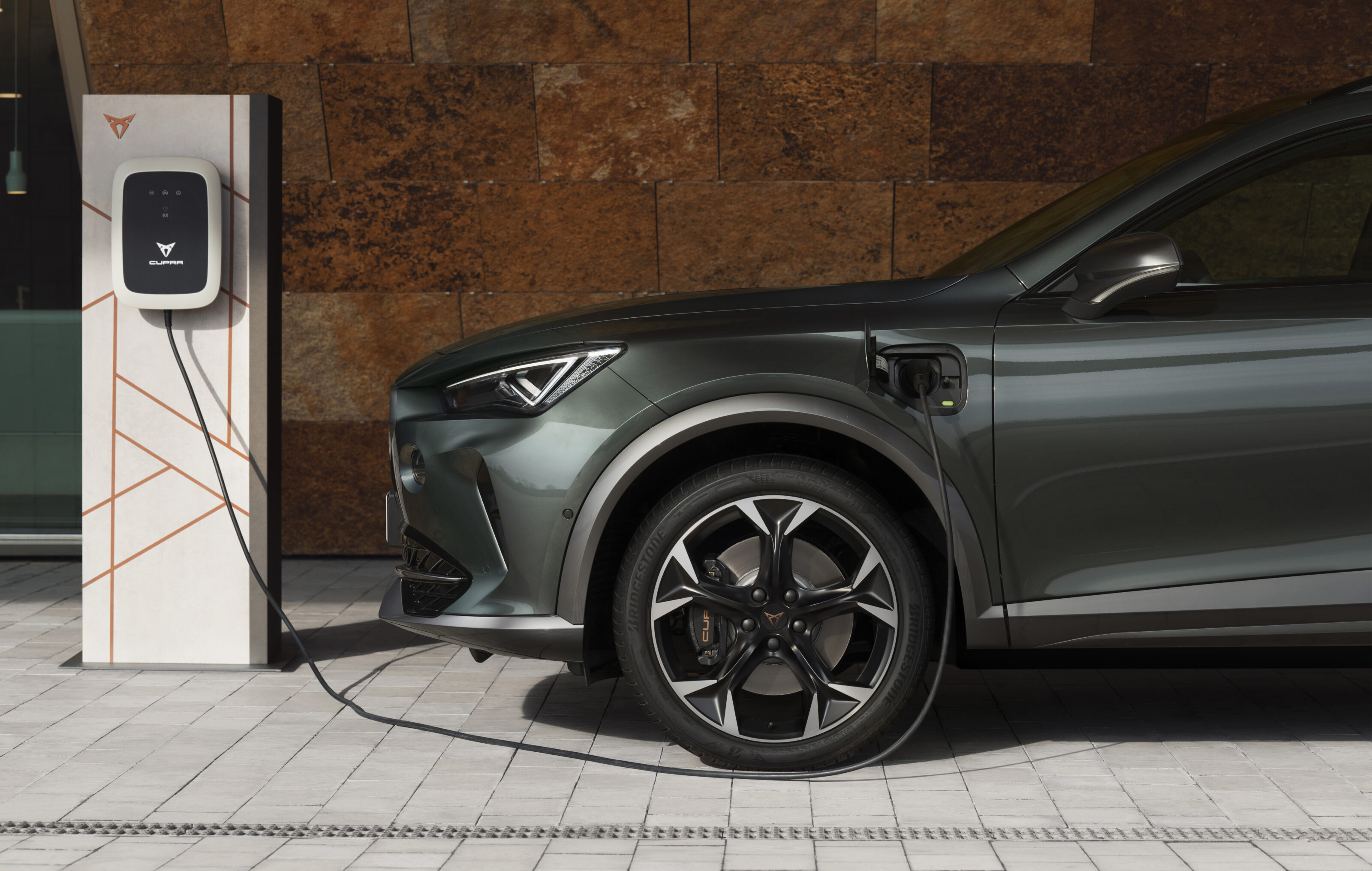
| 1.4-litre turbocharged four-cylinder petrol engine (110kW/250Nm), electric motor (85kW/300Nm); combined system output: 180kW/400Nm |
| Six-speed wet clutch dual-clutch gearbox |
| Tyre repair kit (in place of temporary spare) |
| Mode 3 cable. |
Formentor VZx (over VZ)
| 2.0-litre turbocharged four-cylinder petrol engine (228kW/400Nm) |
| 19-inch performance sport black and copper alloy wheels |
| Hands free power tailgate |
| Quad exhaust |
| Leather bucket seats (petrol blue) |
| Petrol Blue heated front seats with driver adjustment and memory |
| Memory function for external mirrors |
| Beats audio system with 9 speakers, subwoofer and 340W amp |
| Supersports leather steering wheel with satellite buttons. |
Options
| Leather and Power package (leather sports bucket seats, heated front seats, driver power adjustment and memory, mirror memory function, hands-free power tailgate) |
| Panoramic glass sunroof |
| Brembo brake package with tyre repair kit |
| Premium colours: desire red, dark camouflage, graphene grey (all grades); petrol blue matte, magnetic tech matte (VZx only). |
Safety
Although it hasn’t yet been submitted for ANCAP crash testing locally, the Formentor scored five stars in the Euro NCAP evaluations, with scores above 85 per cent for its adult and child occupant protection.
| Front assist with pedestrian and cyclist detection |
| Lane assist |
| Park assist |
| Side assist with exit assist |
| Driver fatigue monitor |
| Emergency assist |
| Adaptive cruise control |
| Exit assist |
| Traffic jam assist |
| Pre-crash warning |
| Tyre pressure warning system. |
Warranty and servicing
As with the rest of Cupra’s model range and the Volkswagen Group Australia fleet, the Formentor will be covered by a five-year/unlimited-kilometre warranty.
Servicing for Cupra models will be available through selected Volkswagen Group dealerships across Australia.
Availability
Pricing for the Cupra Formentor will be announced closer to the model’s arrival at the start of July 2022.
While the inevitable tectonic movement of progression is pitting internal-combustion engines and battery-electric drivetrains against each other, the two battling forms of automotive propulsion share a number of surprisingly similar qualities.
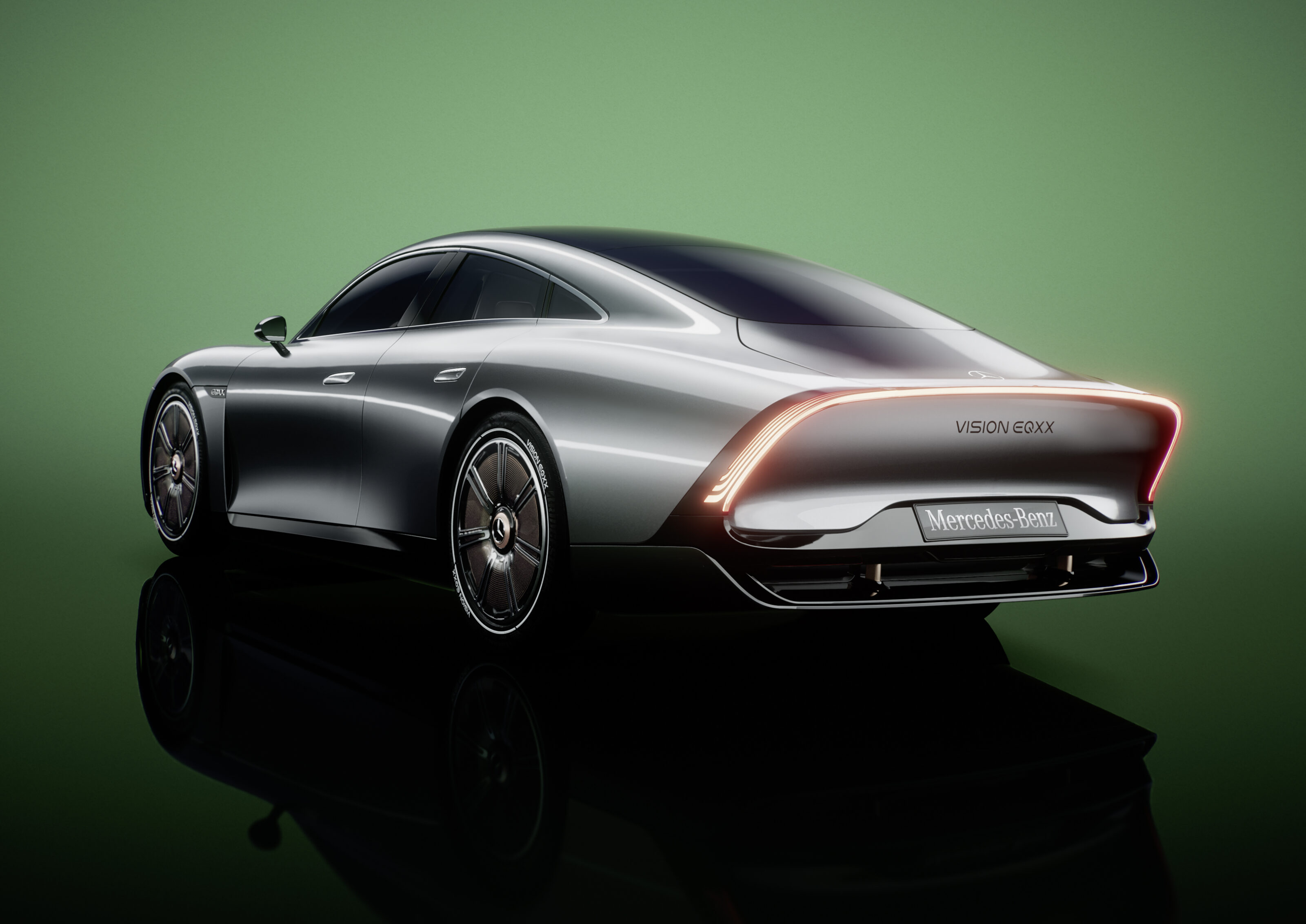
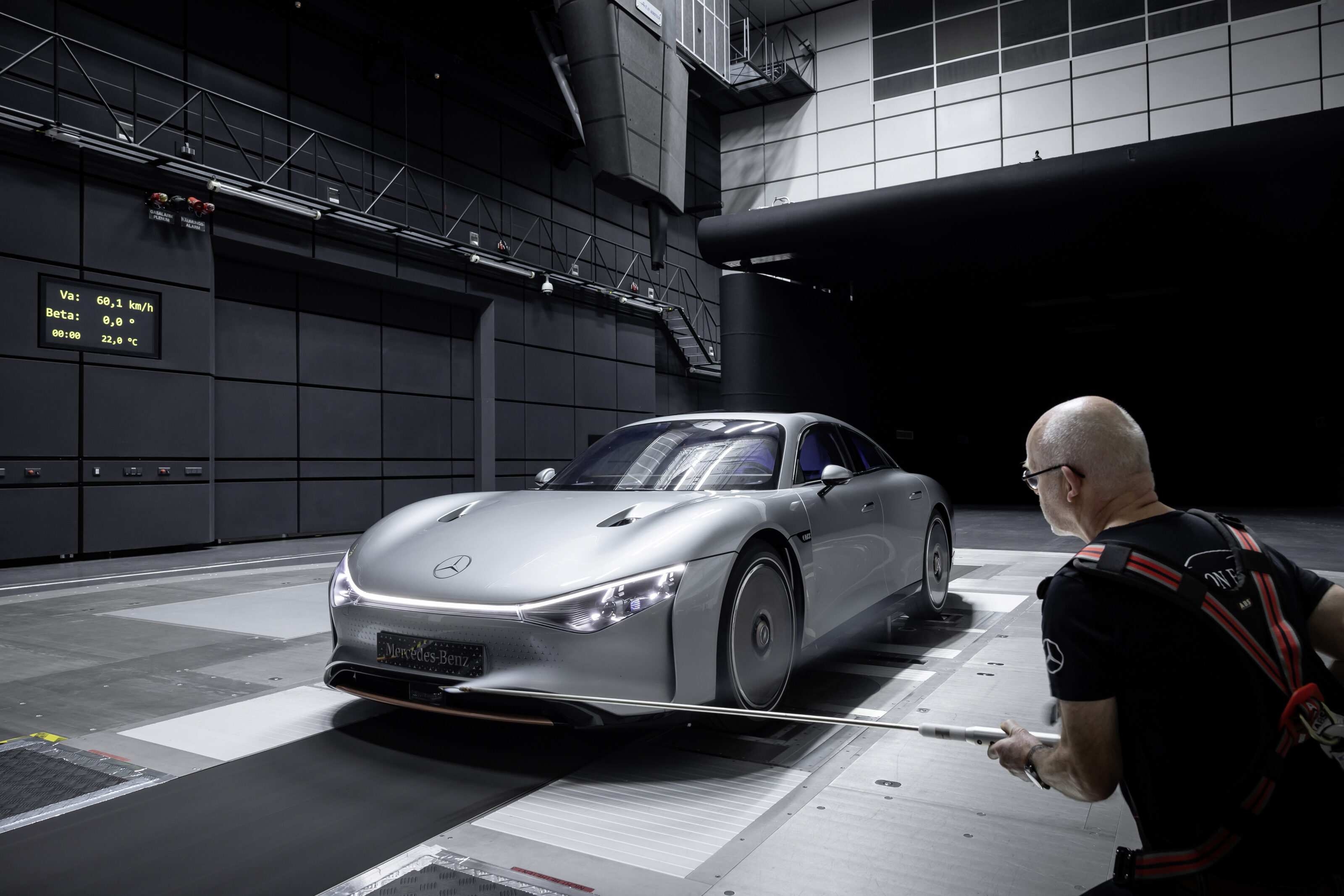
Each needs careful management to get large amounts of power to the ground, and when engineers crack the code to unlocking greater efficiency, larger outputs are never far behind. That’s why it’s not hard to see the performance potential in the Mercedes-Benz EQXX concept, which is ostensibly a hypermiling EV that will be used by the German brand as a powertrain development tool for future electric models.
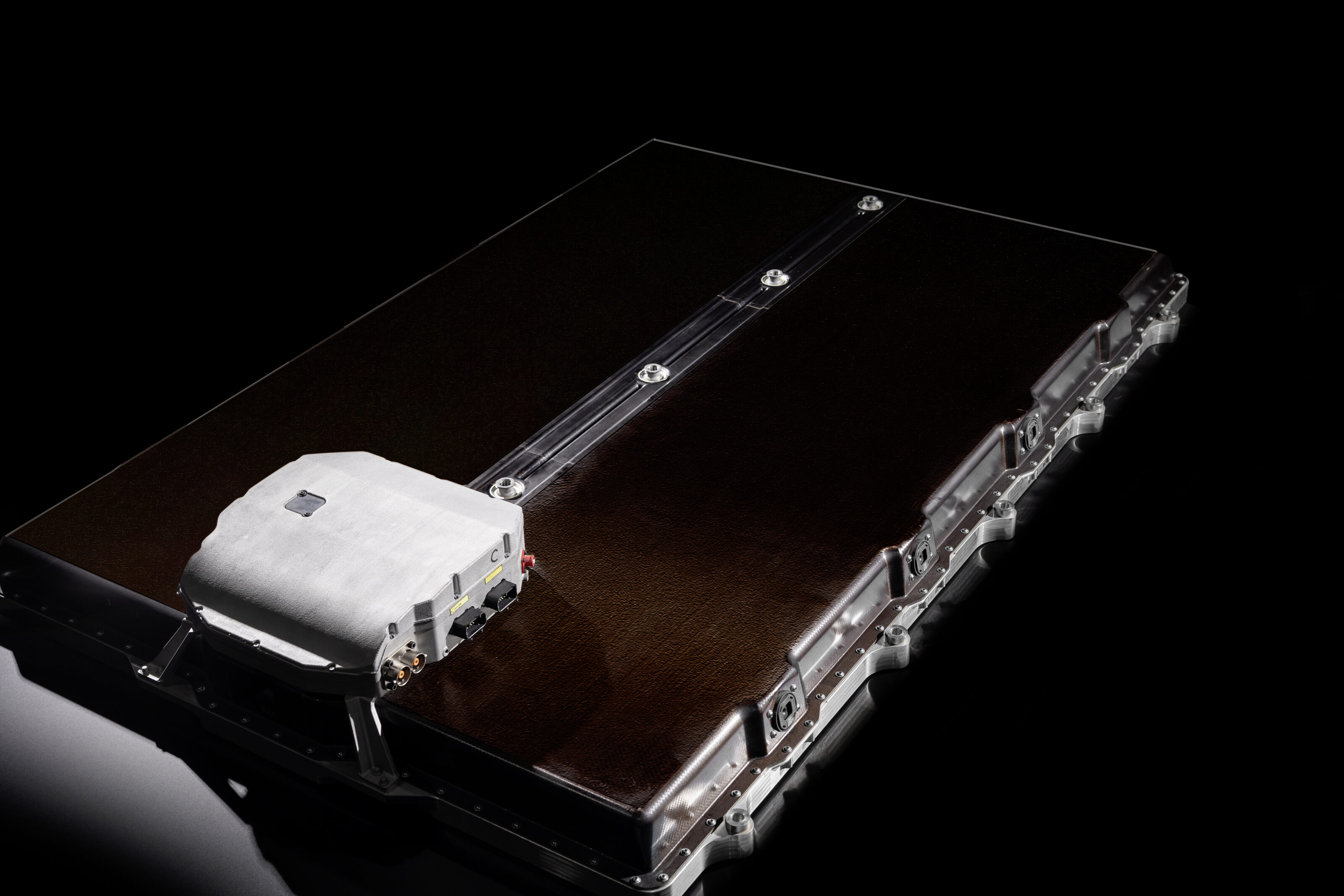
There’s no shortage of intriguing technological advancements with the EQXX, but what has us at MOTOR particularly interested is the battery system and its unique form of cooling.
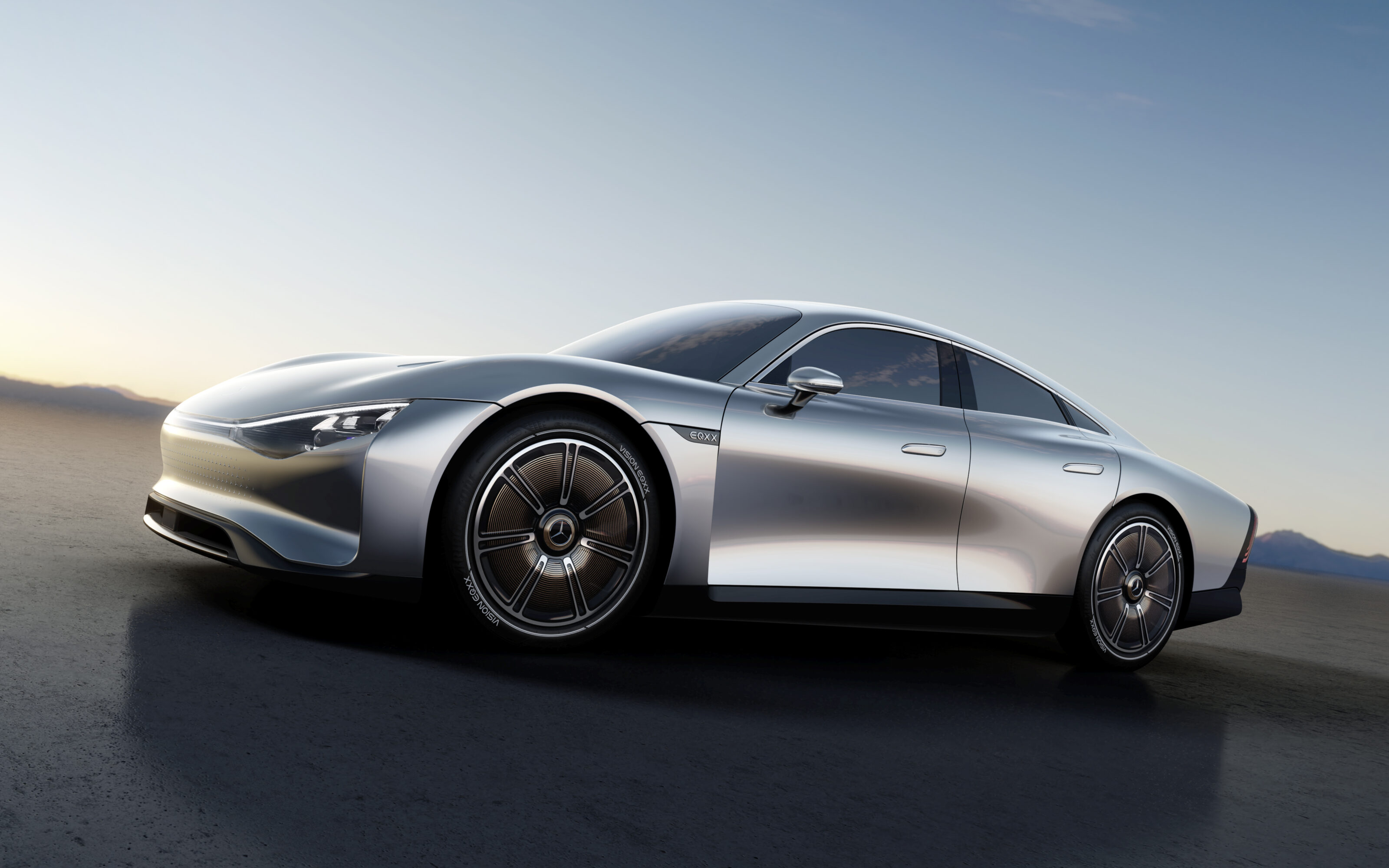
Range, not outright power, was the ultimate goal for the EQXX, which Mercedes claims it has achieved by being able to drive the car a huge 1000km on a single charge.
It’s not simply a vast battery either, with the unit slotted between the EQXX’s wheel arches having a 100kWh capacity – fairly regular for modern EVs.
Demonstrating the link between efficiency and power, Mercedes commissioned its High Power Powertrains (HPP) – yes, the F1 engine division – to lead the charge on the EQXX.
Batteries, like combustion engines, need to be cooled when operating. Traditionally this is done with liquid.
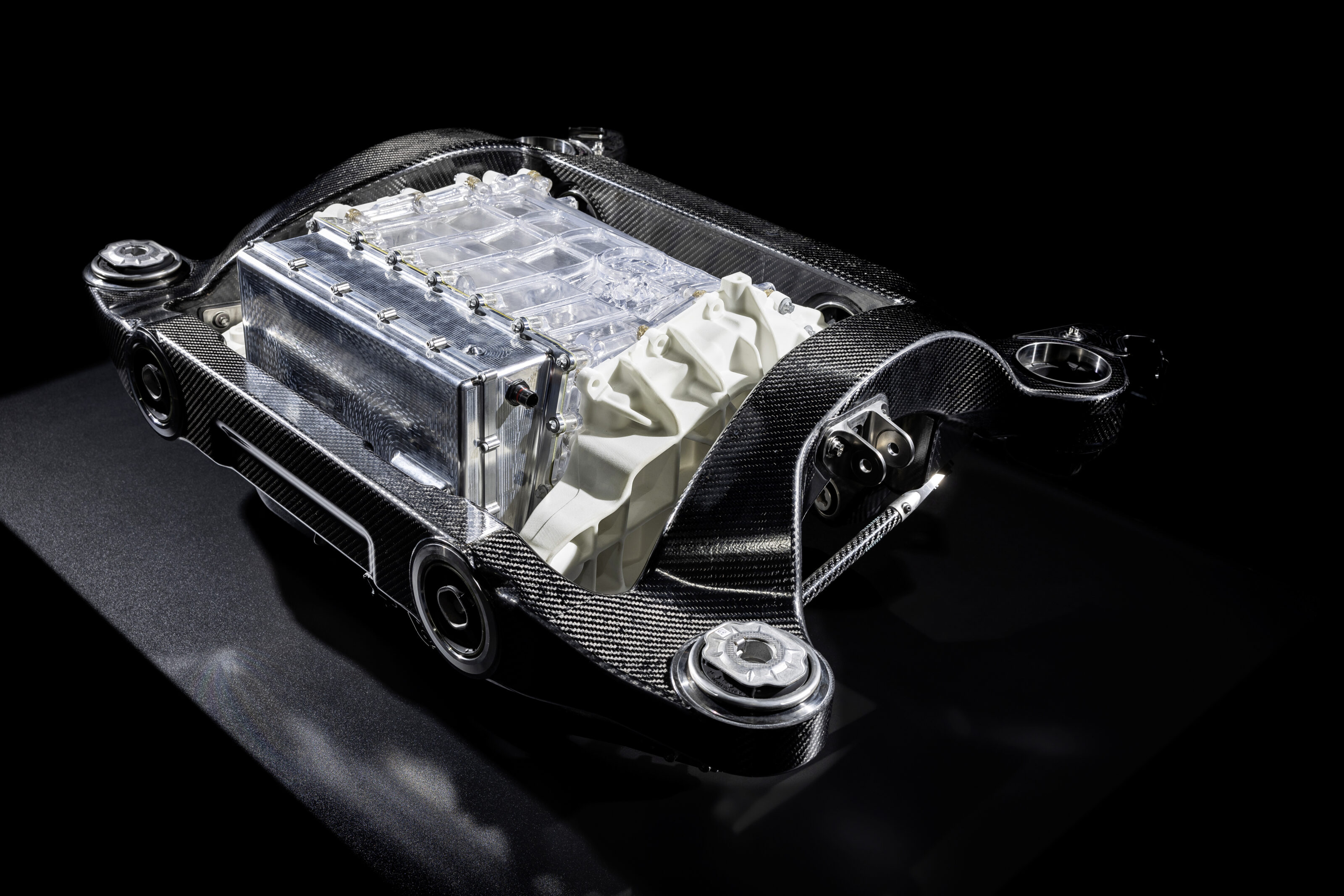
The prevailing method of battery cooling is a ‘jacket’ which encases the entire unit and pumps liquid around it to keep temperatures in check.
More advanced units like those developed by Mercedes High Performance Powertrains for F1 and future AMG products pump the cooling liquid around the individual cells within a battery, rather than surrounding the entire unit as a whole.
You won’t find either system on the EQXX, which instead uses good ol’ fashioned airflow to stay cool. Yup, the world has come full circle, and air-cooled batteries are about to come into vogue.
The core reason for using air instead of liquid to cool the battery is to minimise weight and, importantly, reduce the number of parasitic systems drawing power away from the business of propelling the vehicle.
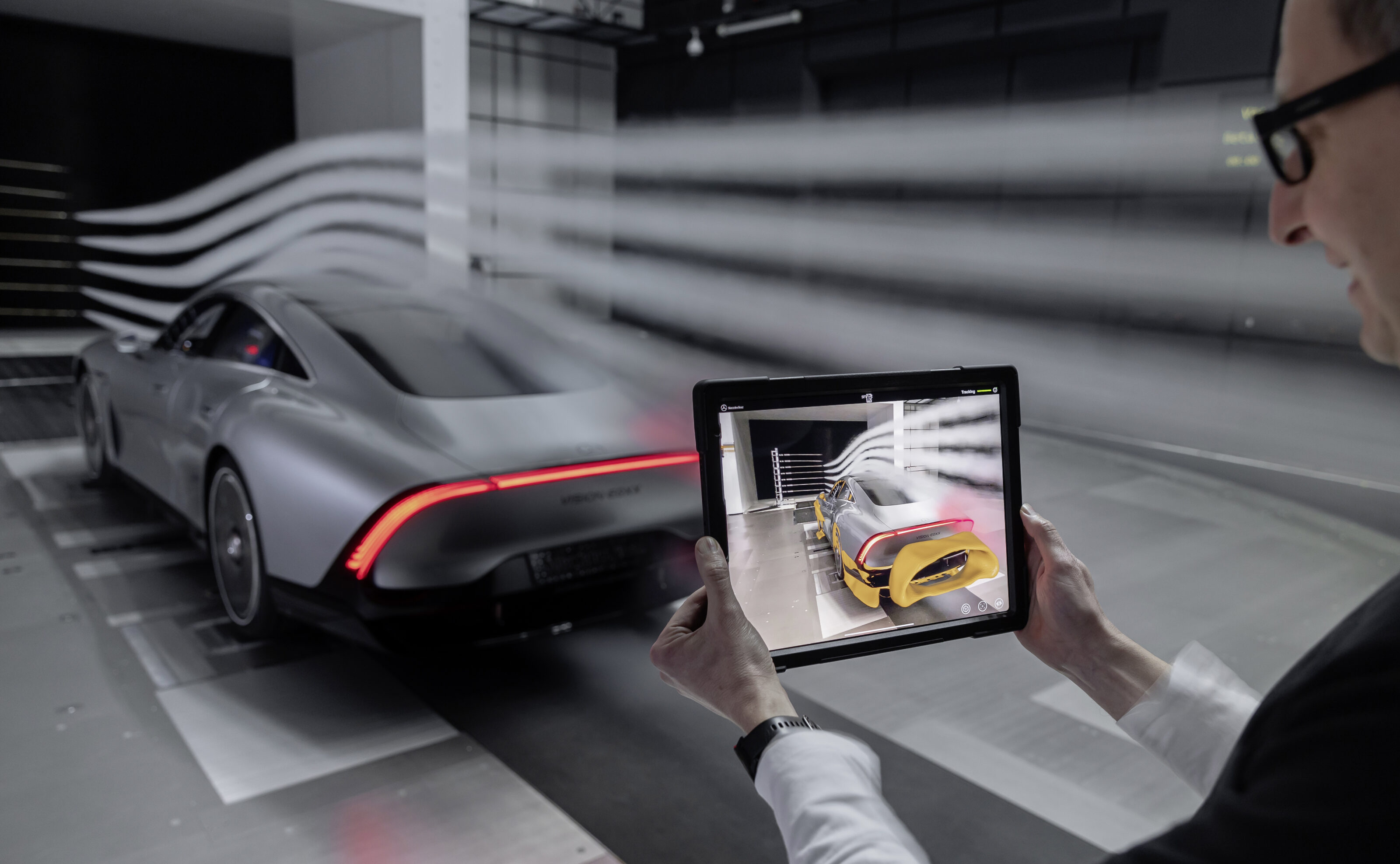
The way it works is via a shutter system in the underfloor of the vehicle, opening to allow airflow onto a cooling plate for both the battery and electric motor. The same system has a double function of creating an air curtain that reduces overall aerodynamic drag much like the design of Peugeot’s 9X8 racer that we featured in the October 2021 issue.
Mercedes admits the EQXX concept is a working prototype, so the HPP engineers are still investigating the long-term practicality and effects of having a passively cooled battery.
“What we are thinking is that each battery cell heats itself, and if we know the cell well, we can control the temperature of the cell. A lot of resource is being put into this. We have to find out what is the best state of charge,” EQXX powertrain engineer Tim Wölfel explains.
A heat sink panel is also placed beneath the battery, helping keep the unit cool, while, in what Mercedes believes to be a world-first, active air vents have been built into the very casing of the battery itself.
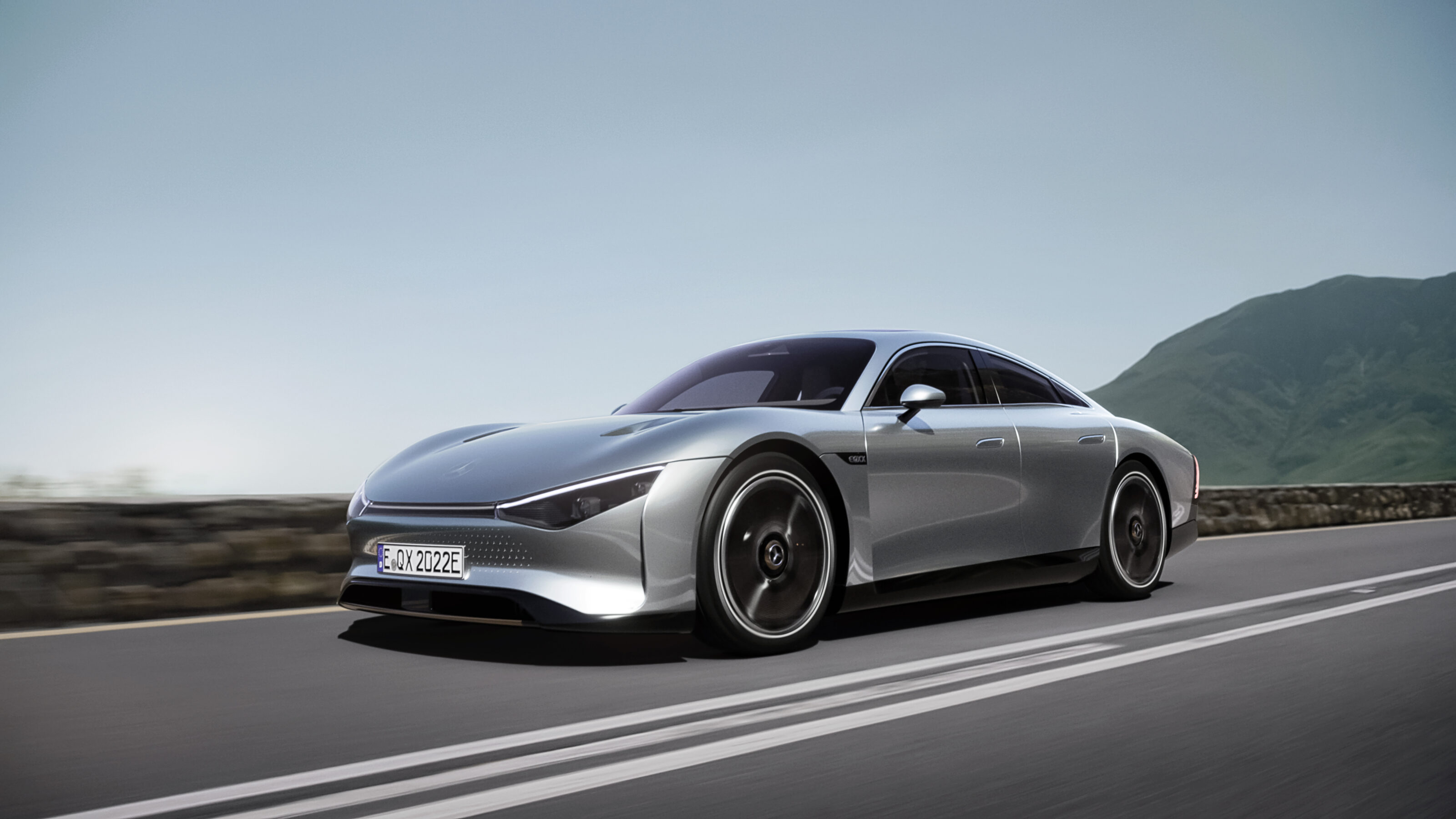
High Performance Powertrains are also the brains behind the EQXX’s battery technology, bringing their motorsport-derived, performance-focused mindset to engineering the most efficient unit possible.
The battery, power inverter, and electronic unit in the EQXX are also the same that HPP developed for the Mercedes-AMG ONE hypercar.
Size and weight is the enemy of efficiency, something HPP is well acquainted with. To combat this, the EQXX’s battery does away with the usual design of packing cells into separate enclosed modules, helping shrink the unit’s physical dimensions. There are also clever developments within the chemical make-up of the battery. A higher silicon content in the anodes means the cells can hold more energy than those found in more conventional batteries.
Sure, the EQXX isn’t a high-powered thriller, but the hunt for efficiency isn’t a fruitless one for those wanting more performance. With a weight of just 495kg, the battery HPP built has an energy density of more than 200Wh/kg. More power, less weight. Now that’s a recipe we can get behind.
Put it on ice
The British-based HPP has built one of the greatest internal-combustion engines ever constructed – the 1.6-litre turbocharged V6 found in the back of Lewis Hamilton’s F1 car. Last year the hybrid unit maxed out at 756kW.
Put me down softly
Linked to the EQXX’s battery pack is a single 150kW electric motor mounted on the rear axle. It is based on the same eATS unit found in the EQA and EQB. However, it too has undergone the HPP treatment to maximise efficiency.
Captain planet
Air isn’t the only earthly element playing its part in the EQXX, with the sun also assisting thanks to 117 solar panels fitted to the roof. They feed a 12V system to power many of the car’s ancillary functions, lowering the draw on the 900V system.
There can only be one
An American start-up Our Next Energy (ONE) has built a prototype battery for a Tesla Model S that beats the total claimed range of the EQXX by 200 kilometres. The company drove its car 1210km as a proof of concept. In fairness to Mercedes, ONE had to use an oversized 203.8kWh battery.
Toyota’s hydrogen fuel-cell Mirai sedan is starting to gain momentum within the business community, with fleets snapping up the zero-emissions vehicle.
The hydrogen fuel-cell electric vehicle (FCEV) is currently the only zero-emissions Toyota available for sale in Australia, debuting locally last year – despite the first-generation model previously being made available for sale in Europe.
Just a few months after it first appeared on the Australian market, Toyota says the FCEV has recently been adopted by a number of businesses looking to reduce their fleet emissions, as well as government officials pushing for change within the industry.
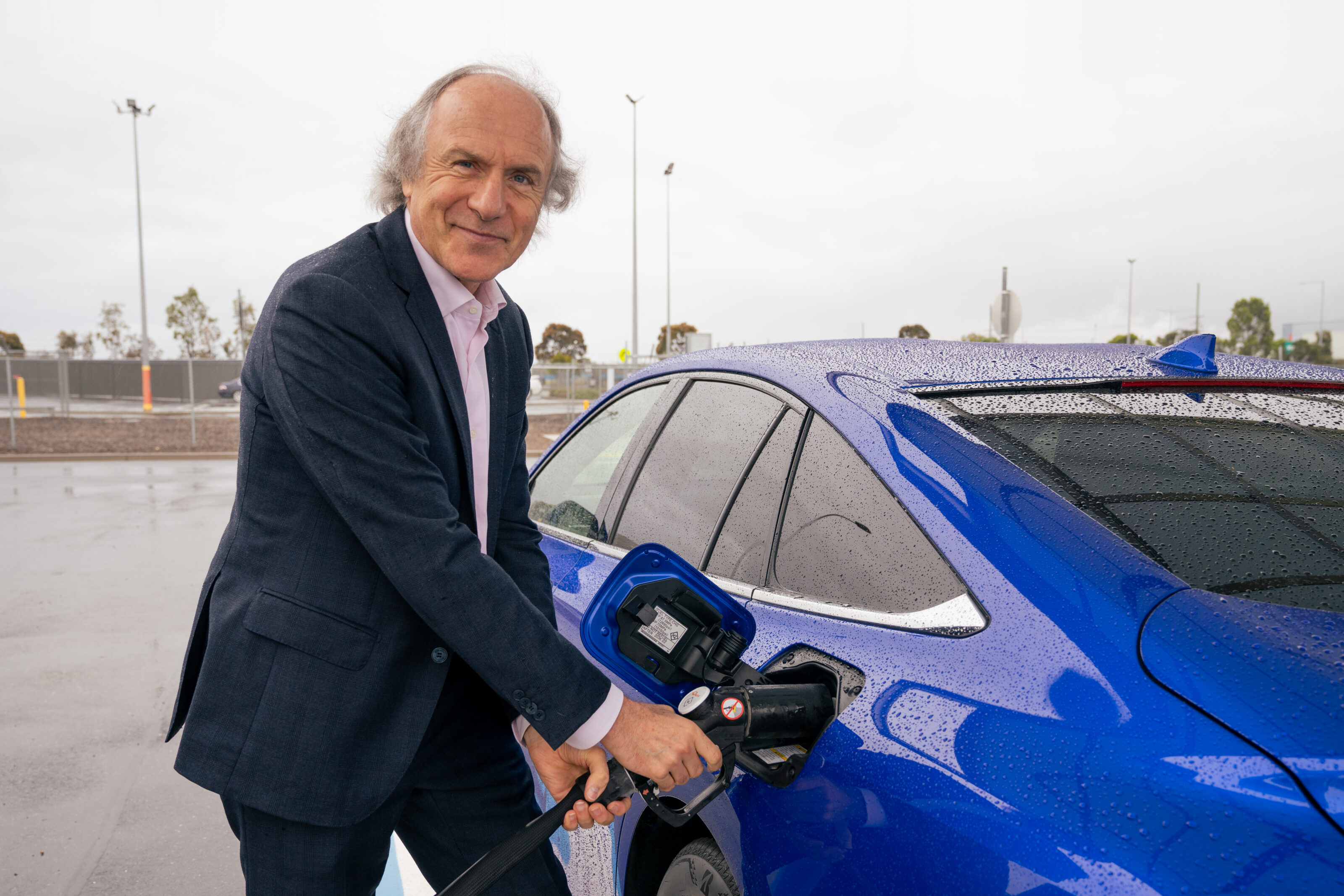
Dr Alan Finkel, Special Adviser to the Australian Government on Low Emissions Technology, said hydrogen fuel-cell technology will be crucial to the future of local transport, especially in the heavy vehicle sector.
“Hydrogen will be a big part of our future,” said Dr Finkel.
“Most of the replacement of oil, coal and gas will be electricity delivered as electrons, but about 15 per cent of the end-user requirements will be delivered as hydrogen.“Big trucks are the most obvious opportunity. It’s a bit like diesel and petrol – you associate diesel with big trucks, buses, trains, and ships, and petrol with small urban delivery trucks and cars.
Battery electric vehicles (BEVs) and hydrogen fuel-cell electric vehicles (FCEVs) tend to split that way, but there is overlap. Where hydrogen will really excel for cars is for people who don’t have off-street parking.“It’s fantastic to be able to take the Mirai and fill up in about five minutes. So for those people who live in older houses in inner city Melbourne or Sydney, or live in apartments that don’t have provision for car parking, then a hydrogen car is wonderful.
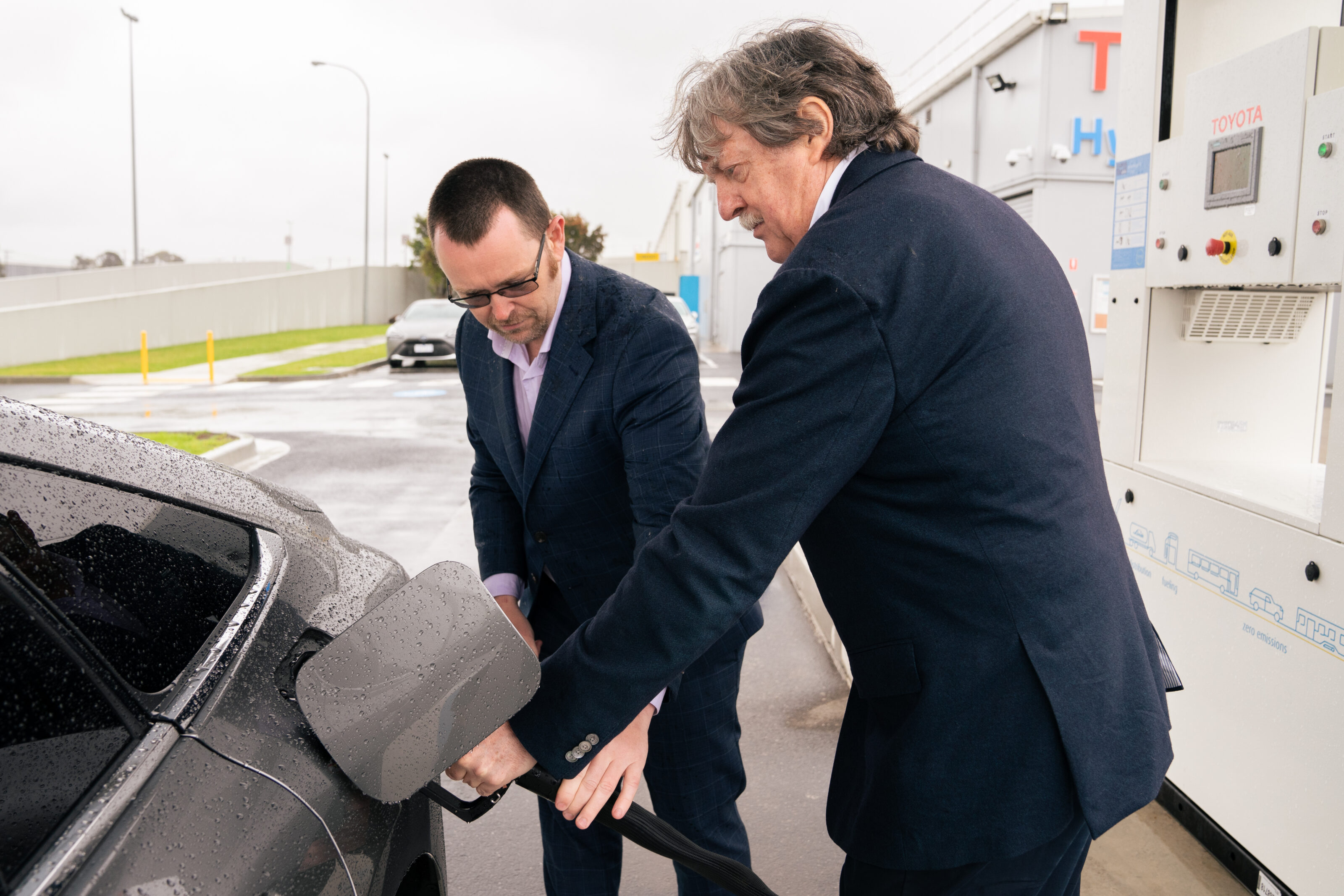
Iain Graham, CEO of Red Energy (a subsidiary of Snowy Hydro) believes hydrogen vehicles such as the Mirai will provide the crucial next step away from internal combustion engines and towards a zero-emissions future.
“It was important for us to understand what is the future,” said Graham.“We’ve always looked to how we are going to be competitive and what’s on the horizon. When electric vehicles came along, we were one of the first to get one which has been a tremendous education for us and a wonderful tool to talk about renewable energy and how practical it is.“When we saw that Australia was starting to look at hydrogen and Toyota was involved, we wanted to understand this. Hydrogen is probably a distance away before it’s commercially practical, but we wanted to be at the very front in our understanding.”
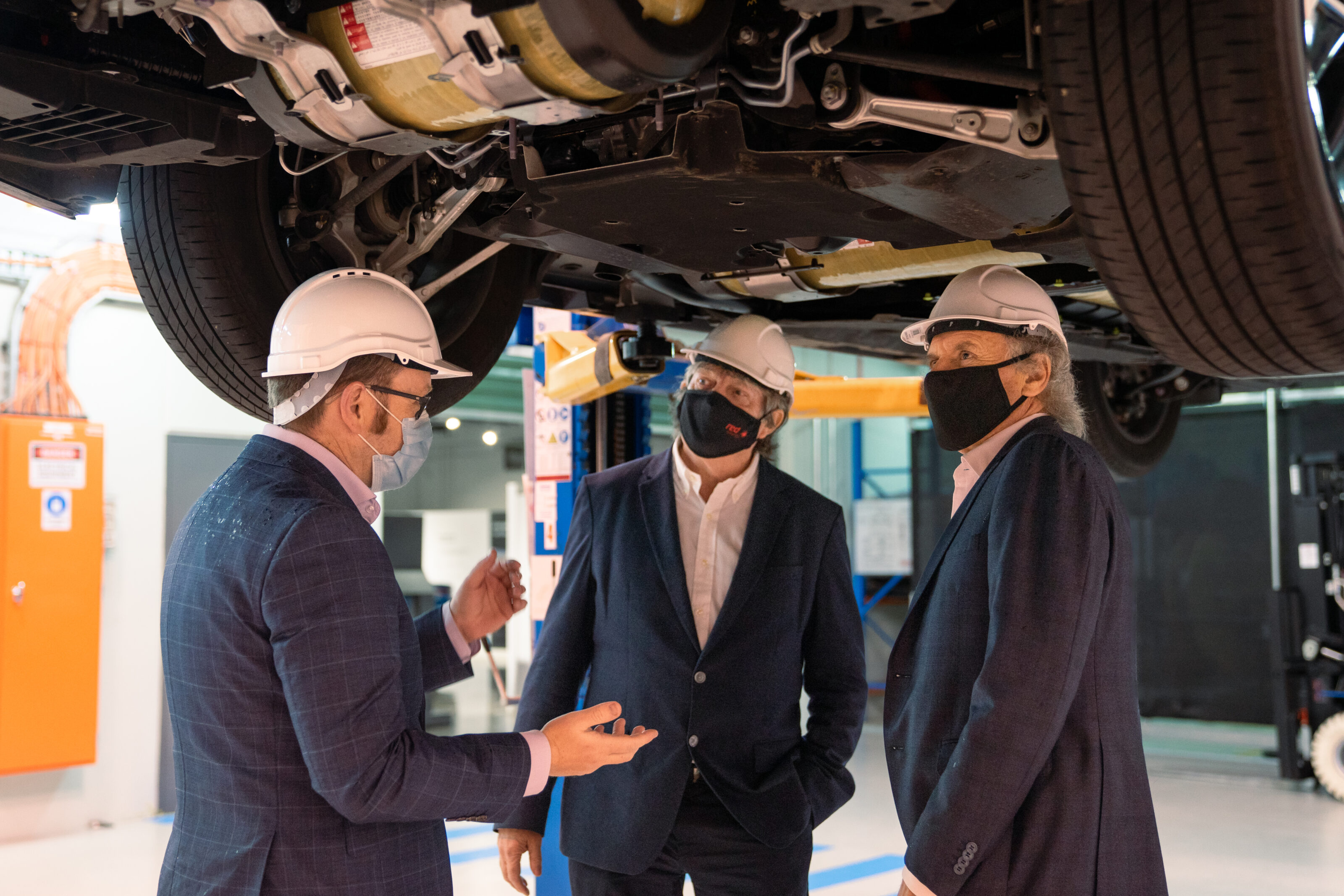
Other adopters of the Mirai include the Australian arm of Hyzon Motors – which has just established a local headquarters for its hydrogen tow trucks – Telstra, ACCIONA and the Yarra City Council.
Launched in Australia last year, the FCEV is offered by Toyota to buyers as a part of a three-year lease period, inclusive of refuelling and servicing.
Currently the only filling station for Victorians is at the Toyota Hydrogen Centre in Altona, with a 200kW electrolyser on site producing and storing hydrogen for the Mirai – which features a driving range of up to 650 kilometres.
As well as the Mirai, Hyundai has also recently brought a dedicated hydrogen vehicle to market in the Nexo, with the Korean alternative joining the Australian Capital Territory and Queensland Government fleets.
Lexus Australia is recalling more than 11,500 examples of its RX and UX models due to a non-compliant label.
The issue affects 11,576 cars built between 2015 and 2021 including; the RX200t, RX300, RX350, RX450h and UX200 variants.
To meet the requirements of European towbar regulation ECE 55-01, it is necessary to apply an ECE label when fitted to a vehicle.
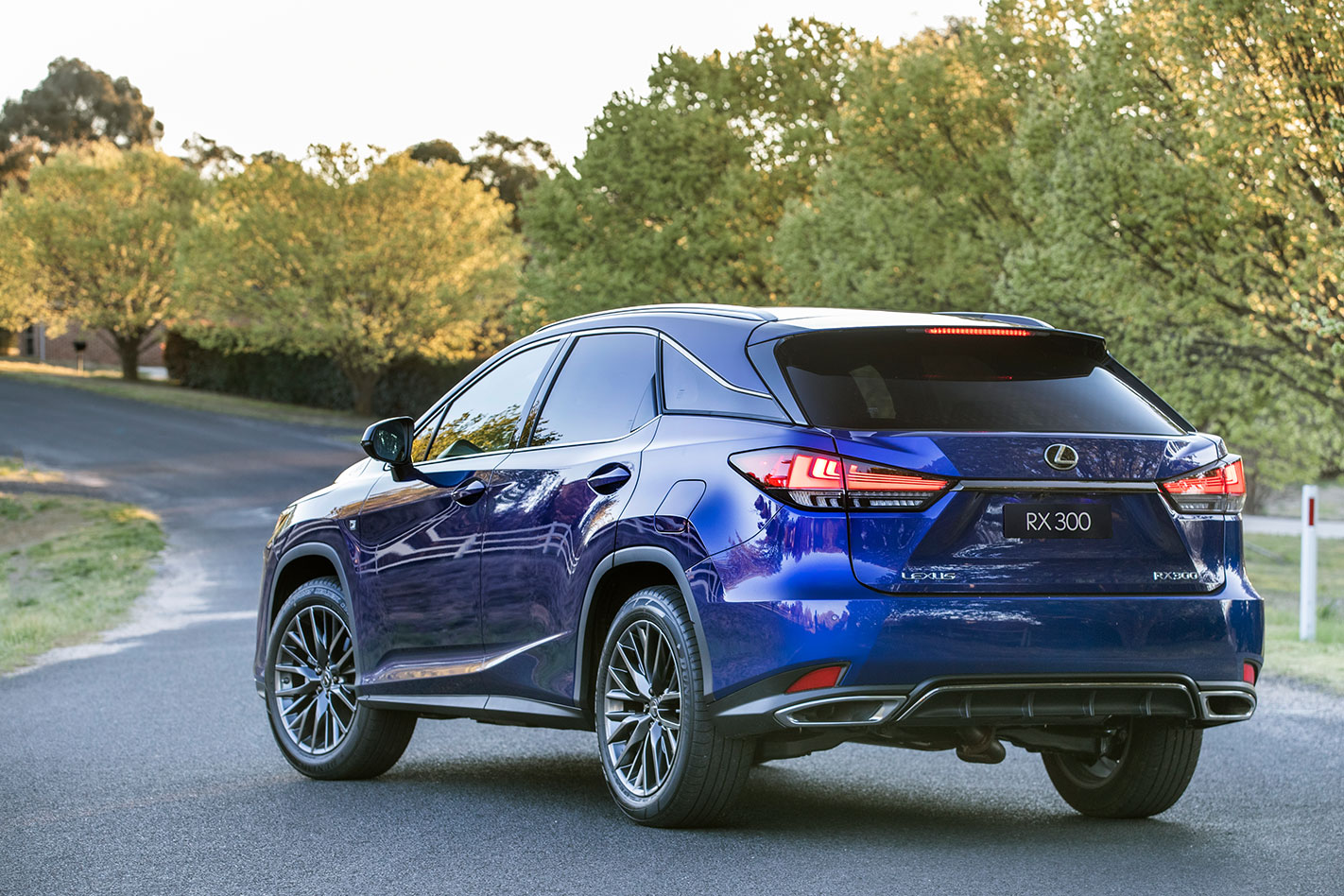
This label was not affixed to the towbar on the aforementioned vehicles and therefore they are not compliant with Australian Design Rule (ADR 62/02).
Lexus will contact affected owners in writing, requesting they make an appointment at their preferred dealer to apply the compliance label, free of charge.
Alternatively, owners may contact Lexus on 1800 023 009.
A list of VINs is available here.
UPDATE, February 14, 2022: Toyota has provided fresh images of its facelifted Camry.
Our original story has been updated below to reflect this.
The story to here
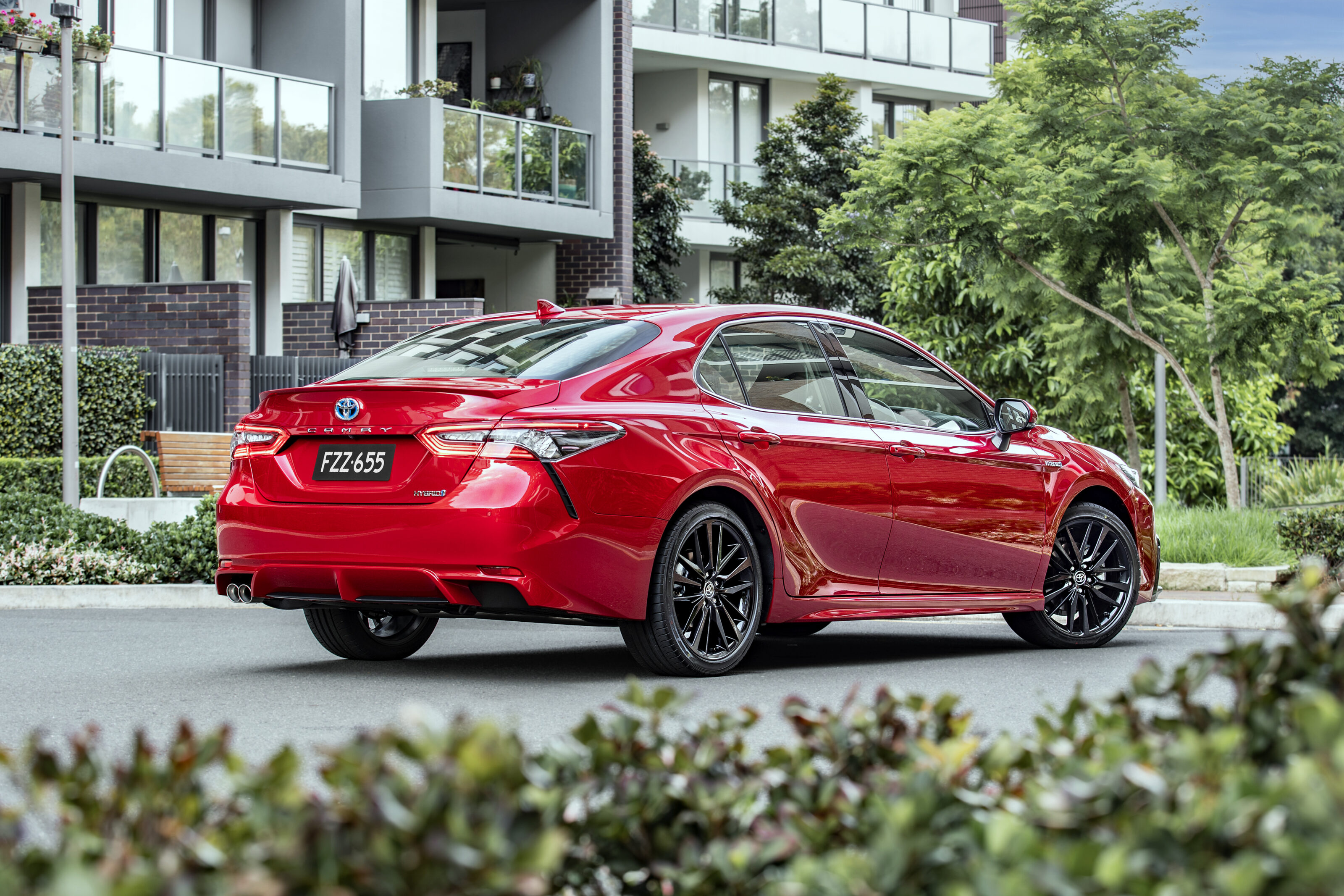
April 16, 2021: The 2021 Toyota Camry has received a significant refresh across the model line-up that focuses on sharp new styling, hybrid powertrains and added safety features.
Prices have increased by a minimum of $2000 across the entire range, and as much as $4700 for the top-shelf SL.
This is also the first Camry in more than five decades that won’t be offered with a six-cylinder engine, with the Japanese automaker confirming the retirement of the V6 power plant.
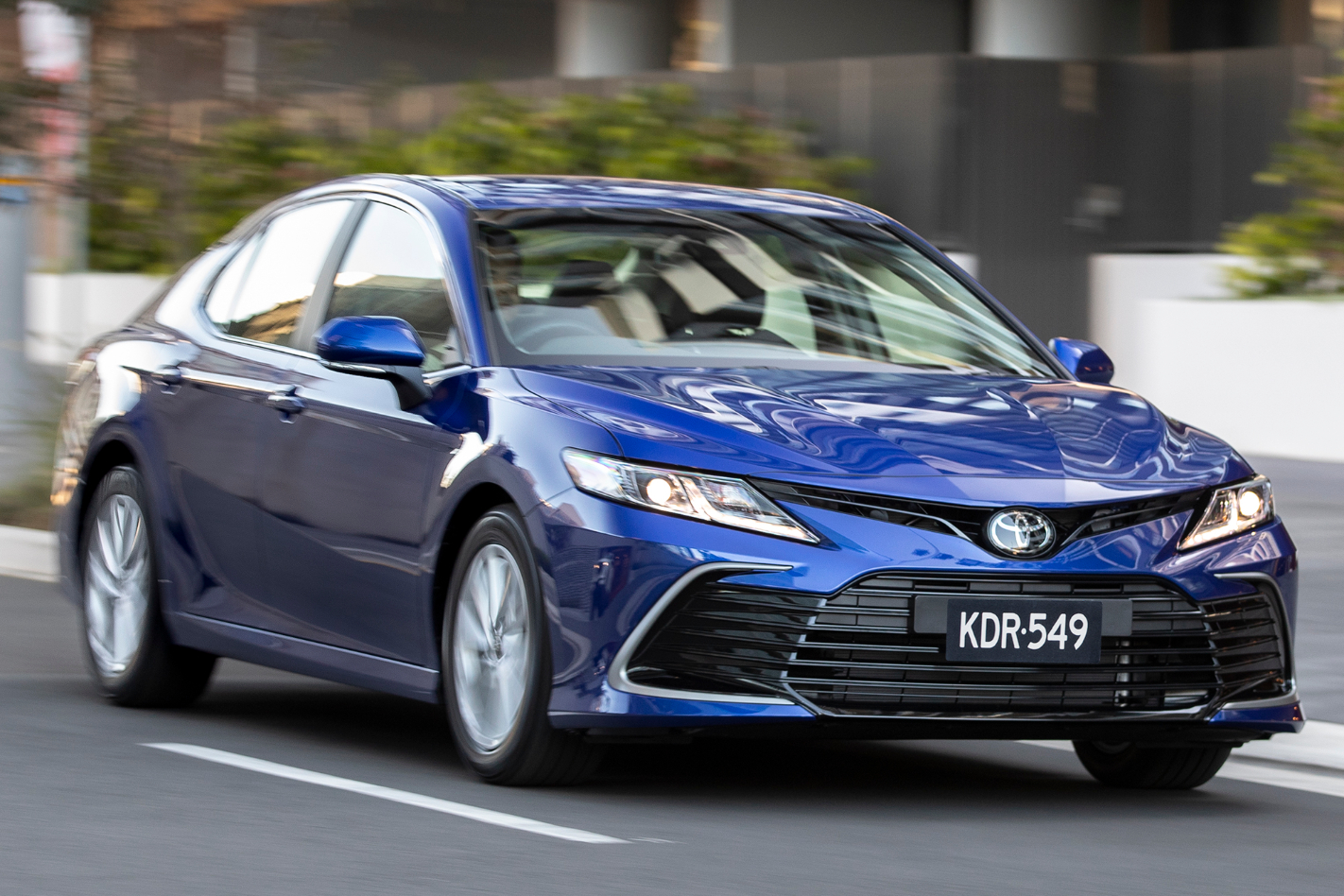
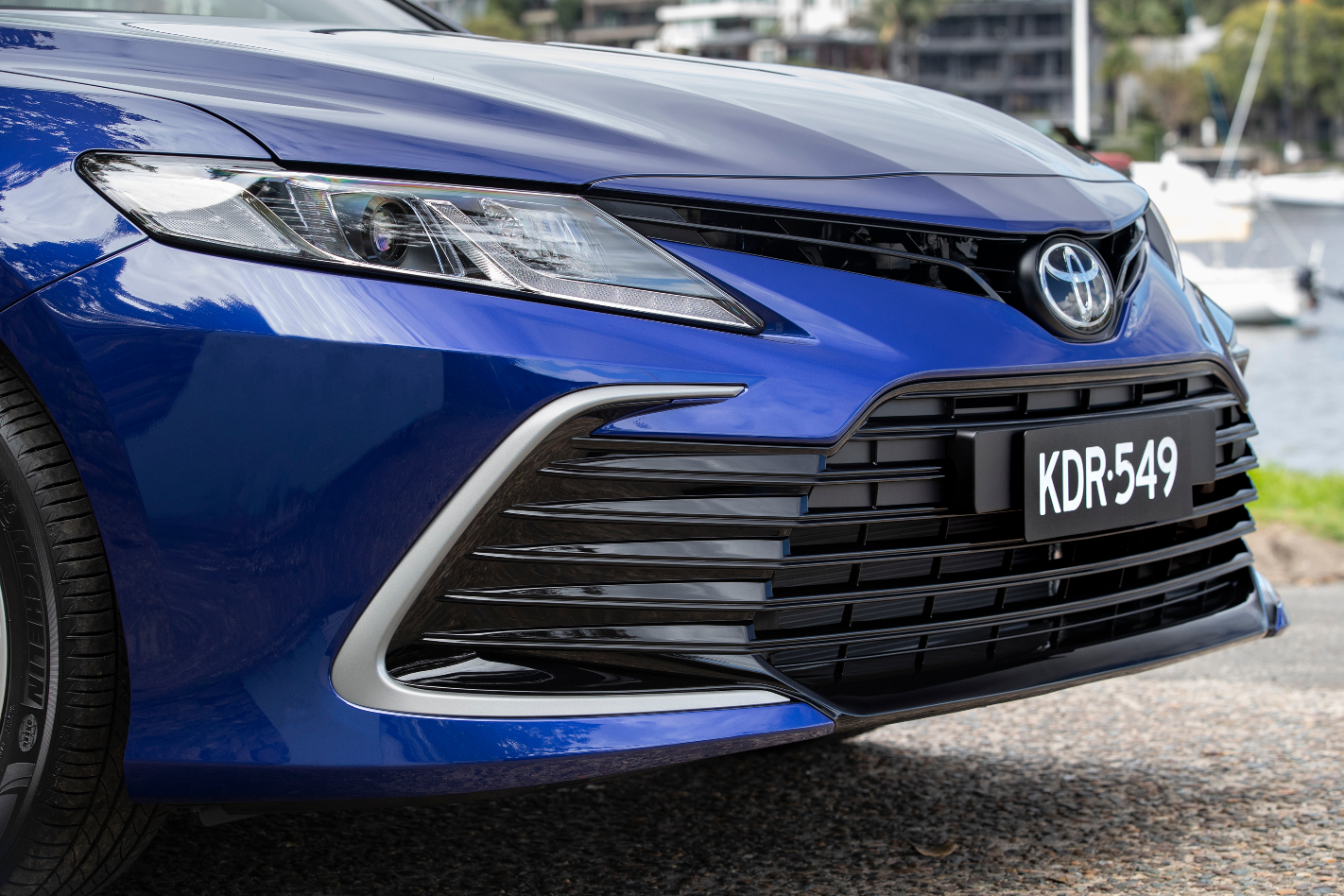
The front fascia of the facelifted sedan has received some significant tweaks, and the styling between models has been differentiated further.
The entry-level Ascent has been fitted with a more restrained, modest front bumper and grille design, featuring silver accents around each edge of the lower air inlets.
This is in stark contrast to the Ascent Sport, SX and SL models of the Camry, which score a much more aggressive overall look, with blacked-out accents, additional small grilles sitting on either side of the badge, body-coloured front spoiler and a larger, honeycomb-style mesh grille.
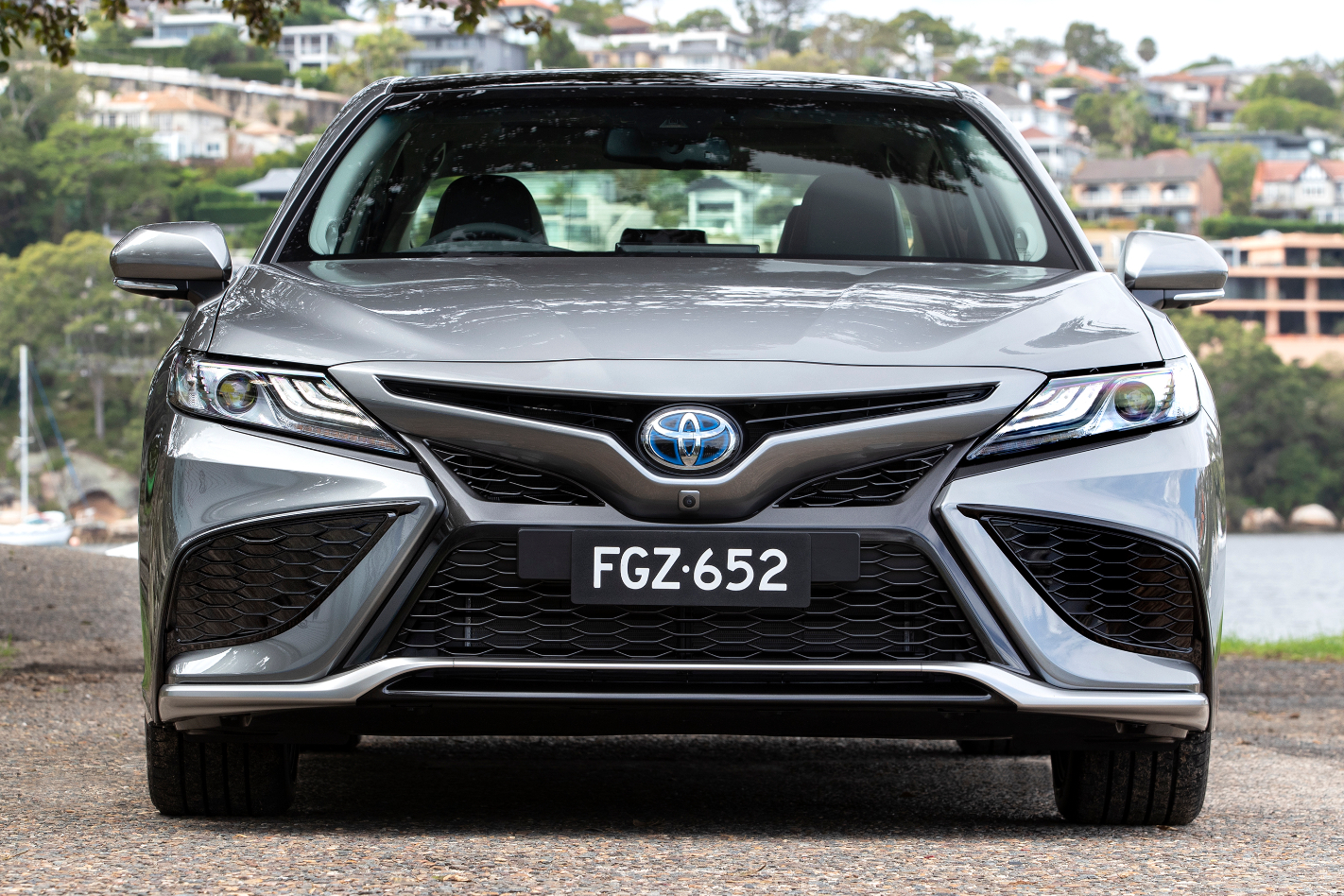
Wheel sizes and styles will also vary depending on the model, with the Ascent and Ascent Sport coming equipped with 17-inch alloy wheels, while the range-topping SL gets 18-inch wheels and the sporty SL sits on blacked-out 19-inch alloys.
With the aforementioned six-pot gone, there will be just two different powertrain options available on the new Camry.
The base Ascent will come with a naturally aspirated 2.5-litre four-cylinder petrol engine that produces 152kW and 243Nm.
Power will be sent to the front wheels via an eight-speed torque-converter automatic transmission, and fuel economy is rated at 6.8l/100km on the combined fuel cycle.
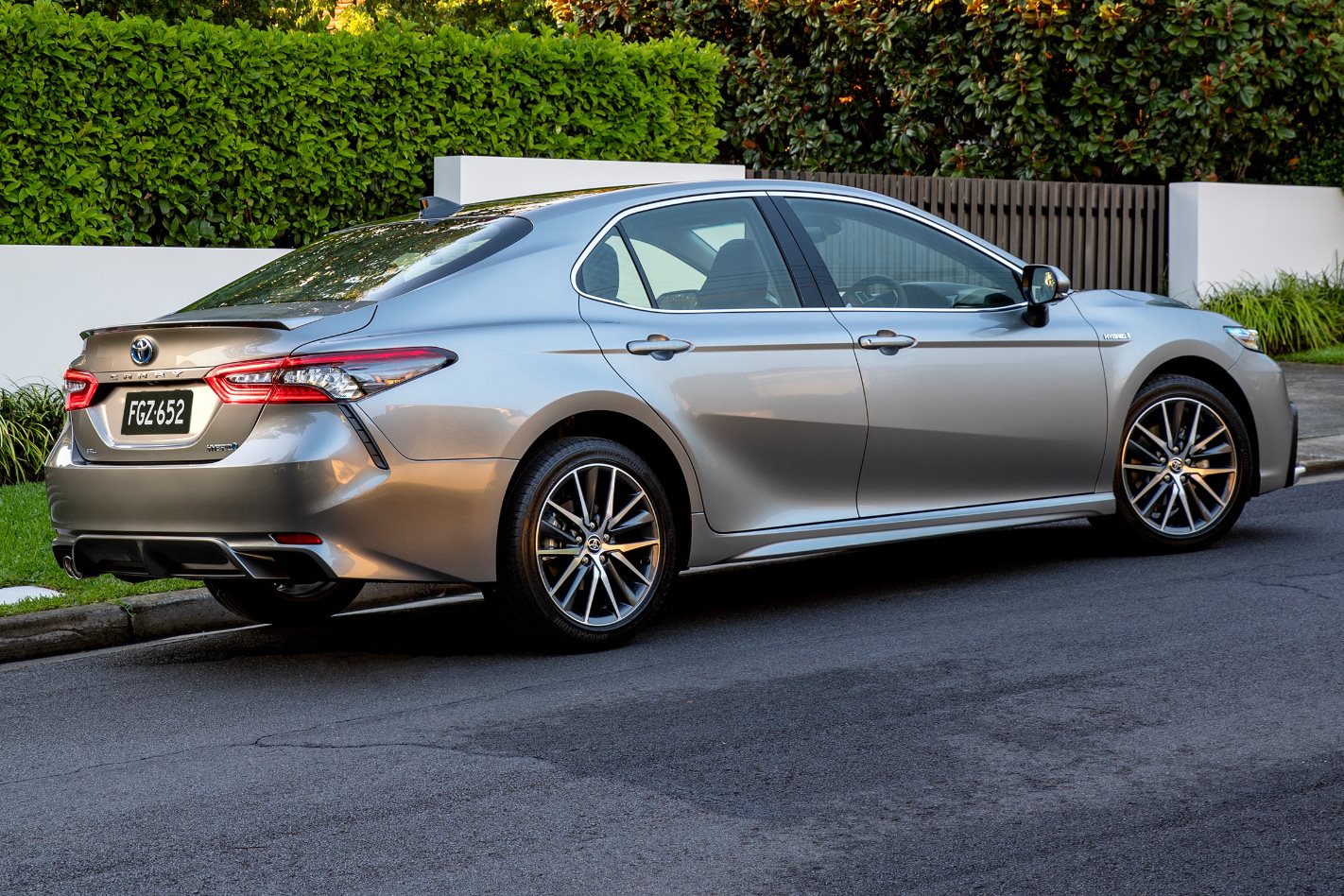
All other models will be fitted with a hybrid drivetrain that utilises a 2.5-litre four-cylinder Atkinson cycle petrol engine and a pair of electric motors, producing a total power output of 160kW.
Drive will also be sent to the front wheels via an electronic continuously variable transmission (eCVT) and depending on the model, fuel consumption ranges from 4.2l/100km – 4.5l/100km on the combined cycle.
Inside, the refreshed Camry scores a new nine-inch touchscreen display in every model except the base Ascent, which makes do with the existing, pre-facelift seven-inch touchscreen.
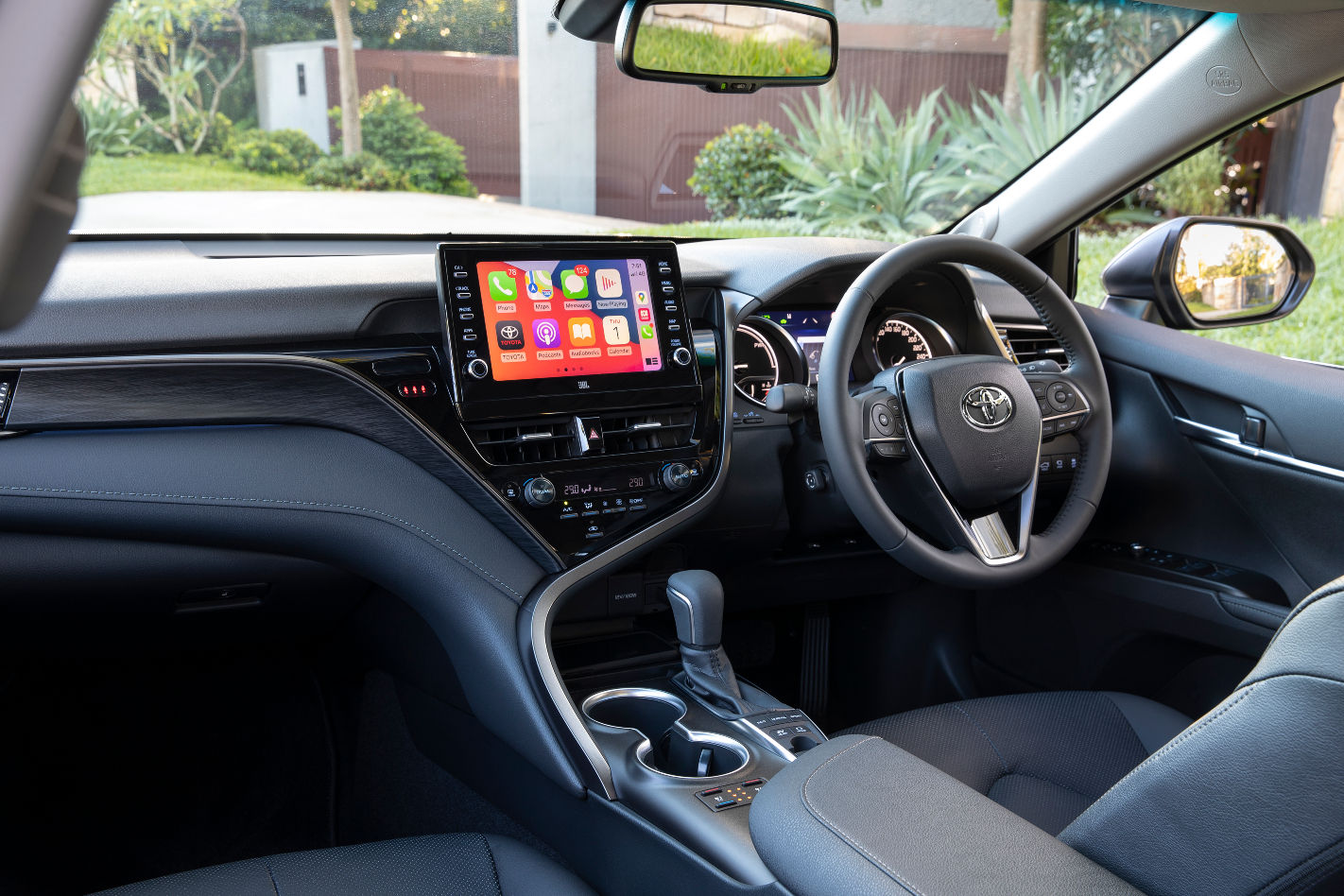
The bigger touchscreen has also been repositioned to sit higher on the dash above the air vents, which Toyota says will allow for easier access and better visibility.
As standard, all models feature the latest generation infotainment system that includes a digital radio, Bluetooth connectivity, Apple CarPlay and Android Auto compatibility, and myToyota apps including Waze and Stitcher.
The Ascent Sport gains additional interior features such as integrated satellite navigation with steering wheel controls.
Go for the more dynamic SX, and other features such as sports leather-accented front seats, revised sports suspension, steering-wheel-mounted paddle shifters for the eCVT gearbox, and additional leather-accented trim are added.
The top-of-the-range SL scores heated and cooled front seats, electronically operated boot release, electro-chromatic rear-view mirror, nine-speaker premium JBL sound system, and a glass panoramic roof.
The new range of Toyota Camrys are also the first to be offered with the Toyota Connected Services safety feature.
This system employs a Data Communication Module (DCM) that is capable of automatically calling a 24/7 Toyota Emergency Call Centre, which can relay the location of the vehicle in the event of a collision or if an airbag deploys.
Other new safety features that come equipped as standard across the model range include; road sign assist, emergency steering assist, lane trace assist and intersection turn assist.
These new features work in conjunction with an established list of other driver assistance features such as autonomous emergency braking, pre-collision system with pedestrian and cyclist detection, auto high-beams and active cruise control.
As is the case with the rest of Toyota’s vast passenger car catalogue, the new 2021 Camry comes with a five-year/unlimited-kilometre warranty and capped price servicing for the first five years/75,000km.
2021 Toyota Camry pricing
Ascent 2.5 petrol automatic – $30,990
Ascent 2.5 hybrid CVT – $33,490
Ascent Sport 2.5 hybrid CVT – $36,290
SX 2.5 hybrid CVT – $39,190
SL 2.5 hybrid CVT – $46,990
Snapshot
- Kia and Nissan release full Super Bowl commercials ahead of the big match
- Hollywood A-listers star across multiple manufacturers
- Polestar takes a swipe at Tesla, Volkswagen
UPDATE, February 14, 2022: Another year, another Super Bowl won and done.
While much of the hype was about the on-field antics between the Los Angeles Rams and Cincinnati Bengals – as well as the stacked half-time show – YouTube has now been flooded with a host of commercials from Super Bowl LVI.
On top of the pre-released videos by Kia and Nissan (further below), a host of other automotive brands put out their 2022 ads, with Chevrolet, General Motors, Toyota, BMW and Nissan all taking up airtime during the broadcast.
All-electric Chevrolet Silverado
Celebrating the release of its first electric pick-up truck, Chevrolet recreated the iconic intro sequence from The Sopranos to show off the EV.
General Motors taken over
Sticking with the Silverado, Chevrolet’s parent company General Motors was able to assemble Dr Evil and his offsiders to show off its electric vehicle aspirations, announcing 30 battery EVs will be on sale worldwide by 2025.
Despite being the longest automotive ad at a touch under three-minutes, lovers of the Austin Powers series can reminisce and perhaps hope for a modern reboot.
Toyota – Keeping up with the Joneses
After launching its new Tundra pick-up last year, Toyota enlisted the help of everyone in Hollywood with the last name of Jones (sorta) to promote its latest truck.
Polestar throws shade at Tesla and Volkswagen
Breaking into the North American market, Polestar thought it wise to attack two of its biggest competitors – Tesla and Volkswagen.
In the 30-second ad based around saying “no”, the electric vehicle maker called out Elon Musk’s space-related dreams (“no conquering Mars”) and VW’s emissions-cheating history (“no Dieselgate”).
We can only hope their own history and future is squeaky-clean.
BMW and Arnie as Zeus
It should be no surprise that ‘The Governator’ of California is getting around in an EV.
Swapping his military-issue Hummer for the BMW iX, Arnold Schwarzenegger and Salma Hayek play Zeus and Hera, dealing with the struggles of retirement but with an iconic soundtrack.
The story to here
UPDATE, February 11, 2022: Polestar has announced it will be joining a variety of automotive manufacturers with its first-ever Super Bowl ad.
Set to air this coming Monday (Australian time) during the first quarter of the 61st Super Bowl, the 30-second ad has been teased with a 15-second preview online.
Featuring the Polestar 2 fully-electric vehicle, it’s the Geely-owned manufacturer’s biggest-ever ad campaign as it looks to break into the North American market.
February 5, 2022: The championship game for the 2021 National Football League (NFL) season in the United States is again expected to fetch an enormous audience, with a number of automotive brands joining in on the action.
BMW, General Motors, Kia and Nissan have announced details for commercial spots to be played during this year’s Super Bowl LVI, with other manufacturers – such as Toyota – also expected to make an appearance.
In a similar fashion to a long-awaited movie release, teaser clips for a number of big-budget advertisements have been released on YouTube.
This is the first time BMW has presented a commercial at the prime-time sporting event in more than six years, with the latest rendition set to feature Arnold Schwarzenegger.
The actor and former Governor of California has been drafted by the German brand to portray the Greek God of Lightning, Zeus, in a clear nod to the all-electric i4 and iX – with the tagline ‘Something Electric is Brewing’.
A 30-second snippet is all we’ll see for now, with the full commercial set to be unleashed on February 14.
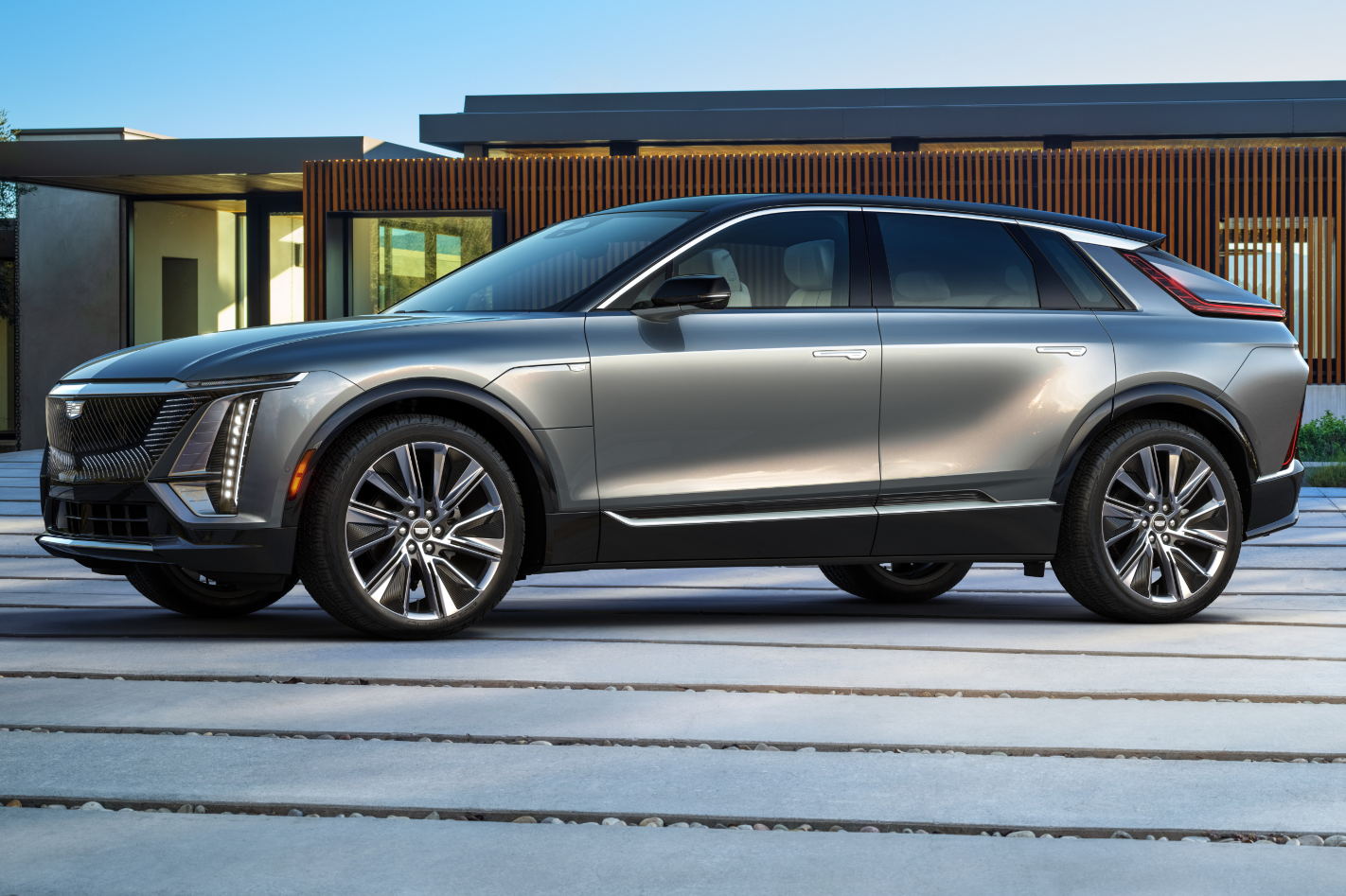
General Motors is keeping its advertisement under wraps for now, but it has confirmed it will air one – or potentially two, as seen in 2021 – commercials during the event, which attracted 96.4 million viewers last year.
The advertisement/s will likely feature electric vehicles offered by the Detroit-based multinational, including the Cadillac Lyriq, Chevrolet Silverado EV and GMC Hummer EV.
A report by Automotive News claims web traffic for Cadillac spiked by up to 194 per cent following Super Bowl LV, which featured the Lyriq in two separate commercials: one demonstrating its semi-autonomous capabilities, and the other driven by Will Ferrell for a trip to Norway Sweden.
Other automotive brands also saw jumps in online statistics after the 2021 match.
Meanwhile, Kia has released the entire 60-second spot for its ‘Robo Dog’ ad this week, confirming it will run during Super Bowl LVI.
Featuring the new electric EV6, the Korean brand’s 13th Super Bowl commercial centres around a curious robotic dog “that embarks on a journey to find its true companion”.
The final automaker to release a Super Bowl commercial early (so far) is Nissan, with – perhaps unsurprisingly – the all-new Z sports coupe and all-electric Ariya crossover as the main attractions.
Dubbed ‘Thrill Driver’, the advertisement emulates an action-packed movie thriller with special effects and a requisite skid in a manual Z driven by Emmy Award-winning actor and Schitt’s Creek co-creator Eugene Levy.
The 2022 Super Bowl LVI will kick off at 10.30 am AEDT on Monday, February 14.
Stay tuned – WhichCar will update this article to provide a recap of every automotive commercial played during the match.
Thanks to the widespread impact of the COVID-19 pandemic, the prospect of domestic travel has never been quite as prevalent.
With interstate border closures seemingly almost behind us, many Australians will soon take to local roads for their next big getaway.
Those needing to cater for big trips are in luck, with plenty of action in the four-wheel-drive sector in 2022.
In addition, people wishing to purchase a new dual-cab ute or 4×4 SUV are also treated to a number of new arrivals – spearheaded by a next-generation version of one of the nation’s most-favoured vehicles.
Timing issues caused by the global semiconductor chip shortage and COVID-19 lockdowns, which plagued the automotive industry in 2021, are set to remain throughout 2022. This means several vehicles on this list are either delayed beyond initial projections, or could be delayed.
NOTE: To see all the new cars coming to Australia this year, check out our 2022 New Car Calendar story right here.
New 4x4s arriving in 2022
- Ford Everest
- Ford Ranger
- Ineos Grenadier
- Jeep Grand Cherokee
- Lexus LX
- Mazda BT-50
- Volkswagen Amarok W580X.
Ford Everest
Arriving: Late 2022
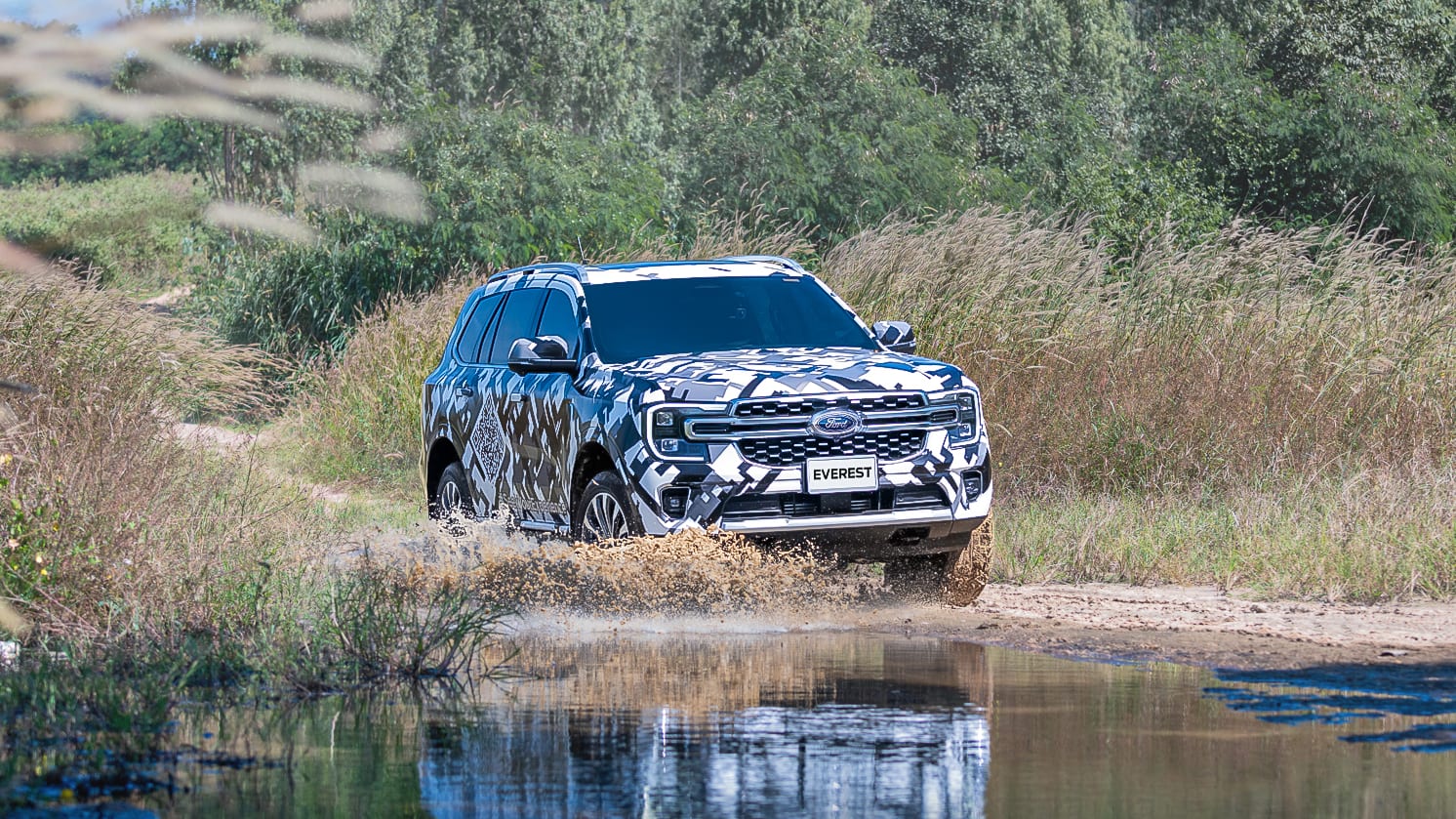
Ford has kicked off a teaser campaign for the next-generation Everest, ahead of its unveiling in the coming weeks.
The refreshed four-wheel-drive is set to follow the same footsteps as the all-new Ranger – albeit with a large SUV body above the frame.
Up front, the Everest is poised to look almost identical to its ute sibling, with C-shaped headlights and a chunkier grille, although the Everest will feature additional chrome highlights.
The side profile looks cleaner than the outgoing model, while the rear-end sports fresh new LED tail-lights connected by a piece of trim running across the larger tailgate.
Powertrains from the new Ranger will carry across to the Everest, with a choice of two four-cylinder turbo-diesel engines (single and bi-turbo) and a 3.0-litre V6 diesel.
Each will be matched to a 10-speed automatic transmission.
Developed in Australia, the 2022 Ford Everest currently remains in a final testing phase, although it is expected to launch in Australia before the end of the year.
Stay tuned, as we’ll know more details about the Everest when it is revealed in the first quarter of 2022.
Ford Ranger
Arriving: Ranger – first half; Ranger Raptor – later in 2022
After years of speculation, it’s finally here.
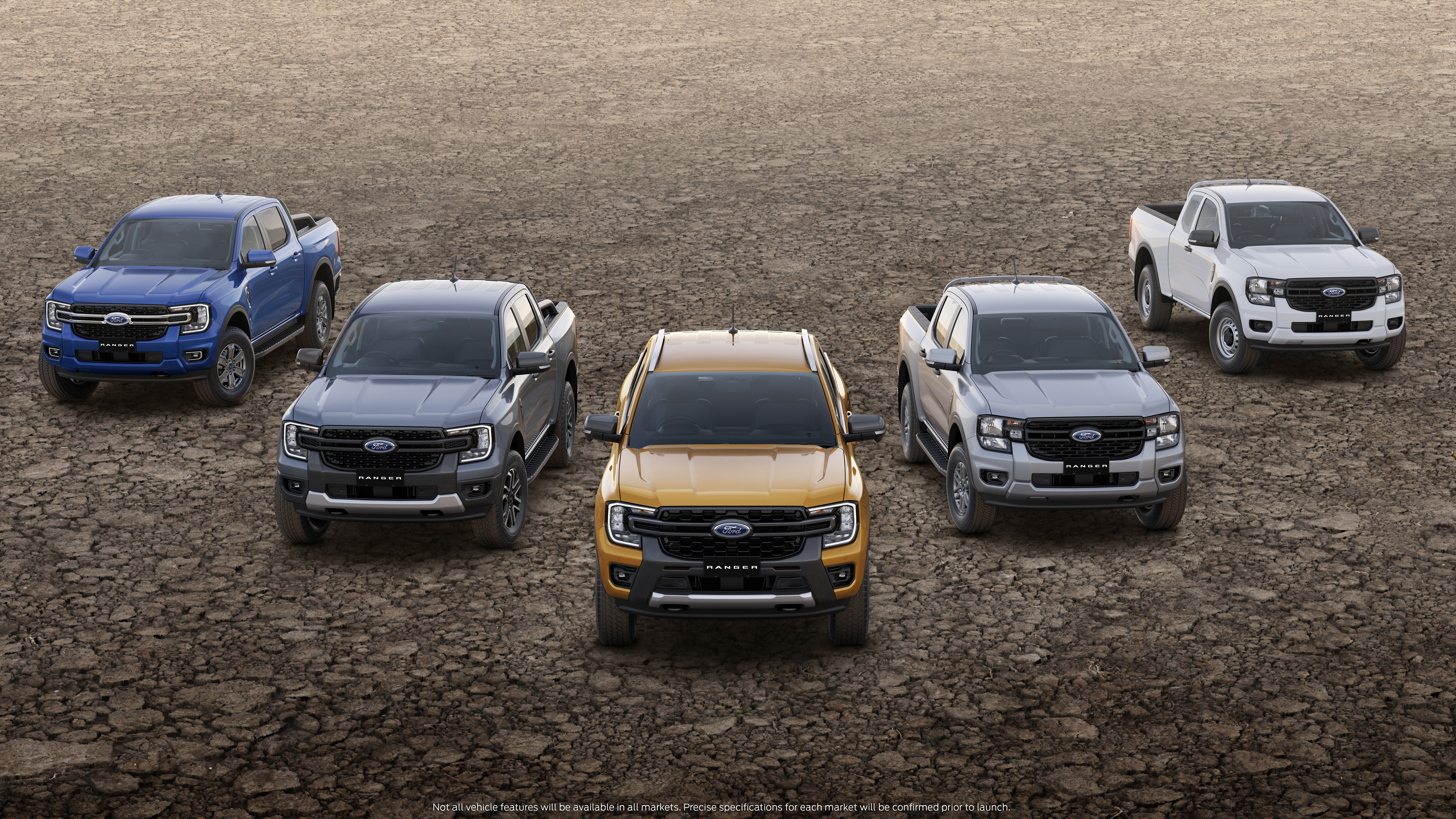
The next-generation ‘T6.2’ Ford Ranger is the first in 10 years, although it remains based on the same T6 platform as the outgoing model.
As before, the Ranger line-up will consist of XL, XLS, XLT and Wildtrak grades, while the special-edition Sport will become a permanent edition.
Entry-level variants will feature a new single-turbo 2.0-litre diesel, while the carryover bi-turbo four is expected to cover the broader mix.
However, the big news is the addition of a 3.0-litre turbo-diesel V6 pulled from the F-150.
Exact figures have yet to be confirmed, but the six-cylinder donk is expected to produce around 185kW of power and 600Nm of torque.
Each engine will be coupled to a 10-speed automatic transmission, with a six-speed manual gearbox exclusive on the base 2.0-litre mill.
With most of the design and engineering work completed in Australia, Ford has adapted the Ranger to better meet the evolving needs of local consumers.
Inside, the Ranger features a larger portrait-orientated touchscreen, available in 10.1- and 12-inch sizes. There is also an 8-inch digital instrument cluster, which will be standard across the range.
Ford will again partner up with ARB to provide factory-backed accessories for the new Ranger and Ranger Raptor.
Full pricing and specification details for the 2022 Ford Ranger will be announced closer to the ute’s Australian launch in the first half of the year.
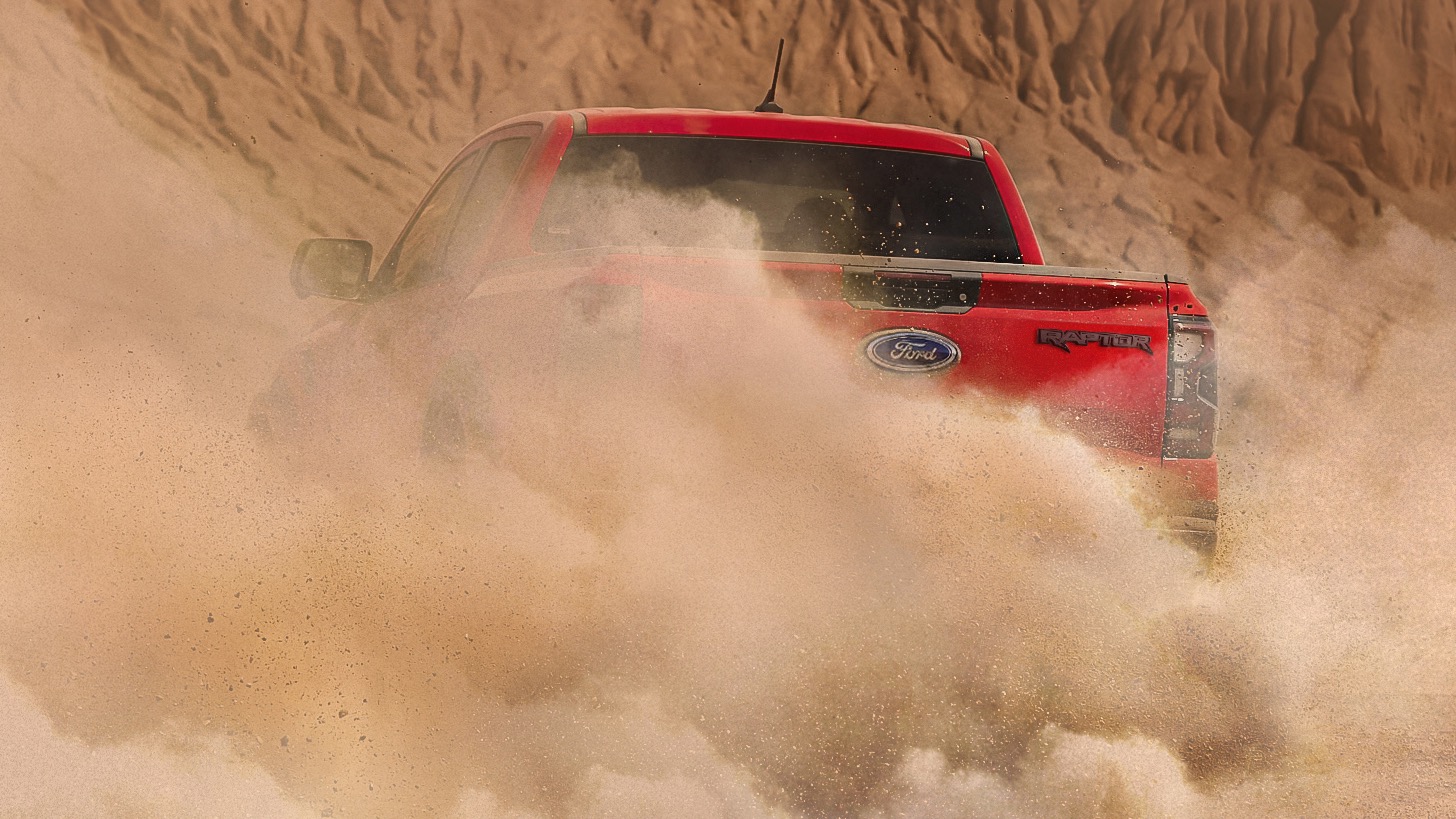
The Baja-inspired 2022 Ford Ranger Raptor is expected to join the range by the end of the year, following its upcoming global reveal on February 22.
Ineos Grenadier
Arriving: Fourth quarter
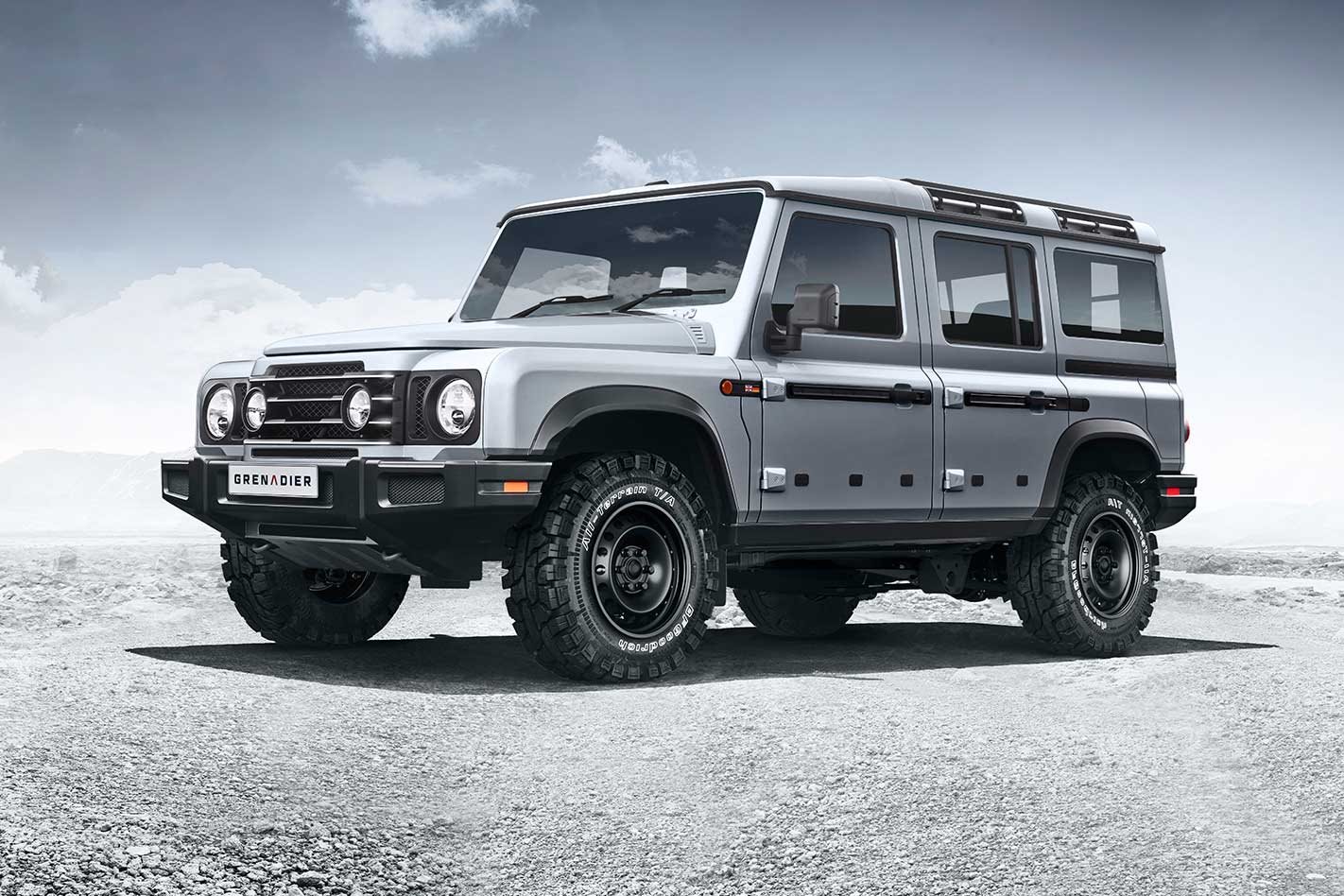
A traditional live-axle four-wheel-drive might be getting rarer than ever, but 2022 will see the addition of a new old-school off-roader.
Joining the Toyota LandCruiser 70 Series, Jeep Wrangler and Suzuki Jimny, the live-axle Grenadier will be offered initially as a five-door wagon, priced from $84,500 before on-road costs. A four-door double-cab pick-up will follow in the coming years.
First deliveries of Ineos Grenadier wagon are set to occur late in 2022, with buyers currently able to place an order.
The idea behind the Grenadier stemmed from the need for a traditional four-wheel-drive utility vehicle following the discontinuation of the classic Land Rover Defender in 2016.
The entry-level model is a two-seat commercial variant, with four- and five-seaters also available. A range of accessories will be offered to assist with various owner requirements.
Ineos will support the off-roader with a five-year/unlimited-kilometre warranty, along with a five-year service plan.
Petrol and diesel six-cylinder engines supplied by BMW are backed by ZF automatic transmissions, with each powerplant at the same cost.
The 2022 Ineos Grenadier will touch down in Australia during the fourth quarter of the year.
Jeep Grand Cherokee
Arriving: Grand Cherokee L– first half; Grand Cherokee – fourth quarter
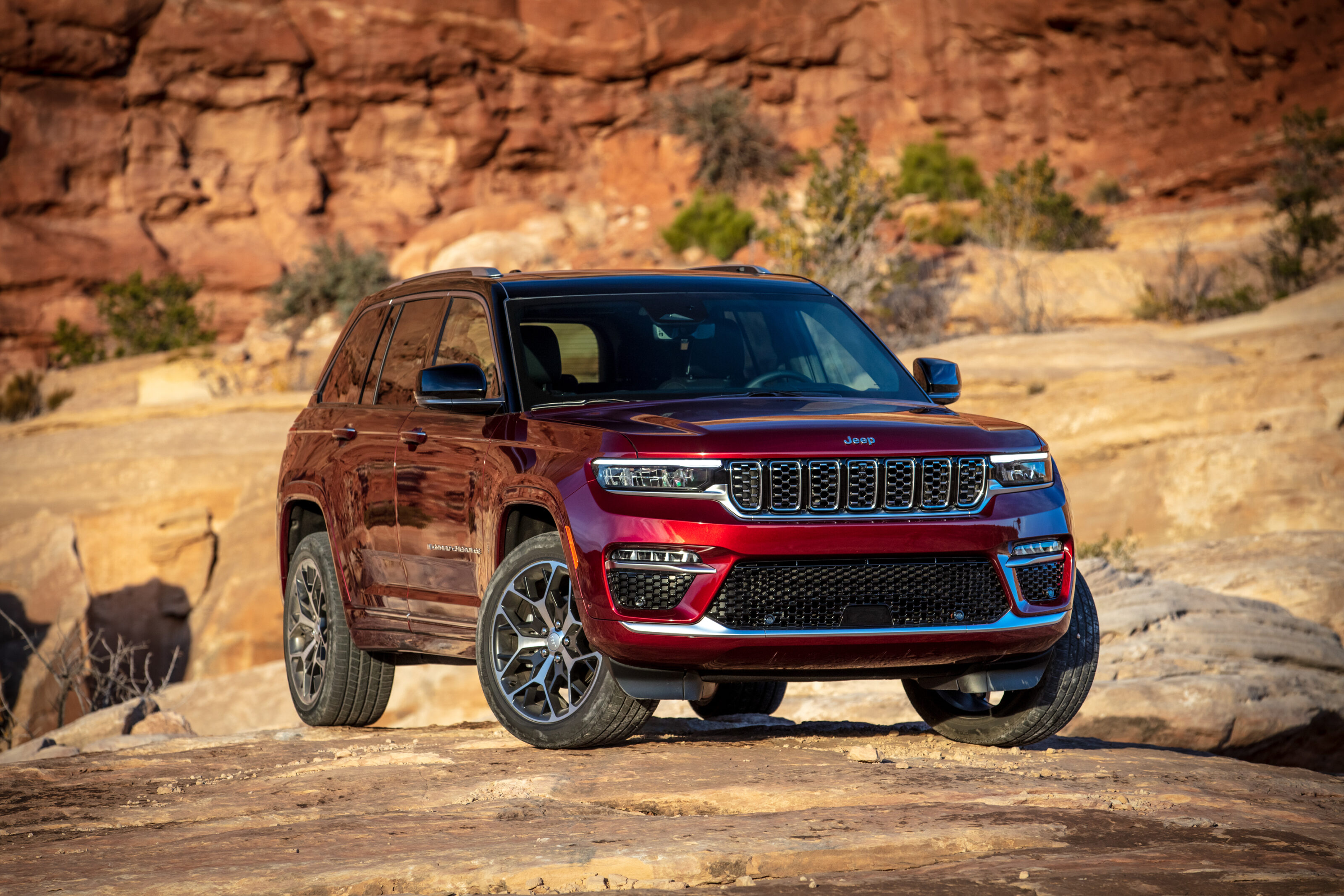
First scheduled to arrive in late 2021, the Jeep Grand Cherokee will instead arrive in the first half of this year.
Set to initially debut in long-wheelbase V6 form, the 4×4 line-up will be finalised in the fourth quarter of 2022 with the addition of the regular wheelbase version – plus the diesel-replacing PHEV powertrain.
In the United States, the Grand Cherokee will retain its 5.7-litre V8, however, local options will be limited to the naturally-aspirated 3.6-litre six and the 2.0-litre four-cylinder petrol-electric hybrid found in the Wrangler 4xe.
Diesel power has been dropped for this generation.
The next-generation swaps the ageing WK platform – once also found underneath SUV models from Mercedes-Benz in the mid-2000s – for an all-new architecture sharing bits and pieces with the Alfa Romeo Stelvio.
Jeep has conducted local engineering work on the Grand Cherokee to better suit it to harsh Australian roads and towing conditions, with both models rated to carry up to 3200 kilograms.
The 2022 Jeep Grand Cherokee L will arrive in Australia within the first six months of the year, with local pricing and specifications details to be announced closer to launch.
Australian information regarding the standard-wheelbase 2022 Jeep Grand Cherokee will be revealed towards the end of 2022.
Lexus LX

Arriving: April
If the Toyota LandCruiser 300 Series isn’t quite opulent enough, the next-generation Lexus LX could help.
Built on the same Toyota GA-F platform as the LC300, each features identical powertrain options and share the same 2850 millimetre wheelbase.
This means buyers can choose between a 3.5-litre twin-turbo petrol six with 305kW of power and 650Nm of torque in LX 600 form, or the LX 500d – using the 3.3-litre F33A-FTV diesel first introduced locally in the LC300 – at 227kW/700Nm.
Both engines send power to all four wheels through a 10-speed automatic transmission.
Set to be offered in four grades, the LX range kicks off with the base seven-seat variants, followed by the five-seat F Sport and Sports Luxury, and then the flagship four-seater Ultra Luxury – the latter of which is only available in LX 600 guise.
The latest Lexus Safety System+ active safety suite is included, with autonomous emergency braking, junction assist, emergency steering assist, adaptive cruise control, lane-tracing assist, adaptive high-beam, and traffic sign recognition.
Four-seater variants share a similar setup to the LS in the second-row, with reclining seats featuring massage functions that sit on either side of a centre console, controlled through a touchscreen.
Pricing details for the 2022 Lexus LX 600 and 2022 Lexus LX 500d models are still to be confirmed.
Mazda BT-50 update
Arriving: In showrooms now
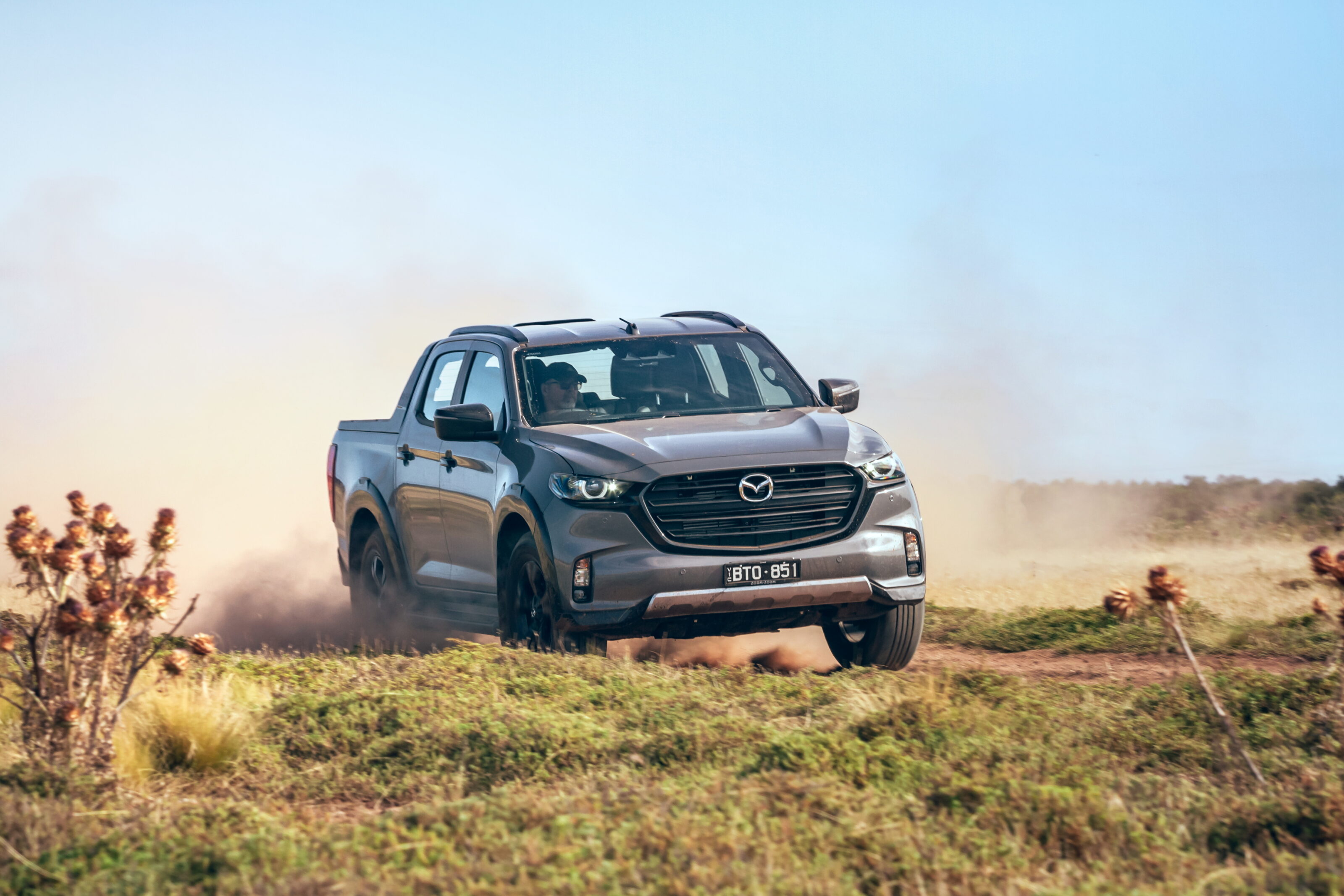
Mazda has added a stripped-back version of the BT-50 for 2022.
The newest addition to the range, known as the BT-50 XS, swaps out the 3.0-litre diesel engine found across the range for a smaller 1.9-litre mill.
It produces 110kW of power and 350Nm of torque, which is down from the 140kW/450Nm figures of the 3.0-litre engine.
The XS otherwise shares equipment with the XT, apart from 17-inch steel wheels in place of alloys.
Along with the bottom-end XS grade, Mazda has also added a new SP range-topper.
It includes a range of cosmetic tweaks over the GT, including; a black grille, black 18-inch alloy wheels, a dark sailplane and cream leather combined with black suede upholstery in the cabin.
The new entry-level XS starts at a drive-away price of $38,490 for ABN buyers in 4×4 single cab chassis guise, with the XS 4×2 dual cab offered from $43,490 and the XS 4×4 dual cab at $51,490.
Available exclusively in 3.0-litre 4×4 dual cab form, the SP is priced at $62,990 drive-away with a manual transmission and $65,990 drive-away for the automatic.
The 2022 Mazda BT-50 XS and 2022 Mazda BT-50 SP are on sale now. You can check out our launch review of the BT-50 SP.
Volkswagen Amarok W580X
Arriving: April
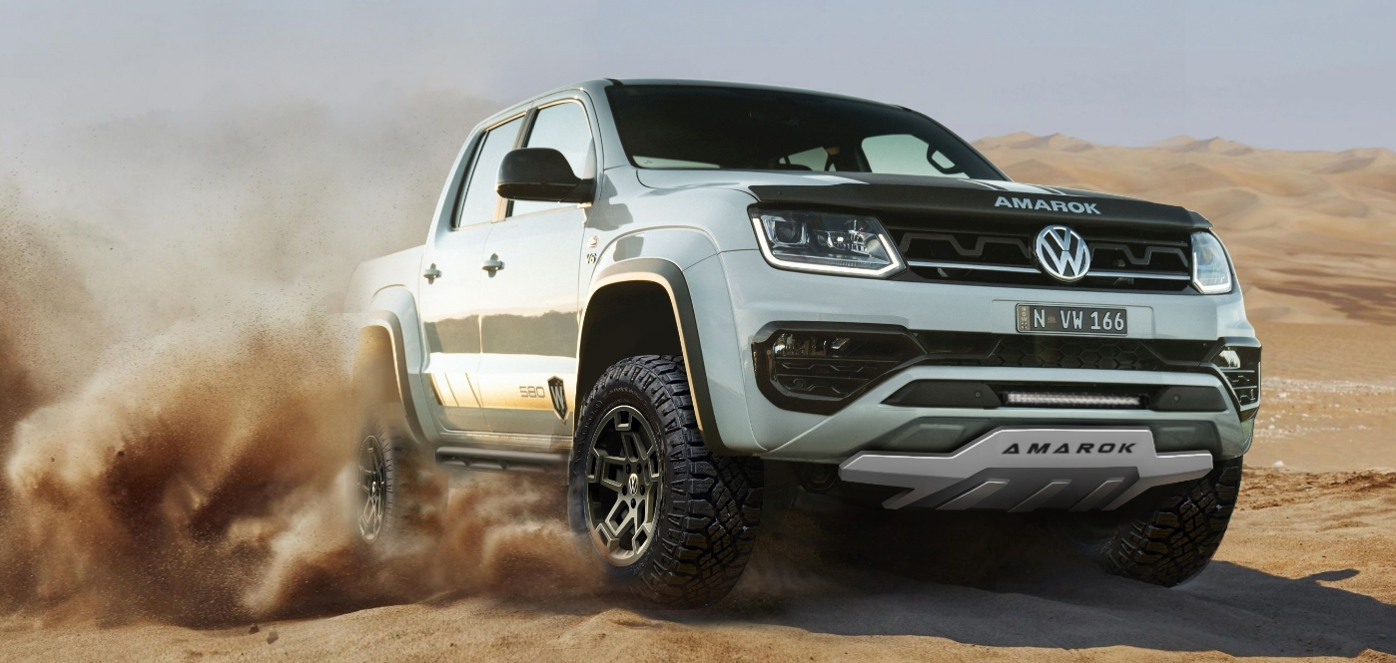
Expected to arrive in showrooms in April, the off-road-focused Volkswagen Amarok W580X is a further addition to the locally-developed Walkinshaw range.
Upgrades include an in-built LED light bar in the front bumper, 18-inch forged alloy wheels with Pirelli Scorpion all-terrain tyres, and additional underbody protection – such as the 4mm-thick alloy bash plate fitted to the front bumper.
A differential breather kit for both front and rear has also been added, in addition to extra airflow to the gearbox and transfer case.
Volkswagen has added chunkier side steps to the Amarok W580X, while suspension upgrades included a 40mm height rise and thicker twin-tube shock absorbers tuned for off-road driving.
Under the bonnet, the W580X features the same 190kW/580Nm 3.0-litre turbo-diesel V6 as the road-focused W580S and V6 Ultimate grades.
The 2022 Volkswagen Amarok W580X V6 is due in April, with local pricing starting at $77,390 before on-road costs. Available options include premium paint, a Seikel snorkel and a luxury pack.
Manual transmissions are at risk of dying out, both due to a decline in sales and the inevitable death of the internal combustion engine.
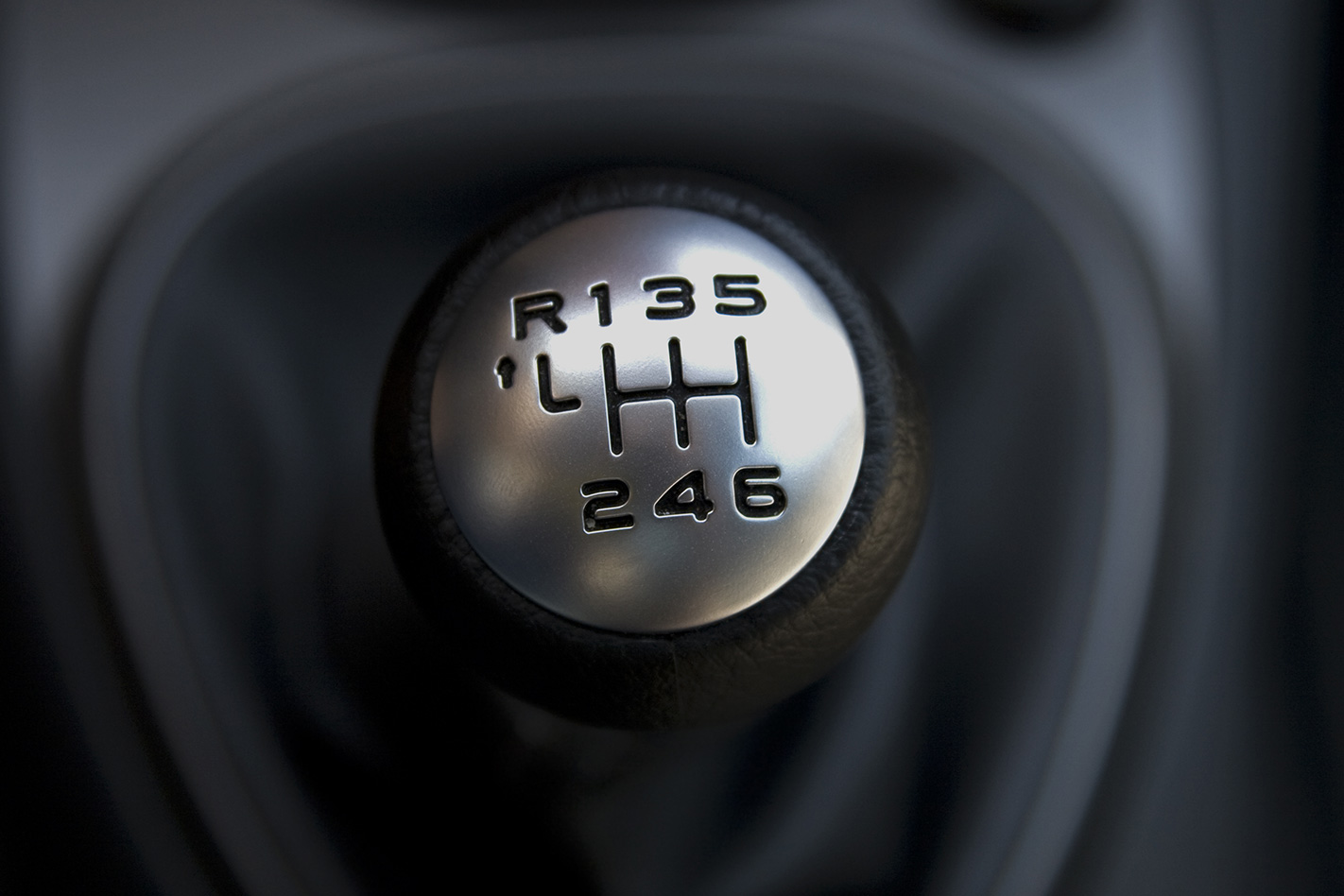
Toyota wants to change this trajectory, as uncovered applications with the United States Patent and Trademark Office have shown the Japanese manufacturer planning a manual transmission – for electric vehicles.
From the patent application, it sounds like the proposed idea is more like a system which mimics the actions of a traditional manual gearbox, saying it utilises a “pseudo-clutch pedal” and “pseudo-shifter”, controlling the torque delivered by the motor.
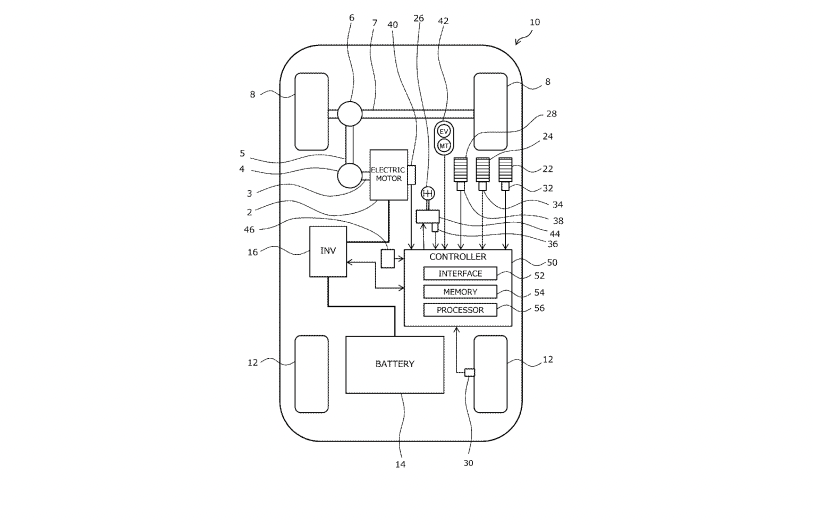
“The controller of the electric vehicle is configured to control the torque of the electric motor using the MT vehicle model based on the operation amount of the accelerator pedal, the operation amount of the pseudo-clutch pedal, and the shift position of the pseudo-shifter,” the application reads.
“The electric vehicle also includes a shift reaction force generator that generates a shift reaction force in response to the operation of the pseudo-shifter using by the operating of the reaction force actuator.
“The controller is configured to store the shift reaction force characteristic simulating the characteristic of the shift reaction force according to the operation of the shifter. Then, the controller is configured to control the shift reaction force output by the shift reaction force generator according to the operation of the pseudo-shifter using the stored shift reaction force characteristic.”
Nearly all electric vehicles send drive to the wheels through a single-speed gearbox, with the only exception coming in the form of Porsche’s Taycan and Audi’s E-Tron GT, both of which use a two-speed transmission.
In Australia, the original Honda Insight and CR-Z are the only conventional hybrid vehicles to be sold with a manual transmission, as all of Toyota’s current electrified vehicles are sold with automatic gearboxes only.
Last year, Toyota showed off its 30-strong future electric vehicle line-up, committing to selling EVs only the European, United States and Chinese markets from 2030.
Snapshot
- Italian Government is hoping to secure u20ac1bn in funding
- New plant likely to be based in Termoli
- Currently working on two other battery plants in Germany and France
February 14, 2022: Stellantis and the Italian Government are reportedly close to signing a deal for the automotive manufacturer to build its newest battery plant in the country.
As first reported by Reuters, it’s understood the plant will be based in the eastern coastal town of Termoli, with Industry Minister Giancarlo Giorgetti saying the deal is as good as done.
“We are very close to signing the agreement for the gigafactory in Termoli where Stellantis will make batteries. It’s a matter of a few days,” said Giorgetti.
The Termoli plant will reportedly be one part of Stellantis’s global plans to secure 130 gigawatt hours of battery capacity by 2025, expanding to double that figure by 2030.

The story to here
June 12, 2022: Automotive manufacturer Stellantis is reportedly in talks with the Italian government to build a new battery factory, after previously confirming its interest in creating a new site in either North America or Europe.
According to Reuters, the multi-national and multi-brand automotive manufacturer has been involved in discussions with the Italian government over the past few months to secure funding for the new factory.
Italy has so far taken €600 million (AU$942m) from the EU’s Recovery Funds to get the project off the ground, though it’s understood further investments totalling €1 billion (AU$1.57bn) are required to build the factory – with some money coming from financial and industrial partners.
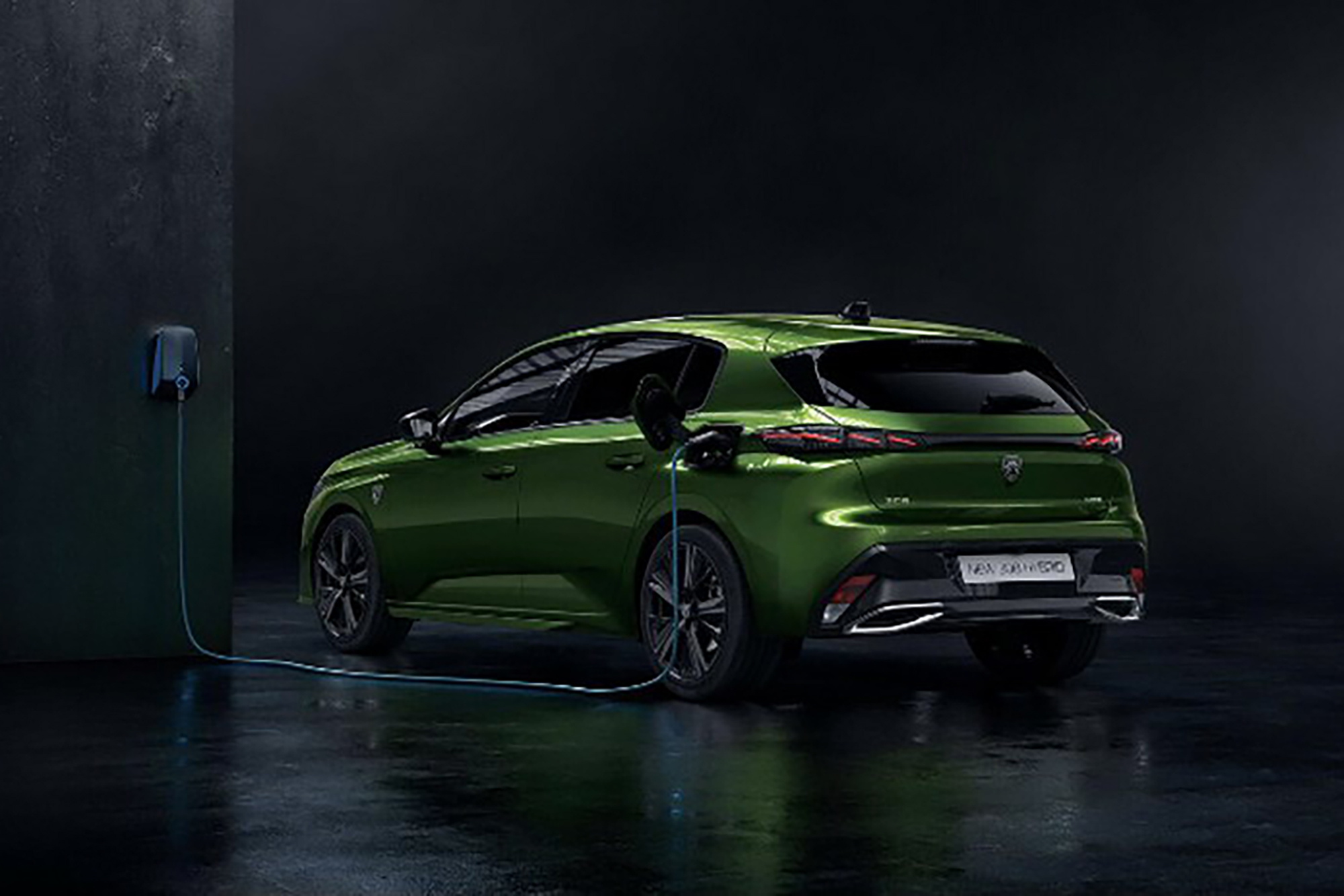
The Italian government’s plan is to build the factory – a 37 gigawatt hours plant with 500 workers – through a public-private partnership scheme, with Stellantis emerging as the largest stakeholder, although other manufacturers are being considered.
Stellantis is currently in the process of building two other battery factories in Germany and France, combining for over €5bn in investments, while Spain is also interested in having the fourth-largest vehicle manufacturer build a plant in their country – though this could come at the expense of the Italian venture.
Created at the start of 2021, Stellantis was born out of a merger between Fiat Chrysler Automobiles (FCA) and the PSA group, becoming the world’s fourth-largest manufacturer with brands like Peugeot, Jeep, Fiat, Citroen and Alfa Romeo under its umbrella.
Stellantis recently announced one of its manufacturing plants in Mexico would close for seven days over June due to a global shortage of semiconductors, affecting local supply of Jeep, Dodge and Fiat models.
Snapshot
- Lamborghini to pursue internal combustion engines past 2030
- Entire line-up to be electrified by 2024
- European Union set to ban ICEs from 2035
The transition away from internal combustion engines and towards total electrification seems inevitable for a majority of manufacturers, but for Lamborghini the fight isn’t over yet.
As the European Union is set to ban the production of ICEs from 2035, a large number of manufacturers have started to electrify their line-ups, including Lamborghini – which plans for its entire model range to become plug-in hybrid by 2024.
However, its move to a fully-electric fleet hasn’t yet been confirmed, with CEO Stephan Winkelmann now saying the firm plans to keep going with ICE production beyond 2030 – just five years before the fossil-fuelled powerplant is outlawed.
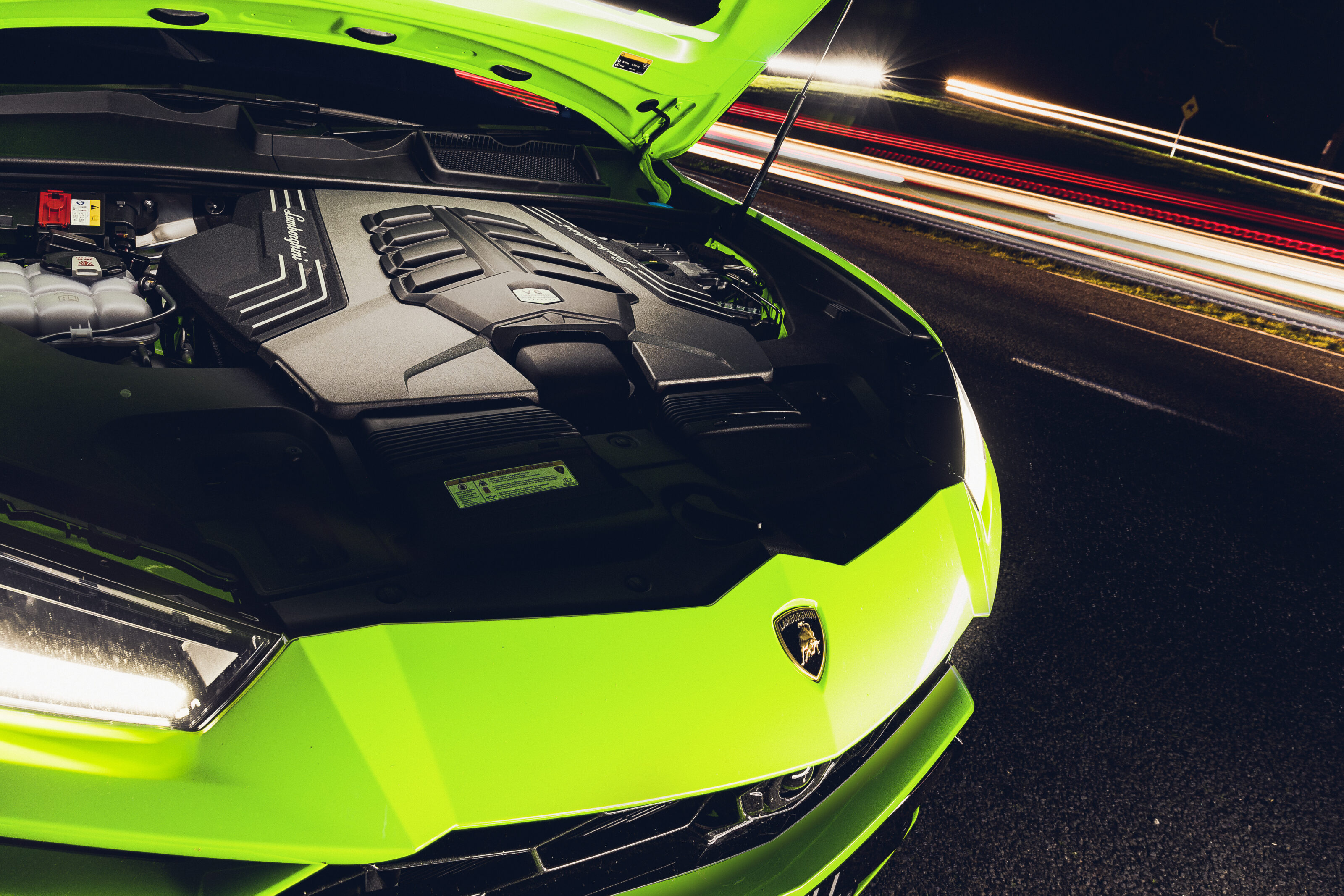
In an interview with Welt am Sonntag, Winkelmann said the development fuels could keep ICEs alive, although an all-electric Lamborghini is still in the pipeline.
“One possibility would be to keep the combustion engines alive with synthetic petrol,” said Winkelmann.
“After hybridisation, we will wait and see whether it will be possible to offer vehicles with a combustion engine beyond 2030.
“We assume that our customers will accept these [electric] cars – if the promise is kept that the performance of the vehicles is better than that of the previous generation.
“The combination with the electric drive will give our vehicles more power, coupled with a better CO2 balance.”

Should Lamborghini decide to accelerate its plans to introduce an all-electric model, it could borrow the J1 or Premium Platform Electric (PPE) architecture from its fellow Volkswagen Group brands, Audi and Porsche.
As reported in September 2021, the Italian Government is also pushing the European Union to be more lenient with its ban on ICE production, asking for exemptions to be given to manufacturers such as Lamborghini, Ferrari and Pagani.
