
Snapshot
- Victoria flicks the switch on Big Battery facility outside Geelong
- 13-tonne battery sparked blaze on Friday, July 30
- Fire was extinguished on Monday, August 2
UPDATE, DECEMBER 9: The Victorian Big Battery site in Moorabool has been turned back on, set to supply roughly 650,000 homes with power.
Lily D’Ambrosio, the state’s Minister for Energy, Environment and Climate Change, said the battery facility will be a fundamental aspect to reducing energy costs in Victoria.
“The Victorian Government is proud to flick the switch on Australia’s biggest battery which will help protect our network in summer, support our renewable revolution, and slash energy prices,” said D’Ambrosio.
“Neoen’s battery is a fantastic achievement as Victoria transitions to our legislated targets of 50 per cent renewables by 2030 and net zero by 2050.”
Read below to find out more about the Tesla battery’s fire which broke out earlier this year.
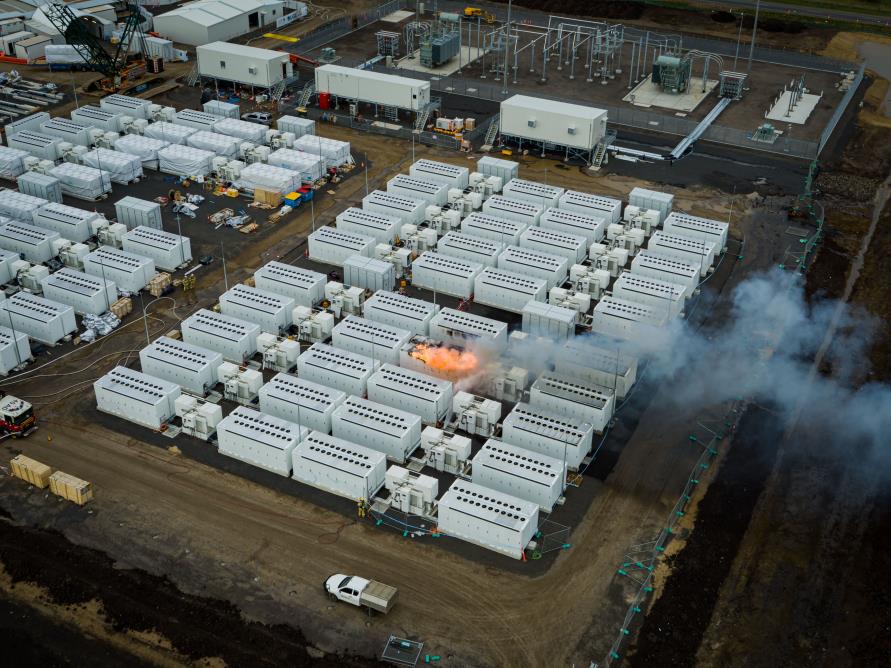
The story to here
SEPTEMBER 28: A fire which broke out at the Victorian Big Battery site in July has been attributed to a cooling system leak, an inquiry has found.
Energy Safe Victoria reports a short circuit in one of the Tesla-made Megapacks sparked the blaze, resulting in a fire which damaged two of the packs on site.
An apparent 24-hour delay in connecting the batteries to the supervisory control and data acquisition (SCADA) system meant the Megapack’s alarms were not being actively monitored at the time of testing.
ESV recommended the site’s owners implement a number of changes, all of which have been met, leading to the site’s re-opening tomorrow.
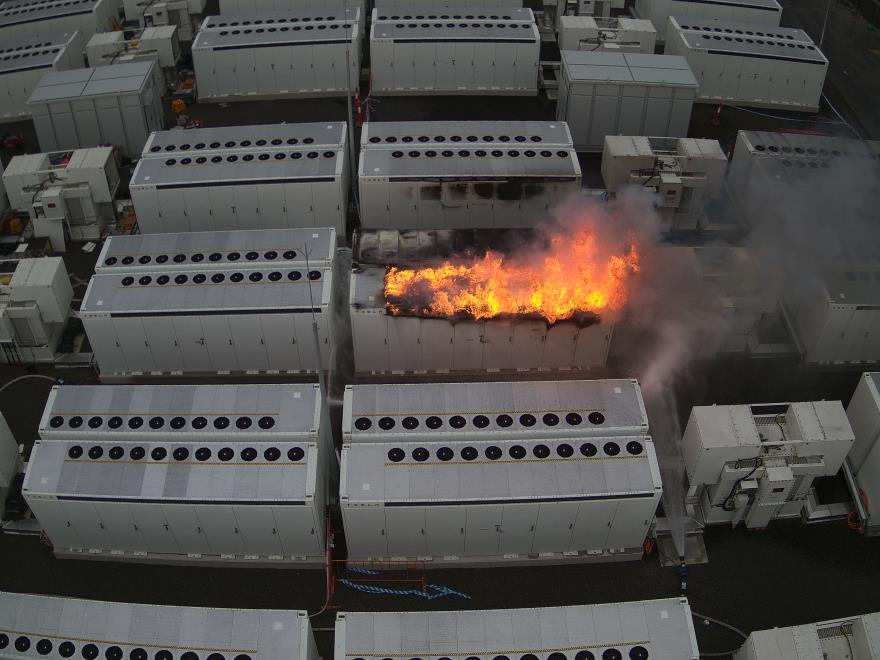
AUGUST 3: A fire at the Victorian Big Battery site in Moorabool is now out, with the County Fire Authority saying there are no signs of a fire within the Tesla battery’s container.
The CFA provided an update on Monday afternoon, saying “a smaller number of firefighters and fire trucks from CFA will remain on scene for the next 24 hours as a precaution in case of reignition. They will continue taking thermal temperature readings two-hourly to monitor damaged units”.
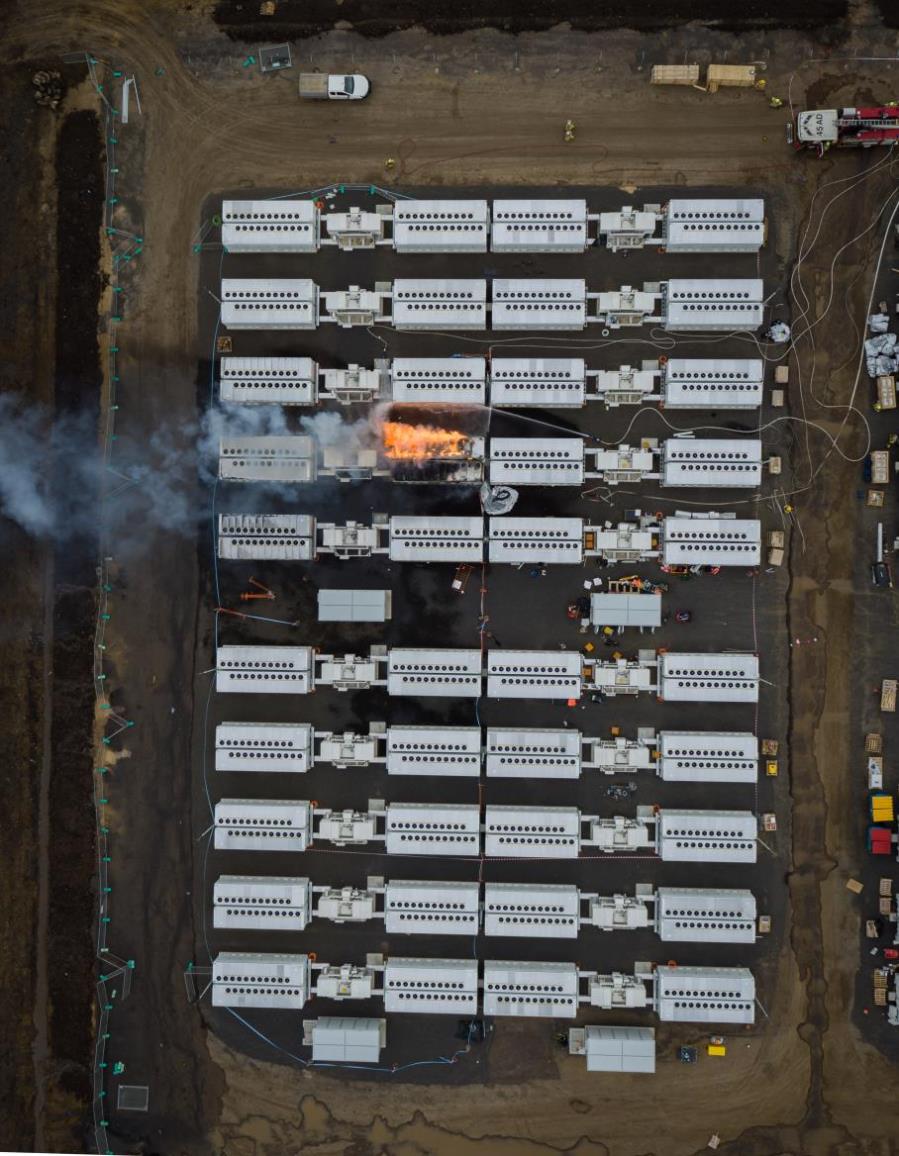
AUGUST 2: Firefighters are continuing to tackle a blaze which has broken out in a Tesla battery pack facility in Victoria.
The fire at the Big Battery site in the town of Moorabool first started on Friday morning, and although it was largely brought under control the same day, continues to burn as crews monitor it to stop it spreading.
The incident started in a 13-tonne lithium battery pack made by Tesla was first reported at 10.30am on Friday, as Fire Rescue Victoria (FRV) became the first responders on the scene, followed by the Country Fire Authority (CFA) taking control at 3.30pm – by which time the fire had already spread to a second battery pack.
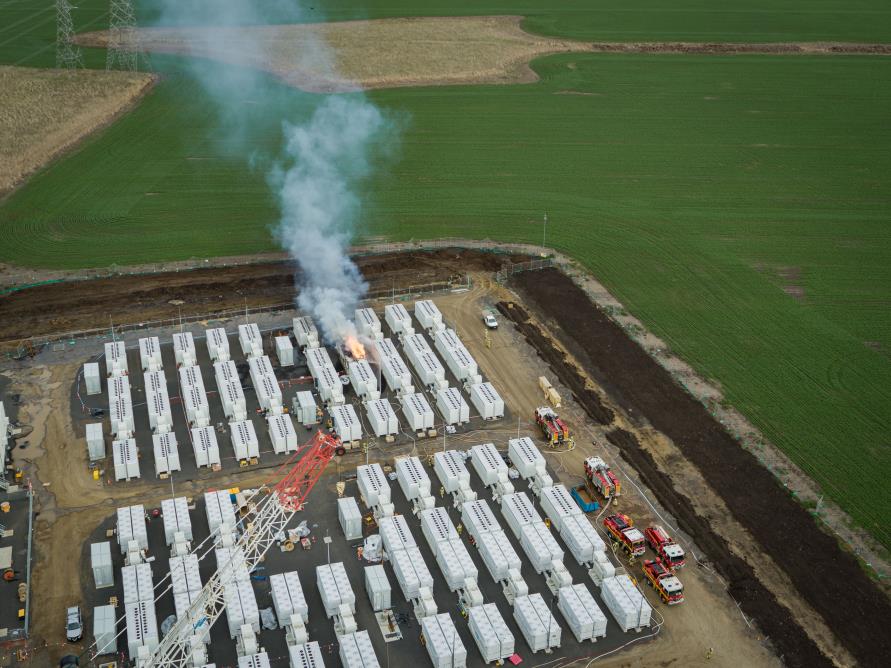
According to CFA Incident Controller, Ian Beswicke, the crews had planned to control the temperature of the fire and let it continue to burn, although the fire is still not yet under control despite subsiding as of Monday morning.
“The plan is that we keep it cool on the outside and protect the exposures so it doesn’t cause any issues for any of the other components in the power station,” said Beswicke on Friday.
“We’re starting to get to the point where most of it has burnt away…we’ll just keep monitoring it and keep dealing with it as we have been to ensure that we minimise anything that’s coming offsite and any risk to the community.”
Victorian Big Battery said the site was also disconnected from the grid once the fire broke out with no impact to electricity supply being recorded. But FRV and CFA did advise local residents in nearby Geelong to close their windows and bring pets inside due to the potentially toxic smoke.
Owned by French company Neoen, the facility has a 300 megawatt capacity with 450 megawatt-hours of energy, acting as a back-up during blackouts and power surges in the grid, providing a more stable source of power to the region across mixed conditions.
Once the fire is extinguished, Neoen and all other relevant parties will investigate the cause of the blaze.
Mercedes-Benz has filed a response with the Federal Court in the first stage of proceedings for what could be a landmark case regarding how new vehicles are sold in Australia.
Mercedes is being taken to court by a group of 38 dealerships located across the country which are challenging the company over changes to its new incoming sales model.
The dealers involved claim they signed the new agency agreement under duress, and that Mercedes-Benz Australia owes them compensation for their ‘goodwill’.
The ‘agency model’ would allow the company to sell directly to consumers – while dealerships would become agents, selling on behalf of the carmaker, as well as continuing to provide servicing. Under the current arrangement, dealerships buy stock directly from Mercedes-Benz Australia.
The new model, which will be implemented from January 1, 2022, would also mean all new Mercedes-Benz cars on sale would have a fixed price – removing the ability for buyers to negotiate.
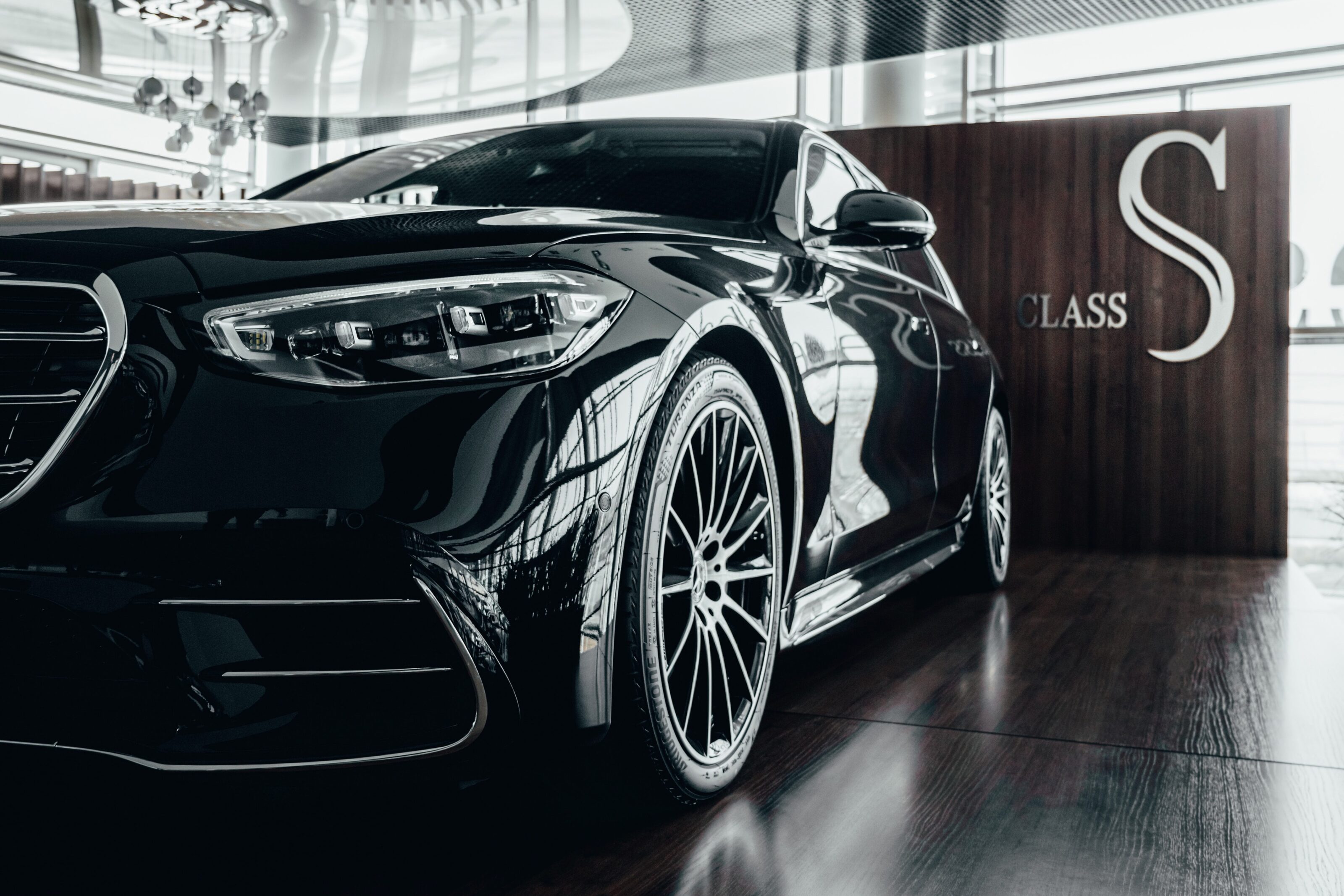
Last month, Justice Jonathan Beach ordered representatives from the German car giant to put forward its response, with the company filing a statement to the Federal Court this week.
In an eight-page submission, Mercedes-Benz Australia argues “market forces and technological changes in the industry create [a] need to change [its] business model”. It also contends that none of its dealerships had any franchising rights beyond December 31, 2021 – no contracts have been ended prematurely and all dealers have signed new agreements commencing from January 1.
The Australian Automotive Dealers Association (AADA) says 80 per cent of the country’s Mercedes-Benz dealerships are participating in the action, composed of 38 applicants. Though there are 53 dealer sites across the country, some franchises are responsible for multiple locations.
“We accept that Mercedes-Benz is perfectly entitled to change its business model, however we do not accept the appropriation of hundreds of millions of dollars in value built up by the local industry over many years without the payment of compensation,” CEO of the AADA James Voortman told WhichCar.
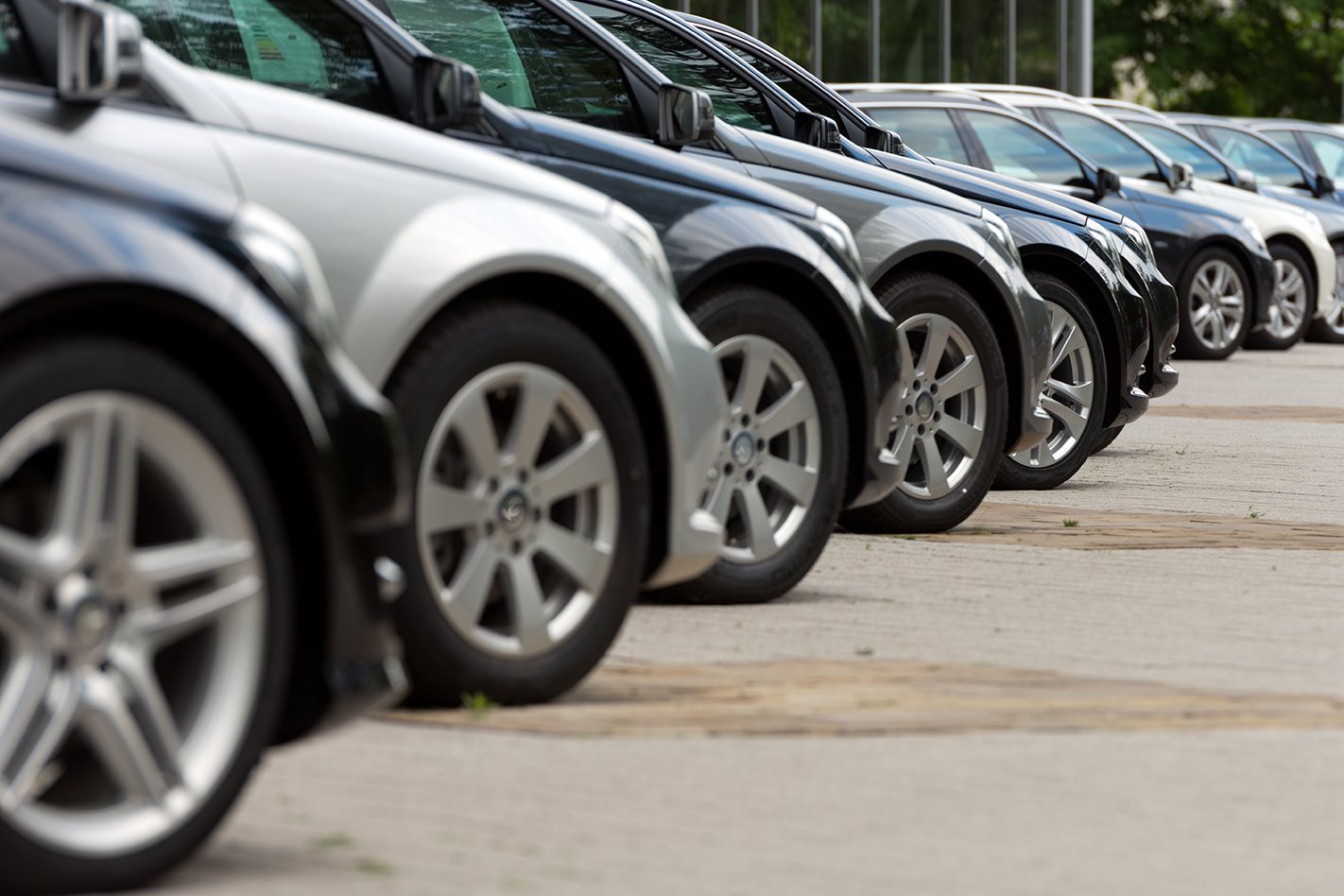
“The example of Honda in Australia after implementing the agency model provides a stark lesson: Honda is the only top 20 car brand in Australia to experience three consecutive months of sales decline while all other premium brands have experienced increased sales,” Voortman added.
Honda Australia was the first car company to switch from a franchise-dealer model to the agency model – a move that resulted in a number of dealerships closing, with the brand struggling with sales while the wider industry has been experiencing a boom.
“Mercedes-Benz Australia has developed Retail of the Future in consultation with our passenger car dealer network in response to changes in the industry, consumer behaviour and in the way new passenger vehicles are sold,” a spokesperson for the company told WhichCar.
“At the heart of this transformation is our key focus to create a customer-centric experience that enhances the buying process by providing all customers with transparent, market driven pricing, more choice and greater convenience.”
The trial is scheduled to begin in August 2022.
UPDATE, March 29 2023: Australian timing confirmed for ID models
Volkswagen Australia has today confirmed local launch timing for its ID.3, ID.4, ID.5 and ID.Buzz models – get all the details at the links below.
November 2022: ID.4 driven in Australia!
We’ve now had a chance to drive an overseas ID.4 car in Australia. Get our full story at the link below.
Story continues…
Volkswagen’s ID.3 electric hatchback is a small car that’s a big deal.
It’s the first car to sit on the German carmaker’s MEB (modular electric drive matrix) battery platform, which is set to underpin 70-odd VW Group models by 2028 and forecast to account for about 19 million VW Group sales by the end of the decade.
Australia, however, is being made to wait until at least 2023 for the car VW is labelling its most important model since the 1974 Golf. While the ID.3 has been sold in the UK and Europe since 2020, Volkswagen has blamed its delayed introduction here on the Australian government’s apparent antipathy towards EVs.
EDITOR’S NOTE: As we had only a short time with this car and needed to prioritise filming, the images in the body of this story are a combination of video shots (which you can watch above) and European press photos. The car we drove in Canberra was an overseas right-hand-drive specification.
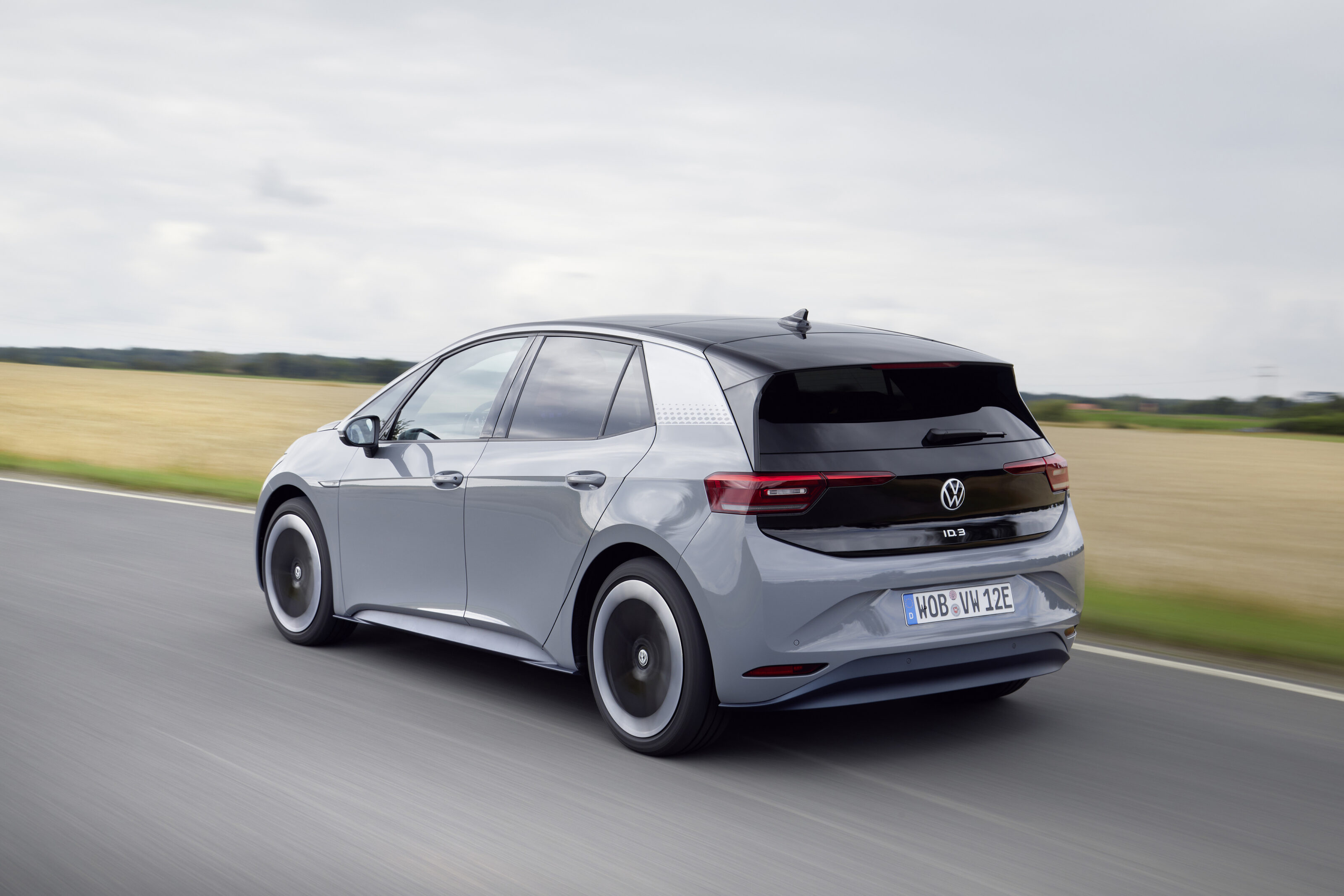
It’s led to a boutique electric mobility store in Canberra taking the initiative, importing an example via the Special & Enthusiast Vehicle Scheme (SEVS).
And Ion DNA kindly allowed us a drive of the VW that has racked up nearly 150,000 sales overseas already, with about half of ID.3 owners said to be new to the VW brand.
VW’s flexible MEB platform not only caters to different vehicle sizes but comes with a fully scalable battery system.
The ID.3 range kicks off with a 45kWh battery and tops out with a 77kWh battery. Our test car is a lower-middle ‘Pro’ spec, combining a 58kWh battery with a 107kW/275Nm rear electric motor. A ‘Pro Performance’ version of the 58kWh ID.3 produces 150kW and 310Nm.
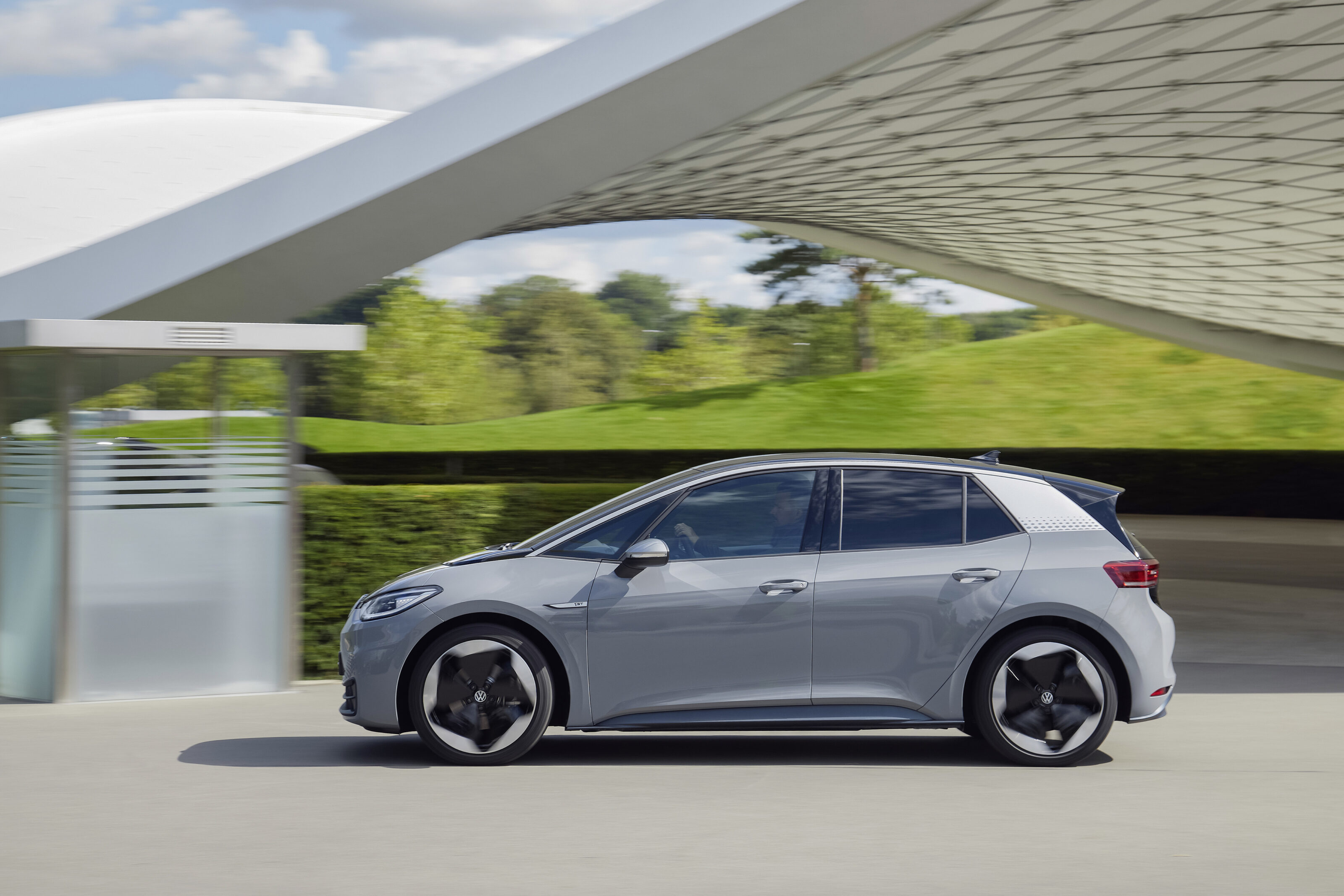
If the ID.3’s exterior design has little more than a thick C-pillar in common with a Golf visually, the cabin is also markedly different.
While a steering wheel with touch-sensitive buttons is familiar from higher-end Golfs, the dash eschews tidy integration for protruding infotainment and driver displays.
In many ways, it also resembles BMW’s first dedicated electric car, the i3, though neither the ID.3’s presentation nor the quality of its materials match the classiness of the baby Bavarian or, for that matter, its more renowned, internally combusting VW stablemate.
Still, there’s merit to an interior that shuns conservatism for a more futuristic approach that doesn’t overreach into outlandishness.
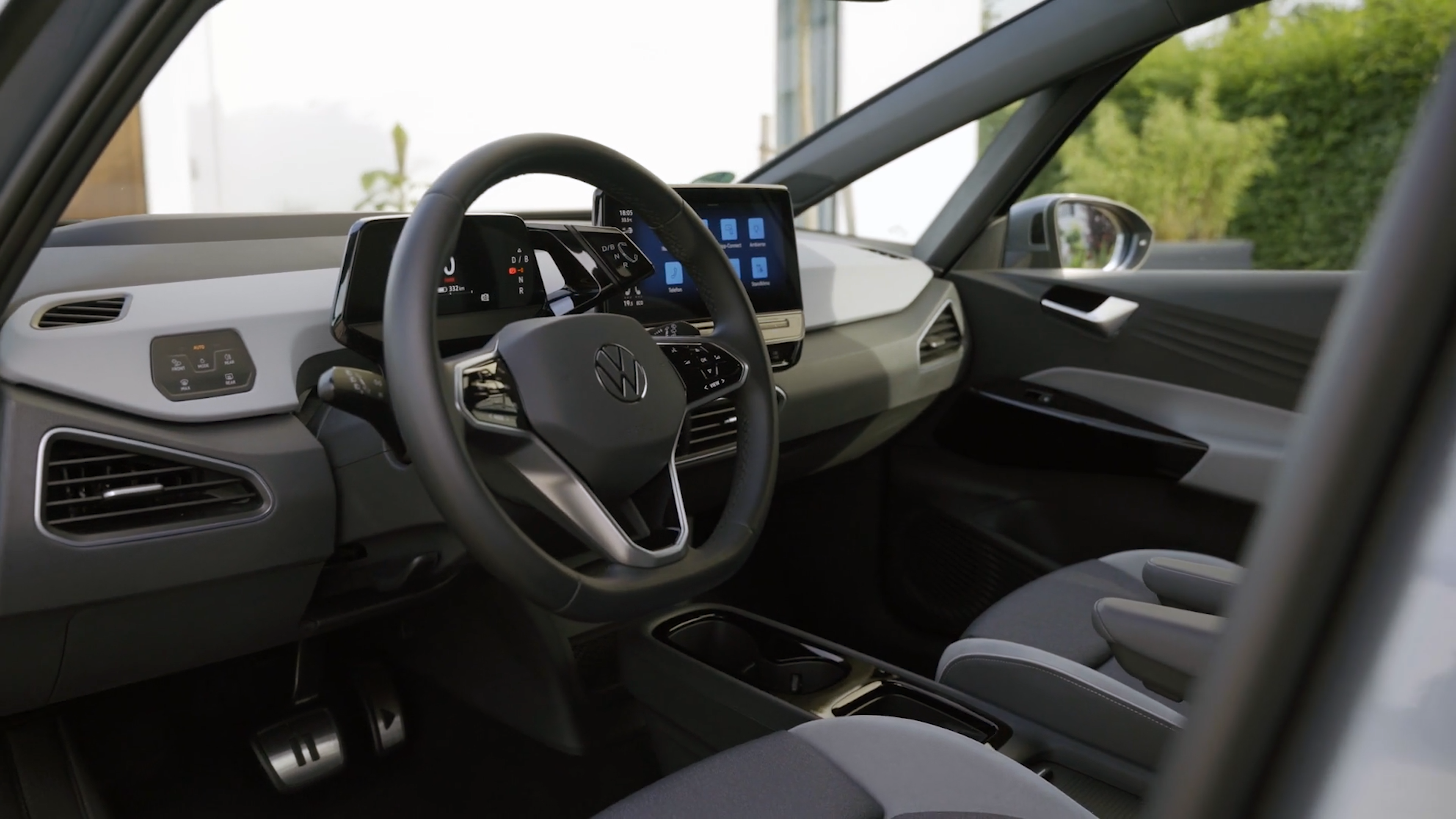
There are playful elements such as the ‘Play’ and ‘Pause’ symbols on, respectively, the accelerator and brake pedals (similar to the ‘Plus’ and ‘Minus’ symbols featured in Hyundai’s Ioniq 5), and the chunky transmission twist selector attached to the driver info pod.
Our tester came with a heavily black cabin but alternatives include an orange-white-grey trim combination that’s very much an outlier in the Volkswagen interior catalogue.
As with the Golf, most functions – including climate operation – are controlled via the central infotainment screen. The only buttons in the cabin that move are the window and mirror switches on the doors.
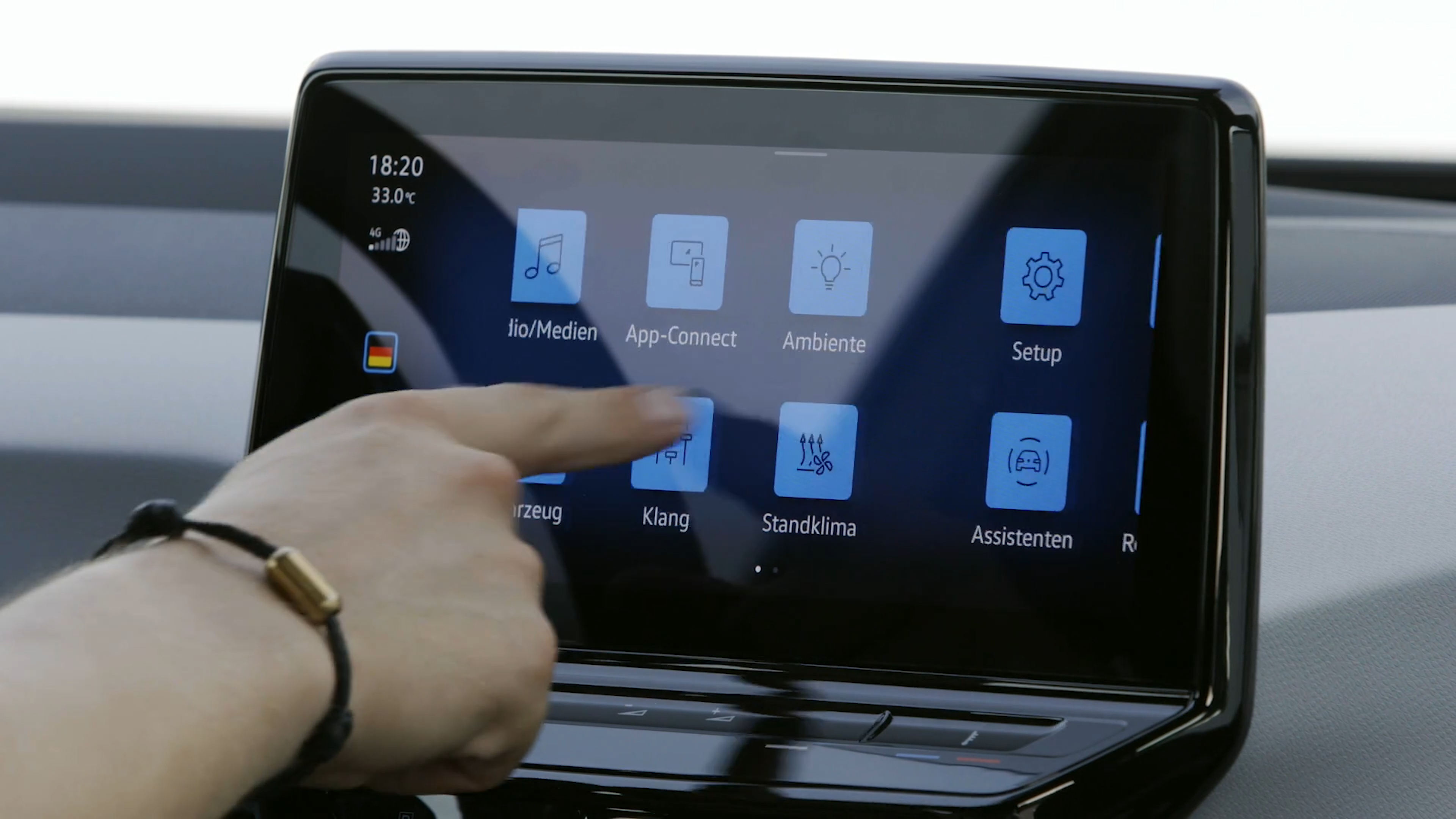
Taking advantage of the battery platform’s space efficiencies, the ID.3’s interior designers have provided extra-useful front-cabin storage with a centre console that caters purely for oddments.
It combines longitudinally arranged cupholders, a long stowage section with sliding lid and USB-C ports, plus angled slots for two smartphones – the lower of which features inductive charging.
A fold-down armrest for each front seat compensates for the absence of a more traditional console-box armrest.
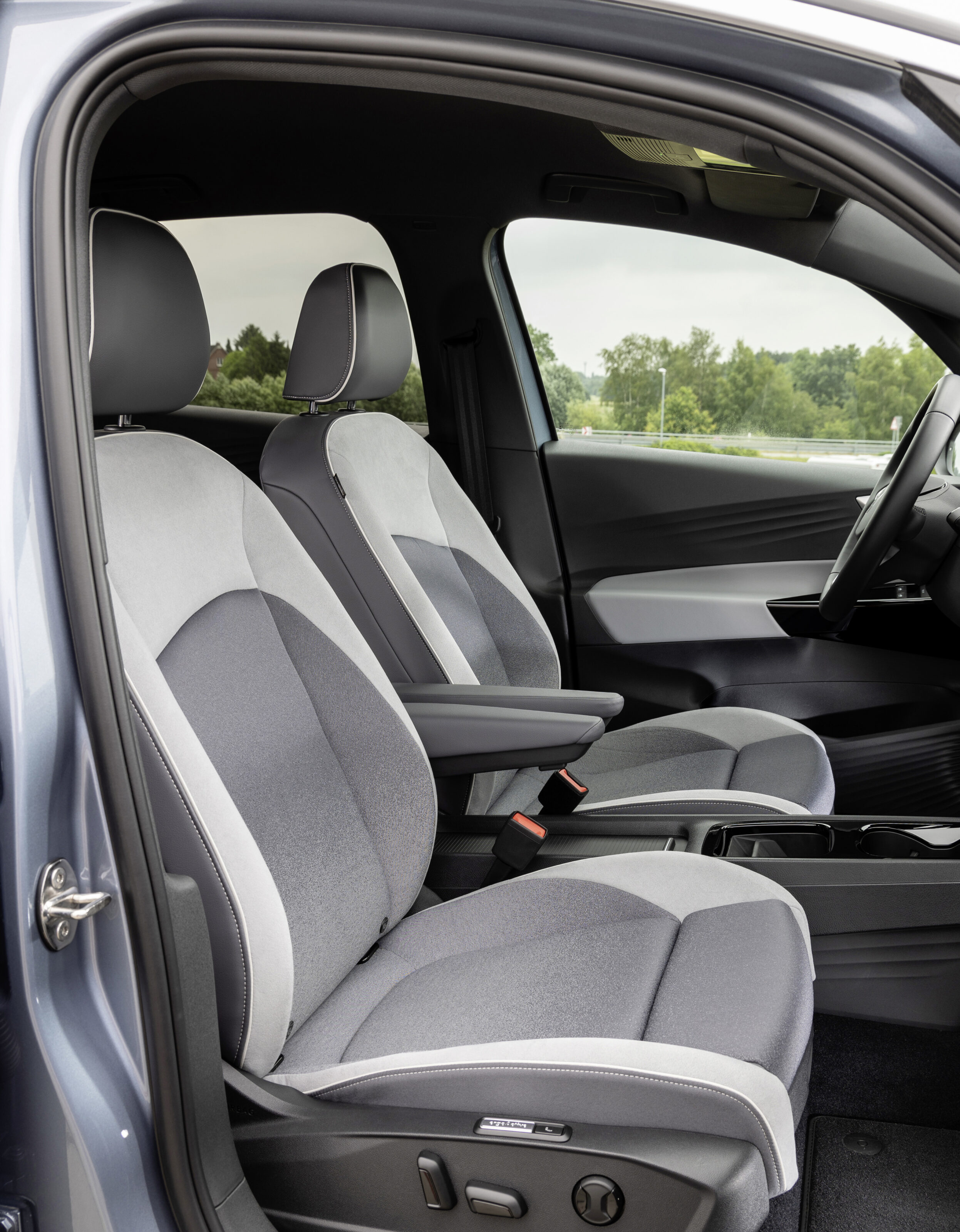
There’s extra legroom in the rear cabin over a Golf courtesy of the ID.3’s longer wheelbase, while plentiful headroom is delivered by a higher roofline. A steeply angled bench also ensures excellent under-thigh support.
It’s otherwise sparse in the back of this particular trim grade; no centre armrest, no pouches, no vents. But there are a couple of USB-C ports.
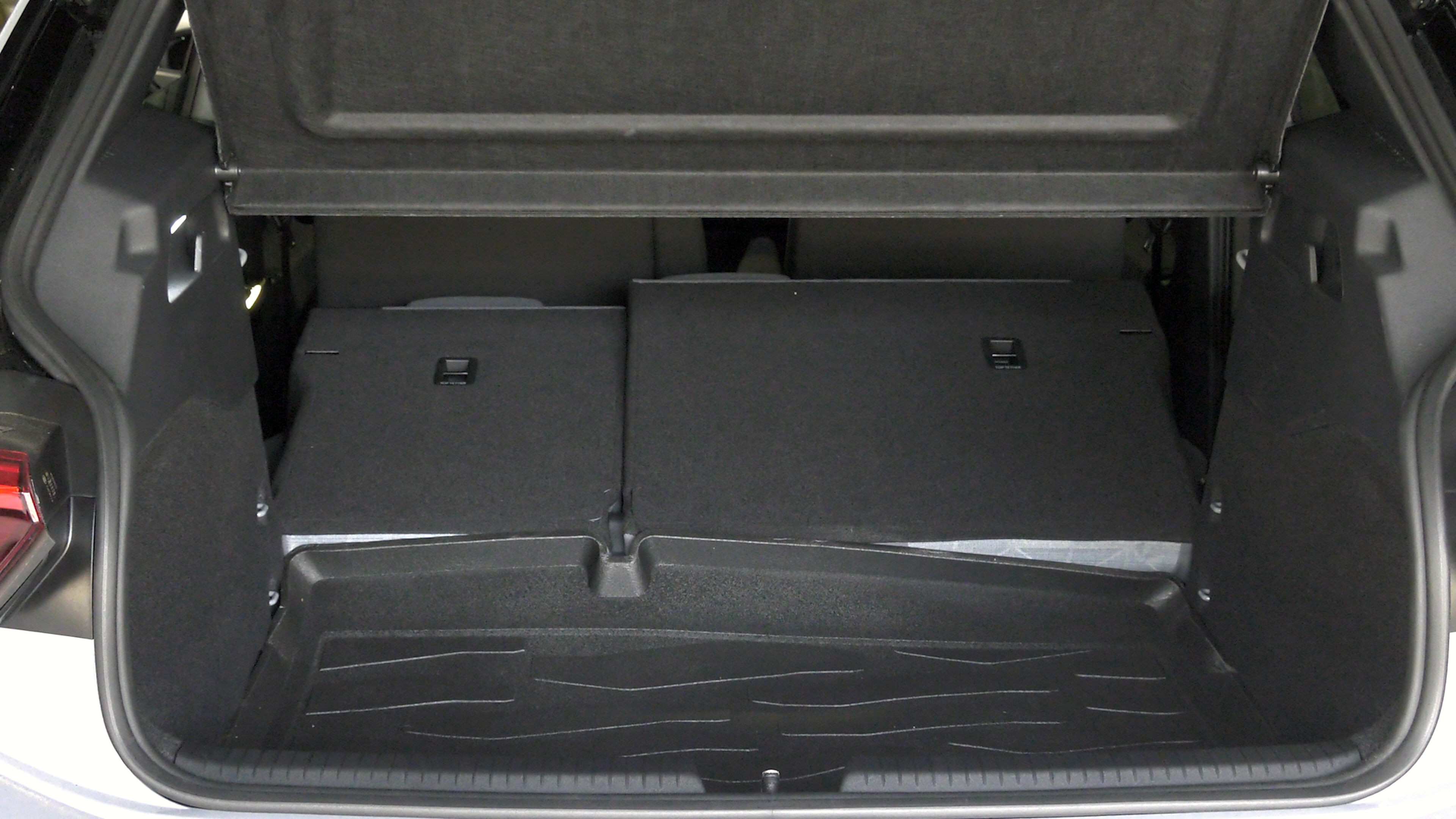
As a vehicle that’s much shorter than the likes of a Hyundai Ioniq 5 or Tesla Model 3, boot space is a relatively modest 385 litres in comparison – or about 10L more than the Golf’s luggage capacity.
Volkswagen quotes 9.6 seconds for the 107kW, 58kWh ID.3 in the 0-100km/h run. That’s slow in the context of most EVs and doesn’t bode well when even a regular turbo-petrol Golf completes that sprint more than a second faster.
Yet on the road, pressing this ID.3’s ‘Play’ pedal brings a satisfyingly perky response – and a torque-laden squirt of acceleration that ensures the electric VW is quick off the mark and more than capable of keeping up with traffic.
With the gear selector in Drive, there’s only a minor regenerative braking effect. Twisting to B increases the level of retardation when lifting off the throttle, though one-pedal driving around town is trickier than in most EVs we’ve driven so far. We regularly found ourselves needing the brake pedal to come to a complete stop.
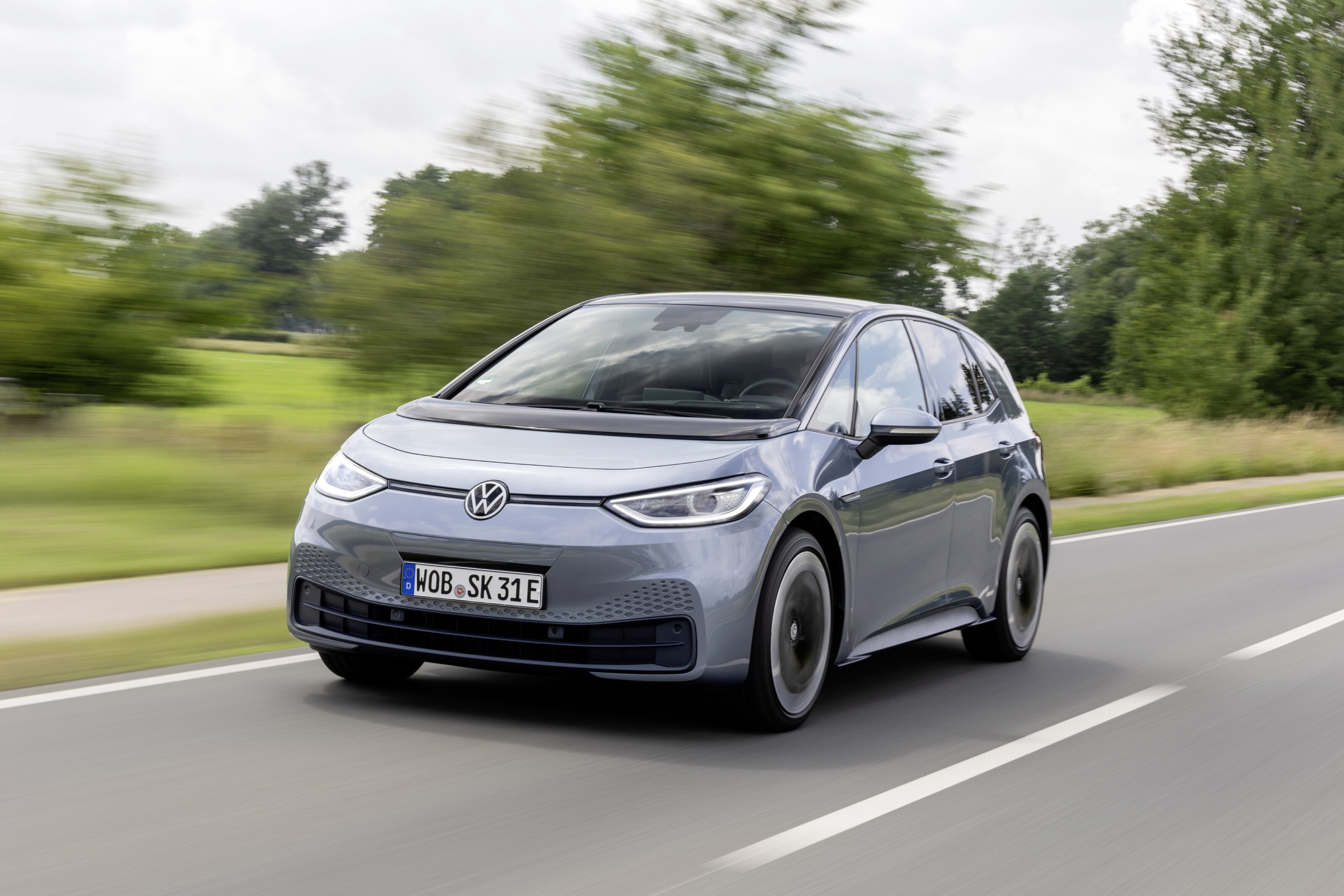
The ID.3’s steering has VW’s trademark lightness and predictability, and because it’s rear-wheel drive – just like the original Beetle – there’s no torque steer under heavy acceleration.
Its turning circle is also tighter than a Golf’s.
Sticking with the obvious internal comparison, ride quality – on first impressions at least – feels like it’s in the ballpark of the super-plush Golf. It’s not always the case with skateboard-chassis EVs, which challenge suspension engineers with their heavy integrated battery packs.
WLTP driving ranges are as short as 352km with the 45kWh battery or as long as 549km with the 77kWh battery, and the 58kWh ‘medium’ battery is rated at up to 426km.
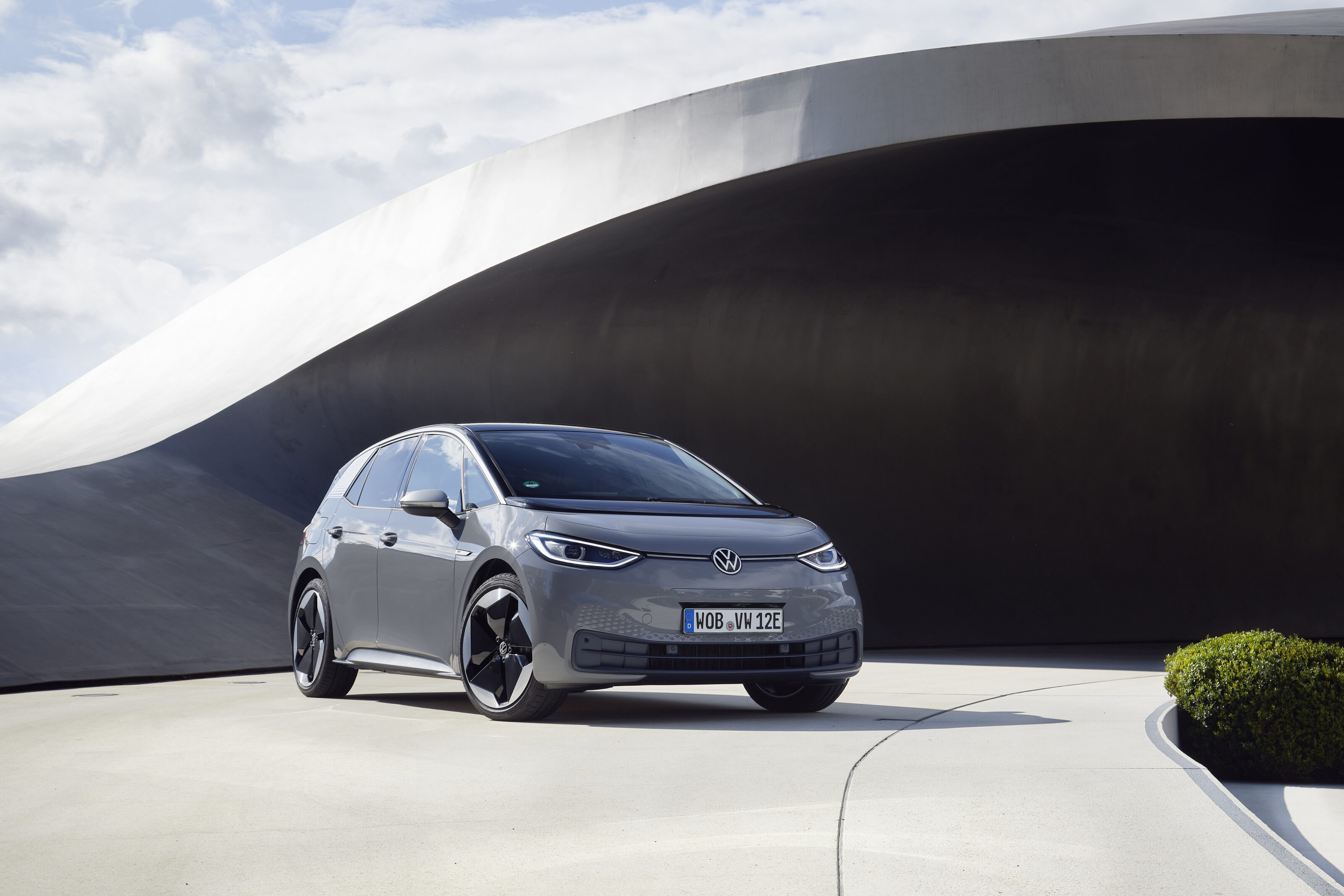
The ID.3 can be charged at home, either using a regular power socket or a wallbox system such as VW’s ID Charger (coming in 2022). For faster charging, capabilities vary between 50kW (smaller battery), 100kW (midsize battery), and 125kW (larger battery).
VW says 290km of range can be added within half an hour using a 100kW DC charging station.
A minimum battery capacity of 70 per cent is guaranteed for eight years or 160,000km. Of course, this factory backing isn’t available for the new owner of this imported ID.3.
Neither will they have access to VW’s We Connect Start that pairs car and smartphone, or the over-the-air software and function upgrades enabled by the ID.3’s new electronics platform.

They will all be part of the ID.3 package when it eventually reaches Australia in an official capacity.
One of ID.3’s VW Group twins will beat it to the punch. The Cupra Born EV is slated to arrive in the latter part of 2022, with a price tag expected to be similar to that of a $55,000 Golf GTI.
The question, then, will be whether at least one version of the ID.3 can be priced like a regular Golf. That would certainly make this highly promising electric VW worth the long wait.
Key Points
- President Joe Biden set to sign executive order
- Light-vehicle fleet to go zero-zero emissions by 2027
- Up to 3.1 billion kilograms of greenhouse gases expected to be saved
The United States Government is amping up its charge towards zero-emissions vehicles, with its entire fleet expected to move away from internal combustion by 2035.
President Joe Biden is set to sign an executive order which will see more than 645,000 government-owned zero-emissions vehicles implemented by 2035, with the first stage of the plan coming into effect by 2027, impacting the light-duty vehicle fleet.
From 2022, the Department of Homeland Security will begin its testing process to evaluate the Ford Mustang Mach-E for law enforcement use, a fleet which currently is roughly 30,000 vehicles strong.
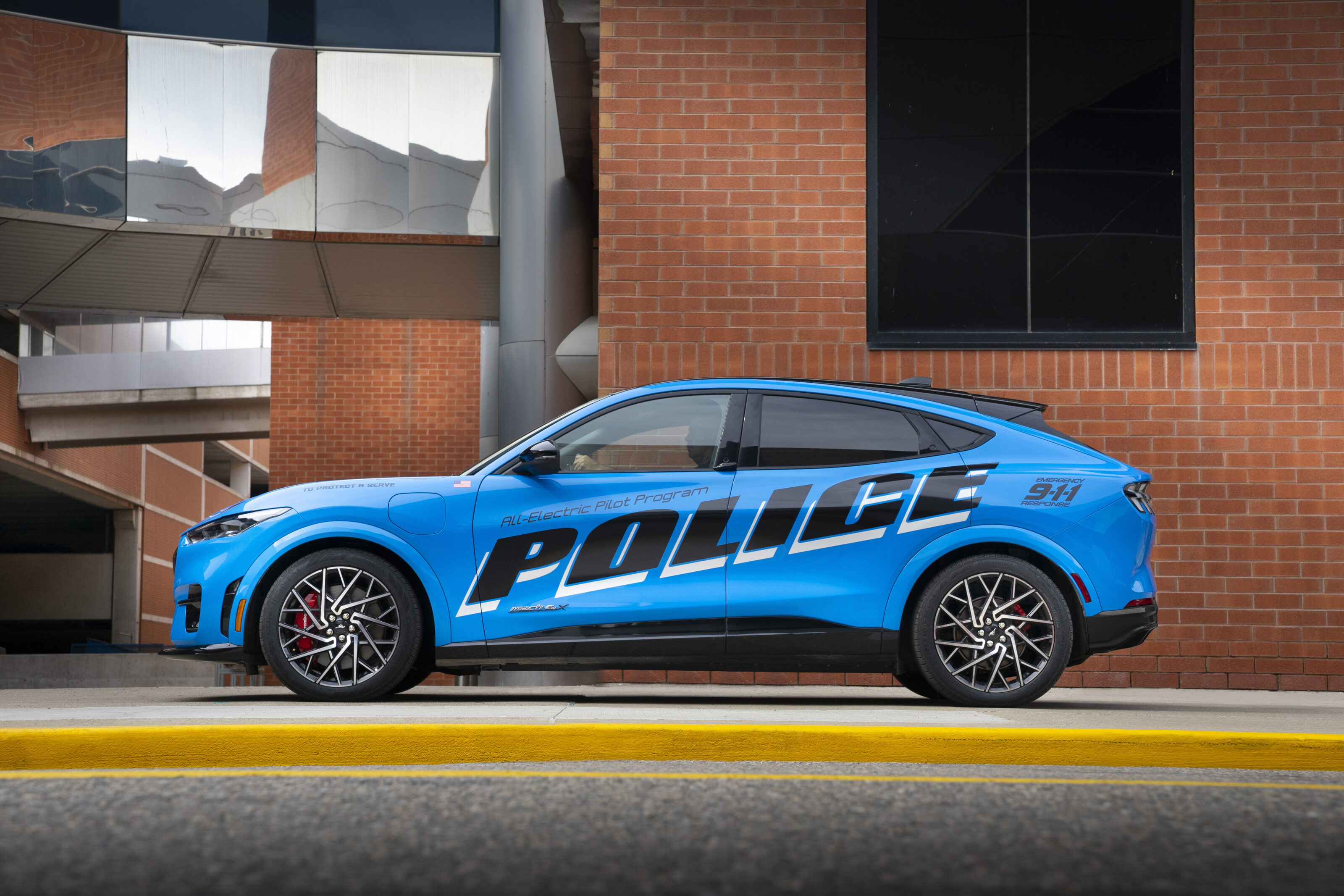
Estimates from The Washington Post have shown the US federal vehicle fleet travels roughly 7.2 billion kilometres annually, consuming 1.5 billion litres of fossil fuels in the process while emitting more than 3.1 billion kilograms of greenhouse gases.
The executive order is one pillar of the Biden administration’s aims to reach net-zero emissions by the Government by 2050, with pollution-free electricity and a 65 per cent reduction targeted by 2030.
Infrastructure for electric vehicles in the United States has recently been given a major boost with the US$1.2 trillion (AU$1.63tn) infrastructure bill allocating around US$7.5 billion (AU$10.18bn) towards a national network.
Previously Biden has asked American automotive manufacturers to sign a voluntary pledge to ensure 40 per cent of their production volume by 2030 comes from electric vehicles, mainly targeting the Big Three as the country enjoys a booming period of EV upstarts including Tesla and Rivian.
Key Points
- $40 million Product Centre opens in Altona
- Design, evaluation and accessory teams brought together
- Creates products for Australian and global markets
Toyota Australia has officially opened a brand-new Product Centre in Melbourne – bringing its design, evaluation and accessory teams together for the first time.
The new $40 million Product Centre, based at its Centre of Excellence (CoE) facility in Altona in Melbourne’s west, focuses on designing and developing unique products for both the Australian and global markets.
These teams were behind such models as the HiLux Rugged X and HiLux Rogue, as well as vehicles such as the Sportivo Coupe concept car.
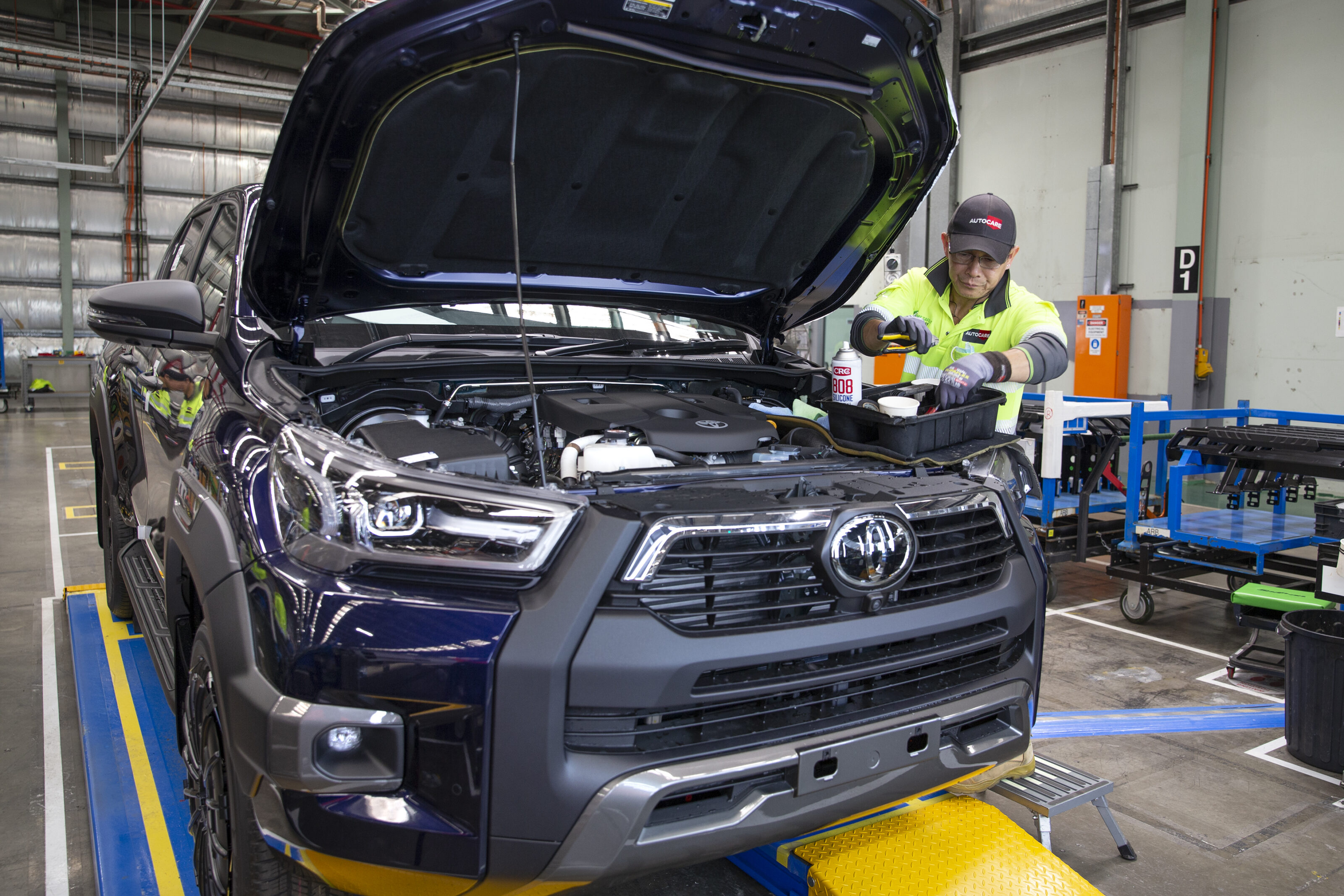
Toyota Australia’s Vice President for Product, Guest and Aftersales Operations, Mike Rausa, said the new facility keeps jobs, skills and career paths grounded in Australia following the conclusion of the firm’s local manufacturing four years ago.
“We’ve already seen what our planning and development teams are capable of, with vehicles like the HiLux Rugged X and HiLux Rogue proving to be popular here in Australia and creating accessories that are adopted in markets around the world,” Rausa said.
“We wanted to retain and build on the capability developed during our long history of vehicle manufacturing, providing a highly collaborative environment that would allow Australian design and engineering expertise and know-how to be utilised within the broad Toyota family.”
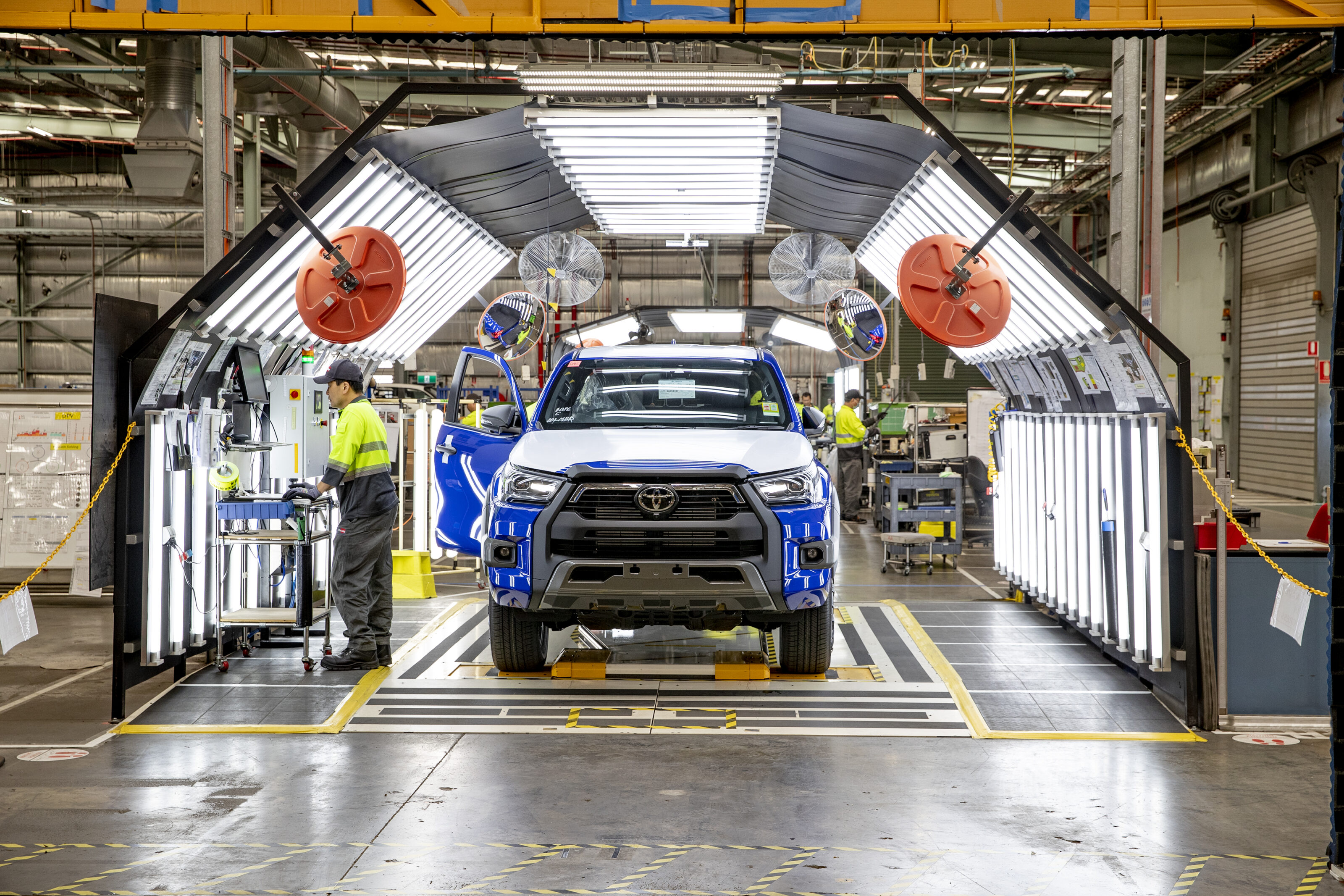
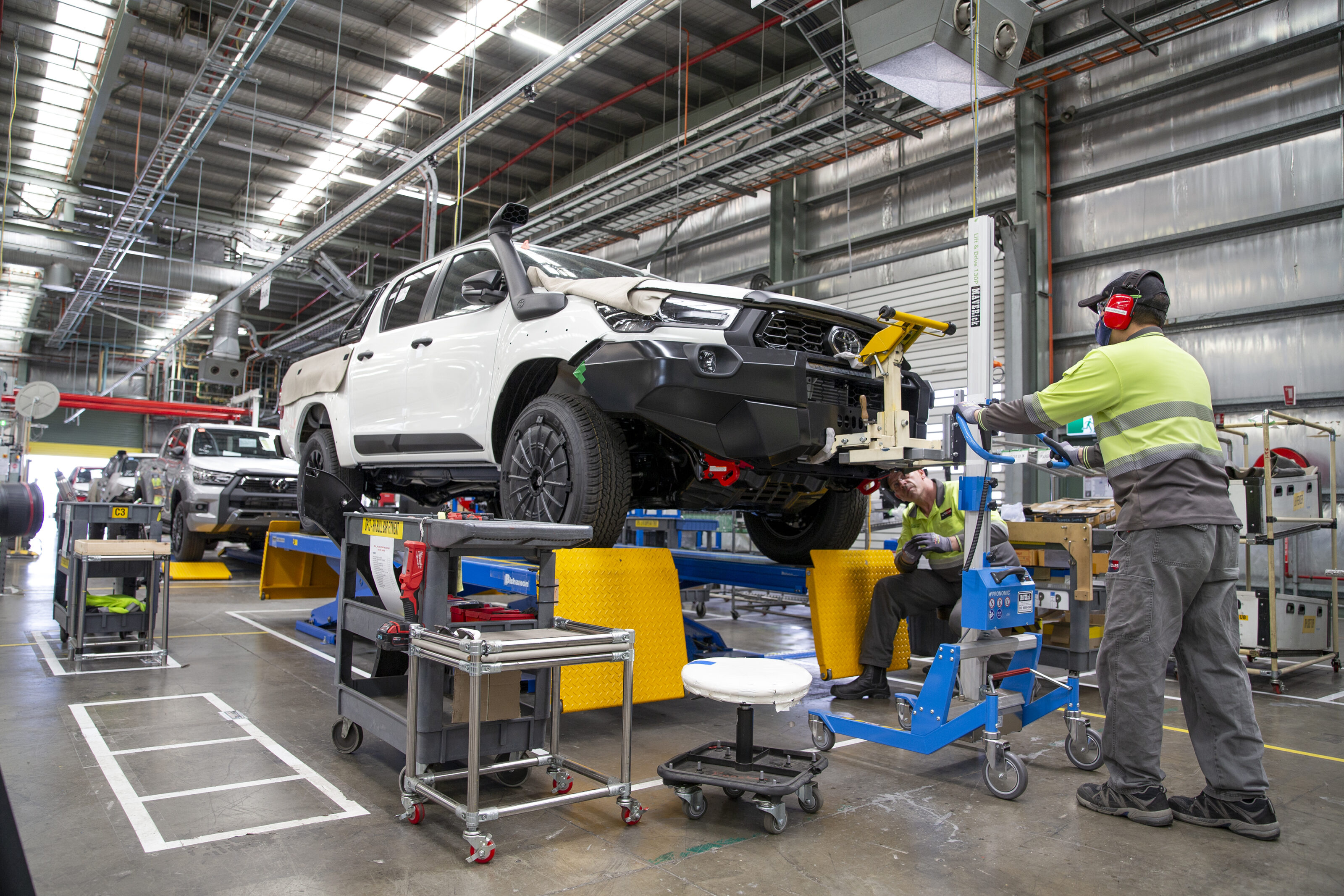
The new facility is based at the sprawling 22-hectare Altona site, which is also home to a 1.4 kilometre-long Autodrome test track, a 55,000m2 space dedicated to making 26,000 parts daily for dealerships, and the hydrogen production and refuelling centre.
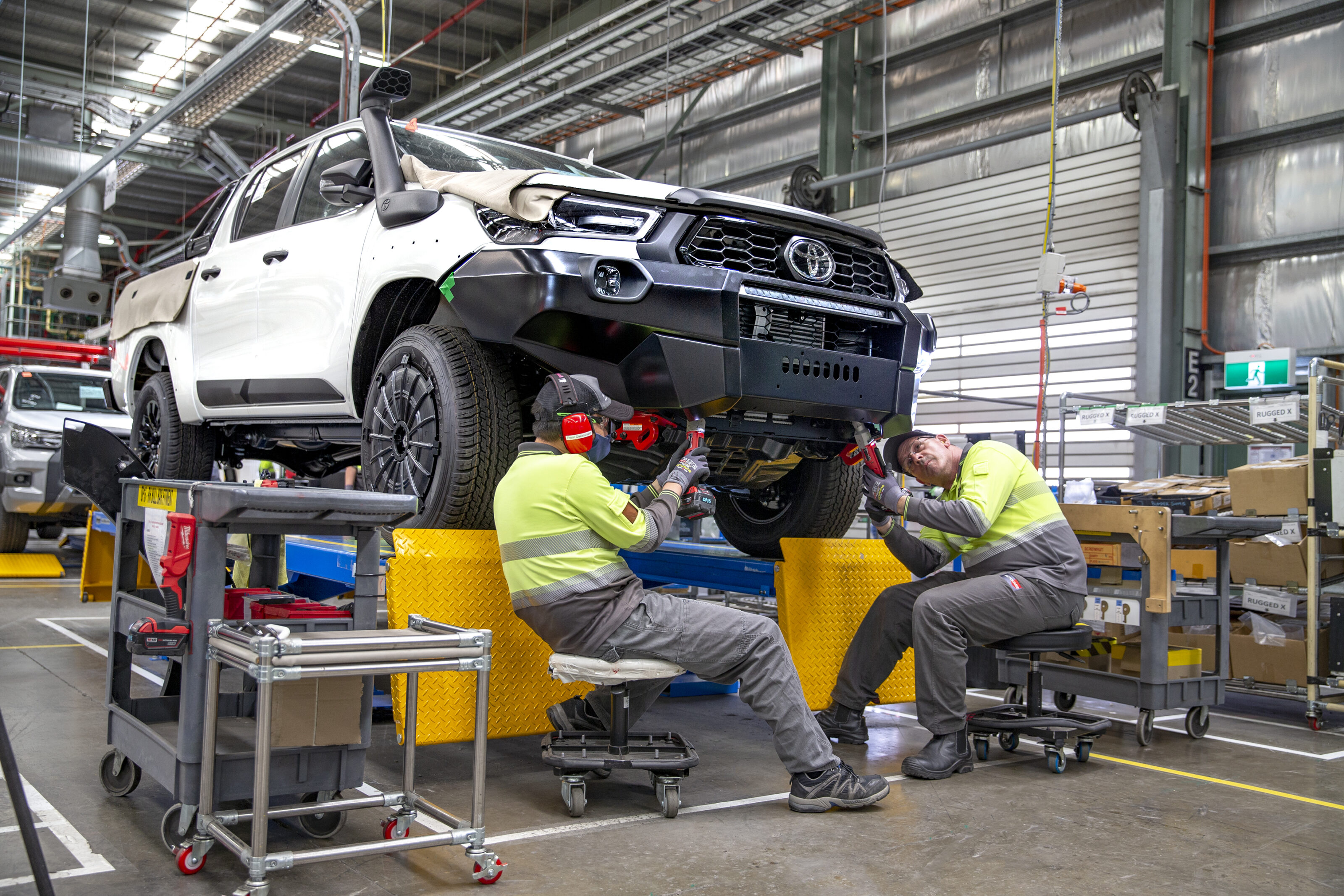
The Toyota Conversions (T-Con) department, which serves as a full assembly line for adding bespoke components to the HiLux Rugged X and HiLux Rogue once shipped from the factory in Thailand, is located there too.
According to Toyota, it was important that the fresh facility should retain ties to the carmaker’s manufacturing past – with the new centre built inside the former powertrain production building, which made more than 2.5 million engines between 1978 and 2017.
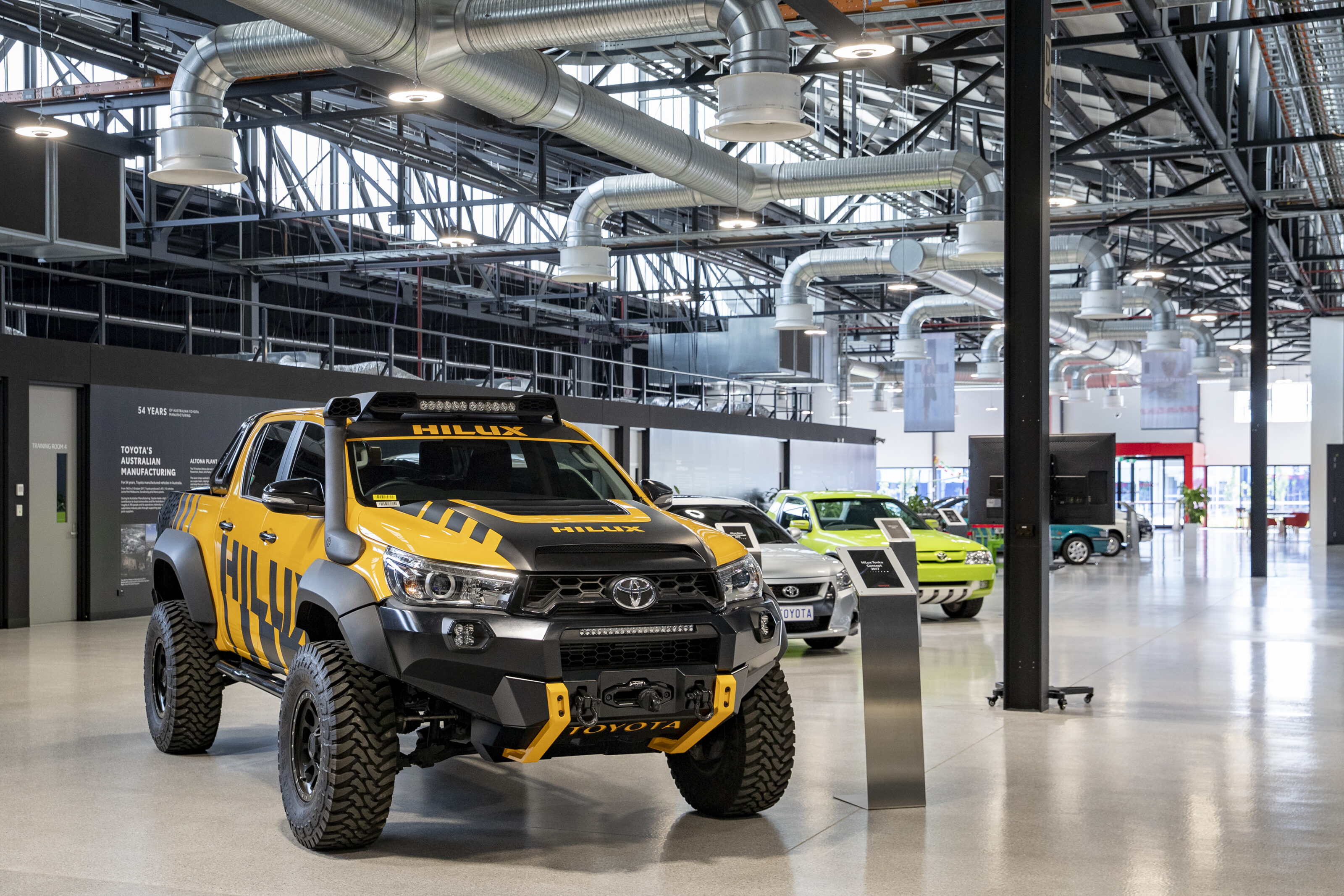
Toyota Australia Product Planning and Development General Manager Rod Ferguson told media during a tour this week that the highly-skilled teams based there are highly utilised by other parts of the business around the world, and can now work even more efficiently by being centred together.
“Having previously been based at multiple facilities around Melbourne, consolidating the product teams on one site in a state-of-the art facility, alongside other business functions, will foster a level of collaboration that hasn’t been possible before.”
Find out more about the work that goes on at the Product Centre below.
What does the Conversions and Accessories team do?
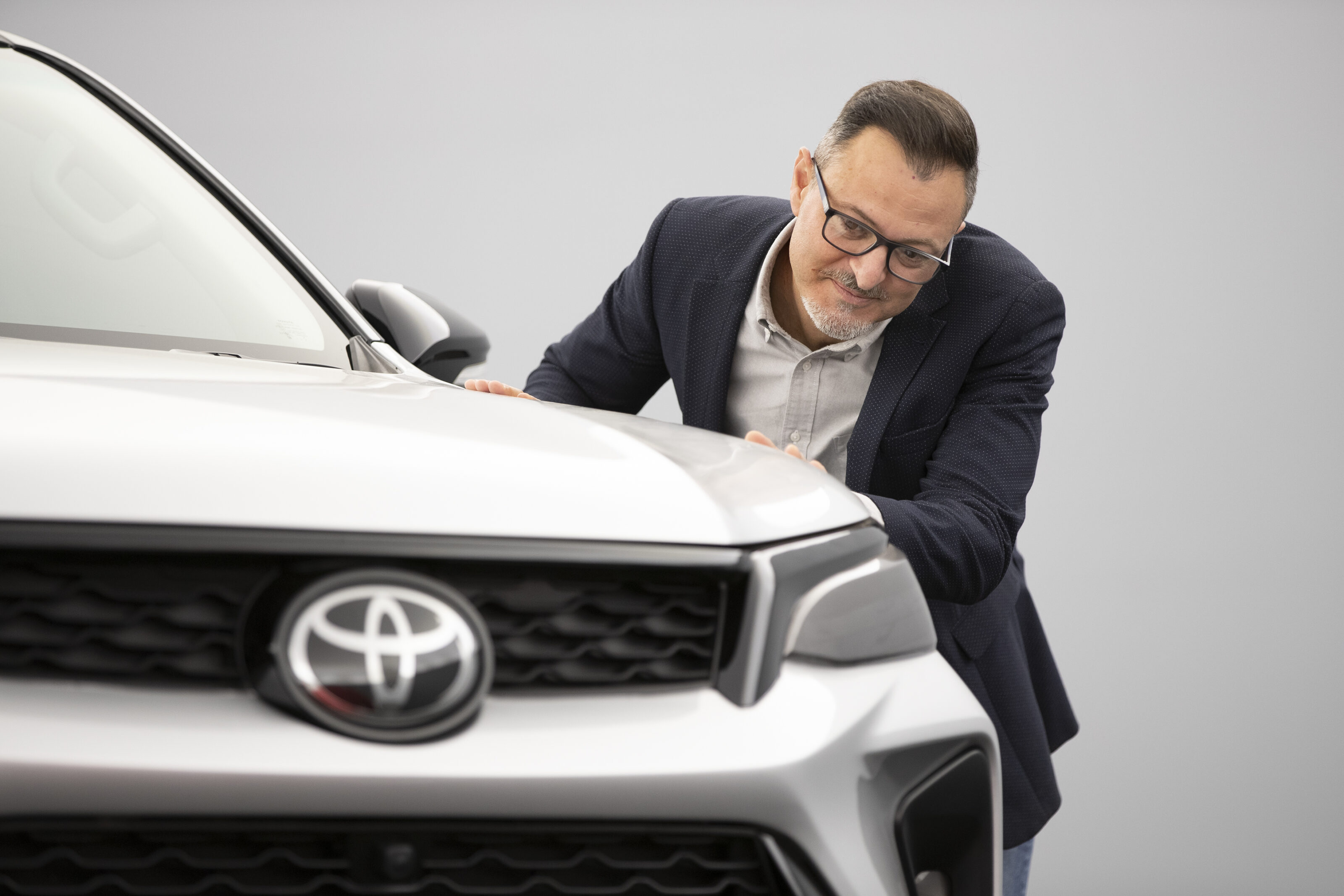
With nearly 40 employees on site, C&A creates accessories not only for the Australian market, but also for export to other markets including New Zealand, Europe and South Africa.
As one of 13 global centres for Toyota Genuine Accessories, the C&A team is responsible for producing a wide range of tough and durable accessories for multiple models, including the recently launched all-new LandCruiser 300 Series.
Another such product is the electric roller cover standard on the HiLux Rogue, which was created here in Australia and is also offered in South Africa and Europe.
Although the team’s work focusses on 4WD vehicles that have higher rates of accessory fitment, the C&A team also develops accessories for passenger cars, SUVs and Lexus vehicles.
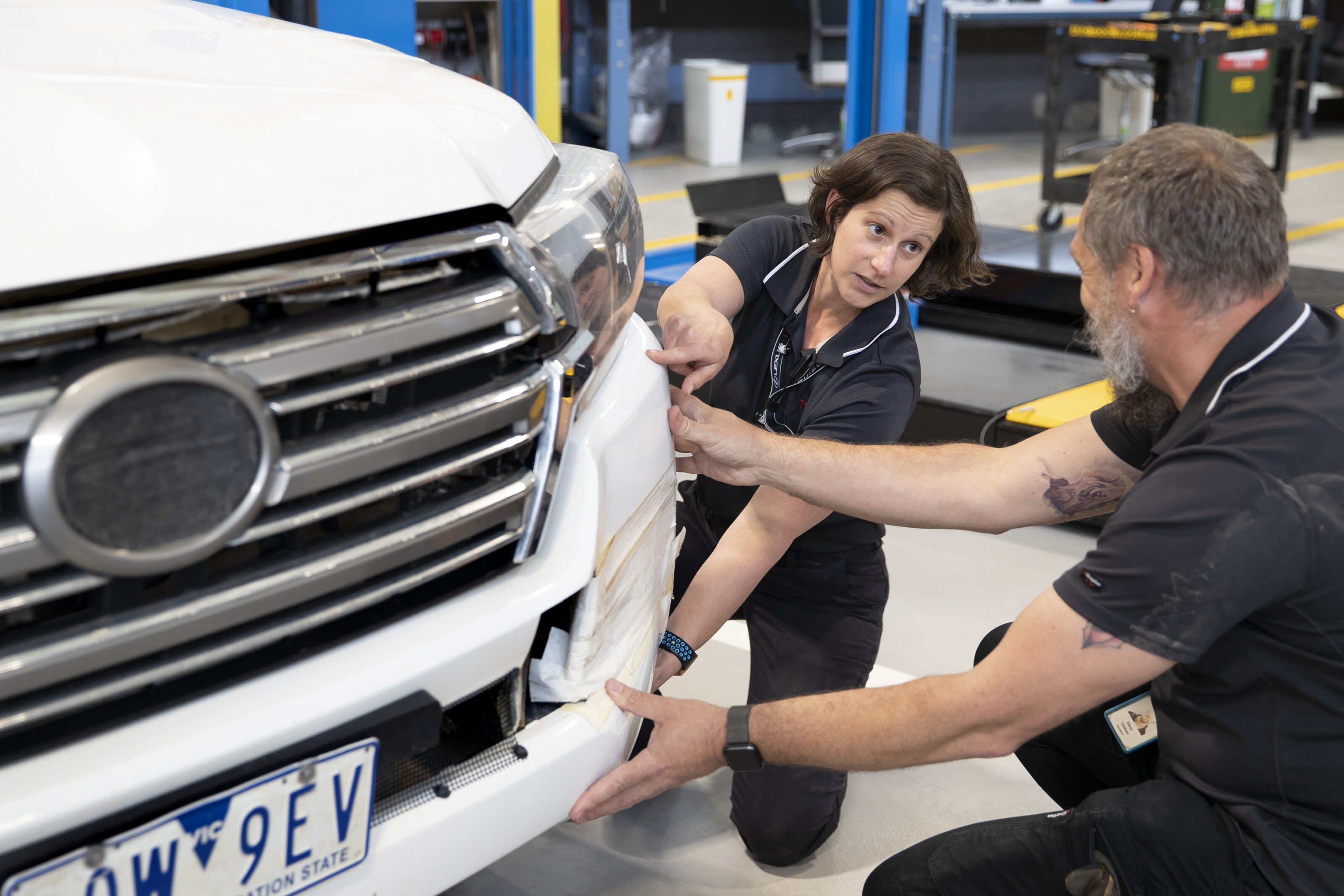
Th new centre also has a range of high-tech equipment at the team’s disposal, such as environmental chambers that can simulate extreme hot and cold temperatures – as well as high and low humidity conditions.
Millions of cycles of vibration tests are carried out, mimicking road corrugations to ensure accessories like bull bars can cope with the physical rigours of outback travel.
The team collects and logs data using strain gauges to measure the amount of stress being put on not only the accessories like bull bars, nudge bars and antennas, but also the vehicle itself to ensure they provide protection and integration for the entire vehicle.
What does the Product Design team do?
The Product Design department has 42 staff, who have recently relocated from Toyota’s headquarters in Port Melbourne and are now based in what was once the engine plant.
At the centre of this is the indoor viewing area – a bespoke, controlled environment with three turntables. Featuring studio-quality diffused lighting and high, curved ceilings, it can be used to evaluate new designs – and there’s an outdoor viewing area too for when natural daylight is required.
The new design studio features two full-size modelling plates and plays home to the creative designers and studio engineers, as well as clay and digital modellers, who combine traditional, hand-based design methods with virtual techniques to work on a variety of prototypes.
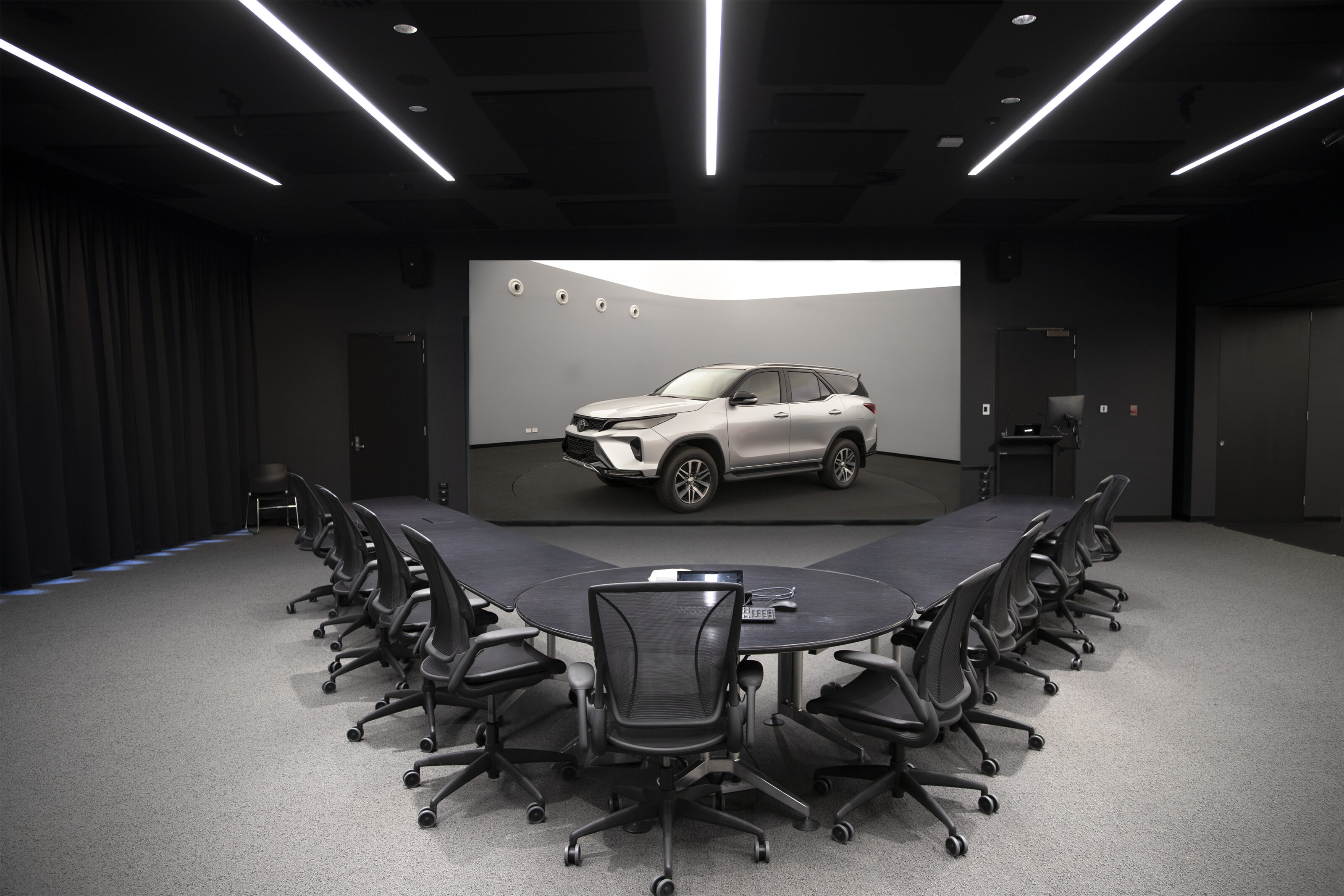
Key to this is two full size, 5 axis CNC milling machines and 10 3D printing machines, with traditional metal and wood fabrication functions now also bolstered with digital methods utilising computer-controlled programming. Finishing work is done in an environmentally friendly spray booth, using the latest waterborne technology.
Product Design not only works on local development, but partners with Toyota Technical Centres around the world, particularly in the Asia Pacific region – with products styled in Australia making their way to most corners of the globe.
What does the Vehicle Evaluation team do?
With 80 per cent of global road conditions available for testing in Australia, Toyota Australia says its Vehicle Evaluation and Development (VED) department is heavily relied upon to provide evaluation and real-world testing for global engineering teams – helping shape models like the LandCruiser, HiLux and Prado.
Developed over 10 years of experience at the previous facility in Notting Hill, the Evaluation team operates out of a new workshop in the Altona Product Centre which features six open work bays, and eight upgraded vehicle hoists rated to 4.5 tonnes.
Along with subjective human feedback from a team of experts, a raft of high-tech equipment is also used, including; steering input robots, a laser wheel aligner, a shock absorber dynamometer, and unique measurement machines developed in-house.
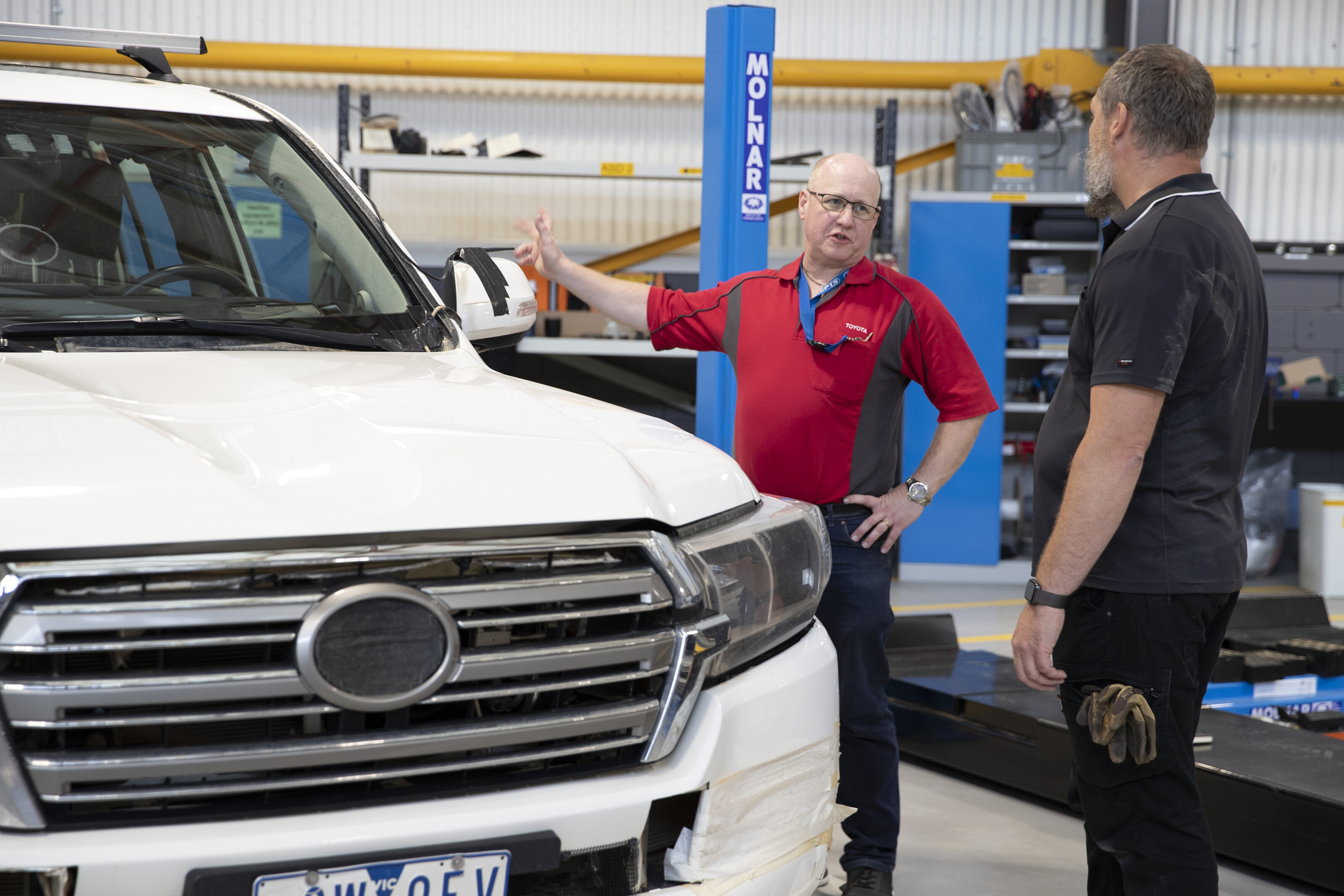
A bespoke suspension articulation rig developed in-house by the team provides accurate articulation and centre-of-gravity measurements, while a leaf-spring compressor created by colleagues in Product Design provides further unique suspension testing capabilities.
Toyota’s Manager for Research, Evaluation and Training, Ray Munday, said local testing and evaluation means the firm’s 4WDs are capable of standing the test of time in the harshest of Australian environments.
“Being one of the oldest geological countries on the planet, we have conditions that are some of the most unique in the world, and these are hard to replicate in a test lab,” he added.
For example, local work on the LandCruiser 300 Series began all the way back in 2014, with the team ensuring the all-new off-roader was built to withstand Australian customer usage – such as off-road driving, towing in high temperatures and high accessory fitment.
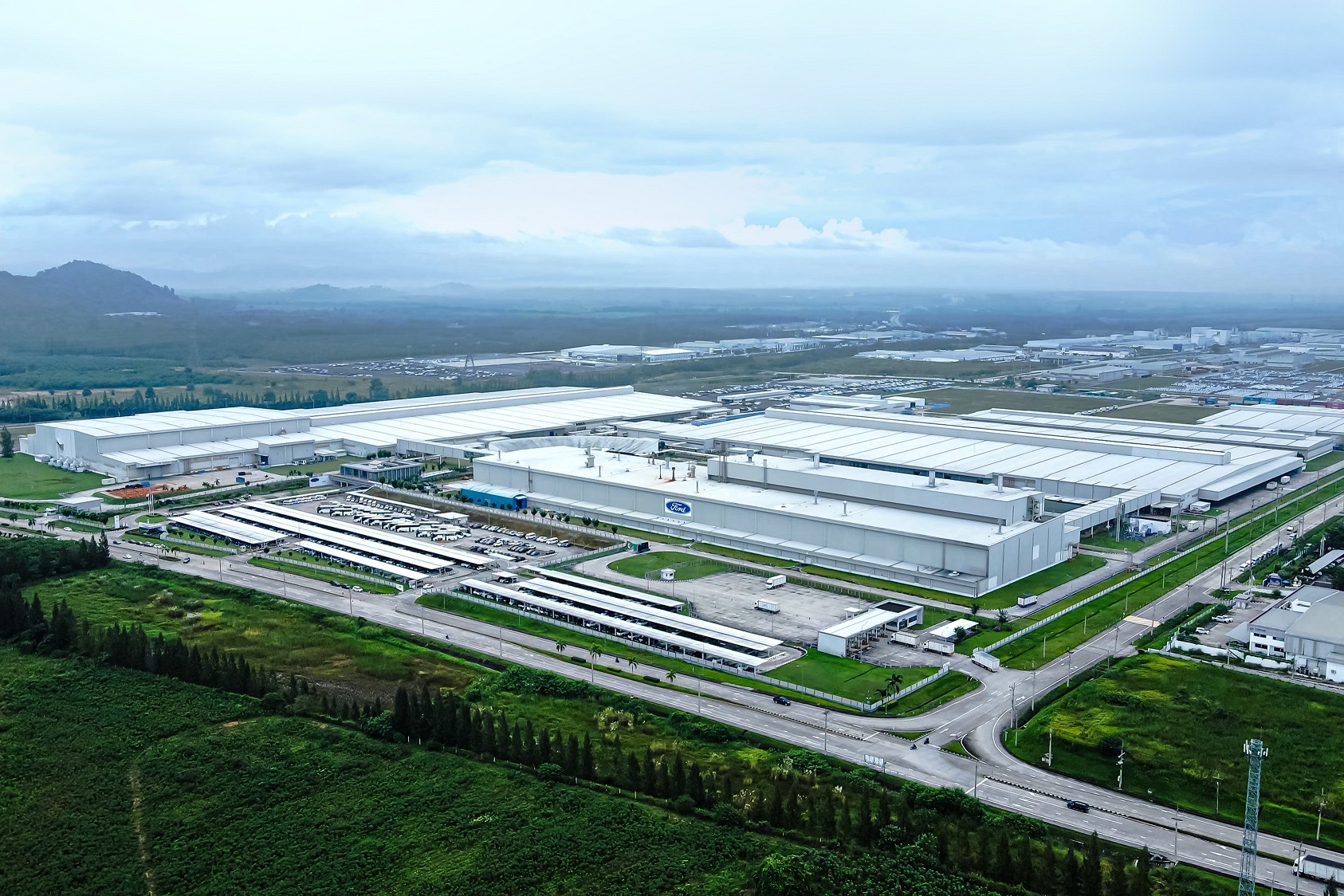
Ford has announced it will invest US$900 million (AU$1.26 billion) in modernising its production facilities located in Thailand.
The Ford factory produces the Ranger ute and Everest SUV for Australia and other international markets, and marks the company’s largest ever investment in manufacturing in the region.
A second shift will also be added to help bolster its annual production of 270,000 vehicles – of which around 60 per cent are exported to Asia-Pacific markets – creating 1250 jobs for the local economy.
“This is an important milestone to build on our quarter-century of commitment to producing vehicles in Thailand,” said Yukontorn ‘Vickie’ Wisadkosin, president of Ford’s ASEAN market.
“[It enables] us to further modernize [sic] and upgrade our local operations, and support production for the exciting upcoming launch of the next-gen Ranger, one of Ford’s highest volume and most successful vehicles anywhere in the world, and the next-gen Everest SUV.”
The announcement follows a similar commitment Ford made in February to invest AU$1.3 billion in its South African manufacturing facility, which will also build the new-generation Ranger.
Radford’s new Type 62-2 has completed final testing and is ready to hit production ahead of expected customer deliveries in 2022.
The Radford company was revived thanks to fresh investment from ex-F1 champion Jenson Button and two other main investors, Ant Anstead and designer Mark Stubbs.
As per the name, only 62 units will be produced although each one will be unique and personalised by its owner, including custom liveries for the exterior.
The final testing was completed by Button, who piloted the previously shown Type 62-2 with a John Player Special livery and extra performance equipment around the track at Lotus’s headquarters in Hethel, UK.

There are three variants produced, called Classic, Gold Leaf, and JPS. The Classic variant is more affordable, but has the lowest power output at 320kW, coming from the same 3.5-litre V6 found in the other two models. It is mated to a six-speed manual transmission.
The Gold Leaf produces a mightier 375kW from the supercharged V6 through a seven-speed dual-clutch transmission, while the JPS goes up to a thumping 450kW. Performance figures are 0-100km/h in 2.9s and a top speed of 300km/h.
The Type 62-2 Gold Leaf shown is finished in the same red-and-white livery as Graham Hill’s 1968 Lotus Type 49B Formula One racer, with the JPS edition using the iconic black and gold theme.

At the final testing, Button said the Type 62-2 is a car that will appeal to both driving purists and those wanting something with a polished, luxurious finish.
“To finally drive the type 62-2 for the first time was obviously a very special moment, the cockpit already feels like home,” he said.
“The car felt great, well-balanced in high and low-speed corners and ran faultlessly all day which is the perfect base for the months of setup tweaking that will follow for me. We want to ensure that this car is a pure driver’s car which pays both due respects to the DNA of Lotus but also delivers the luxury of a Radford.”

Over the Gold Leaf, the racey JPS variant has the same chassis setup, but with a large rear diffuser, carbon composite wheels, monobloc callipers and carbon-ceramic brake discs. Despite its obvious track focus, Radford says owners will be able to use the Type 62-2 every day, and buyers can option a nose lift system to allow the car to get over speed bumps, along with a custom luggage set from Mason and Sons.
Deliveries are expected to commence in early 2022 with a price starting over the equivalent of $700,000.
The original Porsche Cayenne has had a revamp by the squad at Porsche Classic, producing two rally-inspired promotional SUVs that are also capable racers off the sealed top.
But while it does look fantastic flying across the gravel, these Cayennes are being used by Porsche Classic to promote new personalisation options for non-current models.
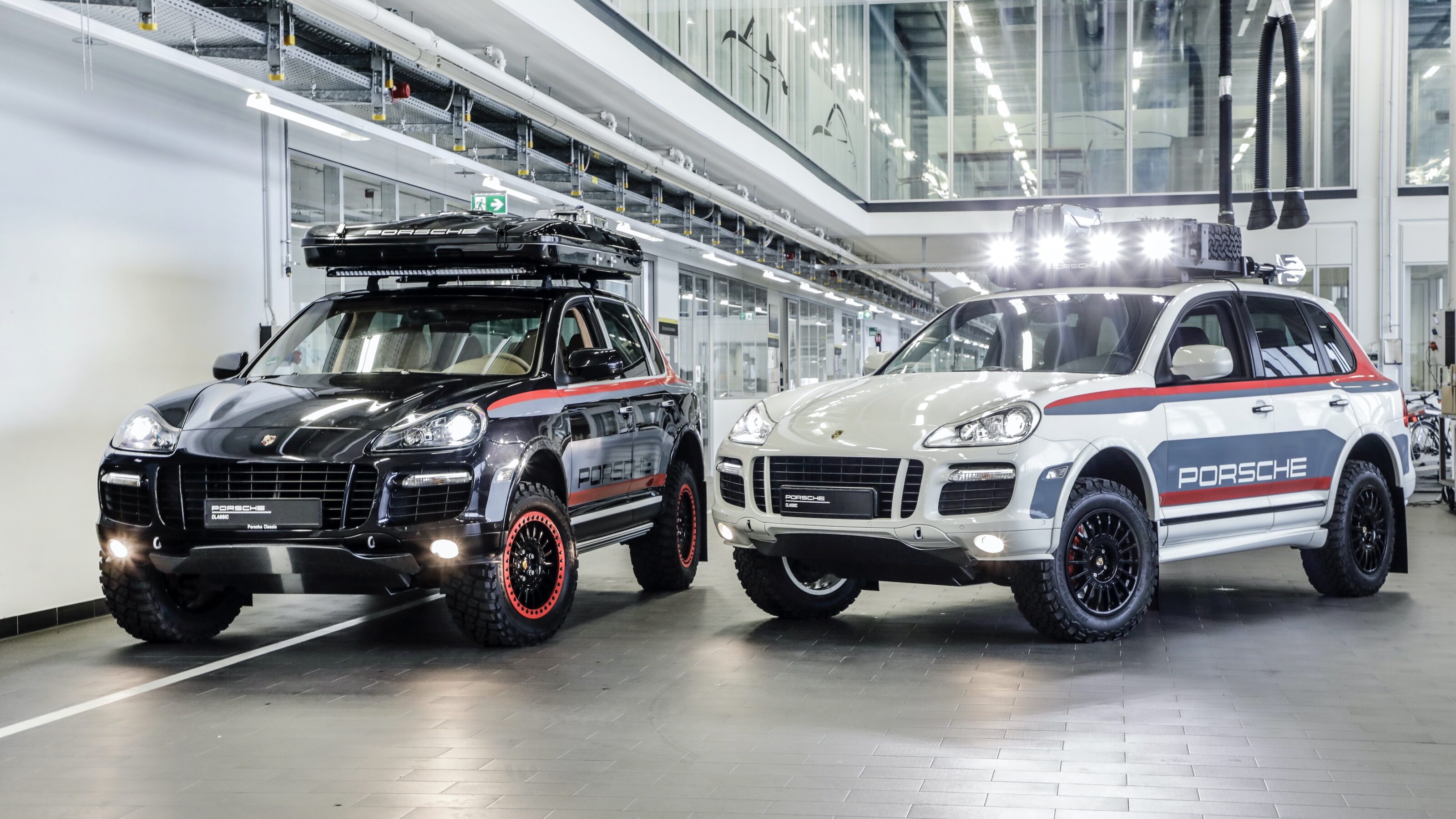
Added to the original Cayenne here are retro stickers, bash plates, unique rally wheels with aggressive off-road rubber, light bars, mud flaps, and a roof carrier.
Usually the sort of concept that never goes through to being available, most of the parts here are ready to buy now, and Porsche will roadshow the models to see if it’s worth putting the extra bespoke parts on its list.
The black Cayenne goes a little more safari, with a rear-mounted spare wheel on a swing bracket and a rooftop tent, adding overlander flavour to Porsche’s normally suburban SUV.
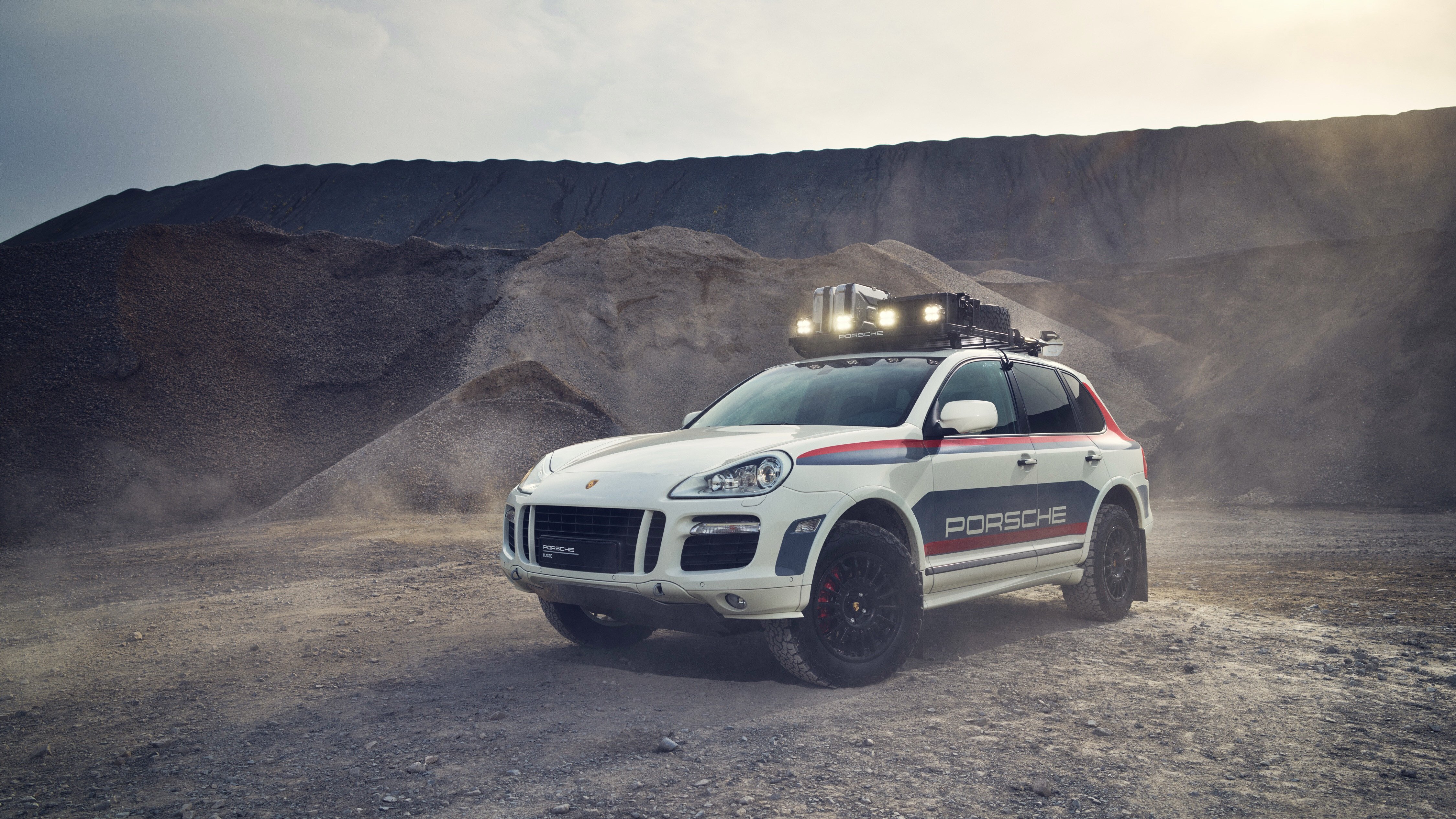
The Porsche Cayenne has previously proven its off-road ability, having driven 17,000 kilometres across Europe to South Africa in the hands of racing driver Yan Kalmar. Features on the first-gen model here include a centre differential lock for added ability and “exceptional off-road properties”.
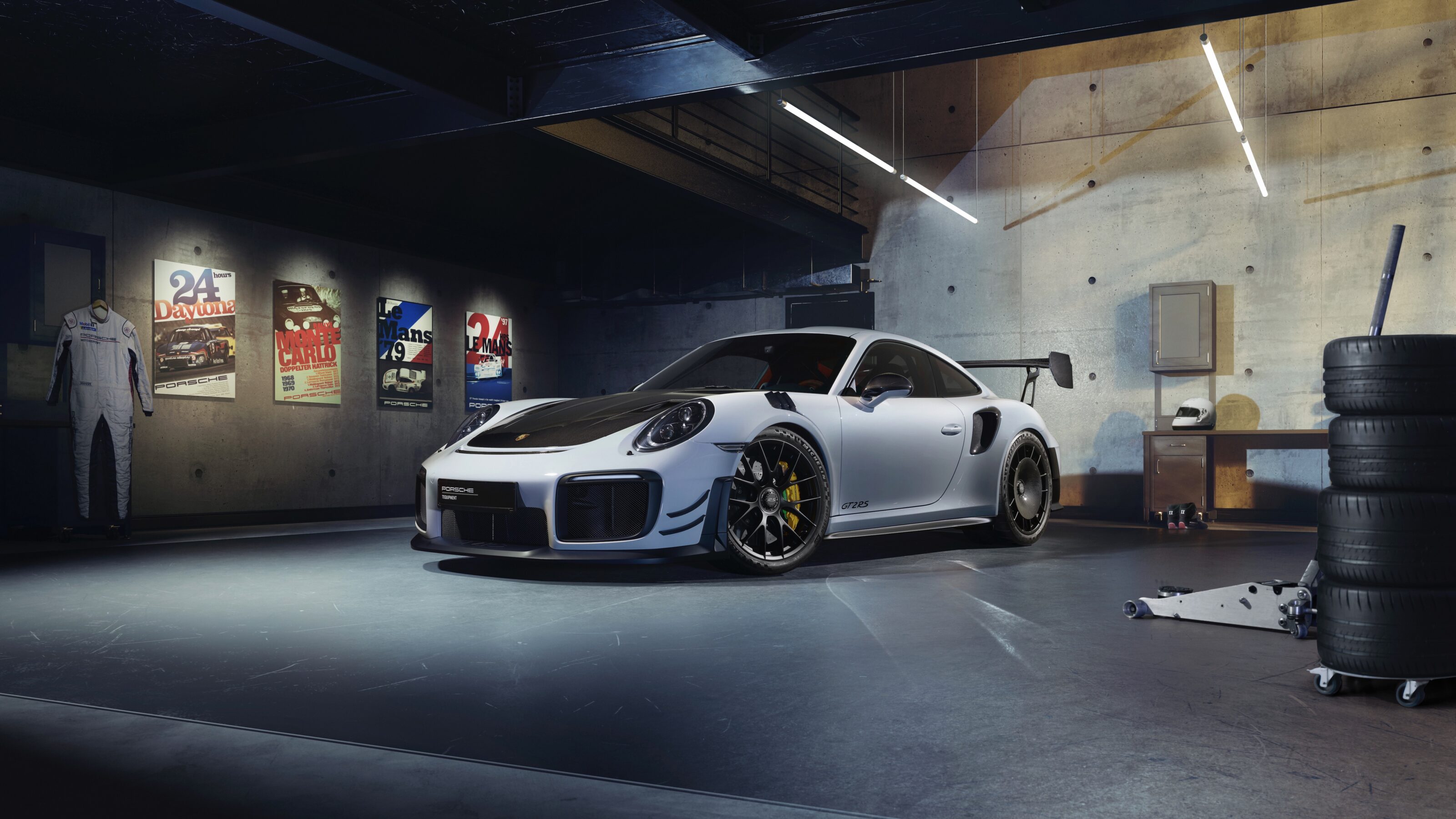
Porsche Classic has also added the Manthey Racing upgrade for the Porsche 911 GT2 RS that set a production car record around the Nürburgring in 2020. Included in the package are lightweight magnesium wheels, unique brake upgrades and a specially-tuned coilover suspension with added body parts for increased downforce. It will further add 3D-printed buckets seats in the future.
For those who don’t own a Cayenne or 911, Porsche Classic has plenty of other mods and upgrades for other models.
Coming soon will be Apple CarPlay upgrades (on the Porsche Classic Communication Management Plus system) for the 2005-08 Cayman and Boxster, as well as the first-gen Cayenne. Performance parts are also coming for the 996 911, such as suspension and brake upgrades.
Key Points
- Stellantis expects 34 million eligible cars to be on the road by 2030
- Majority of new vehicles will have full over-the-air update capabilities by 2024
- Three new AI-powered platforms to be launched from 2024
Automotive manufacturing conglomerate Stellantis has launched its new software strategy, aiming to raise €20 billion (AU$31.65bn) in revenue from its vehicles by 2030.
The 14-brand strong company hopes to do so by introducing subscriptions for certain capabilities and equipment in its vehicles, a similar tactic to those used by premium marques such as BMW, Mercedes-Benz and Tesla.
A boost in revenue won’t be without initial investment though, with the firm planning to spend more than €30bn (AU$47.47bn) by 2025 on its software and electrification transformation, highlighted by the rollout of three new technology platforms from 2024.
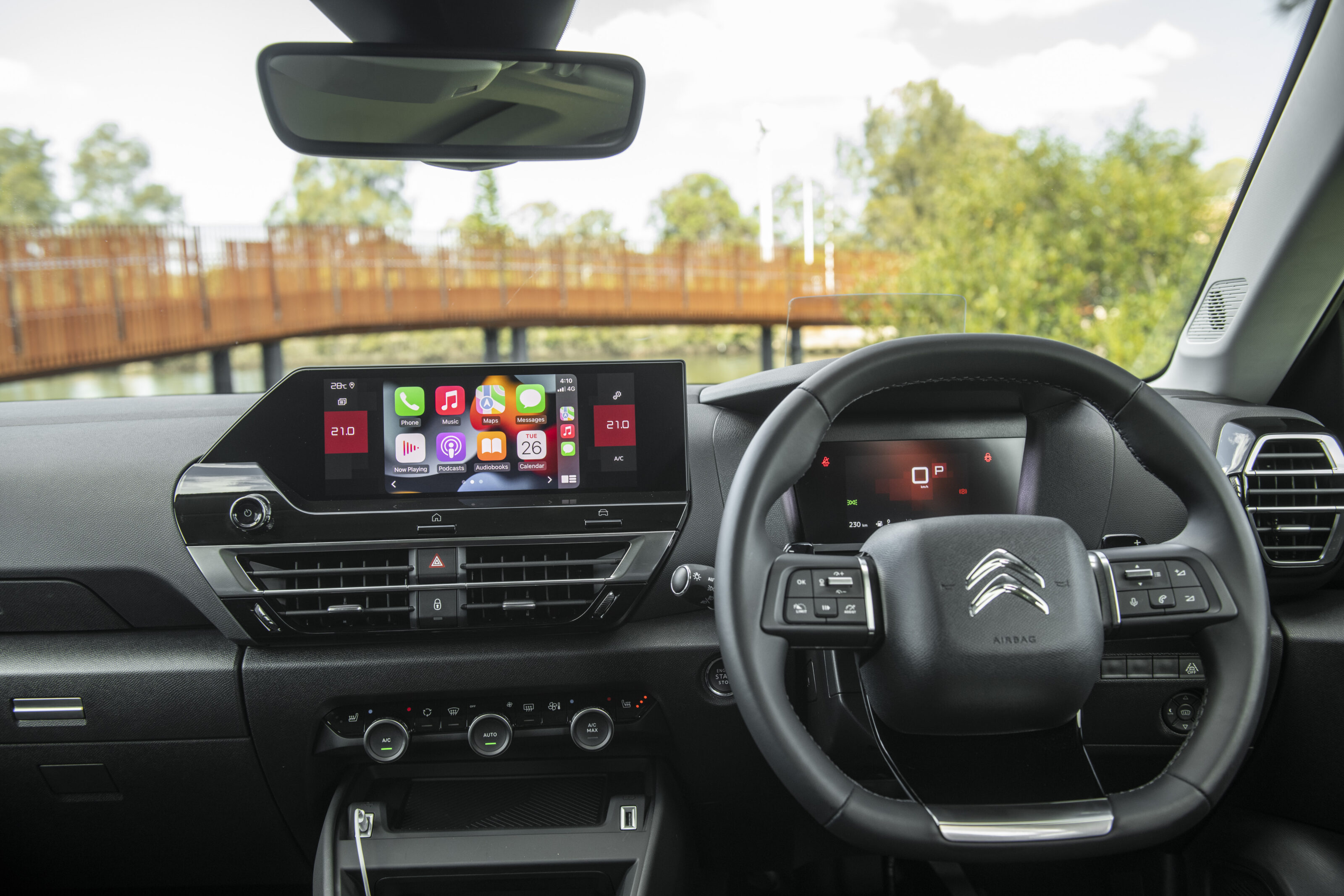
Powered by artificial intelligence, the trio will be deployed at scale across the four vehicle platforms planned to be used in the model range of Stellantis’s brands – with STLA brain, STLA SmartCockpit and STLA AutoDrive delivering better capabilities than the current systems.
Stellantis CEO Carlos Tavares believes the investment in technology will make it a leader in the automotive industry.
“Our electrification and software strategies will support the shift to become a sustainable mobility tech company to lead the pack, leveraging the associated business growth with over-the-air features and services, and delivering the best experience to our customers,” said Tavares.
“With the three all-new AI-powered technology platforms to arrive in 2024, deployed across the four STLA vehicle platforms, we will leverage the speed and agility associated with the de-coupling of hardware and software cycles.”
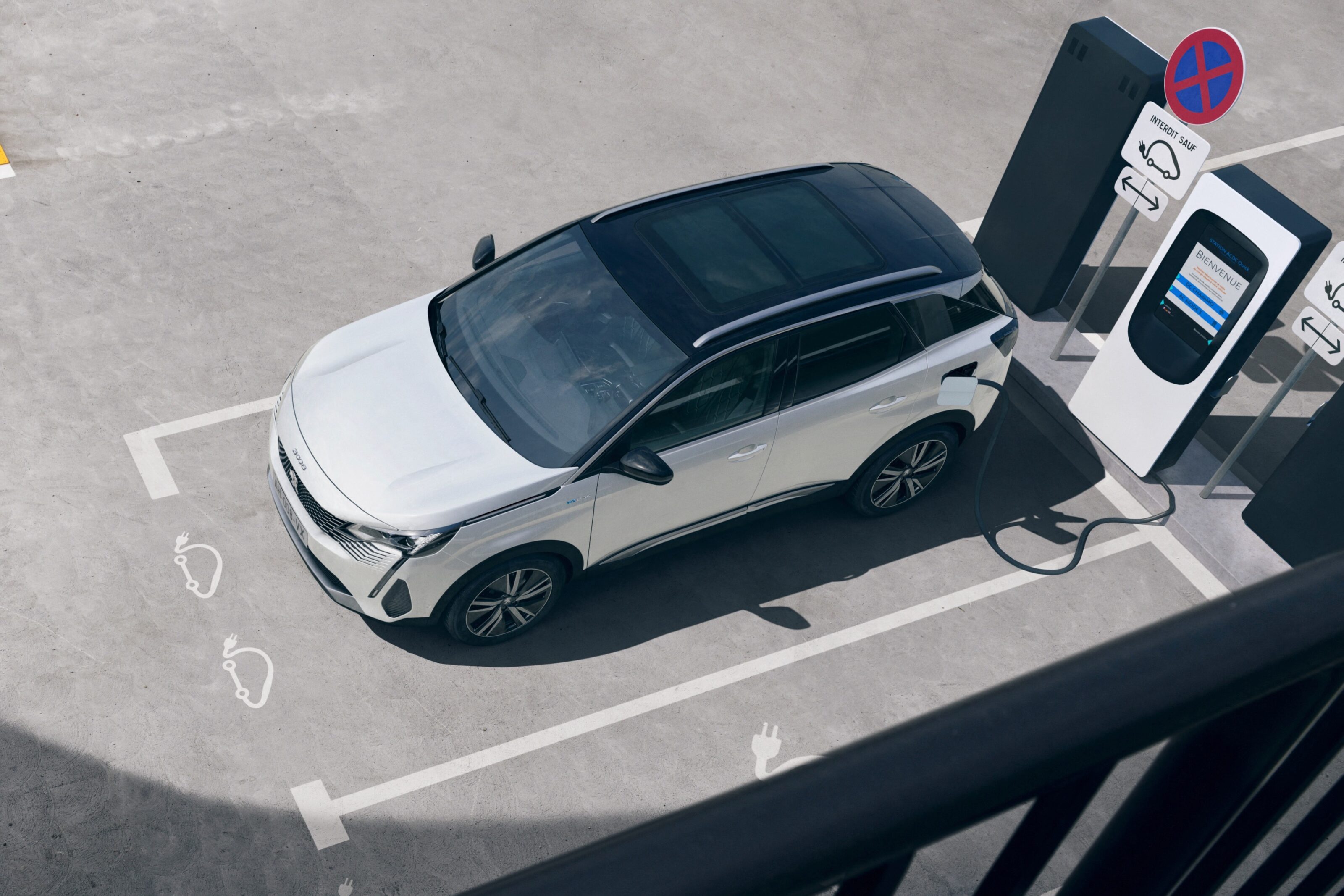
According to Stellantis, it currently has around 12 million eligible vehicles already on the road around the world, with this number expected to increase to 26 million by 2026 before reaching 34 million in 2030.
In addition to the 4500 software engineers expected to join Stellantis by 2024 to make the plans a reality, partnerships have been developed for the next-generation technology – with Foxconn, Waymo and BMW pitching in with various aspects.
Earlier this year, Stellantis announced its intention to reach a 70 per cent sales volume of electric vehicles by 2030, as a handful of its brands have announced European targets to go all-electric by the same year.
Key Points
- BMW Group announces the delivery of its one-millionth electrified vehicle
- The automaker plans to sell two million by 2025
- Mini and Rolls-Royce poised to go all-out in 10 years’ time; no deadline for BMW
BMW and Mini have together sold a total of one million hybrid, plug-in hybrid and fully-electric vehicles.
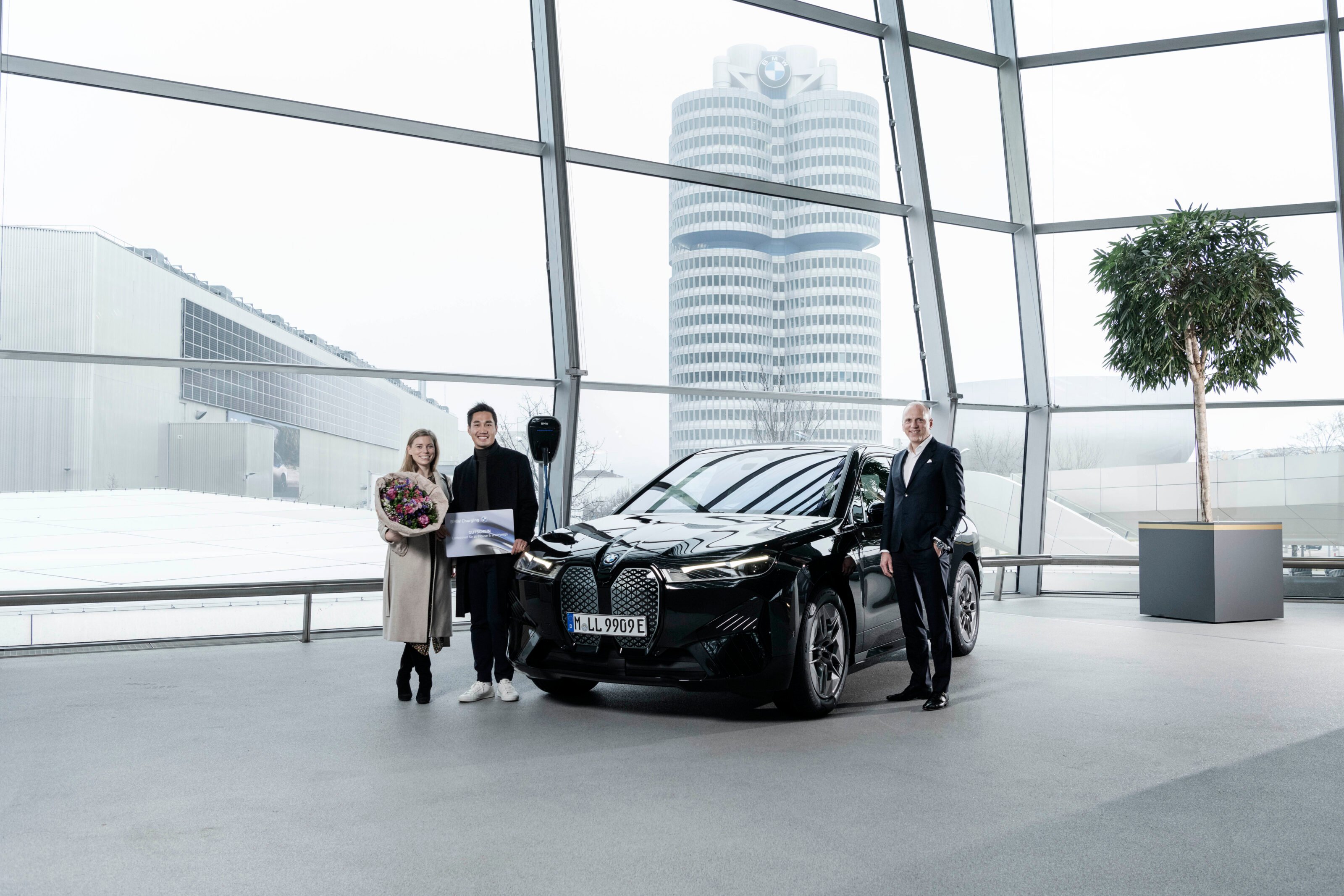
The one-millionth electrified vehicle sold was an BMW iX crossover, delivered by BMW Group board member Pieter Nota at the BMW Museum in Munich on December 6.
To mark the milestone, the brand rewarded the new owners of the iX with a complimentary Wallbox charger and Europe-wide free charging credits.
It is believed a majority of the one million BMW and Mini vehicles delivered are self-charging hybrid models, with plug-in hybrid (PHEV) and full-electric vehicles making up around 30 per cent – or 300,000 – of the combined tally.
The German carmaker also revealed plans to deliver two million EVs to customers around the world by 2025, ahead of a deadline for Mini, Rolls-Royce and BMW Motorrad to phase out internal-combustion engines by the early-2030s.
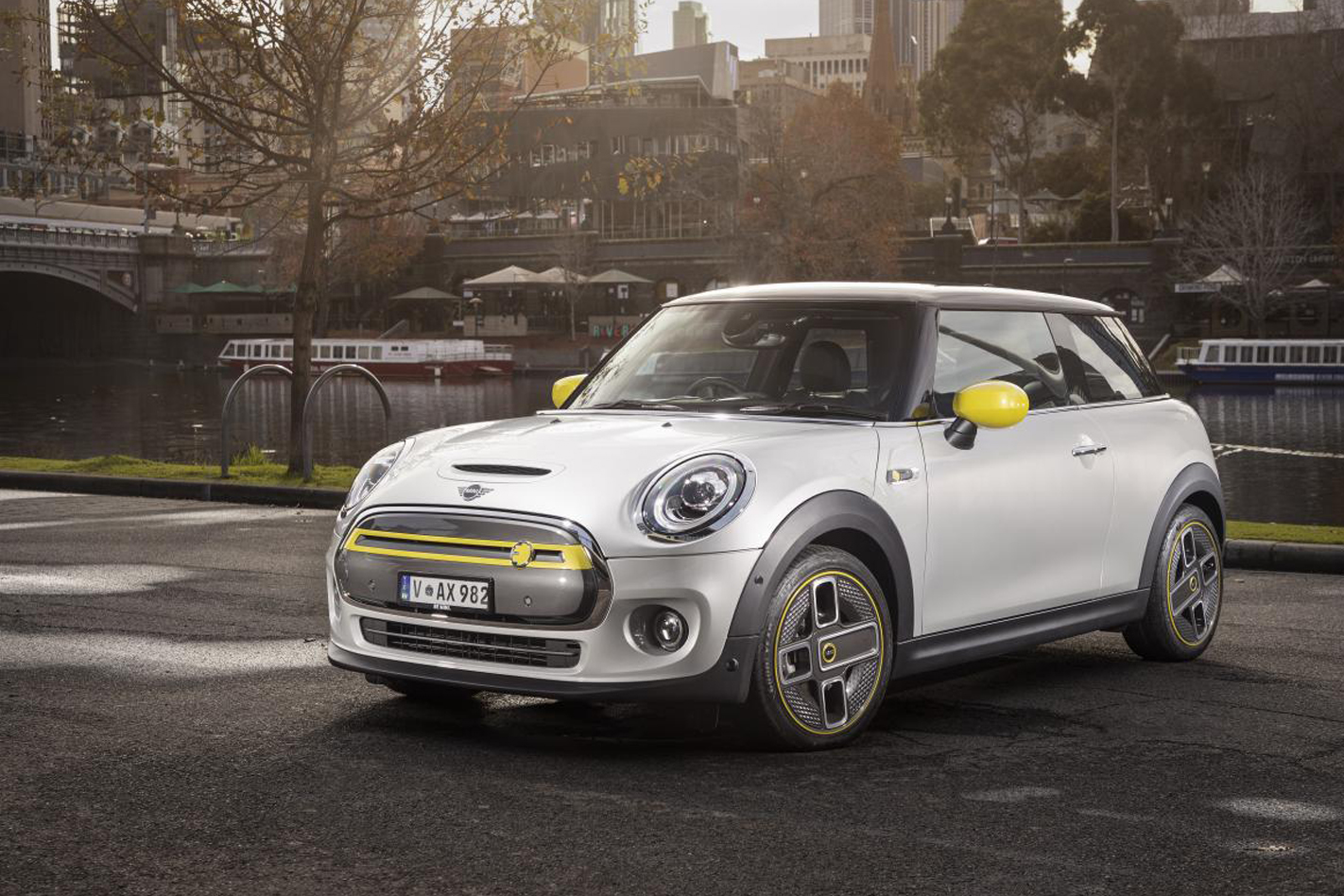
The main BMW brand will continue building internal-combustion as well as electrified vehicles – including mild, self-charging and plug-in hybrid models – beyond 2030.
An onslaught of EVs will begin in 2022 to help the manufacturer achieve its goal, with BMW set to introduce electrified versions of the 7 Series and X1 next year – including a prototype i7 luxury sedan recently teased undergoing development.
An all-electric version of the 5 Series will follow in 2023.
The current-generation Mini Countryman will also be succeeded by an electric-only version, while the Rolls-Royce Spectre two-door coupe EV will become the first for the luxury marque.
Both are expected to debut by the end of 2023.
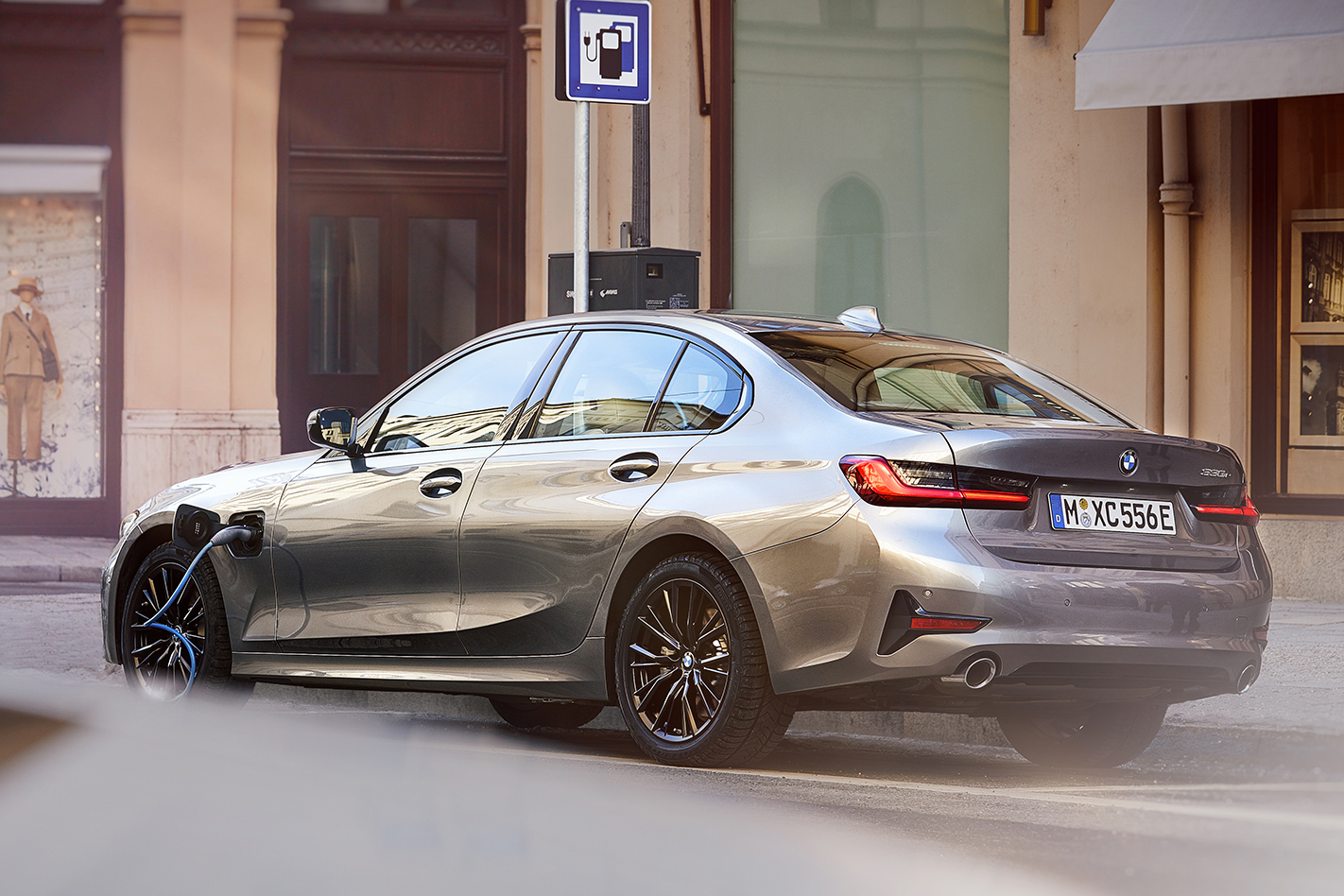
In addition, the BMW Group announced an aim to double battery-electric vehicle sales next year.
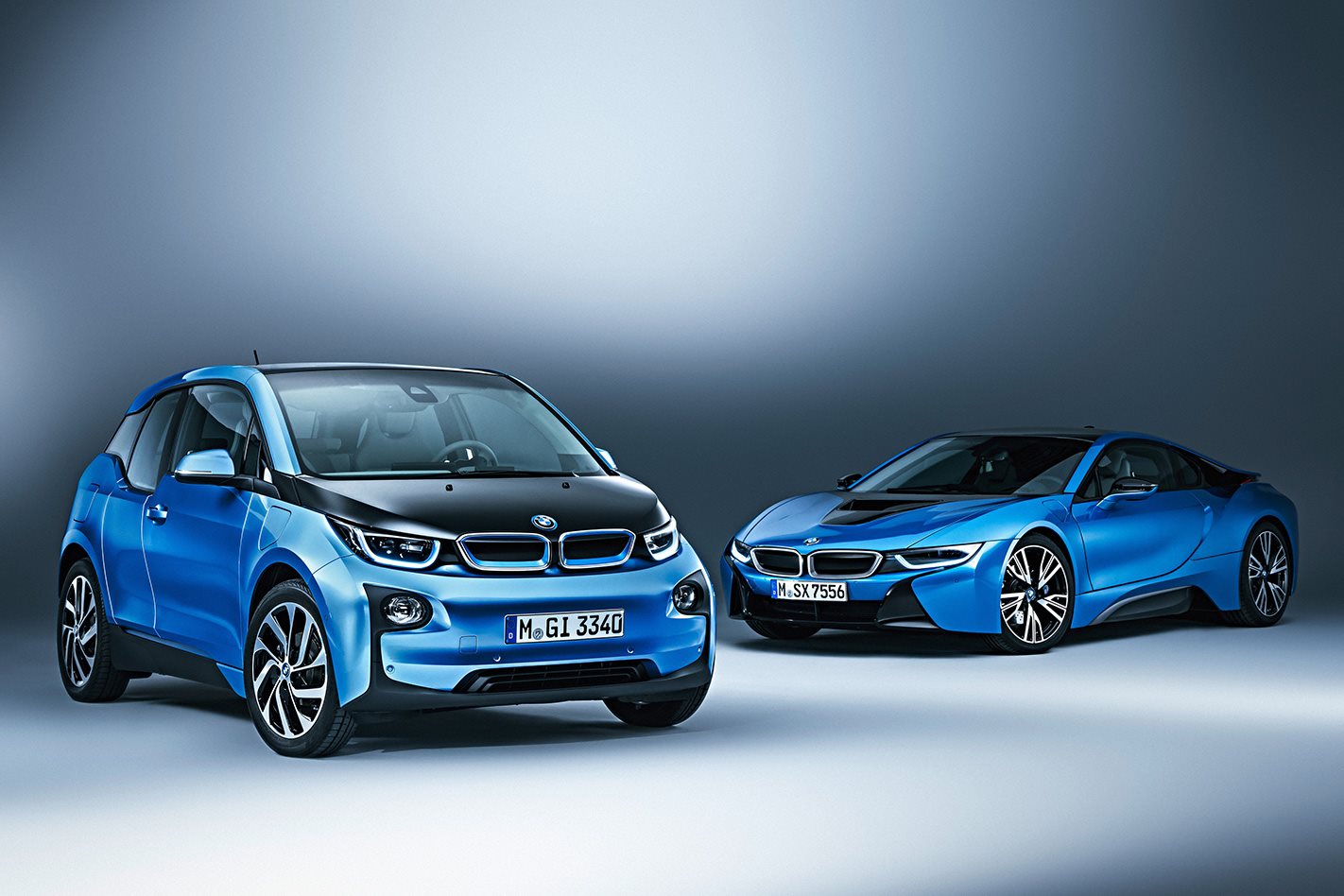
The all-electric BMW range was recently expanded to include the i4 liftback and iX crossover, which join the i3 and iX3 in the line-up – alongside the Mini Cooper SE hatch EV.
