
Snapshot
- Standard Range now features a 100kW electric motor
- Battery size reduced to 39.2kWh
- WLTP tested range of 305km
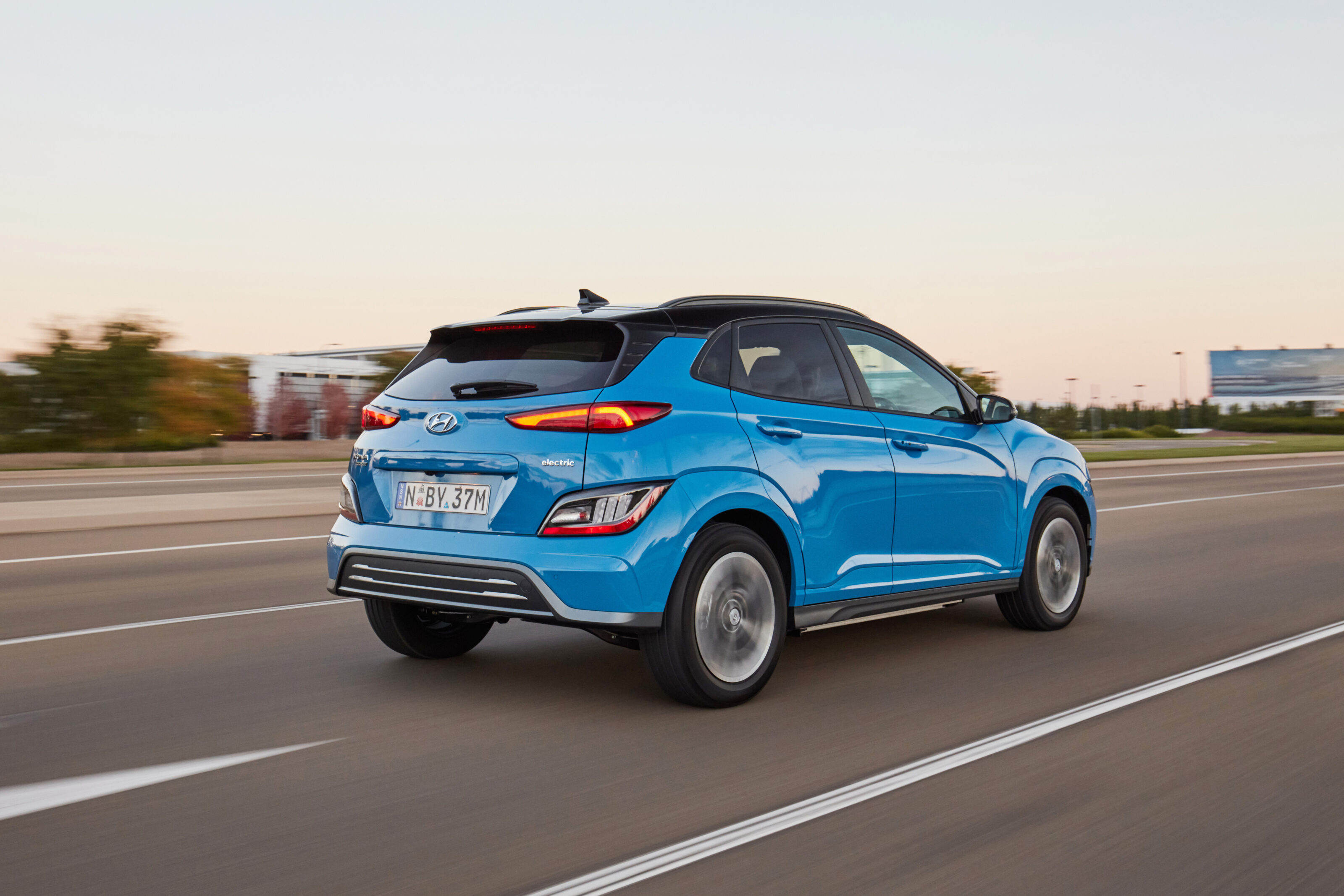
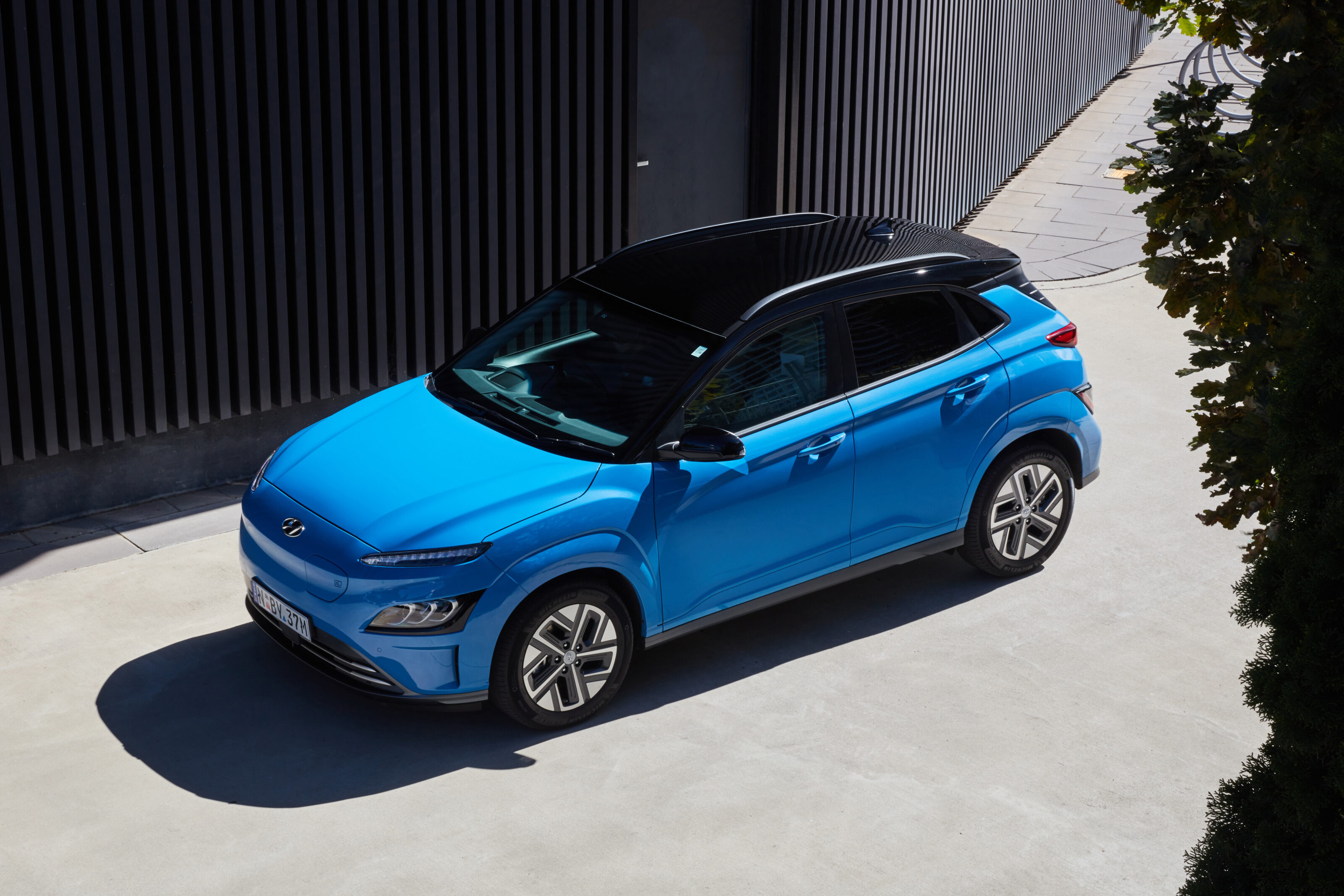
The Hyundai Kona EV has gained a second powertrain choice with the release of the Kona Standard Range.
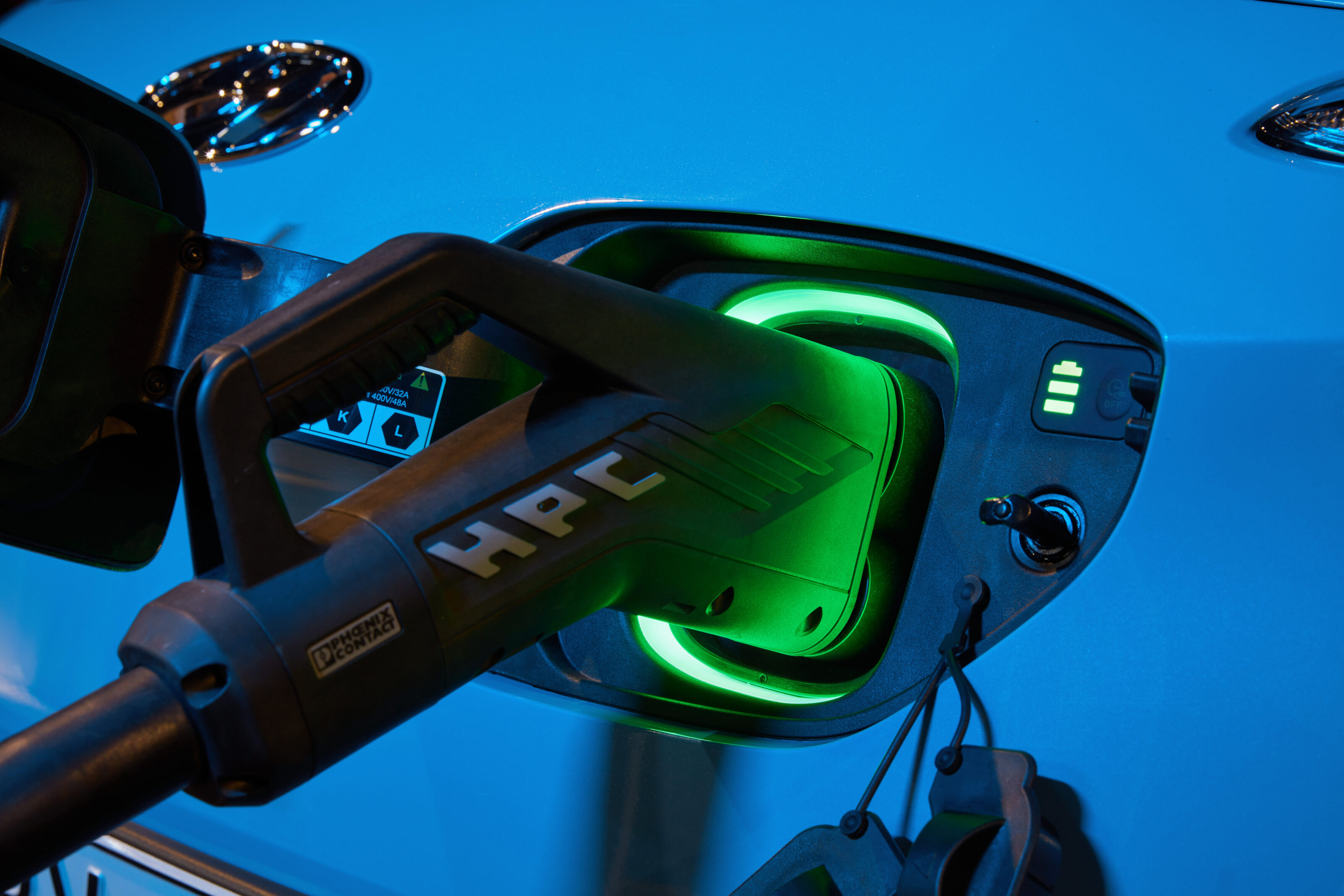
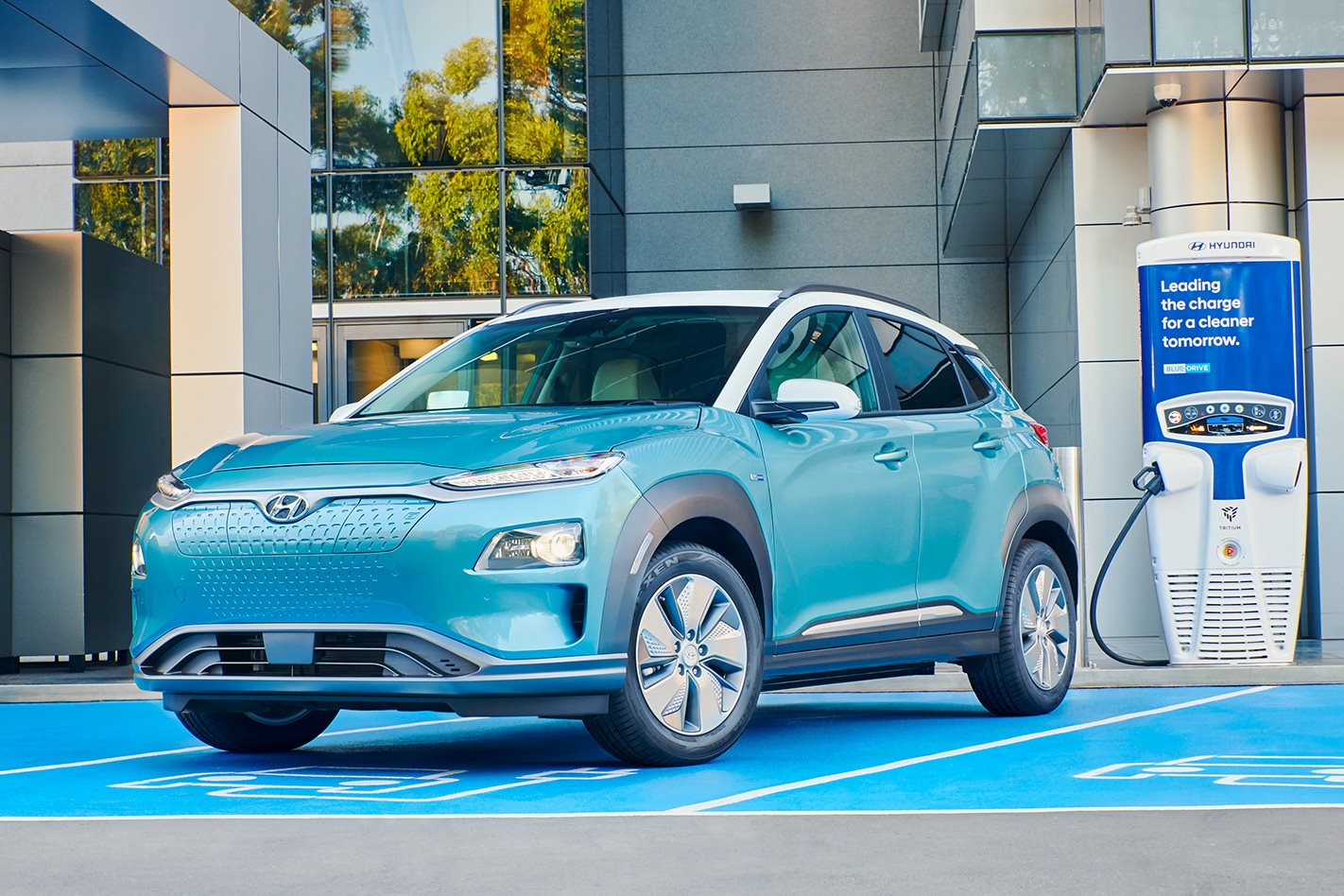
Joining the existing Kona Electric – which has now been renamed to the Extended Range (ER) – the Standard Range (SR) packs a 100kW/395Nm motor and a 39.2kWh battery, reduced from the ER’s 150kW motor and 64kWh battery pack.
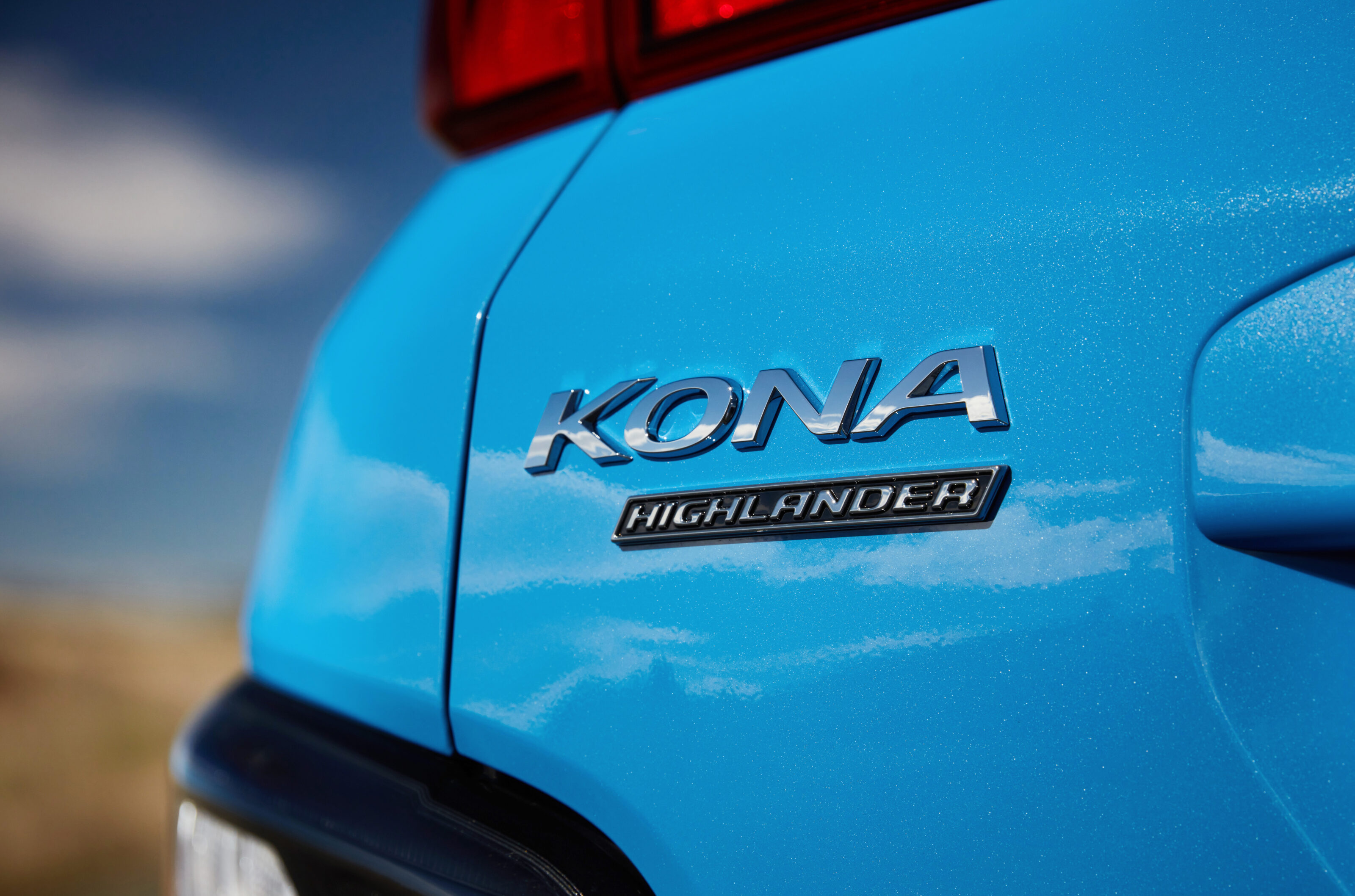
With driving range reduced to 305km from the ER’s 484km, Hyundai has made the two SR trim variants – which are the Elite and Highlander – $6000 cheaper than their ER counterparts.
Pricing
Hyundai has not only introduced the SR at a lower price to the ER but also reduced the price of the latter powertrain, dropping the price of the Elite and Highlander by $1500 and $2000 respectively.
All prices are before on-road costs:
| Kona Elite Standard Range | $54,500 |
| Kona Highlander Standard Range | $58,000 |
| Kona Elite Extended Range | $60,500 |
| Kona Highlander Extended Range | $64,000 |
Only two optional extras are available for the Kona range, with premium paint setting buyers back an extra $595 while a black and grey interior is offered at a $295 premium.
Features
Both the SR and ER are available in Elite and Highlander trim – with spec unchanged between the two variants.
On the Elite trim this includes as standard:
| Auto dusk sensing headlights |
| LED daytime running lights |
| Rear park assist system |
| Rear view camera |
| Tyre pressure monitoring system |
| 17-inch alloy wheels with Michelin Primacy 4 tyres |
| Tyre mobility kit |
| Leather appointed interior |
| Passenger height adjuster |
| Electronic parking brake |
| Paddle shifters |
| Smart key and push button start |
| Climate control with auto defog |
| Rain sensing wipers |
| Solar control glass with rear privacy |
| Acoustic windscreen film |
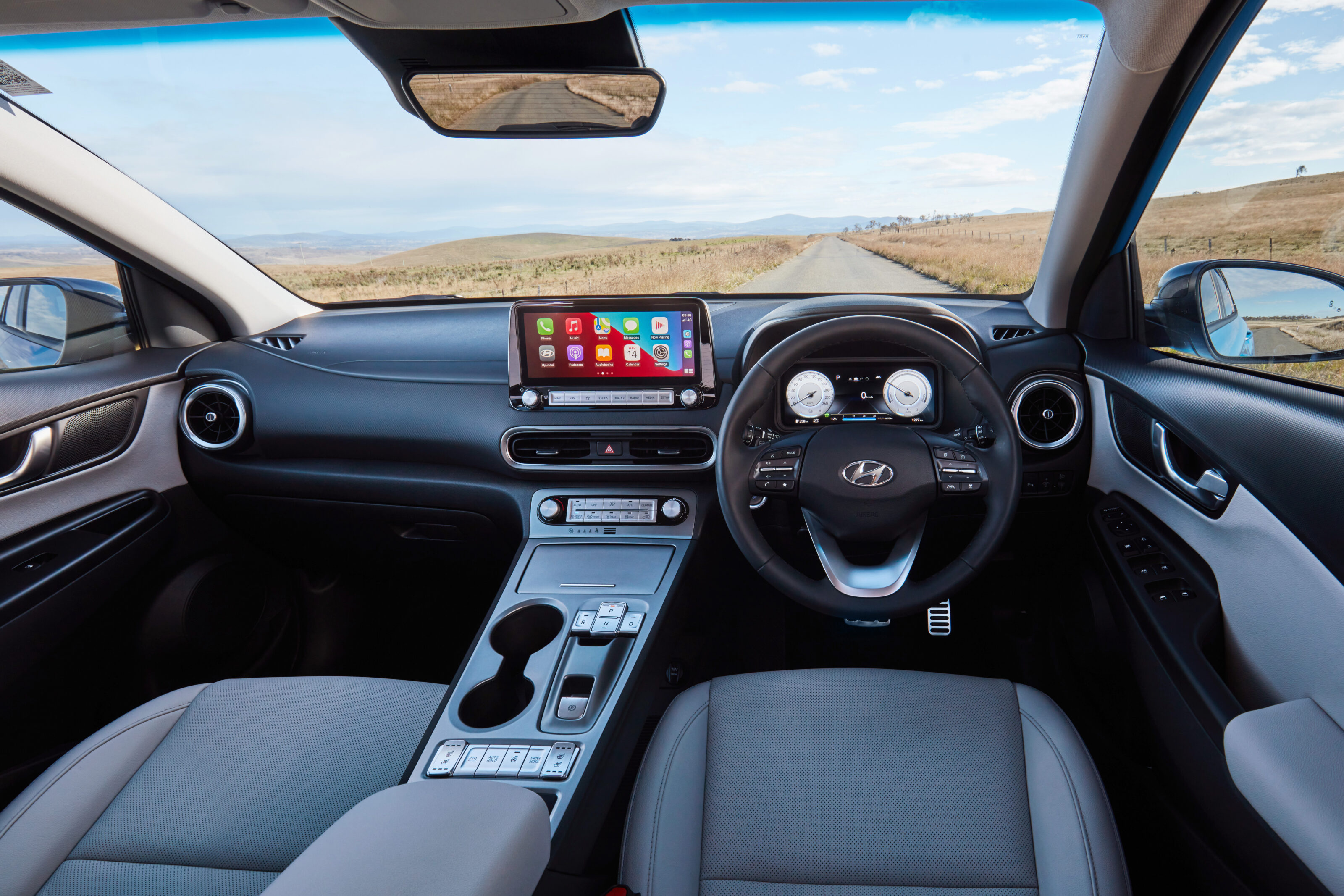
| 10.25-inch digital supervision cluster |
| 10.25-inch satellite navigation system |
| Harman Kardon 8-speaker audio |
| DAB+ digital radio |
| Wireless charging pad (Qi standard) |
| Apple CarPlay and Android Auto |
| Bluetooth connectivity |
| Rear passenger USB charging port |
| Heated exterior mirrors |
| Power folding exterior mirrors |
| Front and rear power windows, front windows one touch auto up/down |
| Rear fog light |
| Front closed grille |
| Body coloured cladding |
| Driver and front passenger seat back pocket |
| Luggage net |
| Roof Rails |
| In-cable control box (ICCB). |
In addition to the entry-level Elite trim, Highlander versions gain:
| Front park assist system |
| Glass sunroof |
| Heated steering wheel |
| LED headlights and front indicators |
| Air ventilated front seats |
| Ambient lighting |
| LED tail-lights |
| Heated front and rear outboard seats No-cost options: |
No-cost options:
| High beam assist |
| Power driveru2019s and passengersu2019 seats |
| Head-up display |
| Electro-chromatic interior mirror |
| Two-tone roof u2013 phantom black. |
Safety
Retaining the standard Kona’s five-star ANCAP safety rating, the Kona Electric variants are all available with six airbags and a range of safety technology such as:
| Blind-spot collision-avoidance assist |
| Driver attention warning |
| Forward collision-avoidance assist |
| Lane following assist |
| Lane keeping assist |
| Rear cross-traffic collision |
| Avoidance assist |
| Rear occupant alert |
| Safe exit warning |
| Smart cruise control with stop and go |
| Electronic stability control |
| Anti-lock braking system |
| Brake assist system |
| Electronic brakeforce distribution |
| Hill-start assist control |
| Traction control system |
| Vehicle stability management. |
Warranty and servicing
The Kona Electric range is offered with Hyundai’s five-year/unlimited-kilometre warranty as well as 12 months’ roadside assistance.
Hyundai also offers a complimentary first service at 1500km, giving customers a roadside support plan and sat nav update plan for 10 years when the Kona is serviced on time through Hyundai dealers.
Availability
The new Kona Standard Range is on sale now.
Snapshot
- Rego could be dropped and replaced by a user pays system
- Congestion charge on the cards for Melbourne’s CBD
- State needs to stop sale of new petrol and diesel cars by 2035
Car registration fees could be scrapped and replaced by a pay-per-kilometre system in Victoria, according to plans revealed today by a government advisory body.
Infrastructure Victoria is proposing that within 10 years, fixed charges could go in favour of a ‘user pays’ system based on how many kilometres you travel and at what time of day – rather than one annual charge.
Such a system has previously been rejected by the Government and Opposition, despite the same authority bringing in such a charge for electric vehicles only a matter of weeks ago on July 1.
EV owners must now pay 2.5c/km for a battery electric vehicle (BEV) or 2c/km for a plug-in hybrid (PHEV).

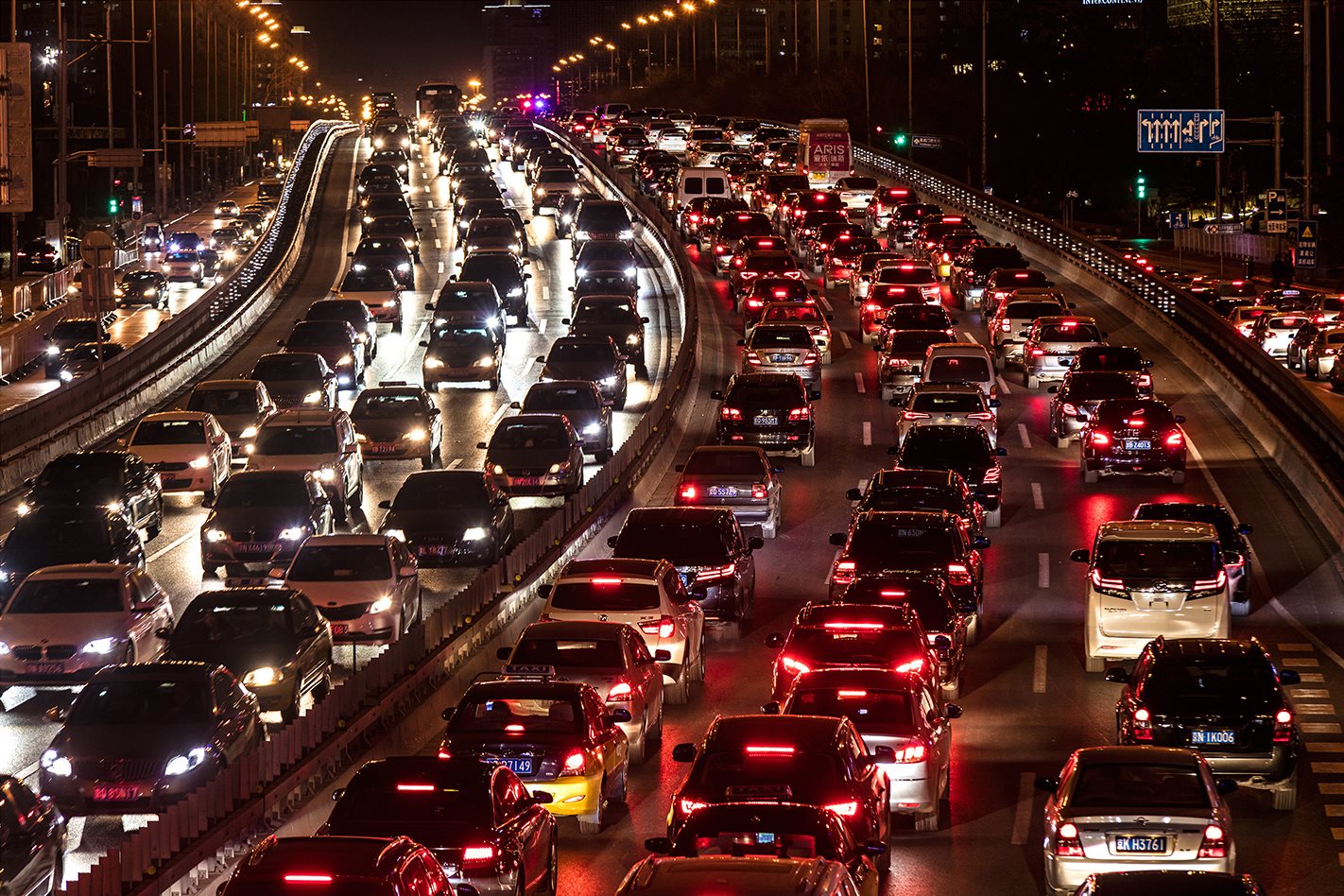
Other ideas contained in the document include a trial of a London-style congestion charge for vehicles travelling into Melbourne’s CBD.
The zone would be bordered by the West Gate Freeway, Alexander Parade, Citylink and Punt Road and would use number plate recognition technology.
There would also be peak and off-peak tolling on new toll roads such as the West Gate Tunnel and North East Link to better spread traffic throughout the day.
The advisory body, set up in 2015 to offer the Government independent advice, presented the latest update of its 30 year strategy to the state’s parliament this morning.
“Road user charges should ultimately combine a distance charge and a congestion charge at the times and locations of road congestion,” the report said.
“Low-income and vulnerable Victorians can receive discounts on road user charges, like those for public transport.
“Designers can also consider the implications for those living more remotely and the fairness of the system.”
The blueprint includes 13 recommendations for changes which could be made over the next five years and takes into account more people working from home due to Covid-19.
The overarching plan also features $100 billion worth of major road and rail projects on top of the Andrews Government’s existing list of projects, including 94 recommendations in total across three decades.
The first stage of the Infrastructure Victoria’s plans was developed in 2016, with 90 per cent of the previous 137 proposals already adopted or underway by the State Government. The body has since conducted additional research, analysis and consultation.

“Our final recommendations consider the medium to longer-term impacts of the global pandemic. Despite the current challenges, Victoria will continue to grow and transform,” said Infrastructure Victoria CEO Michel Masson.
“Victoria faces some big challenges over the next three decades including a growing and ageing population, technological transformation, a warming climate and worsening congestion on our transport network.”
The CEO added that following research it has “adopted a faster timeline for phasing in electric vehicles” – with the report advising that Victoria should stop the sale of new petrol and diesel vehicles by 2035 to reduce greenhouse gas emissions and encourage more people to buy zero-emissions cars.
“Accelerating the uptake of EVs will ensure Victoria does not get left behind by the rest of the world in one of the most significant transformations in transport since the emergence of the internal combustion engine,” the report says.
Today’s news follows years of debate over changes to automotive taxation, with the Federal Chamber of Automotive Industries (FCAI) and Australian Automobile Association (AAA) coming out in favour of scrapping registration.
“At the moment we have a whole host of taxes on our cars – there’s GST, stamp duty, rego, the licence fee, the fuel excise and in some cases the LCT. We could eliminate all of those and just have one single, nationally consistent, charge based on how many kilometres you drive in a year, regardless of what technology cars have,” FCAI Chief Executive Tony Weber recently told Wheels.
“The problem we have here is the fuel excise is collected by the Federal Government but now the road user charges are being/will be paid to the individual states.
“In an ideal world the Government would be [centralising vehicle taxation] now, but it’s still something we could plan for in the future. There’s a very real danger if the six states and two territories go it alone, the red tape to undo all that would be too substantial.”
Speaking about today’s announcement, the FCAI chief added: “We acknowledge the release of Victoria’s 2021-2051 infrastructure strategy 2021-2051. The FCAI provided a submission in February as part of the consultation process. We look forward to examining this report in more depth and engaging with all governments to lower light vehicle emissions.”
Snapshot
- 7/10 South Aussies said a tax on EVs would put them off buying
- Generally those surveyed were in favour of electric vehicles
- SA hasn’t yet brought proposed rules into force
Seven out of 10 South Australians say the State Government’s proposed road user charge makes them less likely to buy an EV, according to a leading think tank.
New research from The Australia Institute shows that South Aussies would be less likely to make the switch to an electric vehicle if the State Government proceeds with its plan to copy Victoria’s EV Tax.
However, the Australia Institute survey of 599 South Australians did not find that overall support for electrification was lacking – with many showing support across the political spectrum for incentives to reduce the upfront cost of an EV.
Four in 10 people surveyed said they are considering making their next car an EV, while seven in 10 supported the Government reducing the cost of EVs through subsidies and/or stamp duty waivers as seen in other states and territories.
“Many South Australians are considering making the switch to an electric car, but the State Government’s proposed EV Tax will pull the handbrake on that enthusiasm,” said Noah Schultz-Byard, SA Director at The Australia Institute.
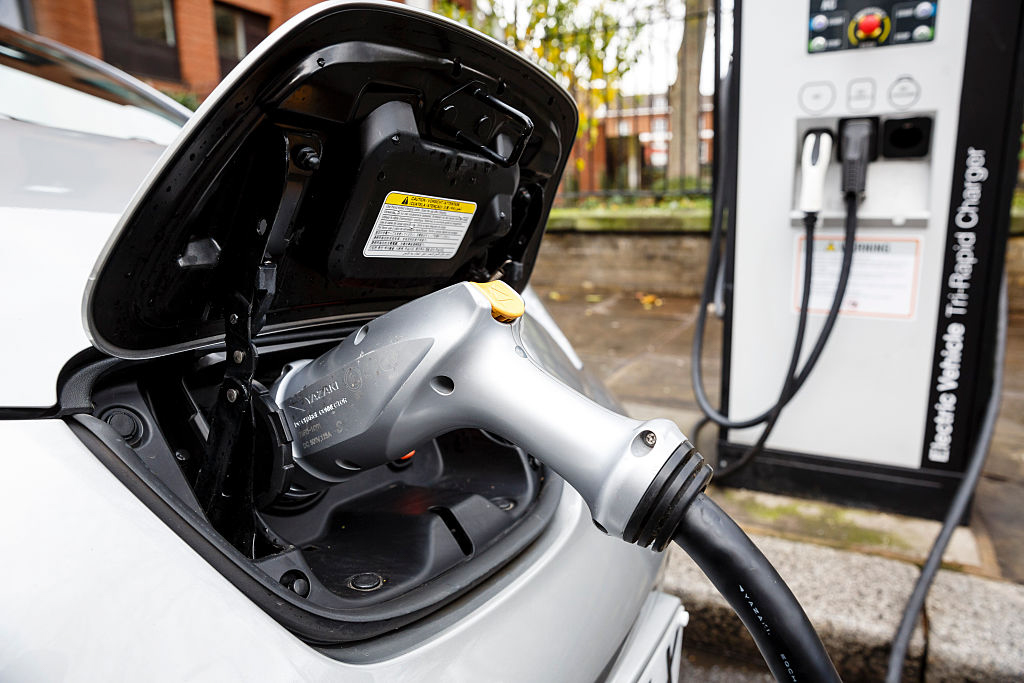
“Our research shows that the vast majority of South Australians want more EVs on the road, not less, because they are considered to be good for the climate, health and the environment.”
“Incentives to reduce the upfront cost of an EV, such as subsidies or stamp duty waivers, are very popular among South Australian voters across the political spectrum.
“South Australia is leading the nation with its adoption of wind and solar power, but those efforts will be badly undermined if the government moves ahead with its EV Tax. Tailpipe emissions in South Australia remain high and, in light of the IPCC’s latest report on the state of the climate, we should be doing all we can to switch to zero-emission vehicles.
“The South Australian Government should do a U-Turn on its plans to introduce a Victorian style EV Tax.”
While SA was the first state to put forward the idea of taxing electric vehicles on our shores, it is by no means alone. Victoria has come under fire for its own policy which brought in a road user charge from July 1, 2021.
As a result, EV owners must now pay 2.5c/km for a battery electric vehicle (BEV) or 2c/km for a plug-in hybrid (PHEV).
Victoria, however, does offer incentives alongside this, including; a $3000 subsidy for the first 20,000 EVs or fuel-cell electric vehicles (FCEV) sold costing under $68,750, reduced stamp duty and a $100 discount on registration fees annually.
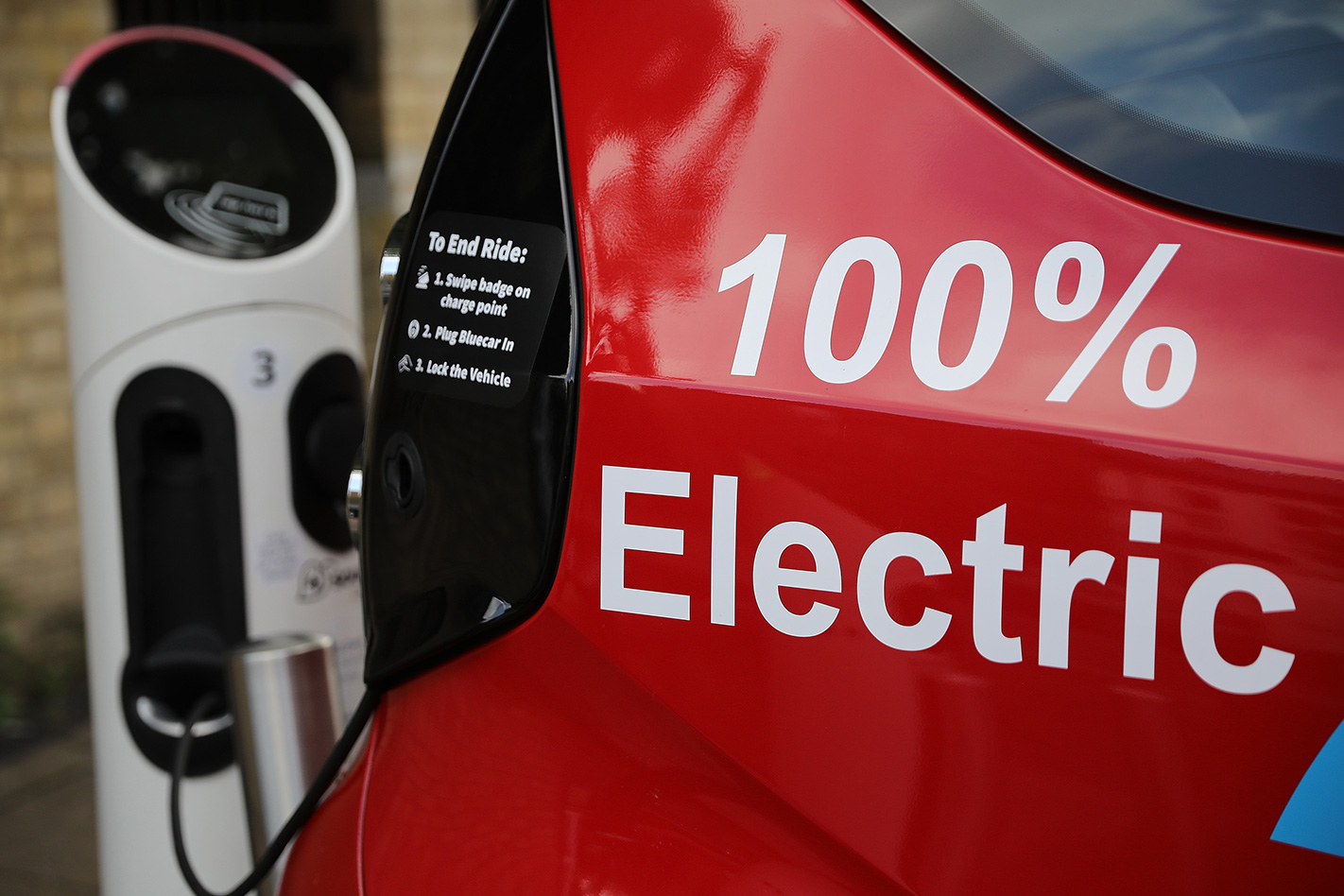
Meanwhile, NSW also has a similar charge in the pipeline – but it won’t come into effect until EVs make up 30 per cent of the market, or July 1, 2027, whichever comes first.
Additionally it is offering a $3000 rebate for the first 25,000 EVs or FCEVs sold costing below $68,750 and waiving stamp duty for vehicles under $78k from September 1 this year.
SA first revealed it was considering a tax on EVs in its budget in late 2020, but has put plans on hold until next year to watch what happens with other states first.
“The Government is intending to introduce a road user charge for plug-in electric and zero emission vehicles,” the budget document said. “The charge will include a fixed component (similar to current registration charging) and a variable charge based on distance travelled.
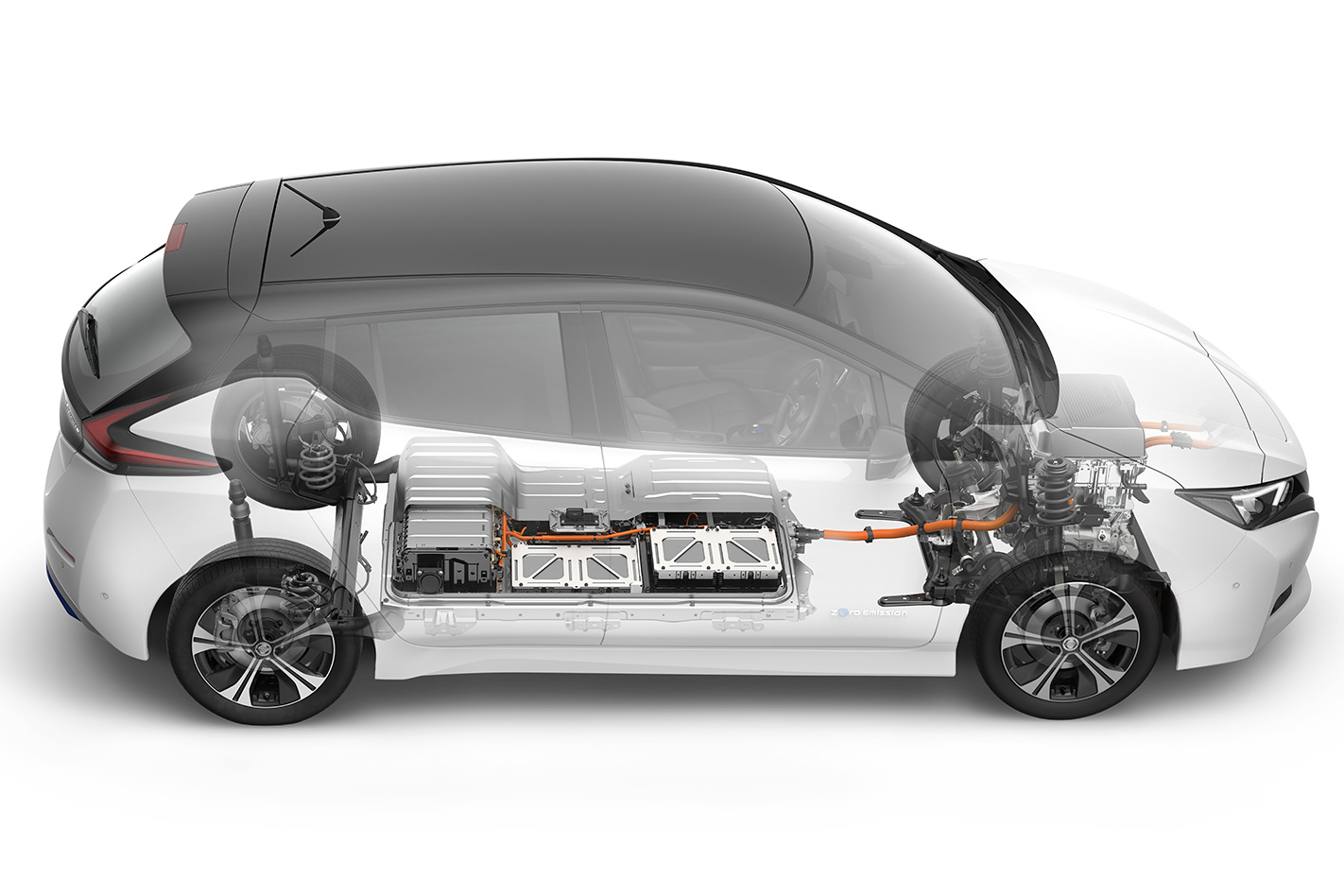
“Electric vehicles do not attract fuel excise and therefore make a lower contribution to the cost of maintaining our road network. The proposed road user charge will ensure road maintenance funding is sustainable into the future.”
While finding replacement funding for ‘lost’ fuel tax makes sense to enable ongoing road maintenance and development, the SA government has not explained if the charge takes into consideration the tax already paid by EV owners to charge their vehicles with power from the grid.
Speaking at the time the proposal was announced, Behyad Jafari, CEO of the Australia’s EV Council, said: “It’s like responding to a drop in the tobacco tax take by slamming a new excise on nicotine gum.
“If the revenue from fuel excise is falling because South Australians are burning less foreign oil, that should be considered a blessing. Overall it’s good for air quality, it’s good for the health budget, it’s good for carbon emissions, and it’s great for economic sovereignty. The last thing any sane government would do is try to hit the brakes on this trend.”

“We shouldn’t be talking just about EVs – we should be talking about major automotive tax reform,” the Federal Chamber of Automotive Industries’ Chief Executive Tony Weber recently told Wheels.
“At the moment we have a whole host of taxes on our cars – there’s GST, stamp duty, rego, the licence fee, the fuel excise and in some cases the LCT. We could eliminate all of those and just have one single, nationally consistent, charge based on how many kilometres you drive in a year, regardless of what technology cars have.
“The problem we have here is the fuel excise is collected by the Federal Government but now the road user charges are being/will be paid to the individual states.
“In an ideal world the Government would be [centralising vehicle taxation] now, but it’s still something we could plan for in the future. There’s a very real danger if the six states and two territories go it alone, the red tape to undo all that would be too substantial. The longer the Federal Government is inactive in this space the more difficult it is going to be to deal with.”
South Australia’s Department for Energy and Mining has been contacted for comment.
Snapshot
- Sales drop was expected and flagged by Honda
- New company structure affected dealer/retail volume
- Figures expected to rise as new structure is built up
Honda Australia’s sales are down almost 40 per cent year-to-date, with the company pointing to its new fixed-price model and follow-on consequences from COVID-19 as significant factors.
Last month the Japanese marque sold just 822 cars compared to 2199 in the same month last year – and not one of those was of its Accord sedan. Its normally popular CR-V was also down, achieving 241 sales versus 832 in July 2020.
So far in 2021 it has shifted 11,593 units, down 38.1 per cent compared to a Covid-hit 2020 when it sold 18,728 year-to-date.
However, Honda says it was expecting the sales dip, putting the loss down, in part, to a change in its business model in Australia.
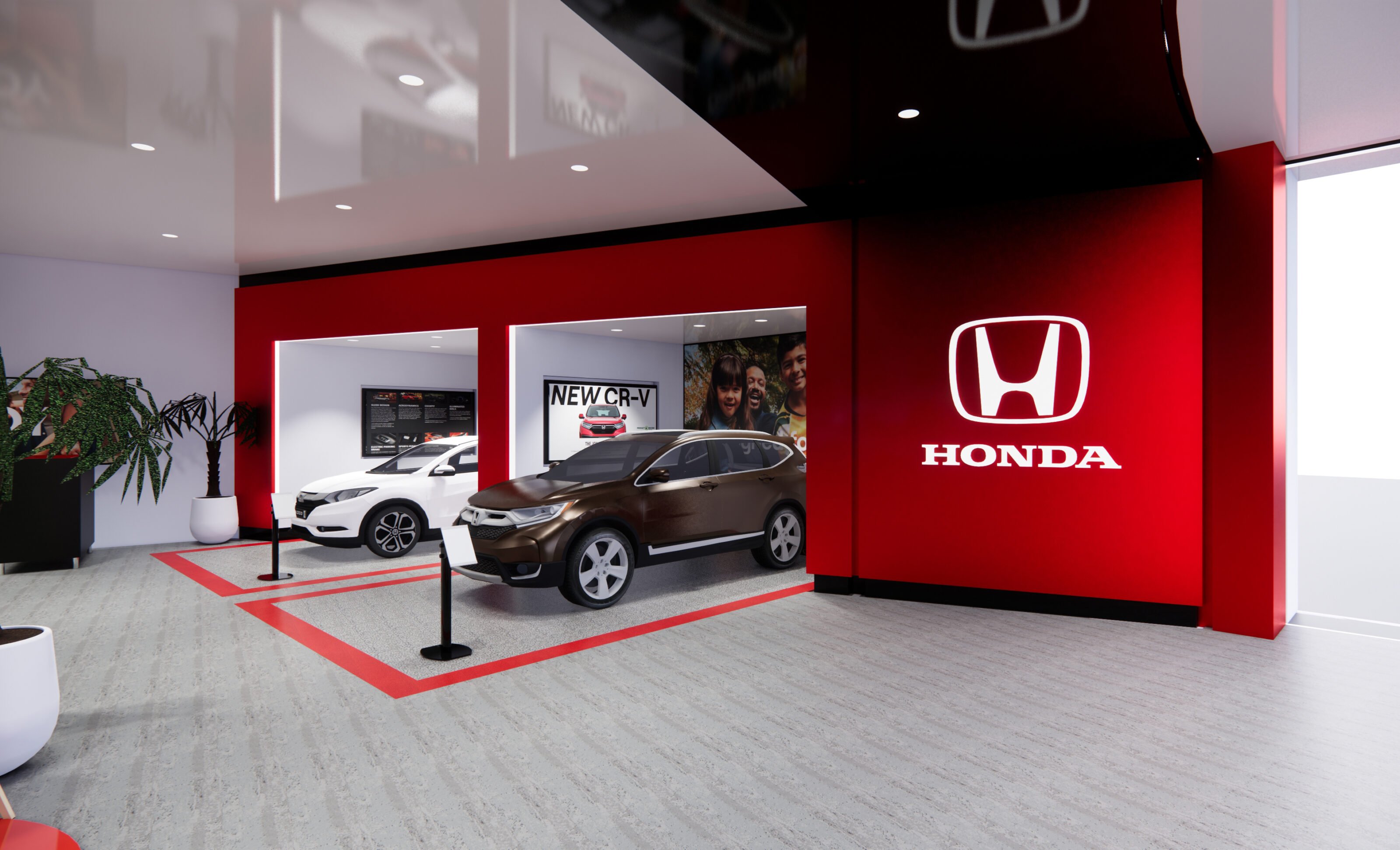
Starting from July 1, Honda shifted to an ‘agency’ model for its dealerships, whereby the company now offers a fixed price for each model across the country – a move it says is “simpler and more transparent…to remove some of the pressures and anxiety sometimes associated with the sales process”.
Honda also has centralised control of its stock, now owning all the cars at its retailers rather than dealerships acting as a ‘middle-person’ in the supply chain. This, Honda claims, means customer orders can be more easily met – rather than dealers needing to potentially bargain with others to find stock quickly.
Further simplification comes in the form of a stripped back product range in Australia, with the Jazz and City gone – making way for focus on the CR-V, HR-V and Civic. The Odyssey, Accord and Civic Type R remain as low-unit models.
Honda is also now focusing more on higher-spec cars, with some previous base models gone.
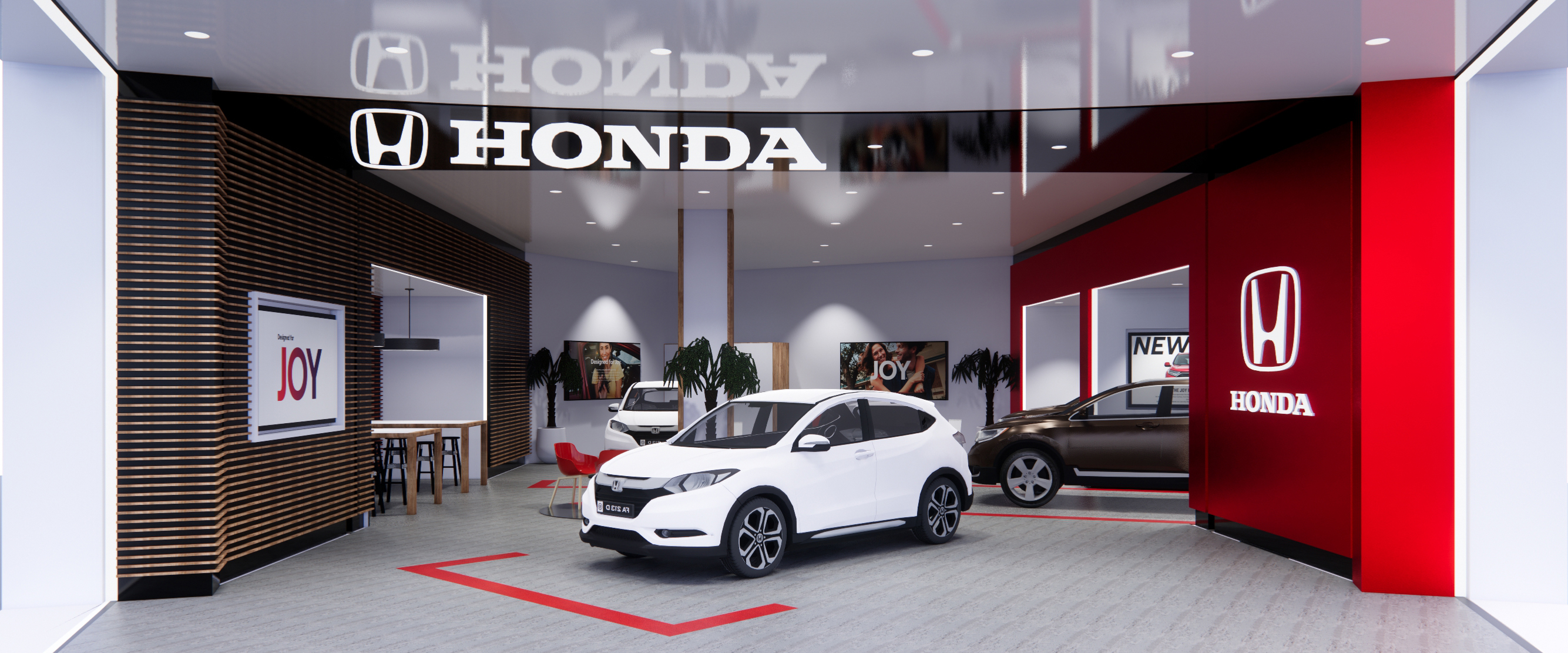
In March 2020, the carmaker said it expected this entire process to “gradually lower sales volumes.”
“The impacts that Covid-19 will have on the whole industry are not yet known, but at this point in time we expect the monthly Honda volume from mid-2021 to be about 1650 cars per month,” it said at the time.
Of course, Honda couldn’t have predicted the damage the pandemic is still having almost 18 months later, nor the subsequent semi-conductor shortage, both of which have impacted the marque as well as its competitors.
Wheels understands Honda expects to see its sales volume grow through the rest of the year as the new fixed-price model beds in. Prior to the changeover in July, it recorded 1403 sales in May 2021.
Snapshot
- 25 examples up for sale
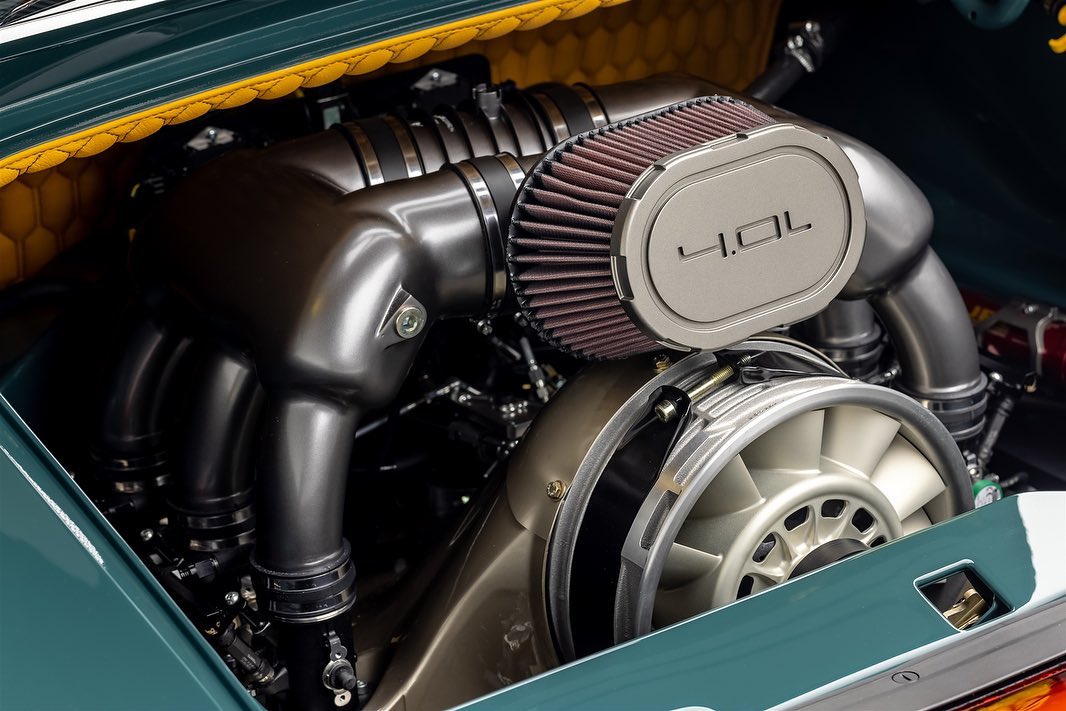
- 4.0-litre flat-six pumps out 324kW/454Nm
- Dry weight remains under 1200kg
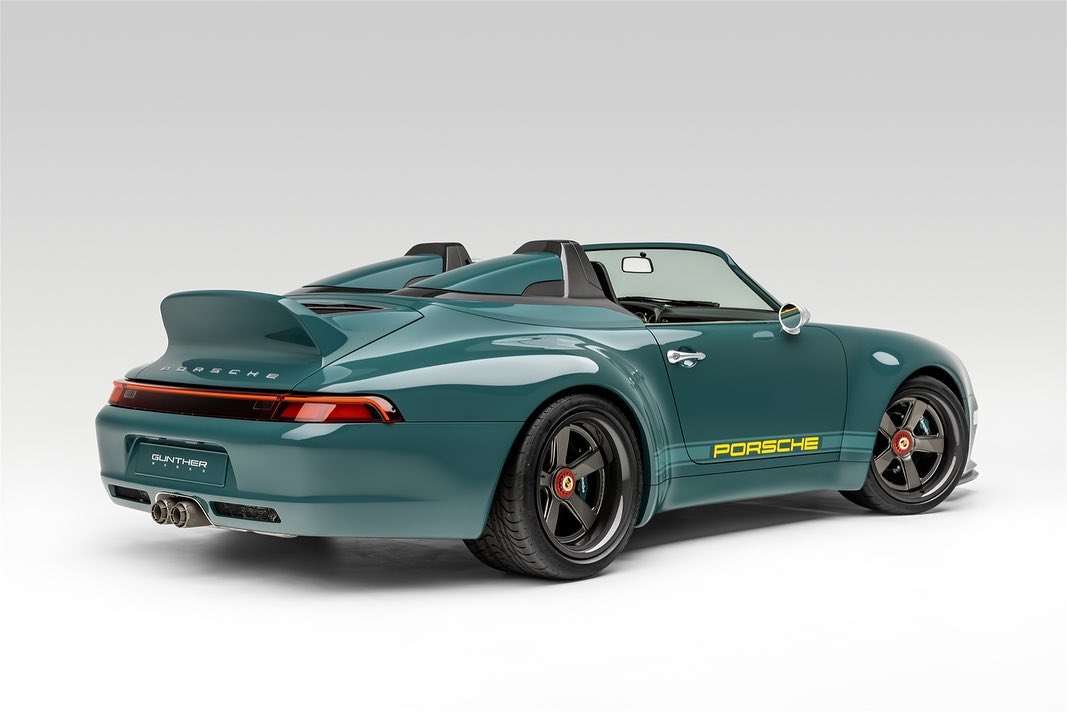
Californian-based Porsche restomodding company Gunther Werks revealed its latest creation at the Monterey Car Week, the 993 Speedster Remastered.
Based on the final air-cooled generation of Porsche 911s, the 993 Speedster Remastered is a modern take on the original 991 993 Speedster, which was limited to two production units – one going to Butzi Porsche, the designer of the first 911, and the other to Jerry Seinfeld.
By lopping the top off a 993, Gunther Works has added extra reinforcements where the rear seats would usually be to retain structural rigidity, while the carbon fibre cover helps to keep weight down below 1200kg.
The Rothsport Racing-built flat-six engine produces 324kW of power and 454Nm of torque – around 100 kilowatts and Newton-metres more than the 993 RS Clubsport – with drive being sent to the rear wheels through a six-speed, close-ratio Getrag G50 manual gearbox.
Its centre-locking wheels have been designed with a heavy influence from the Fuchs five-spoke rims on classic Porsches, only this set features carbon fibre barrels and magnesium centres in a bid to reduce unsprung mass.
Helping to keep the 993 Speedster under control is a totally adaptive suspension set-up designed by JRZ, offering three modes to adjust the damping – Composed, Sport and Sport Plus – while a strut brace aids its torsional rigidity. Brembo supplies the brakes for this 993, combining six-pot calipers at the front and four-pot calipers at the back.
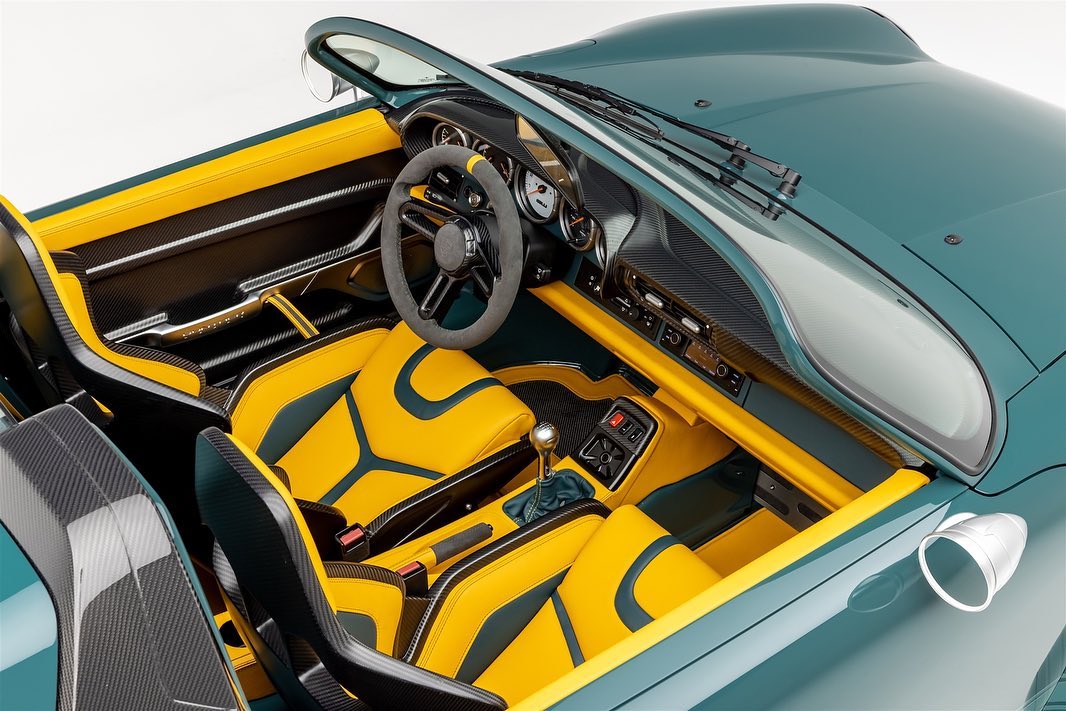
This example pictured is finished in a Peninsula cypan paint, combined with mandarin orange inside the cabin and teaming up with the carbon fibre seat and dashboard to create a truly unique 911.
With production limited to 25 units, Gunther Werks has kept its cards close to its chest by not releasing pricing, although it’s expected buyers can expect to part with upwards of AU$750,000 to get their hands on one.
I have very fond memories of the Land Rover Defender. As a young lad growing up in rural southwest Britain, the most enduring and hardworking Landie was synonymous with the country and as much a part of West Country life as Cheddar cheese and Scrumpy cider.
If you were raised in the Australian equivalent of Somerset, your vision of farming and living on the land is likely to include a kelpie in the back of a Toyota Hilux but, for me, it’s a collie with a hay bale in the Defender.
But farmers are not known for being idealistic or impractical types and, just as the Toyota worked incredibly hard to earn its place in Australian agriculture, as did the Land Rover Defender at the other end of the world.
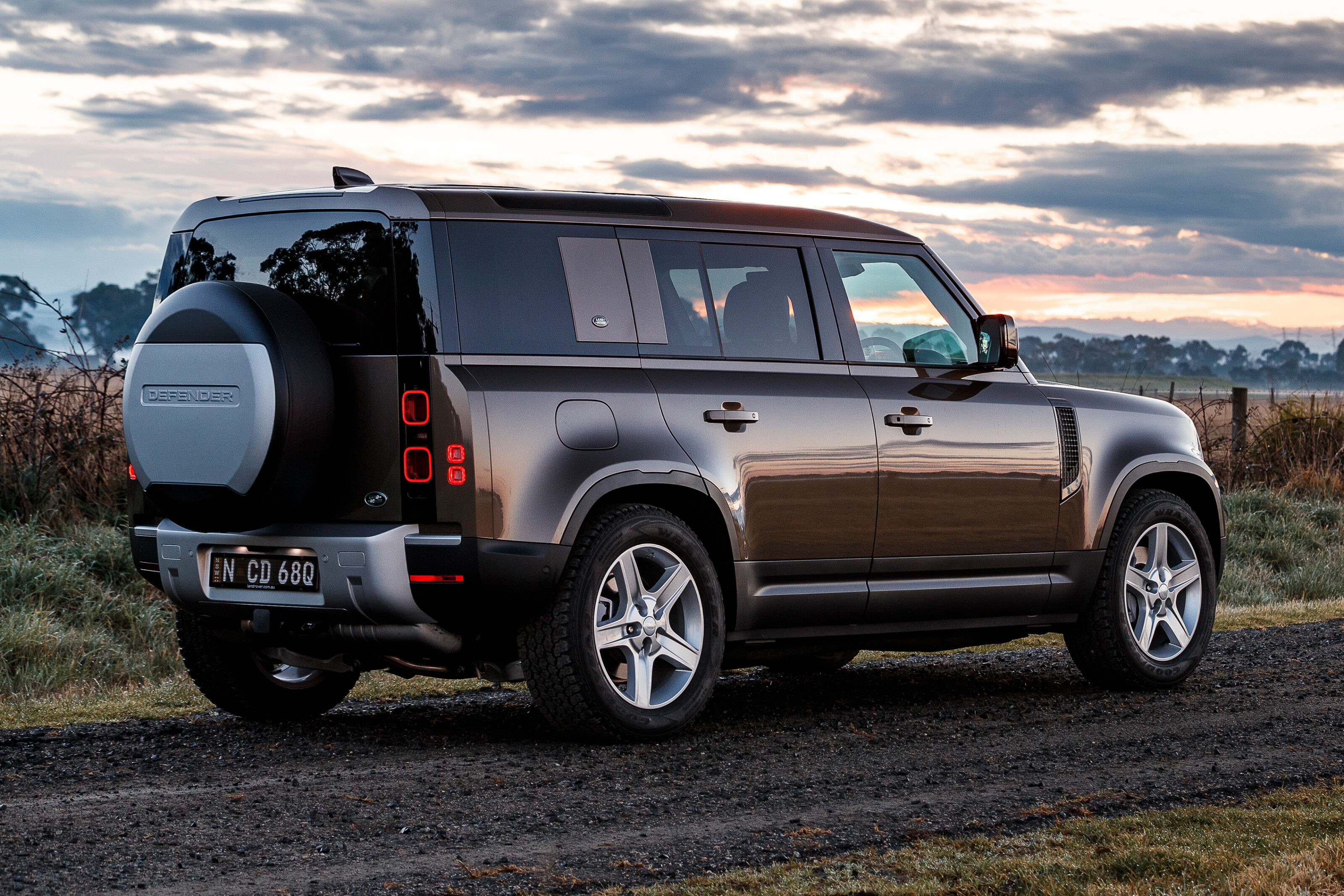
Whether it was the long-wheelbase 110 or nimble 90 with a four or five-cylinder diesel under the bonnet (or a V8 if you’d had a couple of really good wheat years), the iconic boxy model became one of the nation’s favourite all-purpose farm machines through a combination of stoicism and unstoppable all-terrain ability.
In fact it was so good, most owners found it easy to look past the meticulous maintenance required to keep a Defender happy and reliable, as well as the seriously compromised on-road manners.
However, badged as the Defender, the model’s origins are in 1983 but it can effectively trace its roots back to the original Land Rover of 1948 and there’s only so long the recipe could be tweaked, refreshed and revamped. The inevitable end came in 2016 when, for the first time in a metaphorical sense, the Defender went out to pasture.
But, after a hiatus that had been drawn out and extended several times, the Defender name was finally reforged last year and it lives again.
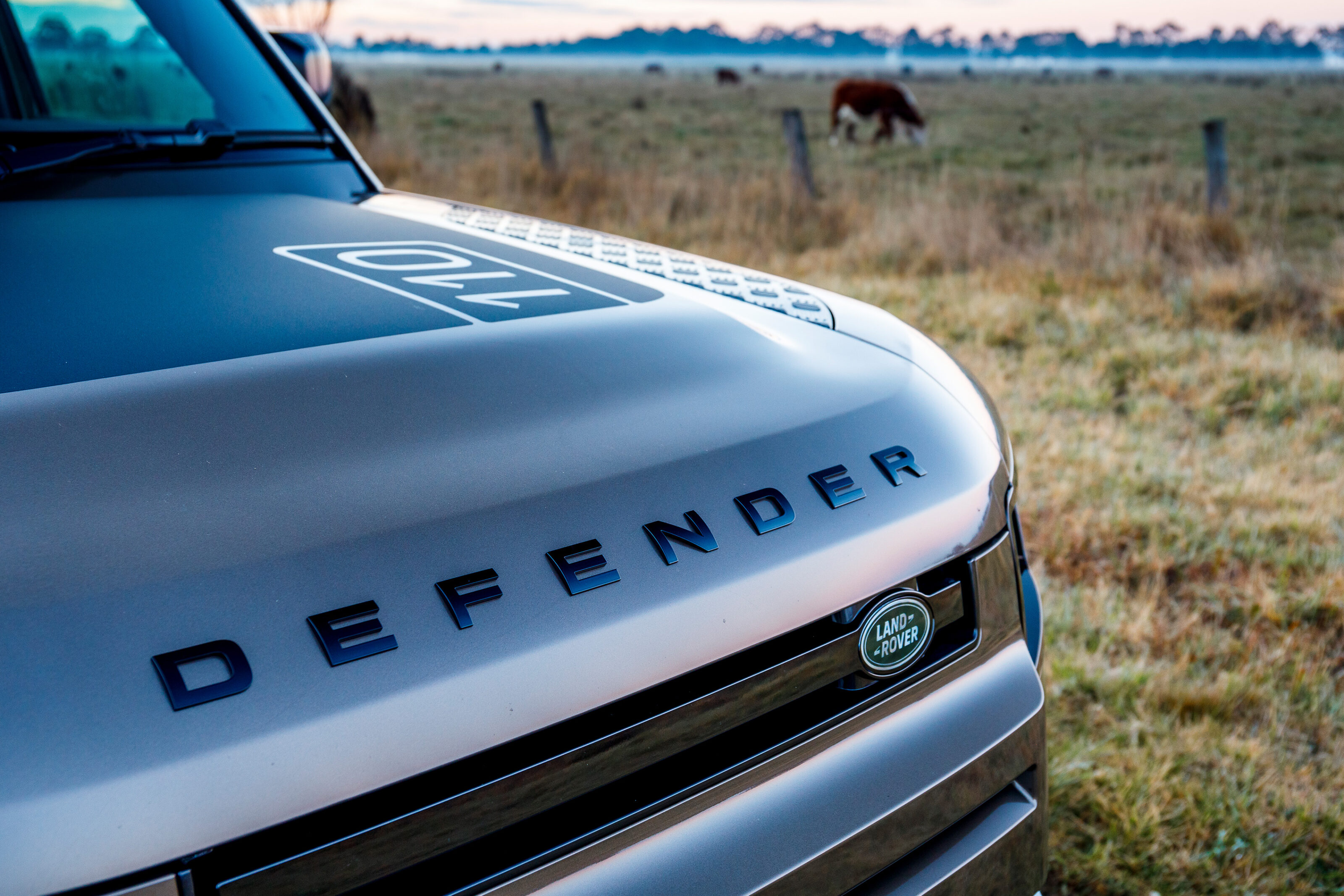
When I picked up this 110 D300 SE, attached to its key were many emotions. Excitement to get behind the wheel of this incredibly hyped and anticipated Land Rover, nostalgia thanks mostly to the styling that is brilliantly retro but also modern, and scepticism. How can the 2020 Defender possibly live up to the reputation its forefathers established over many decades and, more personally, the way I remember it?
For a start, Land Rover’s engineers knew the new Defender had to be capable off-road if the company was to avoid a justified public lynching and, happily, it really is. In previous tests we found the new model tackled serious off-road duties with confidence and composure, calling on a combination of traditional mechanicals supplemented by electronic enhancements.
After a hiatus that had been drawn out and extended several times, the Defender name was finally reforged last year and it lives again.
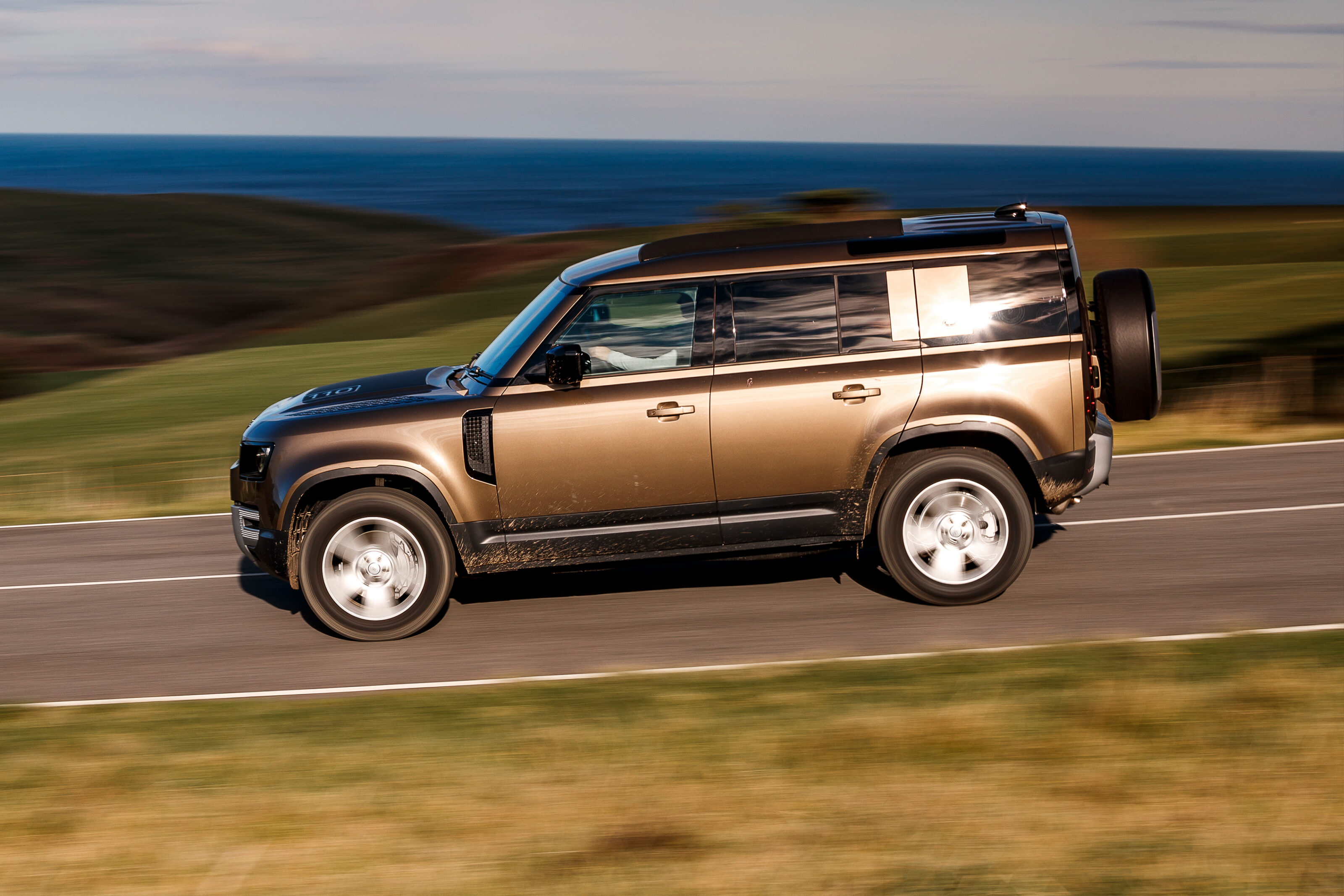
But today’s automotive landscape is very different from the one into which the previous generation Defender was launched and the new version cannot prevail with off-road excellence alone. It has to take on the blacktop and succeed there too.
It does. Taking the underpinnings of the new Discovery as its basis, the Defender no longer has the ladder chassis and live axle combination that made it such a challenge to live with on the road. Instead, the monocoque and fully independent air suspension is a delight, offering a manner that defies the Defender’s size and 2.3-tonne weight.
The steering has a surprising sensitivity to it despite a relatively slow 2.7-turn lock-to-lock ratio and the air suspension maintains good control of the body even if you choose to carry more speed in corners. The rest of the time, the Defender’s ride is beautifully lithe with just enough of an edge to remind you there is a solid connection to the road.
In diesel/110 combination, the Defender cannot entirely hide its mass but it does a decent job of managing it along with a feeling of security and the sense of superiority that brings.
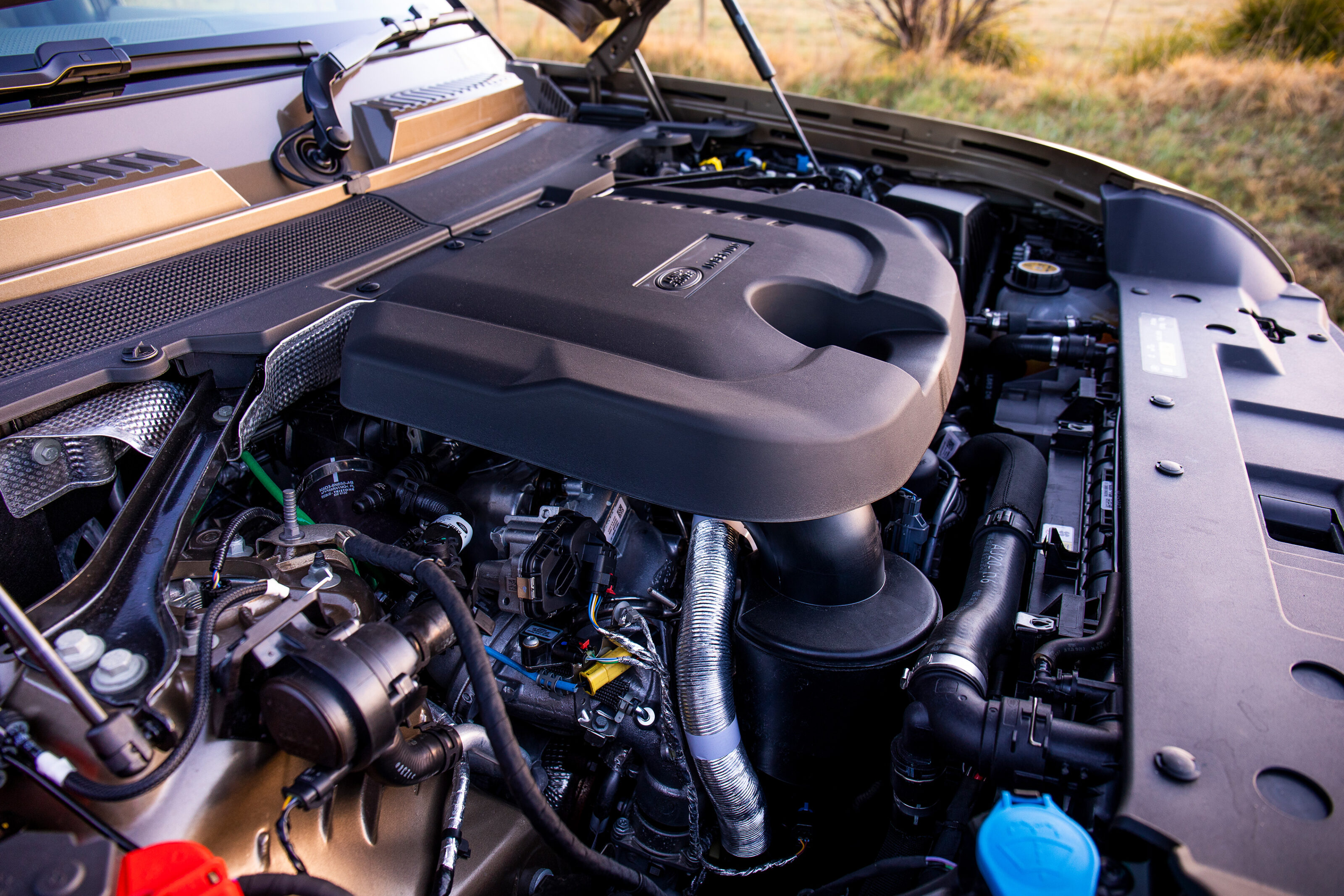
As impressive as the ride and handling is the D300’s engine, which takes the form of a 3.0-litre straight six diesel. Developed in-house by Jaguar Land Rover, the Ingenium unit is a masterpiece, combining the inherent smoothness and linear performance delivery of the configuration, with a conventional turbocharger, electric supercharger and 48-volt hybrid system.
Both the power figure of 220kW and 650Nm torque rating feel under-clocked thanks to the immediacy of performance and flat torque curve through the revs. The turbo and supercharger work cleverly to eliminate lag almost completely and the diesel donk even sounds appealing too.
Hanging off the back of the excellent Ingenium six is an equally accomplished eight-speed automatic transmission that operates seamlessly and would lend itself very well to towing duties. And while some modern autos can hunt around the ratios a little too eagerly, eight gears seems to be the sweet spot for the Defender’s diesel.
The throttle pedal lets the side down a little with a lazy modulation that gives a false impression of the engine being a bit gutless. Prod the right pedal a bit further though, and the true nature of the silky six comes through. It feels more tuned for off-road use where accidental stabs at the accelerator won’t result in kangaroo diesel but it ironically makes the Defender difficult to drive smoothly on-road.
The pedal to its left is not without strange characteristics either. Initial brake pedal feel is positive and firm with light braking but a heavier push reveals a squashy zone. Push harder still and the pedal firms back up again.
It’s not an unpleasant feel and most likely the effect of mild regenerative braking but it takes a little getting used to. Beyond those two small foibles, it’s hard to say anything unkind about the Defender at all.
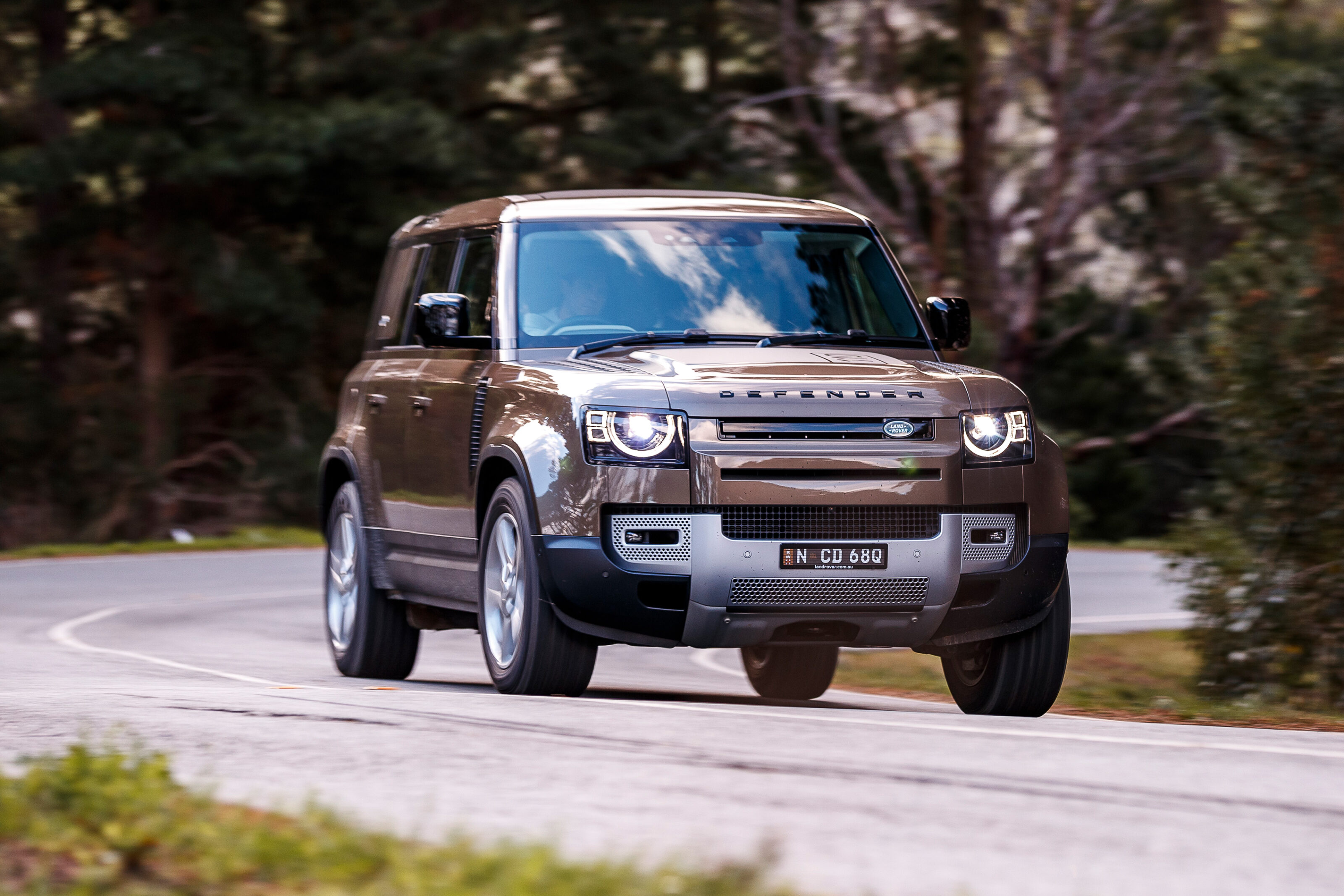
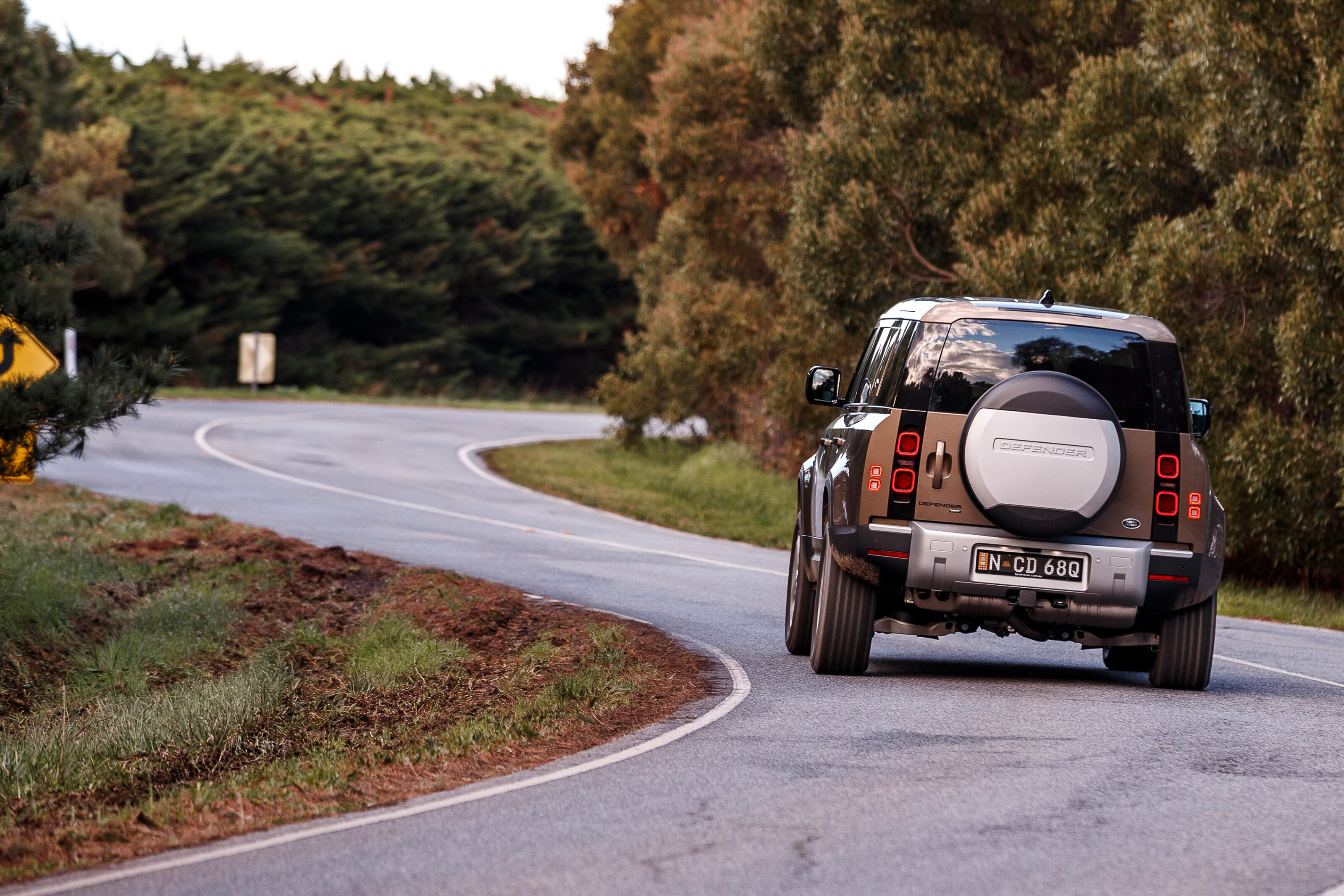
Styling inside and out has been wonderfully executed with an unmistakable nod to the original but sharp design details that launch the model into the future. Light clusters front and rear are eye-catching and immediately recognisable, along with convincing modern interpretations of the skylights above the boot and second-row areas. It clearly works and you’d have to be in a Lamborghini Urus to turn more heads.
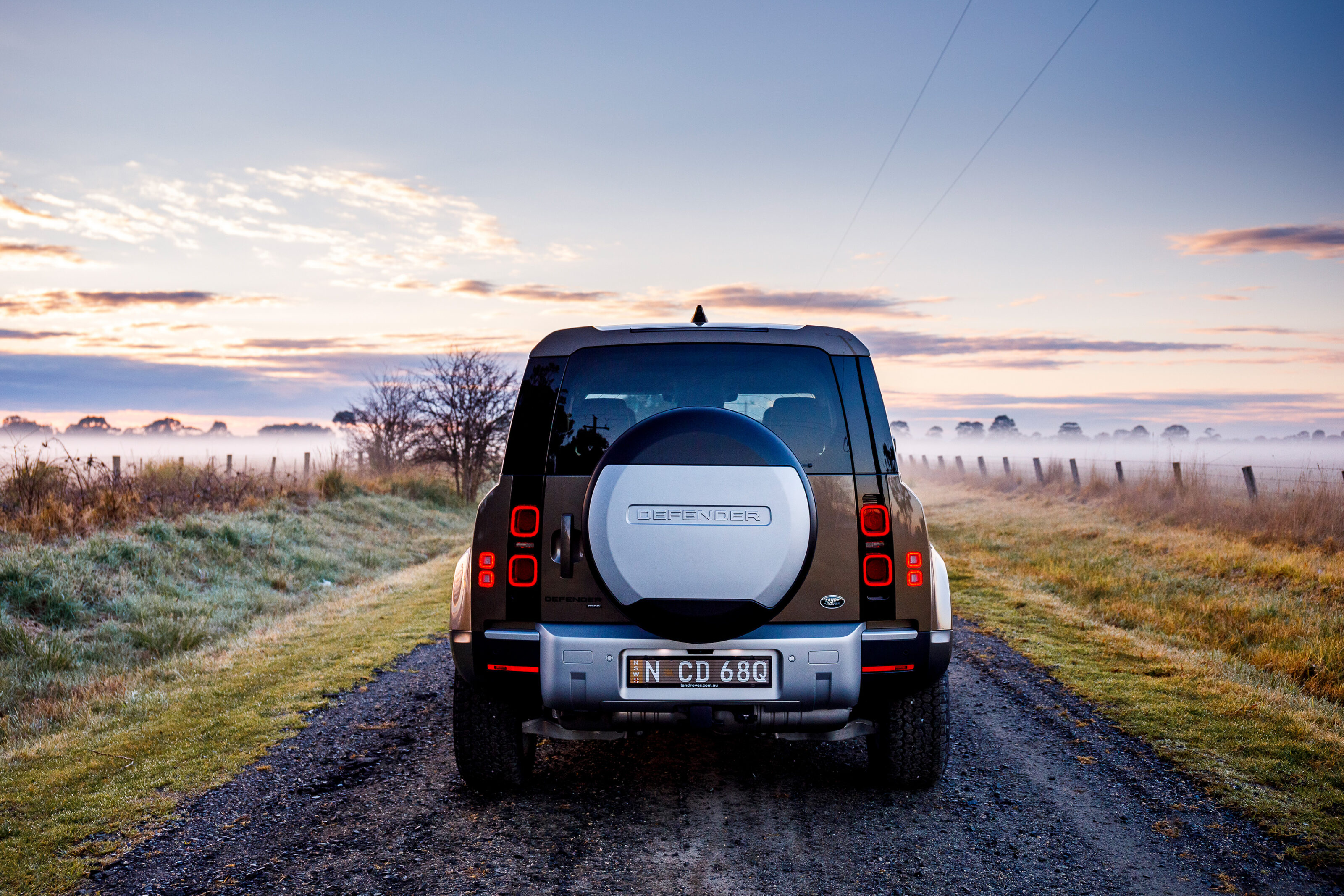
The rear-mounted spare on a side-hinged tailgate is another nice homage with genuine practical advantages, especially as the reversing radar is calibrated to accommodate the extra length added by the tyre. Less practical are the bonnet chequer plates that look great but are certainly not designed to accept a size-12 Hunter welly. Sorry, gumboot.
The rear-mounted spare on a side-hinged tailgate is another nice homage with genuine practical advantages, especially as the reversing radar is calibrated to accommodate the extra length added by the tyre.
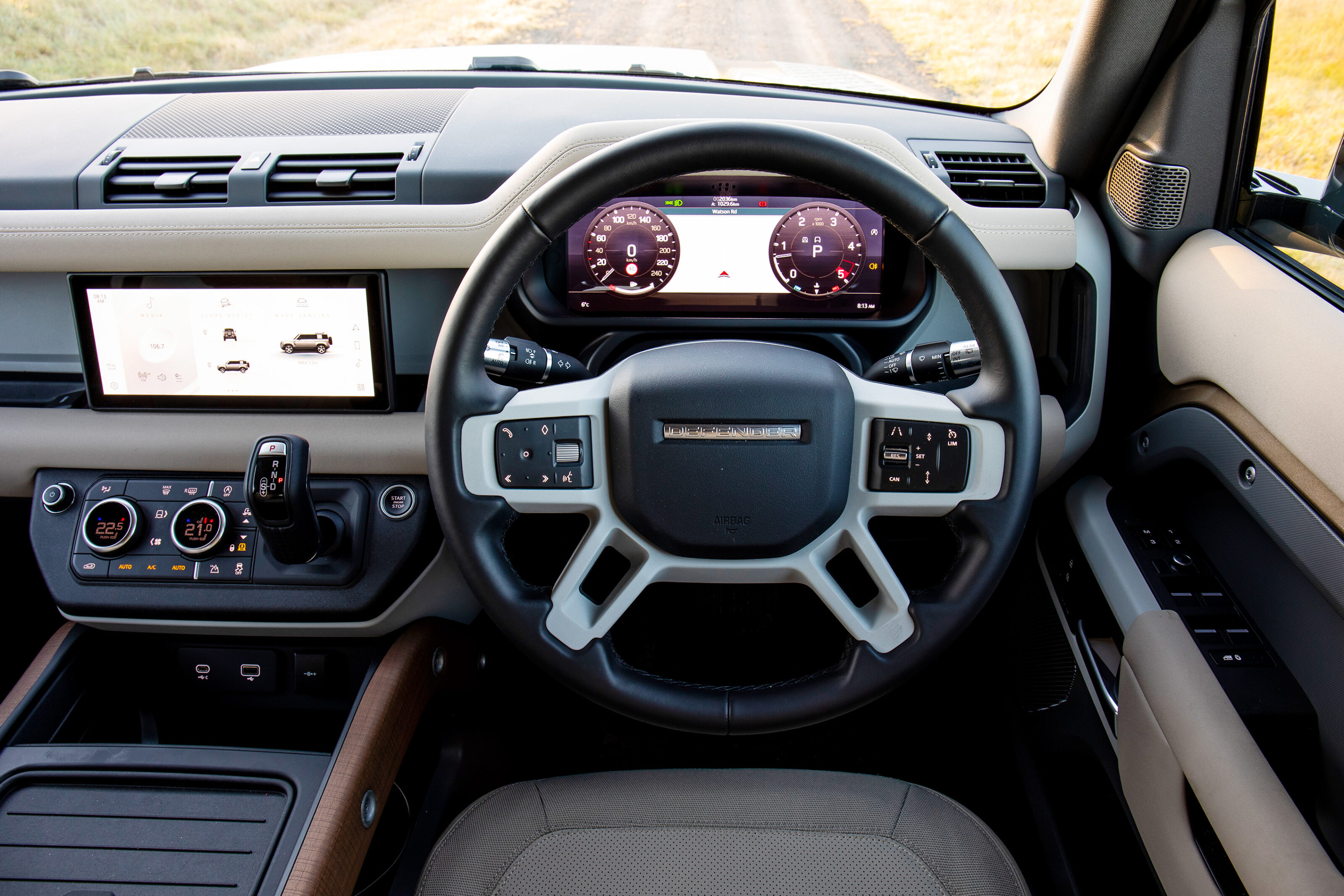
There’s an air of the Jeep Wrangler’s functionality about the cabin, only with an added sophistication including lovely acorn wood-look panelling, exposed screw heads and an unusual material for the steering wheel that looks and feels like it has been 3D-printed.
Balancing the traditional, there is just as much new. Just when you think you’ve found all the digital displays – one for the driver instrument cluster, and another for the central touchscreen – another pops up in the rear-view mirror with a flick of the tab, very handy for when the back is completely loaded and thanks to the camera’s high positioning, It’ll peer over all but the tallest trailers.
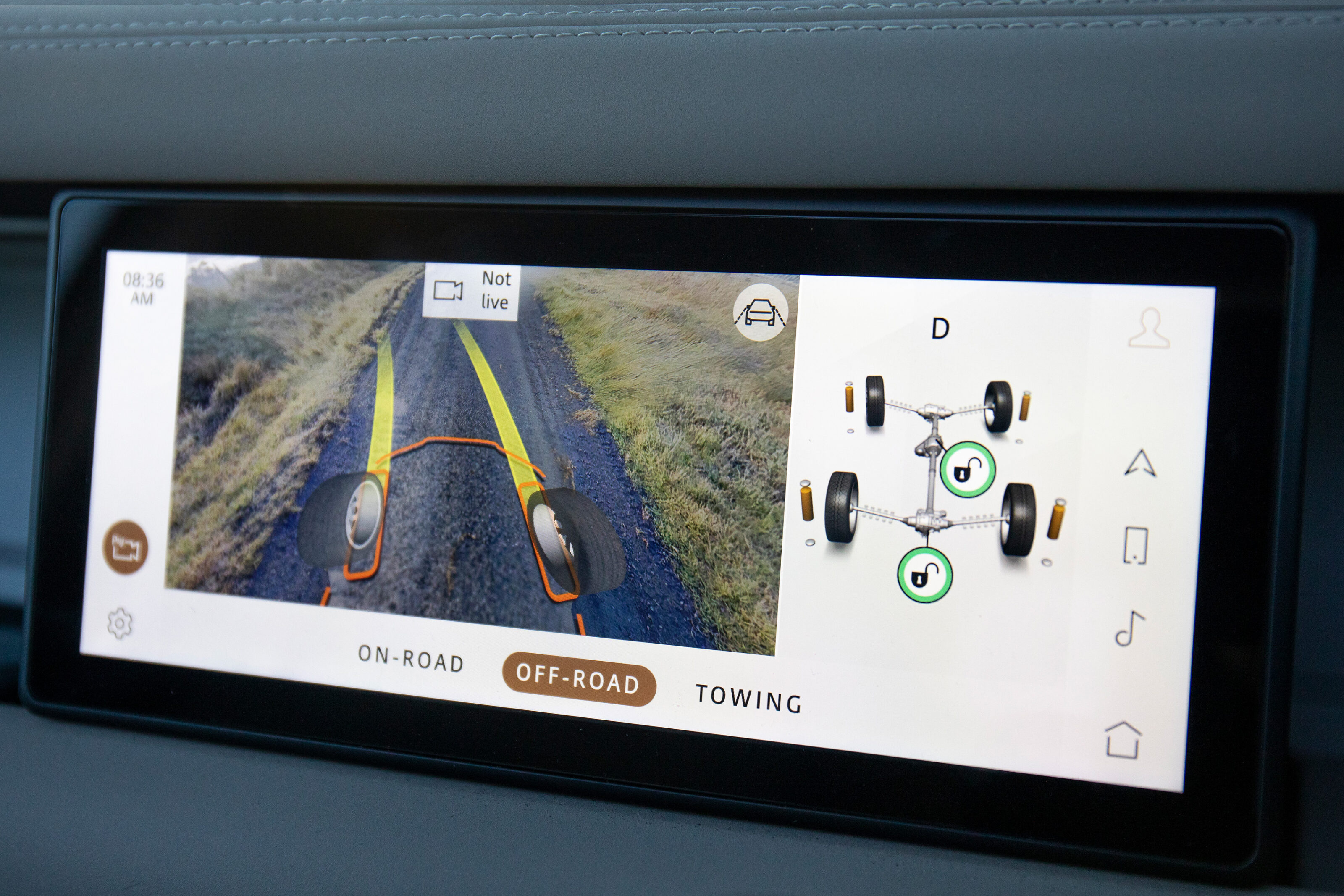
Speaking of making things invisible, more camera technology has enabled the clever invisible bonnet feature that processes camera images from around and beneath the vehicle to create a moving picture of what the Defender is driving over. The ghostly image indicates the position and angle of the front wheels but all else is unseen – a hugely effective tool for off-road but still very cool on the school run if a little unnecessary. The various maneuvering aids are almost without rival, presented in crystal sharp resolution.
Notable omissions include a head-up display and optioning the folding fabric roof panel fitted to our car will add an extra $4000 to the bottom line but you won’t care about that the first time you concertina the top open on a perfect balmy beach day.
Options aside, the SE gets plenty of standard practical features, with a multitude of storage cubbies and device charging options. At the back there’s a pretty respectable third row that cleverly folds into the boot floor. Every time you stow the seats, you’ll thank that spare for hanging out on the rear door.
Hop into seats six and seven and occupants are treated to yet more charging sockets, their own air-conditioning control and those cool skylights boost the sense of space. When they’re not occupied, the boot measures a whopping 857 litres or nearly 2000L if you banish passengers from the second row too.
While many lines and comparisons can be drawn between the equally retro Defender and Jeep Wrangler, the Land Rover is the model that better balances the ratios of off-road prowess, on-road agility and lifestyle-focused design and features.
But wait, I hear you say. How will the kind of Defender owner that likes to grease trunnions on the weekend, stand on the bonnet and chuck livestock in the back accept this new more refined and sophisticated Defender?
Simply, they won’t. If you ply Land Rover executives with a few Old Speckled Hens they might tell you that developing a Defender that would not satisfy the demands of the traditionalist was a deliberate move.
The Defender is the model that better balances the ratios of off-road prowess, on-road agility and lifestyle-focused design and features.
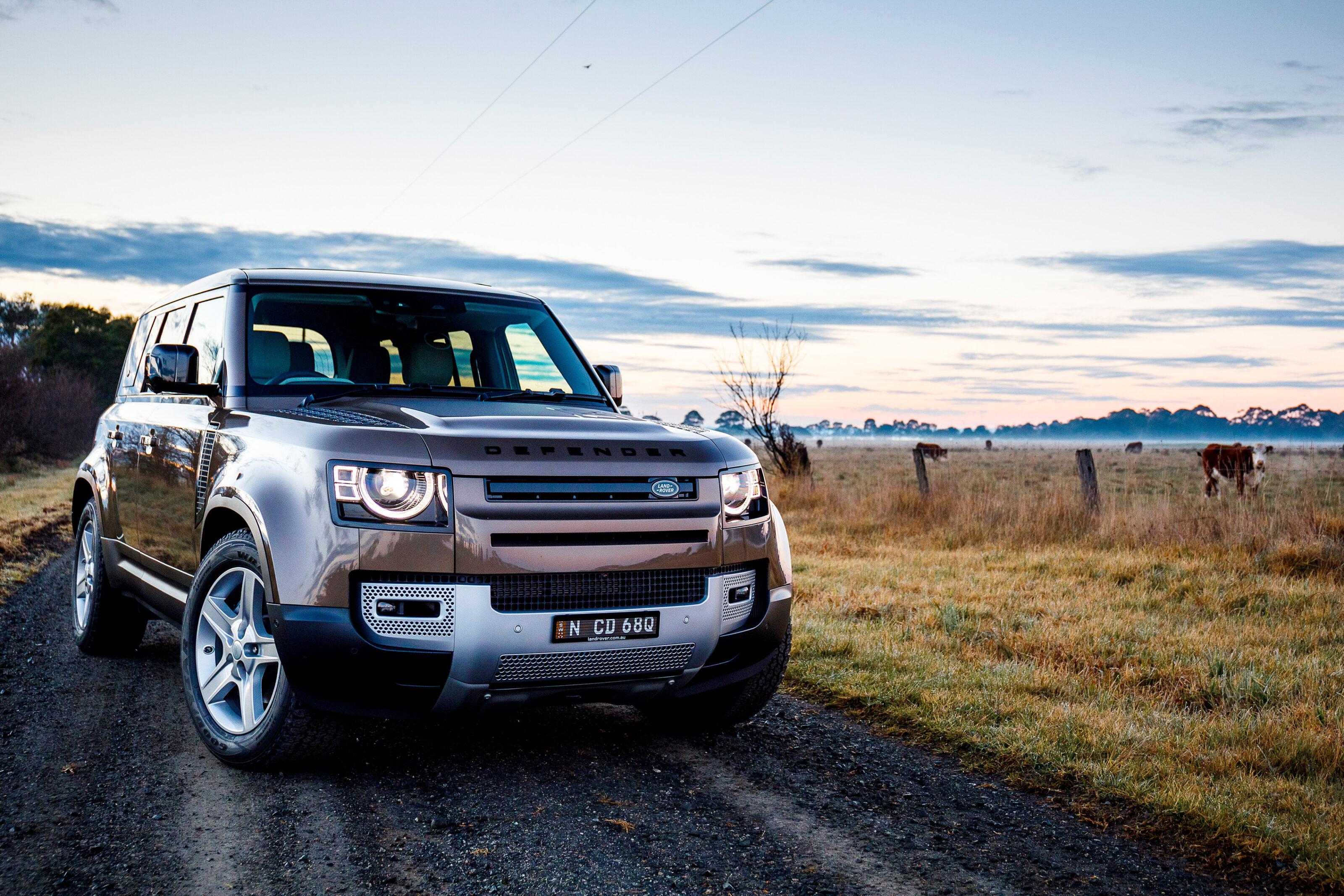
While the Defender diehards represent a relatively small audience, targeting a new altogether larger crowd makes far better business sense. That’s why Land Rover chose to reform the Defender into a resoundingly more refined machine that conquers a broader range of duties at only slight cost to its core utilitarian skills.
To that end, the new Defender is a complete success and while $96,000 sounds like a lot of cash, the 110 diesel delivers a lot for the money and represents great value.
And if you insist on reliving a nostalgic fantasy of a former youth long ago, there’s nothing stopping you loading the Landie up with a sheepdog and a few bales and hacking off across a field because the new model is still an incredibly impressive all-round performer. I should warn you though, that it took me more than an hour to clear out every last straw.
Snapshot
- New record of 5:28.67 is more than 15 seconds than previous best
- Heavily modified Subaru WRX STi ‘Airslayer’ used to break own record
- Pastrana finished second at the Goodwood Festival of Speed last month
Action sports athlete Travis Pastrana has put himself into the record books again by beating his own best at the Mount Washington Hillclimb by 15 seconds.
Having set a time of five minutes and 44 seconds in 2017 driving a rallycross-spec Subaru WRX STi, Pastrana returned this year with his ‘Airslayer’ STi from the Gymkhana 2020 video, smashing his previous record by completing the 12.23 kilometre course in 5:28.67.
The attempt was undoubtedly aided by the Airslayer WRX’s active aerodynamics and its massive power increase from Pastrana’s previous hillclimb record holder, now making 642kW at sea level compared to the previous 450kW.
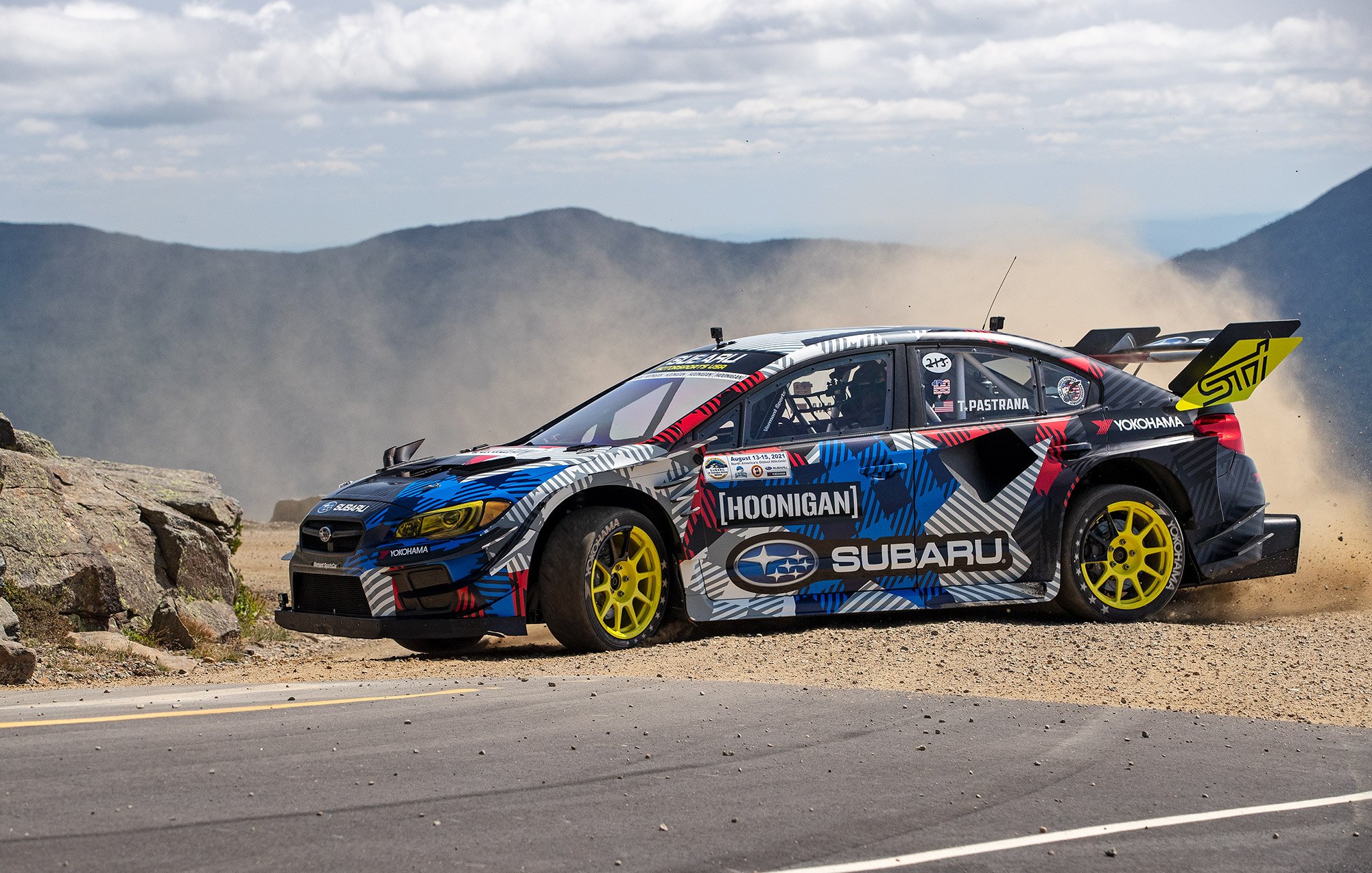
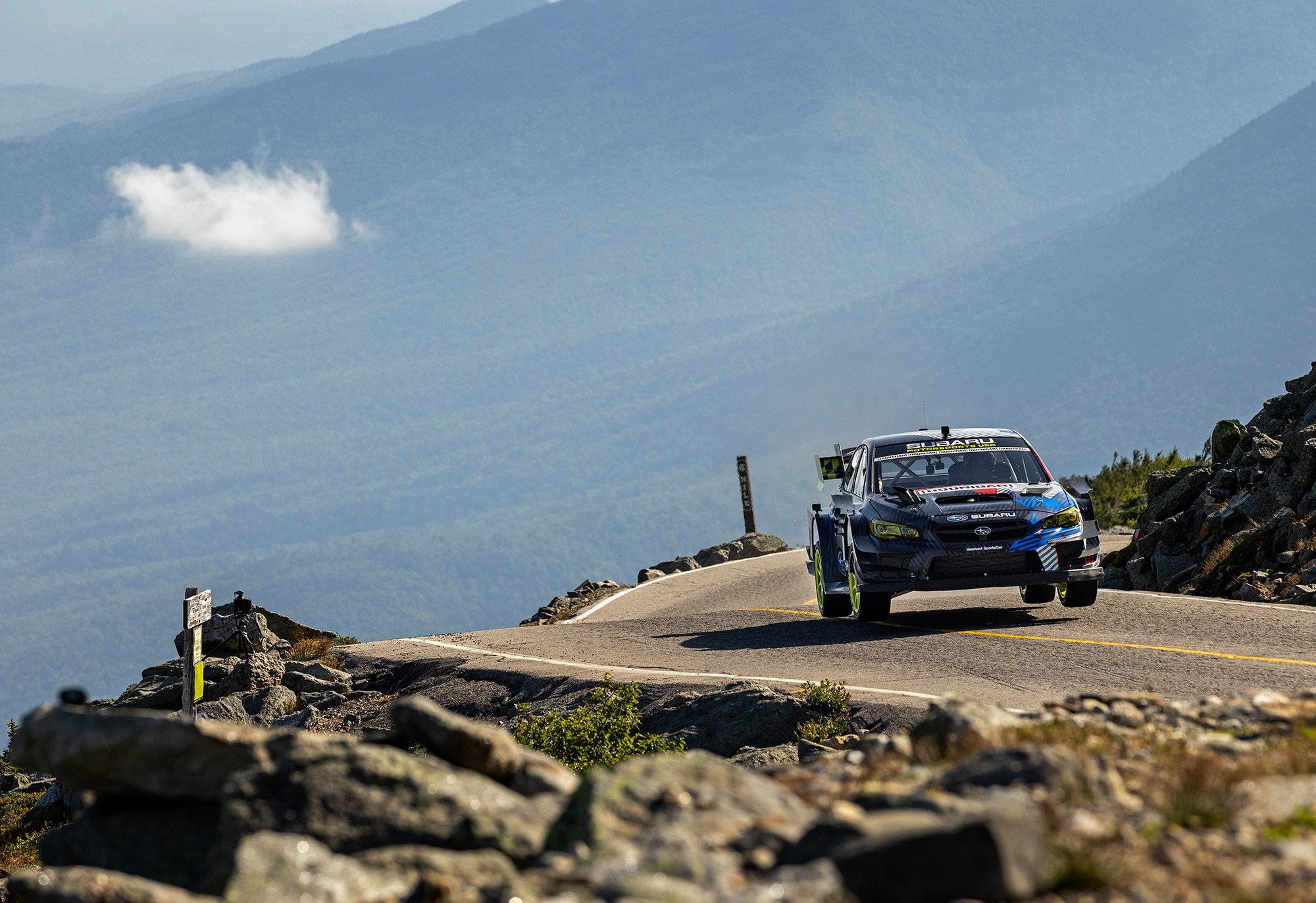
We mention the power at sea level because competitors drive up the road to a peak elevation of 1916 metres, facing an average 12 per cent gradient with a short dirt section half way up the course – preventing anyone from running slick tyres.
After the run, the 37-year-old said everything aligned to break his own record just weeks after taking a second place finish at the Goodwood Festival of Speed shootout.
“New record in the books,” said Pastrana
“This car is the perfect machine to do it. Coming off a second-place finish at Goodwood I really wanted to set a new record here to show what the car could do in the right environment.
“Luckily we really had good weather this year and I knew if I could get a clean run in, I’d have a great shot at the 5:44 time. So much fun and I can’t wait to do it again next time!”
Pastrana found fame early in life as a motocross and supercross rider before switching to freestyle competition and later rallying. He’s notched up 17 X Games medals, including a gold for the Best Trick in 2006 – where he performed the first ever FMX double backflip as well as the inaugural Rally win, beating former WRC champion Colin McRae.
Currently racing in the American Rally Association championship, Pastrana and Australian navigator Rhiannon Gelsomino lead the standings after a win at the Sno*Drift Rally.
The Mount Washington Hillclimb was recently added to the racing simulator iRacing – if you want to watch a member of the Motor team attack the course, click the link below.
The technology and information sharing partnership between BMW and Toyota has not only resulted in a new Supra, but now a hydrogen-powered SUV – set to go on display at the IAA Show in Munich.
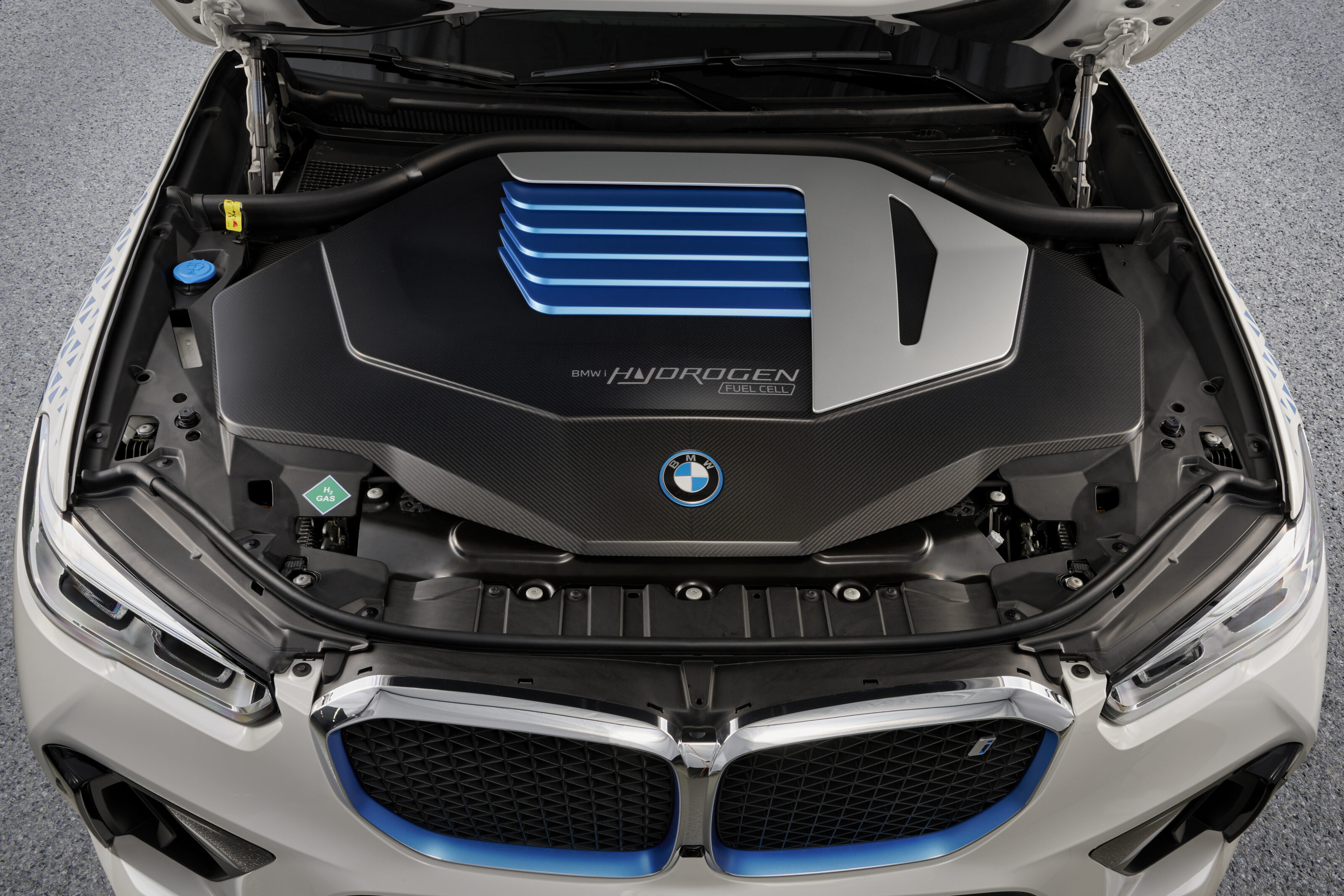
Based on the internal combustion engine powered X5, the iX5 retains the BMW’s iconic design language with a large kidney grille, 22-inch aerodynamic wheels and BMW i blue highlights throughout the trim. However, it also benefits from the German manufacturer’s hydrogen fuel-cell development with Toyota, utilising info from the Japanese marque’s Mirai hydrogen sedan.
Thanks to the fifth-generation BMW eDrive electric motors from the iX, the iX5 boasts power delivery of up to 275kW when using charge stored in the battery “for particularly sporty driving manoeuvres” – although power directly from the hydrogen fuel-cell is capped at 125kW.
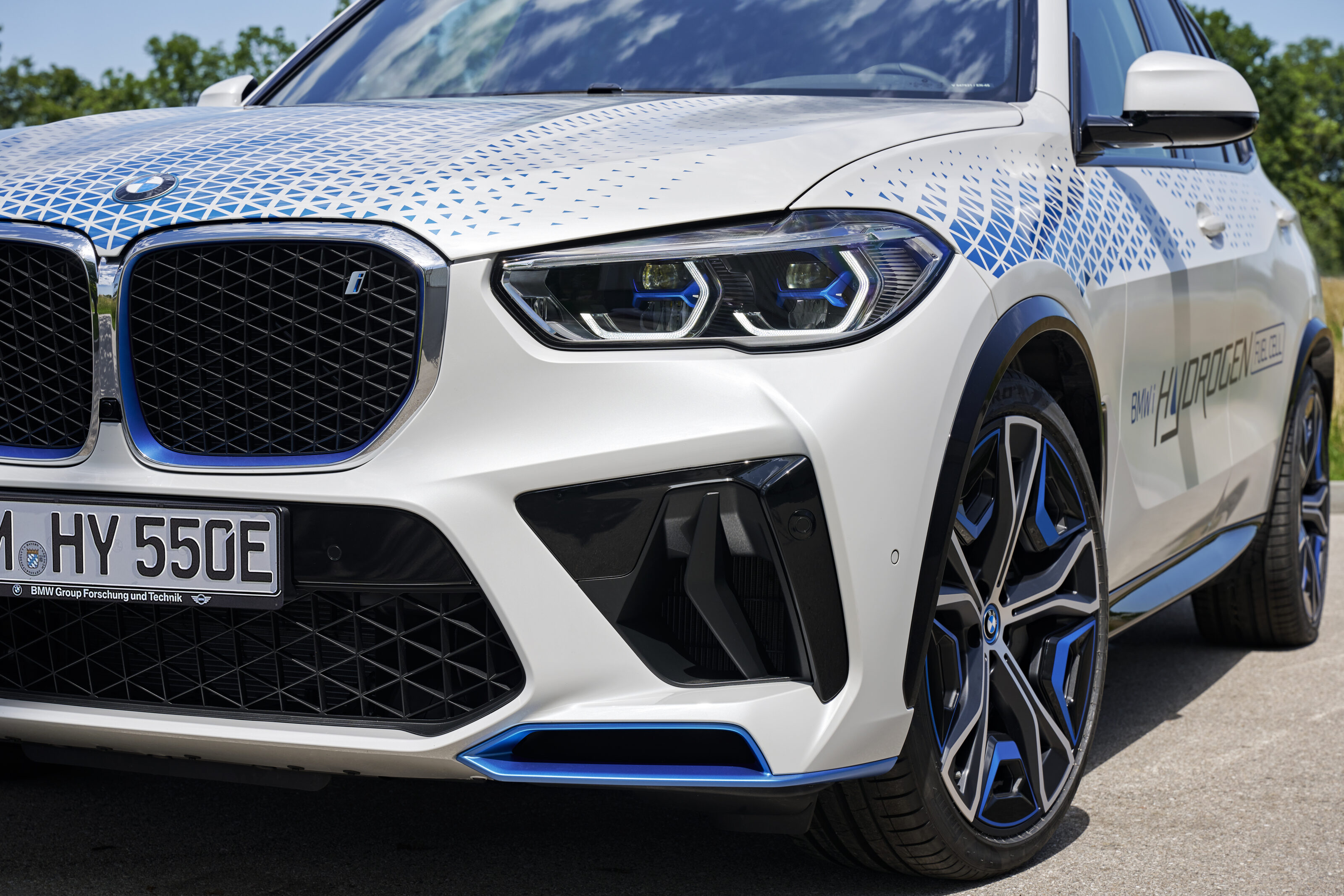
Hydrogen storage comes in the form of two-700 bar tanks which can hold just under six kilograms of hydrogen, made from carbon-fibre reinforced plastic for extra strength due to the high pressure.
Still in series development at the moment, BMW is hoping to release the iX5 towards the end of 2022 for demonstration and testing purposes, looking to potentially implement the hydrogen fuel-cell technology in future EV models alongside the iX3, iX and i4.
With the IAA Mobility Show set to begin next month in Munich, BMW will be running its iX5 at the show – transporting visitors between the main exhibition halls and other nearby destinations.
Wheels team, 2021: In 2015, Yutaka Katayama, dubbed the “Father of Z”, died aged 105.
The former head of Nissan’s US market, Katayama was credited with pushing the Japanese carmaker into developing front-engined, rear-drive sports cars to complement its passenger-car line-up, and the rise of the two-seat Datsun 240Z.
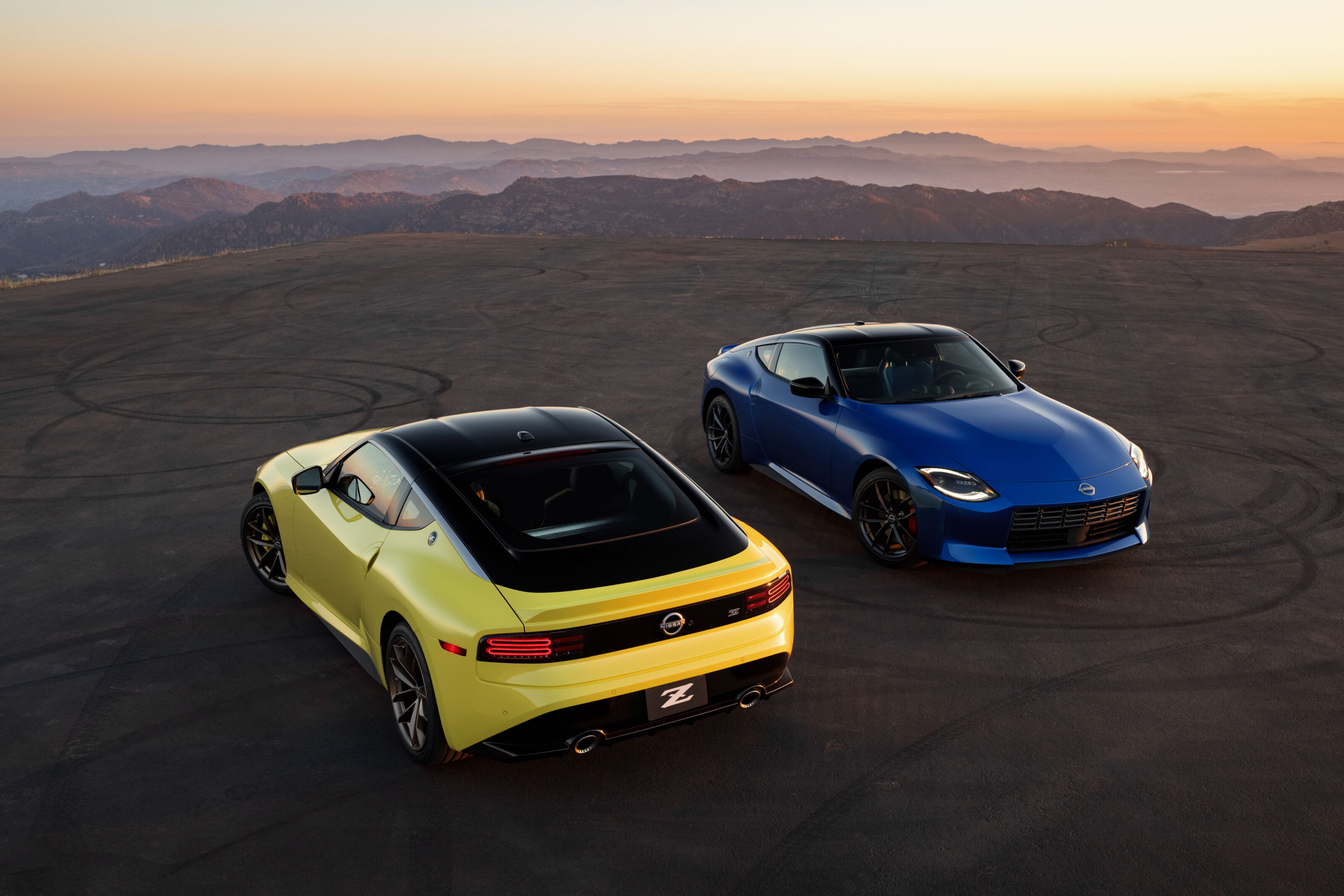
Today, on August 18 2021, Nissan has revealed its new 2023 Z coupe. Here, in honour of that event, we’ve republished one of our favourite stories.
In the June 1973 edition – four years after its international debut – Wheels contributor Rab Cook took an in-depth look at how Katayama’s vision became a reality; this is an edited version of that story.
NISSAN was extremely clever in coming up with the 240Z concept
Rab Cook, June, 1973
Note: You can click any of the photos below to see our full gallery.
It spotted a gap in the market for a closed sports car and turned out exactly the right device to fill it. It is unique because there is no other car to compete with it in its class. For the motorist who knows what he’s doing, and can afford to do it, it is almost the ultimate fun car. You can get it completely sideways in a corner and still have it totally under control. There aren’t many you can do that with.
Technically, it is straightforward enough with an in-line six-cylinder engine and the only somewhat unusual feature is the suspension, which has MacPherson struts at the front and the rear.
There might be an initial temptation to refer to the 240Z as a poor man’s E-Type, but once you’ve driven both you realise that this is nonsense. The Datsun stands on its own.
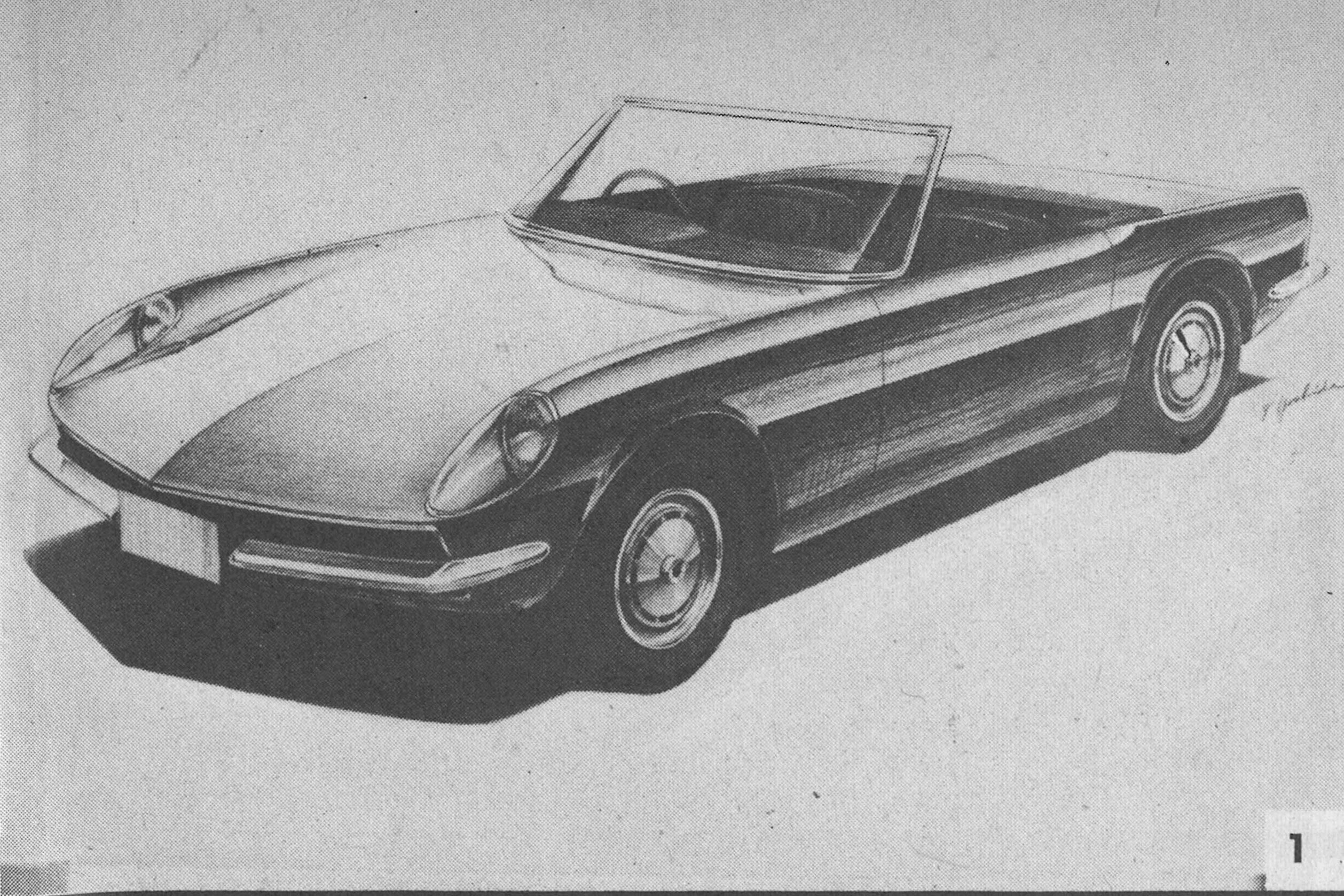
From the early styling sketches and mock-ups, it is clear that Nissan had two ideas in mind, one of which was for an open car. This notion carried on for a long time in the evolution stages and there was even a car in the metal with an open top but otherwise fairly close to the final shape. Notice, too, that some of the early shapes could be mistaken for a Ford GT40 at a quick glance.
Computers and wind tunnel experiments were brought in at a much earlier than usual stage of the design. Wind tunnel tests were conducted at regular intervals as the form evolved; at the quarter-size clay model stage, “heated discussions about styling continued”.
At the same time, they were giving a great deal of attention to the interior dimensions using “two dimensional mannequins of every conceivable size” The 240Z can be adjusted to fit almost any stature of driver. That in itself is quite an achievement.
Then Nissan did something which is so typically Japanese that you have to smile while, at the same time, you admire its ingenuity. It built a full-size paper model, along the same lines as it would a paper lantern.
The frame is a lash-up of wood and wire as necessary and then paper is stretched over it, in a variety of colours. The object of this is to “pursue an ideal harmony of light, colour and form”.
Obviously, this is a good interim stage before the full-sized clay models, easy to make and almost certain to show any obvious snags that hadn’t appeared in the quarter-size ones or the drawings. An extra step, but a time-saver at the same time.
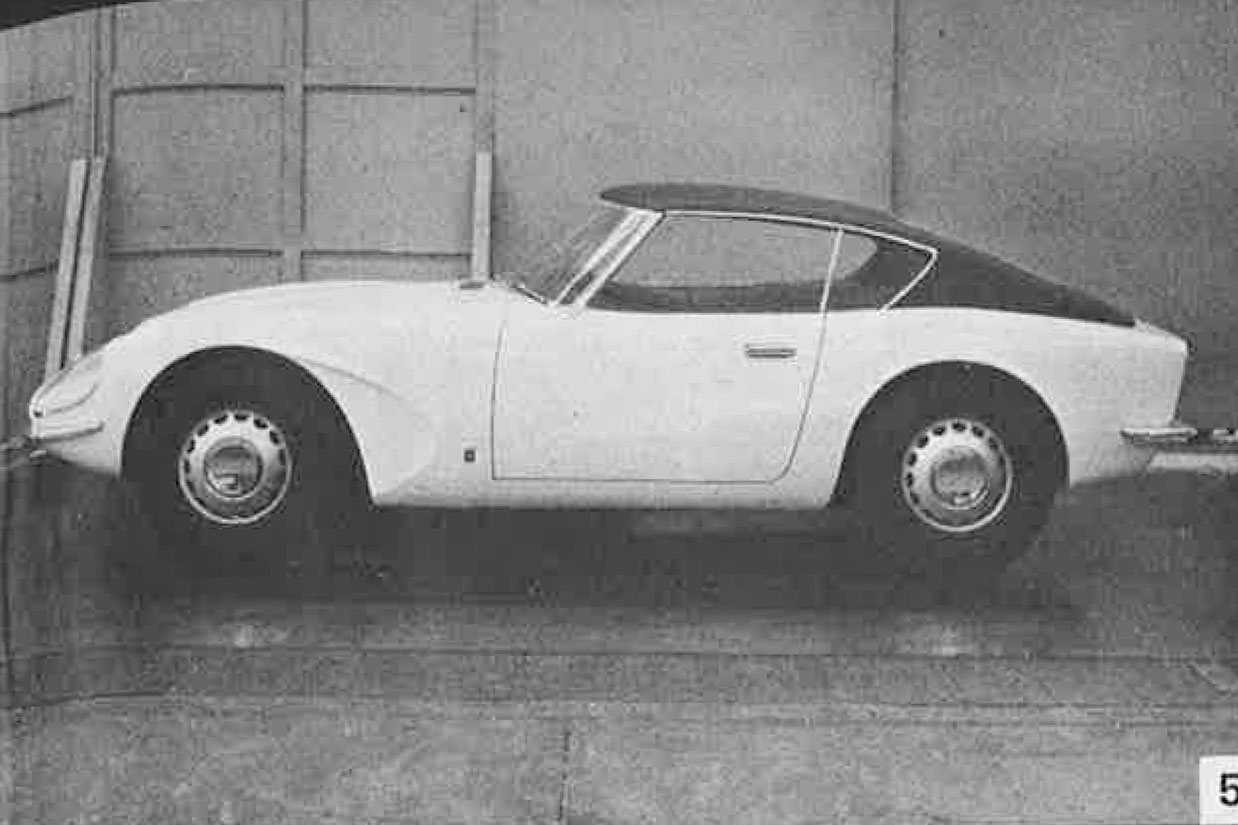
When it came to the clay model stage, Nissan got into an absolute frenzy over five aspects of the design. First was the amount of windscreen curvature, which gradually diminished as the final shape was approached. Then, the shape and size of the side windows. Just about everything you could think of was tried and it is interesting as you go through these pictures to note that, in every instance, the final solution appears to be by far the best one and that there was no apparent compromising of a good shape to meet production problems.
The third area of alteration was in the tail-end shape of the driving cabin. Initially, Nissan seems to have regarded it rather as a hard-top put on to an open car, but somewhere along the line the idea gelled that the right thing was to make it look what it is, an integral part of the body with no hint whatsoever of a soft- or hard-top concept.
Fourth came the radiator grille shape, which seems to bother stylists in every country. Bristol, Jensen and Triumph have at various times gone in for a purely aerodynamic-looking hole in the front, but it has never lasted. But when the hole becomes a horizontal slit then it is much more acceptable and Nissan saw the light and finished up with the simplest possible answer.
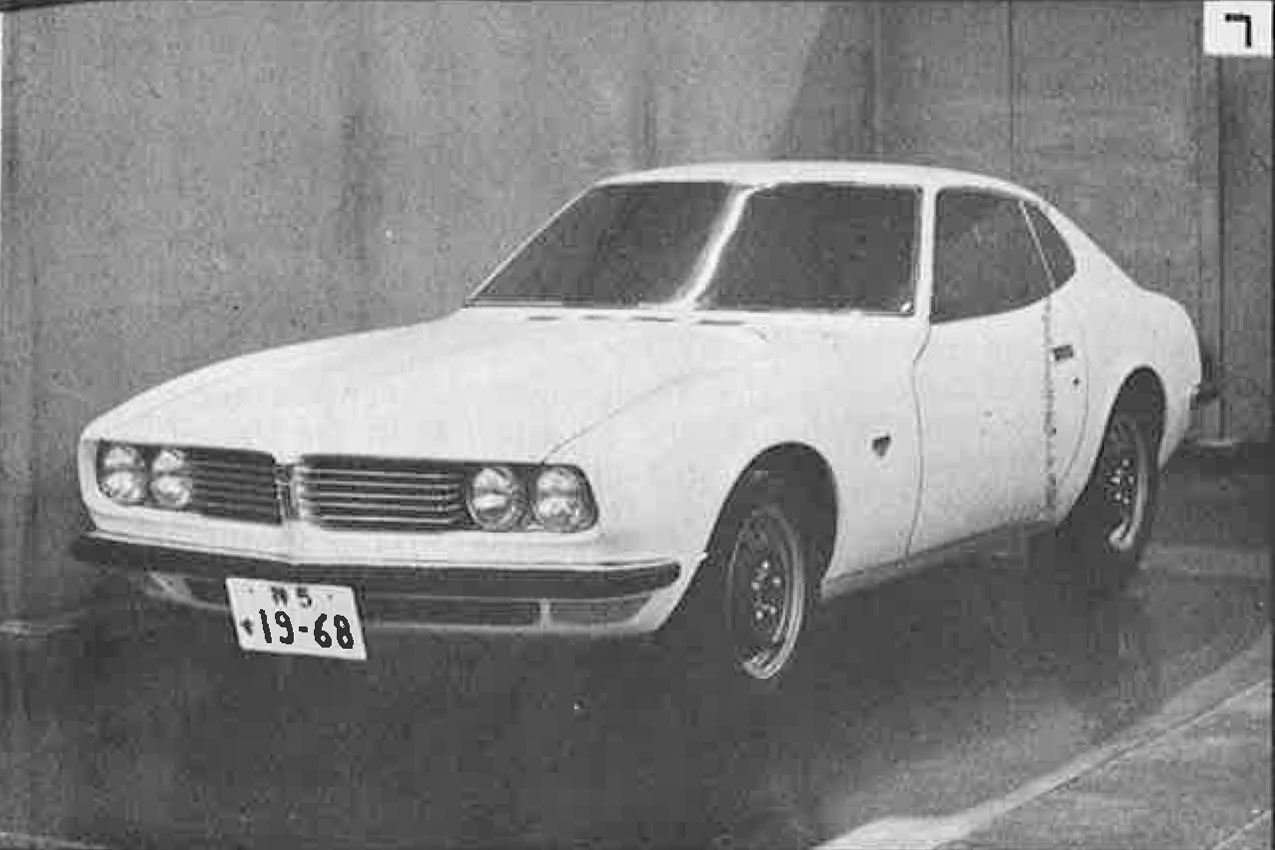
Finally, headlights were very much on the designers’ minds. Whether to have them in a grille, cowl them with glass, make them pop-up or just recess them… Again, Nissan chose the simple solution, thereby getting the best amount of light and freedom from odd lighting regulations in export markets.
Back at the control panel, we find a reason for the good ergonomics of the 240Z interior. It had an unfortunate citizen in the mock-up operating all sorts of different control set-ups with electrodes attached to his arms to measure the level of fatigue. Nissan also studied the correlations of driver’s eye and seating positions and it seems that no stone remained unturned in its efforts to get it right before the production stage.
Models were subjected to water-tank tests, not to see if they’d burst at high altitudes but to study the drag and the effects of spoilers at various simulated speeds. Then all the data was fed into a computer, which was asked to pontificate on handling characteristics and gear ratios, dampers and springs and such.
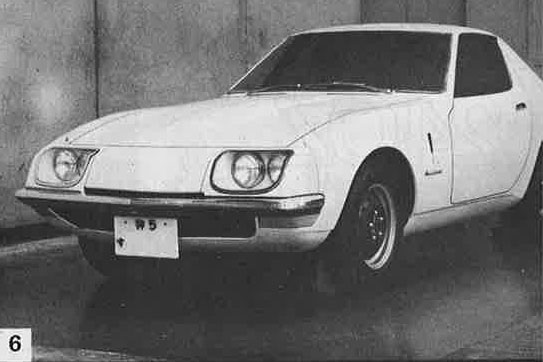
When the first prototype was built, it was subjected to vibration testing to check for unwanted resonances in the body, more wind tunnel stuff and finally all sorts of testing on experimental tracks to see if the computer had behaved itself.
Then the inevitable 50mph (80km/h) crash test and a considerable amount of research to get the interior padding right, and that was it.
That the original idea was the right one is proven by the number of 240Zs on the roads. It is obviously a car which was right from the start.
‘Evolution no 7: Datsun 240Z’ was originally published in Wheels, June 1973
2023 Nissan Z
And here it is, the new 2023 Nissan Z. Read the full story here.
Snapshot
- $21million investment in electric infrastructure
- 90 chargers across 45 sites
- Locations spaced roughly 150kms apart
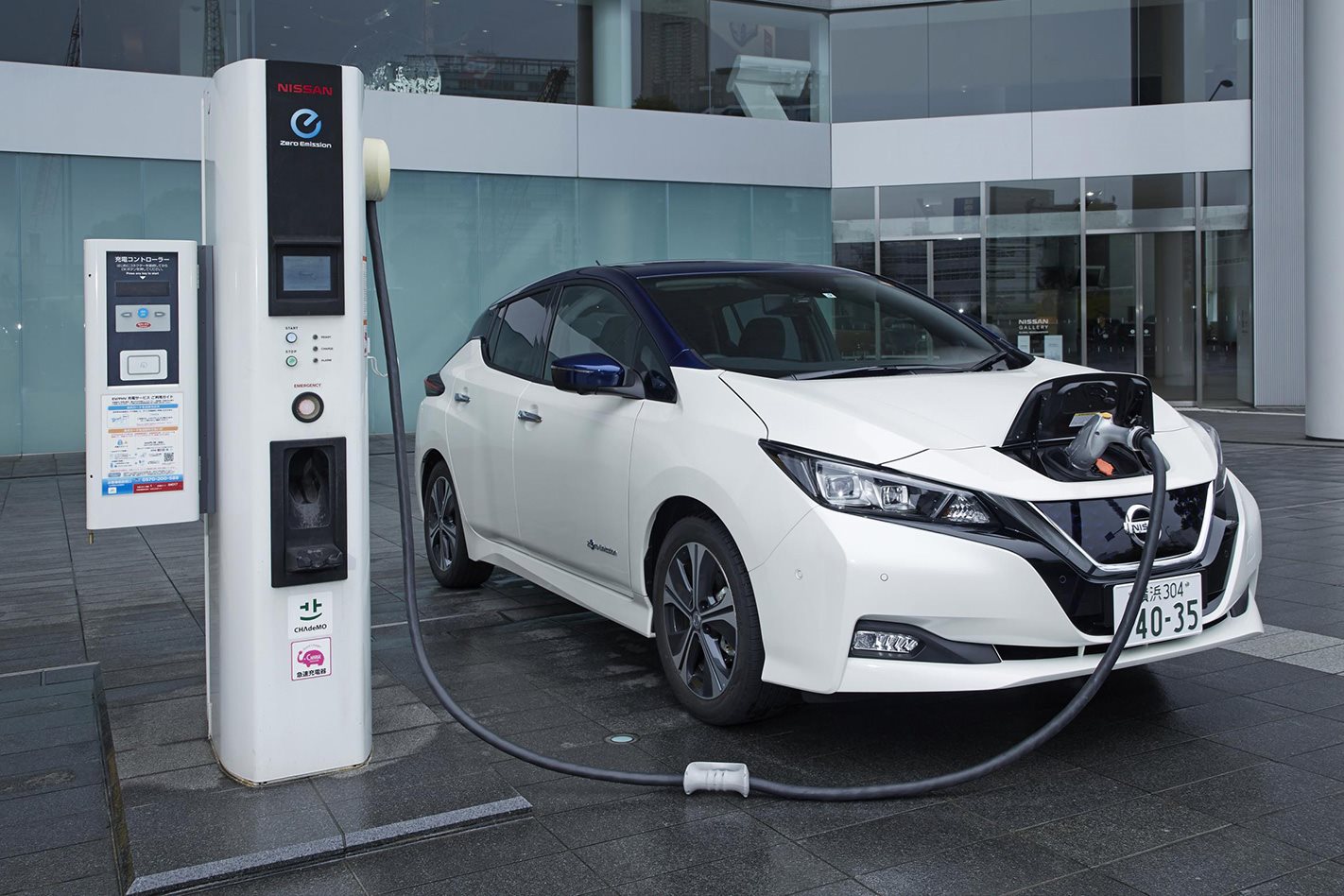
Western Australia has revealed the locations of its 45 new EV fast charging stations as part of plans to make its network the longest electric highway in the country.
The plans announced this week include up to 90 fast chargers, as well as back-ups, at 45 locations stretching from Kununurra in the state’s north, Esperance in the south and Kalgoorlie in the east.
The rough distance between the chargers being around 160 kilometres – with the average driving range of an EV currently around the 400-500km mark, the distance between the new stations should be enough for drivers to travel between Perth and regional WA without range anxiety.
Posting on Twitter, the Electric Vehicle Council of Australia welcomed the latest news: “Great to see WA join the list of states supercharging their highways! With more chargers, come more #EVs.”
According to the WA Government, the network, which forms part of a wider $21million fund for EV infrastructure development, will allow electric vehicles to be charged in as little as 15 minutes – with locations particularly chosen to encourage tourists to stop and explore regional towns.
The sites were chosen by energy firms Synergy and Horizon Power as well as the state’s Department of Water and Environmental Regulation.
“Western Australia is a vast State and our huge fast-charging network will give electric vehicle owners confidence they can travel far and wide by eliminating any concerns around range anxiety,” said WA’s Environment and Climate Action Minister Amber-Jade Sanderson.
“This infrastructure is a key to boosting electric vehicle uptake in the state and helps continue the transition to net zero carbon emissions by 2050.
“The charging time will provide EV owners the perfect opportunity to stop in at a local business for lunch or a coffee in a welcome boost for our regional towns.”
A tender for the design is expected to go out to market by the end of this year, with the network expected to be fully up and running by early 2024.
The McGowan Government has also launched its Electric Vehicle Action Plan to encourage WA’s uptake of EVs. As part of the plan, work will also be undertaken to make the electricity grid more resilient.
“We are preparing for the future, with 20 per cent of new car sales in Australia expected to be electric by 2030,” said Energy Minister for WA, Bill Johnston.
“This is an exciting and important task for Synergy, Horizon Power and Western Power, with the 45 locations spanning more than 3000 kilometres across the state.
“An electric vehicle charged using the state’s main electricity grid will generate 30 per cent less greenhouse gas emissions than a conventional petrol vehicle.
“I’m also pleased to launch the Electric Vehicle Action Plan, which will prepare our electricity system for the rapid uptake in electric vehicles and ensure it stays safe, secure and reliable.”
Unlike its other state and territory counterparts, Western Australia has not got down the route of offering incentives to encourage EV uptake, nor has it followed in Victoria or New South Wales’s footsteps and considered a tax.
For more on how each state and territory is approaching introducing EVs into the mainstream, click here.
