
Snapshot
- Countach to be revived 50 years after debut
- Could be powered by Lamborghini’s first hybrid V12
- Low production numbers expected
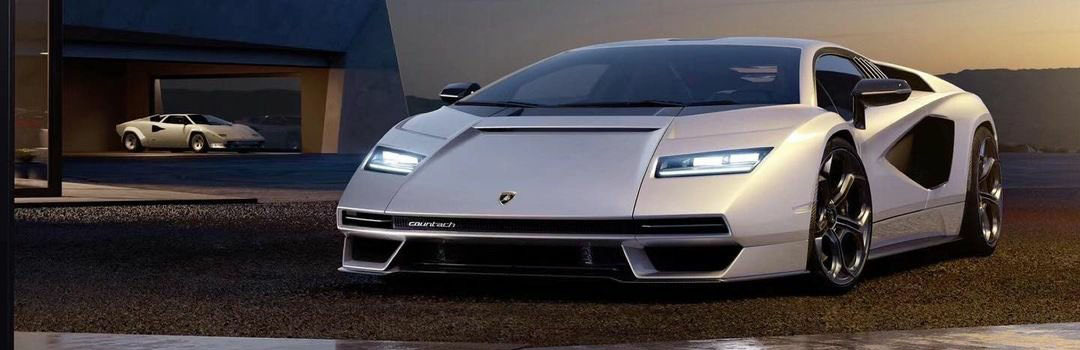
UPDATE, August 13: A trio of new Countach photos have surfaced online overnight, just hours away from the revived hero’s big reveal.
We’ll have all the official details tomorrow, but in the meantime, take a look at the sleek supercar and tell us what you think. Should Lamborghini consider reviving any other iconic nameplates?
Hit the image below for more pics in our gallery.
Mike Stevens
The story to here
August 12: Lamborghini has continued to tease its reborn Countach in an Instagram post, giving out three new official images of the supercar.
While we’ve seen the side air intakes before (see below), the latest pictures provide a look at its low-profile nose – reminiscent of the original Countach – and an opaque engine cover, confirming this modern recreation will be powered by a V12 engine.
Read below to find out what we know so far about the new Countach ahead of its reveal at Pebble Beach.

AUGUST 10: The Lamborghini Countach name is set to be revived 50 years after it debuted.
Announced on Twitter, a 20-second teaser video acknowledges the original Countach’s popularity as a ‘poster car’ – a striking design at the time when it was revealed as the LP500 at the 1971 Geneva Motor Show.
Instagram user Lamborghini.specs teased two images taken from the Lamborghini customer-only Unica app, revealing angular and aggressive air vents behind the car’s doors as well as the nameplate of the new Countach – set to be dubbed Countach LPI 800-4.
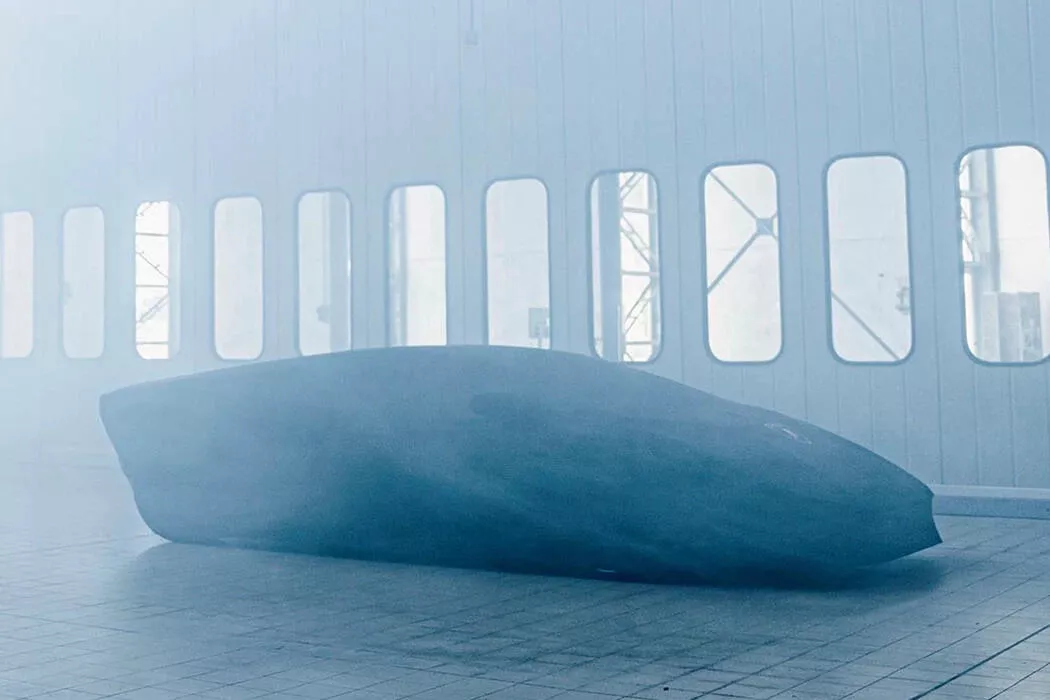
While the LP name is nothing new, having been adopted by Lamborghini since the 1960s, the ‘I’ stands for Ibrido which translates to hybrid, suggesting the car’s new powertrain will make it the first hybrid V12 Lamborghini.
Keeping in line with Lamborghini’s naming system, which was introduced in 2006 with the Murciélago LP 640-4, the ‘800’ refers to horsepower – just under 600kW in this case – and the ‘4’ references its all-wheel drive system, although it’s uncertain whether the electric motors on the new Countach will be mated to the axles directly or the engine itself.
Set to be revealed at Pebble Beach this weekend, we wonder if it will look anything like the reimagined Countach by ARC Design, which was based on the current Aventador, Lamborghini’s current flagship vehicle which is nearing the end of its lifecycle after a decade.
Snapshot
- Just 85 vehicles to be produced
- Spider will be available in right and left-hand drive
- Deliveries to begin in the second half of 2022
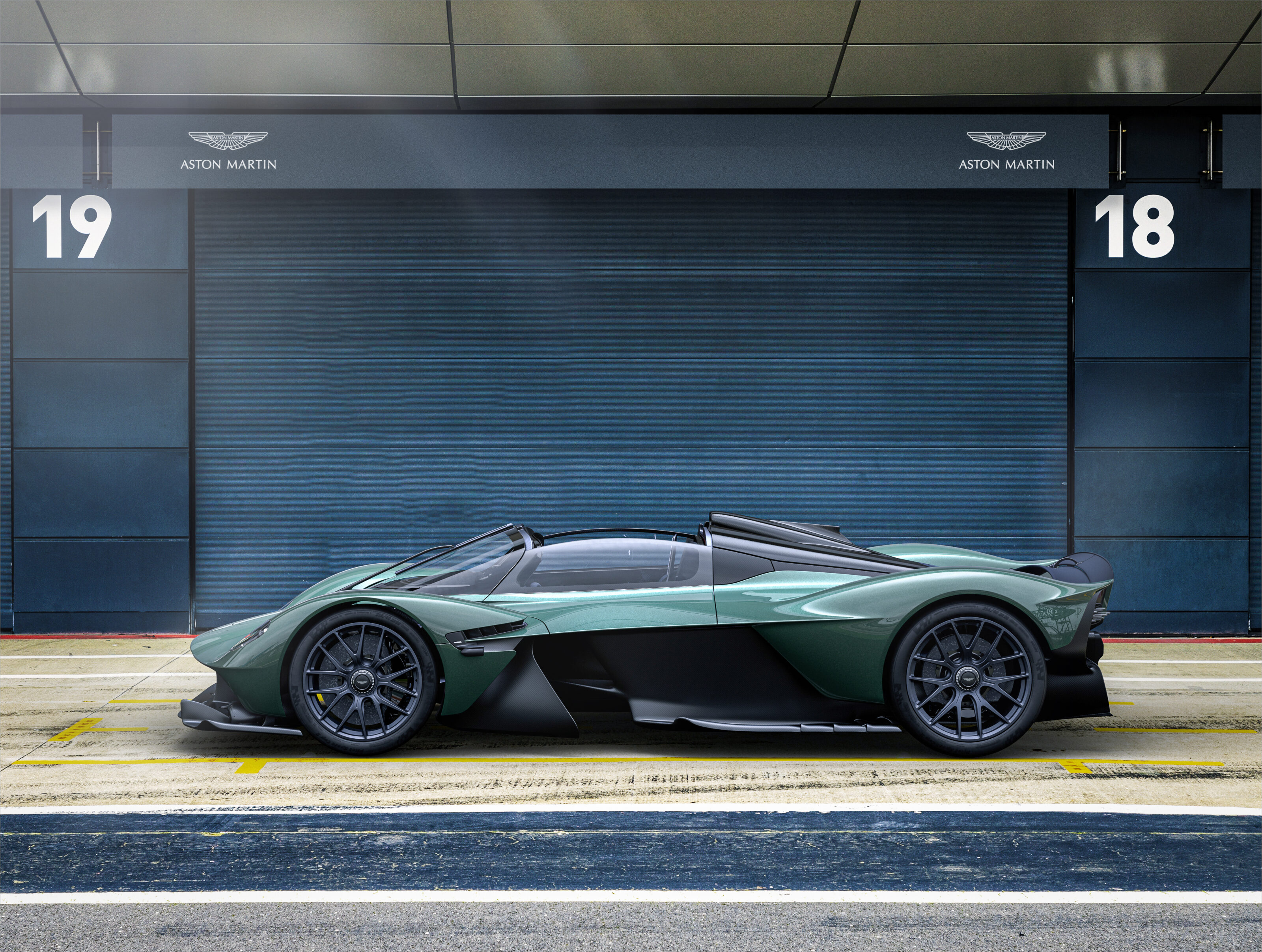
Fresh off the back of the Aston Martin Valkyrie’s first public appearance at last month’s Goodwood Festival of Speed, the British marque has revealed the hypercar’s got a twin – the Valkyrie Spider, its fastest convertible yet.
Retaining the original car’s exterior design and its 850kW hybrid V12 engine, where the Valkyrie Spider differs is that it features two removable roof panels to provide a top-off experience like no other, bolstered by revisions to its carbon fibre platform.
Additionally, the valkyrie’s gull-wing doors have been replaced by equally unconventional scissor doors.
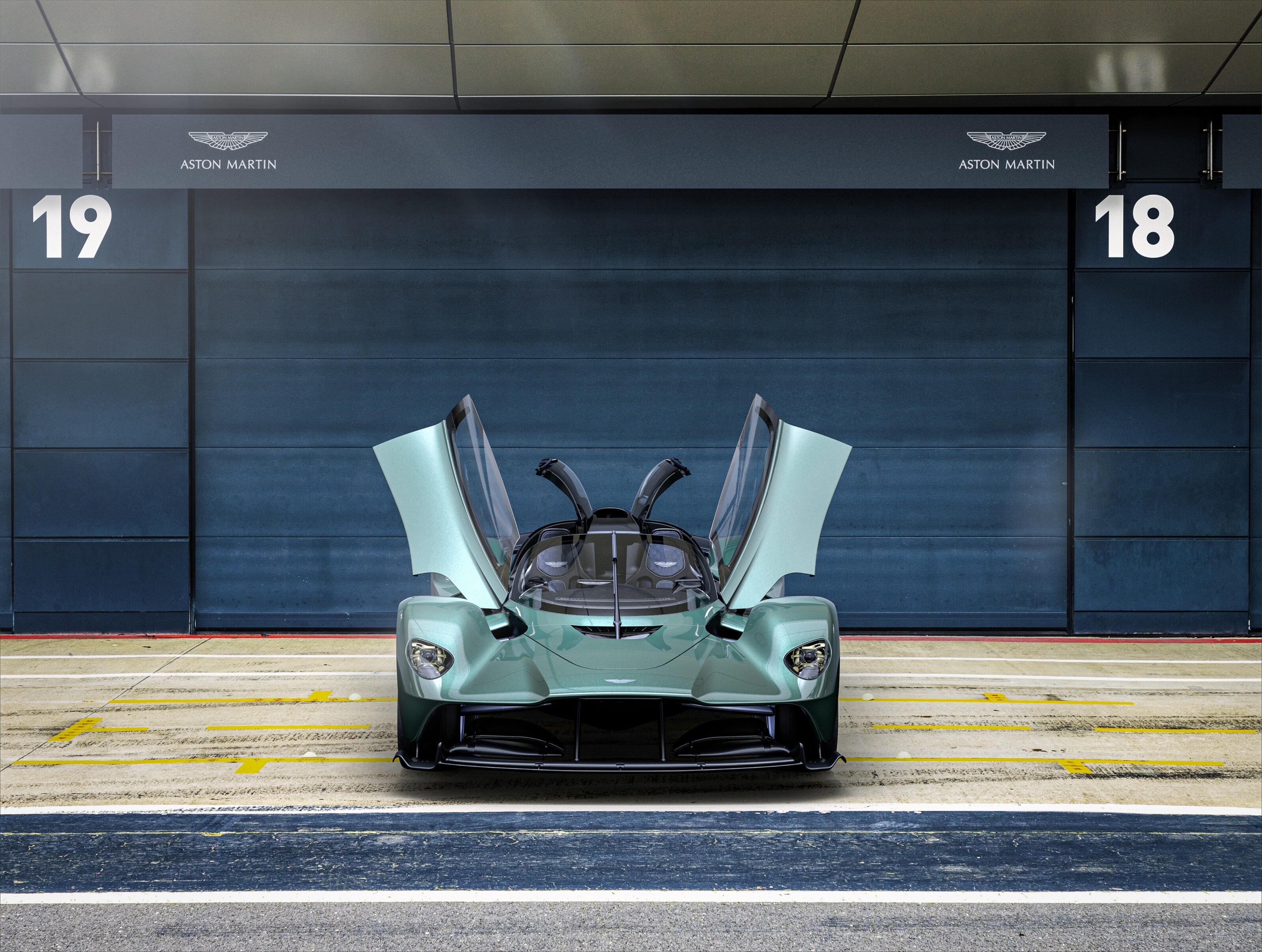
Even sans roof, the Valkyrie Spider can produce in excess of 1400kg of downforce at 240km/h in track mode before hitting its top speed of 330km/h – boosted to over 350km/h with the roof on – all thanks to recalibrated active aerodynamics.
Aston Martin CEO Tobias Moers said the Spider is an extension of the already cutting-edge Valkyrie, providing a unique experience for those lucky enough to get in one.
“The Aston Martin Valkyrie is the product of incredible innovation and technology, but above all it has always been about emotion,” said Moers.
“With the Valkyrie Spider we are taking that passion and emotion to the next level. The driving experience promises to be truly sensational.
“The sound of that 6.5-litre V12 engine revving to over 11,000rpm with the roof removed is something I cannot wait to hear.”
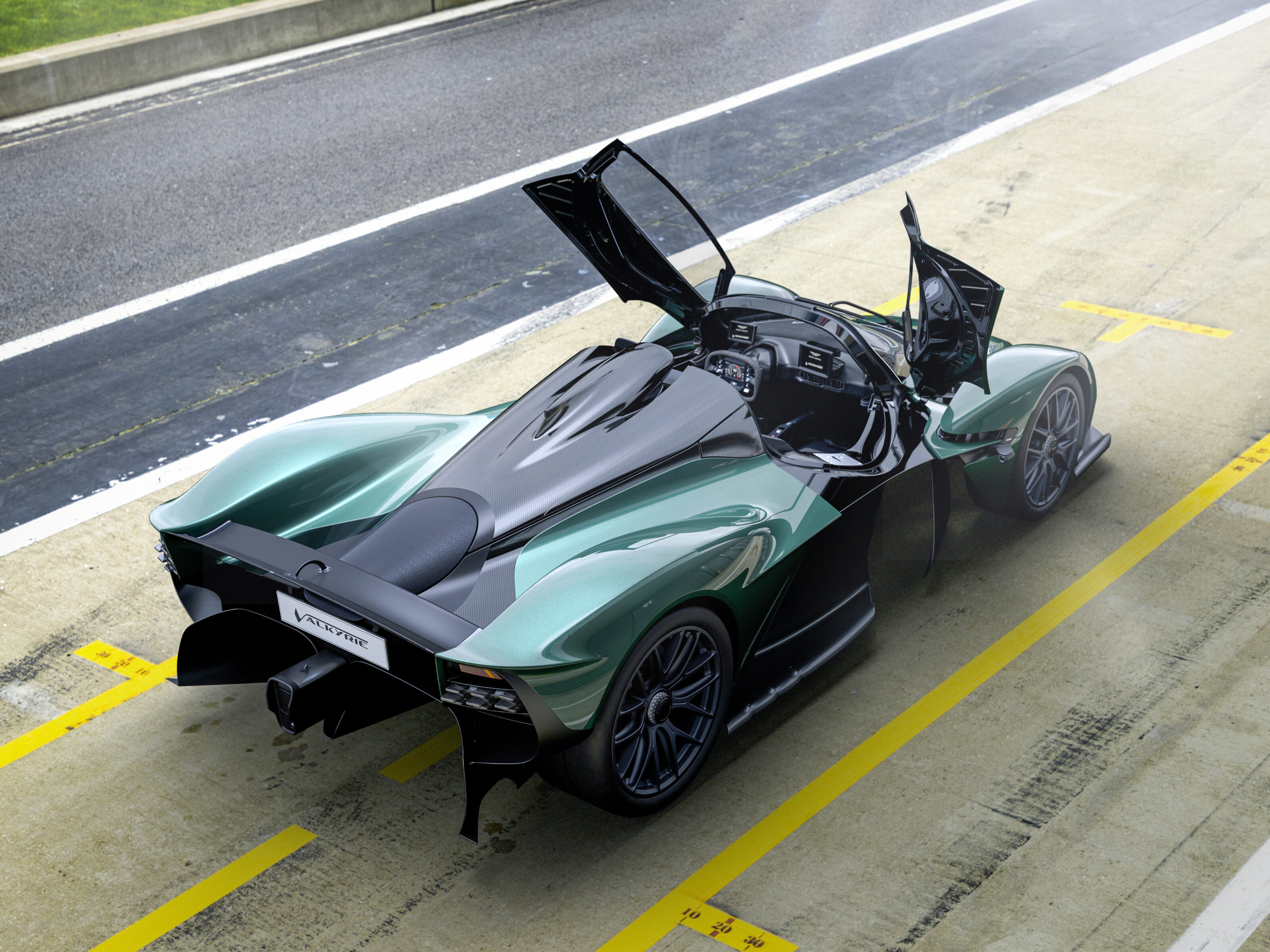
Red Bull Racing’s chief technical officer, ten-time Formula One championship, winning designer and head of the Valkyrie project, Adrian Newey, said the Spider still retains the strengths of the hard-top with no compromises.
“Right from the very beginning of the Aston Martin Valkyrie project we were driven by exacting targets which went way beyond any previous road car, and the Valkyrie Spider brings that same ethos to the open cockpit hypercar category,” said Newey.
“What you see is a simple removable roof panel, but the challenge of remaining true to the Valkyrie concept was anything but.
“Maintaining aerodynamic performance with the roof removed was of paramount importance, likewise keeping any unavoidable weight gains to an absolute minimum whilst maximising enjoyment for the driver.”
Debuting at the Pebble Beach Concours d’Elegance, the Valkyrie Spider will be limited to 85 units with deliveries beginning in the second half of next year.
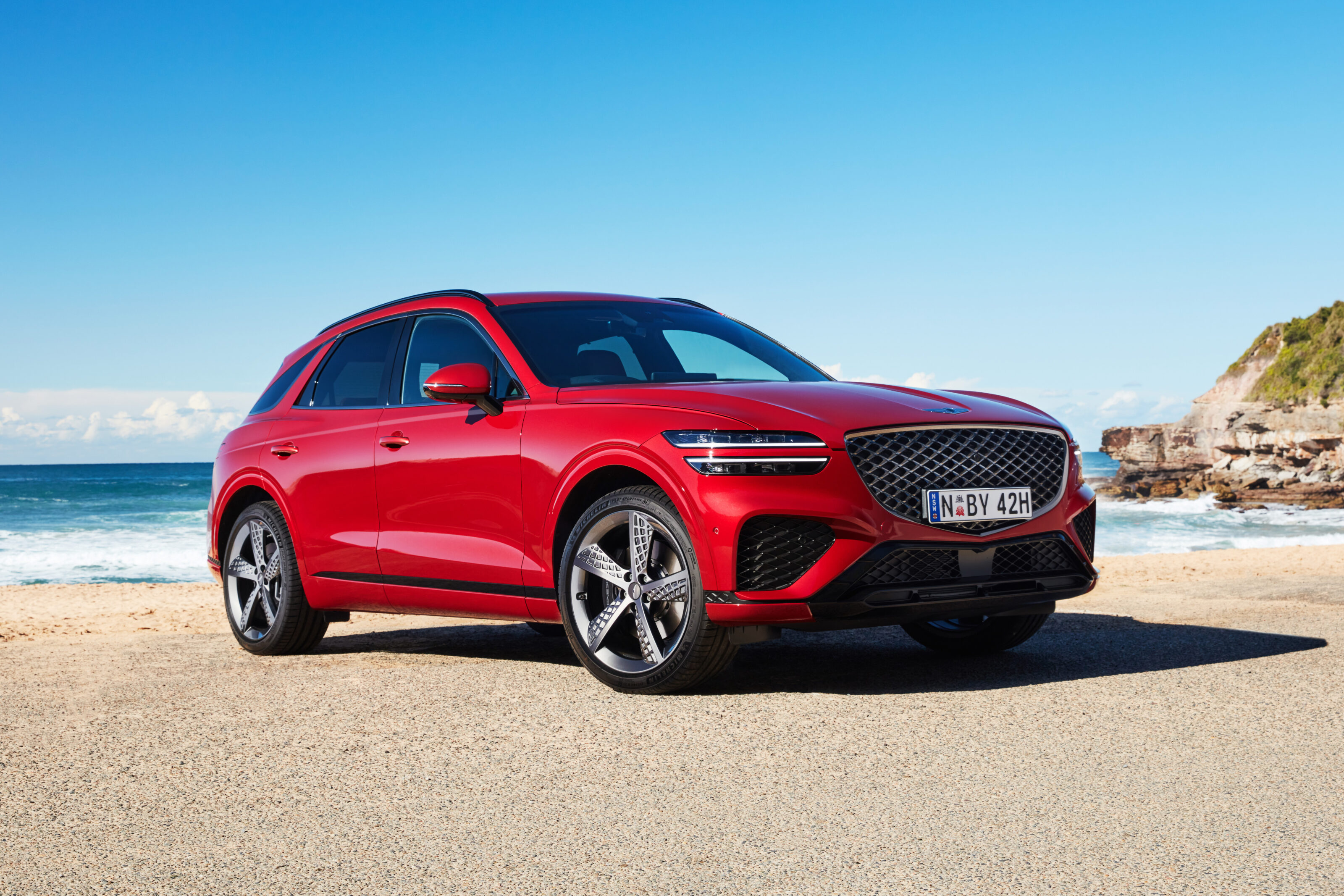
The Genesis GV70 has a big role to fill. Of all the offerings from the fledgling luxury brand, it’s the vehicle most likely to make its way into the hearts, minds and driveways of Australian buyers.
Establishing a premium brand is hard; Lexus and Audi made it, Eunos and Infiniti did not. It takes patience, commitment, plenty of investment but, most importantly, the right product. Genesis’ current offerings of a pair of sedans and a large SUV are never going to be volume sellers, which is what makes the GV70 so important.
It lands smack-bang in the middle of the popular premium mid-size segment with its sights set firmly on the Alfa Romeo Stelvio, Audi Q5, BMW X3, Jaguar F-Pace, Mercedes-Benz GLC and Volvo XC60. A tough crowd, so the GV70 is going to need to be good.
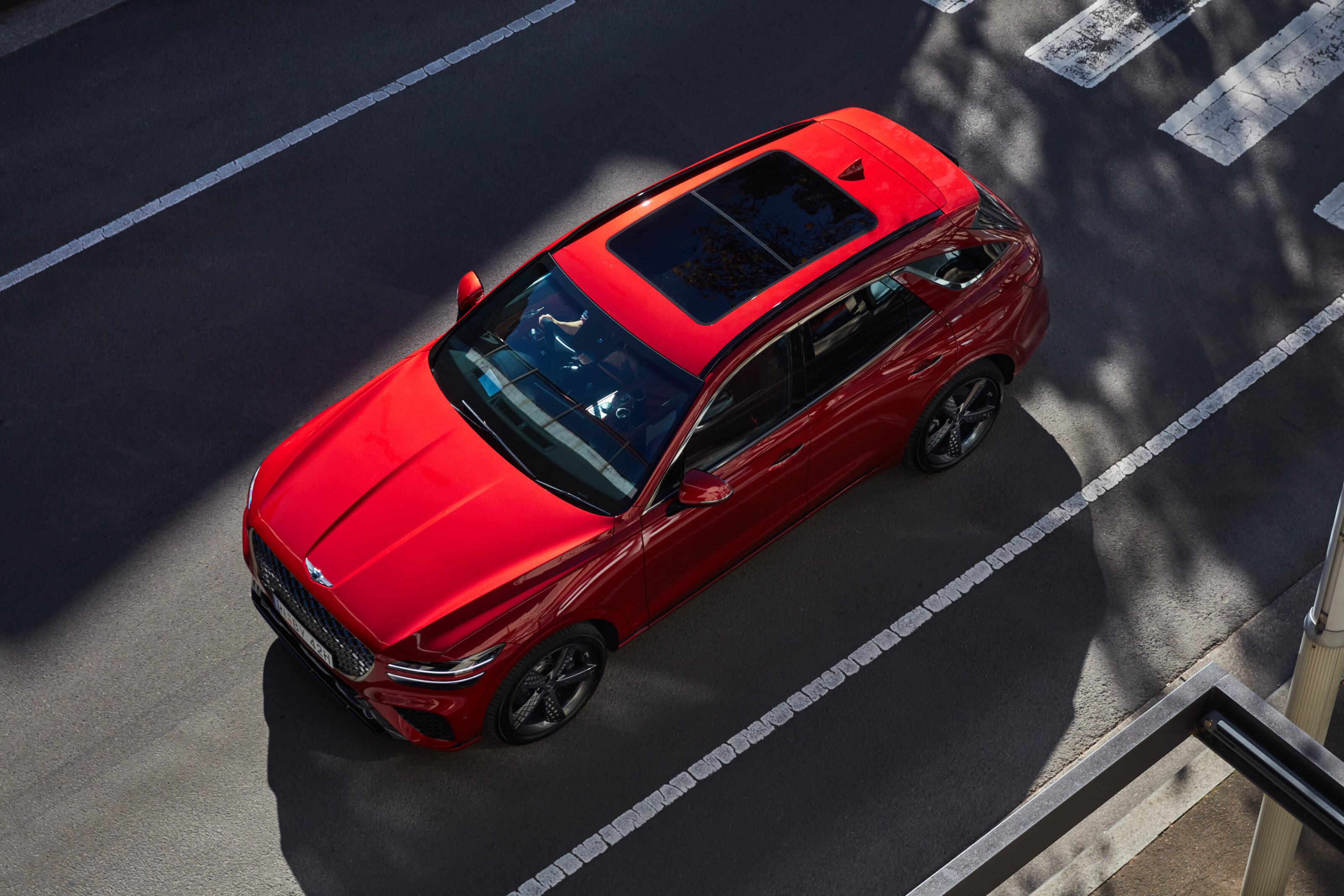
The GV70 range kicks off with the 2.5T RWD, with a 2.2D (for diesel) and 3.5T – both all-wheel drive – also available, but we’re testing what’s expected to be the most popular variant, the 2.5T AWD.
It’s priced from a very competitive $68,786 before on-road costs, a serious saving over the likes of the $85,900 BMW X3 30i and $86,800 Mercedes-Benz GLC300, though it’s lineball with the $69,600 Audi Q5 45 TFSI.
Despite the lower entry cost, Genesis hasn’t skimped on the equipment list. There’s eight airbags, every conceivable lane and collision warning and assist, dual-zone climate control, a panoramic sunroof, powered tailgate, fingerprint recognition, 12-way adjustable heated and ventilated front seats, keyless entry and go with remote start, wireless phone charging and a 14.5-inch infotainment system with smartphone mirroring and augmented reality satellite navigation.
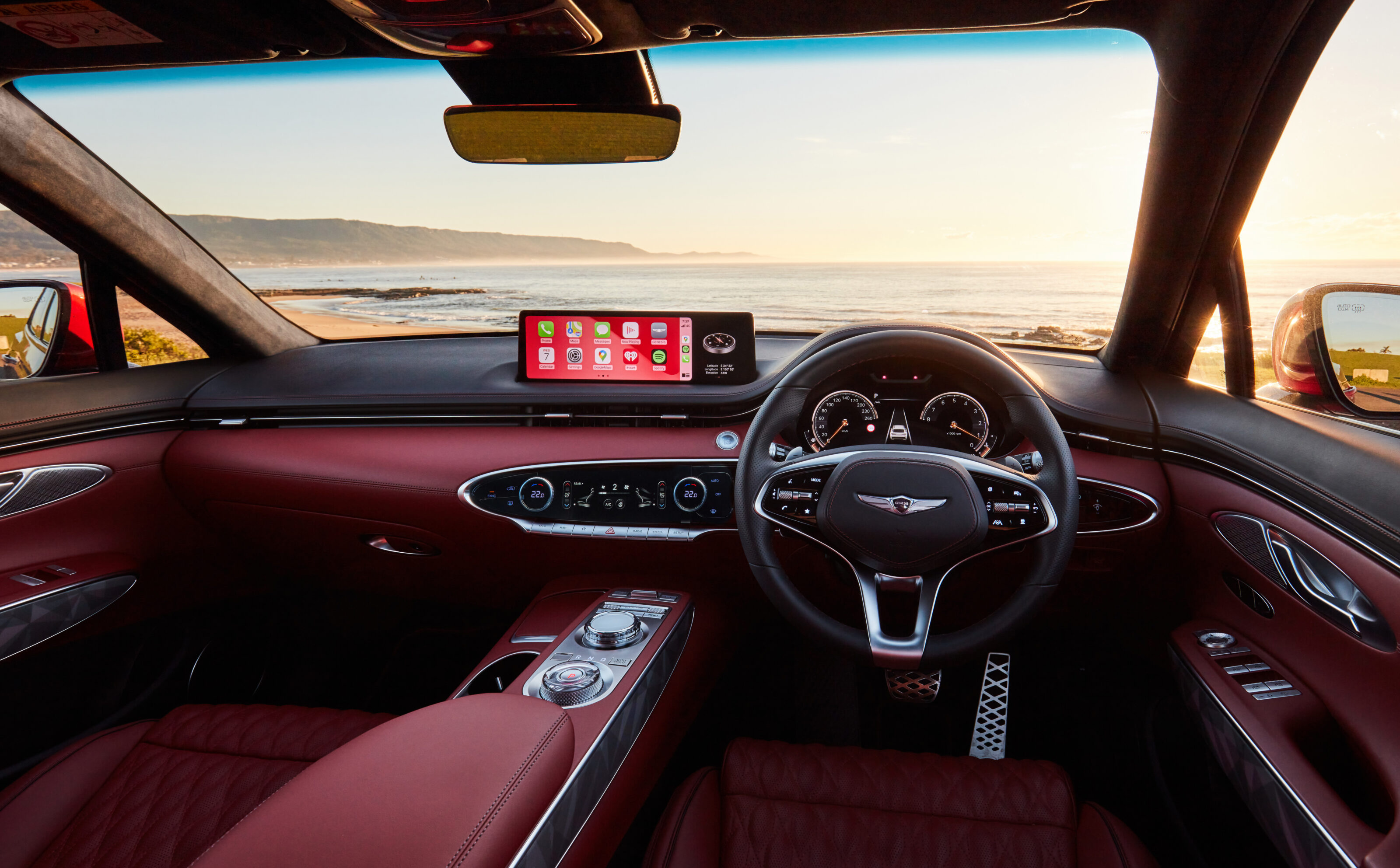
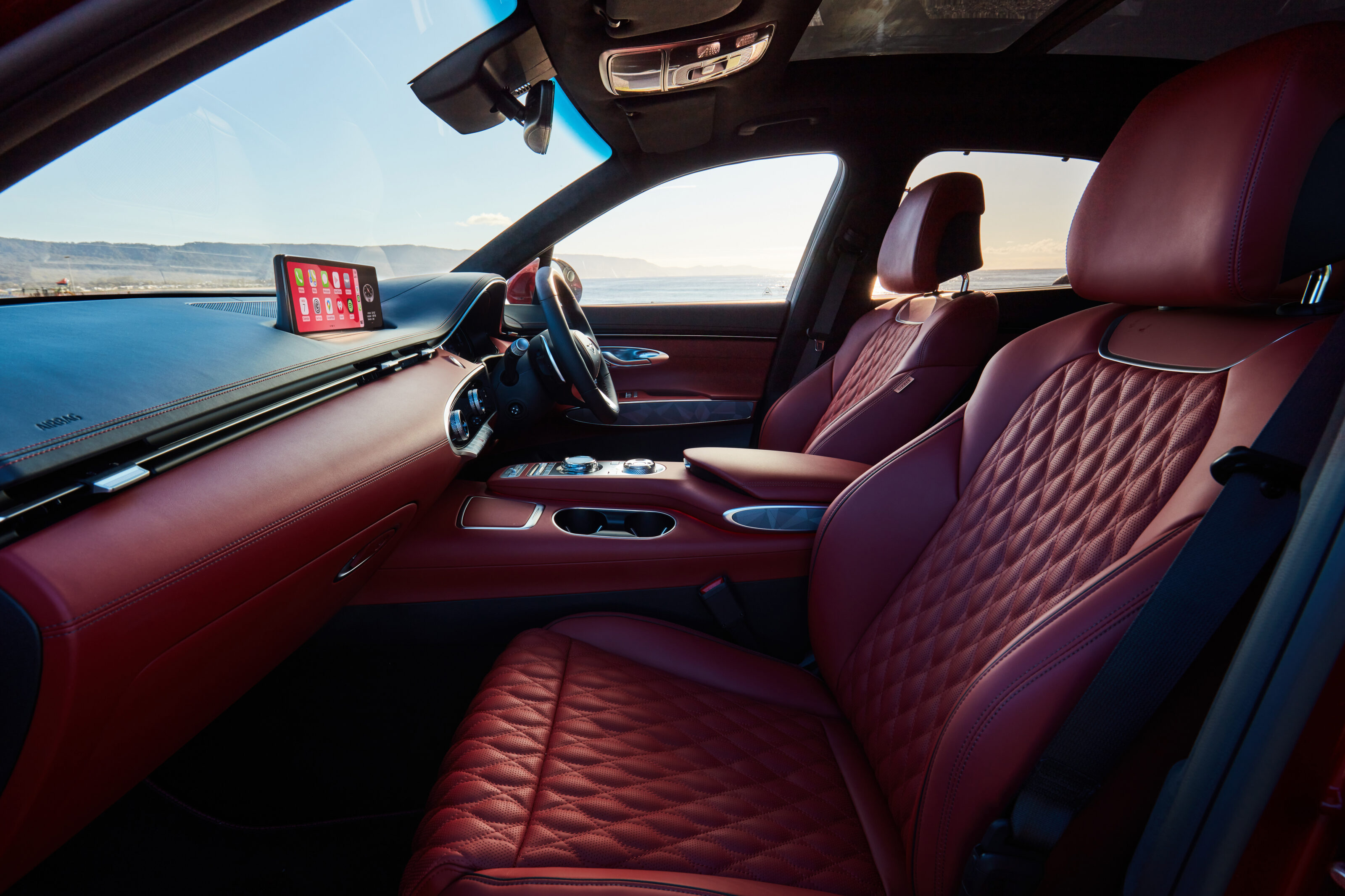
The interior of a Genesis GV70 is an impressive place to sit
Nor has it skimped on the materials. The interior is a seriously impressive place to sit. Double-stitched leather adorns the dash, wheel, doors and centre console, the metal knurling and trim is real and there’s very, very little use of conventional hard plastics – even the lower doors are soft-touch!
Finding a comfortable driving position is no problem thanks to plenty of electric adjustment of the wheel and seats, though the interior ergonomics are a slight mixed bag.
The digital HVAC controls are executed well, bucking the trend of burying them in the main multimedia screen, which is just as well as while the massive widescreen is touch-operated, it’s located too far away for such a function to be useful.
That leaves the iDrive-like controller on the centre console, which works fine, though without quite the same positive action as the BMW, and I did find myself grabbing it on occasion instead of the rotary gear selector, especially when I was in a rush – maybe it’s just me.
There’s a neat cubby hole to hold your phone, which includes the wireless charging pad and a pair of USB ports.
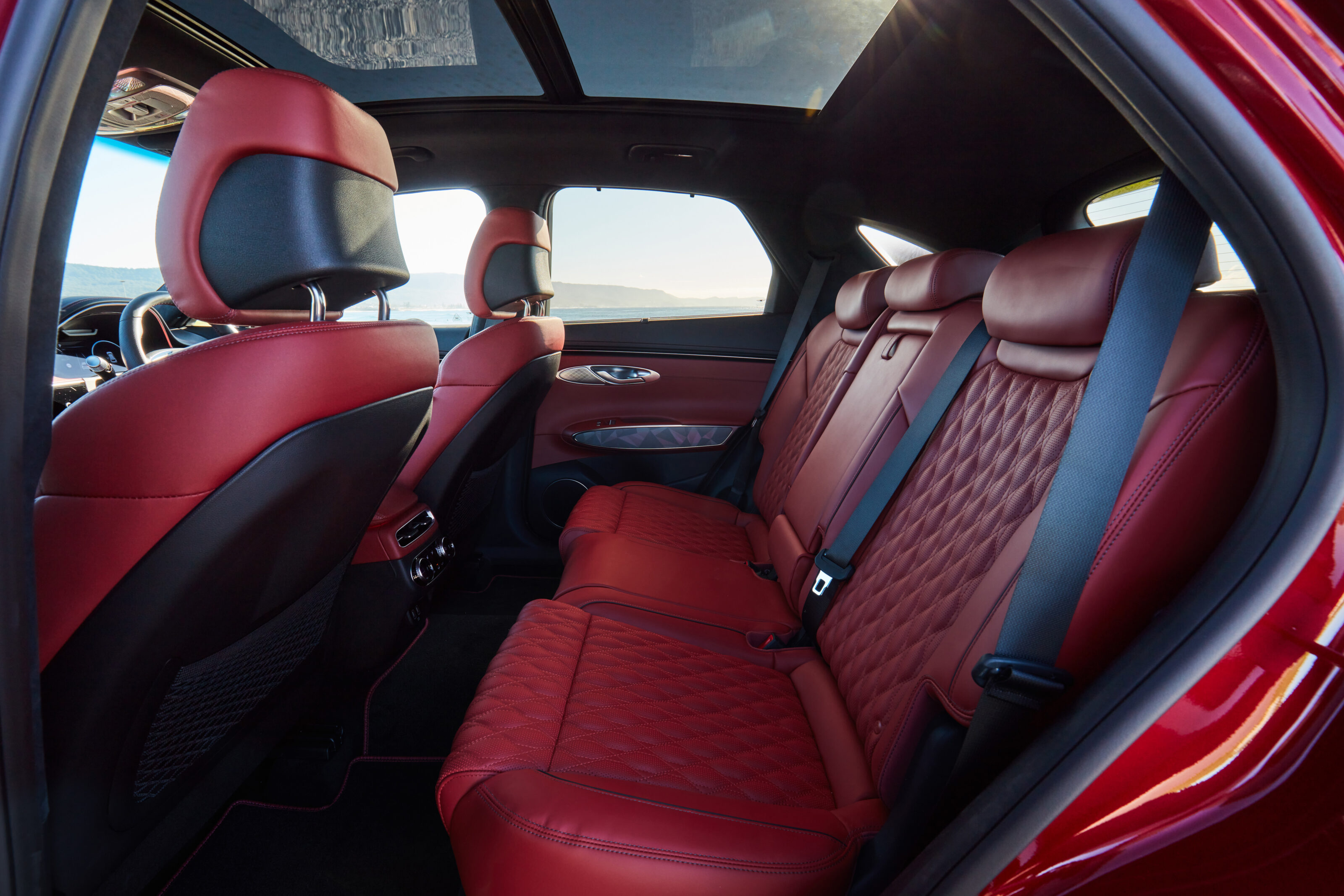
In the rear there’s ample space, more leather, manually-operated sun blinds, a pair of USB ports and the 60:40 split rear seat reclines to a satisfactorily nap-accommodating angle.
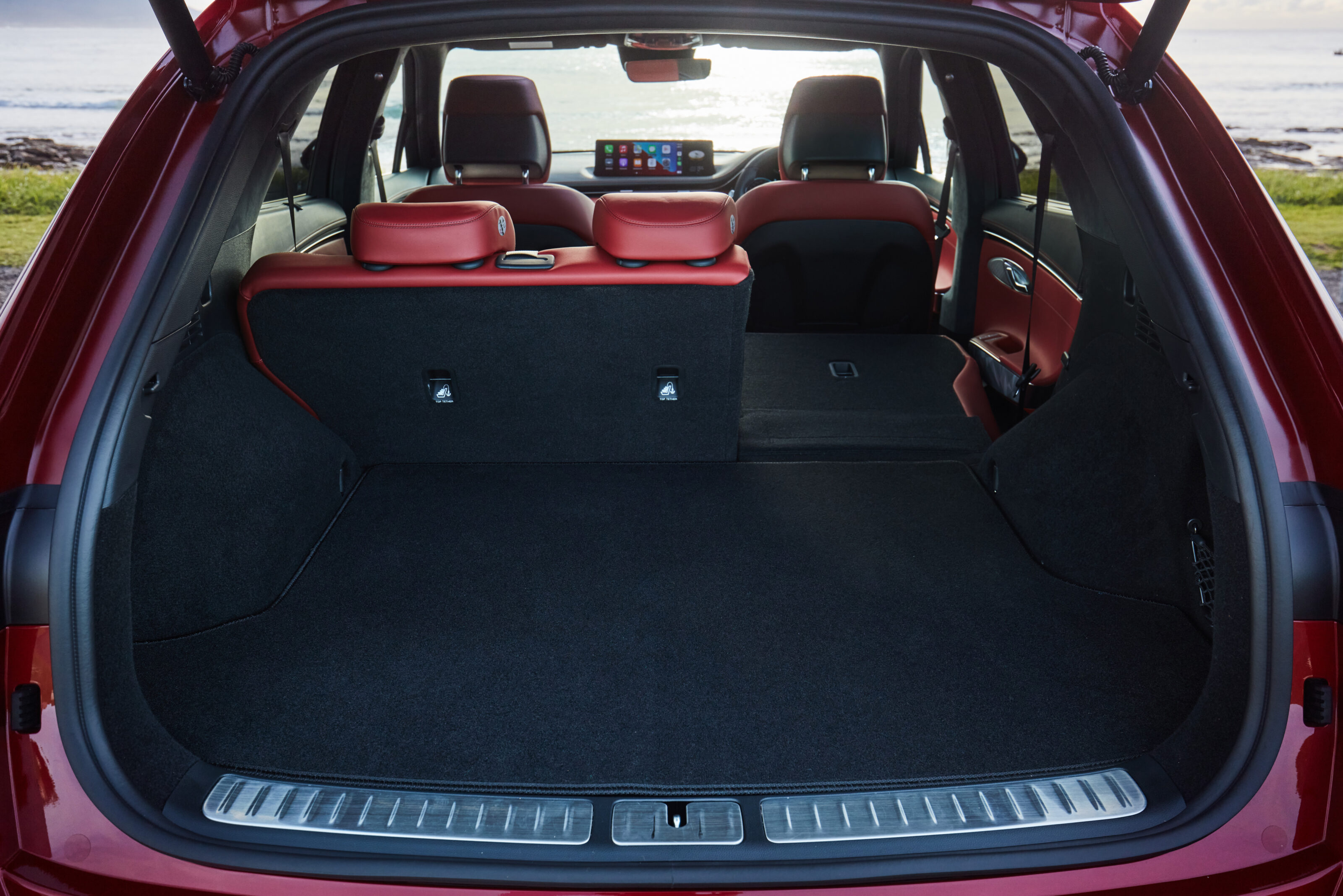
The boot has quite a high floor thanks to the space-saver spare located underneath yet can still hold 542L with the rear seats in place and 1678L with them folded, which is competitive with the upper end of the segment.
A variety of interior colours are available depending on the options packs chosen, which I’ll get to in a moment, while there is a choice of 11 exterior colours, including three $2000 matte options, though not all hues are available with all engines.
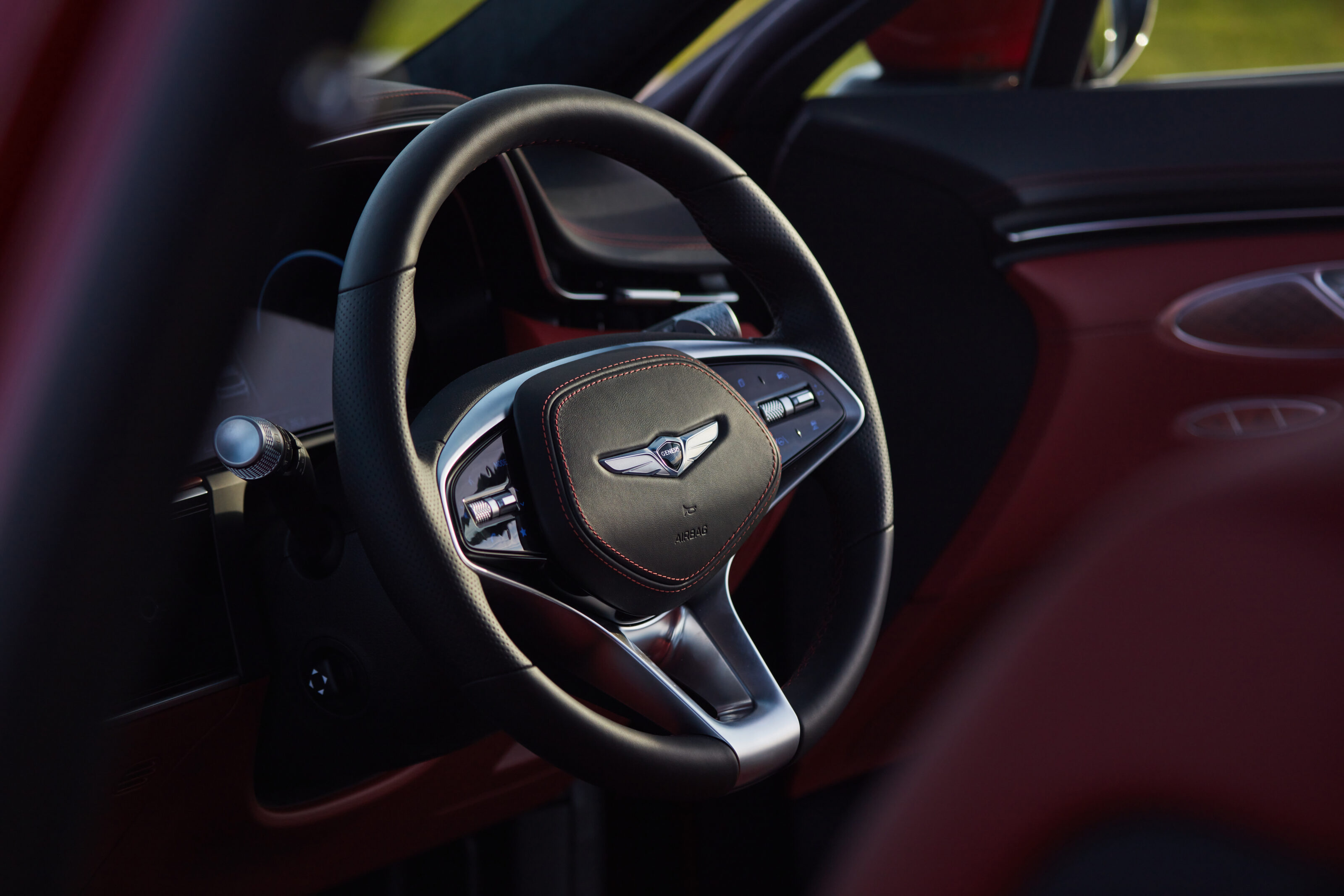
Complicating matters slightly is the pair of options packs offered. The $4500 Sport Line Package is relatively straightforward, including a new design for the 19 x 8.0-inch alloys, larger brakes all round, larger exhaust tips, a Sport+ drive mode, new bumpers front and rear, a variety of gloss black and dark chrome exterior trim, combination Nappa Leather/suede seats, suede headlining, three-spoke steering wheel, alloy pedals, geometric aluminium interior trim and sport gauges.
So far, so good, however the Luxury Package lists at a whopping $11,000, or buyers can score a slight discount by opting for both at $13,000.
On the one hand it’s a slightly strange all-or-nothing approach to ask buyers to stump up an extra 19 per cent on top of the purchase price, but on the other it merely brings the GV70’s price tag into line with key rivals and packs it to the gills with equipment.
The Luxury Package adds a 16-speaker, 1050w stereo, tri-zone climate control with rear control panel, intelligent front lighting, rear privacy glass, 21 x 9.0-inch wheels with 20mm wider tyres, quilted Nappa leather seats, 3D-effect trim, 18-way adjustable driver’s seat with massage function, heated rear seats and steering wheel, 12.3-inch 3D digital instrument cluster, head-up display and smart parking assist with remote function.
And here’s the thing. While it’s easy to spend other people’s money, I’d tick both boxes, as the extra equipment both improves the GV70’s looks both outside – the 21s fill the guards much better than the 19s – and in, the quilted leather seats, 3D dials and head-up display giving the car a luxury feel that the lesser-specced variants don’t quite pull off.
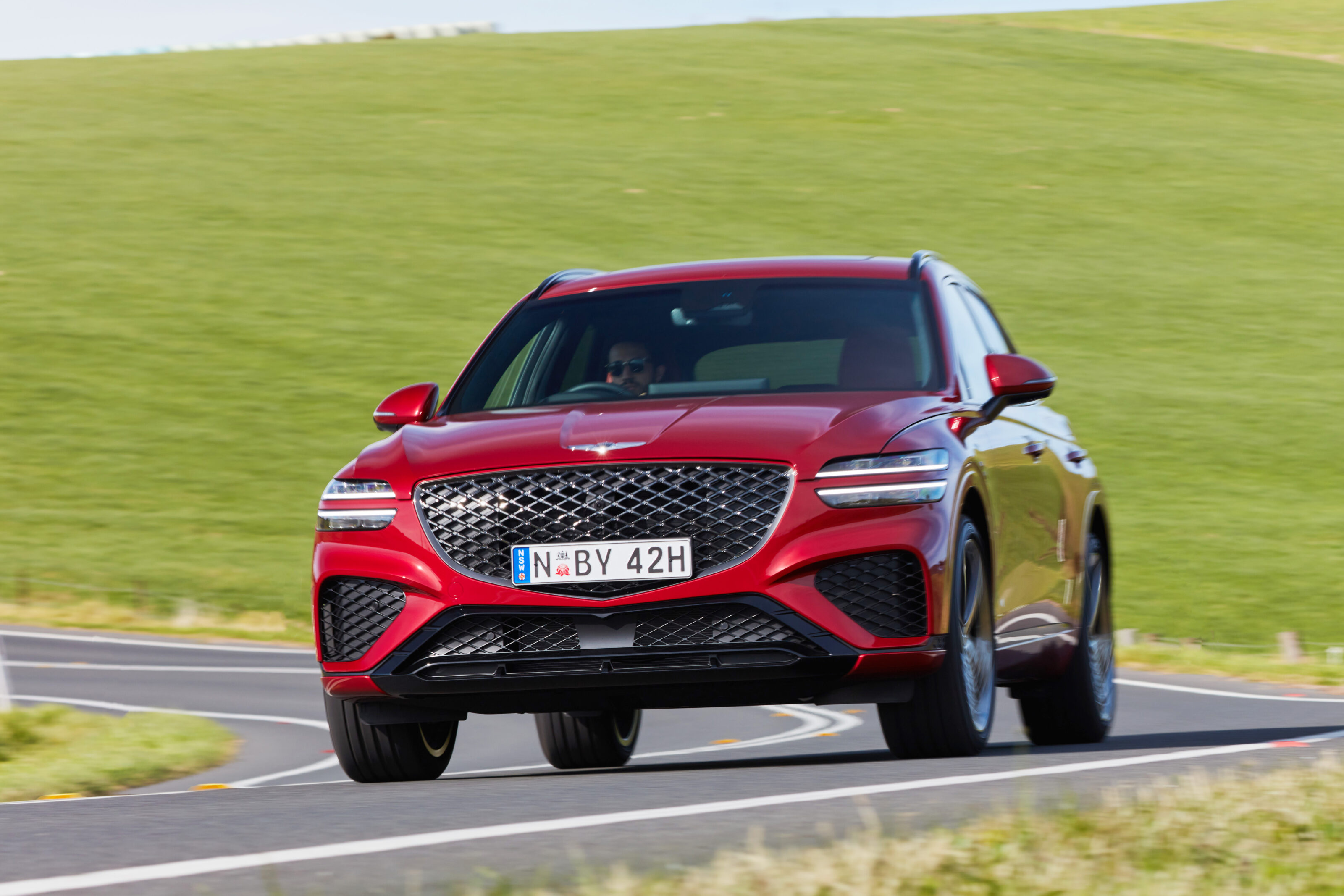
On the road the 2.5-litre turbocharged four-cylinder engine of the 2.5T is effective if not particularly inspiring. It boasts impressive numbers of 224kW and 422Nm, figures that are a good 20 per cent higher than most of its competition, but while it has an impressive spread of torque and revs keenly to 6000rpm, it sounds like a diesel at low rpm and is slightly coarse in the upper reaches.
Genesis claims a 0-100km/h figure of 6.1sec, which feels a little optimistic, though of possibly more interest to buyers will be the 10.3L/100km combined claimed fuel figure. Most of the GV70’s rivals are in the low-eights/high-sevens and while official fuel figures aren’t always particularly accurate, it suggests the Genesis will be thirstier than most.
One figure on the spec sheet is a clear culprit. At 1973kg, the GV70 2.5T is very heavy for a vehicle this size (Q5 45 TFSI 1750kg; X3 30i 1720kg; GLC300 1805kg), which is probably why it’s neither as quick nor as frugal as one might expect.
Our test figure over 400km was 14.2L/100km, but this should be taken with a grain of salt as plenty of that was spent enjoying the lower reaches of the throttle pedal’s travel.
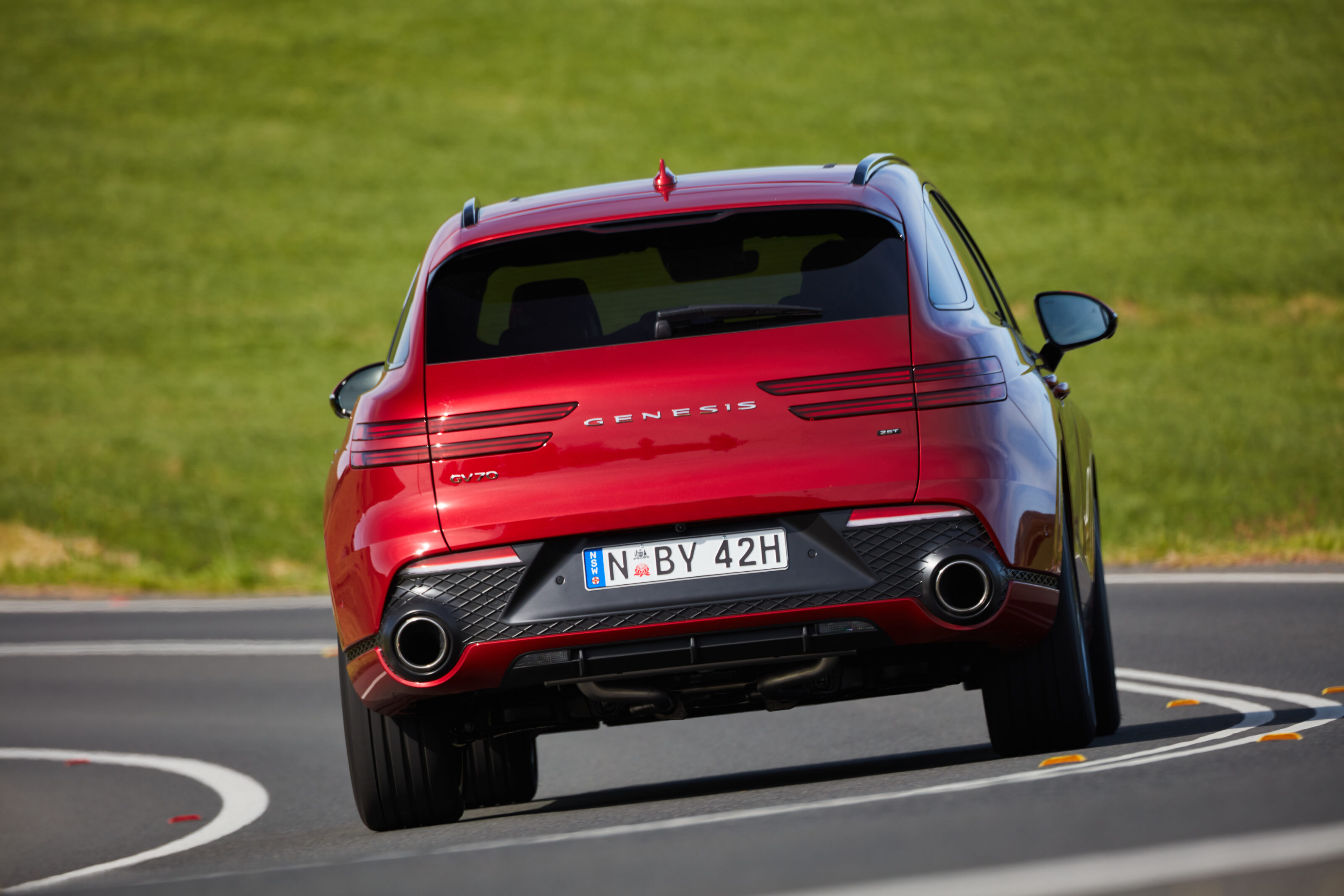
One main reason why so much time was spent with the throttle pinned is that the GV70 is genuinely entertaining to drive. The steering is fairly mute but accurate and well-weighted, especially if it’s kept in its Comfort setting via the Comfort drive mode, which allows settings to be mixed and matched.
Adaptive dampers are restricted to the top-spec 3.5T but while the passive suspension allows a reasonable level of pitch and roll, the chassis has impressive balance.
Really pushing the limits will overwhelm the Michelin Pilot Sport 4 tyres and generate understeer but the handling is responsive to throttle and brake inputs making it quite fun to hustle.
A word of praise to the eight-speed automatic gearbox, too, which is smooth in its changes and does a great job of selecting the appropriate gear when left to its own devices.
Manual override is also exactly that! Sport+ mode not only sharpens the throttle further but backs off the traction control, allowing you to really dig into the GV70’s dynamic talents.
Drive in a more conventional manner and the GV70 is generally impressive. It’s well-insulated courtesy of its acoustic laminated windscreen and front windows, with some tyre noise from the rear only noticeable when driving in complete silence.
The primary ride is very impressive, the suspension absorbing larger bumps and lumps with ease, but the secondary ride can be quite busy, feeding smaller road imperfections back to the occupants. It’s not a huge issue but it is noticeable and perhaps unexpected, especially for a car wearing the 55-profile tyres of our test car.
Exactly where the GV70 sits in the premium mid-size SUV pecking order will need a comparison to decide, but that in itself is praise as Genesis has at least put itself in the conversation.
The Korean brand also puts its best foot forward with aftersales service, with a five-year/unlimited-kilometre warranty, five years of complimentary scheduled servicing (though only up to 75,000km with 12-month/15,000km intervals), five years’ complimentary roadside assistance, map upgrades and Genesis-To-You courtesy vehicles.
In summary, there are two things to mention. Despite the substantial cost involved, the Luxury Package does make the GV70 feel more special, more – funnily enough – luxurious. It’s worth considering regardless of engine spec.
Speaking of, while the 2.5T AWD is expected to be the biggest seller, unless you regularly head to the snow the RWD is almost $2500 cheaper, 68kg lighter and also more frugal, cutting the urban fuel consumption claim from the AWD’s 15.1L/10km to 13.8. Stay tuned for a full review of that variant to confirm the hypothesis, but it does look to be the smarter choice.
| Body: | 5-door, 5-seat SUV |
|---|---|
| Drive: | all-wheel drive |
| Engine: | 2497cc inline-4cyl, DOHC, 16v, turbo |
| Bore/stroke: | 88.5 x 101.5mm |
| Compression: | 10.5:1 |
| Power: | 224kW @ 5800rpm |
| Torque: | 422Nm @ 1650-4000rpm |
| 0-100km/h: | 6.1sec (claimed) |
| Fuel consumption: | 10.3L/100km (combined/claimed) |
| Top speed:u00a0 | 240km/h |
| Weight: | 1973kg |
| Power/weight: | 114kW/tonne |
| Transmission: | 8-speed automatic |
| Suspension: | Multi-links, coil springs, anti-roll bar (f/r) |
| L/W/H: | 4715/1910/1630mm |
| Wheelbase: | 1649/1665mm |
| Luggage space: | 542/1678L (seats up/down) |
| Steering: | Electrically assisted rack-and-pinion |
| Brakes: | 360mm ventilated discs, 4-piston calipers (f); 345mm ventilated discs, single-piston calipers (r) (Sport Package) |
| Wheels: | 19 x 8.0-inch (f/r) |
| Tyres: | 235/55 R19 105W (f/r) Michelin Pilot Sport 4 |
| Price: | $68,786 + ORC ($73,286 + ORC as tested) |
Snapshot
- Model S builds due this month now expected in October
- Higher-paying customers may get cars first
- Australian deliveries still due at end of 2022
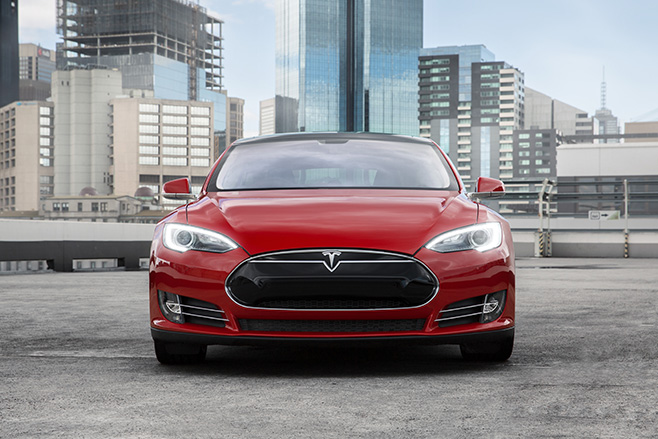
Tesla has delayed Model S deliveries in the US, with some buyers now facing total wait times of up to a year.
US website Electrek reports that customers who ordered cars for delivery in August have had timeframes pushed back to October, while more recent purchasers can now expect cars to arrive as late as February next year. According to one buyer, their Model S Long Range ordered in January 2021 now faces a February 2022 delivery..
Tesla customers have apparently received little explanation from the company, with some even having allocated VINs removed from their accounts without reason. Tesla recently issued a message which reads in part:
“You may see a delay with regards to your delivery timeline.
“We understand this may be disappointing and apologize [sic] for any inconvenience this may have caused. Please continue to check your Tesla Account for any changes to your timing, which should remain updated to represent our best estimate.”
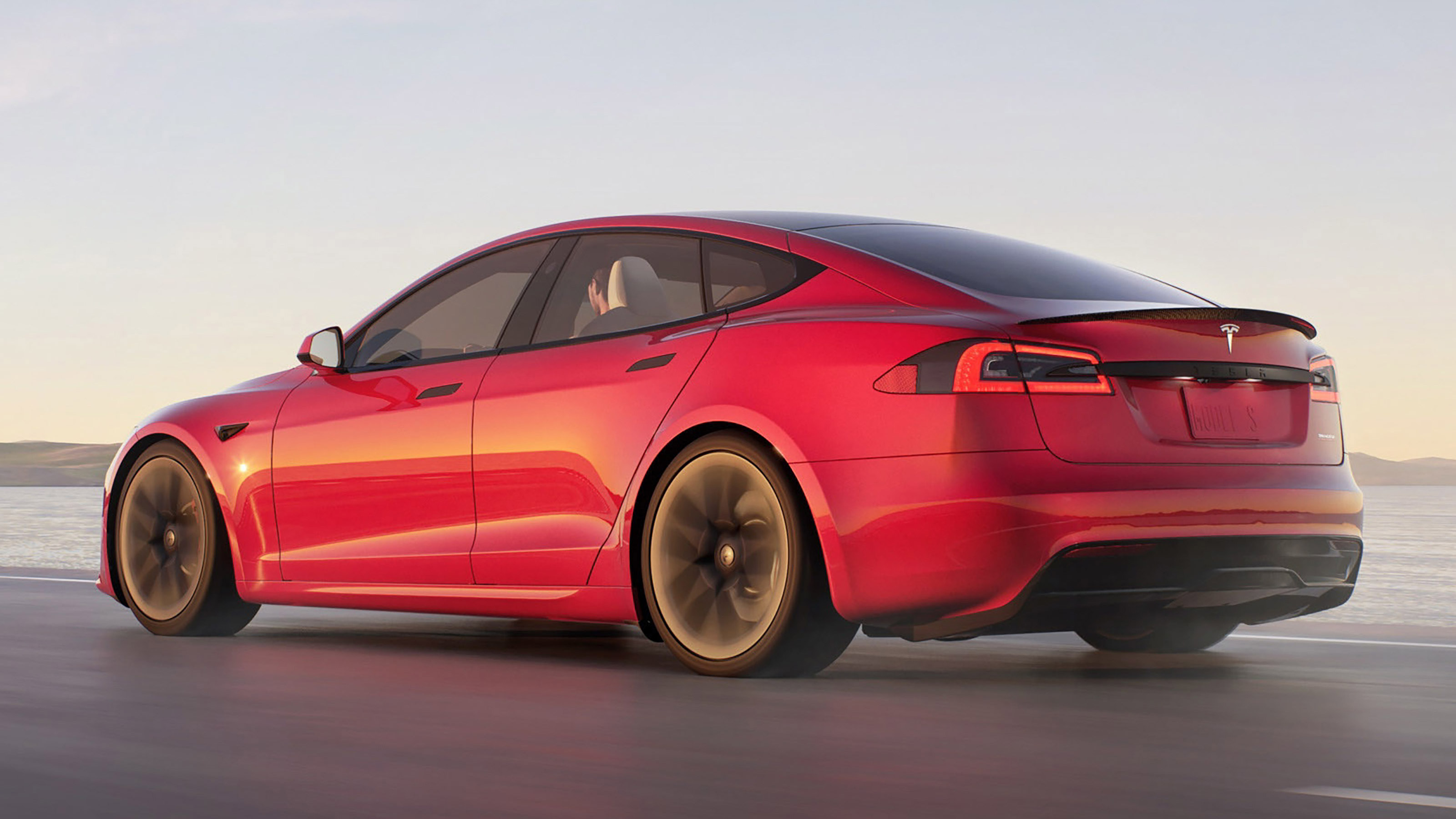
While the apology lacks any specific reason for the delay, its proximity to recent Model S price hikes is fuelling speculation that higher-paying customers are being prioritised.
US pricing for the high-performance Model S Plaid jumped by US$10,000 (AU$13,579) in June, which was followed by a similar increase for the Long Range in July and August.
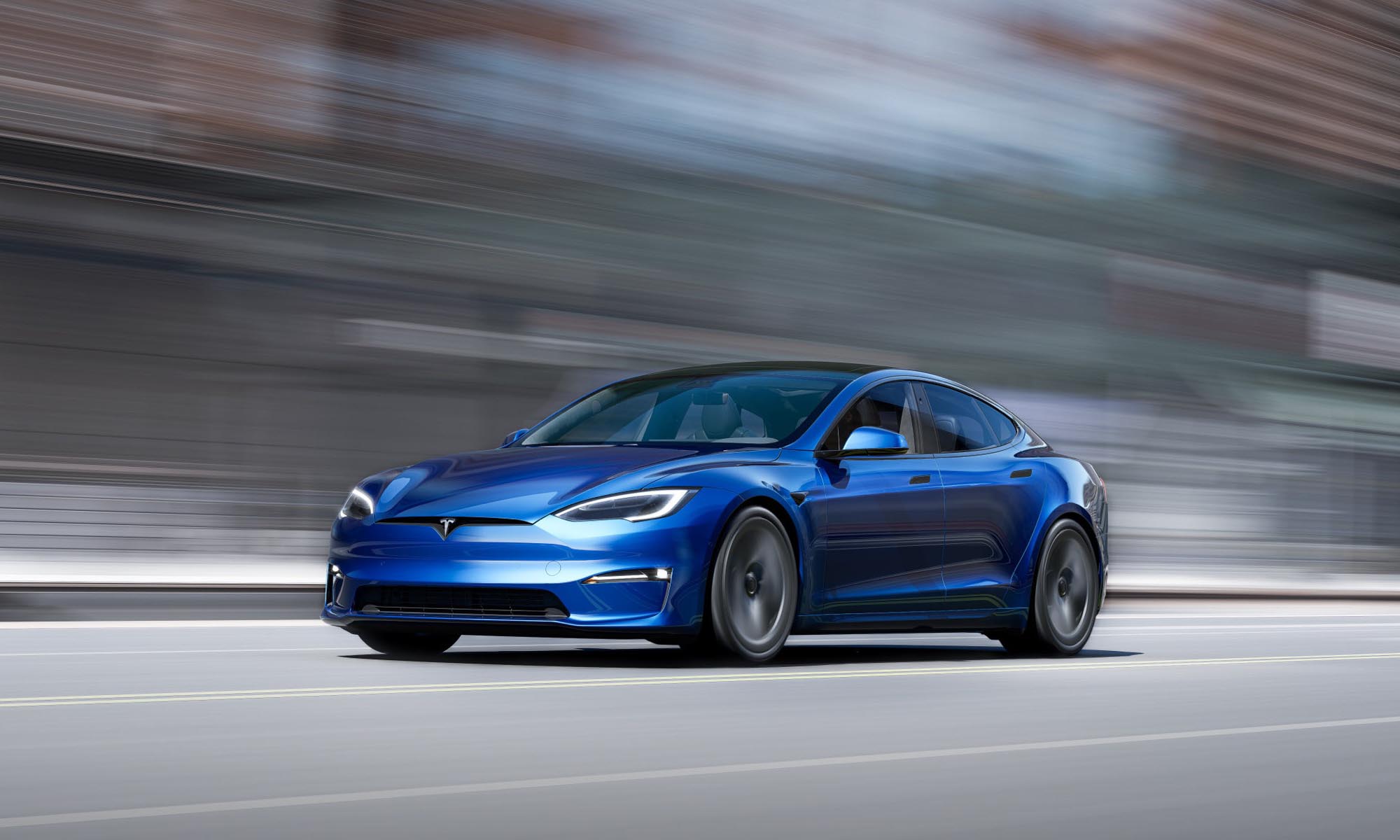
Customers who paid the higher price are now allegedly getting shorter delivery timeframes than those who paid the original, lower price.
In fact, some buyers are reporting they have been offered delivery as early as this month if they update their order and pay the extra $10,000, according to Electrek.
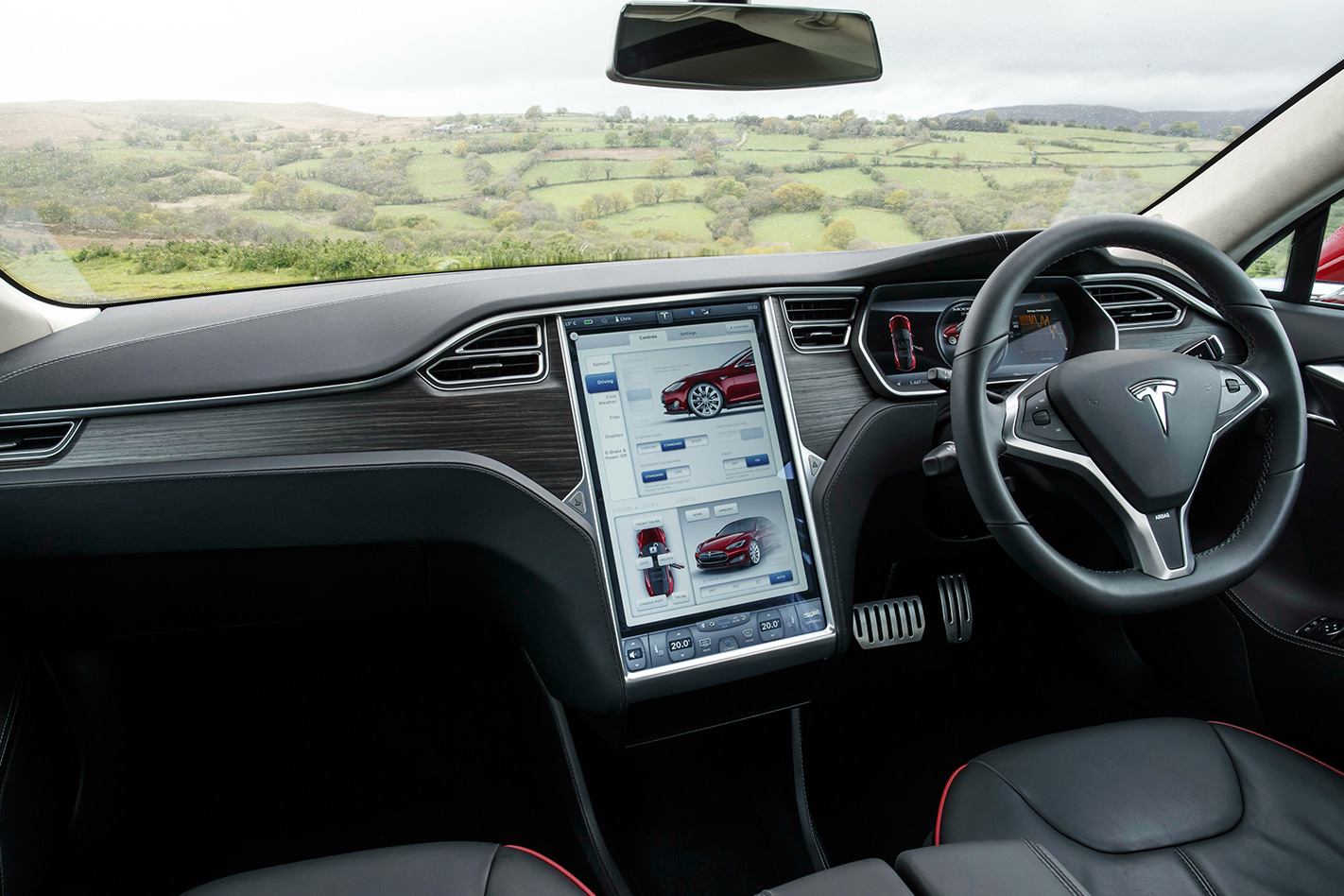
Australian buyers can still expect both versions of the Model S to arrive by the end of 2022. The Long Range has been subject to a $7290 price rise to now sit at $141,990, while the Plaid remains unchanged at $186,990. Both are before on-road costs and the Luxury Car Tax.
Cybertruck production has also been delayed until at least 2022, though it won’t be sold locally.
Snapshot
- Over US$1.2 trillion to be invested in infrastructure
- US$7.5bn to be spent on EV charging network
- Bill passed with a majority of 69-30
The Biden administration is one step closer to rolling out major improvements to its electric vehicle infrastructure across the United States after receiving the nod for funding from the Senate this week.
Receiving a majority vote of 69-30, the infrastructure bill will involve US$1.2 trillion (AU$1.63tn) being invested in various projects such as roads, bridges and the electricity grid according to CNN.
While a majority of the funds will go towards more generalised projects, around US$7.5 billion (AU$10.18bn) has been allocated specifically towards building a national network of charging infrastructure for electric vehicles.
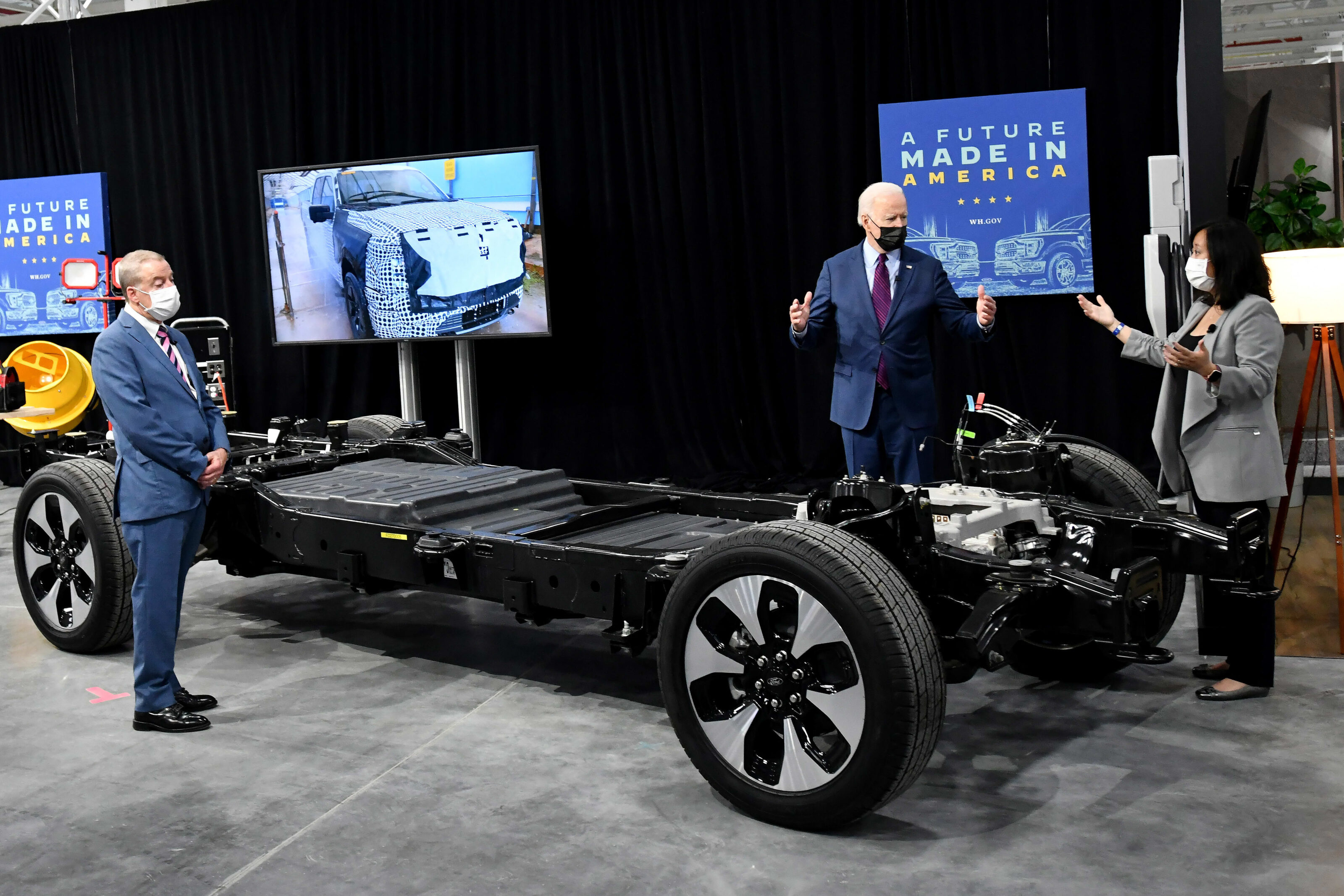
The bill is a part of President Joe Biden’s EV push, from having previously announced increased subsidies towards electric vehicles as a part of his election campaign, to recently calling for 40 per cent of new vehicle sales to come from EVs by 2030.
Despite playing catch-up to Europe and the UK which are planning to ban internal combustion engine production by 2035 and 2030 respectively, the investment in infrastructure is significantly larger than the Australian Government’s commitment to EV chargers, recently announcing $25 million in grants to build 403 charging stations across the country.
Having passed through the Senate, the bill will now continue through to the House of Representatives before being signed by Biden.
Snapshot
- HiLux and Fortuner gain 24/7 Toyota emergency support
- Dual-zone climate control for SR5 Hilux, GX and Crusade Fortuner
- Price increases now apply across both models
Toyota has continued its roll-out of connected safety technology into its range of vehicles, implementing new features into its HiLux ute and Fortuner SUV.
Having already been announced as an update to the Camry, HiAce and Granvia, the whole range of HiLuxs and Fortuners will now feature Toyota Connected Services – providing 24/7 connection to Toyota’s emergency call centre in the event of a collision or theft.
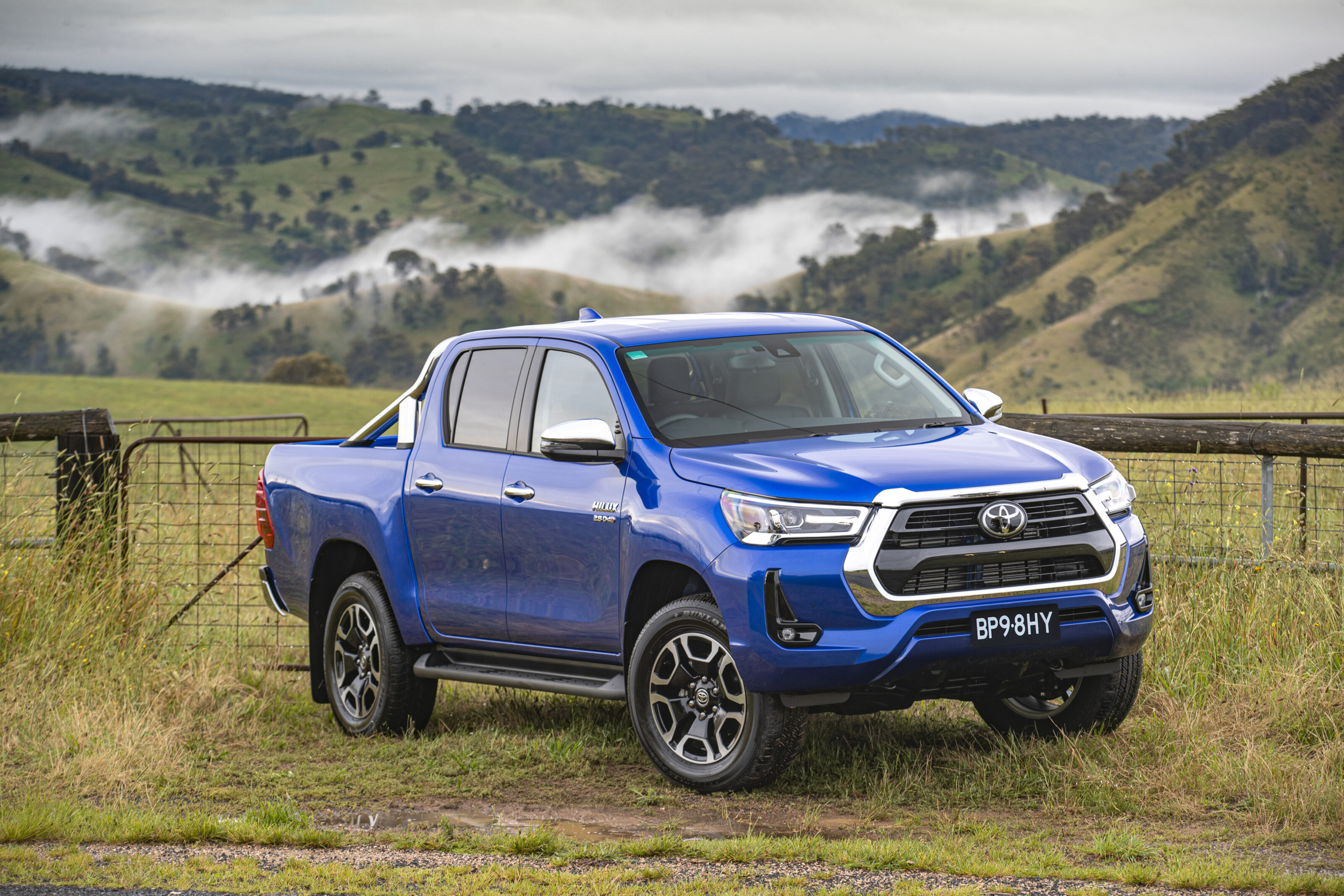
A new sharkfin styled antenna now sits atop the roof, housing the hardware to make the safety and anti-theft tech work, while also looking more modern than the high-profile stick-shaped antenna which currently adorns the HiLux and Fortuner.
The upgrades don’t stop with the connected services addition – HiLux SR5 variants now feature dual-zone climate control as standard, replacing the existing single-zone system, while Rogue trim gains a panoramic view monitor.
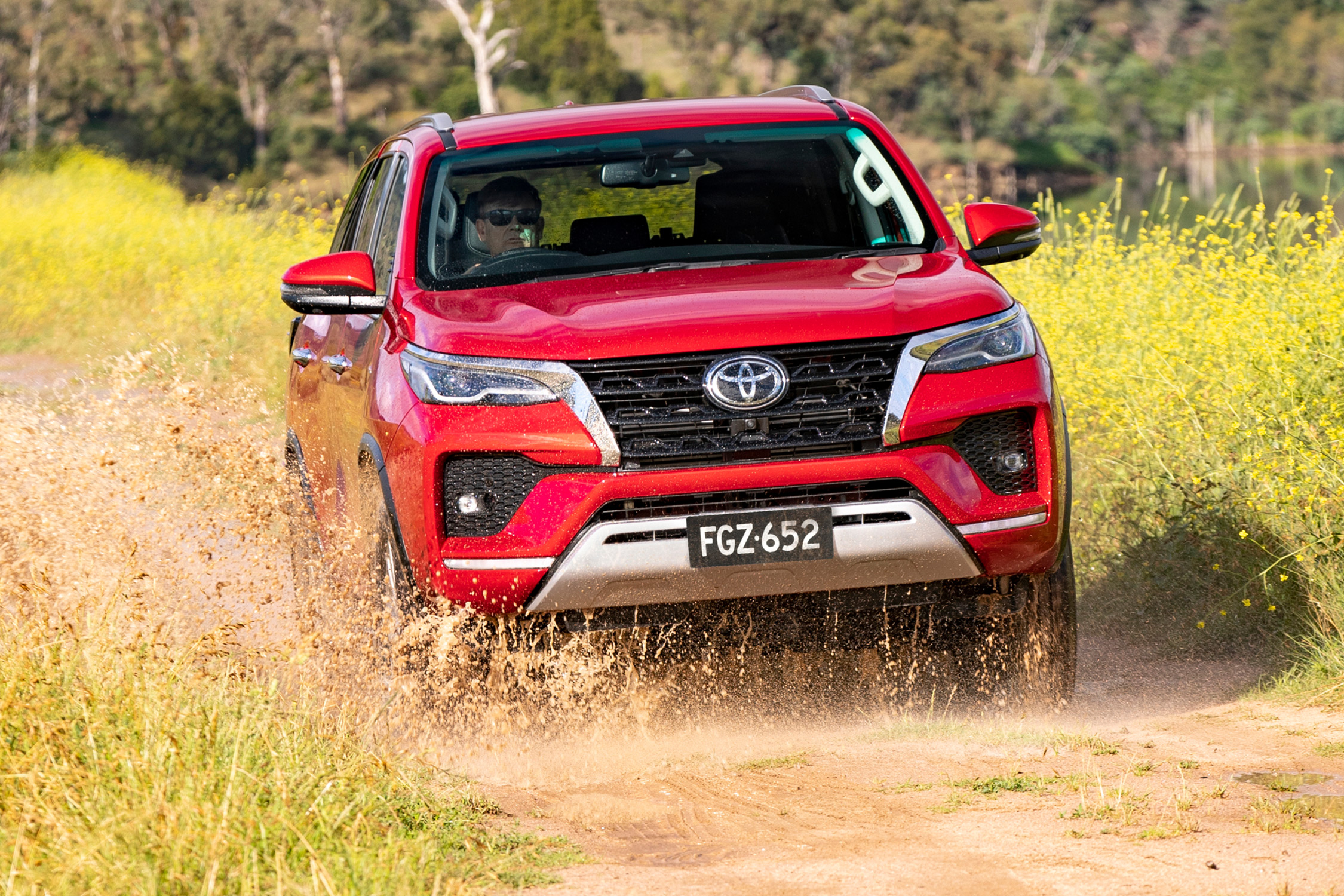
Both the Fortuner GXL and Crusade now feature dual-zone climate-control too, as the GX receives a minor update with illumination control of the instrument cluster.
The range-topping Crusade trim now also scores the panoramic view monitor as well as a blind-spot monitor and rear cross-traffic alert, adding to the range of Toyota Safety Sense driver assistance tech.
The updated HiLux and Fortuner are expected to arrive in dealers later this month.
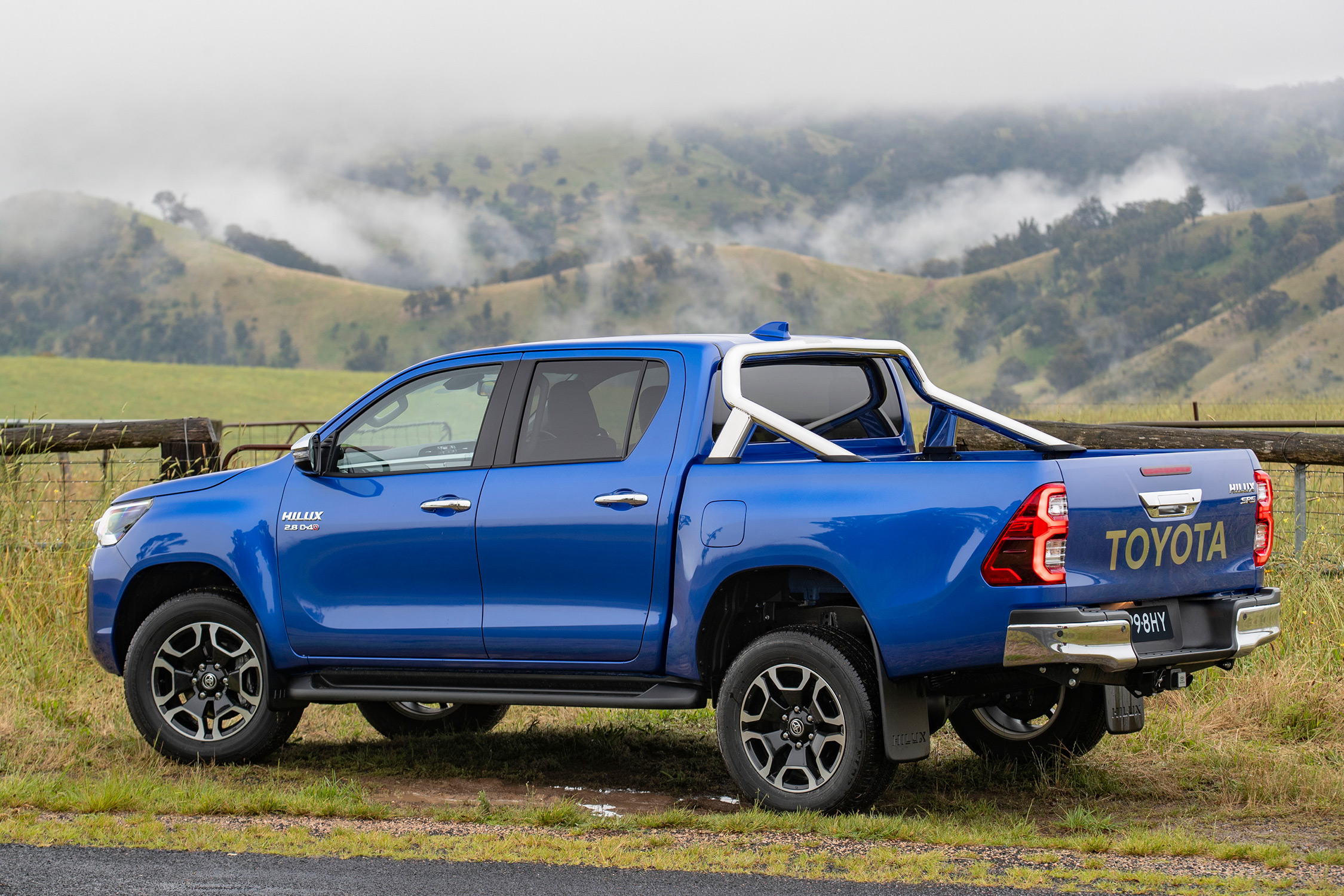
2022 Toyota HiLux pricing
4X2 Single Cab (cab-chassis)
- Workmate 2.7 P 5MT – $24,225
- Workmate 2.7 P 6AT – $26,225
- Workmate Hi-Rider 2.4 TD 6MT – $29,465
- SR Hi-Rider 2.8 TD 6AT – $44,845
- Workmate 2.7 P 5MT – $33,705
- Workmate 2.7 P 6AT – $35,705
- Workmate Hi-Rider 2.4 TD 6MT – $40,795
- Workmate Hi-Rider 2.4 TD 6AT – $42,795
- SR Hi-Rider 2.8 TD 6MT – $43,865
- SR Hi-Rider 2.8 TD 6AT – $45,865
- SR5 Hi-Rider 2.8 TD 6AT – $54,450
- Workmate 2.4 TD 6MT – $40,155
- SR 2.8 TD 6MT – $43,225
- SR 2.8 TD 6AT – $45,225
- Workmate 2.4 TD 6AT – $45,855
- SR 2.8 TD 6MT – $46,885
- SR 2.8 TD 6AT – $48,885
- SR5 2.8 TD 6AT – $59,160
- Workmate 2.4 TD 6AT – $47,925
- SR 2.8 TD 6MT – $49,145
- SR 2.8 TD 6AT – $51,295
- SR5 2.8 TD 6AT – $59,180
- SR5+ 2.8 TD 6AT – $61,680
- Workmate 2.4 TD 6MT – $47,425
- Workmate 2.4 TD 6AT – $49,425
- SR 2.8 TD 6MT – $50,645
- SR 2.8 TD 6AT – $52,795
- SR5 2.8 TD 6MT – $58,680
- SR5+ 2.8 TD 6MT – $61,180
- SR5 2.8 TD 6AT – $60,680
- SR5+ 2.8 TD 6AT – $63,180
- Rogue 2.8 TD 6AT – $70,200
- Rugged X 2.8 TD 6AT – $70,750
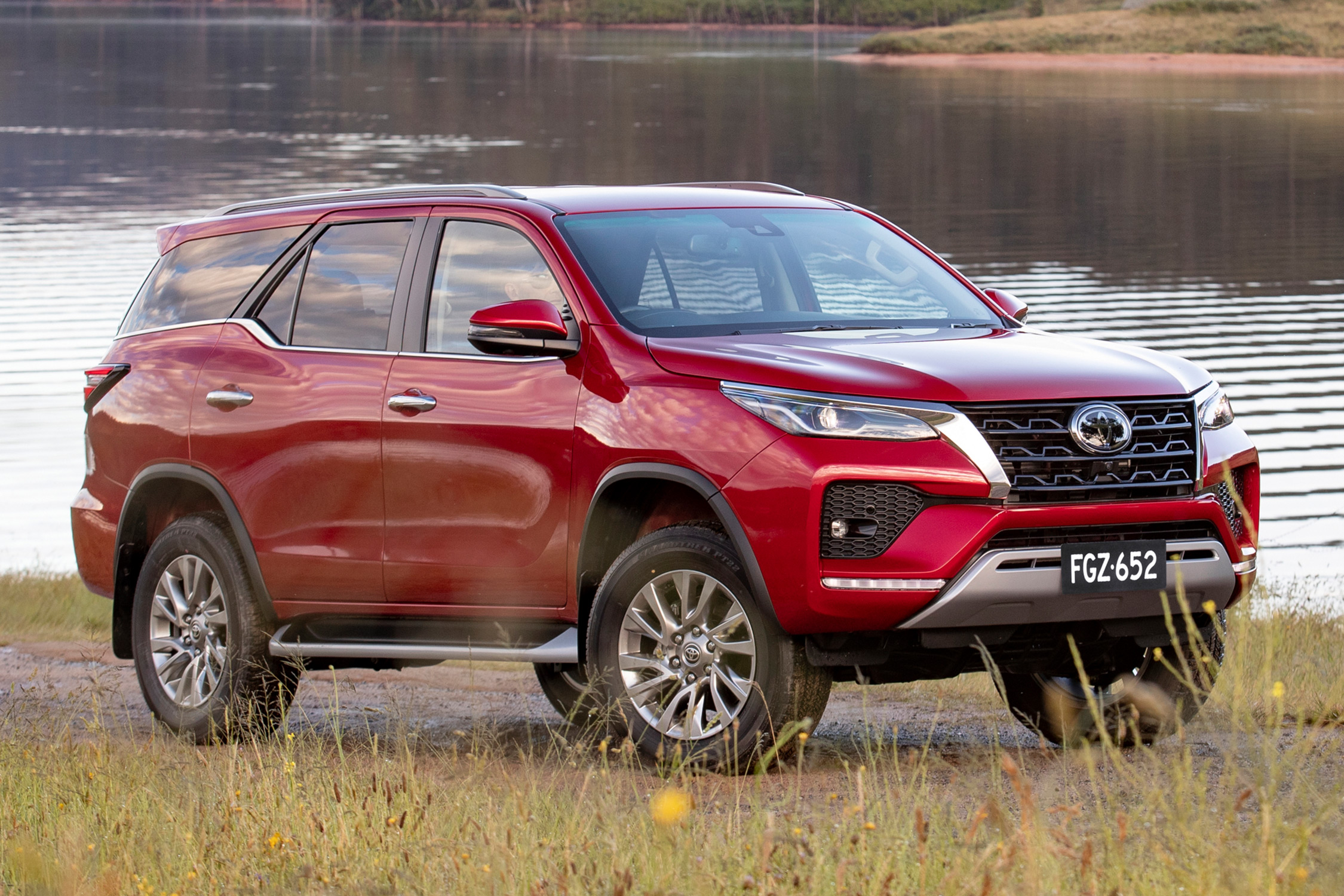
2022 Toyota Fortuner pricing
- GX – $49,715
- GXL – $55,085
- Crusade – $62,945
Snapshot
- 2691 sales in July 2021
- Nissan lost almost a quarter of its market share
- However July’s sales are best the Navara has had since 2016
The occasional shift in manufacturer sales rankings is to be expected, but for a mainstay top 10 brand to disappear from the chart altogether is a rarity – and that’s exactly what’s happened to Nissan during its sales slump last month.
With only 2691 sales to its name in July 2021, according to the VFACTS industry data, Nissan’s fallen out of the top 10 altogether after a slip to 9th place in June, being overtaken by Volkswagen and MG.
Overall this year, Nissan’s in a somewhat better position, placed 7th year-to-date ahead of VW in 8th, MG in 9th, and Subaru coming 10th.
Historically, Nissan has held a comfortable position around the middle of the top 10 pack, hovering around 5th or 6th place for most of the century so far. So, what happened in July?
While the Covid-19 pandemic has hit most major manufacturers hard, and a current global semi-conductor shortage has been indiscriminate with which brands and specific models are affected, Nissan appears to have experienced more significant supply issues than its competitors last month.
“The semi-conductor shortage is continuing to impact the global auto industry and Nissan is not immune to that,” a spokesperson told Wheels. However the company says it has higher hopes for the months ahead.
“The encouraging news is that on the back of great support from our Nissan customers, we have a strong order bank [and] stronger production volumes for the coming months which will result in additional stock arriving at our Australian dealerships and then being delivered to these committed customers.”
Lockdowns across the three major Eastern states would have affected each brand almost identically, but thanks to the parts shortage, Nissan lost almost a quarter of its market share, dropping to just 3.2 per cent compared with the 4.0 per cent it held in June last year, or the 4.1 per cent it holds overall this year so far.
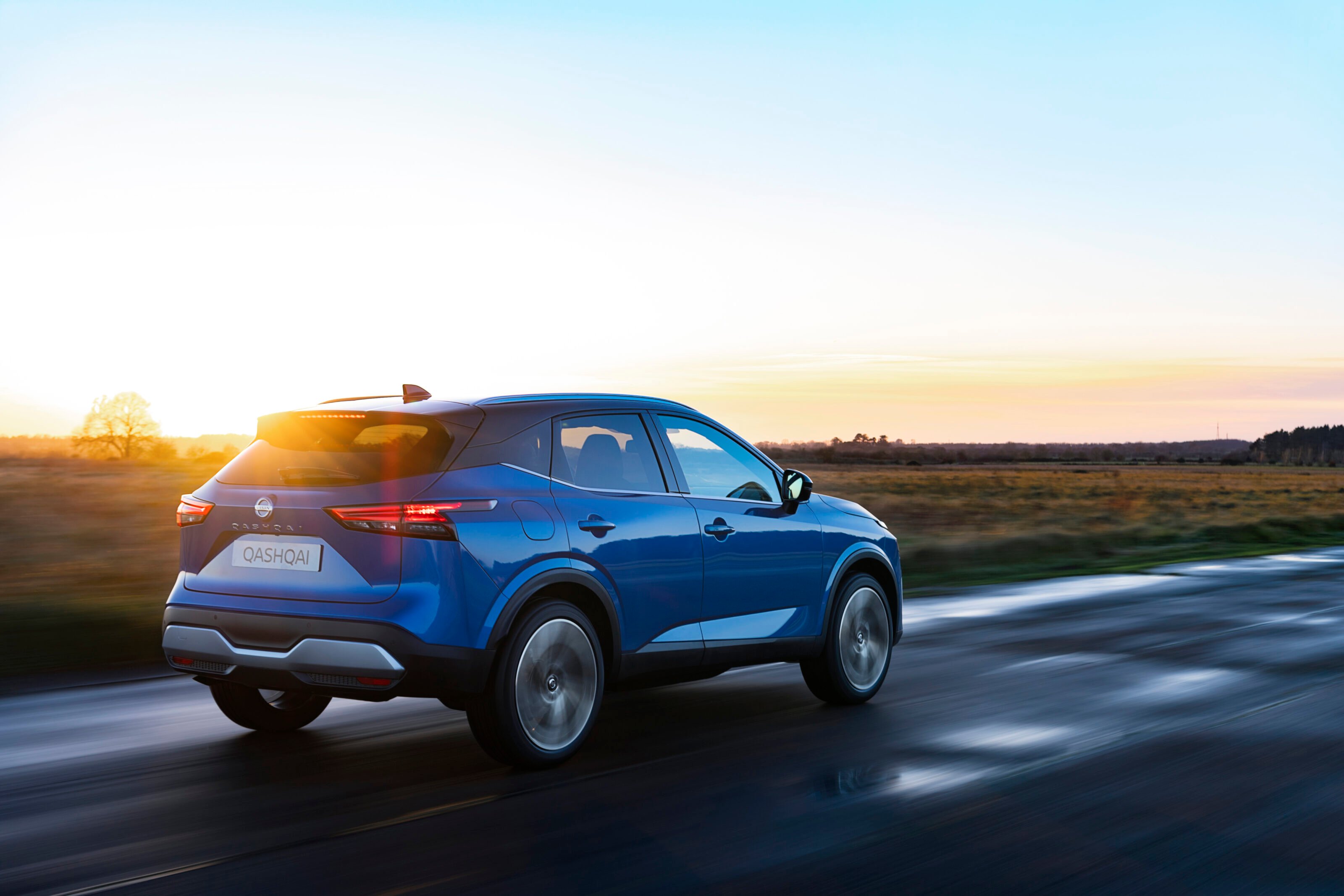
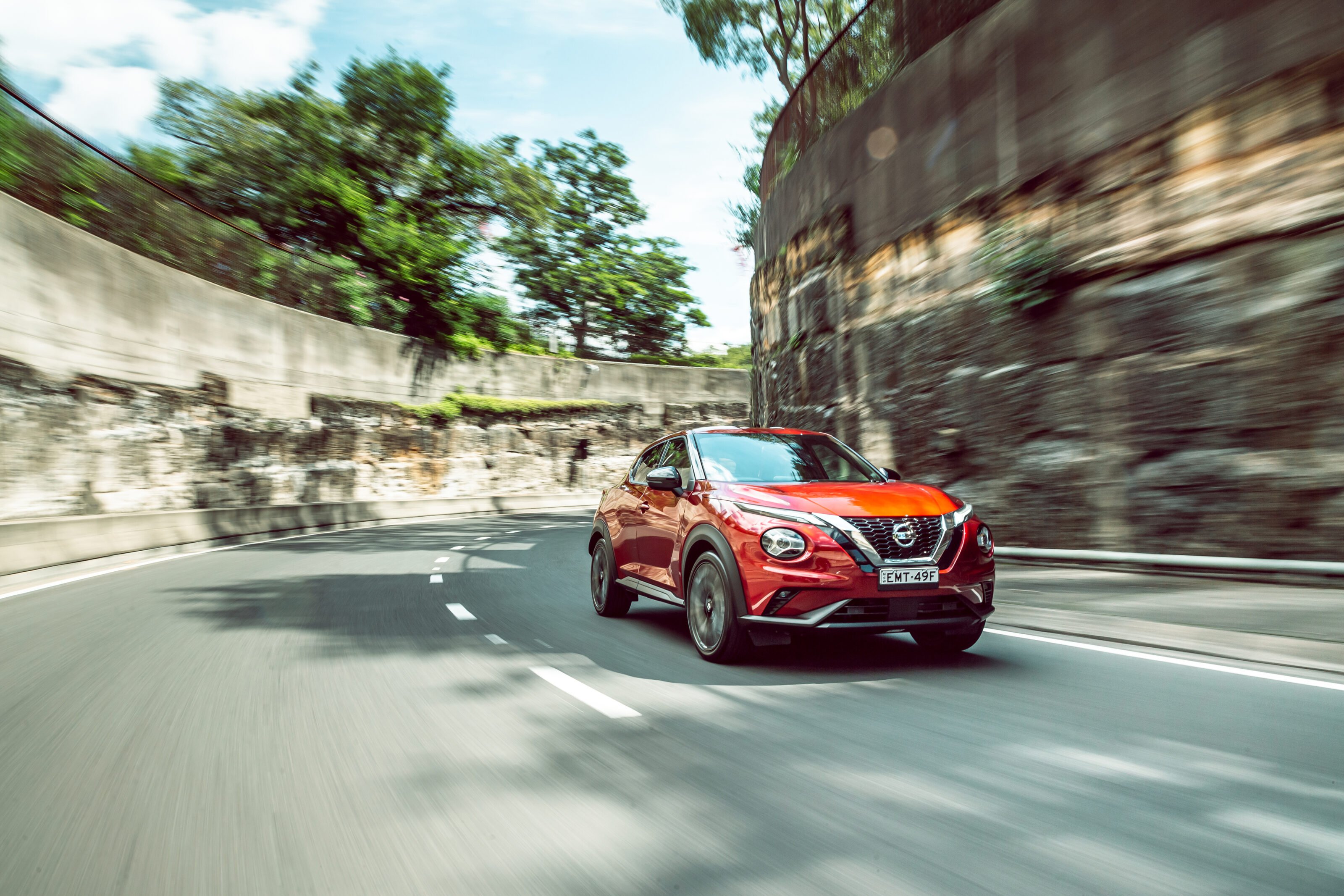
Sales of most vehicles in its line-up aren’t particularly bad compared to previous Julys either – with the brand’s most popular model, the Navara, selling 1209 units. This is the most July sales the Navara has had since 2016 which is likely to be attributable to a new generation Navara being released this year. The Juke and Patrol were also similarly popular compared to recent years.
Only the X-Trail is looking a little behind, with 430 July sales compared with the approximate 1500 sales a month seen pre-pandemic at this time of year. However, the next generation X-Trail is expected to land next year.
Testing is a crucial part of developing any vehicle, subjecting it to varying conditions to see whether it can handle the world outside of a laboratory.
To assist in its extreme weather testing program, Ford of Europe has taken delivery of two robots which will help the manufacturer understand how its products will react when faced with the extremities of the environment surrounding them.
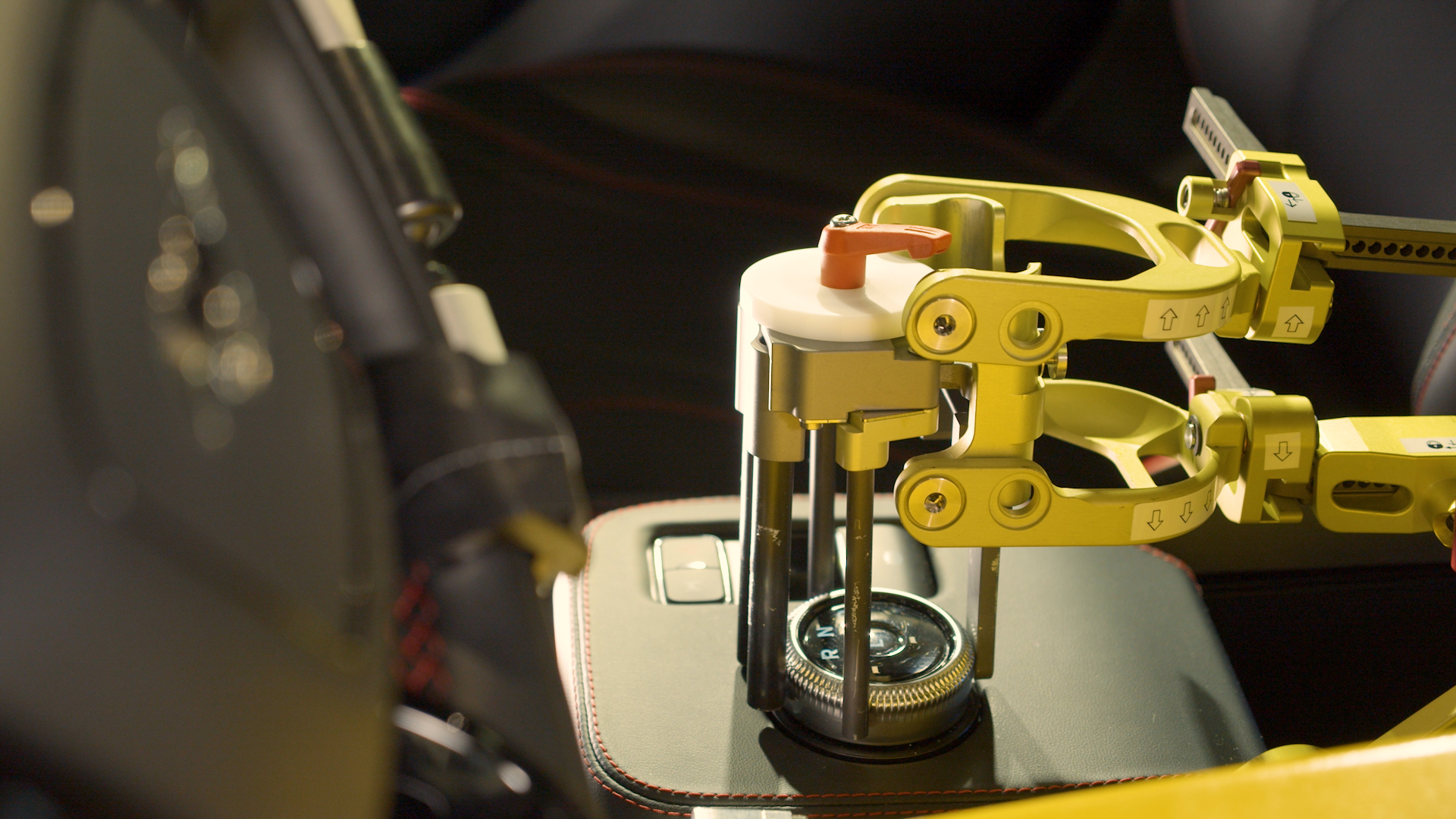
Named after legendary Ford tuner Carroll Shelby and racing driver Ken Miles – who were instrumental in the Ford GT40’s development, as popularised in Ford v Ferrari – the two robots are designed to operate the vehicle in testing conditions which would be unsuitable for human drivers, from the searing heat of a desert to freezing winds at high altitude.
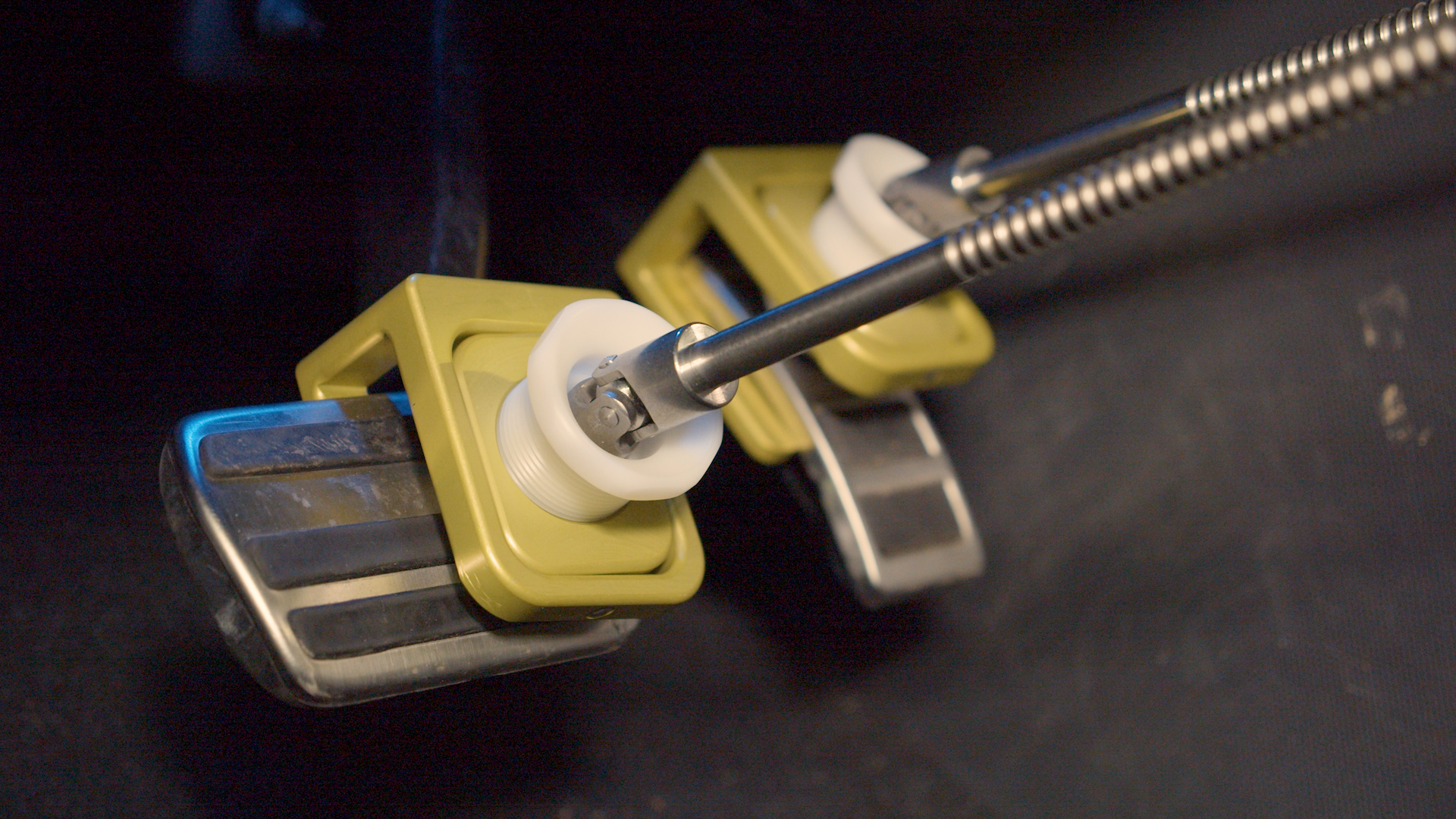
Based at Ford’s Weather Factory facility in Cologne, Germany, Shelby and Miles have been designed to replicate different driving styles, with their legs able to extend out onto the accelerator, brake and clutch, while their arms can change gears.
“These two new drivers are fantastic additions to the team, as they can take on the challenging endurance tests at high altitudes and in hot temperatures,” said wind tunnel testing supervisor, Frank Seelig.
“Once the robot is in the driver’s seat, we can run tests through the night without ever having to worry that the driver will need a sandwich or a bathroom break.”
Aftermarket car culture has dipped in and out of wider popular culture for decades, throughout which we’ve witnessed various trends and fashions come and go.
Whether it’s the wild customs and muscle cars of the ’70s, killed by the oil crisis and a change inpublic perception towards big horsepower, or the equal-parts cringe/nostalgic AutoSalon era of chrome and airbrushing at the turn of the millennium, fads wax and wane.
The rise of the internet exposed previously localised trends to the global stage, with the heavily SoCal-influenced ‘HellaFlush’ movement and European slammed Volkswagen communities quickly proliferating across the world.
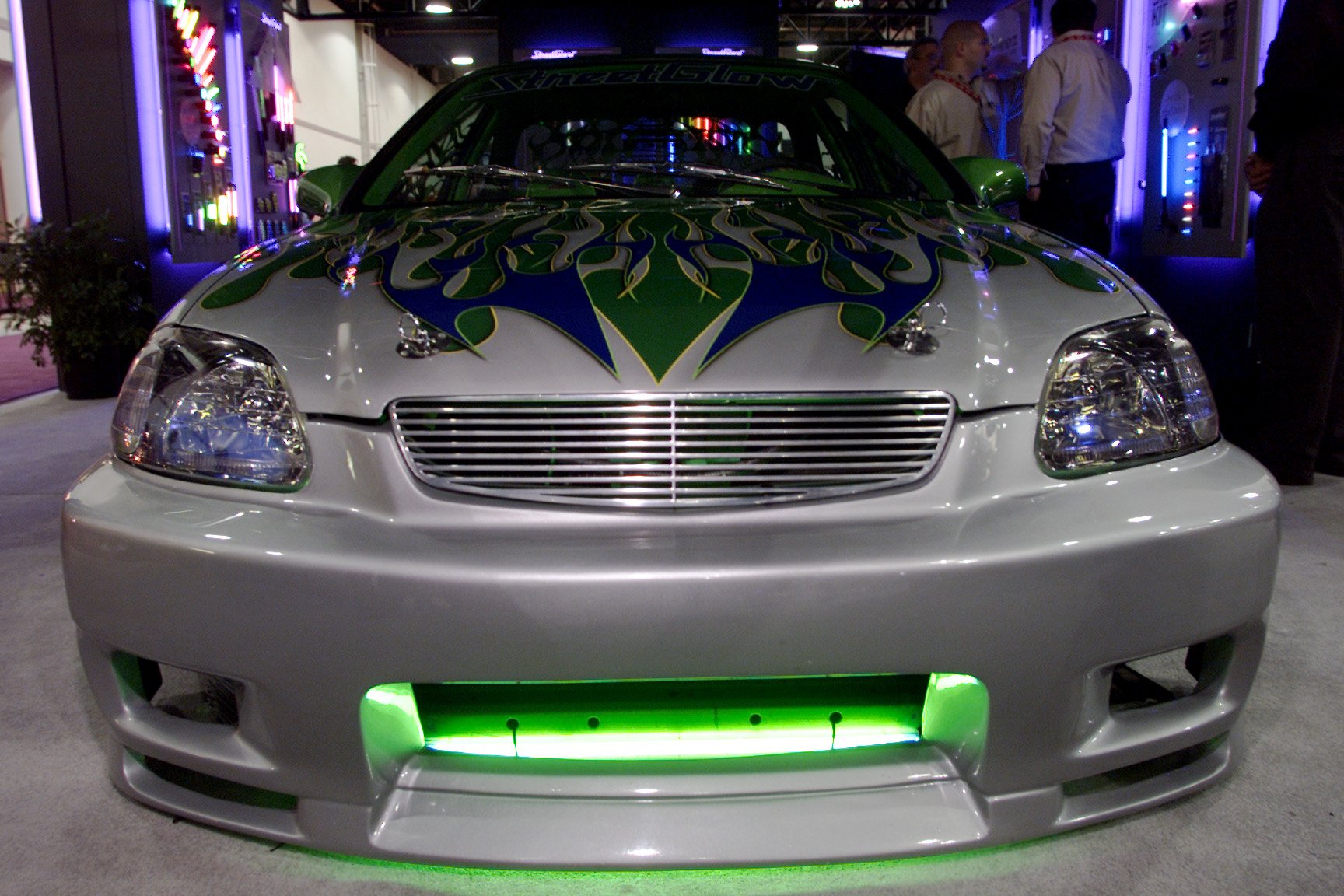
These fashion shifts in automotive culture are often fuelled by a totally new generation of drivers and owners who seek to buck previously established trends and forge an identity of their own.
The local muscle car scene gave way to smaller-capacity turbocharged imports; and the wild gold-plated, body-kitted and airbrushed shows-toppers of the ‘sex-spec’ era were replaced by ‘stance’ cars; which combined the clean lines of a stock body with ridiculous suspension drops and the wildest wheel specs you could physically force to fit.
A common thread that runs through each of these various styles is a lasting heated debate between form and function. Cosmetic dress-up parts that mimic true performance-enhancing components have long been a fixture in the automotive aftermarket, but today it seems like the intersection between form and function has never been under greater scrutiny.
A booming secondary Japanese car market has also given way to an insatiable appetite for all things JDM, including aftermarket parts. Today’s internet-breaking viral builds are often typified by extensive 12-piece body kits, brand name wheels and whatever golden-era parts you can get your hands on. Racecars have always been cool, so it’s no surprise to see motorsport-inspired mods in the spotlight among the contemporary automotive zeitgeist.
As with any car modification though, execution is everything, and the results can range from excellent to egregious. Of course I’ll always place a higher value on a slightly tattered, but well-used driver’s car over a shiny static hardparker. However, it’s hard to deny the visual impact of some of today’s gleaming widebody-kitted show cars.
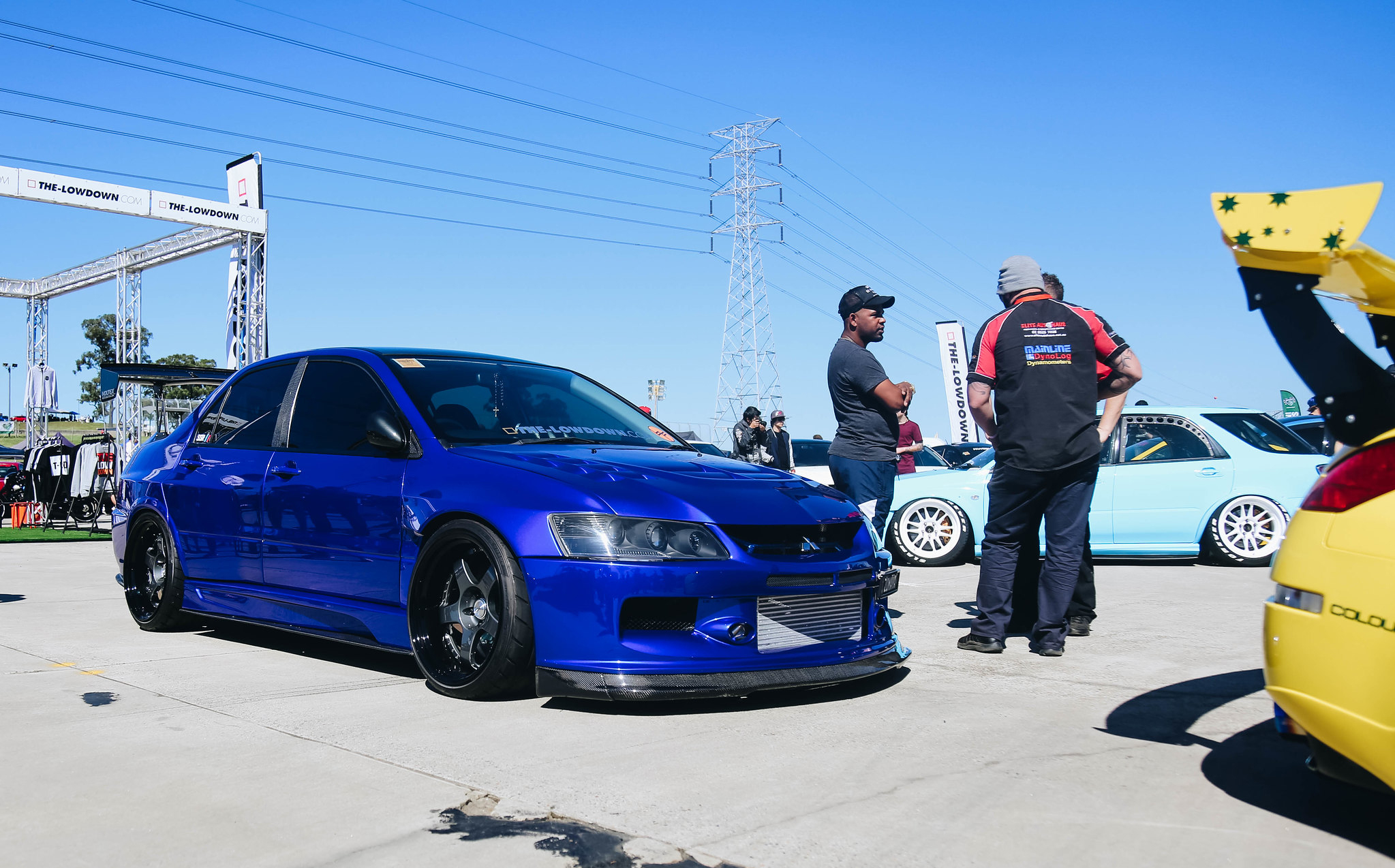
Conversely, there are many modifications that land wide of the mark. A giant rear wing affixed to an otherwise unmodified family car is an age-old meme in itself; and you’ll see more than enough splitter support rods connecting to malleable plastic grilles at your local Friday night meet. The most shocking example of a racecar-in-disguise was spotted near our very offices recently; a neat standard World Rally Blue VA WRX, with a bright red tow strap – zip tied to the licence plate of all places.
This is in no way meant to put down the owners of these cars, or their ilk. We all started somewhere and have done things to cars we regret. It’s wonderful to see a whole new generation waking up to the satisfaction of personalising a car to their exact tastes, but perhaps take this as a cautionary tale the next time you’re thinking of tek-screwing a set of canards into your bumper.
And don’t for a second think that the OEMs are beyond these stylistic faux pas. We could point out, ad nauseam, the countless examples of fake grilles, vents and exhausts – indeed the Hyundai Sonata N, featured in this very magazine, is a car guilty of a few of these misdemeanours.
Editor Enright remarked that they had seemingly slapped on almost every sporty design element in their arsenal. There were blocked-off vents, and lines aplomb. I did spy one set of functional vents ahead of the leading edge of the front wheel. But were they ducted to the brakes? No, instead they seemed to be spitting air right at the tyre which, from my basic understandings of aerodynamics, is absolutely horrid for drag.
Function often seems to become form in car design, but once in a while function can cross a line into dysfunction. Can you think of others?
Snapshot
- Research finds smartwatches are worse for distracted driving than mobile phones
- 4.9 million Australians have smartwatches
- 10 per cent of fatal crashes attributed to distracted driving
Glancing at your smartwatch increases your chance of getting into a crash, new research has shown – and could be worse than looking at your phone.
The study, conducted in Canada by HEC Montreal, found smartwatches are more distracting to drivers than mobiles.

An increasing number of Aussies have a smartwatch – in fact, a study by market research organisation Telsyte shows that around 1.5 million were sold locally in 2020. At the end of that year, 4.9 million Australians had one, the same study revealed.
According to the Monash University Accident Research Centre (MUARC), drivers engage in what it calls ‘illegal distraction activities’ because they don’t think they will get caught – not because they think it’s dangerous.
It also found simply talking on a mobile phone increases a driver’s reaction time by 50 per cent – and that doubles again if they are texting.

The Centre attributes 10 per cent of fatal crashes and 15 per cent of serious injury crashes to distracted driving – which also tallies with what state authorities in NSW, Queensland and Victoria had to say about the issue.
“During the five-year period from 2016 to 2020 there were 28 casualty crashes recorded where a driver or motorcycle rider had a distraction factor of [an] electronic device which was not a mobile phone,” said Tara McCarthy, Deputy Secretary Safety, Environment and Regulation, Transport for NSW.
“These crashes resulted in 39 people being injured, including 15 people being seriously injured,” she added.

The Queensland Department of Transport and Main Roads told WhichCar that in 2020, 23 people died on Queensland roads, and 1475 people were hospitalised as a result of crashes involving distracted driving.
It added that the number of crashes caused by device distraction, including smartwatch use, is difficult to capture or verify and therefore is likely to be under-reported.
In fact, all three states said smartwatch use is almost impossible to detect – and mobile phone detection cameras, rolled out by NSW last year, Victoria earlier this year and by Queensland just recently, don’t catch it.
As of July, Queensland is now implementing mobile phone and seatbelt detection cameras – with a three-month grace period for motorists, during which offenders will be sent a warning letter instead of a fine.

Joshua Gliddon is a writer with 25 years’ experience across tech, business, science and motoring.
