Snapshot
- Research finds smartwatches are worse for distracted driving than mobile phones
- 4.9 million Australians have smartwatches
- 10 per cent of fatal crashes attributed to distracted driving
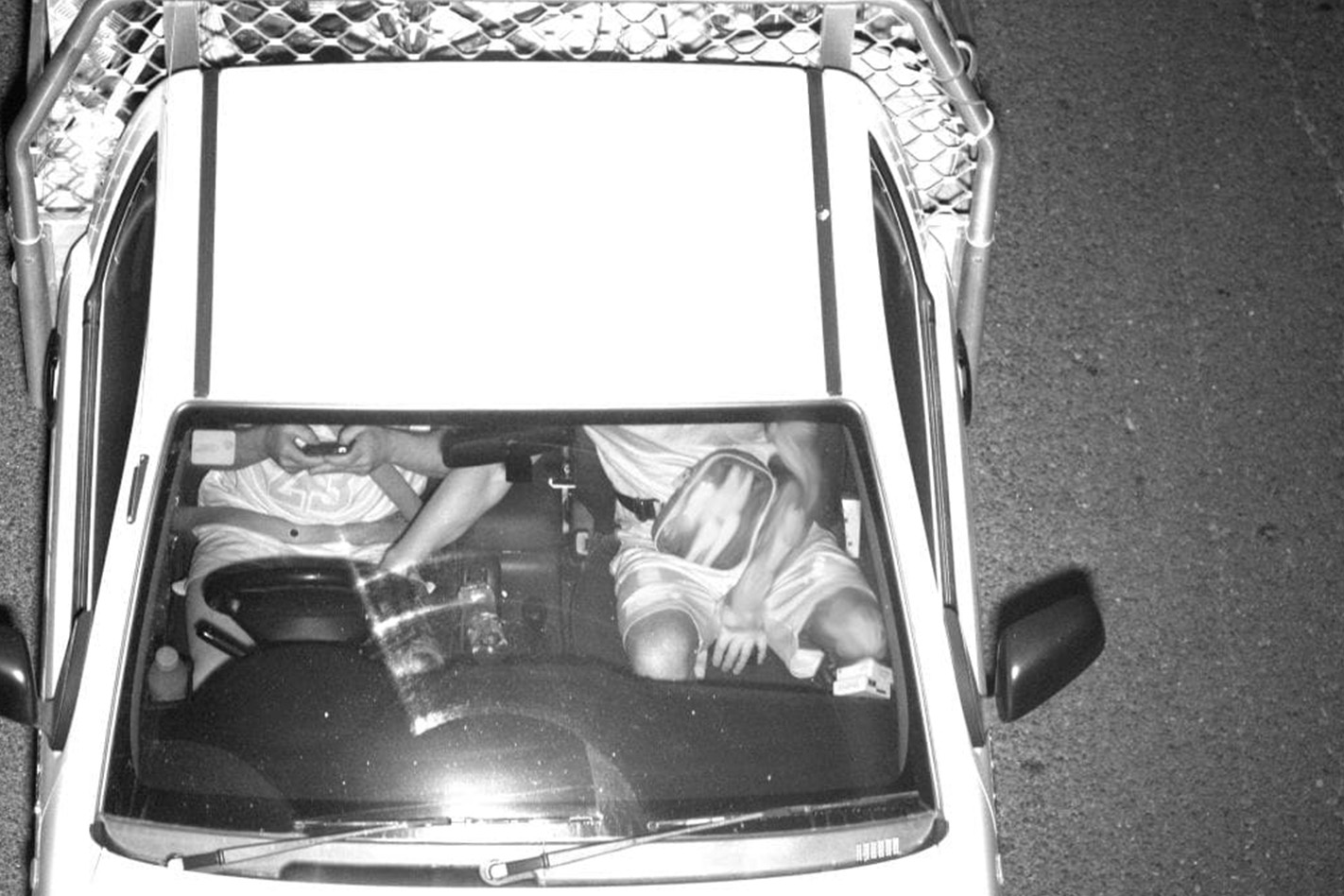
Glancing at your smartwatch increases your chance of getting into a crash, new research has shown – and could be worse than looking at your phone.
The study, conducted in Canada by HEC Montreal, found smartwatches are more distracting to drivers than mobiles.
An increasing number of Aussies have a smartwatch – in fact, a study by market research organisation Telsyte shows that around 1.5 million were sold locally in 2020. At the end of that year, 4.9 million Australians had one, the same study revealed.
According to the Monash University Accident Research Centre (MUARC), drivers engage in what it calls ‘illegal distraction activities’ because they don’t think they will get caught – not because they think it’s dangerous.
It also found simply talking on a mobile phone increases a driver’s reaction time by 50 per cent – and that doubles again if they are texting.
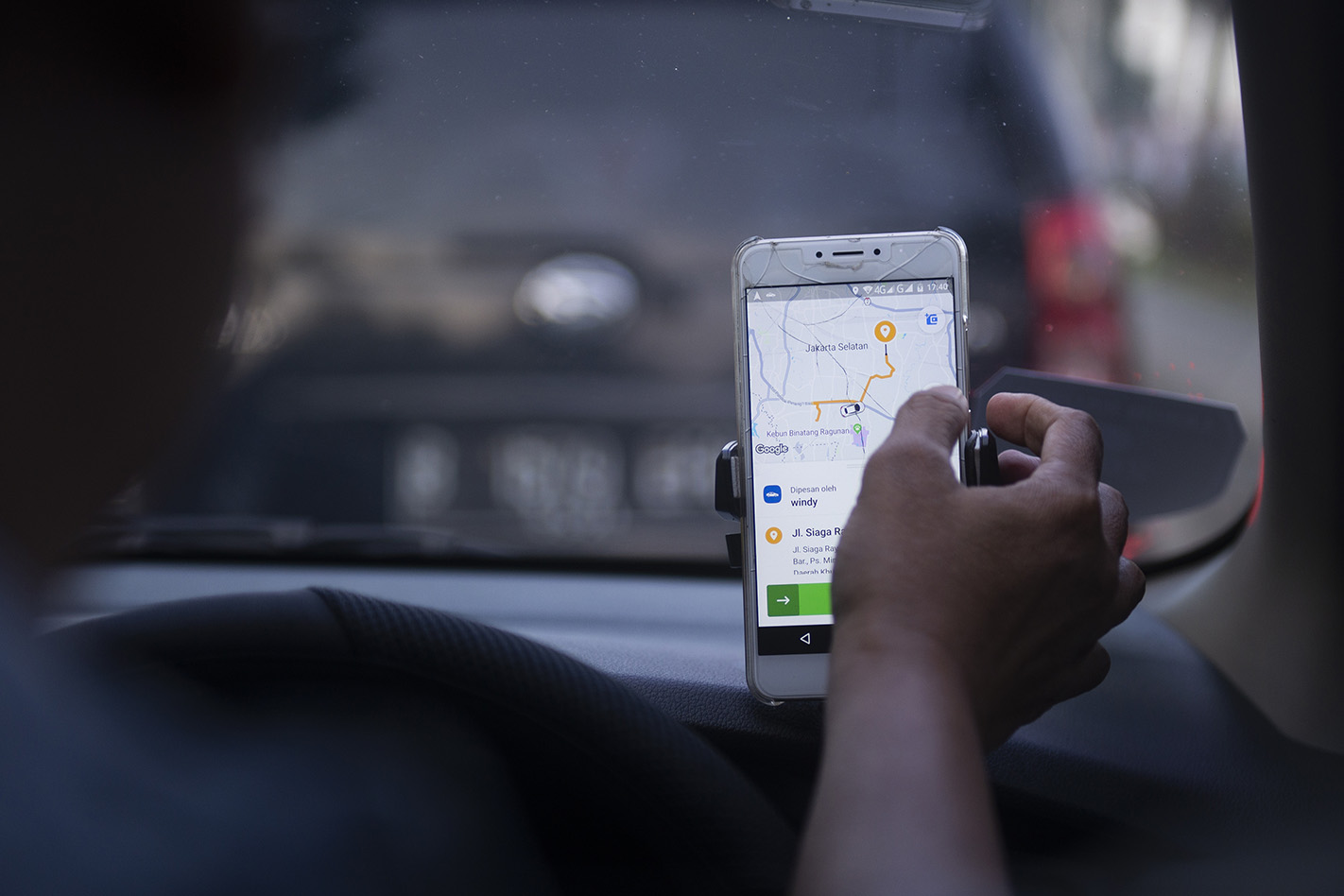
The Centre attributes 10 per cent of fatal crashes and 15 per cent of serious injury crashes to distracted driving – which also tallies with what state authorities in NSW, Queensland and Victoria had to say about the issue.
“During the five-year period from 2016 to 2020 there were 28 casualty crashes recorded where a driver or motorcycle rider had a distraction factor of [an] electronic device which was not a mobile phone,” said Tara McCarthy, Deputy Secretary Safety, Environment and Regulation, Transport for NSW.
“These crashes resulted in 39 people being injured, including 15 people being seriously injured,” she added.
The Queensland Department of Transport and Main Roads told WhichCar that in 2020, 23 people died on Queensland roads, and 1475 people were hospitalised as a result of crashes involving distracted driving.
It added that the number of crashes caused by device distraction, including smartwatch use, is difficult to capture or verify and therefore is likely to be under-reported.
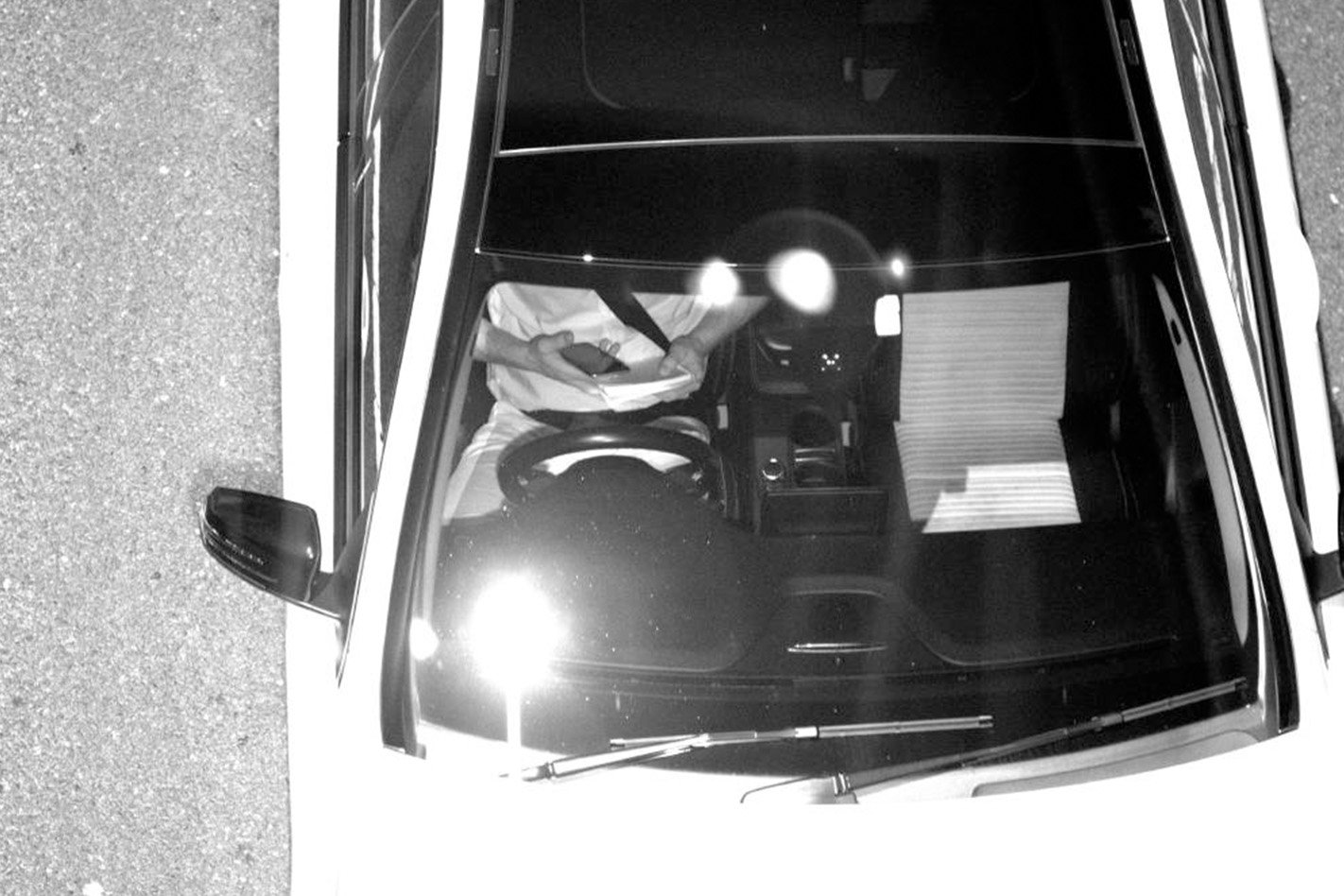
In fact, all three states said smartwatch use is almost impossible to detect – and mobile phone detection cameras, rolled out by NSW last year, Victoria earlier this year and by Queensland just recently, don’t catch it.
As of July, Queensland is now implementing mobile phone and seatbelt detection cameras – with a three-month grace period for motorists, during which offenders will be sent a warning letter instead of a fine.
Joshua Gliddon is a writer with 25 years’ experience across tech, business, science and motoring.
Snapshot
- Multiple plants affected
- Some model lines delayed to September
- Vehicles being produced without chips are being held over
UPDATE, August 11: More than 1000 General Motors-built vehicles are being taken from the production line to a huge car park every day as the company struggles with a lack of computer chip supply.
According to Michigan publication Detroit Free Press, vehicles are rolling off the production line and straight onto a car carrier where they are then taken to a large facility to be stored, awaiting delivery of semi-conductors which are in global shortage.
As of last week, over 10,000 GM SUVs were awaiting chips in storage facilities across Texas as over 1000 incomplete vehicles leave its plant in the town of Arlington every day, adding to the backlog of unsold cars.
The situation continues at the Wentzville plant in Missouri where over 9000 mid-size pickups sit dormant awaiting completion, however the same plant was able to clear a backlog of over 30,000 vehicles earlier this year, delivering all completed units to dealers.
The story to here
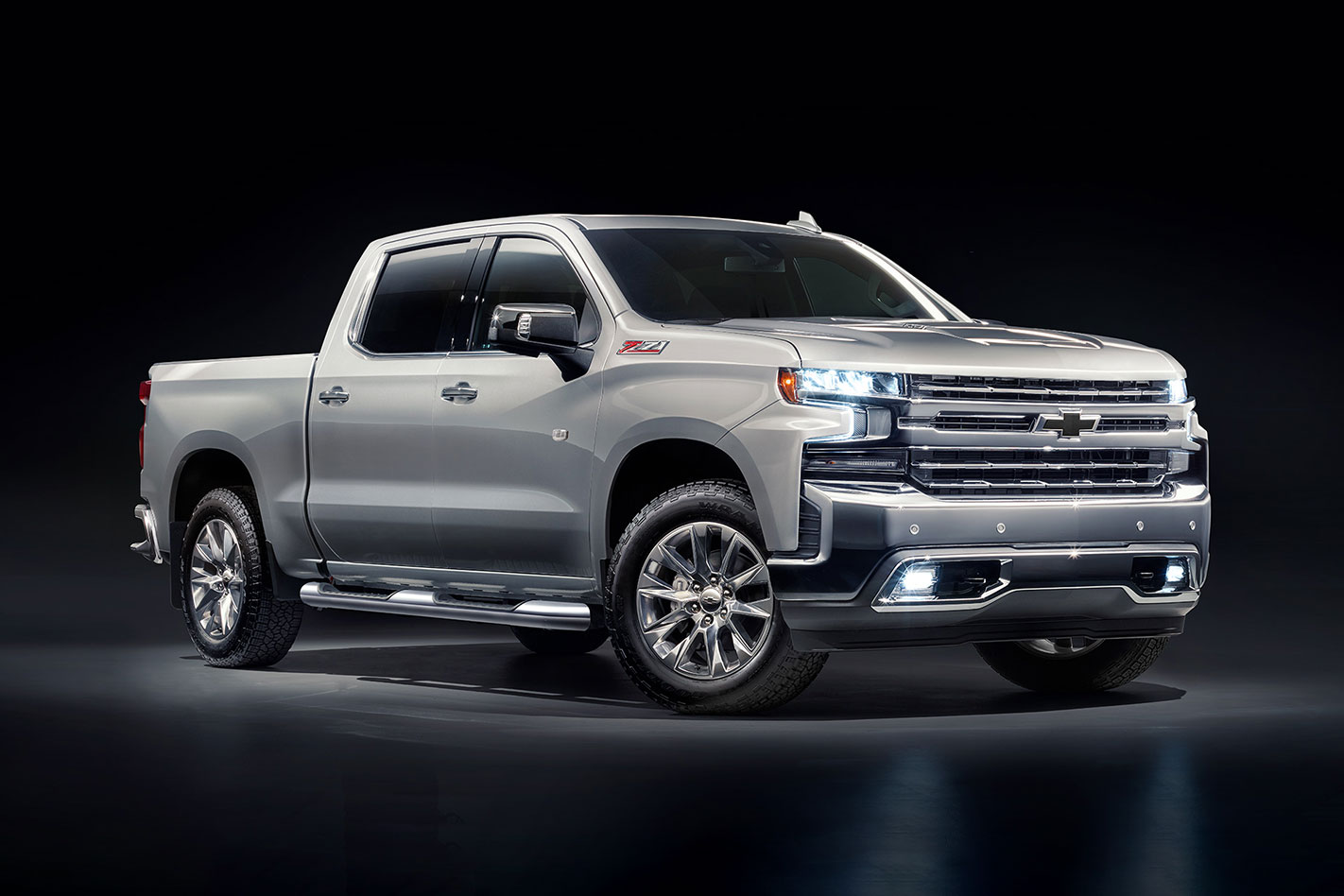
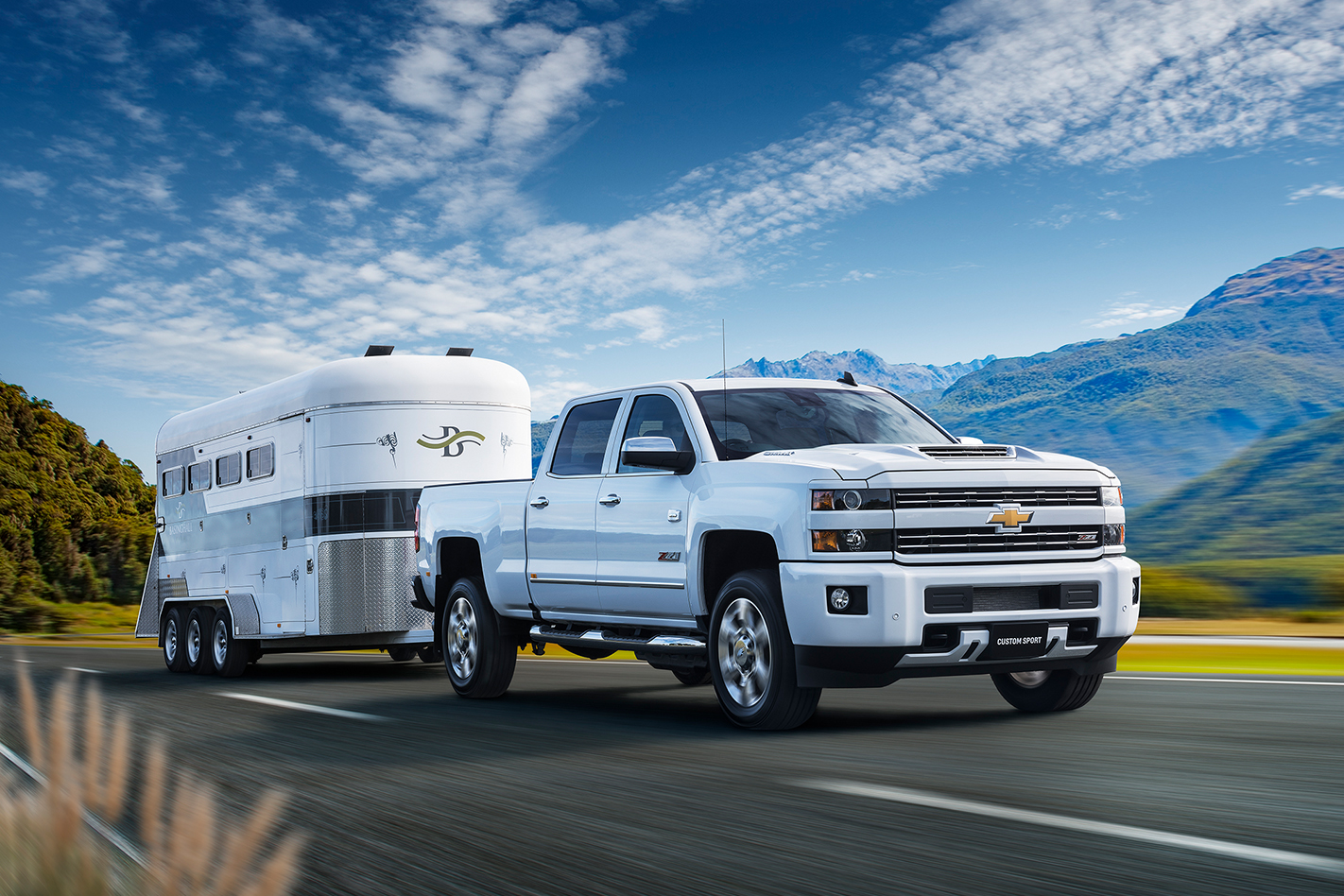
July 29: General Motors has chosen to prioritise assembly of its full-size pick-ups as it continues to grapple with the ongoing semi-conductor shortage.
The decision comes a week after GM essentially paused production of its best-selling model range, which includes the Chevrolet Silverado and GMC Sierra. The company’s Fort Wayne and Silao plants are currently idling, while the Flint base has been reduced to one shift per day. Full business as usual is expected to resume at all three locations on August 2, reports Automotive News.
Pick-up production will come at a cost to other GM model lines, with not enough semi-conductor chips to go around. Some SUV assembly lines will have their idle durations extended, including at the Lansing Delta Township, Michigan, facility. It has received an extra week of downtime, which has stopped building of the Buick Enclave and Chevrolet Traverse SUVs.
The Lansing Grand River, Fairfax, and San Luis Potosi plants have received three to four-week extensions on their idle periods, though Camaro production at Grand River remains unaffected. Kansas City’s Fairfax site has been idling the longest, having been stood down since February. The facility is responsible for Cadillac’s XT4 SUV, and the mid-sized Chevrolet Malibu.
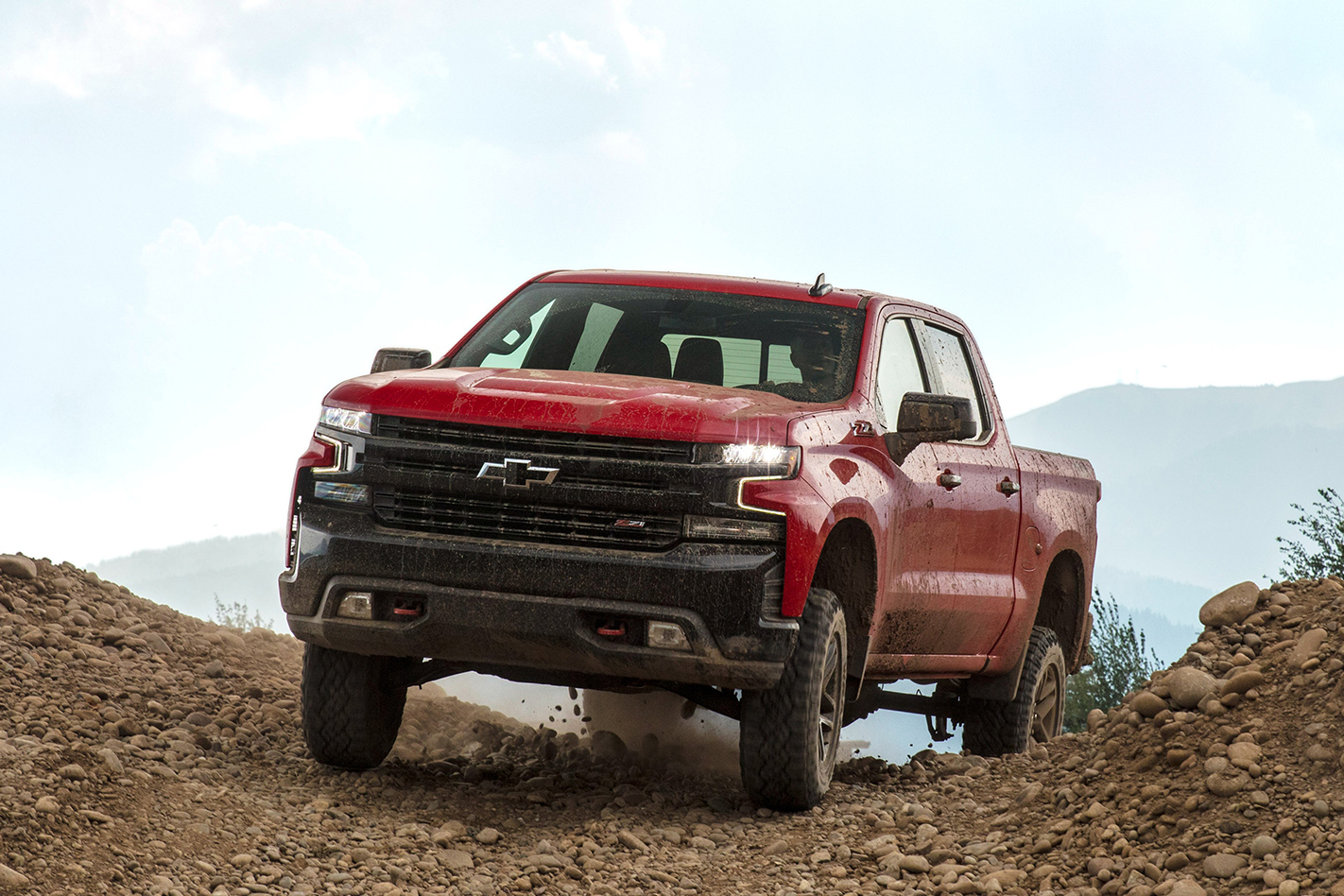
The resumption is good news for Australian Silverado buyers – though pick-ups made after June 7 no longer feature stop-start technology thanks to the shortage. GM’s next local offering, the C8 Corvette, has faced multiple production pauses at the Bowling Green factory but has been back on track since June 7.

Semi-conductors (more commonly known as microchips) have faced shortages since last year, when the car industry bounced back from factory closures faster than expected. Automakers had cancelled many chip orders, leaving an insufficient supply when production resumed.
Many American companies have been forced to partially assemble cars as a result, storing them in vast facilities until they can be outfitted with the chips required.
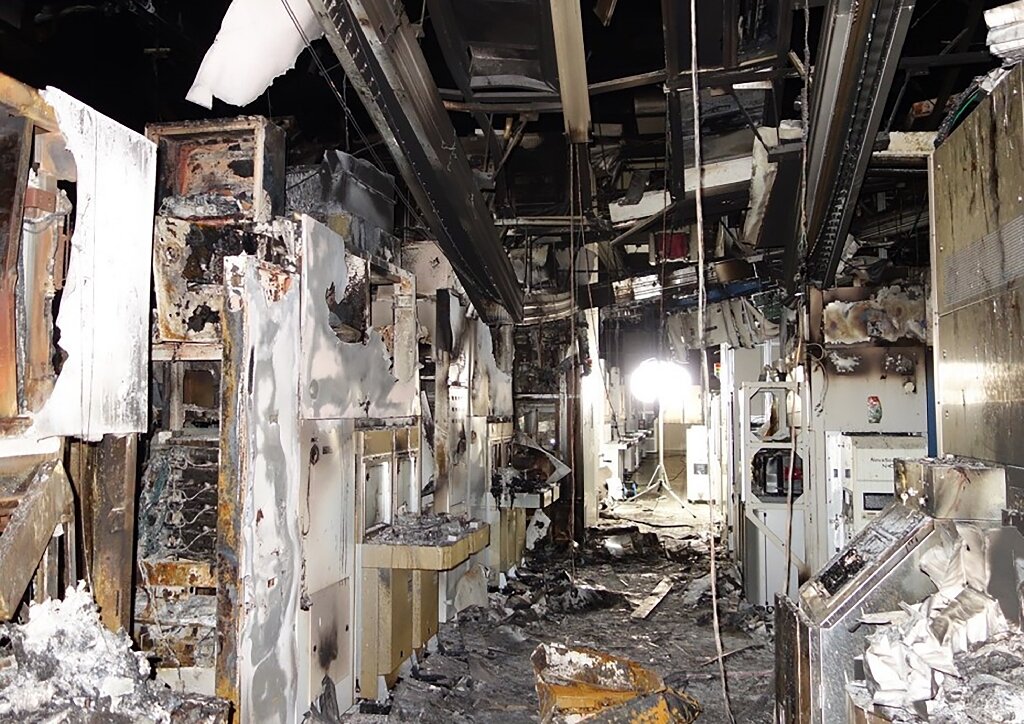
The problem was exacerbated when Renesas, the third-largest semi-conductor in the world, experienced a major factory fire in March 2021. It took over three months for the company to achieve pre-blaze levels of production. Top players such as Stellantis boss Carlos Tavares believe the shortage will continue into 2022.
UPDATE, August 11: Toyota’s new Tundra TRD Pro is set to benefit from a raft of off-roading upgrades as the manufacturer confirmed its alliance with Fox shocks on Twitter.
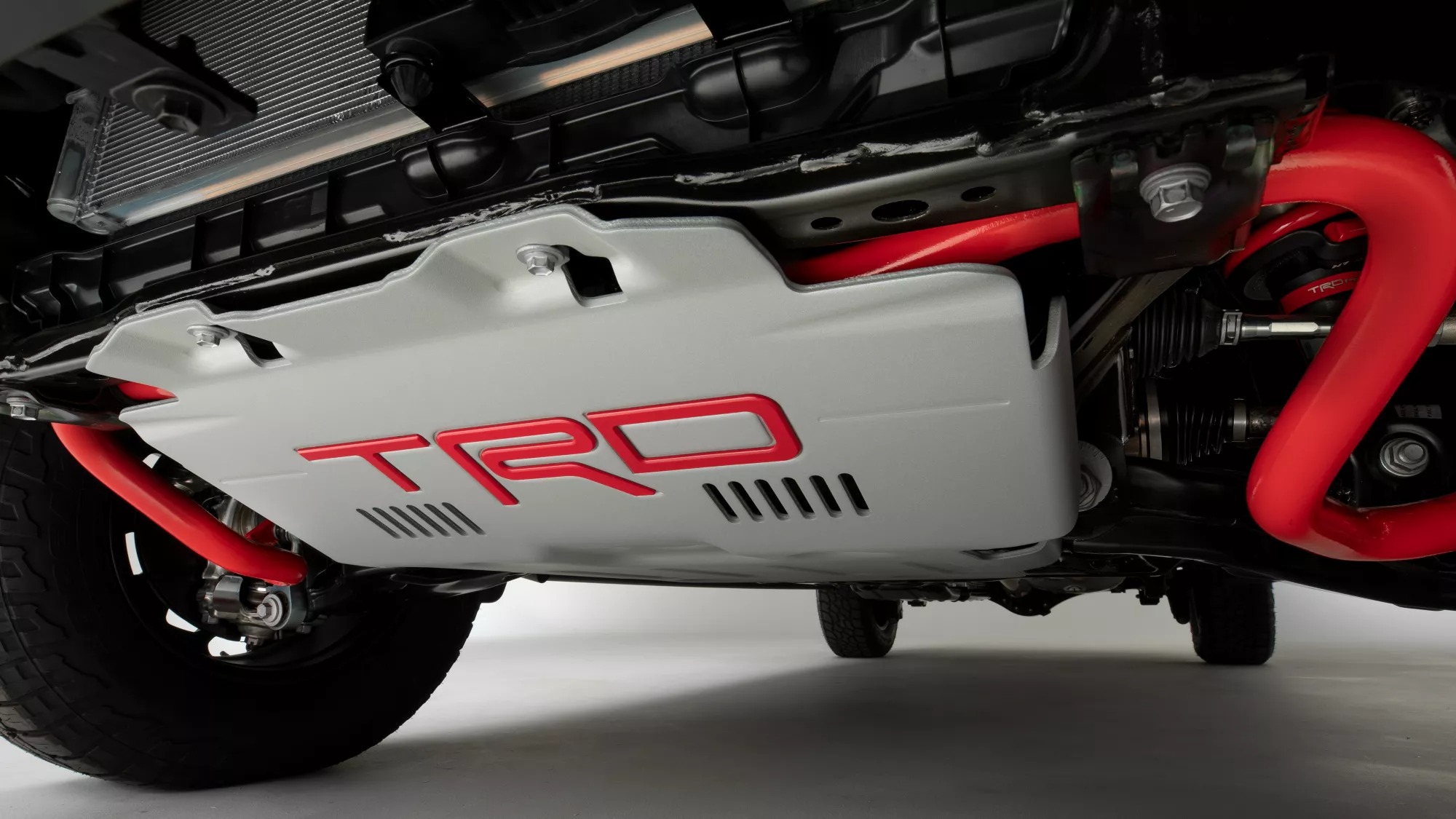
Posting photos to its Tundra TRD Pro landing page, the underside of the truck will feature a TRD-embossed skid plate, bright red sway bars, Fox shock absorbers and multi-link rear suspension – ditching leaf springs for the first time in the model’s history.
The story to here
JULY 28: As Toyota edges closer to officially taking the covers off its new Tundra TRD Pro, it has continued to ration out more teasers of the truck’s cabin.
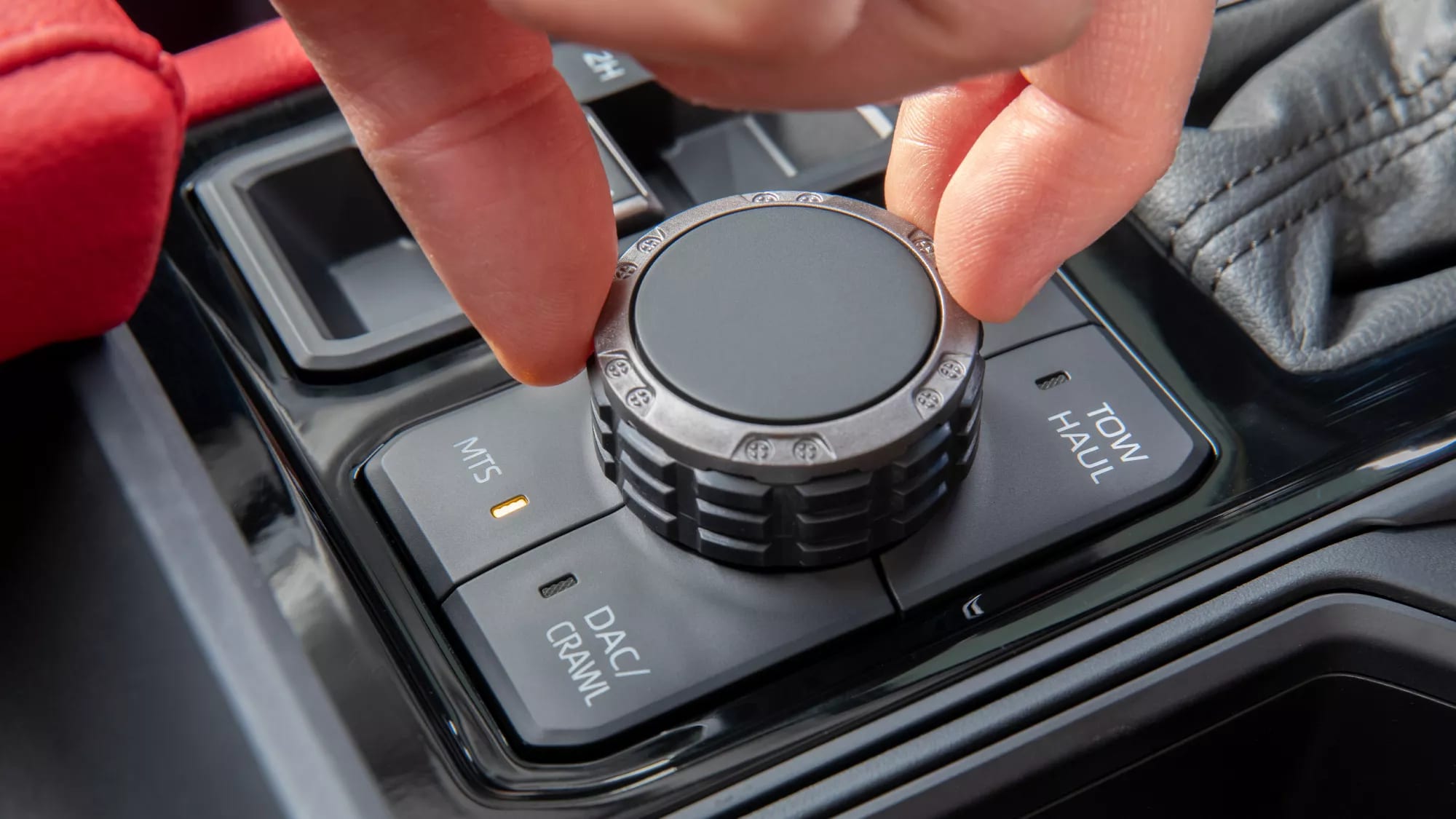
The latest round of drip-fed images shows a rotary dial with four buttons surrounding it, each to select a different driving mode – Multi-Terrain Select (MTS), Downhill Assist Control (DAC), Tow/Haul and Drive – while the teaser video showcases a fully-digital dash.
Also included is a shot of a wireless charging pad which easily accommodates an iPhone 12 Pro, plus a closer look at the front seats which are covered in red perforated leather with TRD Pro logos stitched underneath the headrests.
JUNE 24: The rollout of Tundra teasers has continued with Toyota USA sharing a picture of the pick-up’s interior on social media.
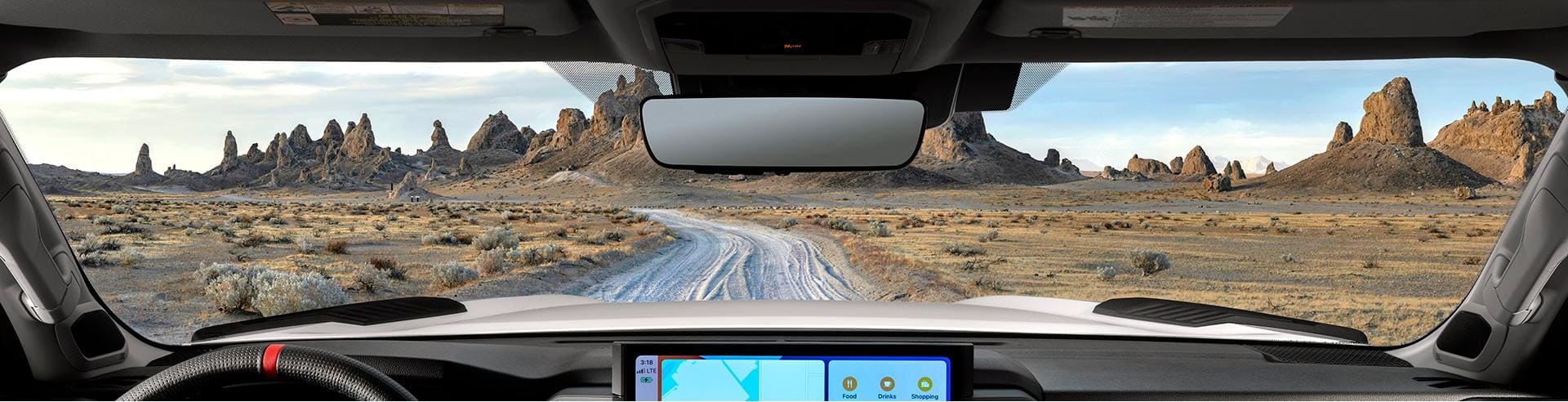
A larger infotainment screen than the standard seven-inch unit in current Tundras is visible, hinting at Toyota sharing its cabin tech from the new 300 Series LandCruiser to compete with the 12-inch screens in Ford’s F-150 and the Ram 1500.
The red centre marker on the steering wheel as well as the black bonnet vents suggest the teaser photo is from the range-topping TRD Pro, with more details on the upcoming model available below.
JUNE 19: The 2022 Toyota Tundra TRD Pro has been teased by the American arm of the Japanese manufacturer, coming off the back of multiple leaks over the past few days.
Toyota USA took to Twitter to share a photo of the upcoming pick-up truck, showing off its striking presence with a strong contrast between the white body and black exterior highlights.
Behind the Stormtrooper front end is a set of TRD Pro wheels, wrapped in Falken Wildpeak all-terrain 285/65 tyres and sitting under black flared arches.

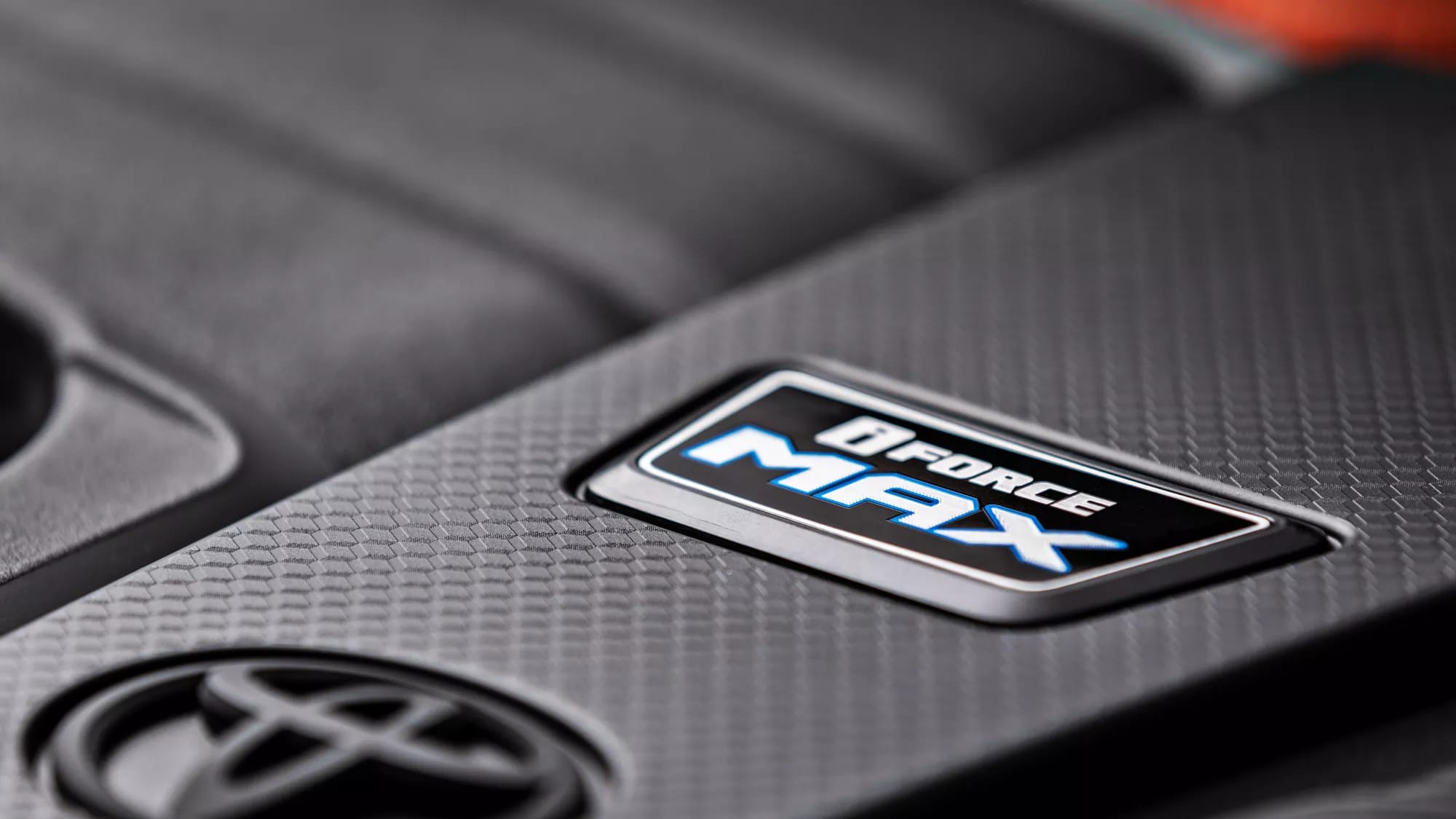
Under the bonnet of the Tundra TRD Pro will be a new twin-turbo petrol V6, branded as an i-Force Max in the United States with hybrid options available.
According to US publication Car and Driver, the TRD Pro will likely move away from a leaf spring suspension set-up, instead going to coils, air or independent rear suspension.
Pricing has not yet been revealed for the TRD Pro and it’s unlikely to officially arrive in Australia through Toyota, though importers will be keen to bring some Down Under to compete with the RAM trucks.
December 2023: Cybertruck pricing and specs
You might be glad, or you might’ve hoped it wouldn’t happen – but Elon’s teenage wet dream, the Cybertruck, is actually real and finally in customer hands.
Story continues…
The polarising Tesla Cybertruck now won’t enter production until 2022 at the earliest, with the American manufacturer confirming the delay.
According to electrek, Tesla has confirmed the Cybertruck’s production has been pushed back to next year, having originally been slated to arrive late 2021 when it was launched in 2019.
Tesla initially said it would focus on production of the US$39,900 (AU$54,360) single-motor, rear-wheel drive Cybertruck, with the US$49,900 (AU$68,000) dual-motor and US$69,900 (AU$95,250) tri-motor variants to follow a year later – the latter now potentially not likely to appear until 2023.
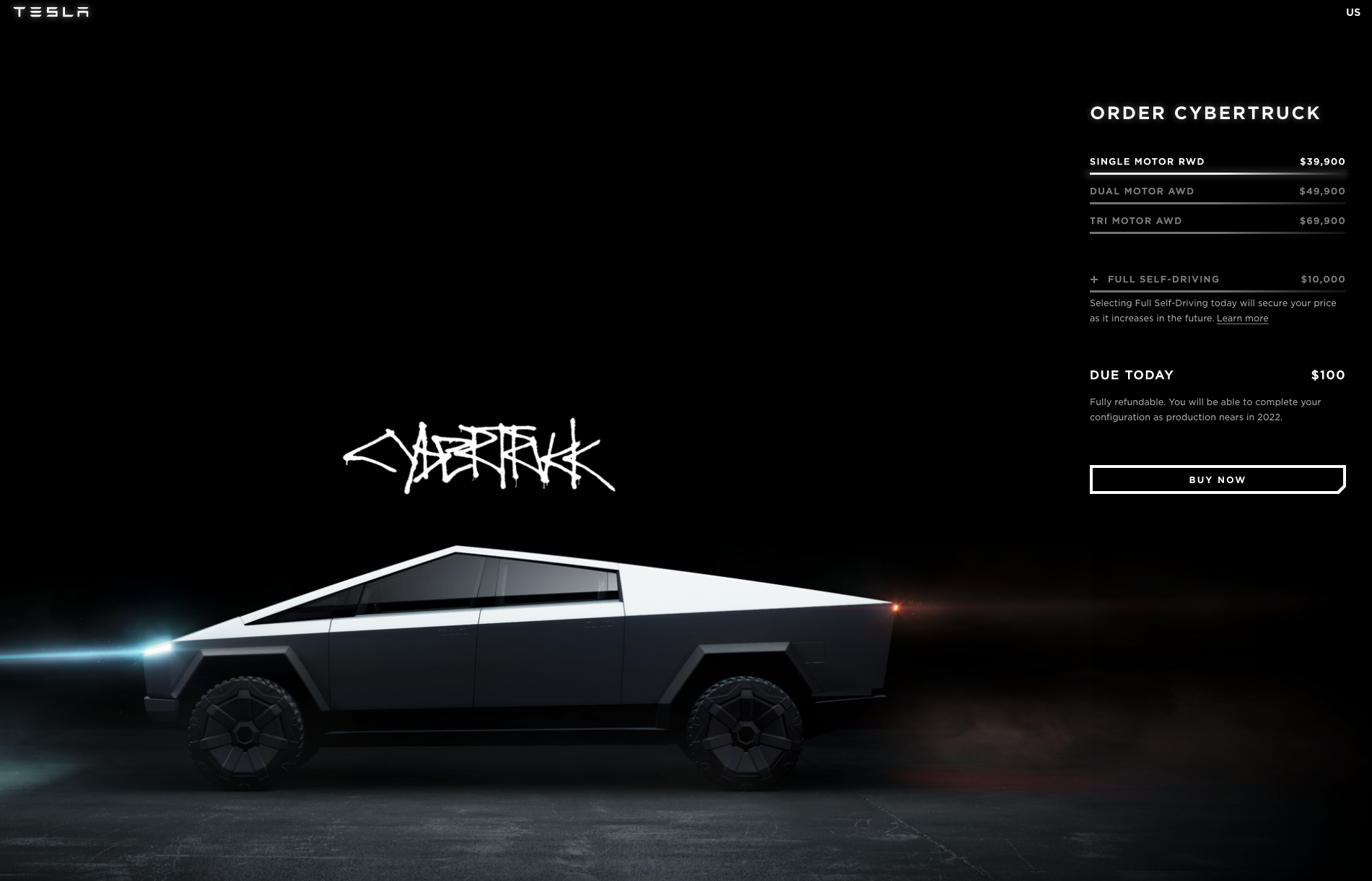
The Cybertruck configurator on Tesla’s website tells buyers they “will be able to complete [their] configuration as production nears in 2022”, although this currently applies to all three variants.
With the delay in production at Tesla’s plant in Austin, Texas, potentially holding back deliveries into the second quarter of 2022, the Cybertruck could be launched after the arrival of the Ford F-150 Lightning electric pick-up but before the release of EV offerings from RAM and Chevrolet.
Tesla CEO Elon Musk has previously confirmed the Cybertruck will not be released in Australia after its launch, although this is unsurprising as, in its current guise, it is unlikely to pass Australian Design Rules to be homologated for the road.
As it stands, buyers can reserve their Cybertruck for a $100 deposit, going towards the end purchase price of the vehicle when production commences.
Snapshot
- 2019-2020 Model 3 vehicles recalled for front brake issue
- The front caliper bolts may not be torqued to the correct spec
- 113 vehicles affected
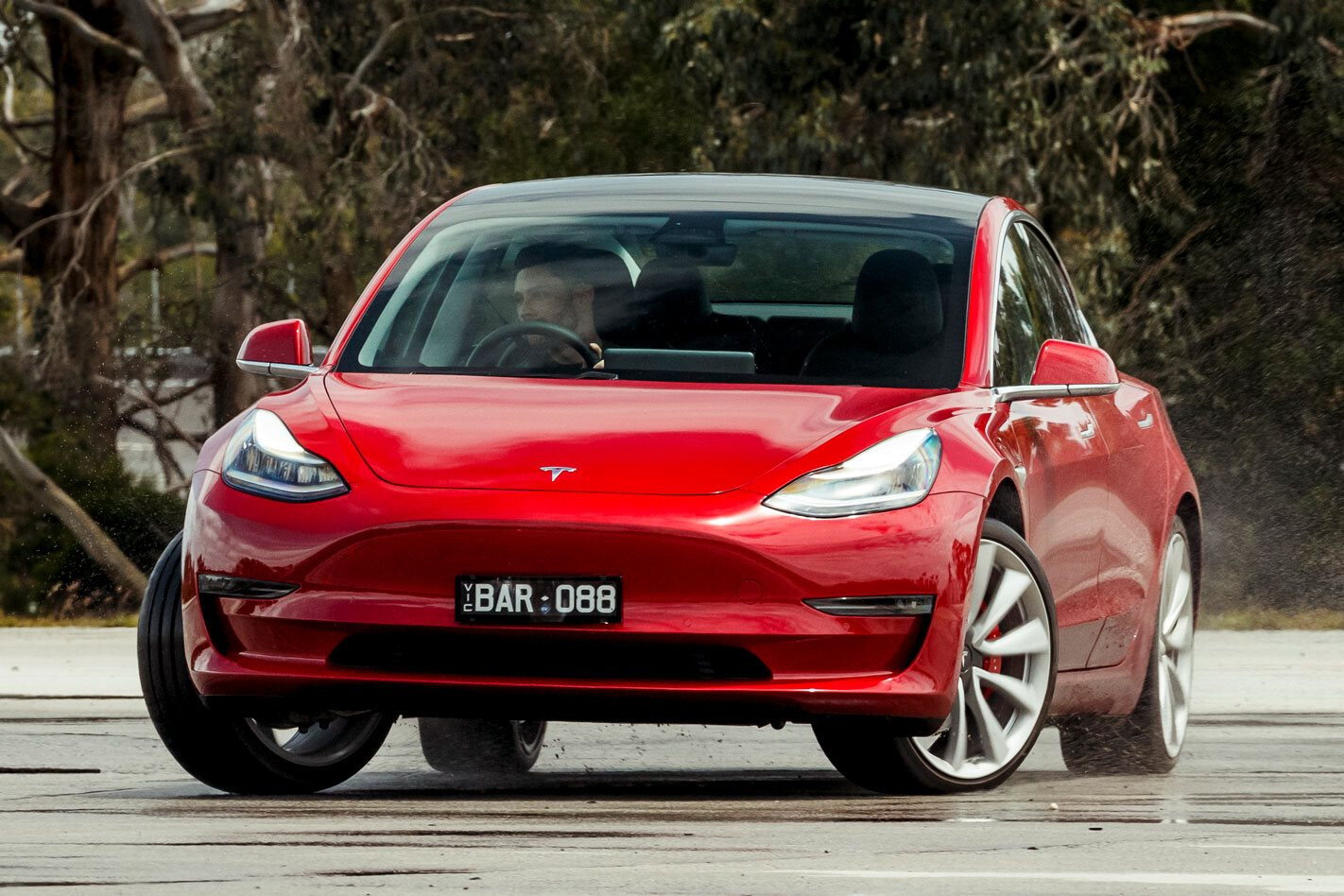
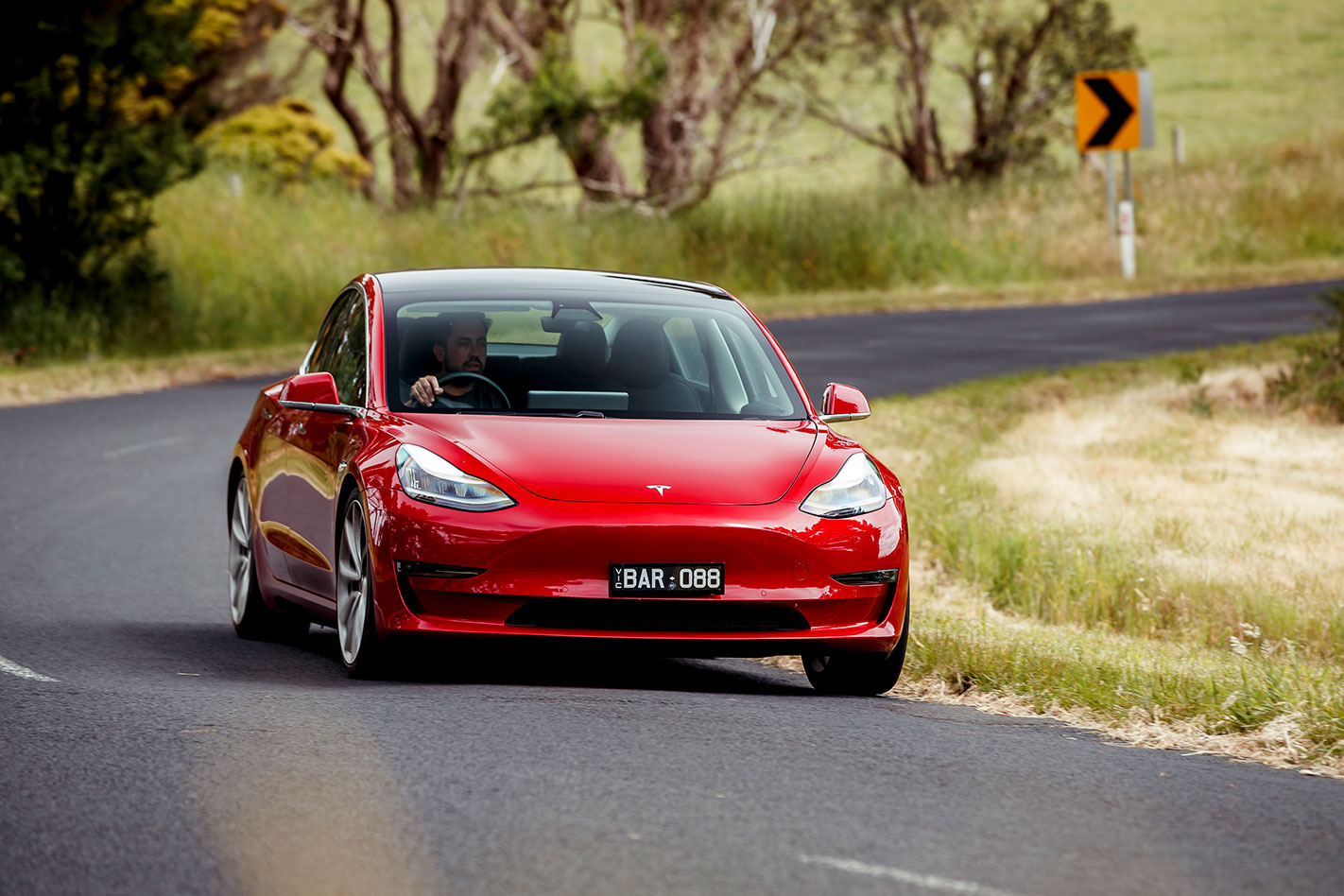
Tesla’s Model 3 sedan is being recalled over fears the front brake caliper bolts may not be fully tightened to the correct torque spec.
The notice affects Model 3 vehicles built in the US between 2019-2020, stating 113 vehicles are potentially subject to the issue.
The recall does not however apply to any Model 3s which have landed on Australian shores since February this year, as they have all been built in China.
According to the Department for Infrastructure: “The brake caliper bolts may not have been tightened sufficiently, if this occurs it may reduce the expected braking performance.”
Essentially, in the case the caliper bolts are not tightened to the correct torque specification, they may slowly come loose over time and cause the caliper to foul on the wheel and also result in serious braking issues.
Owners are urged to schedule an appointment for the recall with Tesla via the app.
Tesla says dealers will “inspect your vehicle and perform any necessary repairs, free of charge. Mobile Service may complete this inspection for your convenience”.
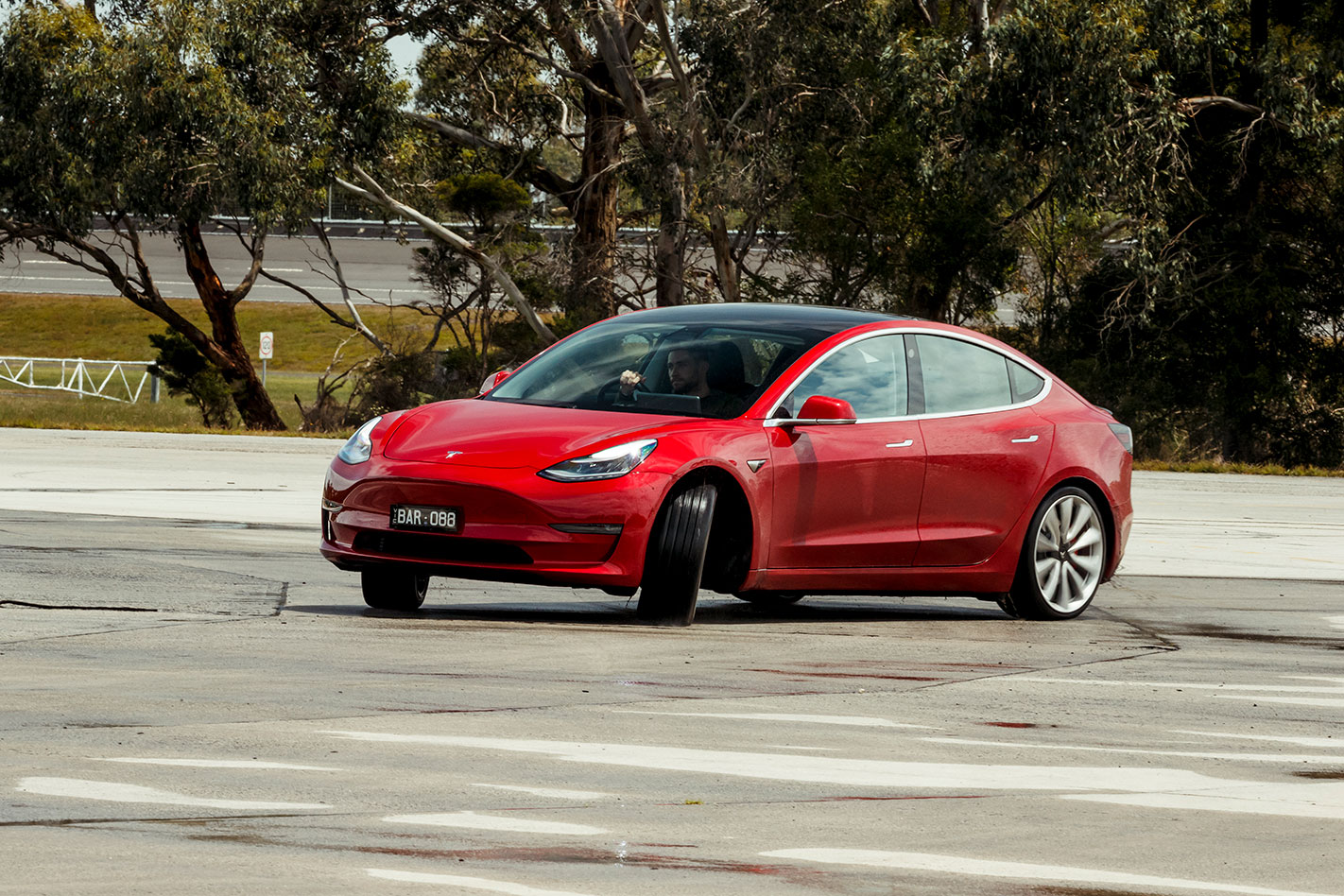
You can find the original recall notice with the affected VIN numbers here.
Although the Model Y is listed on the recall notice, there are no Model Y VINs listed.
Snapshot
- Star rating to expire after six years
- Move follows sharp criticism from industry
ANCAP will change its star-ratings system under CEO Carla Hoorweg as it looks to reduce complexity and confusion for new and used car buyers.
Speaking exclusively to Wheels, Ms Hoorweg, who took over the role as ANCAP CEO in December 2020, said the much-debated star ratings will have a six-year expiry under the proposed changes, reducing confusion surrounding the ‘grandfathering’ of older test results.
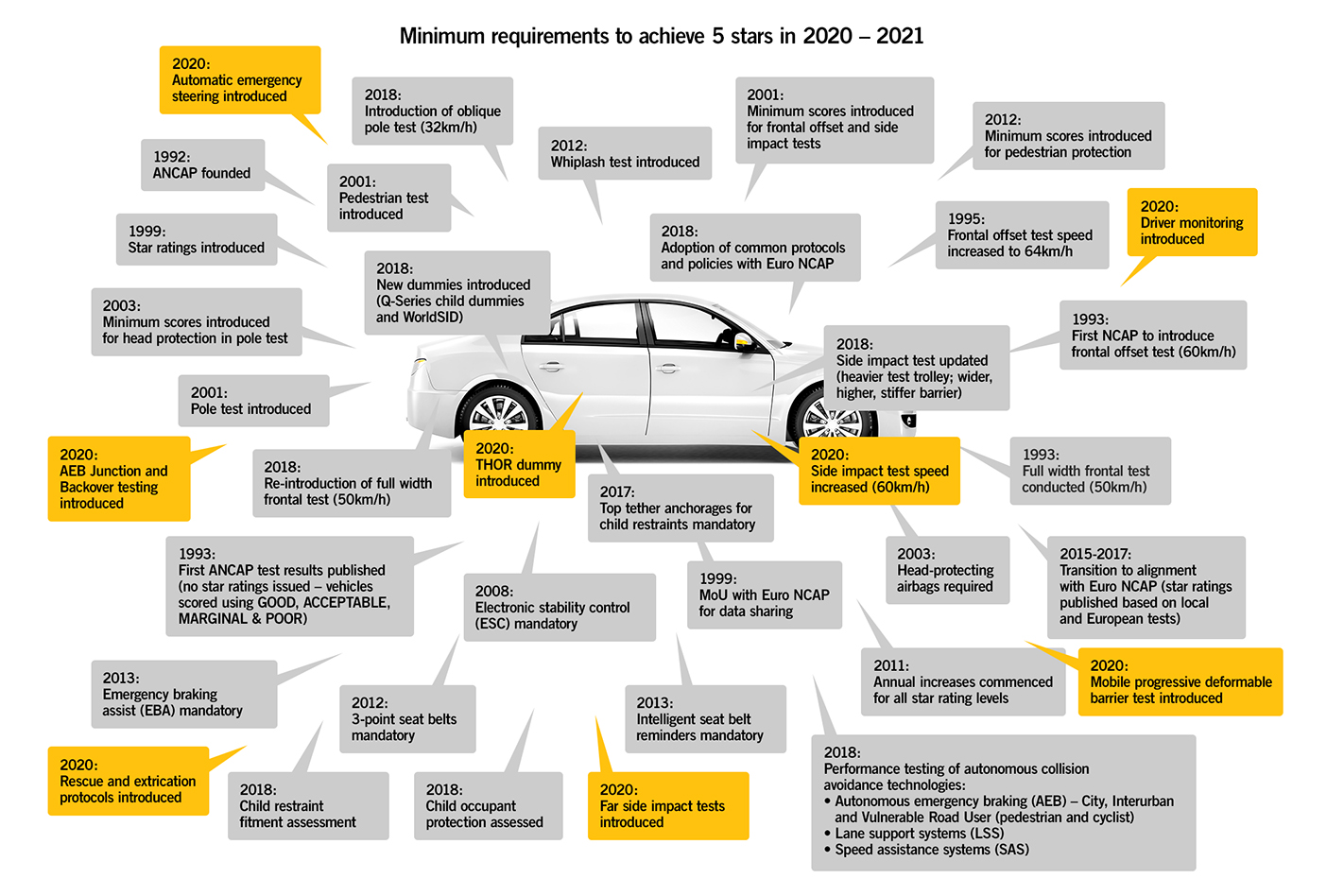
“This is one of the areas where we are going to be making some changes,” Hoorweg said. “At the moment, I think part of that confusion is coming because there are some really old ratings still floating around that are still valid,” she says.
Currently, ANCAP (Australasian New Car Assessment Program) ratings allow a vehicle to ‘grandfather’ its star rating indefinitely.
This means that new vehicles can carry a star rating for the entire life cycle of that model generation, typically seven years, but in some instances a decade or more. The current Toyota Prado is a prime example, with its five-star ANCAP score achieved back in 2011.
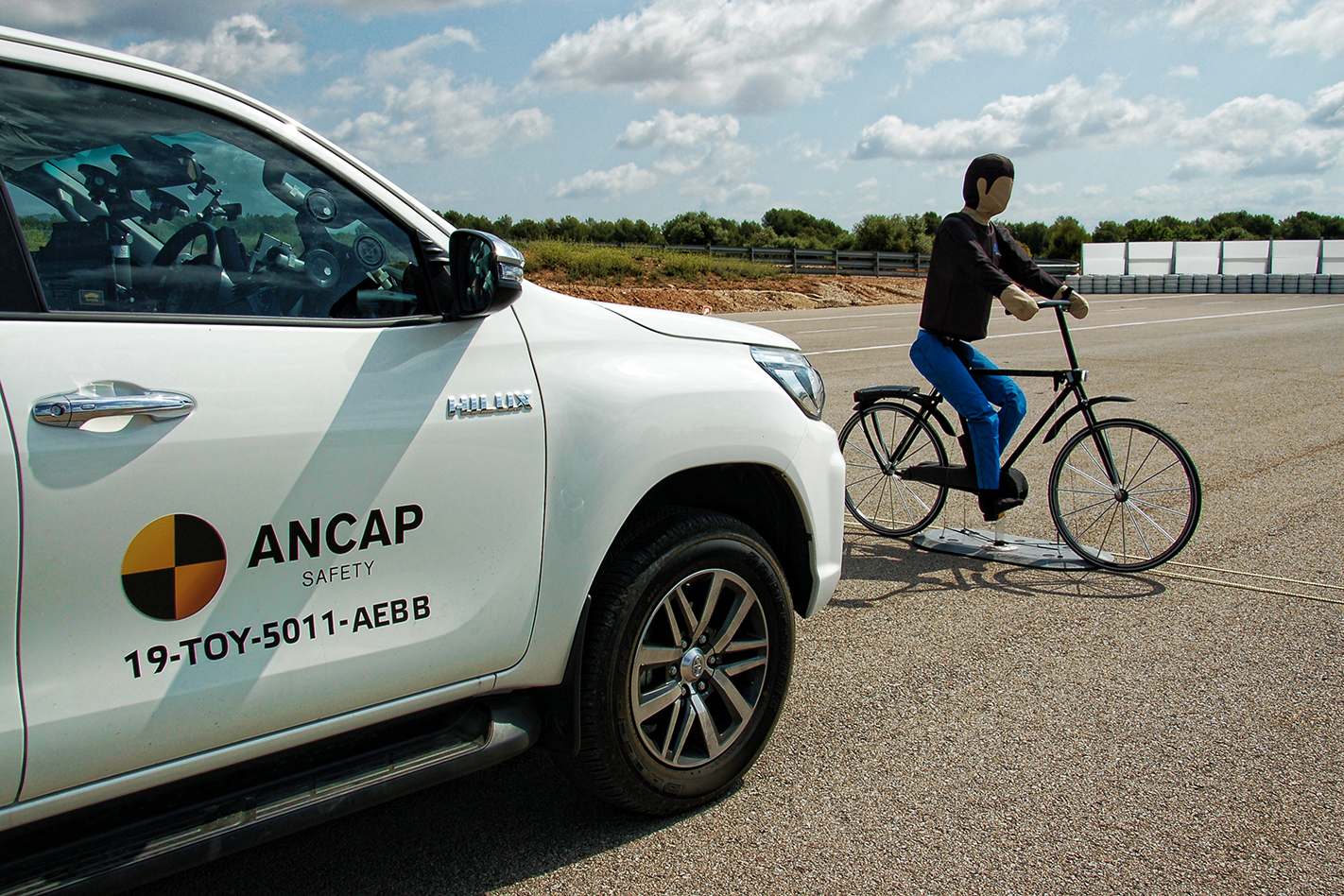
Currently, used car buyers are presented with the same star ratings for vehicles tested years apart and to entirely different protocols – a potential recipe for confusion. ANCAP introduced date-stamps in 2014 to help make things clearer, however Hoorweg suggests there’s still room for improvement.
“The older ratings that don’t have an expiry at the moment, we’ve been working with the industry around how these will be retired in the future,” Hoorweg told Wheels. “What we will end up with is that all ratings will have a six-year validity, so then you’ll be able to see very clearly whether or not the rating is valid or expired.
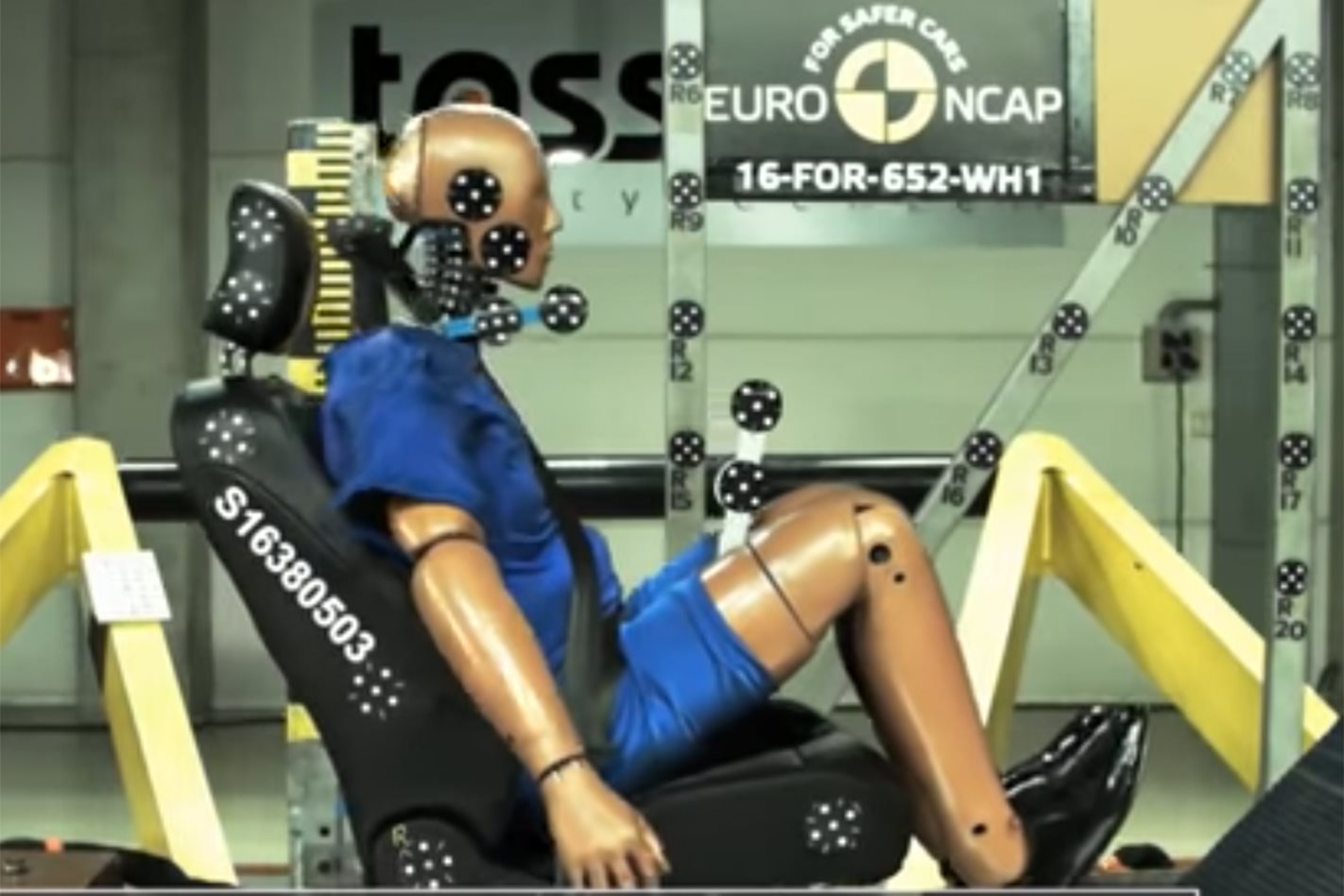
“It gives you that ability to compare how long this rating has to run versus one that’s more recent – you know it’s going to be valid for longer, so you’ve got that five-star rated car with a valid rating that’s going to last until the end of the sixth-year life.
“I think that gives you a way of comparing, and going, ‘well, if I’m buying a vehicle that has five stars from 2017 versus a vehicle that has five stars from 2019, I know that the 2017 one is older and the rating is going to expire [sooner]’.”
Criticism of ANCAP’s rating system has recently come from multiple OEMs as well as bodies including the Federal Chamber of Automotive Industries (FCAI), with suggestions it’s inconsistent and confusing for consumers.
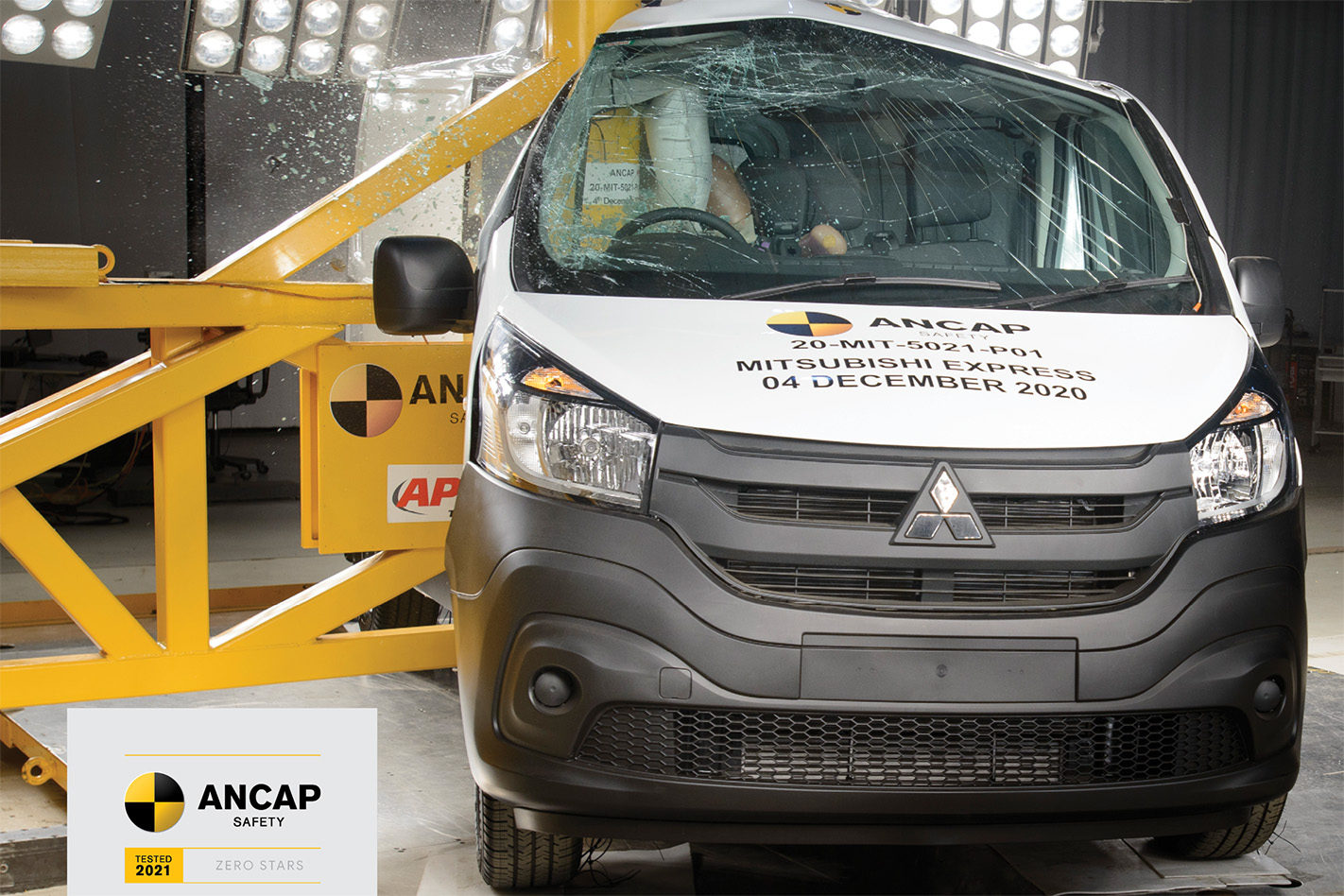
In March this year, ANCAP published its first zero-star rating after almost thirty years of testing, the dubious honour awarded to the Mitsubishi Express.
The result prompted sharp public criticism from the FCAI as well as Mitsubishi – both calling for more transparent, consistent procedures. It follows on from former ANCAP CEO, James Goodwin, previously telling Wheels the organisation will not seek headline grabbing ‘gotcha’ moments.
In the August issue of Wheels, Hoorweg candidly addresses the challenges facing ANCAP, including the Mitsubishi Express rating and the organisation’s increasingly stringent protocols going forward.
Snapshot
- Facelifted iX3 features unchanged, 460km driving range
- Prices start from $114,900
- Australian deliveries to begin in November
BMW has officially revealed the facelifted 2022 iX3 electric SUV after leaks surfaced in the months preceding its unveiling, confirming the pricing and features of the revised model.
Still yet to make its official public debut at the IAA Munich Motor Show, the 2022 iX3 is BMW’s all-electric equivalent to the mid-size X3 SUV, sharing the same basic design features as its internal combustion engine-powered sibling which was updated in July.
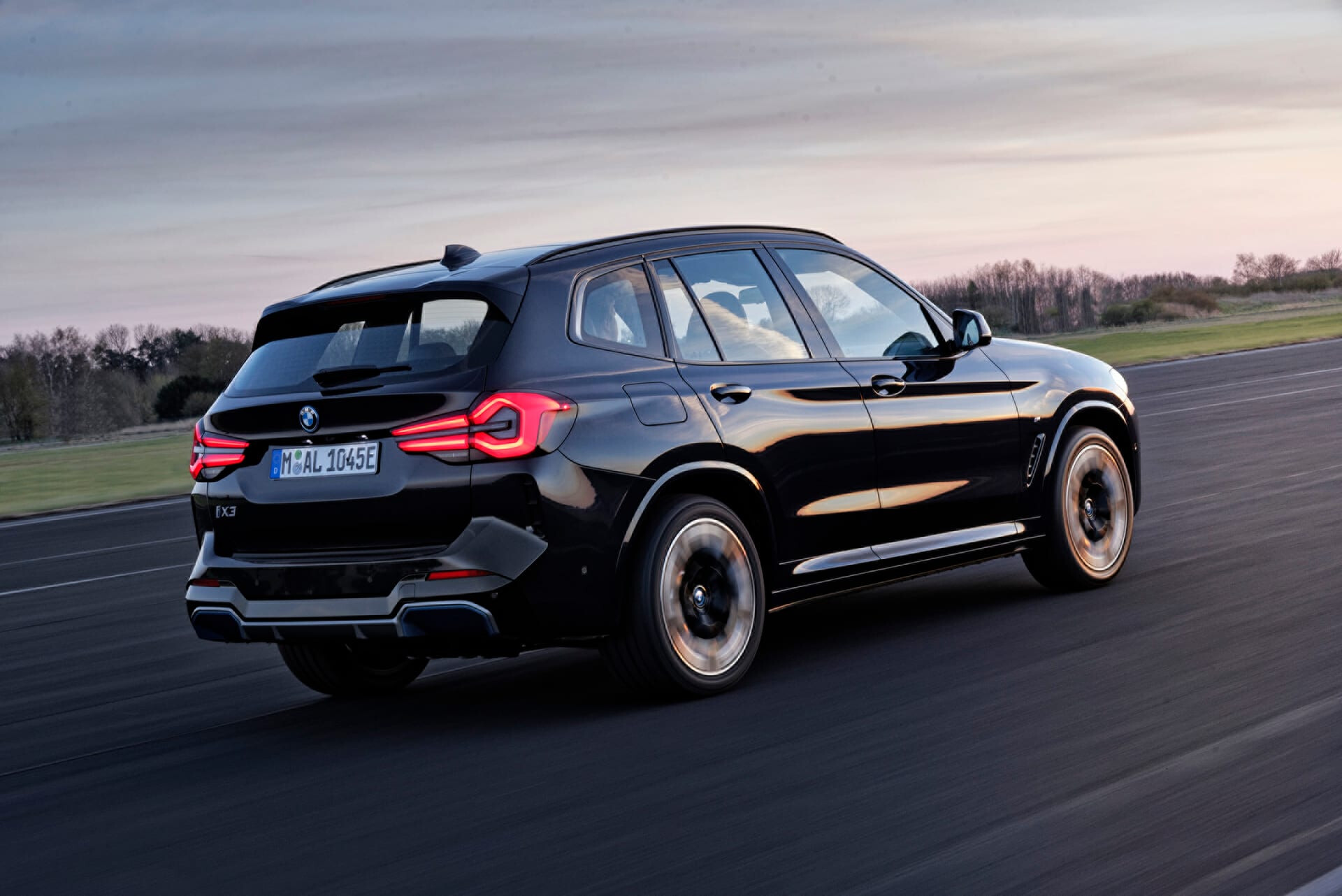
As a part of its first facelift since debuting last year, all iX3 variants now come with the BMW M Sport package as standard – adding 19-inch or optional 20-inch wheels, a sharper front bumper and a revised rear diffuser.
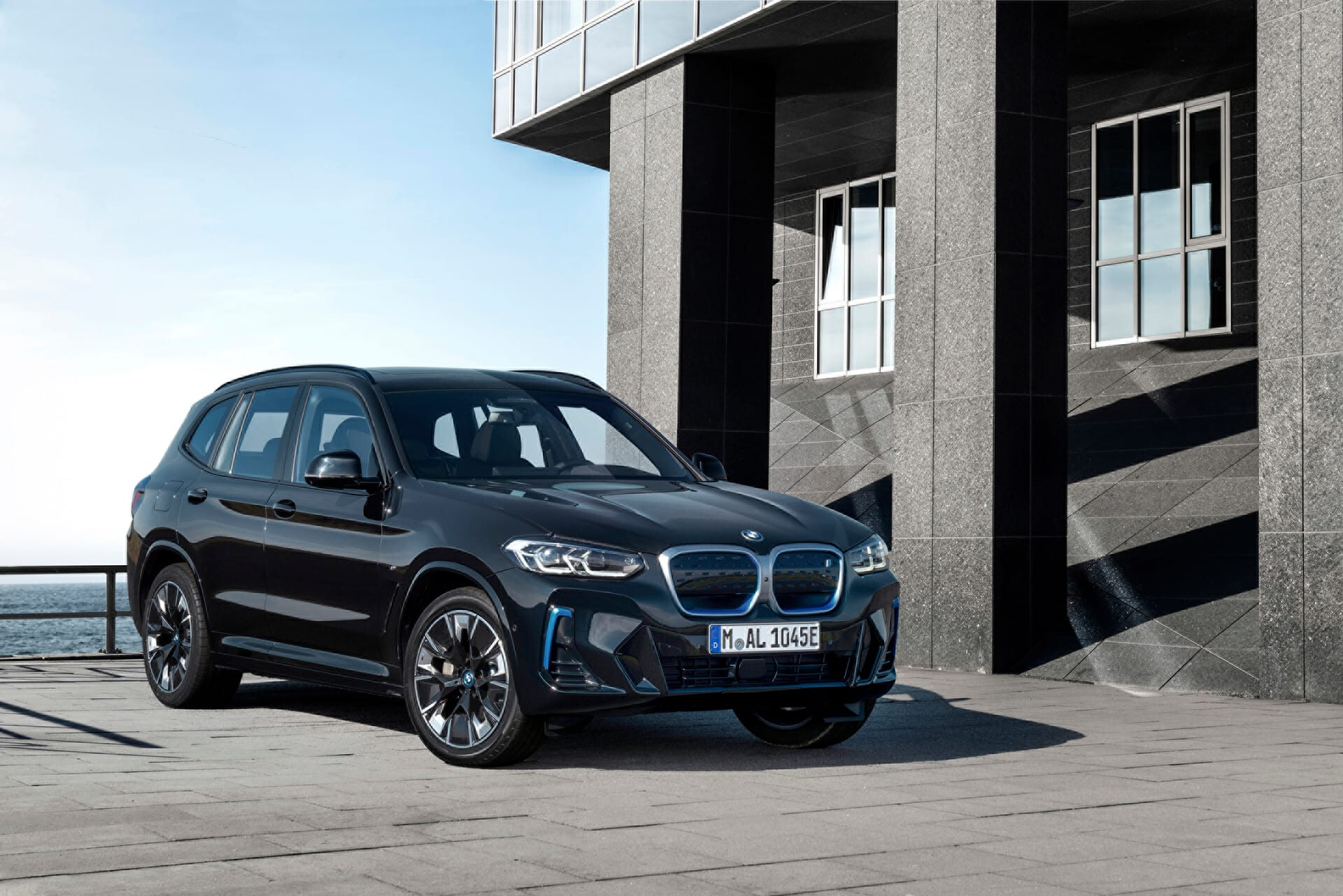
As with BMW’s range of ICE vehicles, the iX3 also now features a more prominent kidney grille, which is contrasted by slimmer adaptive LED headlights – standard across all variants with the option of BMW Laserlight available for an extra $2000 – while rear styling is also revised with three-dimensional tail-lights.
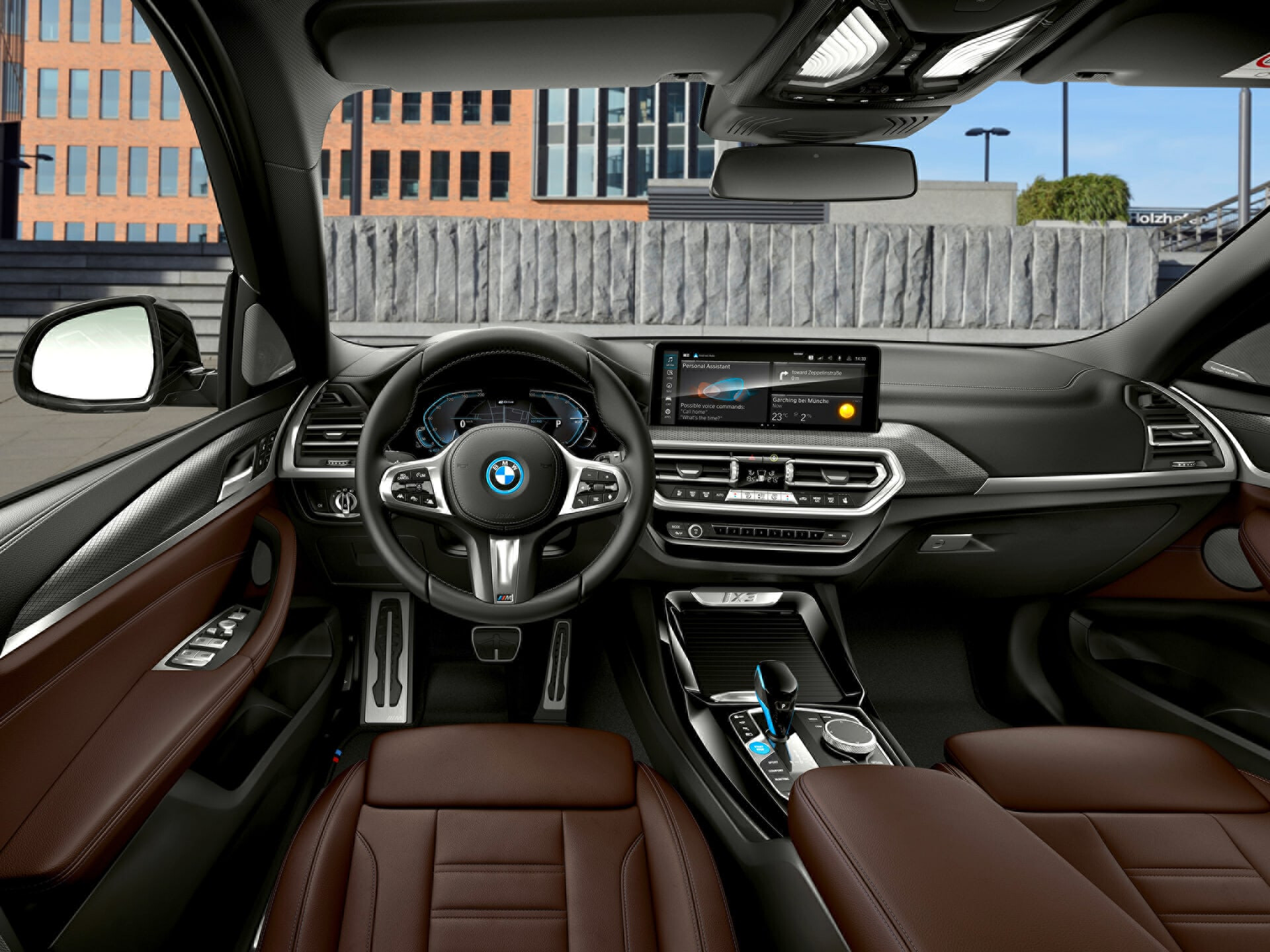
Inside the cabin is a new 12.3-inch digital instrument cluster, BMW’s updated iDrive system, a redesigned control panel and synthetic leather sports seats – the latter coming as a part of the model-wide upgrade to the M Sport package.
Available in one of two trims, the ‘Inspiring’ variant is the cheaper of the two options and features:
| 19-inch wheels |
| Metallic paint |
| Adaptive suspension |
| Automatic tailgate |
| Panoramic glass roof |
| Electrically adjustable seats |
| Sport leather steering wheel |
| Three-zone automatic climate control |
| BMW Intelligent Personal Assistant |
| Wireless charging |
| BMW Maps |
| Apple CarPlay/Android Auto |
Stepping up to ‘Impressive’ adds equipment such as:
| 20-inch wheels |
| Acoustic glazing for front windows |
| Comfort access |
| Vernasca leather trim |
| BMW gesture control |
| Head-up display |
| Harman Kardon surround sound |
The only optional pack available is BMW’s shadow package which adds M Lights shadow line, sun protection glazing and M high-gloss shadow line on the kidney grille surround for an extra $2000, however this package cannot be optioned with the Laserlight headlights.
BMW’s sole individual option extra comes in the form of fine-wood interior trim, coupled with ash trunkwood and pearl chrome to add a $350 premium to the price tag.
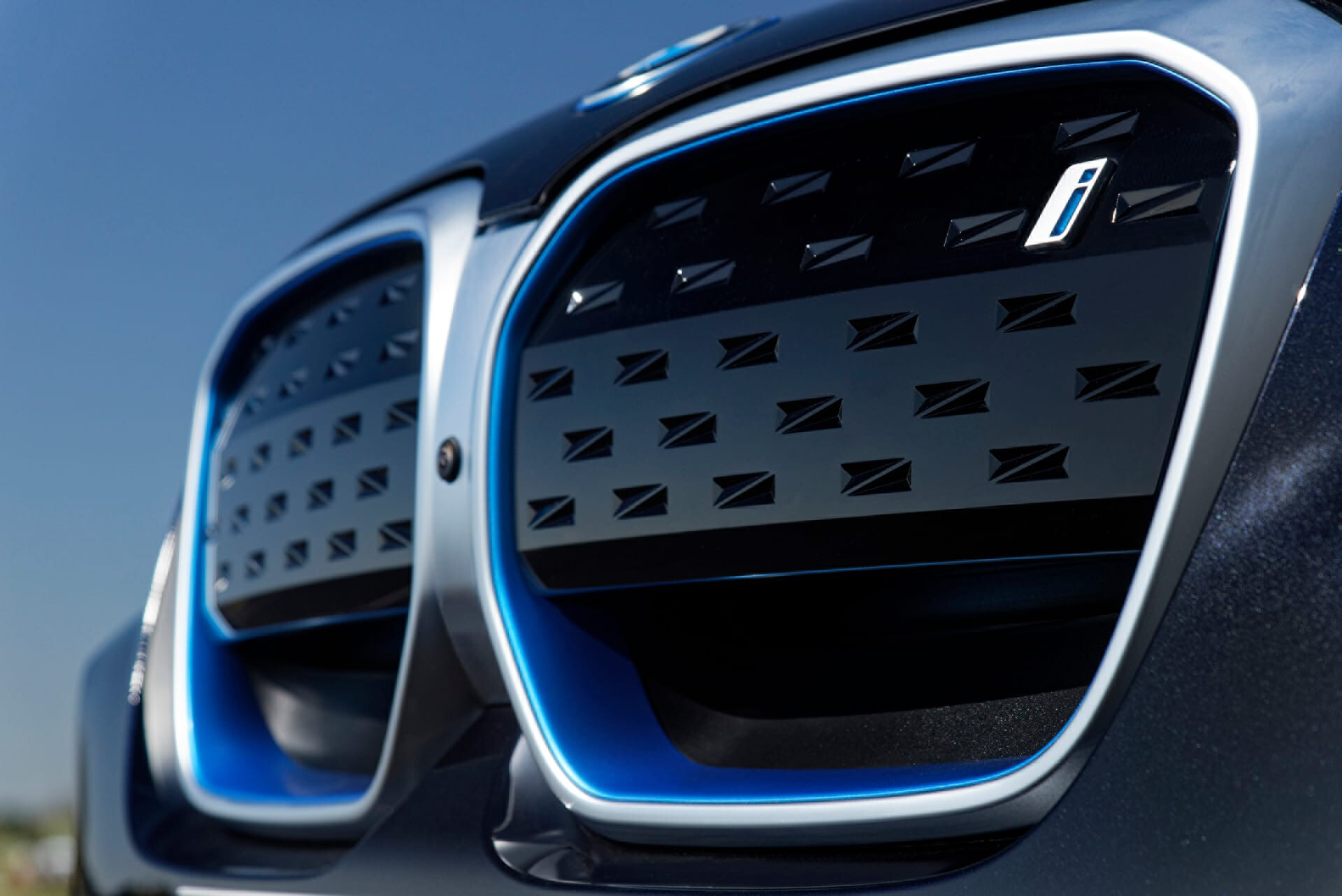
All changes to the facelifted iX3 are cosmetic, with the EV retaining its 210kW electric motor which produces up to 400Nm of torque, achieving a driving range of 460km in WLTP tests.
With its battery’s gross energy content of 80kWh and a DC charging rate of up to 150kW, a 10-minute fast charge can add 100km to the iX3’s range, while standard 11kW AC three-phase AC charging can take the battery from flat to full in 7.5 hours.
Starting off at a base price of $114,900, the iX3 is expected to arrive in Australian dealers from November 2021.
Snapshot
- Front brake lines could fail on 2018 – 2019 Sprinter vans
- Issue caused by lines rubbing on the car
- 322 vehicles affected
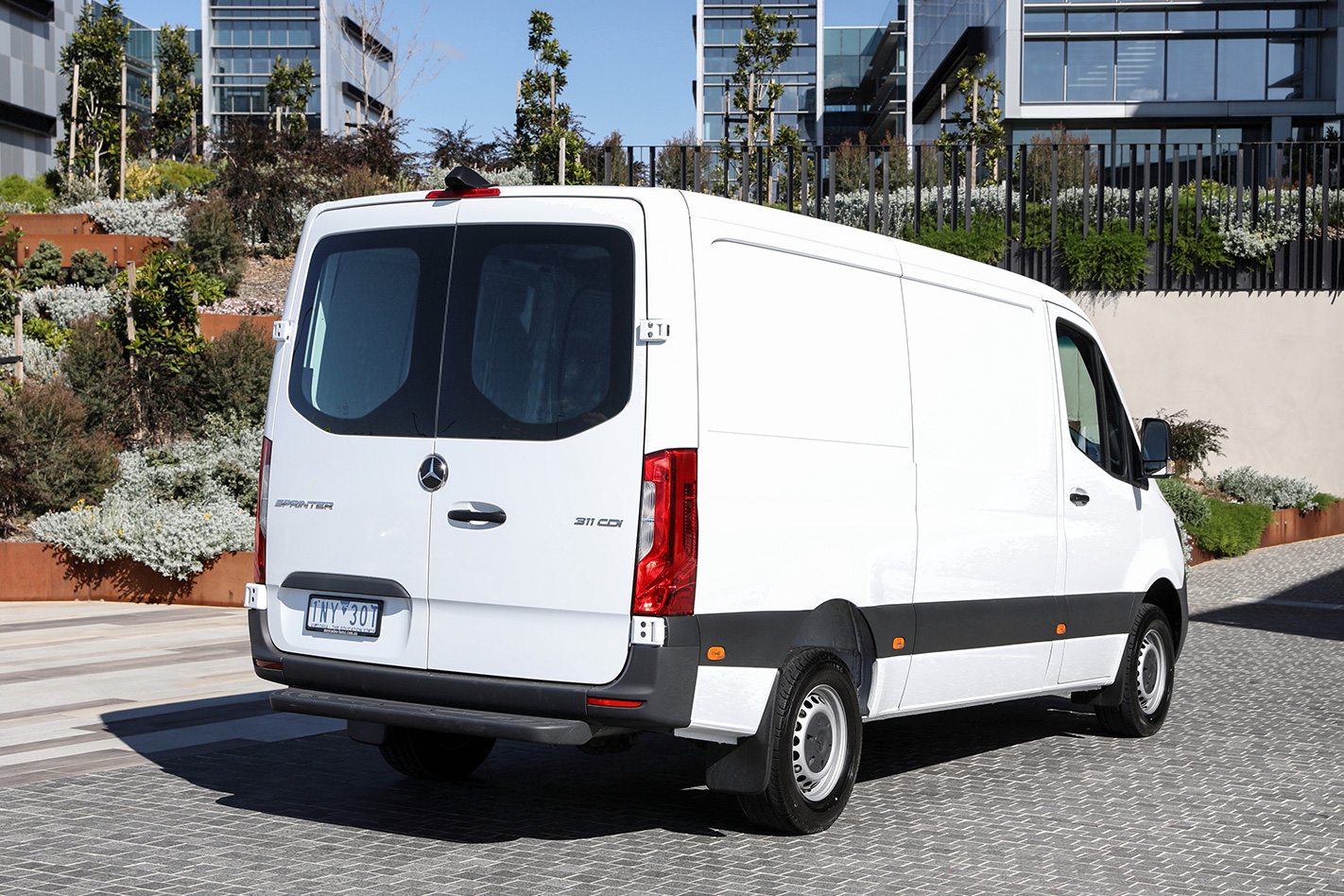
Mercedes-Benz has issued a recall for its 2018 – 2019 VS30 Sprinter due to potential for the front brakes to fail.
The recall specifies the front brake hoses could be prone to making contact with either the inner guard liner or the front axle itself, causing wear to the rubber hose.
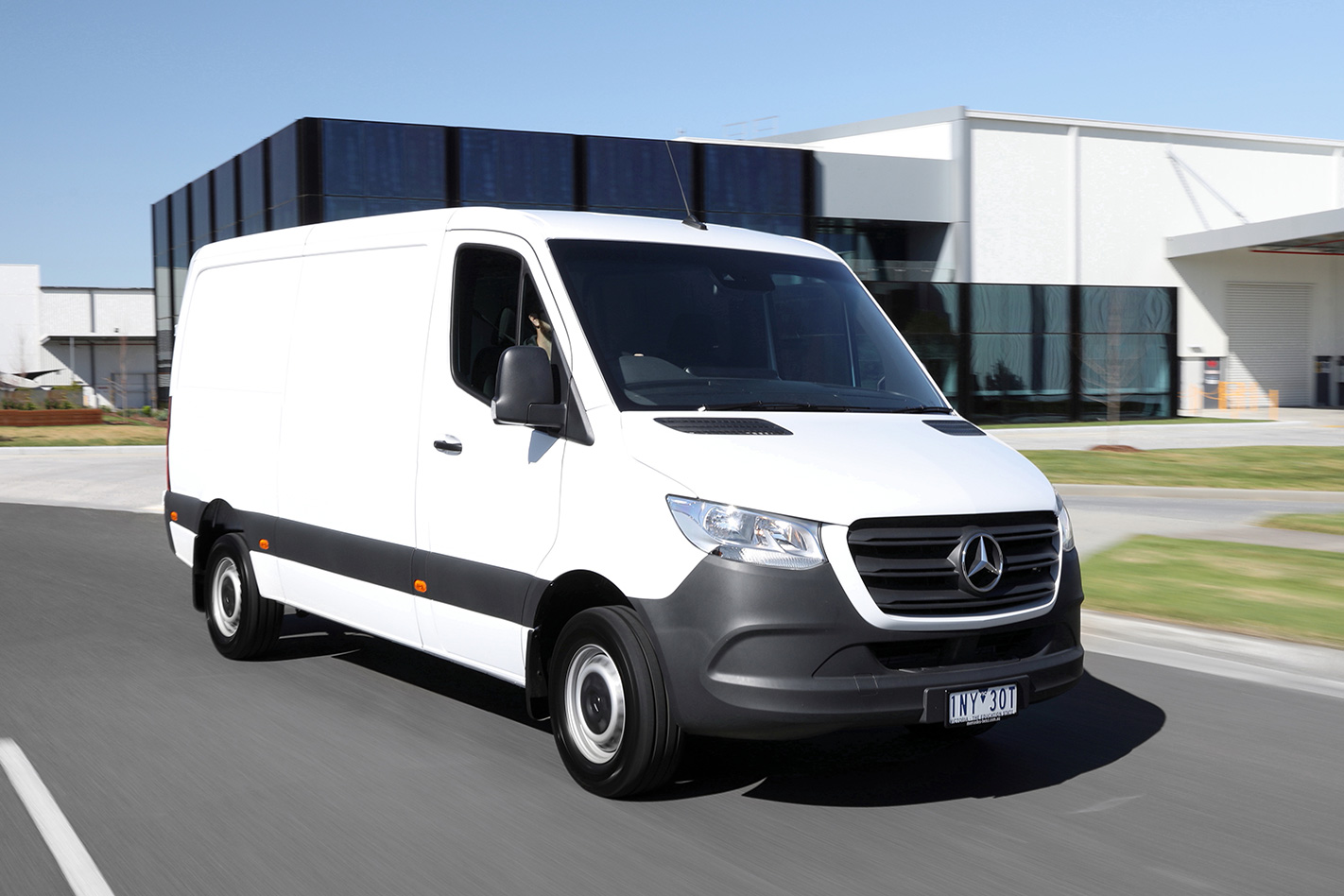
As a result, the brake fluid could leak – causing a loss of braking performance or ability to stop at all, increasing the risk of a serious accident.
The recall affects 322 Sprinter vans.
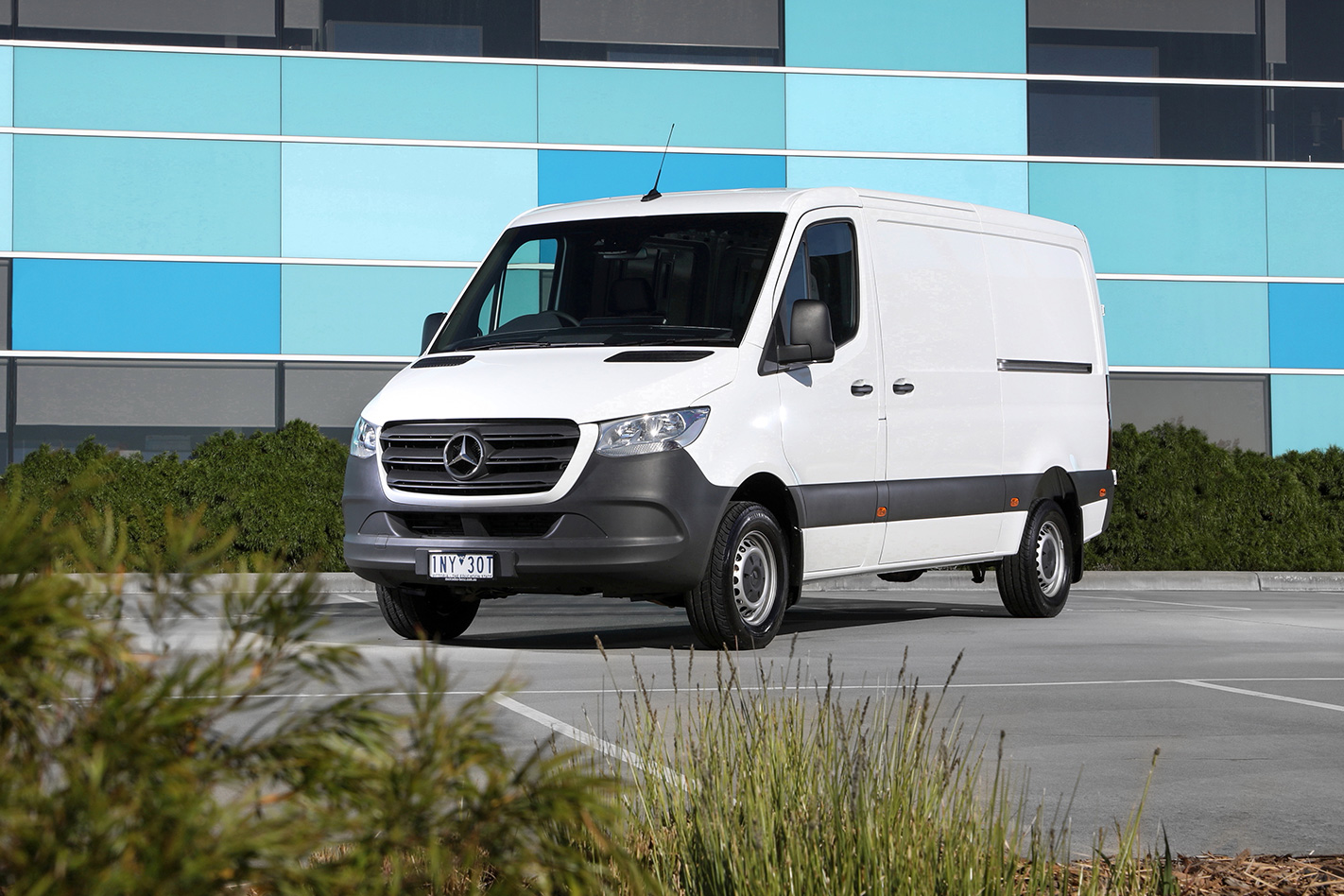
Owners are urged to contact their local Mercedes-Benz dealer, who will fix the issue free of charge.
The full list of affected VIN numbers can be found here.
In the 40th anniversary year of Cannonball Run, the one of the film’s star cars has found itself in good company on the United States National Historic Vehicle Register – inducted as the 30th car on the Hagerty-funded list.
The car in question is a 1979 Lamborghini Countach LP400 S, driven in the coast-to-coast road race film by Tara Buckman and Adrienne Barbeau, outrunning the law to get from Connecticut to California as fast as possible.
While Cannonball Run is best known for its all-star cast such as Burt Reynolds, Dom DeLuise, Dean Martin, Sammy Davis Jr., Roger Moore and Farrah Fawcett, the film starts with the black Countach blasting through the desert while being chased by an underpowered Pontiac Firebird police car.

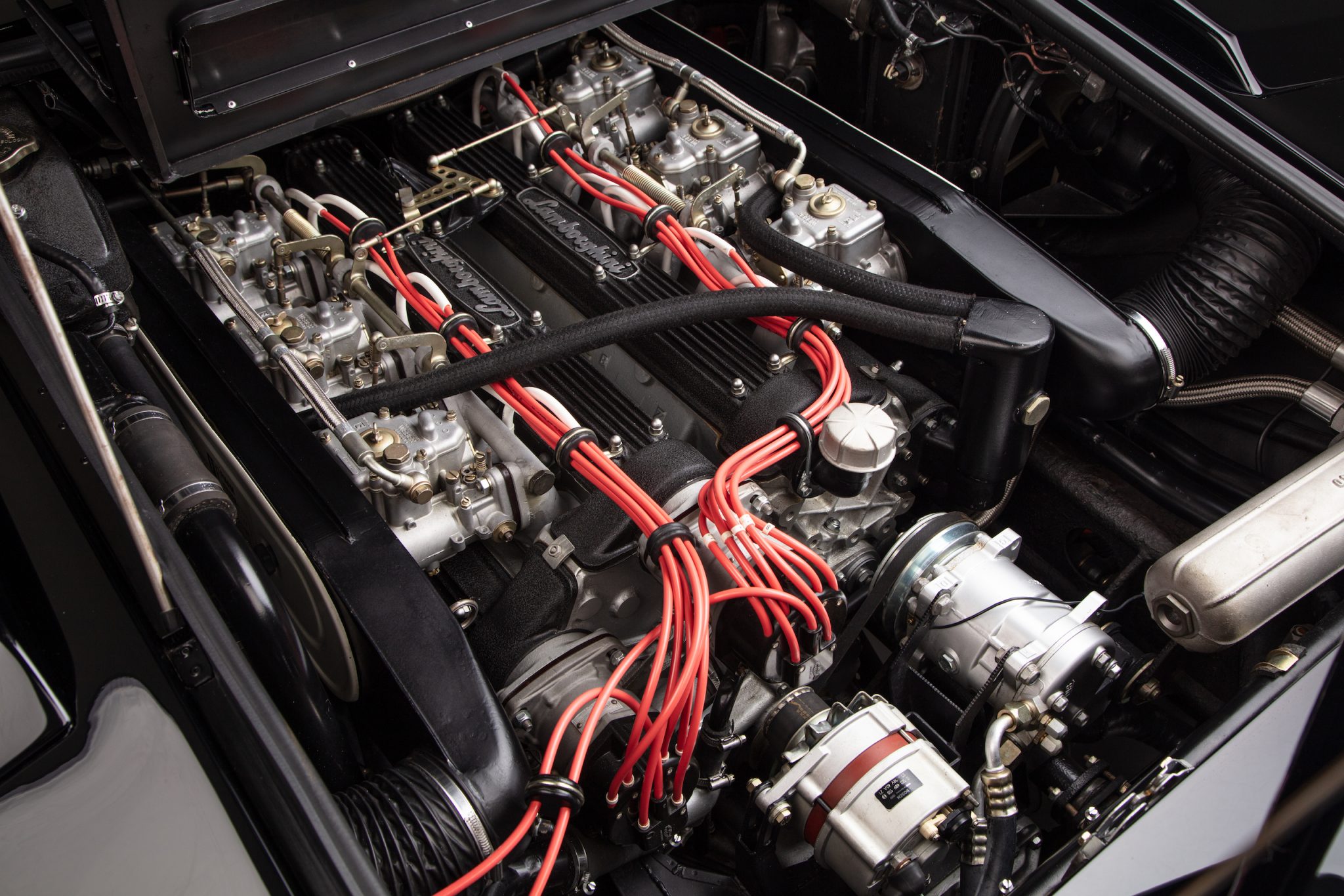
The Countach in Cannonball Run is chassis #1121112, finished in Nero black with a Senape mustard interior, featuring Lamborghini’s iconic 4.0-litre V12 which put out 263kW when new – solid numbers in the late 1970s but nothing by today’s standards.
Cannonball Run’s slapstick and outlandish nature can be highlighted by the front-mounted wing and dual spotlights on the front of the Countach, making the car stand out far more than the relatively subdued Audi S6 which now holds the record for the real-life Cannonball Run.

As the 30th car on the NHVR, this Countach joins elite company mixing with the likes of the DeLorean from Back to the Future, Steve McQueen’s Ford Mustang from Bullitt and an Apollo astronaut’s Chevrolet Corvette to name a few examples.
Lamborghini is celebrating 50 years since the Countach made its debut at the 1971 Geneva Motor Show, yesterday teasing a modern version of the iconic supercar which looks set to feature its first ever hybrid V12 engine.
In our cluttered and sometimes confusing Aussie car market, there must be something quite liberating for the buyer shopping for a hi-po mid-size wagon. With a lucky coin in hand to toss, the internal monologue simply asks: “Mercedes-AMG C63 S Estate? Or the Audi RS4 Avant?”
Okay, that may be a binary over-simplification, and it’s probable that the fast-wagon buyer may be kicking around a few other alternatives; perhaps under pressure from the other half to go for a speedy SUV like a Mercedes-AMG GLC 63 S or BMW X3M, both of which fall into a broadly similar price bracket as the wagons.
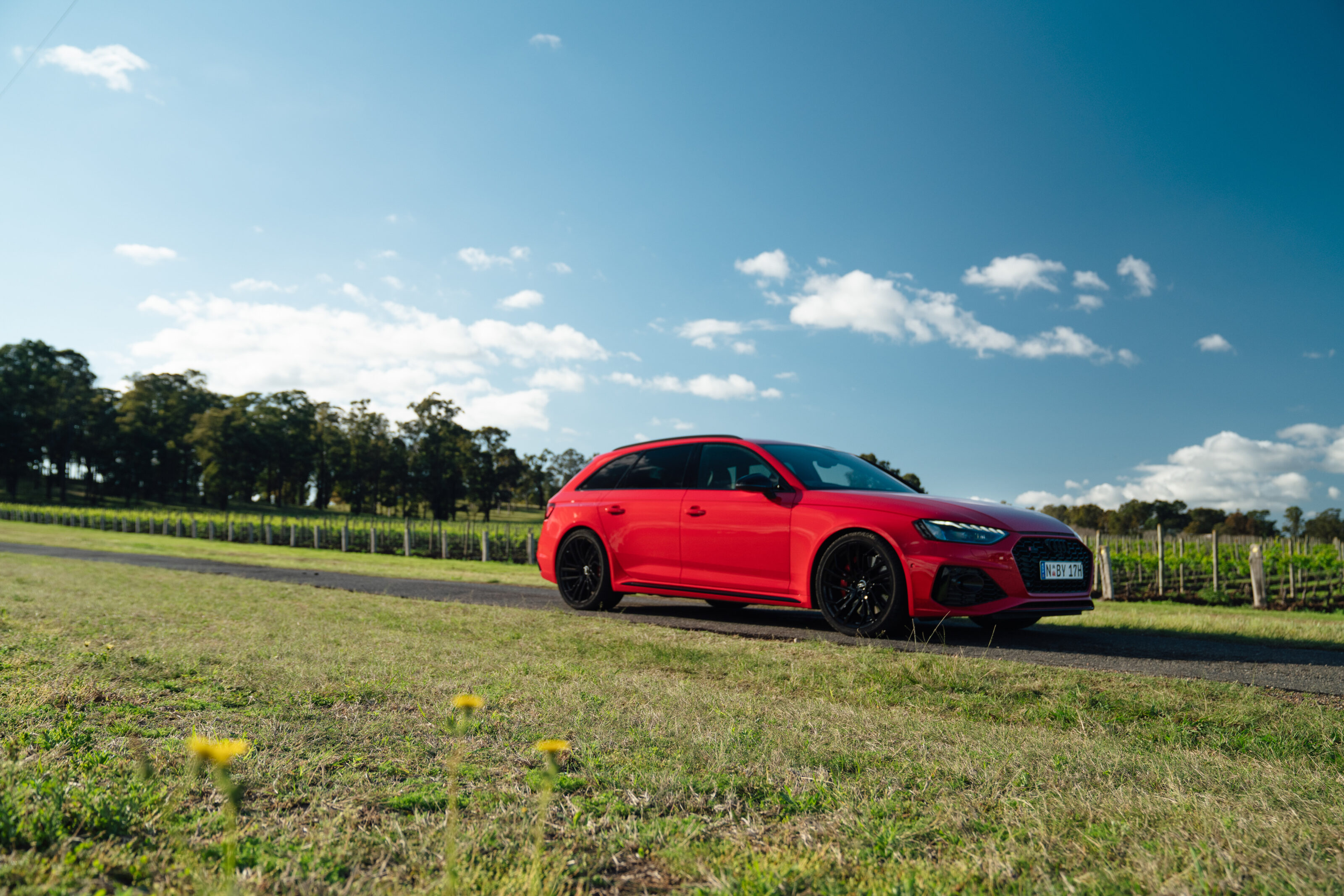
But we all know hi-po wagons are the thinking person’s choice, and there’s something deeply appealing about the history and longevity attached to the four-ringed fast hauler. The spiritual forebear to this current B9 update is of course the S2 Avant from the mid-’90s, co-developed with Porsche, and these days a genuine cult classic.
And let’s not overlook the fact that this latest, lightly tweaked iteration also prunes $5000 from the list price, with the new base of $147,900 giving it a hefty $20,635 advantage over its opposite number at Mercedes-AMG.
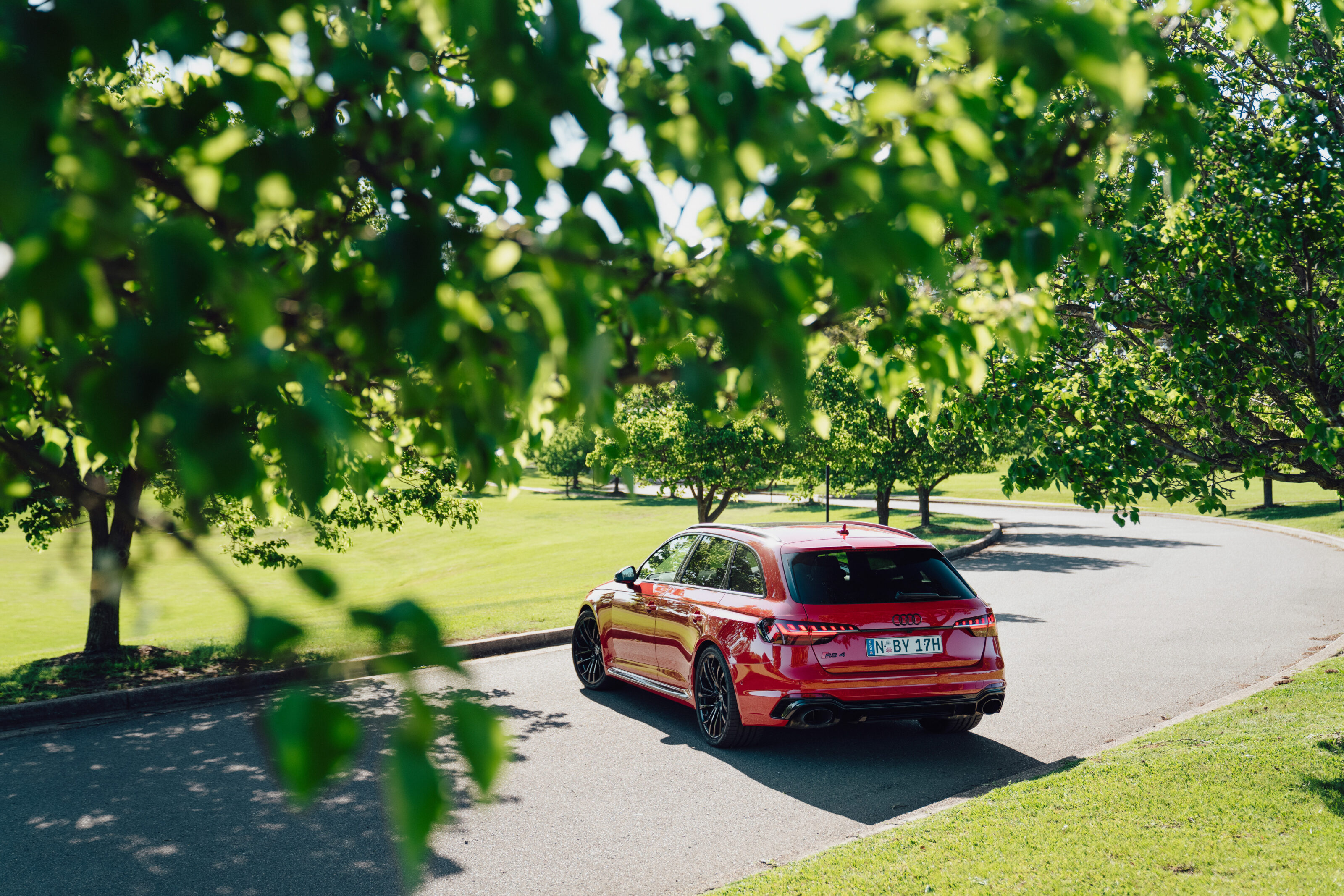
There’s something deeply appealing about the history and longevity attached to the four-ring fast hauler
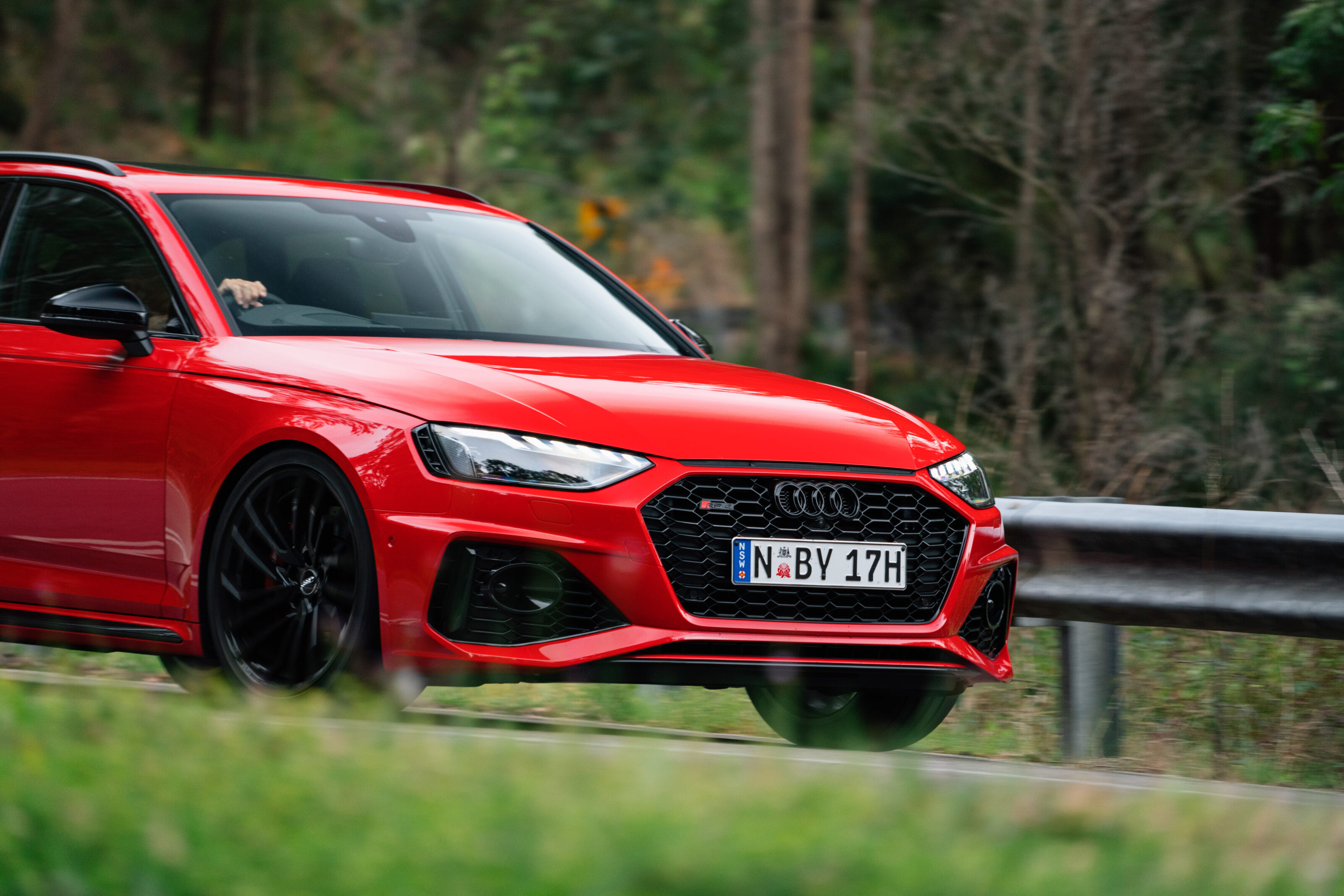
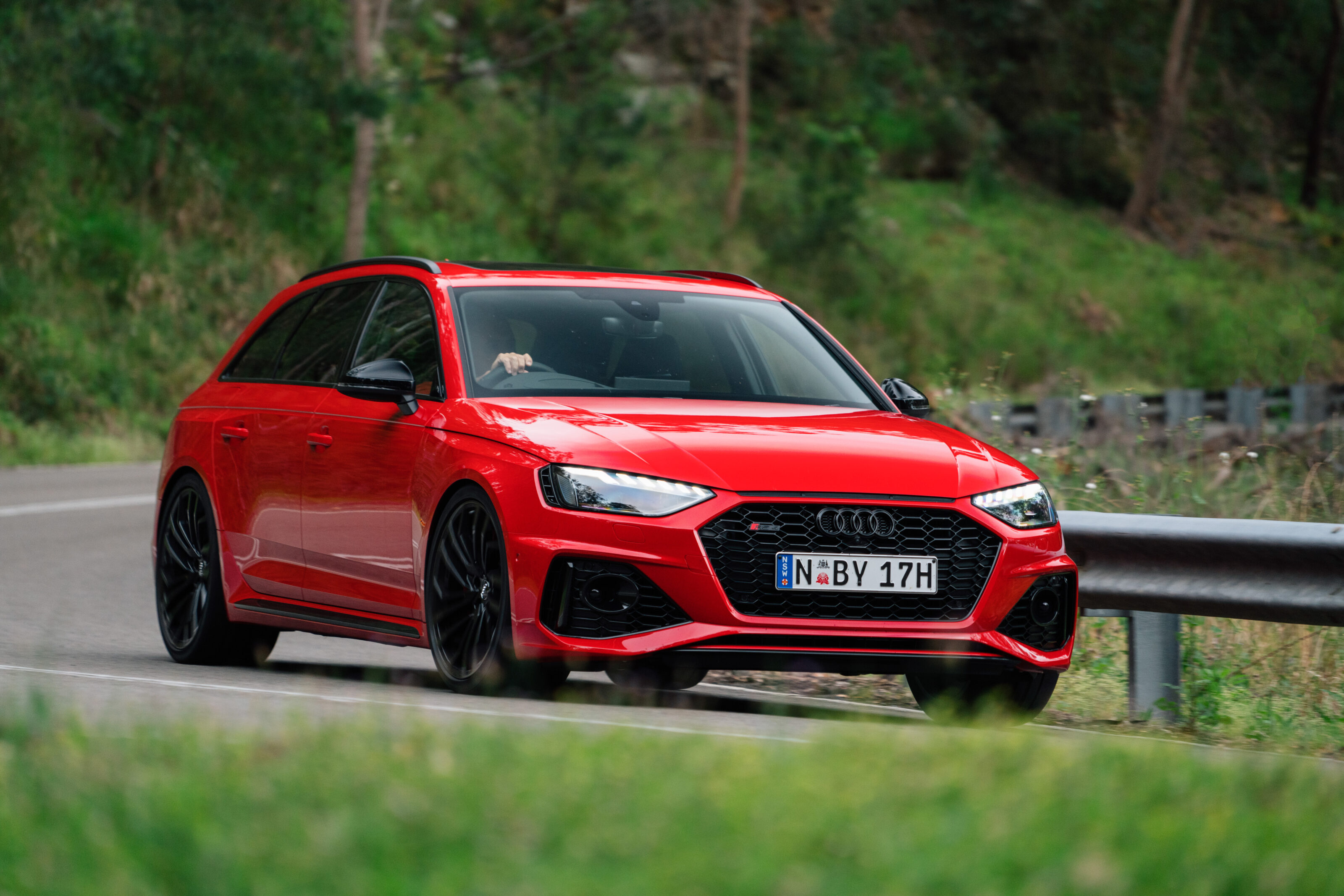
So, apart from two fewer cylinders and a bunch less aggro in terms of demeanour compared to the C63 S Estate, what does the RS4 Avant deliver? Visually, you’ll need your spotter goggles on to pick out the wider, flatter single-frame grille, larger front air intakes, and matrix LED headlights on this updated version.
At the rear, it remains brilliantly tough and well resolved, with the wide wheelarches swelling seductively over the standard-fit 20s. Only the narrow chrome strips bisecting the tail lights identify it as the 2021 update.
Inside, the main changes are to the control of the latest MMI multimedia system, now via a 10.1-inch touchscreen. Wireless Apple CarPlay and Android Auto feature, as does wireless phone charging.
More broadly, though, the interior remains one that can’t help but take any car lover deep into their happy place.
Just try sitting in there for a moment and not cooing over the way it effortlessly combines craftsmanship with a cool aesthetic, beautiful use of materials and benchmark tactility. Personal opinion, of course, but I reckon it towels up the rival C63 S, which insists on multiple duplication of controls for the multimedia, and a vaguely art-deco interior design inspiration that doesn’t really harmonise with the expanse of landscape screens.
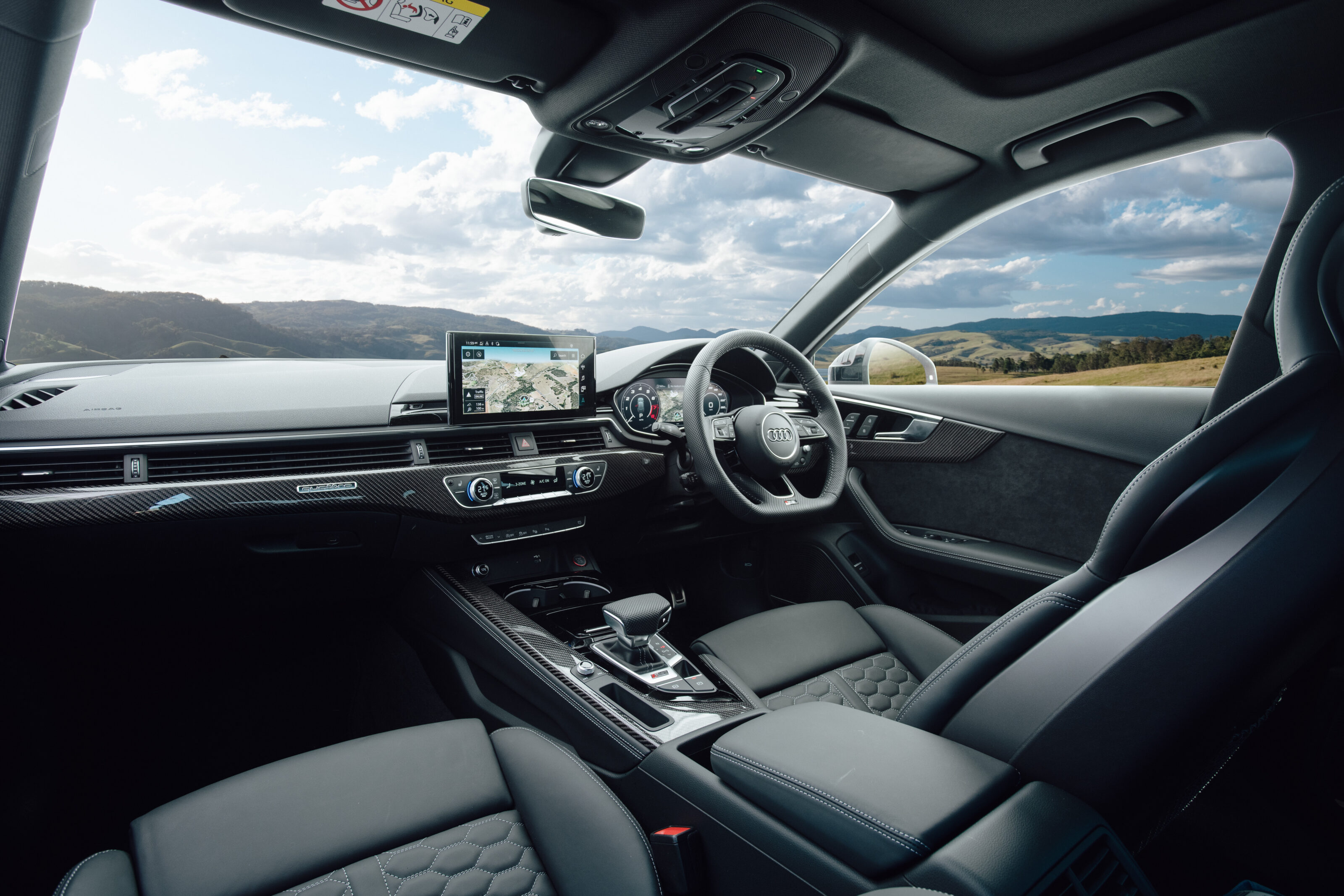
The Audi’s flat-bottom wheel, bound in perforated leather, still feels deluxe in hand, but now includes the useful addition of an RS-mode button, allowing the storing of two sets of preferences for the six variable parameters provided in the Drive Select menu.
Logic says most owners will assign one to a hardcore set-up for engine mapping, transmission shift speed, steering weight, suspension firmness, aggressiveness of the Quattro sport differential, and loudness of the exhaust … and the ‘RS2’ setting for a milder combination of all that.
The only slight flaw to this rationale is that the firmest damper setting mostly doesn’t gel with typical Aussie roads, and on a steady-state throttle, the sportier exhaust setting is a bit drone-prone.
And if we circle back to its AMG rival, the Audi’s engine, while polished and rev-happy, doesn’t have the manic, nut-job edge of the Affalterbach twin-turbo V8, while the RS4’s on-limit behaviour (as per the mechanically identical RS5) is all a bit aloof and uninterested in making you feel like an oppo-lock hero.
But maybe that point of difference should be applauded, not lamented. For 90 per cent of drivers, 90 per cent of the time, the RS4 is all the hi-po wagon they could ever hope for, probably making the choice not really a coin-toss at all.
| Engineu00a0 | 2894cc V6, DOHC, 24v, twin turbo |
|---|---|
| Power | 331kW @ 5700-6700rpmu00a0 |
| Torqueu00a0 | 600Nm @ 1900-5000rpm |
| u00a00-100km/h | 4.1sec (claimed)u00a0 |
| u00a0Weight | 1745kgu00a0 |
| u00a0Price | $147,900 + ORC |