
Snapshot
- DB11, DBS, Vantage and DBX are all getting updates
- Buyers can view their perfect Aston Martin in 3D ultra high-definition
Aston Martin has announced changes across its entire 2022 model range and introduced a redesigned online configurator to step up its digital offering.
For 2022, the AMG-sourced 4.0-litre twin-turbocharged V8 in the DB11 has received a bump in power, up 18kW to 393kW. This extra muscle has resulted in a new top speed of 309km/h, achieved through a larger torque band across the rev range.
Newly optional ‘Sports Plus’ seats are also available in the DB11, adding extra shoulder, thorax and leg support for the driver and passenger.
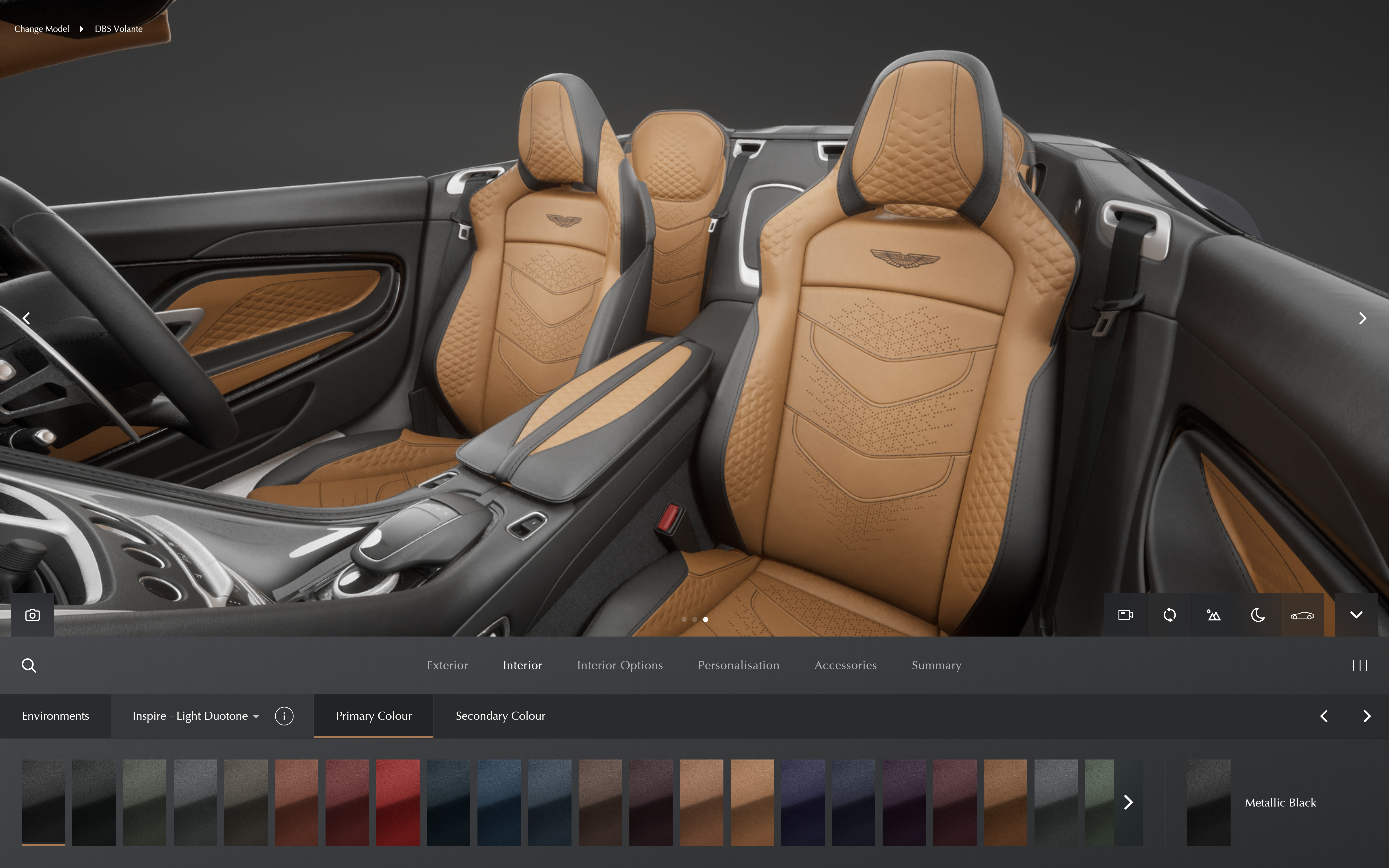
The DBS Superleggera has removed the variant badge for the new model year, with the V12 flagship model now simply referred to as the Aston Martin DBS, while the AMR (Aston Martin Racing) insignia has also been stripped from the V12 DB11.
The marque claims this move will help in simplifying the range as part of Aston Martin’s renewed focus on customer experience, under the ‘Project Horizon’ plan formed by CEO Tobias Moers.
Twenty-one-inch alloy wheels will be added to the Vantage and DBS ranges, while the DBX SUV features optional 23-inch alloy wheels for 2022. The DBX also picks up the ‘Sports Plus’ seats and a wireless charging pad which will display charge information directly onto the Mercedes-Benz-derived infotainment system.
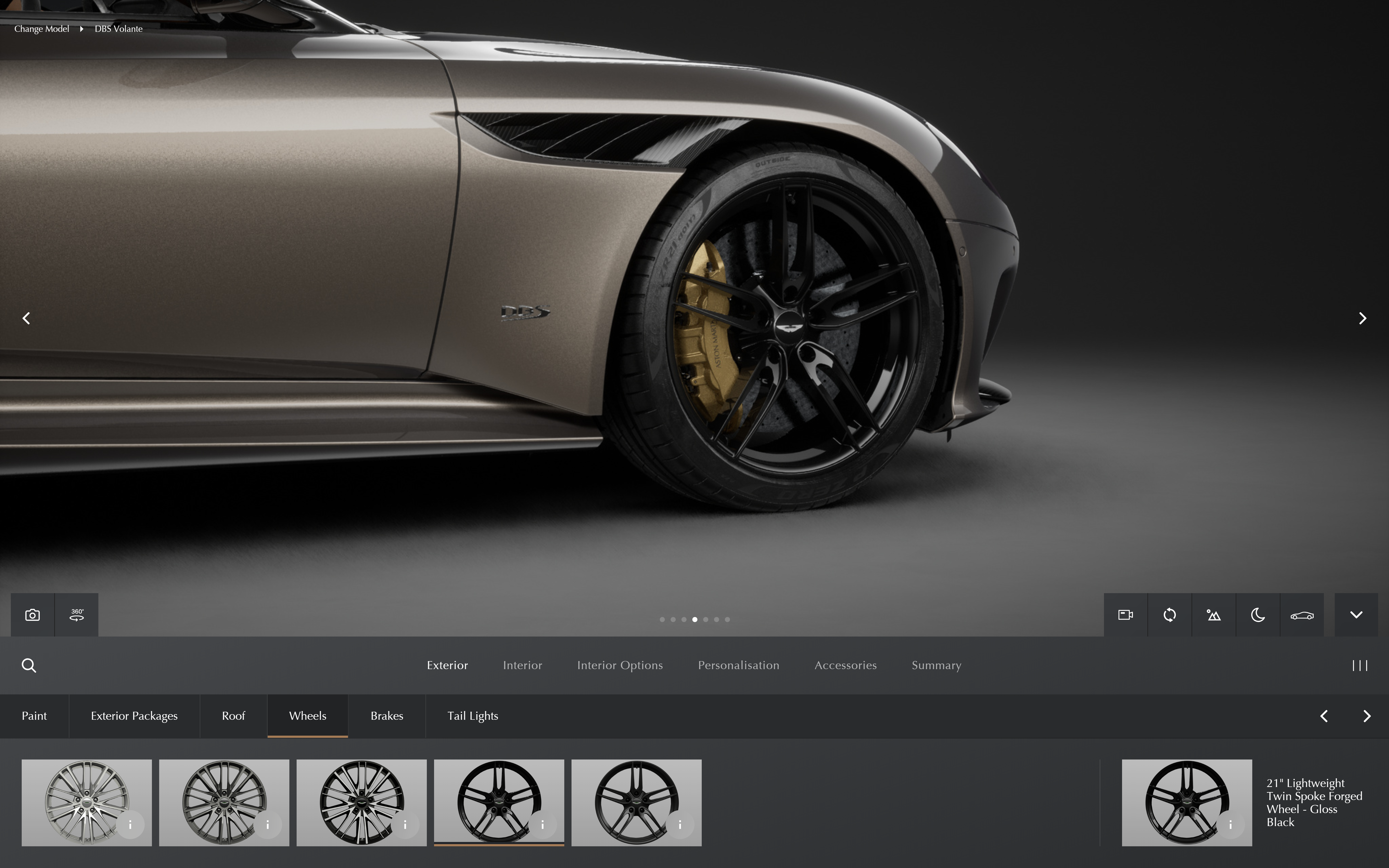
With customer experience now at the heart of the brand, Aston Martin has launched a revamped online configurator alongside the 2022 model range.
Claiming customers will be able “to intuitively create their most desired Aston Martin”, the new tool has been developed using Epic Games’s Unreal Engine – the gaming technology behind the GMC Hummer’s infotainment system – as well as popular action titles including Fortnite and Rocket League.
In addition to Epic Games, Aston Martin has enlisted the help of MHP – a Porsche subsidiary which provides IT assistance to the automotive industry – and Nvidia RTX on the Google Cloud platform to develop its new online system.
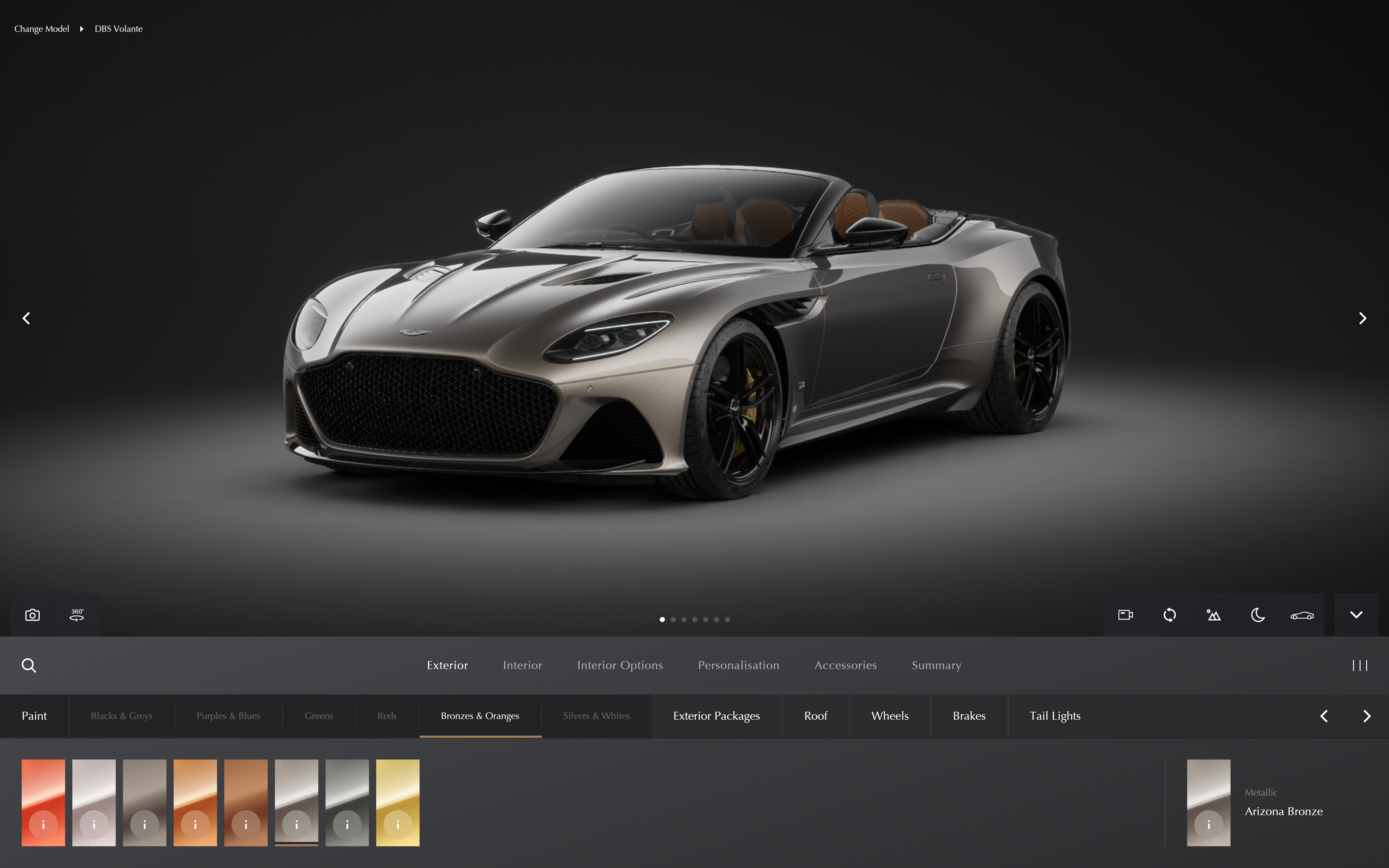
Buyers and dreamers alike will now be able to view their perfect Aston Martin in 3D ultra high-definition, enabling them to zoom-in while retaining full high-res quality. The configured vehicle can then be viewed either in a studio environment or at real locations.
Potential customers can also request for a more personal interaction with their configured vehicle by scheduling an online session with a preferred dealership. Furthermore, unique brochures, social media sharing links and test drive bookings are fresh to the online tool.
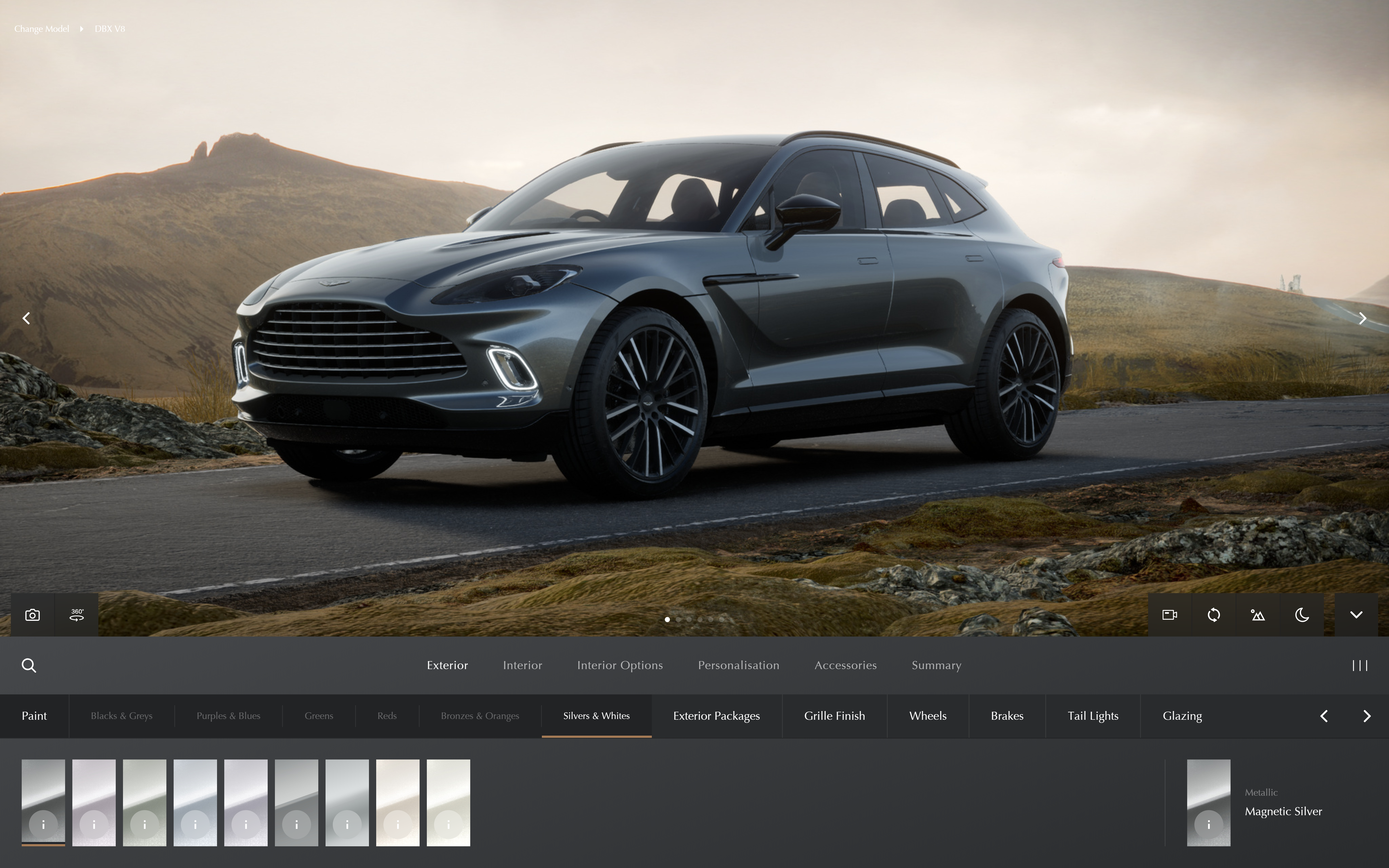
The brand claims high levels of traffic related to the 2021 Formula 1 season – which Aston Martin returned to after a 61-year absence – as well as an emphasis on improving its online experience as a result of Covid-19, have been the driving forces behind the redesigned website.
“Like many businesses, a proportion of our customers switched over to online buying during the pandemic, so we have improved this process to allow remote customers to receive the full Aston Martin experience,” said Tobias Moers.
Help! I’m in a bit of a pickle. My wife wants an SUV and I don’t. She’s set her heart on a Porsche Macan GTS and I’d rather spend the money on a new Golf R and a used BMW M5 F10 instead? Can you help her see some sense in my plan?-Mike G
Whoah! A two-fer Tiebreaker this month. That’s a first. You know what they say, Mike, happy wife, happy life but we think you may well be onto something here. As lovely as the Macan GTS is, when you look at what you actually get, there are a few similarities with the Golf R, which will retail at around half the price.
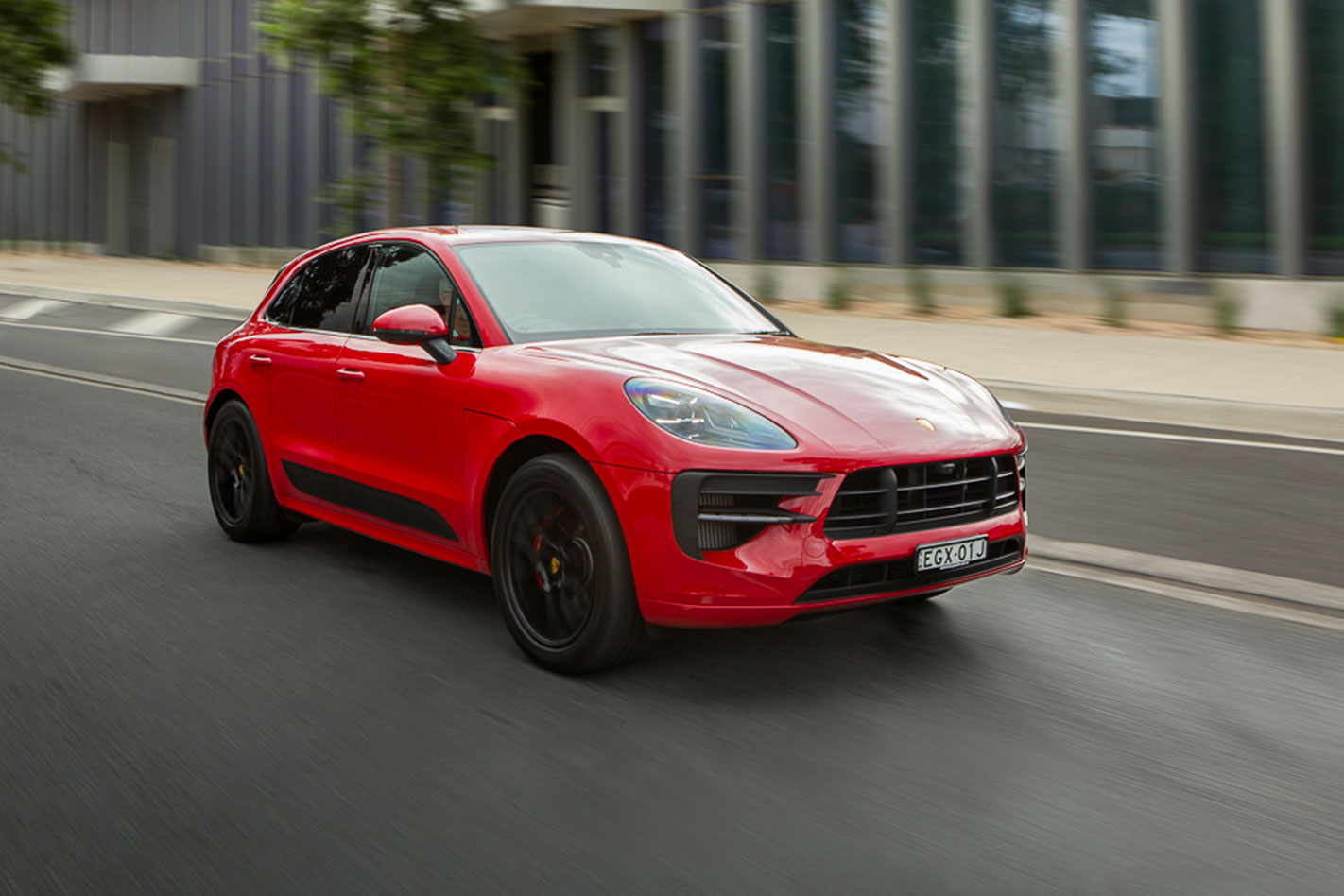
Both are all-wheel drive, both reach 100km/h in less than 5.0 seconds and both feature a seven-speed dual-clutch transmission. The MQB-chassis Porsche is longer in the wheelbase, liberating a little more rear space and also offers 488 rather than 381 litres of boot space. The VW counters with a five rather than a three year warranty.
To be honest, it caught us on the hop that M5s can now be found from 50 grand, and they’re a good deal more robust than their E60 predecessors. In all likelihood, the only way you’re going to get this one to pass the sniff test is to stress the lifestyle benefits of having two cars.
The Macan is due for replacement and the Golf Mk8 is a new model, so that could affect future residuals. Of course, the way to truly win at this game is to choose a used car that will absolutely never depreciate.
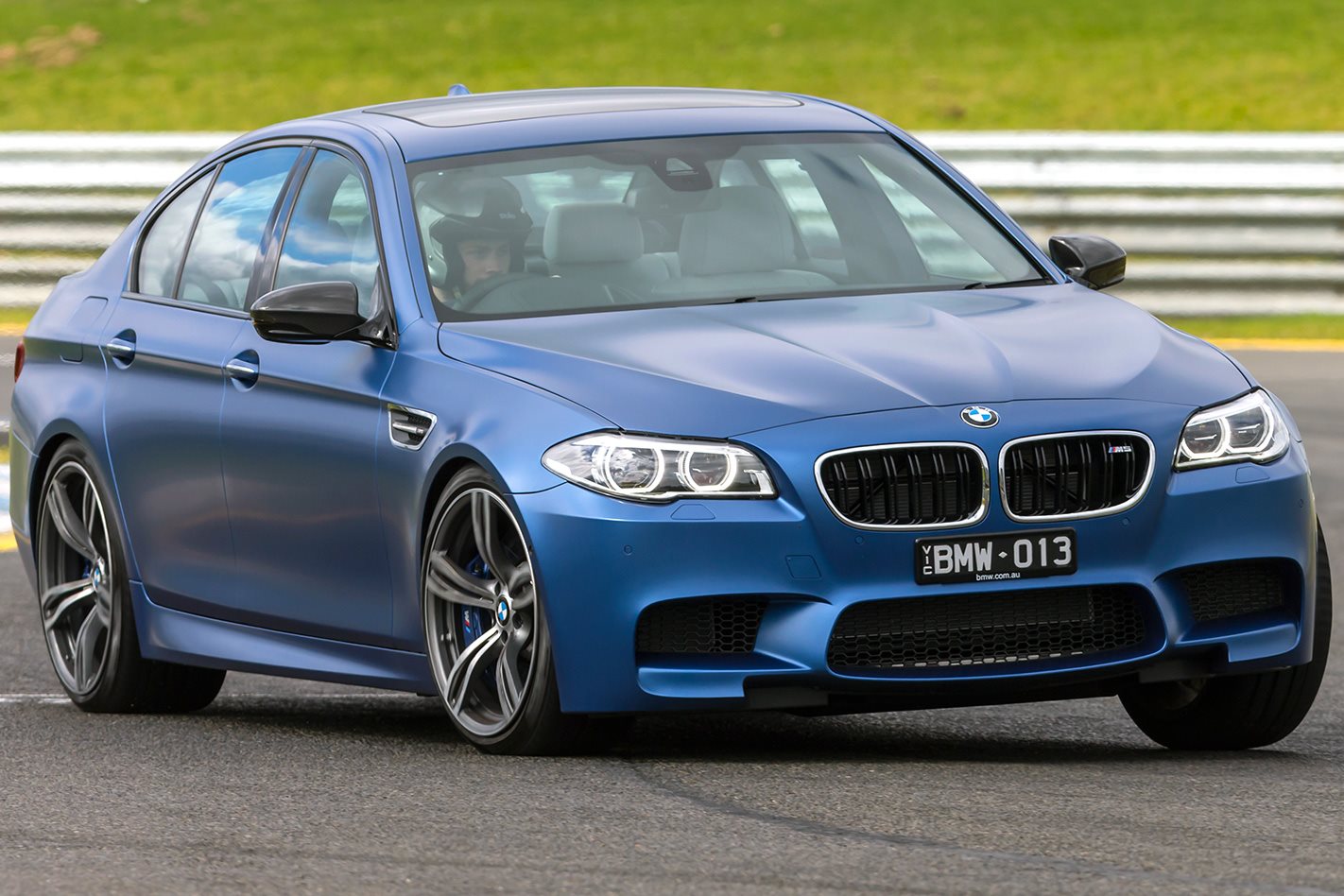
As a compromise, how about suggesting a base Macan rather than the GTS? It’s plenty quick enough and would then leave you a $30k or so slush fund to play with for something fun, keeping everyone happy. That’ll get you into an M135i, a tidy 86 GTS or, with a bit of determined haggling, an early i30 N. That’d still represent a beaut of a two-car garage. – AE
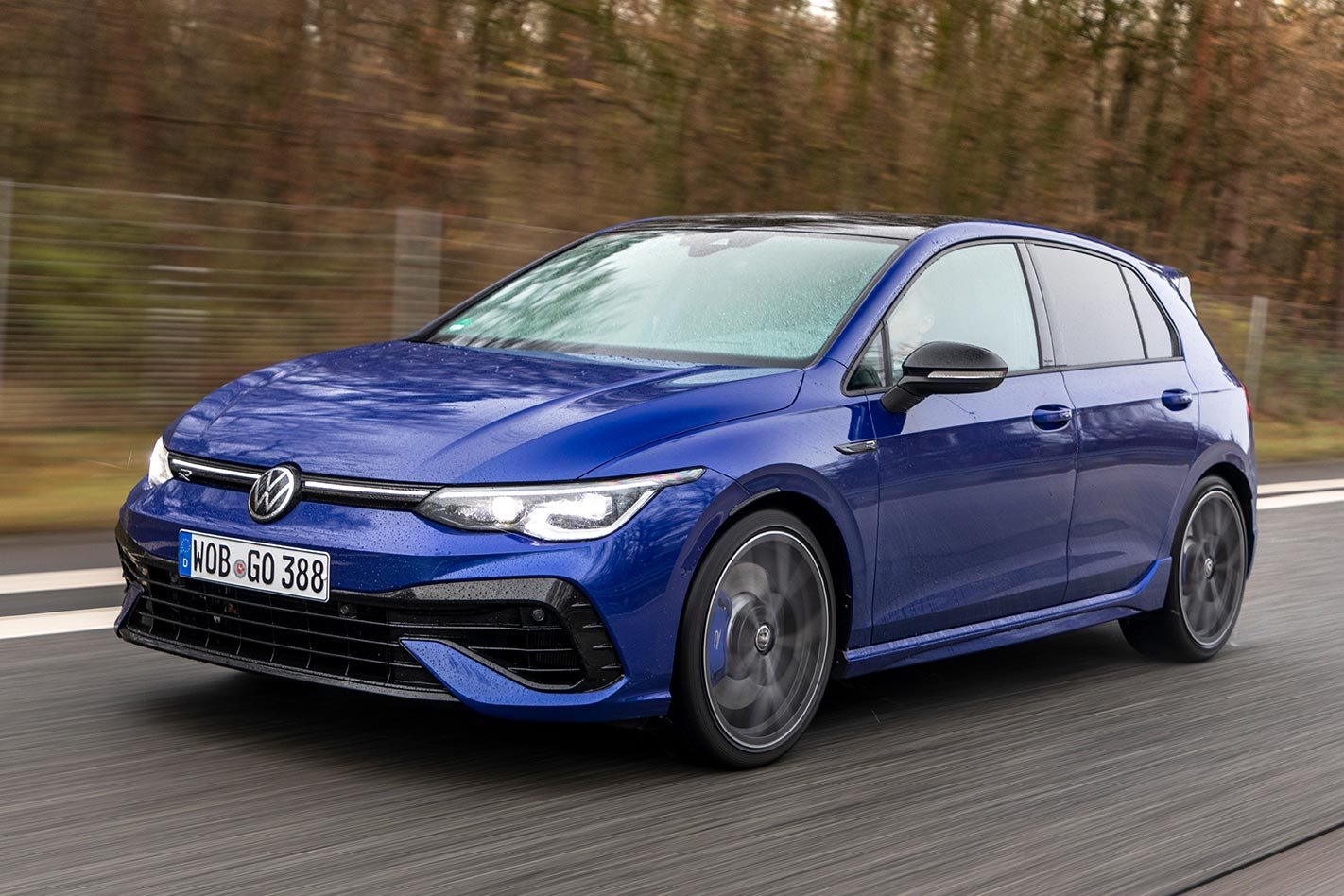
2021 Porsche Macan GTS v 2012 BMW M5 + 2021 Volkswagen Golf R specs
Engine: 2894cc V6, DOHC, 24v, twin-turbo | 4395cc V8, DOHC, 32v, twin-turbo | 1984cc I4, DOHC, 16v, turbo Power: 280kW @ 5200-6700rpm | 412kW @ 5800rpm | 235kW @ 5000-6200rpm Torque: 520Nm @ 1750-5000rpm | 400Nm @ 6000-7000rpm | 420Nm @ 1600-4300rpm Weight: 1910kg | 1945kg | 1551kg 0-100km/h: 4.9sec | 4.4sec | 4.7sec Price: $112,300 | $50,000 (second hand) | $64,000 (estimated new)
Snapshot
- Jonathan Williams will be head of marketing
- Jeremy Goh to become head of commercial
- Paul Jowett becomes head of business development
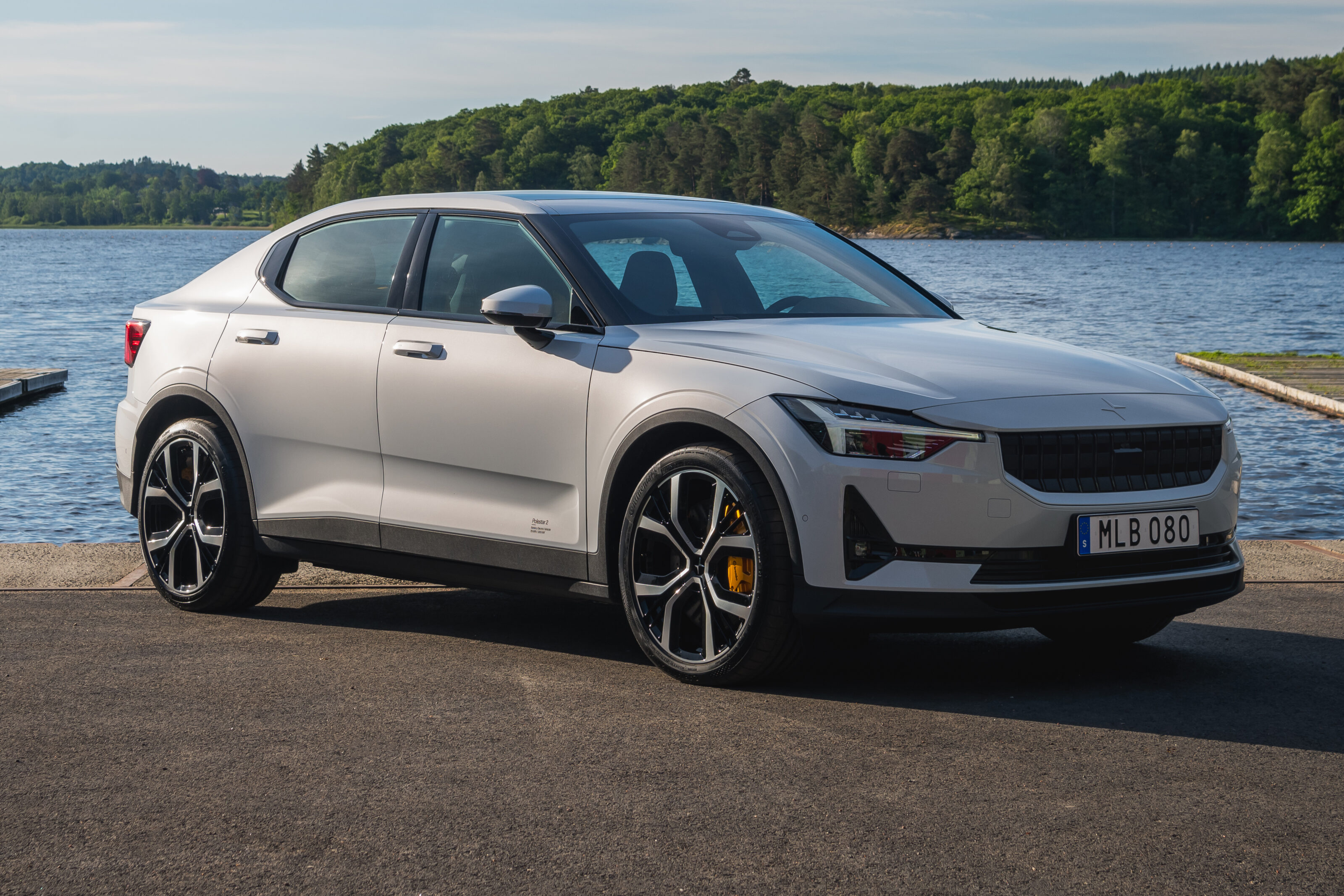
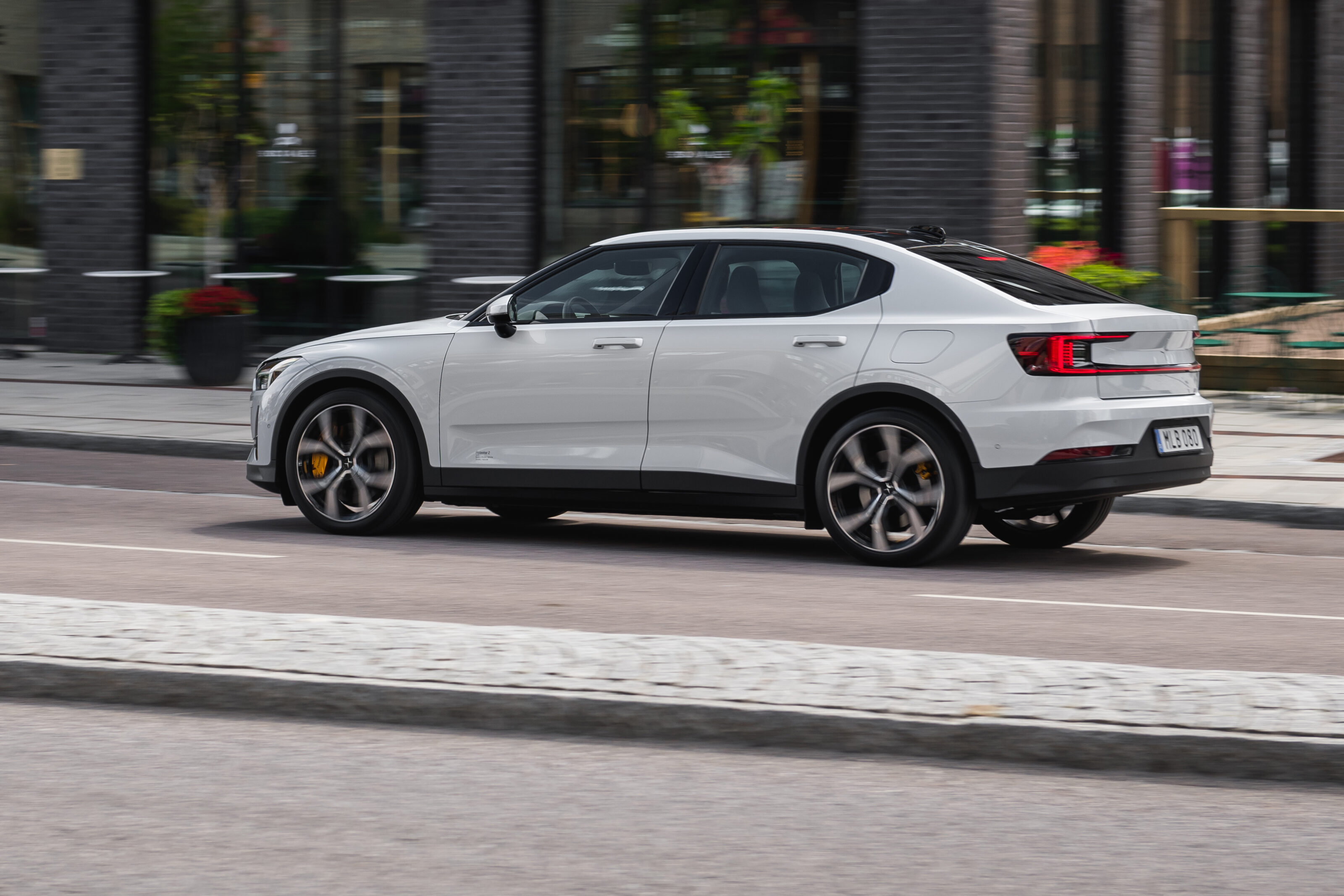
Polestar has announced the team to spearhead its operations in Australia ahead of its local arrival later this year, marking the first standalone presence for the Swedish-Chinese manufacturer Down Under.
Set to launch in November with the Polestar 2 crossover, the performance arm of Volvo and parent company Geely previously stated its intentions to open its own showrooms in Australia, rather than operate out of existing Volvo dealerships.
Heading Polestar Australia’s local efforts will be Managing Director, Samantha Johnson, moving across from her role as director of business control, financial services and digital transformation at Volvo Car Australia.
After a 10-year stint at Harley Davidson as director of finance and retail operations, Johnson said she’s keen to get Polestar rolling in Australia and contribute to the brand’s global growth.
“I am delighted to announce the Australian management team for Polestar, which brings the right mix of automotive know-how and a progressive, start-up mindset to the brand.
“The team will be instrumental in overseeing the launch of Polestar and the all-electric Polestar 2 to Australian audiences from November 2021, while playing a central role in achieving our ambitious growth plans for 2022.”
Jeremy Goh will take the position of head of commercial, having been acquired from Nissan Australia where he was the lead for residual value management and certified pre-owned vehicles, and general manager for national sales and dealer network development for Infiniti when it existed locally.
Paul Jowett joins Polestar from outside of the automotive industry, taking up the head of business development role, most recently working as director of marketing for Huawei’s retail operations and previously being a part of other tech brands in Australia such as Apple, Samsung and Vodafone.
Finally, Jonathan Williams has been given the head of marketing position after being the marketing director of tech start-up Klook Australia and New Zealand, also bringing experience from roles with PayPal and Google.
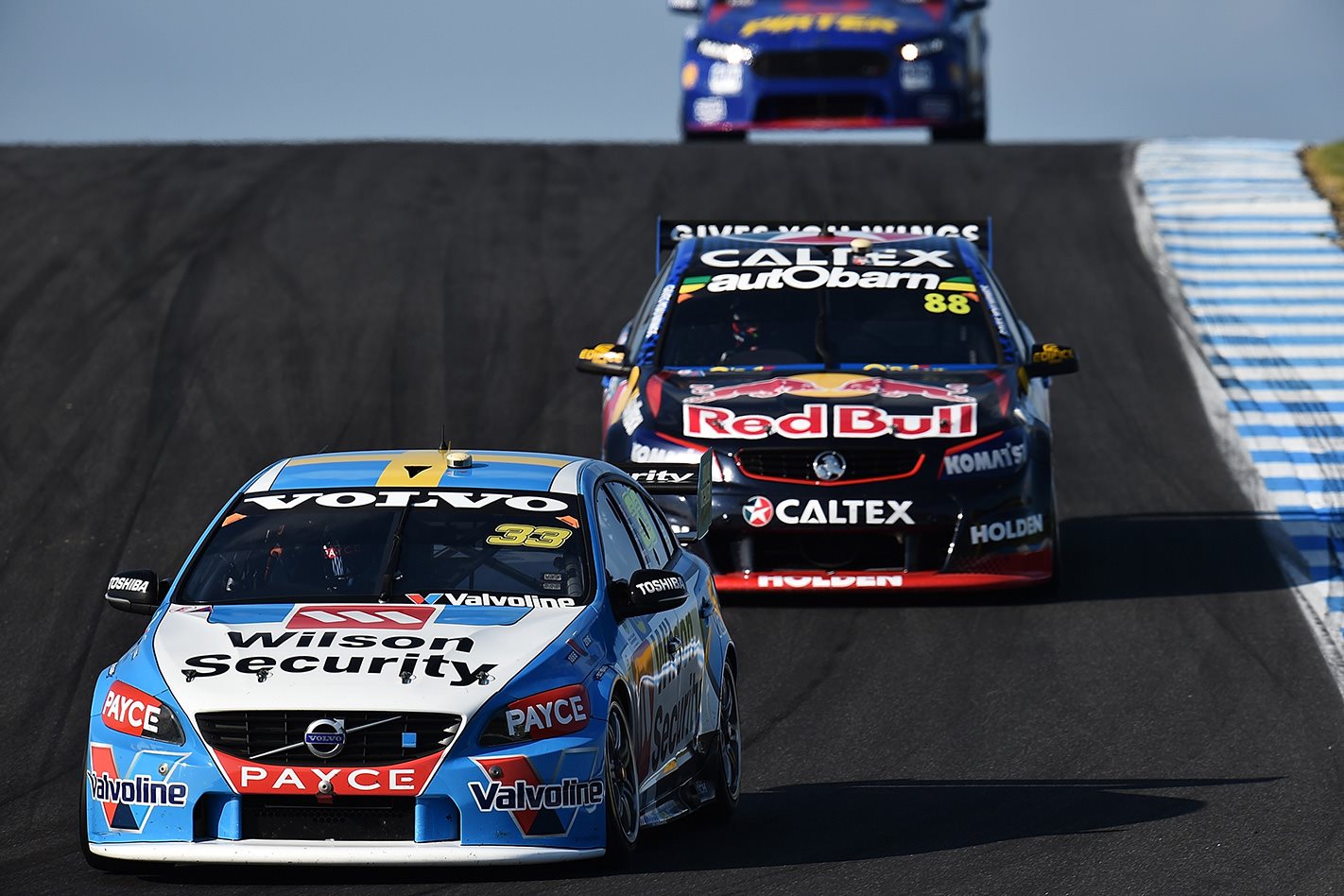
Polestar-tuned Volvos were previously sold in Australia when the company was a division of the Swedish marque rather than a dedicated brand, bringing tweaked versions of models such as the XC60, V60 and S60 among others to local shores.
Volvo went through a resurgence in the mid-2010s thanks to Polestar teaming up with Garry Rogers Motorsport to run a team of S60s in the V8 Supercars championship, recording a best season finish of third in 2016 with Scott McLaughlin.
The Kia Picanto is not the world’s greatest light car but it is a good one. In Australia it does battle with a rapidly diminishing number of competitors as car-makers abandon the sub-$20K light hatch market, with just MG, Suzuki and Mitsubishi left. And only one of those is really in the mix.
All are pretty much the same – small engines, a couple of variants and hopefully a few niceties like a touchscreen with Apple CarPlay/Android Auto and, look, they’re cheap honest transport and nobody expects too much from them. Get me from A to B without costing the earth and you’re alright by me.
There is one thing none of these competitors can offer and that’s a teeny tiny warm hatch with a fizzy 1.0-litre turbo, a five-speed manual and mildly sporty suspension.
That might seem like a fairly niche specification in 2021 – and it is – but in a market like ours, if there’s a gap and you fill it, you sell cars other companies won’t just because you’re there.
Pricing and Features
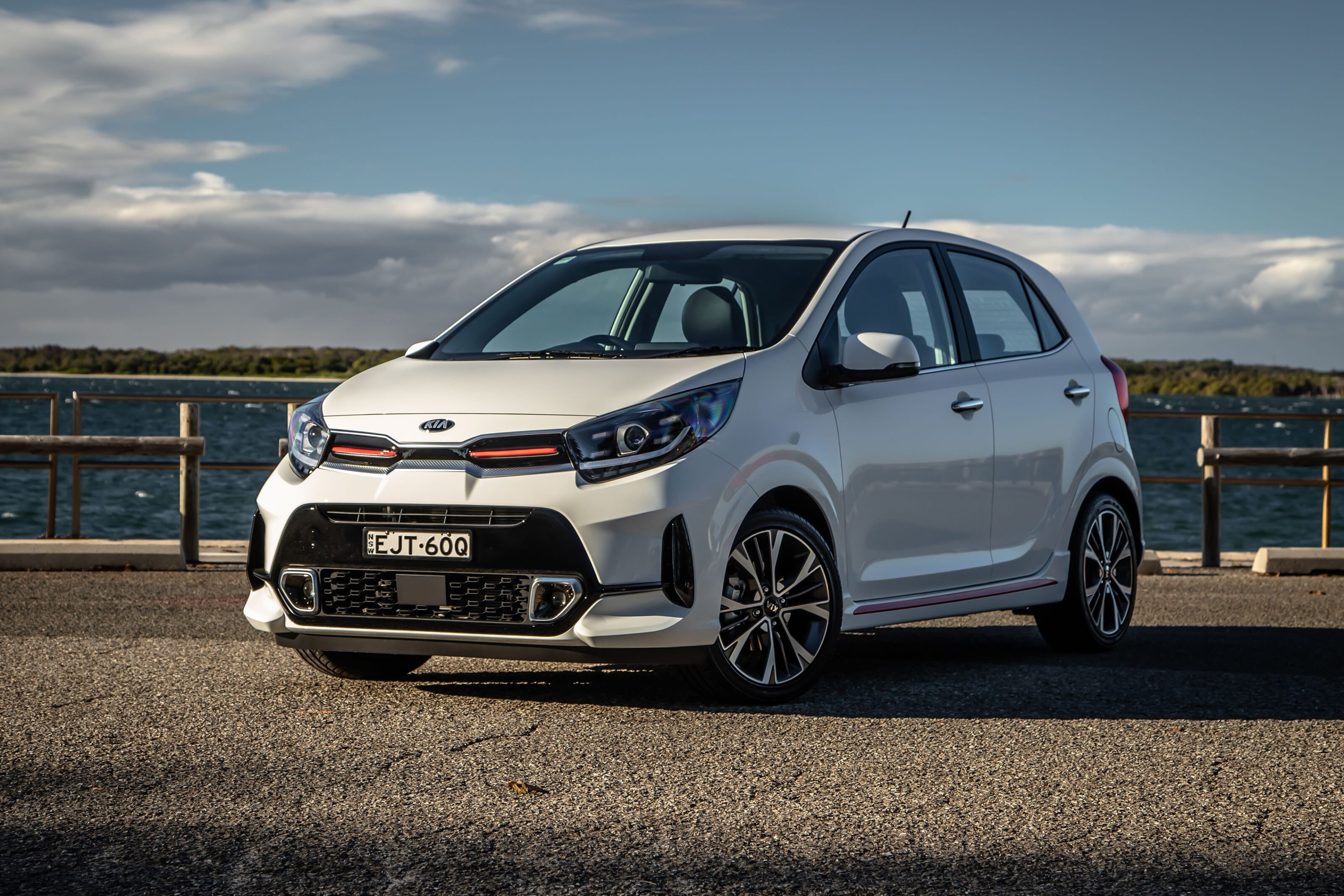
At $19,990 before on-roads, the Picanto GT squeaks in under the $20,000 barrier and is $1250 more than the similarly styled but 1.25-litre atmo automatic GT-Line.
The GT rolls on 16-inch alloys and comes with plenty of sportier styling cues including a deeper front bumper, red-splashed side skirts and a big black mesh grille.
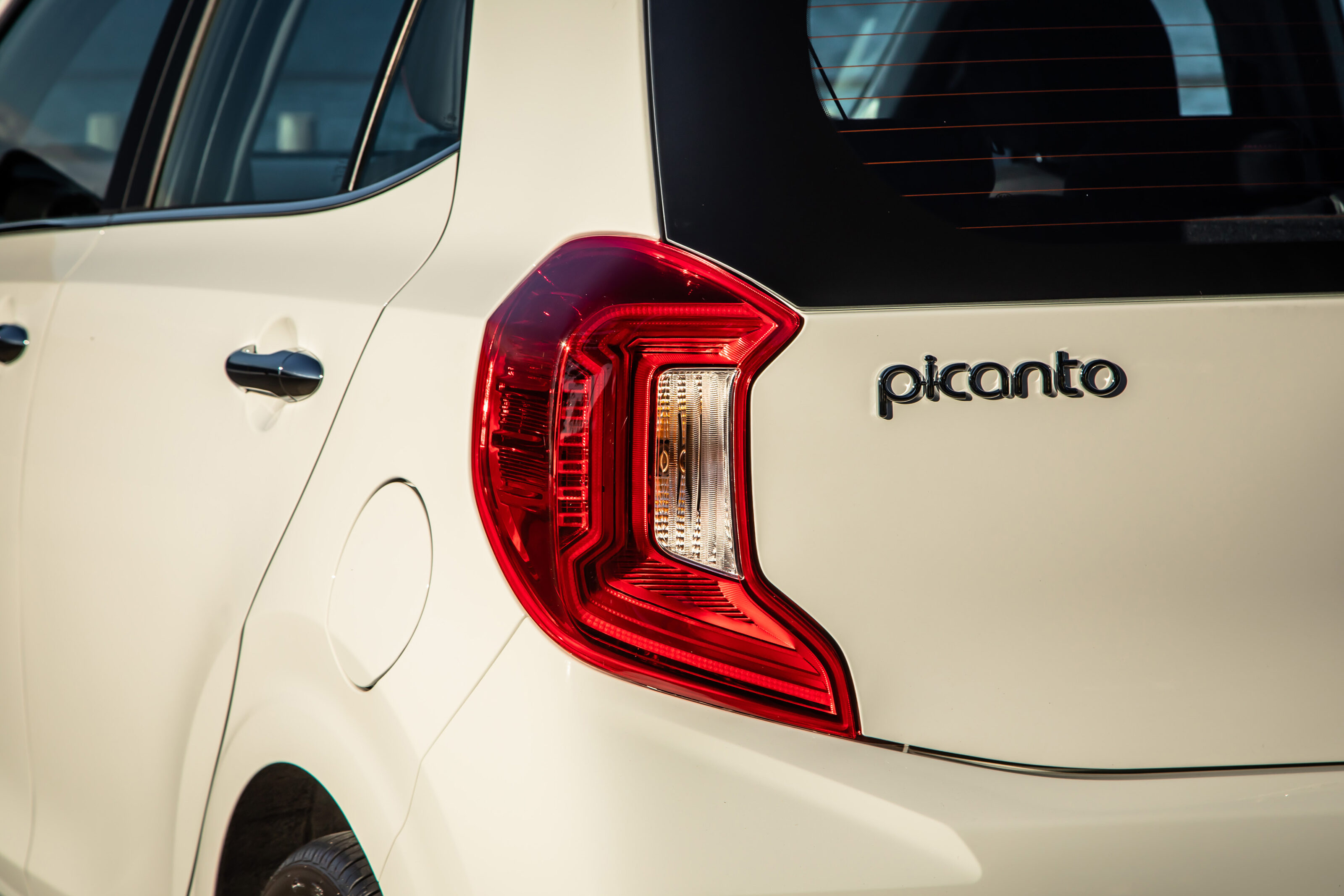
The fake exhaust exits in the deeper rear bumper are shiny chrome and mildly amusing. It’s a diverting little thing and looks great. The auto headlights are halogen projector units and reasonably effective.
In the cabin, you’ll find an 8.0-inch touchscreen with wireless Android Auto and Apple CarPlay. The six-speaker stereo is plenty because the car is tiny but isn’t the last word in audio excellence.
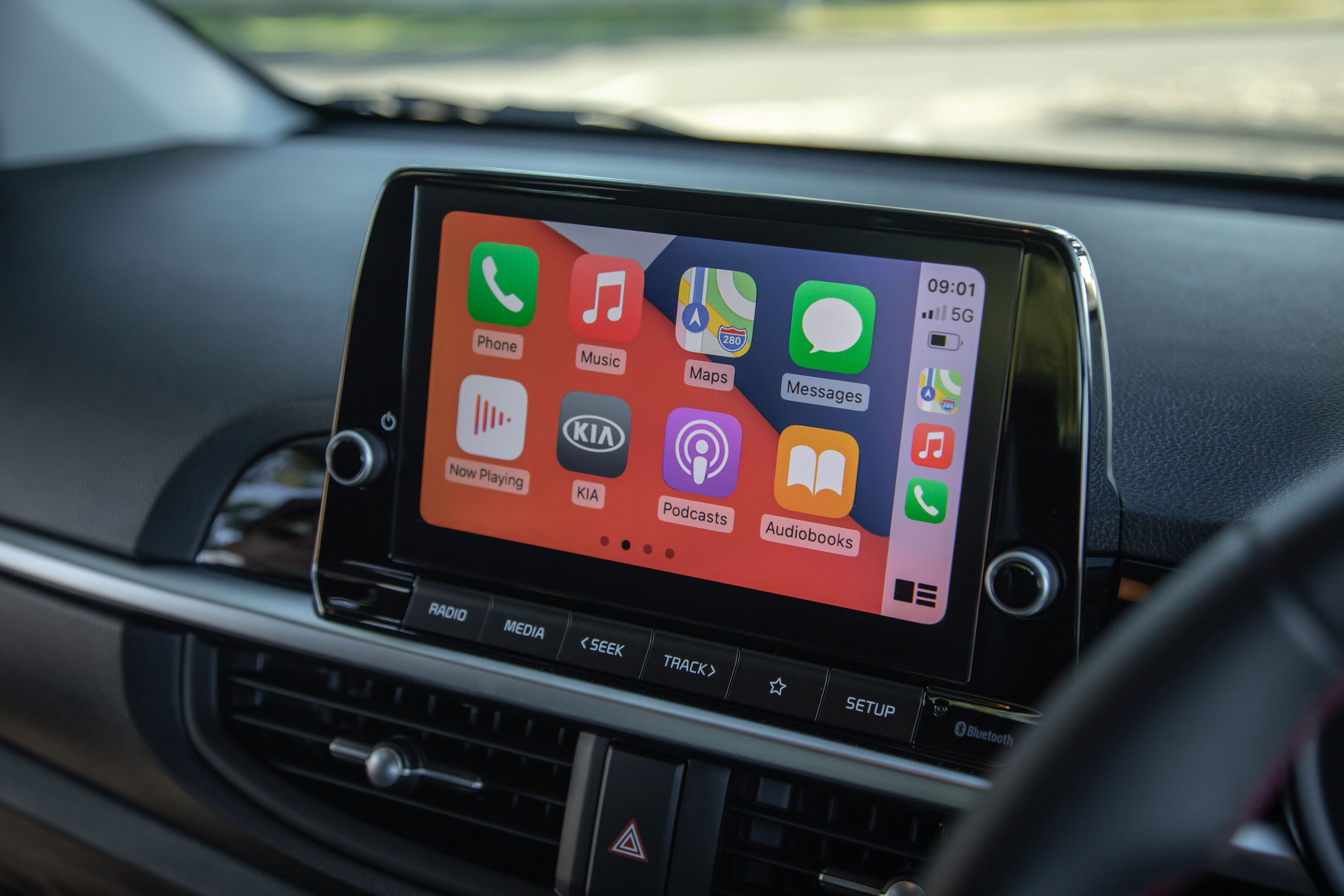
There is more chrome in the cabin but it’s more restrained and satin-finished, with some bits scoring a gloss black finish. You get cruise control, manual air-conditioning, power windows all round, metal sports pedals, cloth trim and a little digital screen in the dashboard.
You also get what Kia coyly calls a “premium” steering wheel and shifter, which means they’re covered in fake leather but there’s no shame in that because it’s a perfectly pleasant material.
What’s less pleasant is the safety package. Yes, you get six airbags, ABS, stability and traction controls, forward AEB and forward collision warning but that’s it. Overseas models pick up blind-spot monitoring, rear cross-traffic alert and lane-keep assist.
The kiddies are taken care of with three top-tether and two ISOFIX points. The four-star ANCAP rating from 2017 stands to this day and is unlikely to be updated.
You can just about get a 1.4-litre Suzuki Swift for similar money as a Picanto GT but it’s not as well-equipped. If you want a turbocharged Swift you’re up in the mid-$20k mark and the Swift Sport is a whopping $29,000 for the manual.
You can take your pick of MG3s but that’s not a car that comes close for quality, refinement, or 21st-Century dynamics. Ditto the Mirage, spangly new nose notwithstanding.
Comfort and Space
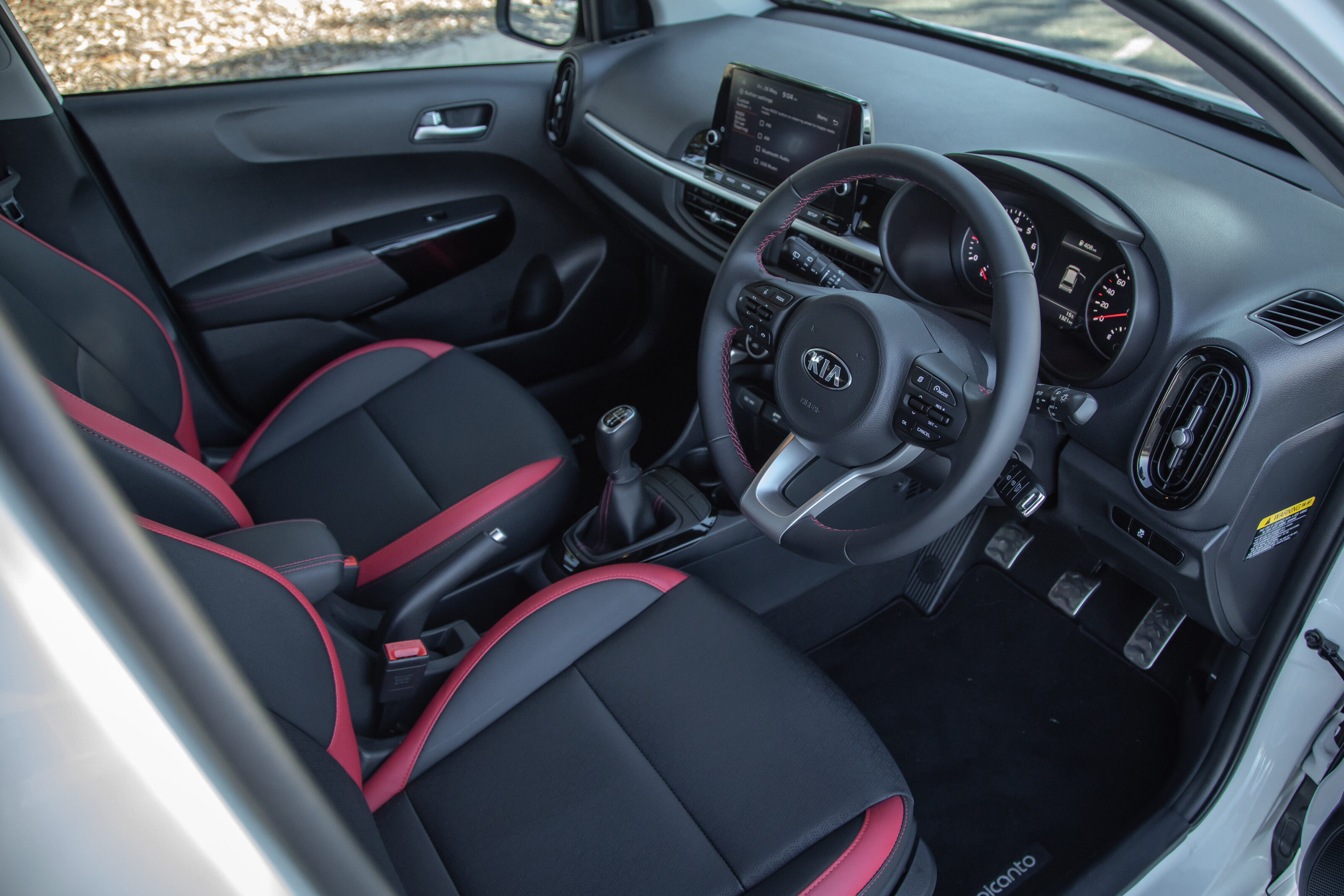
Being so small it’s hardly the Taj Mahal in here. It’s not even the Taj Mahal’s emergency pantry but for front-seat passengers, it’s quite roomy.
The seats don’t look like much but are comfortable even for long trips. You have somewhere for your phone, USB and 12-volt ports as well as two retractable cupholders meaning that if you’re not downing a coffee or Red Bull you can push them out of the way and store, I dunno, another phone. If you’re one of those people who has heaps of phones, you could put another in the lidded console bin.
The back seat, well, it’s a bit grim if you’re not in a child seat or less than about 150cm in height and the middle seat is really not made for humans of any size. It’s probably for the best that you can’t really fit three back here because there are virtually no amenities, just a map pocket and a solitary coat hook.
You know how I mentioned all those phones? You could fit more in the boot, which is 255 litres worth. Some of that comes from it being quite deep, but it’s a lot for such a small car. Fold the 60/40 split seats forward and space almost quadruples to 1010 litres.
On the Road
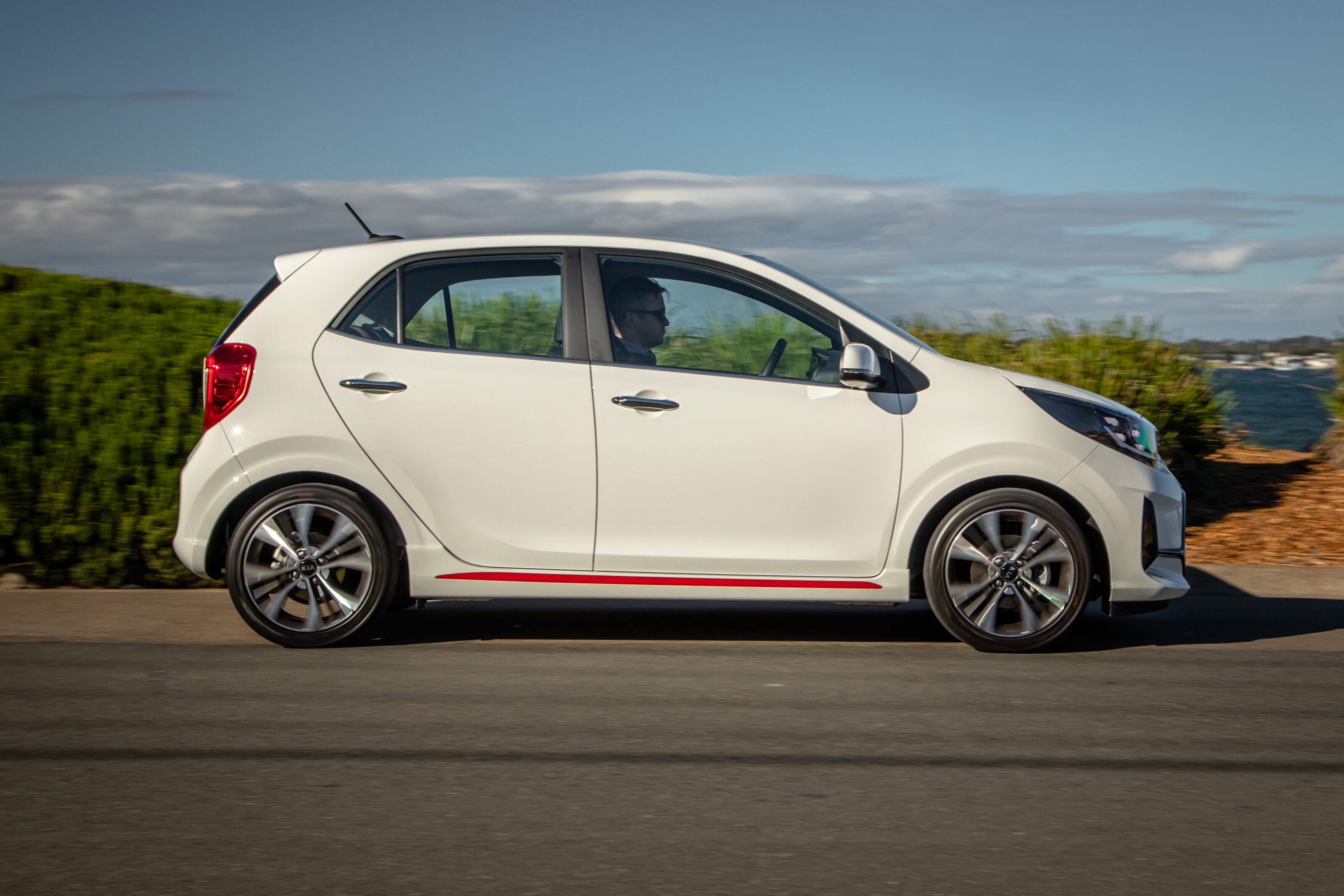
The Picanto GT-Line and GT share the bigger wheel and tyre package – 195/45R16 – and a specific set of shocks and springs for improved handling.
When a car is this small, you don’t have a great deal to work with but Kia has a bit of form of conjuring up something pretty good out of the Picanto’s necessarily limited platform.
And to complete the picture, the electric power steering has been tweaked to improve response.
The short wheelbase and light weight bode well given the engine’s punchy 74kW (a nice round 100 horses if you’re from the continent) and very useful 172Nm of torque. The long wand-like shifter is hooked up to a five-speed manual gearbox with a widely spaced set of ratios, so that torque figure has its work cut out.
Kia slaps a sticker on the windscreen that says the GT will drink unleaded at the rate of 5.1L/100km. My week delivered a 5.8L/100km average, taking in some motorways and plenty of city driving. With a 35-litre tank, that means a real-world range of just over 600km.
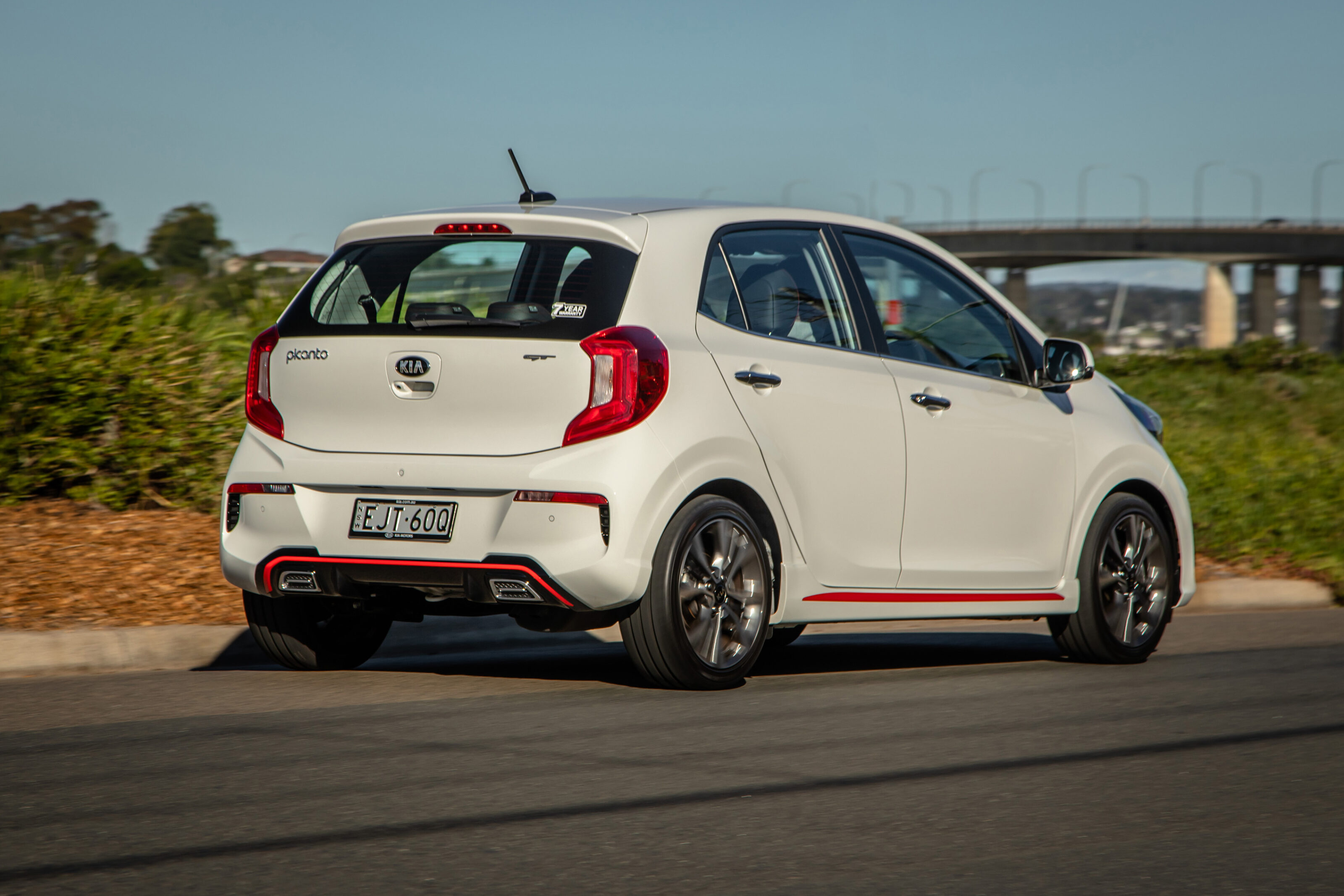
What do you get? A barrel of laughs, actually. The triple loves to growl as you get the turbo spinning and the torque flowing through the front wheels. The engine doesn’t mind revving, which is mildly entertaining, but it does run out of puff well before the redline so you’ll be shifting early to keep things moving along.
As you build speed in the bends, the Picanto GT will eventually succumb to understeer but without histrionics and a gentle lift is plenty to sort it out.
The steering changes haven’t exactly transformed the Picanto but it’s quite darty to start with. The extra grip from superior tyres takes the wobble out of an ambitious cornering manoeuvre. As with any car like this, it’s all about gaining momentum and holding on to it with smooth steering, gentle braking and working the gearbox like a demon.
It’s not particularly quiet, especially at a highway cruise, but that’s intrinsic to its character – hearing the three-cylinder at work is not at all unpleasant and working it is half the fun. The only drag I could really find about the car was the gearbox’s widely spaced ratios.
It’s not a stick-it-in-third-and-ride-the-torque kind of car, you have to really think ahead about your shifting. That’s good if you’re learning how to drive properly but a closer ratio box would be hilarious fun.
Ownership
Kia’s seven-year/unlimited-kilometre warranty is still the best package on the road. Yes Mitsubishi will give you ten years but your mileage is limited, you have to service with their dealers and the caveats go on.
A capped-price servicing regime covers the first seven services. Being a turbo Kia, you have to return to the dealer every 12 months or 10,000km. Given it’s a city car, that’s not going to trouble most buyers, but it’s worth noting.
Service prices range between $283 and $606 for a total of $3112 or an average of $444 per service. That’s quite a bit for a small, low-cost hatchback.
VERDICT
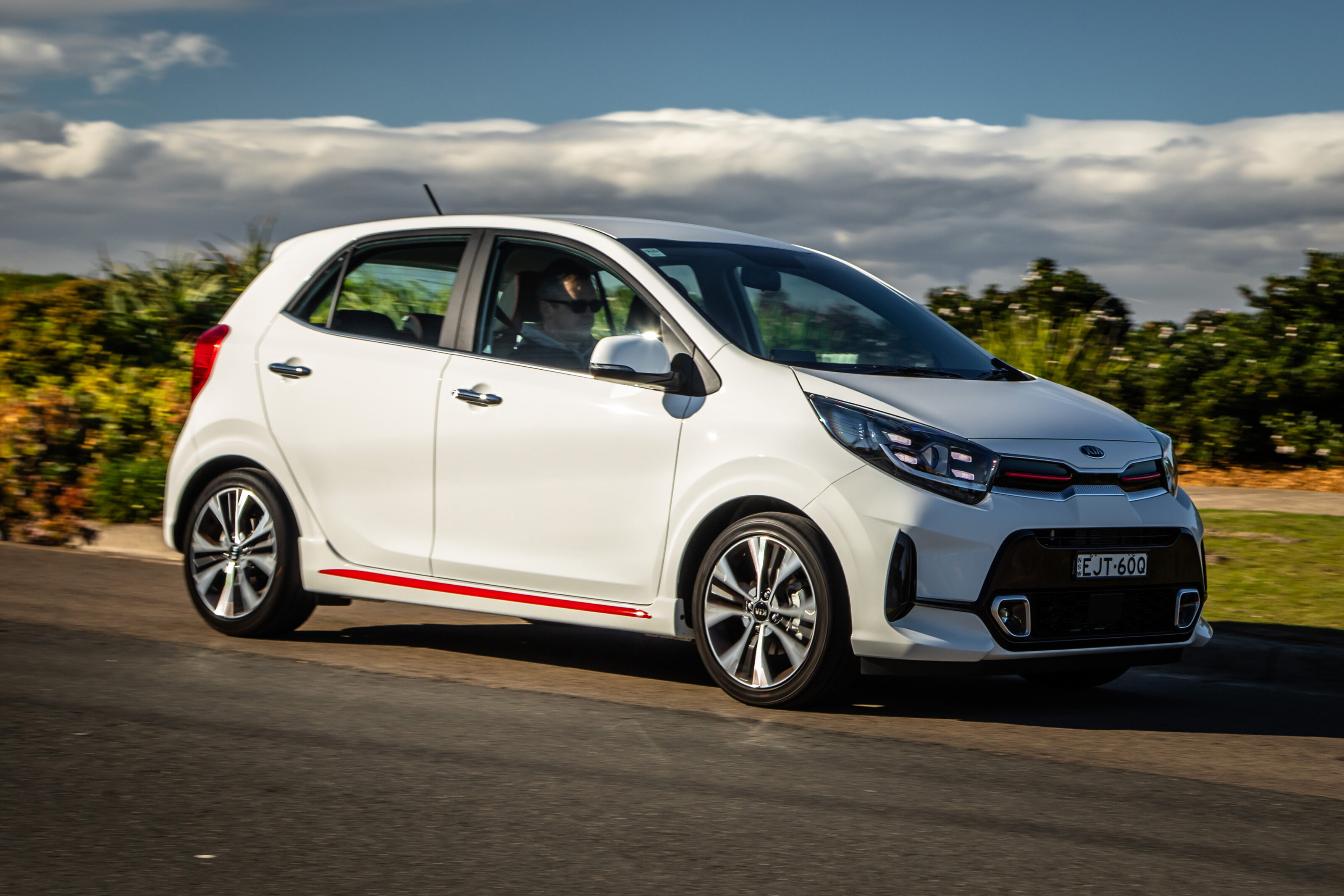
Obviously, this isn’t the kind of car you’d be going out of your way to chuck down a country road with any regularity. But it’s terrific in the city provided you’re happy to work the gearbox and it’ll do perfectly well out on the freeway.
It’s pretty much out on its own and it’s brilliant that it exists and survives in this SUV-mad world. Without a word of a lie, we genuinely considered the Picanto GT for the family, a car that would primarily be driven by our lanky son. It’s fun to drive, encourages effort, delivers reward and has a long warranty with capped-price servicing.
But if you do happen on that country road, the modest amount of fun you’ll have won’t land you a fine or raise suspicions before you even get there. And it’ll keep your kids well out of trouble while they learn that a half-decent car doesn’t have to be fast. It’s just a pity we’re shortchanged on the safety gear.
2021 Kia Picanto GT specifications
| Body | 5-door hatchback |
| Drive | FWD |
| Engine | 1.0-litre |
| Transmission | 5-speed manual |
| Power | 74kW @ 4500rpm |
| Torque | 172Nm @ 1,500-4,000 |
| Bore stroke (mm) | 71.0 x 84.0 |
| Compression ratio | 10:1 |
| 0-100km/h | 11 sec (estimate) |
| Fuel consumption | L/100km 5.1L/100km (combined) |
| Weight | 1012kg (tare) |
| Suspension | MacPherson strut front / torsion beam rear |
| L/W/H | 3995mm/1595mm/1485mm |
| Wheelbase | 2400mm |
| Brakes | 256mm ventilated disc front / 234mm solid disc rear |
| Tyres | 195/45R16 |
| Wheels | 16-inch alloy wheels (space-saver spare) |
| Price | $19,990 before on-road costs |
The upcoming Hyundai Ioniq 6’s interior has been spotted in a test mule in South Korea ahead of its slated 2022 release.
Set to be Hyundai’s flagship EV above the recently revealed Ioniq 5 SUV, the Ioniq 6 will be a low-slung grand tourer, similar to the Porsche Taycan and Tesla Model S – which is reflected in its design.
These leaked images of its cabin show a very similar setup to the Ioniq 5, but with a full centre console present, taking the place of the 5’s open space which allows the window switches to be moved away from the doors and into the integrated console.
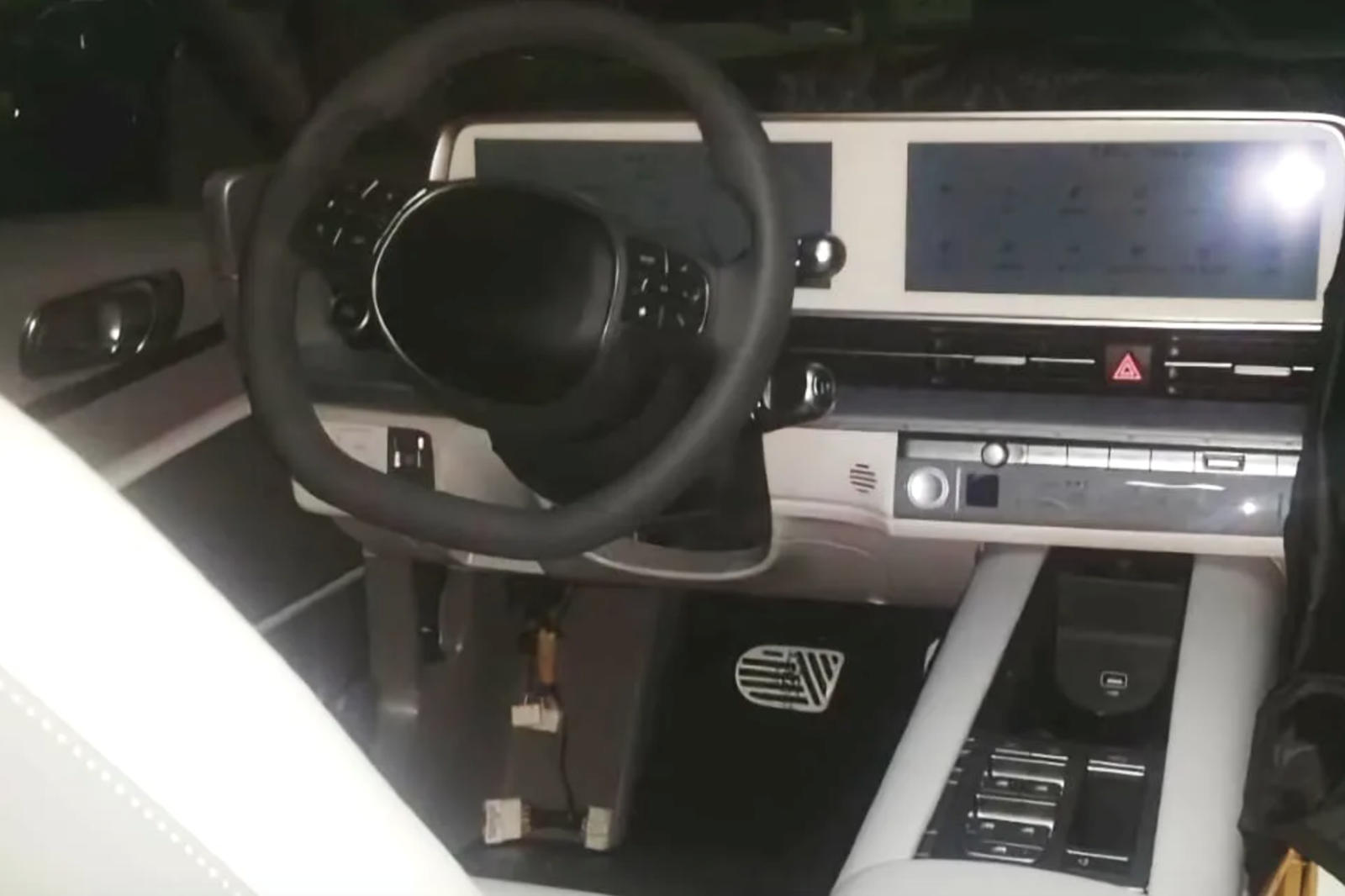
Just like the Ioniq 5, the 6 scores two huge, 12.3-inch screens for the digital dash and infotainment system, although it’s likely but unconfirmed whether it will also score the 5’s reclining front seats.
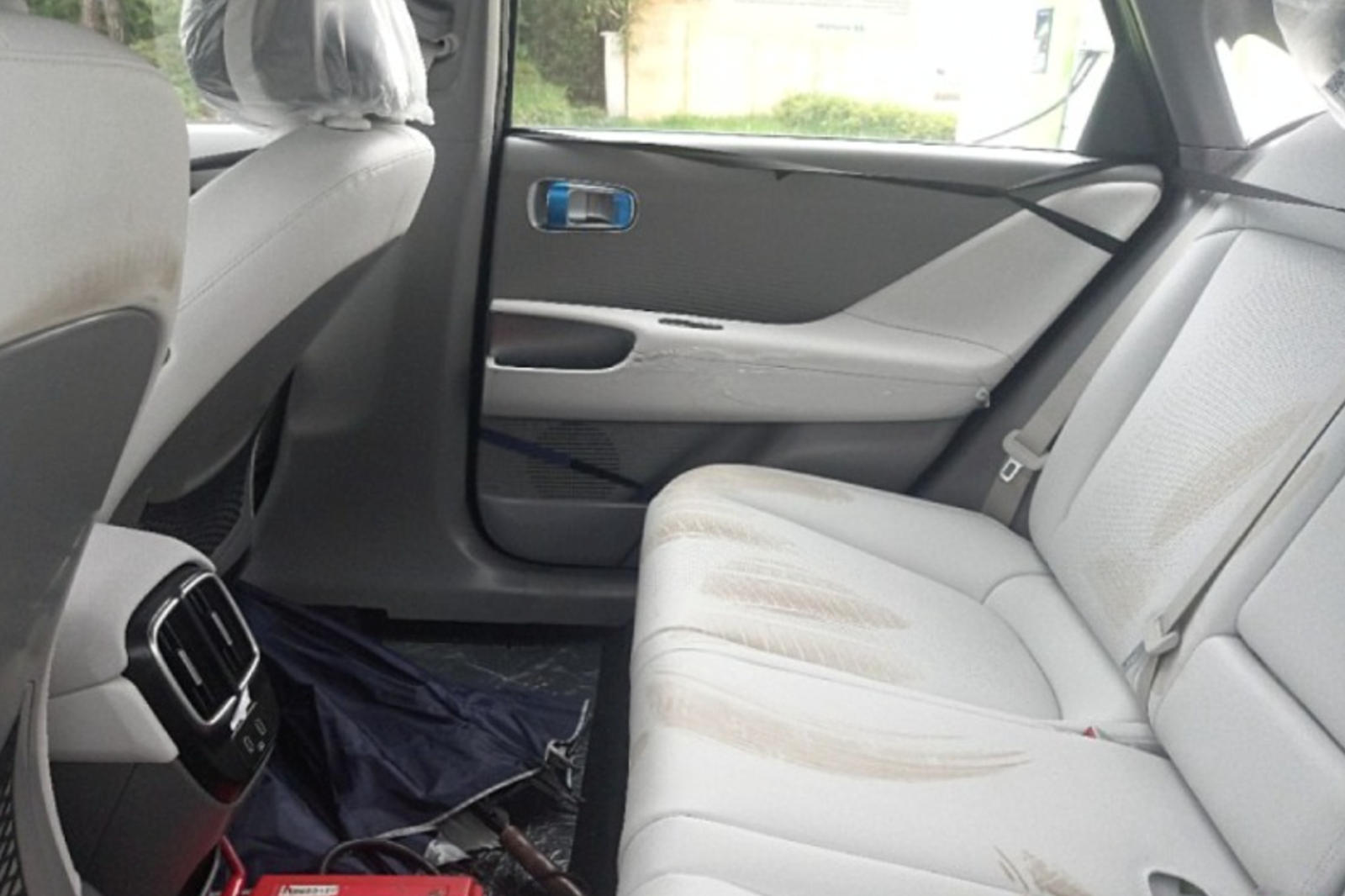
Rear occupant space seems nothing less than roomy, with even more light being let in to the cabin from what appears to be a small window behind the C-pillar, a small detail not featured on the Prophecy Concept upon which the Ioniq 6 is based.
The Ioniq 6 will be similar in size to the petrol powered Sonata and based on the eGMP platform, featuring a 73kWh lithium-ion battery pack.
Two different powertrains will be offered, a single electric motor on the rear axle producing 160kW, or an all-wheel-drive, dual-motor variant which will make 230kW, both with an expected driving range of around 500km.
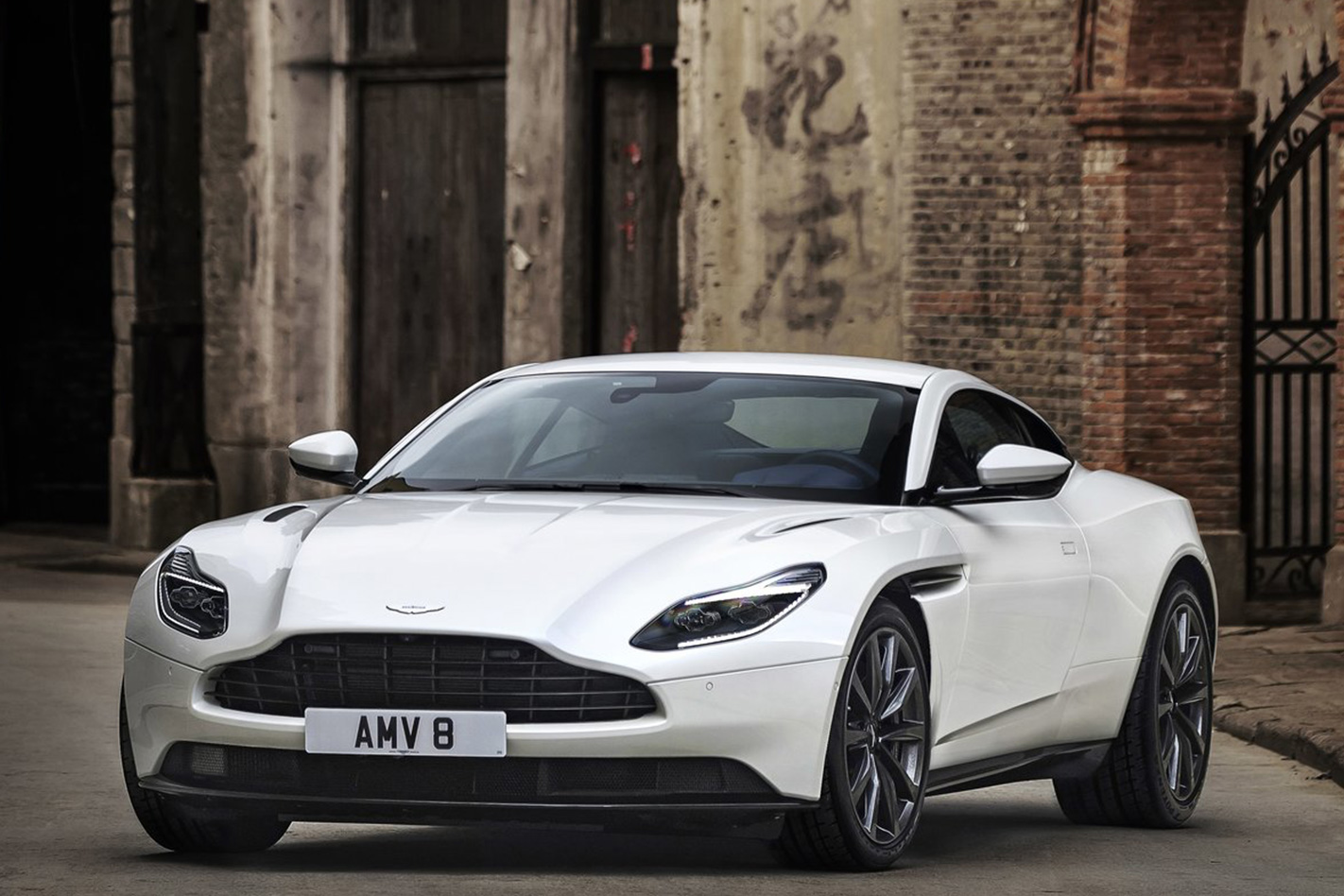
Aston Martin’s top boss has hinted the brand is bringing electric power to its next-generation models.
In an interview with Automotive News, CEO Tobias Moers said the marque’s move towards electric vehicles will come through a transition from its traditional, internal combustion engine V8 and V12 units to hybridised powertrains before eventually going full EV.
Starting with a plug-in hybrid variant of the DBX, the first all-electric models are tipped to be the DB11 and Vantage sports cars, both are front-engined vehicles currently powered by twin-turbo V8 and V12 engines.
“The succession of our traditional sports segment has to be full electric, no doubt,” said Moers.
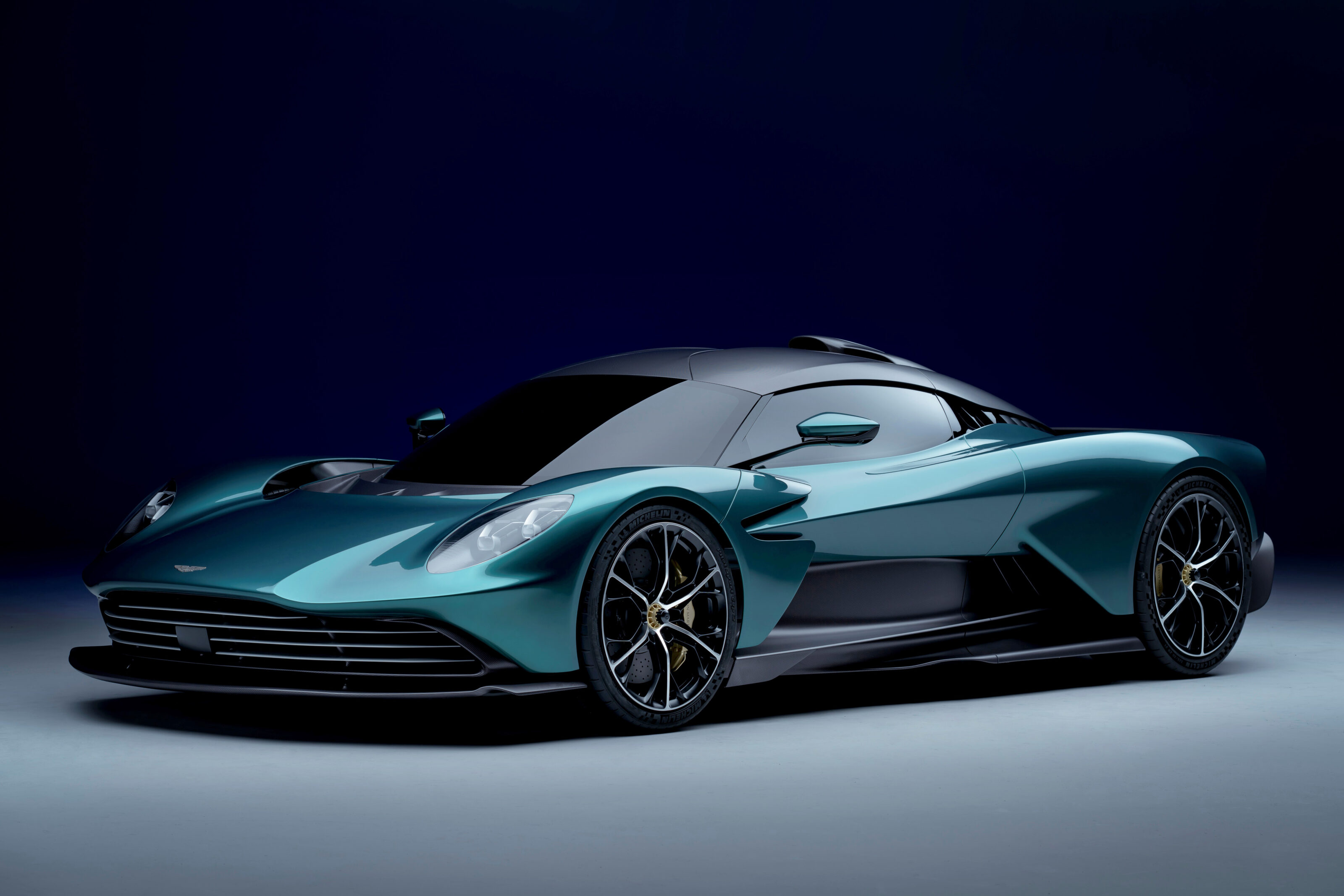
Aston Martin currently has a technical association with Mercedes’s high-performance division, AMG, using its V8 engines in a range of its models – including the recently revealed Valhalla plug-in hybrid.
While it plans to keep the alliance going as it transitions away from ICEs, Moers says the vehicles will still feel like an Aston product.
“How you experience the brand, the customer journey. These are the things that are going to make the difference,” he said.
“It will be about the experience, the driving dynamics, how we are going to serve our customers.”
Plans for an electric Rapide E were announced under former CEO Andy Palmer, as was a revival of the Lagonda brand as an all-electric marque, but this was vetoed by Lawrence Stroll when the Canadian billionaire saved Aston Martin last year when he became a major shareholder and executive chairman.
The DB11 was launched in 2016 and is set to be the first Aston model to be underpinned by an electric drivetrain, followed by an electric SUV similar to the DBX in 2025 or 2026, leading to 50 per cent of the manufacturer’s line-up becoming electric by 2030.
Snapshot
- Located in Brighton East
- Adjacent property converted into garage
- Likely to sell for around $7million
Looking to buy in an upmarket Melbourne suburb, but need a place to show off your multimillion-dollar car collection? With an entire house transformed into a luxury seven-car garage, this Brighton East property may just be for you.
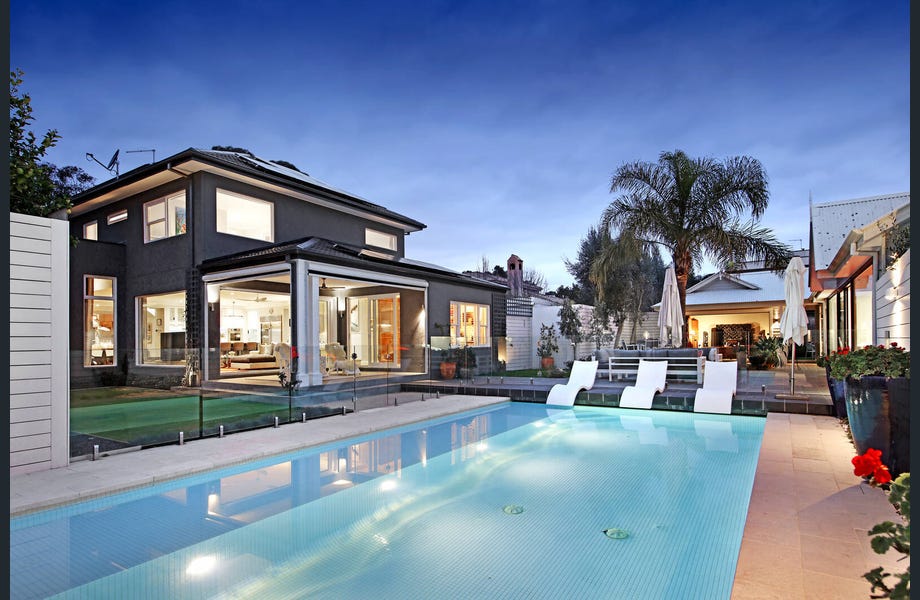
According to Realestate.com.au, the owners purchased the Creswick Street home in 2007, before buying the adjacent property in Churchill Court in 2009.
The latter was then converted into what you see here – a seven-car garage floored with Tasmanian oak and featuring a central turntable. It’s fronted with glass, offering brilliant views of your collection. Access to the garage is through the Churchill Court side, which retains discreet house-style frontage. Both properties are now held on a single title.
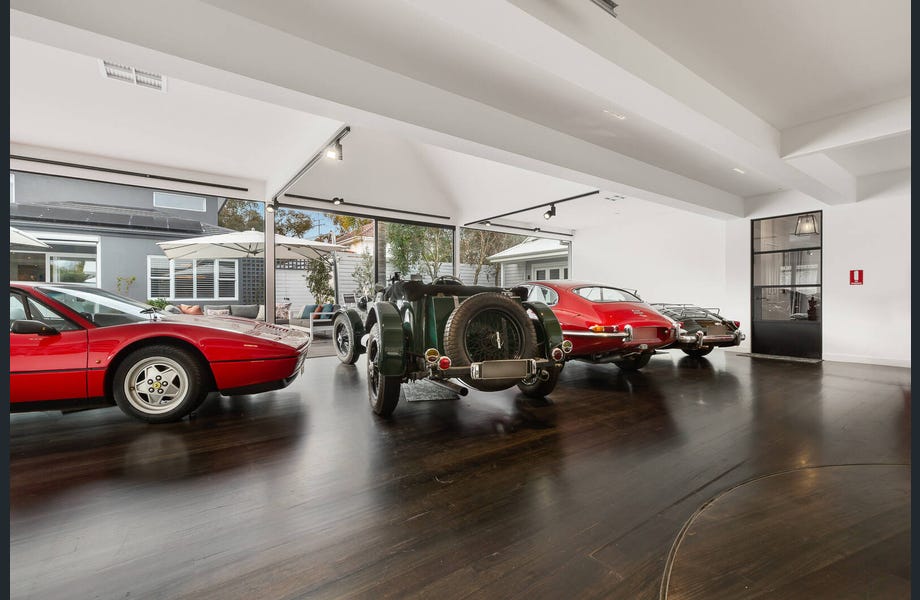
In the listing’s photos, the space is occupied by a number of iconic European classics, including a Ferrari 328, Jaguar E-Type and Aston Martin DB2.
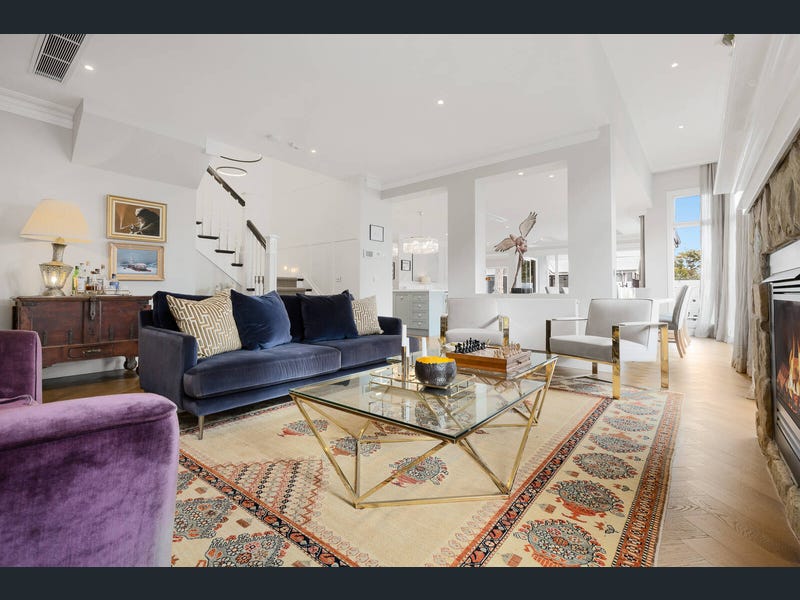
Accompanying the sumptuous garage is a five-bedroom, five-bathroom luxury home, plus a completely self-contained unit with its own private entry.
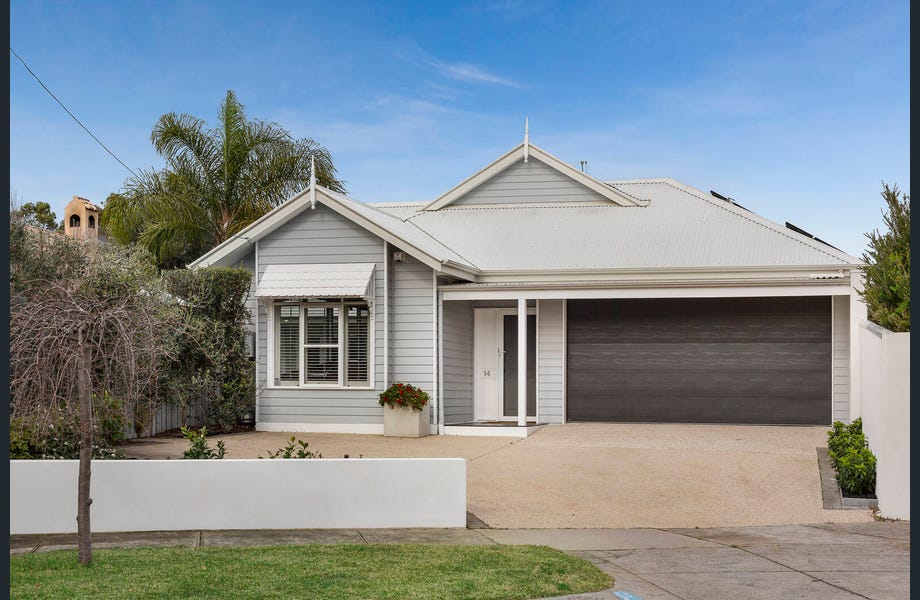
Other features include a heated 10m x 5m pool, gymnasium and soundproofed music/cinema room. There’s also a more traditional two-car garage to house the homeowner’s daily drivers. The whole compound sits on a 1343 square metre block, with views of the Brighton Golf Course.
Buxton Real Estate Group has placed an indicative selling price of between $6.85m and $7.35m on the property. If realised, the price would beat the existing Brighton East record of $6.3m. Of course, that’s before you even begin to factor in the price of filling up the garage.
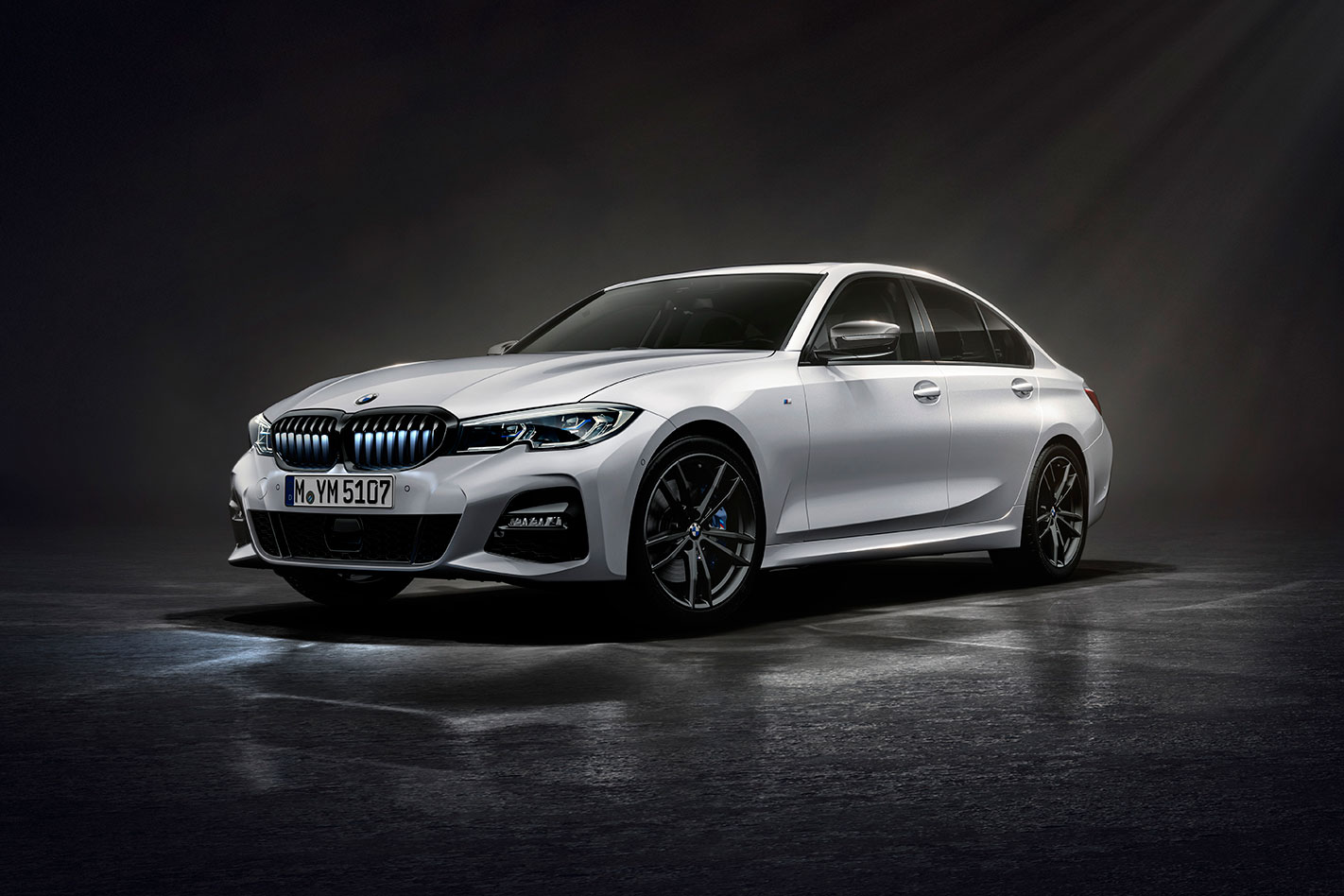
The 2022 BMW 3 Series has been allegedly leaked online after one Instagram user shared a snap of the face-lifted sedan, yet to be officially revealed.
It seems the regular 3 Series will not adopt the buck-tooth look of the M3, M4 and 4 Series, instead retaining its iconic horizontally-mounted, kidney-shaped grille.
The image shows a revised headlight design, featuring boomerang-style daytime running lights, which curve at the top rather than the bottom as found in the current 3 Series.
https://www.instagram.com/p/CRjaVmXFEJ3/?utm_source=ig_web_copy_link
Looking further back on the car, we can see aftermarket side skirts and carbon fibre mirrors, similar in design to those which feature across the M3 and M4 range.
There are no photos of the revised model’s rear, although it’s unlikely the styling would deviate much from the existing design of the current 3 Series, having reverted to thin horizontal tail-lights when the G20 was introduced in 2018.
BMW has been hit by multiple model leaks over the past few months, from its updated X3 and X4 in June to the new 2 Series Coupé last month.
In Australia, BMW has sold 2260 3 Series sedans so far this year to the end of June, a 20 per cent increase over the same point in the Covid-affected 2020.
Snapshot
- BEVs and PHEVs to get cheaper rego and stamp duty from July 2022
- Discounts to last five years
- Government fleet to increase to 200 vehicles by 2030
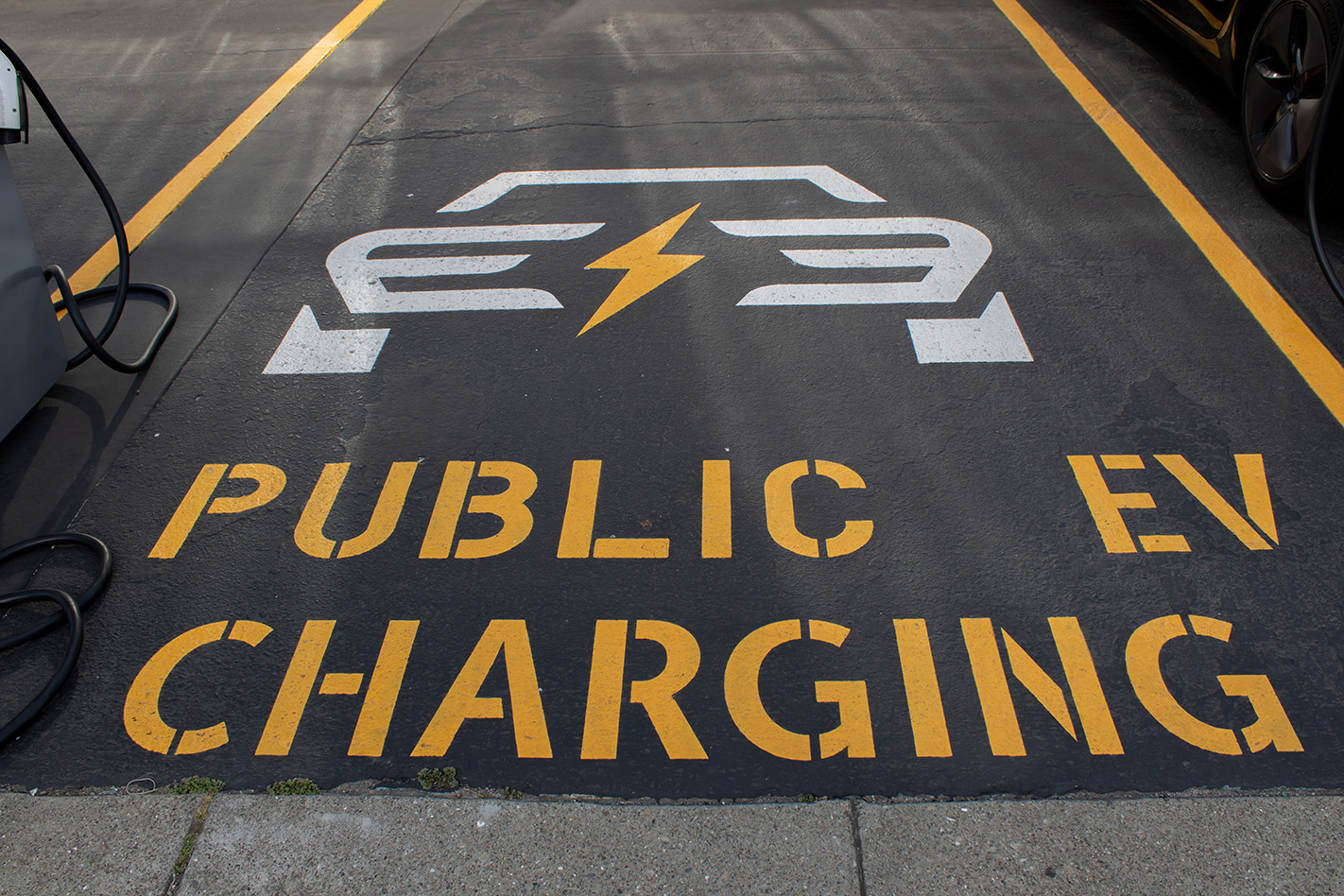
The Northern Territory Government has announced today it will offer discounted registration and stamp duty fees from mid-2022 on electric vehicles and plug-in hybrids.
Over the next five years, the Territory will also offer grants for home, workplace and public EV chargers, develop local skills to be able to service the technology and install the infrastructure, and increase the number of cars in the Government fleet.
While no figure has been put on how much rego would be slashed by, stamp duty for first time registration of new and used EVs in the Territory will be cut by $1500 – effectively removing the latter on cars up to $50,000. Both discounts will apply for a period of five years starting from July 2022.
Additionally the Government said it plans to increase its fleet by 20 per cent over 10 years to a total of 200 vehicles by 2030.
“The Territory Labor Government is continuing to address renewables and climate change while creating new business and economic opportunities for Territorians,” said Minister for Infrastructure, Planning and Logistics and Renewables and Energy, Eva Lawler.
“[Our] actions…have been directly influenced by feedback from the community, including 79 per cent of respondents supporting the NT Government encouraging EV use and 77 per cent agreeing now is the right time to encourage EV use. Feedback indicated there is significant support for installing EV chargers, as well as setting targets for the Government fleet.
“Implementation of this electric vehicle policy confirms our Government’s actions on addressing climate risk to transition to a low-carbon economy. Responding to climate change will not only help us protect our environment, but will support this new industry and the jobs that come with it.”
The State Government told Wheels it has no current proposals to implement an EV tax as seen in other parts of Australia, but also did not rule it out in the long term.
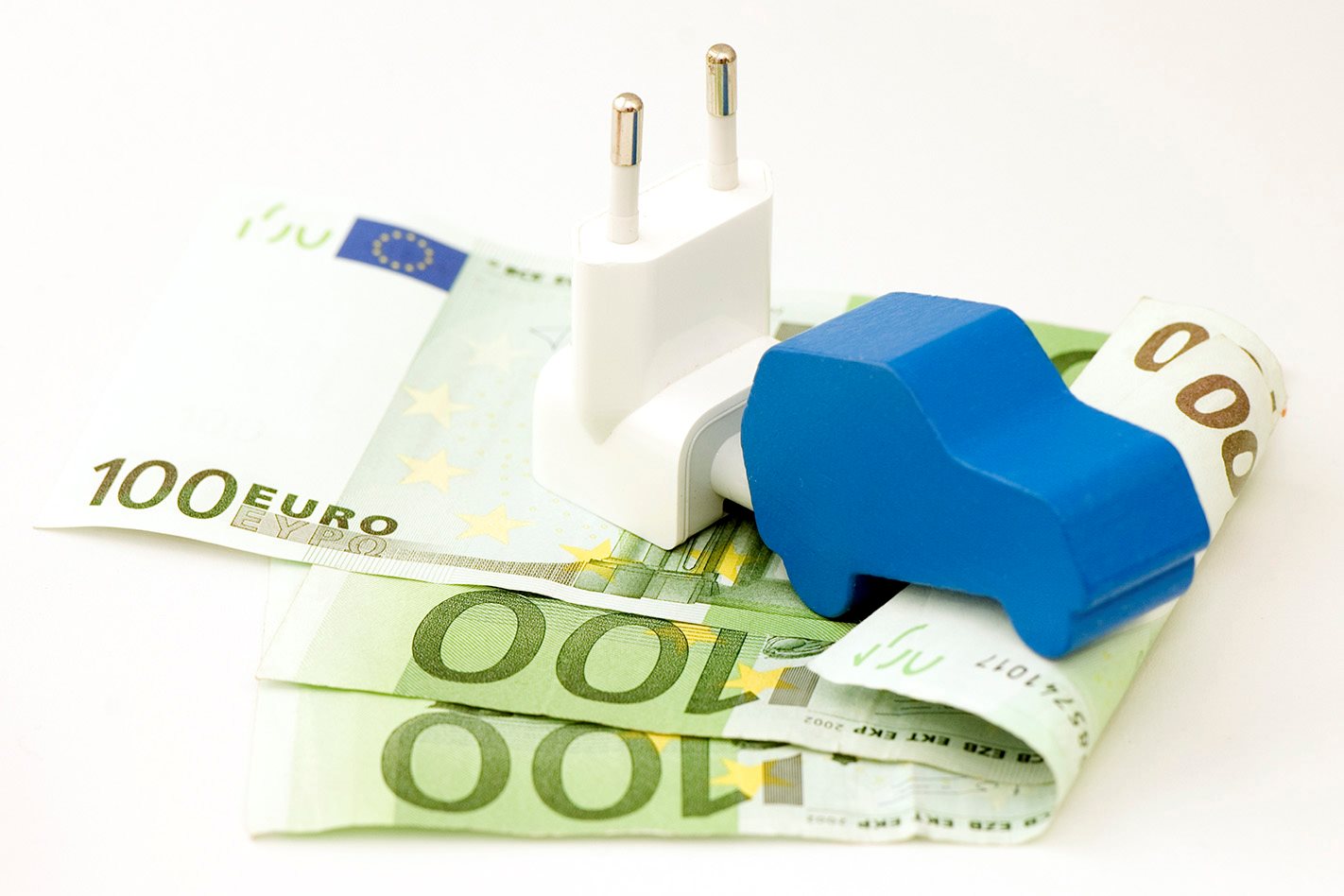
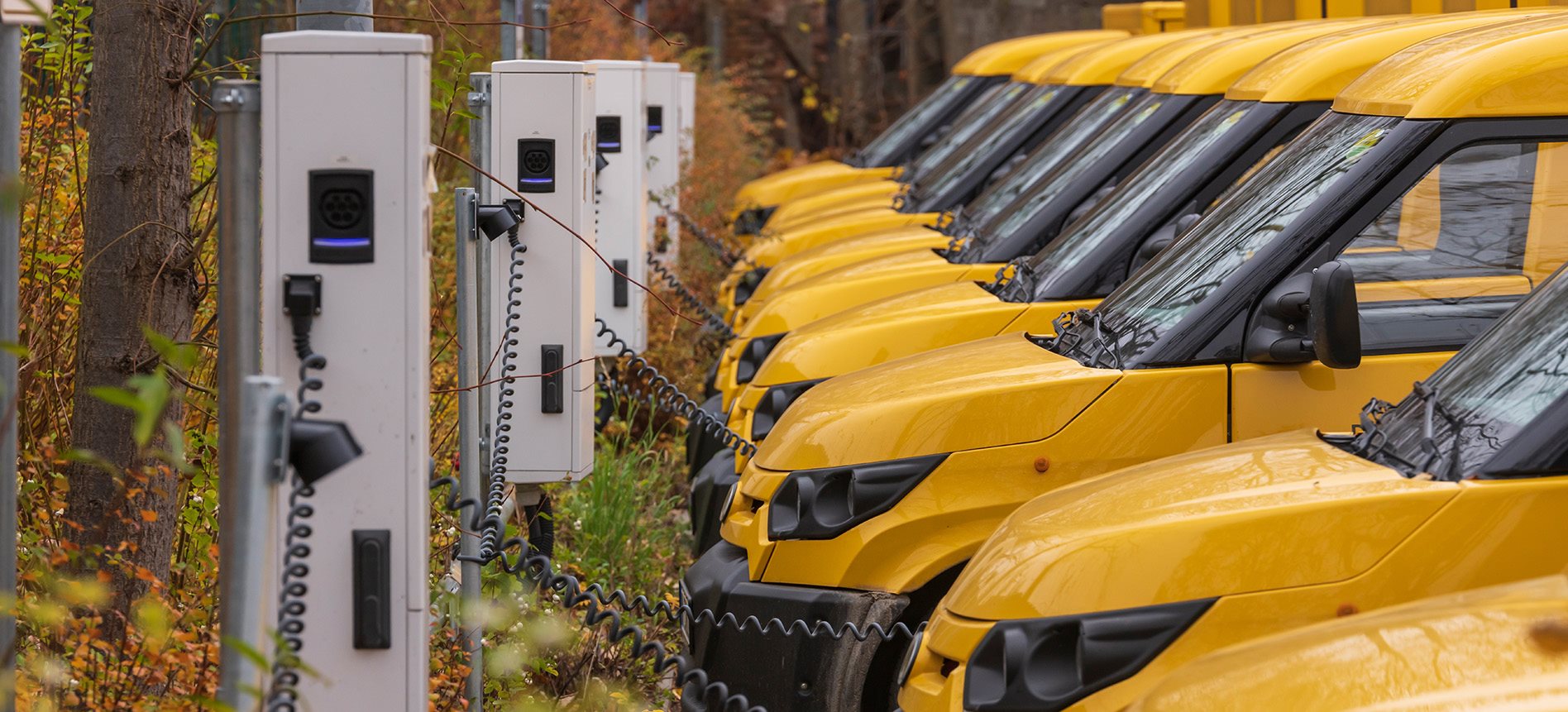
In December 2020 the Territory had just 38 EVs registered. To encourage uptake and quell range anxiety, the authority plans to install a minimum of 400 charging points at Government buildings.
The NT’s Electric Vehicle Strategy and Implementation Plan 2021-2026 released today states: “EV uptake in Australia has lagged behind the rest of the world, however EVs are coming. The rate of uptake is expected to soar as the price difference between EVs and conventional vehicles narrows.
“The Northern Territory’s characteristics including long distances, a small and widely dispersed population and extreme climatic conditions [which] present unique challenges for the introduction of EVs.
“Any policies or programs implemented by the Northern Territory Government to encourage the uptake of EVs are likely to have limited impact nationally. However, now is the time to position the Northern Territory in relation to the introduction of EVs.
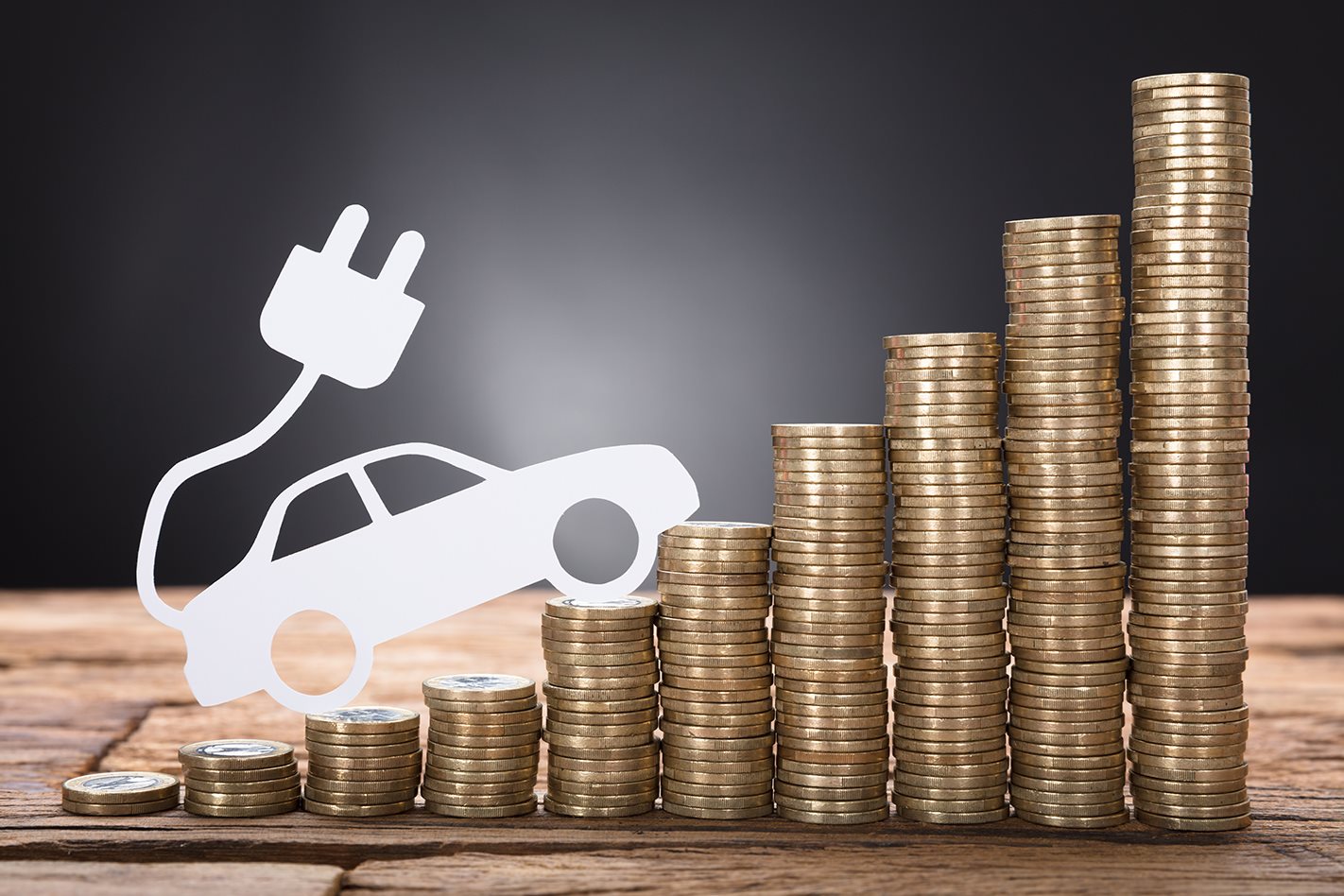
“The Northern Territory needs to be prepared for the transition and harness the benefits. [Federal] Government support is needed to ensure the Northern Territory is not left behind as Australia transitions to electric mobility.”
Behyad Jafari, CEO of the Electric Vehicle Council reacted positively to the news.
“It’s a great sign the NT is developing a holistic electric vehicle policy. Recognising the immediate need to reduce prices to get more people making the switch to electric.
“This approach recognises the significant opportunities a shift to electric vehicles presents to the Territory and for all Australians.”
The Federal Chamber for Automotive Industries (FCAI) also welcomed the announcement.
“Our initial view is that the NT’s package is a very simple and pragmatic way to promote the expansion of EVs across the Territory. We commend the Territory Government for this and look to work with them to expand plans to enhance the uptake of low emission vehicles into the future,” said Chief Executive Tony Weber.”The proposed reduction in stamp duty is potentially the first step for the NT Government in moving towards a future road charging system which replaces inefficient and out dated taxes. The FCAI welcomes the approach to supply grants to support the development of EV infrastructure and is pleased the Territory Government is looking to expand its fleet of zero and low emission vehicles.”
The NT strategy follows recent announcements from Tasmania, Victoria and New South Wales about their own offerings to encourage uptake of EVs.
Last month, New South Wales revealed it is to offer a $3000 rebate for the first 25,000 EVs or FCEVs sold which are priced under $68,750, as well as waiving stamp duty for such vehicles under $78,000 which will apply from September 1, 2021.
However NSW also plans to introduce a distanced-base charge of 2.5c/km for BEVs and 2c/km for PHEVs – but only as of July 1, 2027 or when EV sales hit 30 per cent – whichever comes first. It will also deliver $171 million in charging infrastructure across the state.
Meanwhile Victoria’s State Government hopes its incentives program – which offered 20,000 $3000 subsidies from May 2 on vehicles priced below $69,000 – will also get the state’s new car sales to 50 per cent EV by 2030.
Controversially, it has brought its own tax in straight away, with the road-user charge already in effect as of July 1 this year, which means a 2.5c/km charge applies to electric and hydrogen vehicles, and a 2.0c/km charge for plug-in hybrids.
The Tasmanian State Government announced earlier this month it is ditching stamp duty on all new and second-hand electric vehicles for the next two years.
McLaren has announced it is to receive a financial boost of £550 million (AU$1 billion) – largely coming from Saudi Arabia’s Public Investment Fund (PIF) and global funding firm Ares Management.
According to Reuters, around £400m (AU$744m) of the backing will come from the PIF and Ares in the form of preference shares and equity warrants, with the remaining £150m being paid by Bahrain’s Mumtalakat investment fund, a 62.55 per cent shareholder in the McLaren Group.
After a tough opening half to 2020, McLaren put its Technology Centre HQ up for sale and received a loan in June last year from the National Bank of Bahrain worth £150m (AU$279m), with the recent investment helping to repay the debt.
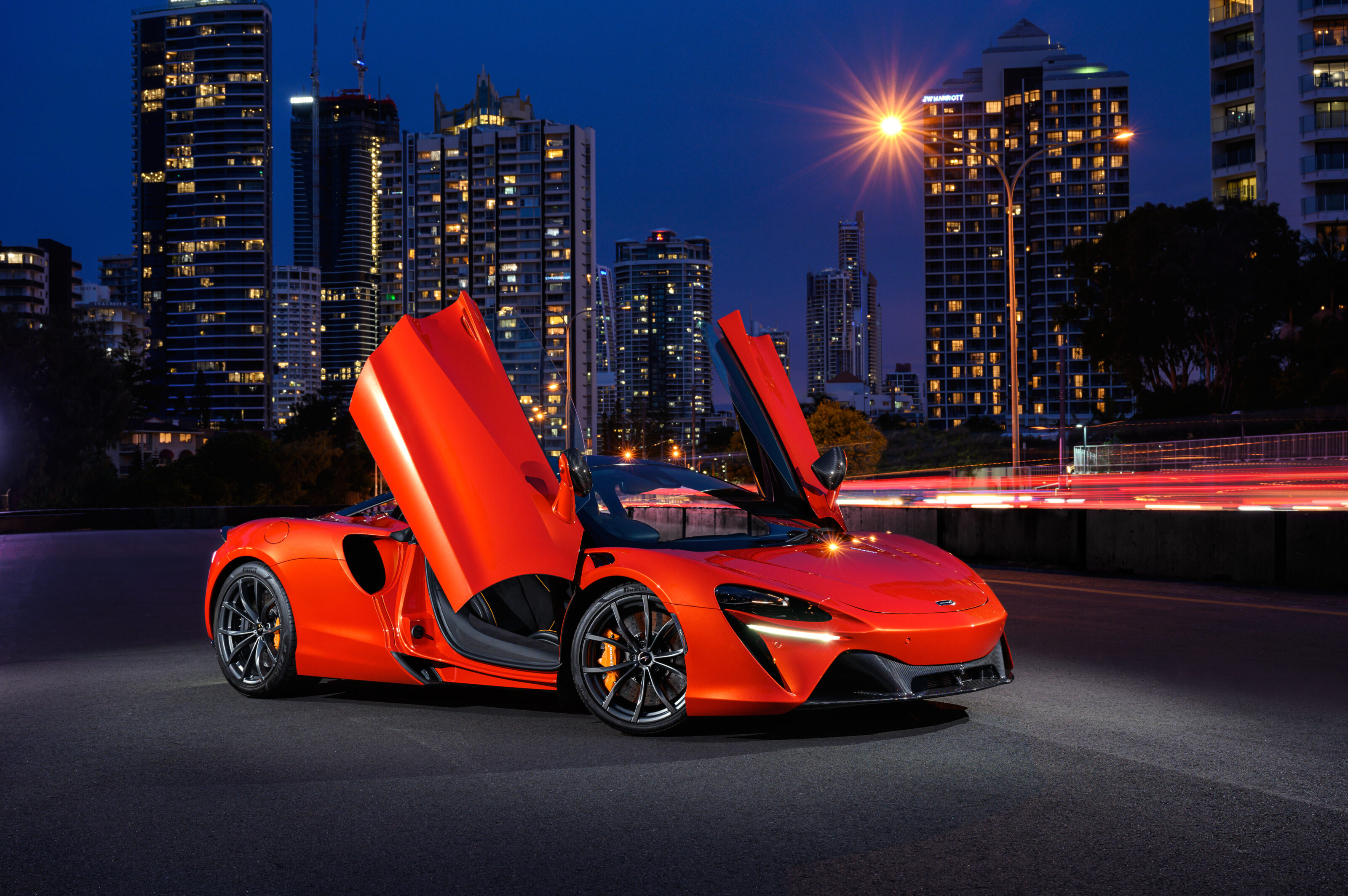
McLaren’s executive chairman, Paul Walsh, said the investment will help boost the company’s goals of becoming a leading supercar manufacturer and force in motorsport.
“Following the strategic investment into Racing we secured last year, this successful equity raise is a key element of our comprehensive financial strategy to support the Group’s sustainable growth plans,” said Walsh.
“With these strong foundations now in place, we are well positioned to achieve our ambitions as a global luxury supercar and elite motorsport business, with automotive as McLaren’s core profit driver.”
The McLaren Group is comprised of its road-car division and McLaren Racing, competing in Formula One and IndyCar with plans to enter Extreme E next year.
