
Snapshot
- New Polestar 3 SUV to be built in US
- First time for Polestar’s vehicles to be manufactured outside China
- Will be built alongside EV XC90 on the same platform
Swedish automotive brand Polestar will be building its new EV SUV in the United States, set to be assembled alongside Volvo vehicles at its plant in Ridgeville, South Carolina.
The upcoming Polestar 3 will be the brand’s first all-electric SUV and share a platform with the EV variant of Volvo’s XC90, both being manufactured on the South Carolina assembly line for the North American market.
It marks the first time since the acquisition of Polestar by Geely that the specialist vehicles will be made outside of China – the Polestar 1 and 2 being assembled at factories in the country since 2017.
Polestar became a dedicated EV brand in 2019 after the release of the Polestar 2.
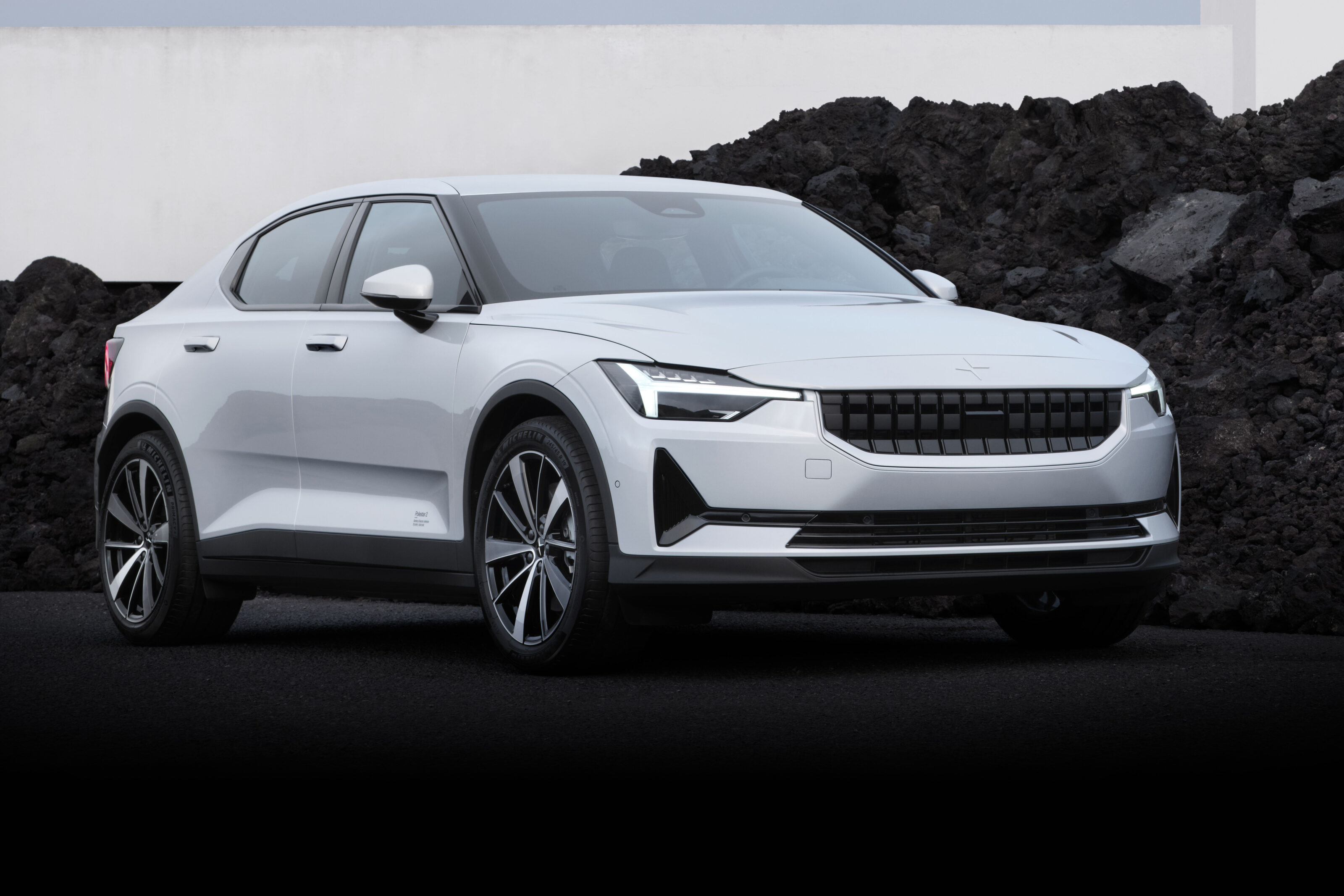
Polestar only made its first appearance on the US market this year with the Polestar 2 fastback, now deciding to base its North American operations out of the Volvo-owned Ridgeville plant due to the success of the model.
Having first taken aim at the Tesla Model 3 with the Polestar 2, the Model X-rivalling Polestar 3 will be a strong contender in its new home market according to Polestar CEO, Thomas Ingenlath.
“Polestar 3 will be built in America, for our American customers,” said Mr Ingenlath.
“I remember the great response when I first shared Polestar’s vision here in the USA and I am proud our first SUV will be manufactured in South Carolina.
“From now on, the USA is no longer an export market but a home market.”
The architecture of the Polestar 3 and related Volvo EV vehicles has been designed from scratch, featuring an infotainment system based on Android Automotive, with production expected to start in 2022.
Snapshot
- Hyundai wants a 50 per cent reduction in ICE cars produced
- Australian division believes local uptake of EVs can’t justify a move from ICE yet
- Upcoming Ioniq 5 will be the company’s third EV in Australia
Hyundai is said to be starting to move away from internal combustion engine (ICE) vehicles – though its local arm Down Under believes the uptake in EVs can’t justify it here just yet.
According to Reuters, Hyundai Motor Group is progressing with plans to halve the production of its ICE vehicles to ensure more resources are diverted to its EV development, led by its expanding Ioniq range, with top bosses understood having approved the strategy back in March.
The report also quotes Hyundai as saying it will aim for full electrification by 2040, coming in-line with the strategy of many European nations to phase out ICE vehicles by the same year, and other countries like Austria, India and the United Kingdom wanting to ban the development of all new non-electric cars before 2030.
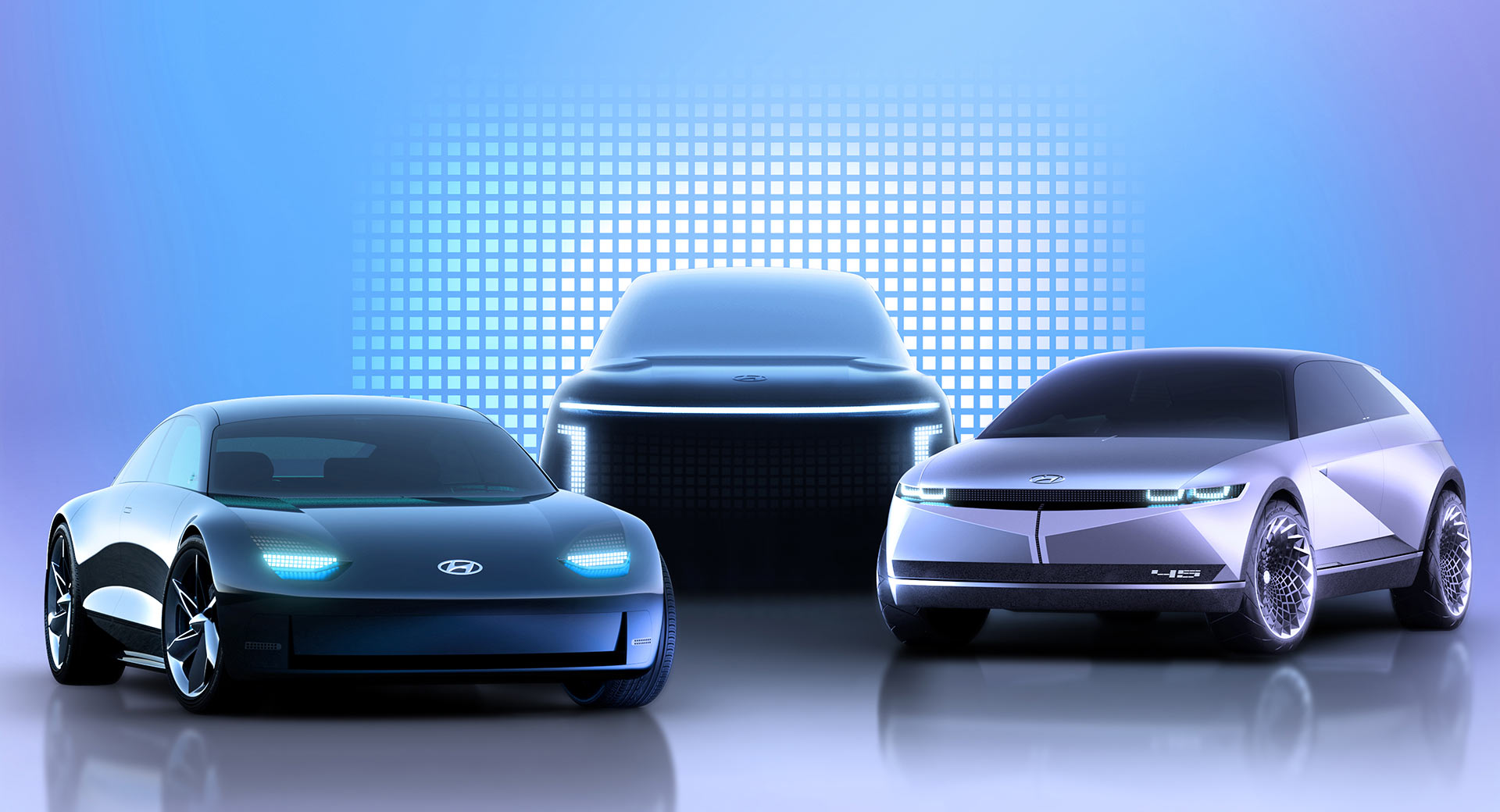
However, Hyundai’s Australian arm believes the move away from ICE would be difficult to swing locally just yet, given the country’s relatively slow uptake of EVs.
The Ioniq and Kona Electric will soon be joined by the Ioniq 5 in Hyundai’s range of EVs in Australia, though a spokesperson for the company said the firm doesn’t expect the EV SUV to take sales away from its ICE equivalent.
“Currently we expect little cross-over in customer demographic between the Ioniq 5 and ICE-powered SUVs,” they said.
“Ioniq 5 is a specialist EV product which appeals to a specific group of customers with very particular needs – we therefore expect it to provide incremental volume.
“As EVs become more common, this may change, but with EV adoption at a low level in Australia we don’t expect EVs to cannibalise equivalent ICE vehicles anytime soon.”
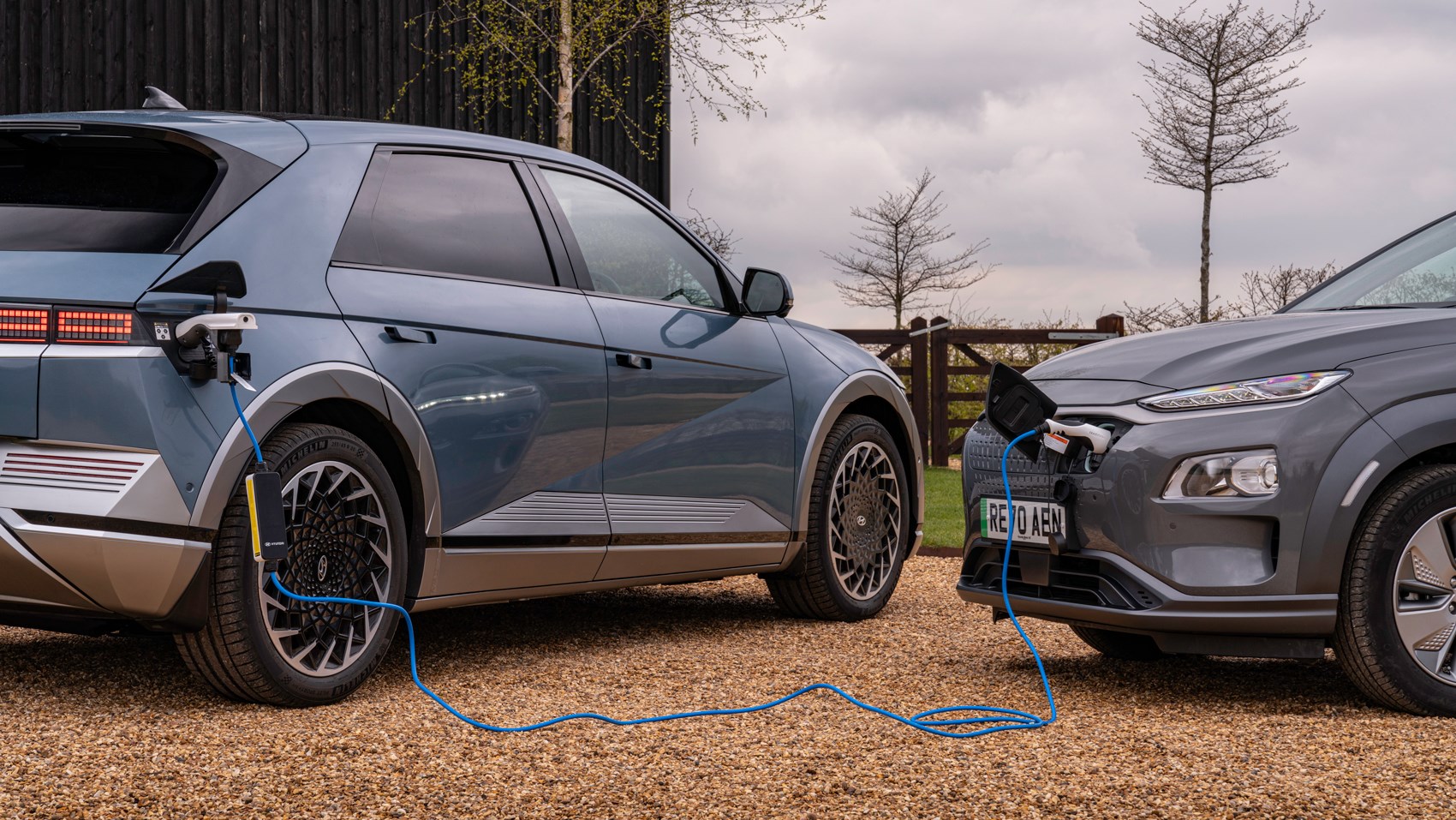
The upcoming Ioniq 5 is expected to arrive in Australia over the next few months and before the end of the year, while the expanded range of Ioniq 6 and 7 models are set to be released in 2022 and 2024 respectively.
Although the cost of the Australian Ioniq 5 hasn’t yet been released, Hyundai New Zealand put a price tag on the range today, giving us a rough guide of what to expect when it lands Down Under.
Hyundai Ioniq 5 (New Zealand)
- 58kWh 2WD – $79,990 (AU$74,300)
- 72.6kWh 2WD – $89,990 (AU$83,560)
- 72.6kWh 2WD Elite – $96,990 (AU$90,000)
- 72.6kWh AWD – $94,990 ($88,200)
- 72.6kWh AWD Limited – $109,990 (AU$102,150)/$112,990 with solar roof (AU$104,900)
Snapshot
- California bans upcoming 992 GT3 manual
- Three-pedal option doesn’t comply with exhaust noise regs
- Updated testing procedures introduced in 2020 but yet to be implemented
Buyers of the new 992-generation Porsche 911 GT3 in the US state of California have been forced to drive the dual-clutch automatic only as the state’s Highway Patrol deemed the manual too loud.
A Porsche statement regarding the new GT3 Touring said prospective Californian buyers can only purchase the upcoming manual rear-engined sports car with the PDK ‘box, with customers who have already purchased a manual have been given the opportunity to still have the GT3 with the dual clutch – free of charge – or cancel their order.
The new GT3 was launched in February this year, retaining the options of a seven-speed PDK or six-speed manual gearbox, while the new GT3 Touring is being made available with the PDK for the first time, both featuring the same 4.0-litre flat-six engine making 375kW and 470Nm.
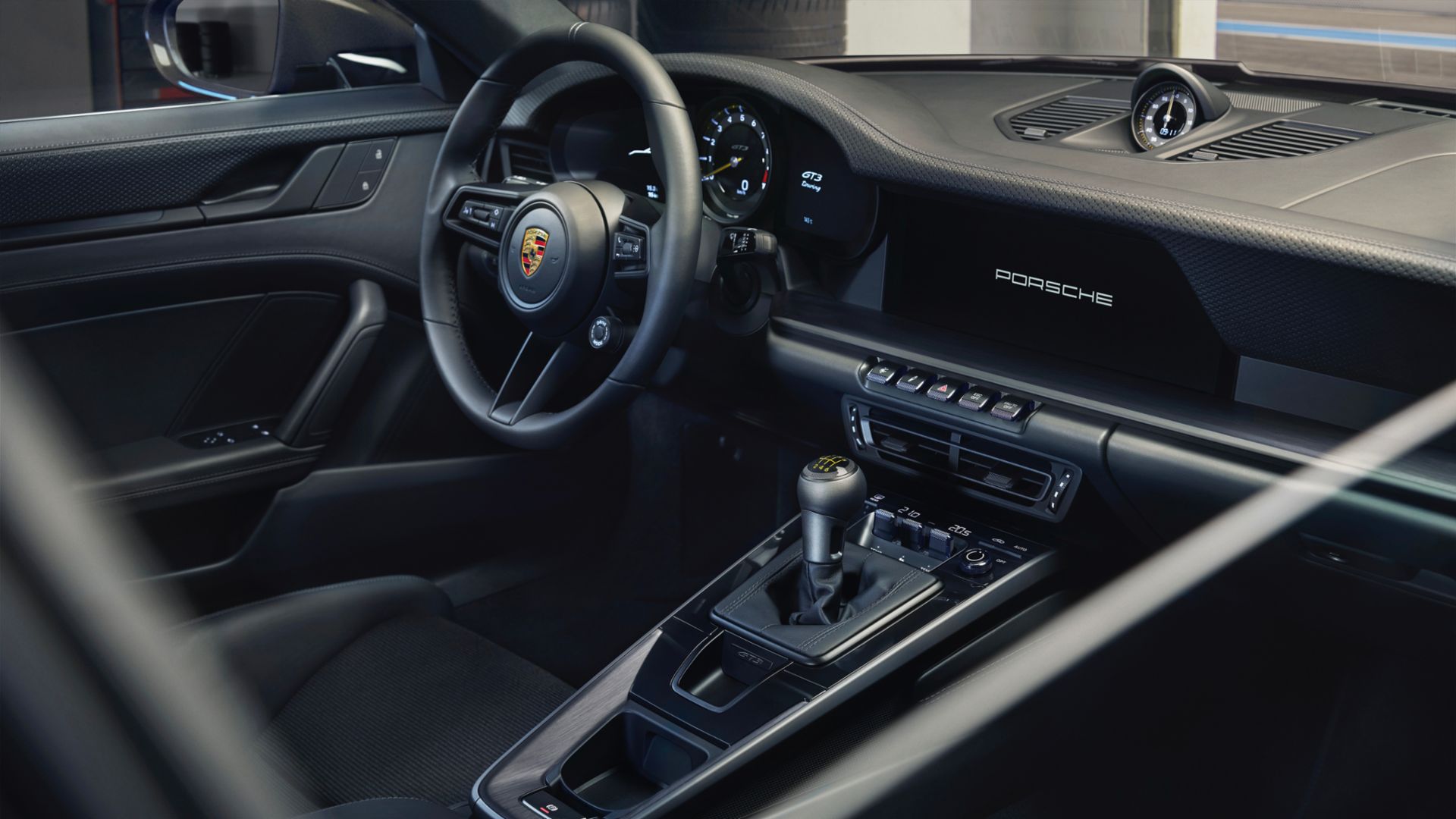
The trouble stems from one of California’s many environmental regulation laws, known as the SAE J1470 test procedure. First created in 1992 and last revised in 1998, its purpose was to test noise levels emitted while under acceleration in a car’s immediate gears, utilising all of the rev range.
This method was superseded by the updated J2805 test which is undertaken during urban driving scenarios, factoring in all noise sources of a vehicle, with which both the PDK and manual GT3 are compliant.
However, although the J2805 testing procedure was introduced in 2020, it hasn’t been implemented yet, meaning the GT3 manual does not yet pass the noise regulations to be sold in the Golden State, though the PDK auto does.
The GT3 is understood to have passed the new test in both transmission variants but ran out of time for it to be implemented before the 992’s arrival, forcing Porsche to pull the 2022 model manuals from the Californian market.
If the testing regulation is updated before the release of the 2023 GT3 is released in California, the manual will again be available to purchase.
Snapshot
- Two new variants added to Taycan range
- Base Taycan now starts at just over $150,000
- Cheapest Cross Turismo priced under $180,000
Porsche Australia has announced it is adding the Taycan and Taycan 4 Cross Turismo to its Australian model line-up.
Up until now, only the Taycan 4S, Turbo and Turbo S have been available Down Under, with power ranging from the 390kW available in the 4S to 500kW in the Turbo S.
The upcoming Taycan will be rear-wheel-drive, as opposed to its all-wheel-drive siblings, and is offered with two battery options, producing 300kW/345Nm and 350kW/357Nm with driving range sitting at 369km and 434km respectively.
Meanwhile, fans of the Cross Turismo in 4S and Turbo trim will be pleased to see the 4 coming in at almost $30,000 cheaper compared to the next variant up, putting 350kW/357Nm to all four wheels with up to 500Nm available when using launch control.
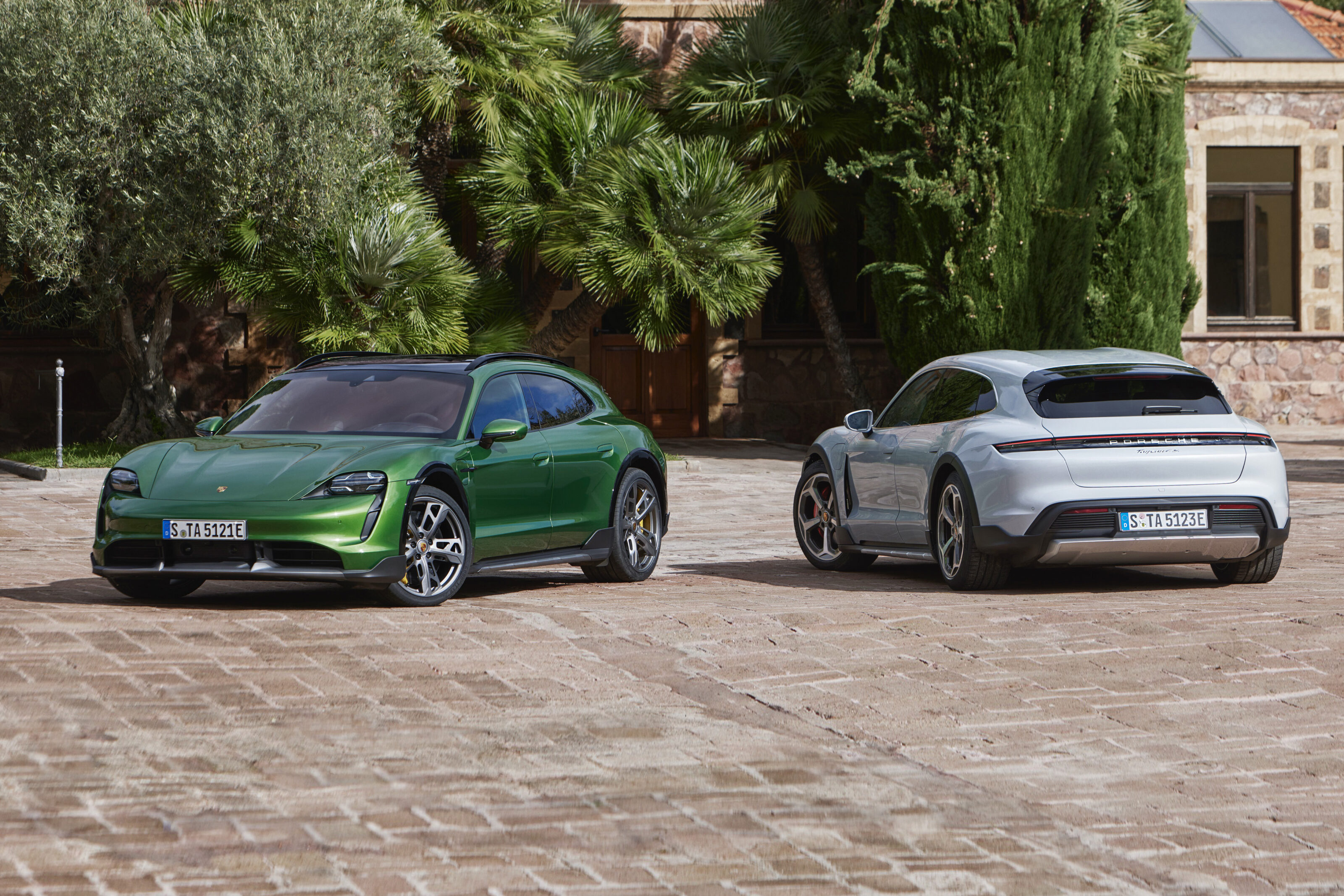
On the subject of pricing, the Taycan’s recommended retail price is $156,300 ($38,400 less than the 4S) while the aforementioned 4 Cross Turismo is just over $20,000 more than the entry-level variant, a price tag of $176,600 making it $28,700 cheaper than the next Cross Turismo model.
It’s not like either is lacking in charging tech, both coming with the same equipment as the 4S which includes; a charging dock, mobile charger connect module, a cable for home sockets, two for industrial sockets and a ‘home energy manger’ – which Porsche says will deliver more efficient home charging.
In addition, the Taycan variants come with a 150kW on-board DC socket to be used at 400 volt public facilities, a Mode 3 AC cable and a three-year subscription to Chargefox Ultra-Rapid DC chargers, allowing capacity of up to 350kW.
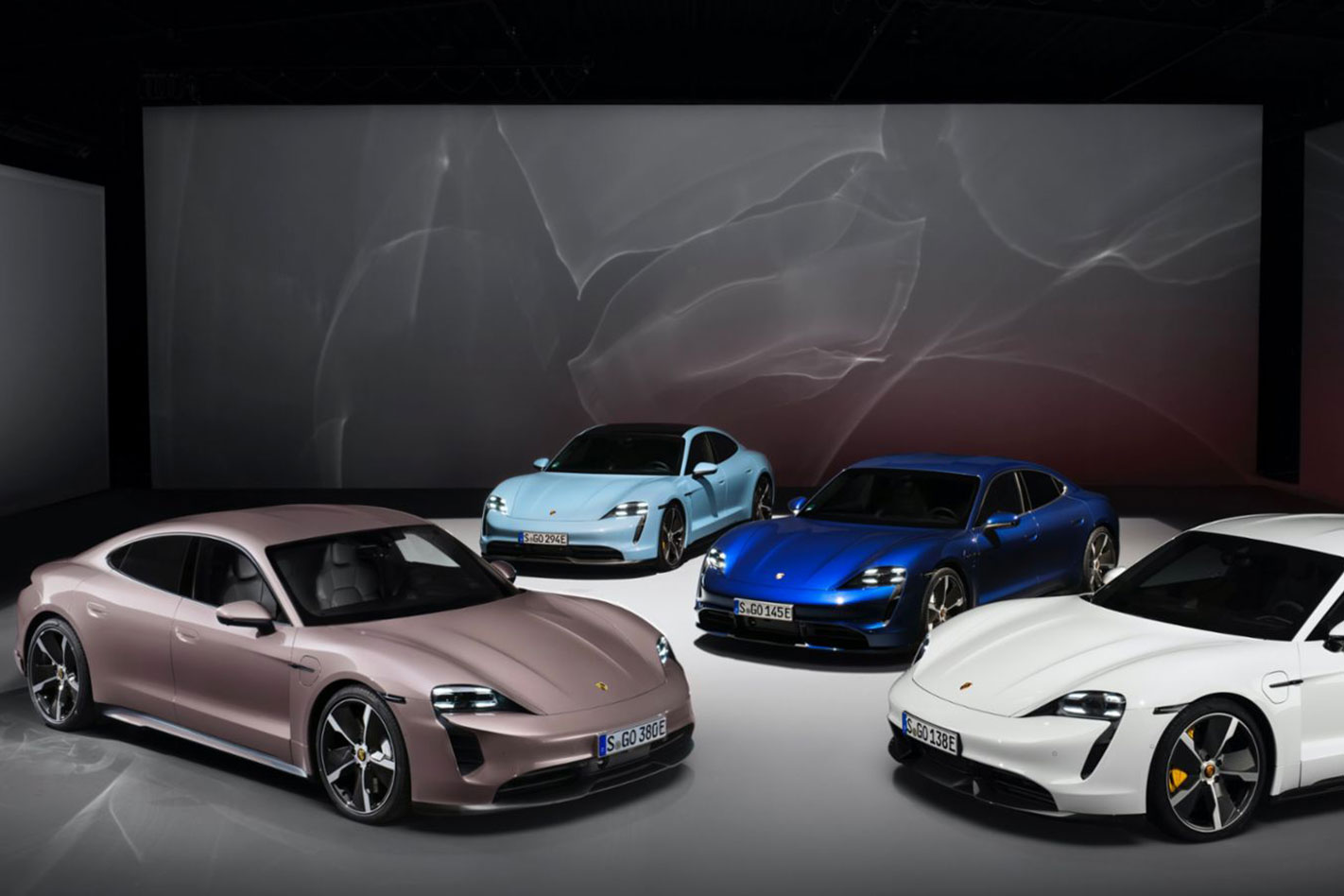
Standard equipment is anything but scarce in the new Taycan, scoring safety equipment such as; lane change assist, front and rear park assist and adaptive cruise control with traffic jam assist.
The entire Taycan range gets a host of updates alongside the introduction of the new variants, with a head-up display, electric air compressor and power steering plus now becoming standard for all trim levels.
According to last month’s VFACTS report, Porsche has sold 326 Taycans in 2021 so far.
Both new Taycans are available to order now with deliveries expected to start from the beginning of 2022.
Porsche Taycan pricing
| Taycan | $156,300 |
| Taycan 4 Cross Turismo | $176,600 |
| Taycan 4S | $194,700 |
| Taycan 4S Cross Turismo | $205,300 |
| Taycan Turbo | $276,300 |
| Taycan Turbo Cross Turismo | $279,000 |
| Taycan Turbo S | $345,800 |
There have been a million and one columns about having sold a beloved old car for cheap, only for its value to explode a number of years, perhaps even decades, later.
But I feel I’m afflicted by a different torment of the soul that’s quite the opposite in effect. And I understand how this may come across as somewhat unbecoming but, please, bear with me.
Some years ago, I bought a car that was already beginning to appreciate in price. It was a car that I had dreamt about since I was a child, and a car that had always appreciated at a slightly greater rate than my income – since that first $6.75/hour job at Red Rooster – would allow. It was also a car that I knew likely had some future collector interest, and a car that I felt that, if I waited any longer, would simply grow financially impossible to own for the rest of my life.
The car in question was a Nissan Skyline R32 GT-R, a global motorsport hero, and it represented, to me, the very vehicular pinnacle of the JDM scene and community I have loved ever since I can remember.
Because this was once a real community, an honest and pure culture, if you will. You see, I wasn’t one of the cool kids in high school. The cool kids were all about Aussie V8s. And, I think a lot of my friends and people who came up in the JDM scene a decade or two ago can relate; but as perhaps somewhat of a social outcast, the Japanese car scene was a way for me to connect with others of the same ilk.
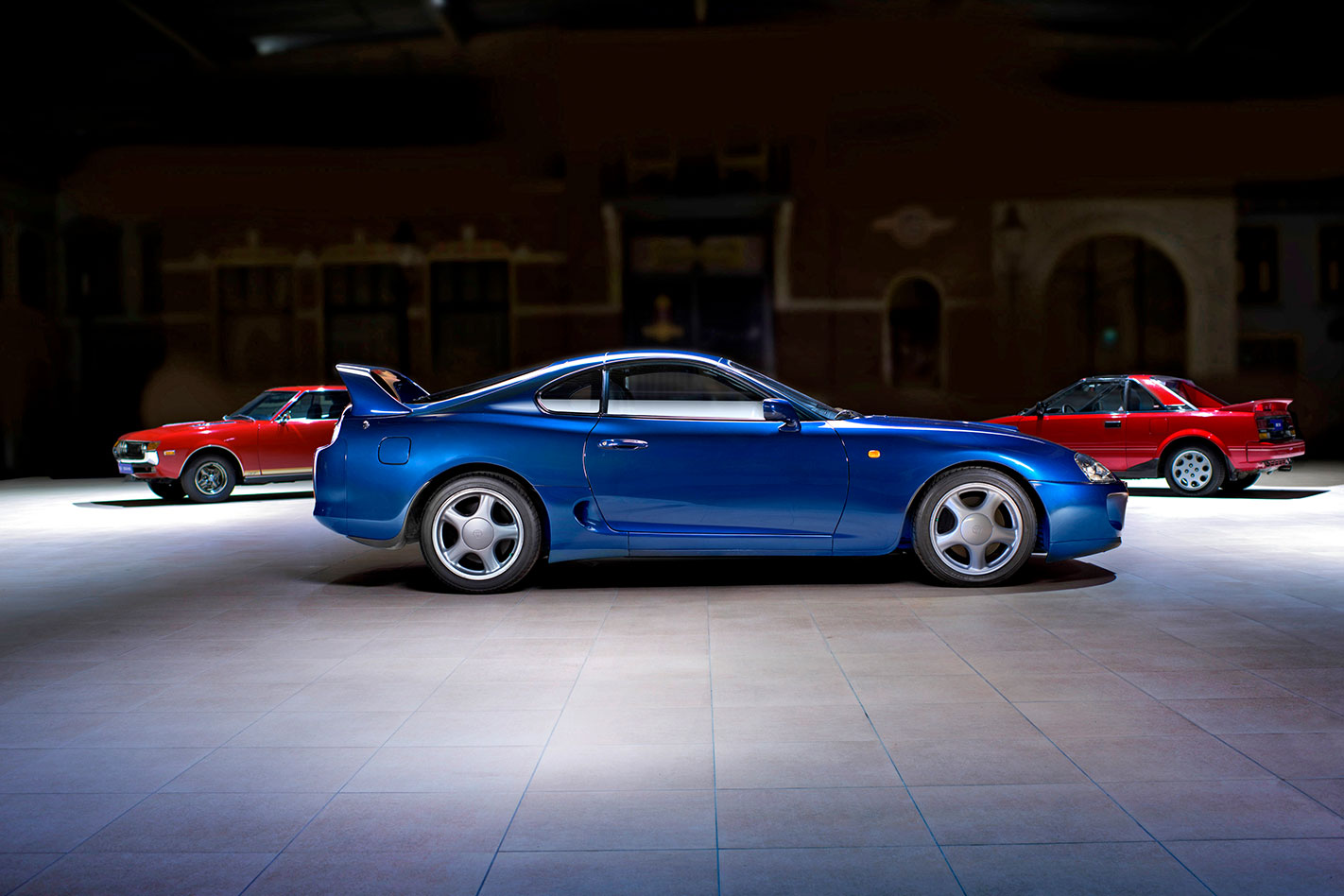
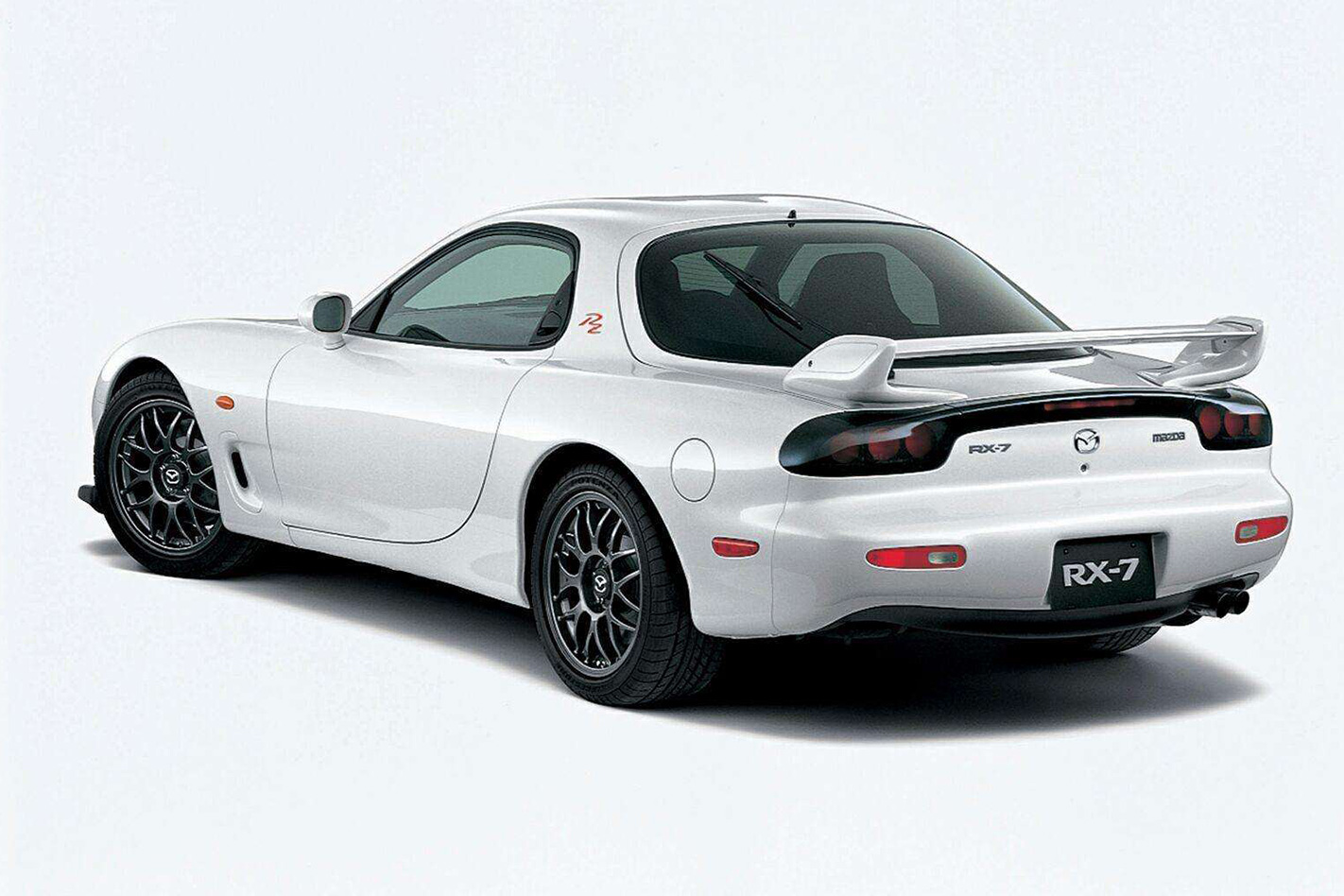
Of course, now all things JDM inhabit a completely different stratosphere in terms of value. And it’s not just Covid tax or others like me who grew up with nostalgia for these cars and are now grown up, working and earning. There’s something else at play here, something almost sociological.
My peer group became enamoured by these cars because they were cheap performance underdogs that no one really cared about. People now almost want them specifically because everyone else wants them, with no real knowledge or appreciation behind it. And that’s what the kids these days call hype.
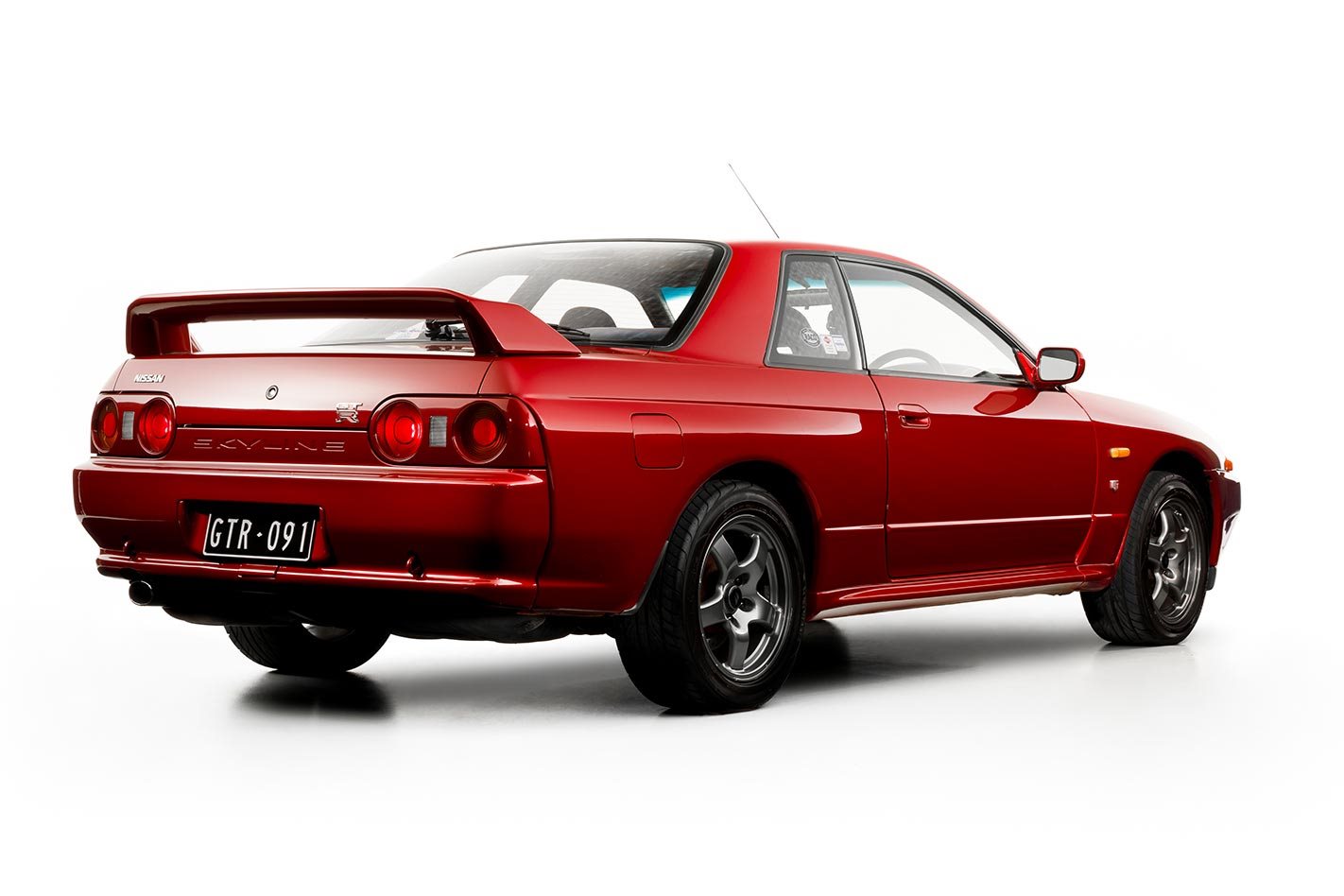
Although fashions inevitably wax and wane, it feels that right now, JDM culture has never been so readily accessible, and I’m afraid it’s simply the latest subculture to be tapped into and commercialised.
Look at what’s happened to skateboarding and sneaker culture over the past 10 years. Both once seen as niche and honest underground communities, are now billion-dollar industries whose household names are as powerful as European legacy high-fashion brands. And it happened on the coattails of this hyper product-focused, social-media fuelled and collecting-based philosophy that’s permeated in contemporary streetwear culture. Cars are just another revenue-bubble opportunity.
There’s an entire generation of kids out there who were brought up getting their validation by getting their Yeezys off for the ‘gram. And now they’re grown up, and have money, driver’s licences, and they’re coming for our cars.
Dylan Campbell, ex-captain of the MOTOR ship and current editor at Wheels, is also a long-term owner of a certain highly prized piece of JDM machinery; and talked about how the unimaginable price spike makes him not want to drive it as much. While that should be a crime, I understand it. Yes, logic dictates that I should retire my car from the track, wrap it in bubble wrap and sit on it, but I just can’t do that.
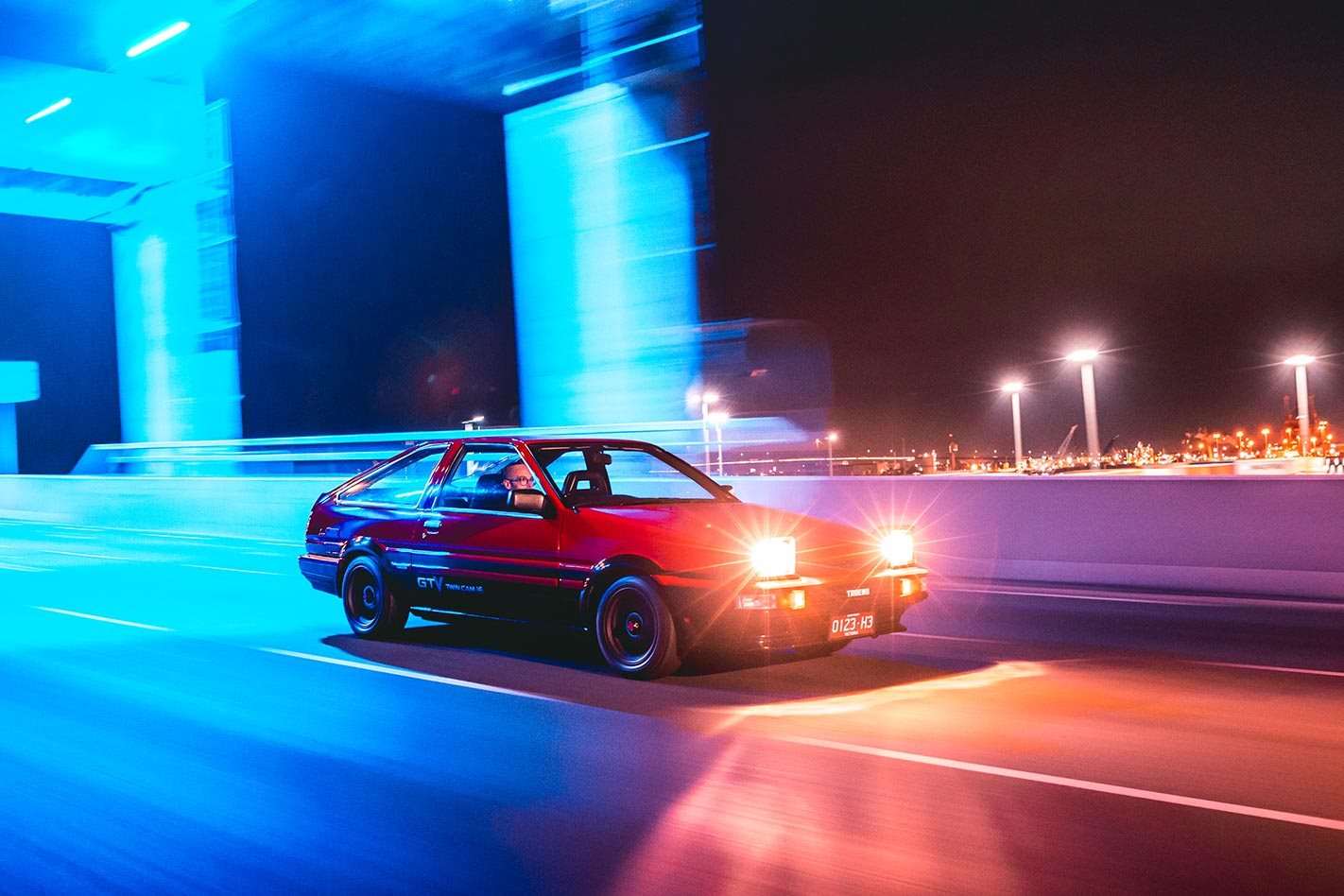
I don’t get enjoyment from any car by it merely sitting there. I get it from driving. What’s the point of it otherwise?
For anyone else grappling with the same affliction, don’t let numbers thrown around on the internet keep you from enjoying your car. Go on, go for a spin. To not do so would be a true injustice, to both you and the car.
Snapshot
- Carlos Ghosn was arrested for financial misconduct in Japan
- Michael Taylor has never denied his actions
- Pair face up to three years in prison
A former US Special Forces veteran and his son have admitted their role in helping ex-Nissan boss Carlos Ghosn escape from Japan.
Michael and Peter Taylor faced a Japanese court on Monday accused of helping the disgraced CEO skip bail and flee to Lebanon.
The father and son replied “no” when asked by a judge if there was anything wrong with the charges submitted by Tokyo Prosecutors, Reuters reports.
They face up to three years in prison.
A warrant for the arrest of both Taylor men was issued by Japanese authorities in early 2020, and the two were extradited from their native US in March this year after a lengthy legal battle.
Prosecutors alleged the Taylors met Ghosn at Kansai Airport in Japan in December 2019 before the ex-Nissan chief slipped past the authorities and out of the country in a box.
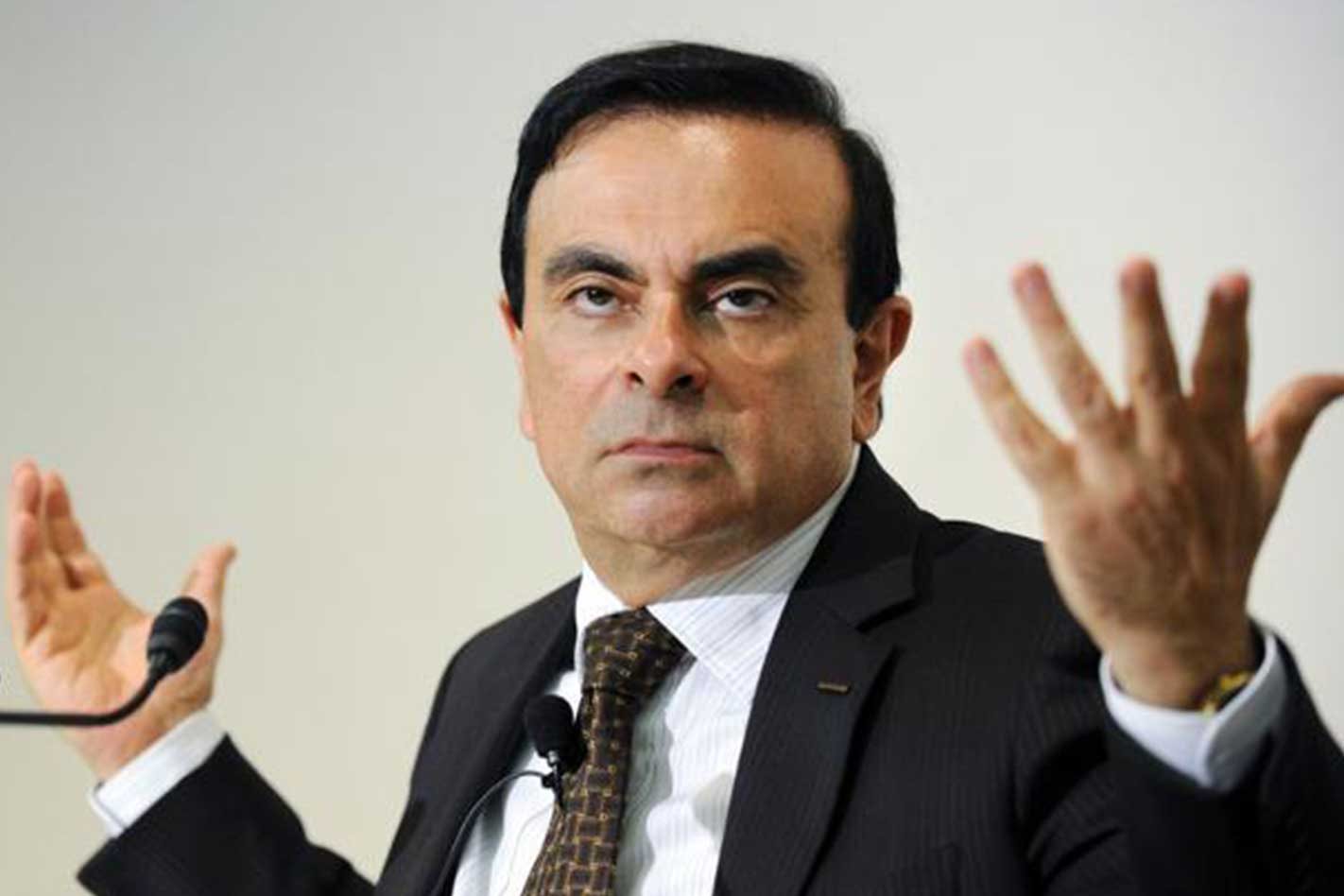
The box was then said to have been loaded onto a private jet bound for Turkey, allowing Ghosn to avoid trial by returning to his native Lebanon, which does not have an extradition treaty with Japan.
Ghosn was arrested in Japan in November 2018, where he was charged financial misconduct. Set at ¥500m (AU$5.9million). Bail conditions stopped Ghosn from travelling and using more than one phone or computer. His court-approved residence was also placed under constant video surveillance.
The ex-CEO has always maintained his innocence. Speaking from Beirut in 2019, he argued he would not face a fair trial in Japan, which has a criminal conviction rate of 99 per cent for prosecuted cases, according to Reuters.
Snapshot
- 110TSI Ambition will be the new entry level Kamiq
- High demand, low supply has forced Skoda to pull the 85TSI from sale
- Monte Carlo and Limited Edition still available
UPDATE, June 30 2021: The refreshed 2022 Kamiq is now on sale in Australia. Read more here.
Skoda Australia is set to introduce a 110TSI version of its Kamiq model to overcome a shortage of the base 85TSI variant.
The carmaker is preparing to face stock shortages following an announcement from parent company Volkswagen that it has been affected by the global semi-conductor supply issue.
A spokesperson for Skoda said the new Kamiq, would be “in dealerships shortly” – although they were not yet able to confirm a date.
Wearing the Ambition badge, which has been adopted by a variety of Skoda’s mid-tier trims across its model range, the Kamiq 110TSI should be priced between the base 85TSI which was sold for $29,990 and the 110TSI Monte Carlo, on sale for $36,990.
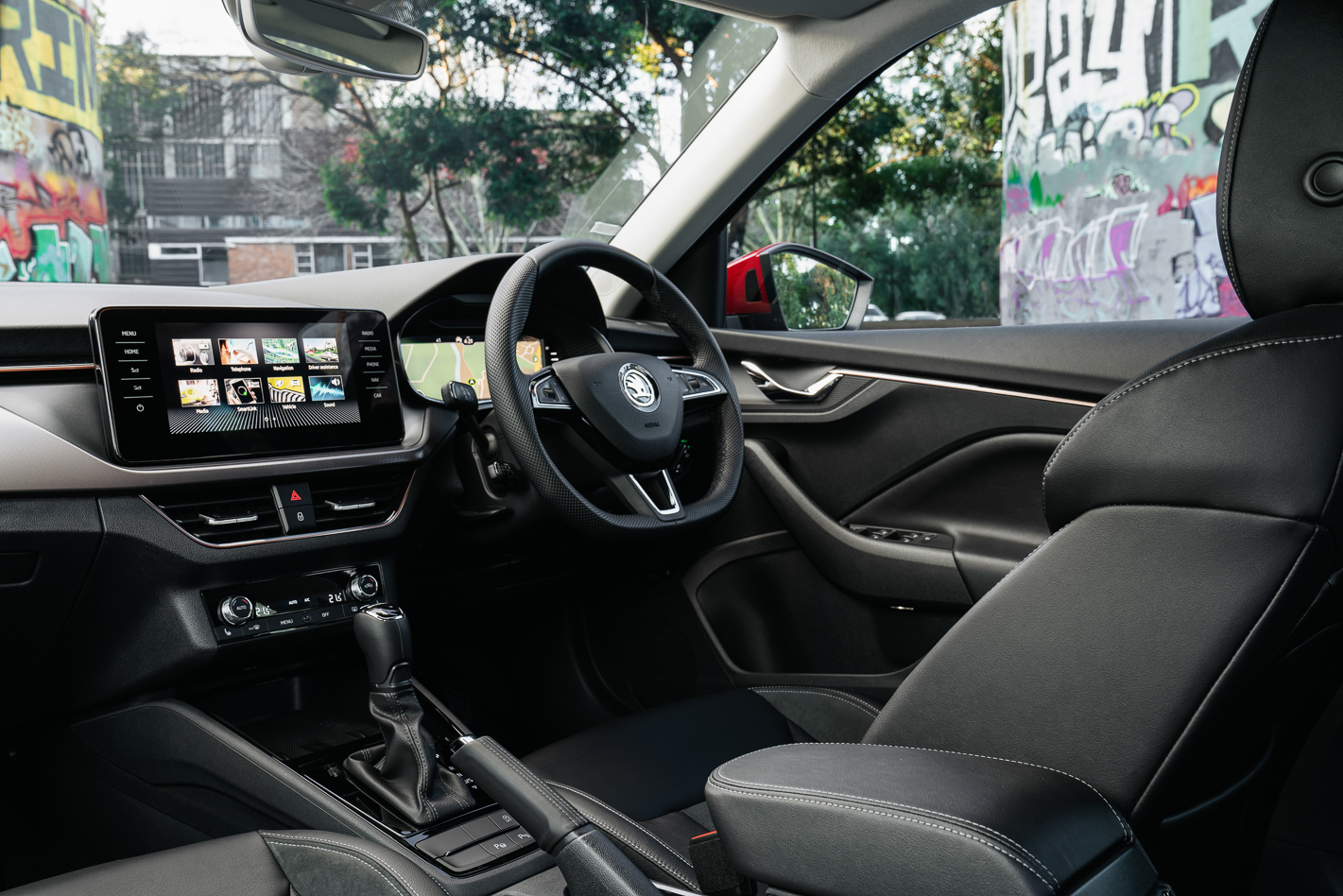
With the delays on stock, Skoda said the 85TSI model will not be available again until later in 2021, meaning the line-up of Kamiq variants temporarily remains at the Monte Carlo and Limited Edition.
No specifications of equipment have been made available yet, though it’s likely the Ambition will share features from the 85TSI and Monte Carlo.
Snapshot
- Some dealers discounting EVs at point of sale while others aren’t
- Solar Victoria scrambling to pay back buyers who’ve missed out
- No date confirmed for when dealers who have given money off may will see cash back
The Victorian Government is having to directly pay back new electric vehicle buyers $3000 each after its new subsidy scheme caused such confusion among car dealers that some have offered the discount and others haven’t.
The initiative has been accused of being “done on the run” with many unsure about how the process works in practice.
WhichCar can exclusively reveal not all new car dealerships across the state selling EVs under the Government-set cap of $68,740 have been knocking the $3000 subsidy off the sticker price at the time of purchase – as was outlined to be the correct process to follow when the scheme was first announced at the beginning of May.
Sources say it is a “confusing time for dealers” with some offering the money off at the point of sale while others aren’t – leaving Solar Victoria to refund new car owners itself.
“When it [the scheme] was announced we heard it through the press – there was no communication from Government. Then there was a rushed meeting to get the details together. The notion was that a person would walk into a dealership and get the $3000 off, then get their new car, no application necessary,” a dealer representative told WhichCar.
“The truth is, dealers have really struggled with it, as the Government hasn’t figured it all out yet and people are doing things differently. Ok we’re not talking huge numbers [of EV sales] but it is a confusing time for dealers with some taking money off and some not. We’re keen to see some clarity around it.”
On May 1 this year, the Victorian Government announced 20,000 subsidies worth $3000 each to punters over the next three years to try and dramatically increase the state’s uptake of electric vehicles.
As of the following day, May 2, the first 4000 subsidies became available on electric (not including hybrids) and hydrogen cars – up to the value of $68,740 before on-road costs.
At the time it was said the discount would be given to purchasers at the point of sale or when the car was registered to a Victorian address. All a prospective buyer needed to do was bring payment, plus proof of identity and Victorian residence. The dealer would handle everything else and claim the subsidy from the Victorian Government.
However not everyone has been singing from the same hymn sheet, with a number of new EV owners missing out on the $3000 in the showroom and instead having to apply to Solar Victoria after all. Meanwhile those dealers which have given the discount are copping the cost of the confusion with no certainty on exactly when they’ll get it back.
“Dealers want to know when they’re going to get that money. The scheme has been running since the start of May and as we understand it, dealers aren’t in line to get the money until July. There’s often not a lot of margin on these cars and they’re worried about being left out of pocket,” the source added.
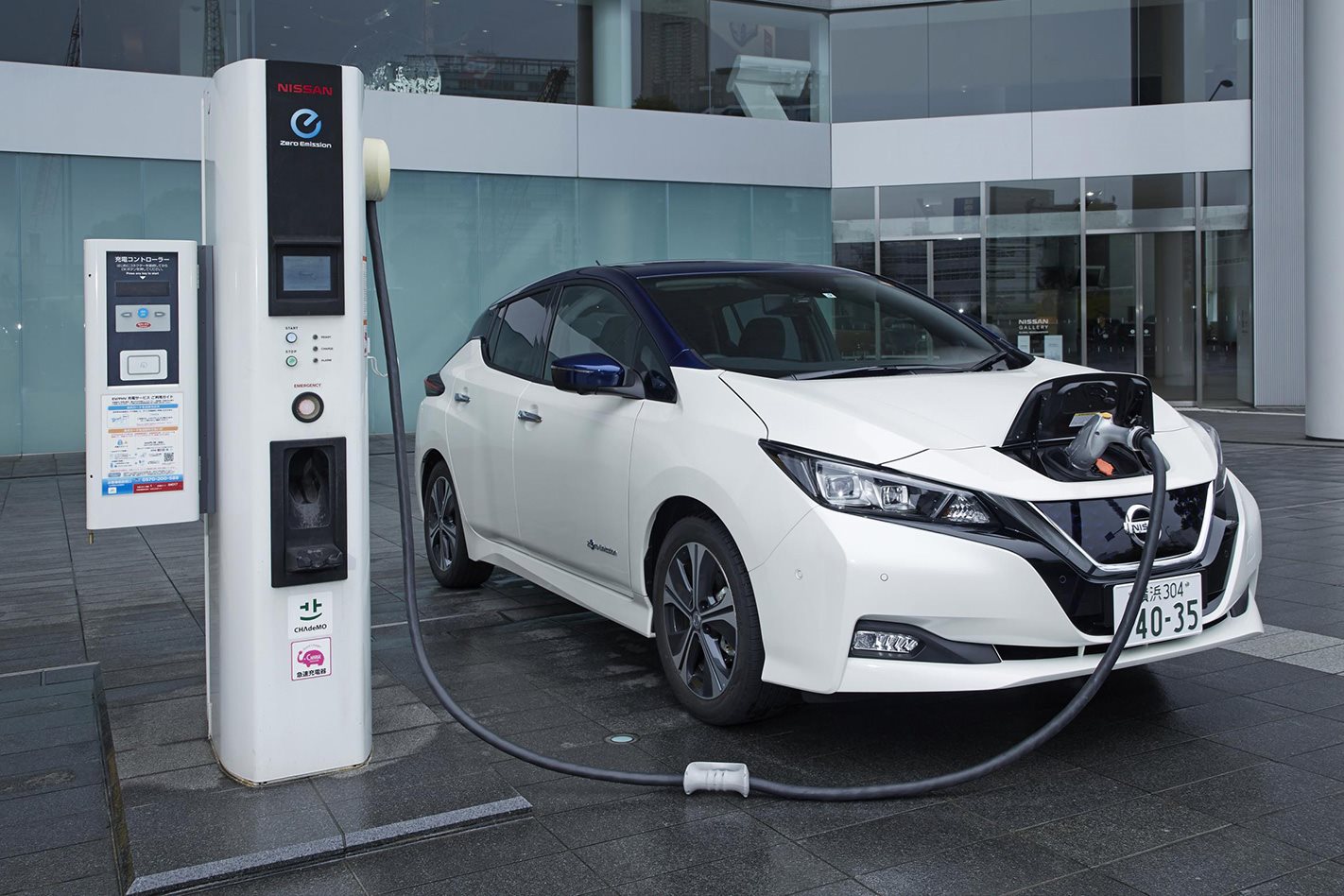
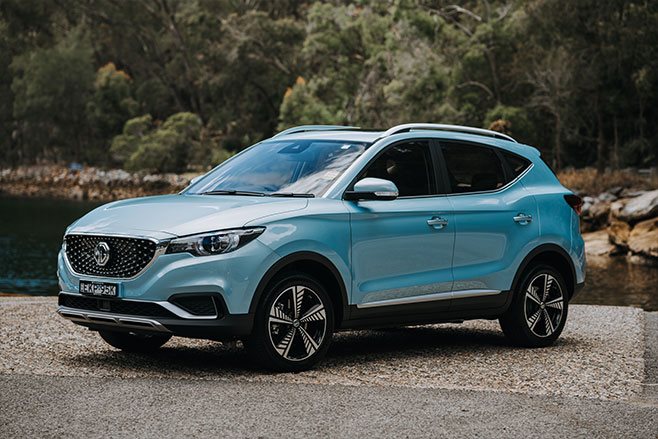
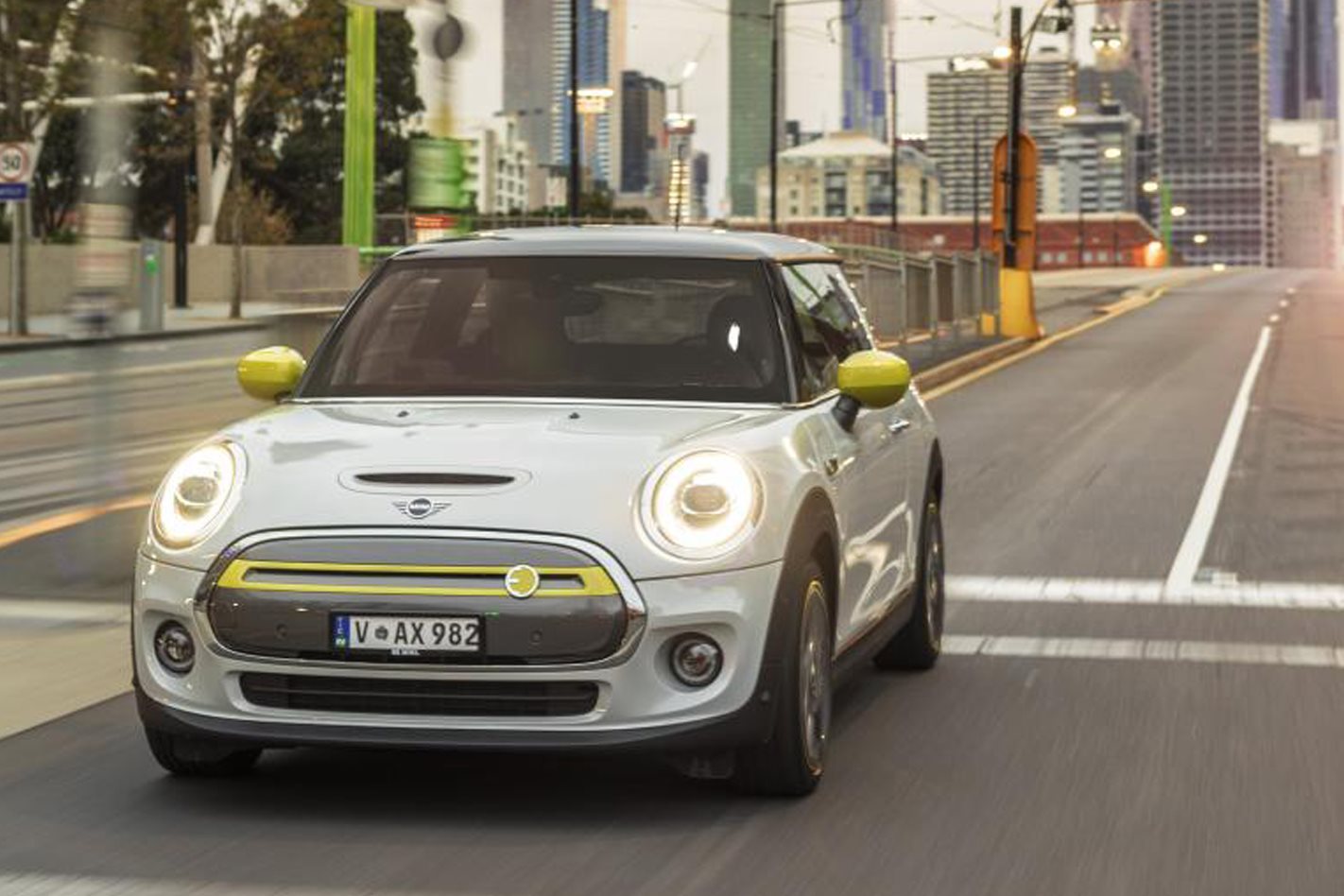
Just a handful of electric cars are currently available in Australia under the price cap: Hyundai’s Kona EV and Ioniq, MG’s ZS EV, the Mini Cooper Hatch SE, Nissan’s Leaf/Leaf e+, Renault’s Kangoo Maxi Z.E LWB and Tesla’s Model 3. Different brands are reporting varying experiences.
A Nissan spokeswoman told WhichCar the Japanese marque has been selling its pioneering EV – the Leaf – for full price since the scheme launched in May.
“At this time, the payments for the Victorian subsidy are being made from Solar Victoria direct to consumers for any purchases since the scheme launched,” they said.
“In the background Solar Victoria is working with OEMs [car manufacturers] to finalise the process design and required agreements to process the subsidies for customers at point of sale – this is still ongoing, but the target is to have this in place by July.
“Our objective is to make the process as easy as possible for both customers and dealers, so it is our intention to administer the subsidies up front at the point of sale and have a process in place to claim back the funds from the Solar Victoria.
“There has been good customer interest off the back of the program launch, as well as plenty of questions from the dealer network on some of the ongoing operational and process elements.”
They added the automaker was hoping there will be a “clearer position…in the coming weeks”.
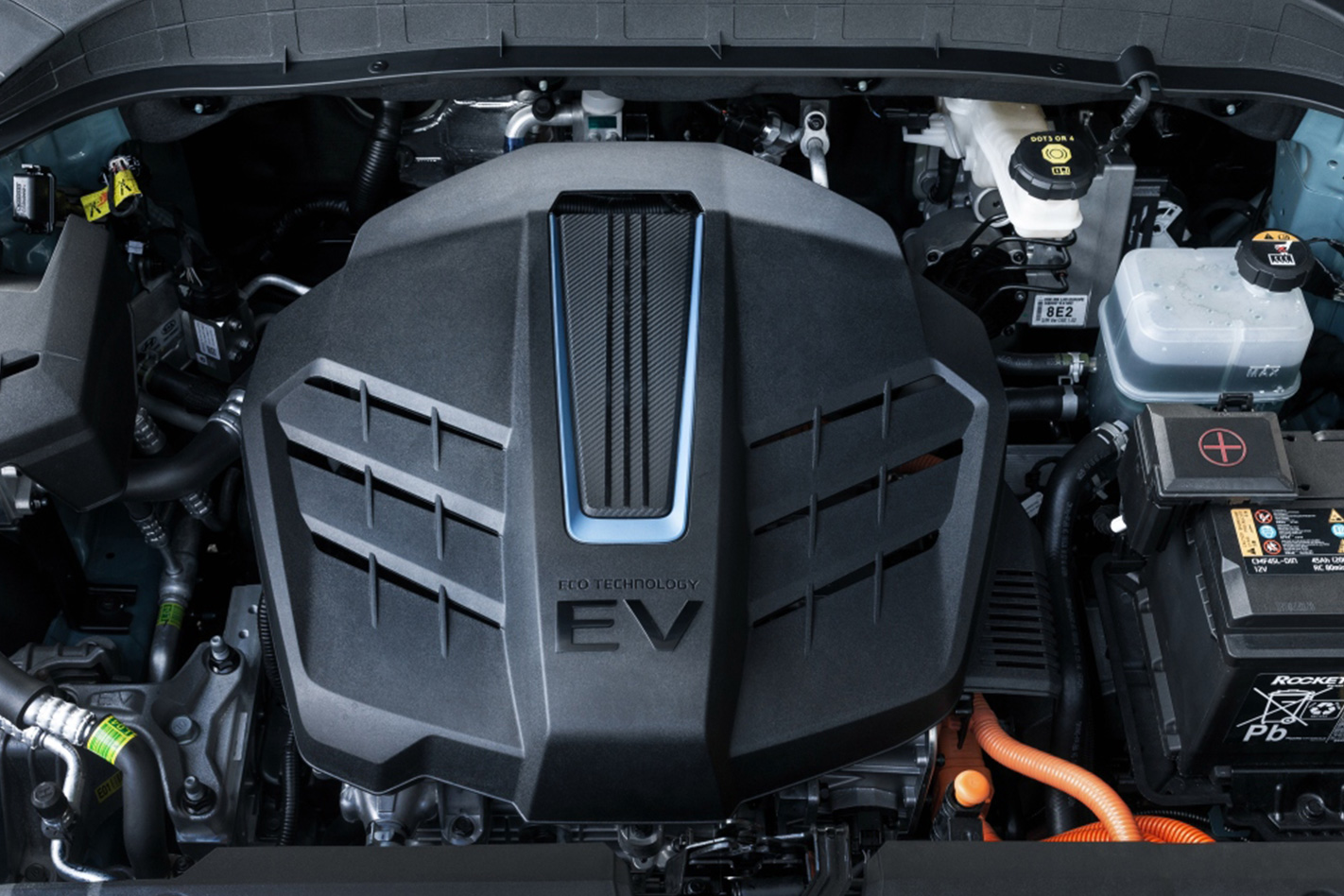
Meanwhile one Hyundai dealership told us it had been discounting its sales, but at $3000 a pop “it soon adds up” with little clarity from the Government on exactly when it can expect the cash back.
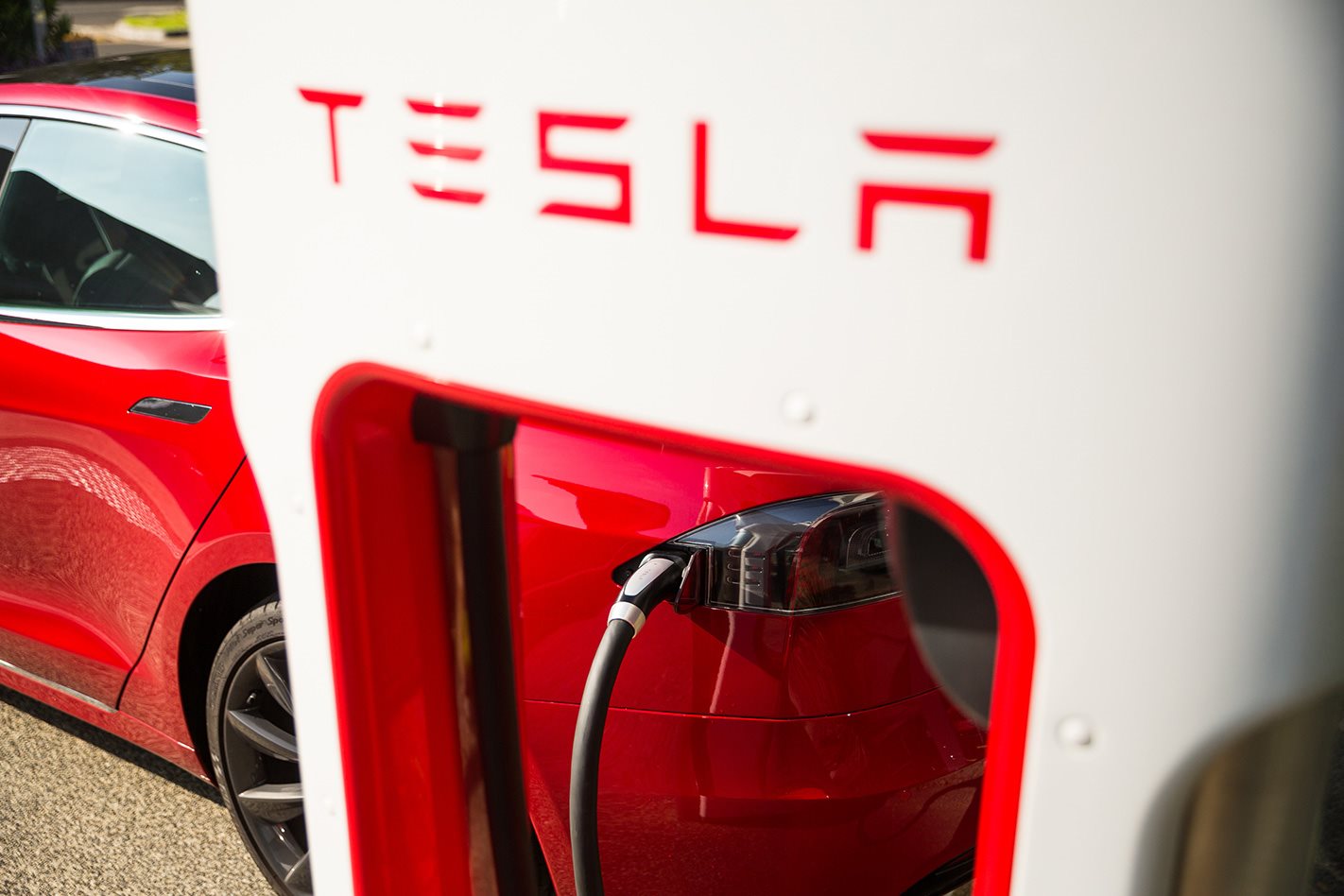
One Tesla customer said they were very impressed by how well the American carmaker had handled everything so smoothly in the purchase of their Model 3 last month, but wasn’t sure when the company was expecting the subsidy back from the Government.
An email sent out to registered parties by Solar Victoria in the last few days stated: “If you purchased an eligible new ZEV on or after May 2 and the subsidy was not applied to the contract of sale by the dealership, Solar Victoria will pay the $3,000 subsidy directly to you after the vehicle has been registered with VicRoads.”
The email added Solar Victoria will be contacting people who had registered through its website to organise the payments. In order for those affected to claim, they’d need to present a valid Victorian licence which matched the contract of sale, the contract itself, the tax invoice, and the certificate of registration from VicRoads.
If the purchaser was a business rather than an individual, it would also need to supply either the Australian Corporation Number or Australian Registered Business Number (ABN) the ZEV was registered under.
The end goal however, it said, is to work “with industry to develop the subsidy payment process so [it] can be applied at point of sale through [the] dealership.
“Once all necessary systems and industry agreements are in place, we will then transition to a simpler payment process.”
A statement from Solar Victoria simply said: “Subsidy payments will begin rolling out to customers from July 1, 2021. Consultation is ongoing about the process for payments to industry.”
It was also unable to say how many EVs have been bought using the subsidy scheme statewide so far, but said there has been “strong demand” with more than 600 registrations of interest on its website.
Nationally 436 electric vehicles were sold in May, alongside one hydrogen car – up from 103 electric and 0 hydrogen in May 2020.
“We’ve had a lot of people asking about it but that hasn’t turned into sales because people seem to be nervous about electric cars,” the Hyundai dealer told us.
Some industry figures however have said it is too soon to judge the success of the scheme, as it is “still being rolled out”.
A five per cent tariff on UK-made cars coming into Australia is to be removed within weeks thanks to a Free Trade Agreement (FTA) made between the two countries.
Australian consumers are set to benefit from cheaper products, including cars and whisky, with tariffs removed for these imports immediately and all other tariffs eliminated within five years.
The deal, struck yesterday on Aussie Prime Minister Scott Morrison’s visit to his counterpart Boris Johnson in London, was the first major agreement formed since the UK officially left the EU on December 31 last year.
According to the Department for Foreign Affairs and Trade (DFAT), a new free trade agreement with the UK will deliver more Australian jobs and business opportunities for exporters.
Minister for Trade, Tourism and Investment Dan Tehan said: “The FTA is the right deal for Australia and the United Kingdom, with greater access to a range of high-quality products made in both countries as well as greater access for businesses and workers, all of which will drive economic growth and job creation in both countries.”
The agreement in principle will become official once the text has been finalised and signed, and it has passed through parliament in both countries.
“Today marks a new dawn in the UK’s relationship with Australia, underpinned by our shared history and common values,” Mr Johnson said in a statement.
A spokesman for Jaguar Land Rover Australia, which imports cars from the UK, said it was waiting to see how the final details of the agreement would affect its plans.
“We recognise the UK and Australia’s joint ambition to deliver free and fair access to trade. We will consider the details of the Agreement in Principle once published,” they added.
Rolls-Royce also said it was “delighted that a trade deal has been reached, but is awaiting further details”.
The Federal Chamber of Automotive Industries (FCAI) said it welcomed the outcome from the Australian/UK Free Trade Agreement negotiations. “The Australian Government should be congratulated on achieving this outcome which will make cars from the UK cheaper for Australian buyers and provide greater access to vehicles featuring the very latest in safety, environmental and engine technology,” a spokesman said. “The FCAI strongly encourages the Australian Government to achieve similar outcomes in future FTA negotiations globally.”
Whether the deal between the two nations will see the end of Australia’s Luxury Car Tax (LCT) remains to be seen. Last month a spokesman for DFAT told WhichCar “generally” the LCT falls outside of the scope of a free trade agreement, however, they did not rule out any changes to the tax may be possible in future.
UK carmakers which import to Australia
Jaguar
Bentley
McLaren
Land Rover
Mini
Aston Martin
Lotus
Rolls-Royce
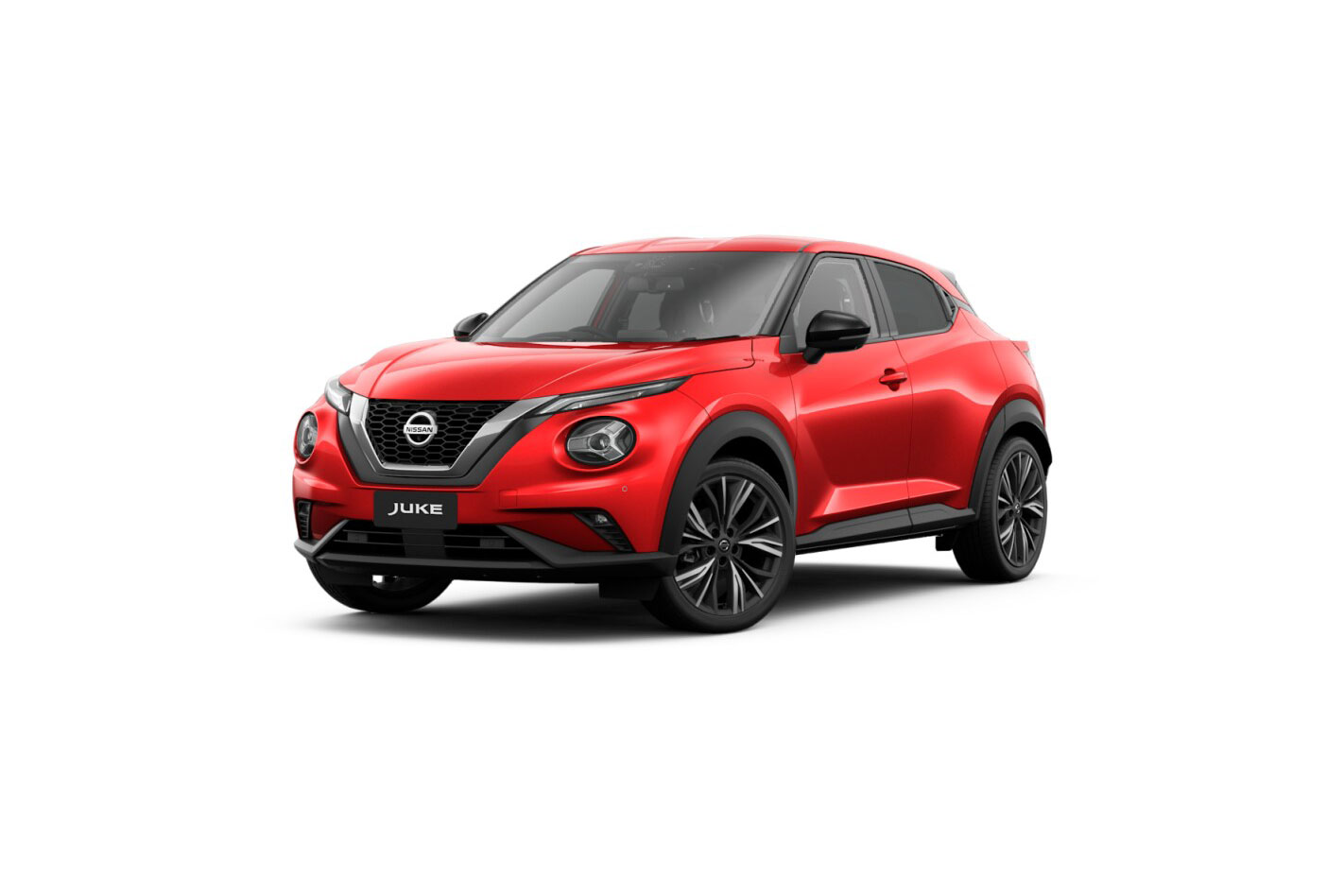
Nissan (Leaf, Juke and Qashqai are all built in England)
Snapshot
- Updates for the GT range won’t be coming to Australia
- Minor tweaks to six-cylinder models result in new trims and colours
- GT 63 S remains as Mercedes-AMG’s only 4-door Coupu00e9 offering
Mercedes-AMG has given its GT 4-Door Coupé a mid-life update, refreshing some features across its GT 53 and GT 43 variants.
Frustratingly, those are the two variants which Australia misses out on – the 43 has never been available here and the 53 was discontinued from the local market in 2020 – though Mercedes-AMG confirmed to WhichCar it will continue to sell the V8-powered GT 63 S here.
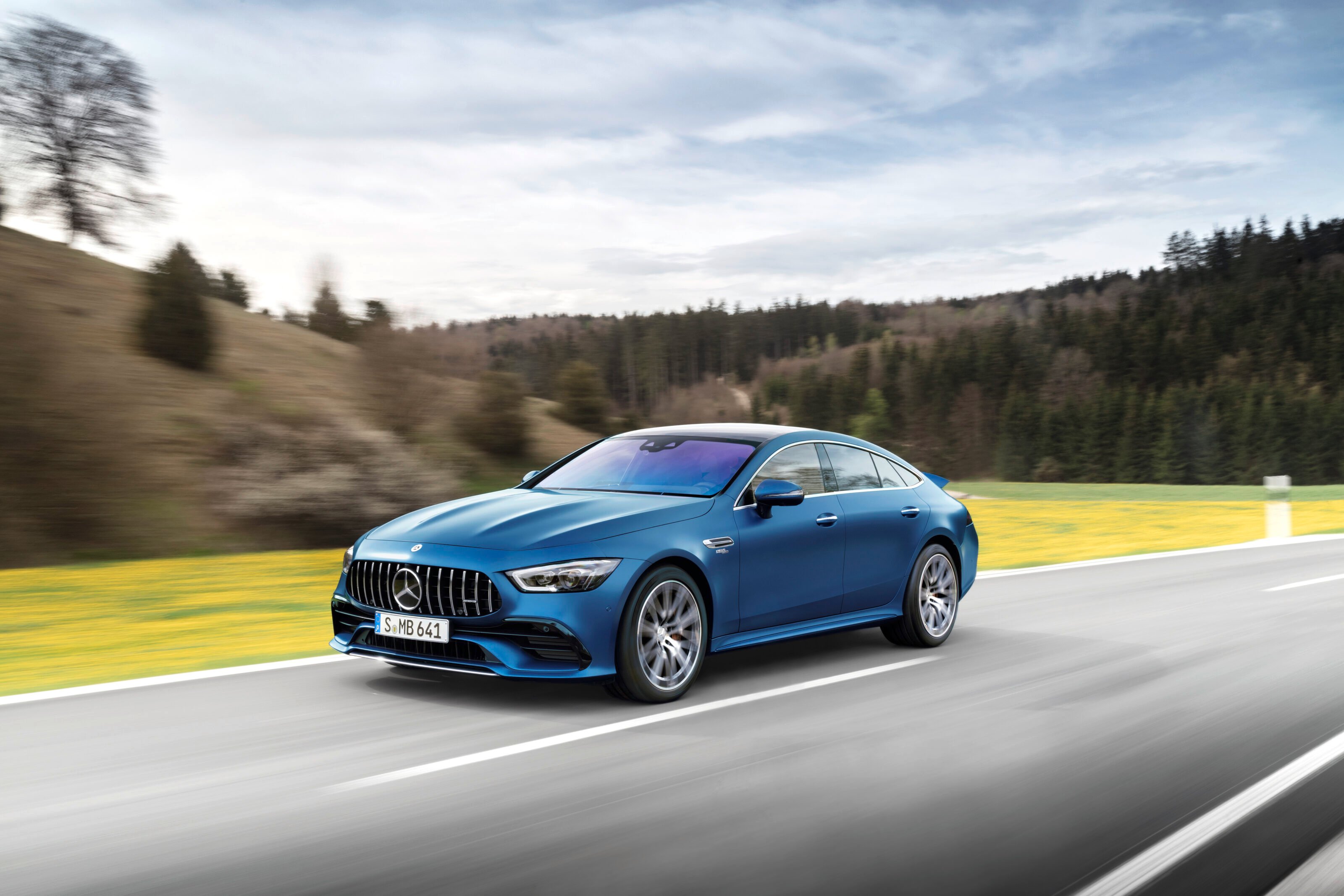
The only changes to the exterior of the standard GT 4-Door are a new range of 20 and 21-inch wheels as well as three new colours – spectral blue metallic, spectral blue magno and cashmere white magno – with an optional AMG Night Package adding blacked out features to the vehicle.
Inside the cabin is where a majority of the changes have been made, with a new flat-bottomed, twin-spoke AMG wheel being positioned in front of the driver with heating being made available as an option.
New leather options have been made available with five new monochrome Nappa leather colours – sienna brown, classic red, yacht blue, deep white and neva grey – as well as two fresh two-tone combinations – titanium grey pearl/black with yellow stitching and truffle brown/black with diamond stitching.

Mechanically the GT 4-Door Coupé remains unchanged, retaining a 3.0-litre six-cylinder engine which makes 270kW/500Nm in the GT 43 and 320kW/520Nm in the GT 53, with all-wheel-drive available for both cars but only the lower-end GT 43 receives rear-wheel-drive.
Tweaked AMG Ride Control+ air suspension is aimed at both delivering a more comfortable ride but also providing a more solid driving experience, especially when trying to handle the two-tonne machine around corners.
The updated variants will go on sale in Europe through August, a Mercedes-AMG Australia spokesperson stating there is nothing to confirm about bringing the six-cylinder range to Australia.
