Snapshot
- Fifth-generation was first launched in 2018
- Updates mainly visual with a new front-end design
- Upgraded collision avoidance system now available
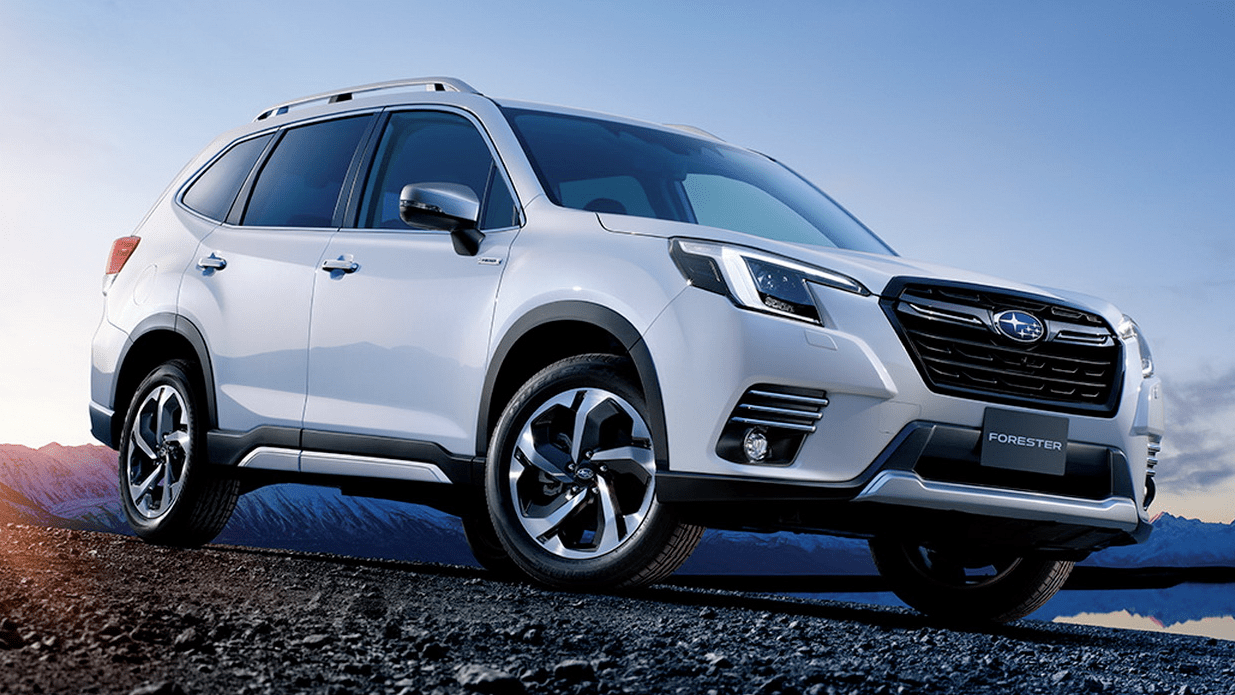
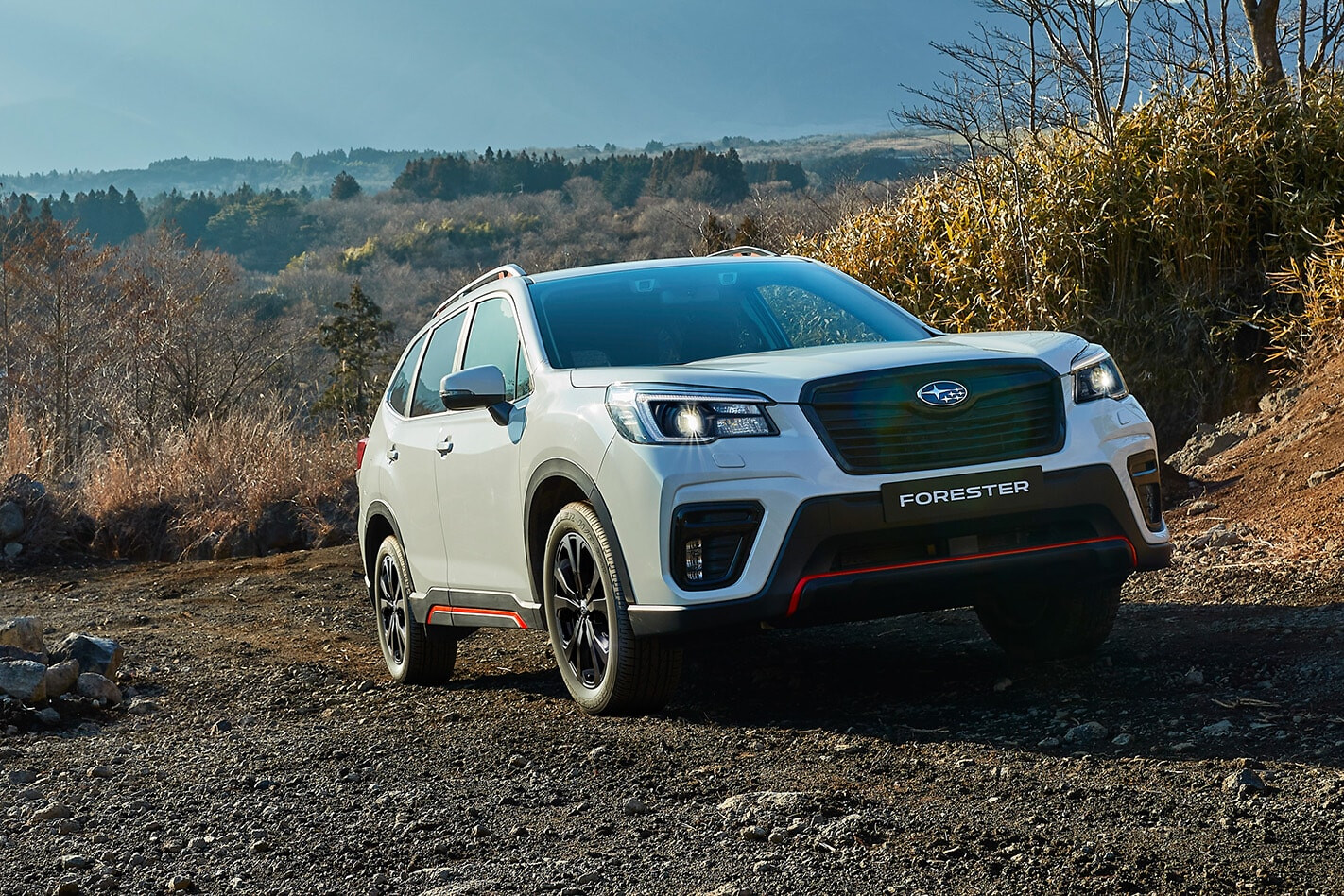
The face-lifted 2022 Subaru Forester has been revealed in Japan, sporting a new front-end look.
Serving as a refresh rather than a redesign of the current Forester, the 2022 model will mostly feature only visual and equipment updates.
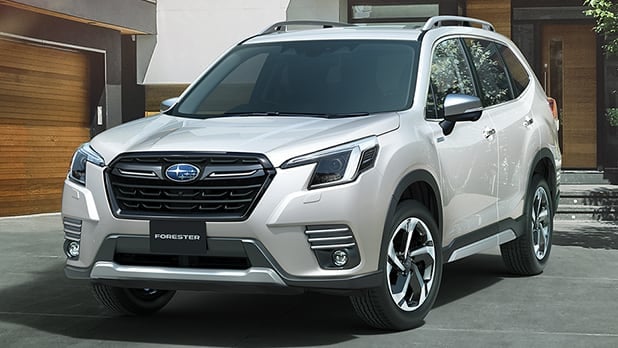
The front of the car now conforms to Subaru’s ‘bolder’ design language, featuring a revised grille which is flanked by c-shaped daytime running lights with either vertical or round LEDs as fog-lights.
The rear of the Forester remains unchanged with the same taillights as the pre-update model being used, though the refresh also brings redesigned wheels and three new colours – cascade green silica, autumn green metallic and brilliant bronze metallic.
A revised version of Subaru’s EyeSight collision avoidance system will also feature, providing the car’s systems with a larger view of the road and the ability to reduce the potential of an accident from a wider range of angles.
The Australian version of the Forester is expected to retain the two four-cylinder petrol engines which power the current range, a 2.5-litre naturally-aspirated unit making 136kW/239Nm, and a 2.0-litre hybrid producing 110kW/196Nm, both mated to a seven-speed CVT gearbox and Lineartronic all-wheel-drive.
A spokesperson for Subaru Australia said the carmaker will provide more news on the 2022 Forester in the coming weeks, with variants, pricing and availability being the most likely points to be confirmed.
Launched in June 2018, the fifth-gen Forester is currently the brand’s best-selling vehicle in Australia, with 1307 units being shifted in May this year, an 85.9 per cent increase on 2020.
Gen X kids, prepare to don your leather jackets and perm your hair – Knight Rider is set to return, again.
Former Knight Rider actor David Hasselhoff confirmed another remake of the 80s TV show is in the pipeline, though no more details have yet been released.
As reported by Street Machine last year, a remake of Knight Rider will likely take form as a movie, being directed by Australia’s own James Wan whose recent works have included Furious 7 and Aquaman.
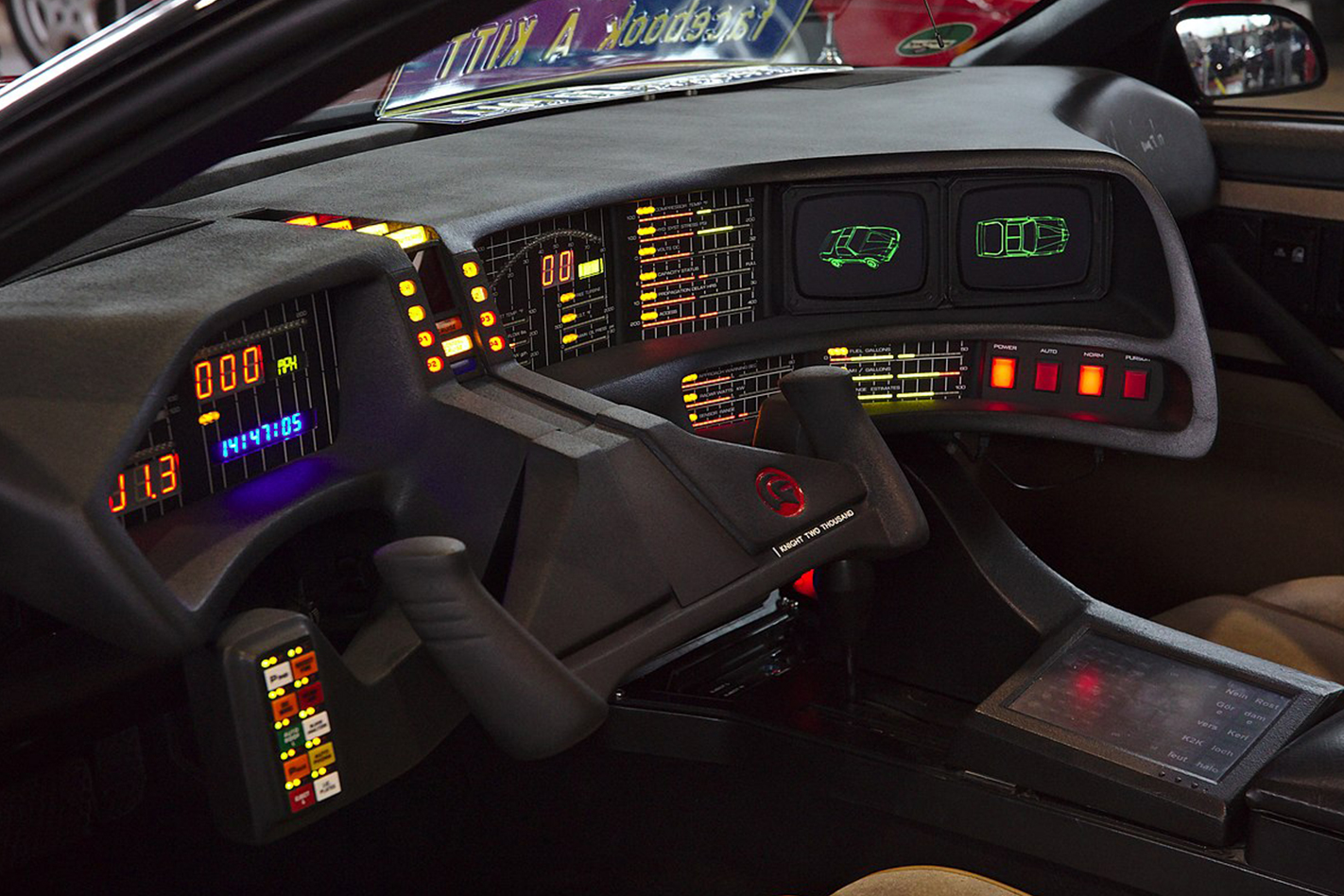
Hasselhoff, or ‘The Hoff’ as he’s more commonly known, became famous for his role playing Michael Knight, a former Green Beret and Vietnam spy who worked as an agent for the Foundation for Law and Government (FLAG).
However, The Hoff was only one half of what made the show popular, the other being his self-driving, self-parking, talking 1982 Pontiac Trans Am named K.I.T.T. – officially Knight Industries Two Thousand.
Knight Rider ran for 90 episodes between 1982 and 1986, igniting a love for the Trans Am which was only rivalled by Dukes of Hazard‘s orange Dodge Charger called General Lee.
K.I.T.T. featured an uber-futuristic, fully-digital interior and levels of autonomy which are only now being achieved in the automotive industry, truly being more than a quarter of a century ahead of the curve.
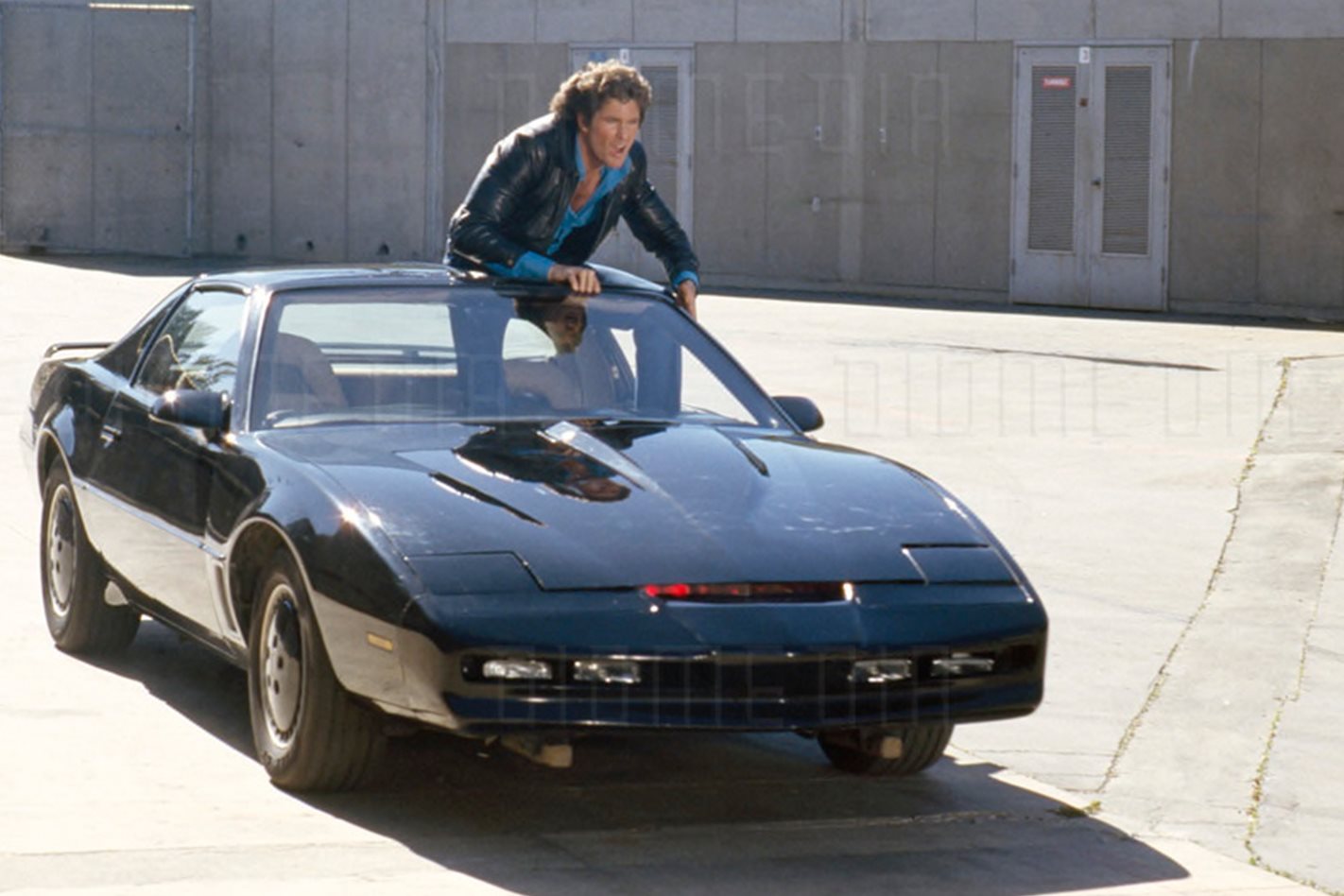
Speaking to American singer Kelly Clarkson on her “DRIVE IN-terview” show, The Hoff rocked up in a K.I.T.T. replica and said a reboot can’t be ruled out.
“There is a reboot in the making,” said Hasselhoff. “So we’ll see what happens.
“Maybe after 36, 40 years later, everything is exactly what we came up with back in the day.
“The cars talk. The cars drive themselves. They park.”
Previous attempts at a Knight Rider reboot have flopped, such as Team Knight Rider in the 90s or the 2008 Knight Rider series on NBC, though with 80s nostalgia at a seemingly all-time high, now could be the right time to have one last crack.
Snapshot
- 1500 vehicles reserved in a day
- 81 per cent of buyers opted for a free home charger
- Most powerful KIA with 430kW
Kia has exhausted its allocation of EV6 First Edition models in less than 24 hours from when they went on the market, with all 1500 vehicles being reserved by the end of the day.
Priced at US$58,500 (AU$76,000), registrations for the EV6 First Edition were originally opened on June 3 though technical issues forced Kia to close down the site temporarily, reopening on June 8 when the 1500 units became reserved.
First Edition buyers were offered one of three free extras from Kia – an Apple Watch, a 1000kWh credit for a national charging network or an at-home charger, with 81 per cent of buyers choosing the home charger.
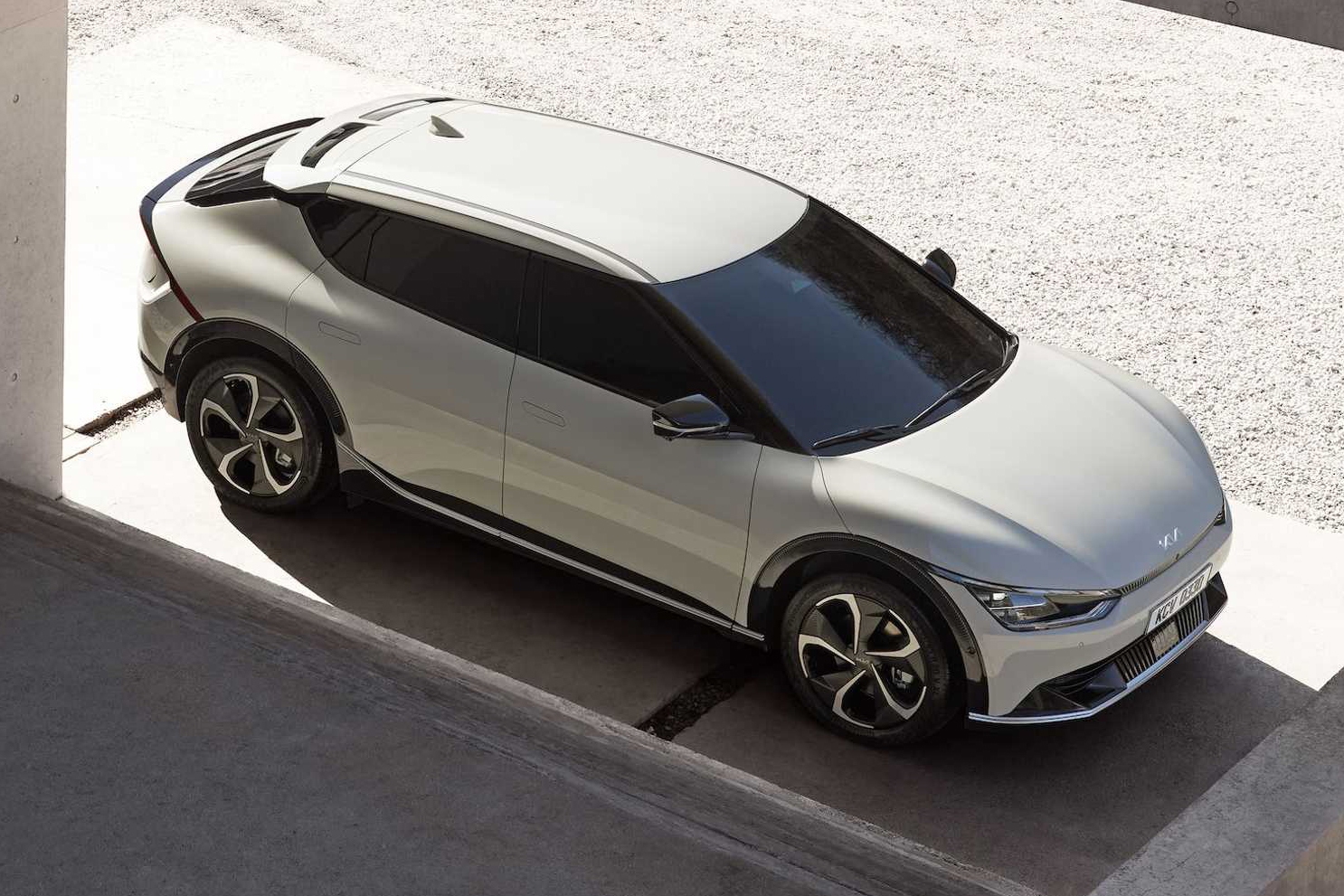
The EV6 First Edition is the top-of-the-line model of EV6 variants, featuring a dual-motor all-wheel-drive system producing 430kW with a 77.4kWh battery, helping propel the car from 0-100km/h in 5.2 seconds.
Unique parts have been added to the First Edition to set it apart from the rest of the EV6 fleet, including illuminated sills with First Edition scuff plates and a numbered plaque inside the cabin, allowing owners to know which one of the 1500 units theirs is.
Only three colour options are available for the First Edition – Urban Yellow, Steel Grey Matte (black seats only) and Glacier white with dark green seats – while the rest of the interior scores the best equipment on offer in the EV6 range, including an augmented reality head-up display, sunroof and 14-speaker Meridian audio system.
Deliveries for the EV6 First Edition are expected to roll out in the first quarter of 2022 for US customers, while Kia hasn’t confirmed when the EV6 range will land Down Under, only stating production will start at the end of 2021.
Snapshot
- Lifestyle-focused shape with coupe-like roofline
- Retro themes dominate interior
- Driving range around 500km likely
- Australian debut anticipated
New photos of the upcoming Genesis GV60 electric SUV, from multiple sources, have delivered our first clear look at the small crossover.
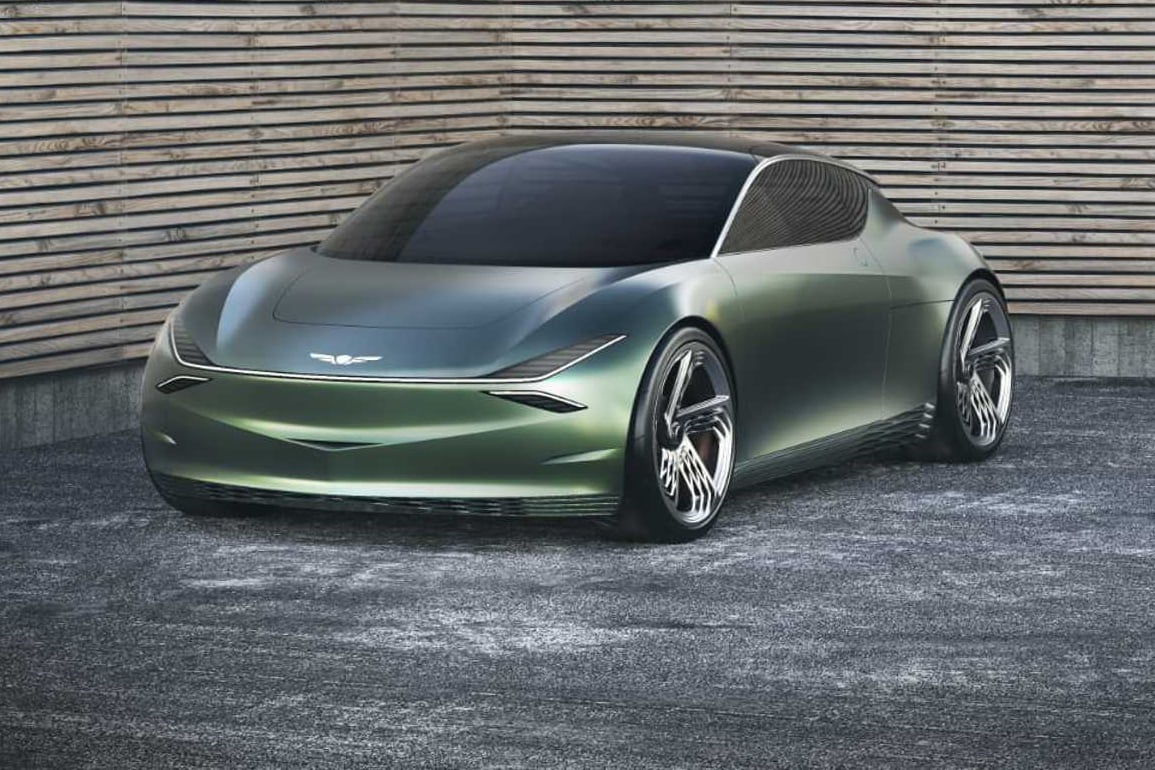
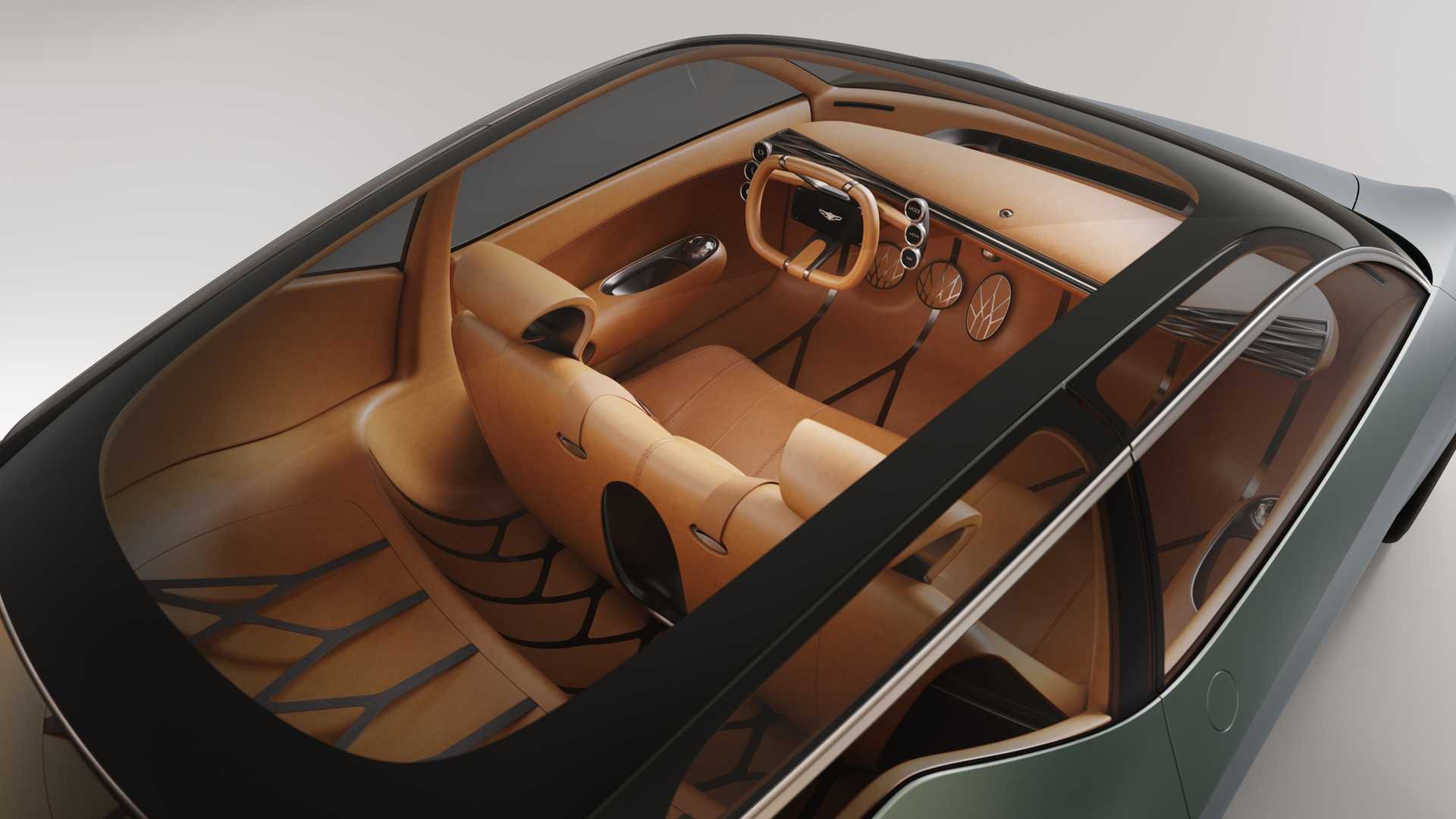
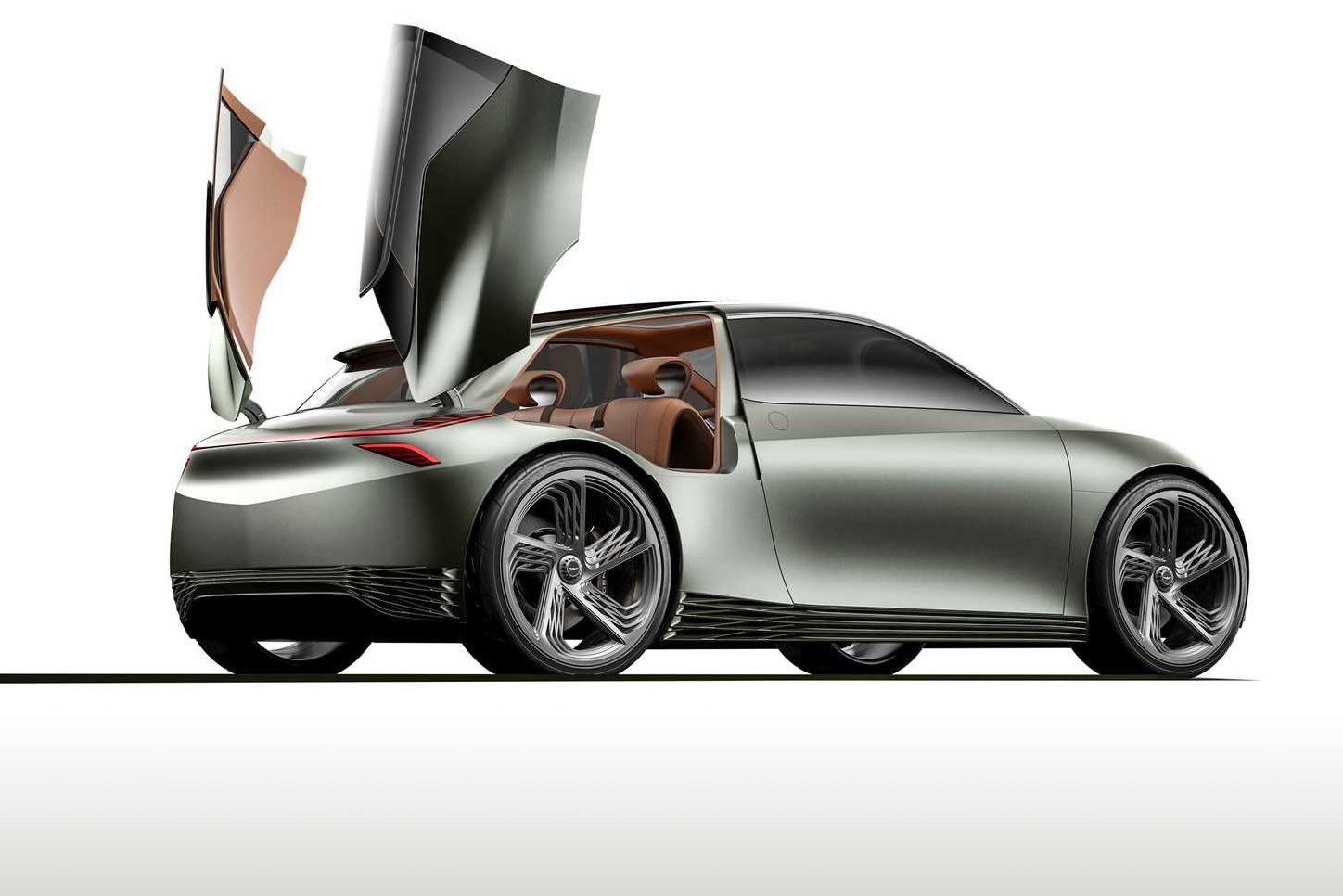
Expected to make its global debut in the coming weeks, the GV60 is set to take its styling cues from 2019’s Mint concept – a decidedly more muscly and speed-focused styling exercise.
In its production form, the GV60 will wear a similar overall shape, but with a jacked-up crossover design that should win a few more buyers in today’s SUV-obsessed market.
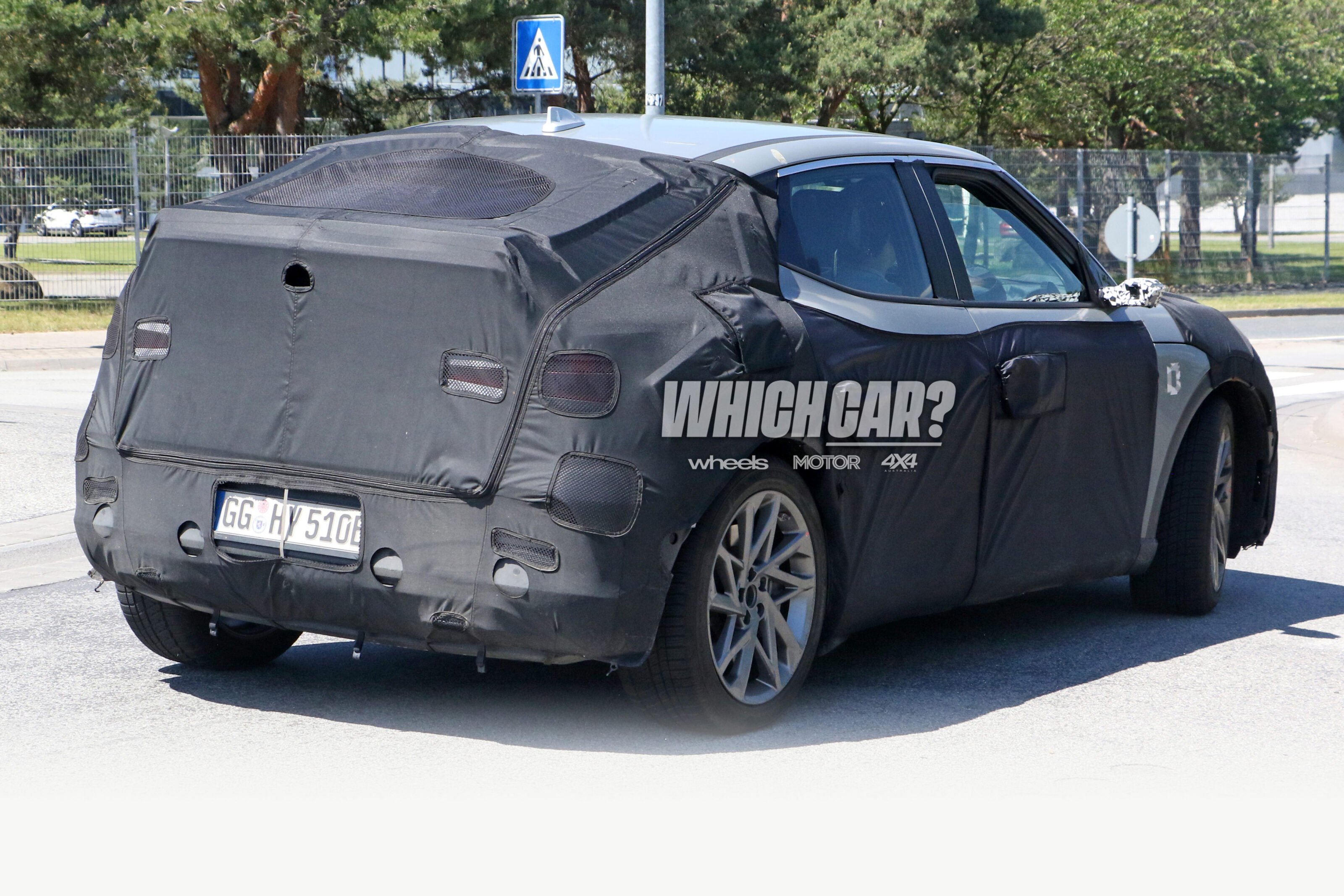
As these new photos show, despite the heavy camouflage, the GV60 will retain the Mint’s tapered coupe-like roofline for a sporting look – while adding some proper rear passenger doors to the Mint’s original two-plus-two gullwing rear door design.
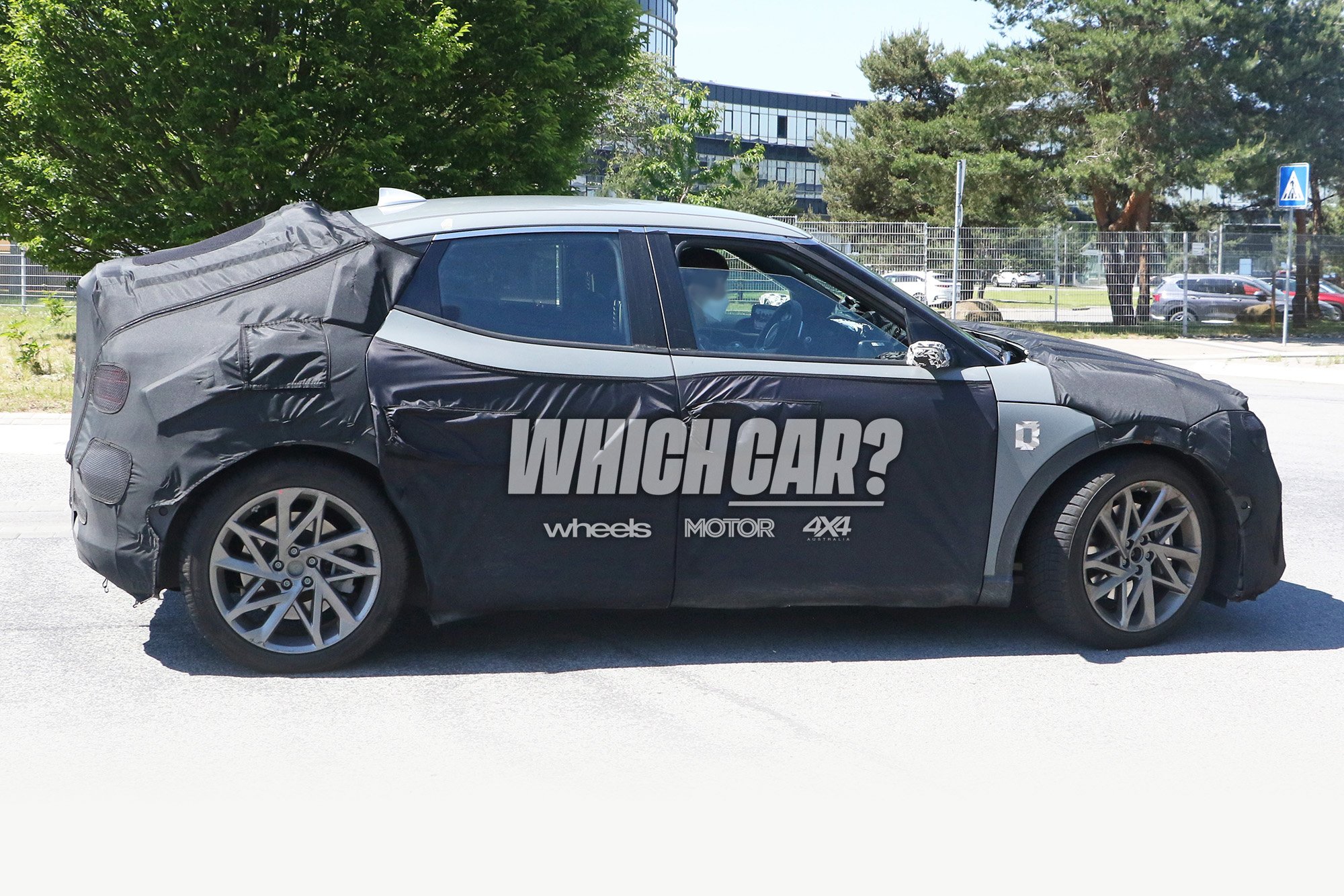
The Korean luxury brand’s new trademark split-lighting design can be seen peeking out at both ends, but few other styling details are on display.
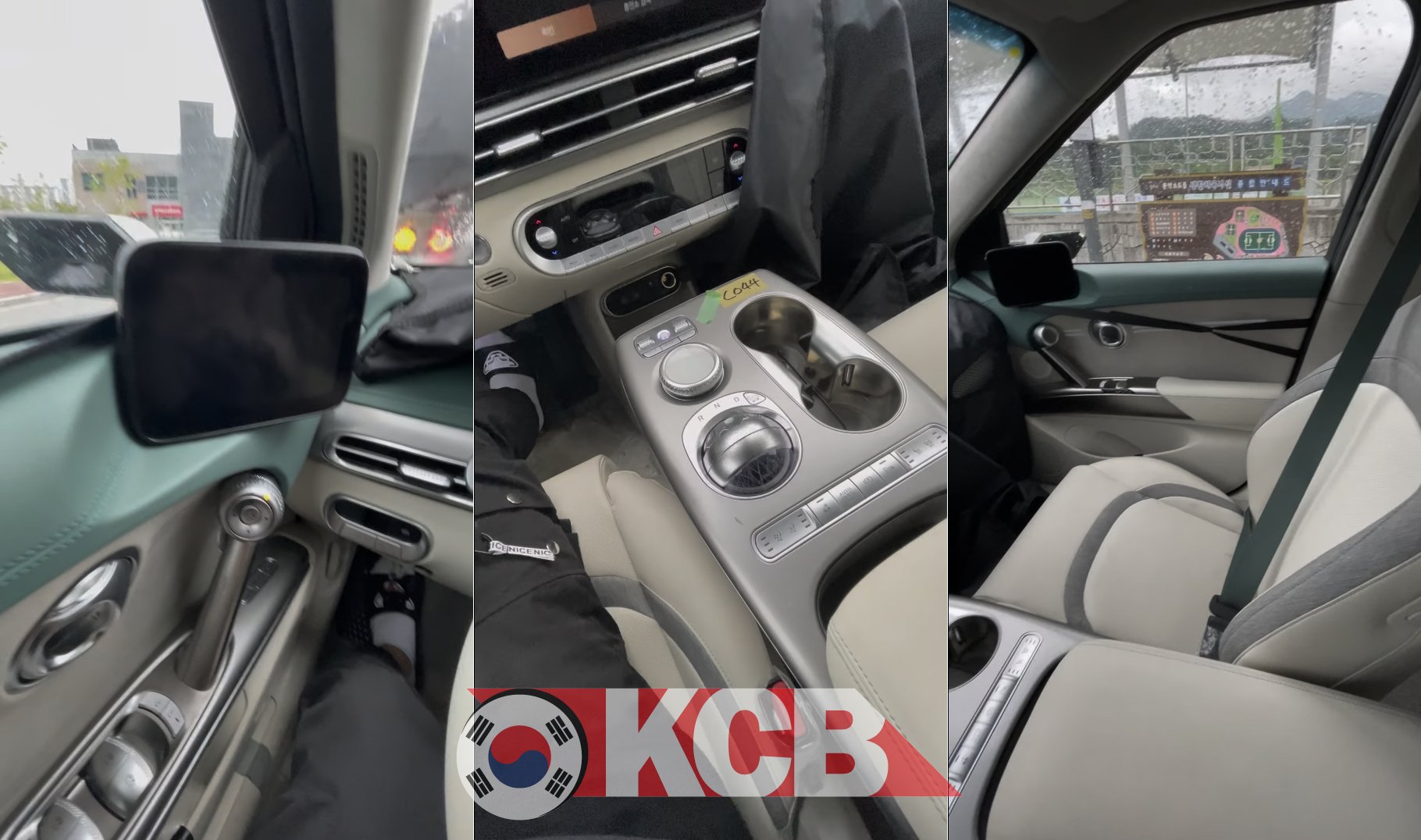
New interior photos posted to The Korean Car Blog offer a much clearer look at the GV60’s cabin, however, with much of its design and technology on display.
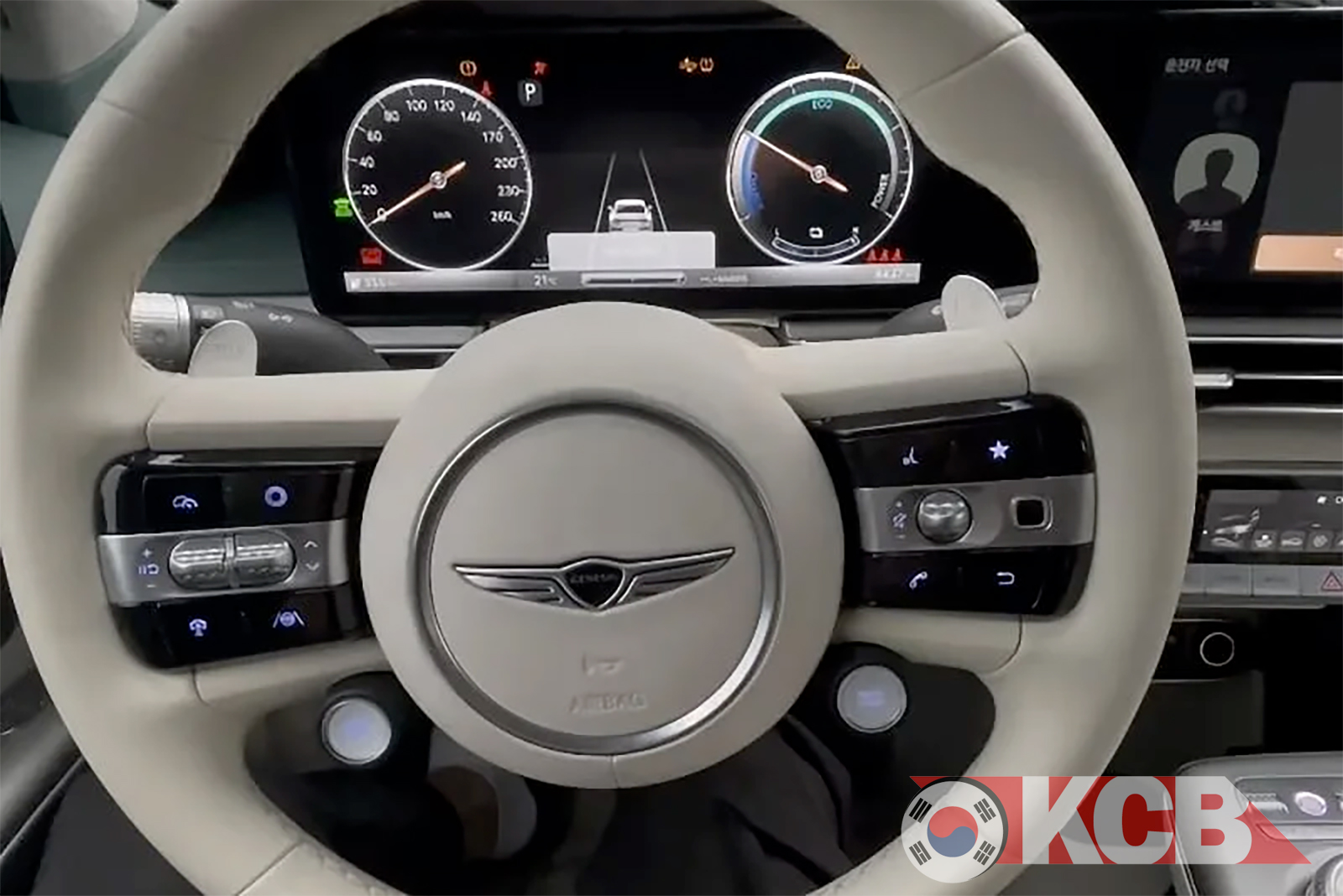
In front of the driver will sit yet another new Genesis steering wheel design, this one with a wing-like design to the spokes, sprouting from a compact hub.
This variant, with a cream interior trim, is matched to heavily silver-finished panels and surfaces throughout the cabin.
The centre console shows a combination of soft satin silver base with a shinier silver finish to the controls.
The gear lever almost looks like a trackball, but ‘R N D’ gear positions along the top of the bezel suggest it twist left-to-right as needed.
Another rotary dial sits forward of the gear selector, potentially operating as a controller for the infotainment system. Useful physical air-conditioning controls can also be seen.
The door panels of the GV60 may be the most polarising aspect of its cabin design, with a vaguely retro-styled hand grip and, again, a liberal application of satin and chrome silver.
This variant shows a teal trim above the cream door cards, along with a large camera display mounted atop the door panel – with a rear-view camera visible through the window.
In terms of powertrains, the GV60 is expected to offer the same electric motor and battery systems used with the new Hyundai Ioniq 5 and Kia EV6, all of them riding on the Hyundai Kia group’s new E-GMP architecture.
Depending on the variant, the Ioniq 5 offers power outputs ranging from 125kW/350Nm to 225kW/605Nm and – again depending on specification – a driving range up to 480 kilometres.
Will the Genesis GV60 come to Australia?
Hyundai’s luxury arm has confirmed it will offer electric vehicles in Australia, and the new Genesis G80 Electric is likely to be the first of them, arriving in early 2022.
The GV60 is also expected to come here, although exact timing is still to be confirmed.
Watch for more on the GV60 to surface in the coming weeks.
Check out the Mint concept below, and click any photo in this article to see more images
Aussies are not only addicted to dual-cab utes but they’re pretty fond of the large SUVs they spawn, too. Beasts like the Mitsubishi Pajero Sport.
It only takes a cursory glance at the Pajero Sport’s imposing front end to see the close relationship between it and the Triton, but it’s not simply a case of dumping a wagon body on ute underpinnings.
The Pajero Sport replaces the Triton’s leaf-sprung rear end with more sophisticated coils, shortens the wheelbase by 200mm for greater agility, adds an eight-speed gearbox for better performance and fuel economy as well as adding seven-seat functionality while theoretically retaining the ruggedness and off-road capability of its utilitarian sibling.
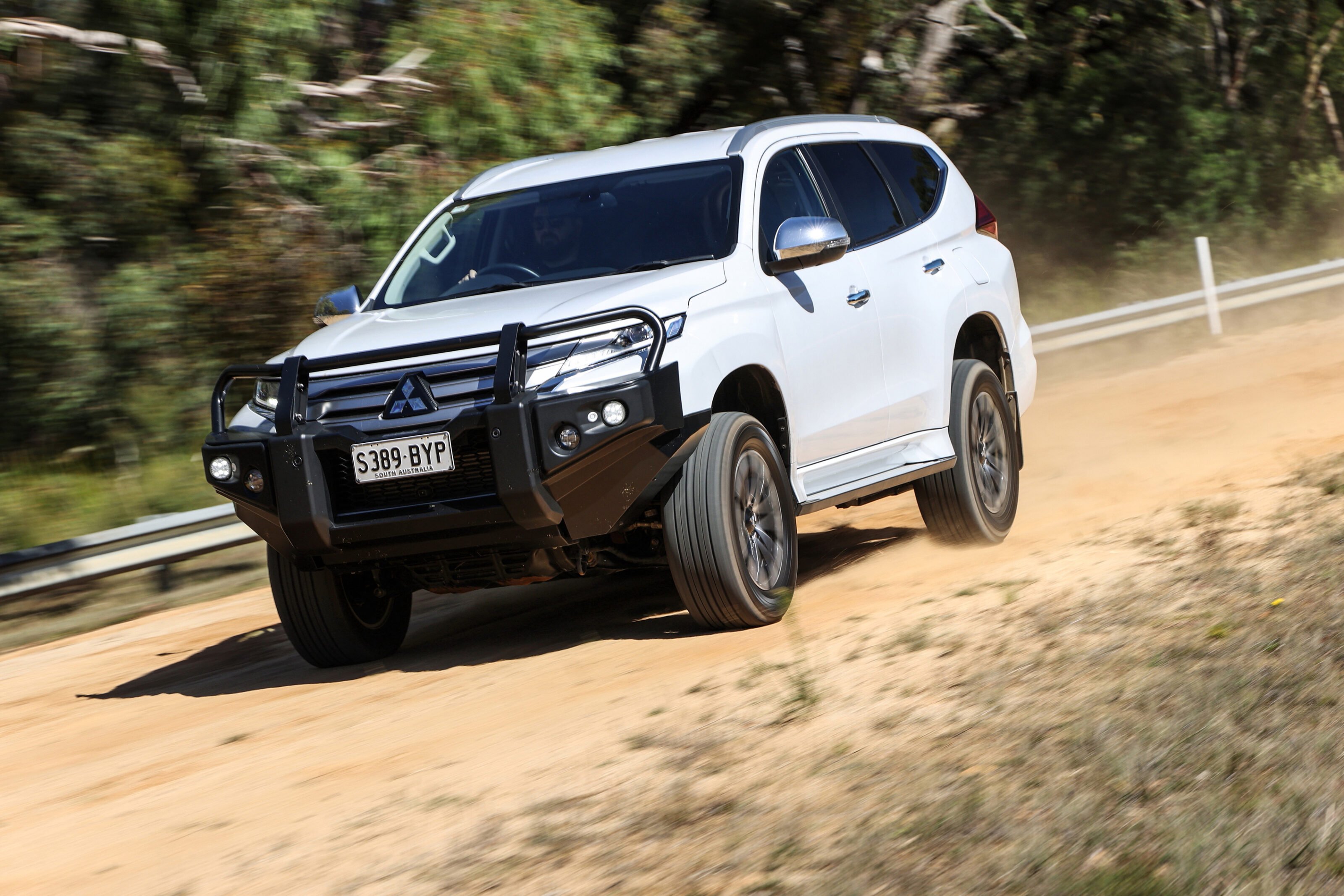
Four variants are available: the base five-seat GLX, mid-spec seven-seat GLS, fancier GLS Deluxe and our range-topping Exceed test car. Recommended retail price is $57,690 before on-roads but the current drive-away offer is $60,990 based on Victorian registration – check out Mitsubishi’s website for your local pricing.
All variants come with Mitsubishi’s industry-leading 10-year/200,000km warranty, though bear in mind if you don’t have the vehicle serviced at an official dealer that offering halves, while Mitsubishi’s capped-price servicing schedule lasts up to 10 years/150,000km, with services required every 12 months or 15,000km. Servicing costs a total of $5990 over that period with individual services costing between $399 and $999.
The Pajero Sport was launched in 2015 to replace the Challenger but it received an update in early 2020 so, checking out what’s changed, Mitsubishi’s tagline for the update was ‘elevate your journey’ but it probably should’ve been ‘elevate your tailgate’ as the fifth door has received some upgrades.
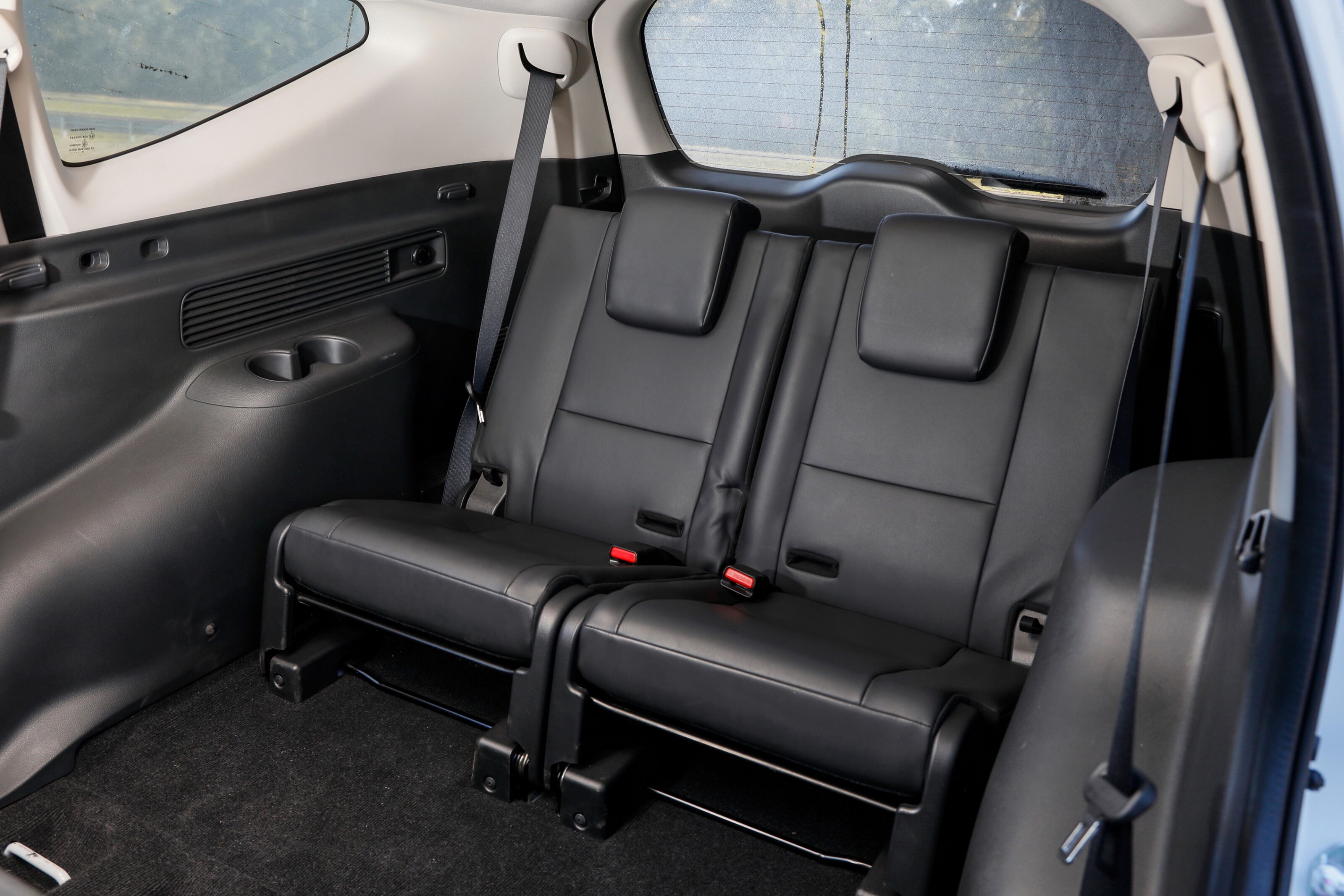
Room is plentiful in all three rows, though access to the rearmost seats can be difficult
The tailgate is powered (except for GLX) and can now be opened in a number of different ways, including a hands-free kicking motion, using an Apple smartwatch or just by proximity when using the new Mitsubishi smartphone app (latter two Exceed only). This allows a timer to be set and the tailgate will open or close automatically depending on whether you’re approaching or departing the vehicle.
Mitsubishi’s app also allows the tailgate to be set to an intermediate height, displays all manner of vehicle information, alerts the driver if doors have been unlocked, the lights left on or windows left open and can even remotely turn the lights on if you’re looking for the car in a dark parking area. Handy.
Every Pajero Sport comes well equipped with climate control, seven airbags, an 8.0-inch touchscreen infotainment system with smartphone mirroring and digital radio, keyless entry and start, LED daytime running lights, rear vents and USB ports, a 220-volt outlet, adaptive cruise control, forward collision mitigation, rear parking sensors and camera, and trailer stability assist as well as Mitsubishi’s Super Select 4WD-II system.
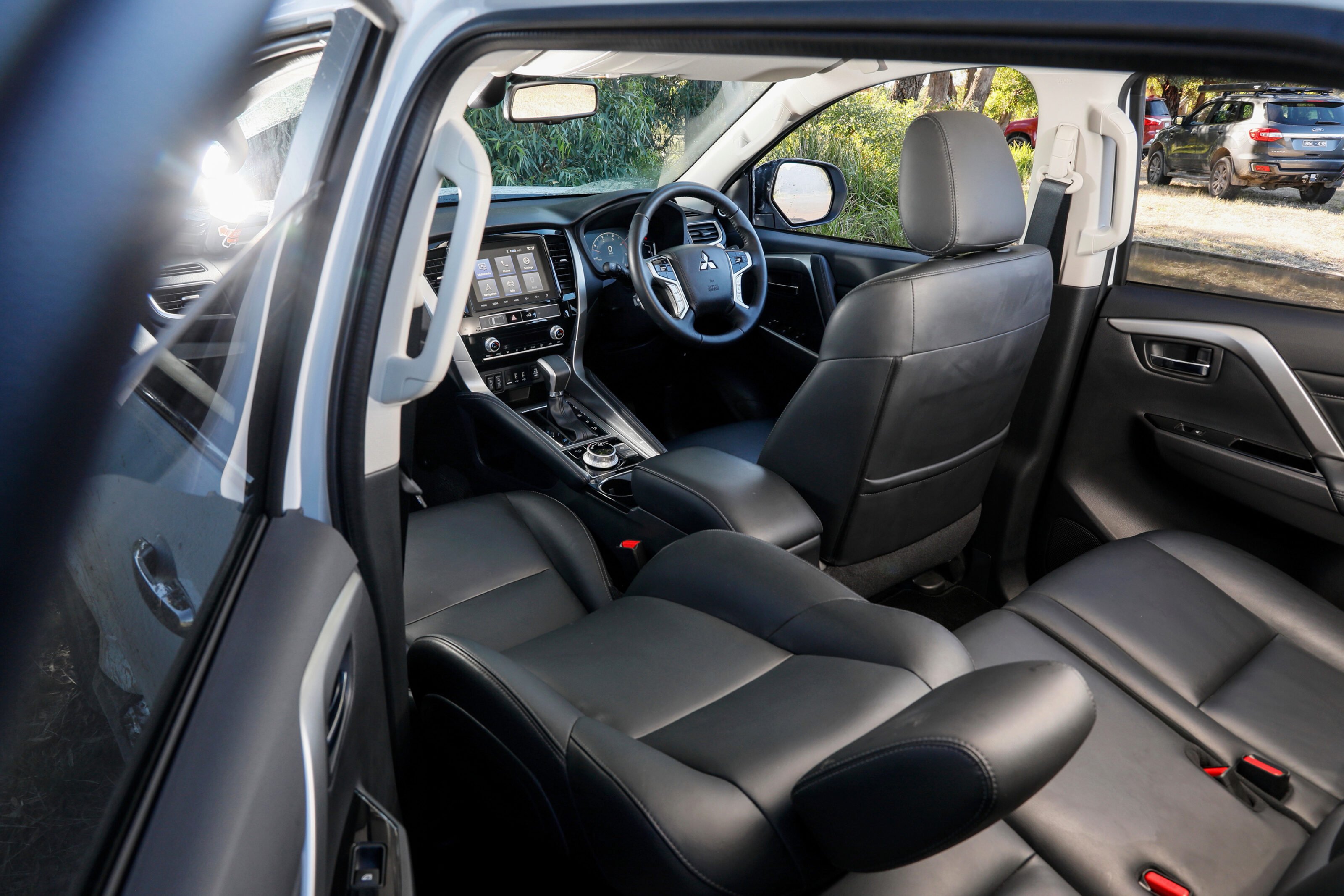
The GLS adds a rear diff lock, privacy glass, the power tailgate, an extra two speakers for a total of six, integrated sat-nav, third-row seating and auto wipers and headlights. Stepping up to our Exceed test car brings the app functionality, leather seats – with the fronts heated and powered – plus an 8.0-inch digital instrument display, premium eight-speaker audio system, front parking sensors, blind-spot monitoring, lane-change assist, rear cross-traffic alert and the multi-around monitor, which uses the parking cameras to alert of any hidden obstacles you might hit, a handy feature on- and off-road.
It’s very well equipped and the interior has also had a few tweaks, including revised front console and door grip shapes with extra soft pads added and relocation of the power outlet to the rear of the floor console, which has been redesigned for more storage and to be accessible from both sides.
Interior quality isn’t mind-blowing but it’s more than habitable, with comfy seats, easily identifiable and accessible buttons and clever touches like the fact the frequently-used tailgate button is located in the centre of the dash rather than in some obscure hidden location. The Exceed’s digital instruments, which includes the speedometer, tachometer, speed limit display and other vehicle information, is a nice touch, too – quite fancy.
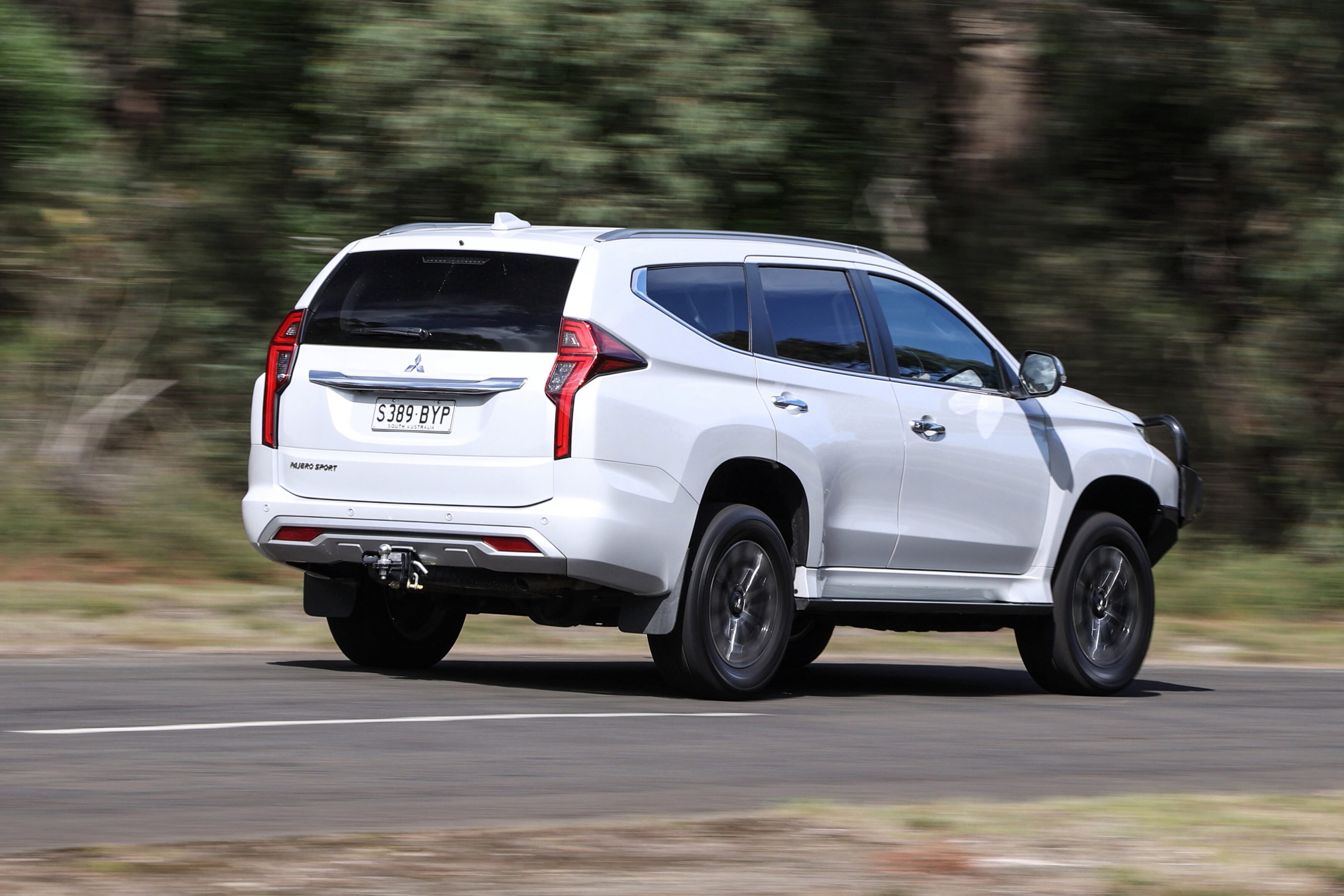
Room is plentiful in all three rows, assuming that only kids will occupy seats six and seven. However, access to the third row is difficult as the centre row doesn’t slide forward and the fact that both cupholders sit on one side is surely almost guaranteed to start arguments. Nevertheless, it’s a roomy and functional cabin, though luggage volume trails its rivals, with 131 litres of space with all three rows in place, 502L with two rows in place and 1488L with all seats folded.
Maximum towing capacity is 3100kg braked or 750kg braked, though the Exceed’s extra toys increase its kerb weight to 2105kg and subsequently limit its payload to 670kg, or 360kg when towing at maximum capacity (compared to 420kg for the base GLX for example).
Off-road capability is a Pajero Sport strength and while you should check out 4×4 Australia’s review for a detailed rundown of its off-piste performance, so unless you’re a hardcore enthusiast you’re likely to be well catered for. Mitsubishi’s Super Select 4WD system offers rear-wheel drive, the handy ability to operate on-road in all-wheel drive and high- and low-range all-wheel drive with a locked centre diff for the rough stuff, as well as a rear diff lock. In addition, there are driving modes for gravel, mud/snow, sand and rock as well as hill descent control.
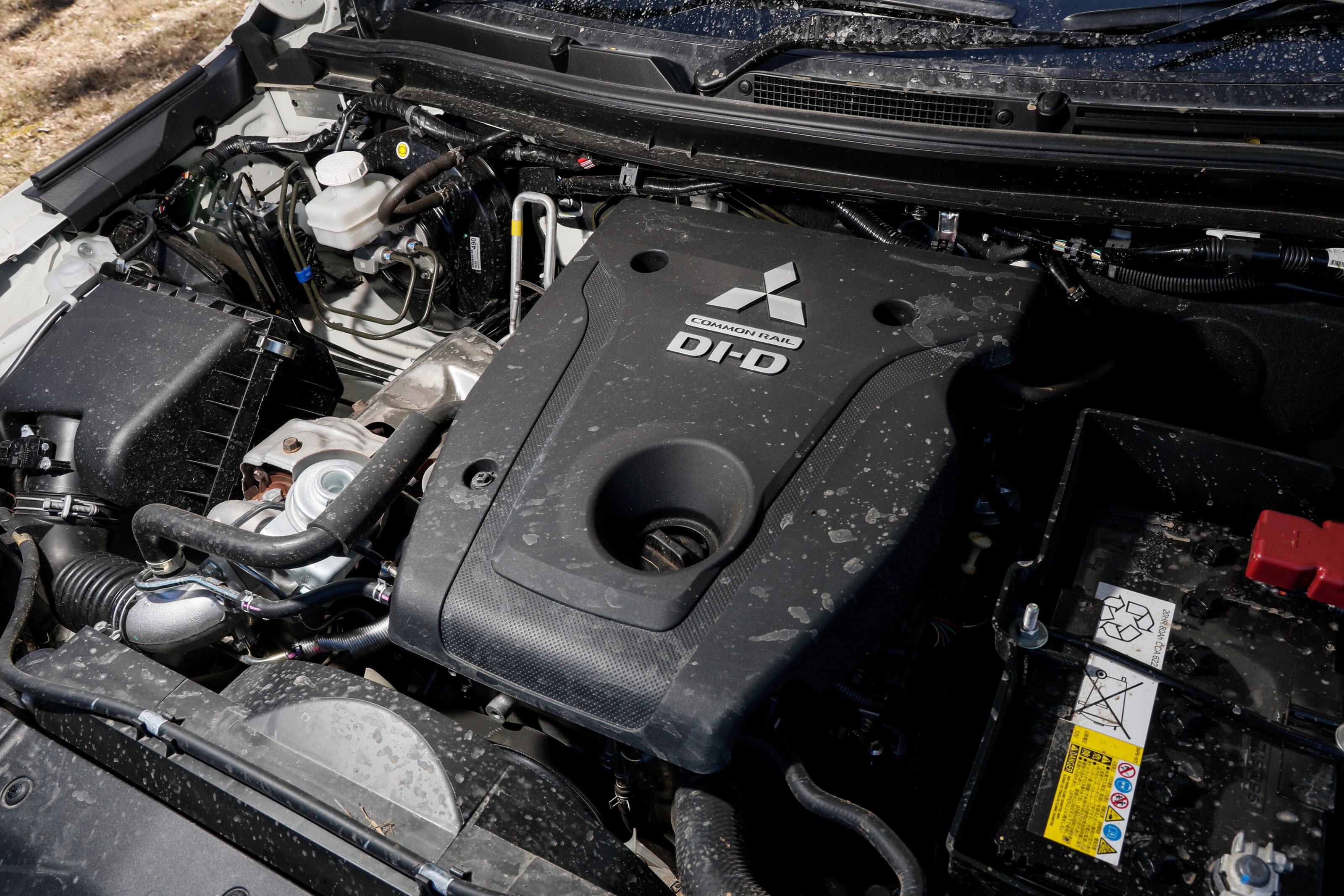
Mitsubishi says “off-road capability shouldn’t come at the expense of comfort and convenience” but in this case it most definitely does. The 2.4-litre turbo-diesel performs well enough. It’s quite vocal at higher revs but has enough grunt for most situations and the eight-speed gearbox makes good use of it, though our test figure of 11.3sec from 0-100km/h is certainly nothing to sing about.
A word of praise for the paddle shifters, which are lifted directly from the old Lancer Evolution X. It might sound silly, but it’s a welcome bit of fun. Fuel consumption is claimed to be 8.0L/100km and we averaged 8.6L over the course of our loan, though of course the actual figure will vary massively depending on your use and driving style.
Around town the Pajero Sport is quite manoeuvrable, its shorter wheelbase cutting its turning circle to 11.2m whereas its competitors are 11.6-11.8m, but from here it starts to struggle. The car’s dual-cab origins are all-too-obvious in its ride comfort, or lack of.
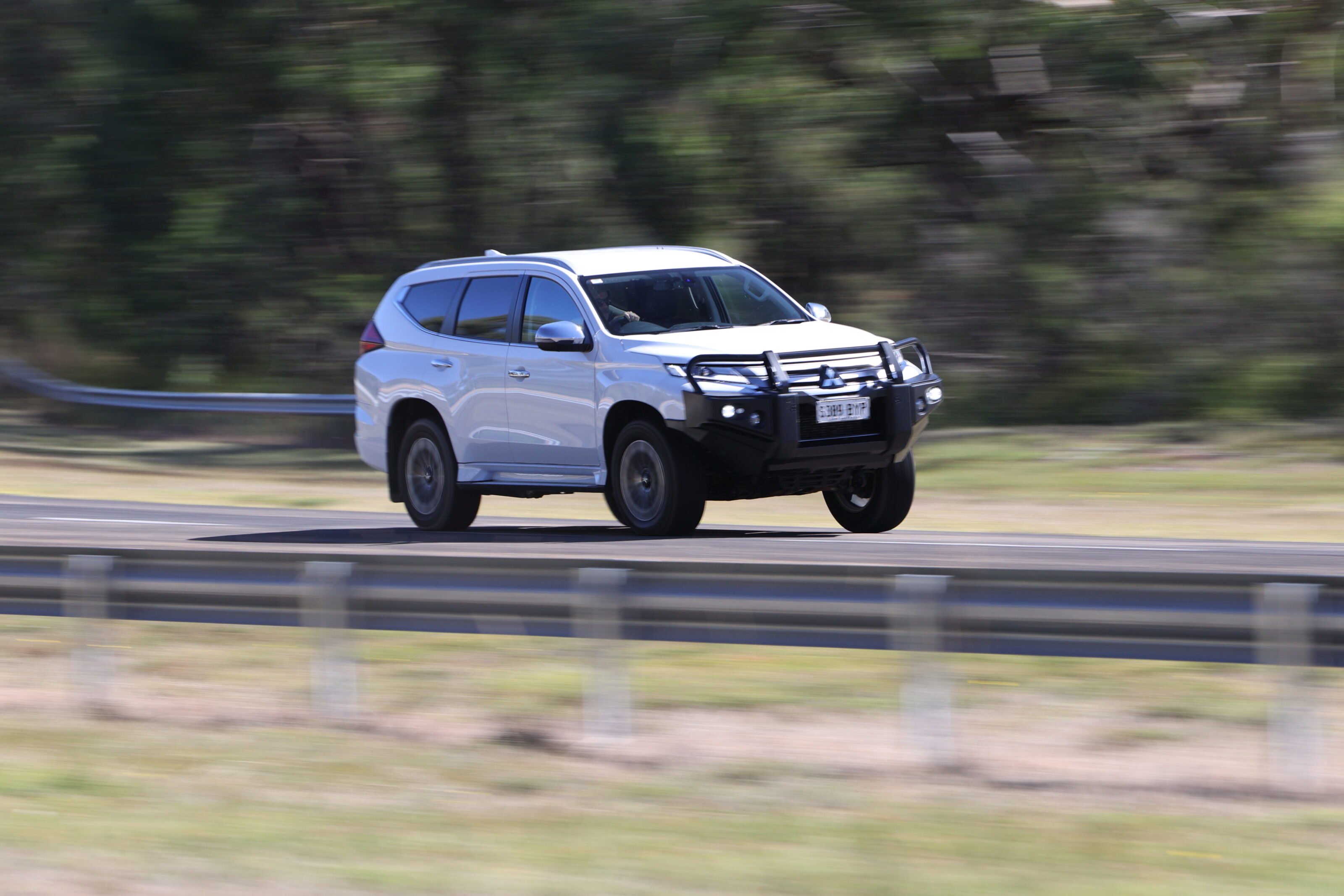
At low speeds, it’s constantly fidgeting on the road whereas at higher speeds the lack of body control has it lurching and bouncing over bigger bumps. The steering constantly shimmies in your hands, too, which gives the impression of a disconcerting lack of stability.
By the standards of the segment, the Pajero Sport actually steers and handles reasonably well – though it’s not a patch on a Ford Everest – but this is a very low bar indeed, so whether it’s a vehicle to recommend depends entirely on your use case.
If you’re intending to use the Pajero Sport’s undoubted off-road ability on a regular basis then it’s definitely worth a look as it’s practical and good value, though if you can do without some of the toys and the final row the base GLX is a bargain at $47,490 drive-away.
On the other hand, if you just want roomy, dependable family transport then look elsewhere, as the road manners of any decent car-based SUV is simply leagues ahead of anything in this segment. Check out the Hyundai Santa Fe, Kia Sorento, Mazda CX-8/CX-9, Skoda Kodiaq or Toyota Kluger.
Snapshot
- Vehicles eligible up to NZ$80k
- Must be bought and registered between July 1 and December 31 2021
- Only applies to light vehicles with a three star safety rating or above
New Zealanders will be able to get up to almost NZ$8700 back from the cost of a new electric vehicle thanks a new scheme announced today, aimed at reducing the country’s carbon emissions.
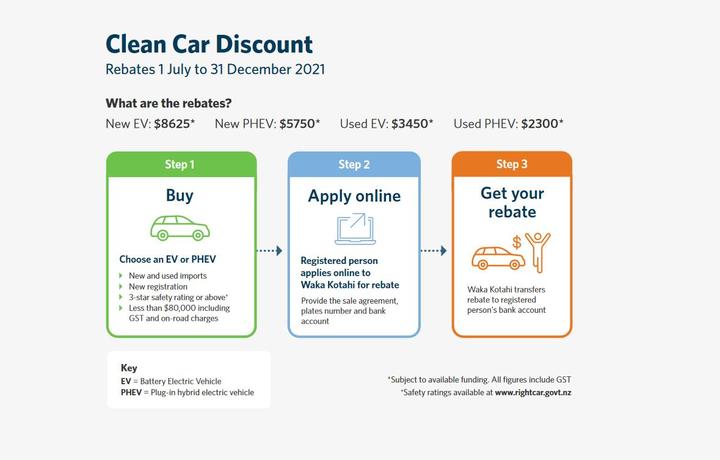
From July 1 this year, car buyers can get NZ$8625 (AU$7978) off the cost of a new battery electric vehicle (BEV) or NZ$5750 (AU$5319) off the price of a new plug-in hybrid (PHEV).
Used imported cars will also be eligible too, with NZ$3450 (AU$3200) knocked off the sticker price of a BEV and NZ$2300 (AU$2128) from a PHEV.
The discount will apply only to new and used vehicles registered in New Zealand for the first time under NZ$80,000 (AU$74,000) drive-away and with more than a three-star safety rating as published on the county’s Rightcar website.
Dubbed ‘The Clean Car Discount’, the subsidy will be offered as a rebate, meaning the purchaser must buy the vehicle first and register it between July 1 and December 31 2021 before applying for the money back. Applications can still be made on vehicles registered during this time until February 28, 2022.
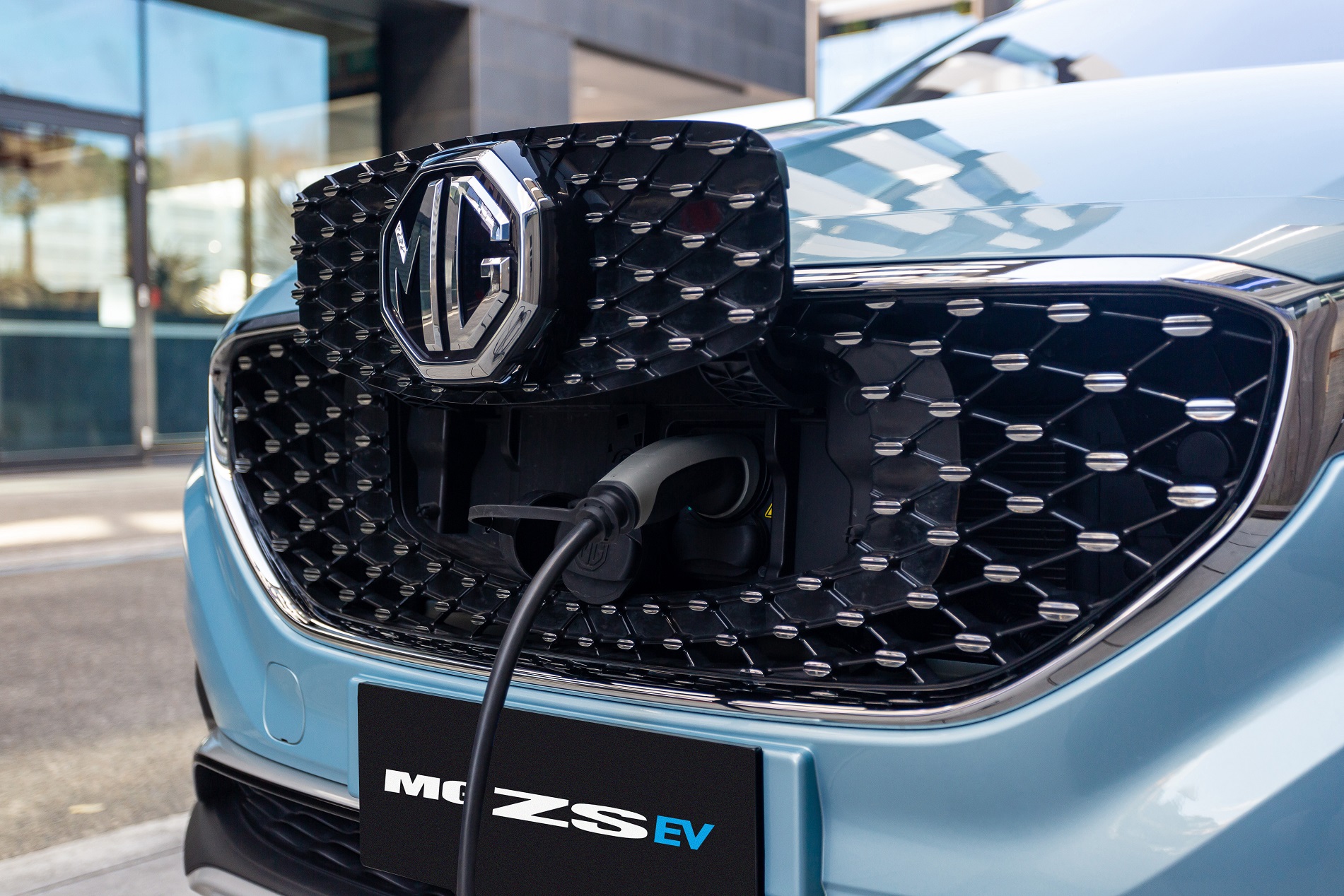
Cars available under the scheme include the MG ZS, which would be priced at NZ$40,365 (AU$37,338) before on-road costs, and the MG HS plug-in hybrid, now starting from NZ$47,240 (AU$43,697) before on-roads.
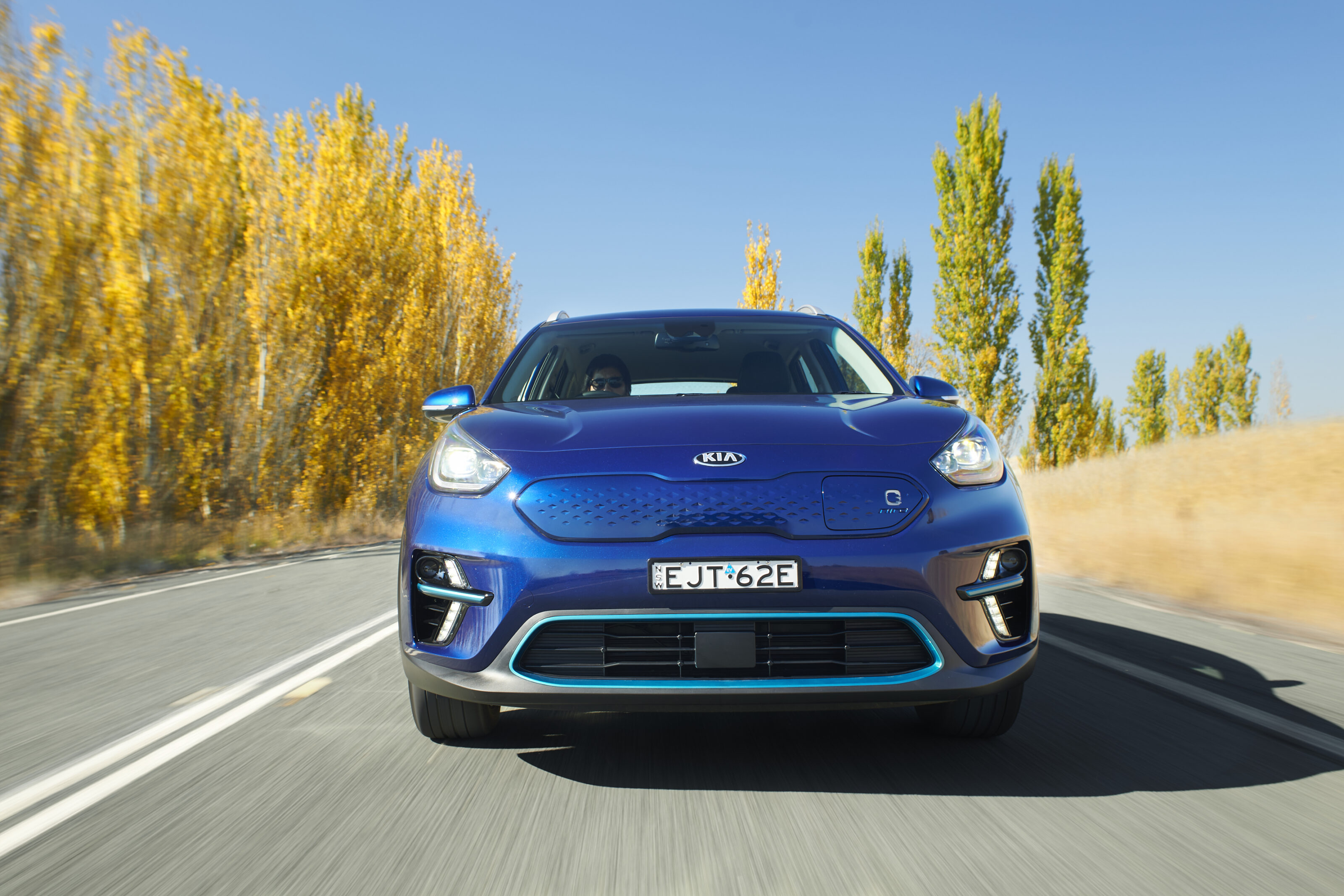
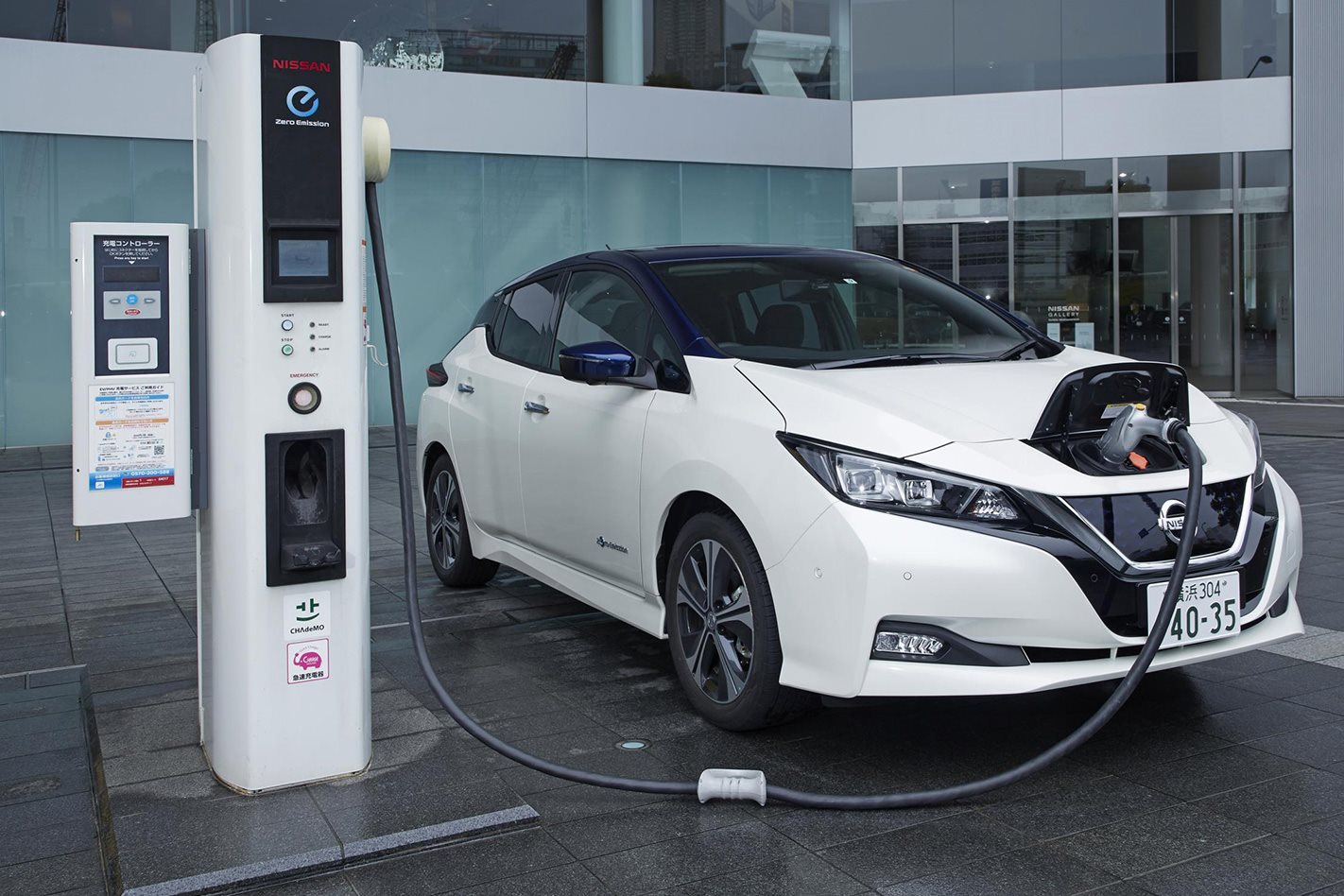
A new Nissan Leaf meanwhile, after the discount, would set buyers back NZ$53,365 (AU$49,363), and a new Kia Niro BEV NZ$69,365 (AU$64,163). A new plug-in Niro will now cost NZ$34,240 (AU$31,672).
According to NZ’s transport agency Waka Kotahi, if the scheme is so popular rebate funds are exhausted, it will stop the offer until it once again has enough cash in its coffers to jumpstart it – with only vehicles registered after the restart date eligible for the refund.
The measures were announced by NZ Transport Minister Michael Wood and Climate Change Minister James Shaw today, alongside new ‘Clean Car Standard’ rules relating to fossil-fuel powered cars.
Buyers purchasing high-emission vehicles will pay the price for the EV subsidy – the higher the CO2 rating, the greater the fee.
Full details of the scheme are understood to be coming from Waka Kotahi later this year.
“New Zealand is actually lagging behind on the uptake of EVs, so we are playing catch up internationally. Our monthly registrations of EVs are around half the global average and sales are well below the 50 per cent of monthly sales seen in some European countries,” Minister Wood said.
It is expected to raise between NZ$125m (AU$116m) and NZ$188m (AU$174m) in its first year – and the revenue from the fee was expected to fully fund the rebates on electric vehicles, according to the New Zealand Herald.
The Clean Car Discount aims to reduce CO2 emissions of light vehicles in New Zealand. Its objective is to make it more affordable to buy low CO2 emission options by making their cost more comparable to petrol and diesel-fuelled vehicles.
“The policy only applies to new and used cars arriving in New Zealand, so the existing second-hand market of cars that lower income families tend to purchase from will not be affected,” Mr Wood added.
But the decision to tax traditionally fuelled cars has some up in arms, with critics saying the “feebate” scheme amounts to “taxing the tradies to subsidise Teslas”.
The country’s National Party transport spokesman Michael Woodhouse told the NZ Herald his party did agree with financial incentives for people to buy electric vehicles, “but does not agree with financially punishing those who can’t.”
“The people who benefit will be higher-income earners who now don’t have to pay as much for a Tesla. We don’t think it’s fair to make tradies pay more for a Hilux so wealthy executives can get a discount on their next electric car,” he said.
The news in New Zealand follows an announcement by the Victorian Government here in Australia at the beginning of May that it wants half of all new cars sold in the state by 2030 to be electric – incentivising people to buy by offering subsidies of up to AU$3000.
The State Government revealed it will provide 20,000 subsidies for Victorians to take up electric vehicles up to the value of AU$69,000.
In total, the Andrews Government has put aside AU$100 million for the project.
As part of the deal, AU$19 million will fund new charging stations state-wide and AU$10 million will go towards the cost of expanding the Government’s EV fleet by 400 vehicles over the next two years.
Snapshot
- Australian pricing for Chevrolet’s C8 Corvette captured everyone’s attention
- Our comparo of a couple of budget-friendly utes had readers rapt
- Our preview on the upcoming CX-50 got you wondering about Mazda’s premium potential
It’s been a hell of a time for Australians, the past year and a half, but the market is recovering any it’s clear that our readers are more ready than ever to think about their next car.
Of course, even if you’re not in the market, it is the car tragic’s mandate to be up-to-speed on all the latest news and developments in the automotive world.
To that end, these are the Wheels, Motor, 4×4 Australia and Street Machine articles that had you most engaged in the comments section of WhichCar.com.au articles over the past 30 days. ?
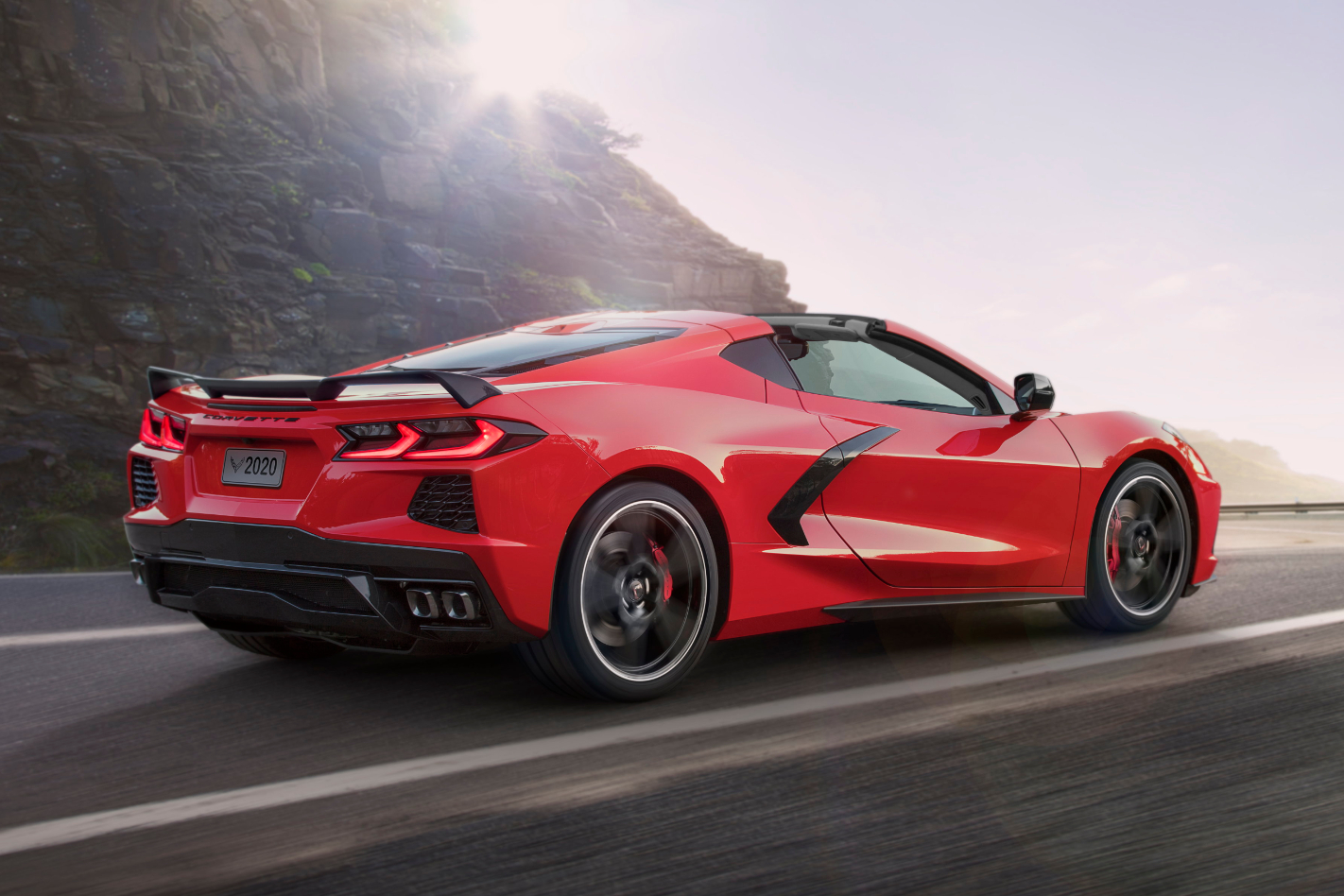
Chevrolet Corvette price and features
Australian pricing for the new-generation, mid-engined C8 Chevrolet Corvette was announced in late May, and… it’s not a pocket-change purchase.
How much, you ask? Read all about it here.
Budget utes compared: GWM Ute Cannon-L vs Ssangyong Musso XLV Ultimate
As part of our annual ute mega test, we pitted a pair of budget-friendly utes against each other: the new GWM Ute Cannon-L (a sorta-kinda successor to the still available Great Wall Steed), versus the more familiar SsangYong Musso (previously known as the Actyon Sports).
Catch up on our comparison here.
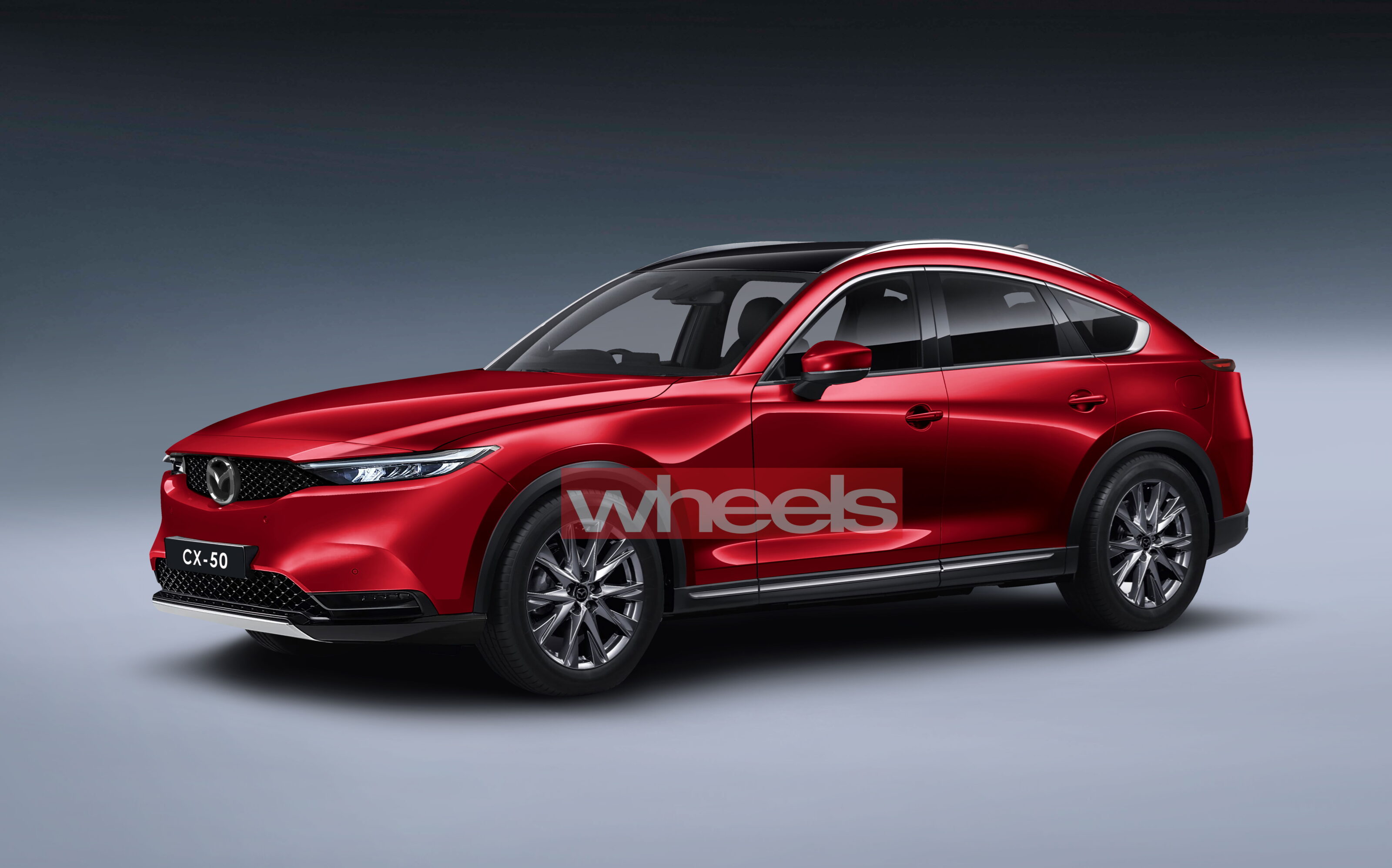
Exclusive! Mazda CX-50 to spearhead brand’s upmarket future
‘Rear-drive, inline-6, PHEVs and premium packaging… CX-50 goes for BMW’s jugular with breathtaking ambition.’ We put together a rendering and everything we know about the upmarket successor to the popular CX-5.
Australia’s top-selling utes compared: Ranger vs D-Max vs Triton vs Navara vs HiLux
No surprise, our annual dual-cab ute mega test would be some of our most popular content. You can check out the main piece here, including a list of links to the other instalments in the series.
Rimac Nevera: cutting-edge EV supercar revealed
If you’ve reached the ‘another day, another insanely quick EV’ mood, I wouldn’t blame you – but there’s still plenty of cool tech to know about in this new Rimac.
Check out Inwood’s write-up right here.
What it’s like to live with the 2021 Kia Stinger GT
Kia’s hot rear-wheel-drive Stinger stormed onto the local scene around the same time Holden’s iconic rear-wheel-drive Commodore was making its exit – so of course it got many wondering if Kia was the new Holden for muscle-sedan fans.
Well, now the update is here… is it any good?
Click here to see what Scott Newman thinks.
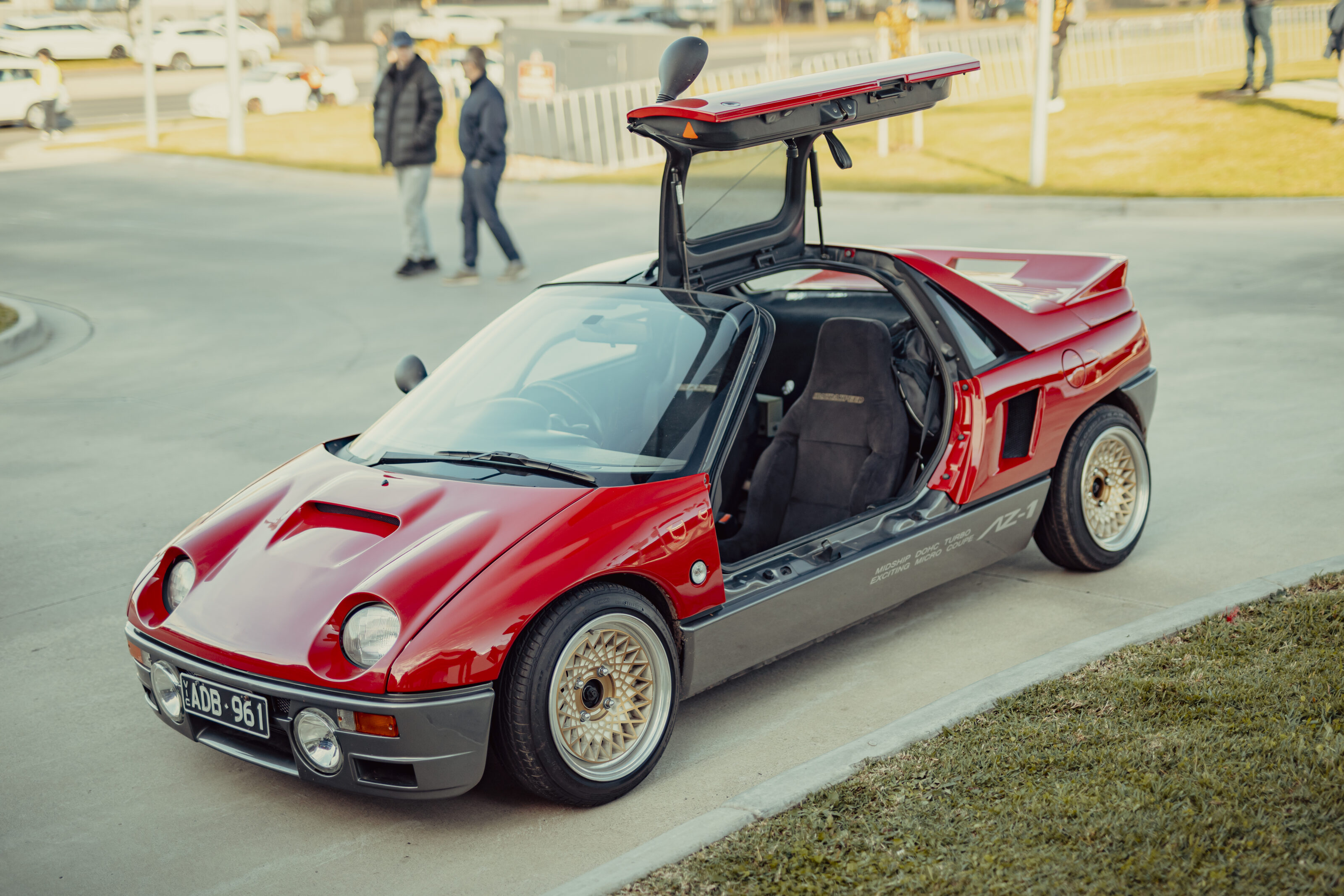
Gallery: Highball Cars & Coffee #6
Melbourne’s first big post-lockdown car meet! More than a few of your WhichCar scribes were there to check out the drool-worthy classics, exotics and muscle metal.
Our shooter Alastair Brook was on the scene, and we put together a gallery of his snaps.
Updated Ford Mustang pricing and features revealed
Australia’s favourite sportscar scores new tech and a minor price increase. It’ll be interesting to see how long the Mustang can hang on to that title, with new-generation Toyota 86, Subaru BRZ and Nissan Z cars on the horizon…
Read about the updated Mustang here.
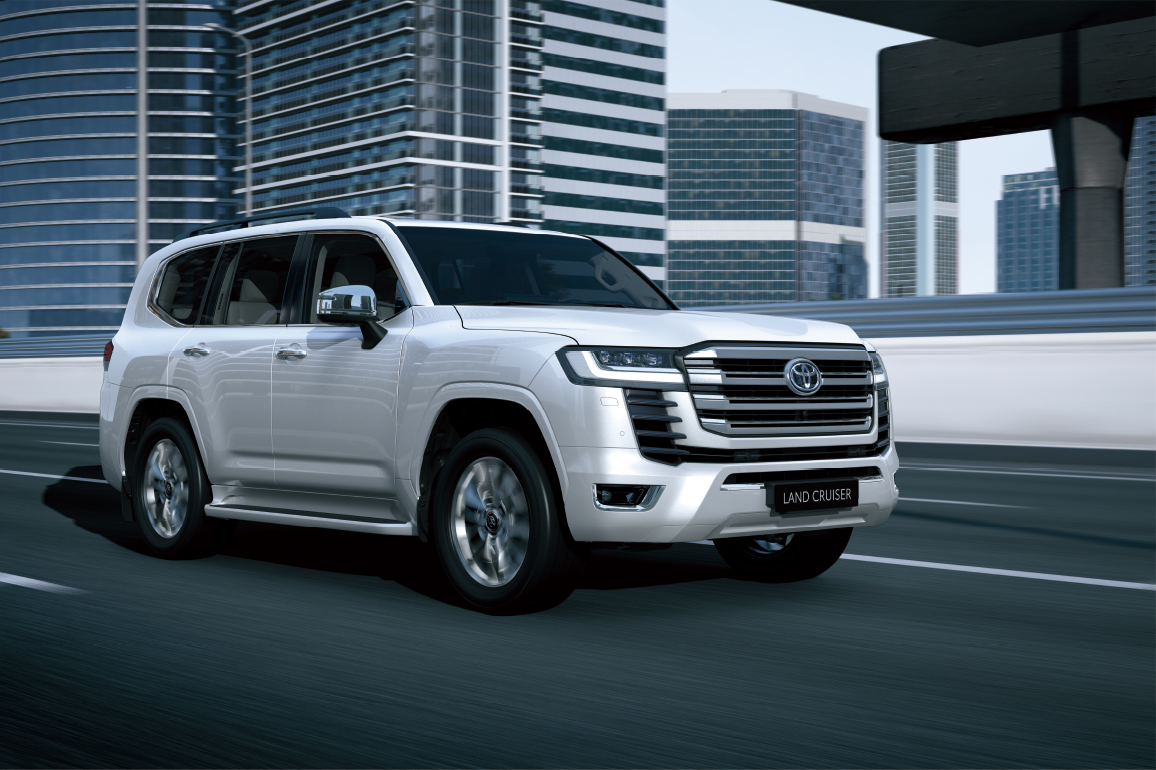
All-new Toyota LandCruiser 300 Series makes global debut
The freshest story on this list, Toyota’s long- (long long long long) and hotly-anticipated new 300 Series LandCruiser has finally been revealed.
It seems to have been a little polarising, but y’all know it’s going to sell in bigger numbers than ever before.
See ya next month! ?
Chinese automotive manufacturer Geely has show off its new Vision Starburst concept, previewing a new design language for a new range of electric models.
As the parent company to Volvo and Lotus, Geely is coming off the back of a strong 2020 where it sold 1.32 million cars in China despite the COVID-19 pandemic, becoming the first Chinese manufacturer to sell 10 million units in the process.
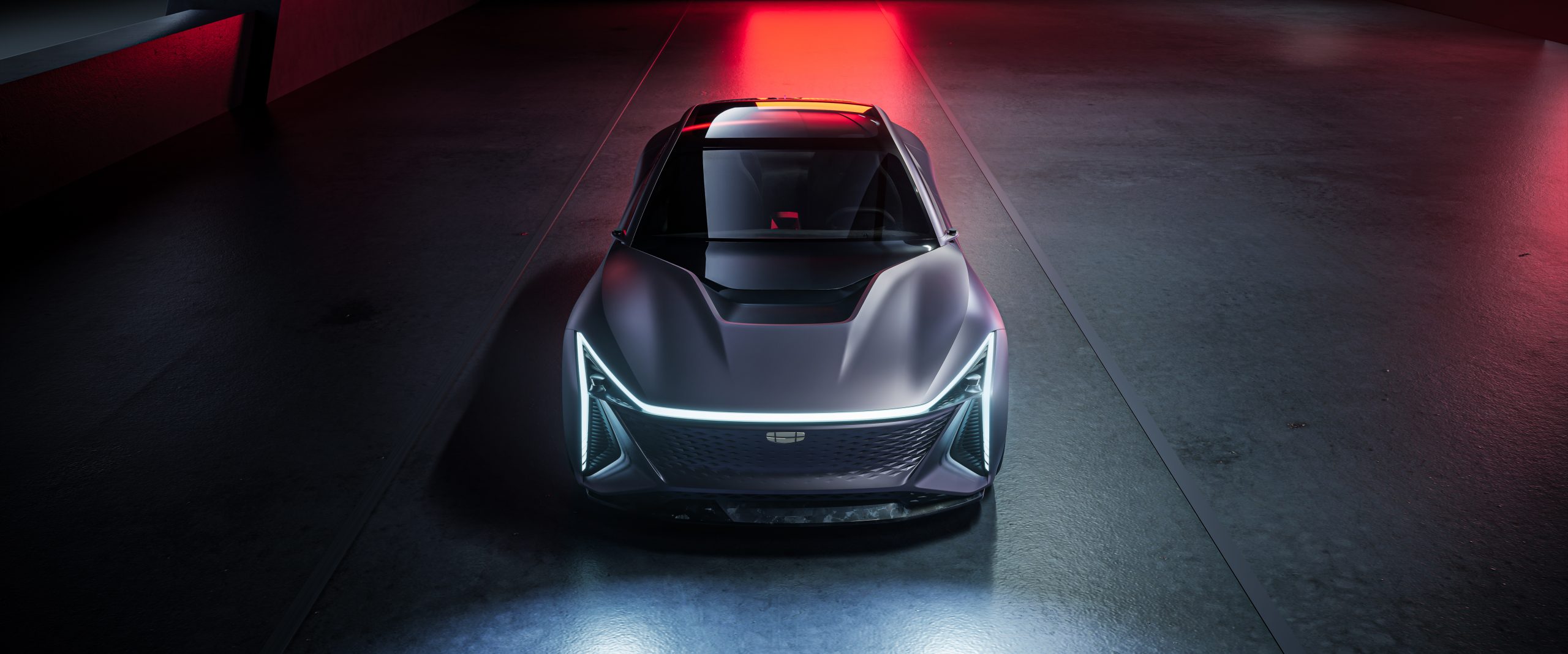
Its Vision Starburst concept looks heavily futuristic – a striking front grill surrounded by an LED light strip being the most notable feature on the front end, with a split bonnet also catching the eye from above.
Working backwards, it’s hard to ignore the seemingly enormous wheels which sit in angular arches, consumed by LED lights which apparently light up in different colours to represent states of charge when the battery is being topped up.
Continuing to read from the Fast and Furious or Need for Speed style bible, the Vision Starburst gets butterfly doors with the rear pair opening from the back hinge, similar to the Mazda MX-30/RX-8’s suicide doors.
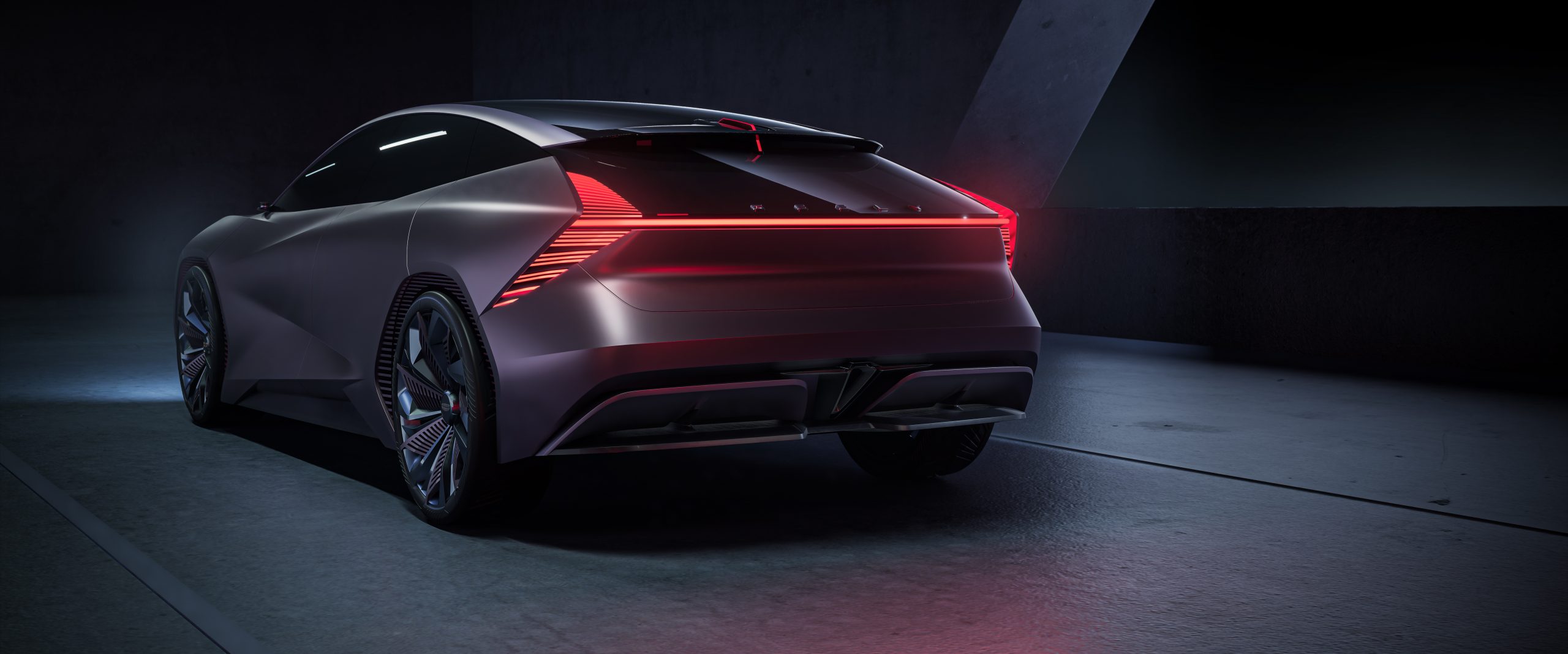
The rear styling is reminiscent of late-model Volvos with sharp lines and a rear light which stretches the breadth of the vehicle, flanked by two boomerang-style brake lights with varying patterns of LED’s.
Step inside the cabin and the ethos of adopting a “borderless atmosphere” is evident – the gear selector is hollow and the centre console has a floating effect, essentially supported by one panel which stretches out to the dash.
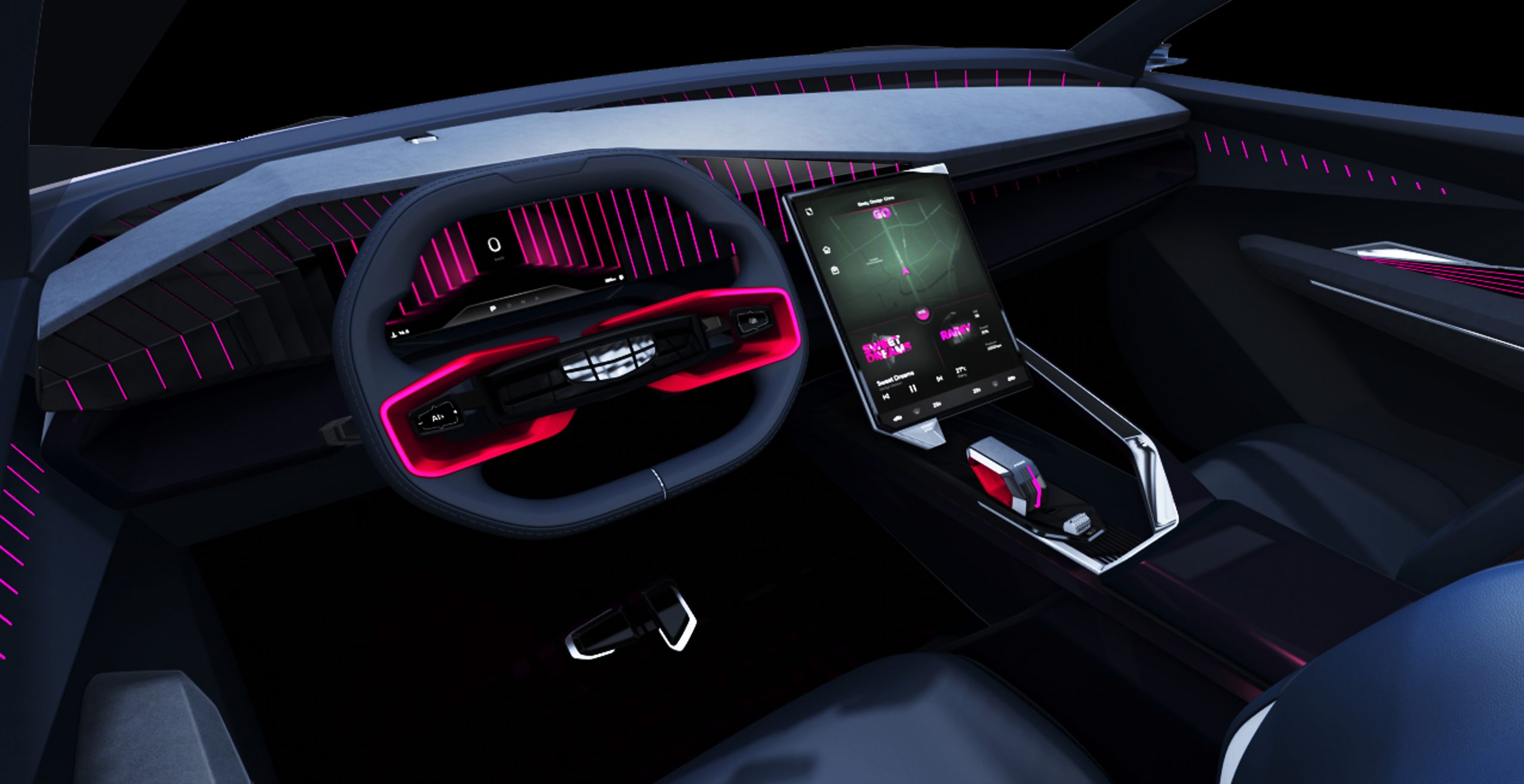
A full digital dash makes its way from one side of the car to the other, only being covered up by the vertically mounted infotainment tablet in the middle of the cabin, angled towards the driver.
Unfortunately, Geely has already ruled out any chances of the Vision Starburst making it into production in its current form, but its design elements will make their way to production models in the future.
For more photos of the Vision Starburst, click any of the images in this story to access our gallery.
Motorsport’s greatest championship battles all have one simple thing in common. And despite what organisers might want you to believe, it has nothing to do with what is contained in the rulebook. No amount of performance parity, restricted development, or affordable competition will ever make up for a good old fashioned battle between a hero and a villain.
While a hero and villain storyline doesn’t always improve the racing, the inclusion invariably results in more intrigue, greater drama, and an electrified fan base. So you can understand why promotors and pundits are eager to generate them from the meekest of pit-lane barbs. The US$18 billion Disney has made from superhero films should be explanation enough for the benefit even the simplest of antagonist v protagonist battles can generate. But, a perceived lack of compelling villains is hurting motorsport in an insidious and dangerous way.
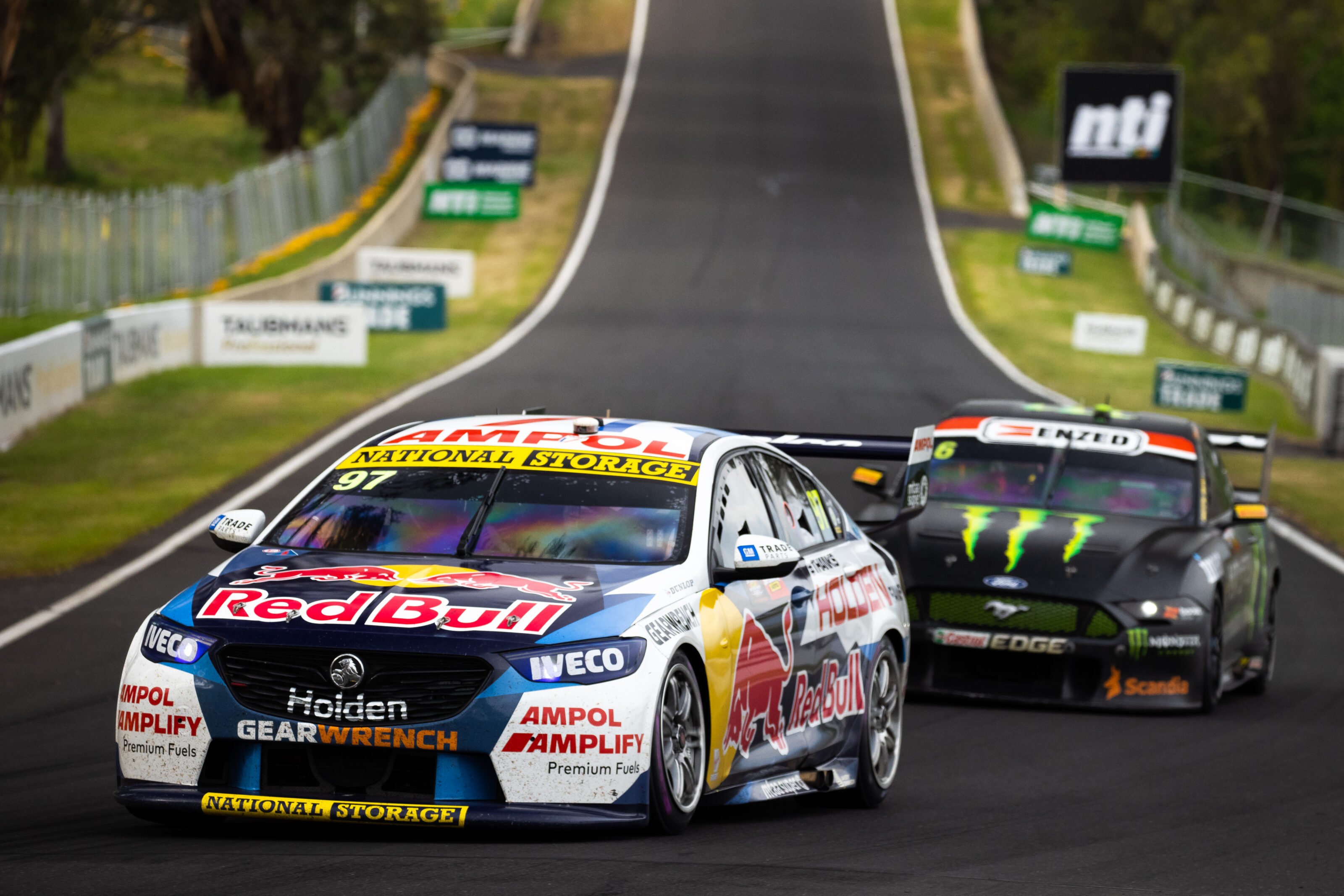
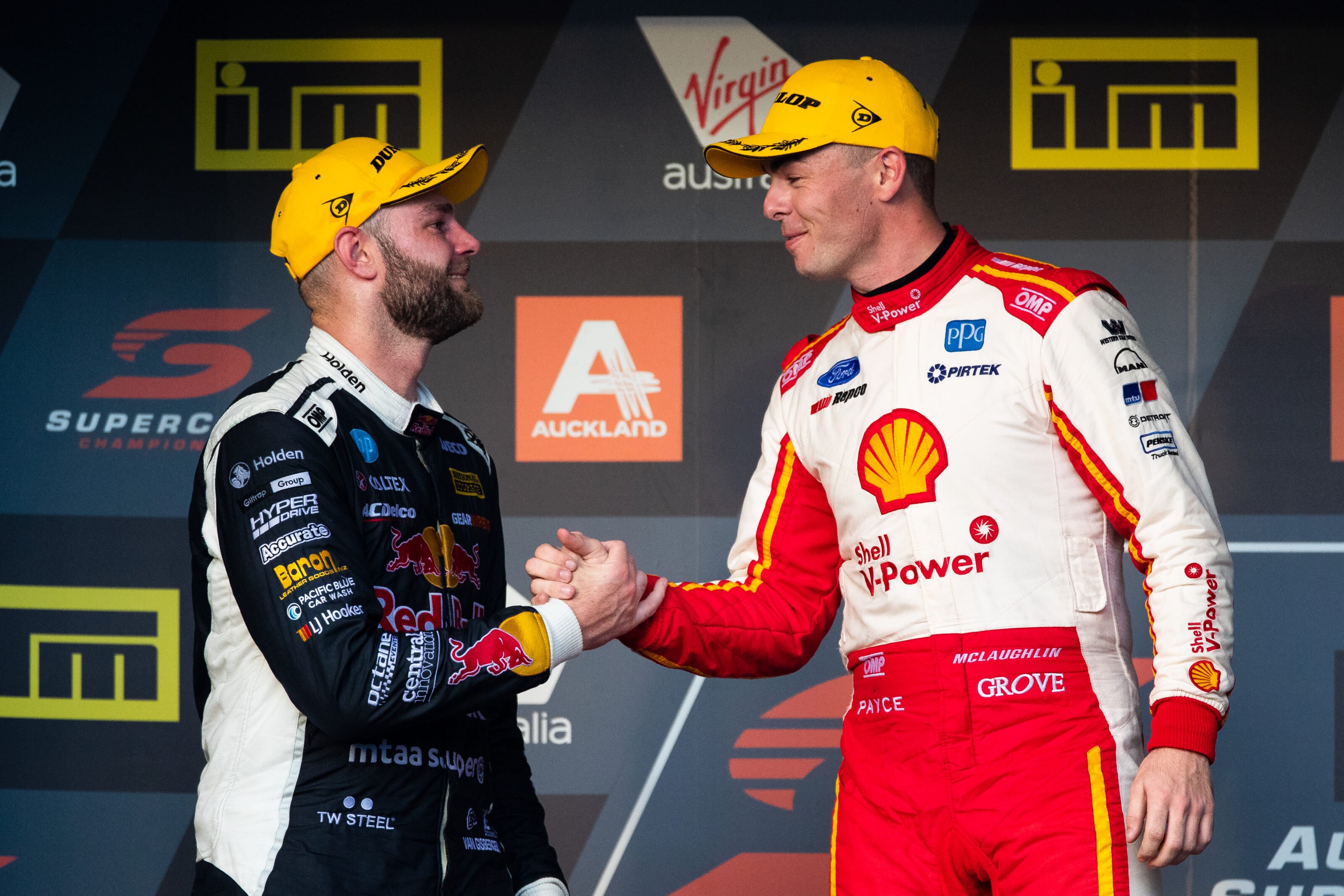
You see, most motorsport fans are all too quick to bemoan the sanitised PR-friendly personalities of modern drivers. While, yes, commercial realities do dictate a certain public image needs to be maintained, for most racers this can be down to one easy to overlook fact – they aren’t arseholes. Thing is, for a good hero and villain narrative they don’t need to be either. Two drivers can easily retain strong sportsmanship and a staunch rivalry – Shane van Gisbergen and Scott McLaughlin being prime examples.
The reality is that in most motorsport hero and villain story lines, there are simply two heroes facing off against each other, with the good and evil delineation determined by the colour on your sleeve. Think Ford v Ferrari, Senna v Prost, Brock v Moffat, V8s v SuperTouring – the ‘bad guy’ in each is a subjective call. For Supercars this year the showdown looks set to be between Cameron Waters and van Gisbergen, with the two sharing some good natured verbal barbs during the course of the championship so far – likewise Lewis Hamilton and Max Verstappen in F1.
Few are willing to play the villain from the outset, but there are those who aren’t afraid to be outspoken. In the newly formed Hypercar class this role is being filled by millionaire Jim Glickenhaus’s pet project; Scuderia Cameron Glickenhaus. SCG is making itself out to be the plucky underdog taking on powerhouse factory efforts. Following SCG’s first successful test day that coincided with Ferrari announcing its return to Le Mans, the privately-funded outfit threw shade on Porsche, Toyota, Peugeot, and Audi’s corporate platitudes with a tweet that stated “Bring it Bitches”. Gordon Murray’s T.50s Niki Lauda also drew the account’s ire. While it’s all very ‘Louis Vuitton handbags at dawn’, you can’t deny it isn’t entertaining to watch, and sets the tone for a compelling storyline when all the players eventually meet at La Sarthe.
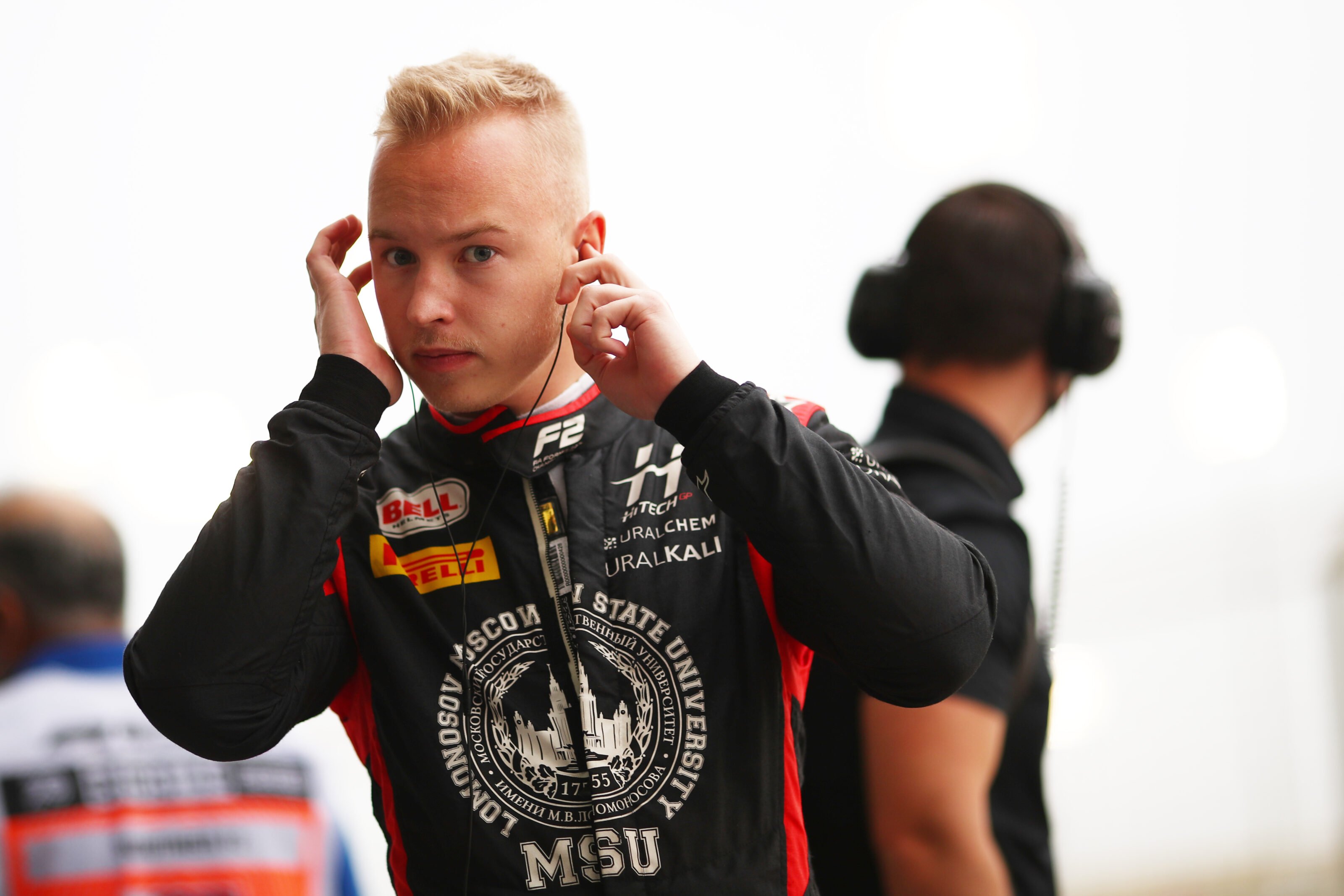
What motorsport doesn’t need is a villain like Nikita Mazepin – the son of a Russian billionaire who’s primed to be the ‘bad boy’ of F1 in ’21. When he wasn’t busy pushing drivers off track, and punching them in pit lane during his years in junior categories, Mazepin was filmed groping a clearly intoxicated female and posting the video to social media. But despite impassioned and justified outrage at the footage, and all the bluff and bluster of F1’s ‘We Race As One’ message, the man who posted himself sexually assaulting someone to the internet retained his seat at Haas.
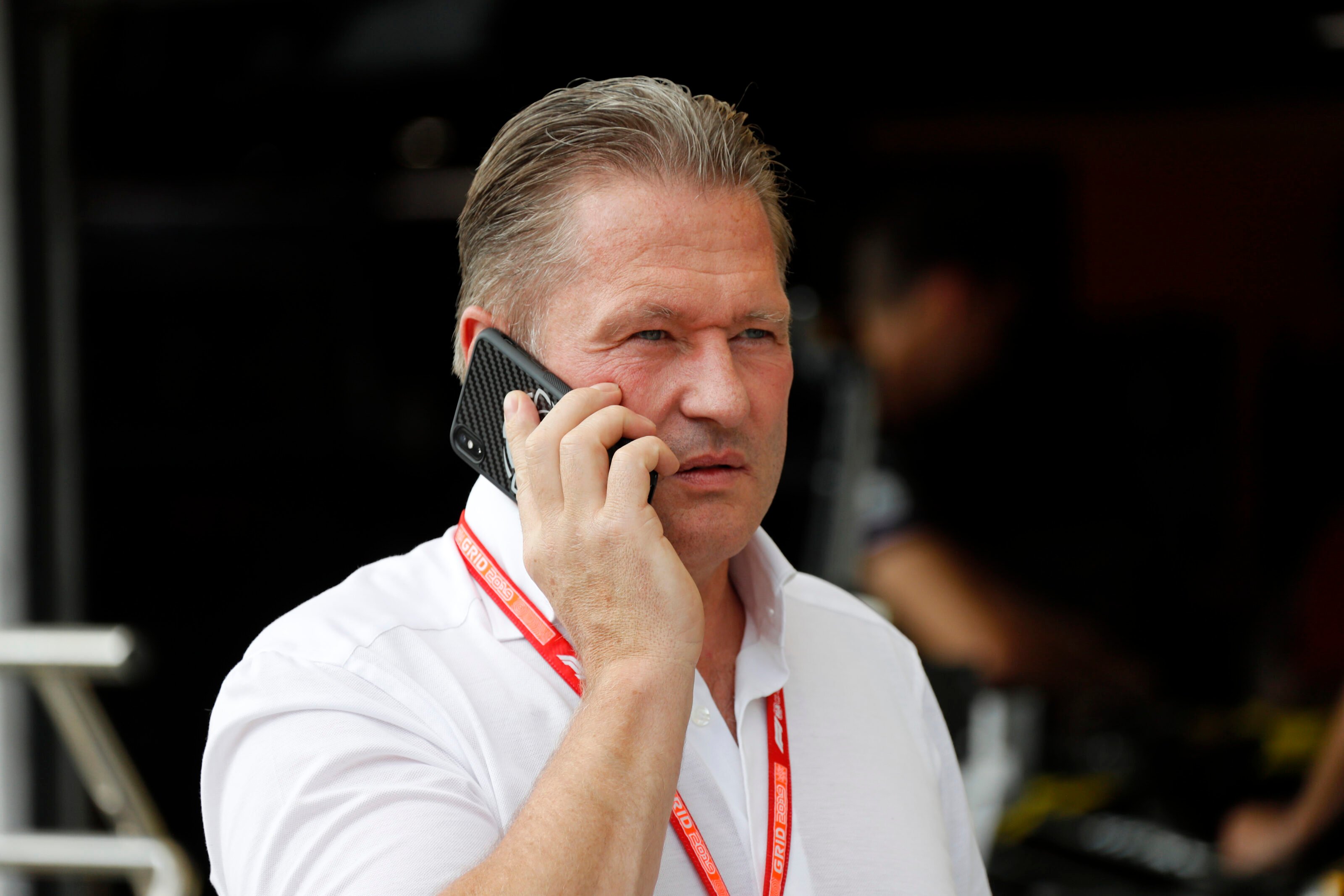
Unfortunately, this isn’t a new problem. Historically, drivers have been relatively immune from consequences for off-track actions. Former F1 driver Jos Verstappen spent three more years on the grid after being found guilty in 2000 of fracturing a man’s skull at a karting event two years prior. He remains in the paddock as part of his son’s entourage, despite being found guilty of breaking a restraining order.
The fact that both Verstappen Snr and Mazepin continued their careers without any great consequence isn’t surprising, but it is disappointing. That won’t change the fact they are a blight on the sport, and exemplify racing’s continued willingness to turn a blind eye where expedient. If motorsport wants a moral base of any merit to go alongside its environmental ambitions, it’s time to rid our orchard of the bad apples – not by creating a meaningless slogan, but by excising the cancer permanently. Racing may need villains, but it doesn’t need blokes like those two.
Whether you’re preparing for a track day, shopping for a gift – or just yourself – these are the coolest car products we’ve recently come across on our travels.
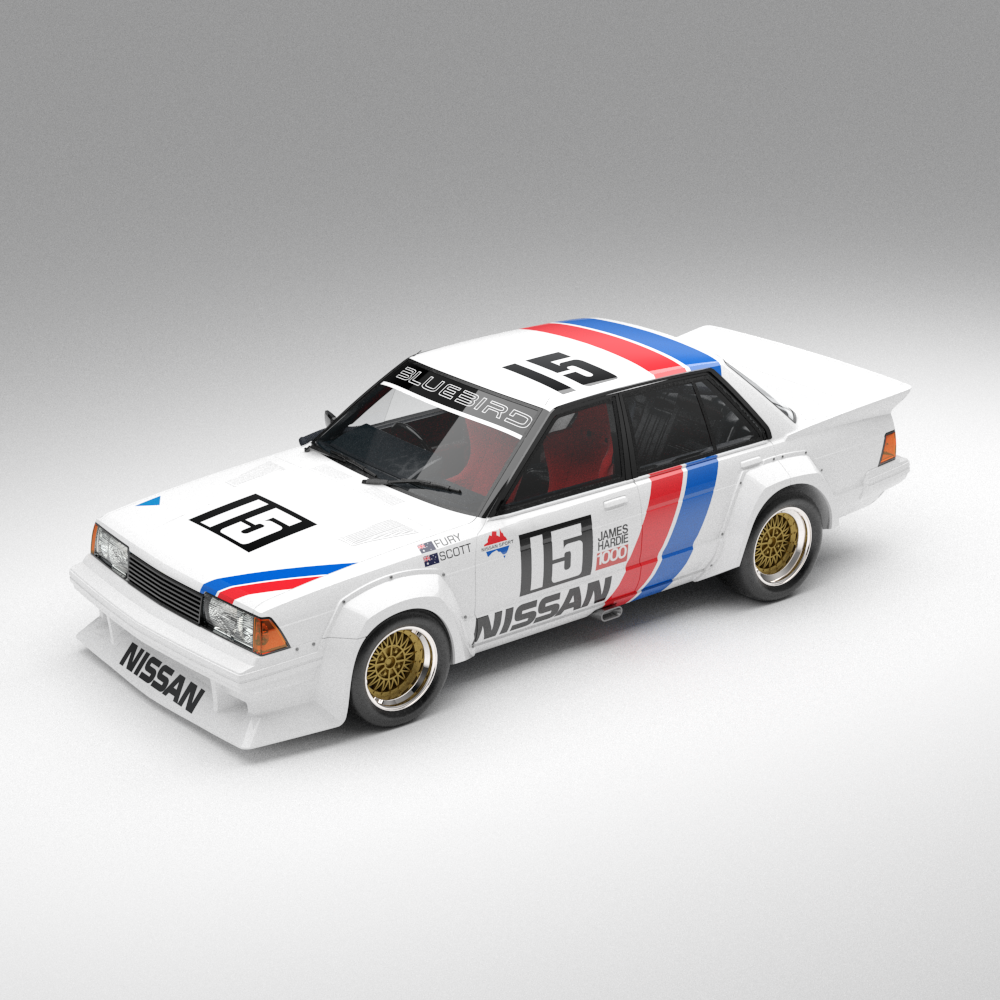
1984 Bathurst Nissan Bluebird – $230 – metrohobbies.com.au
Upcoming limited edition model from Authentic Collectables channels George Fury’s record-breaking Group C Bluebird from Bathurst 1984.
Rothmans Porsche 956 T-shirt – $52 – periodcorrect.com
Screenprinted T-shirt by Californian automotive streetwear atelier forms part of a larger collection full of Rothmans motorsport-themed apparel.

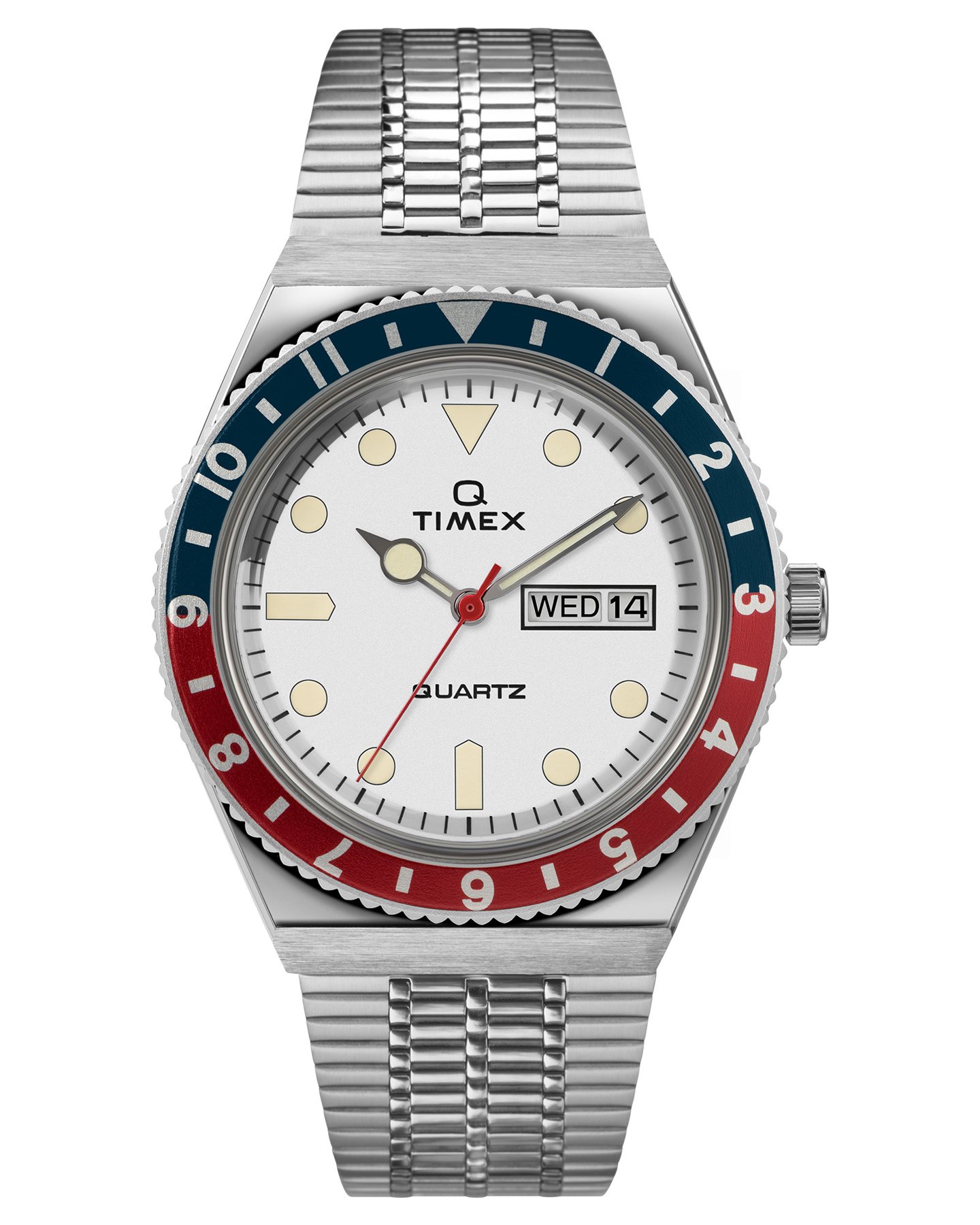
Timex Q Reissue – $265 – SurfStitch.com
A faithful reinterpretation of Timex’s prolific and popular early Quartz model from the ’70s. Available in a range of colours, it’s one of the most stylish Quartz pieces around.
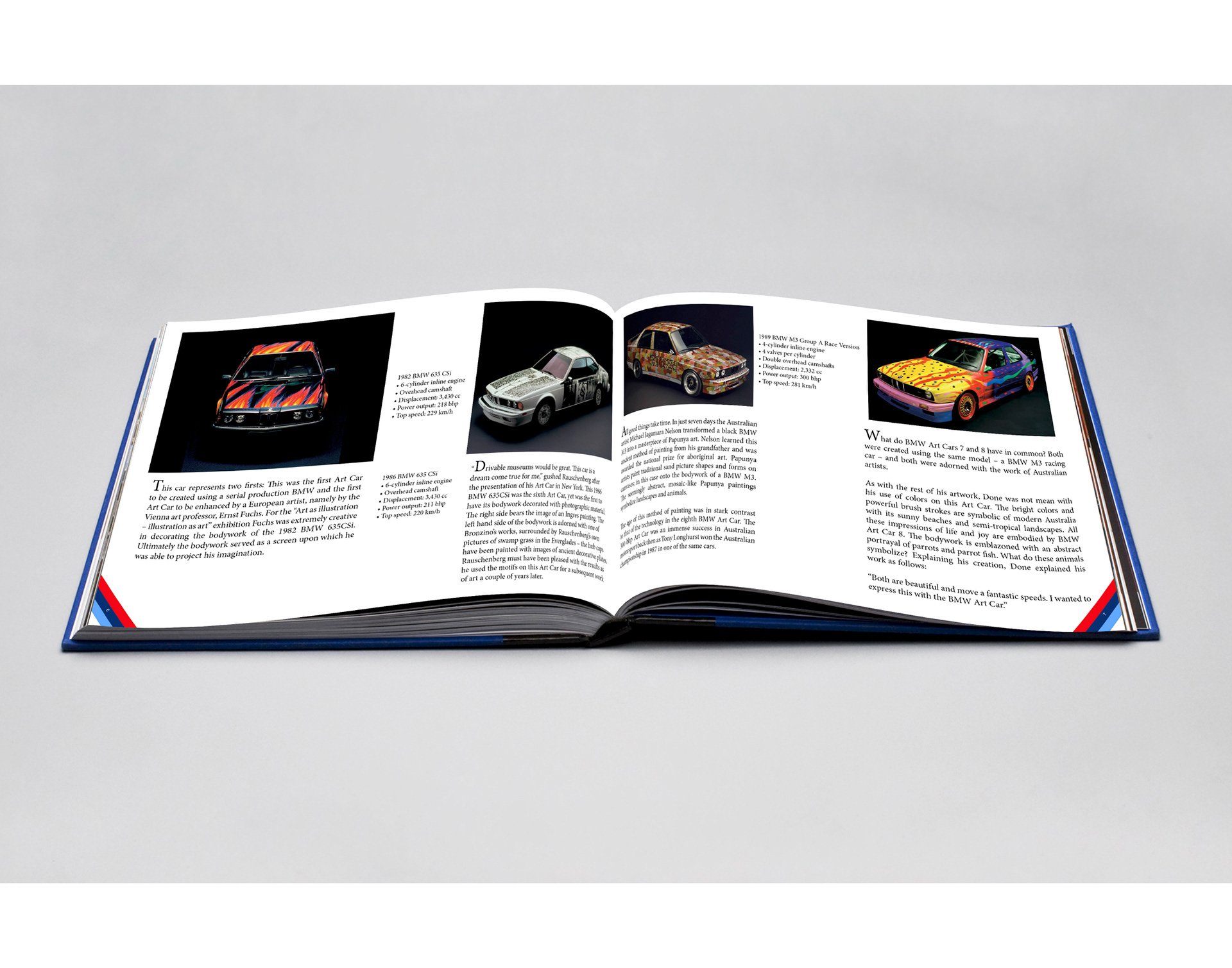
BMW Art Cars book – $89 – booktopia.com.au
A must-have for the coffee table book collectors: this hardcover profiles 19 artists and their works, from Andy Warhol to Ernst Fuchs, who have created BMW’s famous line of Art Cars.
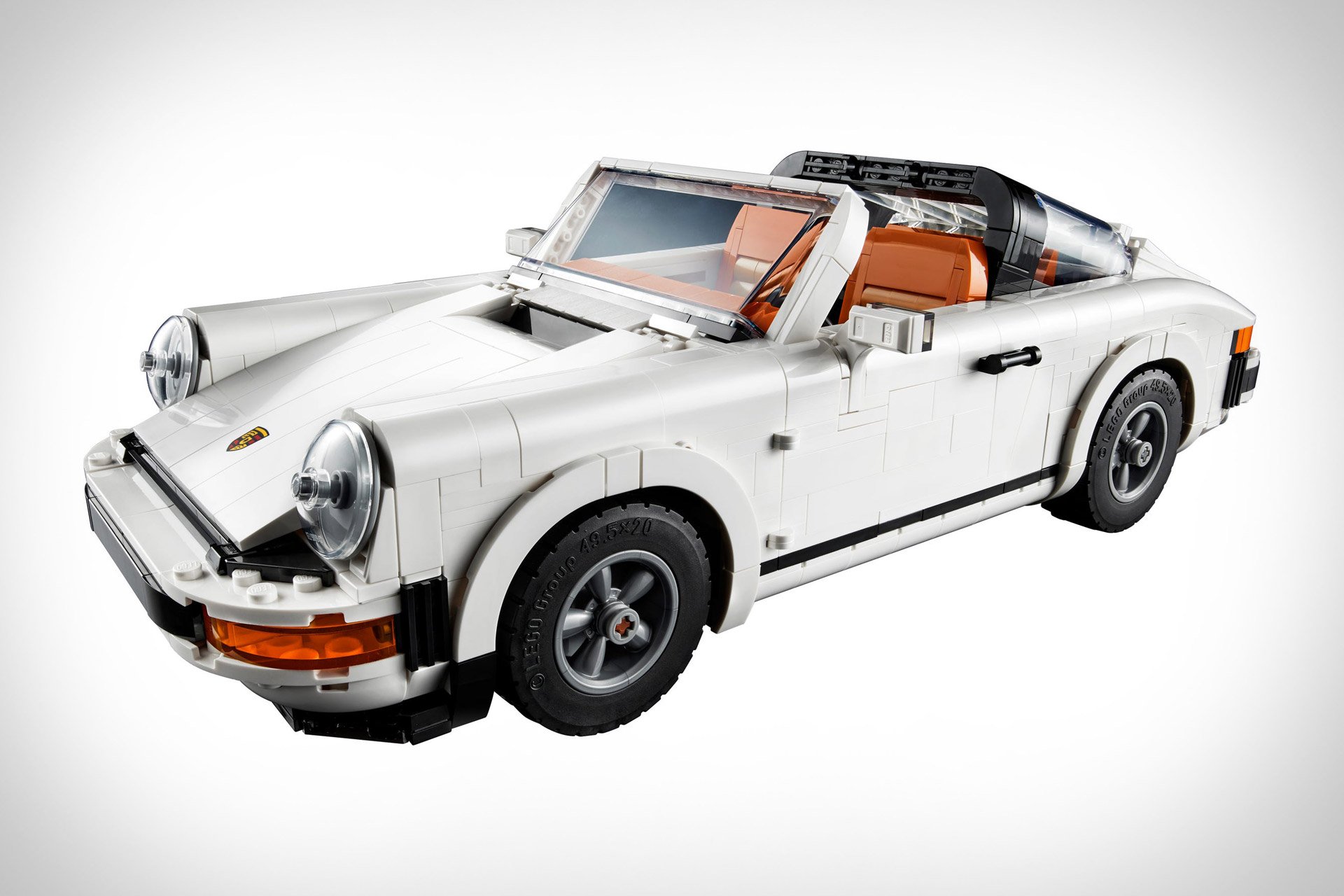
Lego Porsche 911 – $230 – lego.com
You too can claim air-cooled Porsche ownership with Lego’s latest Creator Series kit. The 911 kit comprises 1458 pieces and can be built to 930 Turbo or 911 Targa configurations.
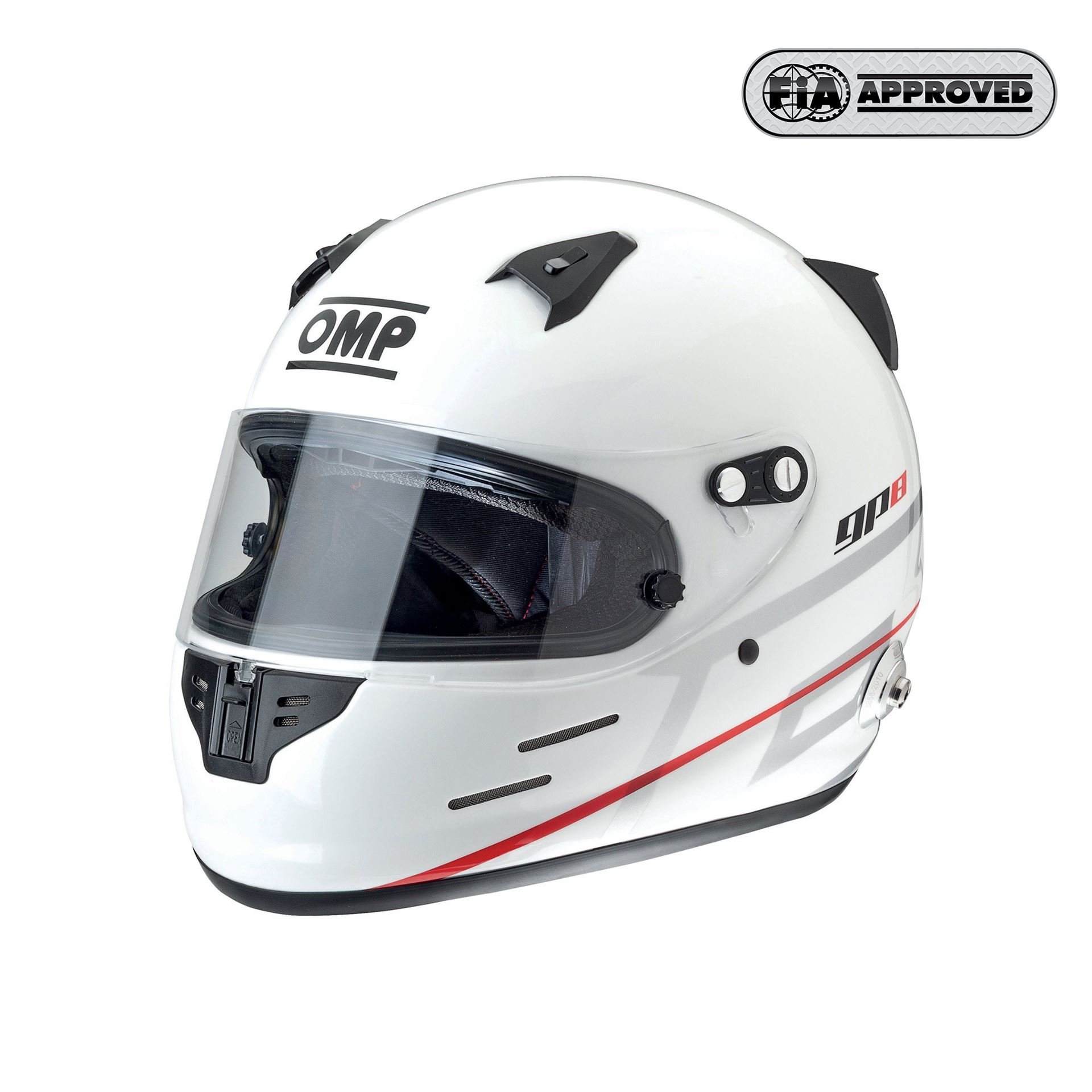
Track Pack
OMP GP 8 Evo Helmet – $780 – autosport.com.au
A full-face helmet from OMP that won’t break the bank. Composite construction, breathable flame retardant lining, and included HANS posts make this a great option for those new to motorsport.
RPM XTech 2 Gloves – $189 – revolutionracegear.com.au
Whether it’s for the track, the forest or even the sim rig at home, gloves will improve grip, feel and prevent sweaty hands. These RPM units come in a range of colours.

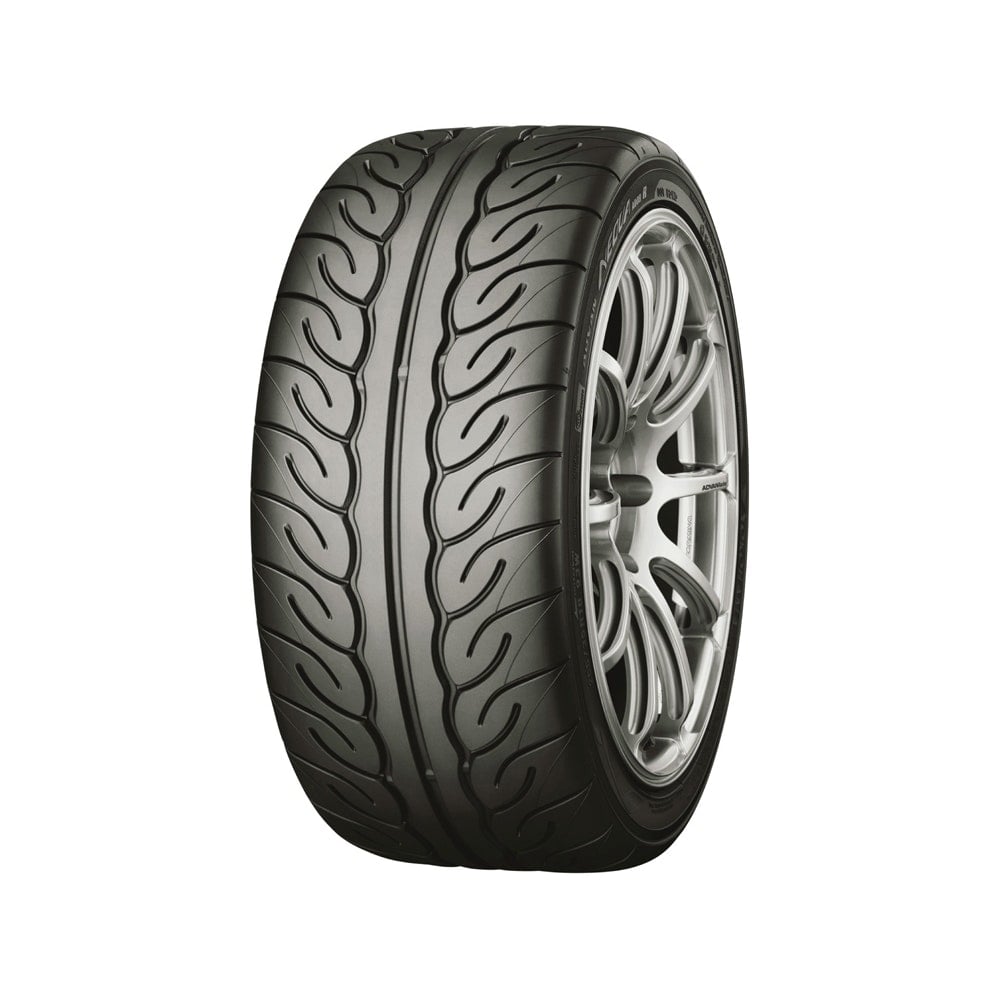
Advan Neova AD08 R – $299 – bobjane.com.au
Yokohama’s classic Advan AD08 R tyre remains, to many, the ultimate street and track day tyre. Yokohama Australia occasionally holds a ‘three for four deal’, so you may get lucky!
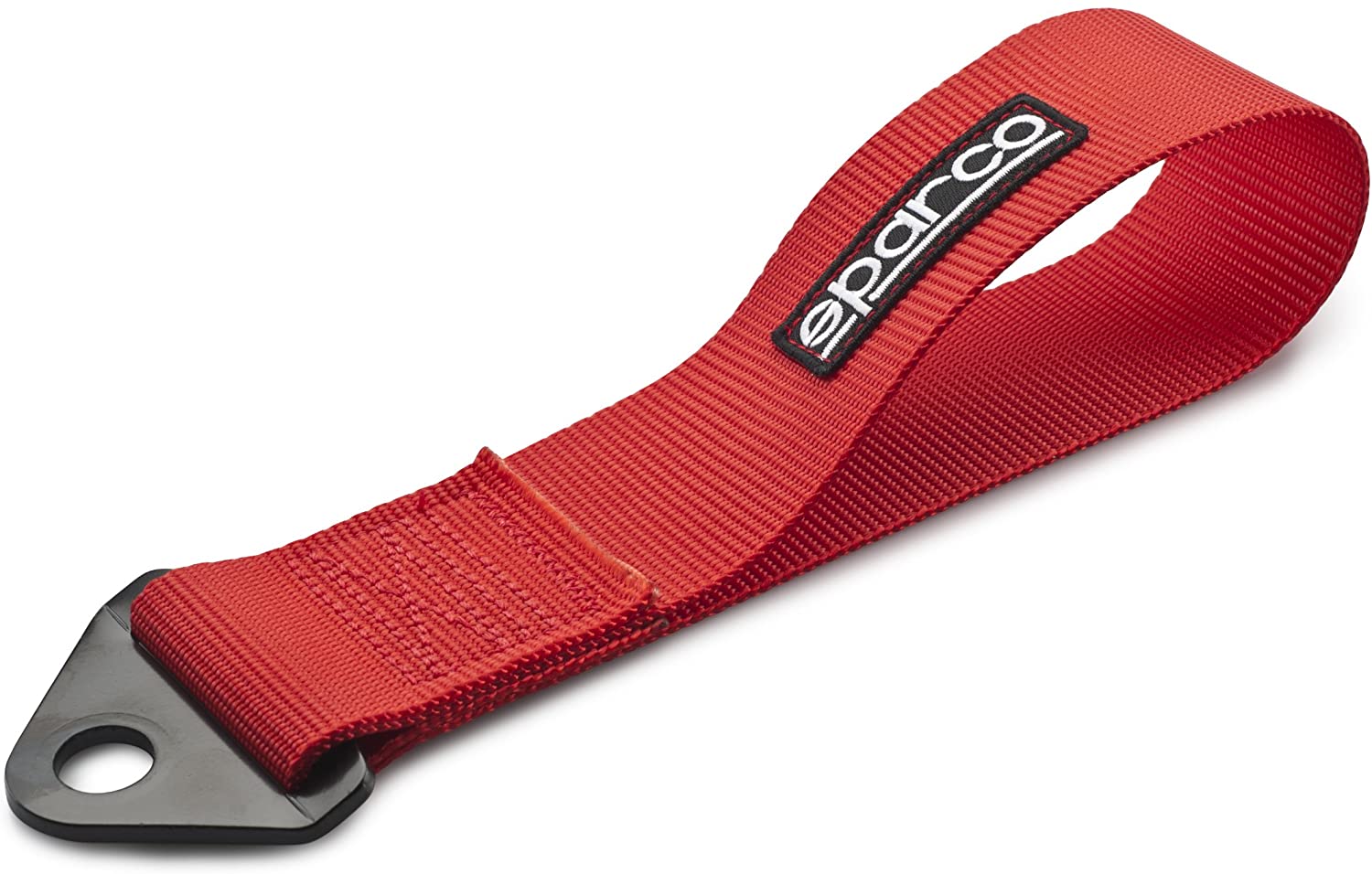
Sparco Tow Strap – $40 – racedeal.com.au
Left your tow hook in after your last track day? It may look cool, but even a low speed impact will channel all that force right into your crash structures, turning an otherwise minor bingle into a potential write-off scenario. Get flexible!
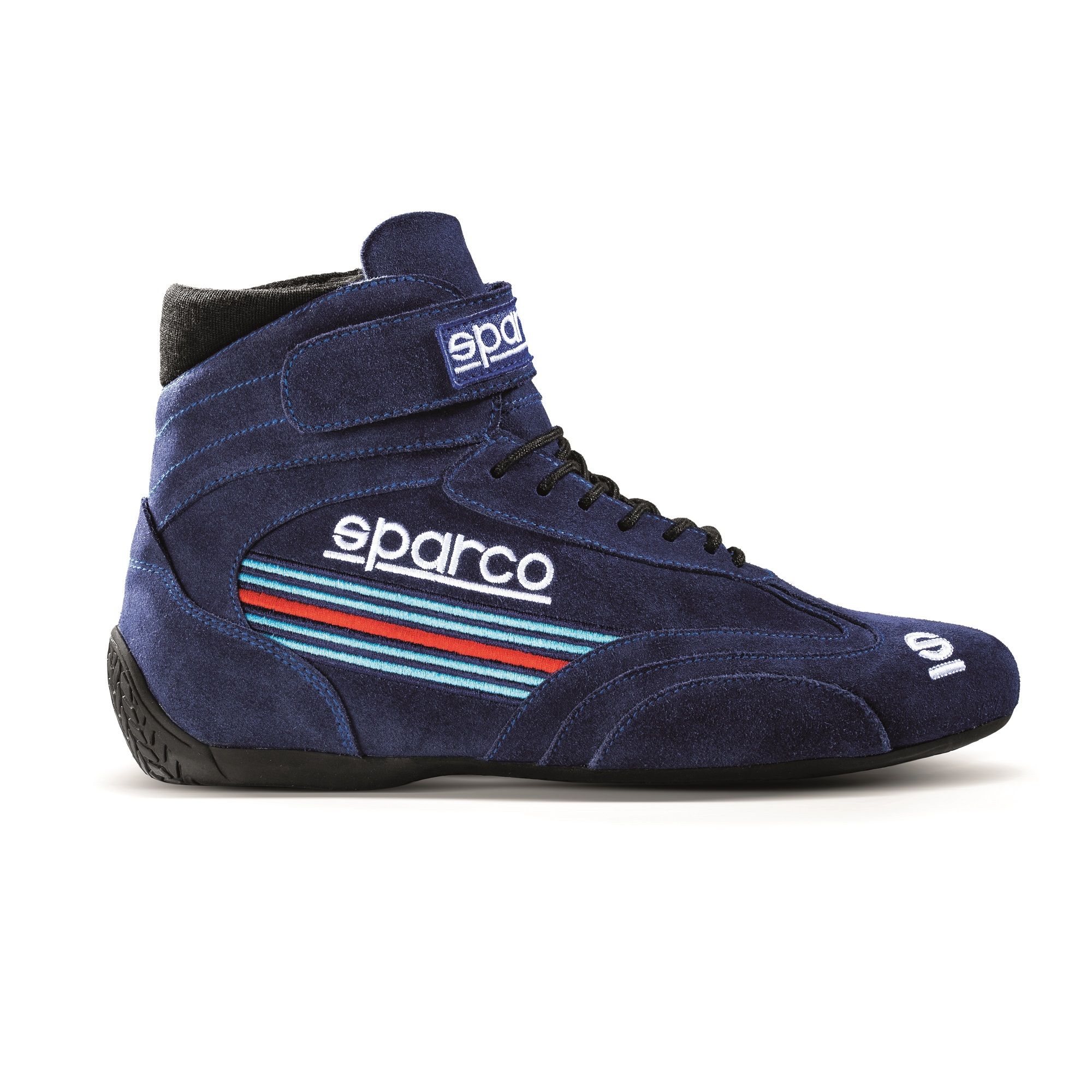
Martini x Sparco Top Race Boots – $225 – demon-tweeks.com
Martini stripes make everything a little bit more special, as it does on these suede Sparco Top Race boots. FIA 8856-2018 approved, with style in spades.