
With 2021 in full swing, the latest round of VFACTs data continues to show how well the Australian market is recovering after yet another record month for sales.
Given the general good news story, there are plenty of positives to take home compared to 2020, but some winners have bounced back better than others.
Here we’ll break down the brands, models and segments that were hot or not in May 2021.
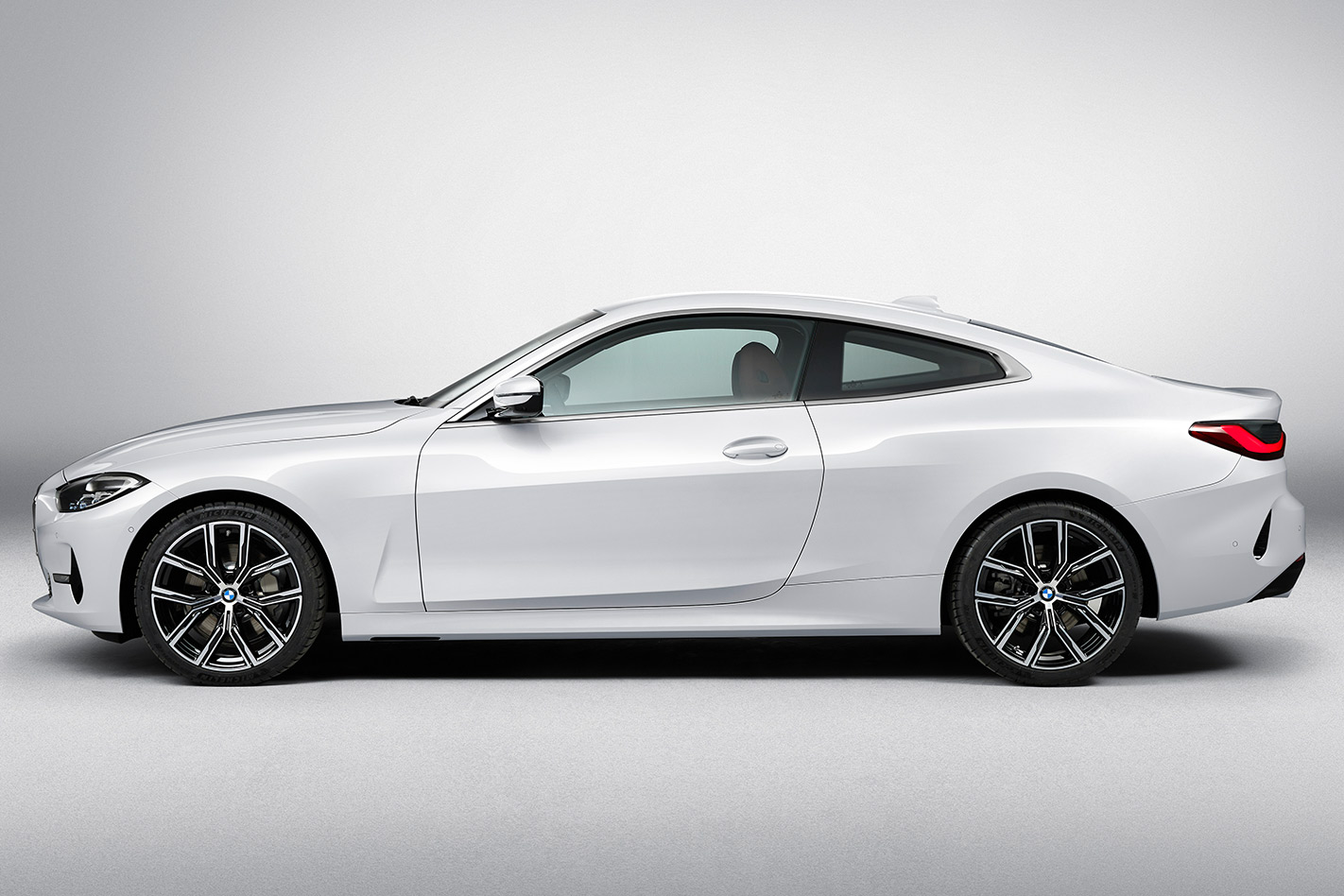
BMW 4 Series – Winner
The new BMW 4 Series could well be the most controversial vehicle design anyone has put to production in recent years, but it hasn’t hurt the nameplate in the sales yard.
The 4 Series clocked up 124 sales in May as it welcomes the convertible to its range, outselling the Mercedes-Benz C-Class and Convertible for the month and closing the gap in Year-to-Date sales (which stands at 436 versus 557 respectively).
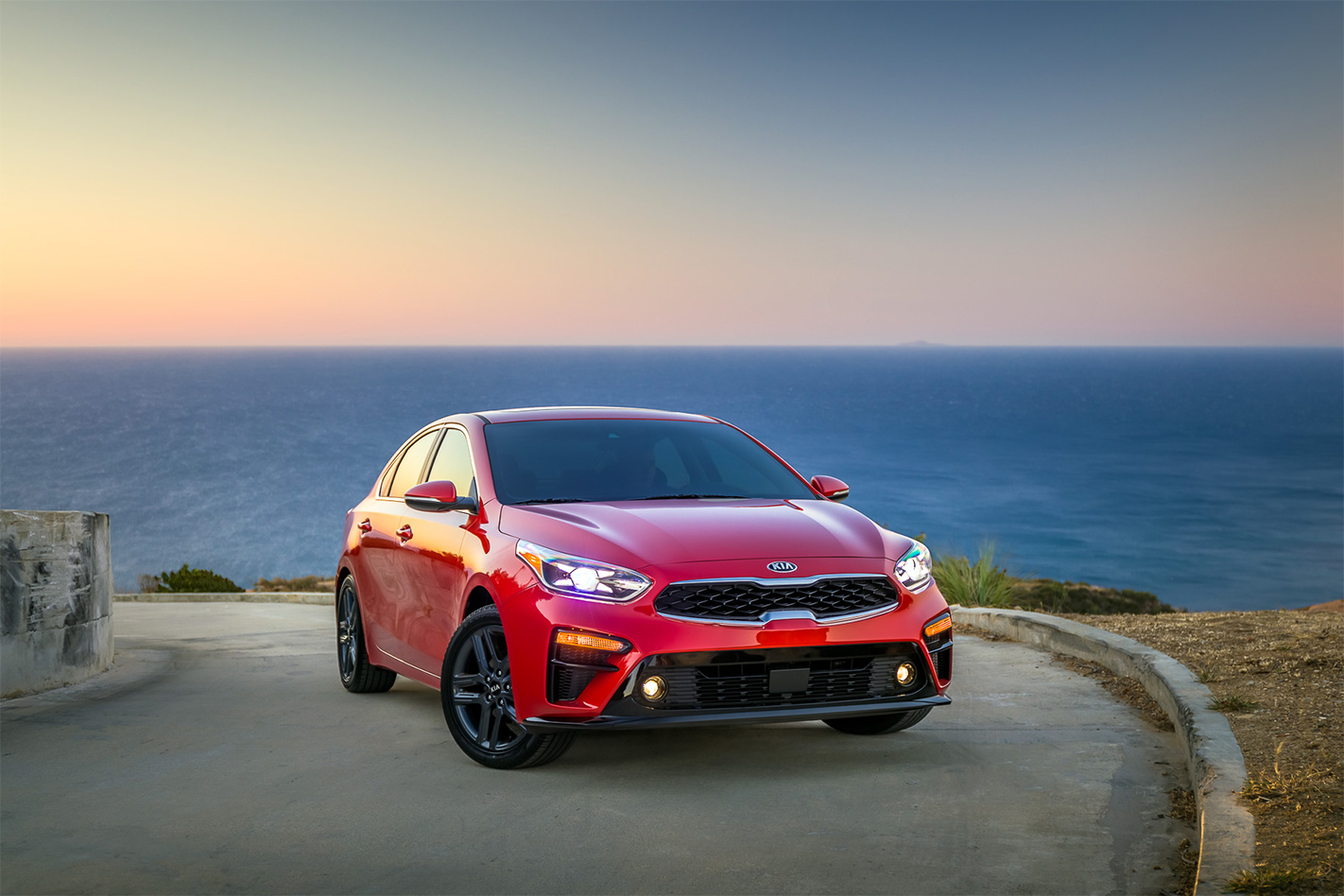
Kia Cerato – Winner
Although small hatches lost market share – in May 2021, they accounted for 8.7 per cent of sales whereas last year it was 11.4 – one model improved on both its 2020 and 2019 results.
Kia sold 2052 of its Cerato in May 2021. That was only 75 cars short of the top 10 and 28 more than the 2024 cars sold in May 2019. It’s an aggressive V-shaped recovery after selling only 842 in May in 2020, proving demand has remained consistent despite supply shortages.
Italian supercars – Losers
It was a quiet month for Italy’s finest, with Ferrari and Lamborghini posting significantly lower sales in May 2021 and selling 11 supercars between them.
While nine of those sales belong to Ferrari, Lamborghini equalised the sales score thanks to its Urus SUV finding seven homes in May.
Although single-digit supercars sales are the norm for Lamborghini, it’s a meagre result for Ferrari, which has sold 74 coupes and convertibles year to date.
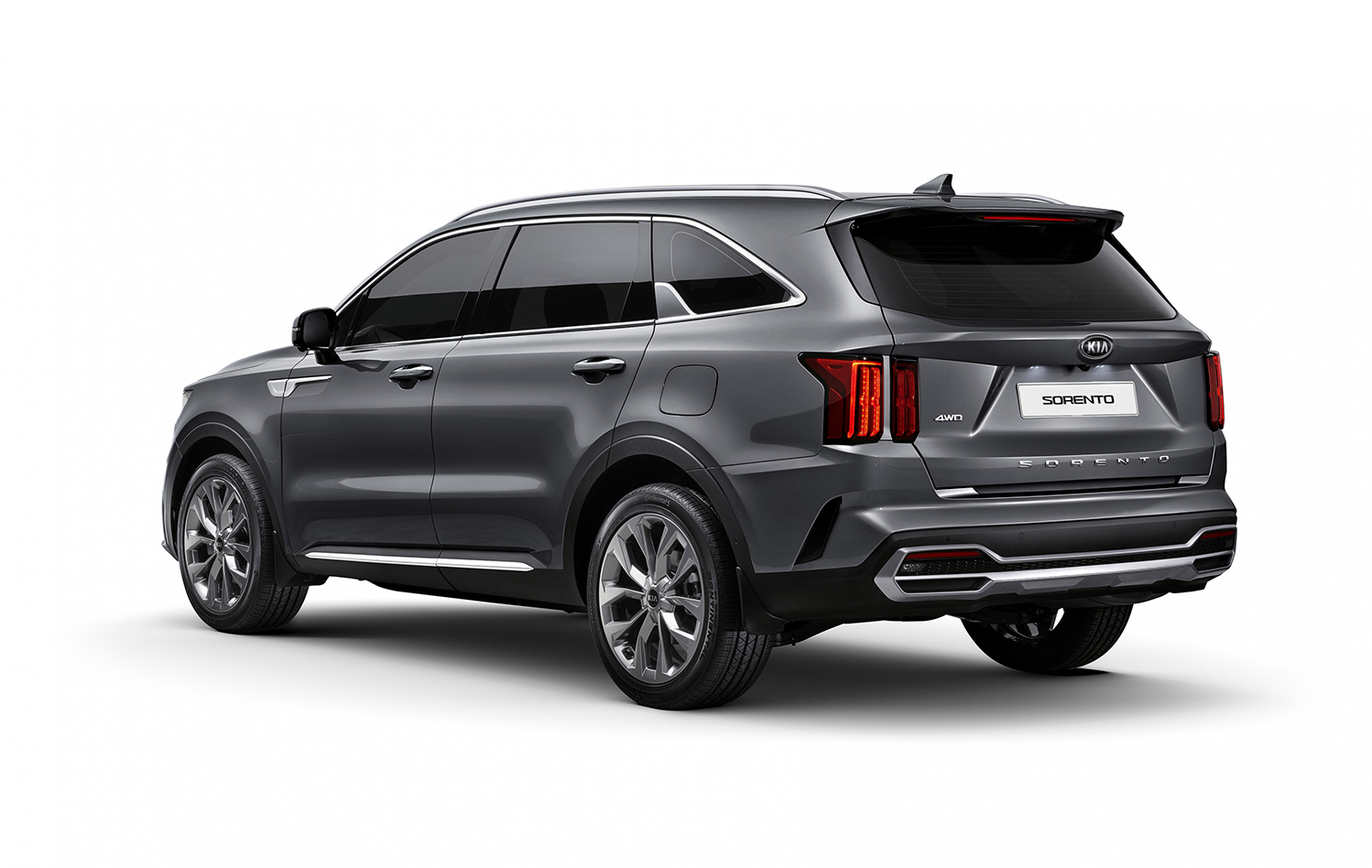
Kia – Winner
Although Hyundai beat the Kia Cerato into the top 10 nameplates of May with its new i30, Kia has the last laugh on monthly brand sales.
Kia sold 7124 cars in May, thanks in part to the strong-selling Cerato, beating Hyundai by 674. It’s the first time Kia has beat Hyundai since March 2020. Hyundai still holds the lead in year-to-date sales (31,277 versus 30,004).
Bentley – Winner
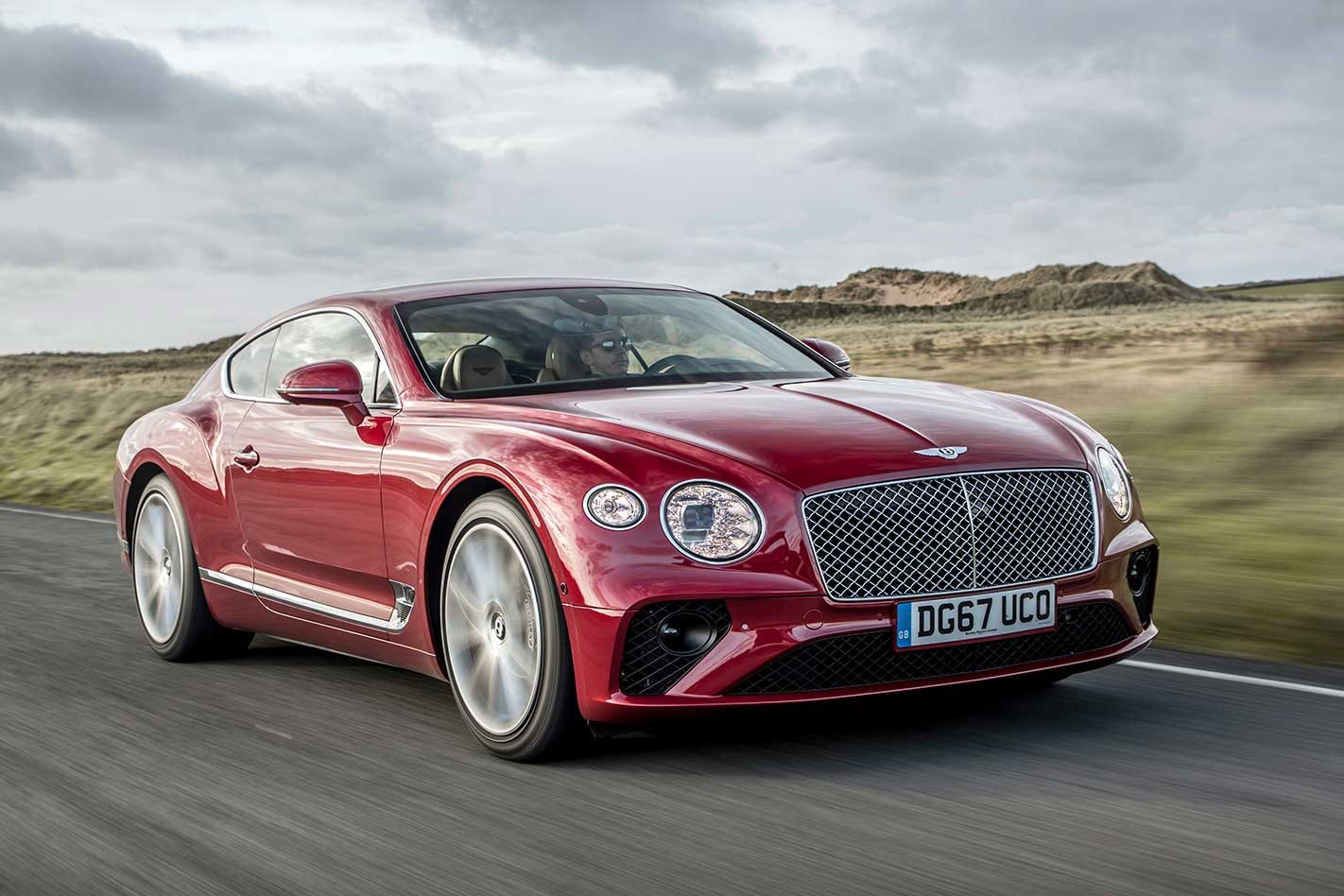
Bentley made an impact in May after its Continental outstripped not only its own Bentayga for sales but the usual king-hitting supercar brands in the sports $200K-plus category as well.
With 17 sales chalked up to its Continental, Bentley’s overall May result was bolstered further by the sale of one sedan and five Bentagyas.
The Porsche 911 was the only sportscar more popular than the Continental in May, selling 46.
Ford Mustang – Winner
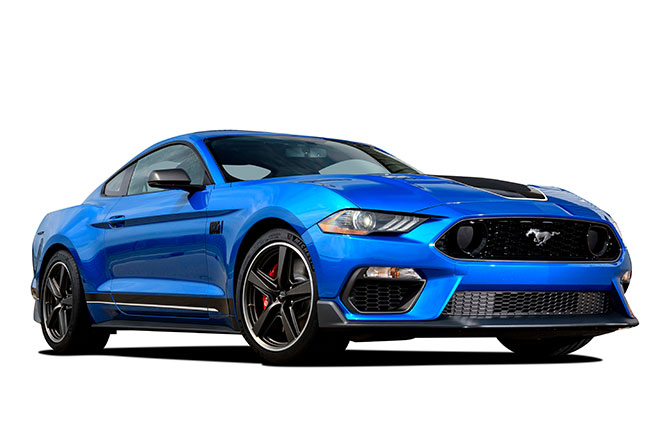
May was a good month for the Ford Mustang. It managed to sell 441 cars, registering a better monthly result than 2020 and 2019.
It’s hard to pin down exactly why – the Mustang is now in its sixth year on sale in Australia since launching in 2015 – but the recent arrival of the Mach 1 has put the spotlight back on the retro hero.
Medium SUVs – Losers
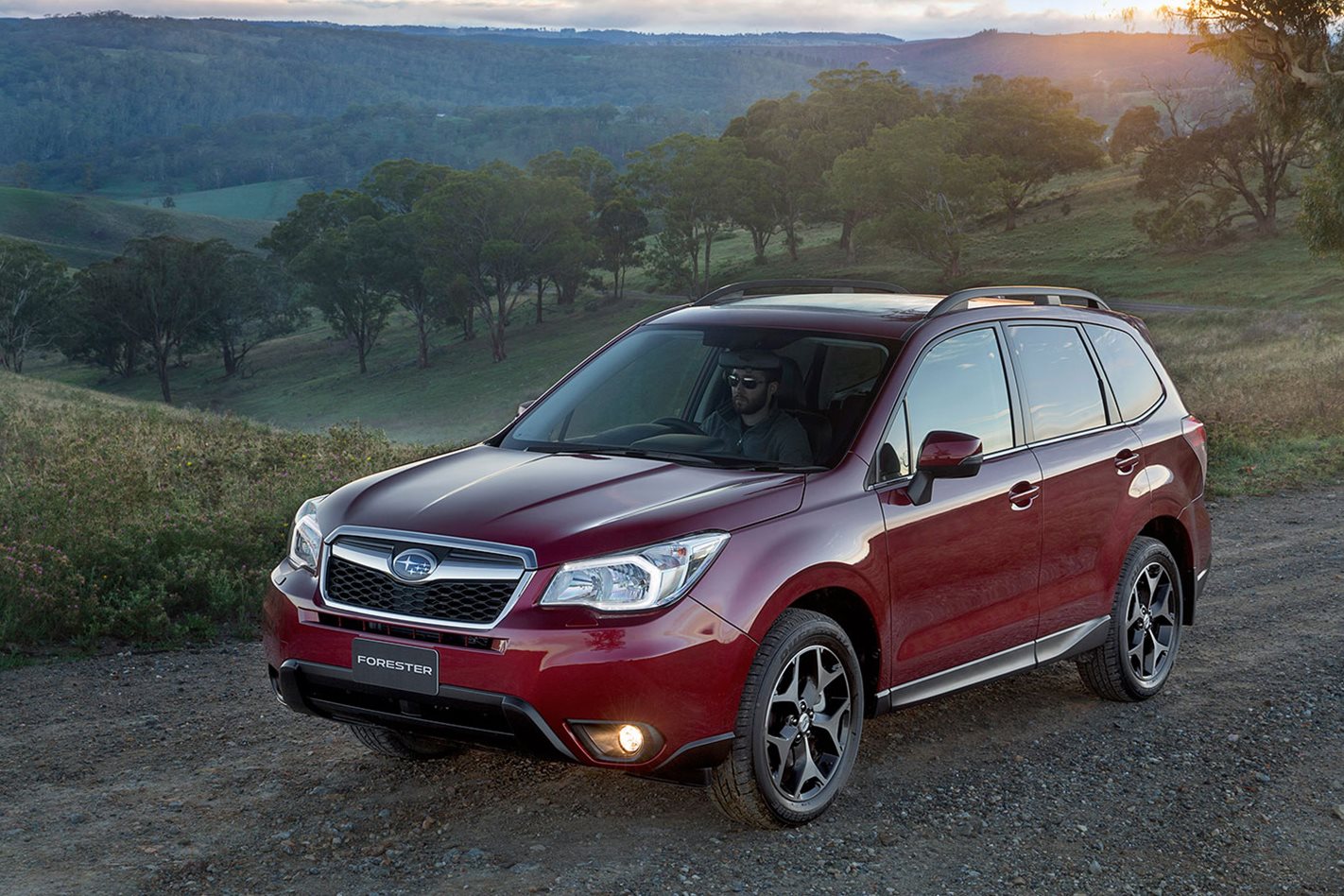
With re-instated production allowing SUV sales to almost double on their May 2020 result, it was strange to see the medium SUV category contract in market share.
Its share of total segment sales dropped from 19.2 per cent in May 2020 to 16.9 per cent in May 2021, a fall of 2.3 percentage points. However, during this time, overall sales grew from 11,477 to 17,012, suggesting buyers moved to other areas of the SUV market.
Toyota and Isuzu – Winners
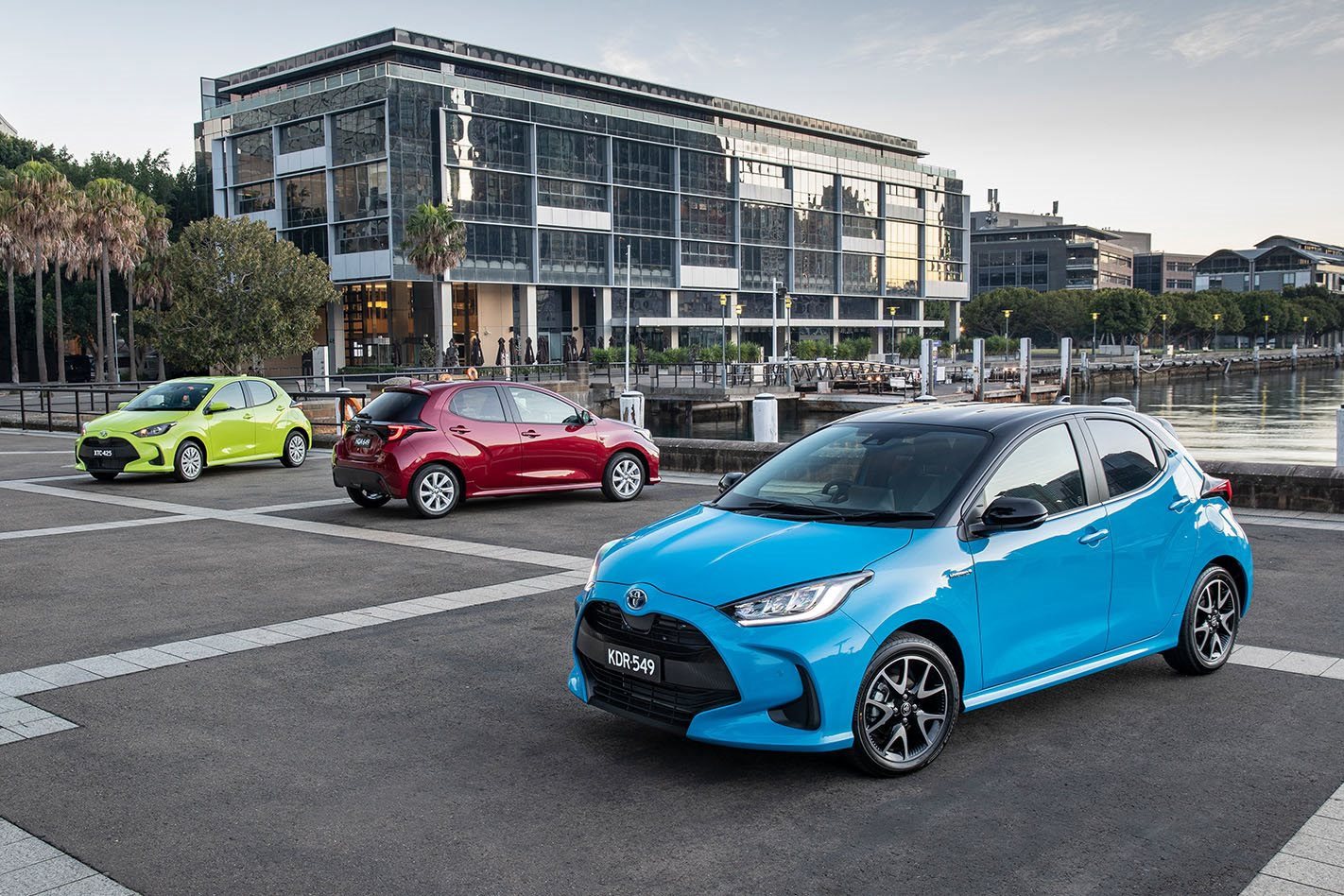
While Toyota topped the brand charts yet again, the brand says this was actually its best ever May. Toyota sold 21,156 cars.
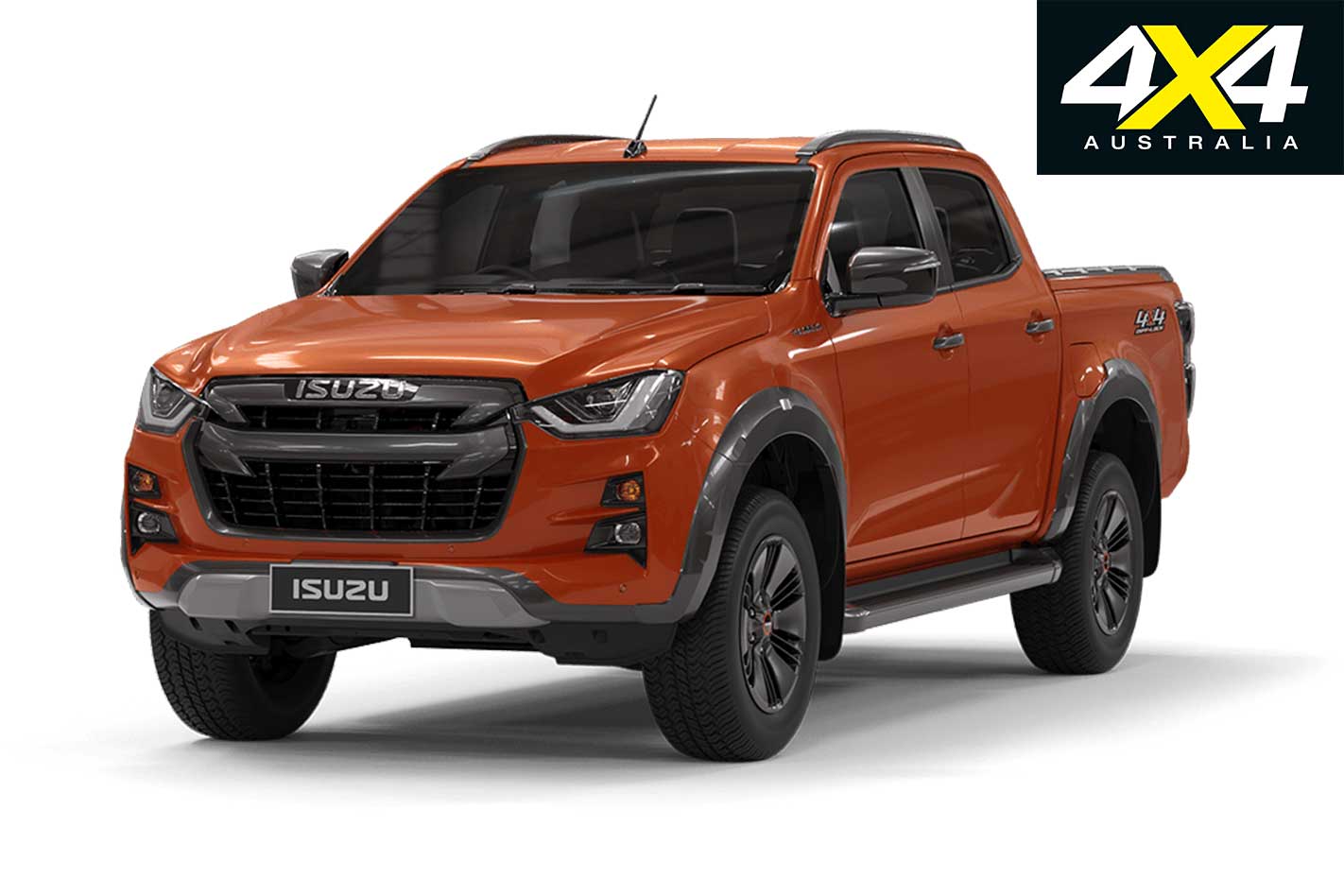
Isuzu has enjoyed a meteoric rise on the back of demand for its D-Max ute, which has entered the Top 10 list for models Year-to-Date sales.
The 3058 D-max utes sold in May 2021 made it the fourth most popular nameplate for the month and helped it achieve ninth for YTD.
Snapshot
- Just 600 examples will be built
- Power remains unchanged at 285kW and 500Nm
- Unlikely to come to Australia
Toyota’s US arm has revealed a special edition GR Supra adorned with a wealth of aero-focussed carbon features.
Called the A91-CF Edition, the two-door sports car scores gloss-coated carbon fibre aerodynamic exterior trim pieces such as a new front splitter, side skirts, aero canards located at the front, side, and rear of the coupe, and ducktail rear spoiler.
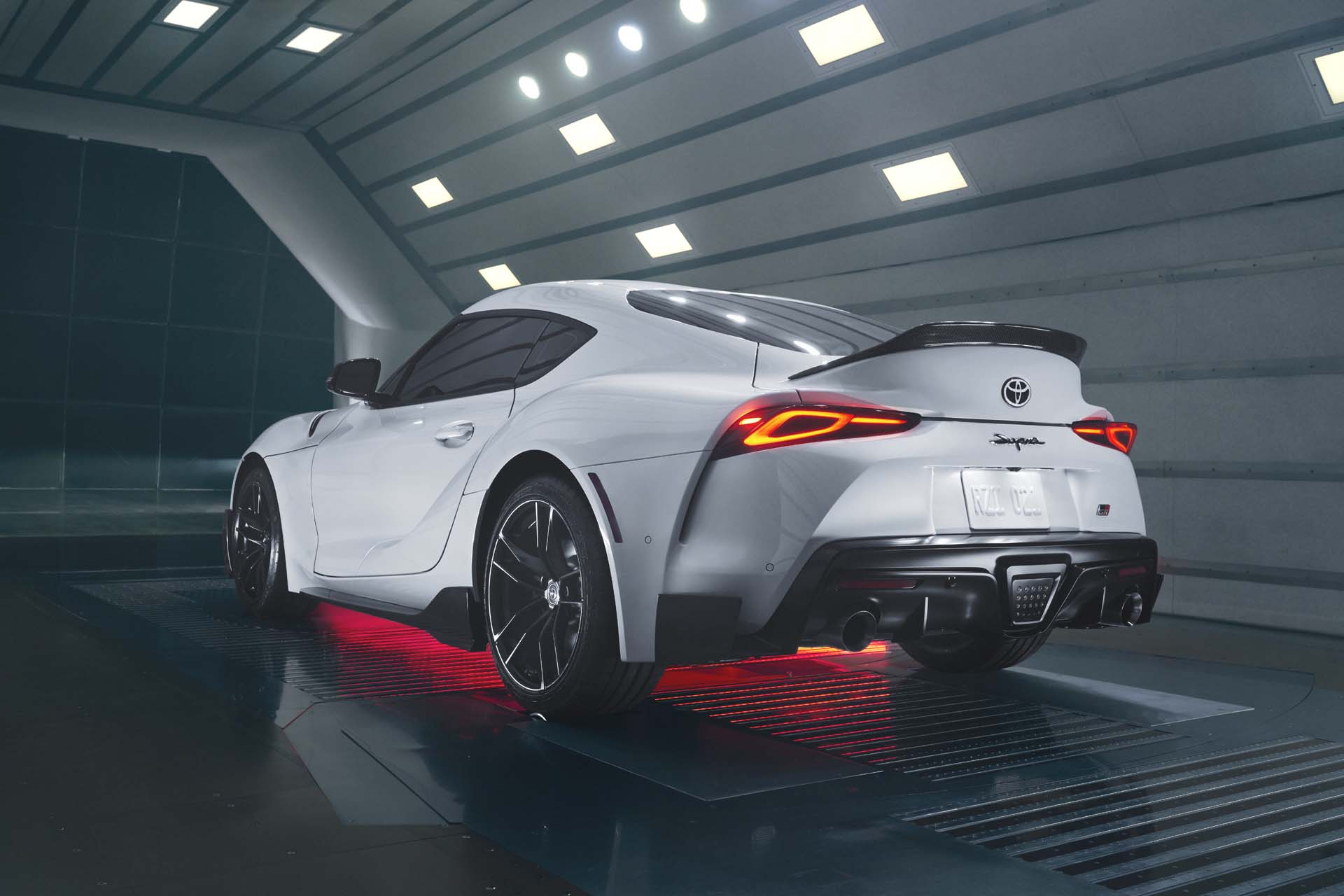
Toyota USA hasn’t detailed how much extra aero performance the new carbon components add to the Supra’s slipper silhouette, but the firm claims the extra equipment has been designed for owners keen on taking their sportscar to the track.
The A91-CF Edition also scores matt black 19-inch alloy wheels, red brake calipers with ‘Supra’ lettering in white, red and black Alcantara and leather trim, carbon fibre dash pieces, brushed metal sports pedals, and 14-way adjustable powered seats.
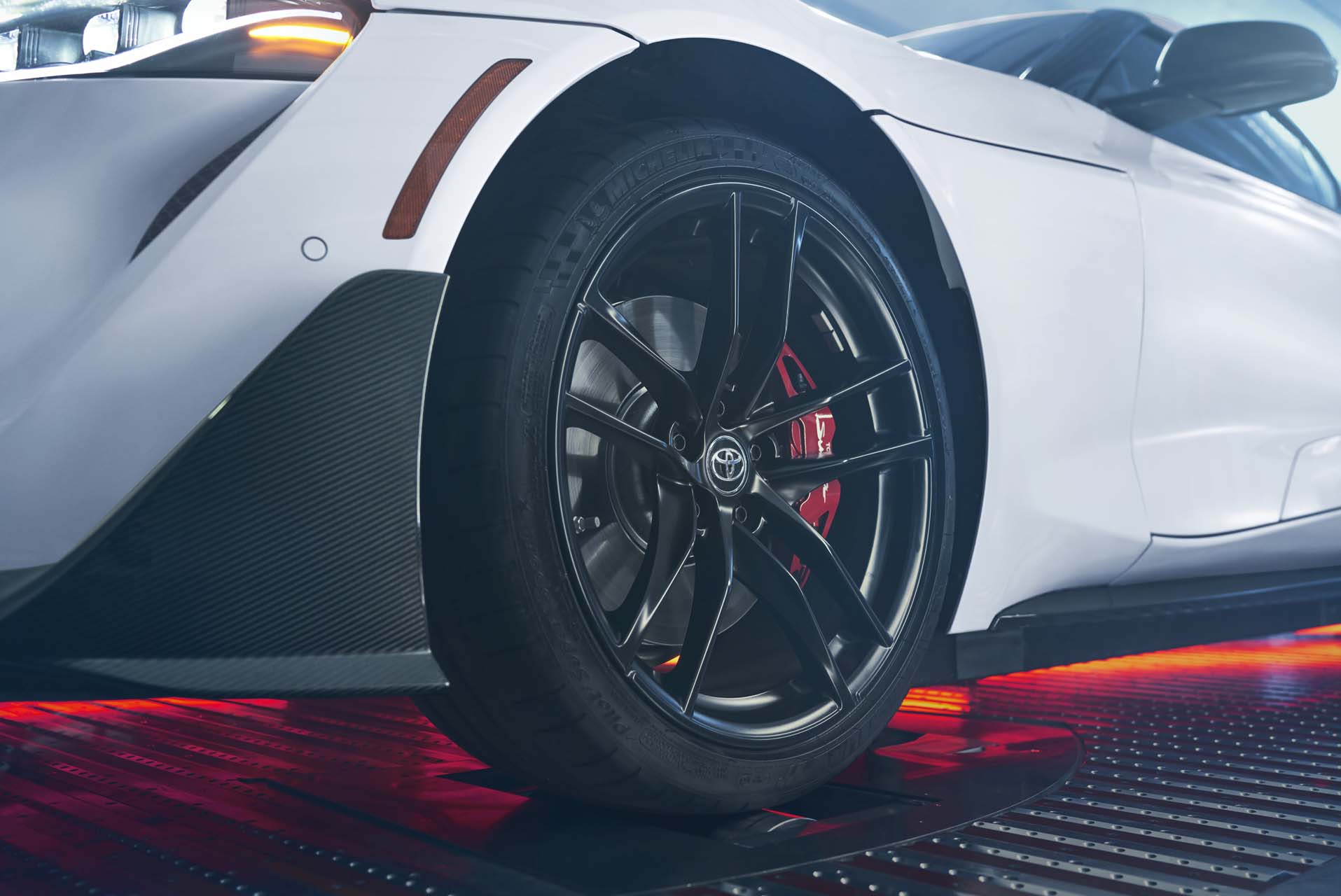
The special Supra will only be available in three distinct colours – Absolute Zero White, Nitro Yellow, and Phantom Matte Grey.
Besides the optical and aero upgrades, the Supra remains unchanged from its standard sibling, with BMW’s B58 twin-scroll turbocharged 3.0-litre six-cylinder motor producing the same 285kW and 500Nm.
That’s still enough performance to send the Toyota from 0-100km/h in just 4.1 seconds, before charging on to a limited 250km/h top speed.
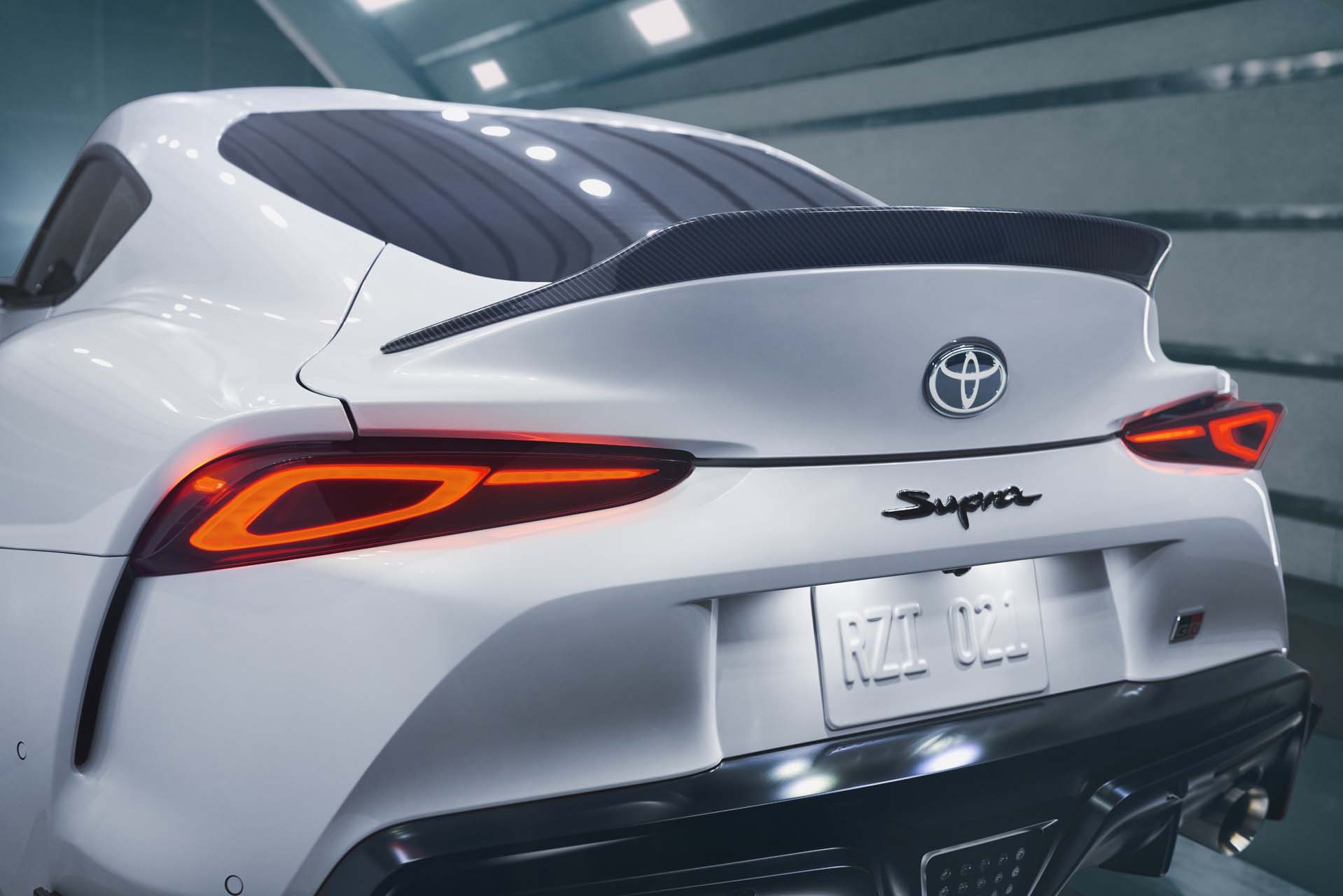
Just 600 examples on the limited edition Supras will be built for the US Market. WhichCar has reached out to Toyota Australia to see whether or not Aussies may one day see a limited edition A91-CF Edition locally, but at this stage, it looks unlikely.
The Toyota Supra has been somewhat of a quiet achiever in the Australian sportscar segment of late, commanding a 6.2 per cent market share for the month of May, with 23 examples being sold.
That’s more than the Porsche Cayman (14), Audi TT (5), BMW Z4 (6), and the Jaguar F-Type (5).
Snapshot
- 100,809 vehicle registrations in May
- HiLux back on top after being knocked off by Ranger in April
- Isuzu D-Max star of the show last month
Australia is on track to return to a million-plus new-car market after May became the second month of 2021 to register more than 100,000 vehicle sales
The latest official industry figures confirmed 100,809 vehicle registrations last month, the best May result since 2017 when 102,901 cars were sold.
With 456,894 sales so far in 2021 and average monthly sales of 91,379, the market has the potential to reach 1.1 million units by the end of the year.
The effects of the latest lockdown in Victoria won’t be known until June’s results, as the restrictions introduced at the end of May didn’t prevent the state from being the second biggest for sales.
Victoria’s 25,368 sales for May represents 65 per cent growth compared with May 2020, while year to date, the state’s sales are up 30 per cent.
New South Wales registered 32,818 new cars last month.
May’s result reflects a 68 per cent increase compared to the same month last year, though May 2020 was heavily affected by the unfolding Covid-19 crisis.
It’s only the third time since mid-2019 more than 100,000 new-car sales have been registered in a month, following June 2020 and March 2021.
Top vehicle segments
SUVs continue to dominate, with 53,605 sales in May accounting for more than half the market and representing an 87 per cent month-on-month increase. May was the strongest sales month for SUVs so far in 2021.
Small SUVs were the largest SUV sub-segment, with 14,717 units. While this represented an impressive 118 per cent increase compared with May 2020, the even smaller Light SUVs were the biggest growth area in sports utility vehicles, up 223 per cent month on month.
Light SUVs are also the country’s fastest-growing segment, up 149 per cent compared with the same period last year.
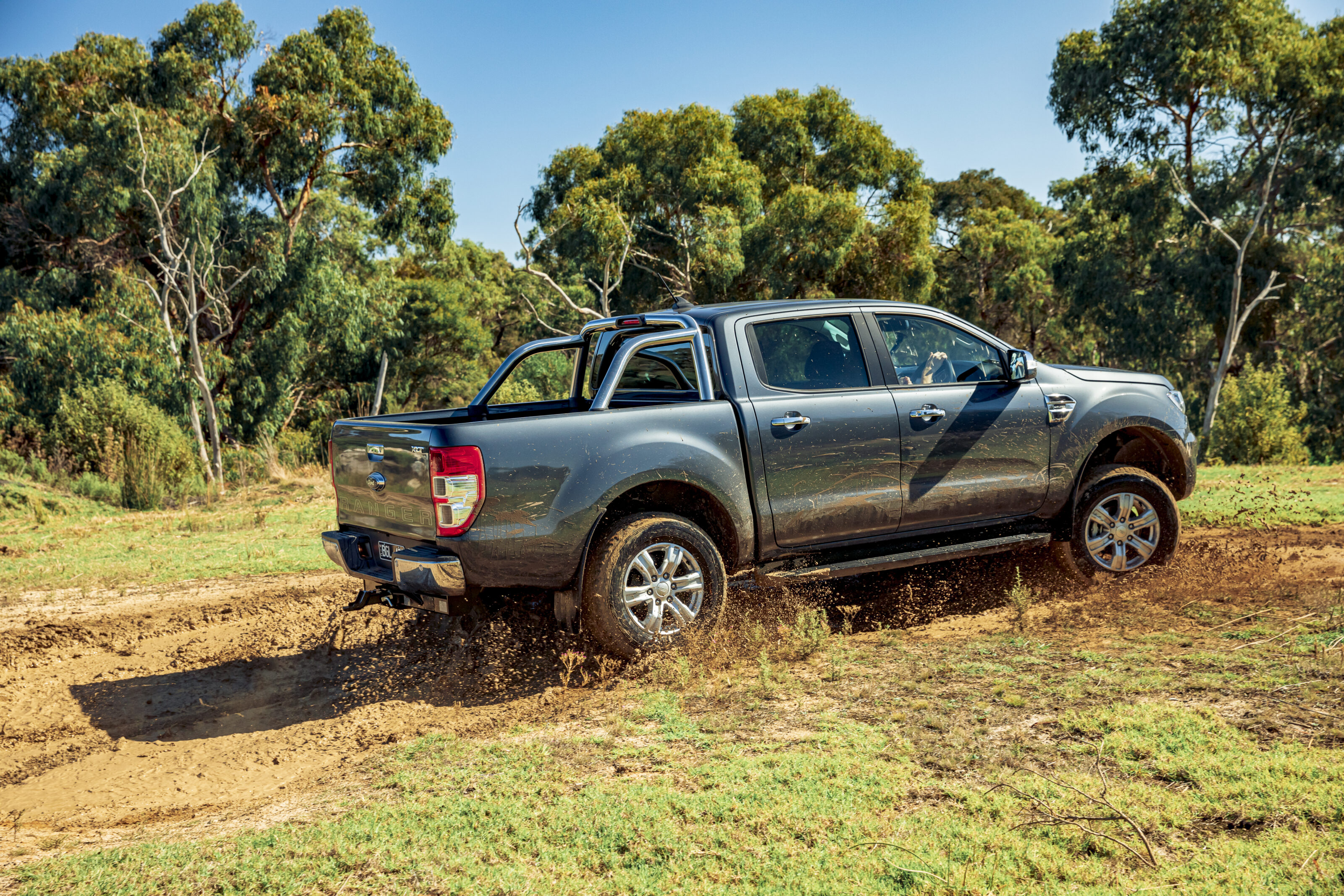
Light commercial vehicles again outsold passenger cars – 23,177 versus 20,218 sales – and 4×4 utes don’t even need their 4×2 variants to be the most popular segment outright for May. With 17,668 sales last month, 4×4 utes outsold the 17,012 of the next best segment, medium SUVs.
Ute sales passed 20,000 for May with both 4×4 and 4×2 combined.
It’s not all doom and gloom for hatchbacks, sedans, wagons, people-movers and sports cars.
Micro cars and people-movers had especially mighty Mays, up 160 and 151 per cent respectively. In both cases, growth is being driven predominantly by a Kia – the Picanto in the micro-car class and the Carnival in people-movers.
City cars were up 92 per cent month on month, medium cars were up 44 per cent and small cars increased 24 per cent.
Small cars, however, are one of only three segments posting a sales decline so far in 2021, down three per cent. The tiny upper-large segment is down 17 per cent and small vans are down 16 per cent.
Top 10 models
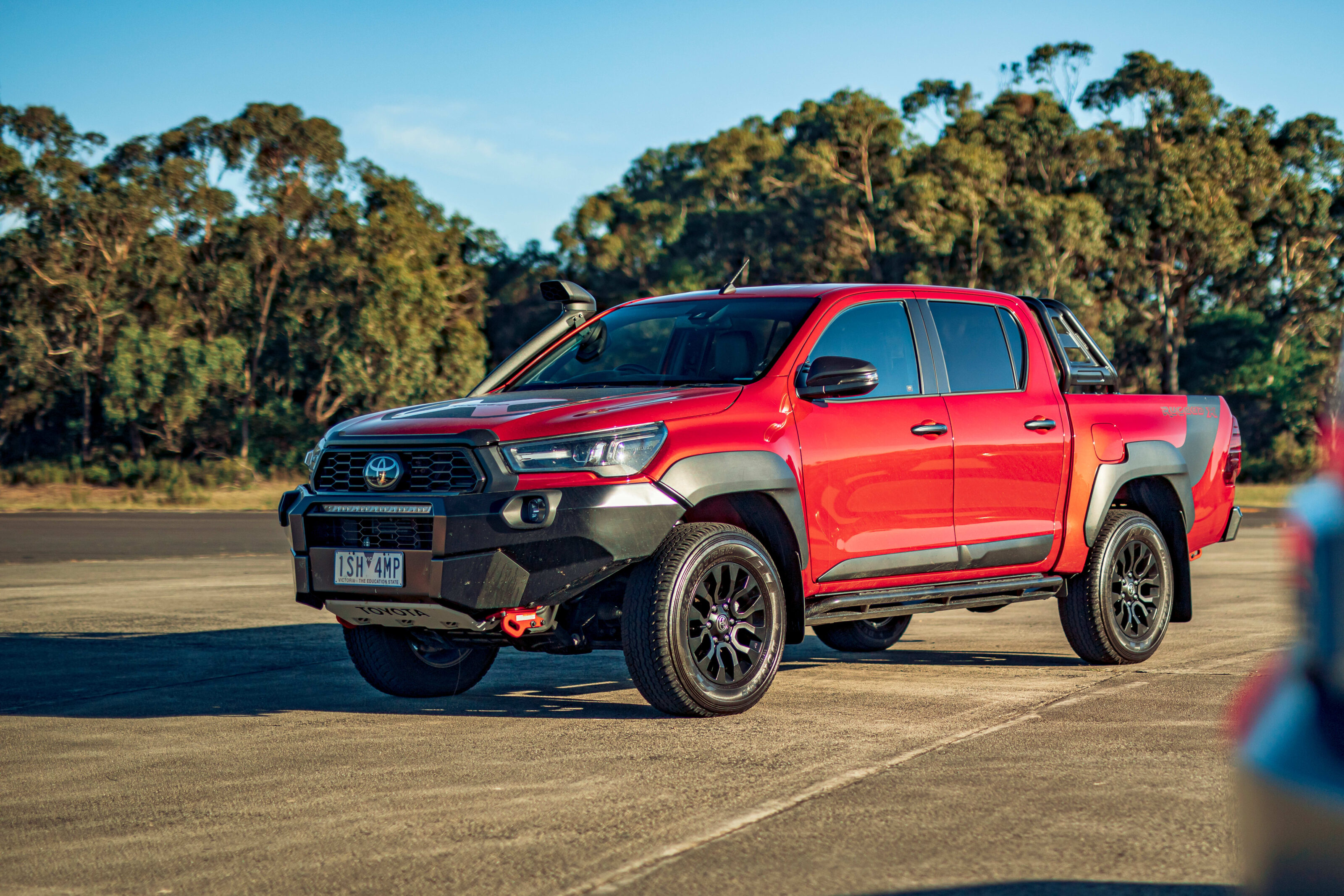
The Toyota HiLux reclaimed its regular best-selling-vehicle status in May, after being usurped by its nemesis, the Ford Ranger, in April.
HiLux is the only vehicle so far to exceed 20,000 year-to-date sales, though the Ranger still holds a slender advantage in the vastly more popular 4×4 segment – with the duo separated by just 15 units.
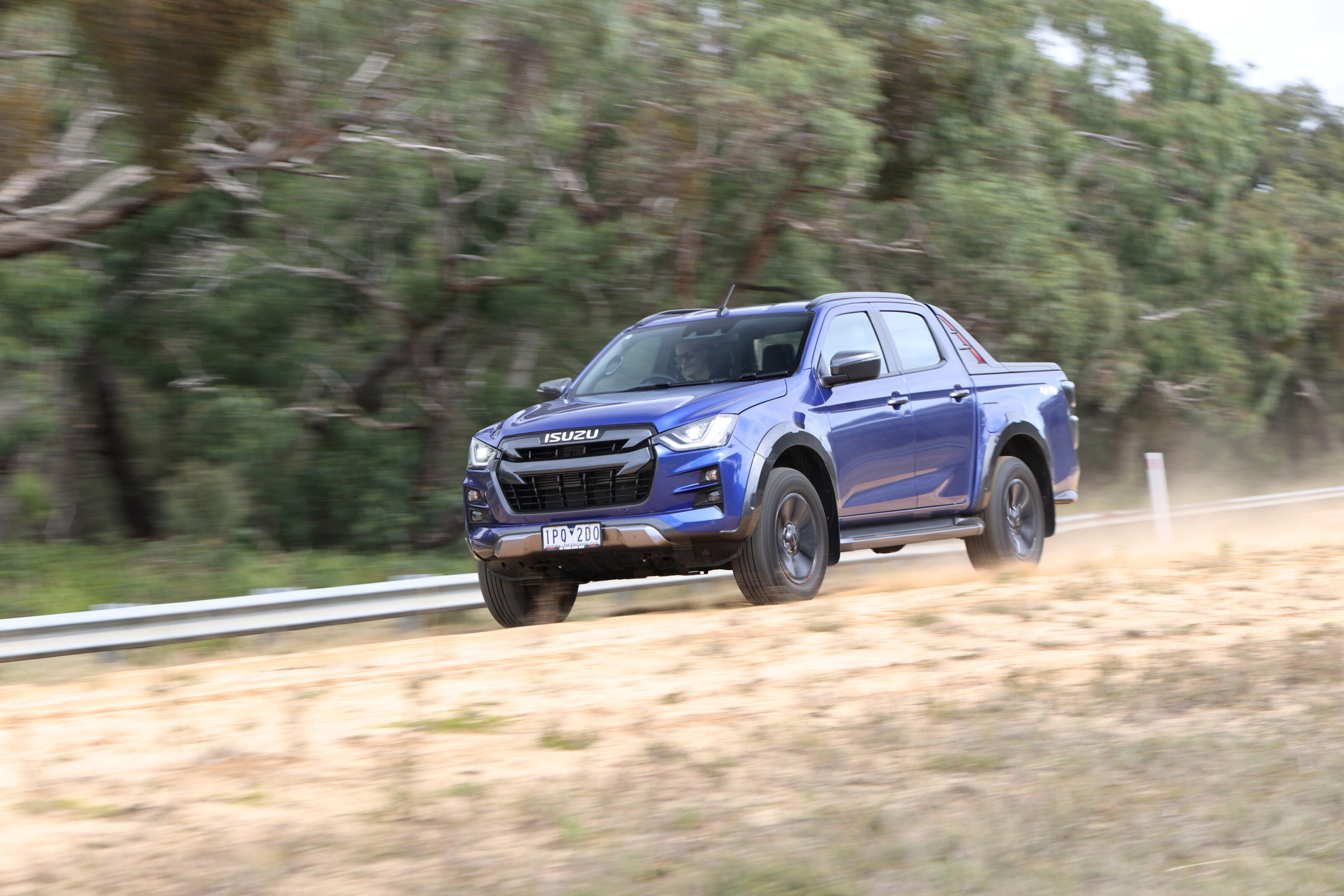
The Isuzu D-Max is the ute star of May 2021, with remarkable 202 per cent month-on-month growth pushing it into unfamiliar territory of fourth place and a record monthly result. Isuzu’s popular ute hadn’t previously passed 2000 units, yet crossed over the 3000 mark last month.
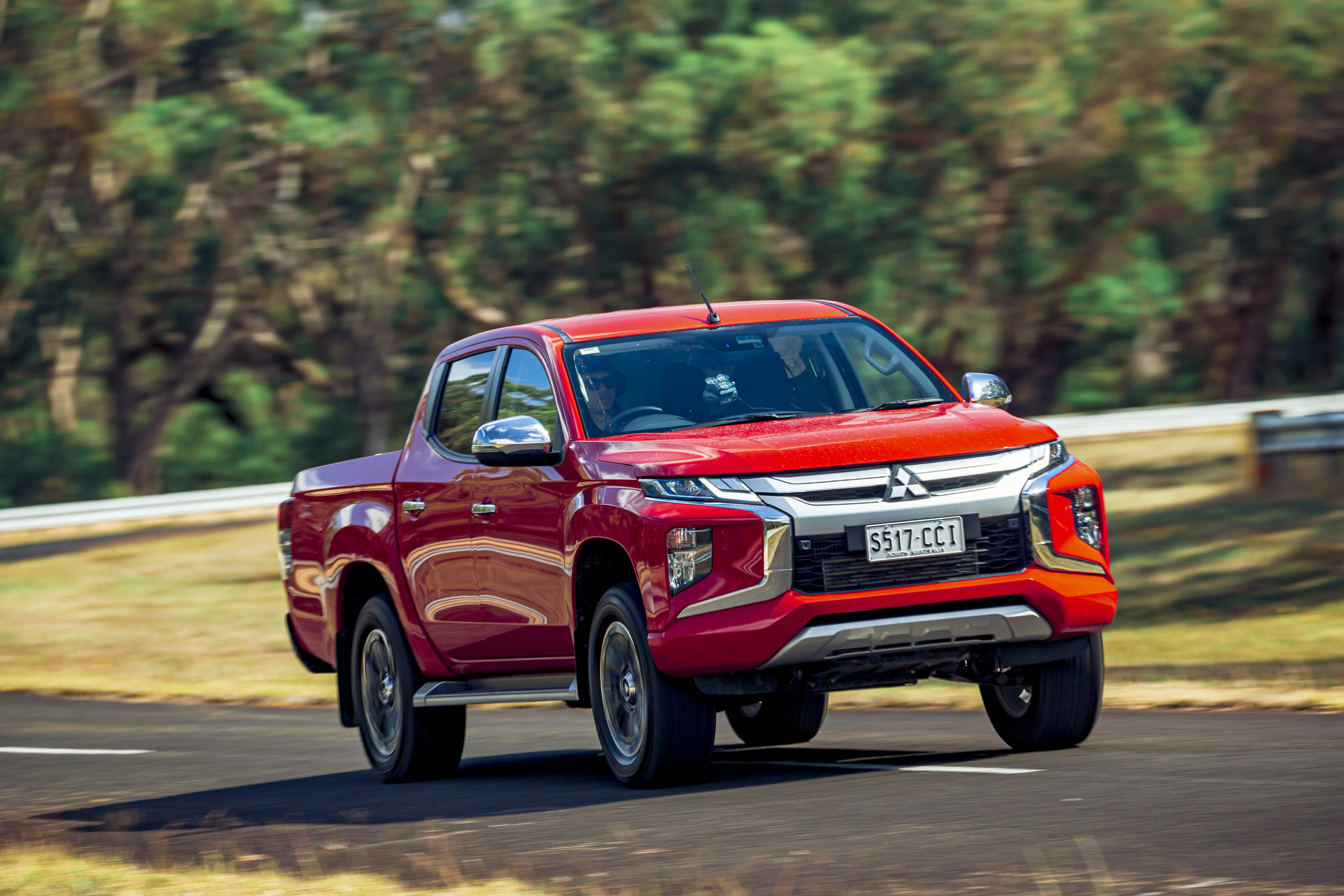
Mitsubishi’s Triton ute, a perennial Top 10 finisher, enjoyed a month-on-month sales jump of 168 per cent, and so far in 2021 is Australia’s sixth most popular vehicle.
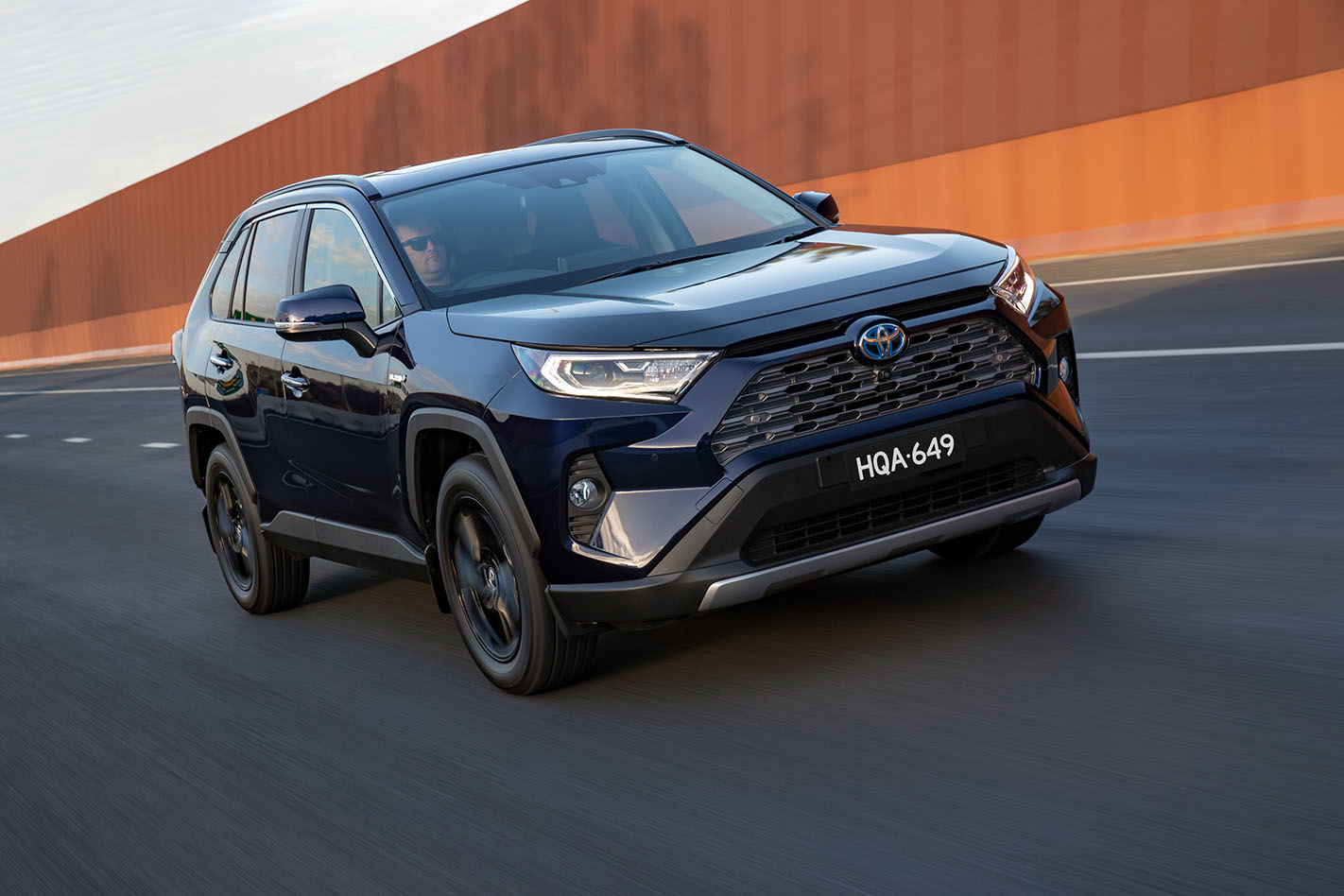
Toyota’s RAV4 couldn’t repeat its April feat of out-selling the HiLux, though another 4000-plus result secured another monthly third place for the mid-sized SUV and means a bronze medal overall already looks assured for 2021.
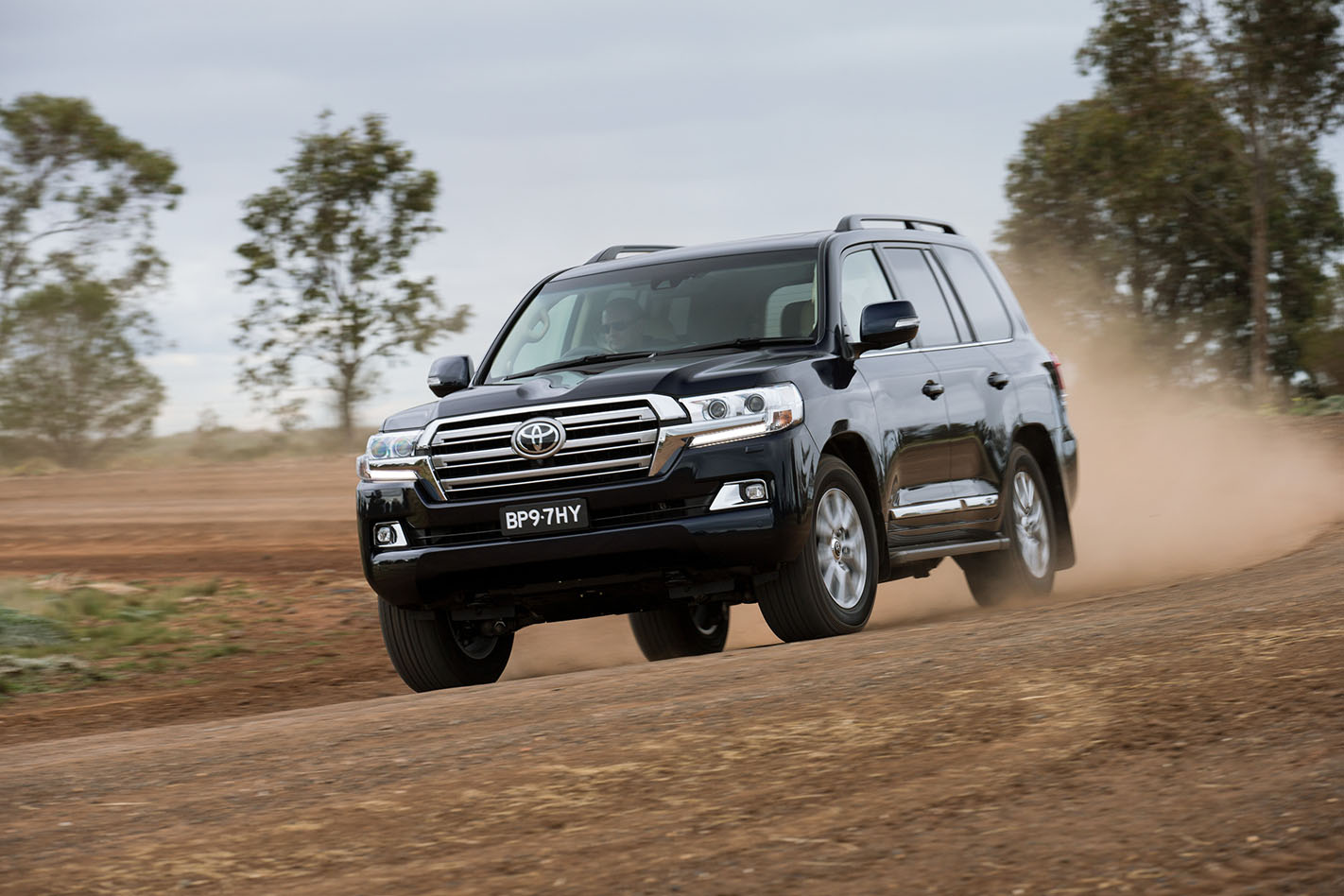
Demand for the outgoing Toyota LandCruiser 200 continues unabated, with the iconic 4WD placing in the top 10 for the third consecutive month – up 122 per cent month on month and up 96 per cent year to date.
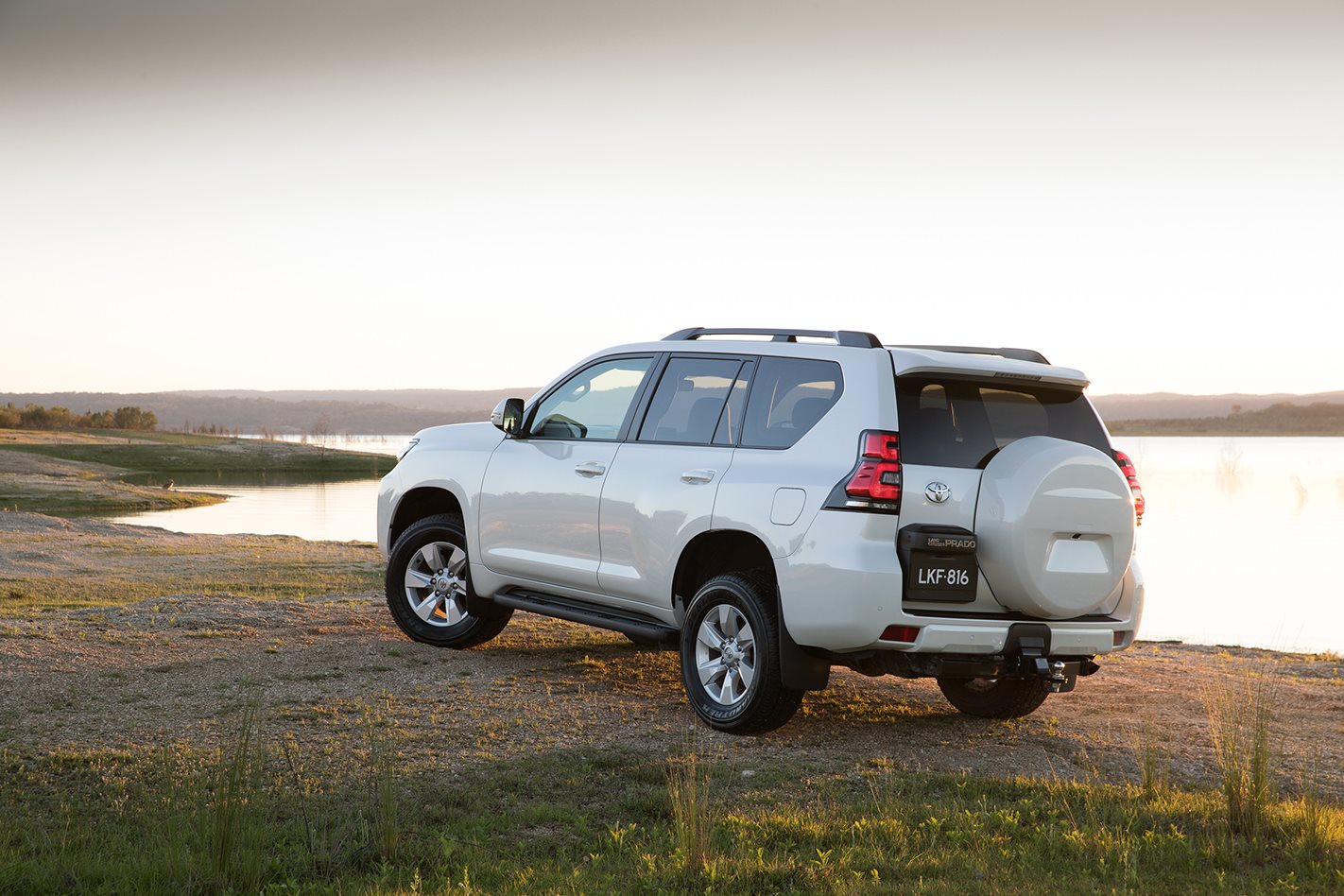
There was also a rare Top 10 appearance for the Toyota (LandCruiser) Prado, placing eighth and ahead of its stablemate the Corolla and the Hyundai i30.
The two small cars had their lowest Top 10 placings yet of 2021 despite decent growth.
Both remain comfortably inside the Top 10 based on year-to-date (YTD) figures.
The Kia Cerato’s strong May enabled it to replace the Mazda CX-3 in the YTD Top 10, while the D-Max’s stellar May has catapulted the Isuzu ute into the overall Top 10 as well.
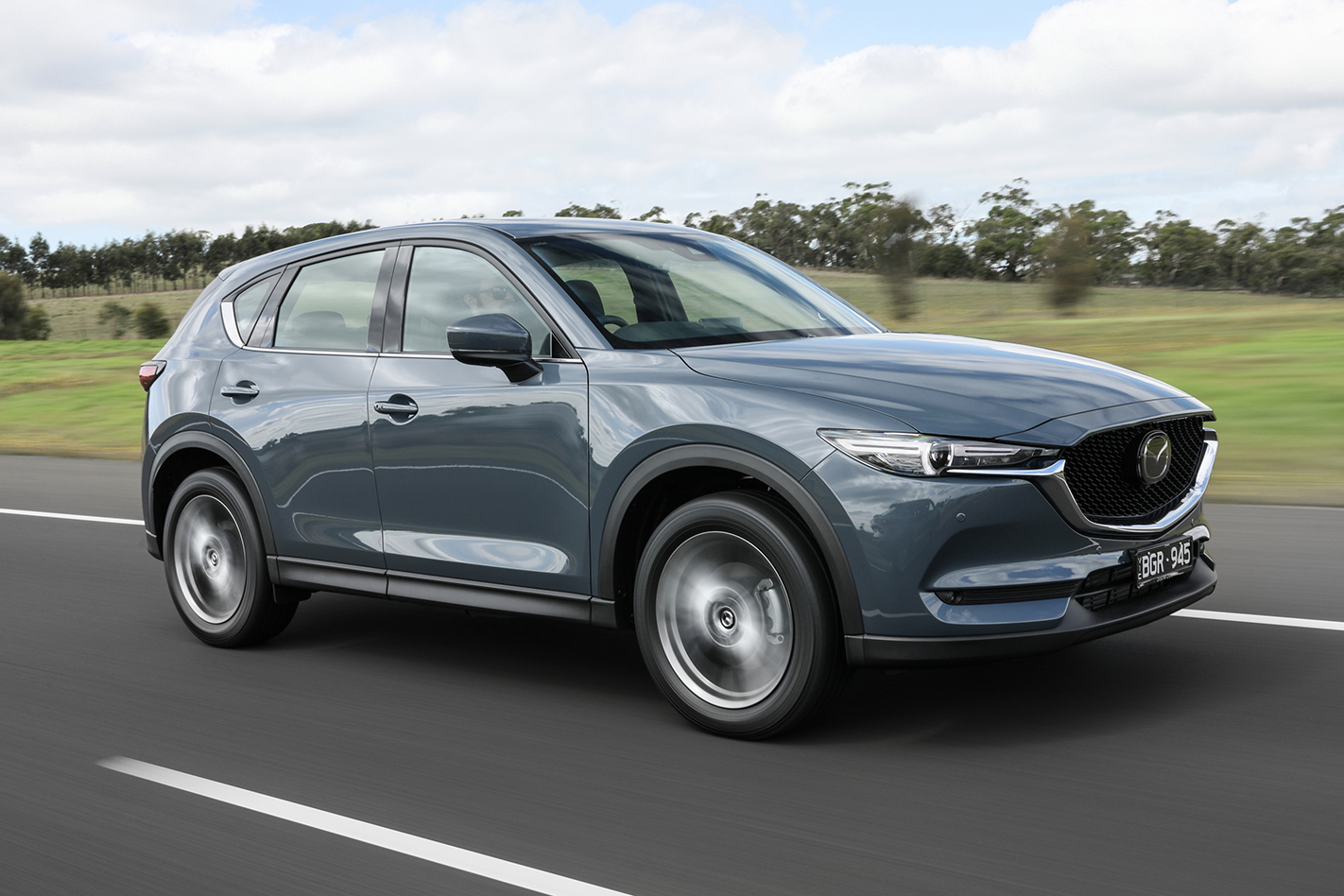
Mazda’s CX-5 medium SUV also continues to perform strongly in 2021.
Top 10 models – May 2021
- TOYOTA HILUX – 4402 – up 25%
- FORD RANGER – 4254 – up 60%
- TOYOTA RAV4 – 4014 – up 71%
- ISUZU D-MAX – 3058 – up 202%
- TOYOTA LANDCRUISER – 2795 – up 122%
- MAZDA CX-5 – 2768 – up 87%
- MITSUBISHI TRITON – 2317 – up 168%
- TOYOTA PRADO – 2214 – up 63%
- TOYOTA COROLLA – 2190 – up 35%
- HYUNDAI i30 – 2127 – up 79%
Top 10 models – year to date 2021
- TOYOTA HILUX – 22,664 – up 43%
- FORD RANGER – 19,278 – up 47%
- TOYOTA RAV4 – 17,858 – up 38%
- MAZDA CX-5 – 12,272 – up 60%
- TOYOTA COROLLA – 11,644 – up 11%
- MITSUBISHI TRITON – 10,936 – up 59%
- HYUNDAI i30 – 10,808 – up 36%
- ISUZU D-MAX – 10,638 – up 114%
- TOYOTA LANDCRUISER – 10,459 – up 96%
- KIA CERATO – 8045 – up 16%
TOP 10 BRANDS
Toyota achieved a record May as it once again accounted for more than 20 per cent of the market with 21,156 sales. The Japanese brand is closing in on 100,000 sales for 2021.
The two biggest headlines for brands last month were Kia’s third place and Isuzu’s rare entry into the Top 10.
With 7124 May sales coming from nearly 160 per cent growth compared to the same month last year, Kia outsold parent company Hyundai for the first time in 2021. Hyundai’s growth is still outperforming the overall market.
Kia outsold Hyundai for the first time in a monthly period in March 2020.
Isuzu leapt into the top 10 in ninth, not far behind VW despite offering just two models – the D-Max ute and MU-X SUV. Its May sales were driven by the new-generation D-Max, with the all-new MU-X due later this year.
Ford placed fourth for the second consecutive month, with its sales once again driven predominantly by its Ranger ute and Everest SUV twins.
Mitsubishi couldn’t match its April placing of third but a closely fought May with Ford and Hyundai – just 43 units separated the three brands – means it hangs on to the last of the podium spots in the year-to-date rankings.
It’s close, however, with fewer than 2400 units splitting Mitsubishi, Hyundai, Kia and Ford after the first five months of the year.
A good month for Volkswagen has allowed it to create a wider gap to the chasing MG.
While MG’s staggering sales rise continues – up more than 400 per cent on May 2020 and up nearly 250 per cent for the year – it wasn’t enough to keep the Chinese brand in the top 10. It was just nudged out by Subaru (by 41 units), which registered a 75 per cent increase over its May 2020 sales.
Top 10 brands – May 2021
- TOYOTA – 21,156 – up 46%
- MAZDA – 10,554 – up 86%
- KIA – 7124 – up 158%
- FORD – 6493 – up 67%
- MITSUBISHI – 6478 – up 115%
- HYUNDAI – 6450 – up 57%
- NISSAN – 4307 – up 94%
- VOLKSWAGEN – 4005 – up 44%
- ISUZU – 3946 – UP 174%
- SUBARU – 3547 – up 75%
Top 10 brands – year to date 2021
- TOYOTA – 97,877 – up 31%
- MAZDA – 48,221 – up 64%
- MITSUBISHI – 31,802 – up 49%
- HYUNDAI – 31,277 – up 36%
- KIA – 30,004 – up 45%
- FORD – 29,427 – up 47%
- NISSAN – 19,946 – up 38%
- SUBARU – 17,072 – up 53%
- VOLKSWAGEN – 16,217 – up 17%
- MG – 15,241 – up 247%
In charts
May 2021 – Top 10 models and growth
May 2021: YTD sales Top 10
May 2021 – Overall segment sales
May 2021-2020 Category YTD sales
May 2021-2020 Category sales
Mercedes-Benz Australia has issued a recall for 15 examples of its 2019-2020 Mercedes-AMG GT53 4MATIC, after a fault was discovered with the vehicles’ wheel hub covers.
According to the German marque, the hub covers may not have been manufactured correctly, which could result in them falling off in regular driving situations.
Mercedes-Benz is asking affected owners to contact their preferred authorised dealer to organise a time for a vehicle inspection.
If a fault is found with the wheel hub covers, they will be repaired by the automaker free of charge.
Anyone seeking more information can contact Mercedes Australia on 1300 762 718. A list of the affected vehicles’ VINs can also be found by clicking here.
Snapshot
- New warranty and service program offers five-year/100,000-kilometre warranty, capped-price servicing
- Jeep attempting to rebuild trust with Aussie consumers
- Jeep sales have fallen over the last five years
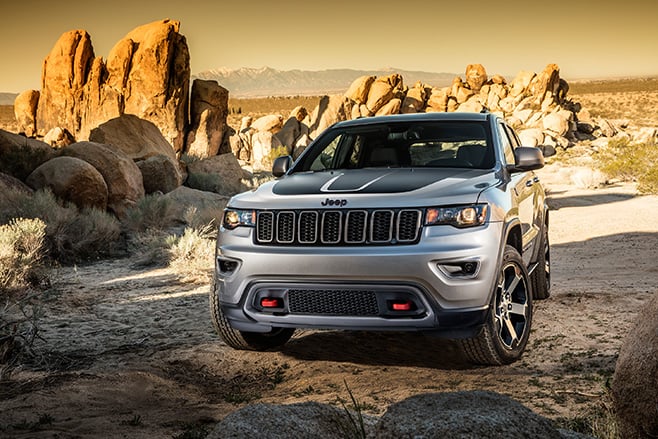
Jeep Australia has revealed its new Jeep Wave warranty and service program, applicable to all of its models moving forward.
According to the American automaker, Jeep Wave gives new buyers a five-year/100,000-kilometre warranty, capped-price servicing, and lifetime roadside assistance if the vehicle is serviced at an authorised Jeep dealership.
The Wave program will also involve dedicated mechanics to fly across the country for better vehicle diagnostics at dealerships.
The announcement comes at the same time as Jeep works to repair its reputation with Aussie consumers following a falling sales record over the last five years.
“We’re committed to rebuilding the Jeep brand here in Australia, and it’s imperative this has a customer-first approach,” Tom Noble, marketing communications director for Jeep Australia, said.
Back in 2015, Jeep was selling more than 30,000 vehicles a year locally, but by 2020, those numbers had plummeted to less than 6000.
One reason may be that from 2015 to 2020, Jeep issued 32 recalls for its products. One model alone, the fourth-generation Grand Cherokee (WK2), which was launched in 2011 and is still on sale today, has been recalled a 20 times since going on sale in Australia.

In 2016, the same model Grand Cherokee rolled onto and killed Russian-American actor Anton Yelchin at his Californian home.
The Grand Cherokee was under recall at the time in the US due to issues with the vehicle’s gear selector, which could result in the vehicle rolling away unexpectedly.
Yelchin’s family sued Fiat Chrysler over the 27-year-old actor’s death. However, they later settled the case with the automaker in 2018.
Snapshot
- Honda Sports EV debuted in 2017 could go into production
- Tipped to use the same underpinnings as current Honda E
Honda’s Sports EV concept which first debuted in 2017 could actually reach production by the end of 2022, according to reports from Japanese publication Car Sensor.
The two-seat coupe would reportedly use the same rear-drive underpinnings shared with the current Honda E electric city car.
The Honda E currently uses a 13kW/315Nm electric motor and 35.5kWh lithium-ion battery, equating to a roughly 8.0-second 0-100km/h dash and 200km of range.
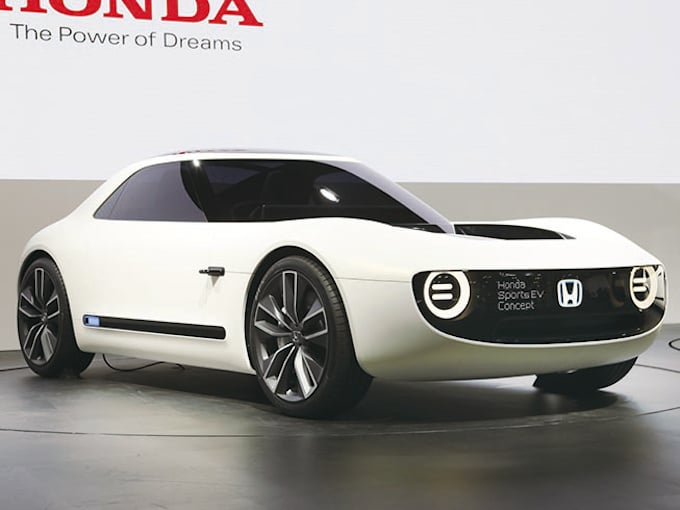
With the Sports EV having more of a driver focus, there is a good chance some variations could be offered to cater for higher performance trim levels, and we’d all love to see the return of a Type R badge to a Honda coupe.
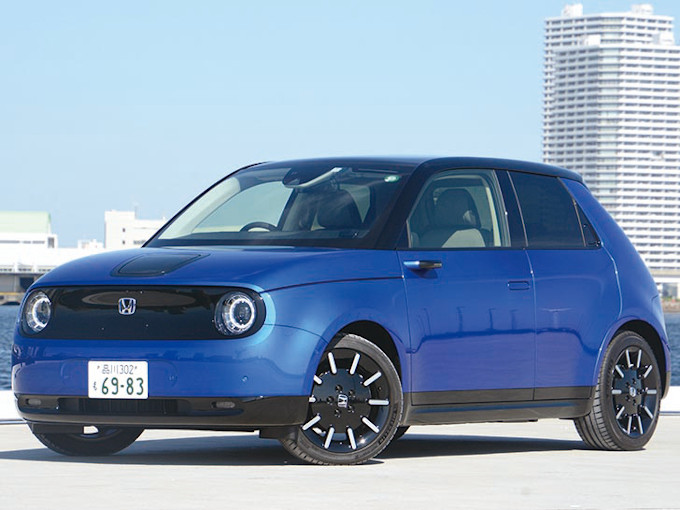
It is also suspected that the Sports EV would essentially serve as a replacement for the Honda S660 in Japan. The S660 is a rear drive, three-cylinder 660cc two-door sports coupe, which is only available here as a grey import and is set to be discontinued in early 2022.
There is no official word from Honda about the Sports EV being tabled for production, but Car Sensor claims prototypes have been tested around Honda’s head office in Tokyo with development going well.
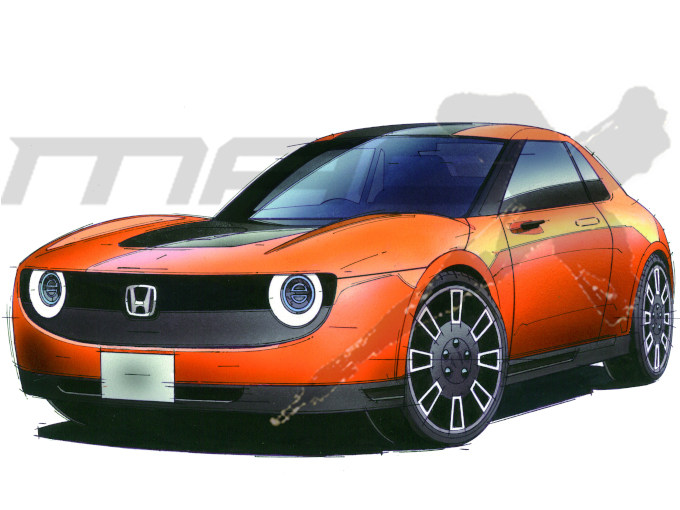
It’s not yet known if the Sports EV will come to Australia once in production, but neither the S660 or the Honda E are currently available through Honda dealers here. However, with the popularity of the Mazda MX-5 and the Subaru BRZ/Toyota 86 twins here in Australia, we’d hope Honda Australia would make a case to have them sold locally.
Snapshot
- Toyota UK to give customers a 10-year/100,000mile warranty
- Toyota Australia won’t give same coverage yet
- Mitsubishi remains as the only brand in Australia offering a 10-year warranty
Toyota UK has increased its vehicle warranty to 10 years – but the better offer won’t be coming Down Under just yet, with the Australian arm of the brand ruling out any immediate changes.
The UK division has announced it will start offering a ten-year/100,000 mile (160,000km) warranty across its range of vehicles, provided they are serviced through Toyota at every 12-month/10,000 mile interval.
The extended warranty represents a big jump in Toyota UK’s current offering, which was previously three years with the same number of miles covered.
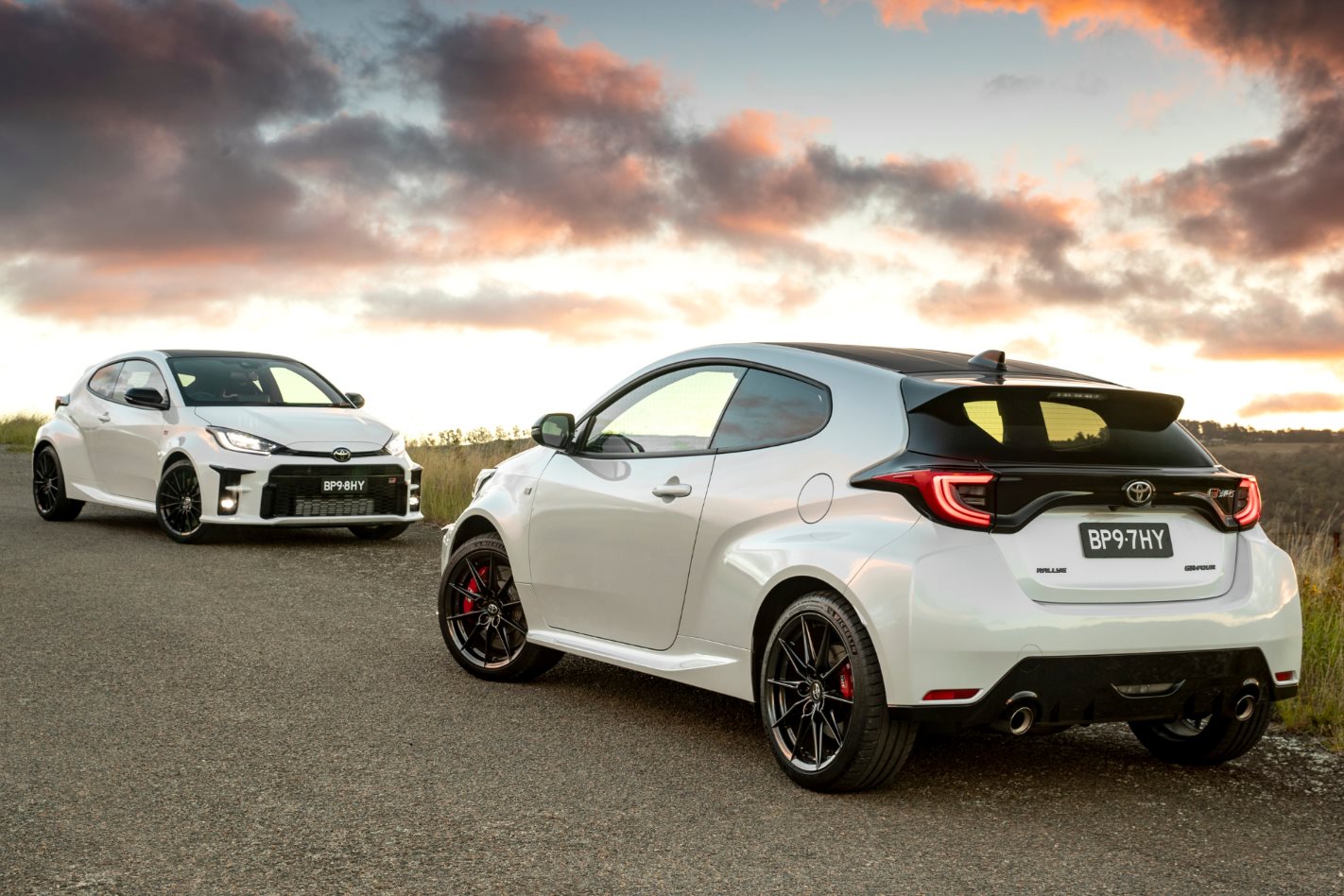
Though Toyota Australia offers 10-year coverage on its hybrid battery packs, the regular warranty only extends to five years/unlimited-kilometres with seven-year powertrain coverage, which increased from three-years at the start of 2019.
Toyota Australia told WhichCar no plans are being made to its current warranty policy but it is open to changes in future.
“While Toyota Australia has a very strong existing offering and no changes are planned at this time, we are always open to considering additional offerings and will study the latest updates for suitability for our market,” said the spokesperson.
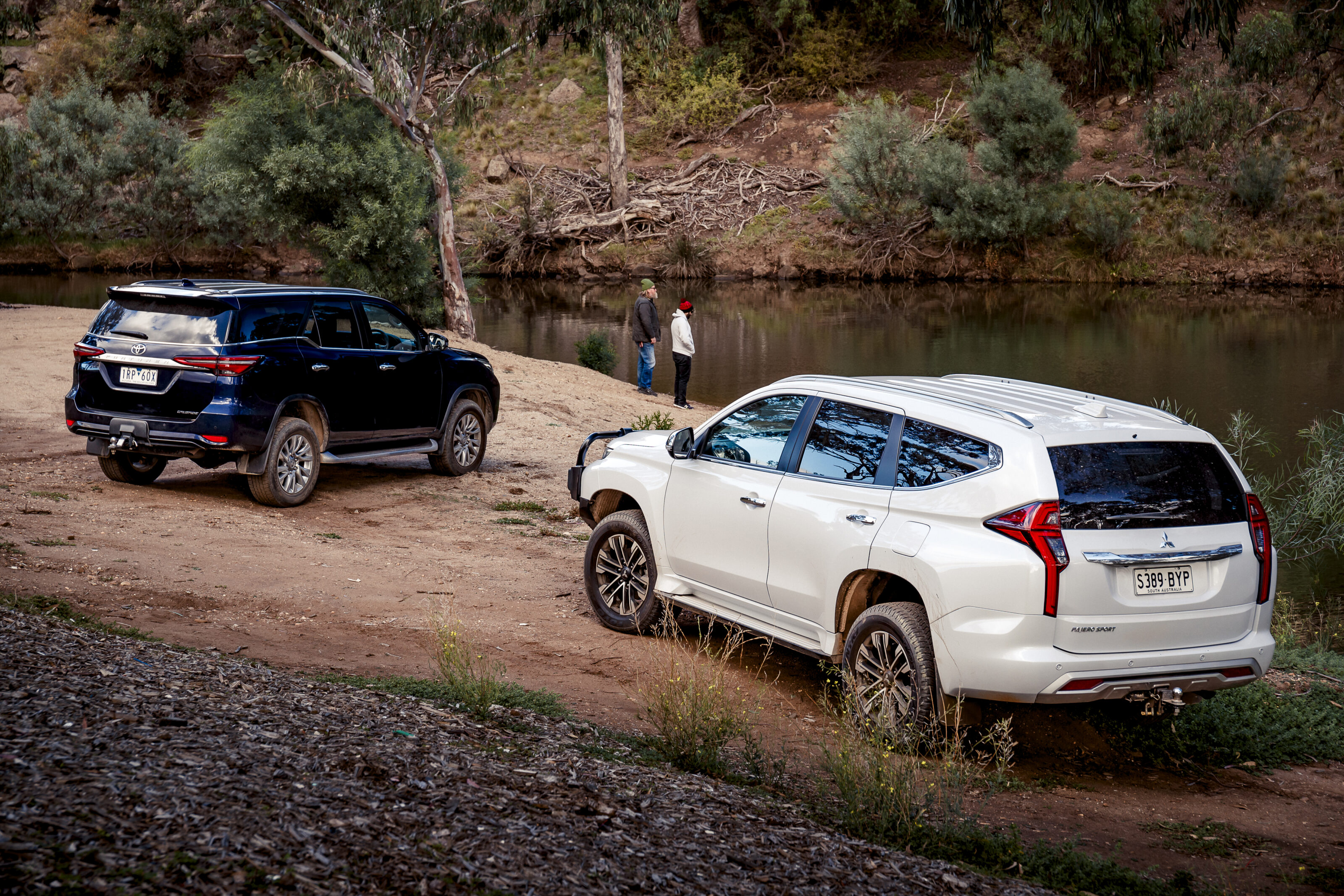
Mitsubishi still boasts the longest warranty for any vehicle on sale in Australia, providing a 10-year/200,000km warranty for vehicles serviced through its capped price servicing program since last year.
Kia has the second-best warranty in Australia, with seven-year/unlimited-kilometre coverage coming back in 2014, while sister company Hyundai was an early adopter of its current five-year warranty, implementing the coverage in 1999.
Snapshot
- Vehiclesu2019 Engine Control Module (ECM) using ‘improper’ programming
- Subaru will fix the problem free of charge
Subaru Australia has issued a recall for 57,088 examples of its 2017-2019 Subaru Impreza and 2018-2019 Subaru XV after a fault was flagged with the vehicles’ Engine Control Module (ECM) programming.
According to Subaru, incorrect programming has been utilised by the ECM, and this could lead to the ignition coil overheating.
There’s an increased risk of a short circuit occurring if this happens, which may cause the ignition coil fuse to blow.
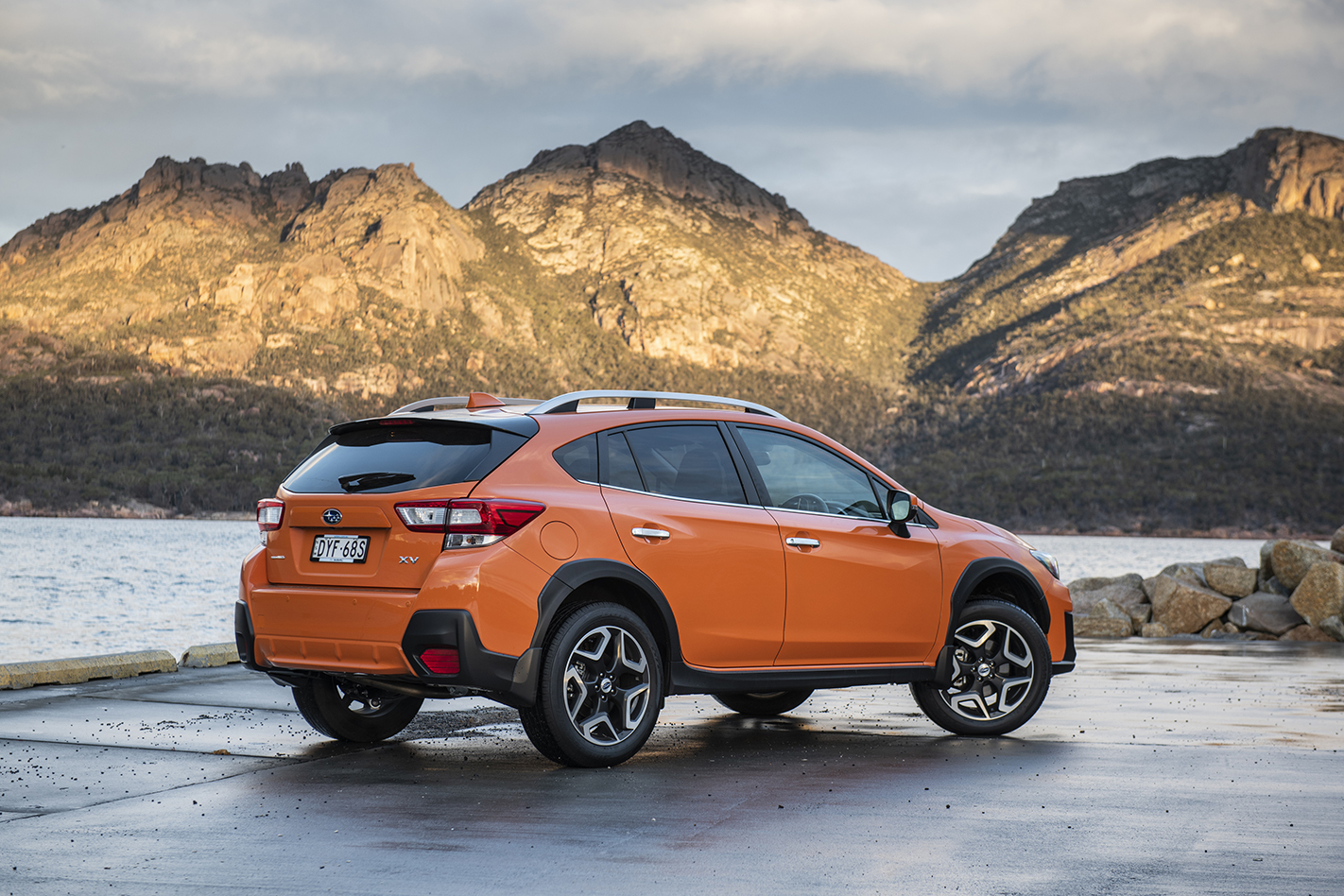
If the ignition coil fuse does blow, there’s a possibility the vehicle’s engine will shut off while being driven, and it won’t be able to turn back on.
Subaru will contact the affected owners and organise a time for them to take their vehicle to an authorised Subaru mechanic, where the vehicle will be inspected and fixed, free of charge.
Anyone wanting more information can contact the Subaru Customer Relations Team on 1800 226 643.
The carmaker has also released a full list of the affected vehicles’ VIN, which can be found here.
Snapshot
- Cerato GT pricing starts at $36,990
- Interior revision sees upgraded tech feature – still no digital dash
- Mechanical components carry over from older model
The 2021 Kia Cerato GT will be released to the Australian public this month, going on sale towards the back end of June from $36,990 drive-away – a $1000 increase over the 2020 model.
Following Kia’s update of the Cerato range earlier this year, the revised GT trim will score updated technology in the cabin while retaining the same mechanical components as the car it replaces.
A big selling point for the new Cerato GT is the addition of a sunroof as standard, a feature which had previously been unavailable, while ventilated front seats return for the 2021 update.

The interior scores the same range of upgrades which were featured in the broader Cerato update, with a 10.25-inch infotainment screen replacing the outgoing eight-inch unit, though the GT still misses out on the 10.25-inch digital dash used overseas, with an analogue cluster gaining a 4.2-inch info display.
Other mod-cons will carry over from the outgoing car, such as; wireless smartphone charging, an eight-speaker JBL Premium sound system and a powered eight-way adjustable driver’s seat.
Active safety features like lane-following assist and rear-seat alert are now fitted, alongside returning tech such as adaptive cruise control, driver fatigue monitoring and autonomous emergency braking.
Carrying over from the 2020 GT is the 1.6-litre four-cylinder turbocharged engine, putting out 150kW and 265Nm through the seven-speed dual-clutch transmission to drive the front wheels, with fuel consumption remaining at 6.8L/100km.
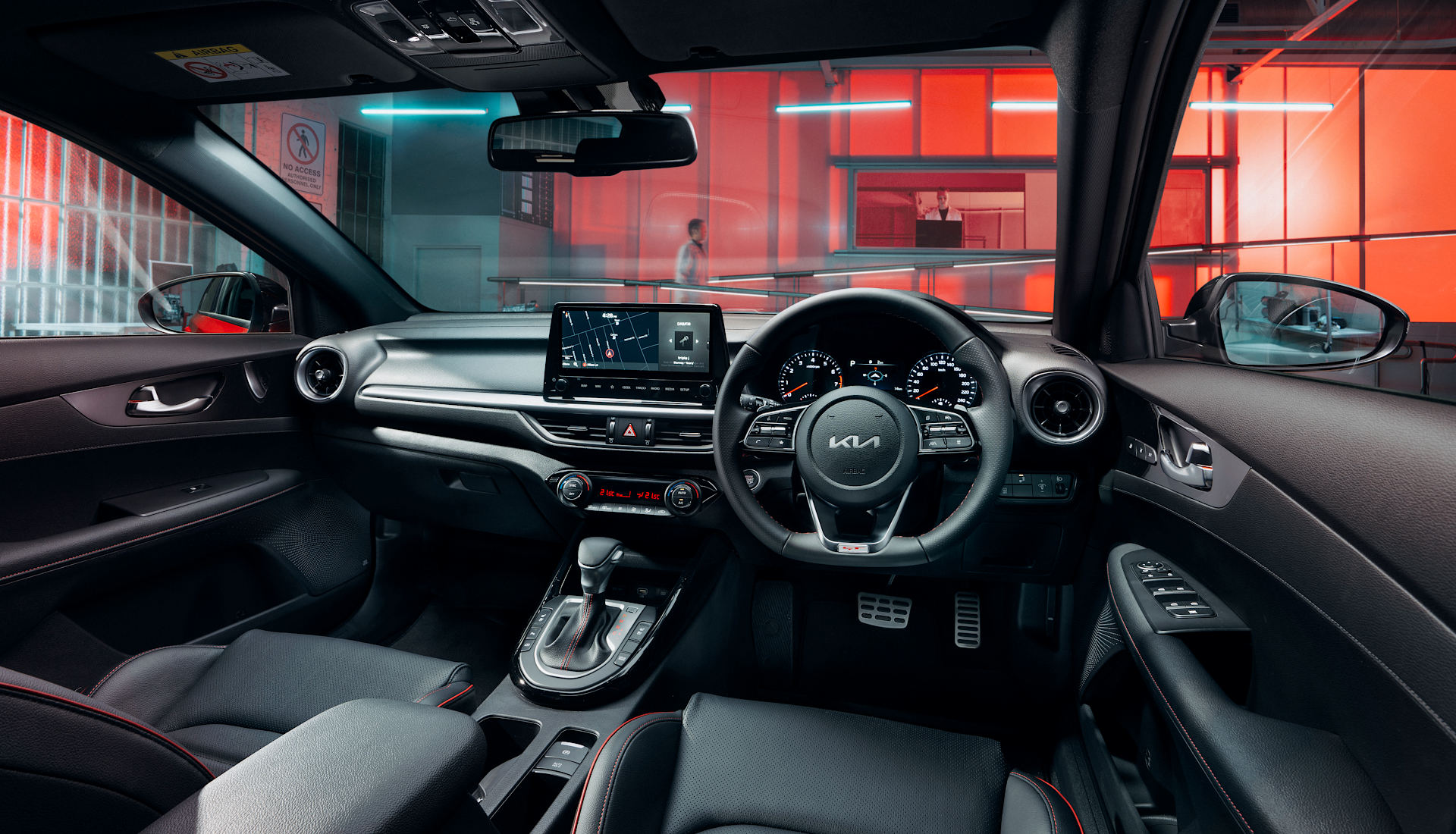
To justify the almost $6,000 separating the GT from its Sport Plus sibling, other upgrades have been fitted such as Michelin Pilot Sport four-shod 18-inch wheels, multi-link rear suspension, red exterior accents, LED headlights and taillights, leather-trimmed sports seats with red piping and GT branding in the cabin.
The 2021 Cerato GT will go on sale from mid-June at Kia dealers.
2021 Kia Cerato pricing for Australia
All listed prices are drive-away
- S – $23,490
- S with Safety Pack – $24,990
- S Automatic – $25,490
- S Automatic with Safety Pack – $26,990
- Sport Manual – $25,490
- Sport Manual with Safety Pack – $26,990
- Sport Automatic – $27,490
- Sport Automatic with Safety Pack – $28,990
- Sport Plus – $31,190
- GT – $36,990 (new)
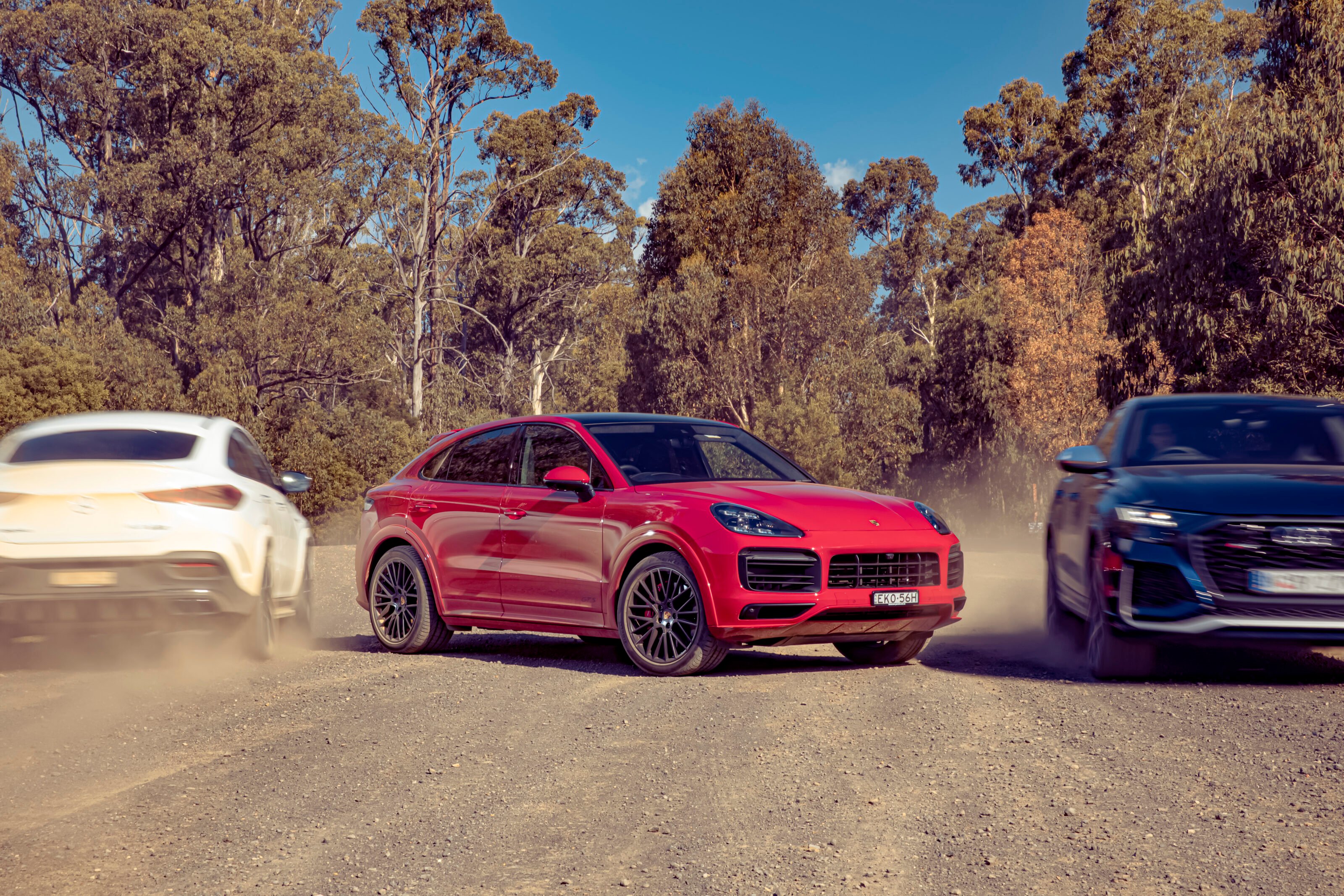
Let’s pretend, for a moment, that Charles Darwin was a petrol head. If we exhumed his corpse and zapped him back to life, what do you think he would say about these three? The Audi RS Q8, Porsche Cayenne GTS Coupe and Mercedes-AMG GLE 63 S Coupe are guilty of seeming even more nonsensical than a performance SUV thanks to their slicked back silhouettes. But they offer a crucial insight into natural selection.
In 2019, the Audi RS Q8 smashed the original R8 V10 Plus lap time around the ’Ring by two seconds when it set a record lap for an SUV. This required an amount of performance engineering that would have been unthinkable to pour into an SUV, let alone a coupe variant, two decades ago.
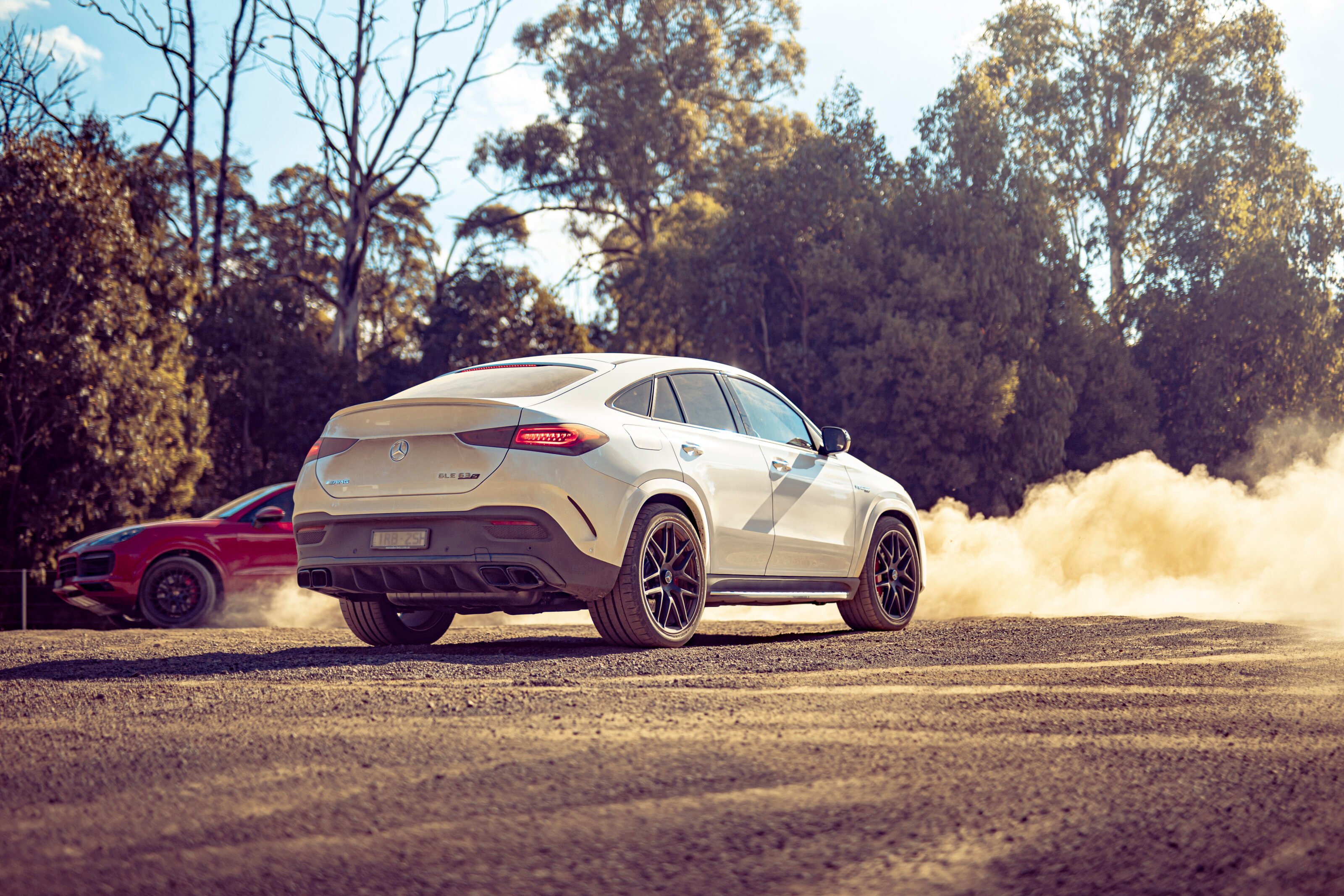
But when the world is mad enough to will a $390,000 Lamborghini coupe SUV into existence, that should tell you something about the rising demand for these steroidal oddities. Mercedes-Benz says, for example, it has buyers who come to the brand specifically for the AMG GLE Coupe and nothing else.
Although our GLE 63 S Coupe arrives with no record lap time to flaunt, it does break ground in other ways. The fourth-generation GLE is the first time Mercedes-Benz has built the Coupe on a different wheelbase. By shortening it six centimetres, buyers get a more specific product, further differentiating performance and practicality.
The GLE 63 S also has downsized its engine in the most AMG way possible. It has replaced the former 5.5-litre twin-turbo V8 with another measuring 4.0 litres in capacity and boasts 48-volt mild-hybrid technology. The mild-hybrid tech works similarly to the system already found in the E53 Coupe.
An alternator motor wedged between the engine and transmission can deploy an extra 16kW and 250Nm when needed. The GLE system can also help kick the engine over during start-stop operation, charge batteries, aid engine-off sailing and control idle speed.
Even without the electric motor’s assistance, peak outputs for the GLE 63 S are still 20kW and 90Nm higher than the old GLE 63 S, totalling 450kW and 850Nm. There’s a nine-speed automatic bolted to the back of the 4.0-litre V8 with an all-wheel-drive system that’s claimed to infinitely vary between all-wheel and rear-wheel drive.
Dynamically the GLE 63 S relies on adaptive air dampers. There are also new active anti-roll bars that are plugged into the 48-volt system. New dynamic engine mounts promise a wider spread of talents, while an electronically controlled rear LSD aids traction on the massive 325mm rear tyres.
“MERCEDES-BENZ says it has buyers who come to the brand for the AMG GLE coupe and nothing else”
Our tester GLE 63 S scores 22-inch wheels. They hide six-piston brake calipers at the front. The discs are drilled, slotted and ventilated. That’s not all, either, with a performance exhaust and a 280km/h top-speed also included.
This list of performance goodies is backed by an equally exhaustive list of technology and interior equipment that set the GLE 63 S Coupe at $225,500 before on roads.
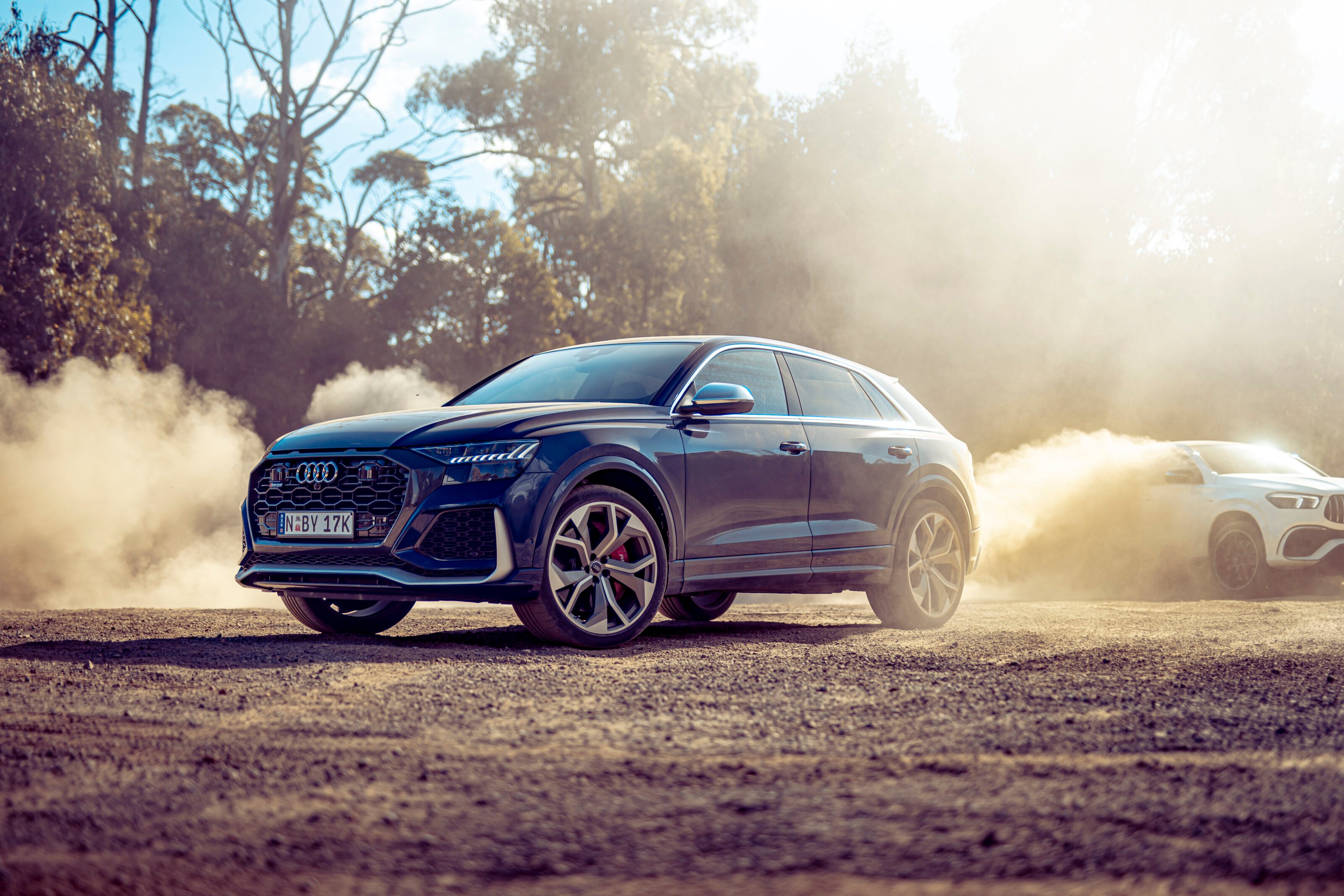
It is astonishing to think the Audi RS Q8 costs less while aping a Lamborghini Urus underneath. It uses the same 4.0-litre twin-turbo V8 with a 48-volt mild-hybrid system. Albeit, the engine is de-tuned to produce 441kW and 800Nm. But the RS Q8 rides on the same MLB Evo platform as the Urus where the key ingredients of its performance arsenal are shared.
Take, for instance, the active anti-roll bars that de-couple between corners, the torque-vectoring rear differential, 10-piston front brake calipers, and eight-speed automatic bolted to the back of the V8. The RS Q8 is also ostentatious, if not for the Q8 bodyshell that is pumped 10mm wider to fit 295mm tyres underneath each wheel guard.
Australian models score 23-inch wheels as standard, while RS-tuned air suspension offers 90mm of ride height adjustment for a stance that ranges between rock-dodging or apex-clipping. Finally, rounding out the RS Q8’s performance equipment are systems like variable-ratio front steering, all-wheel steering and an RS-specific exhaust.
Despite a healthy list of safety, technology and interior luxury equipment doing well to fatten the RS Q8’s value, it still splits this comparison’s trio on price. At $208,500 before on roads, the RS Q8 initially seems like good value against the Mercedes-AMG GLE 63 S, until you meet our next contender.
Porsche launched the Coupe version of its Cayenne in late 2019, but the GTS variant arrived only late last year. With the Cayenne already copping a fair few changes to suit the Coupe body style, like a lower roof, longer body and wider stance, the GTS ties everything together with a selection of the best bits from the range.
The GTS harbours the same 4.0-litre twin-turbo V8 used in the Cayenne Turbo, which is also closely related to the engine in the RS Q8. It is tuned down to 338kW and 620Nm. The GTS has also been lowered 10mm on three-chamber adaptive air suspension, scores active torque vectoring, 21-inch RS Spyder design wheels and rear brake discs pinched from the E-Hybrid.
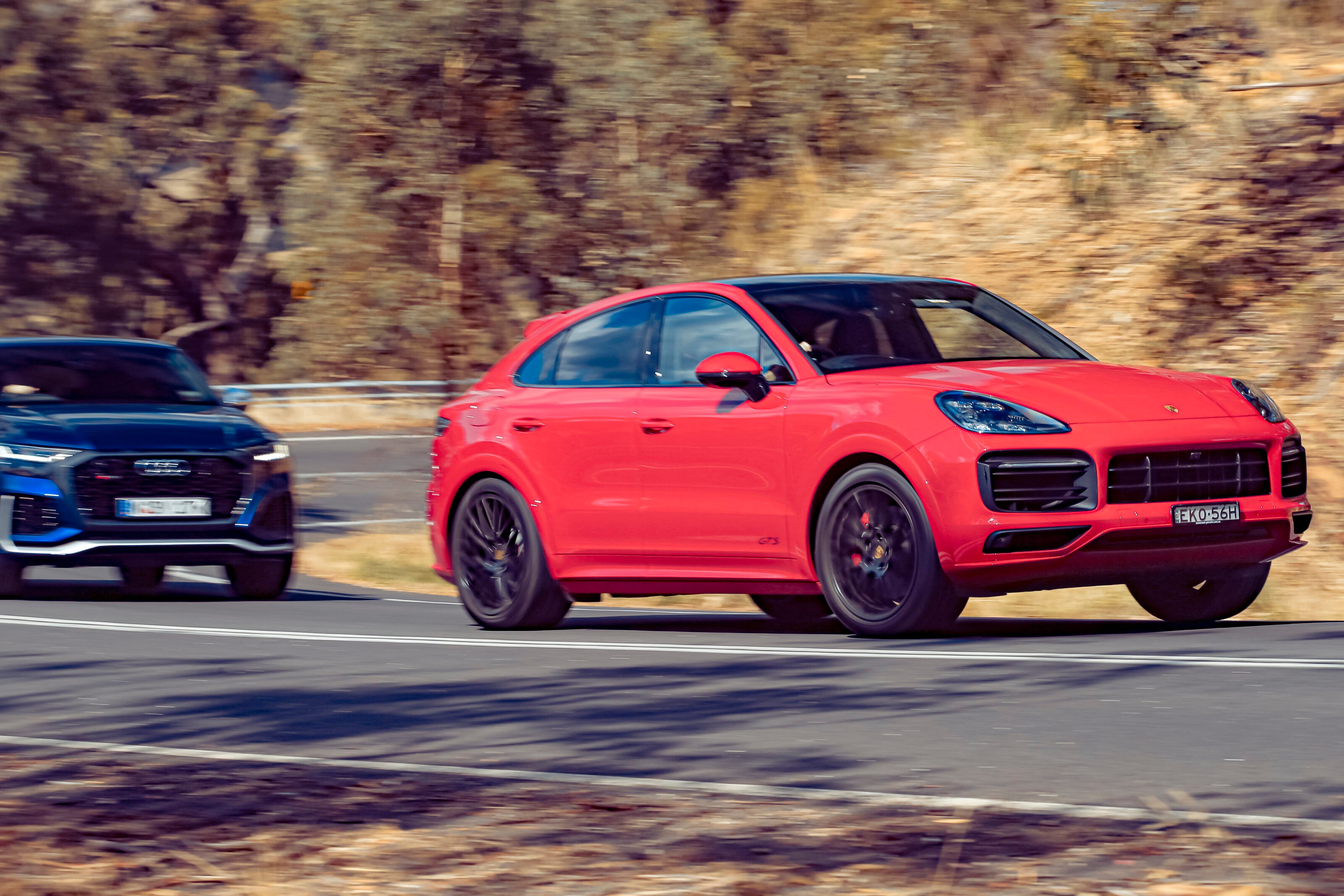
Transmission-wise, the GTS comes with an eight-speed automatic instead of a lightning-quick PDK unit for towing higher loads. But with top-level chassis technology saved for the Cayenne Turbo Coupe, like active-roll bars and 10-piston brakes, this allows the GTS Coupe to undercut the GLE and RS Q8 on weight and, more importantly, price.
At $197,800 before on roads, it’s $28,100 cheaper than the Mercedes-AMG GLE 63 S and almost $11K less than the Audi RS Q8. And the price is not the only class the Porsche finds itself alone in, as we’re about to find out on the drag strip.
Even with Sport Chrono, Porsche says the Cayenne GTS Coupe will hit 100km/h from rest in 4.5 seconds. It says a lot about the company you keep when that seems underwhelming. However, Porsche tends to under-quote performance times, so we’re hoping it might put up a fight.
Out on the drag strip, the GTS nails its claimed 0-100km/h time right away, freeing up time to experiment with drive modes for an ever better launch. With ESC switched off, the dampers in Sport and the automatic in manual mode, the extra revs allowed in the first gears whittle the Porsche’s 0-100km/h sprint down to 4.37sec. It then storms on to the 400m line in 12.65sec at 175.6km/h.
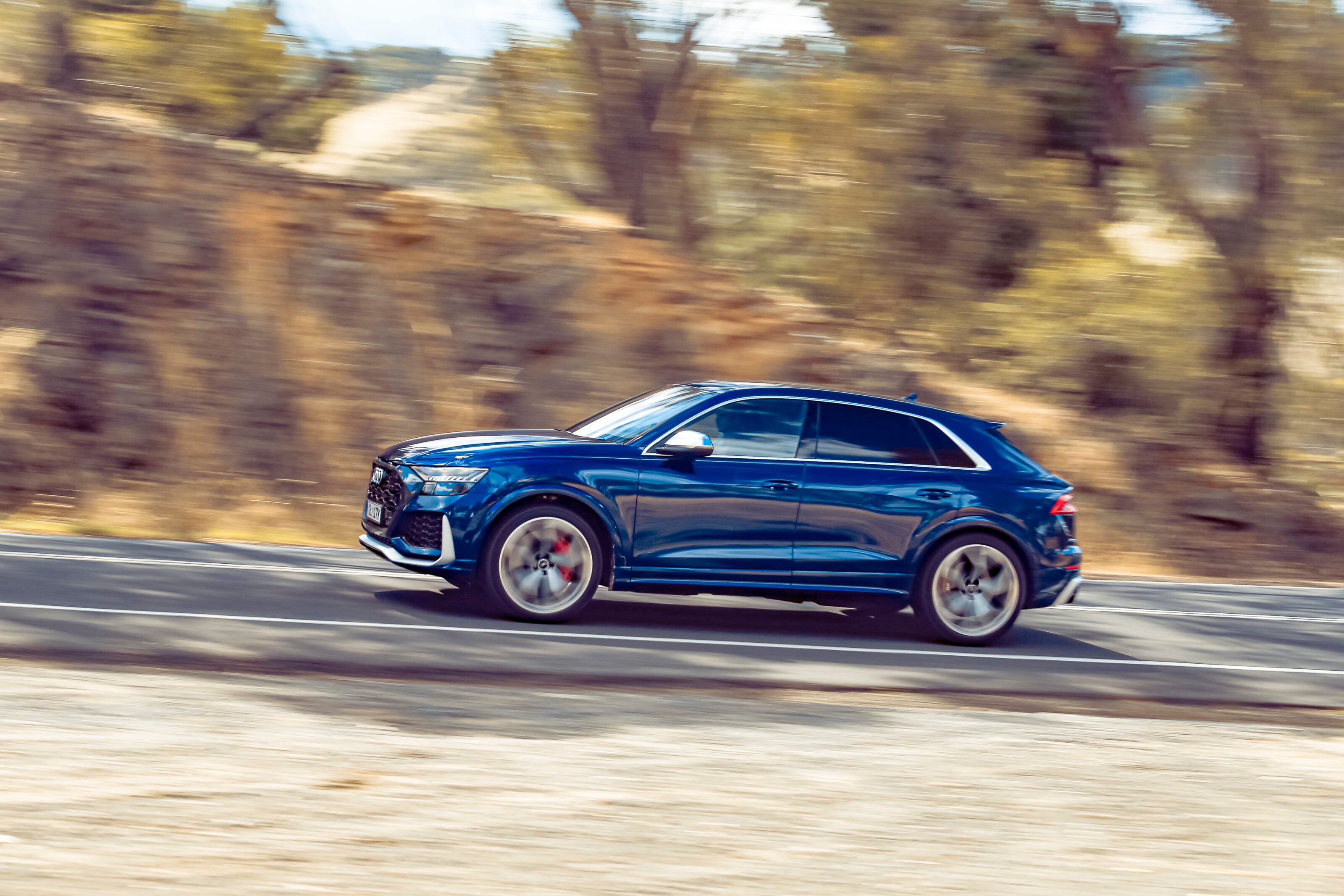
Switching to the Audi, it feels less calculating about its approach to a straight-line run. Although you need to set the ESC and transmission in Sport, it simply drums up a couple thousand engine revs then lets go with slingshot-like ferocity.
As four fat tyres unleash 800Nm worth of grunt, the Audi registers numbers that are Porsche-shattering. Triple figures arrive in 3.8 seconds. It is well into fourth gear at 400m, so a pass of 11.9sec at 187km/h is hardly surprising given how rapid it feels.
With the Cayenne GTS Coupe firmly in the rear view, the stage is set for a showdown with the GLE. The GLE boasts more power and torque, weighs less and is alone in having the advantage of a mild-hybrid system that can chip in grunt when necessary.
Spin the drive mode dial under the GLE’s steering wheel to ‘Race’, disable the ESP, load the brake and dial up the revs. We brace ourselves for a physical assault as the GLE 63 S tries to ground its massive grunt. But the GLE refuses to build beyond 2500rpm and lumbers from the line without the fury we anticipated.
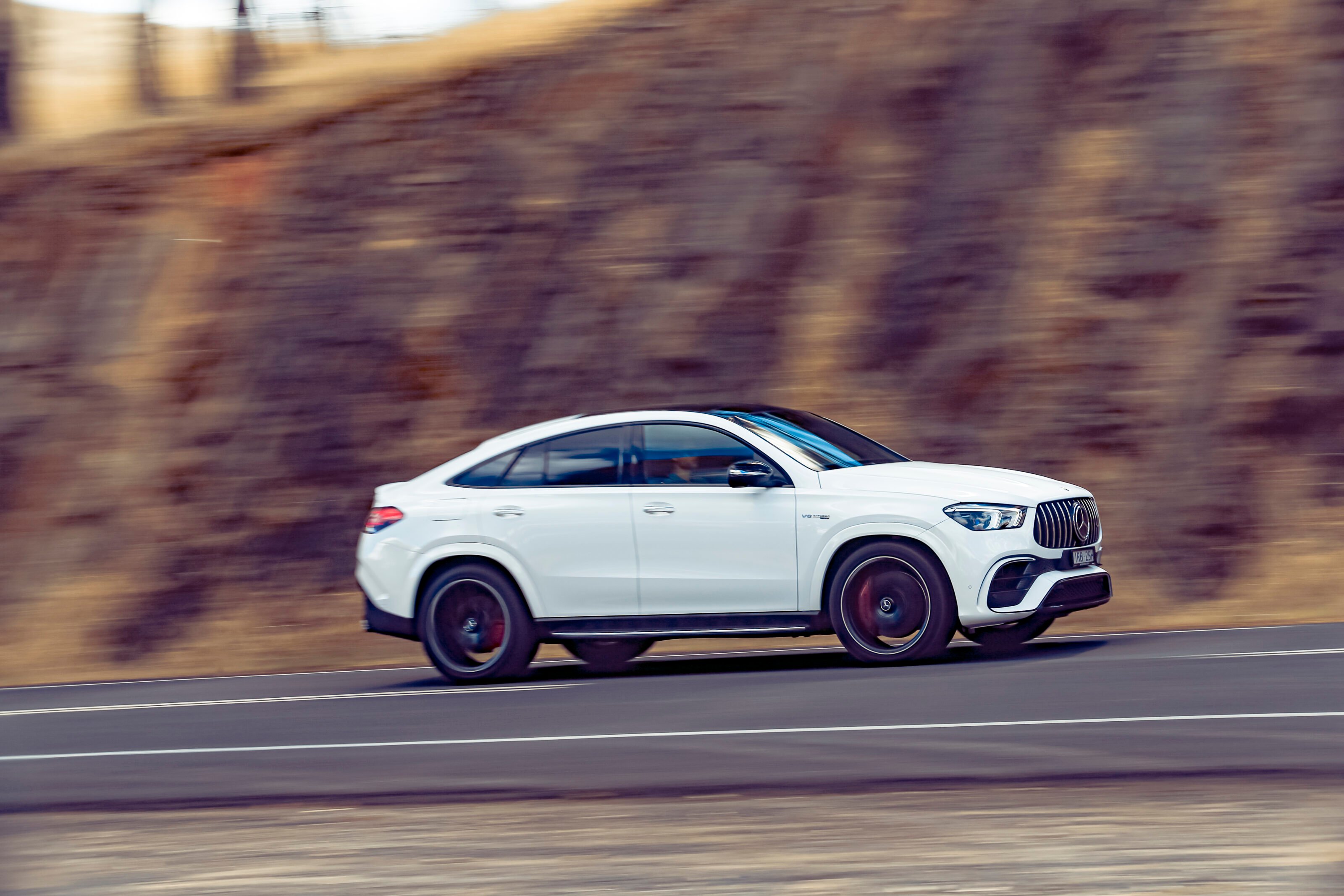
As it turns out, the wet-clutch nine-speed transmission, or MCT, found in the GLC 63 S or C63 S that allows for much higher stall revs per minute is not compatible with the GLE’s new integrated starter motor. So AMG employs a traditional torque converter here instead that isn’t equipped with launch control.
You can try to build boost on the brake, but the GLE 63 S Coupe cannot create the same explosiveness. It manages a 4.2sec run to 100km/h from rest, four tenths slower than the claimed time, and trails by a similar deficit at 400m with a 12.4sec pass. Although the GLE fights back when it comes to rolling acceleration, matching the Audi’s 2.4sec 80-120km/h time and managing 187km/h across the line, a question mark remains on whether the electric motor helps.
Although the new GLE 63 S produces 850Nm from 2500rpm to 4500rpm and could theoretically make 1100Nm when the motor is producing its full 250Nm, AMG refuses to quote a combined figure because the battery isn’t large enough to supply a boost every throttle blast.
Naturally, the Porsche Cayenne GTS Coupe trails behind both the Audi and GLE on a roll, accelerating from 80km/h to 120km/h in only 2.81 seconds. But these roles reverse in corners, where the Porsche’s weight advantage counts for much more.
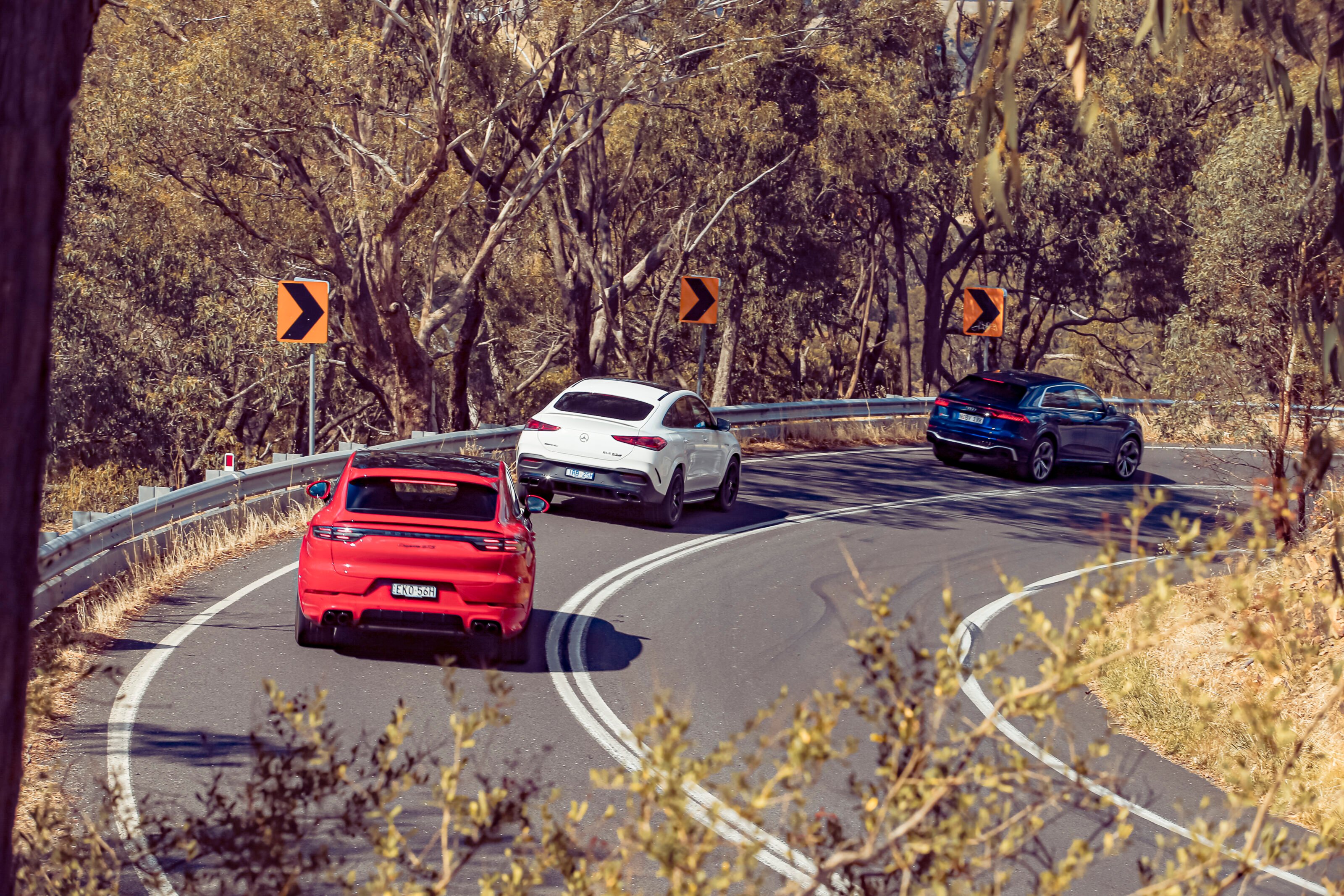
With punishing braking zones, nose-heavy hairpins and high-speed sweepers, our test loop rewards sturdy brakes, crisp steering and good traction. The Porsche comes alive here. Although it has smaller brakes, which equals fractionally longer stopping distances, they are more responsive and accurate.
The Porsche also steers with incredible accuracy that belies its size and variable-ratio setup. It’s the most direct system, dialling you into the grip levels of its front Pirellis. This gives you the confidence to find its limits quickly and use the chassis balance to transition weight on to the outside rear.
Because the Porsche has less mass to settle, you can stomp the throttle earlier, helping to virtually eliminate any power disadvantage between corners.
The Audi, by contrast, is a techno-laden point-and-shoot device. Its twin-turbo V8 pulls hardest deep in the rev range. Traction is absolute. That said, it also is a big step down in involvement. Throttle tip-in is vague, brake feedback is soft, the steering also relies too heavily on the all-wheel steering system for point – which can be unpredictable.
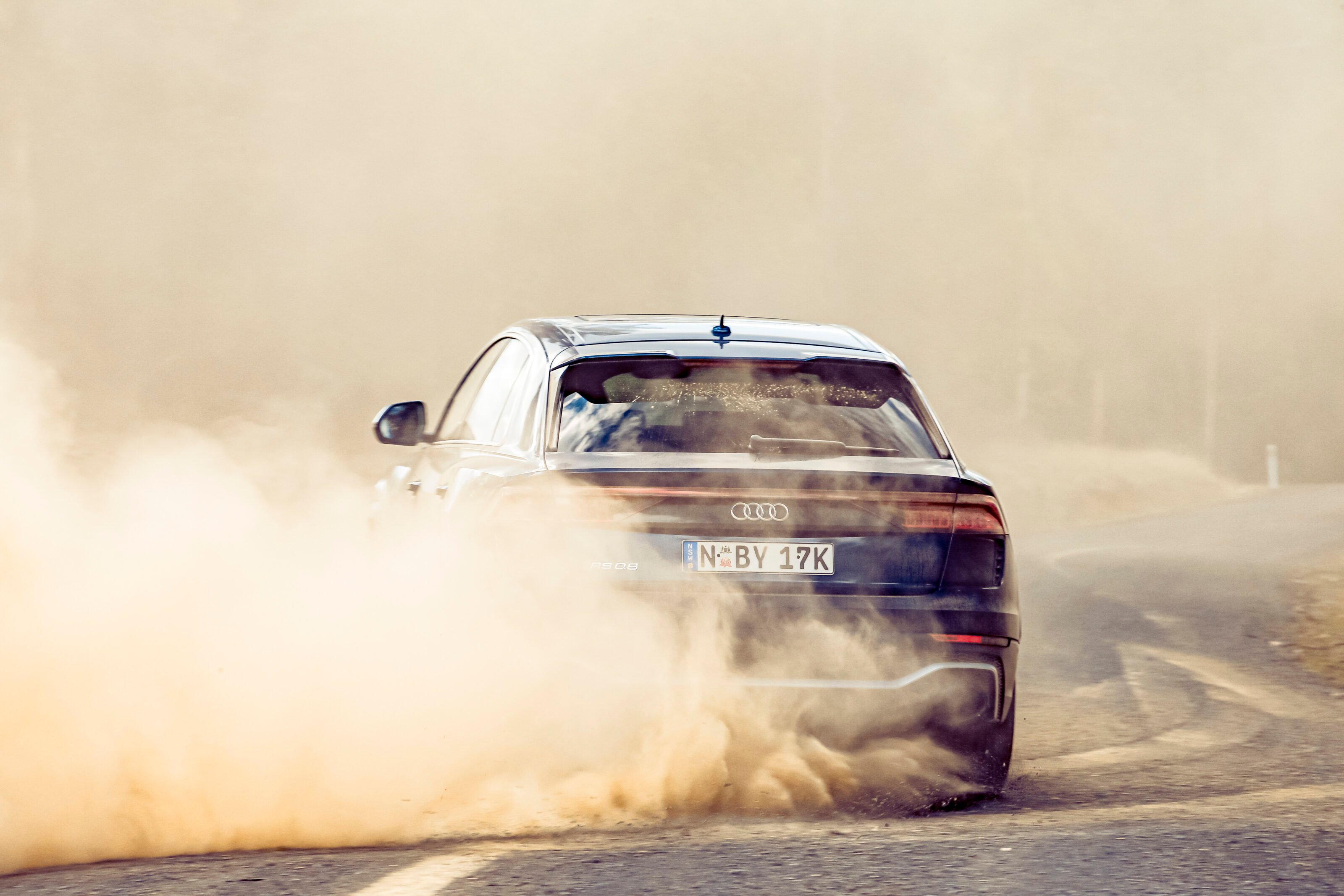
The GLE, meanwhile, is a mixed bag. The steering is sharp and incisive, but it feels like you are sitting ahead and on top of the front wheels compared to the Audi and Porsche. And despite the active-roll bars doing good work, the GLE feels considerably heavier in corners.
Brake feel is also lacking because it’s as if engineers gave 20 per cent of the braking force to the mild-hybrid system’s regenerative ability. On the other hand, traction is good, but you have to wait for the lumbering GLE to point itself the right way.
When it comes to choosing a winner, a lack of accessibility shadows the GLE’s other attributes. It doesn’t help either that the typical edge we’d expect from an AMG 63 S anything has been softened off. It can’t match either the Porsche or Audi for noise. Nor is the torque converter automatic as crisp as a wet-clutch version.
Technophiles will be drawn to the GLE for the gizmos inside. Packed with everything from massage seats to double screens with Mercedes-Benz’s latest MBUX software, it’s capable of displaying swathes of information – even if the steering wheel and centre console still are finicky as access points. But, day-to-day, the 22-inch wheels spoil the GLE’s ride and have a tendency to tramline.
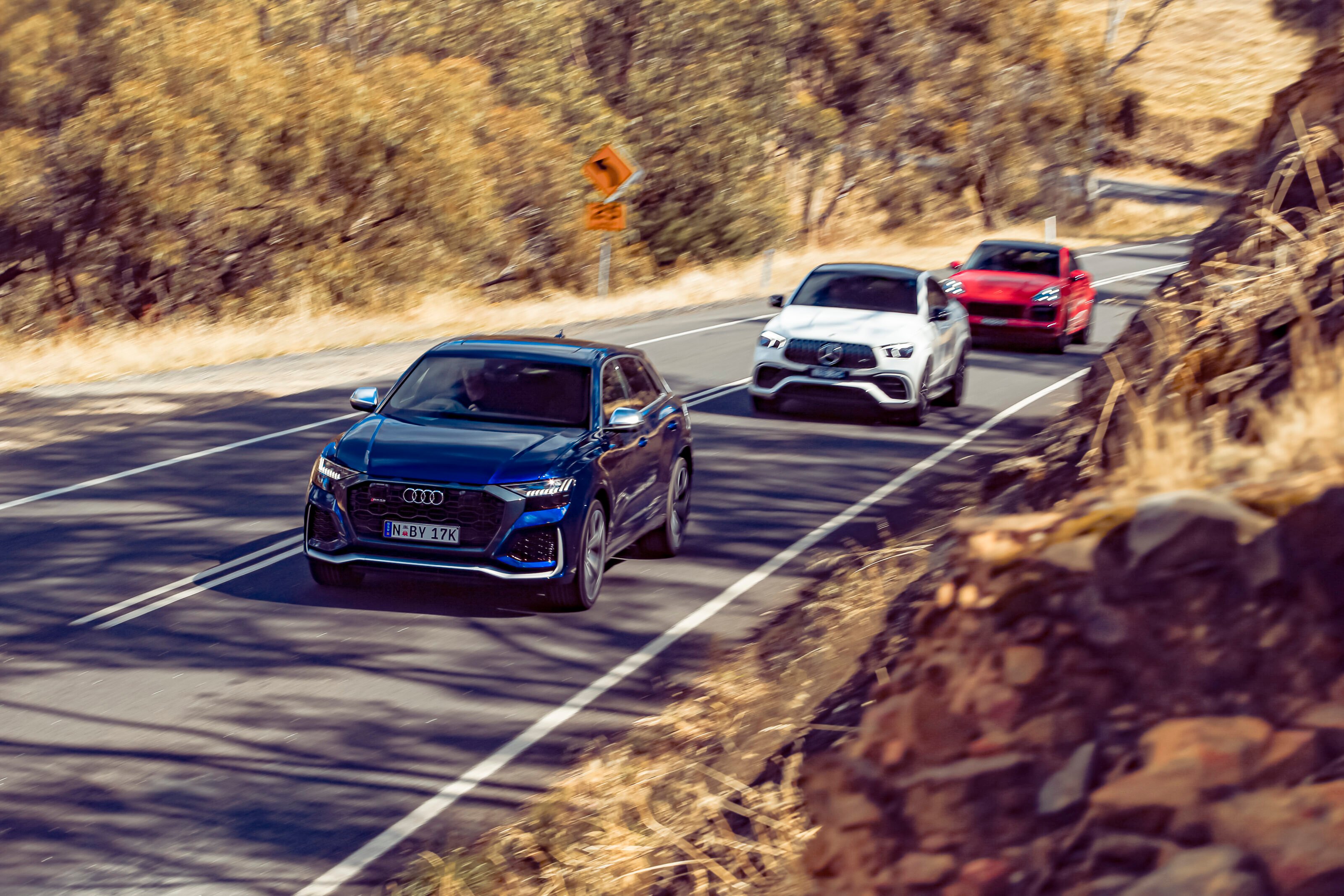
For all the promise of the AMG mild-hybrid system, it is ironic the Audi RS Q8 powertrain is more appealing. The RS Q8 both out-muscles and out-bellows the AMG. And in a straight line, the RS Q8 leaves both its rivals for dead.
The RS Q8 also shines as a well-rounded package. Front leather massage seats, a more concise interior layout and a spacious rear row make it a great place to sit inside. And although it cannot match the Porsche for chassis purity, the Audi still allows good road comfort – on 23-inch wheels (!) – and manages a handy turning circle.
Smaller 21-inch wheels rob the Cayenne GTS Coupe of some much-needed presence next to the GLE and RS Q8, but when a verdict in MOTOR weighs so much on how a car drives it is easy to champion the GTS.
There is an issue with value. While the GTS is the cheapest ticket here, there is a bit to option on the spec sheet if you want it on a level playing field. For instance, Lane Keep Assist ($1220), four-zone climate control (at $1720), ambient lighting ($850) and the Carmine Red paint ($5000) are all options and otherwise standard on the GLE and RS Q8 – except the paint.
But you can sense Porsche invested the most resource into the GTS’s dynamic package. From a cosseting ride to predictable, involving handling, it has the talent to overcome a lack of grunt. Although a big part of it wants for the presence and practical package of the RS Q8, the Cayenne GTS Coupe pips it overall, even if by a smidge. Survival of the fittest, Mr Darwin called it.
Mild at Heart
Audi says the RS Q8’s mild-hybrid system can harvest up to 12kW, but the belt-driven alternator connected to the 4.0-litre V8 cannot return power to the crankshaft. It instead increases the speed range for start/stop operation and is claimed to save as much as 0.8L/100km during everyday driving. The Porsche Cayenne GTS Coupe, meanwhile, makes do without a mild-hybrid system, and uses a converter to bump its 12-volt circuit up to 48 volts in power when equipped with electro-mechanical active roll bars.
Semi-detached
In certain conditions all three of these fuel-chugging monsters can drop half their operating cylinders to tighten their belts on consumption. For the GLE, this happens when the powertrain is in Comfort mode and the engine speed is between 1000 and 1350rpm. It shuts down cylinders two, three, five and eight. For the Cayenne GTS Coupe, the deactivation happens under 3000rpm and up to a torque output of 235Nm. Meanwhile Audi says it occurs “at low to intermediate load and rpm in the upper gears”.
