
Pictured top of page: We’ve transformed the new 5-seat Tiguan into a 7-seater! Could the Tayron’s looks be as simple as this? Probably not. Expect it to be bigger than the Tiguan in every direction – not just longer.
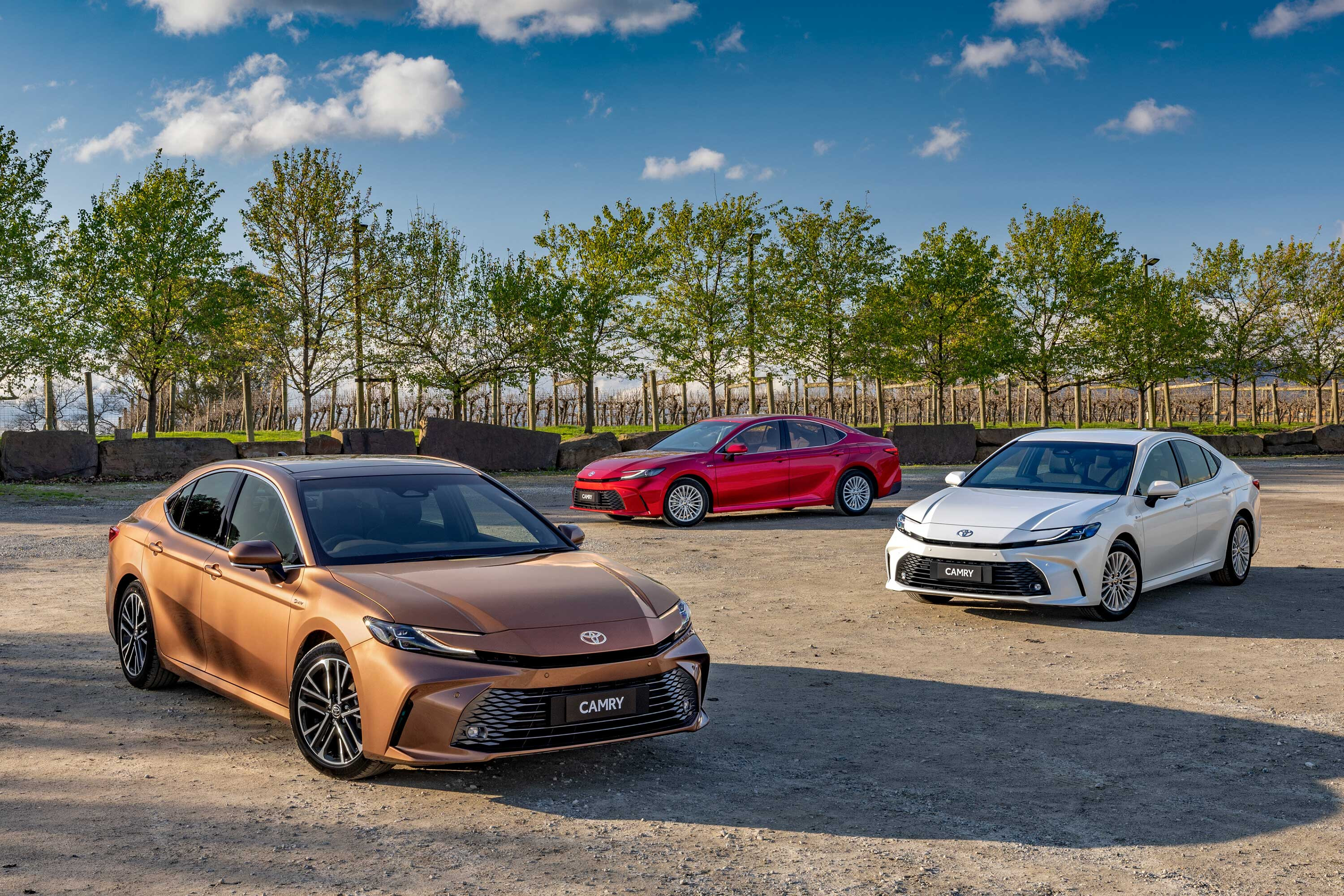
The ninth generation of Toyota Camry is now on sale in Australia, with the local arm of the Japanese juggernaut lifting prices by up to $2573 for the three-variant range.
However, with the deletion of the previous-gen’s petrol-powered Camry Ascent base model – which was the sole non-hybrid model available at the end of that model’s run – the cost of entry has jumped by just under $5000, now sitting at $39,990 for the Camry Ascent (with the adoption of an all-hybrid strategy for the Camry, the word ‘Hybrid’ has been dropped from the nomenclature).
The mid-spec Ascent Sport is now priced at $42,990 (up $2273), while the highly-featured Camry SL is a $53,990 proposition before on-road costs (an increase of $2573).
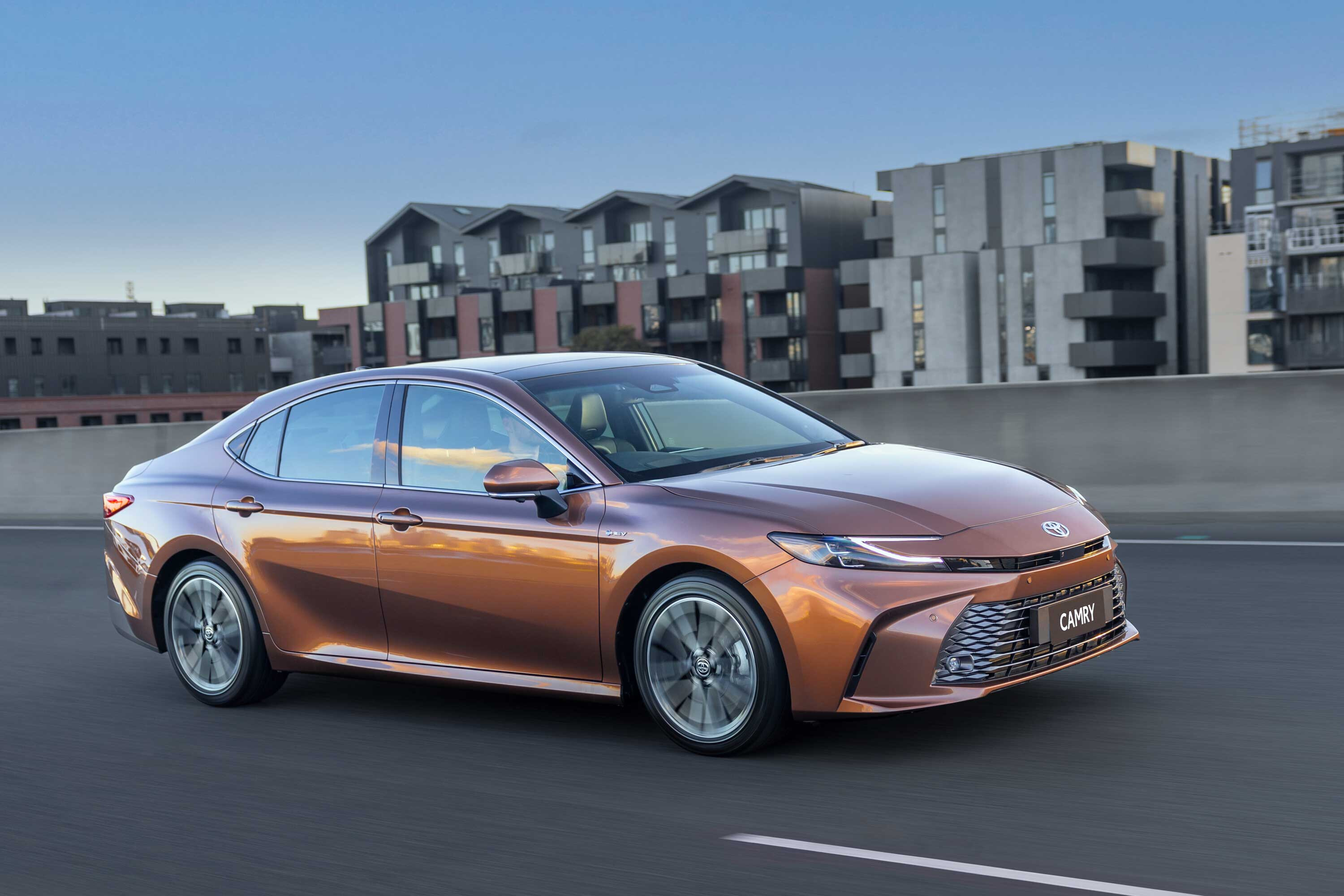
Though it’s billed as the ninth generation of Camry, the 2025 model is essentially an extensive facelift of the eighth-gen model, retaining its critical dimensions, TNGA-K architecture, windshields, door skins and other sheetmetal.
2
But it’s not just a new dress over old bones, with the Camry’s MacPherson strut front/multi-link rear suspension coming in for a new tune to improve handling, a new steering rack being fitted for more direct and responsive steering feel, and a new tune for the 2.5-litre petrol/electric hybrid powertrain which sees system power rise by 10kW to 170kW.
The transaxle assembly is also 20 percent lighter and more compact, the motor/generator now sports six rather than three magnets, the high-voltage battery is a 4.0Ah lithium-ion unit, and the electric drive motor gets a 12kW bump in its output to take it to 100kW/208Nm.
The brakes have also been fettled to improve brake feel, whilst also improving regenerative braking capacity.
2
The sum of those mechanical refinements is a slight reduction in fuel consumption, with the 2025 Camry boasting an average fuel efficiency of 4.0L/100km versus the 4.2L/100km average of the car it replaces.
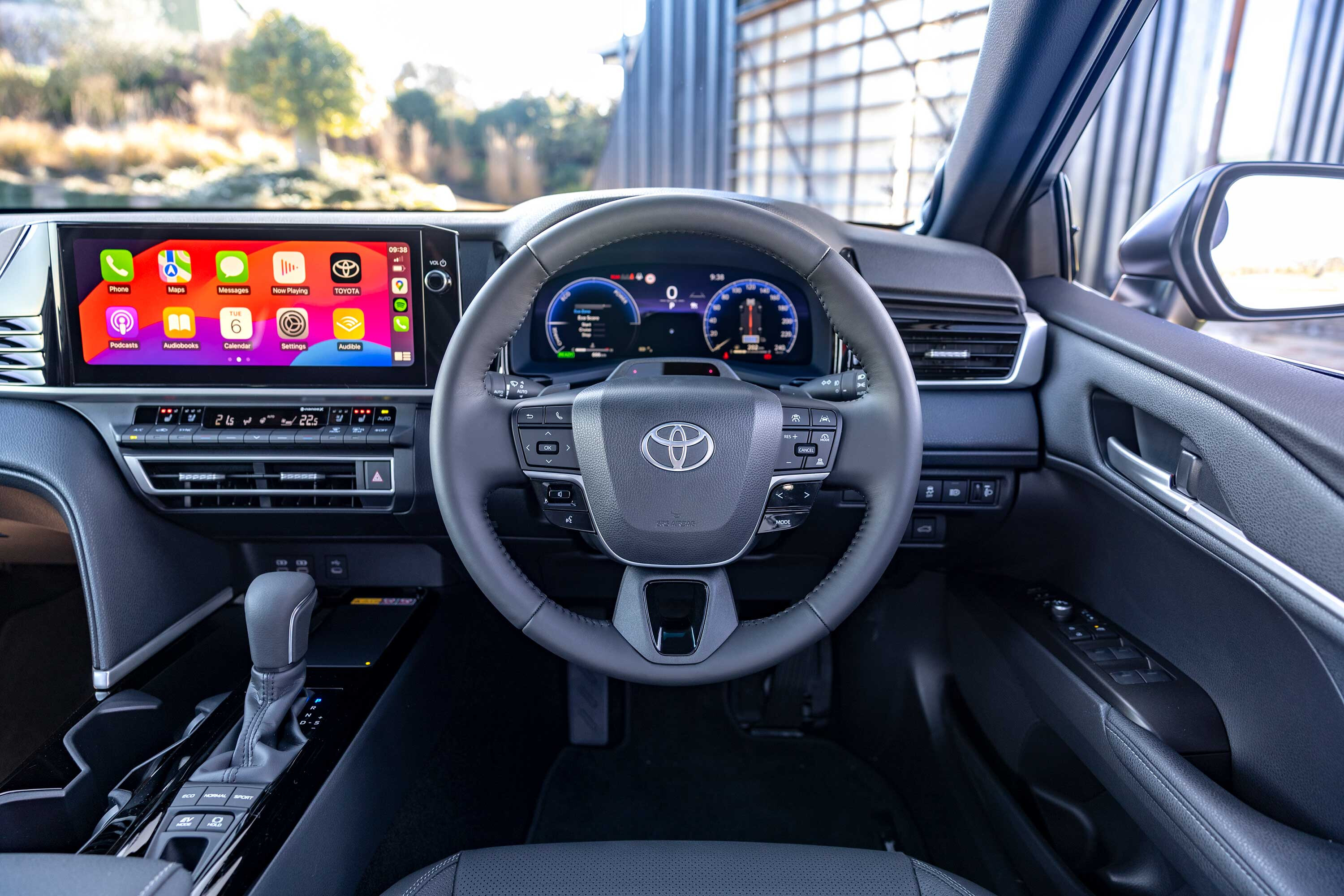
Inside, there’s plenty of new furniture for the dashboard, door cards, steering wheel and centre console, with a more modern design that ditches much of the piano black surfacing of the previous generation while also opening up the storage area at the base of the centre stack.
Air vents are also moved around, the infotainment screen gets pushed up closer to the driver’s eyeline, and the buttons for the ventilation system (dual-zone climate control for all variants) now live on their own separate switch block
2
Standard equipment also goes up along with the price. In the Ascent, the infotainment screen gets upgraded to an 8.0-inch touchscreen display, and the instrument panel is replaced by a 7.0-inch LCD.
The Ascent Sport also gets the same digital dashboard but upgrades its infotainment screen to a 12.3-inch display, while the range-topping Camry SL sports the most screen real estate with two 12.3-inch displays. All variants have a 524-litre boot capacity, with 60/40 split rear seats.
For a full summary of the 2025 Toyota Camry’s standard equipment, see below:
Camry Ascent:
- Urethane steering wheel
- 7-inch electronic instrument panel
- 8-inch infotainment display
- Six-speaker audio
- Dual-zone climate control
- Five USB-C charge ports (three front, two rear)
- Manually-adjusted seats
- 17-inch alloys
Camry Ascent Sport (in addition to Ascent):
- Leather-upholstered steering wheel
- 12.3-inch infotainment display
- Wireless phone charger
- LED foglamps
- Self-dimming rear view mirror
- Power adjustable driver’s seat
Camry SL (in addition to Ascent Sport)
- 12.3-inch electronic instrument panel
- Head-up display
- Nine-speaker JBL audio system
- Panoramic glass roof
- Paddle shifters
- Rain-sensing wipers
- Digital rear-view mirror
- NanoEX air purifier
- Leather upholstery
- Power-adjustable steering column
- Power-adjustable front passenger seat
- Heated/ventilated front seats
- 18-inch alloy wheels
Pricing
The 2025 Toyota Camry range is available now, and is sold with a five-year, unlimited-kilometre warranty. The first five years of servicing is covered by Toyota’s capped-price scheme, with intervals set for every 12 months/15,000km at a price of $255 per visit.
Retail pricing is as follows:
- Toyota Camry Ascent – $39,990
- Toyota Camry Ascent Sport – $42,990
- Toyota Camry SL – $53,990
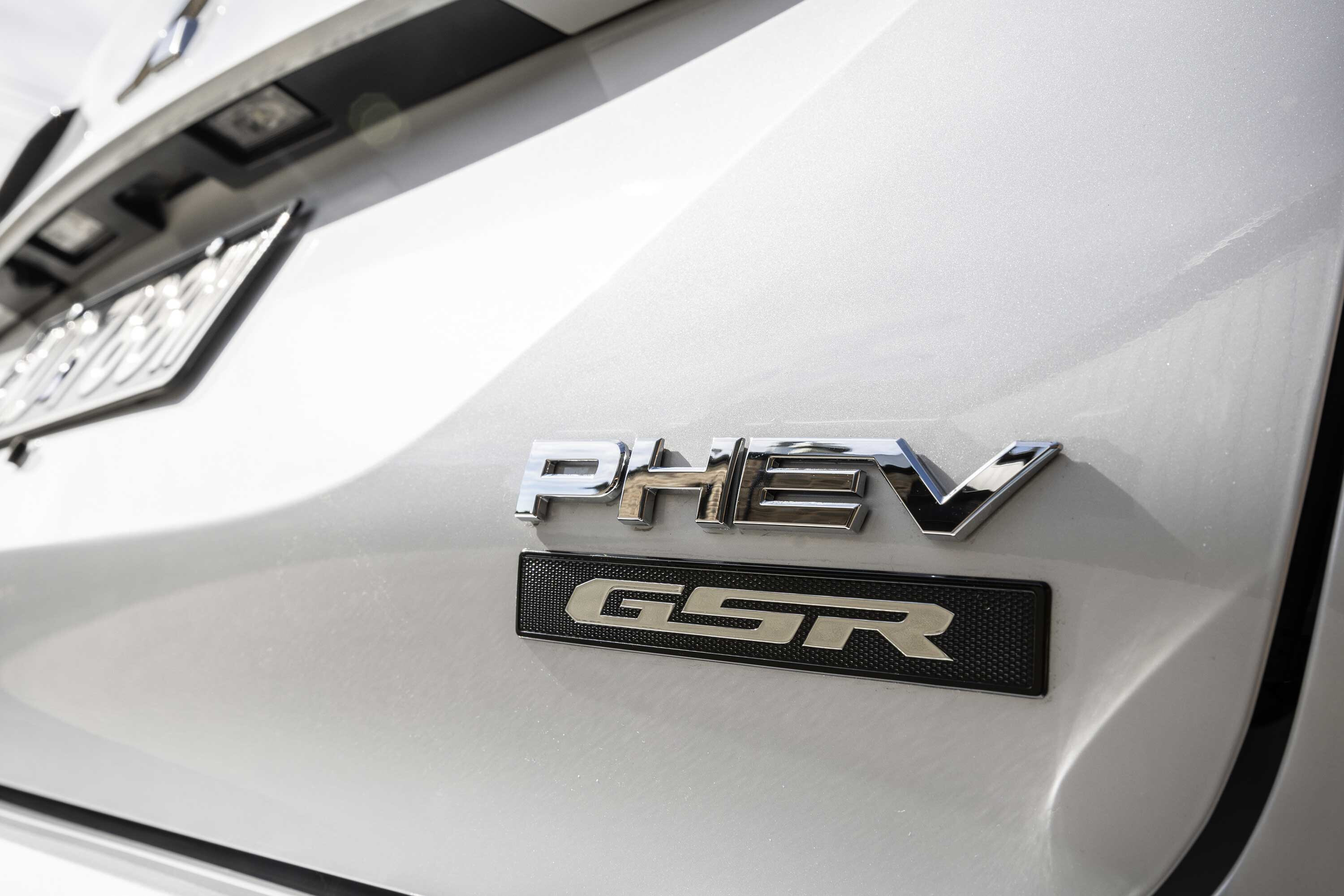
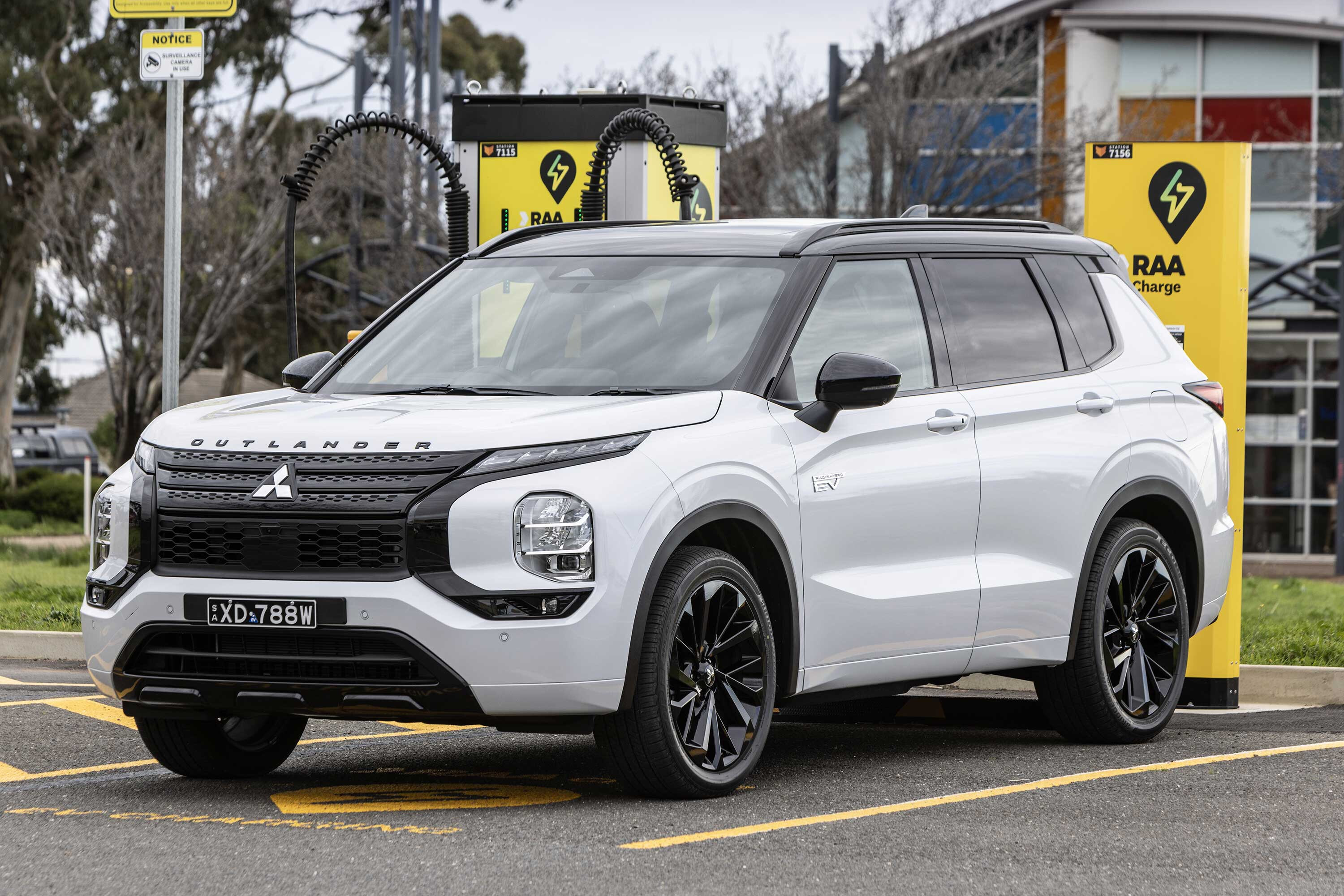
Mitsubishi Australia has released the results of a survey of around 800 Outlander PHEV and Eclipse Cross PHEV owners, finding that the majority of the brand’s PHEV owners are leaning far more on their vehicle’s battery than its fuel tank.
The survey results come at an interesting time for plug-in hybrid vehicles (PHEVs), with Australian PHEV sales being up 127 percent in year-to-date sales figures versus just 11 percent growth in battery-electric vehicles for the same time period. According to the brand that’s their biggest cheerleader in this country, owners who’ve already put a PHEV in their driveway are reaping the benefits.
1
Mitsubishi Australia found that Outlander PHEV owners in Australia were driving on electric-only power 81 percent of the time, while Eclipse Cross owners were driving in EV mode for 75 percent of their trips. For reference, the Outlander PHEV can travel 84km on its 20kWh battery on the WLTP test cycle while the Eclipse Cross PHEV extracts 54km of EV-only range from its 13.8kWh lithium-ion battery.
Around half (50 percent of Outlander owners, 58 percent of Eclipse Cross owners) were charging their PHEVs on a daily basis, while almost all of them were charging from a charger installed in their home, using their domestic power supply. Most respondents cited low running costs as their primary reason for picking a PHEV, though there was no published data on whether owners found the relatively limited EV range of their plug-ins to be a negative factor.
The results of Mitsubishi’s survey provides a counterpoint to the European PHEV experience, where PHEV owners were often purchasing their vehicles to take advantage of generous government subsidies, but were charging their cars infrequently and running on combustion power most of the time. Those users effectively eliminated the environmental benefit of their cars by not only firing up the combustion engine, but by also forcing that engine to lug around the dead weight of a discharged battery pack as well.
Fuel card usage on fleet-owned PHEVs is also a known problem, where drivers – who aren’t necessarily the vehicle’s owner – find it easier to simply pay for fuel with a company-supplied fuel card instead of plugging their vehicle into a charger on a regular basis.
1
While EV owners have no choice but to plug in and conventional hybrids don’t carry a big, heavy battery, owner behavior makes a big difference to the efficiency, environmental impact and running costs of plug-in hybrids.
PHEVs back in fashion
This year, a rapid cooling of EV sales and an upswing in hybrid sales globally – including plug-in hybrids – has seen a number of carmakers walk back on electrification commitments. Volvo just recently watered down its global pledge to go all-electric by the end of the decade, instead allowing room for PHEVs to stay on sale in some markets.
Hyundai and Volkswagen also announced new investment for future hybrid products, and they’re not alone – even Chinese automaker BYD, which launched in Australia earlier this decade with an all-electric lineup, brought its first PHEV to our shores in the form of the Sealion 6 earlier this year.
From the industry perspective, the business case for hybrids of all types is typically stronger than that of EVs. Pressure to compete with Chinese automakers sees most EV product lines running on slim profit margins – even those in the $50K-plus realm – while hybrids and PHEVs, with their substantially smaller (and thus cheaper) batteries, are able to sell at a lower cost while also delivering a higher margin.
From an environmental point of view, PHEVs rely on their owners doing the right thing – which essentially boils down to charging up at every opportunity. However if Mitsubishi’s experience in Australia is anything to go by, that message is beginning to resonate.
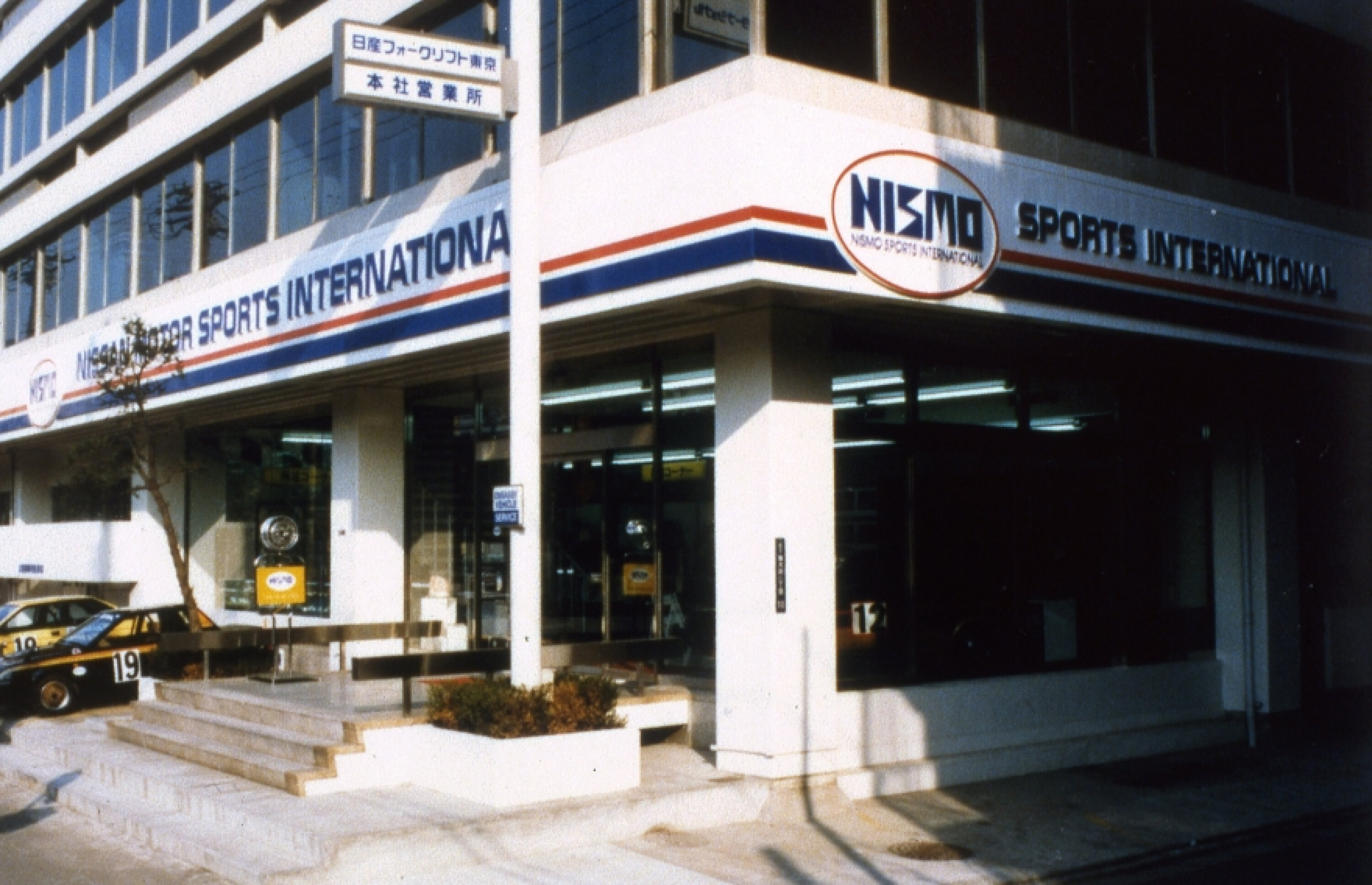
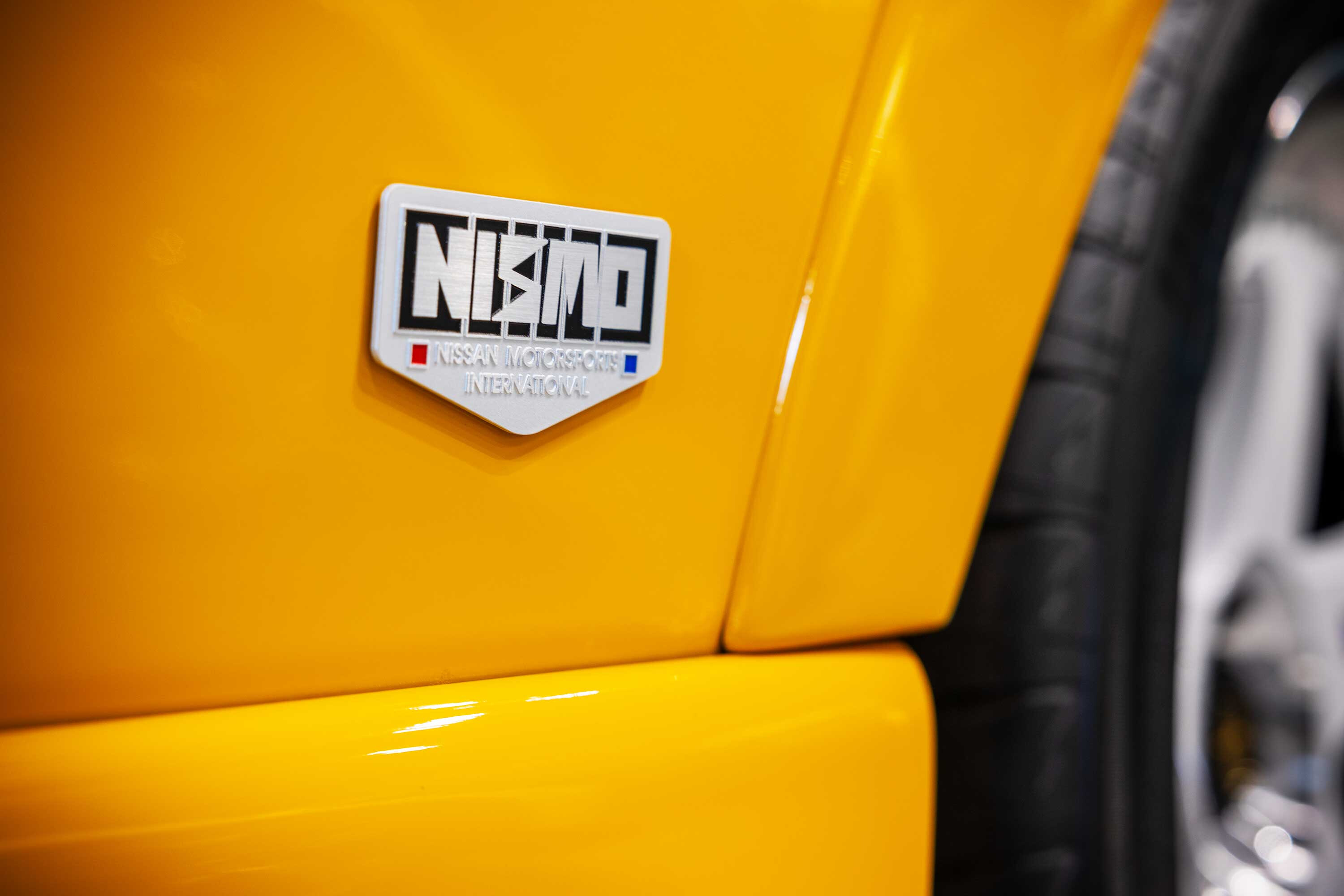
Nissan Motorsport International has marked a major milestone, with the company responsible for some of the hottest Nissans on road and track celebrating its 40th year of operation.
Established in the Omori district of Tokyo on 17 September 1984, Nismo was initially charged with building Nissan’s factory-backed racecars, as well as supporting privateer racers using Nissan vehicles. Later on that decade, tuned versions of Nissan’s road cars would get added to Nismo’s portfolio – though these were restricted to the Japanese domestic market for years.
1
It wasn’t until 2007 that Nismo’s road cars would officially go global, when the Nismo 350Z went on sale in the USA. However, Australia would have to wait until 2017 before the first fully-fledged Nismo road car would arrive on our soil as volume imports, with the R35 Nismo GT-R leading the charge.
That Nismo GT-R was a headkicker. as you’ll find out below, but it was far from the first scalp-taking Nismo. To help it blow out 40 candles, here’s the Wheels list of Nismo’s greatest hits.
1
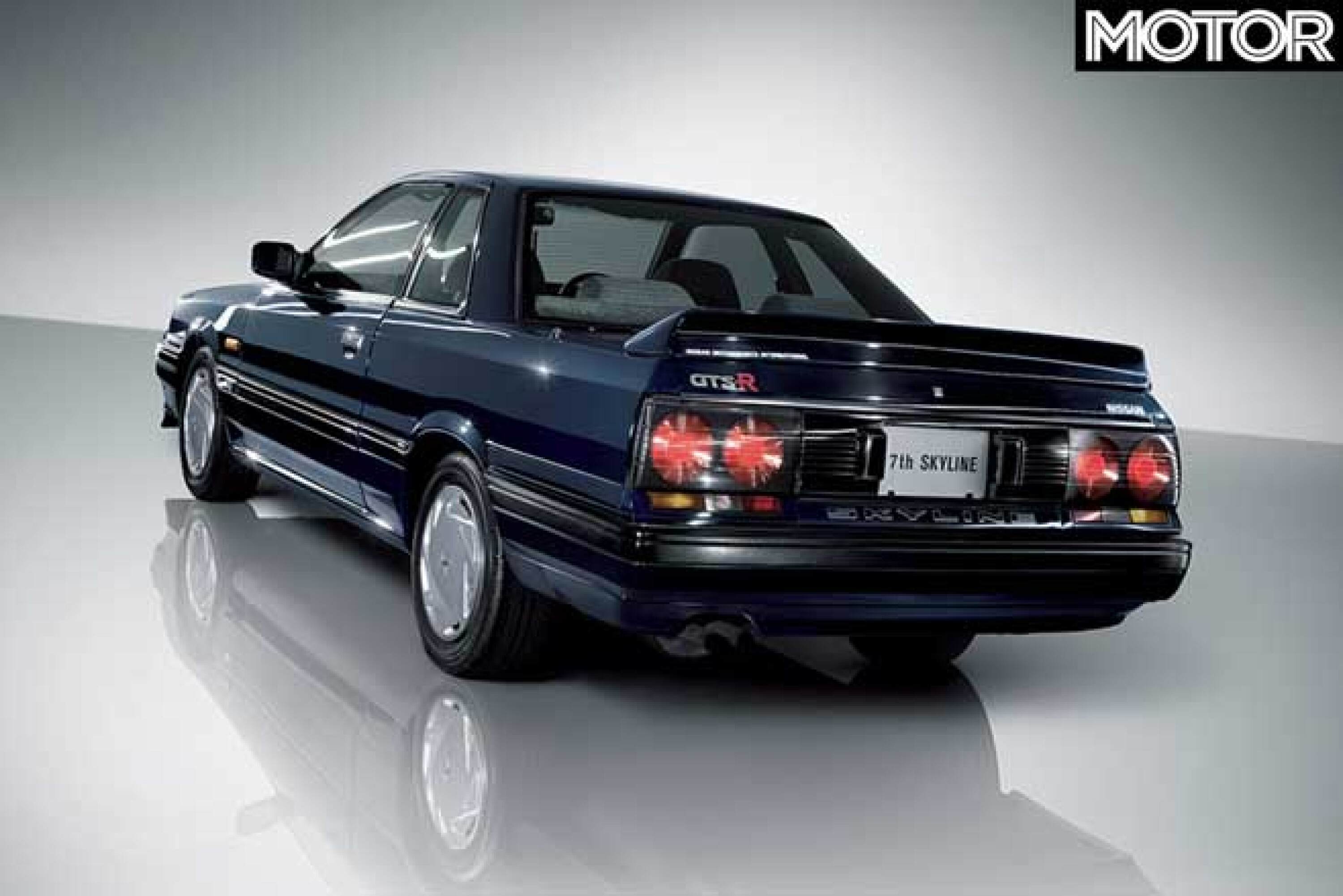
1987 HR31 Nissan Skyline GTS-R
1
There never was a GT-R flagship for the R31 Skyline, but the Nismo-engineered GTS-R was very much the missing link between the second-gen GT-R – the ‘Kenmeri’ KPGC110 Skyline GT-R of 1973 – and the R32 GT-R that would become world-famous in the early 1990s.
With a fat Garrett turbo hanging off the side of its 2.0-litre inline six, the 154kW GTS-R was rear-wheel drive with a limited-slip diff and four-wheel steering, and though it was never sold in Australia, the GTS-R became a household name when Jim Richards steered one to victory in the 1990 Australian Touring Car Championship
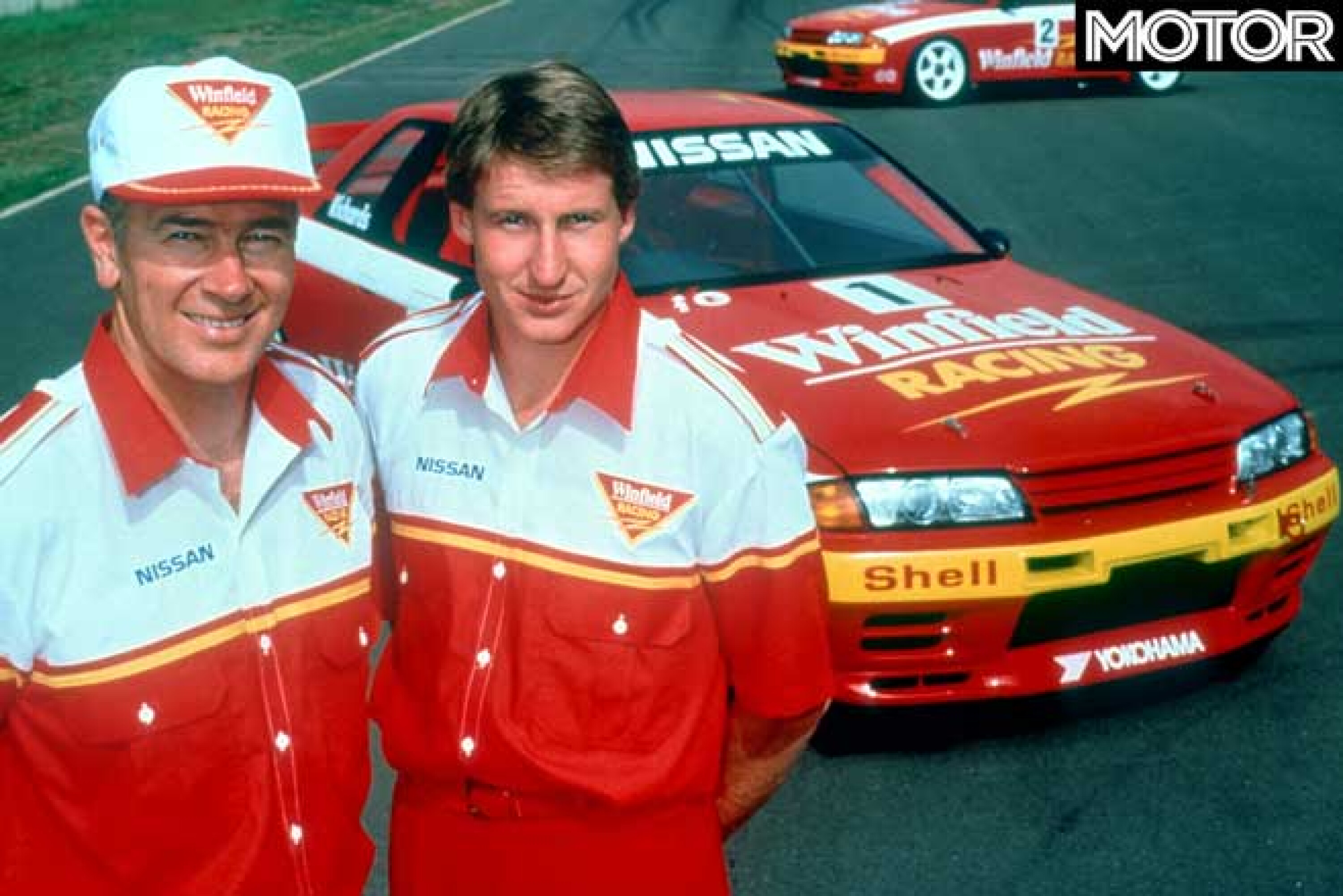
R32 Nissan Skyline GT-R – Group A
1
The genesis of the GT-R’s giant-slayer reputation might have been the road car that Wheels christened ‘Godzilla’, but the Nismo-built track star that was engineered for the FIA’s Group A racing category was a different monster altogether.
The road-going R32 GT-R was essentially a homologation special, with almost every element of its hardware, from its 2.6-litre displacement to its all-wheel drive system, designed to give it an unassailable advantage in Group A. With Nismo turning up the wick on that platform the ‘standard’ Group A-spec R32 GT-R was dominant, but when those racecars got an extra layer of fettling by Gibson Motorsport, they became virtually unkillable. Find out precisely why in our deep-dive below:
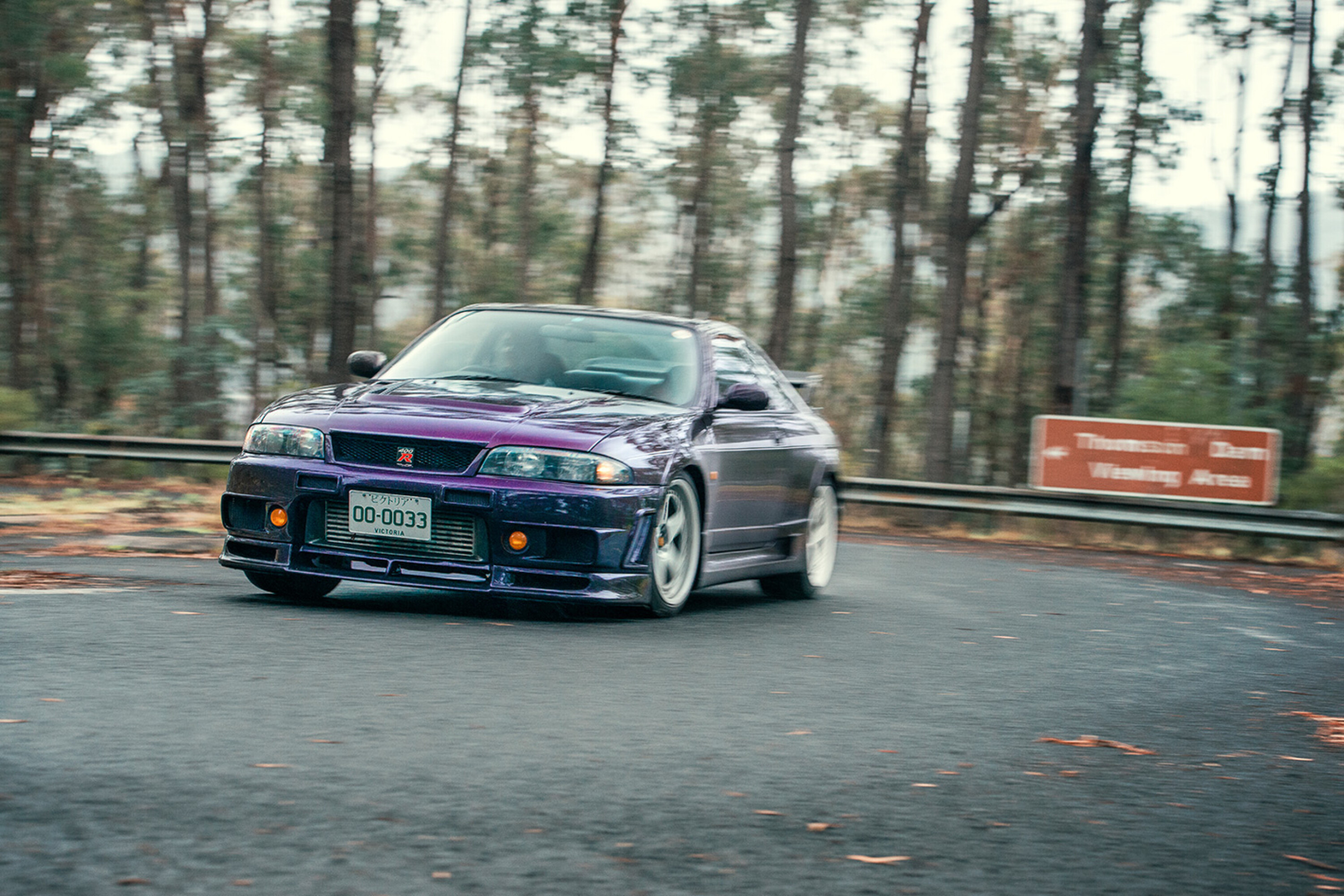
1995 R33 Nismo 400R
1
Though the R32 GT-R’s dominance helped kill off Group A touring car racing, Nismo’s engineers weren’t done making obscenely quick Skylines. In the middle of the 1990s, Nismo took 44 R33 Skyline GT-Rs, dropped a 300kW/470Nm racing-grade version of the standard RB26DETT engine under the bonnet, performed extensive chassis and suspension upgrades and called it the 400R. Like the Silvia-based 270R that came before it, the 400R wasn’t intended to race, but was built to be the ultimate expression of a Nissan performance car for the street.
What’s it like to drive an ultra-rare, hyper-expensive, big-power beast from the 1990s on damp roads? Follow the link below to find out.
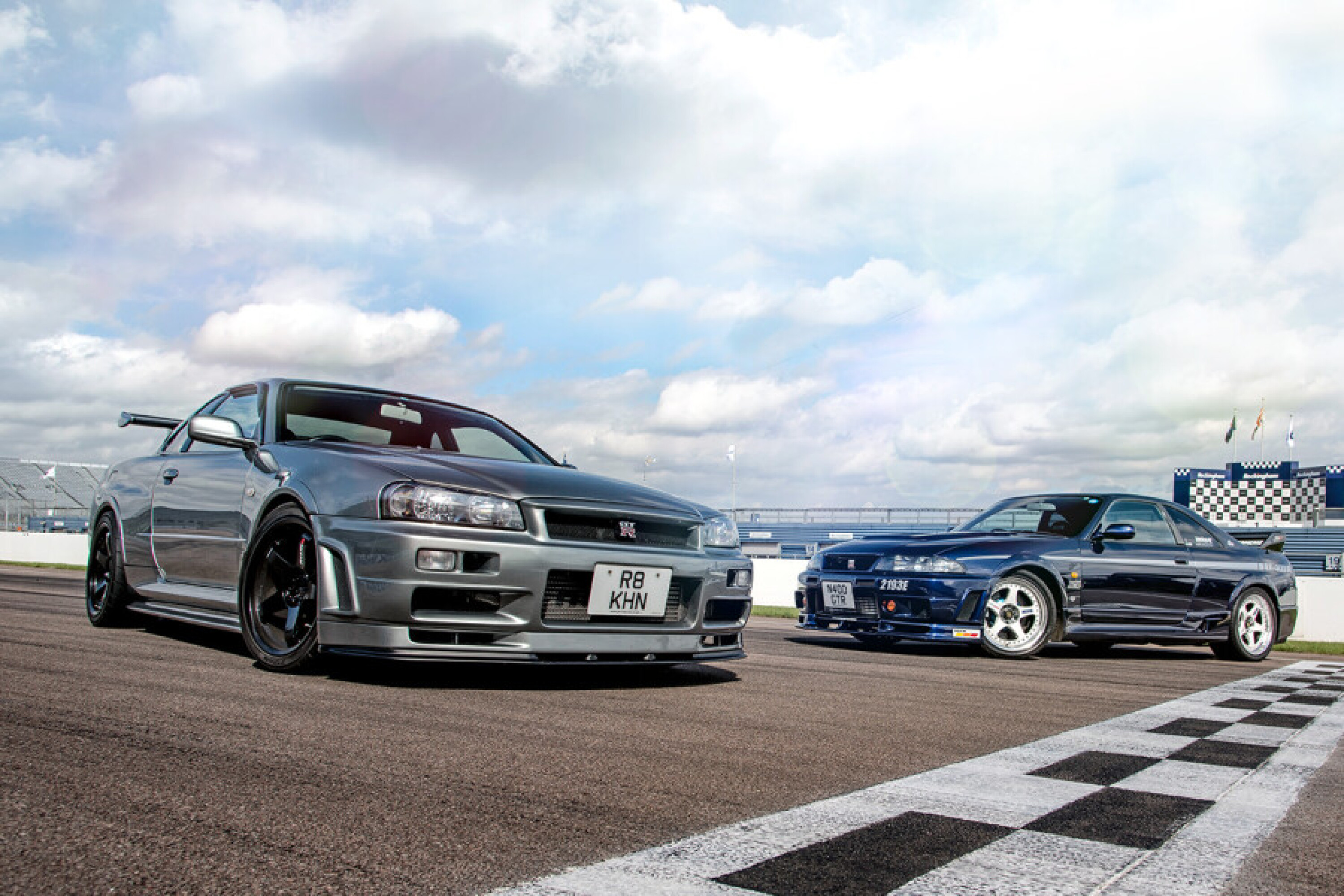
2000 R34 Nissan GT-R Nismo R-Tune
1
Back in ‘the day’, Nismo didn’t just build race cars and the occasional limited-production street car – if you lived in Japan, owned a sporting Nissan and had a bit of disposable income, the company’s Omori Factory operation would happily take on the task of modifying your car for you.
One could pick parts off a menu a la carte, or – if monsieur preferred – a veritable banquet of bits from Nismo’s tuning catalogue could be applied as part of a holistic package. For the iconic R34 Skyline GT-R, one such option was the R-Tune package. Essentially 90 percent of the way to being a fully-fledged Z-Tune, the R34 GT-R in R-Tune specification was a fearsome machine.
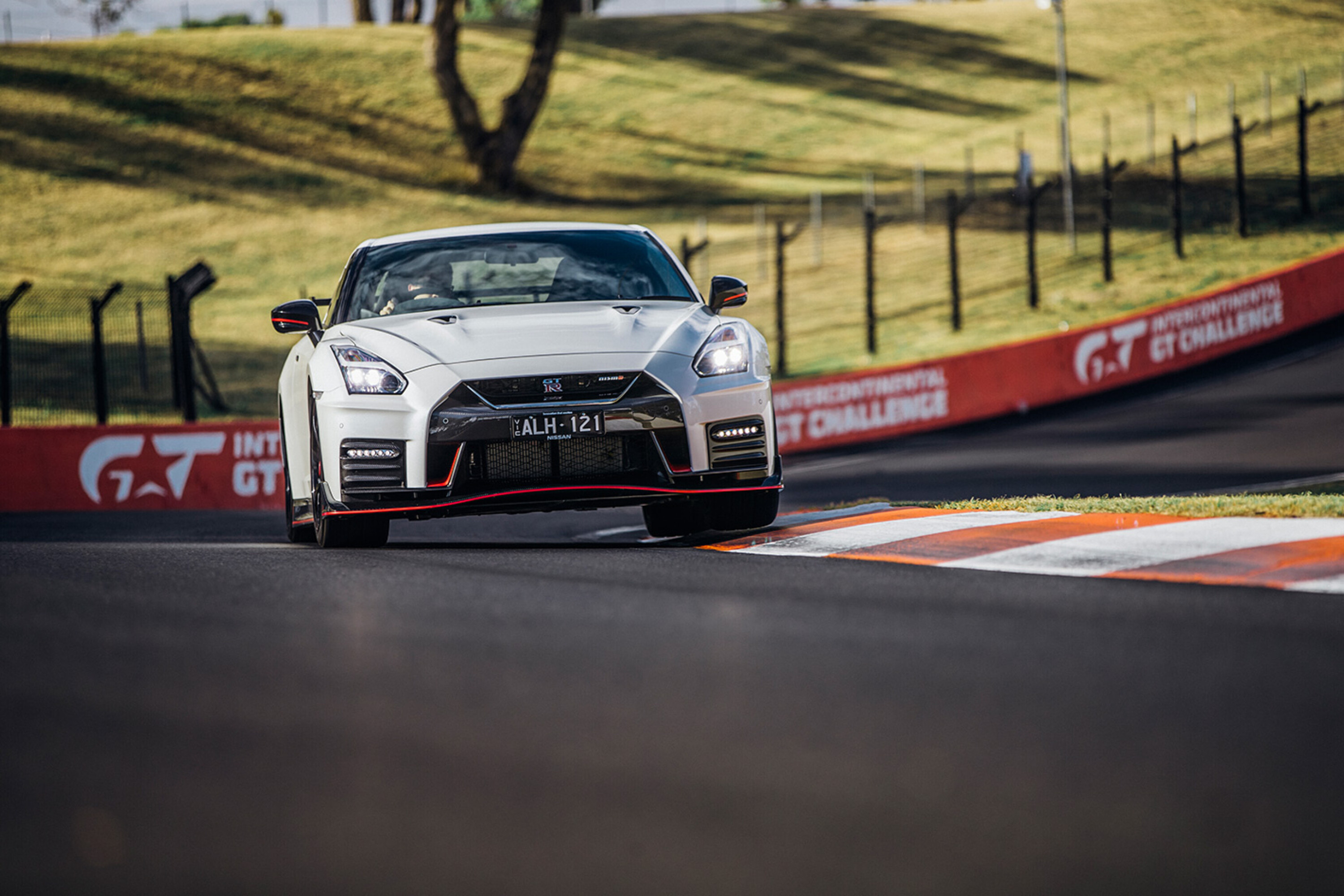
2017 R35 Nismo GT-R
1
GT-Rs and Bathurst: a potent combination since 1991, so when Nissan Australia finally decided to throw enthusiasts a bone and bring some spicy Nismo metal to these shores, it did it properly and hosted the launch at our nation’s most incredible racetrack, Mount Panorama.
With a 100-percent focus on performance and, uh, zero percent on comfort or value for money, the GT-R Nismo was a ferocious beast. Read about what it was like to drive around The Mountain, then follow that up with a bonus review of the 2020 Nismo GT-R. Though only separated by three years the flagship R35 only got better with age… and it never lost that Godzilla spirit.
1
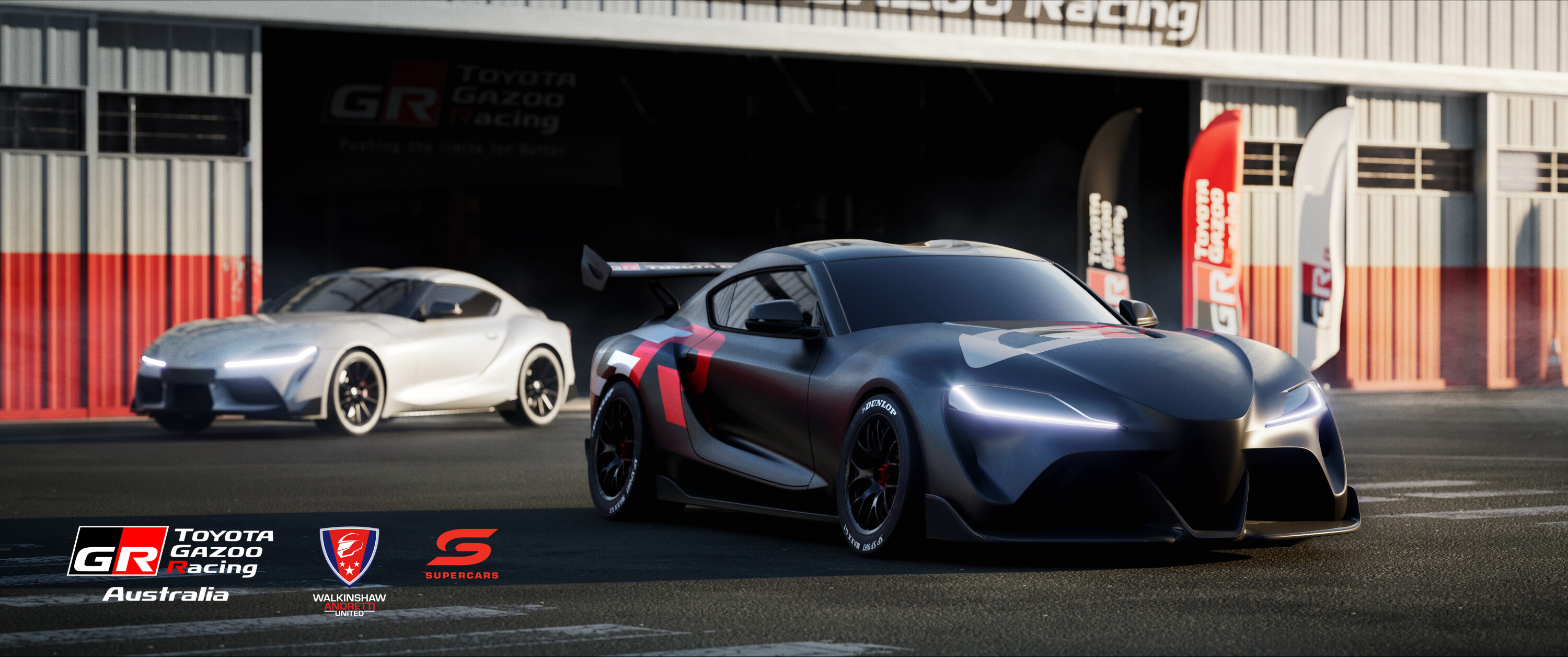
Toyota Australia has announced it will join the Supercars Racing Championship in 2026 with its GR Sport Supra coupe.
Currently just General Motors and Ford compete in the championship with their V8 Camaro and Mustang coupes respectively, and while the road-going GR Supra is powered by a BMW-sourced six-cylinder engine, the Supercars version will in fact get a V8 powerplant – and a Toyota V8 at that!
Toyota Australia has teamed up with Walkinshaw Andretti United (WAU) to develop its supercar program, and part of that work will be adapting Toyota’s 2UR-GSE, quad-cam V8 to power the Supra racer. The 2UR-GSE is the petrol 4.6-litre V8 that we saw used in the LandCruiser 200 Series and Lexus LX wagons for some time before it was dropped from the line-ups, but it has been used in overseas markets for many years since.
1
In motorsport it formed the basis of the engine that powered the 2019 Dakar-winning HiLux before they switched the turbocharged V6 engines for the current cross-country race vehicles. It is expected the engine will be about 5.0-litre capacity in the Supercars trim, where it will need to be tested and tuned for parity with the competing Ford and GM powerplants.
Under the skin the modern supercar racers use identical chassis, suspension and transaxle transmission which, with the parity-tuned engines, are designed to provide close competition. As the homologation partner with Toyota, WAU’s job will be to adapt the Supra’s swoopy body over the Supercars chassis and roll cage and develop the aerodynamics package to again be on par with the GM and Ford entries.
1
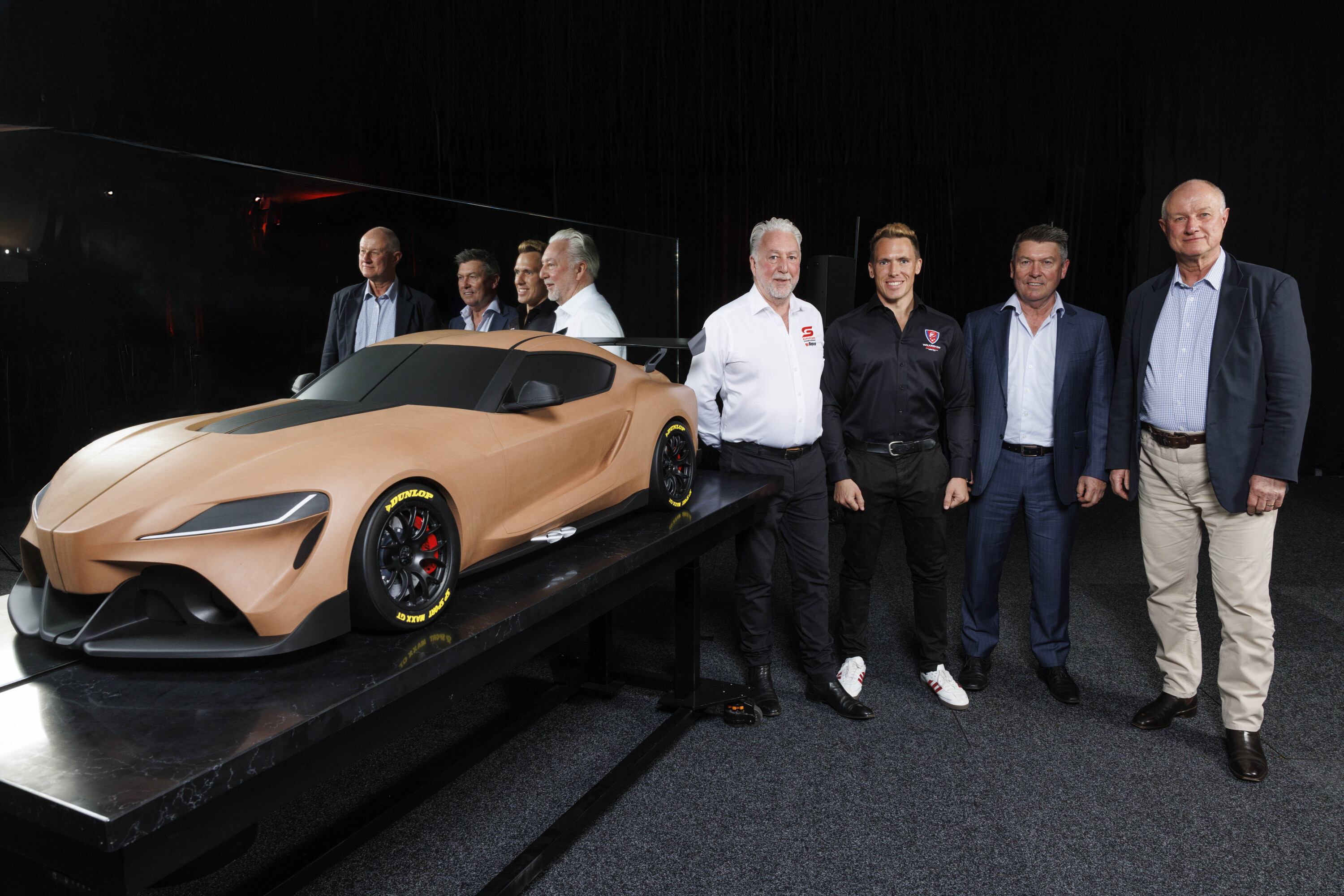
Toyota had a scale model of its Supercars Supra at its announcement but will unveil a full-size version at the Bathurst 1000 race in October this year. Toyota will enter Supercars competition in 2026 with four vehicles; two with WAU and another pair with a team yet to be announced.
In announcing its Supercars entry Toyota Australia Vice President of Sales, Marketing and Franchise Operations, Sean Hanley, detailed Toyota’s long history in Australian motorsport and went on to say, “At Toyota, we have been toying with the idea of competing in Supercars for more than 20 years, and now with the right car, the right team, and a very strong partnership with the Repco Supercars Championship, the time is definitely right.”
WAU Director Ryan Walkinshaw said, “To announce our future with Toyota Australia as it enters the Supercars Championship from 2026, is a fantastic honour and privilege for everyone at Walkinshaw Andretti United.
1
“We have developed a fantastic relationship with Toyota Australia through the Walkinshaw Group, and we are delighted to extend that partnership into Walkinshaw Andretti United – we can’t wait to share success together in 2026 and beyond.”
That relationship pertains to Walkinshaw being Toyota’s partner in re-engineering the Toyota Tundra full-size pick-up for Australia with development cars already in the hands of owners, and an announcement on the program is expected soon.
WAU currently campaigns Ford Mustangs in the Supercars Championship and will continue to do so for the remainder of 2024 and the 2025 season, before making the switch in 2026.
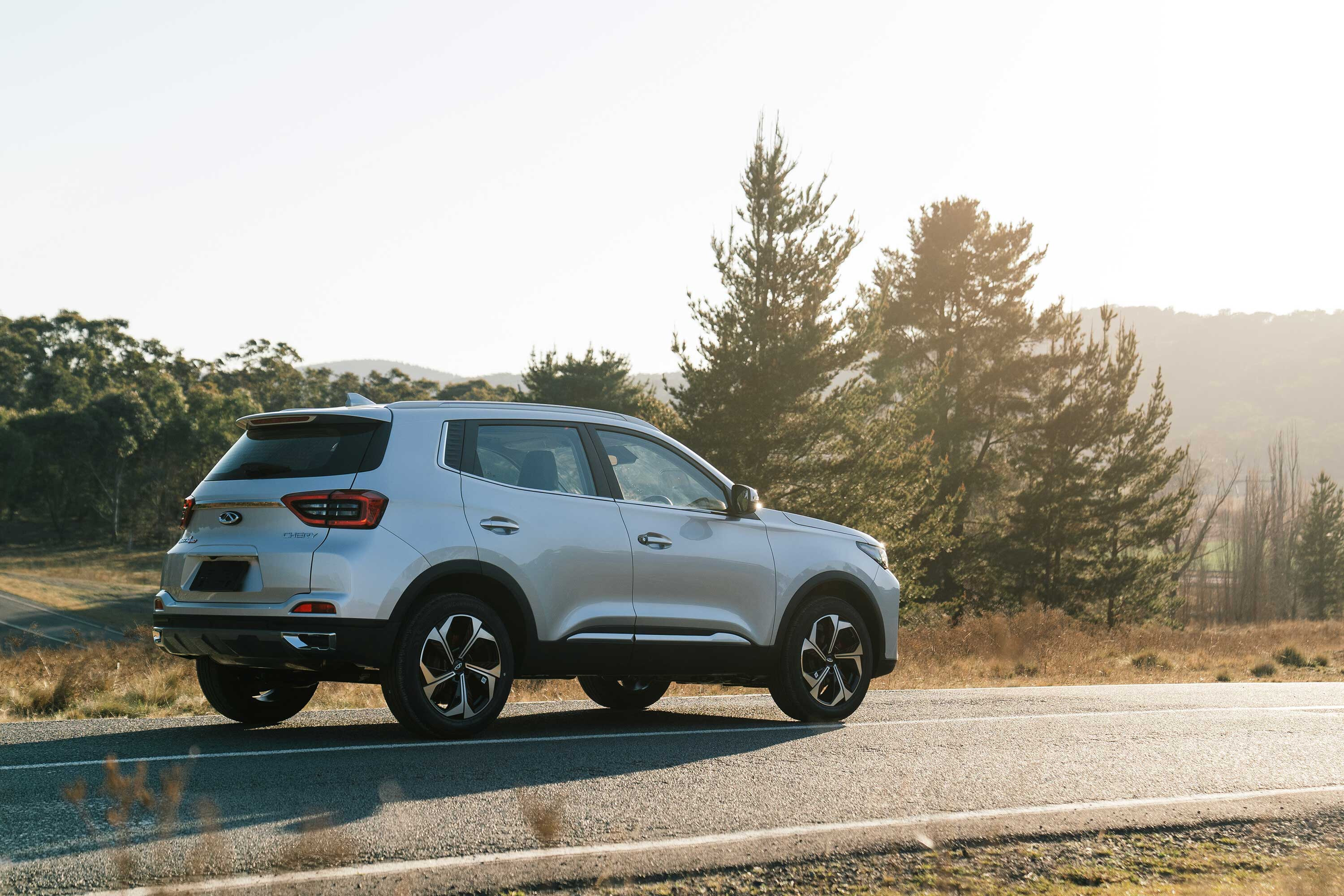
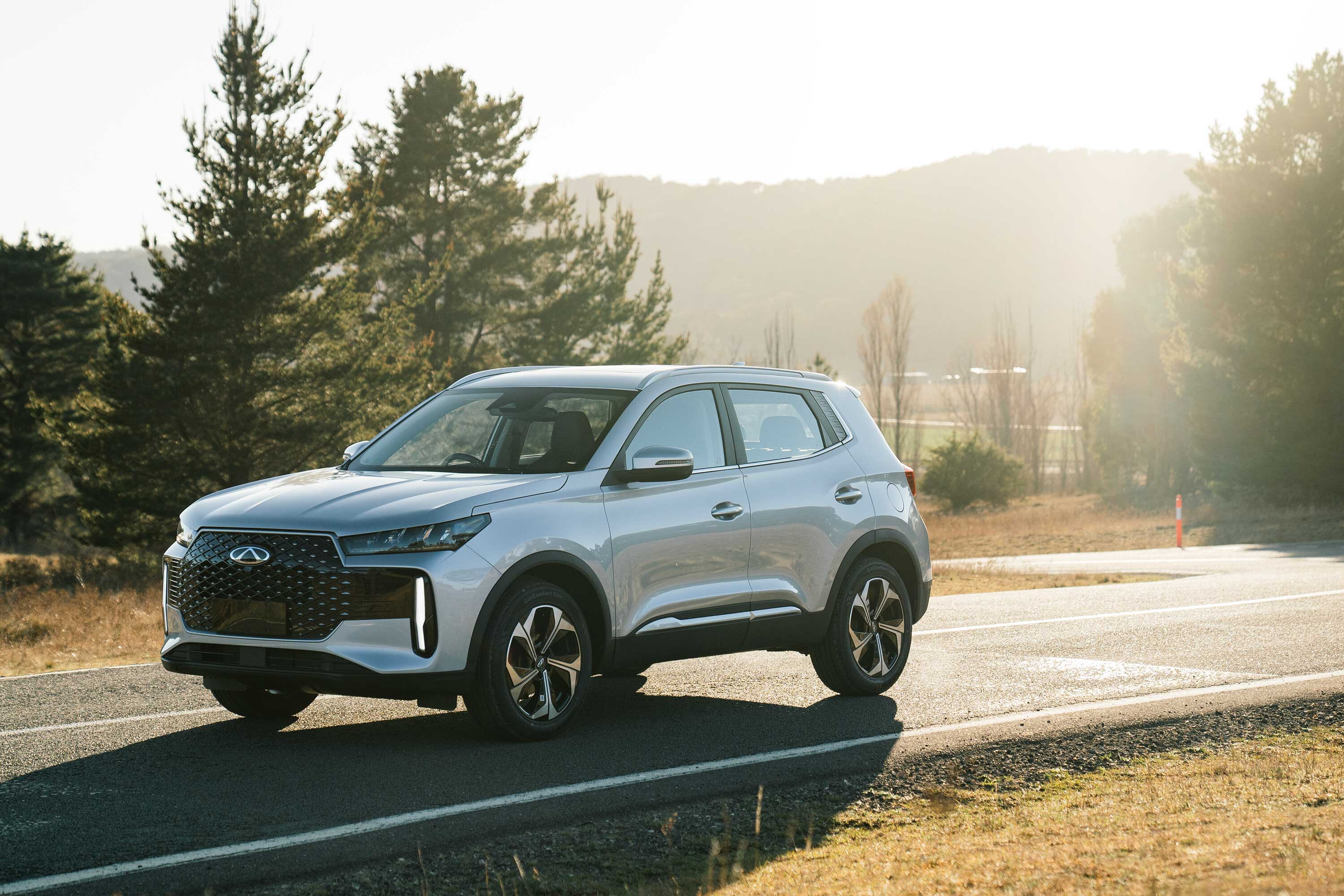
Chery Australia has announced the 2024 Tiggo 4 Pro SUV will be priced from $23,990 driveaway and available to order from mid-September 2024 – with cars in showrooms next month.
The national driveaway price significantly undercuts the segment leading Mazda CX-3 – priced at $26,950 before on roads – and Toyota Yaris Cross at $30,900, Australia’s second-most popular light SUV.
Measuring 4351mm long, 1831mm wide and 1662mm high, the five-door Tiggo Pro 4 enters the light SUV segment as a slightly larger SUV than the Yaris Cross and CX-3, and other key rivals including the Nissan Juke.
2
It sits on the same 2160mm wheelbase as the Chery Omoda 5 SUV already on sale in Australia which gives the Tiggo 4 Pro a 380L boot expandable to 1225L with the second-row seating folded.
Power comes from a 108kW/210Nm 1.5-litre turbocharged four-cylinder petrol engine and continuously variable transmission – also used in the Omoda 5 – with a claimed combined fuel economy figure of 7.3L/100km.
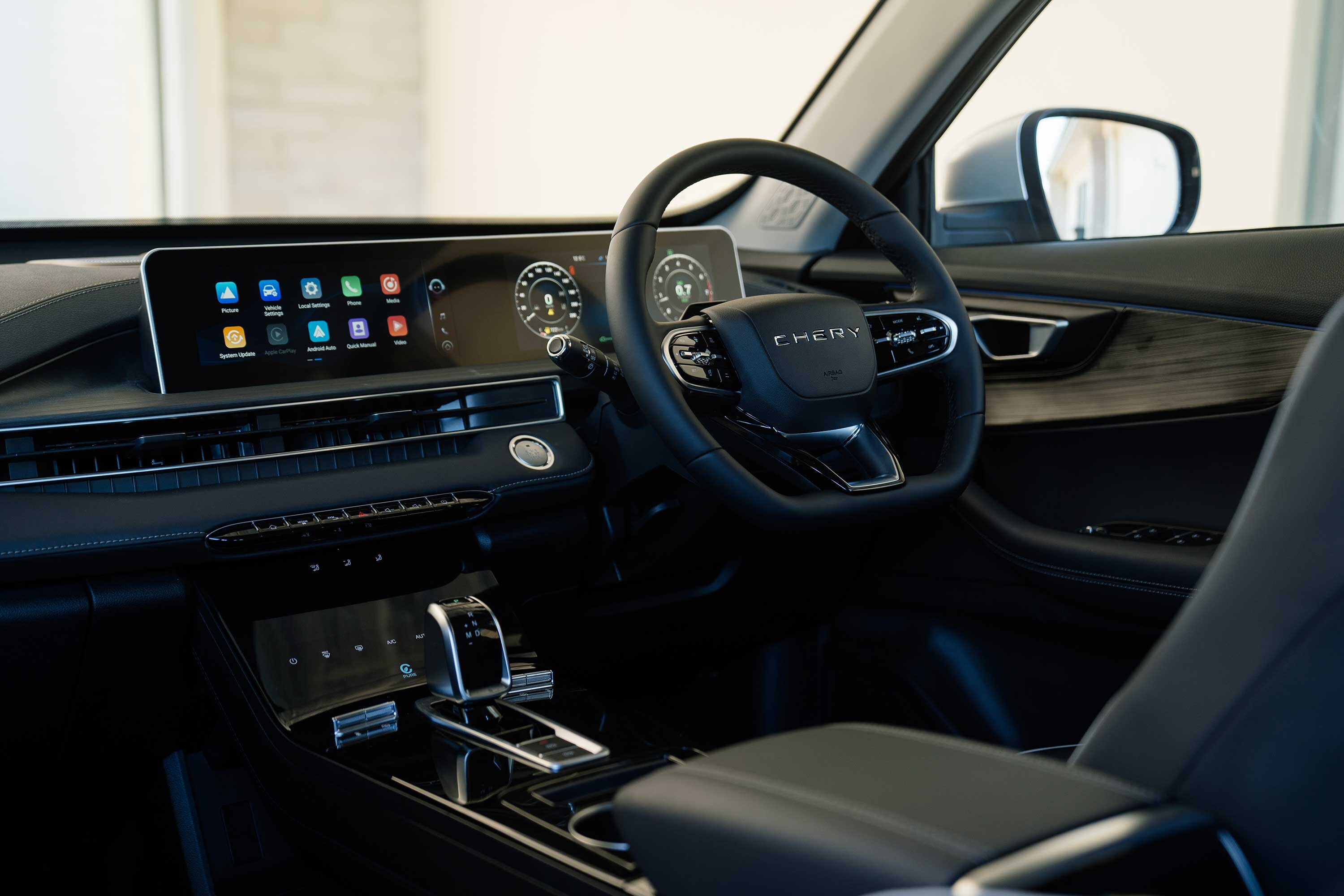
Standard equipment includes keyless entry/start, 10.25-inch dual infotainment screens, wireless smartphone connectivity, 17-inch wheels, front and rear parking sensors and seven airbags.
4
The Tiggo 4 Pro also comes with Autonomous Emergency Braking, Lane Departure Prevention, Rear Cross Traffic Braking and Door Opening Warning among its standard driver assistance tech.The entry-level Tiggo 4 Pro Urban at $23,990 driveaway sits below the flagship Tiggo 4 Pro Ultimate which adds larger 18-inch alloy wheels, synthetic leather trim, heated seats and 360-degree camera for $26,990 driveaway.
The Tiggo 4 Pro’s arrival is a pivotal moment for Chery’s return to Australia as a factory-backed brand after a previous run under local importer Ateco.
“It’s in a segment where $23,990 doesn’t buy you much – whereas we’ve been able to bring a vehicle to market that is a lot of car for the money,” Chery Australia Chief Operating Officer (COO) Lucas Harris told WhichCar.
“I am serious when I say I think this is the best value SUV in Australia the day that it launches.”
The Tiggo 4 Pro will be the new price leader in the segment – matching the MG ZS small SUV’s driveaway price – and comes after Chery added the entry-level Omoda 5 FX at $27,990 driveaway in June.
Despite its aggressive pricing, Harris told WhichCar Chery is not all about having the lowest prices – and that it’s making money on the vehicles it sells here.
“It’s not about being cheap and not about trying to de-spec cars until it’s essentially a metal frame and wheels to sell it at the lowest price – it’s not where we’re at,” Harris told WhichCar.
“We want to be really great value. Yes, the price is very good, but [as a customer] I’m getting a decent amount of spec, and I’m getting a decent amount of kit.”
Harris also confirmed the Tiggo 4 Pro won’t have a Euro NCAP or local ANCAP rating when it lands in showrooms but plans to have an Australian crash test carried out as soon as possible.
1
What’s coming down the line for the world’s most popular EV brand?
Despite the best efforts of Chinese upstarts, Tesla still has something of a stranglehold on the EV world… for now
But what next for the American brand? Tesla is now more than 20 years old, and has been selling cars to the mainstream for more than 12 of those years. It’s no longer the new kid on the block – if anything it’s starting to show some grey hairs – and even though the popular Model 3 and Model Y have some years to go in their respective model cycles, Tesla needs newer and more diverse products in its showroom to stay relevant.
Let’s take a look at what’s on the horizon for Tesla.
JUMP AHEAD
Model Y facelift
1
1
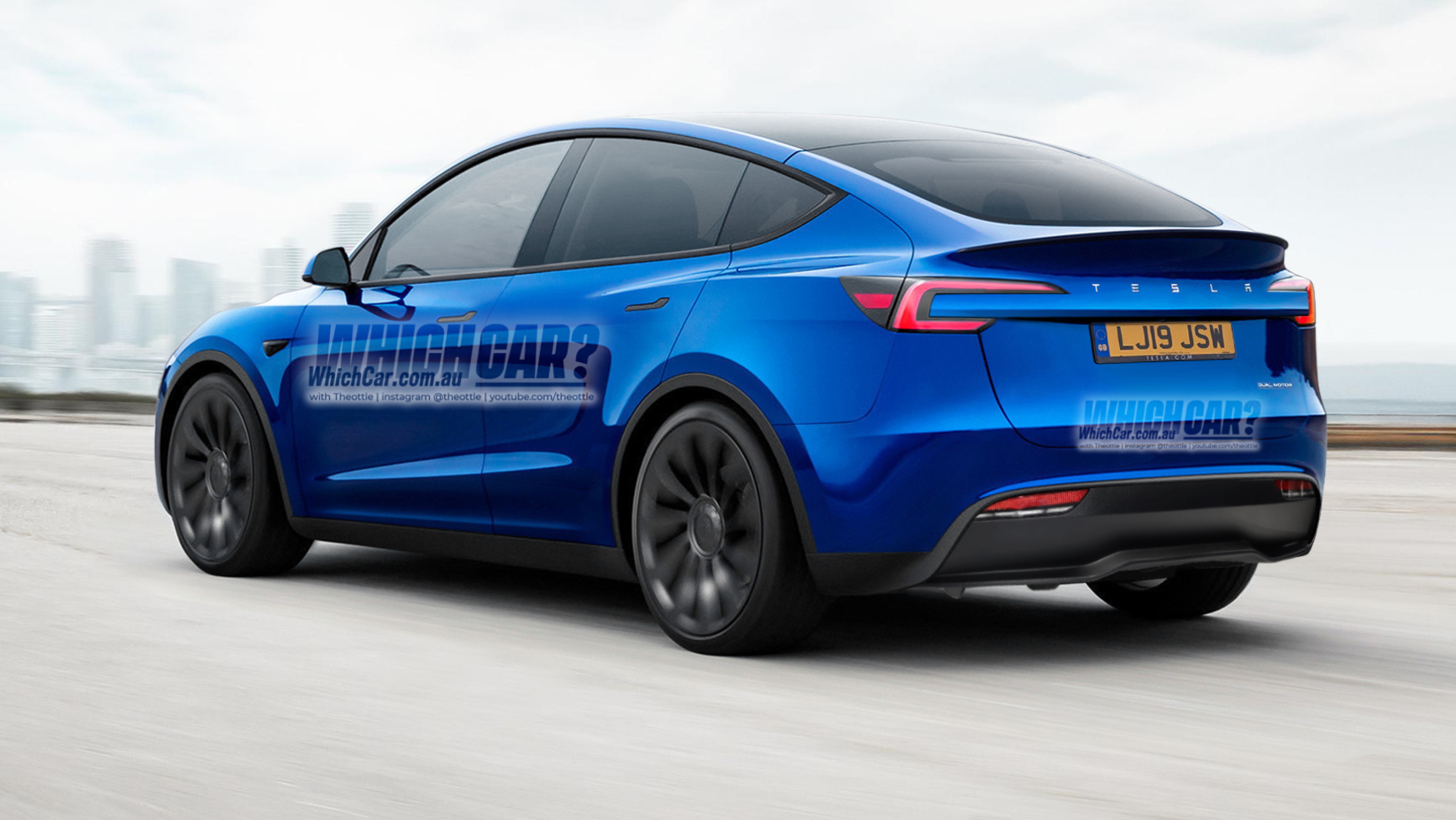
With the Model 3 facelift now on sale, it’s now a matter of time before the Model Y – often a top-selling model in Australia – is blessed with the same updates.
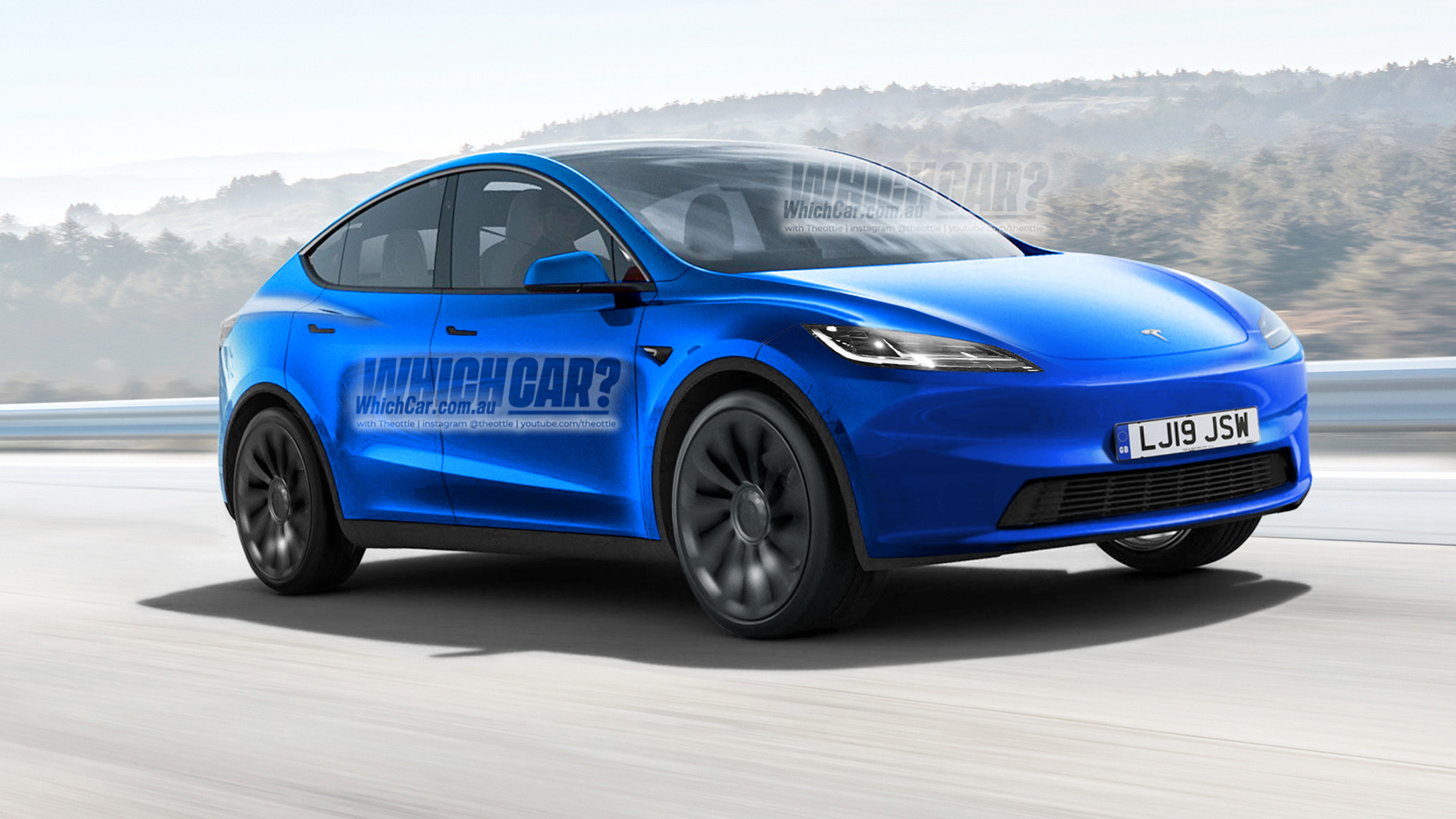
The Model Y’s first major facelift, codenamed ‘Juniper’ by Tesla, will see a similar treatment to that of the Model 3 ‘Highland’ update being applied to the hugely popular EV SUV.
Expect sharper lamp clusters at front and rear, new front quarter panel pressings and bumper plastics, fresh alloy wheel designs and possibly some new colours in the palette.
On the inside, a cabin rejig that mirrors that of the Model 3 seems like a no-brainer, with the deletion of indicator stalks in favour of steering wheel buttons and an on-screen gear selector replacing a physical one. There’s likely to be minor tweaks to other cabin furniture too, like the centre console, front seats, and steering wheel design.
We’re not expecting big changes to motor output, performance or range, but there may be detail changes to things like battery supplier, brake hardware and other under-the-skin components.
More details should come to light as it draws closer to its official unveiling, which is currently forecast to happen sometime in the first half of 2025.
Model 2
3
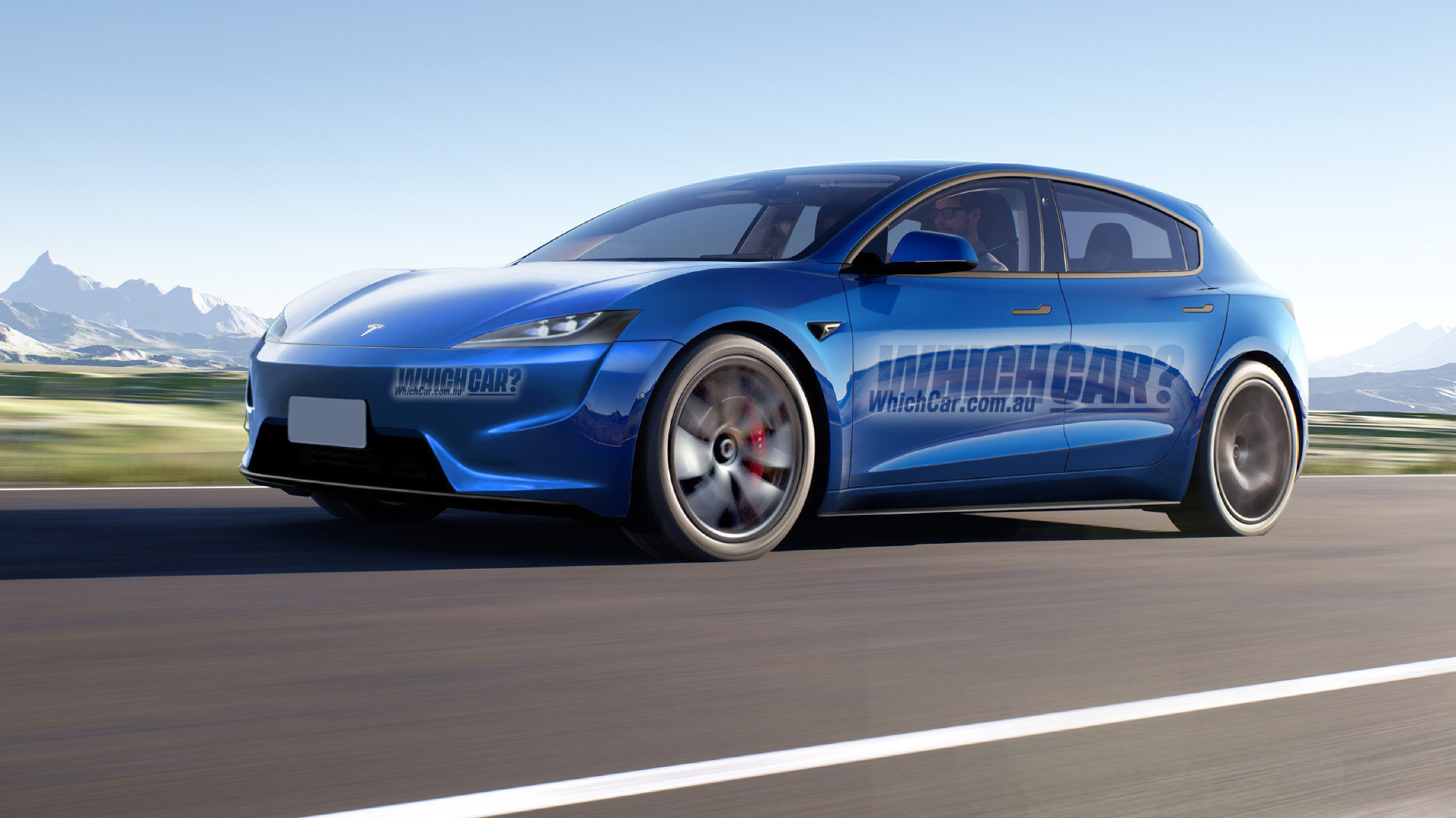
This one might disappoint you. The Model 2 is the presumptive name given to Tesla’s long-awaited ‘affordable’ model, a car Elon Musk said would be funded by the sales of all of its larger vehicles, but as it stands the Model 2 appears to be as good as dead.
The smaller-sized EV was expected to be the first Tesla to make use of its groundbreaking second-generation vehicle architecture, which would deploy an innovative new construction methodology that Tesla mysteriously referred to as the “Unboxed” process.
However, teething issues with that new method of assembly – which apparently would see cars being assembled into large sub-assemblies before being joined together as a final step on the production line, rather than having parts get progressively bolted into a chassis in the traditional way – appears to have thrown up a significant roadblock. The Unboxed process was supposed to yield reductions in assembly costs, something which compact cars are heavily exposed to, but word around the industry is that Tesla is struggling to find a way to build the Model 2 while still making it profitable.
Issues with Tesla’s new 4680 battery cell technology are also reportedly to blame for the pause button being hit on the Model 2’s development. If costs can’t be constrained, it seems unlikely that the Model 2 will be able to hit its expected entry price of US$25,000 (around AU$37,000)
But all of that research and development on the Model 2 likely won’t go to waste, because in October this year Tesla is expected to reveal a car that’s probably going to recycle a lot of that Model 2 hardware for a different kind of purpose: the Cybercab. Read about it further down the page.
Tesla Cybertruck
3
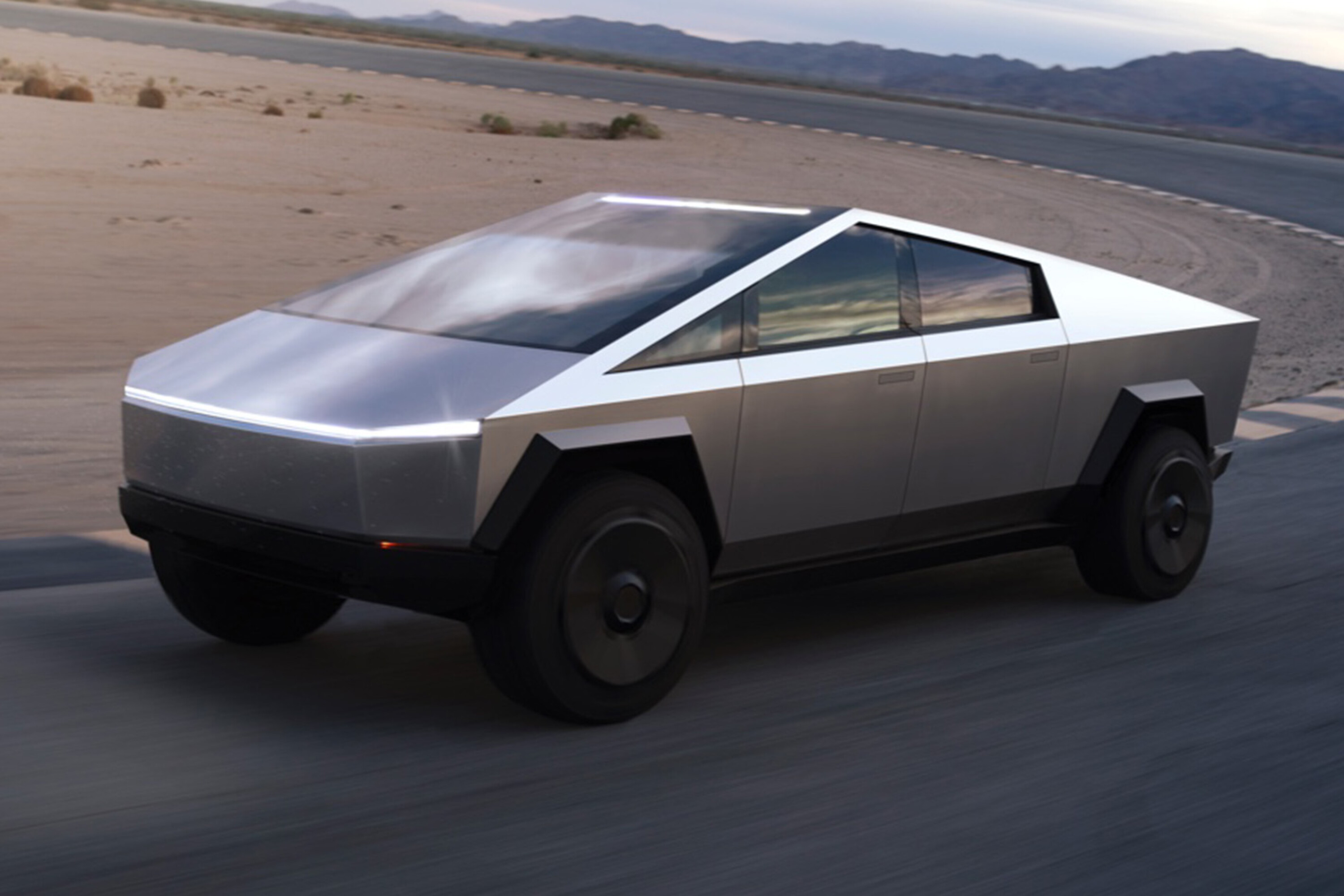
First shown as a concept in 2019, the edgy EV ute has just started rolling down the line at the company’s Texas Gigafactory – but so far only as high-spec, high-power versions.
The million-dollar question is, of course, whether this first iteration of the Tesla Cybertruck will ever go on sale in Australia.
Aside from the fact that Elon Musk himself has said the original Cybertruck in its initial form was never destined for world markets, the lengthy production delay and subsequent pent-up demand – it’s been reported that there are a million expressions of interest in the can – is sure to put markets outside the US right down the pecking order. There’s also the not-inconsiderable fact that Cybertruck’s sharp-edged stainless steel bodywork is very much incompatible with most pedestrian impact standards, which isn’t a problem in the USA, but very much an issue in most other developed markets.
A smaller Tesla ute could potentially be built on top of the second-generation platform that is set to underpin a new generation of Teslas, as well. However, considering the lengthy gestation endured by the Cybertruck, who knows when such a machine will ever break cover.
Cybercab
Elon Musk has been pushing hard for a robotaxi of his own, a dedicated self-driving vehicle that’s pitched not so much at consumers, but rather rideshare businesses and taxi fleets. Expected to launch in October this year and possibly dubbed “Cybercab”, this is the vehicle that’s expected to make use of the stillborn Model 2’s innovative new platform – well, at least portions of it.
Why is the Cybercab moving ahead while the Model 2 isn’t? Simple economics. With the Cybercab pitched as a profit-generating device for mobility businesses, Tesla can expect to sell them for more than they would a Model 2 to a private buyer, thus strengthening the business case.
There’s also the possibility that Tesla itself could operate a fleet of Cybercabs, summoned by the Tesla app, which would give it a way to enter the rideshare industry and add yet another profit stream to its bottom line. Watch this space, the Cybercab could make things interesting.
Roadster
3
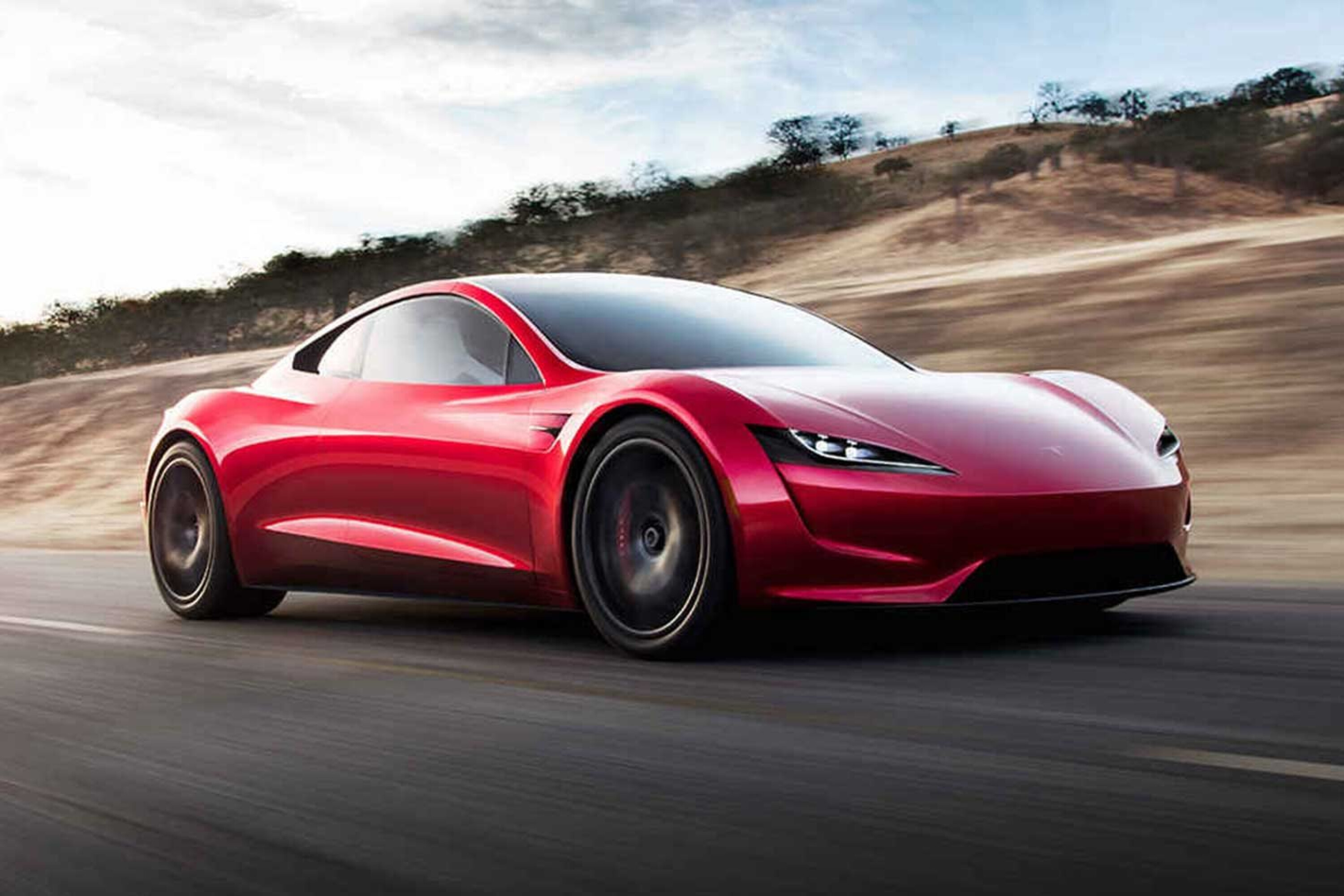
The Tesla Roadster put the then-tiny EV company on the map back in 2008, and so it follows that people would be keen on a new version.
That’s particularly true right now, given the popularity of high-performance variants of the Model S. Alas, the second-generation Tesla Roadster has stalled in the starting blocks.
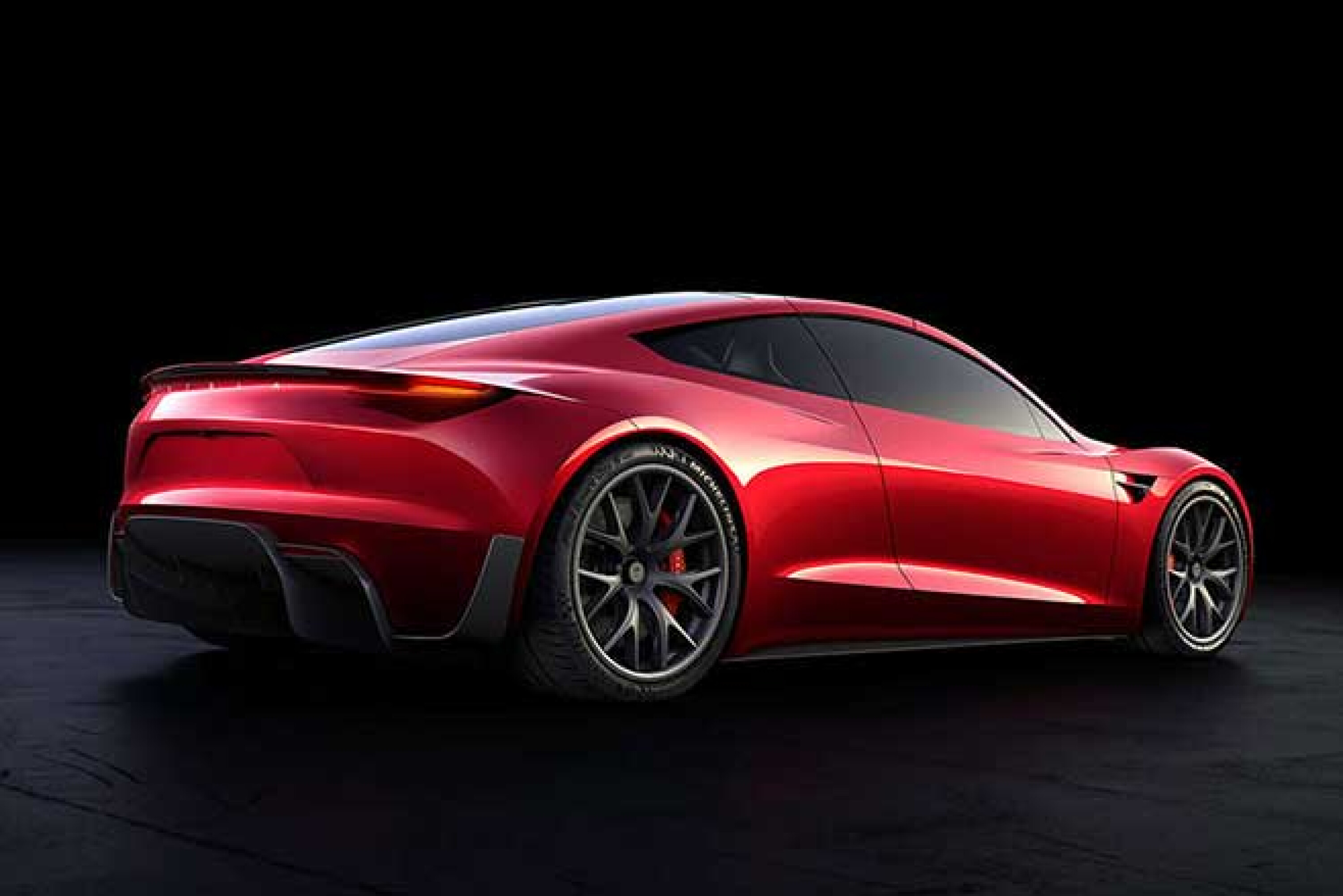
1
Back in 2017, Elon Musk previewed a swoopy 2+2 hardtop that he said would rip to 100km/h in a claimed 1.9 seconds, top 400km/h and boast 1000km of battery range.
The on-sale date of 2020 has come and gone, however, and Musk himself has admitted earlier this year that the earliest the world will see a gen-2 Roadster will be at the end of 2024. It’s bound to bear little resemblance to the 2017 concept, especially as Musk has pledged that the Roadster’s successor will use cold-gas rockets (which is a fancy way of saying compressed air) to help propel it at an outrageous rate of acceleration.
Semi
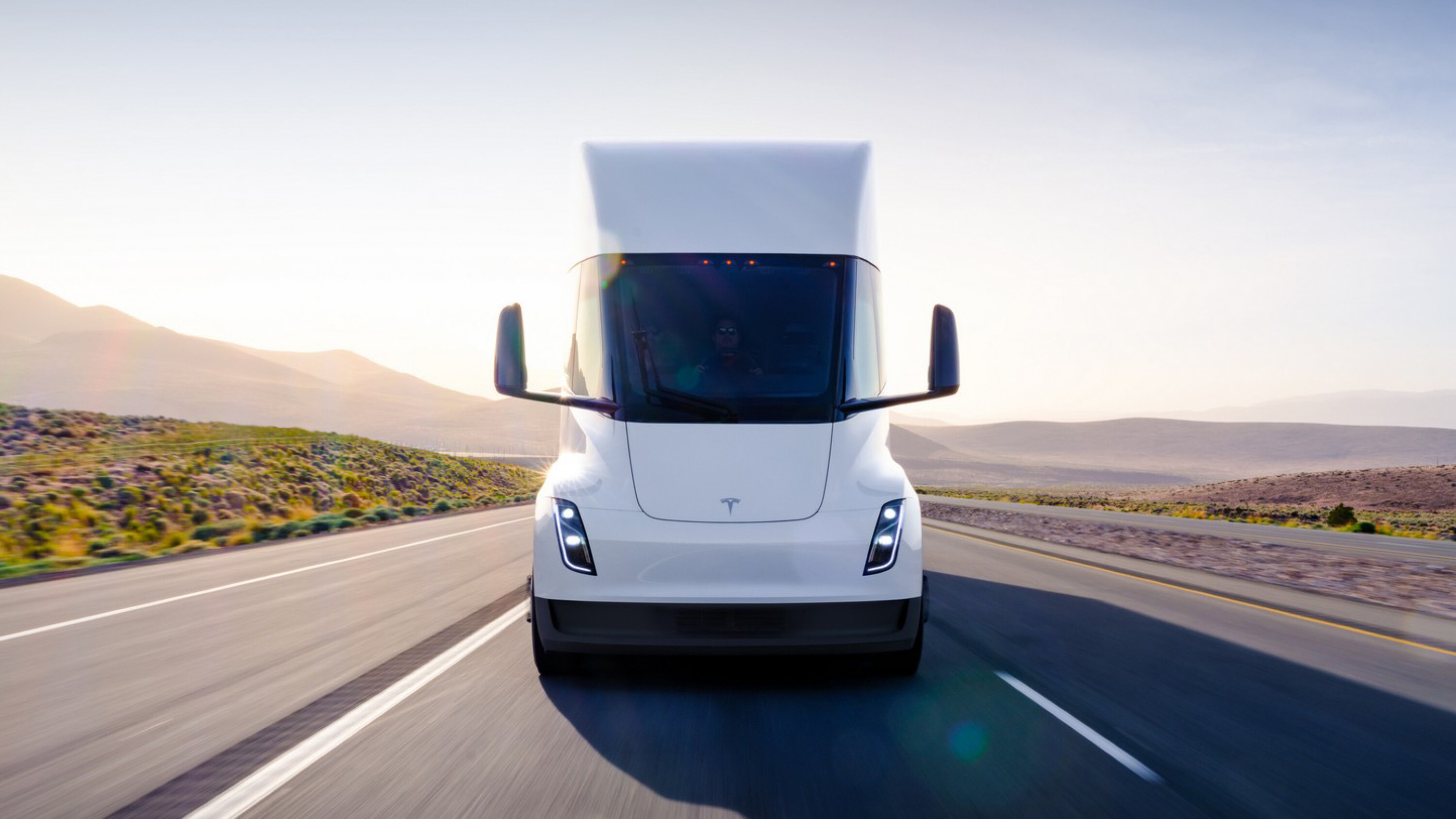
1
Another oft-delayed roll-out, the Semi electric prime mover is trickling out of Tesla’s Nevada plant at a slower pace than expected.
Select companies in the USA are running a small fleet of Semis as a trial, with reports from the company suggesting the Semi is good for a range of around 425 miles (684km).
This is against Elon Musk’s original claim of 500 miles (804km) with a full payload of 45,000lb (20,000kg), and at highway speeds.
However, the projections of having 50,000 Semis in market by 2024 appear to be some way off.
Battery construction and other technical details are still scarce, and with continuing Cybertruck production and the impending Cybercab being the next big focus for Tesla, the Semi may end up being starved of attention for a good while.
Model S & Model X
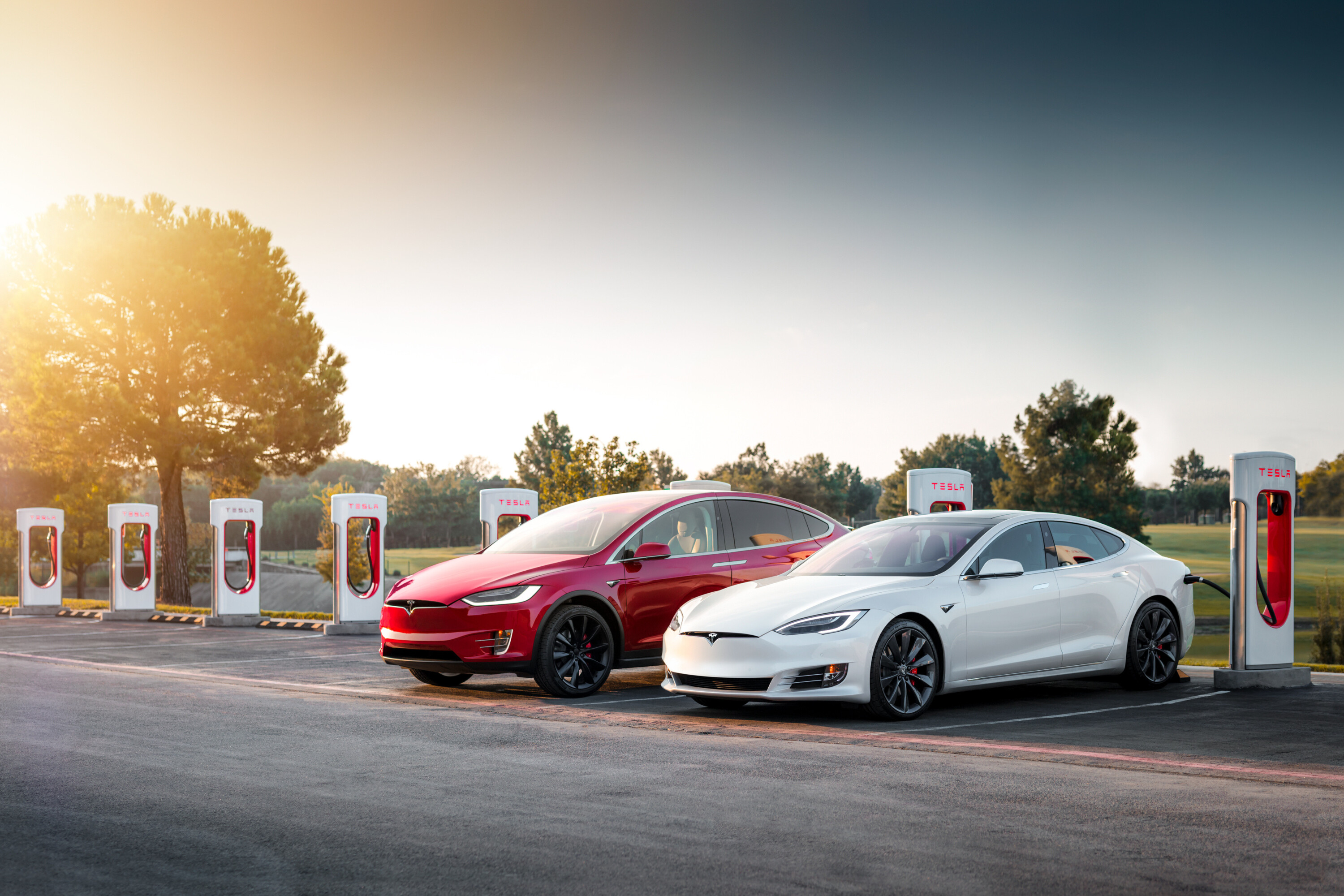
1
This is a simple one… as of June 1 this year, neither the Model S sedan nor the Model X SUV are available for purchase in Australia from Tesla.
The local version of the website confirms this, and it follows news that Australian reservation holders for the two former mainstays of the Tesla line-up were informed in May that their cars would no longer be delivered.
Both cars now make up a miniscule percentage of Tesla’s global sales, and the Model S is getting on at 12 years old and counting, while the ‘Falcon-winged’ Model Y debuted in 2015 with only modest updates since.
New-generation versions of either don’t appear to be anywhere in Tesla’s product pipeline, and both are regarded as ‘zombie cars’ – vehicle lines that refuse to die a natural death.
MORE
Everything Tesla
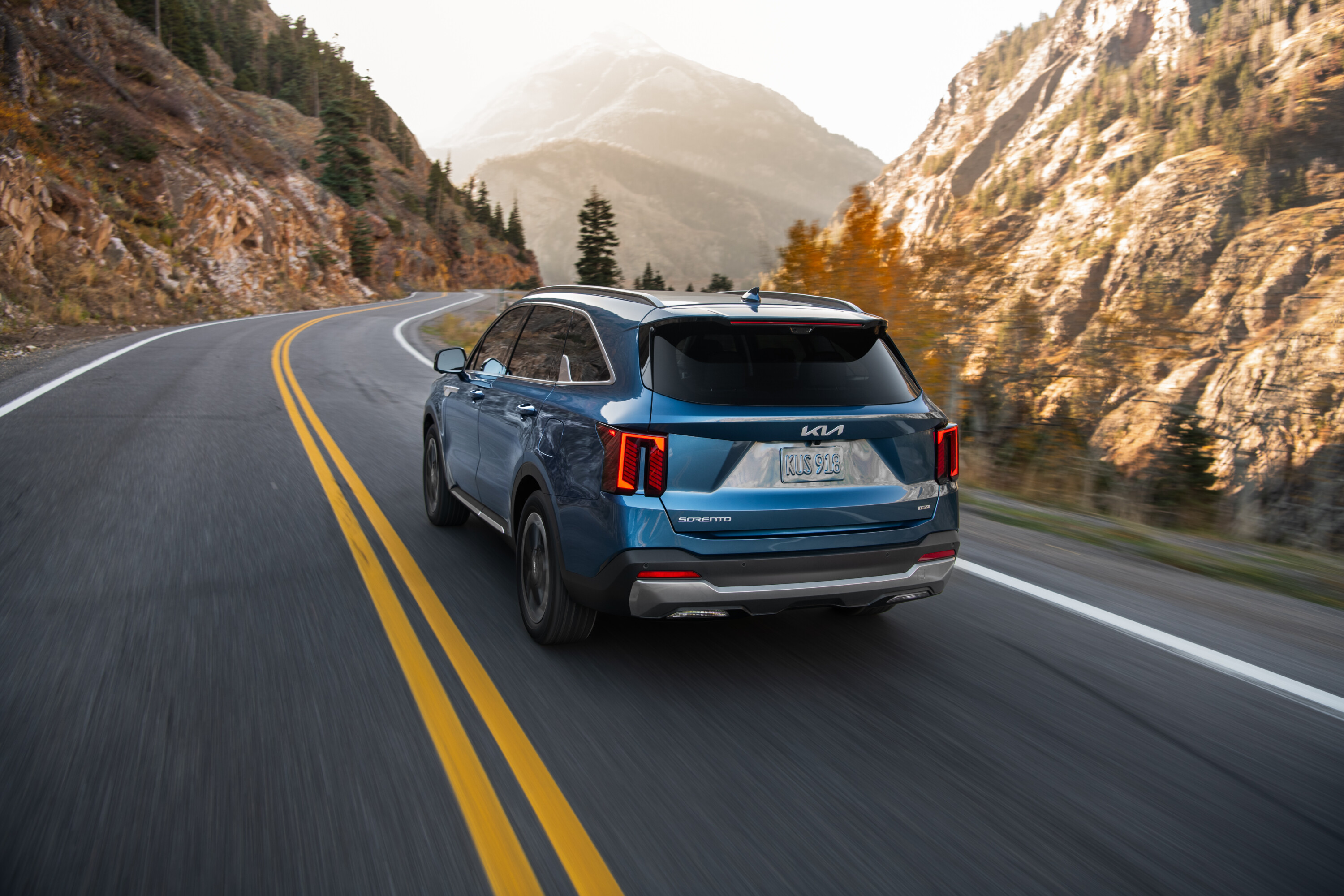
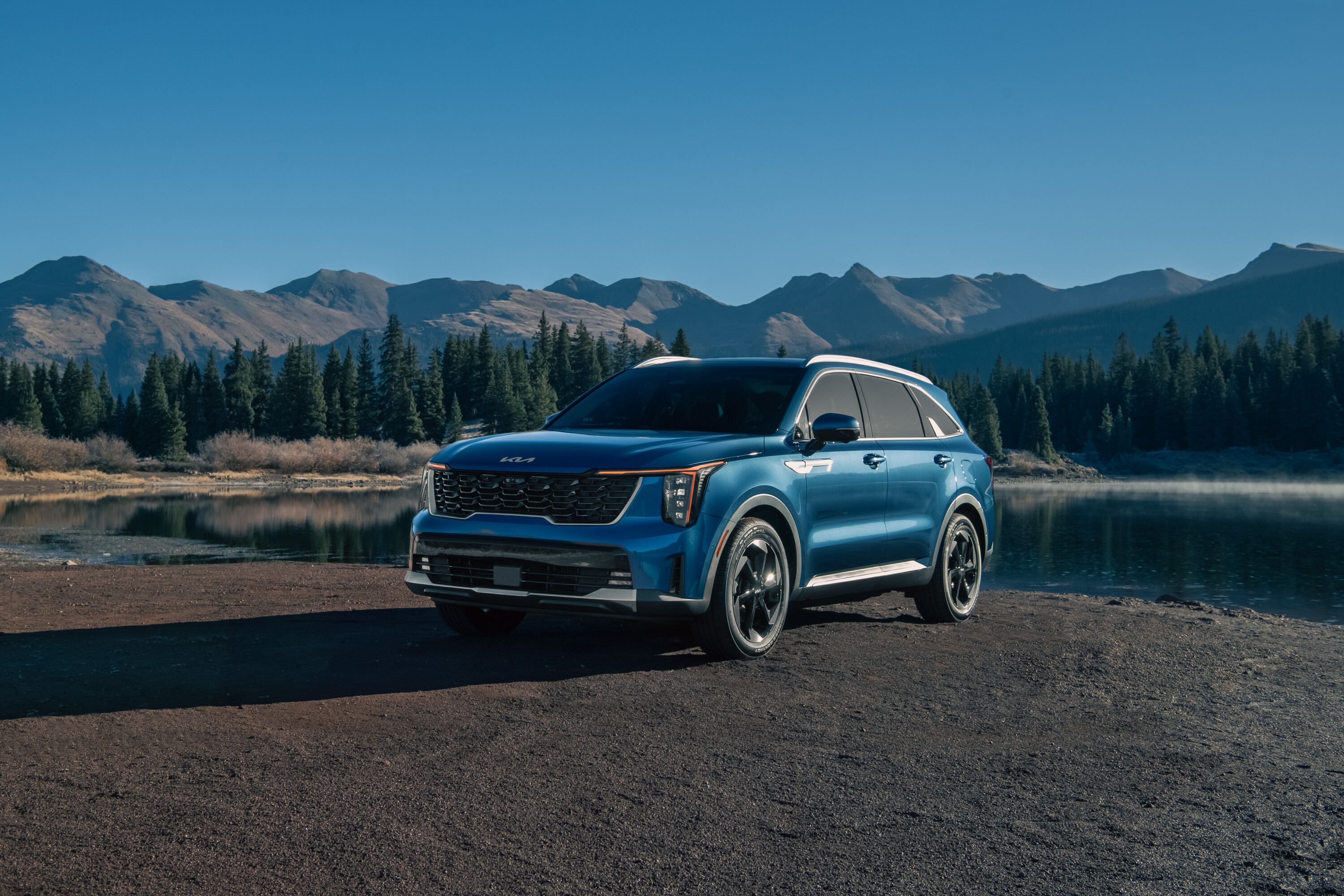
After a long delay, the facelifted Kia Sorento Hybrid range has been bulked up with the arrival of its plug-in hybrid flagship.
However, with a $3580 increase in retail pricing that matches the hike endured by the regular Sorento Hybrid range back in April 2024, the Sorento GT-Line PHEV is an expensive thing at $84,660 before on-road costs.
For the current model year, all hybrid variants of the Sorento are priced above $70,300 before on-road costs. Kia Australia’s decision to constrain all petrol-electric powertrains, whether conventional hybrid or plug-in hybrid, to the top-of-the-range GT-Line trim effectively prevents the company from offering more affordable hybrid options for its large-format SUV.
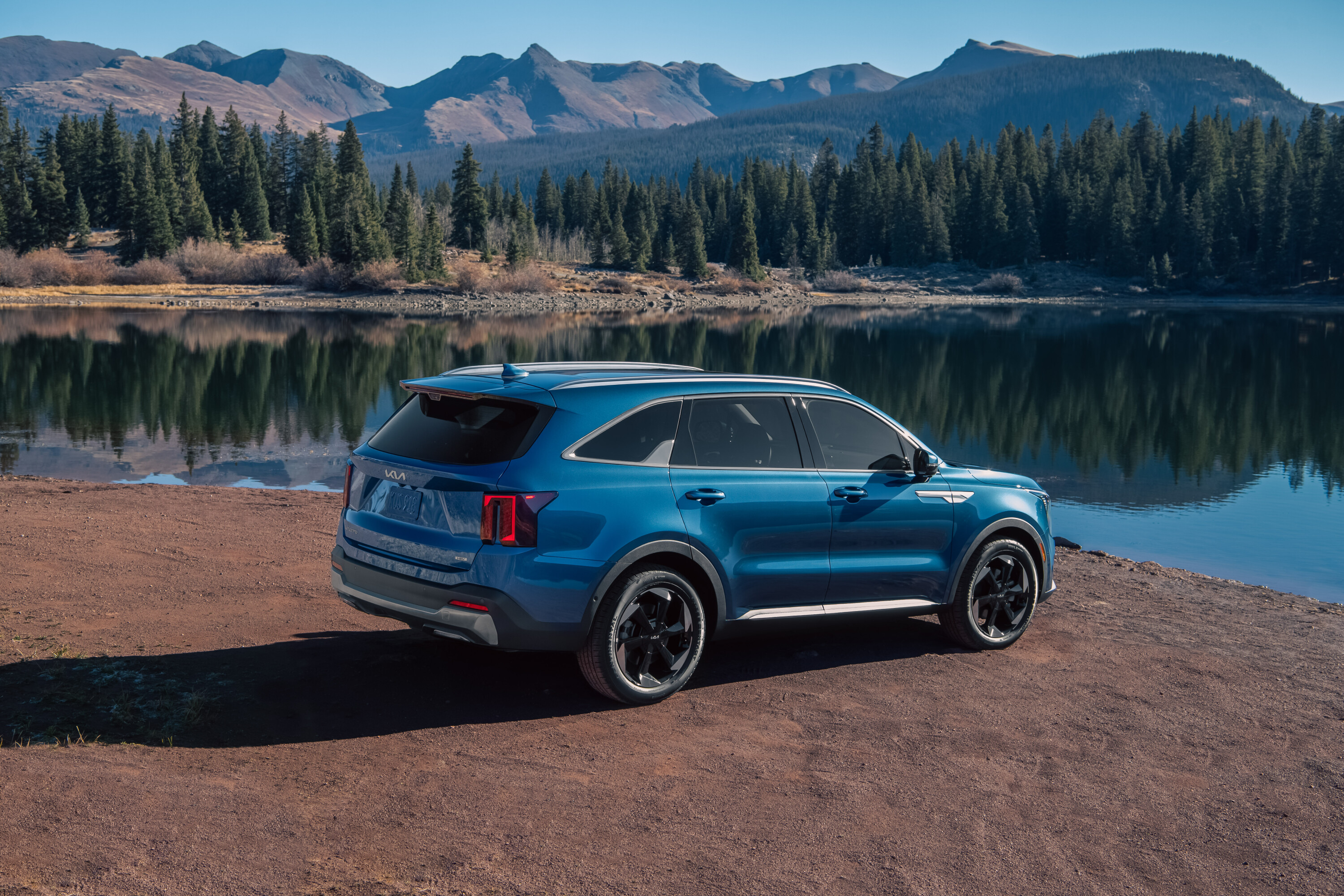
1
If you’re chasing an AWD driveline for your petrol/electric Sorento, the Sorento Hybrid AWD costs $73,330 plus on-roads, some $4740 more than its combustion-powered equivalent, the Sorento GT-Line diesel AWD.
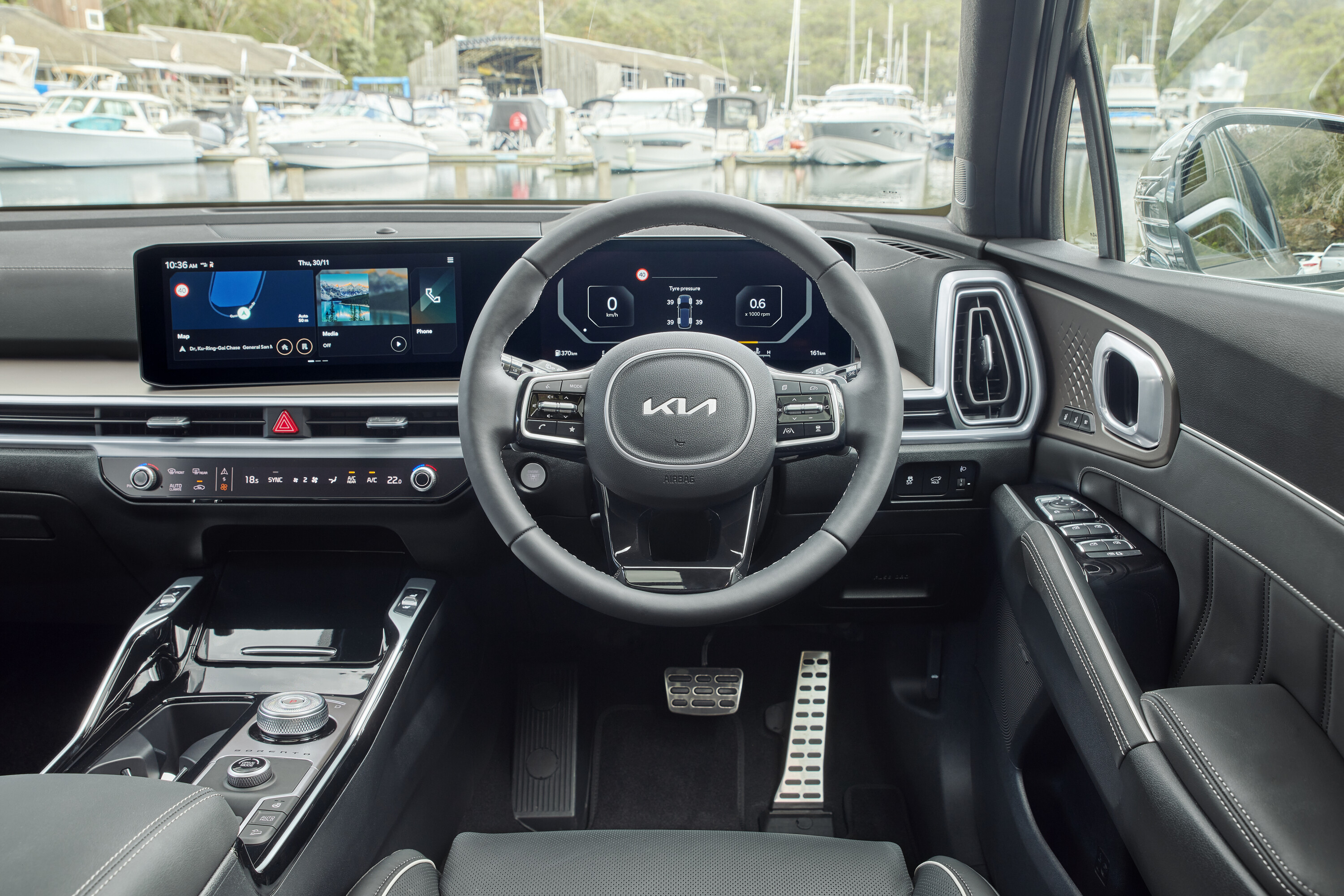
As with the facelifted petrol and diesel Sorento variants launched in January, there is an updated design, additional standard equipment, and a more premium cabin design.
All features are shared with standard GT-Line variants, except for smaller 19-inch alloy wheels borrowed from the one-step-down Sport+.
Kia Australia has confirmed remote smart parking assist – previously limited to petrol and diesel models – is now available for the Sorento Hybrid.
For more details about what’s new for the 2024 Kia Sorento, click the featured article below.
The Sorento Hybrid features a 132kW/265Nm 1.6-litre turbocharged petrol engine paired with a 40kW electric motor and a 1.5kWh lithium-ion battery for a 169kW/350Nm total system output.
A six-speed torque-converter automatic transmission sends power to either the front or all four wheels.
The front-drive 2024 Kia Sorento Hybrid is rated to consume 5.4L/100km on the combined cycle – up 0.1L – while the all-wheel-drive version is down 0.1L to 5.7L/100km.
1
For the plug-in hybrid, the same 1.6-litre turbo petrol and six-speed auto as the regular hybrid remains under the bonnet, but the battery grows to a 13.8kWh lithium-ion unit that can supply enough electrons to travel 57 kilometres without firing up the engine. More powerful motors see system power rise to 195kW, but the PHEV has the same 350Nm torque max as the conventional hybrid.
On the WLTP combined cycle, the Sorento GT-Line PHEV consumes a claimed 1.6L/100km.
1
2024 Kia Sorento Hybrid pricing
1
2024 Kia Sorento Hybrid features
| 2024 Kia Sorento GT-Line Hybrid features | ||
|---|---|---|
| 19-inch alloy wheels | Dual-zone climate control | Digital rear-view mirror |
| Full-size alloy spare wheel | Third-row fan control and air vents | Electronic child safety lock |
| 12.3-inch CCNC curved infotainment system | USB-C charge ports (first, second and third-row) | Auto-dimming rear-view mirror |
| Wireless or wired Apple CarPlay and Android Auto | Hands-free electric tailgate | Front, rear and side parking sensors |
| Kia Connect service | Heated and ventilated front seats | Tyre pressure monitoring |
| Over-the-air software updates | Heated outer second-row seats | Autonomous emergency braking (vehicle, pedestrian, cyclist, junction-turning, reverse) |
| DAB+ digital radio | Heated steering wheel | Lane-keep assist |
| Built-in voice recognition | Built-in second-row sunshade blind | Lane departure alert |
| 12-speaker Bose audio system | 14-way power-adjustable driveru2019s seat with four-way lumbar support, cushion extension, and two-position memory | Blind-spot monitoring with braking |
| 12.3-inch full-digital instrument cluster | 10-way power-adjustable passenger seat | Rear cross-traffic alert with braking |
| Connected satellite navigation | LED overhead cabin lighting | Blind-spot view monitor |
| Colour head-up display | Opening panoramic sunroof | Safe exit assist |
| In-car passenger intercom | Illuminated front exterior door handles | Safe exit warning |
| 360-degree camera system | LED projector-beam matrix headlights | Intelligent speed limit assist |
| Remote smart parking assist | LED tail-lights | Driver attention alert |
| Shift-by-wire gear selector | Alloy pedals and scruff panels | High-beam assist |
| Paddle shifters | Rear privacy glass | Adaptive cruise control |
| Keyless entry and push-button start | Black quilted Nappa leather upholstery | Semi-autonomous highway driving assist |
| One-touch flat-folding second-row seats | Black suede headlining | Multi-collision braking |
| Auto-folding heated side mirrors with dip on reverse function | 64-colour configurable interior ambient lighting | Rear occupant alert |
MORE
Everything Kia
An increase in the New South Wales road toll has been highlighted by the state’s government as the reason for switching some of its point-to-point speed cameras over to monitoring regular traffic, which to date had only been used to measure the speed of trucks and other heavy vehicles.
Currently, the NSW road toll stands at 227 deaths for 2024, two more than for the same period in 2023. With speed being a contributing factor in 41 percent of road fatalities over the past ten years, the NSW government says that using its cameras to keep tabs on all road users instead of just truck traffic should help improve safety on its regional highway network.
The change will be conducted on a trial basis and last six months, with existing point-to-point cameras on two sections of highway – specifically the 18 kilometres of the Hume Highway between Coolac and Gundagai, and 22km of the Pacific Highway between Kew and Lake Innes – to be switched from detecting heavy vehicles only, to all vehicles.

1
Why those two sections in particular? According to NSW Roads Minister John Graham, the existing speed camera infrastructure enables a fast switchover, while those two specific stretches of highway have accounted for six road fatalities combined since 2018.
“They’re both regional trials because this is a bigger problem in the regions,” Graham said to the ABC. “Although only a third of people live in regional New South Wales, that’s where two thirds of the deaths from road crashes happen.”
Compared to conventional speed cameras, which measure a vehicle’s speed at an instantaneous moment in time, point-to-point cameras instead measure the time a vehicle takes to travel a known distance in order to calculate its average speed, meaning drivers can’t evade detection by momentarily slowing down as they pass the camera, before speeding up again.
For the duration of the six-month trial, drivers found to be speeding by the point-to-point cameras on those two sections of highway will receive a warning letter rather than demerit points or a fine.
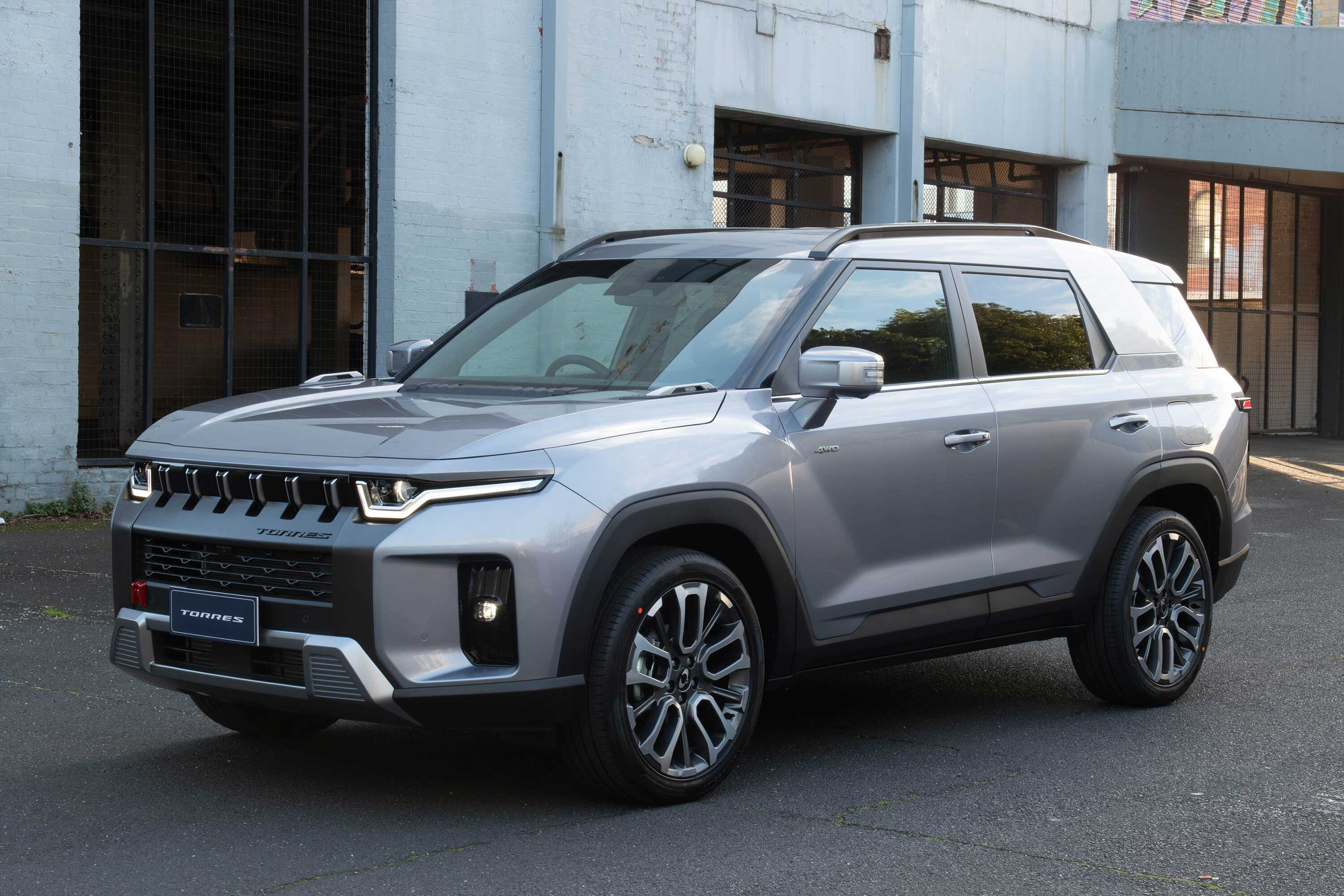
AFTER a turbulent period of takeovers, failed acquisitions and heavy debt, the South Korean automaker Ssangyong has rebranded itself to KGM Ssangyong in Australia as it prepares to launch its all-new Torres midsize SUV, more than two years after it was revealed overseas.
Due to commence deliveries in October, the Torres launches with an opening price of $38,000 for the front-wheel drive Torres ELX, and is offered in a three-tiered range that tops out at $47,000 for the Torres Ultimate AWD. In the middle lies the $43,000 Torres Adventure which, like the ELX, is only offered in front-drive form.
2
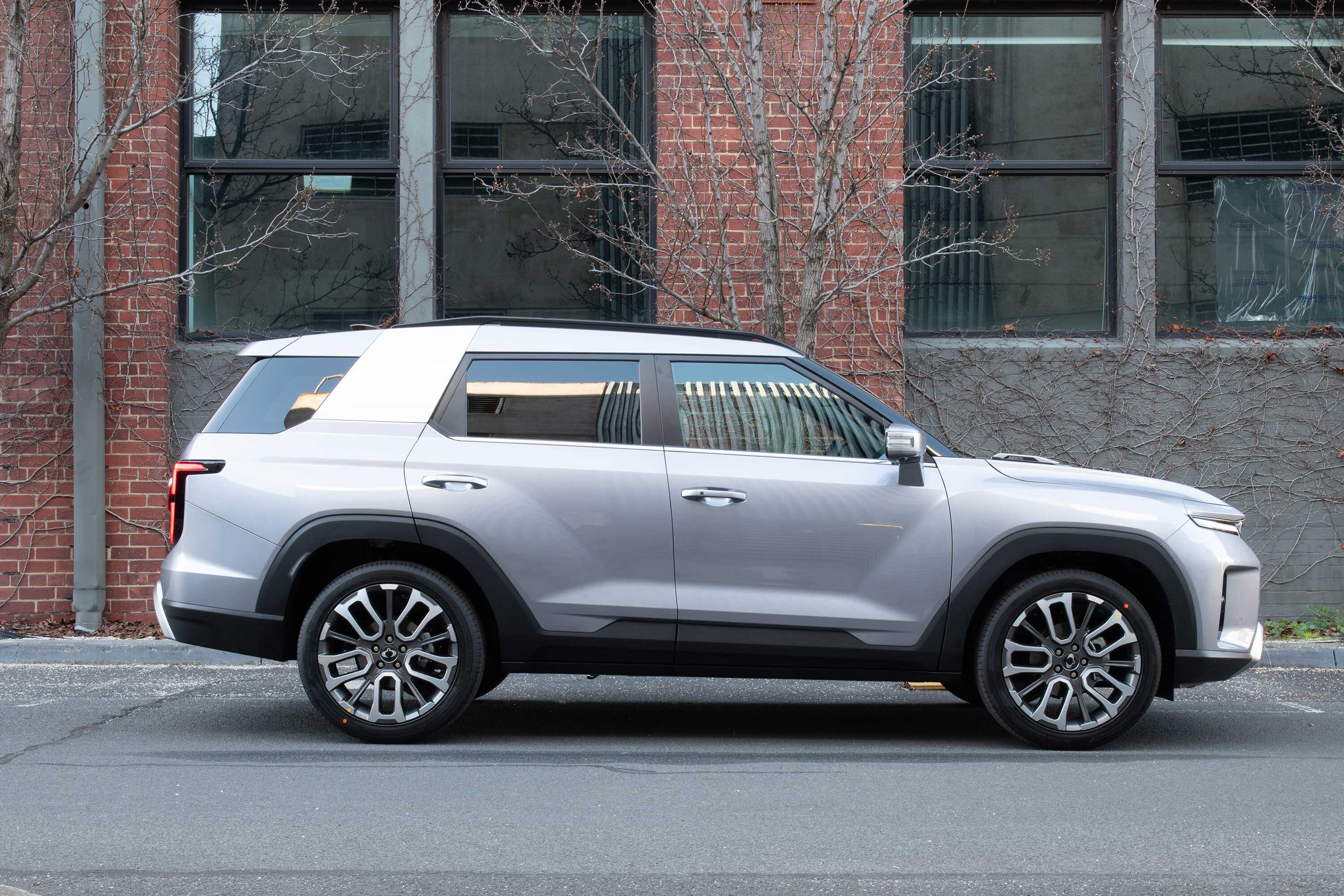
With chunky styling and plenty of offroad-ish design cues packed into its 4.7-metre long body, the Torres occupies a longer and wider footprint than many of its rivals, including the segment dominating Toyota RAV4, the Subaru Forester and Nissan X-Trail. Only the Mitsubishi Outlander is longer, and even then only by less than a centimetre.
But while it can boast a size advantage, there’s not much in the way of powertrain diversity just yet. No matter what trim level or driveline, all Torres variants are powered by the same 1.5-litre turbo petrol four-cylinder, producing 120kW and 280 and taking power to the front or all four wheels via a six-speed Aisin automatic with paddle shifters.
Unlike more rugged KGM Ssangyong models like the Musso ute and Rexton large SUV, the Torres forgoes a body-on-frame construction in favour of a more carlike unibody architecture, per the segment norm. That said, KGM Ssangyong does equip the AWD Torres Ultimate with a couple of offroad-lite features, with an AWD lock mode that sends an equal amount of torque to all four wheels in slippery situations, and the ability to ford water to a depth of 300mm.
2
Fuel economy is a claimed 7.2L/100km on the combined cycle for the FWD ELX and Adventure, or 7.9L/100km for the AWD Ultimate. Too thirsty or dirty for your liking? The all-electric Torres EVX will make it to our shores before the end of 2024, toting a 73.4kWh battery and a maximum range of 462km on a single charge. The EVX will be powered by a 152kW/339Nm electric motor, however will be strictly a front-wheel drive proposition.
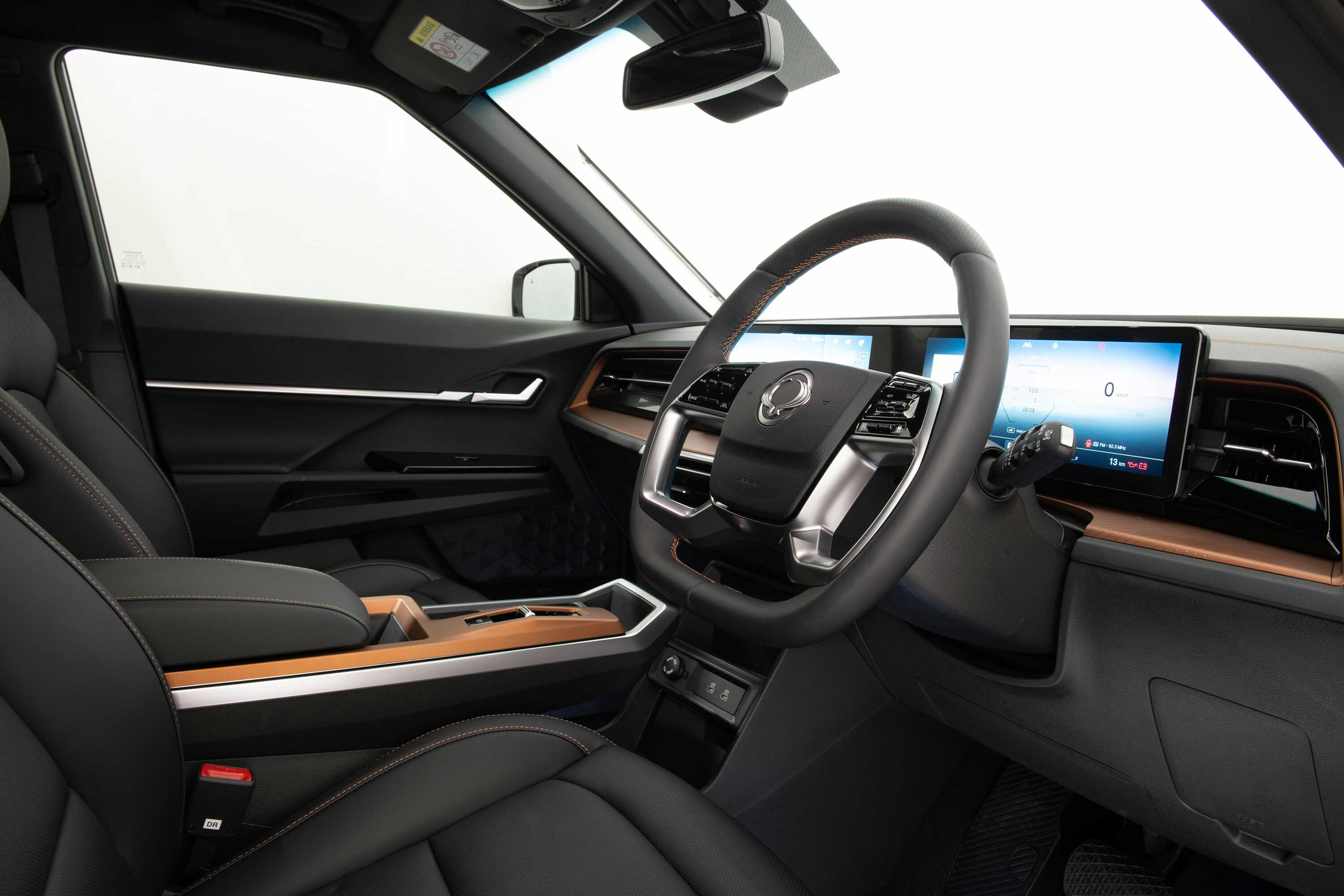
The base Torres ELX’s equipment list includes a twin 12.3-inch infotainment/instrument panel arrangement, dual-zone climate control, LED headlamps with LED daytime running lamps, a rear view camera, heated and power folding wing mirrors, privacy glass, 18-inch alloy wheels, an electronic parking brake and front and rear parking sensors.
4
The Adventure builds on the above, with a powered tailgate, heated front seats, a heated steering wheel, faux leather upholstery, LED foglamps, blind spot monitoring, rear cross traffic alert and tyre pressure monitors.
Moving up into the range-topping Ultimate brings the aforementioned all-wheel drive system, a 360-degree parking camera, adaptive cruise control, a power sunroof, actual leather upholstery, eight-way power adjustable front seats with ventilation (and with lumbar adjustment for the driver), heated outer rear seats, and 20-inch alloy wheels.
2025 KGM Ssangyong Torres pricing
The Torres is covered by KGM Ssangyong’s 7-year, unlimited-kilometre factory warranty, with servicing pricing still to be announced.
- KGM Ssangyong Torres ELX FWD – $38,000
- KGM Ssangyong Torres Adventure FWD – $43,000
- KGM Ssangyong Torres Ultimate AWD – $47,000
- Metallic paint – $595
The Volkswagen Tayron large SUV will replace the long-wheelbase Tiguan Allspace in 2025 as the brand’s midsize three-row family hauler in Australia. Here’s what we know.
On October 10 2024 Volkswagen will whip the covers off its all-new Tayron midsize SUV, which will be offered side-by-side with the third-generation Tiguan as a longer-bodied three-row, seven-seat alternative, taking the place of the existing Tiguan Allspace in the brand’s local lineup.
We’ve yet to clap our eyes on the Tayron, but a teaser video released by Volkswagen (below) gives a few clues. Come October 10, don’t expect an elongated Tiguan with a new badge – the Tayron will sport its own unique sheetmetal.
It’s also got a rough release date for Australia.
“I can confirm that the Tiguan Allspace’s replacement will be named Tayron in Australia,” said Volkswagen Australia’s head of passenger vehicle product Michelle Rowney.
VW Australia says the Tayron will arrive in Australia towards the end of 2025, following the launch of the five-seat Tiguan mid-size SUV in the first months of 2025.
Expect the new three-row VW to grow in every dimension relative to its Allspace predecessor, placing it closer to established seven-seat rivals such as the Kia Sorento, Hyundai Santa Fe, the upcoming Mazda CX-80, and the related Skoda Kodiaq.
It also provides Australian and European buyers with an alternative closer to the larger three-row Volkswagen Atlas, which is sold in North America, China and the Middle East.
For context, the new Kodiaq measures 4758mm long (+24mm over Tiguan Allspace), 1864mm wide (+25mm) and 1657mm tall (-8mm), with an unchanged 2791mm wheelbase.
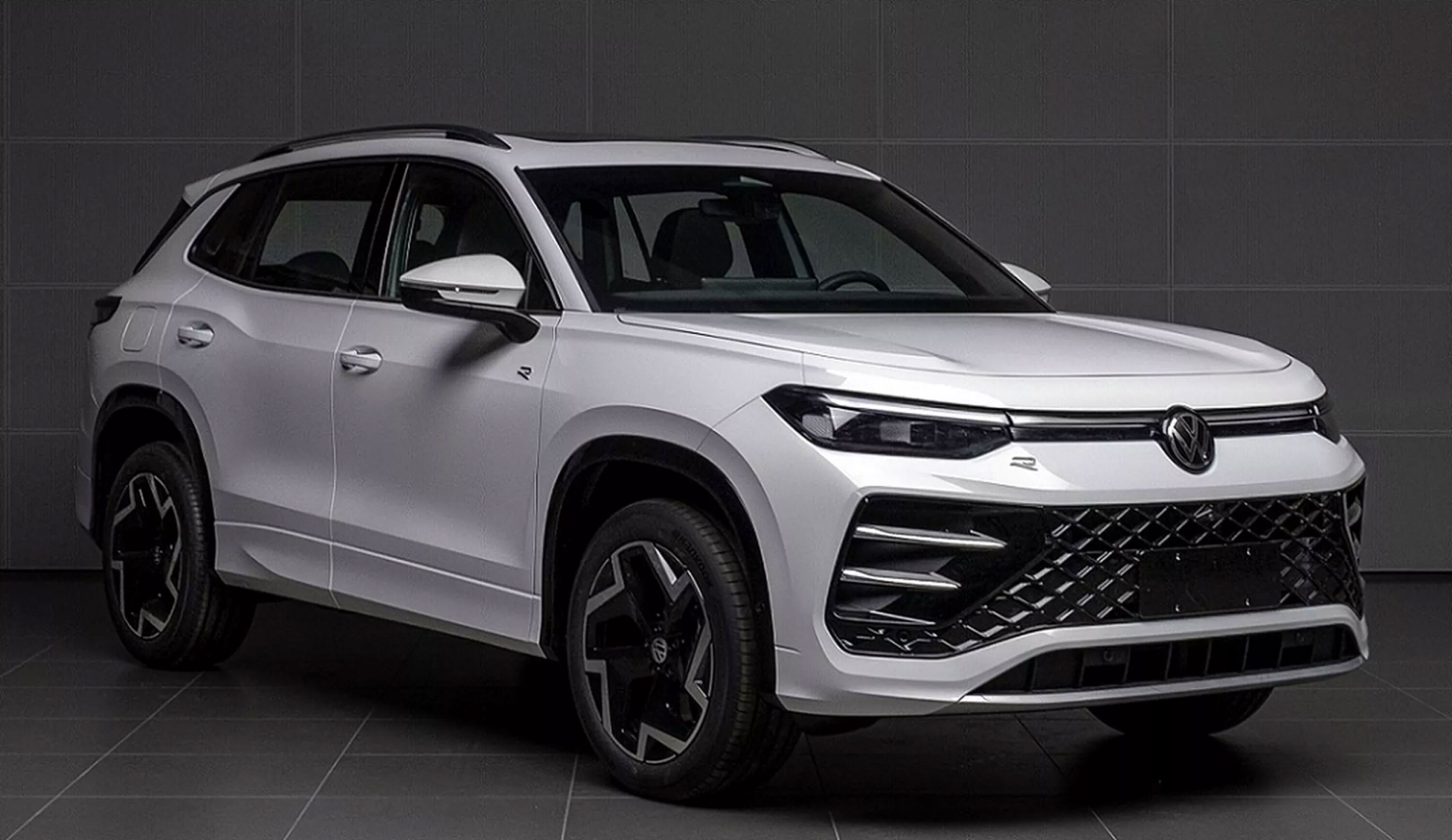
The Chinese-market Tayron L may have already let the cat out of the bag. A distinct model from the five-seat Tayron that’s also offered in China, the Tayron L is believed to share much of its structure with the European-market Tayron that’s destined for Australia – and images submitted to Chinese authorities of the new-gen Tayron L (below) provide a strong indication of what to expect for the global model.
3
Inside, it’ll offer a similar setup to the Tiguan, with larger infotainment screens up to 15 inches, a new windscreen-projection head-up display, a rotary controller to adjust vehicle functions, and a new digital driver display with anti-reflective coating.
The steering wheel also ditches controversial touch-sensitive controls for physical buttons, and it’s joined by a Mercedes-style column-mounted gear selector.
Under the skin, the Tayron will ride on Volkswagen’s updated MQB Evo platform shared with the Tiguan and Kodiaq.

1
Expect the Tayron to offer a range of powertrains in Europe, including turbo diesel, turbo petrol, mild hybrid and plug-in hybrid (PHEV) options.
However, in line with the Tiguan, Australia is likely to only receive the 2.0-litre turbo-petrol in several tunes.
The seven-seat 2025 Volkswagen Tayron is due to commence production in Germany next year, with more details due in the coming months.
