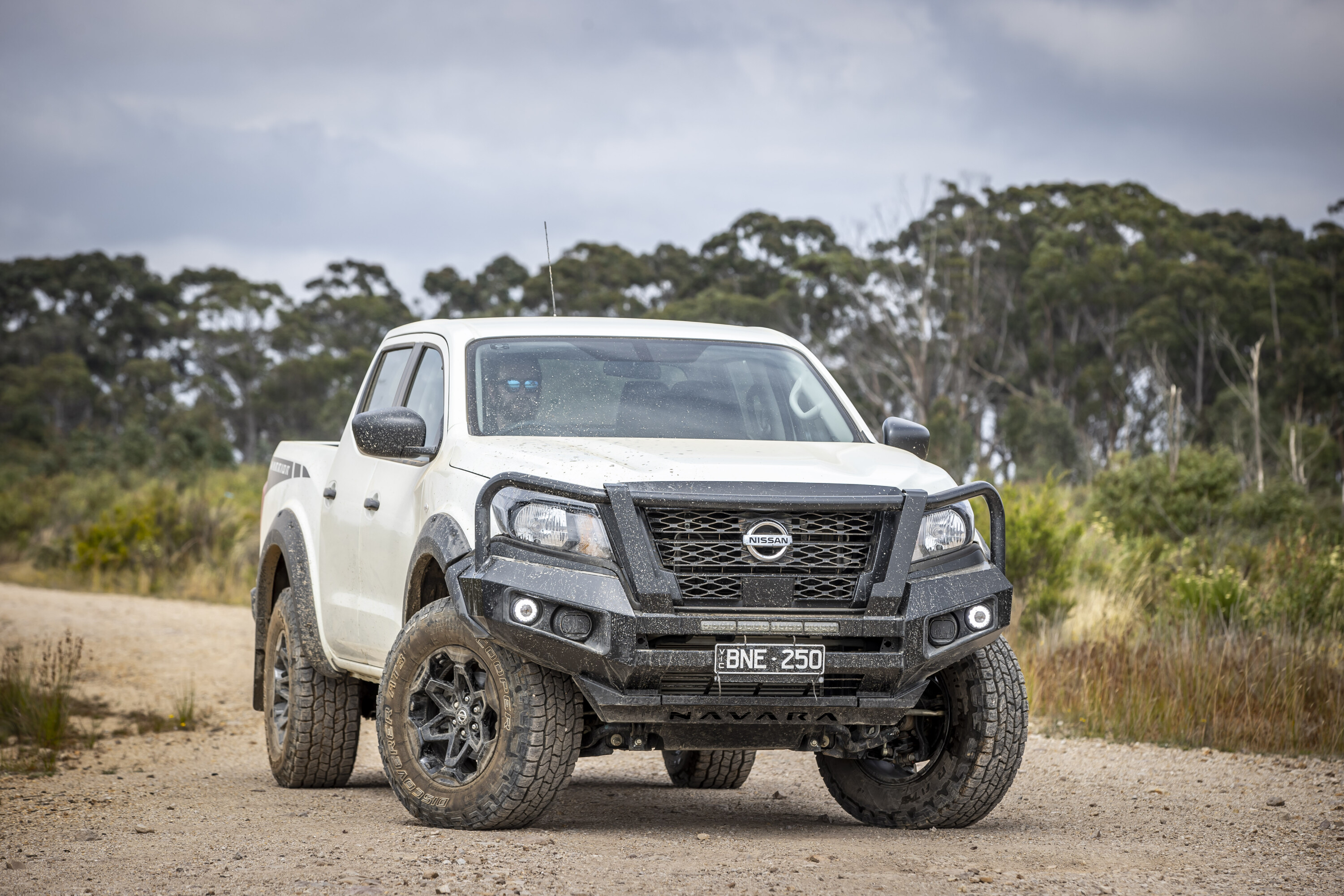
The jack provided with the vehicle does not meet the Australian Consumer Product Safety Standard and may fail to lift the front axel high enough to change the tyres.
What are the hazards?
There is no safety hazard and the defect will not affect the performance of the vehicle.
What should consumers do?
The owners / operators should contact their local Nissan dealer for instructions of action to be taken, including rectification of the issue.
Supplier details
PREMCAR PTY LTD
Who should owners/operators contact for more information?
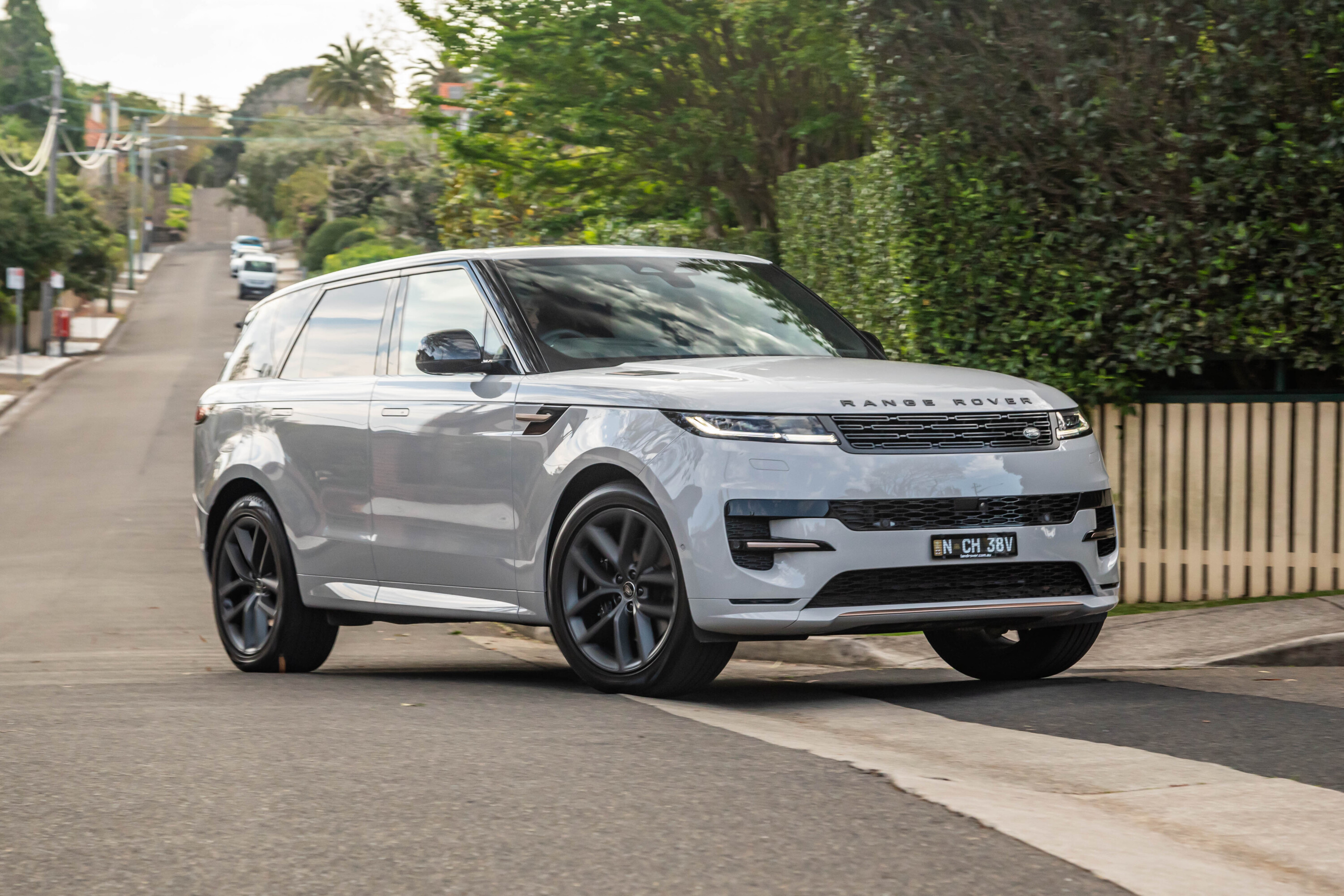
Due to a manufacturing defect, the right-hand tailgate and body mounted rear lamps may not be sealed sufficiently allowing moisture to enter the lamps. As a result, the reverse, brake/stop and indicator lamps may not illuminate as intended.
What are the hazards?
Loss of reverse, brake/stop and indicator lamp system functionality could increase the risk of an accident, causing serious injury or death to vehicle occupants and/or other road users.
What should consumers do?
Owners of affected vehicles will be contacted by Jaguar Land Rover, and are asked to take their vehicle to an authorised Jaguar dealer and have the right-hand tailgate and body mounted lamps replaced, free of charge.
Supplier details
JAGUAR LAND ROVER AUSTRALIA PTY LTD
Who should owners/operators contact for more information?
Due to a manufacturing defect, the vehicle body frame may have poor adhesion with the fixed panels. As a result, it may lead to a reduction of structural integrity.
What are the hazards?
In the event of a rear end collision there is a risk the fuel system will be damaged and fuel may leak. A fuel leak will increase the risk of a vehicle fire increasing the risk of injury or death to vehicle occupants or bystanders and/or damage to property.
What should consumers do?
Owners of affected vehicles should contact their preferred Jaguar Land Rover authorised dealer to have the repair carried out, free of charge.
Supplier details
JAGUAR LAND ROVER AUSTRALIA PTY LTD
Who should owners/operators contact for more information?
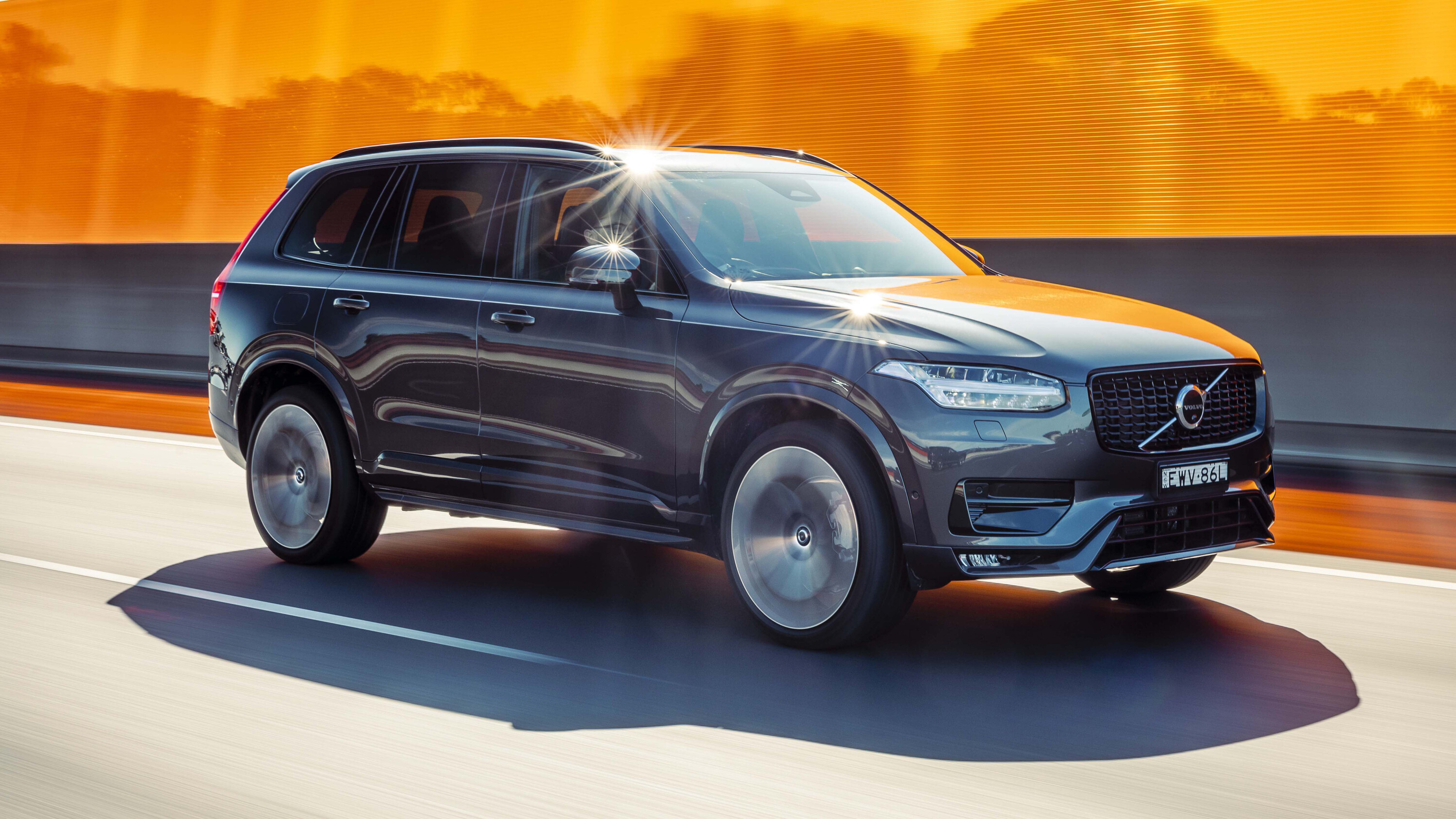
Due to a manufacturing defect, the second-row seat belt buckle and lower anchor screw may become loose. As a result, the seat belt may not operate as intended.
What are the hazards?
In the event of a collision if the seat belt does not operate as intended, the occupant of that seat may not receive the full protection of the seatbelt system and this could increase the risk of injury or death to vehicle occupants.
What should consumers do?
Volvo Australia will contact owners of affected vehicles in writing. Owners can also contact their authorised Volvo dealer and make an appointment to have the repairs carried out, free of charge.
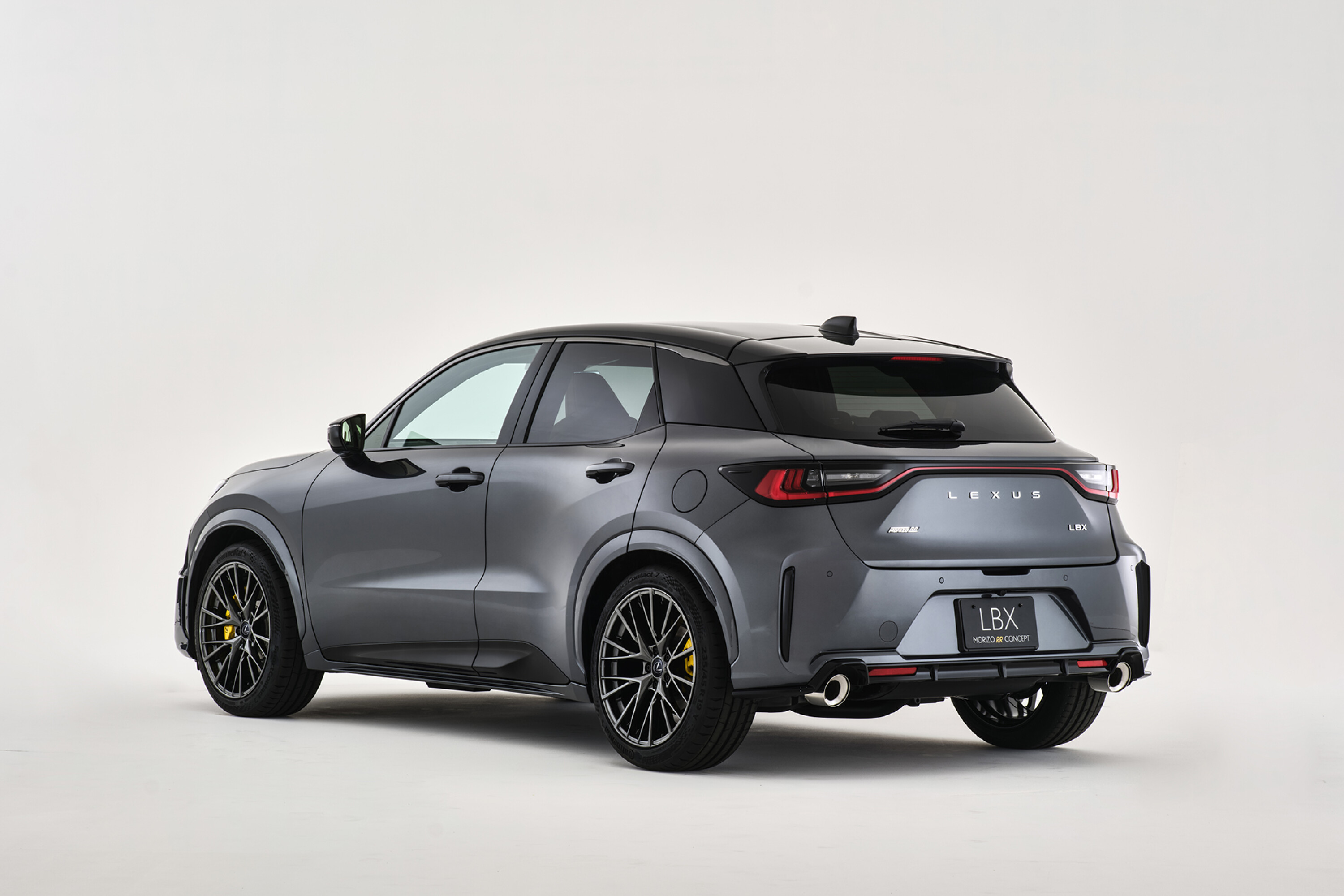
Lexus has revealed a high-power concept version of its new LBX light SUV at Tokyo Auto Salon 2024.
Snapshot
Lexus reveals high-performance light SUV with GR Yaris powerplant
Not for production just yet, says Lexus, but crazier cars have been built
Though typically associated with value-oriented luxury and reliability, Toyota’s luxury spin-off has had a few massive performance hits over the years – the IS F, GS F, and stunning V10 LFA all come to mind.
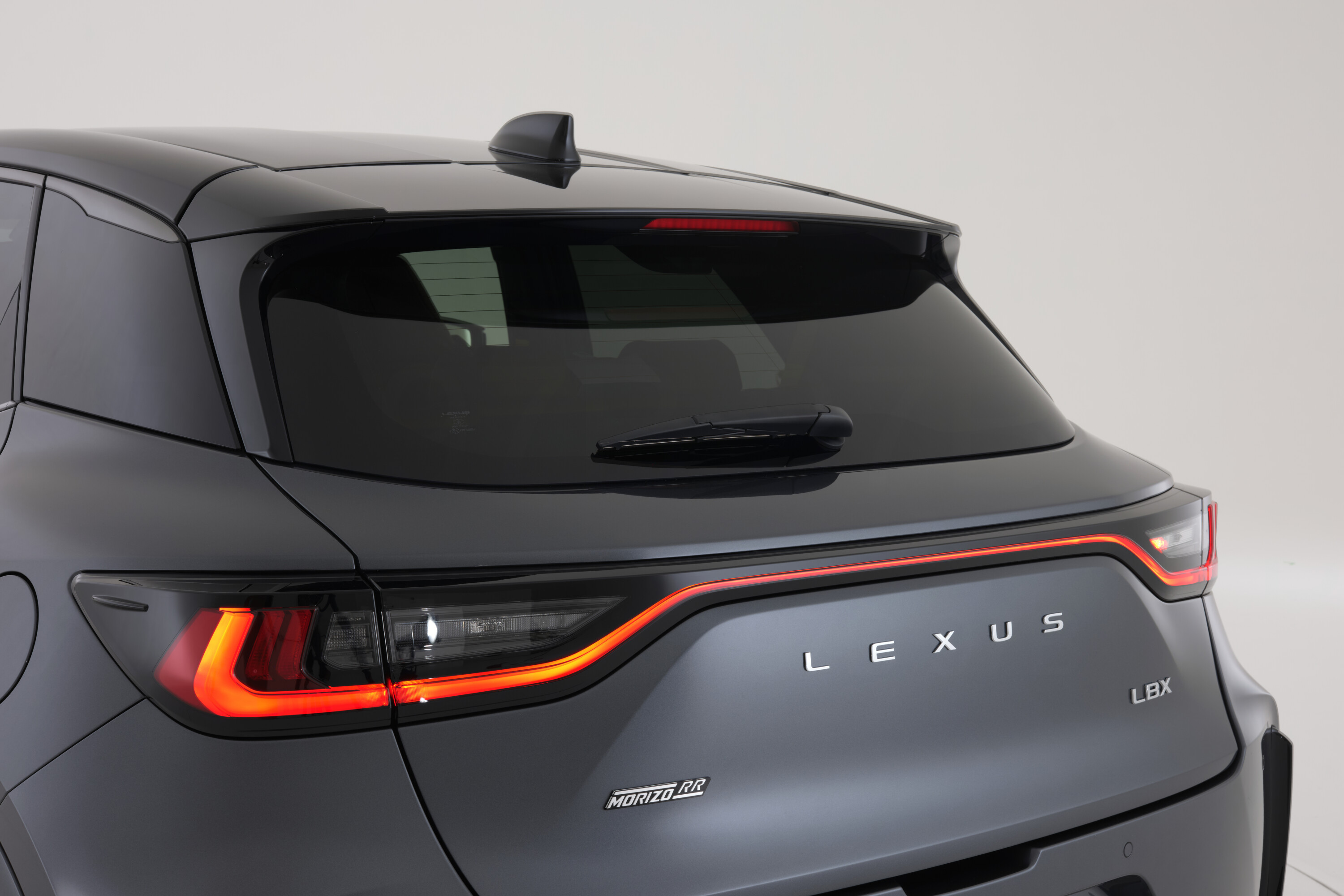
On show at Auto Salon is a concept version of the brand’s new LBX light SUV fitted with GR-Four all-wheel drive and the 224kW ‘G16E-GTS’ turbo three-cylinder heart of the facelifted GR Yaris.
That’s more than twice the power of the 100kW hybrid LBX, so if the Morizo RR ever does come to fruition it’ll need a serious chassis and body makeover.
While the LBX Morizo RR remains a concept for now, rival manufacturers including Audi with the RSQ3, BMW with the X1 M35i, and Mercedes-AMG with the GLA 45 have proven this recipe can be successful.
The Sonic Chrome-coloured LBX RR Morizo was the brainchild of Akio Toyoda (his nickname being Morizo) who wanted a practical, luxurious Lexus in his garage that was still fun to drive.
It wears bespoke front and rear clips with larger intakes to feed the powerful three-cylinder engine and cool its new eight-speed automatic transmission.
The wheel arches have been pumped to house the 19-inch alloy wheels which hide yellow brake calipers. The Morizo RR sits 10mm lower than a standard LBX to improve handling and aero.
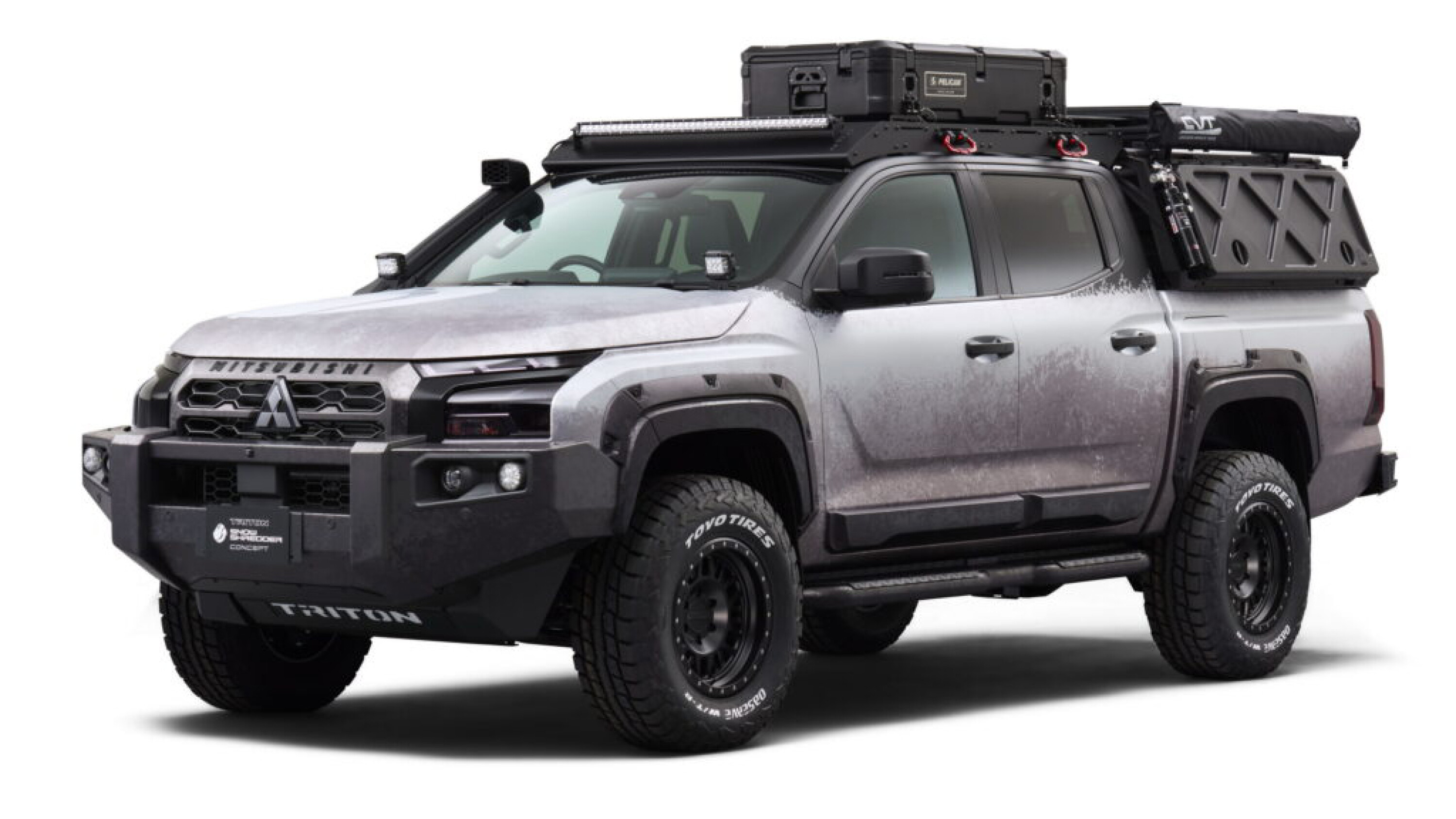
A mean Mitsubishi ‘Triton Snow Shredder’ has debuted at this week’s Tokyo Auto Salon, offering aspiring buyers a look at how their new hero ute could be made to look after it arrives in the coming weeks.
There aren’t many details, or even any more official photos, but the obvious tweaks include a snorkel, LED light bar, a steel bumper up front with a bash plate beneath, rock sliders at the sides, a cargo unit at the rear, bead-lock wheels and largely cosmetic wheel flares above slightly wider guard cladding.
1
The brand hasn’t made any comment on whether any of these items will appear as genuine accessories, but we’d be keen to see just about all of it in the Mitsubishi catalogue.
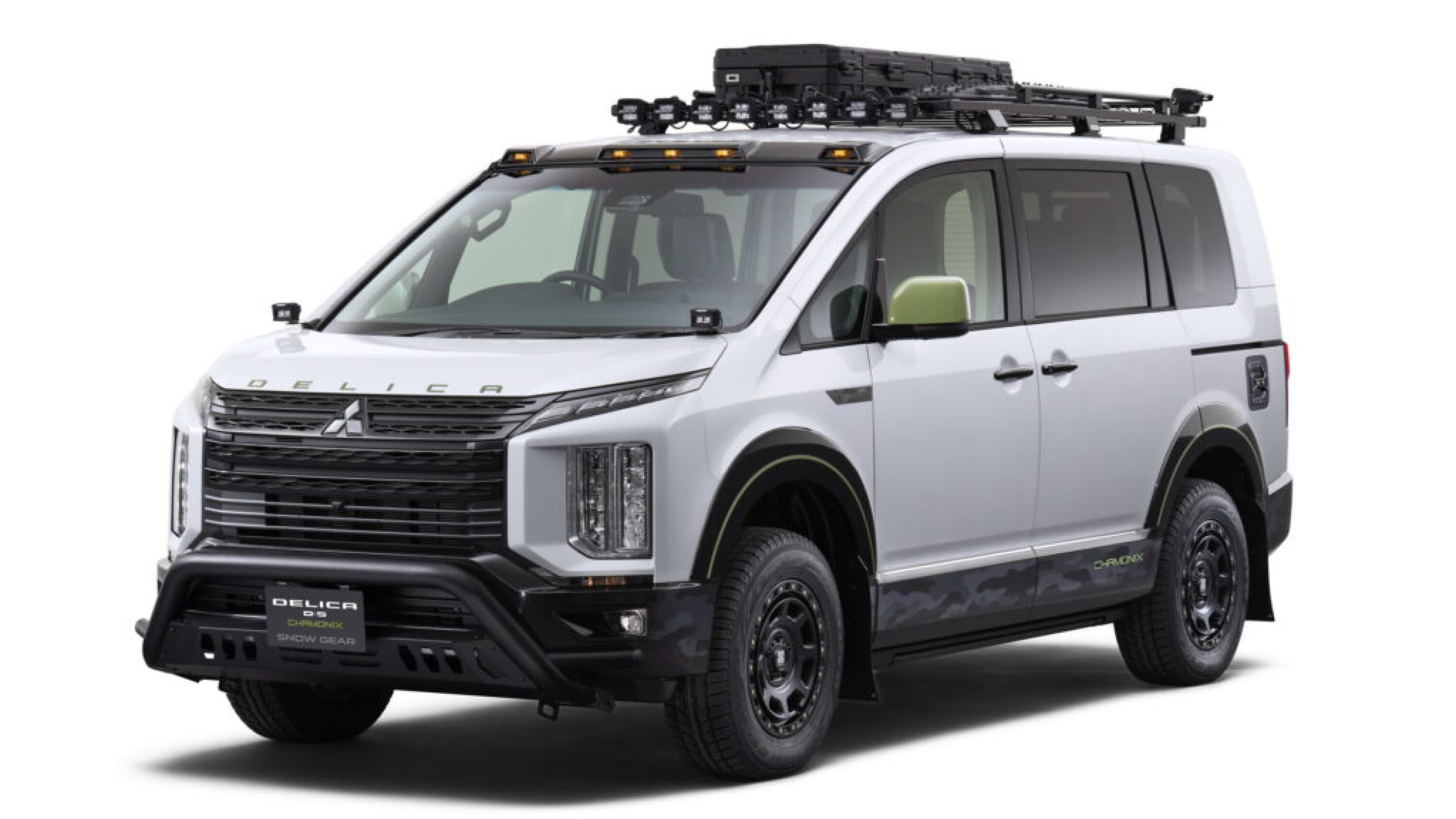
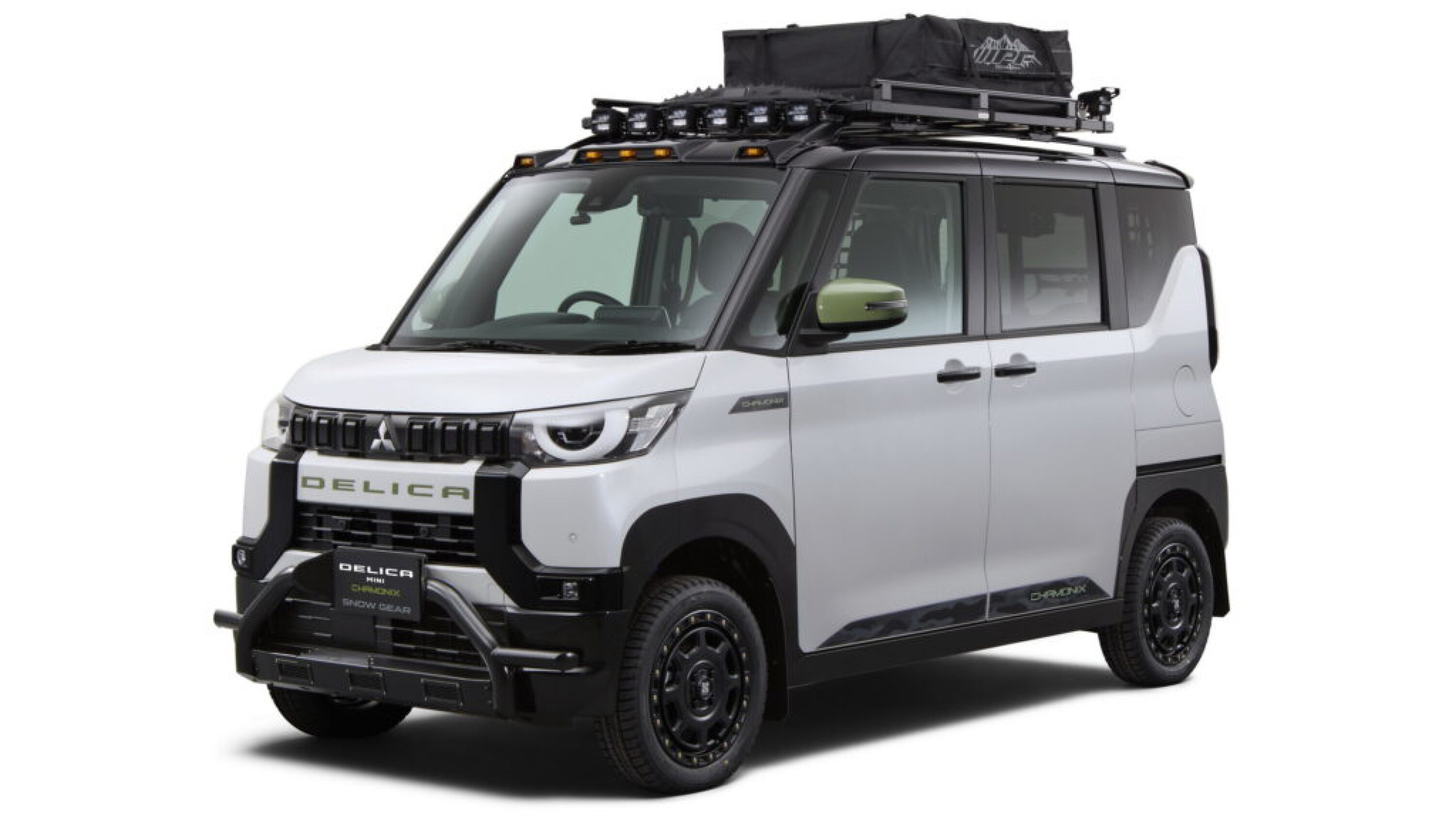
A number of other off-road-styled Mitsubishis have been shown as well, with the Delica unquestionably the most capable in the pack – although I’m very into that Delica Mini.
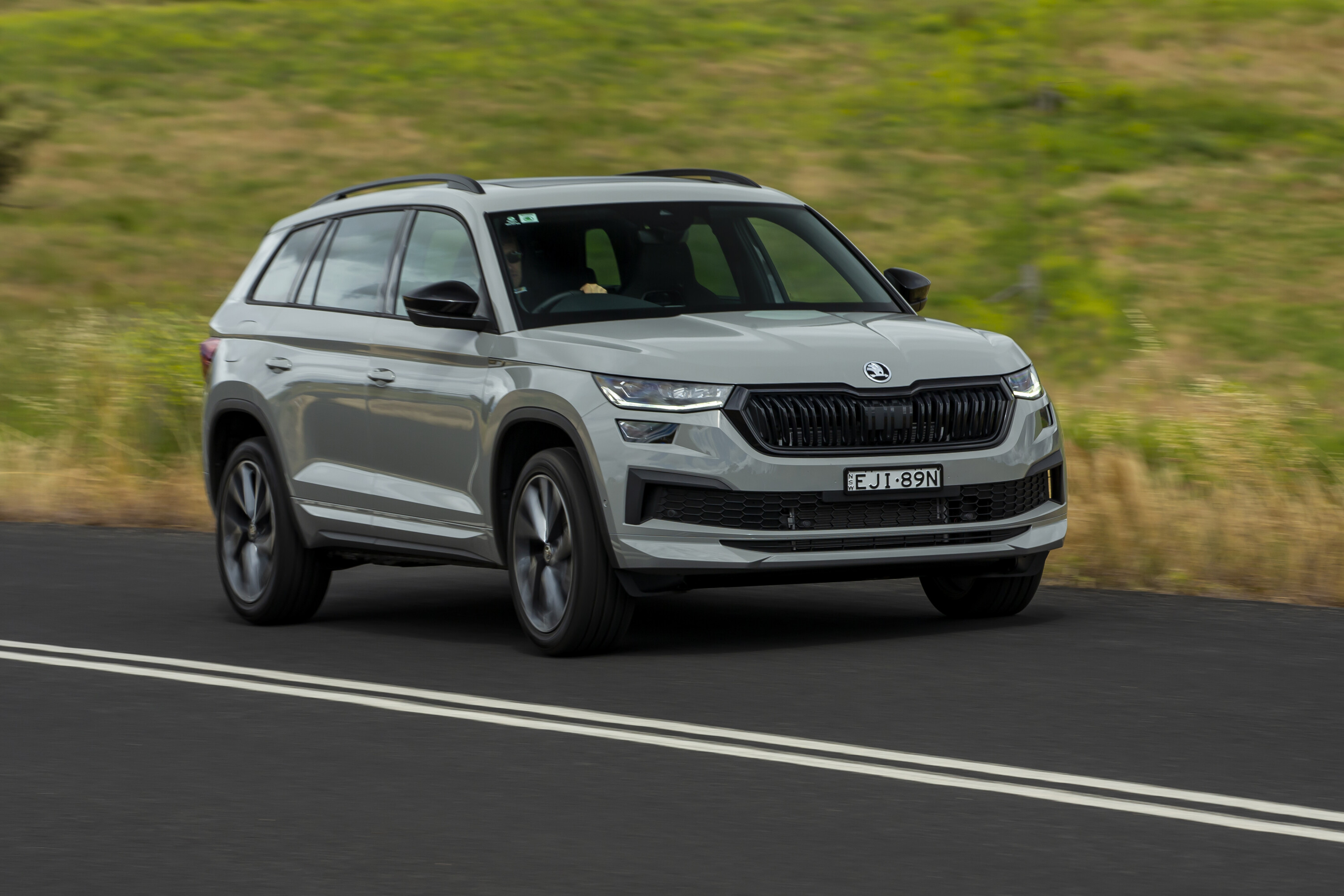
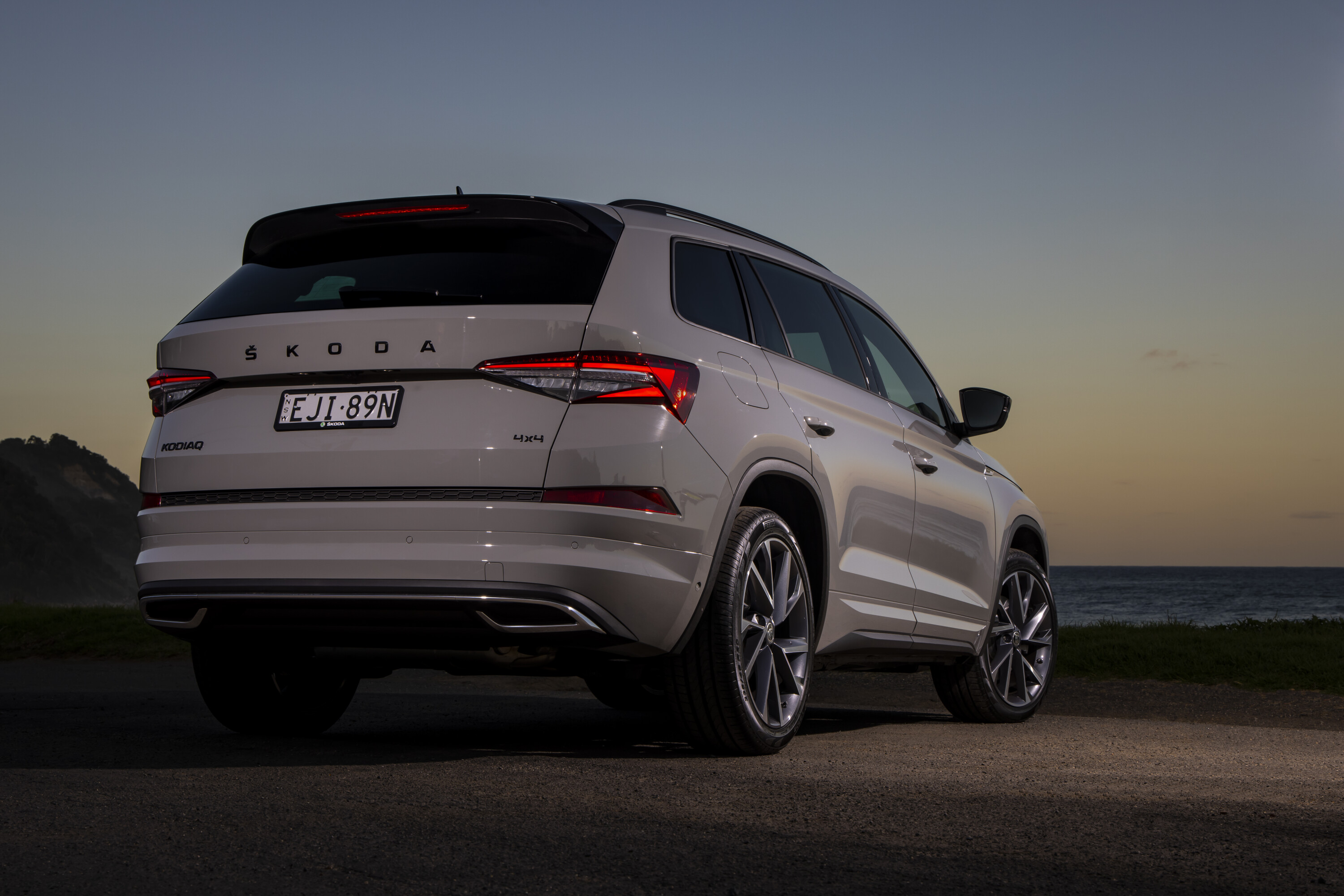
Although we anticipate the arrival of a new Skoda Kodiaq in late 2024, the current model is impressively maintaining its graceful aging. And with new model prices a given at this point, the current Kodiaq could have you in your new family SUV for less.
What’s noteworthy is that, in contrast to recently refreshed competitors, the Skoda’s exterior still exudes a youthful and timeless charm.
In our 2023 evaluation for the Best Large SUV under $60k category, the Skoda emerged as the victor, surpassing even brand-new rivals.
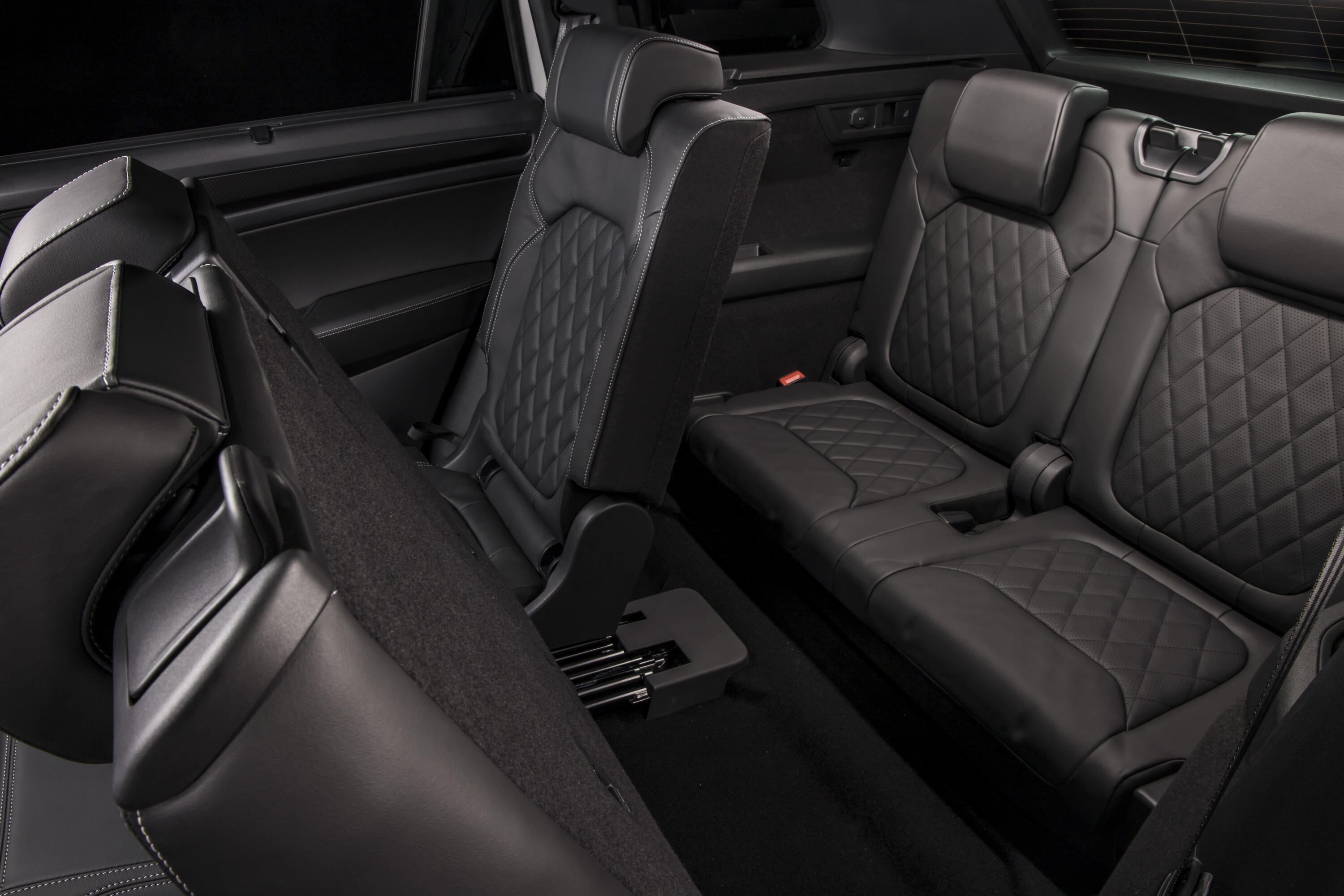
However, before we delve into the upcoming update for this seven-seater family SUV, let’s take a closer look at what the mid-level Sportline variant has to offer.
Pricing & Features
The Style kicks off the Kodiaq range, before the Sportline and flagship RS trims– at $56,490 drive-away.
Moving to the Sportline for an extra $500 adds an array of features.
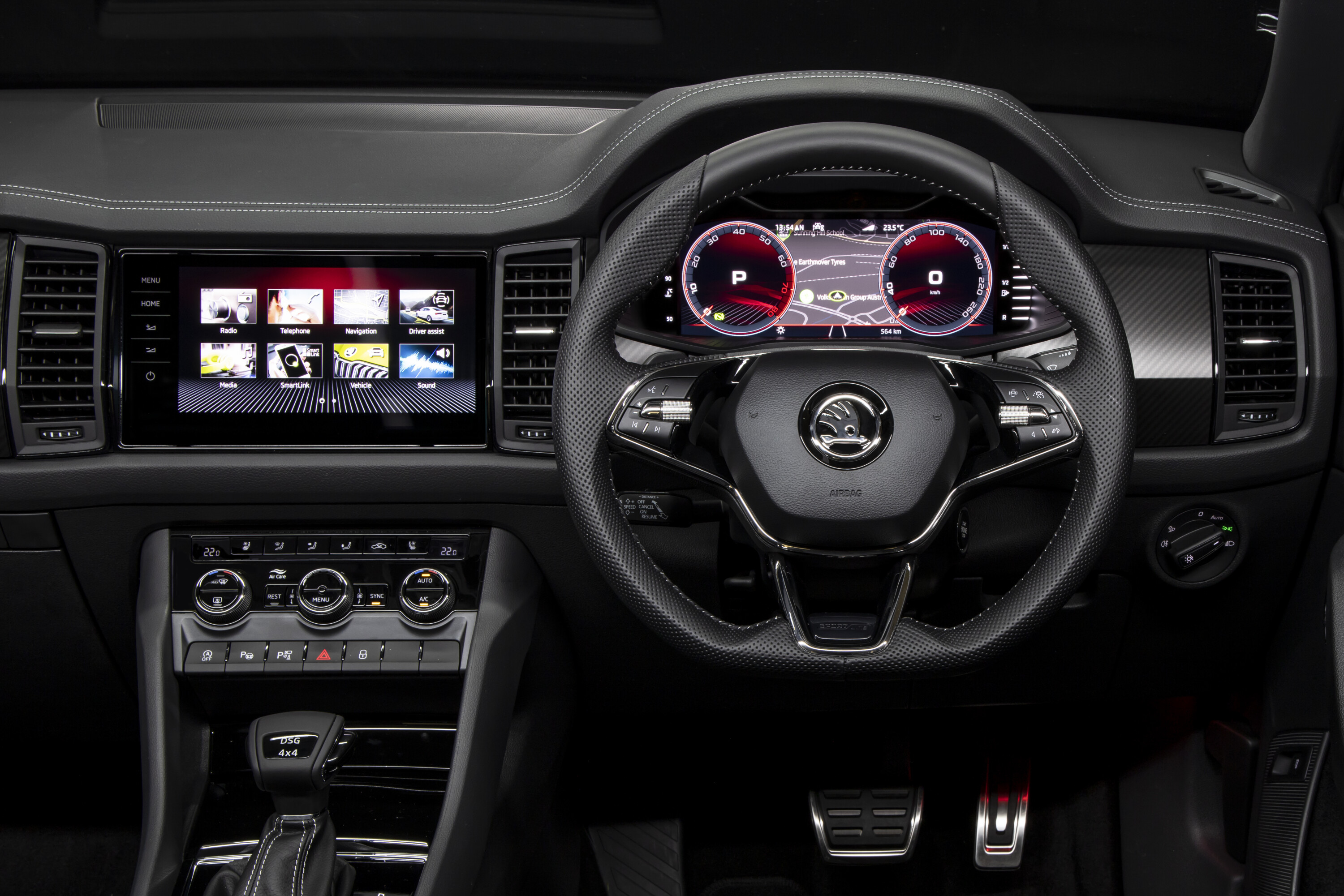
As a base grade the Style is well equipped, with a long list of standard features including 19-inch alloys, 9.2-inch screen, wireless Apple CarPlay, LED day-time running lights, wireless phone charger and an electric tailgate.
The Sportline adds:
Sports style seats
Sports style steering wheel
Black sporty design elements
Power adjustable front seats
Black roof rails
Cornering lights
20-inch alloy wheels with unique design
Steel Grey is the standard paint colour on the Kodiaq, with all other options adding $770-$1100 to your drive-away price.
1
Powering the vehicle is the well-known 2.0-litre turbocharged petrol engine, producing 132kW of power and 320Nm of torque. This engine is mated to a seven-speed dual-clutch transmission and offers variable all-wheel drive.
The Tech Pack at $3000 adds adaptive suspension, hands-free tailgate and more while the Luxury Pack brings features such as tri-zone climate control, electric leather front seats and massage function seats for an additional $6900. You can even chuck on a panoramic sunroof or leather seats as an extra.
1
Safety
The Skoda Kodiaq Style currently lacks a rating from ANCAP, as the six-year window for reassessment has elapsed. However, it previously obtained a five-star rating based on evaluations conducted in 2017.
This rating comprised notable scores, including 92 percent for adult occupant protection, 77 percent for child occupant protection, 62 percent for pedestrian protection, and 54 percent for safety assist.
1
Standard safety features are robust and include adaptive cruise control, driver attention monitoring, blind spot monitoring (a recent addition), nine airbags, as well as front and rear parking sensors.
One notable absence is the lane keep assist feature, which may be conspicuous in a vehicle of this size. However, it can be added by opting for the Luxury Pack if desired.
Key Rivals
Examples of notable competitors encompass other well-received seven-seater models:
The 2024 Skoda Kodiaq Sportline stands as an outstanding option for individuals in search of a sporty-styled family SUV that seamlessly merges spaciousness and some European finesse.
Remarkably, even as it nears the conclusion of its product cycle, it maintains its competitiveness when compared to more recent rivals.
Its fusion of practical amenities and sophistication positions it as a standout within its category. If you’re in the market for an SUV that harmoniously combines fashion with functionality, the Kodiaq Style should unquestionably be on your list for consideration.
GR Yaris gets eight-speed auto option and 24kW more power
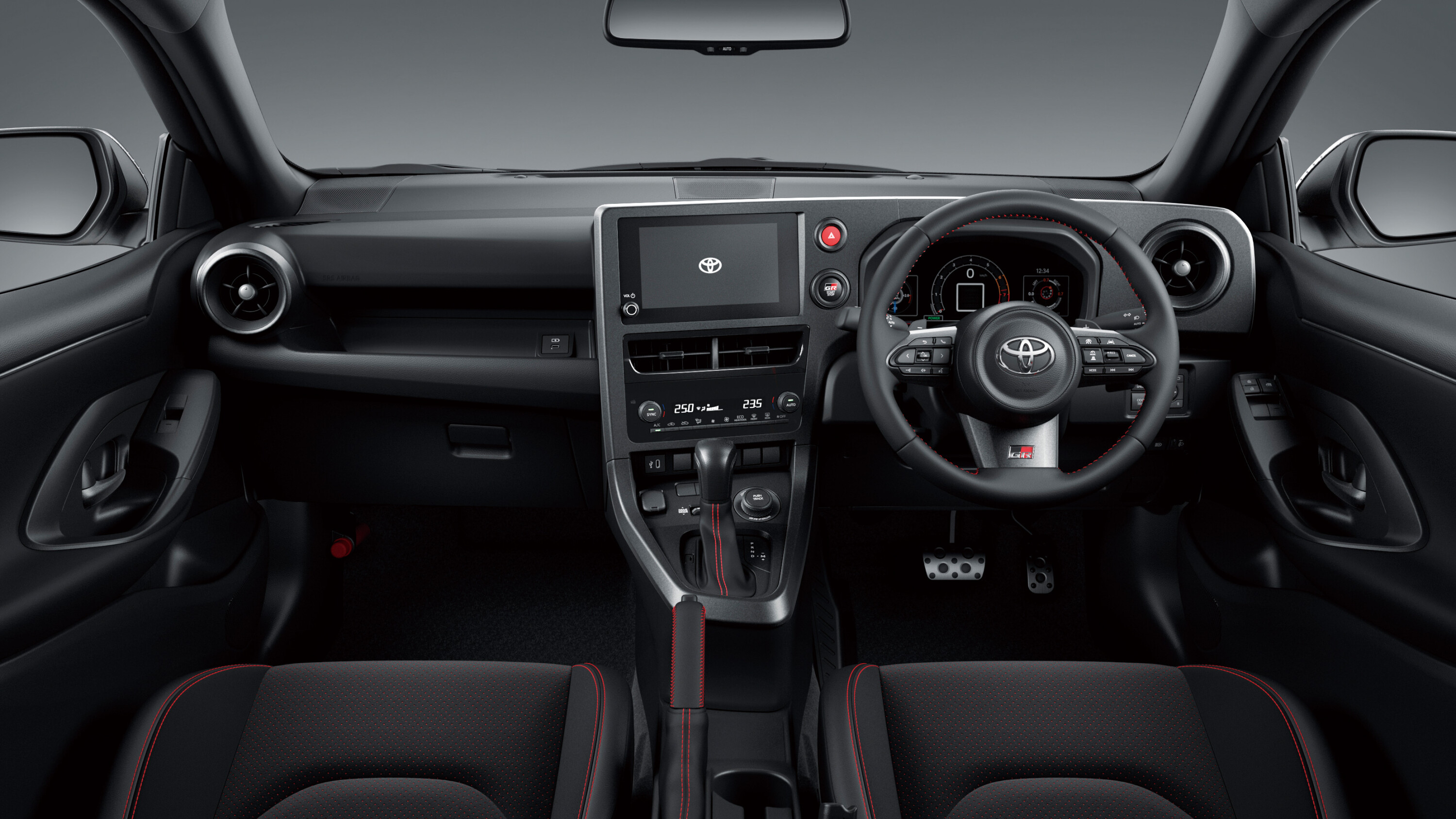
Enhanced ergonomics inside with lower seat and better visbility
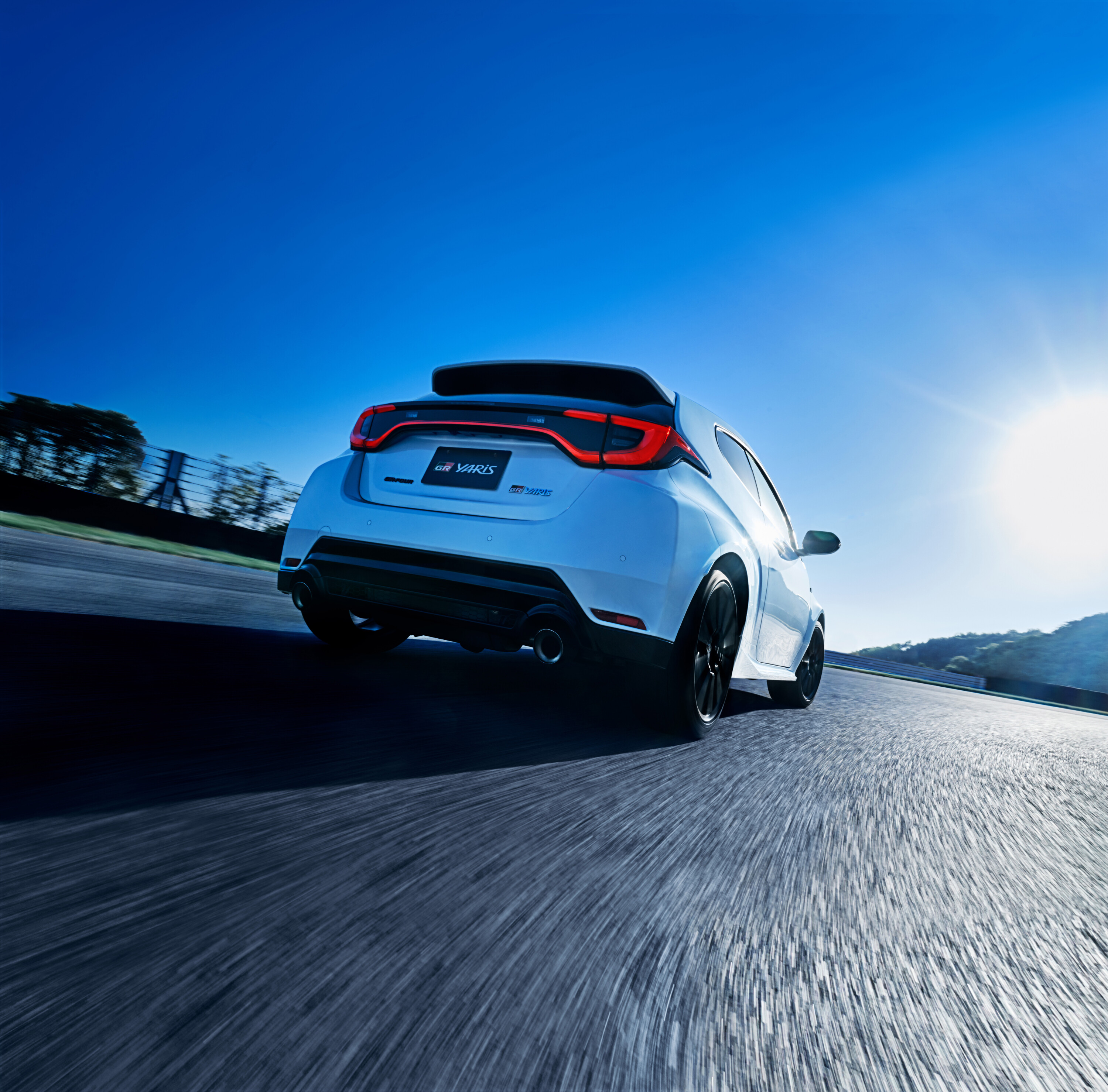
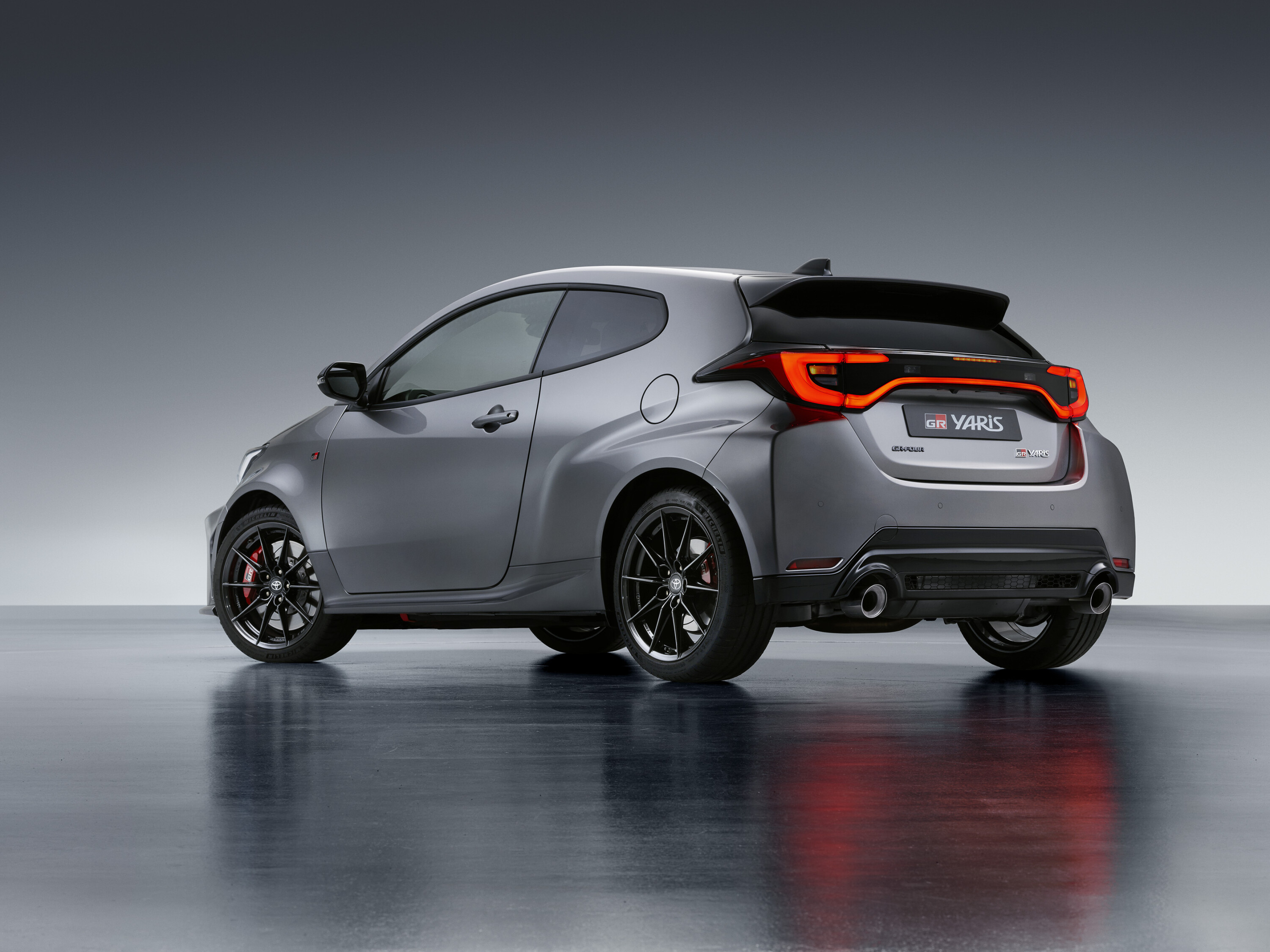
Updated exterior styling with a focus on cooling and aerodynamic performance
Australian deliveries expected to begin towards the end of 2024
The facelifted 2024 Toyota GR Yaris has debuted with confirmation that the long-rumoured eight-speed automatic will be offered. Australian-spec production will begin later this year.
There was an assumption it would be an Aisin or ZF-sourced torque converter transmission adapted from existing parts, but GR doesn’t do things by halves. Instead, we’ve been served what Toyota calls a ground-up eight-speed ‘Direct Shift’ torque converter automatic in the facelifted version.
Along with the new transmission option (a six-speed manual will continue to be offered) and updated visage, the GR Yaris climbs in grunt by 24 kilowatts and 30Nm, exceeding the GR Corolla’s outputs at 224kW and 400Nm.
Despite significant hikes in power, the 1.6-litre G16E-GTS turbo three-cylinder remains tractable, with peak power at 6500rpm and peak torque spread from 3250-4600rpm.
Taking advantage of the additional grunt are the eight shorter ratios in the available automatic. Toyota says the transmission has been honed in motorsport through a “breaking and fixing” philosophy.
The goal was to make downshifts as fast and smooth as possible, while also making the driving experience natural. Therefore, the ‘box’s electronic brain takes steering angle, brake force, and driving style into account in automatic mode.
1
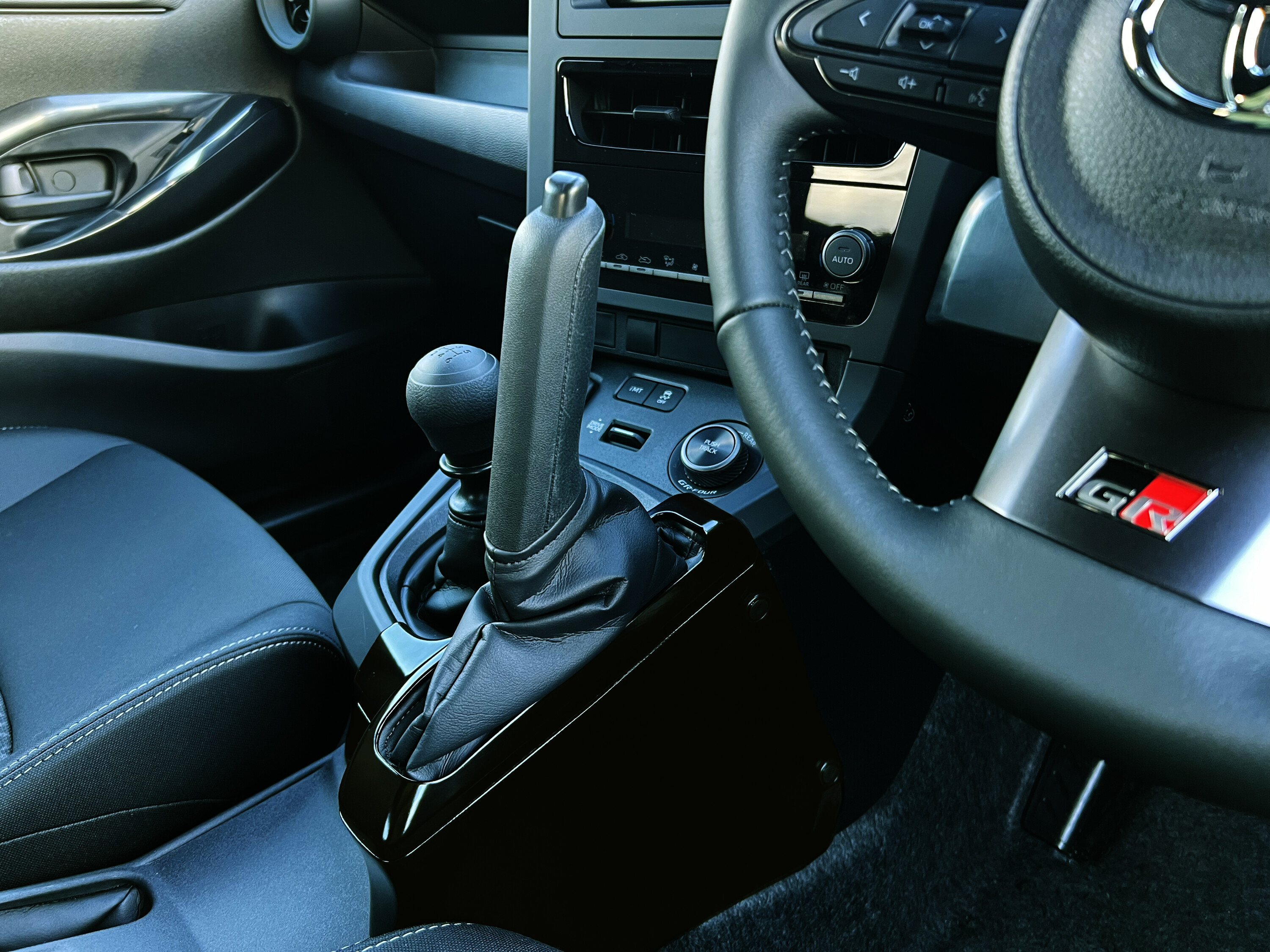
For the lever, GR has reversed the direction of shifting from normal Toyotas, so pushing forward shifts down a gear in line with natural g-forces.
Opting for the auto adds an extra 20kg to the GR Yaris’s kerb weight, bringing it up to 1300kg.
The remainder of the GR-Four AWD system is unchanged, and it sounds like the open differentials of the regular GR Yaris will be dropped and all examples, like the existing Rallye, will pack Torsen locking differentials front and rear.
There’s no official word on whether the auto will be offered in the GR Corolla, but Gazoo Racing would be silly not to broaden the rally-bred hot hatch’s appeal (and give it extra firepower against the VW Golf R).
The torque converter automatic also features in an LBX concept revealed at this year’s Tokyo Auto Salon.
1
Following the GR Corolla’s lead, the upgraded GR Yaris gets more drive modes, with Eco, Normal and Sport adjusting throttle, sound and steering characteristics – plus the GR-Four AWD mode selector.
There’s also Circuit mode that uses GPS to detect when the car is on a racetrack – at least in Japan – which deactivates the 180km/h speed limiter (Japan only) and activates an anti-lag feature.
Toyota has directly addressed issues with GR Yaris ergonomics. The bucket seats are set 25mm lower and the steering wheel position has been adjusted.
A new “easier to pull” vertical handbrake will be offered for Japan’s track-focused RC trim level to enable quicker operation by placing it closer to the gear shifter and steering wheel.
1
A new centre stack angled 15º towards the driver opens up more space between the infotainment system and mirror to aid visibility.
To enhance stiffness, Gazoo Racing has increased the number of spot welds by 13 per cent, and structural adhesive by 24 per cent.
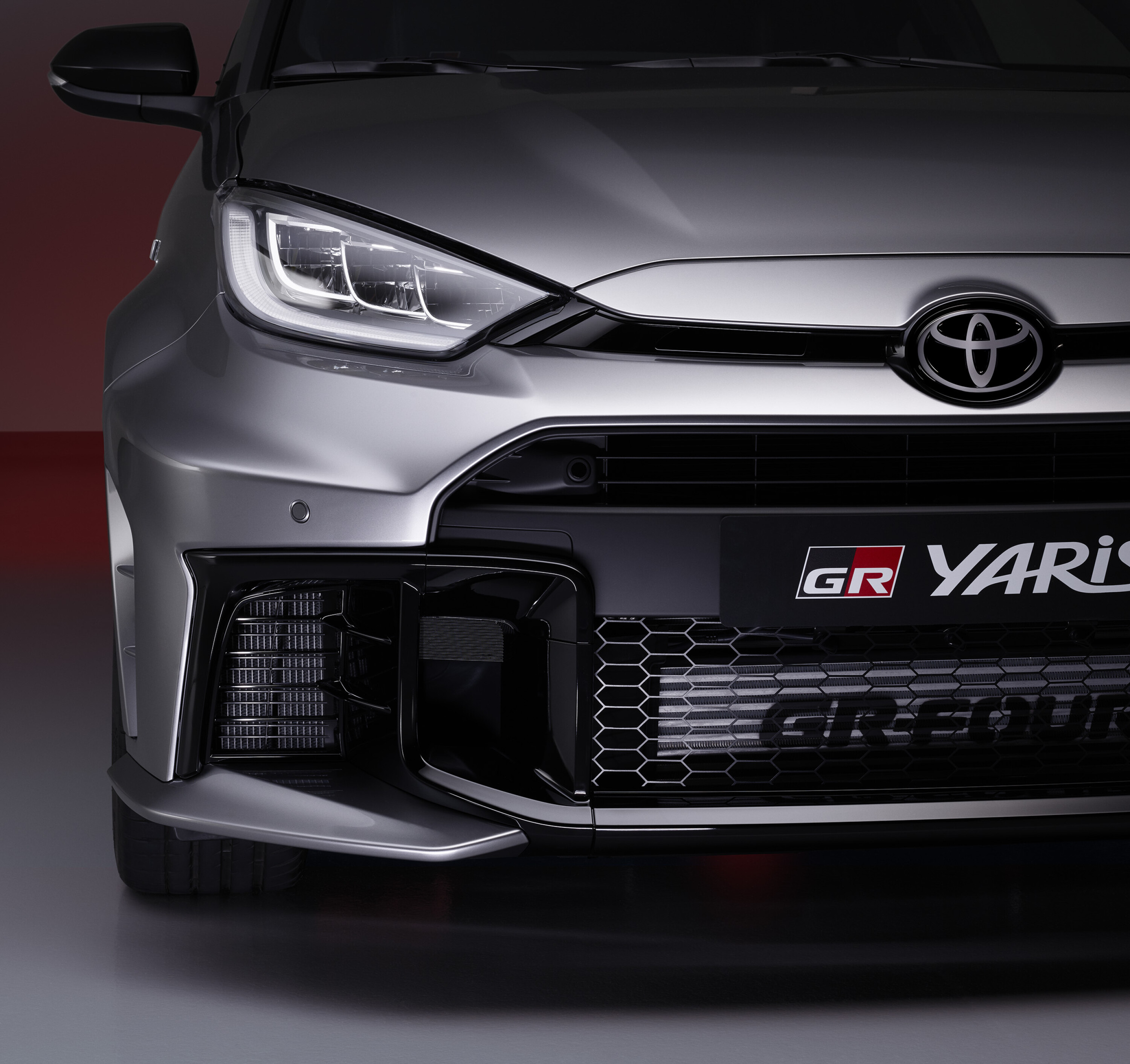
Visually, the updated GR Yaris is differentiated by a new lower grille with steel mesh designed to be more easily replaceable, and enlarged cooling vents on the side.
These enlarged inlets also feed fresh air to the sub-radiator and cooler for the automatic transmission. This can be enhanced by a factory cooling package option that brings intercooler water spray, among other features – though again, this may be limited to Japan.
1
Local timing and pricing are yet to be revealed. Australian examples of the facelifted GR Yaris won’t begin rolling off the production line until late 2024.
Expect a launch in the fourth quarter of this year, or early 2025 for the all-paw pocket rocket.
Korean powerhouse Hyundai has used Japan’s premiere tuning and style show, Tokyo Auto Salon, to showcase new N Performance Parts destined for the options list of the Ioniq 5 N in the near future.
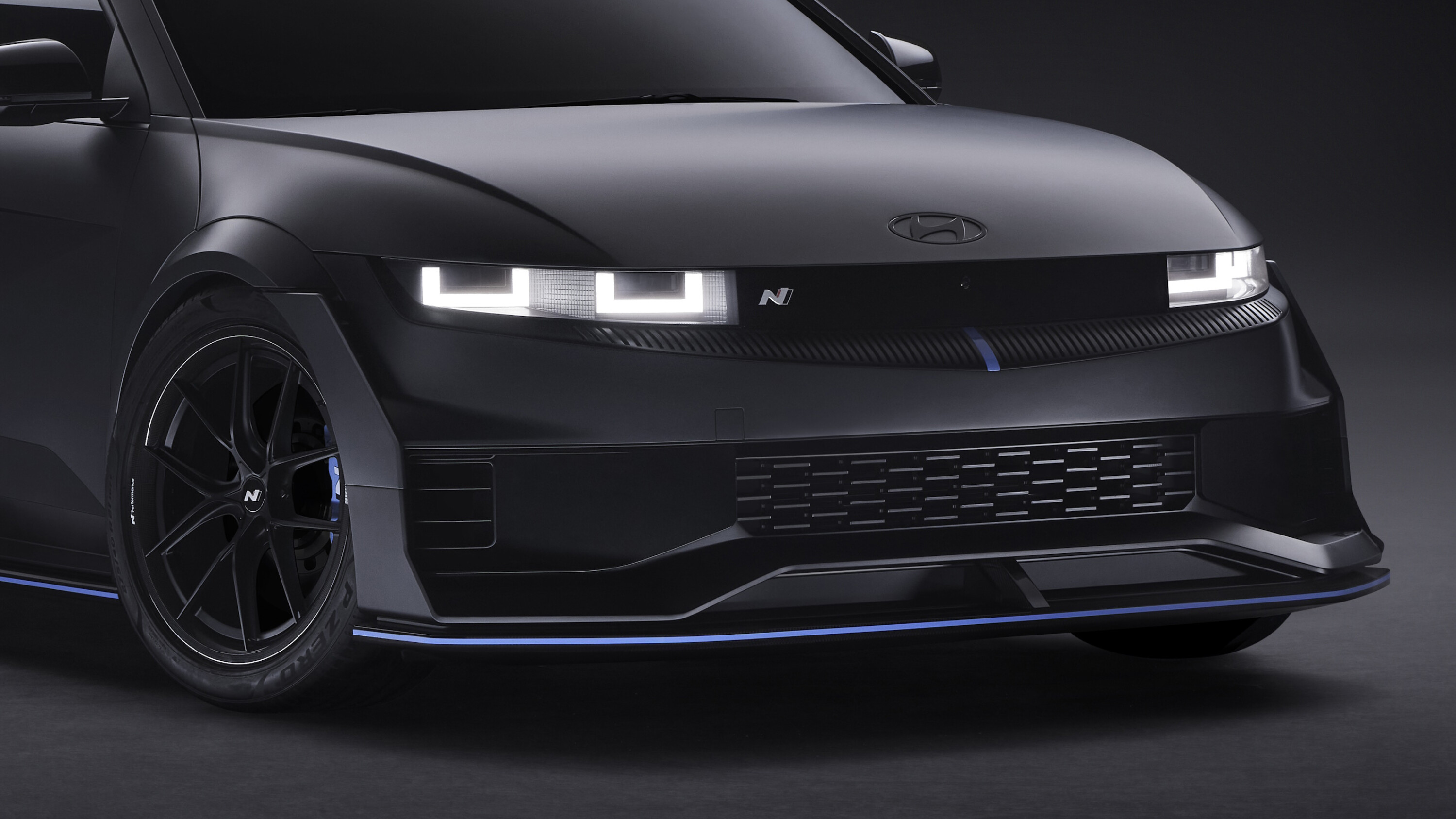
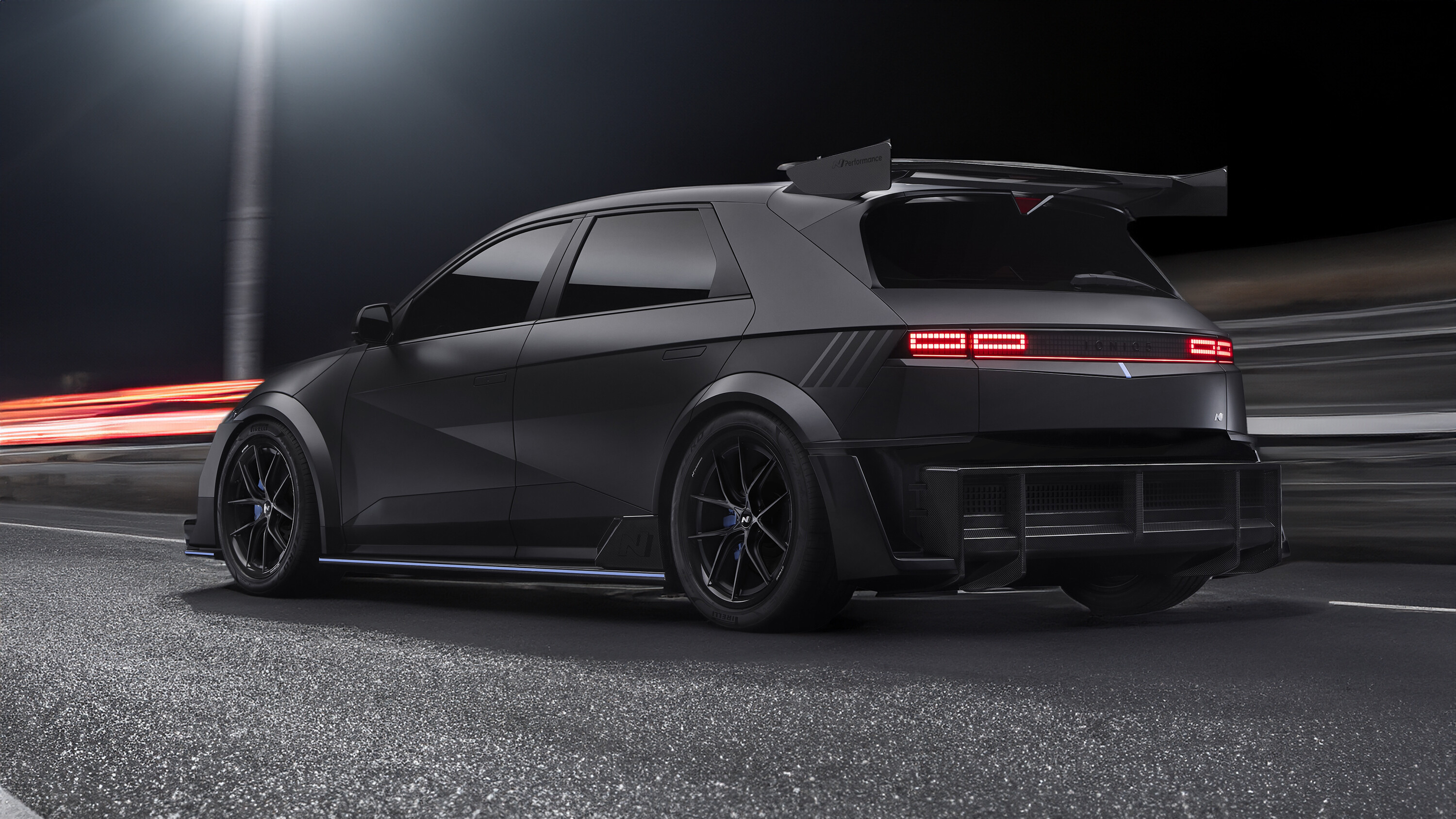
Decked out on an existing Ioniq 5 N to create what it calls the ‘IONIQ 5 N NPX1 concept’, the new N Performance Parts include – at a glance – new wheels and a new body kit to set the flagship EV apart from its regular form.
1
Among them are a carbon-fibre front splitter, skirts, rear diffuser and rear wing, while new hybrid carbon wheels are tucked at each corner in front of new “high-performance” brake pads and lowered springs. Specific details on those features, however, have not been offered.
These parts will all be made available later in 2024, followed by a similar range of N Performance Parts upgrades “for all N models”.
1
Sound off!
Back to the Ioniq 5 N, N brand vice president Joon Park said buyers can also look forward to the availability of over-the-air updates including sound packs (the current Ioniq 5 N’s surprisingly rorty note is based on the i30 N) and new configurations for the vehicle’s power and ride calibration.
Park says these options “will open a completely new category of EV customisation for an exciting future ahead for the tuning community”.
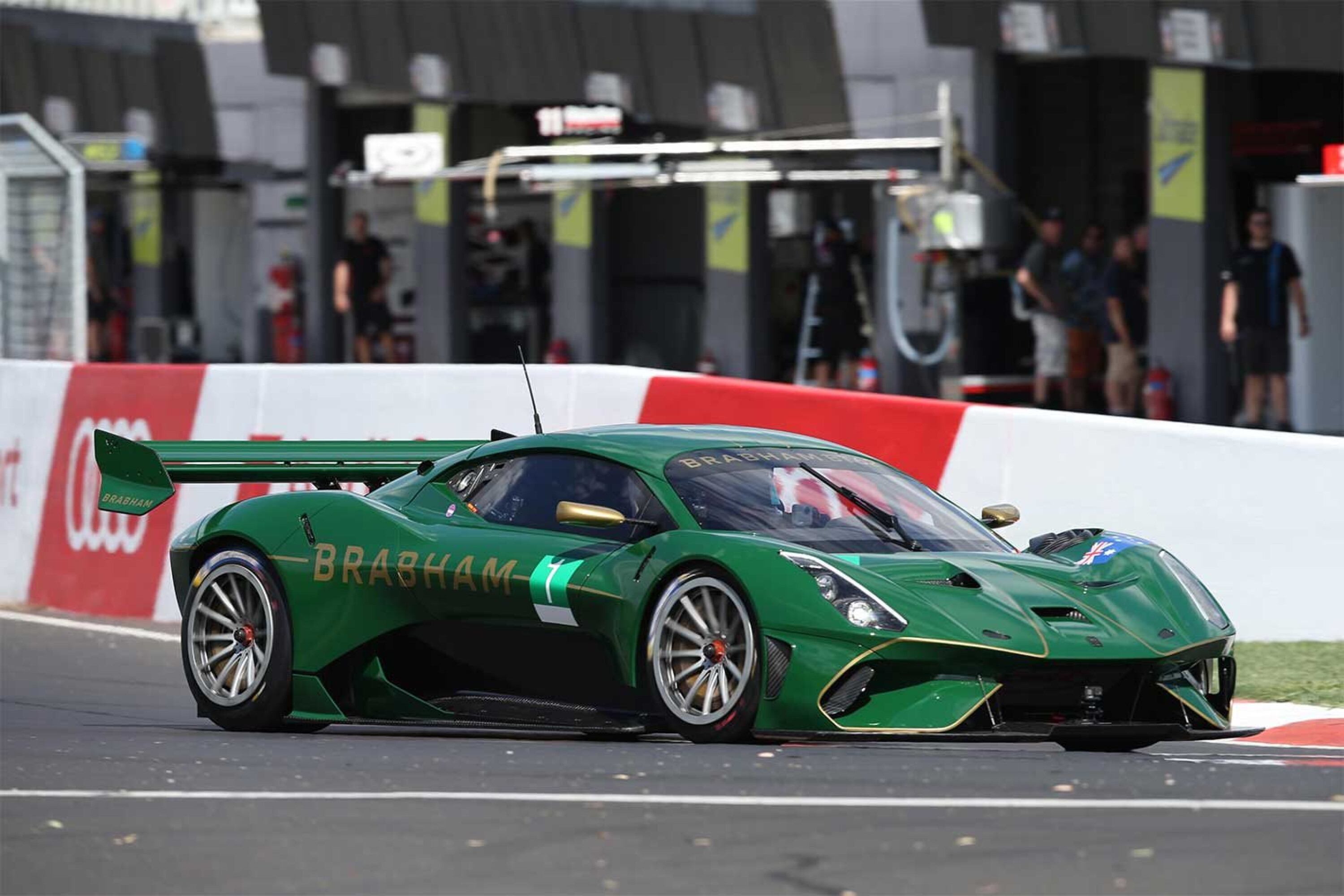
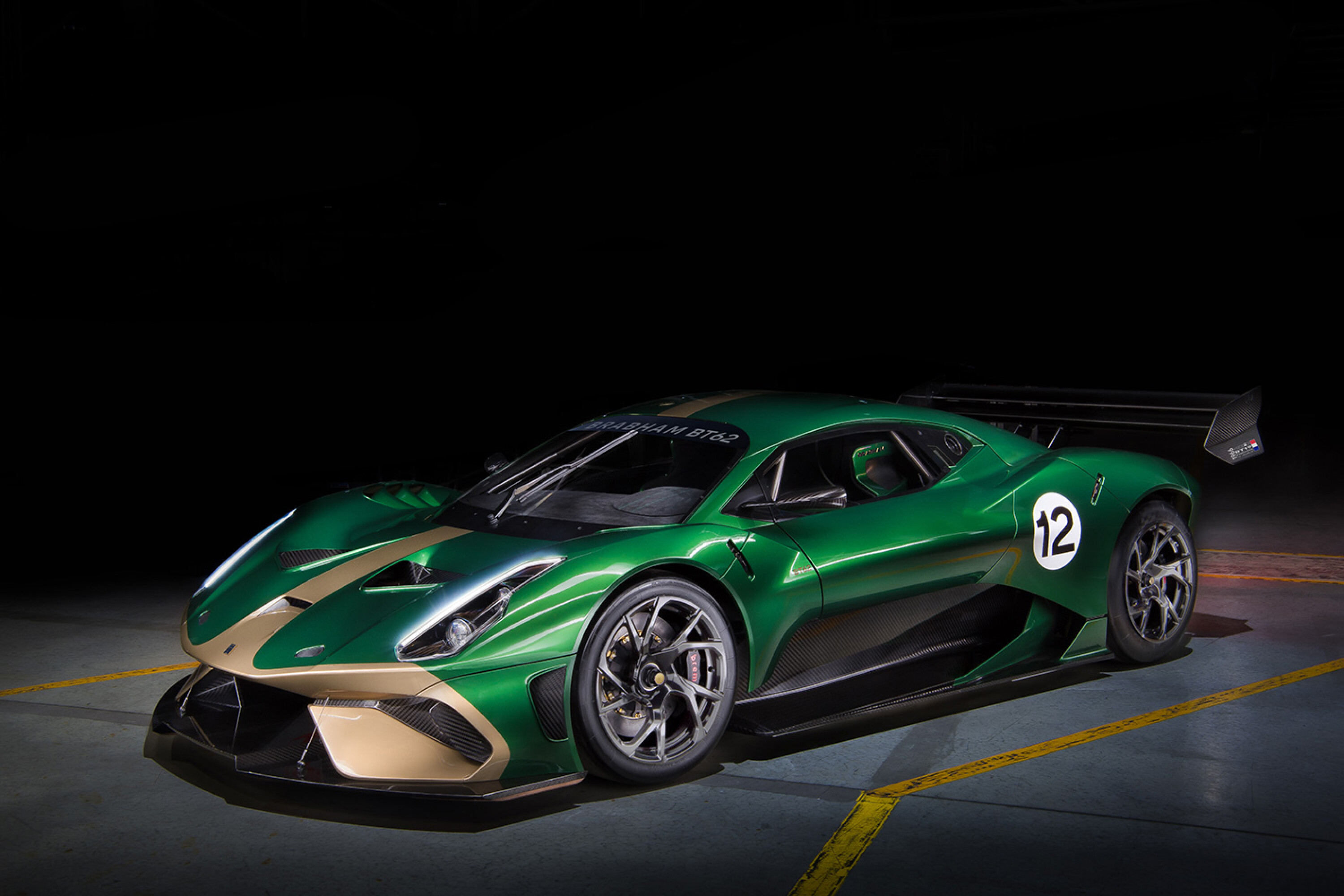
The future of Australia’s only supercar maker, Brabham Automotive, is on shaky ground after the Adelaide-based outfit announced a split with its sole investor Fusion Capital.
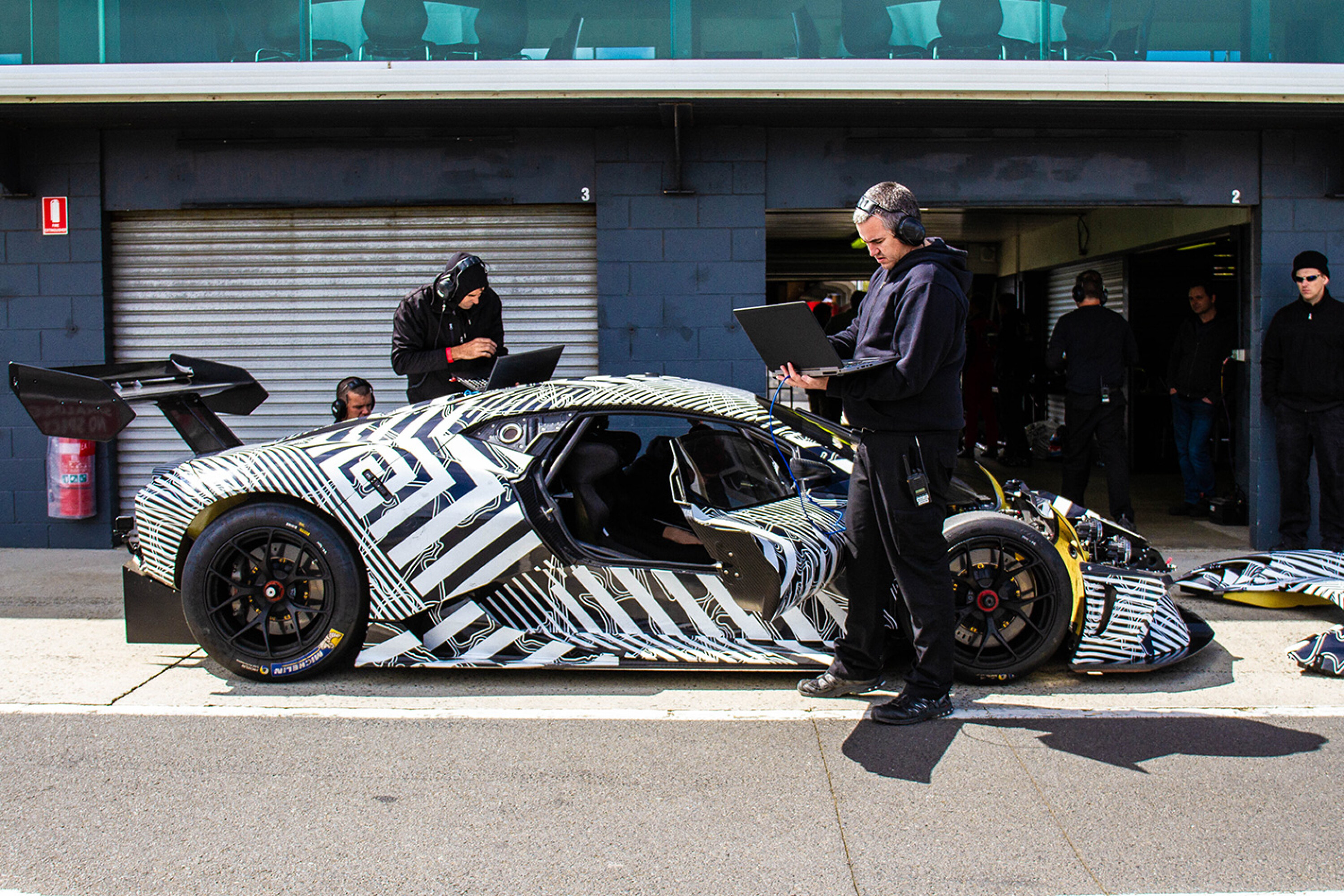
Brabham Automotive and Fusion Capital have been partners since 2016 with the collaboration producing track-focused cars like the Brabham BT-62 and BT-63.
Fusion was the “majority shareholder, sole funder, and operator of the Automotive company that bears the famous Brabham name”, meaning its exit leaves the carmaker’s future in limbo.
1
Diverging ideas on the strategic direction for Brabham Automotive are cited as the reason for the split, with Fusion Capitol’s chairman Mat Fitch saying the “strategic direction of both groups did not align.”
“My family and I have invested in automotive and manufacturing for over 40 years and we will continue to do so with what we have created in the last six years. Powertrains are evolving and the opportunity to challenge the mainstream OEMs has never been greater. What we have created provides the perfect platform for the future.”
1
Fitch’s comments suggest the Brabham BT-62 will continue to be built but will carry a different name moving forward. The Brabham family holds the exclusive rights to the Brabham name which was made famous by three-time Formula 1 champion Sir Jack Brabham.
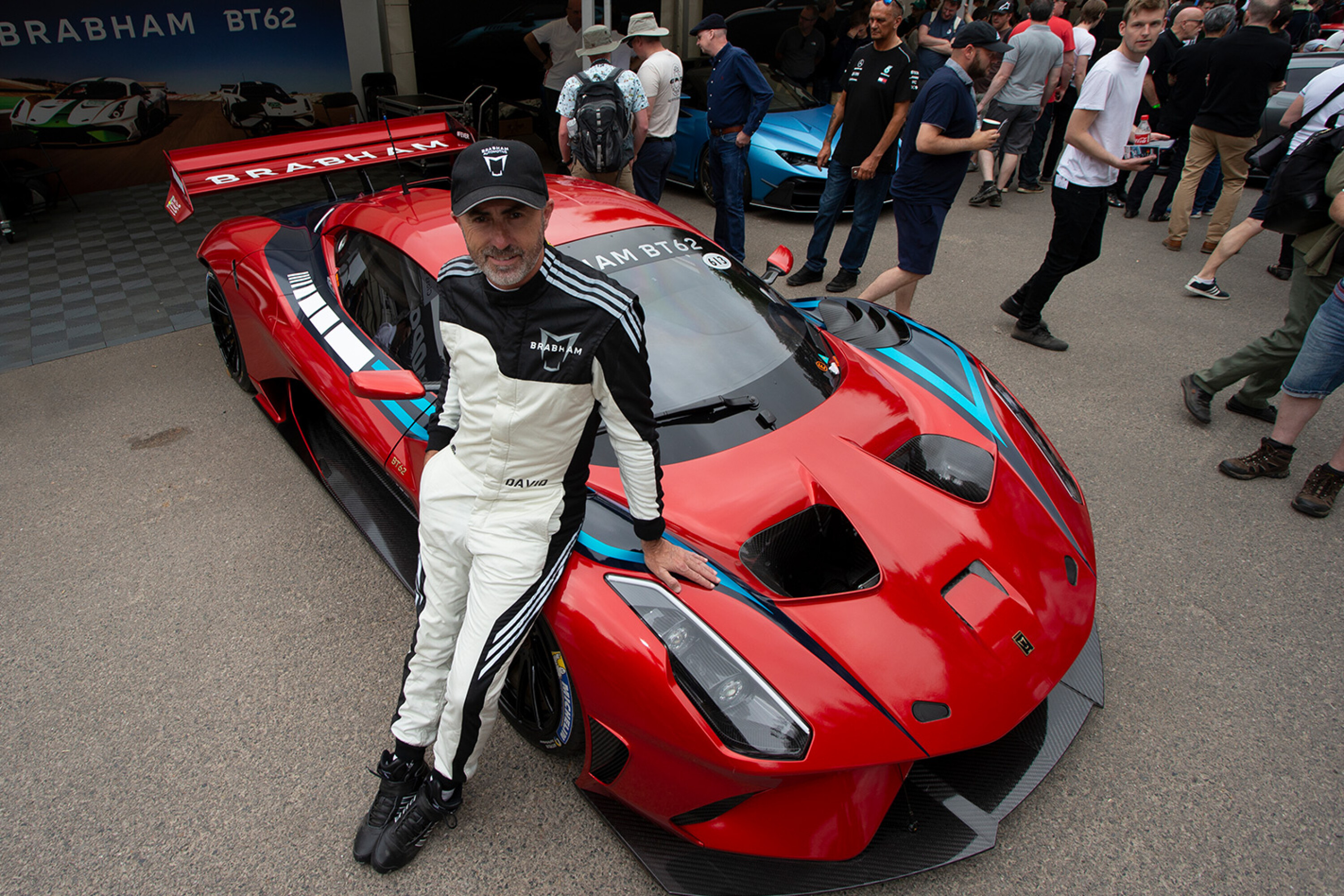
David Brabham, who is Sir Jack’s son and director of the Brabham Group Limited, said he’s keen for the family name to continue to have a presence in world motorsport.
“While it is regrettable that our relationship with Fusion Capital has come to an end, the collaboration helped further evolve ‘Brabham’ to a new and exciting future,” he said. “With the brand license for Automotive ended, it opens the doors for future business ventures in the motorsport, automotive and heritage sectors.”
1
The track-only Brabham BT-62 is built in Adelaide and is powered by a modified 5.4-litre Ford V8. Initial plans to build a road-going version of the BT-62 never materialised meaning it is ineligible for most major racing categories around the world.
It has enjoyed some on-track success in categories with limited regulations, however, and in 2019 it broke the lap record at Mount Panorama with a time of 1:58.679 with Luke Youlden at the wheel.
The BT-62 was also the cover star of Wheels in May 2018 and we’ll admit we’re sad to see the project bite the dust. So raise your glass, tip your hat, and hit play on the video above to hear the BT-62 in action around Bathurst. It’s an epic lap.
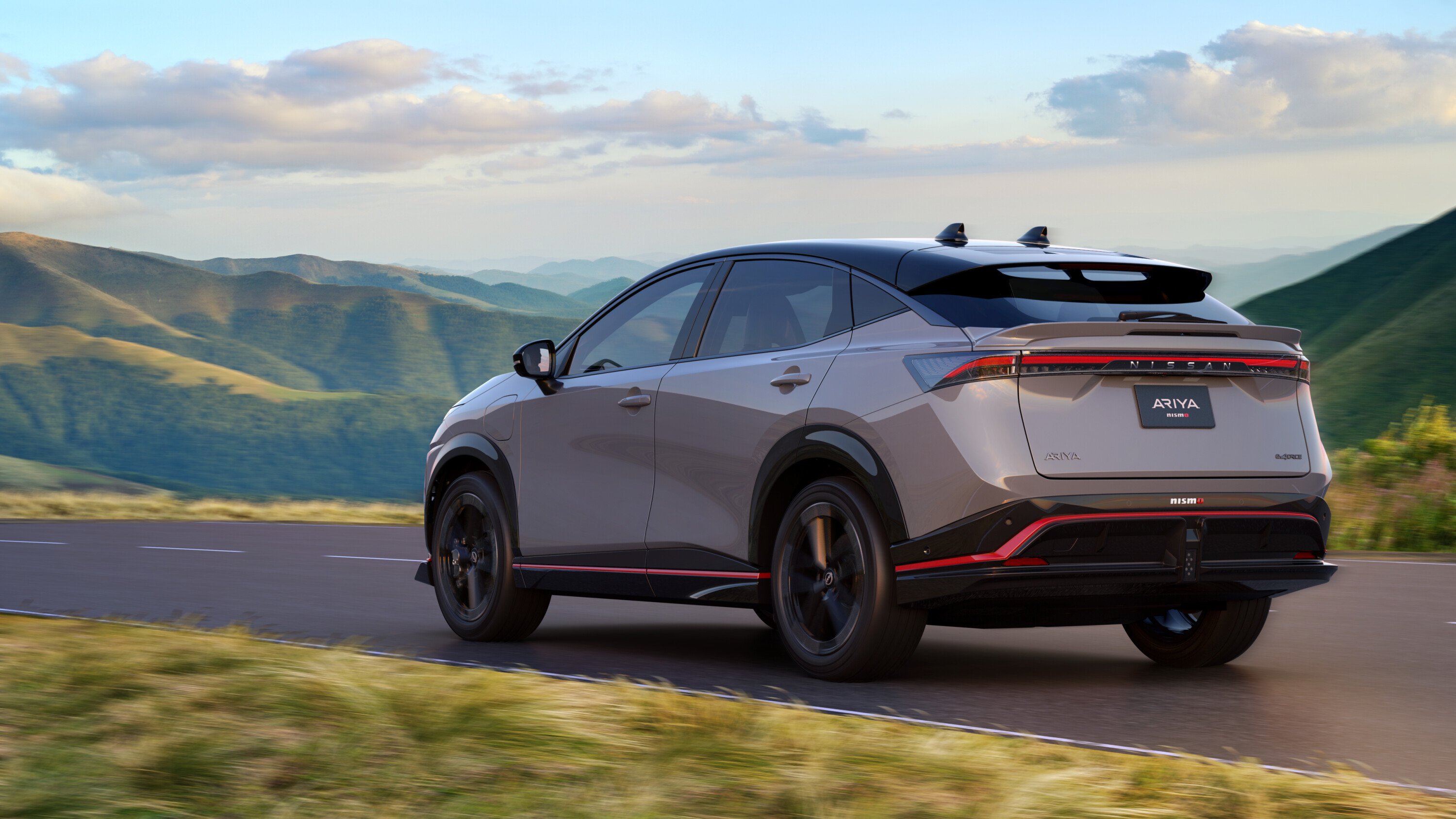
The 2024 Nissan Ariya Nismo has debuted at the Tokyo Auto Salon ahead of its Japanese launch later this year.
Performance enhancements for the tuned mid-size Ariya electric SUV include more-powerful electric motors for quicker acceleration, a sports-tuned Nismo drive mode, a retuned chassis, Formula E-inspired race tyres, and improved aerodynamics.
The Ariya Nismo is the latest vehicle in the performance sub-brand’s line-up, with other model including the Z Nismo, GT-R Nismo, Skyline Nismo (sold as the Infiniti Q50 outside of Japan), Patrol Nismo in the Middle East, and the Note Nismo hatch.
Two variants of the Ariya Nismo will be offered: The ‘Nismo B6 E-Force’ with a 270kW/560Nm electric motor and 66kWh lithium-ion battery, and the ‘Nismo B9 E-Force’ that ups power to 320kW/600Nm with a larger 91kWh battery.
1
While the Nismo B6 is slightly down on the most-powerful version of the standard Ariya, the 290kW/600Nm E-Force Performance, the Nismo B9 becomes the most-potent version of the mid-size SUV sold to date.
Nissan has not confirmed acceleration times for either of the Nismo models, but the Nismo B9 will likely have a 0-100km/h sprint time in the four-second region, an improvement over the E-Force Performance’s 5.1-second claim.
Nismo said the “special tuning for each chassis component” and dedicated Michelin Pilot Sport EV tyres have allowed the car to provide “superior stability and turn-in ability as well as better line-tracing and enhanced cornering ability at high speeds”.
1
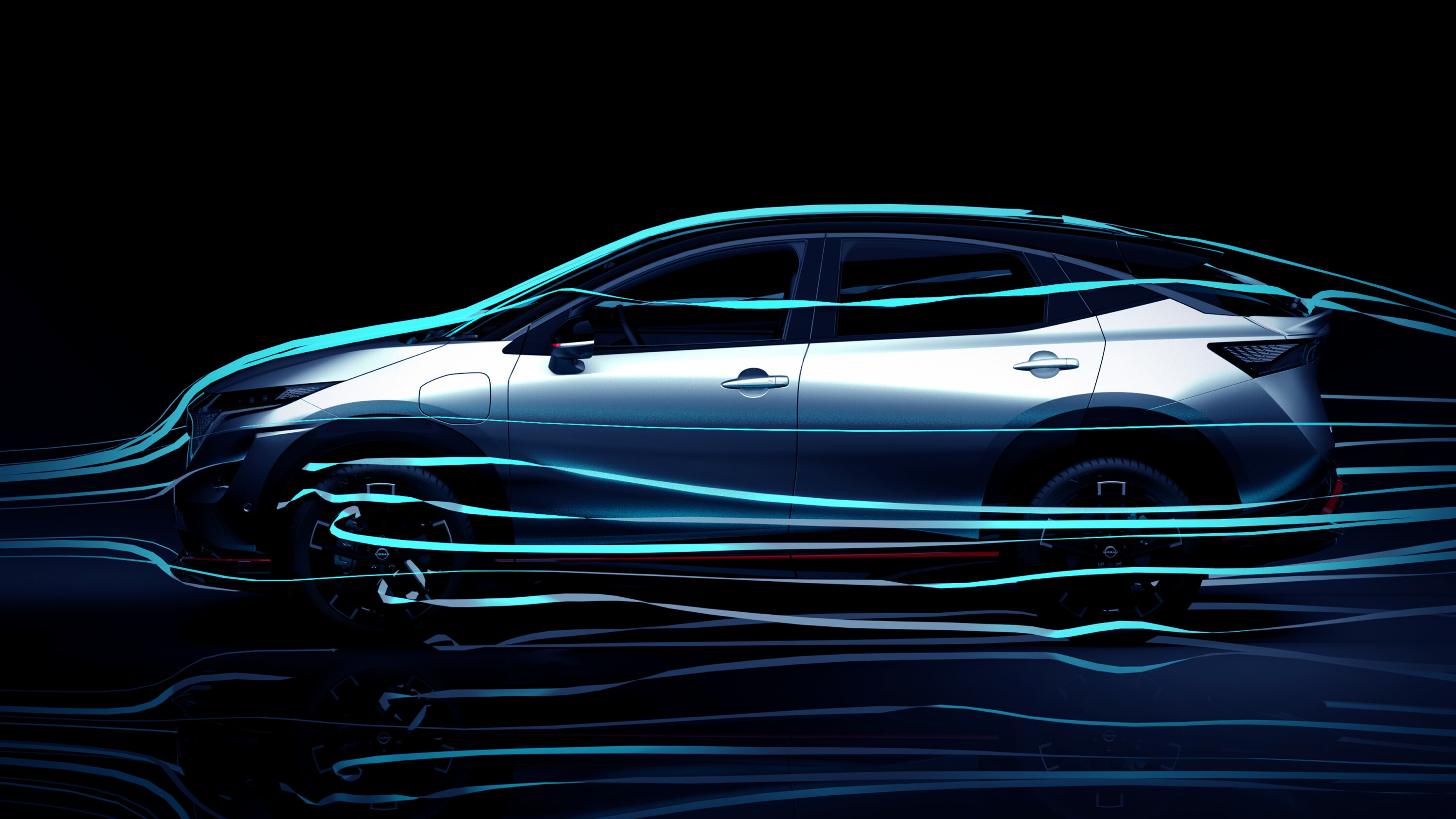
Aerodynamic performance has been improved using “race-derived technologies” from Nissan’s Formula-E team, which is claimed to reduce drag and “provide greater resistance at higher speeds”.
Design enhancements include a new lower front bumper with a splitter for added downforce, a race-inspired rear diffuser, new-design 20-inch alloy wheels, and red striping that wraps around the exterior.
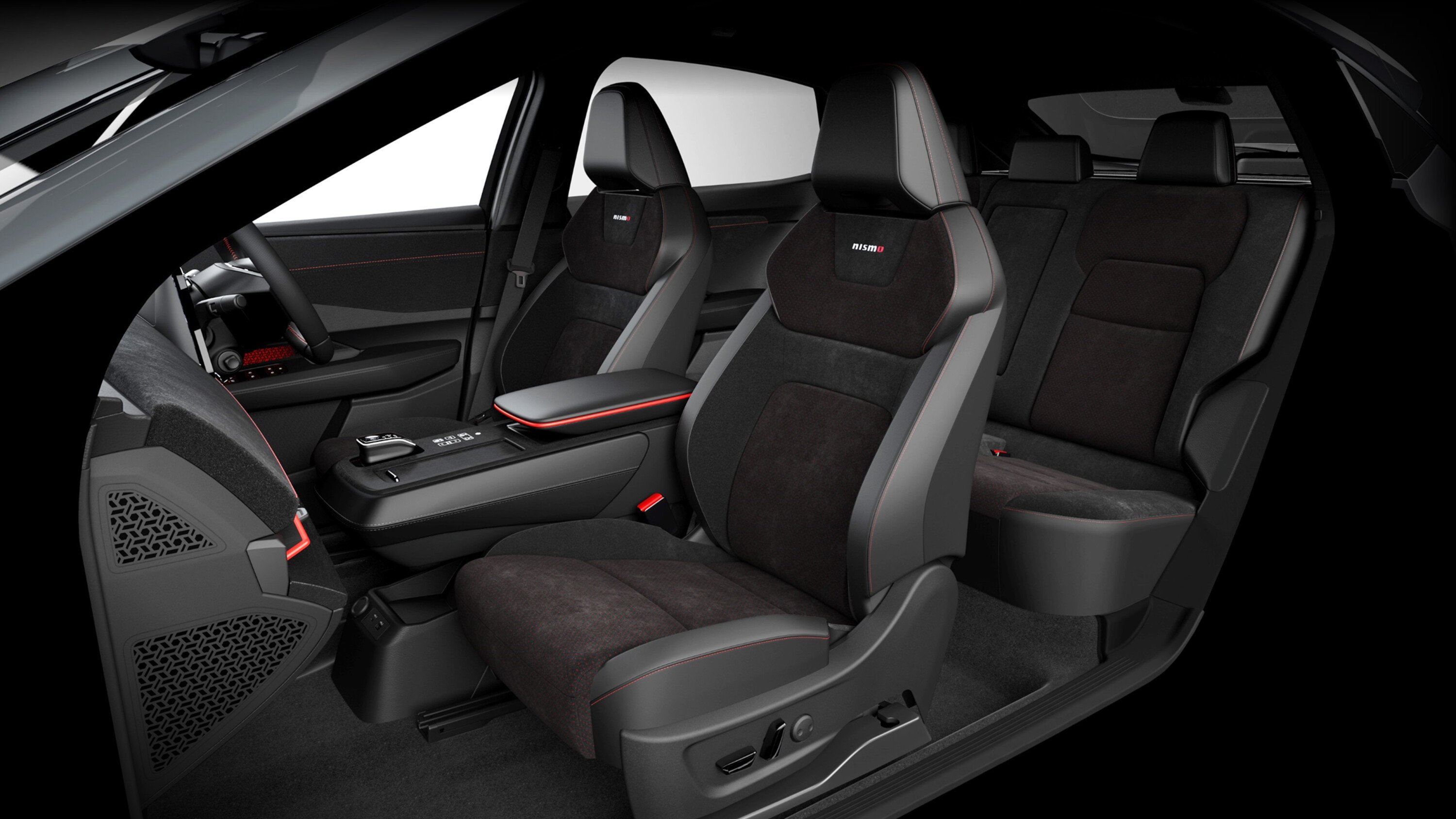
Inside, the Ariya Nismo receives sportier front seats with part-suede upholstery and Nismo badging on the backrests, red accents throughout, and updated software.
1
The 2024 Nissan Ariya Nismo electric mid-size SUV will launch in Japan in the Northern Hemisphere spring (September to November).
It is currently unclear if the Ariya Nismo will be offered outside Japan, though the most-powerful ‘B9 E-Force’ model could act as a rival to the Tesla Model Y Performance, Kia EV6 GT and Ford Mustang Mach-E GT in other markets.
Nissan Australia has not confirmed the local line-up for the Ariya, with exact launch timing still unclear as its arrival remains held up by global demand and Australia’s relaxed fuel efficiency regulations.
Uber will expand its Comfort Electric service across Australia from later this month, allowing all passengers to directly choose an all-electric ride.
This move follows the launch of the Uber Green service for both hybrid and all-electric vehicles in 2023, which has become the second most-popular option in Australia – behind the mainstream UberX service.
“Uber Green has been the fastest growing product I’ve ever been involved in, with Aussies notching up more than half a million trips across hybrid and electric vehicles in one week last year alone,” said Uber Australia and New Zealand managing director Dom Taylor.
The expansion of the Comfort Electric service to all customers forms part of Uber’s commitment to becoming a “zero-emissions platform” in Australia by 2040.
Comfort Electric was first launched for business customers in 2023. It is limited to selected electric cars, including certain Tesla, Audi, BMW, BYD, Hyundai, Kia, Mercedes-Benz, Polestar and Volvo vehicles.
Following a substantial multi-year investment to increase the number of electric vehicles in its fleet, Comfort Electric will be available first for Uber One subscribers from January 11, before expanding to all Uber personal account holders across Australia from January 29.
Kia Australia and Uber have also partnered to offer complimentary rides in the Korean brand’s electric vehicles to and from the Australian Open from January 14 until the tournament’s conclusion, exclusively for Uber One members.
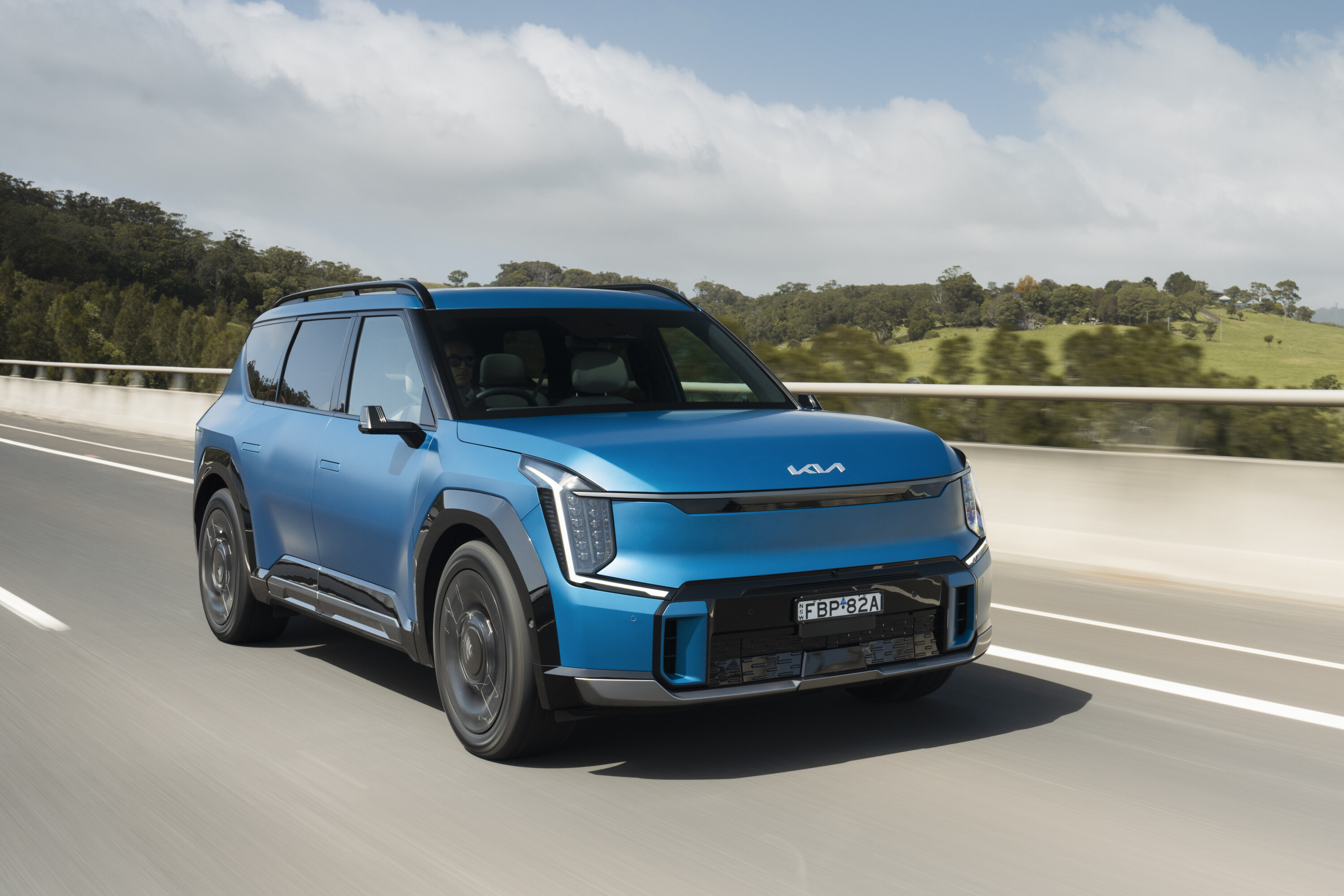
The complimentary rides, supported by 30 examples of the EV6 and EV9, are capped at AU$100 within five kilometres of Rod Laver Arena in Melbourne’s CBD, and will only appear if there is a vehicle available.
1
“Riders will not be charged for the trip (up to $100 AUD) but the driver partners will receive one hundred per cent of the fare with Kia covering the cost of the ride,” said Uber Australia.
“We’ve chosen Melbourne to launch this experience because despite doing thousands of EV trips nationally every day, the adoption of EVs on our platform has been slower than we’d hoped in Australia’s unofficial sporting capital,” added Taylor.
To boost EV uptake in Victoria, Uber has added additional places to its service fee reduction program for all-electric driver partners in the state. This initiative sees service fees reduced by 50 per cent, up to $3500 per financial year, until June 2025.
EVs can tow and, in some cases, itu2019s better than diesel
But, expect a noticeable range drop, payload compromises
Hybrid and PHEVs are viable alternatives
Diesel cars have long been seen as the best powertrain for towing, but is it the Achilles heel for electric vehicles?
Australians love the outdoors (well, some of us do) and travelling with a trailer, caravan or boat is part of the ticket of freedom to enjoy our vast history-rich land and seas.
Yes. In theory, electric vehicles should be ideal for towing, but the current reality shows challenges.
While traditional diesel internal combustion engines (ICE) deliver torque at a low rev band to suit towing, electric cars offer it instantly from zero revolutions per minute (rpm).
Additionally, with typically higher power and torque outputs, this makes towing almost seamless in an EV.
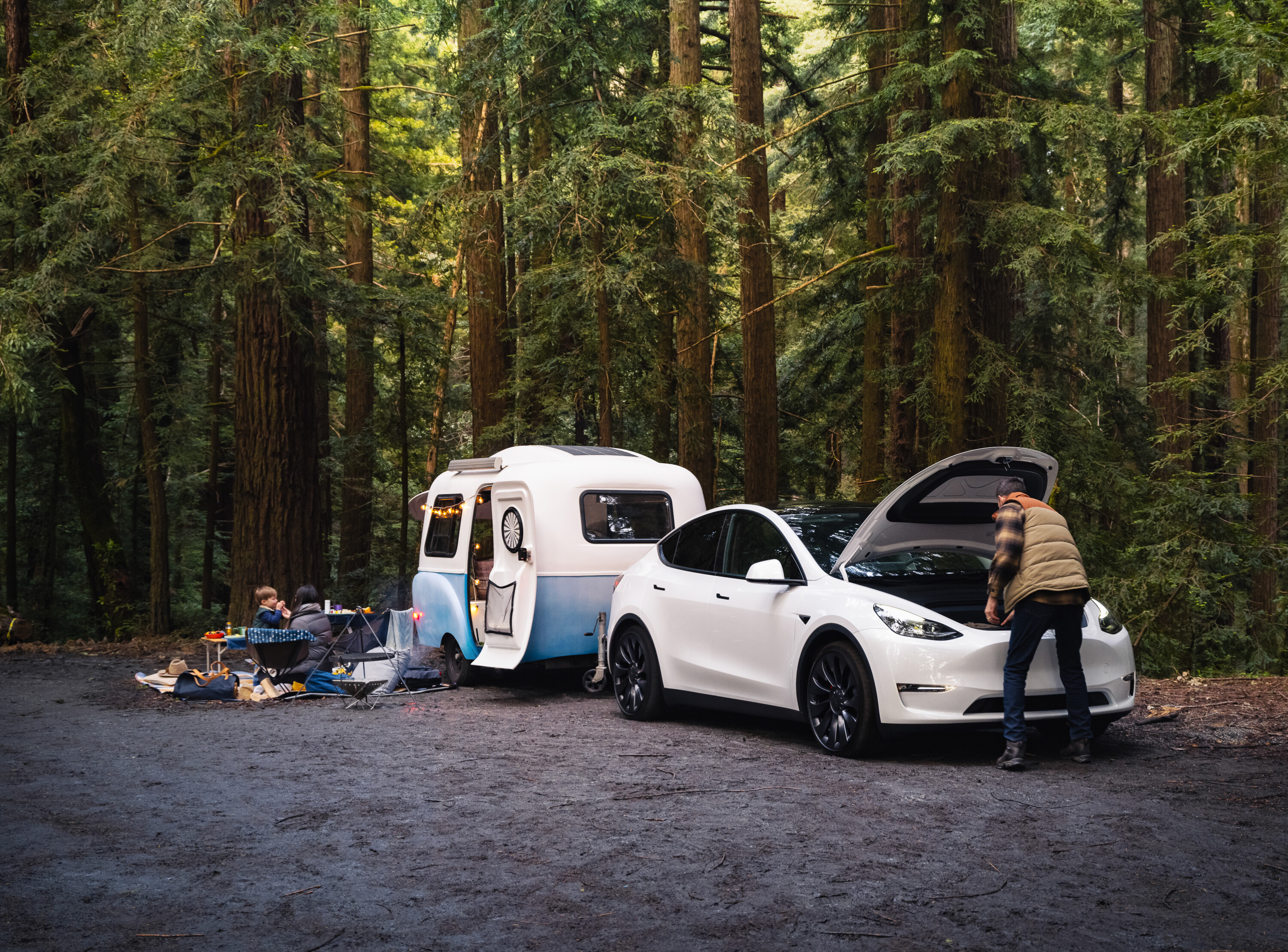
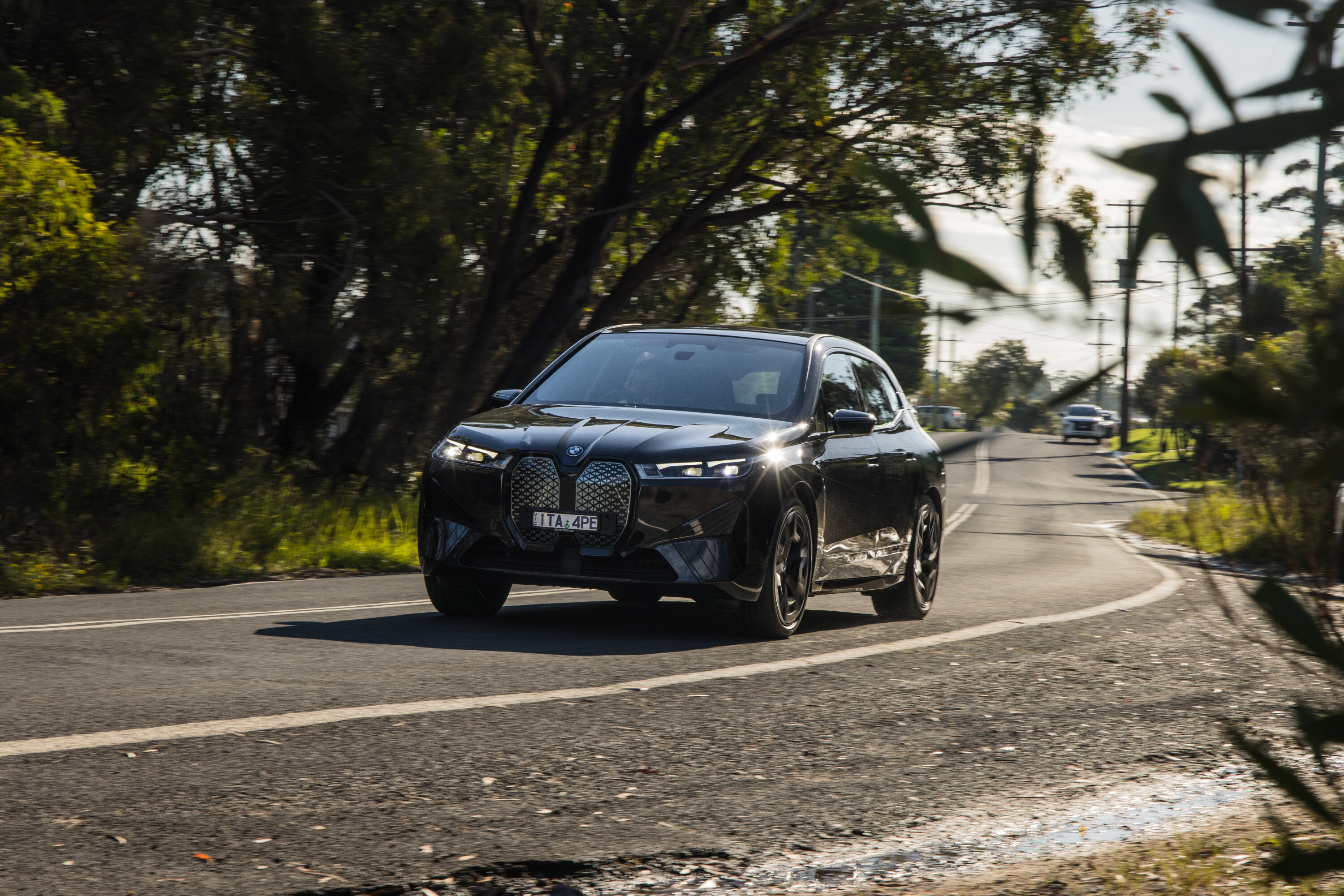
A range of EVs are already capable of towing. The MG 4 small car can tow up to 500kgbraked and unbraked, the Tesla Model Y medium SUV at up to 1600kg braked/750kg unbraked, and both the Kia EV9 and BMW iX large SUVs are rated to lug up to 2500kg braked/750kg unbraked loads.
“It can be done”
EV owner Anneliese Alexander and her Sydney-based family of five has embarked on multiple long-distance EV road trips towing a light box trailer, including return trips to Adelaide, Lightning Ridge, and Coonabarabran.
“While a diesel car is a good towing vehicle, it’s nothing compared to the electric torque. It’s instant,” Alexander told WhichCar.
“When you’re overtaking a B-double truck, barrelling down the highway at 120km/h, I would much prefer to do it in an EV because the diesel takes a little bit of time to get to that acceleration point where you can confidently tackle it.
“It can be done [road tripping in an EV while towing]. Yes, you do have to be more organised. Yes, it does take a hit to the range. But, that doesn’t mean it’s impossible.”
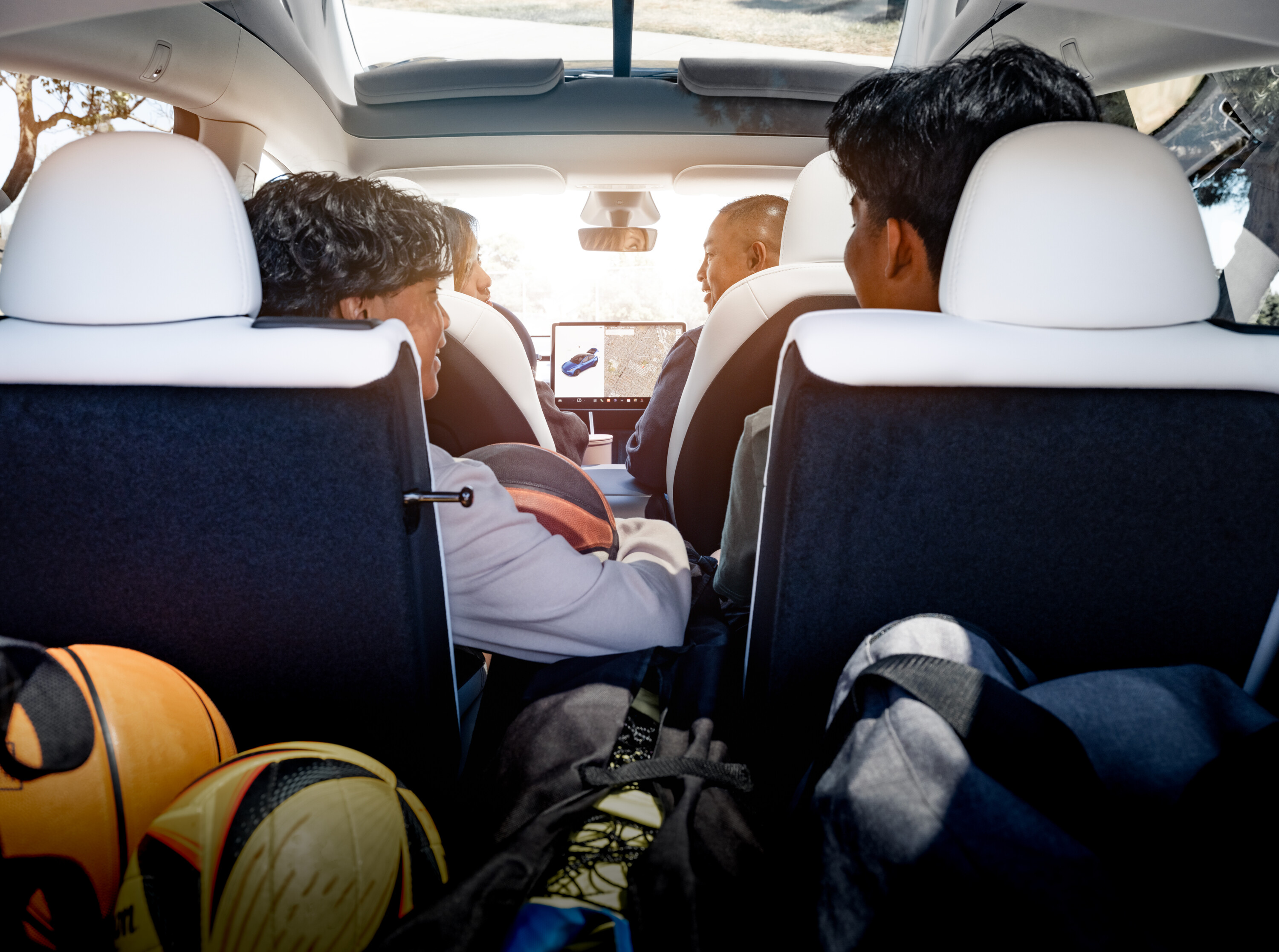
Since electric cars are naturally heavier, payload is more limited when towing.
Depending on the size, current battery technology adds around 300kg to 600kg of weight to an EV, which compromises the payload capabilities compared to an equivalent ICE car.
Payload includes the weight of all occupants, cargo, accessories such as roof racks, and the towball down weight which is usually ~10 per cent of the trailer weight.
In context
By pulling a heavier 2500kg braked trailer on the base BMW iX eDrive40 (the maximum rated load), you’ll only be left with 395kg of payload – with the towball download weight accounted for.
This means, you’ll be able to carry four 80kg adults in the vehicle, but not have much remaining to safely load travel bags and suitcases, and no allowance for fitting bikes or skis on a roof rack.
However, a lighter trailer enables more payload. Lugging a 1600kg braked trailer on the base Tesla Model Y RWD (the maximum limit), you’ll have around 480kg of payload available after the tow bar download is deducted.
Then, there’s the question of reduced driving range.
This is supported by Australian Electric Vehicle Association Queensland chair Jon Day [YouTube ↗], who found energy consumption can more than double if driven at higher speeds.
The test involved lugging a 1700kg boat on the highway using the Volvo XC40 Recharge small electric SUV.
1
Tesla Model Y owner Anneliese Alexander told WhichCar that it also depends on the driving conditions, as going downhill will improve energy efficiency and utilise regenerative braking.
“It does take a [range] hit… You do have to be organised. You can’t just jump in and off you go. You have to think about where you’re going and how long you’re going to spend charging at each place. And, you have to be strategic about it,” Alexander said.
It’s worth noting that traditional diesel-powered vehicles can also use almost double the fuel consumption, depending on the trailer weight.
However, the advantage of ICE cars is that they typically have more driving range than EVs (with larger fuel tanks) and, when a refill is required, fuel stations are generally more available, accessible and reliable than public charging stations.
Unfortunately, most public EV charging stations in Australia aren’t designed to accommodate trailers, so be prepared to take more time.
Few locations offer side-mounted stalls with drive-throughability – where both the front and back of the charging spot is unobstructed – to suit those towing in an EV.
But, the majority of public chargers are positioned behind a bay and the various charging port positions on EV models makes plugging-in tricky with a trailer attached.
The best option is to unhitch the trailer in a spot nearby in order to access a charging station.
Otherwise, you may park sideways, but potentially block multiple parking or charging spaces – which is poor etiquette.
Additionally, the increased energy consumption means charging only up to 80 per cent(the recommended method) may not be ideal, as more charging stops and trailer unhitching will be required.
“One of the things that we found is that, at times, each charger was [about] 150 kilometres apart, which is fine generally speaking,” Alexander said.
“But, if you’re pulling a trailer and your range has been cut down to 250 kilometres, you’re not going to make that 300 kilometres… So, you need to charge every 150 kilometres, which is not really pleasant for anyone.
“We need [public] charging infrastructure that’s closer together. So if it was every 50 kilometres, for example, then I can decide to charge when I want to, not when I need to.”
Alexander added her family used camping sites’ AC power to plug in and slow charge the EV overnight, as “you just need to get to the destination and then electricity is everywhere”.
Towing isn’t impossible in an electric car, but it’s not perfect. What are the alternatives?
British used electric car dealer R Symons still uses a diesel-powered Mitsubishi Triton to haul EV stock, and transport wheels and tyres.
The founder and director of the Hampshire-based company Richard Symons said it’s because there is no pure electric ute alternative on sale yet that can lug up to 3500kg.
“EVs are actually great for towing, but do halve the range with a trailer, so it’s not as practical quite yet. Plus, we need more drive-through chargers,” Symons told WhichCar.
The business owner added a plug-in hybrid electric vehicle (PHEV) ute wouldn’t be a viable substitute, as they only use it for towing purposes and therefore won’t be able to run on electric-only mode.
1
“It’s not as practical quite yet”
Most traditional hybrids and PHEVs can tow, while providing electric-only driving in some scenarios and the ability to use commonplace fuel stations for longer distance driving.
However, similar to pure EVs, there’s generally still some towing and payload capability compromises due to the added weight of the small battery and electric motor.
In context
It all depends on the model.
For traditional hybrids, the entry-level Toyota RAV4 GX medium SUV is available in three powertrains:
Petrol-only 2WD: Up to a 800kg braked/750kg unbraked trailer with a 575kg max payload
Hybrid 2WD: Reduces towing capability to 480kg braked and unbraked, with a 535kg payload capacity
Hybrid AWD: Boosts towing to 1500kg braked, but has a more limited 525kg payload
Similarly, the outgoing Hyundai Santa Fe Elite diesel AWD drivetrain provides 2500kg braked / 750kg unbraked towing capacity with a 667kg payload. However, the hybrid AWD variant is limited to 1650kg, 750kg and 647kg respectively.
As for PHEVs, the five-seat Mitsubishi Outlander ES is offered in three powertrains – all of which can tow up to 1600kg braked/750kg unbraked. However:
Petrol 2WD: Boasts the best 670kg max payload
Petrol AWD: Reduced to 615kg payload
PHEV AWD: Bumps up to 630kg payload
Remember: these figures don\u2019t account for the ~10 per cent<\/strong> tow bar download reduction on the payload.
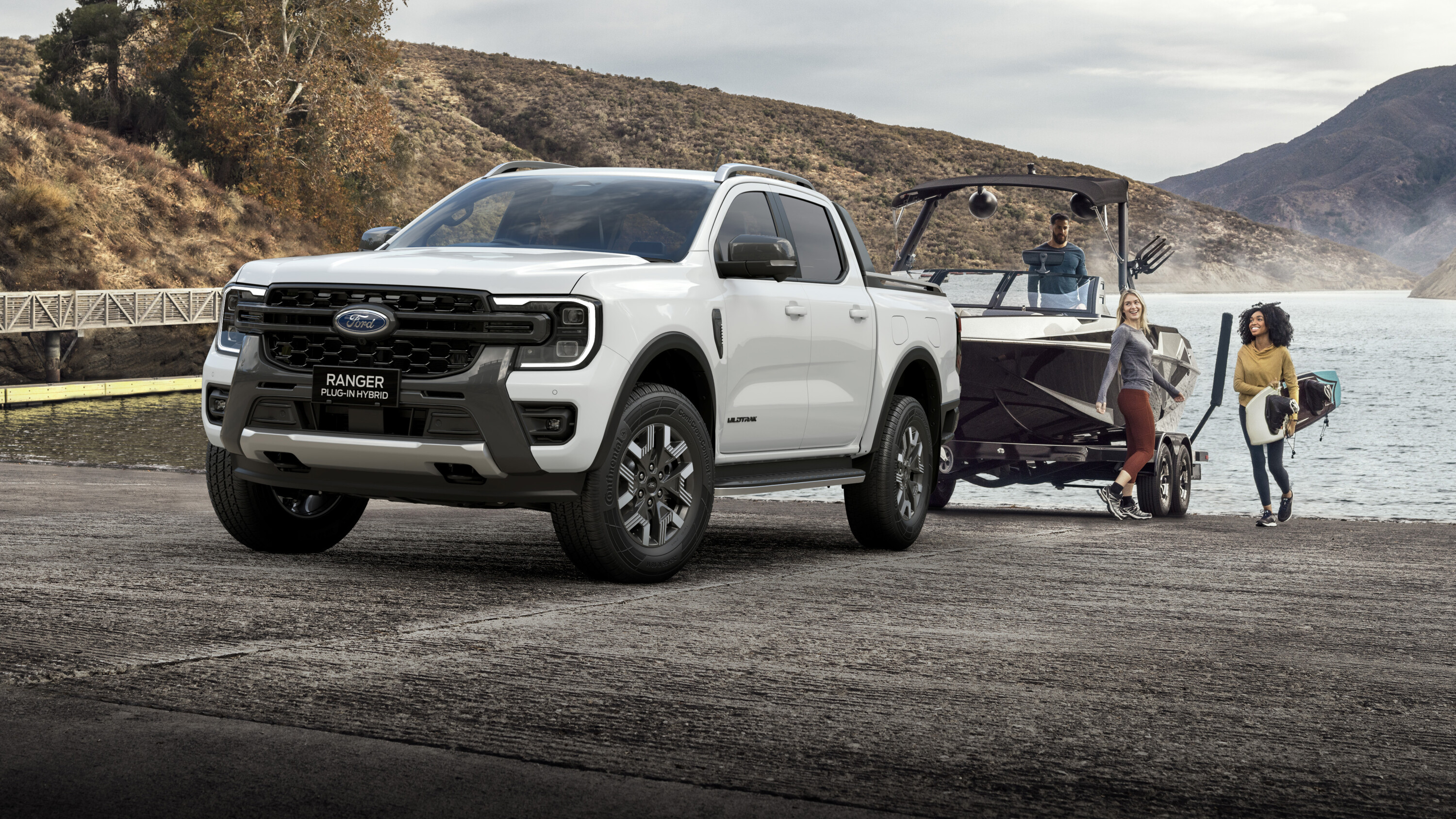
Meanwhile, Ford promises the upcoming petrol-electric Ranger PHEV will have the same towing and payload capabilities as the regular diesel (which engine is still unknown), while the new Ram 1500 Ramcharger targets identical towing with only 34kg less payload, and BYD’s new petrol-electric ute is said to feature a unique hybrid setup that’s a more suitable alternative to pure diesel.
Synthetic fuels are on the horizon to keep ICE vehicles alive amid strict emissions reduction targets globally, but similar to hydrogen, will likely be reserved for niche applications such as long-haul utes, trucks, and supercars.
On the other hand, a new breed of aerodynamically-designed caravans with built-in electric motors are emerging to limit the range impact on pure EVs, albeit at an expensive price.