One of the worldu2019s most expensive places to own a car has increased further
Bids for a certificate cost from around $123K in October
Singapore discourages introducing new vehicles, in contrast to Australia
Singapore’s cost to own and drive a new vehicle has reached record highs.
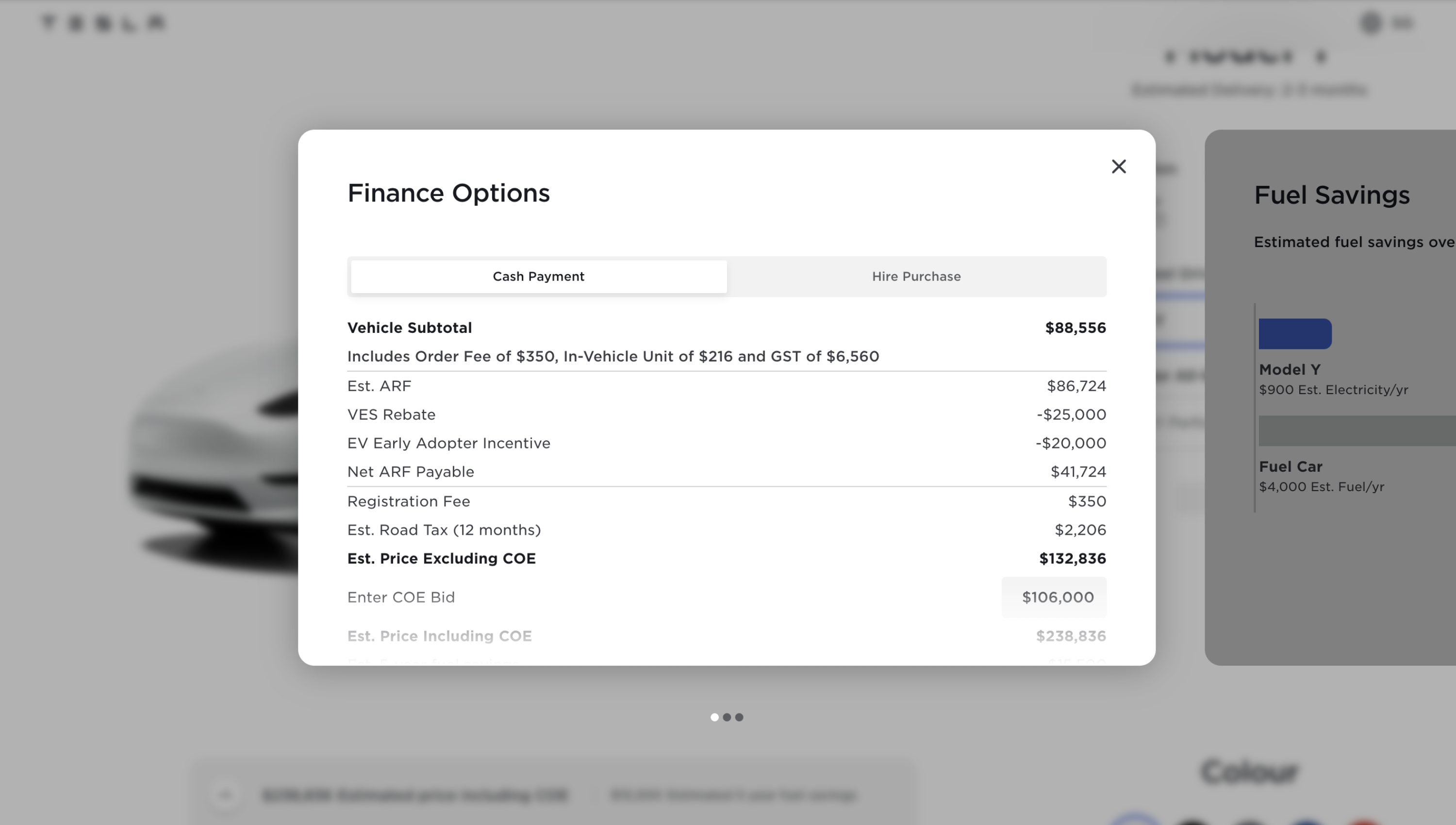
According to the small but wealthy nation’s Land Transport Authority [PDF ↗], it cost S$106,000 (AU$122,900) on average to have the right to own and use a vehicle in October 2023, by bidding for a Certificate of Entitlement (COE).
It was the cheapest price for a ‘Category A’ vehicle with up to 1.6 litres of engine displacement and 97kW of power.
And, that’s before paying registration fees.
1
In context
In Singapore, the cost to own and drive a Tesla Model Y RWD starts from S$132,836 (AU$154,000) – including EV rebates – but before bidding for a COE. Therefore, this could mean the electric SUV would cost around AU$280,000 drive-away.
In contrast, the same model is priced from $69,304 drive-away in Australia based on a New South Wales resident, which means you could buy four Model Ys for the price of one in Singapore.
For ‘Category B’ vehicles with an engine larger than 1.6 litres, the bids went up to S$150,001 (AU$173,900) to obtain a COE.
This represents a significant increase from a year ago when Category A bids cost an average of S$81,089 (AU$94,000) and Category B at S$110,000 (AU$127,500).
The COE only lasts for 10 years.
The lucky country?
Whereas Singapore’s system of high vehicle taxes and bidding for COEs are designed specifically to discourage people from driving – like the 65% levy on cigarettes here – Australia’s embrace of motoring means it is obviously far less strict.
Locally, mandatory on-road costs – which includes registration, stamp duty and compulsory third-party insurance – and dealer delivery fees usually add a couple of thousand dollars to the vehicle price.
The controversial Luxury Car Tax (LCT) is also tiny when compared to Singapore’s COE, where the right to own a vehicle alone can cost the same as a high-end luxury car.
How many cars are in Singapore compared to Australia?
Recent data shows the per-capita car ownership rate in Singapore is approximately 149 cars per 1000 people [↗], with slightly less than 1,000,000 cars on the road.
It’s a sobering thought (pun intended) when you grow up and realize this might not be the lifetime in which you own a Lamborghini.
However, there’s no need for your pursuit of luxury to come to an abrupt halt.
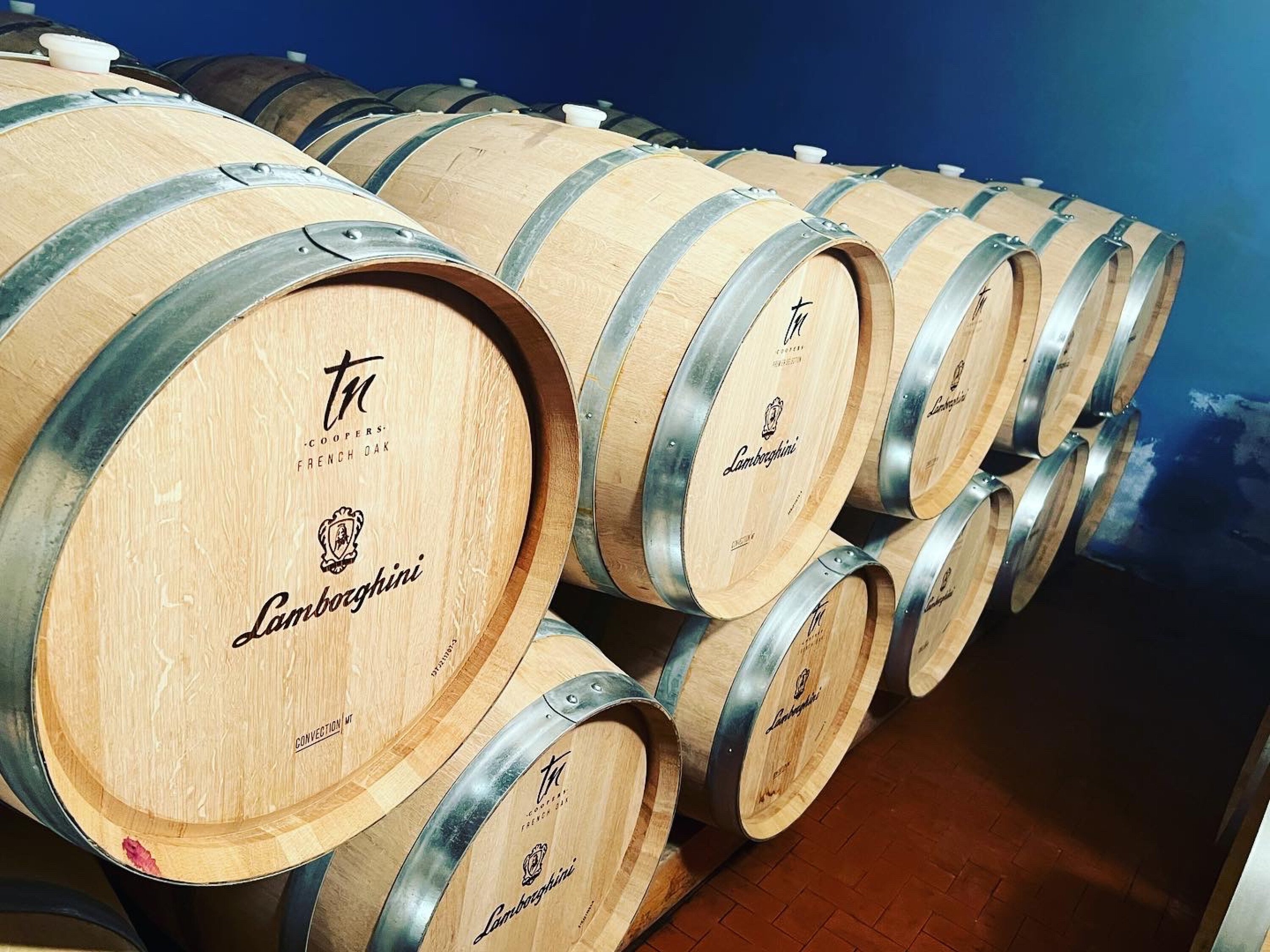
In exciting news, you now have the opportunity to purchase something from the Lamborghini family – Wine by Lamborghini – as they officially make their debut in Australia, following their successful ventures in the US, UK and Europe.
2
The launch range boasts a variety of exquisite options:
Metodo Classico Vintage Brut and Rose (Bio Organic)
Gold Brut
Platinum Brut
DJ Brut
Titano Cabernet Sangiovese
Campoleone Sangiovese Merlot
Torami Cabernet Sangiovese
Era Sangiovese
Notably, the Lamborghini DJ Luminoso “delivers an Australian-first party experience with its technologically advanced specialised design matching the music.
You read that right, the bottle has tempo changing coloured lights. We’ll let you decide if you find that cool or a little tacky.
1
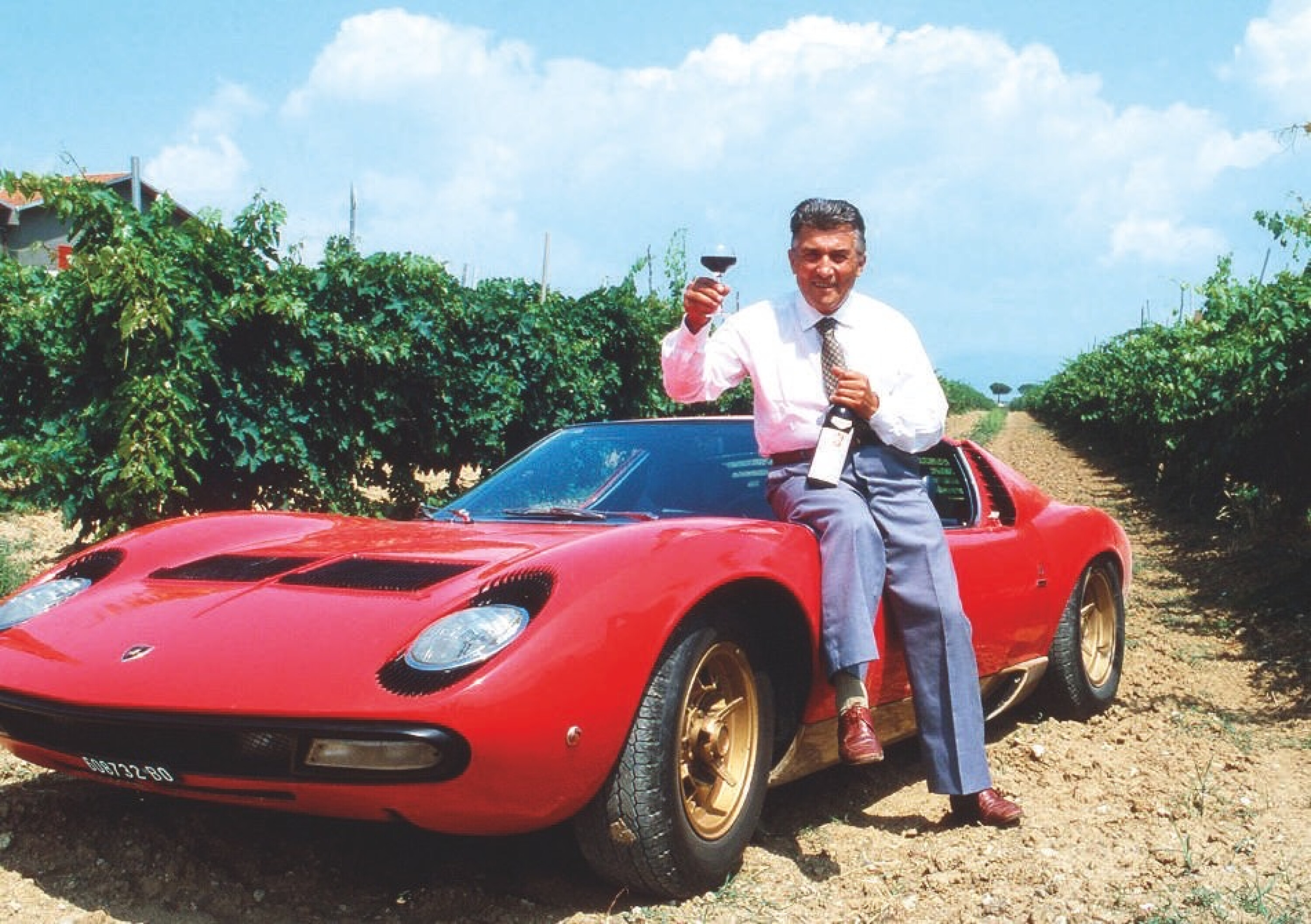
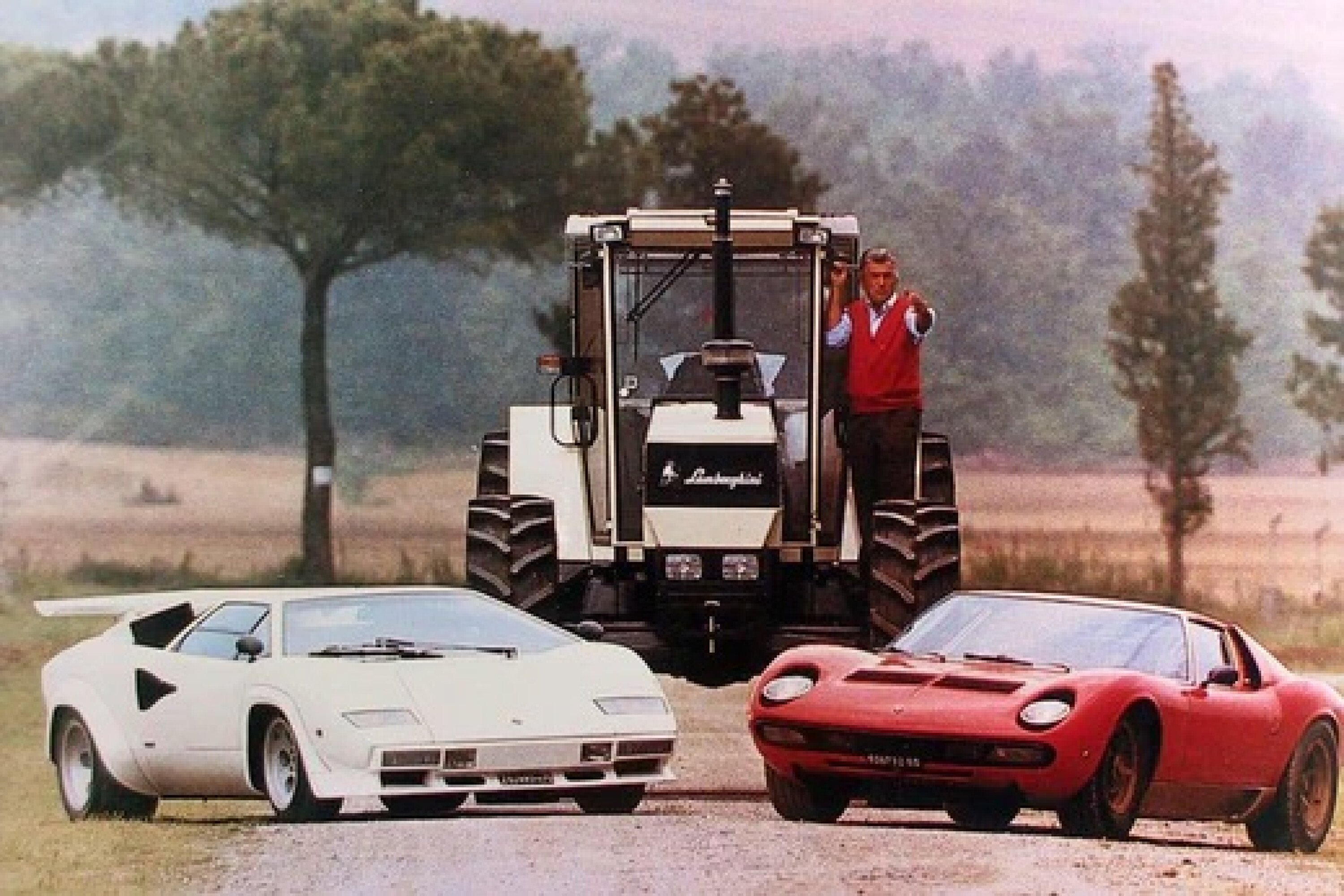
The history of the vineyard goes back to 1974, when Ferruccio Lamborghini decided it was time to retire and move to his expansive 740-acre estate located in Castiglione del Lago, a serene town nestled in central Italy.
Embracing his agricultural heritage, Ferruccio spent his time tending to the land and establishing vineyards for his newfound passion and just one year later, the Lamborghini winery came into existence.
1
Carrying on the family legacy, Patrizia Lamborghini, daughter of Ferruccio Lamborghini, expressed, “From these vines, my father’s name lives on. I believe he would be immensely proud of what we have produced.”
Wine by Lamborghini adds a touch of sophistication to any occasion. As the exclusive importer and distributor of this wine, the Founder of Bon Vivant Global Matt Hanson says the wine is “perfect for an A-list yacht party or an elegant dinner date.”
1
If you’re looking for a special Christmas gift for the petrol-head in your life, a bottle of Wine by Lamborghini is sure to knock their socks off.
Saluti!
Snapshot
2024 Hyundai Sonata pricing and features
Facelifted N Line arrives in Australia
Priced from $55,500 plus on-road costs
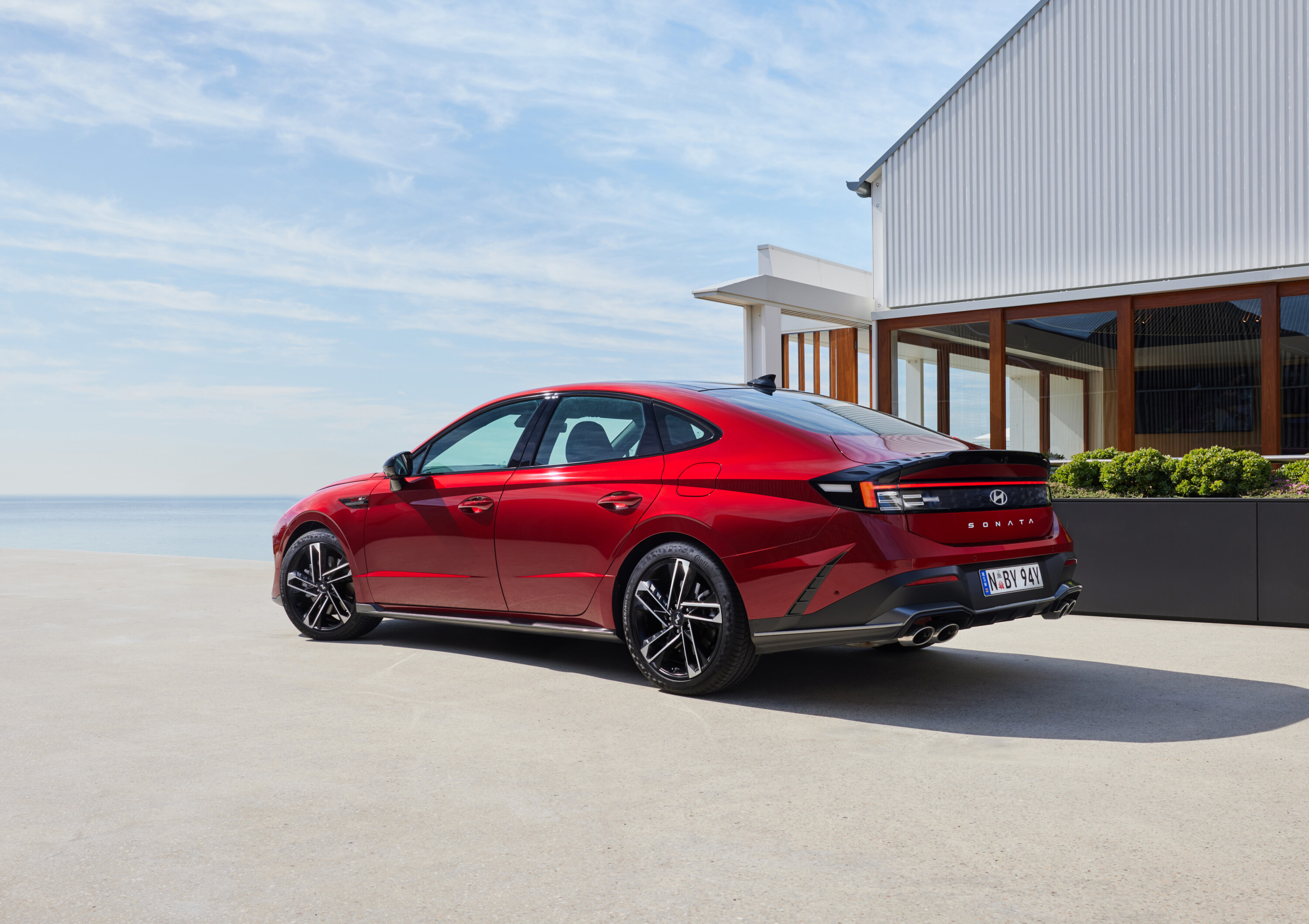
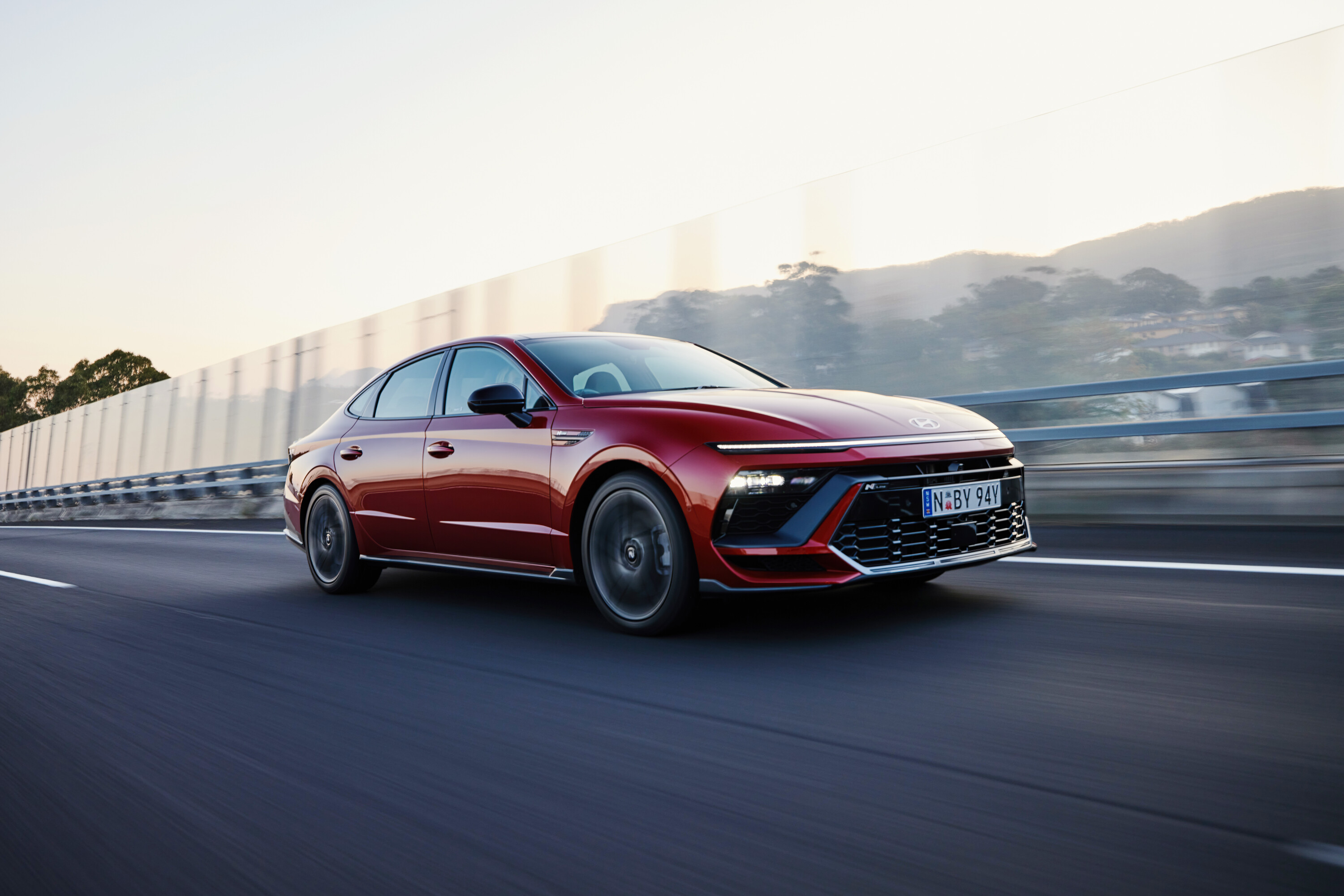
The facelifted 2024 Hyundai Sonata sedan has arrived in Australia.
As before, it remains solely available in flagship Sonata N Line form – with turbocharged four-cylinder power – as a low-volume player in Hyundai Australia’s line-up.
It is priced from $55,500 before on-road costs – up $3435 over the pre-update model, adding the brand’s new corporate look and a host of new technology for the added cost.
1
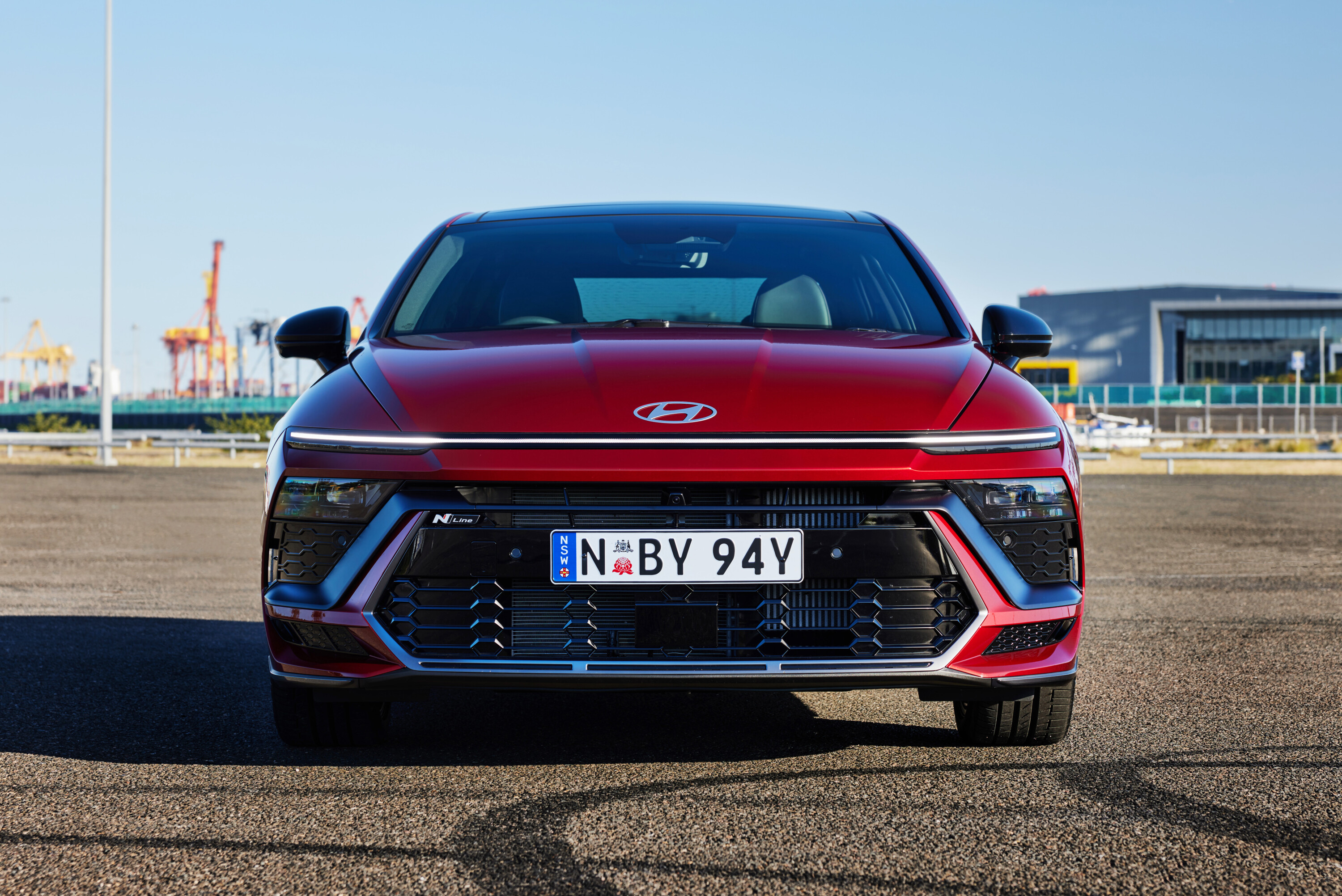
Derived from the Staria and Kona, the Sonata adopts a split headlight design, with a full-width LED DRL strip running above a lower-positioned grille featuring ‘hidden’ main beam units.
A more pronounced dome has been added to the bonnet, while the chrome strip running from the beltline – a Sonata trait since 2009 (when it was known as the i45 in Australia) – to the headlights with integrated DRLs has been removed.
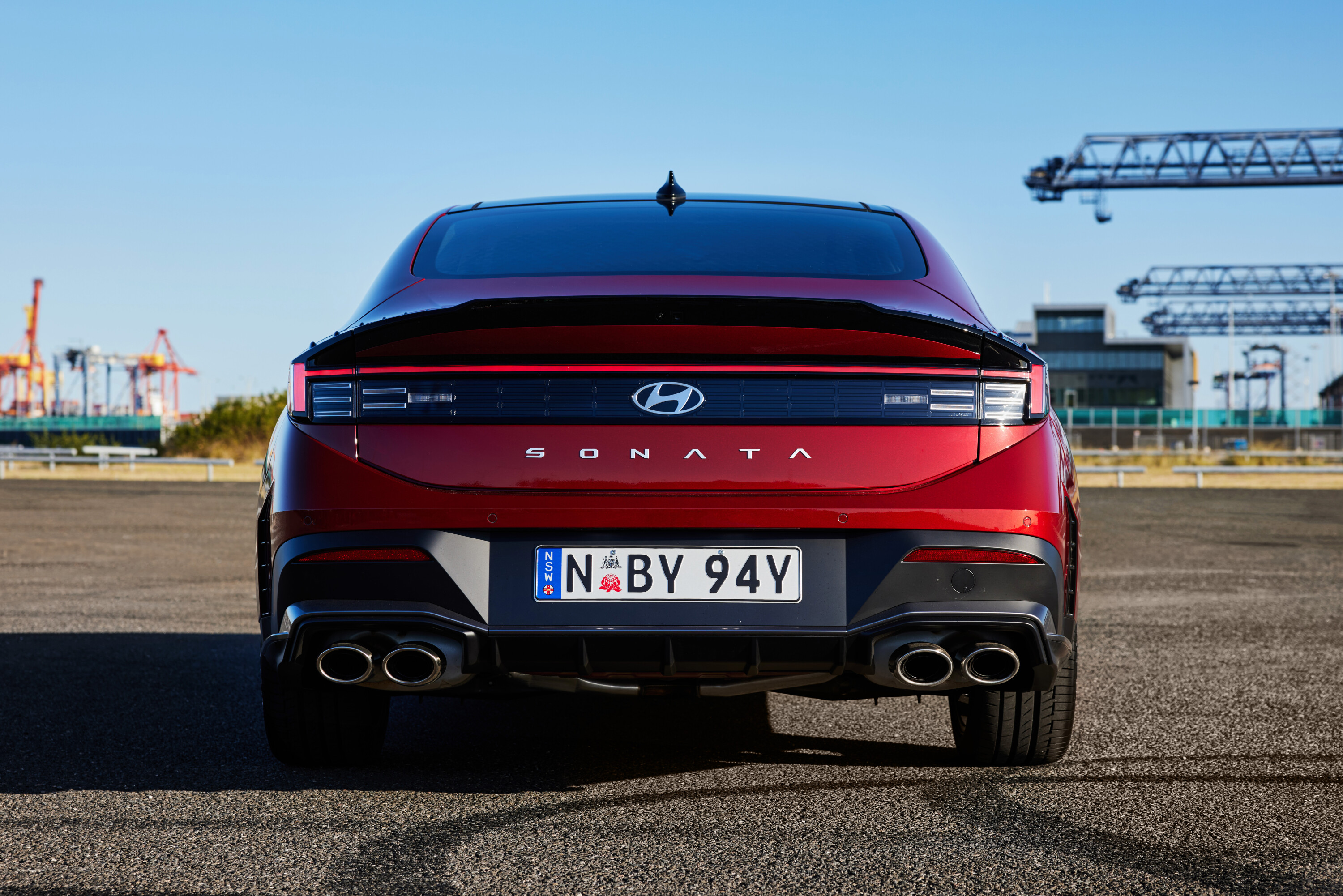
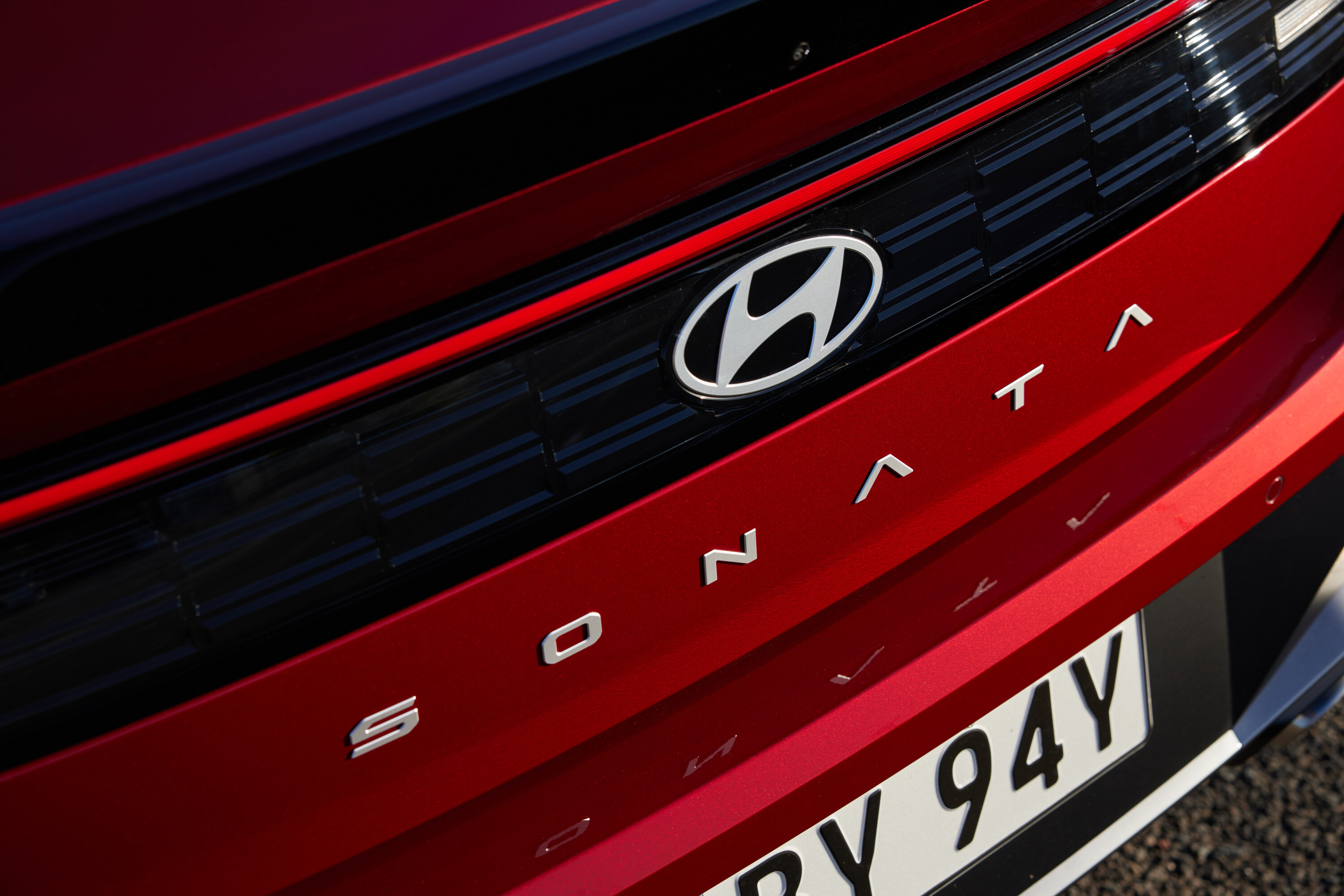
At the rear, the Sonata scores H-shaped tail-lights with a thicker full-width light strip running across the boot, featuring the brand’s ‘Parametric Pixel’ design language, as seen in the all-electric Ioniq 5 and Ioniq 6.
1
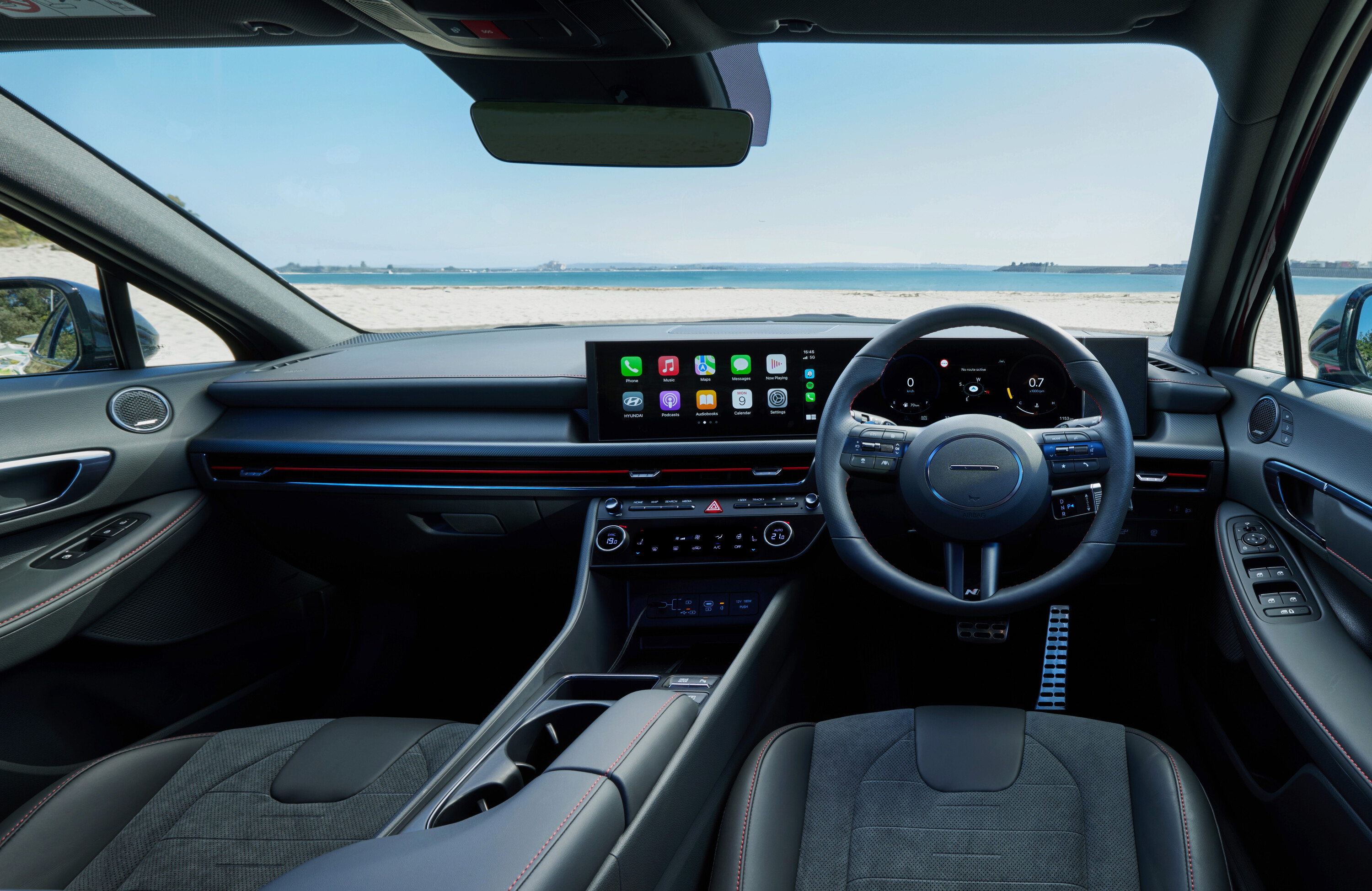
Inside, the dashboard is entirely new, with a similar look to the Kona and the all-new Santa Fe due in Australia in 2024.
The current 10.25-inch widescreen has increased to 12.3 inches and is now housed in a brand-first curved, BMW-like display panel incorporating a new take on the existing 12.3-inch digital instrument cluster.
It runs Hyundai’s latest Connected Car Operating System (ccOS), supporting over-the-air software updates, Bluelink connected-car services, an updated interface, and an Nvidia-supplied graphic processing unit.
Also new is a brand-new steering wheel with a column-mounted shift-by-wire gear selector – identical to the Kona – to free up space in the centre console.
Design updates include a full-length air-conditioning vent, a new 6.6-inch ‘touch-type’ climate control panel, USB-C charge ports, and a simplified centre console with additional storage and a larger armrest.
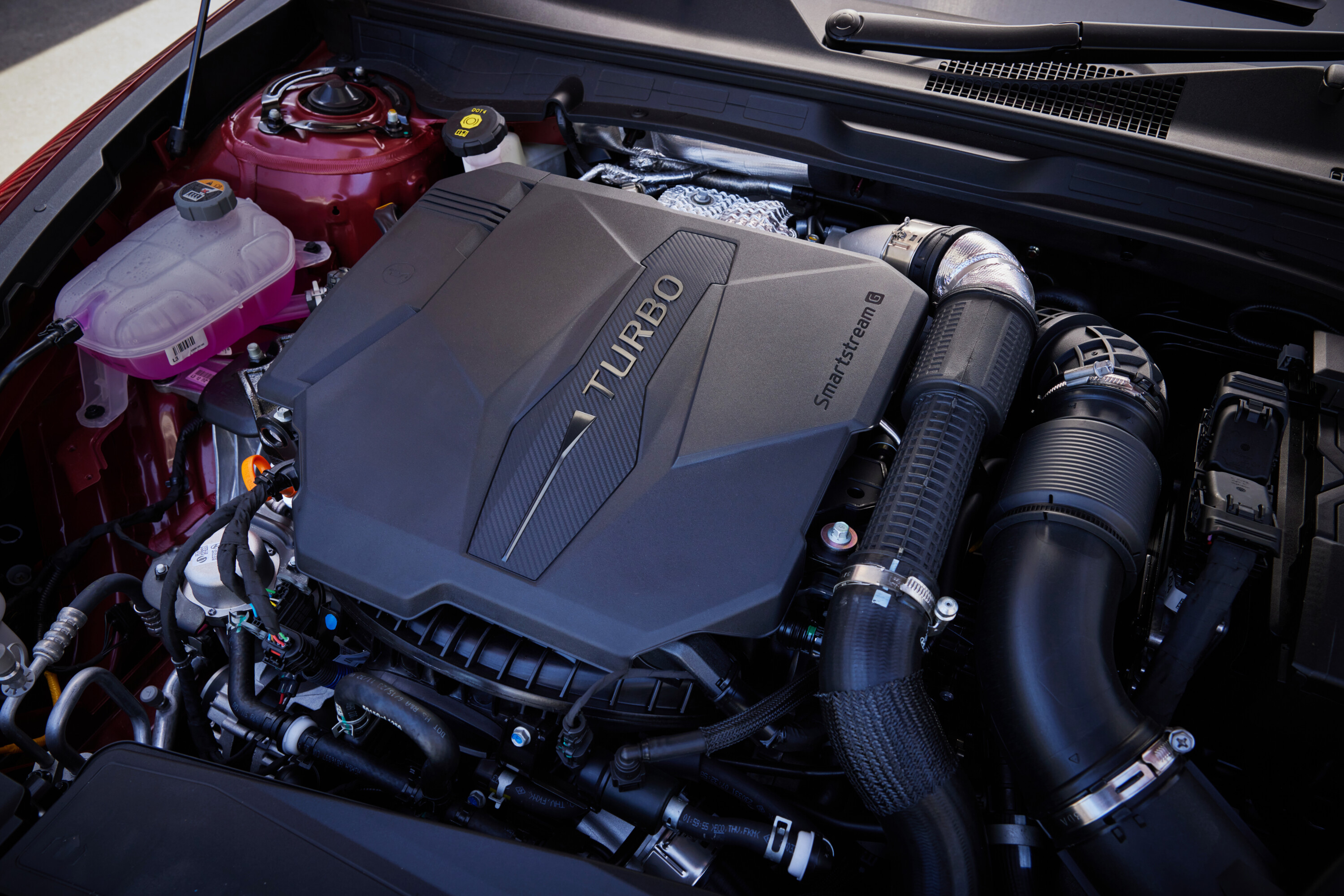
Under the bonnet, the Sonata N Line continues to feature Hyundai’s 213kW/422Nm 2.5-litre four-cylinder turbo-petrol engine paired with the i30 N’s eight-speed dual-clutch automatic transmission (DCT).
1
The DCT features a rev-matching function for downshifts and will select the suitable shifting pattern depending on the driving mode.
A launch control function helps achieve its 6.2-second 0-100km/h sprint time. The Sonata’s official combined fuel consumption is 8.1L/100km, and it accepts 91 RON unleaded.
The updated 2024 Hyundai Sonata N Line is on sale now.
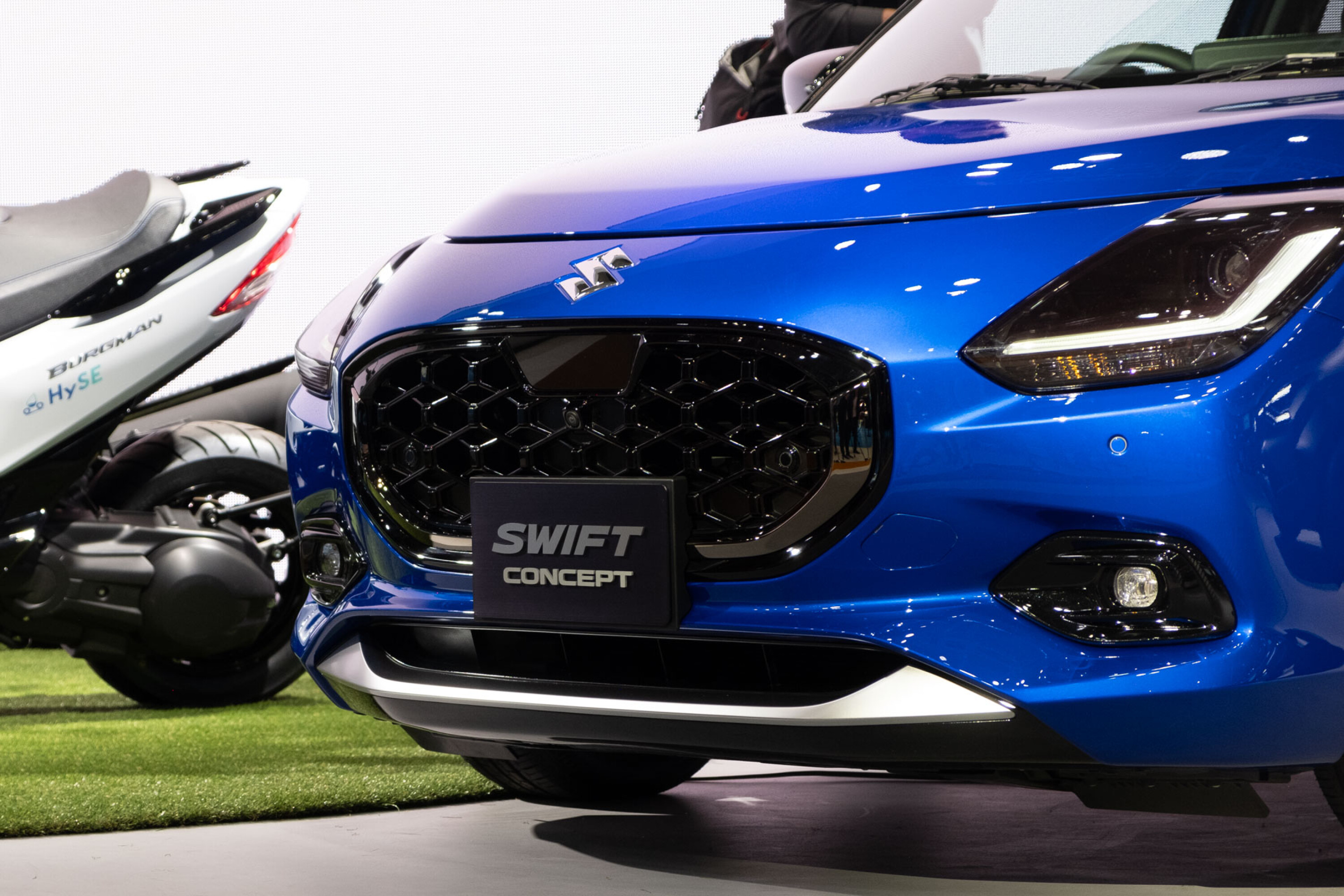
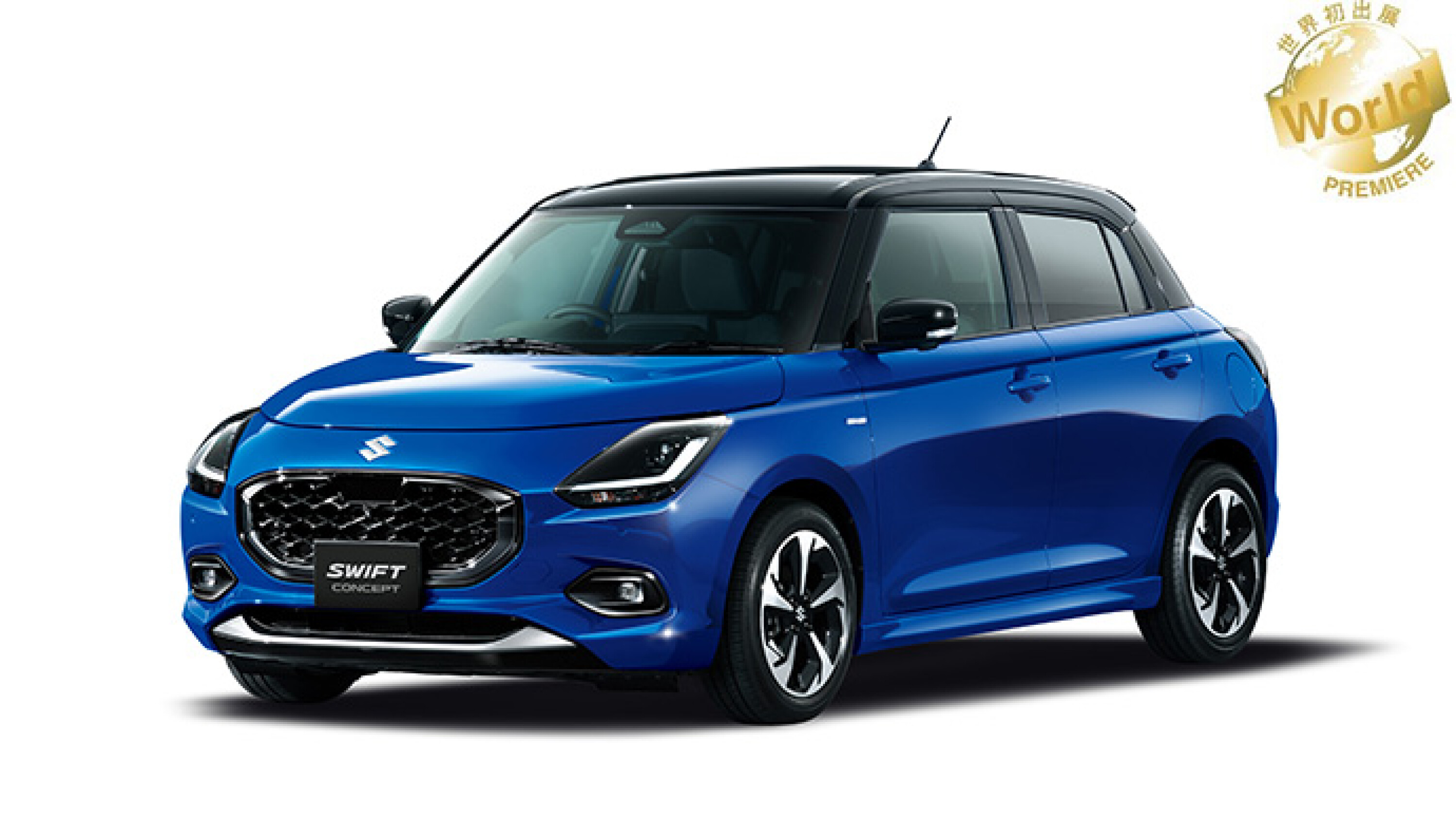
Although labelled a concept, the updated small car hasn’t changed much visually beyond dropping the door handle onto the sheet metal and refreshed lighting features.
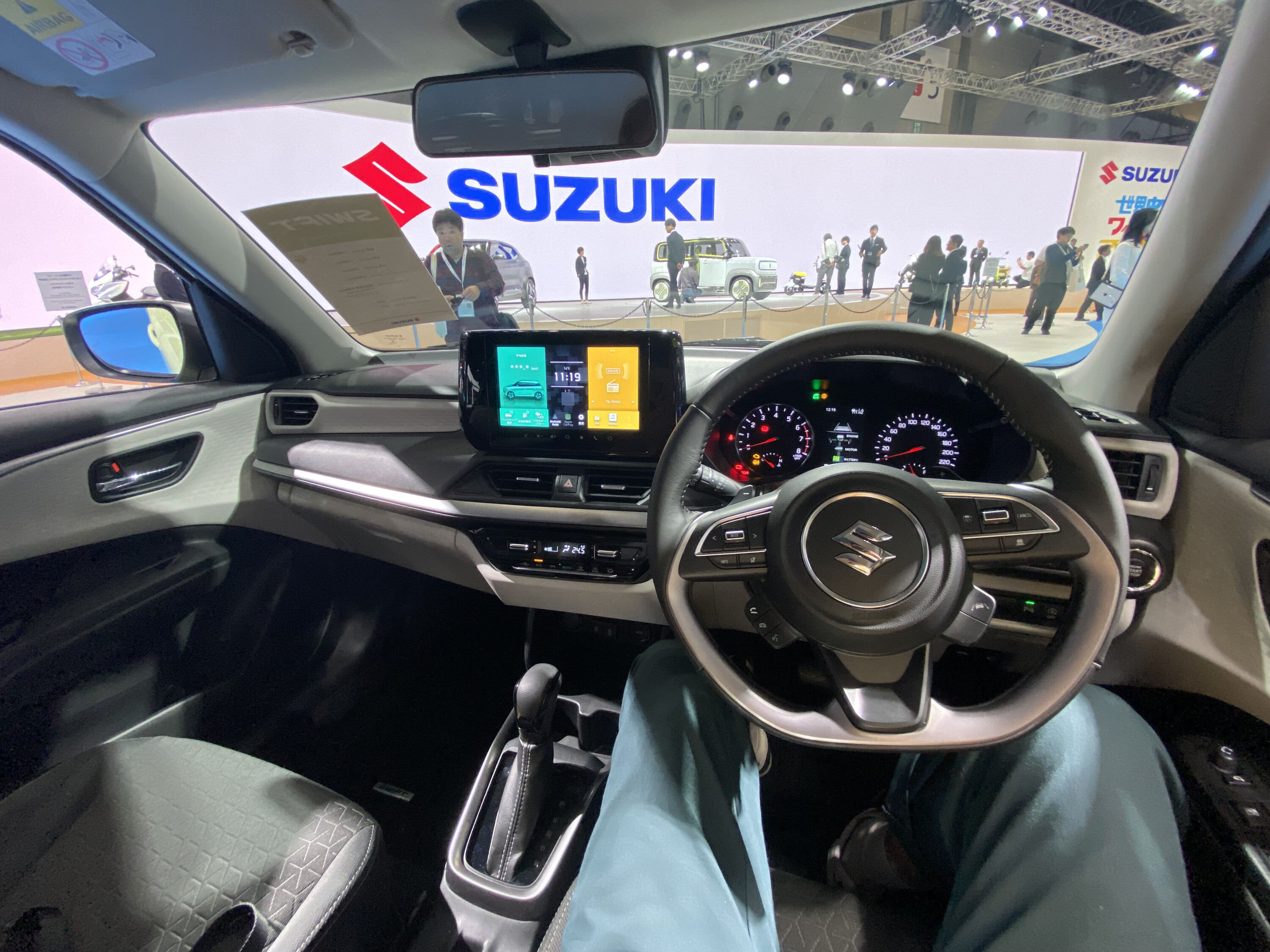
Inside, there are a few extra changes to note with the 9.0-inch touchscreen now floating above the dash, rather than set into it.
1
The dashboard has been reprofiled, and the HVAC controls are more digital than before, but on the whole, this appears to be more of a deep facelift than a clean sheet design.
The Swift’s dimensions all but confirm this, the small car is only 20mm longer (3860mm) and rides on an identical 2450mm wheelbase. The Swift Concept has shrunk by 40mm in width and grown an extra 5mm taller.
Read below for more information on the Swift concept.
1
Our original story, below, continues unchanged
3 October 2023: Next-gen Swift shown off before motor show
Snapshot
New Suzuki Swift will be detailed this month in Japan
Small car promises to pack in advanced safety aids
New look front end without sacrificing Swift hallmarks
Ahead of its full reveal at the Japan Mobility Show between 26 October and 5 November, Suzuki has released a single image of the new Swift.
The small car will be one of the brand’s biggest draws on its stand. It’ll also be one of the few combustion vehicles on show, with electric concepts for recreation, private buyers, and fleets all present.
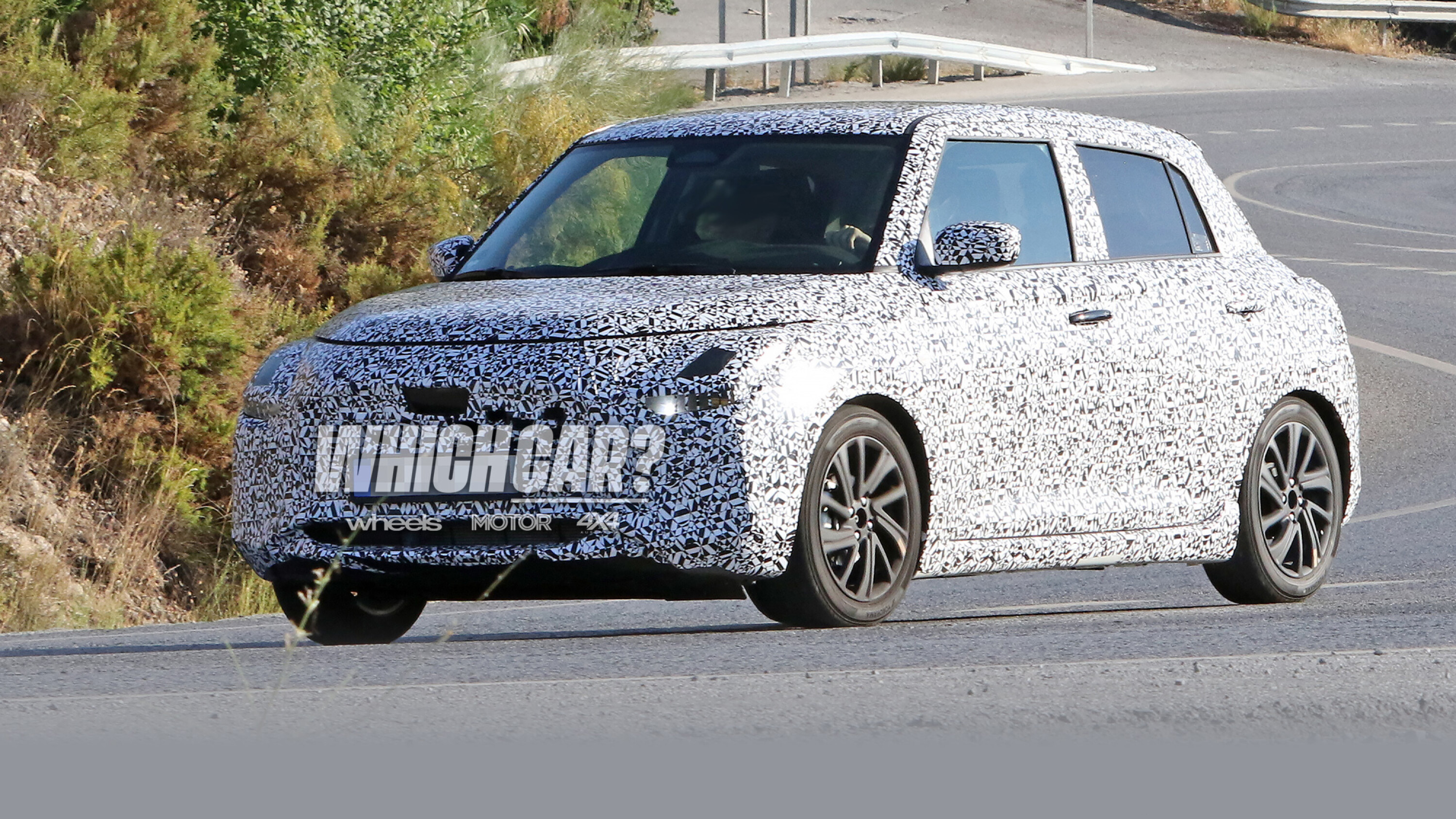
Though Suzuki is just calling the car a concept for now, its retrained detailing and similar proportions to the existing car suggest that it’s very close to the final production variant – though it’s sadly lost the hidden door handles of the current car.
There are no details yet on the engineering side of things beyond Suzuki’s promise that it will feature ‘dual sensor brake support’ for its AEB system, active high beams, and a driver-monitoring system – though all but the latter feature already on Aussie Swifts.
Inside, expect the new car to adopt tech such as a 9.0-inch infotainment system (as Australian cars already do), a larger and more digitised instrument cluster display, a wireless phone charger, head-up display and a 360-degree camera.
The Swift is Suzuki’s small car for developed economies, including Japan, Europe and likely Australia. With the cheap-and-cheerful Baleno gone thanks to ADR 85 side impact regulations, it’ll be down to the new Swift to carry Suzuki’s light car flag in Australia.
Underneath, the new Swift is expected to be a development of the existing ‘Heartect’ platform. It may also carry over some engines from the current European model.
In Europe, the Swift is sold with a 61kW/107 1.2-litre petrol engine with a 12-volt mild-hybrid system. The Euro-spec Sport gets a 95kW/245Nm version of the 1.4-litre turbo-petrol four-cylinder with a 48-volt mild-hybrid system.
Australian Swifts are all without hybrid systems; the base car using the same 1.2-litre Dualjet with 66kW/120Nm, while the mid-spec Turbo gets an 82kW/160Nm turbo triple and the Swift Sport a 103kW/230Nm tune of the 1.4-litre that Europe gets.
There have been rumblings that the new Swift could adopt a series-parallel hybrid powertrain. With Suzuki and Toyota’s working relationship, the smaller brand could pick up the giant’s well-proven technology.
Currently, Suzuki sells a rebadged version of the Toyota Corolla wagon in Europe as the Suzuki Swace. The Swift will be a Suzuki product through and through, but it may adopt some parts from Toyota’s hybrid Yaris in its construction, or know-how in ongoing development.
Suzuki promises the new vehicle provides tangible improvements in economy and speed while making sure the city car is fun to drive as well.
So far in 2023, Suzuki has sold 3989 Swifts in Australia, just beating the Jimny (3511) and Ignis (1224) small SUVs. Suzuki will reveal more details closer to the Swift’s full reveal on 26 October.
Sick of waiting for a hybridised Toyota? Hyundai can help!
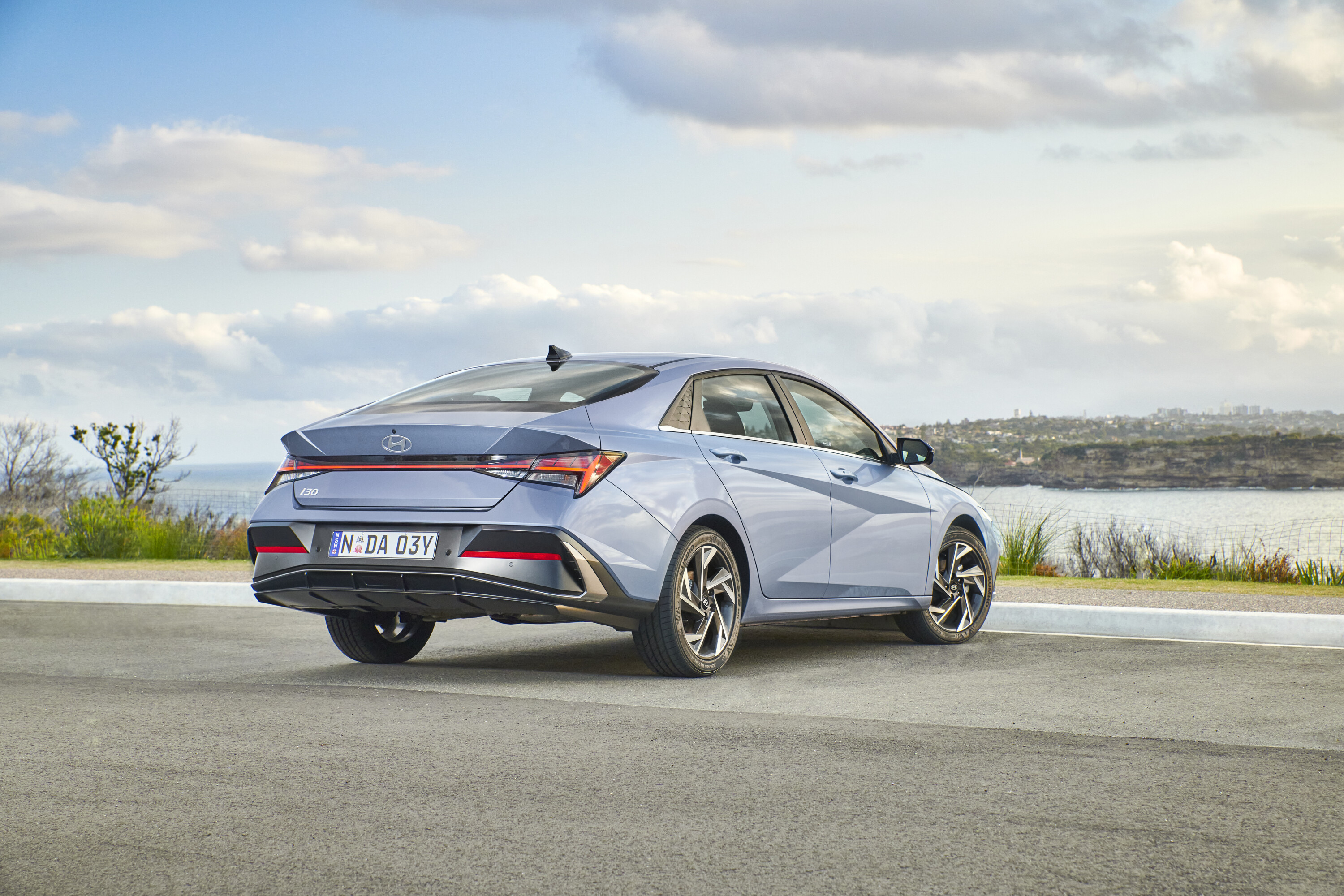
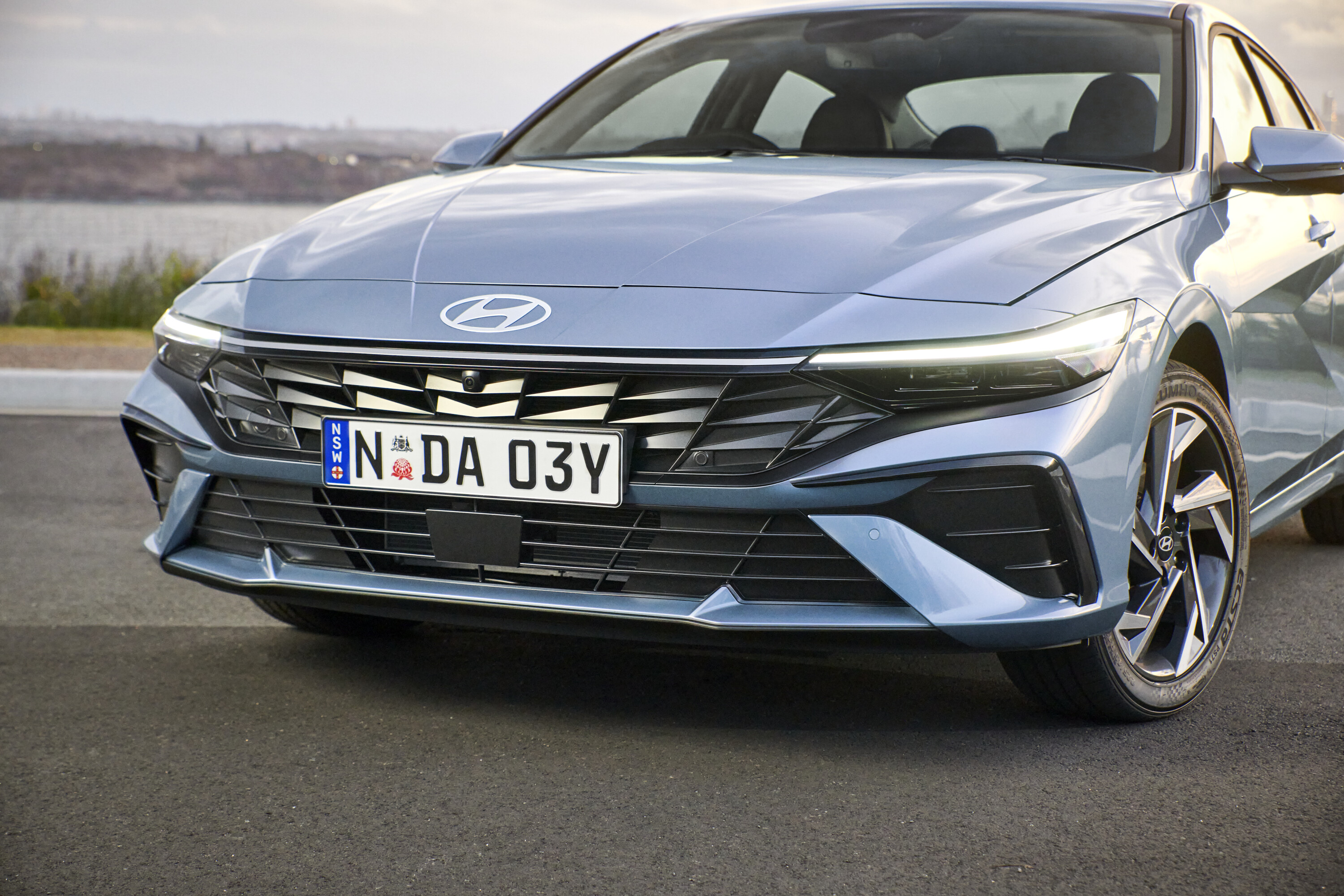
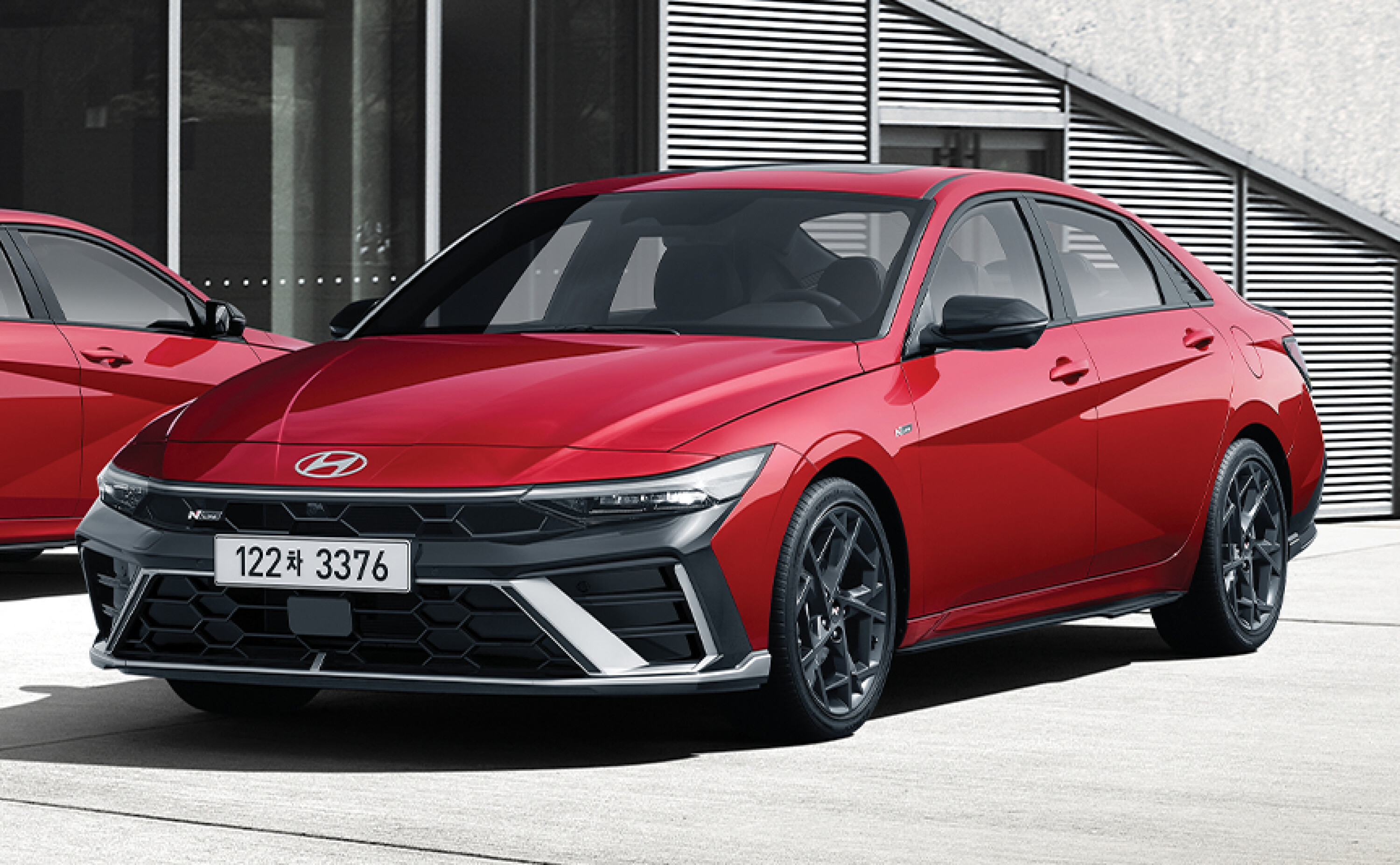
The 2024 Hyundai i30 Sedanwill offer a mild hybrid powertrain as part of a brace of new year updates for the small four-door sedan.
The 1.6-litre turbo petrol/electric motor combo is a first for the i30 range, and comes straight from the brand’s Kona line-up.
It’s not the only change for the i30 Sedan; the base Active has been dropped to make way for a new auto-only variant simply known as the i30, which pushes the entry price to the i30 Sedan up by $3000 to $29,000 plus on-road costs.
1
A new Premium variant also slots in above the now second-tier Elite, while the N Line and N Line Premium top the line-up.
The hybrid powertrain combines a tiny 1.32kWh battery and 22kW electric motor with the turbo petrol engine and a six-speed automatic, which helps it achieve a claimed combined fuel economy figure of 2.8L/100km.
Combined peak torque output measures 265Nm, according to Hyundai, which matches that of the range-topping 1.6-litre turbo four. It will be available in i30, Elite and Premium grades.
1
Elsewhere, Hyundai has added an updated version of its naturally aspirated 2.0-litre petrol engine to the i30 Sedan range.
The four-cylinder motor now comes with dual continuously variable timing and a two-stage variable intake system, which combines with an Atkinson firing cycle and the debut of a new CVT gearbox to improve drivability and economy, according to Hyundai.
It’s available across the i30, Elite and Premium grades.
1
The top two N Lines retain the same turbocharged 1.6-litre four-cylinder/seven-speed dual-clutch combo as before.
The manual transmission option has been axed from the i30 Sedan line-up. It was previously standard on base and N Line variants.
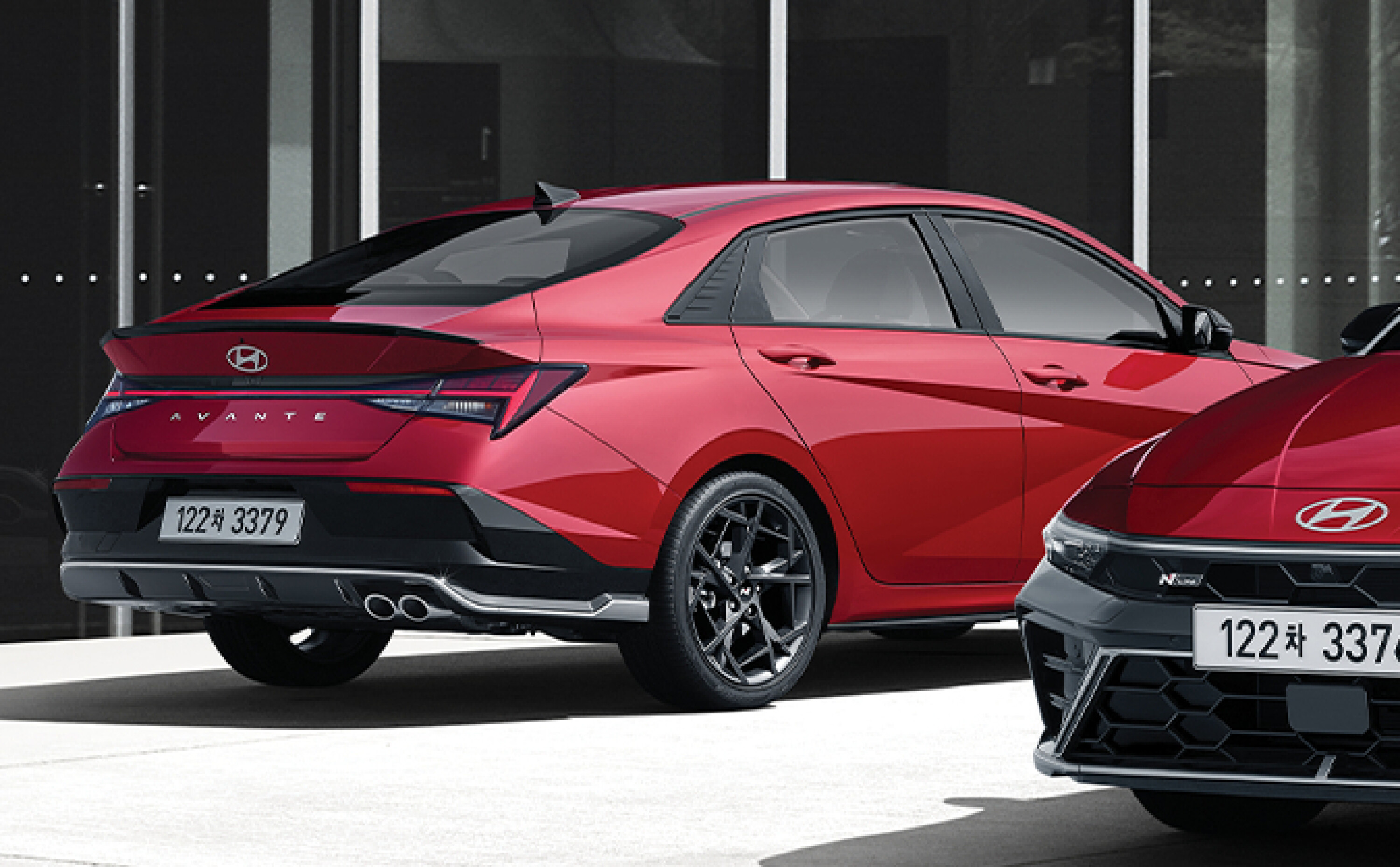
Elsewhere, a new front-end treatment is augmented by the now-standard fitment of LED headlights across the range, while the lower rear bumper has been re-profiled.
Inside, there’s a revised wireless charging pad designed to accommodate larger mobile phones, the addition of front and rear USB-C outlets, and a customisable multifunction button on the steering wheel.
1
A newly designed and segmented 4.2-inch digital instrument cluster is standard on the entry-level i30.
The new entry level i30 Sedan replaces the old Active and pushes the range’s starting price to $29,000 plus on-roads.
Standard additions include LED headlights and DRLs, front and rear parking distance warning system (previously rear only), more advanced Forward Collision-Avoidance Assist system and an Intelligent Speed Limit Assist (ISLA) system.
It wears 16-inch alloy wheels (down from 17-inch) and sports premium patterned black cloth seats on the interior. It does, however, miss out on spec like automatic wipers, unless you opt for the hybrid powertrain, which adds $4000 to the price.
The hybrid variant also brings multi-link rear suspension, dual-zone climate control and a space-saver spare to the party.
The Elite costs $33,500 and will initially be offered with the 2.0-litre powertrain; a hybrid option is due in the second quarter of 2024, with pricing to be confirmed.
A leather-appointed interior, keyless entry with remote smart start, 10.25-inch digital cluster and powered side mirrors are also standard.
It also gains Bluelink connected car services, 17-inch rims, an electro-chromatic interior mirror and an LED reversing light.
The Premium grades costs $38,500 plus on-roads, and adds 18-inch rims, parking collision warning, Bose premium audio and new-to-the-model tech in the form of a blind-spot view monitor and surround view monitor, along with projection-style LED headlights, LED taillights and a heated steering wheel.
As per the i30 Sedan and Elite, the Premium can be specced with the hybrid powertrain, which will arrive in the second quarter of 2024.
The top two i30 Sedan variants retain the 1.6-litre turbocharged engine for 2024, combined with a seven-speed dual-clutch gearbox. The N Line variants also come with multi-link rear suspension as standard.
Eighteen-inch rims are standard fare, along with a red-trimmed black leather interior treatment, paddle shifters, alloy pedal covers, electronic park brake, six-speaker audio system, tyre pressure monitoring and the revised wireless phone charging bay.
1
The Premium adds a sunroof, Bluelink, a heated steering wheel, blind-spot view monitor and surround view monitor.
You’ll pay $36,000 plus on road costs for the N Line and $41,500 plus ORCs for the N Line Premium.
All i30 Sedans come with a five-year/unlimited-kilometre warranty, a five-year Bluelink subscription (where fitted), one year of free roadside assistance and a free service at 1500km.
Prices increase by up to 24% but increased specification for EcoBoost and GT
New Dark Horse flagship from $99,102 RRP; 1000-unit u2018special editionu2019
On sale now with deliveries from Q2 2024
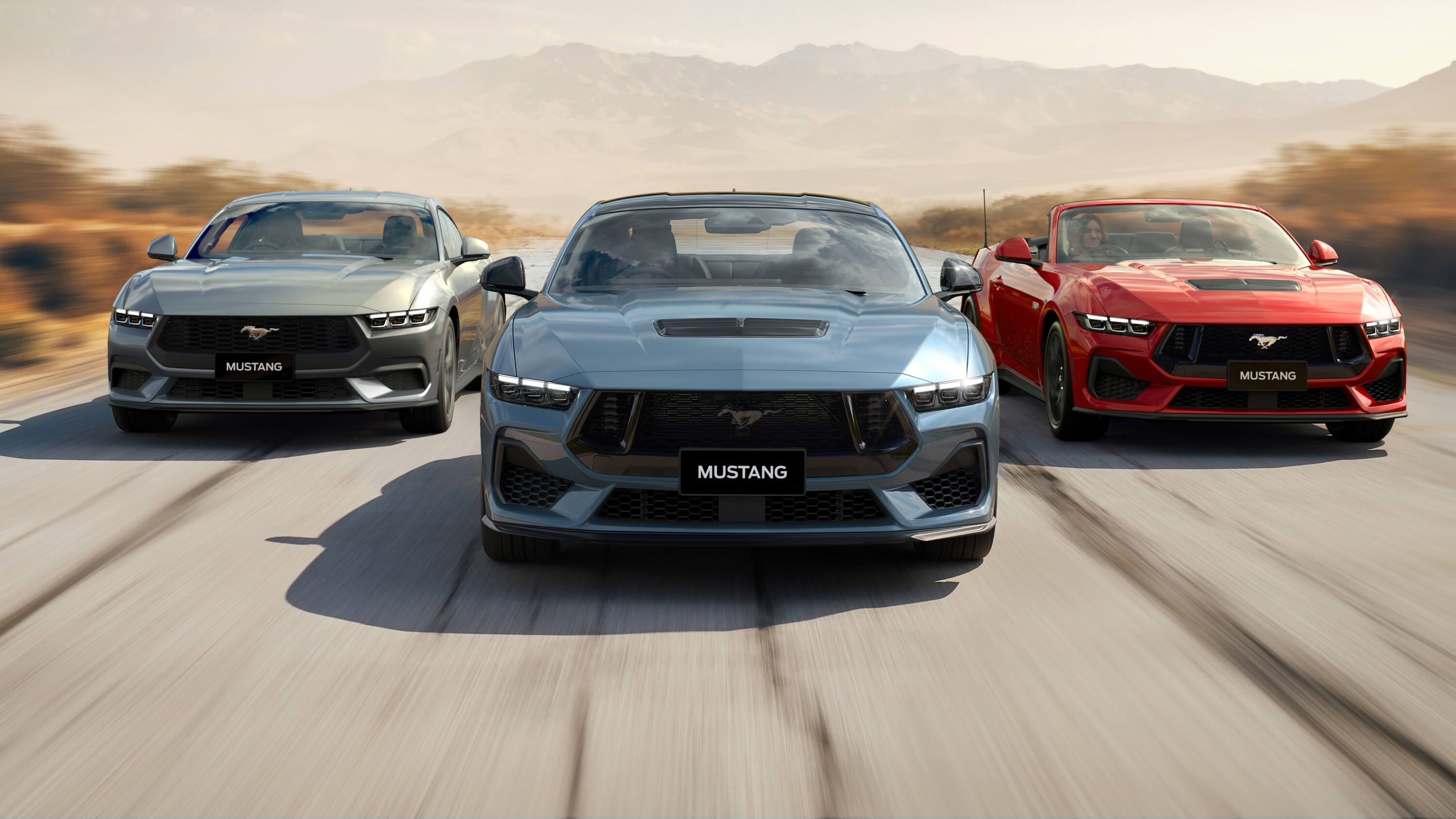
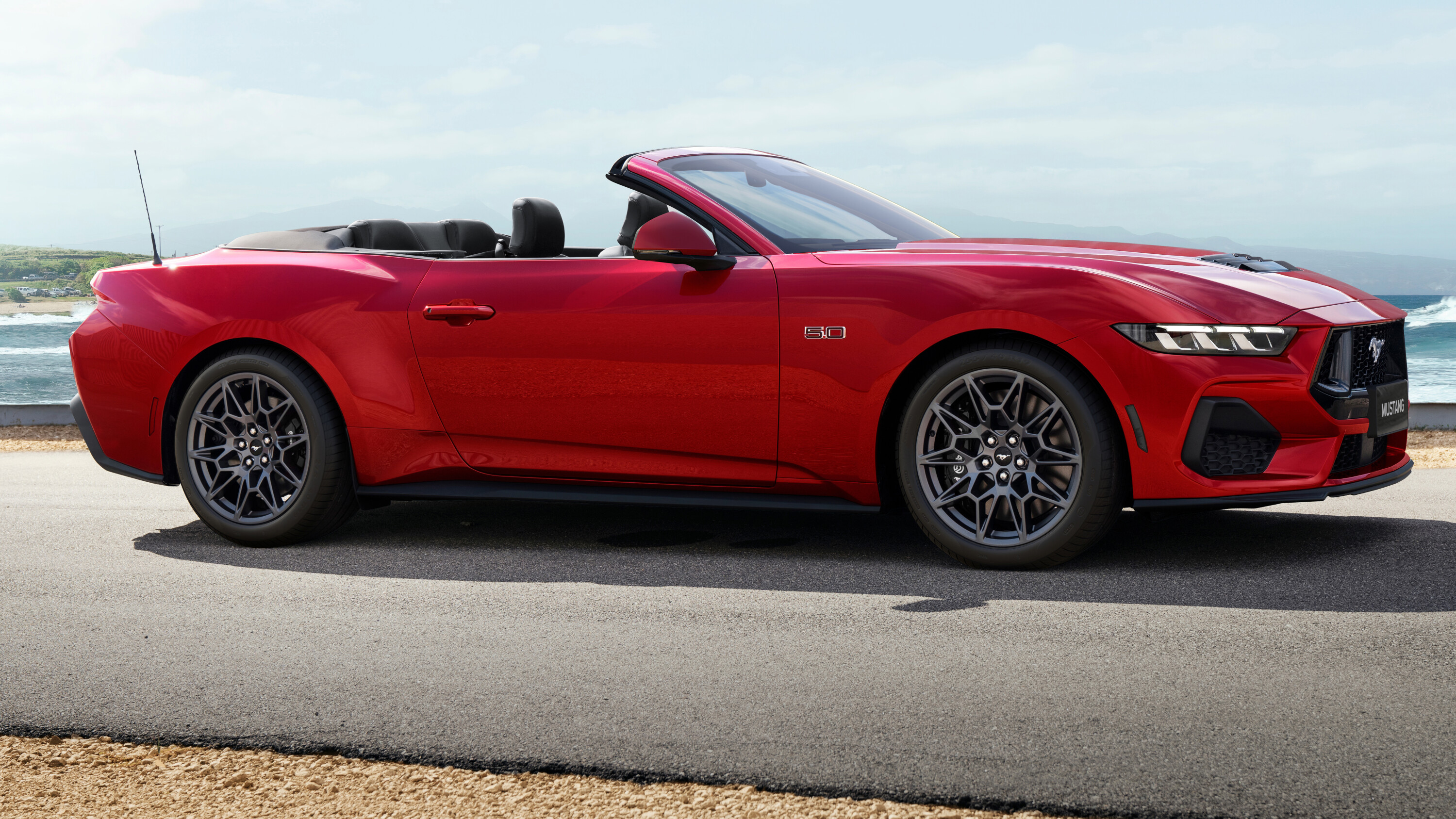
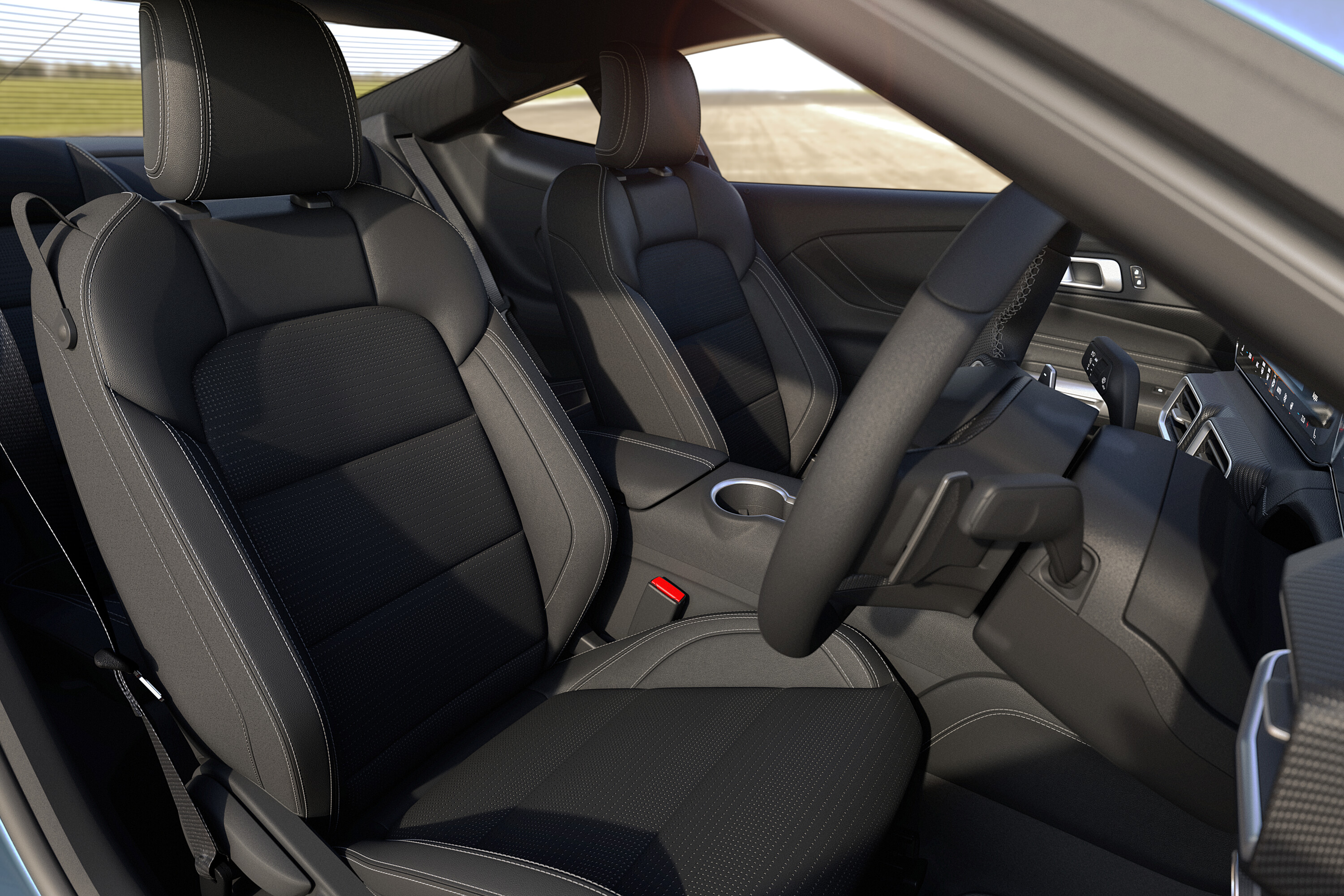
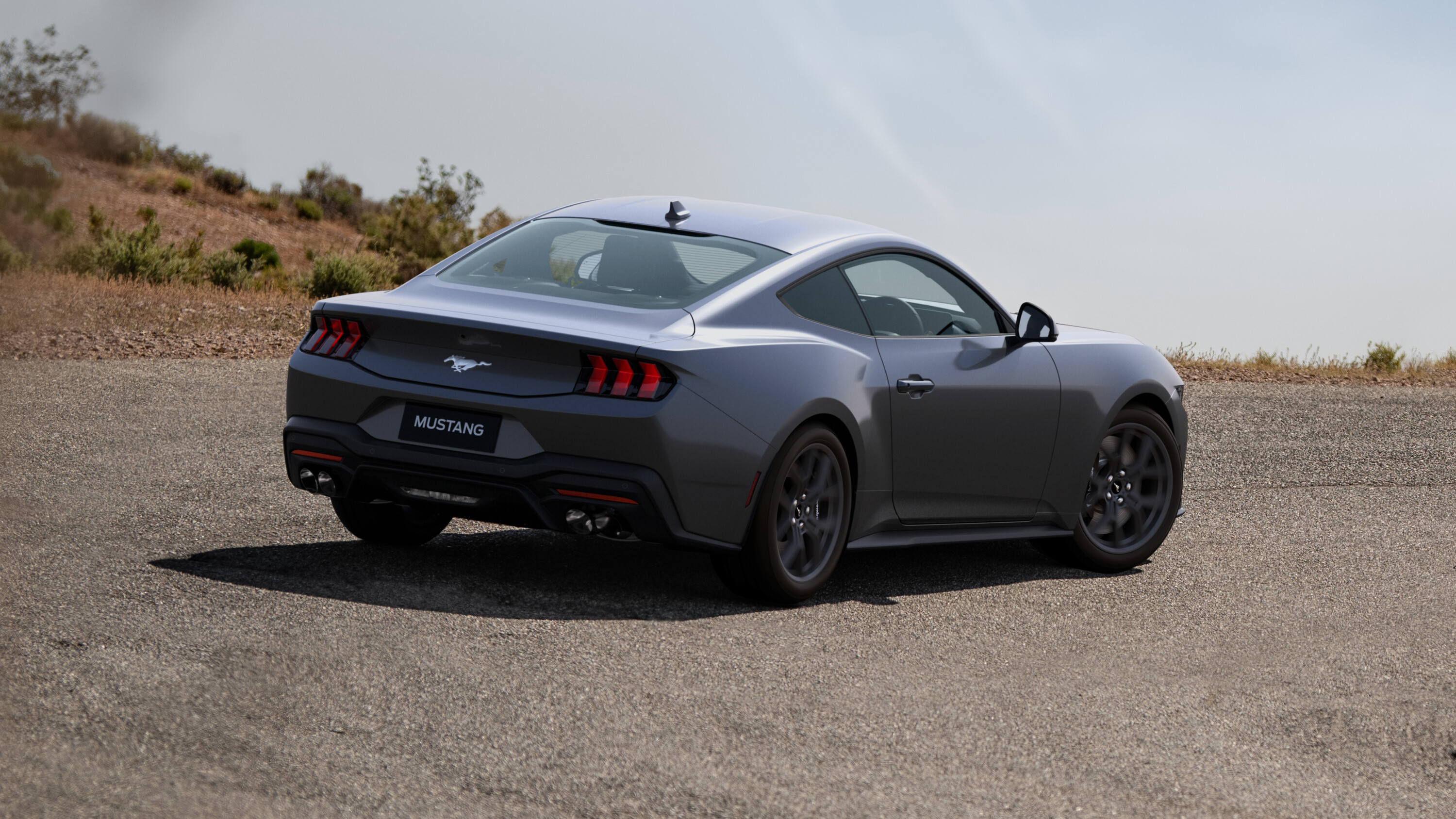
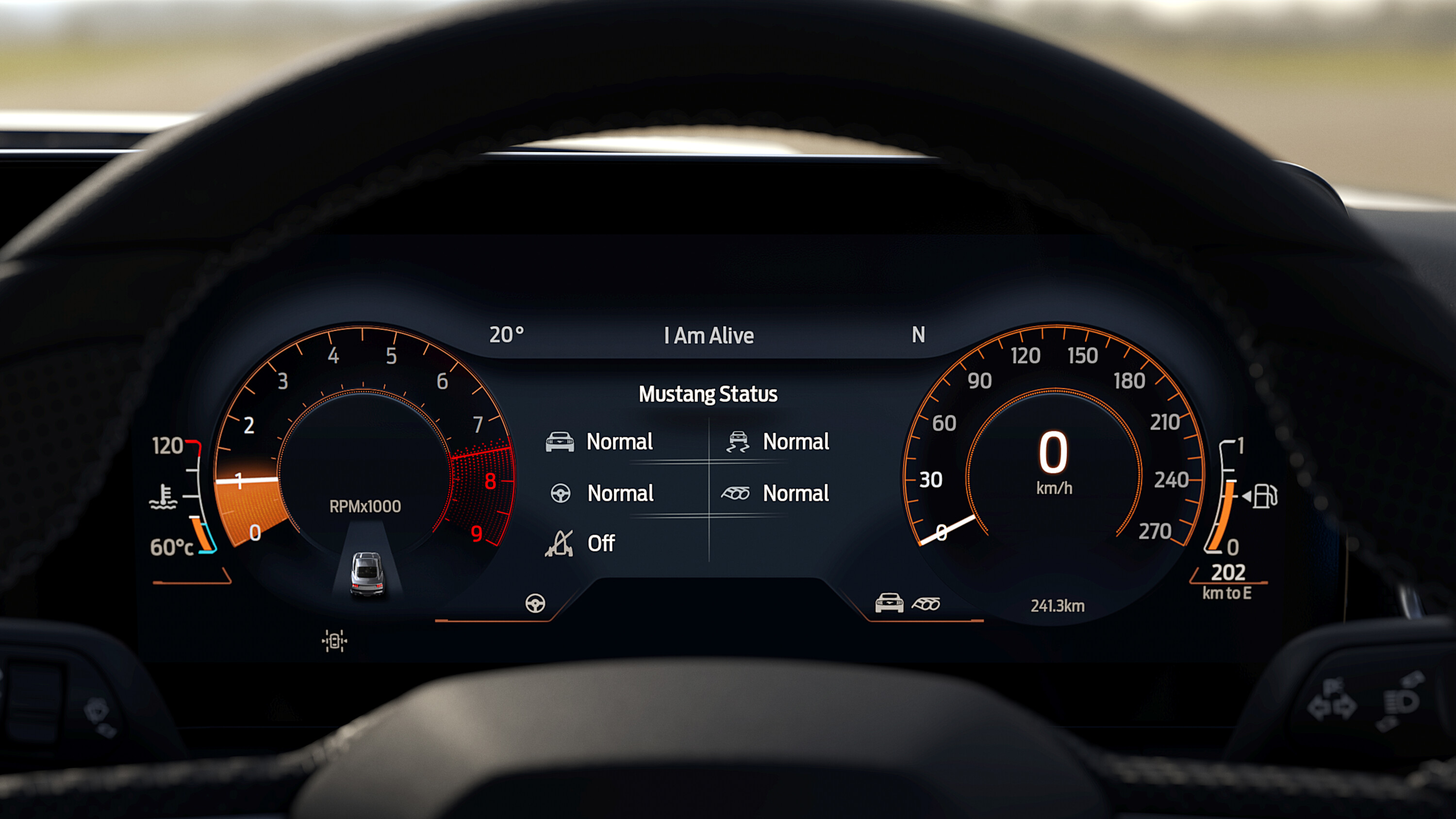
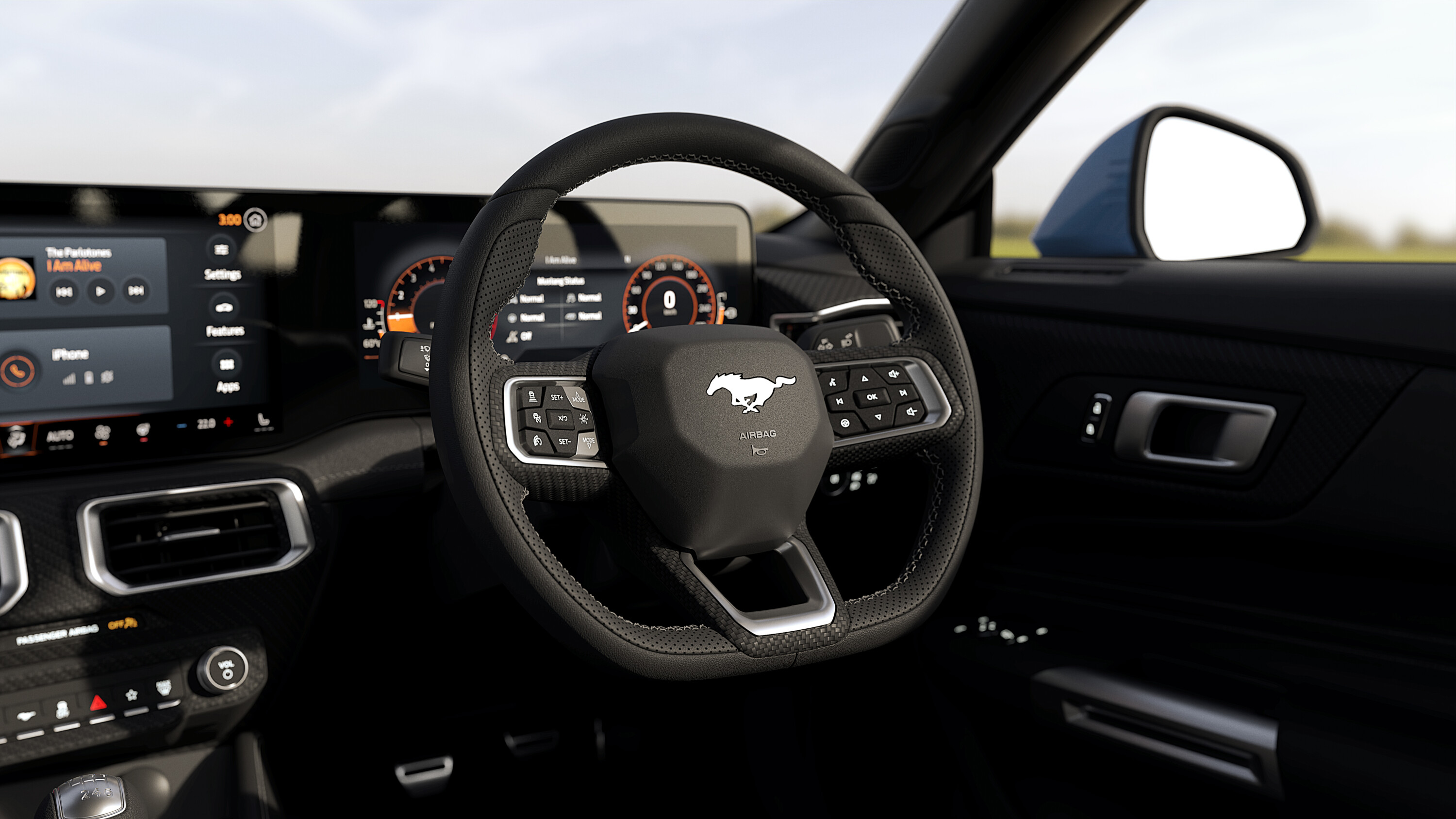
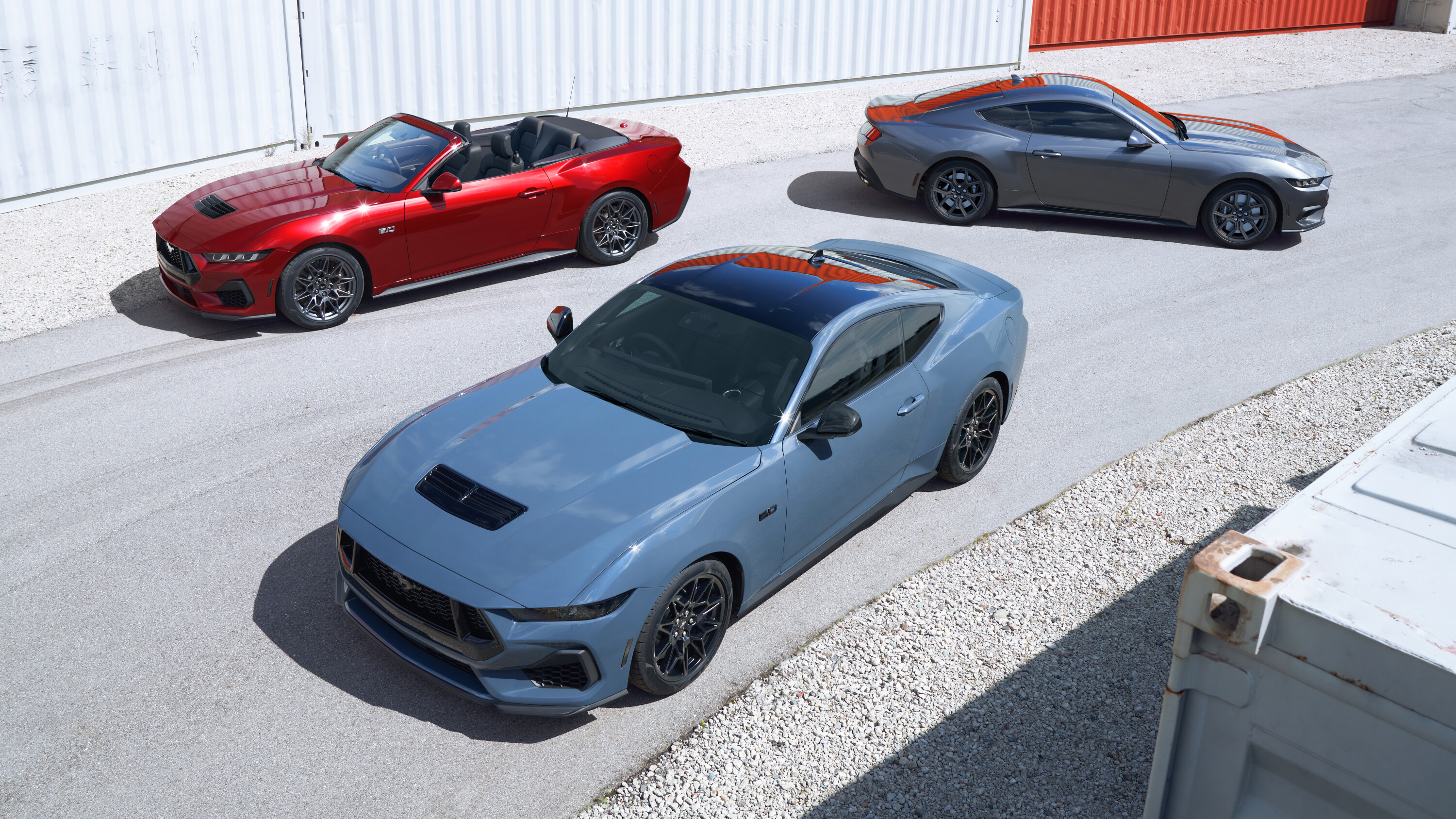
Ford Australia today confirmed prices for the seventh-generation ‘S650’ Mustang, which will go on sale in the second quarter of 2024 – the year that marks 60 years of America’s sports car icon.
The base Mustang now starts from $64,990 before on-road costs and is no longer available with a manual transmission with the 232kW/475Nm 2.3-litre turbo four-cylinder engine. That’s an increase from the previous $52,590 EcoBoost manual or $55,590 EcoBoost auto.
The mid-range GT that’s again powered by a 5.0-litre V8 is now priced from $77,002 for a Getrag six-speed manual coupe, an increase of nearly $12,000.
1
The auto version costs from $80,902, and the only convertible in the new Mustang range – the GT Convertible auto – is $86,752 before on-road charges.
Ford’s new (non-Shelby) hero variant is the Dark Horse, which features various upgrades over the GT, including a slightly more powerful but also strengthened version of the ‘Coyote’ V8 and tougher Tremec six-speed manual.
As Wheelsspeculated in July, the first all-new Mustang grade since the 2001 Bullitt hits six figures – starting from $99,102 before on-road costs for the Dark Horse six-speed manual or from $103,002 for the Dark Horse with 10-speed auto.
1
The Dark Horse will be a limited-edition model, with 1000 units allocated to Australia. All Mustangs for Australia incorporate several features optional in some other markets, including Ford’s domestic US market.
These include an active valve performance exhaust with four modes, large Brembo brakes, larger radiator and more powerful cooling fans.
GT models add an auxiliary engine oil cooler and as standard sit on 19-inch Carbonised Grey wheels that are part of an optional GT Performance package in the US.
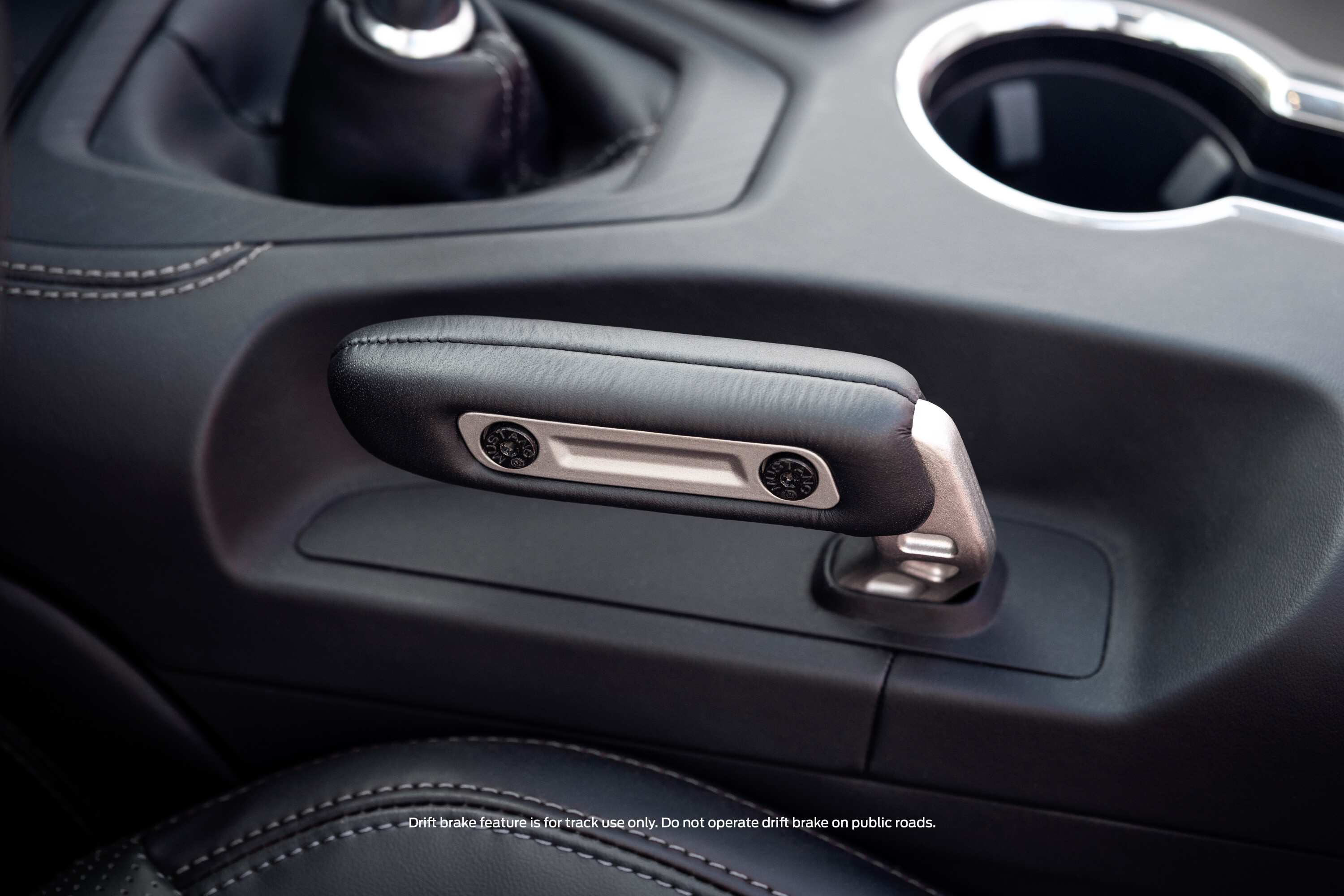
Australian Mustangs will also incorporate a brand new ‘Drift’ Brake feature that, via a Track Drive Mode, turns the electronic park brake lever into an oversteer tool for track days.
Australia’s V8 models have less power than their US counterparts. The Dark Horse, for example, produces 349kW rather than the 373kW (500hp) across the Pacific.
According to Ford Australia, Australia’s V8 Mustangs feature “a different exhaust manifold and calibration to suit different noise and emission regulations, while US and ECE rating procedures are also different.”
The company added that, apart from the exhaust manifold, the engine hardware was identical.
1
1
2024 Ford Mustang EcoBoost u2013 key standard features
u2018Fastbacku2019 coupe body style only
B&O Sound System
2.3L turbo 4-cylinder with 232kW and 475Nm
12.4-inch customisable digital driver display
Multi-mode exhaust system with Quiet mode
13.2-inch infotainment touchscreen
Brembo brakes: six-piston front with 390mm rotors, four piston rear with 355mm rotors
Track Apps inc Line-Lock mode
u2018Driftu2019 Brake
1
2024 Ford Mustang EcoBoost options
Magneride adaptive suspension
$2950/$3835*
EcoBoost Appearance Pack
$1500
Black Pack
$1500/$1950*
Prestige paint (Oxford White or Race Red only standard colours)
$700
Recaro sports seats
$2950/$3835*
*Higher option cost when Luxury Car Tax applicable
1
2024 Ford Mustang GT u2013 key standard features above EcoBoost
u2018Fastbacku2019 coupe or convertible body styles
19×9-inch front, 19×9.5-inch rear alloy wheels
5.0L V8 with 345kW and 550Nm
2024 Ford Mustang GT options
Magneride adaptive suspension
$2950/$3835*
Black Pack
$1500/$1950*
GT Appearance Pack
$1500/$1950*
Prestige paint (Oxford White or Race Red only standard colours)
$700
Recaro sports seats
$2950/$3835*
*Higher option cost when Luxury Car Tax applicable
1
2024 Ford Mustang Dark Horse u2013 key standard features above GT
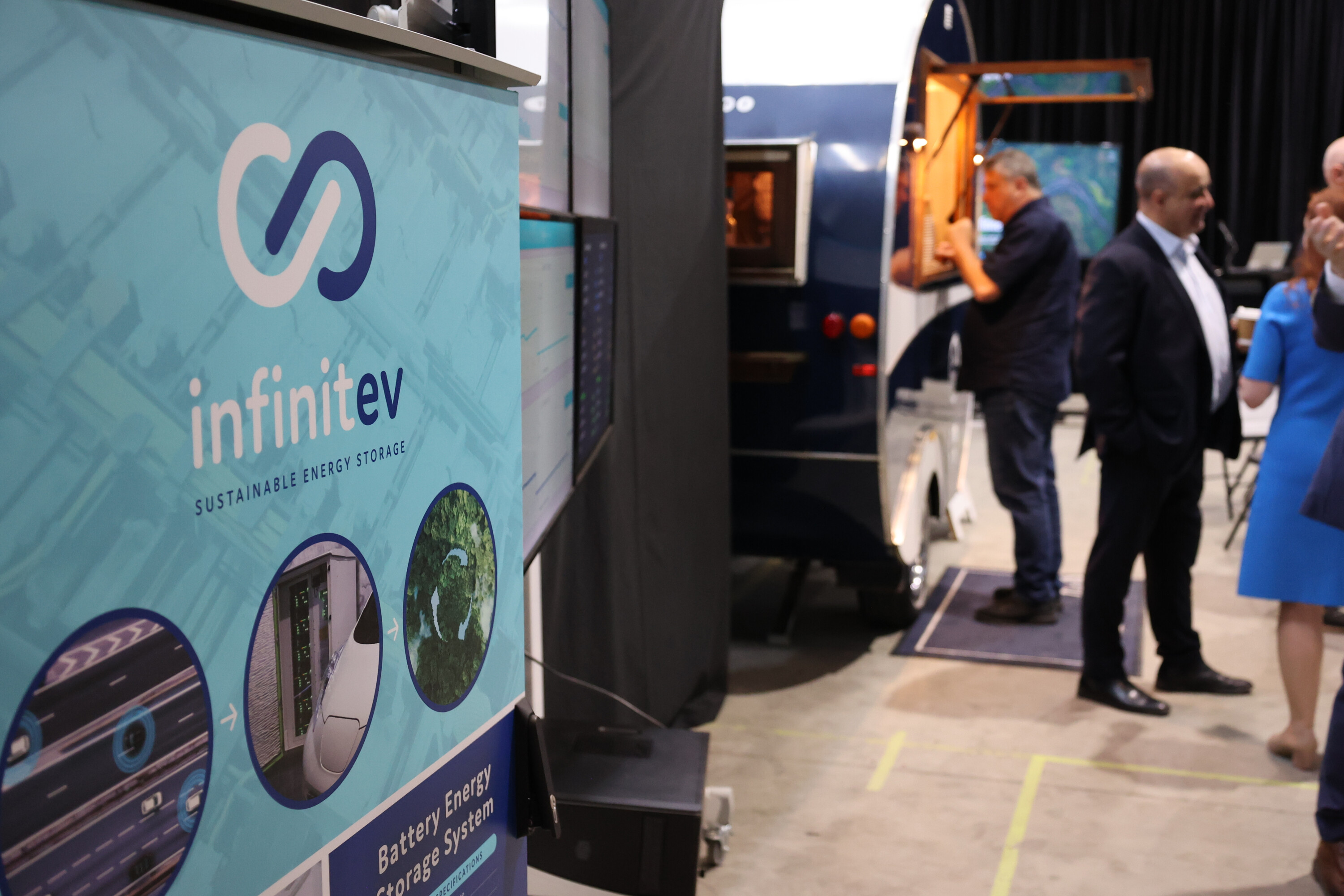
A week out from the Australian launch of its massive new EV9 SUV, Kia has revealed it will look to local outfit Infinitev on the recycling and repurposing of batteries when they’re too tired to run your EV.
Sustainability and ‘end of life’ care for EV batteries has become a hot-button issue as more and more electric cars achieve senior status. It wasn’t all that long ago that, when asked, brands couldn’t tell us about their plans for dead or damaged batteries, because they simply hadn’t reached that point yet in any meaningful volume.
And, until recently, there were no facilities in Australia to ensure depleted or damaged battery packs were properly handled – and utilised, where possible – but as our ongoing story here shows, that’s changing fast.
Infinitev says its partnership with Kia is focused as much as possible on battery reuse and repurposing – such as stationary applications like charging networks and other systems requiring power storage.
“We are proud to have a holistic solution that addresses the environmental concerns associated with electric vehicle batteries,” said Dickson Leow, General Manager of Infinitev.
“Our innovative reuse approach ensures that the transition to a circular economy is not only sustainable but also reduces waste and preserves valuable resources. Through responsible battery management, we can accelerate the adoption of electric vehicles and build a greener Australia.”
Infinitev uses a diagnostic system called HealthCheck to establish the capacity and condition of individual battery cells, allowing them to then determine which components can go onto various work in a ‘second life’ program.
The company works to the following categories after assessment
A grade modules are reused to build batteries for electric vehicles
B grade modules are repurposed for battery energy storage systems
C grade modules are recycled by Infinitev’s partners to recover valuable materials
1
Kia Australia chief operating officer Damien Meredith said of the partnership: “What happens to an electric vehicle battery at the end of its life is an important consideration when it comes to EV buyers, so this is a very significant program.”
Meredith said that a key part of the program is to ensure existing Kia EV owners can be confident that their batteries can be refurbished.
“We are currently in the very early stages of developing a solution tailored to Kia customers that will allow their electric vehicle batteries to be refurbished instead of discarded.”
2024 BYD Dolphin, Seal achieve full five-star safety rating
First time structural EV battery has been tested
High adult, child occupant, vulnerable road user protection scores
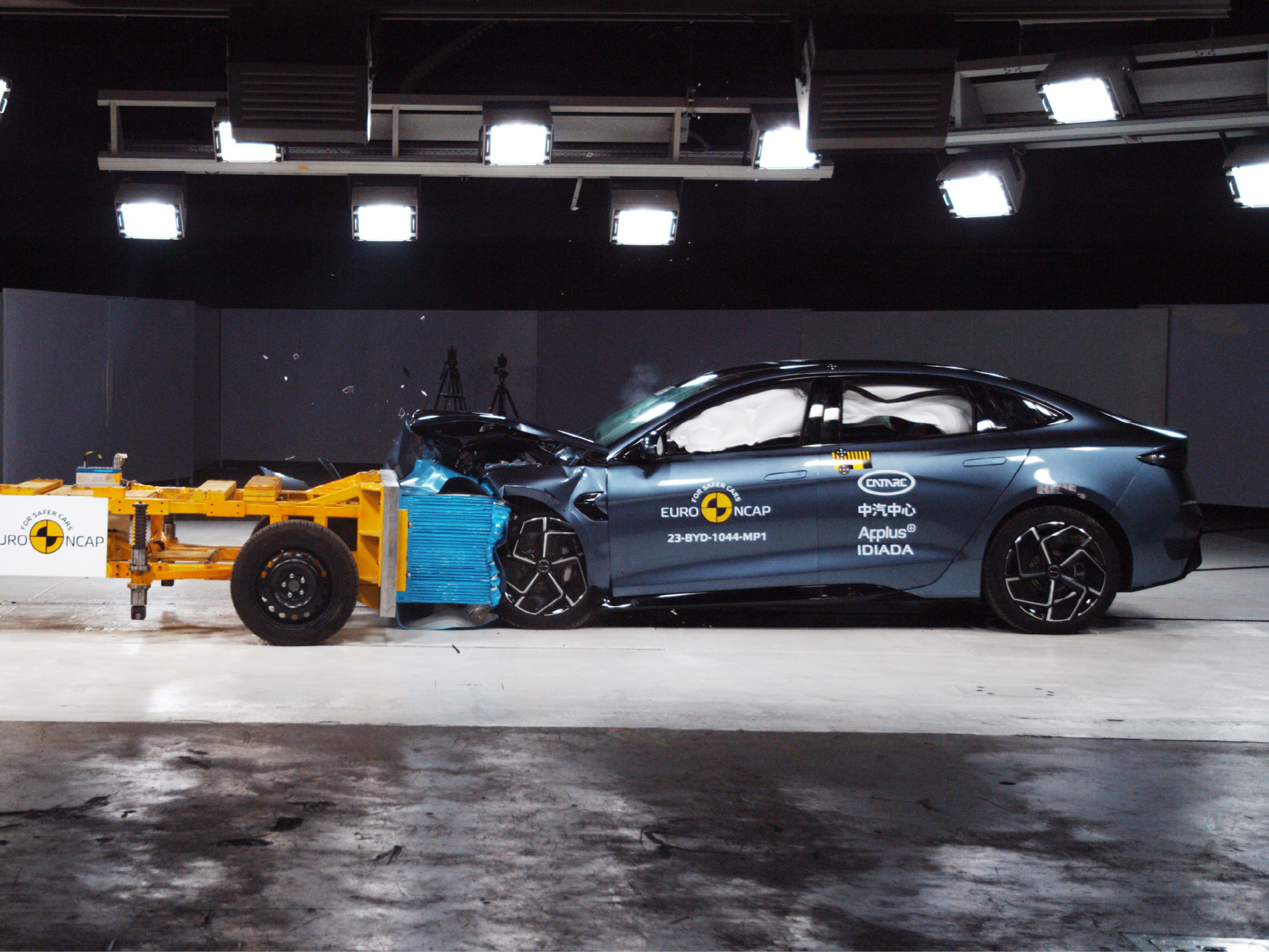
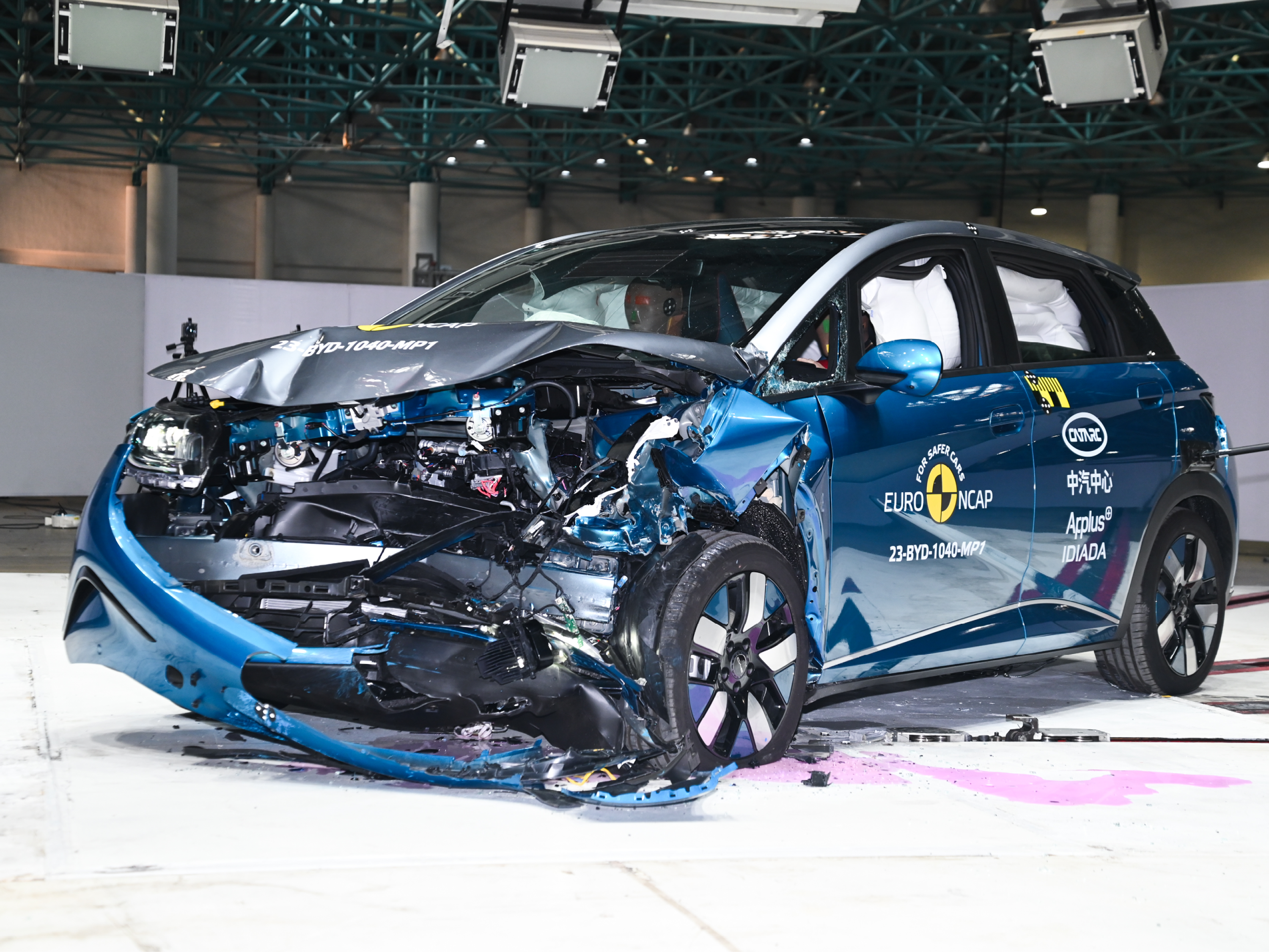
The 2024 BYD Dolphin and Seal electric cars have achieved the full five-star safety rating under the Australasian New Car Assessment Program’s (ANCAP) latest 2023 criteria.
The Seal sedan, in particular, represents the first electric vehicle tested with a structural battery construction.
? What is a structural battery?
The BYD Seal electric sedan is the first model in Australia to feature a structural EV battery, where its thermally safer lithium-iron-phosphate (LFP) battery cells are embedded in the body chassis itself, rather than fitting cells into modular packs.
The Chinese automaker labels it as a ‘cell-to-body’ (CTB) construction and claims it is more space efficient, allows the vehicle to sit lower for better aerodynamics, and improves body stiffness.
This design is not without controversy, however. American vehicle design engineer and advisor Sandy Munro told Reuters[↗] in March 2023 that structural batteries have “zero repairability” in the event of an accident.
1
The BYD Dolphin hatch and Seal sedan both achieved high scores across adult, child occupant, and vulnerable road user protection.
Under ANCAP’s latest 2023 testing criteria, both EVs complied with requirements that the doors be able to open within two minutes when submerged in floodwater, but ‘window opening’ functionality was not demonstrated.
The Dolphin had a mix of good and adequate protection for adults, but a ‘marginal’ level of protection for the driver’s chest in the frontal offset test.
The Seal achieved full points for protecting driver and child passengers in the side impact test, including the former in the oblique pole test.
However, protection for the driver’s chest and lower legs in the frontal offset test and the chest of rear passengers in the full width test were adequate.
Both budget-friendly EVs feature a front-centre airbag – unlike the rival MG 4 EV – and passed the crash safety body’s new door-open warning system test, even though they can’t temporarily lock the doors to help avoid colliding with a passing vehicle, cyclist or other road user.
As per ANCAP rules, the current ratings for the Dolphin [ANCAP ↗] and Seal [ANCAP ↗] will expire in December 2029 if not re-assessed.
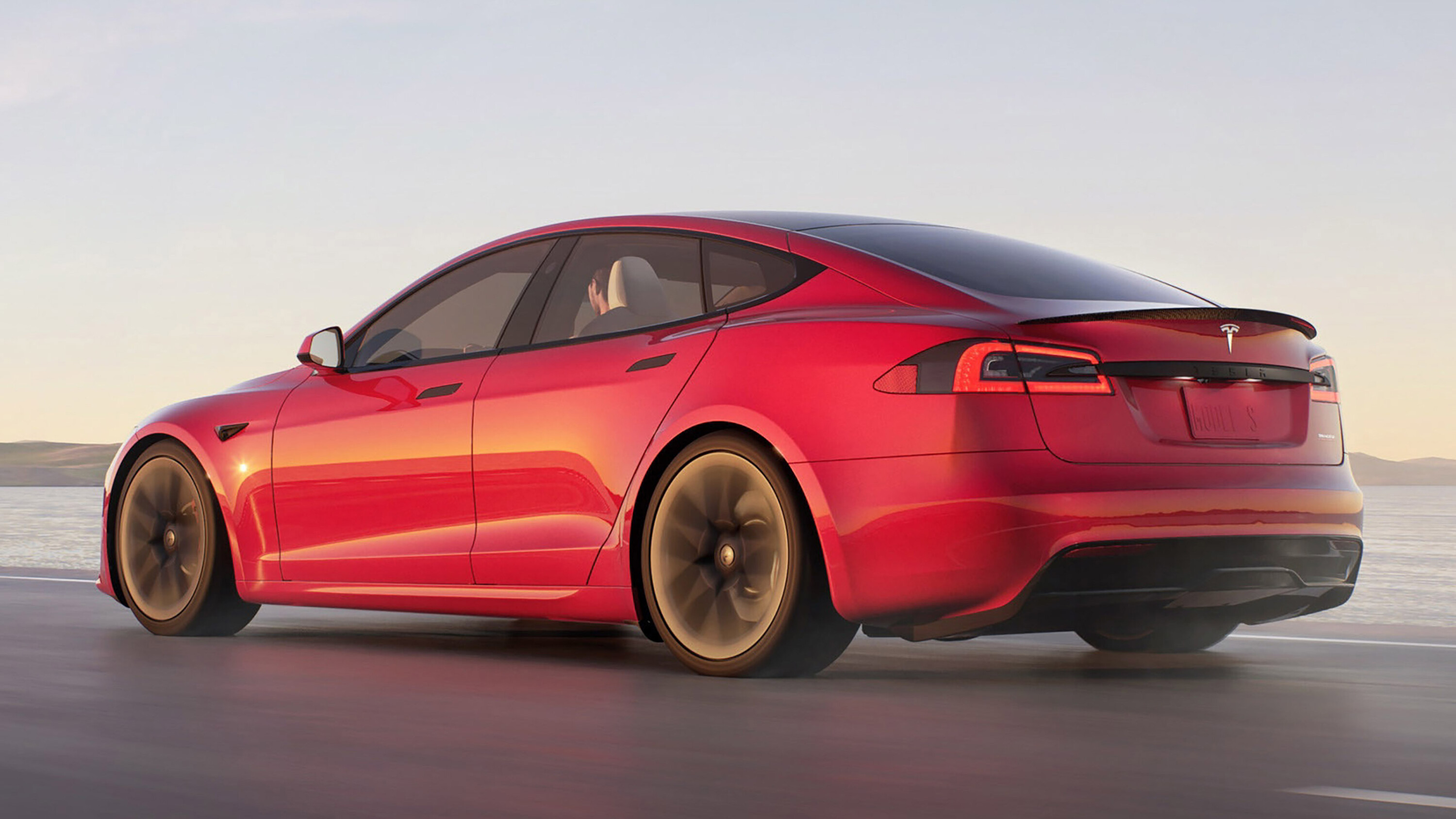
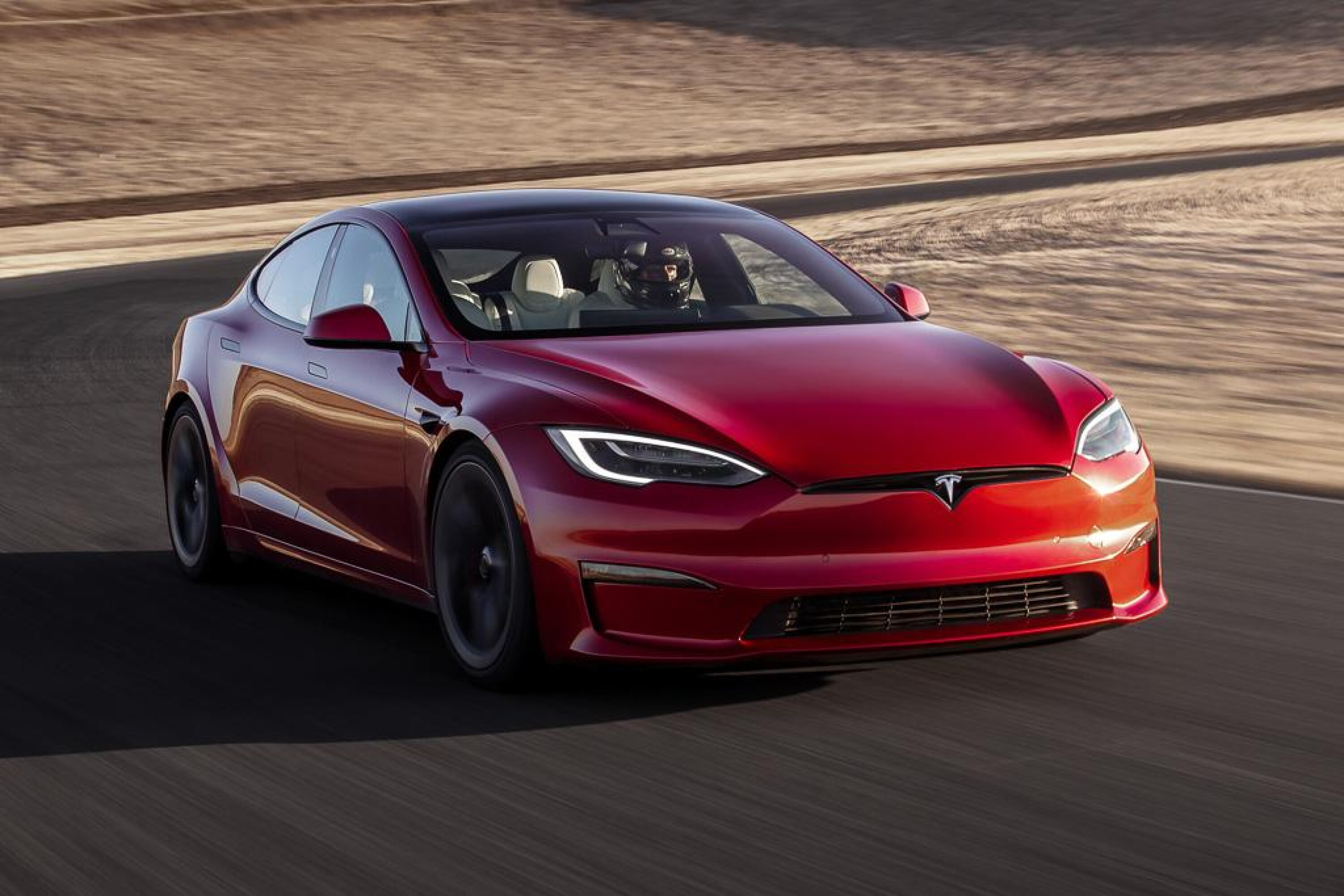
It’s the car that started it all for Tesla… the Model S was Tesla’s very first volume production model, and even after ten years, the full-size sedan is still going strong.
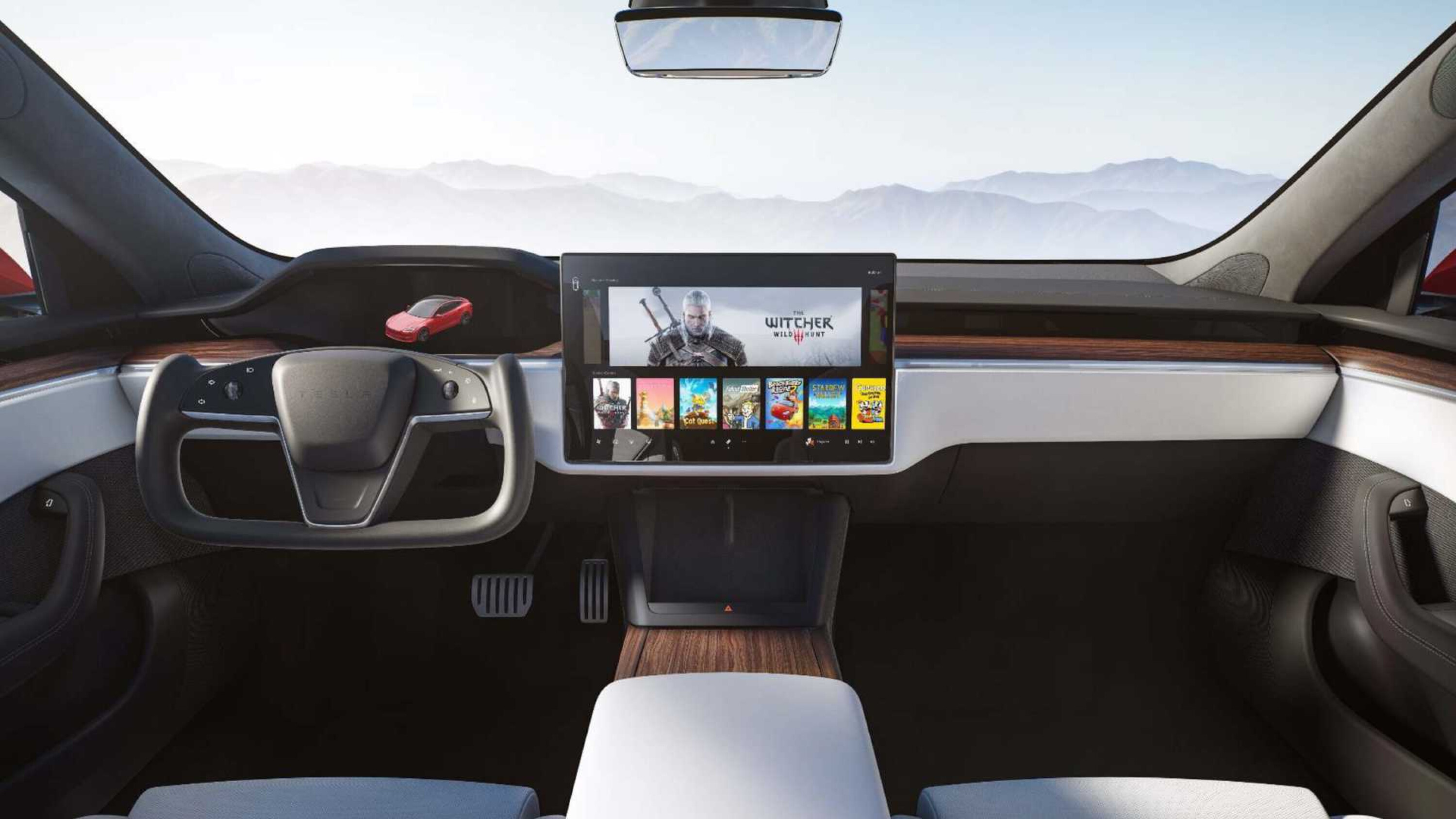
Shaped by Franz von Holzhausen (following earlier work by Henrik Fisker), the sleek low-slung liftback has aged remarkably well. The once-futuristic interior with its large iPad-style centre monitor is actually more user-friendly now than the busy, over-stimulated animated cockpits found elsewhere.
While its full self-driving capability system remains a bone of contention, there is no denying Tesla’s software leadership and its multifaceted advantages in the powertrain department. The constantly growing Supercharger network, too, remains an important asset.
1
The rear compartment of the Model S is sufficiently roomy, but it could use more space in the back and a cushier, fully adjustable rear bench.
Hassle-free purchasing, instant delivery and strong resale values are further plus points, but the fit and finish leave a lot to be desired, personalisation – even basics like colour and trim – is an alien term to the Californian pragmatists, and the fact that the ‘bad boy’ image of Elon Musk looms large behind his products does not appeal to everybody, either.
And even though the Model S is sadly no longer available to right-hand-drive markets, the chance to grab the keys… err, card to the brand’s boldest performer was too tempting to pass up. (Even if it came too soon to line up some bespoke photography…)
The rear compartment of the Model S is sufficiently roomy, but it could use more space in the back and a cushier, fully adjustable rear bench. Although the revised, less stark interior adds a touch of wood and brightwork here and there, almost doubles the hide-trimmed acreage over the Model 3 and introduces a more convenient landscape-format touchscreen, the ambience barely exceeds Business Class of a budget airline.
1
This could be excused because the Plaid’s main mission in life is not to be shiny boulevard clickbait, but the ultimate electric driving machine.
With the battery at 88 percent, a nearly empty autobahn beckoning and the morning sun busy licking the damp tarmac dry, our barely run-in test car – which carries a remarkably competitive US$108,490/A$170,600 price tag – is humming in anticipation…
Lewis Hamilton and Fernando Alonso know the feeling… and now every Tom, Dick and Jane can also accelerate from zero to 100km/h in a claimed 2.1 seconds.
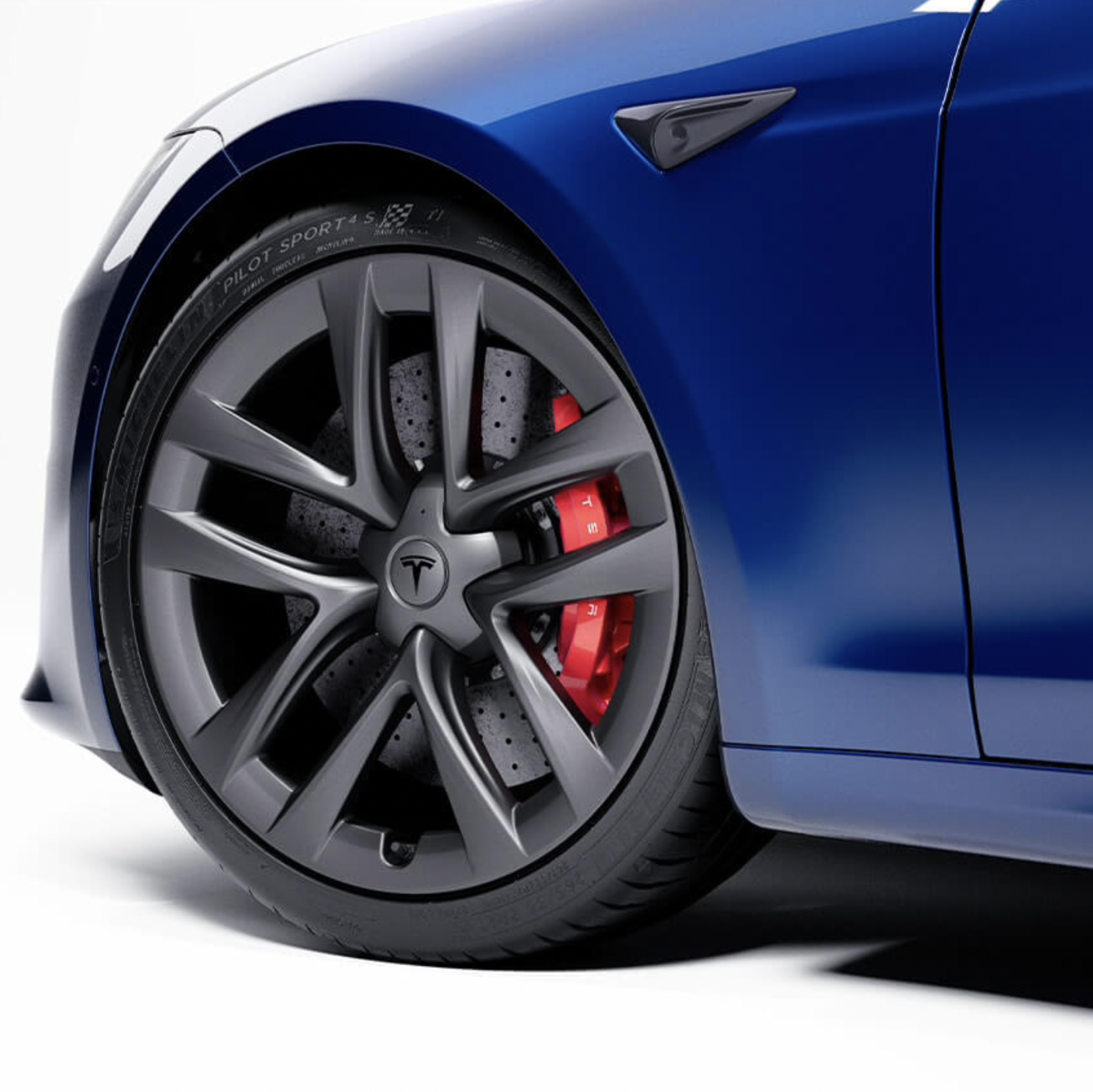
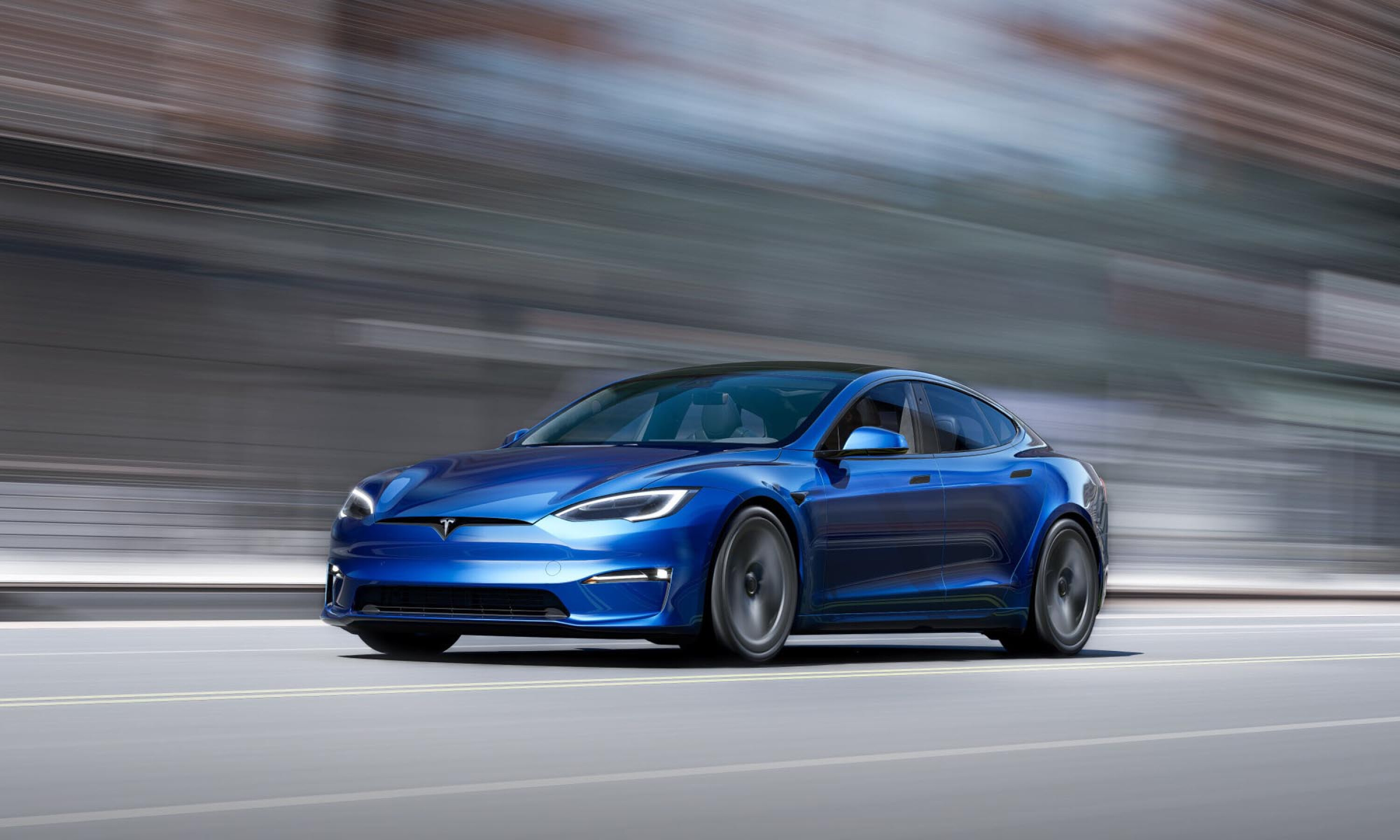
The blue wonder pictured here still ran on 19-inch winter-spec tyres, but that didn’t stop it from performing like a bat out of hell.
If buyers fork out up to A$32,000 extra, Tesla will deploy the go-faster Track Pack, complete with a 321km/h Vmax chip, 20in Goodyear Eagle F1 Supercar 3R semi-slicks and must-have single-piece brake calipers straddling massive carbon-ceramic rotors.
The blue wonder pictured here still ran on 19-inch winter-spec tyres, but that didn’t stop it from performing like a bat out of hell.
Flooring the throttle from a standing start feels as if some physical superpower is tearing the tarmac beneath us backwards with a vengeance, while at the same time devouring the horizon like a zoom lens gone wild.
1
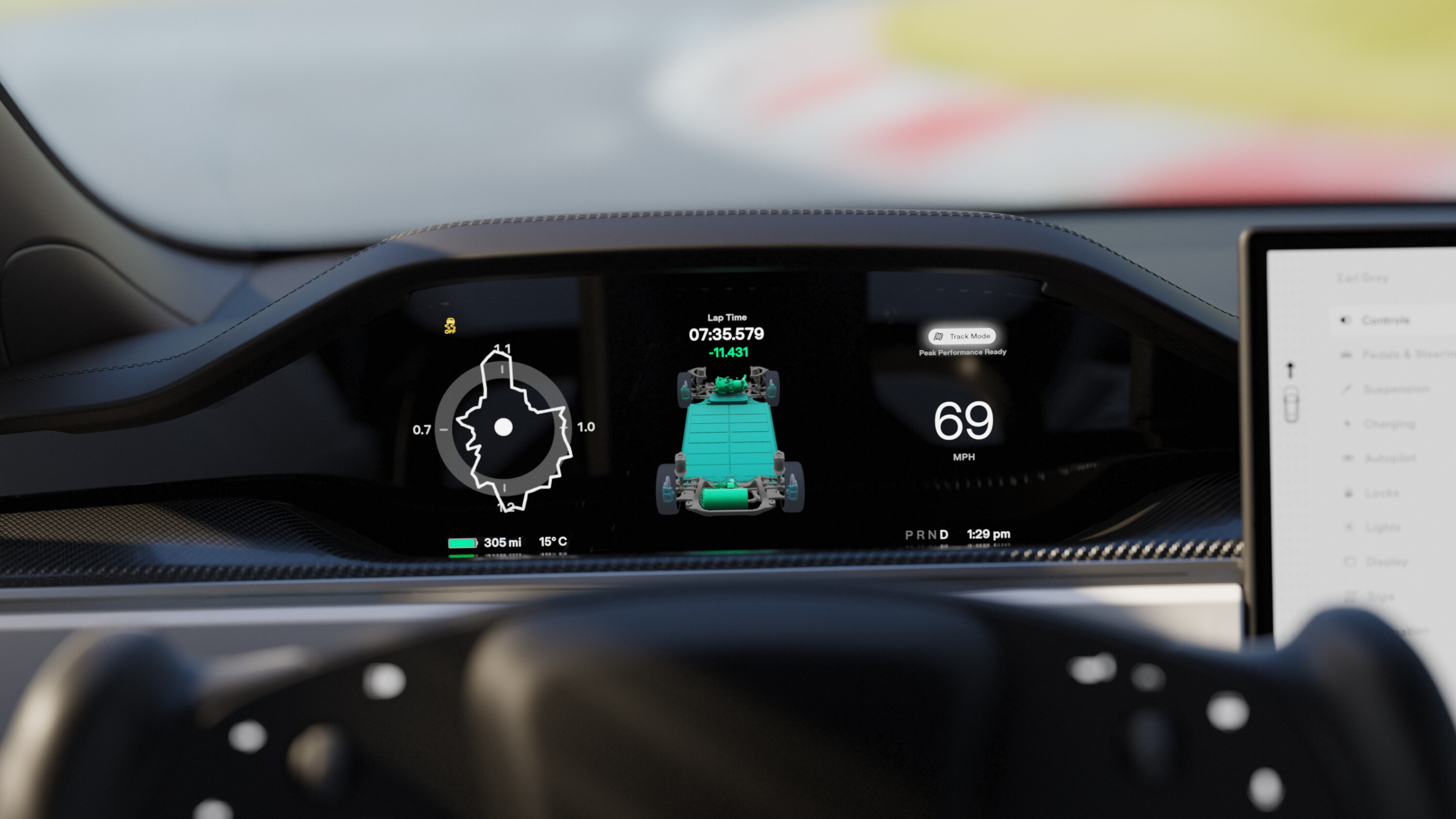
Let’s go through the motions bit by bit. For a start, there are various attack modes to choose from, like Launch Control, Drag aka Cheetah, Drift, Plaid, Sport, Chill and combinations thereof.
Once you have made your selection, the ECU will automatically select the appropriate battery conditioning, regenerative braking, torque vectoring, side-to-side rear torque split, stability control, damper calibration and ride height. Each programme is accompanied by its own graphics and a bespoke soundtrack, too, so brace yourself for a ‘Marvel meets F1’ experience in Dolby Atmos quality.
But beware – the brute force which is just a stab on the throttle away can come as a shock to one’s brain and physique. The test car peaked at an indicated 267km/h, and although the winter tyres were not of the ultra-high-performance kind, they helped to cushion the ride and soften the breakaway edges.
1
Energy consumption? At a WLTP-approved 18.7kWh/100km, the Plaid is actually more efficient than even the humblest Porsche Taycan.
But as soon as you give her stick, the energy depletion soars way beyond 50kWh/100km – which is where the bar graph conveniently ends.
The Plaid is easily the best equipped Model S, and our specimen was better made than most previously tried Teslas. Having said that, the perceived quality is still more pret-à-porter than haute couture.
1
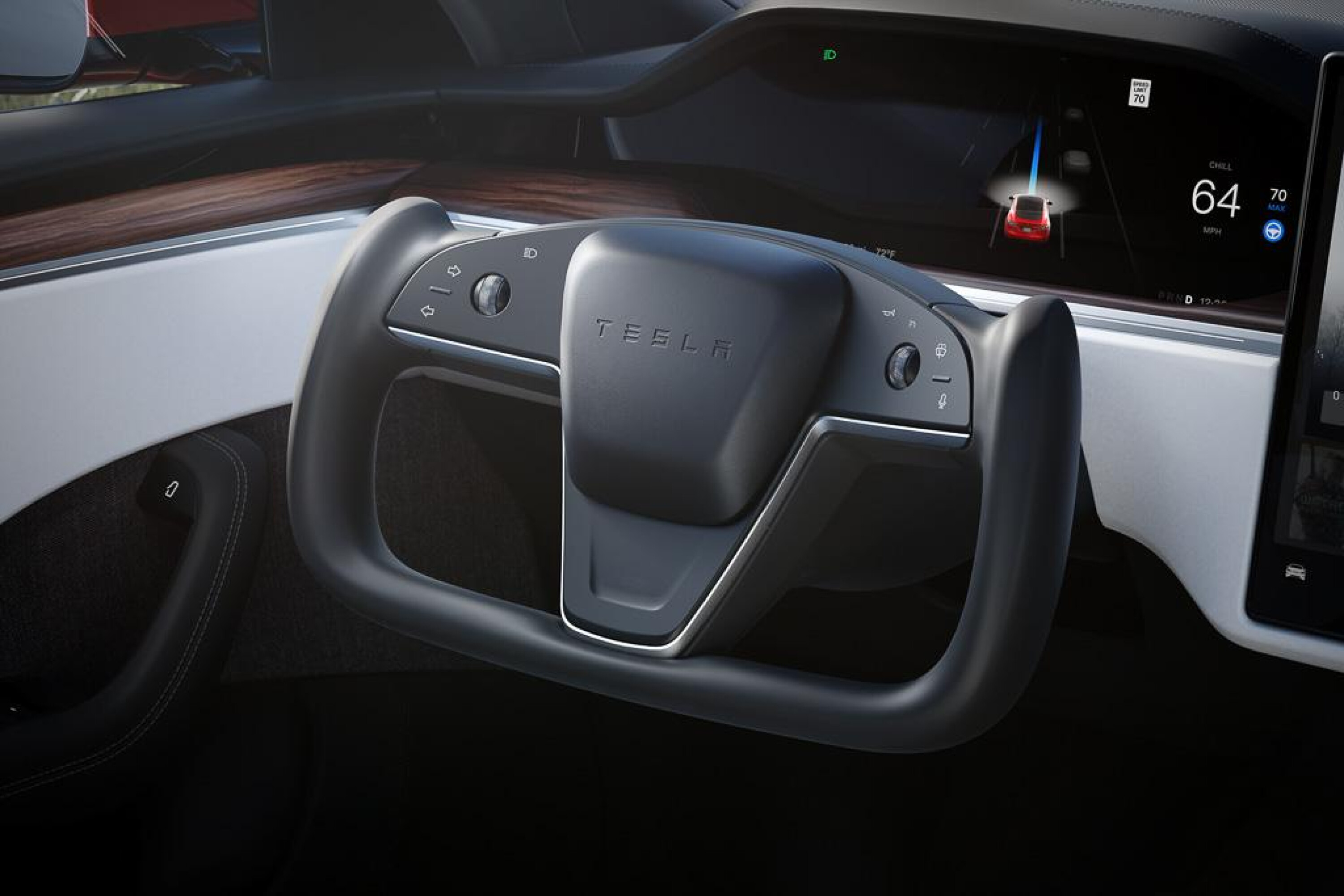
The now-optional yoke handlebars are no match for a proper steering-wheel, either, because displacing your hands while winding on lock can mean losing grip altogether which is a) potentially unsafe and b) embarrassing.
In contrast, the fingertip controls become second nature within an hour or two, and even the vertical touchslider which selects the direction of travel is not such a bad idea after all – except when you panic and there is suddenly no more gear lever to grab.
The XXL touchscreen is a little harder to reach that its upright predecessor but easier to use, the improved menu is mostly self-explanatory, and voice control works really well.
1
On a normal working day, the Model S Plaid is a cool tool, a stealth Trojan horse with the dynamic talents of a cruise missile
The two-stage energy regeneration is of the pushy-intrusive kind, but then who cares when you’re at the helm of a seemingly humble saloon which just out-accelerated a Bugatti Chiron from 0-160km/h? Not to mention that totally unreal 4.65-second jolt forward from 100km/h to 200km/h.
On the down side, the Model S Plaid still misses out on essentials like matrix headlights, adaptive traffic sign recognition, parking sensors and front camera, stalk-activated wipers (rather than that flimsy micro-buttons), head-up display, cruise control beyond 145km/h and massage seats.
On a normal working day, the Model S Plaid is a cool tool, a stealth Trojan horse with the dynamic talents of a cruise missile haunted by serious software dropouts.
2
But flip the metaphorical switch, and the Plaid is reduced to its truly insane essence which really begs for its own special driving licence.
With a raw 750kW and a highly physical 1424Nm on tap, and with the drivetrain locked in full aggro mode, one needs a very long, straight stretch of smooth, dry road, cojones the size of watermelons, radar eyes to scan the surface ahead for irregularities and a hardwired neuro-link between your brain and the escape button.
Riding this careening cannonball can be huge fun… but pull out all the stops and you are permanently living on a ragged edge, travelling so much faster than almost anything else on the road, in an understated (and by no means over-engineered) piece of kit that looks like an overgrown Model 3.
When it comes to shades of brutal go and outright velocity, underdog appeal and acceleration for money, though, nothing else comes close to the colour Plaid.
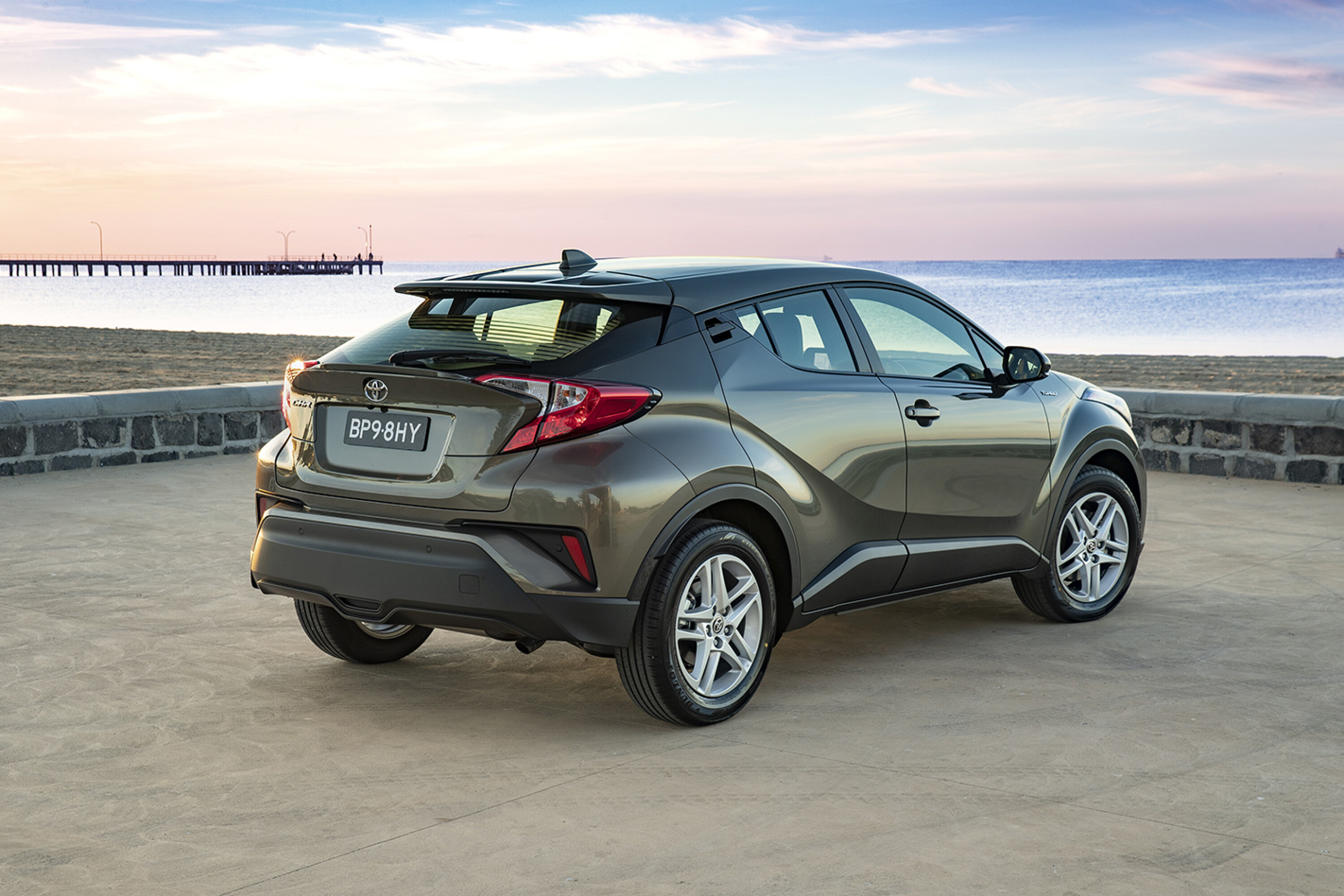
The internal components of the fuel pump may wear and fracture the welded area of the fuel pump, which could lead to a fuel leak in the engine compartment.
If this was to occur, vehicle occupants may identify a fuel odour when driving.
What are the hazards?
A fuel leak in the engine compartment may result in an engine bay fire. A vehicle fire could increase the risk of injury or death to vehicle occupants, other road users or bystanders.
What should consumers do?
Toyota will contact affected owners in writing, requesting they make an appointment at their preferred Toyota dealer who will inspect and if necessary replace the fuel pump, free of charge.
Note: This recall is a re-notification and expansion to the previous C-HR recall “WGG27” published with Recall Number REC-001645.
Supplier details
TOYOTA MOTOR CORPORATION AUSTRALIA LIMITED
Who should owners/operators contact for more information?
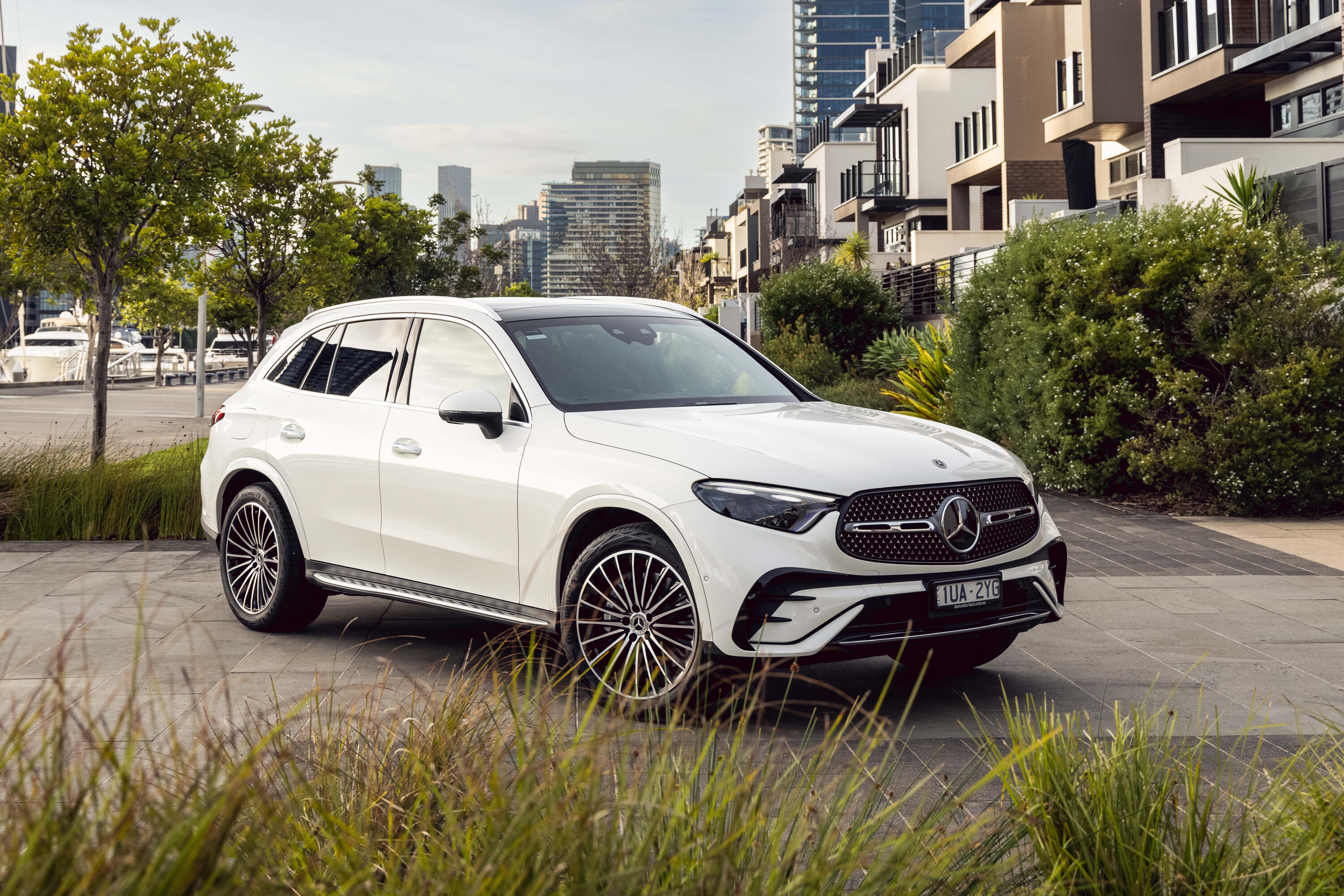
The connection depth of the front towing point may not meet manufacturing specifications. As a result, the front tow point connection could detach from the vehicle during frontal towing.
What are the hazards?
If the front tow point detaches from the vehicle during use, it will increase the risk of serious injury or death to vehicle occupants, bystanders and other road users.
What should consumers do?
When parts become available, Mercedes-Benz will contact affected owners in writing requesting they make an appointment with their nearest authorised Mercedes-Benz dealership to have the work carried free of charge.
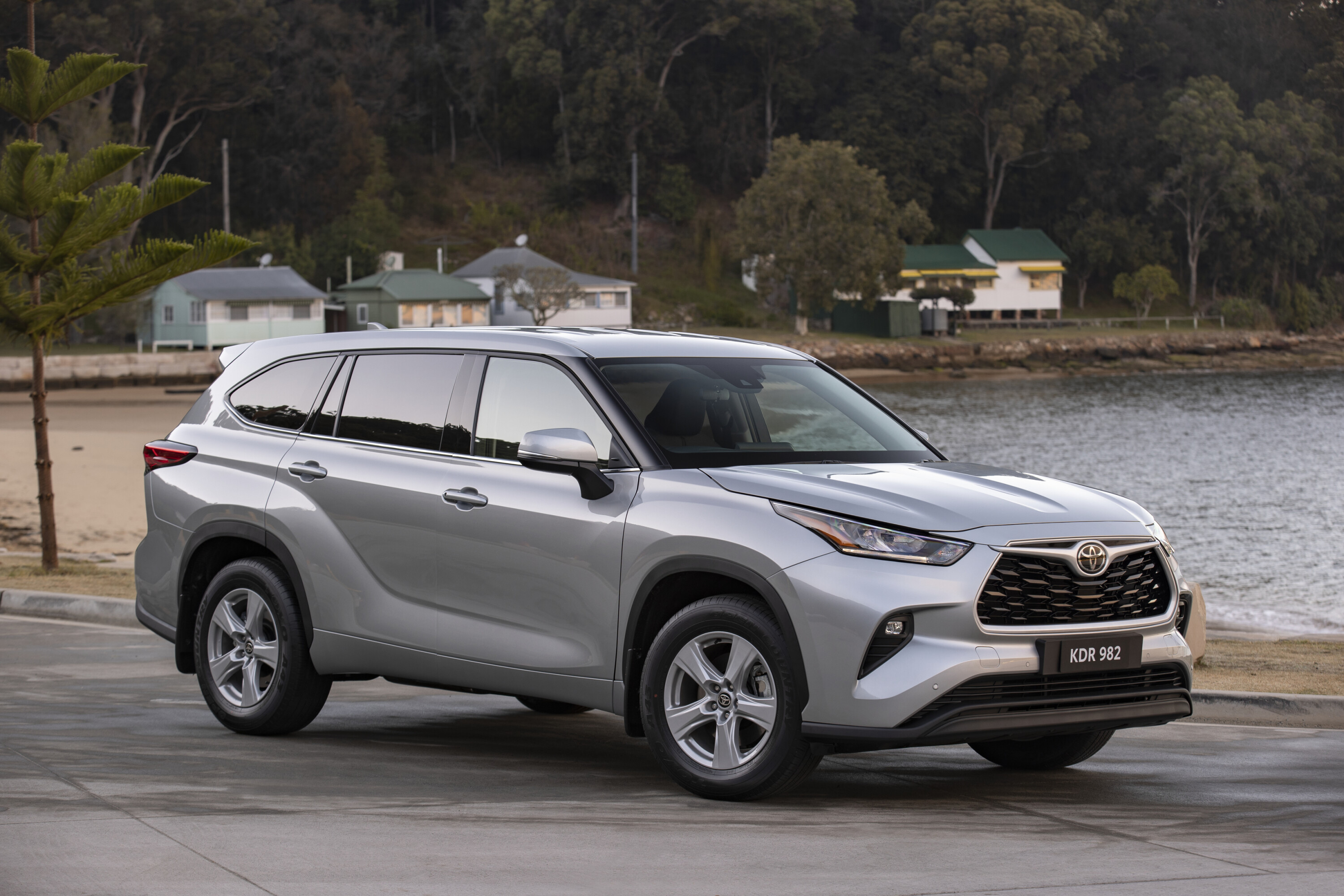
The driver side airbag wiring harness connection may become loose over time. As a result, the airbag warning light will illuminate and the driver side airbag will not deploy.
What are the hazards?
In the event of an accident, an airbag not deploying as intended could increase the risk of injury or death to vehicle occupants.
What should consumers do?
When parts become available, Toyota will contact affected owners in writing requesting they make an appointment with their nearest authorised Toyota dealer for inspection and if necessary rectify, free of charge.
Due to a manufacturing defect, the steering wheel earth wire may become loose. If this occurs, the driving assist functions such as hands-off the steering wheel warning or emergency stop may not activate as intended.
What are the hazards?
If the safety features do not activate as intended, it could increase the risk of injury or death to vehicle occupants and other road users.
What should consumers do?
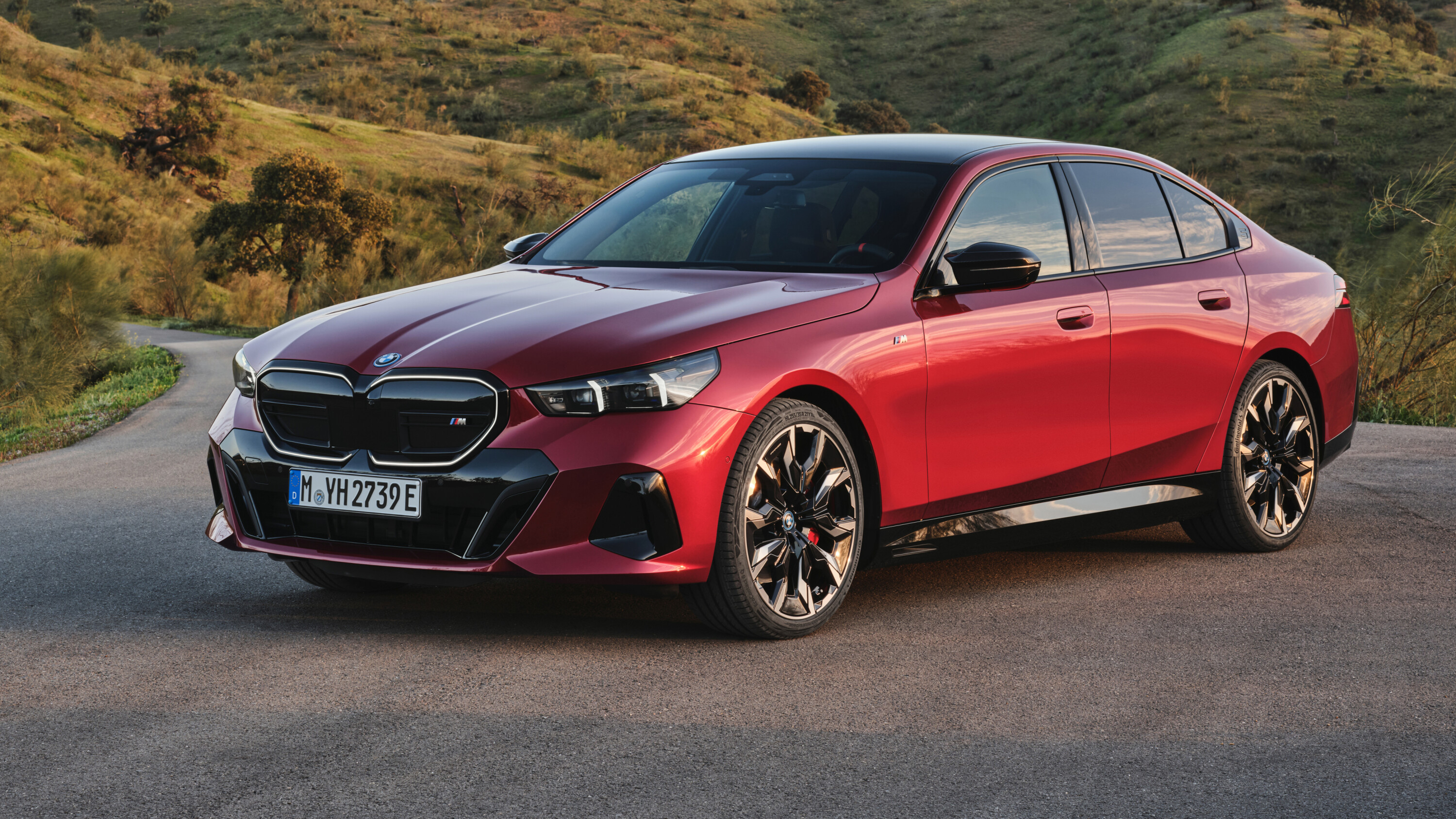
Owners should immediately contact their preferred authorised BMW dealer or BMW Australia to have the vehicle’s steering wheel earth wire checked and if required rectified free of charge.
Supplier details
B M W AUSTRALIA LTD.
Who should owners/operators contact for more information?
Due to a manufacturing issue, there is a possibility of insufficient sealing between the high voltage battery casing and battery cover. This could lead to moisture entering the high voltage battery.
What are the hazards?
If a sufficient amount of moisture enters the high-voltage battery arcing can occur, which increases the risk of fire causing injury or death to vehicle occupants, other road users or bystanders.
What should consumers do?
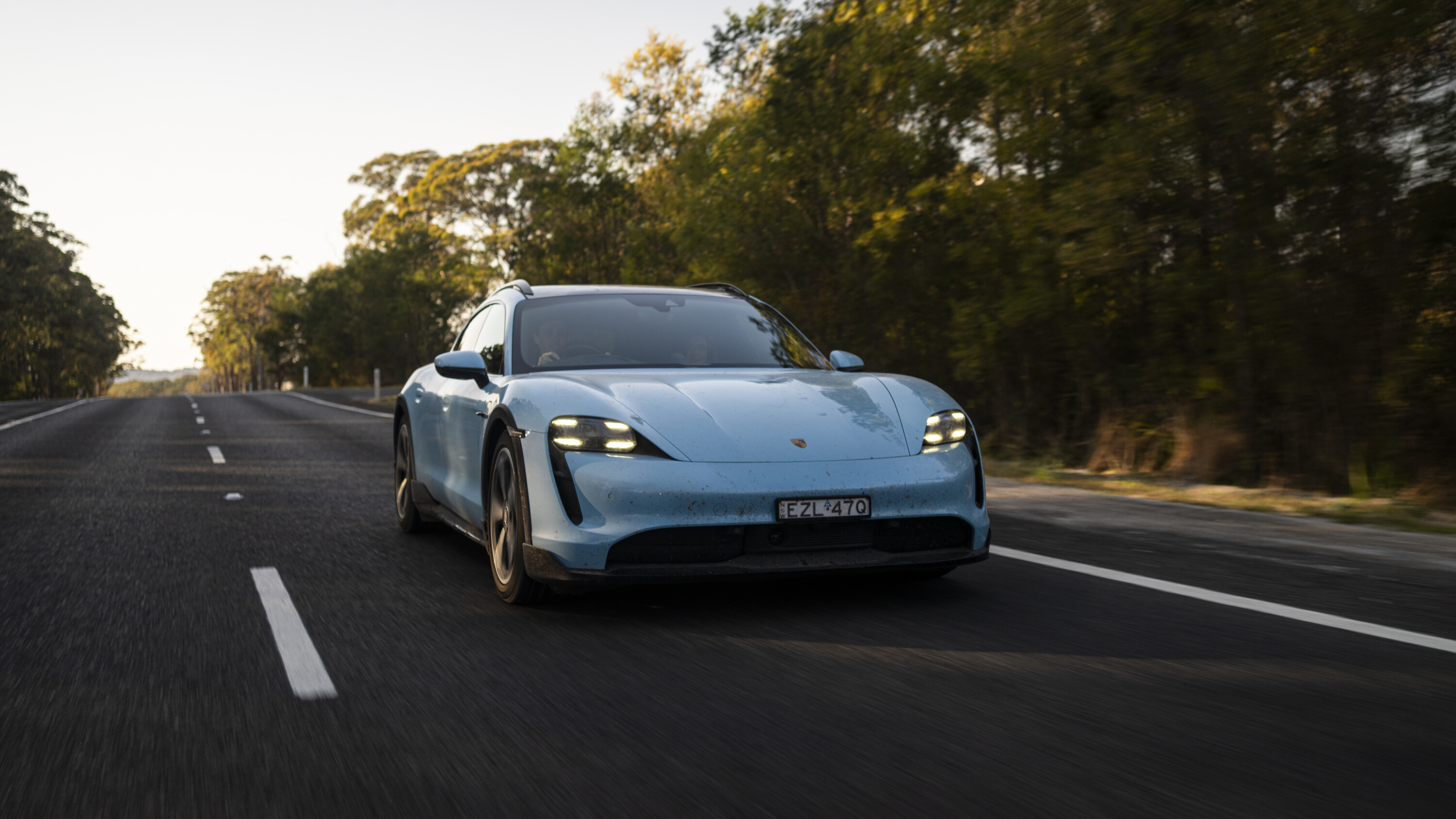
Owners of affected vehicles can contact their preferred Official Porsche Centre to arrange an inspection and repair of their vehicle, free of charge.
Due to a software issue, the electric vehicle (EV) Drivetrain system may deactivate resulting in a loss of motive power.
What are the hazards?
A loss of motive power whilst driving increases the risk of an accident, causing serious injury or death to vehicle occupants and other road users.
What should consumers do?
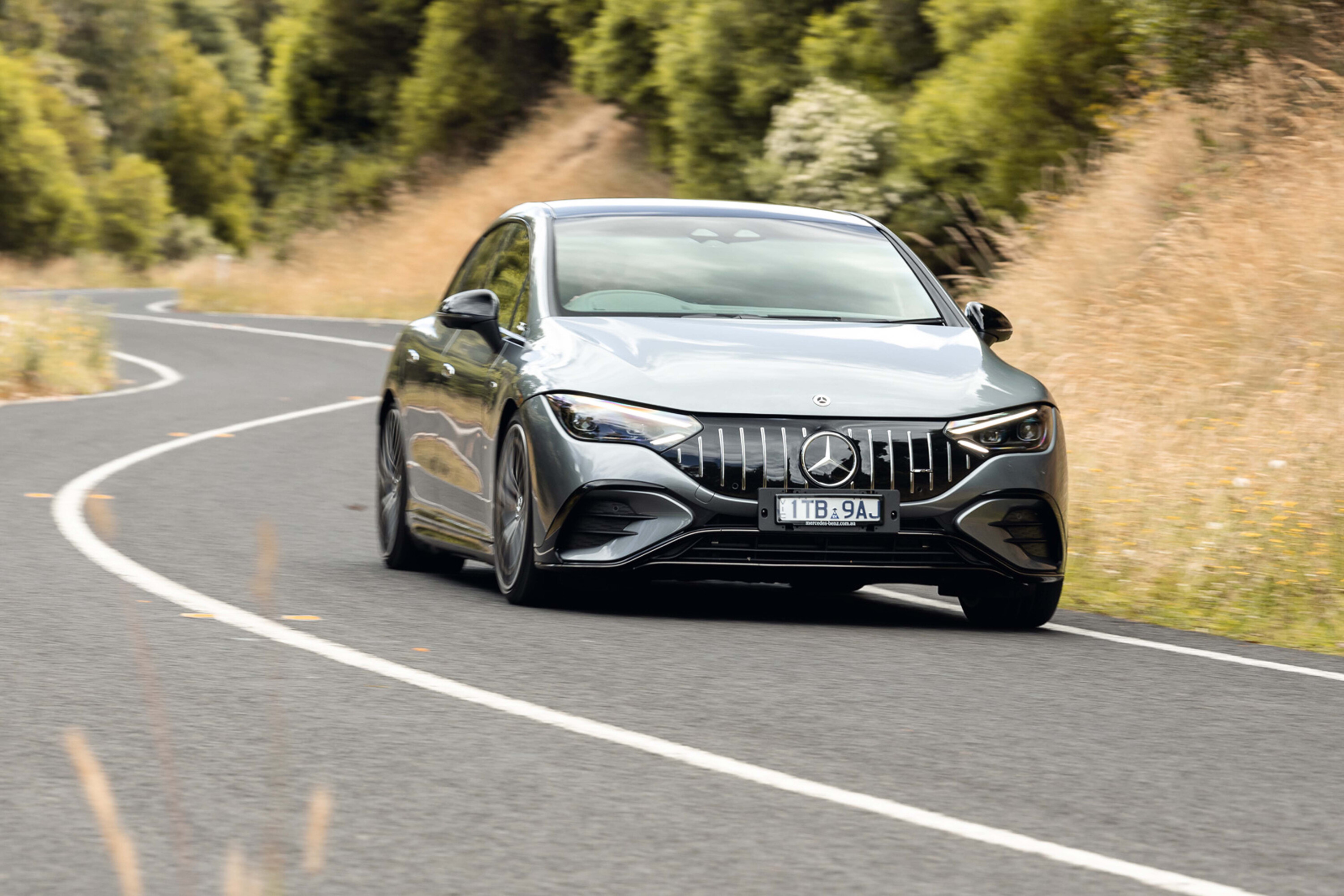
Owners of affected vehicles will be contacted by Mercedes-Benz and are asked to make an arrangement with their nearest authorised Mercedes-Benz dealership to have the work carried out as soon as possible.
Due to a manufacturing issue, the front passenger airbag inflator may catch on the dash panel and rupture in the event of airbag deployment.
What are the hazards?
In the event of airbag deployment in an accident, the airbag can foul on the dashboard and provide insufficient protection for the front seat passenger which could result in serious injury or death.
What should consumers do?
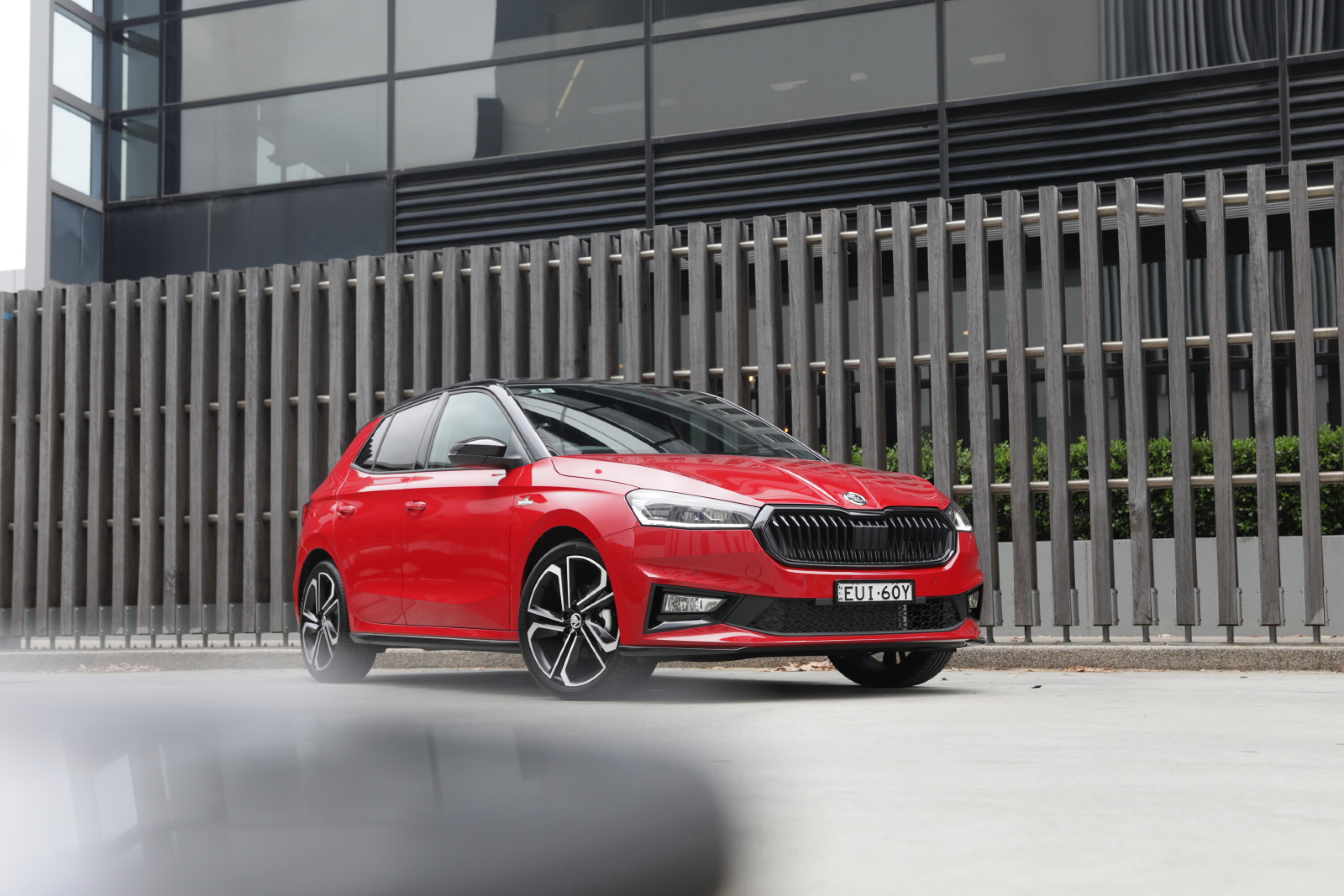
Owners of affected vehicles should contact their preferred Skoda dealer to arrange to have their vehicle repaired free of charge.
Supplier details
Volkswagen Group Australia Pty Ltd
Who should owners/operators contact for more information?
The front windshield wipers may fail. In the event of rain this may lead to poor visibility for the driver.
What are the hazards?
Poor visibility will potentially increase the risk of an accident, causing serious injury or death to vehicle occupants and other road users.
What should consumers do?
Owners should immediately contact their preferred authorised BMW dealer or BMW Australia to have the recall works completed and any faulty components replaced. All work is completed free of charge.
Supplier details
B M W AUSTRALIA LTD.
Who should owners/operators contact for more information?
Variant applicability: All variants within this model
What are the defects?
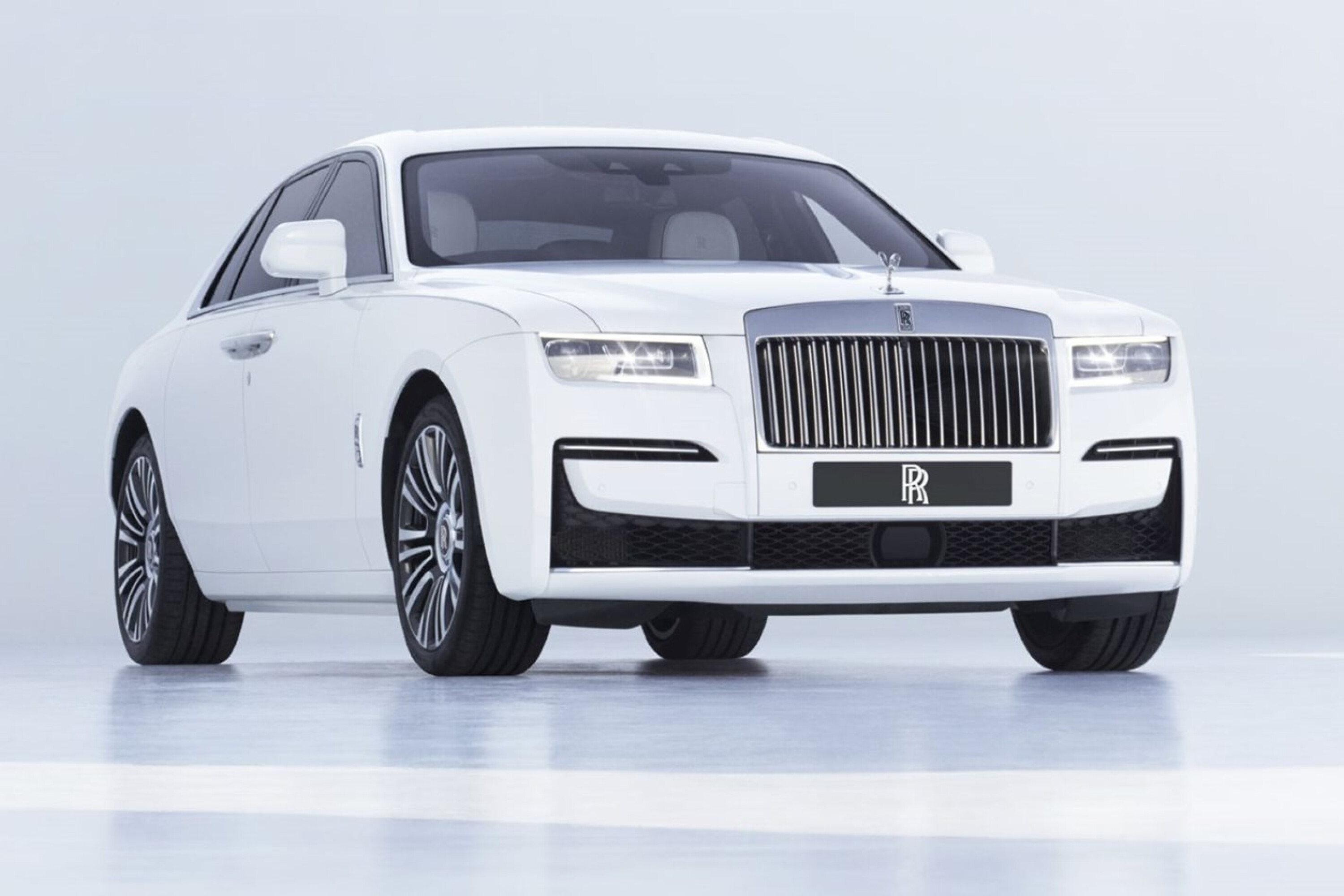
During an accident with high side impact forces, the glass display screen may shatter propelling glass fragments inside the cockpit.
What are the hazards?
If the display screen shatters, glass fragments may be propelled at high speed towards the driver and vehicle occupants and could cause serious injury.
What should consumers do?
Owners of affected vehicles can contact their preferred Rolls-Royce dealer to arrange an inspection and repair of their vehicle, free of charge.
Supplier details
Rolls-Royce Motor Cars Limited
Who should owners/operators contact for more information?