Features

Gallery 1
Hatchbacks, once the go-to for budget-conscious buyers around Australia, have seen their sales dwindle over the last decade or so, with more and more buyers than ever before gravitating towards SUVs of all sizes.
Sales of small cars, such as the Toyota Corolla and Mazda3, have plummeted since their 2013 highpoint when Australians bought 266,000 new small cars, across hatchbacks, sedans and station wagons. That represented 23.4 per cent market share – by far the largest single segment – or almost one in every four new cars sold.
Fast forward just a dozen years and that number has fallen to just over 72,000, or around six per cent market share, a slide reflected in the number of different models available to buyers. Just eight distinct models occupy the under $45,000 category, a far cry from the heady days of 2013 when buyers had a choice of 34 models from 20 different manufacturers.
The new car game has changed, and likely irreversibly. But despite the limited options, there are still some cracking hatchbacks, well priced, ably serving the needs of buyers resolute in eschewing the SUV and dual-cab zeitgeist.
Here then, is our pick of the best hatchbacks on the market right now, priced from under $40k driveaway.
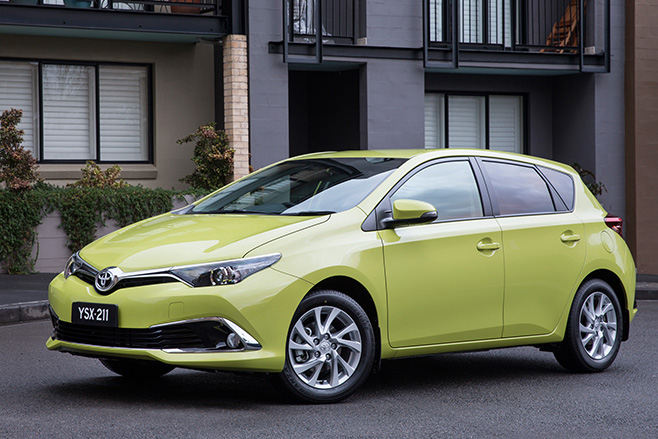
Toyota Corolla Ascent Sport
1
Price: From $36,146 driveaway (in NSW)
Engine: 1.8L petrol-hybrid, CVT automatic, FWD
Combined fuel use: 4.0L/100km (claimed)
Fuel type: 91-octane regular unleaded
There are no surprises when it comes to Toyota’s venerable Corolla which has, since its launch in 1966 (yes, the Corolla is now 60), racked up world-wide sales in excess of 50 million, making it easily the biggest selling car of all time.
Its winning formula has been tweaked and nurtured over the decades and through 12 generations and today is available in Australia exclusively with a petrol-hybrid powertrain. That’s around three grand dearer than two of its competitors in this quartet but the benefits of Toyota’s fuel-sipping technology can not be underestimated.
The base model Ascent Sport is nicely-equipped for the money with 16-inch alloy wheels, wireless Apple CarPlay and Android Auto, an 8-inch infotainment touchscreen, digital radio, LED head- and tail-lights along with LED daytime running lights, keyless entry and push-button start as well as a comprehensive suite of advanced driver assist and safety technologies, although no ANCAP safety score, its previous five-star rating expiring on December 31, 2024. That hasn’t stopped buyers from flocking to Toyota dealerships, the Corolla maintaining its top spot in the segment, a position it’s held onto doggedly since dethroning Mazda 3 in 2013.

1
On the road, the Corolla offers little in the way of surprises, refined and smooth if not especially powerful (Toyota quotes 72kW and 142Nm for the Atkinson-cycle 1.8-litre petrol, boosted to 103kW with the electric motor chipping in).
The Corolla’s biggest flaw in this generation is the meagre 217 litres of storage capacity in the boot. That’s well down on the segment leaders, something for buyers to consider.
There’s a new 13th-generation Corolla coming, likely in 2027 and could see a plug-in hybrid variant join the line-up. Maybe. But that’s a ways away and in 2026, the Toyota Corolla is a sensible choice for those who hanker for fuss-free motoring in a well-known package, is light on fuel, all underpinned by Toyota’s renowned reliability.
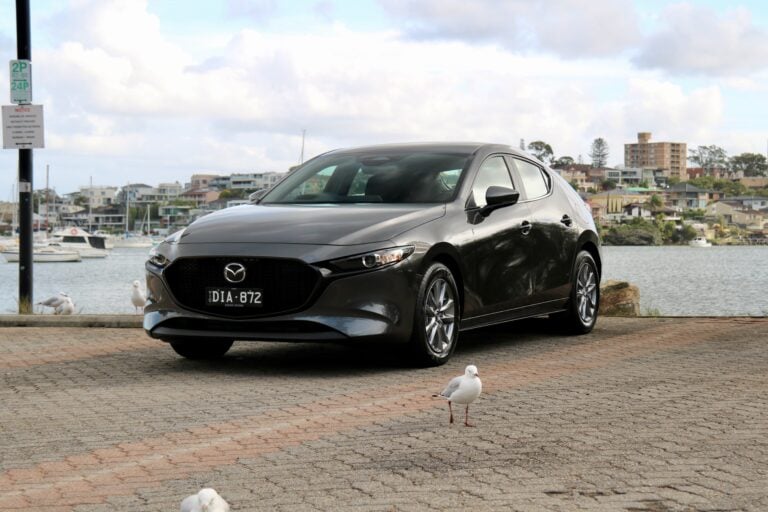
Mazda3 Pure
1
Price: From $33,990 driveaway (in NSW)
Engine: 2.0L petrol, 6-speed automatic, FWD
Combined fuel use: 5.9L/100km (claimed)
Fuel type: 91-octane regular unleaded
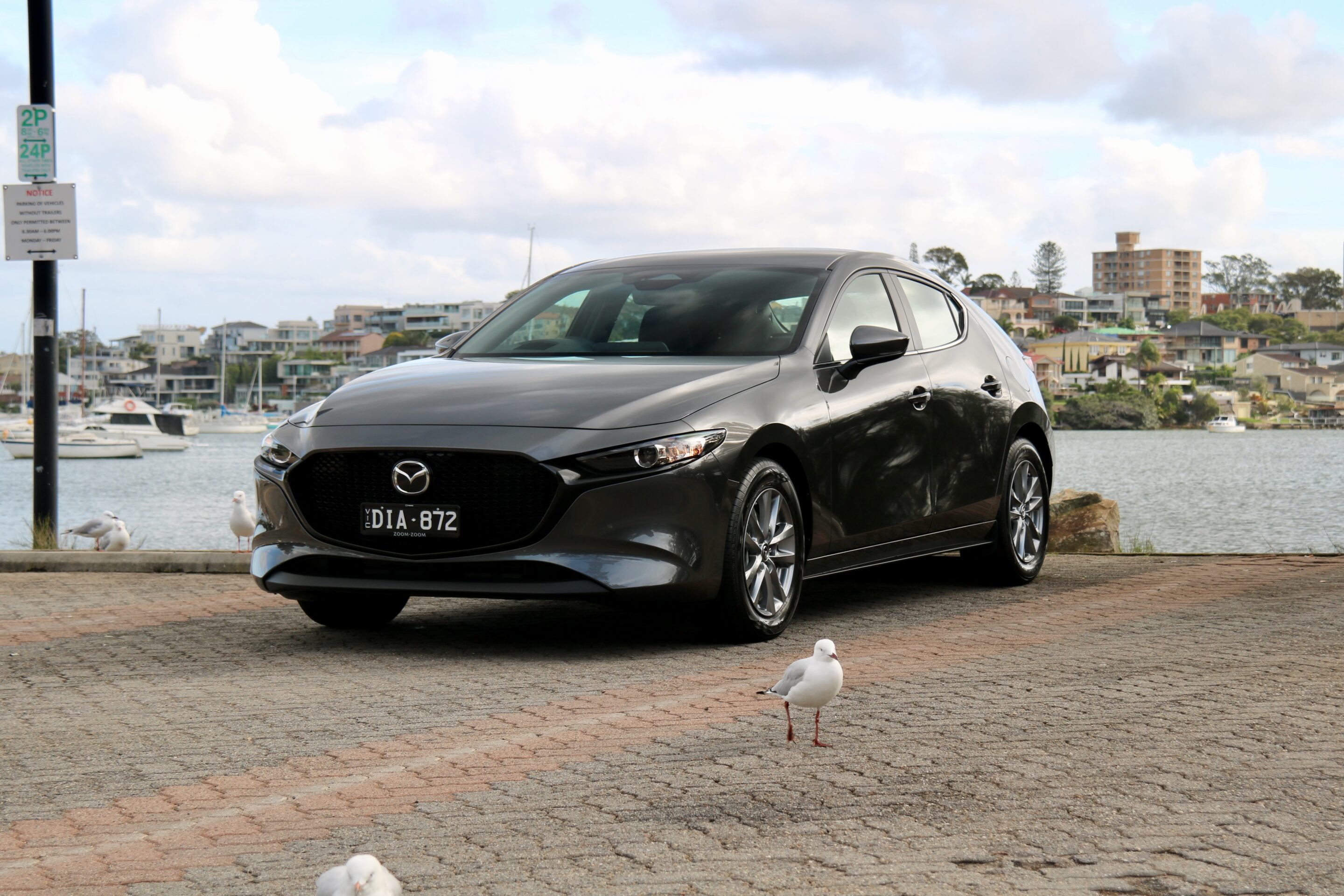
Mazda fancies itself as a cut above its rivals, its semi-premium offerings sometimes shading its competitors, certainly in terms of kerb appeal and cabin refinement.
But that sense of style is more than just skin deep, with Mazda’s 2.0-litre, four-cylinder Skyactiv-G engine a willing companion on the road. It makes 114kW and 200Nm, mated to a six-speed auto sending drive to the front wheels. It’s a winning combination, the Mazda3 impressing us here at Whichcar by Wheels every time we get behind the wheel.
Standard equipment is on a par for entry-level models in the segment, with 16-inch alloy wheels, an 8.8-inch infotainment screen with Apple CarPlay and Android Auto, rain-sensing wipers, satellite navigation, digital radio, keyless entry and push-button start and a good, if not complete, suite of safety technologies. Like the Corolla, the Mazda 3’s ANCAP safety rating has expired, its previous five-star score relegated to the benches on 31 December, 2025.
1
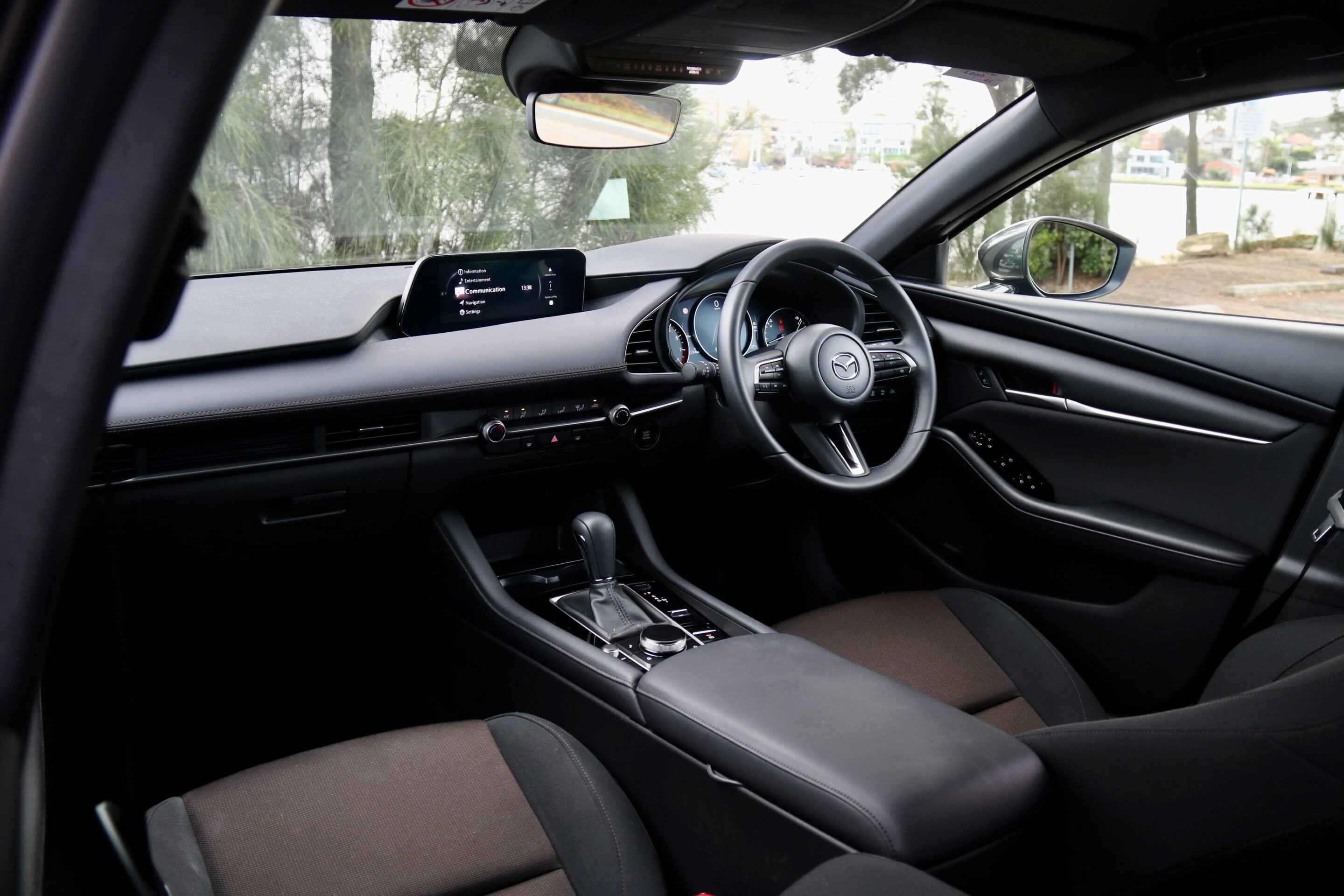
Where the Mazda3 stands out above its rivals is inside, with a well-built cabin that is simply ahead of the competition. Soft materials, even in this entry-level model, abound while the solidly-built switchgear adds a reassuring tactility to the in-car experience.
The second row is a little on the tight side, certainly for adult occupants, while the Mazda3’s boot capacity of 295 litres trumps its Corolla rival but still trails some of the competition. Servicing costs too, are on the high side, which could be a factor when it comes time to buy. Still, buyers after a stylish take on the hatchback formula would do well to add the Mazda3 to their shopping list.
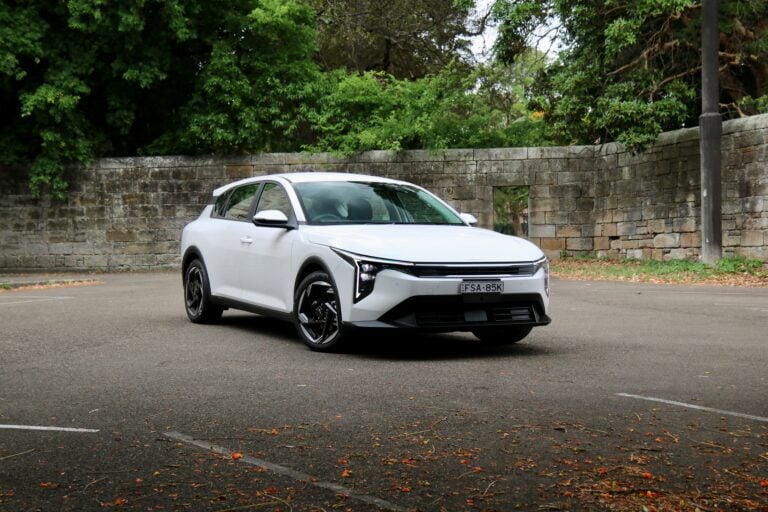
Kia K4 S
1
Price: From $33,490 driveaway (in NSW)
Engine: 2.0L petrol, CVT automatic, FWD
Combined fuel use: 6.0L/100km (claimed)
Fuel type: 91-octane regular unleaded
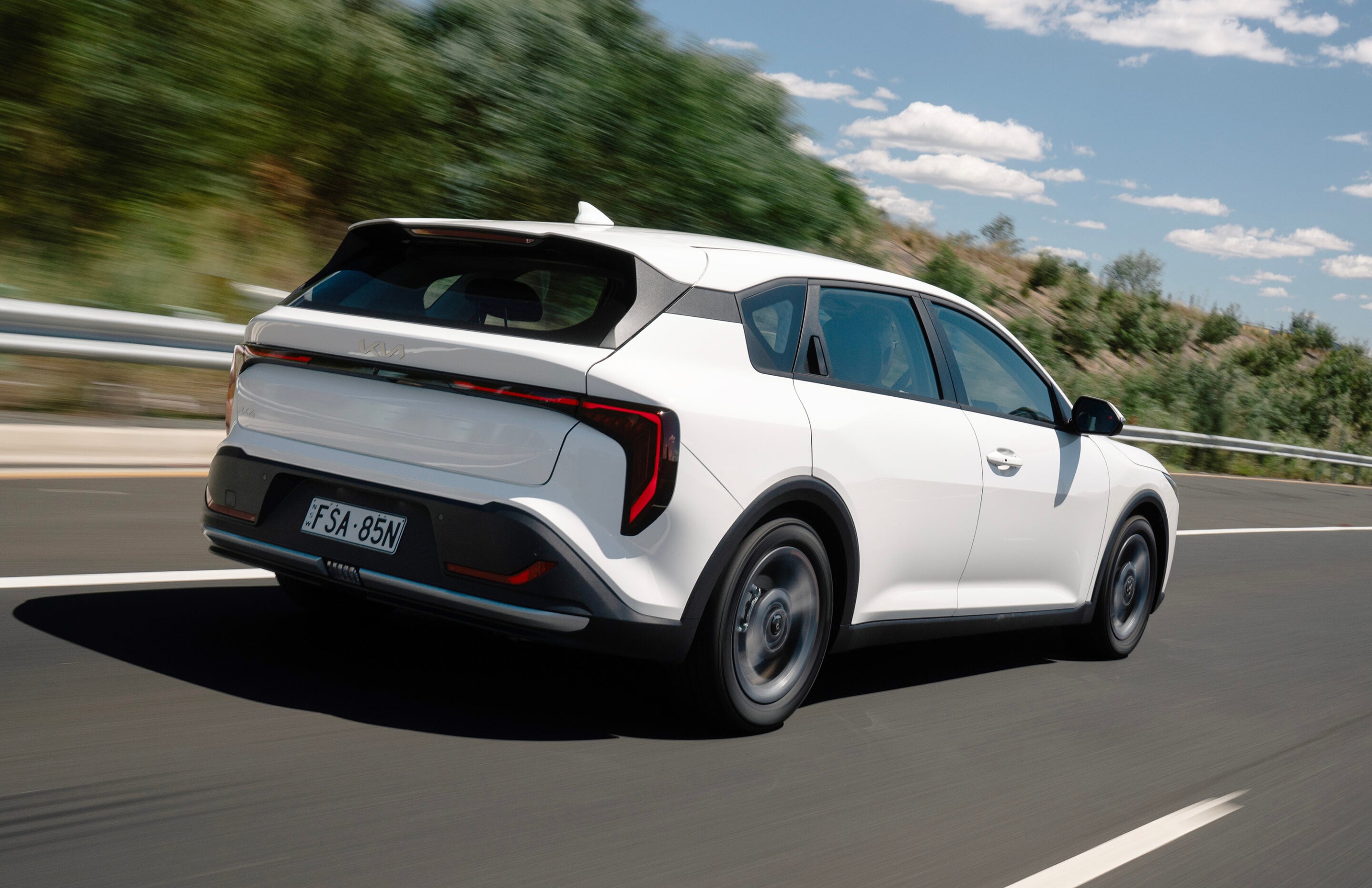
The Kia K4, the long-awaited replacement for the ageing Cerato hatchback, is the newest model here, introduced into Australia late in 2025.
Larger than its rivals, the K4 blends the Korean brand’s new ‘Opposites United’ design language into a smart hatchback that impresses on the road.
A 2.0-litre naturally-aspirated four-cylinder with 110kW and 180Nm is par for the segment, and combines nicely with what is arguably one of the better CVT transmissions in the market today. The end result is a smooth driving experience, augmented by Kia’s local suspension tune that has been tailor-made for Aussie roads.
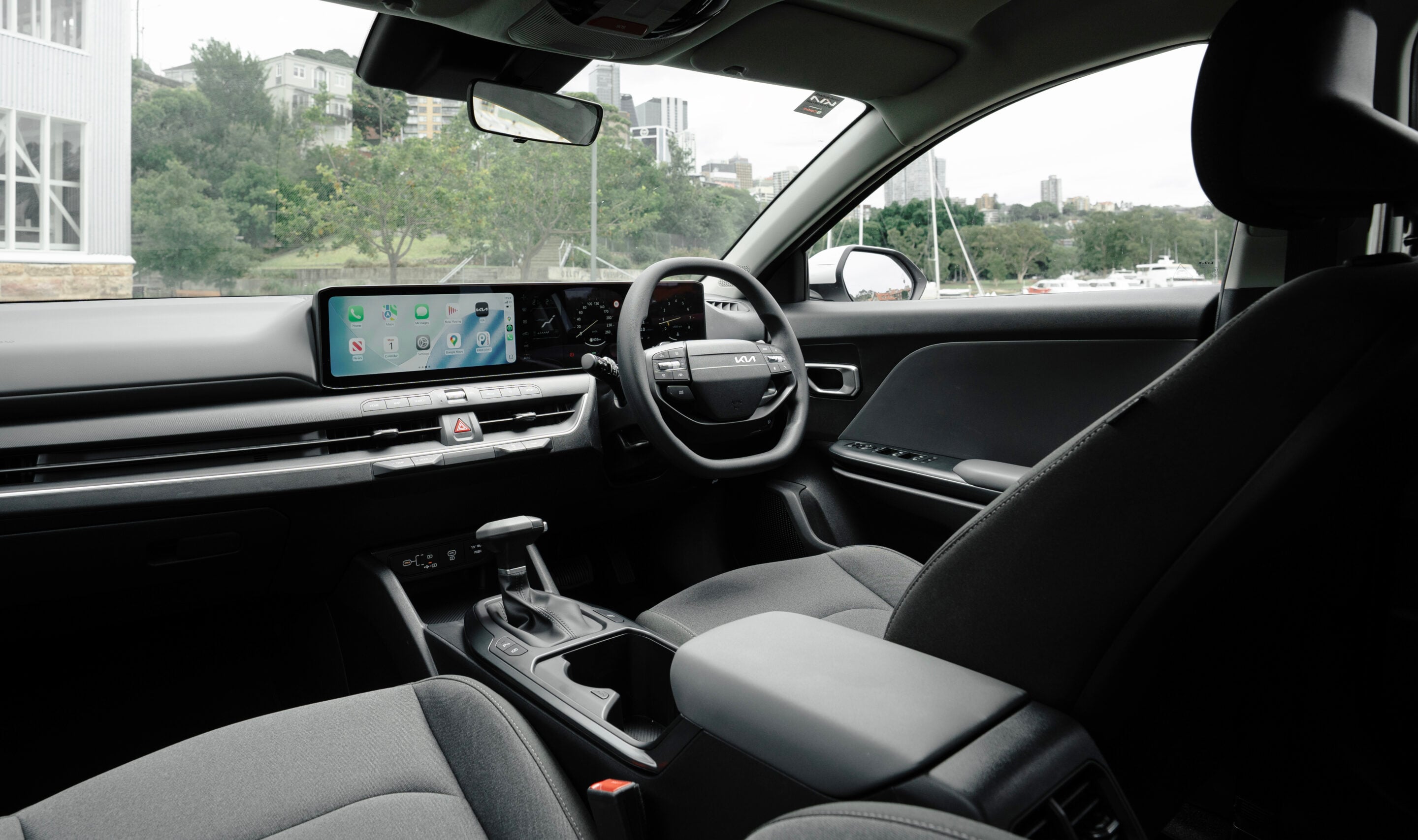
1
Equipment levels for the entry-grade S model include 16-inch alloys, keyless entry with push-button start, automatic LED lighting, a 12.3-inch touchscreen, wireless Apple CarPlay and Android Auto, and a list of safety technologies that’s a bit light on compared with its main competitors. Buyers need to spend an extra three grand to score all the safety bells-and-whistles and to feel cosy with a five-star ANCAP safety rating. Without the Safety pack, ANCAP gives the Kia K4 S a four-star rating.
Boot capacity is one area where the K4 shines, its 508 litres easily accounting for both the Corolla and the Mazda 3. It’s also the most spacious in the second row, thanks to the K4’s larger overall dimensions. That could be a crucial factor in deciding which hatchback best suits buyers’ needs.
Our recommendation would be to find the extra $3000 for the all-you-can-eat Safety Pack because, in addition to the latest technologies, it also brings other goodies like dual-zone climate control, automatic window defogging and a neat 12.3-inch digital driver’s display.
BYD Dolphin Essential
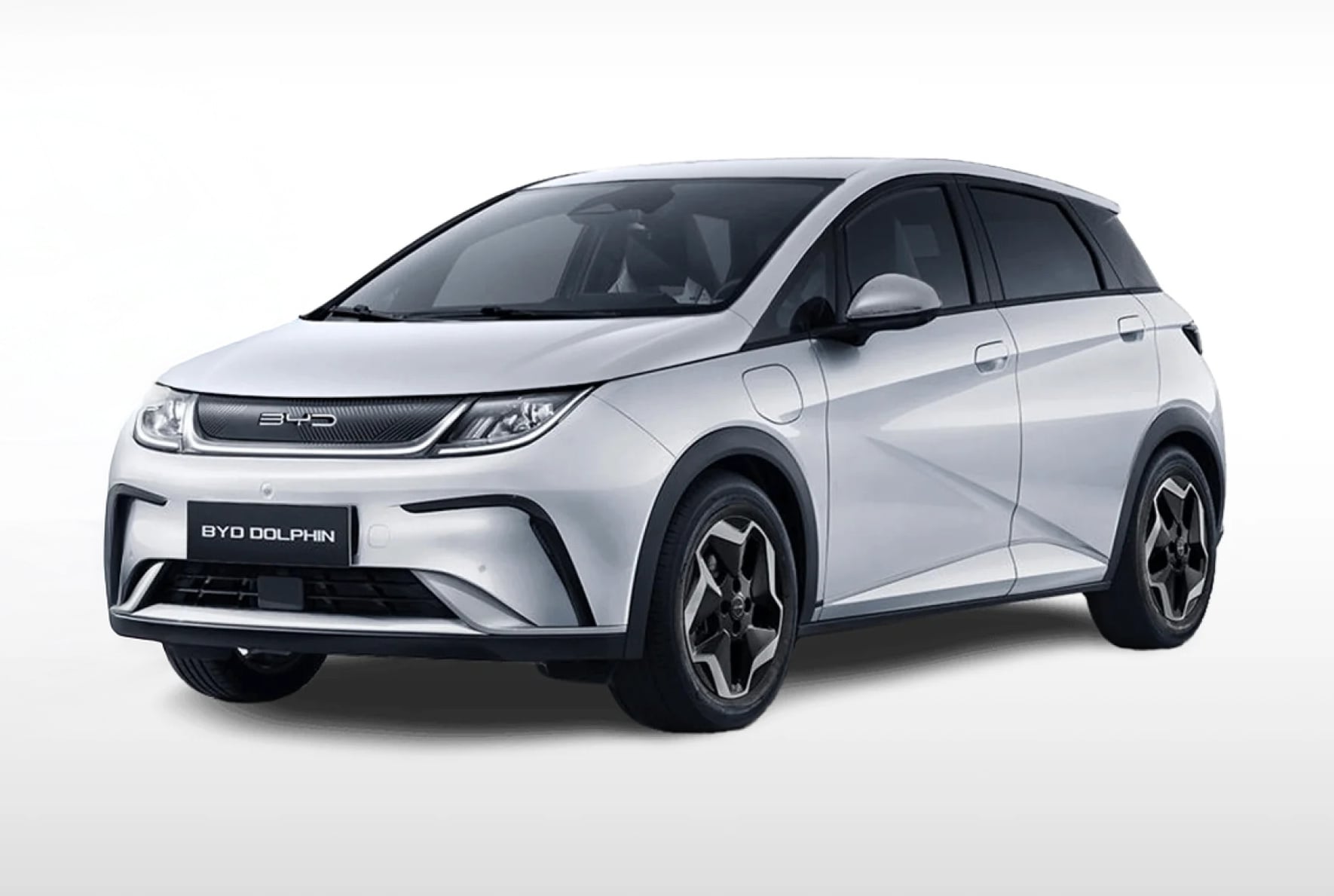
1
Price: From $32,711 driveaway (in NSW)
Powertrain: Single 70kW electric motor, FWD
Battery size: 44.9kWh
Range: 340km (WLTP tested)
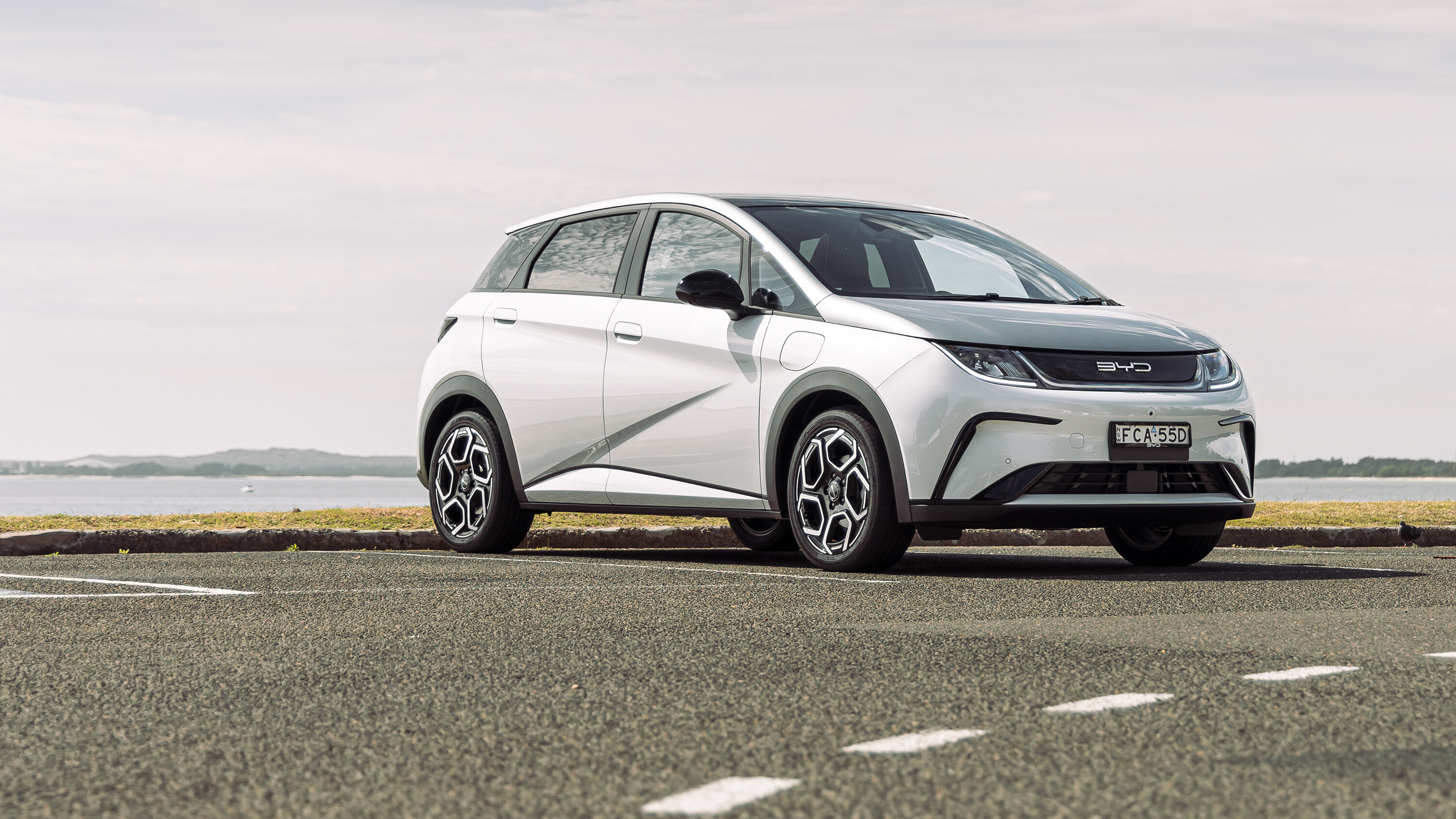
It’s somewhat telling that the most affordable of this quartet is also the only electric car. The BYD Dolphin taps into zero-emissions motoring with a quirky package that will suit urban dwellers looking to take their first tentative steps into electric motoring.
Power comes from a single 70kW electric motor driving the front wheels. It’s fed by a 44.9kWh battery that offers around 340km of driving range, based on WLTP laboratory testing. That’s plenty enough for the vast majority of Australians who, according to our most recent Census data, travel around 40-50km per day on average.
BYD claims the battery can be recharged in just over an hour on a commonly-found 50kW DC public charger while AC charging, using a home-installed 7kW wallbox, will take around 6h30m, overnight in other words.
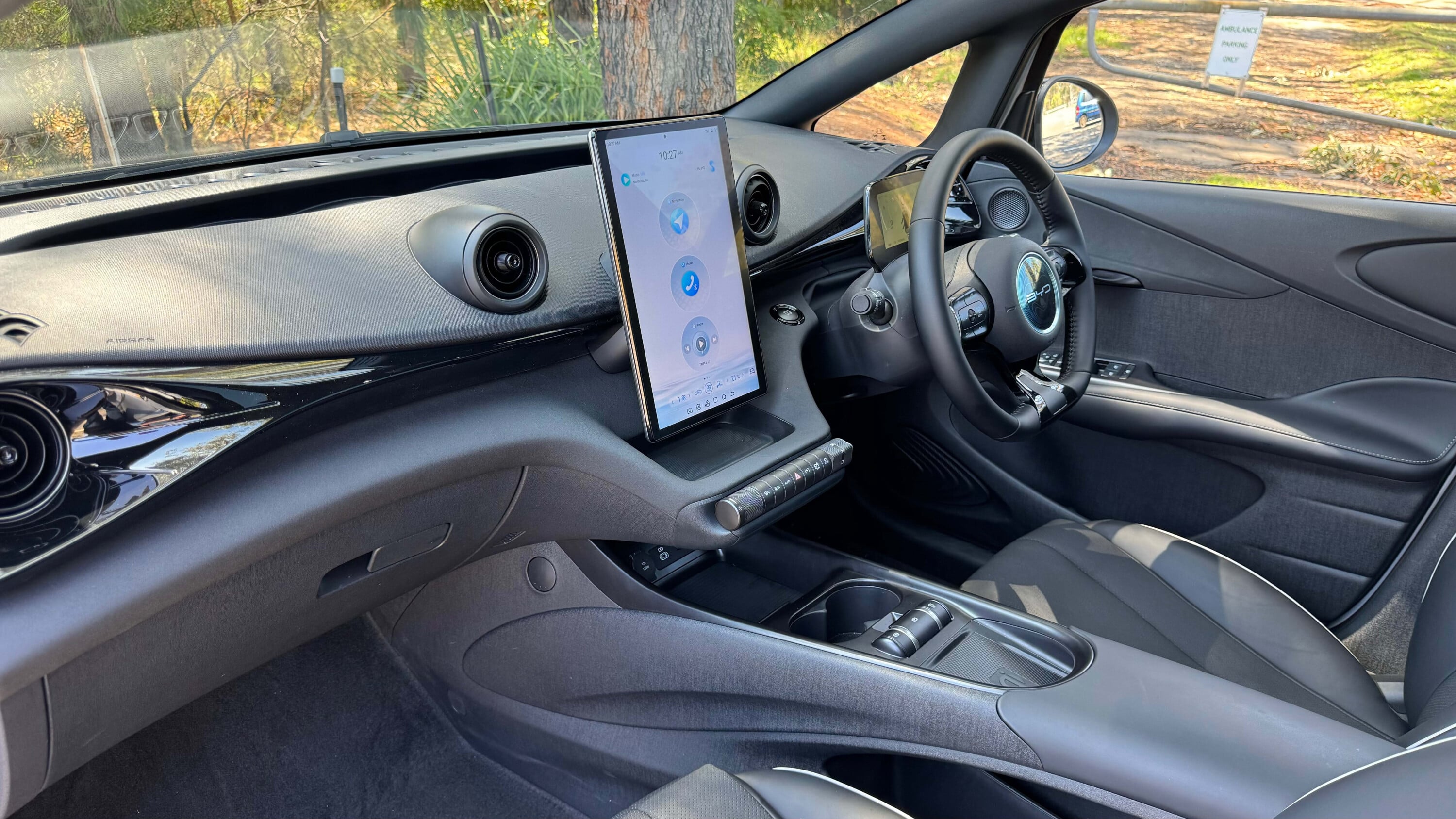
1
With 70kW and 180Nm available under your right foot, the Dolphin eschews the neck-snapping acceleration of some of its EV cohort. Instead, it feels exactly like a regular car to drive, something that will undoubtedly please a lot of potential buyers.
The standard equipment list is a cut above for an entry-level model, with 16-inch alloys, a whopping 12.8-inch infotainment screen that can be rotated from landscape to portrait and back again, Apple CarPlay and Android Auto, satellite navigation, synthetic leather seat trim, LED head- and tail-lights and a full list of modern safety technologies, earning it a five-star ANCAP safety score.
Previous road tests of the Dolphin revealed a comfortable daily driver, with suspension that errs on the side of soft, but able to swallow bumps and lumps nicely.
Inside, the quirky cabin is spacious and comfortable, including in the second row while boot space stops the tape at 345 litres, better than both the Toyota and Mazda despite ceding around 100mm in overall length.
Our pick is the entry-grade Essential, but buyers a little nervous around driving range might be better served by the Dolphin Premium and its larger 60kWh battery that brings 427km of range and improved performance from a more powerful electric motor. But unless you absolutely must have better range and an improved 0-100km/h claim, then the Essential and its circa-$7200 saving over the Premium is money in the bank. And that’s no bad thing.
Follow WhichCar/Wheels on Google
Click the button below to make WhichCar by Wheels a preferred source for your news.

We recommend
-
 Reviews
2026 Kia K4 hatchback review: A fresh start in a dwindling segment
A new hatchback bodystyle has been added to the K4 range, with which it replaced the Cerato. Is it the K4 to fend off small SUVs?
-
 Reviews
Mazda3 G20 Pure hatchback: Mature drive and excellent cabin offset dated engine
Hatchbacks aren't as popular as they once were but for those still in the market for one, here's our assessment of one of the most enduringly popular: the Mazda3.
-
 Comparisons
Popular hatchbacks comparo: Hyundai i30, Mazda3 and Toyota Corolla face off
What’s the best hatchback you can buy on a $40k budget? It’s a simple question. The answer? That’s not quite so straightforward.