News
Gallery 1
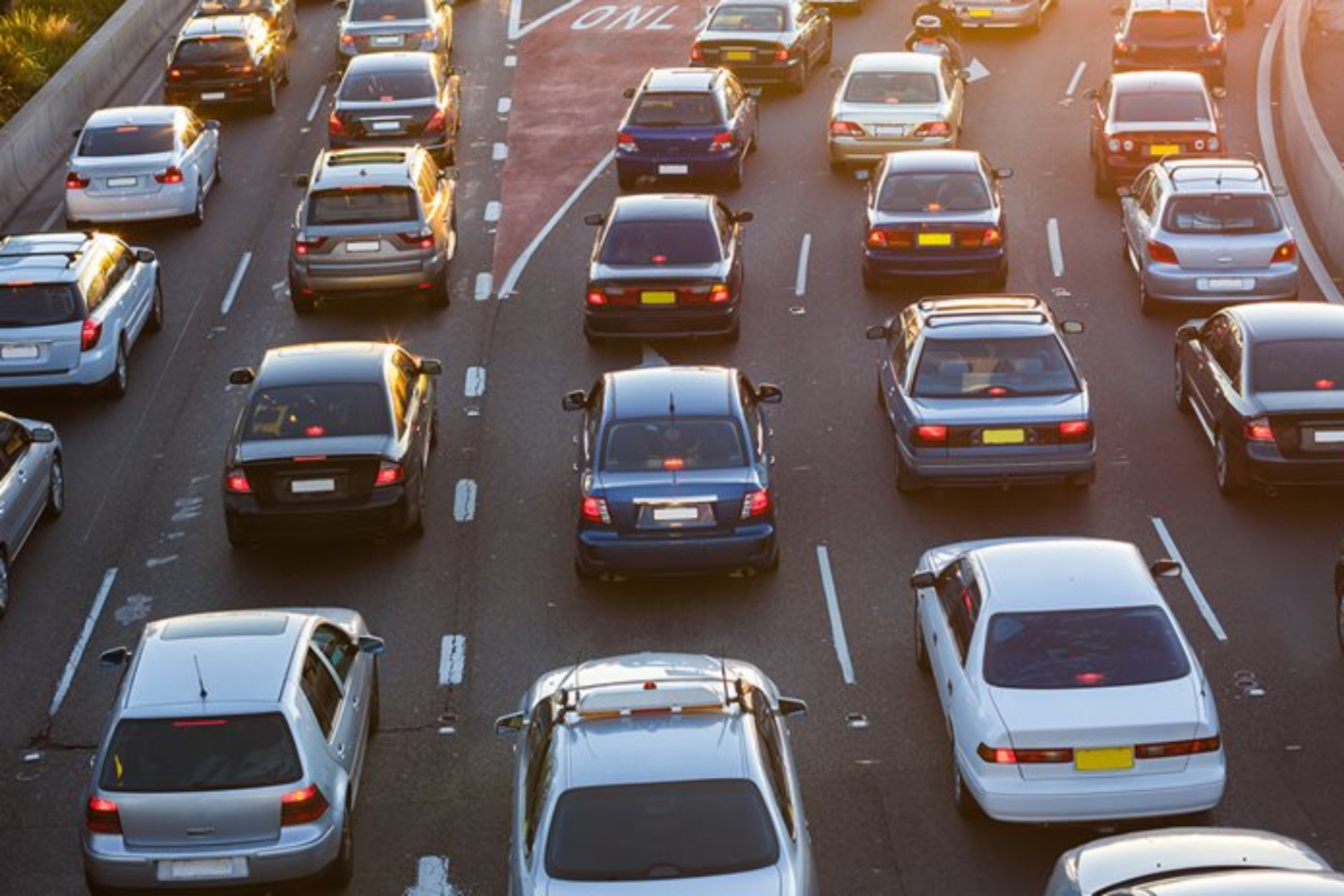
A wave of fake online articles has prompted warnings from Australian transport authorities after several websites falsely claimed new road rules had taken effect nationwide.
As reported by Yahoo News, the misinformation included bogus claims that from November 1, all drivers must keep their headlights on “at all times” or face a $250 fine. Similar fake stories alleged the introduction of curfews for older drivers and massive penalties for eating or drinking behind the wheel.
Transport for NSW confirmed to the outlet that the supposed “headlights rule” was entirely false. The department’s secretary, Josh Murray, cautioned motorists to rely only on official information.

“Understanding road rules and following them is a responsibility motorists should take seriously,” Mr Murray said. “The rise of artificial intelligence can generate misinformation, and we’ve seen that recently with claims about curfews and large fine increases – neither true nor remotely accurate.”
Victoria’s Department of Transport reminded drivers that headlights are required only between sunset and sunrise or in poor visibility. Queensland’s Department of Transport and Main Roads (TMR) also dismissed the claims, confirming there is no rule requiring lights to be on at all times.
“Reports of new road rules requiring drivers to keep their headlights on at all times are fake,” a TMR spokesperson told Yahoo News, adding that drivers should instead “remain attentive, consider conditions, and use their lights appropriately.”
Authorities have also rejected another viral hoax suggesting fines of up to $8,000 for eating, drinking or smoking while driving, and an earlier false story that claimed drivers over 60 in Western Australia would be banned from driving at night.
Criminal defence lawyer Avinash Singh told the outlet the spread of AI-generated misinformation is a growing problem.
“The biggest danger is that people may mistakenly believe a certain action is legal or illegal,” he said. “But ignorance of the law is no excuse – relying on false online information is not a defence in court.”
Motorists are being urged to verify road rules through their state or territory transport departments rather than unverified online sources.
Follow WhichCar/Wheels on Google
Click the button below to make WhichCar by Wheels a preferred source for your news.


We recommend
-
 News
NewsAussie drivers warned about 'precision' of AI traffic cameras for even minor infringements
Minor lapses in concentration such as fiddling with a GPS are being detected and enforced by AI camera technology, warns a traffic lawyer.
-
 News
NewsWhich Aussie state's drivers are on the phone most while driving?
Phone use behind the wheel remains one of Australia’s most dangerous driving habits. But which state is the worst for it? The answer may surprise you.