News
Gallery 1
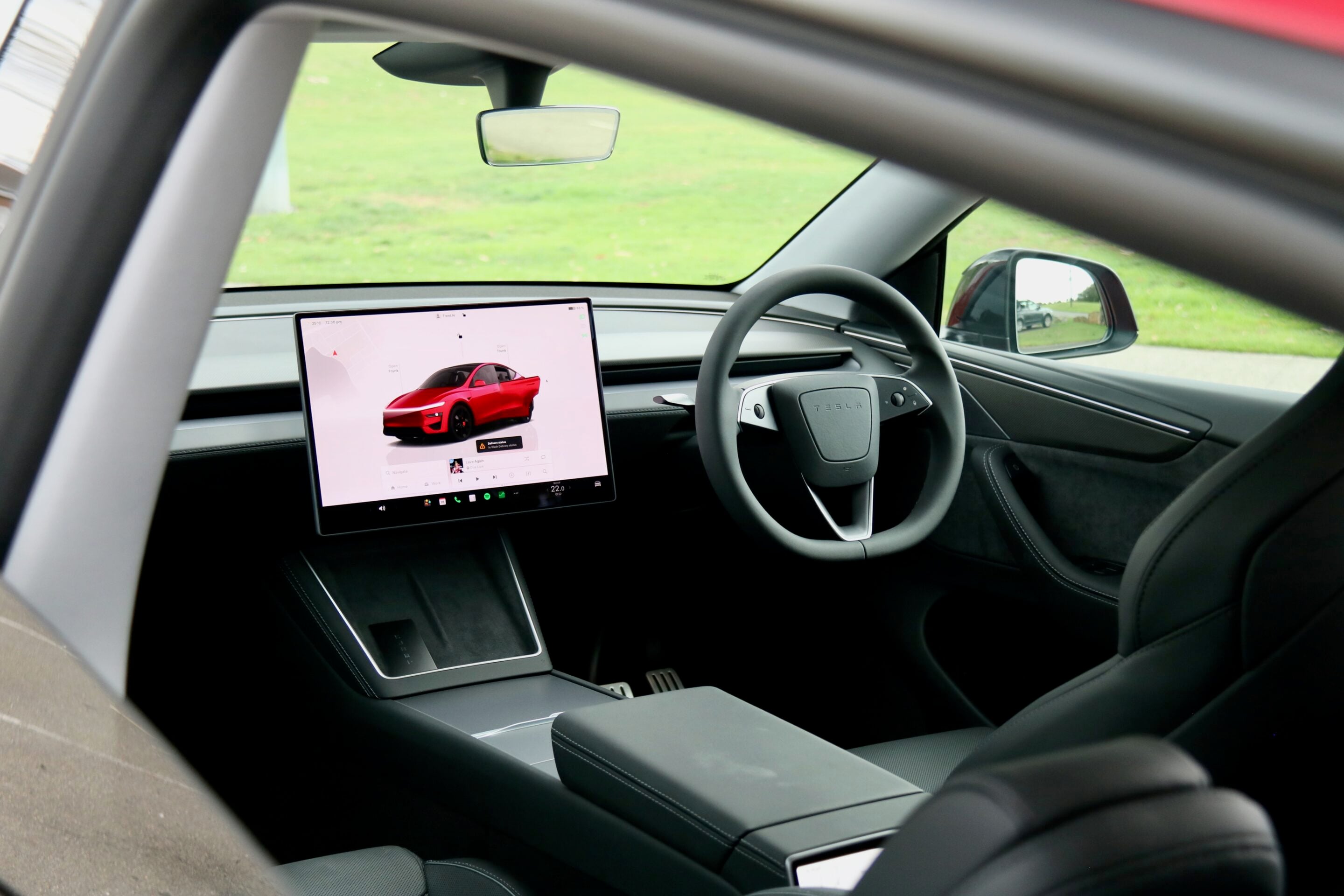
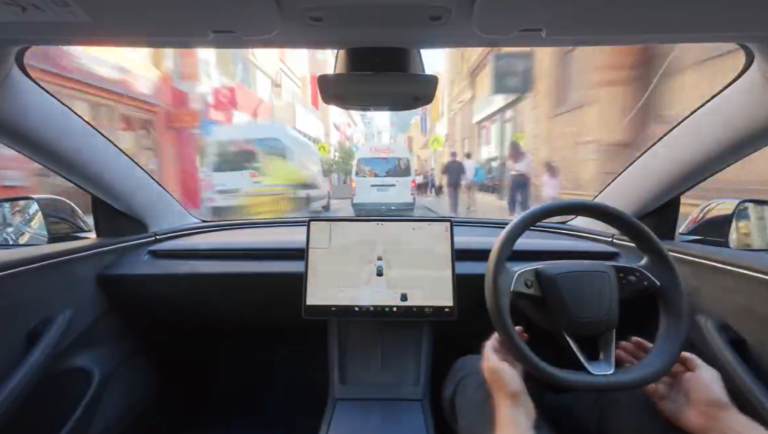
Tesla is facing mounting legal pressure in Australia over claims it sold its Full Self-Driving (FSD) software to customers whose vehicles may never deliver the advertised capability.
A report in The Sydney Morning Herald says several Australian Tesla owners have launched legal action, alleging they paid more than $10,000 for FSD despite their cars lacking the hardware required to fully support the system.
FSD, which operates as an advanced driver-assistance feature requiring constant human supervision, was promoted by Tesla for years before becoming available locally in limited form in Model 3 and Model Y cars in 2025. While newer vehicles equipped with the latest hardware can perform more complex driving tasks, owners of earlier models report significantly reduced functionality.
2
At the centre of one case is a NSW Tesla owner who has taken action through the NSW Civil and Administrative Tribunal, claiming the company engaged in misleading conduct by selling him lifetime access to FSD that has not been delivered. He is seeking a refund of the software cost, along with compensation linked to additional taxes incurred in owning the vehicle.
The case will proceed alongside a broader Federal Court class action, which includes similar claims from other customers. The tribunal has ruled that individual cases can continue independently, potentially allowing for faster resolution.
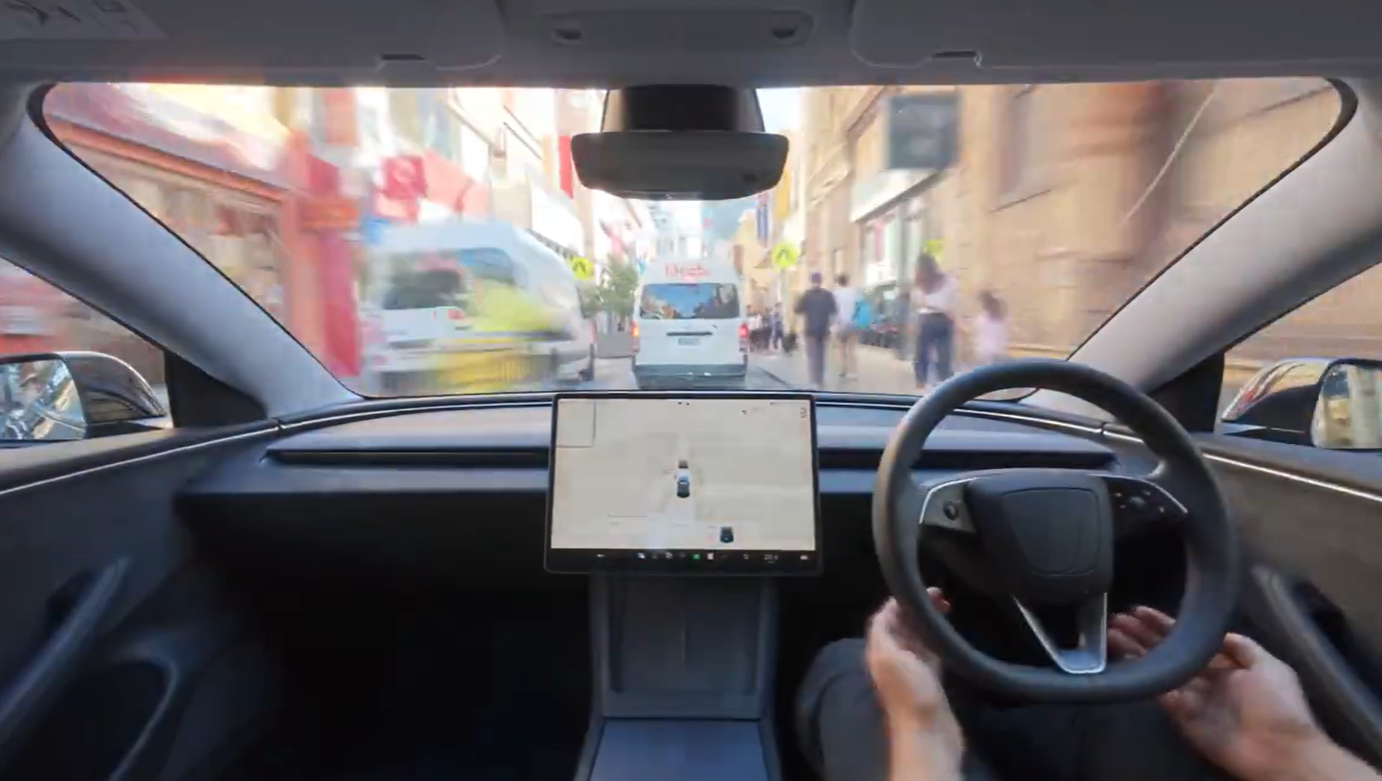
Tesla’s FSD system relies on a network of cameras and software designed to interpret surroundings and control steering, braking and acceleration. However, under Australian regulations it remains classified as a Level 2 system, meaning drivers must remain fully engaged and legally responsible at all times.
The legal challenges come amid ongoing scrutiny of Tesla’s driver-assistance technology in Australia. In recent months, the company has adjusted its terminology for such systems following pressure from regulators, while also shifting FSD to a subscription-based model for local buyers.
At the same time, Tesla has made selective changes to its global feature offerings, although some safety-related adjustments seen overseas have not been applied in Australia.
The outcome of the legal proceedings could have broader implications for how advanced driver-assistance features are marketed and sold, particularly as automakers continue to push the boundaries of semi-autonomous driving technology.
Follow WhichCar/Wheels on Google
Click the button below to make WhichCar by Wheels a preferred source for your news.
We recommend
-
 News
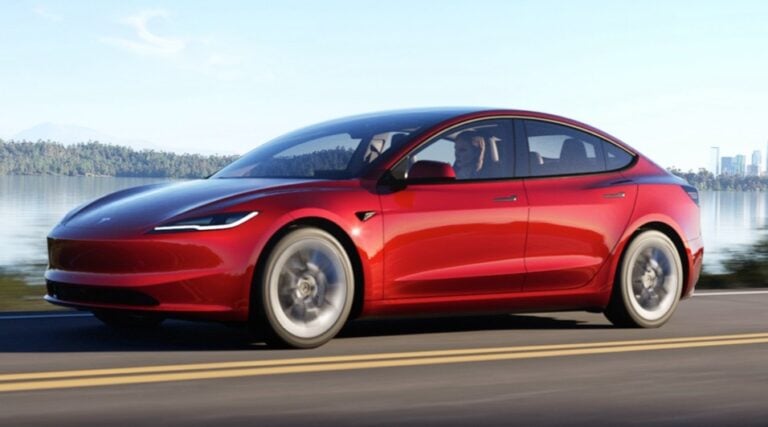
NewsTesla quietly kills some standard safety features in North America; Australia unaffected
Tesla to charge monthly subscription for safety and driver assist features previously regarded as standard.
-
 News
NewsTesla self-driving starts testing in Australia – and even manages a hook turn
The brand’s mission on autonomous driving sees a hands-free Tesla navigating the streets of Melbourne - though the feature is not yet available for use by the public.