Reviews

Gallery 1
7.6
/10
Score
Score breakdown
7.0
Safety, value and features
8.0
Comfort and space
8.0
Engine and gearbox
7.5
Ride and handling
7.5
Technology
Things we like
- Even more well-rounded than before
- Even better fuel economy this time around
- Just so easy to drive in all situations
Not so much
- Starting to get a bit expensive
- Sharp new touchscreen takes some steps backward
- Disappointing interior quality
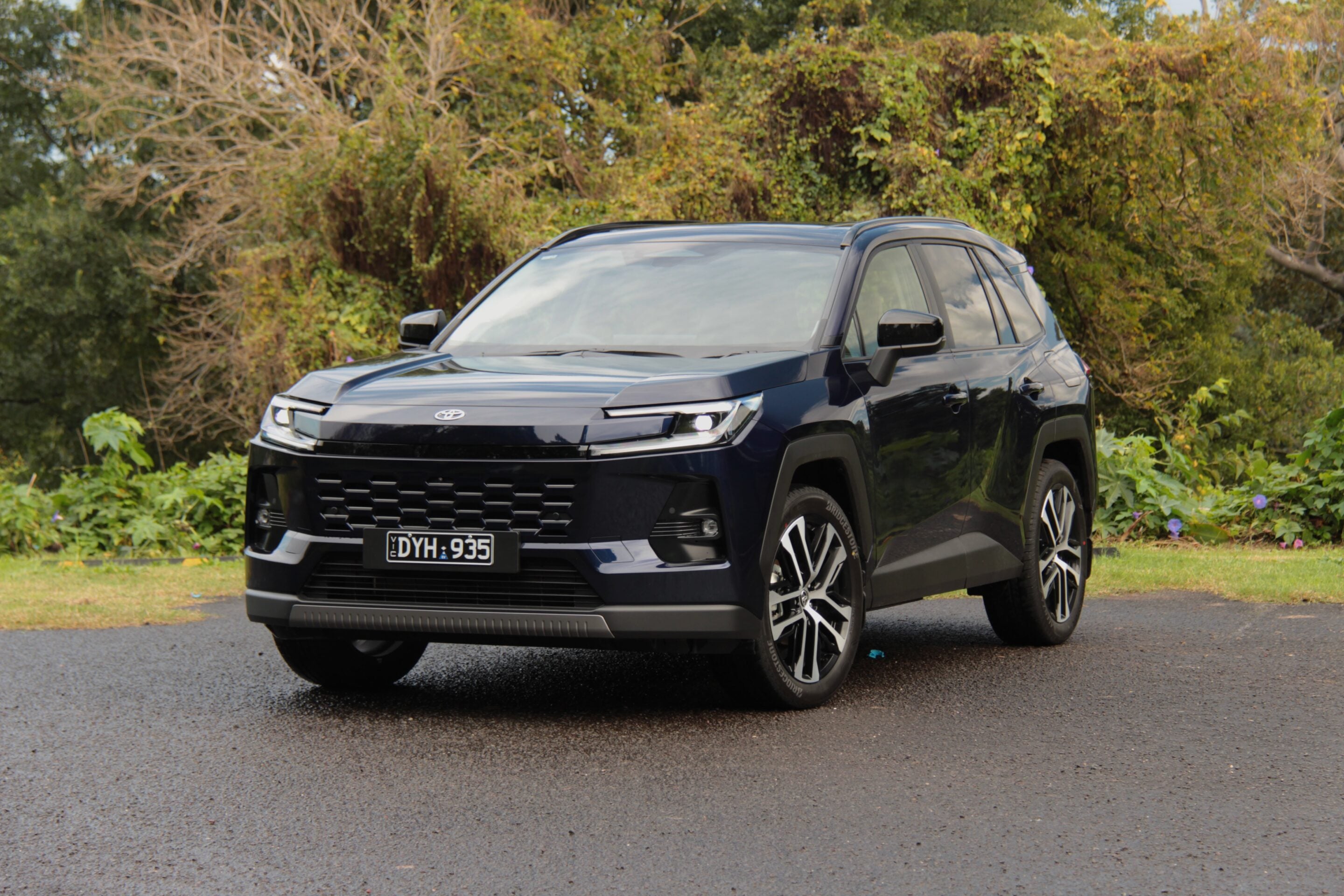
Few vehicles have had a bigger influence on Australia’s new-car market in recent years than the Toyota RAV4. Consistently among the country’s best-selling vehicles, it has helped popularise hybrid-powered medium SUVs – it’s becoming increasingly rare to find a non-hybrid offering in the segment. The new-generation 2026 Toyota RAV4 arrived earlier this year with a fresh look, upgraded technology and a revised hybrid powertrain — but, predictably, so did price rises.
Sitting near the top of the range, the popular Cruiser model promises the premium features buyers expect, but does Australia’s favourite SUV still provide the talent that buyers expect?
How much does the RAV4 Cruiser cost to buy?
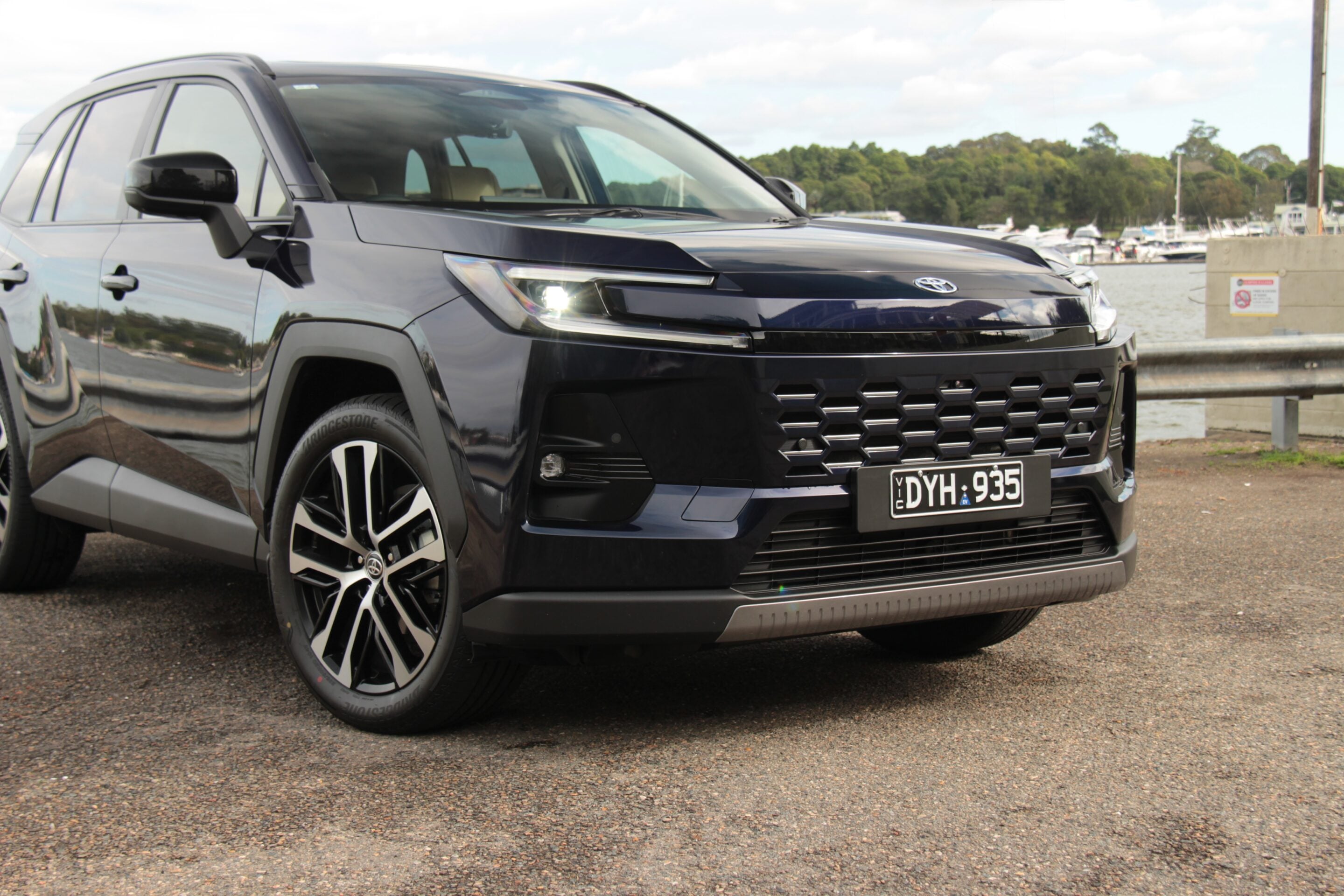
Pricing for the new RAV4 range starts at $45,990 plus on-road costs for the entry-level GX, while the Cruiser 2WD tested for this review asks $56,990 +ORC, or around $62,300 driveaway in New South Wales at the time of writing.
4
2026 Toyota RAV4 pricing (plus on-road costs):
| GX Hybrid 2WD | $45,990 (+$3730) |
|---|---|
| GX Hybrid AWD | $49,340 (+$4080) |
| GXL Hybrid 2WD | $48,990 (+$3180) |
| GXL Hybrid AWD | $52,340 (+$3530) |
| Edge Hybrid AWD | $55,340 (-$3020) |
| XSE Hybrid AWD | $58,340 (+$6430) |
| XSE Plug-In Hybrid 2WD | $58,840 (new) |
| XSE Plug-In Hybrid AWD | $63,340 (new) |
| Cruiser Hybrid 2WD | $56,990 (+$5580) |
| Cruiser Hybrid AWD | $60,340 (+$5930) |
| GR Sport Plug-In Hybrid AWD | $66,340 (new) |
Competition is fierce and the RAV4’s price rises of up to $6430 with the new generation model have made it one of the most expensive options in the non-premium section of the medium SUV segment.
Competitors to the RAV4 Cruiser include the Hyundai Tucson Premium ($58,350 plus on-road costs, though fitted with all-wheel drive as standard), Kia Sportage GT-Line Hybrid ($57,370 +ORC or $60,370 +ORC for all-wheel drive), Mazda CX-5 G25 Akera ($54,990 +ORC, but not a hybrid), Honda CR-V e:HEV RS ($64,400 driveaway with all-wheel drive) and Nissan X-Trail Ti-L e-Power ($58,215 +ORC, fitted with all-wheel drive as standard).
There’s a full list of standard features below, but the 2026 RAV4 Cruiser has been made more competitive with its rivals it terms of equipment. Highlights include 20-inch alloy wheels, a panoramic roof, leather-accented upholstery, heated and ventilated front seats, a 12.3-inch digital driver’s display, a 12.9-inch touchscreen with live services, wireless Apple CarPlay and Android Auto, JBL audio and a full suite of active safety features like eight airbags, autonomous emergency braking, adaptive cruise control, adaptive lane guidance, blind-spot monitoring, a 360-degree camera and adaptive high beam.
How fuel efficient is the RAV4 Cruiser?
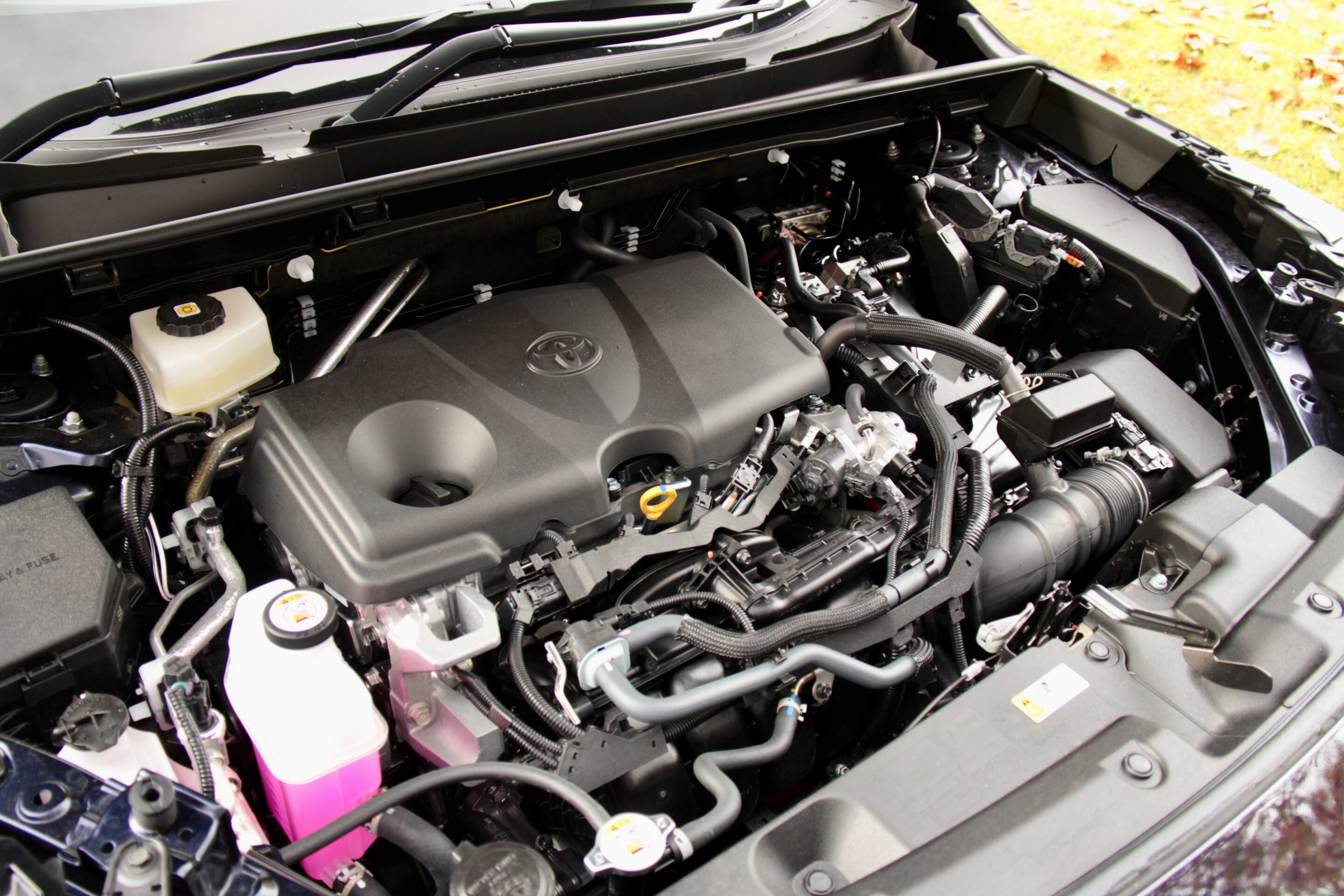
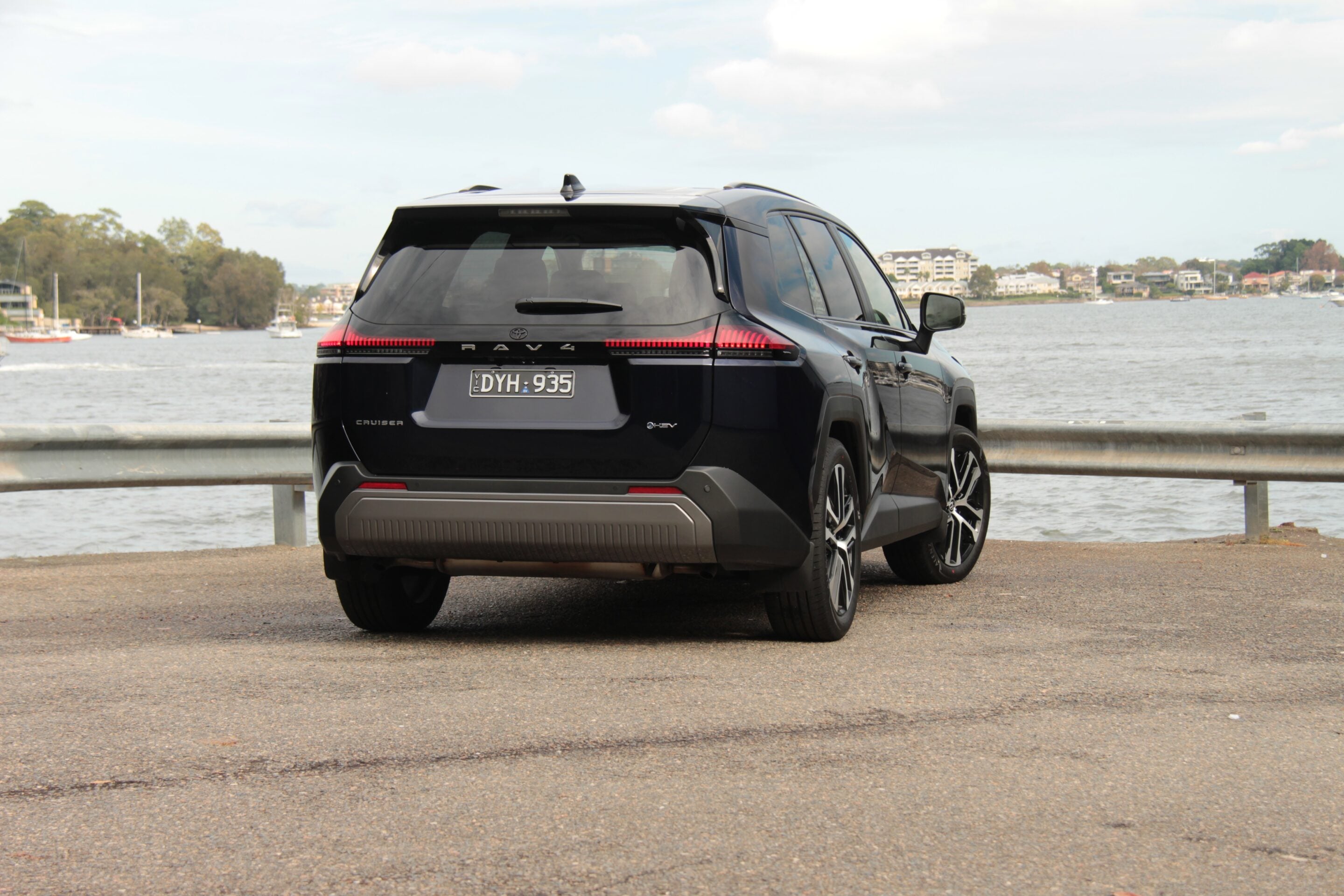
Quite. Part of the upgrade to the new-generation RAV4 included a revised 2.5-litre hybrid drivetrain now rated to Euro 6 emissions standards. Because of that, it’s now 20kW less powerful at 143kW, but its claimed combined fuel consumption has improved to 4.5L/100km, and that makes it the most fuel efficient medium SUV without a plug. If you do want to be able to plug-in your RAV4 for electric driving, plug-in hybrid variants are about to land locally with up to 121km of WLTP-rated electric range.
4
In a week of testing in both urban and highway conditions, we achieved 5.1L/100km without any effort put into fuel conservation. Be a bit more careful than us and you should easily see that drop below the 5L/100km mark. Part of the transformation to Euro 6 compliance is that the RAV4 now must use 95 RON premium unleaded fuel, though at least it’s more fuel efficient to help offset the extra cost of premium fuel.
Is the RAV4 Cruiser good to drive?
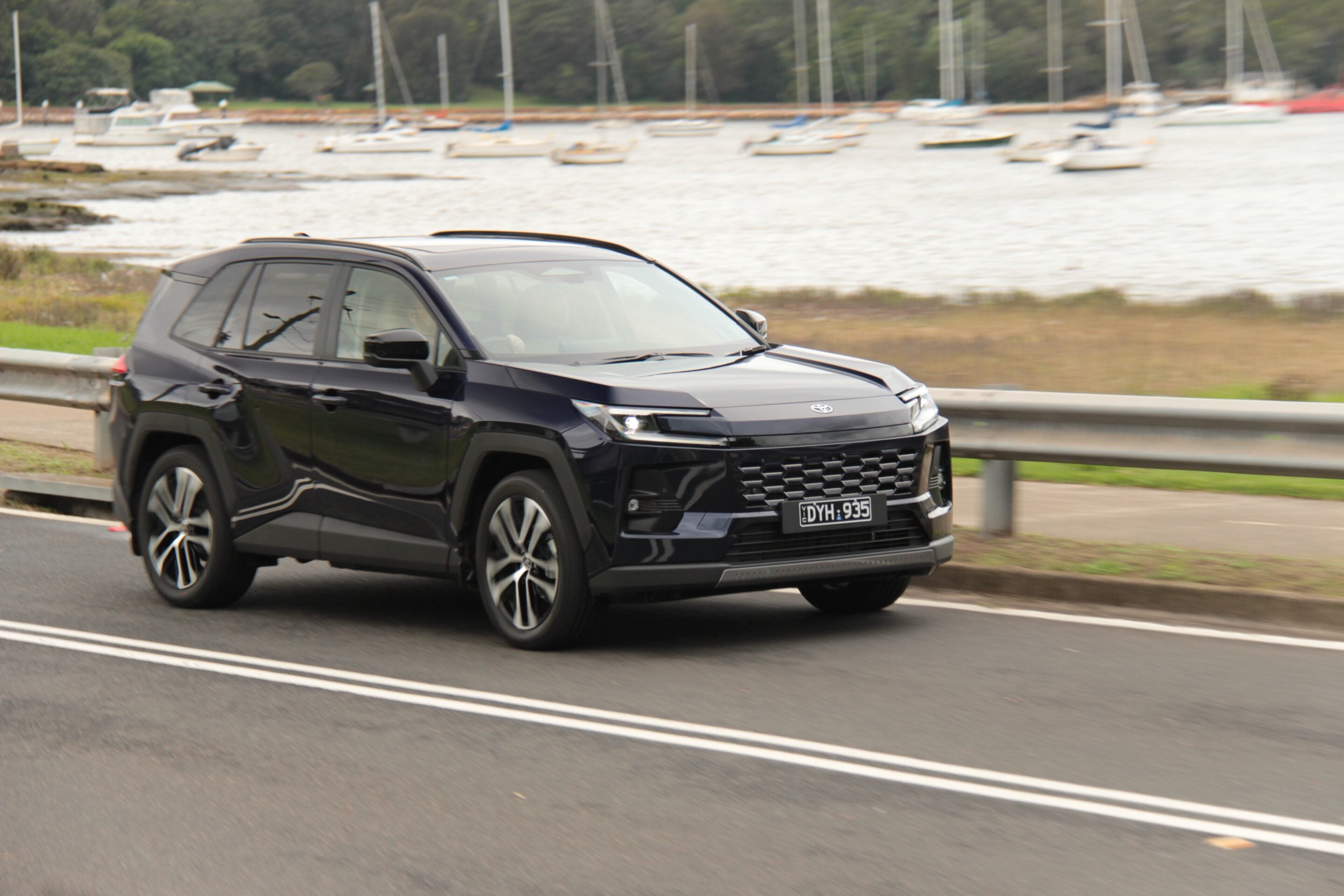
On the whole, the new RAV4 Cruiser drives pretty much like the old RAV4 Cruiser, though there are devils in the detail. The new model fits 20-inch wheels as standard on the XSE and Cruiser models, and as a result, the low speed ride never feels like it truly settles properly – the smaller-wheeled GX and GXL prove to be more comfortable in town.
At higher speeds though, the RAV4 impresses with more maturity than before, and its well-weighted steering gives confidence – there is actual feel here, unlike many rivals. It’s not a sports car, but the RAV4 can be hustled respectfully quickly along a good bit of road and its stiffer chassis is obvious compared with the last model. The brake pedal feeling has also been improved compared with the last car and it’s now more linear in its response.
5
As expected with a 20kW drop in power compared with the previous model, the RAV4’s performance isn’t quite as strong as it was before. But it would take somebody quite familiar with the old model to tell, because the electric motor feels much more responsive this time around and it feels quicker off the mark. Once the engine kicks in, you notice that there isn’t quite as much grunt in the mid range.
Overall refinement has been improved a bit, with not quite as much engine or road noise entering the cabin, and the driver assistance systems remain largely non-intrusive too. Overall, the new RAV4 is certainly more relaxing to drive than many competitors, which is something we think medium SUV buyers – and indeed, loyal Toyota folk – will appreciate. But there are more exciting, better-handling and more refined options, if that’s what you’re after.
How practical is the RAV4 Cruiser?
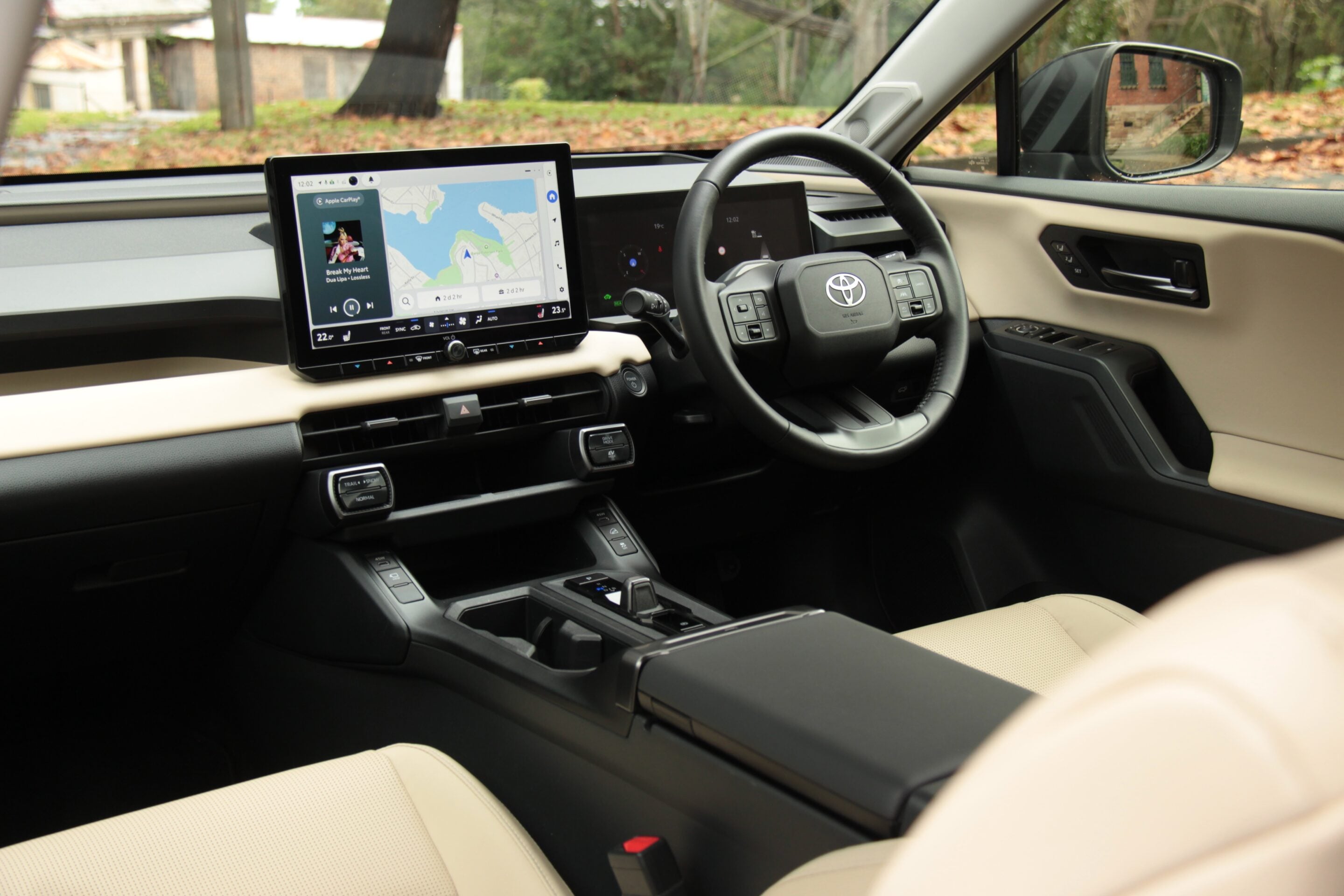
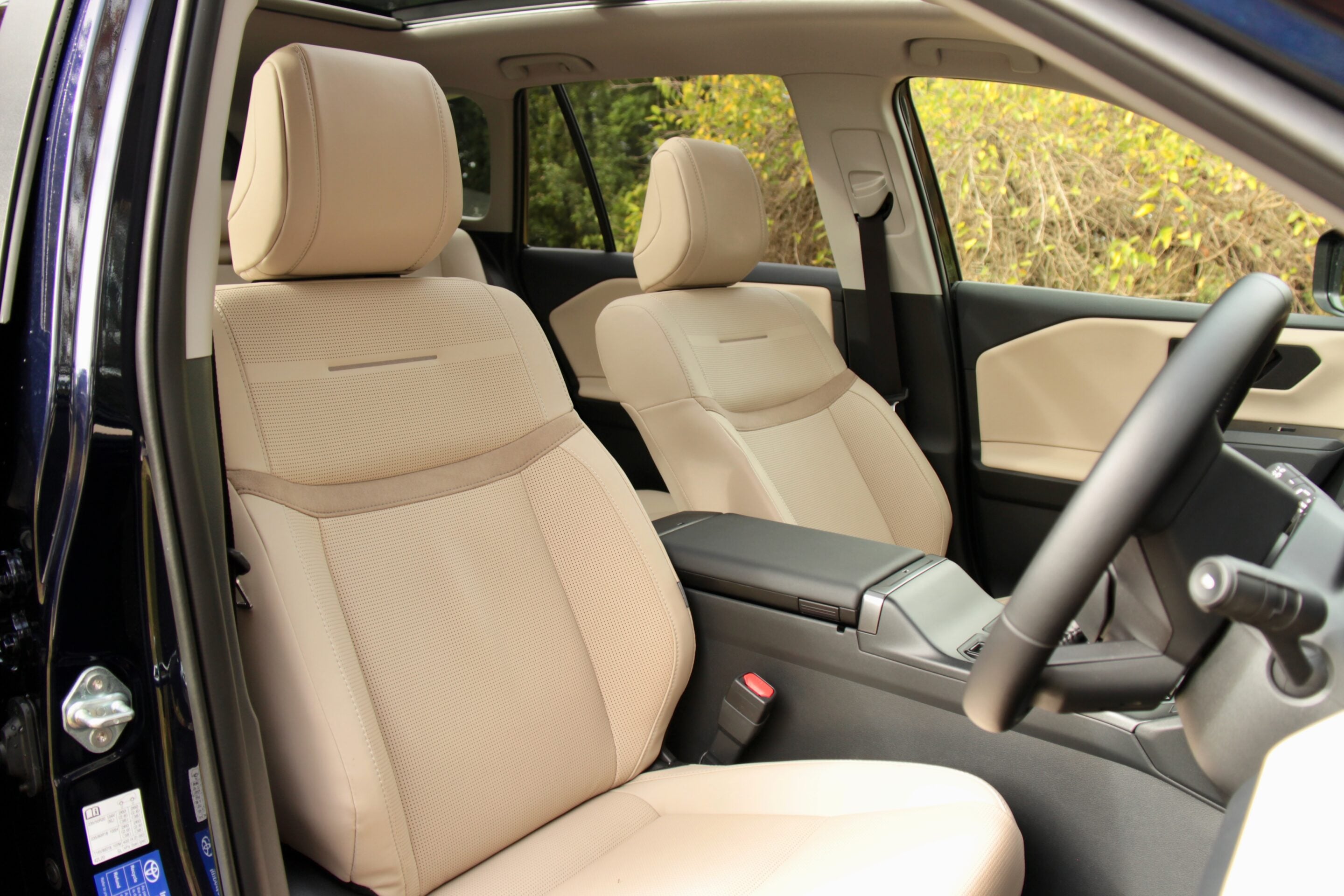
As before, the new RAV4 presents an attractive and practical cabin that will win fans with Australia’s medium SUV buyers. The new model’s layout is more modern than the previous model, and it feels more contemporary throughout. Switchgear used for stalks and window controls, for instance, are also a big improvement compared with the last model.
In general, however, interior quality is a slight disapppointment. The previous model used soft touch materials on the dashboard but even the expensive $60k+ new Cruiser does not, which suggests a cost saving. We hope Toyota can cover it with some synthetic leather trim soon to improve the ambience.
4
Another minor disappointment in the new RAV4 is the new central touchscreen, which uses the company’s new ‘Arene’ software. Measuring 12.9-inches in the Cruiser, it’s now larger, sharper and more feature-packed than before, and brings the RAV4 up to date in the segment. It also features a proper home section, finally, and its menu structure is generally easier to use than before. But while it’s moved forward in this area, there are some things about it that are a regression, like the lack of physical buttons.
To control the climate, you must enter a sub menu, which takes eyes off the road. Sure, the RAV4 is nowhere near alone in this regard, but it’s disappointing to see from a manufacturer that used to be the champion of buttons for ease of use. Thankfully, the 12.3-inch digital driver’s display is far nicer than the previous model and features inbuilt mapping that’s far better integrated and more detailed than before.
As you’d expect from a Toyota SUV, the RAV4’s cabin is still quite practical. There are large door bins, a big box underneath the configurable centre arm rest, a few trays underneath the dashboard (including two wireless phone chargers), a tray ahead of the front passenger on the dashboard and large cup holders located in the centre console.
4
Move to the rear seat and the RAV4’s lack of change in its dimensions sees it offering pretty much the same amount of room as before. Two six-foot adults will be fine, thanks to healthy leg- and headroom, while a third will also fit at a pinch. Child seat points are easily accessed too.
A centre armrest provides cup holders, joining bottle holders in the door, heated outboard seats, map pockets, air vents and two USB-C charging ports. The doors still don’t open that wide, unfortunately, so access isn’t as easy as, say, the Nissan X-Trail’s which open almost 90-degrees.
Initially, Toyota’s 705-litre boot capacity claim makes it seem like it has increased boot size but it’s not that simple because that figure is now measured to the roof. A lot of the RAV4’s dimensions are the same as the previous model but we’d wager that the old model’s 588-litre capacity is likely how much can be fitted underneath the parcel shelf. Folding the rear seats would likely unlock somewhere around 1600 litres, which is not as large as something like a Tucson hybrid, but it’s still large enough for most buyers.
What warranty covers the RAV4 Cruiser?
The RAV4 is covered by a five-year/unlimited km warranty with no roadside assistance, but that can be added from $99 per year. There’s also an eight-year/160,000km warranty for the hybrid battery, which can be extended to 10 years in total with annual health checks. If serviced at a dealer in the warranty period, Toyota will also extend the warranty on the engine and driveline up to seven years in total.
2
As for service pricing, the RAV4 Cruiser costs $325 per year to service for a five-year/75,000km cost of $1625. That’s more expensive than it used to be, and no longer the most affordable in the segment, but nowhere near the most expensive either.
Should I buy a Toyota RAV4 Cruiser?
The Toyota RAV4 didn’t become one of Australia’s best-selling vehicles by accident, and the latest Cruiser model will no doubt continue to be one of the most popular variants. Its excellent real-world fuel economy, spacious and practical cabin, and effortless everyday usability make it an easy medium SUV to live with, while Toyota’s excellent hybrid system remains a major attraction – especially during a cost-of-living crunch.
Having said that, the medium SUV segment is more competitive than ever and rivals like the Hyundai Tucson hybrid offer both sharper driving dynamics and a stronger value proposition. The RAV4 remains a solid all-round choice and deserves a place on any family SUV shortlist, but as with anything in life, buyers should do their homework before committing. The RAV4 Cruiser has plenty going for it – it’s just not the only compelling option in medium SUV town.
RAV4 Cruiser standard features:
- 20-inch alloy wheels with a space-saver spare wheel
- Dusk-sensing automatic all-LED exterior lighting
- LED front fog lights
- Rain-sensing automatic wipers
- Keyless entry with push button start
- Aluminium roof rails
- Panoramic sunroof
- Electric tailgate with kick sensor
- Heated/auto-folding mirrors
- Rear privacy glass
- Leather-accented upholstery
- 10-way driver/8-way passenger front seat adjustment with driver’s memory
- Heated/ventilated front seats, heated outboard rear seats
- Dual-zone automatic climate control with rear vents
- 12.3-inch digital driver’s display
- Head-up display
- 12.9-inch touchscreen with live services
- Satellite navigation with live traffic
- AM/FM/DAB+ digital radio
- Wireless Apple CarPlay and Android Auto
- Bluetooth calling and audio streaming
- Nine-speaker JBL sound system
- 2x wireless phone chargers
- 5x USB-C charging ports
- 8x airbags
- Autonomous emergency braking with pedestrian and daytime cyclist detection, intersection turn assistance and emergency steering assistance
- Adaptive cruise control with traffic jam assist
- Lane keeping assistance with adaptive lane guidance
- Blind-spot monitoring with rear cross-traffic alert
- Safe exit assist
- Traffic sign recognition
- Driver attention monitoring
- Auto high beam with adaptive functionality
- Front and rear parking sensors
- 360-degree camera
- Embedded drive recorder
7.6
/10
Score
Score breakdown
7.0
Safety, value and features
8.0
Comfort and space
8.0
Engine and gearbox
7.5
Ride and handling
7.5
Technology
Things we like
- Even more well-rounded than before
- Even better fuel economy this time around
- Just so easy to drive in all situations
Not so much
- Starting to get a bit expensive
- Sharp new touchscreen takes some steps backward
- Disappointing interior quality
Follow WhichCar/Wheels on Google
Click the button below to make WhichCar by Wheels a preferred source for your news.

We recommend
-
 News
NewsEOFY offers 2026: Deals from Kia, BYD, BMW, Toyota, Mazda, MG and more – updated
It's approaching the end of the 2026 financial year, which means that car manufacturers are sharpening their pencils. Here are the best EOFY offers.
-
 Reviews
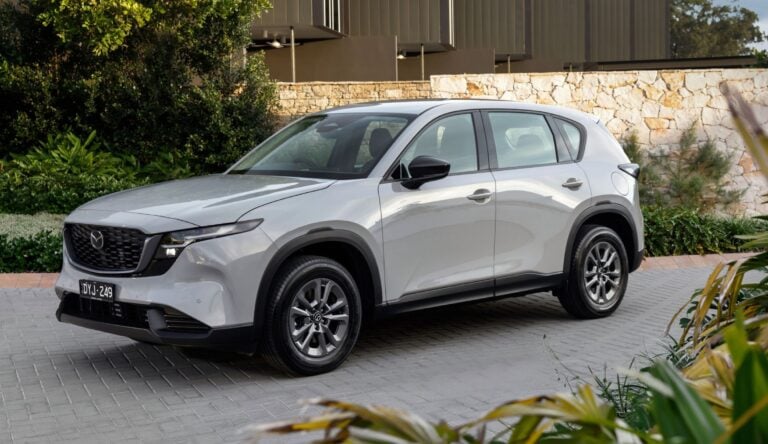
Mazda CX-5 first drive: Can the popular medium SUV find more success without a hybrid option?
The entry to the revised CX-5 range is now $39,990 before on-road costs, signifying just how cut-throat the fight is in the medium SUV segment. Will the lack of a hybrid halt the sales success of Mazda’s most popular vehicle?
-
 Features
Most fuel efficient petrol/diesel medium SUV models on the market: Top 10
Are you searching for a new medium SUV, but don't want any form of electrification? Here are the 10 most fuel efficient models you can currently buy.