
Reviews
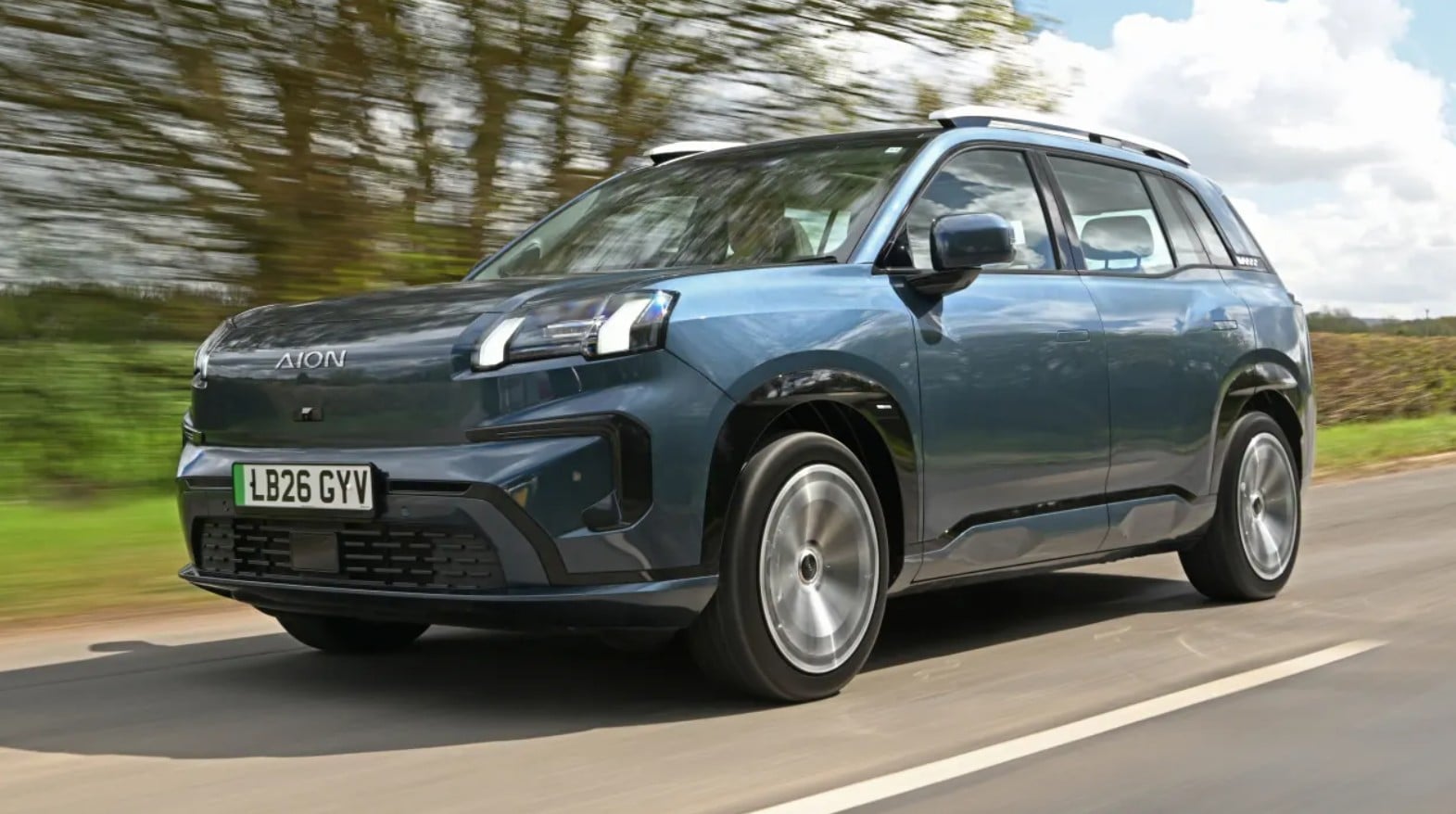
Gallery 1
The GAC Aion V has joined the crowded mid-size electric SUV segment with a strong focus on value, technology and practicality – but it’s not without its compromises.
Built by one of China’s largest automotive groups, the Aion V is designed to appeal to families looking for an affordable, well-equipped electric SUV. At around 4.6 metres long, it sits squarely in one of the most competitive parts of the market, going up against a growing number of similarly sized EVs.
On paper, the fundamentals are solid. A 75kWh battery delivers a claimed driving range of just over 500 kilometres (WLTP), while DC fast charging of up to 180kW allows a 10–80 per cent top-up in around 24 minutes. In real-world testing, efficiency sits closer to a 430km usable range, which is still competitive for the class.
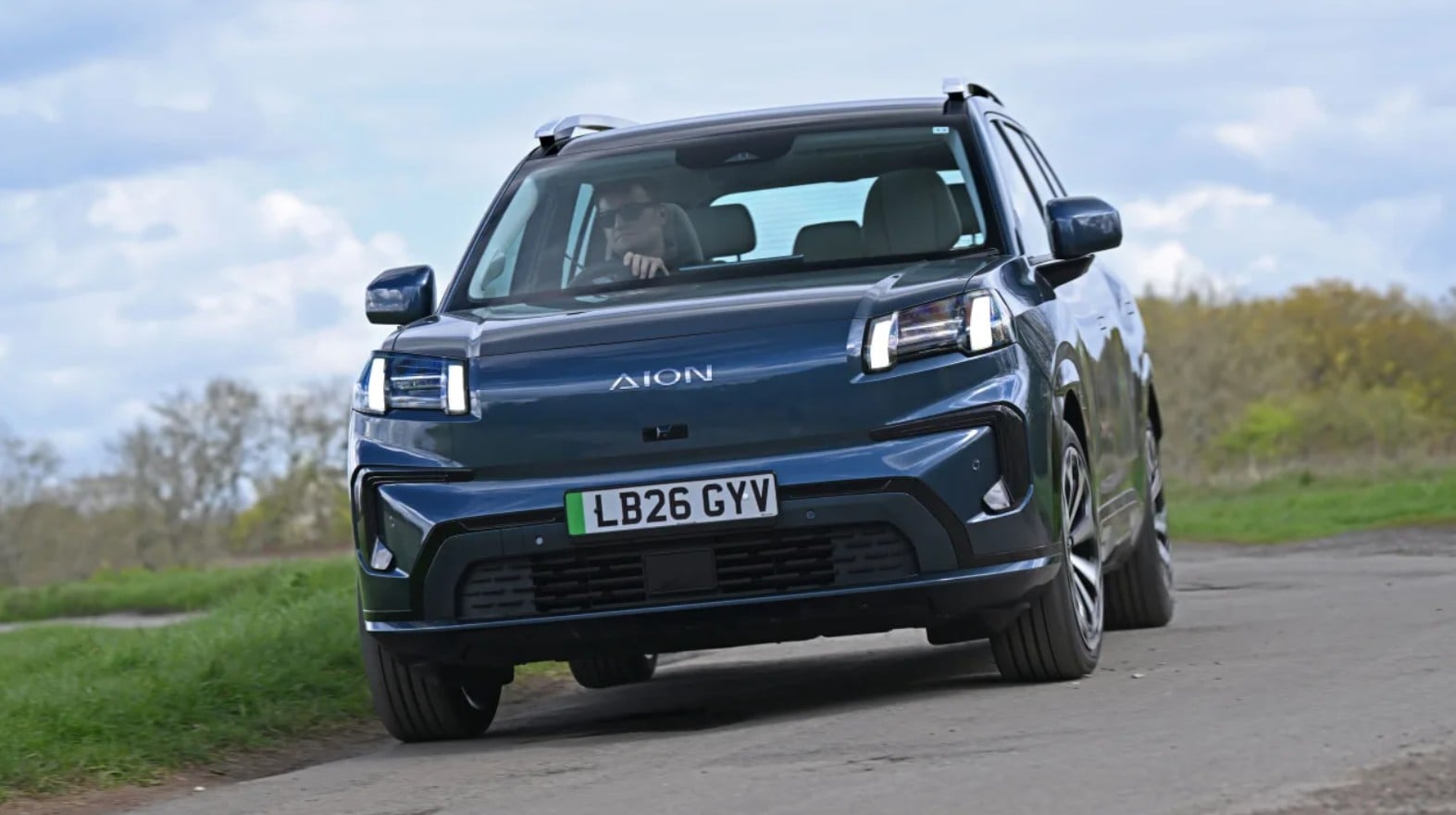
3
Power comes from a single front-mounted electric motor producing around 150kW and 240Nm. While those figures are modest for an EV, the Aion feels responsive enough in everyday driving, particularly in its more aggressive drive modes.
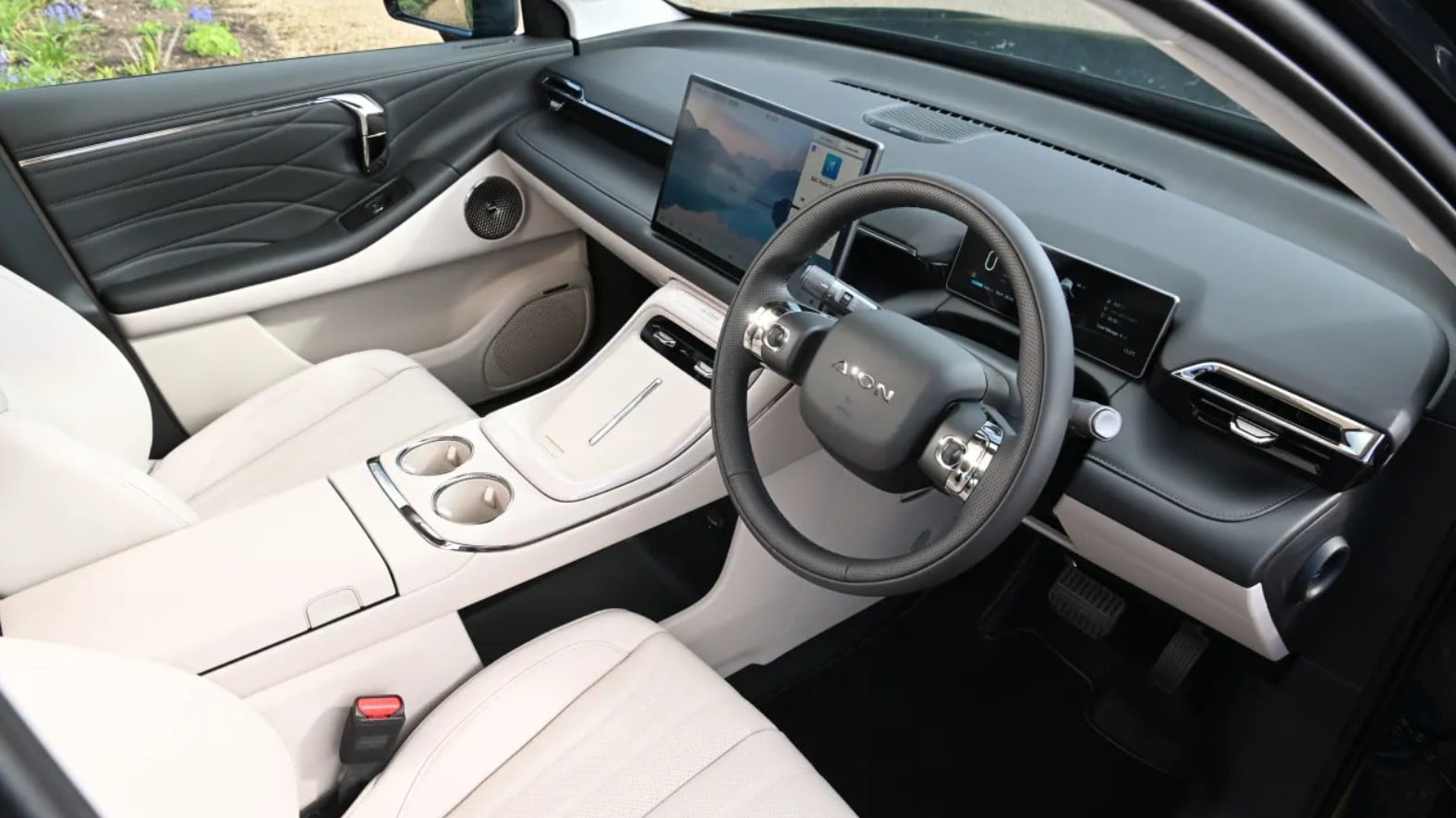
Inside, the Aion V makes a strong first impression. There’s a clear emphasis on comfort and equipment, with features such as heated and ventilated seats, a panoramic roof, wireless charging and a 360-degree camera all included as standard. Cabin materials feel soft and well put together, and overall build quality appears competitive with more established brands.
However, the heavy reliance on a large central touchscreen creates usability issues. Key functions are buried within menus, and the layout can be distracting to navigate while driving. The lack of physical controls doesn’t help, and small on-screen text further complicates matters.
8
Safety systems are another weak point. Features such as driver monitoring and speed sign alerts can be overly sensitive, frequently interrupting the driving experience with warnings.
On the road, the Aion V is competent rather than engaging. Ride quality is generally acceptable at lower speeds, but larger bumps can unsettle the suspension. Steering lacks feedback, though it is predictable enough for everyday use.
Practicality is a strong suit, with generous rear-seat space and a usable 427-litre boot, although some finishing details – such as the parcel shelf – feel less refined.
In Australia, pricing starts from about $42,590 before on-road costs for the entry-level Premium variant, rising to around $44,590 for the higher-spec Luxury grade. Both versions share the same 75kWh battery and single-motor front-wheel-drive setup, meaning the differences largely come down to equipment.
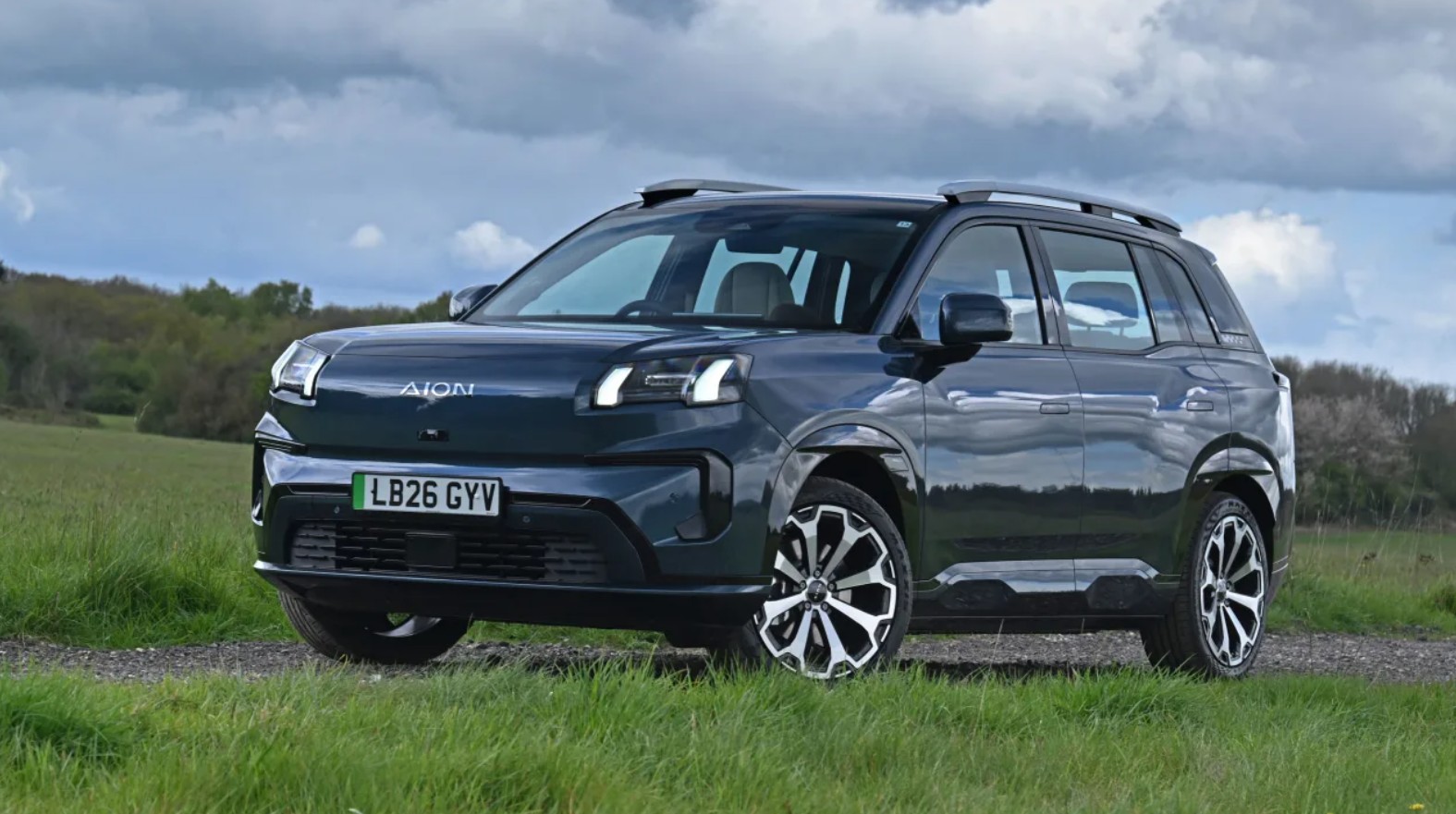
5
The Luxury adds extra convenience features such as upgraded upholstery, massaging front seats, a rear tray table and an integrated centre-console fridge. Even the base model is well equipped, with most core features offered as standard, helping the Aion V present strong value compared with similarly sized electric SUVs.
Overall, the Aion V delivers where it matters most for many buyers: space, range and equipment. But while it shows promise, refinement and user experience still lag behind the segment’s best.
Follow WhichCar/Wheels on Google
Click the button below to make WhichCar by Wheels a preferred source for your news.

We recommend
-
 News
NewsAion launching in Australia in 2025
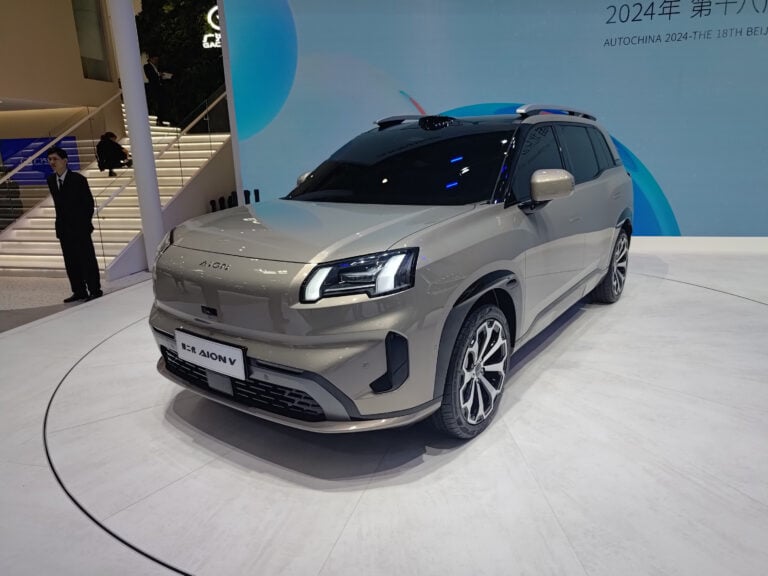
Aion V electric SUV spearheads Aion Chinese brand into Australia next year
-
 News
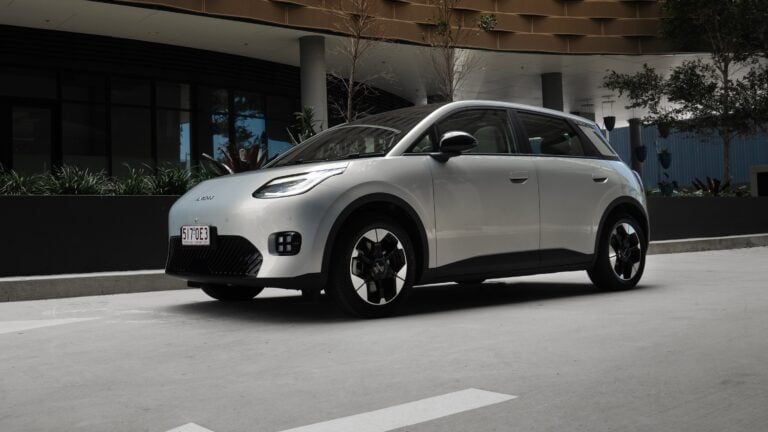
NewsGAC Aion UT pricing announced: drive away deals and cheaper than a Corolla
Chinese challenger manufacturer GAC has released local pricing for its new small electric hatchback, the Aion UT, underneath the hybrid Toyota Corolla.
-
 Features
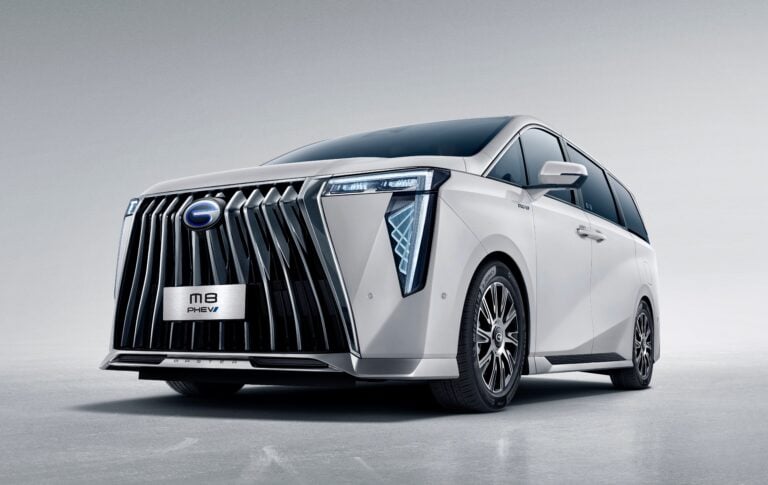
Who is GAC? A get-to-know on the newcomer brand to Australia dubbed the "Chinese Toyota"
Chinese giant GAC enters Australia with decades of joint-venture expertise and a fast-growing EV and hybrid line-up as it targets top-ten local brand status by 2028.
