Features

Gallery 1
GAC (Guangzhou Automobile Group) has just launched in Australia with big ambitions to become one of the top 10 best selling car brands locally by 2028. But what’s the GAC back story, a brand that has been dubbed the “Chinese Toyota”?
GAC is one of China’s biggest automotive manufacturers, currently placed fourth in annual sales in its domestic market. Headquartered in Guangzhou in south-eastern China, it produces passenger cars, commercial vehicles, EVs, and automotive components. It operates its own brands, as well as joint-venture brands with western manufacturers such as Toyota and Honda.
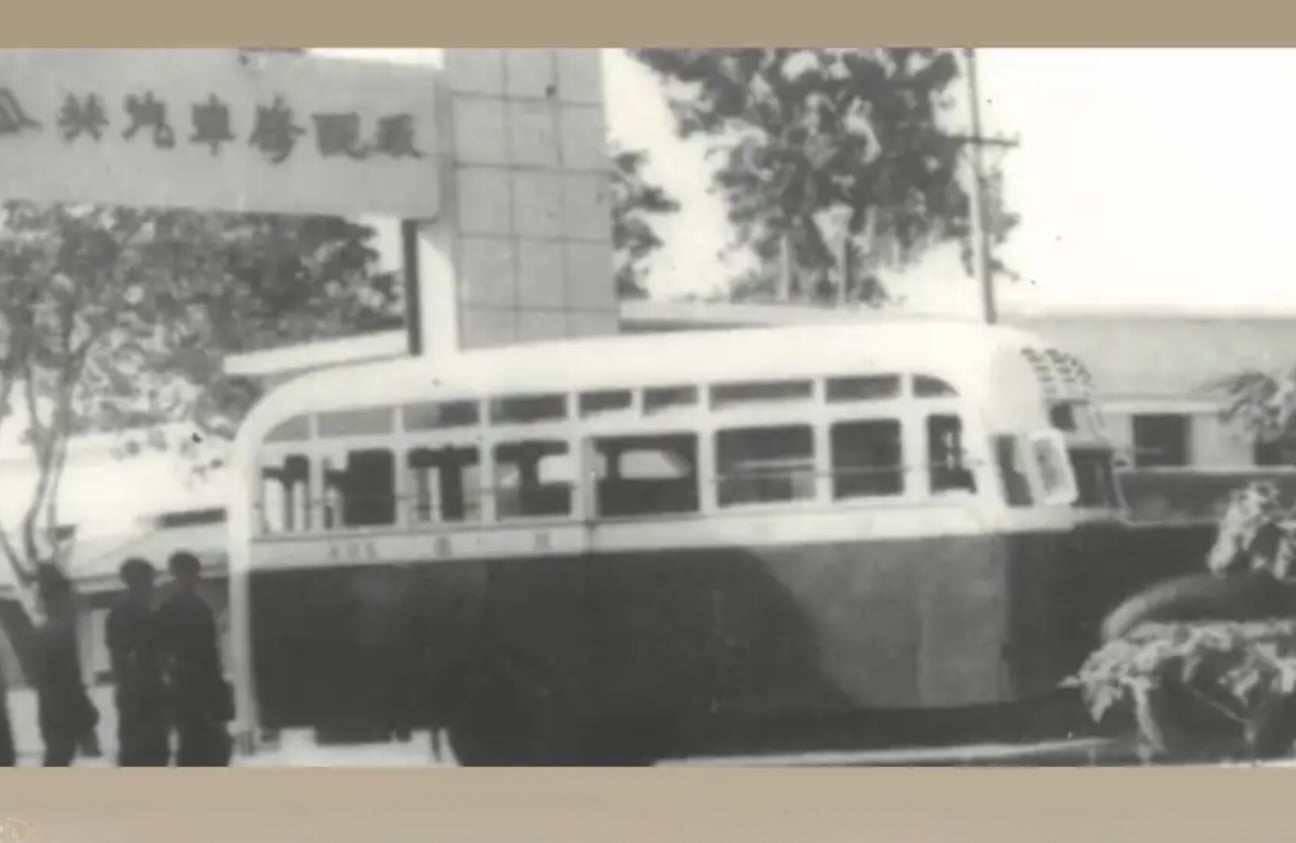
GAC traces its routes back to 1954, when Guangzhou established its first automotive repair and manufacturing workshops. In that same year, the Guangzhou Bus Repair built its first products – hand made iron-wood buses – that started the rise of the company. At this time, China’s auto industry was extremely small, and much activity revolved around repairing imported or military vehicles.
In the 1960s, the first Hongwei-branded truck was launched, while the production of cars started in the early 1970s, according to GAC. Guangzhou’s regional government supported industrialisation, laying groundwork for a future automotive group.
3
In the mid-1980s, Guangzhou Peugeot was established, one of the first joint ventures with a western manufacturer in China. Locally producing models such as the Peugeot 505, Guangzhou Peugeot quickly became one of the top three best-selling brands in China and the 505 was considered a hot commodity in the country. By now, Guangzhou was also producing motorbikes, buses and small commercial vehicles.
In 1997, Guangzhou Automobile Group Co. was formally established as an independent state-owned automotive manufacturer, and formed GAC Honda in 1998 to sell Honda products in the Chinese market, such as the Accord sedan, later expanding to the City, Odyssey and Vezel (HR-V). By 2005, GAC Honda was selling 203,200 units annually in China, making it the fifth best-selling car maker, and it had become one of the most profitable automotive joint ventures in China.
In 2004, GAC added another Japanese maker to its line-up, Toyota, and GAC Toyota was formed. Producing products such as the Camry and Kluger in China from 2006, producing both Honda and Toyota products meant that GAC’s growth expanded rapidly. In 2008, GAC Hino was formed to sell trucks and buses, and this period established GAC as a major regional automaker with strong foreign ties, but no homegrown cars yet.
3
In 2009, GAC acquired 29 per cent of Chinese SUV maker Changfeng Automobile, and purchased the remaining portion in 2011. In 2010, it also purchased a 51 per cent share of another company called Gonow, which also made SUVs and commercial vehicles. GAC’s sales in 2010 hit 724,200, which gained it sixth place on the Chinese domestic sales chart.
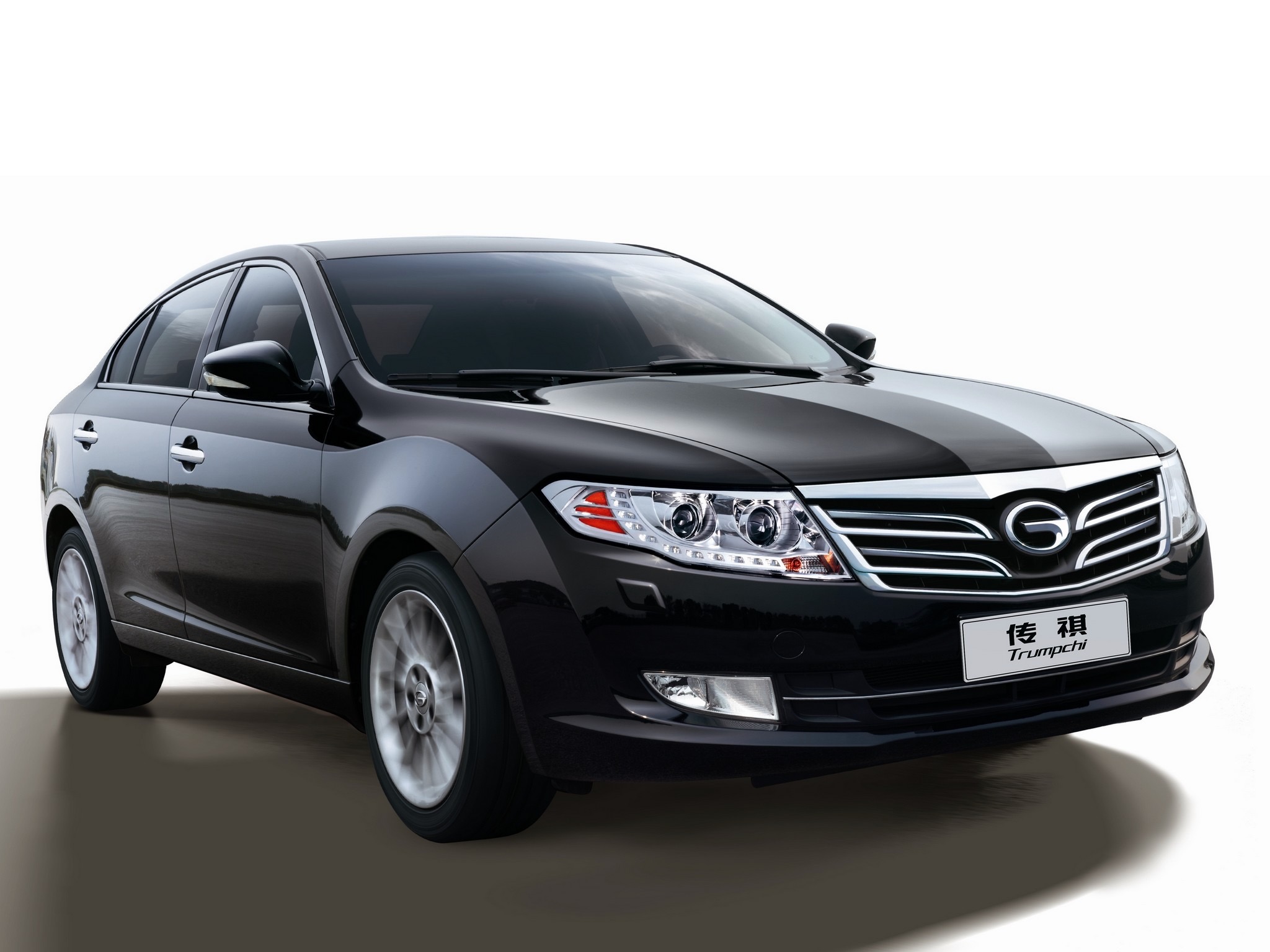
Not long after, GAC decided to start producing its own cars for the domestic market, with the Trumpchi marque first to launch. The Trumpchi GA5 sedan was its first product, which it was actually based on the Alfa Romeo 166, and Trumpchi’s reputation for quality was established. From 2012, an SUV version of the GA5 called the GS5 was produced, and a compact sedan called the GA3 was unveiled in 2013. By the late 2010s, the brand had launched major sellers, including the GS4 SUV that reportedly made Trumpchi a household name in China.
GAC formed another joint venture in 2012 with Mitsubishi, producing cars such as the ASX, Outlander and Pajero for the Chinese market.
4
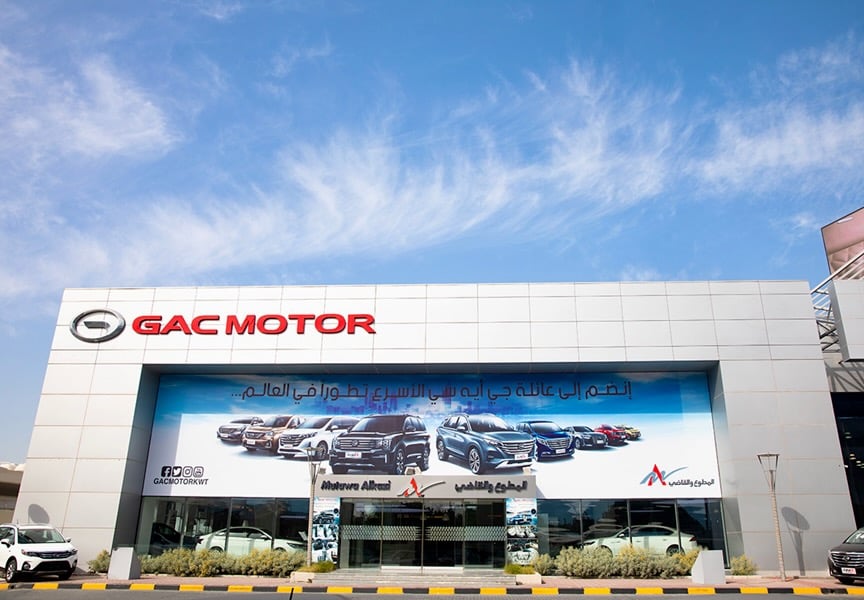
In 2013, GAC launched in its first export market: Kuwait, with Lebanon, Nigeria, Bahrain, the UAE, Philippines, Saudi Arabia, Ecuador, Cambodia, Laos, Panama and Russia all part of GAC’s exports by 2020.
From that point, GAC’s rapid product expansion started with a slew of new products and even some new brands, including Aion as the new energy brand in the GAC Group. Aion was spun off as an independent company focusing on new forms of manufacturing, pure electric architectures, new battery technology and autonomous driving.
In 2015, GAC sold almost 1.2 million cars, almost doubling sales in just five years. In 2016, sales rose to 1.65 million, then 1.9 million in 2017 and to over 2 million in 2019.
Since 2020, GAC has invested heavily in solid-state battery development, hydrogen tech and autonomous driving systems, while also expanding further to markets such as Thailand, Malaysia and Brazil. The Aion brand has become one of the biggest-selling new energy brands in China, and is often compared with rivals such as Zeekr, XPeng and BYD, all of which already have a presence in Australia.
6
Today, GAC’s key brands include GAC Motor, its export-focused ICE/Hybrid vehicles, Trumpchi (domestic ICE/hybrid brand) and Aion (EV specialist), as well as its joint ventures with Hino (commercial) and both Honda and Toyota. In China, GAC is reportedly known for strong joint-venture reliability (Toyota/Honda quality), EV innovation, better build quality compared with many domestic brands, and its ambition towards global expansion.
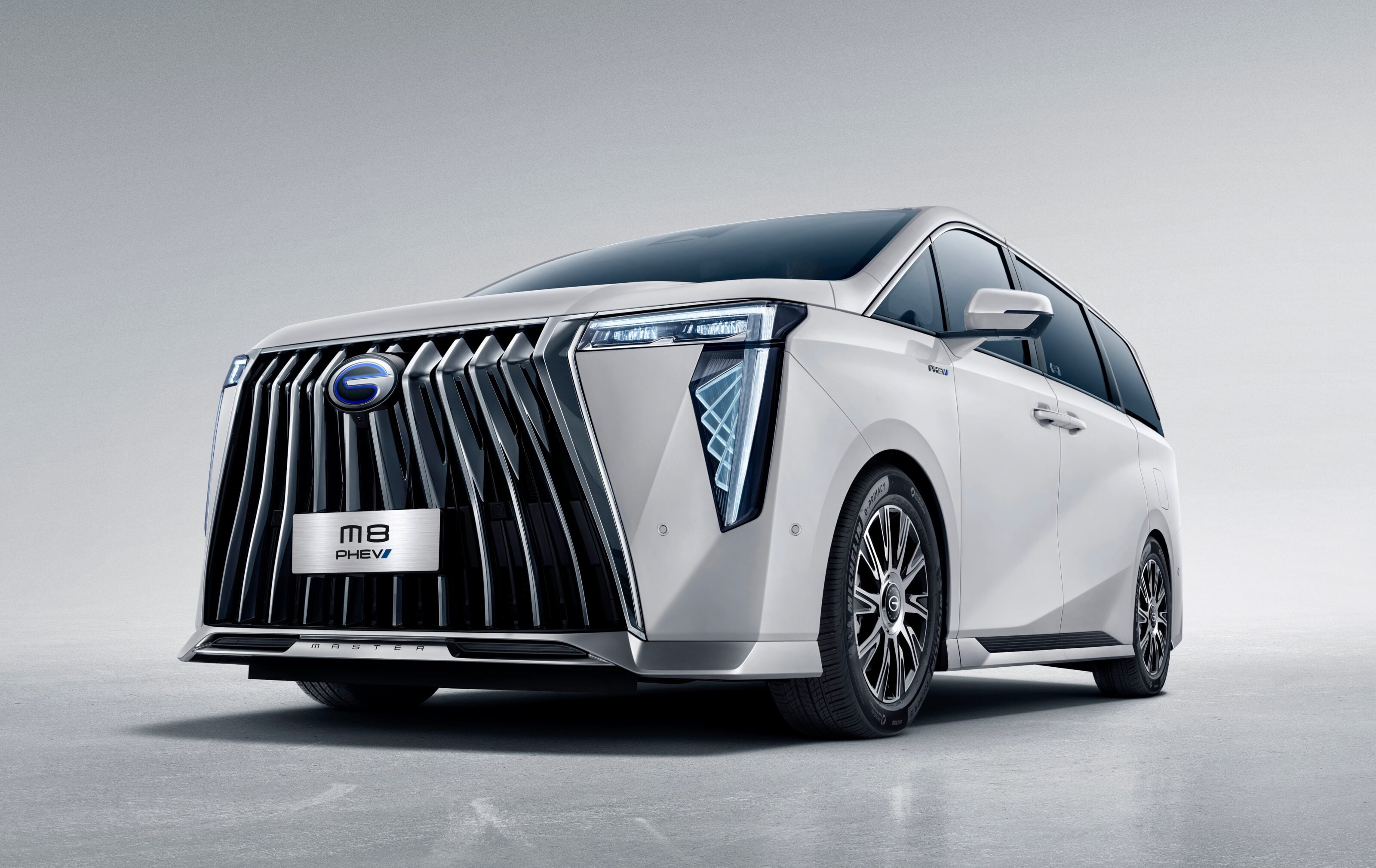
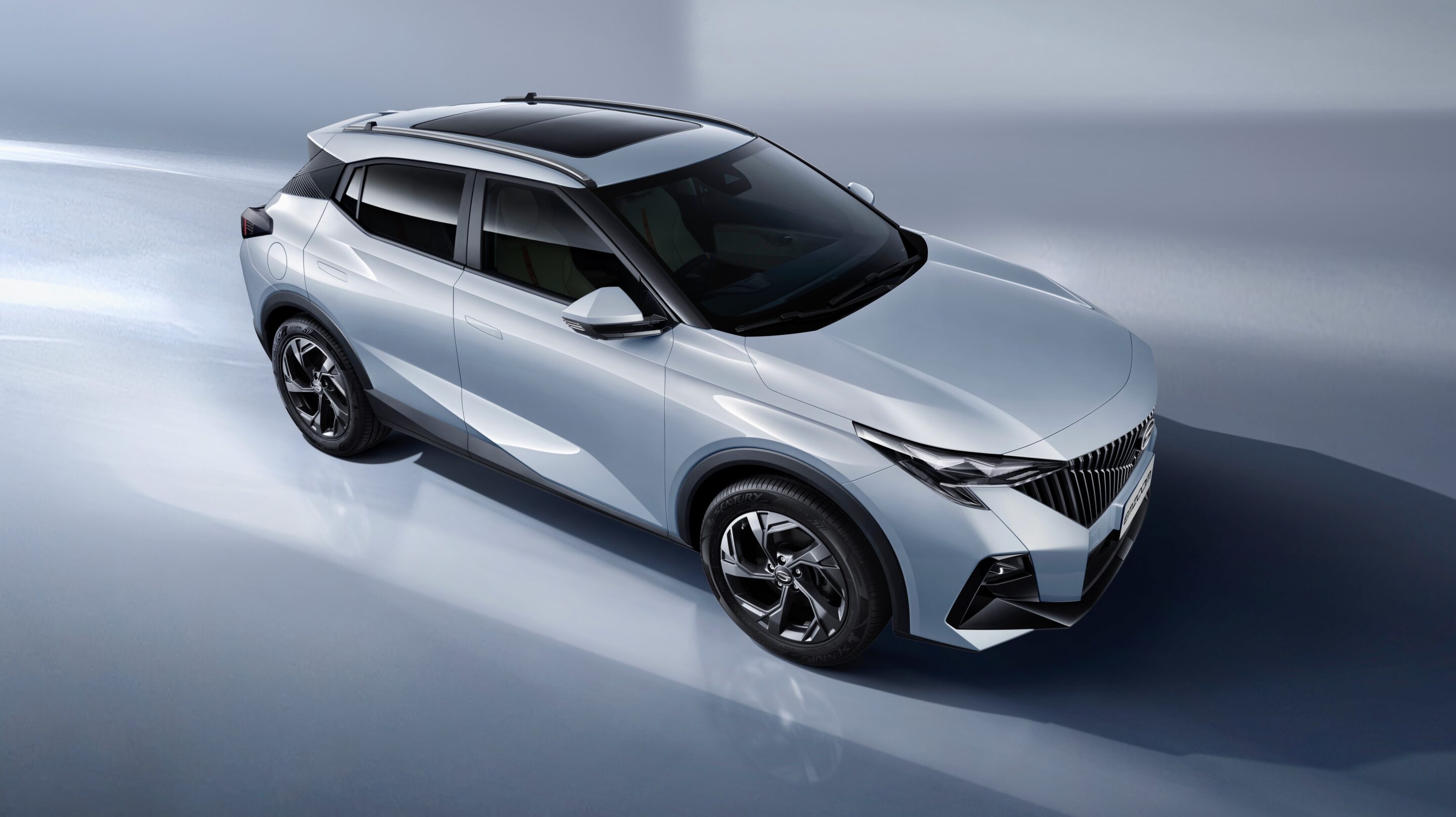
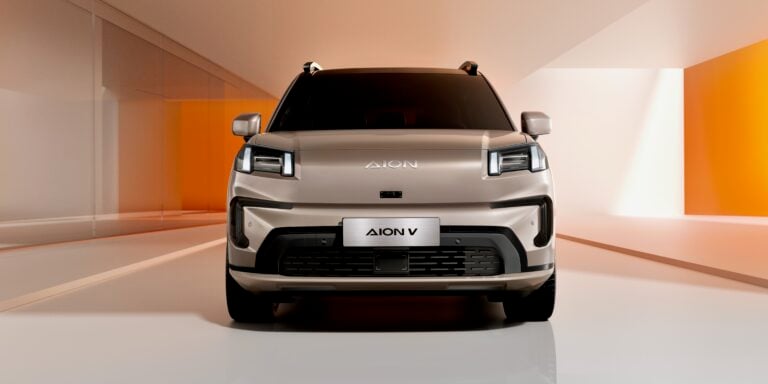
GAC has recently launched in Australia with the Emzoom small SUV (above, priced from $25,590 +ORC), Aion V electric mid-size SUV ($42,990 +ORC) and M8 PHEV MPV ($76,990 +ORC). It has ambitions of becoming a top 10-selling brand by 2028, and plans to introduce more than 10 new models across sedans, SUVs, pickup trucks, and MPVs to our shores in the next few years.
Follow WhichCar/Wheels on Google
Click the button below to make WhichCar by Wheels a preferred source for your news.

We recommend
-
 News
NewsGAC launches in Australia with three diverse models and a seven-year warranty
Chinese newcomer GAC enters Australia with petrol, hybrid and electric models, sharp pricing, nationwide warranty coverage and launch incentives aimed at boosting early uptake across its debut line-up.
-
 News
NewsGAC Emzoom: New brand’s small SUV specs revealed
Local specifications have been announced for new Chinese brand GAC's second model set to launch locally: the Emzoom small SUV.
-
 News
NewsGAC Aion V: New brand reveals specs for its first model in Australia
Australian specifications for the new GAC Aion V electric mid-size SUV have been announced ahead of its arrival in November.