
Ram Trucks Australia has revealed the Hemi V8 engine is set to return to its line-up in a new 2500 Warlock model, with deliveries beginning from next month. Pricing starts at $157,950 plus on-road costs for the new model, which features off-road equipment such as Bilstein shocks, 20-inch wheels with all-terrain tyres and black-themed off-road styling.
The last Hemi V8 Ram – a 5.7-litre 1500 – was locally remanufactured in December 2024 before the ‘Hurricane’ twin-turbocharged 3.0-litre inline-six engine was made standard in 1500 variants, with the Cummins 6.7-litre diesel continuing for 2500 and 3500 variants.
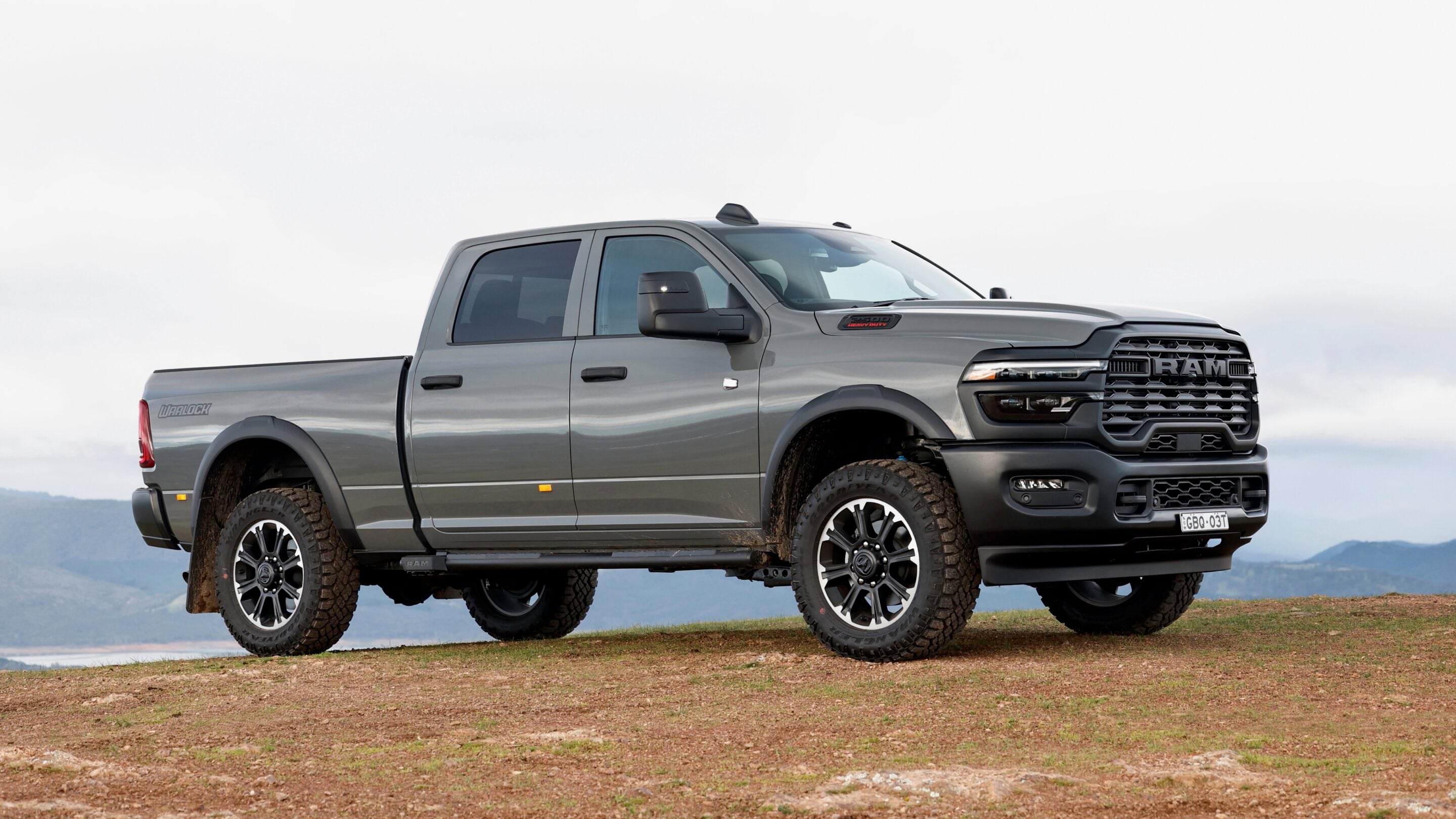
The Hemi V8 engine in the 2500 Warlock is a larger 6.4-litre unit, this time making 306kW of power and 582Nm of torque. It’s mated to an eight-speed automatic transmission and a part-time four-wheel drive system with 2WD high, 4WD high and 4WD low modes.
With the Hemi V8, the Warlock offers buyers a 10,001kg gross combination mass (GCM), which is 2750kg less than the 2500 equipped with the Cummins diesel engine. Still, its braked towing capacity (with a genuine ‘goose neck’ accessory and air brakes) increases to 6700kg, or up to 4500kg with a 70mm tow ball. Its total payload is 1275kg, and for off-road capability, its approach, departure and rampover angles are 22.9, 25.8 and 22 degrees respectively.
In addition to the Hemi, the Warlock adds a number of off-road-themed features to the Ram 2500 range, including black styling for the front fascia, fender flares, side steps and mirror scalps, as well as Warlock decals, 20-inch alloy wheels (up from 18 inches in the Laramie) with all-terrain tyres and Bilstein off-road shock absorbers.
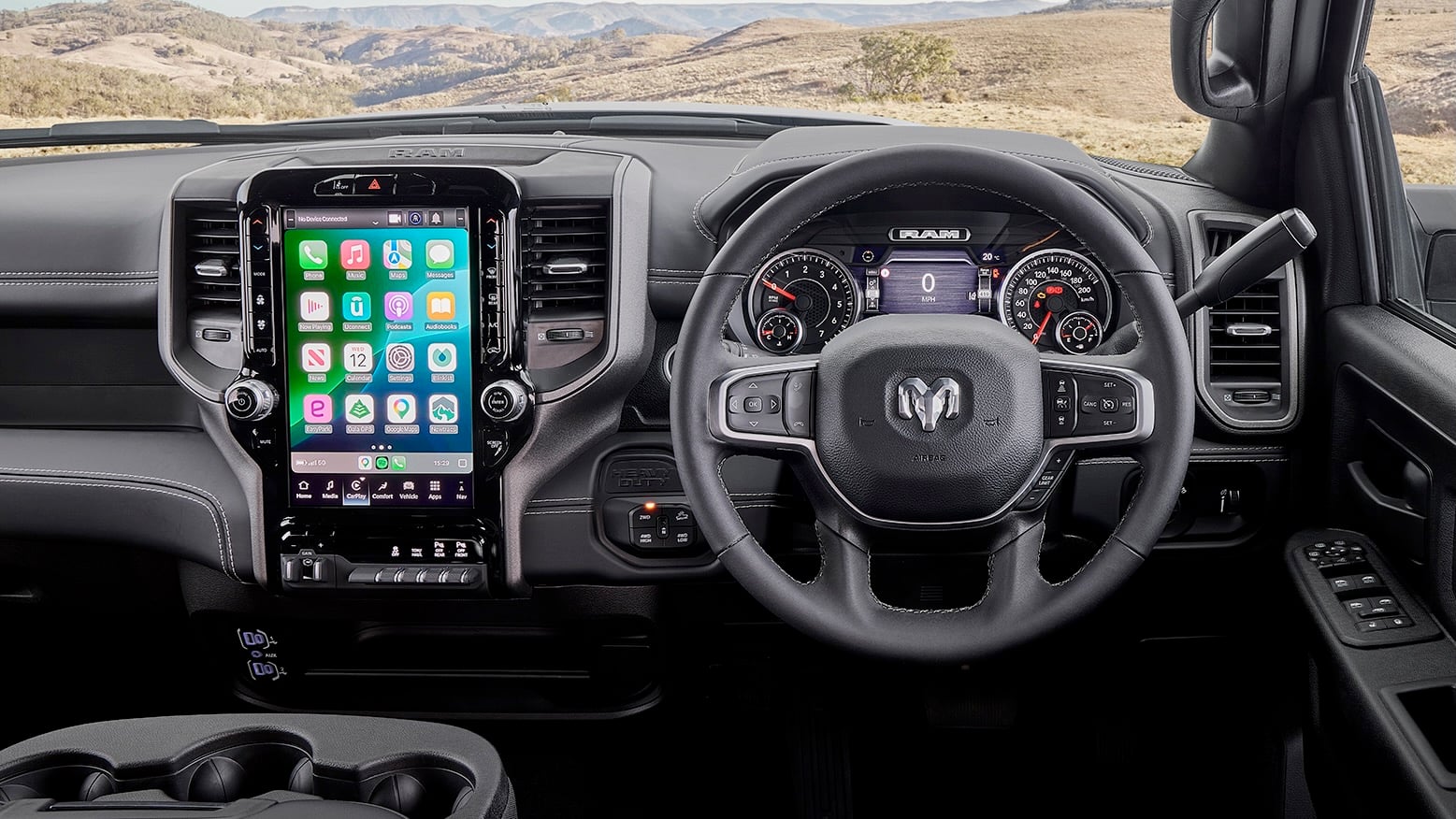
That’s on top of its other standard features, including automatic LED headlights, a six-seat layout, cloth seat upholstery, a leather-wrapped steering wheel, 12-inch touchscreen, Apple CarPlay and Android Auto, autonomous emergency braking with pedestrian and cyclist detection, adaptive cruise control, speed sign recognition, blind-spot monitoring with rear cross-traffic alert, lane keeping assistance, driver fatigue monitoring, front and rear parking sensors and a reversing camera.
“Australian customers told us loud and clear they wanted the Hemi V8 to come back, and the Warlock was our first opportunity to do so,” said Ram Trucks Australia general manager Jeff Barber.
“We had also been exploring the option of an off-road inspired Ram 2500 Heavy Duty model for some time, so the Warlock was the perfect opportunity to bring the Hemi V8 back and deliver customers a broader choice.
The first units of the Ram 2500 Warlock rolled off the production line in Melbourne earlier this month and will make their way to dealers from October.
The owners of some of Australia’s most iconic touring cars are campaigning for an exemption from laws governing tobacco advertising after cigarette signage on vehicles resulted in Foxtel’s Kayo streaming service dropping a race from its coverage recently.
A Touring Car Masters Trophy Race was axed by Kayo on August 29, with the broadcaster telling viewers the move was made for legal reasons. Driver David Hender took to Facebook to explain that the presence of two “cigarette advertising cars” – one of which was his – was behind Kayo’s move.
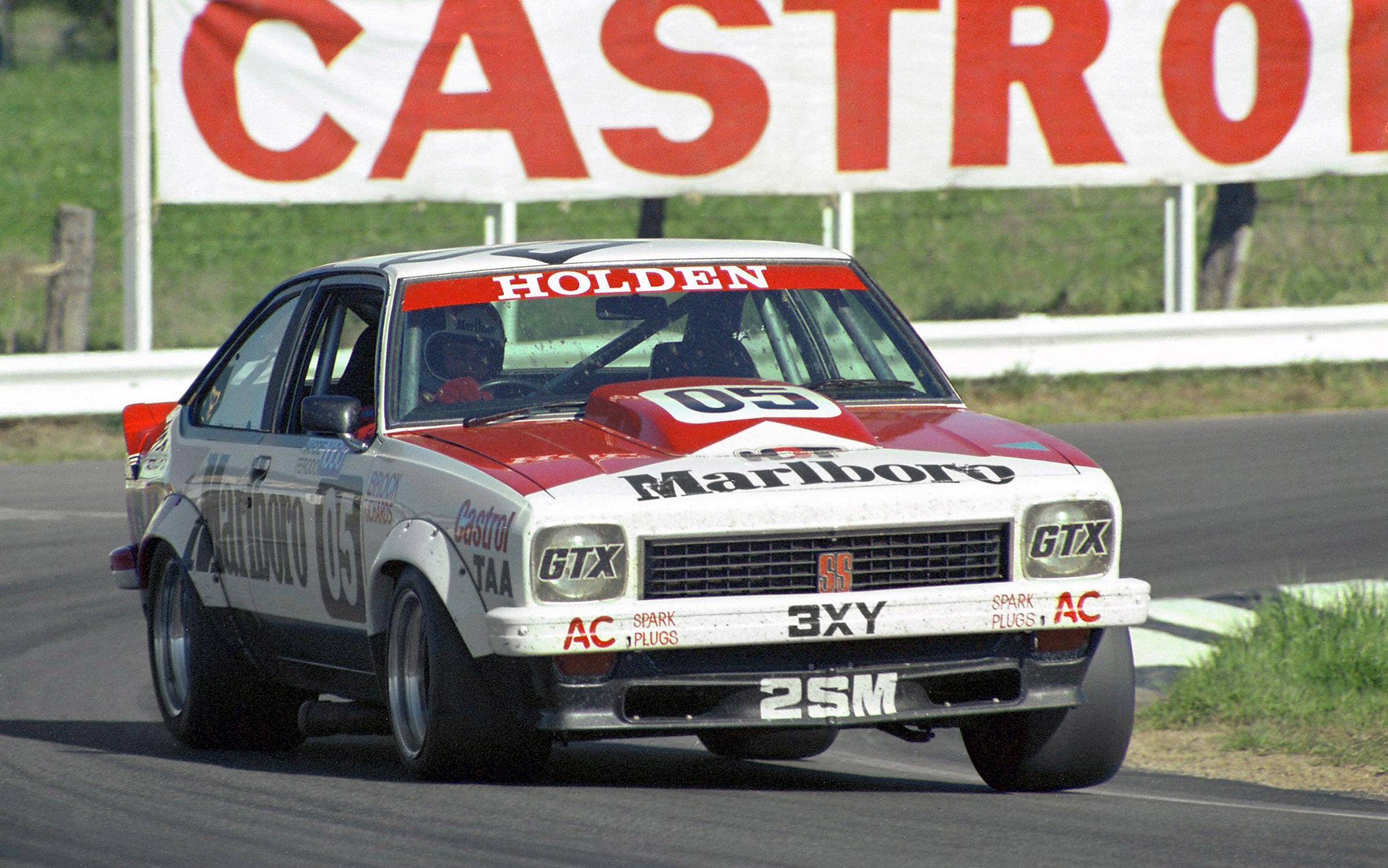
All tobacco and e-cigarette advertising is currently banned in Australia under the Public Health (Tobacco and Other Products) Act of 2023. Cigarette sponsorship was subject to sweeping restrictions in legislation passed in 1992, but that act contained loopholes that let cars race with cigarette logos provided they met certain criteria.
Motorsport Australia responded to the race being dropped from TV by updating its rules on tobacco advertising on September 8, with a new section stating that all cars must comply with the 2023 Act. It also says “any Automobile livery that promotes or is likely to promote a regulated tobacco product must be removed or covered”.
The governing body had to make the change because the previous regulations were based on the 1992 Act, according to SpeedCafe. The site also reported that several competitors in the recent Heritage Touring Cars event at Sydney Motorsport Park were forced to cover up their tobacco sponsorship.
One of the drivers affected, David Towe, hit out after he had to cover the John Player Special signage on his BMW. “Motorsport Australia are now enforcing the ruling again and they’re taking it a step further,” he said.
“We’re not to be seen in public, not only on the track, but not in public with any cigarette sponsorship on our cars. That brings up an interesting point… Does that then extend to my jumper? It’s got the JPS logo on it … this looks kind of ridiculous.”
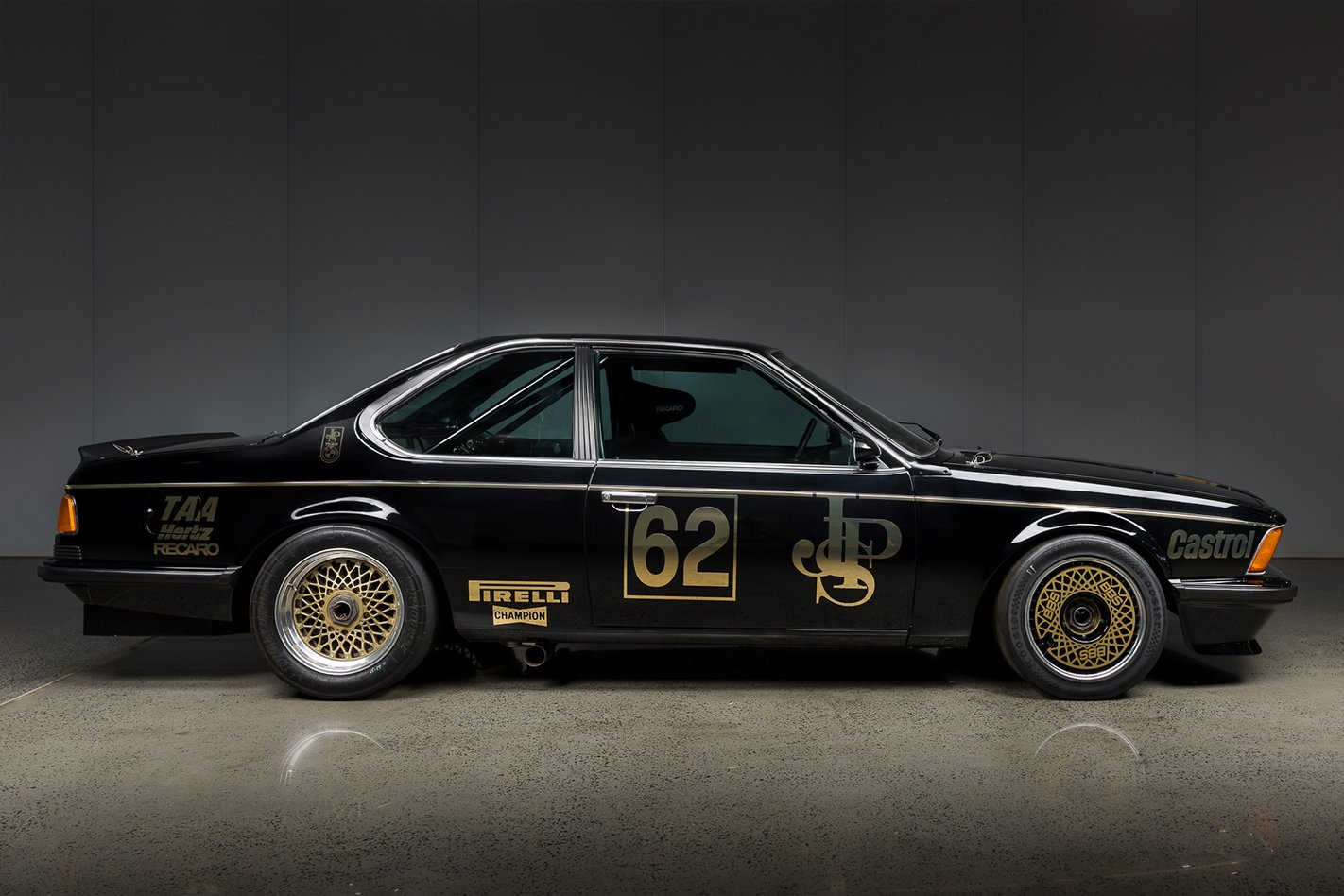
Towe has also started a petition at change.org as he campaigns for historic racing cars to be made exempt from the ban. It has received almost 7000 signatures.
Heritage Touring Cars (HTC) organisers are also after a dispensation from Motorsport Australia. Former HTC boss and current advisor Terry Lawlor told SpeedCafe, “Motorsport Australia are not the villains here, it’s really the broadcasters … You can’t just erase history. Everywhere around the world, they don’t have these crazy rules that you’ve gotta cover up any of the original livery.
“I understand if it’s a new build or a replica, but when they’re the original cars I just don’t see how you can erase history like that.”
The Australian arms of Mazda, Kia and BYD have changed the way independent Australian repairers can access vehicle servicing and diagnostic information following separate investigations by the Australian Competition and Consumer Commission (ACCC).
According to the ACCC, the changes are designed to make it easier and much cheaper for independent workshops to service and repair vehicles from the three brands, potentially giving owners greater choice beyond dealership service departments.
Under Australia’s Motor Vehicle Service and Repair Information Sharing Scheme (MVIS), car manufacturers must make information required to diagnose, service and repair passenger vehicles available to Australian repairers on reasonable commercial terms and at a fair market price.
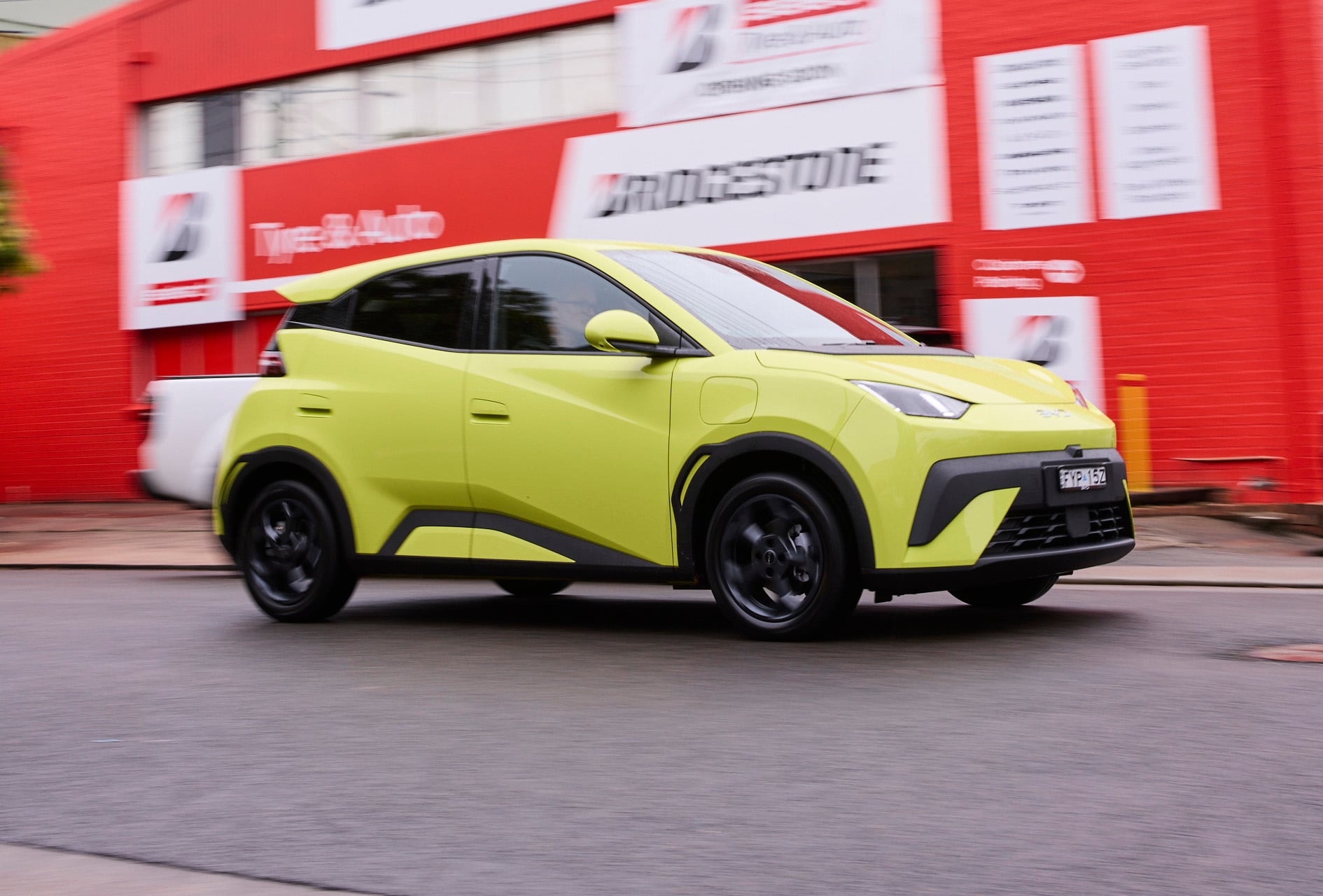
However, concerns were raised that independent repairers working on Mazda, Kia and BYD vehicles were being required to purchase expensive equipment to access some of that information, likely raising the cost for owners to repair those cars.
“We were concerned that independent repairers were required to purchase expensive equipment if they wanted to access information needed to service and diagnose vehicles,” ACCC Deputy Chair Mick Keogh said.
The ACCC said the equipment could cost thousands of dollars and in some instances independent workshops were being charged considerably more than authorised repairers. Those increased costs were almost certainly passed on to car owners.
Mazda Australia has now provided a court-enforceable undertaking to improve its compliance. Previously, independent repairers needed a specific Mazda device to access certain diagnostic information, but that info can now be accessed using other devices that are reportedly more commonly found in independent workshops. The brand will also offer refunds to some repairers who paid more to access information than they would have if an alternative option had been available.
Kia has also made changes for independent workshops. Independent repairers can now access its diagnostic hardware and software for $136 per day, compared with a previous minimum upfront cost of around $9780. BYD has introduced a similar $140 daily option after repairers faced paying $600 for monthly access or $14,719.60 to purchase the equipment outright.
The development follows further ACCC scrutiny of the automotive industry. In August, the watchdog launched Federal Court proceedings against Subaru Australia over allegations it failed to provide independent repairers with equal access to required servicing and repair information.
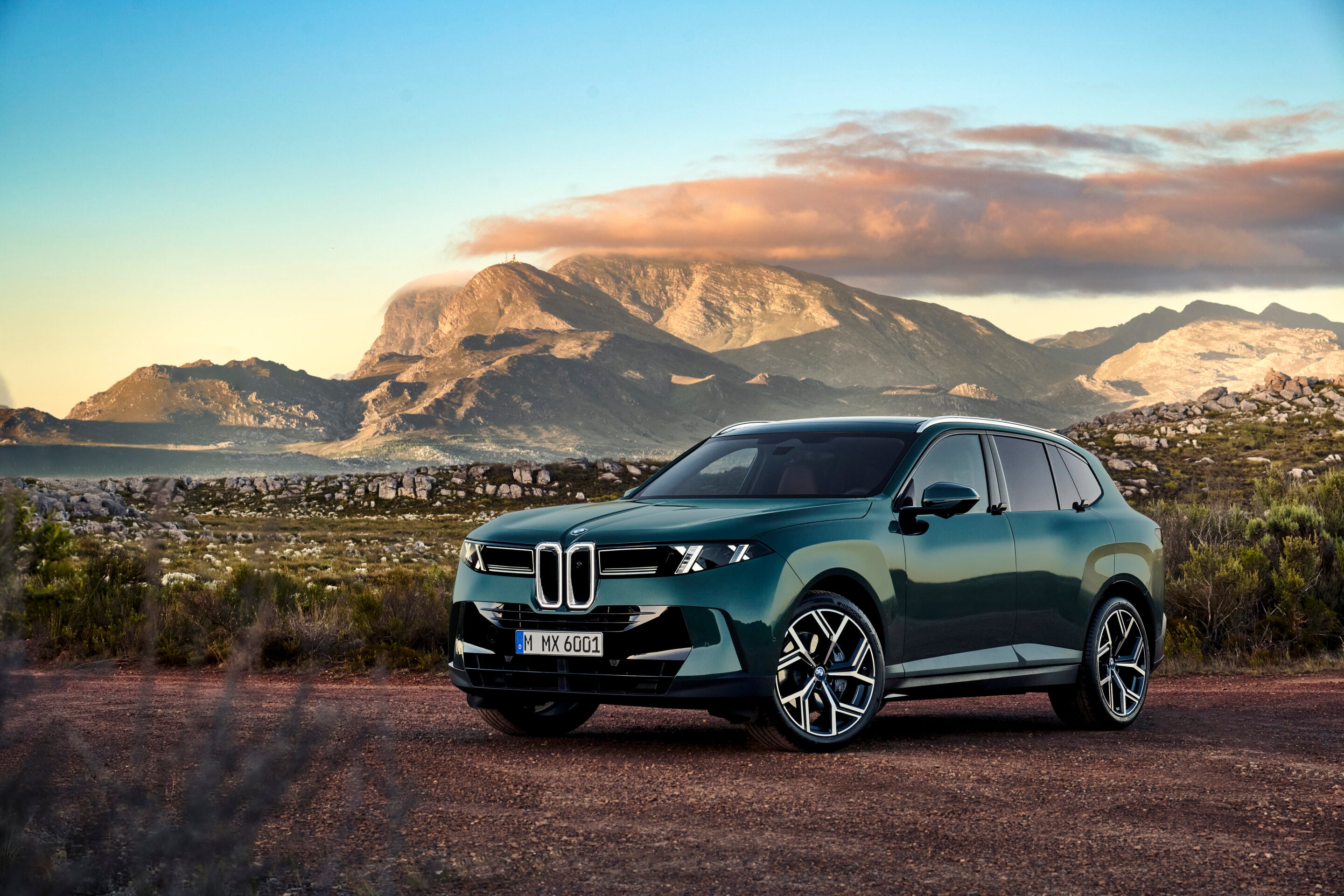
BMW’s fifth-generation X5 SUV will arrive in Australia before year’s end with a bold new look, six-cylinder petrol and diesel mild-hybrid engines and big changes to its interior and digital systems, with prices starting from $143,900 before on-roads.
The new 40 xDrive’s petrol motor and the 40d xDrive’s diesel version both combine with 48V mild-hybrid tech. The petrol version makes 294kW and 540Nm, which propels it to a 0-100km/h time of 5.3 seconds, with its sibling coming in at 230kW and 670Nm and a time of 6.1 seconds for the sprint.
Come next year, the X5 range will expand to include the all-electric BMW iX5 and BMW X5 50e xDrive plug-in hybrid.
The most striking change is the exterior, which has been given a radical overhaul. BMW’s Neue Klasse design language has been given full rein here, resulting in what the manufacturer accurately calls a “monolithic” effect.
It’s a far more audacious look for the X5, featuring an eye-catching double-X effect on the new adaptive LED headlights, brutish wheel arches, a very upright front end and a new interpretation of the brand’s famous grille. It all combines to give off a far more modern effect while still carrying on the X5’s signature look.
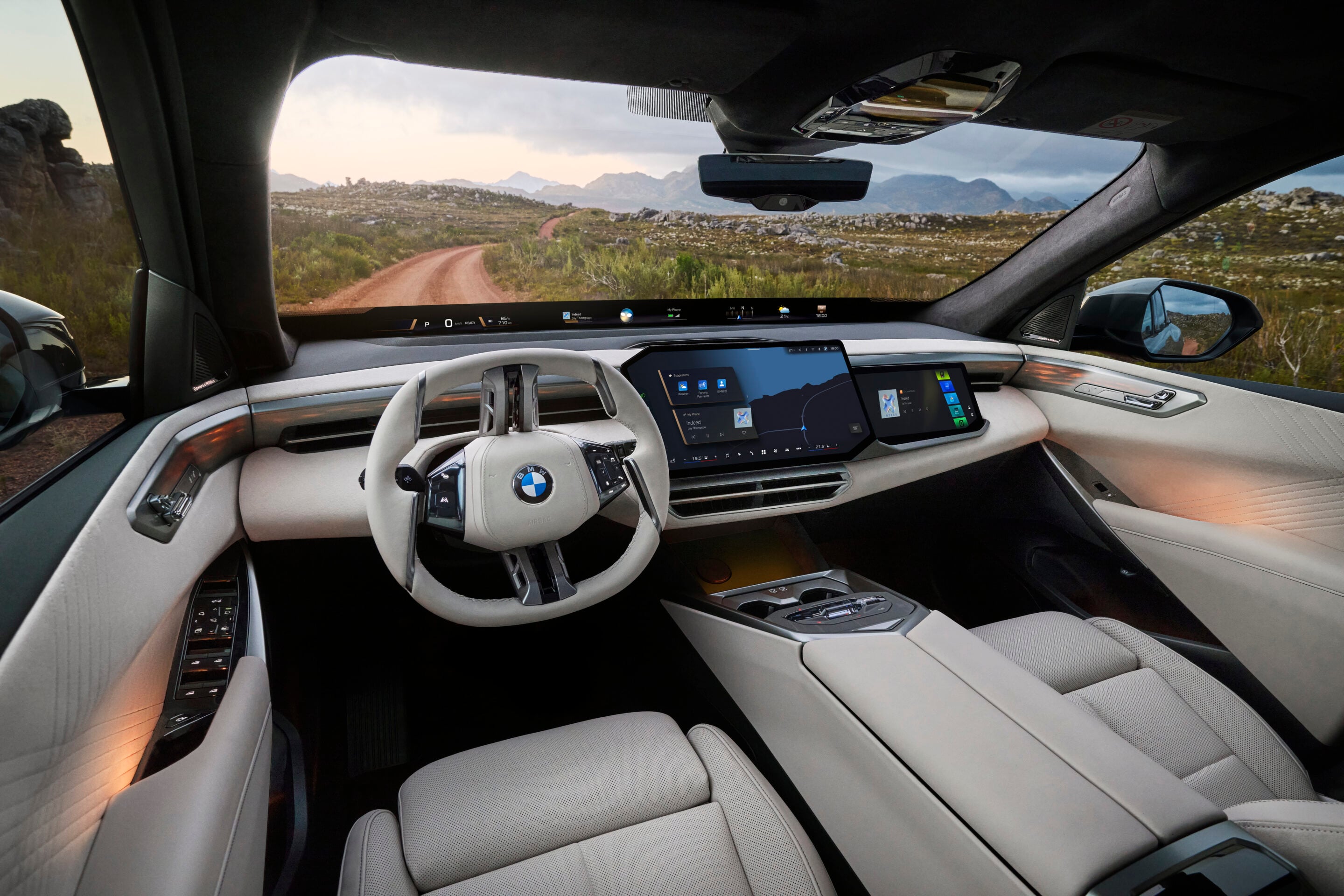
The digital experience has been given a significant boost with the debut of BMW’s Panoramic iDrive, which is powered by Operating System X – the brand’s “most advanced human-machine interface to date”.
Panoramic Vision projects information across the lower windscreen, there’s a 3D head-up display, and a 17.9-inch central display with a friendly interface that allows functions to be selected with a single tap instead of fussing with menus. The front-seat passenger also gets a screen of their own, and it’s all supported by haptic and voice interaction thanks to the BMW Intelligent Personal Assistant.
The maximum towing capacity comes in at 3500kg, and the standard specs list is a mile long. It includes adaptive M suspension, 21-inch wheels, M Sport brakes, a panoramic glass sunroof, soft-close doors, heating for the front seats and steering wheel, a wireless charging tray and Driving Assistant Plus.
Pricing is set at $143,900 for the diesel version and $145,900 for the petrol, with models set to arrive in Australia in the fourth quarter of this year. The options list is extensive, featuring nine exterior paint finishes, a range of wheels up to 23 inches in size, Comfort and M Sport packages, and leather finishes for the interior.
After its debut earlier this year, MG has revealed some impressive numbers for it MG 07 electric sedan, including up to 845km of claimed driving range at a price that could make rivals nervous if it’s eventually sold in Australia. The second-generation of the MG7 sedan already sold down under has launched with both electric and plug-in hybrid drivetrains.
It appears that Chinese buyers like what they see, because the MG 07 attracted more than 42,000 orders after just 20 days on sale, according to CarNewsChina. The striking fastback launched at the Chengdu Auto Show on August 21, where the company claimed it received 10,000 locked orders in just one minute and 57 seconds.
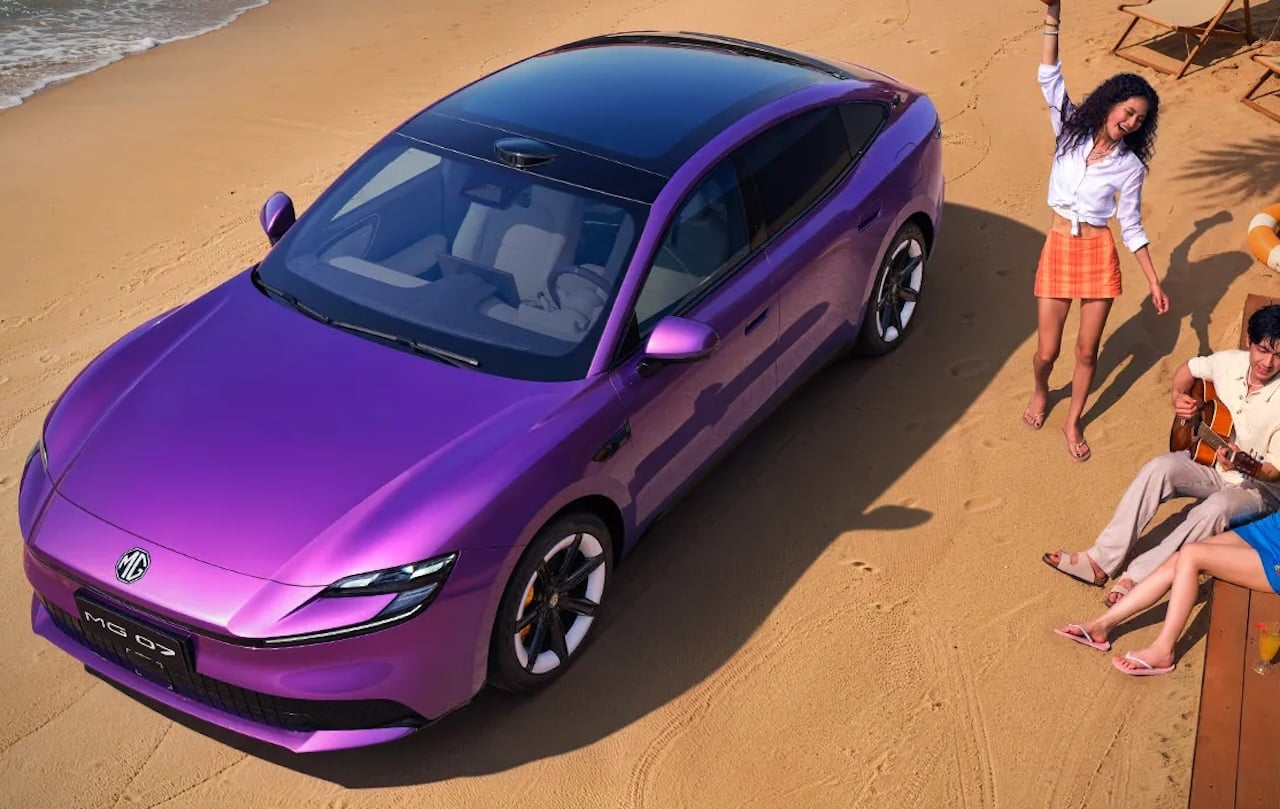
Available with either a plug-in hybrid or fully electric powertrain, Chinese pricing for the 07 ranges from 108,900 to 159,900 yuan, equivalent to roughly A$22,700-$33,300. Of course, direct currency conversions don’t account for local taxes, shipping and differences in specifications, but those numbers are a sign MG is aggressively targeting rivals like the Tesla Model 3, Mazda 6e and BYD Seal.
According to lenient Chinese CLTC testing procedure, electric versions of the 07 offer ranges of 610km, 650km or 845km. CarNewsChina estimates those figures would translate to roughly 460km, 490km and 640km respectively under the tougher WLTP testing procedure, but they remain impressive.
There’s also interesting tech under the skin of the MG 07, including a new semi-solid state battery option. The 610km variant uses a 67kWh semi-solid battery and 176kW electric motor, while the flagship 845km version uses a larger 91kWh battery.
The flagship also features an 800V architecture, 5C fast-charging capability that allows for a full charge in around 12 minutes and a more powerful 235kW rear-mounted motor for a claimed 0-100km/h time of 5.9 seconds. Longer-range versions are proving more popular, with MG reporting that models capable of more than 800km CLTC accounted for more than 45 per cent of early orders.
A plug-in hybrid drivetrain is also available, which combines a 1.5-litre petrol engine with a 152kW electric motor and 30kWh battery. It offers 245km of claimed electric range (around 185km on the WLTP cycle) and up to 1745km of total range under CLTC testing.
The 07 is 4886mm long – that’s 166mm longer than a Model 3 – and features cool frameless doors, an electrically adjustable rear spoiler like the previous-generation MG 7, and a 168-litre front boot. There’s also adaptive suspension can reportedly scan the road ahead and make up to 200 damping adjustments per second.
Inside is a large 15.6-inch touchscreen with a Qualcomm 8295P processor, while available equipment includes a 21-speaker sound system, heated and ventilated seats, a zero-gravity front passenger seat, electrically-dimming panoramic glass roof and LiDAR-based active safety features.
MG Motor Australia is yet to confirm the 07 for Australian sales, but it would certainly give the brand another compelling entrant in our increasingly competitive local electric vehicle market.
Chery’s Lepas brand has revealed its plan to sell five models in Australia by 2028, concentrating its efforts on the wildly popular SUV segment of the market with BEV and hybrid options in the pipeline.
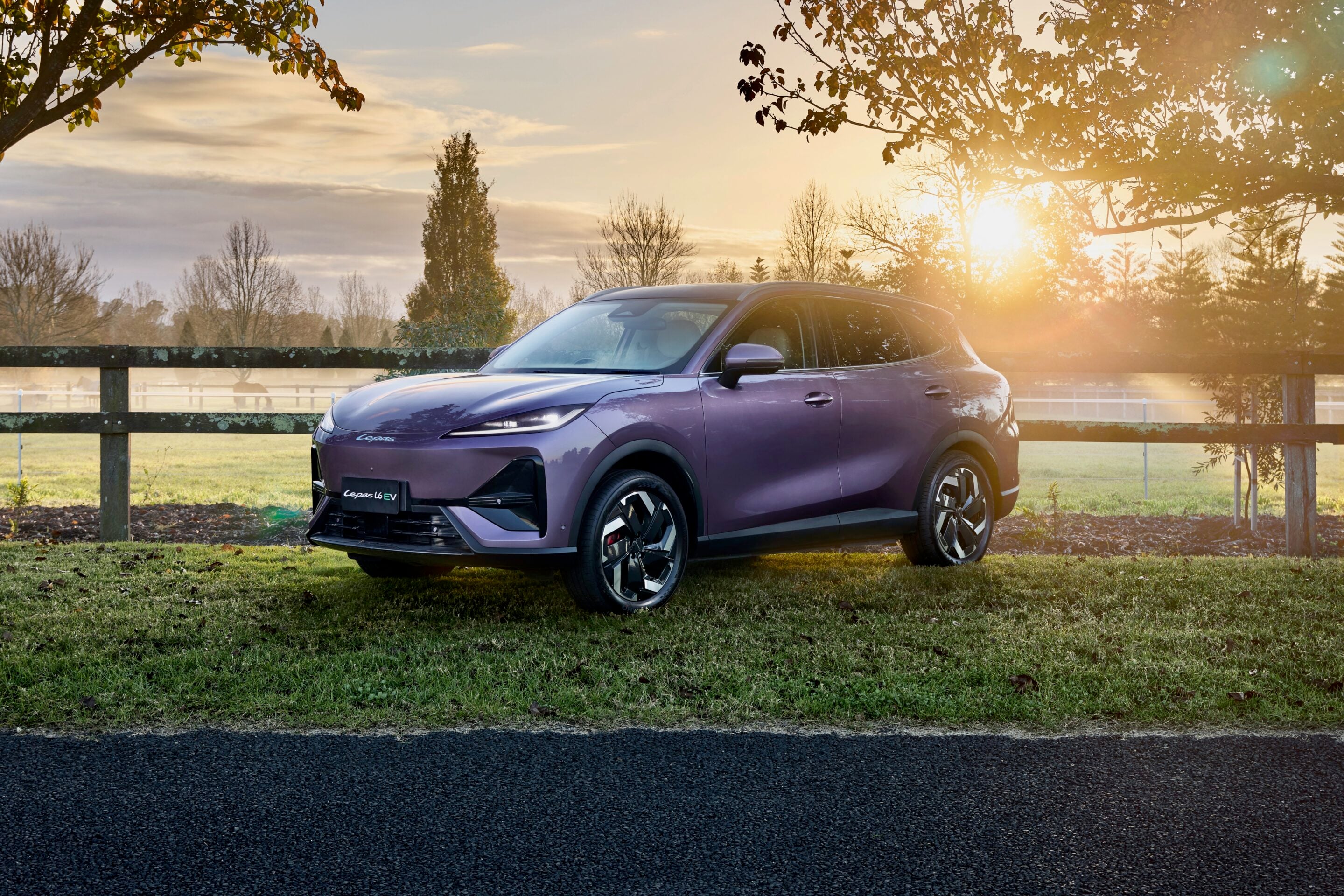
The L6 electric SUV (pictured below) is the first cab off the rank in October or November. From there, Lepas will launch the L4 compact electric SUV in December, a PHEV version of the L6 next March, and a PHEV L4 next June.
The larger L8 plug-in hybrid (pictured below) is due in September 2027, with the even bigger L9 PHEV to come before the end of that year. Both the L8 and L9 will get electric versions in 2028, and the L2 small hatch should also arrive that year in hybrid and electric form.
Chery has already revealed specs for the L6 EV. Differentiating itself from other Chery Group products through its bolder use of colour and “more emotional” styling, the Lepas L6 EV will feature a 65kWh LFP battery that can be DC fast charged from 30 to 80 per cent in as little as 22 minutes, although exact claimed times are yet to be confirmed. That battery powers a 160kW/275Nm e-motor on the front axle, and its WLTP-rated efficiency is 17.5kWh/100km.
Standard features include a long list of driver assist and safety features with seven airbags, autonomous emergency braking, lane departure prevention and remote parking assistance. Customers will also get 19-inch alloy wheels, a panoramic sunroof, heated and ventilated front seats and a powered tailgate.
The L4 shares the same battery and e-motor as the L6, but range is up to a claimed 450km. It comes in at roughly the same size as its Geely EX5 and BYD Atto 3 rivals at 4420mm long and 1817mm wide with a 2700mm wheelbase.
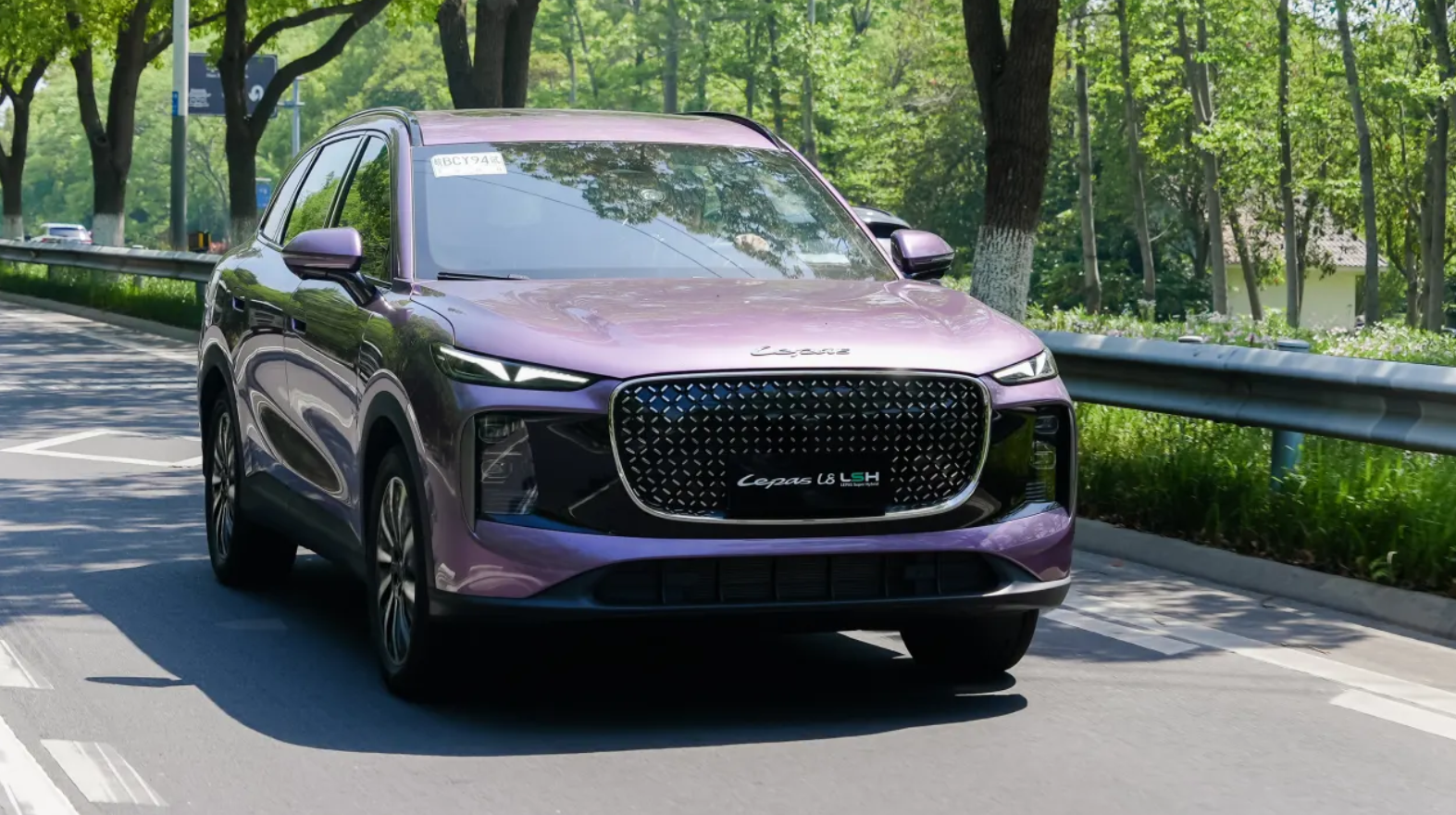
Lepas’s L8 PHEV will run a turbo 1.5-litre four-pot petrol engine combined with an 18.4kWh lithium iron phosphate battery. It will make 205kW and 365Nm, with a claimed 90km of electric-only range.
The L9 flagship SUV hasn’t broken cover yet, and neither has the L2. The latter will compete against the Toyota Corolla and MG4, and while no specs are available, it will reportedly share some of its mechanicals with the company’s SUV range.
Launching the L2 will make Lepas the first Chery offshoot to target Australia’s small-hatchback market. The brand will sell through an independent sales network of 40 dealers at first, but will also have access to some of Chery’s Australian infrastructure.
BYD is recalling 32,009 of its Shark 6 PHEV ute because a fault means the spare wheel could detach. The issue affects all three variants of the model: the Premium, Performance and Dynamic Cab Chassis.
“For involved vehicles, BYD has identified that in certain circumstances incorrect installation of the spare wheel, incorrect positioning of the spare wheel tray or insufficient fastening torque may cause abnormal wear of the spare wheel support cable,” the brand said in a statement.
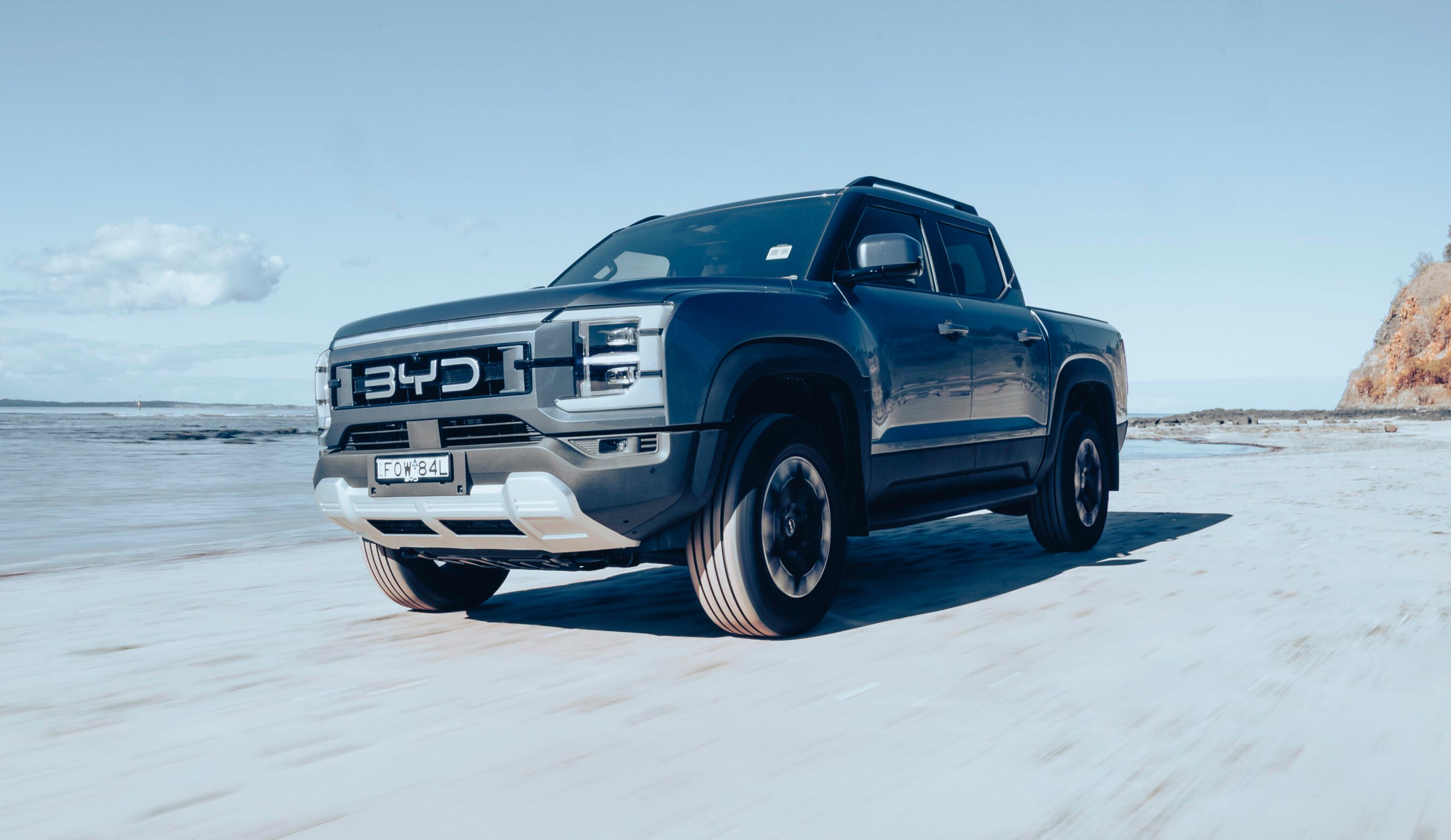
“Continued movement and friction during vehicle operation may cause the cable to fail, resulting in spare wheel detachment. This may create a hazard to other road users and potentially cause serious injury or death.”
The recall applies to vehicles made from August 2024 to June this year, and affects 28,543 examples of the Shark 6 Premium, 2100 of the Performance and 1366 of the Dynamic Cab Chassis. BYD is advising owners to remove their spare wheel until vehicles can be repaired.
Shark 6 owners can visit BYD’s Vehicle Recall Information page here and enter their vehicle identification number to find out whether their ute has been caught up in the recall. If it is, BYD will fix the issue free of charge by replacing the assembly.
The Shark 6 was a smash hit in Australia when it arrived in October 2024. BYD sold almost 5000 of them in the first three months of 2025, but the end of the fringe benefits tax exemption for plug-in hybrids saw numbers drop off.
In June, BYD Australia chief operating officer Stephen Collins said the brand is hoping to “get back to at least 1500 units a month” with an uplift coming courtesy of the cab-chassis version and top-spec 3500kg towing option.
Volvo has dramatically increased the electric-only range of its XC60 and XC90 plug-in hybrid SUVs, with a new powertrain allowing the XC60 to travel up to 200km without using a drop of petrol. The seven-seat XC90 can cover approximately 159km in electric mode, meaning both updated models offer around two-and-a-half times the EV range of their predecessors.
The improvement is primarily down to a substantially larger 41.2kWh battery. That’s more than double the capacity of the previous pack and almost as large as the units found on some entry-level BEVs. Despite the huge increase in capacity, Volvo says the new battery doesn’t reduce luggage space because it is positioned beneath the floor, which also lowers the centre of gravity and imprives handling.
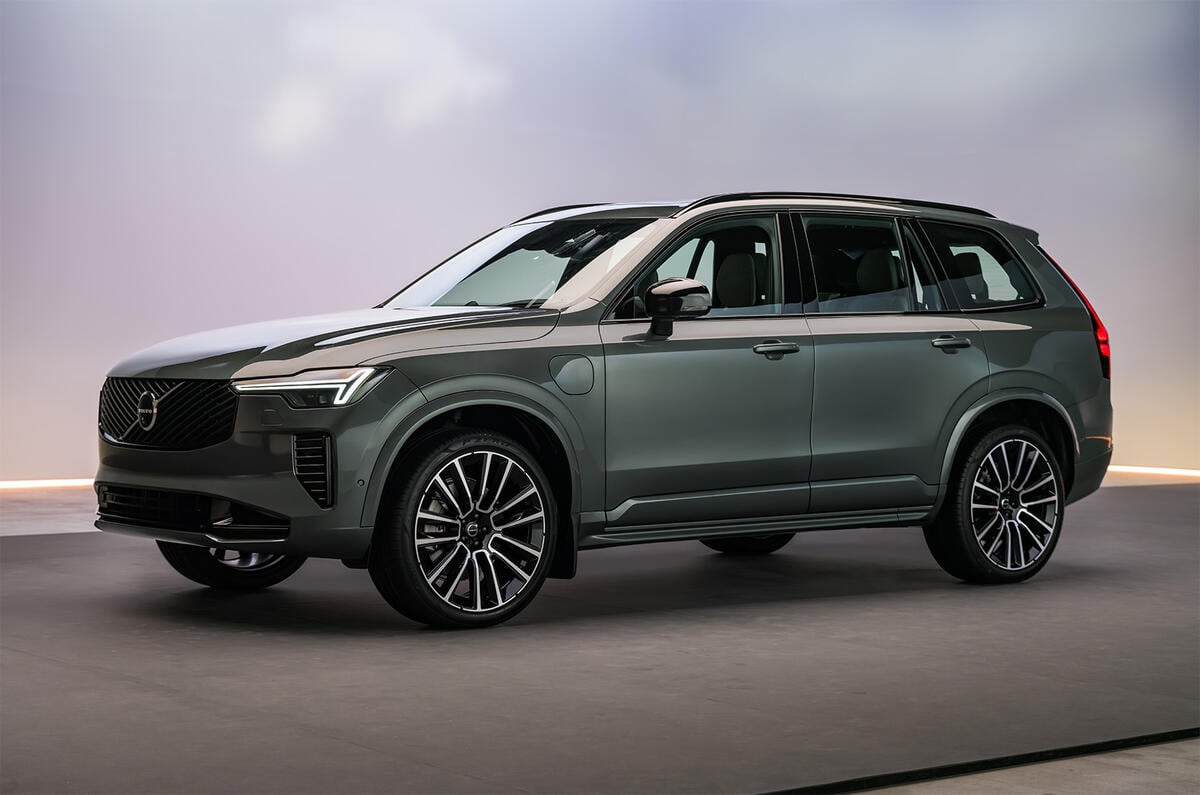
A complete charge from a home wall box takes a claimed four hours, although neither model offers DC rapid charging. Total driving range also takes a significant step forward. Combining a full battery with a tank of petrol gives the XC60 a claimed range of approximately 1240km, while the XC90 can cover more than 1090km.
The battery supplies a more powerful electric motor producing 132kW and 390Nm, working alongside a 2.0-litre turbocharged four-cylinder petrol engine. The XC60 will be offered with a 262kW T6 long-range plug-in hybrid powertrain, while the more potent 340kW T8 system will be available in both SUVs.
Despite weighing as much as 2.5 tonnes, the T8-powered XC90 can accelerate from 0–100km/h in 5.2 seconds. The XC60 cuts that to as little as 4.8 seconds.
Volvo says the objective was to dramatically increase electric capability without fundamentally changing the way its SUVs drive. Mild-hybrid B5 petrol variants will also continue for buyers who don’t want to regularly recharge, with all versions featuring an eight-speed automatic transmission and all-wheel drive.
The powertrain overhaul coincides with another update for the XC60. Its redesigned front end incorporates a new bonnet, guards, bumper and grille, accompanied by a sharper interpretation of Volvo’s signature Thor’s Hammer headlights.
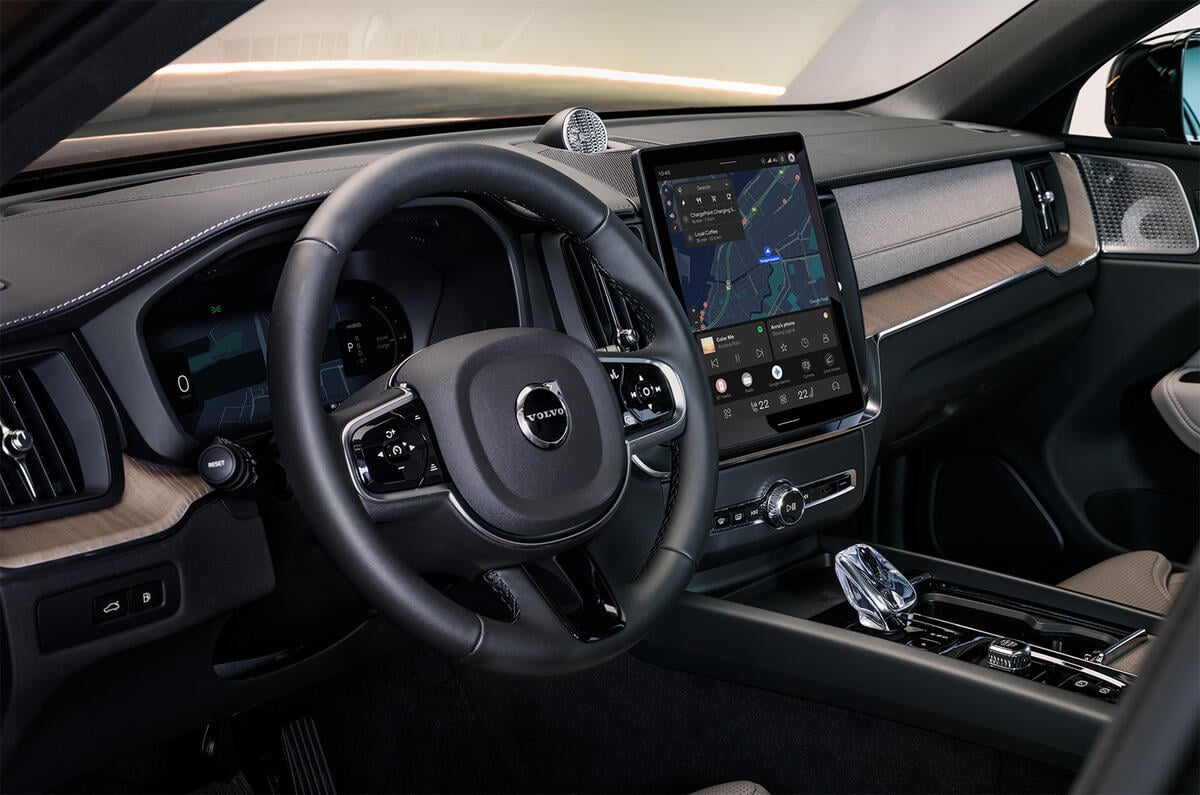
Volvo’s changes continue at the rear with revised taillights, tailgate and bumper, while new alloy wheels include an aerodynamically optimised 20-inch design. Inside, an 11.2-inch portrait touchscreen runs Volvo’s latest interface and incorporates Google’s Gemini AI assistant. The dashboard, instrument panel and door trims have also been redesigned, while new materials and ambient lighting aim to lift the cabin presentation.
Upgraded cameras, radars and sensors bring improvements to automatic emergency braking and other driver-assistance systems, along with features including lane-change assistance and a 360-degree camera. The XC90 misses out on the XC60’s extensive styling changes but gains the new powertrain and Gemini technology.
Australian pricing, specifications and arrival timing for the upgraded XC60 and XC90 have yet to be announced.
BYD’s Atto 1 was already the cheapest EV in Australia, and now it’s the first to sell for less than $20,000 with news of a stunning special offer that drops the price of the Essential variant to just $19,990 driveaway nationwide.
The winner of the Wheels 2026 Best Small Car Value award is now being touted as the most affordable new car of any sort in the country. Its closest rival, the Kia Picanto Sport Manual, is going for $19,190 – but crucially, that’s the listed base price, not the driveaway figure.
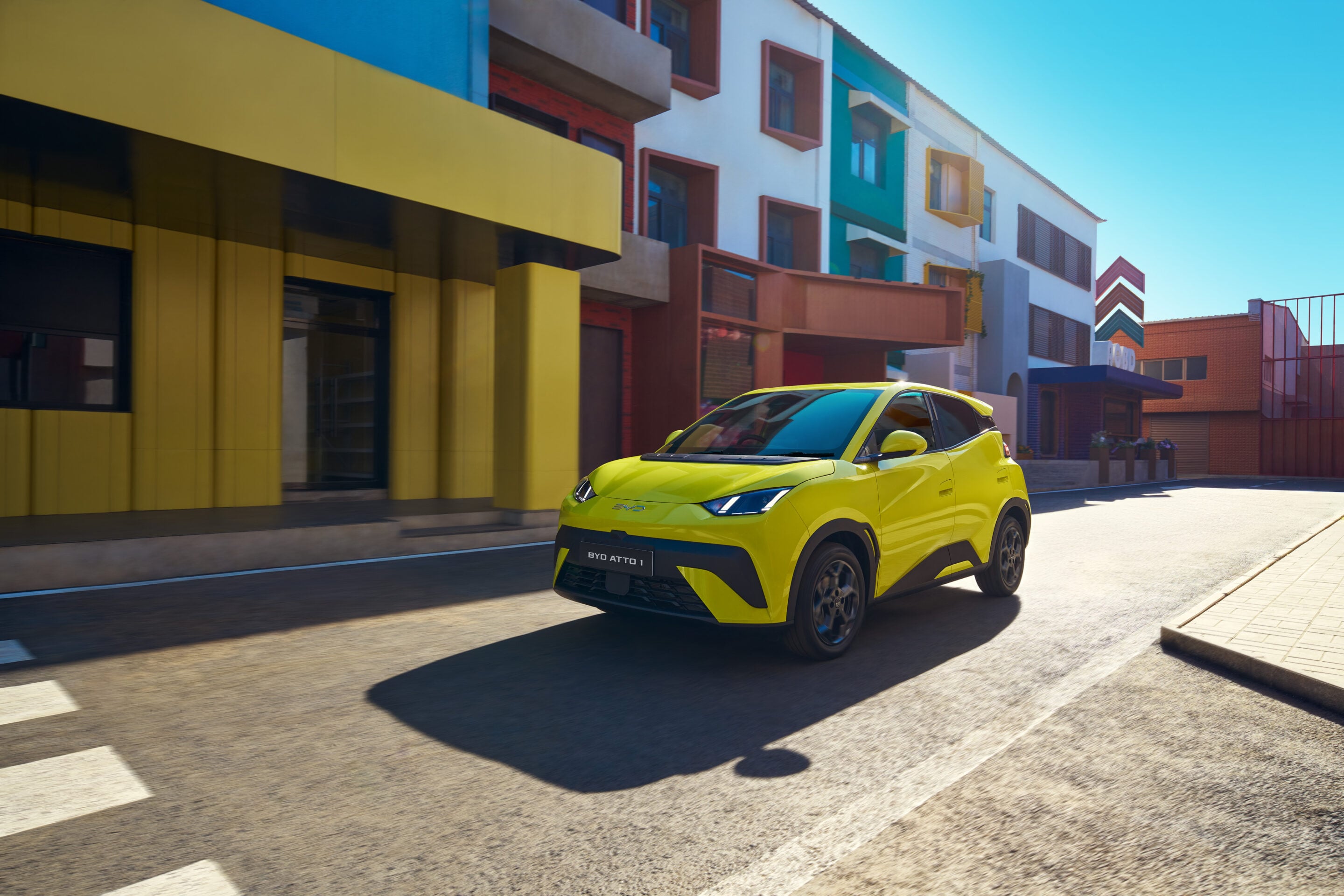
BYD Australia chief operating officer Stephen Collins said the brand has dropped the price from $23,990 plus on-roads partly in response to the cost of living crisis Aussies are experiencing.
“At a time when Australian families are carefully considering every household expense, we’re committed to making vehicle ownership more attainable,” he said in a company statement, adding that the discount “demonstrates our commitment to delivering outstanding value without compromising on technology, safety or quality.”
The Atto 1 Essential’s incredible bang for your buck wasn’t the only reason it won the Wheels award. Our judges also hailed its surprisingly punchy and mature driving dynamics and interior space, which is unexpected in a car of this size.
“The Atto 1 is a genuinely usable electric hatchback at a price that rivals – or undercuts – many ICE competitors, making it one of the most compelling value propositions on the market,” we wrote.
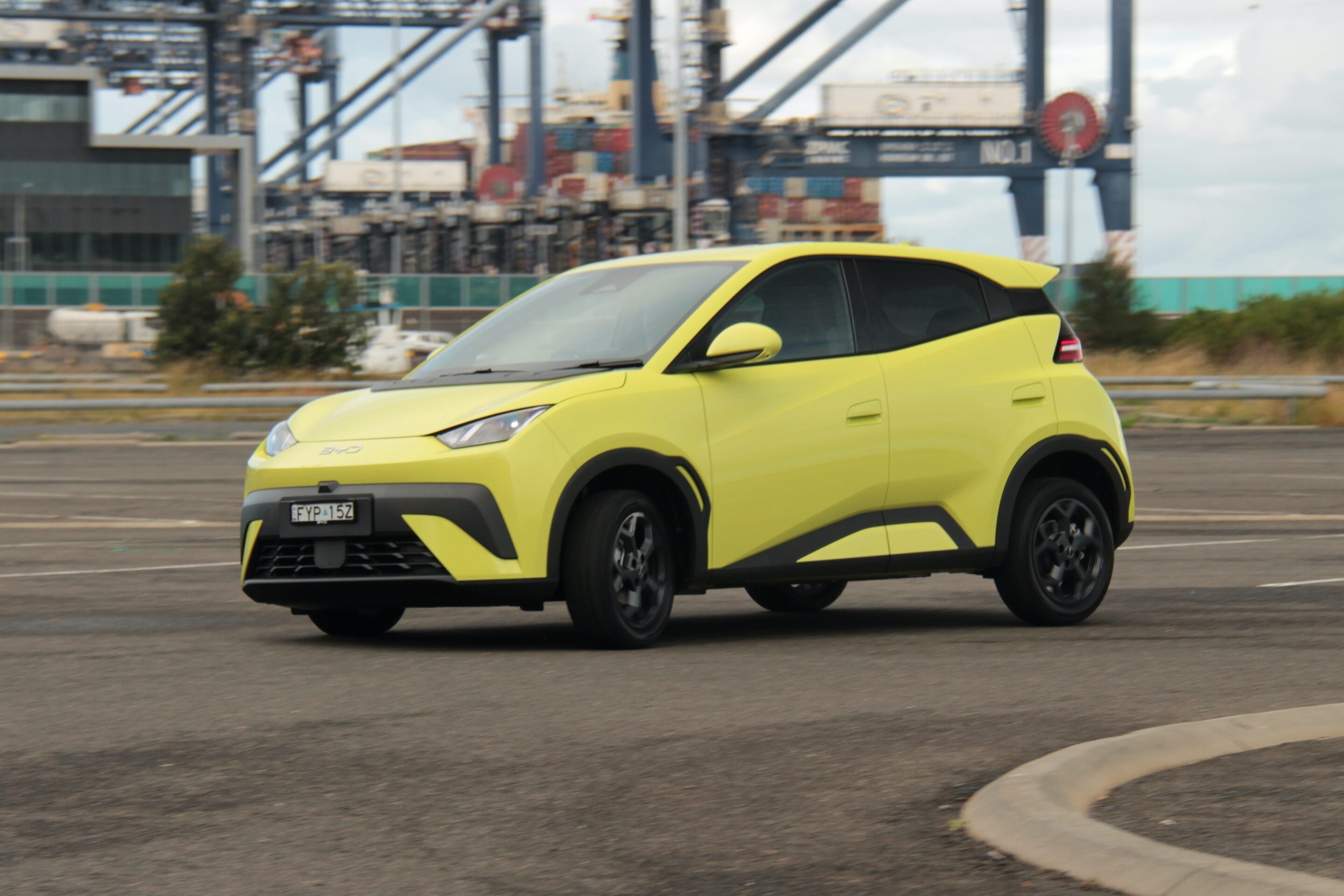
“The Atto 1 is also more accomplished to drive than you might expect. Instant electric torque makes it feel lively around town, while its compact dimensions and light controls make parking and urban driving effortless. The suspension delivers a comfortable ride with enough composure to inspire confidence beyond the city limits, giving the car a surprisingly mature feel.”
That $19,990 outlay will get you a single electric motor with outputs of 65kW and 175Nm, with a 31kWh battery that delivers a claimed WLTP range of 220km. There’s also a six-year, 150,000km warranty, with a five-year service cost of $1391.
MG has detailed its upcoming MGU9 EV electric ute ahead of its Australian launch likely later this year, confirming a 430km driving range, 3500kg towing capacity and grunt for days. Australia will be the first market globally to launch the electric ute, which has been designed and tested with local conditions in mind.
Positioned more as a lifestyle vehicle than a traditional workhorse, the MGU9 EV “combines everyday practicality with the capability for weekends away, from carrying bikes and camping gear to towing a caravan, boat or trailer”, according to the brand.
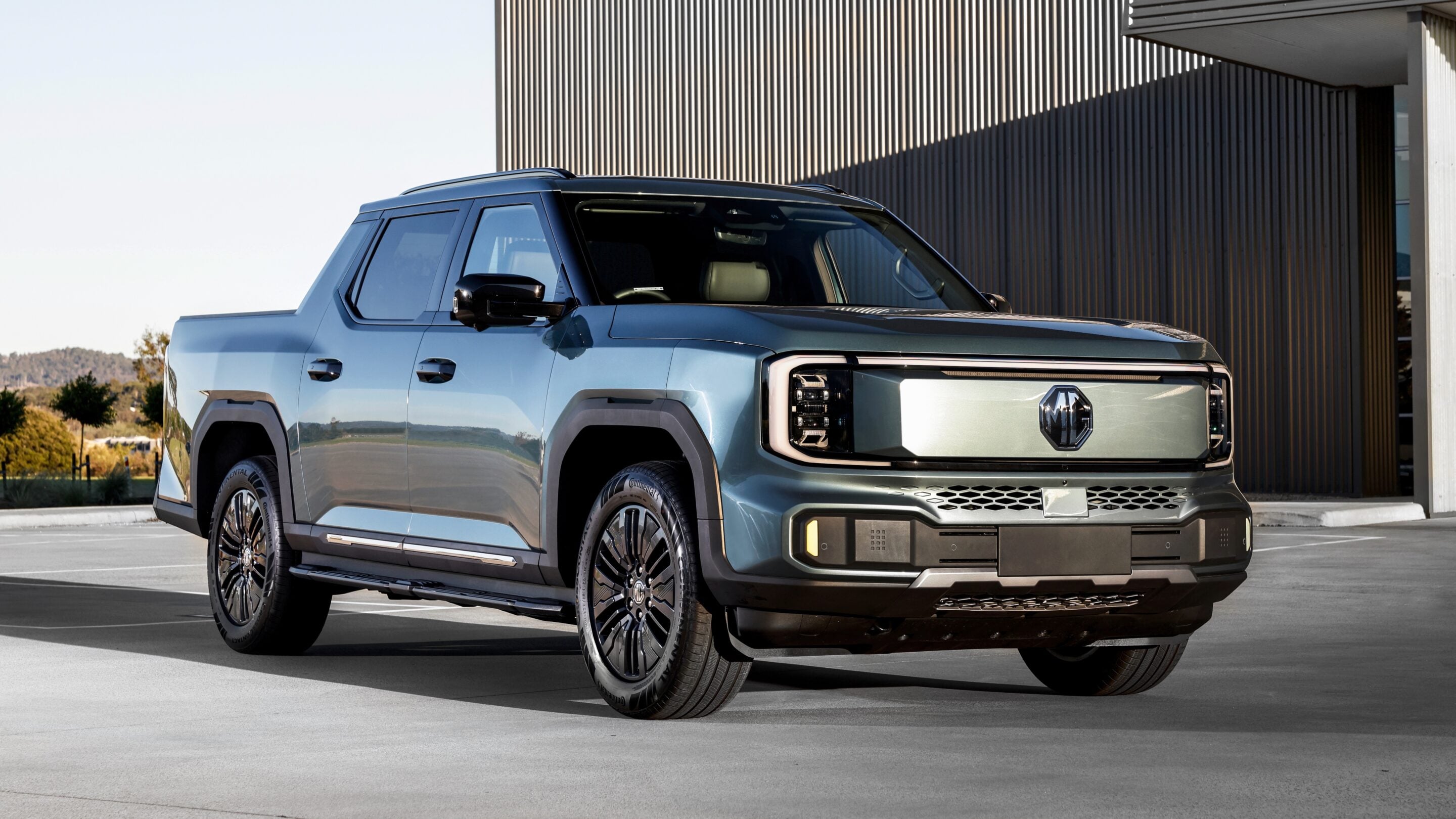
Power comes from a 102.2kWh LFP battery feeding a dual-motor set up that provides combined outputs of 325kW and 700Nm. According to MG, that’s enough grunt for the MGU9 EV to sprint from 0-100km/h in just 5.8 seconds, while its WLTP-rated driving range is 430km.
Importantly for many ute buyers, the MGU9 EV has a 3500kg braked towing capacity, which matches the benchmark figure offered by many of the country’s best-selling diesel-powered dual-cab utes. Unbraked towing capacity is rated at 750kg, and its payload is 685kg.
Remarkably, the electric MG also features four-wheel air suspension with variable ride height control, promising a more comfort-focused driving experience than conventional leaf-sprung utes.
The MGU9 EV supports DC fast charging at up to 115kW for a 20-80 per cent charge in a claimed 42 minutes. AC charging at 11kW is also available, while there’s also 6.6kW vehicle-to-load (V2L) capability through the external charging port and 2.2kW outlets in the cabin.
MG says the U9 EV’s tray can accommodate a standard-sized pallet, while there’s also a large 236-litre boot at the front of the vehicle. Inside, the MGU9 EV features two 12.3-inch displays, wireless Apple CarPlay and Android Auto, a 15W wireless phone charger and an eight-speaker JBL sound system.
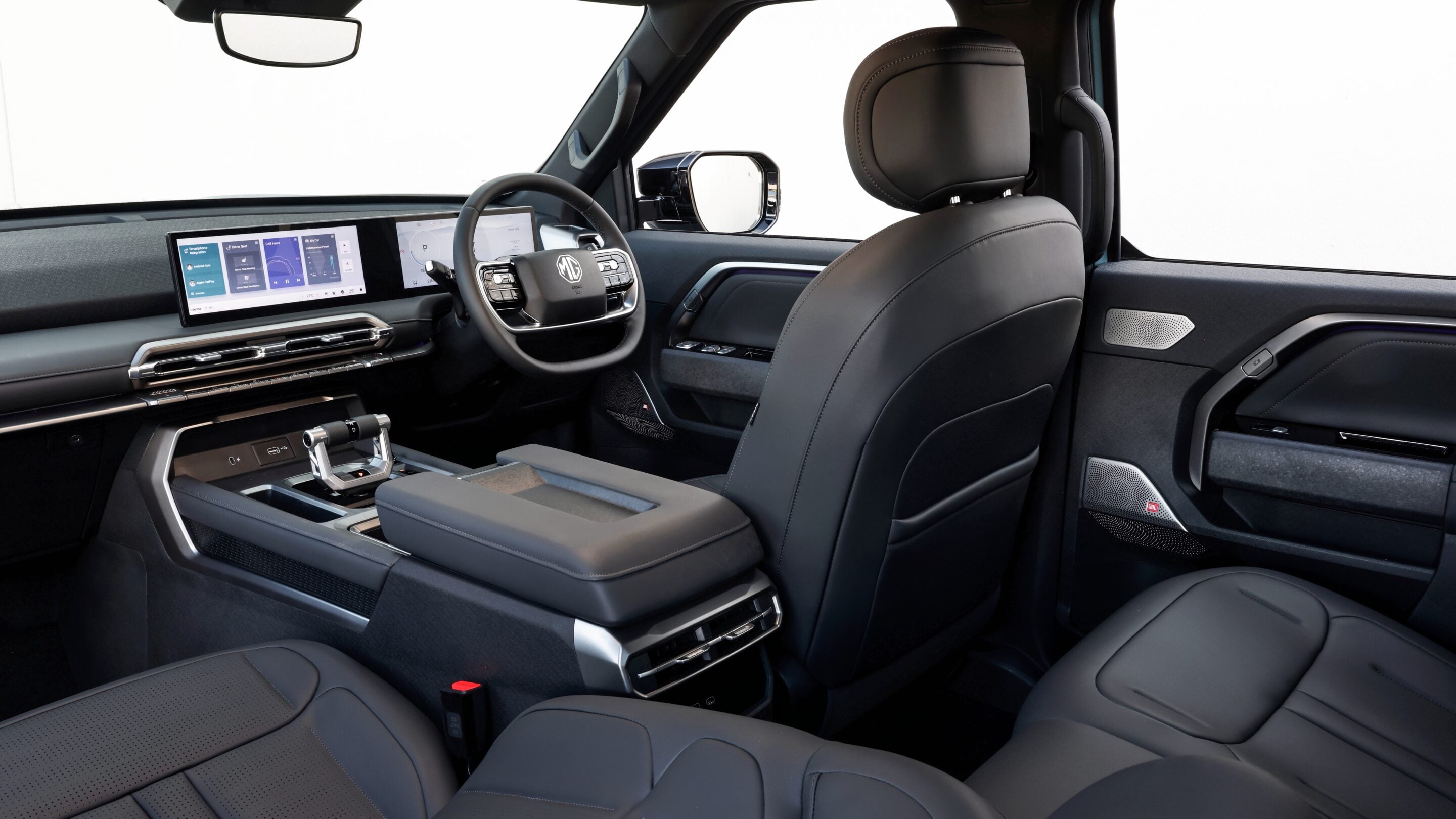
Leather upholstery is standard for the front seats, while the driver’s seat features heating, ventilation and massaging, with heating for both the front passenger seat and steering wheel. Other equipment includes a hands-free automatic tailgate and 360-degree camera, and MG says the MGU9 EV has achieved a five-star ANCAP safety rating.
“The MGU9 EV brings together the capability and utility people expect from a ute with the comfort and benefits of an electric powertrain,” said MG Motor Australia marketing director Dimitri Andreatidis.
“It’s designed to be used every day, whether that’s for work during the week, the school run or getting away on the weekend.”
Australian pricing, model grades and a firm launch date for the MGU9 EV are yet to be announced, but it’s expected to launch locally before the end of the year.
