
News
Gallery 1
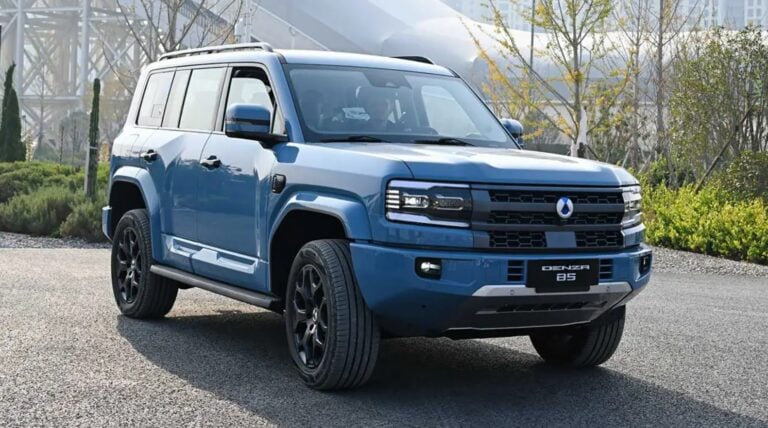
The latest, and what is likely final round of the Australasian New Car Assessment Program (ANCAP) testing for the year before new, stronger protocols kick-in in 2026, has seen five-star ratings awarded to the newest generations of the Toyota HiLux ute and Hyundai Palisade large SUV, along with two newcomers from China, the GAC Aion V electric car and Denza B5 plug-in hybrid SUV.
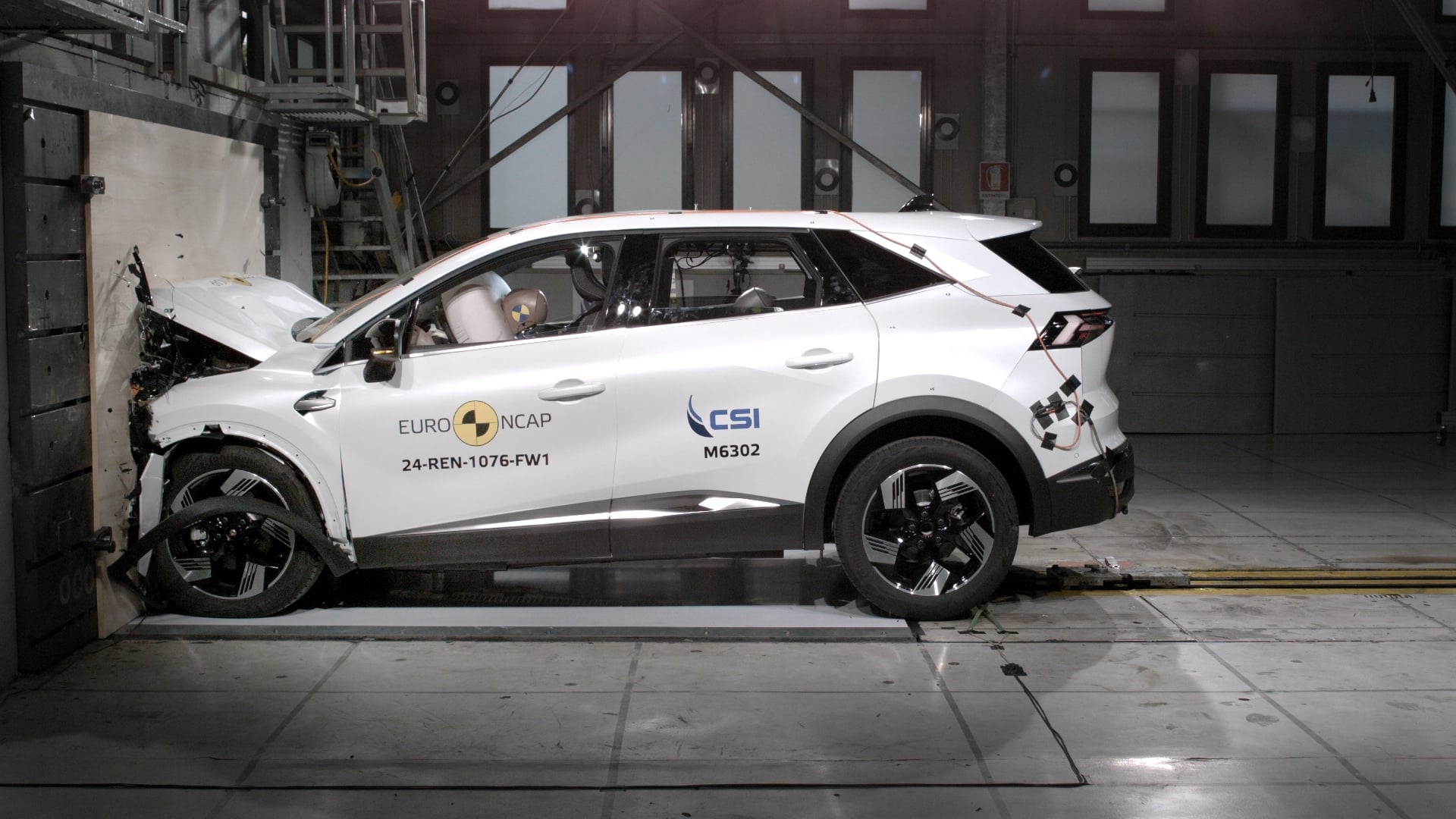
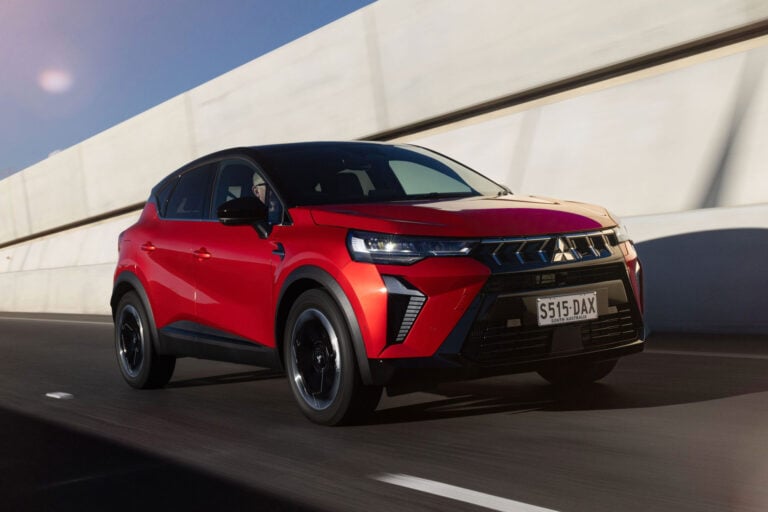
But another former favourite with Australian new car buyers, the Mitsubishi ASX, was awarded a four-star safety score, based on testing conducted by ANCAP’s European counterpart, Euro NCAP on what it says is “the closely-related Renault Captur and Renault Symbioz” pair of SUVs.
1
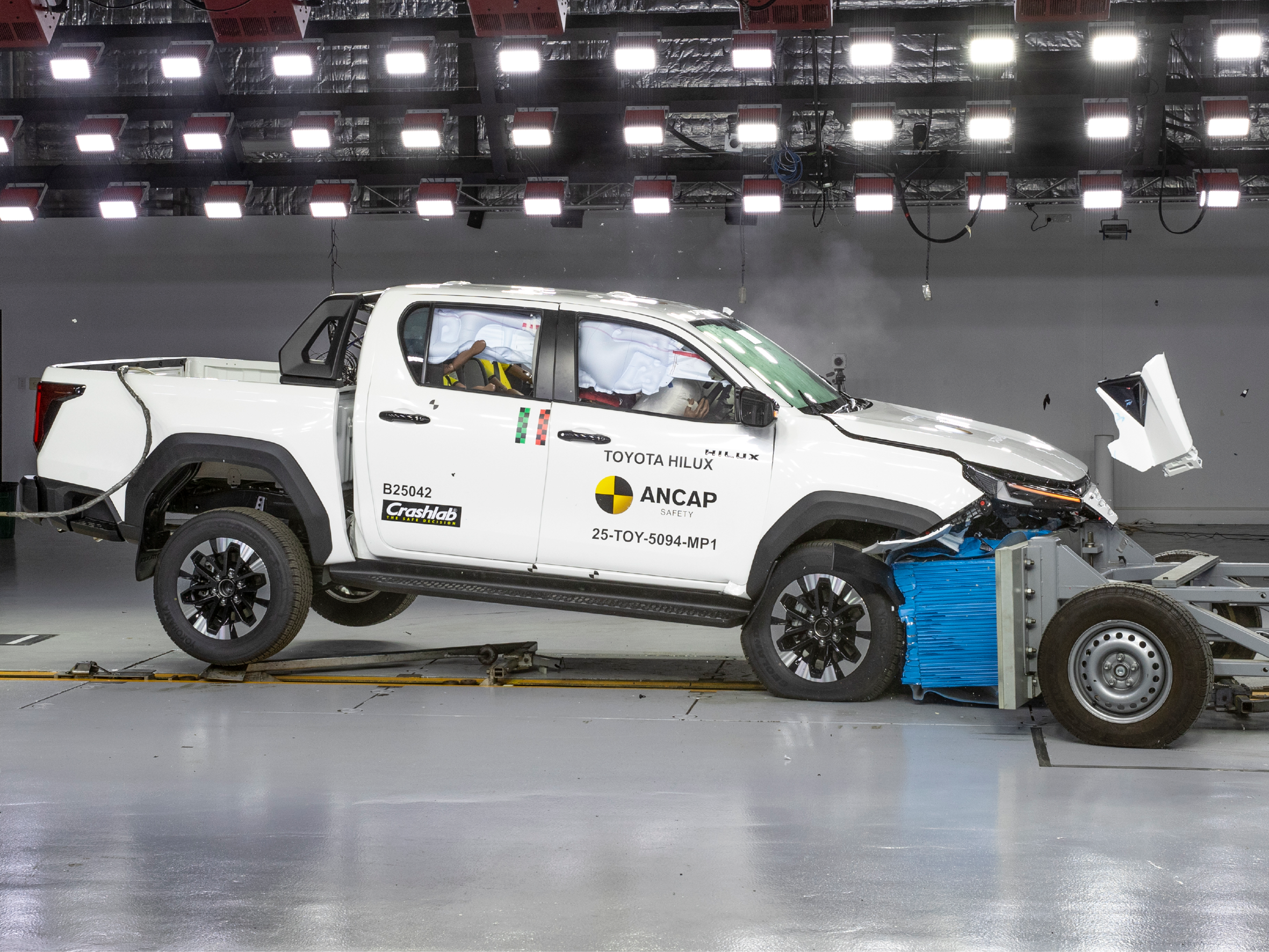
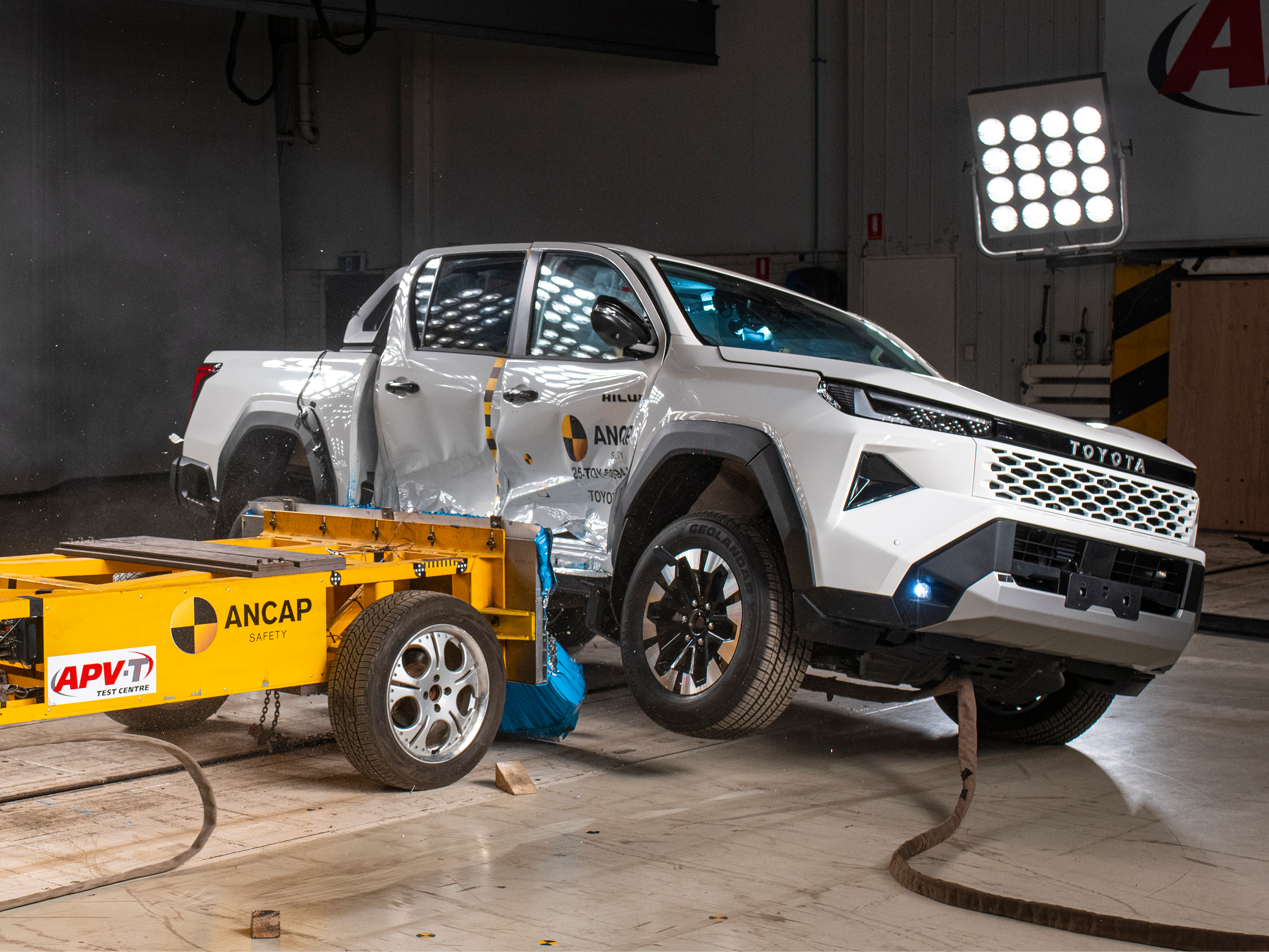
The new Toyota HiLux fared well in crash-testing, earning scores of 84 per cent for adult occupant protection, 89 per cent child occupant and 82 per cent vulnerable road user. Its safety assist systems earned a score of 82 per cent.
“The HiLux provided consistently ‘Good’ performance in testing across all four assessment pillars,” said ANCAP in a statement.
ANCAP also noted that the HiLux’s five-star rating applied to all variants except for Rugged X which has been listed as ‘unrated’.
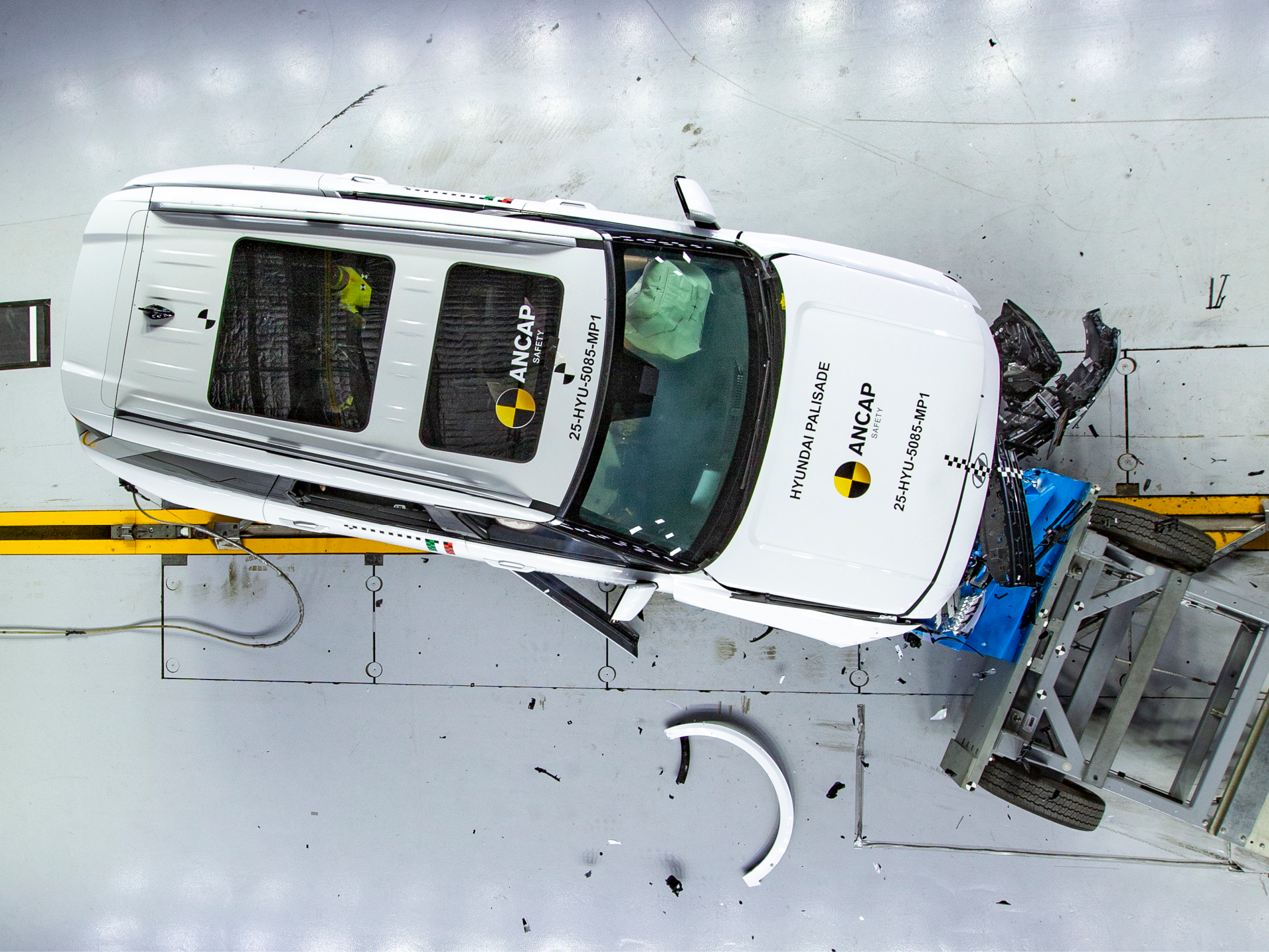
Hyundai Palisade’s five-star rating – which applies to both seven- and eight-seat variants – came off the back of scores of 84 per cent for adult occupant protection, 86 per cent child occupant, 71 per cent vulnerable road user and 73 for its safety assist systems.
1
“[Palisade] scored full points for Child Occupant Protection in frontal and side impact crash tests, and full points for adult protection in side impact and oblique pole tests,” said ANCAP adding that “a penalty was applied for a loss of footwell integrity in the frontal offset test.
“After the frontal offset test, a small opening was found in the seam between panels in the footwell. This loss of integrity in the footwell structure was penalised, with a deduction applied to the driver’s lower leg score.”
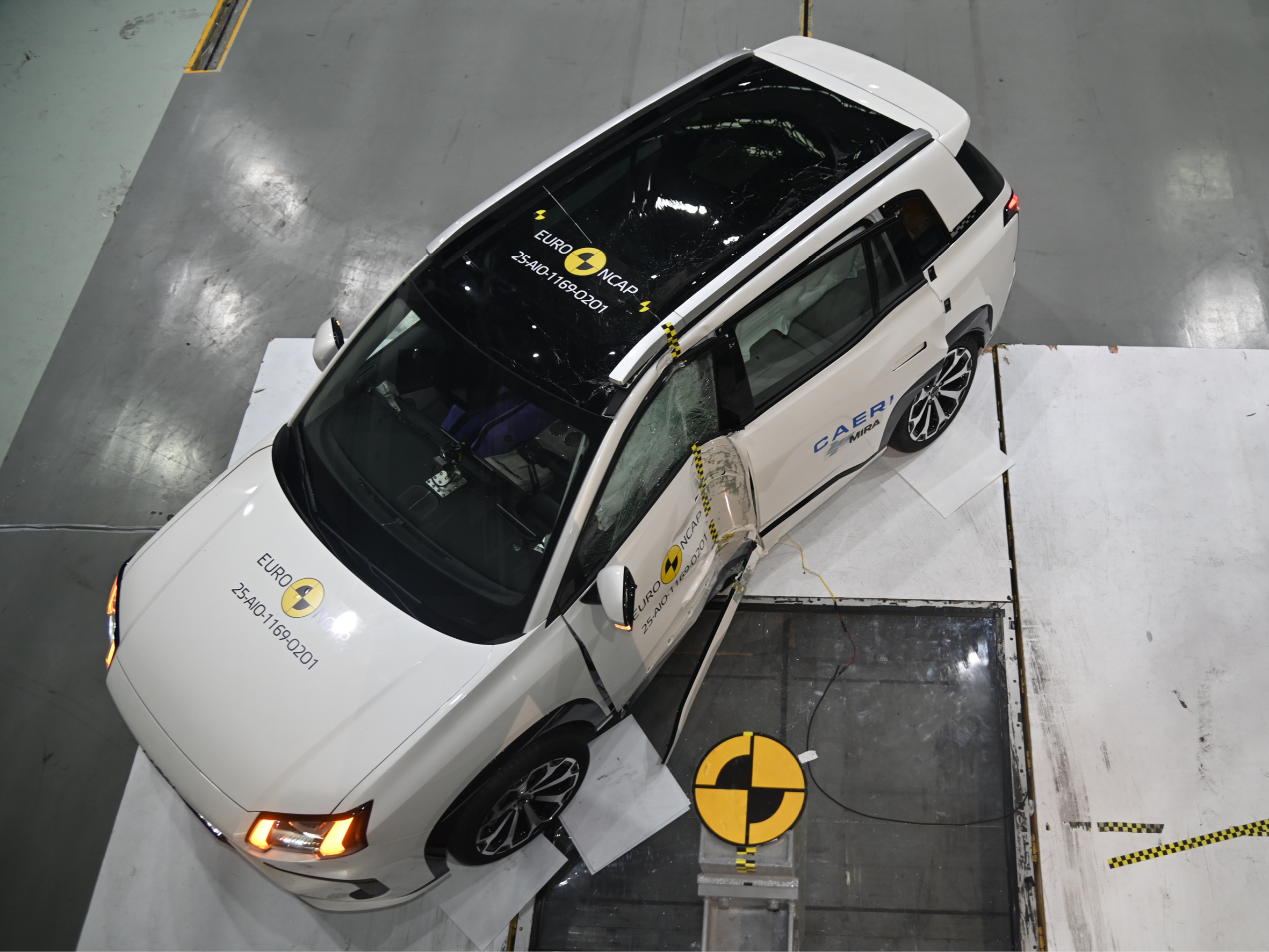
ANCAP praised Chinese newcomer GAC, noting that the Aion V “performed strongly in side-impact and far-side performance, positioning the Aion V among some of Australia’s top safety performers.”
It achieved scores of 88 per cent (adult occupant), 87 per cent (child occupant), 79 per cent (vulnerable road user), and 79 per cent (safety systems).
1
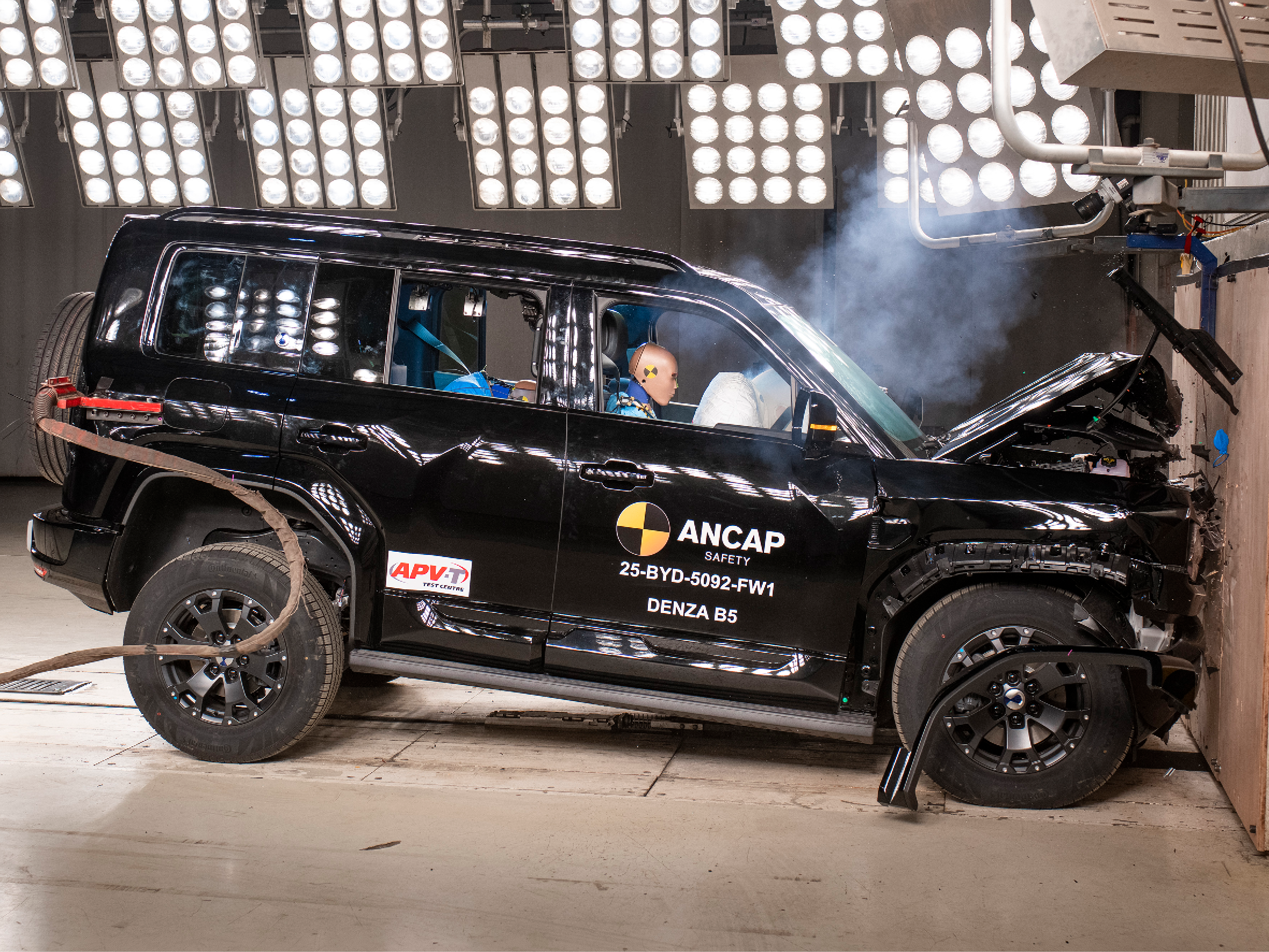
The B5 plug-in hybrid SUV from another new brand from China, Denza – the luxury brand of established brand BYD – achieved results of 86 per cent for adult occupant, 95 per cent child occupant, 74 per cent vulnerable road user and 78 per cent for its safety assist technologies.
“The [Denza B5] achieved maximum points in side-impact testing and demonstrated good performance across most crash tests. Robust AEB capability was also seen for pedestrians, cyclists and motorcyclists across most tested scenarios,” said ANCAP.
1
Mitsubishi’s ASX small SUV was penalised for “Weak chest protection for the driver in the frontal offset crash test and the absence of a centre airbag,” according to ANCAP.
That resulted in an adult occupant protection score of 76 per cent, below the 80 per cent threshold required to earn a five-star rating. Other testing criteria saw the ASX achieve scores of 83 per cent (child occupant), 79 per cent (vulnerable road user) and 70 per cent (safety systems).
To achieve a maximum five-star safety rating, a vehicle needs to score at least 80 per cent for both adult and child occupant protection while a minimum score of 70 per cent is needed for vulnerable road user protection and safety assist systems.
1
Next year, ANCAP will introduce its new testing protocols – Stage of Safety – that will assess vehicles across four pillars (Safe Driving, Crash Avoidance, Crash Protection and Post Crash). The new protocols will also penalise poorly-calibrated and overly-zealous safety assist systems, increasingly a bug-bear of new car buyers.
Follow WhichCar/Wheels on Google
Click the button below to make WhichCar by Wheels a preferred source for your news.

We recommend
-
 News
NewsMitsubishi ASX: Second-generation small SUV launched in Australia
Mitsubishi prices the second-generation of its crucial ASX small SUV, which is due to launch in November.
-
 Reviews
Denza B5 review: Early international verdict on the Land Rover Defender rival soon to arrive down under
New BYD-backed brand Denza prepares to challenge legacy 4WD makers with its powerful hybrid B5 the first to arrive in Australia, bringing serious off-road ability.
-
 Reviews
2026 Toyota HiLux Wheels review: First drive of the updated version of Australia’s favourite workhorse
Toyota’s updated 2026 HiLux launches into a crowded segment and a sea of challengers, the likes of which it has never had to deal with before. Can the new model’s significant tech updates, specifically, ensure it keeps pace with an ever-changing dual-cab segment?
