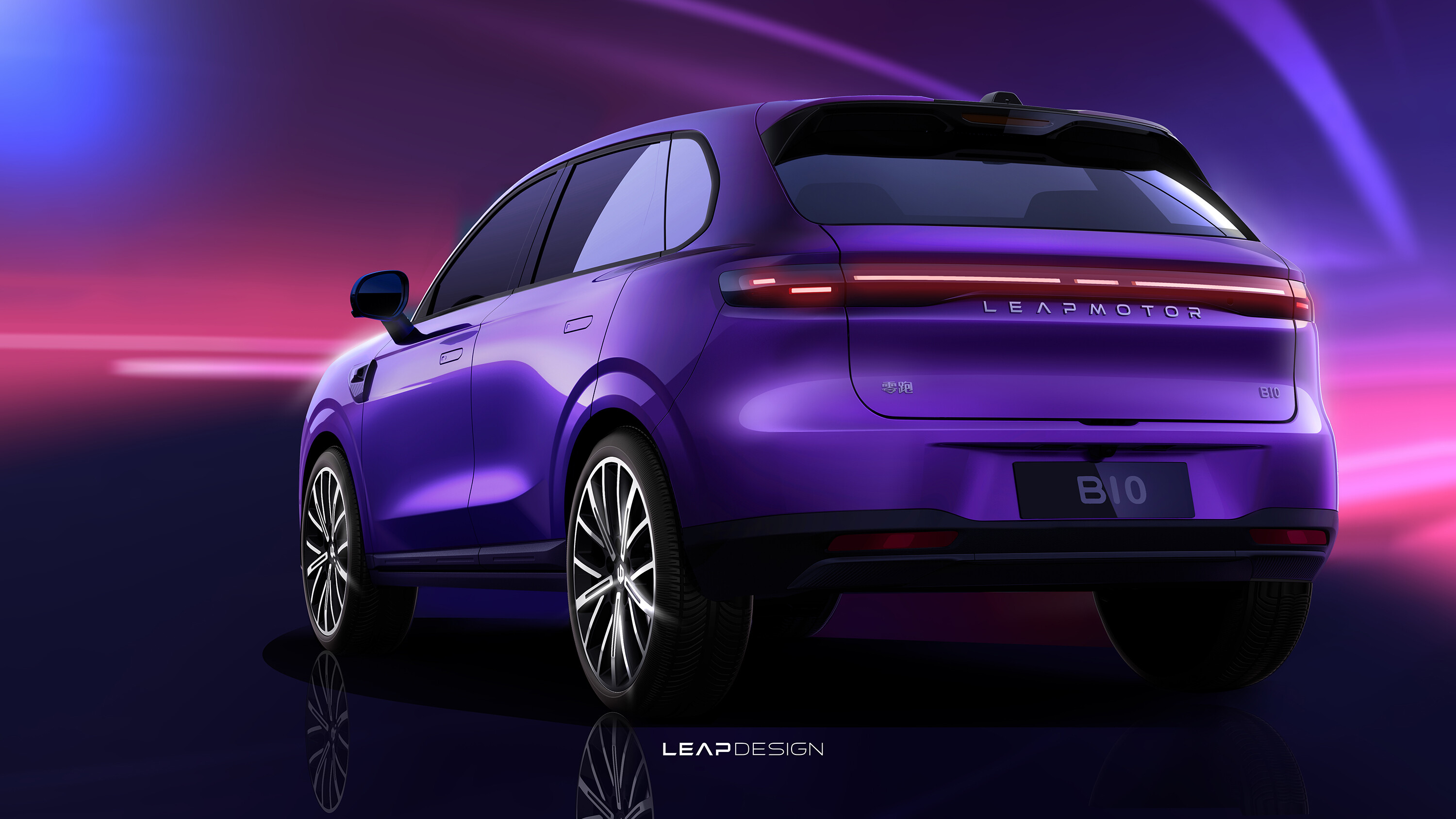
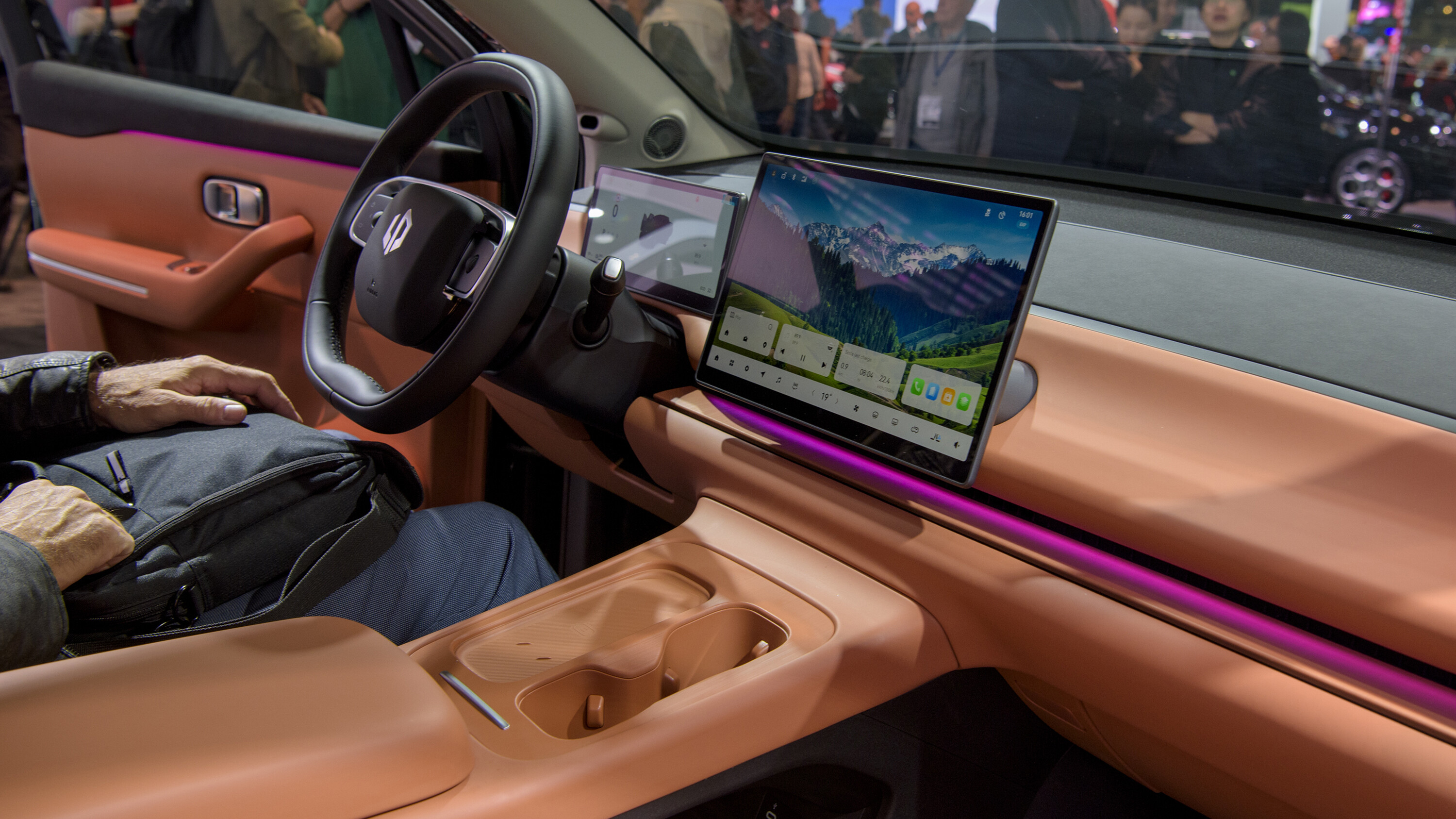
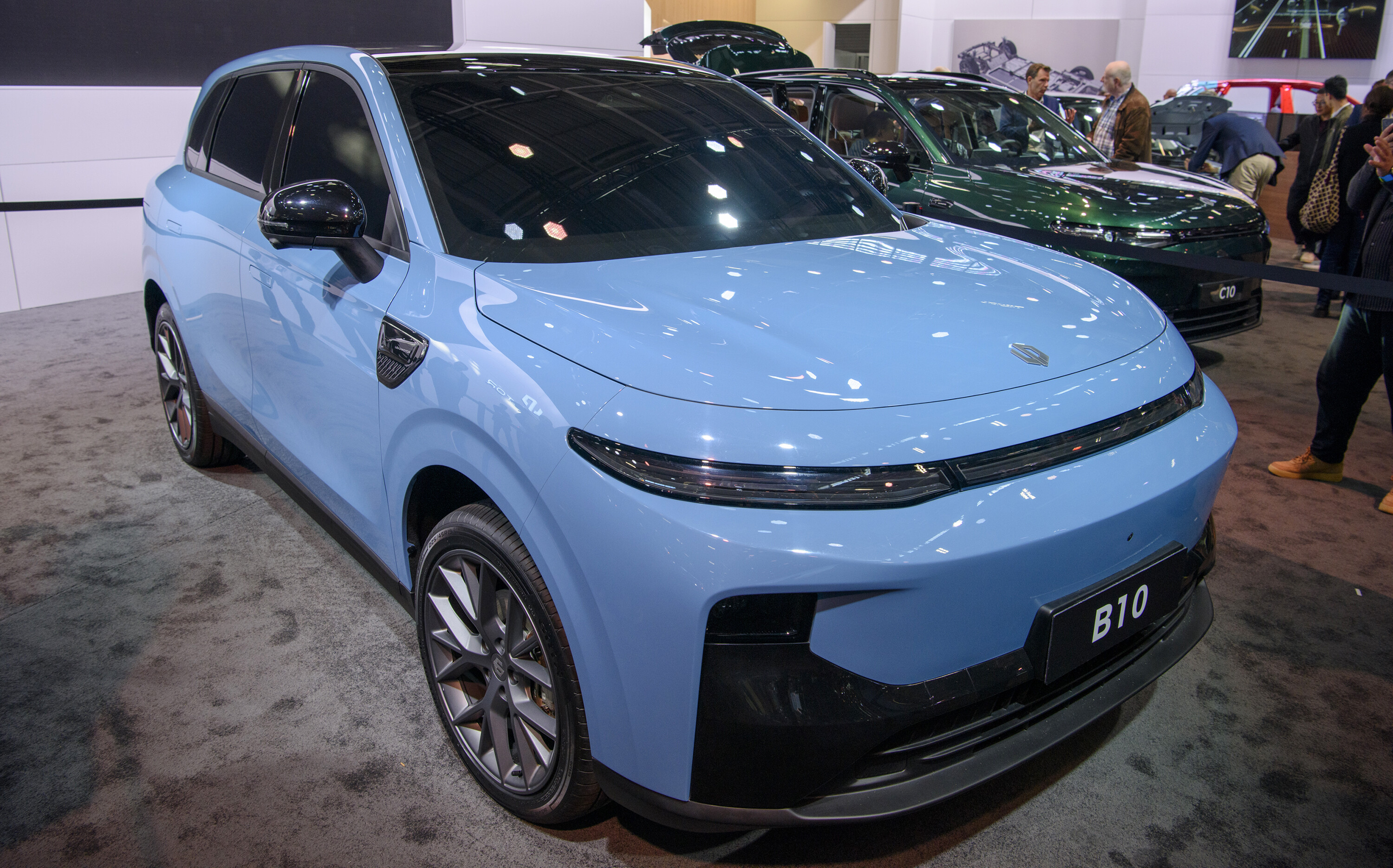
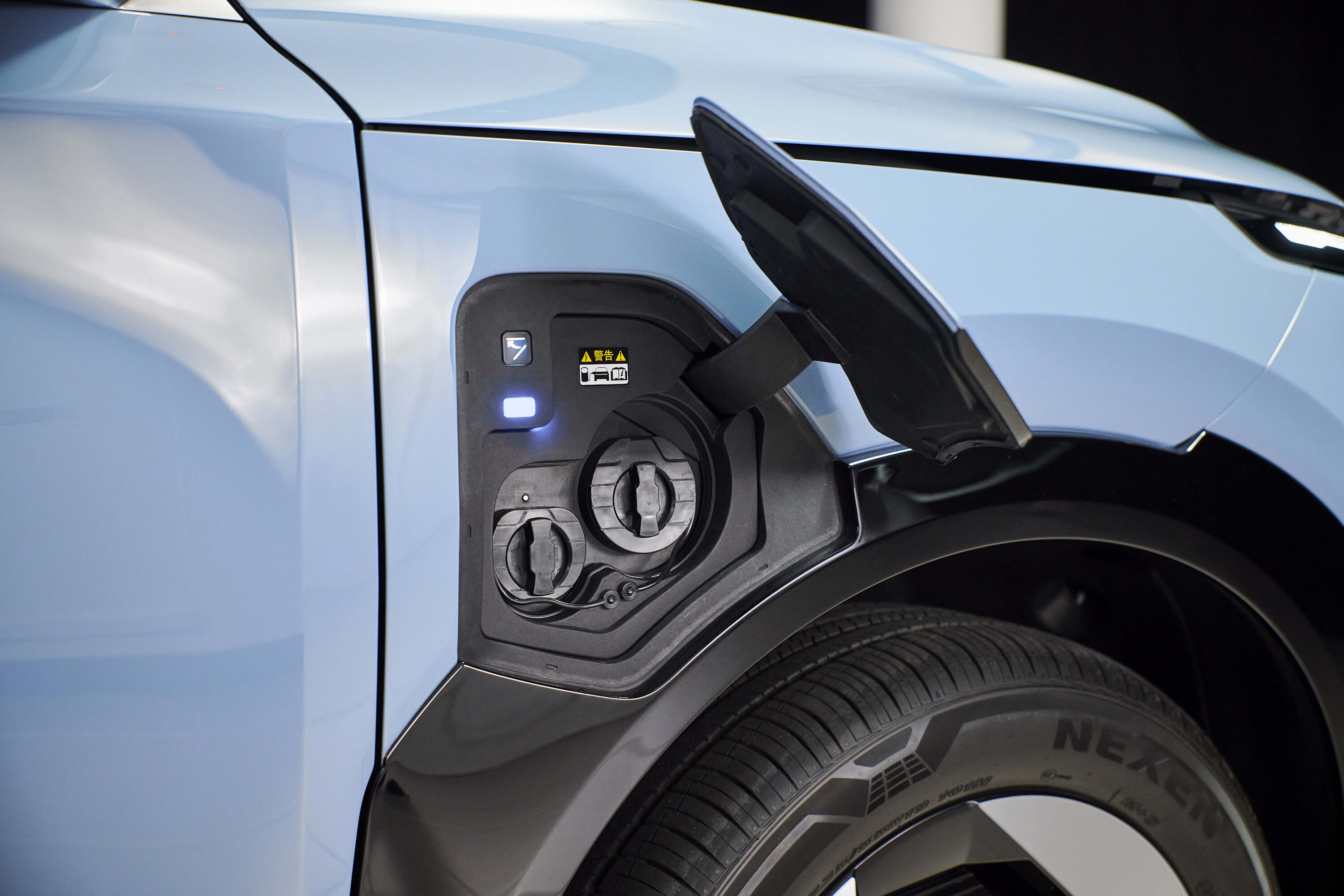
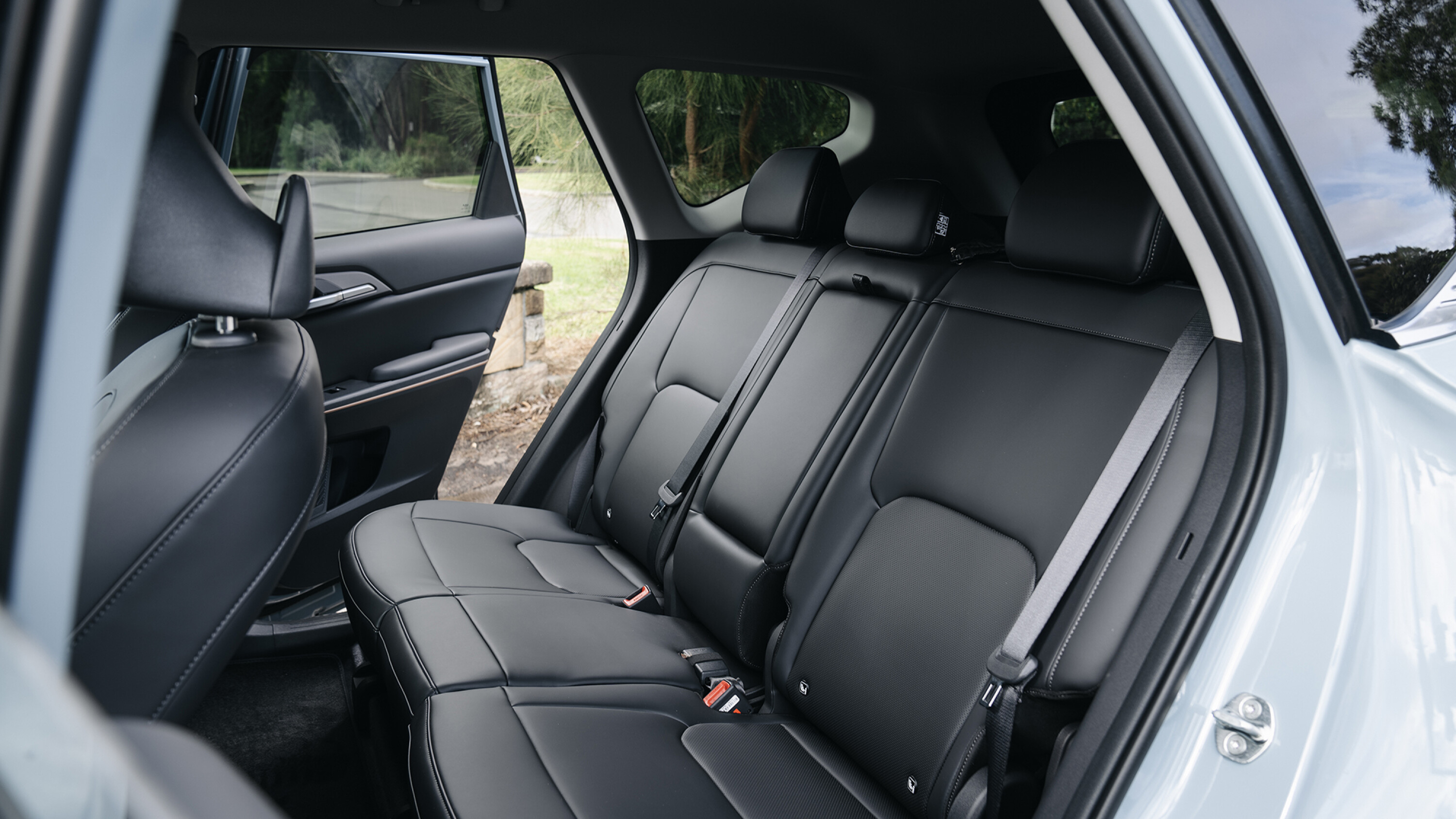
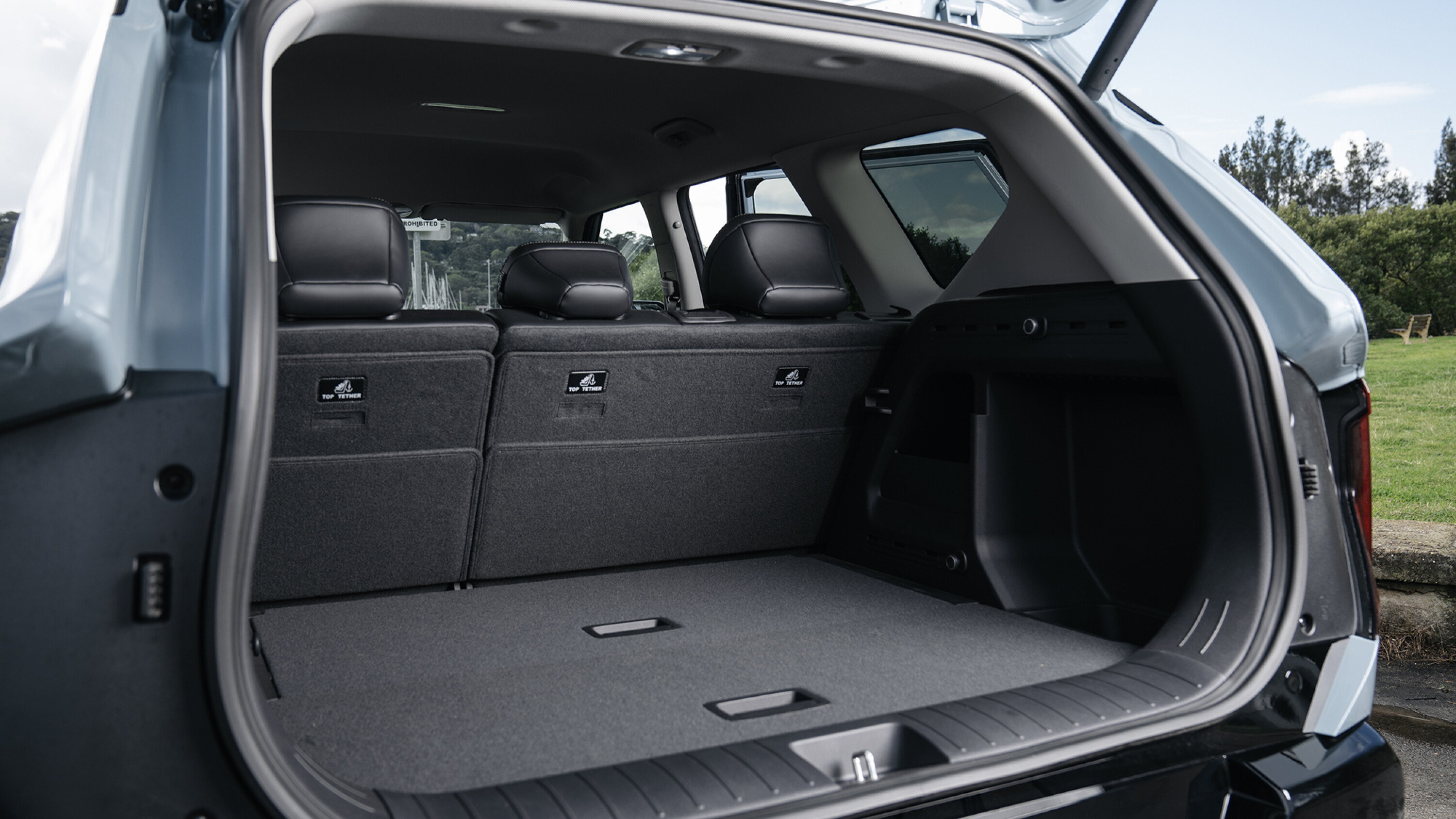
The incoming Leapmotor C10 midsize electric SUV will quickly welcome a smaller sibling, in the form of the newly revealed B10.
Unveiled at this week’s Paris motor show – a nod to its partner, French motoring giant Stellantis – the 2025 Leapmotor B10 evolves and condenses the C10’s styling and tech into a more compact package.
The B10 could arrive with a very significant advantage over its Korean rivals, however: its price.
With the bigger C10 already confirmed to have a starting price below $50,000 it’s more than likely the B10 will skew much closer to the magical $40,000 mark.
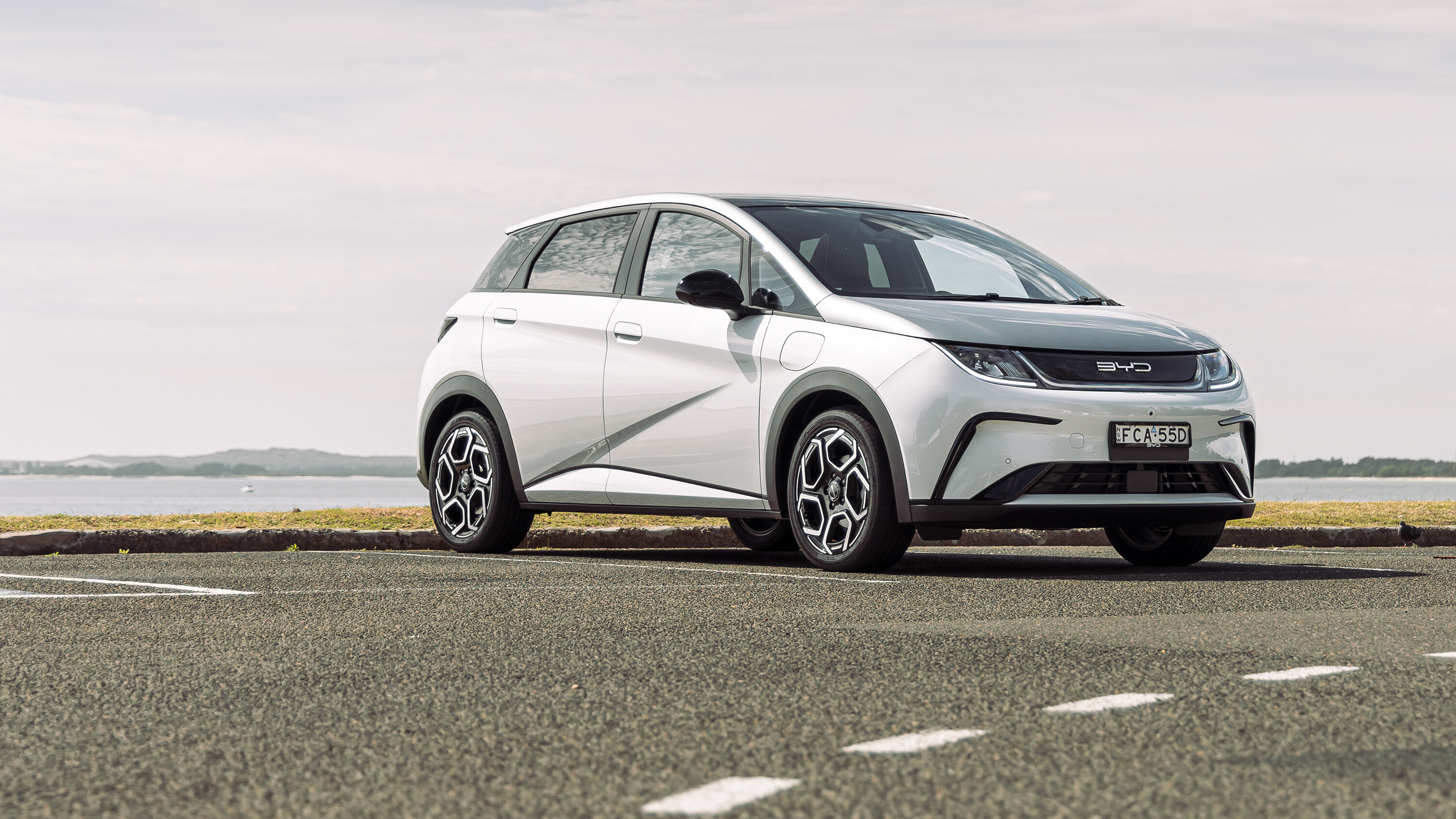
That would make it around $10K more affordable than the Kona EV, making it a direct price rival for the hugely popular BYD Atto 3 – along with a number of other mostly Chinese models, the majority of them smaller than the B10 and Atto 3.
1
Like Volvo parent Geely, Leapmotor has another advantage: marketing and brand cachet.
Multinational carmaker Stellantis – owner of Peugeot, Alfa Romeo, Jeep and others – holds a 20% stake in Leapmotor, to the tune of around $2.4 billion. With that sort of investment, Stellantis will likely be pushing its new partner to get things right.
If you’re wondering exactly how big the B10 is, or what it’s packing under the skin, you’ll have to keep wondering for now. Reports out of Paris suggest we can expect the same 69.9kWh LFP battery used in the C10, which pairs it with a single 160kW/320Nm rear-mounted electric motor.
1
If so, we can likely expect the B10 to do better than the C10’s claimed 420km driving range.
Watch for more on the B10 to come in the months ahead, along with more specific details on its Australian launch timing and pricing.
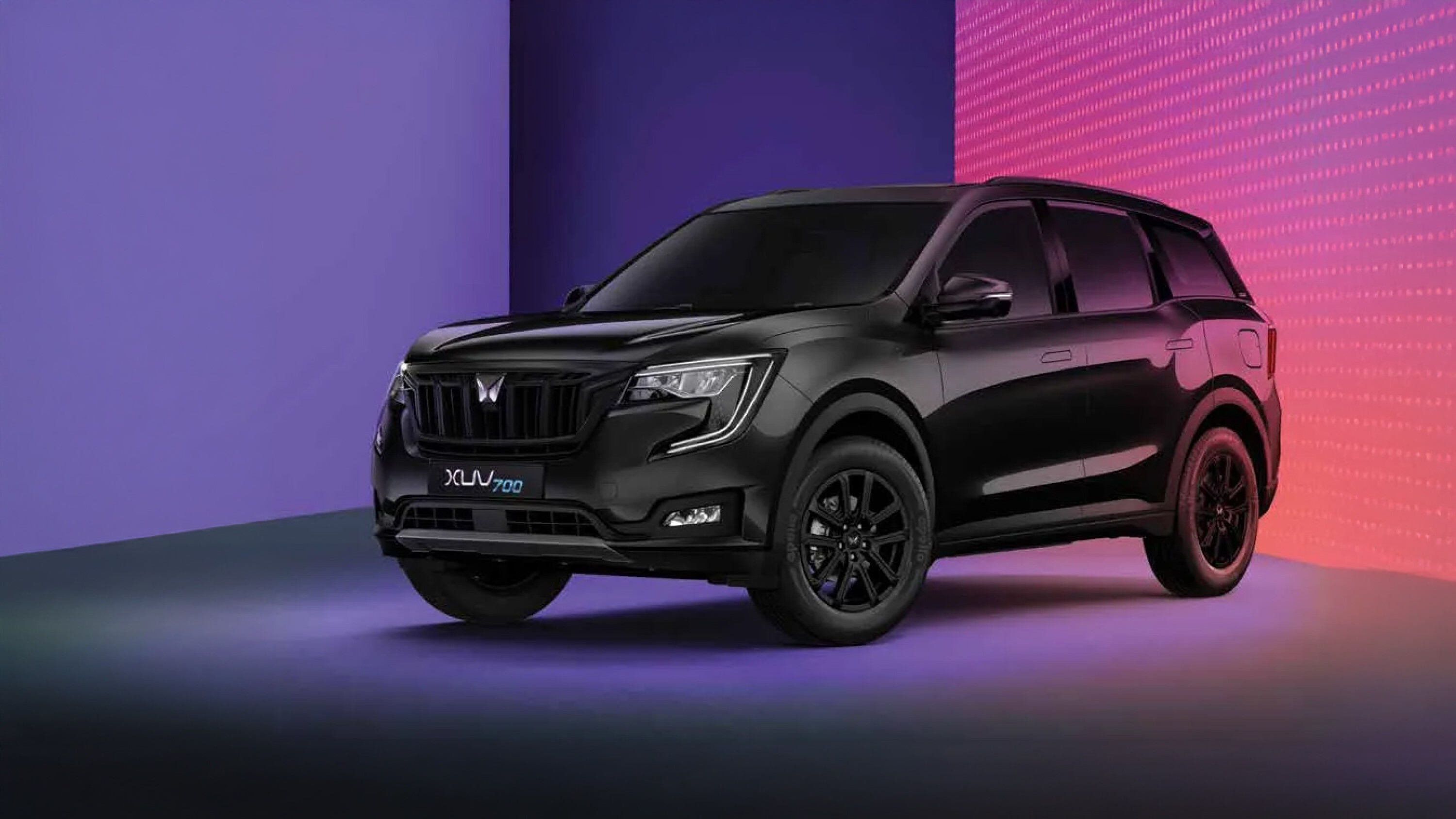
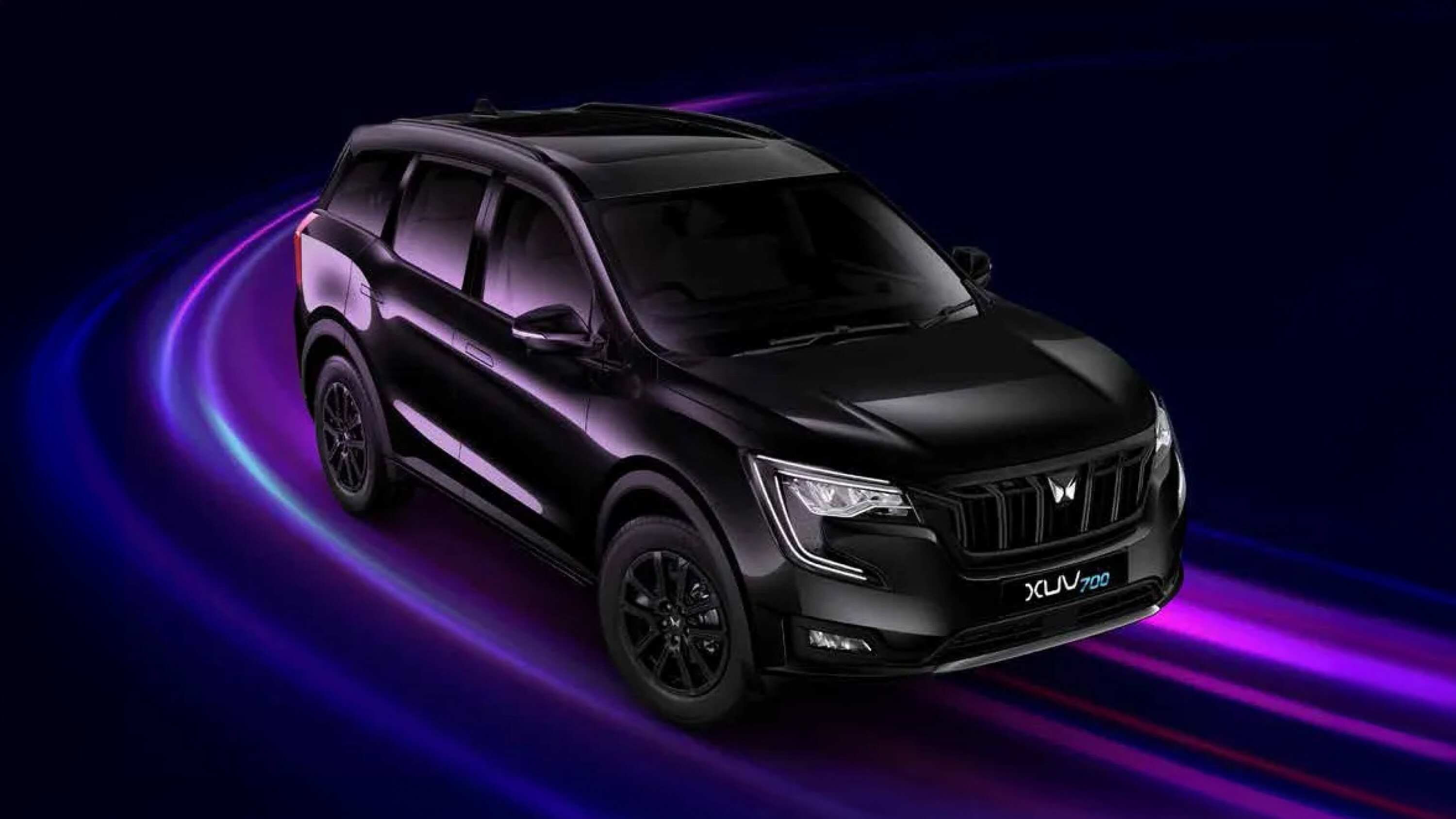
Mahindra has introduced a special Black Edition of its XUV700 SUV in Australia, starting at $43,990 drive-away.
This latest variant adds new cosmetic and feature upgrades to the existing AX7L trim, all wrapped in a unique Napoli Black colour.
Snapshot
Black Edition XUV700 in Australia at $43,990 drive-away
Powered by 2.0L turbo-petrol engine with advanced safety features
Includes 7-year warranty, roadside assistance, and capped-price servicing
1
Design and interior updates
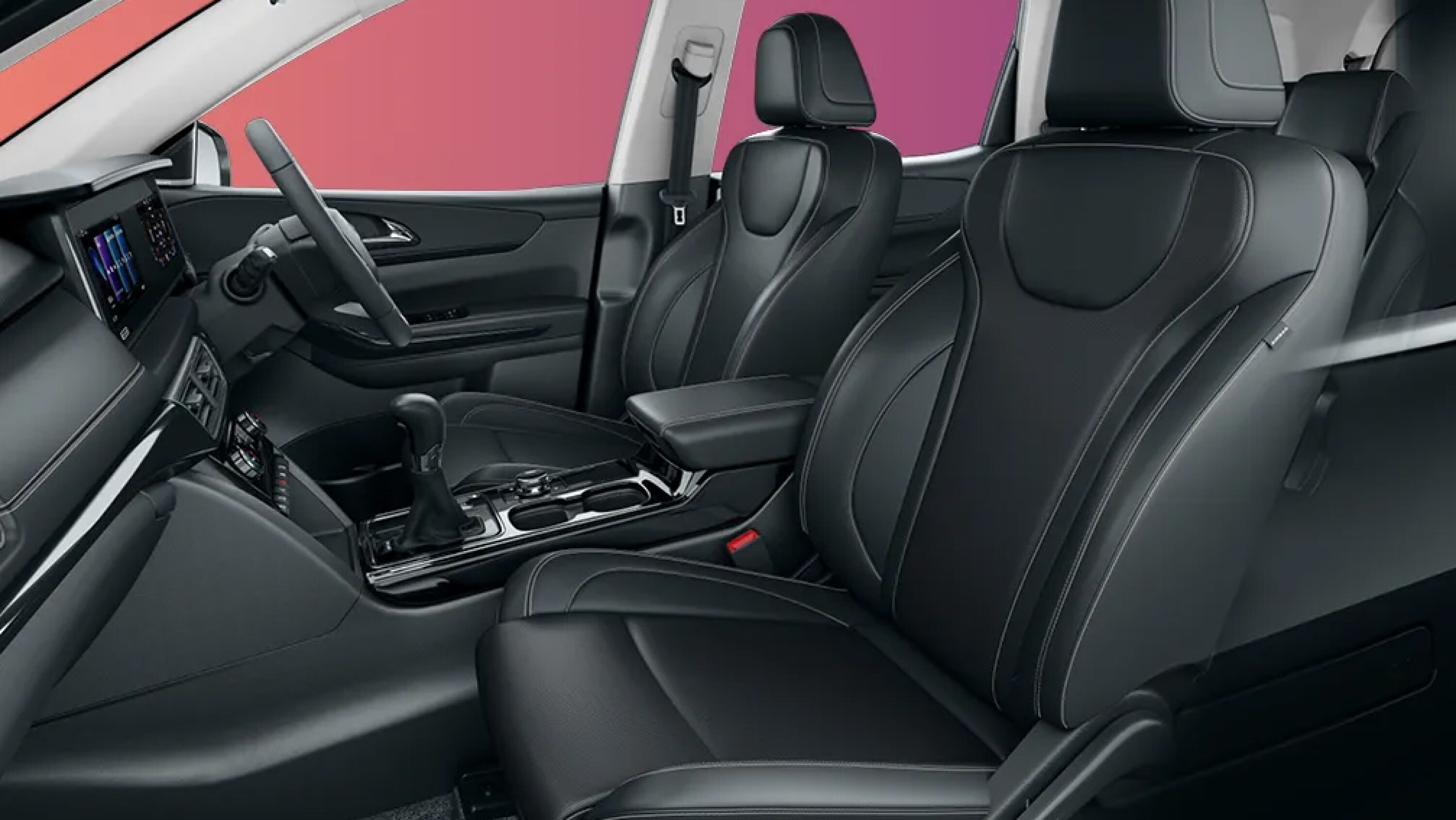
The Black Edition features a blacked-out front grille and 18-inch black alloy wheels, with additional dark chrome accents on the air vents and central console.
Inside, the cabin adopts an all-black theme, with dark trim on the dashboard and a 7-seat layout. Piano black finishes further highlight the interior, with ventilated front seats aimed at improving occupant comfort.
The SUV’s side mirrors feature memory-linked functionality, allowing them to adjust to preset driver profiles. Connectivity options include wireless Apple CarPlay and Android Auto, enabling hands-free use of mobile devices.
1
Power and performance
Under the bonnet, the Black Edition XUV700 is powered by Mahindra’s 2.0-litre mStallion turbo-petrol engine, producing 149kW and 380Nm.
This powertrain is mated to a six-speed automatic transmission, which Mahindra claims is tuned to deliver balanced performance across various driving conditions.
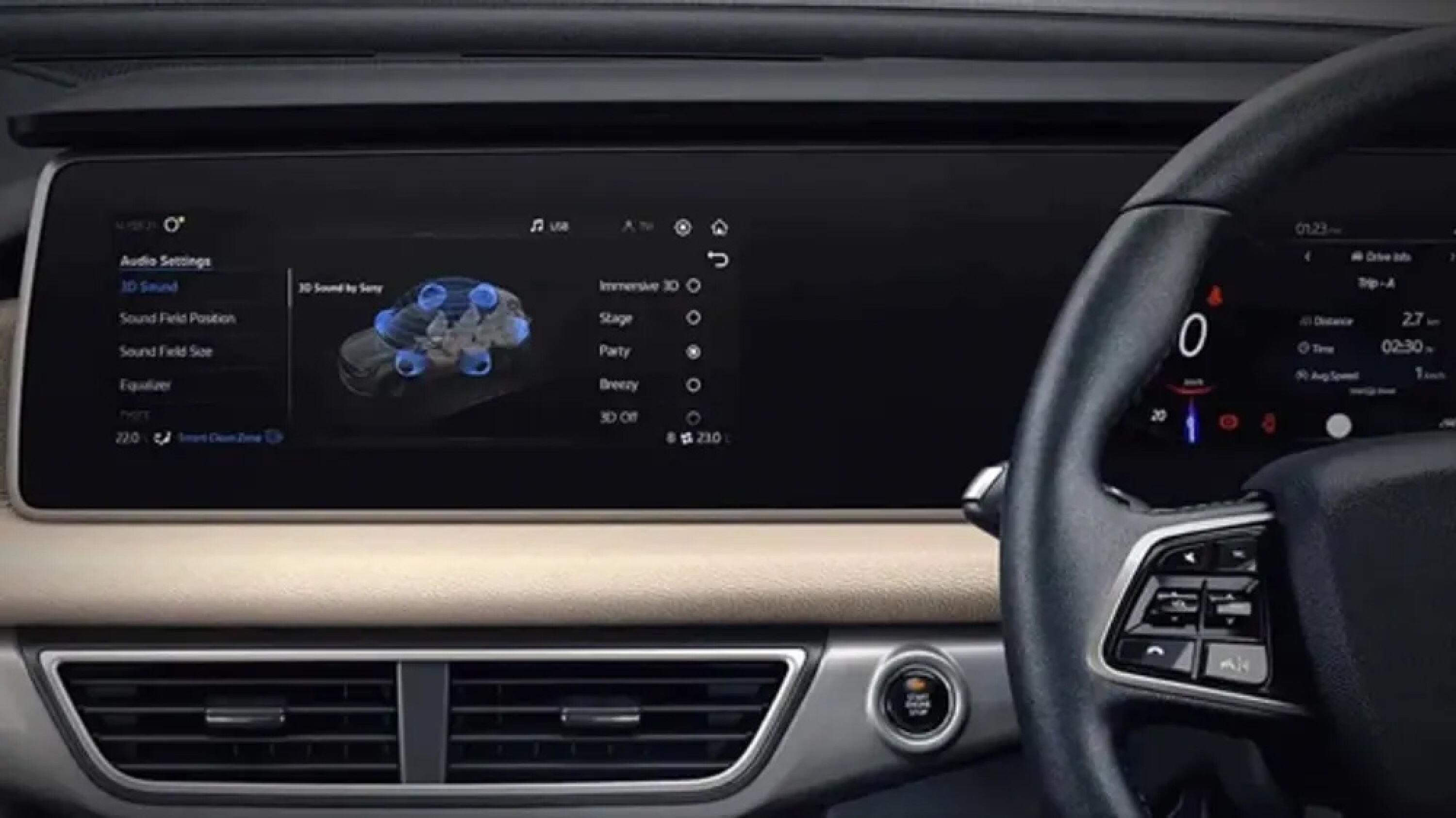
The vehicle also comes with a panoramic sunroof measuring 1.3 metres, along with a dual 10.25-inch infotainment and digital cluster display.
1
XUV700 AX7 features
Dual HD 26 cm Infotainment and 26 cm Digital Cluster screens
Traffic Sign Recognition
Android Auto/ Apple CarPlay Compatibility
High Beam Assist
6 Speakers with Sound Staging
6 airbags
2nd row seat with armrest and cup holder
Tyre Pressure Monitoring System
Reverse Camera
Push Button Start
LED DRL & Arrowhead LED Taillamps
R18 Diamond Cut Alloy
Fog Lamps
Leatherette Seat & IP
Rear Wiper & defogger
Leather Steering & Gear lever
Skyroof (Panoramic sunroof)
6-Way Power seat with Memory and Welcome retract
LED Clear-view Headlamps with Auto Booster
Intelli Control
Latest Gen Electronic Stability Program
Auto Headlamps
Cornering Lamp
Rain Sensing Wiper
2nd row Map lamps
Power fold ORVM
Advanced Driver Assistance Systems (ADAS)
One Touch Driver Power Window with Smart Close
Adaptive Cruise Control
Dual Zone Climate Control
Smart Pilot Assist
Co-driver Ergo lever
Forward Collision Warning
3rd Row Air conditioning
Automatic Emergency Braking
Flexible Boot Space (3rd row 50:50 with recline)
Lane Departure Warning
Adjustable Headrests for all passengers
Lane Keep Assist
The AX7L adds:
Blind View Monitor
Stop and Go function in Adaptive Cruise Control
3D Audio with 12 Speaker
Telescopic steering
360u00b0 Surround View
Vanity Mirror illumination
Knee Airbag
Electric Smart Door Handles
Passive Keyless Entry
Wireless Charging
Electronic Park Brake
The Black Edition adds:
All new Black Exterior:
Doors
18-inch Alloys
Dark Chrome Plating on AC vents, door handles, steering wheel
Grille
Piano Black finish on IP, doors & console.
Napoli Black exterior Paint.
New Wireless Android Auto/ Apple CarPlay Compatibility
All new Black interior trim:
New front Ventilated seats
Seats
New Memory function on ORVM
Dashboard
Safety and driver assistance features
The Black Edition continues Mahindra’s push into advanced safety technologies.
Standard equipment includes Adaptive Cruise Control, a 360-degree camera system, and Mahindra’s suite of Advanced Driver Assistance Systems (ADAS).
These features include Lane Departure Warning, Lane Keep Assist, and Traffic Sign Recognition. The inclusion of a Blind View Monitor system is also notable, providing additional visibility when changing lanes.
The AX7L and Black Edition models feature seven airbags, including front, side, curtain, and a driver’s knee airbag. Automatic Emergency Braking is also part of the ADAS suite, working alongside other safety measures like tyre pressure monitoring.
Expanding dealer network
Mahindra is expanding its presence in Australia, with over 75 dealerships now operating across the country. This includes both metro and regional locations, providing improved access for customers in various areas.
1
Pricing and warranty
The XUV700 Black Edition joins Mahindra’s existing line-up, which includes the AX7 and AX7L variants. Drive-away pricing for the three models is as follows:
Mahindra XUV700 AX7 – $36,990
Mahindra XUV700 AX7L – $39,990
Mahindra XUV700 Black Edition – $43,990
All variants come with a 7-year / 150,000km warranty, as well as seven years of roadside assistance.
Additionally, Mahindra offers a 5-year capped-price servicing plan for the XUV700, ensuring predictable maintenance costs over time.
For more details, visit Mahindra’s official website or your nearest dealership.
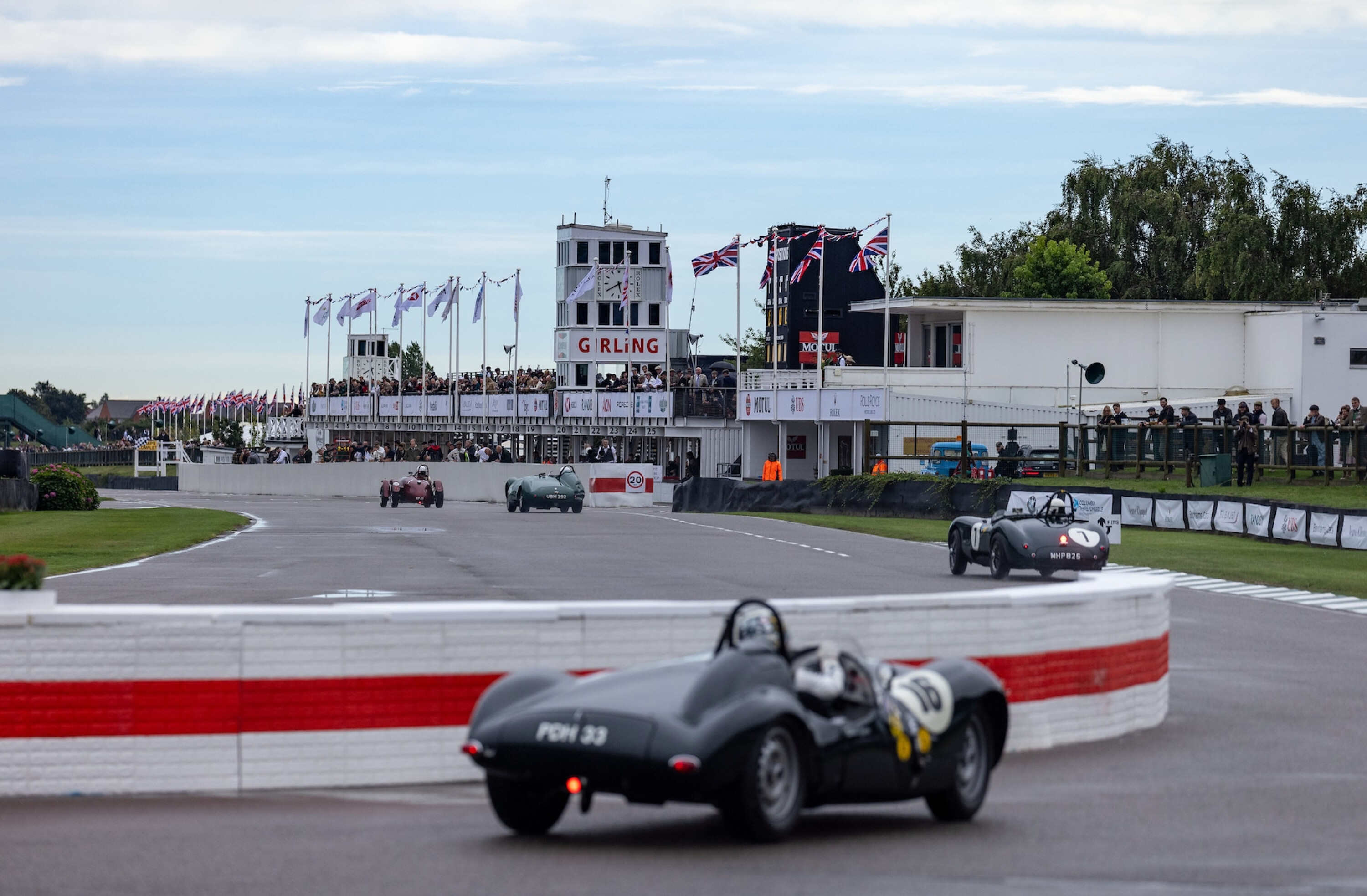
Rainy, typically English conditions accompanied this year’s instalment of the famous Goodwood Revival in the elegant country surrounds of Goodwood House, West Sussex, an event which manages to blend an old-world tribute to motor racing’s earliest days with the latest in mechanical wonders.
This year’s three-day event hosted each year by Lord Richmond in early September marked the 20th anniversary of Rolex’s support of the much-loved festival, as Official Timepiece of the Goodwood Revival and Title Sponsor of the Rolex Drivers’ Club.
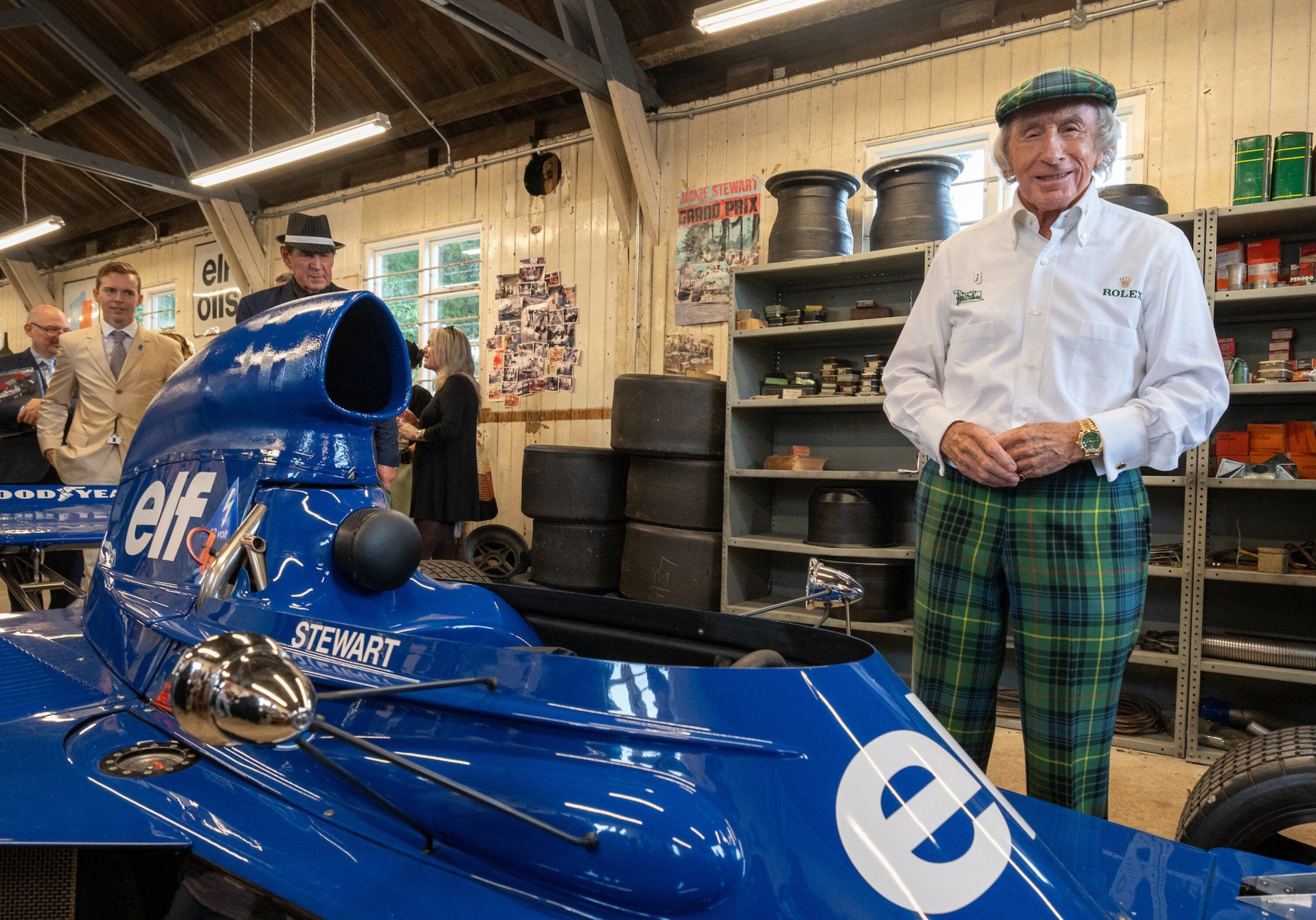
One of this year’s undoubted highlights was the appearance of Rolex Testimonee and three-time FIA Formula 1 Drivers’ World Champion Sir Jackie Stewart, recognised as ‘royalty’ at the Revival.
1
He marked the 55th anniversary of his first World Championship win at Monza, Italy at this year’s event.
To commemorate the milestone, Sir Jackie unveiled the new home for the original Tyrrell Shed – the iconic garage where his 1971 and 1973 World Championship-winning vehicles were built. Following meticulous restoration, the shed has been moved to the Goodwood Motor Circuit to preserve its legacy and create a genuine step back in time for attendees of the festival.
‘The weekend was special and emotional in many ways because I have reflected on the times that changed my life,’ Sir Jackie said. ‘Ken Tyrrell was a remarkable man and he saw great potential in me. We worked together throughout my career and formed a great relationship that saw us win three Formula 1 titles, and we achieved all of this, in this wooden hut.
1
Goodwood Motor Circuit has been a big part of my career and the early moments with Tyrrell, at this track, paved the way for my future achievements.’
Fellow Rolex Testimonee and nine-time winner of the 24 Hours of Le Mans, Tom Kristensen, was also in attendance and competed in a number of exciting races on the Goodwood Motor Circuit.
‘Throughout the weekend I raced three very different cars, including a 1955 Cooper-Jaguar in the Sussex Trophy and a 1961 Ferrari in the Stirling Moss Memorial Trophy – it was demanding but truly enjoyable, he said.
1
‘For the drivers, the upside to the rainy conditions was that we were able to spend more time in the Rolex Drivers’ Club reconnecting. The atmosphere was electric and it was special to celebrate 20 years of Rolex’s involvement.’
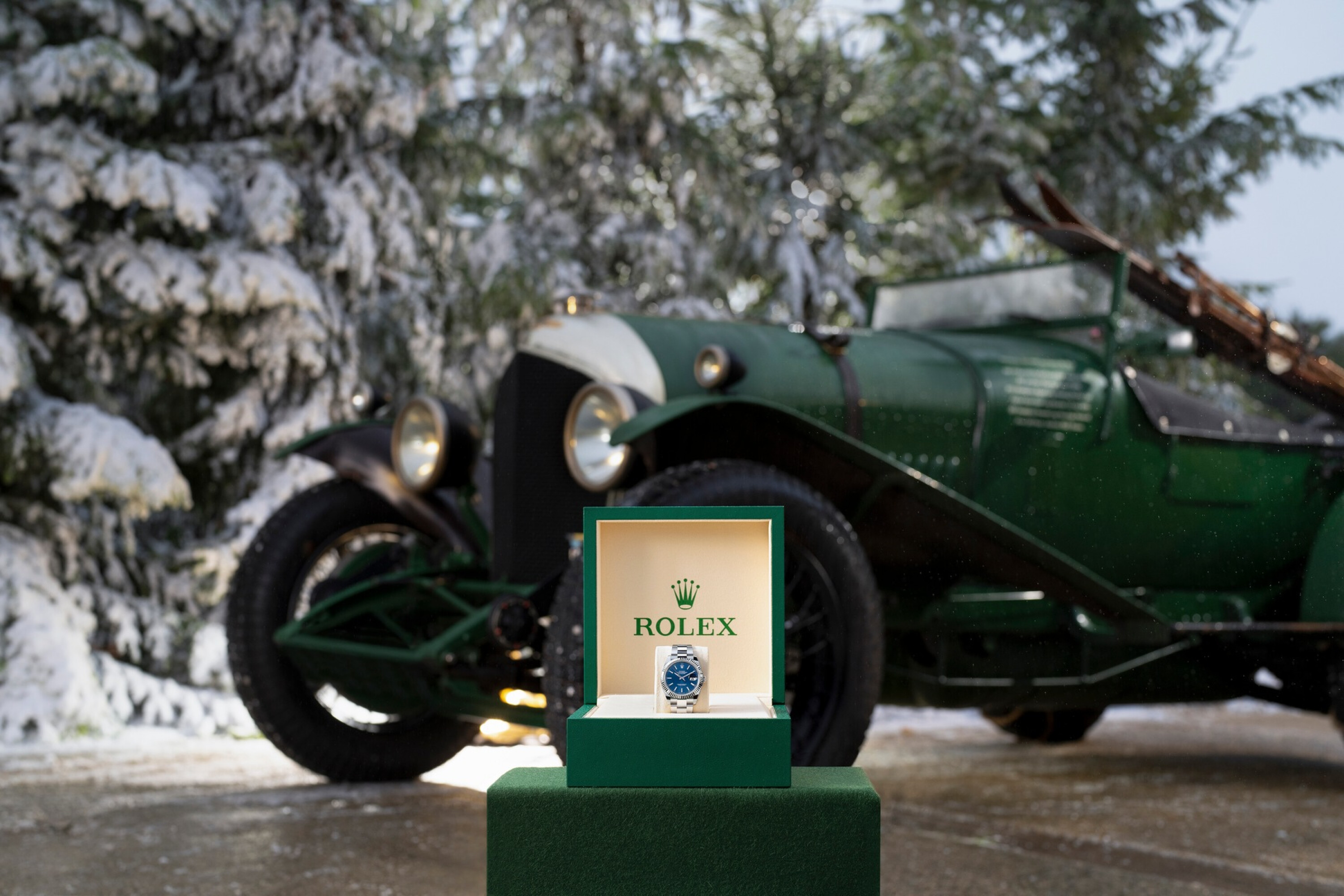
As this year’s festival drew to a close, the Driver of the Meeting – Oliver Bryant – was presented with a specially engraved Oyster Perpetual Datejust by Rolex. Bryant placed first in the Sussex Trophy and the Whitsun Trophy.
As dusk descended, the festivities continued at the retro-themed carnival situated Over the Road from the Goodwood Motor Circuit, a fitting farewell to another year of one of the world’s most popular celebrations of motorsport’s heritage.
October, 2024: BYD Sealion 7 confirmed for Australia
The BYD Sealion 7, a bigger brother to the popular BYD Atto 3 and companion to the Seal sedan, will reach Australian showrooms next year.
Unlike the recently launched Sealion 6 plug-in hybrid, the Sealion 7 (known in China as the Sea Lion 07) is a pure-electric offering, making it the brand’s first midsize SUV in that segment.
The new electric family SUV had previously been reported to have an Australian launch scheduled for the second half of 2024, but BYD’s local arm has this week confirmed it is now working to an early 2025 target.
In Australia, the Sealion 7 will enter as a size rival to the popular Tesla Model Y and incoming new Kia EV5 (pricing announced here), suggesting the Chinese SUV could debut with a price tag between $55,000 and $60,000.
For more on the Sealion 7, see our evolving story below.
November, 2023: Model Y rival revealed, Australian potential unclear
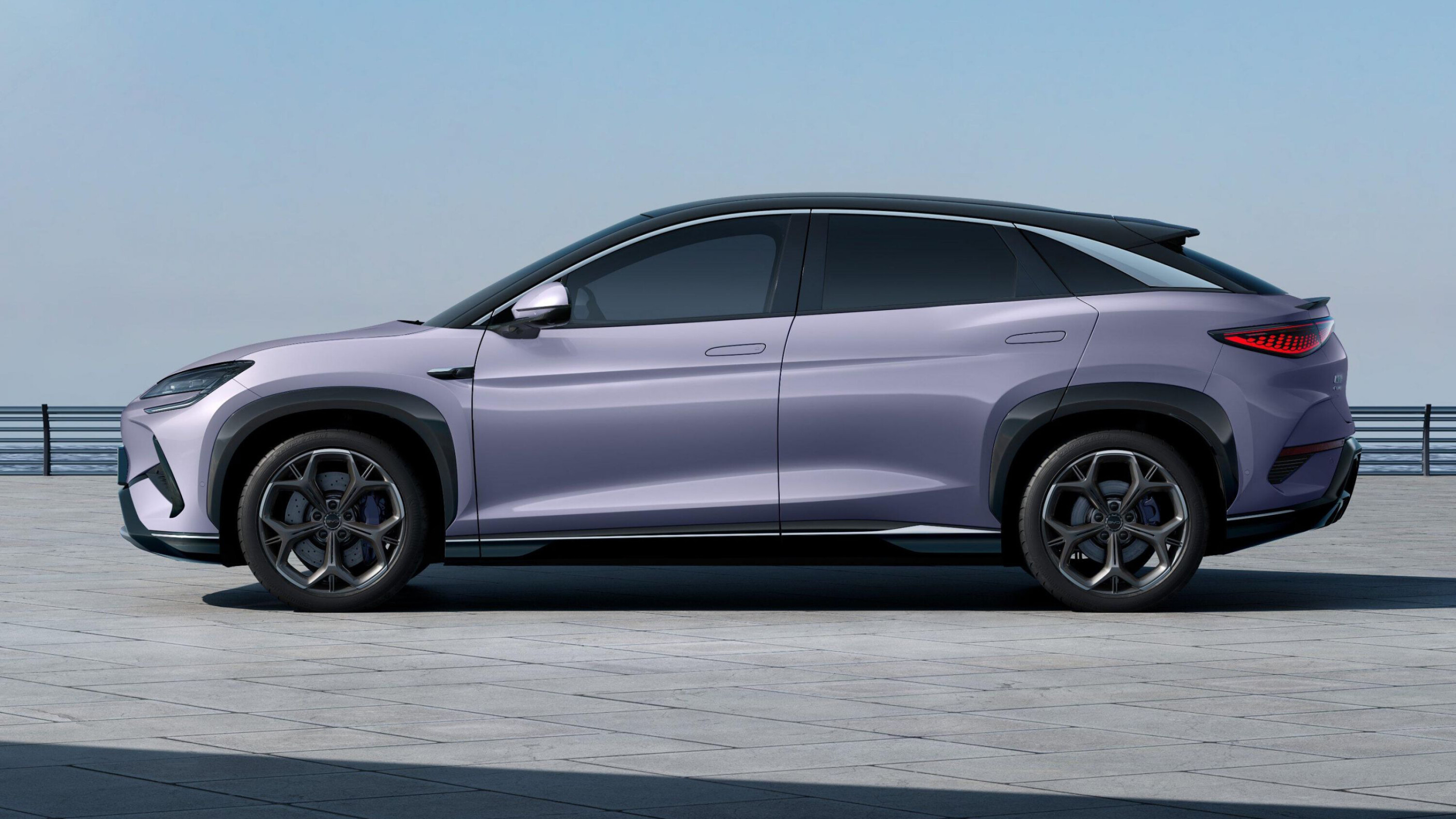
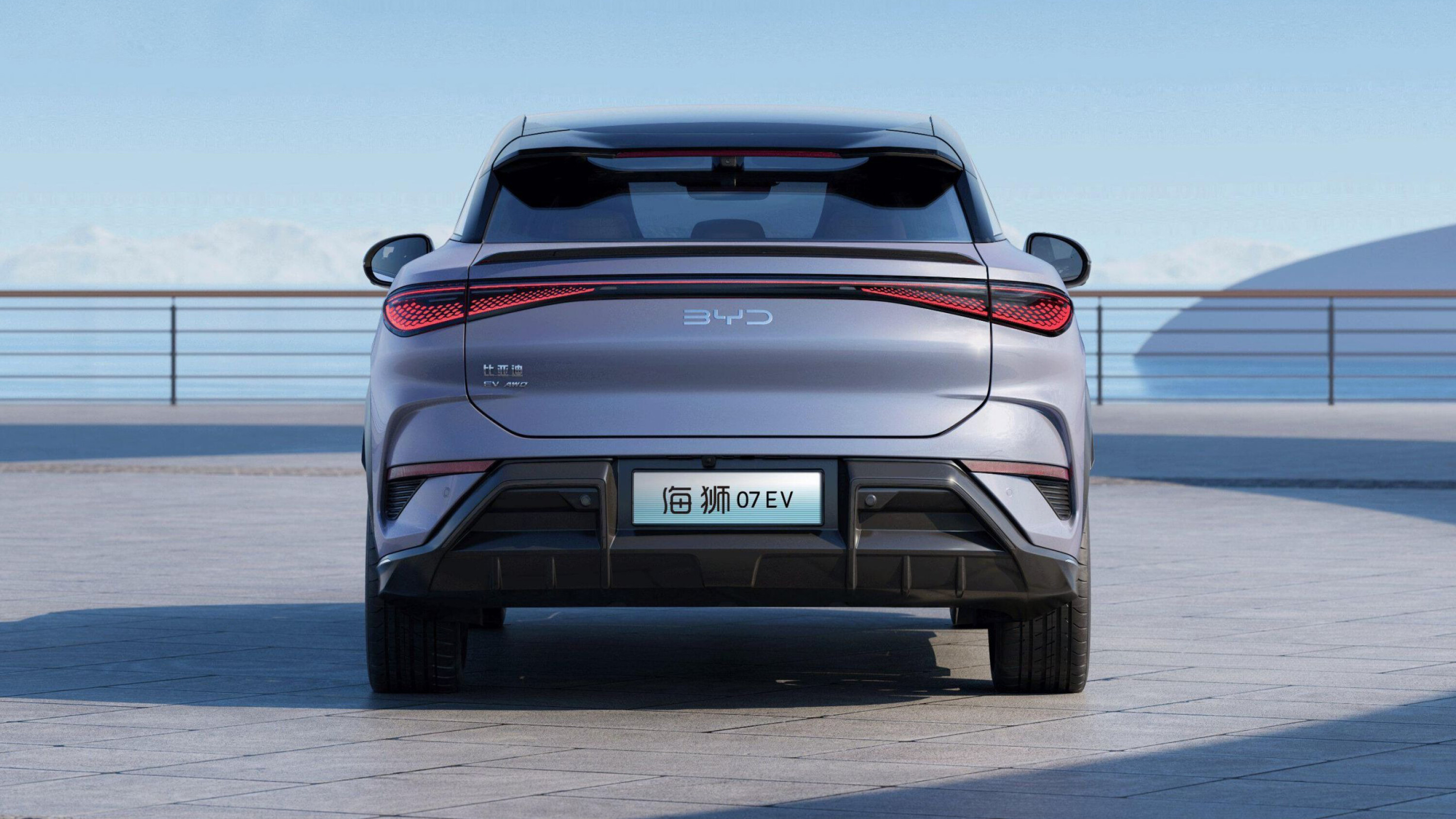
Chinese EV brand BYD has unveiled its latest electric offering for China, in the form of the Sea Lion 07 coupe-SUV – unveiled at this week’s Guangzhou Auto Show.
The Seal Lion 07 is the latest addition to BYD’s ‘Ocean’ series, which includes models like the Seagull, Dolphin, and Seal, along with the Seal U already expected to reach Australia in the coming year.
Whether the Seal Lion 07 will join the Seal U remains to be seen, and BYD’s local arm remains tight-lipped on its potential.
1
Like the Seal sedan now on sale in Australia, the Seal Lion 07 is built on what BYD calls its ‘Cell to Body’ (CTB) architecture – a design that sees the batteries integrated directly into the vehicle’s structure.
While that approach has experts concerned about the long-term repairability of these new models – including future Tesla cars, which are expected to use a similar approach – BYD says it has resulted in a huge 66% improvement in interior space.
? What is a structural battery?
The BYD Seal electric sedan is the first model in Australia to feature a structural EV battery, where its thermally safer lithium-iron-phosphate (LFP) battery cells are embedded in the body chassis itself, rather than fitting cells into modular packs.
The Chinese automaker labels it as a ‘cell-to-body’ (CTB) construction and claims it is more space efficient, allows the vehicle to sit lower for better aerodynamics, and improves body stiffness.
This design is not without controversy, however. American vehicle design engineer and advisor Sandy Munro told Reuters[↗] in March 2023 that structural batteries have “zero repairability” in the event of an accident.
Dimensions and Tech
The Sea Lion 07 measures 4830mm in length, 1925mm in width and 1620mm in height, with a wheelbase of 2930mm – rivalling the Tesla Model X’s 2965mm wheelbase.
By comparison, the Seal U destined for Australia comes in at 4775mm long, 1890mm wide and 1670mm tall, with a much shorter 2765mm wheelbase.
1
BYD is reportedly positioning the Seal Lion 07 as a Model Y rival, despite its longer Model X-like wheelbase.
On price, the Seal Lion 07 will neatly undercut the Y, with a low starting price of 200,000 yuan ($42,650), while a recent price cut now sees the Model Y start from 299,900 in China ($63,775).
Little else has been revealed about the Seal Lion 07, but it seems clear the new model is intended as a more sports- or lifestyle-focused model than the Seal U, with a tapered roofline and a generally meaner presence from all angles.
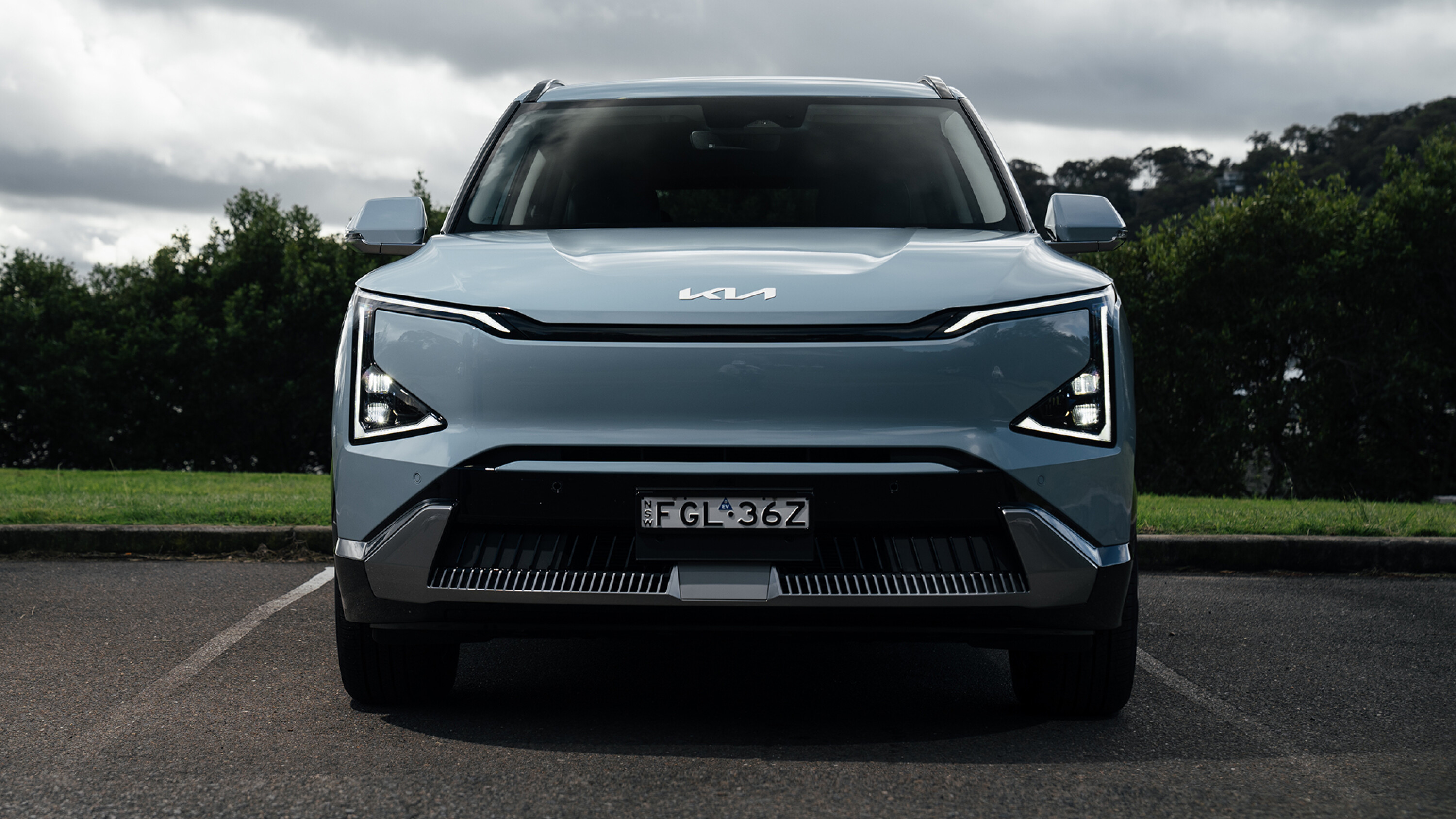
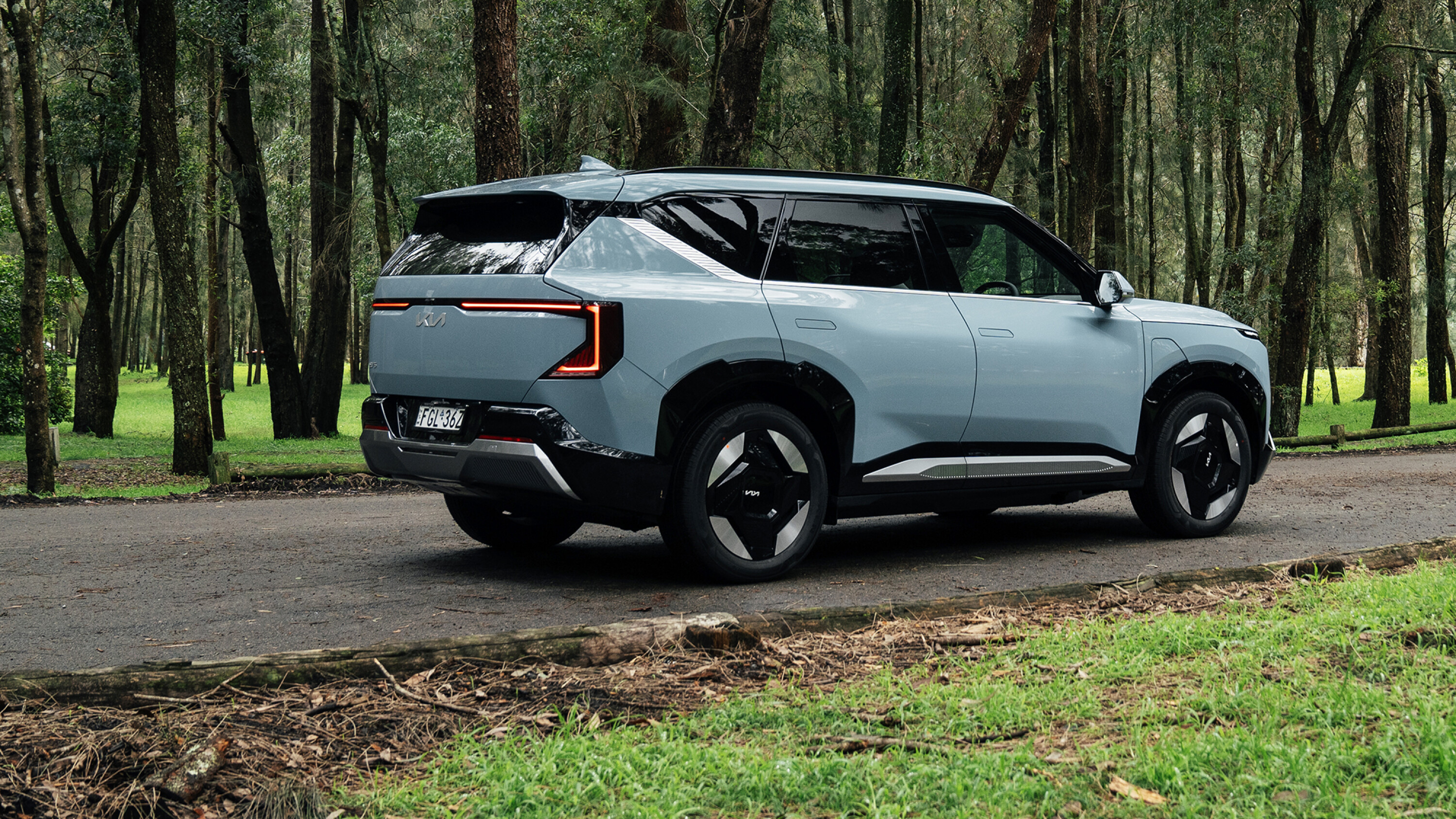
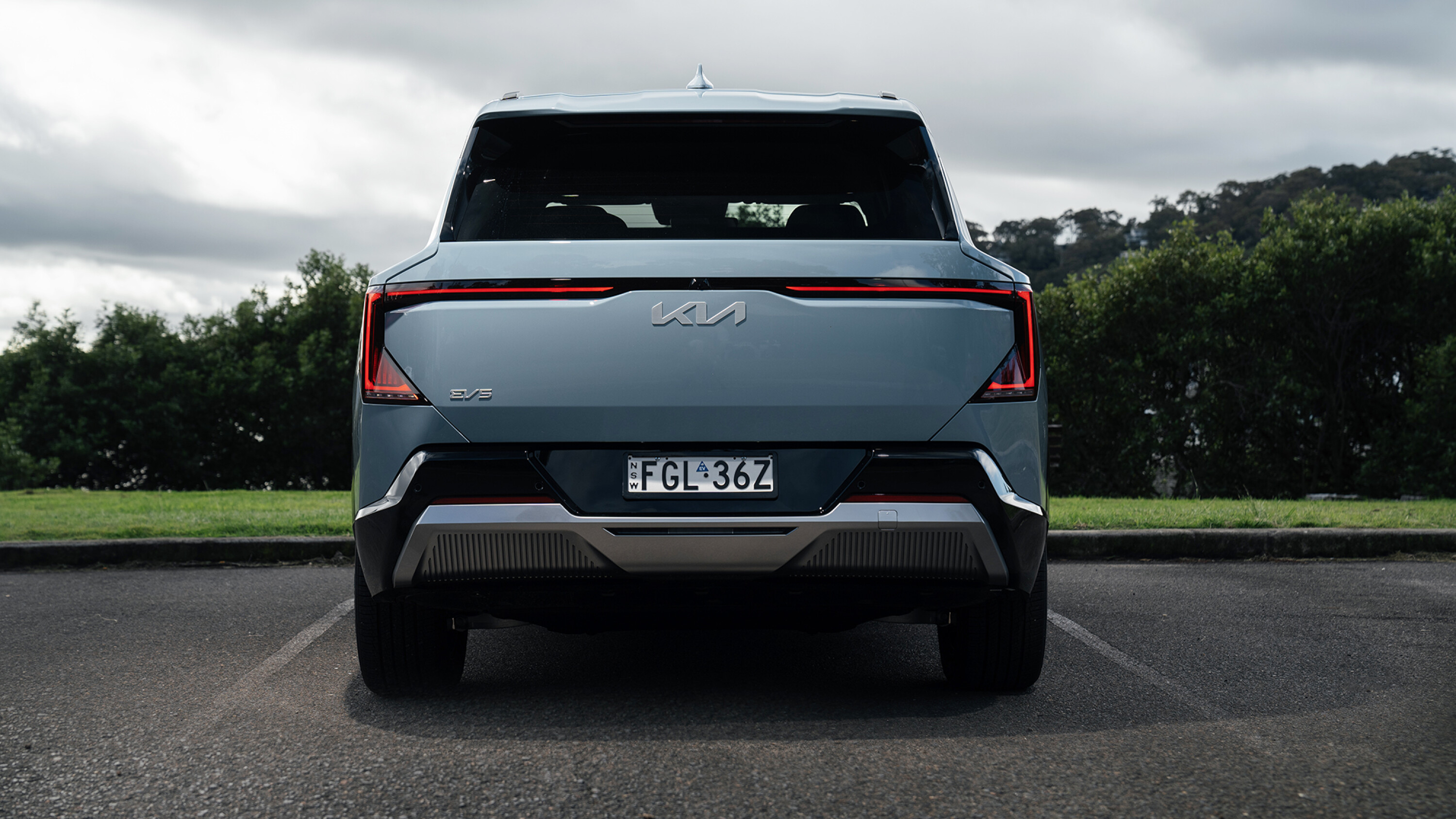
Australian pricing has been revealed for the 2025 Kia EV5 medium SUV, and while it’s arriving later than planned, the Korean carmaker is making up for the delay with a compelling value proposition.
Snapshot
EV5 starts from $56,770 with 400km range
$62K long-range model bumps that to 555km
175kW DC charging promises 10-80% in 27 minutes
1
Pricing
The 2025 Kia EV5 will kick off from $56,770 drive-away for the base Air Standard Range variant.
The mid-range EV5 Air Long Range comes in from $63,990, while the Earth AWD Long Range is priced from $68,990.
The top-spec GT-Line AWD Long Range is the most expensive, with a drive-away price of $75,990.
The EV5’s pricing positions it competitively in Australia’s growing EV market, especially as it relates to size and driving range.
Speaking with Wheels, Kia Australia product boss Roland Rivero put it simply, lining himself up for an Understatement of the Year award: “It’s an important model for us”.
1
The EV5 is Kia’s first model to come to Australia from Chinese production, and this is understood to have played a key role in the company’s ability to deliver sharp pricing.
“EV5 marks a significant milestone in Kia’s global journey to increase access and take-up of electric vehicles,” said Kia Australia CEO, Damien Meredith.
“As we affirm our commitment to becoming a leading sustainable mobility provider, we’re pleased to announce pricing and key features that give EV5 a competitive edge in the local electric vehicle market.”
The EV5’s sharp pricing also bodes well for the smaller EV3, due in Australia next year.
Mini match-up
Model
Price
Battery Size (kWh)
Charging Speed (kW)
Charging Time (10-80%)
Range (WLTP, km)
Wheelbase (mm)
Length (mm)
Kia EV5 (Air)
$56,770
64.2
175 (DC)
~27 minutes
400
2750
4615
Tesla Model Y
$69,300
62.5
250 (DC)
~25 minutes
455
2890
4751
Hyundai Ioniq 5
$72,000
77.4
220 (DC)
~18 minutes
451
3000
4635
BYD Atto 3
$51,000
60.5
80 (DC)
~45 minutes
480
2720
4455
Nissan Ariya
$70,000 (est.)
63
130 (DC)
~30 minutes
403
2775
4595
Hyundai Kona Electric
$54,000
48.6
100 (DC)
~41 minutes
370
2660
4355
1
Platform, power and driving range
The EV5 is built on Kia’s new EV-focused N3-ek platform rather than the more expensive E-GMP that underpins the EV6, and will be offered in both front- and all-wheel drive configurations.
The base Air variant is powered by a 64.2 kWh battery in its standard-range form, while the long-range version comes with an 88.1 kWh battery. The Earth and GT-Line trims both use the larger battery, providing more power and extended range.
1
The batteries are lithium-ion phosphate (LFP) units sourced from China’s BYD for better fast-charge capability and ease in charging to 100 percent, without degrading the battery over time.
The single-motor FWD models produce 160kW and 310Nm, while the dual-motor AWD variants increase that to 230kW and 480Nm.
Driving range varies depending on the model, with the Air Standard Range capable of up to 400km, while the Long Range variants claim up to 555 km (WLTP).
Model
EV5 Air 2WD Standard Range
EV5 Air 2WD Long Range
EV5 Earth AWD Long Range
EV5 GT-Line AWD Long Range
Battery
64.2 kWh
88.1 kWh
Powertrain
2WD Single Motor
AWD Dual Motor
Power/Torque
160 kW / 310 Nm
230 kW / 480 Nm
Wheels
18u201d Alloys
19u201d Alloys
20u201d Alloys
WLTP Range
400 km
555 km
500 km
470 km
Charging
Kia has equipped the EV5 with DC fast charging capability up to 175 kW, allowing a charge from 10 to 80 percent in around 27 minutes.
While this is slower than the bigger and more expensive EV6, the EV5’s charging speed and time is fairly competitive with many other mid-size electric SUVs.
1
Features
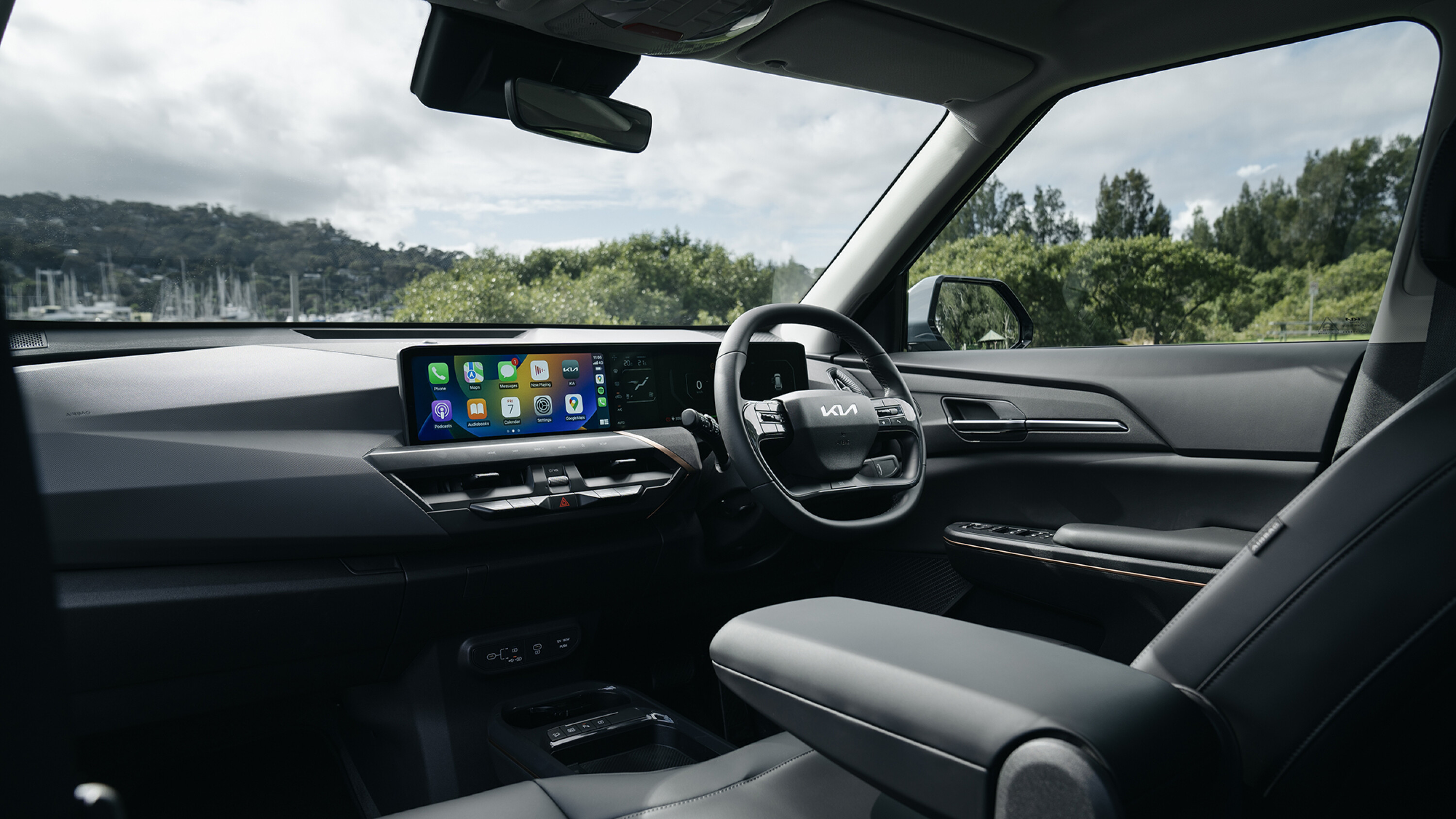
The EV5 offers dual 12.3-inch displays in every variant, paired with a 5-inch bridging segment for climate control and other vehicle functions.
Kia’s new ccNC infotainment system is also featured, with over-the-air (OTA) updates to keep the software current. Kia Connect provides additional connectivity features such as remote monitoring and control. In terms of convenience, all models include the Shift-by-Wire gear selector, while the Earth and GT-Line trims add a Smart Power Tailgate for easy access to the boot.
For the tech-savvy buyer, the GT-Line includes several advanced features like the Augmented Reality Head-Up Display (AR-HUD), Fingerprint Module, and Remote Smart Park Assist 2 (RSPA 2).
1
Boot space
The Kia EV5 offers a reasonable amount of cargo space for a mid-size SUV, although specific boot capacity figures are yet to be confirmed.
“In person, it’s intelligently shaped and looks highly useful.”
Based on the vehicle’s size and platform, it is expected to have a boot space similar to that of competitors like the Tesla Model Y and Hyundai Ioniq 5, which generally offer around 500 litres with the rear seats up and expand significantly with the seats folded flat. More precise figures for the EV5 should be released closer to its local launch.
The EV5 also has a small storage space under the bonnet at the front end.
1
2025 Kia EV5 pricing for Australia
Model
Pricing (drive-away)
Driving range
EV5 Air 2WD Standard Range
$56,770
400 km
EV5 Air 2WD Long Range
$63,990
555 km
EV5 Earth AWD Long Range
$68,990
500 km
EV5 GT-Line AWD Long Range
$75,990
470 km
Drive-away price for WA will include an additional $1000 for Air & Earth variants & $2000 for GT-Line.
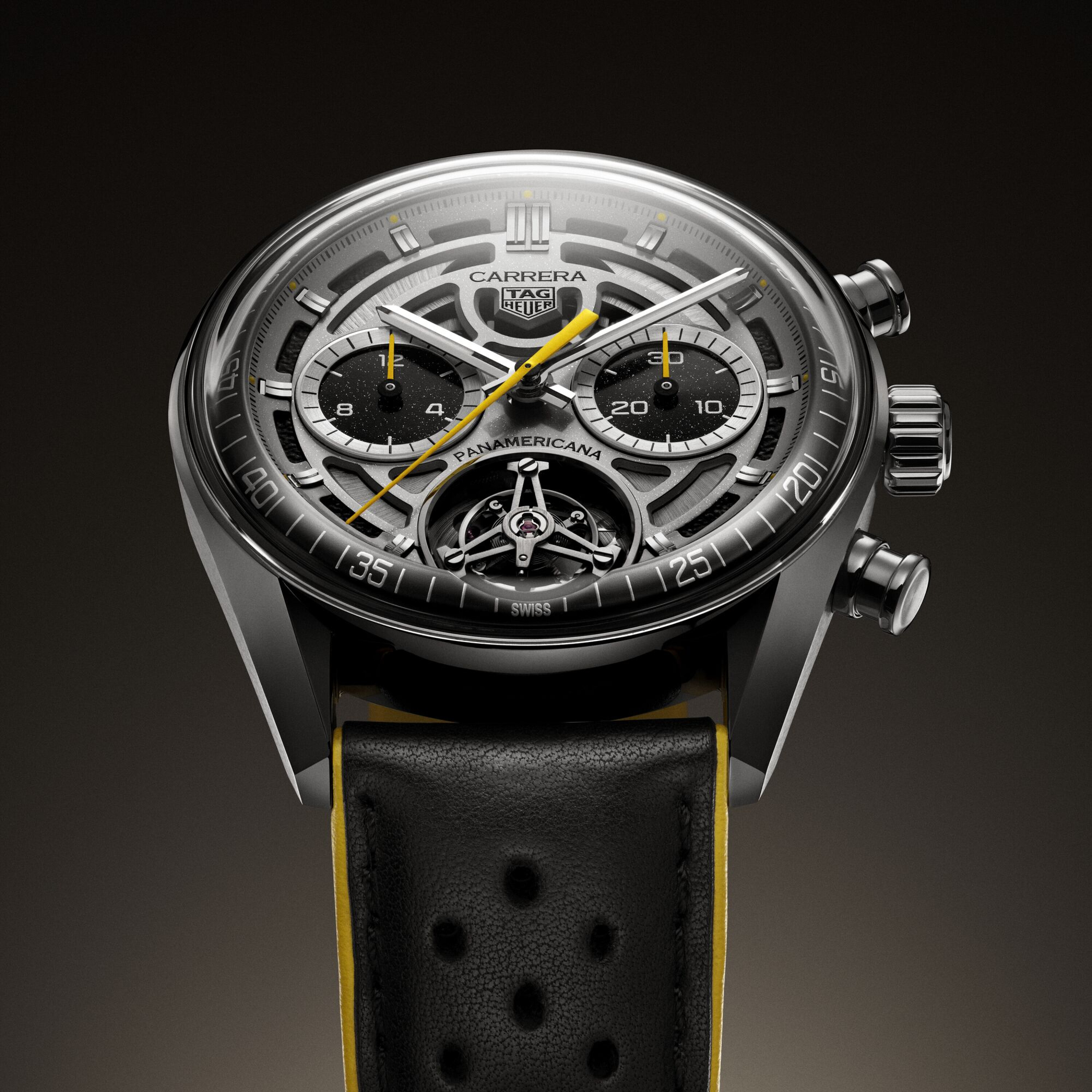
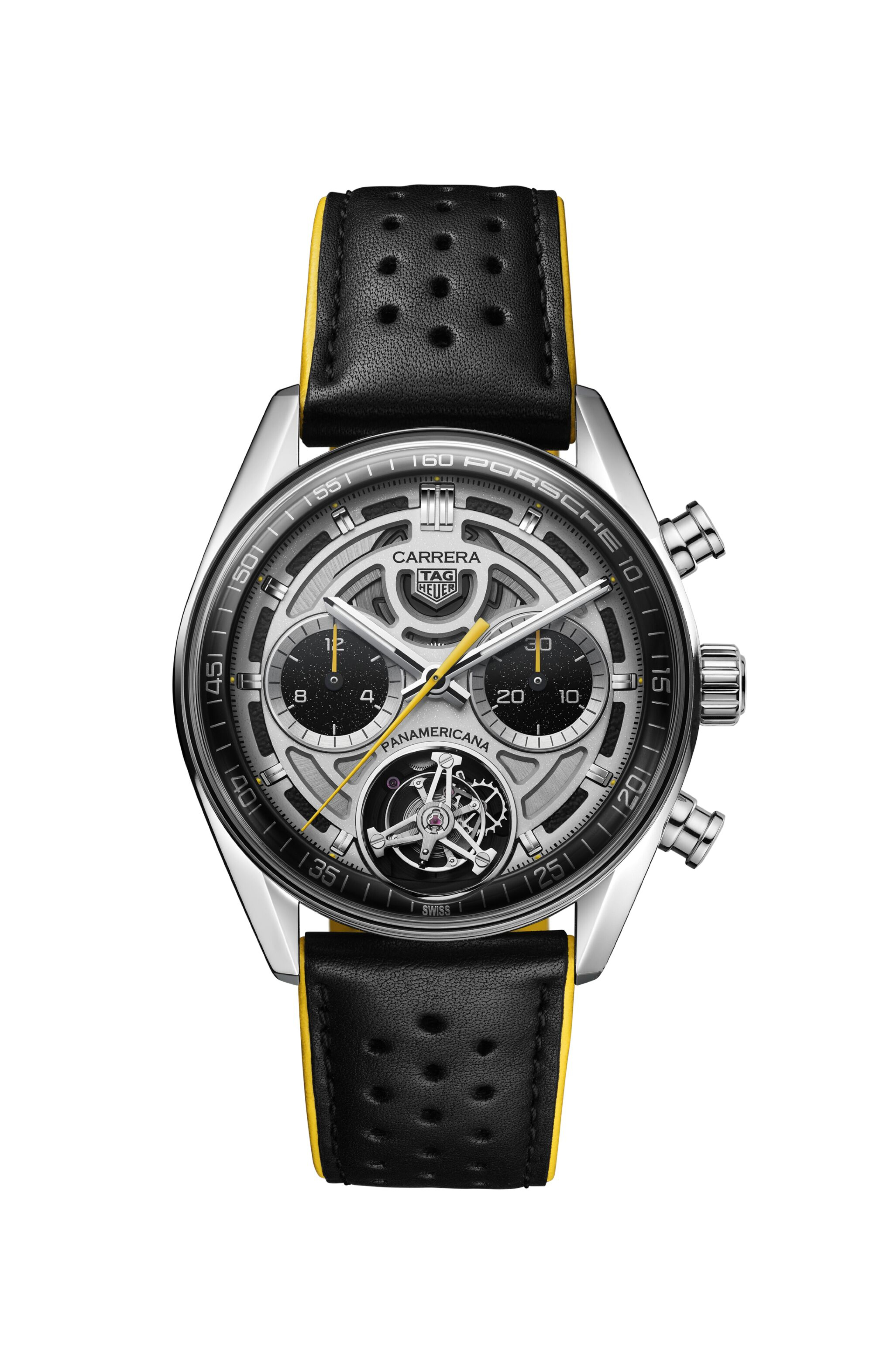
TAG Heuer and Porsche have forged one of the more enduring and successful partnerships between a watch company and an auto-maker, now manifesting in this elaborate limited edition timepiece, the TAG Heuer Carrera Chronograph Tourbillon x Porsche Panamericana.
This exclusive timepiece is a celebration of the long connection of both brands to the Carrera Panamericana race, the legendary 3,000km rally from one end of Mexico to the other which truly tested the limits of both cars and drivers.
Specifically, it marks the 70th anniversary of Porsche’s victories at the 1954 edition of the race when Porsche 550 Spyders triumphed by coming first and second in the under 1500cc sports car class, and third and fourth in the race overall.
1
The victories established the foundation for Porsche’s later impressive achievements in endurance racing and made the 550 Spyder an icon of automotive innovation and performance.
Inspired by the Panamericana, in 1963 Jack Heuer debuted the Heuer Carrera, a chronograph with a noticeably clean, uncluttered dial designed for easy readability by drivers at high speeds. The model celebrated its 60th anniversary last year and is now joined by this stunning limited edition of 255 pieces.
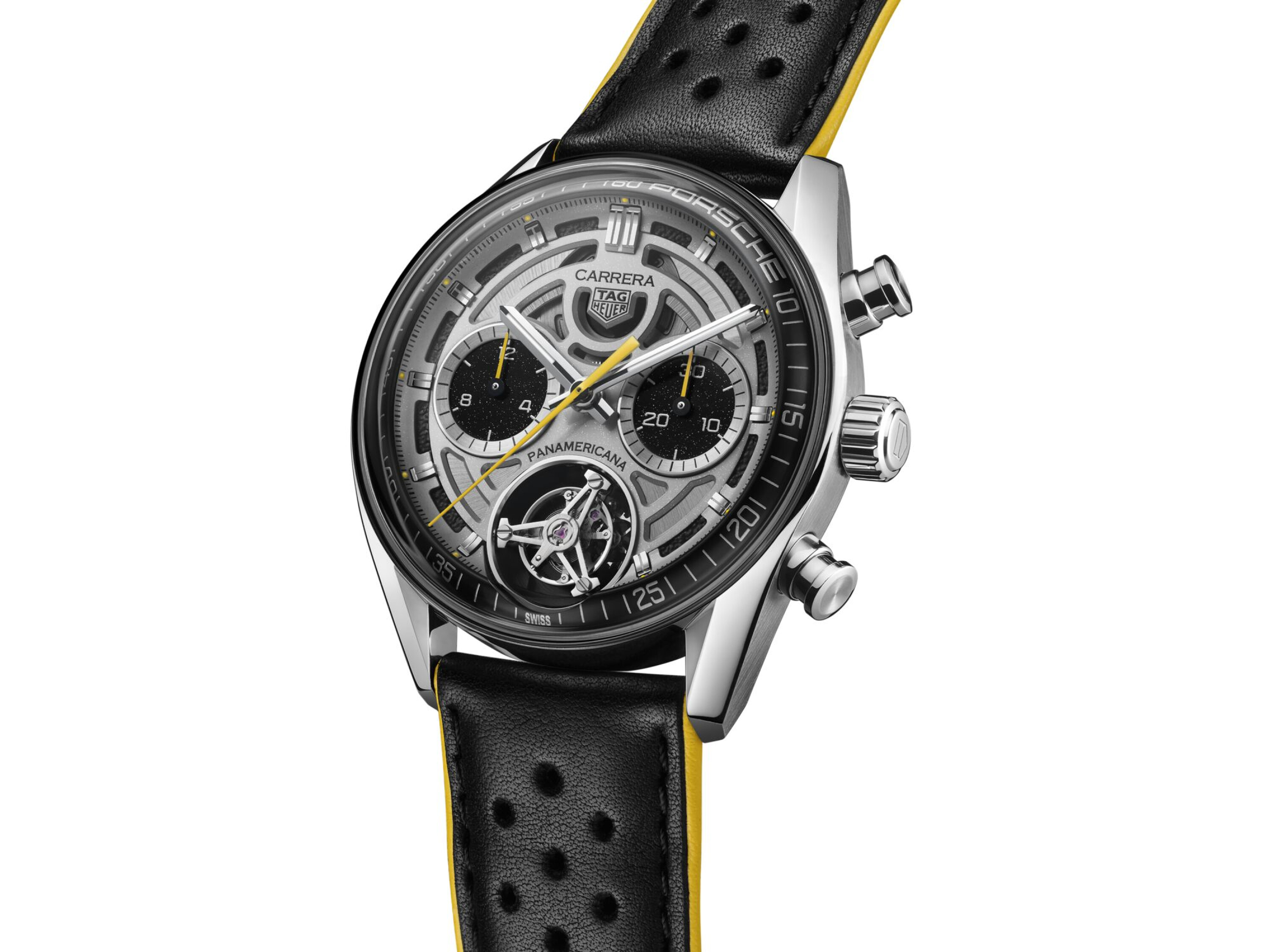
The new chronograph tourbillon takes as inspiration the design and aesthetic of the famous Porsche 550 Spyder. That begins with the striking skeleton dial, its detailing inspired by the wheels of the Spyder, while the shimmer effect on the dial plate and subdials (minute counter at 3o’clock, tourbillon at 6 and hour counter at 9) evokes the car’s bodywork.
1
The grained effect on the dial, meanwhile, references the asphalt texture of the road.
The use of silver, yellow and black components is a direct link to the original vehicle’s livery – the yellow lacquered hand and subdial hands as examples.
The watch’s 42mm stainless steel case features fine-brushed and polished alternating finishes, with an engraved ‘Spyder’ logo on the side, a Porsche logo on the curved flange and the ‘Panamericana’ marking at six o’clock. A domed sapphire Glassbox crystal adds a retro feel, reflecting domed hesalite crystal designs from the 1970s.
1
Powering this high-end complication is the in-house H20-09 tourbillon movement, offering a 65-hour power reserve for constant wear. A feature common to all TAG Heuer x Porsche watches to date – a Porsche steering wheel mass – is visible through the sapphire caseback.
The vintage sportiness of this lovely piece is finished off with a black perforated calfskin leather strap featuring a yellow lining and stitching. Each watch is individually numbered, specially engraved with ‘LIMITED EDITION’ and packaged in a lacquered black wooden box with yellow highlights.
Among a number of successful collaborations, the TAG Heuer Carrera Chronograph Tourbillon x Porsche Panamericana may be the pinnacle so far in this ongoing relationship between horological and automotive powerhouses.
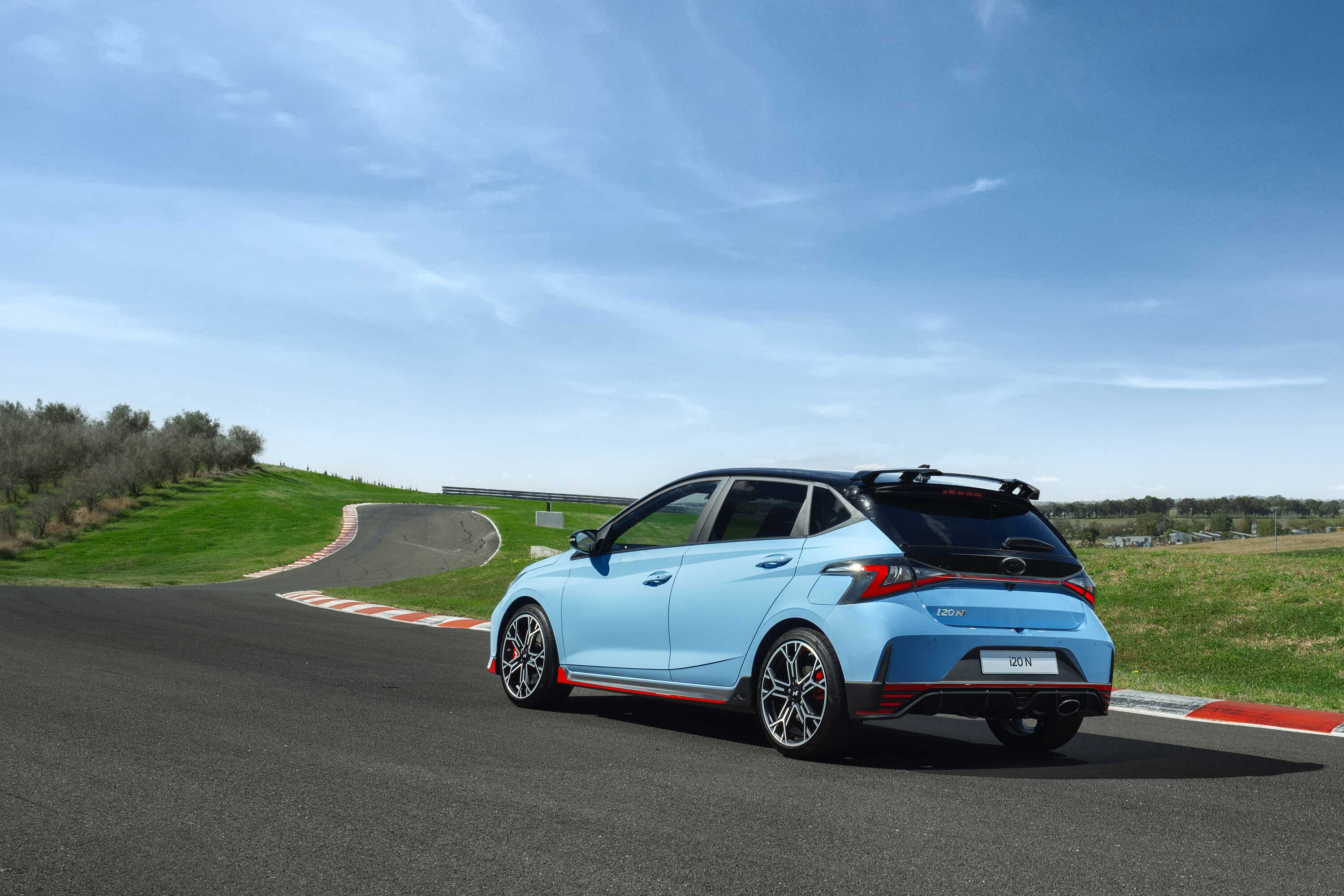
The Hyundai i20 N has been gifted a modest update for the 2025 model year, with a subtle nose job via a new grille, blacked-out badging, new alloy wheels and ambient LED interior lighting rounding out the cosmetic changes.
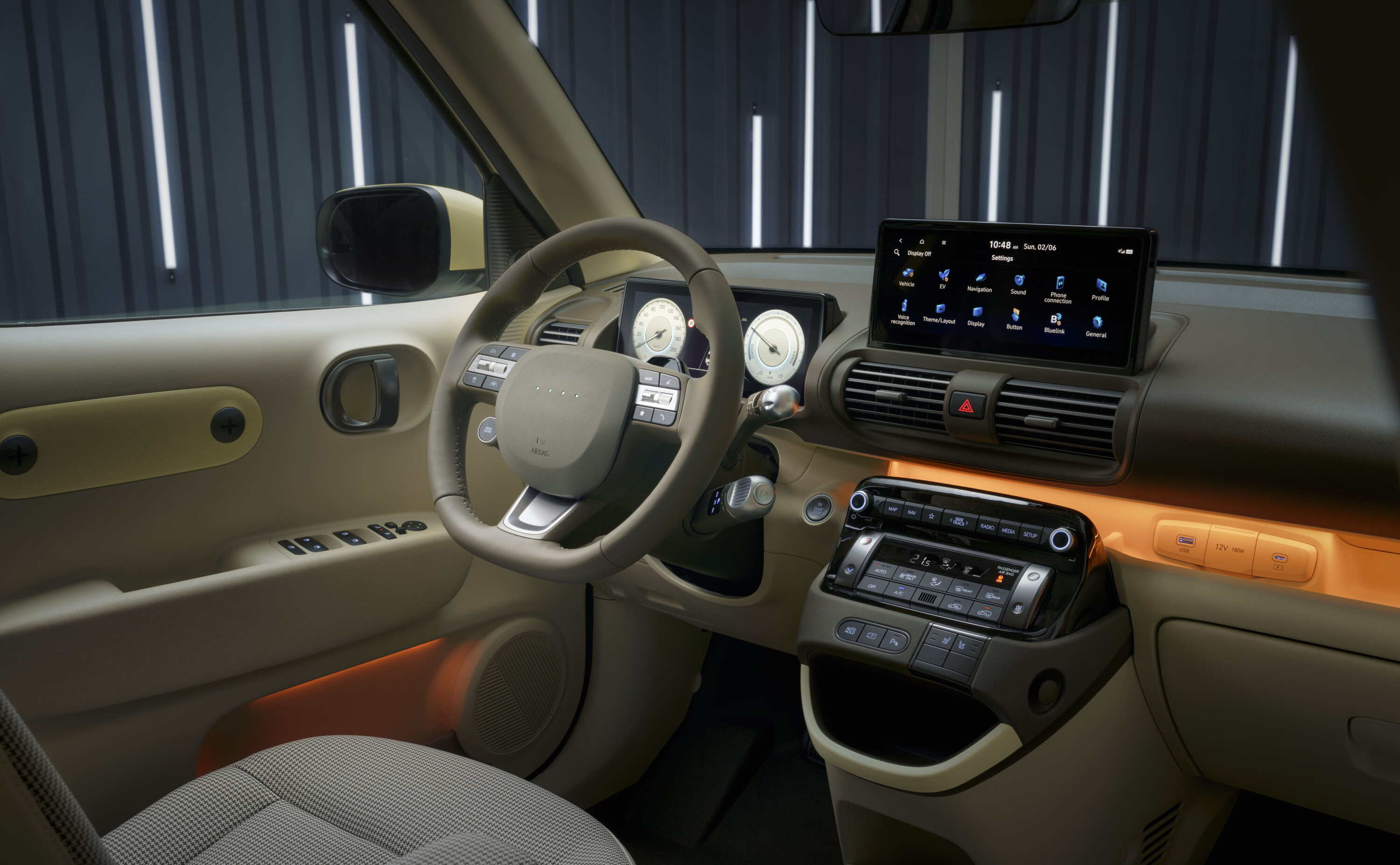
The infotainment suite also cops an upgrade through the addition of Hyundai’s Bluelink connectivity services, which includes the ability to remotely send navigation destinations to the car via an phone app, as well as remotely monitor the car through geo-fencing controls, speed alerts, and a valet mode.
Besides that, however, the i20 N is largely the same.
That means the mechanical package continues to offer 150kW and 275Nm from a turbo 1.6-litre petrol four, with that power going to the front wheels via a six-speed manual – no automatic. In fact, if you’ve been holding out hope that a self-shifting i20 N would drop in a mid-life update as it did with the i30 N, we have bad news. Hyundai never had an i20 N auto in the pipeline, and with the i20 N now withdrawn from the European and UK markets (which provided the majority of its sales volume), the odds are nil that Hyundai will see any business sense in engineering an automatic version for the future.
5
But the good news is that the compact corner-carver remains one of Australia’s most affordable performance cars, with the i20 N’s retail price rising just $510 to rest at $35,500. Were it not for the continuing presence of the ZC33 Suzuki Swift Sport, which is currently priced at $32,990 drive-away, the i20 N would be the most accessible performance car in Australia by a generous margin (the Volkswagen Polo GTI starts at $40,390 before on-roads).
Yet though it’s only in its fourth year of production, the i20 N is something of an endangered species. Having already been killed off in Europe in a purge of all petrol-powered N models, the i20 N really only lives on in RHD form for Australia and New Zealand – It was never exported to the high-volume US market or offered in other key RHD markets like Japan, Hong Kong, India or South Africa.
4
With only 233 being sold in Australia so far this year (a 50 percent drop versus the same period in 2023, when supply was heavily constrained) the i20 N is on unsteady foundations. Reading the room, a second generation for the nameplate is virtually a no-go, so if you’ve ever harboured a desire to try out South Korea’s ‘cornering rascal’ for yourself, now seems like an opportune time.
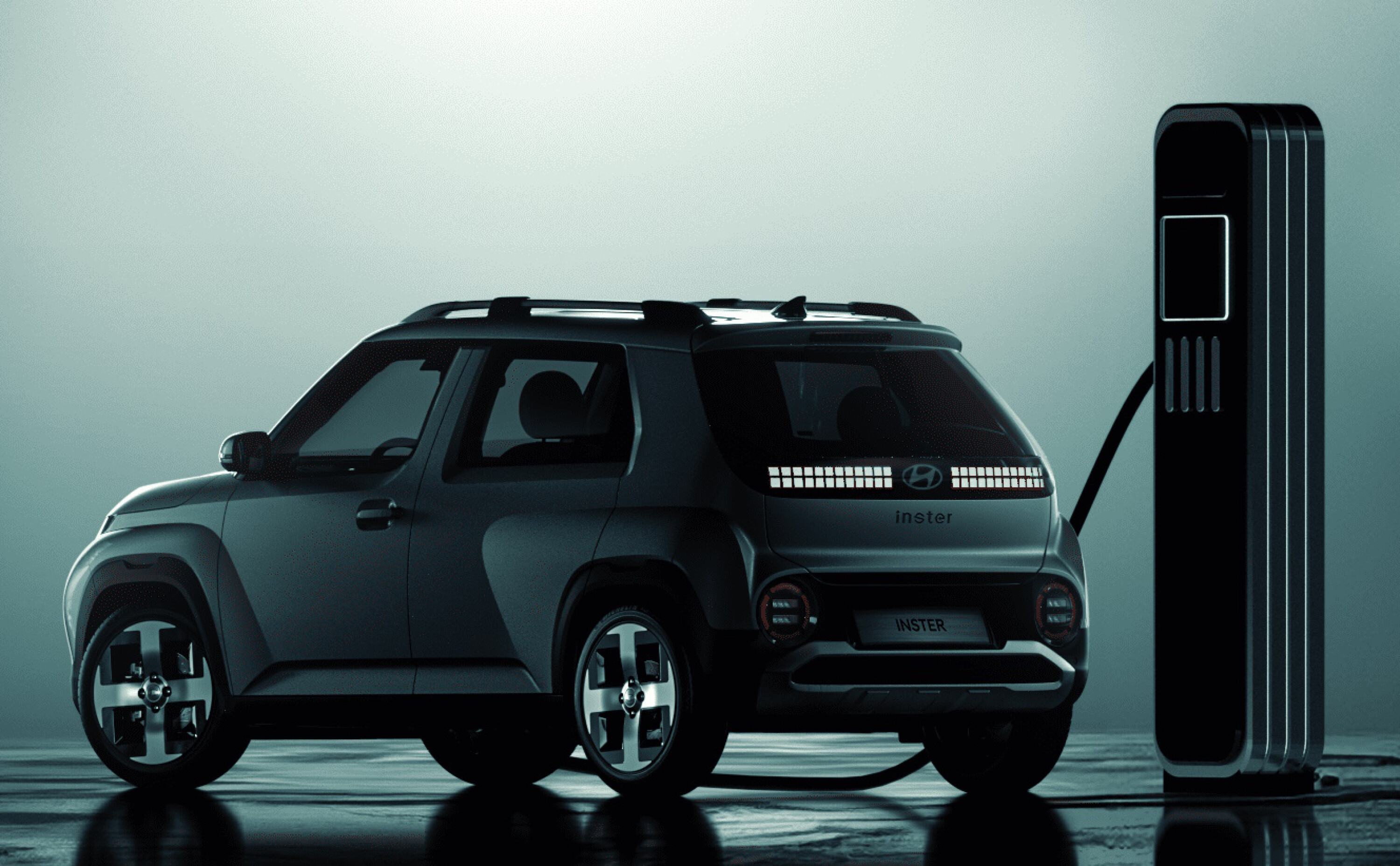
Hyundai’s Inster, the pint-sized electric city car that’s confirmed to be heading our way next year, has had its pricing released for the UK market – and analysing the tea leaves suggests it could arrive in Australia with a price tag to rival some of China’s cheaper EVs.
In the UK, the Hyundai Inster will be priced from £23,495 for the base ‘Inster 01’ 42kWh variant – roughly AU$45,500 at the current exchange rate. While line-ball currency conversions are never an accurate way of determining pricing in different markets (they don’t take into account differences in import duty, taxes, vehicle specification, freight costs and many other factors), we can look at what else is offered in that market to help calibrate the crystal ball.
5
It helps to start with something that’s fairly close to the vehicle in question, and in terms of other all-electric Hyundais in the UK market, Hyundai sells the Ioniq 5 in RWD form with a 62kWh battery at a starting price of £39,900 (AU$76,789), with the mid-spec Ioniq 5 Premium priced at £42,400 (AU$81,600). The Aus-specification base Ioniq 5 exists somewhere between those two UK-market variants in terms of its equipment fit-out and wears an RRP of $69,800, so if we assume a spec-adjusted price for a UK-market equivalent to the Aussie base model Ioniq 5 to be around $80K in our money, then the Australian-market Ioniq 5 costs around 87.25 percent of what it sells for in the United Kingdom.
Apply that same formula to the UK Inster, and we could be looking at an opening RRP for the battery-operated Korean compact of just $39,550 in Australia, rising to $45,000 for the high-spec Inster 02 with a 49kWh battery. At that level the Inster would be competitive against the Chinese-built BYD Dolphin, one of the most affordable EVs in our market. Though with its smaller dimensions (the Inster occupies a VERY compact 3825mm by 1610mm footprint), the South Korean hatchback would offer less metal for your money than the Dolphin.
1
With the 42kWh ‘standard range’ battery, Hyundai claims a WLTP range of 327km for the Inster, achieving an energy efficiency of 14.3kWh/100km. Opting for the long range 49kWh lithium-ion battery extends that slightly to 370km, while also taking the efficiency claim to 14.9kWh/100km and increasing power from the single electric motor from 71kW to 85.5kW.
Other useful hardware includes a heat pump and integrated battery heater, both of which help improve battery health and reduce energy consumption, while a vehicle-to-load function allows the Inster’s stored energy to be offloaded to household electrical devices. Inside, twin 10.25-inch screens provide driver info and infotainment functions, while all seats – including the driver’s – can be folded flat to create a portable loungeroom… or a micro-van.
2
Full Australian specifications – and pricing – are still unknown, though the company is expected to launch the Inster in our market in the first quarter of 2025 in a two-grade lineup, with a quasi-crossover variant dubbed the ‘Inster Cross’ set to join them later in the year.
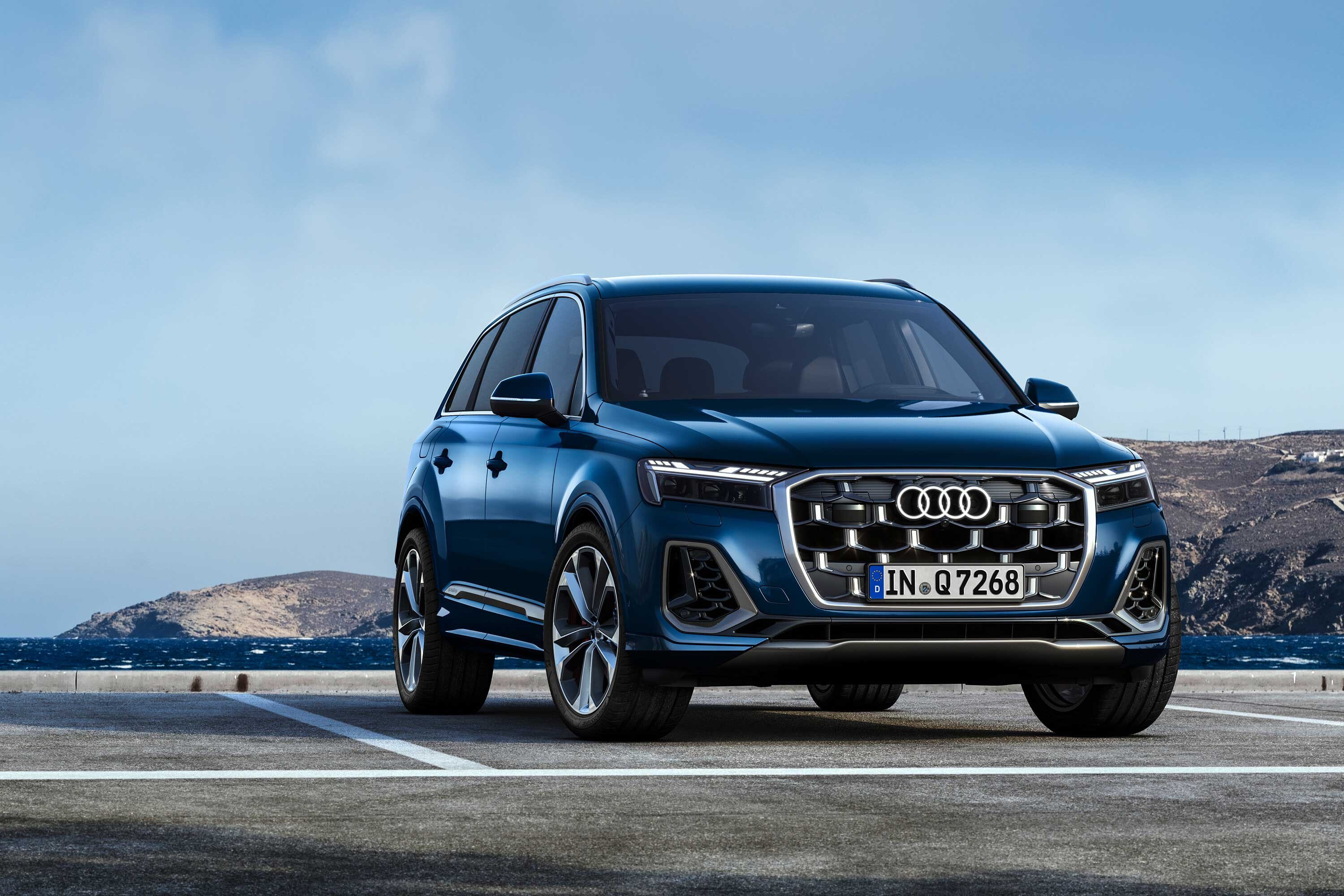
A major facelift that arrived in the middle of this year wasn’t the only big move for Audi’s Q7 three-row SUV: Audi Australia has now announced the introduction of a more budget-friendly petrol-burning powertrain, which will bring the Q7’s cost of entry below the $110K mark when it lands in early 2025
Next year the Q7 will notch up its tenth year in production, putting the big Audi behind the eight-ball when compared to its fresher-faced compatriots – and segment dominators – the BMW X5 and Mercedes-Benz GLE. However, with the incoming Audi Q7 45 TFSI the brand will have something its fellow Germans won’t be able to match: an opening price of $108,815.
The Q7 45 TFSI will arrive as one of the most sharply-priced offerings in the large premium SUV space when it commences deliveries early next year, with a sizable $8.5K gap between it and the previous entrypoint, the diesel-powered Q7 45 TDI.
3
It will also be the first four-cylinder variant of the Q7 to be sold in Australia. With a 2.0-litre turbo petrol inline four up front instead of the 3.0 litre diesel and petrol V6s that are the Q7’s mainstay motors (not to mention the earth-scorching twin-turbo petrol V8 of the SQ7), the Q7 45 TFSI will generate a modest 185kW and 370Nm. Those are low numbers in a segment where torque outputs average between 500-600Nm, though it lines up closely with the 184kW/365Nm Range Rover Velar P250 Dynamic SE, which retails for $104,898.
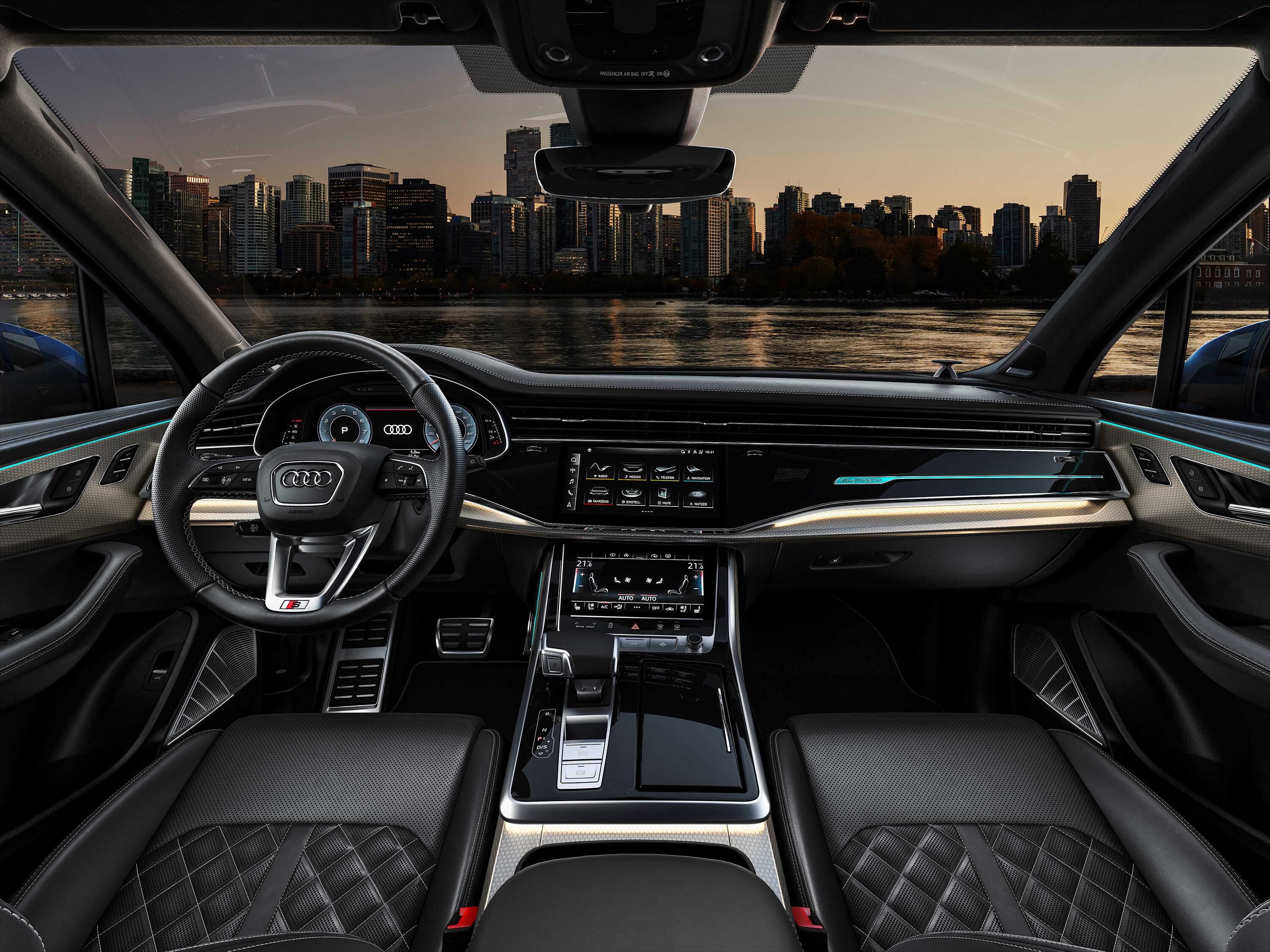
But while it might lack muscle under the bonnet, the rest of the Q7 45 TFSI’s spec sheet is fairly well-rounded. All-wheel drive is standard, as is adaptive air suspension, matrix LED headlamps, and a seven-seat configuration with a power-folding third row. Infotainment is handled by a 10.1-inch upper touchscreen, with an 8.6-inch touchscreen below it that clusters vehicle-specific functions like ventilation controls. Ahead of the driver sits a 12.3-inch LCD instrument panel, while driver assist tech includes adaptive cruise control and lane departure warning.
1
There are no changes for the rest of the Q7 range, which arrived in facelifted form back in July 2024. Pricing for the full 2025 Audi Q7 range is as follows:
The Luxury Car Tax (LCT) is a compulsory levy that raises the price of many new vehicles in Australia, but with the right choice, electric vehicle buyers can evade it.
Snapshot
LCT adds another cost to EVs above the set threshold
Fuel-efficient vehicles benefit from higher threshold
After all, it’s one key perceived barrier to adoption, even though cheaper ownership costs over time will eventually recoup and surpass that price premium as you drive further.
Therefore, the LCT adds another unavoidable cost layer and can exacerbate this price hurdle – an issue that industry advocates have long called for its abolishment to no avail.
With the threshold lifted again for the latest 2023-24 financial year, which EVs dodge the LCT?
The Luxury Car Tax is a compulsory fee to pay on a vehicle that is sold or imported, two years old or less, and above a price threshold set by the Australian Tax Office (ATO).
It is a 33 per cent tax calculated on the amount over the threshold.
EVs have some more wiggle room – being classed under a higher fuel-efficient vehicle threshold – but that also applies to any petrol- or diesel-engined model with a claimed combined fuel consumption of 7.0L/100km or less.
1
To determine whether a vehicle is subject to LCT, refer to the vehicle manufacturer’s suggested retail price (MSRP). This includes the Goods and Services Tax (GST), any options or modifications fitted (except modifications for people with a disability), and dealer delivery charges at the time of purchase.
However, the ATO does not account for mandatory ‘on-road costs’, including stamp duty, registration and compulsory third-party insurance (CTP).
Most car brands (except for Tesla) include the LCT in the listed retail price before on-road costs, usually with an asterisk point to say as much.
Additionally, all commercial vehicles designed mainly for carrying goods are exempt from the LCT, regardless of price.
Initially, the LCT was legislated by the Howard government in July 2001 to discourage Australians from buying imported prestige vehicles in favour of supporting Australian-made models from Holden, Ford and Toyota at the time.
Of course, that Australian car manufacturing industry is now mostly extinct – and the LCT now only serves as a tax revenue pool for the government. The increasing costs of new cars has also meant not all LCT-applicable models are considered ‘luxury’.
In the latest 2024-25 financial year (effective between July 1, 2024 to June 30, 2025), the LCT threshold for fuel-efficient vehicles has been raised to $91,387 (it’s $80,567 for non-fuel-efficient vehicles).
We’ve assumed the dealer delivery charge is $1500 to determine which models fall under the LCT threshold. This amount will vary depending on your local dealer.
The following electric car models now fall under the threshold.
Every LCT exempt EV model in the 2024-25 financial year
The following prices are accurate as at publication but subject to change. The EV market is a highly fluid one, but to bring some stability to the list we don’t list limited-time offers.
We’ve assumed the dealer delivery charge is $1500.
LCT exemption applies to all model variants, unless otherwise stated. All commercial vehicles are also exempt.
Industry lobbyists continue to call for the abolishment of the LCT, particularly for electric vehicles to lower the price tag barrier. But, it remains off the agenda for the current sitting Australian Government.
Lifting or removing the threshold for European-made EVs was mooted again amid recent free trade agreement negotiations with the European Union – which has long criticised the LCT – but, despite multiple glimpses, it hasn’t resulted in any policy change yet.
For now, the only silver lining is: more models are becoming LCT exempt and those above the threshold are less impacted (since the LCT is calculated on the amount above the threshold).