
Editor’s note: While the linked 3AW article sees a neighbour describe the owner as a male, other stories – referred to below – quote Femke Koenders as the owner of the property and the stolen vehicles.
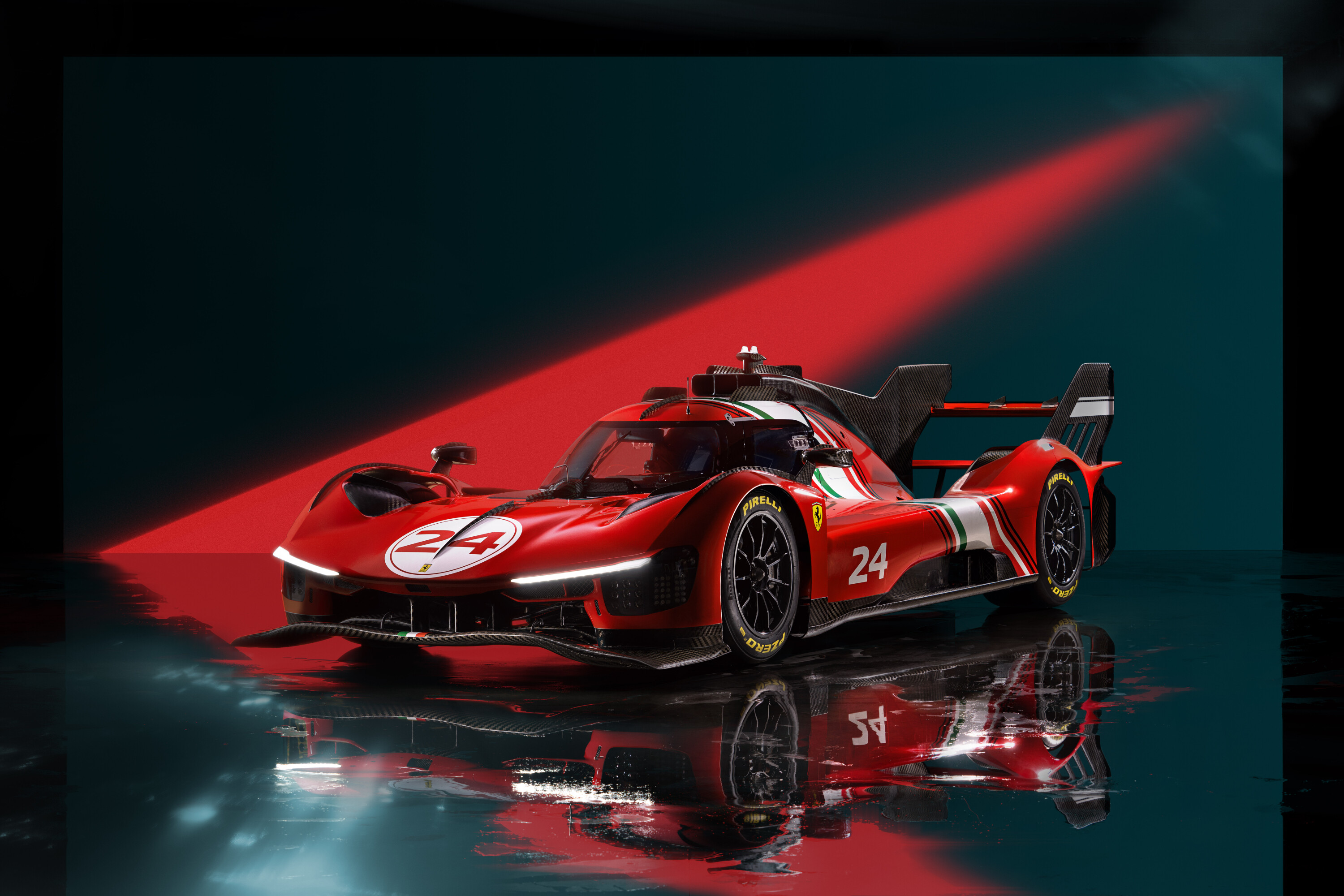
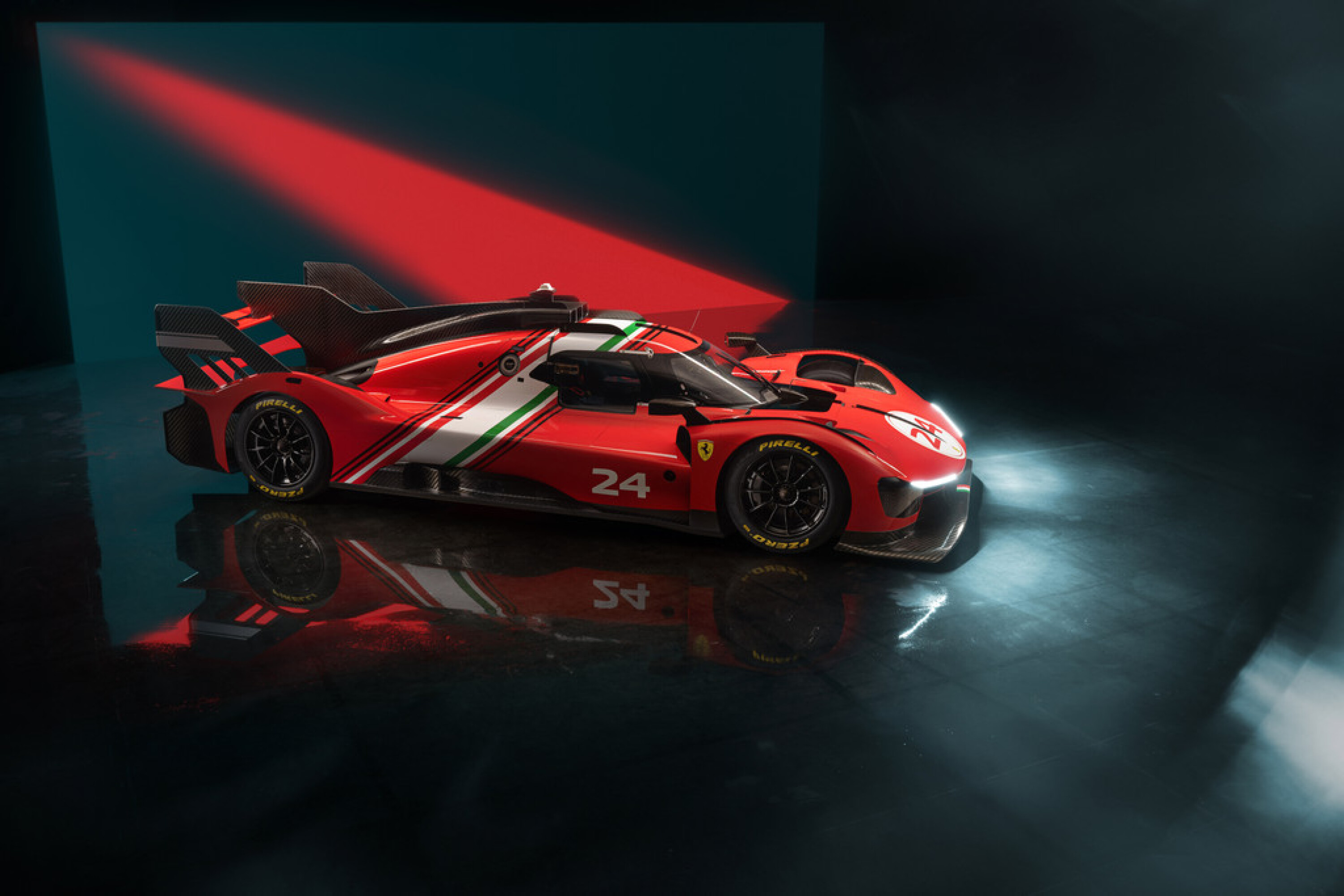
It’s almost unheard of for a manufacturer to build additional examples of its current top-flight racing car to sell to the general public, but that’s exactly what Ferrari has decided to do with its 2023 Le Mans prototype, the 499P.
That’s right, racing fans: you can buy the actual car that won the 100th running of the Le Mans 24 Hours.
1
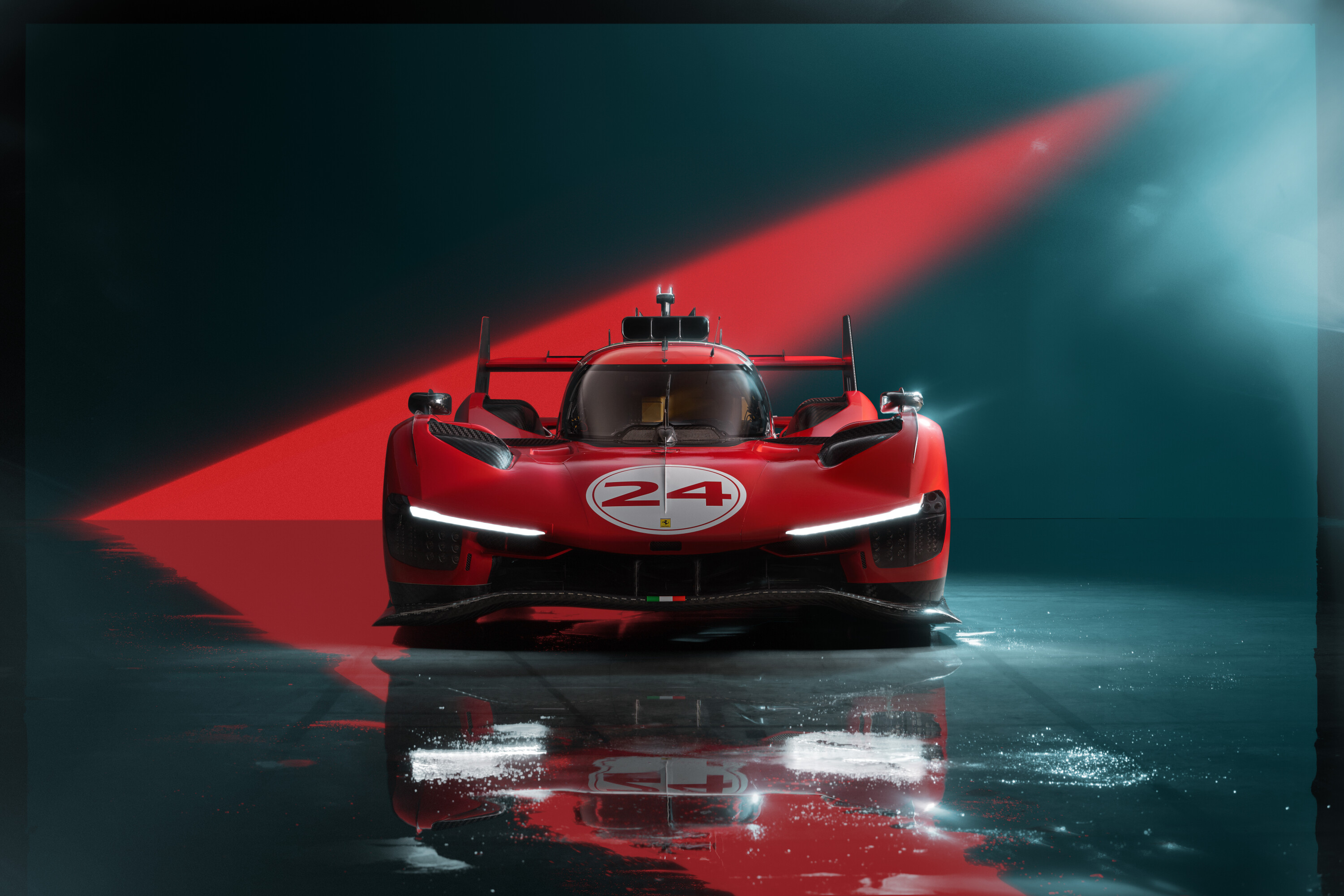
Ferrari calls it the 499P Modificata and, as the name suggests, it includes a number of key modifications that actually make it faster than the version that won at the circuit de la Sarthe only a few months ago.
Because owners won’t be able to race it – Ferrari is adamant it’s “not for competitive use” – the 499P Modificata isn’t bound by the same FIA sanctioned Balance of Performance regulations that govern the actual racing car.
That means Ferrari has been able to increase power from 520kW to 640kW and also make better use of the electrically driven front axle.
1
In the World Endurance championship, hybrid racers are only allowed to use the additional drive and power from their electric sub-systems above 190km/h.
But in the 499P Modificata, all of the extra traction and performance from the e-motor is available all of the time. Count on that to deliver a huge performance gain, especially out of slower corners.
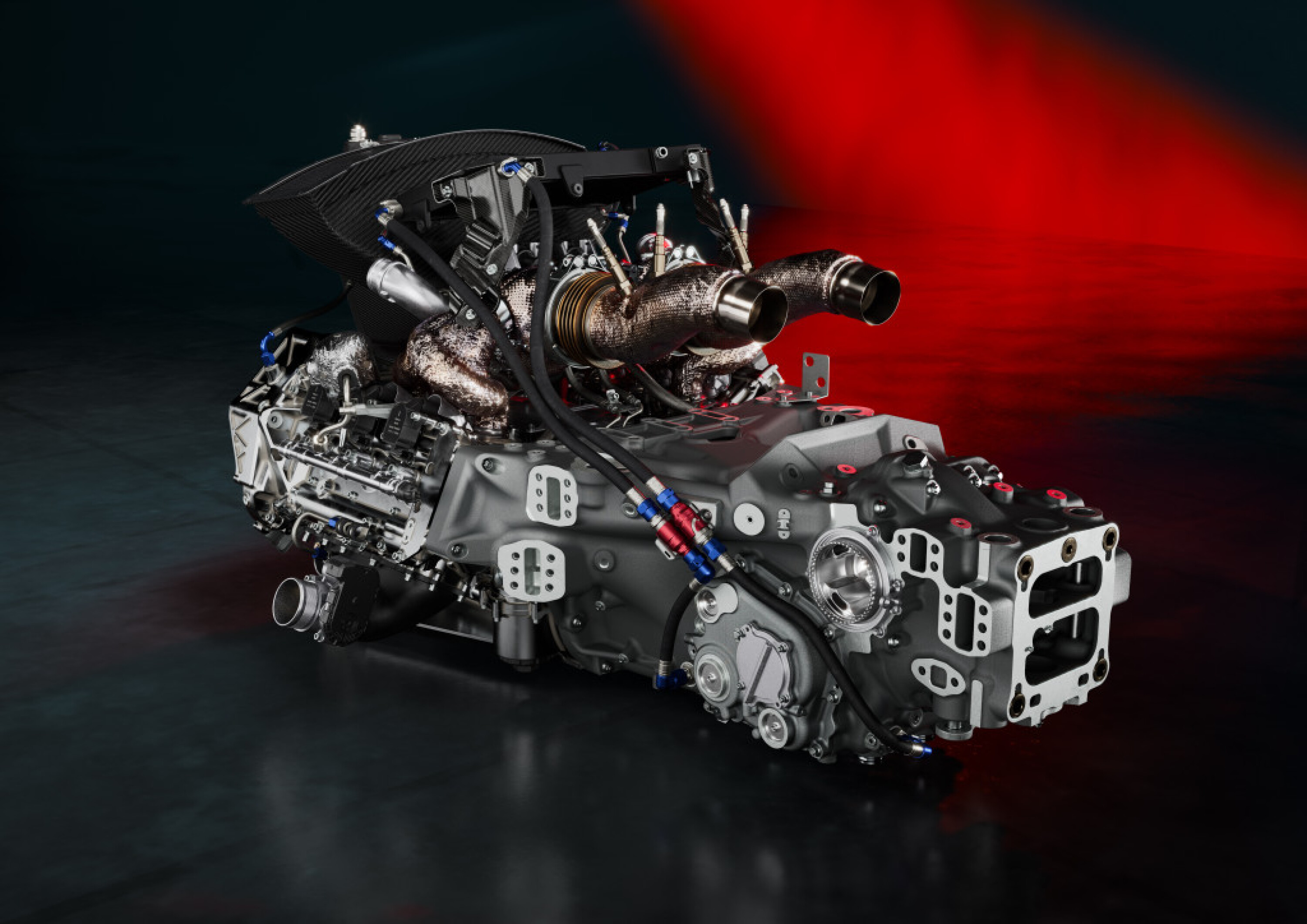
The powertrain itself is identical to the Le Mans car and combines a 2.9-litre 120-degree V6 turbo with a 200kW electric motor mounted on the front axle that’s fed by an F1-derived 800-volt battery pack.
Unlike the Le Mans car, though, the 499P Modificata includes a ‘push to pass’ function that can provide an additional 120kW to take total outputs to 640kW.
1
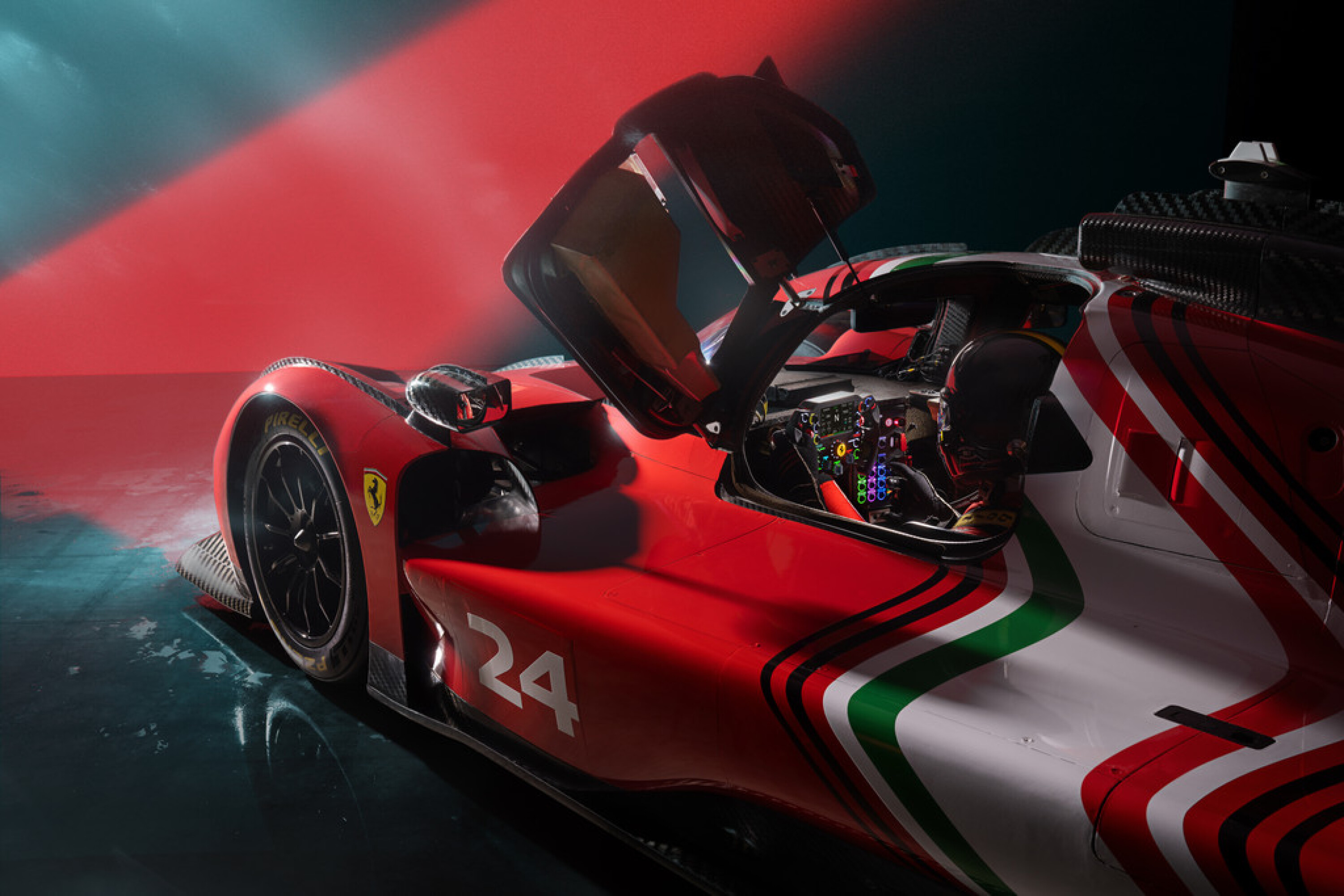
To access the extra grunt – which is similar in concept to the KERS system previously used in F1 – drivers push a button mounted on the backside of the multi-function steering wheel.
Deployments last for 7.0 seconds and the number of available power boosts per lap depends on the battery level and track type.
Another key change is the tyres. While the actual Le Mans car runs on Michelins, the 499P Modificata uses Pirellis specifically developed to suit gentlemen drivers. Ferrari says the Pirellis have been design to “optimise warm up times and reduce degradation over long runs”. Faster to switch on and with less wear? Sounds good to us.
1
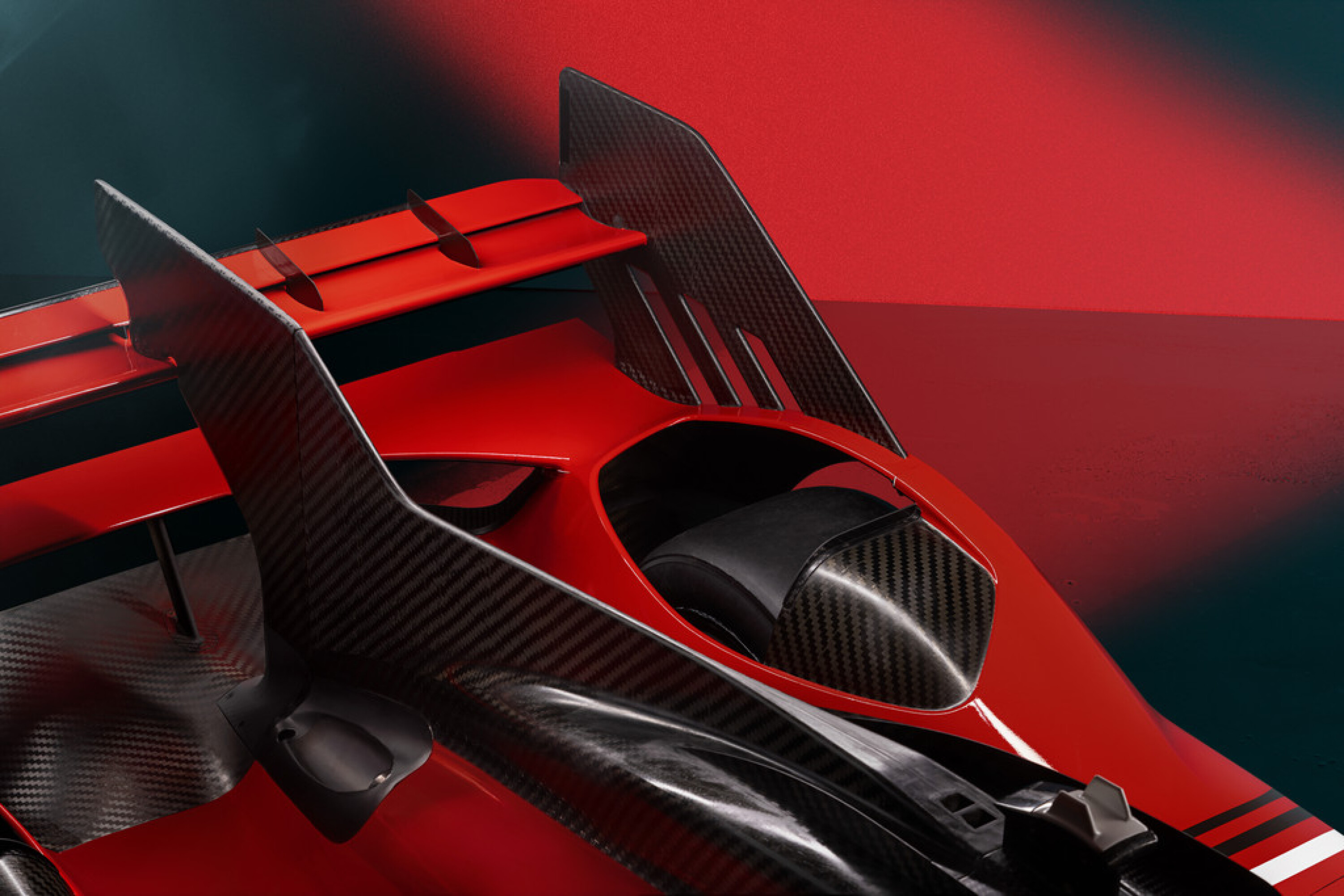
The rest of the 499P Modificata is nigh-on identical to the actual Le Mans car. Ferrari didn’t provide specific details but when we saw the car in the metal – it was officially revealed today at Mugello in Italy – its aero-honed body looked exactly the same, right down to its melange of carbon flicks, enormous shark fin spine and huge rear wing and diffuser. Trust us, it looks phenomenal.
Even the cabin is identical, with the lucky owners set to strap into the same button-heavy, carbon-trimmed office as Ferrari’s factory drivers. Perhaps understanding its owners might not have the same athletic physique, however, Ferrari did mention it has expanded the ‘door’ to make entry/egress a touch easier.
1
The set-up of the car has also been tweaked to make it friendlier for gentlemen drivers, with six-time Le Mans winner Olivier Beretta called in to help develop the chassis set-up.
So how do you get your hands on one? Short answer is unfortunately, you probably can’t. Aside from the fact it costs 5,100,000 euros before taxes, the 499P Modificata will only be made in limited numbers and offered to Ferrari’s most exclusive clients.
Happily, your 5.1 million euros includes two years of running the car, with Ferrari’s Sport Prototipi Clienti program taking car of everything from transport and logistics to running and servicing your ultra-complex racing prototype.
1
Owners will be able to take their cars to any circuit they like, however they’ll also be able to piggyback off Ferrari’s existing F1 Cliente program which is run for owners of Ferrari’s old F1 cars.
The 2024 schedule for the 499P Modificata kicks off at Mugello in March – Ferrari says they’ll have three examples at that event – before taking in other iconic circuits like Spa Francorchamps, Leguna Seca, Sonoma, Le Castellet and the Nurburgring before heading back to Mugello to take part in Ferrari’s annual Ferrari Mondiali event.
MORE
Everything Ferrari
MORE
Ferrari reviews
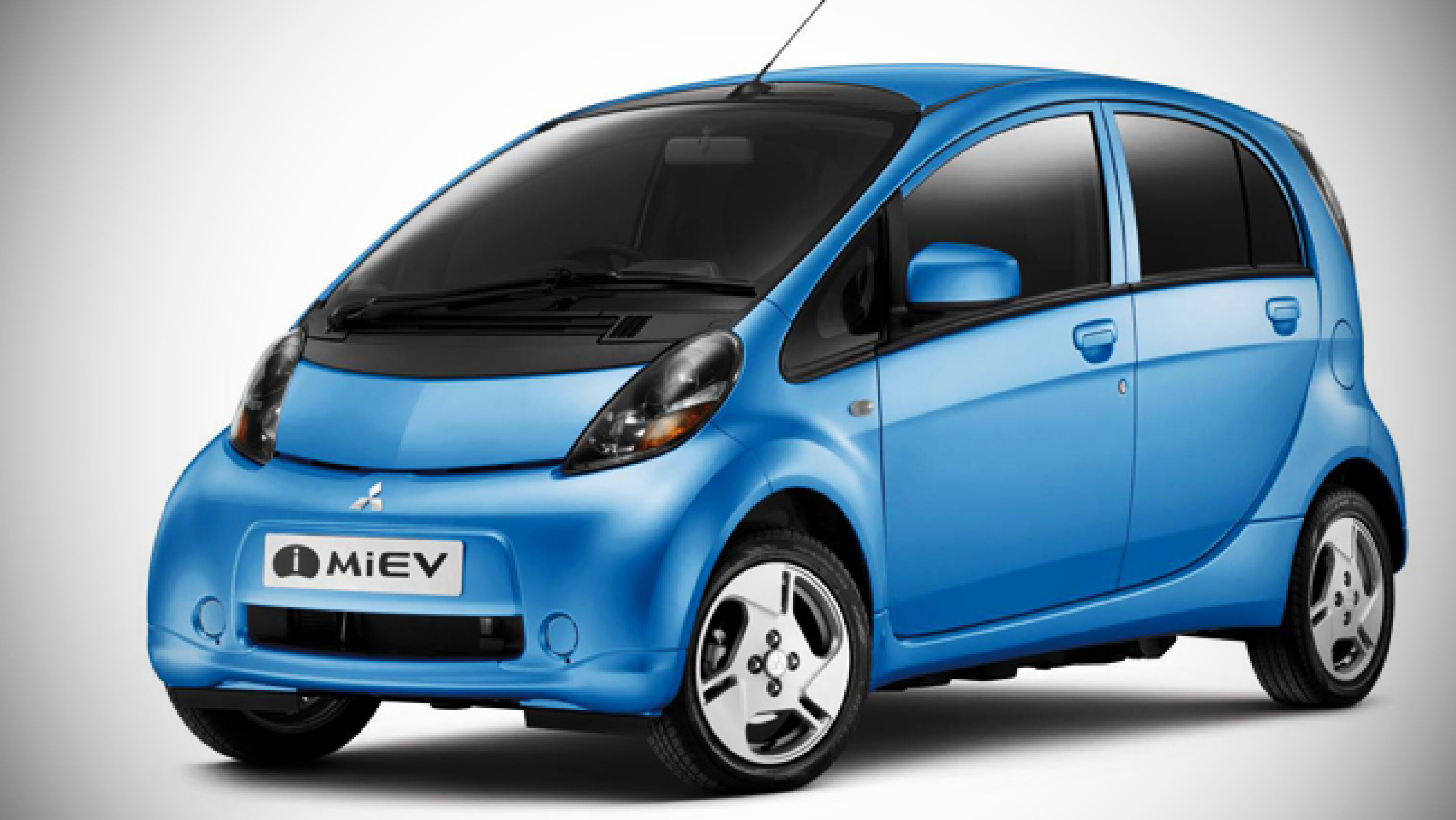
My first drive in an electric vehicle, a Mitsubishi I-Miev, was revelatory.
‘Why do city dwellers need anything else?’ I marvelled as I piloted the diminutive EV around inner Sydney some 12 years ago.
My next experience some years later was less amusing, as I discovered first-hand how big batteries and 240V outlets make for looong charging times from empty. Cue a missed flight and an angry rant or two.
1
Ten years on, a lot has changed… and a lot hasn’t.
EV sales are overall trending upwards, of course, thanks to greater availability of models across the price spectrum, and websites like ours are filled to the brim with advice and reviews about EVs and electrification.
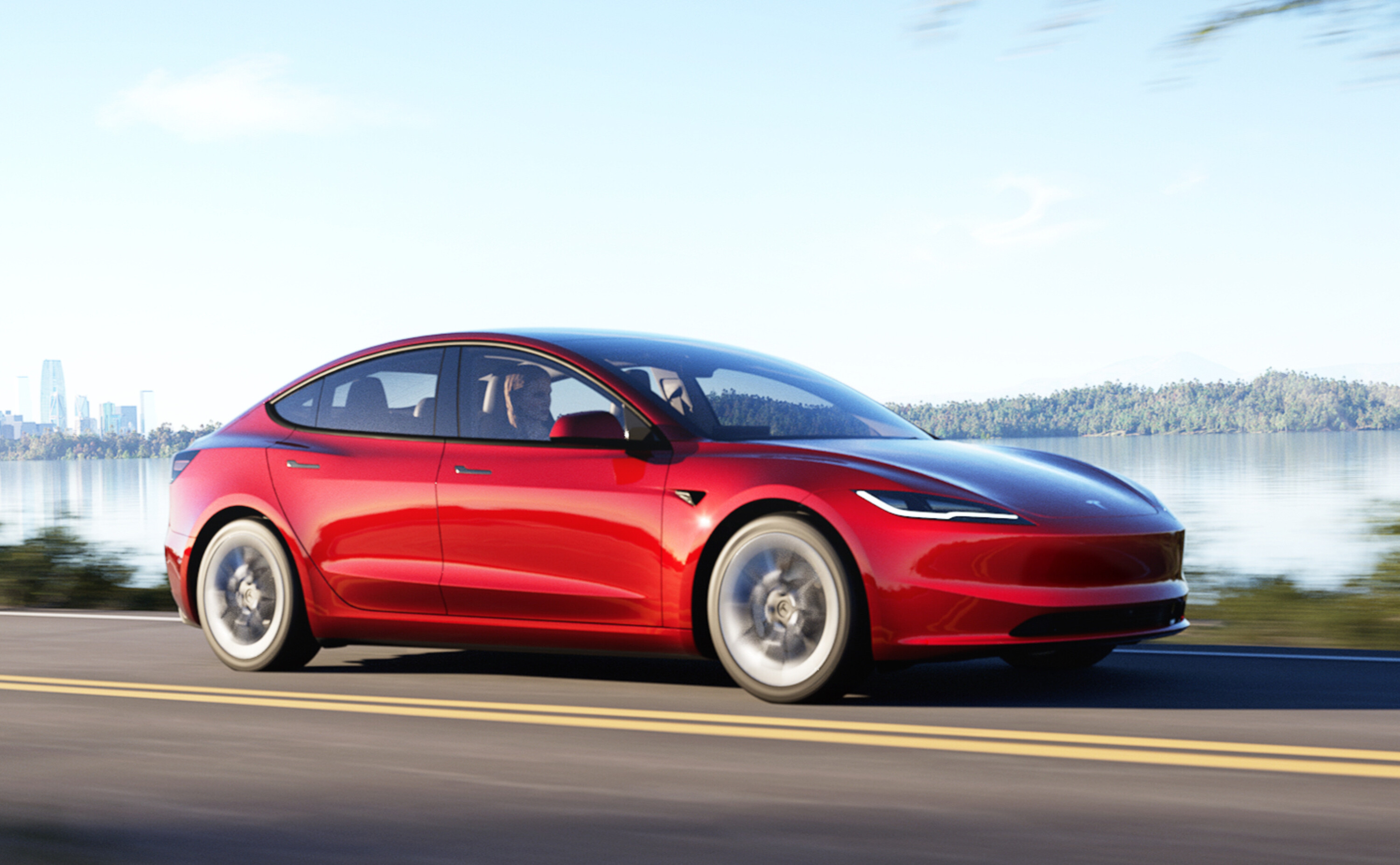
Tesla sells Model 3s and Model Ys here by the boatload, BYD is making serious headway with its growing roster of EVs, and car companies like MG and Cupra are rivalling Kia and Hyundai when it comes to bringing cool new BEV products to market.
But look past the veneer of success, and there are cracks starting to show.
1
Graphite wars
From a global perspective, the battle over battery tech is still heating up.
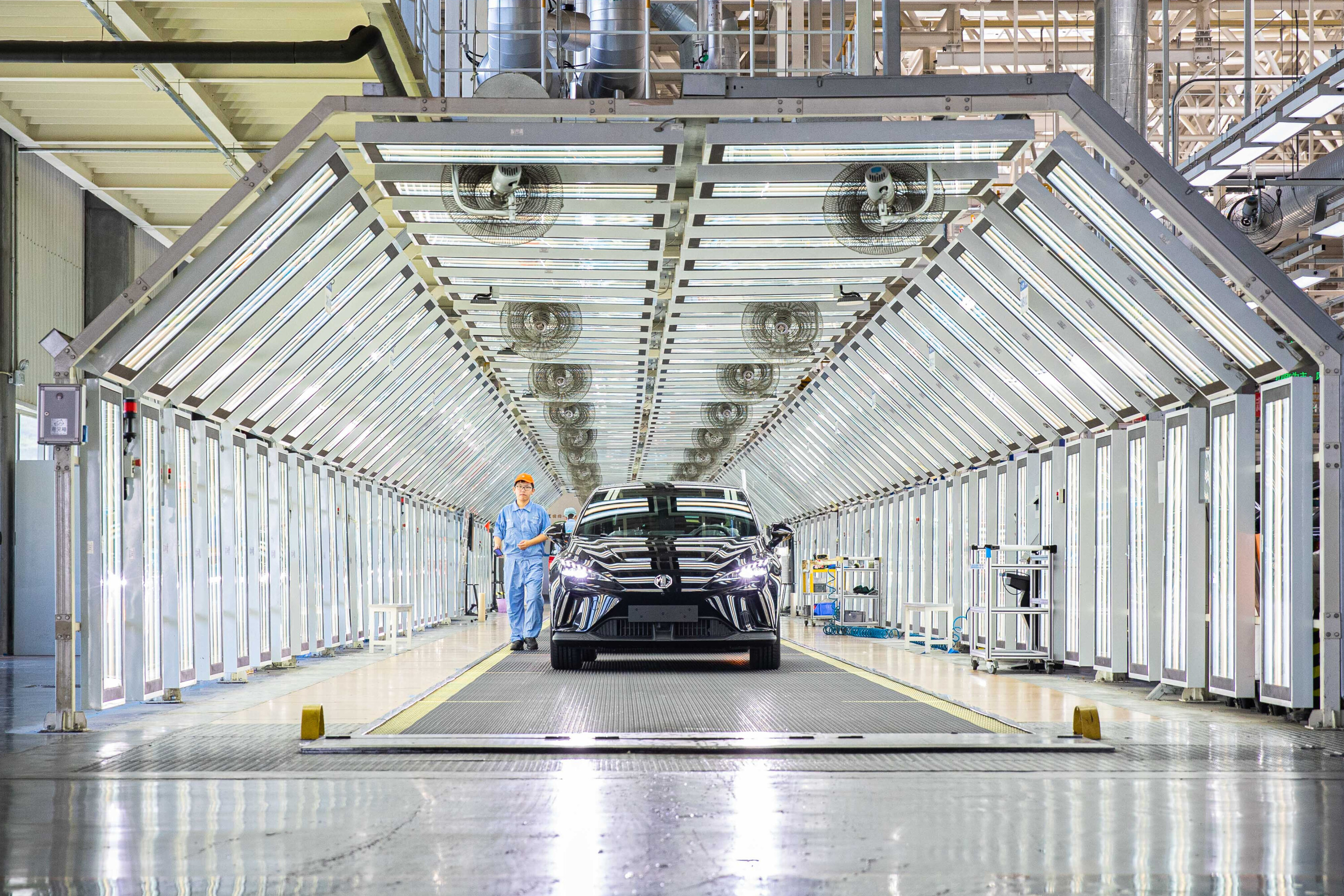
China has thrown down a major gauntlet in recent days, too, declaring that it will restrict the export of graphite [↗], a critical mineral in the production of lithium-ion and lithium-iron-phosphate batteries.
China controls 90 per cent of the world’s graphite market and claims its restrictions are best “conducive to ensuring the security and stability of the global supply chain and industrial chain, and conducive to better safeguarding national security and interests”.
1
What it does is effectively curtail the ability of countries like the United States and Korea to produce EV batteries at scale unless an alternative source of graphite can be found.
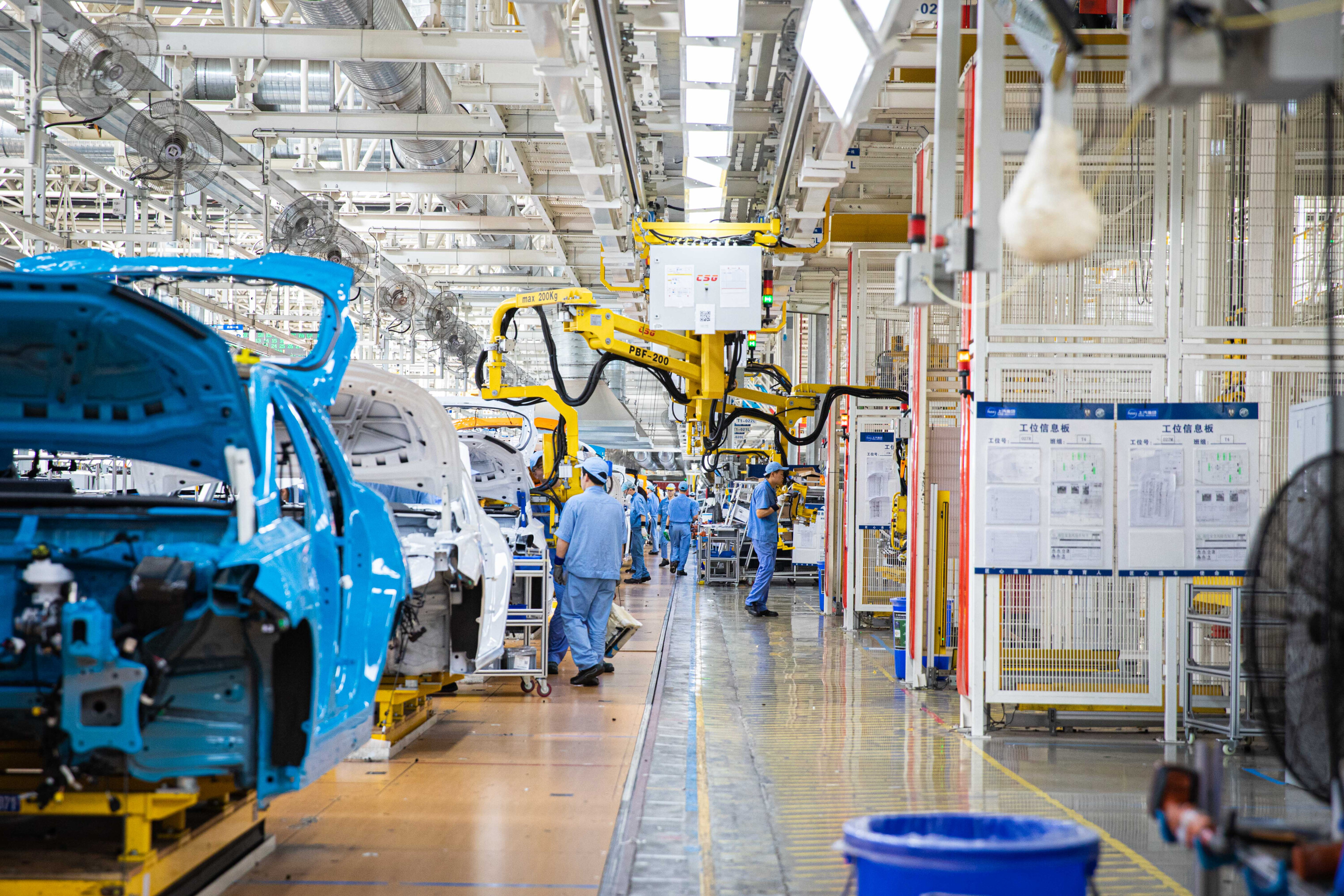
There have been positive strides made recently in the production of synthetic graphite, while companies like Toyota are partnering with Panasonic to leap ahead of the li-ion chemistry curve, but there are a few furrowed brows across the battery production world this week.
1
Sales brakes
Sales of EVs in Europe and the US are slowing, in some cases quite dramatically, with reports of stockpiled cars being shovelled out to US dealers whether they want them or not.
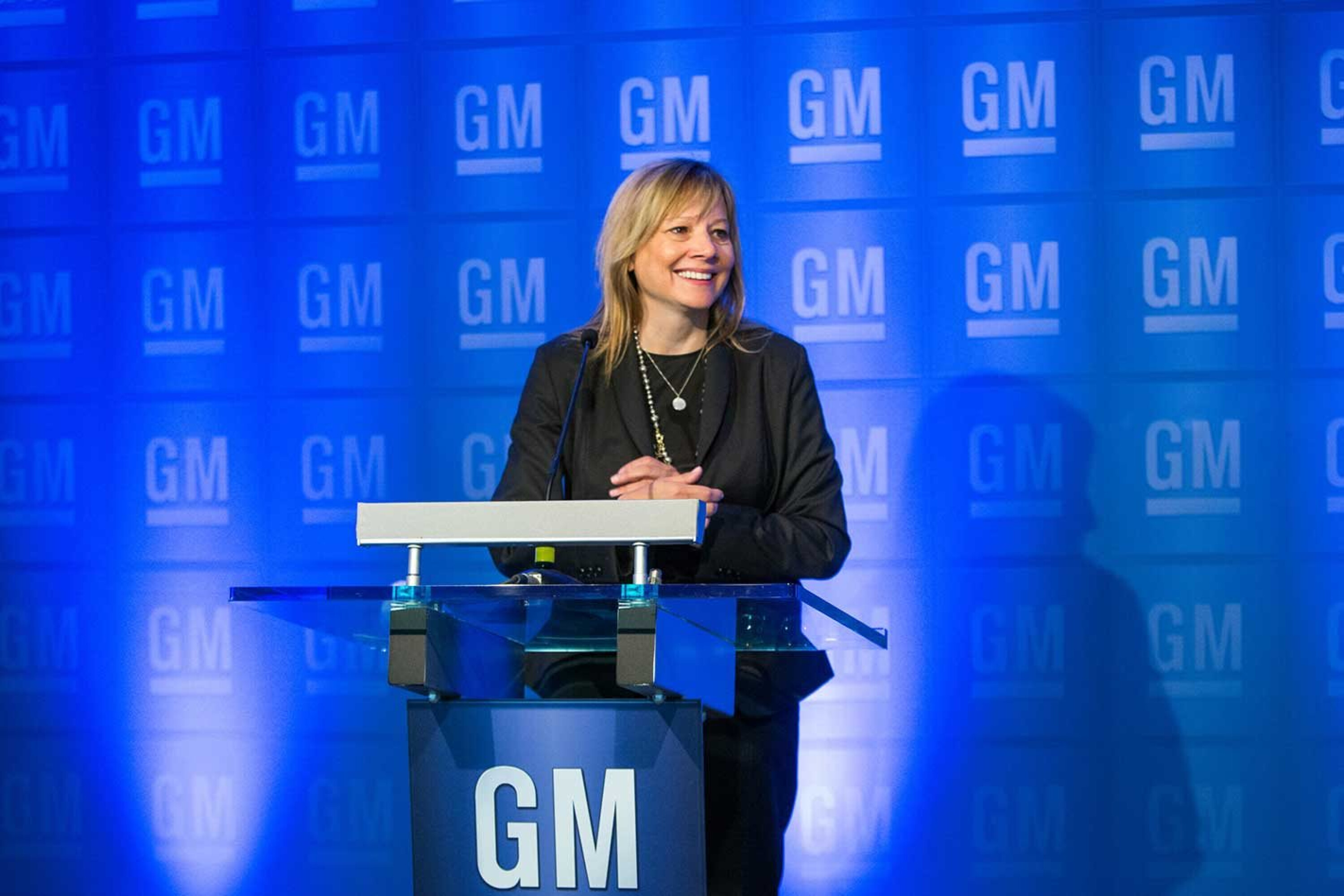
General Motors has just reported that it will delay the production of a brace of new EV products by a few months, citing “ups and downs” in the transition to electrification.
“It’s clear we’re dealing with a lot of near-term uncertainty,” the company’s CEO, Mary Barra, told investors this week [↗].
GM is also dealing with the after-effects of a more-than month-long worker’s strike that is reportedly costing it US$200 million each week.
1
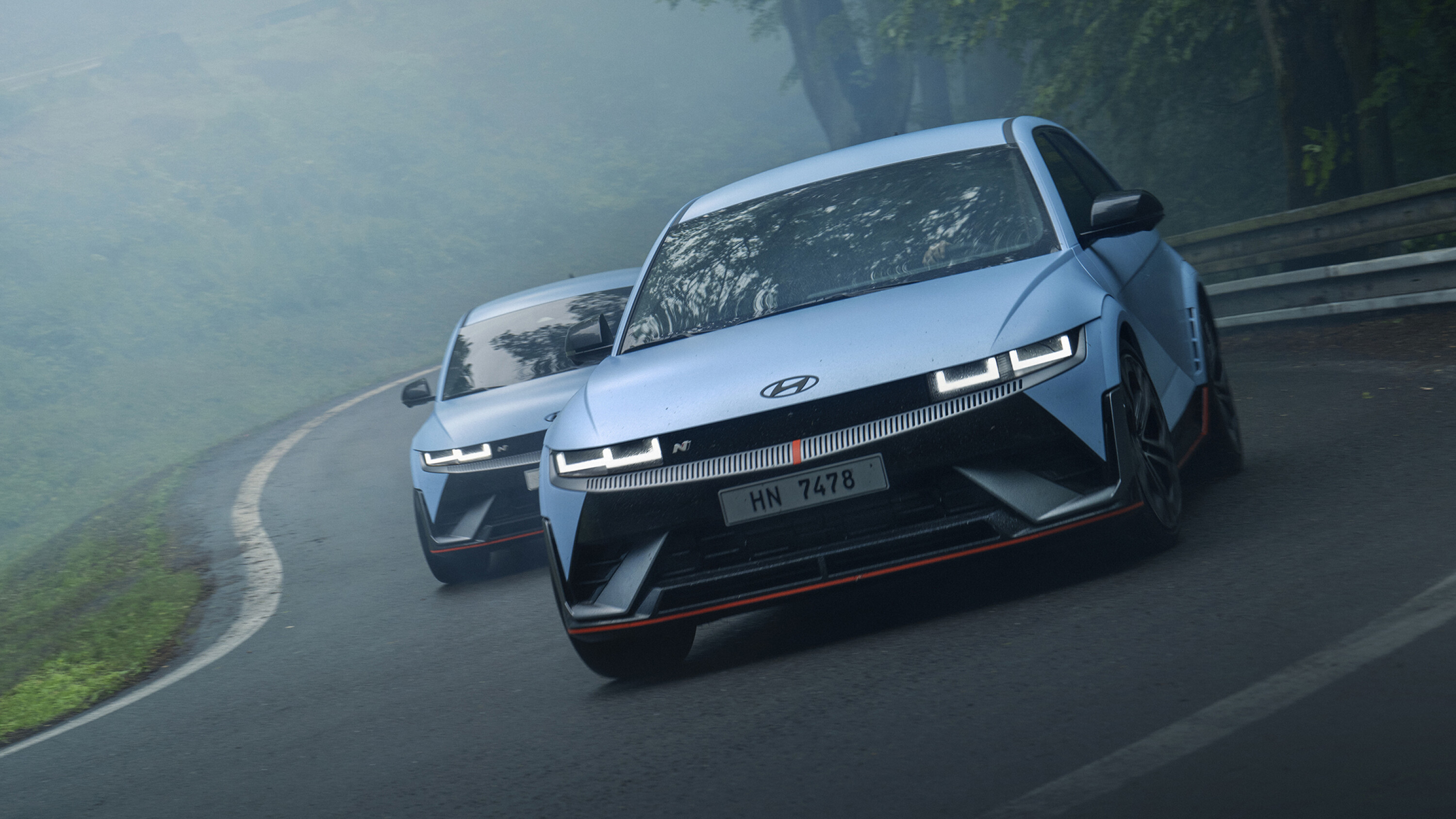
In Korea, meanwhile, Hyundai and Kia have begun discounting EV products in an effort to stimulate sales, as volumes start to ratchet downwards.
In Europe, too, the mood is bearish, even though the Tesla Model Y was the best-selling car – not just EV, but overall car – across the continent for the first six months of 2023.
Volkswagen has wound back production of the ID.4 at its Dresden plant in the wake of slow demand, while industry experts predict a lull in sales over the next two years as demand and supply balance out.
1
Infrastructure not charging on
Closer to home, and after a few days aboard a big-battery EV, I can personally report that charging infrastructure away from the home driveway in Australia is still painfully underdone, particularly in regional centres.
That’s not just down to a slow roll-out, either; maintenance of the existing network is becoming a genuine issue, thanks to a (relatively modest, to be honest) increase in the number of EVs on our roads.
And we still face the very real fact that many Aussie property owners and renters simply can’t access parking, power, or both in our highly urbanised country.
What about the government?
Local and state laws around strata titling tied into the actual ability (or inability) to add suitable infrastructure for existing houses and apartment blocks are genuine roadblocks for many potential buyers.
Government policy, too, has come under fire, with the High Court of Australia throwing Victoria’s contentious electric car road tax in the bin after it was found to be unlawful.
The ruling will have a huge knock-on effect on how EVs are taxed, as the federal government looks to replace the revenue lost from dwindling fuel excise.
Where to from here?
The transition to lower-emission motoring is in a delicate spot – and let’s be clear, it won’t be wound back any time soon.
The upsides of electrification are obvious; more affordable motoring in the long term thanks to lower running costs, less harmful pollution across the spectrum and arguably safer vehicles (because the cars are newer and carry more safety gear as a result).
The pain points are initial cost (which is right-sizing now because of competition), education and – the big one for me – on-road charging infrastructure.
My best guess? We’re at a point where all but the most well-healed and most convinced are still resisting change as hard as they can.
It’s been a combination of poor messaging from the industry, a lack of cohesive policy from our lawmakers and a fear of the unknown.
But as more people try electric cars and understand how perfectly suited they are for 90 per cent of urban motoring, and as governments around Australia (finally) get policies in place to aid the switchover to a more lower-emissions future, it’s my bet that the current collywobbles will eventually dissolve.
Who knows… maybe we’ll all end up in I-Miev-sized EVs.
Snapshot
- Toyota chairman claims hybrids are better as rivals cut back EV production
- Admits hydrogen Mirai was unsuccessful, focus on commercial vehicles instead
- Hyundai developing 2nd-gen Nexo for 2025 launch
Hydrogen fuel-cell electric vehicles (FCEV) are on the move, with Toyota stressing its hybrid approach and Hyundai rumoured to launch a new Nexo.
The Wall Street Journal [↗] reports Toyota chairman and former chief executive Akio Toyoda re-emphasised its ‘diverse powertrain’ strategy amid automakers – including Volkswagen, Ford and General Motors – cutting back EV production due to lower than expected demand.
With supply returning to normal for some models and increased cost-of-living, there’s also been the supply ‘bullwhip effect’ that has slowed down sales overseas.
Meanwhile, petrol-electric hybrid demand continues to be strong in some countries. Locally, Toyota has paused sales of the popular Camry Hybrid due to “extraordinary demand” that has extended wait times beyond two years.
Despite this and the higher purchase price tag, in 2023, the Tesla Model 3 electric sedan has doubled the Camry in registration data to the end of September.
1
Toyota to focus on commercial hydrogen vehicles
With low uptake of the hydrogen-powered Toyota Mirai sedan globally, the Japanese automaker will focus on the commercial sector instead.
Toyota’s technical head Hiroki Nakajima admitted to Autocar [↗] the complexity of setting up public hydrogen infrastructure has been the key barrier to the Mirai FCEV.
“We have tried Mirai but not been successful,” Hiroki said.
“Hydrogen stations are very few and difficult to realise, so Mirai is smaller [in volume].”
Instead, Hiroki told the British publication that commercial hydrogen vehicles are the “most important area to try to proceed on with”, where refuelling infrastructure is only needed at the start and finish destination for trucks.
Despite the battery-electric first focus, Toyota will still explore downsizing components, such as the fuel cell stack and tanks, for hydrogen passenger cars.
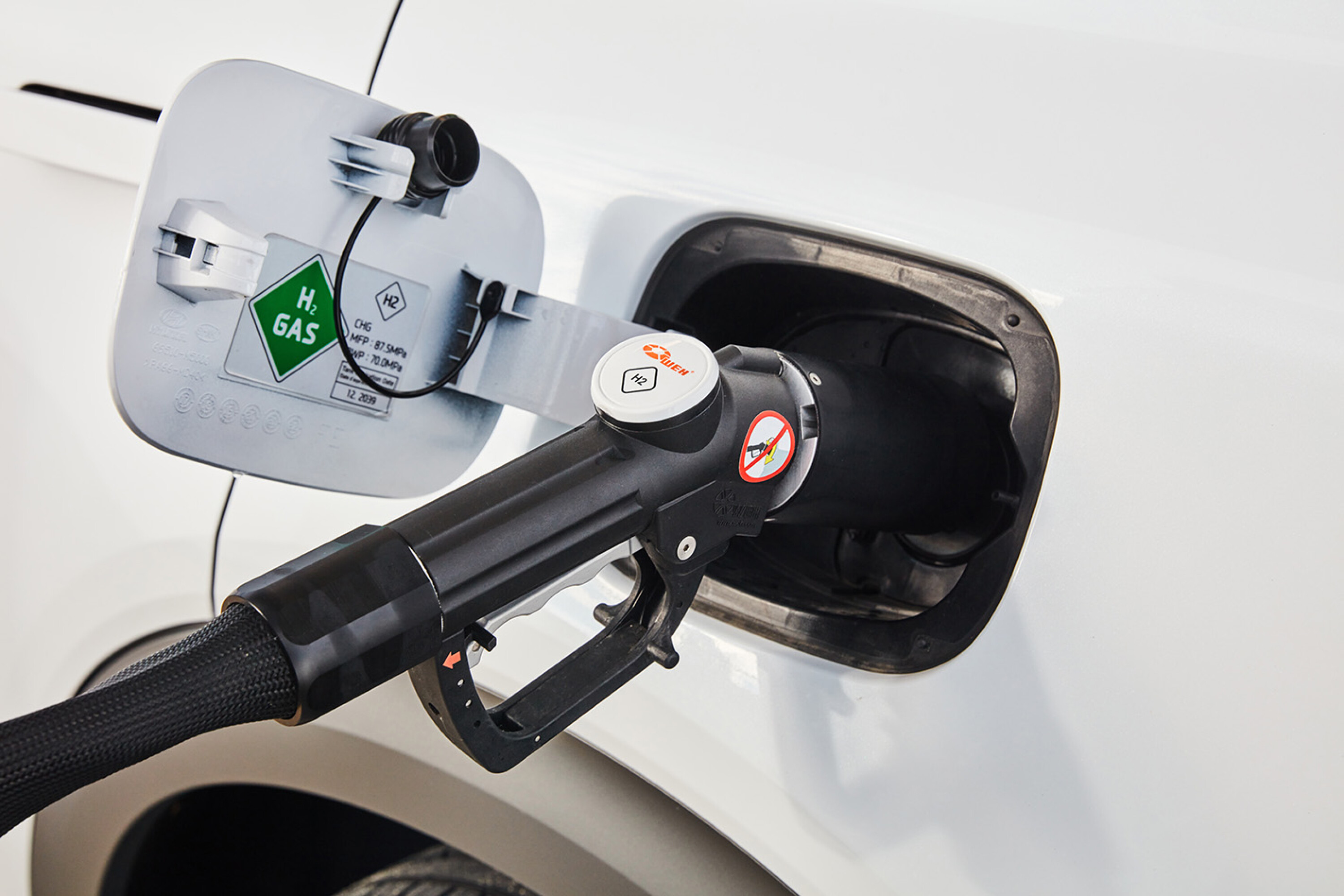
Australia has only four publicly-available hydrogen fuel-cell refuelling stations across the country, which require large pressurised tanks and high-pressure pumps.
In contrast, there are nearly 400 battery-electric vehicle charging locations and the key advantage of being able to plug in at home.
1
New 2025 Hyundai Nexo coming
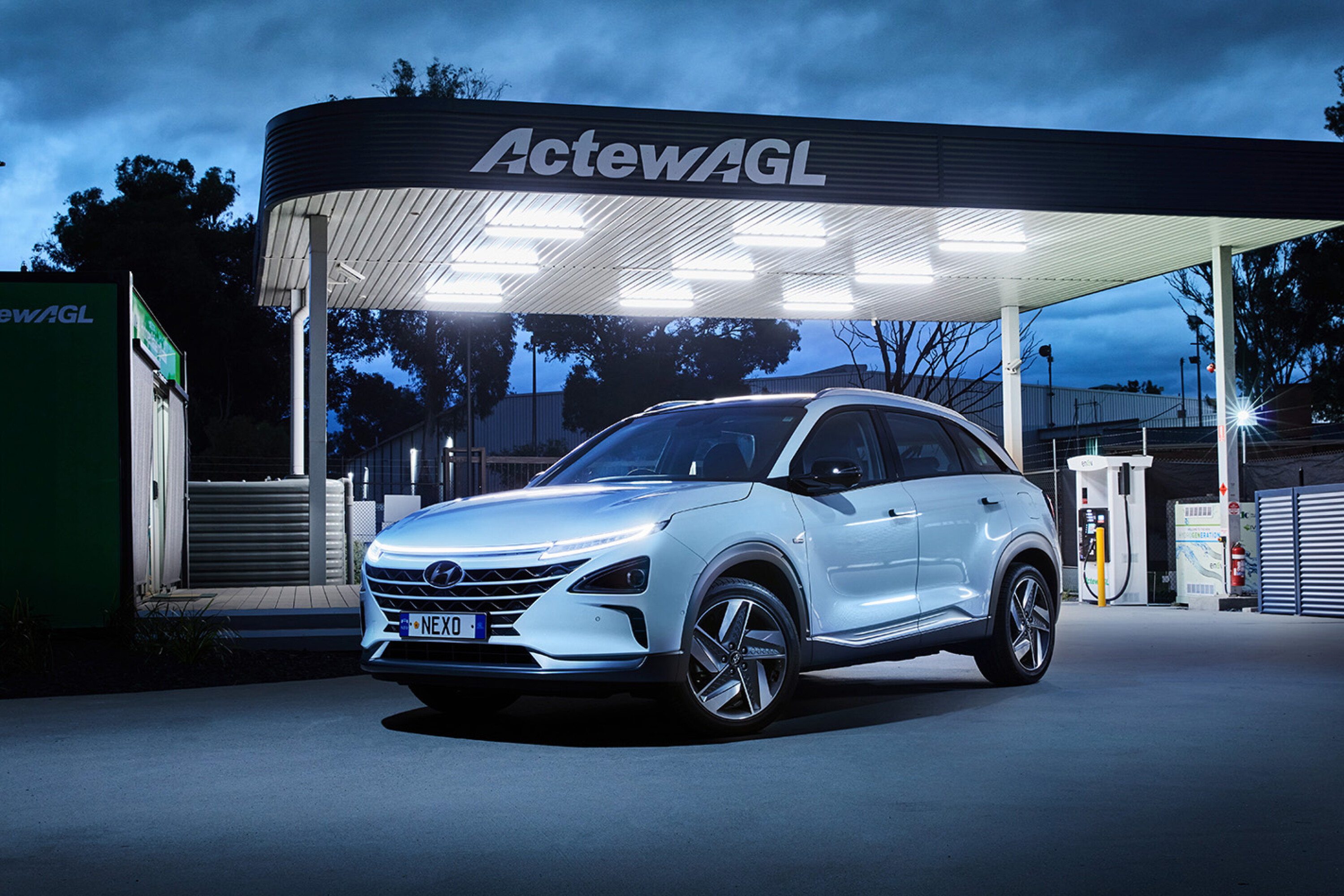
Beyond the Sea of Japan, Hyundai is reportedly developing the second-generation Nexo hydrogen SUV for a launch in early 2025.
According to the Korean Car Blog [↗], it plans to gradually roll out the new Nexo FCEV in select markets, including South Korea, Europe, and the United States.
The South Korean carmaker is said to be aiming to produce 30,000 units per year – which is triple the current first-generation model – and should feature an improved FCEV powertrain.
The current Hyundai Nexo and Toyota Mirai are available in Australia, but only on a lease for select commercial customers (often government organisations).
Tesla will supply its Supercharging stations to BP Pulse in a deal worth AU$157.8 million.
Snapshot
- Tesla Superchargers sold to BP Pulse to establish US network
- V4 Supercharging stalls feature 250kW DC output, NACS and CCS1 plugs
- Will integrate with Tesla vehicle software and u2018Plug and Chargeu2019
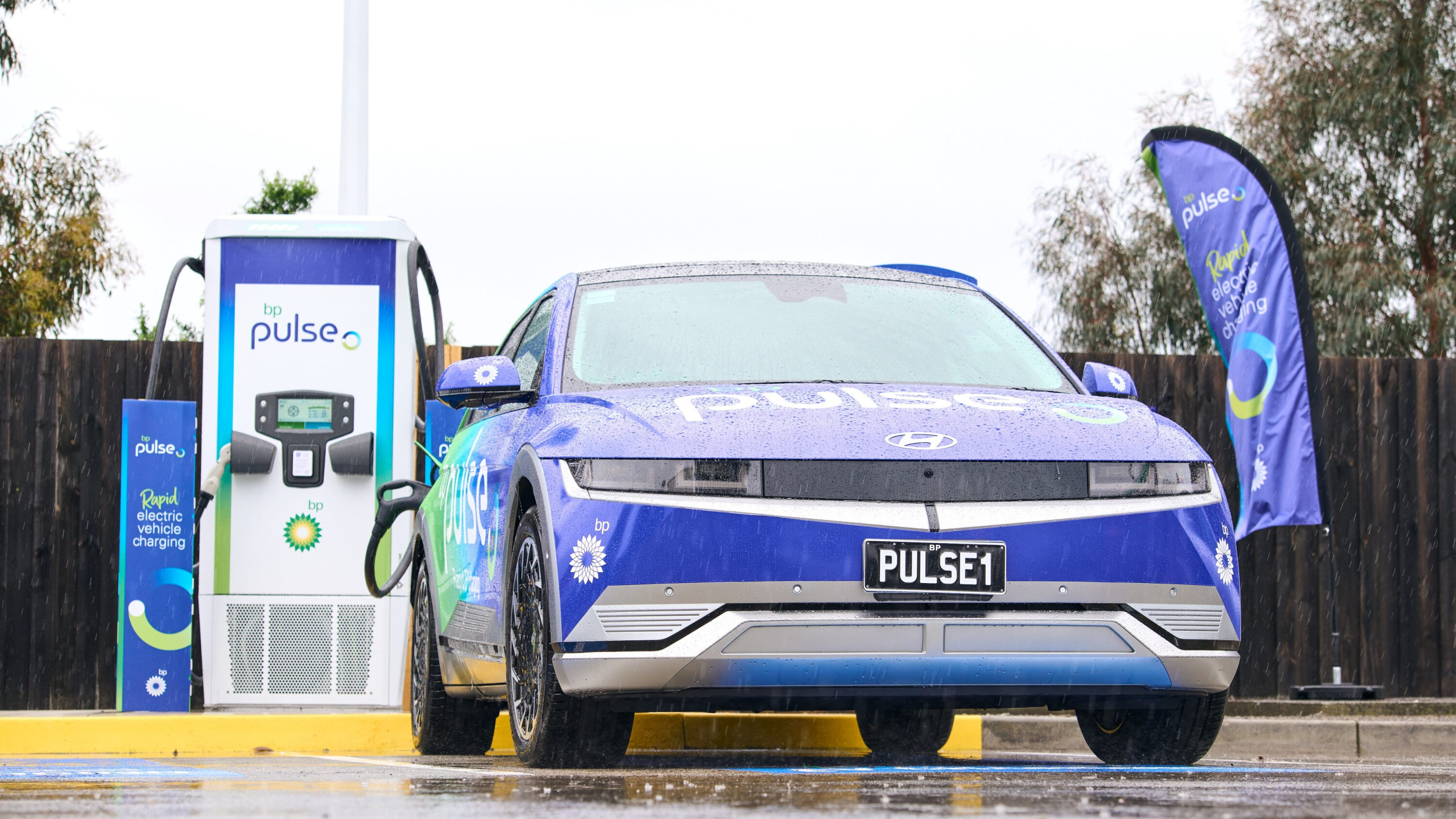
The deal will establish BP Pulse’s public fast charging network in the United States, which will debut from 2024.
The deal represents the first time the American company has sold its electric vehicle Superchargers – long lauded for their reliability and convenience – to a third-party network.
The fuel giant will receive Tesla’s latest V4 Supercharger model, which can output up to 250kW DC fast-charging speeds with longer cables to reach all EV models’ charge ports.
Tesla’s built-in ‘Magic Dock’ adapter will also feature to offer both North American Charging Standard (NACS) and Type 1 Combined Charging System (CCS) plugs – the former of which will become the universal standard in the continent from around 2025.
The BP Pulse-branded and operated stations support ‘Plug and Charge’ functionality for compatible EV models to start charging sessions, without the need for a smartphone app.
For Tesla vehicles, the network will also integrate with its built-in navigation system – which is a Tesla requirement.
This potentially means, for the first time, Tesla EVs can automatically pre-condition the battery when a non-Tesla operated station is selected as a destination.
1
In Australia, BP Pulse has partnered with Brisbane-born manufacturer Tritium, as part of a multi-year contract.
Since launching last year, the British oil and energy company has deployed a network of 46 charging locations using Tritium’s latest modular PKM charging stations.
Each stall outputs 75kW DC, with power-sharing capabilities between two EVs, and load balancing functionality with nearby units and the electricity grid.
The Tritium PKM charging station is capable of being upgraded to 150kW DC, though the company hasn’t officially committed to it.
It also recently introduced time-based charging costs at select locations to curb rising electricity market rates.
In its European and United Kingdom markets, BP has deployed a mix of stations from EV charging equipment manufacturers ABB and Chargemaster.
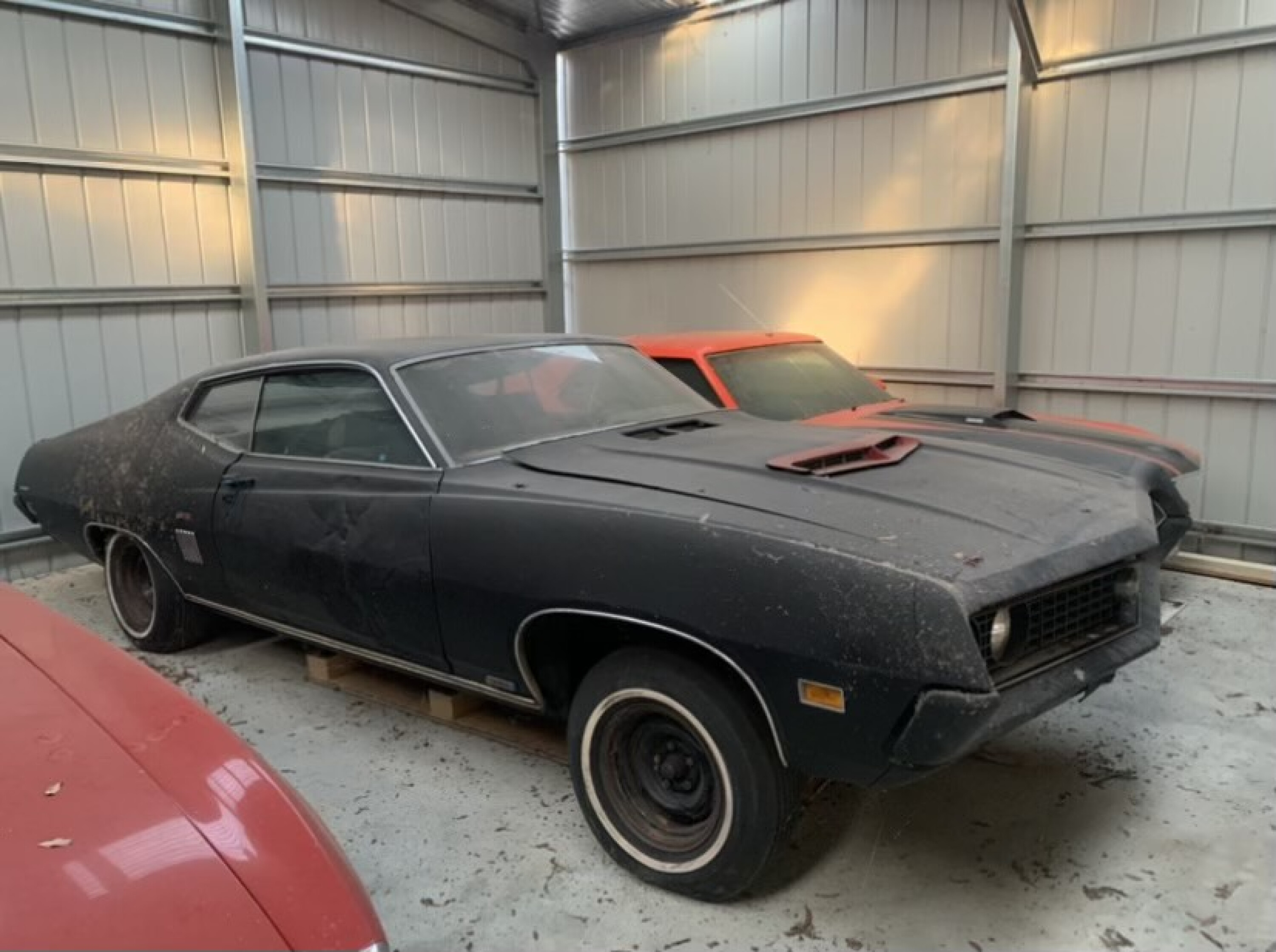
Three classic car projects have been stolen from a rural property in north-eastern Victoria, with the cumulative value of the two Mustangs and a rarer Torino estimated to be over $100,000.
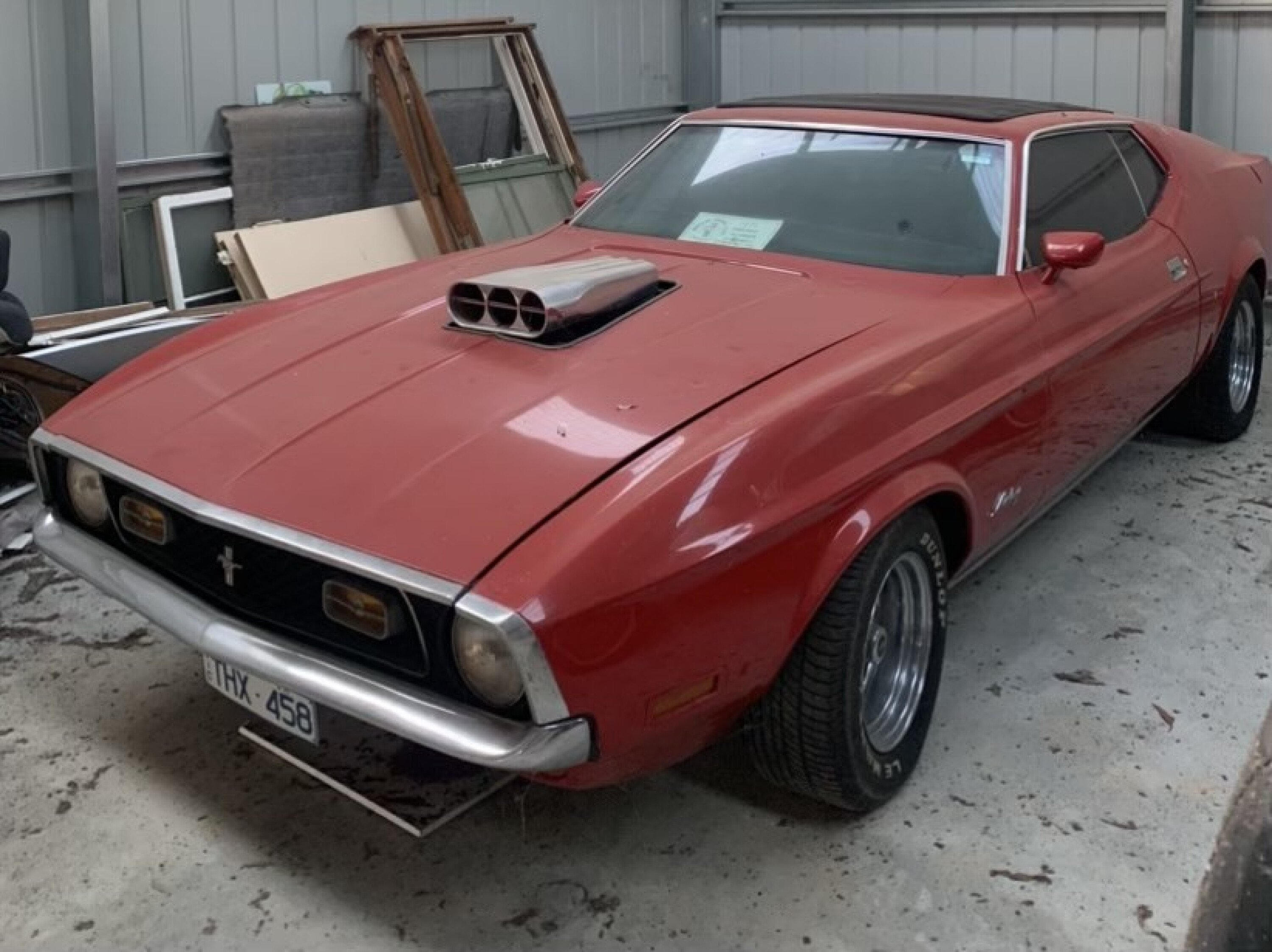
Speaking with 3AW [↗], neighbour and friend of the owner Luke Collins said the cars were a 1971 Ford Mustang fastback, a 1970 Mustang coupe and a 1970 Ford Torino.
The vehicles had just begun their restoration process, and the owner had been hopeful that they were soon approaching a condition in which they could be driven and enjoyed.
“I’ve been trying to give [the owner] the nudge into helping him restore them… the Torino was going to be the next one, and they’ve just been taken.” Collins told 3AW’s Neil Mitchell.
2
The theft appears to have been planned carefully, with the thieves seeming to understand the vehicles’ conditions and preparing transportation.
“[The thieves would’ve] had to load them onto a truck or a trailer,” Collins said, “The cameras were taken, the gates were cut, locks were cut, they broke into the shed and took the three cars. So it’s quite a funny one because it’s such a remote property; no one really knows it’s there.”
It wasn’t the first time that the property had been subject to a break-in, with the owner Femke Koenders telling Ranges Trader Star Mail [↗] that the burglary was similar to previous incidents.
1
“I think they’re the same person that’s been breaking in over the years because they do the same thing each time they break in,” she said.
“Opening all the cupboards and turning over the couches… a few years ago they stole a quad bike and a postie bike as well.”
“To think they just took over $100,000 worth of my heart and soul is mind-boggling.”
Redbook currently values 1970 Mustangs at roughly between $20,000 and $30,000, although the asking price for a Torino can be upward of $80,000, depending on mileage.
The Torino was last sighted on a trailer near Rochford Winery, along with Maroondah Highway on October 17. Anyone who could have any information on the thefts is encouraged to contact Crime Stoppers on 1800 333 000.
MORE
Everything Ford
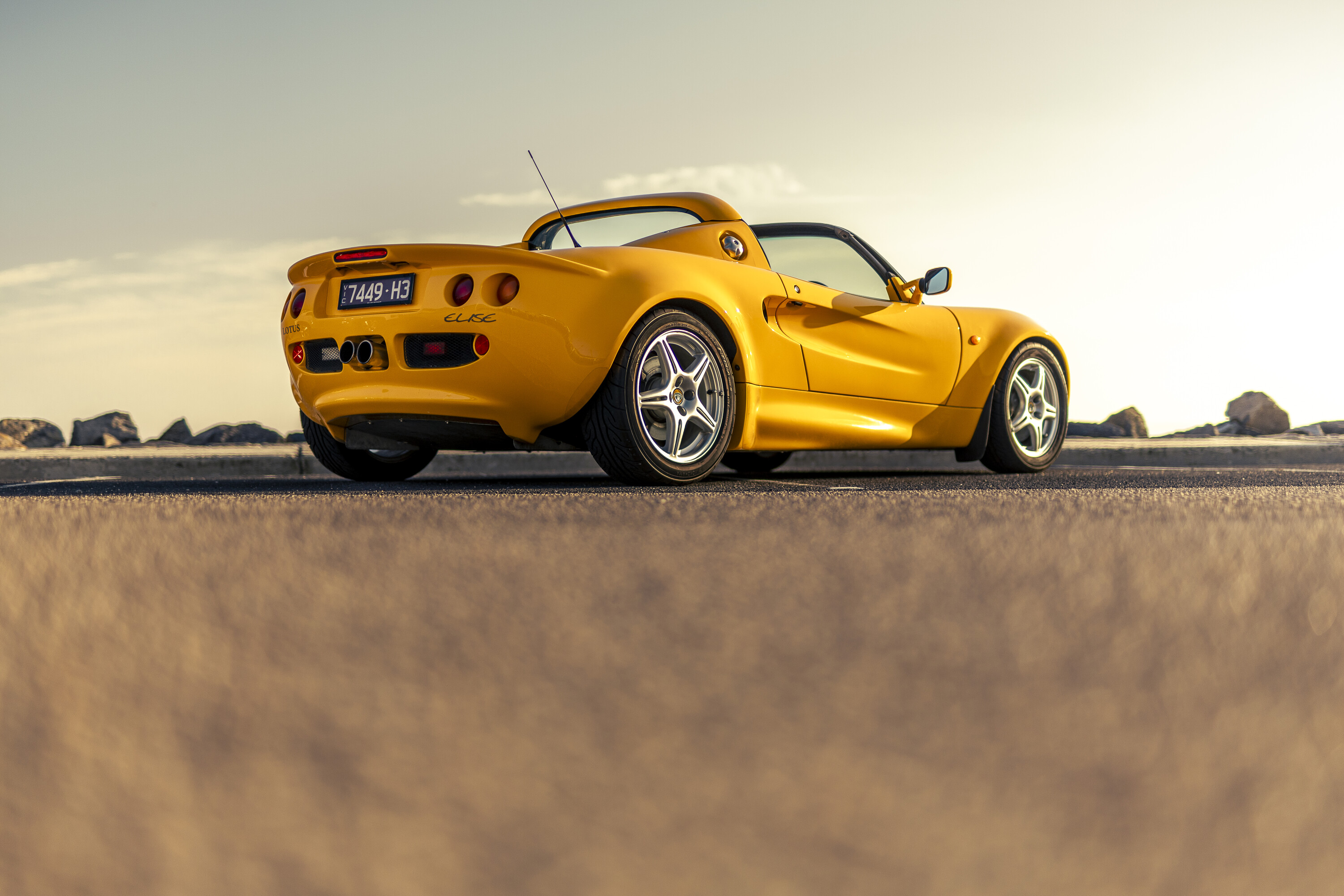
What were you doing on Christmas Eve in 1994? If you were a Lotus engineer, you weren’t settling down in front of the box to watch a Christmas special.
The team had been burning the midnight oil in order to get a running prototype of ‘Project M111’ to perform a lap of their Hethel test track before the business shut down for the holiday season. And things weren’t exactly going to plan.
Deadlines were tight. Customers had been promised their cars in 18 months and everything about this vehicle’s bones were new. The first aluminium chassis had arrived from Norsk Hydro a month before and was a thing of wonderment for a company that was still building steel-backboned Esprits – a car whose origins dated back to 1975.
1
Of course, this was prior to the establishment of Lotus Lightweight Structures, the company that would eventually become the supplier for this 68kg slice of glued, anodised and extruded genius.
With the Christmas turkey on defrost, Lotus had built Proto One, an ungainly test mule for what would become its most important car – the Elise.
The mule car looked vaguely comical with its Lotus Seven-style mudguards, cut-down windscreen, ill-fitting fabric toupée and motor-factor headlights bolted on. By 6pm, there was still a list of 50 snagging points to work through before the car could be driven.
Nobody was going home though. Darkness had fallen at Hethel by the time project engineer Richard Rackham and project manager Tony Shute donned their crash helmets and headed out onto the Norfolk track, a mere 11 months after Project M111 had commenced.
1
“It was icy, but a brilliant moonlit night; it was one of those magic moments,” recalled Rackham.
First impressions were that the car was very quick, due to the torque of the engine and the lack of weight. And, of course, as it was a Lotus, the steering response was excellent.
For such a pivotal moment in the history of Lotus, the first Elise drive went largely undocumented. There’s just some fuzzy video footage of something moving in the dark on Lotus’s security cameras as Shute and Rackham clocked up the laps of the test track.
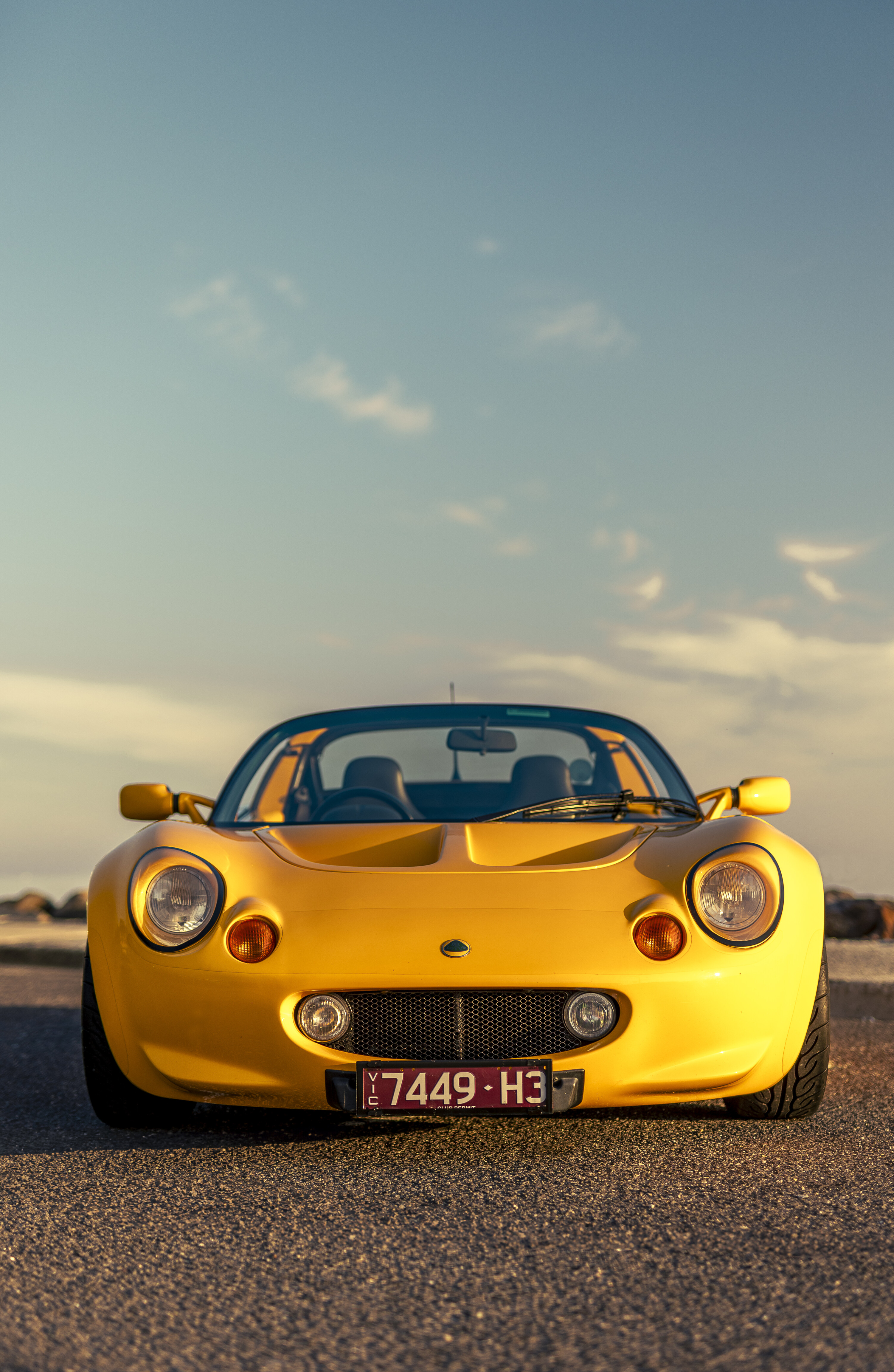
In order to hit the target kerb weight of 700kg, chief designer Julian Thomson’s role was far more than to merely style the Elise. Every element of the car had to conform to a classically Lotus philosophy of lightweighting: one that had gradually been overlooked as the company suffered aspiration-creep in the ’80s and early ’90s as it went chasing supercars.
1
An example: the Esprit had chunked up from 900kg in S1 guise to 1338kg for the late V8 GT versions, a weight gain of over 48 percent as it targeted Porsche and Ferrari.
What we know now is that Thomson had been bowled a significant curveball. When Project M111 was green-lit, the concept was a bare-bones ‘step-in car’, a low-volume race car for the road, with no doors or roof. The project team reckoned 750 punters per year for four years would put up with such a raw experience.
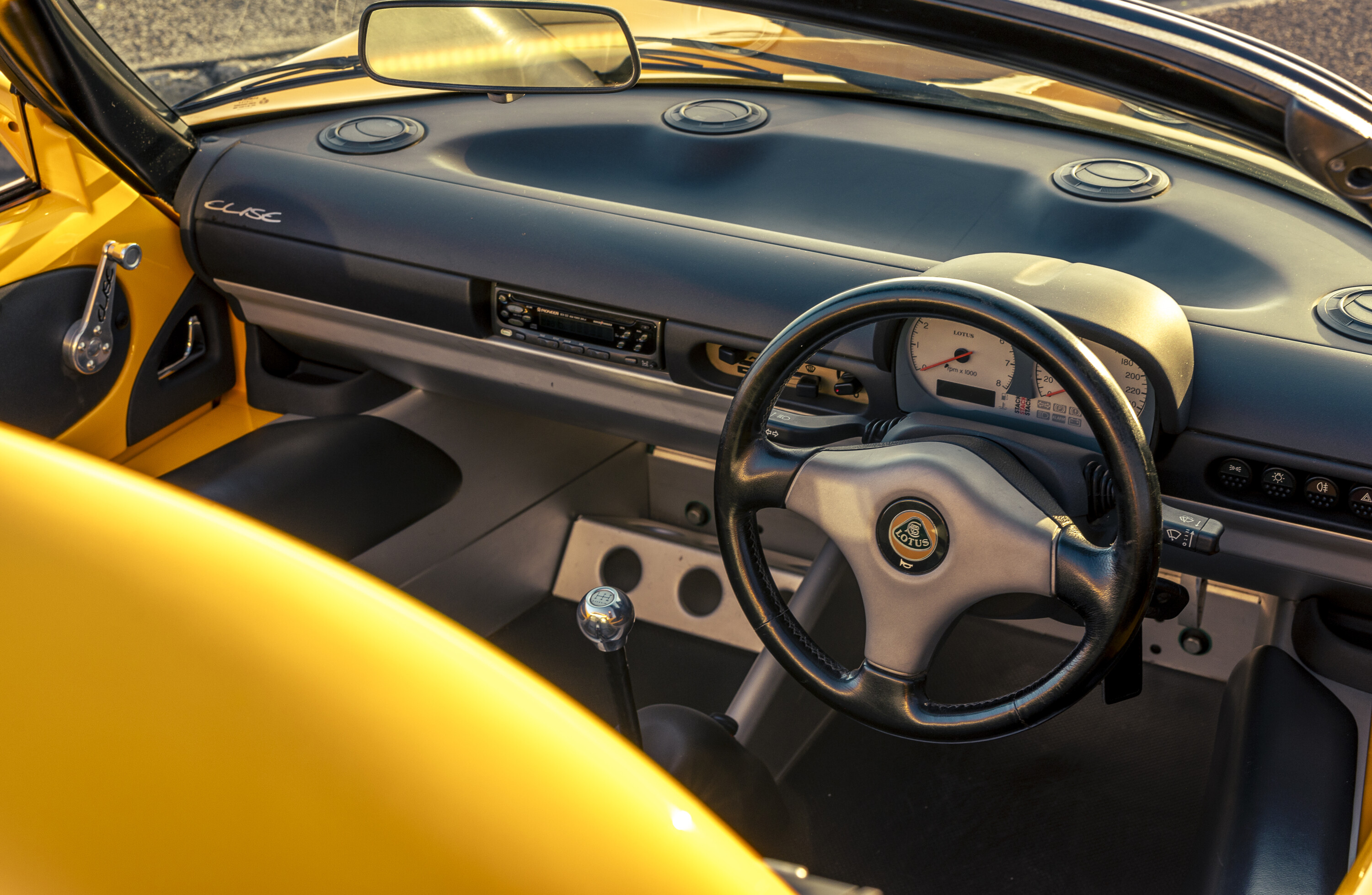
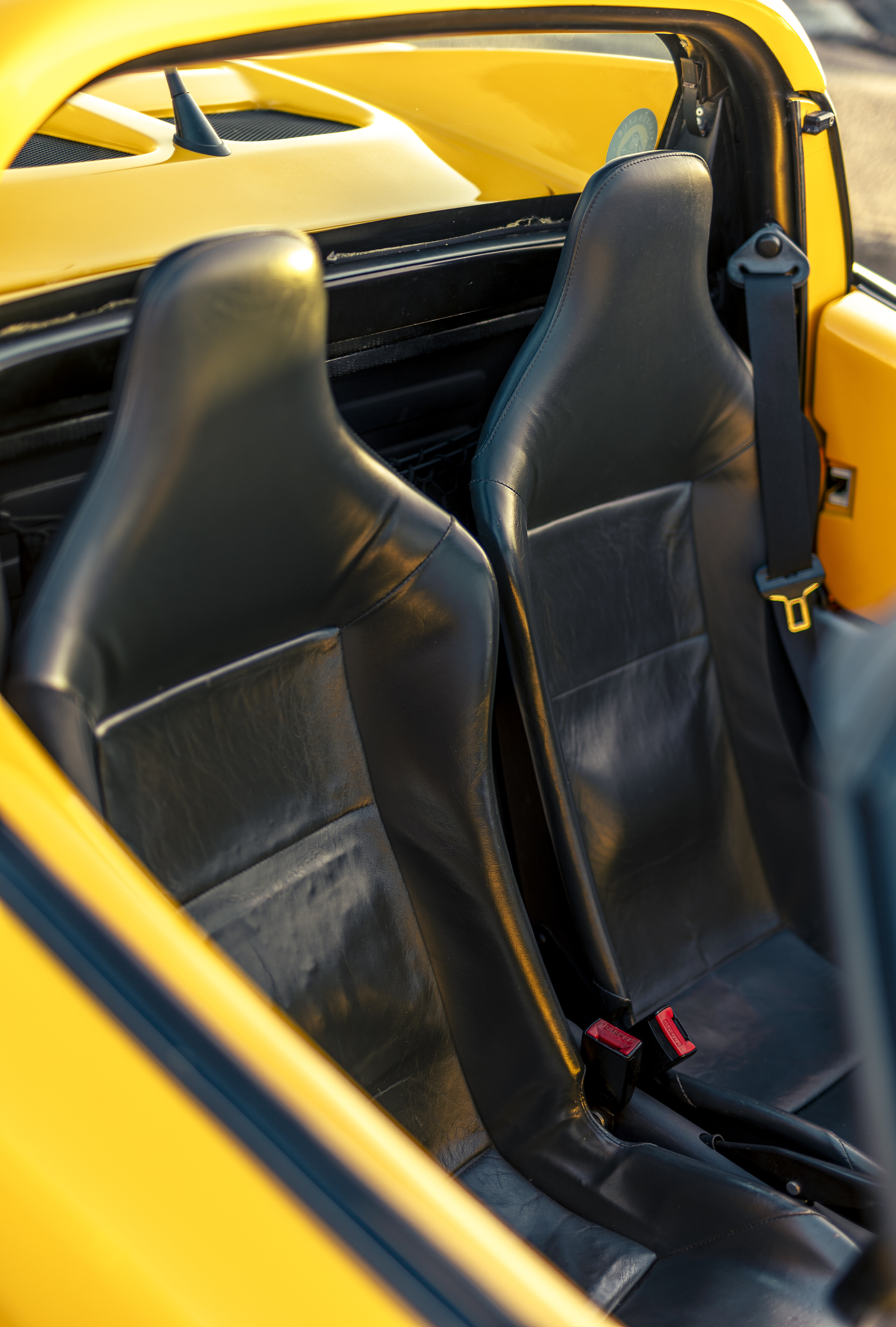
Then the brief changed. After the chassis had been signed off, Lotus decided that the Elise needed doors and a roof. If you’ve ever wondered why the Series 1 is so hard to get in and out of, well, there’s your answer.
1
1
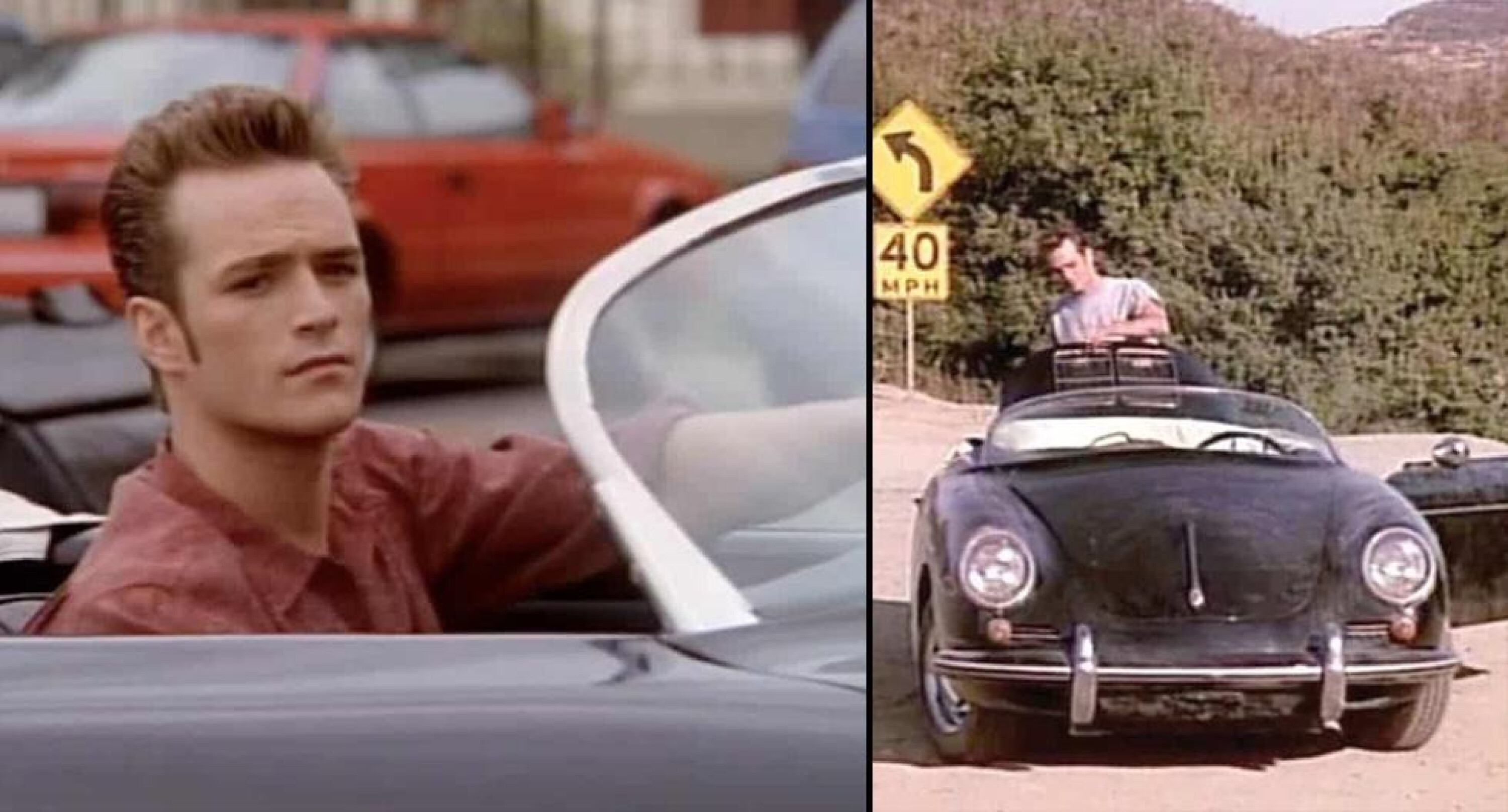
“I wasn’t so disappointed by the addition of doors, because with the cutaway sides it looked like a beach buggy and I wanted that purity of line,” noted Thomson. “I remember watching Beverly Hills 90210 and one of the characters had a Porsche 356 Speedster, and I loved the beltline and the way he sat so low.
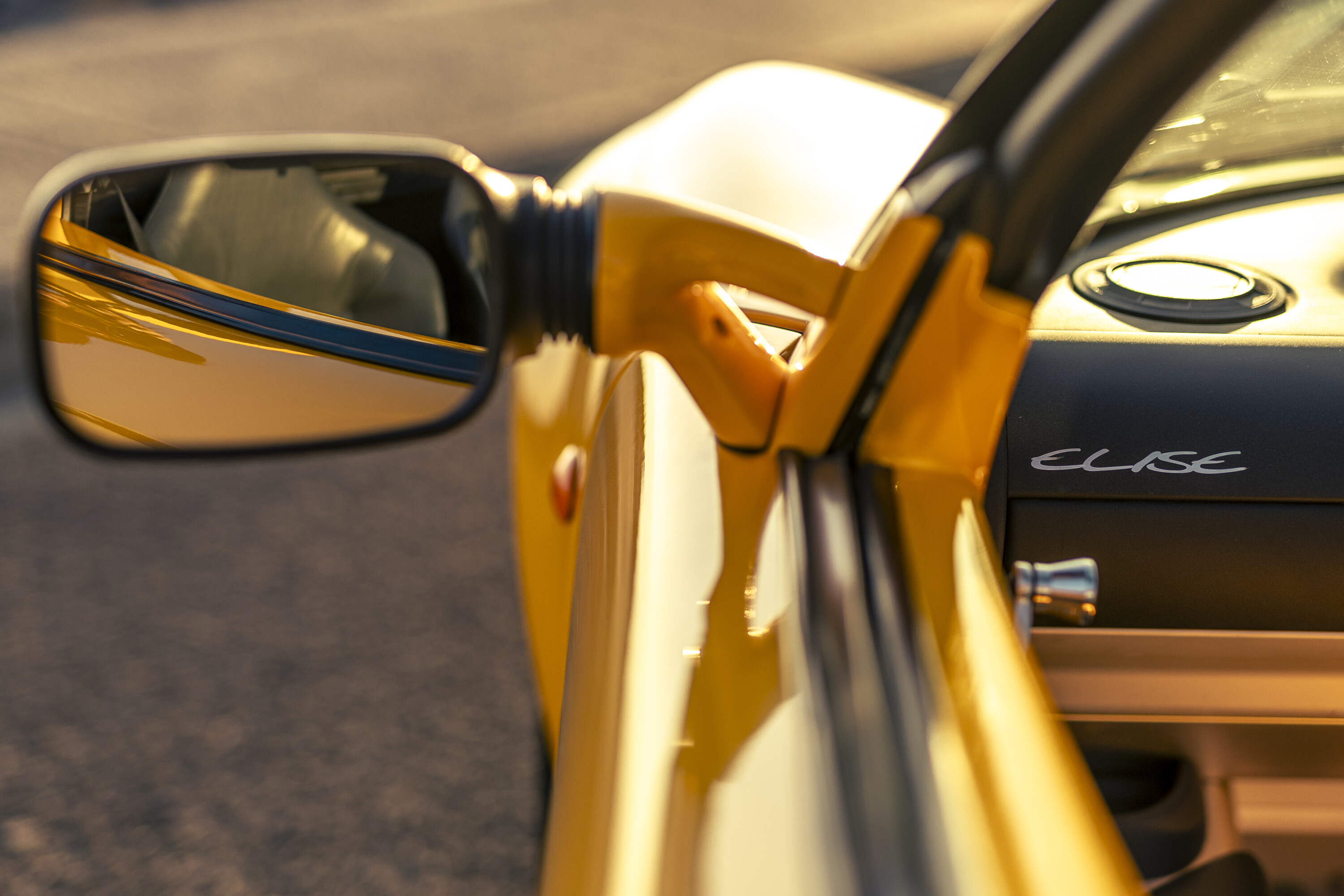
“There was also a lot of influence from motorbikes – the Honda CBR’s engine cover, Yamaha lights, and the filler cap, which Richard says was inspired by his Sunbeam motorcycle. All of the team was incredibly young and naïve to the sensibilities and practicalities of a car, but for this project that was a good thing.”
The Elise was unveiled at the 1995 Frankfurt Show. Wheels was there, our correspondent noting that “the styling looked far better than the earlier photographs, but to some rival designers it looked a little too kit-car, almost beach-buggy, in appearance.” He did note that the extruded aluminium tub was “a thing of sheer beauty, however.”
1
After the brief had been signed off, Lotus decided that the Elise needed doors and a roof
Thomson left Lotus to join Volkswagen in 1998, three years after the Elise was revealed in Frankfurt. The budget for his first project – a headlamp unit – was greater than that of the entire Elise. Yes, economies were made in order to bring the Elise to market, but it certainly wasn’t short on ingenuity.
Take the brakes. Talk to a real Elise hardcore and they’ll tell you that the only real Elise S1 is one with the metal-matrix-composite (MMC) brakes. Even today these feel like witchcraft. Rather than abrasive friction, these work on the principle of adherent friction.
In effect, the pads and discs swap material back and forth, and the largely aluminium discs are extremely light. As the pads transfer material to the disc surface, it is this layer that is broken down, not the disc itself.
The caveat is that under heavy braking, such as extended track use, the pads can abrade the disc coating faster than they build it up, which scores and ruins the discs. They also benefit from a quick tap in the wet to clear water from them first. Cars from December 1997 were fitted with inboard alloy rainwater deflectors which help somewhat.
In most regular use scenarios, the discs seem to last forever and won’t even leave brake dust. Lotus eventually relented (on grounds of cost and supply) to fitting iron brake discs from June 1998, which was a shame.
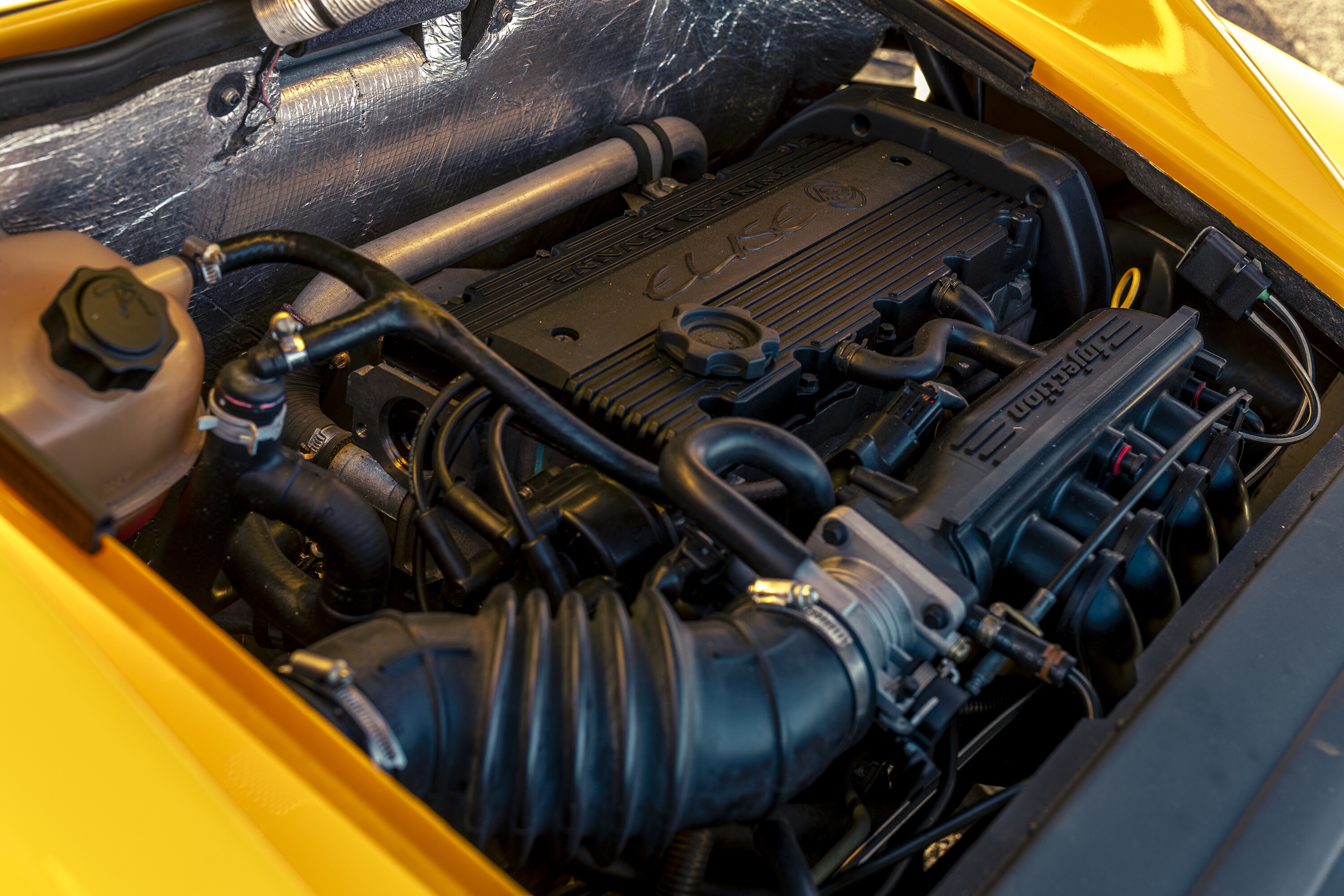
Even the much-maligned but relatively lightweight 1.8-litre Rover K-Series engine was a wise decision at the time. Early cars generated a mere 88kW, which was still enough to scuttle the featherweight Elise to 100km/h in 5.8 seconds.
Yes, head gaskets, we know. Amazingly, the launch edition of the car was priced almost identically to the comparatively porcine and commonplace MGF.
1
The Series 1 wasn’t short of versions
Aside from the launch edition, there was the Sport 135 (November 1998), the 50th Anniversary and 111S (January 1999), the JPS edition (July 1999), the Millennium and Type 49 editions (October 1999) and the Sport 160 (February 2000). That’s even before you consider the exotic and expensive 340R (January 2000) and the hard-topped and hardcore Exige (July 2000).
My very first job as a motoring journalist involved driving Lotus’s Elise Series 1 press car. It was a wholly bewildering experience to step into a car that did things that you had no comprehension road cars could do.
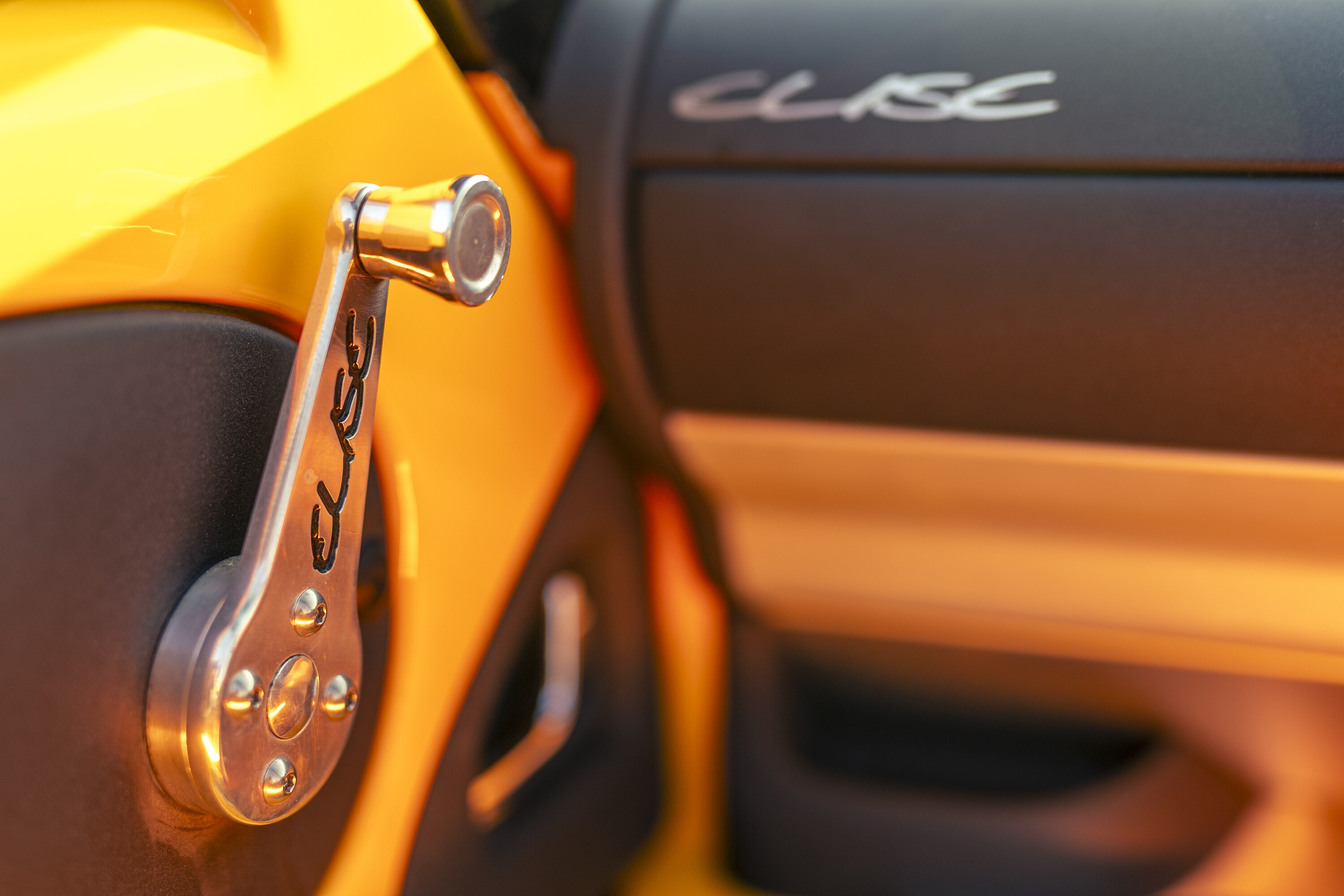
1
Laps of the Hethel test track with Lotus chassis engineers Matt Becker and Gavan Kershaw demonstrated what this car could additionally do with somebody competent at the wheel.
I still shake my head in amazement at how anybody could hold a mid-engined car with no limited-slip differential in such balletic slides.
The Wheels test team was similarly entranced when they got to drive the Elise S1 in a handling test against performance cars both on road and at the Croft circuit in October 1996. The Lotus was the unanimous pick of every judge on the team.
Becker would later clue me in on parts of the development back story. “The reason you’re having difficulty heel-and toeing is because the brake pads have gone banana-shaped,” he’d mutter. Speaking to Lotus people at Hethel, you got to learn some details, such as the relative shortcomings of the standard Koni shock absorbers compared to Bilsteins.
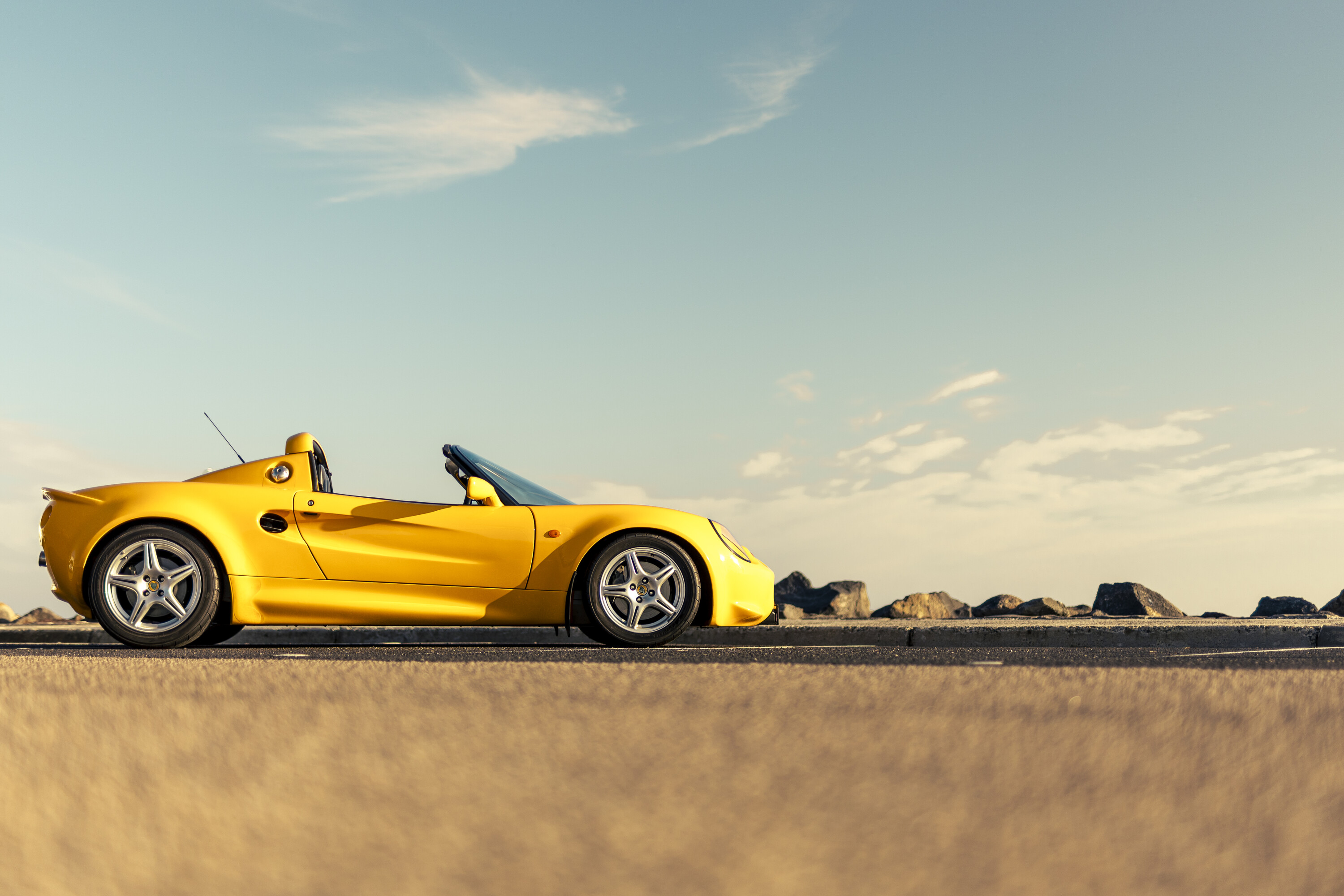
1
The Elise was advanced in some areas, but others were still surprisingly homespun.
The body shop seemed to be largely composed of ladies with cigarettes hanging out of the corner of their mouths cutting fibreglass from reels with kitchen scissors.
This laborious manual process created a bottleneck in production capacity. Demand outstripped the factory’s ability to supply bodies and this issue was, in part, responsible for the death of the Elise Series 1. Its successor’s body was supplied by Sotira in France which utilised a resin transfer moulding process that produced panels both stronger and lighter than hand-laid fibreglass/fag-ash.
The Series 2 was built in a far more modern ISO-9000-certified facility designed to handle US sales, with a capacity of up to 5000 units per year on a single-shift. This followed demand from former owners General Motors for their own version of the Elise in 2000, badged Vauxhall VX220 in the UK and Opel Speedster in overseas markets.
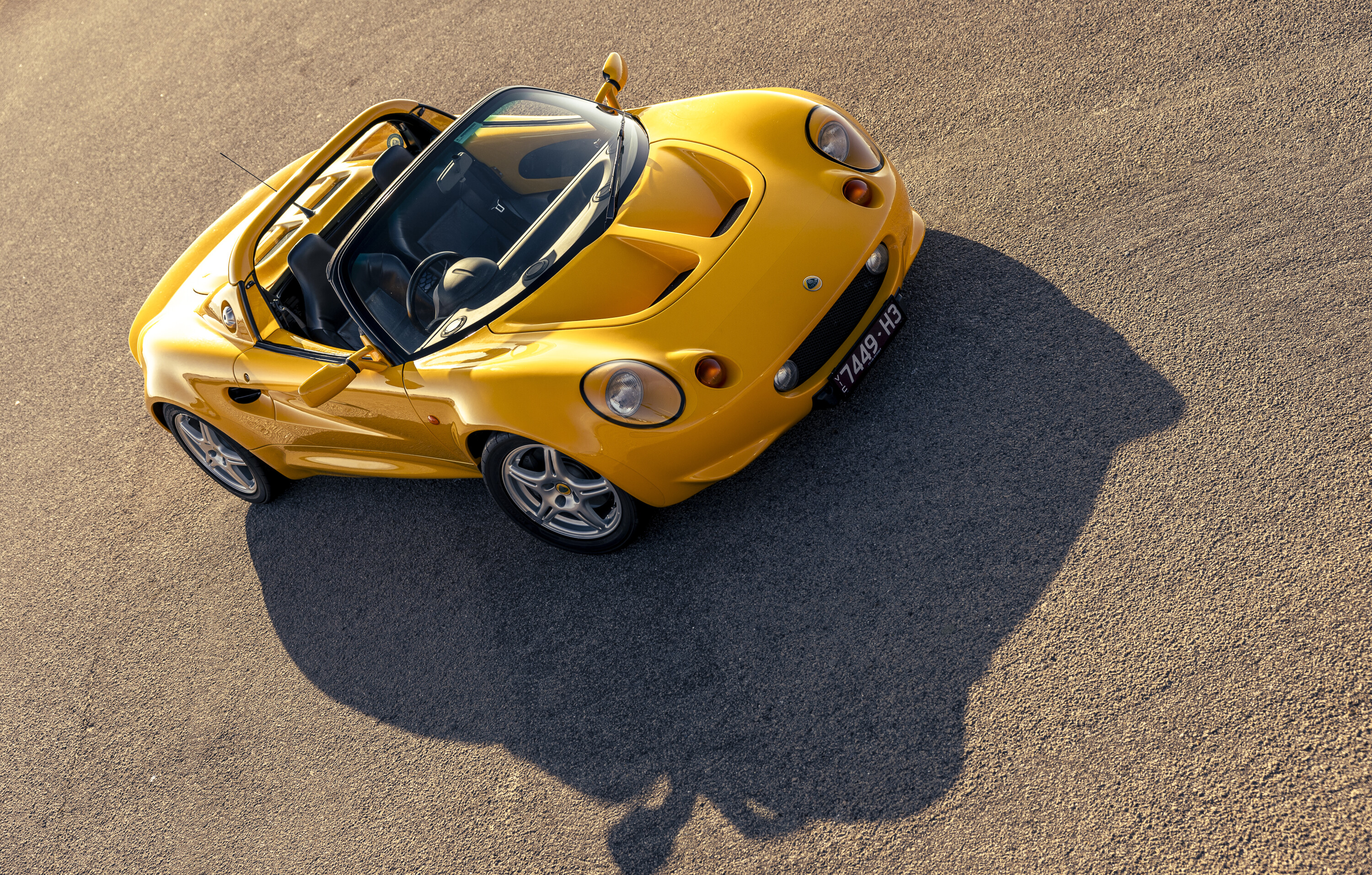
1
Perhaps we’re getting ahead of ourselves a little. One of the most remarkable things about the Elise Series 1 was the cloud it was born under.
Lotus had never exactly enjoyed a blue-chip financial history and the purchase of the business from General Motors by Romano Artioli’s ACBN Holdings on August 1993 only provided a shoestring financial budget with which to develop the Elise.
When the car appeared at the ‘95 Frankfurt Show, Artioli was due in the Modena bankruptcy courts the very next week. As a result of his financial travails, Romano never got to enjoy the fruits of the Elise’s success, Proton swooping to net a majority stake in the company in 1996.
At this point, it’s worth defining exactly what ‘the company’ was. Group Lotus traditionally comprised a division that made money, called Lotus Engineering, and one that excelled at losing it: Lotus Cars. The Elise changed that script and introduced a new issue, namely that of build capacity.
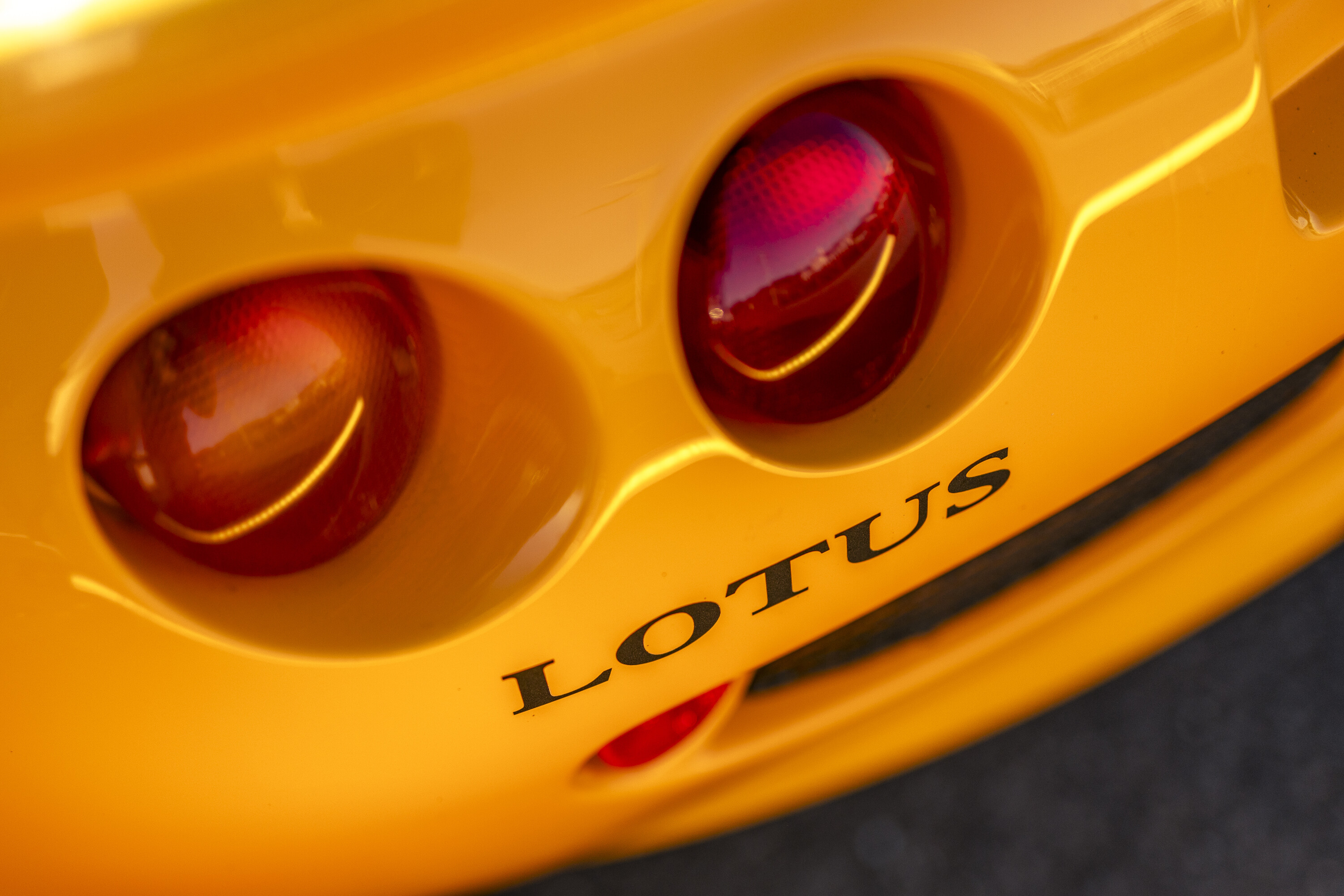
1
When Artioli took the helm in 1993, he paid a mere £30 million. By 2017, Geely valued 51 percent of the company at £100 million, nearly seven times what pre-Elise Lotus was valued at
When Artioli took the helm in 1993, he paid a mere £30 million. In 1996, Proton decreed that 80 percent of Lotus was worth £51 million and by 2017, Geely valued 51 percent of the company at £100 million, nearly seven times what pre-Elise Lotus was valued at.
Despite this, the Elise itself wasn’t a transformative car from a financial perspective. It didn’t write a rags to riches story in and of itself. What it did was buy the company time. Time to reorganise, time to restructure and time to find the strategy that would transform its outlook.
Last year, due to supply issues and a planning glitch which saw it sell only one model, Lotus sold just 567 cars and lost £145 million. It now enters a new electrified era with cars like the Eletre and the Evija.
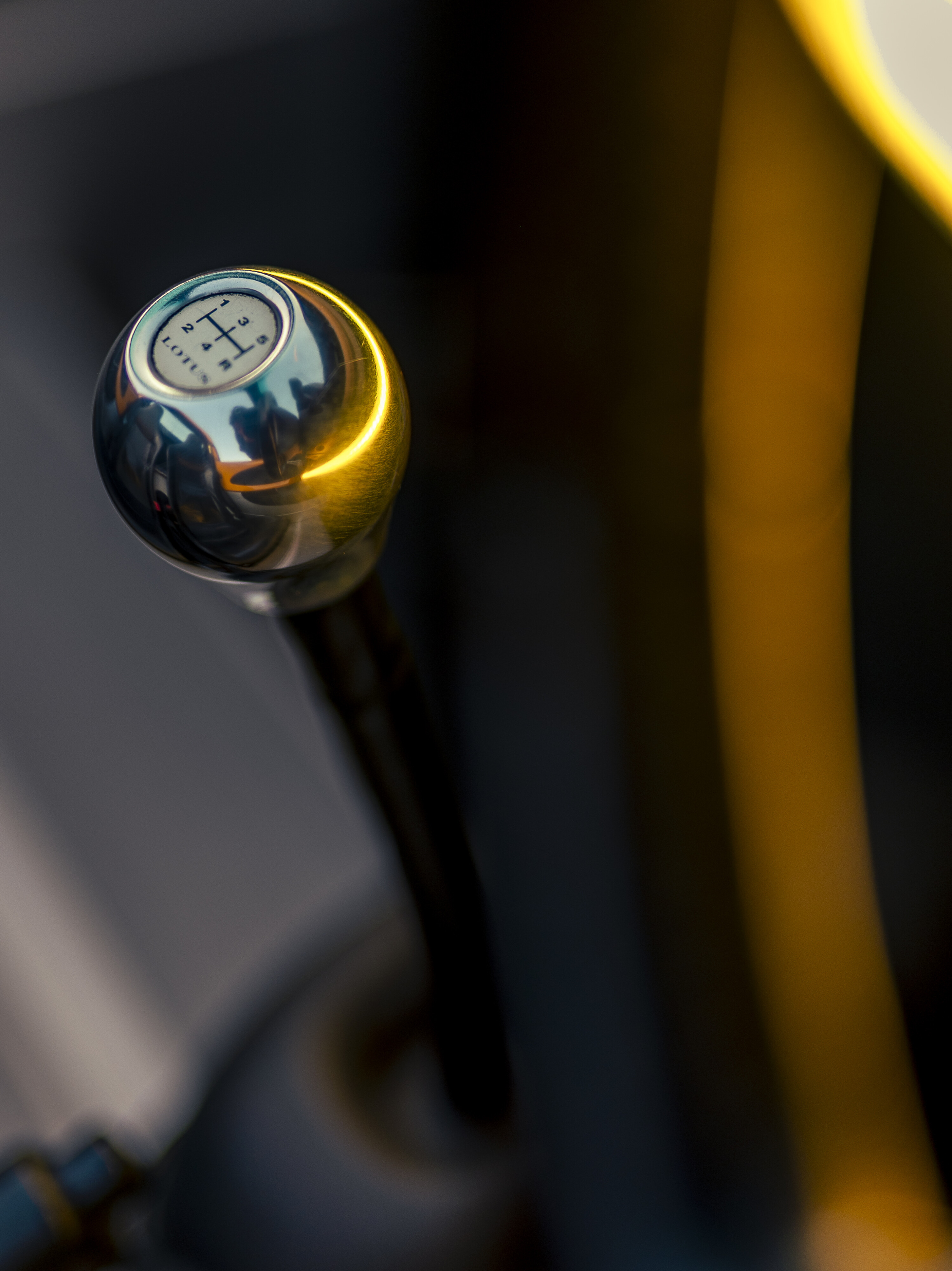
1
There’s a huge task ahead, yet Lotus owes everything to a team of freezing engineers who gave up their Christmas to make sure that the Elise project stayed on track.
The project was bankrolled on the basis that it could perhaps notch up 3000 sales.
Over its lifespan, the Elise and its variants sold over 35,000 units. Weighing less than a third of a current Eletre, the Elise projected a very Chapman set of values into the 21st century. Its legacy is secure. It’ll be remembered as one of greatest sports cars of all time.
Elise, Mort À L’Arrivee
I was there when Lotus’s then-boss Dany Bahar went on a mad splurge at the 2010 Paris Show.
Launched in parallel were advanced design studies of a new Esprit, an Elite, an Elan, the Eterne sports sedan and the Elise that never was.
Oh yes, and an Ethos city car concept and two new versions of the Evora. The Elise Concept was chunkier and more sophisticated than the Series 2 production model and featured a more powerful 2.0-litre inline-4 engine.
Rapper Swizz Beatz (better known as Mr Alicia Keys) wangled a lucrative side hustle as a design consultant. It all looked hilariously overambitious. It was. Bahar got the boot less than 24 months later.
MORE
Everything Lotus
| Lotus Elise Series 1 | |
|---|---|
| Engine | Engine 1796cc 4cyl, 16v |
| Max power | Max power 88kW @ 5500rpm |
| Max torque | Max torque 165Nm @ 3000rpm |
| Transmission | Transmission 5-speed manual |
| Weight | Weight 690kg |
| 0-100km/h | 0-100km/h 5.8sec (claimed) |
| Price (now) | Price (now) $10K-$15K |
Last month, the good people at VicRoads informed me I had been nominated for another speeding award, and won.
I’ve taken to calling them awards as part of a self-preservation strategy that’ll hopefully prevent me going all ‘Cool Hand Luke’ on the council one evening and reclaiming the equivalent value of fines in destroyed parking meters.
This latest acknowledgement of my exceptional speeding ability was, once again, not the result of a wanton flouting of the law but a simple misunderstanding of a speed zone – how was I supposed to know this particular industrial estate was 50km/h as opposed to all the other 60km/h zones? I mean, other than the signs dotted everywhere.
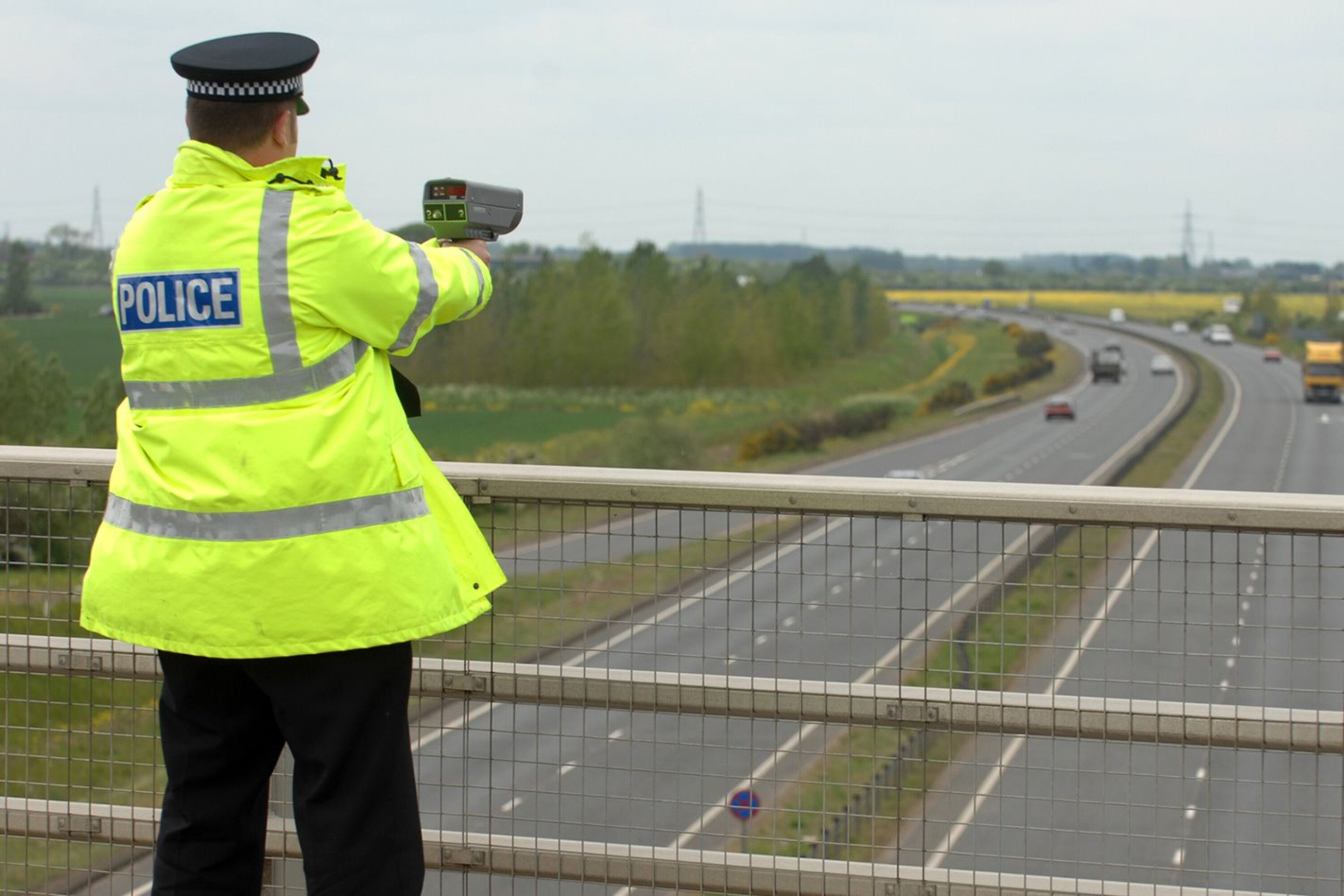
1
The award letter that now sits proudly on display (and paid) in the shredder has got me thinking once again that we might have got the system all wrong in Australia.
Cases like mine – where the offender honestly believes they are adhering to the law – are harder to prevent, but I believe incidents in which drivers are aware of the maximum limit and choose to deliberately break it are much easier to tackle. This flash of inspiration came from, of all places, Andorra.
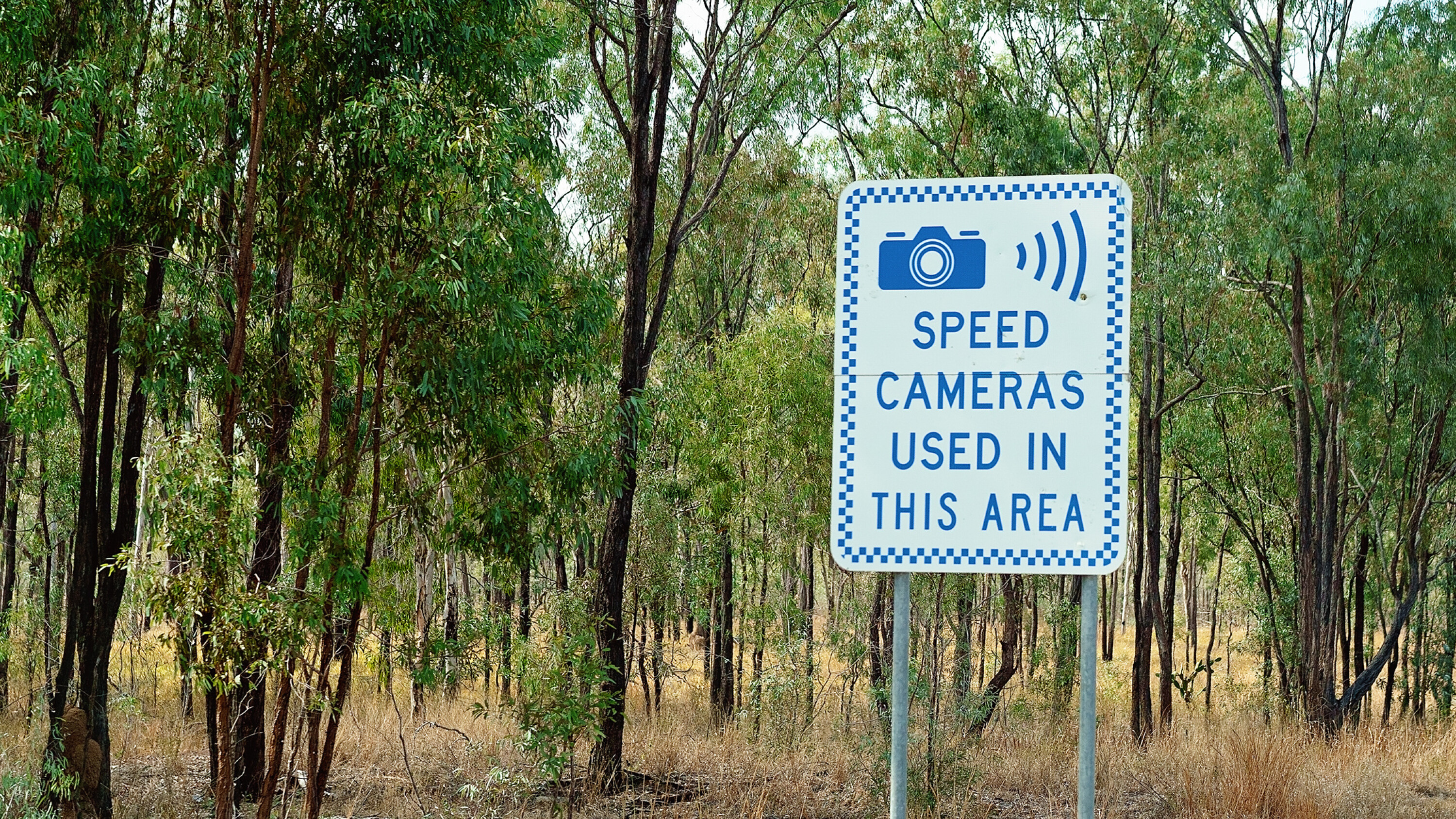
Although the sleepy former tax haven nestled in the Pyrenees between France and Spain isn’t exactly known as a leader in anything automotive, it does have a few intriguing traffic control policies.
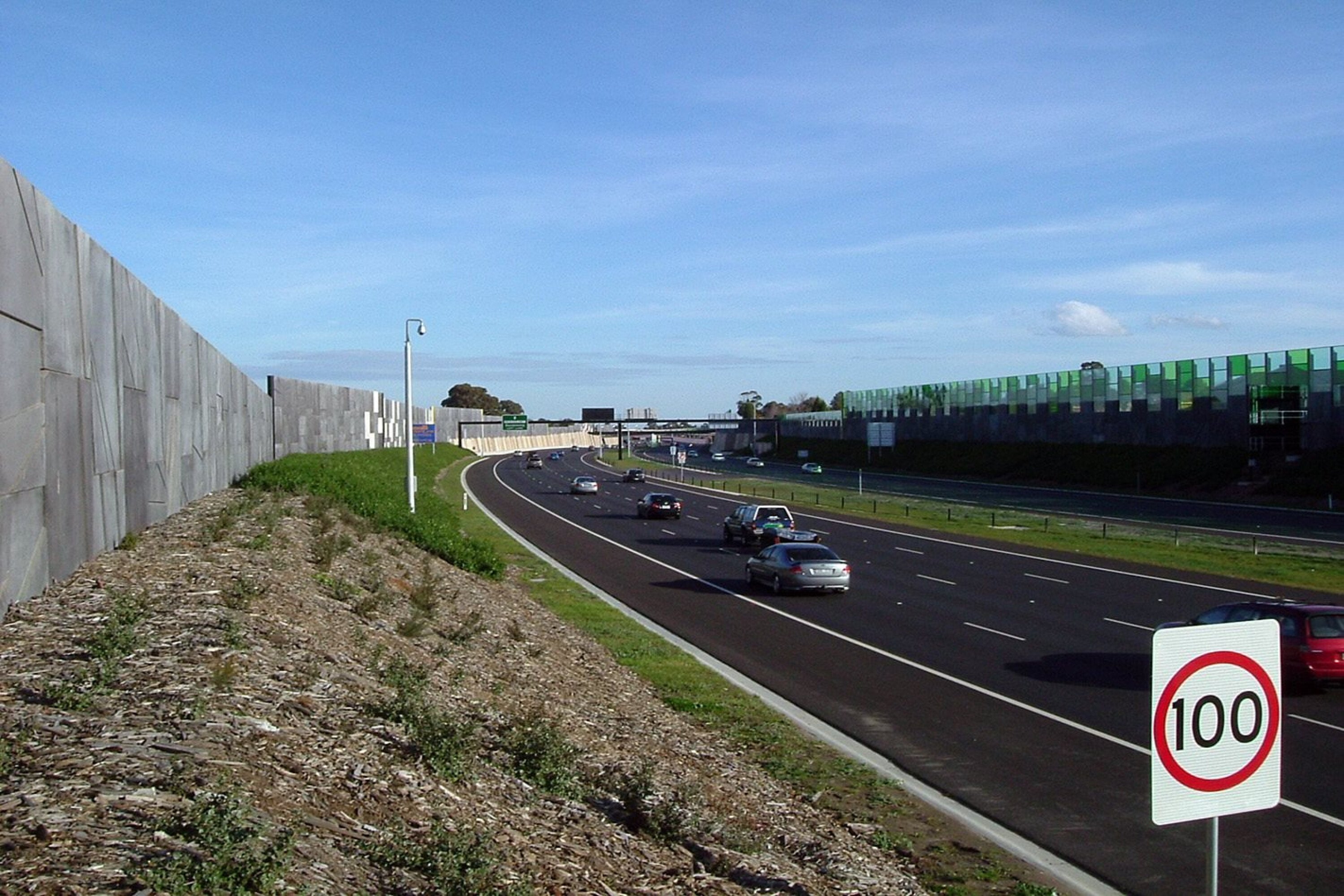
Like Australia, the principality has roadside speed-detection devices. But instead of filling a Kia Sorento with them, in Andorra, they’re connected to traffic-light control systems. Approaching an intersection in excess of the speed limit will see the lights turn red, and your trip is guaranteed to take longer. It’s amazing how well something this simple works.
1
In Andorra, approaching an intersection in excess of the speed limit will see the lights turn red, and your trip is guaranteed to take longer
The sheer anger of a ridiculously inflated speeding fine and penalty points that’s typical even of a minor infringement in Australia makes me want to rebel against the system and do anything but comply – while, conversely, a minor inconvenience like three red lights in a row has me following the rules like a North Korean civil servant. But it gets even better.
Andorra also has a variation of the system where instead of a red light, creeping over the speed limit prompts a large digital screen to display an emoji according to your speed.
Initially I couldn’t work out why I was seeing a high-definition, full colour sad-face flashed at me, but as I dropped under the limit, it turned to a wink emoji. Other times it was a kiss being blown at me.
1
I can’t explain why it was so effective, but it seems this more human or personal touch makes drivers care more about their behaviour than a malodorous schlub sitting in a people mover and then a letter turning up two weeks later.
The beauty of Andorra’s system is that it deals with both kinds of speeders.
Those who want to deliberately drive faster than the limit will do so if they’re also willing to run a red light as well. This, of course, is an even bigger gamble that most choose to avoid.
And those drivers who innocently add on 10km/h thinking they’re still within the law will get a friendly cartoon asking them to slow down, not some jaded old traffic cop looking to bag one last big ticket for the Christmas party coffers before they retire.
According to the clever sport readout, I all but equalled my personal best lap times at Phillip Island – but on the ride home, I felt like I’d only scratched the surface of the S 1000 RR Race’s track capabilities
JUMP AHEAD
- How much is it, and what do you get?
- Where is this model in its lifecycle?
- How do rivals compare on value?
- Build quality and comfort
- What is it like to ride?
- How is it on fuel?
- How safe is it?
- VERDICT
- Specifications
1
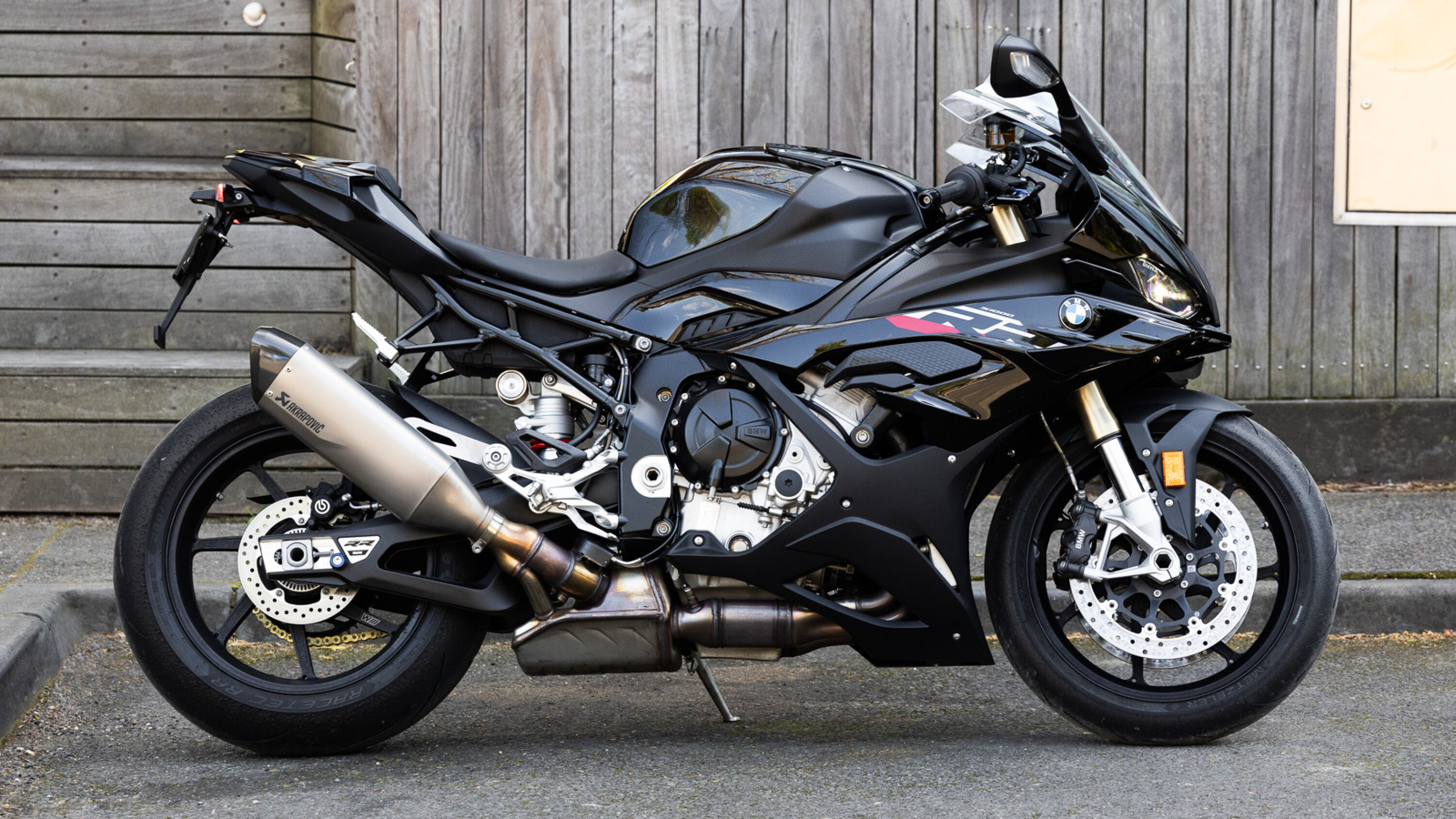
How much is the BMW S 1000 RR, and what do you get?
This ‘Race’ version will set you back $31,690 – about $4k more than the base machine.
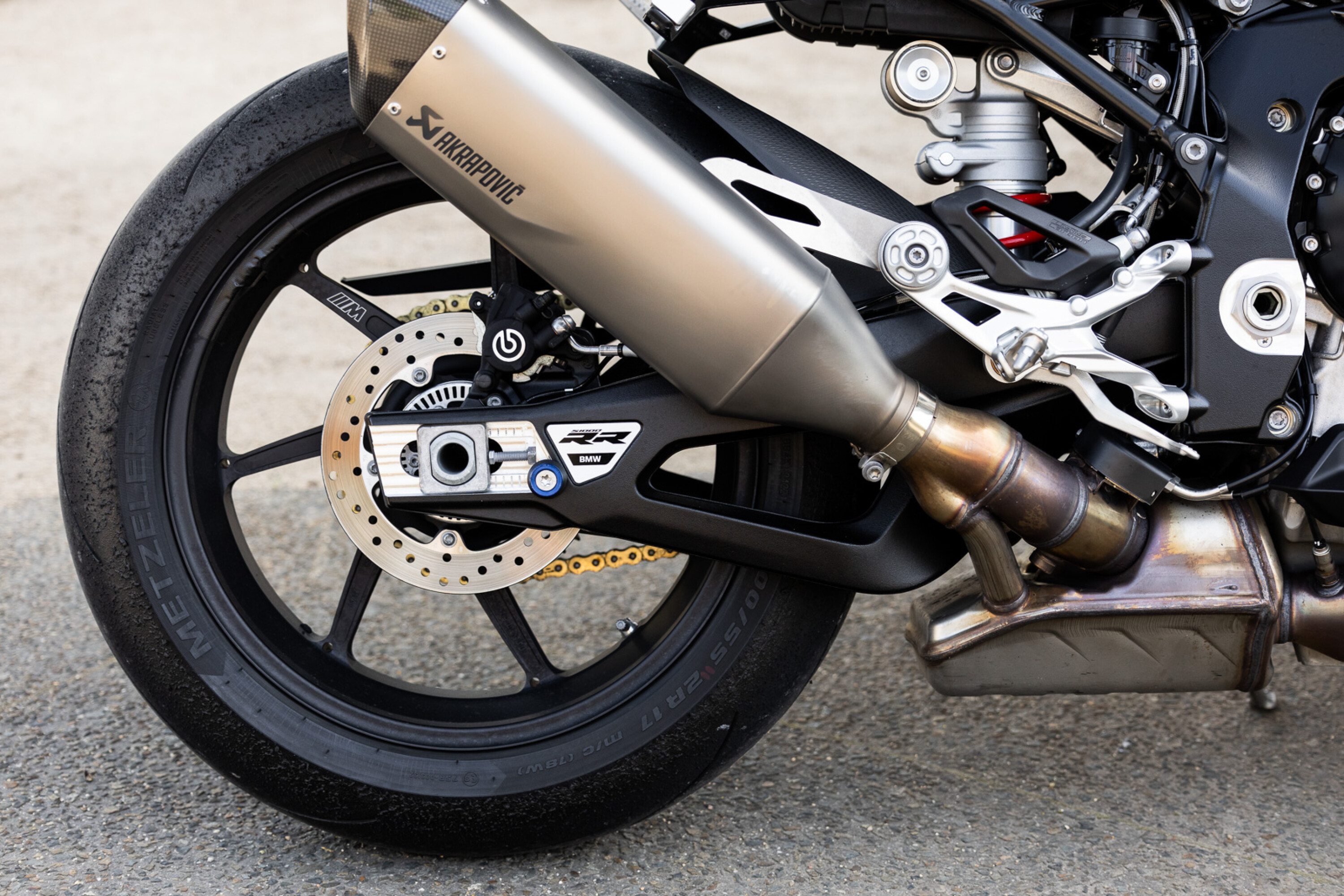
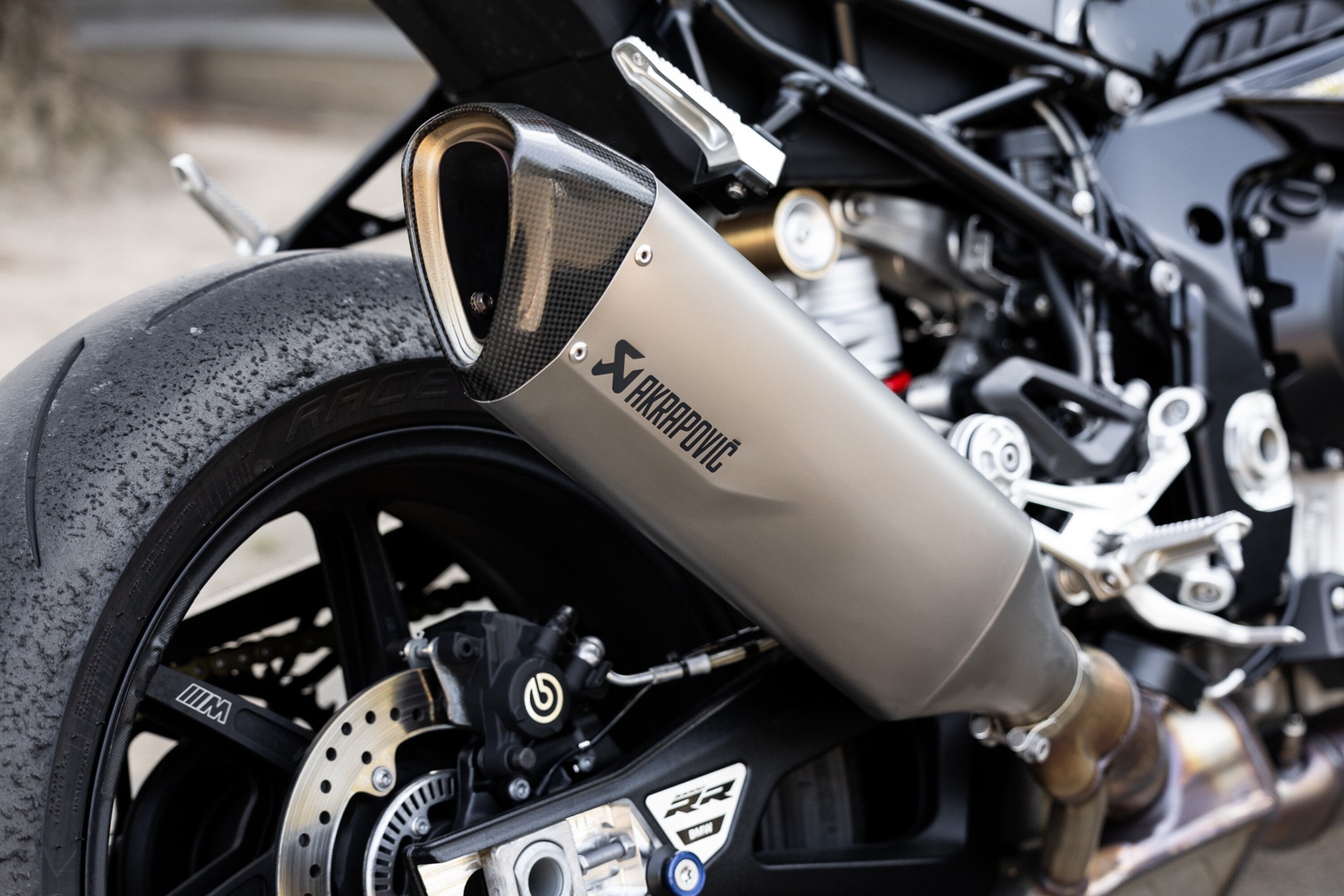
That extra coin nets you the Dynamic Package goodies (Dynamic Damping, heated grips, cruise control and Riding Modes Pro), along with M forged wheels, sports silencer, tyre pressure monitoring, M endurance chain and a head-spinning array of standard features (see below).
| 2023 BMW S 1000 RR Race features | |
|---|---|
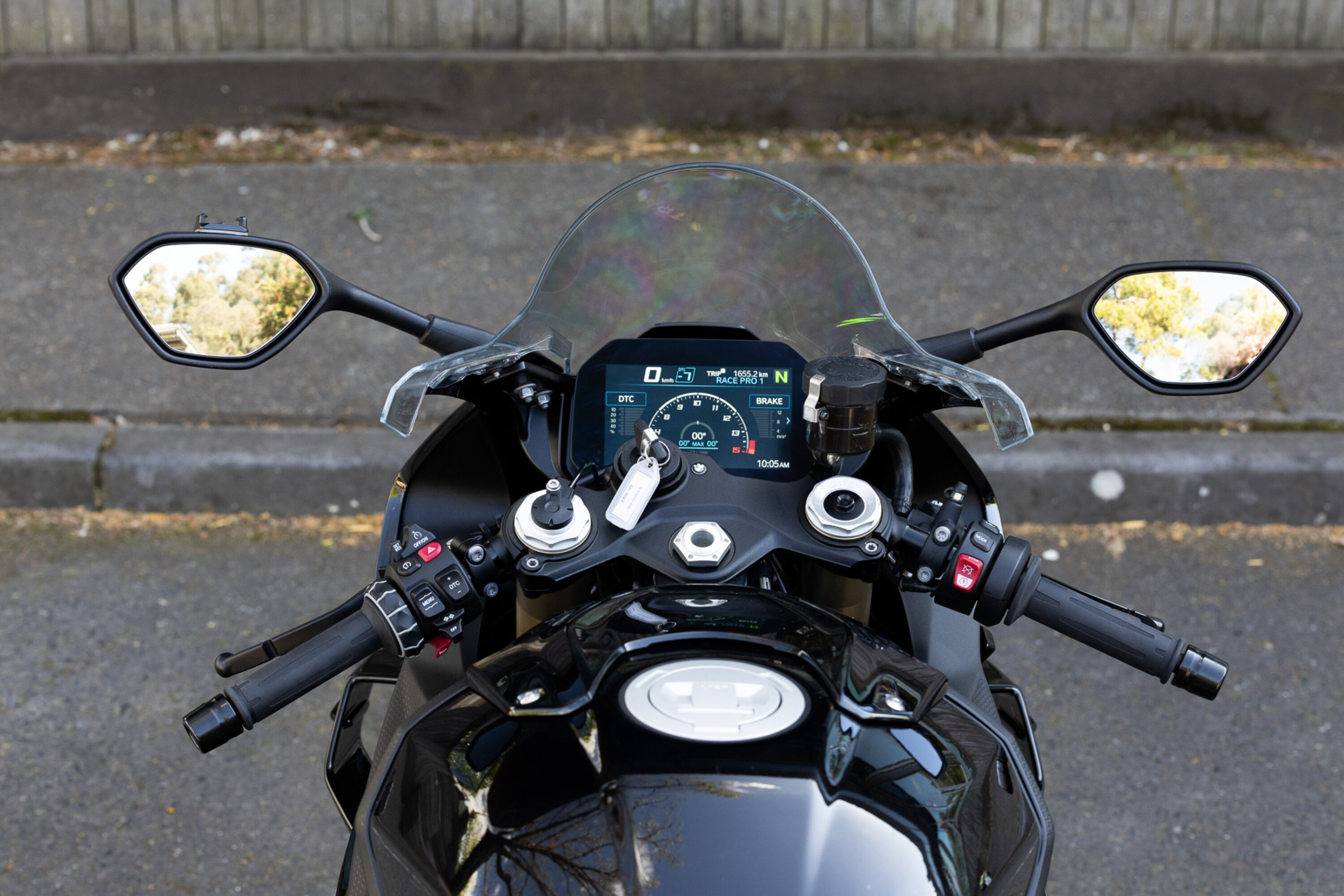
| 6.5 inch TFT display with Bluetooth connectivity | Riding Modes Prou00a0 |
| Sports display with lap timer and lean angles | Cruise control |
| Navigation (When linked to BMW Motorrad Connected app) | Heated grips |
| Dynamic Traction Control (DTC) | Dynamic Damping Control (DDC) |
| Quickshifter (up and down) | Launch control and pit lane limiter |
| Hill start assist | USB port |
1
Where is this model in its lifecycle?
The 2023 S 1000 RR borrows componentry previously only found on the top-spec M 1000 RR, along with some bespoke updates all of its own.
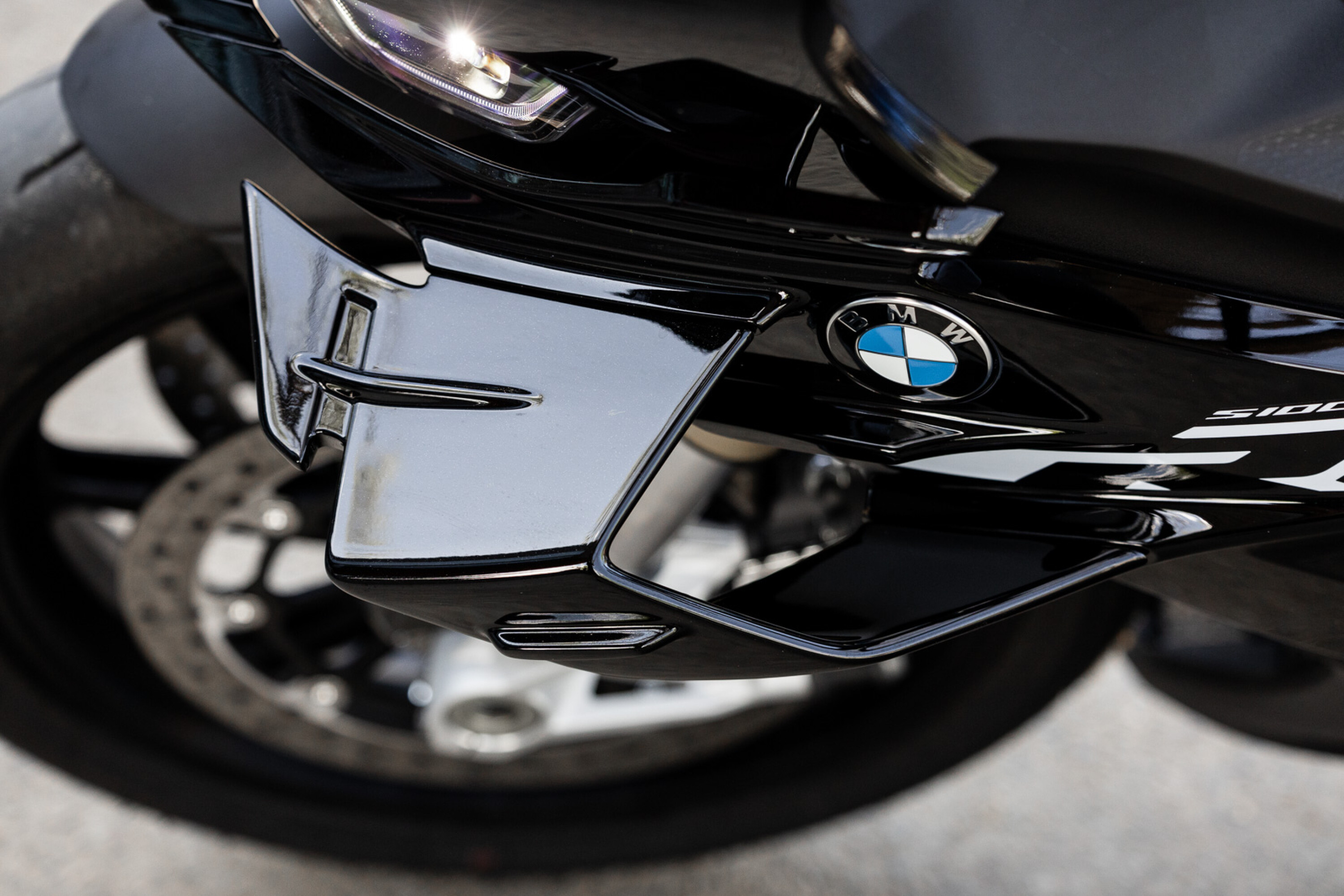
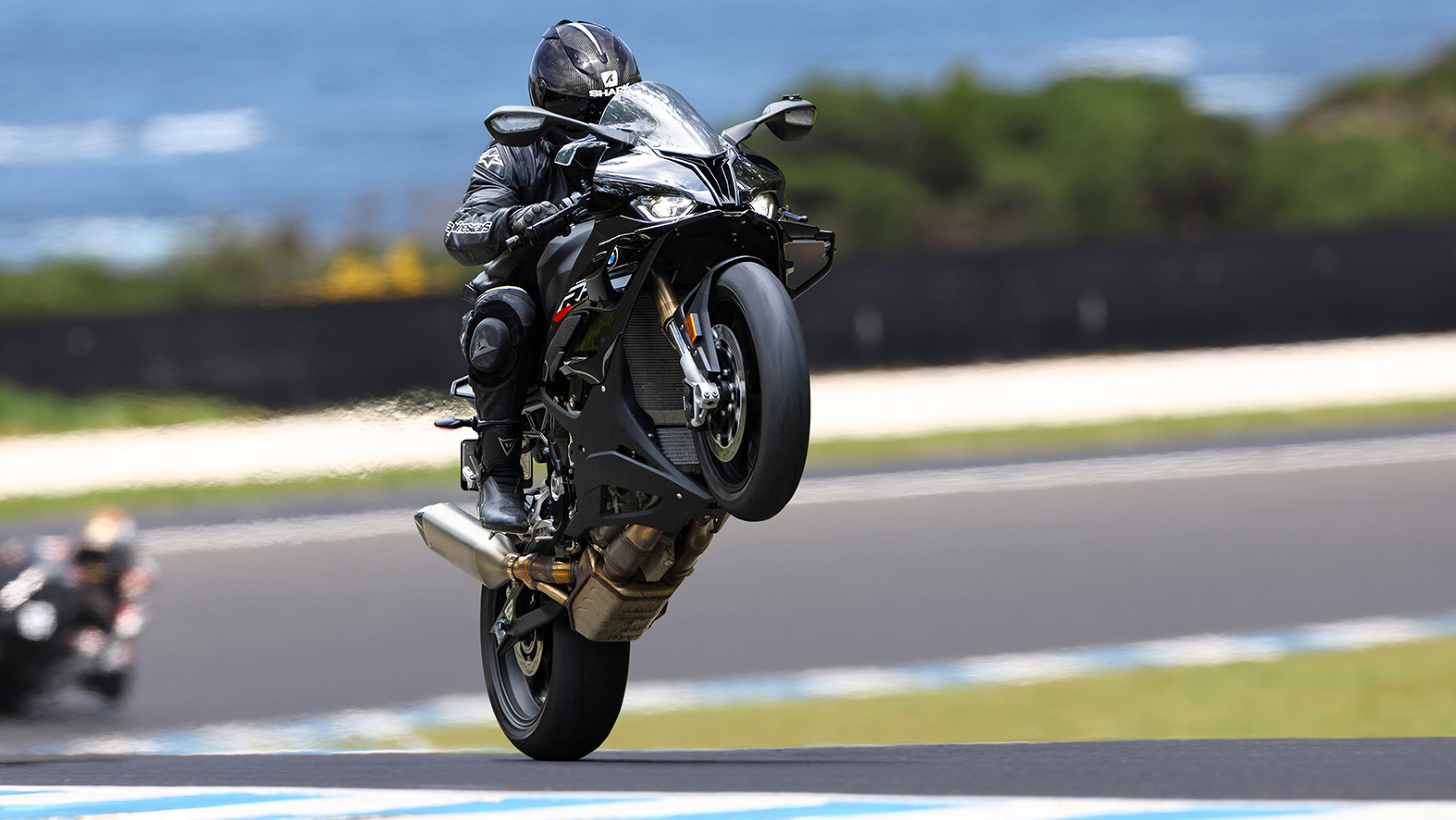
The biggest visual changes are the taller screen and new aero winglets that adorn the fairing below the glaring LED framed headlights which, combined with the Black Storm Metallic paint, give this example a purposeful, weapons-grade aura.
Beneath the sharply styled fairings, the 1000cc inline four-cylinder motor gets a hike in power to 154kW, while the chassis also gets sprinkled with M Sport seasoning including upgraded brakes, battery, and suspension components.
2
The Dynamic Package electronics suite now includes Dynamic Damping Control (DDC), which adjusts the front and rear damping by interpreting changes in ride height signals on the fly.
It comes with four preset levels depending on the ride mode (Rain, Road, Dynamic or Race), and can be further configured in the new Race Pro riding modes.
Advancements to the DTC and ABS Pro systems, along with addition of a new steering angle sensor, mean the S 1000 RR now also comes with Slide Control and Brake Slide Assist functions, theoretically allowing its pilot to imitate GP stars by drifting into and out of turns.
1
How do rivals compare on value?
Gone are the days when European models were more expensive than their Japanese counterparts, with Honda, Yamaha, Kawasaki and Suzuki all raising prices significantly over the past few years.
Of those, Kawasaki’s 156kW ZX-10R ABS and Yamaha’s 147kW YZF R1 get closest in terms of features and price at $29,097 and $29,349, respectively, while the pasta-slinging rivals weigh in at $31,990 for the 162kW Aprilia RSV4 1100, and $35,600 for the 160kW Ducati Panigale V4.
In order to access semi-active suspension with any of the above brands you’d need to stretch to their more premium model variants, pushing prices into $40k territory, or a wallet-combusting $55,536 in the case of Honda’s CBR1000RR-R SP.
1
BMW S 1000 RR build quality and comfort
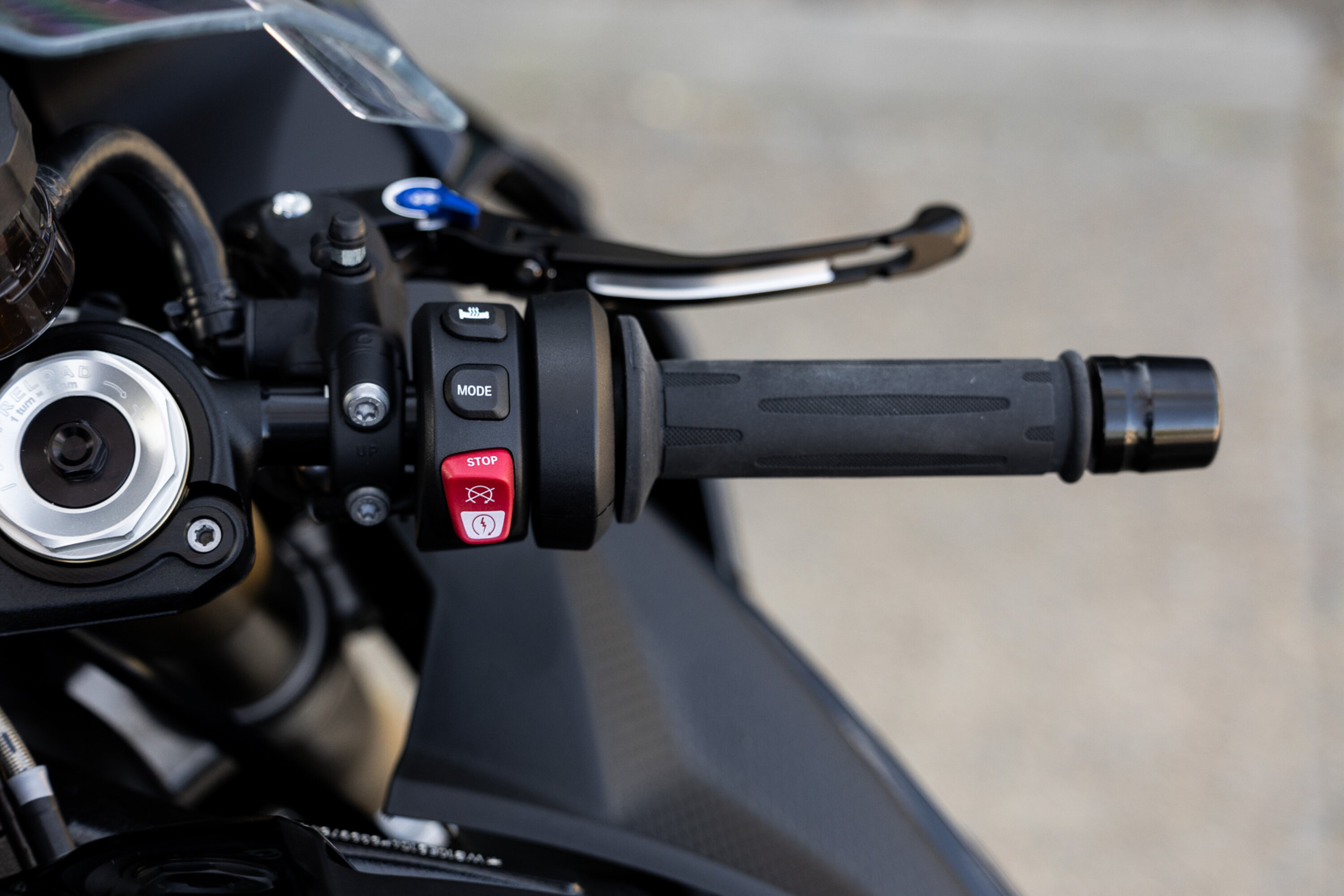
The fit and finish feels precise and bulletproof, with touchpoints such as the clutch, brakes, throttle and switchblocks all reassuringly solid and consistent.
Despite the plethora of functions and configurability, the beautiful and intuitive digital display interface mean you won’t get lost down an electronic rabbit hole.
1
The S 1000 RR is actually more accommodating than most crotch rockets
You might imagine a thoroughbred supersports machine with ‘Race’ in its title would be about as comfortable as a fence post with handlebars, but the S 1000 RR is actually more accommodating than most crotch rockets, with a seating position that feels natural rather than medieval.
Though no true sportsbike could be properly described as comfortable, a single-day blast to a Phillip Island trackday from Melbourne was made feasible without the need for a spine realignment procedure afterwards, thanks to simple-to-use conveniences like heated grips, softer damping presets and cruise control.
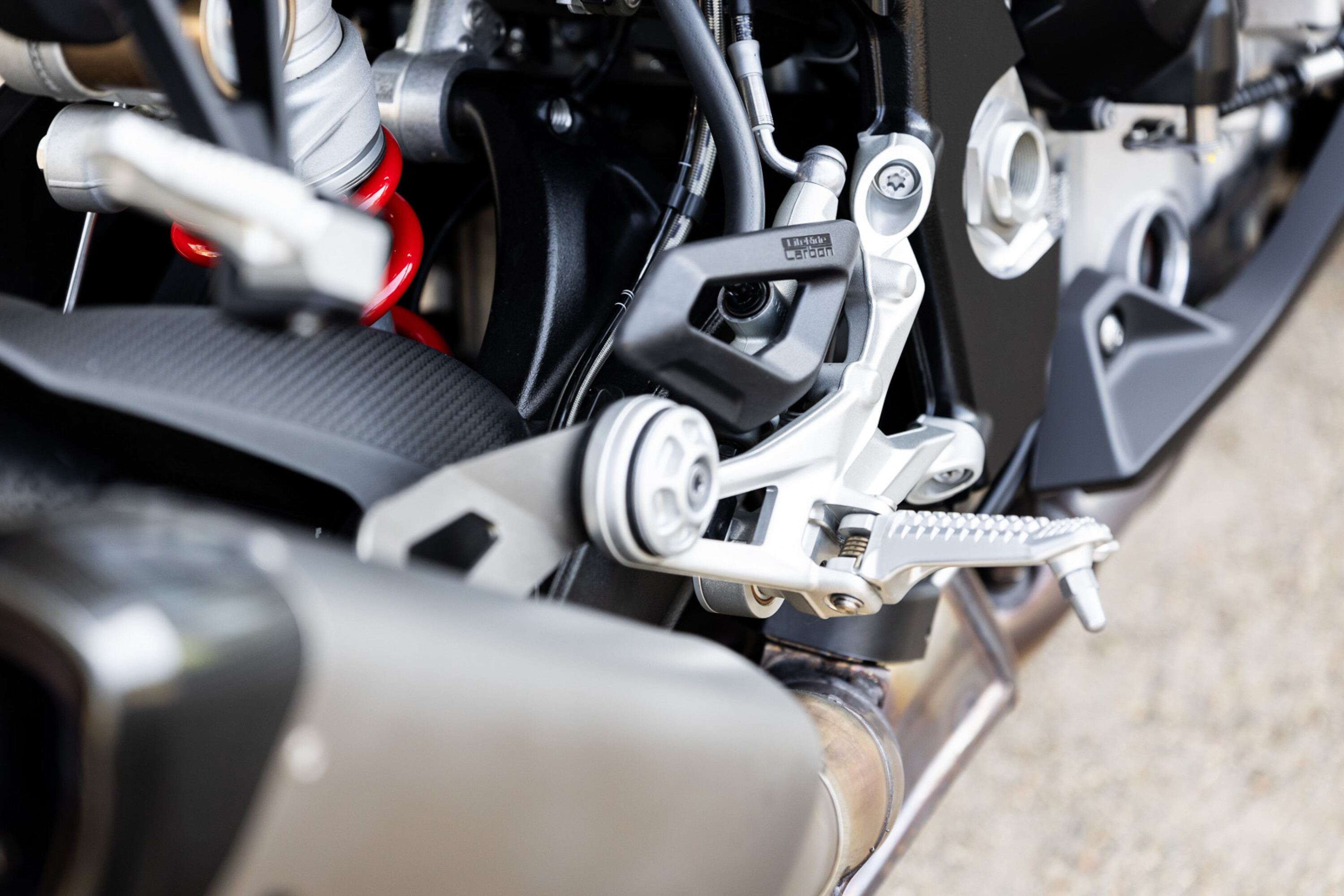
The only slight gripe is that the right heel guard places my foot slightly wide on the peg, though this was more of an issue while wearing armoured race boots.
2
What is the BMW S 1000 RR like to ride?
It won’t come as a surprise that the RR possesses mind-scrambling acceleration and power, but what’s really staggering is how well the updated chassis and electronics allow you to harness all that potential.
With the highest average speeds of any MotoGP track, the Phillip Island GP circuit demands a stable but communicative chassis to be attacked with fervour. Hayshed in particular has an ultra-fast entry speed without much exit room, and it’s not generally a section where I have the confidence to get my knee down.
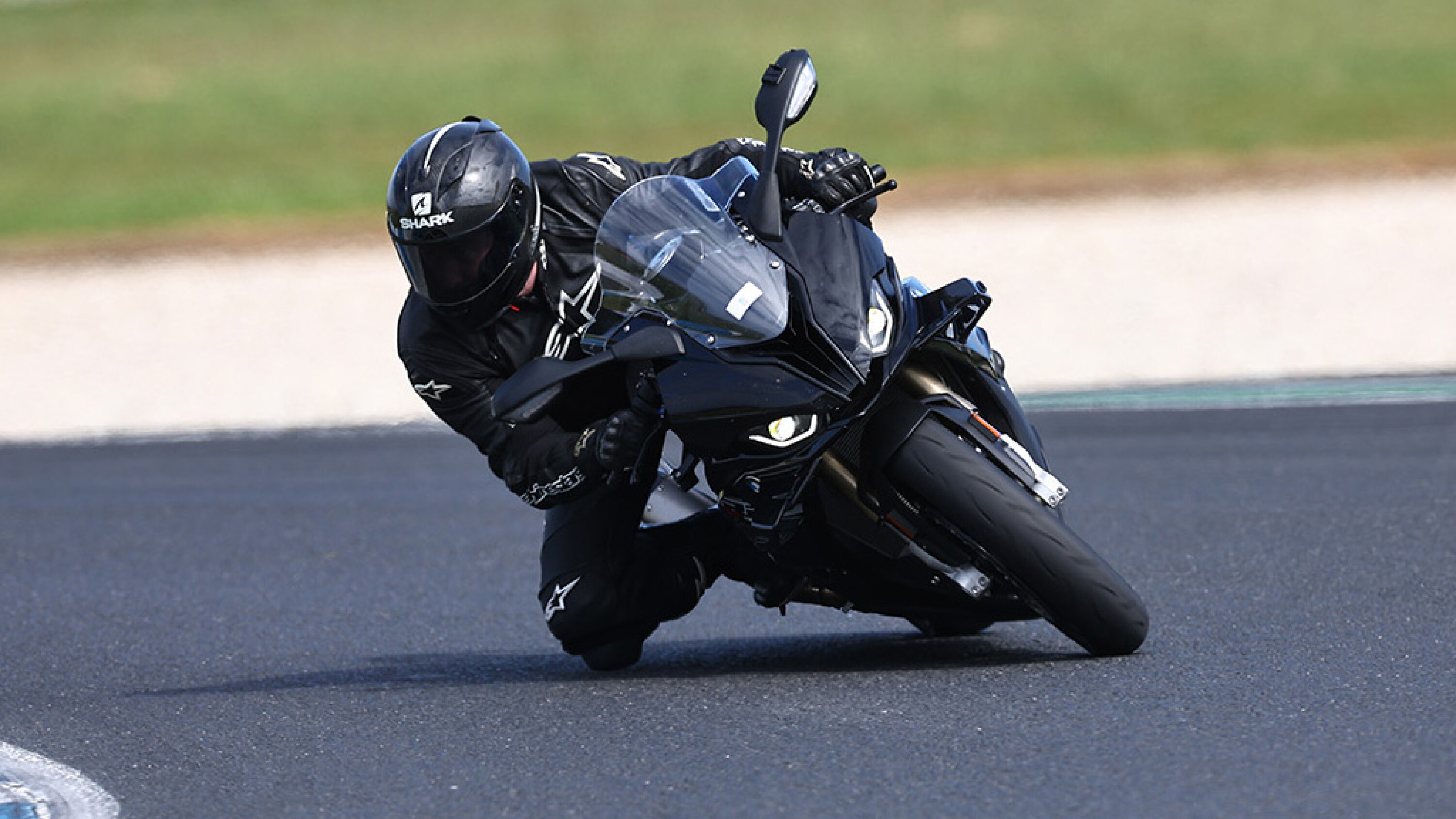
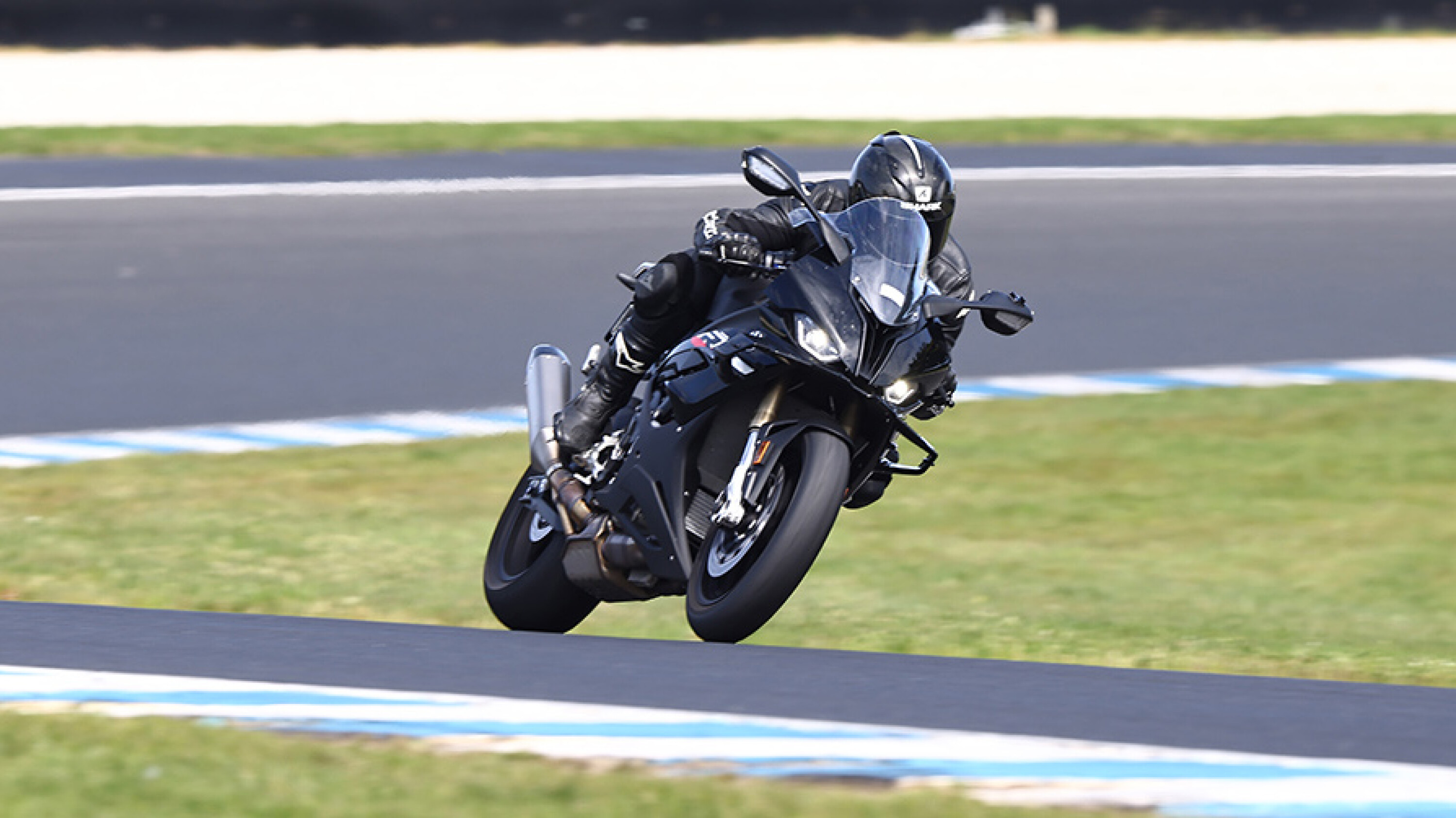
After some tentative laps spent warming up the excellent Metzeler Racetek rubber, though, the tied-down feeling from the DDC-assisted chassis allowed me to commit hard to my line, and I was soon greeted by the sweet sound of a knee puck kissing tarmac.
1
This sure-footedness doesn’t seem to come at the expense of agility, either, with the lighter forged wheels helping the S 1000 RR to change direction fluently through MG and into turn 11.
Having left the riding mode set to ‘Dynamic’ to reacquaint myself with the track’s relentlessly quick sweepers for the first couple of sessions (which felt perfect for fast, consistent laps), it was time to see if I could activate the ‘Slide Control’ function in Race mode.
With the DTC at level two I opened the throttle progressively earlier after each apex, willing my right wrist not to reflexively twitch back in sympathy with my sphincter when the rear tyre started to break loose.
1
More liberal application of the go-grip allowed me to access more of the searing upper rev range, resulting in slingshot-like acceleration out of Siberia and turn 11.
Although I didn’t manage any drifts that would make it into Casey Stoner’s scrapbook, the hot rear hoop did eventually begin to unglue itself from the tarmac as I hammered the throttle open on exits, a blinking yellow DTC light in my periphery the only indication I had an electronic guardian angel watching over me.
It’s a heroic feeling and given more time (and tyres) it would be a fun skill to practice, but it also served to demonstrate how much earlier I could get on the gas than I had been earlier in the day. More liberal application of the go-grip allowed me to access more of the searing upper rev range, resulting in slingshot-like acceleration out of Siberia and turn 11.
An extra 2.4kW from the upgraded 1000cc inline 4 might not sound like much, but it was already an incredibly potent mill.
1
At low revs the response is smooth if slightly muted, but as the revs rise you find a surprisingly strong mid-range thanks to BMW’s Shift Cam tech, which debuted on the 2019 model.
Above 10,000 rpm it’s a case of tucking behind the tall screen and hanging on while the engine emits a hard-edged wail and launches you at distant targets with extreme prejudice.
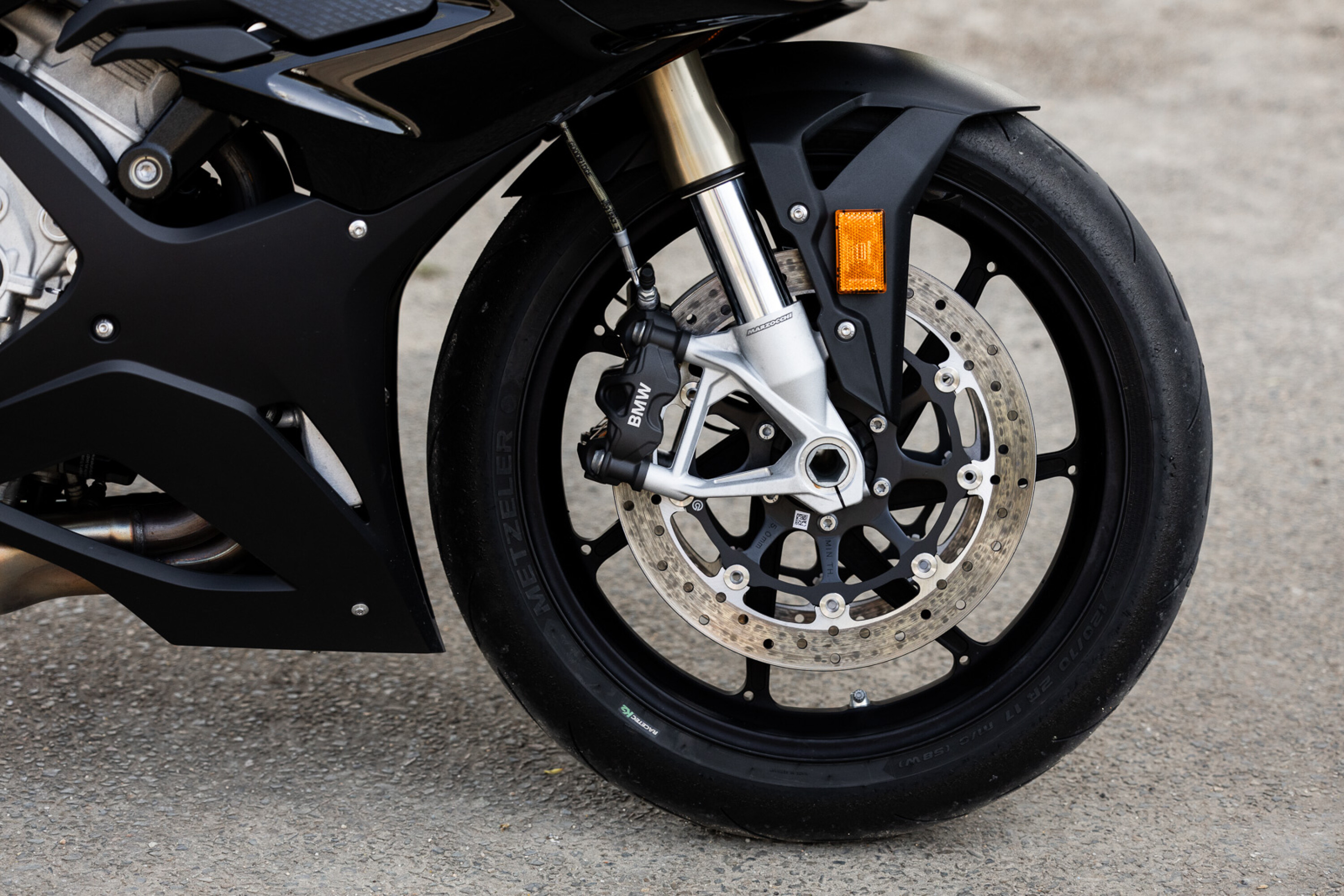
Thankfully the M-badged four-pot brake calipers are more than up to the task of soaking up all that kinetic energy, offering terrific fade-free stopping power and feel without any of the grabbiness that afflicts some other top-end brake set ups.
1
Braking, cornering and accelerative traction is also enhanced by the Dynamic Damping Control, which feels like a game changer on the racetrack.
On a billiard table surface like the Phillip Island GP circuit the DDC has the plush-but-rock-solid feel of well sorted race suspension, and the effect is just as impressive on the road.
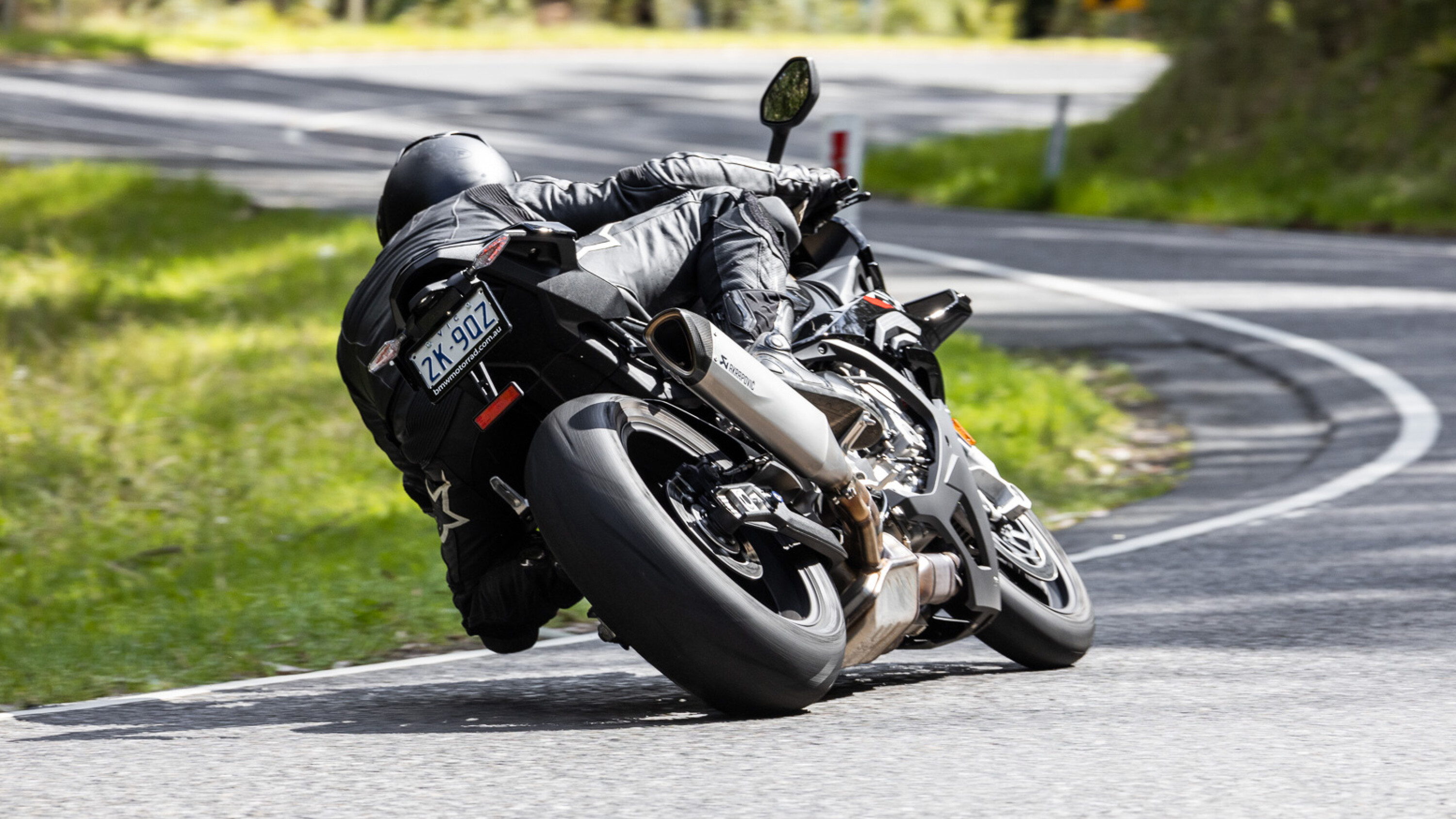
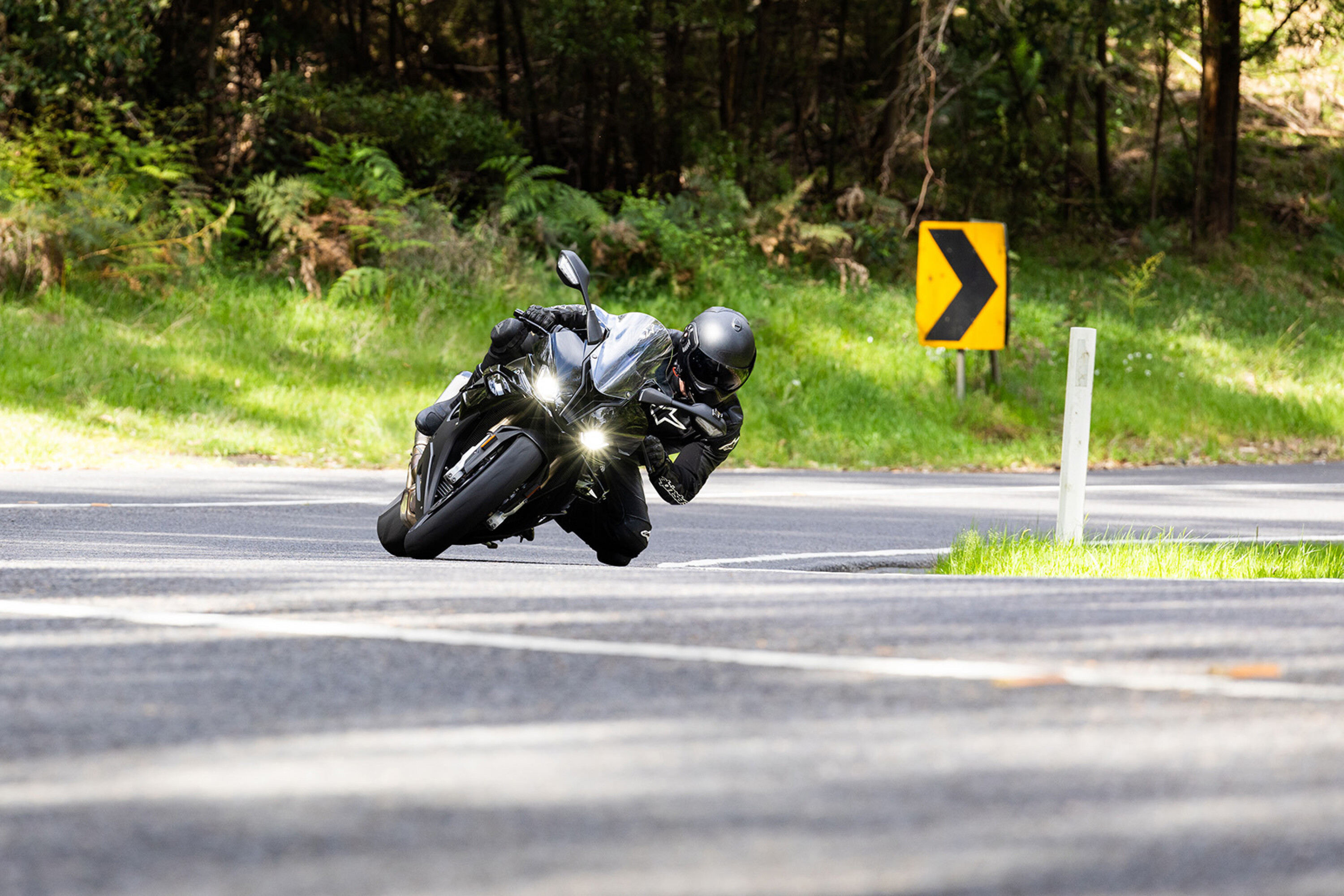
Riding a circuitous loop through Victoria’s lush Yarra Ranges, where some road-warts seem deliberately placed to jolt a motorcycle off line, the DDC reacts in milliseconds to riding manoeuvres and surface conditions to maintain a more consistent contact patch of rubber on bitumen.
There must surely be some sort of dark sorcery involved for it to feel so telepathic
This confers a greater sensation of control and flow, enabling you to pick exactly what credit card sized patch of bitumen you’ll hit at the next apex before you’ve finished demolishing the preceding bend.
I don’t pretend to understand exactly how the Motorrad boffins make it all work, but there must surely be some sort of dark sorcery involved for it to feel so telepathic.
2
How is the BMW S 1000 RR on fuel?
On a journey that included a freeway cruise followed by some spirited riding in the hills, it averaged 6.5 litres per 100km, yielding a usable range of around 230km from the 16.5L tank.
1
How safe is the BMW S 1000 RR?
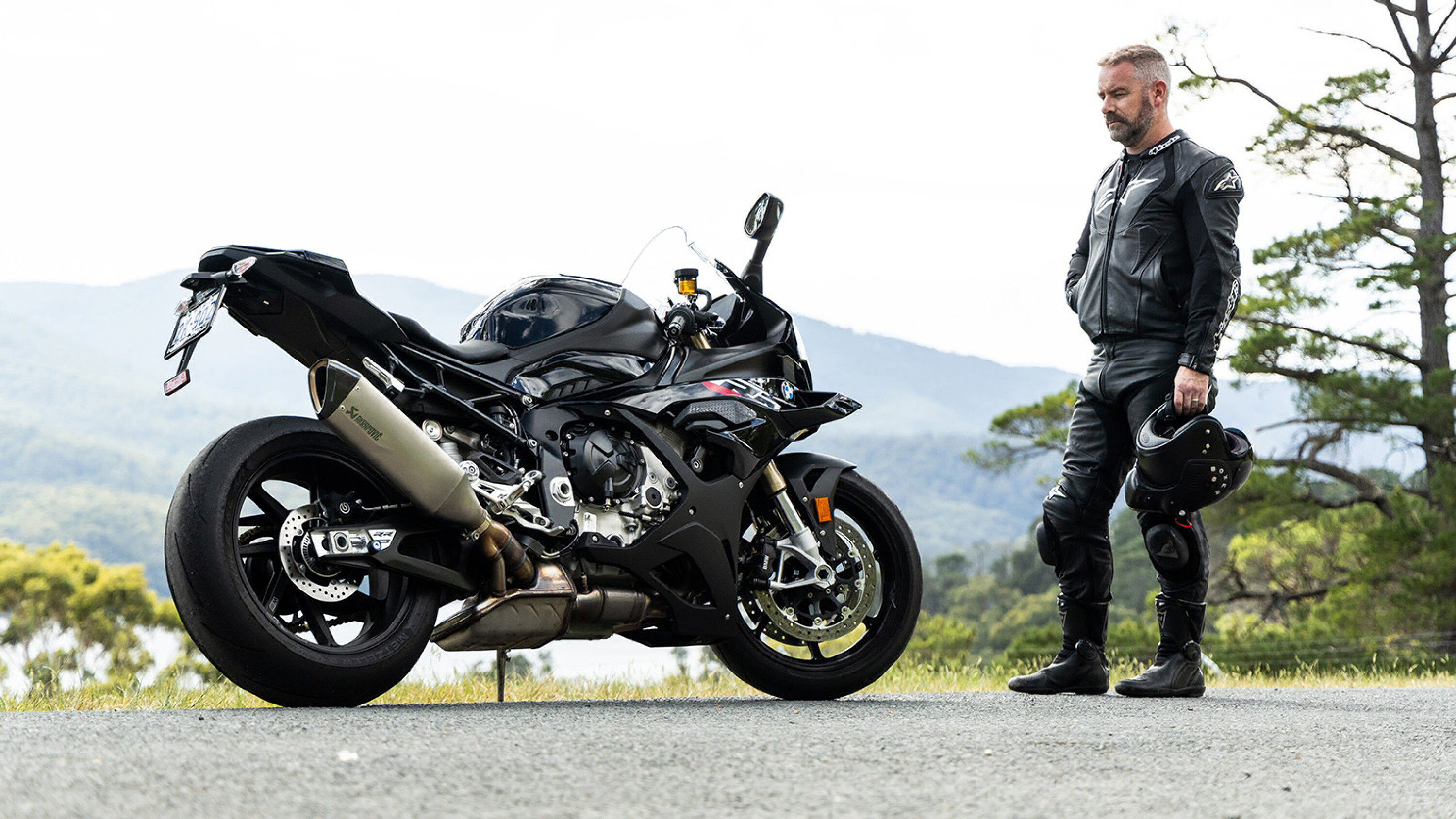
Cutting-edge brakes ABS, DTC and wheelie control make this a comparatively safe motorcycle, whether you’re commuting to work in the rain or pushing for a PB at the track.
1
VERDICT
The gorgeous 2023 S 1000 RR Race fuses safety and user-friendliness with blazing racetrack talent more effectively than any motorcycle I’ve ridden.
According to the clever sport readout I all but equalled my personal best lap times at Phillip Island, but on the ride home I felt like I’d only scratched the surface of the S 1000 RR Race’s track capabilities. This is a bike that will have you daydreaming about all the places you could shave tenths off for weeks after a trackday.
I personally might opt for the $27,690 Sport version, which also comes with the must-have Dynamic electronics package, and then purchase a more acoustically gifted exhaust with the change.
Either way, the updated BMW S 1000 RR is a home run, representing terrific value for such an outrageously fast and sophisticated machine.
MORE
Everything BMW
| 2023 BMW S 1000 RR Race specifications | ||
|---|---|---|
| Engine | 999cc 4-cylinder, 4-stroke in-line engine (BMW ShiftCam) | |
| Power @rpm | 154.4kW @ 13,750rpm | |
| Torque @rpm | 113Nm @ 11000rpm | |
| Transmission | 6-speed gearbox with straight cut gears | |
| Style | Supersport | |
| Seat height | 824 mm | |
| Wheelbase | 1,457 mm | |
| Suspension travel (front / rear) | 120 mm / 117 mm | |
| Weight | 175 kg (without battery) | |
| Fuel / tank | 98 RON / 16.5 litres | |
| Fuel use L/100km | 6.4 l/100 km (claimed) | 6.5 l/100 km (on test) |
| Front suspension | Upside-down telescopic fork, diameter 45 mm, spring preload, rebound and compression stages adjustable | |
| Rear suspension | Aluminium swing arm, full floater pro, compression and rebound damping adjustable, adjustable spring preload | |
| Brakes (front / rear) | Twin disc brake, diameter 320 mm, 4.5 mm, 4-piston fixed caliper (5 mm M wheels) / Single disc brake, diameter 220 mm, 1-piston floating caliper | |
| Wheels (front / rear) | M Forged 3.50 x 17″ / 6.00 x 17″ | |
| Tyresu00a0 | Front 120/70 ZR17, rear 200/55 ZR17 | |
| ABSu00a0 | BMW Motorradu00a0Race ABS (partial integral), Brake-Slide-Assist | |
April, 2024: Sportage Hybrid on sale in Australia
Kia has finally introduced a petrol-electric version of its Sportage midsized SUV to compete with the all-conquering Toyota RAV4 Hybrid.
February, 2024: Kia Sportage Hybrid pricing confirmed
October, 2023: Kia Sportage Hybrid approved for Australia
The 2024 Kia Sportage hybrid has been approved for local sale.
Due to arrive in Australia in the first quarter of 2024, the petrol-electric Sportage mid-size SUV will offer at least two variants locally, according to government documents.
The documents confirm that the hybrid will be front-wheel-drive only at launch.
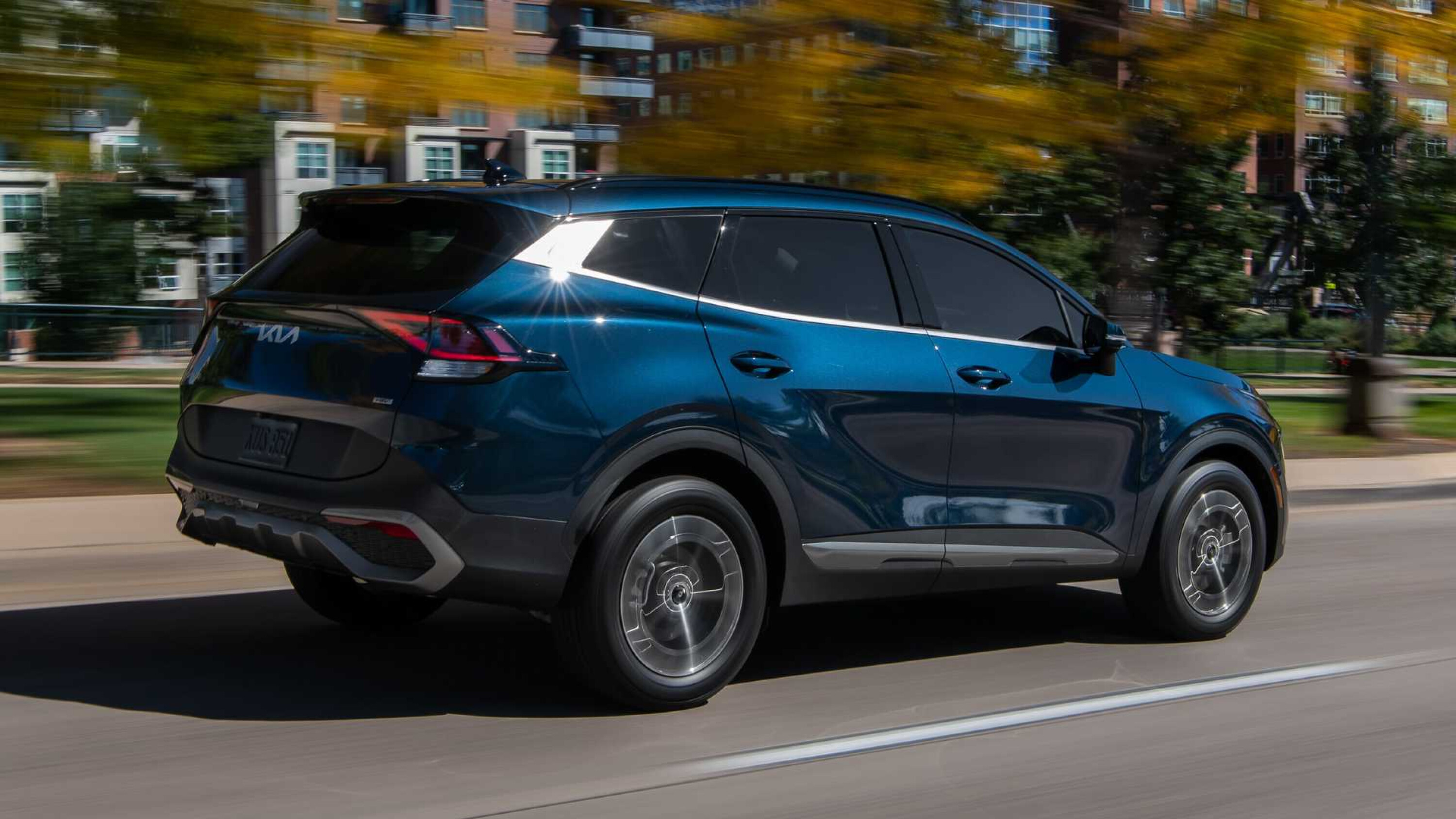
An entry-level variant – likely to match the existing S or SX – will be fitted with 17-inch alloy wheels, while flagship Sportage hybrids – likely to match the SX+ or GT-Line – will have 18-inch wheels, down from 19-inch for aerodynamic purposes.
1
Equipment levels are expected to match existing petrol and diesel variants – though Kia’s semi-autonomous Highway Driving Assist system is listed as a standard feature for the hybrid.
It is possible this feature to be added to all Sportage variants as part of a model-year update to coincide with the introduction of the more frugal hybrid powertrain.
Braked towing capacity for the hybrid matches petrol auto Sportage variants at 1650kg.
The Sportage hybrid was confirmed for Australia in July, with Kia Australia confirming it won’t dominate the line-up like the Toyota RAV4 has leaned into hybrid power across its range.
“We’ll add another powertrain to the Sportage and we expect to start selling it in Q1 next year,” said Kia Australia’s head of product planning and training Roland Rivero.
He confirmed that while supply will be more plentiful than that of the Sorento hybrid, it won’t exceed a couple of hundred units a month, against overall sales of around 1200-1300 per month.
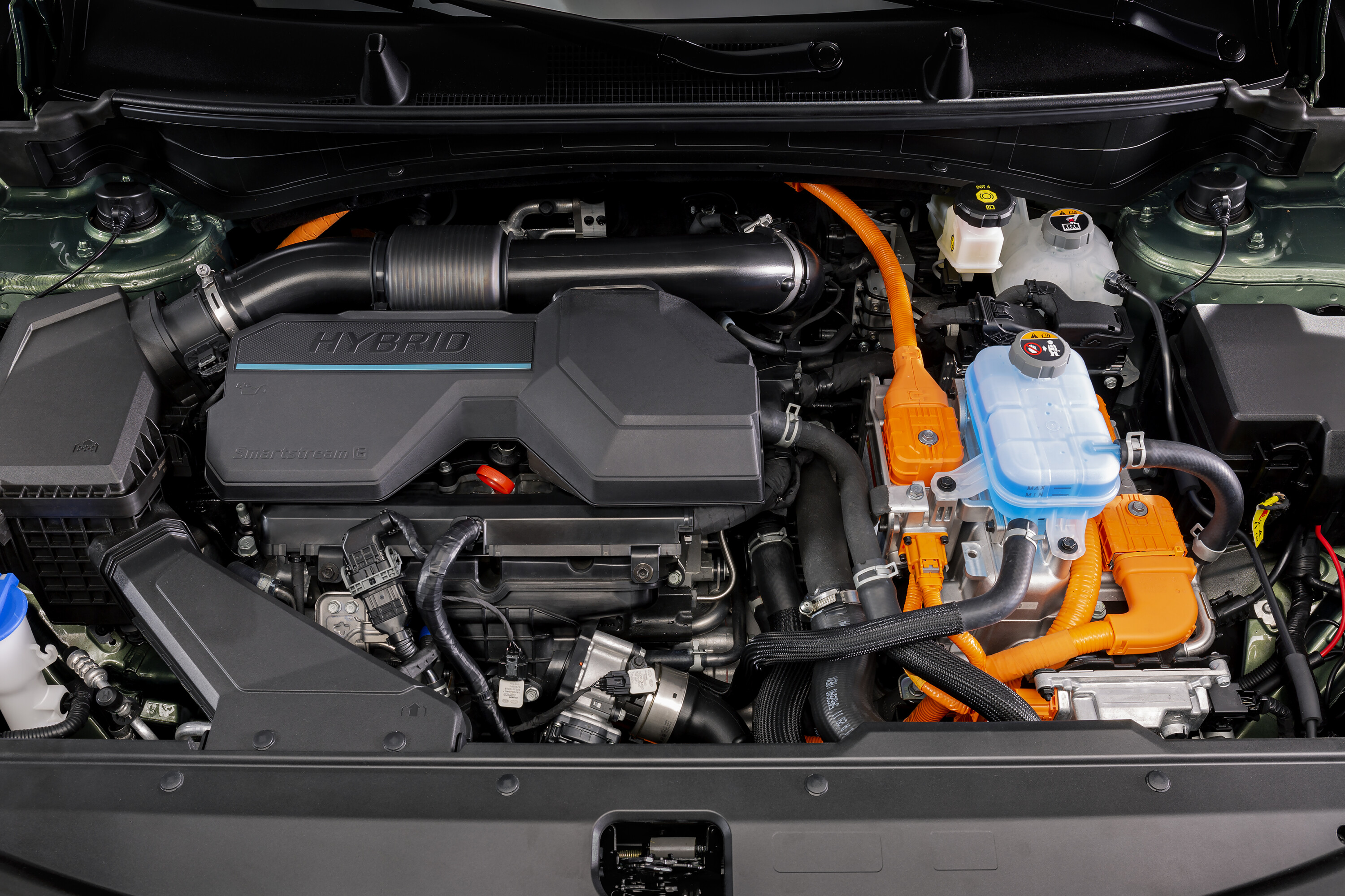
The Sportage’s hybrid powertrain mimics that of the Sorento hybrid, with a 1.6-litre four-cylinder turbo-petrol engine linked to an electric motor, supplemented by a small 1.49kWh battery that can only be recharged by the petrol engine – not a plug.
1
It has a 169kW/350Nm total system output, with a six-speed automatic transmission sending power through the front axle.
Sourced from Korea, the government documents confirm the Sportage hybrid will retain the same longer wheelbase offered on petrol and diesel variants. A shorter wheelbase variant is produced in Slovakia for the European market.
VFACTS new-car sales data reveals the Kia Sportage is Australia’s sixth-favourite internal-combustion mid-size SUV with 11,113 sales year-to-date, behind the Toyota RAV4 (22,388), Mitsubishi Outlander (17,762), Mazda CX-5 (16,895), Hyundai Tucson (16,173) and Subaru Forester (12,113).
MORE
Everything Kia
November 8: 2024 Kia Carnival revealed in full
Following last month’s official but rather lightweight reveal, the new-look 2024 Kia Carnival has been given its proper unveiling – along with the confirmation of a number of Australian-market details. Get the full story at the link below.
October 27: New-look Carnival officially debuts
After images surfaced earlier this week, the facelifted 2024 Kia Carnival has officially debuted in Korea.
The updated Carnival is expected to hit the Australian market in the first half of 2024.
Kia has confirmed that it will add a 1.6 turbo hybrid variant to the Carnival line-up, though it’s still unclear whether it will become available in Australia.
3
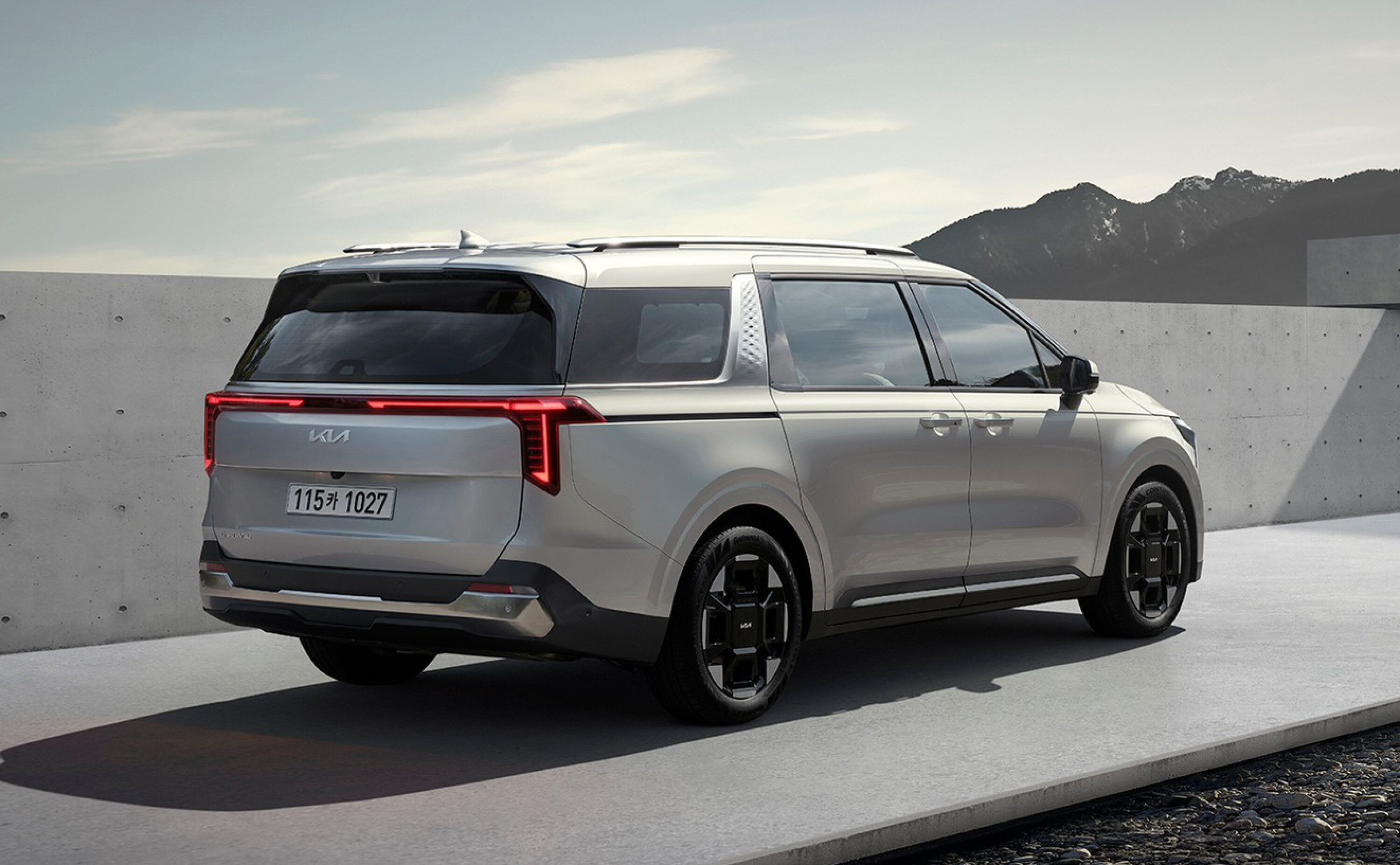
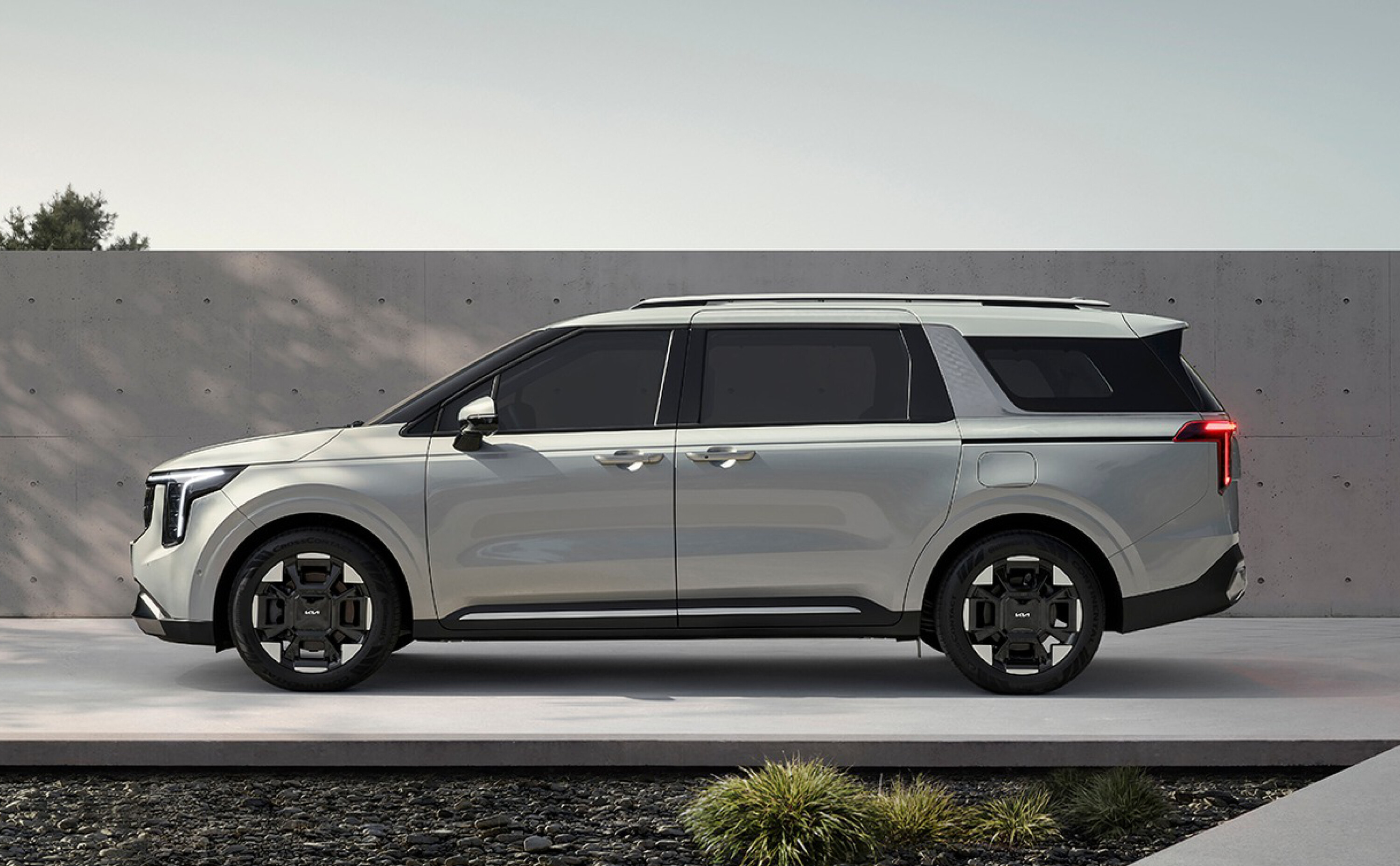
Among the changes, the people mover now sports redesigned vertical headlights, ‘signature star map’ daytime running lamps, a broader front grille, a new front bumper, vertical tail-lights with a slimmer full-width strip, a revised tailgate and rear bumper, and new alloy wheel designs.
A Gravity trim has also been introduced in South Korea, featuring blacked-out exterior trim.
While no specification details or interior images have been released yet, Kia is expected to provide more information in the coming weeks.
Our earlier story, below, continues unchanged.
1
October 23: 2024 Kia Carnival facelift leaked
The facelifted 2024 Kia Carnival has leaked.
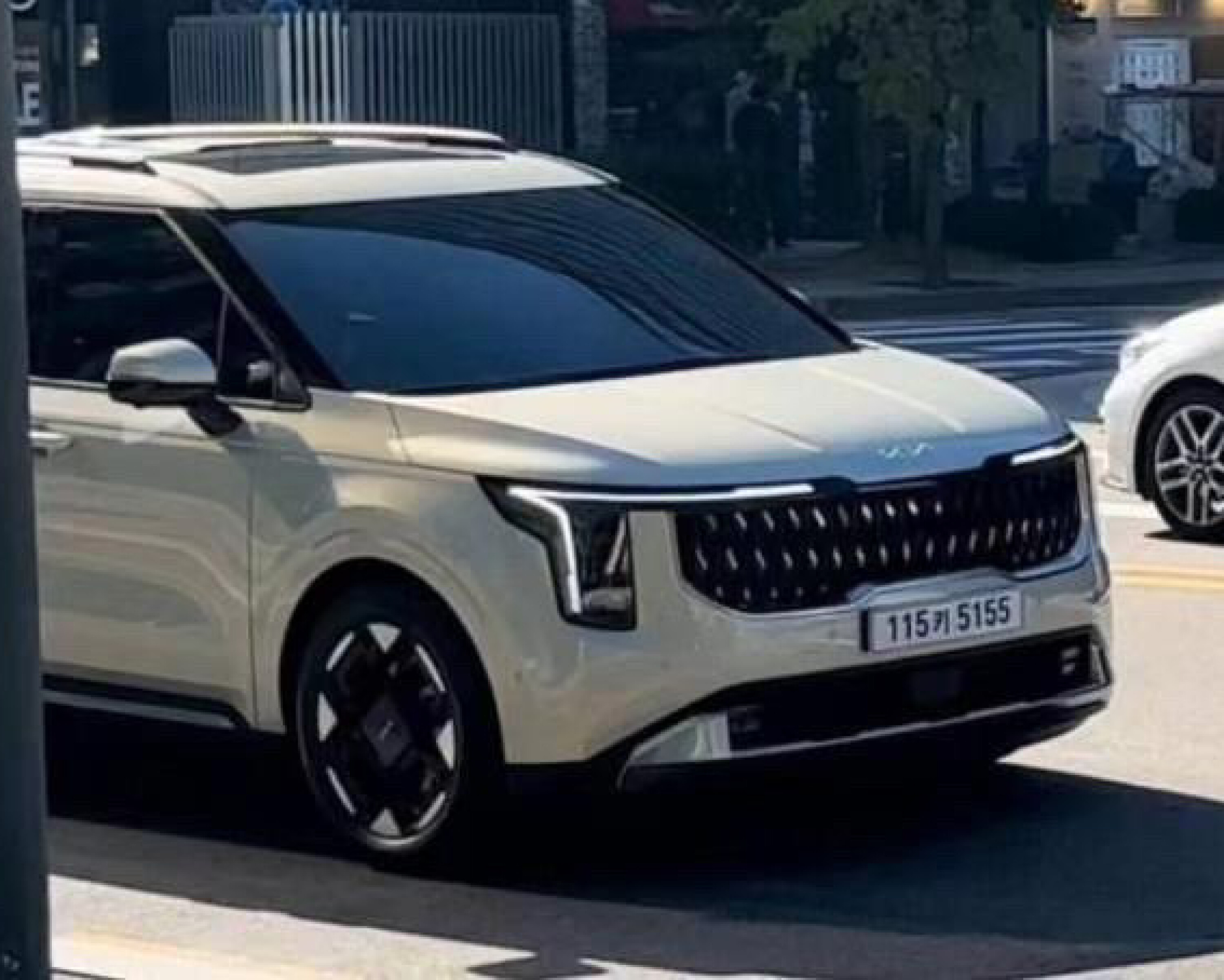
Images posted to Instagram by Kurdistan Automotive Blog [↗] reveal the updated Carnival will receive a new look with Kia’s latest design language, as seen on the EV9, Sorento, Seltos and Picanto.
Up front, the Carnival features redesigned vertical headlights, ‘signature star map’ daytime running lamps, a broader front grille, and a new front bumper.
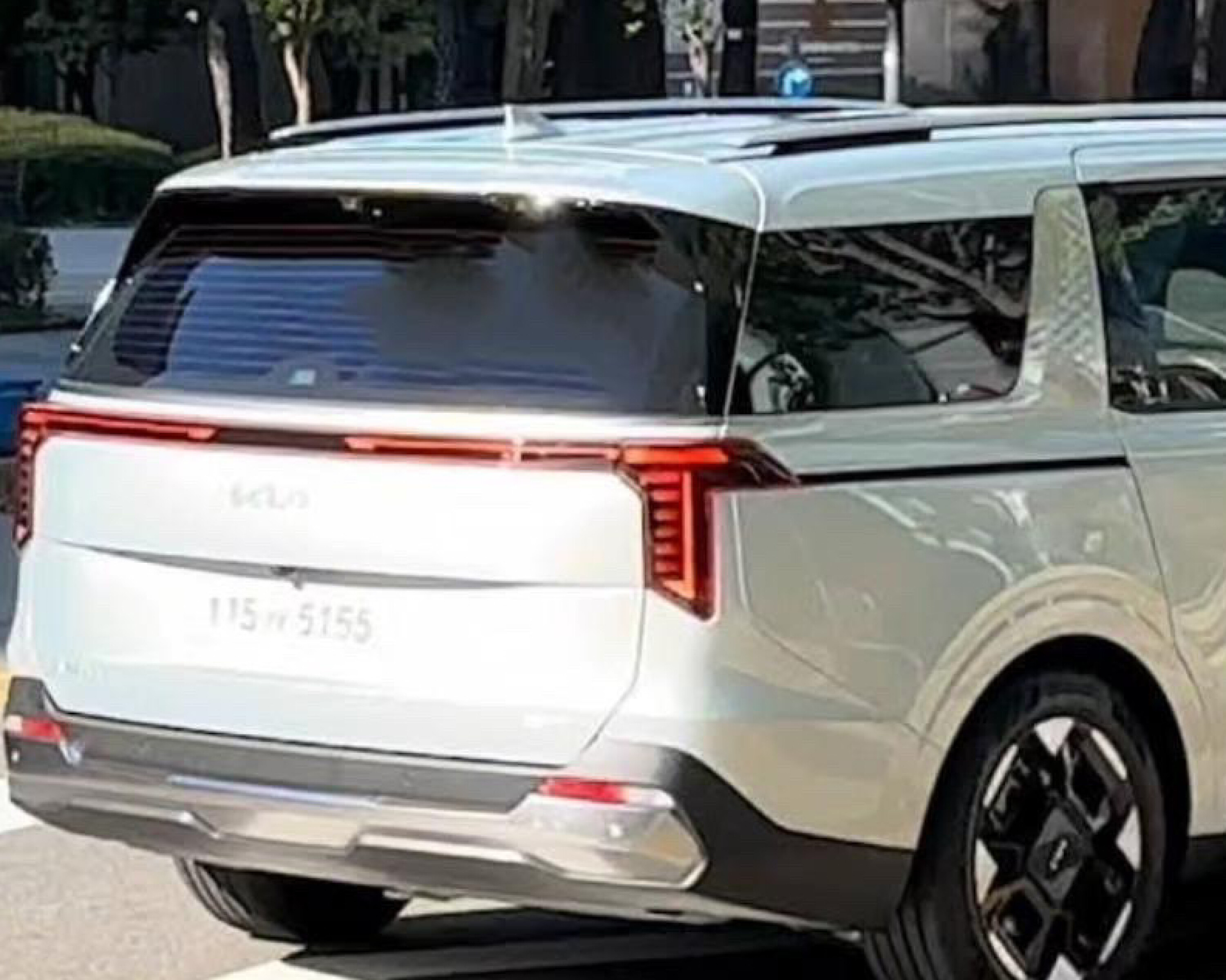
Other revisions include new, vertical tail-lights with a slimmer full-width strip, a redesigned tailgate and rear bumper, and a new alloy wheel design.
1
The Korean Car Blog [↗] reports the eight-seat Carnival to adopt a curved panel with dual 12.3-inch displays likely running Hyundai-Kia’s new ccNC operating system, a head-up display, a fingerprint sensor, ‘ergo motion’ seats, and the semi-autonomous Highway Driving Assist 2 system.
Other features available overseas, but missing from local Carnival examples, such as rain-sensing wipers and the blind-spot view camera system are likely to be added at facelift time.
A hybrid powertrain shared with the Sorento is also likely, pairing a 1.6-litre turbo-petrol engine with a 40kW electric motor and 1.5kWh lithium-ion battery for a 169kW/350Nm total system output.
Kia’s Sohari plant was re-tooled this year to facilitate the manufacture of electrified Carnivals as production of the Stinger sedan winds down.
1
The updated 2024 Kia Carnival is expected to debut in South Korea in the coming weeks.
Local deliveries are due in 2024. It is currently unclear if the Carnival Hybrid will be sold in Australia.
VFACTS new-car sales data reveals the Kia Carnival is Australia’s number-one people mover with 8745 registrations year-to-date, far ahead of the Hyundai Staria (886), Volkswagen Caravelle/Multivan (851) and LDV Mifa (308).
It has even outsold most three-row large family SUVs, including the Toyota Kluger (8016), the related Sorento (7177), Mazda CX-9 (4226), Hyundai Palisade (2754) and Nissan Pathfinder (1185).
Below: The current 2023 Kia Carnival
MORE
Everything Kia
