Lexus has pulled the covers off its bold new Lexus Sport Concept at The Quail, A Motorsport Gathering in Carmel, California, revealing a low-slung, wide-bodied coupe that signals the brand’s next era of performance design.
While official specifications remain scarce, Lexus has confirmed the concept is a front-engine, rear-drive sports car powered by a twin-turbocharged V8, with a likely rear transaxle layout for optimal weight distribution. The car will also underpin a forthcoming Toyota GT3 race car, though Toyota’s road-going version won’t be sold in the US market.
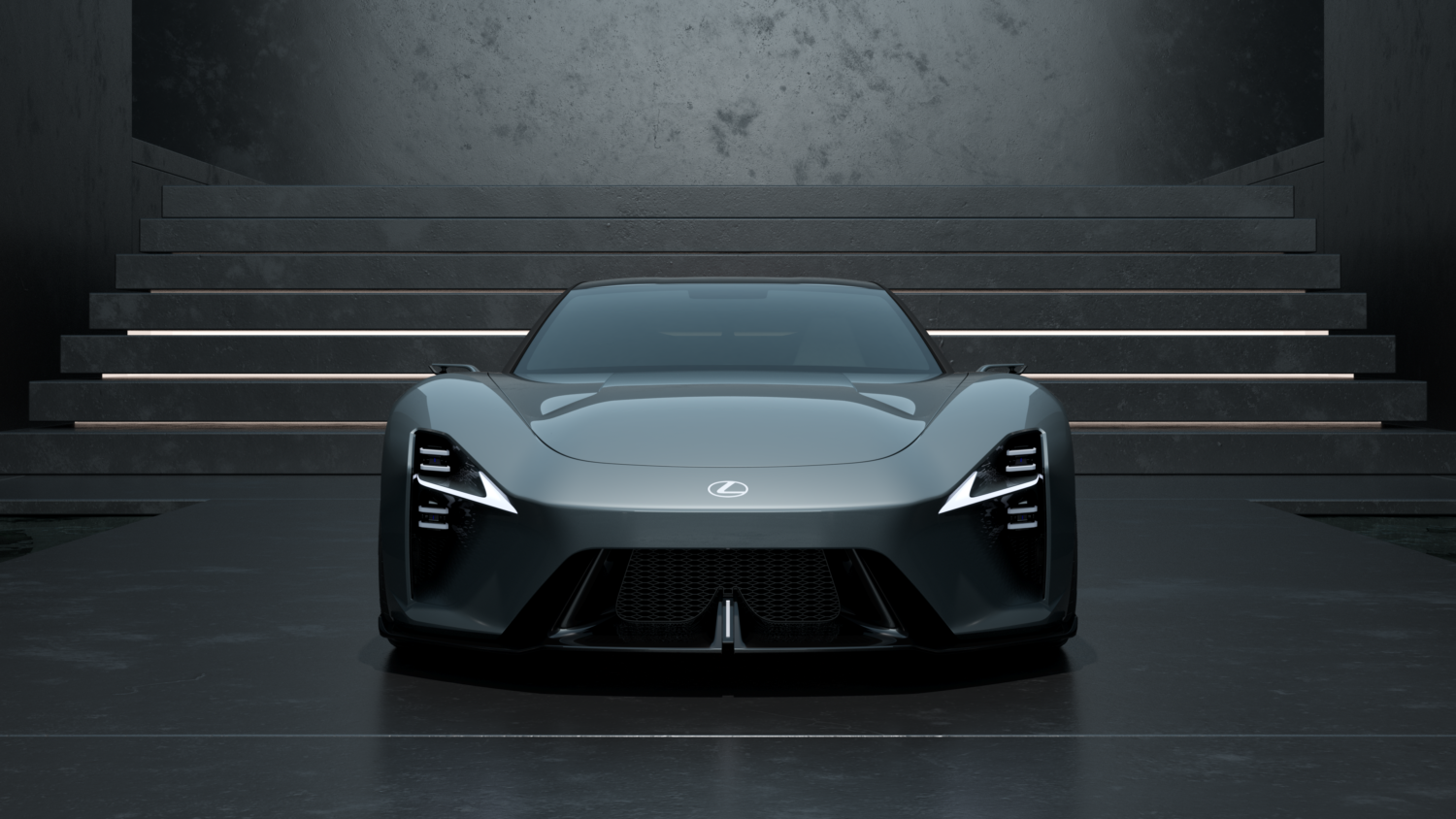
The concept’s proportions hint strongly at its performance intent, with a long bonnet, aggressively sculpted rear, and design cues reminiscent of Lexus’s legendary LFA supercar. Distinctive touches include quad exhaust outlets positioned beneath the rear wing, substantial cooling vents behind the windows for brakes or transaxle components, and large rear outlets similar to those found on the LFA. Four small fans are integrated into the high-mounted centre brake light assembly—an unusual flourish even for a concept.
No interior was shown, and Lexus has kept other details under wraps, even removing all tyre branding except for subtle Bridgestone logos. However, the engine’s position—pushed far back behind the front axle—reinforces the likelihood of a rear transaxle for sharper handling balance.
Development reportedly benchmarked the Mercedes-AMG GT R, one of the most acclaimed front-engine, rear-drive sports cars of recent years. That model’s front V8 and rear gearbox configuration is expected to influence both the production Lexus and the GT3 race variant.
This isn’t the Sport Concept’s first appearance in some form—its origins trace back to the Toyota GR GT3 concept first shown in 2022. But this is the first time we’ve seen Lexus’s road-going interpretation, complete with the brand’s signature design language layered onto the GT3’s competition-focused underpinnings.
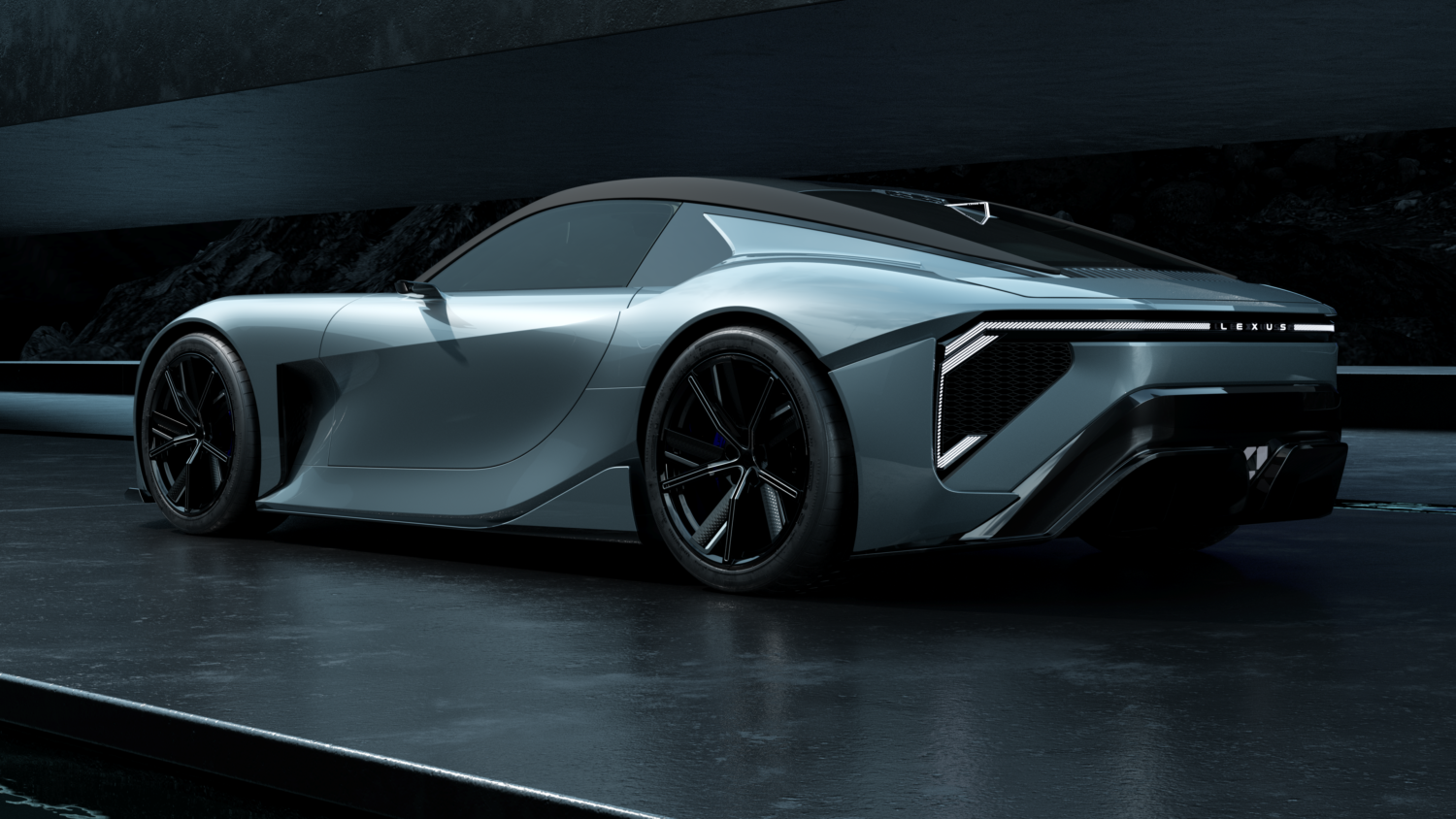
Describing the coupe as “progressively styled” and “future-focused yet truly authentic,” Lexus says the Sport Concept blends “dynamic and emotional elements into a vision for a next-generation sports car,” hinting that the eventual production version could become the brand’s new performance flagship.
Further technical details, performance figures, and production plans are expected to be revealed in the coming months.
There are two distinct eras when to comes to Australian Muscle Cars. We covered the ‘classic’ era in part one of this series with all the well-known homegrown heroes, but as promised here is the more recent dectet.
Delineating the two eras is the relative paucity of high performance machinery in the late-1980s and early-1990s (though the emergence of Holden Special Vehicles was a bright light). Momentum began to build again around the turn of the millennium and from there the hits kept coming all the way to the cessation of local manufacturing.
In chronological order, here are our Top 10 modern Aussie muscle cars.
1990 Holden VN SS Group A
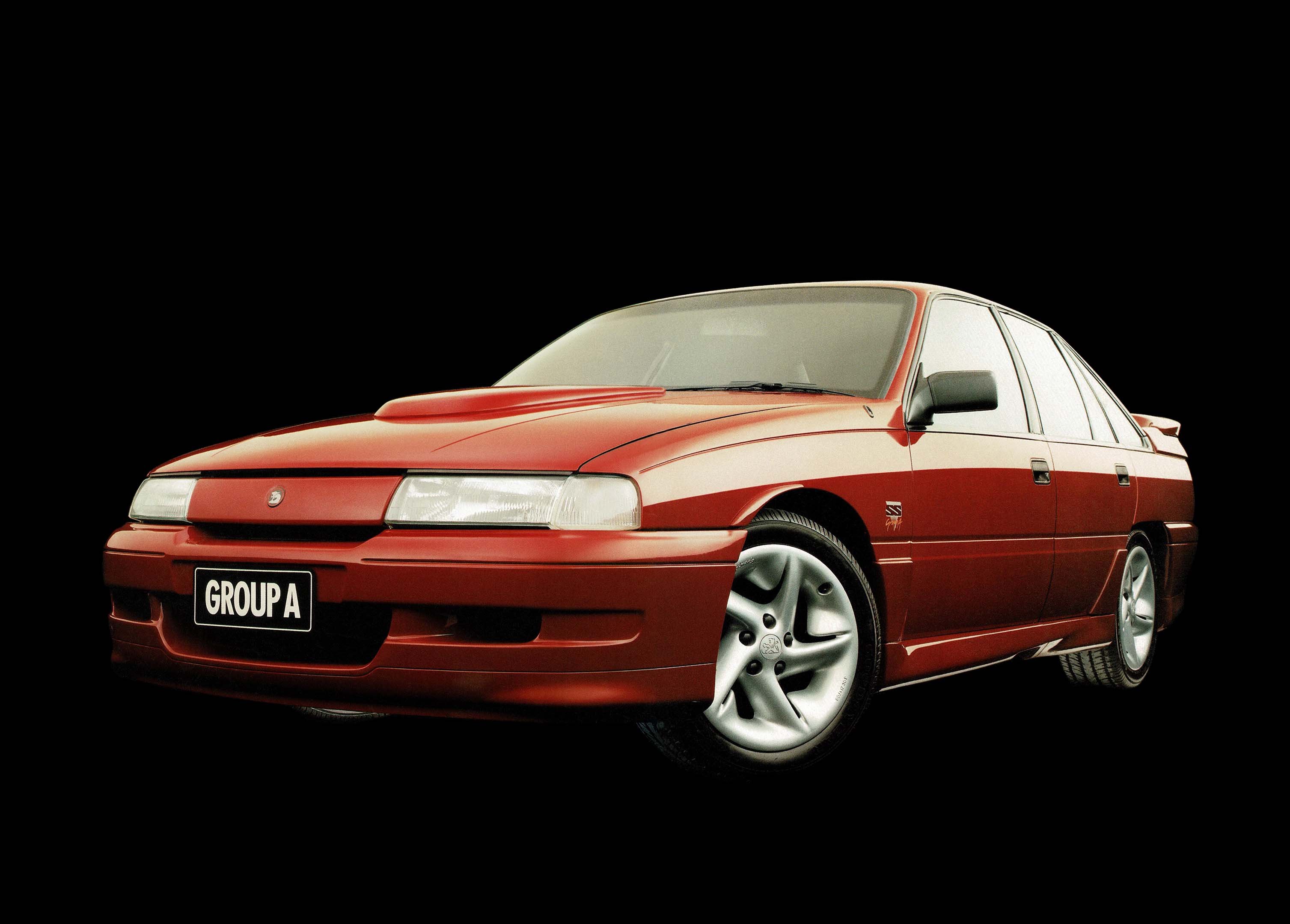
The VN Group A marked the end of the Australian homologation special. With the impending switch to V8 Supercars, there was no longer the need to produce a set number of road-going examples.
But while the VN was the closing chapter in Holden’s Group A story, it opened another with the return of Peter Brock – for so long the man responsible for those homologation specials – to the Lion fold, much to the joy of his devoted fans.
The bodykit was toned down from the wild excesses of the VL, the 5.0-litre V8 got a comprehensive overhaul for improved power and reliability producing 215kW/411Nm along with the six-speed manual from the Corvette ZR-1. Just 302 were built.
2000 HSV VT II GTS300
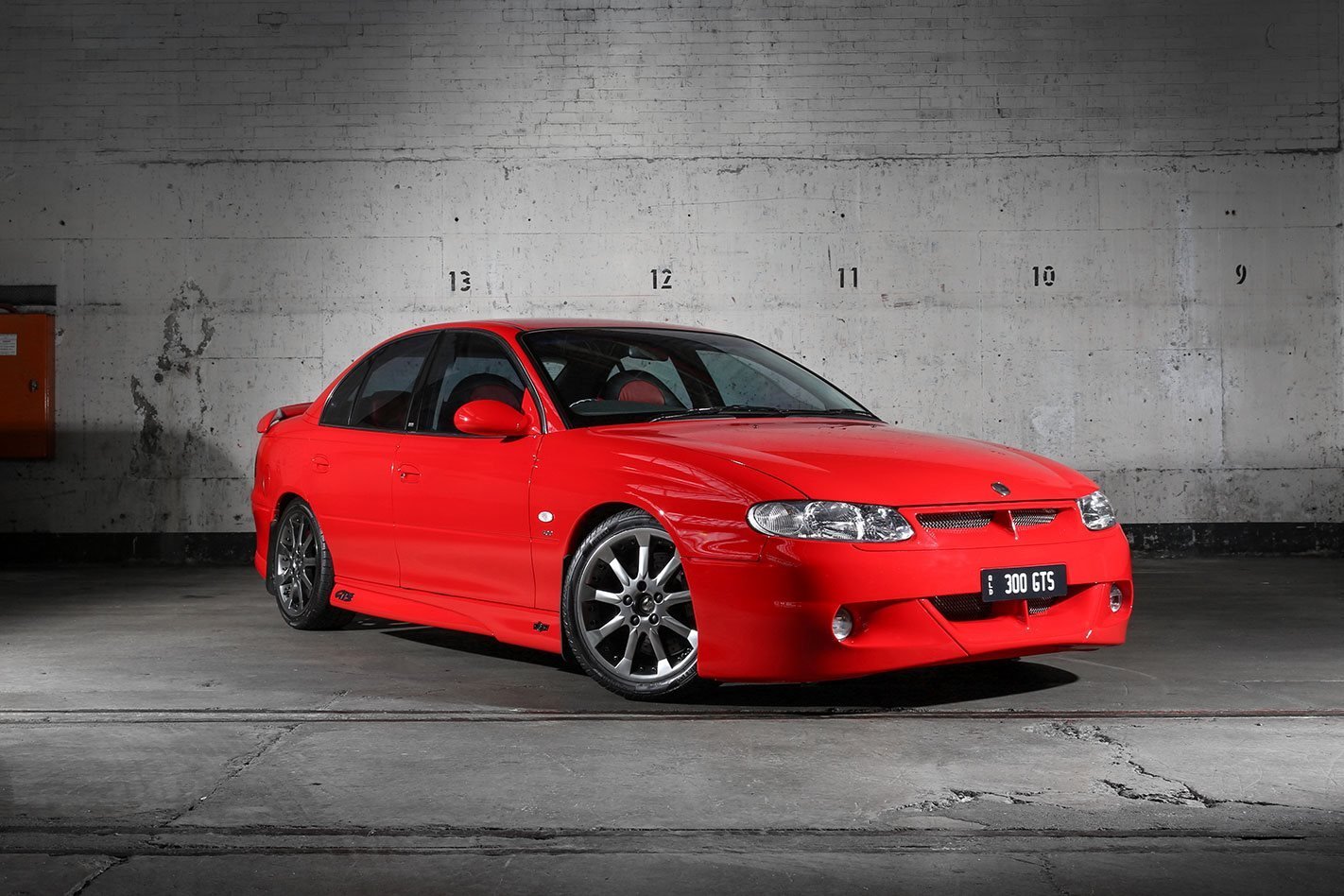
If you’re an extrovert you might want the lurid VS GTS-R in this spot, but the VT II GTS vaulted HSV into the big leagues. The installation of the 300kW/510Nm Callaway-tuned 5.7-litre V8 meant it could now go toe-to-toe with the very best fast four-doors from Europe.
MOTOR magazine did just that, sending a GTS to Germany to tackle the BMW E39 M5 and Mercedes-Benz W210 E55 AMG on their home turf, the Nurburgring, and gave the nod to the Aussie for its driving dynamics.
It set a performance standard that would not be surpassed for almost a decade and if you found the sedan a bit pedestrian in the looks department, there was even a GTS Coupe.
2002 Ford AU Falcon TE/TS50
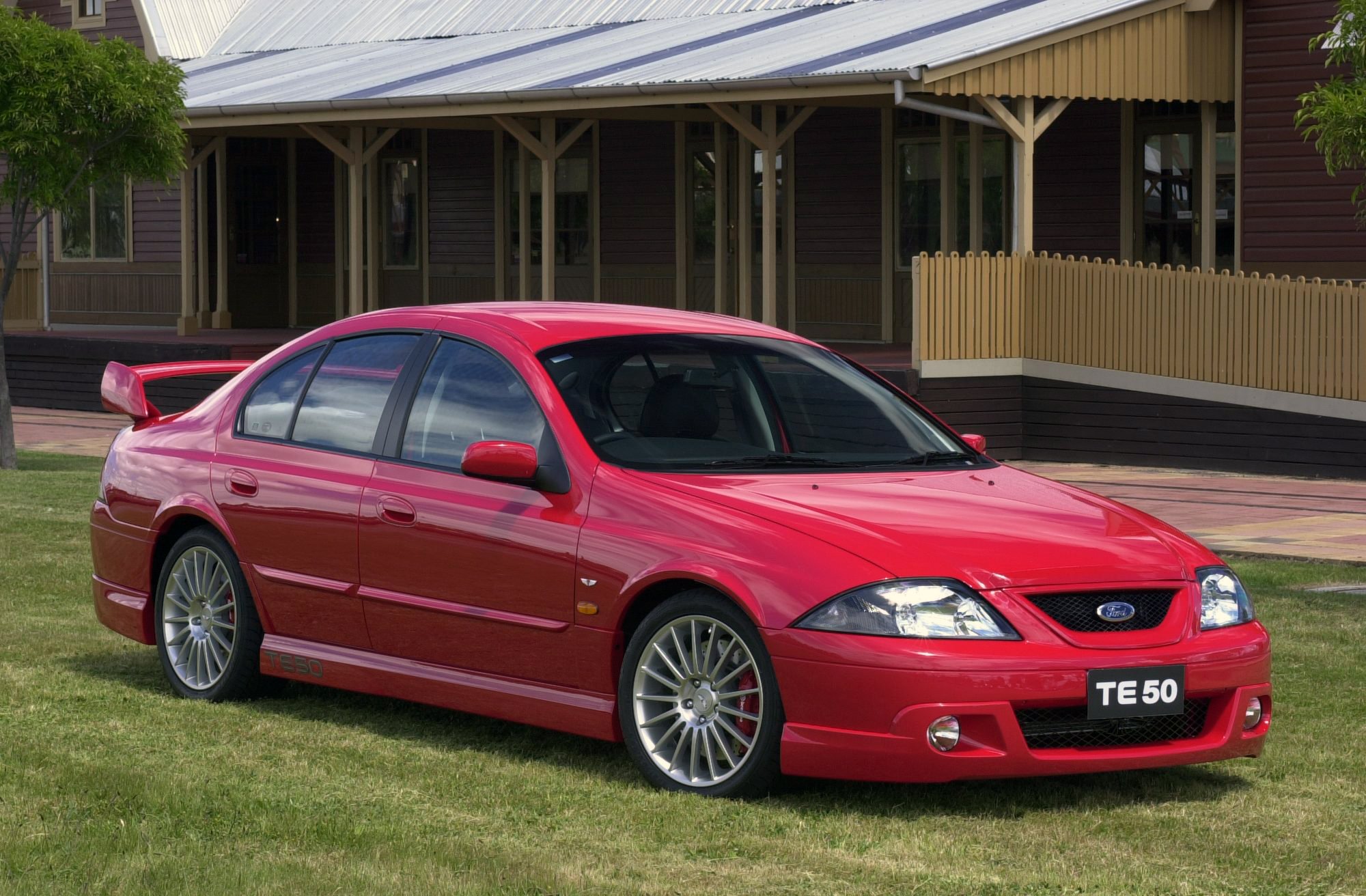
Ford couldn’t match the heady heights of the HSV GTS but it wasn’t for a lack of trying. Thanks to its relationship with Tickford it continued to tweak the talented-but-unloved AU platform, culminating in the TE and TS50.
While it didn’t have the HSV’s headline power figure, nor did it have the price tag, the TE50 costing almost $40K less. And you still got a thumping 250kW/500Nm 5.6-litre stroked Windsor V8, while Koni shocks (standard on the TS50) and Brembo brakes could be optionally added to further enhance the chassis.
Time has been kind to the AU shape, but there’s no doubt the Supercar-style bodykit sharpens up the taco-like profile without the quad-headlight treatment of Ford’s XR models.
2002 Ford Falcon XR6 Turbo
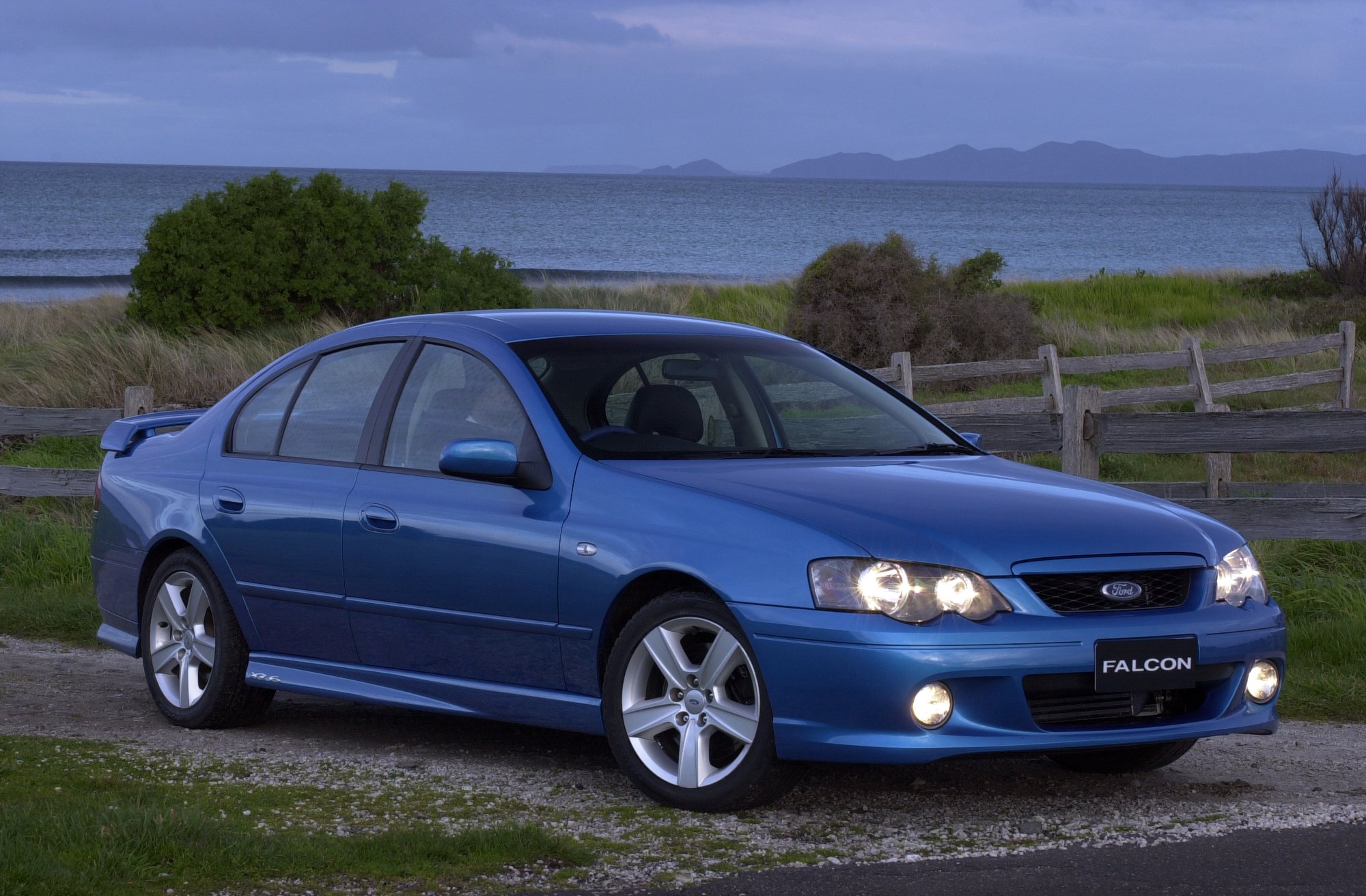
With the AU’s successor Ford was back with a capital BA. A new 5.4-litre quad-cam V8 in the XR8, the creation of Ford Performance Vehicles and revival of the iconic GT badge, but it was the XR6 Turbo that really set the cat amongst the pigeons.
Or should that be the fish? For the key to the XR6 Turbo’s success was the new boosted Barra, a twin-cam 4.0-litre straight-six with a Garrett turbo whispering sweet nothings into the cylinders.
Combine this with a balanced, accurate chassis and you had a new Aussie muscle car hero. Only the recalcitrant five-speed manual held it back, making the four-speed auto the pick, but this quickly changed with the arrival of the six-speed Tremec T56 for BA Mk II before the XR6T really hit its stride thanks to the installation of the ZF six-speed auto with BF.
2008 HSV W427
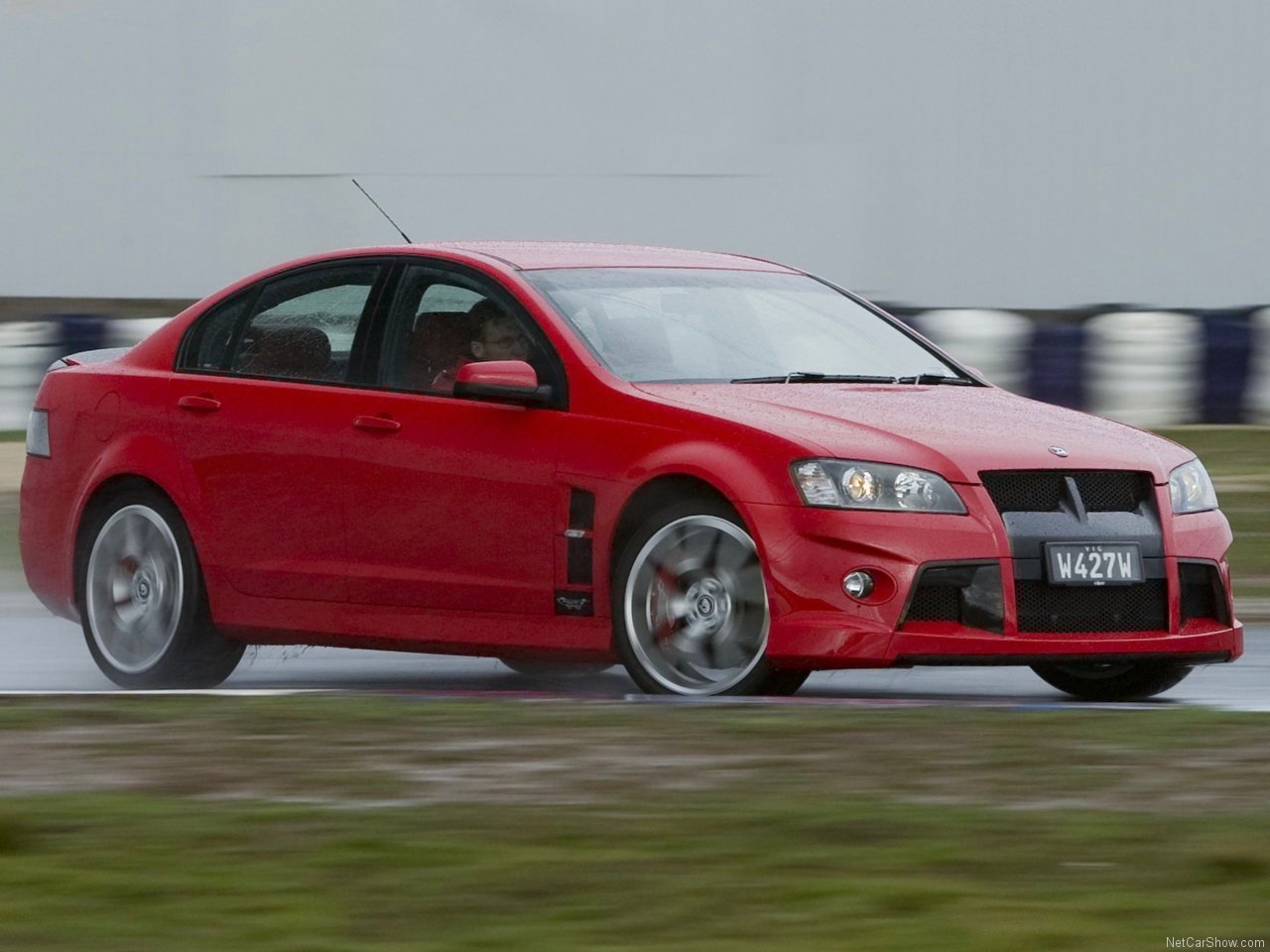
The HSV W427 was a flop. Commercially, at least. HSV initially announced 427 would be built, wound that back to 200 but ended up producing just 137, which of course now only adds to its allure as one of the rarest Aussie muscle cars.
Its lack of sales success was no reflection on the car. A 7.0-litre dry-sumped V8 with 375kW/640Nm, 380mm front brake discs with six-piston calipers, magnetorheological dampers like those in a Ferrari 599; like the GTS 300, it had a spec list that could match any four-door in the world at the time.
Sadly, one thing it couldn’t outrun was the global financial crisis, the worldwide meltdown severely shrinking the pool of buyers for a $155,500 (almost $250,000 in today’s money) Aussie muscle car.
2013 HSV Gen-F GTS
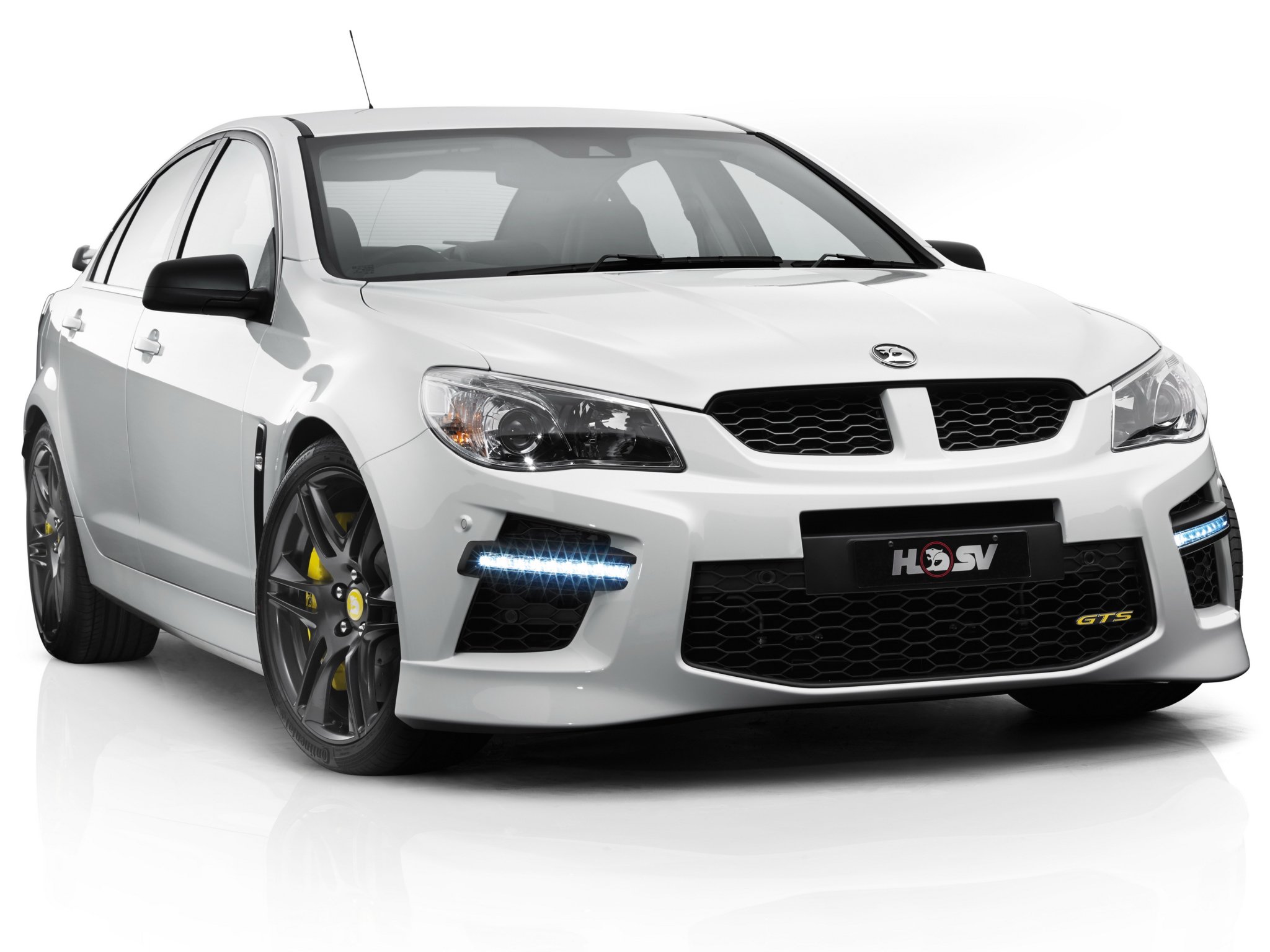
By the early-2010s Australia’s performance car oneupmanship was on an exponential trajectory. Having traded kiloWatts for years Ford attempted to put the whole thing to bed with the supercharged 335kW/570Nm 5.0-litre ‘Miami’ V8.
HSV’s response was brutal. It’s first VF-based flagship scored a 430kW/740Nm 6.2-litre supercharged V8, immediately vaulting local muscle car performance into a different league.
What was most remarkable, however, was that the outrageous power was arguably the least impressive aspect of the GTS. The way it could deploy all of its reserves on road or track yet commute with comfort made it one of the biggest step changes in local production history.
2014 FPV GT-F
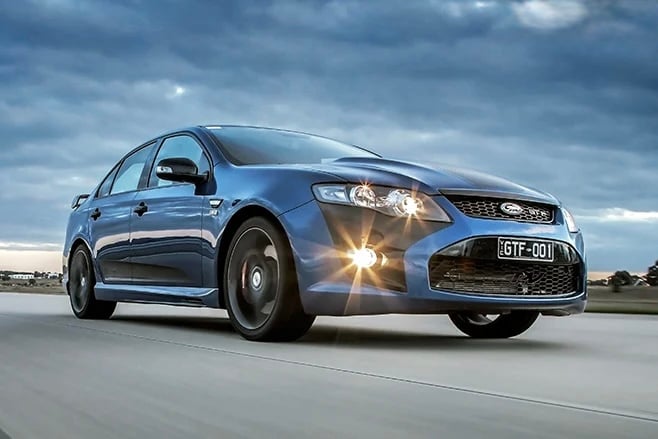
To say goodbye to Ford Performance Vehicles, the GT-F development team knew it had to deliver something special, so it pulled every thread available to it within a very limited budget.
Putting the Prodrive-developed 5.0-litre supercharged Miami V8 into the aging FG Falcon platform was like sticking a bomb in a wooden crate; left to its own devices it would blow its surroundings to smithereens.
The new Bosch 9.0 ECU allowed for greater control of the grunt, which increased to 351kW/570Nm – in the worst possible circumstances. In most instances it would be cranking out closer to 400kW/650Nm thanks to the overboost function.
Controlling this was the R-Spec suspension package, with 30mm-wider rear tyres, and the premium brake package from the GT-P so the GT-F had a fighting chance of taming the fury under the bonnet. A fitting farewell.
2016 Ford FG X Falcon Sprints
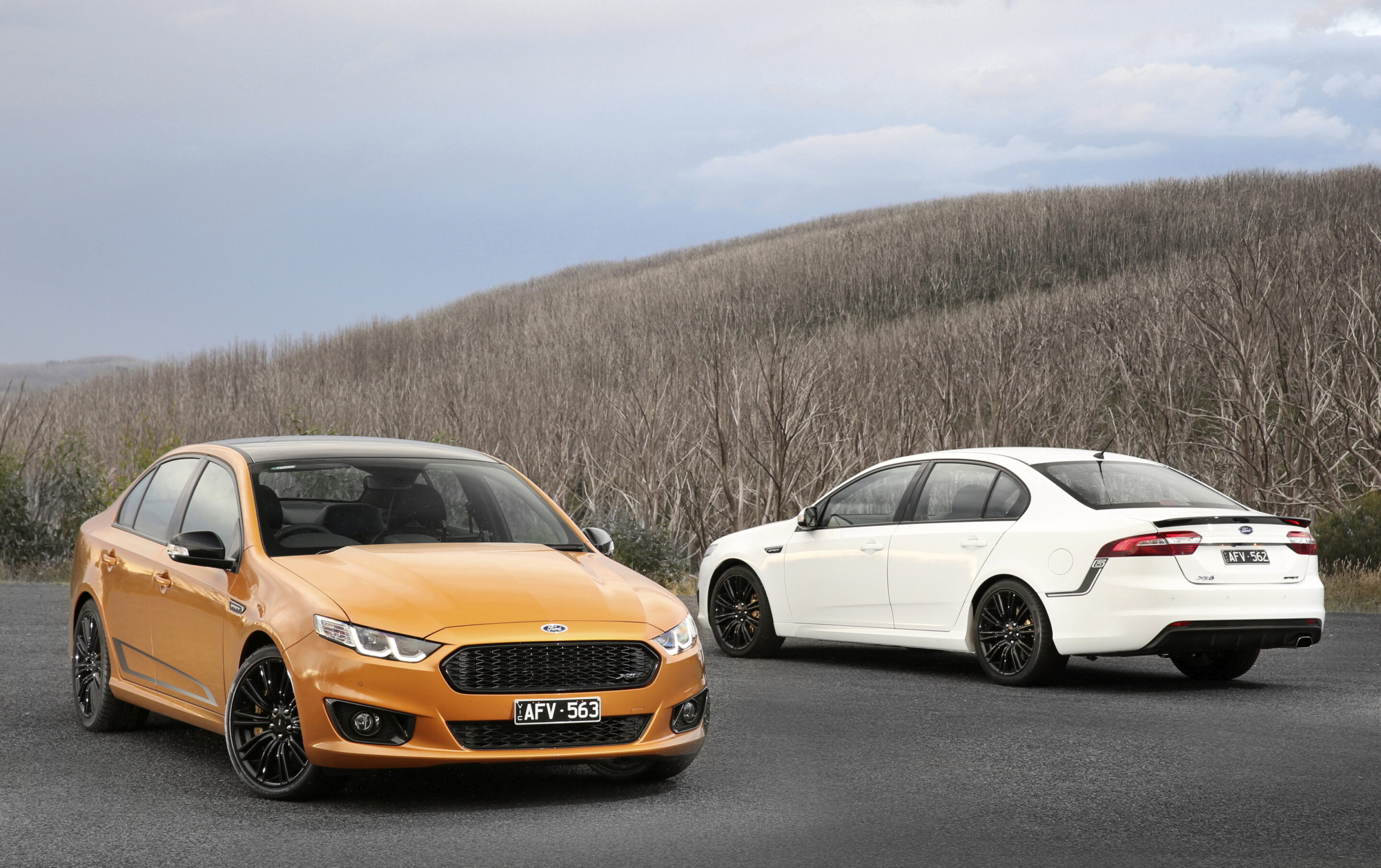
With the end of Falcon production looming, Ford could have rolled the arm over. A few badges, perhaps a colour or two, but a small, dedicated team within the company were determined to send the old girl off in style.
In contrast to the stripes-and-spoilers FPVs, the XR6 and XR8 Sprints (yes, we’re cheating by including both) were subtle in their looks, but there was nothing subtle about their performance. The XR8 Sprint was relatively similar to the GT-F, albeit with new Pirelli tyres necessitating a total suspension overhaul to take advantage of the extra grip.
The Sprint program, however, allowed the XR6 Turbo to shine. In layman’s terms, the Sprint engine combined the higher compression XR6T engine with F6 ancillaries, but the result was more power everywhere – officially 325kW/576Nm, but at least 10 per cent more than that in most scenarios thanks to the overboost function.
2017 Holden VF II Commodore Motorsport Edition
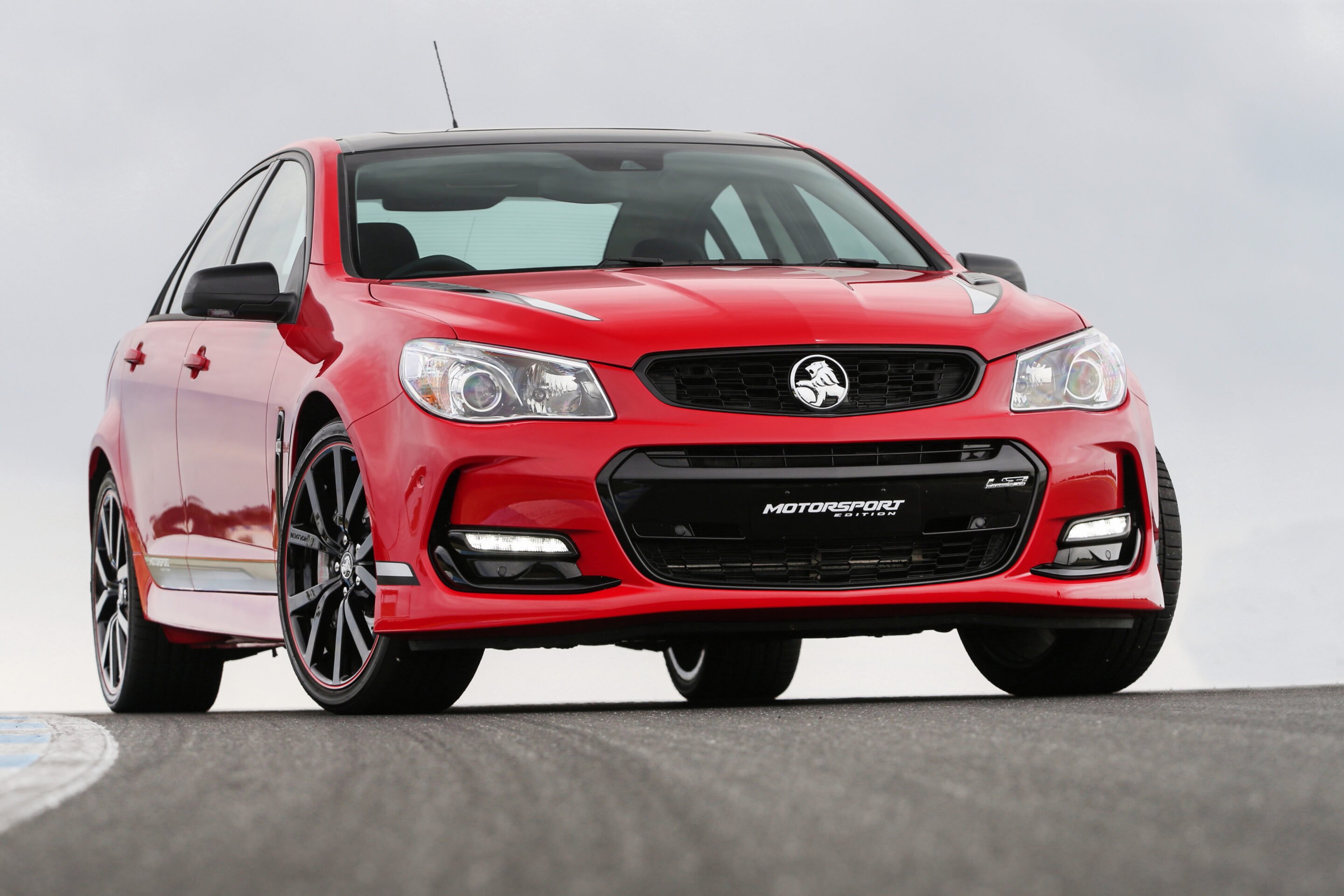
When Holden introduced the ‘Redline’ variant to the SS range with the VE II, it finally produced a Commodore that was comfortable on track. With the VF there was a great chassis somewhat in need of an engine, while the installation of the 6.2-litre LS3 for VF II created one of the all-time great Aussie sedans.
But Holden had one more hand to play and it was a Royal Flush. The Motorsport Edition scored Magnetic Ride Control dampers from the HSV GTS (albeit retuned), two-piece, cross-drilled front brakes, lightweight 20-inch wheels and a driveline cooling package that earned this final fling GM’s Level Three track-readiness rating.
All this for $61,790 (plus on-road costs) for the manual, about what you’ll pay for a decent hot hatch these days. Sigh.
2017 HSV GTSR W1
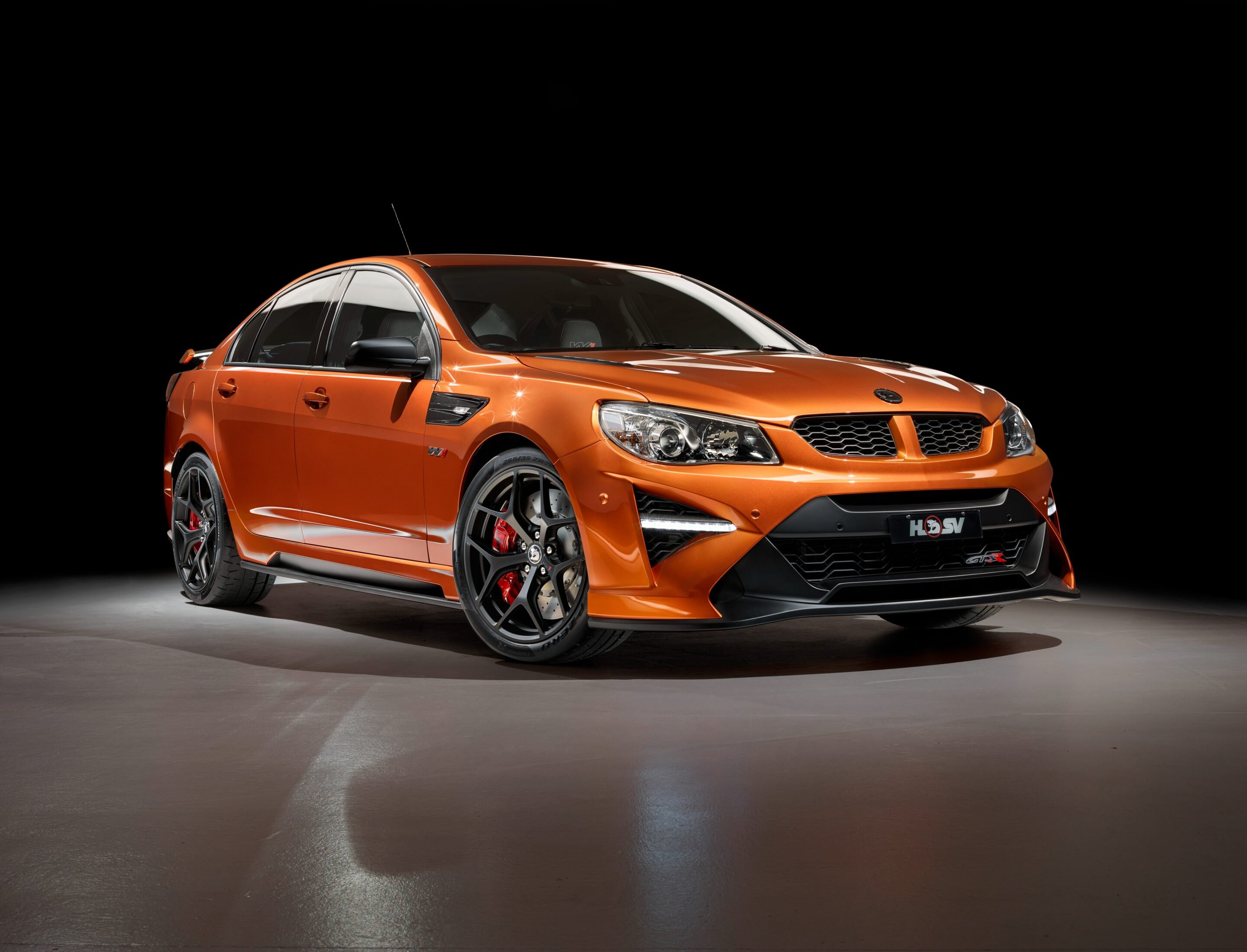
While this list is in chronological order, it’s fitting that the HSV GTSR W1 occupies the final spot on our two-part list: the fastest, most powerful, most extreme and most expensive muscle car Australia ever produced.
The standard GTS wasn’t exactly demure, but from the moment you set off in a W1 it made its intentions explicitly clear. The LS9 V8 from the Corvette ZR1 was more eager, more ferocious, the ride from the fixed-rate SupaShock dampers was unforgiving and the Pirelli P Zero Trofeo semi-slicks were uninterested in grip until they were warmed through.
Just 300 were built, far fewer were driven and almost none driven in the manner its makers intended, for while the experience wasn’t without compromise, fully lit the W1 offered the greatest driving thrills of any Australian muscle car. Ever.
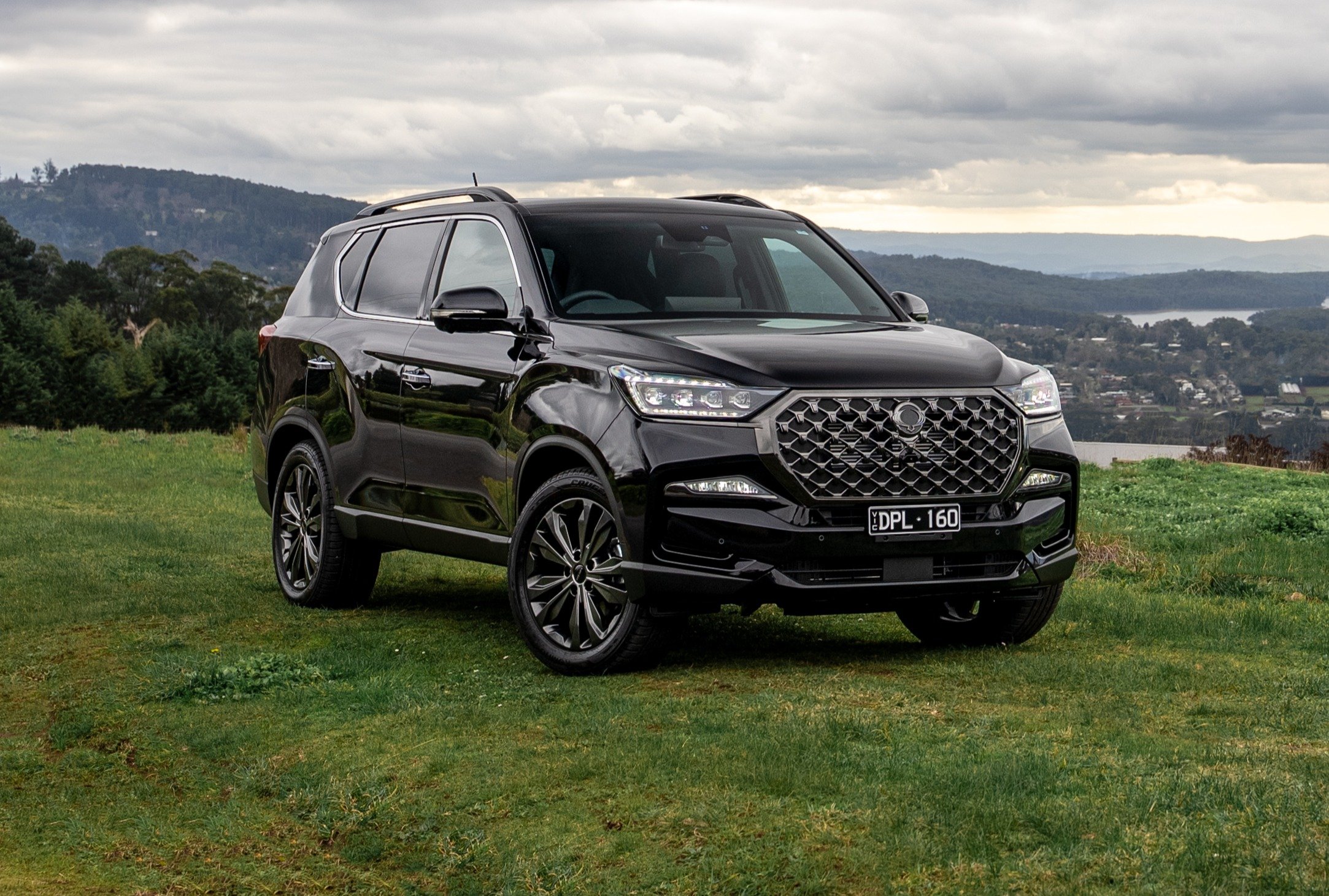
KGM has refreshed its Rexton large SUV range for Model Year 26, introducing a series of safety, technology and comfort upgrades aimed at enhancing its appeal in Australia’s competitive family SUV market.
All Rexton variants now come with electric power steering, Adaptive Cruise Control (ACC), and Lane Keeping Assist (LKA) as standard. Lighting has also been updated, with the addition of LED headlights featuring a new daytime running light design and sequential indicators.
The line-up remains familiar, apart from a name change for the mid-tier Adventure grade, which is now known as Advance. Equipment improvements have been made across the range: the entry-level ELX now gains leather-look upholstery, the Advance adds rear door pull-up sun blinds, and the flagship Ultimate receives wireless phone charging.
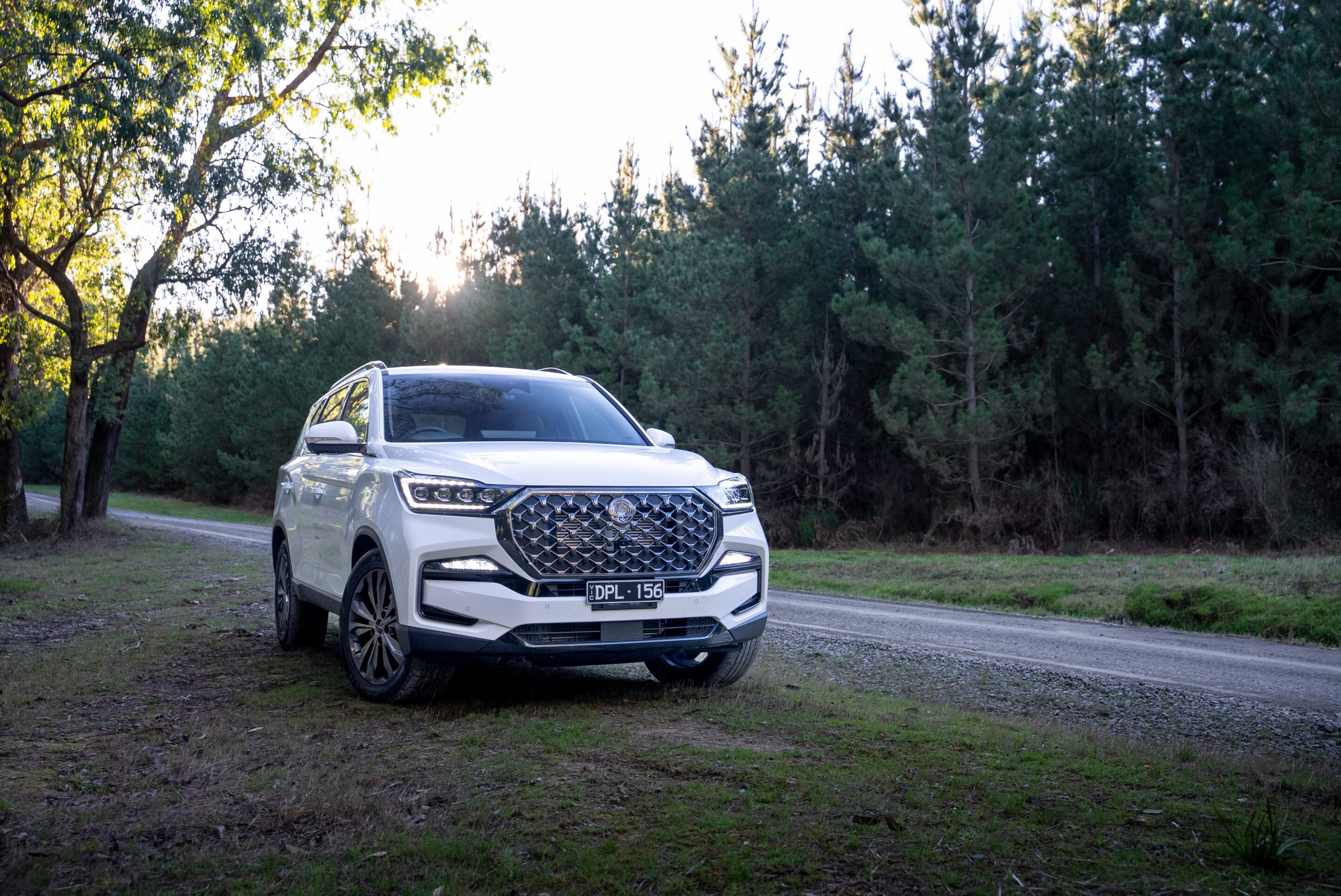
At the top of the line, the optional Sport Pack builds on the Ultimate with distinctive interior upgrades. These include black leather and suede seats, suede door trims and dash panel, plus a gloss black steering wheel bezel for a more premium cabin look.
The MY26 update follows a pattern of incremental changes designed to keep the Rexton competitive while maintaining its reputation for value, practicality, and towing capability.
Australian pricing and availability for the updated Rexton range are expected to be confirmed shortly, ahead of its showroom arrival later this year.
KGM Rexton ELX – features
- 2.2L 4-cylinder turbo diesel engine
- 8-speed automatic transmission with steering wheel paddle shift
- 7 seats
- Automatic locking rear differential
- Part-time 4×4 with 4H / 4L range and automatic-locking rear differential
- 3.5 Tonne braked towing capacity
- 18-inch diamond cut alloy wheels
- Leather look seats
- Leather steering wheel with height and reach adjustment
- 12.3-inch digital LCD instrument cluster
- 12.3-inch touch screen audio
- Apple CarPlay™ and Android Auto™
- Electric power steering
- Adaptive Cruise Control (ACC)
- Lane Keeping Assist (LKA)
- AEB with Forward Collision Warning (FCW)
- Lane Change-Collision Warning (LCW)
- Safety Distance Warning (SDW)
- Blind Spot Warning (BSW)
- Smart High Beam (SHB)
- Front Vehicle Start Warning (FVSW)
- Rear Cross Traffic Warning (RCTW)
- Trailer Sway Assist (TSA)
- Hill Start Assist (HSA)
- Hill Descent Control (HDC)
- New C-type design LED Daytime Running Lights (DRL)
- LED Front fog lights
- LED rear combination lamps
- Front and rear parking sensors
- Heated and power adjustable door mirrors in body colour and LED indicators
- Dual-zone climate control
- Front auto up/down power windows
- Electric Park brake
- LED dusk-sensing headlights
- Sequential front and rear indicators
- Heated and power adjustable door mirrors in body colour and with LED indicators
KGM Rexton Advance adds:
- Power tailgate
- 8-way powered front seats with powered driver’s lumbar adjustment
- Heated front & 2nd row outer seats
- Cool vented front seats
- Rear door pull-up sun blinds
- Heated steering wheel
- Tyre Pressure Monitoring System (TPMS)
- Walk-up welcome system
- Touch-sensing front door locks with walk-away auto-door locking
KGM Rexton Ultimate adds:
- Powered sunroof
- Premium leather seats
- Quilted door trims and facia panel
- 3D 360° camera
- 3rd row A/C controls
- Wireless phone charger
- Rear auto up/down power windows
- Ambient interior lighting
- Illuminated front door scuff plates
- Privacy glass
KGM Rexton Sport Pack adds:
- Black leather and suede seats
- Suede door trims and dash trim
- Gloss black steering wheel bezel
- Shadow chrome front grille, tailgate, and rear bumper garnish
- LED front fog lights with shadow chrome surrounds
- Shadow chrome 20-inch alloy wheels
- Black roof rails
Pricing
| Grade | Recommended Drive Away (private buyers) |
|---|---|
| Rexton ELX | $52,000 |
| Rexton Advance | $57,500 |
| Rexton Ultimate | $61,500 |
| Rexton Sport Pack | $64,200 (includes metallic paint) |
Warranty and Roadside Assistance
The MY26 Rexton range is covered by a 7-year/unlimited kilometre new vehicle warranty, including commercial use, and 5-year roadside assistance.
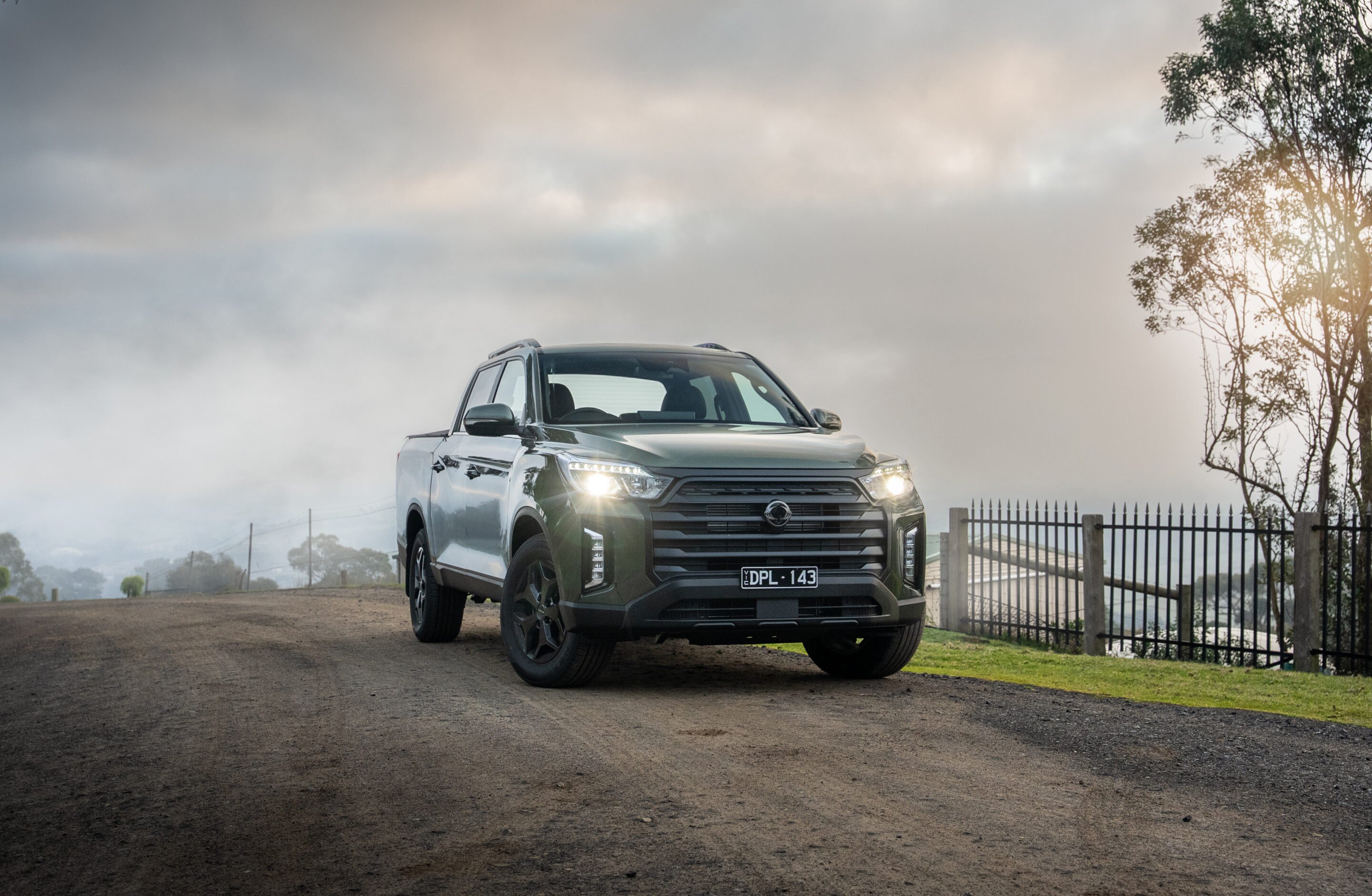
KGM has announced updates for its Musso and long-wheelbase Musso XLV models as part of the MY26 range, bringing a revised model line-up, more equipment, and fresh styling touches.
The line-up now consists of the entry-level ELX, the newly introduced Advance grade, and the flagship Ultimate. All versions are now fitted with roof rails as standard.
The Advance grade – replacing the outgoing Adventure trim – gains a black front grille and matching black roof rails to set it apart visually. It also adopts a higher equipment level, adding dual-zone automatic climate control, privacy glass for the rear doors, heated and ventilated front seats, and a heated leather steering wheel.
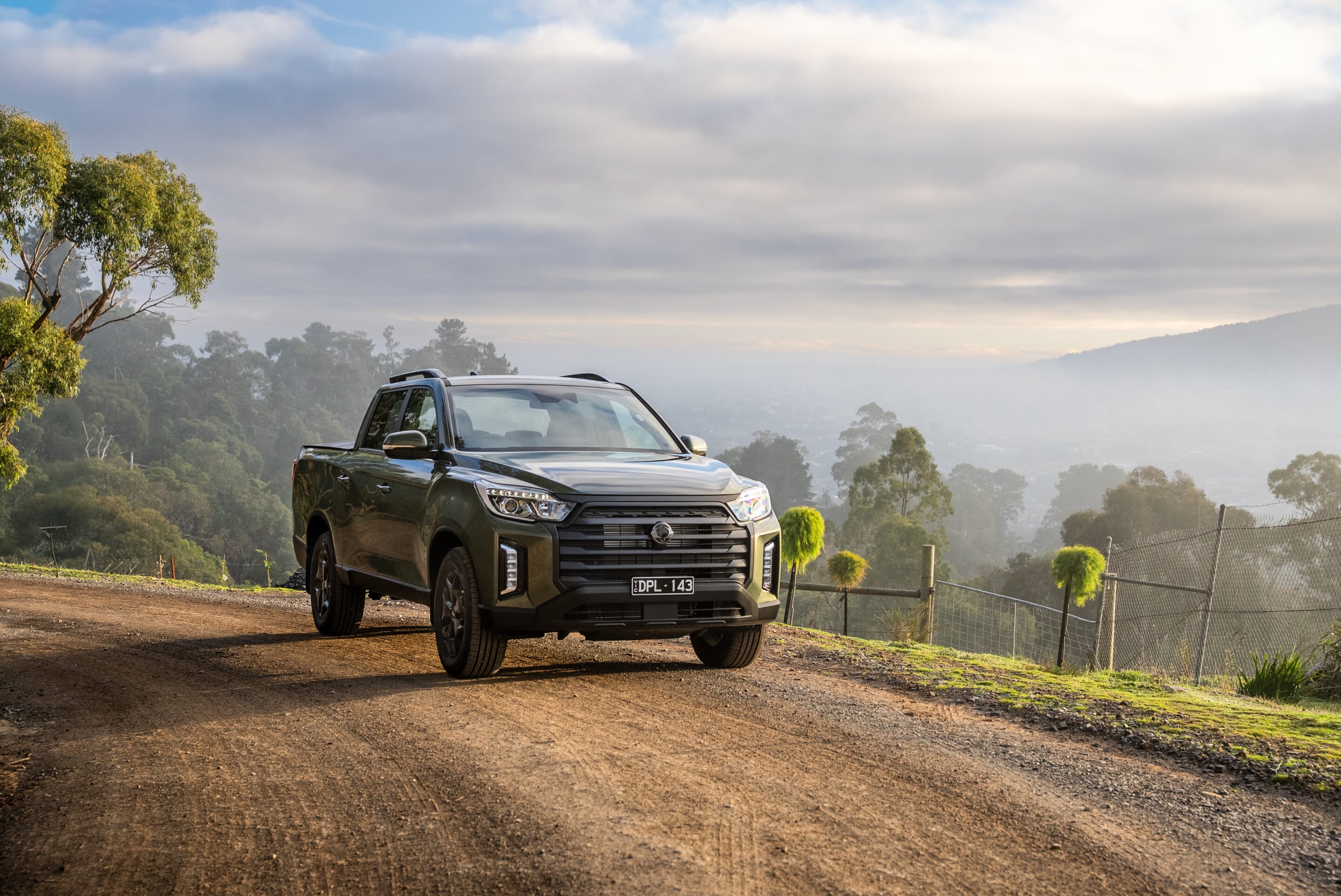
At the top of the range, the Ultimate combines the previous Luxury Pack specification with new exterior and interior styling updates. It features LED headlights with sequential indicators, a powered sunroof, 8-way powered front seats, and a 360-degree camera system. The model also debuts a special front-end design, accented by black finishes on the grille, climate control panel, and steering wheel bezel.
The updates follow dealer and customer feedback, with KGM aiming to balance the Musso’s well-known practicality and capability with improved comfort, refinement, and value.
The Musso and Musso XLV continue to target buyers who need a dual-purpose ute – capable of heavy-duty work while still offering passenger car-like convenience and features. With these MY26 changes, KGM hopes to sharpen the Musso’s appeal in Australia’s highly competitive ute market.
Pricing and full technical specifications are expected closer to the MY26 Musso’s Australian release date.
KGM Musso ELX – features
- 2.2L 4-cylinder turbo diesel
- 6-speed automatic transmission
- Automatic locking rear differential
- Part-time 4×4 with 4H / 4L range and automatic-locking rear differential
- 3.5 Tonne braked towing capacity
- 17-inch alloy wheels
- Multi-link, coil spring rear suspension with 790kg payload, leaf spring rear suspension with 1010kg payload for XLV
- Electric power steering (Hydraulic PAS for XLV)
- Reach adjustable steering wheel
- Lane Keeping Assist (LKA) (NA for XLV)
- HID headlights (Projector for XLV)
- AEB with Forward Collision Warning (FCW)
- Lane Departure Warning (LDW)
- Trailer Sway Assist (TSA)
- Hill Start Assist (HSA)
- Hill Descent Control (HDC)
- 12.3-inch digital LCD instrument cluster
- 12.3-inch touch screen audio
- Apple CarPlay™ and Android Auto™
- Leather steering wheel with height and reach adjustment
- LED Daytime Running Lights (DRL)
- Cruise control
- Front fog lights
- Reverse camera
- Front and rear parking sensors
- Heated and power adjustable door mirrors in body colour and LED indicators
- Assisted tailgate operation
- Silver roof rails
KGM Musso Advance adds:
- 18-inch black alloy wheels
- Black front grille
- HID headlights
- Black roof rails
- Multi-link, coil spring rear suspension with 790kg payload, 880kg for XLV
- LED vertical design front fog lights
- Dual zone automatic climate control
- Blind Spot Warning (BSW)
- Rear Cross Traffic Warning (RCTW)
- Lane Change-collision Warning (LCW)
- Safety Exit Warning (SEW)
- Heated steering wheel
- Leather look seats
- Heated and ventilated front seats
- Tyre Pressure Monitoring System (TPMS)
- Privacy rear door glass
KGM Musso Ultimate adds:
- Special design black front bumper and grille
- Black interior highlights (A/C panel, steering wheel bezel, facia trim)
- 3D 360° camera
- Powered sunroof
- LED headlights
- Sequential front indicators
- 8-way powered front seats
- Powered driver lumbar support
- Heated rear outer seats
- Walk-up welcome system
- Touch-sensing front door locks with walk-away auto-door locking
Pricing
| Grade | RDAP (private buyers) |
|---|---|
| Musso ELX | $42,500 |
| Musso ELX XLV | $44,000 |
| Musso Advance | $46,500 |
| Musso Advance XLV | $48,000 |
| Musso Ultimate | $51,500 |
| Musso Ultimate XLV | $53,000 |
Warranty and Roadside Assistance
The KGM Musso range is covered by a 7-year/unlimited kilometre new car warranty, including commercial use, and 5-year roadside assistance.
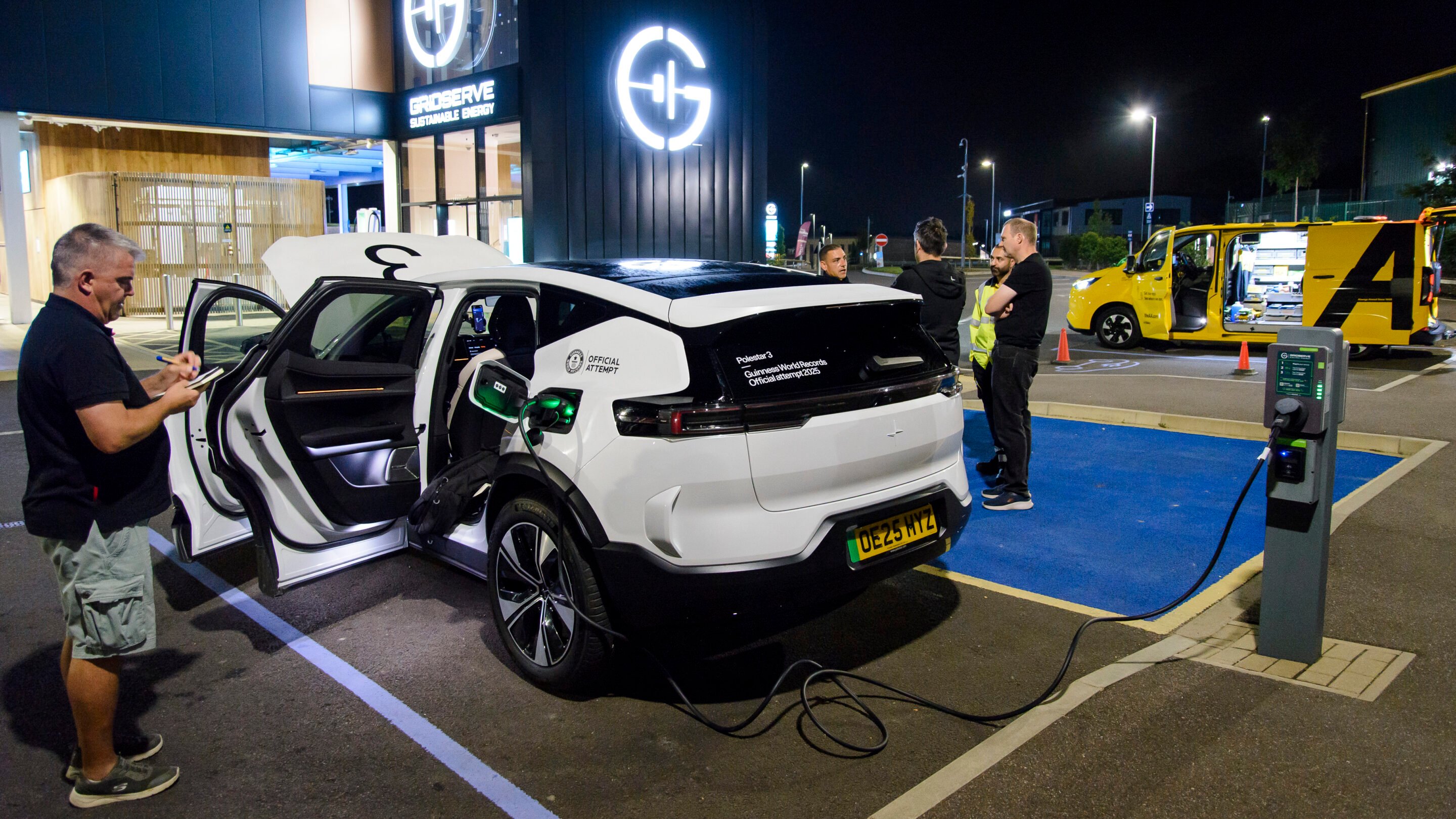
The Polestar 3 has entered the record books after travelling 935.44 kilometres on a single charge, setting a new Guinness World Record for the longest journey by an electric SUV.
The feat was achieved in the Long range Single motor variant of the recently launched model, driven by a team of professional efficiency specialists — Sam Clarke, Kevin Booker and Richard Parker — who rotated behind the wheel every three hours to maintain alertness.
The journey, which lasted 22 hours and 57 minutes, took place in mixed weather conditions, including rain. The Polestar 3 maintained an efficiency of 12.1 kWh per 100 km, exceeding its official WLTP range of 706 km with 20 per cent battery capacity still remaining. Even after the dashboard displayed zero per cent charge, the SUV managed a further 12.8 km before reaching a charger.
Polestar CEO Michael Lohscheller said the company would “continue to push the boundaries of technology and electric performance.”
Polestar UK Managing Director Matt Galvin said the result highlighted the rapid improvement in EV range in recent years. “For a large premium SUV to go way beyond a London to Edinburgh distance is truly impressive,” he said. “The idea that ‘EVs can’t go far’ has very much been consigned to the history books.”
The attempt used a production-standard Polestar 3 with no modifications. It was fitted with standard 20-inch wheels and Michelin Sport 4 EV tyres. Guinness World Records adjudicator Paulina Sapinska oversaw the drive, with telematics company Webfleet providing verified data, including odometer readings, GPS tracking, and battery levels. The event was also supported by the AA.
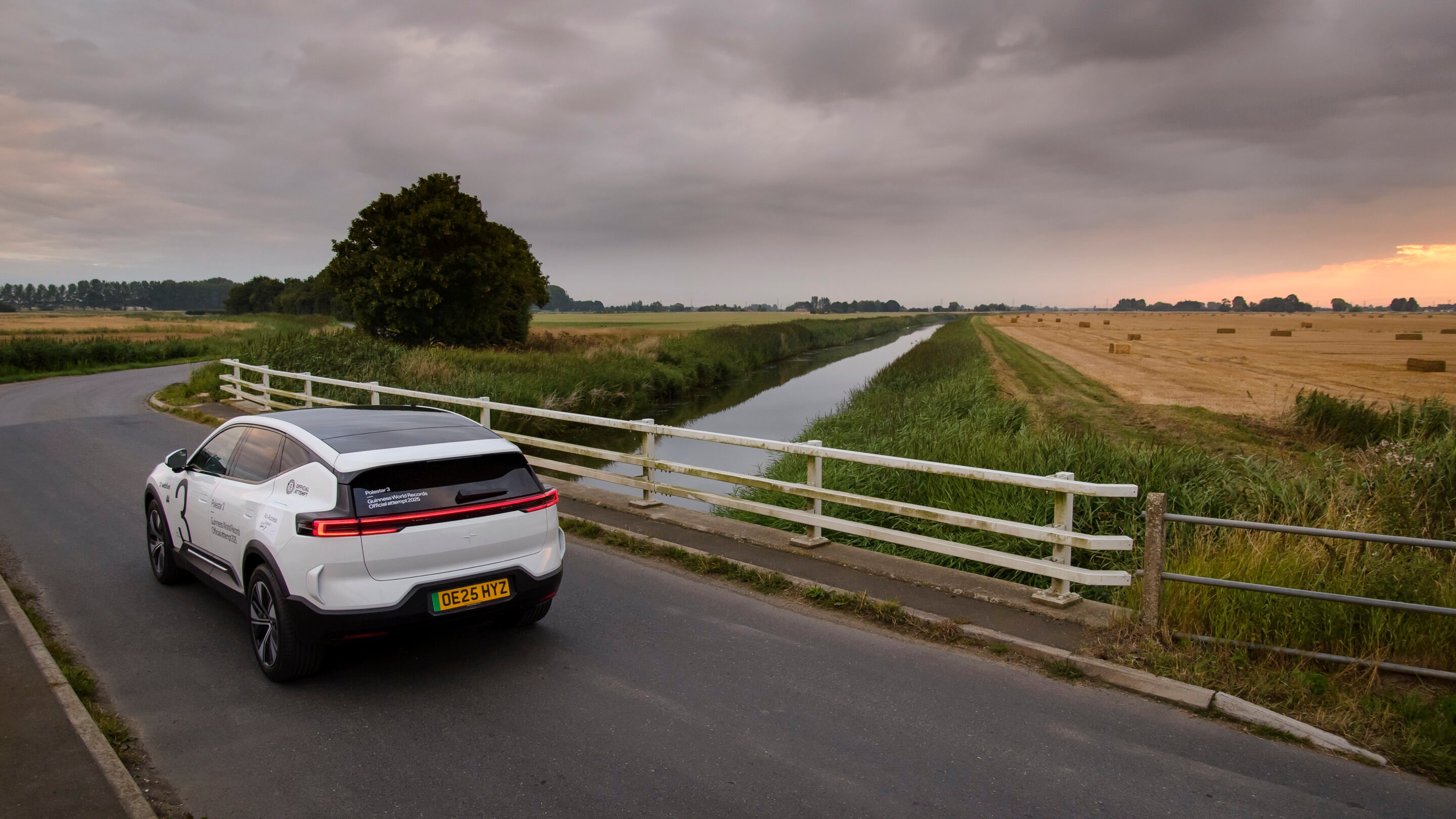
The record drive underscores the growing capability of electric SUVs to cover long distances without lengthy charging stops, as manufacturers continue to advance battery technology and efficiency in the premium EV segment.
Authorities in New South Wales are reminding motorists that mobile phone and seatbelt detection cameras are in full operation — and catching out thousands of drivers and passengers.
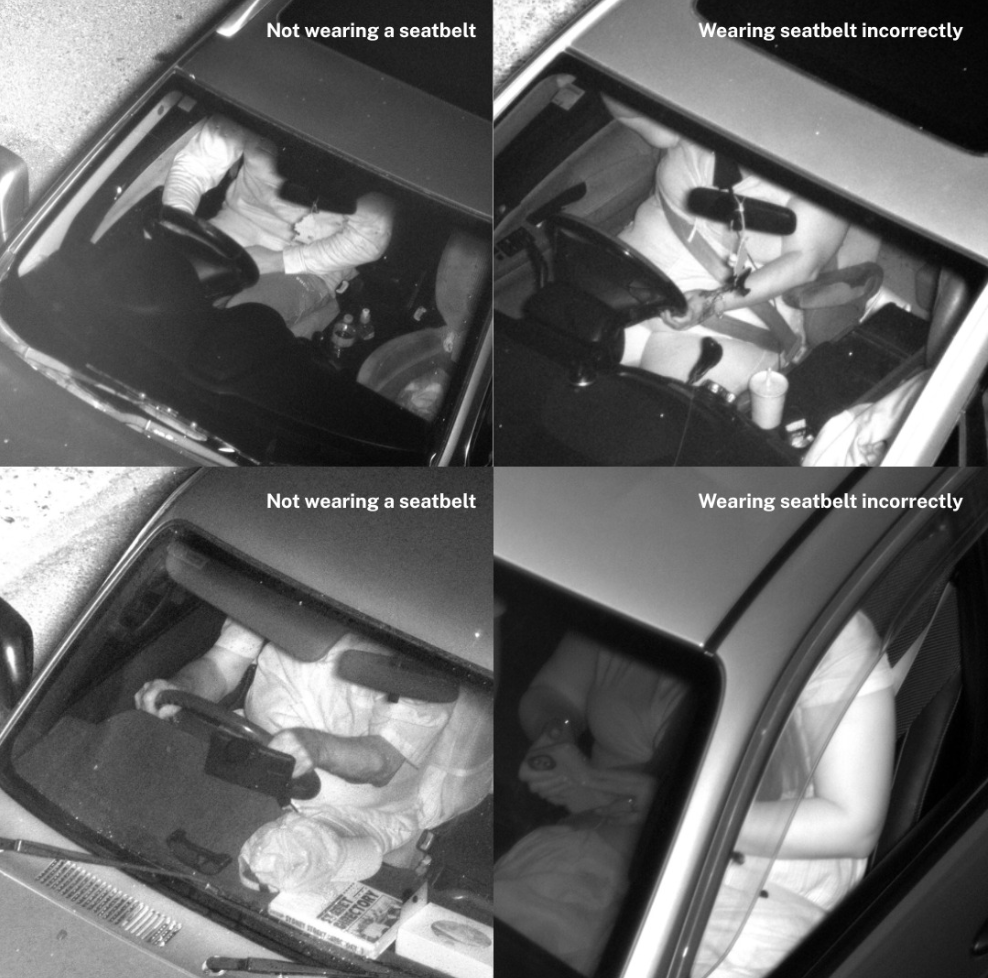
The warning comes as the state continues to enforce the AI-assisted technology, while Western Australia prepares to roll out its own program later this year after a trial phase. Tasmania has implemented cameras that use AI to detect drivers using mobile phones or not wearing seatbelts, most notably via fixed cameras located on the Tasman Bridge (east and west) and the Midland Highway near the Bridgewater Bridge.
Traffic lawyer Hayder Shkara told Yahoo News his firm has seen a rise in clients seeking advice since the cameras came online. “Drivers are shocked at the precision of the technology and what the law actually is,” he said, adding that many cases involve “brief lapses” such as adjusting a GPS or changing music.
One passenger, he recalled, was fined after wearing their seatbelt incorrectly for years because they found it uncomfortable.
Since enforcement began, NSW cameras have scanned more than 140 million vehicles. Around 75,000 infringements have been issued – with 88 per cent relating to seatbelt misuse. Last year, 34 people died on NSW roads while not wearing a seatbelt, with another 11 fatalities recorded so far in 2025. Transport NSW says wearing a seatbelt correctly doubles the chance of surviving a crash.
The state government has urged drivers to ensure belts are properly fitted every trip. In NSW, an offence incurs a $423 fine and three demerit points – doubled during holiday periods – following a recent increase from $410.
Shkara said the quality of the images makes overturning a penalty difficult unless there is clear evidence of error or an “exceptional circumstance.” He noted some cases have succeeded where photos were ambiguous, but warned “even a momentary lapse” can trigger a fine.
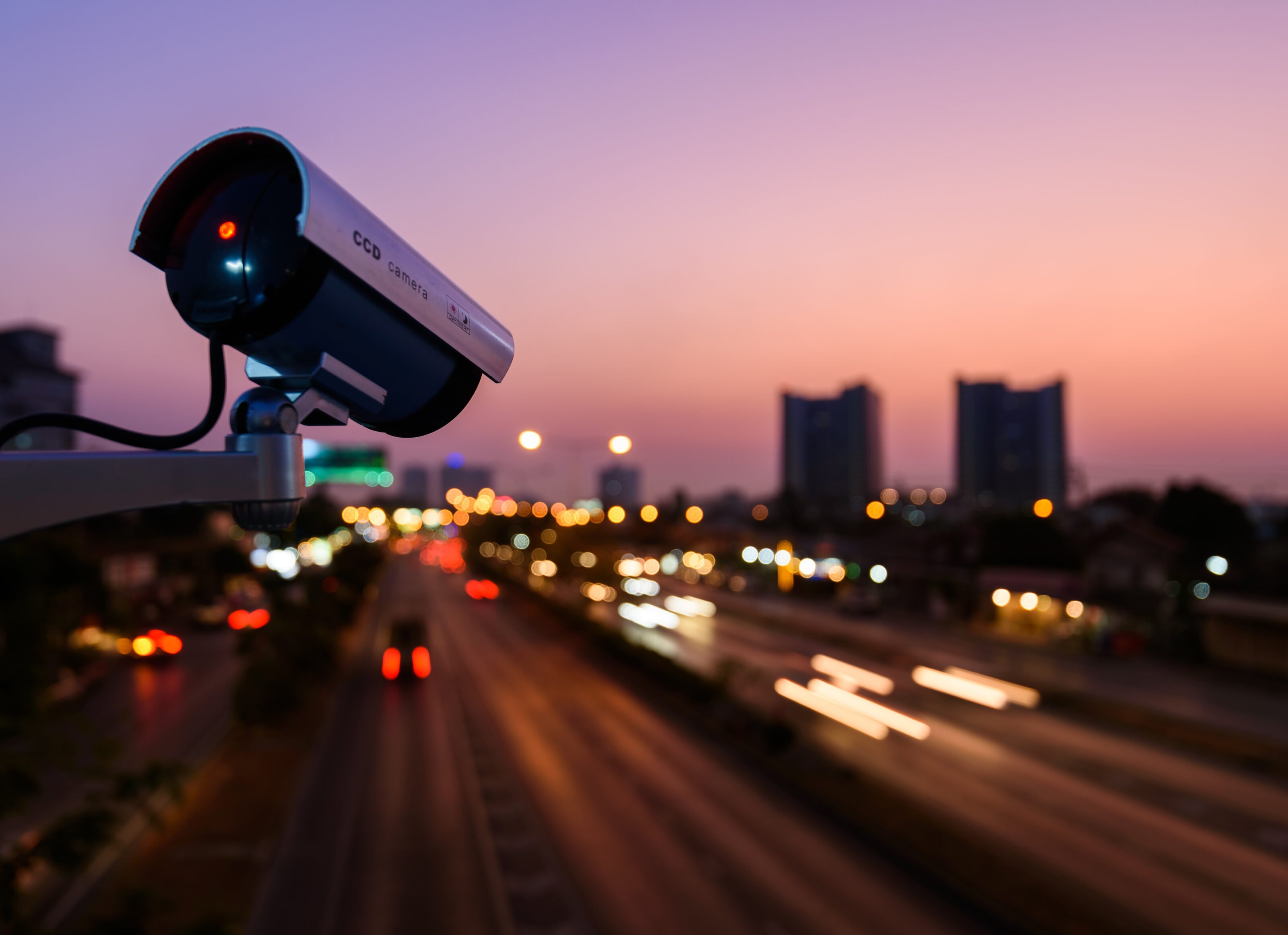
The technology works by photographing passing vehicles, with AI software flagging potential offences such as mobile phone use or incorrect seatbelt wear. Suspected breaches are then confirmed by a human reviewer, while images showing no offence are deleted within an hour.
“Whether you’re the driver or the passenger, make sure you’ve always got your seatbelt on correctly,” NSW road safety authorities advised, as the state continues its push to cut a road toll now at its highest in 15 years.
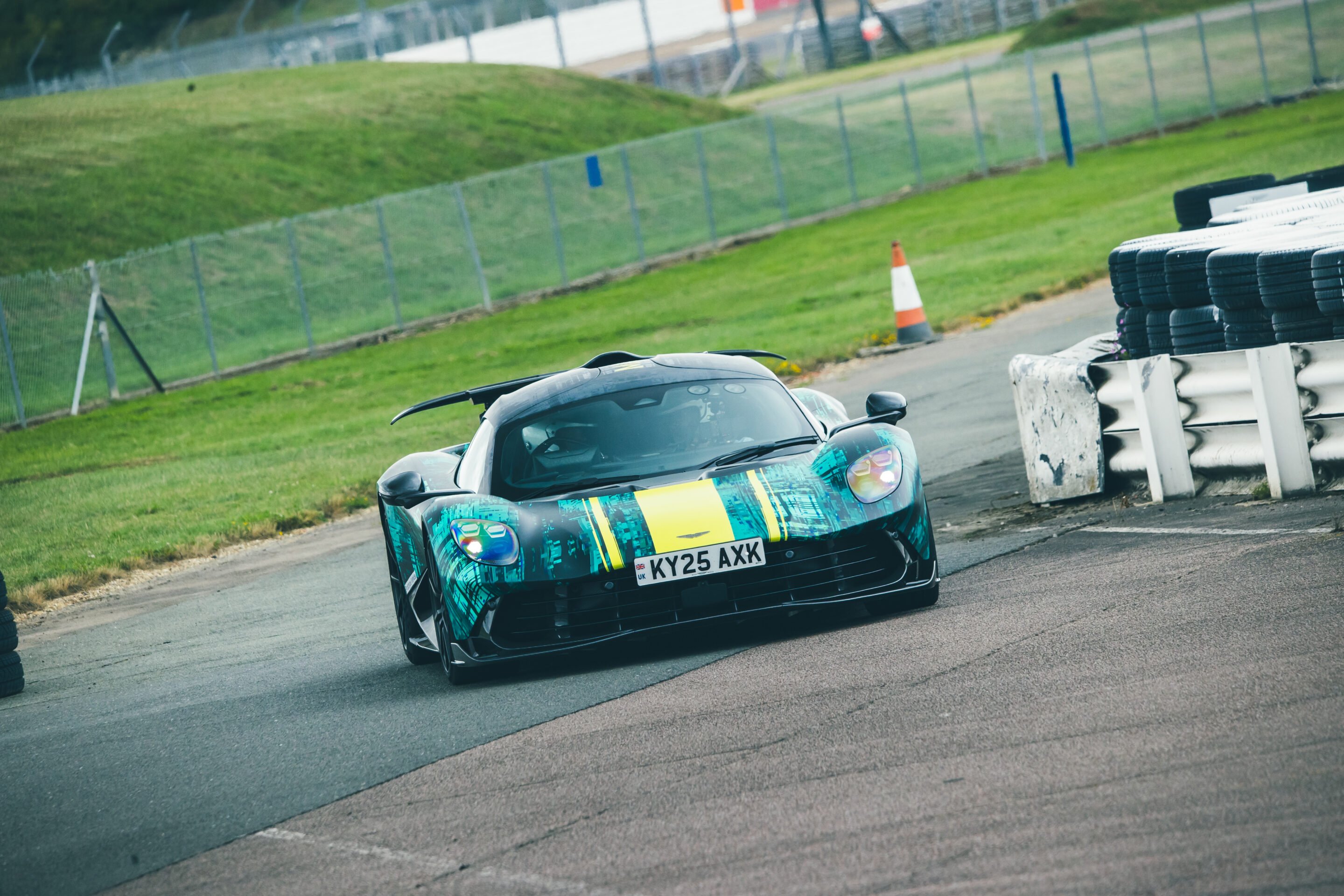
The Valhalla may be an Aston Martin like no other, but it isn’t a supercar like no other.
It’s a two-seat, carbon fibre-tubbed coupé, with a mid-mounted turbocharged vee engine supplemented by an electric motor, plus two electric motors driving its front axle. And if that sounds familiar, the likes of the Lamborghini Revuelto, Ferraris F80 and SF90, McLaren Artura and even Honda NSX have had some kind of shades of this layout. Did the Porsche 918 Spyder do it first? But will the Valhalla do it best?
This brief drive of the new supercar/hypercar, as you prefer, to be priced at £850,000 (A$1.77 million) and limited to 999 units when deliveries start next spring, was of a late prototype, with production ready hardware but software about 85-90 per cent complete. Software sign-off can be left to the very last minute before deliveries these days.
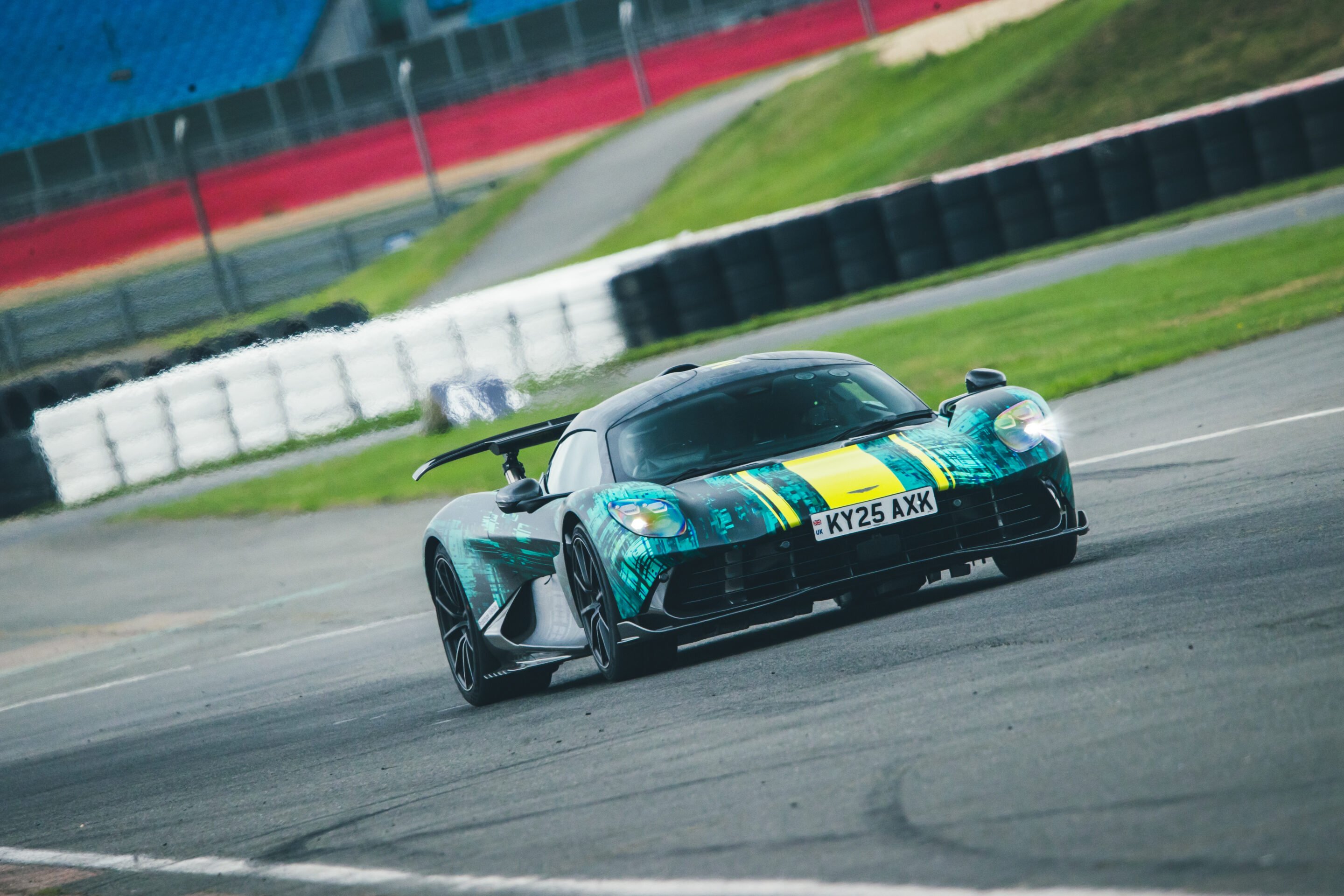
And there’s a lot of it to wrap together when you consider how many Valhalla systems need to be tuned into becoming a cohesive driver’s car. The major mechanical piece, the engine, takes Mercedes-AMG’s 4.0-litre V8 as a starting point, but rather than the usual Aston cross-plane crank kind, it’s the AMG GT Black Series version, which has 180deg planes. It makes 817bhp (609kW) and 632lb ft (856Nm) on its own, both at 6700rpm (see below), Aston says, and revs to 7000rpm.
It’s mated to an eight-speed dual-clutch automatic gearbox that has an integrated electric motor and no reverse gear. After the gearbox is an electronically controlled limited-slip differential for the rear axle. At the front there are two electric motors, one for each front wheel (the front e-motors also do the reversing). Aston won’t share individual motor outputs, but combined they add 248bhp (184.9kW). Meld these four power contributors together and their combined maximum outputs are 1064bhp (793kW) and 811lb ft (1099Nm).
Then there’s the electric power steering, adaptive dampers from Bilstein, electric regeneration and brake-by-wire while slowing, plus active aerodynamics that can produce up to 600kg of downforce from 240km/h (wings and diffusers bleed off their effect at higher speeds to avoid making any more and overloading the suspension). Aside from the carbon fibre tub, bodywork is also carbon fibre, as is the upper clam section, with aluminium subframes front and rear for the suspension, which is by double wishbones at the front and a multi-link set-up at the rear. The front suspension uses pushrods, partly to reduce unsprung mass, but mostly so the spring/damper units can lie flat, which allows a lower scuttle and windscreen and a lower driving position.
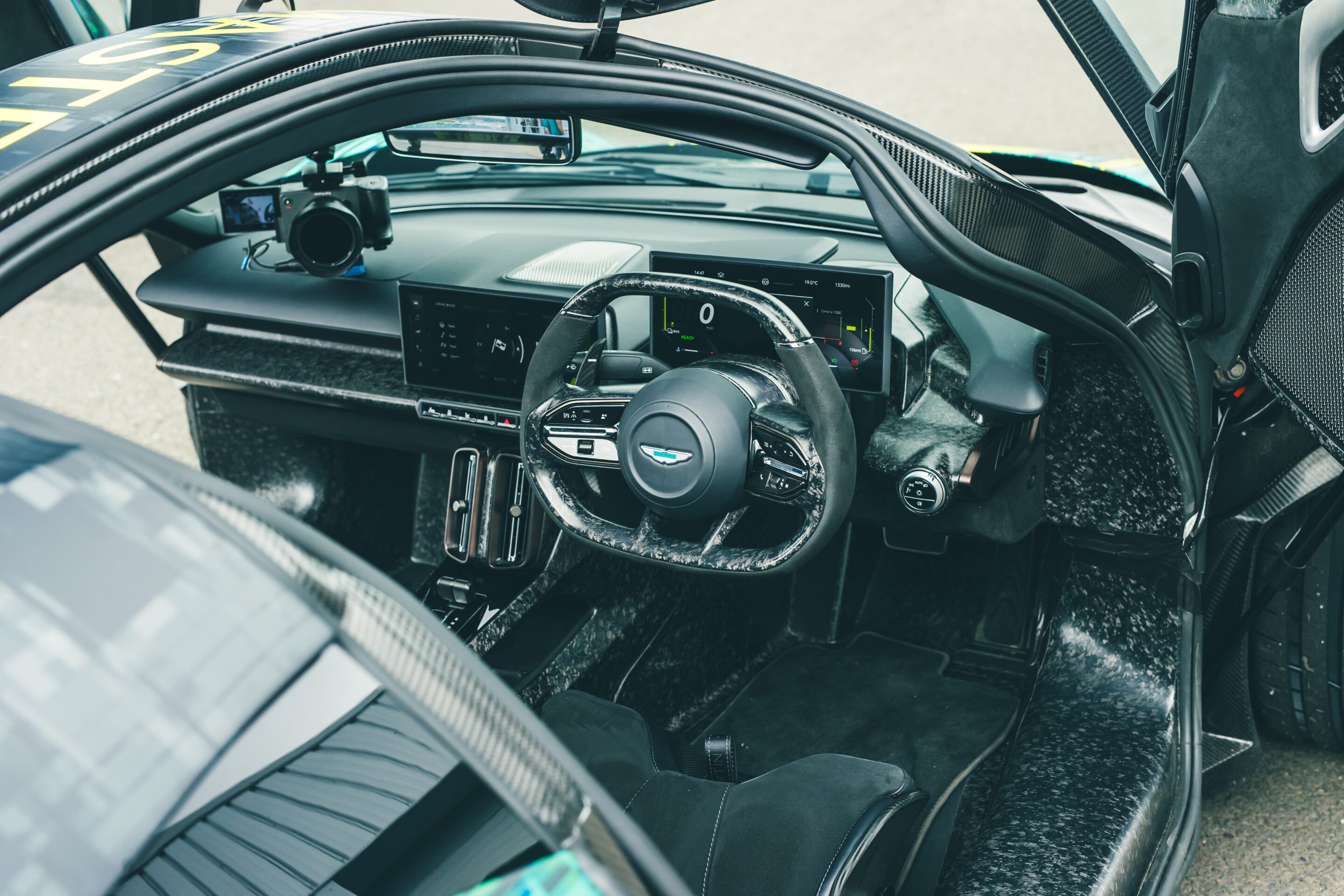
The Valhalla is 1161mm tall, 25mm lower than a Revuelto and about the same as an SF90. Our drive is at Aston’s Stowe circuit at Silverstone, with Aston’s director of vehicle performance, Simon Newton, on hand and keen for us to get a feel for the natural handling of the car before a drive of the completed one, somewhere faster and perhaps early next year. Then, it’s likely the Valhalla will be demonstrated on hardcore Michelin Pilot Sport Cup 2 R tyres; for now it’s on Pilot Sport S5s (285/30 R20 at the front, 335/30 R21 rears), which are less aggressive, with a lower limit and easier breakaway, to show that Aston “has started by giving the car a base, fun-to-drive character,” according to Newton.
Astons traditionally have a ride quality that breathes, and they move around benignly at the limit. That’s the kind of behaviour Newton wants the Valhalla to have – and to retain even after it has been through high-speed development testing. Basically he’s told the team going off to perform high-speed lapping to not ruin the inherent character he believes it has now.
So let’s see. The Stowe circuit has two notable straights, a couple of high-ish-speed esses (typically taken in fourth gear) and a series of lower-speed turns. In some sports cars you would be in second gear for those slower corners, but because of the torque modern Astons typically have, and because their behaviour suits surfing along on that torque rather than thrashing out the last few revs, you might take them in third.
But the Valhalla is a different kind of Aston Martin. Not a Valkyrie, they’re keen to note (you don’t need ear defenders, for a start), but still a departure for a company that typically makes daily-sensible GT cars. The absence of a typical V8 woofle is unusual. With the engine idling and supplementary systems whirring and fanning, the Valhalla sounds – I don’t want this to sound unkind, but I fear it might – a bit like a generator.
But the appearance, as you swing open the big doors and drop deep into the cabin, is fully exotic. There’s liberal use of recycled forged carbon fibre (it looks chopped; I like it) plus proper high-grade materials such as a solid metal door pull that’s cold to the touch. Aston’s interiors have taken a significant notch upwards in quality of late, and this is another.
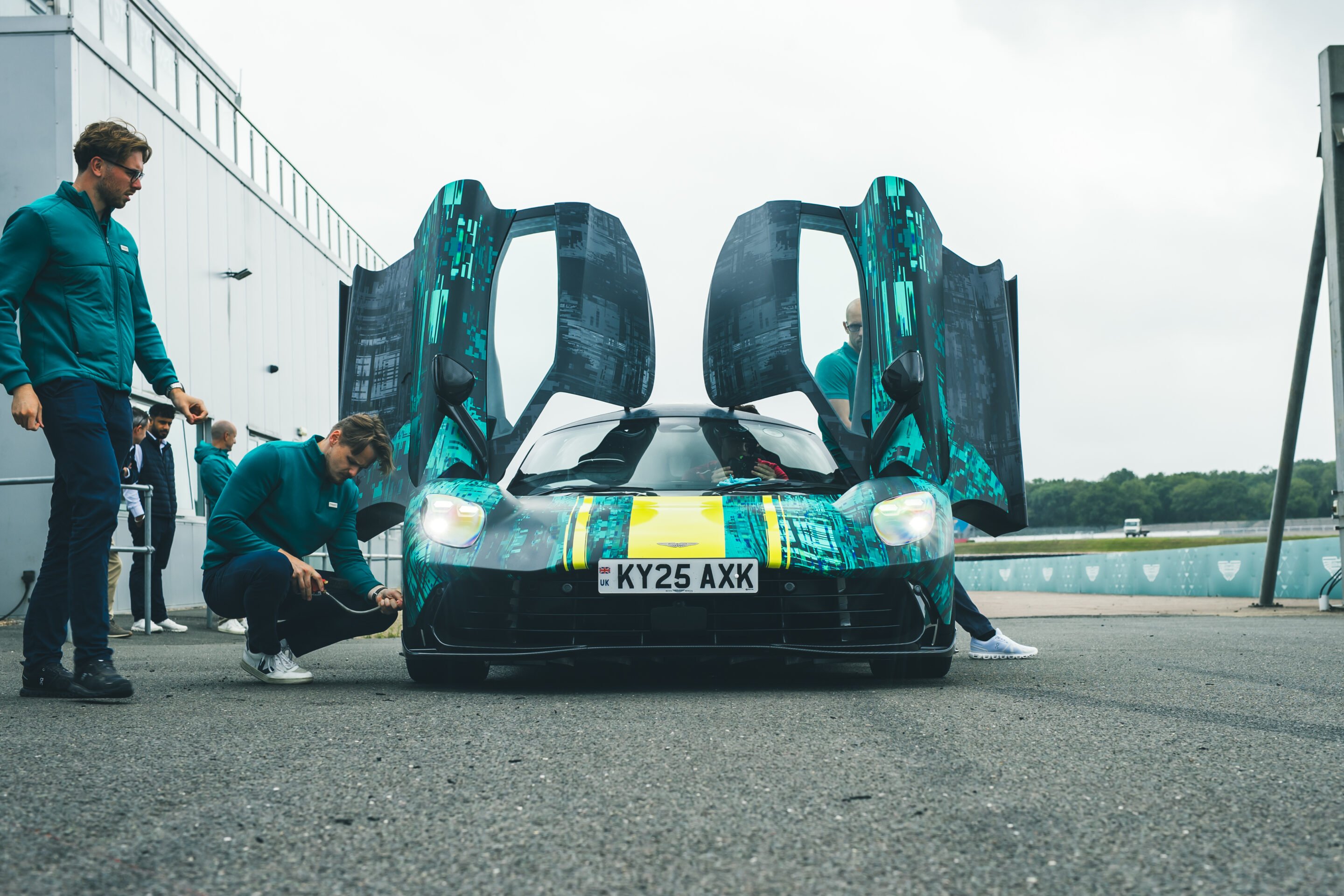
The driving position is high of leg and low of bum, with a racy, squared steering wheel that has paddles attached to the rim. Maybe if your hands are guaranteed to be at a quarter-to-three then these wheels are fine, and if so then wheel-mounted paddles are better than column-fixed ones. But the steering ratio brings 2.4 turns between locks and this is supposed to be a playful car, so… I don’t know. I grant you that, as with an F80, having a round steering wheel in here would seem at odds with the Le Mans refugee ambience. But I do like round wheels and they always looked okay in Group C cars, no?
Anyway, there are drive modes, including an EV one, but I’ll stay in those that bring firmer damper settings, plus there’s three-stage stability control (on, track and all off).If it’s off, there’s still eight-stage traction control, including an all-off mode where you’re on your own. It’s a mode I am encouraged to use.
Even in its firm set-up the Valhalla has some compliance. This is a flat circuit so it’s hard to know for sure, but some body movement is allowed and it rides kerbs with absorbency. The steering is relatively light and quick but not hyper .It’s an approachable car.
It’s fast, too, of course: dry weight is 1655kg and it has more than 1000bhp (although six days earlier I’d been in a Lotus Evija, so even 1000bhp-plus is relative these days). There’s a hard 7000rpm limiter, immediate gearchanges, strong torque-filling and explosive response in every gear, and you wouldn’t really know where engines and turbos start or motors stop.
I wonder what customers will think of the sound. It’s an effective one, powerful too, but, some exceptions aside, these flat-plane layouts aren’t known for their soul. It’s more McLaren than Ferrari 458.
The by-wire brake feel is good and here, as it is in cornering, the body isn’t locked so tightly that you can’t feel what’s going on; in fact, you can turn in with a trailed brake or off the throttle to wilfully upset the balance. Then on the power on the way out of a corner it’ll smoke up its rear tyres, and that difficult job of melding all the systems together to decide how much the differential locks, how much the front wheels help out, all of that happens pretty seamlessly as the Valhalla adopts an easygoing slide.
For all of its mid-engined track-ready potency and focus, the Valhalla still drives and slides like an Aston – and there’s lots to like about that.
Engine tech
Flat-plane-crank V8 cranks fire on alternate cylinder banks for more even gas flow and smoother primary balance than cross-plane V8s, but they can suffer secondary vibrations. Mercedes-AMG’s 3982cc unit makes 720bhp (537kW) at 6700-6900rpm and 590lb ft (800Nm) from 2000-6000rpm in the GT Black Series. With larger compressors for the two hot twin-scroll turbos, new cams and new exhaust manifolds, that’s up to 817bhp (609kW) and 632lb ft (856Nm).
Remarkably, Aston claims both peak at 6700rpm and promises more details of how and why at the Valhalla’s ultimate launch. It’s supplemented by a motor attached to the shaft of the even-numbered gears; so the V8 might be using third but, depending on load or throttle, the motor could be supporting it via, say, second or fourth. The motor can be geared to assist whatever the road speed.
Specs
| Model | Aston Martin Valhalla |
|---|---|
| Price | A$1.77 million |
| Engine | V8, 3982cc, twin-turbocharged, petrol, plus three electric motors |
| Power | 1064bhp (793kW) |
| Torque | 811lbft (1099Nm) |
| Gearbox | 8-spd dual-clutch automatic, 4WD |
| Dry weight | 1655kg |
| 0-100km/h | 2.5sec |
| Topspeed | 349km/h |
| Rivals | Ferrari SF90XX Stradale, Lamborghini Revuelto |
Nissan’s first shipment of Ariya electric SUVs is on its way to Australia, with the brand confirming customer deliveries will begin when the model goes on sale in early September. The mid-size EV, built at Nissan’s Tochigi Plant in Japan, is positioned as the brand’s flagship electric model and follows the pioneering Leaf hatchback into Australian showrooms.
Local buyers can now place orders through Nissan’s dealer network or the company’s website, with the Ariya expected to compete directly against the Hyundai Ioniq 5, Kia EV6 and Tesla Model Y. Warwick Daly, Nissan Australia’s Deputy Director of Marketing & Mobility, said the Ariya would mark “the next chapter of our electric vision” and promised “an exhilarating and engaging drive experience” alongside advanced design and technology.
Globally, the Ariya has been marketed as blending Nissan’s SUV expertise with its EV know-how, and the design team has leaned heavily on what it calls “Timeless Japanese Futurism” – a philosophy aimed at delivering clean, modern lines with subtle cultural references. All Australian-delivered Ariyas will be covered by Nissan’s 10-year/300,000km service-activated warranty, flat-price servicing, roadside assistance, and an eight-year battery capacity guarantee.
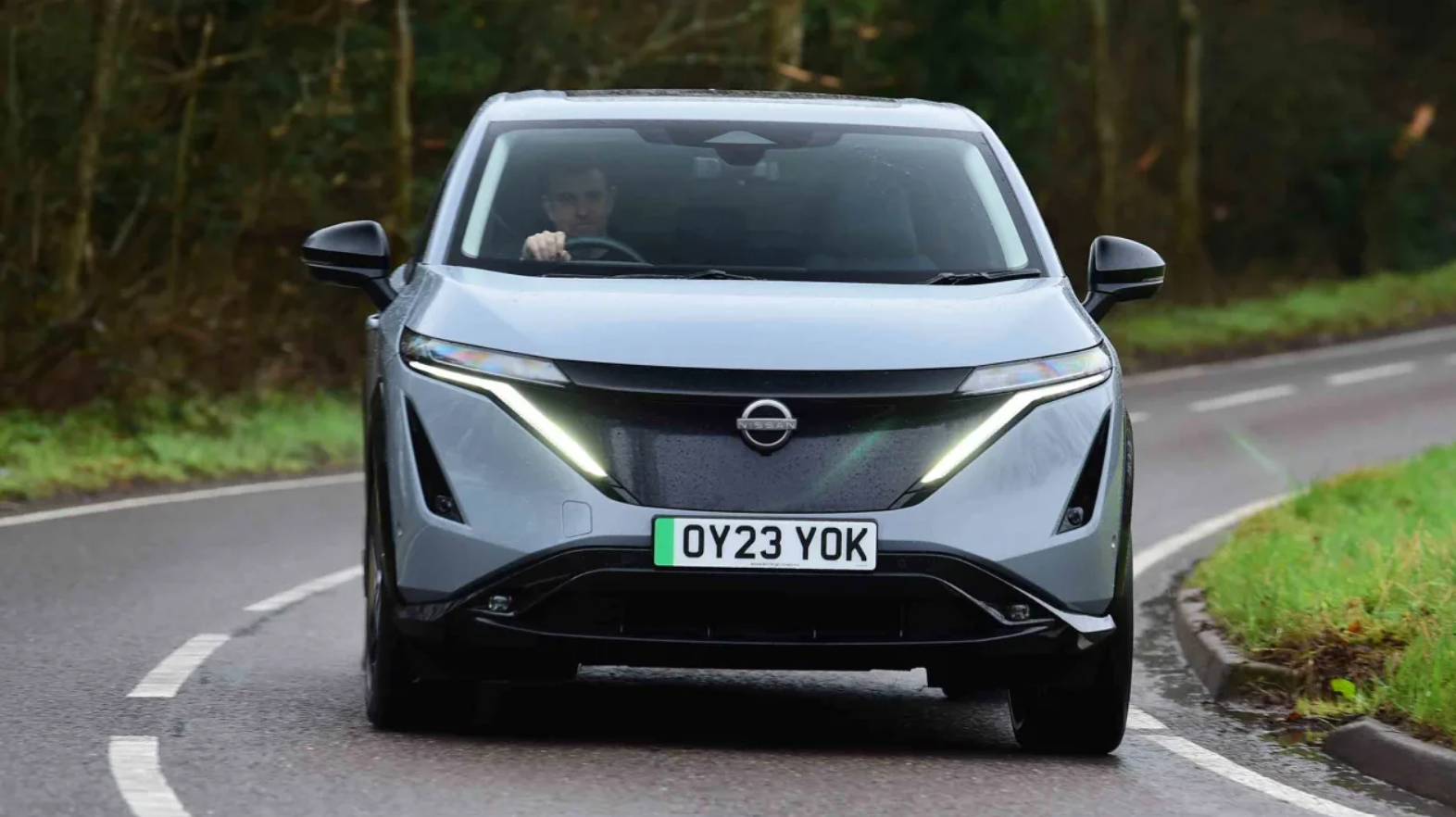
The Ariya pairs the brand’s experience in family SUVs with know-how from its pioneering Leaf. Sitting at the larger end of the mid-size class, it uses the CMF-EV platform shared with Renault models, and comes with two battery options: a 63kWh pack offering a claimed 402km, and an 87kWh version stretching to 530km. Opting for the 225kW e-4ORCE dual-motor AWD model brings 513km of range, while the range-topping 320kW Nismo drops this to 420km.
Range varies slightly depending on trim; the higher-spec Evolve adds equipment – and weight – that shaves a few miles off. An energy-efficient heat pump is standard, preserving range in cold weather, and DC charging at up to 130kW means a 10–80 per cent top-up takes around 30 minutes. Home charging from a 7.4kW wallbox takes about 10 hours for the smaller battery and 14 for the larger.
On the road, the Ariya prioritises refinement over thrills. The FWD 160kW and 178kW versions are more than adequate for daily use, delivering 0–100km/h in 7.5 and 7.6 seconds respectively, while the AWD models add serious pace without undermining stability. The 225kW e-4ORCE covers 0–100km/h in 5.7 seconds, while the 290kW Evolve+ drops this to 5.1 seconds. The flagship 320kW Nismo variant is the quickest at 5.0 seconds. Steering is light and accurate, making town driving easy, while motorway cruising is serene. Handling is secure, ride comfort is excellent, and body control is tidy for a car weighing close to two tonnes.
Inside, the Ariya is arguably Nissan’s best cabin to date. Quality materials, clever use of ambient lighting, and haptic climate controls integrated into the dash create a premium feel. The twin 12.3-inch displays are clear, though not as sharp as some rivals, with logical menus and standard wired Android Auto and wireless Apple CarPlay.
Mid-spec Advance trim adds heated seats and steering wheel, wireless phone charging, a 360° camera, and more, while Evolve goes further with ventilated seats, ProPilot Park, and an electric sliding centre console.
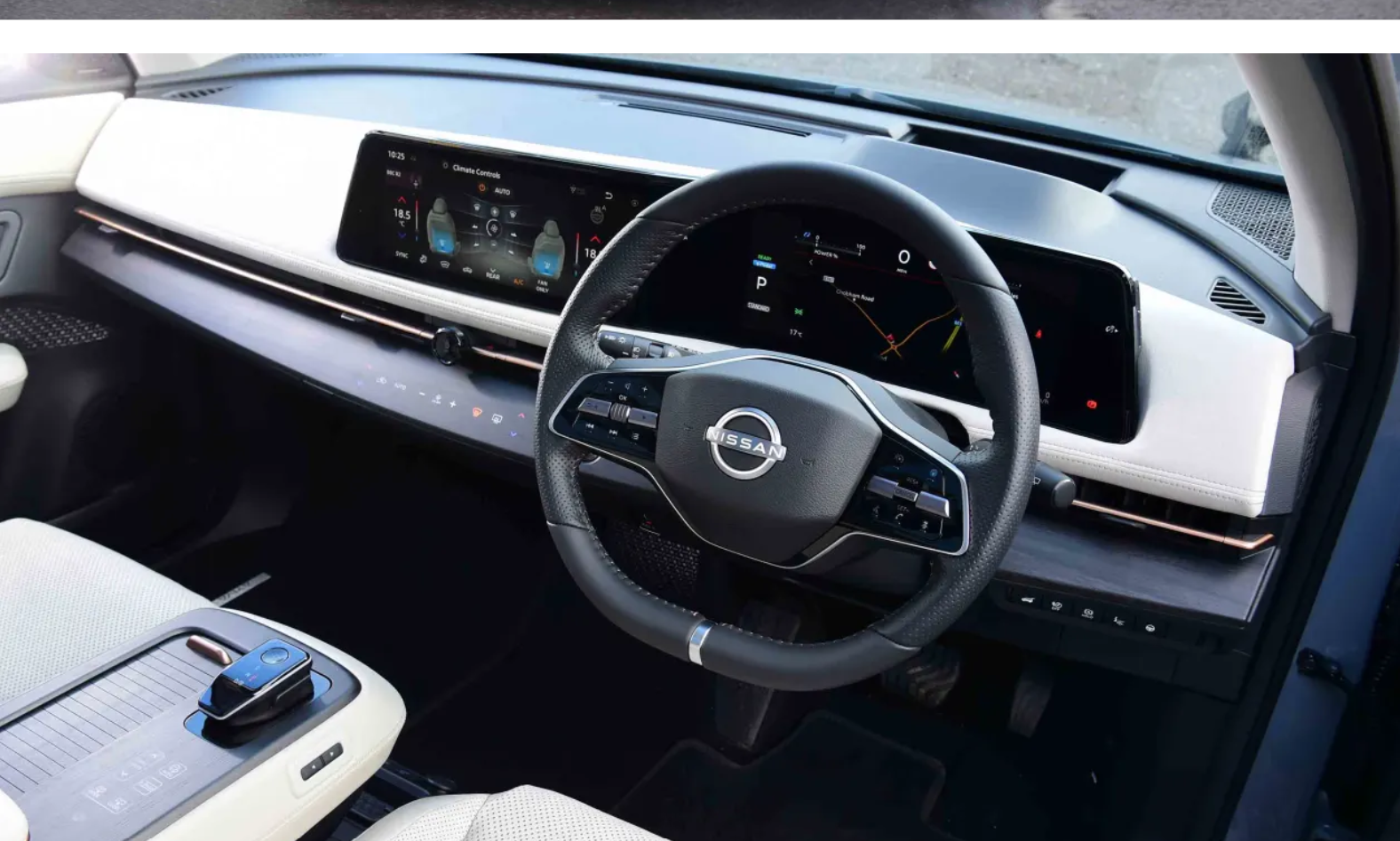
Practicality is strong for passengers, with good leg and headroom in both rows, but the boot is merely average – 466 litres in FWD models, dropping to 408 in AWD versions. Flexible floor panels help with organisation, but there’s no front storage for charging cables. Towing capacity is 750kg for FWD and up to 1,500kg for AWD.
While some rivals edge ahead in efficiency and outright space, the Ariya’s balance of comfort, style, and usability makes it a highly appealing family EV, especially in well-equipped Advance trim.
The Ariya’s design also helps its appeal. Its sleek, coupe-like roofline and distinctive V-motion grille treatment – finished in gloss black with an illuminated Nissan badge – give it an unmistakable road presence. Paint options such as Akatsuki Copper or Pearl White with contrasting black roof enhance its upmarket image, while flush-fitting door handles maintain aerodynamic efficiency.
Day-to-day usability is another Ariya strength. The cabin’s flat floor, generous footwells, and sliding centre console make it easy to move around inside, whether you’re reaching for child seats in the back or freeing up access when parked close to another car. Storage is plentiful, with twin gloveboxes and large door bins, while rear passengers benefit from USB-A and USB-C ports plus heated seat options on higher trims.
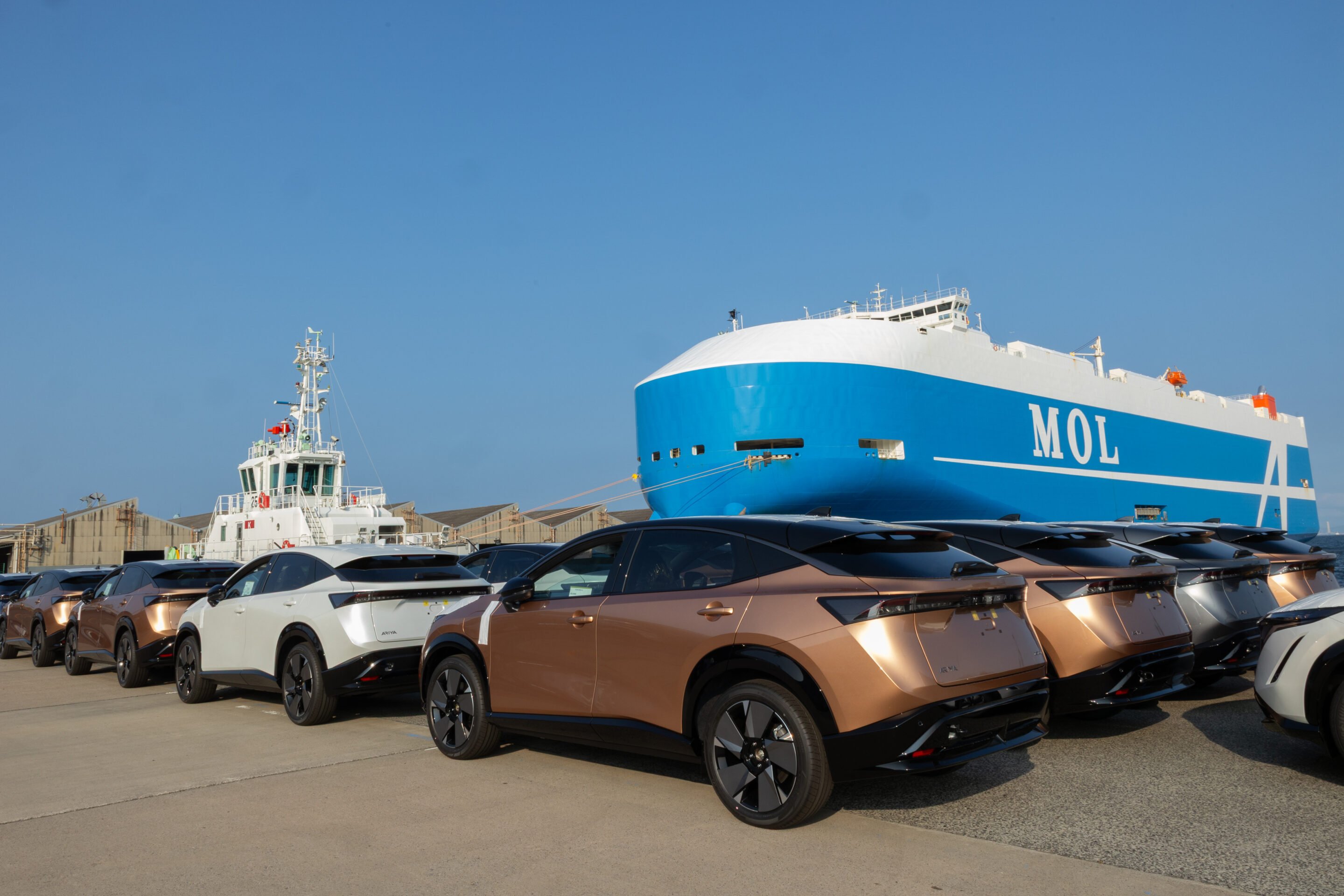
Long journeys are made more relaxing thanks to the Ariya’s quietness, supportive seats, and clever driver aids. Nissan’s ProPilot Assist combines adaptive cruise control with lane-keeping assistance to reduce fatigue, particularly on motorways. There’s also traffic sign recognition, blind-spot warning, and rear cross-traffic alert on most trims, reinforcing its family-friendly credentials.
While the Nismo variant brings sharper looks and a sportier character, most buyers will be better served by the balance of comfort, range, and value found in the 87kWh Advance or Evolve models, making them the sweet spot in this refined and well-thought-out electric SUV range.
Announced Australian pricing
| Nissan ARIYA ENGAGE | $55,840 |
|---|---|
| Nissan ARIYA ADVANCE | $59,840 |
| Nissan ARIYA ADVANCE+ | $63,840 |
| Nissan ARIYA EVOLVE e-4ORCE | $71,840 |
Manufacturer Suggested Retail Prices (MSRP) do not include premium paint, statutory charges or other on-road costs.
The Motor Traders’ Association of NSW (MTA NSW) has confirmed it will withdraw from the Motor Trades Association of Australia (MTAA) with immediate effect, saying the national body’s proposed governance reforms and future strategy do not match the needs of NSW and ACT automotive businesses.
The MTA NSW Board said the move will allow the association to direct its resources more effectively, enabling targeted advocacy and services that address the unique pressures faced in the country’s largest automotive jurisdiction. The NSW and ACT sectors span multiple industries and require tailored representation at both state and federal levels.
MTA NSW chief executive Stavros Yallouridis (main) said the decision reflects the association’s commitment to delivering maximum value for members during a period of rapid industry transformation.
“As Australia’s largest automotive jurisdiction, we have an opportunity to lead on critical industry issues while maintaining strong collaborative relationships across the sector,” Mr Yallouridis said. “We’re operating in an environment of skills shortages, rapid technological change, and evolving employment conditions. Our members need an association that can respond quickly and decisively to these pressures at both a federal and state level.”
The organisation said independence will strengthen its ability to respond to challenges such as workforce shortages, changing licensing requirements, industrial relations reforms, and broader economic pressures affecting productivity.
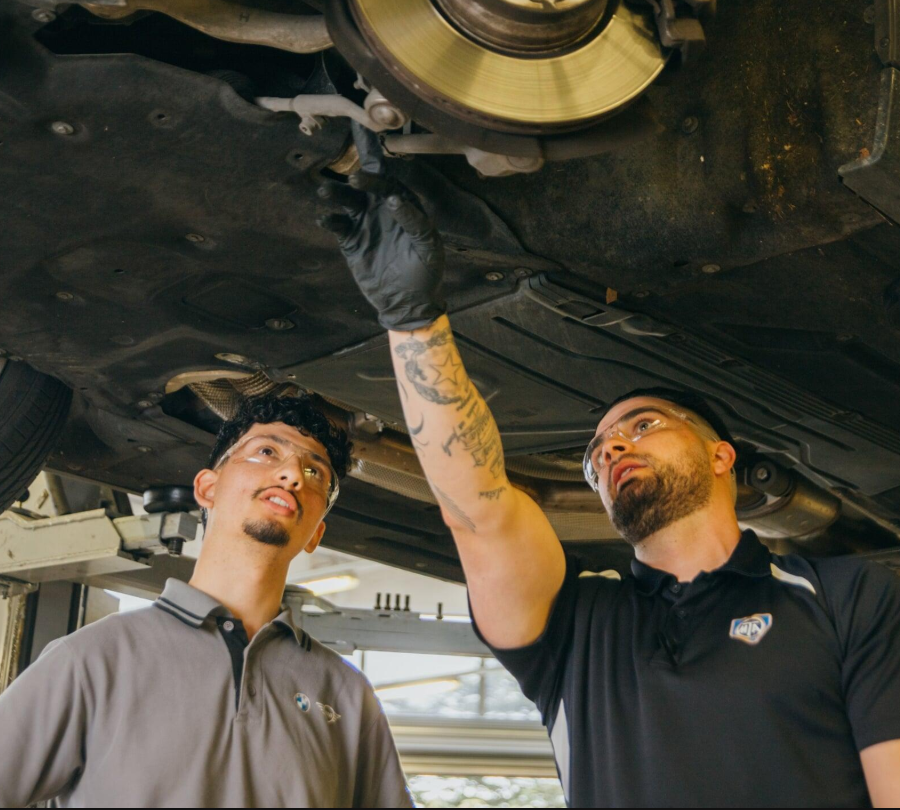
Member services – including training programs, apprenticeship support, and industry development initiatives – will continue without disruption. MTA NSW said these programs will be further enhanced through its independent strategy, which will concentrate on issues directly impacting businesses in NSW and the ACT.
While breaking away from the MTAA, Mr Yallouridis acknowledged the role the national body has played in representing the automotive sector and did not rule out working together in the future.
“We acknowledge and thank MTAA for their important role in representing the automotive industry at the national level over the years,” he said. “Moving forward, we remain committed to collaborating with any national body where our strategic directions align and there are areas of mutual agreement that benefit our members and the broader industry.”
Constant change in the Australian new car market means many buyers are considering brands they were previously unfamiliar with. India’s Mahindra isn’t exactly a new brand to Australia, having been sold here since 2007, but is ramping up its offering. The new XUV 3XO is its latest to hit the market.
A small SUV that competes against the Toyota Yaris Cross and Mazda CX-3, the XUV 3XO is far cheaper than those two cars with pricing starting at just $23,990 drive away for the entry-level AX5L. That puts it on par with the popular Chery Tiggo 4 as the joint cheapest small SUV, but even the top-spec AX7L is just $26,990 drive away.
Equipment levels are strong on both models, with highlights for the AX7L including a Harman Kardon sound system, synthetic leather trim, 17-inch alloy wheels, panoramic sunroof, automatic LED lighting, front and rear daytime running lights, auto wipers, dual-zone climate control, rear vents, 10.25-inch screens, wireless smartphone mirroring and safety kit such as AEB, adaptive cruise, lane keep assist and a 360-degree monitor. No blind-spot monitoring and rear cross-traffic alert is the only blip in an otherwise well-rounded package.
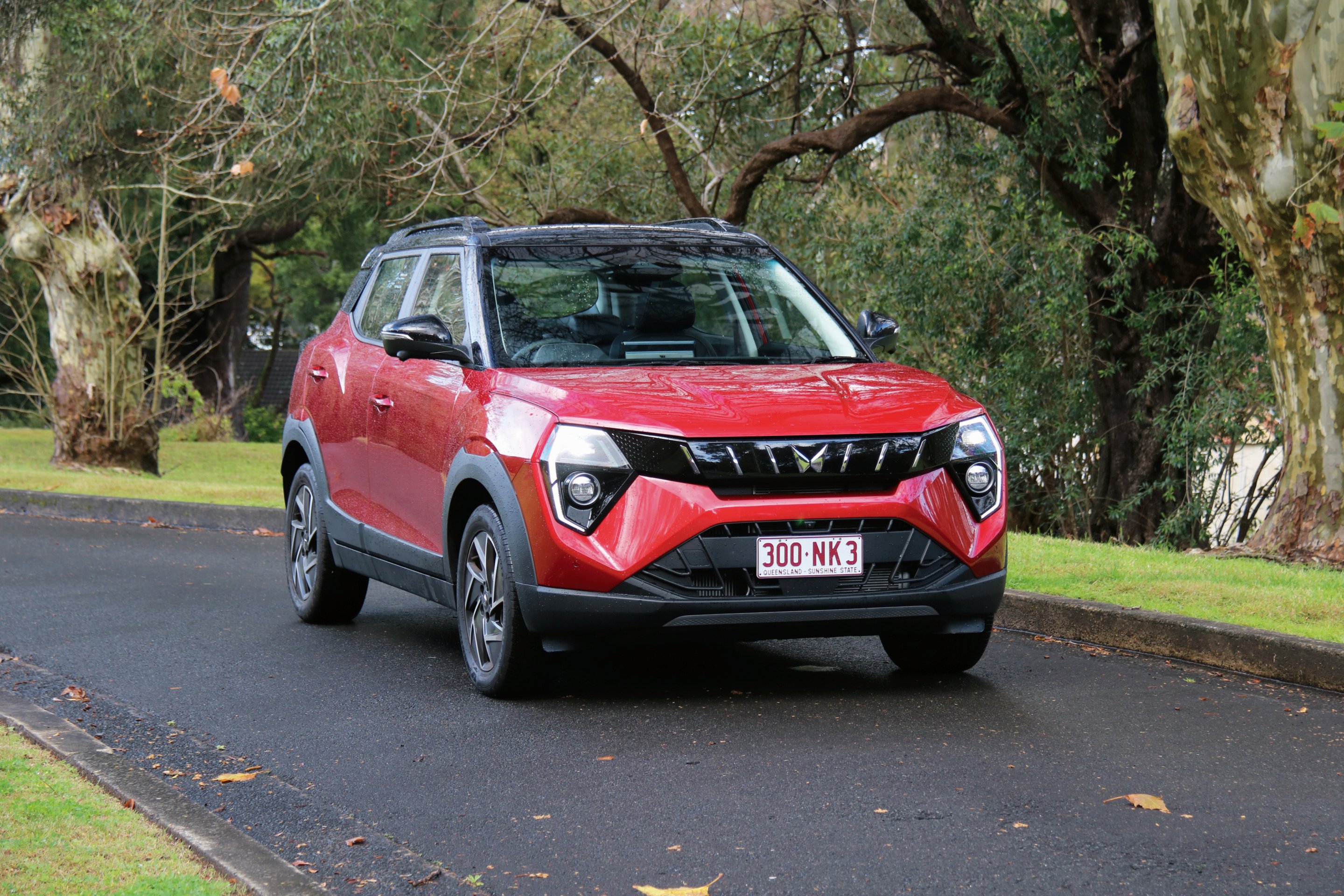
The XUV 3XO range uses a 1.2-litre turbo three-pot engine making 82kW of power and 200Nm of torque, with the latter from just 1500rpm. While a more powerful 96kW/230Nm tune is offered overseas – but unfortunately not here – the XUV 3XO’s refined engine is more than strong enough for urban driving, though higher-speed overtaking may need planning.
A six-speed torque converter auto is standard and it shifts smartly without fuss, though we’d like to see a manual option offered to both reduce the price and increase the fun factor. Mahindra claims that the XUV 3XO will use 6.5/100km on a combined cycle and we used 7.2L/100km in driving skewed towards urban.
As you’d expect for a brand from a country with such famously poor roads, the XUV 3XO handles bumps and bad surfaces quite well. The ride is soft and comfortable, with reasonable body control to ensure that it settles quickly after bumps. It’s not the best handling car, but can be reasonably fun to drive thanks to its quick steering and nimble chassis. The too-light steering is the only issue in the dynamic package, and gives little idea of what the front wheels are doing.
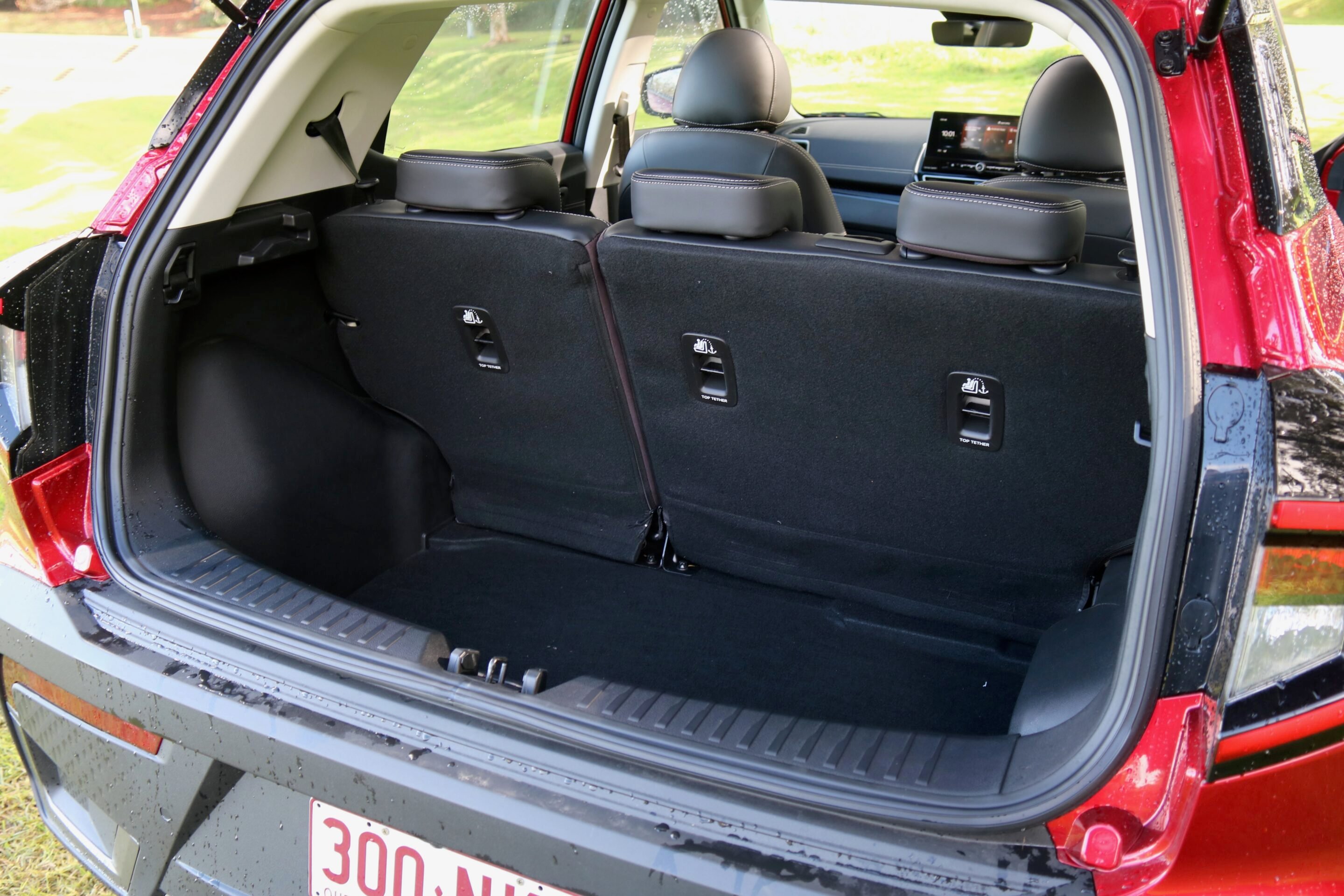
Inside, the XUV 3XO is a surprisingly spacious interior for its small size, with enough space for four adults and an airier feeling than the Tiggo 4. The boot measures 364 litres, which is 100L larger than a CX-3 and is deeper than you’d expect. However, folding the rear seats reveals a big lip behind the seatbacks, and we’d like to see a dual-level boot floor to fix that. Move to the front and the XUV 3XO is just as practical thanks to ample storage spaces, though the front seats appear designed for smaller people.
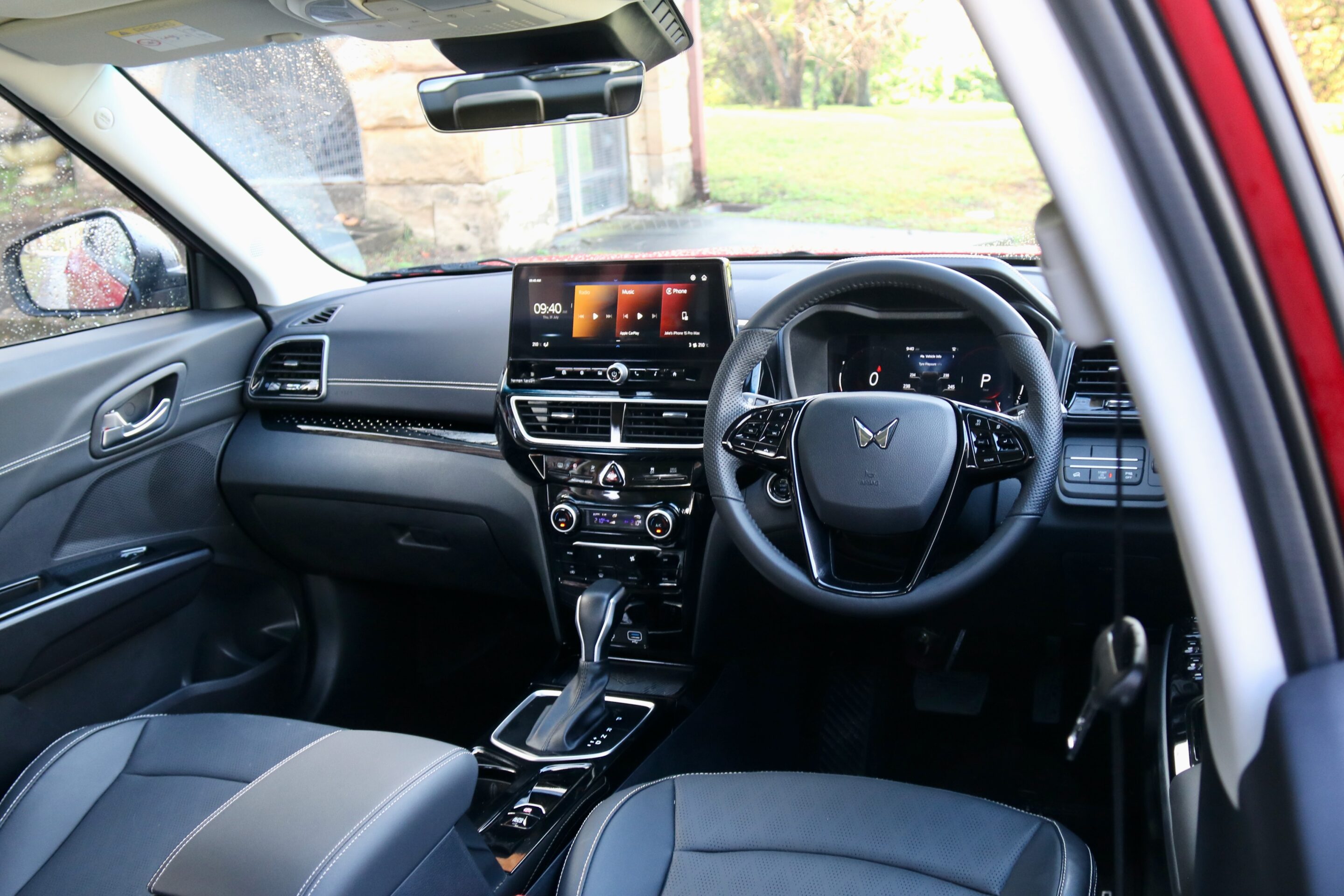
The XUV 3XO’s dashboard is not as cohesively designed as the slick Tiggo 4, with some features like the wireless phone charger not falling easily to hand. The liberal use of piano black trim is a bit over the top and will scratch easily. But overall, material quality is actually great for the price, with appealing synthetic leather trim on the tops of the dashboard and doors, and the leather steering wheel feels high quality.
The 10.25-inch touchscreen uses high-resolution graphics and feels more modern than the Tiggo 4’s screen. Plus, the wireless Apple CarPlay is easy to set up and reliable – though the menu layout could be easier to use and there’s no sat-nav in Australia despite there being an option for navigation in the driver’s display. The seven-speaker Harman Kardon sound system is also very punchy, with strong bass if you want, and we’d upgrade to the AX7L just for that.
After a long period of ever-rising car prices, it’s great to see cheaper products returning to market. But the Mahindra XUV 3XO does offer more than its value equation, with a refined drivetrain, excellent ride quality, surprisingly spacious cabin and long feature list.
Specs
| Model | Mahindra XUV 3XO AX7L |
|---|---|
| Price From | $26,990 drive away |
| Drivetrain | 1197cc turbocharged 3-cylinder |
| Peak power | 82kW (@ 5000rpm) |
| Peak torque | 200Nm (@ 1500rpm-3500rpm) |
| Transmission | 6-speed auto, front wheel drive |
| Combined fuel economy (claimed/as tested) | 6.5L/100km, 7.2L/100km |
| CO2 emissions/fuel type | 137g/km |
| Fuel type/tank size | 91RON regular unleaded, 42 litres |
| L/W/H/WB | 3990/1821/1647/2600mm |
| Boot size | 364 litres (seats up – unknown seats folded) |
| Tare mass | 1411kg |
| Warranty | Seven-year/150,000km |
| Five-year service cost | $1595 ($319 per service) |