
Dodge really had to reveal three new versions of its wildest models all at once, didn’t it? If you’re playing the game of excess, which Dodge clearly is, you don’t take it slowly.
So, here they are: the 2021 Dodge Challenger SRT Super Stock, the 2021 Durango SRT Hellcat, and the 2021 Dodge Charger SRT Hellcat Redeye.
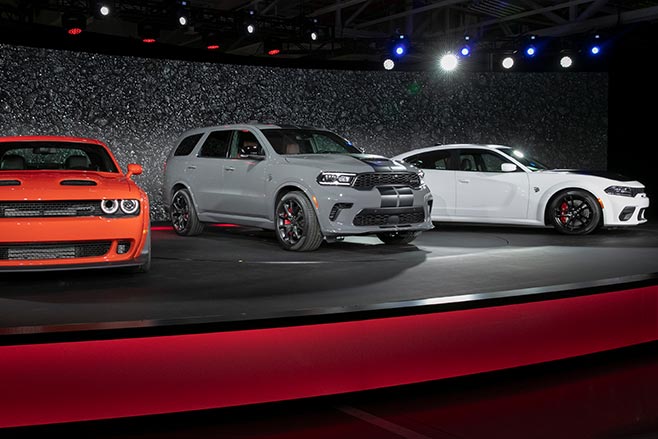
Each car ups the game in their own right, so let’s take a quick look at them in no specific order.
The new version of Dodge’s drag racing coupe, the Challenger SRT Super Stock, is an 807hp (602kW) and 959Nm beast (thanks to 6.2-litres of supercharged Hemi V8) following in the rubber elevens laid down by the Dodge Demon.
While it features an engine only 1hp short of the Demon’s output, it’s not as highly engineered as its Hellish big brother. It’s also not a limited production run, which means Dodge is able to call it “the world’s quickest and most powerful muscle car.”
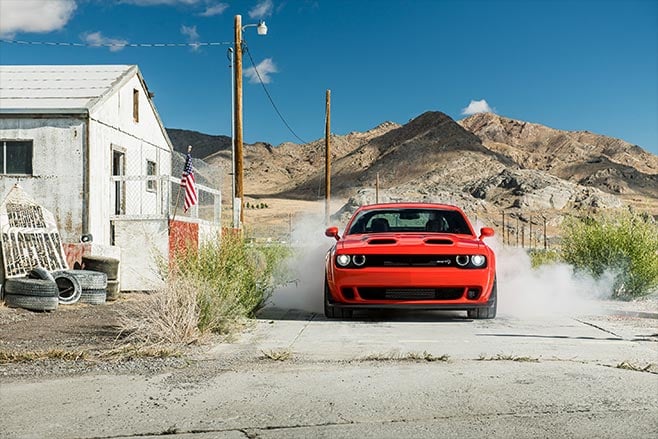
Of course, Dodge must be referring to cars that are currently available and/or full-production models, because the Demon topped it in both regards. The Super Stock can hit 60mph (97km/h) in 3.25sec, cover a quarter mile in 10.5sec, and hit a top speed of 168mph (270km/h) limited by its tyres.
Next, the Dodge Charger SRT Hellcat Redeye. Dodge calls it the “the most powerful and fastest mass-produced sedan in the world,” with 594kW, 959Nm, and a quarter-mile time only one tenth slower than the Challenger Super Stock, 10.6sec.
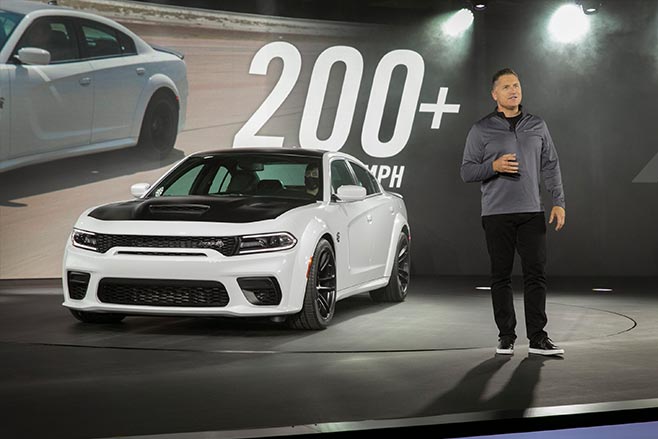
Dodge says it’s seven car-lengths (1.2 seconds) ahead of the Charger SRT Hellcat on its 2.1-mile test course.
Finally, the Dodge Durango SRT Hellcat. Comparatively, this one’s slow. It takes 11.5 seconds to cover a quarter mile, but this is thanks to a 6.2-litre supercharged Hemi V8 engine pumping out 529kW. That’s 7kW more powerful than the tune it appears in under the bonnet of the Jeep Trackhawk, making the Durango SRT Hellcat now the most powerful production SUV in the world.
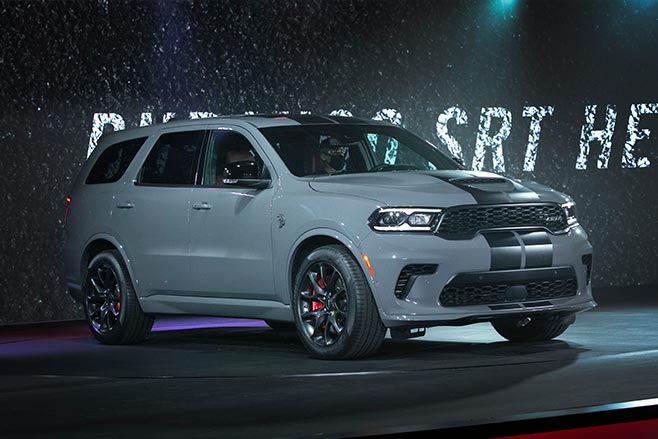
Or, as Dodge puts it, “the most powerful SUV ever.”
If excess is the goal, Dodge nails it.
UPDATE 3 June – the majority of Holden dealers have now accepted the standing offer of $1500 per car, after GM Holden maintained its position up to the deadline of 30 June.
‘While it has been a very difficult four and a half months for everyone involved since the announcement to retire the Holden brand, our focus is now on how we can best support our 1.6 million Holden drivers,” the company said.
Australian Holden Dealer Council secretary David Nicholson said in a statement that it was a “sad day”.
“With great reservation, financial pressure and reluctance, 120 dealers have now accepted GM’s compensation offer,” Mr Nicholson said in a statement issued on Wednesday.
“Today marks a sad day for Australian Holden dealers, and more than 9000 of their employees, after the majority of dealers were left with no choice.”
The Australian Automotive Dealer Association also weighed in on the decision, accusing GM Holden of refusing to participate in arbitration talks with the dealers.
“Over the past four months, 184 Holden Dealers have remained united in their opposition to the grossly inadequate offer of compensation from GM. Ultimately, GM’s complete unwillingness to negotiate and the prospect of a costly and lengthy court battle has had the desired effect,” said AADA CEO James Voortman in a statement.
“GM has annual revenues of $200 billion and the prospect of fighting them in court was just not an option for many of the dumped Holden Dealers. At every turn, GM has thumbed its nose at local Dealers, the Australian Government and by extension the Australian public, the same public which provided the company with more than $2 billion in taxpayer-funded assistance.”
—
Holden’s interim managing director Kristian Aquilina has been advised by federal government ministers to ensure that the company is being a “good corporate citizen” as negotiations with its dealer group continue.
Recent meetings in Canberra between he and ministers Michealia Cash and Karen Andrews resulted in multiple missives from the ministers’ offices, exhorting Holden and General Motors to finalise arrangements to compensate its dealer network before a mutually delayed deadline of June 30.
A leaked real estate document details the sale of the Lang Lang proving ground
“Dealers have repeatedly shown they are committed to working with GM Holden to reach an outcome and finalise protracted negotiations stemming from GM’s decision to retire the Holden brand in Australia,” read a statement from the pair issued last week. “GM Holden should demonstrate that same commitment.”
The fight over compensation has rumbled on since GM announced in February it was shutting Holden’s doors, which triggered a process to recompense dealers for the three-year balance of a five-year franchise deal.
“From day one the Morrison Government has made it clear to GM Holden that we expect them to negotiate in good faith and ensure a fair outcome for the Australian dealers who’ve carried their brand for decades, as well as their workers,” said the minsters, who also referenced “more than $2 billion in taxpayer support” for the US-based company.
At the heart of the dispute is the $1500-per-car predictive offer from Holden on projected sales for its 186-strong dealer group, which Holden still maintains is fair.
“We steadfastly maintain that our offer of compensation to Holden dealers for the loss of new car sales business is fair, reasonable and indeed generous, as confirmed by the analysis by PricewaterhouseCoopers,” Holden said in response to the ministers’ joint statement.
“In 2019 dealers lost on average $605 per new car sold, and only made $351 per new car over the 2017-2109 period. GM Holden is offering $1500 per vehicle (based on 2019 sales) and has not adjusted this for the severe deterioration of industry sales.”
The company also claims that it has also offered the dealer group compensation for building works, as well as special provisions for a handful of standalone Holden dealers.
“GM Holden is providing additional compensation to dealers for unamortised capital investments, special circumstances and dealers who are solely dependent on Holden,” read the Holden statement.
“GM Holden is also paying for the removal of signage and has provided dealers with $130 million in stock liquidation bonuses that enabled them to make substantially enhanced profits following the announcement of the retirement of the Holden brand.”
Listen to the WhichCar Weekly Holden special
The dealer group has maintained a fairer offer is $6000 per car and an increase in the compensation for capital expenditure, putting the two parties around $500,000,000 apart with days to go before the deadline to solve the impasse.
Overseeing the fracas is the Australian Competition and Consumer Commission, which has responded to complaints that GM Holden was placing “undue pressure on dealers by imposing an unnecessary deadline for acceptance of the proposed compensation package.”
“This meant that dealers would have been forced to choose whether to accept the compensation offer before completing a dispute resolution process,” said the ACCC in May.
“The ACCC’s investigation is ongoing and is examining allegations relating to the good faith obligations of the Franchising Code of Conduct and the unconscionable conduct provisions of the Australian Consumer Law,” noted the ministers.
If a deal isn’t reached by June 30, the dealer group will likely have to engage GM Holden in potentially costly and drawn-out legal action.
It could potentially look to a US statute that requires its citizens and businesses to assist court inquiries from other countries.
This could force GM to produce documents that may reveal it was, as the dealer group alleges, planning to exit Australia at the same time it was signing dealers up to its five-year franchises.
To clarify,
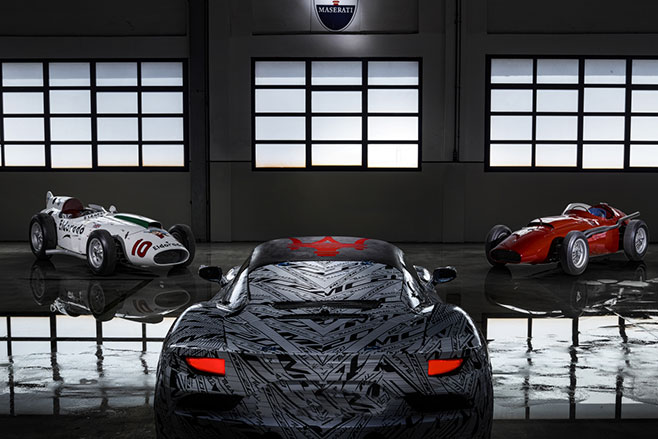
Maserati has published key details on its all-new twin-turbo V6 that will power the incoming MC20 supercar pegged for a reveal this September.
Dubbed the Nettuno, or ‘Neptune’ in English, to reference the trident-bearing Roman god that inspired the brand’s badge symbol, it will be built in Modena and is claimed to be “100 per cent” Maserati, even though it also says its innovative tech comes from F1 – a sport it’s only related to through Alfa Romeo, its FCA stablemate.
Detail-wise, the Neptune is packaged more traditionally than its rival engines. Its cylinder banks are splayed at 90 degrees and locate their turbochargers underneath. They’re twin-scroll units and feed a throttle body and intake manifold each.
Along with a dry-sump oiling system, this turbo arrangement allows the Neptune to measure only 65cm in height. It’s just as short, measuring 60cm long, while it also measures 100cm wide – no doubt because of the turbochargers – and weighs less than 220kg (DIN). The Valhalla’s TM01 V6 will weigh 200kg, in comparison.
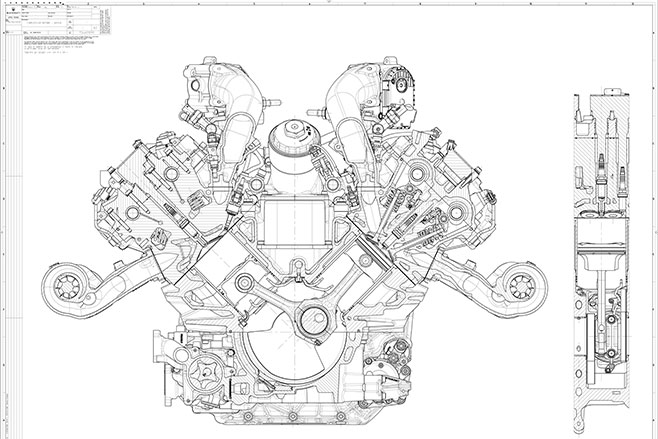
This involves a pre-chamber on top of the main combustion chamber that houses a spark plug. It couples with a secondary spark plug offset inside the combustion chamber. Combined with a dual injection system (that involves direct- and port-injection), allowing the engine to run a compression ratio of 11.0:1.
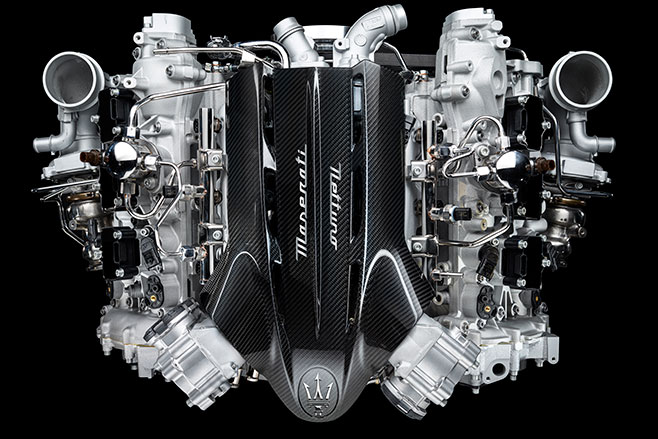
The MC20 will be the first new Maserati in over five years and herald in a new era of propulsion systems and models the brand will announce when the MC20 is revealed this September 9 and 10. Not much else is known about the project, but the brand is excitedly claiming it “will take Maserati back to the world of racing”. We can’t wait to learn more.
The cheapest sports cars sold by Porsche just got a little bit more affordable.
Porsche Australia has reduced the prices of all its 718 Cayman and Boxster variants, with a range of turbocharged four-cylinder and naturally aspirated flat-six engines on offer.
The entry-level 718 Cayman and 718 Boxster now start at $113,100 and $115,900 respectively, representing a drop of $2900.
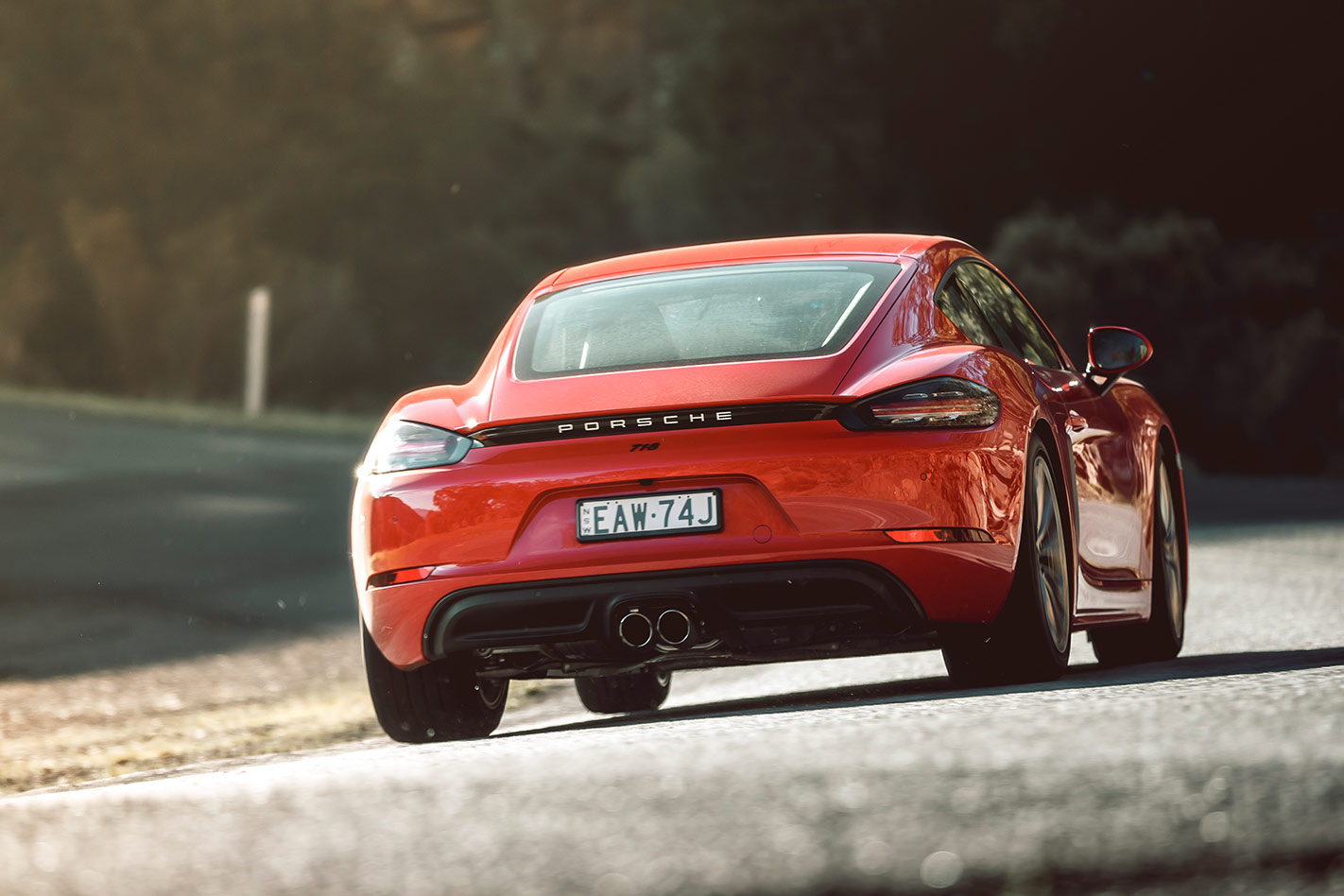
However, it’s the Cayman S and Boxster S variants that have had the biggest haircut to their prices.
Adding the convertible to your garage will cost $138,300, while the hard top will set you back $135,500.
Could the new six-cylinder 718 Cayman Touring be the perfect Porsche sports car?
These new prices are a massive $10,700 cheaper compared to what Porsche was previously asking for the duo.
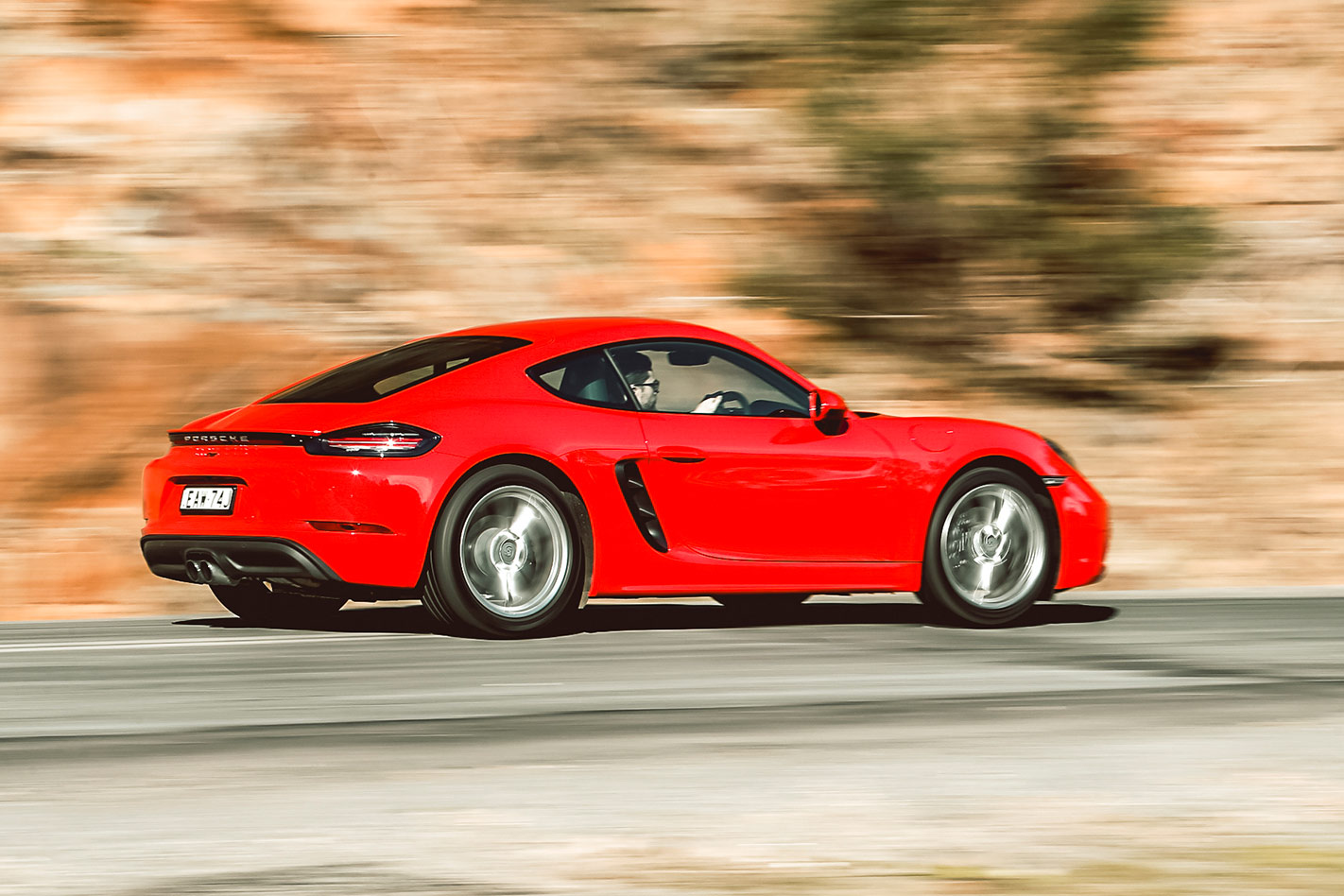
Porsche’s full range of six-cylinder 718 models have also had minor price reductions. These include the Cayman/Boxster GTS 4.0 twins, along with the Spyder and GT4 flagships.
GTS 4.0 variants, along with the Spyder and GT4, have all had prices reduced by $400.
Check out the full list of prices below:
2020 Porsche Cayman/Boxster prices (with manual transmission):
- 718 Cayman: $113,100
- 718 Boxster: $115,900
- 718 Cayman S: $135,500
- 718 Boxster S: $138,300
- 718 Cayman GTS 4.0: $172,000
- 718 Boxster GTS 4.0: $174,800
- 718 Spyder: $196,800
- 718 Cayman GT4: $206,600
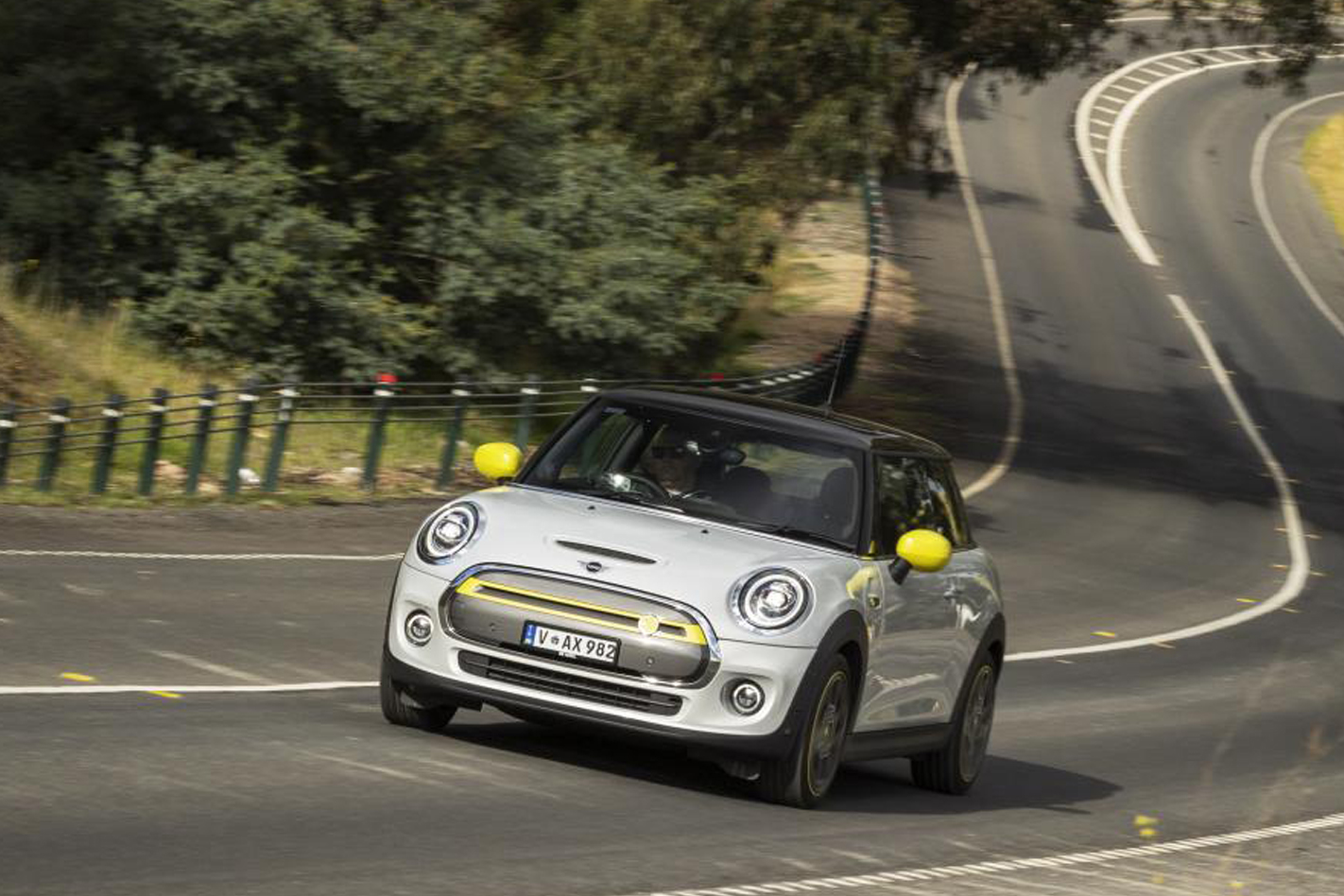
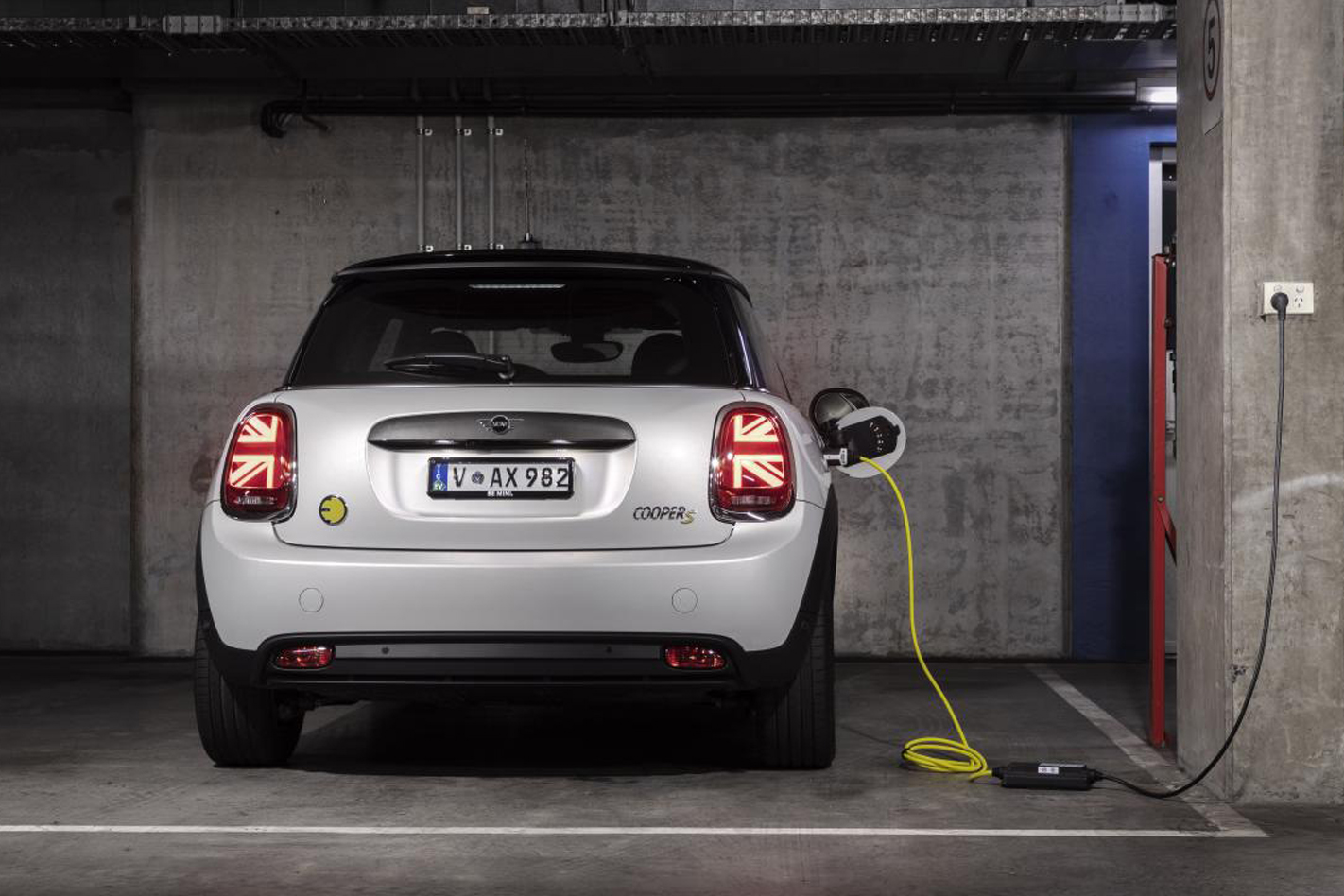
Mini has become the latest manufacturer to introduce a pure electric vehicle into Australia’s swelling emissions-free car market but, while it slots into a growing segment, the Mini Cooper SE brings some fresh new features to the arena – and a lot to be liked.Here are six facets to Mini’s battery-powered hatchback that might steer you away from the combustion cul-de-sac and into Electric Avenue.
Grip not slip
Unlike many EVs, particularly at the smaller and more affordable end of the spectrum, the Mini Cooper SE does not blindly pursue outright efficiency at the cost of all driving enjoyment.
One place you’ll find evidence of this intention is in its tyres. Instead of super-low rolling-resistance rubber, the Cooper SE has high-performance Goodyear Eagle F1 tyres.
Highs and the lows
A 33kWh lithium-ion battery has been specially T-shaped to slot in under the Mini’s floor with minimal passenger and luggage space intrusion, resulting in cabin dimensions almost identical the standard Mini Cooper Hatch.
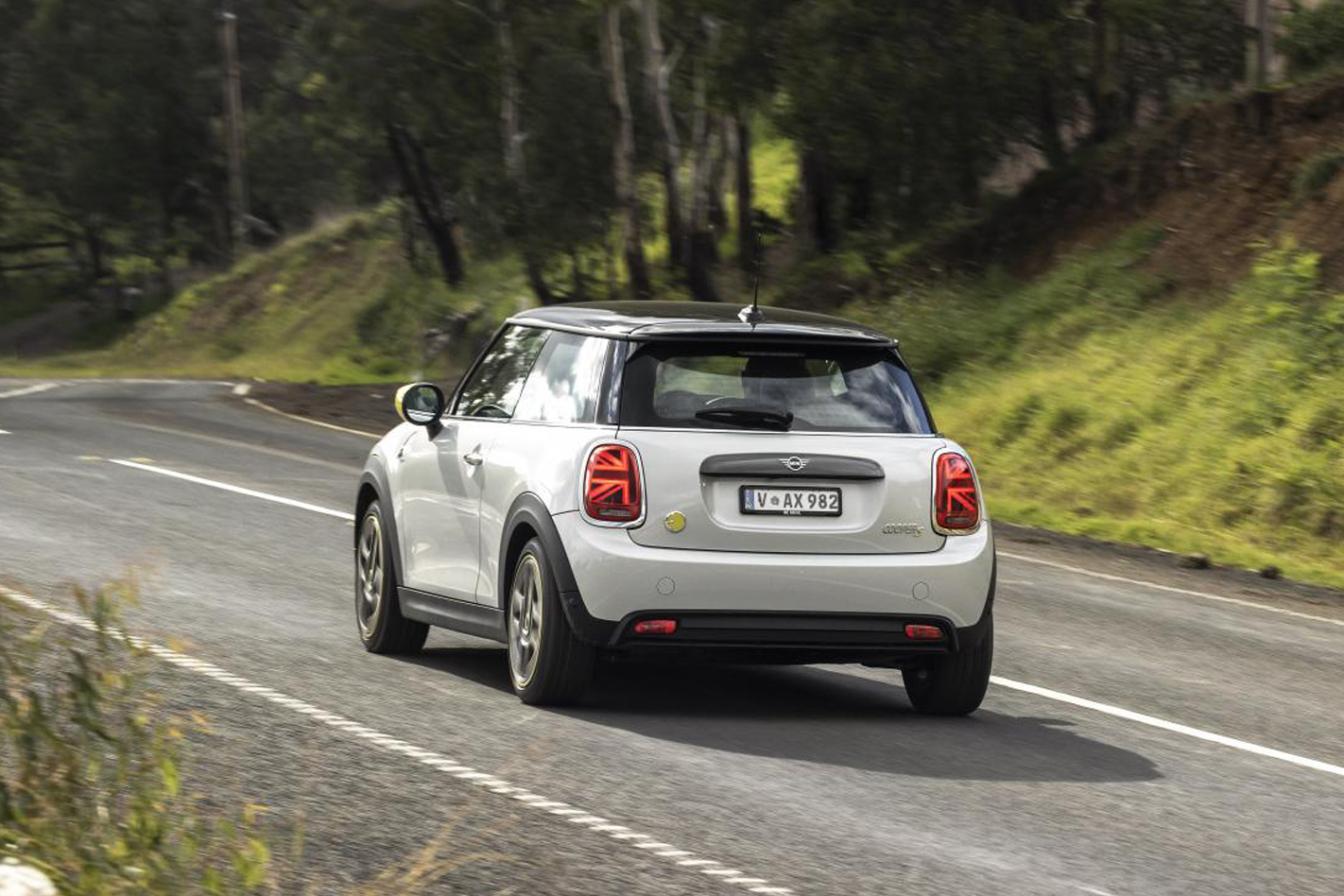
That’s more good news for road-holding and handling.
Silence is not golden
Without the familiar sound of combustion to warn other road users of the Mini’s presence, the Cooper SE creates its own sound electronically at low speeds.
Electricity bill
Mini has introduced the Mini Cooper SE for the driveaway price of $59,900 (or $54,800 before on-road costs), which might sound like a hefty sum for a small hatchback.
However, there’s another way of looking at this value equation.
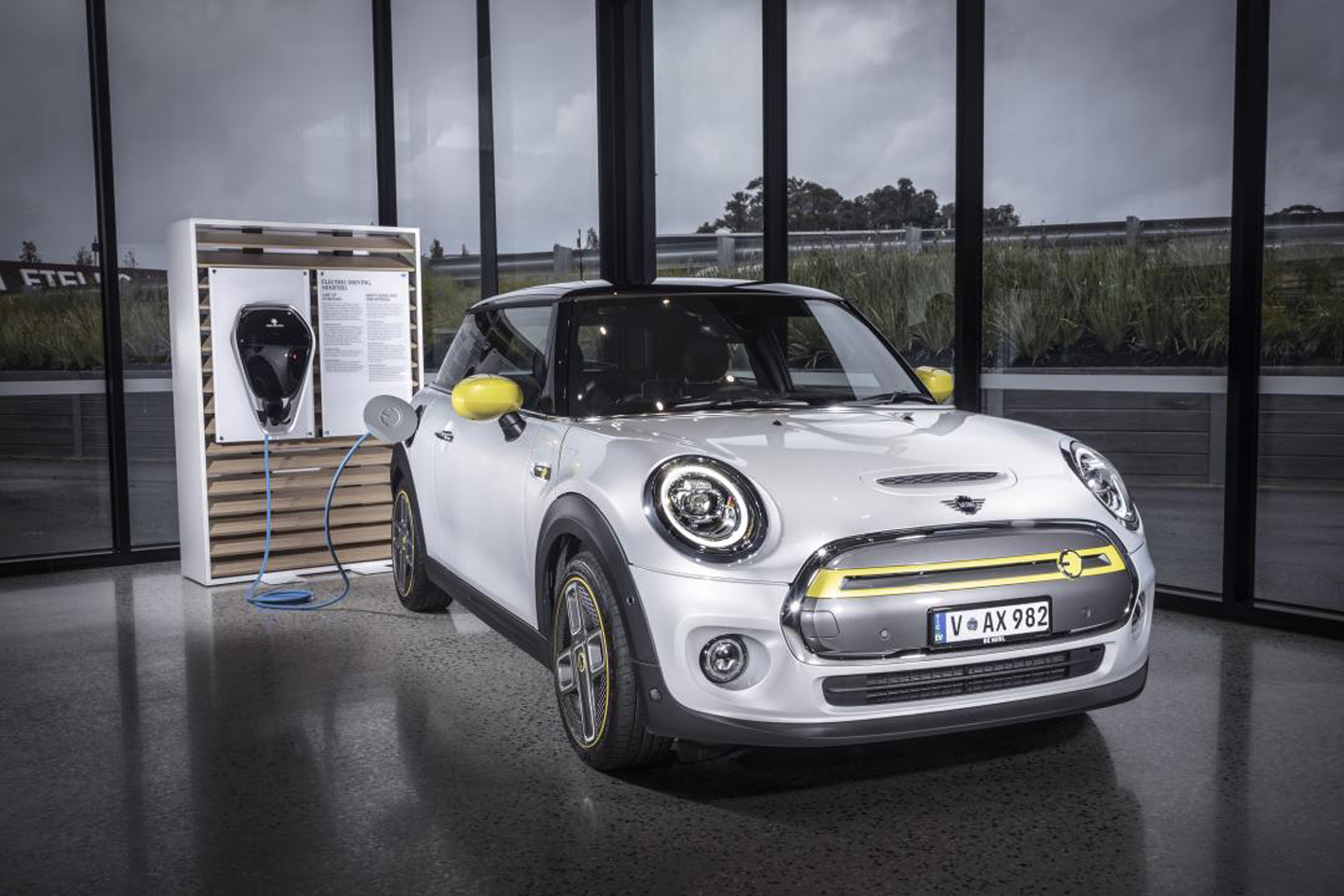
Compared with other small models in the EV segment, the Mini asks a premium, but that’s also the case for Mini’s petrol-powered models.
The sales proposition for anything with a Mini badge is a car that offers premium-end performance, German build quality and looks like no other – and the company’s first EV is similarly positioned.
Family resemblance
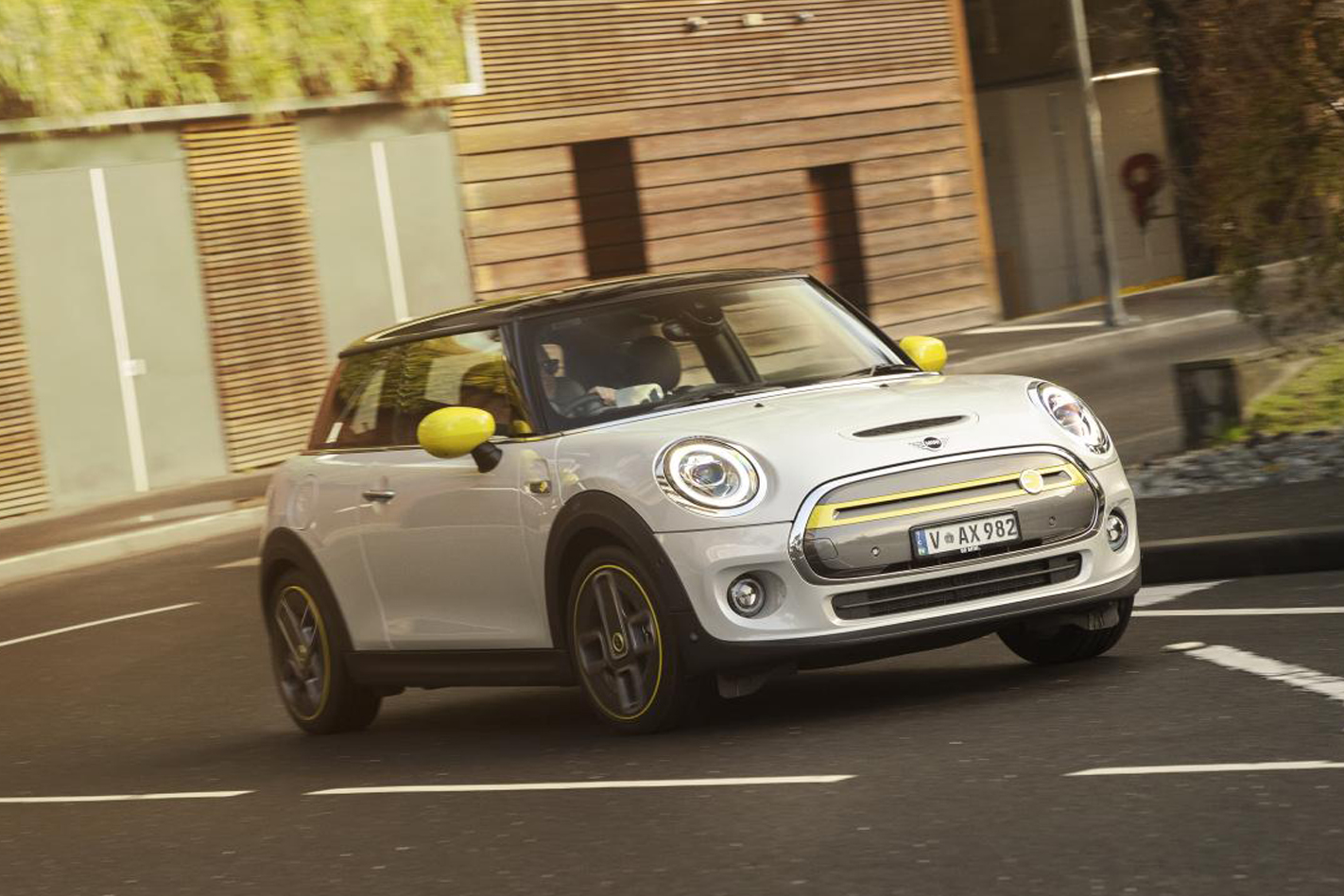
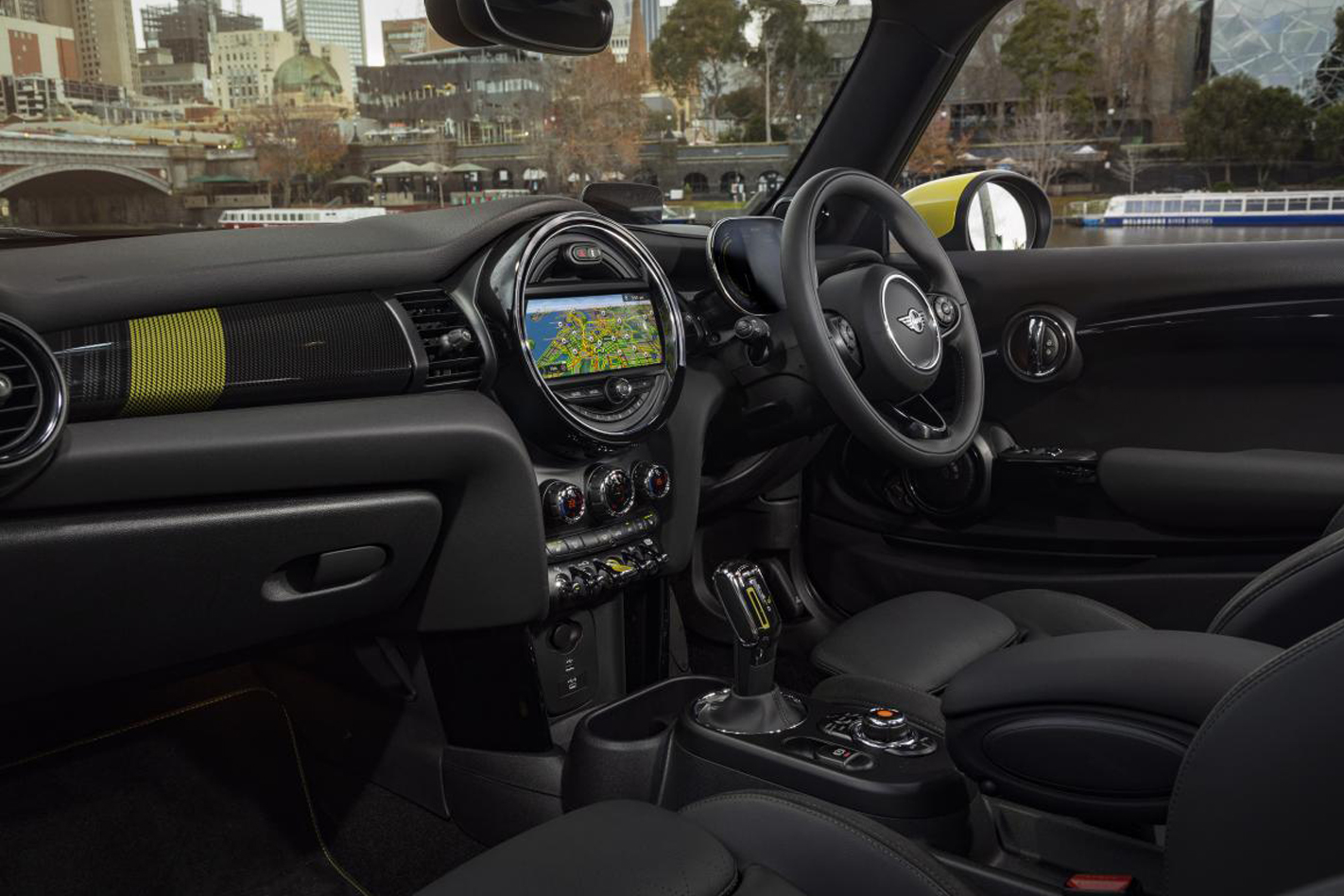
Where the BMW and the Mini differ significantly, is in their styling approach. While the i3 looks like no other BMW past or present (or any model for that matter), the Cooper SE is unmistakable with major body design unchanged from the rest of the three-door line-up.However, look closer and you’ll find some cheeky design cues that set the Cooper SE apart from everything else in the five-model range.
Lighten up
Despite gaining a battery and electric motor, Mini has managed to keep the Cooper SE’s overall weight low. In fact, it’s one of the lightest EVs money can buy.
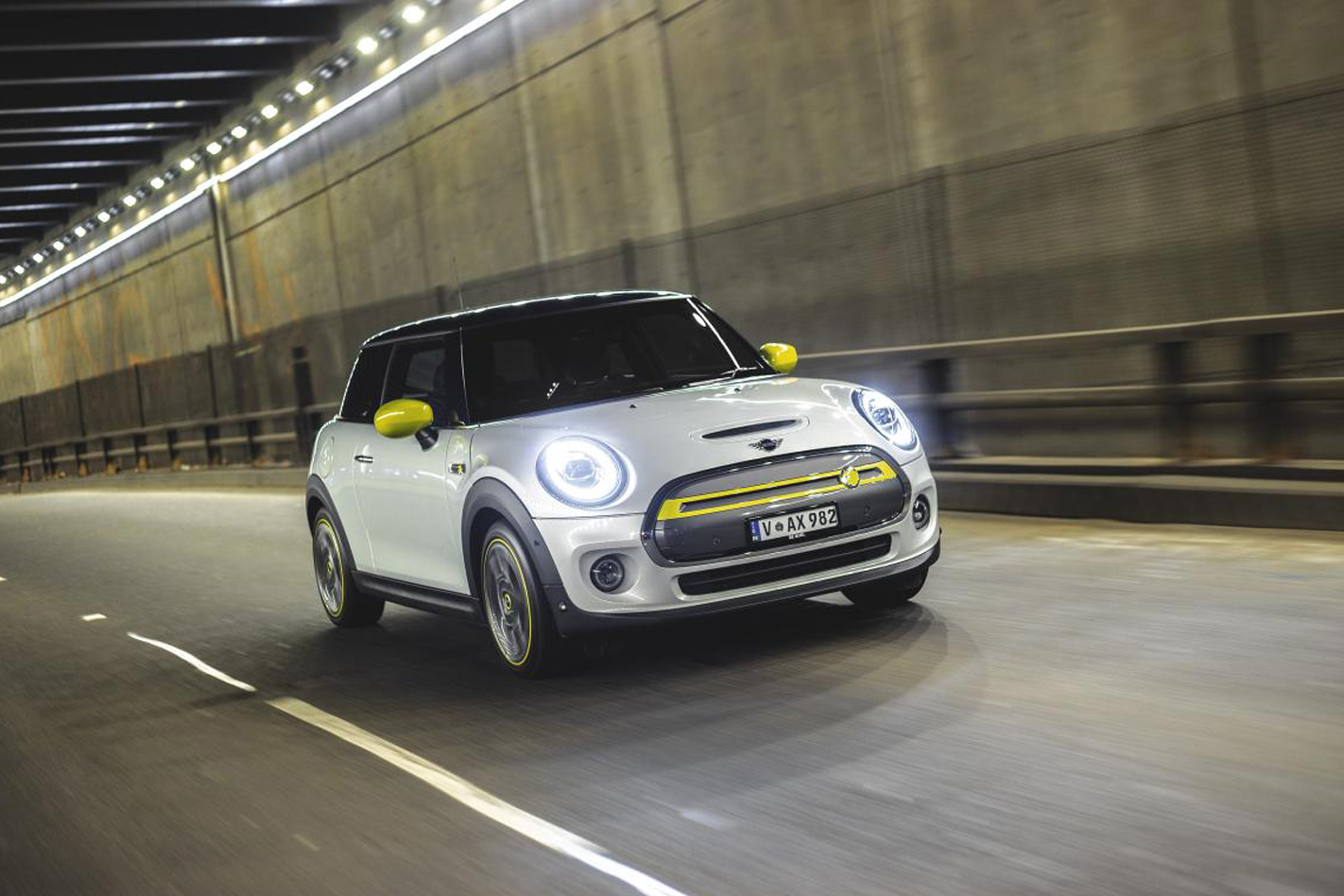
For context, the Renault Zoe is 1480kg, the Nissan Leaf weighs 1580kg, while the Hyundai Ioniq electric tips the scales at 1645kg.
Click back on July 16 when we’ll publish our first-drive review of the cool Mini Cooper SE.
A Lamborghini with a V12? How dull. Lamborghinis with two V12s are the new thing, at least for water-going Lamborghinis. This is the Tecnomar for Lamborghini 63, a luxury yacht built by Tecnomar and inspired primarily by the styling of the Lamborghini Sián FKP 37.
While it’s badged as a Lambo, the V12s on the back, both of which produce 2000hp (1491kW), are built by MAN. According to the MAN website, its most powerful V12 marine engine (with 1397kW from factory) weighs 2365kg dry, making it rather unsuitable to be swapped into a road car.
The yacht weighs ‘just’ 24 tons overall, and its 63ft length matching its name, which was chosen for Lamborghini’s 1963 foundation.
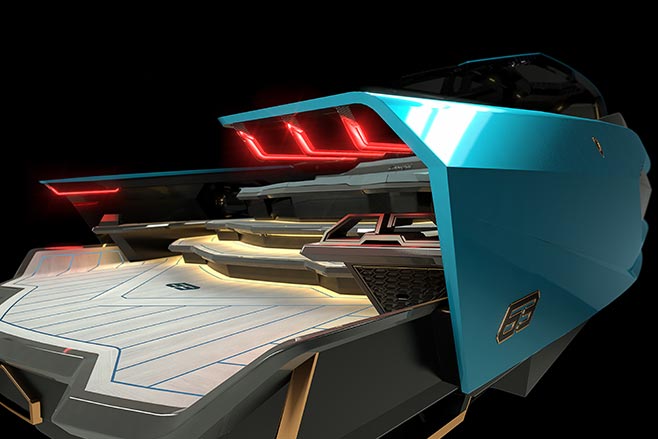
It’s set to be available to customers in 2021, with a very limited production run (Tecnomar has delivered 289 yachts since 1987), with options for customisation likely to mean no two of these yachts are built the same.
Lamborghini Miura P400 sells online
Pricing? None listed, but this is no surprise. Tecnomar’s yachts operate at the level of ‘if you have to ask, you can’t afford it’, and even used models of its creations are listed in the 8-figure range.
Of course, Lambo boss Stefano Domenicali is happy to work with the fellow Italian luxury brand for the creation of these wildly exclusive watercraft.
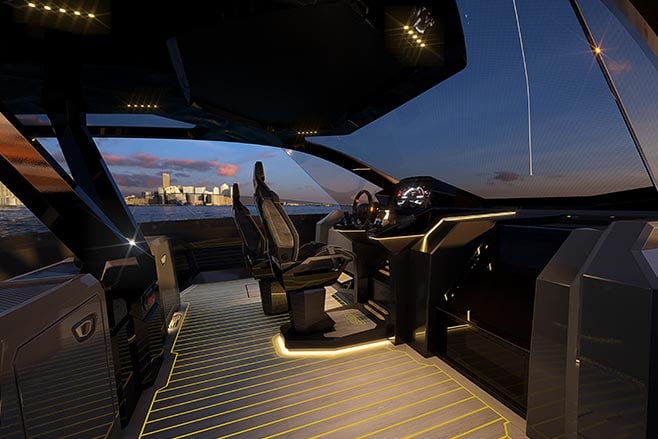
”This yacht represents the significance of creating a valuable partnership, at its best: our co-operation allows the essence of both organisations’ style and expertise to be transferred to different worlds, sharing in their diversity to interpret and add value to the final product in a new environment.
“If I had to imagine a Lamborghini on water, this would be my vision. I’m delighted to celebrate this successful collaboration.”
A French cycling company has had an ad pulled from TV by advertising authorities because it allegedly created a “climate of fear” around the car. Sacre bleu!
VanMoof’s cool ad of a car morphing into a pushie amongst a dystopian cityscape raised the ire of the French standards board, known as the ARPP, which demanded the ad be pulled off the air, even though it has already been screened in the Netherlands and Germany.
“Some images in the reflection of the car are, in our opinion, unbalanced and discredit the entire car sector,” said the ARPP in a statement. “The images of factories/chimneys and an accident create a climate of fear. So they will have to be adapted.”
“We cannot afford to put entire sectors in a bad light. That is an important precondition for fair competition,” added the ARPP’s chairman Stéphane Martin.
“In some areas, that commercial goes too far, with images that are unnecessary, such as the smoke from factory chimneys, which have nothing to do with the car industry.”
As you can imagine, it didn’t go down well with the premium bicycle maker, which specialises in urban bikes in both pedal and electric flavours.
The awesomely named boss of the 11-year-old company, Taco Carlier, insisted the ad would remain unchanged.
“It is amazing that car companies are allowed to cover up their environmental problems while censoring those who question this issue,” he said.
A VanMoof bike
“In the commercial, cars reflect the rat race of the past, inviting viewers to rethink their modes of transportation in the city for a cleaner, greener future.
“Questioning the status quo will always lead to a confrontation, but we wanted to achieve that from the beginning.”
The ban comes as the cycling industry worldwide has seen an explosion in demand for bikes during the COVID-19 pandemic, while the French car industry has been the beneficiary of large bail-out loans from the government.
Locally, car companies have long had to deal with the vagaries of advertising standards boards, which will act if a single complaint is received about an ad.
Volkswagen has borne the brunt of the Ad Standards Australia board in recent years, despite the ad in question here being mostly made up of model cars.
Ford, too, has had to pull ads featuring the Raptor, while this banned Audi ad showed almost no driving in it.
NOW CHECK OUT The coolest car ads of all time
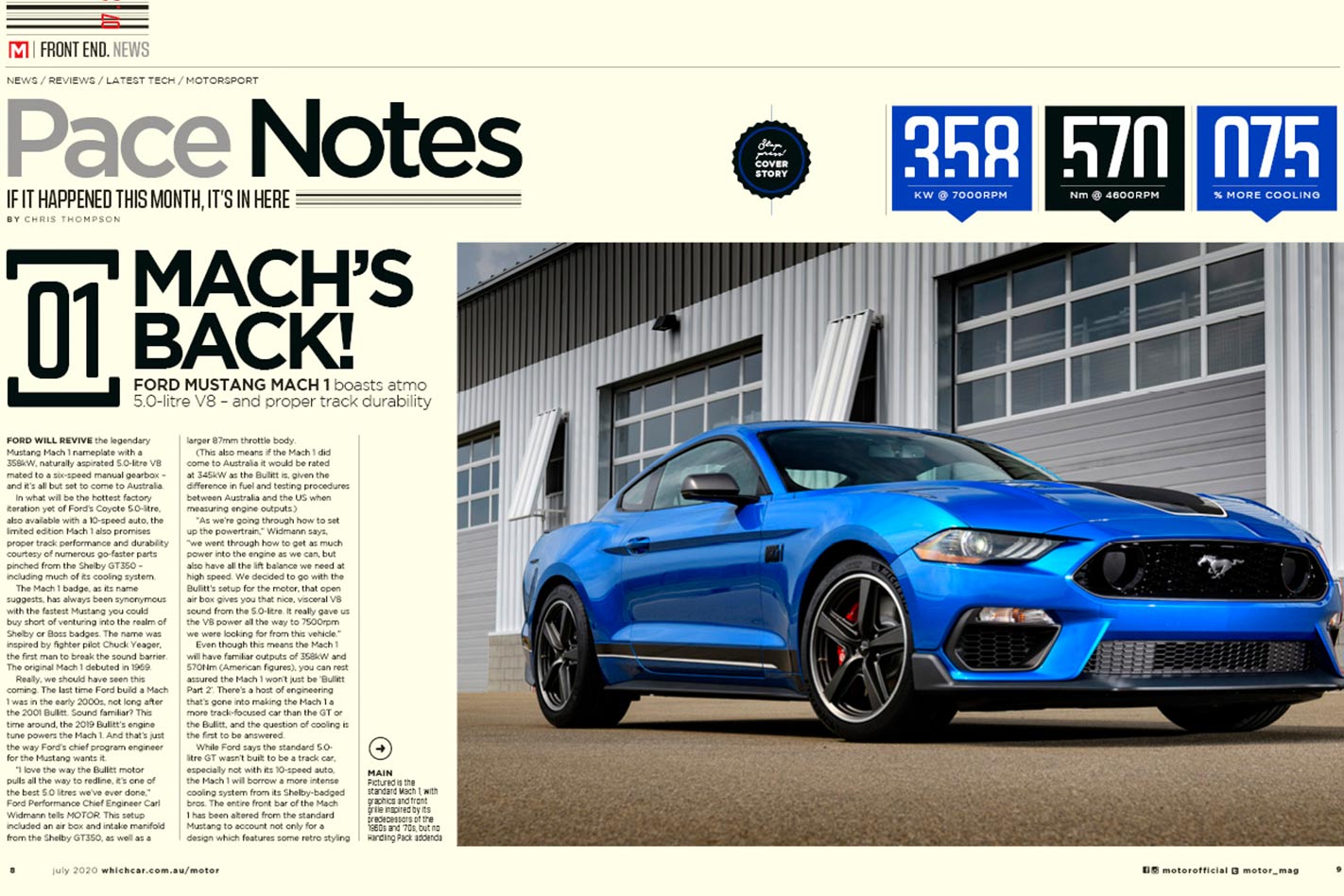
New month, new mag! The July issue of MOTOR is here, and it’s got some juicy gear.
The big news this month is Ford’s Mustang Mach 1, and we’ve got the nitty gritty details from the bloke who made it happen!
Along with that are a plethora of other awesome features and stories, plus the reviews and news you’ve come to expect from us!
You can find MOTOR at retailers around Australia. Or you can subscribe and save yourself some cash, there’s even a (cheaper!) digital subscription option.
Subscribers often receive their mags earlier, so you’ll get to see what MOTOR has to offer before anyone else.
Follow us on Facebook, Twitter, and Instagram to interact with us, give us feedback, and get a peek behind the scenes.
FIRST AUSSIE DRIVE: MERCEDES-AMG CLA45 S
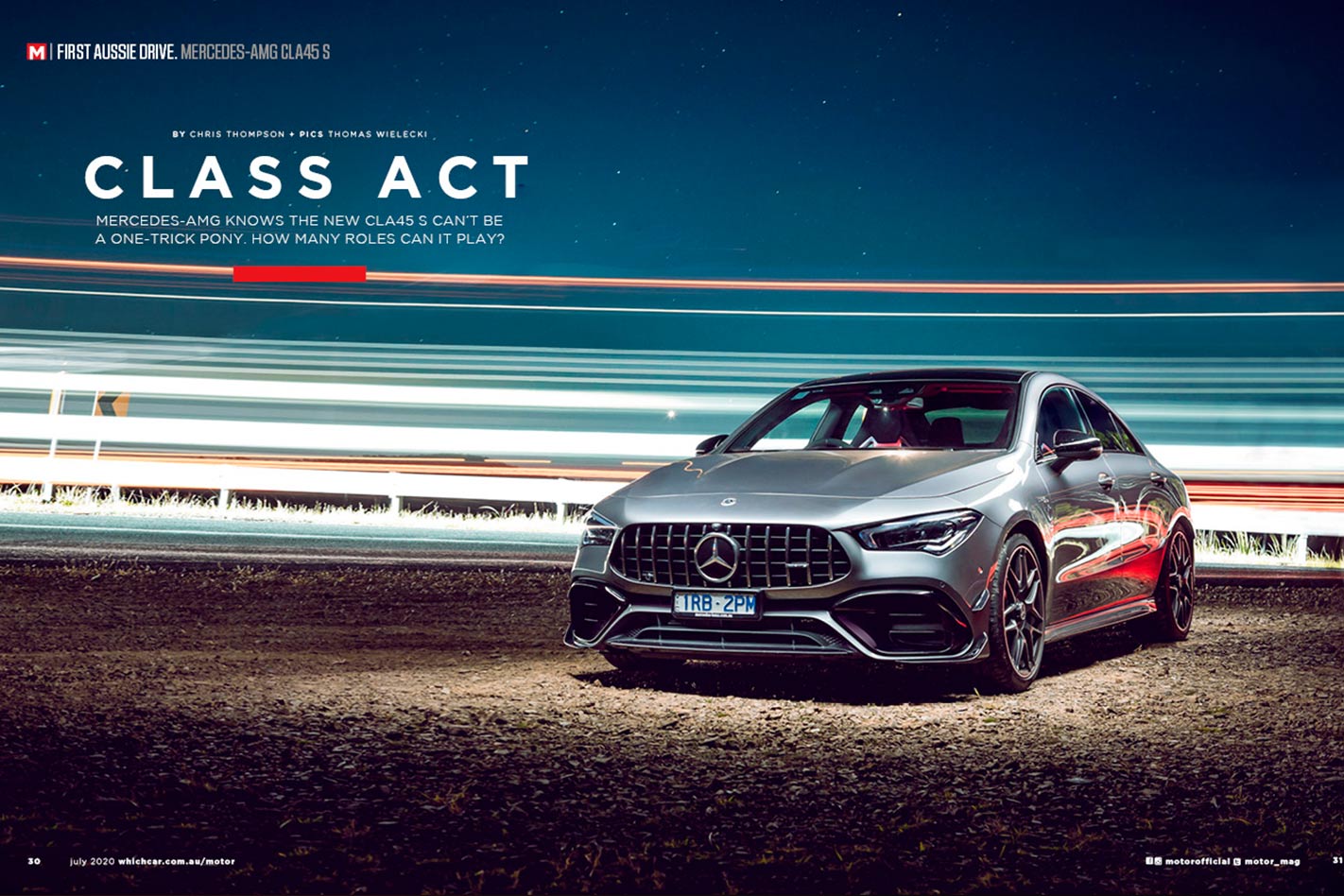
Is this 310kW all-wheel drive sedan the modern-day Lancer Evo?
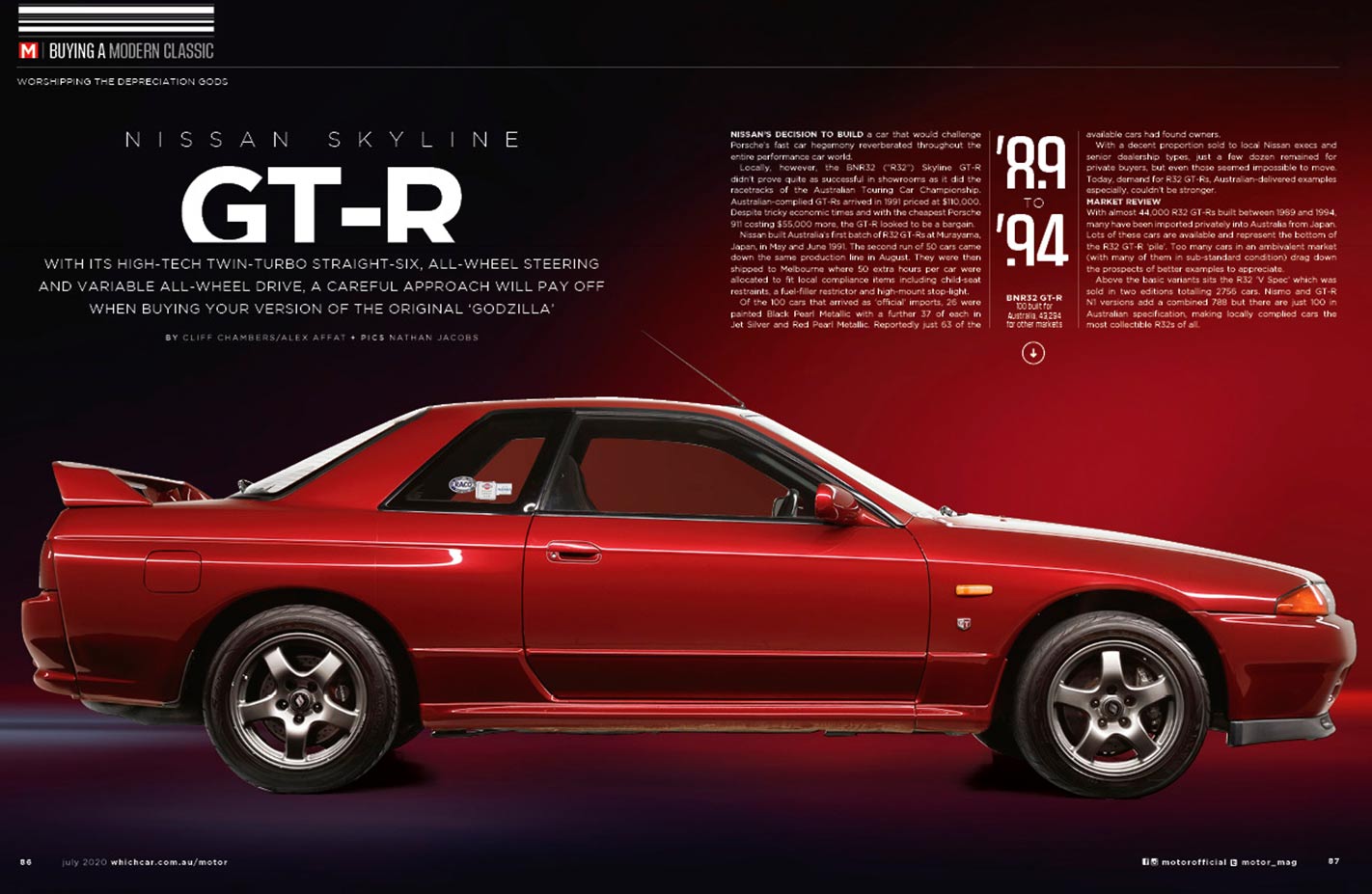
NISSAN R32 SKYLINE GT-R BUYER’S GUIDE
COMPARISON: RENAULT MEGANE RS300 VS FORD FOCUS ST
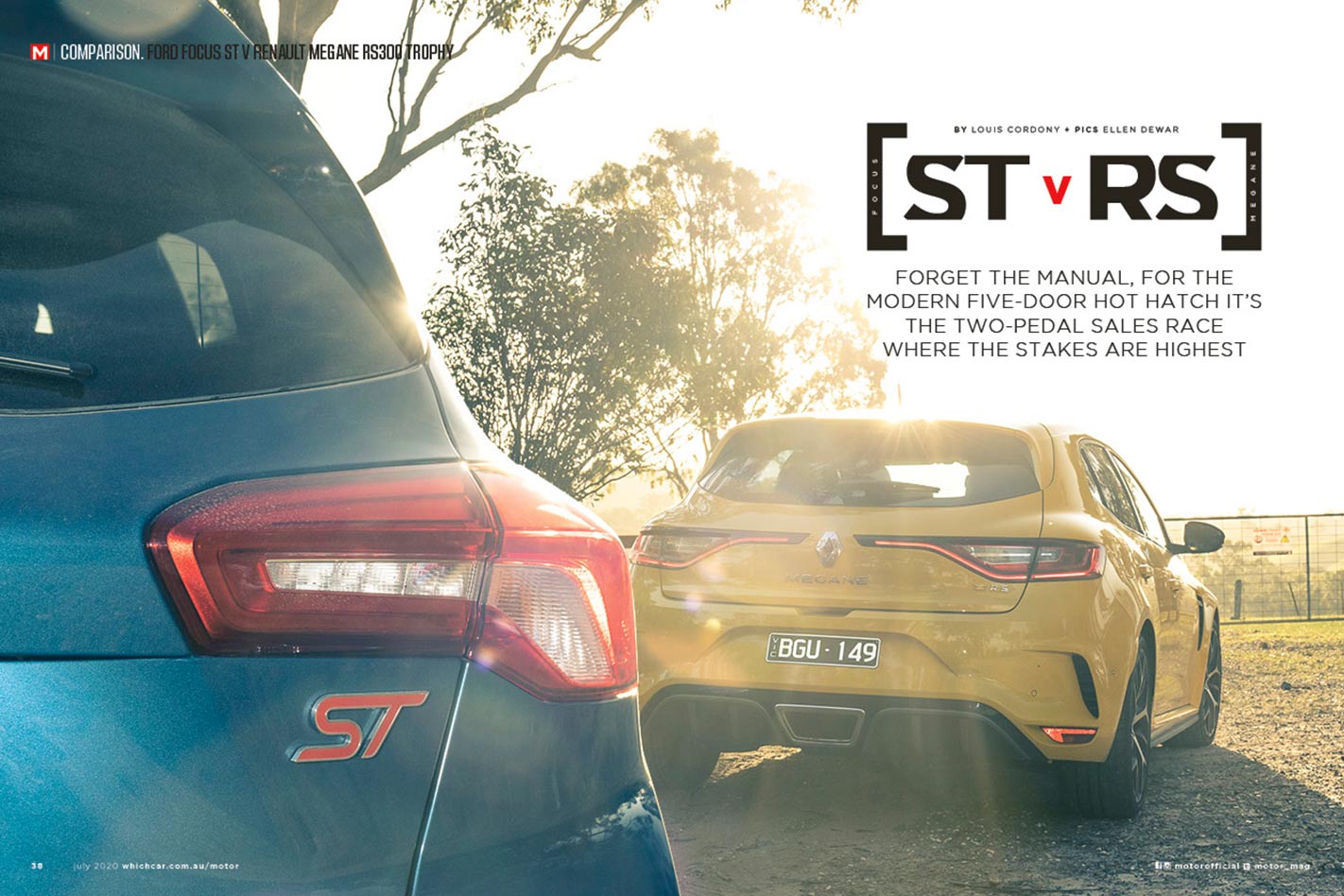
Ford’s torque converter auto Focus ST battles twin-clutch Megane RS.
THE FUTURE OF BUGATTI
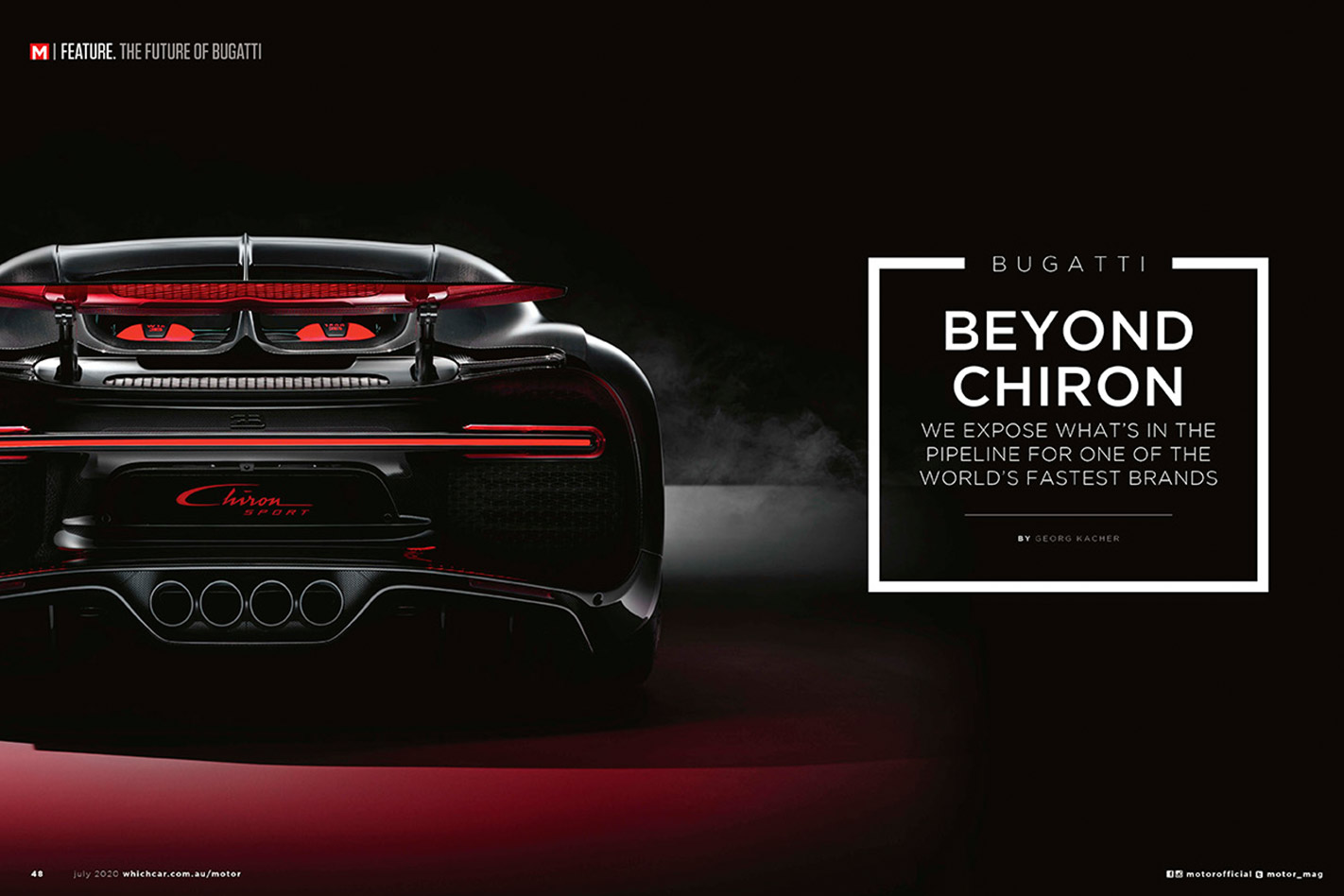
Exclusive insight on the likeliness of a Bugatti SUV, front-engine coupe, and the next hypercar.
PORSCHE 718 BOXSTER SPYDER VS JAMIESON-LICOLA RD
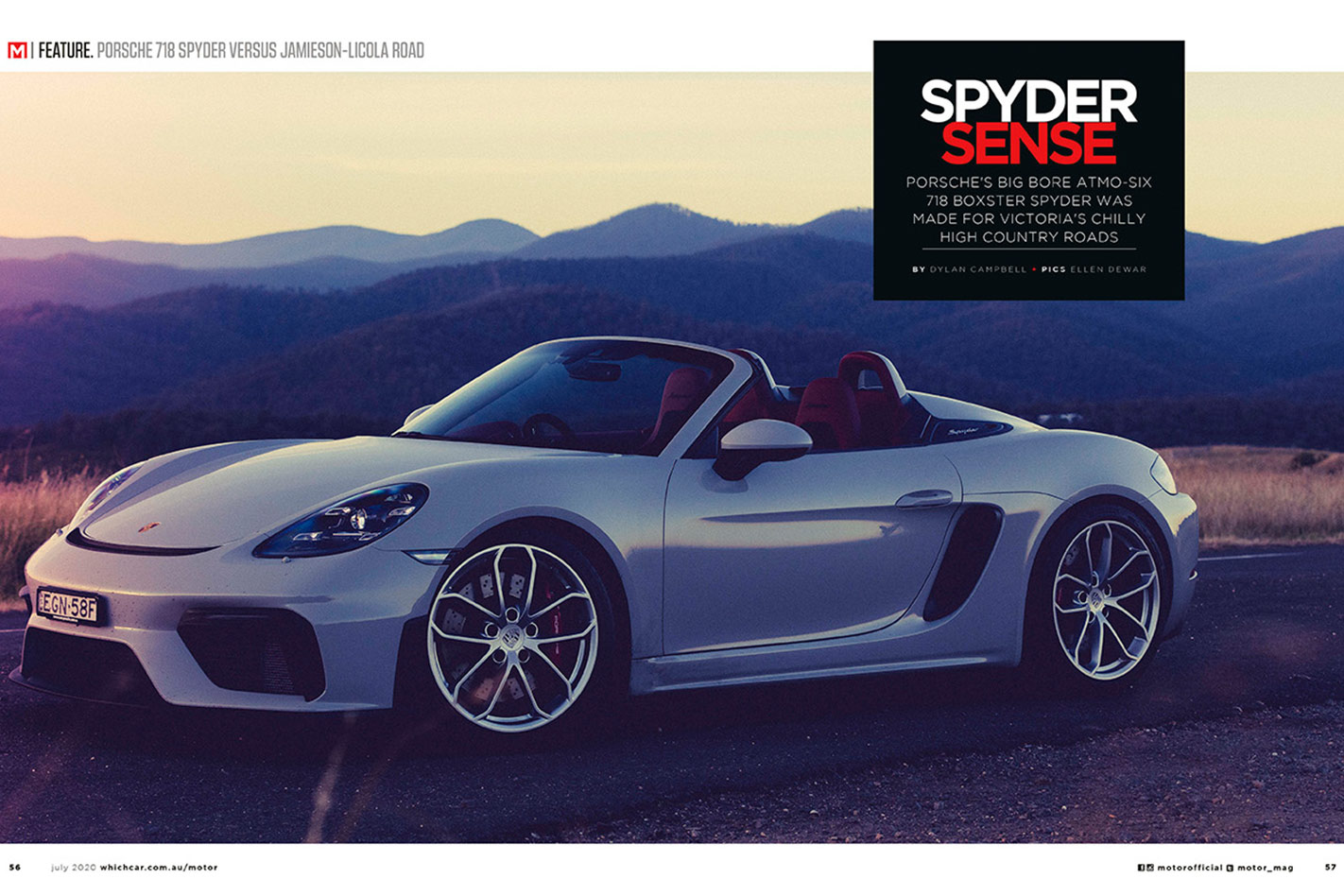
Weissach’s big-bore 4.0-litre atmo six tackles one of Victoria’s hidden semi-alpine gems.
DRIVEN: FERRARI 288 GTO
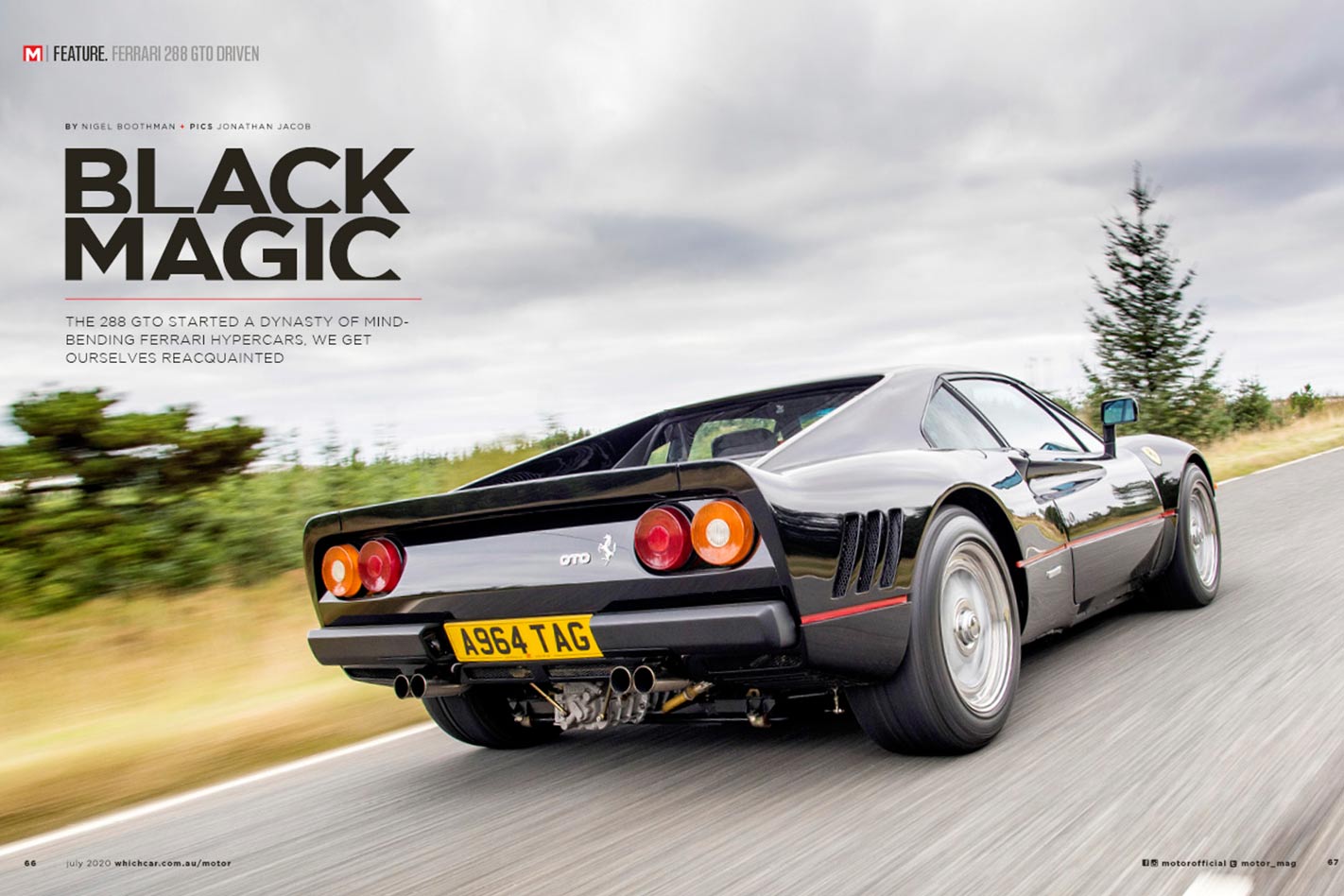
It set the tone for the F40 and a dynasty of hypercars after that – here’s why it deserves more credit
BEHIND CLOSED DOORS: LAMBORGHINI HQ
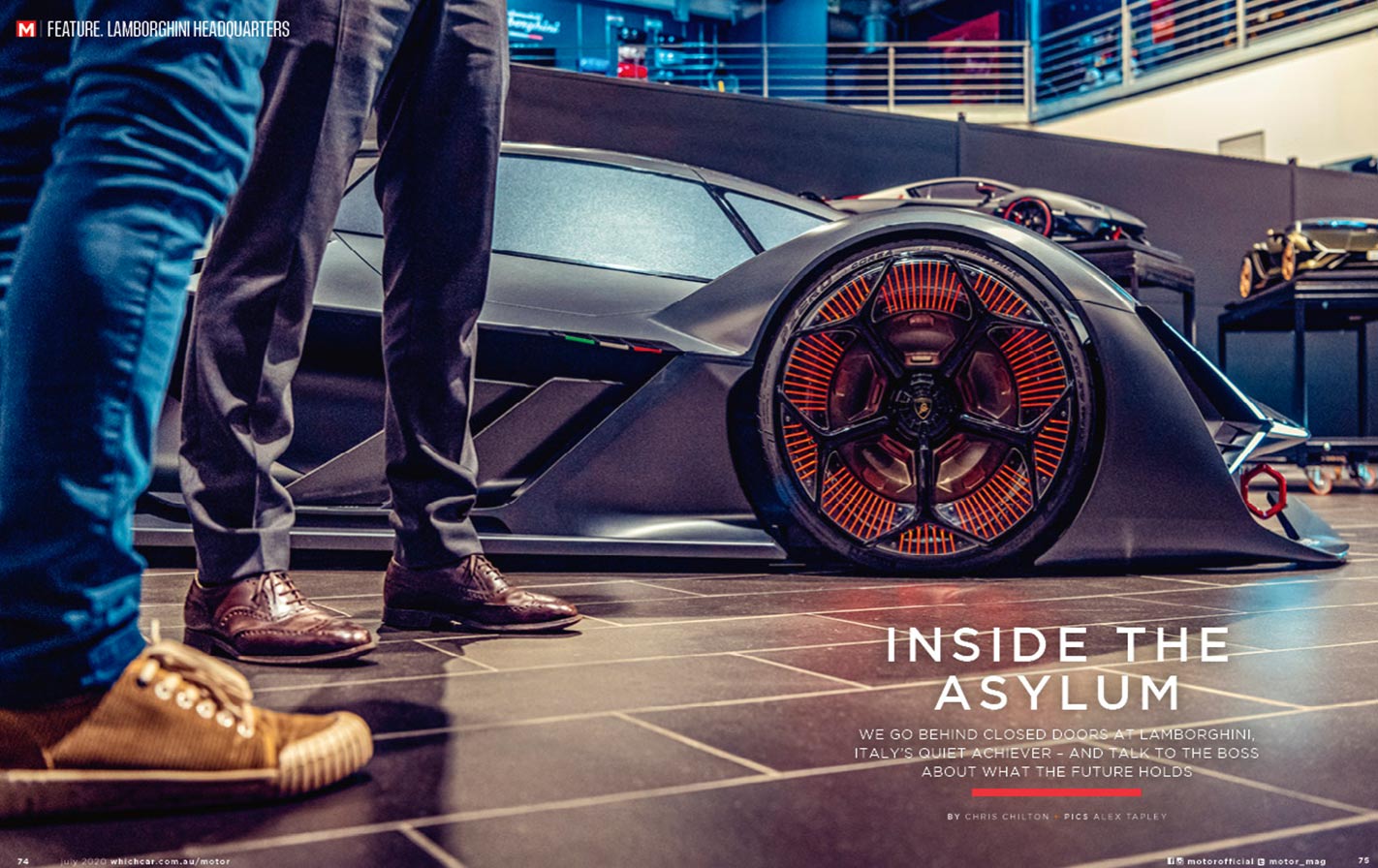
An exclusive glimpse into Italy’s original upstart and a chat to the boss about what’s next
AND MORE
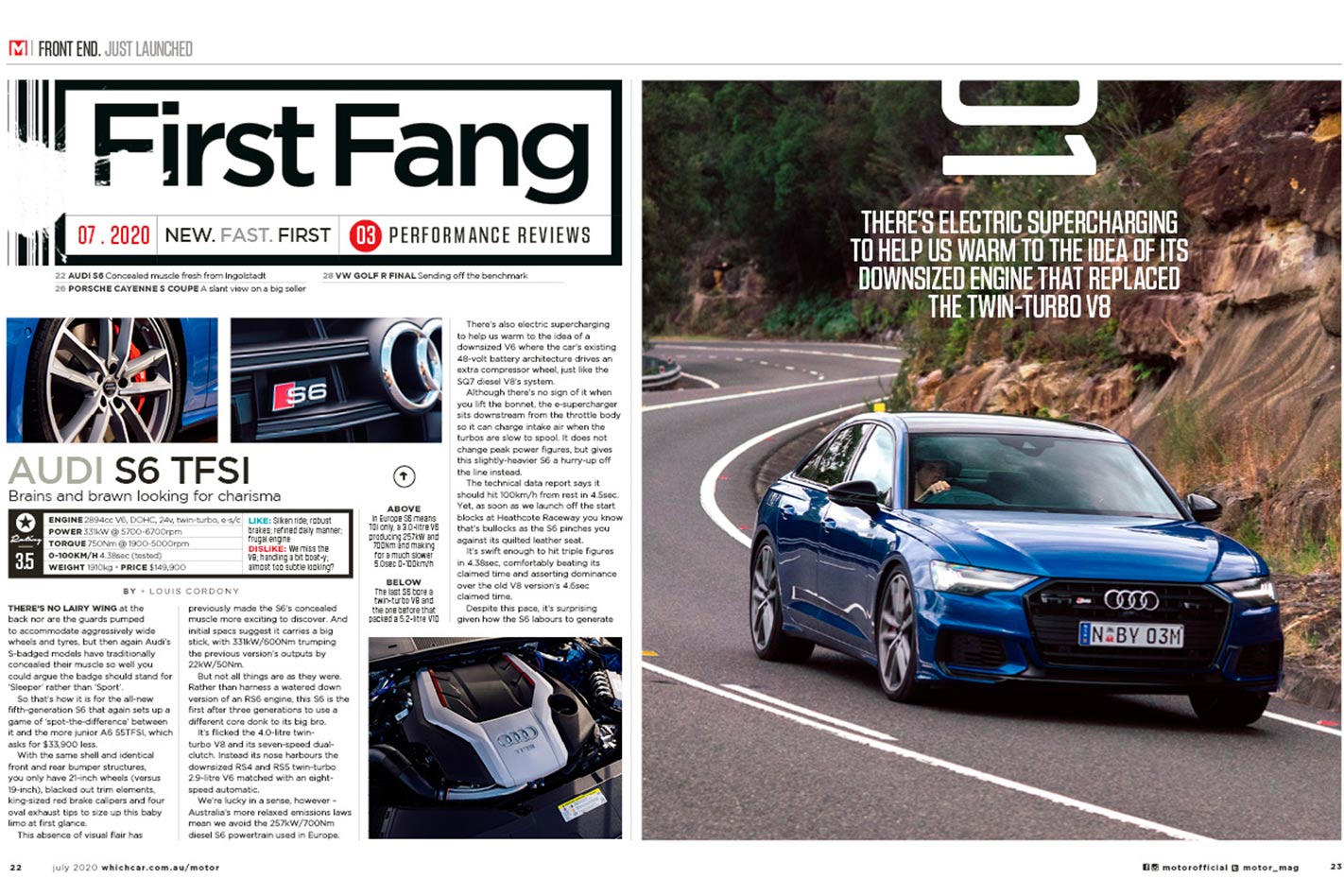
News, reviews (Audi S6, Porsche Cayenne S Coupe, VW Golf R Final Ed.), Cool Kit, opinions, and the rest!
What’s on WhichCar TV this week?
Muscle car shootout
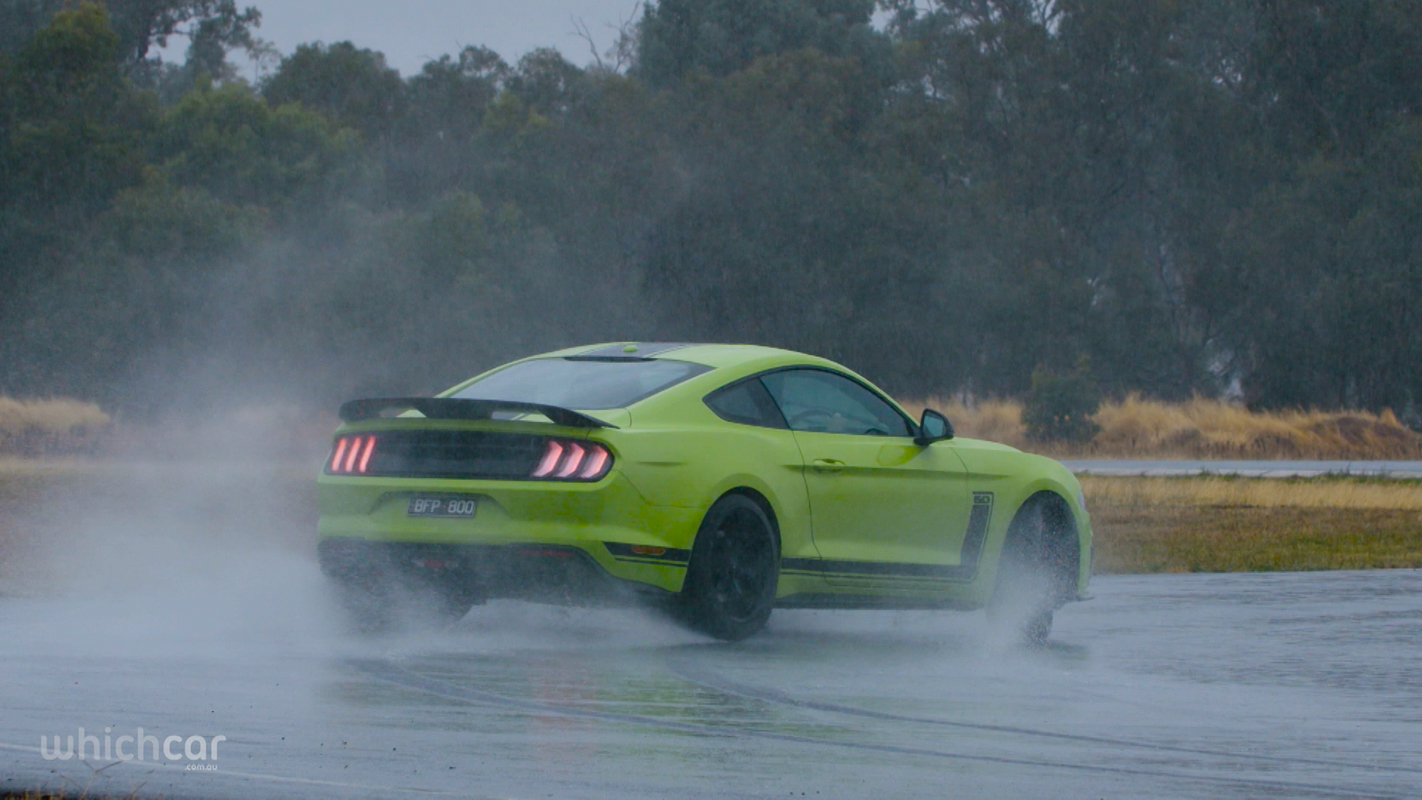
While we still lament the loss iconic local heroes such as the Holden Commodore and Ford Falcon, a good deal of performance is still out there waiting to be enjoyed. You just have to know where to look.
Toyota RAV4 v Subaru Forester comparison
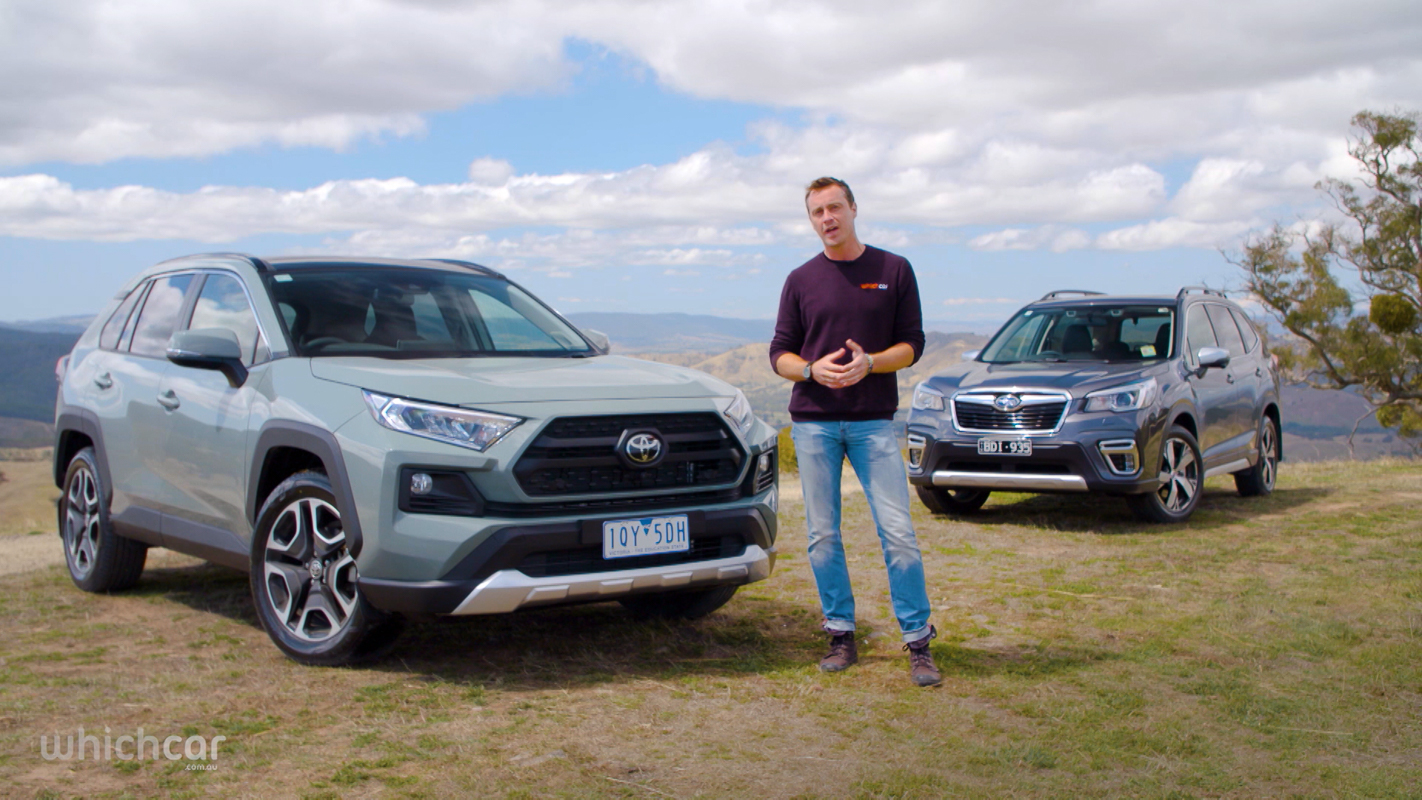
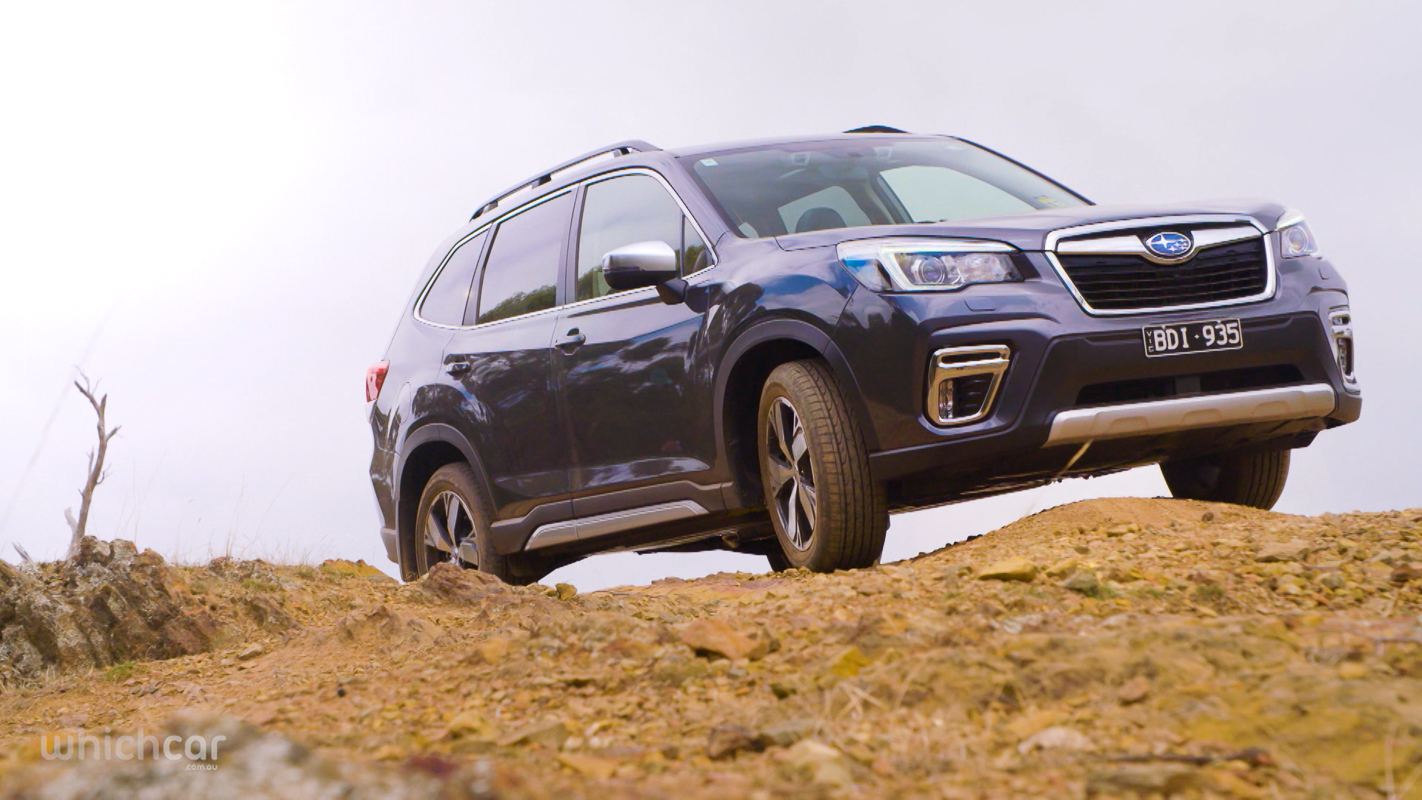
They’re two soft roaders that have been around longer than most, but have the Toyota RAV4 and Subaru Forester kept up with the game? Dan takes the two off the beaten track to find out, and to see whether they’ve remained true to their off-road intentions.
Mazda CX-3 Editor review
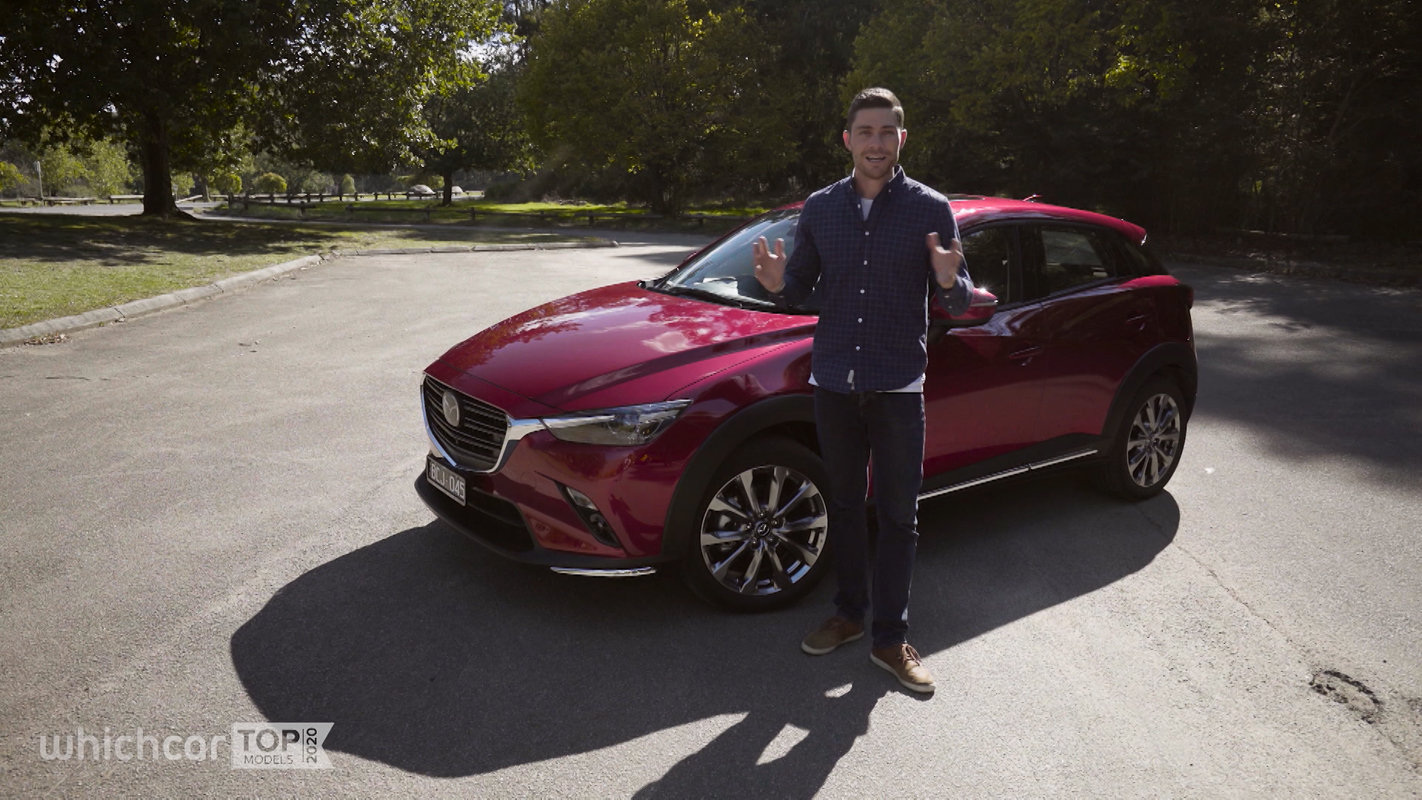
Wheels editor Alex Inwood gets behind the wheel of the Mazda CX-3, a car that pushes the small SUV envelope towards a premium space.
Continental Car Lab
Is there any truth to the age-old trick of putting a car remote to your head to further its transmission distance? We find the definitive answer.
WhichCar TV Season Two Episode 20
4:00pm Sunday July 5, Channel 10
FIND THE HOSTS ON INSTAGRAM
Daniel Gardner @octanedan
Tony O’Kane @tony2000gtx
Tom Fraser @tommyfraser
WIN A TRIP TO THE MALDIVES WITH WHICHCAR
For season two, we’re also offering an amazing prize for our viewers. How does a trip to the Maldives sound? Pretty awesome, right?
The competition is open NOW so make sure you tune into WhichCar TV on Channel Ten at 4pm Sunday AEDT.
And, if for some reason you can’t (and it had better be a good reason!) then there’s a host of ways to catch up on the show, check out behind-the-scenes stuff and find out more about the cars Aussies want to buy.
For example, our weekly podcast, our Facebook page and our YouTube channel are standing by 24/7.
MISSED THE SHOW? Catch up at Ten Play
A confession. I hated the old Land Rover Defender. Yes, I can appreciate its original aims and how it delivered on them, but if ever a vehicle outstayed its welcome, it was the Defender. By about thirty years.
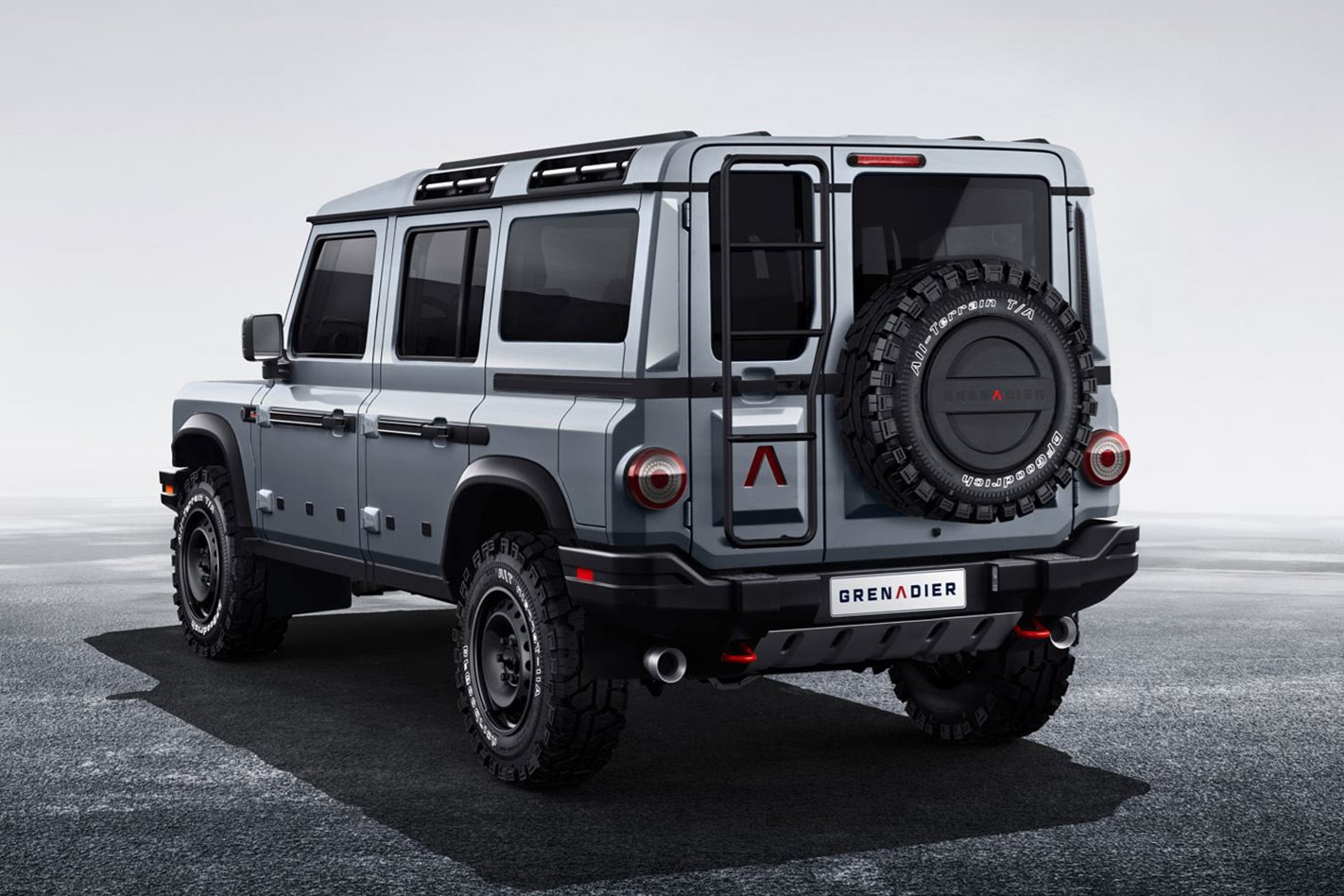
On that basis, I ought to have little time for the Ineos Grenadier, a vehicle which looks like a shameless Defender rip-off that is being built by a chemicals company and named after the London pub where the billionaire owner of Ineos hatched this hare-brained scheme.
But I actually think it’s a great idea and here’s why.
The Defender was never a bad car. It was just a bad execution. Think of the roadster market in the late ‘80s. It was utterly moribund. Cars like the MGB had long died, old stagers like the Alfa Romeo Spider were still staggering on, and Ford was launching its largely hopeless front-drive SA30 Capri, ironically built on Mazda underpinnings.
Then the Mazda MX-5 appeared and demonstrated that it wasn’t that there was no demand in the sector. It was just that the existing products lacked any great appeal. The same’s true of ‘proper’ live-axled 4x4s at the moment. You get a choice of LandCruiser 70, Suzuki Jimny and Jeep Wrangler, none of which can really transcend its tiny niche.
The Grenadier could well be different. We’ve seen that there’s significant headroom in this market. People are prepared to pay if the product is right. While it’s very early in the development process for the vehicle, the initial signs look promising, even if I keep catching myself calling the thing a ‘Grenadender’.
Much of the development work has been contracted to Magna Steyr, which bolts together the Mercedes-Benz G-Class at its works in Graz, Austria. Indeed, Ineos is a key sponsor of the Mercedes-AMG Petronas F1 team, which led to the slightly surreal sight of Mercedes championing the Grenadier on social media, despite the fact that the vehicle will come to market with a 3.0-litre BMW straight-six under its bonnet, in both petrol and diesel guises.
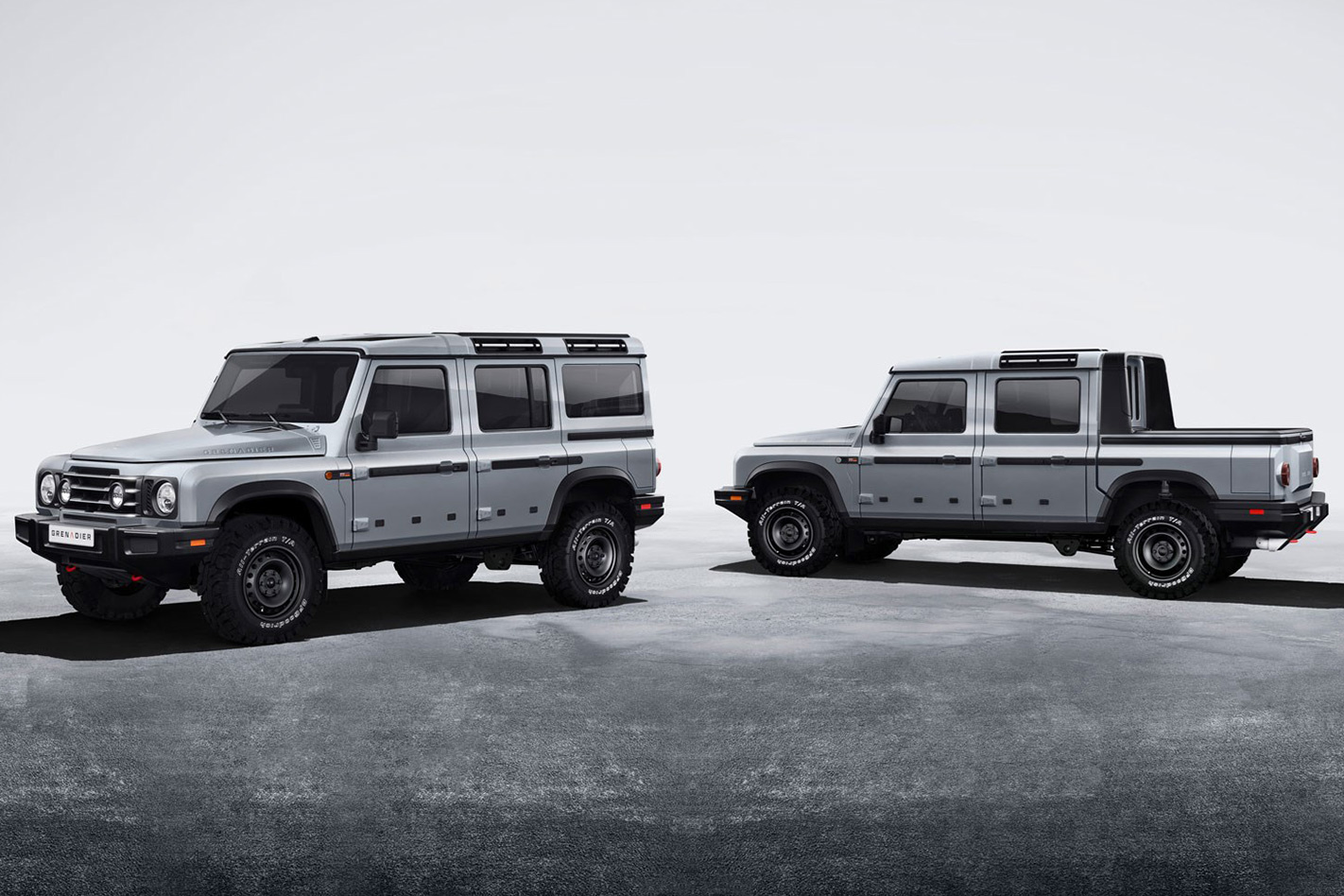
Some have scoffed that here is a vehicle that features a rufty-tufty ladder frame and live axles and then ruins the whole deal by fitting a BMW engine and ZF eight-speed automatic gearbox, forgetting that the most oversubscribed Defender edition ever (the 150-unit Works V8 70th Anniversary Edition which sold out in 72 hours) had… a ZF eight-speed auto. Or that the Defender was fitted with a BMW engine – the M52 2.8-litre petrol for South Africa which, when benchmarked against the V8 Defender it replaced, performed better in virtually every test.
Indeed, many of the same people carping about the Grenadier are the same people who were hand-wringing when Land Rover canned the Defender. It’s odd. I can readily accept that making the styling so similar could antagonise the traditional marque fans. But, as designer Toby Ecuyer wryly stated, “If you’re designing a hammer, it has to perform a certain function. And, pretty much, hammers all end up looking very alike.”
I’d contend that there’s a decent slug of potential customers who loved the idea of a Land Rover Defender, but then drove one and witnessed its catastrophic ergonomics, its terrible on-road manners, its woeful safety provision and its antiquated tech and perhaps came to the conclusion that they didn’t like the idea quite so much after all. Which is pretty much where you’d have been in 1989 if you’d fancied a rear-drive roadster and took an Alfa Spider out for a pedal.
“I think it’s fair to say that our ergonomics will be about as far from Defender as we can make them,” says Ineos Automotive’s commercial director Mark Tennant. “The 1950s 85th percentile male is not quite the same as the 21st-century one, so clearly that’s an area of significant focus. The cars have got to be much more comfortable than some of those originals.” Preach.
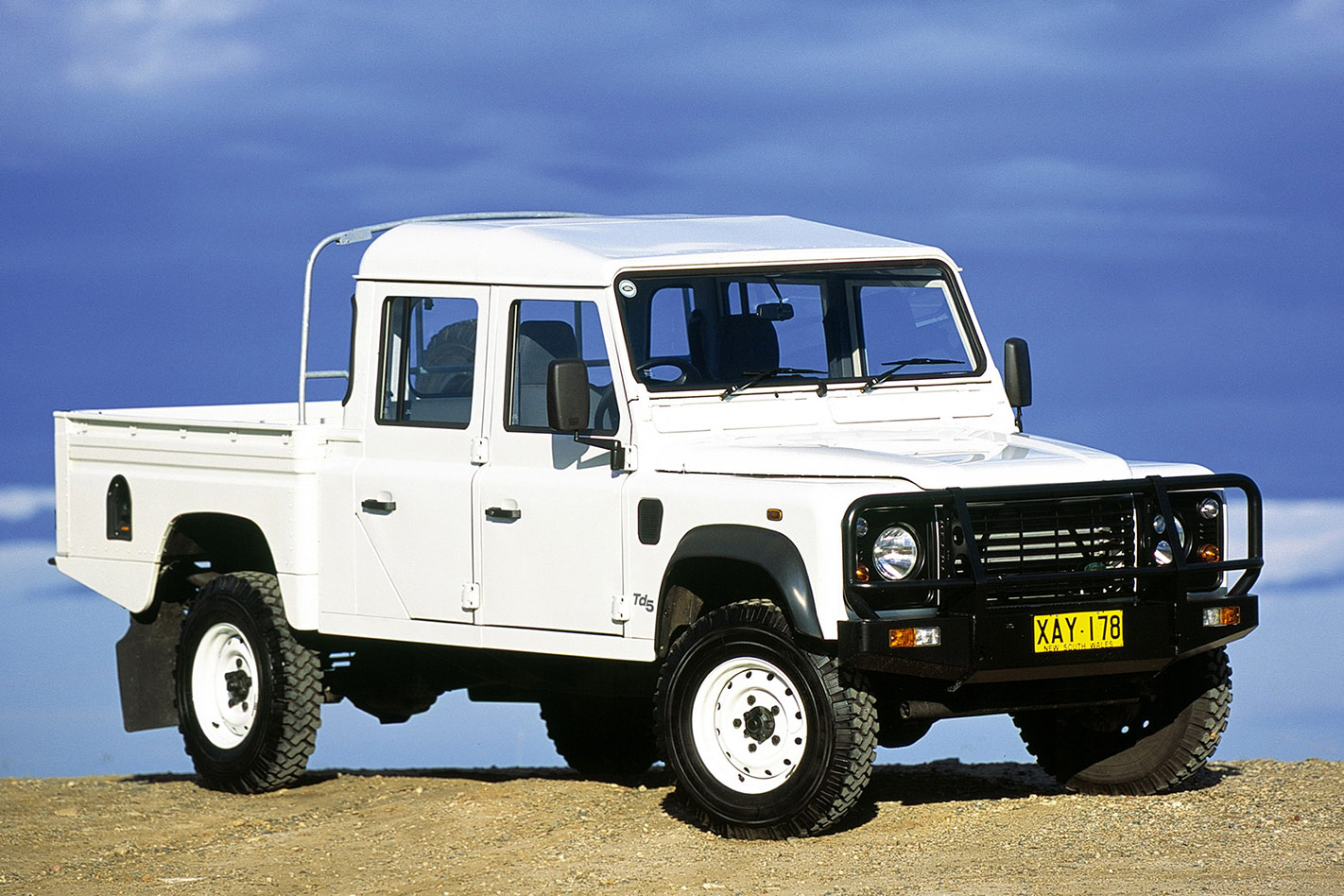
The Grenadier can co-exist with the new Defender, but the Venn diagram of its customer set diverges somewhat. These are people who might like the look of a G-Wagen but don’t have $260K to throw at one. Persuading ornery country Australians to ditch their old LandCruisers, Patrols or dual-cabs for a Grenadier might be a tough sell but there’s a viable market for a sensibly-priced (sub-$100k) vehicle that is up to the challenges of our terrain. Even among those who don’t know what a portal axle is or how to rank every aftermarket winch by its torque rating.
We tend to cling onto much-loved concepts long after they’ve outlived their usefulness. I remember Porsche fans saying the 911 was dead when it went water-cooled. They were wrong, just as Holden was wrong to stake its future on Commodore when it was abundantly clear that buyers were migrating out of sedans. Many loved the Defender because of what it represented, not because of what it was. And that’s okay. Nobody’s taking that away. The rest of the world has moved on though and, in my book, if they move on with Ineos, that’s okay too.
