
A diesel workshop that features on the US Discovery Channel has been fined a whopping US$850,000 ($1.2m) for building and selling diesel-powered vehicles that not only eschew the boundaries of good taste, but emit up to 34 times the pollutants allowed in the state of Utah.
The hosts of Diesel Brothers, David ‘Heavy D’ Sparks and David ‘Diesel Dave’ Kiley, may also be up for almost A$2m in legal costs, after District Court Judge Robert Shelby slammed the pair for violating Utah’s Clean Air Act and for profiteering off their actions.
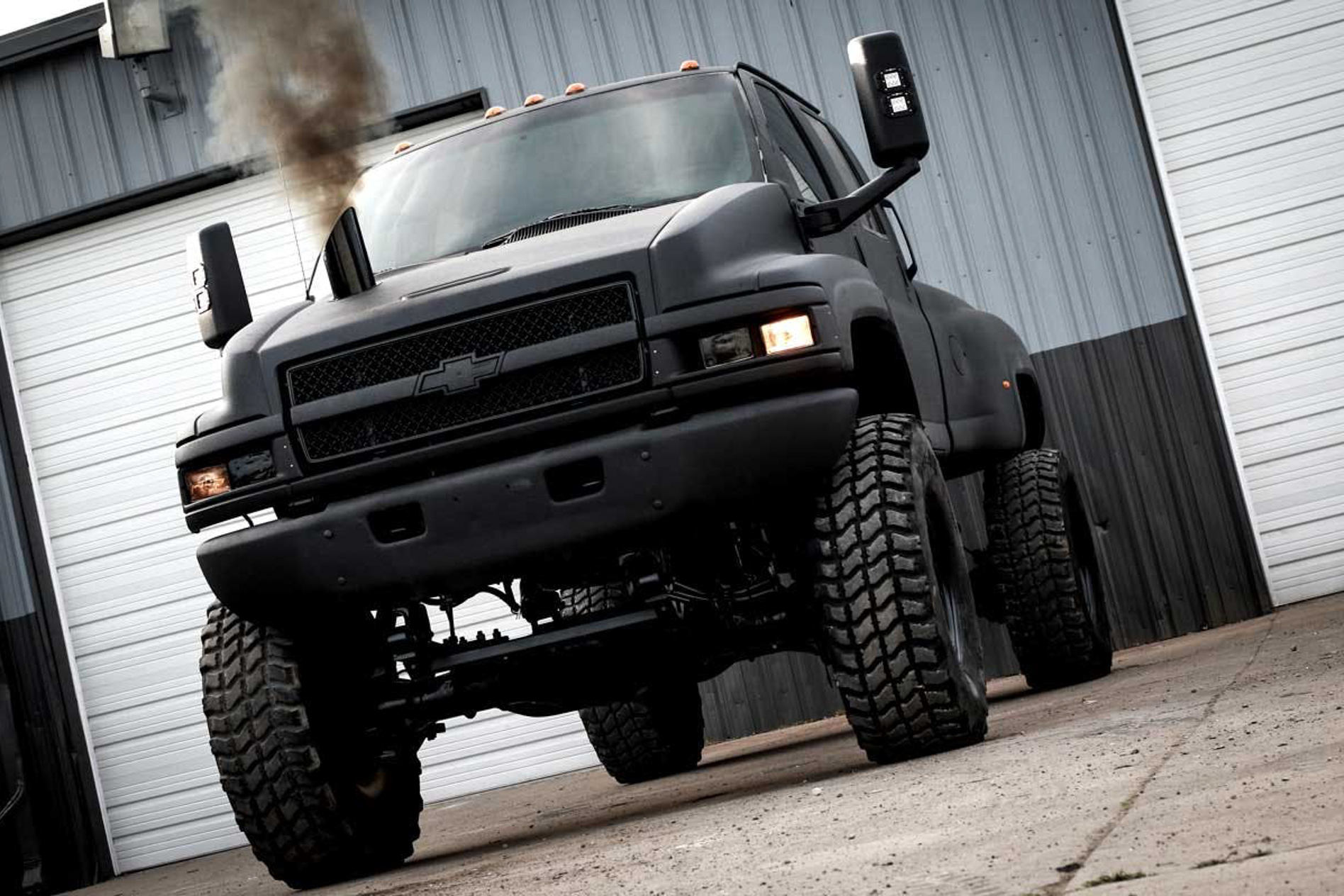
The plaintiffs, Utah Physicians for a Healthy Environment, bought a Diesel Brothers rig and had it tested, recording levels of pollution emission 34 times higher than the state’s law allowed.
The hosts have made a reputation for themselves by modifying diesel-powered pickups and trucks to feature on their show and to sell through their business.
The pair were banned from removing items like diesel particulate filters and exhaust gas recirculation valves two years ago, following a complaint filed in 2016 by Utah Physicians for a Healthy Environment president, Brian Moench.
The complaint alleged that the hosts were illegally removing pollution control gear, installing defective emission control parts and then either selling or operating the vehicles.
The two made their social media fame and fortune through stunts like this ‘coal-rolling’ of a Toyota Prius.
However, Sparks told US website Hard Working Trucks in 2016 that the show was opposed to the notion of coal-rolling, where diesel vehicles are made to emit clouds of black smoke on command.
“We are big advocates for not rolling coal,” he said in the 2016 interview. “It’s stupid. We’ve all been there. Everybody who’s owned a diesel pickup has at one point hit the gas, looked out the rear-view mirror and said, ‘That’s kind of cool.’ But it’s got to stop there because it’s not something that’s going to help the industry by any means.
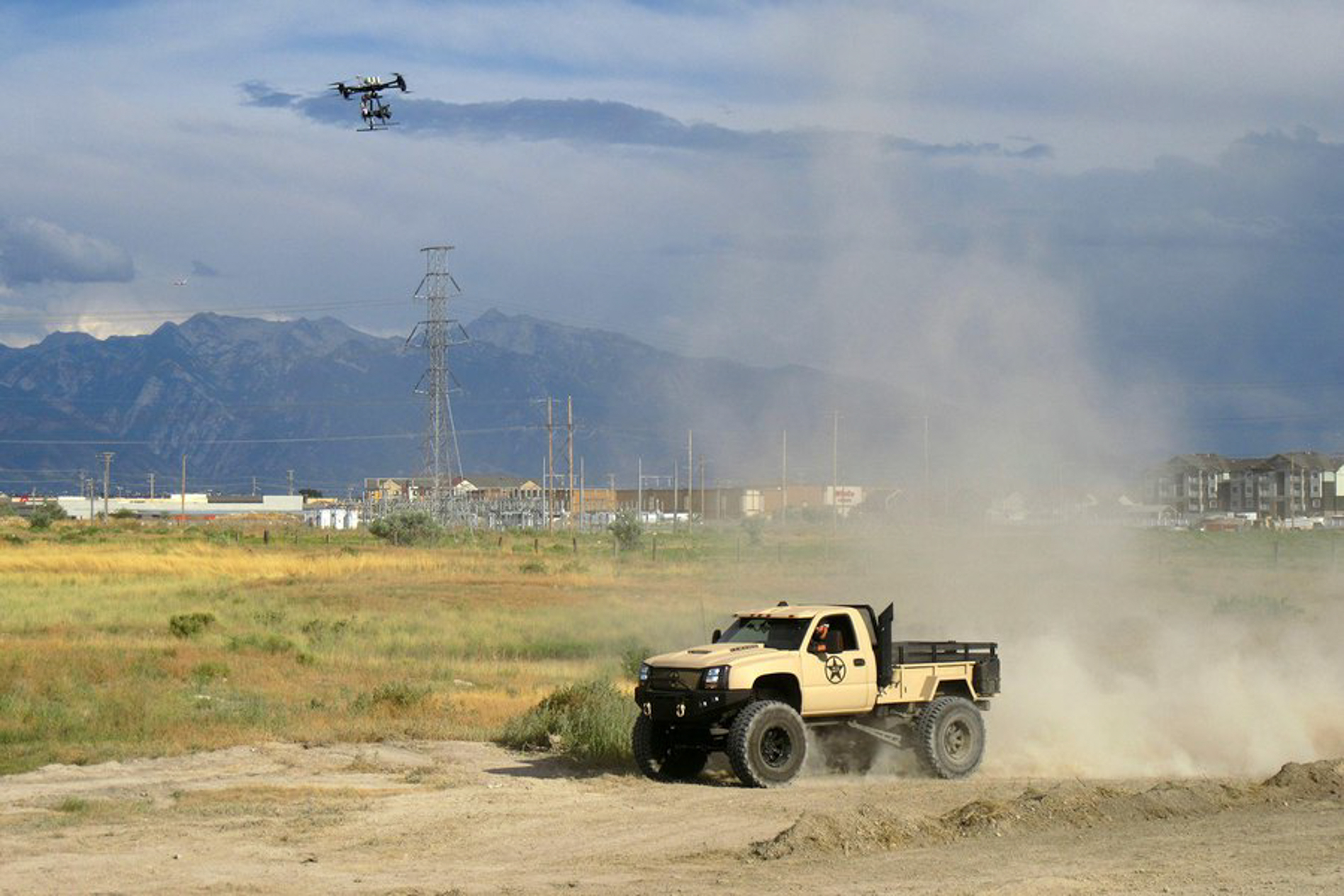
“Our number one goal – we work really closely with the EPA outside and inside of the show – is to say that rolling coal is not cool. Blowing smoke is not cool. Don’t do something to your truck that’s not only going to potentially hurt the environment, but the industry.”
Later editions of the show, which runs on the Discovery Channel, appear to have moved away from the antics of the early days, but the fine is the largest of its kind ever handed out to convicted polluters in the state.
However, it seems like the lads can afford it, with Sparks buying his own island in Utah’s Great Salt Lake a couple of years ago for A$1.4m.
Celebrities aren’t afraid to flash their cash or their cars, and Instagram has made it easier than ever to flaunt your swag to the world. We take a look some favourites who’ve shared our favourite kind of Insta-content – car photos!
Lewis Hamilton
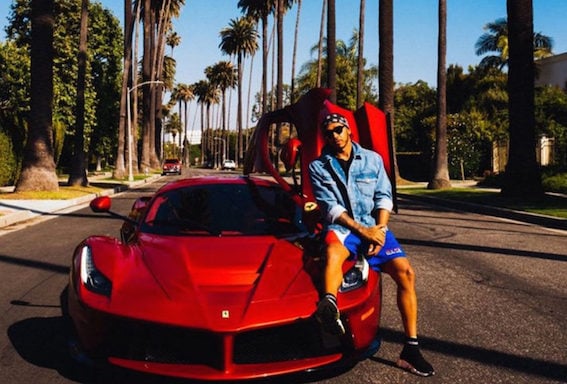
He’s a legend of Formula 1 so it’s no surprise that Lewis Hamilton owns a pretty long list of fast, expensive cars. But they’re not all just Mercedes. He’s also the owner of a Shelby Mustang, a Pagani Zonda 760 and would you believe it, a Ferrari. Not just any Ferrari though, it’s the LaFerrari….worth well over $4 million AUD!
Kylie Jenner
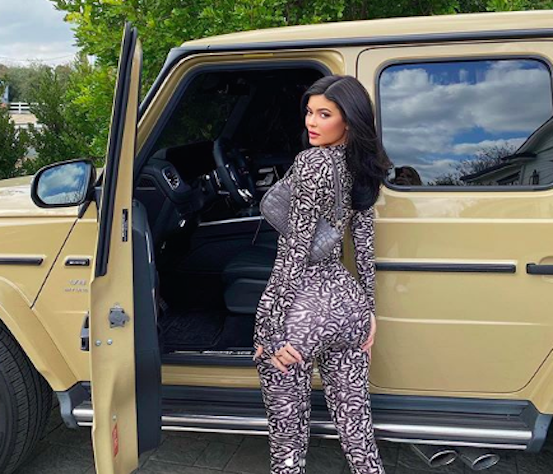
Kylie Jenner has a very impressive, rather tasteful car collection for a 22 year old. The self-made billionaire has three different Ferraris in her collection, a Range Rover Sport Autobiography and the latest, a Mercedes Benz G-Wagon in custard. Altogether Kylie boasts six luxury cars in her garage, almost one for every day of the week!
Kendall Jenner
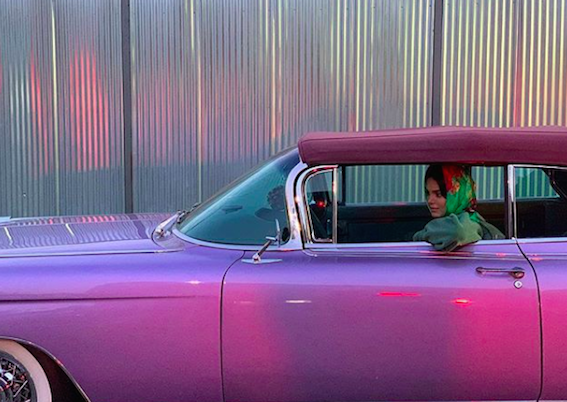
Just like her wealthy sister Kendall Jenner also has some flashy wheels of her own. However, she does have a different taste preferring vintage machines. One of Kendall’s favourites that she constantly shares on her Instagram is the 1960 Cadillac Eldorado – in lilac of course with white wall tyres.
P.Diddy
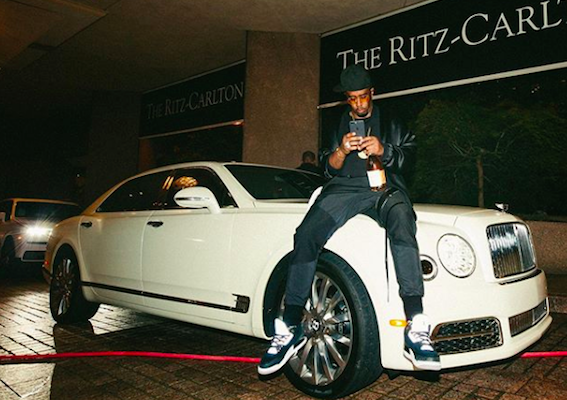
Rap mogul Sean Combes plays with glamorous cars in his music videos but this also translates to his real life. The rapper has an extensive car collection and is also known to give these as a gift. He bought Justin Bieber a Gallardo for his sweet 16th and for his son’s birthday; a Maybach 57. In his own garage he boasts a variety from a pimped-out Jeep Wrangler for the everyday drive to a Rolls Royce Phantom Drophead Coupe. One of our favourites which he often snaps is his white Bentley Mulsanne.
Cristiano Ronaldo
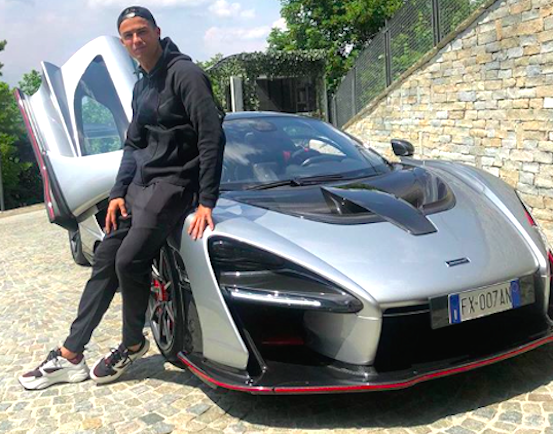
He’s one of the wealthiest athletes in the world so why wouldn’t he collect luxury cars. From a matte black Lamborghini Aventador to a Bugatti Veyron, Cristiano’s collection is one people can only dream of. Our pick though is one you cannot go past…the McLaren Senna.
Tyga
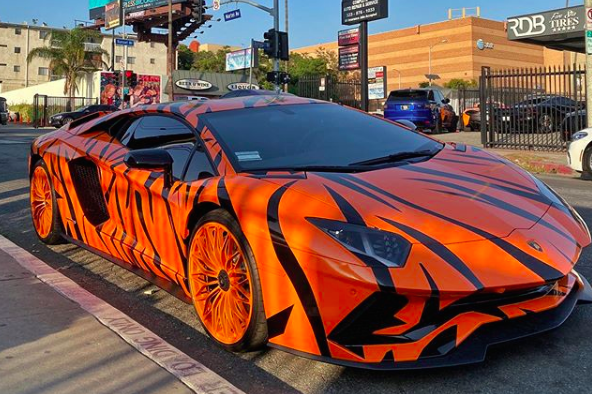
Formally-known as Micheal Ray Stevenson, this guy is no stranger to fast, flamboyant cars. He’s had a laundry list of hot wheels to brag about including a LaFerrari, Audi R8 and was even snapped with a Bugatti Veyron at a time when he reportedly couldn’t afford his Beverly Hills rent. One head-turner of his though is the Lamborghini Aventador. Originally yellow, he had it wrapped to look just like a tiger.
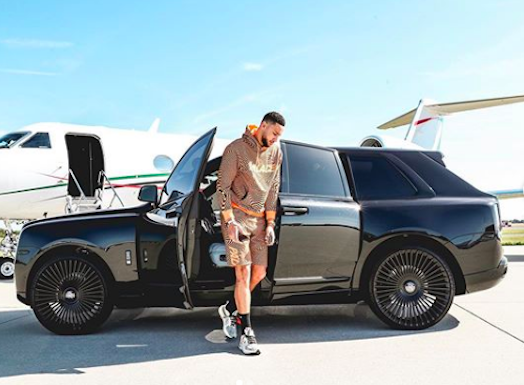
Ben Simmons
The young Aussie is a baller on and off the court. He’s had multiple expensive cars including quite the list of Ferraris but nothing beats his latest and greatest; the Rolls-Royce Cullinan. With a price tag of $685,000 – even before factoring in his customisations – this is without a doubt one of our Instagram favourites.
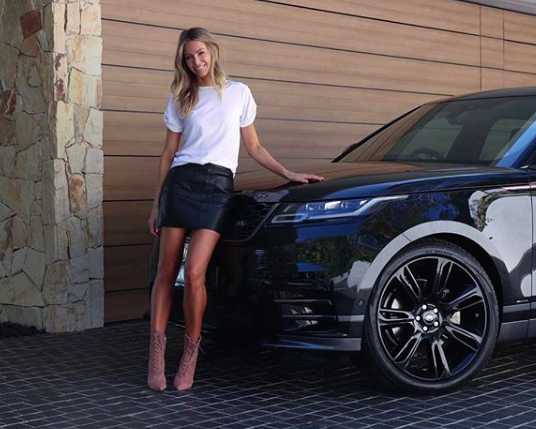
Jennifer Hawkins
Another Aussie who is often photographed on Instagram with cars is model, Jennifer Hawkins. Granted she’s an ambassador for Land Rover but she’s taken some pretty cool pics with some of their very coolest including with the tough looking black on black Range Rover Sport.
- No more Colorado means no more SportsCat
- No replacement on the horizon
Without access to the Holden Colorado donor vehicle, given the Thai-built offering will cease to exist down under with GM”s axing of Holden, HSV is left without a vehicle to rework.
It’s believed about 200 units remain in dealer stock, while around 100 Colorados are yet to be converted to HSV specification in HSV’s Clayton base.
As well, while speaking to journalists at the Chevrolet Silverado 1500 LTZ launch, HSV boss Tim Jackson said that the fate of the SportsCat is sealed given it will “lose its core vehicle”.
“To develop up a new vehicle takes an extended period of time,” he said.
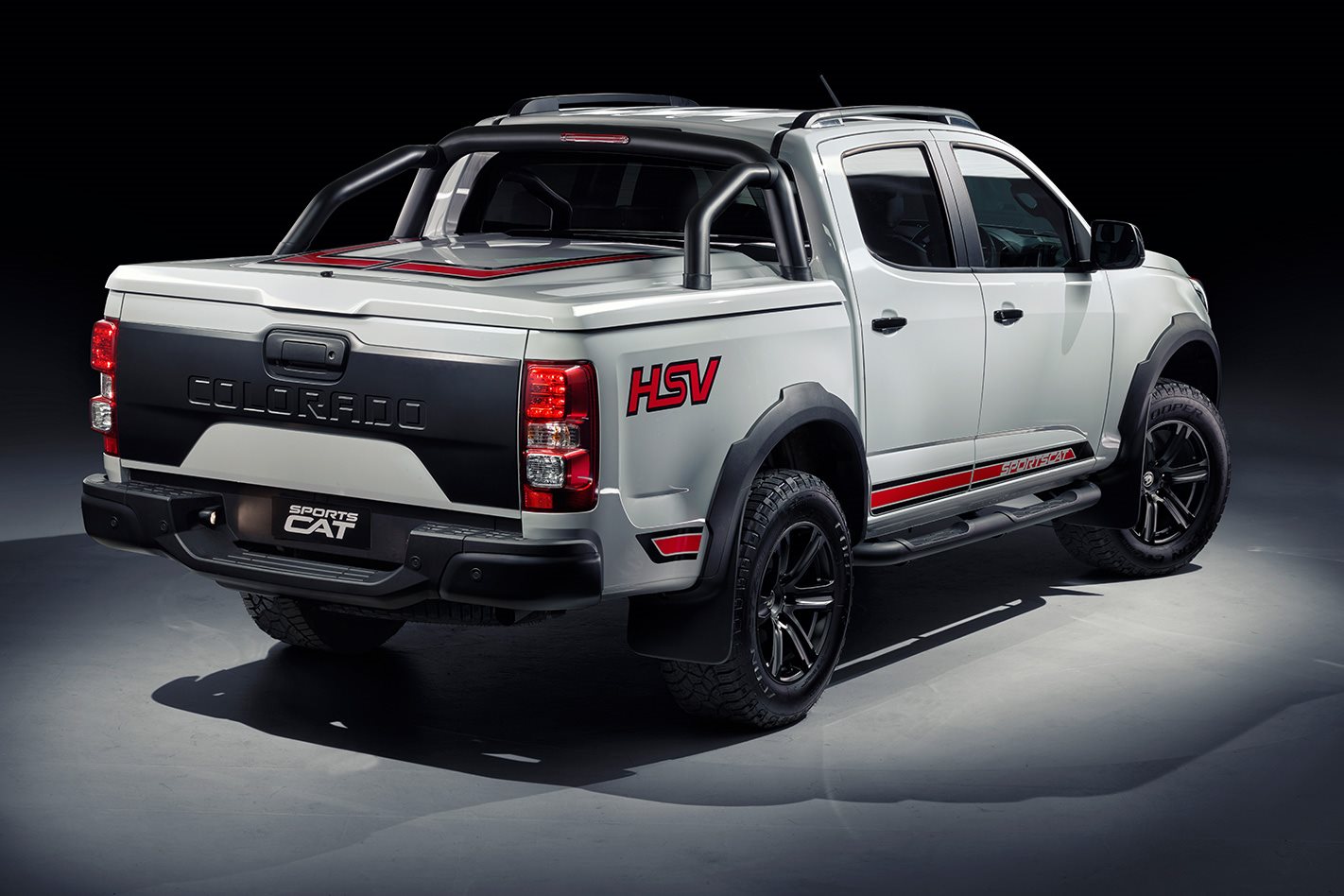
“It’ll eventually roll away in its current form because it won’t have a core vehicle to build off.
“We still have stock we’ll build and send to dealers.”
The news comes at an awkward time with Jackson saying that inquiries regarding SportsCat remain and that there is “certainly a lot of interest on it at the moment”.
“There are lots of dealers ringing up saying ‘we’ve got lots of deals on and what can we do?’ We’re seeing the customer and the market staying in there pretty well,” he added.
Of course, what the next step becomes is the hot topic, and it’s an area that Jackson promises HSV will expand on in the near future.
“With any project we look at, the economics need to make sense – it needs to be a good business case.
“Following on from the GM announcements that there’ll be no right-hand drive product for us to pick up, it’s going to have to evolve from a left-to-right conversion,” Jackson said.
What do you think; do you want more HSV-fettled dual-cabs and pick-ups?
Liberal Democrat MP for Northern Victoria Tim Quilty is calling to change the Road Traffic Act and make it legal to exceed the speed limit while overtaking while on a highway with one lane travelling each way.
The reasoning, of course, is to have less time spent in the incoming traffic lane. During his time presenting his case, Quilty used the often-repeated point ‘drivers should pay attention to the road, not the speedo’.
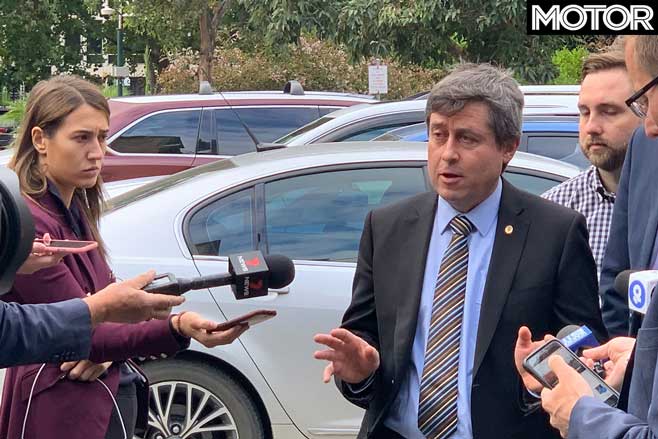
But Minister for Roads Jaala Pulford responded to Quilty’s case by saying “the Government will not be supporting this… because the short answer is we’re in the business of driving the road toll down, not up.”
Quilty says despite pushback from the Labor Government, he’s receieved strong support on the matter from his constituents.
“I moved an amendment to the Road Safety Act to make it legal to exceed the speed limit on highways where there is a single lane in each direction,” Quilty says in a statement.
“Slower moving traffic can be easily and more safely overtaken by exceeding the legal limit, thereby reducing the time spent on the wrong side of the road.
“Where drivers are stuck waiting for an overtaking opportunity while remaining at or below the speed limit, there will be frustration and, eventually, unsafe decision-making.
“And drivers who are overtaking should be looking at the traffic situation, not the speedometer.
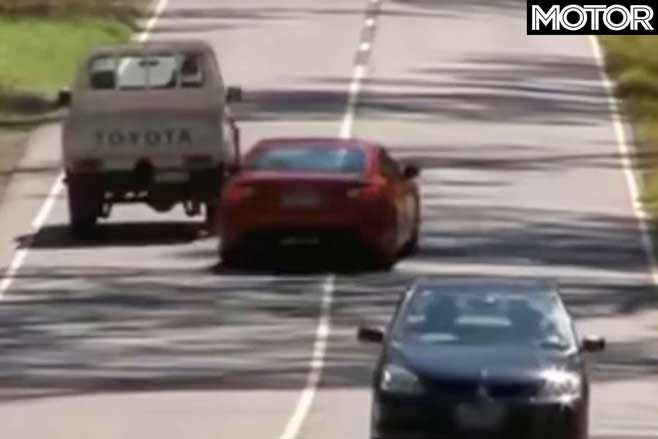
“I’ve done it, I’m sure most of us have. Let’s make overtaking safer and quicker.
“Although my proposed amendment to the Road Traffic Act was torpedoed by the Labor Government, I’ve been getting a lot of positive feedback from drivers who agree that the less time you spend on the wrong side of the road, the better.”
The upcoming Australian Formula One Grand Prix weekend will see a demonstration from Porsche Australia, headlined by an on-track run with the modern version of the Porsche 935.
Based on the Porsche 991.2 911 GT2 RS in terms of its chassis and mechanicals, the modern-day 935 harks back to the racer from 1978 in terms of its design.
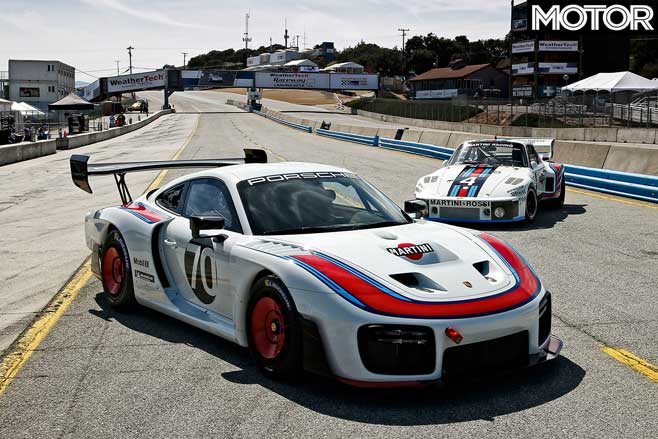
Though only 15 minutes of track time is allocated for Porsche to run demonstrations laps (from 9:45 on Sunday March 15), this will mark the first time the 935 has been showcased in public in Australia.
The 515kW race car will have a chance to show off its wild retro bodywork made from and aluminium-steel composite and carbon-fibre Kevlar, as well as to flex its twin-turbo 3.8-litre flat-six.
On track, it’ll be joined by an original 1978 Porsche 935/78, which itself was mechanically based on the 911 of the time. The 1978 version of the 935 was dubbed ‘Moby Dick’ due to a long tail, reminiscent of that of a whale.
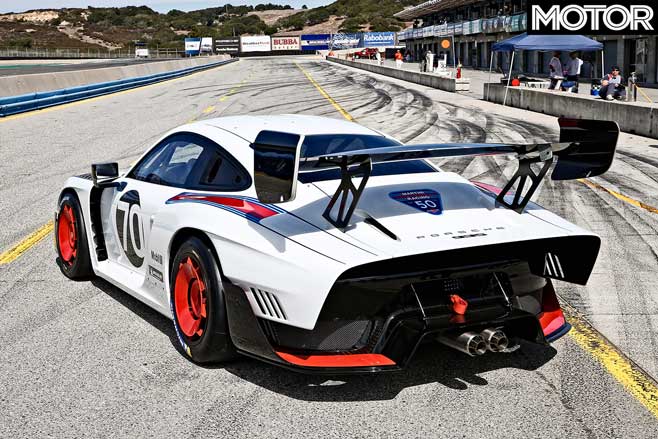
Two road cars will join the racers for demo laps, a GT2 RS Clubsport and a standard GT2 RS.
The Clubsport will run as part of a speed comparison with a Minardi Formula One two-seater, much like the Hyundai speed comparison run last year with a Hyundai i30N, an i30N TCR racer, and the V10-powered Minardi.
Porsche schedule shows five of these comparisons will take place across the weekend, along with the four Porsche Carrera cup races and a few Porsche Kids Track Experience sessions.
There is a new name that Australian motoring enthusiasts need to take note of – VinFast.
Despite sounding like a searchable database for vehicle registrations, VinFast is a young, relatively unknown, but extremely well-funded car company that is on a hiring spree, snapping up Australia’s best engineers left high and dry after the downfall of Holden and the end of local manufacturing.
The Vietnamese-owned company has started up an Australian engineering hub, known as VinFast Engineering Australia, and it is currently being staffed by a number of ex-Holden, Ford, and Toyota employees.
Currently located in a temporary office in Melbourne’s CBD, VinFast Engineering Australia will soon be operating out of a purpose-built Port Melbourne facility. It’s reported that the company could also be interested in purchasing Holden’s Lang Lang proving ground, which is now for sale in the wake of the brand’s closure.
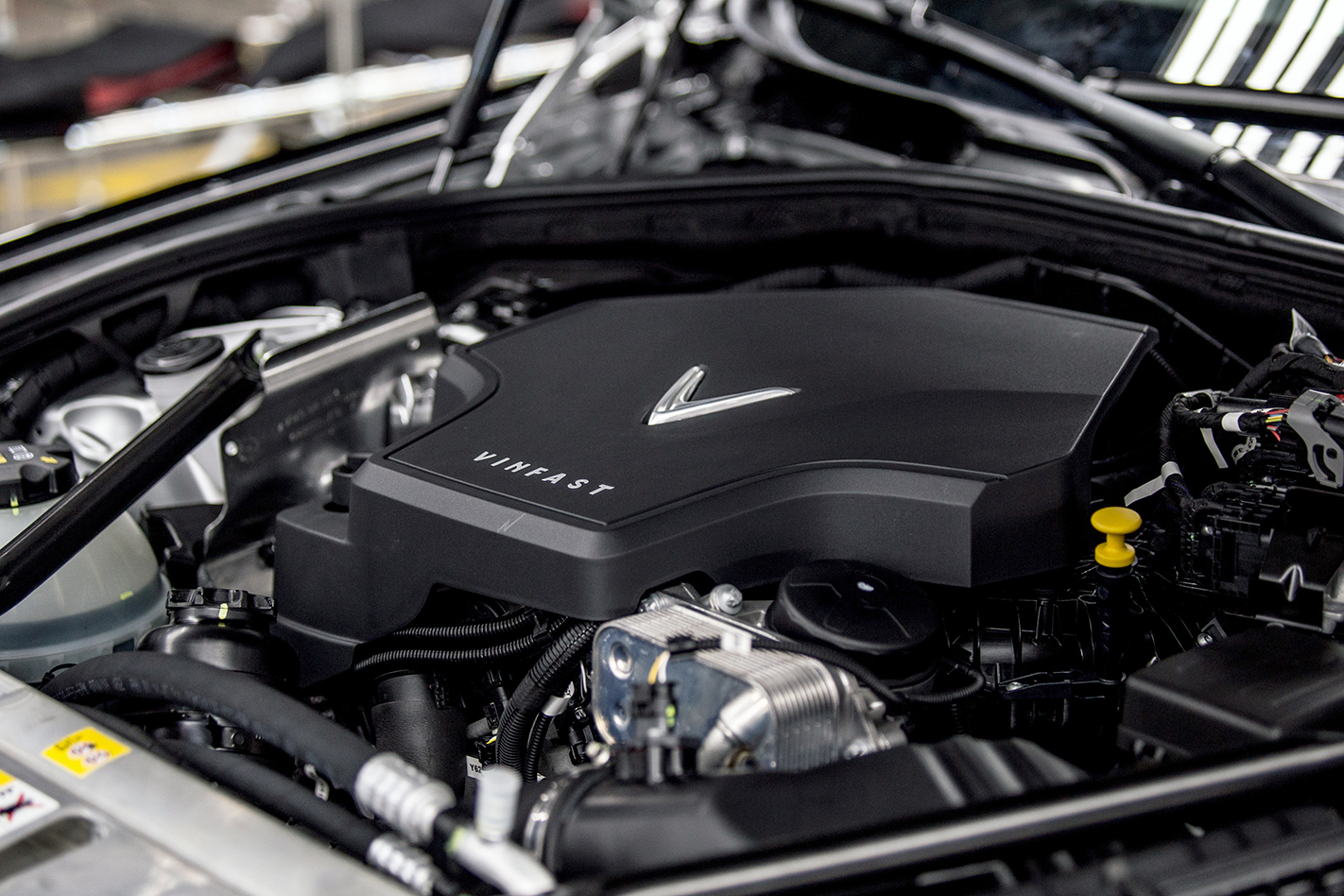
VinFast is owned by Vingroup, Vietnam’s largest private business, with assets totalling $35 billion. Of that figure, a reported $3.5 billion has been invested into VinFast. Vingroup was founded by Vietnam’s richest man and former instant noodle magnate Pham Nhat Vuong.
The man put in charge of running VinFast is ex-General Motors heavyweight Jim DeLuca, and he has since stacked senior positions at the two-year-old company with people poached from his former employer.
VinFast’s director of design, Dave Lyon, vice-president of planning and program management, Roy Flecknell, and engineering vice-president Kevin Fisher all formerly collected pay checks from GM.
The most senior Australian in VinFast’s heavy-hitting executive team is Shaun Calvert, another ex-GM hire, which is now the company’s vice-president of manufacturing.
With GM making the shock decision to axe Holden, 800 employees have been left in the lurch, and VinFast is making the most of the opportunity.
DeLuca told carsales.com the brand wants to employ “a few hundred” engineers at its new Australian facilities.
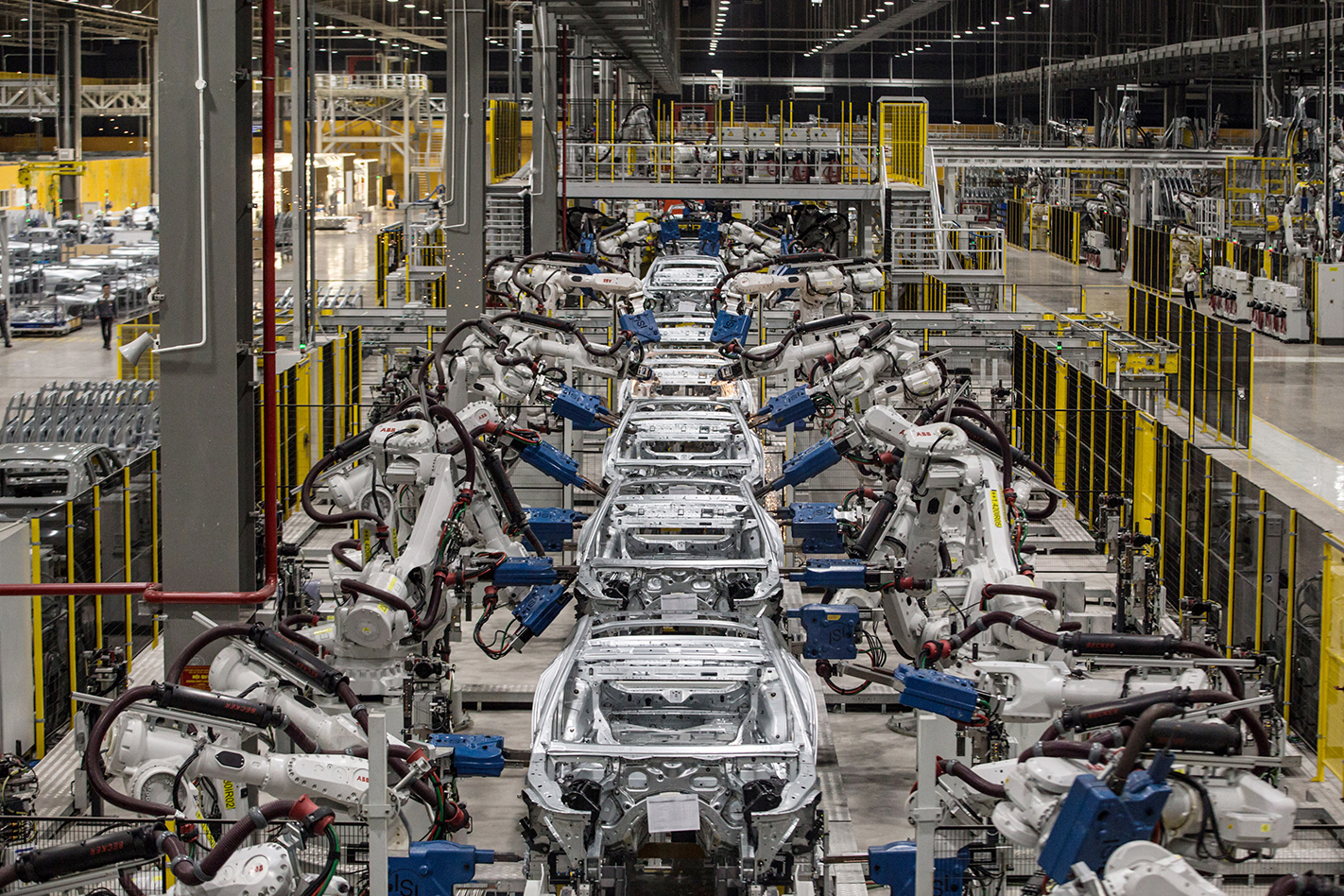
The VinFast Engineering Australia team will be responsible for developing future products for the company, hence the potential interest in purchasing the Lang Lang proving ground.
“Australia is a developed automobile market which has available suppliers, skills that VinFast wants to tap into,” DeLuca told carsales.com.au.
Flecknell says Australian expertise has played an integral part in developing VinFast’s manufacturing and engineering capacity.
“They bring massive talent and experience to the business,” he told carsales.com.au last year. “We have clearly benefited from all those OEMs leaving Australia.”
Recent senior hires for VinFast Engineering Australia include Kevin Yardley, a 25-year Holden and GM veteran, and Joe Sawyer, who has 23 years of experience with Holden.
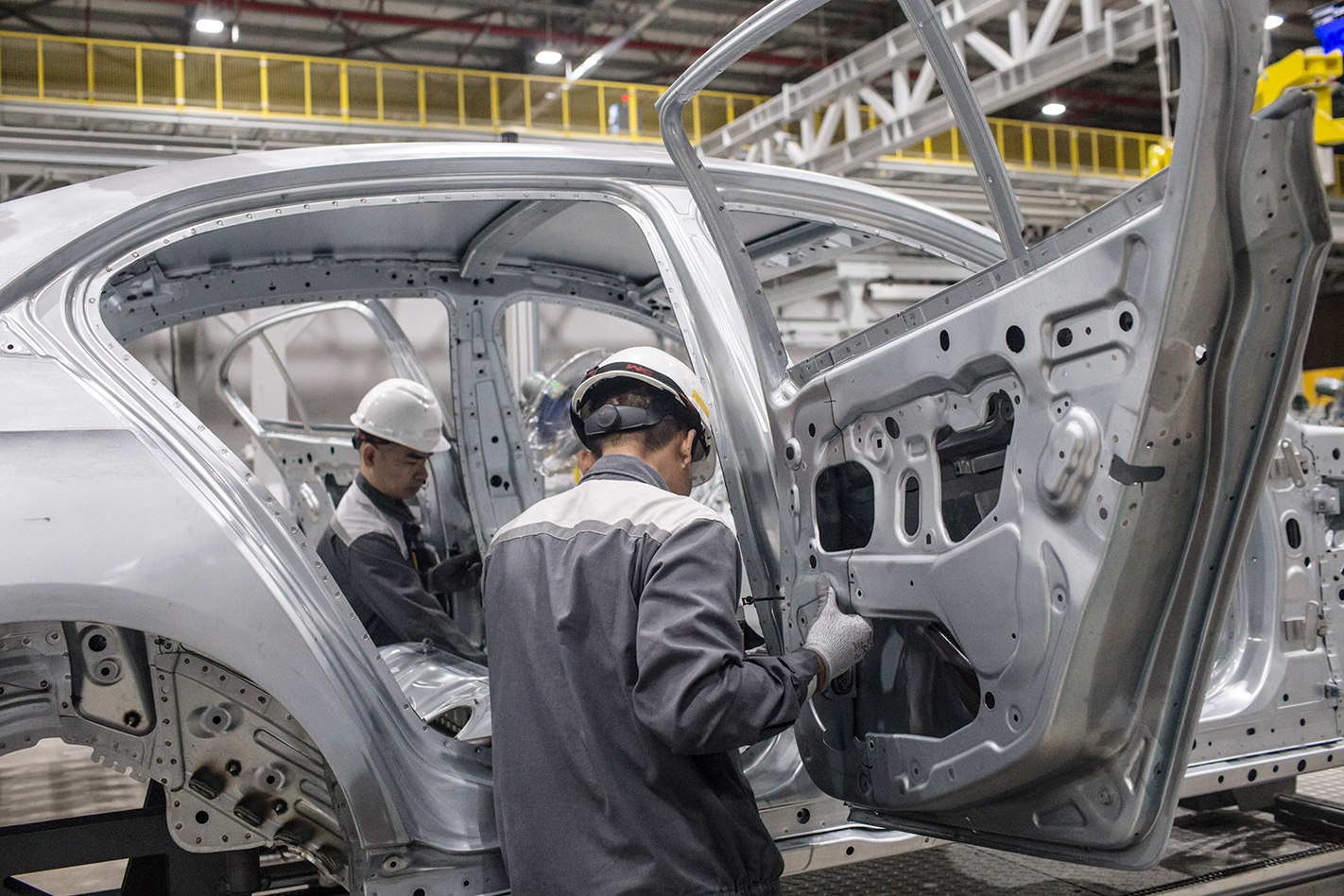
VinFast has built a brand-new manufacturing facility in Hanoi where its cars will be produced. The land it is built on was once water, but it has been reclaimed; now housing VinFast’s 335 hectare campus which includes its international head office.
Additionally, the Vietnamese company has brokered a deal with General Motors for exclusive distribution rights for Chevrolet products in Vietnam, as well as taking over ownership of the GM manufacturing facility, dealer network, and employee base.
Despite its deeply Vietnamese roots, VinFast’s ambitions are international, with founder Vuong indicating that the company would not remain profitable if it sold to its native market exclusively. He wants to sell cars in the US by 2021.
There is no word on an Australian launch for VinFast, but the company has expressly stated it intends to become a “global automobile company and brand”, and its new Australian headquarters indicates this is a case of when, not if.
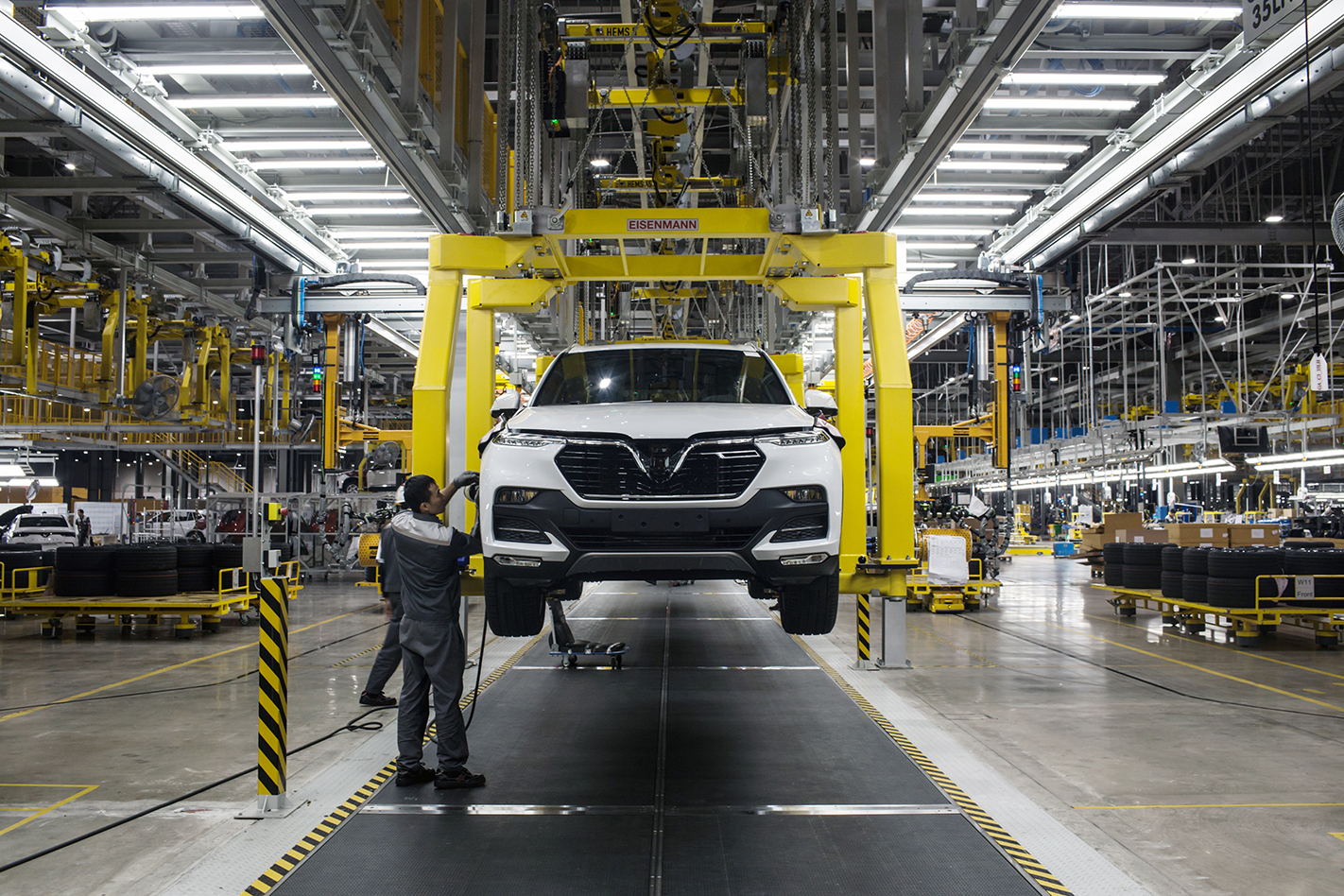
Launched at the Paris motor show in 2018, VinFast’s first two models use BMW architectures and drivetrains, supplied by the German manufacturer under license.
The LUX A2.0 sedan is a 5 Series beneath the bodywork, and LUX SA2.0 SUV is an X5. Both are powered by a 2.0-litre turbocharged four-cylinder petrol engine, paired with an eight-speed ZF transmission. Both have bodies designed by Pininfarina.
If the four-cylinder turbo engines don’t get your heart racing, the LUX SA SUV is getting a limited-edition version, powered by a 339kW/624Nm naturally-aspirated V8.
The 6.2-litre V8 under the bonnet is rumoured to be an LT1 donated by GM, the same unit fitted to the current Chevrolet Camaro SS, and outgoing C7 Corvette.
The third car in VinFast’s stable is the Fadil, which is based on the Vauxhall Karl and sold in Vietnam.
A Melbourne-based tech start-up is about to take the next step towards commercialising its innovative solar-powered driverless electric vehicle, which it hopes will be a global game-changer.
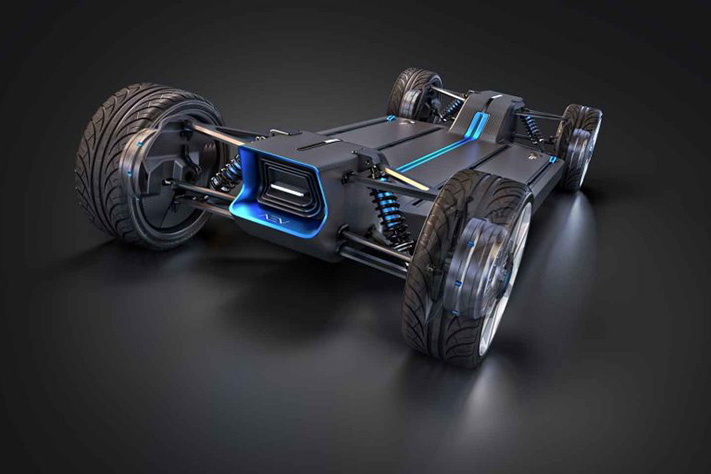
Applied Electric Vehicles (AEV) is four years into developing a prototype of its driverless Modular Vehicle System (MVS) that’s designed to cover short distances at low speeds but, unlike more conventional EV designs, can be charged by solar panels embedded into its roof.
According to AEV, the MVS will generate up to 60 per cent of its energy requirements from the sun and will have a smaller battery pack than ones currently used in EVs, which will allow for quick charging via a standard 240-volt socket.
The project, which had proceeded far enough to be showcased at the 2019 Consumer Electronics Show in Las Vegas, has received a significant boost in the form of a $2 million grant from the Federal Government’s Australian Renewable Energy Agency (ARENA).
Still in its infancy, AEV is led by two former General Motors executives; CEO, Julian Broadbent who was the Director of Global Advanced Portfolio Planning at GM, and Chief Design Officer Luciano Nakamura who was GM’s Advanced Designs Manager.
Their partnership with ARENA will assist them to complete a more advanced pre-production MVS prototype and send it through to the final design and testing stages.
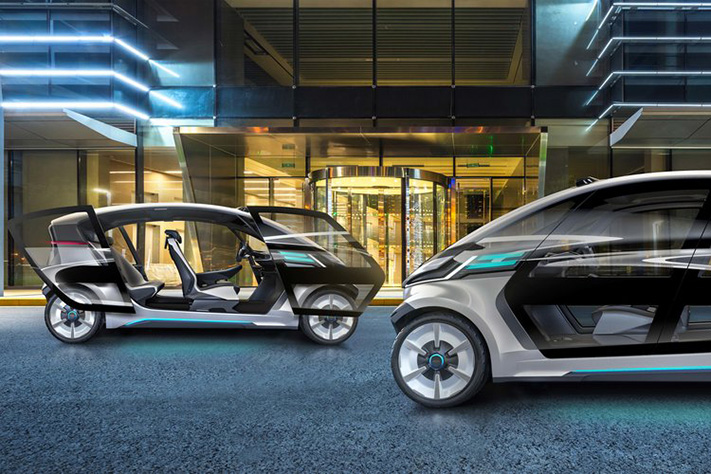
The $7.65 million project is also being delivered in conjunction with Japanese company Teijin Limited, which is helping to develop the vehicle’s lightweight composite materials and manufacturing methods.
Multi-platform convenience
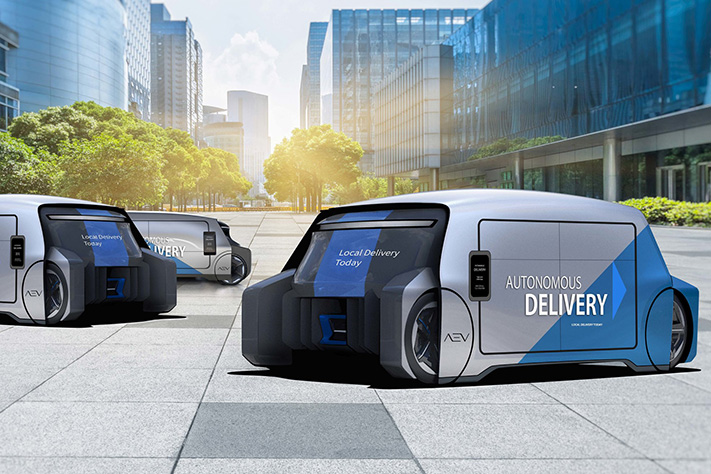
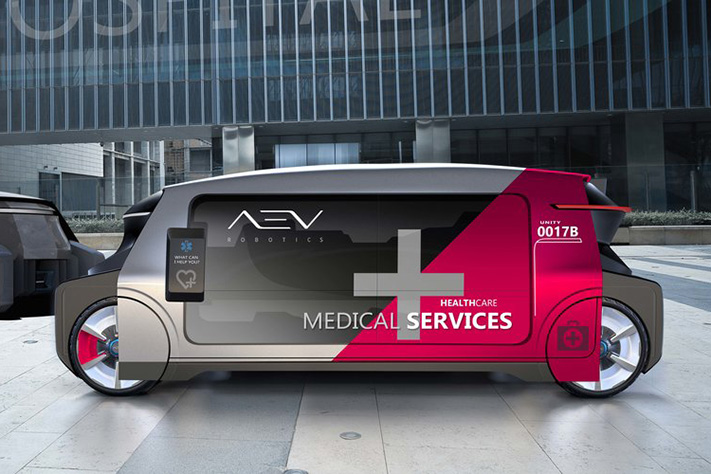
The MVS is designed for short driverless taxi trips at low speed and is based on a versatile platform that could be suited to a range of applications in delivery, agriculture, industrial and waste management, as well as passenger transport.
Broadbent said AEV’s work with ARENA is primarily focusing on passenger vehicles but the learnings will then be applied to other uses.
“The Modular Vehicle System will offer companies access to transport that is cost-effective, pedestrian-friendly, gentle on the environment and very customisable to their business needs,” he said.
“With ARENA’s assistance, we’ll be able to take our design to the next stage of development in utilising renewables for our autonomous electric vehicle and provide something potentially game-changing in the low-speed EV market.”
Solar innovation
ARENA’s funding will also go towards solving energy-related challenges such as selecting the most appropriate solar photovoltaic (or PV) technology for the solar roof, and optimising the mass, energy efficiency, solar gain and safety of the vehicle – solar PV is the same technology as used for rooftop solar panels on buildings.
A challenge for vehicles is neatly embedding the solar cells into the roof, which is something else that AEV is working on.
ARENA CEO Darren Miller said this is a great example of Australian innovation utilising renewable energy options in vehicles.
“EVs are expected to play an important role in the coming decade in reducing the carbon footprint of transport. We hope to see AEV commercialise a home-grown driverless electric vehicle and be among the first to unlock the global driverless EV market.
“There is significant opportunity in the low-speed vehicle market which is expected to gain considerable traction in cities, campuses and factories over the next decade that AEV could tap into.”
Miller reckoned AEV’s project could also unlock new applications for solar power such as integrating it into curved surfaces and demonstrating that solar PV can directly power high-efficiency electric vehicles.
Neither AEV or ARENA have provided a timeframe for the MVPs on-going development.
Like any Japanese car company, Mazda is a conservative sort of outfit. In fact, that’s a huge understatement.
This feature was originally published in MOTOR’s October 2006 issue
Car companies generally, and Japanese car companies in particular, are the arch-conservatives of the manufacturing world. Changing even the smallest detail of the smallest production part involves a chain of events that can take months to play out and eventually finalise.
Leaving things as they are is the preferred option. And that’s at head-office level; taking requests for change from the far-flung outposts involves even more furrowed brows and people looking at their shoes.
So wouldn’t you have loved to have been a fly on the wall when Mazda’s Australian operation first floated the idea at Mazda Japan HQ of building a turbocharged version of the MX-5? And I reckon there’d have been jaws hitting the boardroom floor all over the place when it was likewise suggested that we Australians intended to do all the design and engineering work and screw it together.
And just to make sure everybody at head office was busy tearing at their hair, the plan also called for Mazda Inc to apply the full factory warranty to this Antipodean hot-rod. But roger me rigid if that’s not exactly what happened. To call the decision a leap of faith is an understatement worthy of some kind of award. As a pat on the back for Mazda’s Aussie skunkworks, it’s the biggest elephant stamp imaginable.
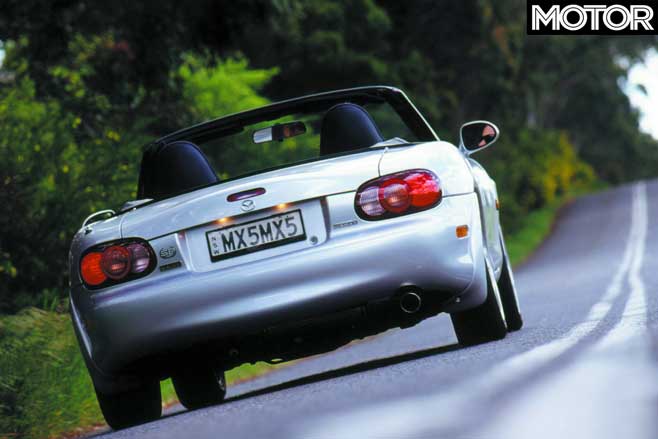
The Aussie hot-rod was essentially the 2002 NB model with a turbocharger bolted on. Of course, it wasn’t that simple at all, and Mazda Australia’s special projects crew spent a lot of time making sure the details were worked out properly and the atmo engine’s reliability was retained after turbo fitment.
The turbo installation itself was a relatively low-boost one, which meant that the MX-5’s original compression ratio did not need to be lowered and that the rest of the engine architecture could go pretty much untouched.
That was obviously good for durability but it also meant that, when off boost, the MX-5 SP (as it was named) felt just like a standard MX-5. Well, pretty much, anyway.
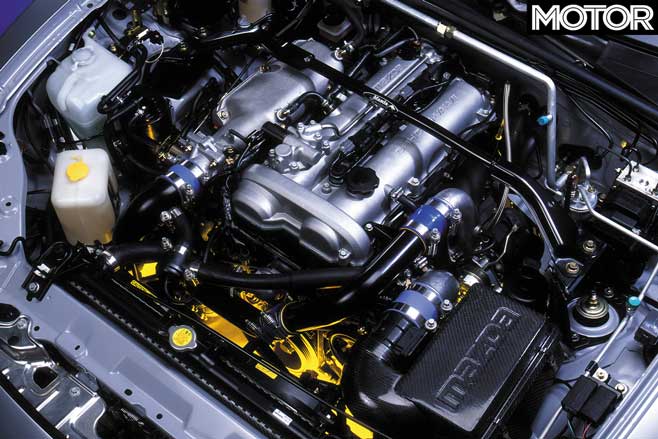
Whip the turbocharger into a frenzy, however, and things changed when a total of 150kW was sent to the rear wheels through the standard six-speed manual gearbox. Torque was also embiggened with a peak of 280Nm; not too shabby for a 1.8-litre engine.
I’ve driven a few MX-5 SPs over the years, and I’ve gotta tell you, the thing improved with age. In fact, the first one I ever drove was more or less a prototype (well, a very early production car anyway) and it wasn’t very good at all.
It was, in a nutshell, a bit underdone. There was bulk black smoke under hard acceleration and she popped and banged on the over-run. Even when you weren’t right up it, the power delivery was a bit stilted and fluffy at times, suggesting that the fuelling was up the creek.
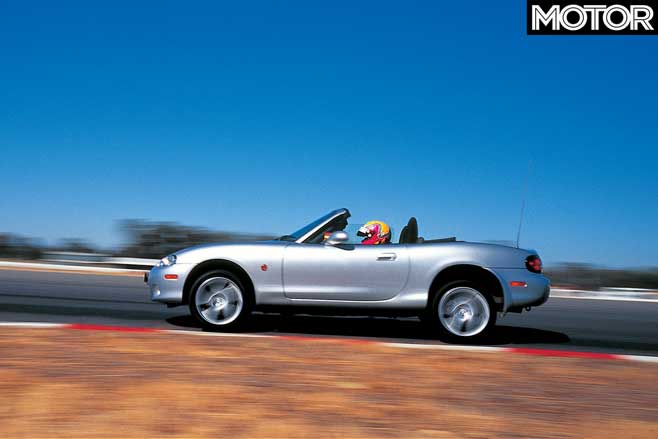
But the next one I drove was a much better car. All those glitches had been sorted out and the SP was as refined and well-mannered as you expect a modern turbocar to be. It was also bloody quick.
Turbo-lag was virtually non-existent (as it should be in the 21st century) and the boost just kept piling on in thick layers as you revved it harder. The turbocharger also smoothed the four-cylinder out quite a bit, too, and gave it a much rortier exhaust note.
The rest of the package was pure MX-5 which translates to pure fun with a snappy gearshift and taut handling with razor-sharp steering. In fact, that super-quick steering rack was probably the most likely element to bring you undone. See, the MX-5 had almost no slip angle. Despite what appeared to be plenty of wheelbase relative to its track, the Mazda was a tricky little bugger to hold in a slide.
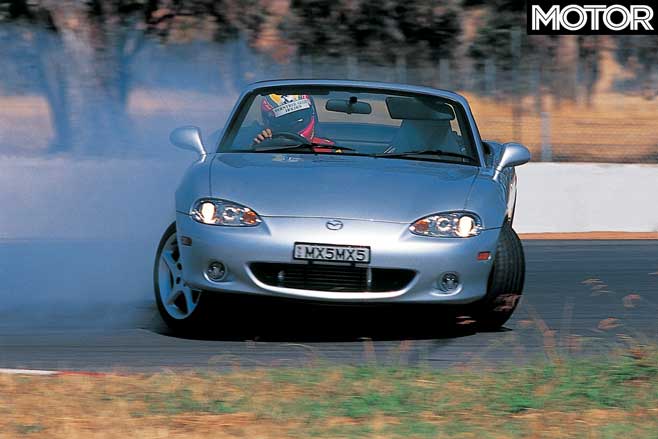
The drift was easy enough to initiate, but once it was out there, you had your hands well and truly full keeping it on that knife-edge balance point. Looping the wee mother was very easy to do.
Given the SP’s obvious appeal to anybody who was likely to dabble in a bit of weekend motorsport, you really want to try to find out as much as you can about any second-hand version’s history. The extra stresses imposed by the turbo installation mean that any SP that doesn’t have a hand-book showing regular oil and filter changes is a bigger chance to go bang some time down the track.
I’ve also done enough tarmac rallies now to know that the MX-5 SP is a popular tool for the loonies who populate the grids of such events. With lots of unsympathetic spannering, a turbo MX-5 can be coaxed into producing eye-watering power figures. But for how long? That’s the question you’ve really got to ask yourself and that goes for any SP that’s been powered up, not just ex-competition cars.
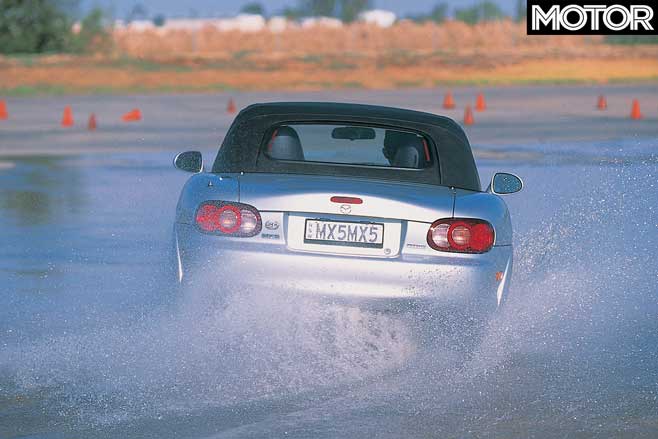
But the rest of the deal is a safer bet than a lot of used performance cars, mainly because the basic MX-5 had about five moving parts. The interior of the later cars (on which the SP was based) could be a bit ordinary and you also got the feeling the bodyshell wasn’t as stiff as the original MX-5 was. But they never leaked water and they didn’t do any of the other stuff that a lot of soft-tops do, so provided that some knucklehead hasn’t sliced a knife through the soft-top to half-inch the CDs and spare change, it’s happy days.
In fact, so happy, that once the shiny-bums in Hiroshima had stopped worrying about exploding engines and ghastly warranty claims (and don’t forget, Mazda knew a bit about that. Remember the early rotaries?) it figured the concept had so much merit, it would build its own and supersede the Australian versions.
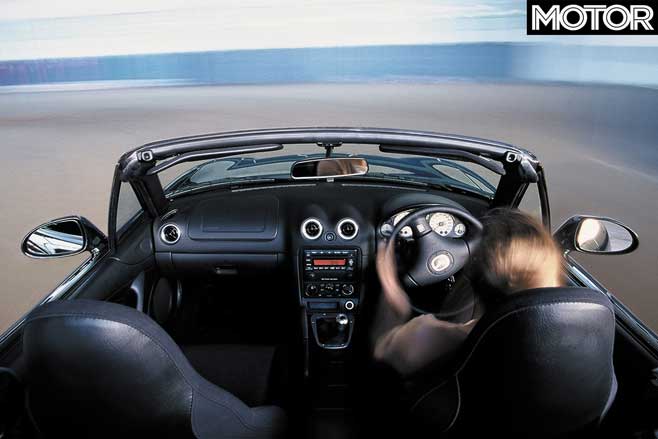
Which it did, and by early 2004, the MX-5 SE as it was called, was on the market complete with its Japanese-designed turbo installation. But whaddayaknow? Head office just couldn’t help itself and came over all conservative as the thing was being developed. So, instead of the pounding 150kW of the local version, the SE got a much milder 121kW and 206Nm.
Watered down? You betcha. In fact, the SE was such a pale imitation of the original, it’s now worth at least a couple of grand less than a good SP, despite being a younger car. And if you drive one, you’ll soon see why.
Where the SP pins you into the seat, you find yourself wondering if the SE is, in fact, turbocharged at all. Or, if it is, maybe the turbo pipe has fallen off. Yep, that’s the degree of sanitisation the blokes at head office in Japan were happy with. Bloody typical. Still, it means the home-grown version will always be the original, and the best.
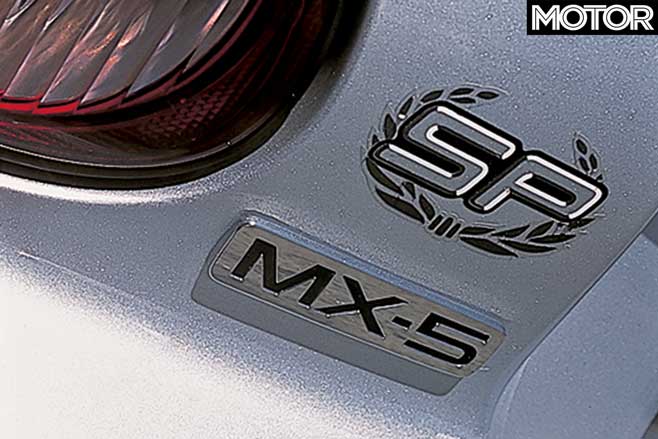
FAST FACTS 2002 Mazda MX-5 SP ENGINE: 1.8-litre DOHC, 16-valve turbocharged four POWER: 150kW @ 6800rpm TORQUE: 280Nm @ 4600rpm WEIGHT: 1119kg POWER-TO- WEIGHT: 134kW/tonne TRANSMISSION: 6-speed manual SUSPENSION: double wishbone, coil springs, anti-roll bar (f); double wishbone, coil springs, anti-roll bar (r) L/W/h: 3975/1680/1225mm WHEELBASE: 2265mm TRACKS: 1485/1480mm (f/r) BRAKES: 270mm ventilated discs, two-piston calipers (f); 276mm solid discs, single-piston calipers (r) WHEELS: 16 x 6.5-inch (f & r) alloy TYRES: Bridgestone Turanza 205/45R16 (f & r) PRICE: $55,540 (Jun 2002)
What we said
“It’s been 13 long years, but Mazda’s modern-day Lotus Elan has finally reached puberty. And its nuts have dropped, so to speak, to the tune of 150kW being jammed under its snout, into a razor-sharp chassis that weighs just 1119kg all-up.” – John Cadogan, June 2002
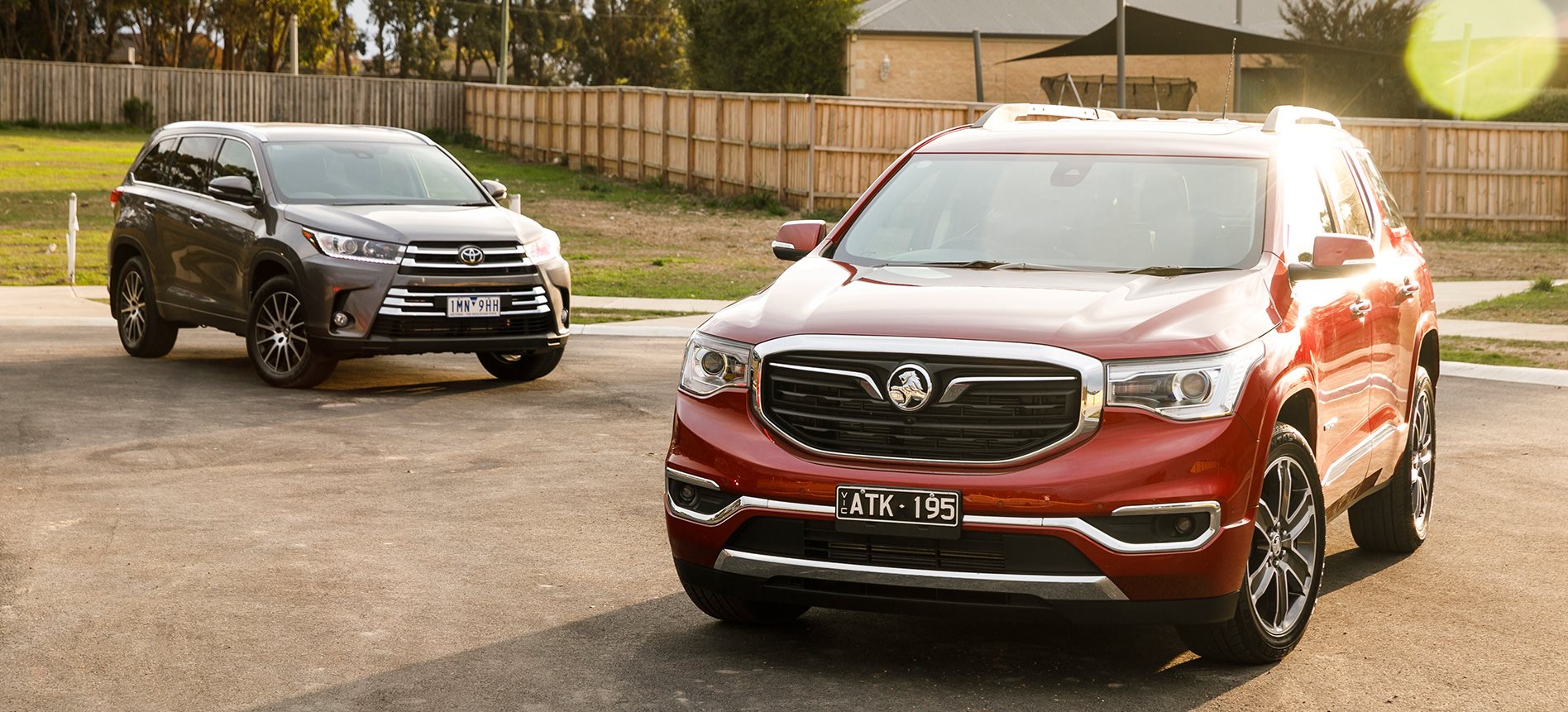
Big is not necessarily better. Price, fuel economy, comfort and practicality are all affected by whether you drive a large or small car. In our family, we are lucky enough to own both a mid-sized SUV and a zippy little Jimny. Here are the pros and cons of both rides.
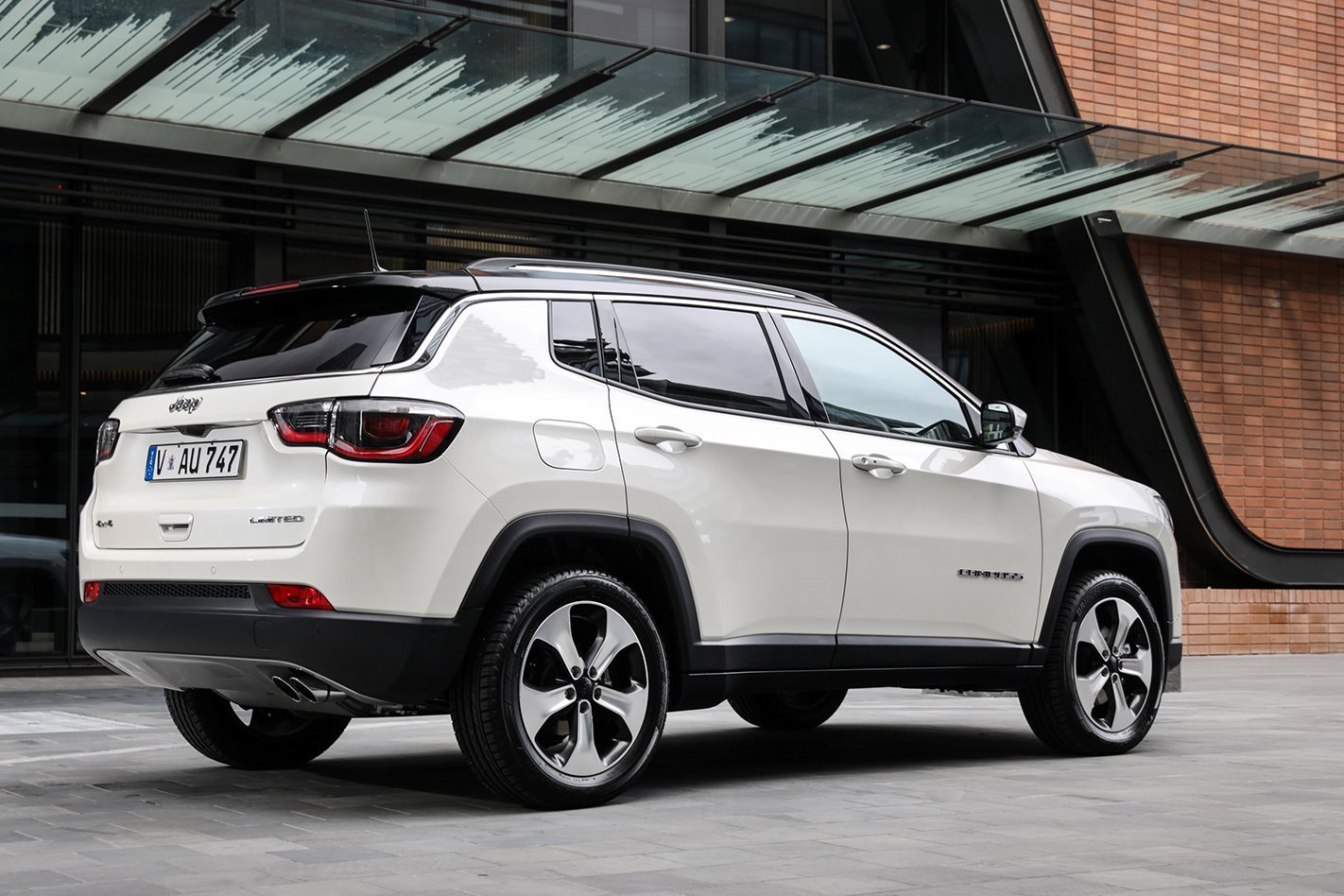
SMALL CARS
Pros
- Fuel economy. Smaller cars have thrifty engines and less weight to move so they tend to be more fuel efficient. And this means better for the environment.
- Easy to park. I love reverse parking the Jimny. I’m always surprised by how much room I have and I can slide into those too-tight-for-an-SUV spaces.
- Smaller cars are less likely to be banged up by other car doors in public car parks too as they allow more room between vehicles.
- Easy to manoeuvre around town. It’s terrific zipping in and out of inner city traffic in a smaller vehicle.
- Cheaper to buy. Fewer materials tends to mean more competitive price. Manufacturer’s cheapest cars are usually the smaller ones.
- Corner better. Less mass changing direction means a tighter corner.
Cons
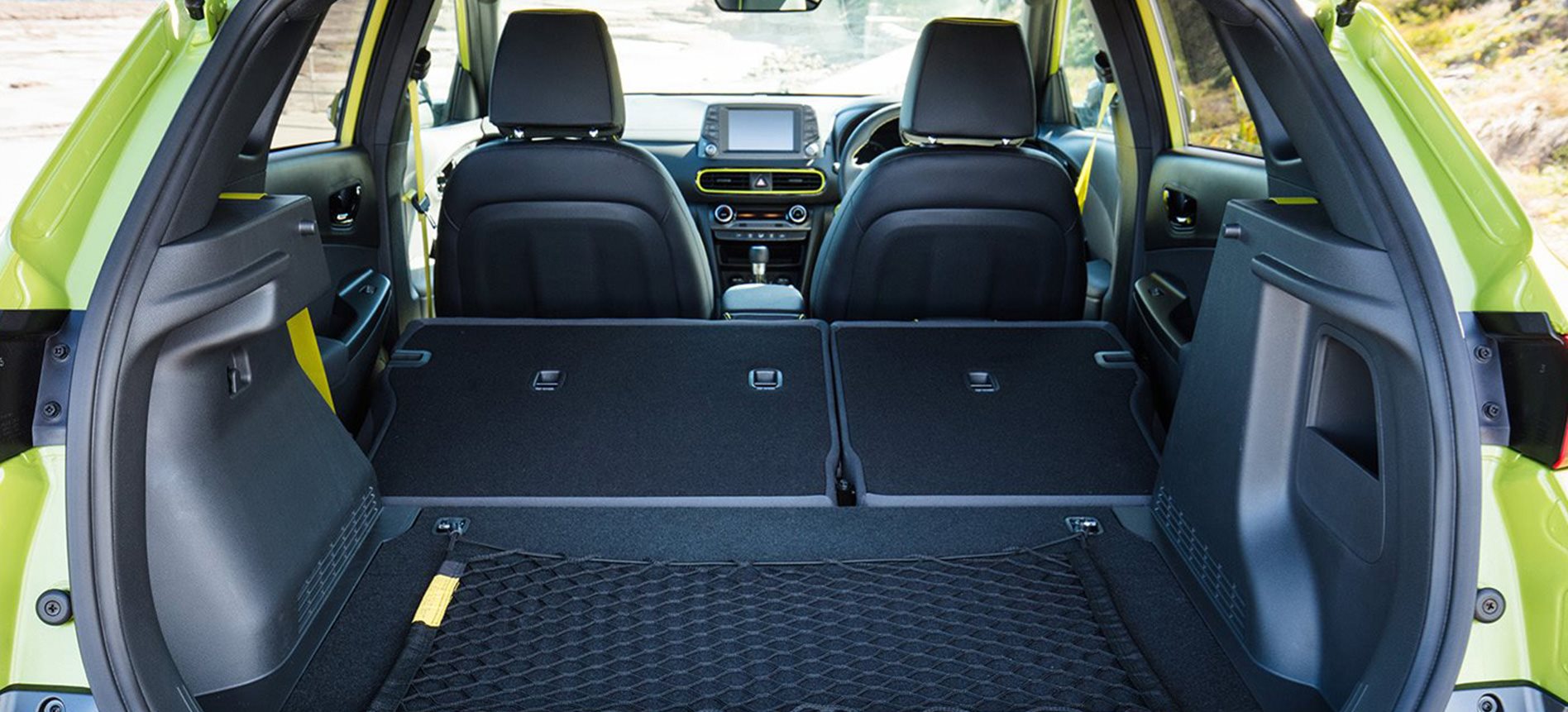
- Fewer passengers. Parents soon realise they act as taxi driver not only to their own kids; they’re lugging around prams, sporting equipment, musical instruments and all their kids’ friends, too. In a smaller car you can’t cart as many passengers or as much stuff. Recently in the Jimny I drove four kids to school and they all had to carry their school bags on their laps as there was no room in the boot!
- Less stable at high speed particularly on windy days.
- Possibly less safe in an accident. Small and light is not better than big and heavy when it comes to a crash.
BIG CAR
Pros
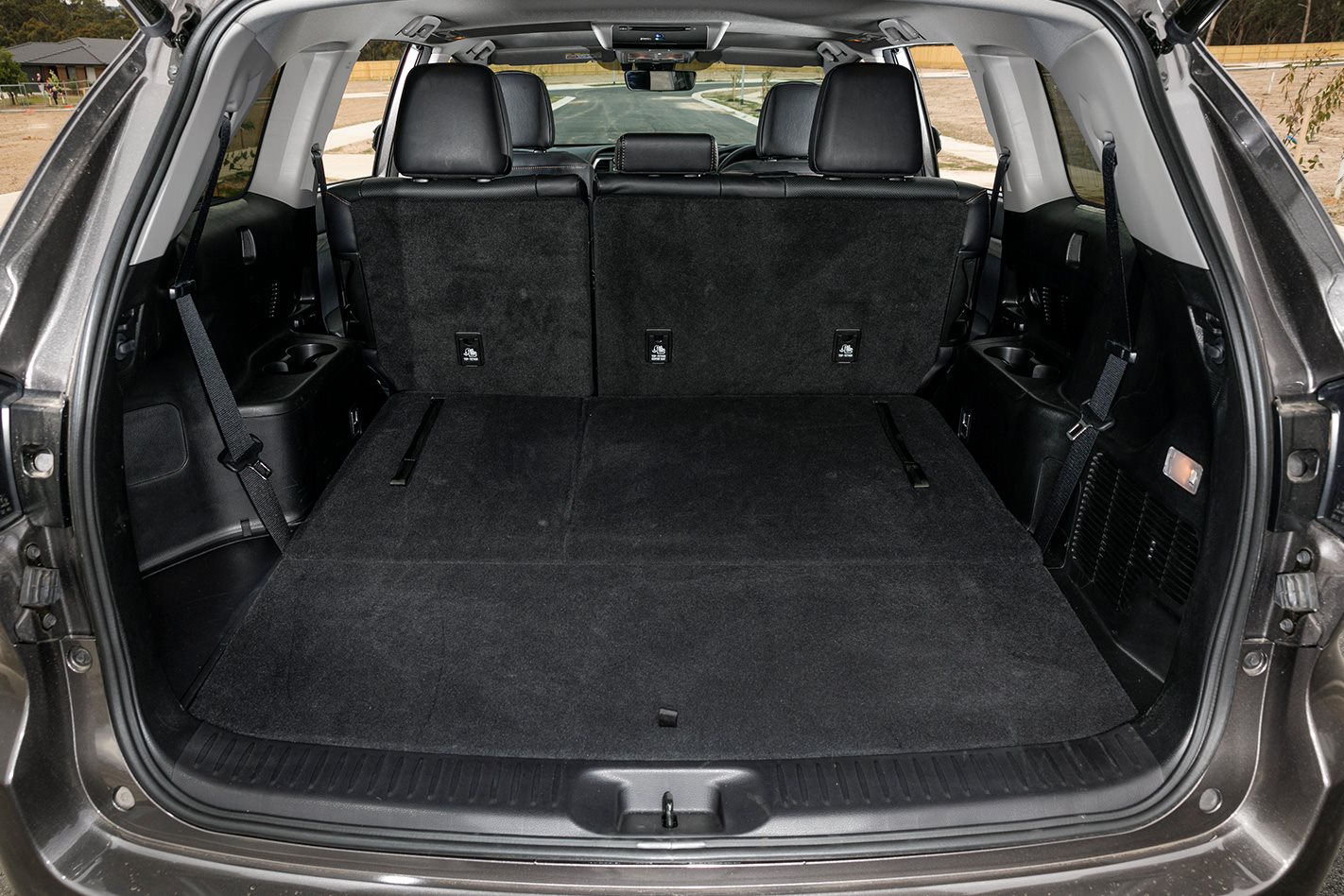
- Carry more passengers and people. The SUV is our car of choice for a weekend away — certainly one that involves luggage.
- More planted and less likely to be thrown around on bad roads.
- Possibly safer in an accident.
- Future-proof. You may not have kids yet, but one day you might! Better to think ahead and invest in a family car now.
Cons
- Less fuel efficient. I’m always filling up the SUV, whereas the Jimny runs on the smell of an oily rag
- Tricky to park. How many desirable spots have you relinquished because your car is too long to fit into that damned spot?
- Tricky to manoeuvre in city driving. Ever tried the ten-point-turn at the school drop off war zone? It’s hell on wheels and made more difficult in a larger vehicle.
- More likely to get damaged. Those public car park spaces are tight. I’ve even contemplated getting out via the boot to save banging my door on an equally huge vehicle parked too close next me.
So there you have it; the good and bad of big and small. It’s important to consider the vehicle best suited to your family and your lifestyle. Clearly, one size does not fit all.
Update 10/03/20: New reports out of North America have confirmed that Ford is building a car-based ute, with production expected to begin as early as next year.
Automotive News claims the small ute will replace the Focus and Fiesta car lines in North America, with plans for the vehicle shown at a dealer conference.
While it remains unnamed still, the secret P758 is expected to be priced at US$20,000 in the United States, almost $5000 less than the cheapest Ford Ranger.
If the P758 project goes into production, it will be the second pick-up style vehicle that has undergone some sort of development in Australia following the Ranger.
Built on the Australian-engineered and developed T6 platform, the Ranger has recently gone on sale in North America, while it is believed the yet-to-be revealed Bronco off-roader is built atop the same platform.
Wheels revealed last year that the secret project was being developed in-part at Ford Australia’s proving ground. It’s expected the new model could revive the Courier nameplate.
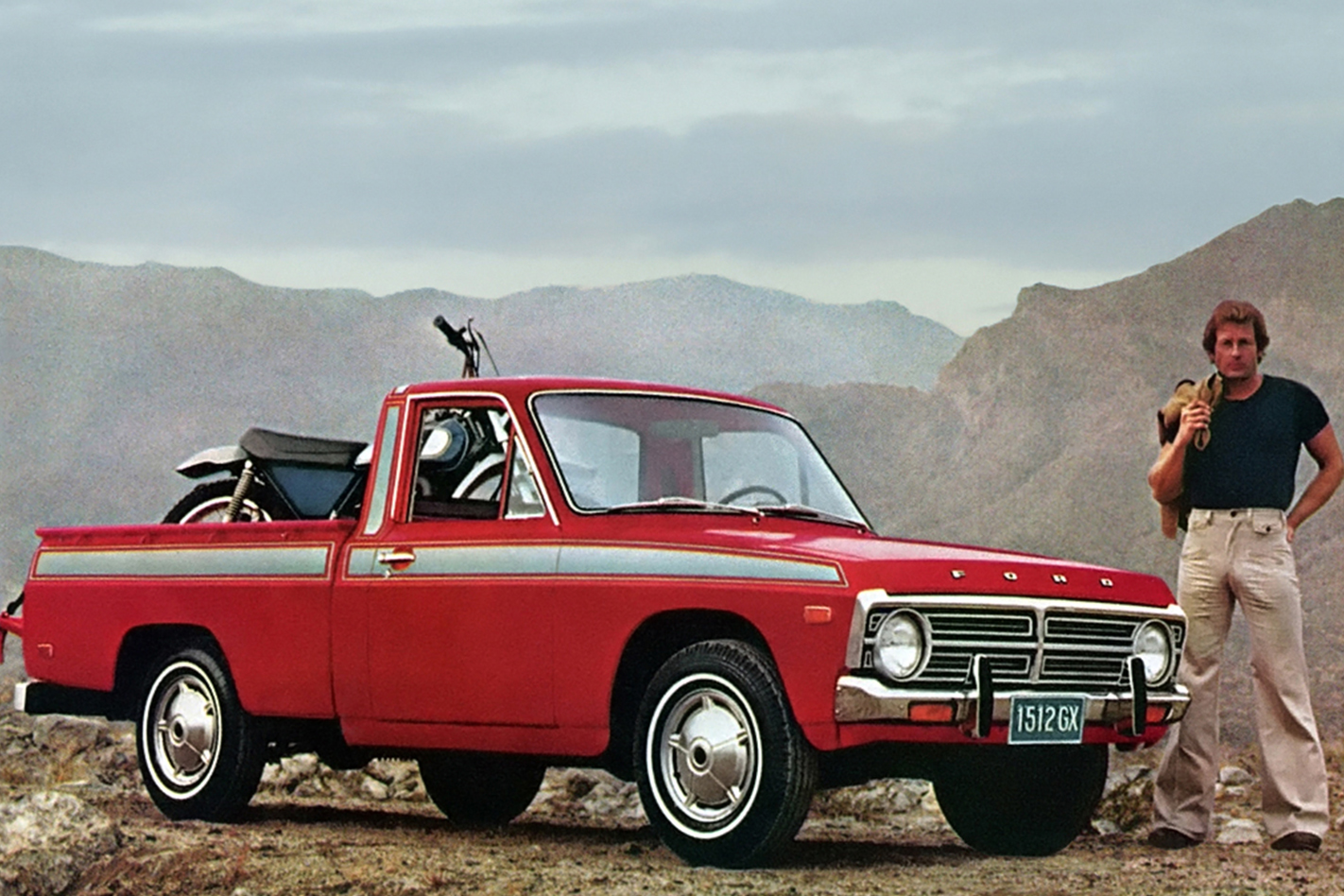
Ford has a top-secret prototype under development in Australia that could see the return of the car-based ute.
The Blue Oval in Australia was credited as being the first company to create what we know as a ute – a two-seater utility on a car platform. With the Ford Falcon ceasing production in 2016, and the Holden Commodore a year later, so the story of the car-based ute ended.
However, Wheels has seen engineering documents from within Ford’s You Yangs proving ground that show the company is working on a ute project using traditional car underpinnings.
Codenamed P758, the prototype uses the Ford Focus C2 platform, with the Blue Oval yet to decide on what the pick-up’s nameplate will be.
The document reveals that the prototype is powered by a 2.0-litre four-cylinder petrol, mated to an 8F24 eight-speed automatic transmission.
The current-gen Ford Focus isn’t sold with a 2.0-litre four-cylinder engine, with the fourth-gen Focus’ most powerful ST version fitted with the 2.3-litre Ecoboost.
Elsewhere in the Ford family is a 2.0-litre turbo unit that has all-wheel-drive capability, and hot hatch levels of power.
The last 2.0-litre four-cylinder petrol in a Focus was fitted to the third-generation, and came in a number of different tunes.
In a naturally aspirated set-up, the engine produced 119kW and 198Nm. However, when fitted with a turbocharger in the ST variant, power was increased to 188kW and 360Nm. The Focus ST was only ever sold fitted to a six-speed manual gearbox.
In 2015 the 2.0-litre engine was updated, with a twin-scroll turbo, a higher compression ratio than before (10.1:1 vs 9.3:1), along with fuel and oil systems upgrades. Importantly, the new engine could now be used in all-wheel-drive applications, making its debut in the Ford Edge SUV (Endura in Australia) and, subsequently, the Escape.
When fitted to Ford products, the new 2.0-litre is rated at 183kW and 373Nm, but with peak torque arriving lower in the rev range than the previous version.
The secret engineering document reveals that a Russian-market derivative of the C2 platform is used as the base for the test vehicle, which is being used to evaluate chassis components.
This is of particular interest, as earlier this year the Blue Oval announced it would be leaving the Eastern European market, ceding control over its Russian joint venture to business partner Sollers.
The C-Pickup program is in its infancy, and will form the basis of a new nameplate for the Ford brand. However, while it is currently undergoing development in Australia, it remains unclear whether the mini-ute will be sold here. Ford had previously floated plans to build a Focus-based unibody pick-up, possibly badged as a Courier, in Mexico for export to other American markets, with Brazil being the first destination in 2021.
The top-secret prototype has us excited. While we won’t be seeing a return of the stonking V8-powered utes that rolled off the line at Broadmeadows, the idea of a C-segment sized two-door utility, with all-wheel drive and hot hatch power makes for an intriguing recipe.
