
What stands out?
Based on the Opel Insignia but having undergone extensive ‘Australianisation’, the Commodore is a roomy, comfortable and well-equipped family liftback sedan or wagon, with great roadholding and three engine options including 2.0-litre turbo petrol and diesel, and V6 petrol engines. All-wheel-drive is available with the V6, and every Commodore has autonomous emergency braking. The Commodore range, which is being phased out by Holden, includes the upmarket Calais sedans and Tourer wagons.Holden announced it would stop selling the Commodore and Calais in December 2019 and the subsequent announcement of the company’s closure means you may be able to secure huge discounts on remaining cars. For more details, read: Holden slashes prices as final fire sales begin.
What might bug me?
Everybody harping on about how it’s not a real Commodore as it wasn’t built in Australia.The unfair perception hat this isn’t a good car, which has resulted from the backlash against it not being built in Australia.Harsher ride quality on the 20-inch wheels with lower profile tyres in the more expensive Calais-V.Fuel thirst of V6 petrols.Driving at 80km/h on your space-saver spare wheel, until you can fix your full-sized flat tyre.And of course, how Holden’s demise could have an impact on already low resale values. The good news is you should be able so secure a good bargain and there should be no negative impact on your rights as an owner when it comes to parts, servicing, warranties and recalls.For more details about how Holden’s closure will impact Acadia ownership, see the ‘Is it safe to buy a new or used Acadia with Holden shutting down?’ section below.
What body styles are there?
Four-door liftback sedan and five-door wagon. Both are offered in front or all-wheel drive.The Commodore is classed as a large car, lower priced.
What features do all Commodores have?
Automatic transmission; nine-speed with petrol engines, eight-speed for diesel.Seven-speaker premium sound system, colour touchscreen, AM-FM radio receiver, Bluetooth connectivity for audio streaming, USB input, voice control, and Apple Carplay and Android Auto connectivity to sync with your phone’s music, maps and other functions.A reversing camera, front and rear parking sensors, and a self-parking system (which can guide you into a parking spot).‘Holden Eye’ forward-facing camera-based active safety with automatic emergency braking and other advanced driver assistance features including lane-keeping assist, lane departure warning, forward collision alert, and a following distance indicator that provides an indication of the stopping time from the vehicle in front.Dusk-sensing headlights, with LED daytime running lights, and LED tail-lamps.Rain-sensing windscreen wipers, and heated exterior mirrors.Keyless entry and push-button and remote start.Cruise control with speed limiter, hill-start assist, and electric power steering.Dual-zone air-conditioning, which allows the driver and passenger to set temperatures independently. Height and reach adjustment for the leather steering wheel, from which you can operate the cruise control, the sound system and your phone.Eight-way power adjusted driver’s seat, and 60:40 split rear seats.Wheels made from an aluminium alloy (rather than heavier and uglier steel). Space-saver spare wheel and tyre.Six airbags. Anti-lock brakes, and electronic stability control – which can help avoid a skid.(For the placement of airbags, and more on Commodore safety features, please open the Safety section below.)All Commodores are warrantied for five years/unlimited kilometres.
Which engine uses least fuel, and why wouldn’t I choose it?
Three engines are available in a Commodore: a 2.0-litre turbo petrol, 2.0-litre turbo diesel, and a V6 petrol.The diesel engine is the most fuel-efficient and is available in the entry-level LT sedan and Sportwagon, and Calais sedan. It consumes 5.6 litres/100km on official test figures (city and country combined) in the LT sedan, and 5.7- and 5.8 Litres/100KM in the LT Sportwagon and Calais respectively.Wheels magazine drove a diesel Calais more than 3000km from Melbourne to Burke via Sydney, where it averaged 7.2 litres/100km.Coupled with an eight-speed automatic transmission, it feels refined and is excellent for highway cruising, but does take a little while to get going.One reason you wouldn’t choose it is that you would like the extra grunt and sportier response that comes with the 2.0-litre petrol engine, or the V6. And if most of your driving is in urban traffic you won’t see the best of the diesel’s efficiency.You might also want the extra traction of all-wheel-drive, which is only available with the V6 powertrain.Both petrol engines are coupled with an excellent nine-speed automatic transmission.The 2.0-litre petrol is reasonably economical, sipping between 7.4- and 7.6 litres/100km/h across the different sedan and Sportwagon versions. It is quick off the mark and responsive while feeling very in tune with the nine-speed transmission.The 3.6-litre V6 is the most powerful engine in the Commodore range, though its acceleration isn’t really apparent until you’re well on your way and revs mount up. Fuel consumption is rated at 9.1 litres/100km.Expect this to be more in real-world driving conditions. Wheels’ trip from Melbourne to Bourke also saw a V6-powered Commodore VXR average 11.7 litres/100km, though this is still less than the twin-turbo V6 Kia Stinger.(Power outputs and all other Holden Commodore specifications are available from the Cars Covered menu, under the main image on this page.)
What key features do I get if I spend more?
The least costly Commodore is the LT, which comes standard with the 2.0-litre turbo petrol engine, cloth seat trim, 7.0-inch touchscreen, 17-inch wheels, as well as the equipment that all Commodores have.The LT Sportwagon has the same equipment levels as the sedan, but is a little more expensive, with the benefit being a bigger, more practical cargo area.The LT sedan and Sportwagon are also available with the 2.0-litre turbo diesel engine for about $3000 extra.Spend more on the Commodore RS and you gain a bunch of cosmetic enhancements including sports body kit, rear-lip spoiler and bigger 18-inch alloy wheels. The athletic touches carry on inside too with sports front seats and leather sport steering wheel.Additional active safety features include blind-spot warning and rear-cross traffic alert.The RS Sportwagon gains a hands-free power-operated tailgate.There is no diesel RS option, but you can add the more powerful V6 engine with all-wheel-drive for about $3500.The RS-V comes standard with the V6 all-wheel-drive powertrain, and a more sporty-looking rear end. The infotainment gains a bigger 8.0-inch touchscreen, inbuilt satellite navigation and digital radio (DAB+) and certain phones can be charged without a cable on the wireless charging pad.The AWD system can be adapted to suite different road conditions, and driving information such as speed and cruise control information is up at eye level on a head-up display.The RS-V also gains leather appointed seats that are heated at the front, sports steering wheel with paddle shifters, alloy brake and accelerator pedals, and ambient lighting to enhance the interior design at night.Spending more on the Commodore can take you down a sportier path with the VXR, or toward the luxury focused Calais.The V6 AWD VXR is the most expensive Commodore and gains a host of extra features over the RS-V for superior handling, including adaptive suspension which can be set to cater for different road and driving conditions, Brembo brakes that dramatically increase stopping power and bigger 20-inch wheels that provide additional grip.The VXR also gains adaptive cruise control, which automatically maintains speed and distance behind a vehicle in front, clever adaptive LED Matrix headlights, a 360-degree camera to help you spot obstacles around the vehicle when parking, and an electric sunroof.Interior enhancements include a BOSE premium audio system, VXR floor mats and door sill plates, performance leather sports seats with powered side bolsters, front and back heated seats, and front ventilated seats to help keep you fresh on hot days.The Calais comes with a choice of all three engines and has everything that all Commodores have plus leather-appointed trim with heated front seats, wireless phone charging and the same level of active safety as the RS which includes blind sport warning and rear cross traffic alert.The Calais also has the infotainment upgrade with the 8.0-inch screen, satellite navigation and digital radio.The wagon version of the Calais is called the Tourer and has SUV-like features including high-riding suspension, and a hands-free powered tailgate. It comes standard with the V6, and AWD, which can be set to provide the best traction for different road conditions.The Calais V is the most luxurious Commodore and shares features with the VXR including 20-inch wheels, adaptive LED Matric headlights, wireless phone charging, head-up display, 360-degree camera, sports steering wheel with paddle shifter, and BOSE premium audio.Front and rear seats are heated, and the front seats also ventilated and the driver’s seat has powered side bolsters and even a massage function.The Calais V sedan has an electric sunroof, and the Tourer a bigger panoramic sunroof.
Does any upgrade have a down side?
Paying more for the V6 engine could disappoint if you’re expecting a more responsive engine. It’s not that quick, and the cheaper 2.0-litre turbo feels more refined and responsive.The shallower – or lower profile – tyres fitted to the Calais V’s bigger 20-inch rims tend to ride more roughly, and may cost more to replace. The VXR’s adaptive suspension helps overcomes this.Red and white are the only standard colours; the remaining six cost more.
How comfortable is the Holden Commodore?
Despite an 86mm shorter wheelbase than the VF Commodore it replaces, the new Commodore feels spacious, with room to stretch, though the sedan’s sweeping roofline does compromise headroom in the back seats.The interior lacks the charm and warmth of the VF Commodore though, with its sober textures and monochrome colour scheme.The uncluttered dashboard shares a close family resemblance to the Astra and adds to the sense of space, and the intuitive layout adds to driver comfort. Contemporary instrumentation, user-friendly multimedia, effective ventilation, stacks of storage, and German build quality elevate Commodore to Volkswagen Passat levels of liveability.Ride quality suffers on the 20-inch alloys of high-grade variants like the Calais-V, with some suspension harshness over bumps. The only big-wheeled model to escape this is the VXR, thanks to its standard-issue adaptive dampers.Wheels magazine drove a Commodore VXR and Calais more than 3000km from Melbourne to Bourke in western NSW, via Sydney, and found both to be very comfortable over the long distances, with comfortable seats, and air-conditioning that kept the cabin chilled through 40-plus degree heat.
What about safety in a Commodore?
All versions of the Commodore feature ‘Holden Eye’ forward-facing camera-based active safety with automatic emergency braking and other advanced driver assistance features including lane-keeping assist, lane departure warning, forward collision alert, and a following distance indicator that provides an indication of the stopping time from the vehicle in front.All but the cheapest Commodore, the LT, gain additional active safety features, including blind-spot warning, and rear-cross traffic alert that warns of any vehicles of people about to cross your path while reversing.It has six airbags, which are in the usual places: two directly ahead of the driver and front passenger; two outside the driver and front passenger to protect at chest level from side impacts; and curtain airbags on each side extending past both seat rows, to protect all outer passengers at head level from side impacts.Other safety features include a reversing camera, dusk-sensing headlights that turn on automatically in tunnels or when it gets dark, and LED daytime running lights that make your Commodore more visible to other drivers and pedestrians.Anti-lock brakes, and electronic stability control, which help you avoid a skid, are mandatory in all cars.The Australasian New Car Assessment Program (ANCAP) awarded the Commodore its maximum safety rating, five stars, in February 2018.To see a full list of the safety features on any model, select the car from the “Cars Covered by this Review” menu below the main picture at the top of the page, and look under the features tab. Safety-related features are listed in red.
I like driving – will I enjoy this car?
The 2.0-litre turbocharged petrol versions of the Commodore are the surprise packet. They’re quick off the mark and forcefully responsive while feeling very refined. The nine-speed transmission is very well tuned, and always seems to select the right gear ration to suit pedal inputs.Handling is defined by light, yet responsive steering, that provides quick and confident cornering, backed up by unflappable roadholding and a comfortable ride on the smaller 17- or 18-inch wheels.The 2.0-litre, eight-speed diesel powertrain also blitzed expectations, with a muscular but cultivated feel that makes it excellent for touring.Things, however, become complicated with the heavier, non-turbo, V6 AWD versions. The oomph is there but doesn’t really kick in until well after you get going. This is good for overtaking, but a little underwhelming when accelerating from a standing start. The VXR is quoted as sprinting to 100km/h in 6.1 seconds, which is over a second slower than the V8-powered VF Commodore SS and the turbocharged V6 Kia Stinger.The VXR is the pick of the V6s though, with excellent chassis poise and grip, resulting in exceptional agility and control at higher speeds; though steering does feel a little light. Its adaptive suspension eases the hard ride on the the bigger 20-inch wheels. The VXR’s 9-speed transmission can occasionally get flustered when driven hard, often indecisive as to which gear it should be in.
How is life in the rear seats?
The rear is almost flawlessly packaged, blending space and comfort sumptuously. The seats aren’t shy of legroom, but that sloping roofline will pinch headroom for taller occupants. That issue disappears altogether with Sportwagon and Tourer.Heating and cooling vents are located at the back of the centre console, and the VXR and Calais V versions have heated rear seats.
How is it for carrying stuff?
The boot space in the liftback sedan holds 490 litres to the top of the seats, or 552-litres if you need to stack things up to the roof. That’s a little less than the previous-generation VF Commodore, but the boot floor has a bigger area which allows for more flexible loading.Unlike the VF Commodore, the seats fold down, in a 60:40 split, which extends capacity to 1450-litres.The Sportwagon and Tourers hold 560- and 793-litres to seat- and roof-height respectively, which pushes out to 1665-litres with the seats down.The 2.0-litre petrol and diesel Commodores can tow up to 1800kg if the trailer has brakes, except for the RS-V, which can pull up to 2100kg. The V6 models can also tow up to 2100kg braked. All models have an unbraked towing capacity of 750kg.
Where does Holden make the Commodore?
All Holden Commodores are produced in Germany, by Opel.Interestingly, Opel is no longer owned by General Motors, which owns Holden. It was sold to the PSA Group, which is the French parent company of Peugeot and Citroen.
Are there any rivals I should consider?
Unlike previous Commodores which were classed as large passenger cars, this generation is also in direct competition with smaller, medium-sized cars. It’s long list of rivals include the Kia Stinger, Ford Mondeo, Mazda 6, Toyota Camry, Subaru Liberty and Outback, Volkswagen Passat, Skoda Superb, Hyundai Sonata, Peugeot 508 and the Honda Accord.
I like this car, but I can’t choose which version. Can you help?
The cheaper 2.0-litre turbocharged petrol versions are actually the most satisfying to drive. Of these, the RS model, in sedan or Sportwagon guise, provides the sweet spot in terms of price and features, and is a lot of car for under $40,000 and a good SUV alternative.
Is it safe to buy a Commodore now Holden is closing down?
In December 2019 Holden announced it would stop selling all Commodore and Calais variants, along with the Astra, to focus on selling SUVs and utes. It will continue to sell the MY19 model until stocks run out, which is expected to be several months into 2020.The Commodore’s demise and Holden subsequent closure means you may be able to secure huge discounts on remaining cars. For more details, read: Holden slashes prices as final fire sales begin.If you do snare a good deal, Australian consumer law requires that a brand supports its products for at least seven years, while General Motors – the parent company of Holden who are behind the closure – have stated that it will extend warranty and service support for 10 years. The company says it will establish a national after sales network to support existing customers for at least the next 10 years. And remember, you don’t have to service your Acadia at a Holden dealership to guarantee warranty coverage.For more details, read: What does Holden’s axing mean for its customers.
If you want a new 2020 Carroll Shelby Signature Series Mustang, of which there are to be only 50 in the entire world, you’re in bad luck.
It’s not that they’re not going to be available in Australia, in fact three are already confirmed to arrive down under through ‘mod shop’ Mustang Motorsport, a licenced dealer for Shelby and Roush products.
It’s just that those three have already sold out, and it might be a challenge for Mustang Motorsport to acquire an additional allocation.
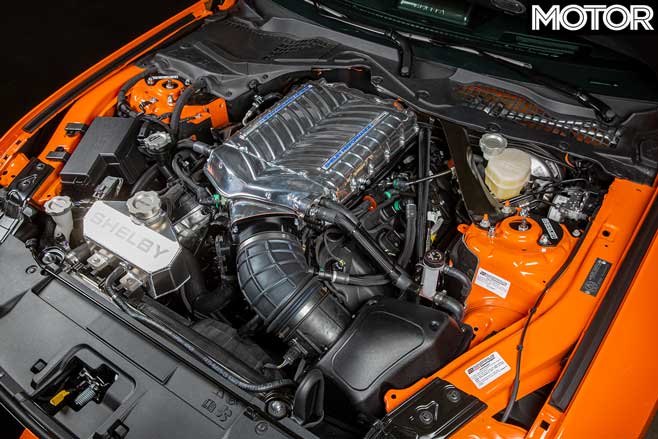
Mustang Motorsport is also yet to publicly confirm pricing, but we imagine a pony this rare and potent won’t have been a cheap exercise. Especially considering the right-hooking process required on our shores.
But those who’ve secured a Signature Series can look forward to 615kW of Whipple-supercharged 5.0-litre V8 in a particularly tough-looking Mustang package.
Speaking of tough Mustangs… heard of the Shelby Dragon Snake?
In both manual and auto (the former features a short-shift, the latter a much-needed trans cooling upgrade) the Shelby Signature comes with a host of uprated gear.
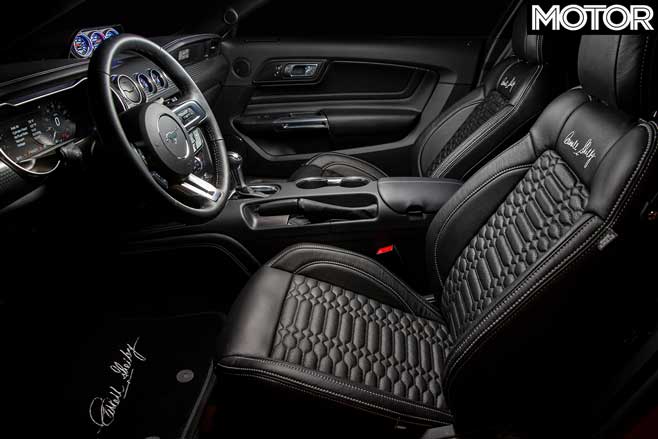
“The limited edition 2020 Carroll Shelby Signature Series Mustang is the ultimate combination of exceptional design and amazing brawn,” says Shelby American president Gary Patterson.
“From its refined, yet functional styling to its poised handling and awesome power, this is the most polished performance car in Shelby American’s history.
“We spent enormous energy to maximize speed, reliability and consistency. These enhancements will enable the Signature Series Shelby to perform flawlessly lap after lap and mile after mile.”
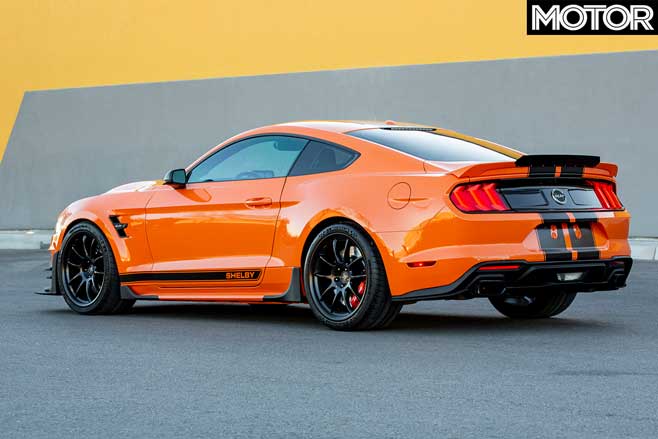
Vince LaViolette, Shelby American VP and head of R&D, details some of the changes made to the Mustang to create the Signature.
“The body was widened with high quality aluminium fenders to create a ‘square’ footprint,” LaViolette explains.
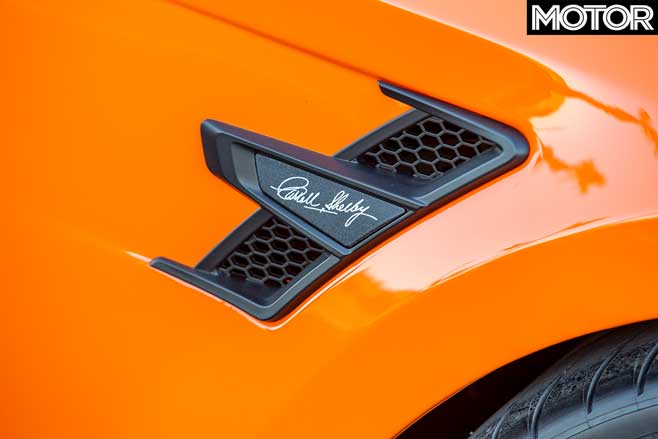
“This allows the one-piece forged Monoblock wheels and Ford Performance tuned MagneRide suspension to maximize the incredible power churned out by the supercharged 5.0-litre motor.
“The ram air hood, front fascia and bodywork were all carefully sculpted to both tame the air and dramatically drop under hood temperatures. The fit and finish are unbelievable, making it as stunning at rest as it is in motion on the road or track.”
Aston Martin’s return to the top flight of Le Mans in the World Endurance Championship (WEC) Hypercar class with the Aston Martin Valkyrie has been put on hold following recent developments in the sport.
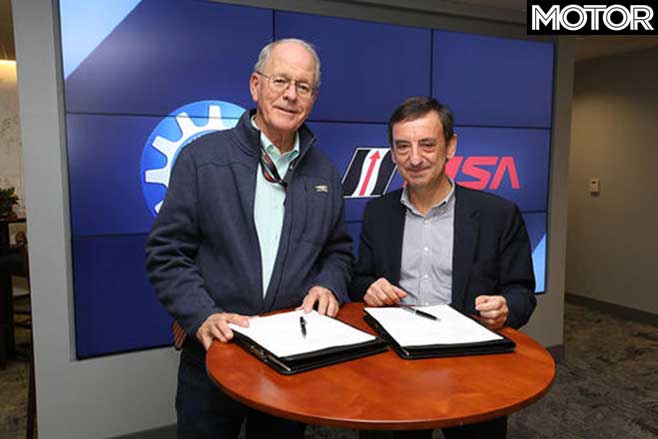
In an official statement, Aston Martin cites the recent decision to harmonise the Hypercar class with a new LMDh (understood to mean Le Mans-Daytona hybrid) prototype category by the ACO, the governing body of the WEC, and the North-American endurance racing sanctioning body, the IMSA, as the reason for the about-face in its motorsports plans.
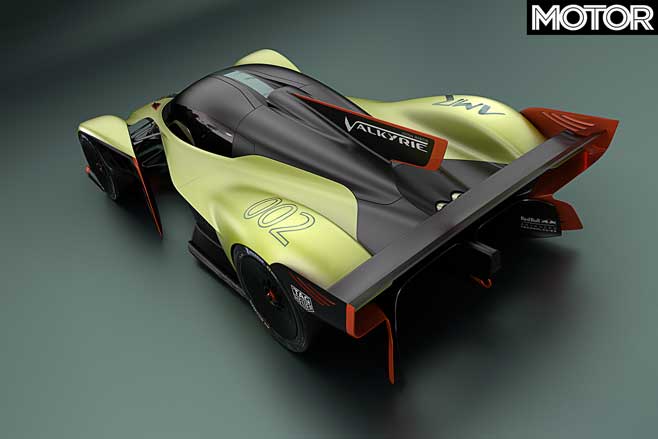
Confirmed in January this year, the LMDh category allows manufacturers to build a racer that combines “elements of the Le Mans Hypercar and LMP2 chassis” to compete in the “top category” of the WEC from 2021 and the IMSA’s WeatherTech Sportscar Championship from 2022.
It is understood that with the LMDh category, full-fledged manufacturers of LMP2 race cars, like Dallara, Ligier, Multimatic, and Oreca could build eligible entrants that would be able to compete in both the WEC and the IMSA racing series, while Hypercar builders would be limited to the WEC.
“Aston Martin’s ambition to compete for the overall victory in the 24 Hours of Le Mans remains undiminished, but it is only right that we reassess our position in light of a significant change in the landscape that was not anticipated when we committed last year,” said Andy Palmer, Aston Martin Lagonda president.
“We entered Aston Martin Valkyrie in WEC and at Le Mans with the understanding that we would be competing with similar machinery and like-minded manufacturers. The situation has changed and it makes sense for us to pause and reconsider our options.”
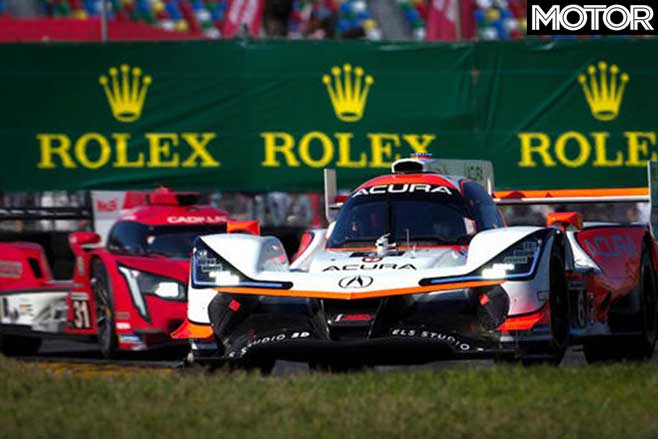
In response to Aston Martin’s announcement, the FIA and ACO stated that the company’s decision was “very regrettable but not unexpected”.
“Aston Martin recently informed us of this new development in its Valkyrie Le Mans hypercar project. We can only take note of this and await a favourable outcome,” explained Pierre Fillon, ACO president.
“For a few months now, we have all been aware of the economic difficulties of Aston Martin, and the subsequent questions raised about its future motorsport programmes, namely endurance racing and F1, as well as its strategic path forward. Contextual developments linked to economic and industrial parameters can always occur for a manufacturer during the implementation of projects.”
It is no secret that Aston Martin’s financials hasn’t been in the best of health, marred by disappointing sales in 2019, a downgraded outlook, and slumping stock prices amidst Palmer’s ambitious ‘Second Century’ plan putting a strain on the company’s fortunes.
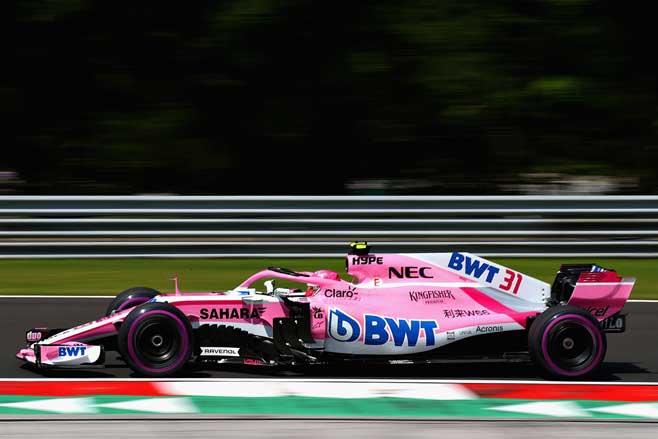
These conditions opened the door for an investment consortium led by Canadian billionaire and Racing Point F1 team owner, Lawrence Stroll, to take out a £182 million (AUD$354 million) 16.7 per cent stake in the car maker last month.
Not only would the stake see Stroll become an executive chairman within the company, Racing Point would be rebranded as the Aston Martin F1 works team for at least ten years from next year onwards.
“The decision to pause our entry into the WEC Hypercar class gives us the time and breathing space to calmly assess the status of the top level of the sport, and our place within it,” said David King, president of Aston Martin Racing.
The postponement of Aston Martin’s Hypercar Le Mans programme is the latest in a number of developments that have raised questions of the upcoming category’s future.
Earlier this month, Peugeot Sport confirmed that the Rebellion Corporation, the racing partner tipped to run Peugeot’s Hypercar Le Mans entry, will be “ceasing all motorsports activities”, though it maintains that its WEC program is still “on track”.
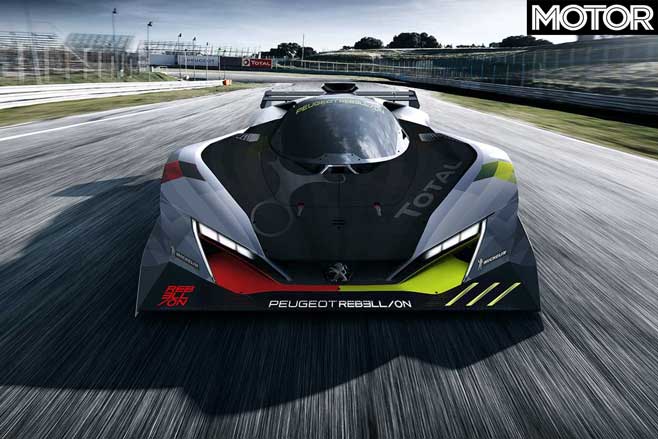
As of the publication of this article, the only entrants that have shown a viable proof of concept are Toyota, with its GR Super Sports, and Scuderia Cameron Glickenhaus.
Rumours persist of Porsche allegedly reviving its stillborn Formula One program as a Hypercar competitor, but as of now there has not been any official statement or show of intent.
With the first appearance of the Hypercar-class scheduled for the WEC debut at Silverstone this August, the ACO remains bullish about the class moving forward.
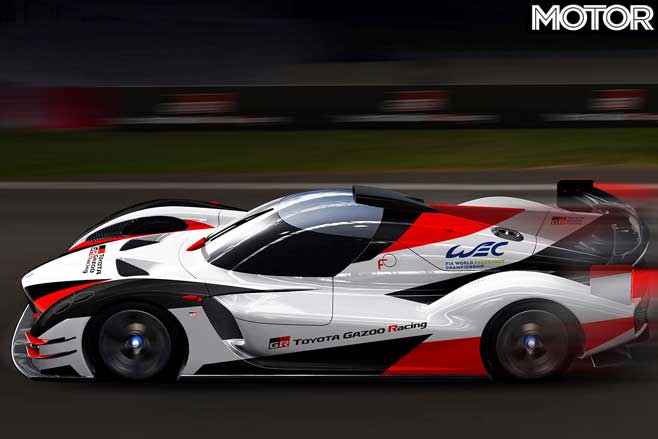
“As far as the next top category of competition, Le Mans Hypercar, is concerned, we continue to believe and remain utterly convinced that a manufacturer has its rightful place there, in all its best interests,” said Fillon.
“The ACO/IMSA convergence does not impact this category, and the next elements on the technical details of that common platform, to be given at Sebring in mid-March, will confirm that. We hope that this transitory pause in Aston Martin’s Valkyrie development with Multimatic will come to a quick and positive conclusion.”
Aston Martin’s current arrangement with Red Bull Racing is set to expire at the end of this season, though the company will continue its partnership with Red Bull Advanced Technologies, the development partner and brain bank behind the Valkyrie, until all customer cars are delivered.
If that were the case, Red Bull’s latest video of Red Bull Racing F1 drivers Max Verstappen and Alex Albon taking the Valkyrie prototypes on track would seem a little poignant, like children enjoying themselves in the looming shadow of an amicable divorce.
Customer deliveries of the Aston Martin Valkyrie are expected to commence in the second half of this year, with the track-only AMR Pro to follow next year.
Holden Special Vehicles has confirmed it will begin selling the 313kW V8-petrol Chevrolet Silverado 1500 dual-cab ute in Australia and New Zealand from next month.
Following the successful import and re-engineering (a fancy way to describe the extensive conversion process) of the Chevrolet Camaro and Silverado 2500 Heavy Duty, HSV will begin to sell the ‘smaller’ Silverado ute against fellow its American pick-up, the Ram 1500, which is converted at the same facility and sold independently in Australia.
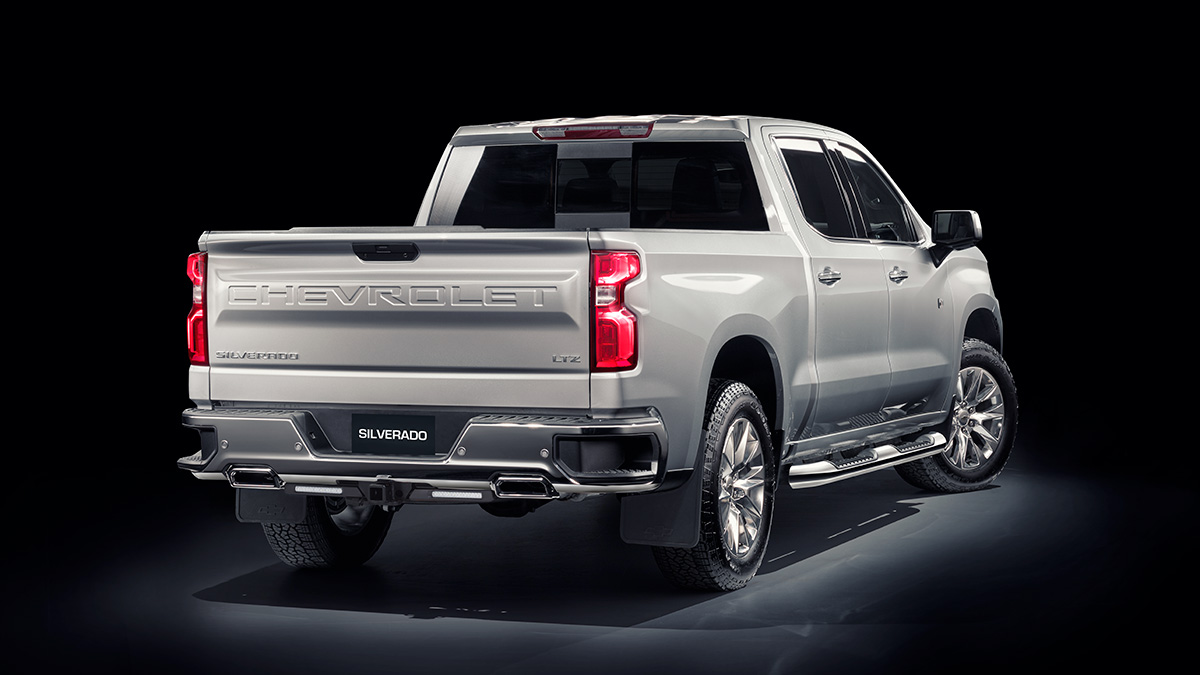
‘Smaller’ is a loose term when describing the Silverado 1500, because while it is a size down from the gargantuan 2500, some variants stand 20cm taller than the Holden Colorado.
Available here in a single LTZ spec, the Silverado 1500 has a brutish 313kW/624Nm 6.2L EcoTec3 V8 engine under its expansive bonnet coupled with a 10-speed automatic transmission. That shouldn’t have any trouble towing loads up to its 4500kg maximum braked towing capacity.
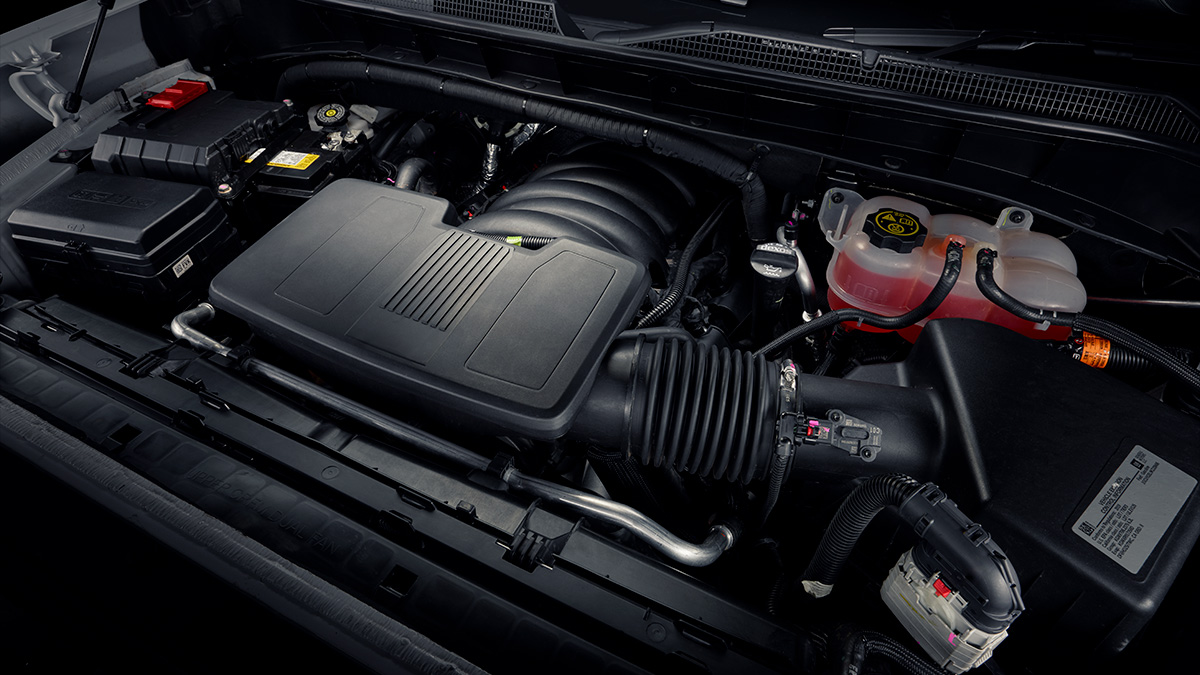
By comparison, the Ram 1500 sold here is offered with a 5.6-litre naturally-aspirated V8, producing 291kW and 556Nm, paired with an eight-speed automatic transmission.
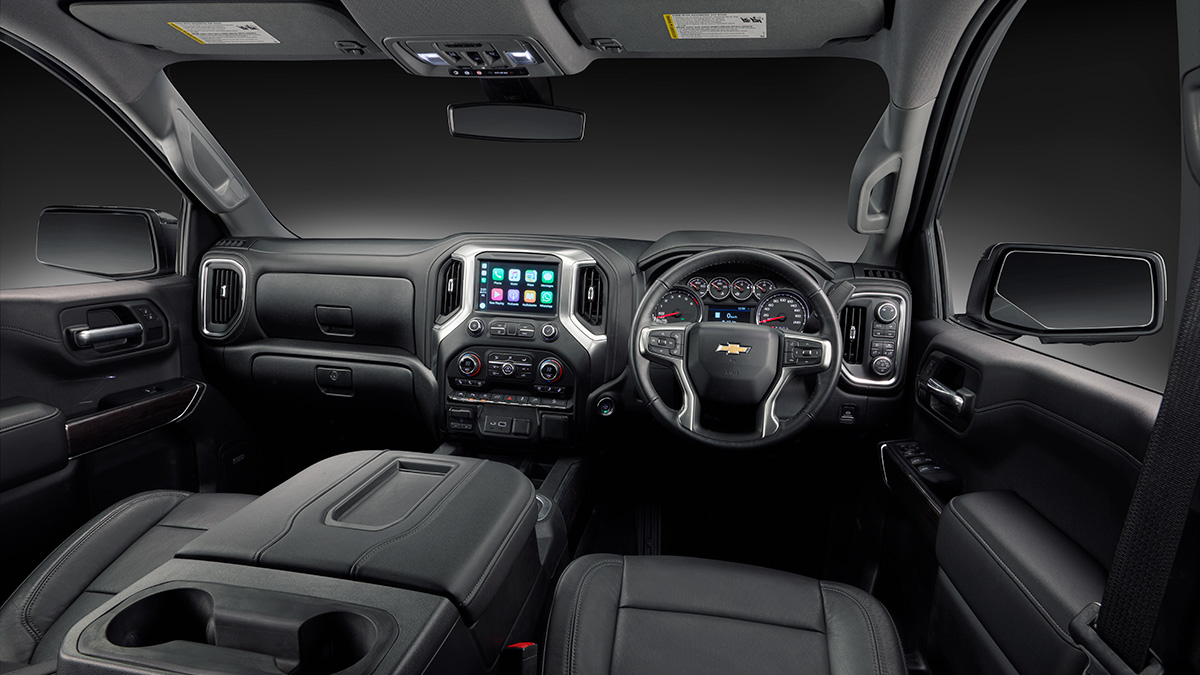
The HSV Silverado 1500 LTZ isn’t short on features, with the standard kit comprising:
- Keyless entry and start
- Remote start
- Head-Up Display
- Heated, leather wrapped steering wheel
- Integrated trailer brake controller
- Rear view auto-dimming interior mirror
- Power-sliding rear window
- Rear Camera Mirror
- Dual zone automatic climate control
- Jet Black Perforated Leather appointed seats
- Heated and ventilated front seats
- Heated rear outboard seats
- 10 Way Powered Driver and Passenger Seat with Lumbar
- Power Sunroof
- Lane Departure Warning
- Forward Collision Alert
- Adaptive Cruise Control
- Front and rear park assist
- Low-speed autonomous emergency braking with pedestrian detection
- Rear-cross traffic alert
- Blind spot monitoring
- 8.0-inch touchscreen
- Bluetooth
- Apple CarPlay/Android Auto
- Seven-speaker Bose Premium Sound System with Richbass woofer
- Wireless phone charging
- Heated door mirrors
- Z71 Pack with interior trim plate and exterior badging.
Down the back the big tub has a powered tailgate, spray-on bed liner and 12 tie downs.
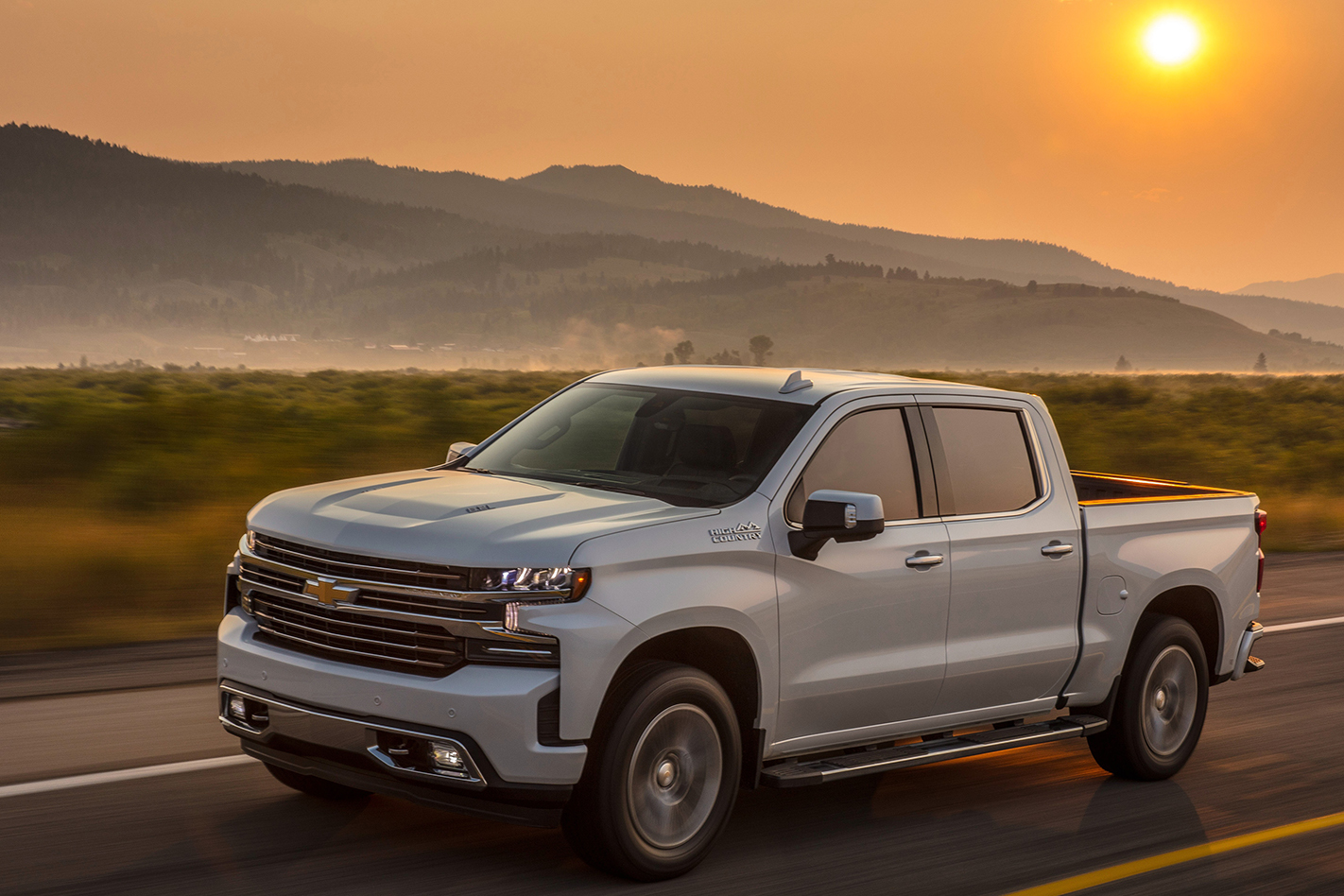
The Silverado 1500 rides on 20-inch polished alloys shod with 275/60R20SL all-terrain tyres.
Extras include HSV Tuned suspension, performance airbox/exhaust and a range of performance upgrades.
HSV is yet to confirm retail pricing, but the similarly specified Silverado LTZ in the US retails for about US$55,500 which equates to about $84,000 Australian, which doesn’t include the costs associated with the right-hand-drive re-engineering and getting the vehicle to Australia.
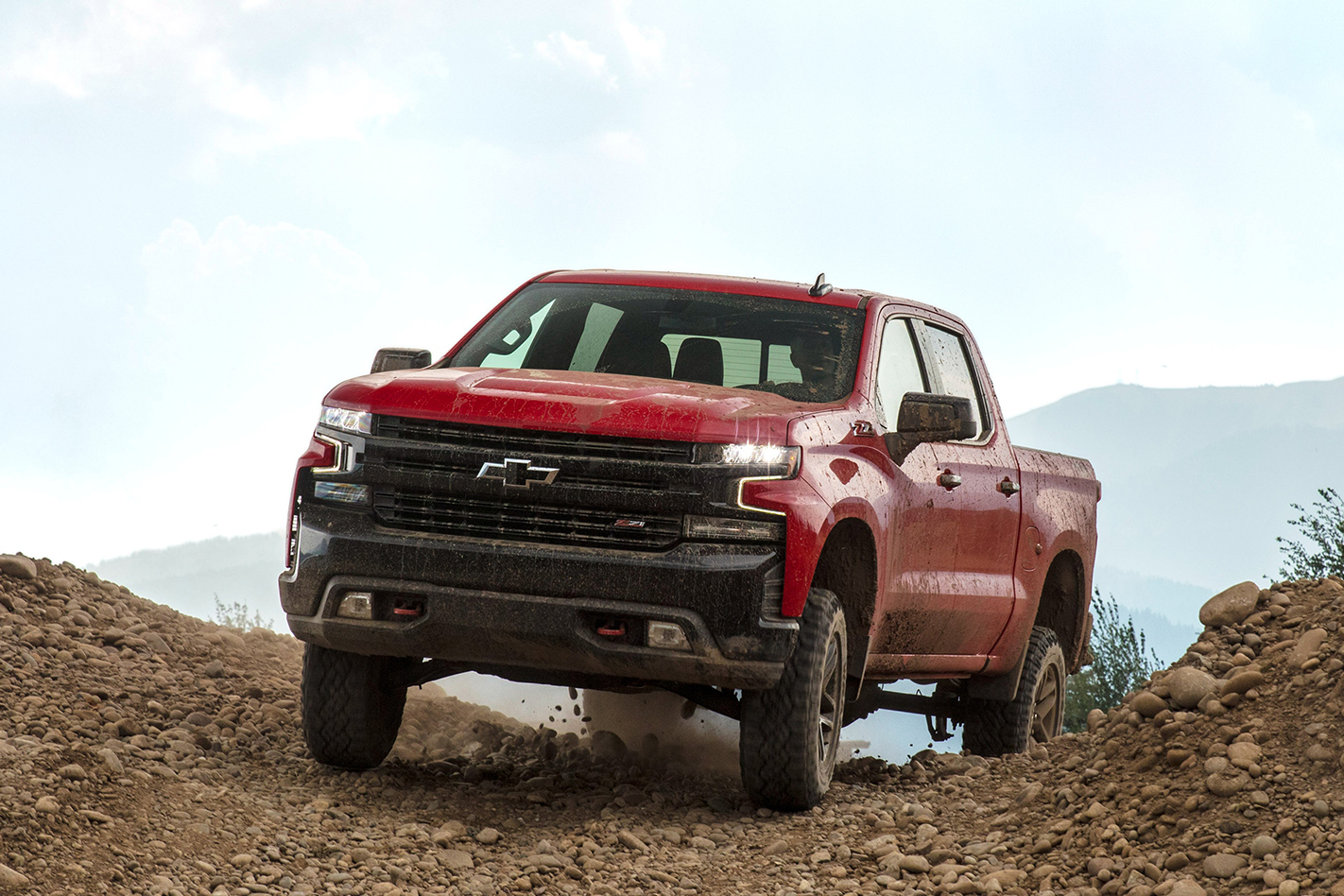
HSV’s Executive Director for sales, marketing and after sales Chris Polites has previously indicated that the 1500 would be sold for less than the cheapest 2500, which starts at $114,990, but dismissed a comparison with the RAM 1500, which costs $99,950 for a dual-cab variant.
Wheels estimates a low six-figure sum will be required to buy the Silverado 1500, which is the first new generation full-size pick-up to go on sale from a manufacturer in Australia.
This story was first published in the January 2020 issue of Wheels magazine. It was written, photographed, and filmed before Lithgow and the surrounding areas were impacted heavily during the devastating bushfire season. If you would like to help the affected areas you can donate to one of the fund or charities here.
TWO LEGENDS CONVERGE
Is it a thin line that separates the blindly optimistic from the moronically gullible? I’d like to think I lean towards the former, but on deeper reflection, I’m not so sure. For example, I did cling onto the Santa Claus myth a little longer than most kids. Eventually it was my Year 8 science teacher, Mr McGuire, who sat me down and said, “Look, Ash, there’s just no evidence of a fat guy in a red suit jetting around the world dropping off presents.”
The point is, I wanted to believe. Fast-forward several decades, and here I am again, perhaps naively optimistic that the multiple sightings of panthers on the fringes of dense bushland about 150km west of Sydney are based in fact.
Of course I want to believe. The ‘Lithgow Panther’ just has such a captivating hook to it, and at least some of those who claim to have seen this animal in the Blue Mountains region are not limited to dribbling lunatics who breakfast on VB longnecks.
Even TV personality Grant Denyer, who lives on a property near Bathurst, reckons he’s seen it a couple of times. Denyer phoned a talkback radio show to detail his sighting: “I saw with my own eyes, and I grabbed the binoculars to confirm – a black panther. It’s 10 times the size of a domestic cat; it’s unmistakable,” he told 2GB’s Ben Fordham.
I could go on building the ‘for’ case. Back in 2003, a State Government inquiry found it was “more likely than not” a colony of big cats is roaming Sydney’s outskirts and beyond. The government! The government knows everything, so this thing is definitely out there.
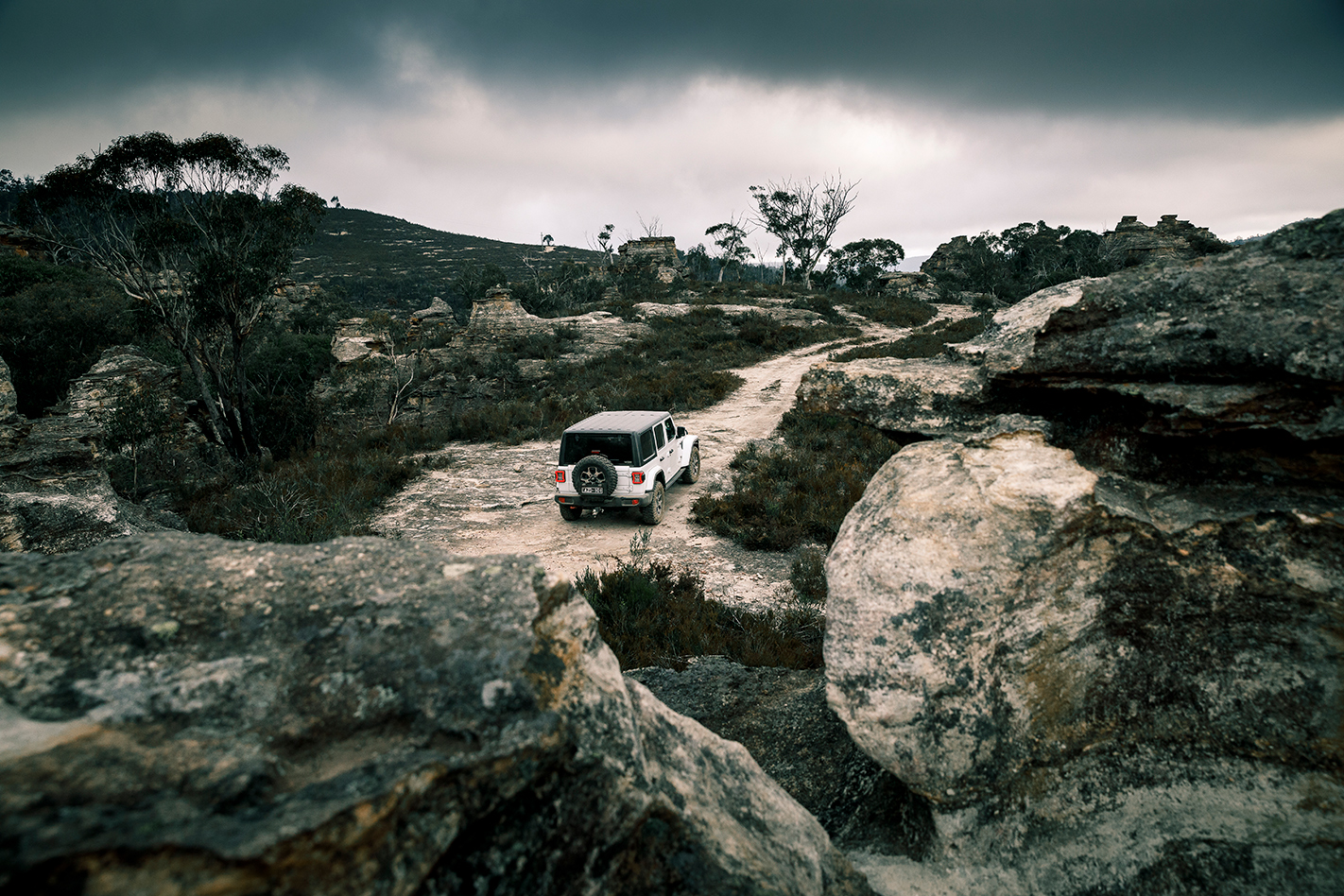
So we figured if we were going panther stalking, we needed a vehicle that could take us deep into the hostile terrain where a big cat might lurk. And properly off-road-capable 4x4s don’t get much more hardcore than the fourth-generation Jeep Wrangler Rubicon.
It’s the Rubicon bit that calls it out as the most unstoppable off-road variant in the range, named as it is after the absurdly rocky and borderline impassable Rubicon Trail near Lake Tahoe in California.
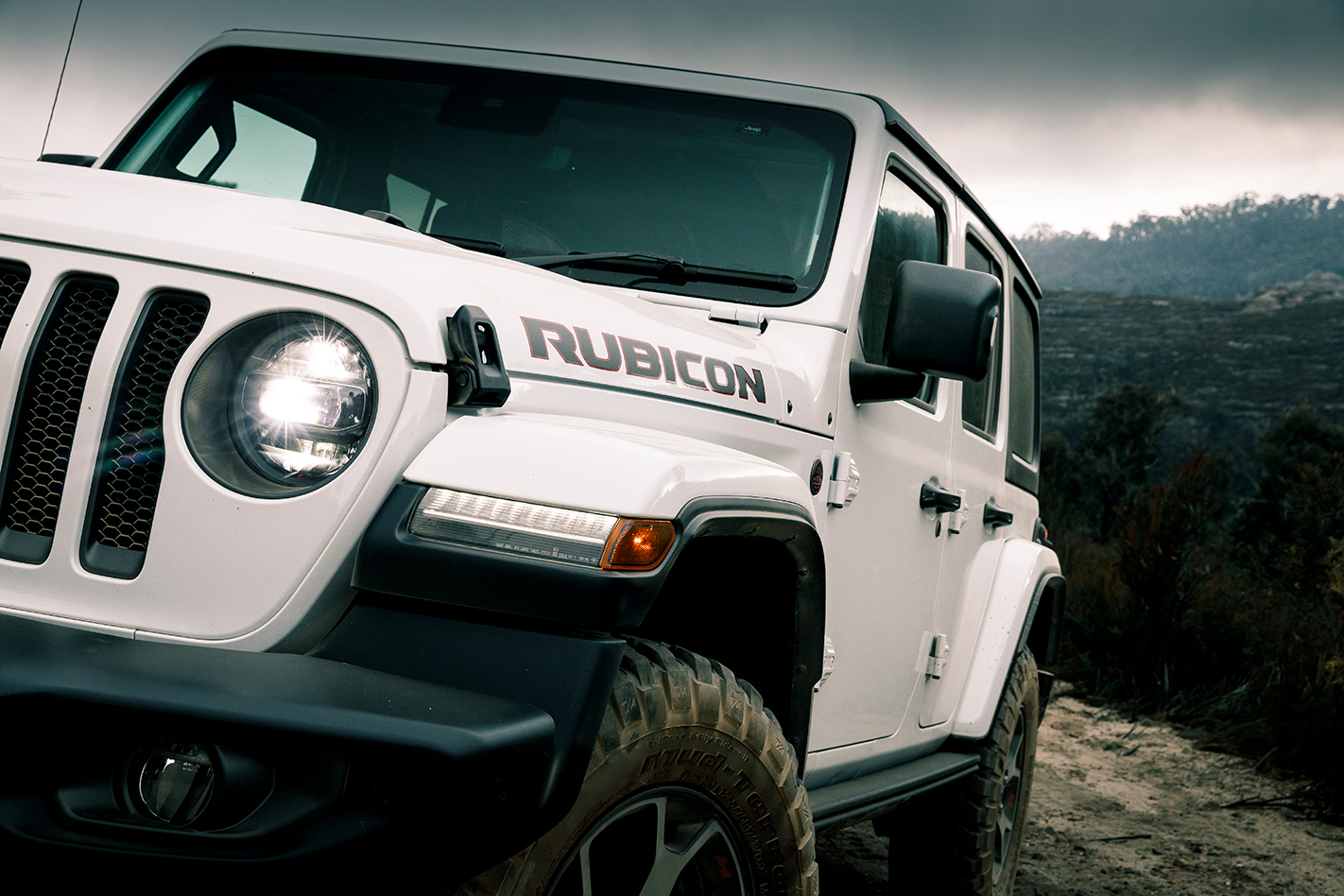
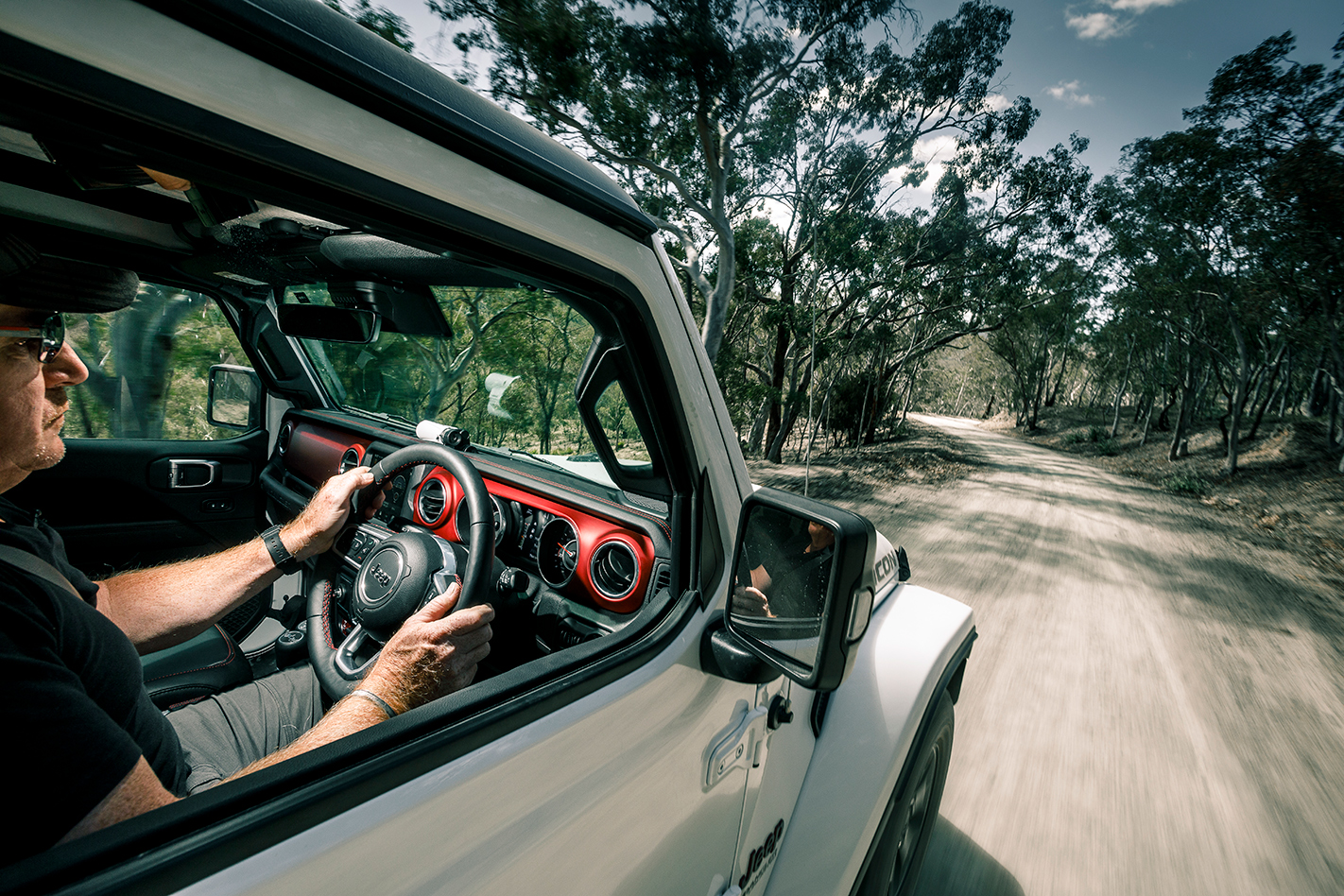
As myself, photographer Nathan and video bloke Sean head west out of Sydney, I take a mental inventory of the oily bits that define the Rubicon model. There’s an uprated all-wheel-drive system, tougher axles, locking front and rear diffs, as well as a button on the dash for electronically disconnecting the front anti-roll bar, which allows extra axle articulation in extreme terrain.
I’m quite taken with the dash treatment, with its red anodised panels, rubberised control knobs, and Allen-heads fastening the various fascias. It looks superbly fit for purpose, and the overall design exudes a confidence that this thing knows exactly what it sets out to be. Both the selector for the drivetrain modes and the transmission selector are fat, masculine things, and just the act of shifting them makes me feel kind of manly and capable, like I could grow a really legit beard, or wrestle a steer.
The driving position is fine, but what does detract from serene cruising is the noise from the BF Goodrich off-road tyres. Their ultra-chunky tread pattern and bulletproof sidewalls will no doubt prove essential when we start delving deep in the dark heart of the Blue Mountains, but on the freeway, they sing a loud and insistently tuneless song.
The 2.2-litre turbo-diesel feels a bit old school, both for NVH and its lowish rev ceiling, while outputs of 147kW/450Nm are adequate, rather than exceptional. It does have a range and economy advantage over the alternative 3.6-litre petrol V6, but comes at a hefty $5000 premium for those benefits.
Still, the eight-speed auto does a decent job of extracting the best from the oiler’s relatively narrow rev range, and there’s ample passing poke for overtaking the lumbering trucks as we head further west along the Bells Line of Road. But the raw facts are that if you’re going to buy the most off-road-capable vehicle that can be driven out of a showroom, be tolerant of on-road compromises. Taken in context (and tyres notwithstanding) the Rubicon’s road manners are not woefully inferior to plenty of 4×4 utes that top the sales charts, yet it has the off-road prowess to slaughter all of them on properly hostile tracks.
We roll into Lithgow without seeing a single cat – domestic, feral or exotic predatory – so let’s call it a slow start. I figure a chat with some locals could be useful, but it’s too early for the pub (apparently there is such a thing), so we drop into the visitor information centre. Behind the counter, tourism adviser Vicki Curry, who’s lived in the area for 18 years, lights up like a pinball machine when we explain the reason for our visit. “Oh, that’s so wonderful!” she beams. “My mother lives not far out of town, and she found the carcass of a goat stuck up high in the branch of a tree near the edge of her property. That’s apparently what panthers do; they drag their kill up a tree to avoid other animals trying to scavenge…”
She explains it with a buoyancy which suggests it wasn’t her goat that ended up with its throat torn out and left rotting in a tree, but I like her enthusiasm. She suggests the whole panther thing is a bit of a divisive subject in the town, splitting the believers and sceptics pretty much clean in two. Farmers, who, like Vicki’s mum, have found their livestock with otherwise inexplicable claw slash marks in the animals’ hides, and mainly the soft, tasty organs eaten, tend to be among the believers.
THE SEARCH BEGINS
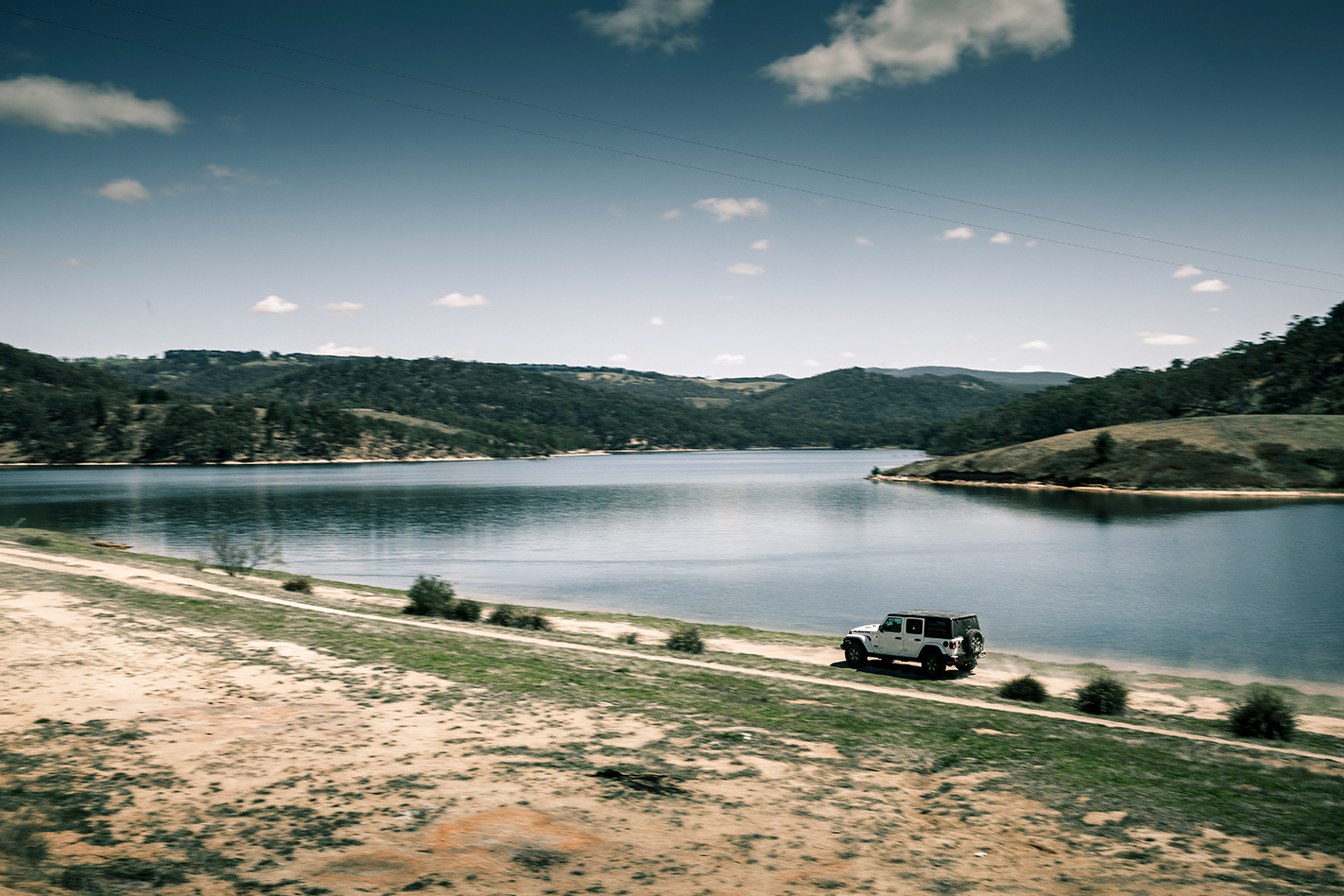
It’s slightly startling just how abruptly Lithgow’s suburbia ends and wilderness begins. A well-groomed dirt road leads to Dobbs Drift Lookout, which promises to be an ideal elevated position in the upper reaches of the mountains, and a chance to use my zero-magnification binoculars purchased from the $2 shop. To get to the prime viewing position, there’s a properly forbidding series of steep, sharp, rock ‘steps’, which provide an opportunity to select the Rubicon’s low range and allow it to do what it’s built for.
I resist the temptation to disengage the front anti-roll bar and lock the diffs, even though I know these actions would only accentuate the masculine tang that hangs in the air. Instead I want to push the Jeep to ascending failure before I employ systems assistance, just to get a read on its capability.
The low-range gearing is perfectly judged for cautious inching up tricky sections, and the throttle tip-in is millimetre precise, allowing you to extract exactly what’s required from the engine. Fact is, the two core barriers to 4×4 vehicles progressing on tough terrain are ground clearance and traction, and the Rubicon is untroubled by either of these two metrics as we crawl slowly, resolutely to the crown of the trail.
The view is a vast expanse of just a portion of the 11,400 square kilometres that makes up the greater Blue Mountains region, with massive sandstone monoliths standing sentinel to the tranquil bush. The enormity of the area available to even a handful of big cats was not lost on me from the beginning of this trip, but gazing out at this wide-screen landscape, the signature faint blue haze cloaking the horizon line, really hammers it home.
But the possibility still gnaws away at me; that nagging, flip-flopping mindset; almost simultaneously cynical yet willing it to be true. David Waldron, a university lecturer in history and anthropology at Federation University (and also an author on big-cat folklore) tells me over the phone of another theory. “There was widespread exotic animal trade in the 19th century; that’s easily proven. You can see it in the classified ads of the day,” Waldron says. “Then there were Australian servicemen returning from Asia and North Africa with all sorts of exotic animals; government records indicate one ship had 1650 animals on board, including bear cubs…”
Bears! I add that to the growing list of creatures out here that could maul me to death. It’s all a bit unnerving, so my attention swings back to the bluff, white, unashamedly American 4×4 perched proudly at the trailhead. While I’m no fawning fanboy, I realise I’m developing a fairly deep appreciation for how the Wrangler nails its design brief. Its on-road-to-off-road transition kind of reminds me of a UFC fighter who’s slightly awkward and a little inarticulate in the pre-fight interviews, but an absolute demolition machine once in the ring.
A HYPOTHESIS IS FORMED
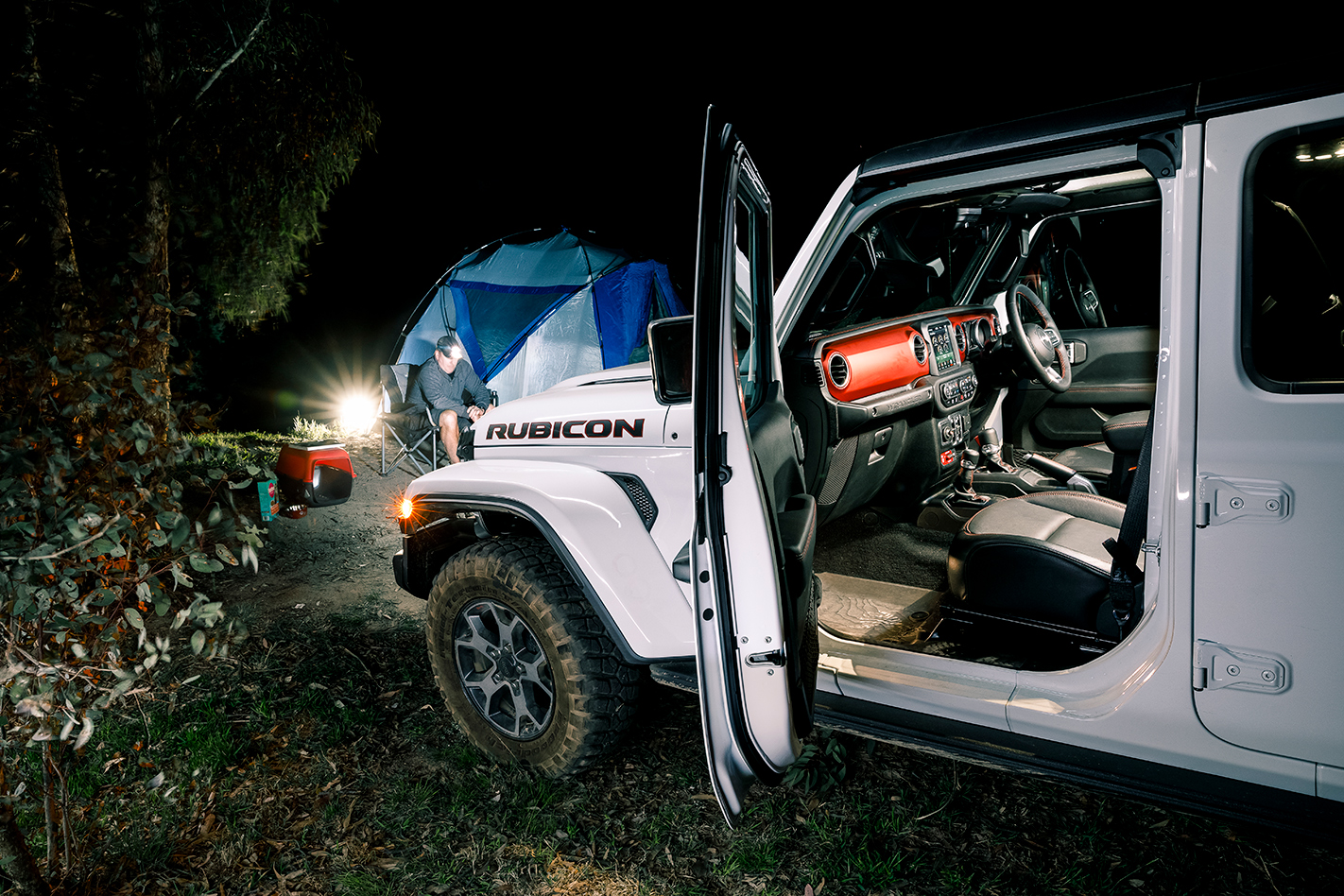
As the sun starts sinking behind the vast escarpment that flanks our camp site, we set up the tent and prepare for what must surely be panther-spotting prime time.
I see Sean wandering around with the video camera rolling, which I immediately take as a positive sign, as I understand he’s here to document any sightings. Has he seen a movement in the bush? Heard a noise?
Slowly, he turns the panning camera on me, and hands me a pink stick with a small bell and ribbon on the end. It’s a cat toy from a discount store. “Ash, just take this and start wandering around the bush, and make cat-calling sounds, okay?” he asks.
I feel a rising tide of dread in my stomach. Turns out Sean is not here purely to capture any panther sightings. He’s on a mission to create some hellish ‘visual narrative’, and appears to have cast me as a cross between bumbling bushman Russell Coight and David Attenborough’s halfwit son. What little was left of my dignity starts dissolving into the loamy soil beneath my feet. Still, I feel I’ve let the team down a bit when not a single crazed panther leaps from the undergrowth to tear me apart while Sean films.
After a camp-fire steak and a couple of beers, Sean suggests I open a can of Whiskas, dump it into a dish, and place it near the entrance to my tent. I’m okay with this, as it seems preferable to being asked to wear a salami necklace to bed, which is likely his next idea.
There’s barely a sound from the surrounding wilderness, so sleep should come easily. Instead I drift into a pre-slumber twilight zone. Clearly prompted by a hypothesis I’ve just read in the book Australian Big Cats: An Unnatural History of Panthers, a vivid montage unfolds in my mind. I see a WWII US soldier on Australian assignment reclining on a swag under a tree, a Lucky Strike dangling from his lips. Behind him, chained to another tree, two juvenile panthers lie quietly in the shade, clearly now too large to fit in the timber crates they once occupied as ‘mascot’ cubs for this military division. A senior officer approaches, and issues a curt directive: “It’s time to roll out. You know what you have to do with that pair…” The soldier glances at his rifle, but is unable to follow the order. Instead he waits until the senior brass is preoccupied, and an offsider secures one of the cats as the soldier unfastens the chain shackled to its neck. The first panther slinks off into the undergrowth…
Now, if only I’d imagined them driving off in a Jeep, that would have been really profound.
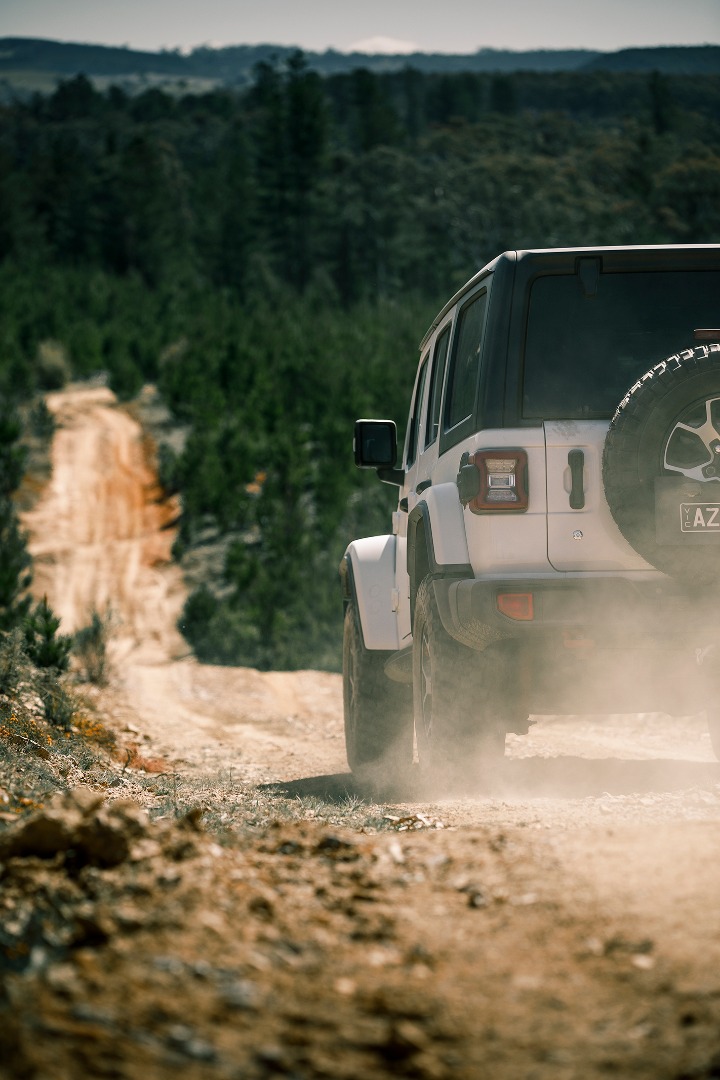
2020 JEEP WRANGLER RUBICON PRICE AND SPECS
Model: Jeep Wrangler Rubicon
Engine: 2143cc 4cyl, dohc, 16v, turbo-diesel
Max power: 147kW @ 3500rpm
Max torque: 450Nm @ 2000rpm
Transmission: 8-speed automatic
L/W/H/W-B: 4882/1894/1848/3008mm
Weight: 2215kg
0-100km/h: 9.6sec (claimed)
Economy: 7.5L/100km
Price: $68,950
On sale: Now
While the majority of Holden’s 180-strong dealer network have gone to ground in the wake of the decision by General Motors to kill the brand in Australia, one dealer’s misfortune stands a little taller than others.
One of Adelaide’s biggest Holden dealers, City Holden, was three months away from opening a $6.5 million showroom in the heart of the city, according to the company’s Facebook page, but is now left with an almost-complete showpiece for the Holden brand, but no stock to sell.
Groundwork pics taken in November (below) show the new dealership under construction for the 41-year-old dealership group, which runs four Holden dealerships in the South Australian capital.
The new site in Mile End had been in planning since 2017, where the group was named Holden’s best-performing dealership Australia-wide.
“It has been an incredibly tough few days for us with the recent announcement that General Motors will be retiring the Holden brand in Australia and New Zealand,” said Julian Newton, the owner and dealer principal of City Holden, in a statement. “City Holden opened its doors in 1979, and for the past 41 years have been a proud supporter of this iconic Aussie brand.
“We will continue to support all our customers and are committed to ensuring that your vehicle will be looked after in every possible way.”
The family-owned group turned over more than $100 million in sales annually.
Holden dealers once numbered more than 400 nation-wide, but their numbers have dwindled since the end of local manufacturing in 2017. Of the 185 left, 18 are standalone dealerships that only sell Holden product.
General Motors said on Monday that all dealers would be offered the opportunity to convert into a service centre, but there is a groundswell of dissent against the company which, as of three days after the closure, has not provided details of compensation packages for franchise holders with leases that extend as far out as 2022.
READ MORE
- Holden’s factory closure statement
- Why did Australia fall out of love with Holden?
- Two years on from Holden’s factory closure
- The best performance Commodores
- Clay modelling at Holden’s design studio
- Holden halts production of Commodore and Equinox
- How Holden shaped a nation
The new 2020 Mercedes-AMG GLE 63 S is on its way, with a thumping V8 and enough pace to embarrass some proper sports cars.
We’re not saying it’s going to be a track hero, after all, it’s still a 2.3-tonne SUV (if its predecessor is anything to go by). But with a 4.0-litre twin-turbo V8 making 450kW and 850Nm, 20kW/90Nm more than before, it’ll hit 100km/h in just 3.8 seconds. That’s quick enough to say ‘see ya’ to a few super sports cars on the market… or pretty much anything Maserati builds.
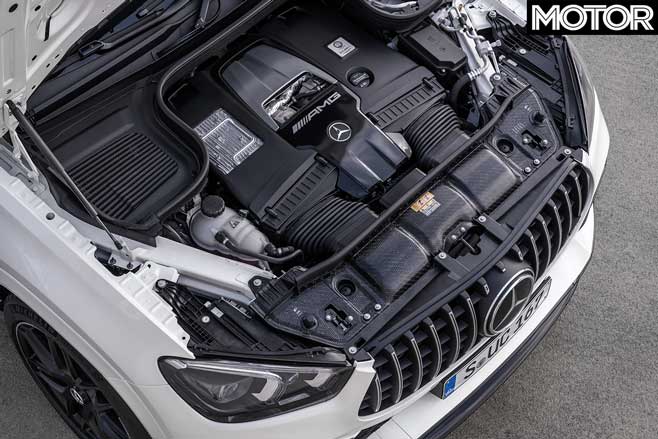
It’s headed to Australia in GLE63 S guise only, the slightly less specced-up GLE63 won’t be available as AMG customers here overwhelmingly opt for the top dog. Pricing and exact specification is yet to be confirmed locally, but Mercedes-Benz Australia expects the GLE63 S Coupe to arrive in Q3 2020.
Mechanically and in terms of features, the GLE63 Coupe follows the wagon’s list: a 9-speed TCT dual-clutch gearbox, adaptive air suspension, active ride control, and a set of 6-piston fixed callipers on 400mm discs at the front with single-piston floating callipers on 370mm discs at the rear.
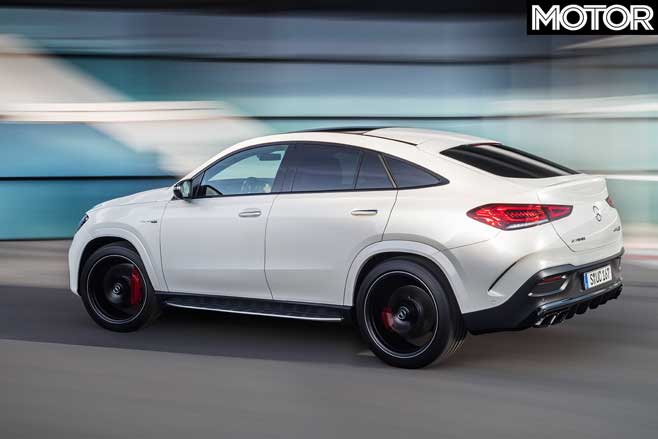
“Our new GLE63 Coupé rounds off our attractive portfolio in this segment,” AMG Chair Tobias Moers says.
“It meets the highest expectations in terms of design and exclusivity as well as excellent driving dynamics and agility.
“Thus, our latest Sports Utility Coupé (SUC) is an outstanding example of Performance Luxury made by AMG.
“In addition to that, even our GLE Coupé disposes of a 48 volt on-board electrical system connected with the EQ Boost starter-alternator which makes us drive the electrification of our model series in a consistent way.”
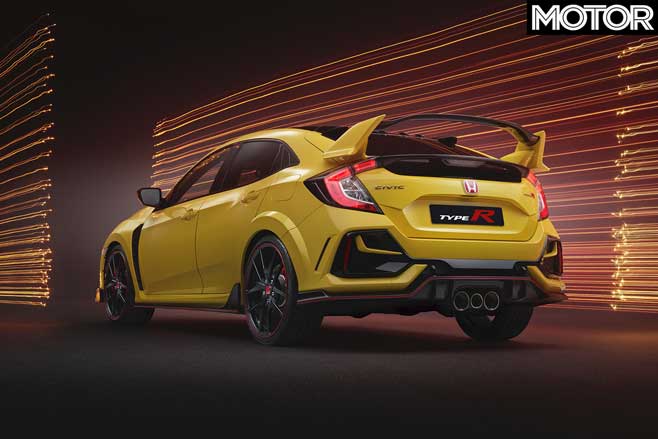
A fitter, faster version of the Honda Civic Type R has been revealed dubbed the Limited Edition.
As the name suggests, the Limited Edition will indeed be very limited, with Honda Australia set to import just 20 examples of its ultimate hot hatch in the first half of 2021.
Nineteen of these will be offered to customers via a lottery system for $70,000 driveaway, the 20th vehicle retained by Honda Australia for promotional purposes. Only 1020 examples will be made available worldwide.
There will be plenty of disappointed Honda fans, as more than 700 people registered their interest online, a number which prompted Honda Australia to introduce the lottery system in order to give every one an equal opportunity.
Honda Australia said in a statement: “Due to the overwhelming response, a lottery system was deemed the fairest way to provide all interested customers with the same prospect of securing one of the Limited Edition vehicles.
“The coronavirus restrictions currently in place in the state of Victoria only served to reinforce this approach; to create a level playing field and ensure no person was unfairly disadvantaged by present circumstances.”
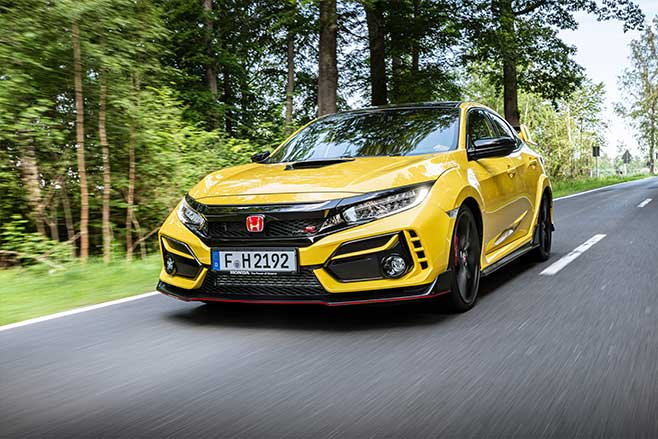
Registrations for the lottery will open will open at 9am Thursday, October 1 and run until 8pm on Saturday, October 31. Interested parties will need to visit their local Honda dealer to fill out an entry form, though Victorians in lockdown can lodge an entry via Honda Australia’s Contact Centre.
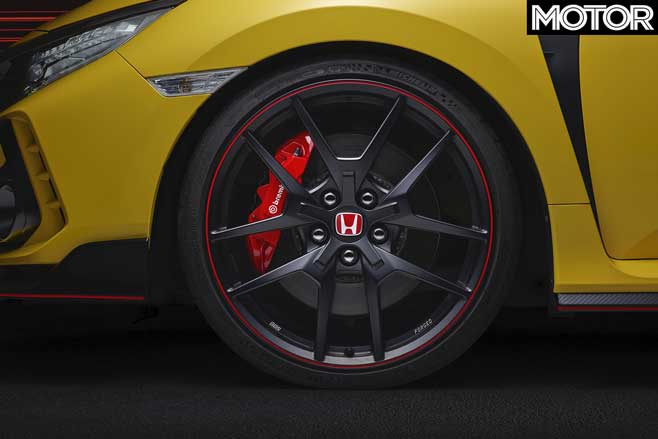
The Limited Edition focuses of fine-tuning the Civic Type R’s already outstanding chassis. New lightweight 20-inch BBS wheels are shod with track-spec Michelin Pilot Sport Cup 2 tyres, while the adaptive dampers have been “optimised” and the steering recalibrated to suit.
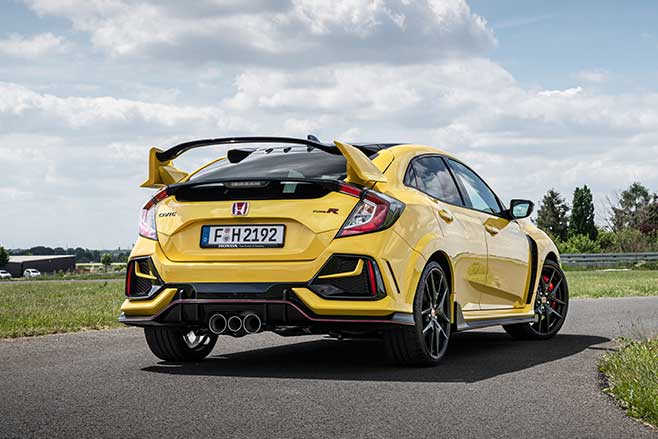
In a cheeky potshot to French hot hatch rivals Renault, Honda’s press release states “unlike other brands’ track-focused performance hatchbacks, The Limited Edition retains its rear seats and the everyday usability for which the Civic is renowned.” Ouch.
The drivetrain remains standard with the 2.0-litre turbocharged four-cylinder engine producing 228kW/400Nm through a six-speed manual and front limited-slip diff. Nonetheless, with the reduced weight and extra grip from the Cup tyres we’d expect a slight improvement on our current best Civic Type R figures of 5.68sec from 0-100km/h and a 13.66sec quarter mile at 174.92km/h. Could it dip below 5.5sec?
A new exterior colour – the Sunlight Yellow seen in these pictures – appears with the roof, wing mirrors and bonnet intake vent painted contrasting gloss black. Inside, there’s the signature red bucket seats as well as a new red-accented Alcantara steering wheel and teardrop-shaped gearshift knob.
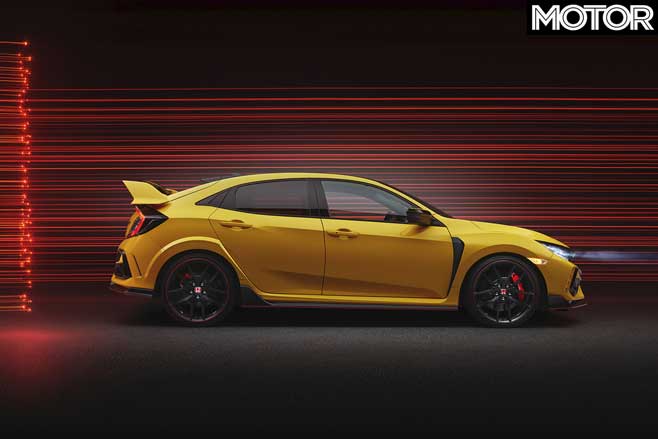
Finally, the Honda Civic Type R Limited Edition debuts Honda’s performance data logger dubbed LogR. It uses the car’s onboard computer to display performance information on the central infotainment screen or a smartphone app.
Performance monitor displays a g-monitor on the central screen, while Log Mode can record lap times using the onboard GPS and also display throttle, brake and g-force readings using the car’s onboard sensors. Finally, Auto Score records the driver’s inputs and generates a score based on how smoothly the car is being driven.
We’ll bring you more information on the new 2021 Honda Civic Type R Limited Edition as it comes to hand.
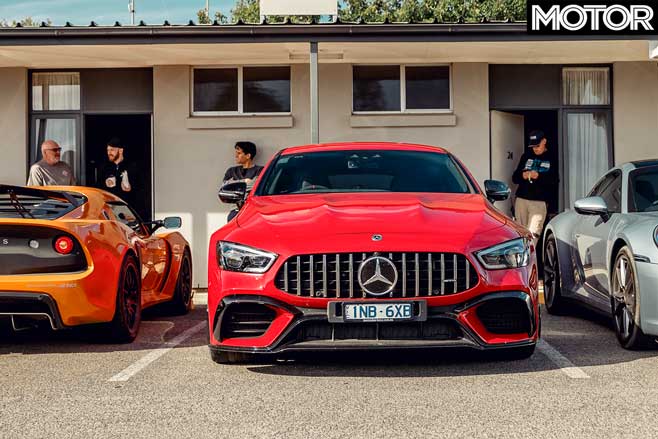
It might be time for some corporate sabotage. As in, Affalterbach sends an agent to our PCOTY testing to stuff a footy sock in the rear-situated airbox of a certain vehicle. Or spray the front tyres with Armor All, unplug a spark lead – just something. Anything.
For the third time now in fairly recent PCOTY history, a full-blooded Mercedes-AMG is our runner-up. In 2016, it was the AMG GT in third place and the C63 S in second, the Porsche 911 GT3 first. In 2017, the E63 S took home silver behind the Honda Civic Type R. And now, it’s the GT63 S 4-Door on the second step of the podium, probably about as happy to be there as Lewis Hamilton whenever he finds himself in the same place.

Of course, if this was a competition on pace alone, you’d be looking at your winner. The Cup 2 tyre-shod monster’s lap time of 1:29.5 was more than a second clear of the 911 Carrera S, itself an 11.5-second quarter-mile car, and one with a 500kg weight advantage.
The GT63 was also our drag strip king, its numbers of 3.16sec and 11.08sec better than any other car (recorded on separate days and locations because our timing gear threw a wobbly). Plainly, if all you cared for was numbers, you’d be looking at the top dog.
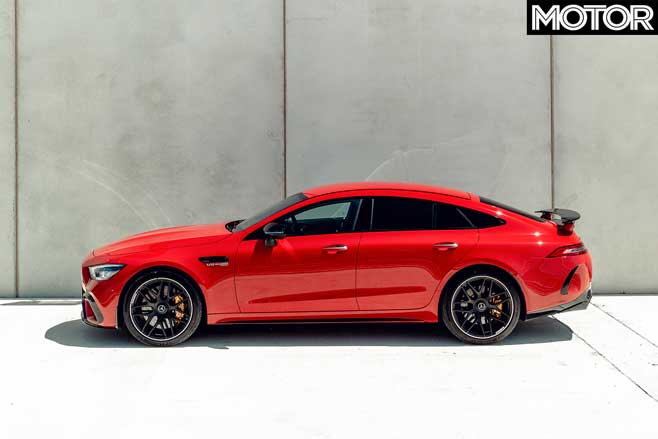
The GT63 S is so much more than numbers though. This is a mind-scramblingly fast, impressive and capable vehicle. The engine is what grabs you initially; the satisfying throb and snarl of its twin-turbo 4.0-litre V8.
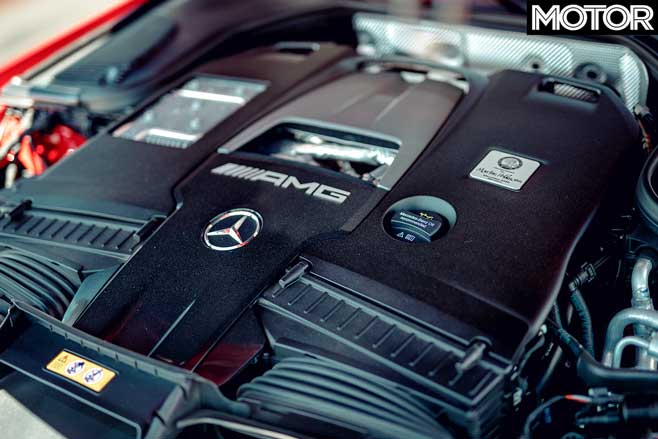
Then there’s the 470kW/900Nm, all-wheel drive acceleration that feels potent enough to get a small payload into lower earth orbit. Forget the Jesus handles, especially uninitiated passengers are gonna need adult-sized nappies.
And then there’s the chassis, just as memorable as that engine. Software that’s very smart and mostly invisible orchestrates diffs, brakes, adaptive dampers, rear-steering and all-wheel drive to make the GT63 S multiple cars in one.
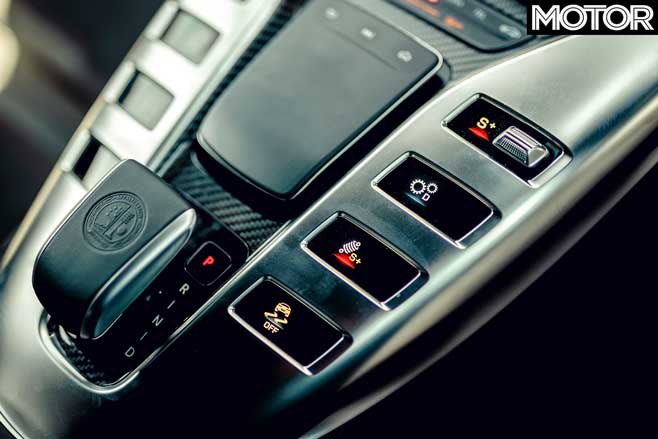
Select the right mode and you’ve got agility and savage all-paw punch for tarmac rally stage-winning pace; press another button and you have a more playful rear-drive character but still with secure all-wheel drive traction; and then, of course, for track use there’s the sensational Drift Mode that doesn’t just lock the car in rear-drive but feels to manipulate the chassis to maximise rotation. Proving that German engineers are indeed just well-dressed hoons.
The GT63 S is a triumph of hardware and software, able to do things a vehicle that weighs 2045kg just shouldn’t really be able to do. And it’s a total drug on Cup 2 tyres.
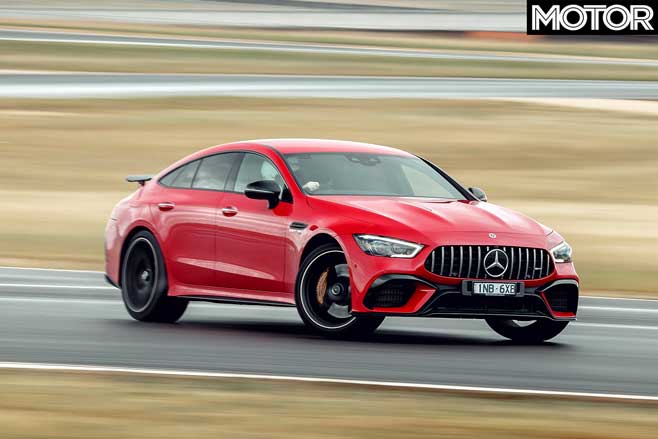
So why didn’t it win? A few things. The NVH is unbecoming of a large luxury car, and our experience with so many other high-performance luxury sedans of this calibre suggests it just doesn’t need to be. It has multi-chamber air suspension but you’d guess it had soft coilovers judging by the ride quality. Also, it’s pretty pricey; an E63 S isn’t as ‘special’ or as fast, but it’s a very, very similar car and for $100K less.
Are AMGs doomed to finish second at PCOTY forever? No. The much-needed softening of the C63’s suspension suggests that AMG engineers are the listening type – something that will surely pay off. Just give it time.
The Numbers
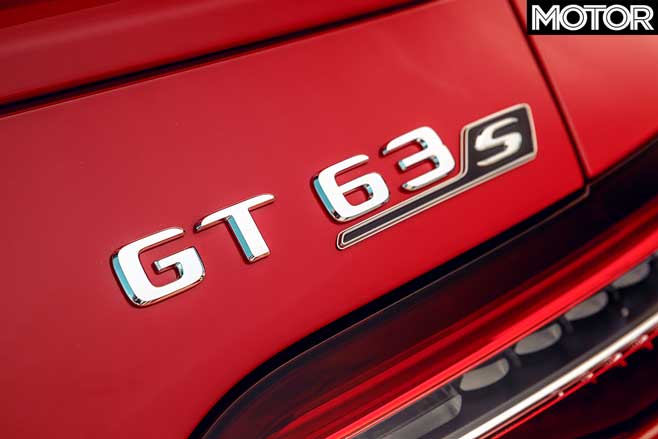
2020 MERCEDES-AMG GT63 S SPECS: Engine: 3982cc V8, DOHC, 32v, twin-turbo Drive: all-wheel Power: 470kW @ 5500-6500rpm Torque: 900Nm @ 2500-4500rpm Transmission: 9-speed automatic Weight: 2045kg Power/Weight: 230kW/tonne 0-100km/h: 3.16sec 0-400m: 11.08sec @ 203.43km/h The Bend lap time: 1min 29.5sec Price: $351,640
Judge’s Rank
Dylan Campbell – 3rd “Insane performance, not even just for a big car, but there is that too.”
Louis Cordony – 2nd “Way more than the sum of its parts. Bravo, AMG.”
David Morley – =3rd “I’d buy this for the grille alone. And then discover something wonderful every day afterwards.”
Scott Newman – 2nd “A new standard in four-door performance. Laughs at physics then kicks it in the shins.”
Tim Robson – 2nd “What… how… This thing shouldn’t be half as good as it is. Nothing but awe from me.”
PCOTY 2020 Scoring
| Judges | DC | LC | DM | SN | TR | Total |
| Performance/20 | 19 | 17.5 | 19 | 19.5 | 18 | 93 |
| Dynamics/20 | 17 | 14 | 17 | 19 | 18 | 85 |
| Accessibility/10 | 7.5 | 7.5 | 9 | 9 | 8 | 41 |
| Liveability/10 | 7 | 4 | 9 | 7 | 8 | 35 |
| Value/10 | 8.5 | 6 | 4 | 6.5 | 4 | 29 |
| X Factor/10 | 7 | 7.5 | 7 | 7.5 | 5 | 34 |
| Total/80 | 66 | 56.5 | 65 | 68.5 | 61 | 317 |
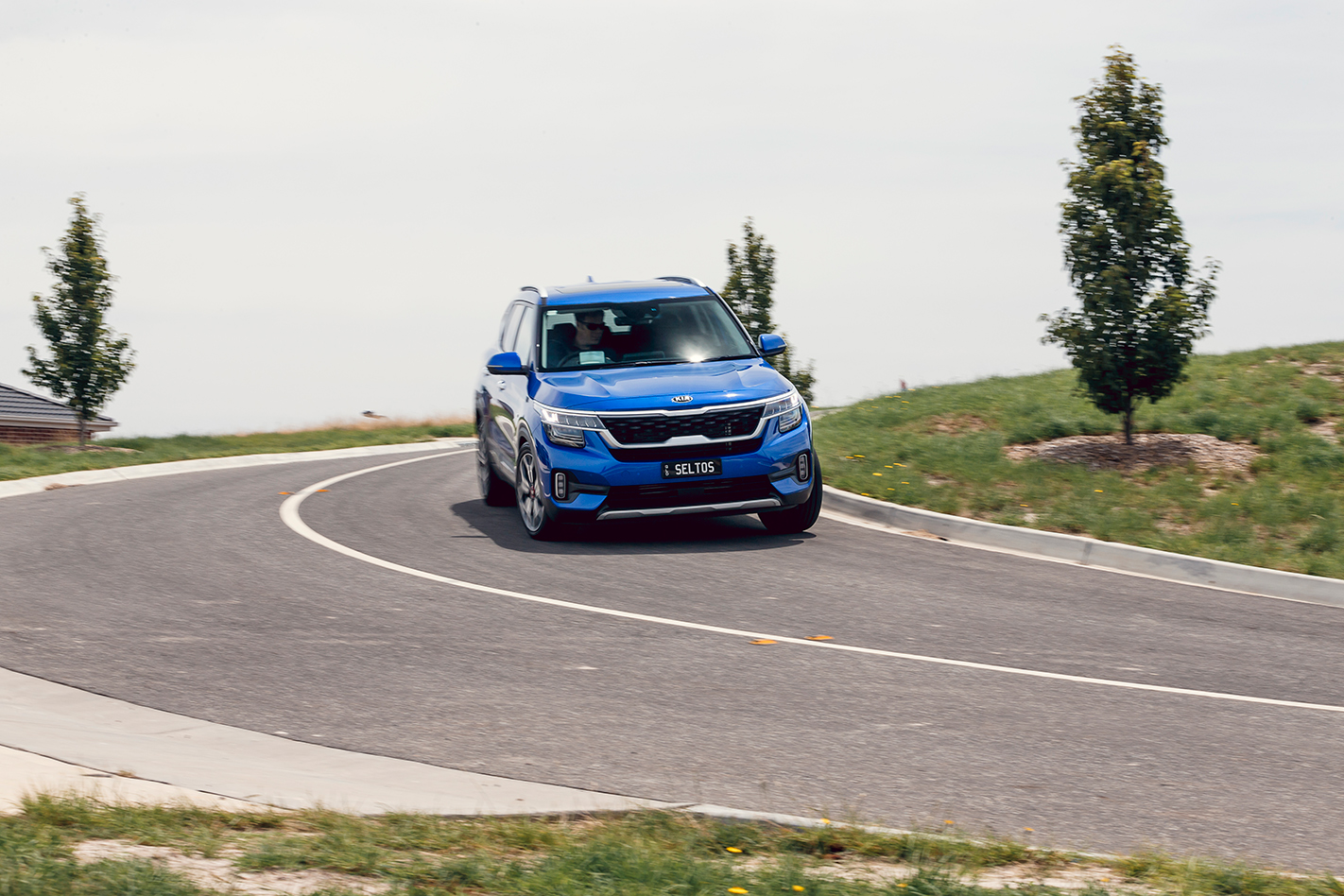
The compact SUV class is flush with strong competition. With the release of the Kia Seltos and the Mazda CX-30, the battle ground just got a lot tougher. We put the two newest players against each other with high-grade variants to see which has the credentials to rise to the top of the segment.
EQUIPMENT AND VALUE
You’re not really left wanting for tech or features in either SUV, but the Mazda CX-30 G25 Astina FWD is loaded with kit. And so it should be for $41,490. The 8.8-inch infotainment screen (which isn’t a touchscreen for safety reasons, according to Mazda) features the updated MZ Connect as well as Apple CarPlay and Android Auto connectivity.
All CX-30s come with blind-spot monitoring, lane-departure warning, lane-keep assist, radar cruise control, rear cross-traffic alert an AEB. The head-up display (HUD) is one of the clearest and best integrated systems on the market. A 360-degree camera, driver monitor and front cross-traffic alert is added to the G25 Astina. The CX-30 is covered by a five-year/unlimited kilometre warranty.
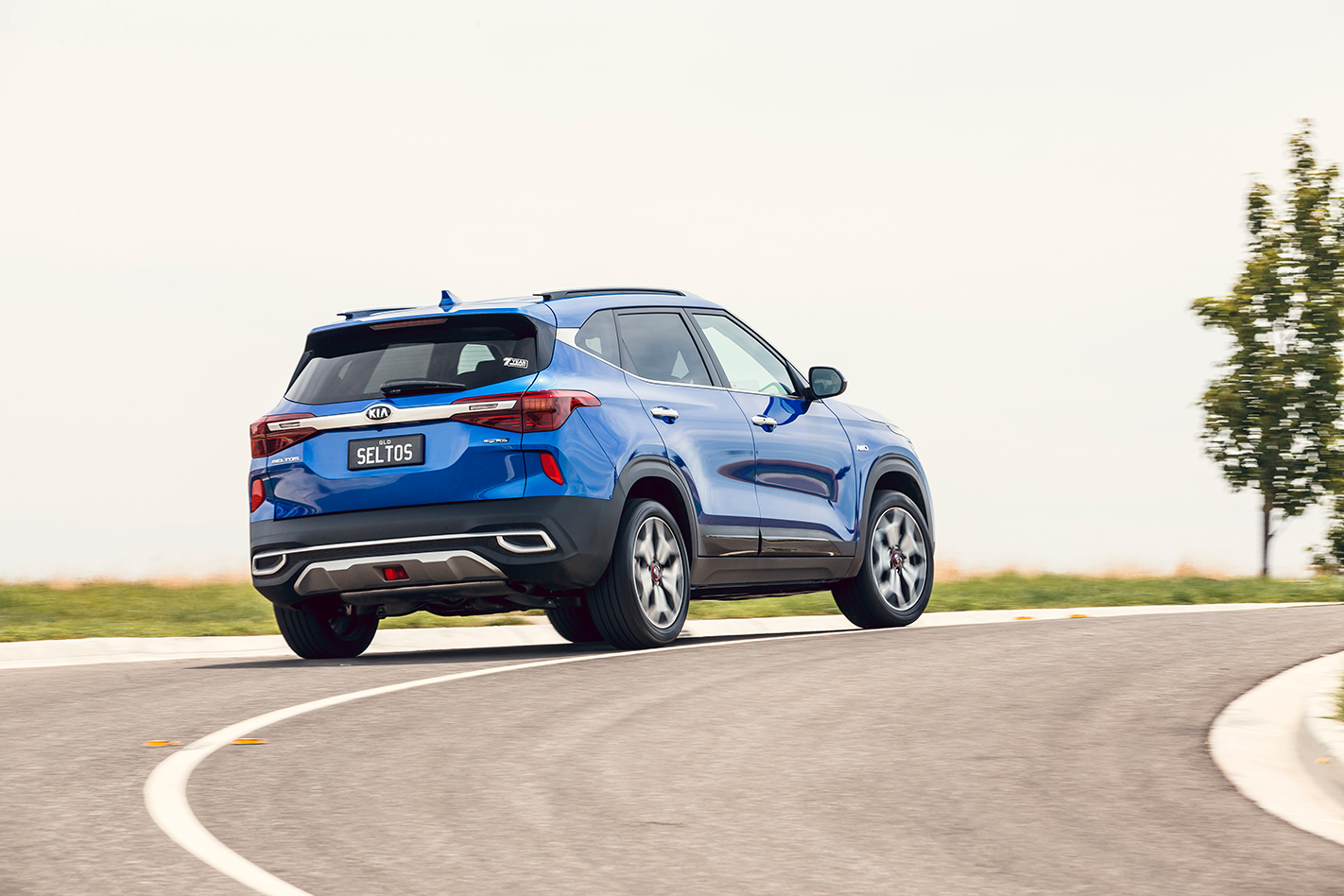
Usually new cars have unused buttons that become active when you pay to tick an option – but the GT-Line has almost no dormant controls. It’s full to the brim with kit. The active safety systems virtually mirror the Mazda, while the Seltos gains creature comforts over the CX-30 like ventilated front seats (both have heated leather seats) and power adjustment for both driver and passenger. The Kia’s HUD is not as well resolved, however.
One area where the Seltos dominates is warranty, with the seven-year/unlimited kilometre package being one of the benchmarks within the new-car market. Yet, the GT-Line’s value proposition diminishes at this price point. Whereas the CX-30 taps the shoulders of more premium marques, the GT-Line feels like it has been dressed up to socialise in a space it isn’t comfortable in.
WINNER: Mazda CX-30
SPACE AND COMFORT
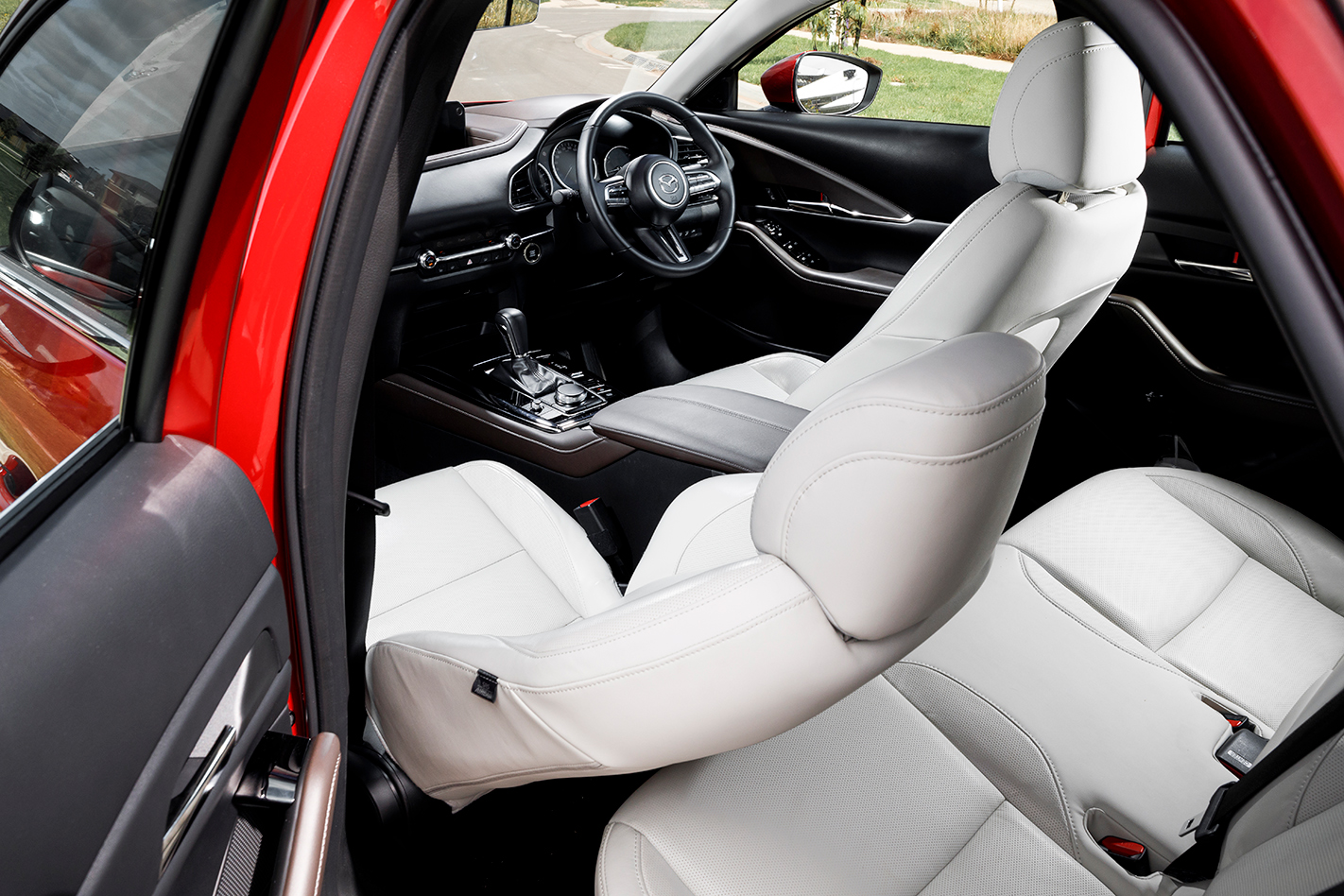
Soft-touch materials, sound ergonomics and a design that looks a class above – it might be plucked out of the current Mazda 3, but the CX-30’s cabin is a welcome place to be. It’s quiet, too, with a high level of refinement and atmosphere. The leathers used are pleasing and there is a reassuring tactility to all the dials and controls. However, there is a but. And that’s in the form of interior space. While the CX-30 is noticeably bigger than its own sibling, the CX-3, the Mazda is outclassed by the Kia in this regard. Leg and toe room are tight, and while the plunging roofline doesn’t cut into headroom as much as you’d think, it is still at a deficit to the Korean. So it’s swings and roundabouts.
If size matters, choose the Kia. In every discernible way, the GT-Line offers more space. Leg and headroom is noticeably better front-to-rear and the taller cabin architecture means the glasshouse is large, creating a more open and airy feel. It also aids visibility in all directions. The boot is more practical, too, with a total litre count coming i at 498 – or, 181 litres more than the Mazda. Where the high-grade Seltos falls down is in terms of quality and ambience. It isn’t as overtly luxe, with scratchy plastics and a design that is less aesthetically pleasing. It’s essentially the same cabin as the base model, just with more trinkets and goodies.
WINNER: Kia Seltos

RIDE AND HANDLING
Let’s face it, you don’t buy an SUV for outright dynamic talent. However, Mazda’s have traditionally been infused with a certain level of Zoom Zoom. And so is the case with the CX-30. Yet it comes with conditions, namely being smooth roads. While the G25 Astina more than meets the handling expectations of the class, it isn’t a Mazda 3 on stilts. Hard hits to the suspension from big pot holes can be felt and heard, while rebound could be more resolved. Still, tone down the tempo and the CX-30 remains competent, while it also has the better steering of this duo.
Considering the GT-Line gains a turbo four-pot, dual-clutch ’box and a multi-link rear-end (entry-level variants, like the CX-30, make do with a less sophisticated torsion beam rear suspension), it’s basically a different car to the one you’d be purchasing in the lower grades. And it shows, with the GT-Line’s dynamics verging on fun. However, the steering isn’t as natural as the Mazda’s and the tall body induces more lean and lateral head toss. The ride quality, with its Australian-tuned suspension set-up, is comfortable, with only the bigger bumps causing issues. It also has AWD if you want to go off-road.
WINNER: Mazda CX-30
WhichCar’s compact SUV megatest tournament

PERFORMANCE AND ECONOMY
The SkyActiv-G 2.5-litre four-cylinder isn’t a new engine, but its big-boy displacement returns a slight improvement in performance over the 2.0-litre used in the G20 variants. The naturally aspirated unit does need revs on board if you require something more than commuting performance as peak power doesn’t arrive until 6000rpm. The kilowatt count totals a healthy 139, while there’s 252 Newtons available from a rather lofty 4000rpm. The six-speed torque converter auto is proficient, while drive is sent to the front wheels only. Fuel consumption is rated at 6.6L/100km, a marker that is achievable in real-world driving.
Nicked from the Cerato GT, the Seltos GT-Line uses a 1.6-litre four-cylinder turbo petrol engine and sends its power to all four wheels. However, compared to the Cerato, the on-paper figures are curtailed to 130kW and 265Nm. While the former is down on the CX-30, the latter is healthier – and from lower in the rev range, meaning progress is a little more effortless down low. However, the smaller capacity engine and heavier body (1500kg) means the Seltos is thirster at the bowser, with a combined fuel consumption of 7.6L/100km. Still, it punches above its weight in terms of performance and liveability, while the seven-speed dual-clutch is quick-shifting on the run.
WINNER: Kia Seltos
VERDICT
The Kia Seltos is a cracking SUV. It ticks so many boxes that buyers in this segment want that it’s hard to ignore in this arena. However, at almost $42K in the top-spec GT-Line, the value equation starts to diminish. The reality is the less you pay, the better Seltos you’ll receive – which is exactly what we found in the SUV mega test in the January issue of Wheels.
As a result, the high-grade CX-30 G25 Astina FWD narrowly takes home the bacon in this comparison. Ultimately, it’s the contender that rises to meet its price tag with a truly plush cabin and a pleasing driving/ownership experience. The CX-30 delights with luxe materials, a vast array of standard kit and a proven powertrain. It’s a great example of why so many private buyers flock to Mazda dealerships.
OVERALL WINNER: Mazda CX-30
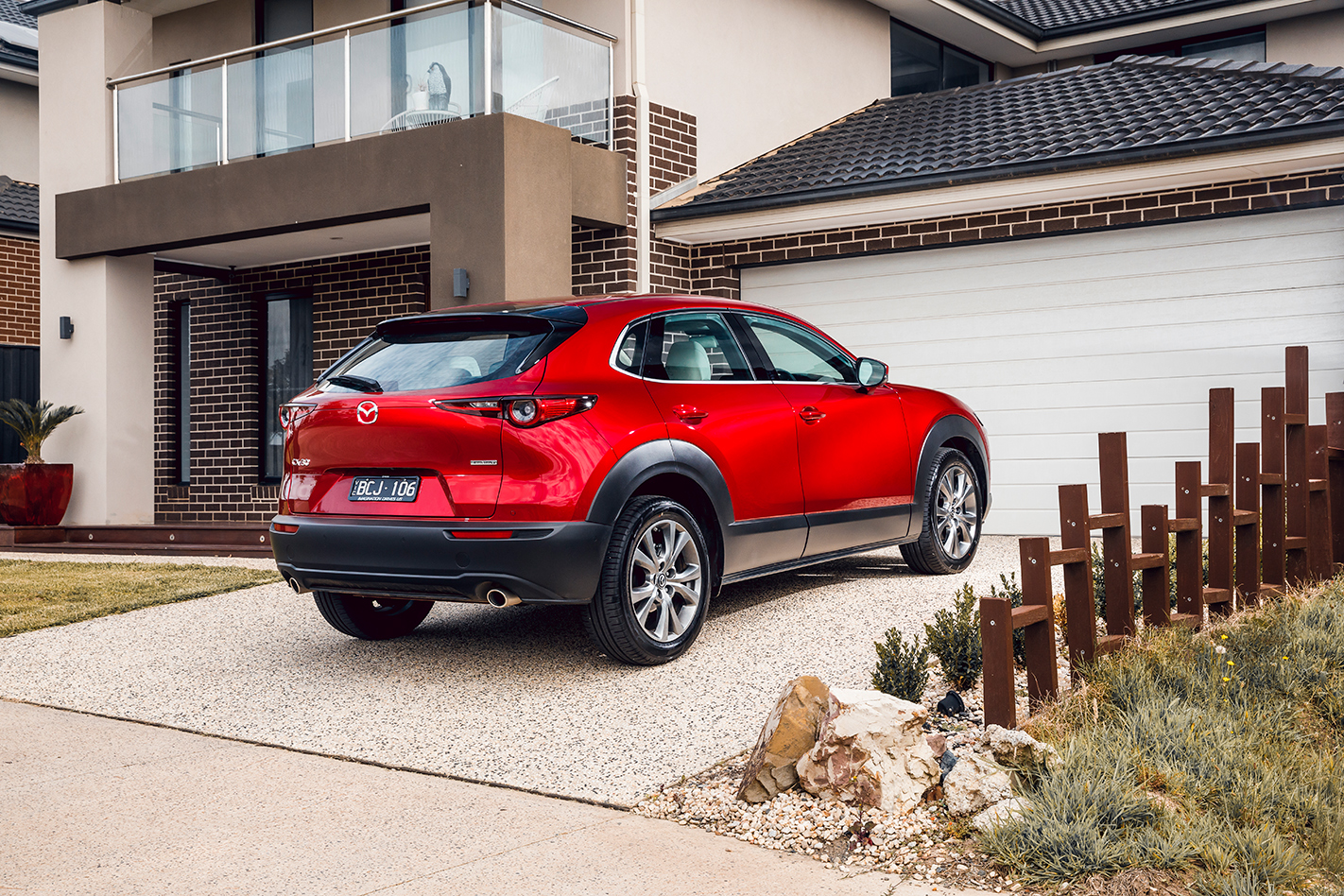
MAZDA CX-30 G25 ASTINA FWD SPECS:
Price: $41,490
Engine: 2488cc in-line 4, dohc, 16v
Power: 139kW @ 6000rpm
Torque: 252Nm @ 4000rpm
Transmission: 6-speed automatic
Weight: 1442kg
Economy: 6.6L/100km
0-100km/h: 8.7sec (claimed)
On sale: Now
KIA SELTOS GT-LINE AWD SPECS
Price: $41,990
Engine: 1591cc in-line 4, dohc, 16v, turbo
Power: 130kW @ 6000rpm
Torque: 265Nm @ 1500-4500rpm
Transmission: 7-speed dual-clutch
Weight: 1500kg
Economy: 7.6L/100km
0-100km/h: 8.0sec (claimed)
On sale: Now
