
What stands out?
Renault’s biggest-selling model in Australia, the Koleos shares a chassis, powertrains and spacious interior with the Nissan X-Trail, but is more attractively styled inside and out. It’s also well-equipped, with Apple CarPlay/Android Auto smartphone pairing and autonomous emergency braking, that’s now standard across the range.
What might bug me?
Having to turn the radio up to hide the annoying sound you sometimes get from the rattly plastics in the boot area.Not quite getting comfortable enough in the driver’s seat, whose base isn’t long enough to provide full under-thigh support.Getting tired of so-called friends pointing out your fancy ‘French SUV’ shares mechanicals with the Nissan X-Trail and is built in South Korea.
What body styles are there?
Five-door wagon only.The Koleos is available in front-wheel drive, or all-wheel drive.All-wheel drive Koleos’ can drive their front wheels only (for best fuel efficiency), or their rear wheels also whenever the car thinks that’s helpful, or (at low speeds) all four wheels all the time. You choose from these three options (2WD, Auto, and Lock) with a switch on the centre-console.The Koleos is classified as a medium SUV, lower priced.
What features do all Koleos versions have?
Dual-zone climate control, which allows the driver and front passenger to set their own preferred temperatures.Renault’s R-Link multimedia system, with 7.0-inch touchscreen and voice control, Apple CarPlay and Android Auto phone mirroring, AM/FM radio, auxiliary and 2x USB inputs, Bluetooth connectivity for phone calls and audio streaming, and eight speakers.A reversing camera, and rear parking sensors.Cruise control with speed limiter, lane departure warning, and high-resolution digital gauge display.Headlights that switch themselves on when it gets dark, LED daytime running lights, and LED front and rear fog-lamps. Windscreen wipers that operate automatically when it rains.A proximity key-card, which you can leave in a pocket or bag while unlocking and starting the car.Hill-start assist, which operates the brakes automatically to make uphill starts easier.Aluminium alloy wheels, and full-size 17-inch steel spare wheel.Forward collision warning system (autonomous emergency braking), which warns of a potential collision risk before automatically engaging the brakes via the Koleos’ electronic stability control.Shark-fin antenna and body-coloured electrically-adjustable door mirrors with demisters.The Renault Koleos covered by a fiver-year, unlimited kilometre warranty, and five-year capped-price servicing and five years’ roadside assist.
Which engine uses least fuel, and why wouldn’t I choose it?
All Koleos versions are powered by a 2.5-litre four cylinder petrol is also taken from the Nissan X-Trail. On the official test it uses 8.3 litres/100km when powering an all-wheel drive Koleos, and slightly less (8.1litres/100km) in front-wheel drive form.It is paired with a CVT automatic transmission. The CVT does without the fixed gear ratios of a conventional automatic, instead adjusting in small increments to meet the driver’s requirements.The Koleos used to have a more economical 2.0-litre diesel option, though this was dropped from the range in December 2019 for the 2020 model year.Power outputs and all other specifications for each Renault Clio can be reached from the Cars covered carousel near the top of this review.
What key features do I get if I spend more?
The least costly Koleos is the Life which has the petrol engine, front-wheel drive, cloth seat trim, 17-inch alloy wheels, a foot-operated park brake plus the features in any Koleos.Paying more for a Koleos Zen brings you the front-wheel drive as standard, or all-wheel drive for about $2500 extra.The Zen adds satellite navigation, bigger 18-inch alloy wheels and push-button start. And front and side parking sensors augment those at the rear.Seats are trimmed with artificial leather, with front seat warmers and powered adjustments for the driver’s seat including lumbar support. The rear seats fold easily with a one-touch folding system.The interior gains ambient lighting, and rear doors are fitted with tinted privacy glass.Doors automatically lock when you walk away from the car while carrying the proximity key-card.Blind-spot warning alerts you to any cars driving up your side.Spending more again on a Intens brings you a bigger portrait-orientated 8.7-inch multimedia screen, and a BOSE sound system with four extra speakers, subwoofer and digital amplifier.You also get a panoramic sunroof, powered hands-free tailgate, chrome exterior trim and fancier 19-inch alloy wheels, and the heated front seats are also ventilated for summer.The Intens comes standard with a petrol engine and all-wheel-drive, with the petrol and diesel all-wheel-drive powertrains available for an additional cost.
Does any upgrade have a down side?
The ride is a little harder on the Intens’ 19-inch wheels, because their shorter sidewalls leave less air and rubber between you and the road.Solid white is the only standard colour on the Life, Zen and Intens. Other colours cost about $900 extra.
How comfortable is the Koleos?
The Koleos has a big cabin for a medium SUV, and even six-footer adults will find enough space in the second row, with plenty of leg, head and knee room available. The front seats lack under-thigh support though. That said it does offer an agreeable driving position with excellent forward vision.The interior is elegantly designed and boasts a pronounced European flavour. Features like a jalousie (sliding lid) to hide the cupholders and a high-resolution colour digital instrument panel are nice touches.However, there are plenty of hard, scratchy plastics, most of them on the lower dash and centre console. And then there’s that quirky Renault feature of having the cruise control/speed limiter toggle down on the centre console, which can make it difficult to find while driving.
What about safety in a Koleos?
Every Koleos has stability control, six airbags, auto-on headlights, LED daytime running lights, a reversing camera, rear parking sensors and auto emergency braking. It is a rounded package that emphasises crash protection, visibility, crash avoidance, and safe reversing.There are airbags ahead of the driver and front passenger, to protect them in frontal crashes; one outside each front seat about chest level to protect in side-crashes; and a curtain airbag extending down each side at head level to protect those in the front and second seat rows from side crashes.The head-protecting side-curtain airbags do not extend to the third row of seats on seven-seat models, however. And while the front and second-row seats have seat-belt reminders, third-row seats have none.The auto braking fitted to every Koleos uses a radar-type sensor and operates at city and highway speeds. It works in concert with a Forward collision warning, which alerts you if it thinks you are too close to the vehicle in front. If you ignore the warning and the system concludes a crash is imminent, it can apply the brakes automatically, either avoiding the crash or reducing your impact speed.The Koleos Zen adds front and side parking sensors, and a blind-spot warning, which alerts you to the presence of vehicles near your rear corners that might not show in your mirrors.The Intens share the safety features of the Zen and add lane keeping assist, which warns of your lane-drift, and attempts to correct it.All versions of the Renault Koleos were awarded the maximum five star by EuroNCAP. Based on that, ANCAP gave the front-wheel-drive versions a five-star rating for Australia in October 2018, but are still yet to rate the AWD versions.
I like driving – will I enjoy the Koleos?
If you’re expecting perky engine performance of some of the smaller Renault models you’ll be a little disappointed with the Koleos, which is let down by the Nissan X-Trail powertrains. This is a shame because they do a reasonable good job in the X-Trail itself.In the Koleos, the 2.5-litre petrol engine and CVT auto are slow to react when you need to accelerate quickly such as when overtaking. On steep and winding roads it tends to hunt around a lot as it searches for the right gear ratio, with the engine making plenty of noise in the process.The Koleos handles surefootedly, both on and off paved roads: it shrugs off potholes and big lumps with ease, and handles its weight well in corners. The ride can feel a touch fidgety on smaller bumps and corrugations, particularly on the bigger diameter wheels, but otherwise it has a comfortable and capable suspension tune.All-wheel-drive Koleos’ are capable of light off-tarmac duty such as snowy roads or dirt tracks. You can lock-in an even power distribution between the front and rear axles at speeds under 40km/h, which might help you when it’s very slippery.
How is life in the rear seats?
There’s enough space for a couple of adults (or three kids). There are separate air vents at the back of the centre console, and the Intens features pair of rear USB outlets to keep phones and tablets charged up.
How is the Koleos for carrying stuff?
Boot space is 458 litres with the seats up and a total of 1690 litres with the 60/40 split rear seats folded down and cargo stacked to the roofliner.Towing capacity for the petrol models is 2000kg braked, which will let you tow a decent-sized trailer. The diesel model tows just 1650kg, despite the extra power and torque.
Where is the Koleos made?
All Renault Koleos variants are made in South Korea.
What might I miss that similar cars have?
Maybe more grunt from a turbocharged petrol engine, such as you can get with a Volkswagen Tiguan, Ford Escape, Holden Equinox, Hyundai Tucson, Peugeot 3008 or Subaru Forester.A seven-seat option, as available with the Nissan X-Trail, and Mitsubishi Outlander.Other medium SUVs to consider include the Kia Sportage, Honda CR-V, Mazda CX-5, and the Toyota RAV4.
I like this car, but I can’t choose which version. Can you help?
If you’re happy with 4×2 traction, the Zen is the sweet spot in terms of pricing and equipment levels, with or without the all-wheel drive.
Are there plans to update this model soon?
The current, second-generation Renault Koleos arrived in September 2016, with a petrol only range consisting of the Life, Zen and Intens specification grades.The turbo diesel Intens was added to the line-up in September 2017.In February 2018, a special edition Koleos Initiale was temporarily added to the top of the range featuring additional equipment and stunning Black Amethyst (dark purple) paint option.In April 2018, Renault Australia rolled out auto braking as standard across the range, and introduced Apple CarPlay/Android Auto to its infotainment packages.In September 2019, Renault introduced a seven-year, unlimited kilometre warranty and three-year/90.000km free servicing for the 2019 Koleos. MY18 and MY17 models were also included, but from the date they were first registered.In November 2019, Renault revealed the 2020 Koleos range that received a slight front-end facelift and did away with the diesel powertrain. The warranty for 2020 models reverted to five years as part of the brand’s ‘5:5:5 Easy Life Ownership Program’ that includes the warranty, five-year capped servicing, and five years’ free roadside assist membership.
November 2023: GMC Yukon confirmed for Australia
The GMC Yukon will take on the Toyota LandCruiser 300-series in Australia from early 2025 as General Motors continues to expand its presence locally.
Story continues
Big Yank utes have become an almost overnight sensation in Australia, with demand for the powerful load-haulers skyrocketing.
HSV has been importing and converting (or re-engineering) the Chevrolet Silverado 2500 for more than a year now. The smaller, V8 petrol-powered 1500 is due to join HSV’s ranks very soon, while the wider Walkinshaw Group business has been running 24 hour shifts in order to meet demand for its converted RAM 1500s.
It has become abundantly clear that previous concerns about US-sourced full-size products being too large for Australia aren’t a worry for many customers.
This opens the door for other super-sized American products like the Ford Expedition, Chevrolet Suburban, or Cadillac Escalade to be brought down under.
However, Chris Polites, Executive Director – Sales, Marketing and After-Sales at HSV, told Wheels that large American SUVs would have tough competition should they be offered locally.
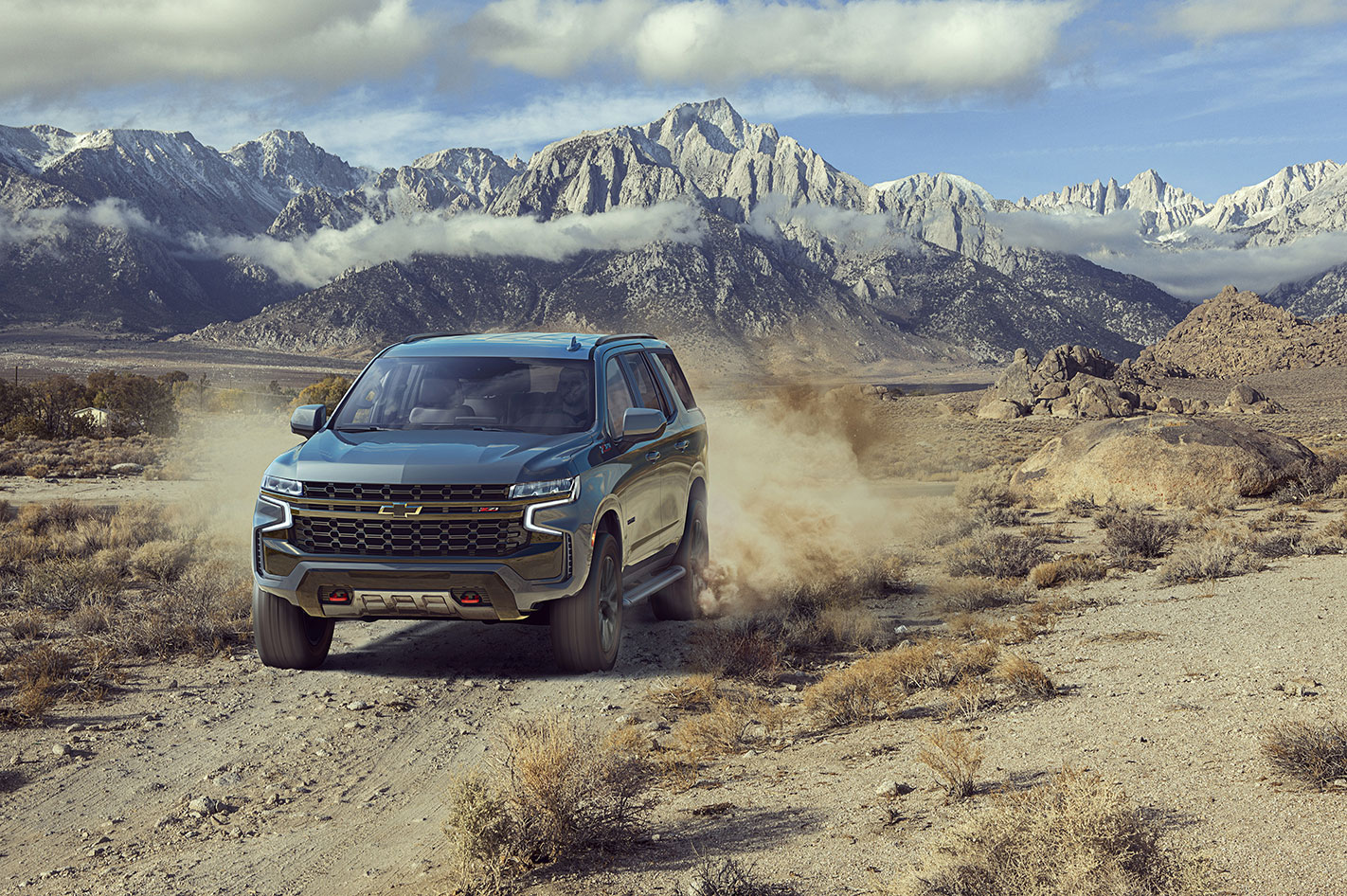
“There are two different market characteristics to be aware of,” he explained. “There is the towing market, which is LandCruiser and Patrol, and then there is the luxury large SUVs, of which the German brands do a good job.
“Any program [like Suburban and Tahoe] you need to assess which way you tackle the market, because there is already some pretty good incumbents.”
“We get asked [if we are bringing the Surburban or Tahoe to Australia] a lot by our customers. We always look at everything, particularly within the GM portfolio, but we have no plans this year. Our year is going to be taken up by Silverado.
“When you are assessing a business case, you are looking for any carryover work you may have already done, particularly with Silverado platform [which is shared with the Suburban and Tahoe]. Apart from that, any business case needs to be assessed on its own merits.
“There is also a capacity issue at our end, we would have to take something out of the schedule, to put one of those SUVs in, which would be a big decision to make.”
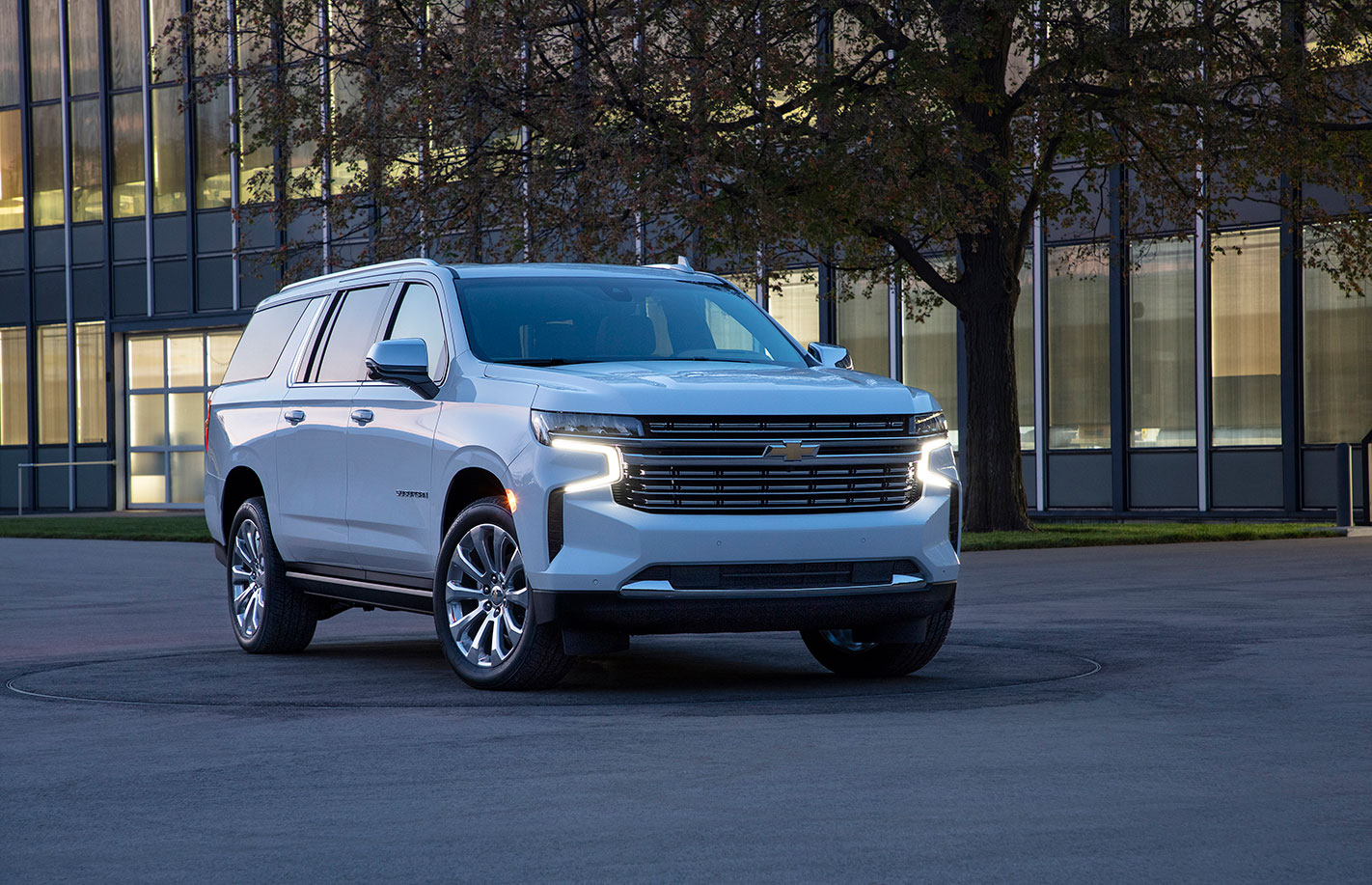
Reading between the lines, it seems that customer demand for these large Yank SUVs just isn’t there, with Australians already well served in that segment. While there is some interest, it is seemingly too niche to justify a full conversion program.
There were reports late last year that HSV would be importing and converting the Suburban in the near future, however, these plans now appear to be on ice following some preliminary investigation by HSV.
The Suburban isn’t completely foreign to Australia, having been imported and badged as a Holden between February 1998 and January 2001.
A new Suburban has been revealed for 2021, and it’s the biggest SUV in Chevrolet’s history, measuring in at 5732mm long, 2044mm wide, 1889mm tall, with a 33406mm wheelbase.
The smaller Tahoe has a 5351mm length and 3070mm wheelbase, while retaining identical width and height.
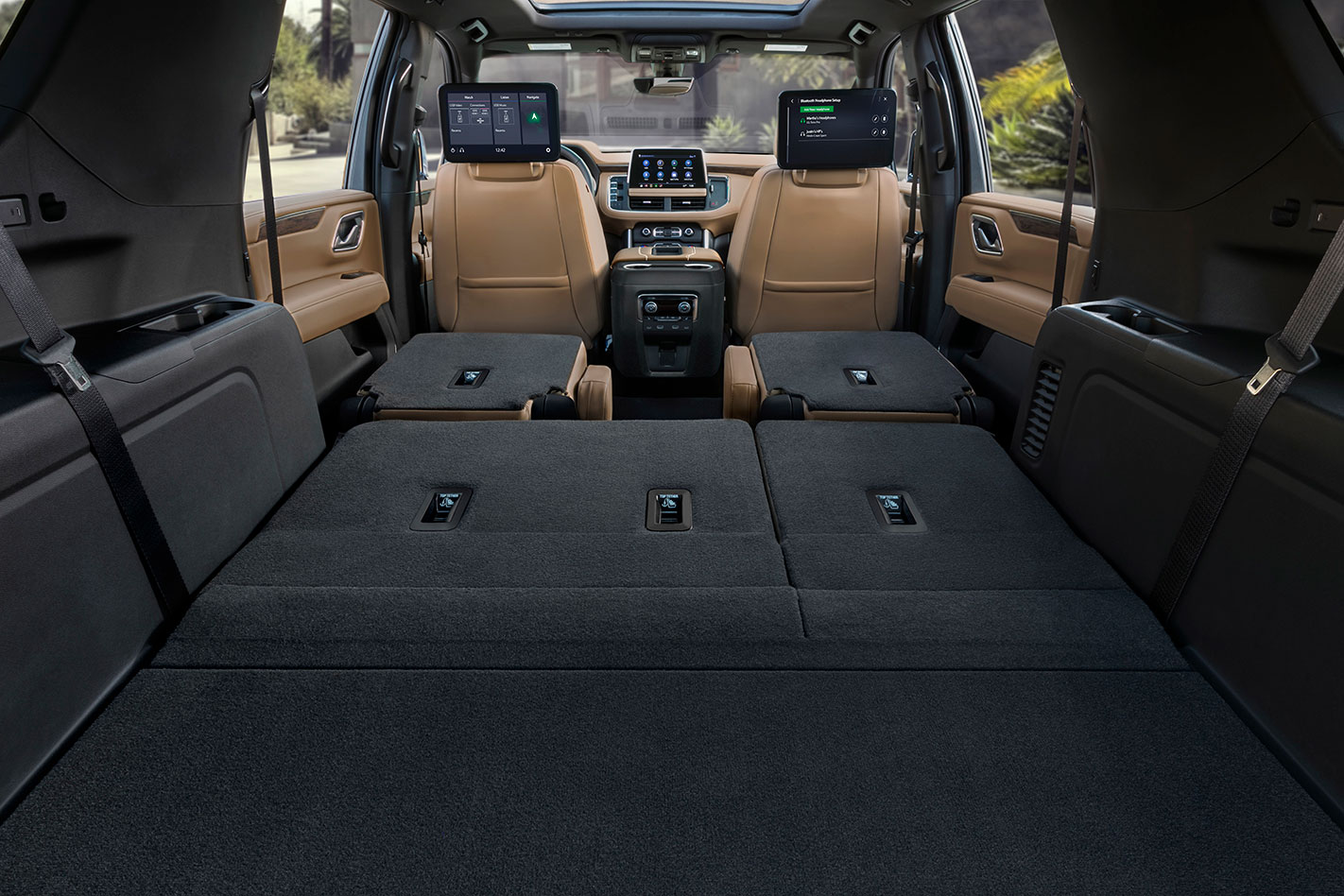
For comparison, Toyota’s LC200 LandCruiser Sahara has an overall length of 4950mm, width of 1970mm, height of 1905mm, and 2850mm wheelbase.
Mercedes-Benz is about to launch the 2020 GLS SUV in Australia, which is 5207mm long, 1955mm wide, 1823mm tall, and has a 3134mm wheelbase.
GM’s Magnetic Ride Control is standard on both the Suburban and Tahoe, while each can be optioned with air suspension.
Both come fitted with a 265kW/519Nm 5.3-litre V8 as standard on all variants bar the High Country.
Those models are fitted with a 313kW/623Nm 6.2-litre V8. A 3.0-litre turbo-diesel six cylinder is also available, with claimed 207kW/623Nm outputs.
Each engine is paired with a 10-speed automatic transmission.
GM currently dominates the full-size SUV segment in North America, with the Chevrolet Tahoe accounting for 31 percent of the market, GMC Yukon 22 percent, and Suburban 15 percent as of Q3 last year. During the same period Ford’s F150-based Expedition boasted 22 percent market share.
BMW Australia has announced four new models will join its legion of performance-focused M Pure cars, which forgo the plush bits to provide power to the people.
Now part of the 2020 range, which most recently welcomed the ‘baby M5’ M550i xDrive, is the new BMW M340i xDrive Pure, which will set buyers back $94,900 rather than the $104,900 the standard version now costs.
The BMW M340i xDrive is as quick as the old M3!
This means M340i buyers have the option of saving a few thousand without missing out on the 285kW/500Nm supplied by the 3.0-litre inline turbo six under the bonnet.
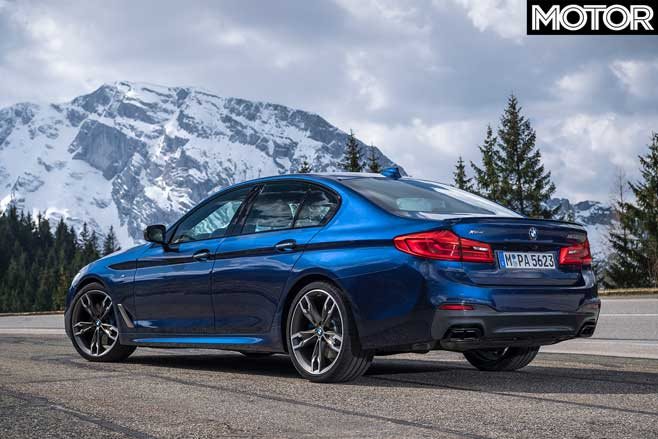
Pictured: The M550i xDrive is already on the way, announced to arrive Q1 2020
A set of 19-inch alloys, M Sport brakes and differential are still part of the package, but things like the interior leather, sunroof, and the Harman/Kardon sound system are where the full spec has the advantage.
Also on the way is the small SUV X2 M35i Pure. For $64,400 or $5000 less than the full spec, the 225kW AWD small SUV comes with 20-inch M light alloy wheels, M Sport brakes, seats, suspension, and a differential with front LSD.
The larger V8 SUV siblings, the BMW X5 M50i Pure and X6 M50i Pure, also join the lineup.
BMW X5 and X6 M Competition details
The X5 M50i Pure comes in at $136,900, while the X6 is a $140,900 offering, both approximately $15,000 cheaper than their full-fat variants.
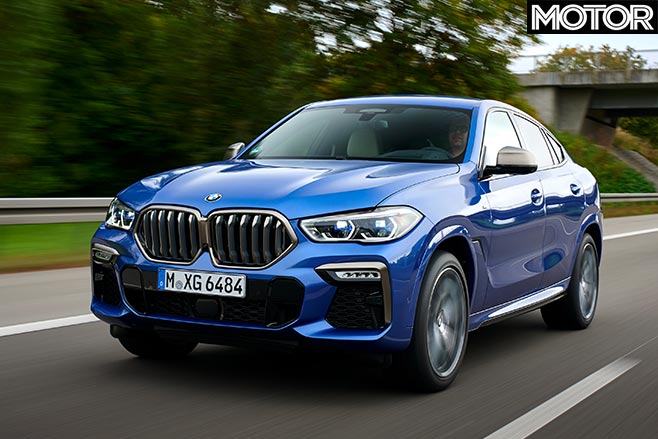
They both still score the 4.4-litre V8 at its M50i output of 390kW/750Nm, with M Sport brakes, diff, exhaust, steering, and suspension. Upgraded Adaptive M Suspension Professional and a host of comfort features get the flick in exchange for the $15K gets saving.
BMW Australia says there’s plenty more to come from its performance brand this year, with plenty of top-spec Competition models inbound.
“This year will see the BMW M brand undergo further expansion and enhancement with local arrival of the M8 Competition Coupé, M8 Competition Gran Coupé, X5 M Competition, X6 M Competition and M2 CS.”
It took our seven judges eight days and myriad kilometres to whittle down a field of 31 cars, comprising 17 variants, to just one winner.
Whatever the outcome, public opinion on what should have done well, what didn’t and cars that surprised will often raise strong, and healthy, debate.
So, we know what tops our polls, which will be revealed on January 30, but we want to know what your Wheels Car of the Year for 2020 is.
We judge each of the contenders against their own merits, and not directly against the entire COTY field, to see if they’re fit for the intended purpose.
That’s why comparison winners, if released within the calendar year, are often shoe-ins for a call-up to join the list of starters.
If you need a refresher on some of the combatants, check out our rundown of the 2020 field with a breakdown of the variants offered to fight for the COTY crown. https://www.whichcar.com.au/events/coty/2020-car-of-the-year-contenders
The results of what car you think should adorn the top step of the podium will be released on January 28. So get in now if you want your vote to count.
THE 2020 WHEELS CAR OF THE YEAR CONTENDERS
A New Zealander has won a battle with Holden, securing a refund on his 2015 SS-V because the engine was deemed to be too loud.
Hang on… too loud?
Now sure, our friends over the ditch might not be used to the thunderous rumble of a decent V8 engine – after all, it’s all about camper vans and hired Camrys in the Land of the Long White Cloud, right?
In this case, the gentleman in question bought a Holden Commodore SS-V VF2 through a dealership for $47,995 in 2019 but quickly observed that the 6.2-litre motor appeared to be producing more bass rumble than it really should have been.
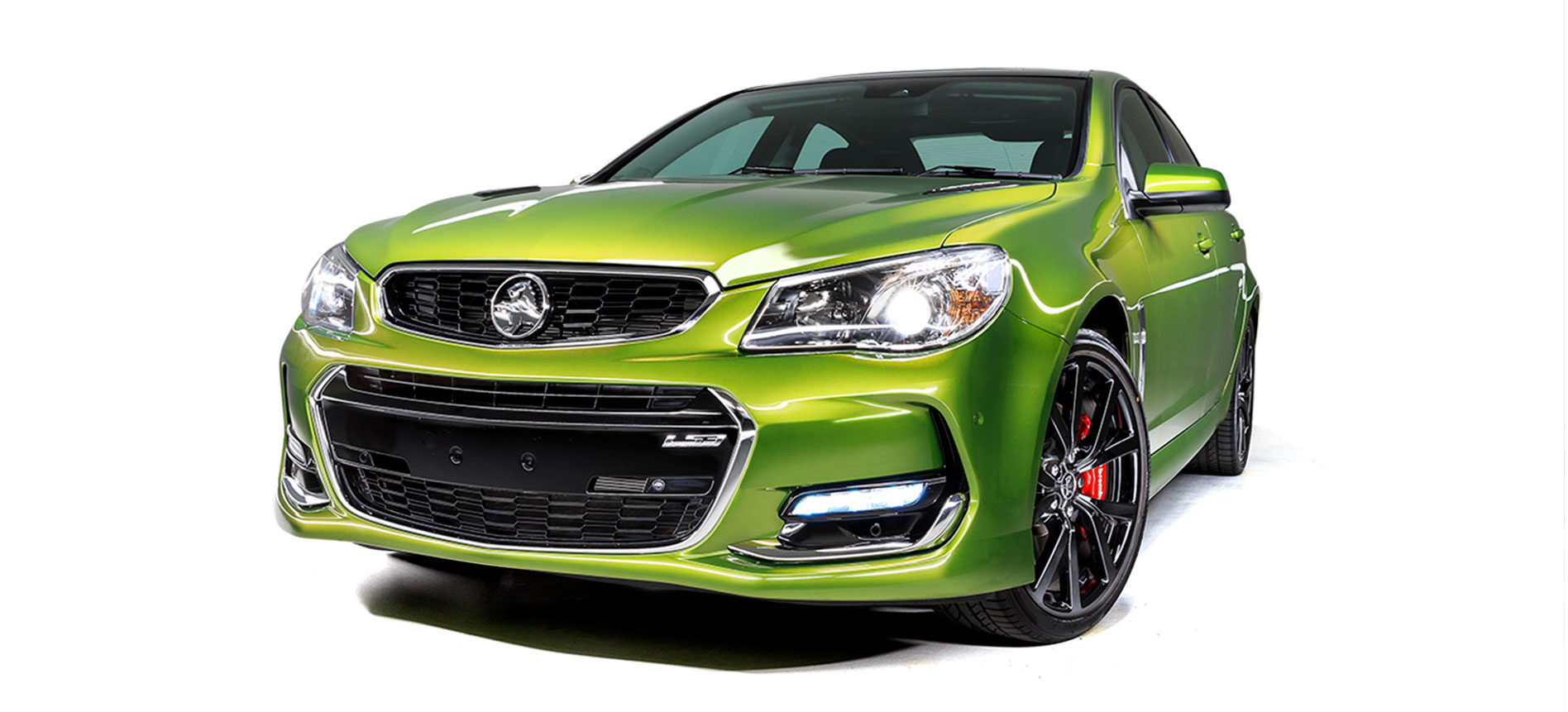
In fact, he described it in documents as a “guttural knock”.
You can guess what happens next; the four-year-old car was whizzed back to the dealership, who took a look and determined that nope, it’s just your normal, everyday “guttural knock” that we all have to live with in this enlightened day and age.
It’s worth noting New Zealand consumer law covers buyers of used cars, though not as comprehensively as for purchasers of new cars.
More Holden news
- ZB should never have been a Commodore
- Holden drops Commodore, Astra
- Could Camaro, Corvette save Holden?
Well, our man wasn’t taking that lying down, according to stuff.co.nz. And so began a long tale that included sending a recording of the noise to Holden New Zealand which, after commissioning an inspection, deemed the noise to be “a normal characteristic” of the popular LS3 engine.
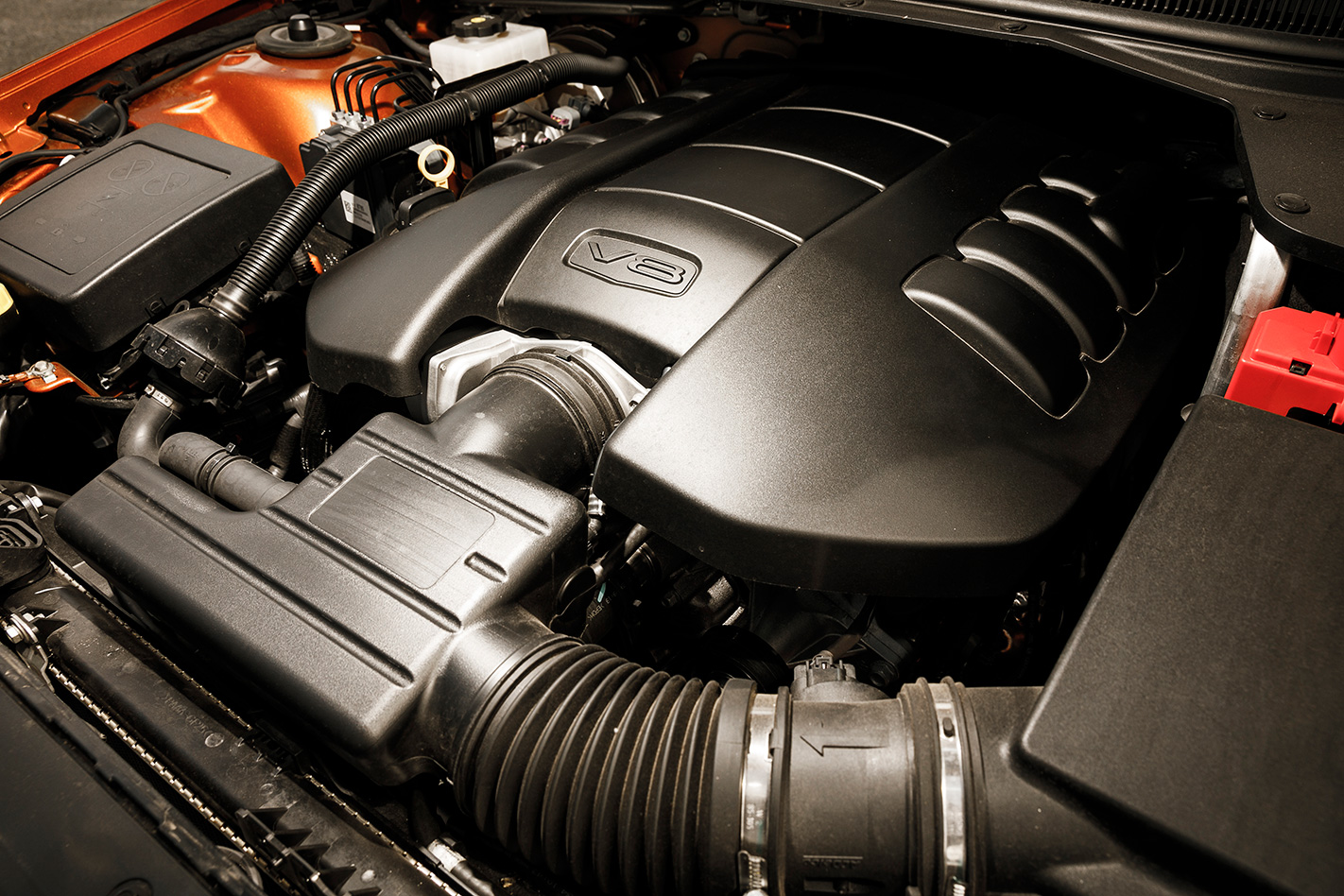
The man disagreed, and then enlisted a specialist engineering firm to inspect his mouthy motor. Their verdict? Excessive piston slap in one of the eight cylinders, to the point where the racket under light load would scare a New Zealand cricket team into a horrendous Test series defeat.
Under advice not to drive his SS-V lest the rogue piston do more damage, the owner took his case to New Zealand’s Motor Vehicles Disputes Tribunal, under the auspice that his howling Holden was not of acceptable quality.
And would you know it? After months of run-around, our man was granted a complete refund of his purchase price of $47,995 on his too-loud Commodore V8.
No word on what he has bought now, but we’re guessing it will be a lot quieter…
YOU WOULD think being a Wheels Car of the Year judge would be the best job in the world. And, well, it is, but it’s not as cruisy as some would think.
Being a judge for Wheels Car of the Year requires a focused and exacting outlook to car testing, along with enough mental fortitude to survive the week-long testing process.
For this year’s COTY we brought along seven of the best judges to put our contenders through their paces, each with a unique skillset and viewpoint to ensure our testing process is as representative as possible.
So without further ado:
John Carey

Car of the Year’s senior voice and arguably its most reliable sounding board, Carey usually needs little more than a glance over the glasses to eloquently express an opinion. We fly him over here from his home in Northern Italy and then spend a week making him remember why he left in the first place. Our overcaffeinated elder statesman brings decades of experience and a coruscatingly unfiltered opinion. Never brings any biscotti though, the tightwad.
Alex Inwood

This is editor Inwood’s third COTY as chief ringmaster, in the process presiding over more Swedish victories than any editor in Wheels’ 67-year history. The boy from Bathurst spent his youth peering over the fence at Mount Panorama, and while he professes an undying love for true-blue V8 utes, he also becomes the first Wheels editor to preside over a COTY with neither Ford nor Holden vehicles involved. New game, new rules.
Byron Mathioudakis

Certain things can be relied upon with Mathioudakis. He’ll arrive for breakfast just as everybody else is leaving, he’s capable of firing a slalom witch’s hat into low-earth orbit, and he presents an argument with verve, wit and passion. He’ll want you to know that he has just bought another old car. He won’t want you to know that Inwood asked him to shave his Big Merv moustache before the event because he looked as if he’d be a danger to lone hitchhikers.
Toby Hagon

Every judging panel needs that one voice that offers an alternate view. Hagon’s a man who appreciates the needs of families, so while the rest of us are arguing about mid-corner yaw gain, he’ll wade in on Isofix shortcomings and top-tether positioning. He’s also a very handy steerer, a logistics whiz, and owns one of the most jealously guarded contact books in the entire industry. It’s actually his iPhone, but the notion of a well-thumbed iPhone is just icky.
Noelle Faulkner

Far more approachable in real life than she looks in portrait pictures, Faulkner isn’t shy about cutting a car down to size. While some of us are arguing whether the EL Theta 9 platform has the torsional rigidity of the Alumax Evo R, Faulkner ends the discussion by telling us that the dash plastics smell of cabbage and that nobody has time for that. Understands the finer concepts of cabin styling better than any of the assembled Y-chromosomed crew.
Andy Enright

If there’s one thing you can be assured of with Enright, it’s that the competence of a car’s handling is always in inverse proportion to the speed at which he wants to drive it. You can also rely on the fact that any road route is interspersed with breaks to throw rocks off cliffs, and that any meal of the day can be a pink iced doughnut. An unapologetic modernist, Enright wasn’t overly despondent about this being the first COTY without a manual car.
Ash Westerman

Has been around magazine publishing from the time when Wheels was chiselled into a stone tablet, so proving harder to get rid of than chewing gum from the sole of your shoe. Understands that the COTY army marches on its stomach, so quite useful in his other (self-appointed) role of Food & Beverage Director. Always manages to look perpetually confused on the judging panel but is usually a few ticks ahead of the rest.
We all know that, at least for regular commuting, electric cars are the future of personal mobility. But for many of us it can be hard to make a car properly exciting if it doesn’t ‘sound like’ a car.
One man in Germany named Philip reckons he can make a fun EV, based on a car that already exists.
Meet the Toyota 86 EV. It’s powered by a Nissan Leaf motor, and we’re rather impressed with its progress.
“I had planned to convert a car to electric for more than five years now,” says Philip in an introductory post on the OpenInverter forum.
“Finally I found a way to adapt an electric motor into a CAN Bus car and make it work.”
CAN Bus is the system which allows a car’s electronic components to communicate with each other, and can be tricky to work around.
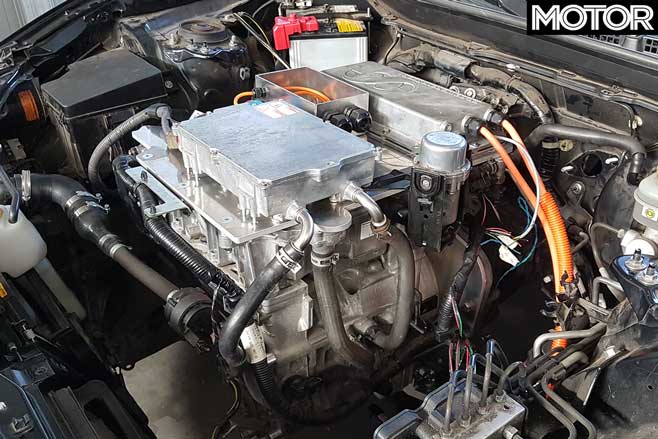
“As I’m a car enthusiast I find that most electric cars that are affordable aren’t exactly fun to drive. So I decided I want an electric RWD fun car that still has the capability of transporting my whole family, the Toyota GT86.
“I’ve done plenty of engine conversions in the past, but always worked with ICE. This will be my first electric conversion.”
It took Philip a few tries to get the connection between the motor right, having designed an adaptor and used various clutches from other vehicles (an old Suzuki Jimny, a Fiat Multipla, even a Porsche 911) until one from Honda provided the best fit.
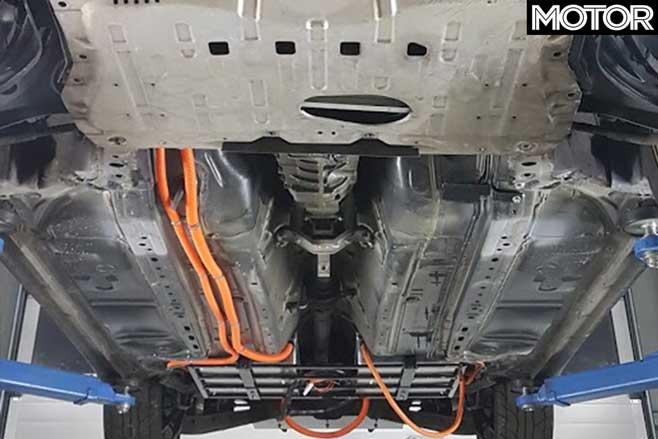
All up, Philip fit 48 batteries into the 86, 16 of which fit where the Subaru boxer engine lived.
After a fairly thorough conversion, Philip appears now to be at the stage of dyno testing the car.
Hitting 215km/h looks fairly effortless on the dyno, and it didn’t take a long time. It also seems like it took less than five seconds to hit 100km/h, but without and of the real-world factors.
We’re very interested to see how this turns out.
Alongside the automotive finalists for WCSA 2020 are, of course, the people who will judge them.
And, as usual, we’ve moved out of the inner circle of automotive regulars to give the judging process a breath of consumer-savvy fresh air in the form of our eleven-strong team of opinion leaders from across the spectrum.
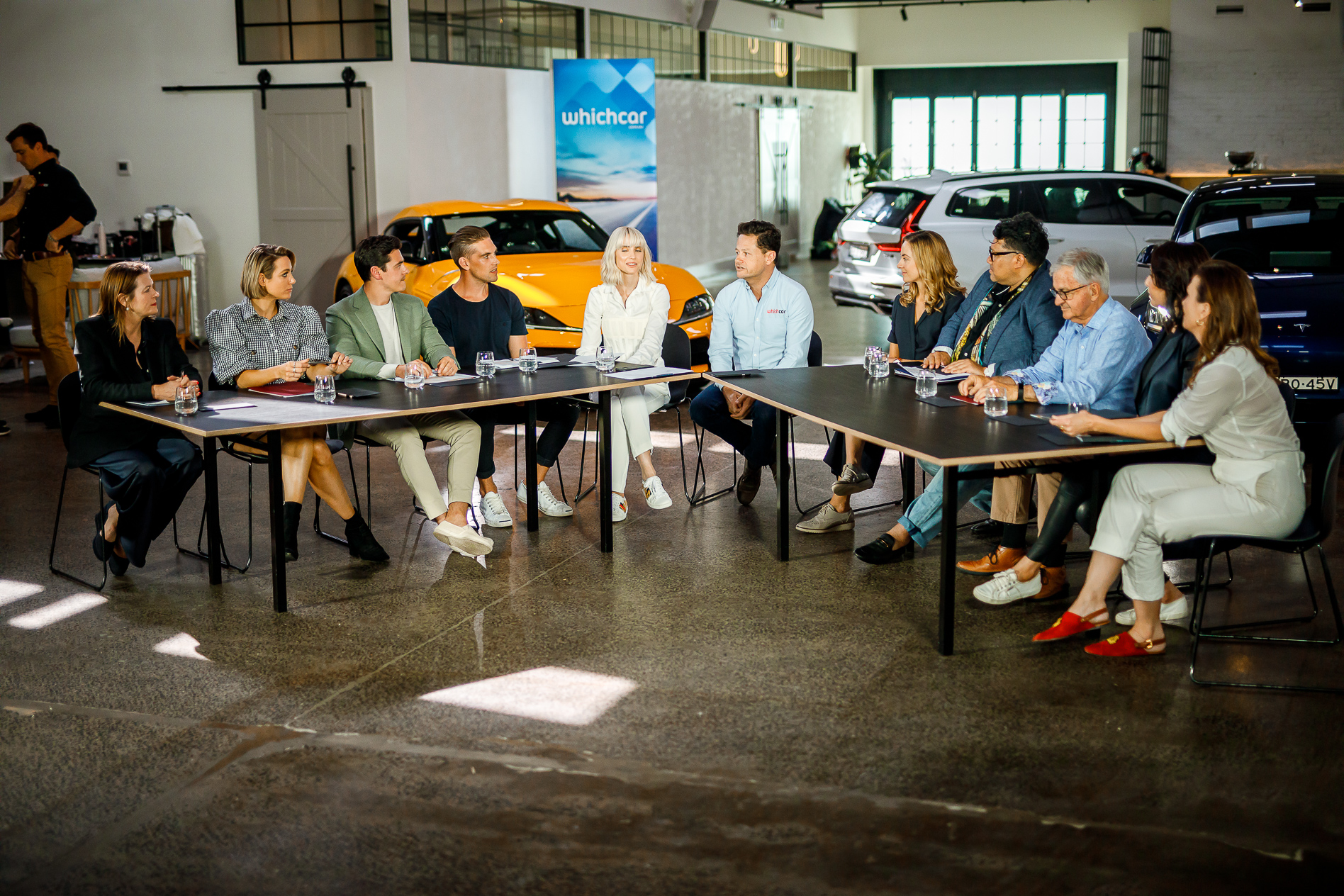
Headed by WhichCar network director Glenn Butler and ably anchored by renowned automotive designer Paul Beranger, our 2020 judging team comes to WCSA with an intriguing balance of forward vision, a firm grasp of the new, a desire for beautiful practicality and a slate that’s clean of all preconceptions.
So, what are they looking for, exactly?
A former editor of Wheels magazine, Glenn has worked within the automotive industry itself, which gives him valuable insight into just why style decisions make the cut or miss out completely.
“People might talk about buying a car because it has great fuel economy or the latest safety stuff, but they really think ‘how will I look in this car, and how will it look in my driveway?’” argues Glenn. “The industry spends untold billions on style and design, and we’re here to recognise that.”

The process is simple. Our judges are given a set of briefing notes on each of the cars that include prices and basic specs, but they don’t need to get bogged down in the minutiae of gearbox ratios or swept cylinder volumes.
Finding the country’s most clever and stylish car doesn’t require a degree in automotive engineering, but it does need a firm grasp on what modern consumers are looking for to improve their lives through the cars that they choose.
We’d like to thank our team for their hard work over the course of the 2020 event, and we reckon you’ll find their insights both fascinating and interesting.
Our judges
Alex McBride Founder and designer, The 5th Watches
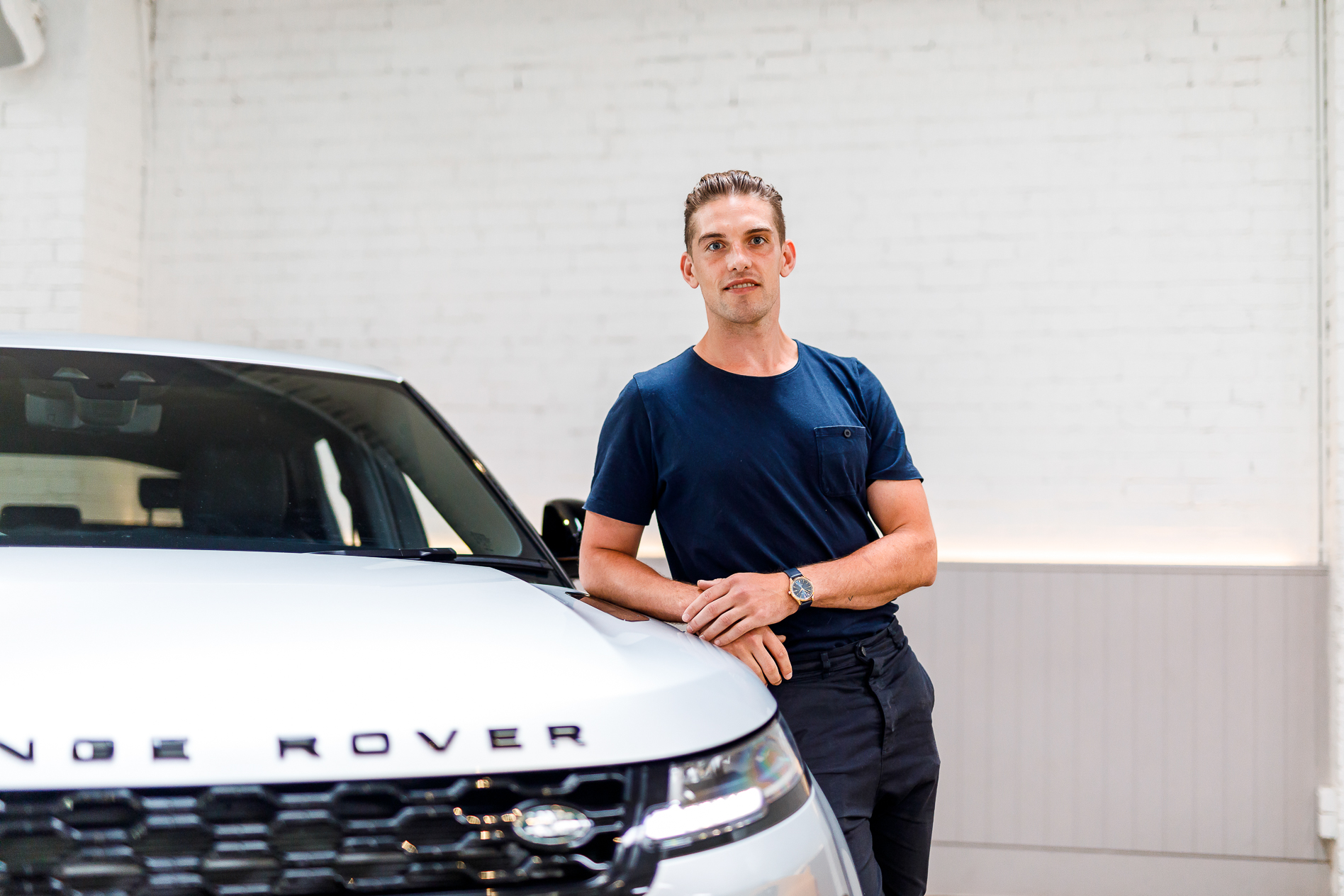
Alex is the founder and owner of The 5th Watches, a brand which now sells three million watches globally each year.
Alex is involved in the designing and style of each and every watch released through The 5th, and his fledgling company is set to blow up the staid, traditional watch market by releasing the first Swiss-made watch to be ever sold directly to the consumer.
Beth Levis Brand ambassador and content consultant, Cue/Veronika Maine and Dion Lee
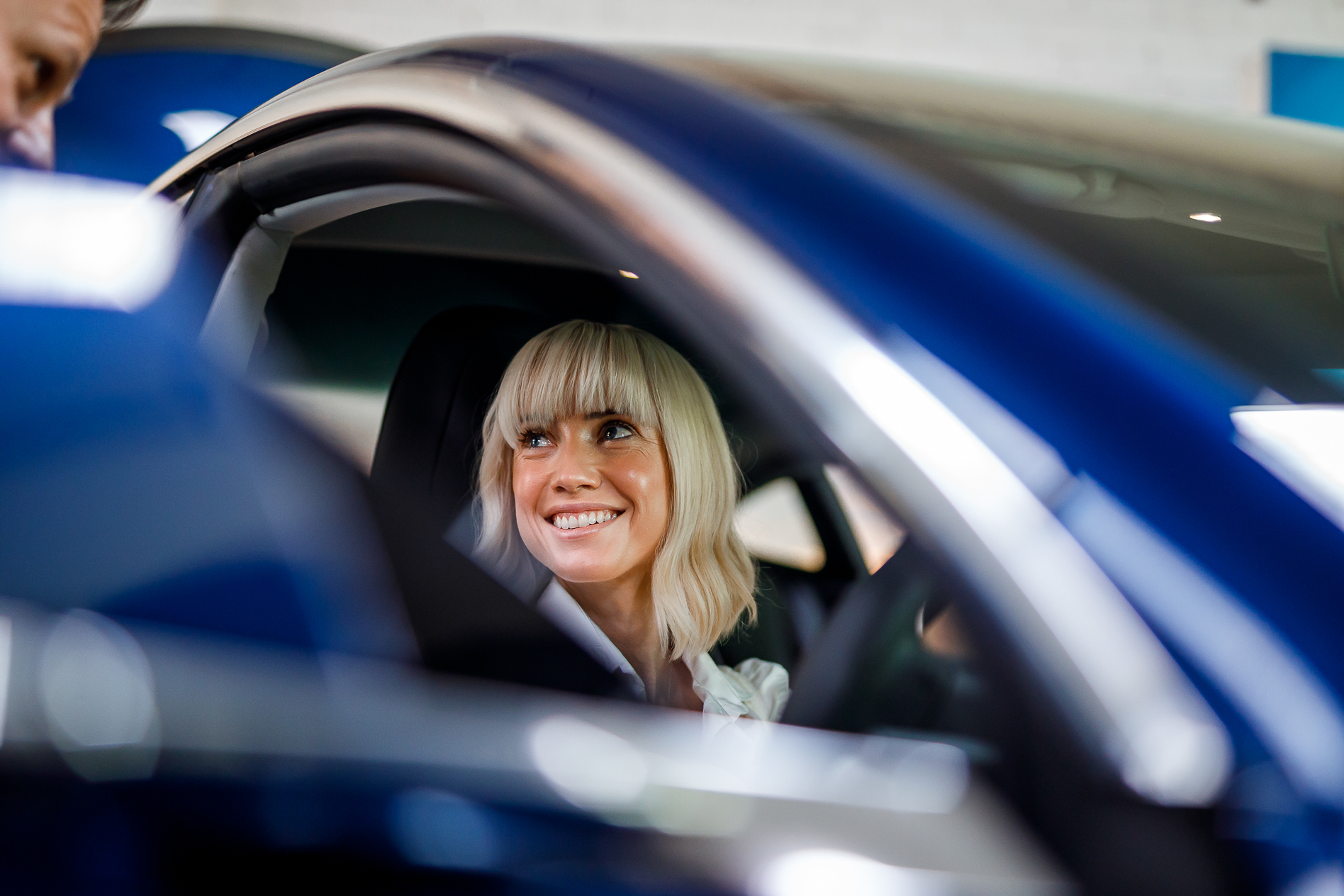
Beth is an integral part of one of the most respected fashion families in Australia. Her husband, Justin Levis, is the executive director of long-running fashion house Cue, which her father-in-law established.
Her role inside the fashion brands sees the mother of four conceptualise and produce fashion content, and she previously served as the retail marketing manager.
As well as being a busy mum, Beth is swiftly rising as a digital fashion influencer, and her love of cars stems, interestingly, from a motorsport background within her family!
Lucy Glade-Wright Founder and creative director, Hunting for George
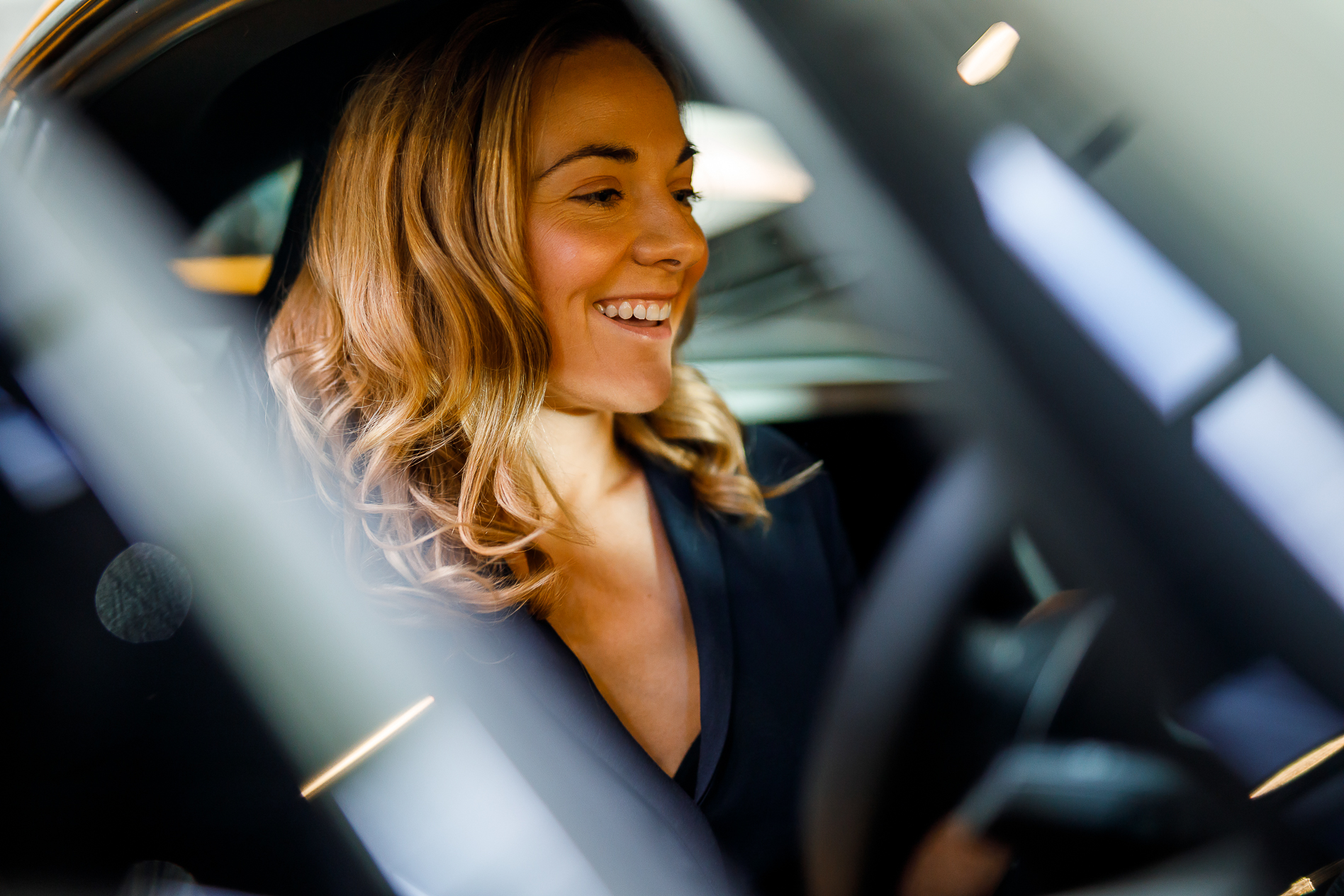
A designer turned acclaimed leader in eCommerce turned raconteur, Lucy is a well-known and trusted authority within the home and design industry. Her website, Hunting for George, was established in 2010 and is a go-to source of inspiration for home, design and lifestyle.
The Hunting for George brand is aspirational and trusted by many, with a loyal following and a highly engaged community that reaches over 1.5 million people every week.
Marty Fox Owner and director, WHITEFOX Real Estate
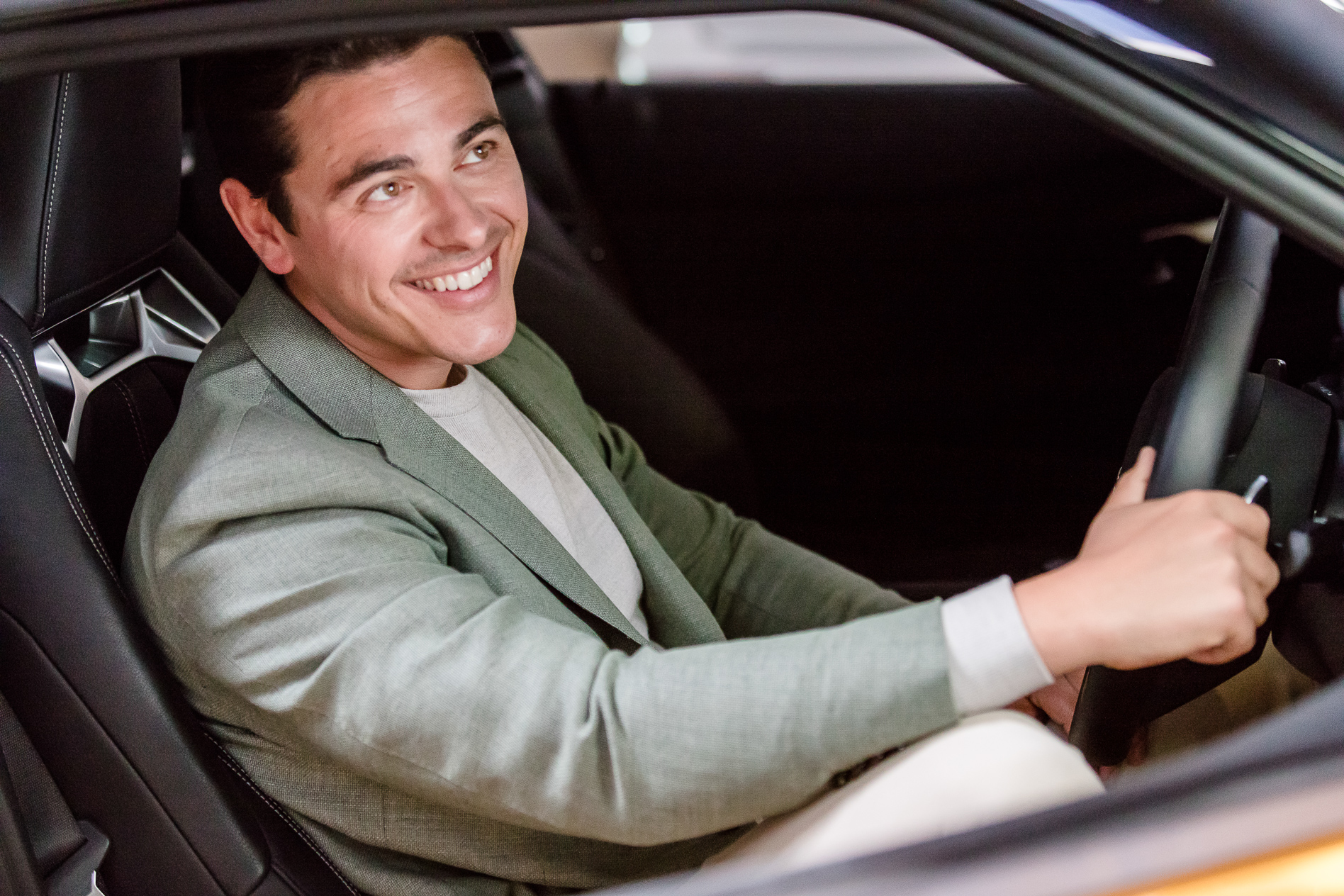
Founding what is arguably Australia’s most innovative real estate agency, WHITEFOX Real Estate, Marty has worked hard to tear up the landscape of the industry and reinvent what can be done.
Having personally renovated and flipped close to 10 houses, he prides himself on understanding style and luxury in the real estate world, specialising in luxury and unique premium homes. He is also a big fan of performance cars, with a Porsche 911 taking pride of place in the Fox fleet.
Arrnott Olssen Founder and editor of Rogue Homme, stylist and singer
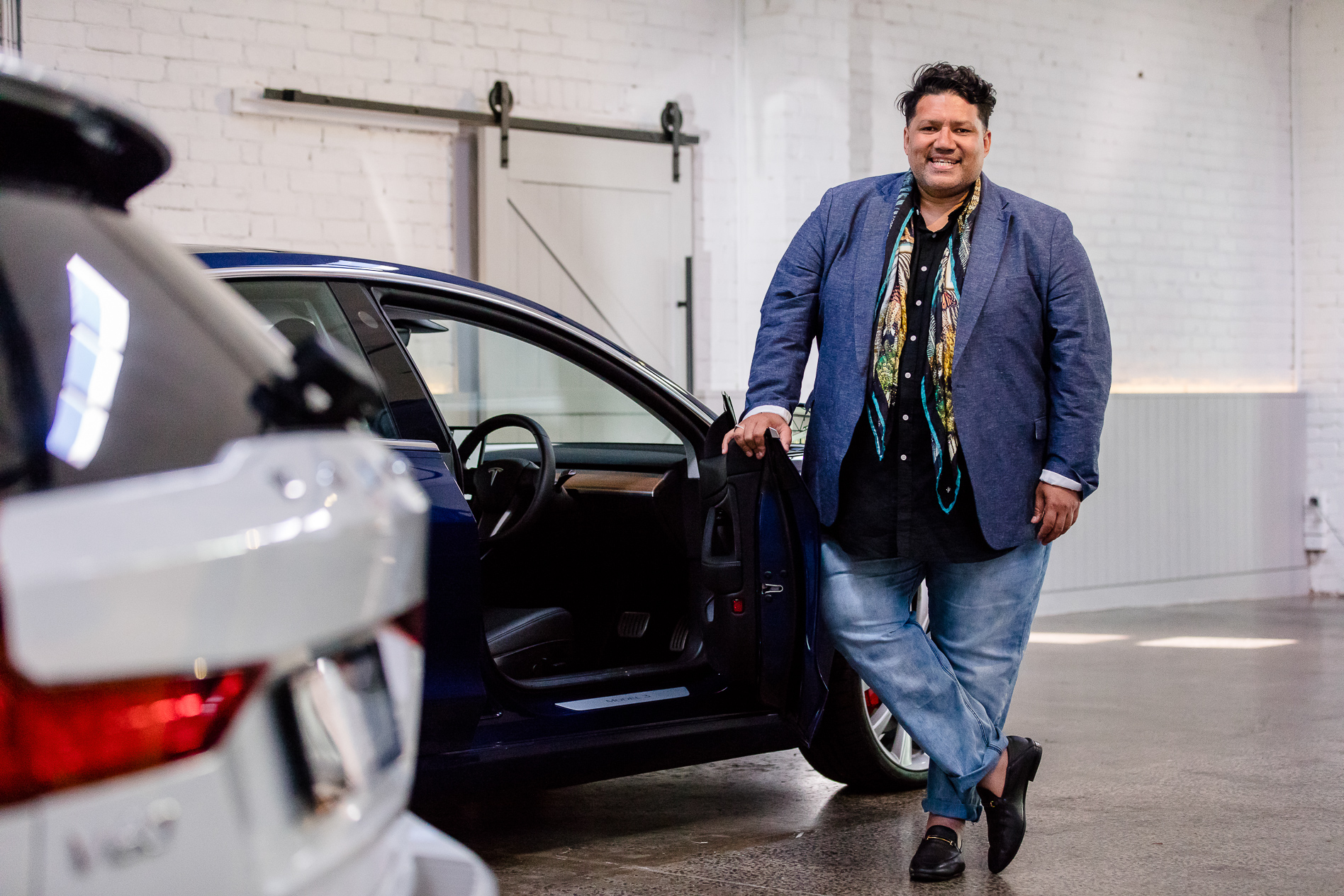
Arrnott first came to prominence as a finalist on Channel Seven’s Popstars singing series, and he has since carved out a niche for himself as a highly sought-after house music vocalist opening for the likes of Boy George, Basement Jaxx and Roger Sanchez.
He’s an accomplished stylist who has worked with some of Australia’s favourite actors, sports stars, singers and presenters, styled music videos and is a contributing stylist to Men’s Health magazine.
His skills as a content creator have also seen him photograph and creative direct video content with brands like Jo Malone London, IKEA, Intercontinental Hotels, Fuji Film and American Express.
Fiona Connolly Editor, NW, OK! and Woman’s Day

If any of our judges are going to know the ins-and-outs of everyday lives of Australian women and how their car might play into that, it’s Fiona Connolly. This busy editor-in-chief of Australia’s three biggest weekly magazines has forged an amazing career in media working in magazines and newspapers.
Speaking to some 2.9 million Australian women each month, Connolly is across everything that women want – from life at home and at work to entertainment, culture, lifestyle and all the way through to providing the stories to not only inspire but act as talking points.
From this viewpoint – and as a mother herself – Connolly brings a unique perspective on form versus real-world function to our judging panel.
Tanya Buchanan Editor, Australian House & Garden
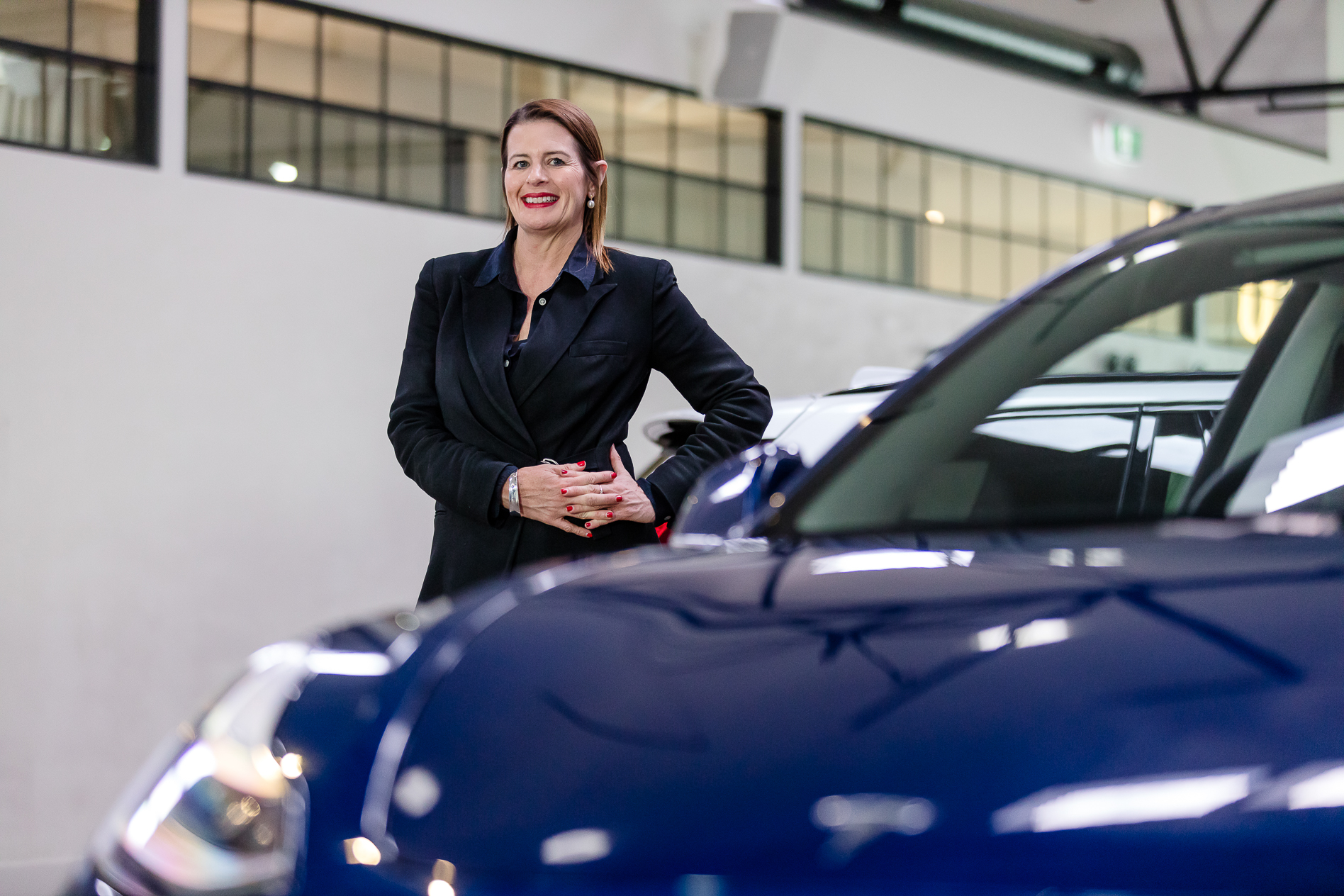
As the editor of Australian House & Garden, Australia’s most well-regarded and best-loved home styling magazines, Tanya is an authority on interior design, art and architecture, in Australia and around the globe.
In her professional life, she gets to peek inside other some of the world’s most beautiful homes (and garages, it would seem) to survey what defines luxury on an international scale.
As one of our longest-serving judges, Tanya is also well-versed on the WhichCar Style Award criteria.
Eliza O’Hare Editor, Inside Out Magazine
Eliza joins the WCSA judging group as the editor of iconic Australian design magazine Inside Out, after being the associate editor of Harper’s Bazaar for three years.
She has nearly 30 years’ experience in the media and publishing industry, starting her career at ACP magazines before working as a journalist and editor in both Australia and London.
Her car chops don’t come much better, either, with her first job in the industry involving mailing out stickers to Street Machine readers and chipping on on Wheels magazine. Her dad even owned a car dealership!
Paul Beranger Former manager of design and development, Toyota Australia

With more than 40 years of experience under his belt, Paul is a very valuable judge to have on the WhichCar panel. He has led a distinguished career as one of Australia’s leading automotive designers, after first cutting his teeth at Holden in 1968, before moving to Nissan and Toyota after that.
Since putting down the pen, Beranger consults for the industry, is a published author and is an often called-upon expert on design in an ever-changing space.
His passion for design, appetite for all things new, calm insight and vast automotive knowledge also makes him the perfect font of automotive knowledge for our judges to tap into.
Emma Notarfrancesco TV motorsport reporter and WhichCar TV presenter

Emma is a fast car lover, motorsport enthusiast and pit reporter who is a familiar sight to Australian racing fans, hosting the TV coverage for the Australian Superbikes championship, covering the prestigious Shannon’s Nationals series from the pit lane and reporting on other motoring events like Formula 1 at tracks around the world
Emma brings a balance of glamour and practicality to the WhichCar Awards; a race car can be beautiful, but it needs to fulfil its functionality brief, as well.
The WhichCar Style Award winner for 2020 will be announced at the Australian Motoring Awards on January 30.
Electrification has only helped scoop a Wheels Car of the Year gong for a manufacturer twice before.
The ground breaking, yet still sporty, Honda CRZ was the first to cause a stir – and yes, you all let us know about it. The same could be said for the BMW i3 just three years later in 2014.
Yet, car companies can’t bring full electric vehicles to market fast enough, hence they’re becoming a staple at COTY.
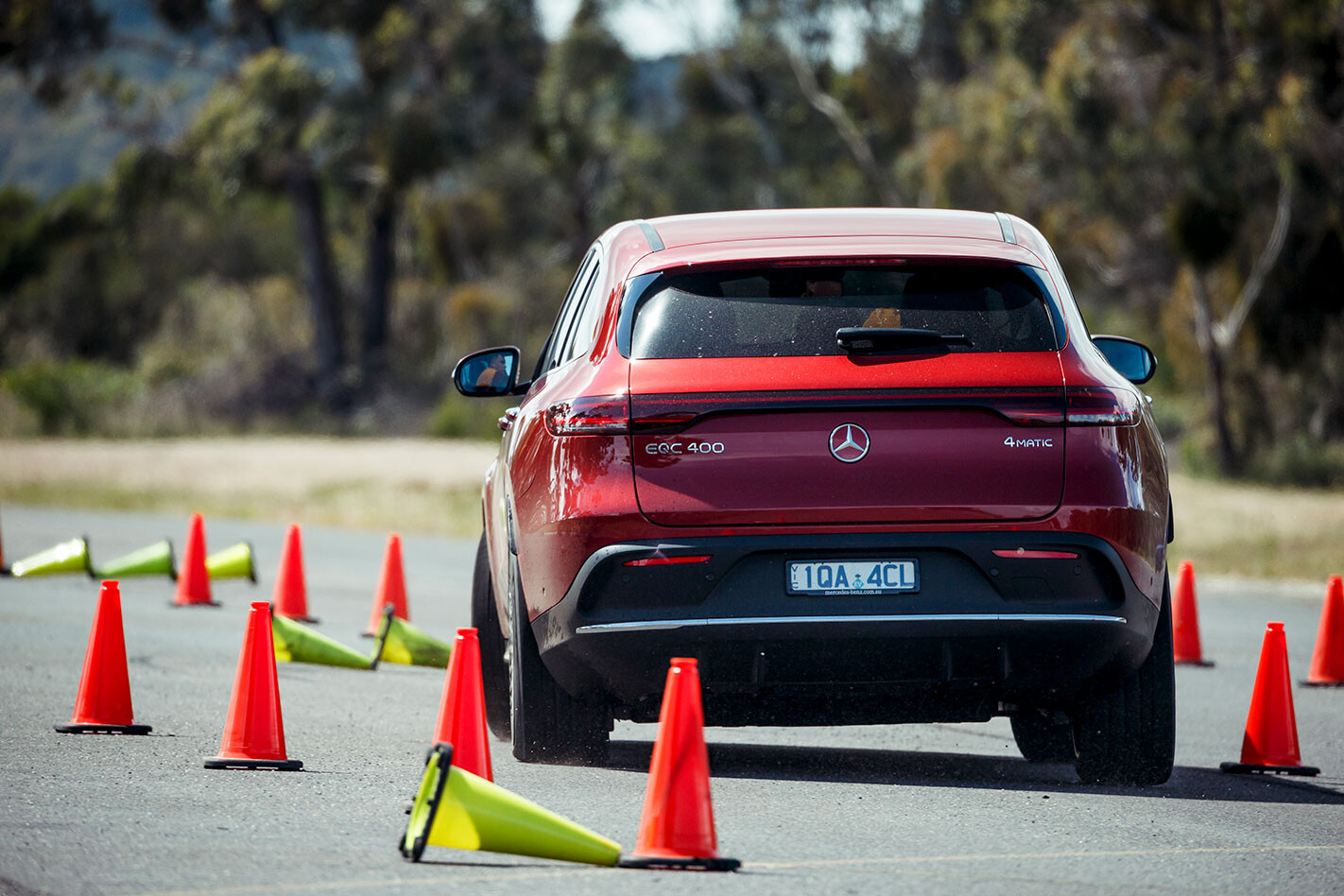
Mercedes-Benz is serious about its bid with the company’s first mainstream pure EV, offering up two almost identical EQCs for testing – the only main difference being their hues and wheel sizes. One is adorned with 21-inch alloy wheels, while the other has 20-inch wheels. Both share the same opulent cabin and generous list of standard features.
Using the GLC as a base, the $137,900 EQC uses an 80kWh lithium-ion battery pack to power two asynchronous electric motors. The total power is rated at 300kW with 760Nm of torque, which is enough to catapult the 2480kg SUV to 100km/h in a tested 4.7sec. Its real-world range is about 350km. In our first drive of the EQC we gave the ground-breaking Merc 4.5 stars, but can it stand up to a pack of 29 other cars?
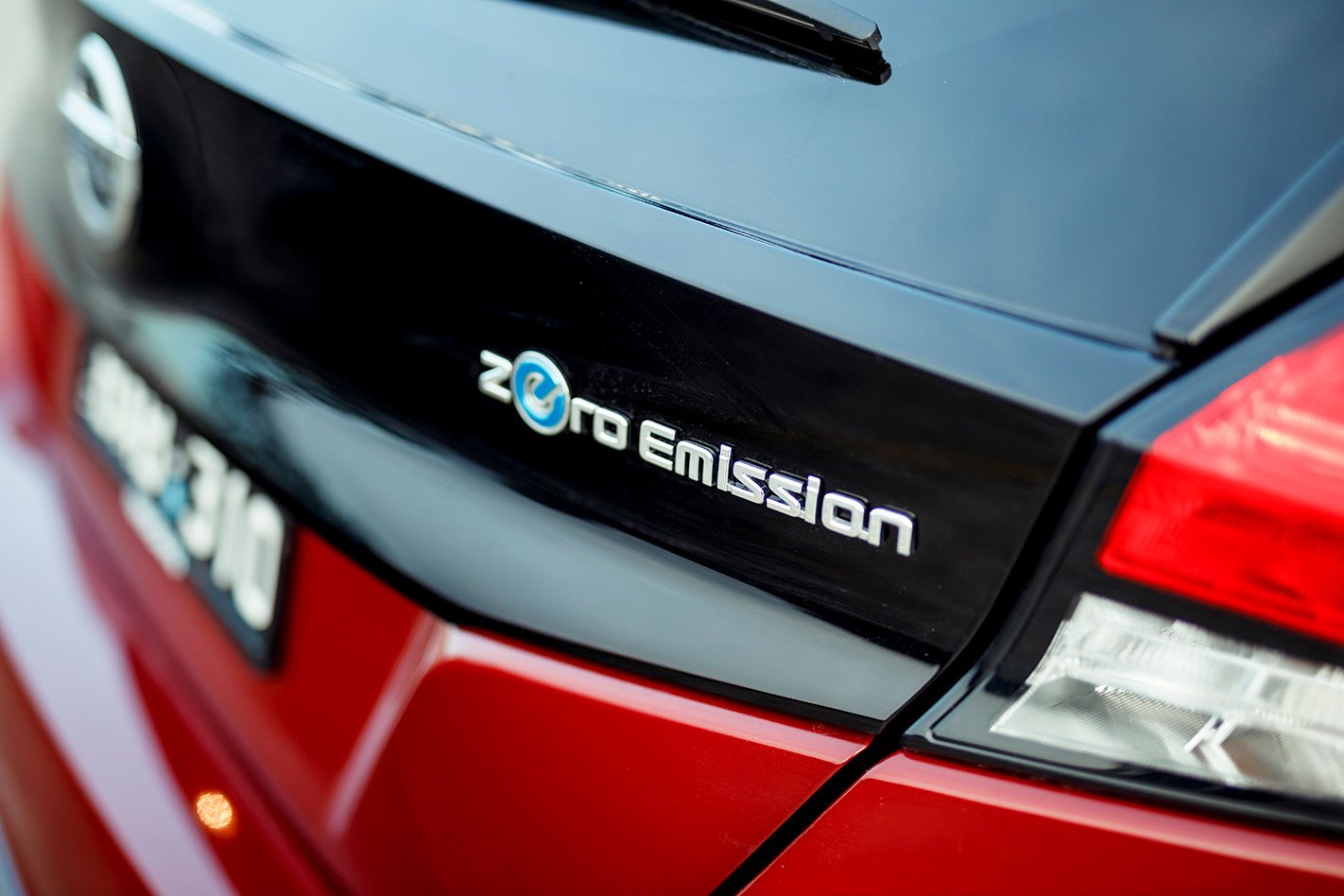
Solely going electric is no longer unique at COTY, but the Leaf is by being the only second-generation EV in contention. With a greater claimed range of 270km thanks to its increased 40kWh lithium-ion battery pack and more grunt (110kW/320Nm), the second-gen Leaf is now a more compelling proposition.
The Leaf is also different in the fact it can be used as a generator for your house if there’s a blackout and it can, with the right setup, off power back to the grid to earn you money. However, while its price is competitive for an EV, take away the electric gubbins and you’re essentially paying $49,990 for a Pulsar.

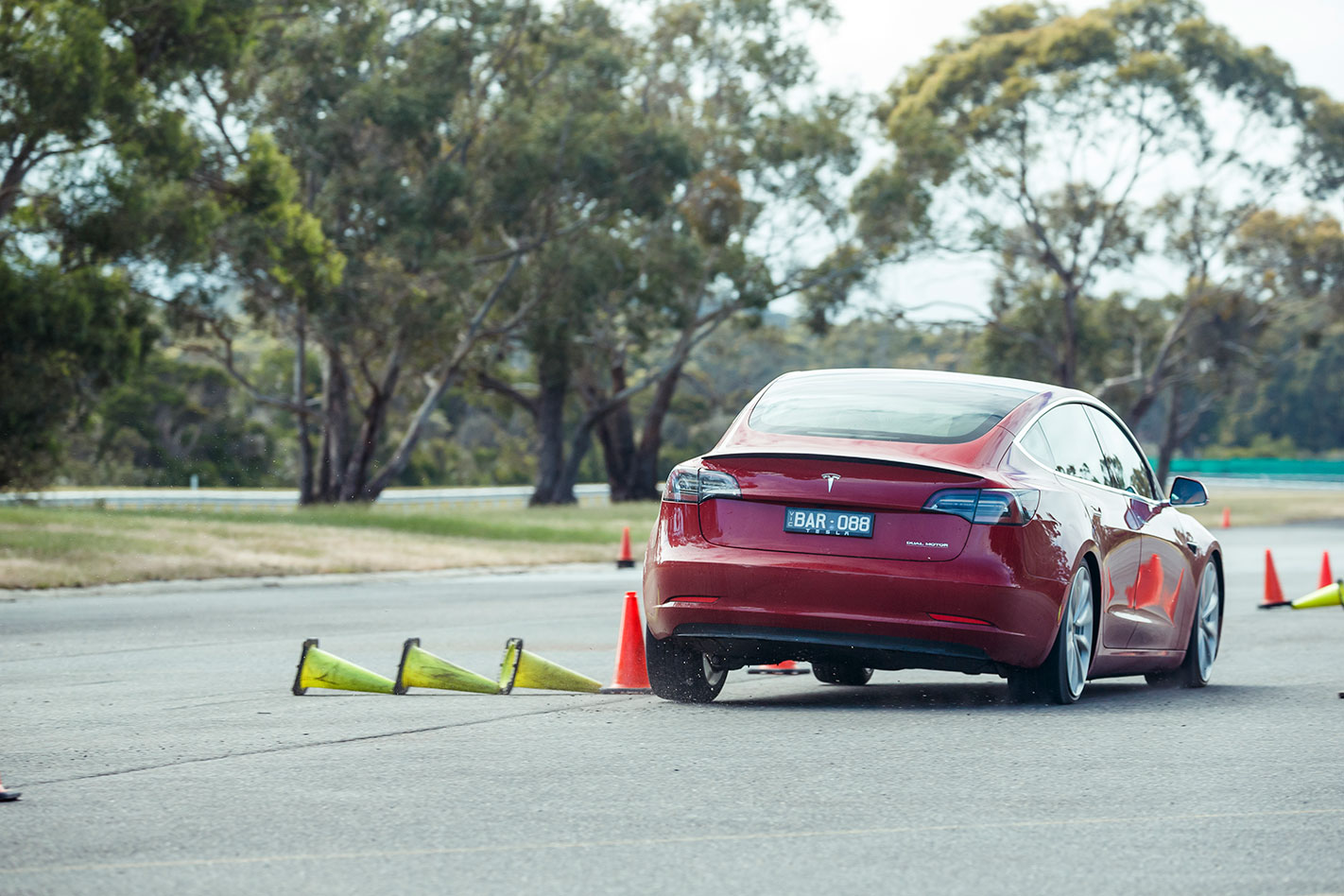
Tesla, merely stating the company name conjures conversations and opinions of all kinds. Yet, the all-electric company has offered up two of its latest Model 3s for eight days of scrutiny. After all, the Model S came close to scooping the pool. We have the $66,000 Standard Plus and the headline-grabbing Performance variants.
With the single motor (190kW/400Nm and 54kWh battery), the Standard Plus is a mix of relaxed fossil-fuel-free driving with the smaller 18-inch wheels. That’s opposed to the manic dual-motor Performance (335kW/640Nm and 75kWh battery), a car we managed a 0-100km/h time of 3.5sec in.
If full EV isn’t your thing, the COTY field also includes a few hybrid options in the form of the Toyota RAV4 and the Volvo S60. However, both the Toyota and the Volvo cater to differing needs with the former being a mass-market SUV and the latter a premium sedan.
To find out if either Mercedes, Nissan or Tesla electrify the 2020 rankings, pick up the Wheels COTY issue which is on stands from February 3.
What do you think of the increasing prevalence of EVs at COTY?
As the Geneva Motor Show debut date for the Volkswagen Mk8 Golf GTI approaches, an image of the upcoming Volkswagen Mk8 Golf performance range screened on an alleged Volkswagen TV video, has surfaced on the internet.
Posted on Instagram by Cochespais, a Spanish automotive forum, the supposed Volkswagen TV video lists out a five model line-up comprising of the GTI, GTI TCR, diesel-powered GTD, hybrid GTE, and the range-topping R, along with each model’s power outputs.
https://www.instagram.com/p/B7izkhdKbGM/?utm_source=ig_embed&utm_campaign=loading
According to the screenshot, the base-model Mk8 Golf GTI would be adopting the current Golf GTI’s 180kW output, with the GTI TCR to cop a 221kW upgrade from 213kW, outputs of the hybrid GTE would go from 150kW to 180kW, diesel-sipping GTD upped to 147kW from 135kW, and the R set to pack 245kW.
That’s not all when it comes to Instagram leaks of the highly-anticipated hot hatch. Instagram user wilcoblok, a photographer, also shared an image of what is purported to be the undisguised rear end of the Mk8 Golf GTI parked in a nondescript parking lot.
The image reveals a Mk8 Golf sporting a prominent rear roof-mounted spoiler, rear diffuser, and the Golf GTI’s signature twin tailpipe arrangement – replacing the standard Golf’s faux-exhaust rear bar design.
https://www.instagram.com/p/B7gdFCanWVj/?utm_source=ig_embed&utm_campaign=loading
That being said, until the doors to the Geneva Motor Show opens in March, these numbers and spyshots are largely speculative.
Furthermore it is likely that these power figures are for the European models, which won’t be restricted by fuel quality issues that have been robbing Australians of the good stuff of late.
Considering that Volkswagen Australia will be bringing in the Mk8 Golf GTI in late 2020 – and the Mk8 Golf R in early 2021 – we wouldn’t have to wait long to get the official details on the real deal.
