The 2020 Aston Martin DBS Superleggera Volante is now official. And it’s coming to Australia.
Although the topless version of Aston Martin’s flagship GT is built for fair weather fans’ pleasure, the British manufacturer says it didn’t chop off too much of the DBS Superleggera coupe’s performance with its roof.
Despite the DBS Volante gaining 170kg over its 1693kg coupe sibling in becoming a convertible, its use of the coupe’s 533kW/900Nm 5.2-litre twin-turbo V12 – with drive sent to the rear wheels via a rear-mounted eight-speed ZF automatic – should make quick work of its added mass if its newly revealed performance claims are anything to go by.
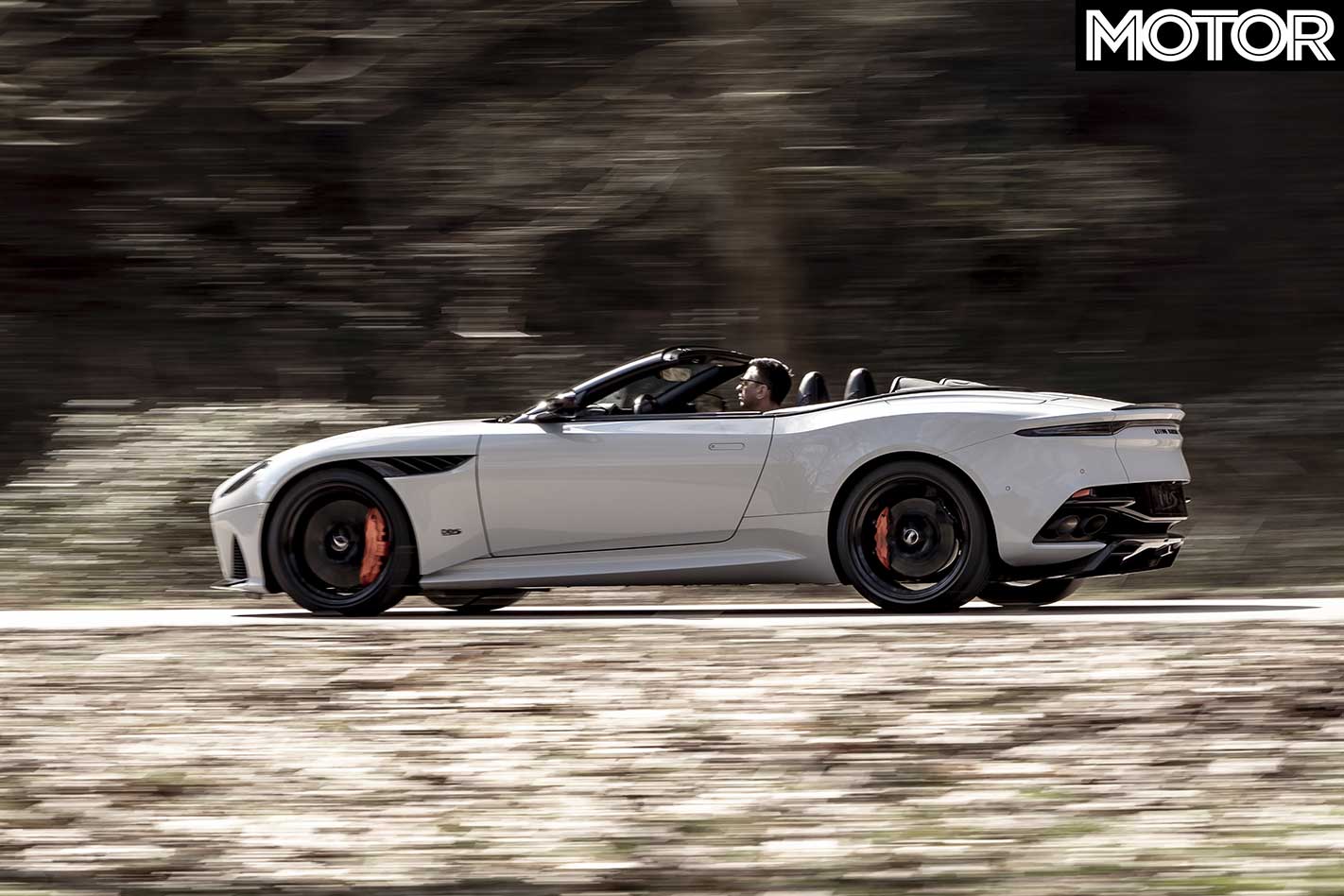
According to Aston, the DBS Volante would be able to sprint from 0-100km/h in 3.6sec, with 0-160km/h done in 6.7sec, which is just 0.2sec and 0.3sec shy of the coupe’s figures respectively. As for top speed claims, the convertible boasts a similar top speed of 340km/h as the coupe.
Furthermore, despite losing its fixed roof that housed the DBS Superleggera’s Aeroblade II C-pillar ducted intakes, the DBS Volante’s aerodynamics has been revised to ensure that it is still able to deliver 177kg of downforce – just 3kg less than the coupe – at Vmax, without needing to resort to big profile spoiling spoilers.
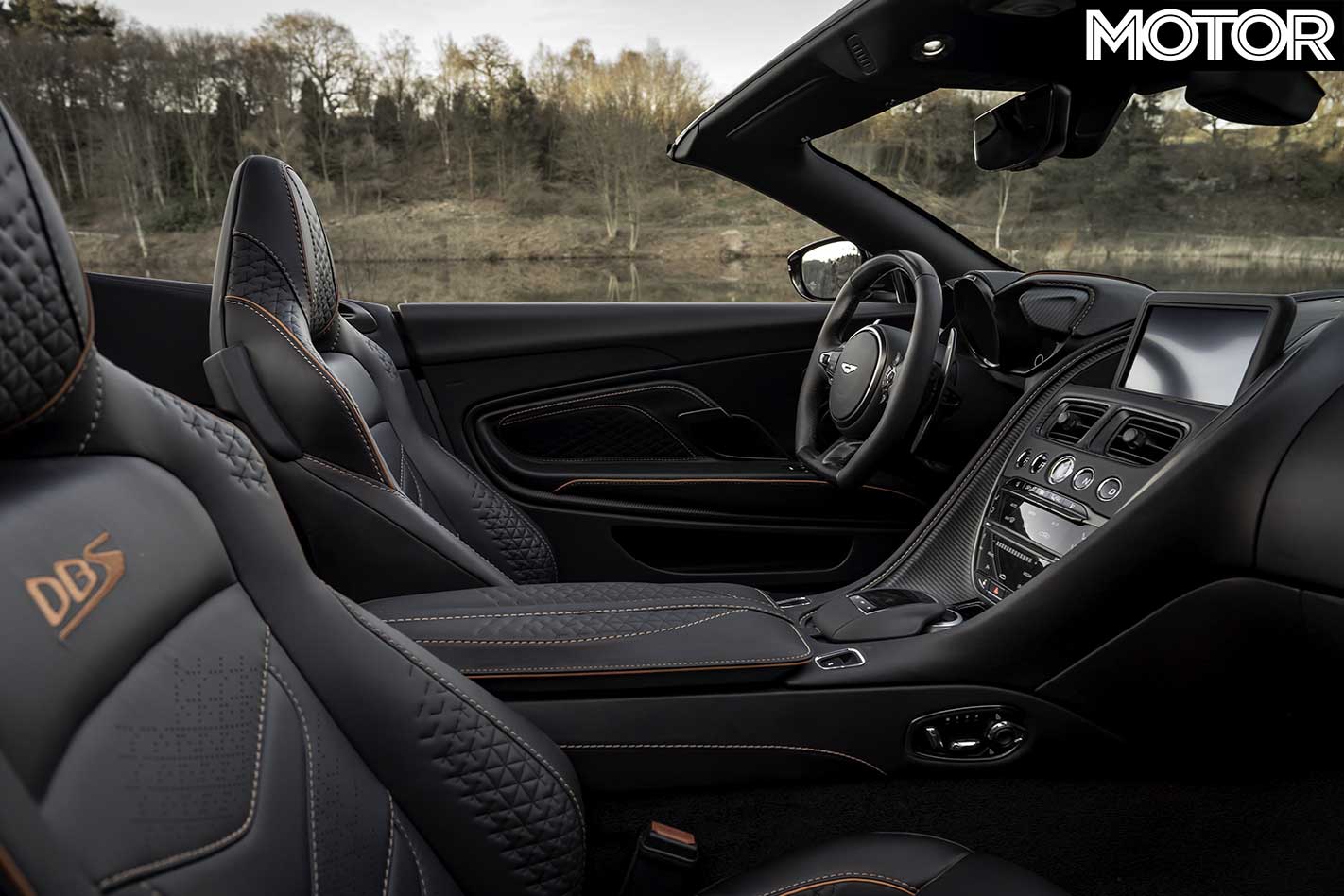
In keeping with the DBS Volante’s luxury GT bent, Aston claims that its soft top incorporates eight layers of insulation and “acoustically enhancing” materials, while the roof mechanism – which folds away in 14sec and folds open in 16sec – was put through 10 years of simulated usage in a one-month test.
To ensure that much of the coupe’s sleek lines were retained, Aston claims the DBS Volante’s roof has a class-leading stack height of 260mm when folded, ensuring that it doesn’t affect aesthetics or luggage capacity.
Here in Australia, the Volante will be arriving to customers during December 2019 and January 2020, with pricing starting from $559,000 before on-roads.
Aston Martin’s regional manager for Australia and New Zealand, Kevin Wall, said the strong local interest in the Superleggera coupe should translate across to the drop-top too.
“DBS Superleggera Coupe has garnered strong interest locally, and we are looking forward to continuing that momentum with the Volante, which has been highly anticipated across the region. As summer commences, it’s now a perfect time to truly experience the convertible’s outstanding features on local roads.”
BMW has announced an update for the BMW Z4 M40i in the form of a 35kW power increase.
This means instead of the 250kW its 3.0-litre turbo six used to produce, the fastest version of BMW’s roadster now makes 285kW. Torque remains at 500Nm, bringing the Z4 M40i up to the same power level as its siblings in the ‘40i’ family, notably the M340i xDrive, the X3 M40i, and X4 M40i.
This also means the Z4’s halo variant is now faster, obviously, with a rather impressive four tenths being shaved from its 0-100km/h run. It’s now claimed to take just 4.1 seconds to hit three figures. This puts it in the same leagues as much more expensive cars such as the Porsche Panamera GTS or the Jaguar F-Type V8 R, both of which have AWD.
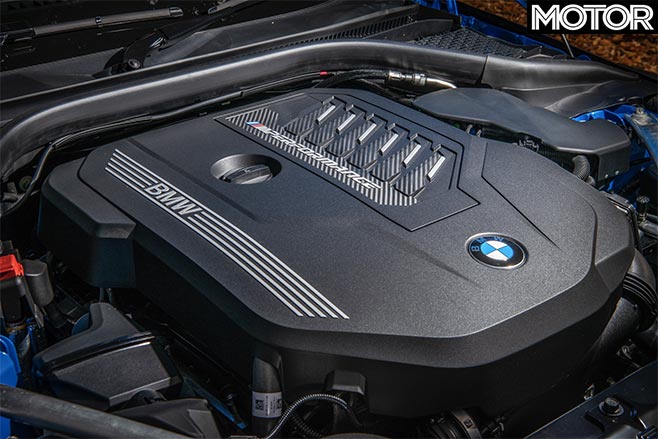
As an added bonus, BMW isn’t increasing the price of the Z4 M40i at all, leaving it at $124,900 before on-road costs.
The rest of the Z4 range remains the same, with the Z4 sDrive 30i still powered by a 190kW/400Nm 2.0-litre engine, with a 0-100km/h sprint of 5.4 seconds. It’s priced at $104,900.
RIVALS: Z4 M40i vs Porsche Cayman
The Z4’s base variant, the Z4 sDrive 20i features a less powerful tune of the same engine, with 145kW and 320Nm, but can be optioned with a six-speed manual gearbox. BMW says it’ll run a 6.6 second 0-100km/h sprint regardless of gearbox, and costs $84,900 either way.
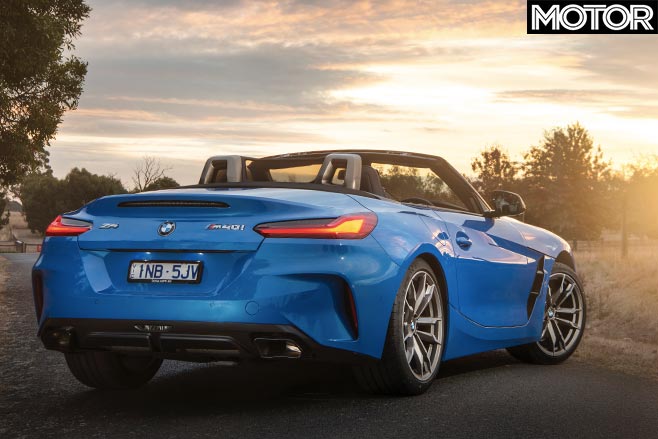
It’s expected the updated, more powerful M40i will arrive in BMW Australia dealerships during Q1 2020.
The new spec for Porsche’s small SUV has been announced for Australia, with the Porsche Macan GTS on its way to our shores for 2020.
Its twin-turbo 2.9-litre V6 now makes 280kW, up from the 265kW its predecessor made, and is hooked up to send power through an 8-speed dual-clutch (PDK) that’s faster than before. Torque peaks from 1750rpm up to 5000rpm, with 520Nm available through that range.
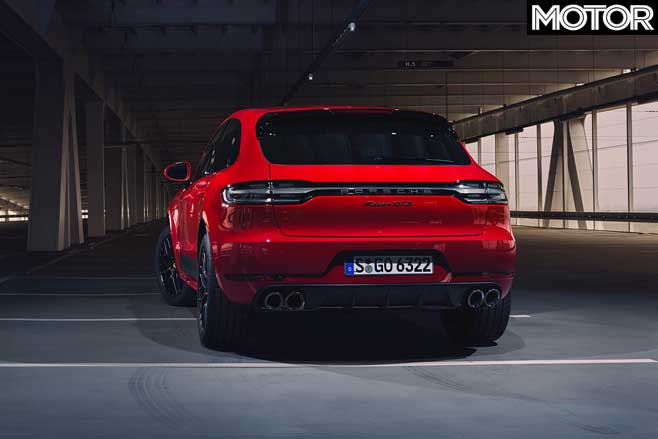
Oddly enough, despite the existence of the Macan Turbo, Porsche says the GTS is “the sportiest Macan.”
Having said that, it’s still three tenths quicker to 100km/h than the last Macan GTS, with the Sport Chrono option pack allowing the GTS to hit the ton in 4.7 seconds. It’ll go on to 261km/h given the opportunity.
Porsche says the Porsche Active Suspension Management (PASM) has been tuned to give the GTS a distinctly sporty character, with a chassis lower by 15mm compared to the last version, and an adaptive suspension option able to drop it by another 10mm.
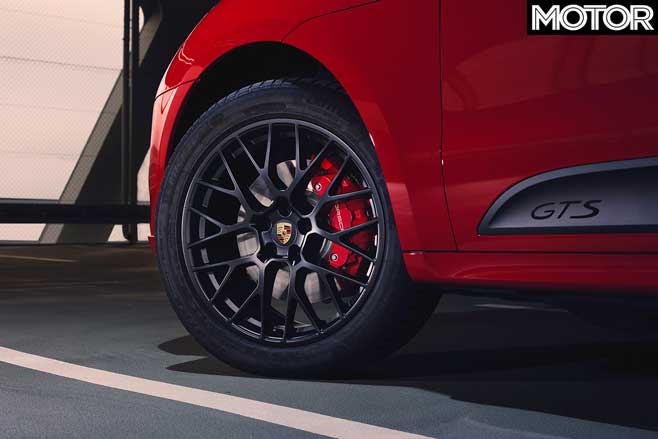
Aside from a lower stance, the Macan GTS takes on a tougher look with RS Spyder Design wheels and black trim accents, as well as LED headlights with Porsche’s ‘Dynamic Light System’.
Inside, Alcantara (and, if optioned, leather in Carmine Red or Crayon) upholster the seats which are bolstered for “stable support during dynamic cornering.”
Porsche Australia says it is now taking orders for the Macan GTS, with pricing starting at $109,700, and deliveries expected to begin in Q1 2020.
It’s a mild Tokyo day and I’m sitting across the table from Lexus’ top designer Ian Cartabiano in a nondescript portable office, the kind of demountable commonly found at a construction site. But there are no excavators or cement mixers outside.
Rather, we’ve retreated to this office to find some quiet from the noise and hustle that’s just 20 metres away at Lexus’ Tokyo Motor Show stand, where Cartabiano and his colleagues have just whipped the covers off the stunning Lexus LF-30 concept, and we’re here to talk about design.
“An EV doesn’t have to be boring and silent,” Cartabiano says.
“In my opinion, we’re a future-looking, forward facing brand. From a design point of view electrification really provides a lot of freedom for designers and interior packaging to create something new, and the only reason to hold onto traditional cues is to make for an easier visual transition for our traditional customers. “
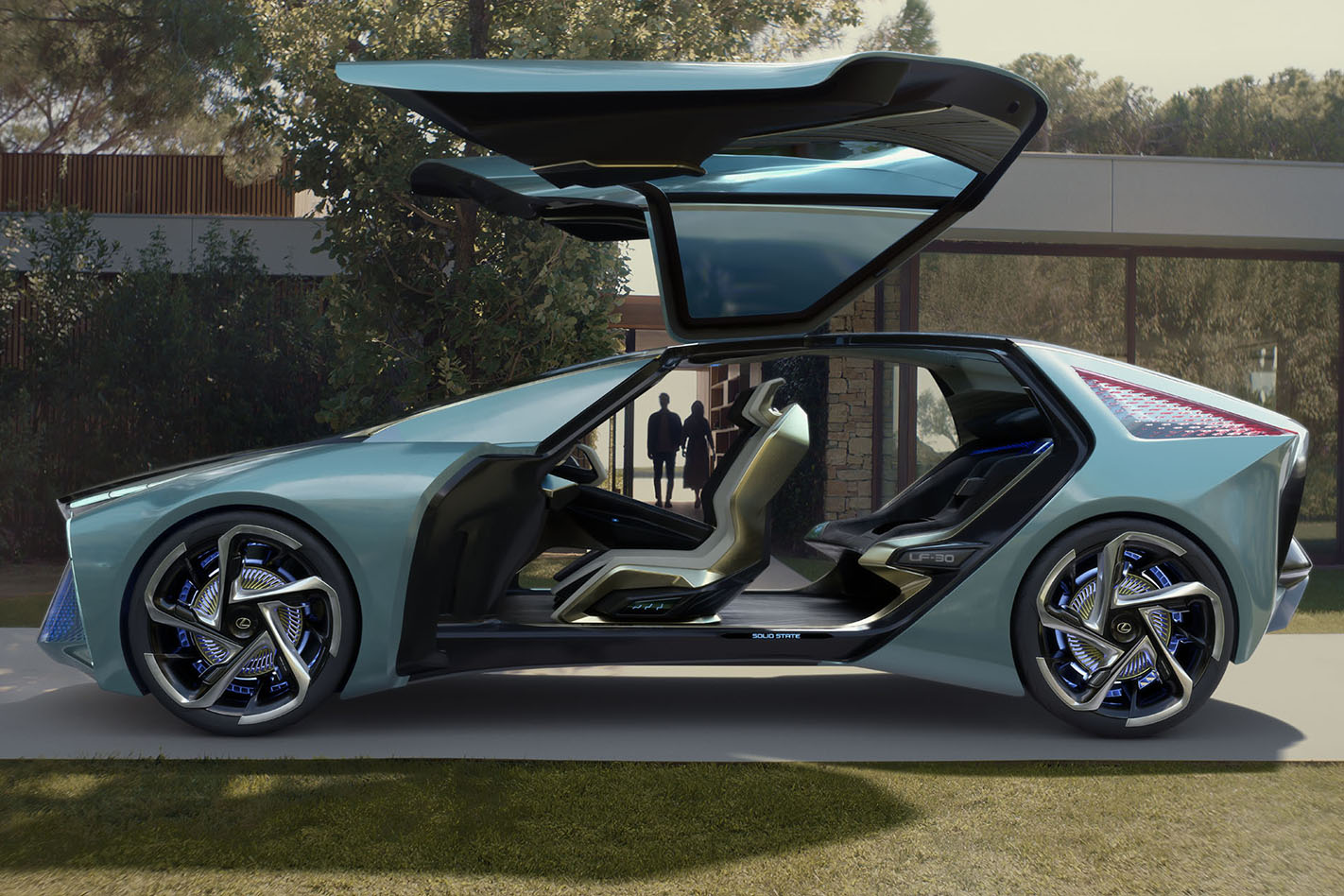
“But I think we’re at the point now where we should make a more futuristic and braver statement, and really take advantage of what EV technology can provide.”
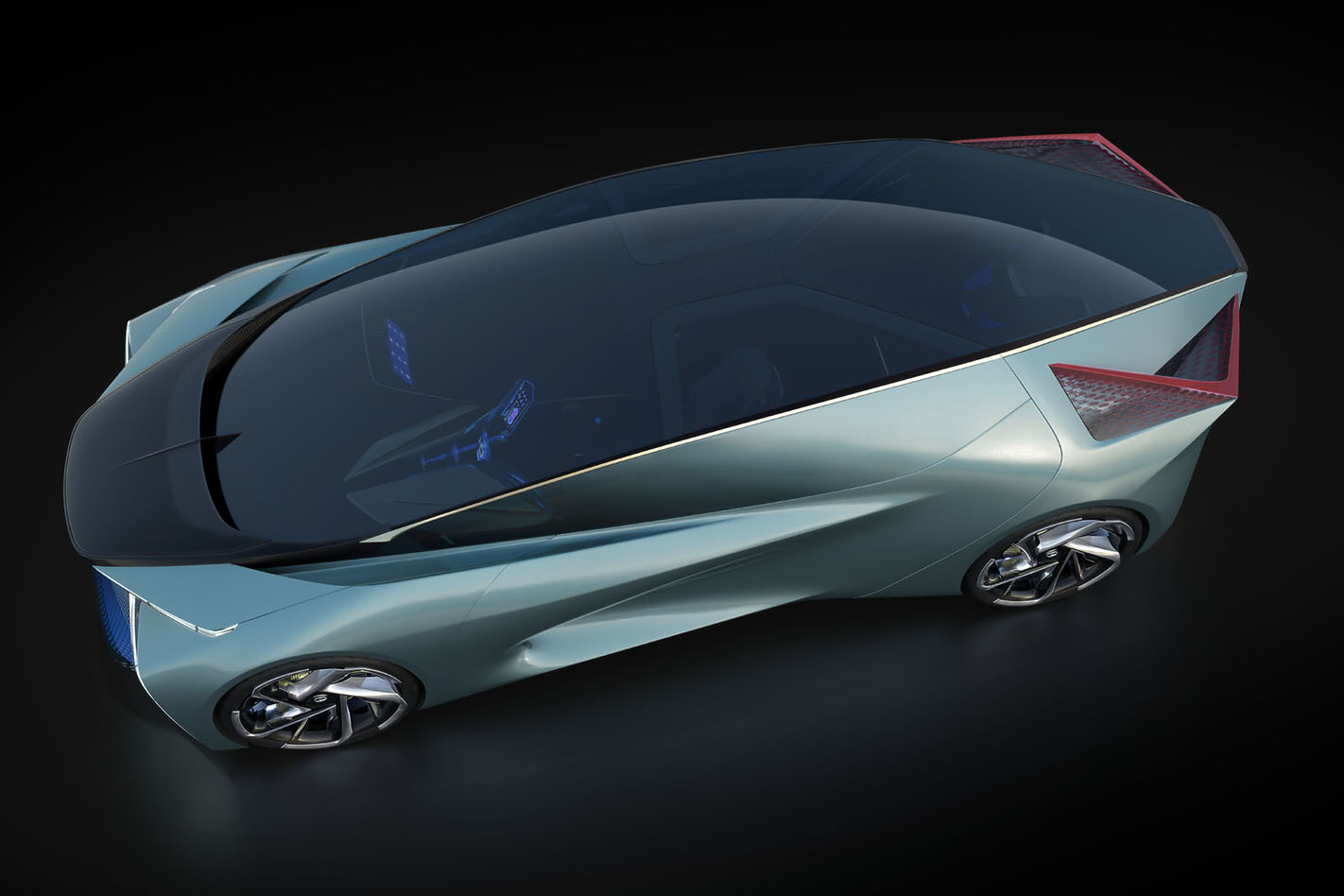
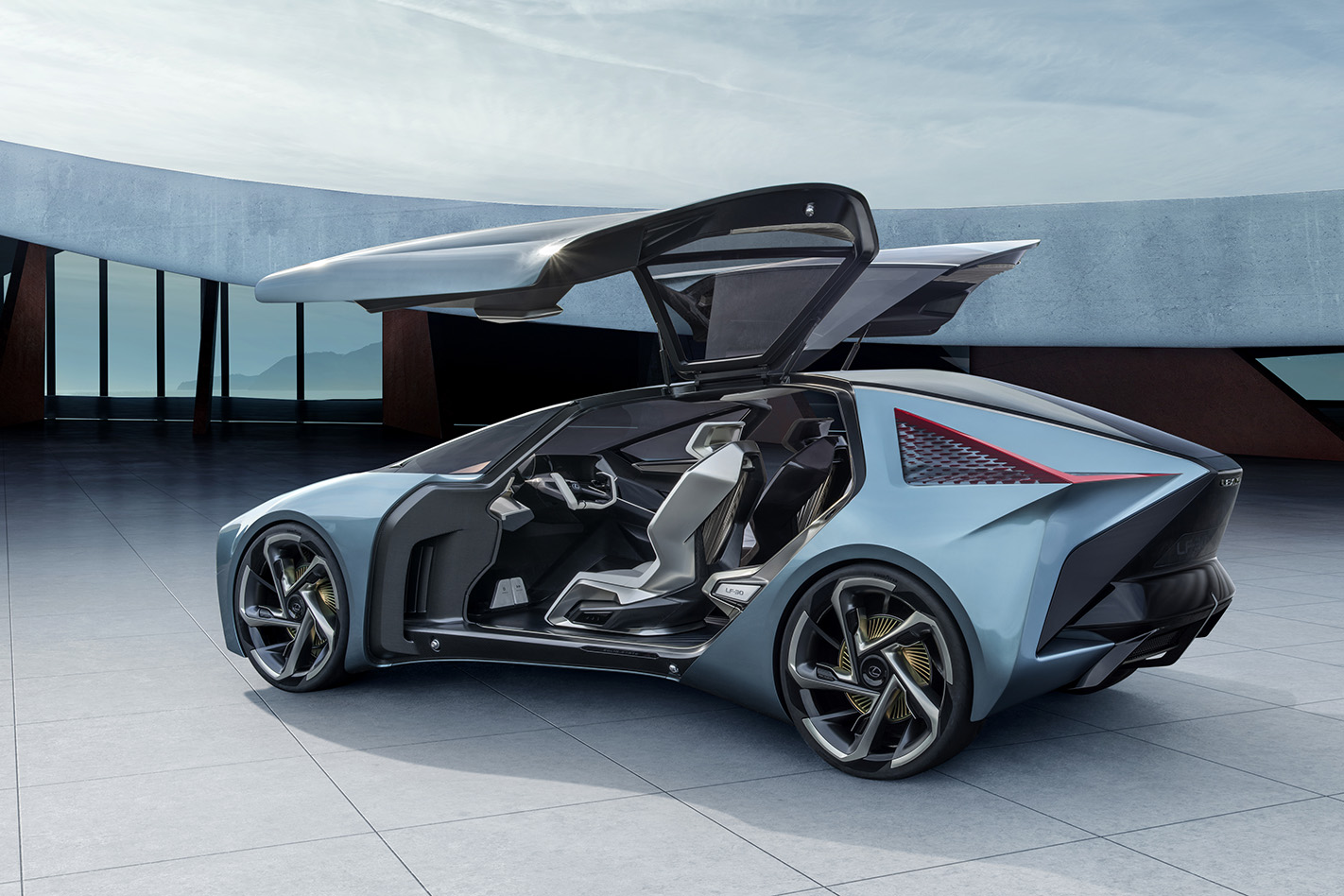
The LF-30 certainly treads a different path. It’s a lot bigger than photos and com-gens of it suggest, with its 5090mm length and 1995mm making it both longer and wider than a 200-series Toyota Landcruiser.
For Cartabiano, the LF-30 doesn’t really fit into any established automotive genre. That’s entirely intentional – it’s purely a concept, with no production derivative in the pipeline, but it’s a crystal ball exercise that aims to examine what a future Lexus could look like in 2030. By that point, Lexus expects that the market segments we know today will have shifted somewhat, and the LF30 suggests that there will be considerable cross-pollination.
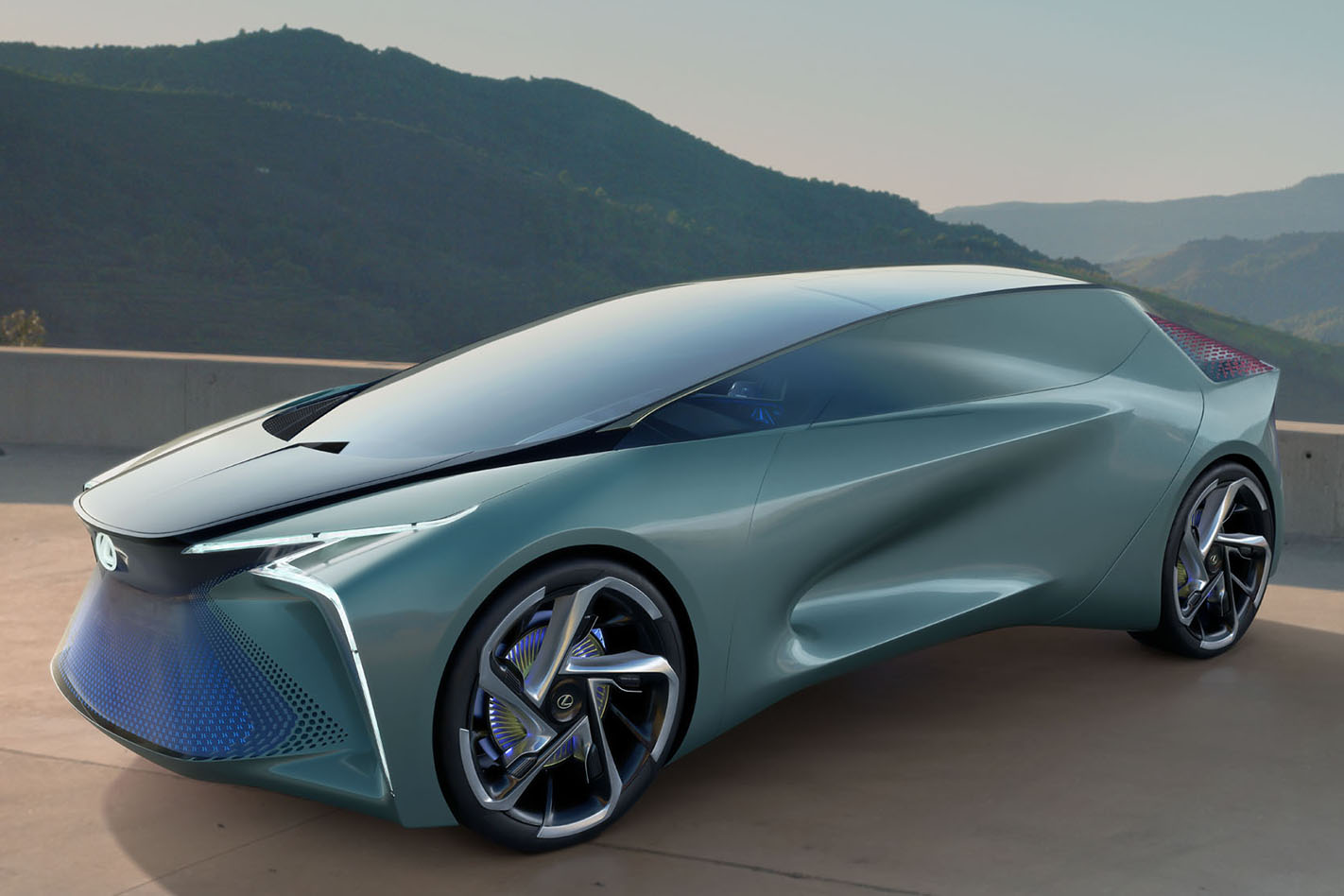
“If somebody asked me what type of car is this car, for me it’s intentionally a new genre of luxury-performance vehicle.”
“It’s not really a sedan and it’s not a coupe and it’s not a crossover, it’s a new type of luxury-performance car that has the sleek attitude of a performance vehicle but the interior space of an LS – more than an LS, to be honest with you – and with the seating position and the driving dynamics of an LC, and the stance of an LC.
“I think that’s a really interesting combination, and it can only happen with an electrified platform.”
He makes no promises about what design cues might transfer across to Lexus’ future production cars, but Cartabiano has a demonstrated knack for crafting designs with staying power.
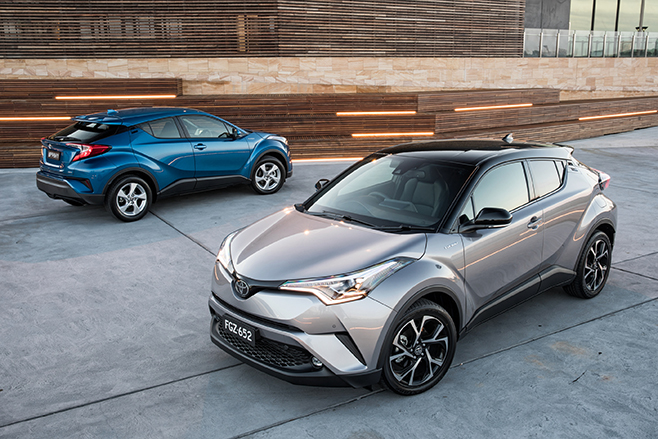
Currently the head of Toyota’s ED2 design studio in France and formerly head designer of Toyota’s famous Calty studio in the USA, Cartabiano has been responsible for many of Toyota and Lexus’ most aesthetically-appealing cars of recent years. The design of the Toyota C-HR, a car that demonstrated crossovers need not be conservative and formulaic, is his creation, and so is the handsome Toyota Camry and the Lexus LF-LC concept that eventually became the gorgeous Lexus LC 500.
The tough-looking Toyota FT-4X concept (below) is another design to bear his signature, and one that demonstrates his ability to incorporate practical and utilitarian considerations into his work, as well as the typical ‘what if’ elements.
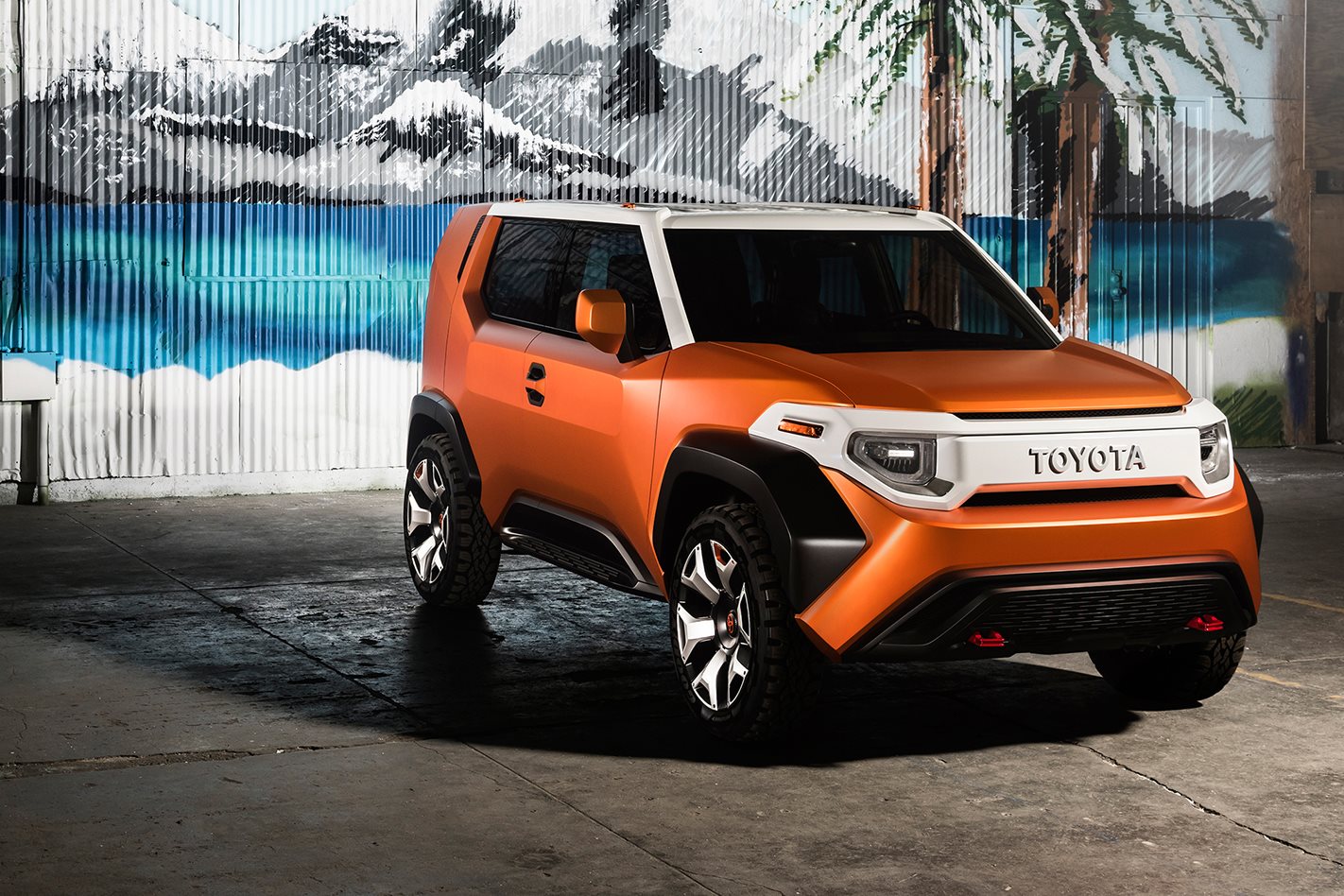
“Fantasy is a large part of every concept car, but more so for this one. For this car we had the license to dream, which is a very rare opportunity especially for this brand,” he said.
“With this car it was really an expression of where we can go as a brand for electrification for the next 30 years. We wanted to push the boundaries a little more than this one and exercise some creative freedom and try to maybe set the tone for what could happen in the future.”
There are, however, some things that Cartabiano doesn’t think belong in cars of the future – at least not privately-owned ones. The trend for wheeling out autonomous boxes with loungeroom-styling seating is not one that resonates with him.
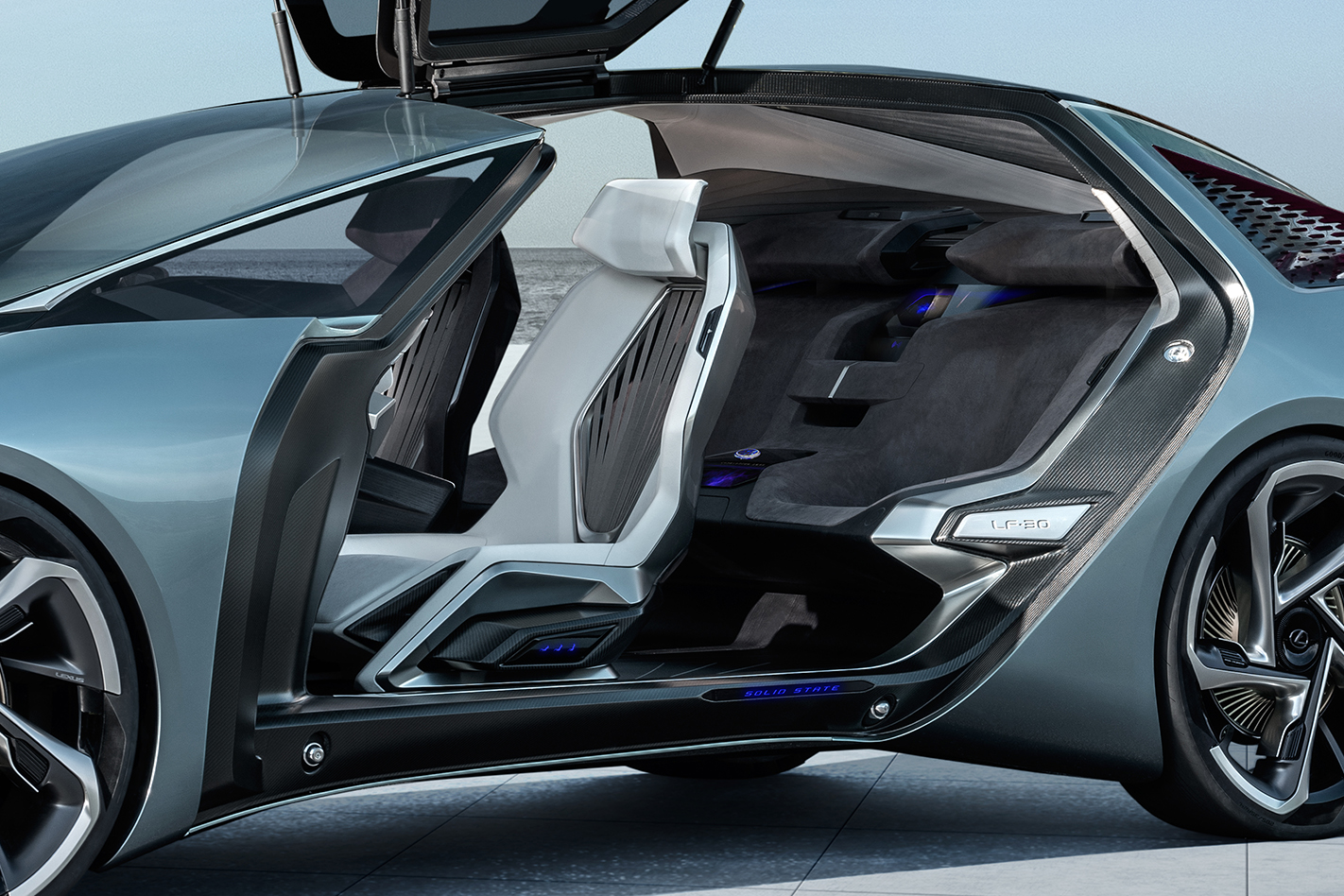
“Sometimes it’s easy in this era of autonomous driving and electrification to make a living room on wheels, to make a loft on wheels. It’s kind of a go-to standard. But I don’t think that’s the only solution, especially for a luxury brand where ownership is important.
“If you think about the realities of global government regulation and safety, seats that turn around are really a non-starter.”
For Cartabiano, a bigger priority is how to inject some emotional excitement into the electric car experience. Though the LF-30 occupies a gargantuan footprint, the big battery-electric has a theoretical 0-100km/h sprint of just 3.8 seconds and a top speed of 200km/h, courtesy of 400kW and 700Nm outputs from its four in-wheel electric motors.
All-wheel drive performance is something that’s close to his heart too. Back home, he’s got a 1993 Toyota Celica GT4 sitting in his driveway.
“Electrification can be really exciting for performance,” Cartabiano says. “I’m a car guy, I love driving, and I love the feeling of torque and horsepower. Electric motors provides something really exciting, especially if we can enhance the sound of it, make them a bit more mechanical, more turbine-like… that could provide a thrilling experience.”
“Sometimes a box or a cube on wheels is what’s needed, depending on use, but this car’s intention was really to show a different way for electrification – more emotional, really focused on driving and performance, and a beautiful space for your passengers.”
What stands out?
The Polo looks crisp, clean and elegant, inside and out. Its turbocharged engines supply great everyday performance without using much petrol. Bigger than a Mk4 Golf, the Polo is roomy inside but fits into small parking spots but feels like a bigger car on the road, with a smooth ride and reassuring road holding. The range includes a budget priced entry-level manual and GTI hot hatch. Autonomous emergency braking is standard.
What might bug me?
Being stuck with a colour you don’t really like. There are only five colour options, white, grey, silver, black and orange. White is the only colour that doesn’t cost extra, whereas the previous model also had a choice of red or blue.Being passed by a Volkswagen Golf 7.5 110TSI Trendline and wondering if you should have spent a little more money on the bigger, more powerful and sharper handling VW.
What body styles are there?
Five-door hatch only.All Polos drive the front wheels, and are classed as light cars, lower priced.
What features do all Polos have?
Cruise control with speed limiter, automatic emergency braking with pedestrian detection, driver fatigue alert, and an air pressure monitor that lets you know if a tyre is going flat.An 8.0-inch colour touchscreen for controlling audio, phone and trip computer functions (among other uses). A sound system with an AM/FM radio, a CD player, an SD card slot, and Aux and two USB inputs.Bluetooth phone connectivity and audio streaming, and a reversing camera.Support for Apple CarPlay and Android Auto, which work with Apple and Android phones. If you plug your phone in through the USB socket, many of its apps – including mapping and music – are mirrored on the touchscreen display and can be controlled from there.Leather trim on the flat-bottomed steering wheel and gearshift lever. A display on the instrument panel that can show your average speed and fuel consumption, among other functions.Headlight height adjustment from inside the cabin. Daytime running lights, which make the car more visible to other road users, and rear fog-light.A full-size steel spare wheel.Hill-start assist, which controls the brakes to make it easier for you to take off on uphill slopes.Height adjustable front seats, and 60:40 split folding rear seat.Six airbags. Electronic stability control, which helps you avoid and control skids. (For more on Polo safety features, please open the Safety section below.)The Polo is covered by a five-year, unlimited kilometre warranty.
Which engine uses least fuel, and why wouldn’t I choose it?
The Polo comes with a 1.0-litre, three-cylinder turbocharged petrol engine in one of two versions, called either the 75TSI or 85TSI. The numbers refer to the maximum power output each version produces in kilowatts.With its standard five-speed manual gearbox, the 75TSI sips fuel at 4.8 litres/100km while the 85TSI with a six-speed manual consumes 5.1 litres/100km.Both engines are also available with a seven-speed dual-clutch automatic transmission, which shifts a bit like a manual inside but without a traditional foot-operated clutch. Each engine consumes fuel at a rate of 5.0 litres/100km in the official test (urban and country combined) when fitted with this transmission.These slight differences in fuel consumption will be barely noticeable in real-world driving, which tends to result in usage that’s a little higher than test claims. For example during recent Wheels magazine testing, the 85TSI with an automatic gearbox consumed 6.2 litres/100km with a mixture of city and country driving, with and without passengers.The only real advantage of going for the more frugal 75TSI manual is its lower price.The main reason you wouldn’t want the excellent 1.0-litre engine is because you want the more powerful Polo GTI which comes with a punchy 2.0-litre four-cylinder turbocharged petrol engine with a seven-speed dual-clutch automatic transmission. This has an official combined fuel consumption of 6.1 litres/100km.(Power outputs and all other Polo specifications are available from the Cars Covered menu, under the main image on this page.)
What key features do I get if I spend more?
The least costly Polo, the 75TSI Trendline, comes with cloth seat trim and rolls on 15-inch steel wheels, and has the less powerful version of the 1.0-litre turbo engines. The 75TSI manual has a five-speed gearbox.Spend more for an 85TSI Comfortline and your seats are trimmed in higher quality ‘Comfort’ cloth upholstery, and the 15-inch wheels are made of aluminium alloy, which look better and don’t need plastic covers.Other upgrades for the 85TSI include headlights that switch on automatically when it’s dark, the windscreen wipers operate themselves when it rains, and the rear-view mirror dims automatically to reduce glare from bright headlights behind you.The interior gains an armrest between the front seats.The 85TSI also has disc brakes on all four wheels, which are stronger and more responsive than the 75TSI’s disc-front and drum-rear brakes.Upgrading to the 85TSI Style adds 16-inch alloy wheels, front sports comfort sears, front seat height and lumbar adjustment, dual-zone climate control air-conditioning, sporty interior trim, dark-red LED tail-lights, satellite navigation, Beats premium audio, and wireless phone charger.The most expensive Polo the GTI has the more powerful 2.0-litre four-cylinder turbo engine with dual-clutch auto, plus unique features over the 85TSI Style including 17-inch wheels, traditional Clark tartan seat trim, adaptive sports suspension, and keyless entry/start.Option packagesFor about $1400 you can add a Driver Assistance package to the Polo 85TSI and GTI versions, which brings you Park Assist with front and rear parking sensors, adaptive cruise control, blind-spot monitor, rear-cross traffic alert, power-folding door mirrors, front and rear auto braking when parking, and a proactive occupant protection system that can anticipate a potential accident and take measures to mitigate injury.The R-Line package ($1500) adds sporty touched to the 85TSI versions, including a redesigned black lower-front bumper and air intake, side sill extensions, revised rear bumper, high-gloss black rear spoiler, metallic grey 16-inch Sebring alloy wheels, sports suspension and front fog lights.
Does any upgrade have a down side?
Apart from extra cost, no.White is the only standard colour on a Polo, with the other paints costing extra.
How comfortable is the Polo?
The Polo is very spacious for its class and seats four adults comfortably. Each version shares the same basic interior layout, but the 85TSI and GTI variants have has higher quality cloth trim.You can adjust the steering wheel for reach and height, and both front seats can be raised or lowered; unlike some light cars whose high seats make you feel like you’re propped on a bar stool.The front and rear seats blend comfort with side-support very effectively, holding you in place nicely through corners.The main controls are well positioned high on the dash (near your line of sight). The main instruments are legible and clear.This Polo is longer and wider than the previous model which makes it feel well planted when cornering. It rides in a supple but very well controlled manner, so if you hit a big bump it recovers quickly. Where many cars of this size sound noisy and feel tinny, the Polo is surprisingly quiet. You’ll get some tyre noise, but not much.Steering is nicely weighted, with a consistent feel throughout its arc. In general, the car feels very stable, but compact and agile.The Polo 75TSI is responsive and relaxing in everyday driving. The 85TSI steps things up a notch, with more oomph in all situations, while the GTI offers genuine hot hatch excitement.
What about safety in a Volkswagen Polo?
Every Polo comes with automatic emergency braking, anti-lock brakes, stability control, six airbags, daytime running lights, and a reversing camera. Also included is a driver fatigue monitor that assesses your use of the steering wheel over long journeys, prompting you to take a break if it concludes you might be falling asleep.Volkswagen calls its auto-braking system Front Assist with City Emergency Brake, and it operates at city and highway speeds. A radar-type sensor scans the roadway ahead for obstacles, and the system will warn you of an impending collision (typically if a car ahead has slowed suddenly). If you ignore the warning, at speeds under 30km/h it will initiate an emergency stop automatically. At higher speeds, it will warn you via the audio-visual dashboard alert and pulse the brakes, encouraging you to brake yourself. If you ignore the pulsing it will brake automatically – although not at maximum pressure.There are airbags ahead of the driver and front passenger, and another outside each front occupant that protect at chest level from side crashes. Curtain airbags extend down each side of the car at head level, protecting front and rear occupants.All but the 75TSI feature rain-sensing wipers, auto-dimming rear-view mirror, and auto headlamps that can come on when it gets dark.For around $1400 you can add a Driver Assistance package to the Polo 85TSI Comfortline and Style and GTI, which brings you Park Assist with front and rear parking sensors, and front and rear manoeuvre braking, which stops your Polo automatically if you’re about to hit an object while parking.You also get adaptive cruise control (which can reduce your set cruising speed to match slower cars ahead on the highway, resuming automatically when the way is clear), blind-spot monitor, rear-cross traffic alert and power-folding door mirrors.Proactive occupant protection system is also included in the package – this clever technology uses sensors to detect if an accident is more likely to occur and prepares the Polo and its occupants for an impending collision by automatically tensioning the seat belts and closing any open windows.The Australasian New Car Assessment Program (ANCAP) rated the Polo at its maximum five stars for safety, in February 2018.
I like driving – will I enjoy this car?
The Polo has always been one of the very best city cars to drive and this model takes that driving enjoyment to a new level.It is built on an all-new chassis which is longer, wider and tauter than the previous model resulting in sharper handling. The ride is firm, but still comfortable and despite the size increase, Polo still feels nimble around town. For a so-called city car, it lapped up B-road bumps with poise giving up little in terms of rebound movement.The suspension’s excellent control comes into its own on challenging, twisty roads. Teamed with good cornering grip, it makes for a car that is great fun, and feels a lot more like the Golf.The steering is nicely direct, and front to rear balance is also sweet, meaning understeer is rarely an issue.The manual gearbox feels light and easy to shift, the seven-speed dual-clutch automatic felt very polished. In the default Drive mode it was a little tardy from a standing start, but this was overcome by flicking the gear shifter down to engage Sport mode, which lets the engine rev more while building up speed.Once on the move, progress is smooth, without the delayed shifts at low speeds that plague some vehicles with similar transmissions. In more dynamic driving conditions the Polo’s dual-clutch selects gears intuitively so you’re never lacking for power.And while the 1.0-litre three-cylinder engine lacks the silkiness of the previous model’s 1.2-litre four-cylinder, it does reward you with a nice, throaty, sports-car-like noise when you put the foot down.The Polo GTI offers genuine hot-hatch performance. It’s seriously quick the sharpness of its front end through corners is astonishing.
How is life in the rear seats?
The sixth-generation Polo has a 92mm-longer wheelbase than the previous model meaning significantly more legroom than before. It’s also about 50mm wider meaning more shoulder room, and headroom is pretty good even for taller people.The rear windows are quite low, which allows small people a good view out the side.There are no air vents for rear passengers, but the car is still small enough that the front vents are fairly effective throughout the cabin once the desired temperature has been reached.
How is it for carrying stuff?
The new Polo’s increased dimensions also apply to the boot space, which has grown to 351-litres. That measurement is above average for its light-car class.Folding the rear seats down increases capacity up to 1125 litres, and accommodates objects up to 1.38 metres long.
Where does Volkswagen make the Polo?
All Polo variants including the GTI are manufactured in South Africa.
Are there any rivals I should consider?
Not really: the Polo has most light cars covered, unless you’re particularly swayed by extremely cost-effective competitors with sharp, mid-teen pricing.The Citroen C3, Mazda 2, Suzuki Swift GXL Turbo and Skoda Fabia Monte Carlo come close, though neither ticks as many boxes when it comes to equipment, safety, performance and handling.
I like this car, but I can’t choose which version. Can you help?
The 85TSI Comfortline with the dual-clutch automatic is a great all-rounder that will be happy performing urban runabout duties or chewing up hilly country B-roads.But if you’re after a performance hatch, the Polo GTI offers a lot of driving pleasure for the price and is one of the best value performance cars on the market.
Are there plans to update the Polo soon?
The sixth-generation Polo arrived in March 2018, replacing the 2010-2017 Mk 5 Polo, which you can read about in a separate review.The new Polo arrived with two permanent variants, the 75TSI Trendline and 85TSI Comfortline. A special Launch Edition was also available in limited numbers, which was based on the 85TSI Comfortline, but offered bigger 16-inch alloy wheels, wireless phone charger, dark tinted rear windows, front fog lights and tinted LED tail-lights.Volkswagen Australia introduced the R-Line option package for the Comfortline in June 2018, which adds exterior enhancements and sports suspension.A Polo GTI joined the range in August 2018, with a more powerful 147kW 2.0-litre turbocharged four-cylinder petrol, and the new higher-spec 85TSI was added in May 2019.No updates are expected until the latter part of 2020, though Volkswagen could add other permanent or limited edition variants with varied equipment levels and engine outputs.
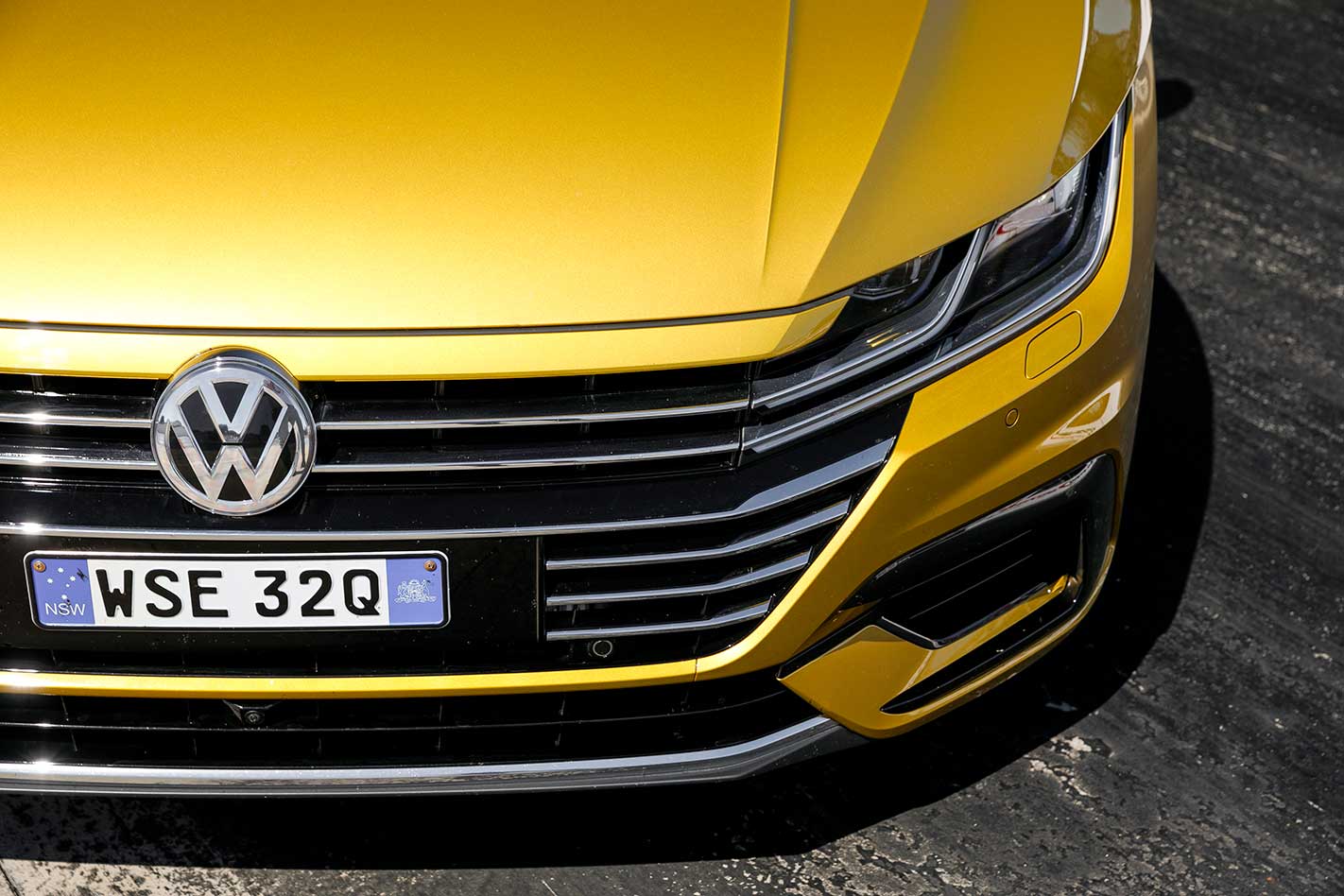
Here at Wheels HQ we are a fan of the svelte and sporty Volkswagen Arteon. It’s stylish without being outlandish, athletic without being overbearing.
However, if you were hoping to grab yourself an Arteon in the New Year, you might be in trouble.
Volkswagen’s medium sedan will be absent from local showrooms until at least 2021 as emissions testing in Europe continues to disrupt the supply chain.
We noticed that the Arteon had been quietly removed from Volkswagen Australia’s website, so reached out to a local spokesperson to confirm if the sedan was still available.
“We’ve taken Arteon down for now because there’s no new production available before the mid-life revised version reaches us in some 12 months,” a Volkswagen spokesperson told Wheels via email.
According to Volkswagen, the delay is due to the adoption of the new WLTP emissions testing protocol in Europe.
“For example Tiguan 110TSI variants have not long come back on line in Australia after some 18 month’s unavailability,” the spokesperson added.
There is a silver lining though, with some stock remaining for Arteons, and VW Australia planning to bring the sedan back Down Under as soon as possible.
“There’s current stock of Arteons, so get in while you can. The Arteon definitely figures in our plans and it will be back,” the spokesperson continued.
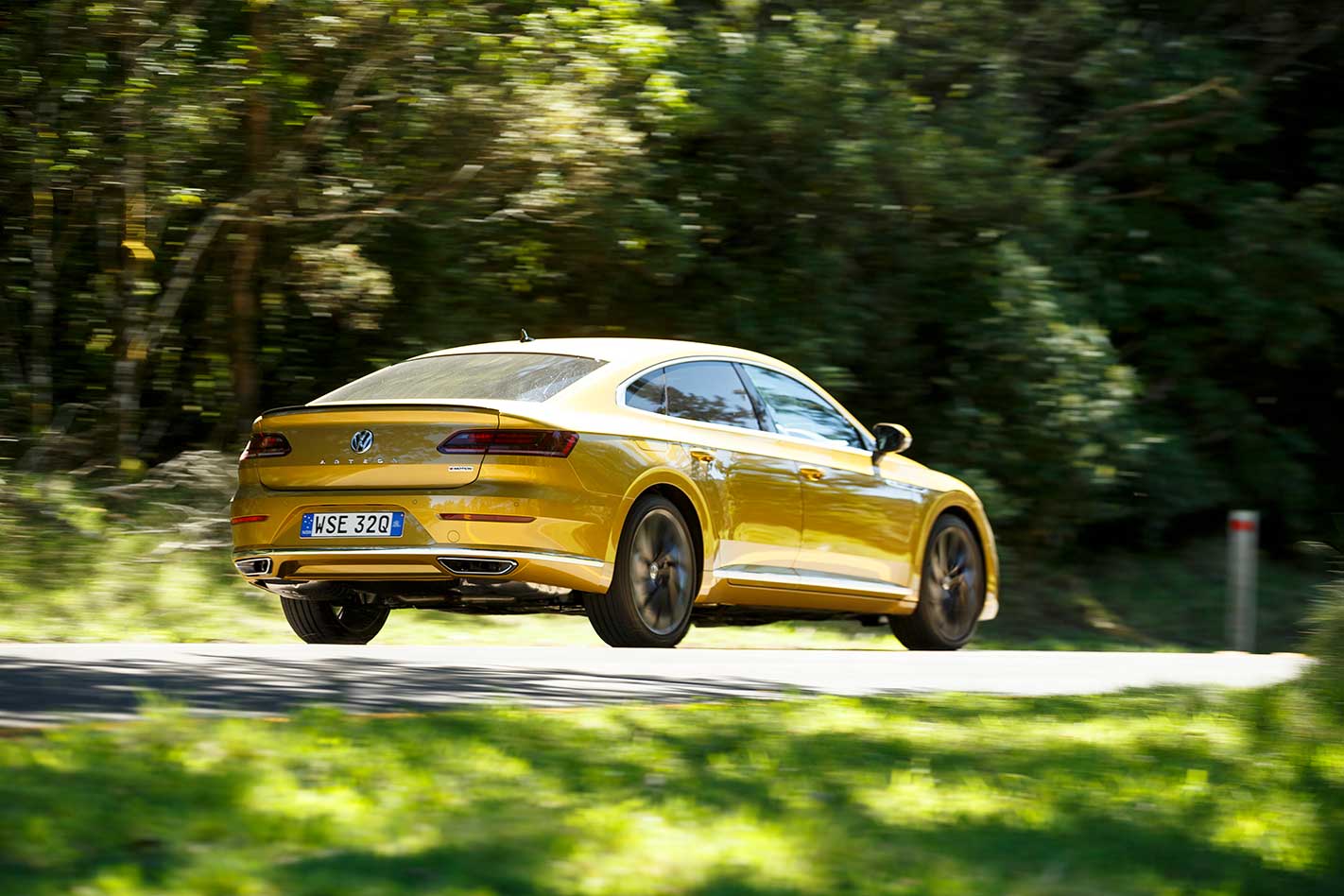
Powered by a 2.0-litre turbocharged four-cylinder, the Arteon sends 206kW and 350Nm to all four wheels via a seven-speed automatic transmission, and is good for a claimed 0-100km/h sprint of 5.6 seconds.
WLTP adoption in Europe has caused havoc for vehicle supply in Australia, with brands under the VW Group umbrella hit hardest.
Delays have been occurring since last year, with WLTP testing proving to be a much harder process than the previous NEDC examinations.
As part of the new procedure, car manufacturers must now test not just each new model, but every variant within the range, including each engine, gearbox, and tyre size combination. If there are different air conditioners, suspension systems, brake set-ups or equipment levels, these must also be put through the testing process.
Every WLTP test must be conducted at exactly 21 degrees Celsius, and is reported to take roughly 48 hours to complete.
Wheels first drive review
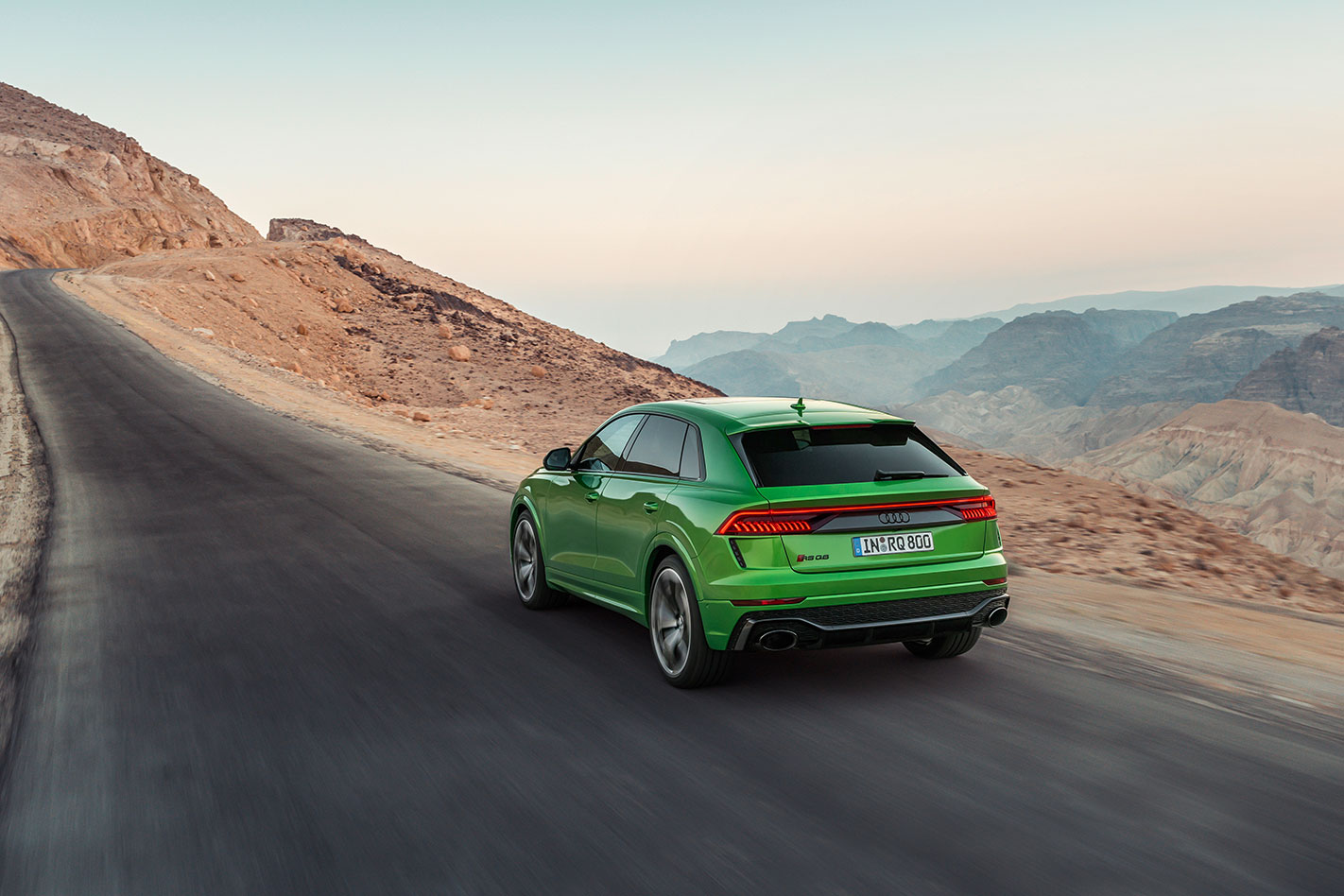
WHAT IS THE AUDI RS Q8?
Audi’s belated answer to high-performance versions of SUV coupes like the BMW X6 and Mercedes-Benz GLE Coupe
WHY WE’RE TESTING IT…
The RS Q8 goes on sale in Europe in the first quarter of 2020, around six months ahead of its arrival in Australia. Audi’s International Dynamic Press Presentation (their capitals) on Spain’s Canary Islands was the first chance for media to drive it. Wheels was there…
THE WHEELS REVIEW:
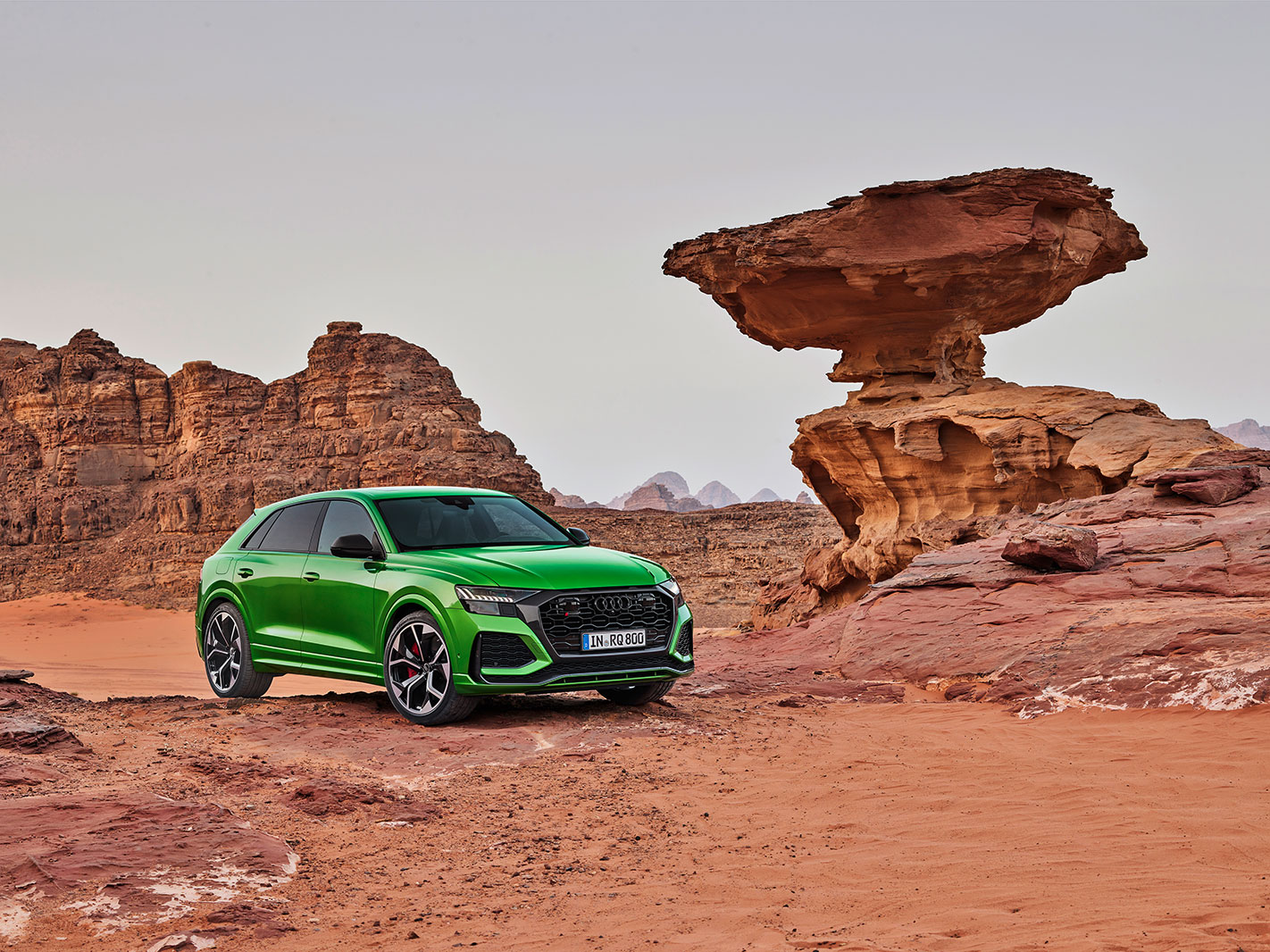
Audi’s Urus is a succinct way to summarise the new RS Q8. Extensive Audi Sport improvements make this high-performance version of the Q8 the quickest-ever SUV around the Nurburgring. Does this 7 minute 42.2 second feat make Lamborghini envious? Probably, although Sant’Agata Bolognese can derive some consolation from the fact that their SUV is fractionally quicker 0-100km/h; 3.6 seconds, compared with 3.8 seconds for the RS Q8.
The new Audi and the Lamborghini are the pinnacle performers built on VW Group’s MLB Evo architecture. This platform provides foundations for the VW Touareg, Audi Q7, Porsche Cayenne and Bentley Bentayga, as well as the Q8 and Urus.
The pair share much drivetrain and chassis hardware, including the core of their twin-turbo 4.0-litre V8s. While the Lamborghini version has specific cylinder heads to enable its 478kW maximum, the Audi Sport version isn’t far behind with 441kW.
The RS Q8 drives through an eight-speed auto and an all-wheel-drive system featuring a mechanical centre differential set up to send more torque to the rear axle. It rides on air springs and adaptive dampers, and has rear-wheel steering. Active anti-roll bars, ceramic brakes and 23-inch wheels and tyres are optional in Europe, where RS Q8 deliveries begin early this year.
When the Audi reaches Australia around August, it’s likely to wear a $250,000 price tag. Steep, sure, but Lamborghini asks $390,000 for the Urus.
Fiercely fast in a straight line, the RS Q8 isn’t bad through bends. The fully optioned examples sampled at the international launch on Tenerife coped well with narrow, winding mountain roads in rain and fog. The auto made the occasional thumpy shift, but grip was great and handling hard to fault. The Audi’s steering wasn’t especially communicative and its bulk often daunting.
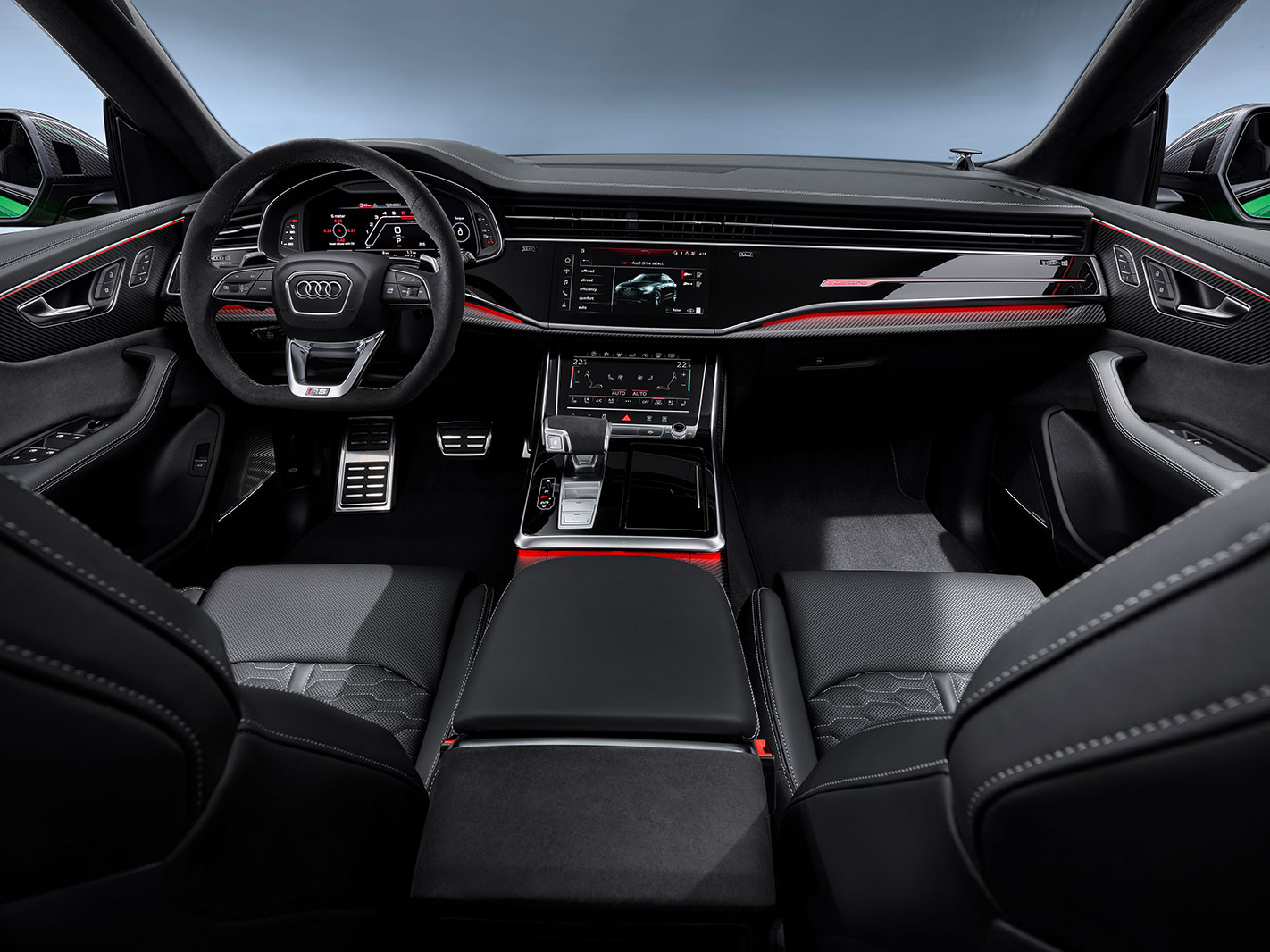
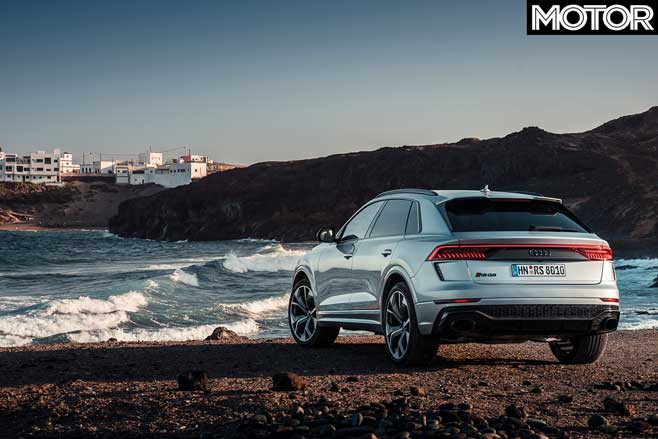
It felt more at home on the motorway, where the air-springs delivered a smooth ride and there was time to take in the RS Q8’s attractive and spacious interior. It shares the same wheelbase as the Q7, so there’s ample room in the rear.
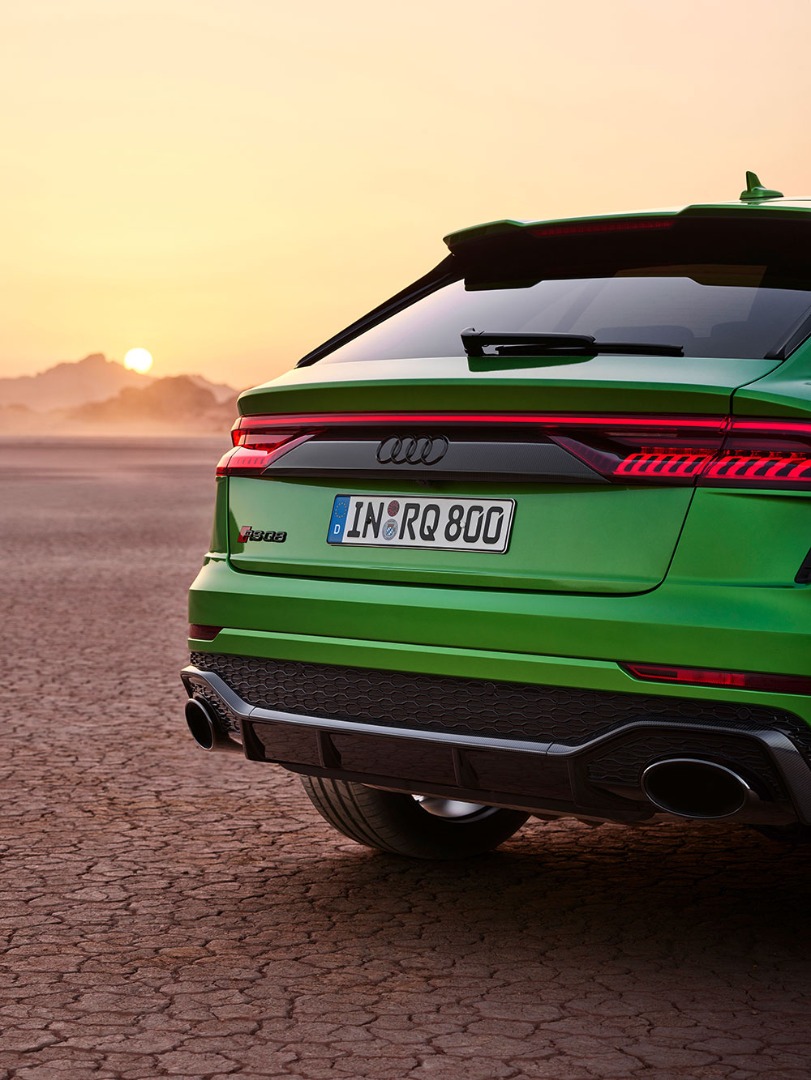
Though the Q8 is Audi’s answer to established SUV coupes like the BMW X6 and Mercedes-Benz GLE Coupe, it’s more attractive and less compromised. The shape is more high-rise hatchback than coupe. With its flatter roofline and deeper rear glass, headroom is better and all-round vision less restricted.
The RS Q8’s engine wears a bolt-on, belt-drive 48-volt motor-generator, making it a very mild hybrid. The system reduces consumption incrementally, but the Audi’s mental speed and two tonne-plus weight guarantee it will be a fuel hog. Its official consumption is high at 12.1L/100km, though this is a little less than a Urus uses…
RIVALS
BMW X6 M50i, Mercedes-AMG GLE63 Coupe (when the new one inevitably arrives), Porsche Cayenne Coupe Turbo, Lamborghini Urus
SPECIFICATIONS
- Model: 2020 Audi RS Q8
- Engine: 3996cc V8, dohc, 32v, twin turbochargers, low-voltage mild hybrid
- Max power: 441kW At 6000rpm
- Max torque: 800Nm at 2200-4500rpm
- Transmission: 8-speed automatic
- Weight: 2300kg (estimated)
- 0-100km/h: 3.8 sec (claimed)
- Economy: 12.1L/100km
- Price: $250,000 est
- On sale: Q3 2020
Second Opinion: MOTOR feature review

Motor focuses exclusively on high-performance cars, offering a heart-stopping, hair-raising blast into the world of prestige and performance culture.
Plain-clothes Urus at a $170K discount, almost By: Georg Kacher
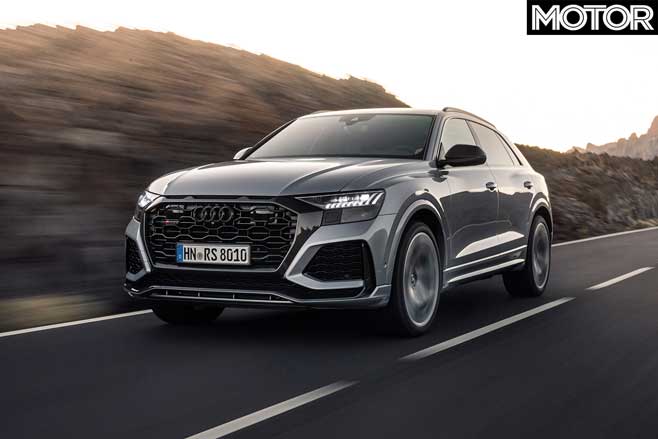
With 600 horses roaming the tight V8 corral and a whopping 800Nm of torque rattling its gates, our master stallion parts Tenerife’s herd of rental car ponies as if it had sailed across the Sea of Galilee. Even though the new RS Q8 is all muscle inside, though, it doesn’t strike onlookers as Hulk Hogan’s motorised alter ego.
Our test car is fitted with silver 23-inch wheels, plenty of brightwork, grey brake calipers, a body-colour aero kit and LED matrix headlights embedded in dark housings. Even with a huge Zorro mask and a laser sword to clear the notoriously jammed overtaking lane, the aggro element relayed by the new Audi is far from objectionable.
Equipped with the optional Dynamic Pack Plus, this Q8 on steroids comes with carbon-ceramic brakes, quattro sport differential and a deregulated top speed of 305km/h, up from 250. On this remote island five flight hours from the nearest autobahn, however, the latest creation by the RS powerbrokers is facing more mundane obstacles like tourists, cyclists, buses, thick fog and lots of twisties.
With Drive Select in Dynamic, overtaking distances shrink and are more often than not completed in second or third gear. But there can be a split-second delay between lift-off and tip-in before the engine reconnects to the torque surf. As the V8 zooms in on its 7000rpm cut-off, a red upshift blitz will in manual mode alert the driver to click in the next act.
Floor the throttle in preparation for a standing start before stepping off the brake and the quattro system automatically diverts 85 per cent of the twist action to the rear, which squats down a fraction before launching the monster to 100km/h in a rapid 3.8sec. Press on and the RS Q8 surges to 200km/h just 9.9sec later in fifth gear.
The eight-speed auto is ambitiously spaced except for the top two ratios, which are calibrated to cut revs and save fuel at autobahn velocities.
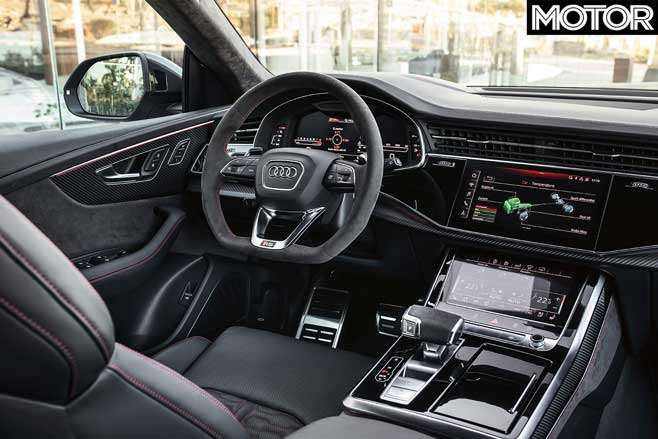
Drive Select accesses vehicle dynamics in a somewhat different manner than the Anima and Ego controls unique to the related Lamborghini Urus. In addition to selecting one of six fixed programs, the driver can tweak the individual characteristics of engine, transmission, steering, air suspension, all-wheel steering, sound pattern and air con to three different parameters labelled Comfort, Balanced and Dynamic.
Your two favourite blends can be stored and summoned by pushing the RS button on the steering wheel, or you can switch to the sporty shifting program by flicking the stubby drive-by-wire gear selector to the left.
Should you feel the itch to leave the beaten track, the lift function increases ground clearance by a useful 90mm.
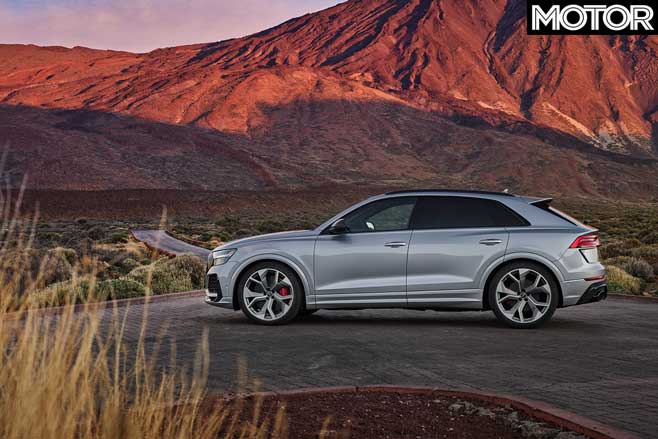
Fears that our optional show-off wheel and tyre combination might destroy the ride are unfounded; the 295/35 ZR23 footwear is vulnerable but neither knobbly nor noisy.
One optional extra worth having is active anti-roll bars, which improve the ride in a straight line by decoupling the split stabiliser bars while at the same time reducing roll, yaw and pitch through fast corners.
In combination with the pronounced rear torque bias, quattro sport diff and rear-wheel steering, the RS Q8 remains flat and composed almost irrespective of radius, surface and speed. When kicked in the butt, exiting a bend is often accompanied by a faint trace of oversteer, but proper slides only happen on gravel or when ESC is fully deactivated. More than anything, this car loves quick esses and multi-lane roundabouts.
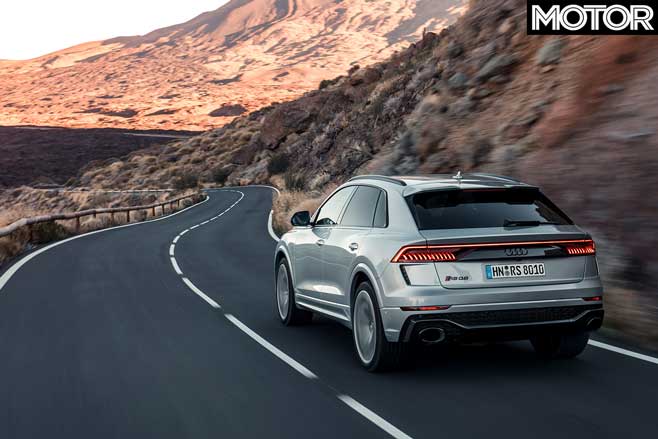
Dislikes? Well, the brakes could do with more initial bite, less effort under full pressure and a later ABS interaction. The engine comes equipped with an electrically assisted charger to compensate for initial turbo lag, but despite this and other mod cons it doesn’t pick up revs eagerly enough from 2500rpm in second and third gears. The flow is more flawless in Dynamic, which encourages faster gearchanges, quicker throttle response and more involving steering action – but coasting is a no-go with the chips locked in this setting.
The future might belong to EVs, but right now the combustion engine still rules, especially in this 600-horsepower turbocharged V8 form. All the same, mild hybrid and cylinder deactivation are part of the package, just in case Greta T drops in for a cuppa.
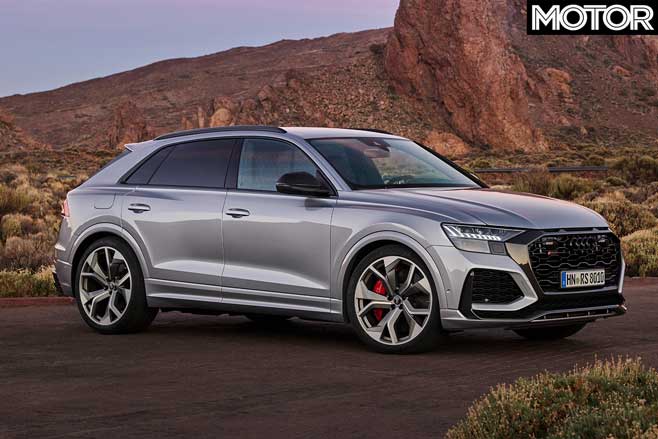
2020 AUDI RS Q8 SPECS
- Engine: 3996cc V8, DOHC, 32v, twin-turbo
- Power: 441kW @ 6000rpm
- Torque: 800Nm @2200-4500rpm
- Weight: 2315kg
- 0-100km/h: 3.8sec (claimed)
- Price: $225,000 (est)
Rating: 4 out of 5 stars
If you suddenly have the need to borrow or hire a trailer or caravan these holidays, there are a few steps to take to ensure you do it safely. Different states have different rules for trailers and caravans, so check your local roads authority if you’re not familiar with trailers and tow vehicle regulations.
Check the trailer
- Trailers and caravans above certain sizes and weight need to be registered. If borrowing or hiring a registered trailer, make sure its registration and roadworthy are current. Most state and territory authorities allow you to check the status of a vehicle or trailer’s registration online
- Check that the trailer’s tyres are properly inflated. Trailers that have been stored for some time may be low on tyre pressure
- If possible jack up the trailer or caravan and spin the wheels to ensure the bearings work properly. Also test to see if you can move the wheel from side to side; if it does, there’s a good chance the bearings are worn and may fail
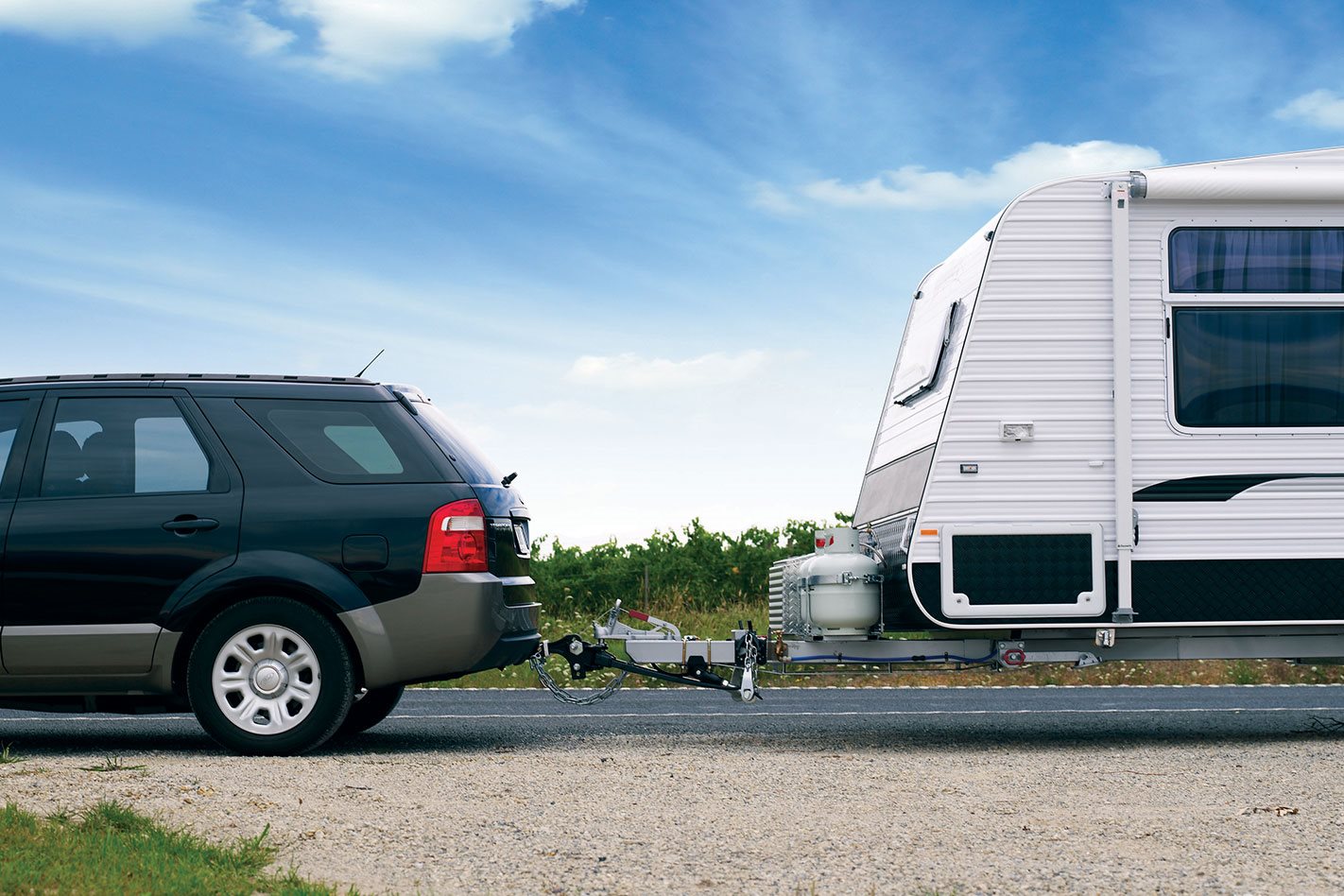
- Check the trailer’s suspension system and brakes if fitted. Small trailers won’t have brakes and generally won’t be able to carry more than about 750 kilograms. Larger trailers that can carry more weight may have either hydraulic or electric brakes; hydraulic ones work with any car, but electric ones need a special adapter wired into your car
- Check the trailer’s plug to see if it is either round or rectangular, and the same for your car. If the plugs are different you may need to buy a special adapter
- Connect the trailer’s plug to the car and ensure all the lights are working. If they’re not, wriggle the plug to make a better connection as a trailer that’s not used for a while may build up corrosion on the electrical connectors
- Make sure the trailer is in good condition and not weakened by rust or rotting wood. Also check welds at key joins and tie-down points
Loading the trailer
- Spread the load evenly across the floor or deck of the trailer and keep it as low as possible to contain the centre of gravity
- If the load is smaller than the trailer, move it as far to the front of the trailer as possible
- Avoid loads that stick out wider than the trailer and tow vehicle
- Avoid loads that are much longer than the trailer as this could impact your car’s handling. Long or high heavy loads could make the trailer sway uncontrollably
- Secure the load taking into account wind and forces caused by accelerating, braking and turning
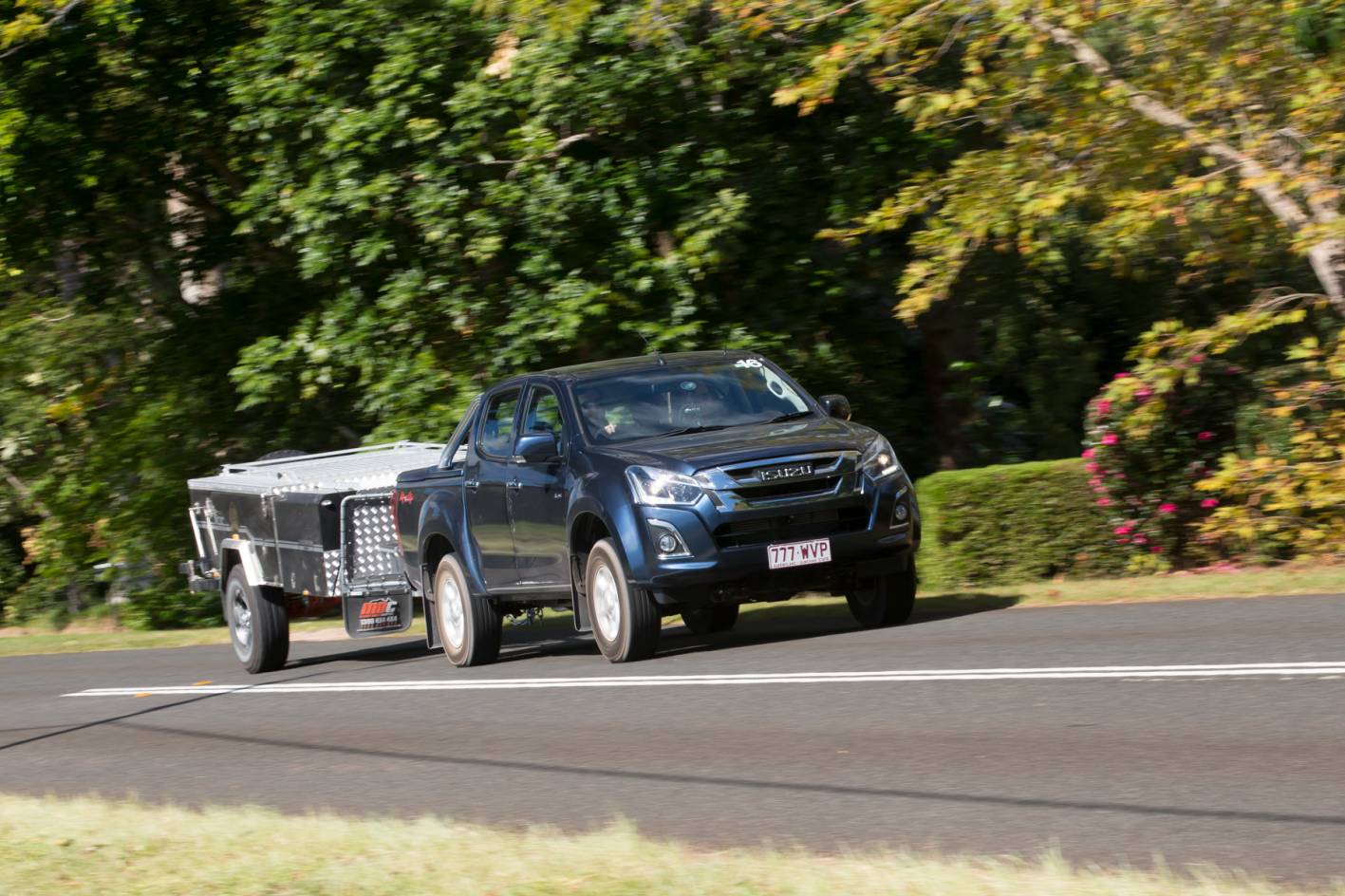
Driving with the trailer
- Make sure the trailer’s weight is within the tow limits of your car. This information can be found in your car’s user manual
- When driving, listen out for any noises from the trailer such as clunky or scraping wheels or a loose load
- Notice how the trailer affects your car’s handling and allow longer distances for braking, overtaking and joining a traffic stream and slow down before turning or entering curves
- If the trailer is bigger than normal, allow for its tendency to ‘cut-in’ on corners and curves
- Brake and accelerate smoothly and allow the trailer to move with your car rather than react to it
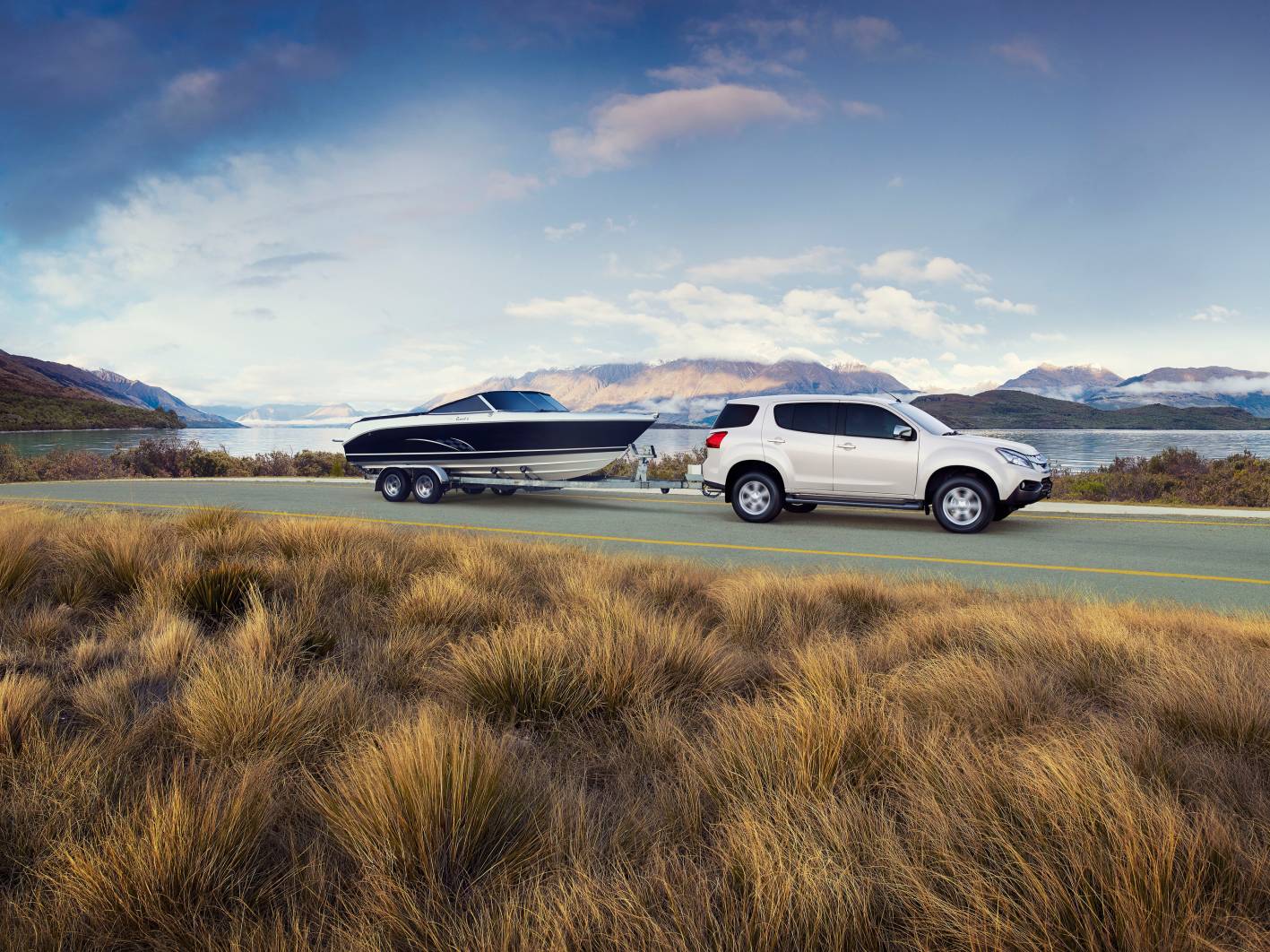
- Use a lower gear on downhill sections of road, even in an automatic, so you’re not sitting on the brakes under load
- If travelling long distances, stop from time to time to ensure the load is still secure and the trailer is coping. Check tyres, tie downs and couplings, and feel for heat in the wheel hubs that will tell you they’re about to fail. They should not be too hot to touch
- If reversing a trailer get someone to direct you wherever possible. If you keep having trouble reversing swallow pride and stop – you can get someone else to do it, unload from that spot or unhitch the trailer and push it into place. Alternatively, there will soon be a number of cars on the market that will be able to do the backing for you.
Trailer sway
If your trailer or caravan begins to sway or snake, the Caravan Industry Association of Australia recommends the following:
- Remain calm and avoid the urge to apply the towing vehicle’s brakes.
- Don’t try to steer out of the swaying / snaking. Alternatively hold the vehicle steady and try to stay in the lane.
- Gently apply the caravan’s electric brakes using the manual control in the tow vehicle. Otherwise, where conditions permit, continue at a steady speed or accelerate slightly until the sway stops.
- When a condition of sway has been corrected, slow down and pull off the road safely.
- Check that your load is correctly distributed within the trailer, making sure that heavier items are placed over the axles of the caravan.
- A caravan that doesn’t have the load distributed correctly, for example with too much weight behind the rear axle, may not handle well and may be the cause of swaying / snaking.
If you missed out on parking a Toyota Supra in your driveway this year you’ll have to wait until at least July 2020 to order a new one from a dealer.
Toyota Australia Vice President Sales and Marketing, Sean Hanley, said that the Supra has been a very positive model for the brand in Australia despite the limited supply.
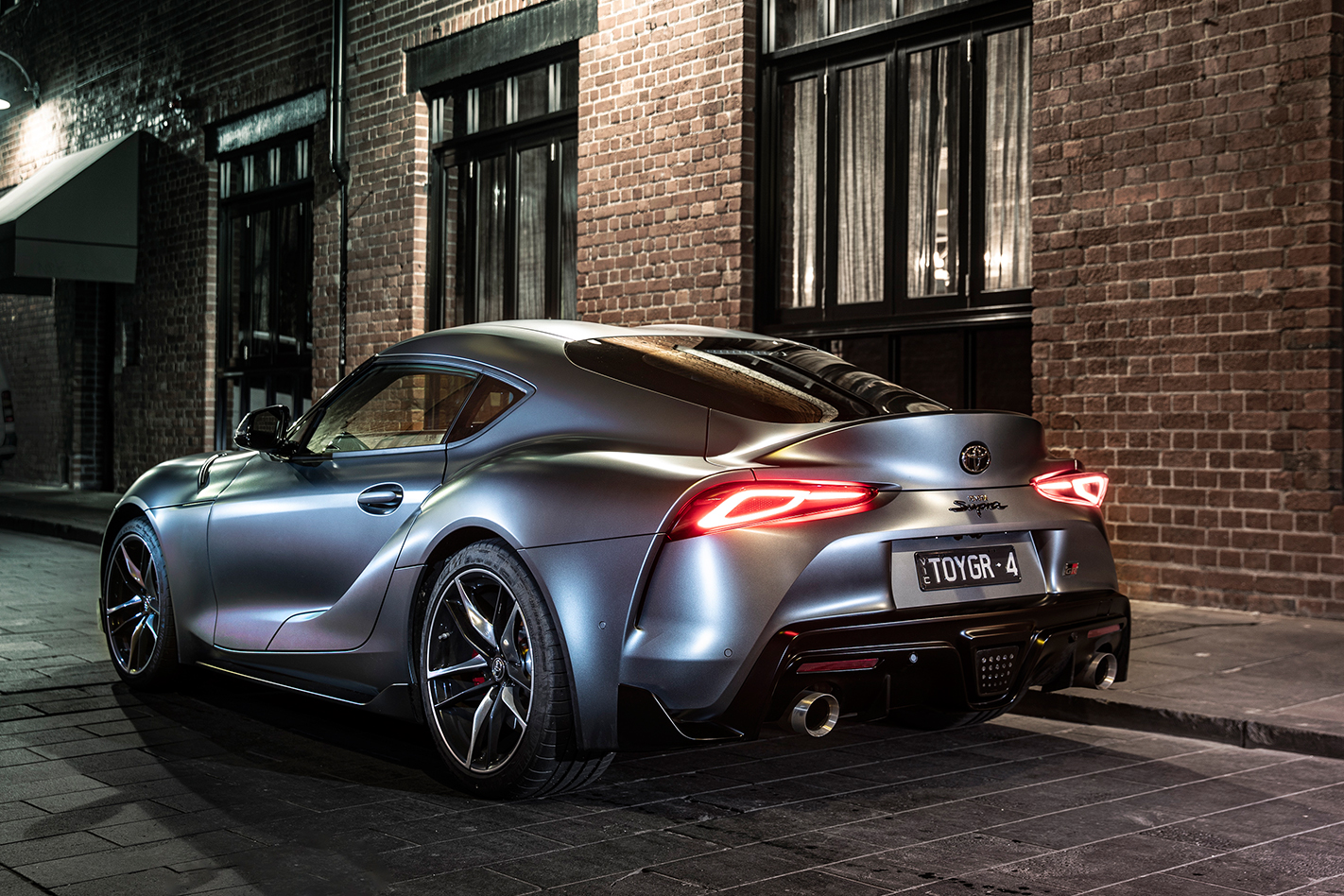
“We’ve sold that allocation, it’s gone. We don’t get anything until July next year,” Hanley said.
While the first allocation of Supras were only available to purchase online in three different batches, the next wave will be available through the traditional Toyota Australia dealer network, and is expected to be include a larger number of vehicles.
However, if you did miss out on the initial run of about 350 cars, Hanley believes there are still some examples floating around that are yet to be sold, you just won’t get to choose your own colour and spec.
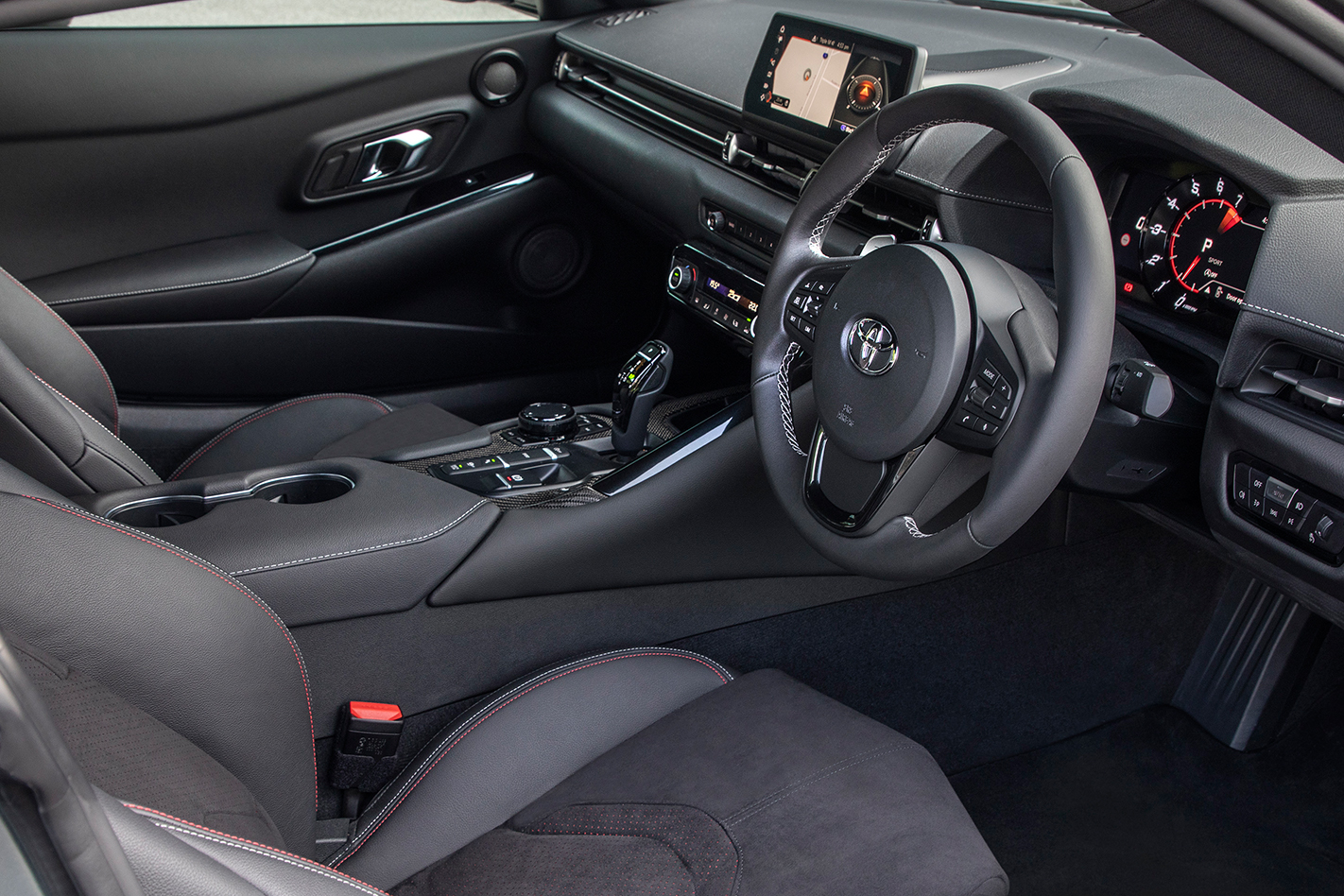
“We had a few orders that either fell over or were cancelled – there might be 15 available in dealers now, I think.
“But they’ll go pretty quick. I’m pretty confident that we’ll have sold out of that allocation by the end of the year,” Hanley said.
Hopefully it’s a sign of good things to come with the company pushing its Gazoo Racing products, something the local arm is keen to add to Aussie showrooms as soon as possible and to capitalise on the success of the Supra.
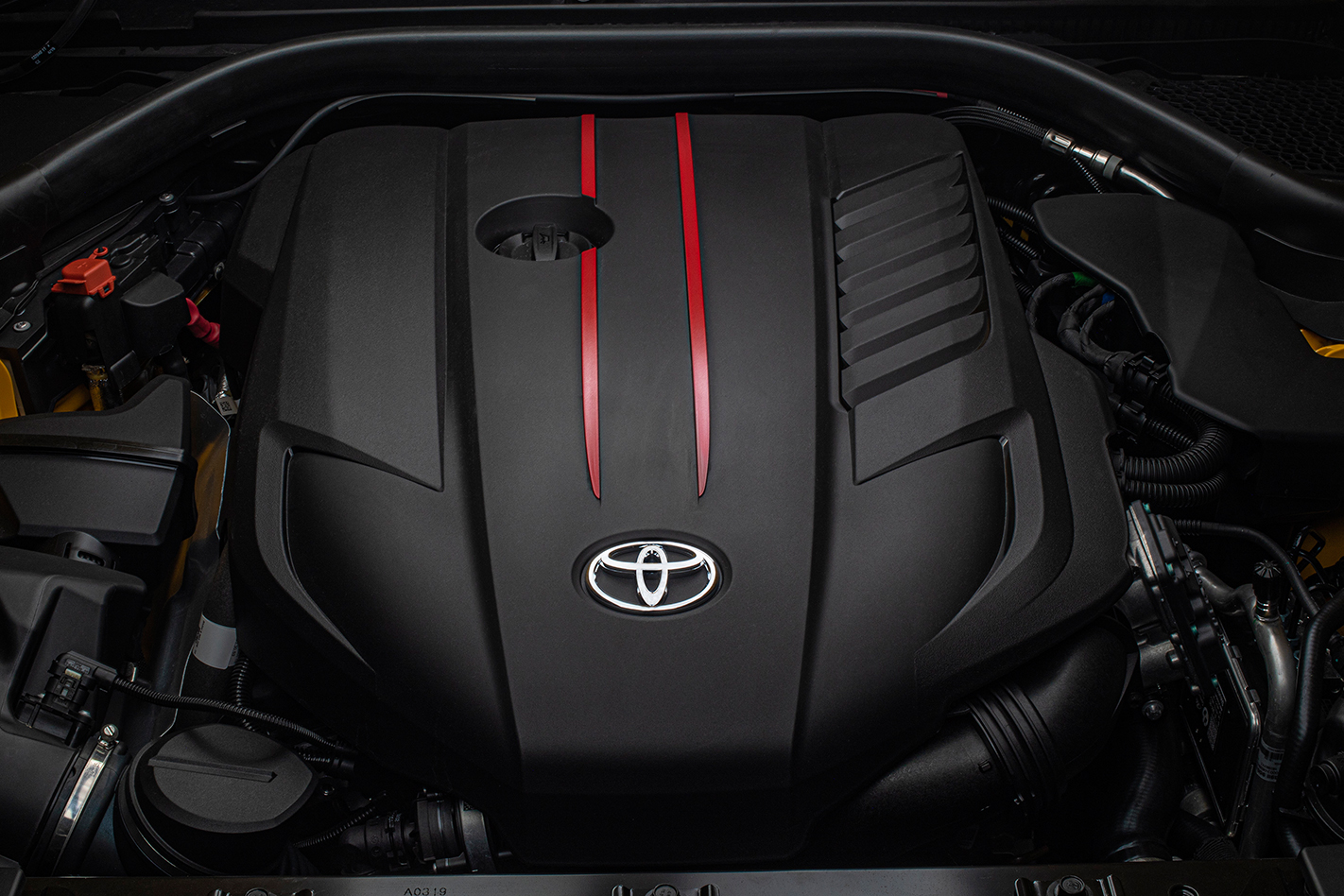
“That interest clearly demonstrated to us that there is an appetite for performance cars in Australia.
“I can assure you that we’ll be keeping a close eye on whatever product offerings arrive … Toyota Australia is keen to source any of those offerings in the future,” Hanley said.
One such product is the GR Yaris, which is destined to play on Toyota’s rally lineage and offer turbocharged, all-wheel-drive hot hatch goodness.
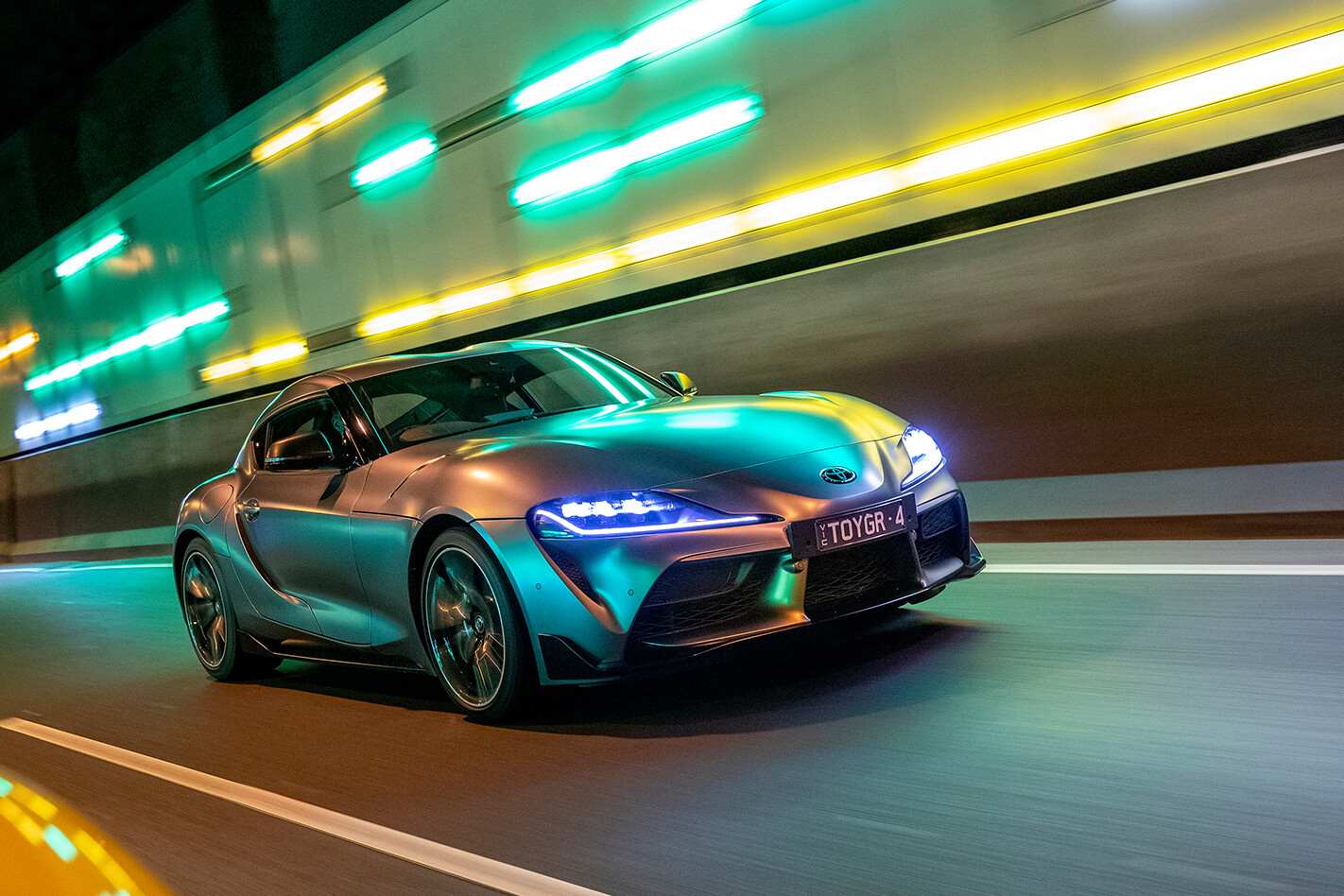
“I think it’s deeply important that we have the products to support that brand [GR] for credibility,” Hanley said.
We hope so, too. And if the Supra and Yaris are anything to go by, we seem to be in for a renaissance of Toyota performance products.
Mobile phones, kitchen knives, watches, clothing, luggage, buildings, and of course cars: Porsche, it seems, can turn its hand to designing just about anything. But now the famous German brand has created something that is quite literally out of this world.

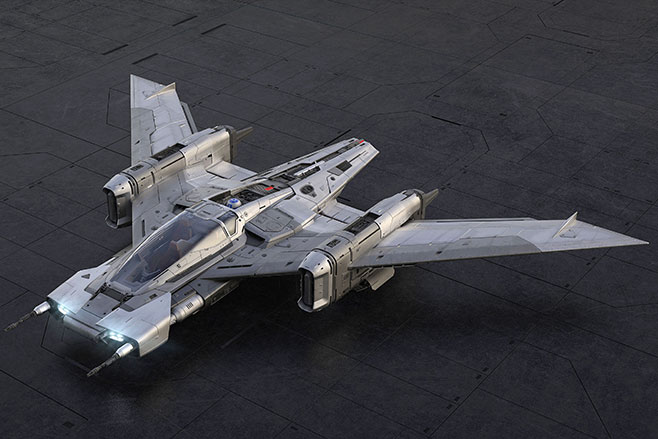
Due to make its debut in the latest instalment of Lucasfilms’ Star Wars franchise, the (take a deep breath) Porsche Tri-Wing S-91x Pegasus Starfighter breaks new ground even for the already prolific design house.
Such was the scale of the task, both the Porsche team in Weissach and Lucasfilms San Francisco studio were enlisted to complete the space battle machine, taking a full two months to pull together what you see here.
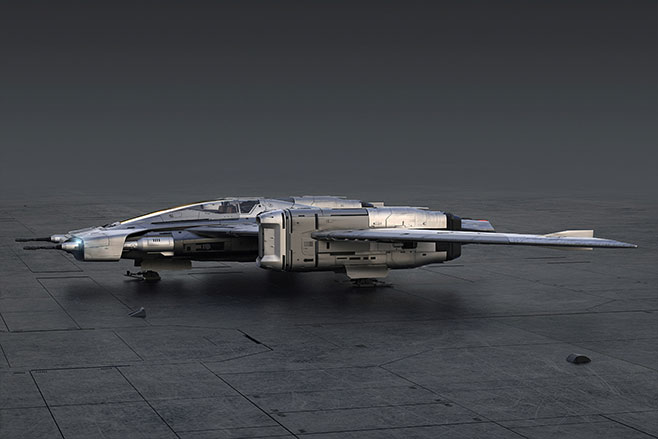
You’d have to be some kind of design savant to pick the Porsche calling cards but they are there, says the car maker.
Located in its nose, just inboard of some pretty offensive-looking weaponry, the Tri-Wing has the same distinctive four-point lighting found in many of its models that don’t fly, and the signature is repeated in the outlet of its engines.

Porsche does not provide any technical details regarding the propulsion system, although we suspect they are not part of the E-Hybrid series as they glow blue not Acid Green.
The Pegasus also has a grid located just behind companion robot R2-D2’s seat with anti-collision beacon and red bar lighting either side of the fuselage, which Porsche tenuously links to the 911’s grille and rear lights.
Finally, it says the “air curtains” on either side of the cockpit are reminiscent of a feature found on the front of the Taycan fully-electric Porsche. This particular example appears to have the ‘badge delete’ option as there is no branding to be seen anywhere on its exterior.

Inside the starship, Porsche has applied the same ergonomics it would to a car, with instrumentation positioned centrally for line-of-sight. We expect head-up display and night vision to be standard equipment.
Interestingly, for a fighter, the cabin accommodates up to three, implying technology still hasn’t replaced a navigator even in the distant future. Or perhaps pilots just like the option of taking a couple of mates into battle.
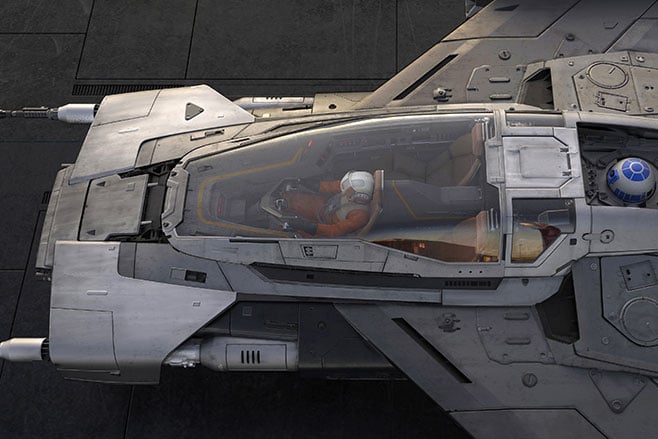
An undeniable common trait between the fantastical futuristic concept and its gravity-conforming road models, is that it looks absolutely stunning. Take a moment to browse the high-resolution shots in our gallery and enjoy the detail the design team has included.
And if that’s not close enough, you can appreciate the Tri-Wing in-person at The Rise of Skywalker premiere in Los Angeles, where a very real 1.5-metre model of the concept will be on display.