
When were cars invented?
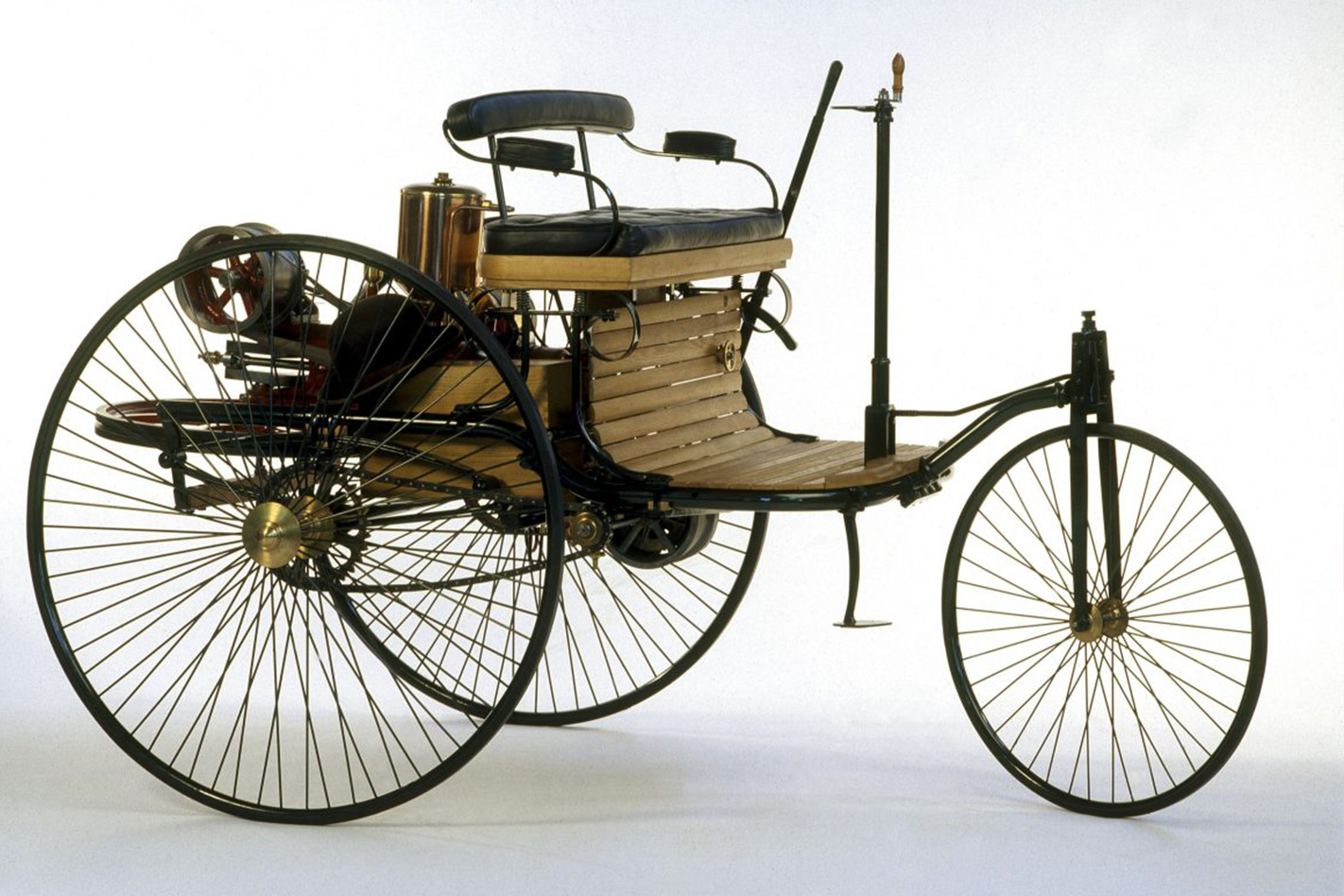
An often disputed fact, the car as we know it today was first invented in the late 1800s. Of course, it presented as nothing like we know and love it today, but what you would now call an automobile was first invented by Karl Benz in 1885.
What car should I buy?
As everyone is different and has separate needs and wants, there is no one car that suits everyone. The Australian new car market is one of the most competitive in the world, each and every brand vying for your hard-earned dollar which can sometimes make buying decisions confusing. But there’s a hidden advantage of having an amazing amount of choice. Luckily, WhichCar is here to help and provides thousands of new car reviews and comparisons, and car buying advice you can arm yourself with before hitting the dealership.
Additionally, we run a series of articles called “Which car should I buy?” where we answer the question based on each person’s specific circumstances. If you want the chance to get picked for a “Which car should I buy?” article, please send us an email at [email protected].
How are cars made?
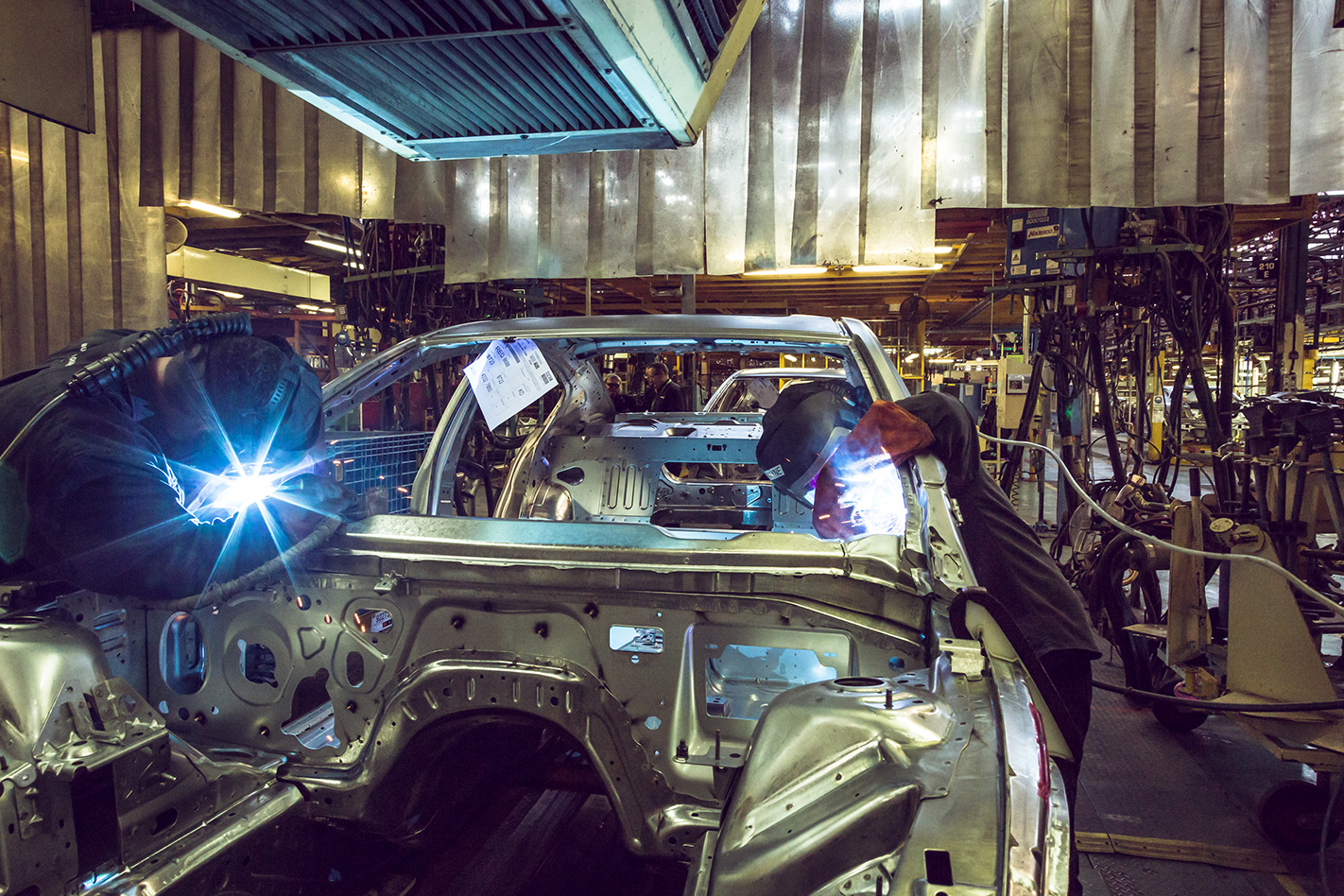
There is no easy answer to this question as each and every car manufacturer has different ways of going about producing cars. Generally it involves a production line, where the chassis is sent down a line and each part is added sequentially. A lot of car production is completed using robots and machines rather than humans these days.
Is car allowance taxable?
Car allowance is included in your taxable income and as such, you will need to pay tax on it. However, if you are using your car for work you should document the travel in a logbook as you can claim 68 cents per kilometre of travel which in turn, will reduce your taxable income.
What cars are made in Australia?
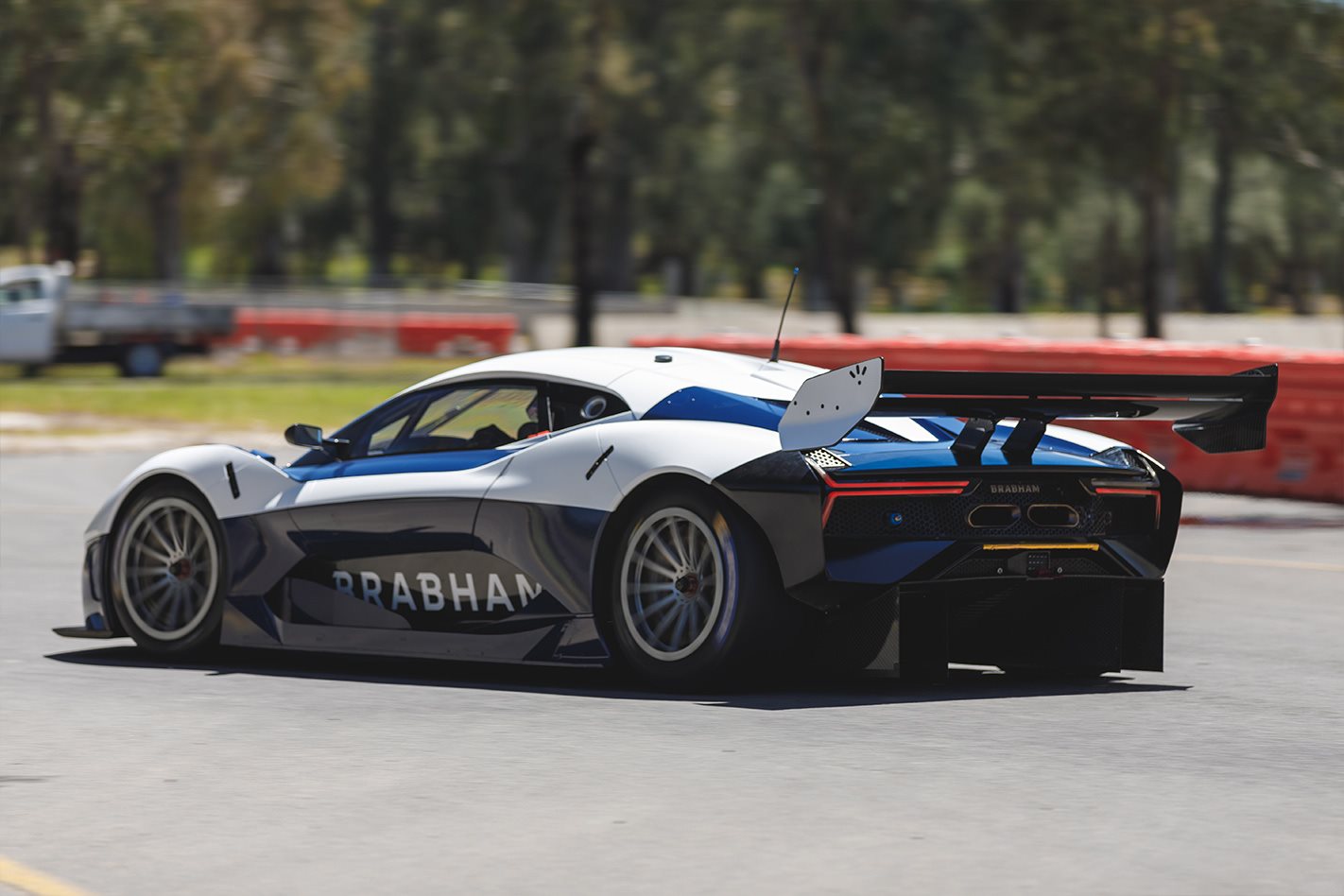
Australia no longer manufactures cars. The only exception is Brabham who builds the BT62 out of Adelaide.
How do I jump start my car?
Jump starting a car is pretty simple but there are several precautions you need to take to do it safely. If possible, get roadside assistance to come and start your car as they’ll have anti-surge equipment that prevents any damage to your car’s electronics. If that’s not possible or convenient, follow these steps to jump start your car and safely get your car going again.
How do I replace my car key?
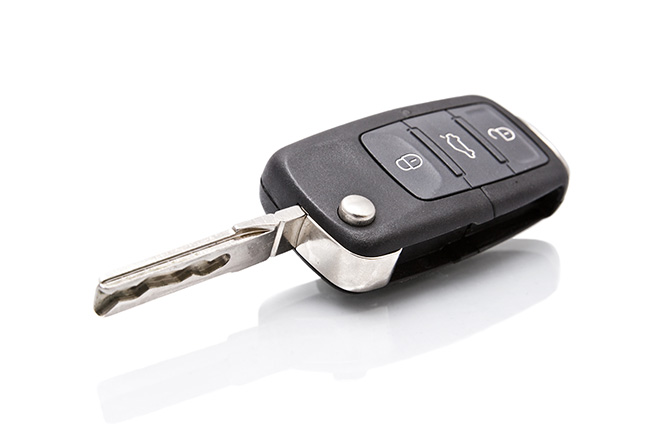
Car keys are quite complex these days. Getting car keys replaced or fixed through a dealership can be expensive, with standard electronic keys costing anywhere from $250 to $1000 to replace.
You can save about $100 by going to an automotive locksmith or accredited locksmith with the necessary equipment to replace modern car keys.
As well as cutting metal keys based on your car’s unique code, some locksmiths have equipment that can help reset the car’s computer if both keys are lost.
You can find a suitable locksmith at the Master Locksmiths Association of Australia website.
What does comparison rate mean in relation to car loans?
Lenders are required by law to provide comparison rates that help identify the true cost of a loan including the interest rate, term of the loan, repayment frequency and accompanying fees to give you a better picture of what the loan will cost over its life. It will generally be about 0.5 percent higher than the primary interest rate.
Sometimes you’ll see car dealers advertising very cheap “comparison rates” as low as 0.0 percent. If this seems too good to be true, it’s probably because it is. What happens here is they ramp up the purchase cost of the car so the total repayments end up being the same as if the car was cheaper.

According to CarLoans.com.au, a car with a purchase price of $23,000 over 36 months at 0 percent will cost you more than the same car with a purchase price of $20,000 over 36 months at a 7 percent comparison rate.
Unless the purchase price with the comparison rate is a bargain, you are better off organising finance separately and negotiating for the cheapest price on your new car purchase. In any case, do the homework before you buy.
Find out more about how to finance your new car.
What are the best cars for towing?
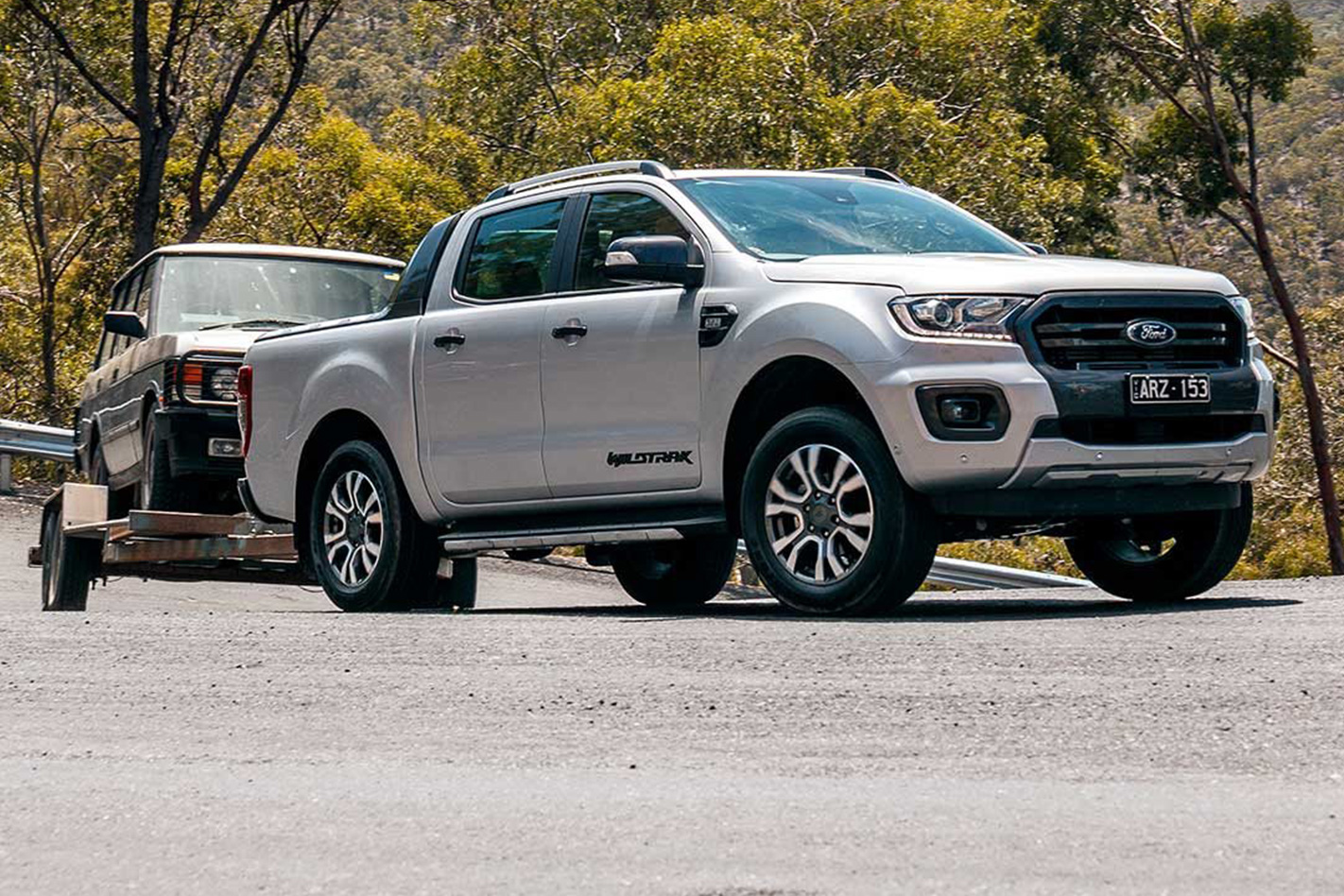
Check out the top 10 caravan tow vehicles, as judged by the expert team at Caravan World.
The best towers have a maximum towing capacity of 3000-3500kg and are generally larger SUVs and trade utes, which are listed here.
What is the best tyre pressure for my car?
This depends on your car and tyres. Assuming your car has appropriate tyres, you can find the correct pressure on the tyre placard located in one of your car’s door jams or in the glove box.
Once you know the correct tyre pressure setting, be sure to check it once a month and top up if necessary.

What is car suspension?
Your car’s suspension is generally out of sight and out of mind, but it plays a crucial role. The suspension does everything from ensuring the wheels stay connected with the road for better grip and braking, to stopping the car from shaking to pieces over rough surfaces. As well as smoothing a bumpy ride, it also helps steering by absorbing lateral forces that make the car want to roll.
Suspension comes with two basic components – springs and dampers (also called shock absorbers).
Read our in-depth guide to suspension for more details.
The 2016 superhero flick Batman v Superman might have disappointed fans, but it certainly gave audiences one of the coolest Batmobiles in film, and now there is a chance to bag yourself a replica of it.
Posted for sale on Russian online marketplace, Auto.ru, the replica is priced for a cool 55 million Rubles or AUD$1.25 million. It has been reported that this particular replica is only one of four in the world.
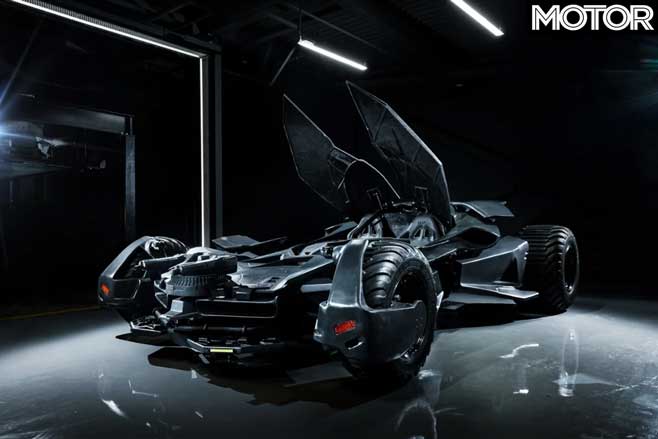
According to the post, the car was built in the United States in 2018 and sports a 5-litre petrol V8 producing around 370kW, with drive sent to the rear wheels via an automatic gearbox.
The Batmobile replica was bought by Russian tuner, Fast Boom Pro, and shipped over to Russia where finishing touches were done to its body and electronics.
Modifications done it include automating the split cockpit canopy, upgrading its suspension system with pneumatic lifts, and armouring the windows – because Russia.
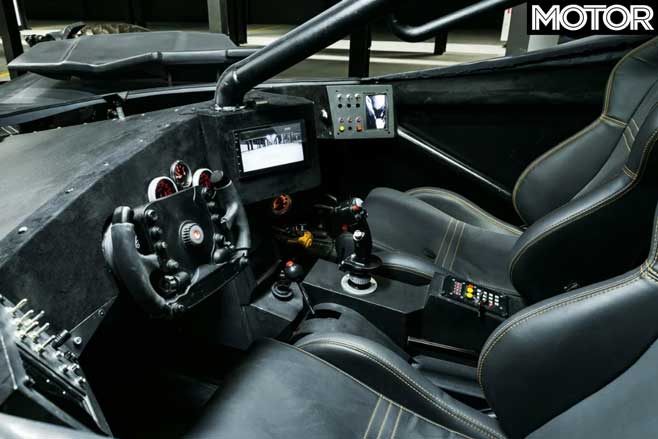
While the interior is as well-crafted as a kit car, that is to say nailed together like a shed, the seller claims that it comes equipped with some true Black Ops stuff in the form of a night vision camera, thermal imaging equipment, and replica machine guns on the front nose.
Since its arrival in Russia, the replica has since led a dazzling life touring the Moscow nightlife and being exhibited at events. Currently the replica is stored in a high-end car garage known as the Oscar Club.
The 2013 Vauxhall Astra used by Top Gear for the ‘Star in a Reasonably Priced Car’ segment for the last couple of years of the ‘OG Trio’ era is up for grabs.
The Astra had been driven by plenty of stars prior to its departure from the show at the end of the 22nd season, coinciding with Jeremy Clarkson, Richard Hammond, and James May also leaving the show.
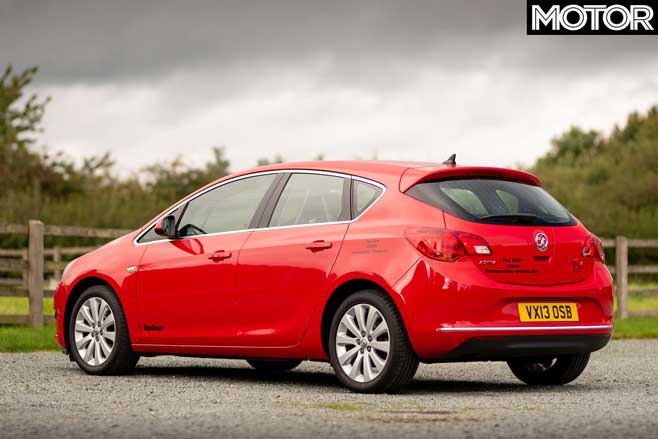
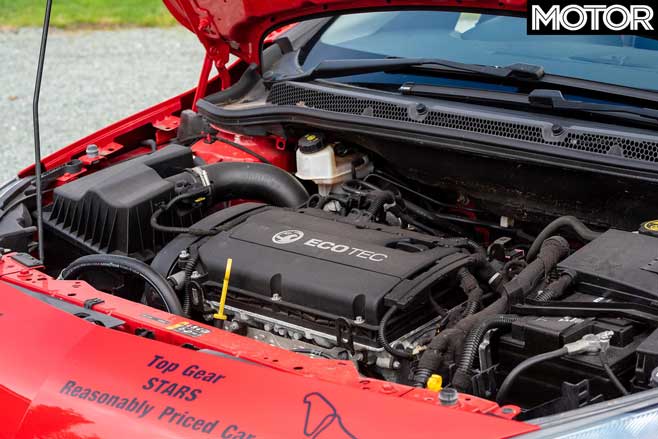
The names and lap times of each guest driver is stickered on the bonnet of the Astra, as well as a few other decals around the car to signify that it is indeed the real Reasonably Priced Car.
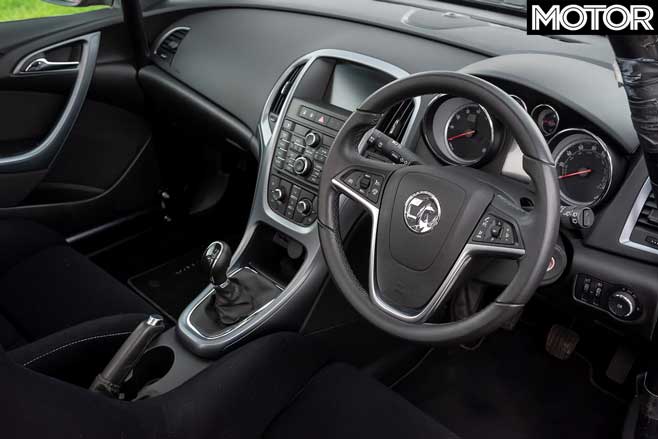
Its specification remains standard, and some of its fittings (race seats, rollcage, harnesses, etc) from filming are still present, but its 85kW 1.6-litre engine is unlikely to inspire a desire to go racing.
Those who have raced it, however, have managed to do so at Top Gear’s track with varying degrees of success.
Olly Murs took out the fastest lap with a 1:44.6 time, while car-loving AC/DC frontman Brian Johnson ran a 1:45.1, and Margot Robbie’s 1:47.1 put her ahead of Focus co-star Will Smith (by one tenth).
Those towards the bottom of the ladder include Ron Howard with a 1:49.9 , and Aerosmith’s Steven Tyler with a 1:51.0.
According to the listing, the car has been owned by someone who bought the car at an auction once the car was done with its time in the spotlight.
“The vendor acquired the car a year ago and is the only private owner. He has ensured that the car has been kept in superb, ready-to-drive condition.”
Bidding ends three weeks from time of publish, with the current bid a less reasonably priced £12,500 (AUD$22,800).
IS THERE really anything much wrong with heated and cooled seats?
Elon Musk clearly thinks so because if US patent number 20190291613, registered on Spetember 29th, is anything to go by, Tesla is about to reinvent the whole technology.
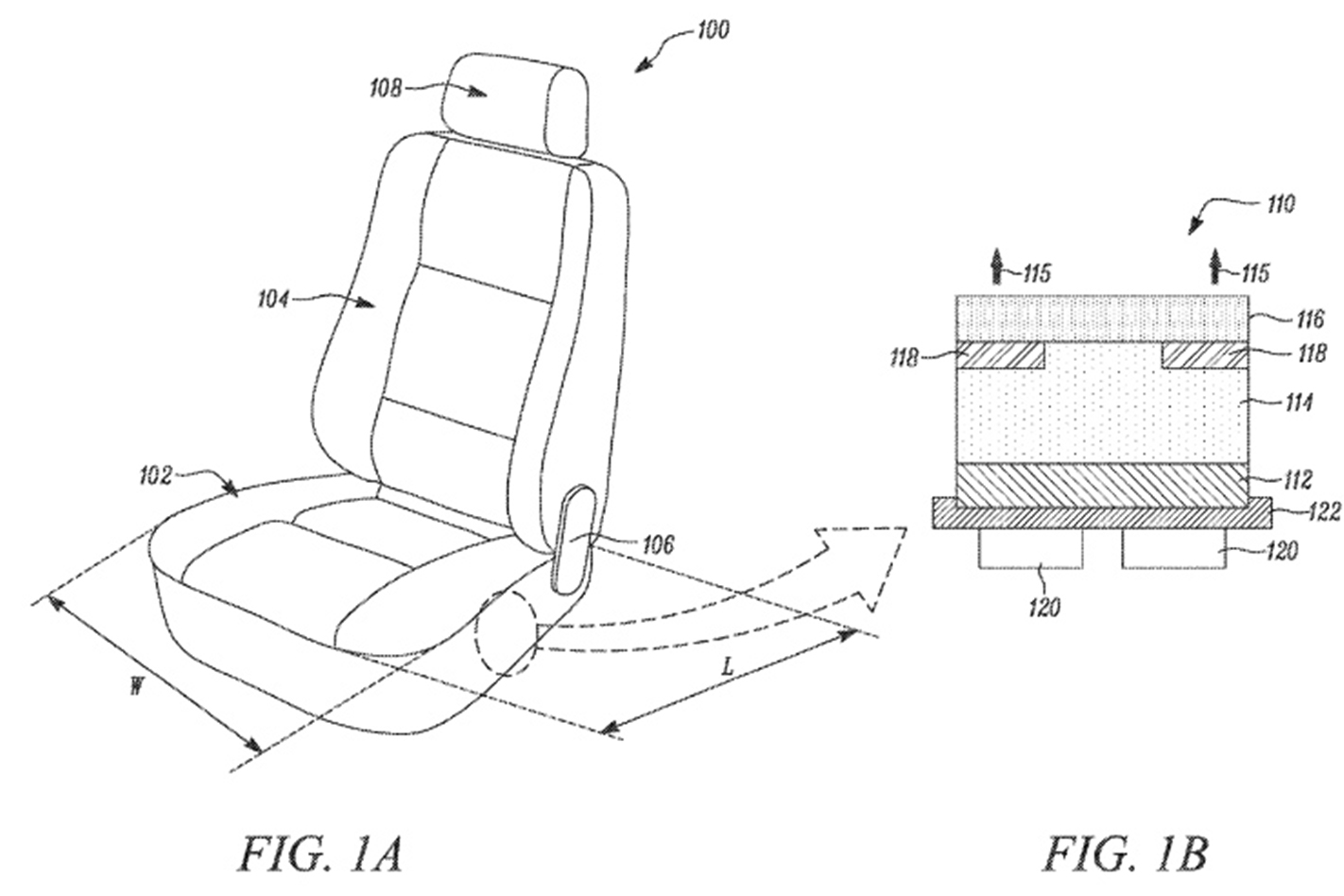
Traditional heated seats use a series of resistors where, when the current is increased, the temperature rises.
Heating elements in the cushion and the squab of the seat can thus be adjusted for temperature. Cooled seats use a series of fans to blow cold air through the seating material.
The faster the fan spins, the greater the cooling effect. Moving parts tend to be anathema to EV manufacturers, so having already had an idea of how to reinvent the windscreen wiper, Tesla has now come up with a smarter way to heat and cool seats.
The patent details a system whereby multiple layers within the seat distribute what we should imagine to be a gel that is heated and cooled by electrical conduction and the AC coolant respectively.
Not only would there exist the possibility that the seats could be heated and cooled more evenly than is currently the case, but the removal of fans from the interior of an EV would also improve interior refinement.
And yes, in case you were wondering, Tesla is also planning to make the system leakproof so that a set of keys in your pocket won’t leave you sitting in a pool of warm goo.
Australia’s first factory-delivered Corvette, the mid-engined C8, could be delayed as a strike by General Motors workers reaches its third week.
United Auto Workers (UAW) have been striking amid contract negotiations with GM, with most of the American manufacturer’s factories being temporarily shut down in the process.
The Bowling Green Assembly plant in Kentucky, where every Corvette is built, is affected by the strike, with the Detroit Free Press reporting that industrial action has resulted in a delay in starting C8 production.
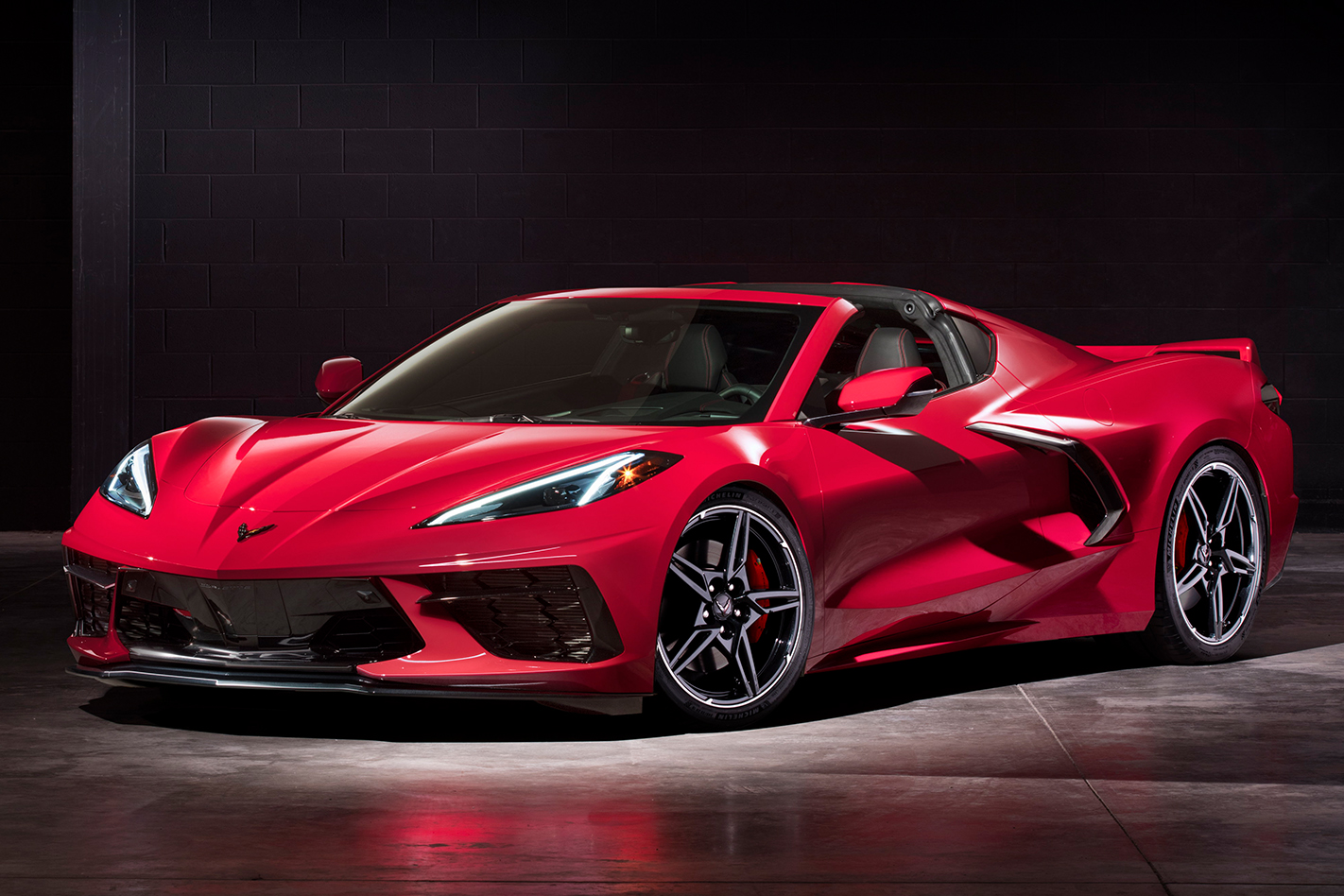
It’s reported that Bowling Green still has to finish production for the front-engined C7 Corvette, before the plant can be idled, and retooled, ahead of the mid-engined C8 starting full production.
GM has pushed back against the report, with a spokesman saying the C8 is unaffected by the ongoing strike.
“As we’ve previously stated, Chevrolet Corvette Stingray production begins in late 2019 and convertible production follows in late first-quarter 2020,” a spokesman told the Detroit Free Press.
“It’s too early to speculate on production timing impacts on any of our vehicles due to the UAW work stoppage.”
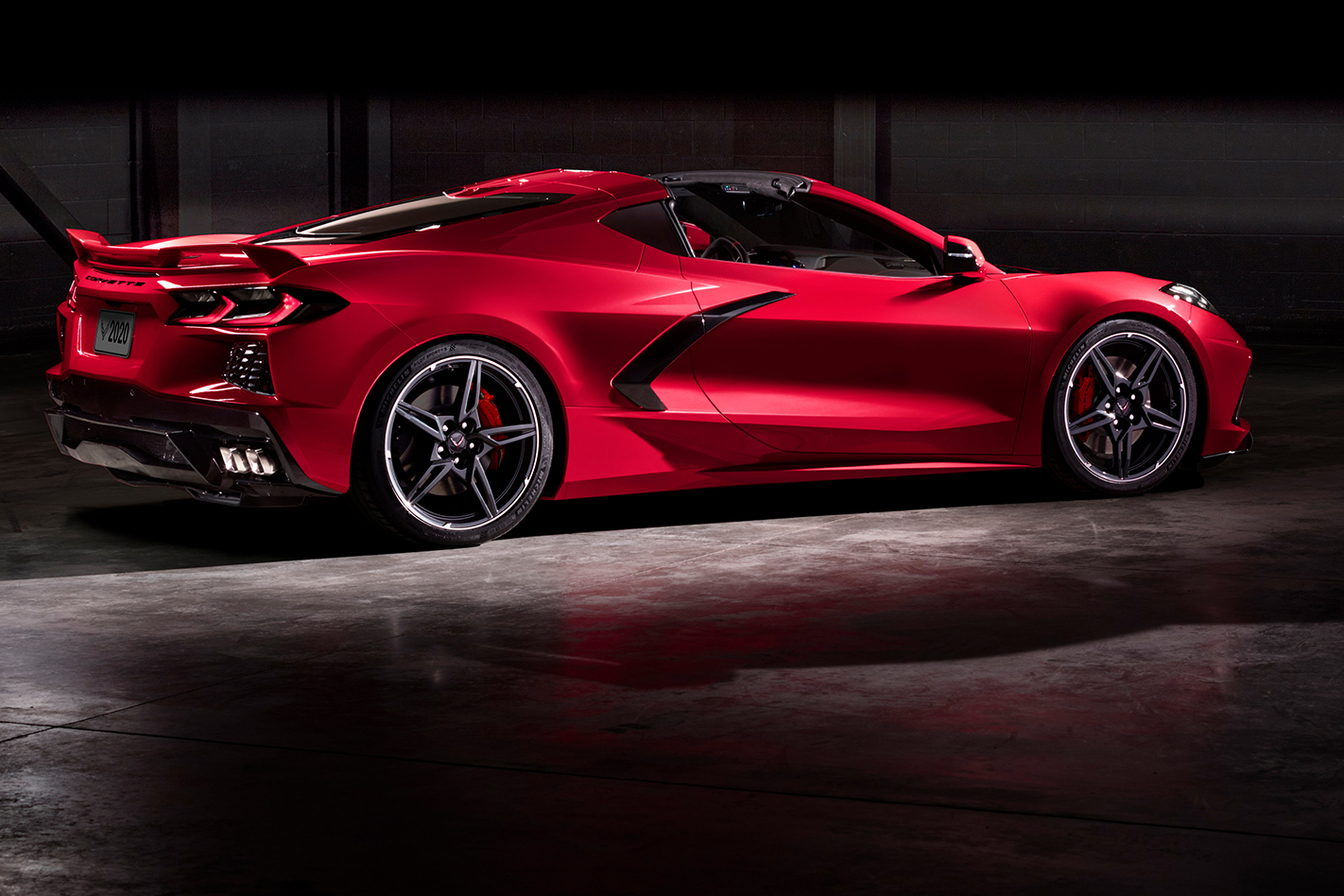
An anonymous source quoted by the Detroit Free Press thinks otherwise, telling the outlet “I know for a fact that this strike is directly going to affect the start of regular production for the mid-engined Corvette.”
According to the source the retooling process needed to start building production C8 Corvette’s “can’t happen because the plant hasn’t finished production of the current generation Corvette.”
It’s claimed that GM had originally planned to idle the Bowling Green plant this week, with retooling to begin next week. As workers continue to strike, this cannot happen.
The UAW and GM have been butting heads over demands made by the union, which include wanting a guarantee that future models will be built in American factories.
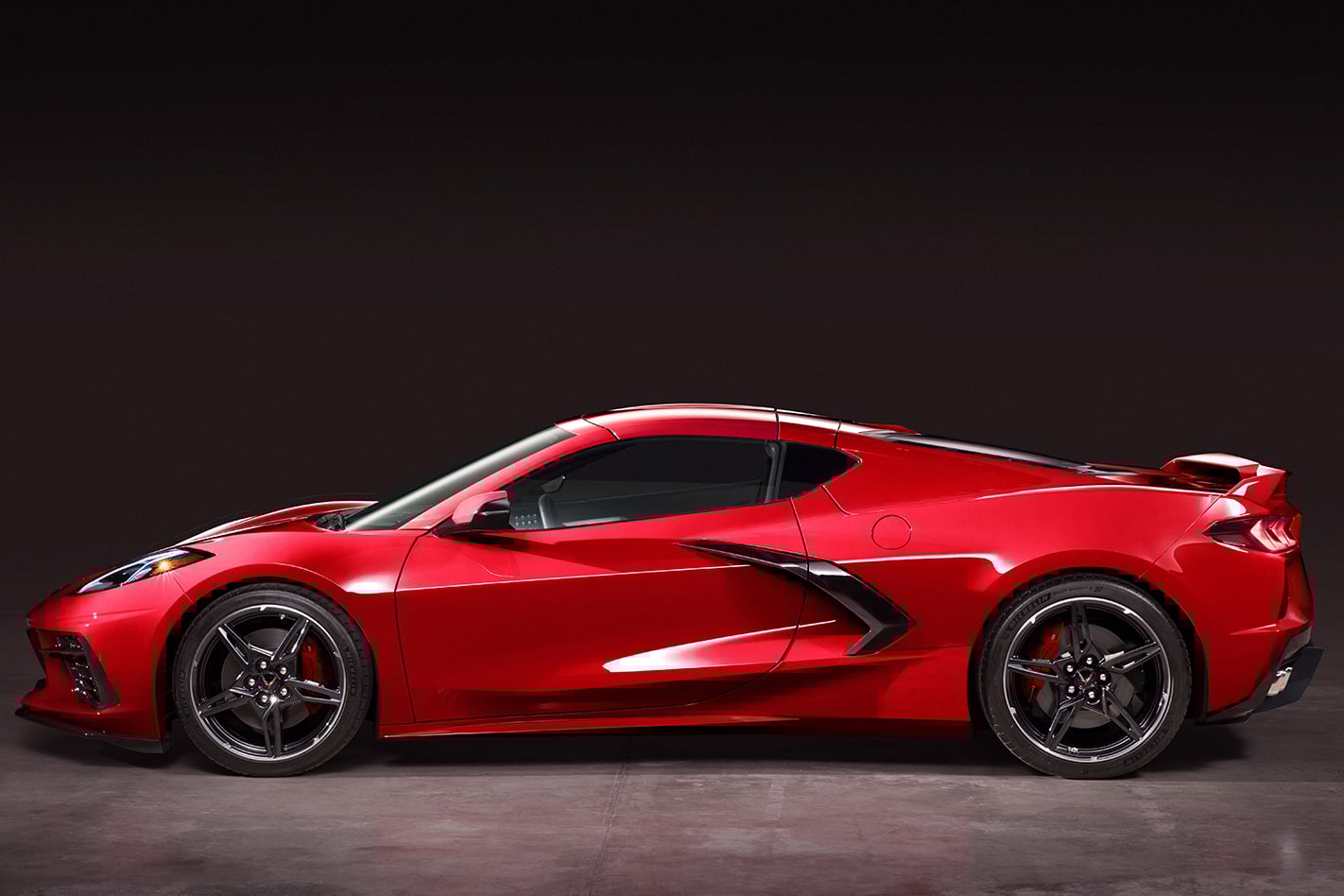
The all-new C8 will become the first Corvette sold from the factory in right-hand-drive, and is coming to Australia as a factory-backed model.
If the reports of delays are true, and the negotiations between GM and the UAW remain in a stalemate, it’s likely that an Aussie launch could be pushed back.
Currently the C8 is expected to arrive on Aussie shores before the end of 2020. As demand in North America will be immense, and the industrial action has no end date in sight, it could be possible that Australians will have to wait until 2021 to get their hands on the V8-powered sports car.
However, if UAW and GM come to an agreement soon, and production ramped up successfully, Holden could receive the C8 on time.
This isn’t the first time the C8 has been delayed, with reports from earlier in the year claiming the launch was pushed back by six months due to a trio of issues found with the new electrical architecture.
According to Hagerty the car needed a computer area network revamp amid a swap to the new platform, while the aluminium chassis couldn’t handle the stress of the yet-unreleased twin-turbo motor, and unspecified underlying design issues needed refining.
What stands out?
The Toyota Fortuner is a family-sized, seven-seat SUV based on the popular HiLux ute. It’s built tough, will go a long way off road, and is good at towing. It also strikes a nice balance between ruggedness and everyday usability. All Fortuners are equipped with autonomous emergency braking.
What might bug me?
Clatter from the diesel engine, and the bumpy ride, when unladen, might wear you out if you use a Fortuner as an everyday family runabout in the suburbs. (But neither will bother you off road, nor when loaded for a long trip: the engine is very quiet at highway speeds.)While the handling is respectable for a ute-based SUV, don’t expect the Fortuner to steer or corner on bitumen as convincingly as alternative SUVs designed mainly for road use.
What body styles are there?
The Fortuner is offered solely as a five-door wagon. All come with seven seats as standard.All Fortuners have part-time four-wheel drive, which means you must select rear-wheel drive for sealed roads but can switch to 4WD when on soft or slippery surfaces. Once in 4WD, you can also choose low-range from the Fortuner’s dual-range gearing, which allows you to drive smoothly at very low speeds – a big help when negotiating rough terrain.The Fortuner is classed as a large SUV, lower priced.
What features does every Fortuner have?
An active safety suite, that Toyota calls Safety Sense, which includes autonomous emergency braking, lane departure warning, and active cruise control.A reversing camera, and rear parking sensors.A centrally mounted, 7.0-inch touchscreen display, with Bluetooth connectivity and a USB port for your phone or iPod. An audio system with at least six speakers, which can be controlled from the steering wheel. Three 12 volt accessory sockets.A 4.2-inch colour screen screen that displays key driving information in the instrument cluster.Seven seats, with a one-touch tumble and slide second seat-row that provides easy access to the third row. Roof-mounted air conditioning vents for occupants in the third row of seats.Headlamps that switch on automatically when it gets dark, and extremely long-lived LED tail-lights. Side steps (which make it easier to enter and alight from the cabin). Front and rear mudflaps.Wheels made from aluminium alloy, and a full-sized spare wheel and tyre.Hill-start assist, which prevents the car from rolling backwards when starting from rest on a slope.Electronic traction control, which helps you go further off road. A rear differential lock, which can help you maintain drive in very rough or slippery off-road conditions.An air-conditioned cool box to keep food fresh on long journeys.Trailer sway control, which automatically uses the brakes and engine to limit trailer movement in high winds, or when driving on rough roads.An 80-litre fuel tank, which provides a touring range of more than 700km.Seven airbags. Electronic stability control, which helps you avoid and control skids. (For the placement of airbags, and more on Fortuner safety features, please open the Safety section below.)The Fortuner comes with Toyota’s five-year/unlimited kilometre warranty.
Which engine uses least fuel, and why wouldn’t I choose it?
There is only one engine available for the Fortuner, Toyota’s newly developed 2.8-litre turbo-diesel. The same engine is found in the HiLux ute, and a very similar engine powers the Toyota Prado.Now only available with a six-speed automatic gearbox, it consumes 8.6 litres/100km on the official test (city and country combined) – which is about average for this sort of SUV.In the real world you can expect a Fortuner to average about 11 litres/100km over a range of driving conditions, with consumption approaching 9.0 litres/100km in easy highway cruising.(Power outputs and all other Fortuner specifications are available from the Cars Covered menu, under the main image on this page.)
What key features do I get if I spend more?
All Fortuners share the same engine and four-wheel drive system, so stepping past the least costly model, the GX, and paying more for a GXL or Crusade brings only better interior trims and more equipment.The GX comes with 17-inch wheels, cloth-covered seats, and the features common to all Fortuners. A manual gearbox is standard, with the auto an extra-cost option.Spending more for a Fortuner GXL gets you keyless entry and start, so that you can unlock the car and drive away without removing the key from your pocket or bag. You also gain a digital radio receiver, and satellite navigation. Downhill Assist Control brakes the car automatically when descending a steep hill off-road, so that you can concentrate on steering. Roof rails make it easier to fit rooftop luggage systems. And automatic gearbox GXLs have paddle shifters mounted on the steering wheel.The most expensive Fortuner, the Crusade, comes with an auto gearbox as standard. Seats have part-leather trim, and the front seats power-adjust and can be heated. Climate-control air-conditioning maintains a set temperature, and there is a JBL-branded sound system with more speakers. Headlights rely on very bright and long-lived LEDs. The Crusade also has 18-inch wheels, shod with lower-profile tyres aimed at providing more grip, better fuel economy and less noise on sealed roads.You can add part-leather, power-adjustable front seats to a Fortuner GXL at extra cost.
Does any upgrade have a down side?
The road-focused tyres on the Crusade will be quieter and give better grip on sealed surfaces, they won’t be as good off road as the all-terrain rubber fitted to the Fortuner GX and GXL.
How comfortable is the Fortuner?
The Fortuner’s cabin is roomy, comfortable, and impressively quiet, thanks to soundproofing that isolates a lot of the tyre and road noise. It’s an easy and relaxing place to sit on long journeys. The cabin’s layout is also simple and easy to navigate. And while the interior finish feels more commercial vehicle than premium passenger car, most of the hard plastics are suitably durable.The diesel engine exhibits some gruff diesel clatter around town but it is quiet at freeway speeds. . It supplies enough grunt for comfortable highway cruising and hill-climbing, and accelerates moderately when overtaking.The biggest dynamic let downs are slow steering that does not feel intimately connected with the front wheels, and the rear wheels’ tendency to skip and move around over corrugations – a legacy of the ute-based, live-axle rear suspension.
What about safety in a Toyota Fortuner?
All Fortuners come with anti-lock brakes, and stability control. A reversing camera and rear parking sensors improve your awareness of bystanders in slow-speed manoeuvring. Auto-on headlamps reduce the risk that other drivers won’t see you in poor light.In October 2019, the Fortuner range gained autonomous emergency braking as standard along with lane departure alert, active cruise control and road-sign assist.According to Toyota, the autonomous emergency braking system uses a forward-facing camera and radar that can detect vehicles and pedestrians day or night and cyclists during the day.The technology is also used to detect the vehicle deviates from its lane and alerts the driver with visual and audible warnings and vibrates the steering wheel. If necessary, it can provide steering assistance through the braking system.The high-speed active cruise control can maintain a suitable distance from a vehicle ahead when travelling above 40 km/h.The Fortuner has seven airbags, two of which are placed directly in front of the driver and front passenger; one protects the driver’s knees; and there is one outside each front occupant to protect the upper body. Finally, two curtain airbags extend down each side of the cabin at head level, to protect all outer passengers – even those in the third seat row – from side impacts.The Australasian New Car Assessment Program (ANCAP) awarded the Fortuner its maximum five stars for safety, in October 2015.
I like driving – will I enjoy this car?
The Toyota Fortuner is an SUV designed primarily to be tough off road and comfortable on the road, and not to deliver sportscar-like dynamics. Its high centre of gravity, hefty two-tonne mass and ute-based chassis mean there is noticeable body roll through corners, and the steering does not have enough sharpness and feel to be engaging.Nevertheless, the Fortuner drives respectably for a ute-based SUV. All of the controls are well weighted, the handling is predictable, and the diesel engine is quiet at speed, which makes the Fortuner a relaxing car.Where the Fortuner excels is off-road. It can take you and your family places you could not reach in more road-focused seven-seat wagons, thanks to its dual-range gearing, impressive approach and departure angles, excellent wheel articulation and lockable rear differential.And if your idea of fun is traversing rocky cliff faces and conquering tricky obstacles, then yes, you too will enjoy the Fortuner.
How is life in the rear seats?
A second row of seats that slides forward and back boosts interior flexibility: second-row passengers can maximise their leg room, or can add leg room for people riding in the third row.Even the third row of seats is roomy and comfortable, with enough space for occasional adult use on short to medium journeys.A low window line provides excellent visibility, and roof-mounted air conditioning vents boost passenger comfort.Access to the third row is also easy, thanks to one-touch fold and stumble second-row seats.
How is it for carrying stuff?
The luggage area, which is accessed via a single top-hinged tailgate, provides class leading levels of space thanks to flexible second row seating that can slide forward and back, and third row seats that can be conveniently flipped and secured on the side next to the rear windows.With the third row seats folded flat, sliding the second row forward increases boot space from 654 litres to a cavernous 716 litres.The three-person middle row of seats fold 60/40 and the two-person third-row folds 50/50. That adds versatility, allowing you to tailer the car’s interior for carrying people or gear or both.The Fortuner has a 3000kg maximum towing rating in manual guise (2800kg for the auto), which is average for a medium-sized 4WD wagon. That is enough to legally tow a two-horse float or a large, tandem-axle caravan.
Where does Toyota make the Fortuner?
All Fortuners are made at Toyota’s factory in Thailand.
What might I miss that similar cars have?
A four-wheel drive system that you can use on sealed surfaces as well as off-road. The Ford Everest and Toyota LandCruiser Prado have this feature, for example, as does the Mitsubishi Pajero Sport. It can bring extra security in slippery conditions, and means you don’t have to select or deselect 4WD when you move from one surface to another.Perhaps support for smartphone mirroring via Apple CarPlay or Android Auto, which would allow you to display some apps from compatible phones on the touchscreen and control them from there. The Everest, Pajero Sport and Holden Trailblazer offer this, for example.You might also consider the Isuzu MU-X.Alternative SUVs based on passenger car designs, such as the Mazda CX-9, Kia Sorento and Toyota Kluger, offer better on-road ride and handling (but can’t match the Fortuner off road).
I like this car, but I can’t choose which version. Can you help?
If you’re looking to go off-road a lot, the best buy among the Fortuners is the cheapest, the Fortuner GX, which comes with plenty of equipment.However if most of your driving will be on sealed roads, the Fortuner Crusade’s more luxurious interior and quieter tyres make it the smarter pick.
Are there plans to update the Fortuner soon?
The Fortuner was released for public sale in October 2015, having been developed alongside the new-generation HiLux ute. The long model cycles typical of 4WD vehicles could see it endure without major changes well into the 2020s.In October 2017, Toyota made small adjustments to equipment for the 2018 model year. Alloy wheels replaced steel on the Fortuner GX, and satellite navigation was added to the GXL. The Crusade got a better sound system, and auto transmission as standard (the manual Crusade was dropped). Prices got a bigger adjustment, with cuts of $5000 or more applied to all Fortuners.In mid 2019 Toyota dropped the manual versions from the Fortuner range. Autonomous emergency braking, active cruise control and lane departure alert were then added to each variant in October 2019 for the 2020 model year.There are no updates on the horizon, but from time to time you can expect other minor updates and special edition variants.
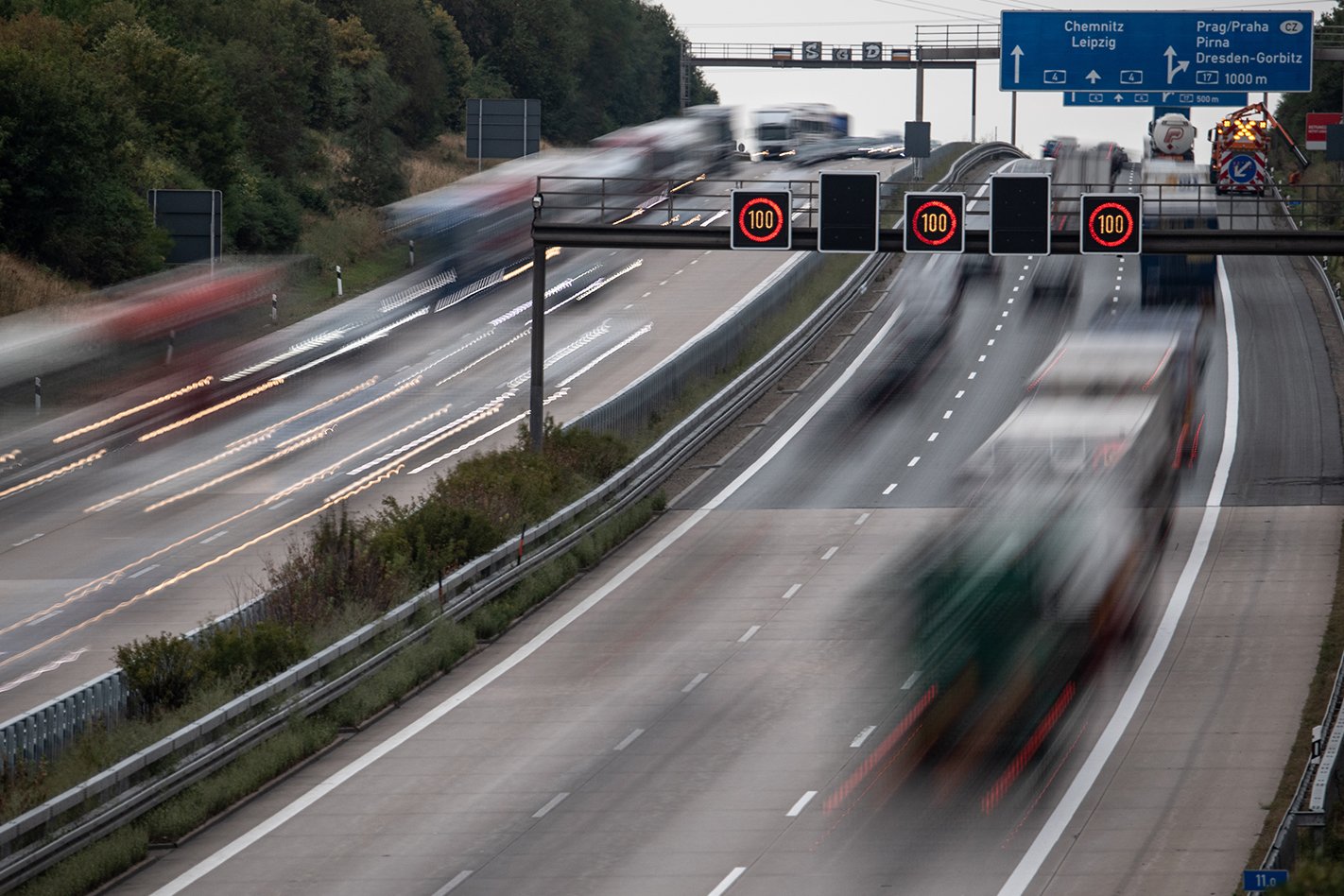
There is a new plan to kill the Autobahn as we know and love it.
If a minority party in Germany’s federal parliament has its way, a new national 130km/h limit could replace the unrestricted sections of the Autobahn.
Currently there are 5353km of Autobahn which have the ‘unrestricted’ advisory speed limit.
The Alliance90/The Greens political party, often referred to simply as The Greens, is behind the move, and is pushing the lowering of limits as part of a package of new measures intended to reduce emissions.
“A speed limit would be a commandment of reason for an enlightened society in the 21st century,” said Green politician Cem Özdemir.
It’s claimed that enforcing a 130km/h limit would lower Germany’s carbon dioxide emissions by between one and three million tonnes per year. In 2018, Germany produced 725.7 million tonnes of carbon dioxide.
Lowering speed limits to 130km/h on the autobahn is supported by the German police union, with the head of the federal trade union Michael Mertens stating: “For us, a speed limit for transport policy reasons is urgently needed”.
A vote on the proposition will be held in Germany’s national parliament, the Bundestag, on October 13.
The federal parliament has 709 seats, with the joint Union alliance, made up of the Christian Democratic Union of Germany (CDU), Christian Social Union in Bavaria (CSU), and Social Democratic Party of Germany (SDP), holding a majority with 398 members. The Greens hold 67 of the 311 seats in opposition.
The Union has previously defended the unrestricted speed limits on the Autobahn, including when they were attacked earlier this year.
In January a leaked report from a government-appointed committee called the National Platform on the Future of Mobility suggested capping speed limits nationally at 130km/h.
The committee’s edict was to look into how Germany could better fall into line with European Union emission targets.
Germany still has 7640km of motorway with speed limits, and the national transport minister, Andreas Scheuer, claimed that adding limits to the remaining unrestricted sections of motorway would struggle to reduce Germany’s national emissions by 0.5 percent, adding that the push “goes against all common sense.”
“Whoever wants to drive 120 can drive 120, and those who want to go faster can do that too,” he told Bild am Sonntag. “Why this constant micromanagement?”
Measurements in 2006 in the German state of Brandenburg showed that the average speed on a six-lane section of the autobahn, in free-flowing conditions, was 142km/h.
If the new plan to kill the Autobahn’s unrestricted speed limits is successful, it would see the end of unrestricted highways globally.
The Isle of Man would stand alone as the remaining jurisdiction in a developed country with no speed limits, with the self-governing British Crown dependency’s 1107km of paved rural roads often having no posted limit.
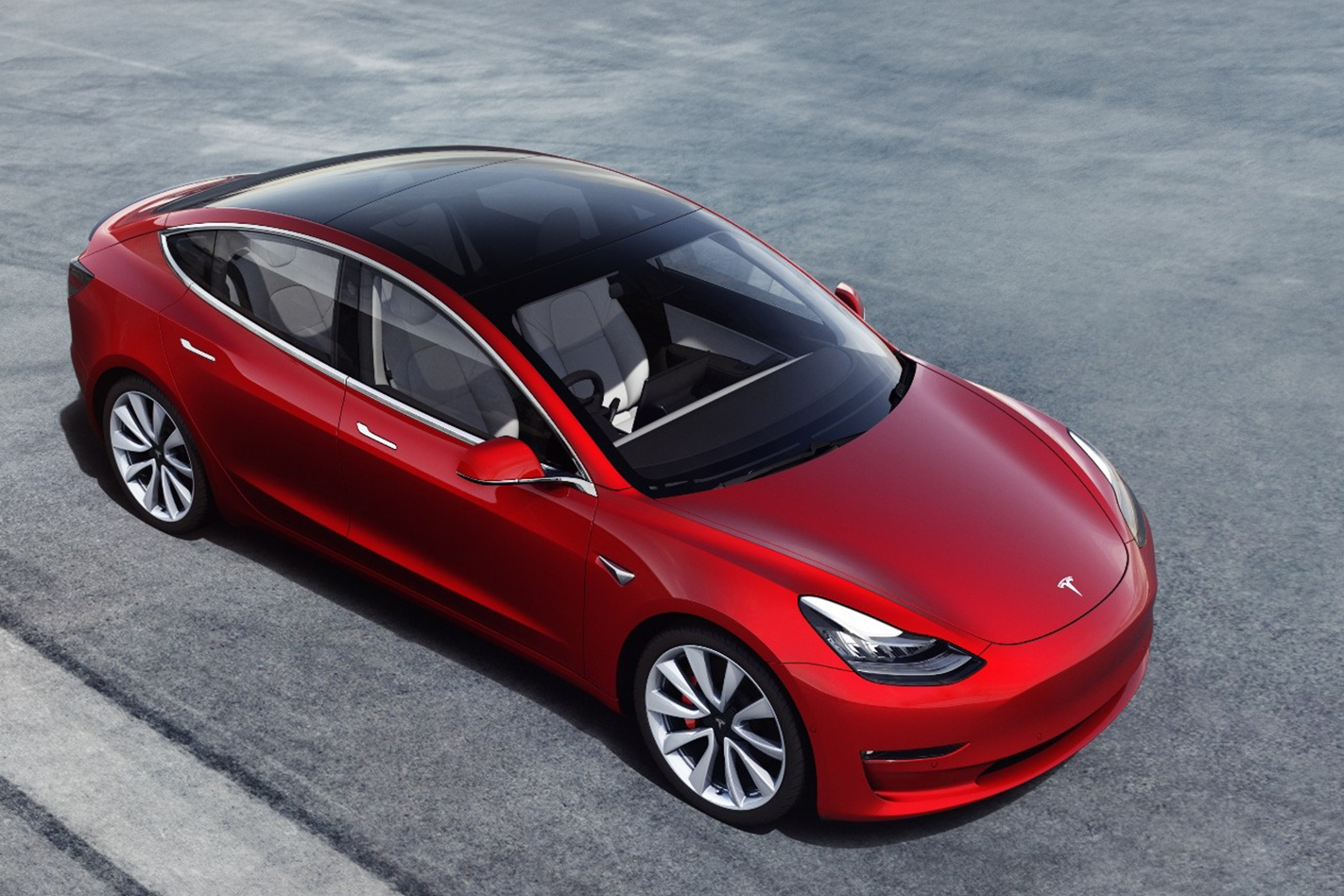
Popular vehicles equipped with autonomous emergency braking and pedestrian detection had 60 percent failure rate when it came stopping in time for adult pedestrians at just 32km/h in broad daylight, according to research revealed in the US.
Children fared even worse, with the American Automobile Association (AAA) testing showing dummy child pedestrians running on to the road being struck 89 percent of the time.
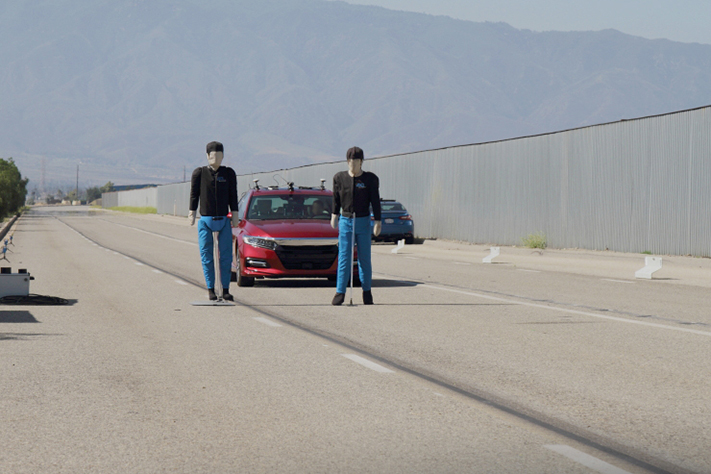
The AAA, in partnership with the Automobile Club of Southern California’s Automotive Research Center, evaluated the autonomous emergency braking (AEB) systems of four popular brands in a Toyota Camry, Honda Accord, Tesla Model 3, and the Chevrolet Malibu whose AEB tech is shared with other GM brands including Holden.
Each car was fitted with a range of cameras and sensors to record information on how the AEB systems detected and responded to suddenly being confronted by a pedestrian, including any warning lights and deceleration.
They were then put through a series of scenarios involving pedestrian-sized dummies designed to move across the road like a person to simulate:
- An adult crossing in front of a vehicle traveling at 20 mph and 30 mph during the day and at 25 mph at night.
- A child darting out from between two parked cars in front of a vehicle traveling at 20 mph and 30 mph.
- A vehicle turning right onto an adjacent road with an adult crossing at the same time.
- Two adults standing along the side of the road with their backs to traffic, with a vehicle approaching at 20 mph and 30 mph.
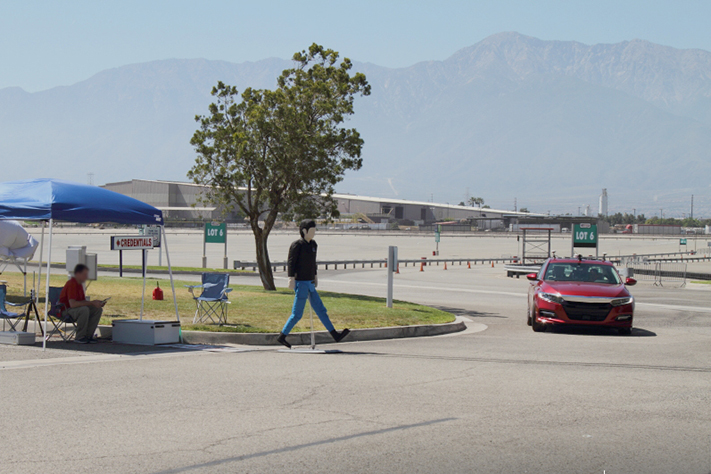
At 50km/h, most systems failed to avoid a collision with the simulated pedestrian target.
The other scenarios proved to be even more challenging for the systems:
- When encountering a child darting from between two cars, with the vehicle travelling at 32km/h, a collision occurred 89 percent of the time.
- Immediately following a right hand turn, all of the test vehicles collided with the adult pedestrian.
- When approaching two adults standing alongside the road, with the vehicle travelling at 32km/h, a collision occurred 80 percent of the time.
- In general, the systems were ineffective in all scenarios where the vehicle was travelling at 50km/h.
- At night, none of the systems detected or reacted to the adult pedestrian.
It added that automakers are on the right path with the development of these systems, but a lot more needs to be done before they’re effective and consistent enough to be counted upon.
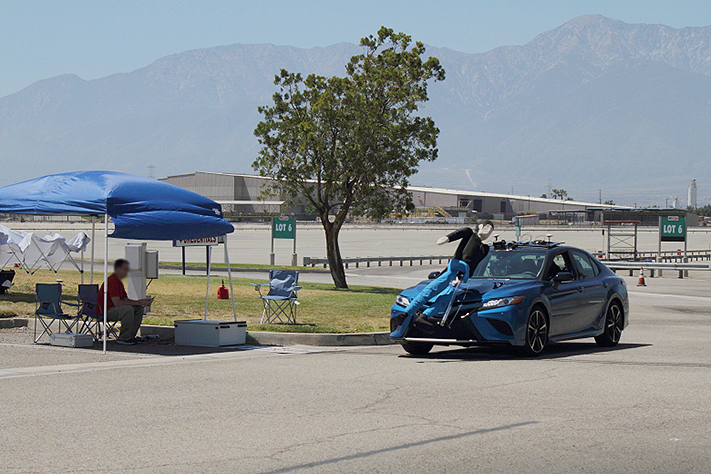
“Pedestrian fatalities are on the rise, proving how important the safety impact of these systems could be when further developed,” said Greg Brannon, AAA’s director of Automotive Engineering and Industry Relations.
“But, our research found that current systems are far from perfect and still require an engaged driver behind the wheel.”
In summarising, the AAA recommends that:
- Drivers never rely on pedestrian detection systems to avoid a collision, and to treat them as a backup rather than a primary means of collision avoidance.
- Drivers should familiarise themselves with proper operation of any ADAS features found within their vehicle as well as any system limitations. This information can be found within the owner’s manual.
- Improved effectiveness in night-time conditions would significantly enhance the functionality of currently available pedestrian detection systems.
Fiat celebrated the 70th anniversary of Abarth & C recently at the 2019 Abarth Day with the unveiling of the Abarth 695 70th Anniversario.
With a build run of 1949 units, in commemoration of the founding year of Abarth & C, the racing outfit that was later incorporated into Fiat, the 695 70th Anniversario’s main feature is a manually-adjustable rear roof-mounted spoiler known as the “Spoiler ad Assetto Variable”.
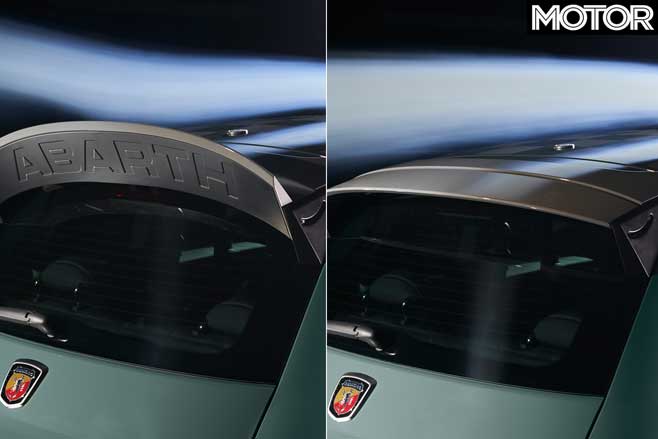
According to Fiat, the new rear wing has 12 settings between 0 and 60 degrees. In its maximum attack setting the spoiler is said to be able to increase the car’s aerodynamic load by 42kg at 200km/h, improving high speed grip and stability.
Fiat says the 695 70th Anniversario’s spoiler is a tribute to founder Carlo Abarth’s pursuit for performance, and was developed in Italy’s only wind tunnel that allows for full-scale testing and high air speeds of up to 210km/h.
The 695 70th Anniversario was presented in a new Monza 1958 green livery that serves as a tribute to the colour of the original 500 Abarth that set six international records at Monza, replete with scorpion decals and chequered roof sticker livery.
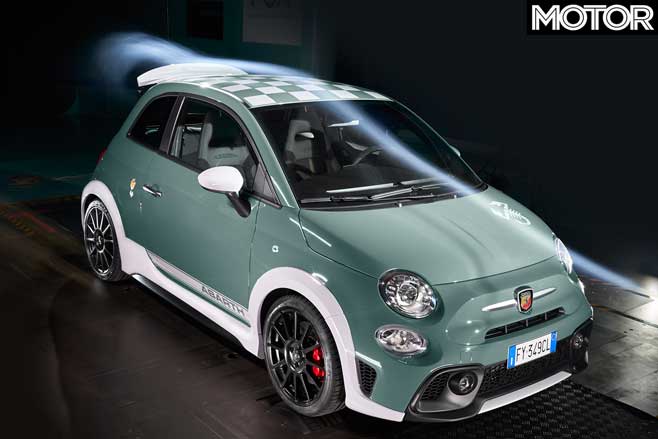
Mechanically the 695 70th Anniversario continues to utilise the same 132kW/140Nm 1.4-litre turbocharged inline-4, which is able to punt it from 0 to 100km/h in 6.7sec and onto a top speed of 225km/h with the spoiler set flat.
Other performance goodies on the 695 70th Anniversario include ventilated Brembo discs with four-piston calipers – 305mm up front and 240mm round the rear, Record Monza exhaust, and a limited slip diff.
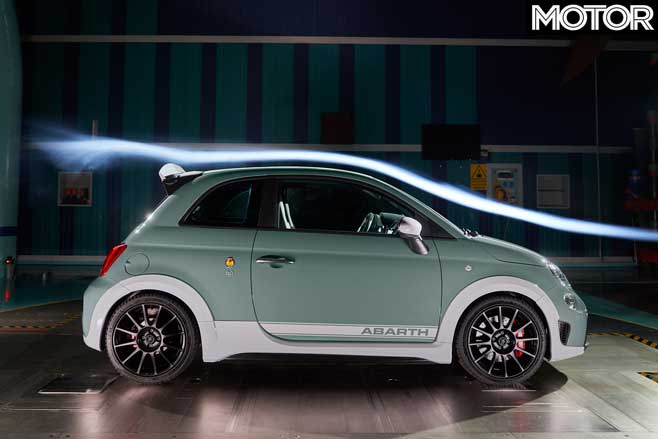
On the inside, the 695 70th Anniversario will be furnished with Sabelt Tricolore seats that were developed specifically for the car.
According to Fiat Australia, the 695 70th Anniversario will be introduced to the local market in the first half of 2020, with pricing and availability to be confirmed closer to its introduction.
Aston Martin has revealed its DBS GT Zagato and it looks every bit as magnificent as we expected the final piece of the DBZ Centenary Collection would.
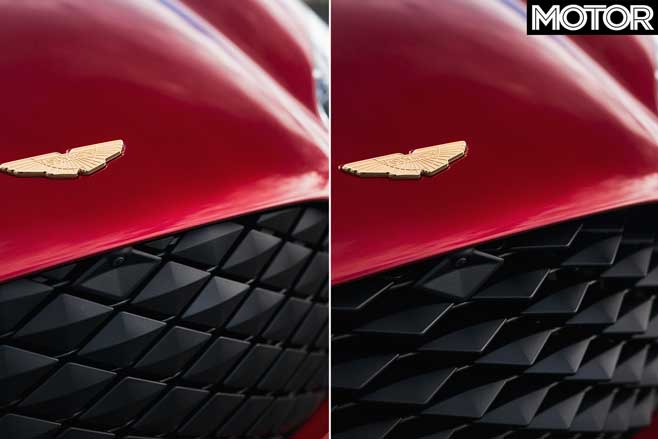
Resplendent in its ‘Centenary Specification’ red with exposed carbon fibre panels and gold accents, the DBS GT Zagato is as flamboyant as expected of something wearing a Zagato badge, massive single-piece carbon-fibre roof, devoid of any rear windscreen and an active-front grille comprised of 108 individual panels notwithstanding.
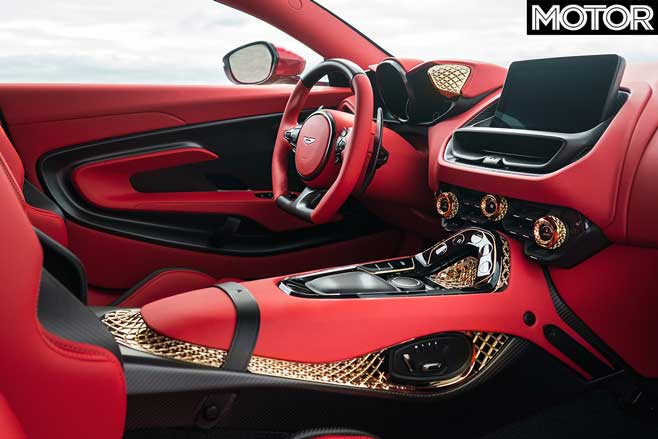
Just as eye-catching are the DBS GT Zagato’s cabin appointments, with its centrepiece being its centre console’s “central saddle design” that features a “unique parametric, inter-locking form”.
The intricate latticework pattern was made with what Aston Martin claims as “the first automotive application of configurable carbon and metal 3D-printed interior finishes”.
Customers would have the option of having the design feature printed in carbon, aluminium, or gold PVD, the latter of which is said to take nearly 100 hours to produce and burnish.
Based on the $517,000 DBS Superleggera, with the same 5.2-litre twin-turbo V12 though tuned to produce 567kW, the DBS GT Zagato cannot be bought by itself. Instead it is part of Aston Martin’s DBZ Centenary Collection, which will set punters back a whopping £6 million ($11 million).
That being said, every DBS GT Zagato will be paired with a complementary DB4 GT Zagato Continuation model as part of the DBZ Centenary Collection package, with only 19 pairs planned for production.
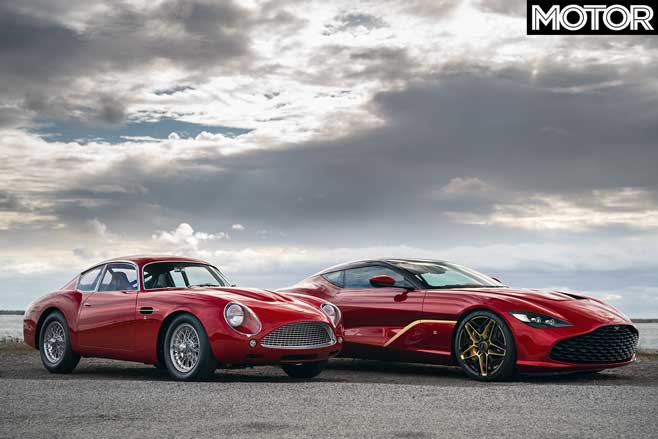
The DBZ Centenary Collection was commissioned to commemorate 60 years of Aston Martin and Zagato collaborations, which started with the 1960 DB4 GT Zagato and has since been followed up with a number of remarkable eye-catching creations.
